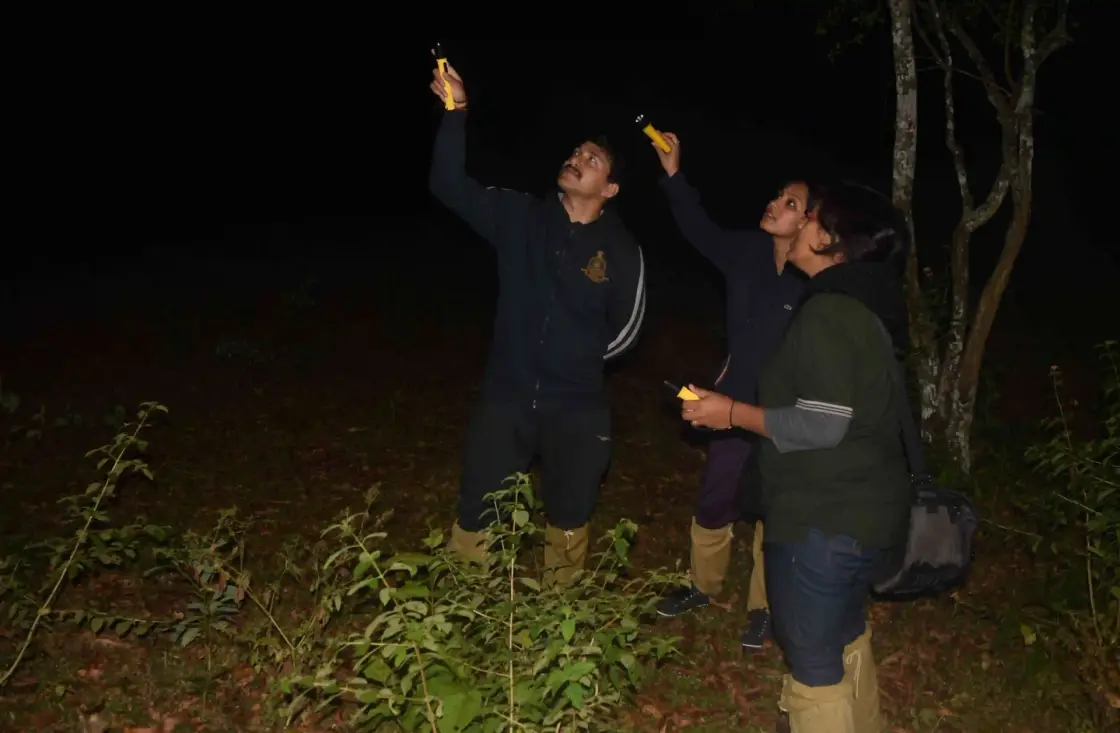
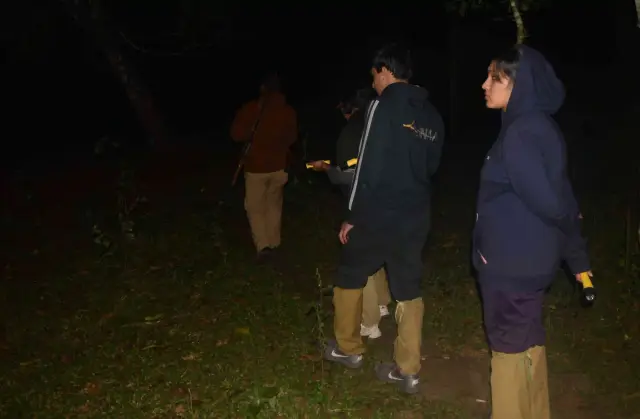
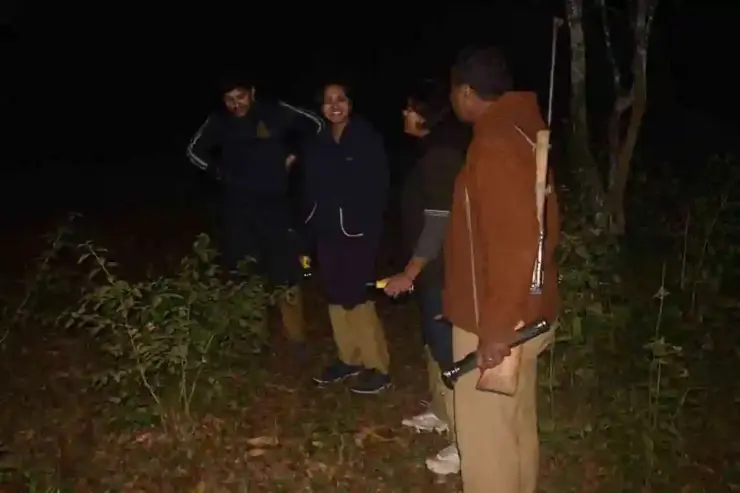
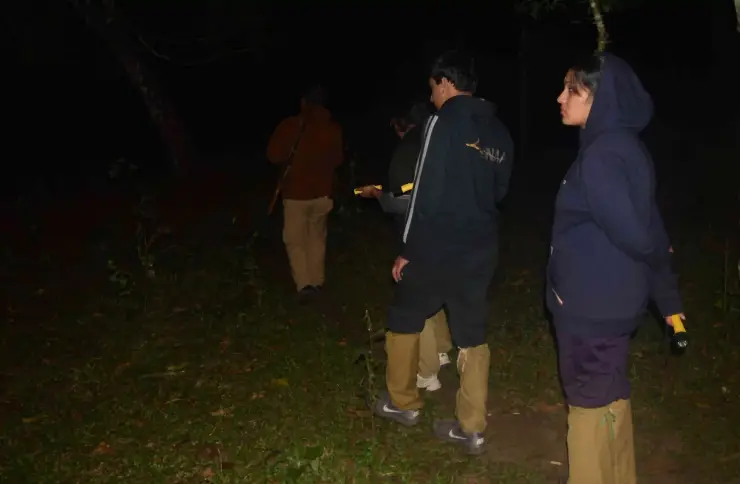
In the night forest, the visible world contracts to the reach of a torch. A tree trunk appears, then its outline disappears as the beam moves away. Sounds continue outside that small circle of light. Jungle Scout asks visitors to follow the guide’s attention instead of trying to illuminate everything at once.
The story of Periyar Jungle Patrol
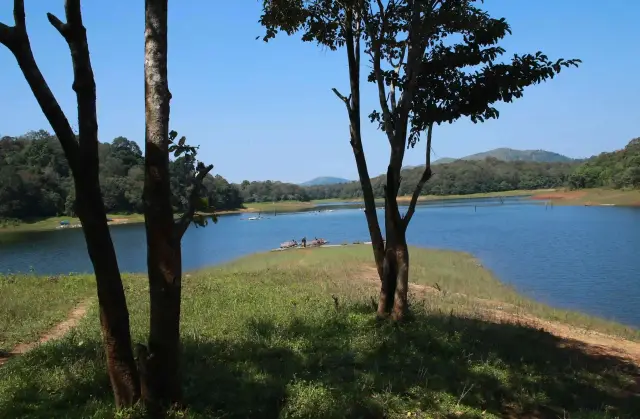
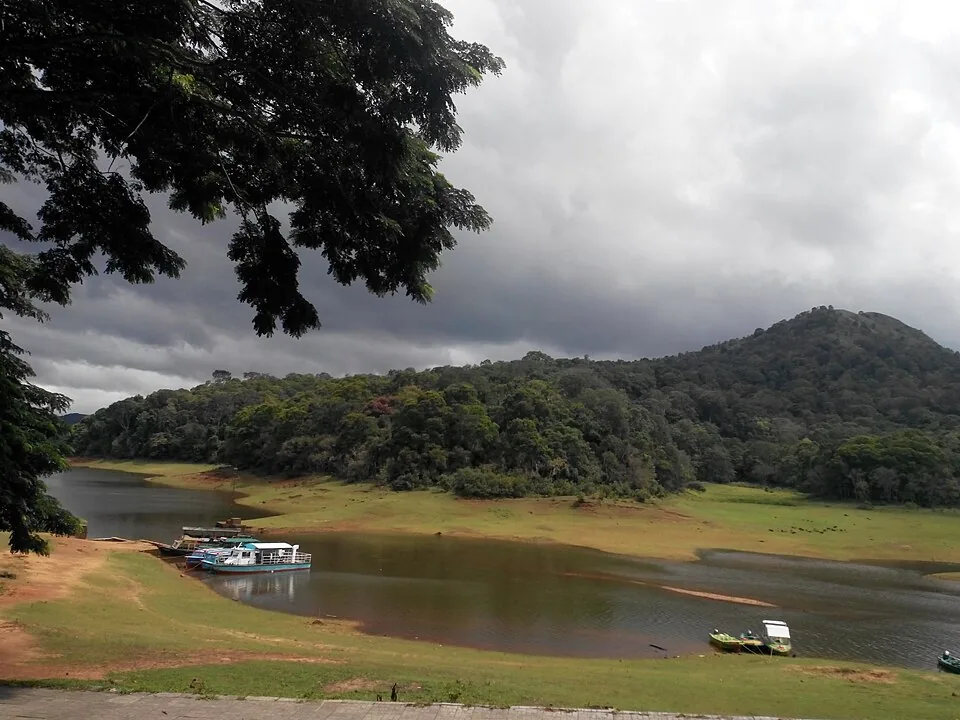
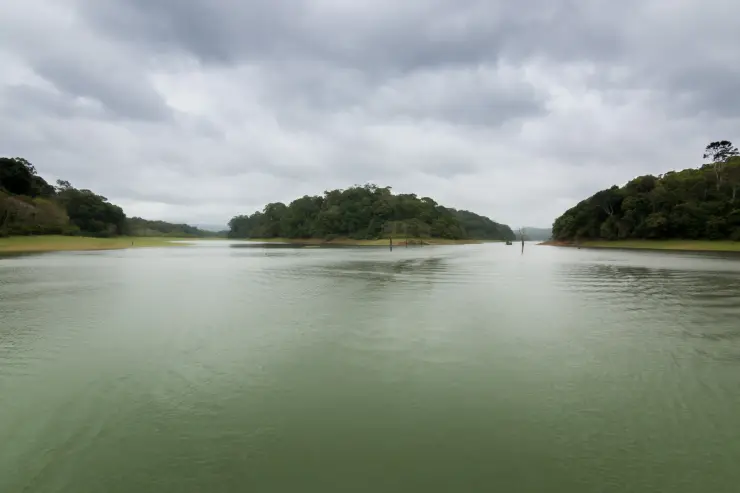
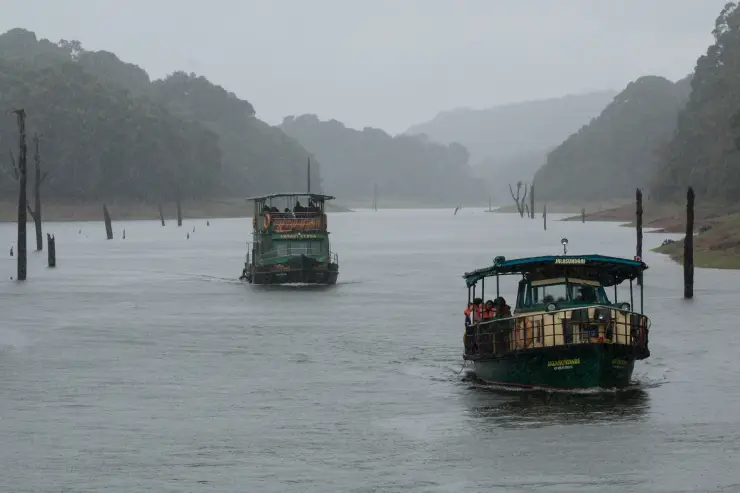
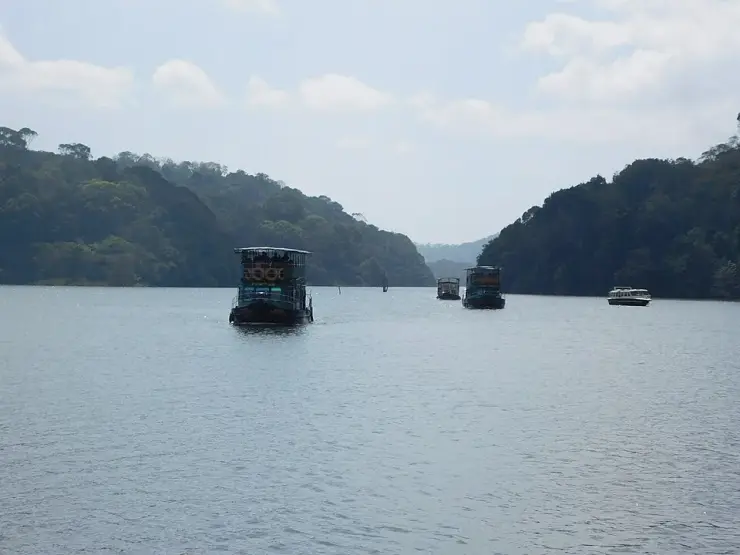
The outing takes place in the reserve’s fringe setting, which is part of the protected landscape rather than a stage cleared for a performance. Daytime visitors may associate Thekkady with the lake and its boats. At night, the walking programme works at another scale: the next stretch of ground, a branch above the route and a sound whose source may remain unseen.
A torch is both a practical tool and a limit on the view. It helps reveal the surface ahead, yet leaves most of the surrounding forest dark. Sweeping lights in every direction does not automatically make the group more observant. The briefing establishes how the guide wants the equipment used, giving people a common way to stop, look and continue.
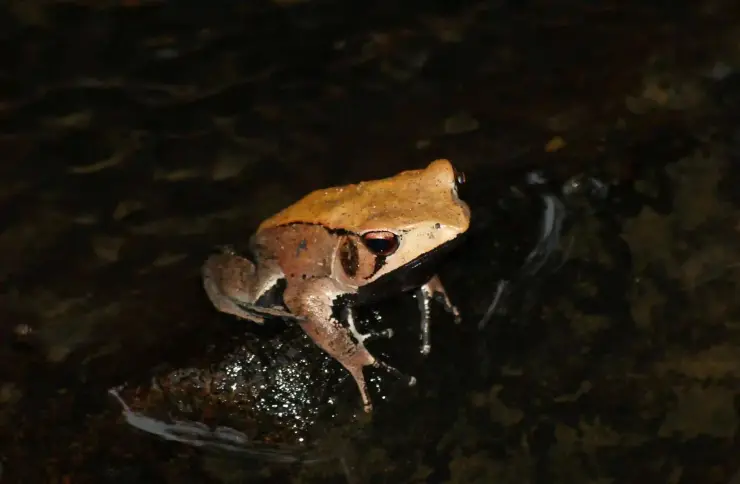
Small animals can be especially absorbing in that concentrated field of vision. A frog on a wet rock has an outline and texture that might disappear into a broader daytime scene. Its presence does not justify handling it or clearing vegetation around it. The useful encounter is a brief look at an animal where it is, followed by leaving it to continue undisturbed.
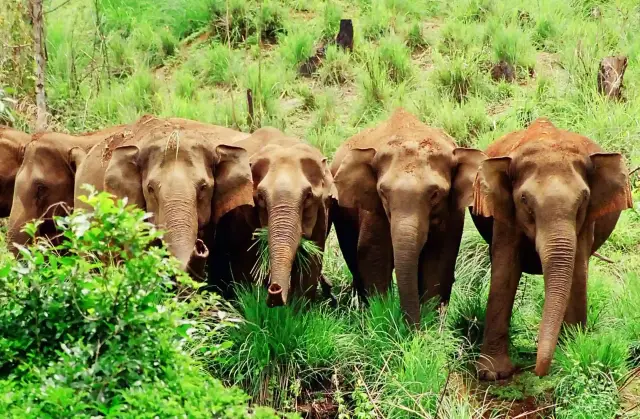
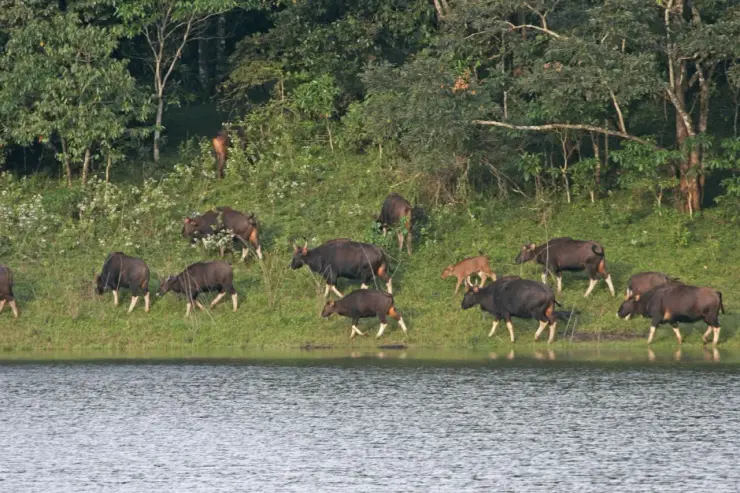
The reserve’s night-programme photographs also include gaur, a hare and a leopard beside water. These records demonstrate the range of forest life, but they do not describe a fixed sequence of stops. Large mammals move independently of visitors. An outing can involve attentive listening and very few visible animals without failing to offer the night-forest experience that was booked.
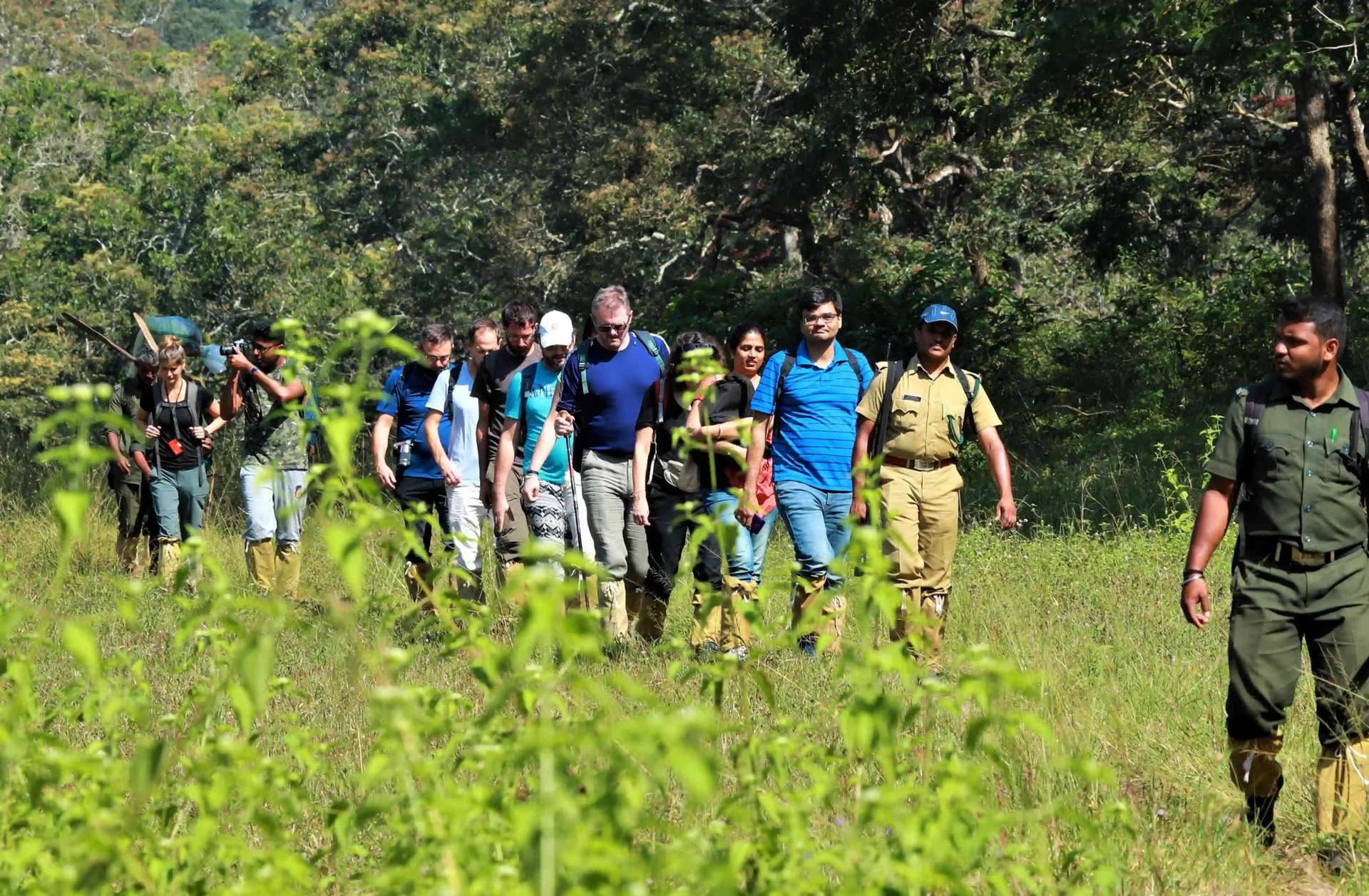
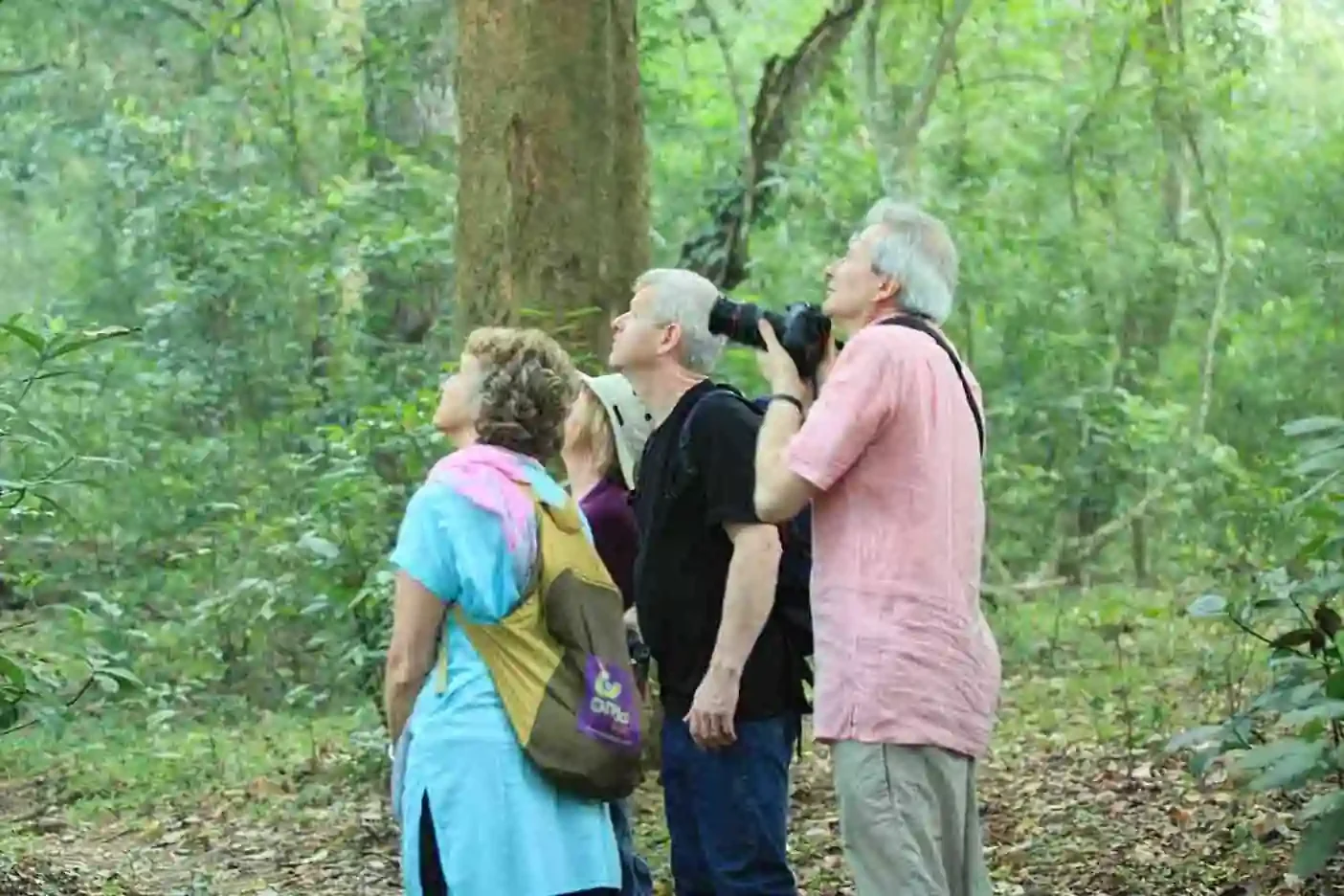
Walking under those conditions is different from watching through a vehicle window. Each participant is responsible for staying with the group and managing the ground immediately ahead. The guide’s pause may have a reason that is not obvious to someone farther back. Quiet attention helps instructions travel through the group without repeated calls.
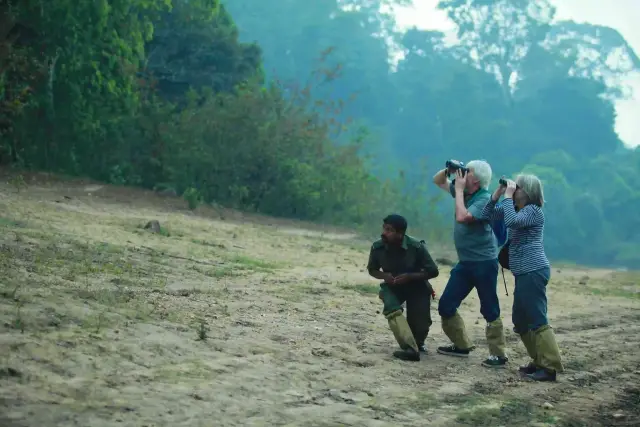
The armed forest guards and eco-development participants connect the walk with the reserve’s protection work. Their presence is not an invitation to pursue wildlife, investigate an unexplained sound independently or take part in a confrontation. Visitors remain within the accompanied tourism programme; professional decisions about the forest belong to the team.
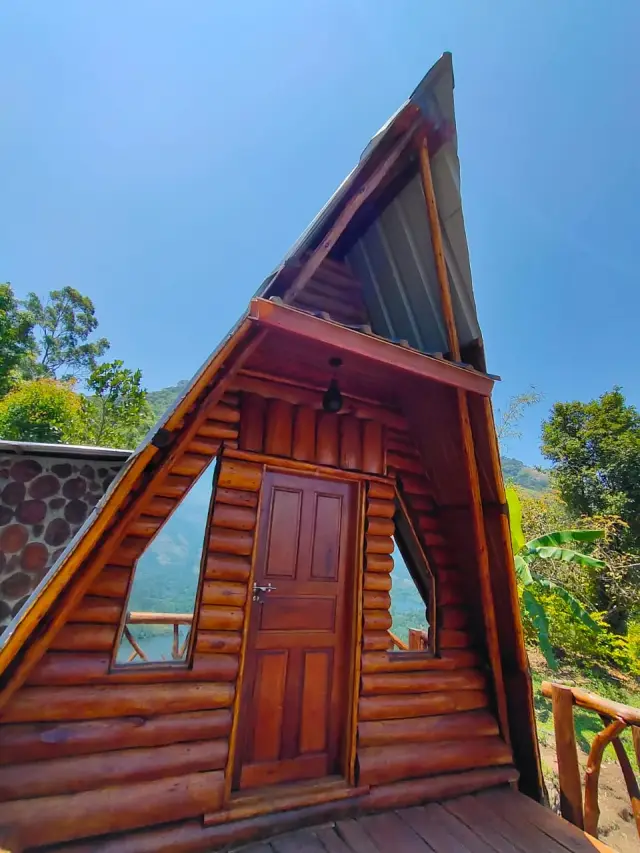
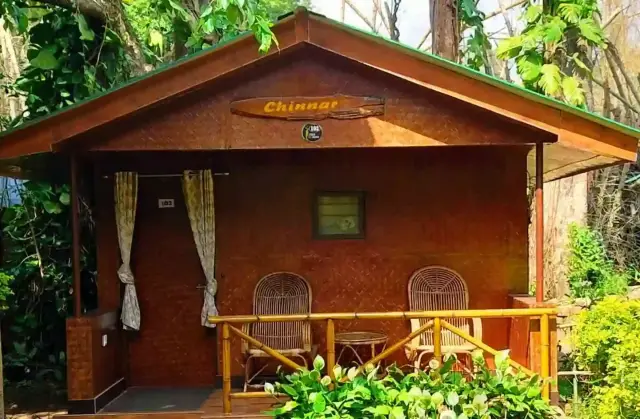
The return changes the experience once more. Leaving the dark route does not necessarily mean that town transport and restaurants are still operating as they were in the evening. The most comfortable plan finishes with a known pickup and a stay that expects a late arrival. That practical closure allows the walk itself to remain about observation rather than uncertainty over getting home.
Read the full history of Periyar Jungle Patrol 266 more words
History
Periyar’s current Jungle Scout description places night walking alongside protection-oriented activity at the forest fringe. It specifically connects participation with eco-development work involving communities around the reserve. The programme therefore has a social setting as well as a nocturnal one.
The older visitor name Jungle Patrol and the current booking name Jungle Scout refer to the same kind of accompanied night-walking experience in Periyar. Using the current catalogue name matters when reserving: a search for patrol should lead to the official walking products, not to an unrelated private safari advertised around Thekkady.
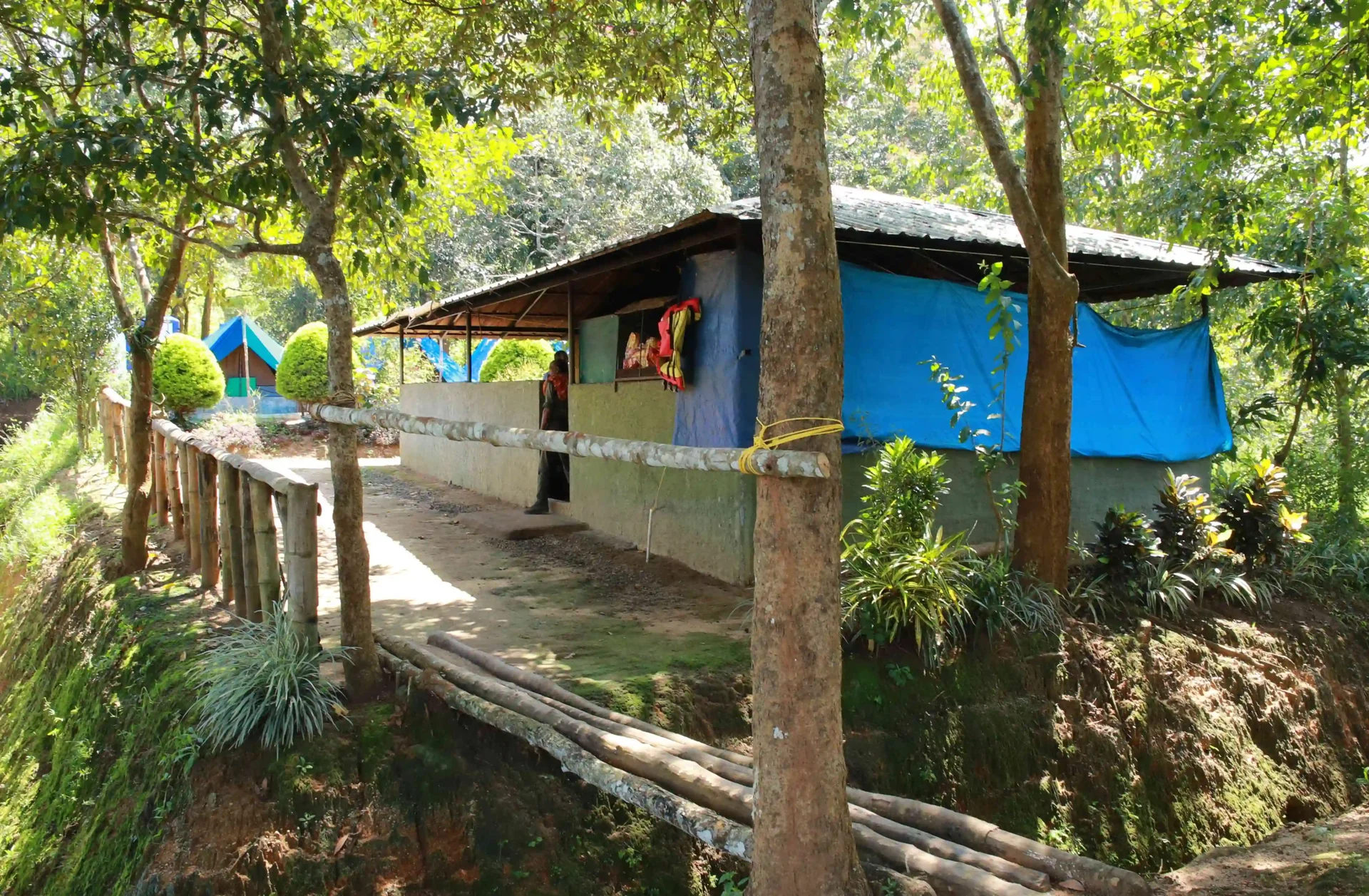
The Forest Check Post departure identifies the Ex Vayana EDC office, while Bamboo Grove appears as a separate product. These names belong to the reserve’s organised visitor arrangements. They should be retained in a travel plan because they explain which group a visitor is joining and where that relationship begins.
Community-linked conservation cannot be understood simply by looking for a dramatic animal encounter. Guiding, maintaining an organised route and managing visitor behaviour are forms of work that continue when the forest remains quiet. A respectful visit recognises that work without turning the people conducting it into characters in an adventure story.
Why visit
Choose Jungle Scout to experience the reserve through sound, limited light and guided attention after dark.
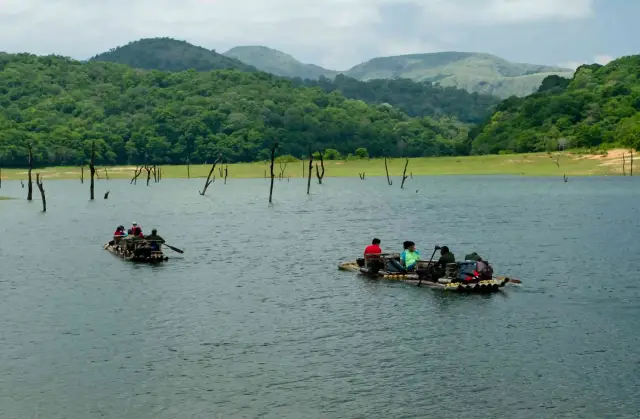
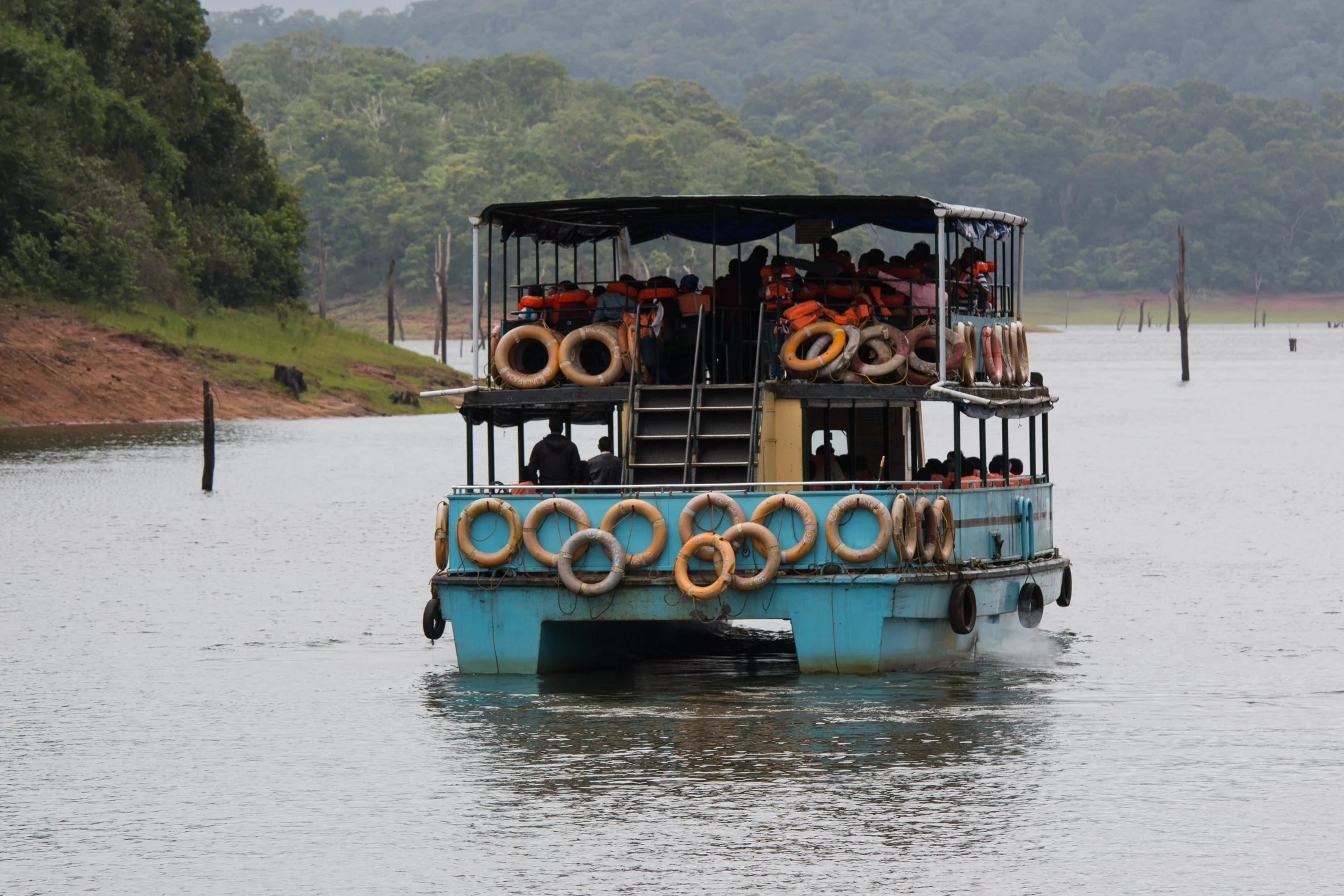
The walk complements a daylight visit by changing the scale of observation, rather than repeating the passenger-boat view at night.
Frogs, insects and other small details can provide worthwhile encounters without an expectation of a large mammal.
The programme offers a way to understand conservation-linked guiding at the forest fringe while remaining within a controlled visitor activity.