Hosdurg Fort

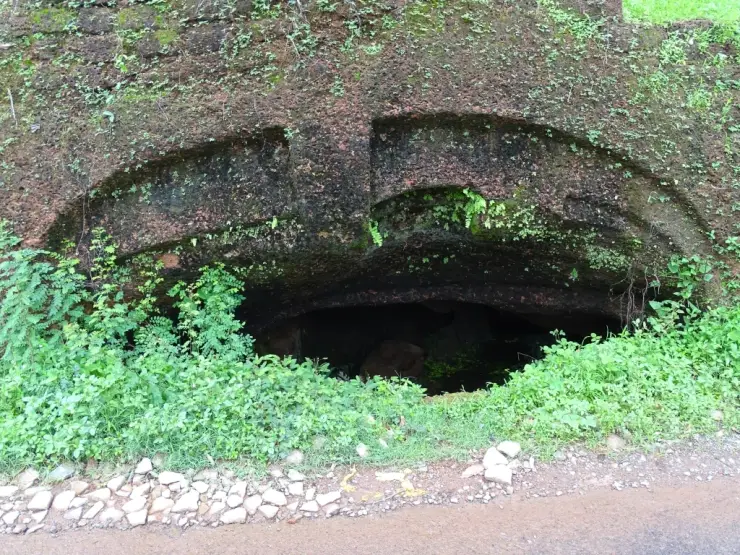
A round-bastioned fort at Kanhangad built by the Keladi Nayakas, beside the Nithyanandashram cave-temple complex founded by Bhagawan Nityananda — 43 caves by the ashram’s own account, though tourism sources often say 45.

Hosdurg Fort, Kanhangad
Practical guide

Plan Hosdurg Fort

Who's going?Tailor Hosdurg Fort to your trip
Typeheritage
Nearest baseKanhangad
DistrictKasaragod
Best timeNovember to February and early mornings…
Time needed1 to 3 hours
Places to visit4Listed businesses6

Hosdurg Fort belongs under Kanhangad, one of the practical travel bases in Kasaragod district. Use Kanhangad for stays, food, local transport and operators, then plan this place as a focused stop rather than an isolated pin.

The story

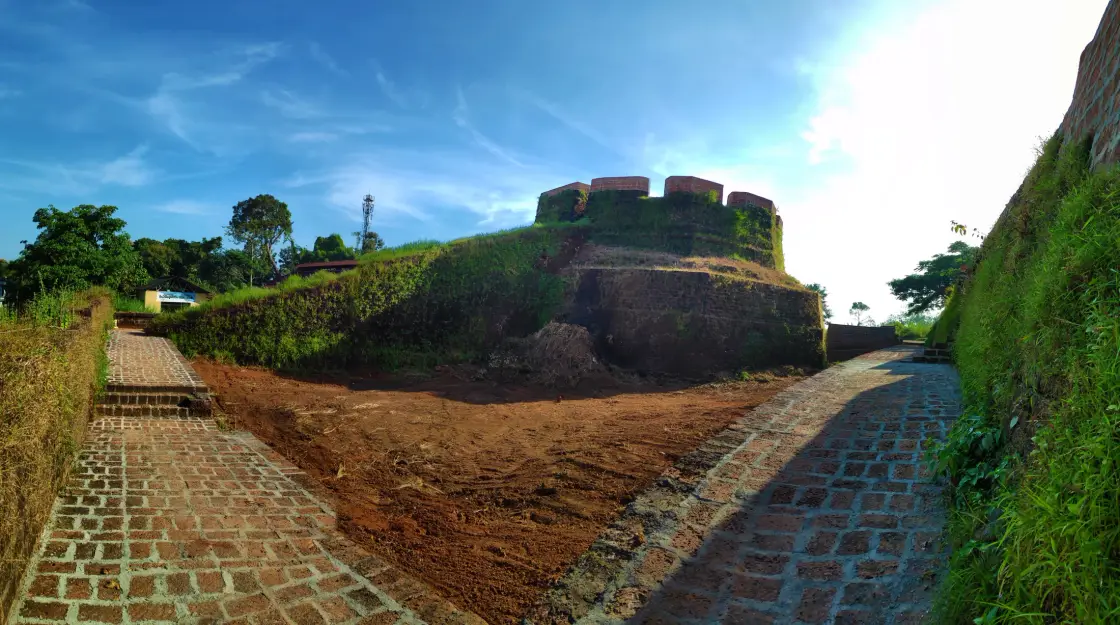
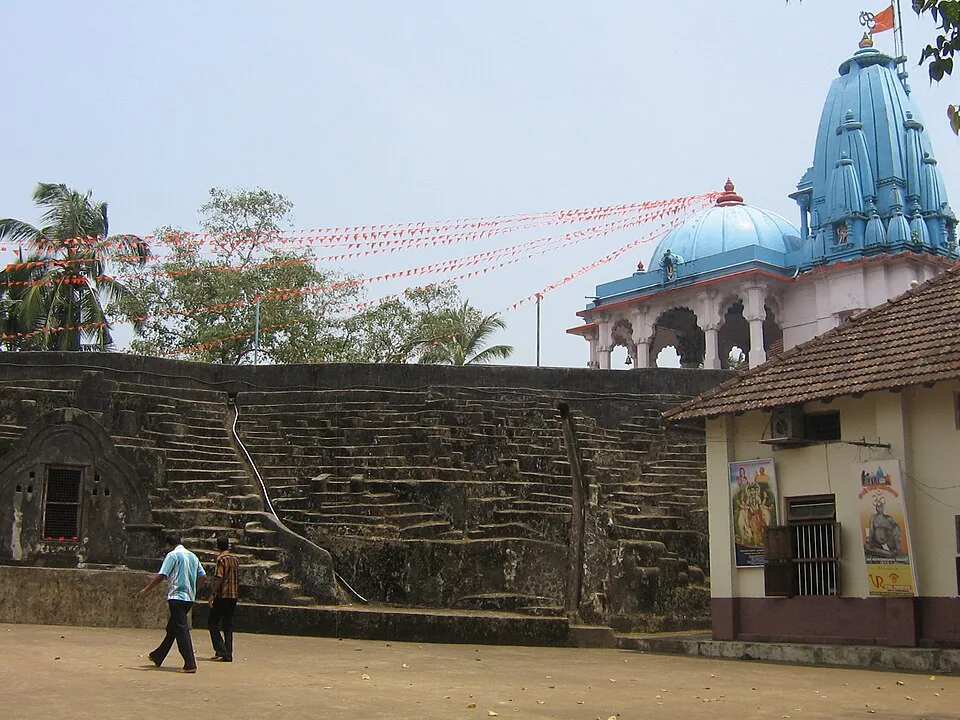
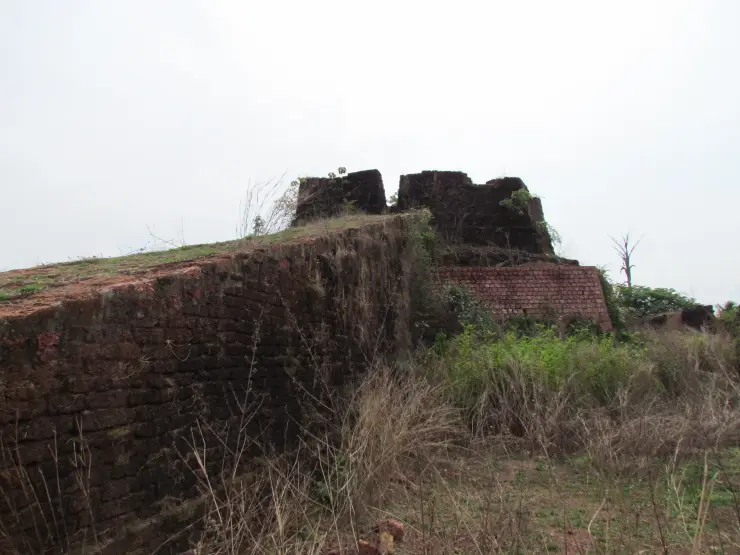
On a low laterite rise above the town of Kanhangad, a cluster of squat, rounded turrets breaks the skyline — the unmistakable silhouette of Hosdurg Fort. Where most South Indian forts bristle with sharp angular ramparts, this one is a study in circles: a ring of stout round bastions, built to watch the coast rather than to storm it. Its name means simply “new fort”, and it belongs to a chain of laterite strongholds the Bedanore (Ikkeri/Keladi) Nayakas raised along this stretch of the Kasaragod coast — kin in stone to the mighty Bekal Fort a short drive north. Just beside it, on a green hillock, sits the celebrated Nithyanandashram with its labyrinth of man-made caves — so a single short walk here braids military history with living spirituality.

The story of Hosdurg Fort

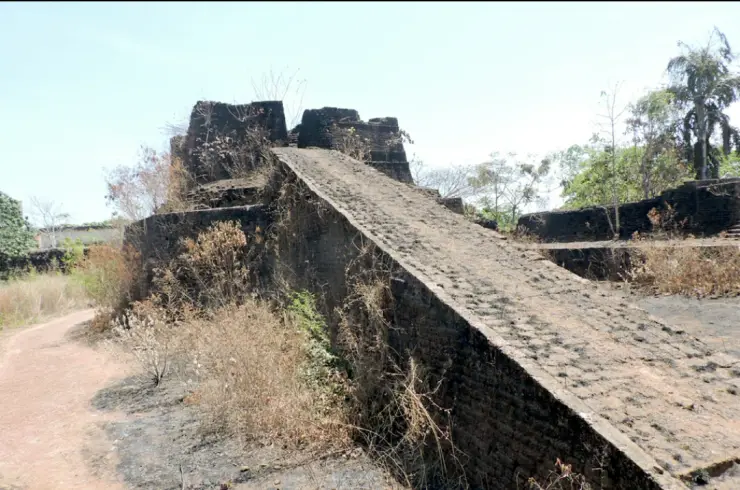
The first thing that strikes you at Hosdurg is its shape. Instead of the star-angled bastions and pointed salients that define so many later forts, Hosdurg is dominated by rounded, drum-like observation turrets — a distinctive, almost unusual fort form on this coast. Local accounts describe a square watchtower flanked by a cluster of round bastions (often counted as around seven — indicative, confirm locally), positioned so that their fields of view, and their fields of fire, overlapped. Seen from a distance, the round bastion gives the fort a curiously gentle, wave-worn look, as though the sea itself had rounded off its edges.

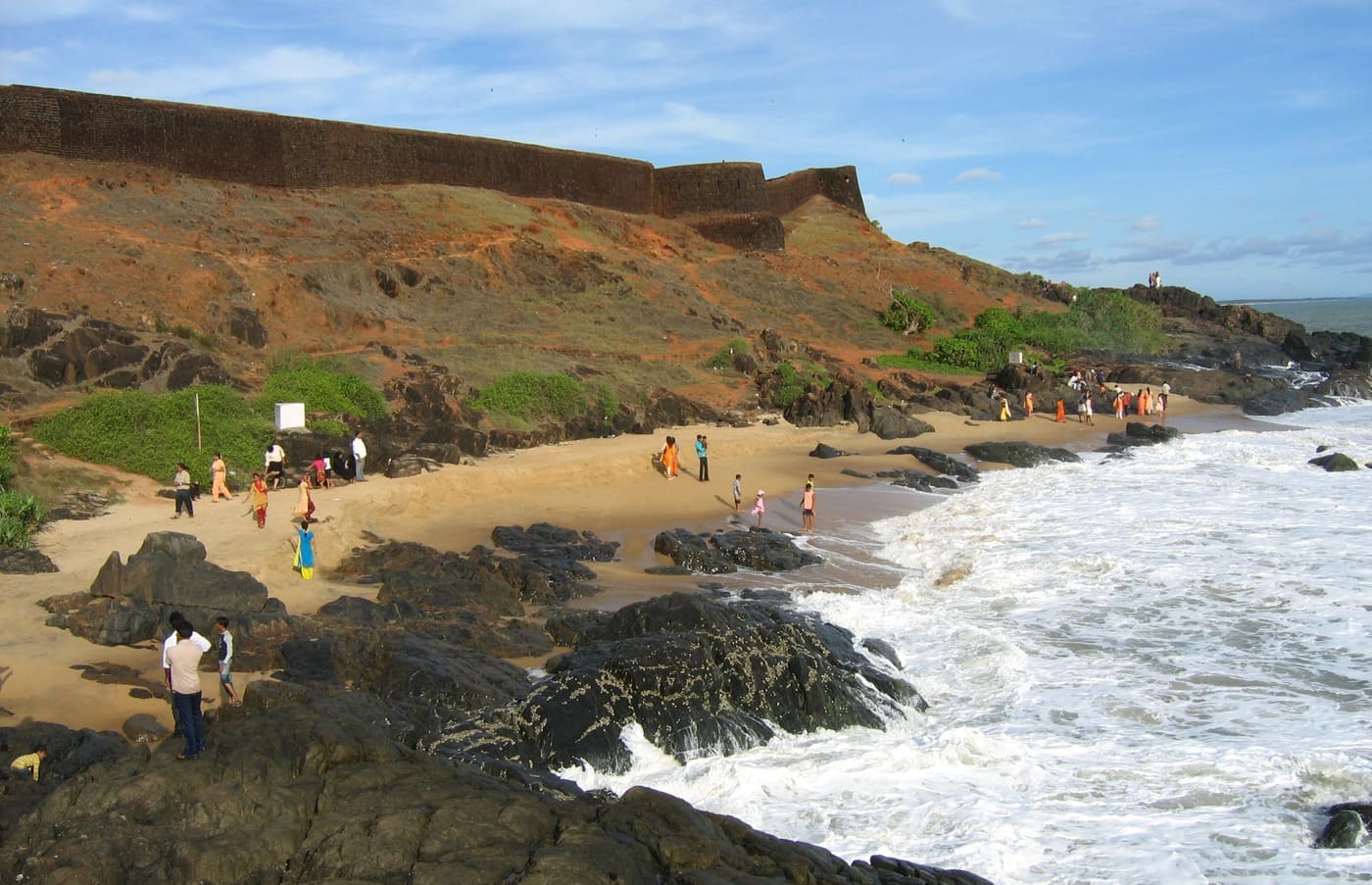
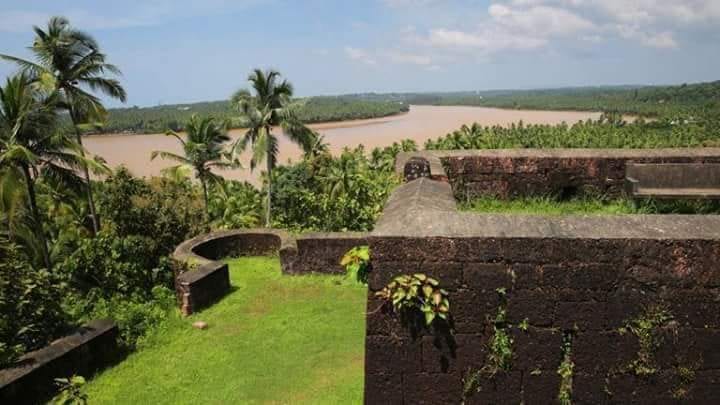
The whole structure is a hymn to laterite — the rusty, iron-rich stone of the Malabar coast that can be cut soft and wet from the ground and then hardens in the sun. The Nayaka builders dressed their laterite blocks finely and set them, by most accounts, in lime mortar, the same technique that raised Bekal and Kumbla forts nearby. Run a hand along the walls and you read the region in the stone: the porous, honeycombed texture, the warm ochre-to-purple hues, the way monsoon rain has stained and softened every course over three centuries.

Hosdurg sat in a shrewd strategic position. From its modest height the garrison could keep an eye on the coastal trade routes and the flat country inland, part of a network of forts through which the Bedanore Nayakas policed their newly won territory in what is now northern Kerala. This was never a lonely sentinel; it was one link in a coastal defensive chain, close enough to signal and support its neighbours, guarding the approaches to a coast thick with pepper, timber and the small ports that shipped them.

Time has been frank with Hosdurg. The fort is today largely in ruins, and its interior has been given over to the ordinary business of the town — parts of the grounds house a school and a few government offices (indicative — confirm locally), so the place hums with everyday life rather than solemn preservation. That candour is part of its charm: this is a working, lived-in ruin, not a ticketed monument, and you are as likely to share the ramparts with schoolchildren and evening walkers as with fellow travellers.

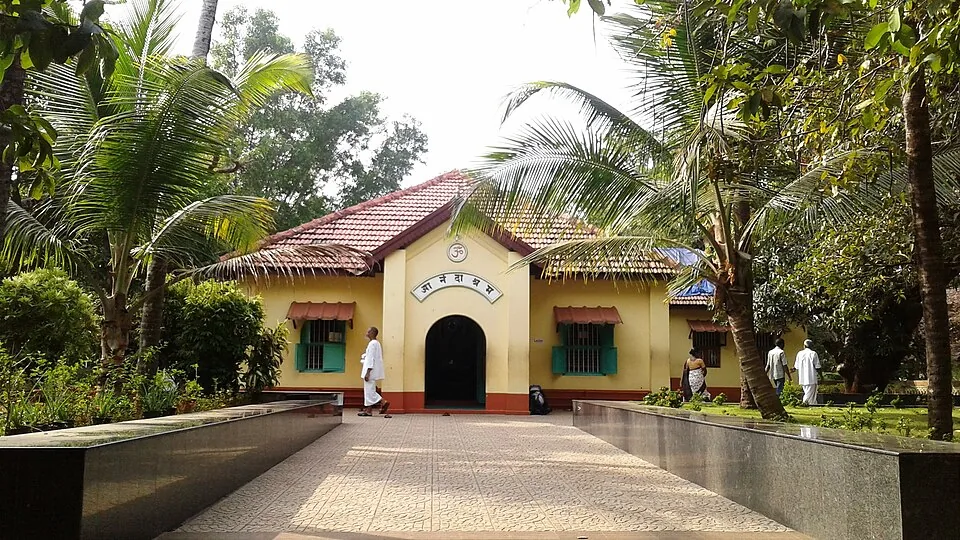
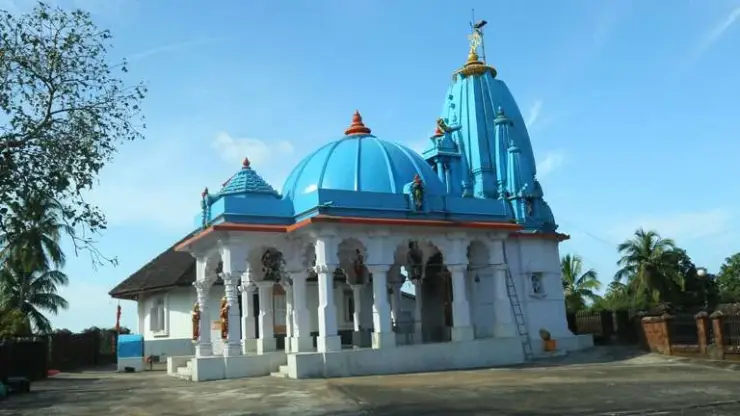
The real magic is the pairing. Step out of the fort and within minutes you are at the foot of the Nithyanandashram, founded here by the revered avadhuta saint Swami Nithyananda (Bhagavan Nithyananda) in the first half of the 20th century. He is remembered for having carved — with the help of local labourers — a remarkable series of some forty-five man-made caves (guha) into the hill slope, a feat still spoken of as an engineering marvel. Pilgrims arrive from across India and beyond, so the air around the fort carries both the silence of old stone and the low murmur of devotion.

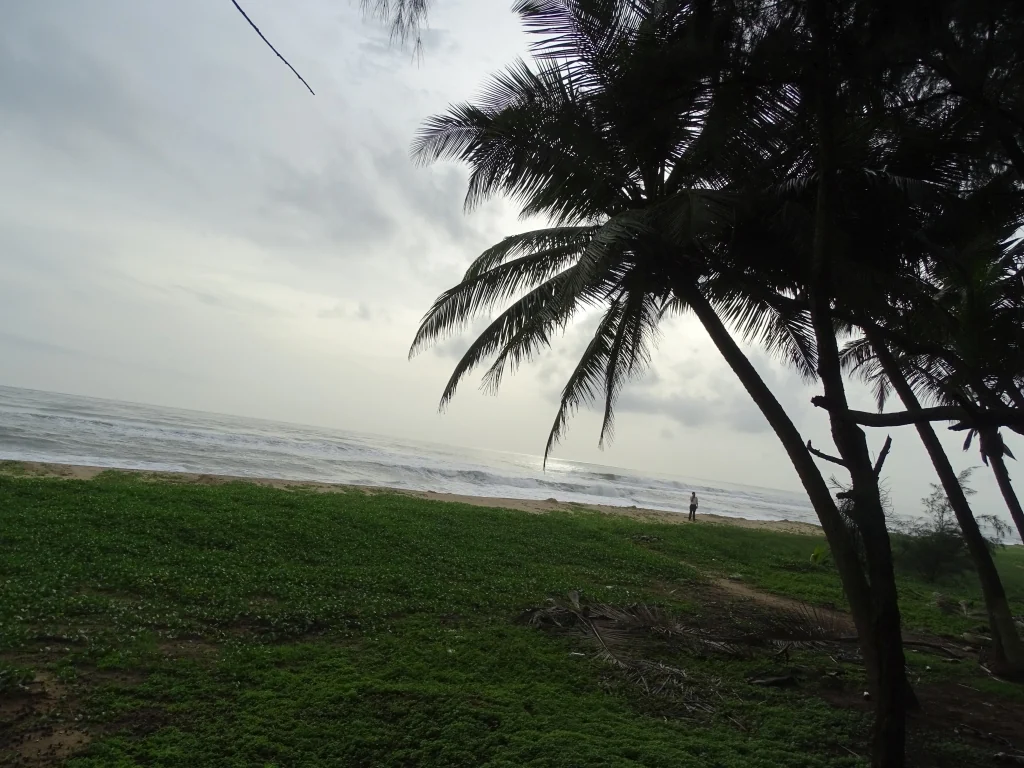
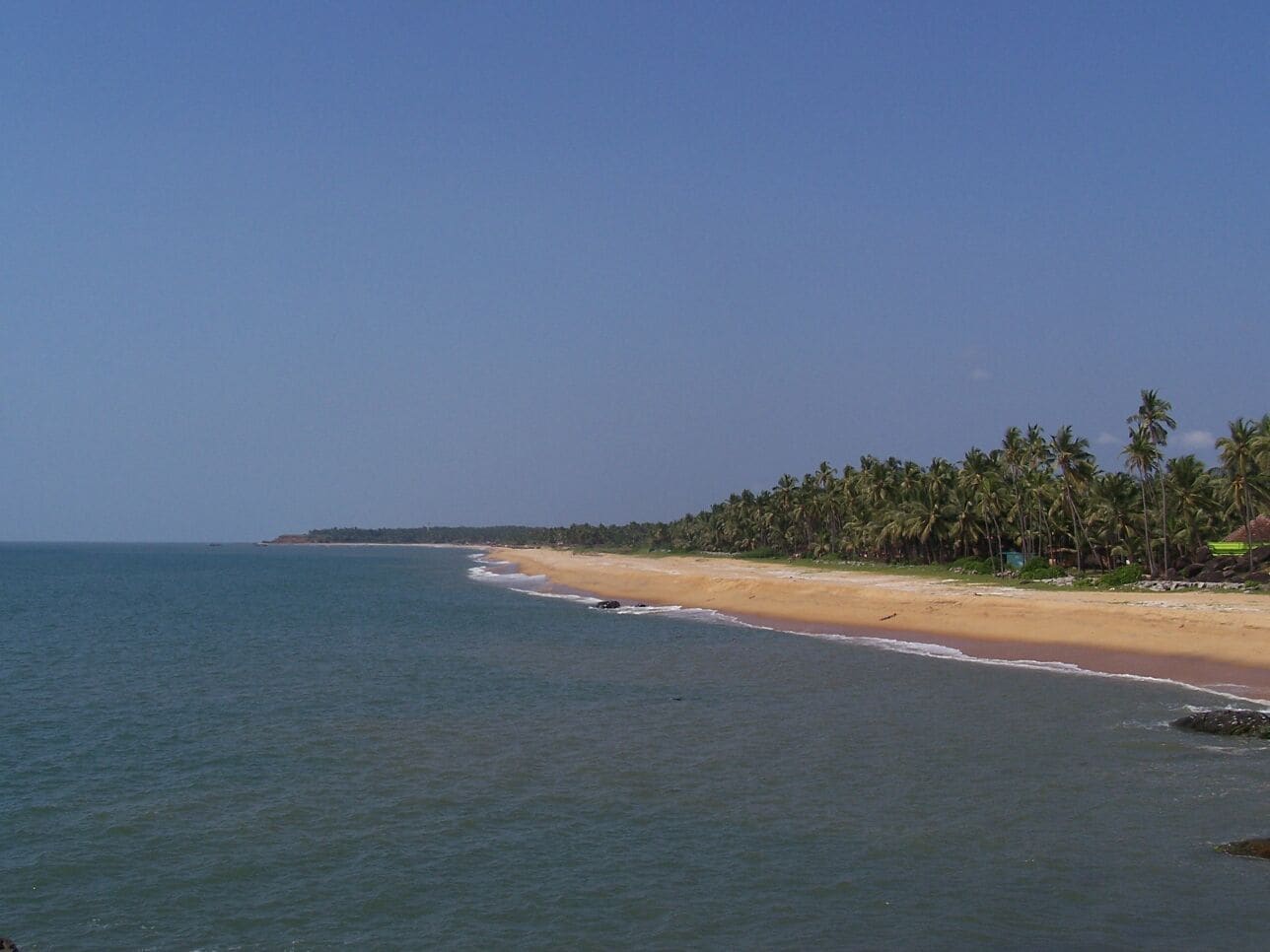
Come at the end of the day and Hosdurg gives you its best face. Climb onto a bastion as the light goes amber, watch the Arabian Sea haze soften the western horizon, and the round turrets seem to lean into the breeze. It is an unhurried, slightly melancholy place — a fort that never won great battles, kept its watch quietly, and now shares its hill with a saint’s caves and a town that has simply grown up around it.

Read the full history of Hosdurg Fort 581 more words

History

Hosdurg Fort is generally attributed to Somashekara Nayaka of the Ikkeri (also called Bedanore or Keladi) Nayaka dynasty, and dated broadly to the 17th–18th century — most accounts place its construction in roughly the early 18th century (dating indicative — confirm locally, as sources vary). The Nayakas raised it as they extended their authority down this coast, consolidating control over the north Malabar country after pushing against the older Kolathiri (Kolathunad) chieftains who had long held sway here.

The fort belongs to a family of Bedanore/Ikkeri military works strung along the Kasaragod coast. Its round bastions and watchtower share a clear architectural kinship with the far larger Bekal Fort and with Kumbla (Chandragiri and its neighbours), all built in dressed laterite in a comparable style and period. Reading them together, Hosdurg makes most sense not as a stand-alone castle but as one node in a coordinated coastal defence system engineered by the same dynasty.

Political control of the coast changed hands violently in the later 18th century. The forces of the Kingdom of Mysore under Hyder Ali swept over the region (accounts commonly cite around 1763 — indicative, confirm locally), bringing this and neighbouring forts under Mysore’s ambit, as was the fate of much of Malabar in that era of Hyder Ali and later Tipu Sultan.

With the defeat of Mysore at the close of the century (around 1799 — indicative), the English East India Company took over the coast, and Hosdurg passed into British hands. The Company is said to have used the fort for a time as a local administrative post before its military importance faded and the structure slid into decline through the mid-19th century.

Distinguish the fort from its famous neighbour. “Hosdurg” is also the name of a taluk/administrative area around Kanhangad, and the Nithyanandashram is a separate, adjacent attraction on a nearby hillock — a 20th-century spiritual foundation, not part of the Nayaka fort. The two simply share a setting: a medieval laterite fortress and a modern cave-ashram standing side by side above the same town.

Why visit

The bastions are the draw. Hosdurg’s cluster of rounded observation turrets is an unusual, photogenic fort form you will not see at most Kerala forts — a compact, human-scale ruin whose curved walls make it instantly recognisable and easy to explore in a single relaxed visit.

It is a hands-on laterite heritage lesson. The finely dressed, honeycombed laterite blocks — the same material and Nayaka craftsmanship behind Bekal — let you literally touch the building technique that shaped the north Malabar coast.

Two attractions, one hill. Few places let you pair a 17th–18th-century fort with a renowned cave-ashram in the same short outing. From the ramparts it is only a short walk to the Nithyanandashram and its roughly forty-five man-made caves, so history and spirituality sit side by side.

It is uncrowded and free-spirited. Because the fort is a lived-in ruin rather than a ticketed monument, it rarely feels touristy — you often have the walls largely to yourself, sharing them with local walkers as the day cools.

The setting and the light. The modest height, the coastal haze and the golden-hour glow on the laterite make Hosdurg a quietly rewarding spot for photographers and sunset-watchers, with the Arabian Sea shimmering off to the west.

It anchors a wider Kasaragod fort trail. Combine Hosdurg with grand Bekal Fort, Chandragiri and the beaches and backwaters around Kanhangad and Nileshwaram for a rich, under-visited slice of northern Kerala that most itineraries miss.

What to expect

Highlights

  • Heritage experience at Hosdurg Fort
  • Architecture, local stories and old trade/cultural routes
  • Good fit for guided walks and nearby cafes/shops
Getting there

How to visit

  • Base yourself in Kanhangad or a nearby town in Kasaragod, then confirm the last-mile route locally before leaving.
  • Walkable heritage areas are best done slowly; combine nearby streets, museums, markets and food stops.
  • If the visit depends on forest, temple, boat, ferry, weather or seasonal access, check the official/local rule on the day before travel.

Distance by road

  • Mangaluru53 km
  • Kozhikode181 km
  • Mysuru226 km
  • Coimbatore356 km
  • Kochi358 km

Road km to Kasaragod; ghat roads and traffic vary — allow extra.

Timing

Best time

November to February and early mornings are best for walking; avoid midday heat where possible.

Weather in Hosdurg FortSeasonal guide

Live forecast loads in your browser.

Today at Hosdurg Fort
Sunrise6:19 am
Sunset6:43 pm
Golden hour best light5:43 pm–6:43 pm
Blue hour after sunset6:43 pm–7:08 pm
Sun sets toward compass bearingW · 280°
Moon tonight🌖 Waning gibbous · 98%
South-west monsoon. June to September is the south-west monsoon in Kerala. Expect heavy showers, mostly in bursts rather than all day — carry rain cover, allow extra time for getting around, and note that ferries and open-air sites are the first things affected.

Sun and moon are calculated for this location and shown in IST. Photography windows are the hour around sunrise and sunset; the sunset bearing is degrees clockwise from true north. Moon phase is accurate to about half a day.

Visitor notes

  • Use a local guide when the value is in stories rather than just the building.
  • Check closure days for museums or protected monuments nearby.
Safety

Good to know

  • Watch traffic on narrow heritage streets.
  • Keep valuables close in crowded markets.
Stay · eat · do · rent · see · shop

Stays, food & things to do near Hosdurg Fort

Verified hotels, homestays, restaurants, experiences, sights, shops and rentals around Hosdurg Fort — commission-free, with direct contact. Filter by what you need.

B
Balaji Regency Kanhangad
Place to stay
Top pick
Hotel · Kanhangad
Balaji Regency Kanhangad

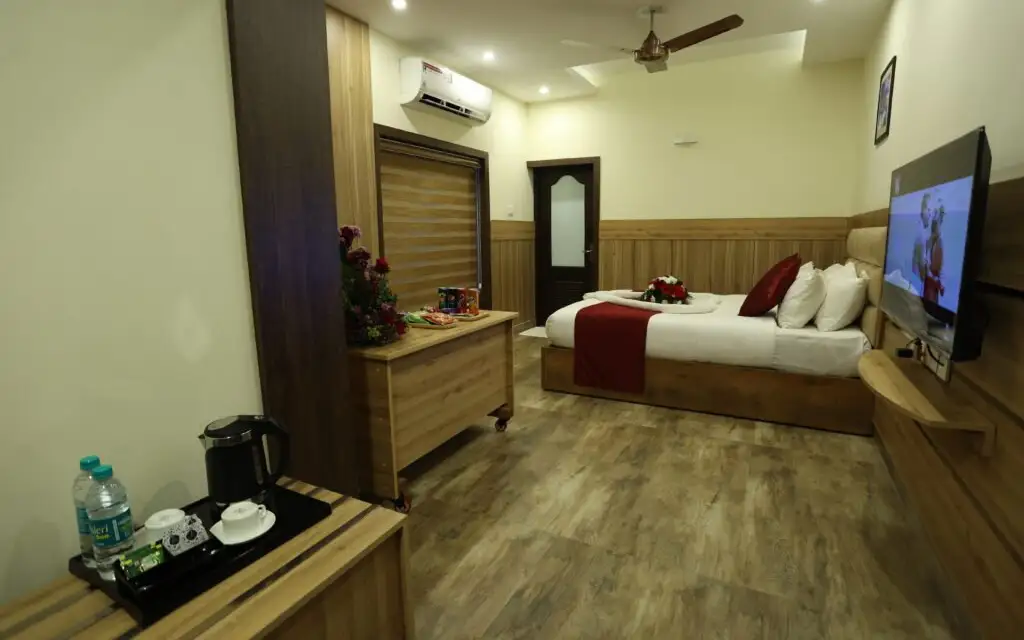
Budget business-class hotel opened in 2020 in the heart of Kanhangad. Steps from the town bus stand, with five room grades and two banquet halls.

Commission-freeView details
H
Hotel Bekal International
Place to stay
Top pick
Hotel · Kanhangad
Hotel Bekal International

Business-class hotel on TB Road in central Kanhangad, fully renovated in 2022. A short walk from the Nithyanandashram caves, with an Ayurvedic spa and banquet halls.

Commission-freeView details
B
Bekal Recreation Centre
Place to stay
Top pick
Hotel · Kanhangad
Bekal Recreation Centre

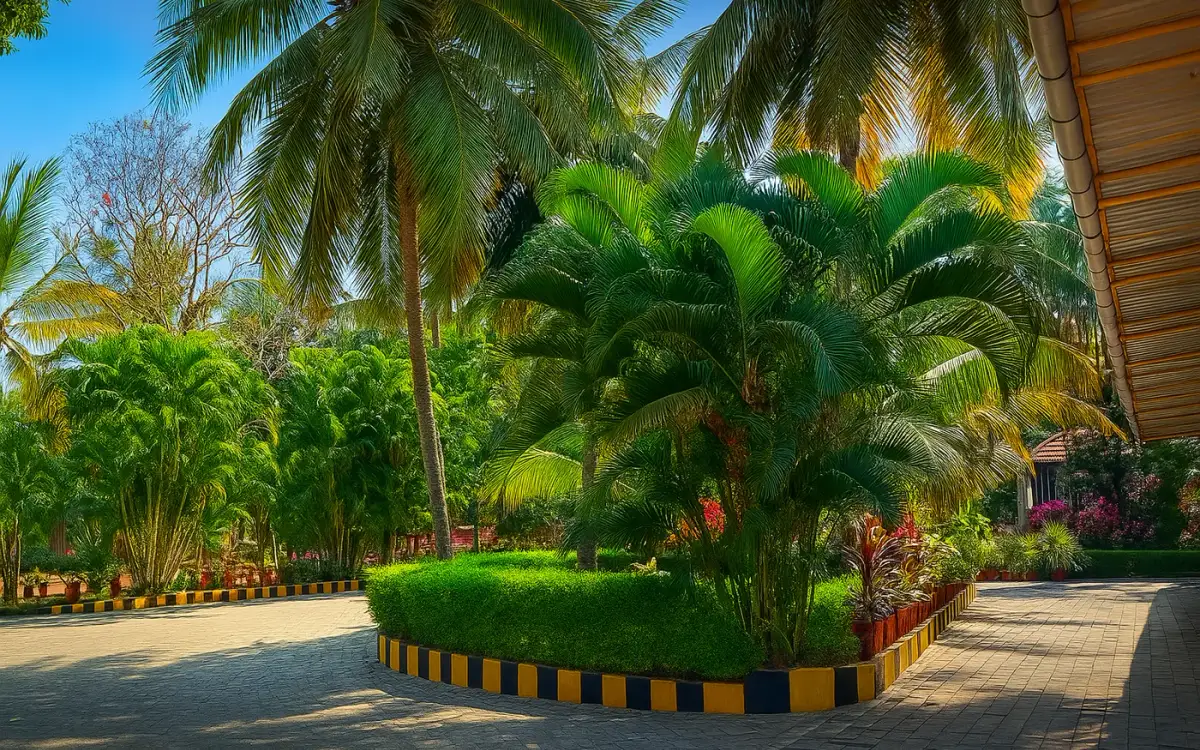
Riverside retreat on four acres beside the Arayi River between Kanhangad and Nileshwar. Cottage stays and recreation grounds set among coconut groves off NH-66.

Commission-freeView details
O
Oryx Village
Where to eat
Top pick
Restaurant · Kanhangad
Oryx Village
Multi-cuisine / Malabar

Multi-cuisine restaurant at Kanhangad South junction on the NH-66. Serves Malabar, Arabian, North Indian, Chinese and continental dishes.

Commission-freeView details
K
KSRTC Kanhangad Depot
Things to do
Top pick
Bus station · Kanhangad
KSRTC Kanhangad Depot

Kanhangad's own state bus depot, run by an Assistant Transport Officer. Office of the Assistant Transport Officer, KSRTC Kanhangad, Kasaragod, Kerala 671531.

Commission-freeView details
R
Raj Residency, Kanhangad
Place to stay
Hotel · Kanhangad
Raj Residency, Kanhangad

Four-star business hotel just south of the new bus terminal at Alamipally, Kanhangad.

Commission-freeView details
K
Kanhangad Railway Station (KZE)
Things to do
Railway station · Kanhangad
Kanhangad Railway Station (KZE)
1.6 km · 20 min walk

Station code KZE, on the Shoranur-Mangalore line, opened in 1910 and the usual railhead for Bekal. Railway Station Road, Kanhangad, Kasaragod, Kerala.

Directions Commission-freeView details
G
Gurukripa Homestay, Kanhangad
Place to stay
Homestay · Kanhangad
Gurukripa Homestay, Kanhangad

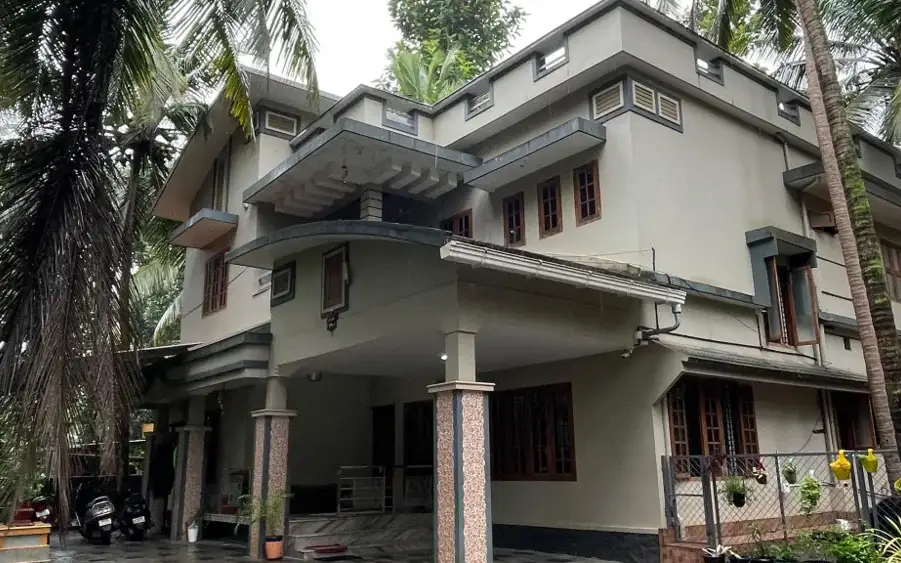
Kerala Tourism Gold House homestay at Alamipally, serving home-cooked meals on request.

Commission-freeView details

Book with the place itself. India’s cyber-crime coordination centre warned in April 2025 that convincing copies of hotel and pilgrimage booking sites are being pushed through sponsored search and social ads, taking payment for rooms the property never hears about. Every listing here links to the business’s own contact details and its own Google or Bing profile — we take no commission and sit in nobody’s payment path. If a booking page reached you through an ad, check the address bar against the property’s own site before you pay. Fraud can be reported on cybercrime.gov.in or on 1930.

Ranked

The best of Kanhangad, ranked

Hosdurg Fort sits in Kanhangad, and these rank everything verified across the town rather than this one spot — built from the same listings shown above, ordered by the strength of the source evidence behind each entry rather than by anyone's star score. Every card shows how many places are really on it. Nobody pays to appear.

Across the whole of Kanhangad

Roampedia is commission-free — own or know a stay, eatery, guide or shop near Hosdurg Fort? List it and it appears here once verified.

Add a nearby business
Before you go

Hosdurg Fort — at a glance

TimingsGenerally open through daylight hours; as a largely open, lived-in ruin there is no strict single timing, and daytime visits are best (indicative — confirm locally). Parts of the grounds house a school and government offices, so it is courteous to avoid disrupting their working hours.
Best timeOctober to March, the cooler, drier post-monsoon-to-winter window, is the most comfortable time to visit. Late afternoon into golden hour gives the best light on the laterite walls. The June–September south-west monsoon turns the surroundings lush and green but can bring heavy rain and slippery stone (indicative — confirm locally).
Entry: Generally free to enter (indicative — confirm locally), as the fort is an open heritage ruin rather than a ticketed monument.

Dress code: No dress code for the fort, but modest, comfortable clothing and sturdy footwear are sensible for the uneven laterite. If you also enter the Nithyanandashram, dress modestly and respectfully as at any active place of worship (indicative — confirm locally).

Festivals: The fort itself has no major festival calendar. Religious and pilgrimage activity centres on the adjacent Nithyanandashram, which draws devotees year-round; check the ashram locally for any special observances during your visit.

Photography: Photography is generally fine at the fort, which is a favourite for its round bastions and sunset views. Be more discreet around the school and government offices on the grounds, and follow any photography or silence rules inside the Nithyanandashram and its caves (indicative — confirm locally).

Getting here

How to reach Hosdurg Fort

  • ✈︎ By air The nearest airports are Kannur International Airport and Mangaluru (Mangalore) airport, each a road journey away; from either you can reach Kanhangad by taxi or by onward train or bus (distances indicative — confirm locally).
  • 🚆︎ By train Kanhangad railway station, on the coastal line through Kasaragod, is very close to the fort (indicative — confirm locally) and is the most convenient way to arrive; a short auto-rickshaw or taxi ride completes the journey.
  • 🚗︎ By road Reach the fort via Kanhangad town, off the main coastal highway corridor through Kasaragod district; local roads and auto-rickshaws lead up to the fort and the adjacent ashram (indicative — confirm locally).
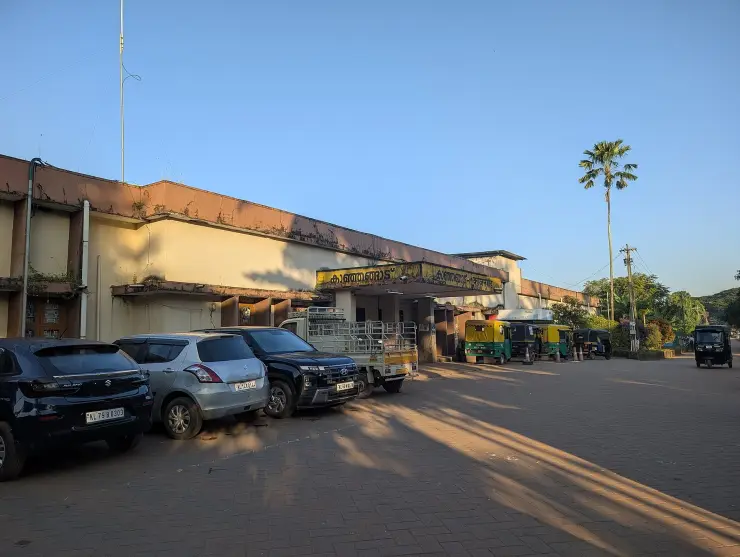
  • 🚌︎ By bus KSRTC and private buses serve Kanhangad well; alight at the Kanhangad bus stand and take a short auto-rickshaw or taxi to the fort (indicative — confirm locally).
Getting back

Work out your return before you settle in for the sunset. Public transport here thins out sharply in the evening, and Hosdurg Fort is easier to reach than to leave. We do not publish departure times: there is no official live feed we are permitted to republish, and a wrong time here would strand you. Check the operator directly on the day.

Ask at the bus stand for the time of the last service back, not the next one. If you miss it, an auto or app cab is the fallback — agree the fare before you get in.

Do

Things to do

  • Walk the ring of rounded bastions and the watchtower, tracing the overlapping sightlines the Nayaka builders designed for coastal surveillance.
  • Study the finely dressed laterite construction up close — the honeycombed texture and warm ochre hues that link Hosdurg to nearby Bekal and Kumbla forts.
  • Climb a bastion for golden-hour views over Kanhangad town towards the hazy Arabian Sea horizon — a rewarding sunset spot.
  • Walk over to the adjacent Nithyanandashram and explore its renowned complex of some forty-five man-made caves (guha), an oft-cited engineering marvel, and its saint’s shrine and temple.
  • Make Hosdurg part of a Kasaragod fort trail — combine it with the grand Bekal Fort and Chandragiri Fort for a fuller picture of the region’s laterite strongholds.
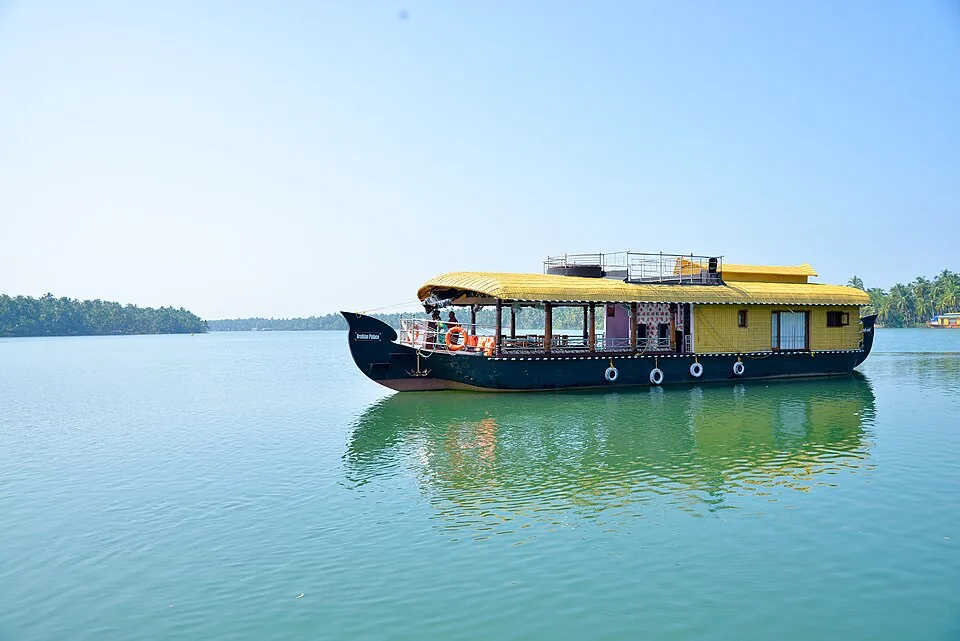
  • Pair the visit with Kanhangad and Nileshwaram’s beaches and backwaters for a relaxed day in an under-touristed corner of north Kerala.
Getting around Hosdurg Fort

We have not assessed physical access at this place yet. Across India, step-free routes, handrails and accessible toilets are the exception rather than the rule, and pavements are often interrupted — if step-free access matters to you, contact the site or a local operator before committing to the trip.

Practical things near Hosdurg Fort
What the cash actually costs
  • Withdrawing from a bank that is not your own is free for a set number of times a month, then costs up to ₹23 plus GST — about ₹27 a withdrawal. This is not one of the RBI’s six metro centres, so the allowance here is the higher one: at least five free other-bank withdrawals a month, and at least five at your own bank.
  • That free allowance belongs to Indian bank accounts. On a card issued abroad your own bank’s international withdrawal and exchange charges apply instead. If the machine offers to bill you in your home currency, choose rupees — the conversion rate on that offer is set by the machine, not by your bank.
  • Given a choice, use an ATM inside or attached to a branch: it sits in view of staff and cameras, and there is someone to ask if the machine keeps your card. A machine standing alone on a tourist street is the one to be wary of. Banks are listed here alongside the ATMs, but the map data does not record which ATMs sit inside a branch — check when you get there.

Charge cap and free-transaction limits: Reserve Bank of India, in force since 1 May 2025.

Mapped within about 1.2 km of Hosdurg Fort, with real walking routes rather than straight-line distances. Community-mapped data: opening hours are shown only where they are recorded, and this is not a complete list — something unmapped may well be closer. Please confirm on the ground.

Nearby

What’s near Hosdurg Fort

heritageNithyanandashram 410 m · 5 min walk · straight line
beachKanhangad beach 1.9 km · 24 min walk · straight line
heritageAnandashram 3.8 km · ~10 min by auto · straight line
heritageNileshwar 6.7 km · ~17 min by auto · straight line
beachBekal Beach 10.6 km · ~18 min by cab · straight line
heritageBekal Fort 11.5 km · ~19 min by cab · straight line
backwaterValiyaparamba Backwaters 19.1 km · ~32 min by cab · straight line
heritageChandragiri Fort 20.5 km · ~34 min by cab · straight line
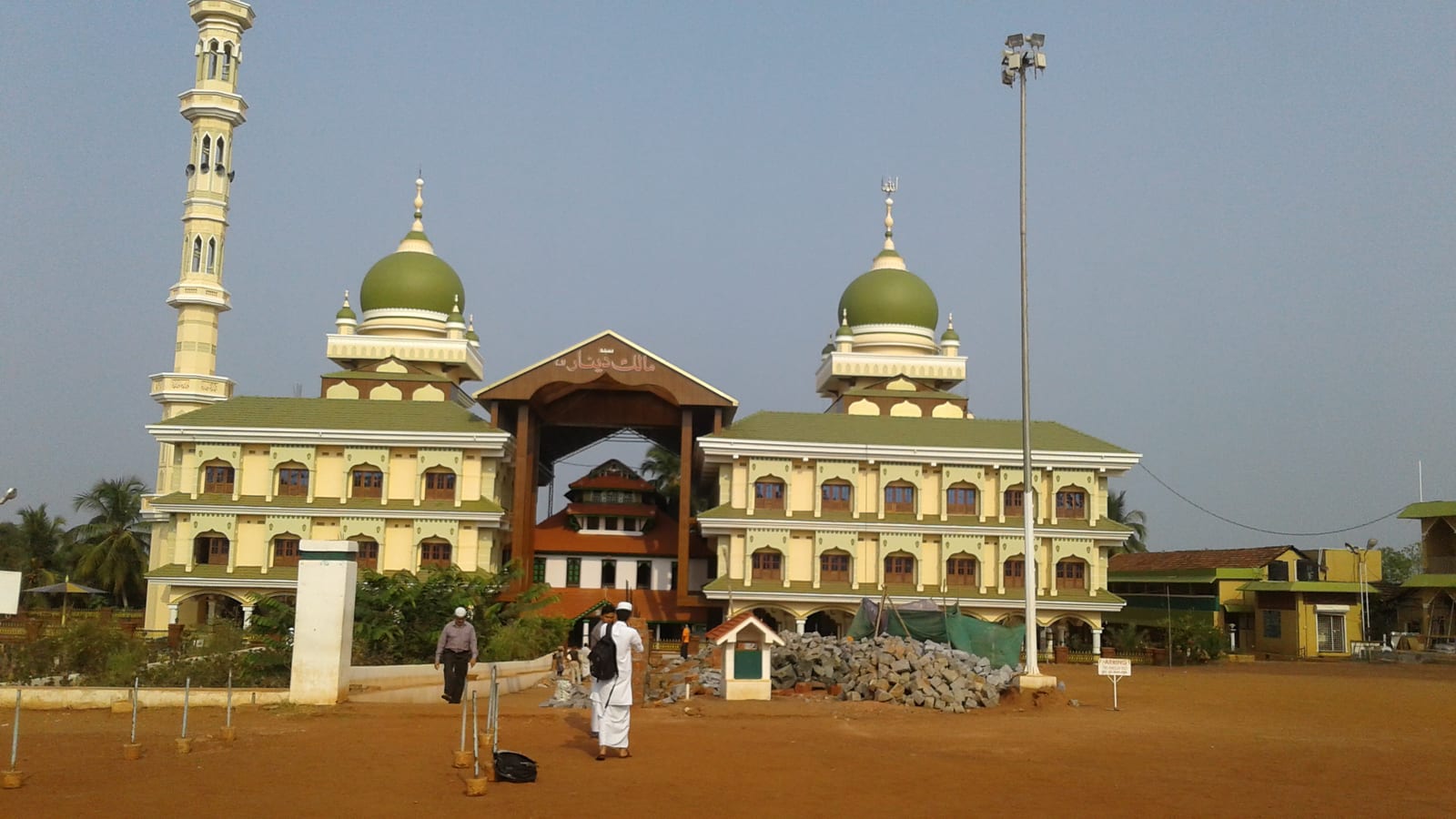
mosqueMalik Deenar Mosque 22.7 km · ~38 min by cab · straight line
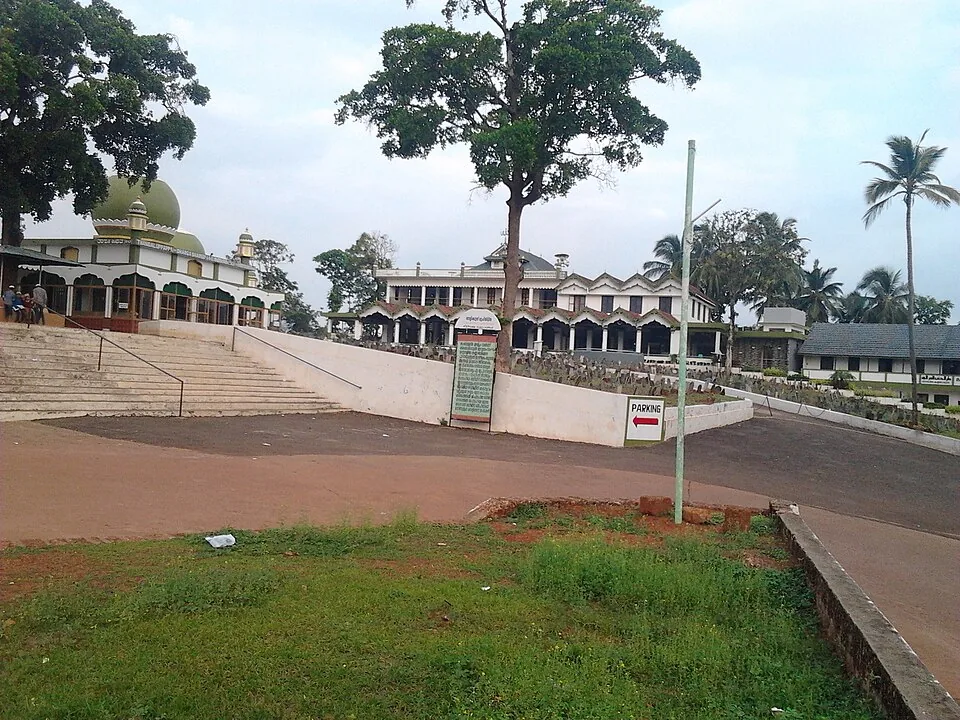
mosqueNellikunnu Mosque 24.7 km · ~41 min by cab · straight line
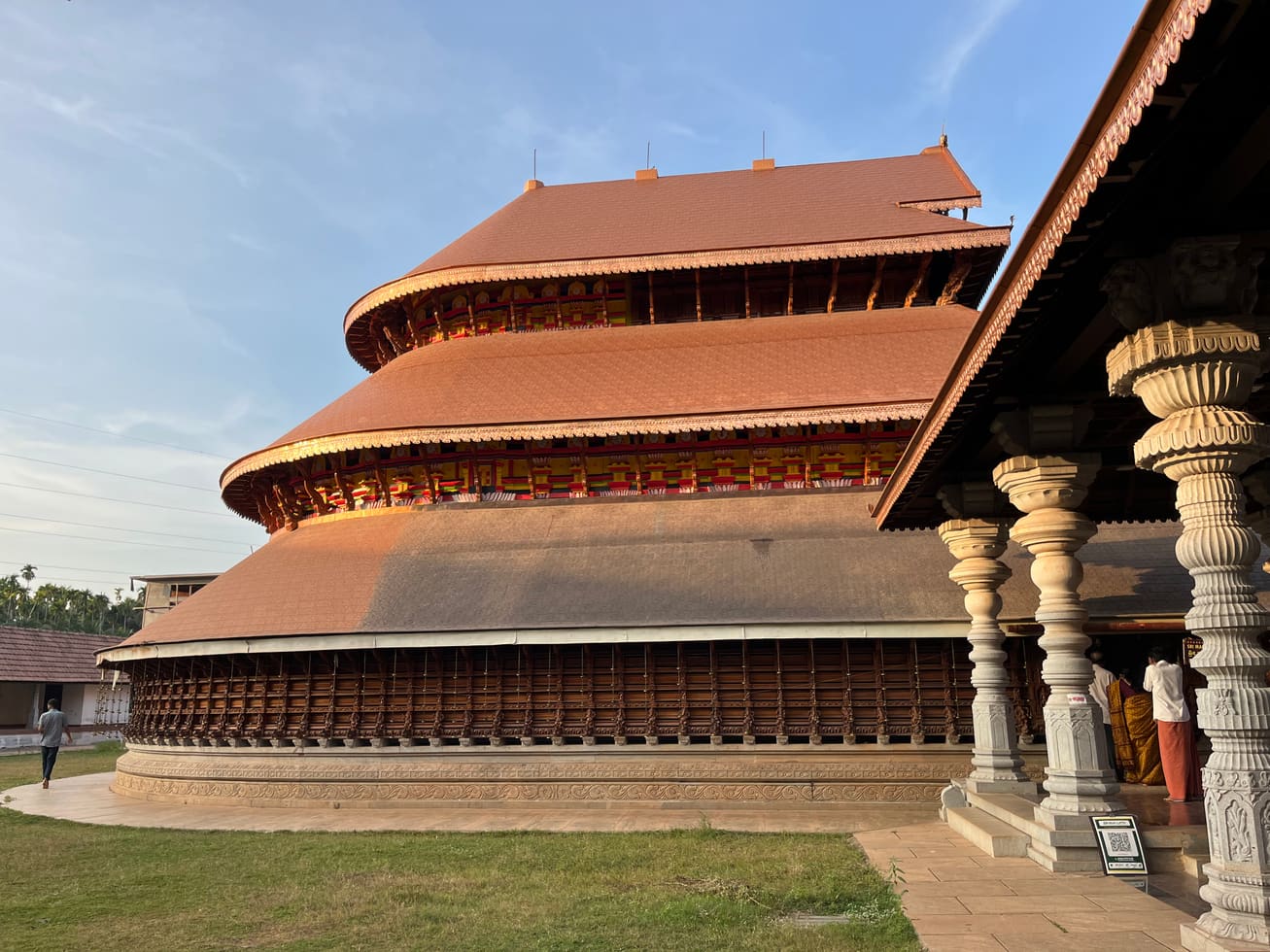
templeMadhur Temple 28.7 km · ~48 min by cab · straight line
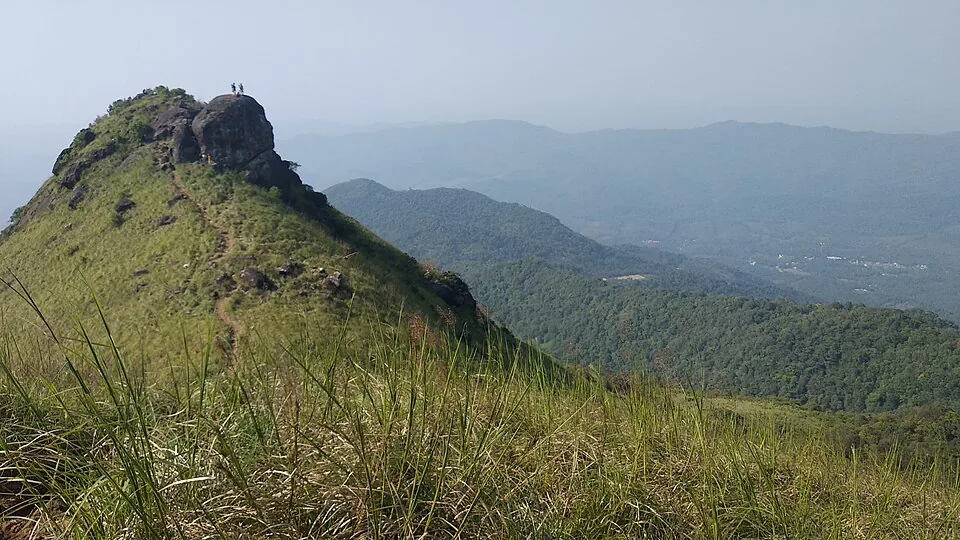
hill stationRanipuram 30.4 km · ~51 min by cab · straight line

All 4 places to visit in Kanhangad →

Nearby toilets, pharmacies, ATMs, seating and vets are community-mapped and may be incomplete or out of date. Map data © OpenStreetMap contributors | Walking times © openrouteservice.org by HeiGIT

On the map

Where Hosdurg Fort is

Good to know

Hosdurg Fort — frequently asked

Is Hosdurg Fort the same thing as the Nithyanandashram caves?

No — they are two separate, adjacent attractions on neighbouring high ground at Kanhangad. Hosdurg Fort is a 17th–18th-century laterite fortress built by the Ikkeri/Bedanore Nayakas. The Nithyanandashram, with its famous man-made caves, is a 20th-century spiritual foundation right beside it. “Hosdurg” is also the name of the surrounding taluk/area, which sometimes causes confusion. Most visitors happily see both in one trip.

Who built Hosdurg Fort and when?

It is generally attributed to Somashekara Nayaka of the Ikkeri (Bedanore/Keladi) Nayaka dynasty, and dated broadly to the 17th–18th century — commonly the early 18th century. Exact dates vary between sources, so treat any single year as indicative and confirm locally. It is closely related in style and period to Bekal and Kumbla forts on the same coast.

Why does the fort look so round compared with other forts?

Hosdurg is built around a cluster of rounded bastions and observation turrets rather than the sharp, angular ramparts common elsewhere. These drum-like towers, arranged so their sightlines and fire overlapped, are what give the fort its distinctive circular silhouette — a hallmark of this group of Nayaka coastal forts.

Is there an entry fee, and how long should I plan to spend?

Entry is generally understood to be free (indicative — confirm locally), as the fort is an open, lived-in ruin rather than a ticketed monument. Most visitors spend around 30–60 minutes at the fort itself; add another 1–2 hours if you also explore the neighbouring Nithyanandashram and its caves.

How do I get there, and where is the nearest station?

The fort sits just above Kanhangad town in Kasaragod district. Kanhangad railway station is very close by (indicative — confirm locally), making the train the easiest arrival; from the station it is a short auto-rickshaw or taxi ride. Kannur International Airport and Mangaluru airport are the nearest airports (both a road journey away — confirm distances locally).

Can I combine Hosdurg Fort with other sights nearby?

Yes. It pairs naturally with the adjacent Nithyanandashram, and fits into a wider Kasaragod circuit that includes the far larger Bekal Fort, Chandragiri Fort, and the beaches and backwaters around Kanhangad and Nileshwaram — a rewarding, under-visited corner of northern Kerala.

When is the best time to visit Hosdurg Fort?

November to February and early mornings are best for walking; avoid midday heat where possible.

What are the entry fee and timings at Hosdurg Fort?

Entry: Generally free to enter (indicative — confirm locally), as the fort is an open heritage ruin rather than a ticketed monument.. Timings: Generally open through daylight hours; as a largely open, lived-in ruin there is no strict single timing, and daytime visits are best (indicative — confirm locally). Parts of the grounds house a school and government offices, so it is courteous to avoid disrupting their working hours.. Fees and timings are indicative — confirm on site before you travel.

How do I reach Hosdurg Fort?

Base yourself in Kanhangad or a nearby town in Kasaragod, then confirm the last-mile route locally before leaving. Walkable heritage areas are best done slowly; combine nearby streets, museums, markets and food stops. If the visit depends on forest, temple, boat, ferry, weather or seasonal access, check the official/local rule on the day before travel.

How much time do I need for Hosdurg Fort?

1 to 3 hours.

What else is near Hosdurg Fort?

Nearby you can pair Nithyanandashram (410 m), Kanhangad beach (1.9 km), Anandashram (3.8 km), Nileshwar (6.7 km).

What should I know before visiting Hosdurg Fort?

Watch traffic on narrow heritage streets. Keep valuables close in crowded markets.

Image credits