What to expect
Highlights
- The government guest-house building at Asramam.
- Its connection to Kollam’s former British residency role.
- The wider Asramam civic landscape.
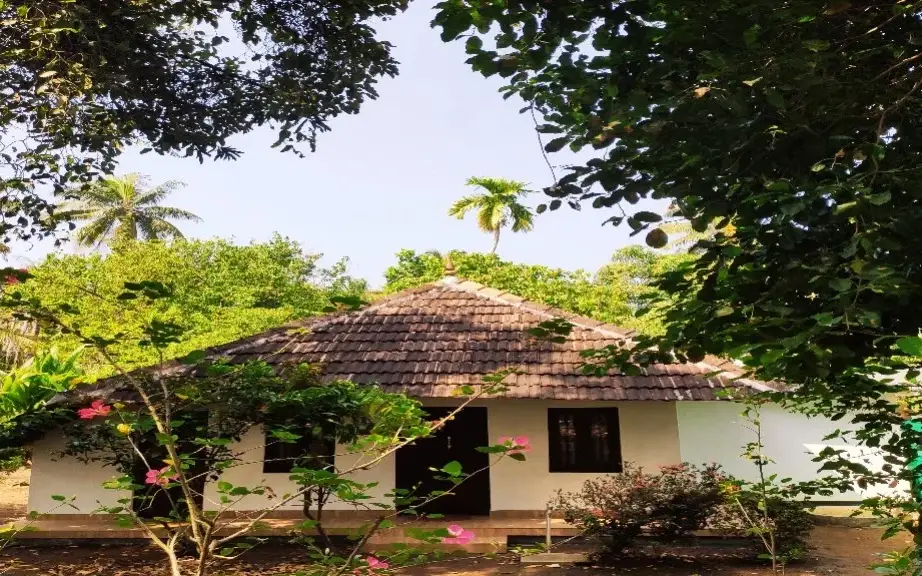
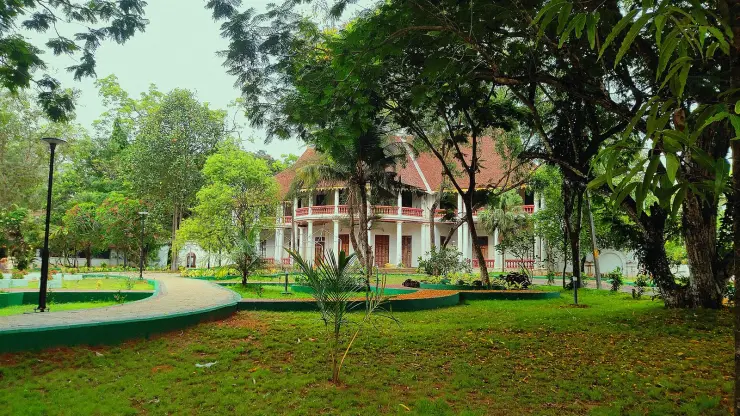
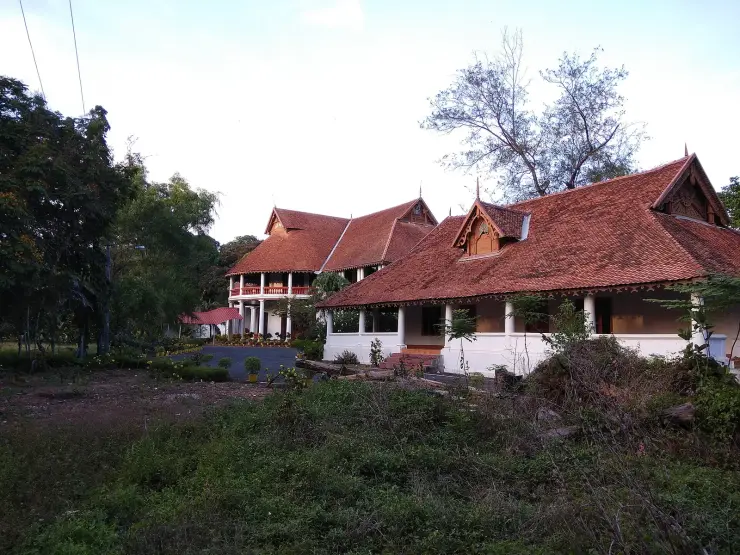
The former British Residency at Asramam survives as a government guest house beside Kollam’s backwater landscape. Its architecture is the attraction, with access governed by its working use.
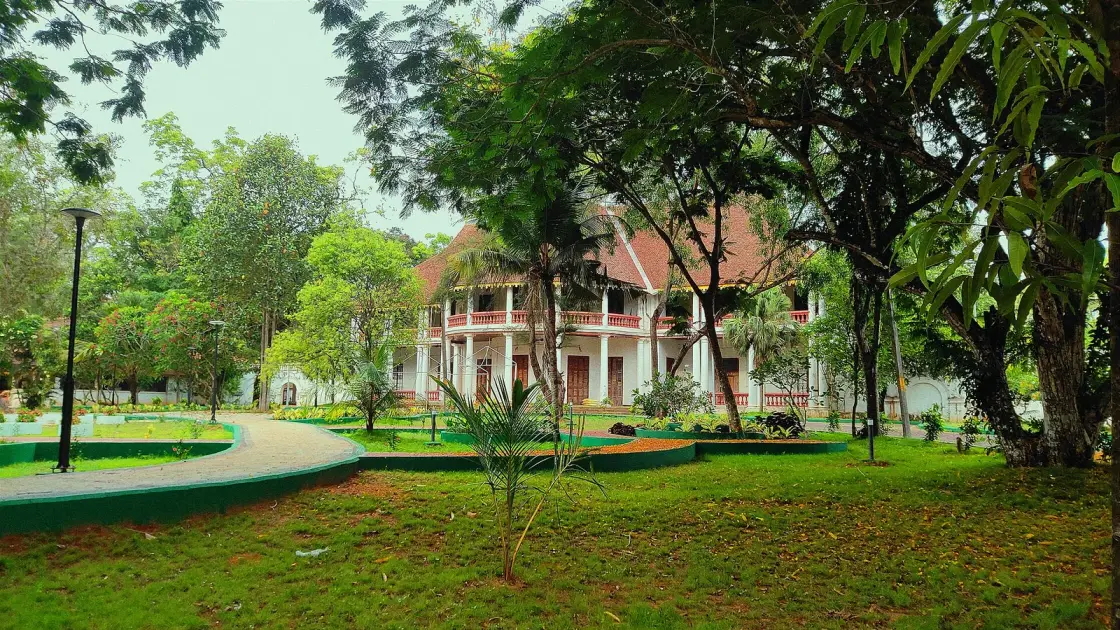
A former British Residency now identified by city records as Kollam’s Government Guest House.
An exterior heritage view is the dependable visit; interior access requires current permission.
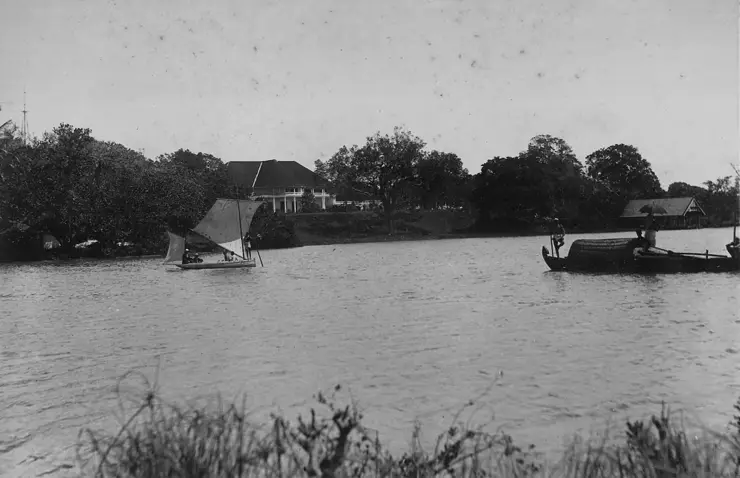
The former British Residency at Asramam is a government guest-house landmark in a city that once hosted Travancore’s British Resident.
Kollam district’s tourism account says Kollam was once the seat of the British residency in Travancore. A 2025 Kerala Public Relations Department account identifies the British Residency as the later Government Guest House at Asramam, and the district still lists that guest house. That is the firm visitor distinction: this is an official-use building in a public landscape, not a museum with assured room access.
The building invites a longer history of British influence and Travancore government, but office tenures should not be mistaken for a construction date. The existing page gave precise motives, dates and room functions without a building record. This replacement keeps the administrative role and present identity, while leaving architectural dating to a source that can support it.
Visit through currently public Asramam routes and view the exterior only where permitted. Ashtamudi’s edge, the wider open ground and the nearby park put the building into its city setting. Check official guest-house and event restrictions before planning photographs or entry.
See a surviving government building tied to Kollam’s residency history.
Understand the difference between an official guest house and a public museum.
Combine an exterior view with Asramam’s open civic landscape.
Road km to Kollam; ghat roads and traffic vary — allow extra.
Daylight, with any visit agreed in advance.
Live forecast loads in your browser.
Sun and moon are calculated for this location and shown in IST. Photography windows are the hour around sunrise and sunset; the sunset bearing is degrees clockwise from true north. Moon phase is accurate to about half a day.
Verified hotels, homestays, restaurants, experiences, sights, shops and rentals around British Residency, Asramam — commission-free, with direct contact. Filter by what you need.
A family homestay reached by a short boat ride on Munroe Island in the Ashtamudi backwaters. Offers two AC rooms with home-cooked breakfasts.
Boutique hotel with 28 rooms and original artwork in the heart of Kollam, overlooking the city's Clock Tower.
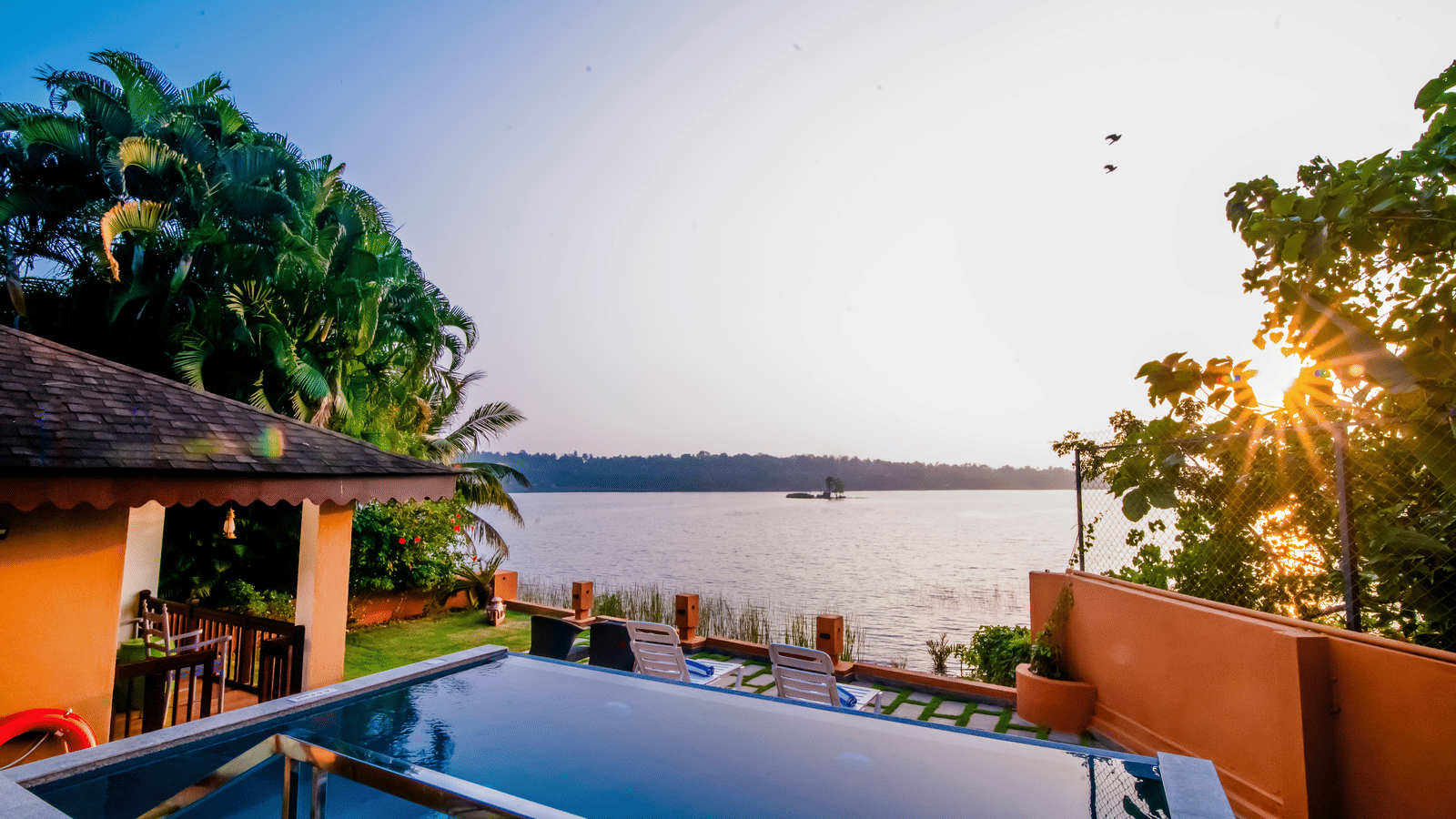
A lakefront resort where all 20 rooms and suites face Ashtamudi Lake. Runs its own houseboat cruises and shoreside Ayurveda treatments.
A backwater resort where Ashtamudi Lake meets the Kallada River. Named after Colonel John Munroe, it offers canoe tours and houseboat cruises.
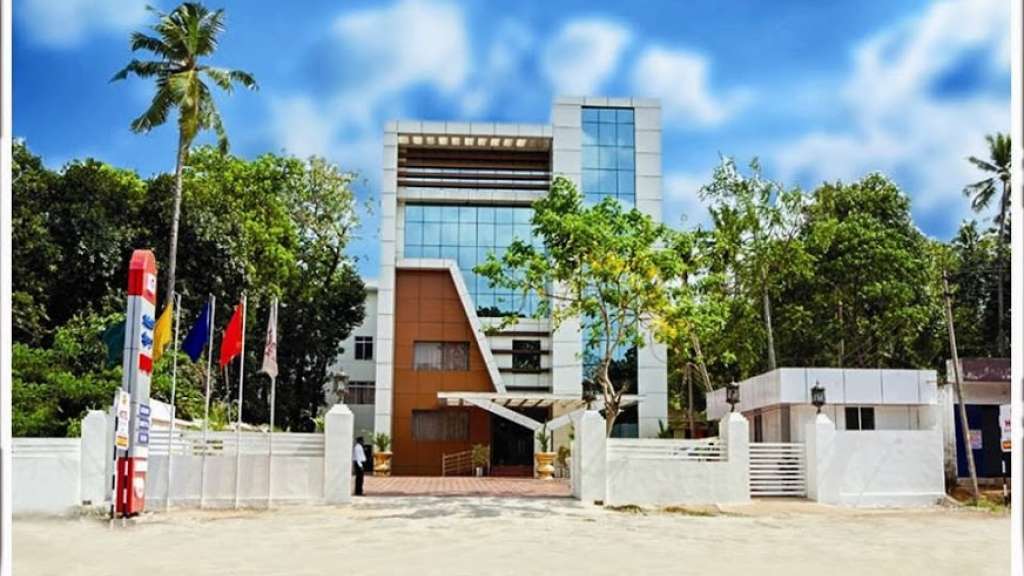
Modern budget hotel at Aadichanalloor on the Kollam–Thiruvananthapuram highway side of Kollam district, south of the town. It offers clean, value air-conditioned rooms with a restaurant and parking, a low-cost highway base for travellers passing through greater Kollam.
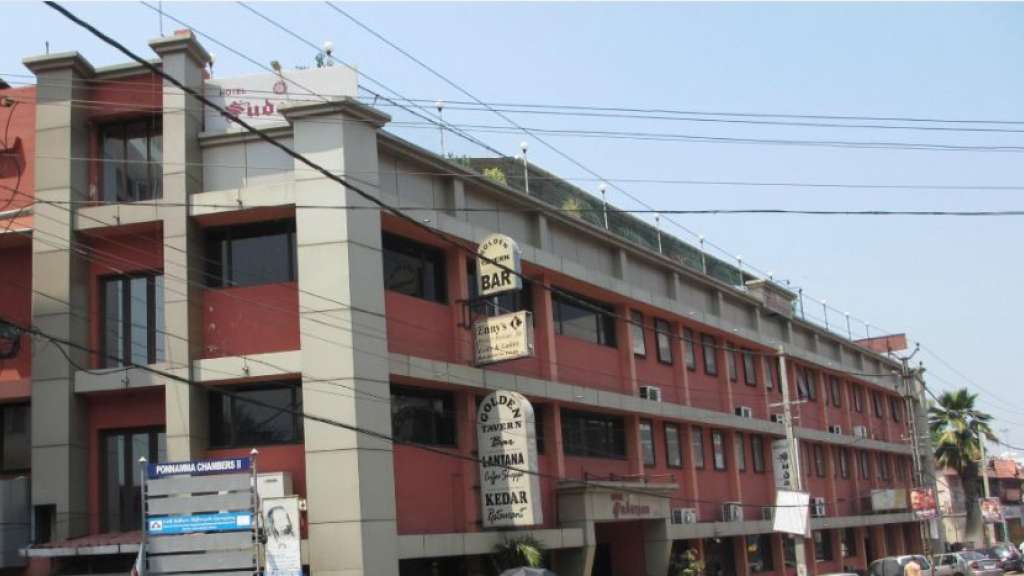
Long-running budget hotel at Parameswar Nagar in central Kollam, rated two-star class by travel directories. It offers value air-conditioned rooms with the Kedar multi-cuisine restaurant and Golden Tavern bar, a practical low-cost town-centre base for transit and business travellers.
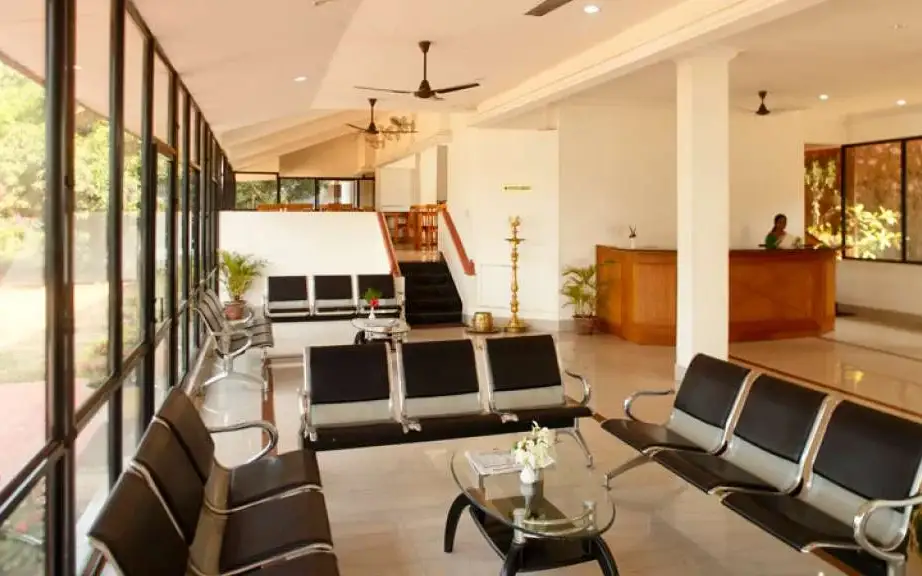
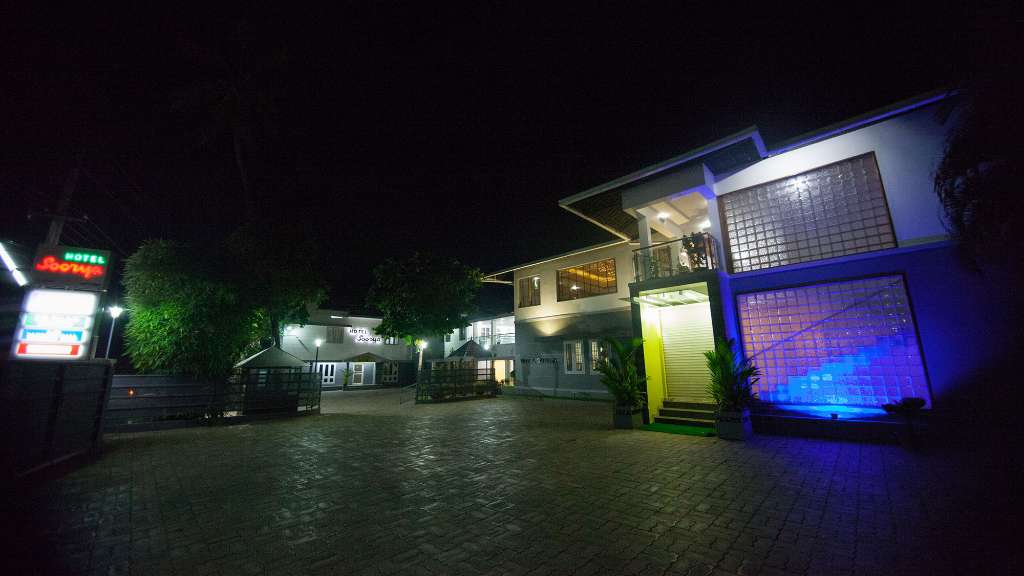
Government-run KTDC Easy budget hotel in the Guest House compound at Ashramom, beside Ashtamudi Lake on the quiet edge of Kollam town. It offers simple, low-cost air-conditioned and non-air-conditioned rooms with a restaurant, run under the Kerala Tourism Development Corporation budget brand.
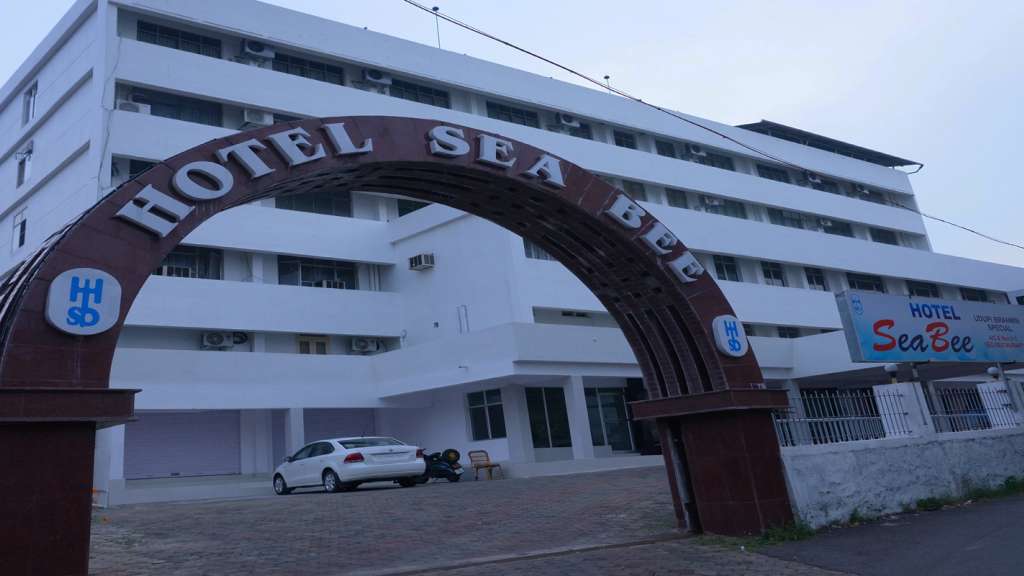
Long-running three-star-class hotel near the KSRTC bus station on Jetty Road in central Kollam, a short walk from the Ashtamudi backwater boat jetty. It offers 44 air-conditioned rooms, a multi-cuisine restaurant, bar, travel desk and boating assistance, a practical mid-range base for backwater and transit travellers.
Kerala Tourism-classified three-star hotel at Kottiyam on the Kollam–Thiruvananthapuram highway, in the southern part of Kollam district. It offers air-conditioned rooms, a multi-cuisine restaurant, bar, banquet hall and travel desk, a comfortable mid-range highway base a short drive south of Kollam town.
Kerala Tourism-classified three-star hotel on NH-47 directly opposite Kollam Railway Station, in the heart of Kollam town. It offers air-conditioned rooms, a multi-cuisine restaurant, bar, banquet and conference halls and 24-hour room service, a convenient mid-range base for rail and business travellers.
Fragrant Nature at Paravur is a lake-side resort outside central Kollam. Allow separate road journeys for Thangassery, city dining and onward rail travel.
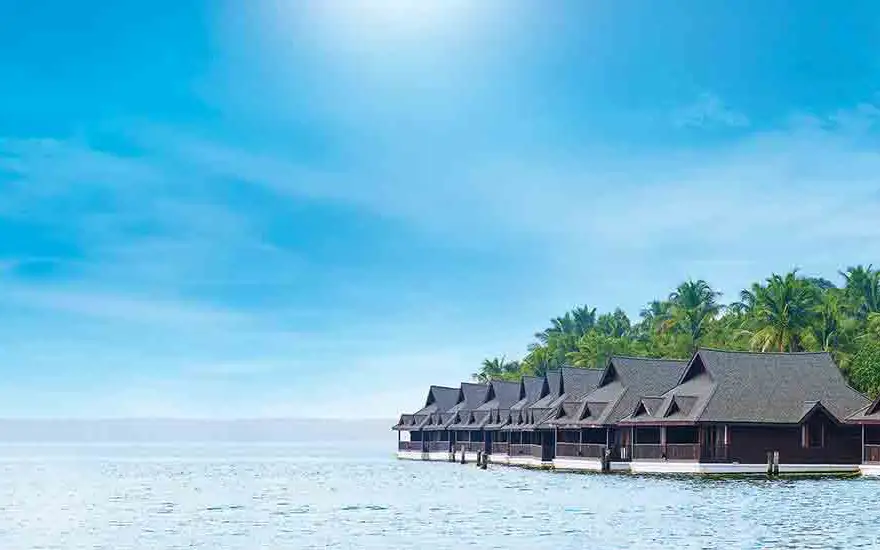
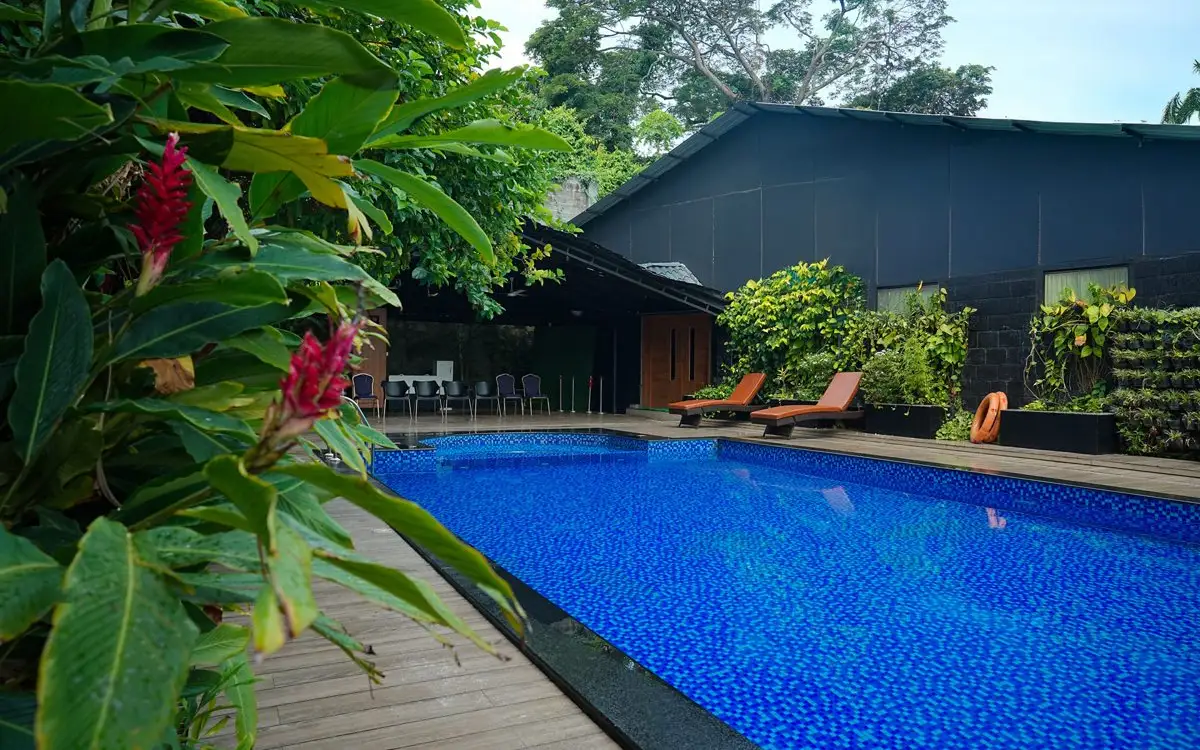
Ashtamudi resort with both floating and land-based accommodation. Compare the exact room category and booking eligibility; confirm dining and lake activities separately.
D Fort Hotel is a Thangassery stay near the lighthouse neighbourhood. Check room and wellness packages separately from the lighthouse’s own visitor session.
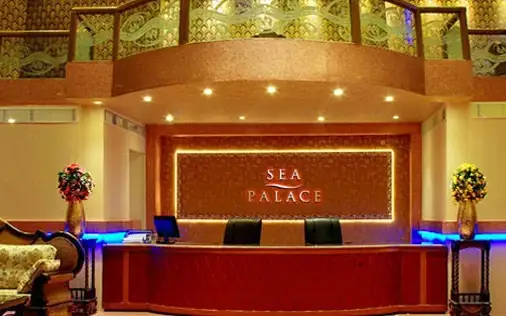
Hotel in Kollam town. Luxury beach hotel and convention centre · Kollam Beach, Hotel, Convention centre.
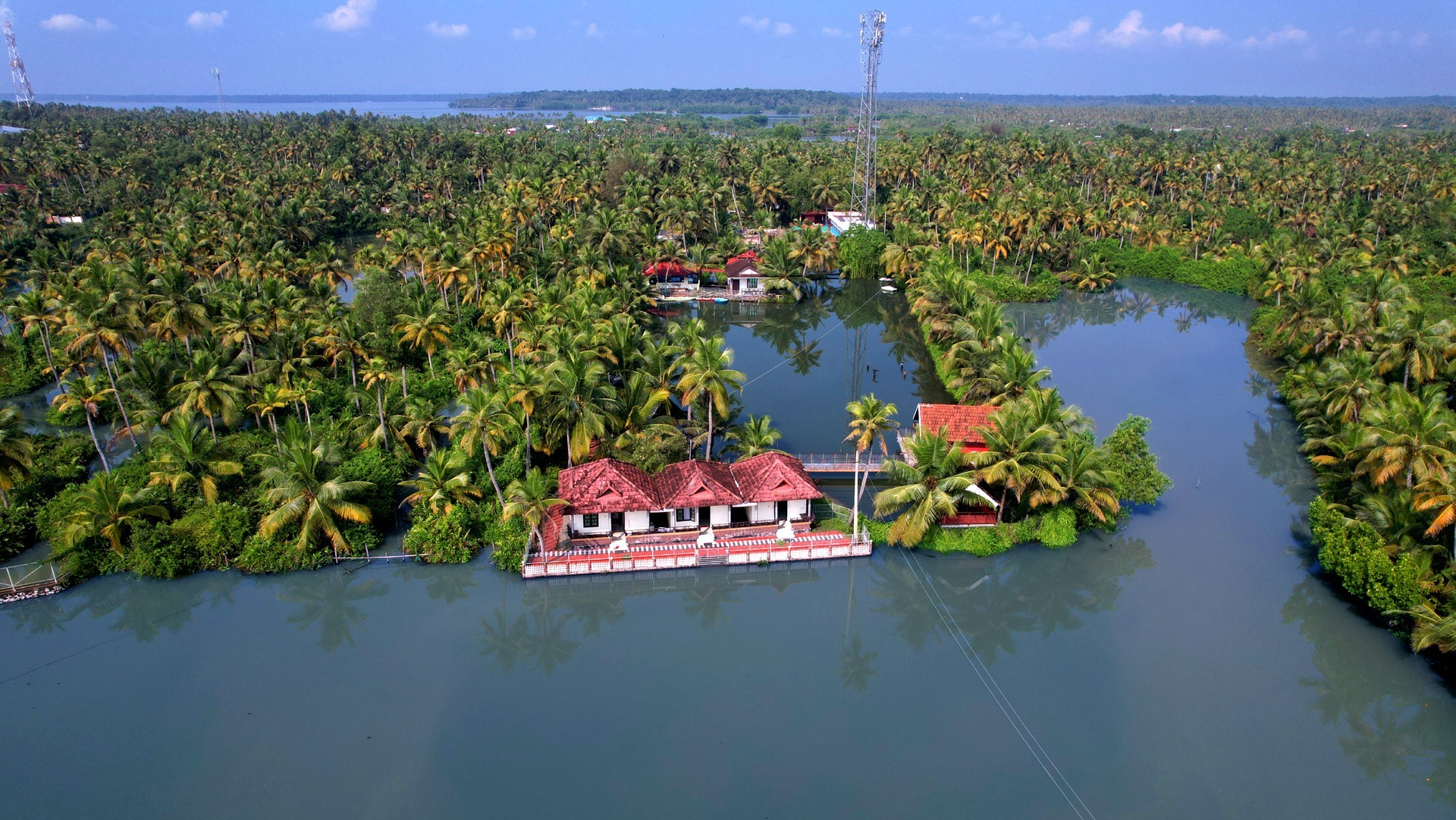
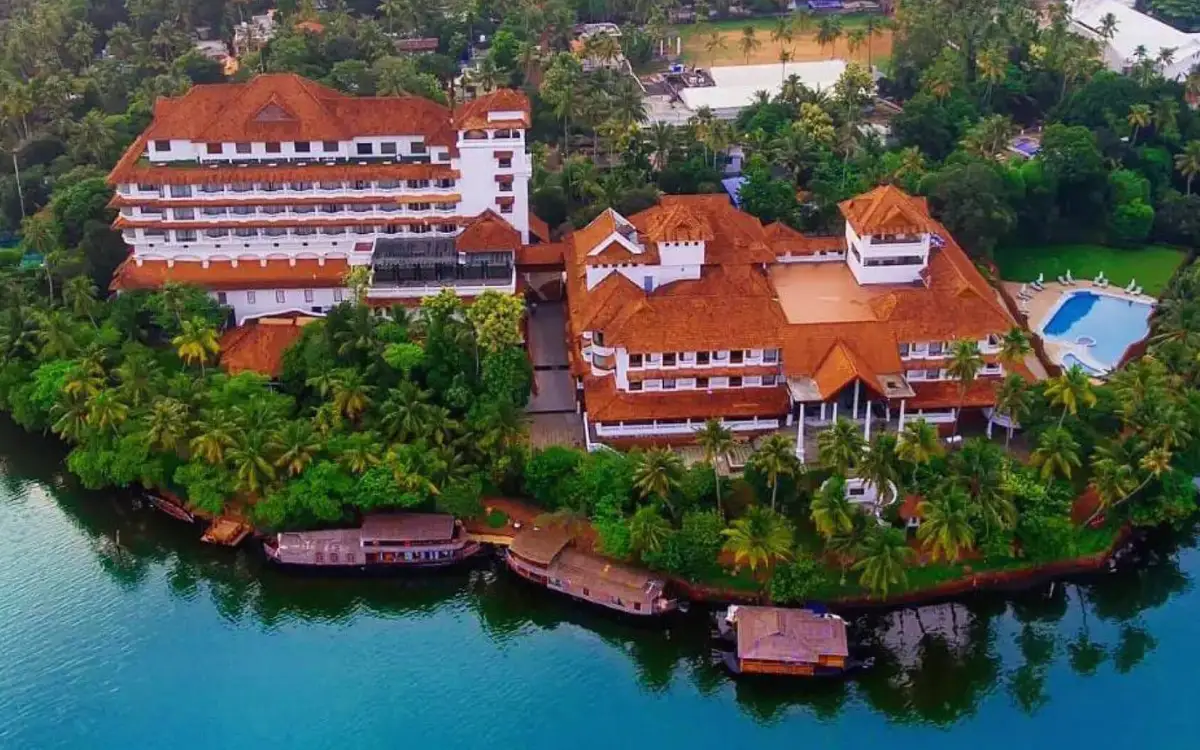
The Leela Ashtamudi is a lakefront heritage resort at Thevally Bridge, with several room types, houseboat categories and on-site dining. Its correct hotel entrance is at Thevally/Mathilil, separate from the Raviz corporate-office address previously displayed. Compare the named room or houseboat, lake view, meals, transfer, activity inclusions, total price and cancellation terms. The operator's aerial photograph shows the whole property, not a promise that every room has the same view.
A boutique hotel overlooking the Chinnakada Clock Tower in central Kollam. Its 28 rooms display original artwork by artist Namboothiri.
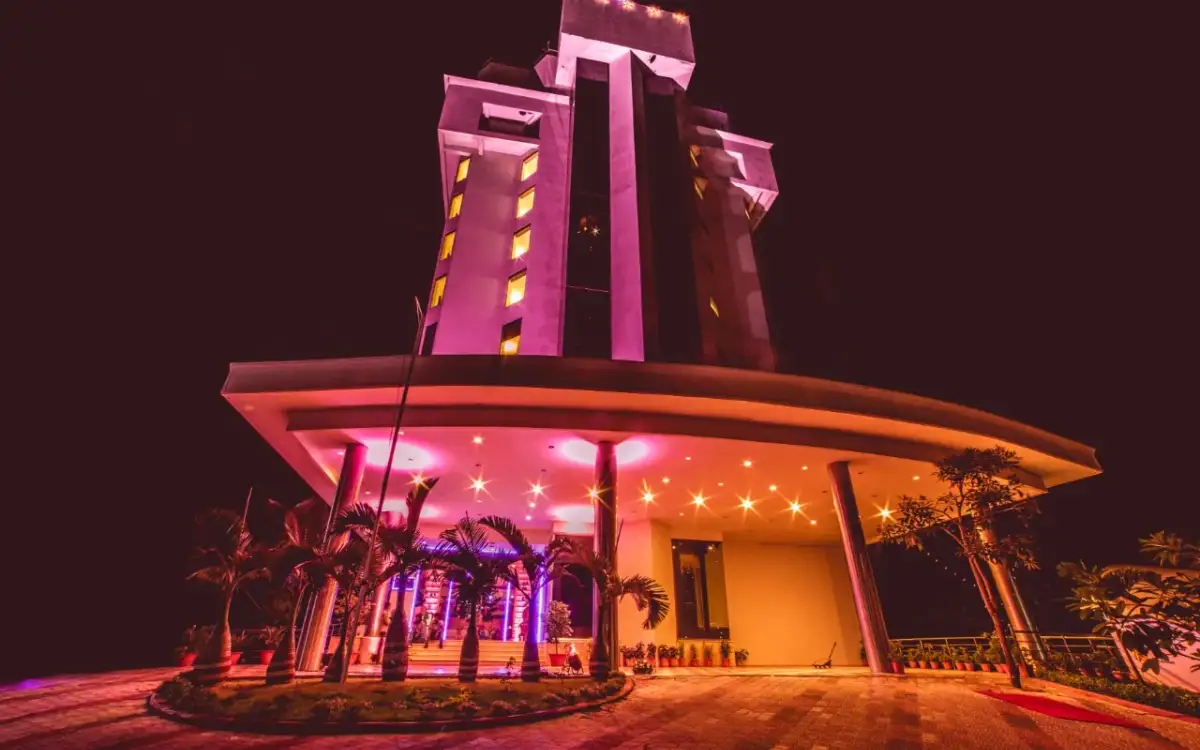
A five-star beachfront hotel with 94 sea-facing rooms over the Arabian Sea. Near Thangassery lighthouse, it houses a large convention centre.
A three-star resort set in a coconut palm forest on the banks of Ashtamudi Lake. Its 26 units include houseboats and floating cottages.
A budget backwater homestay on Munroe Island near Kalluvila Temple. Offers canoe and shikara trips, Ayurvedic massage, and Kerala home cooking.
Kollam houseboat operator with day cruises on Ashtamudi Lake and overnight boat options. Confirm the boarding point, route, boat and inclusions directly.
5-star classified beachfront hotel with 94 sea-facing rooms overlooking the Arabian Sea and Kollam Port.
Ashtamudi resort with both floating and land-based accommodation. Compare the exact room category and booking eligibility; confirm dining and lake activities separately.
A central Kollam homestay near Sankers Hospital. Its own site publishes room choices and direct booking details.
Book with the place itself. India’s cyber-crime coordination centre warned in April 2025 that convincing copies of hotel and pilgrimage booking sites are being pushed through sponsored search and social ads, taking payment for rooms the property never hears about. Every listing here links to the business’s own contact details and its own Google or Bing profile — we take no commission and sit in nobody’s payment path. If a booking page reached you through an ad, check the address bar against the property’s own site before you pay. Fraud can be reported on cybercrime.gov.in or on 1930.
Find food, accommodation and activities across Kollam town. Browse the guides for places to eat, stay and explore along your route.
13 more places around Kollam town. Open a guide to plan the visit and onward journey.
550 m · 7 min walk
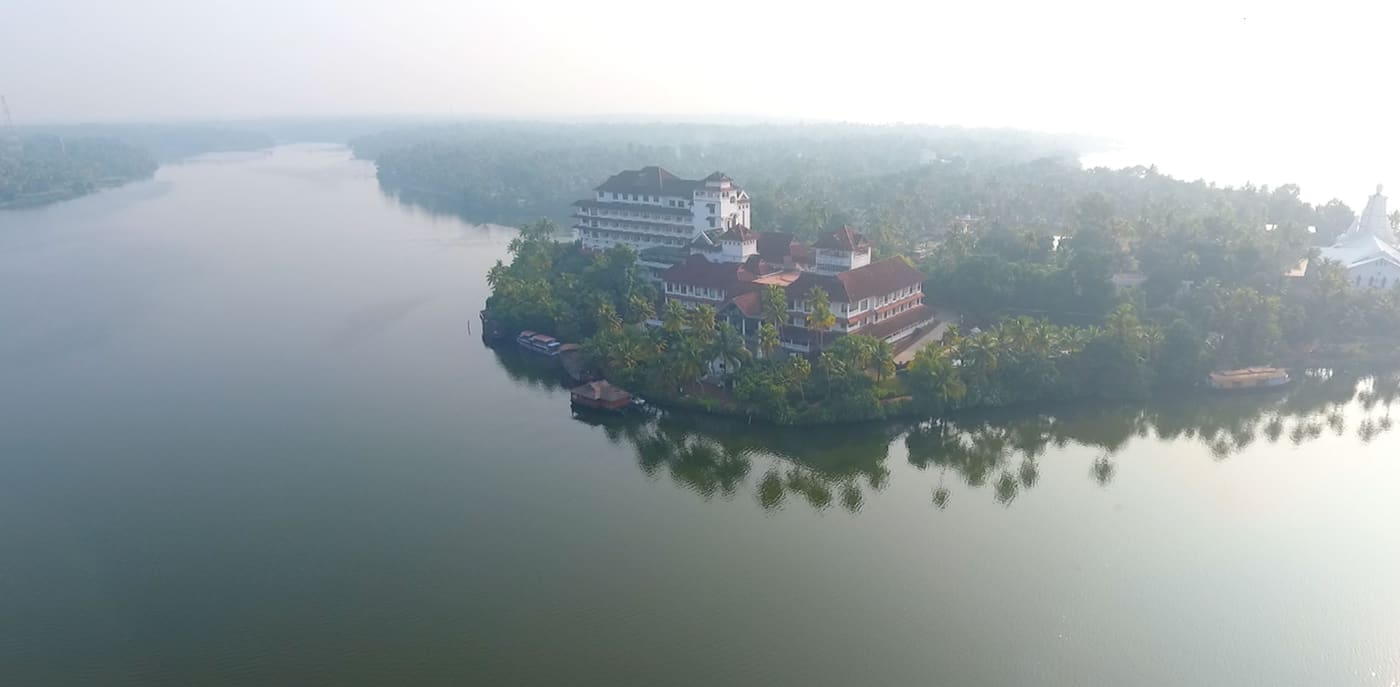
Large palm-fringed backwater system and houseboat base around Kollam.
3.0 km · ~7 min by auto
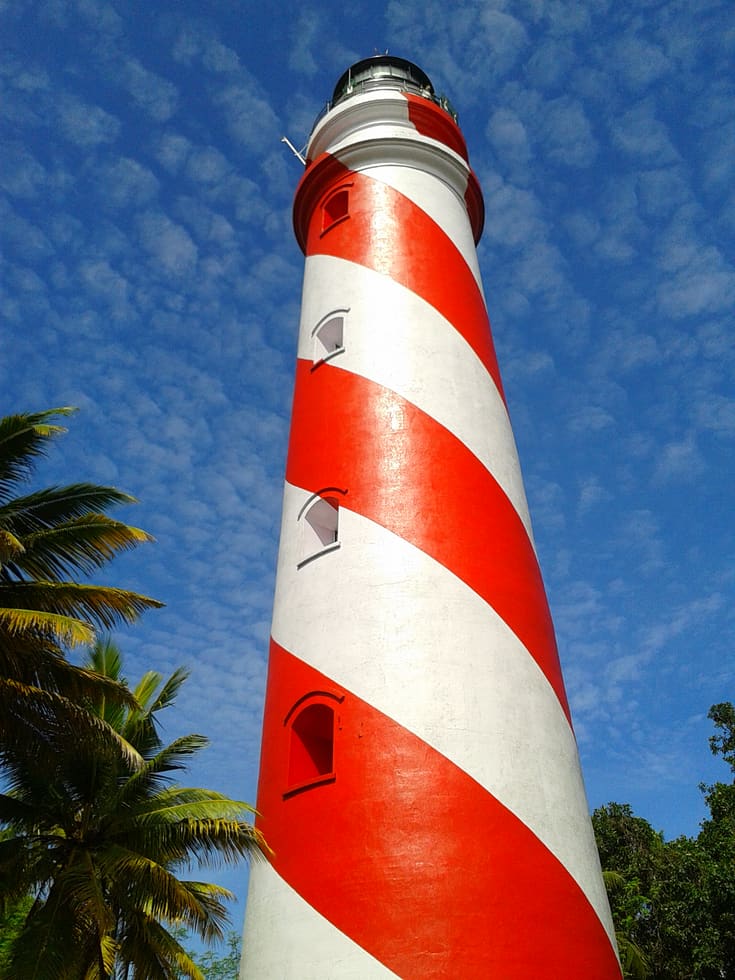
Thangassery Lighthouse raises Kollam’s sea view above a historic coastal neighbourhood. The red-and-white tower is a working navigation landmark with a separate visitor session.
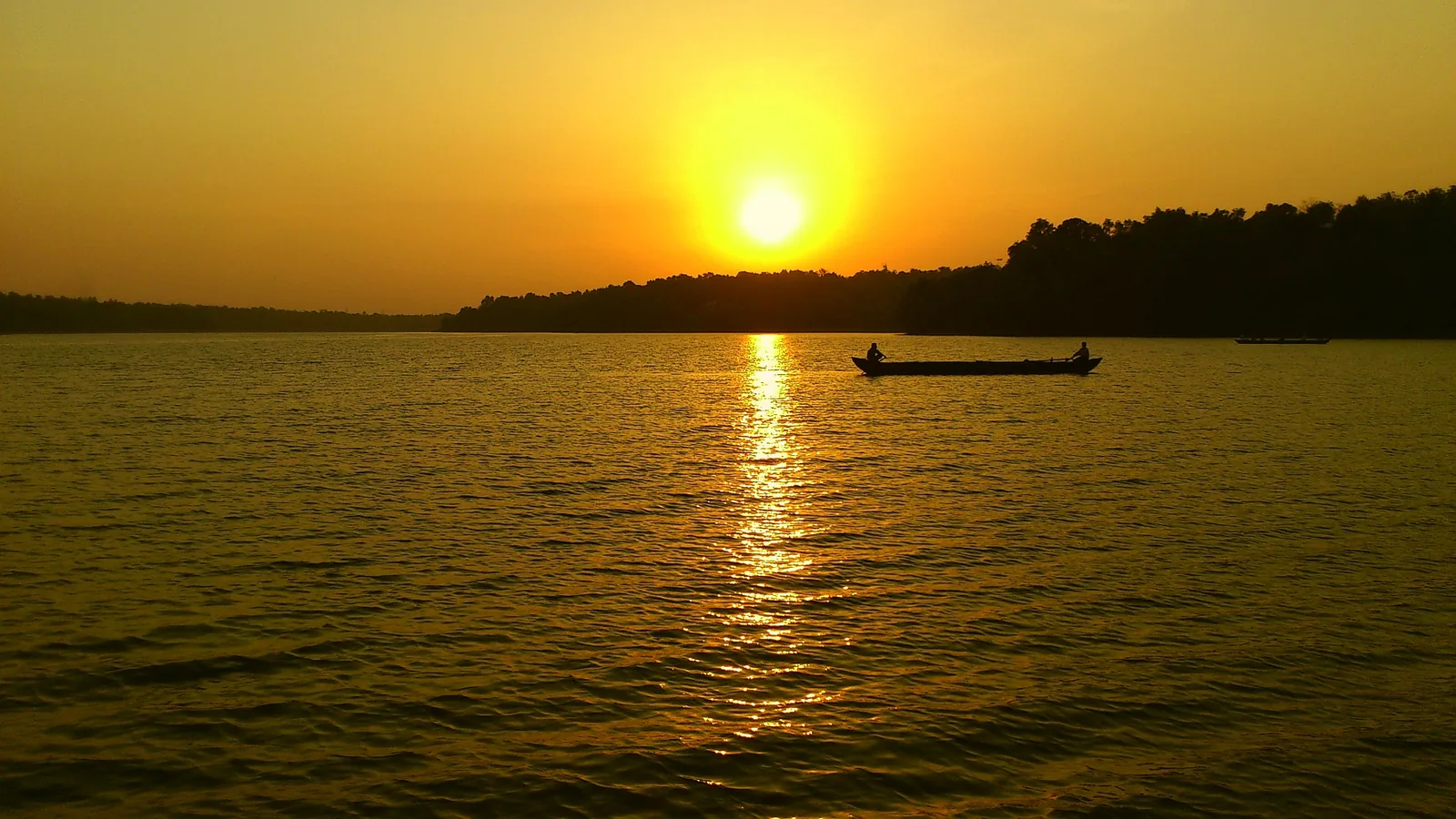
Kerala’s largest freshwater lake, a Ramsar wetland ringed by hills and a Sastha temple, north of Kollam.
2.6 km · ~7 min by auto
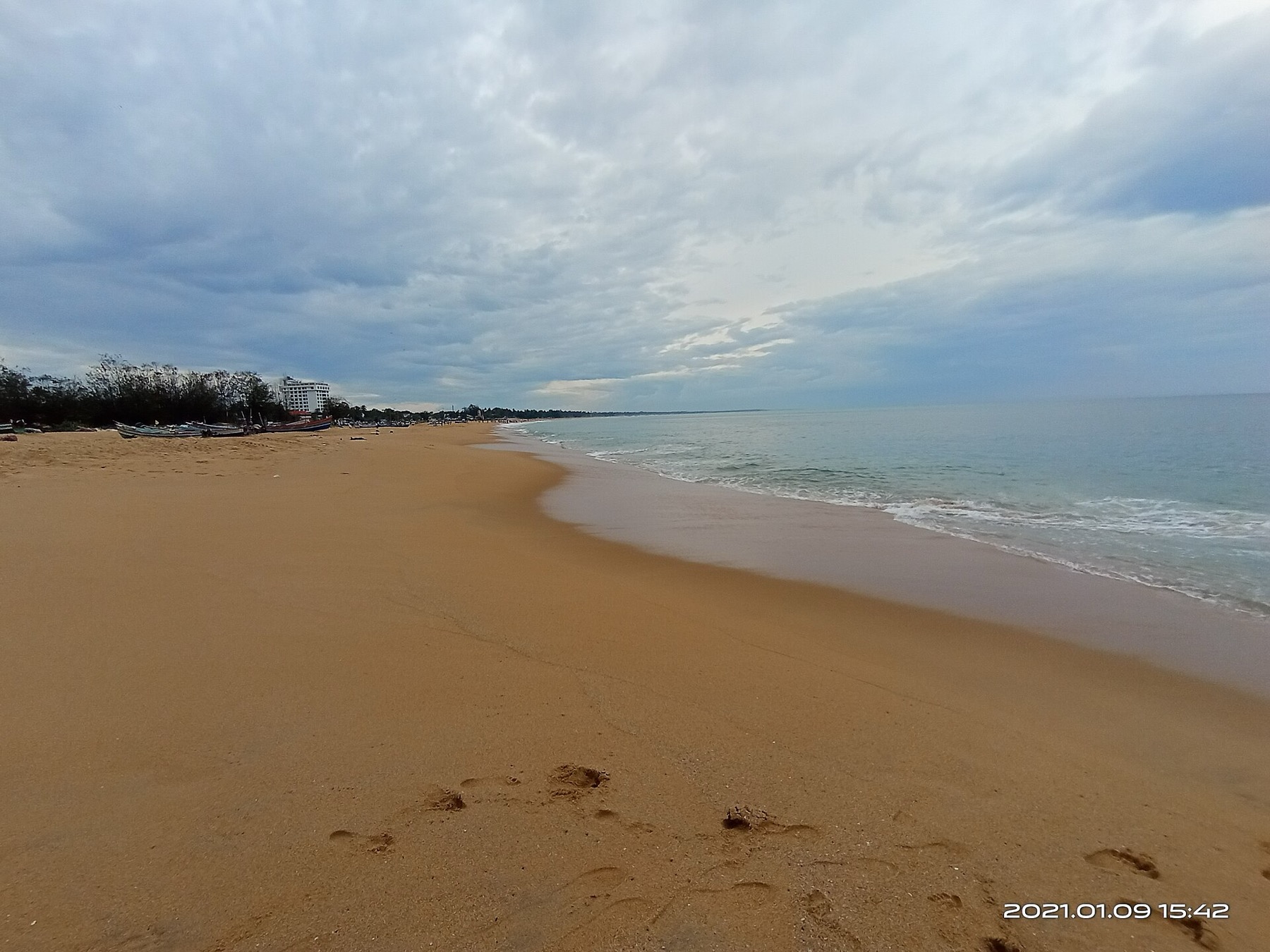
The city’s Mahatma Gandhi beach and park on the Arabian Sea, a popular evening spot near Kollam town.
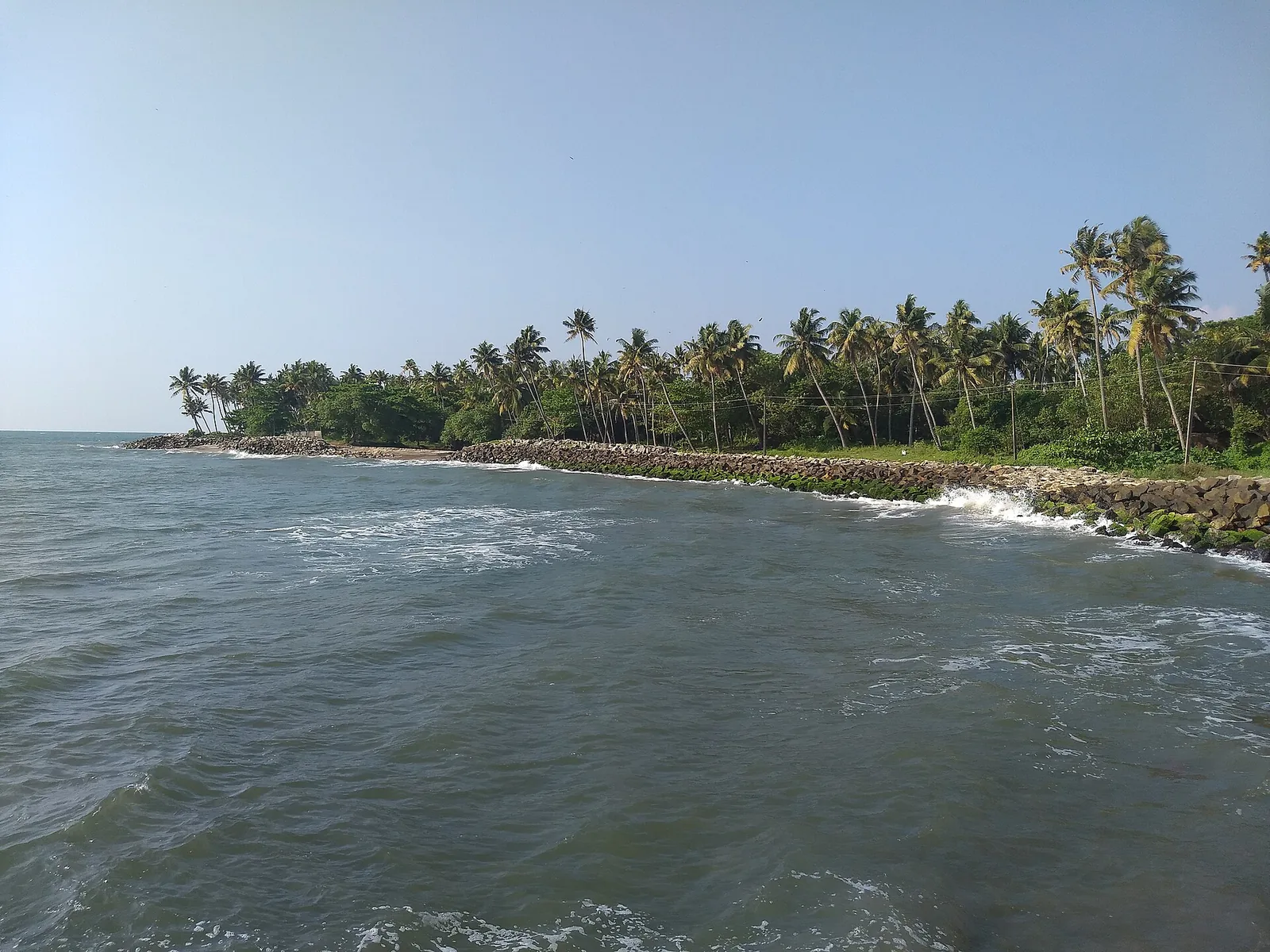
3.6 km · ~9 min by auto
A quiet, curved bay beach west of Kollam town, calmer than the city beach and good for a relaxed evening.
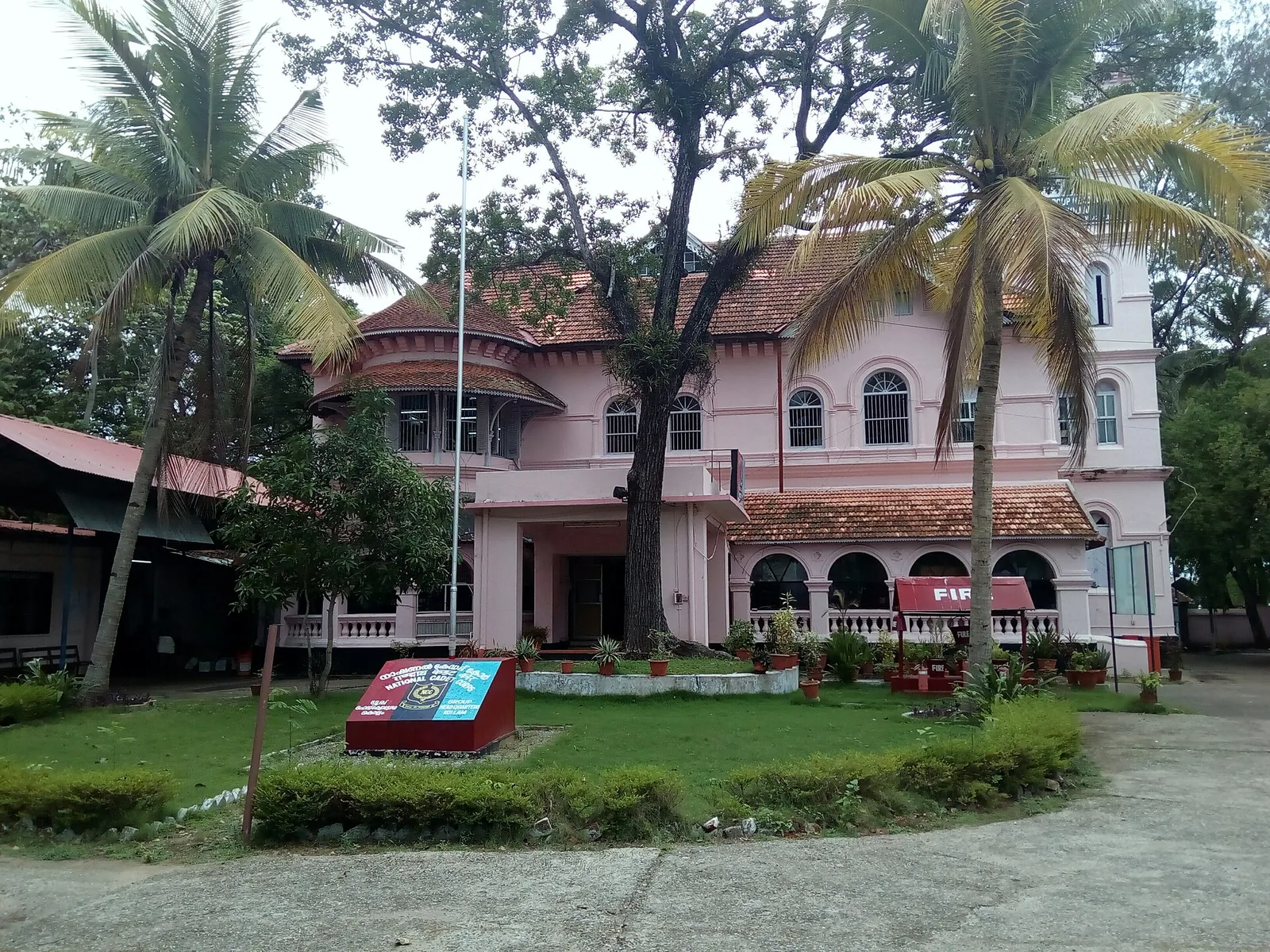
910 m · 11 min walk
A Travancore royal residence on the Ashtamudi shore in Kollam, built to be arrived at by boat and now a working NCC establishment — viewed from outside or from the water.
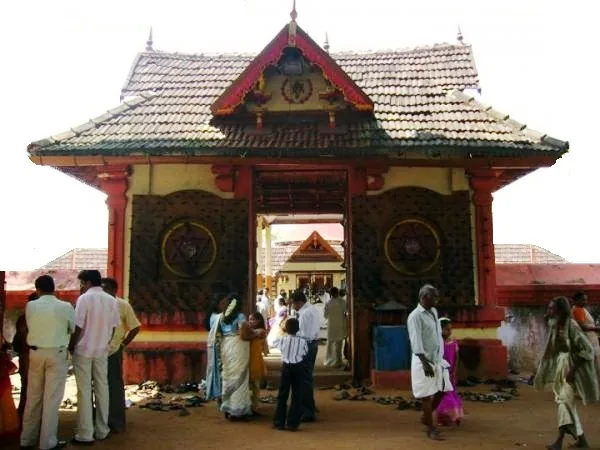
1.6 km · 20 min walk
Anandavalleeswaram is an active Shiva temple in Kollam, with an Anandavally shrine and a ten-day annual festival in March or April. Ritual processions and cultural performances bring another dimension to the temple visit. Follow its worship session, admission and photography rules.
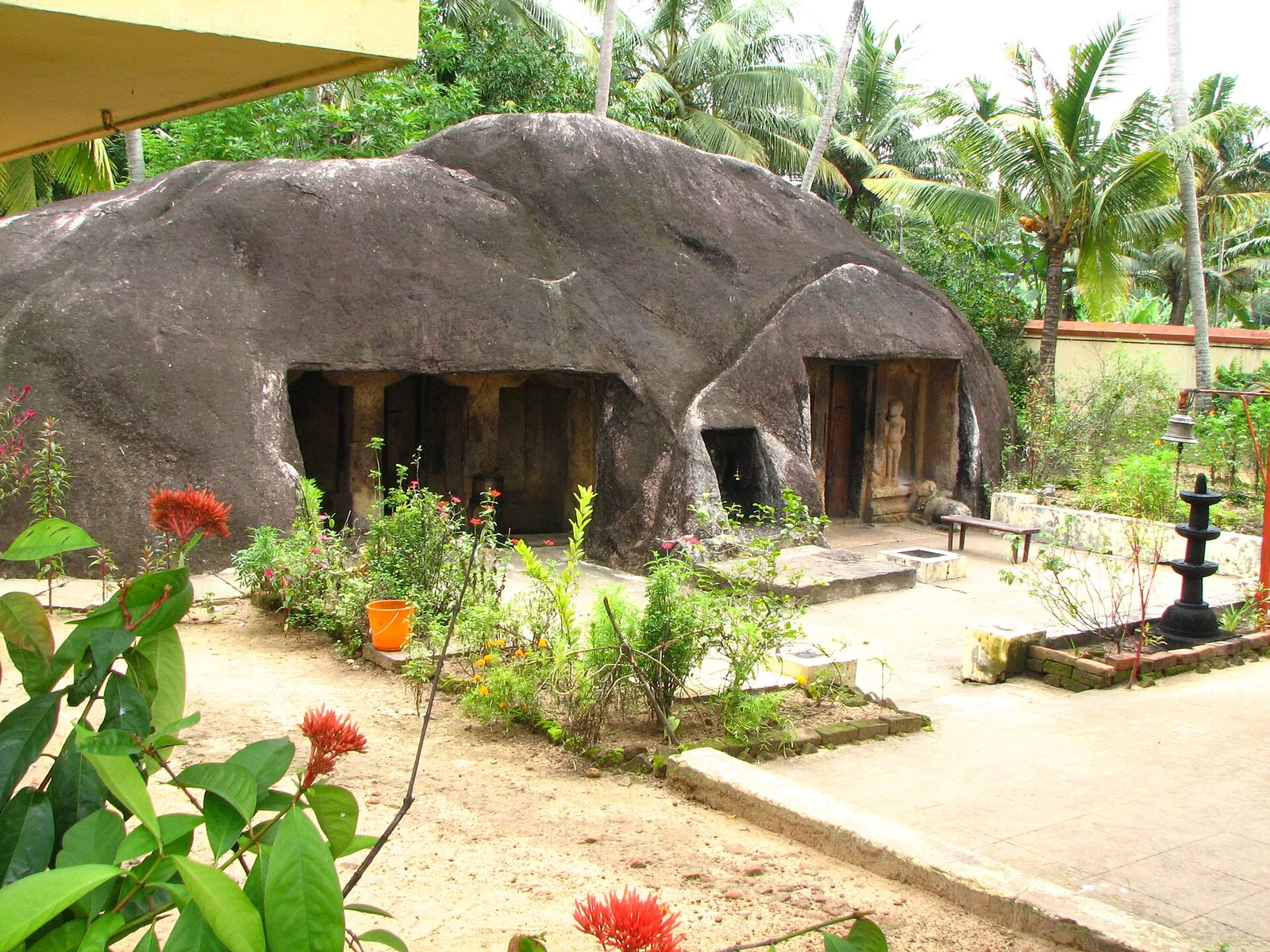
A monolithic rock-cut cave temple near Anchal/Kadakkal in south Kollam, carved with a Shiva shrine.
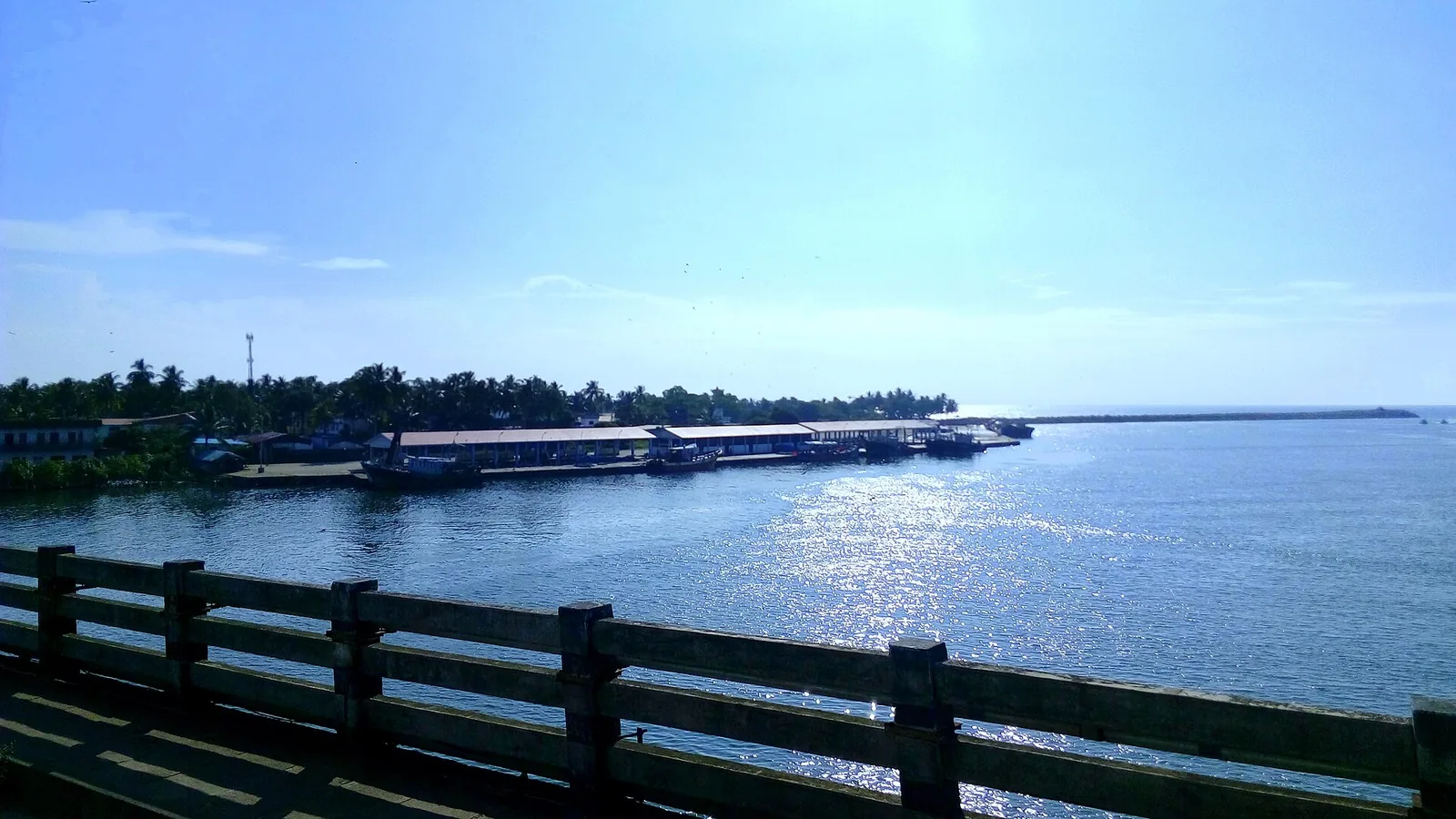
6.9 km · ~17 min by auto
By most accounts Kerala’s largest fishing harbour, at the mouth of Ashtamudi Lake about 9 km from Kollam town, and where Indian fishing was mechanised; two bridges cross the confluence and the early-morning auction is the sight to catch.
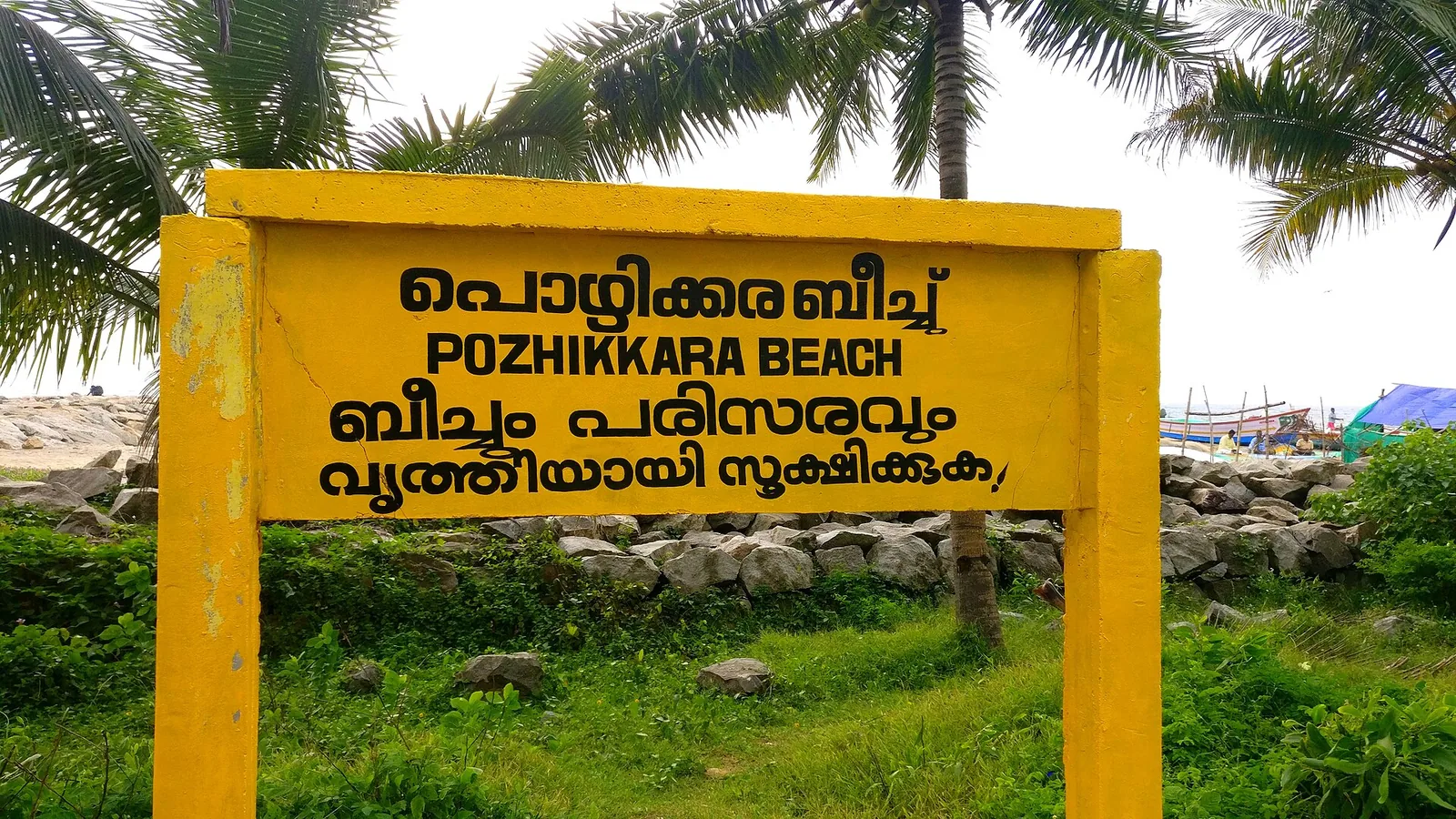
The estuary and beach at Paravur south-east of Kollam, where the Paravur backwaters meet the sea across a sandbar — a quiet spot known for its regulator bridge, the TS Canal and calm backwater-and-sea scenery.
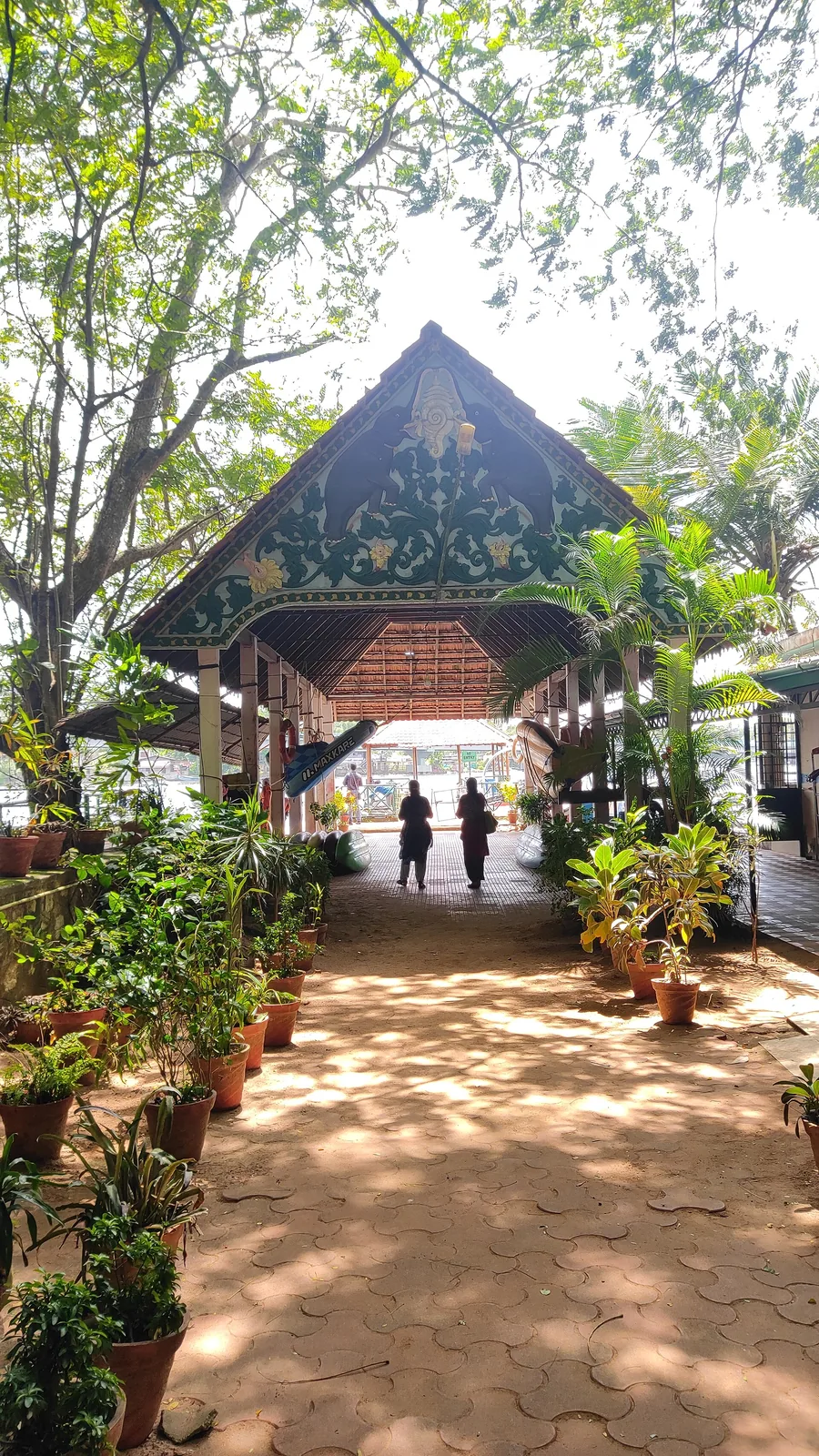
180 m · 2 min walk
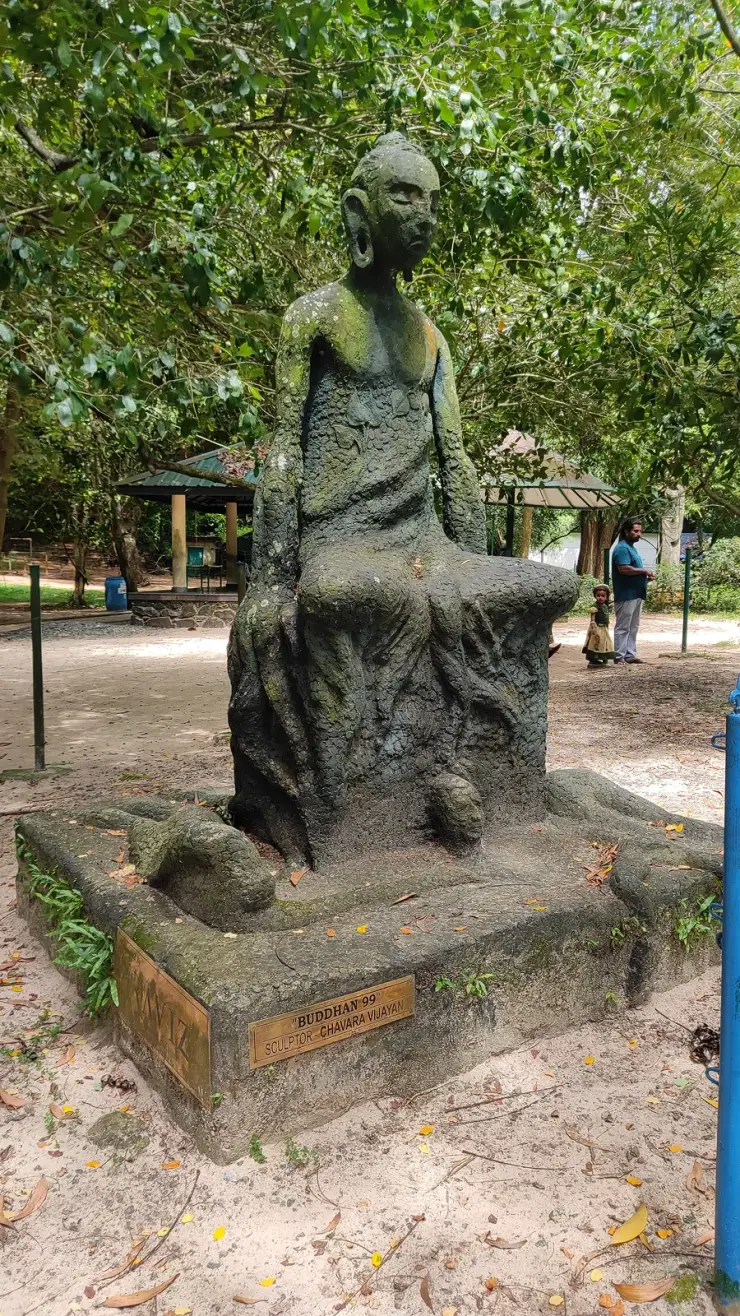
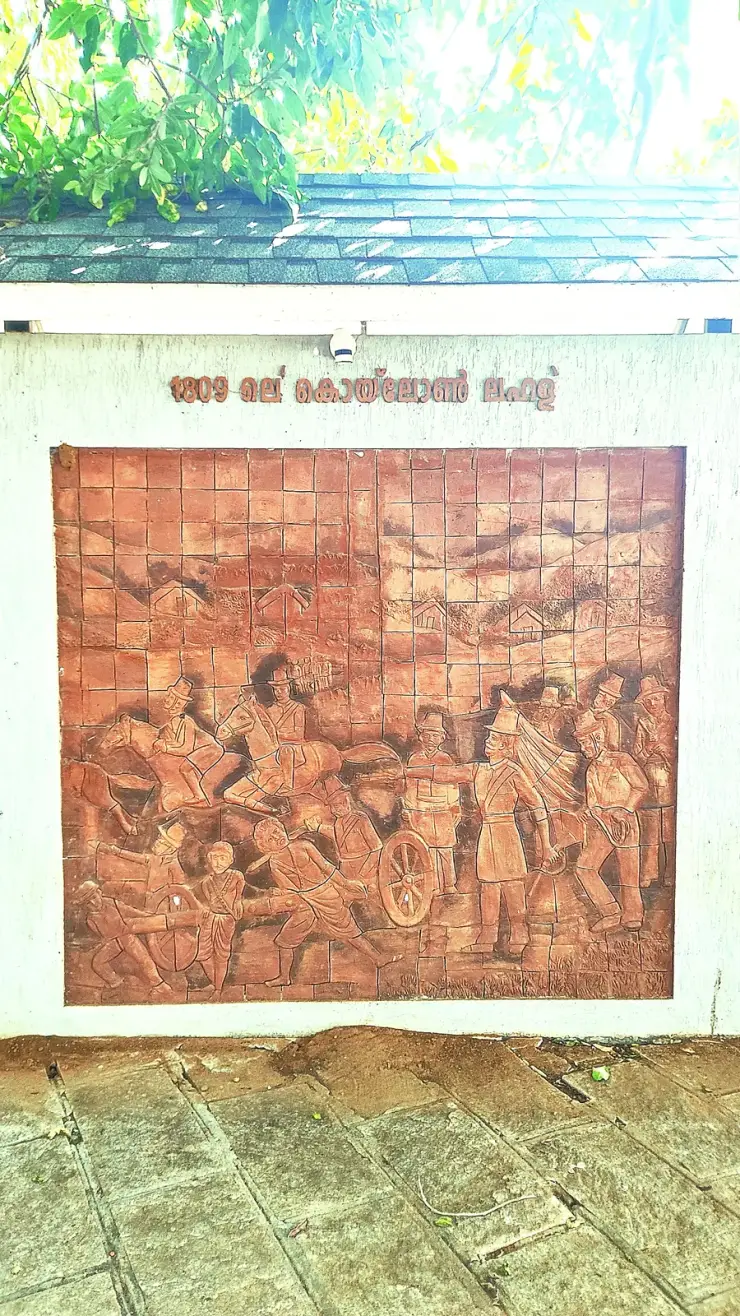
Forty-eight acres of municipal park on the Ashtamudi shore in the middle of Kollam, run by the DTPC — boating and kayaking off a painted jetty, ziplines and rope courses, a heritage walkway of terracotta reliefs, contemporary sculpture left behind by a 2012 festival, and a mangrove wetland with a state biodiversity heritage tag.
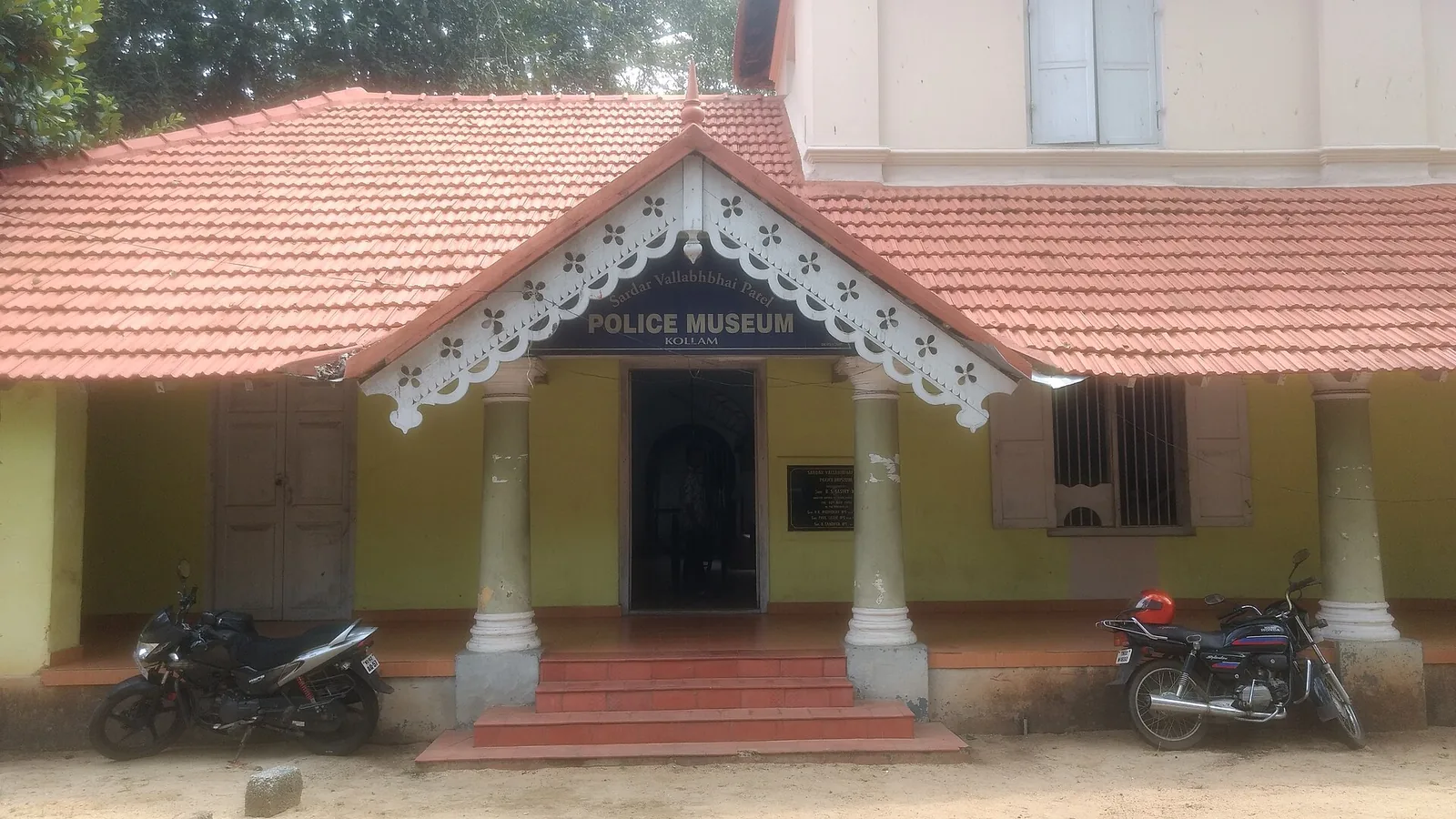
1.7 km · 21 min walk
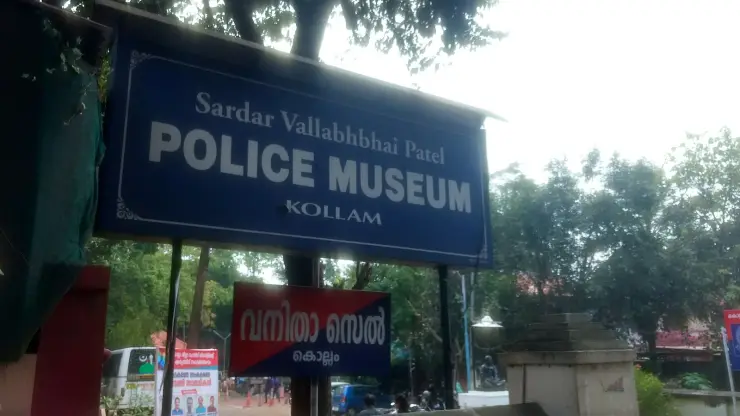
Kollam’s Sardar Vallabhbhai Patel Police Museum introduces the history of policing through arms, equipment and investigation displays. It offers an indoor history stop during a city outing. Check the museum’s session before choosing your day, and leave time to read the displays.
2.3 km · 28 min walk
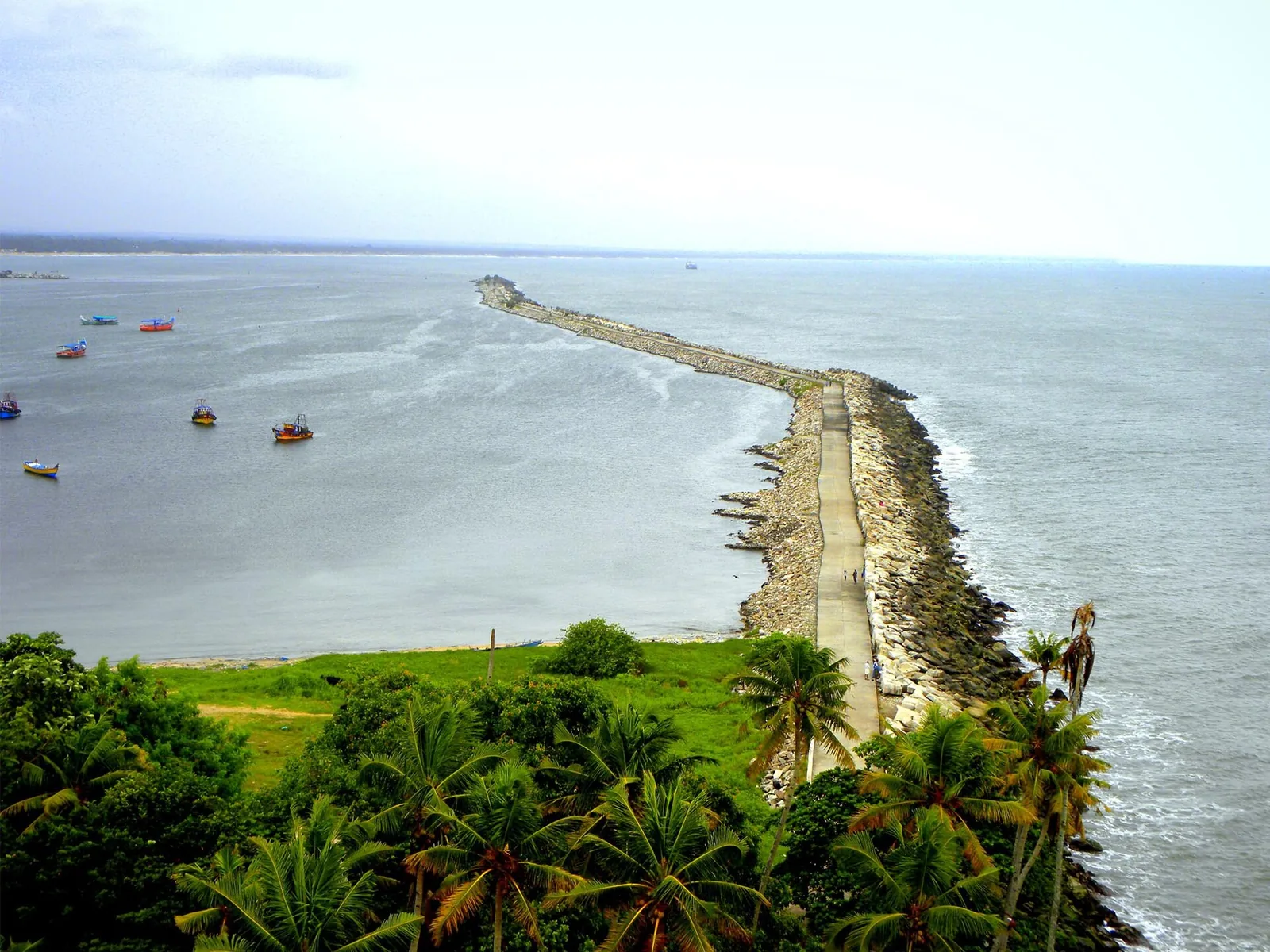
The working wharf and breakwater at Thangassery, conventionally founded in AD 825 — the event the Malayalam calendar counts from. A short cargo quay and a long public breakwater walk, above a seabed that has produced Tang and Song coins and Lower Palaeolithic tools.
Roampedia is commission-free — own or know a stay, eatery, guide or shop near British Residency, Asramam? List it and it appears here once verified.
Add a nearby businessEntry: Confirm any permitted visitor access with the building managers.
At Asramam in Kollam town; use public approaches and respect the Government Guest House boundary.
If you are travelling by bus or ferry, check the return service with the operator before setting out. Leave time to reach the stop or jetty after your visit.
Ask at the bus stand for the time of the last service back, not the next one. If you miss it, an auto or app cab is the fallback — agree the fare before you get in.
If you need step-free access, contact the site before travelling. Ask about a level entrance, steps along the route, the nearest drop-off point, seating and accessible toilets.
Charge cap and free-transaction limits: Reserve Bank of India, in force since 1 May 2025.
These services are listed within about 1.2 km of British Residency, Asramam. Walking distances follow mapped routes; access and opening hours can change. Other services may be closer but are not included here.
Emergency numbers are verified against official government and state tourism sources. 112 works anywhere in India.
Forty-eight acres of municipal park on the Ashtamudi shore in the middle of Kollam, run by the DTPC — boating and kayaking off a painted jetty, ziplines and rope courses, a heritage walkway of terracotta reliefs, contemporary sculpture left behind by a 2012 festival, and a mangrove wetland with a state biodiversity heritage tag.
180 m · 2 min walk · straight lineLarge palm-fringed backwater system and houseboat base around Kollam.
550 m · 7 min walk · straight lineA Travancore royal residence on the Ashtamudi shore in Kollam, built to be arrived at by boat and now a working NCC establishment — viewed from outside or from the water.
910 m · 11 min walk · straight lineAnandavalleeswaram is an active Shiva temple in Kollam, with an Anandavally shrine and a ten-day annual festival in March or April. Ritual processions and cultural performances bring another dimension to the temple visit. Follow its worship session, admission and photography rules.
1.6 km · 20 min walk · straight lineKollam’s Sardar Vallabhbhai Patel Police Museum introduces the history of policing through arms, equipment and investigation displays. It offers an indoor history stop during a city outing. Check the museum’s session before choosing your day, and leave time to read the displays.
1.7 km · 21 min walk · straight lineThe working wharf and breakwater at Thangassery, conventionally founded in AD 825 — the event the Malayalam calendar counts from. A short cargo quay and a long public breakwater walk, above a seabed that has produced Tang and Song coins and Lower Palaeolithic tools.
2.3 km · 28 min walk · straight lineThe city’s Mahatma Gandhi beach and park on the Arabian Sea, a popular evening spot near Kollam town.
2.6 km · ~7 min by auto · straight lineThangassery Lighthouse raises Kollam’s sea view above a historic coastal neighbourhood. The red-and-white tower is a working navigation landmark with a separate visitor session.
3.0 km · ~7 min by auto · straight lineA quiet, curved bay beach west of Kollam town, calmer than the city beach and good for a relaxed evening.
3.6 km · ~9 min by auto · straight lineBy most accounts Kerala’s largest fishing harbour, at the mouth of Ashtamudi Lake about 9 km from Kollam town, and where Indian fishing was mechanised; two bridges cross the confluence and the early-morning auction is the sight to catch.
6.9 km · ~17 min by auto · straight line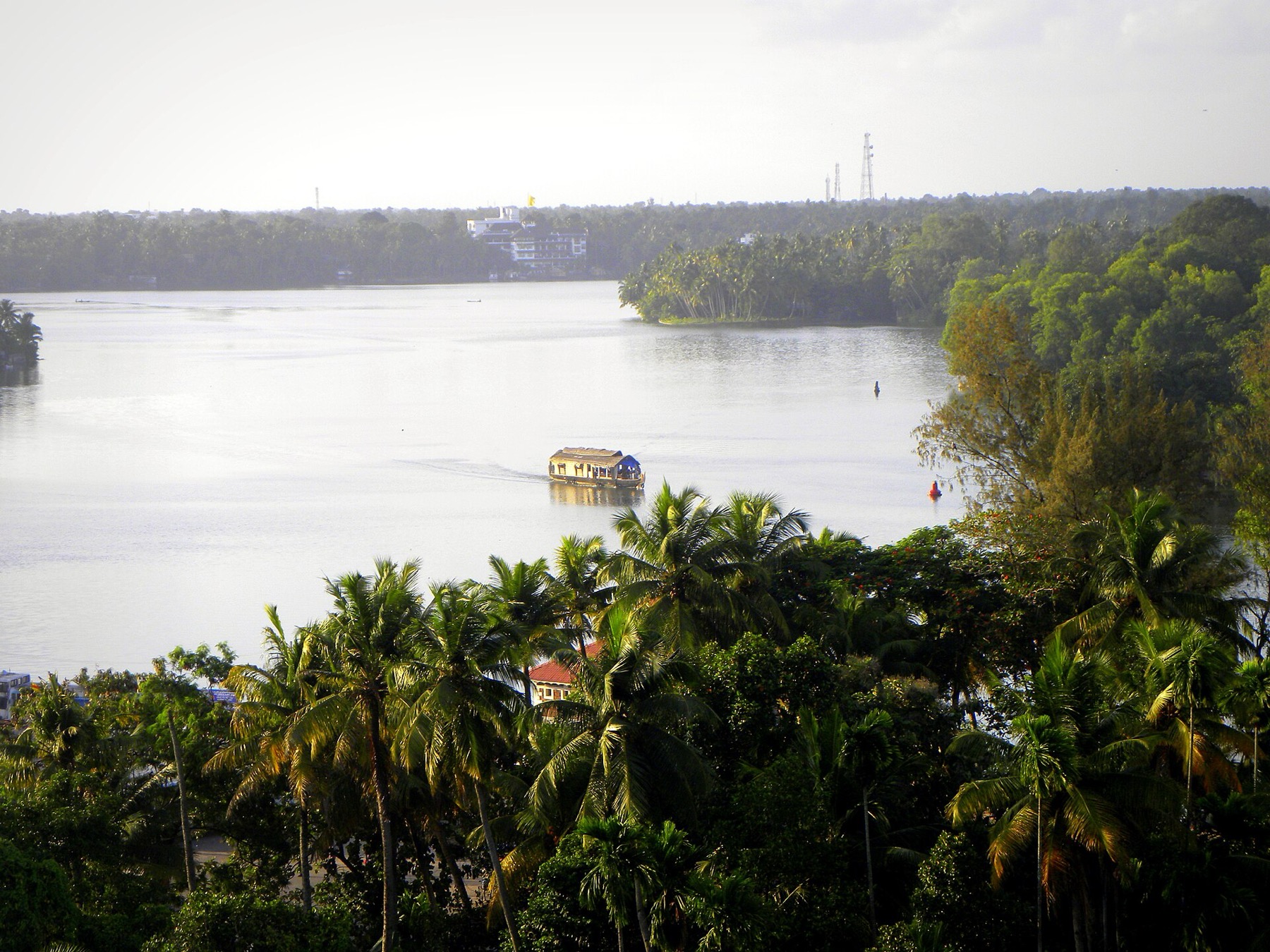
The open-water outlooks on the Munroe Island and Perumon side of Ashtamudi, where the lake widens out — the wide views the canal trips themselves do not give you.
7.1 km · ~18 min by auto · straight line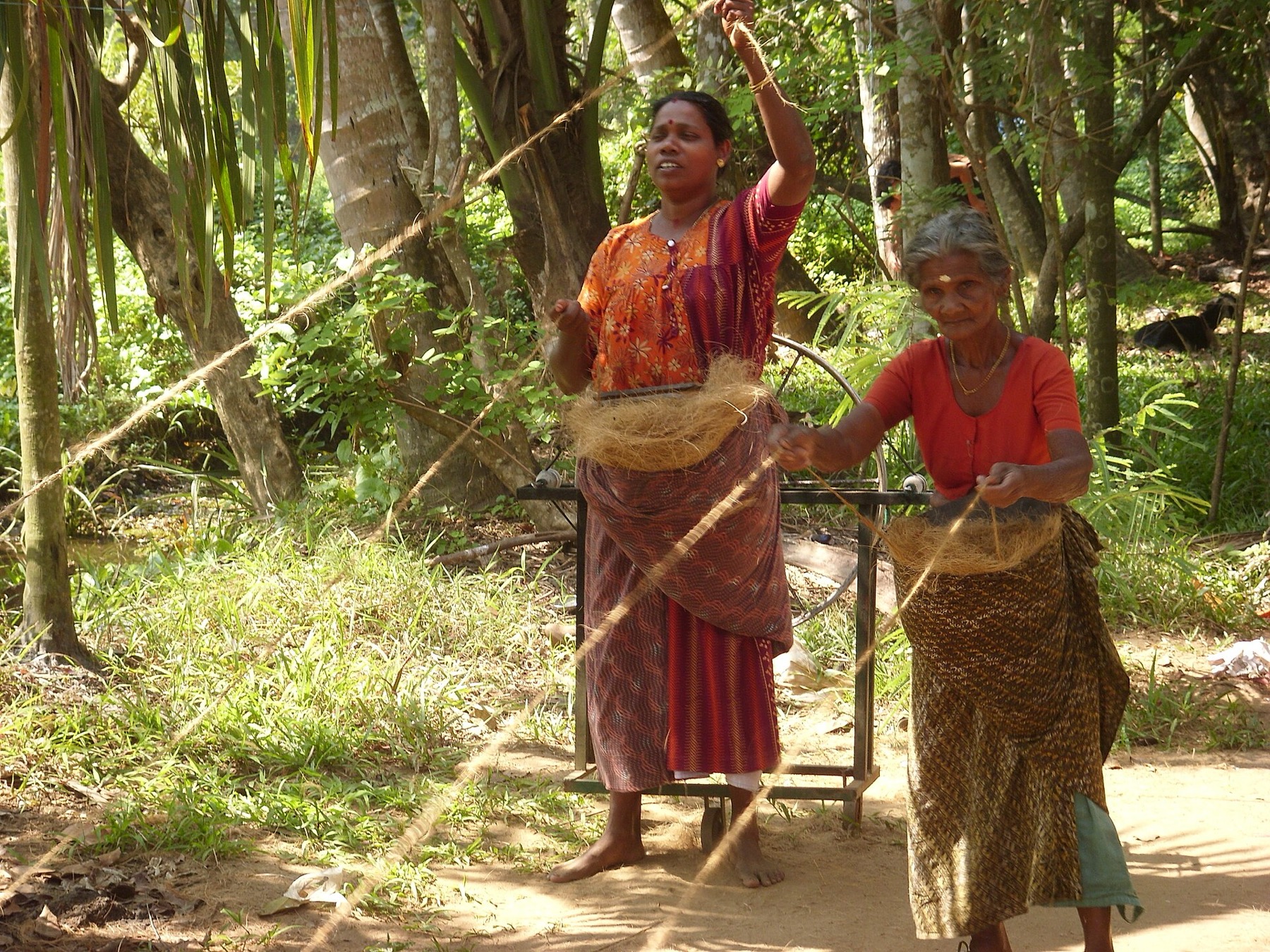
The coir-working settlements of Munroe Island, where coconut husk is retted in the backwater and spun into yarn — a working craft economy on the canal banks rather than a demonstration laid on for visitors.
9.6 km · ~16 min by cab · straight lineNearby toilets, pharmacies, ATMs, seating and vets are community-mapped and may be incomplete or out of date. Map data © OpenStreetMap contributors | Walking times © openrouteservice.org by HeiGIT
It is identified as a government guest-house building. No reviewed official source establishes regular public interior tours; confirm access with its managers.
No. A person’s period in office is not a construction record for the structure.
Daylight, with any visit agreed in advance.
Entry: Confirm any permitted visitor access with the building managers. Timings: Exterior viewing is subject to current Government Guest House security and event restrictions; no regular interior tour is established here.
Approach through public Asramam routes. Confirm event or security restrictions before photographing. Do not assume museum-style interior tours.
About 30–60 minutes for an authorised exterior or grounds visit.
Nearby you can pair Asramam Adventure Park (180 m), Ashtamudi Lake (550 m), Thevally Palace (910 m), Anandavalleeswaram Temple (1.6 km).
Respect official-use boundaries and staff directions.
Written about British Residency, Asramam itself — its history, its legends and the arguments about them.
These guides explore Kollam town and the surrounding area. Choose a visit that fits your interests, allowing separately for travel between stops.
Route-level itineraries and practical guides for the rest of Kerala.
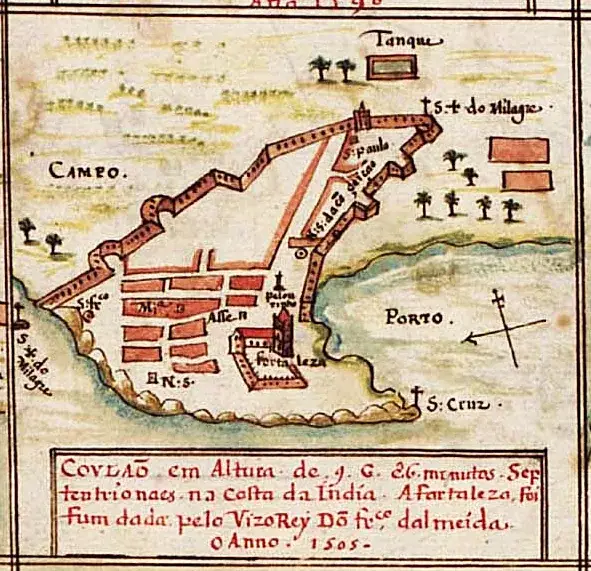
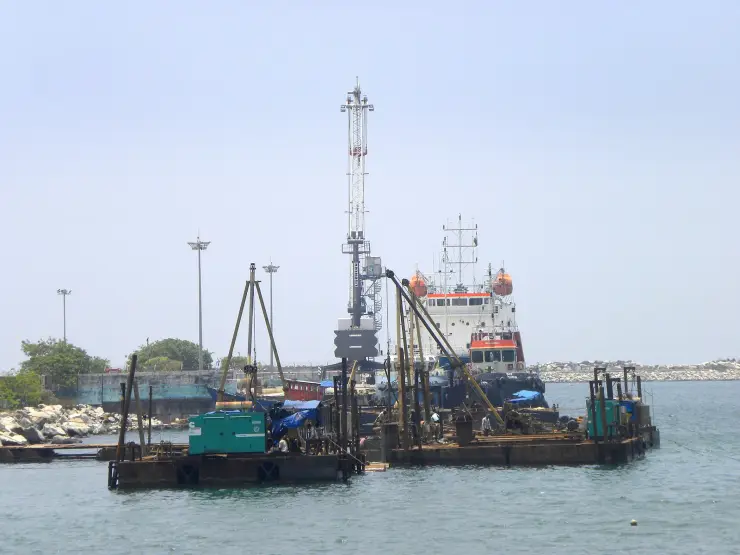
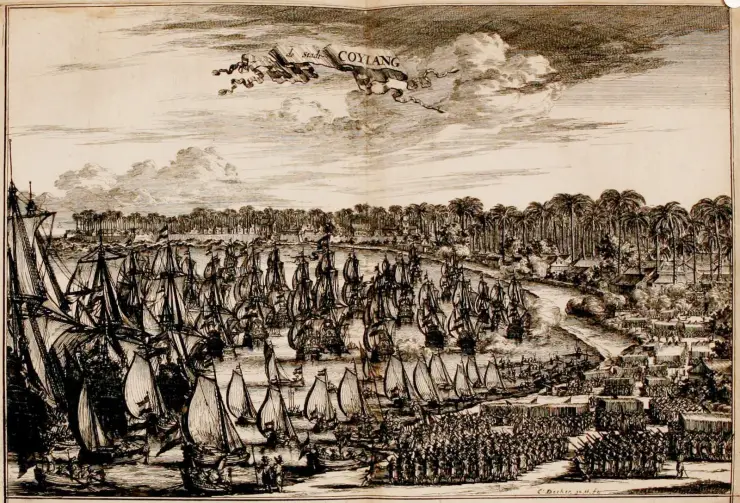
Photographs: Akhilan (CC BY-SA 4.0), Unknown author / British Library, Kitchener of Khartoum Collection (Public domain), Athulvis (CC BY-SA 4.0), Arunvrparavur (CC BY-SA 4.0). Wikimedia Commons.