What to expect
Highlights
- Heritage experience at Iringal Sargaalaya
- Architecture, local stories and old trade/cultural routes
- Good fit for guided walks and nearby cafes/shops
Kerala Arts & Crafts Village at Iringal near Vadakara — a riverside campus of working artisans and crafts pavilions.
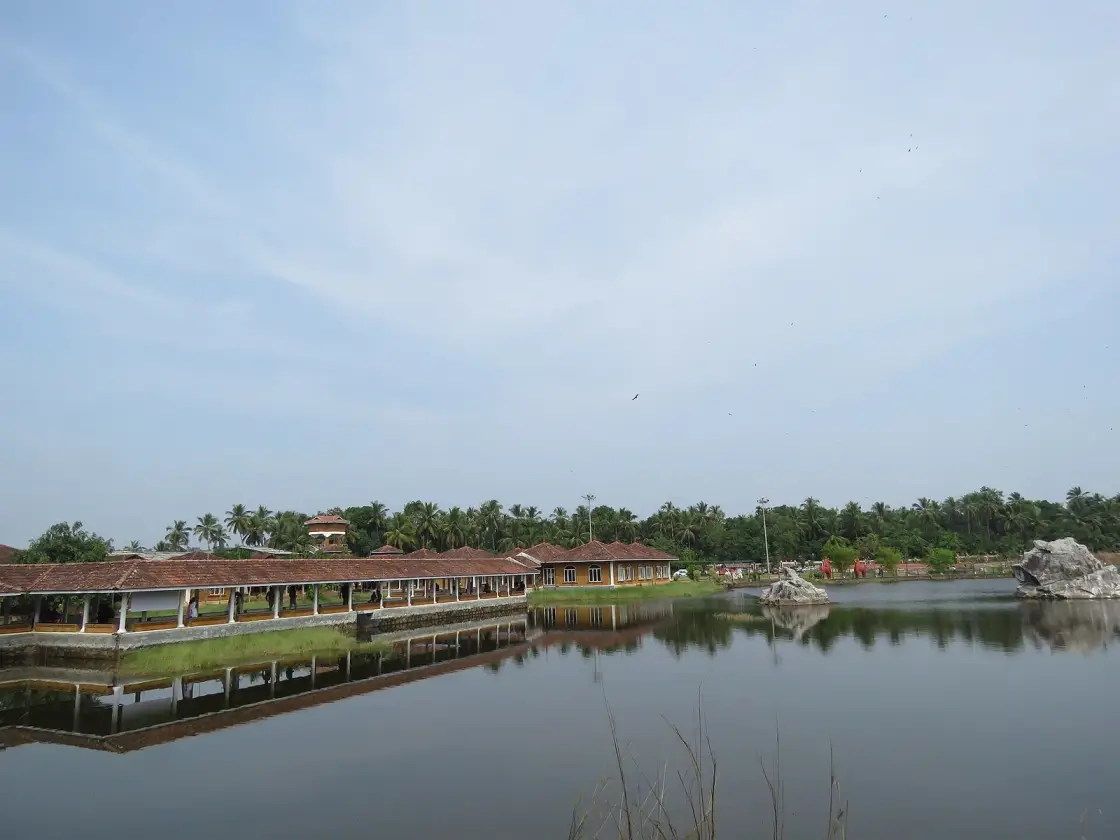
A twenty-acre state-built crafts campus beside a landscaped quarry lake at Iringal, where fifteen traditional Kerala crafts are worked in the open, an hour north of Kozhikode.
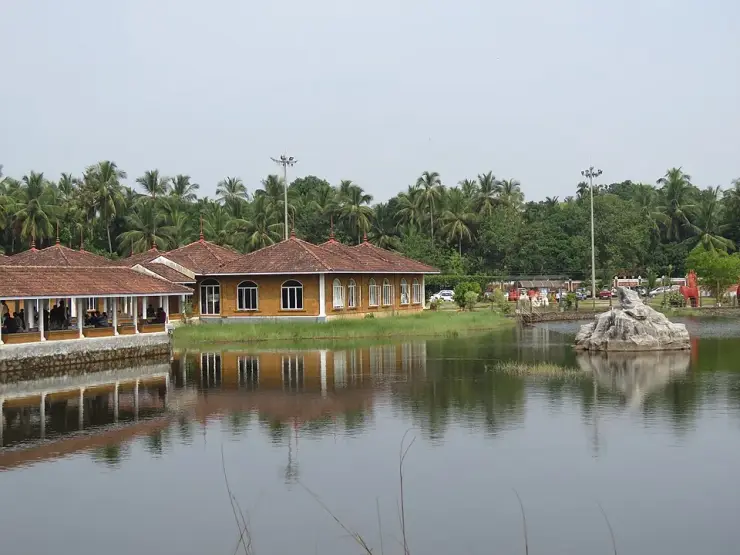
Sargaalaya — the Kerala Arts & Crafts Village — occupies twenty acres of riverside ground at Iringal, a village in the northern belt of Kozhikode district roughly 45 kilometres up the coast from the city and a few kilometres inland of the NH66. The name is straightforward Malayalam: sargam, creation, and aalayam, abode — the abode of creation. What that abode actually looks like surprises most first-time visitors, who arrive expecting a hamlet of craftspeople and find instead a purpose-built campus: laterite-walled pavilions with tiled roofs and low verandas, ranged along a wide sheet of still water, with lawns, lamp posts and a car park. It is a designed landscape rather than an old one, and once you understand that, it becomes a good deal more interesting rather than less.
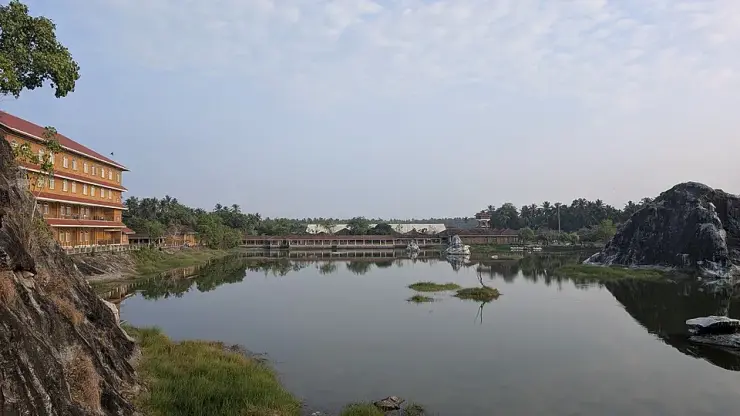
The water is the making of the place. The lake at the centre of the campus is a disused quarry that was flooded and landscaped when the village was laid out, and the craggy rock islands standing in it are the stumps the cutters left behind (as described in Kerala Tourism material — worth asking about on site). At dawn and again in the last hour of light the water goes glassy and the rocks double themselves in it, and the whole campus stops looking like a tourism project and starts looking like something older. Pedal boats and rowing boats work the water during opening hours, and a short stretch of the Kuttiadi river — known in its lower reach as the Moorad — runs past the property to the sea a few kilometres west.
The crafts themselves are worked in a row of huts along the water. Sargaalaya’s own listing names fifteen traditions in residence: terracotta, metal embossing, mural painting, herbarium work, pooram craft, coconut-stem nirapara, sculpture, kora grass, coconut-shell jewellery, coco craft, vetiver, screwpine, bamboo, seed ornaments and cane furniture. The point of the place is that you watch these being made rather than only bought. A potter is throwing while you stand there; a cane-worker is bending a chair frame; the screwpine mats come off the weaver’s knee in front of you. How many huts are staffed on any given day varies — this is a working campus, not a museum with a fixed roster (varies by day and season — confirm on arrival).
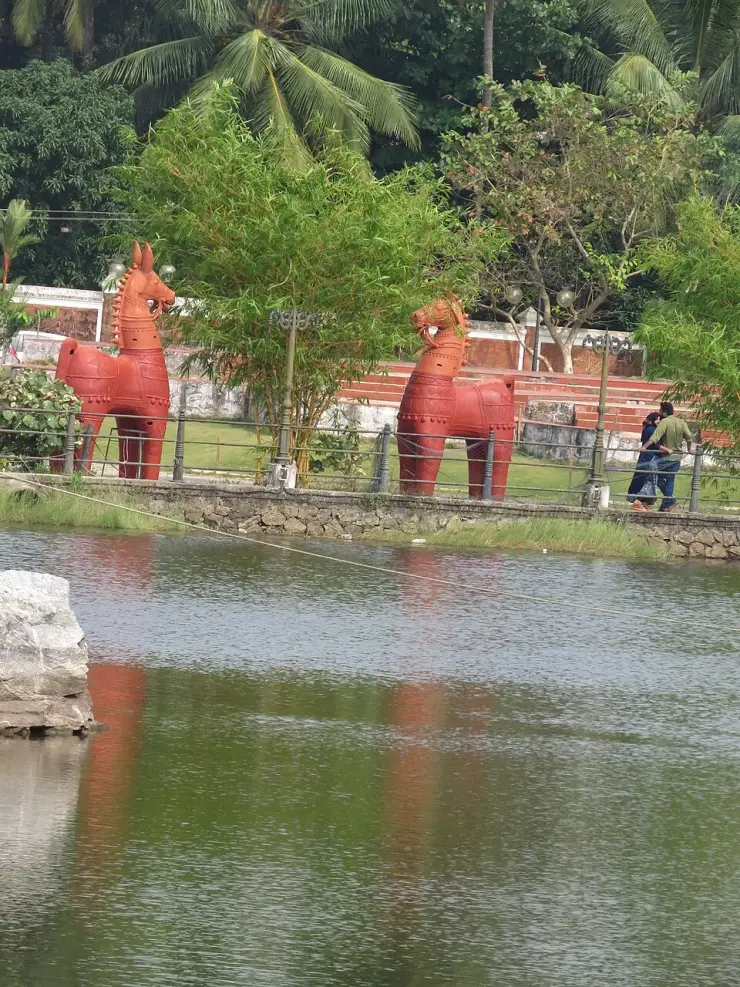
Terracotta is the craft the campus wears on the outside. Two large red horses stand on the bank above the lake, the kind of votive animal that North Malabar has modelled in fired clay for generations, and they have quietly become the picture everyone takes home. Elsewhere the outdoor sculpture is scattered without much ceremony among the lawns and the walkways, so that a wander round the water doubles as a slow, unlabelled sculpture walk. There is no route to follow and no audio guide; the campus is small enough that you simply drift, which is the right speed for it.
Beyond the craft huts the site carries the ordinary apparatus of a Kerala tourism destination — a cafeteria, a children’s play area, an aquarium, a guest house block on the far side of the water, and covered halls used for functions and performances. Classical and folk performances are staged here from time to time, and the Kerala State Tourism award ceremony has been held on the campus. None of this is exceptional in itself; what makes it work is the scale. Twenty acres is large enough to absorb a weekend crowd without feeling like a fairground and small enough to see properly in two hours.
The one stretch of the year when Sargaalaya becomes something else entirely is during the Sargaalaya International Arts & Crafts Festival, held across the turn of the year. The thirteenth edition ran from 23 December 2025 to 11 January 2026, drew close to 200 artisans from more than eighteen Indian states and fifteen-odd countries — Egypt, Iran, Nepal, Sri Lanka, Russia, Uzbekistan and Taiwan among them — and put more than a hundred stalls across the grounds. Attendance is counted in the low lakhs. Outside those three weeks the campus is quiet, which is a completely different and in some ways better experience: fewer people, more time with the artisans, and the lake to yourself.
Practically, the shape of a visit is simple. Sargaalaya’s own site gives its hours as 09:30 to 18:30 and its entry as ₹50 for adults, ₹40 for children and ₹30 for senior citizens, and the campus is closed on Mondays; treat all of that as indicative and confirm on the day, since ticketing, boating charges and hours have all shifted over the years. Allow two hours, more if you intend to buy. Come mid-morning for the craftspeople at work or late afternoon for the light on the water — and if you can manage both, the answer is late afternoon. Iringal itself is worth twenty minutes more, and the Kunjali Marakkar house is about a kilometre away, which is a walk rather than a drive.
Almost every description of this place calls it a crafts village. It is worth being precise about what that phrase is doing, because two of the three words are misleading. Sargaalaya is not a village in any settlement sense — Iringal is the village, a real one of some 25,894 people at the 2011 census, and the crafts campus is a twenty-acre facility built inside it. And it was not built by craftspeople. It is a Kerala Tourism Department project, put up at a cost of around ₹15 crore, and handed to a contractor to run.
The contractor is where the story gets good. Sargaalaya is managed by the Uralungal Labour Contract Co-operative Society — ULCCS — which is not a crafts body at all but a construction workers’ co-operative. It was founded on 13 February 1925 by fourteen labourers in a hamlet of what was then British Malabar, followers of the social reformer Vayaleri Kunhikannan Gurukkal, better known as Vagbhatananda, who had set himself against caste discrimination and the middlemen who took a cut of a labourer’s wage. ULCCS is now recognised as the oldest workers’ co-operative in India and the largest in Asia, employing more than 13,500 people, and it marked its centenary in 2025. The organisation that runs Kerala’s showpiece crafts village is, at bottom, a road-building co-op — and its home ground is a few kilometres from this gate.
The founding date is worth pinning down too, because the published record contradicts itself. The standard account gives 19 February 2011, inaugurated by Kodiyeri Balakrishnan, then Kerala’s Minister for Home Affairs and Tourism; other published accounts of Iringal say the crafts village was inaugurated in November 2010. Both cannot describe the same opening. The February 2011 date is the better supported and is at least consistent with Balakrishnan’s term, which ran from 18 May 2006 to 16 May 2011.
There is a second trap in the name. Kerala Arts & Crafts Village is not a phrase that identifies this place uniquely. A separate Kerala Arts & Crafts Village was inaugurated at Vellar near Kovalam, at the other end of the state, in January 2021 — roughly 8.5 acres, a first phase costed at ₹20 crore, and, confusingly, also implemented by ULCCS for the same Tourism Department. Search for the phrase and the Kovalam project is what you will find. They are two different sites, ten years and some 400 kilometres apart.
Kerala Tourism’s own destination page for Iringal contains a plain geographical error that has been copied outward for years: it places the village along the Chaliyar river. The Chaliyar is a different river entirely, reaching the sea at Beypore some fifty kilometres south of here. The water at Iringal is the Kuttiadi, which is called the Moorad in its lower reach — the same river under two names, which is probably how the confusion started. Kerala Tourism’s own longer article on Sargaalaya gets it right and says Moorad.
The lake, meanwhile, is not a backwater and not a natural feature. Kerala Tourism material describes the site as a transformed defunct quarry, the small lake with its craggy rock islands being what remained when the cutting stopped. Once you know that, the campus reads differently: the laterite walls of the buildings and the rock in the water are the same material, one of them dressed and one of them left as it fell.
The next correction is the largest. Iringal’s real claim on history is not the crafts village at all — it is the Marakkar shore about a kilometre away at Kottakkal, where the Zamorin’s admirals fought the Portuguese at sea through the sixteenth century. The Archaeology Department took the surviving house under protection as a monument in 1976 and opened part of it as the Kunjali Marakkar Memorial Museum in 2004. But note the usual claim carefully: tourism pages, including Kerala Tourism’s, call Iringal the birthplace of Kunjali Marakkar IV. The Marakkars are generally traced to a branch of Arab-descended seafaring merchants settled at Kochi, who moved into the Zamorin’s service later; the Iringal property is best described as the family’s fortified base and ancestral house rather than as a documented birthplace.
Finally, a claim to refuse rather than repeat. This stretch of the Malabar coast is sometimes attached to the ancient Graeco-Roman ports of the Periplus — Tyndis and Naura — and the association is occasionally stated flatly on travel pages. It should not be. No archaeological evidence of Tyndis has ever been found; the candidates argued over by historians are Kadalundi, Ponnani and Panthalayini Kollam (Koyilandy), and Naura is most often placed near Kannur. Nothing in the scholarship puts either port at Iringal. If you read that here, it is decoration.
Iringal’s recorded importance long predates the crafts village, and it is naval. Through the sixteenth century the Kunjali Marakkars — the Zamorin of Calicut’s admirals — ran the sea war against Portuguese attempts to control the Malabar pepper trade, and their fortified base stood on this shore at Kottakkal, on the southern bank of the Moorad. The Portuguese knew a string of these Samoothiri-patronised fortified ports by their own names, one of them Badara, and attacked them repeatedly. The campaign ran from roughly 1524 to 1600, when Kunjali IV finally surrendered, and it is the reason a small village on a quiet river appears in European chronicles at all.
That history is still on the ground. The Kerala State Department of Archaeology took the surviving portion of the Marakkar house under protection as a monument in 1976, and in 2004 converted the intact part into the Kunjali Marakkar Memorial Museum. Its collection is modest and specific: cannon and swords recovered nearby, a model of the fort, megalithic pottery, Neolithic stone tools and coins, including silver Veerarayan issues unearthed by the department. The Kottakkal Valiya Juma’ath Mosque stands about 400 metres north-north-east of the museum and holds objects held by tradition to have been taken from the Portuguese.
The other strand of Iringal’s modern history is co-operative rather than martial. On 13 February 1925, fourteen workers in this part of old Malabar founded the Uralungal Labour Contract Co-operative Society, under the influence of the reformer Vagbhatananda’s Atmavidya Sangham, in order to take construction contracts directly and cut out the labour middleman. It grew across the twentieth century from village roads to major infrastructure, becoming India’s oldest and Asia’s largest workers’ co-operative, and it reached its centenary in 2025. Sargaalaya sits, in other words, in the home district of one of the most studied co-operative experiments in the country.
The crafts village itself is a product of Kerala’s responsible-tourism policy of the late 2000s. The Department of Tourism developed a twenty-acre site on the Moorad — a disused quarry and its surrounds — at a cost of around ₹15 crore, with the object of giving traditional craftspeople from across the state a place to produce, demonstrate and sell without an intermediary. Construction used laterite throughout, which is why the pavilions read as a single architectural family. The opening is recorded as 19 February 2011, inaugurated by the then Minister for Home Affairs and Tourism, Kodiyeri Balakrishnan (a second published date of November 2010 also circulates — see above).
Management was contracted to ULCCS for a ten-year term from the opening. The campus was laid out with around sixty stalls in cottages, craft huts for resident practitioners, and a Crafts Design and Technology Development Centre intended to train craftspeople in modern production and design methods — the least visible and arguably most consequential part of the project, since the commercial problem for Kerala’s traditional crafts has rarely been skill and almost always been design, costing and access to market. Whether and on what terms the management arrangement was renewed after the first decade is not clearly documented in public sources (unverified — we have not been able to confirm the current contractual position).
The annual Sargaalaya International Arts & Crafts Festival grew into the campus’s defining event and, on the usual claim, South India’s largest handicraft fair. Early editions were held on fixed dates of 20 December to 5 January; more recent ones have not been, the thirteenth edition running from 23 December 2025 to 11 January 2026 with participation from more than eighteen Indian states and fifteen-plus countries and a footfall counted above two lakh. Administratively, Iringal now falls within Payyoli Municipality rather than Vadakara, which is why Sargaalaya’s own postal address reads Iringal, Payyoli Municipality even though every guidebook, this page included, describes it as being near Vadakara.
Watch fifteen living Kerala crafts being worked in the open — terracotta, mural painting, screwpine, kora grass, cane, bamboo, coconut shell and more — rather than only displayed.
Walk a landscaped quarry lake whose craggy rock islands and laterite pavilions make one of the most photogenic campuses in North Malabar, best at first and last light.
Buy directly from the maker, at a state-run site set up specifically to cut the middleman out of the traditional crafts trade.
Time a winter visit to the Sargaalaya International Arts & Crafts Festival, held across the turn of the year with artisans from a dozen-plus countries.
Pair it with the Kunjali Marakkar Memorial Museum, about a kilometre away in the Zamorin admirals’ own ancestral house, protected since 1976.
See what Asia’s largest workers’ co-operative builds when it is not building roads — ULCCS, founded by fourteen labourers in 1925, runs this place.
Road km to Kozhikode; ghat roads and traffic vary — allow extra.
November to February and early mornings are best for walking; avoid midday heat where possible.
Live forecast loads in your browser.
Sun and moon are calculated for this location and shown in IST. Photography windows are the hour around sunrise and sunset; the sunset bearing is degrees clockwise from true north. Moon phase is accurate to about half a day.
Browse listed stays, food, activities, sights, shops and rentals around Iringal Sargaalaya. Check each listing’s locality and contact the business directly for current arrangements.
Vadakara's state bus depot, on the NH66 corridor, run by an Assistant Transport Officer. Office of the Assistant Transport Officer, KSRTC Vadakara, Kozhikode, Kerala 673513.
Station code BDJ, on the Shoranur-Mangalore line, open since 1907 and busy with about 9,967 passengers a day.
Book with the place itself. India’s cyber-crime coordination centre warned in April 2025 that convincing copies of hotel and pilgrimage booking sites are being pushed through sponsored search and social ads, taking payment for rooms the property never hears about. Use the contact and source details on each profile to confirm the exact business and booking channel. A directory entry or map pin alone does not establish an operator’s identity or current availability. Roampedia takes no commission and does not collect booking payments. If a booking page reached you through an ad, check the address bar against the property’s own site before you pay. Fraud can be reported on cybercrime.gov.in or on 1930.
Find food, accommodation and activities across Vadakara. Browse the guides for places to eat, stay and explore along your route.
4 more places around Vadakara. Open a guide to plan the visit and onward journey.
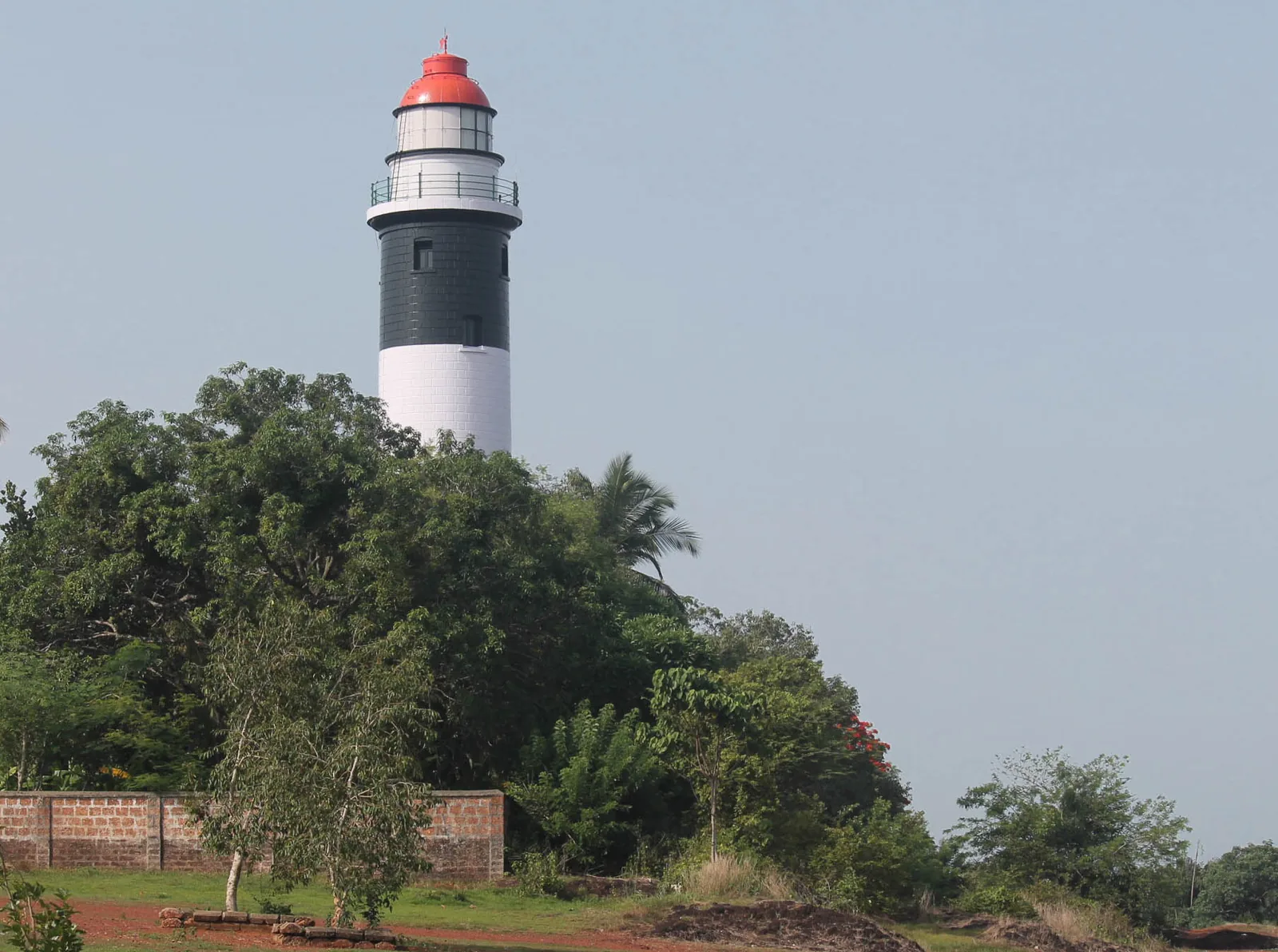
10.6 km · straight line
A 1909 lighthouse on the laterite headland at Kadalur Point, built to mark the submerged Sacrifice Rock eight kilometres offshore.
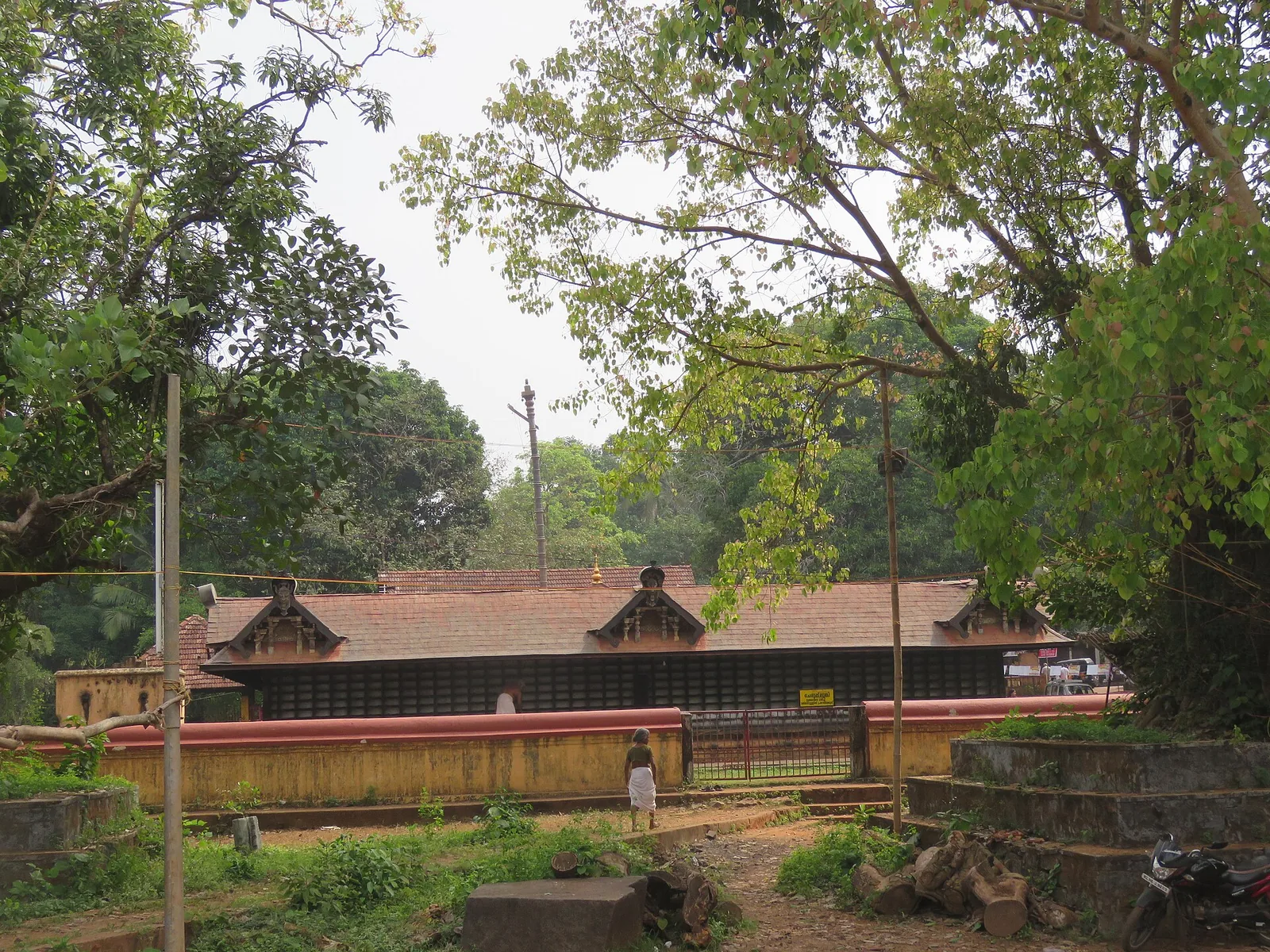
4.5 km · straight line
Ancient Durga/Bhagavathy temple at Vadakara, celebrated in the Vadakkan Pattukal and linked to the Kalaripayattu hero Thacholi Othenan.
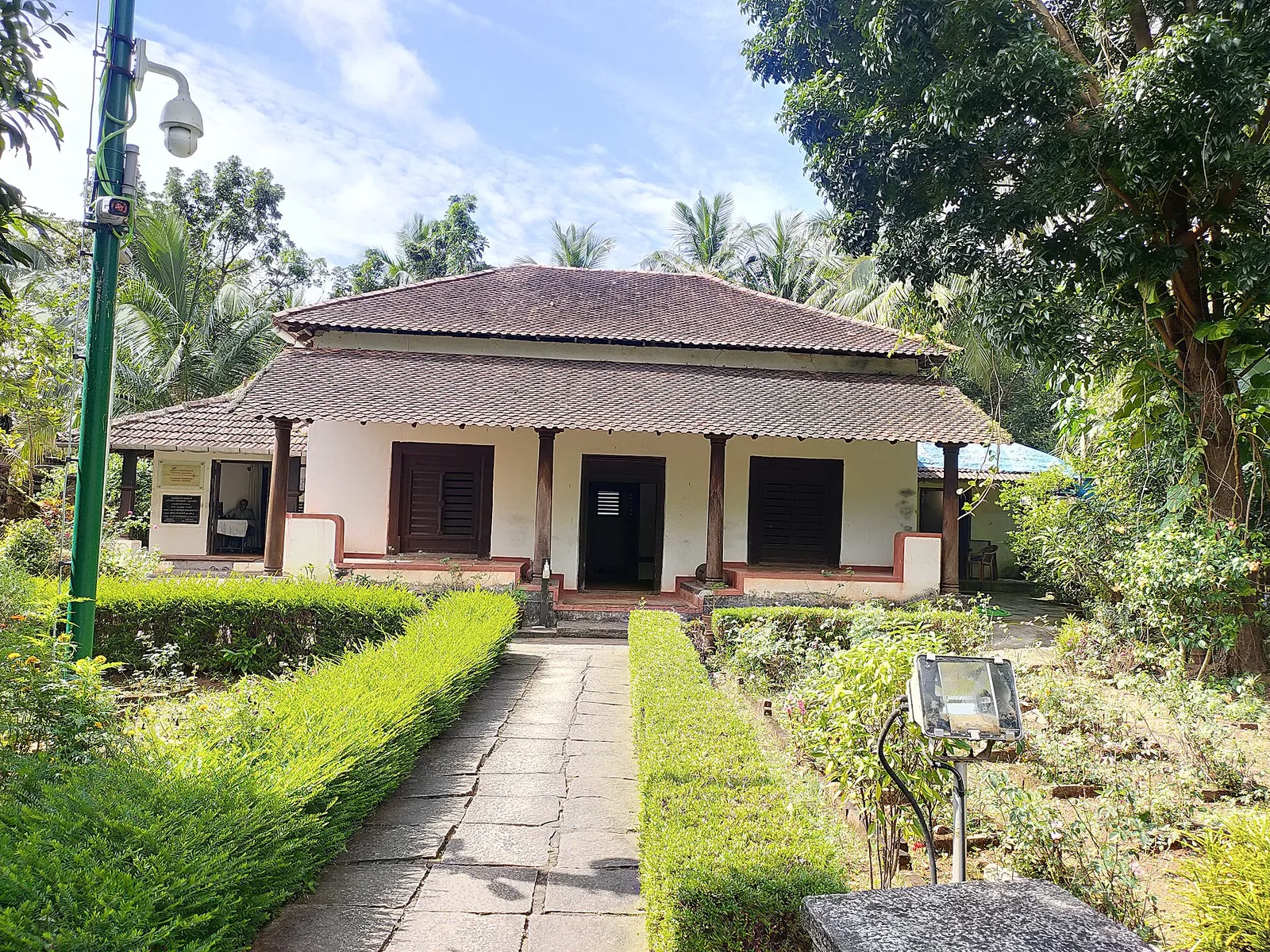
1.1 km · straight line
The Kerala Archaeology Department’s museum in the surviving part of the Marakkar family house at Kottakkal, Iringal — three rooms and a vestibule holding swords, stone shot and megalithic finds, with an Indian Navy obelisk in the garden. Not the fort: that was razed in 1600.
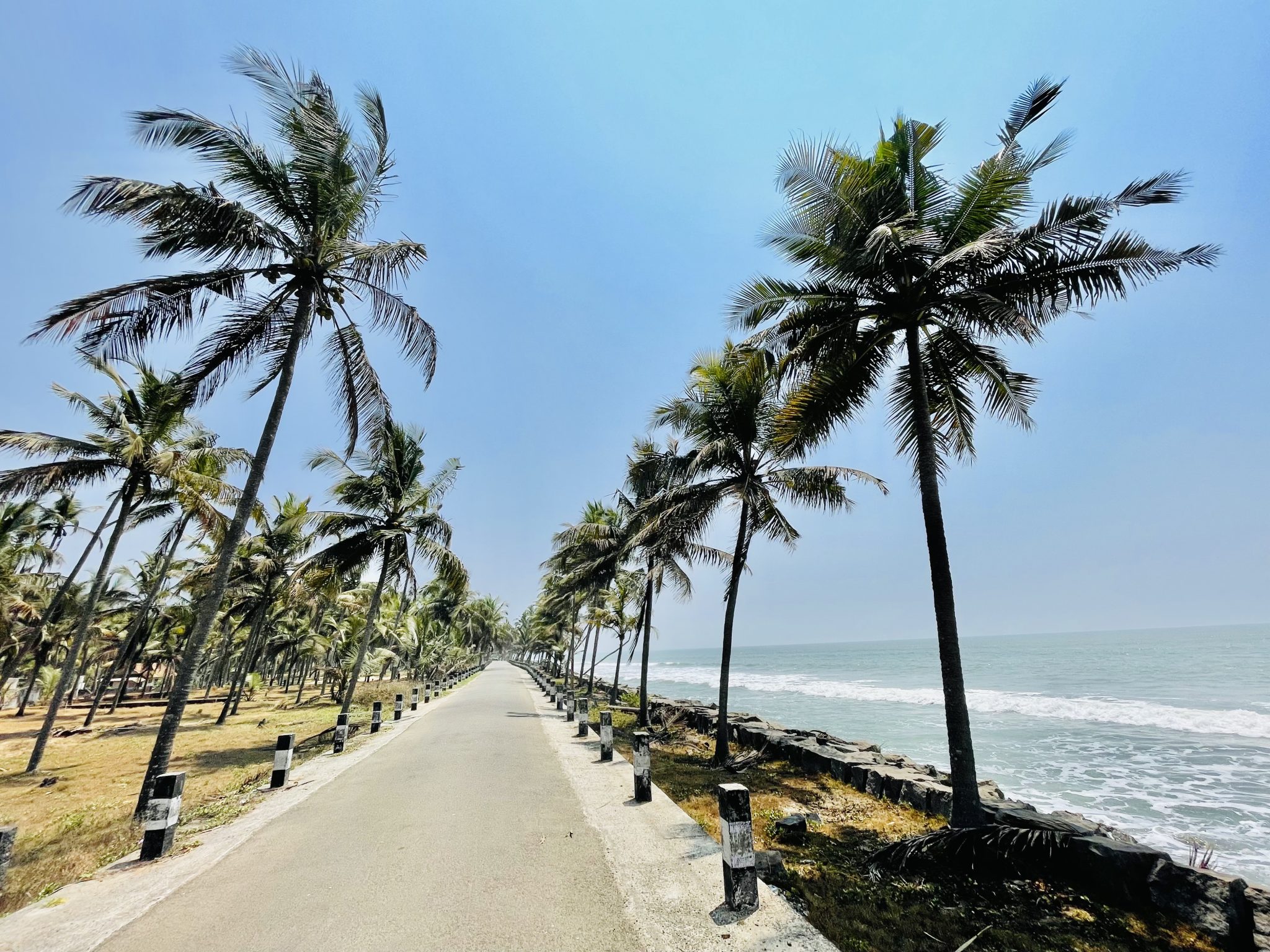
1.8 km · straight line
An 8 km olive ridley nesting shore at Iringal, protected since 1992 by a village committee of twelve — and now largely armoured with seawalls, with seven nesting females recorded across the four seasons to 2023.
Roampedia is commission-free — own or know a stay, eatery, guide or shop near Iringal Sargaalaya? Submit public business details for review.
Add a nearby businessGovernment monuments, museums and forest reserves in India often charge foreign visitors more. We have not verified whether this site does — ask at the counter.
Fees change without notice. Check the current rate at the counter.
Entry: Entry around ₹50 for adults (₹40 children), plus parking; confirm on site.
At Iringal near Vadakara, about 45 km north of Kozhikode off the NH66.
If you are travelling by bus or ferry, check the return service with the operator before setting out. Leave time to reach the stop or jetty after your visit.
Ask at the bus stand for the time of the last service back, not the next one. If you miss it, an auto or app cab is the fallback — agree the fare before you get in.
If you need step-free access, contact the site before travelling. Ask about a level entrance, steps along the route, the nearest drop-off point, seating and accessible toilets.
Charge cap and free-transaction limits: Reserve Bank of India, ATM FAQ updated 4 July 2025; checked 4 October 2026.
These services are listed within about 1.2 km of Iringal Sargaalaya. Walking distances follow mapped routes; access and opening hours can change. Other services may be closer but are not included here.
Published emergency and visitor-assistance contacts. For an immediate emergency, call 112. Shared Kerala contact sources checked 4 October 2026; publication does not establish a tested live response.
The Kerala Archaeology Department’s museum in the surviving part of the Marakkar family house at Kottakkal, Iringal — three rooms and a vestibule holding swords, stone shot and megalithic finds, with an Indian Navy obelisk in the garden. Not the fort: that was razed in 1600.
1.1 km · straight lineAn 8 km olive ridley nesting shore at Iringal, protected since 1992 by a village committee of twelve — and now largely armoured with seawalls, with seven nesting females recorded across the four seasons to 2023.
1.8 km · straight lineAncient Durga/Bhagavathy temple at Vadakara, celebrated in the Vadakkan Pattukal and linked to the Kalaripayattu hero Thacholi Othenan.
4.5 km · straight lineA 1909 lighthouse on the laterite headland at Kadalur Point, built to mark the submerged Sacrifice Rock eight kilometres offshore.
10.6 km · straight line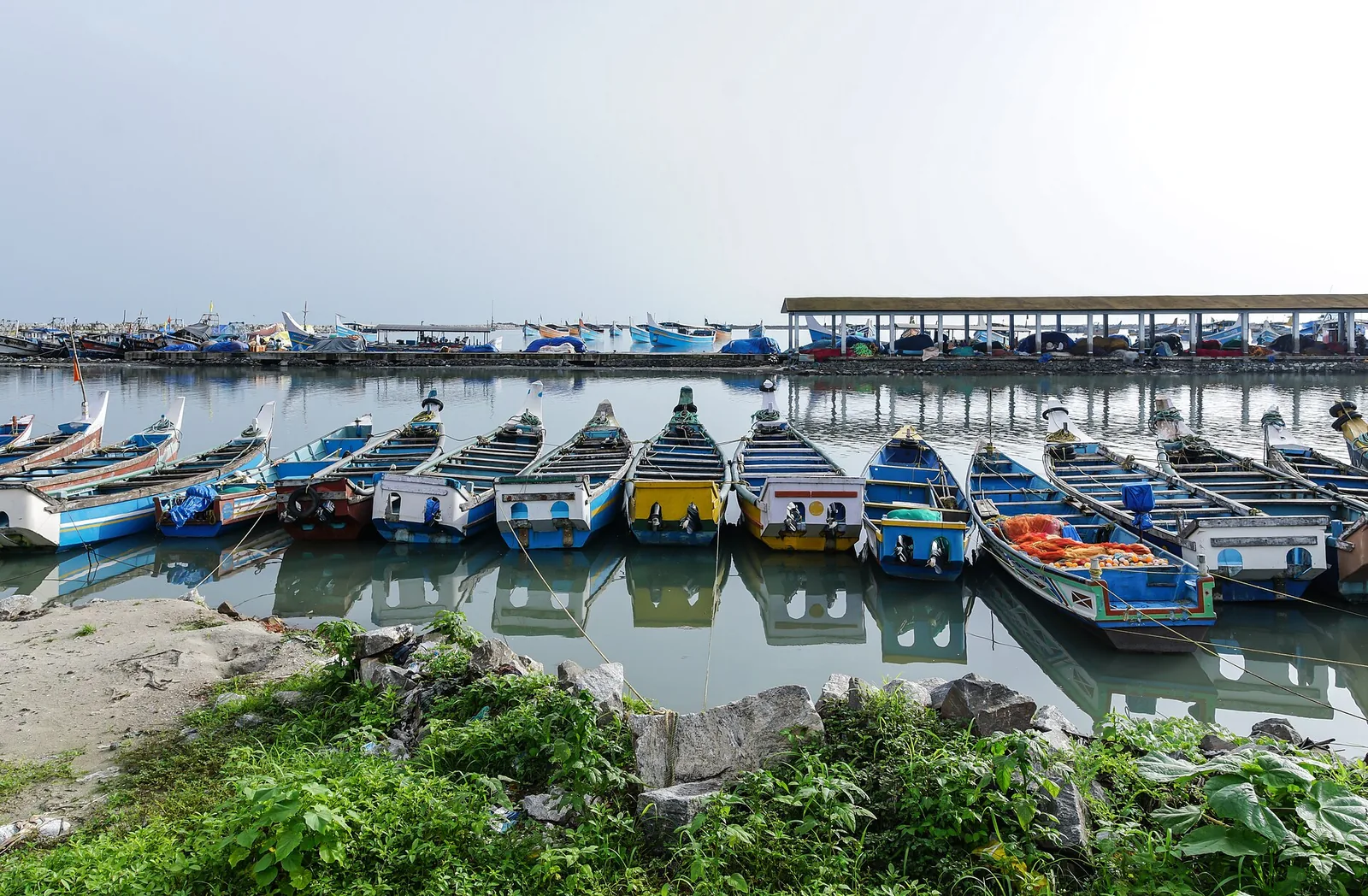
The medieval port of Panthalayani Kollam — Ibn Battuta’s Fandarayna, where Chinese junks wintered, and the anchorage where da Gama’s fleet lay 88 days in 1498. Nothing of the port survives above ground; the working fishing harbour is what you come for.
16.7 km · straight line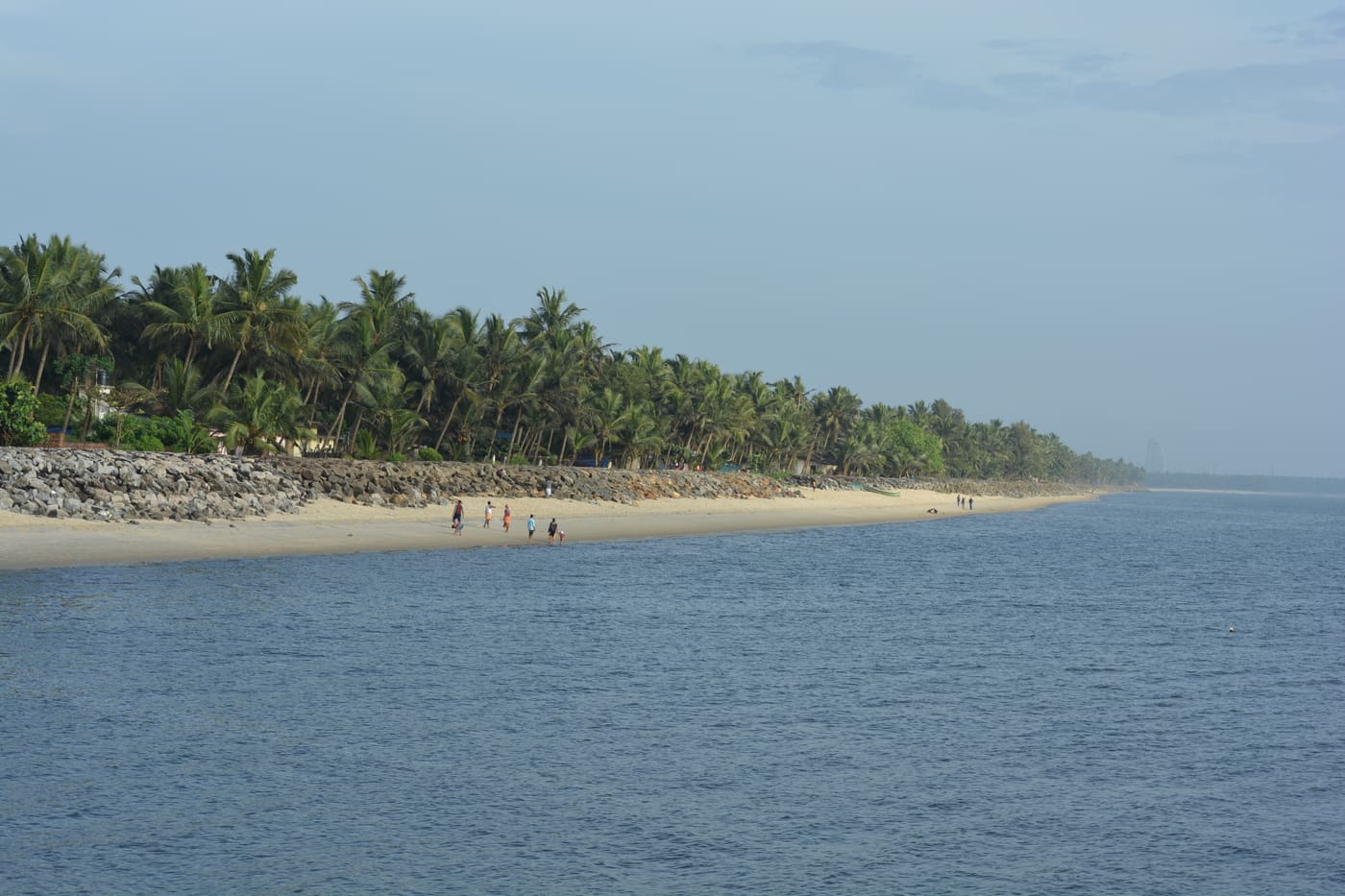
Historic beach associated with Vasco da Gama’s arrival on the Malabar coast.
22.8 km · straight line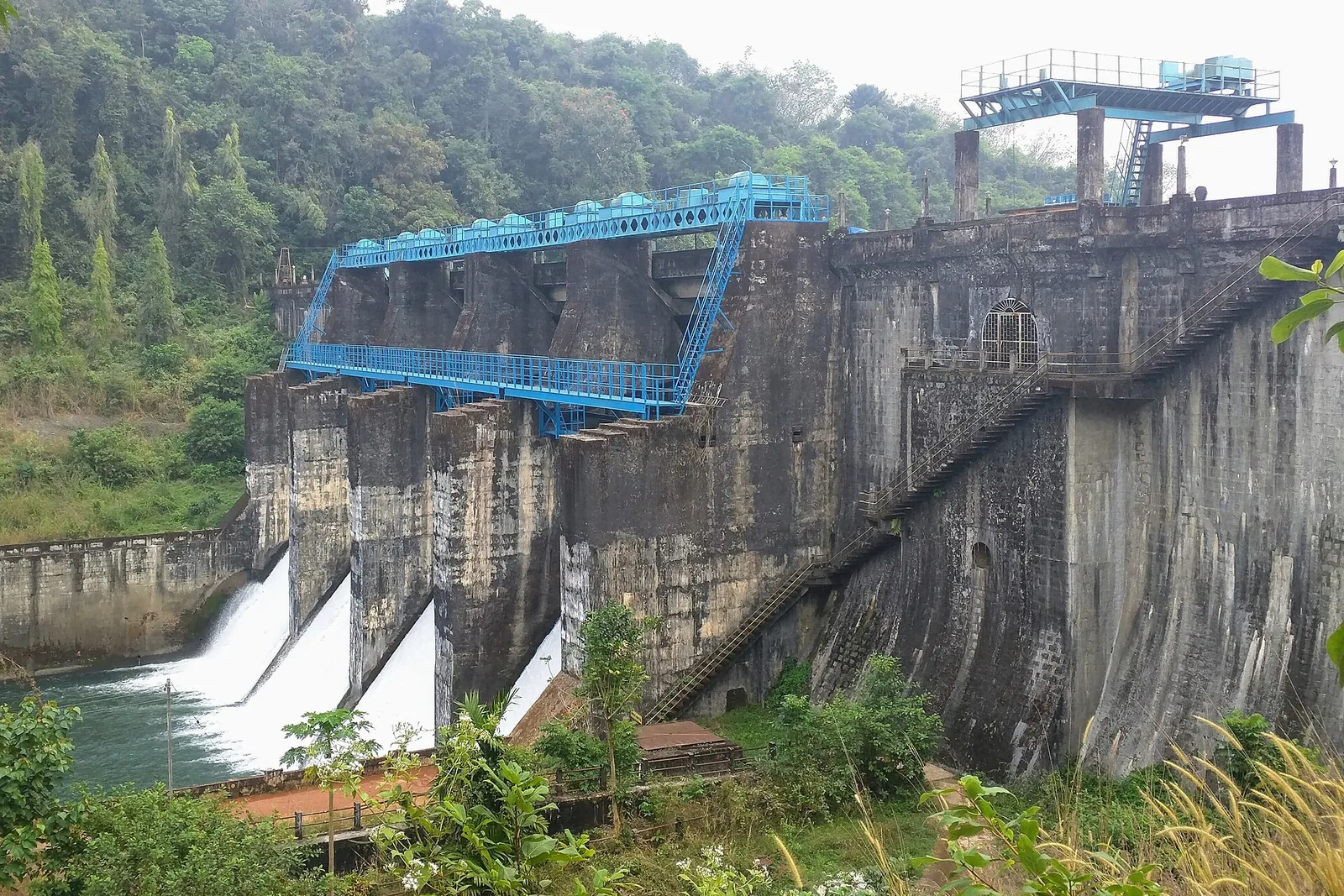
Irrigation reservoir and boating spot in the Kozhikode high ranges, with a 1977 government crocodile breeding centre on the shore.
23.9 km · straight line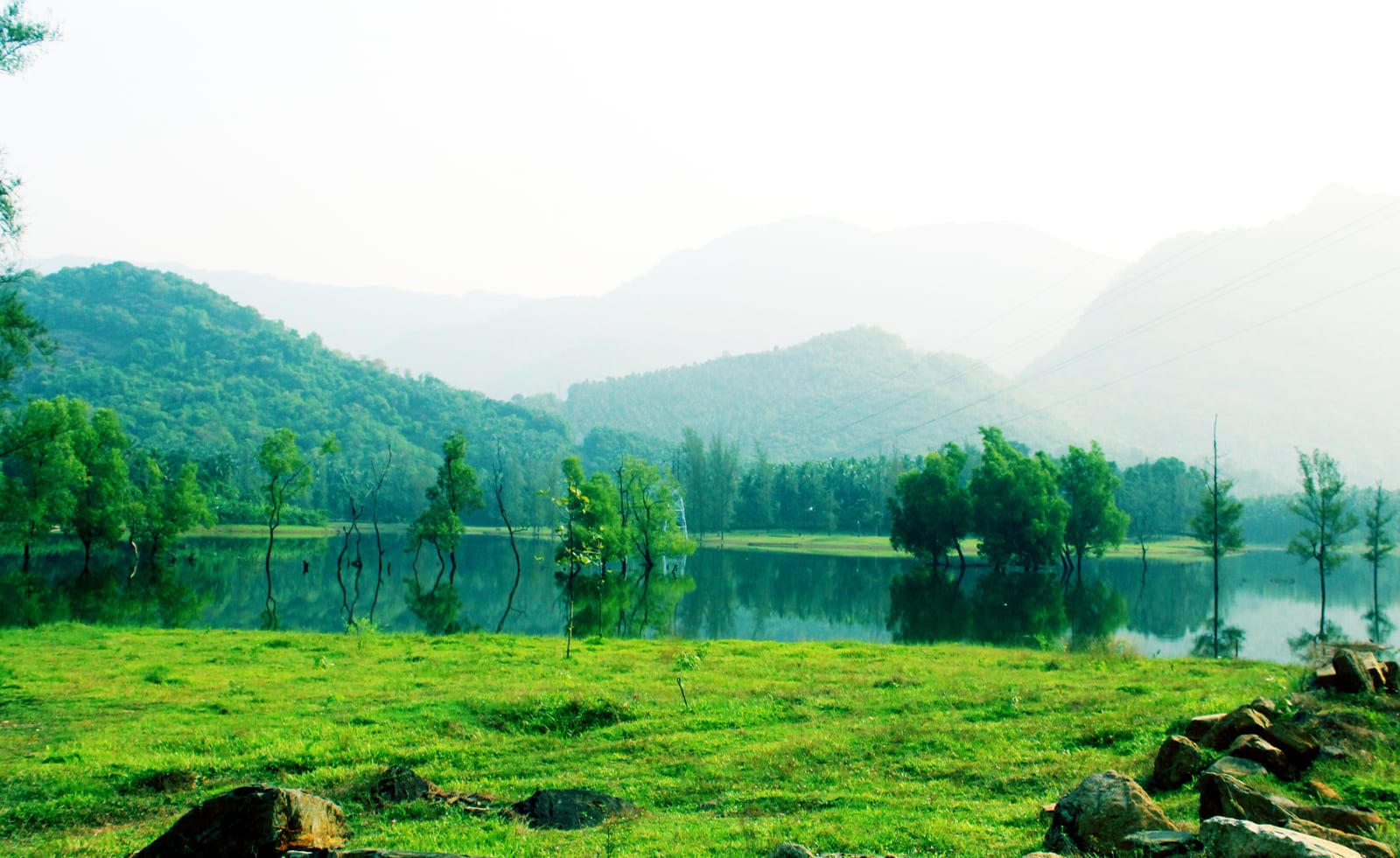
A ticketed riverside bathing and picnic centre on Irrigation Department land where the Kuttiyadi runs over a bedrock sheet into the head of the Peruvannamuzhi backwater — at 57 m, with no drop and no forest permit, but a serious drowning history.
31.4 km · straight line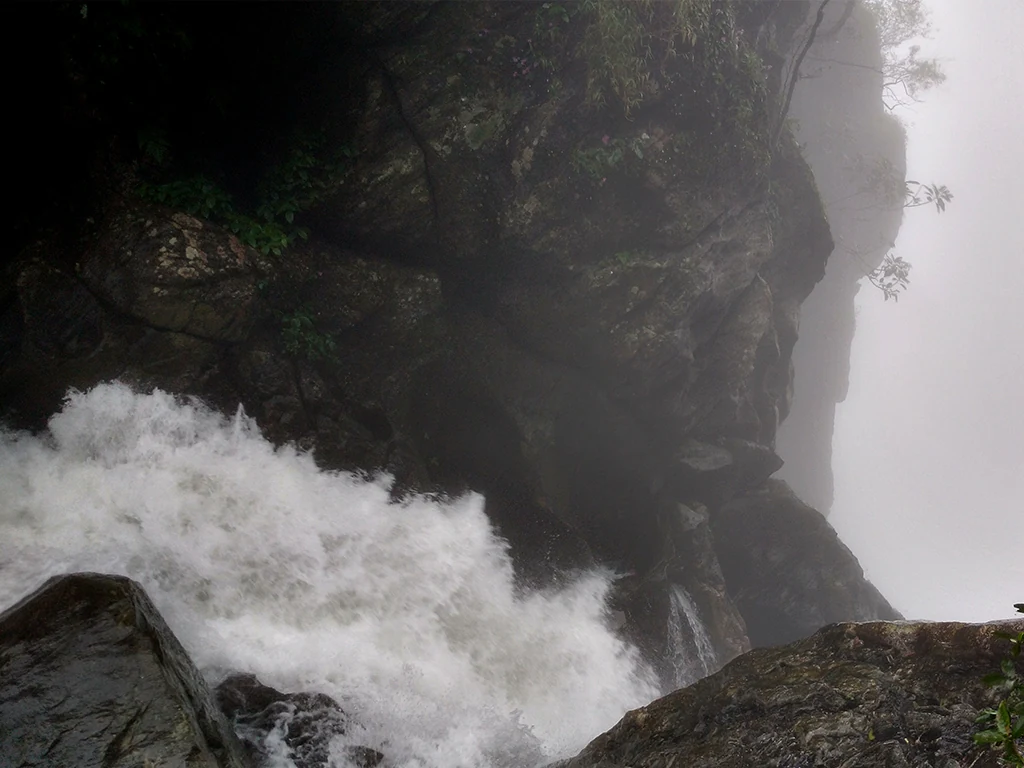
The managed forest outing towards Urakkuzhi Falls above Kakkayam, distinct from reservoir boating. Confirm the admitted route with the forest counter: recent reports describe restrictions at the waterfall viewpoint and Shankaranpuzha.
31.4 km · straight line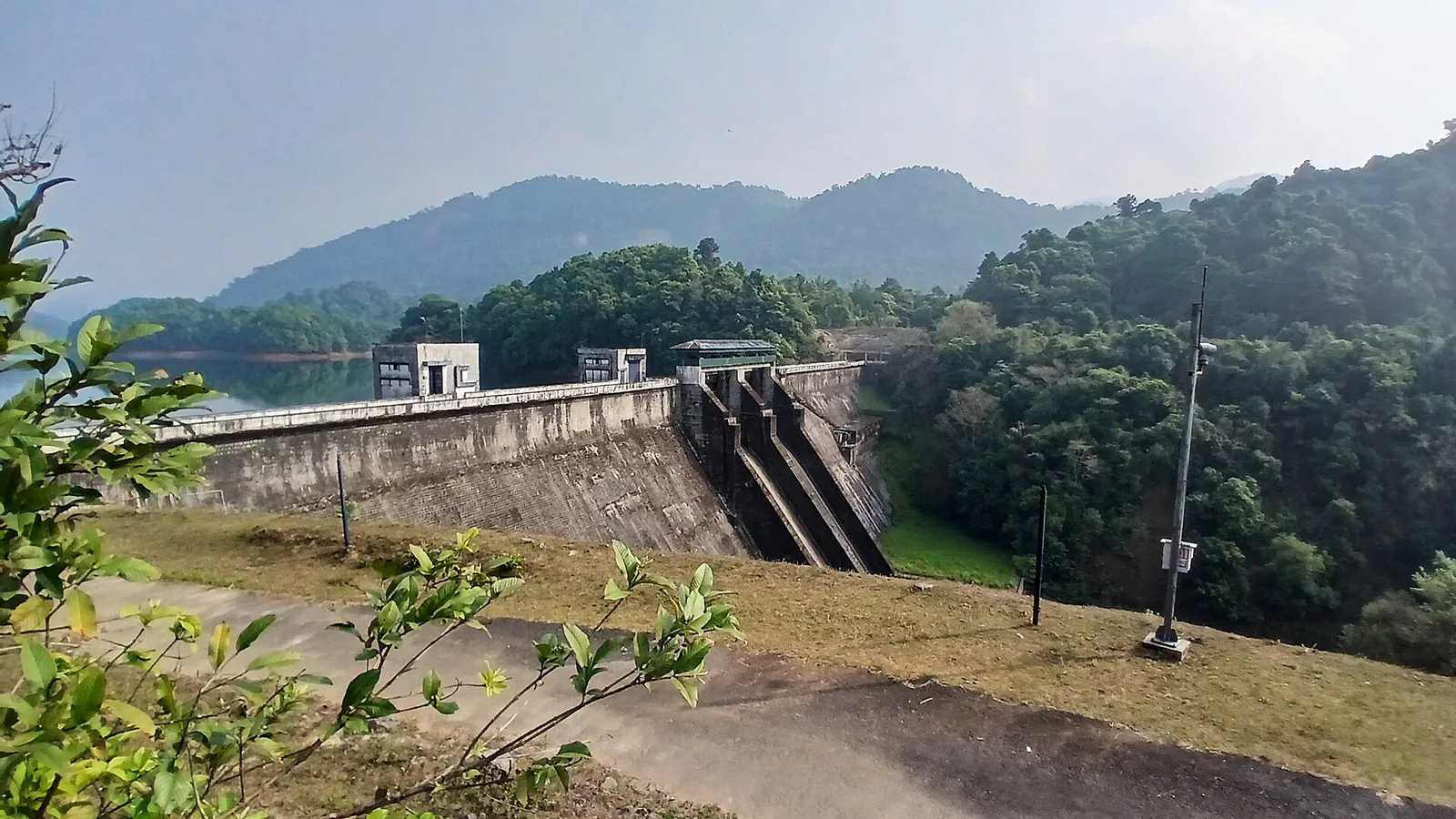
Reservoir and forested day-trip area in the Western Ghats foothills.
34.6 km · straight line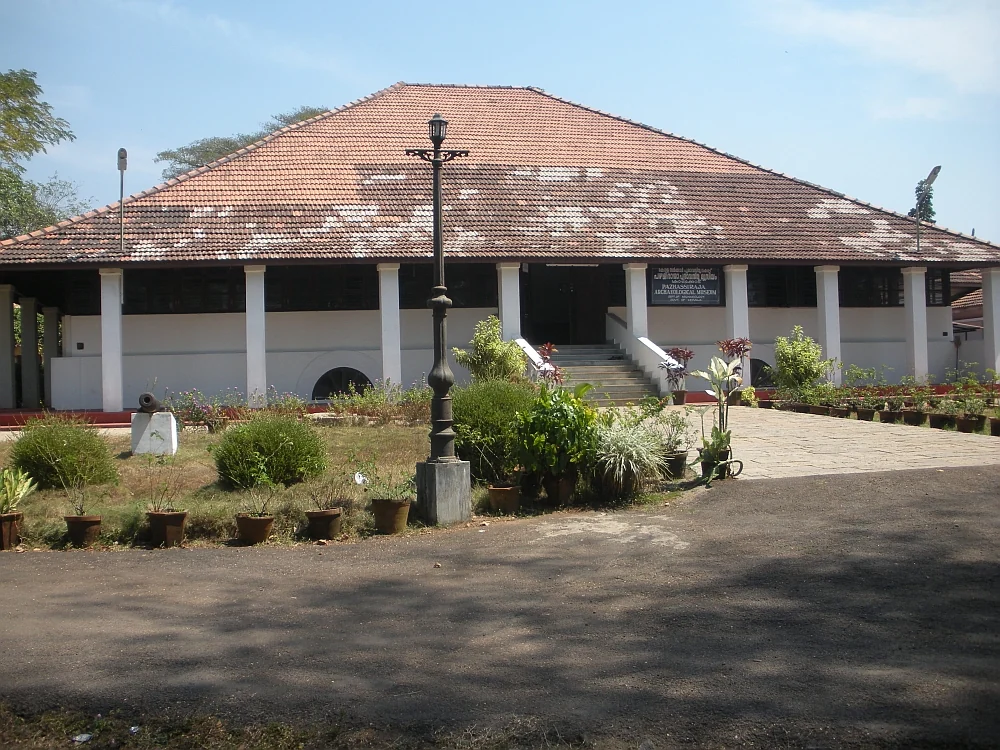
State archaeology museum at East Hill in an 1812 bungalow, with murals, bronzes, coins and megalithic monuments.
35.0 km · straight line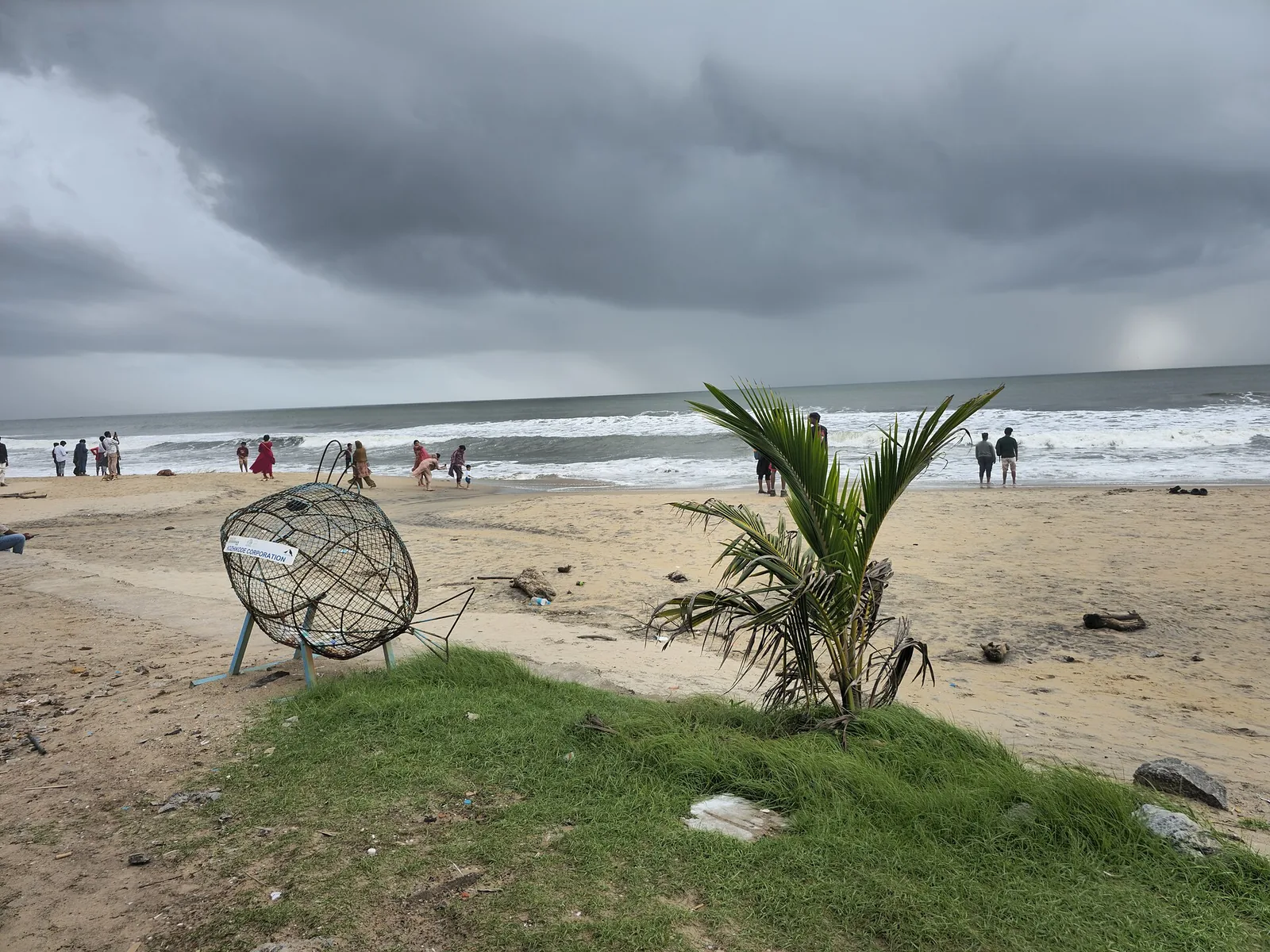
City beach with old pier remains and sunset food stalls.
38.1 km · straight lineNearby toilets, pharmacies, ATMs, seating and vets are community-mapped and may be incomplete or out of date. Map data © OpenStreetMap contributors | Walking times © openrouteservice.org by HeiGIT
The campus is open year-round and closed on Mondays. Sargaalaya’s own website gives hours of 09:30 to 18:30 and entry of ₹50 for adults, ₹40 for children and ₹30 for senior citizens, with boating charged separately; other sources quote a later closing time, so treat all of this as indicative and confirm on the day. Allow about two hours. The big international crafts festival occupies roughly three weeks across the turn of the year.
No on both counts. Iringal is the village; Sargaalaya is a purpose-built twenty-acre campus inside it, developed by the Kerala Tourism Department at a cost of around ₹15 crore and opened in February 2011. It is managed under contract by the Uralungal Labour Contract Co-operative Society, a construction workers’ co-operative founded in 1925 — not by the craftspeople, who work and sell here as participants in the scheme.
Sargaalaya lists fifteen traditions on site: terracotta, metal embossing, mural art, herbarium work, pooram craft, coconut-stem nirapara, sculpture, kora grass, coconut-shell jewellery, coco craft, vetiver, screwpine, bamboo craft, seed ornaments and cane furniture. Which huts are staffed varies by day and season, so treat the list as the range rather than a guarantee; mid-morning on a weekday is generally your best chance of finding people at work.
The Kuttiadi river, which in its lower reach past Iringal is known as the Moorad — the same river under two names, which causes a lot of confusion in print. It is not the Chaliyar, despite that river being named on at least one official tourism page for Iringal; the Chaliyar reaches the sea at Beypore, some fifty kilometres to the south.
No. It is a disused quarry that was flooded and landscaped when the crafts village was laid out, and the rock islands standing in it are what the cutting left behind. The same laterite that was taken out of the ground here is what the campus buildings are made of, which is why the architecture and the water sit together so well.
Across the turn of the year, but not on fixed dates — earlier editions ran 20 December to 5 January, while the thirteenth edition ran from 23 December 2025 to 11 January 2026. It draws close to 200 artisans from more than eighteen Indian states and fifteen-plus countries, over a hundred stalls, and a footfall above two lakh. Check the current dates before planning around it.
The Kunjali Marakkar Memorial Museum, about a kilometre away at Kottakkal — the ancestral house of the Zamorin’s admirals, protected as a monument since 1976 and opened as a museum in 2004, holding cannon, swords, a fort model, megalithic pottery and Veerarayan coins. It opens 09:00 to 17:00, closed Mondays and national holidays, entry around ₹10 — and since Sargaalaya is also closed on Mondays, the two cannot be paired that day. The Kottakkal Valiya Juma’ath Mosque stands about 400 metres north-north-east of the museum.
November to February and early mornings are best for walking; avoid midday heat where possible.
Entry: Entry around ₹50 for adults (₹40 children), plus parking; confirm on site. Timings: 09:30–18:30. The rupee figure quoted is the Indian adult rate. Government monuments, museums and forest reserves in India often charge foreign visitors more, and we have not verified whether this site does.
Base yourself in Vadakara or a nearby town in Kozhikode, then confirm the last-mile route locally before leaving. Walkable heritage areas are best done slowly; combine nearby streets, museums, markets and food stops. If the visit depends on forest, temple, boat, ferry, weather or seasonal access, check the official/local rule on the day before travel.
1 to 3 hours.
Nearby you can pair Kunjali Marakkar Museum (1.1 km, approximate straight-line separation), Kolavipalam Beach (1.8 km, approximate straight-line separation), Lokanarkavu Temple (4.5 km, approximate straight-line separation), Thikkoti Lighthouse (10.6 km, approximate straight-line separation).
Watch traffic on narrow heritage streets. Keep valuables close in crowded markets.
Written about Iringal Sargaalaya itself — its history, its legends and the arguments about them.
These guides explore Vadakara and the surrounding area. Choose a visit that fits your interests, allowing separately for travel between stops.
Route-level itineraries and practical guides for the rest of Kerala.
Photographs: Vinayaraj (CC BY-SA 4.0), Vijayanrajapuram (CC BY-SA 4.0). Wikimedia Commons.


