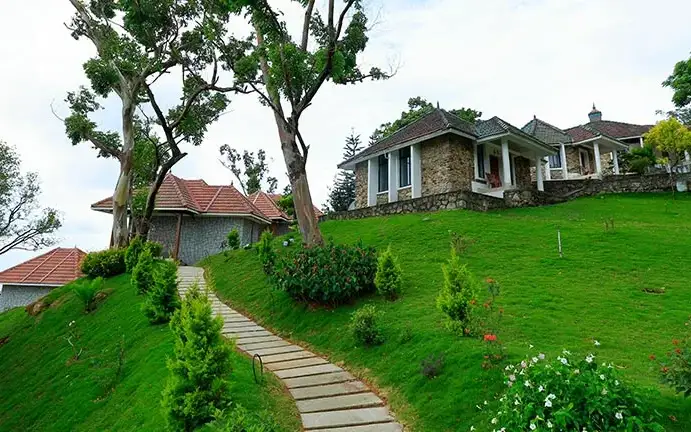
What to expect
Highlights
- Trek route around Peppara trek
- Western Ghats landscapes and viewpoints
- Guided operator and permit planning
Forest Department trekking in the Peppara Wildlife Sanctuary on the Ponmudi–Vithura side, through the Karamana-river catchment and Agasthyamala foothills.
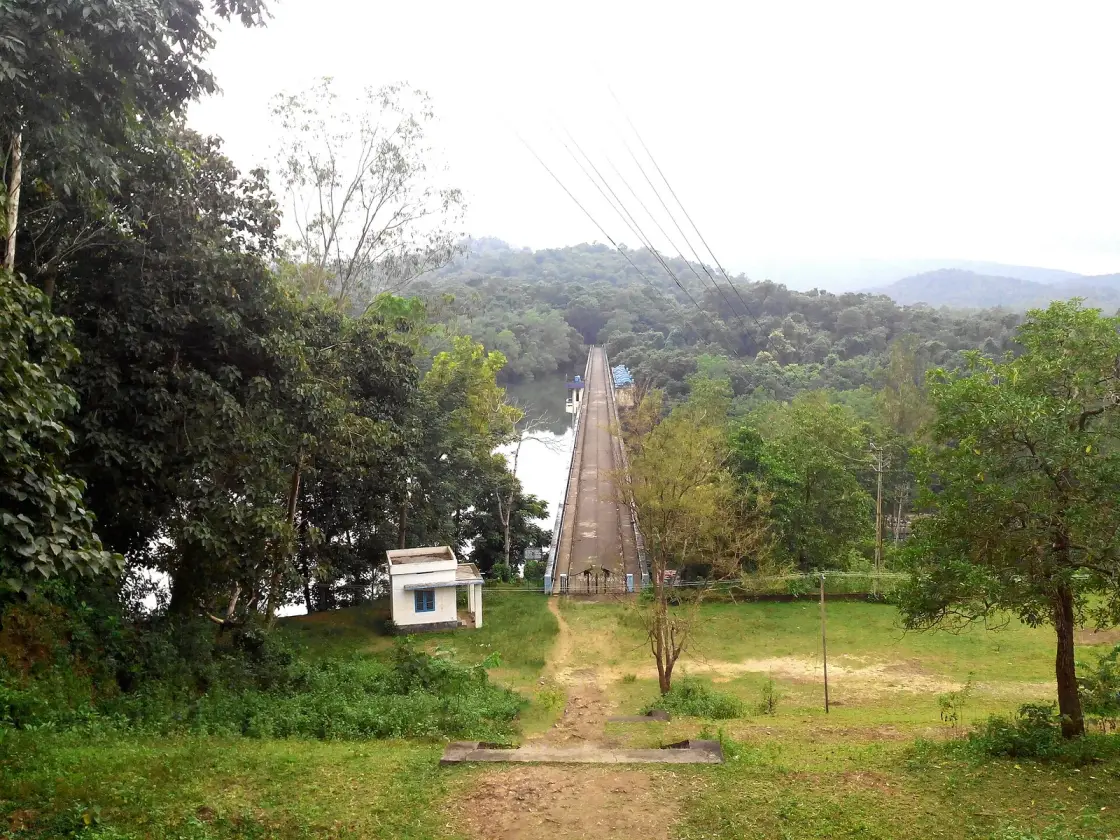
The Peppara Wildlife Sanctuary occupies the catchment that keeps Thiruvananthapuram in drinking water, and walking in it is a privilege rather than a right. Fifty-three square kilometres of evergreen jungle, a reservoir at its heart, and one of the few places in the far south where the endangered lion-tailed macaque is known to occur at all — though how many are here, and where, nobody has published.
Peppara does not announce itself. The turning off the Ponmudi road is unremarkable, the gate is small, and the sanctuary behind it is mostly invisible from any road. That is the appeal. This is not a park laid out for viewing; it is a protected catchment that happens to permit a limited amount of guided walking, and the experience is correspondingly quiet.
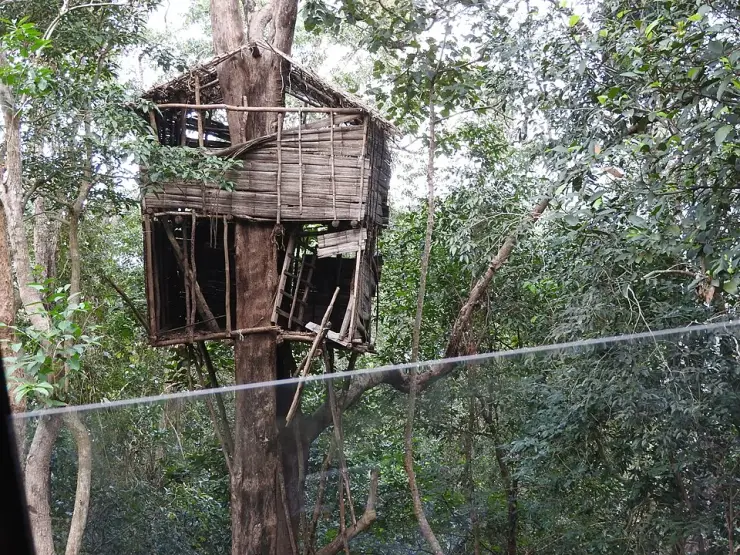
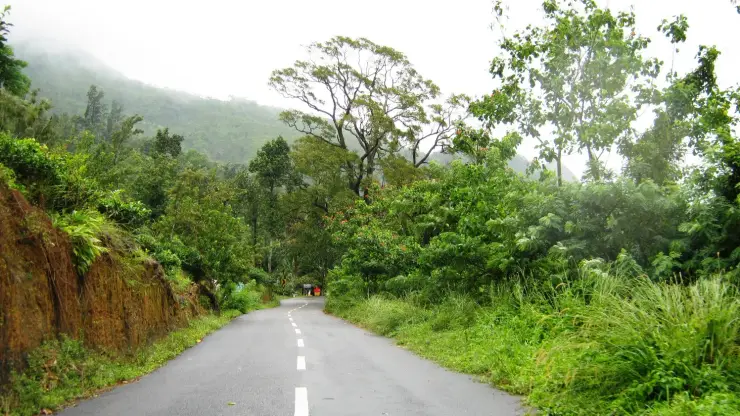
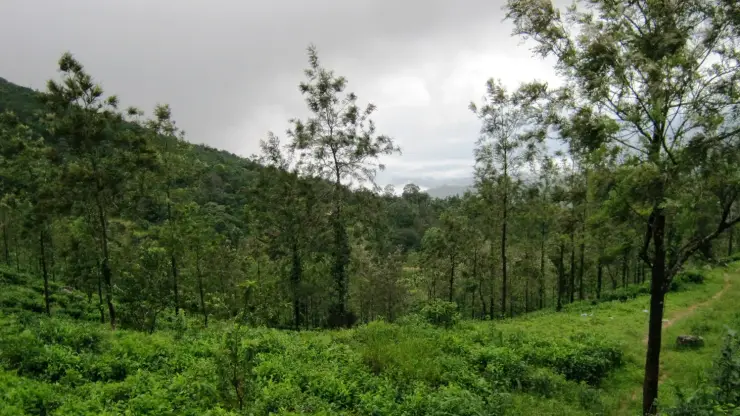
The cover is wet evergreen, running up from the reservoir into the Agasthyamala foothills, and the walking is through closed canopy rather than across open ground. Sightlines are short. What you get is not the sweeping-vista experience of the grassland above but something more absorbing: an hour of moving slowly through green light, listening, with the guide stopping to point out things you would have walked straight past.
The animal everyone hopes for is the lion-tailed macaque — black-coated, silver-maned, restricted entirely to the wet evergreen forests of the Western Ghats, and among the most range-restricted primates in the world. Peppara is understood to hold them, but be careful with any source, this page included until recently, that calls it a reliable place to see one: the conservation literature says the species' status and distribution here are not known, so there is no honest basis for quoting your chances. Treat it as luck. Nilgiri langur are commoner and genuinely easier. Elephant, gaur and sambar all use the sanctuary, and elephant sign is frequent on the trails.
The reservoir is the sanctuary's other face and its reason for existing in this form. From the higher ground the water opens out below with the forested ridges of the Agasthyamala foothills behind it, and it is the one place on these walks where the view is long. It is also the one place where the temptation to go down to the water needs resisting — the drawdown banks are soft and unstable and the water is deep very close in.
The practical frame is the same as everywhere in this landscape and is worth stating plainly. Trekking here needs Forest Department permission and an accompanying guide, arranged in advance rather than at the gate. Timings are early and entry closes early. Leeches are heavy for much of the year. Coverage is patchy to absent once you are inside. Alcohol and plastic are prohibited. None of this is bureaucratic decoration: it is a working water catchment and unfenced elephant country, and the rules exist for both reasons.
Manage your expectations about what you will see, because closed evergreen jungle is the hardest habitat in India to watch wildlife in. Sightlines are often under twenty metres. Animals hear you long before you see them, and most of what a guide shows you will be sign rather than the animal itself — elephant dung and pushed-over bamboo, scratch marks, a langur alarm call two ridges away, the smell of something that passed an hour ago. People who arrive expecting the open-grassland experience of a safari park leave disappointed; people who arrive wanting to be inside a rainforest for two hours rarely do.
The other thing worth knowing before you book is that this is not a long or a hard walk in the mountaineering sense. The routes here are measured in hours rather than days, the height gain is modest, and the difficulty is almost entirely underfoot — wet rock, roots, leeches and mud rather than exposure or altitude. Reasonable fitness and grippy footwear cover it. What it demands more than strength is quiet, patience and a willingness to move at the guide’s pace rather than your own.
Start with a claim this page itself was making. We described Peppara as one of the more reliable places in the far south to see the lion-tailed macaque, and that oversells it considerably. The honest position from the conservation literature is that these southern sanctuaries — Peppara, Neyyar, Shendurney — hold populations thought to be contiguous with the larger one in Kalakad-Mundanthurai across the border, but that their current status and distribution here are not actually known. Nobody can tell you the odds because nobody has published the number. The species is endangered, with a global population usually put at around 2,400 to 2,500 animals in the wild, and in closed canopy with twenty-metre sightlines a sighting is luck rather than an expectation. Come for the jungle itself, and treat the macaque as a bonus rather than as the reason you drove fifty kilometres.
The second correction is heavier, and it concerns the story this page has been telling about the Kani and arogyappacha. We called it a widely cited benefit-sharing agreement, which is true, and left the impression that it was a success, which is not. The outline is well known: in 1987 scientists from the Tropical Botanic Garden and Research Institute noticed Kani guides eating the fruit of a plant they called arogyappacha — roughly, the green that gives strength — and developed from it a herbal formulation marketed as Jeevani, with a share of licence income directed to a Kani trust. It was celebrated internationally as a model for how traditional knowledge ought to be treated.
What is usually left out is what happened next. The Kani informants were not named as co-inventors on the patent. The royalty share was two per cent, low by international comparison. Many Kani have said they were inadequately consulted about an agreement made on their behalf, and the trust set up to administer the money became a source of dispute rather than of benefit. When the patent expired in 2008 the limited protection it gave went with it. The model that is still taught as a landmark is, on the community’s side of it, a case study in weak bargaining power.
The point was made unbearably clearly last year. Kuttimathan Kani, the Kani elder who first showed the researchers the plant, died on 23 August 2025 at the age of 72, in a leaking hut on the edge of these forests, having spent much of his life working as a daily-wage labourer. The plant he pointed at made a career, a product and an internationally cited precedent. It did not make him a living. If you walk in this sanctuary with a Kani guide, that is the piece of context worth carrying, and it is the reason we have rewritten our own description of the case.
One more framing to retire. Accounts of Peppara routinely describe the catchment as though it were empty ground. It is not, and it never has been. The sanctuary contains Kani settlements, and the knowledge that produced the arogyappacha case is the knowledge of people who have lived in and used this country for a very long time. Calling it wilderness is not a harmless simplification: it is the same move that made it possible to treat their botany as a discovery rather than as something they were already doing.
The Peppara Wildlife Sanctuary was constituted in 1983 around the catchment of the Peppara dam on the Karamana river, covering roughly 53 square kilometres of the Agasthyamala foothills. Its primary function is the protection of the catchment that supplies Thiruvananthapuram with drinking water; its value as habitat follows from that protection.
It adjoins the Neyyar Wildlife Sanctuary to the south and forms part of the wider Agasthyamala Biosphere Reserve, so the protected ground here is contiguous with a much larger landscape running to the Tamil Nadu border and beyond.
The sanctuary contains settlements of the Kani people, whose historical knowledge of the plants of these forests is well documented — most famously in the case of arogyappacha, Trichopus zeylanicus, the plant at the centre of one of the world's most-cited agreements on traditional knowledge and benefit sharing. Any account of these forests that treats them as untouched wilderness is missing the people who have lived in and used them for a very long time.
That case is worth knowing accurately rather than as a slogan. In 1987 researchers from the Tropical Botanic Garden and Research Institute noticed Kani guides eating the fruit of arogyappacha and went on to develop the herbal formulation Jeevani from it, with a share of licence income directed to a Kani trust. It was celebrated as a model. In practice the Kani informants were not named as co-inventors, the royalty share was two per cent, consultation was widely felt to be inadequate, and the patent lapsed in 2008. Kuttimathan Kani, the elder who first showed researchers the plant, died in August 2025 at 72, in poverty, on the edge of these forests. The myths section sets this out in full.
It is one of the few places in the far south where the endangered lion-tailed macaque — one of the world's most range-restricted primates — is known to occur, in intact wet evergreen habitat, even though a sighting is luck rather than an expectation.
The sanctuary is genuinely quiet — access is controlled and guided, so you are not sharing the trail with a crowd.
The view over the Peppara reservoir to the Agasthyamala foothills is the one long sightline on these walks and is worth the climb to reach it.
It adjoins the Neyyar sanctuary within the Agasthyamala Biosphere Reserve, so the forest you are walking in is part of a very large contiguous protected landscape.
It sits on the same road as Ponmudi, so it folds naturally into a hill day from Thiruvananthapuram, and it pairs with the Peppara dam viewpoint at the foot of the same catchment.
Access is controlled and guided, which means a walk here comes with somebody who can read the forest for you — the difference between seeing green and seeing what is actually in it, and who can tell you whose forest it is you are walking through and how long they have been in it.
Road km to Thiruvananthapuram; ghat roads and traffic vary — allow extra.
Post-monsoon to late winter is usually best; avoid heavy-rain days and closed forest periods.
Live forecast loads in your browser.
Sun and moon are calculated for this location and shown in IST. Photography windows are the hour around sunrise and sunset; the sunset bearing is degrees clockwise from true north. Moon phase is accurate to about half a day.
These are official or public-sector eco offerings that match this place, town or forest destination. Confirm availability, permits, tariffs and reporting times with the official operator before travel.
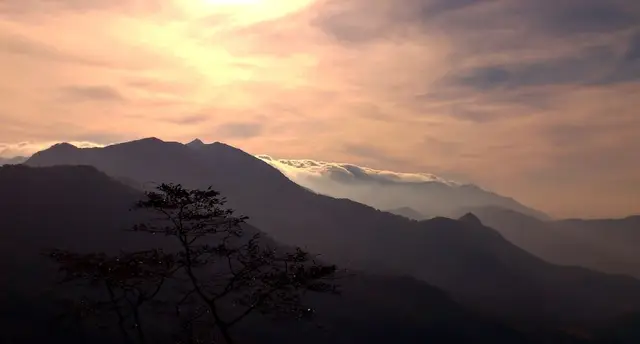
Permit-controlled trek to one of the southern Western Ghats’ most important peaks and sacred forest landscapes.
Official source →Grassland and ridge trek in the Ponmudi landscape, usually handled as a controlled forest trek.
Official source →Forest and reservoir landscape in the southern Western Ghats, listed by Kerala Tourism as an ecotourism destination.
Official source →Browse listed stays, food, activities, sights, shops and rentals around Peppara trek. Check each listing’s locality and contact the business directly for current arrangements.
Restaurant at KTDC Golden Peak for travellers staying on or visiting the Ponmudi hill route. KTDC resort restaurant.
Book with the place itself. India’s cyber-crime coordination centre warned in April 2025 that convincing copies of hotel and pilgrimage booking sites are being pushed through sponsored search and social ads, taking payment for rooms the property never hears about. Use the contact and source details on each profile to confirm the exact business and booking channel. A directory entry or map pin alone does not establish an operator’s identity or current availability. Roampedia takes no commission and does not collect booking payments. If a booking page reached you through an ad, check the address bar against the property’s own site before you pay. Fraud can be reported on cybercrime.gov.in or on 1930.
Find food, accommodation and activities across Ponmudi. Browse the guides for places to eat, stay and explore along your route.
8 more places around Ponmudi. Open a guide to plan the visit and onward journey.
A forest-edge cascade on the Mankayam river near Palode whose safe approach depends on rainfall, local guidance and current access controls.
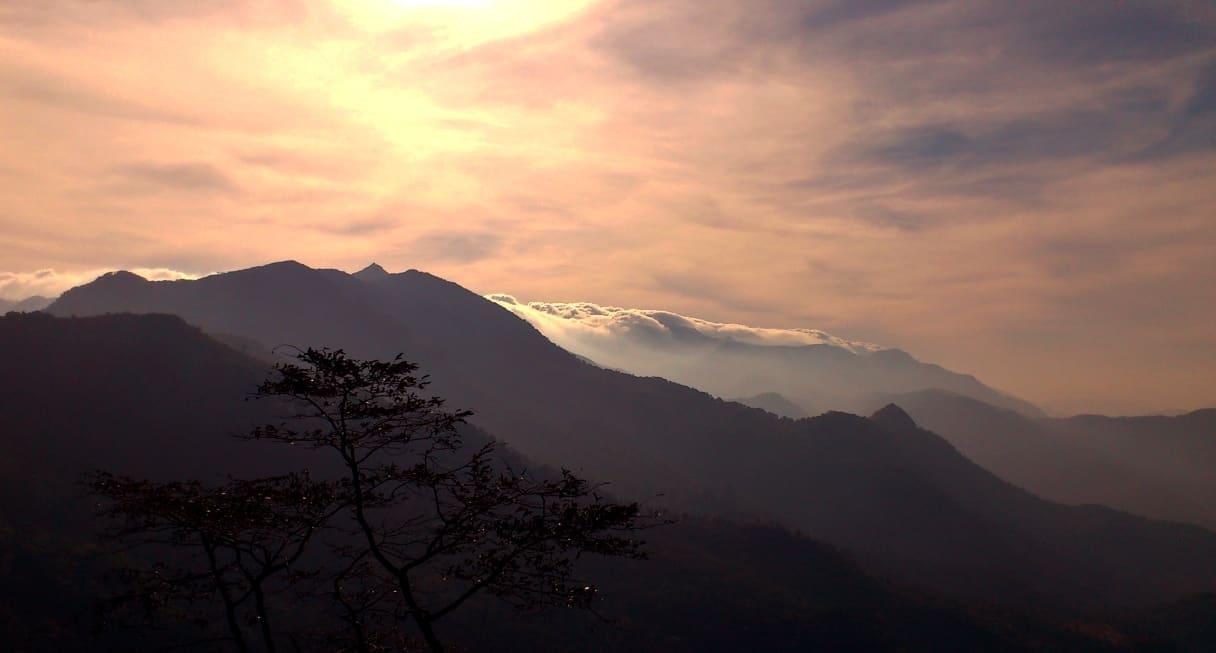
29.5 km · 42 min drive
A small hill station and viewpoint drive in the southern Western Ghats.
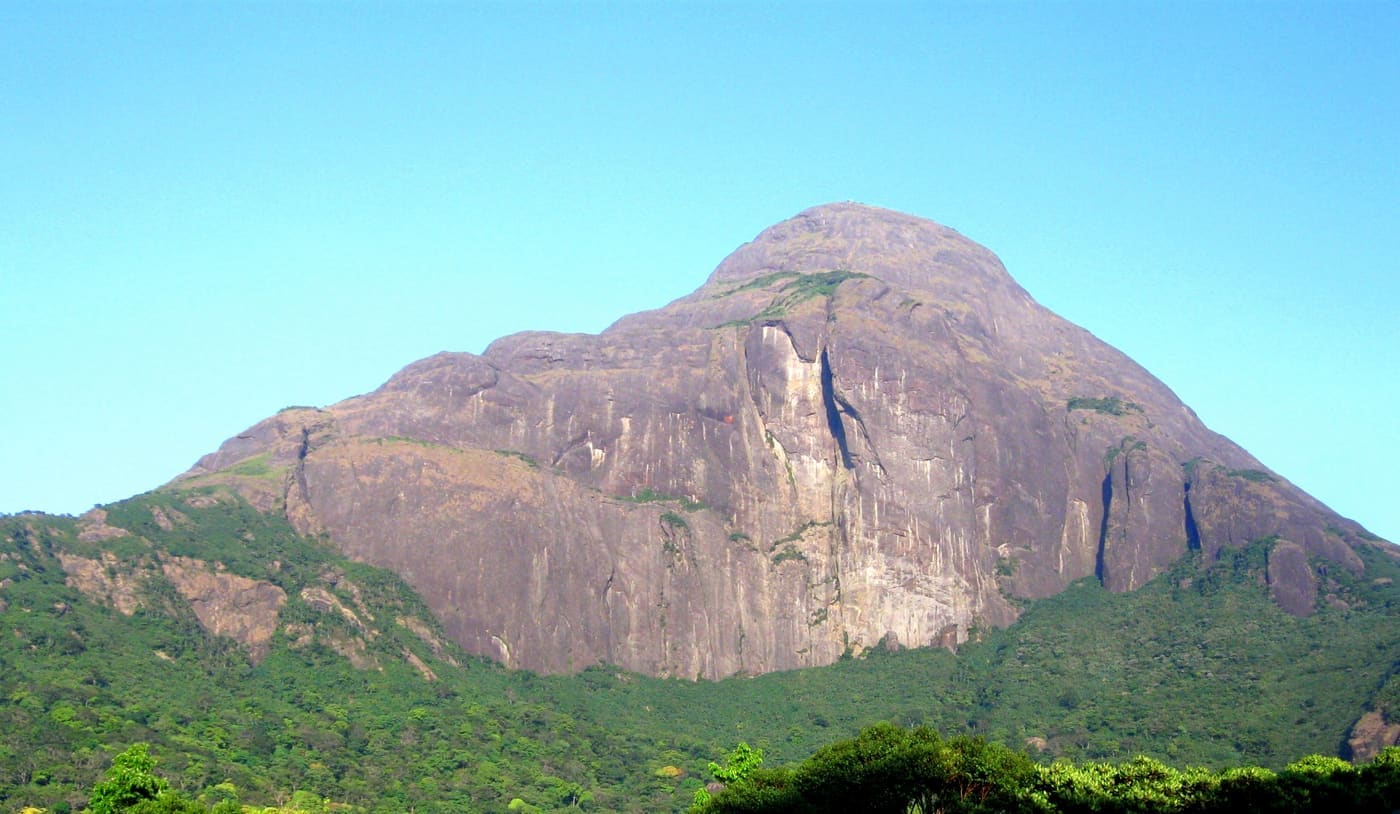
11.9 km · straight line
Permit-only forest trek to a sacred Western Ghats peak, usually opened seasonally by the forest department.
17.3 km · 23 min drive
Hill trekking around Ponmudi (“Golden Peak”, about 1,100 m) and the Kallar / Golden Valley trails, a cooler high-range walk near Thiruvananthapuram.
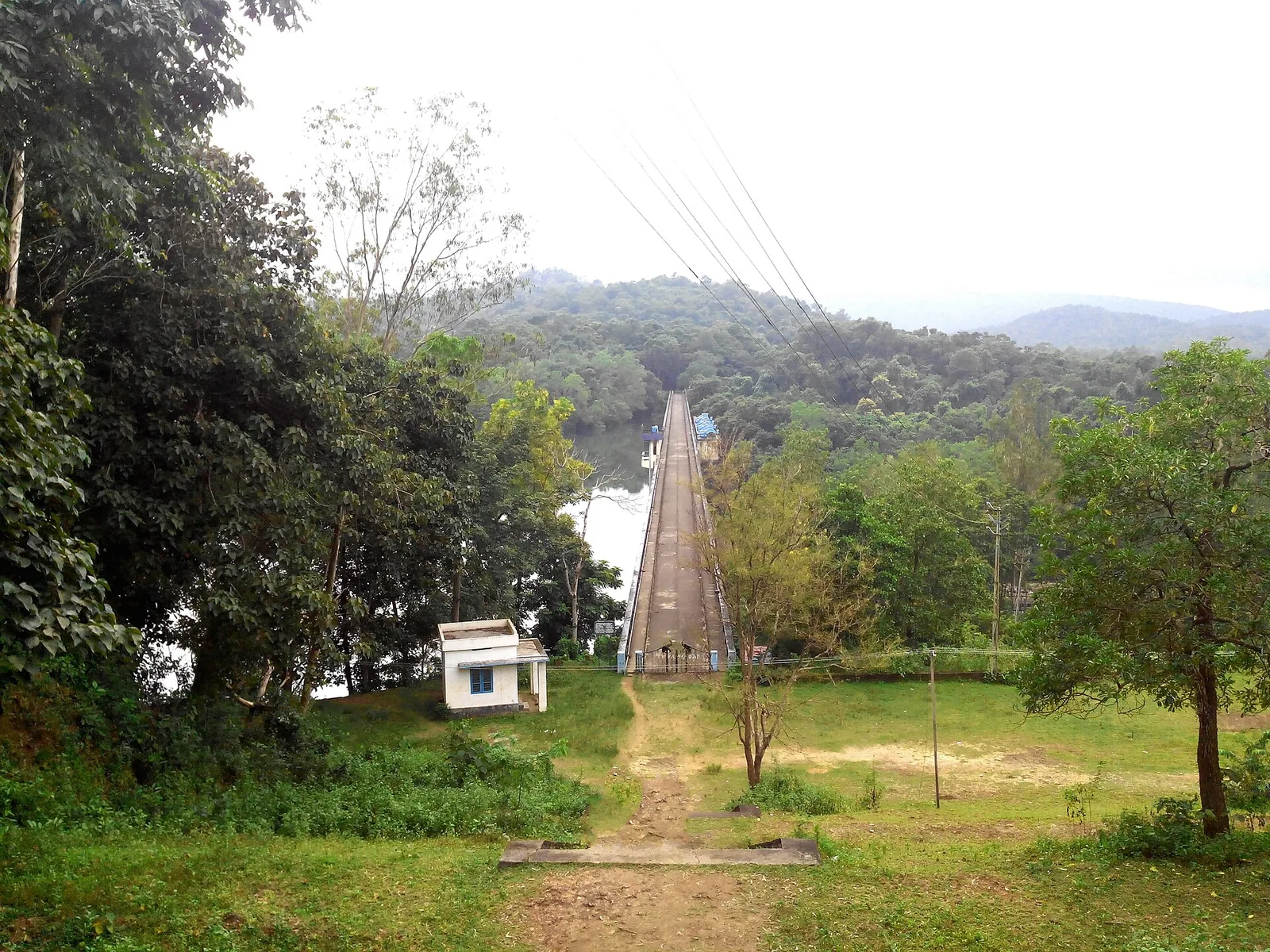
A reservoir on the Karamana river at the edge of the Peppara Wildlife Sanctuary near Ponmudi, with forest and elephant habitat.
19.2 km · 31 min drive
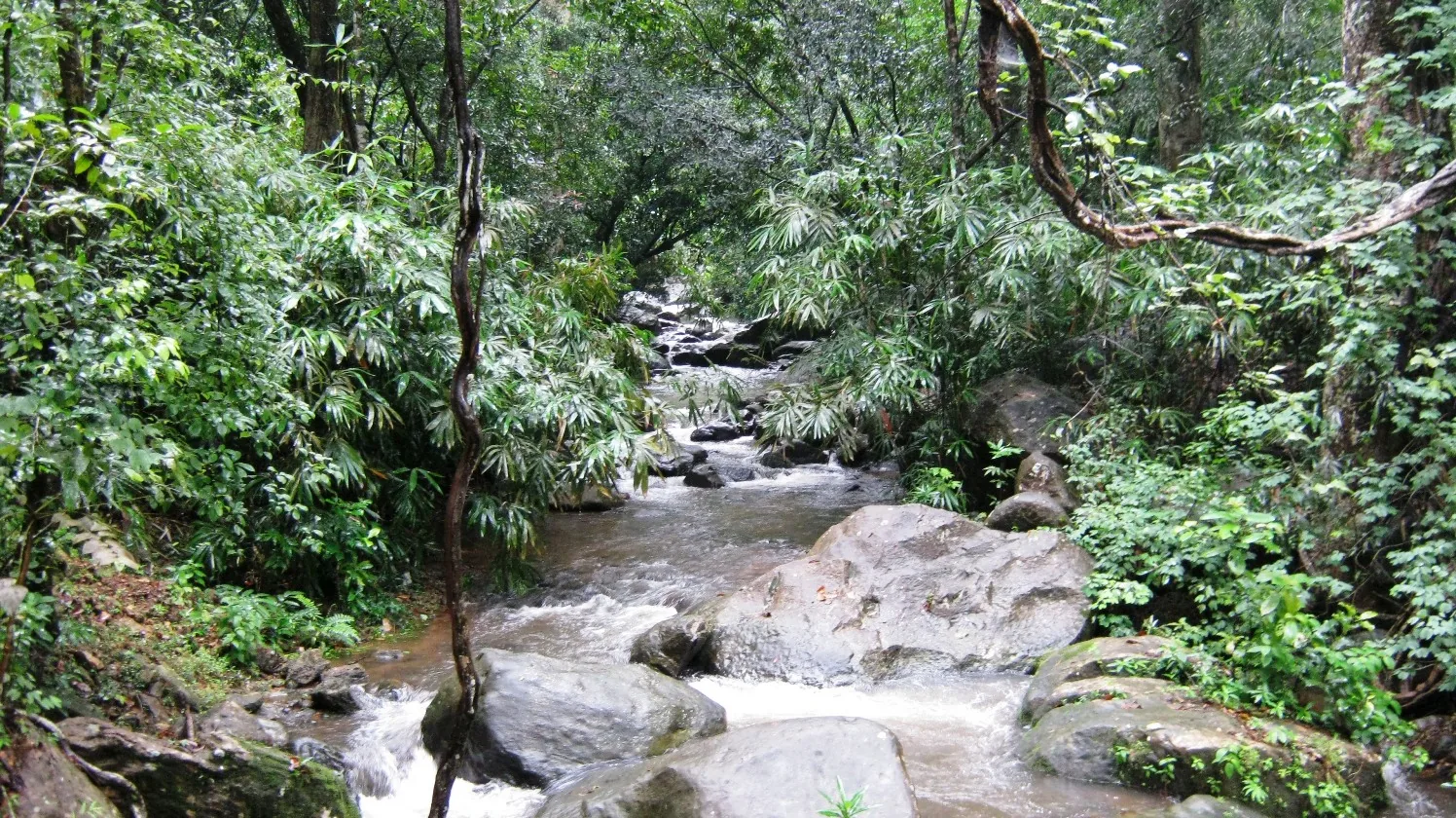
Kallar Meenmutty Falls is reached through forest beside the river below Ponmudi. The approach is part of the attraction: trees, bamboo and running water lead towards the cascade.
32.0 km · 46 min drive
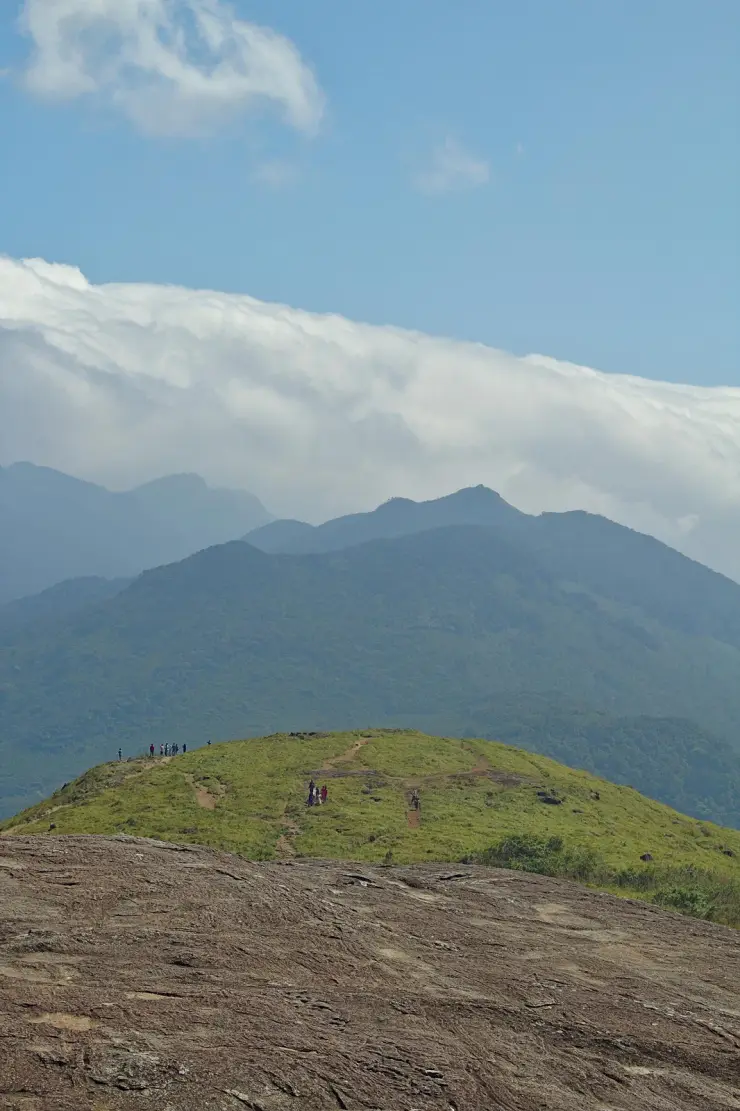
Ponmudi’s upper viewpoint opens onto grass-covered ridges and Western Ghats valleys. Clear weather brings the long view; mist turns the same outing into a close study of the hills.
9.8 km · straight line
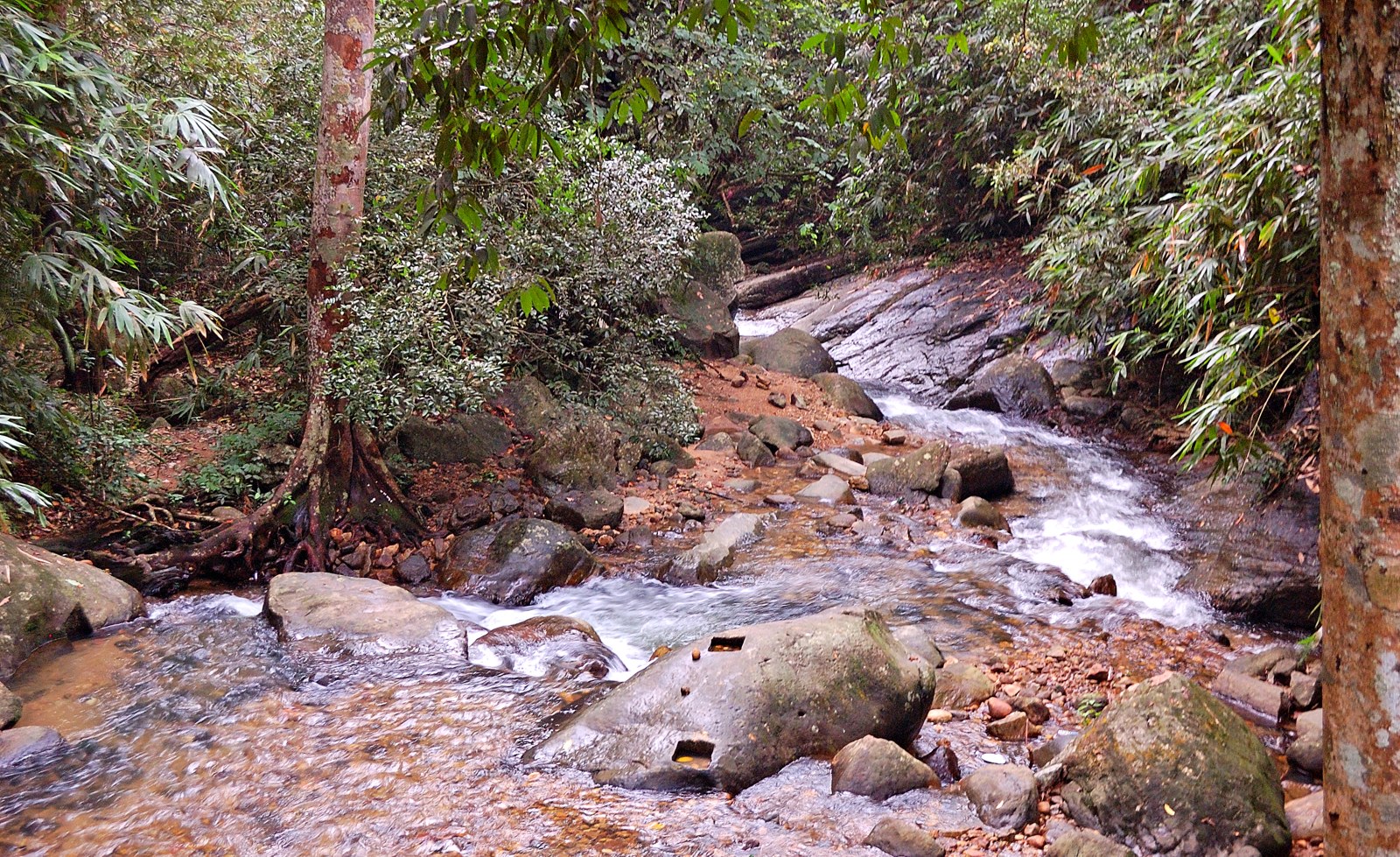
Golden Valley is a rocky reach of the Kallar River below Ponmudi. Boulders, flowing water and forest give this lower-hill stop its character; it is not a hilltop panorama.
Roampedia is commission-free — own or know a stay, eatery, guide or shop near Peppara trek? Submit public business details for review.
Add a nearby businessEntry: A Forest Department entry fee and, where required, a guide charge are collected at the sanctuary gate; carry cash.
Photography: The Peppara reservoir from the higher ground, the Agasthyamala foothills beyond it, and evergreen forest interior. Wildlife photography here needs patience rather than luck.
Permit: Trekking inside the Peppara Wildlife Sanctuary is controlled by the Forest Department and normally requires permission and an accompanying guide. Arrange it in advance rather than at the gate.
Wildlife: The sanctuary holds elephant, gaur, sambar, lion-tailed macaque and Nilgiri langur among others, and forms part of the Agasthyamala landscape. Sightings are never guaranteed and should never be chased.
If you are travelling by bus or ferry, check the return service with the operator before setting out. Leave time to reach the stop or jetty after your visit.
Ask at the bus stand for the time of the last service back, not the next one. If you miss it, an auto or app cab is the fallback — agree the fare before you get in.
If you need step-free access, contact the site before travelling. Ask about a level entrance, steps along the route, the nearest drop-off point, seating and accessible toilets.
Published emergency and visitor-assistance contacts. For an immediate emergency, call 112. Shared Kerala contact sources checked 4 October 2026; publication does not establish a tested live response.
Golden Valley is a rocky reach of the Kallar River below Ponmudi. Boulders, flowing water and forest give this lower-hill stop its character; it is not a hilltop panorama.
9.8 km · straight line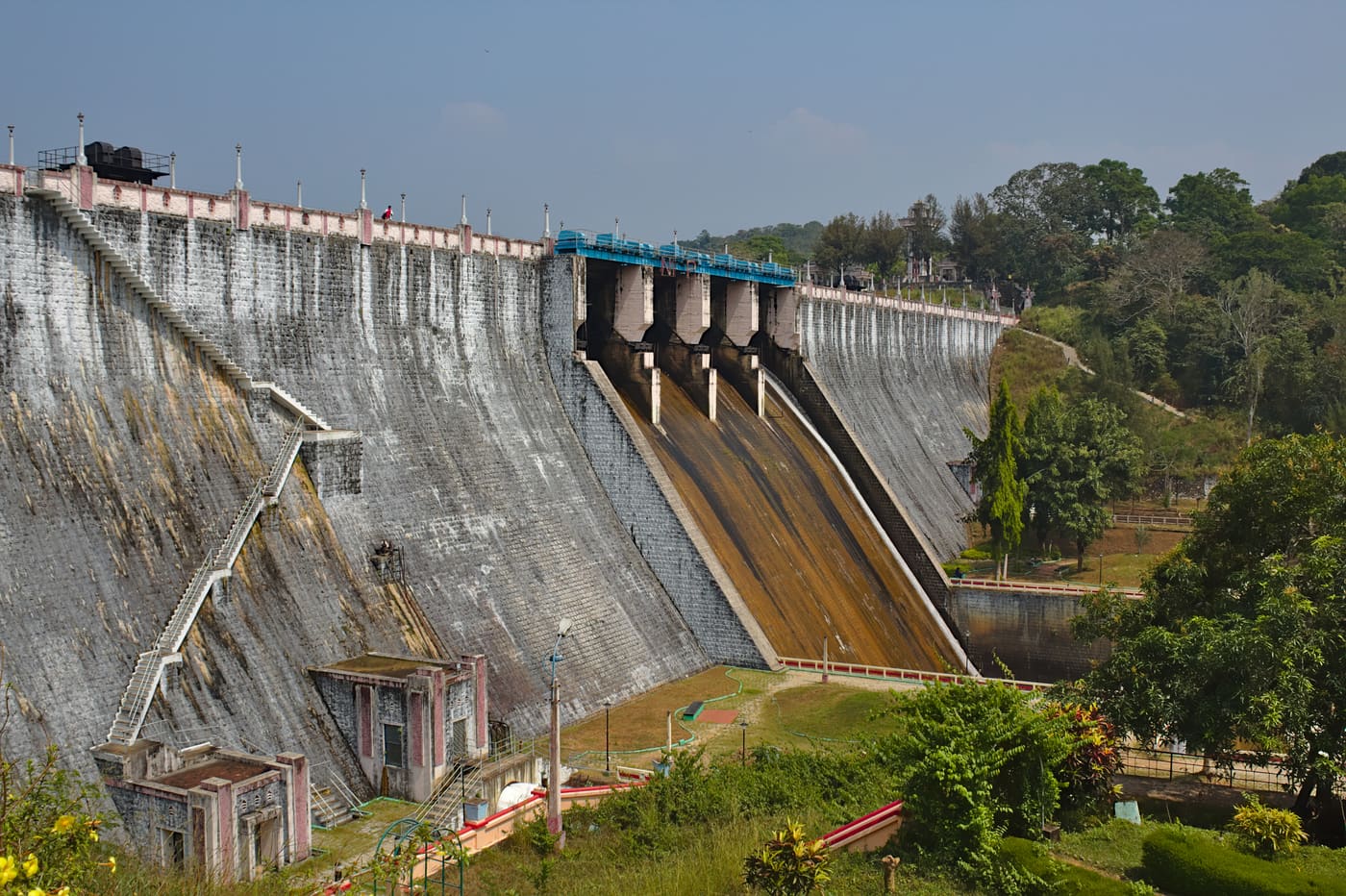
Guided forest trekking in the Neyyar Wildlife Sanctuary near the Agasthyamala foothills, south-east of Thiruvananthapuram.
9.9 km · straight lineNeyyar Dam opens onto a broad reservoir beneath the Agasthyamala foothills, inland from Thiruvananthapuram. Wooded hills frame the water, giving this outing a different pace from the city’s beaches.
9.9 km · straight line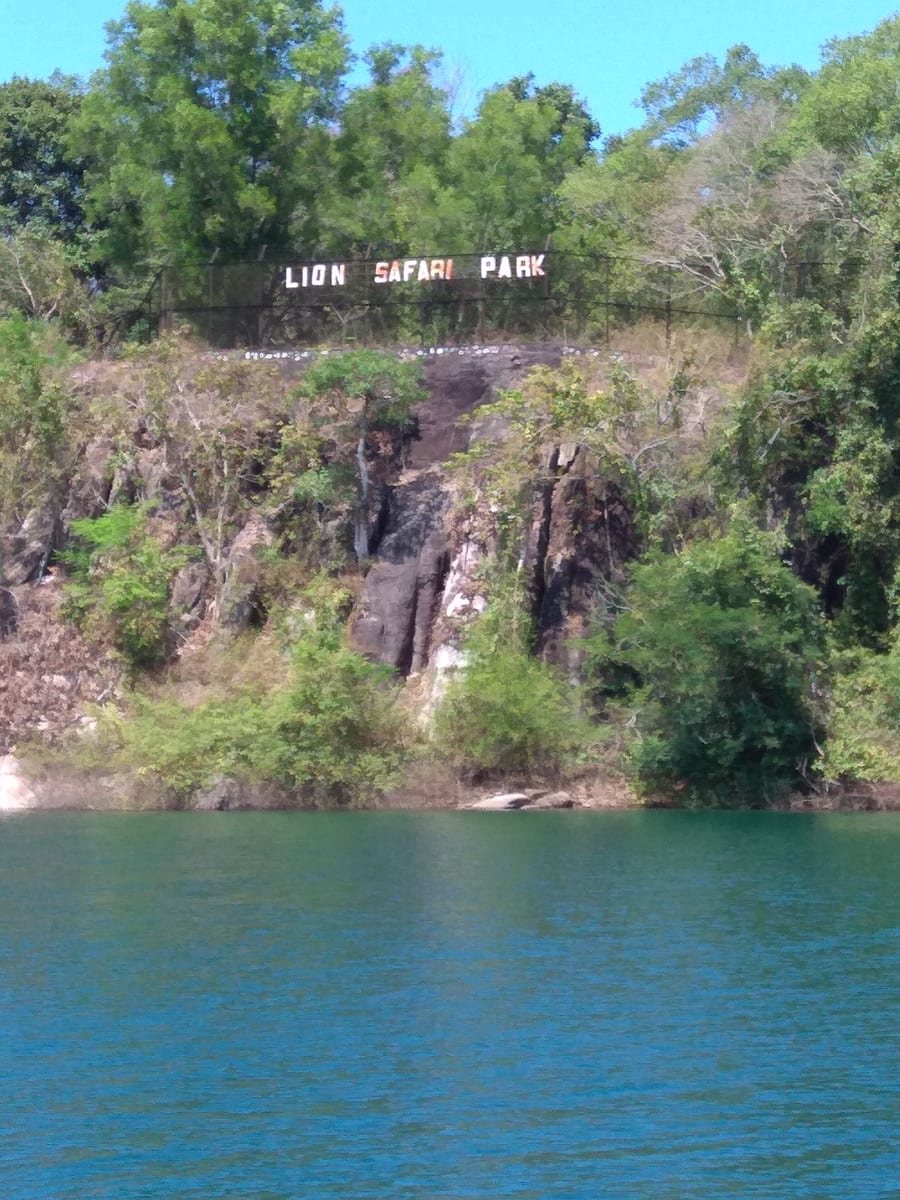
Neyyar Wildlife Sanctuary protects forest around the reservoir below Agasthyamala. A visit should centre on an authorised nature programme, with wildlife understood as habitat rather than a promised sighting.
10.5 km · straight linePermit-only forest trek to a sacred Western Ghats peak, usually opened seasonally by the forest department.
11.9 km · straight line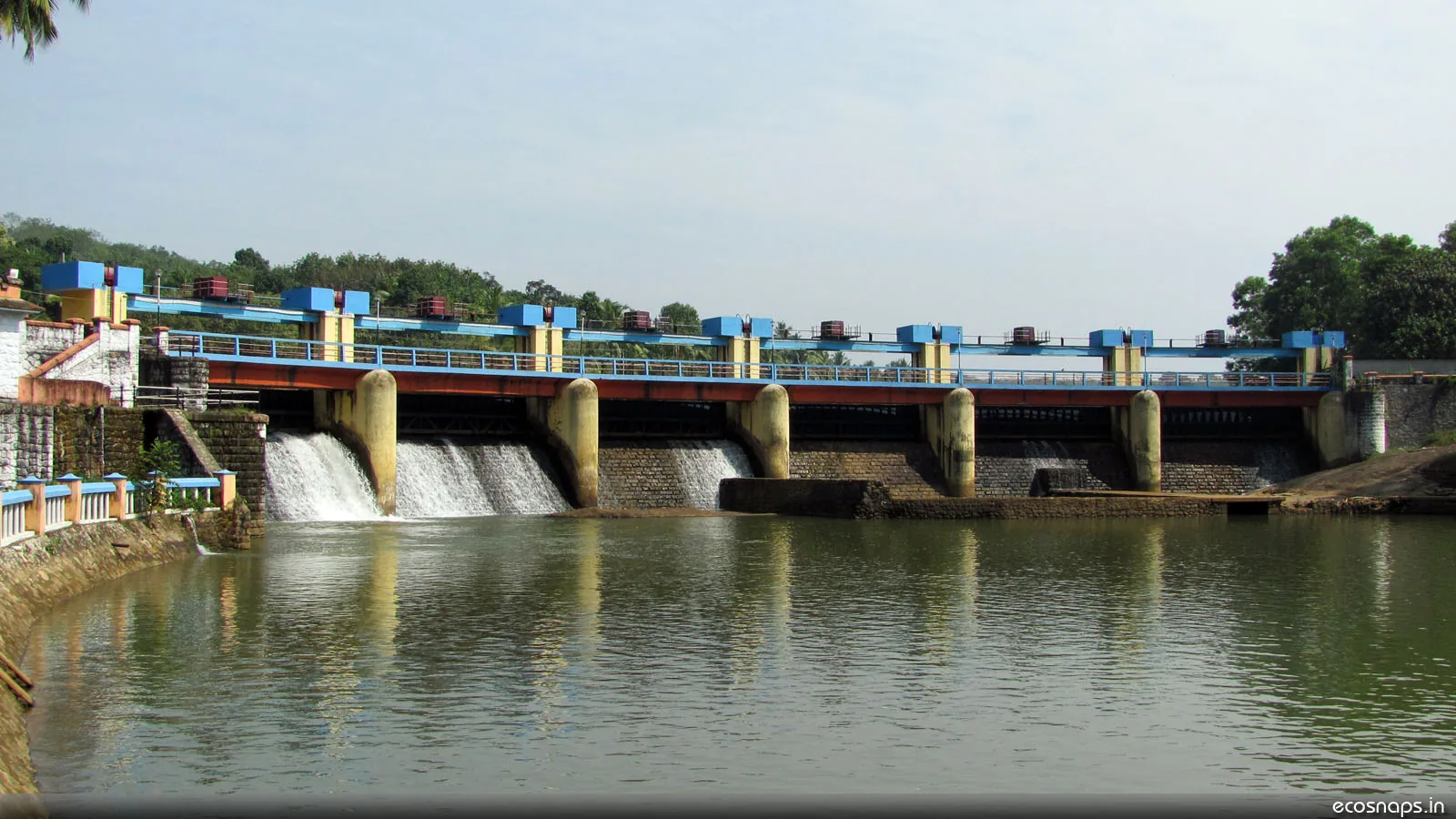
A reservoir, riverside temple and small park on the Karamana river north-east of the city, a popular local picnic spot.
14.7 km · straight line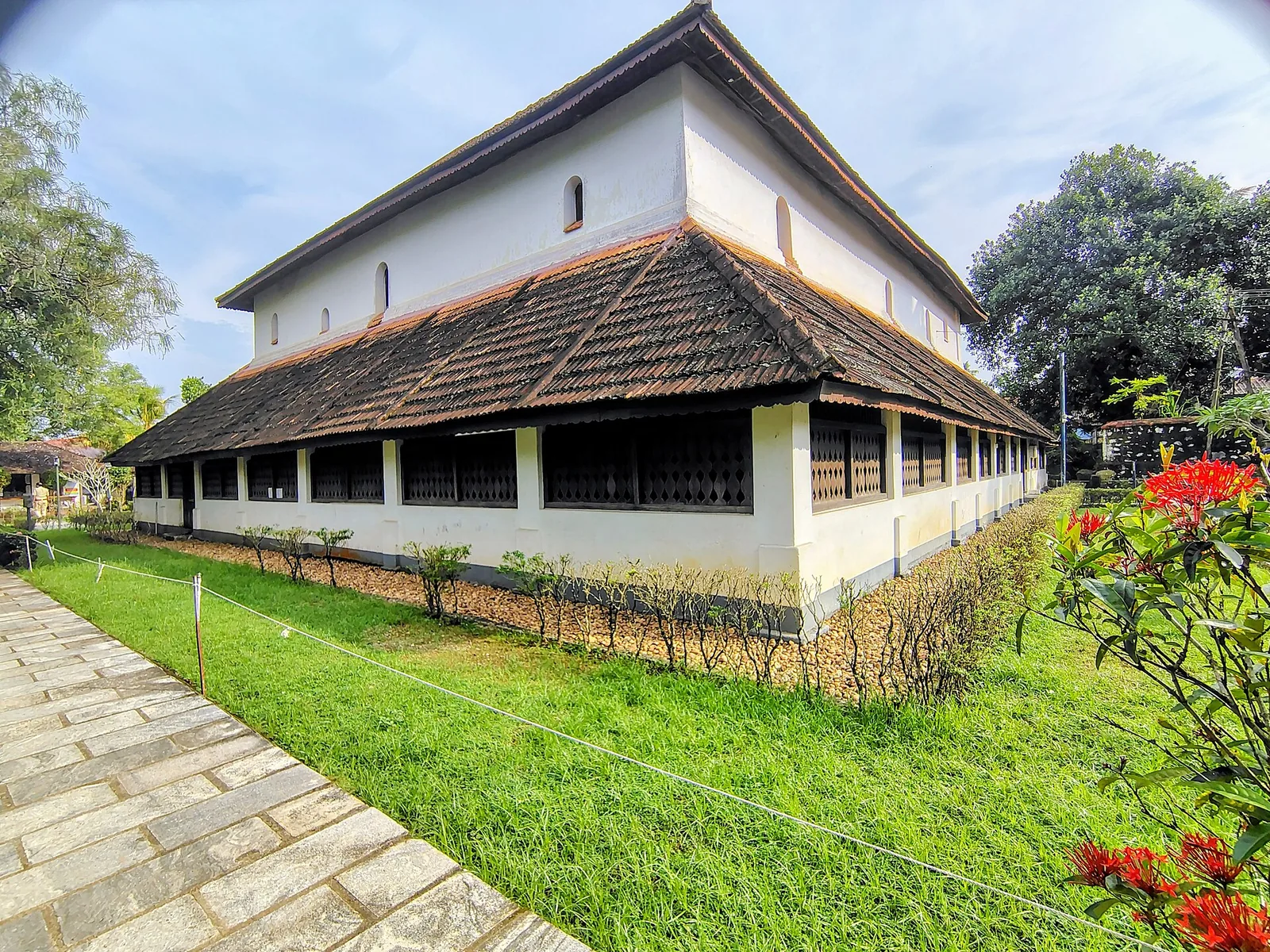
Koyikkal Palace at Nedumangad houses folklore and coin collections inside a traditional Kerala palace. Everyday objects, instruments and currency make this a more intimate museum stop than a grand royal gallery.
14.9 km · straight lineHill trekking around Ponmudi (“Golden Peak”, about 1,100 m) and the Kallar / Golden Valley trails, a cooler high-range walk near Thiruvananthapuram.
17.3 km · 23 min driveKallar Meenmutty Falls is reached through forest beside the river below Ponmudi. The approach is part of the attraction: trees, bamboo and running water lead towards the cascade.
19.2 km · 31 min drive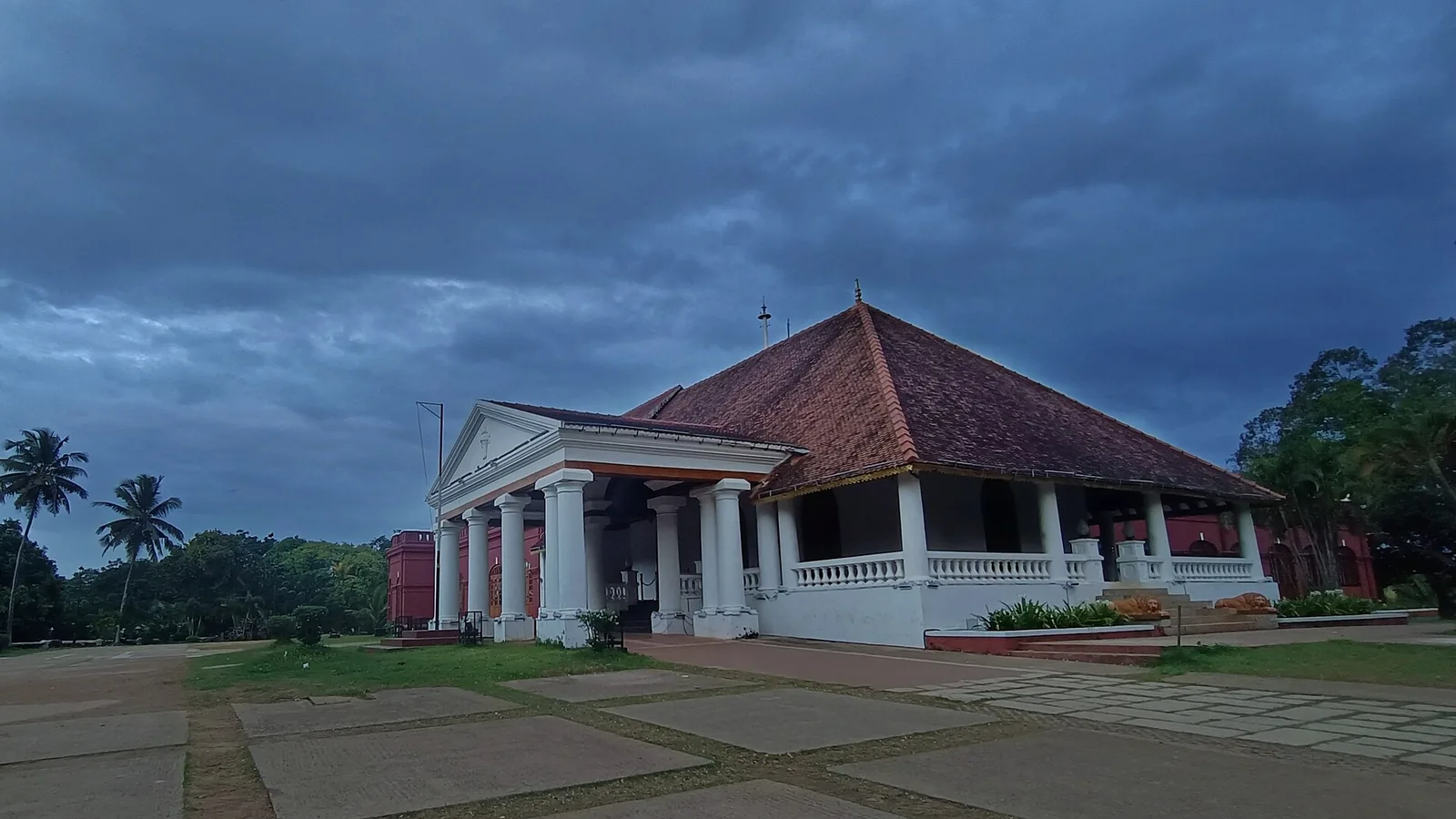
Kanakakunnu puts a Travancore palace among gardens and cultural venues near Thiruvananthapuram’s Museum Park. Come for an evening walk or choose a date around a performance.
23.4 km · straight lineA small hill station and viewpoint drive in the southern Western Ghats.
29.5 km · 42 min drivePonmudi’s upper viewpoint opens onto grass-covered ridges and Western Ghats valleys. Clear weather brings the long view; mist turns the same outing into a close study of the hills.
32.0 km · 46 min driveRoad and walking figures are route estimates, with travel times dependent on access, traffic and conditions. Figures marked “straight line” show direct separation and do not describe a road or walking route. Fare estimates use Kerala’s 26 April 2022 auto/taxi notification and exclude waiting, night and applicable one-way surcharges. Confirm the current meter or operator quote before travelling. Routing: © openrouteservice.org by HeiGIT | Map data © OpenStreetMap contributors
Yes. Trekking inside the sanctuary is controlled by the Forest Department and normally requires permission and an accompanying guide. Arrange it in advance rather than turning up at the gate, and note that entry timings are early and close early in the afternoon.
Lion-tailed macaque and Nilgiri langur are the primates people come for; elephant, gaur and sambar all use the sanctuary. Sightings are never guaranteed — this is closed evergreen forest with short sightlines and unhabituated animals — and should never be pursued.
A black-coated monkey with a distinctive silver mane, restricted entirely to the wet evergreen forests of the Western Ghats and one of the most range-restricted primates in the world. Its presence is a direct indicator that the forest here is intact rather than degraded.
The dam has its own place page. From the trek, the reservoir is seen from the higher ground within the sanctuary. Do not go down to the water's edge — the drawdown banks are soft and unstable and the water is deep close in.
October to March. The catchment is wet, the trails are leech-heavy and routes are frequently closed through the southwest monsoon.
Via Vithura on the road towards Ponmudi, turning for the Peppara dam and sanctuary gate — about 50 km from Thiruvananthapuram. Local bus services are limited and the gate timings are early, so most visitors arrange a taxi.
Lower than most descriptions imply, including our own until recently. The conservation literature is explicit that the current status and distribution of the species in Peppara and the neighbouring southern sanctuaries are not known, so nobody can quote you a realistic probability. The species is endangered, with roughly 2,400 to 2,500 thought to remain in the wild, and closed evergreen canopy gives sightlines of twenty metres or less. Treat a sighting as luck, not as the reason for the trip.
A medicinal plant, Trichopus zeylanicus, long used by the Kani and known to them as roughly 'the green that gives strength'. In 1987 researchers from the Tropical Botanic Garden and Research Institute developed a formulation called Jeevani from it and directed a share of licence income to a Kani trust — an arrangement celebrated worldwide as a model for benefit sharing. The outcome was far less happy: the Kani informants were not named as co-inventors, the royalty was two per cent, consultation was widely felt to be inadequate, and the patent lapsed in 2008. The elder who first showed researchers the plant died in poverty in August 2025.
No. It contains Kani settlements, and it has been lived in and used for a very long time. Descriptions that present this catchment as untouched wilderness — including some of our own, previously — quietly erase that, and it is the same framing that made it possible to treat Kani botanical knowledge as a scientific discovery rather than as something people here were already doing.
Not hard in the mountaineering sense. Routes are measured in hours rather than days and the height gain is modest; the difficulty is underfoot — wet rock, roots, mud and leeches. Reasonable fitness and shoes with grip are enough. What it asks for more than strength is patience and a willingness to move quietly at the guide's pace.
Post-monsoon to late winter is usually best; avoid heavy-rain days and closed forest periods.
Entry: A Forest Department entry fee and, where required, a guide charge are collected at the sanctuary gate; carry cash. Timings: Daytime only, on Forest Department timings, with entry usually closing early in the afternoon so walkers are clear of the forest before dusk.
Base yourself in Ponmudi or a nearby town in Thiruvananthapuram, then confirm the last-mile route locally before leaving. Confirm permits, guide requirement and reporting point before travel; many Kerala treks are controlled by forest authorities. If the visit depends on forest, temple, boat, ferry, weather or seasonal access, check the official/local rule on the day before travel.
Half day to full day unless officially listed as multi-day.
Nearby you can pair Golden Valley (9.8 km, approximate straight-line separation), Neyyar trek (9.9 km, approximate straight-line separation), Neyyar Dam (9.9 km, approximate straight-line separation), Neyyar Wildlife Sanctuary (10.5 km, approximate straight-line separation).
Use approved guides where required. Do not enter closed forest routes or trek in heavy rain.
Written about Peppara trek itself — its history, its legends and the arguments about them.


These guides explore Ponmudi and the surrounding area. Choose a visit that fits your interests, allowing separately for travel between stops.


Route-level itineraries and practical guides for the rest of Kerala.


Photographs: Ranjith Siji (CC BY 3.0), Thaiseerp (CC BY-SA 4.0), Yercaud-elango (CC BY-SA 4.0), Arunelectra (CC BY-SA 3.0). Wikimedia Commons.