History
Cherai’s story begins with a catastrophe. Vypin Island, the strip of land the beach sits on, is not ancient ground but relatively young: it is widely held to have been formed around 1341 CE,when a massive flood of the Periyar River — remembered as the “Great Flood of 1341” — swept enormous volumes of silt and sediment down from the Western Ghats and reshaped the coastline near present-day Kochi. Much of what is known comes from geological study and archaeological excavation rather than surviving written accounts, so dates and detail are read cautiously by historians.
That same flood is tied to one of the great vanishings of Indian history. The siltation is believed to have choked and destroyed the fabled ancient port of Muziris, a hub of Roman, Arab and Mediterranean trade that once lay along this coast, while the churning of the sea and river simultaneously opened a deep natural harbour at Kochi. As Muziris silted over, traders drifted south to the new harbour, and Kochi rose to become the region’s great port — with Vypin Island, and Cherai on its northern edge, emerging as fresh land from the wreckage of the old geography.
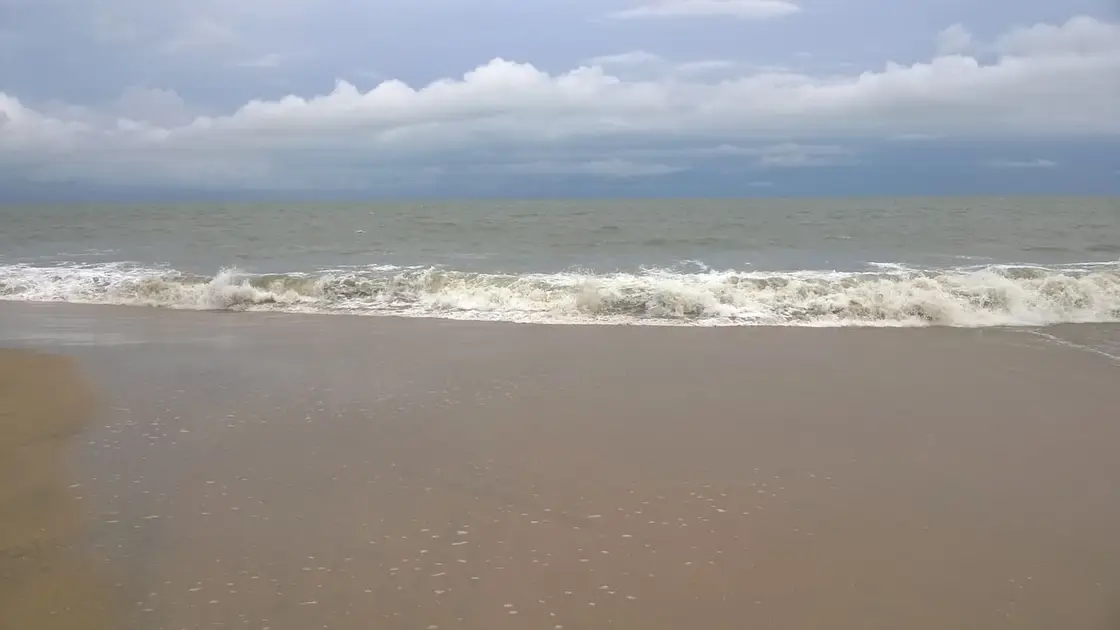
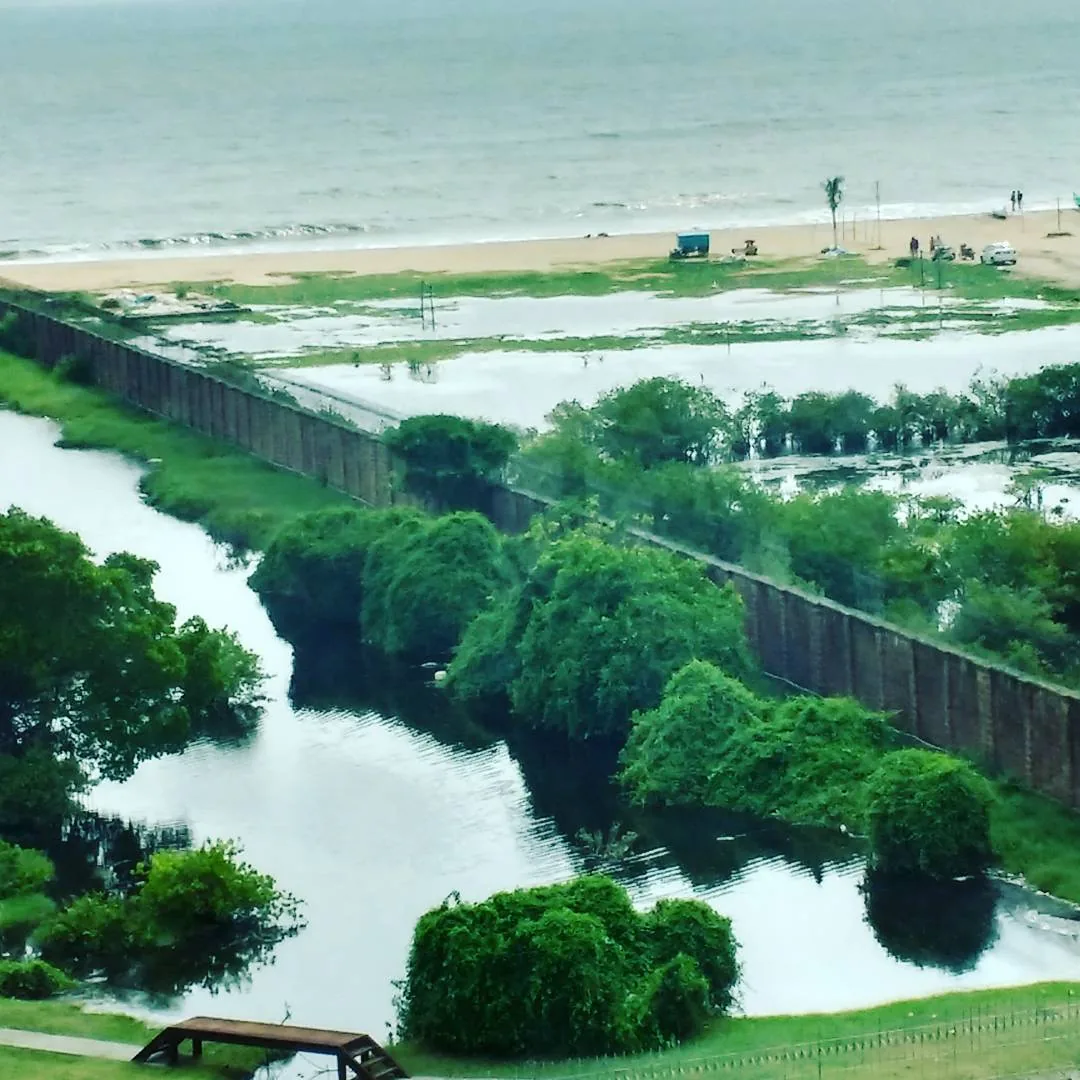
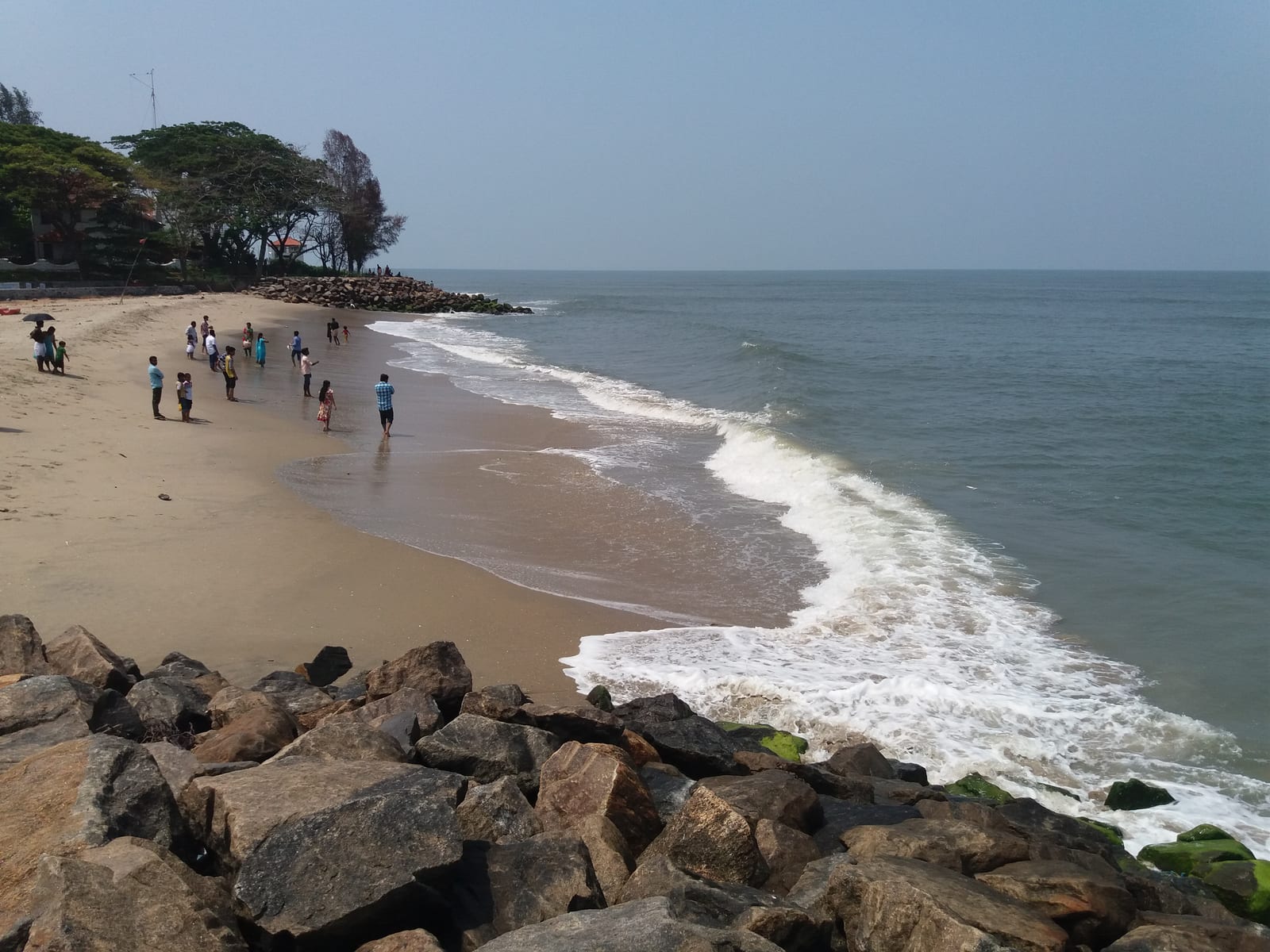
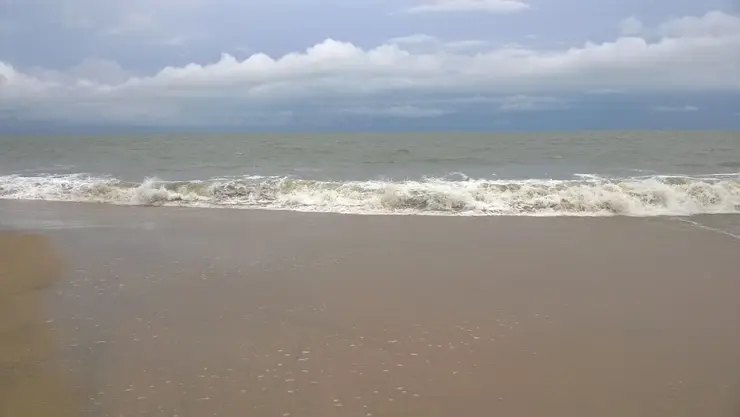
The measurements are worth pinning down because they vary. Cherai is generally given as around ten kilometres of beach, the longest continuous stretch near Kochi, though fifteen appears in some sources. It lies about 25 km from central Kochi and roughly 20 km from Cochin International Airport, on the northern side of Vypin, and the strip that most visitors actually walk is far shorter than either headline figure. The features that make it unusual are consistent across sources: an exceptionally gentle shelf, so low tides and soft waves and genuinely comfortable swimming; the backwater lying immediately behind the sand, so that surf and lagoon appear in one frame; and frequent dolphin sightings, most often early in the morning.
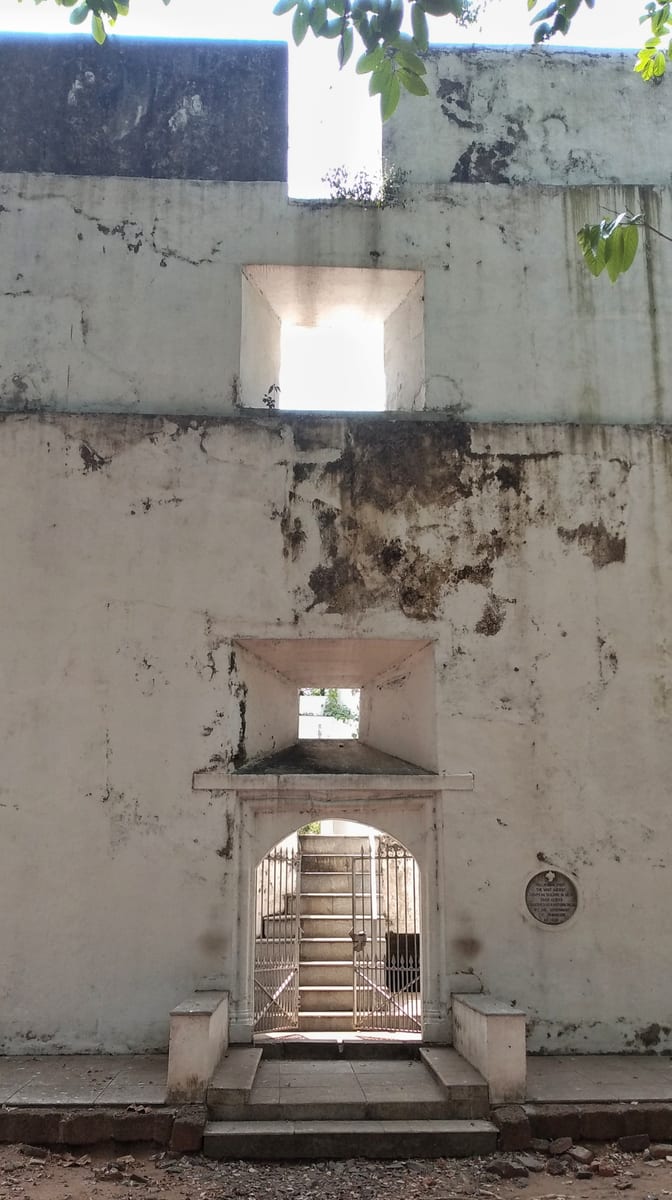
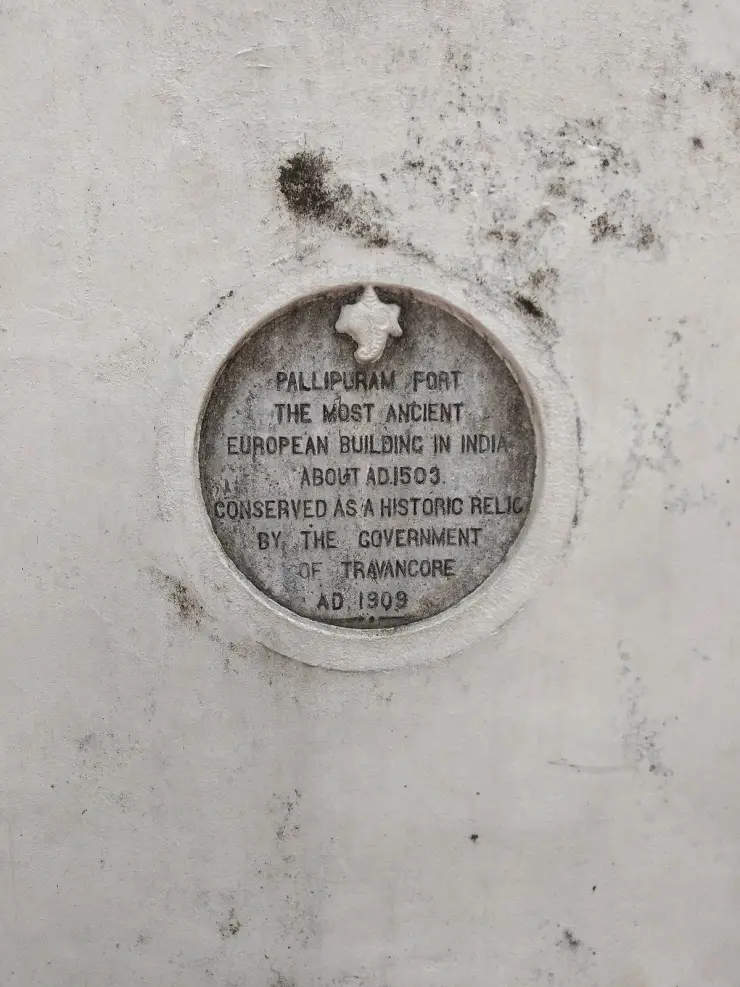
Through the centuries that followed, Cherai and Vypin remained a coast of fishermen and coconut palms, and they were drawn into Kerala’s long colonial encounter. At Pallipuram, at the island’s northern tip near Cherai, the Portuguese built a fort in the early sixteenth century — often cited as among the oldest surviving European monuments in India — later passing to the Dutch and then the British as European powers contested the spice coast. The beach’s hinterland thus carries the layered marks of Portuguese, Dutch and British presence.
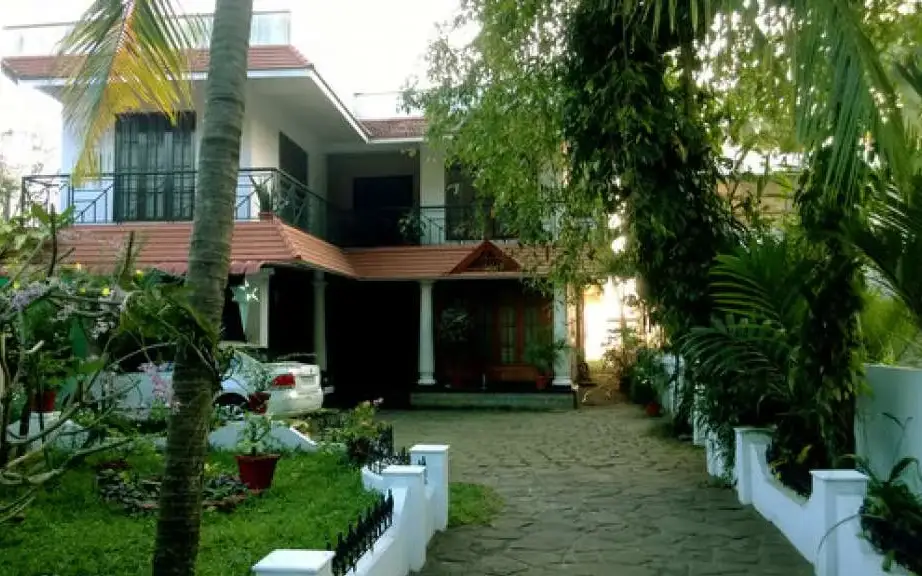
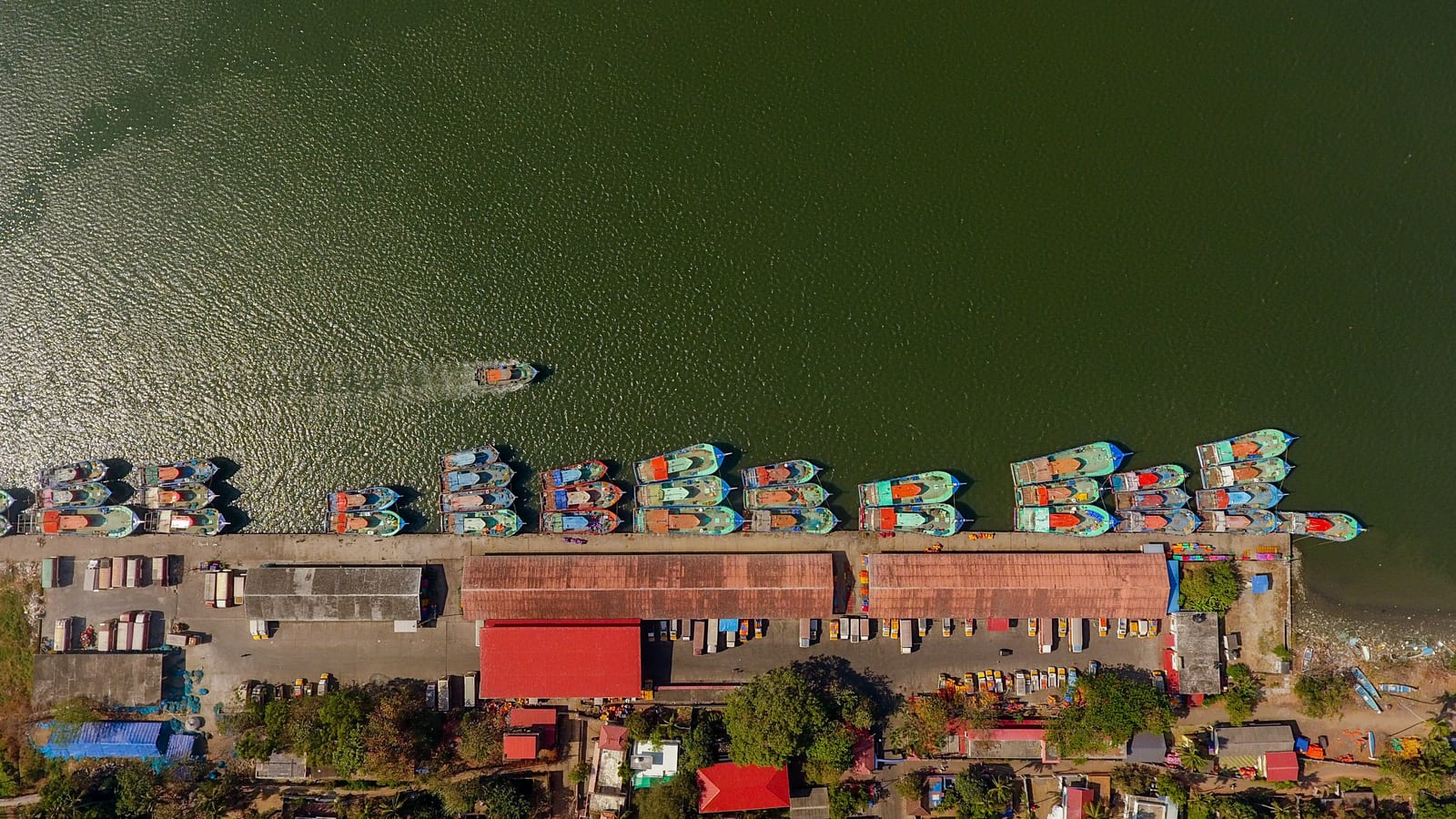
For most of its history Cherai was simply a working fishing village on the Pallipuram panchayat, its economy built on the sea, the backwater nets and the paddy and coconut lands behind the shore. Tourism came comparatively late. Only in recent decades did Cherai’s combination of a long, safe, swimmable beach and the rare sea-meets-backwater setting turn it into one of the most visited beaches in Kerala, drawing both Indian and foreign travellers and bringing resorts, homestays and water-sports operators to what had been a quiet coast.
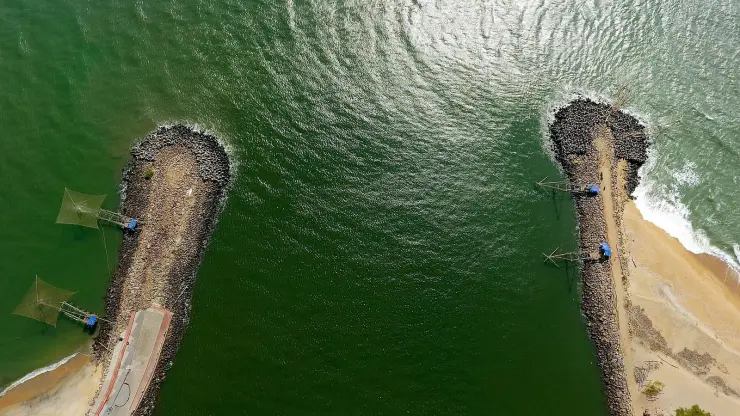
As with much of low-lying Vypin, the shoreline’s relationship with the sea is an active one. Stretches of the coast have been managed with sea-defence works to hold back erosion and protect the road and settlements that run close behind the sand — a reminder that this is young, accreted land still negotiating with the water that made it. Visitors should treat specifics of any seawall or shore-protection works, like other on-the-ground detail, as best confirmed locally.
Why visit
See the Arabian Sea and the Kerala backwaters in a single frame — one of the very few places where the two meet with only a thin band of land between them.
Swim and wade in relative safety on a long, gently shelving beach where the tide stays low and the waves stay soft, unusual for the Kerala coast.
Watch for dolphins offshore in the early morning, at one of the few Kerala beaches with a genuine reputation for near-shore sightings.
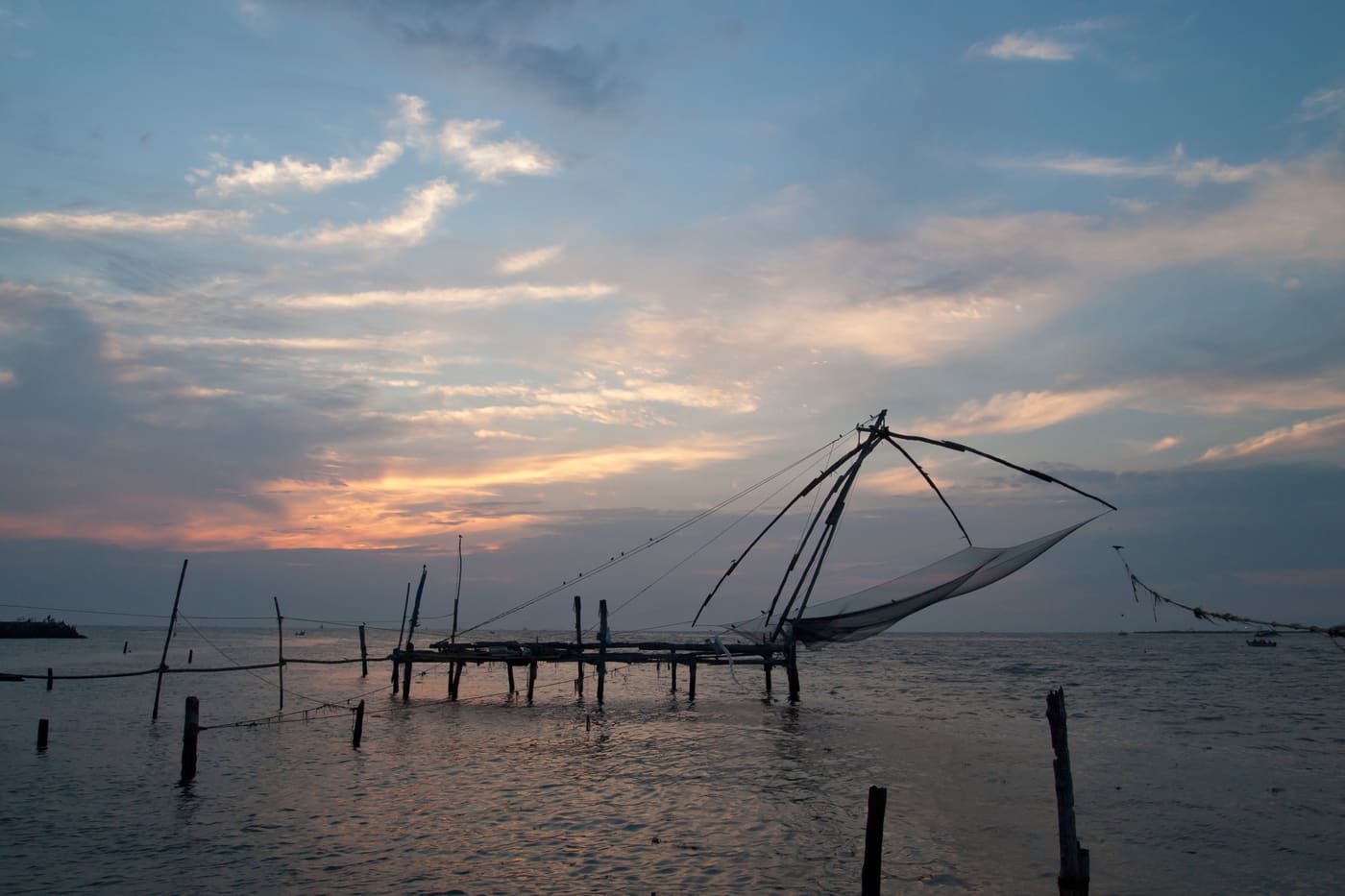
Catch a legendary Arabian Sea sunset, with returning fishing boats turning to silhouettes against a sky of orange and rose.
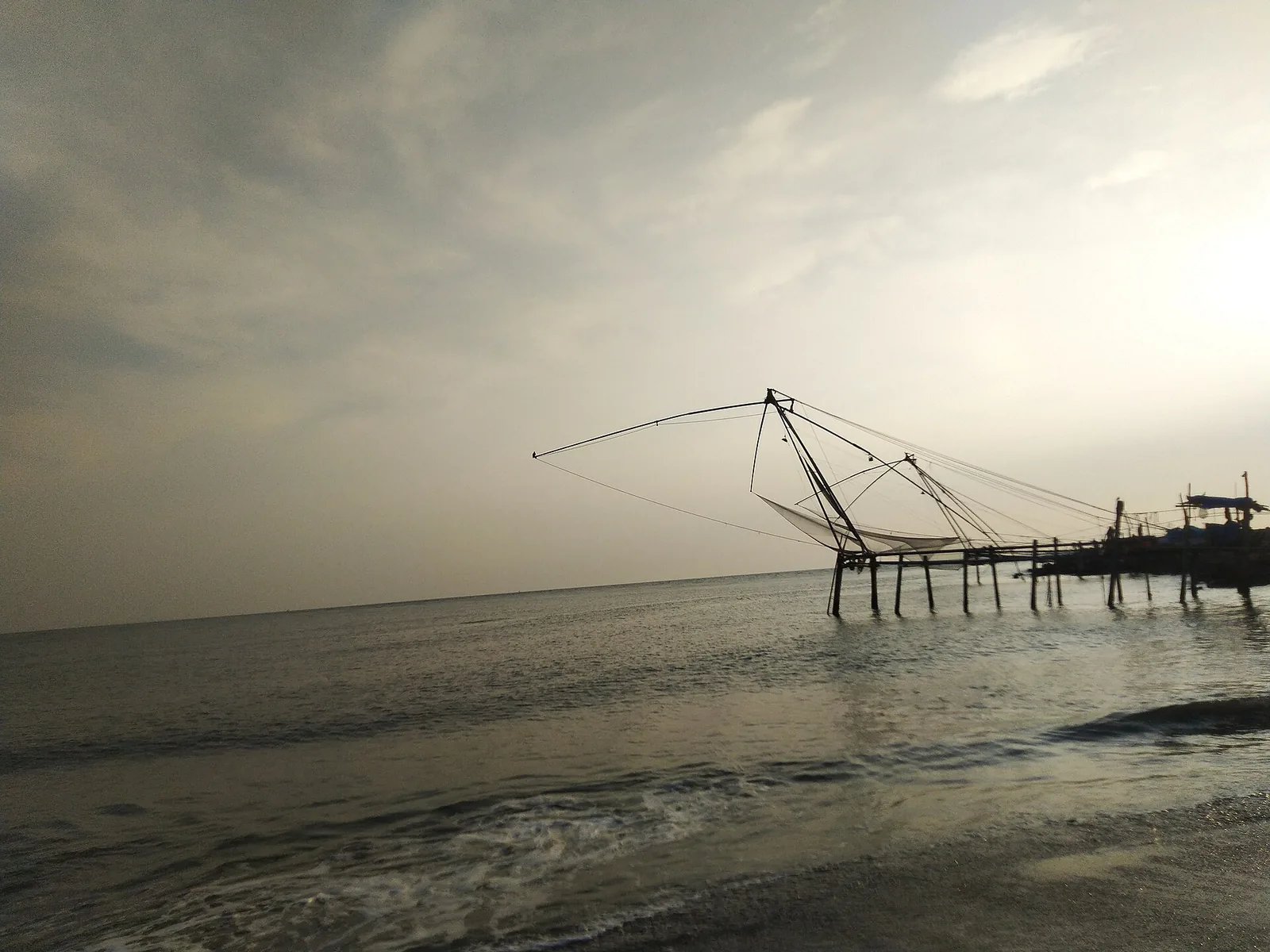
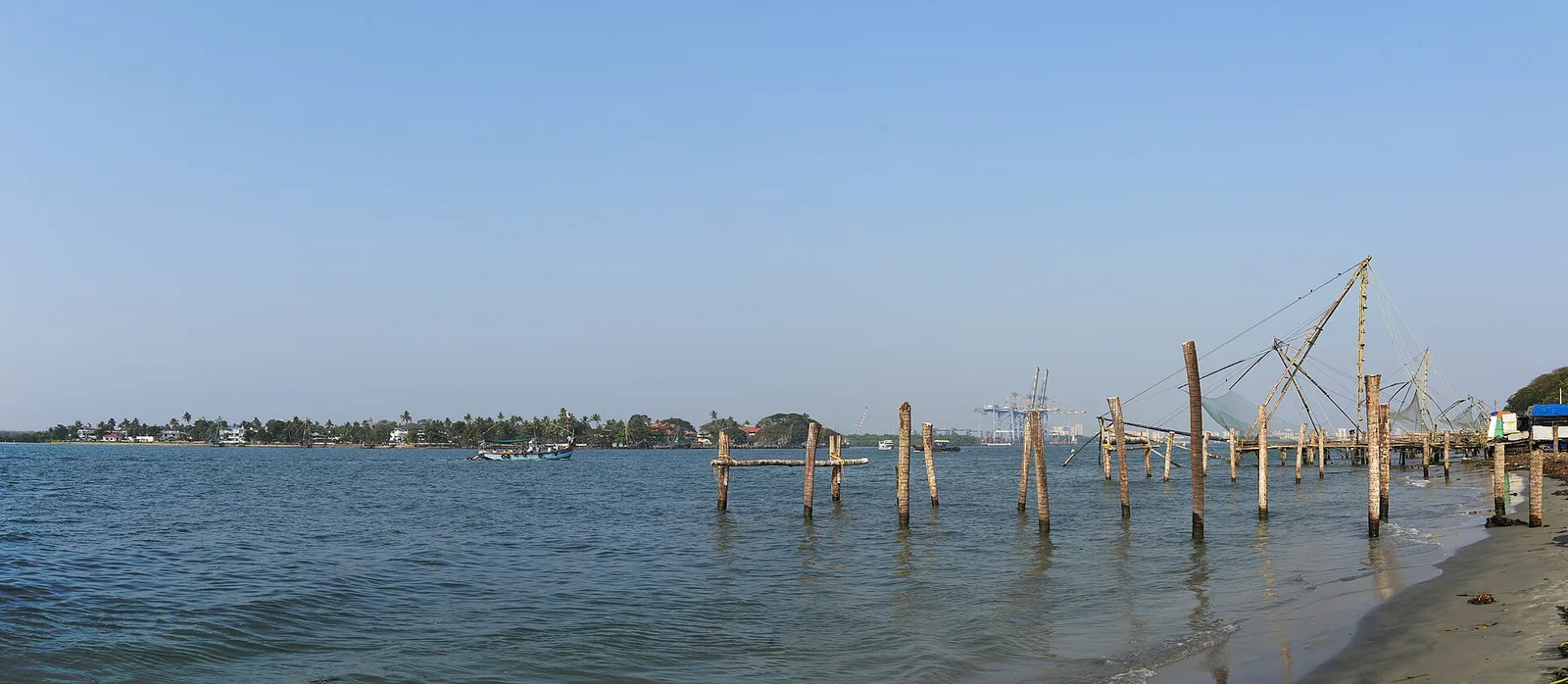
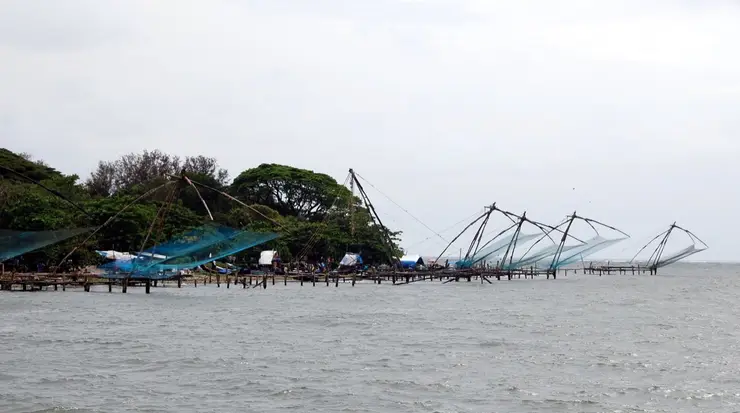
Watch the old cantilevered Chinese fishing nets at work on the backwater side and buy fresh fish straight from the boats.
Feast on just-caught seafood at beachside shacks, framed by coconut groves and below-sea-level paddy fields.