What to expect
Highlights
- A small surviving rock-cut shrine on the Vizhinjam coast.
- Weathered Shaiva reliefs with differing published identifications.
- ASI custodianship documented by a 2025–26 maintenance notice.
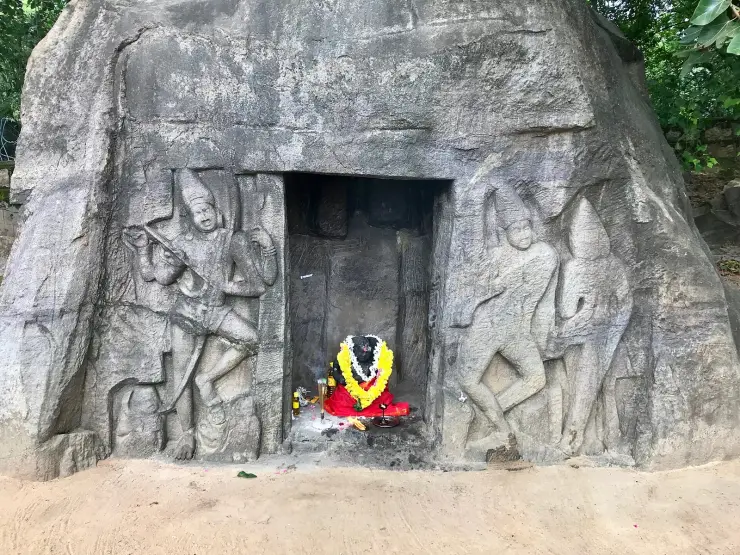
An ASI-protected rock-cut cave at Vizhinjam, attributed by Kerala Tourism to the eighth century.
Published descriptions of its relief figures differ; present public access should be confirmed.
Vizhinjam’s small rock-cut shrine is best read carefully: the cave, its weathered reliefs and its protected status are firmer evidence than a precise story about every figure.
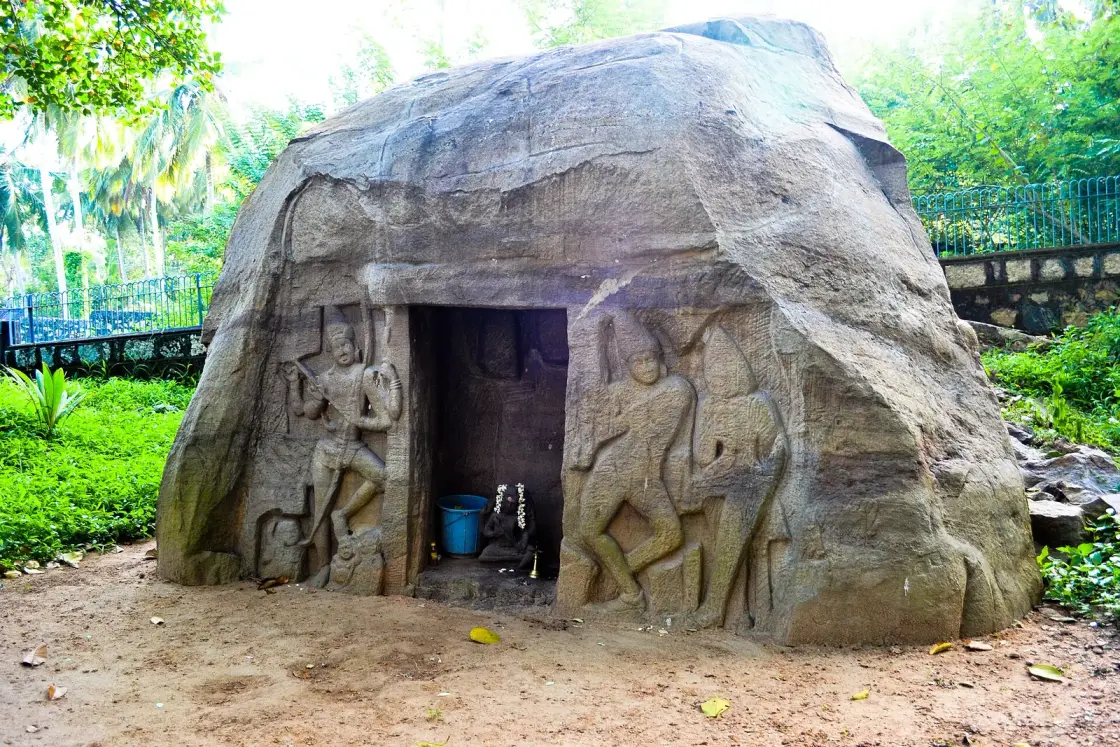
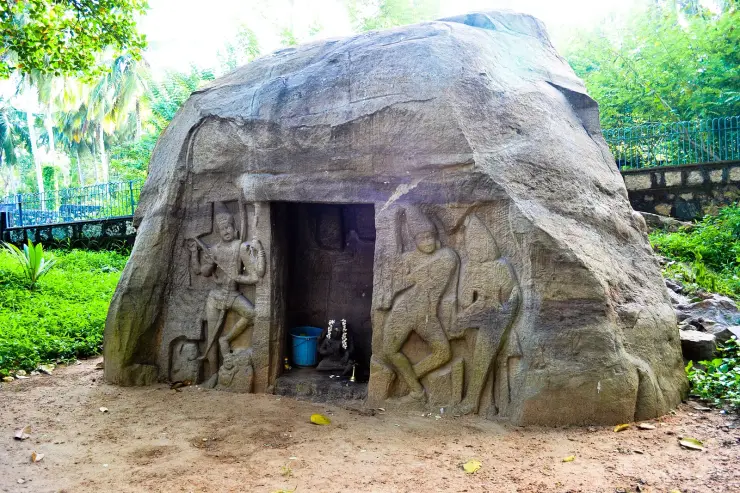
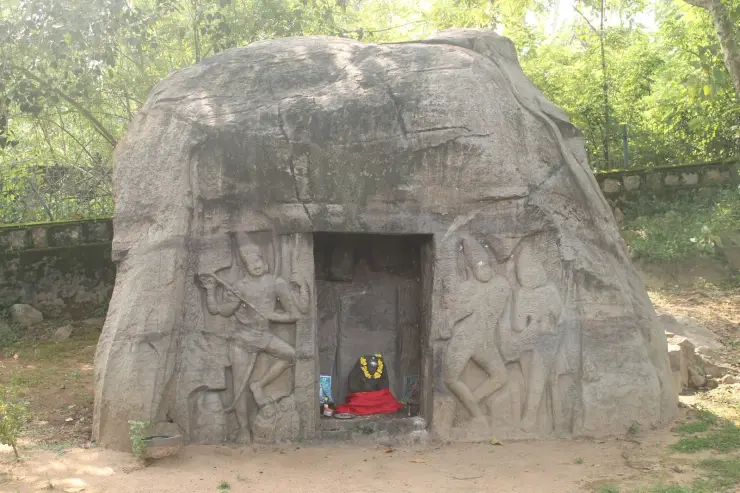
Kerala Tourism attributes the Vizhinjam rock-cut cave to the eighth century and identifies it as a protected monument under the Archaeological Survey of India. The shrine is modest in scale, which makes its survival on a coast known for its working harbour and later port development more striking.
Descriptions of the reliefs differ. Kerala Tourism’s destination account mentions Hindu deities and Vattezhuthu inscriptions, while other descriptions identify dancing Shiva and related forms differently. This page cannot settle the iconography by asserting a four-figure cast or claiming that no inscription exists. See the carving as an early Shaiva work and leave exact identifications to a cited specialist account.
The Archaeological Survey of India issued a 2025–26 maintenance tender for the monument’s compound wall. That is evidence of present custodianship, not proof of public hours, active worship or a fixed visitor route. If the cave is the main purpose of a trip, check current local access; do not plan on an invented morning fish auction beside it.
The eighth-century attribution is given by Kerala Tourism; it is an attribution rather than an exact construction date. ASI documentation identifies the site for conservation work in 2025–26.
See a surviving rock-cut form on a coast where such shrines are uncommon.
Compare the visible carving with the range of published descriptions without forcing a certainty the evidence cannot support.
Combine it with Vizhinjam only through current public access, respecting monument barriers.
Road km to Thiruvananthapuram; ghat roads and traffic vary — allow extra.
Choose daylight and confirm monument access locally.
Live forecast loads in your browser.
Check the official alert before you travel. Kerala’s beaches, waterfalls and trekking routes close at short notice during heavy rain, and district alert levels change day to day. We do not publish an alert level of our own — read it from the state authority: Kerala State Disaster Management Authority, or the district control room on 1077.
Sun and moon are calculated for this location and shown in IST. Photography windows are the hour around sunrise and sunset; the sunset bearing is degrees clockwise from true north. Moon phase is accurate to about half a day.
Verified hotels, homestays, restaurants, experiences, sights, shops and rentals around Vizhinjam Rock-Cut Cave Temple — commission-free, with direct contact. Filter by what you need.
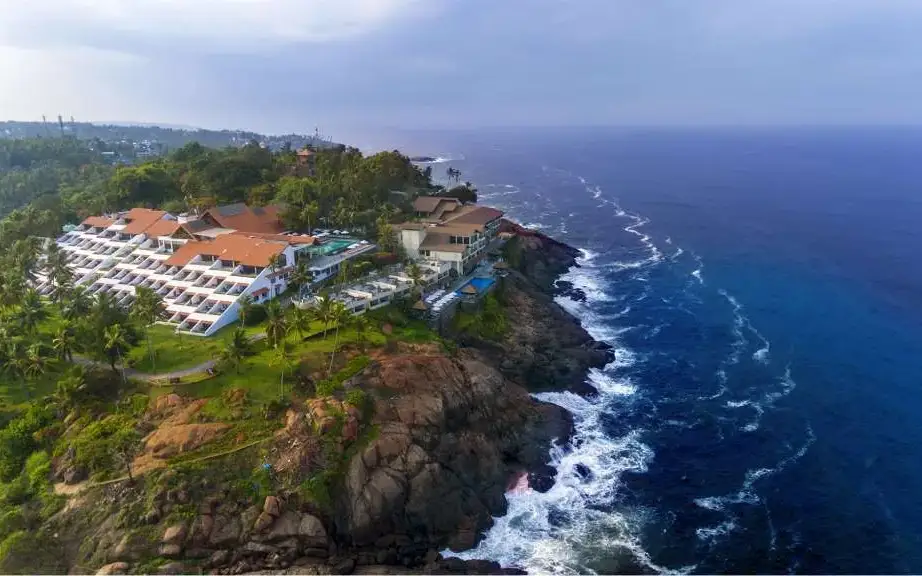
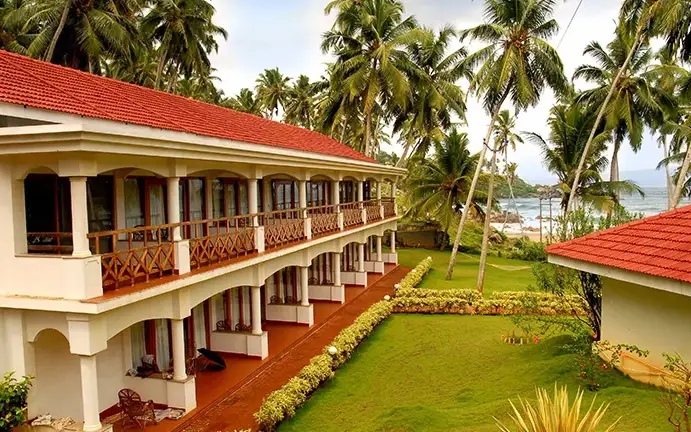
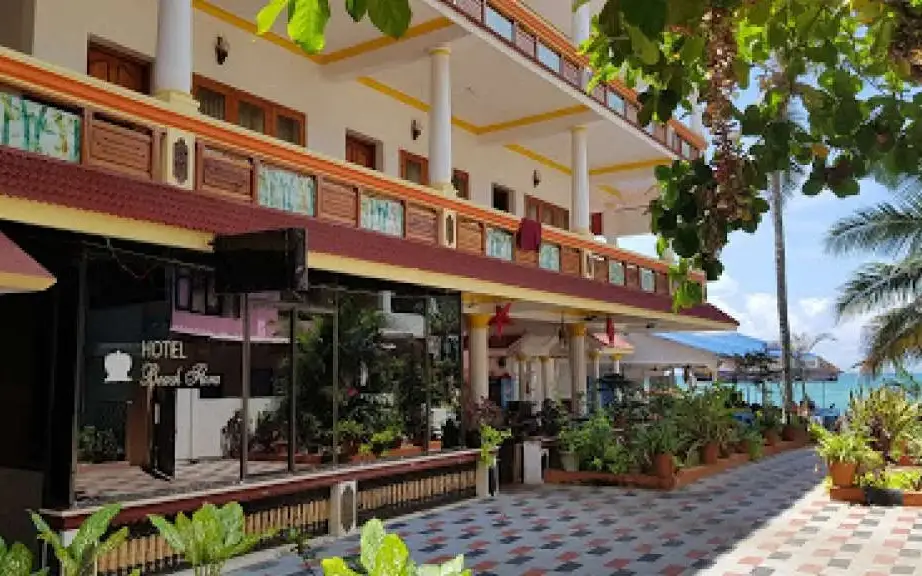
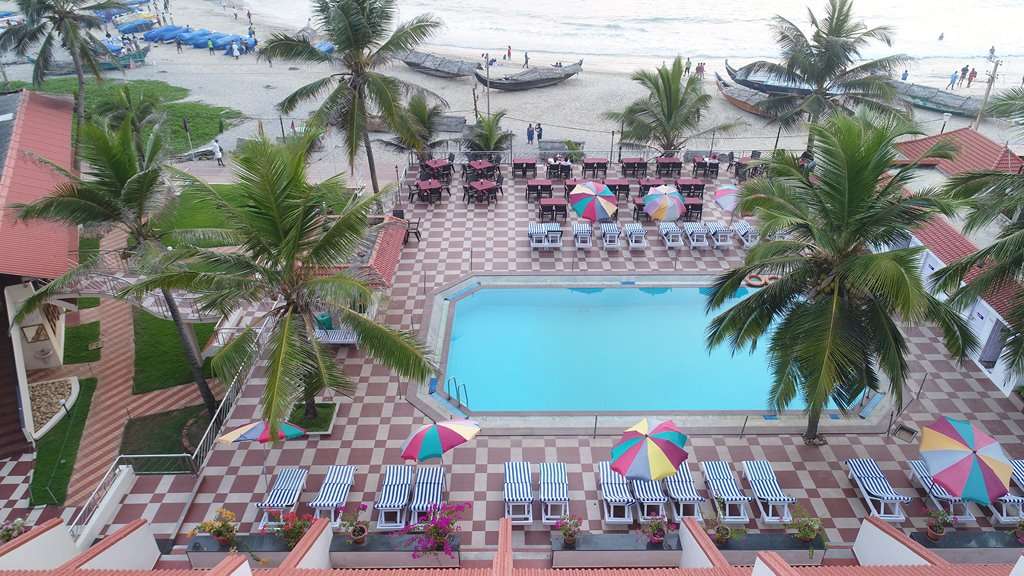
Kerala Tourism-listed clifftop resort on Beach Road with direct phone, email, restaurants, Ayurveda, spa, travel desk and transport services.
Kerala Tourism-listed 5-star deluxe Taj resort on GV Raja Vattapara Road with direct phone, email, restaurants, Ayurveda, boating, spa and travel services.
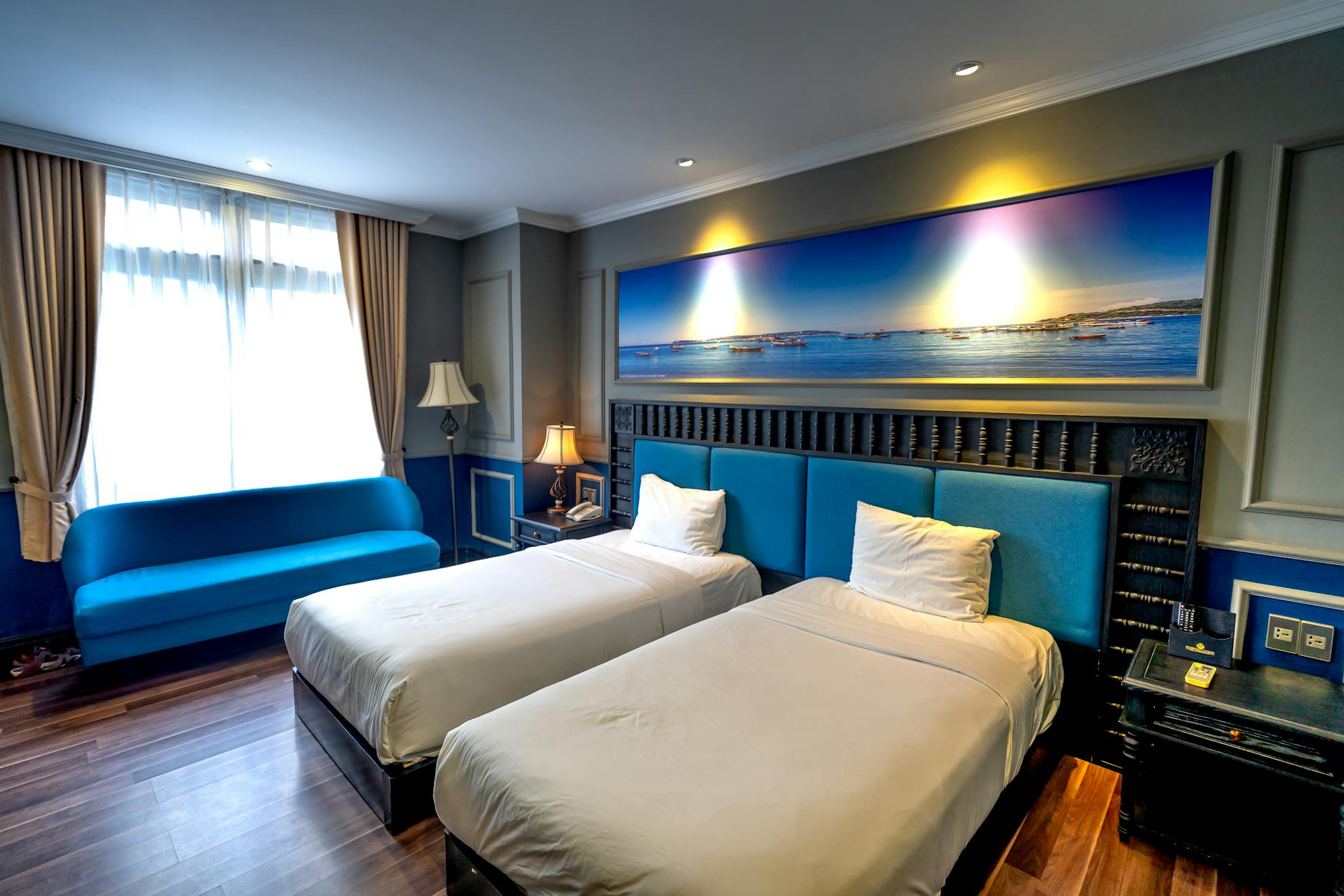
Uday Samudra is a hotel and spa option in Kovalam’s Samudra beach area, with dining and wellness programmes. Compare the room, meals and programme included in your selected package.
Niraamaya Retreats Surya Samudra is a coastal retreat on Pulinkudi Road, with accommodation, dining and wellness programmes. Compare transfers and programme inclusions before booking.
KTDC’s Hotel Samudra is a stay in Kovalam’s northern beach area. Choose it for the Samudra setting and arrange Lighthouse Beach visits separately by road.
The Beach Hotel is an accommodation option at Lighthouse Beach beside Kovalam’s southern cove. Check the actual room view and access when choosing a beachfront category.
Hotel Seaface is a Kovalam stay on NUP Beach Road near Hawa Beach. Check the room view and approach; Hawa and Lighthouse are distinct coves.
Water’s Edge is an accommodation and wellness option at Vellar Junction near Samudra Beach Road. Check beach transfers and programme inclusions before booking.
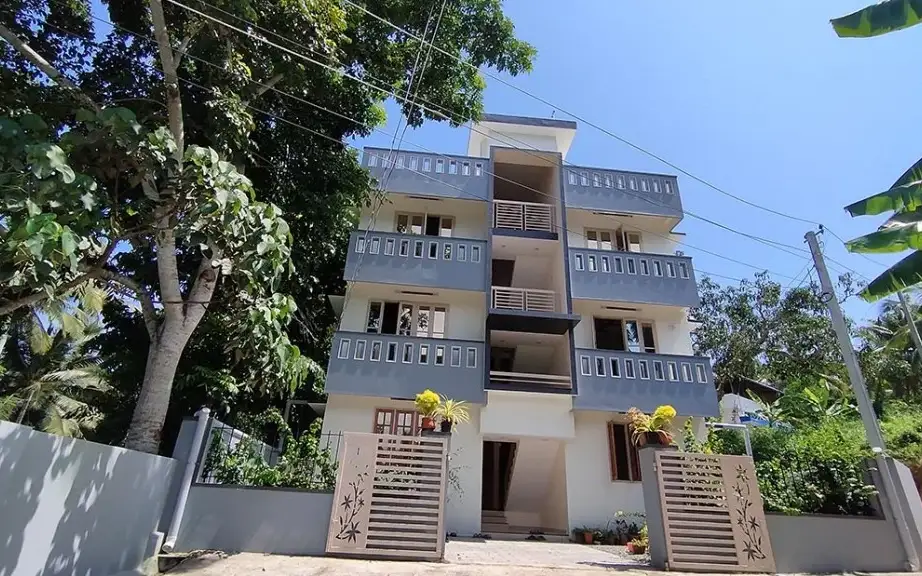
Kerala Tourism-listed family homestay on Bharathi Amma Road at Kovalam, a short walk from Kovalam's international beach. The resident hosts offer clean, budget-friendly guest rooms with authentic Kerala hospitality, giving beach visitors a home-away-from-home stay rather than a resort.
Beach Florra Inn is an accommodation option on the Lighthouse Beach promenade. Check the chosen room’s view, air-conditioning and arrival access when comparing a beach-side stay.
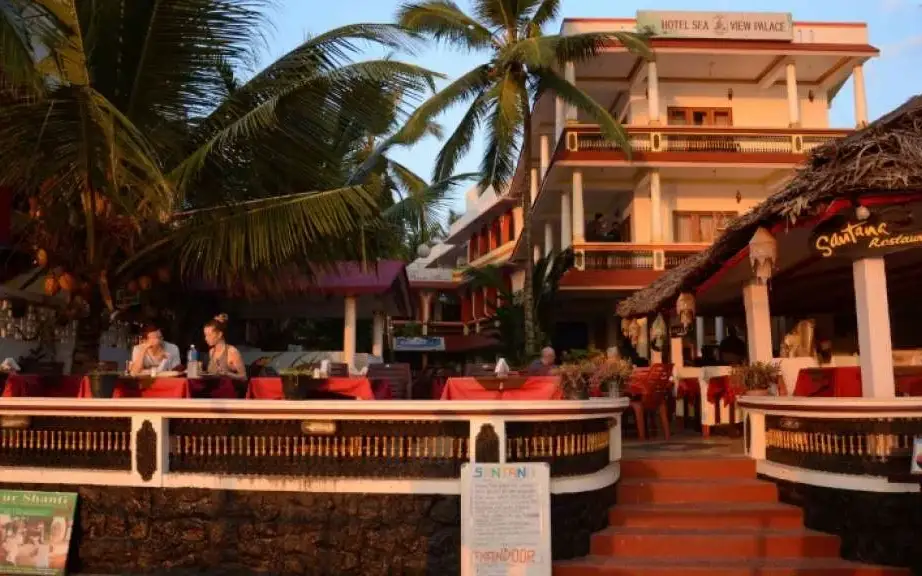
Hotel Sea View Palace is an accommodation option at Lighthouse Beach. Check the actual room view and inclusions before booking; beach-front location does not mean every room faces the sea.
Hotel Sea Face is a Kovalam accommodation option on NUP Beach Road near Hawa Beach. Compare room categories and dining inclusions; use the road for visits to other coves.
Book with the place itself. India’s cyber-crime coordination centre warned in April 2025 that convincing copies of hotel and pilgrimage booking sites are being pushed through sponsored search and social ads, taking payment for rooms the property never hears about. Every listing here links to the business’s own contact details and its own Google or Bing profile — we take no commission and sit in nobody’s payment path. If a booking page reached you through an ad, check the address bar against the property’s own site before you pay. Fraud can be reported on cybercrime.gov.in or on 1930.
Find food, accommodation and activities across Kovalam. Browse the guides for places to eat, stay and explore along your route.
5 more places around Kovalam. Open a guide to plan the visit and onward journey.
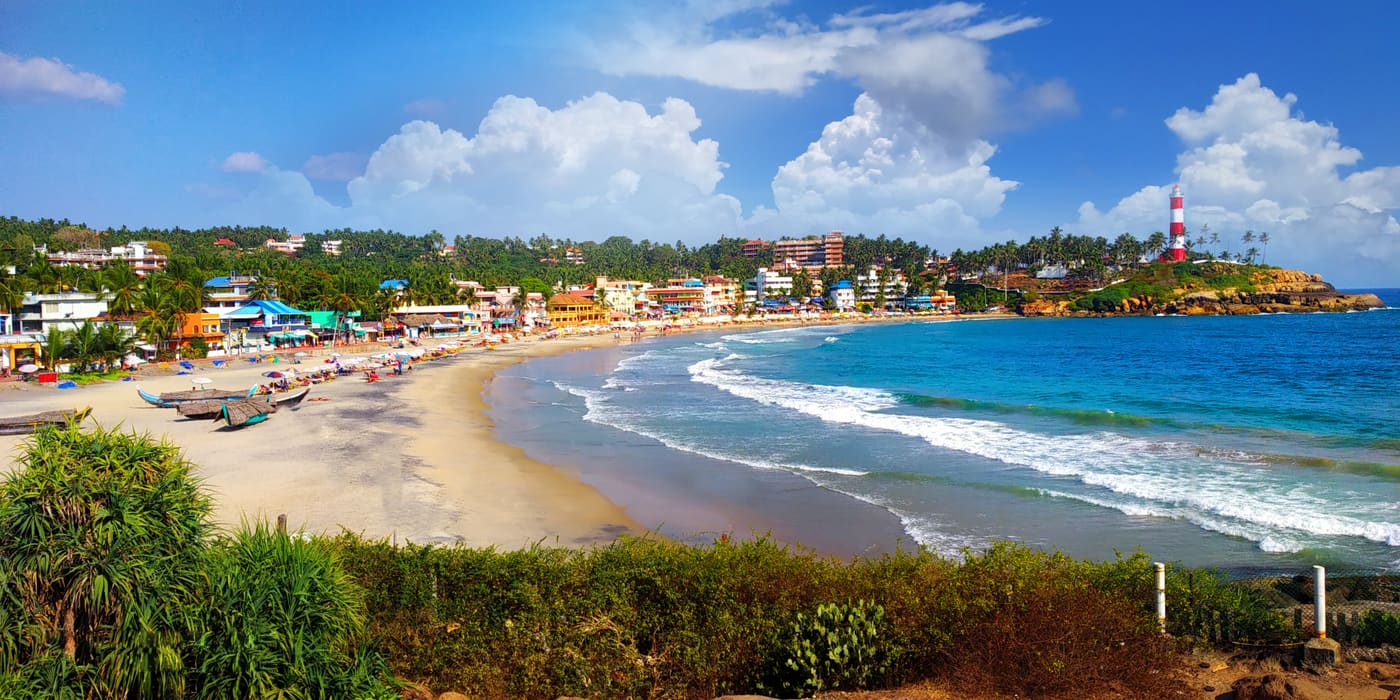
1.7 km · 21 min walk
Kerala’s classic beach resort area, known for Lighthouse Beach, Hawa Beach and sunset viewpoints.
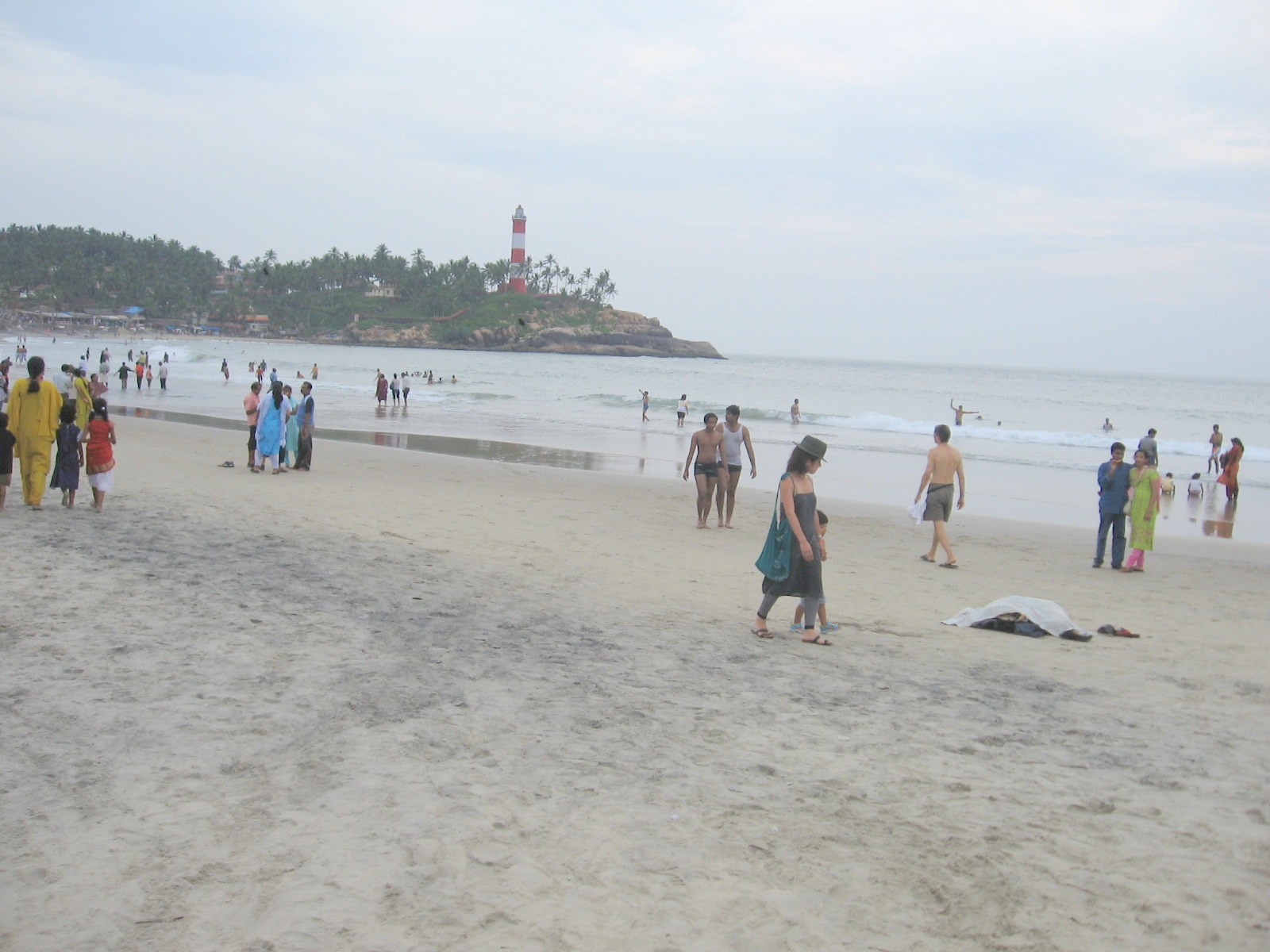
1.5 km · 19 min walk
Kovalam’s southern cove brings the striped Vizhinjam lighthouse, a busy promenade and a long seaside evening into one view. Lighthouse Beach suits visitors who want cafés and coastal scenery close together.
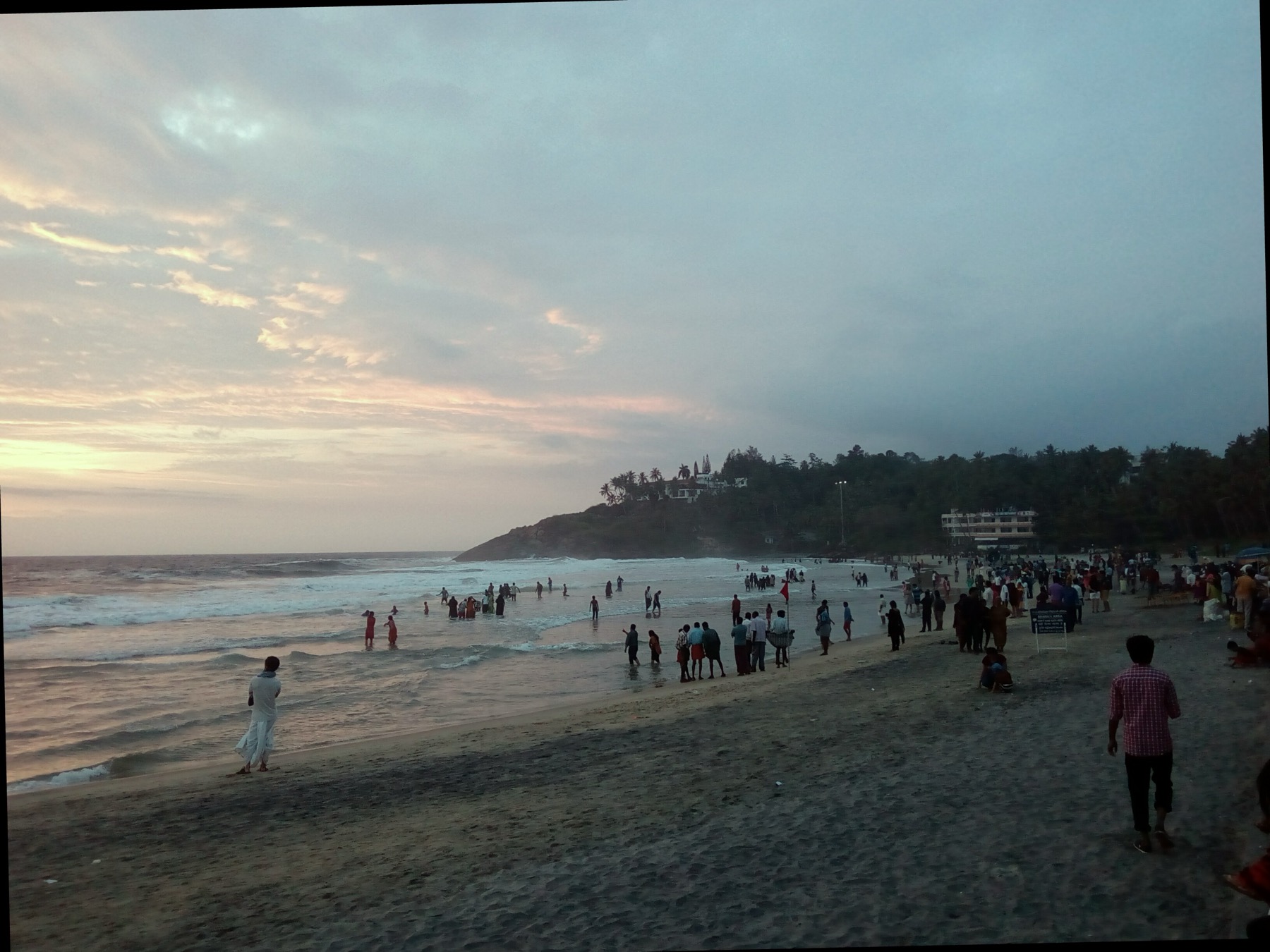
1.9 km · 24 min walk
Hawa, also called Eve’s Beach, is Kovalam’s middle cove. Its short sweep of sand and fishing activity offer a different atmosphere from the longer promenade at Lighthouse Beach.
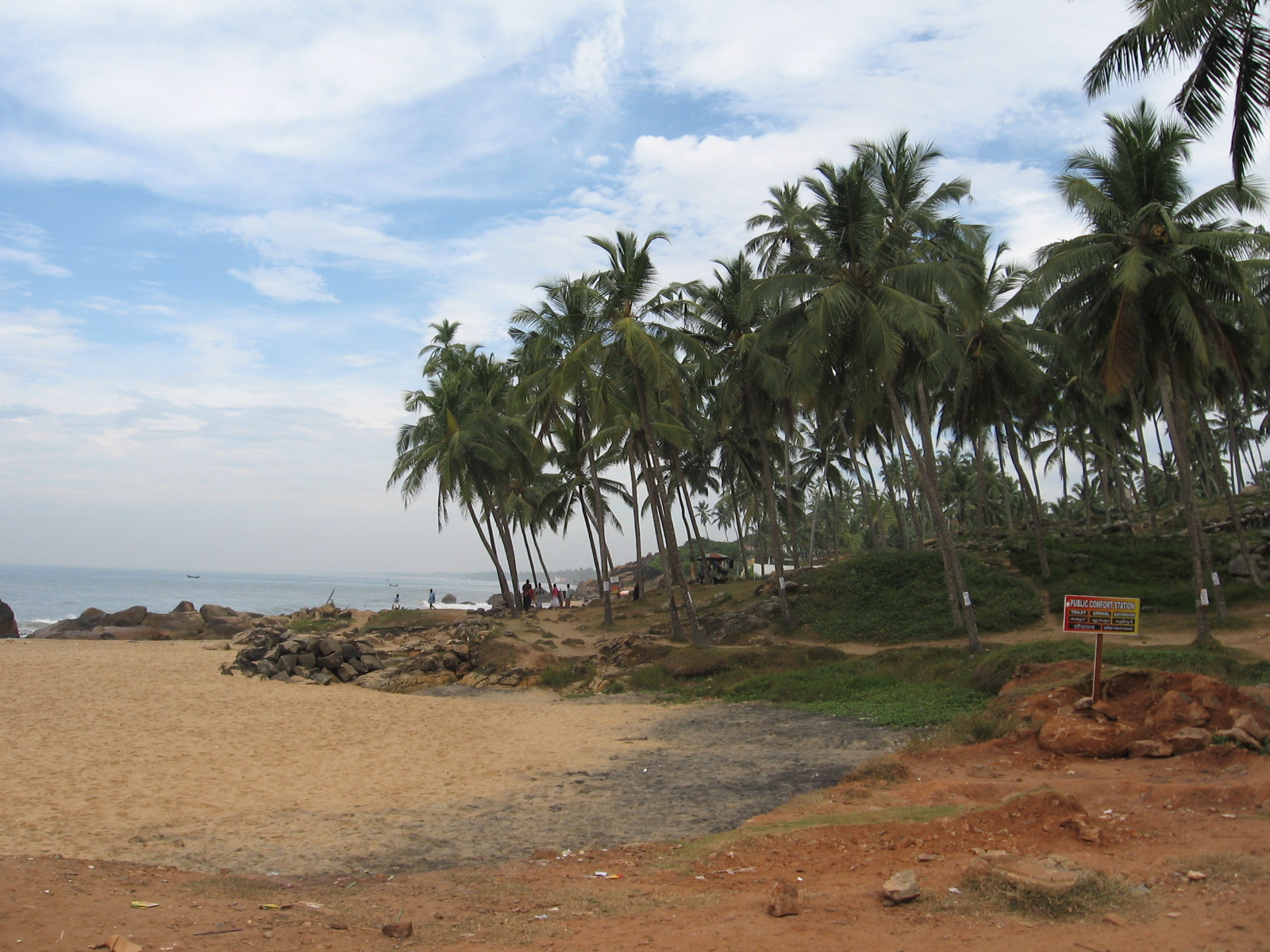
2.5 km · ~6 min by auto
Samudra is the northern Kovalam shore, separated from the busier coves by rocky headlands. Choose it for a quieter sea view and a slower coastal walk.
Roampedia is commission-free — own or know a stay, eatery, guide or shop near Vizhinjam Rock-Cut Cave Temple? List it and it appears here once verified.
Add a nearby businessPhotography: Ask before photographing the shrine; do not touch the carvings.
Return to your agreed Vizhinjam road pickup. Add the harbour or Kovalam only with a separate route and time allowance.
If you need step-free access, contact the site before travelling. Ask about a level entrance, steps along the route, the nearest drop-off point, seating and accessible toilets.
Charge cap and free-transaction limits: Reserve Bank of India, in force since 1 May 2025.
These services are listed within about 1.2 km of Vizhinjam Rock-Cut Cave Temple. Walking distances follow mapped routes; access and opening hours can change. Other services may be closer but are not included here.
Emergency numbers are verified against official government and state tourism sources. 112 works anywhere in India.
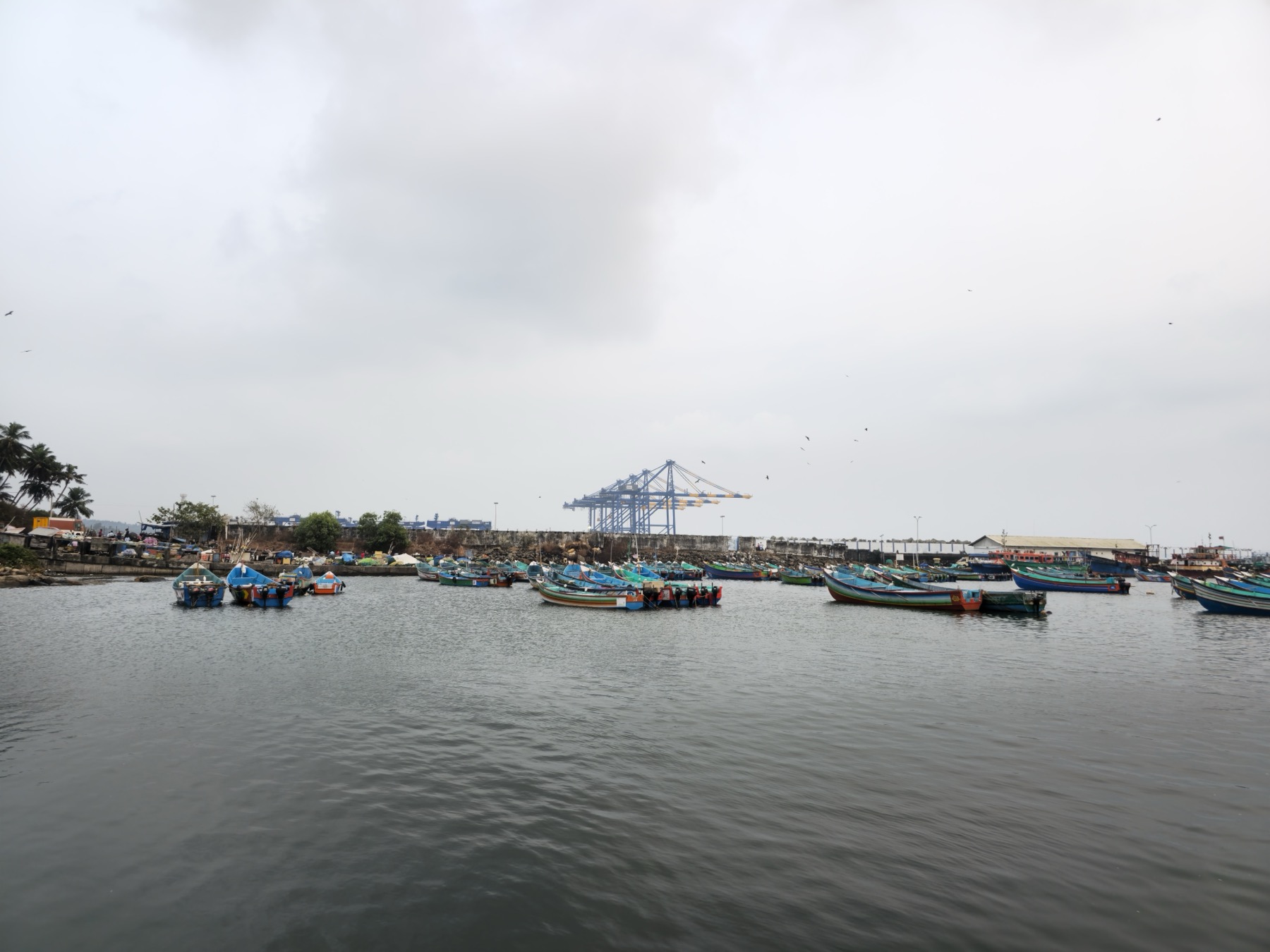
Kovalam’s southern cove brings the striped Vizhinjam lighthouse, a busy promenade and a long seaside evening into one view. Lighthouse Beach suits visitors who want cafés and coastal scenery close together.
1.5 km · 19 min walk · straight lineKerala’s classic beach resort area, known for Lighthouse Beach, Hawa Beach and sunset viewpoints.
1.7 km · 21 min walk · straight lineHawa, also called Eve’s Beach, is Kovalam’s middle cove. Its short sweep of sand and fishing activity offer a different atmosphere from the longer promenade at Lighthouse Beach.
1.9 km · 24 min walk · straight lineSamudra is the northern Kovalam shore, separated from the busier coves by rocky headlands. Choose it for a quieter sea view and a slower coastal walk.
2.5 km · ~6 min by auto · straight line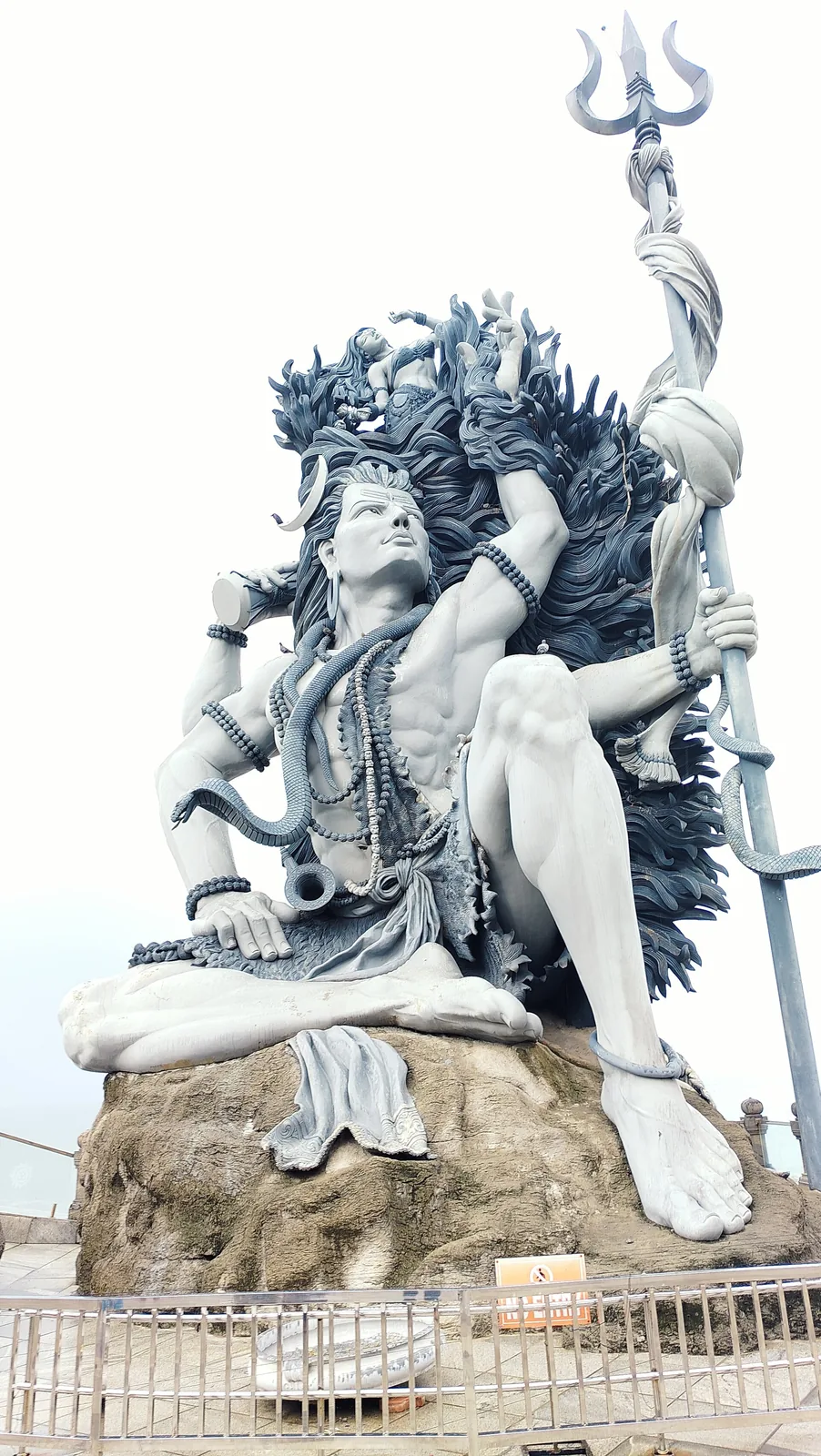
A clifftop seaside temple at Adimalathura near Vizhinjam, known for a giant Gangadhareswara (Shiva) sculpture.
5.6 km · 7 min drive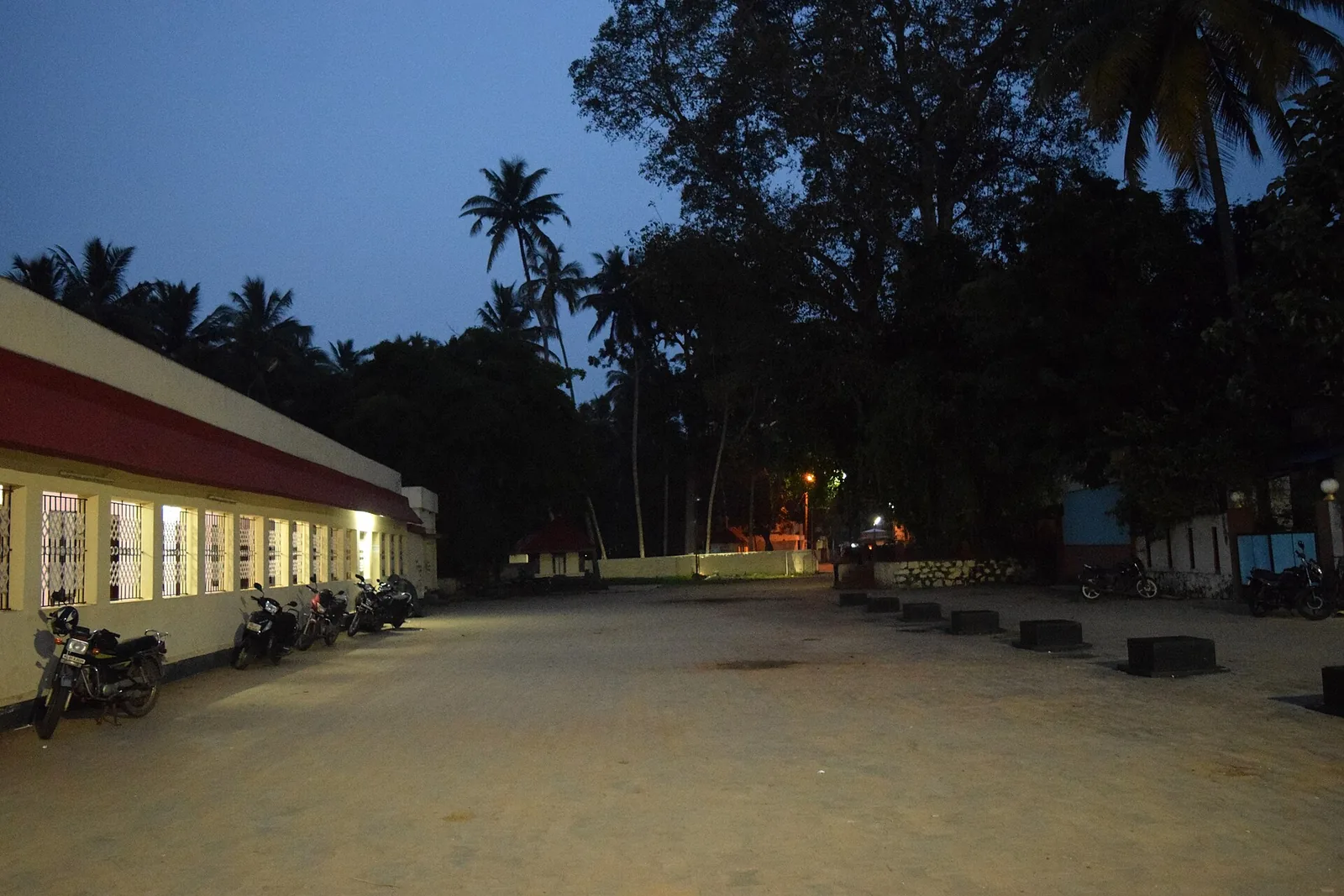
An ancient temple on the Karamana river, the district’s main site for ancestral (bali) rituals and rare for its Parasurama deity.
8.2 km · 9 min drive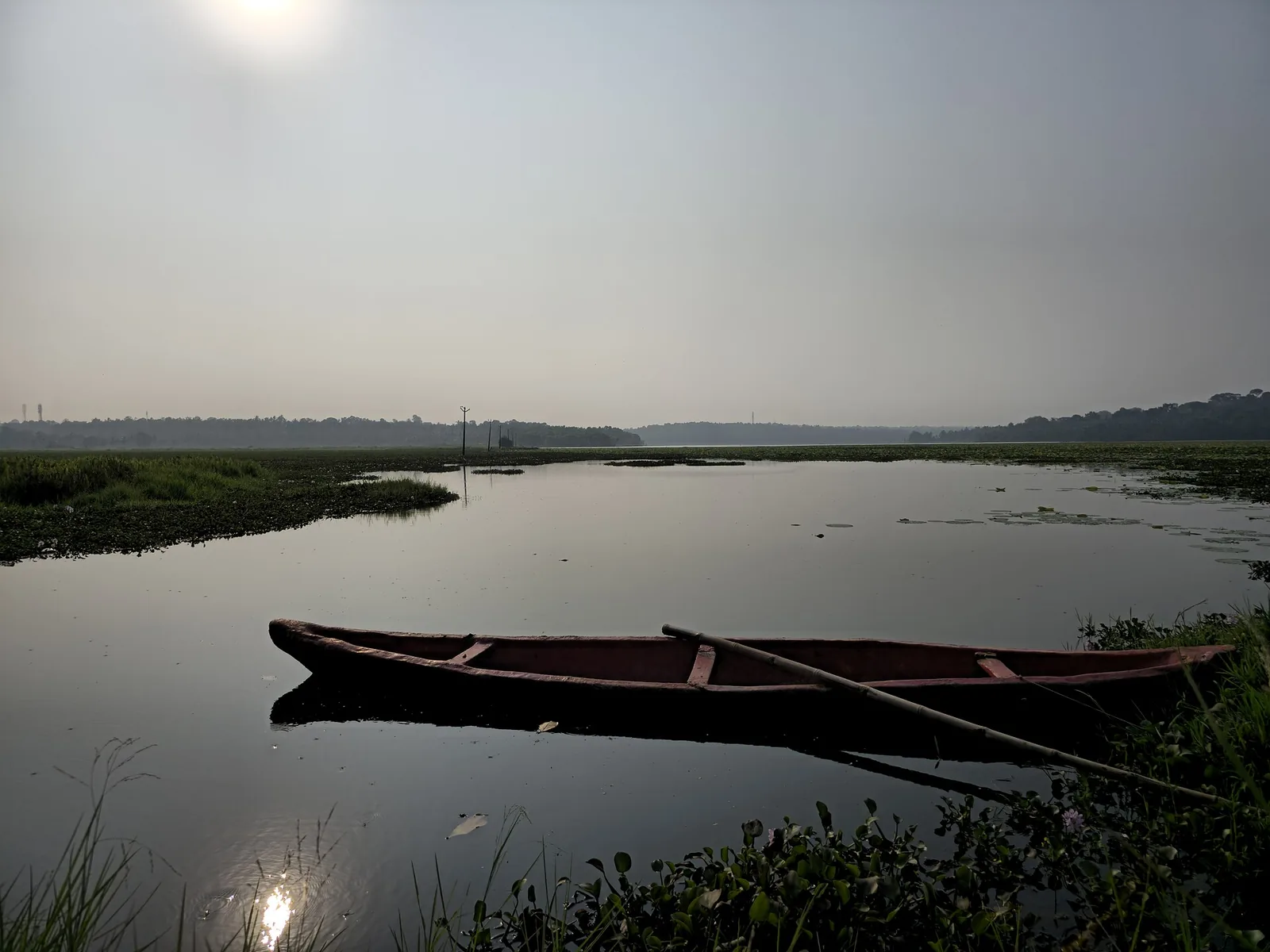
Kerala’s second largest freshwater lake and the district’s only one, near Kovalam, ringed by paddy and popular for sunrise and birdlife.
9.4 km · 12 min driveA major coastal Muslim pilgrimage landmark south-west of the city centre, known for the Beemapally Uroos and the tombs honoured within the shrine complex.
10.3 km · ~17 min by cab · straight line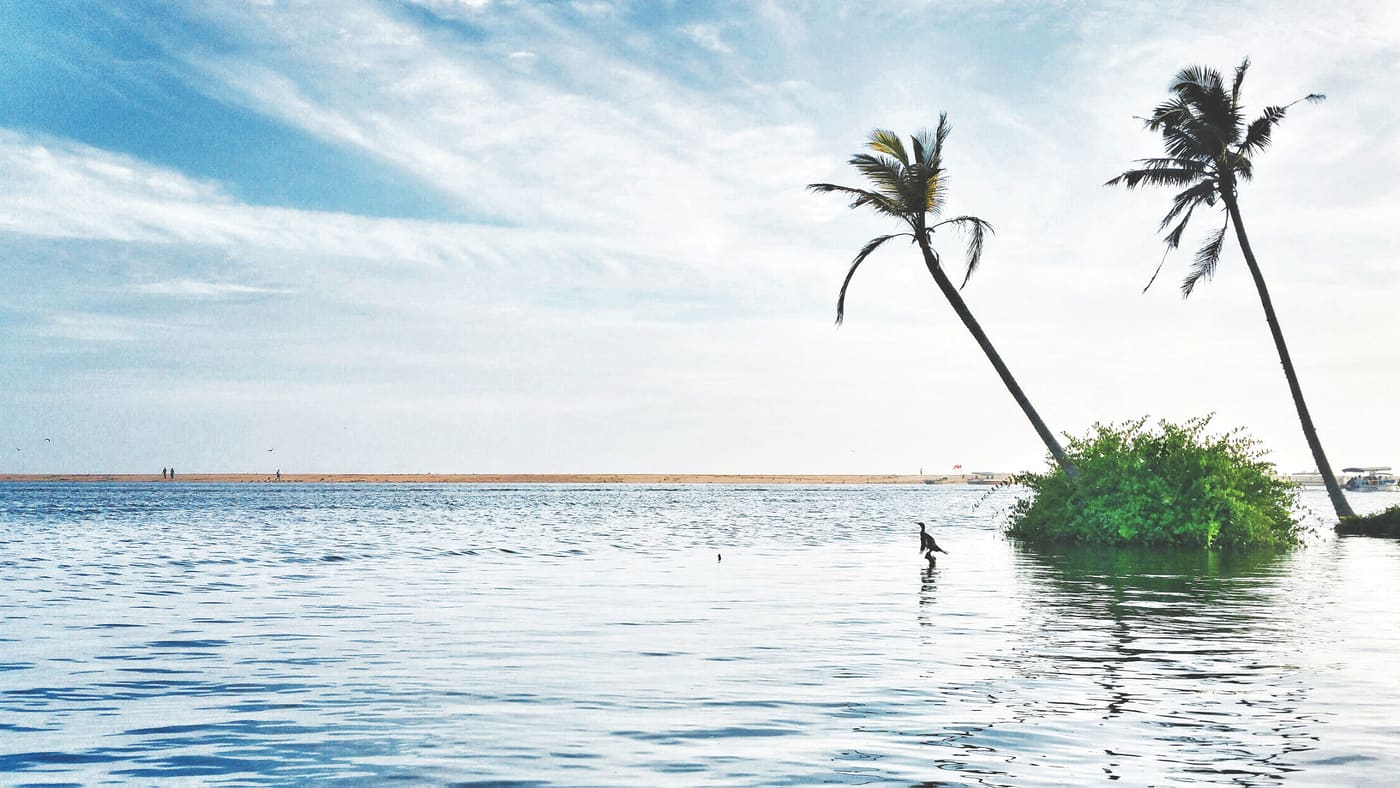
Poovar’s backwater routes follow the Neyyar estuary past mangrove and a sandbar backed by the Arabian Sea. A small-boat trip is the clearest way to see how river and coast fit together.
12.0 km · ~20 min by cab · straight line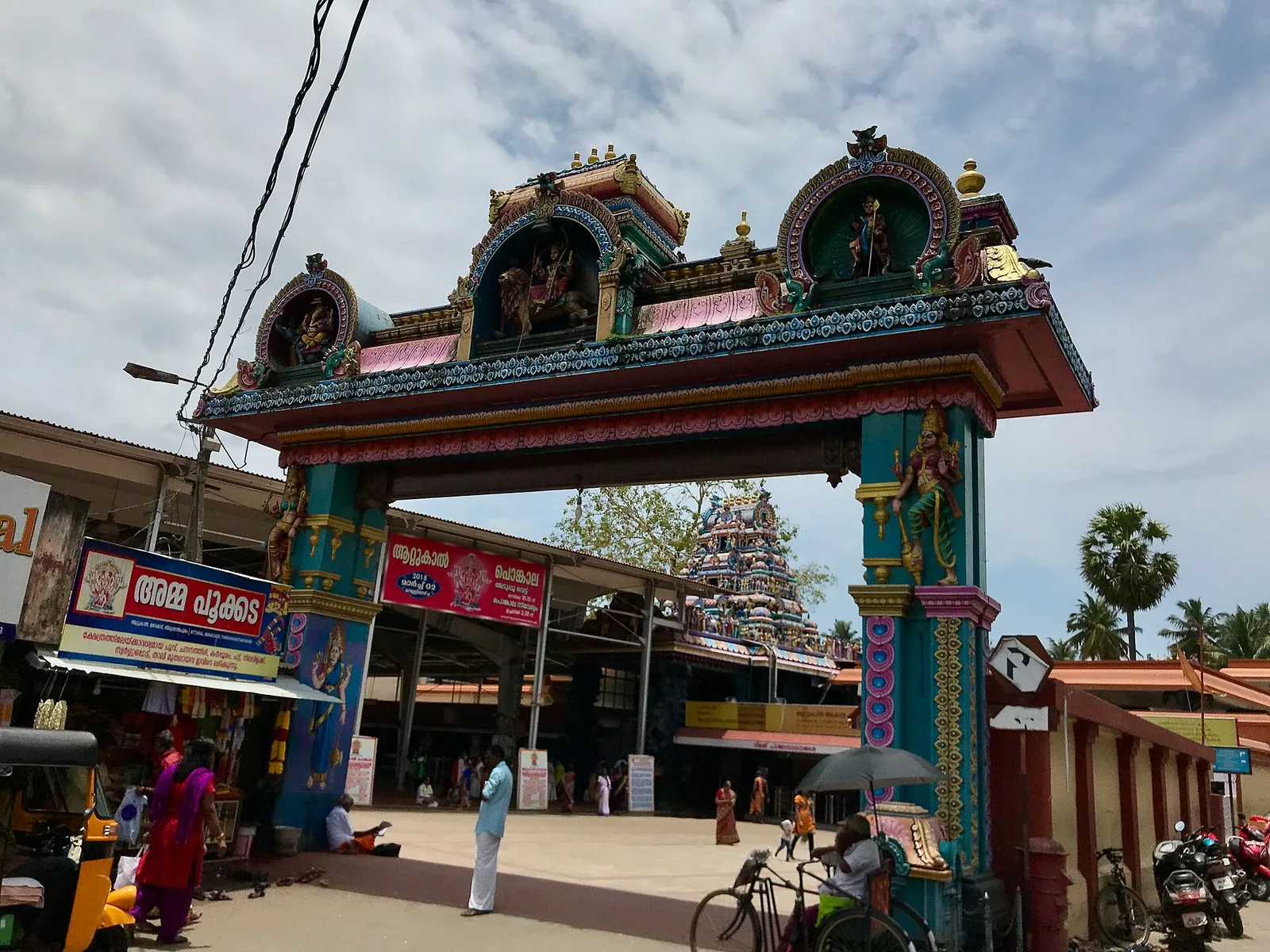
Famous Devi temple in the city, home of the Attukal Pongala — recorded as the largest annual gathering of women.
12.2 km · 13 min driveWalking and driving times are real routed distances, except the few marked “straight line”, which are direct-line estimates and will read short. Fare figures are estimates from Kerala’s notified auto/taxi tariff and exclude waiting and night charges. Routing: © openrouteservice.org by HeiGIT | Map data © OpenStreetMap contributors
Nearby toilets, pharmacies, ATMs, seating and vets are community-mapped and may be incomplete or out of date. Map data © OpenStreetMap contributors | Walking times © openrouteservice.org by HeiGIT
Kerala Tourism attributes the cave to the eighth century; no exact construction year is established by that description.
Kerala Tourism calls it an ASI-protected monument, and an ASI 2025–26 tender documents maintenance work at the site.
Published descriptions differ. This page does not claim a settled four-figure identification for the weathered reliefs.
Choose daylight and confirm monument access locally.
Timings: Choose a daylight visit to the shrine and rock-cut carvings.
Use the current public Vizhinjam approach to the monument. Check any ASI barriers, work notices and permitted visiting hours on arrival. Do not assume a daily harbour auction or active shrine ritual from older travel copy.
Allow a short visit plus time to locate the permitted entrance.
Nearby you can pair Vizhinjam (70 m), Lighthouse Beach (1.5 km), Kovalam (1.7 km), Hawa Beach (1.9 km).
Keep clear of maintenance areas and restricted surfaces. Do not touch or lean on weathered stone reliefs.
Written about Vizhinjam Rock-Cut Cave Temple itself — its history, its legends and the arguments about them.
These guides explore Kovalam and the surrounding area. Choose a visit that fits your interests, allowing separately for travel between stops.
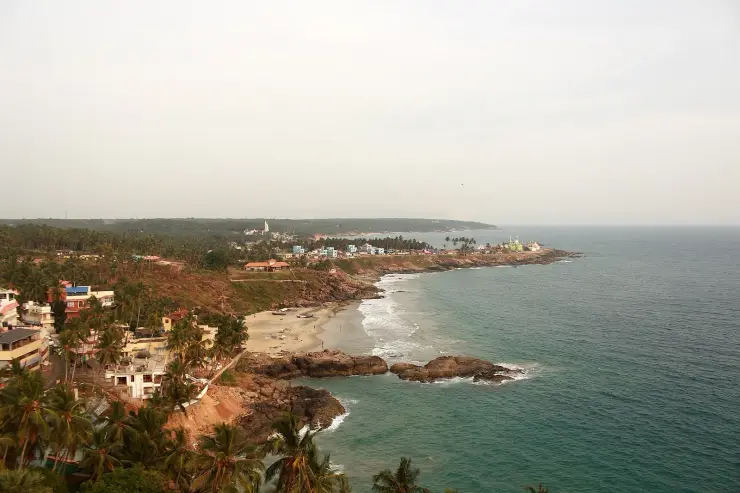
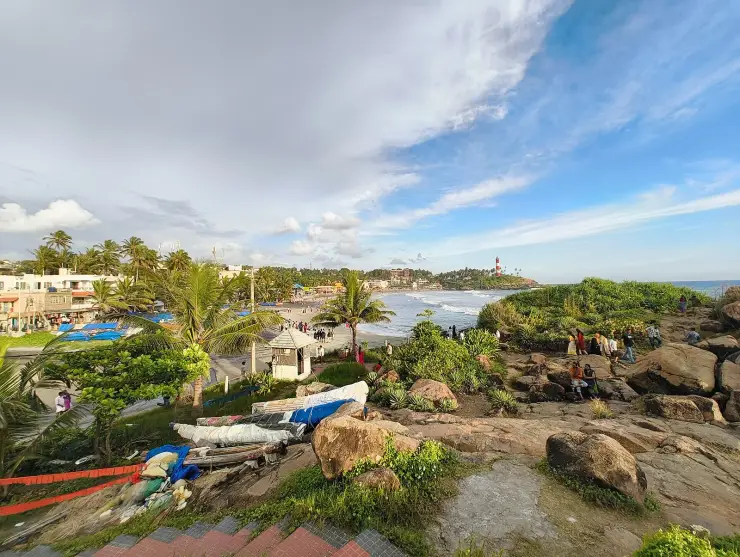
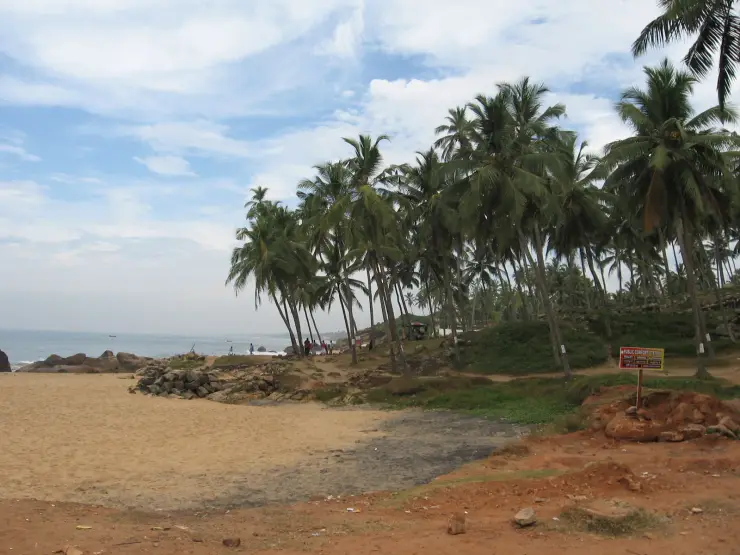
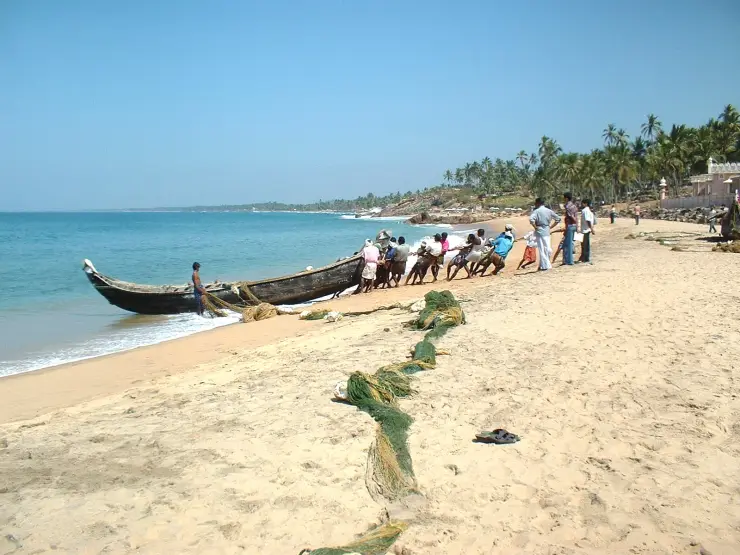
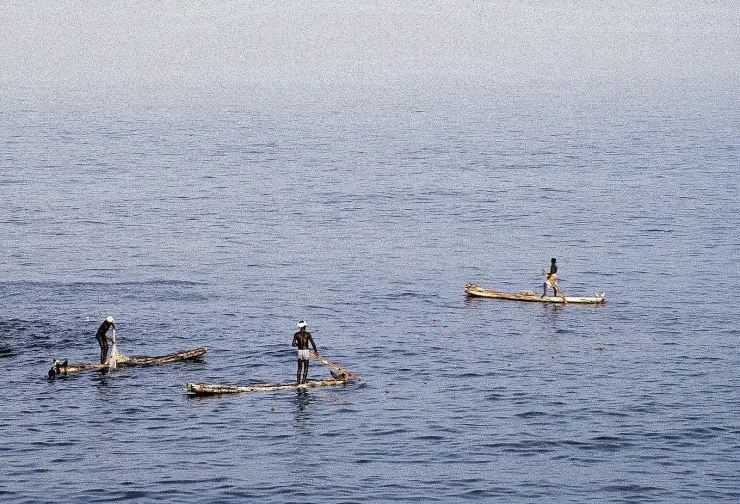
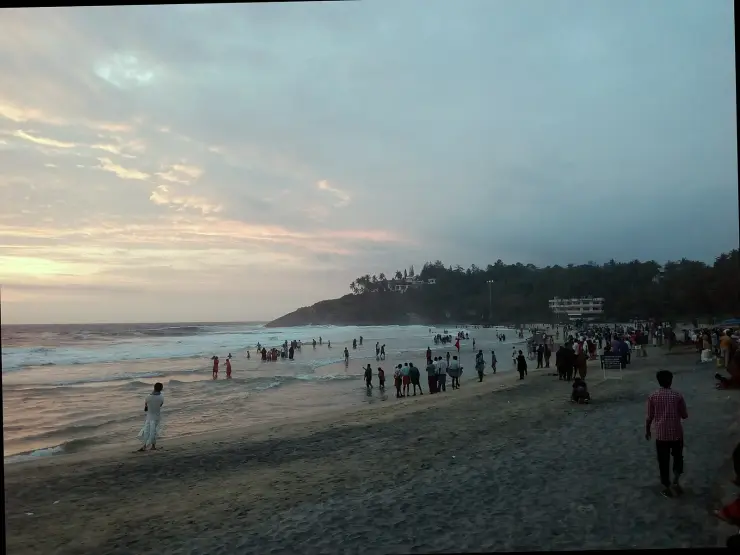
Written about Kovalam as a whole rather than about Vizhinjam Rock-Cut Cave Temple — its history, its streets, and how to spend a day in it.
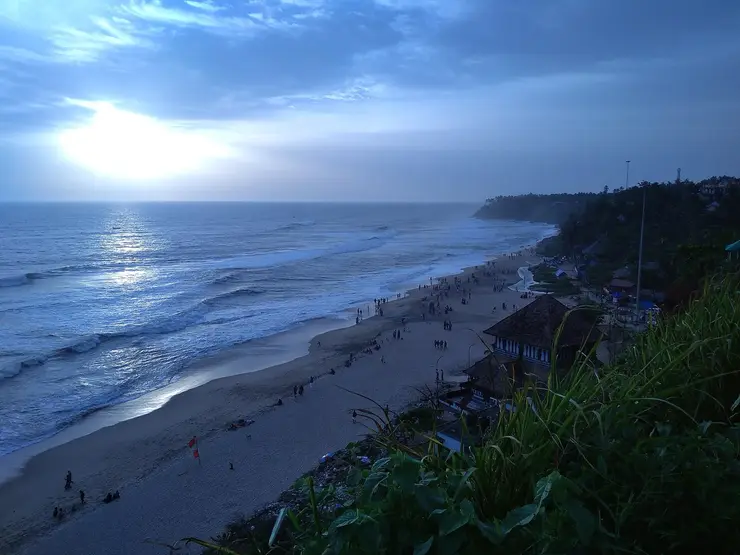
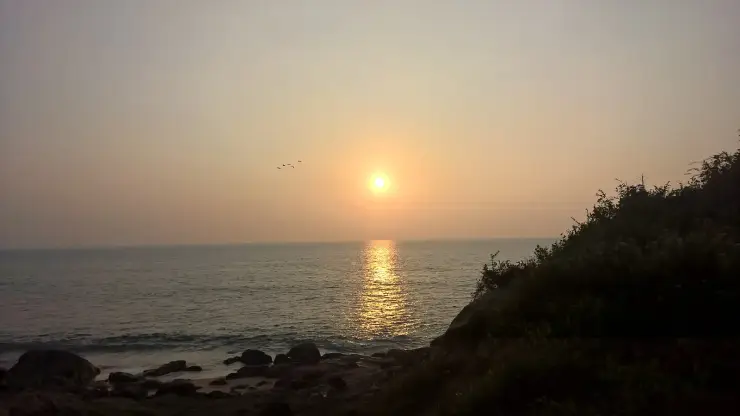
Route-level itineraries and practical guides for the rest of Kerala.


Photographs: Prasad0224 (CC BY-SA 3.0), Ms Sarah Welch (CC BY-SA 4.0), Dr Ajay Balachandran (CC BY-SA 4.0). Wikimedia Commons.