A small English fort on a strip of sand, where a gift for a queen started a revolt and two famous lives began.
The story of Anchuthengu Fort
The fort began with a queen's permission, because the Queen of Attingal ruled this stretch of coast and the English needed her leave to trade here. She let the East India Company open a factory at Anchuthengu in 1684 and allowed a fort in 1690, so the walls went up in 1695 close to the pepper lands of south Kerala. The waterways to the north made the place useful for trade, which is why the Company also kept a depot for military stores here.
That trade carried a yearly duty, since the Company sent the queen an annual present that was part courtesy and part rent. By 1721 local anger over the low rates paid for pepper had grown, and the local lords demanded that the gifts reach the queen only through them. The English refused, so on 11 April 1721 William Gyfford led the Company's officers out of the fort with the gifts, and the Kerala Museum records that 140 Englishmen from the party were killed at the river near the Rani's palace.
Only a few Topasses, soldiers of mixed Portuguese and Indian descent, escaped and ran back with the news, which left the fort without its officers. The Attingal forces then besieged it and damaged the walls badly, but they never took it, because the chief gunner, Samuel Ince, held the ramparts with the survivors. That siege lasted about six months, until Company troops arrived from Thalassery in October 1721 and ended it. The full account is told in our story of the gift party that never came home.
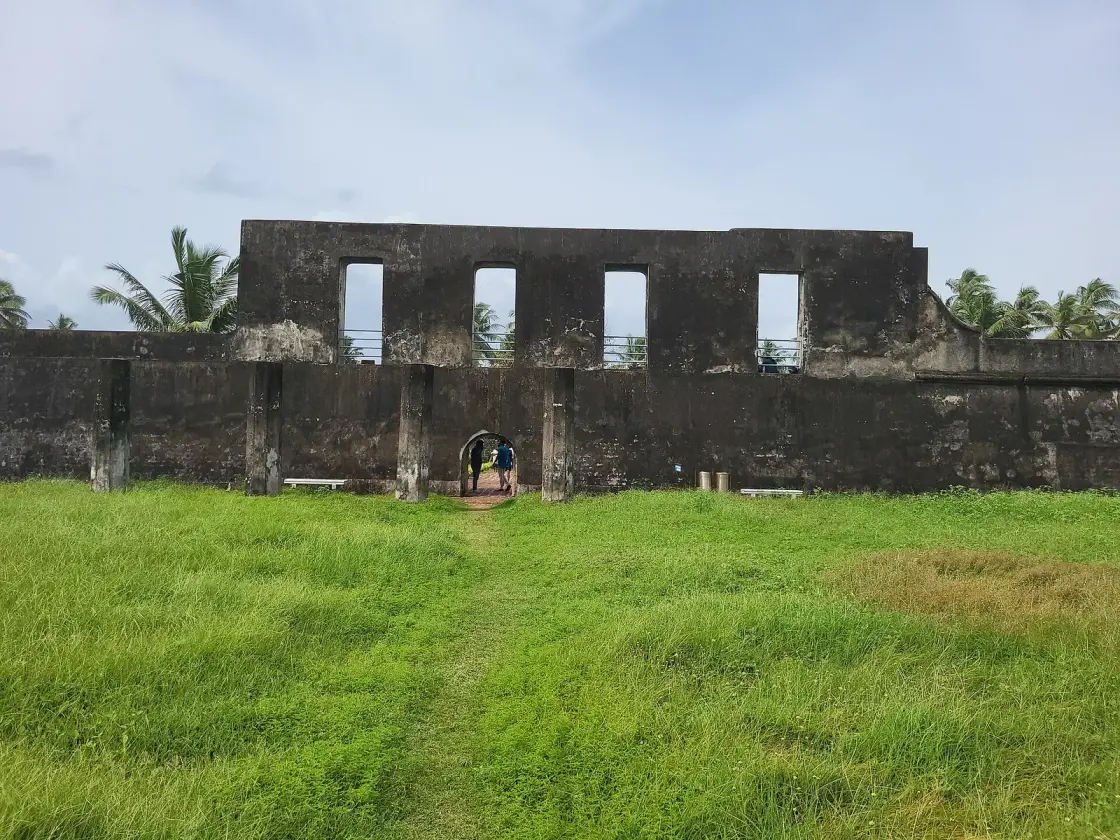
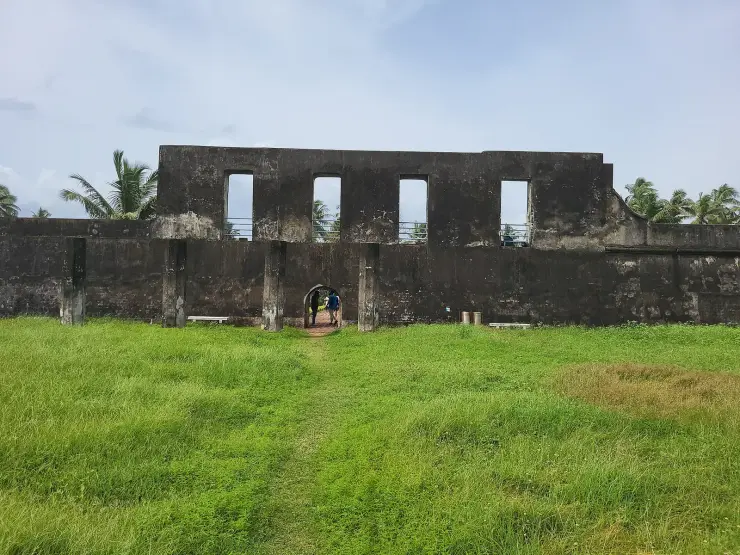
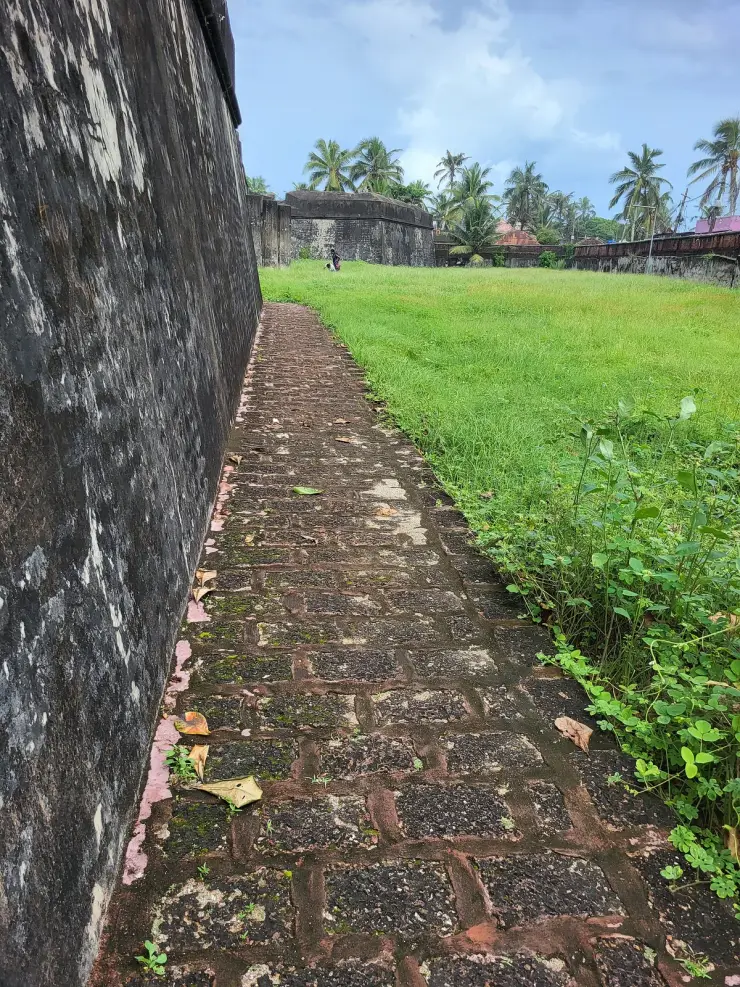
The walls Ince defended were built more for watching than for war, which still shows in their shape. The fort is an enclosed bastion of laterite set in lime mortar, with ramparts rising over 15 feet to a row of lookout points and entrances on the east and the west. Kerala Tourism calls it the first signalling station for ships arriving from England, so for most of its life its men watched the sea rather than the land.
Life inside those walls went on after the siege, and two children born here became famous in England. Robert Orme was born in the fort on Christmas Day 1728, the son of the settlement's chief, and he grew up to become the Company's official historian. In 1744 Elizabeth Sclater was born here too, and as Eliza Draper she became the "Eliza" of Laurence Sterne's letters, a story told in the historian and the woman Sterne called Eliza.
The fort later served as an ammunition store during the Anglo-Mysore wars, but its trade faded, so the Company's factory closed in 1810 and the fort was abandoned in 1813. For many years a teak mast carried a light for passing ships, until in 1988 a 125-foot lighthouse replaced it about ten metres from the walls. That is why the tall tower and the low ramparts now stand side by side on the sand where the English first settled on this coast.
Legend & myth
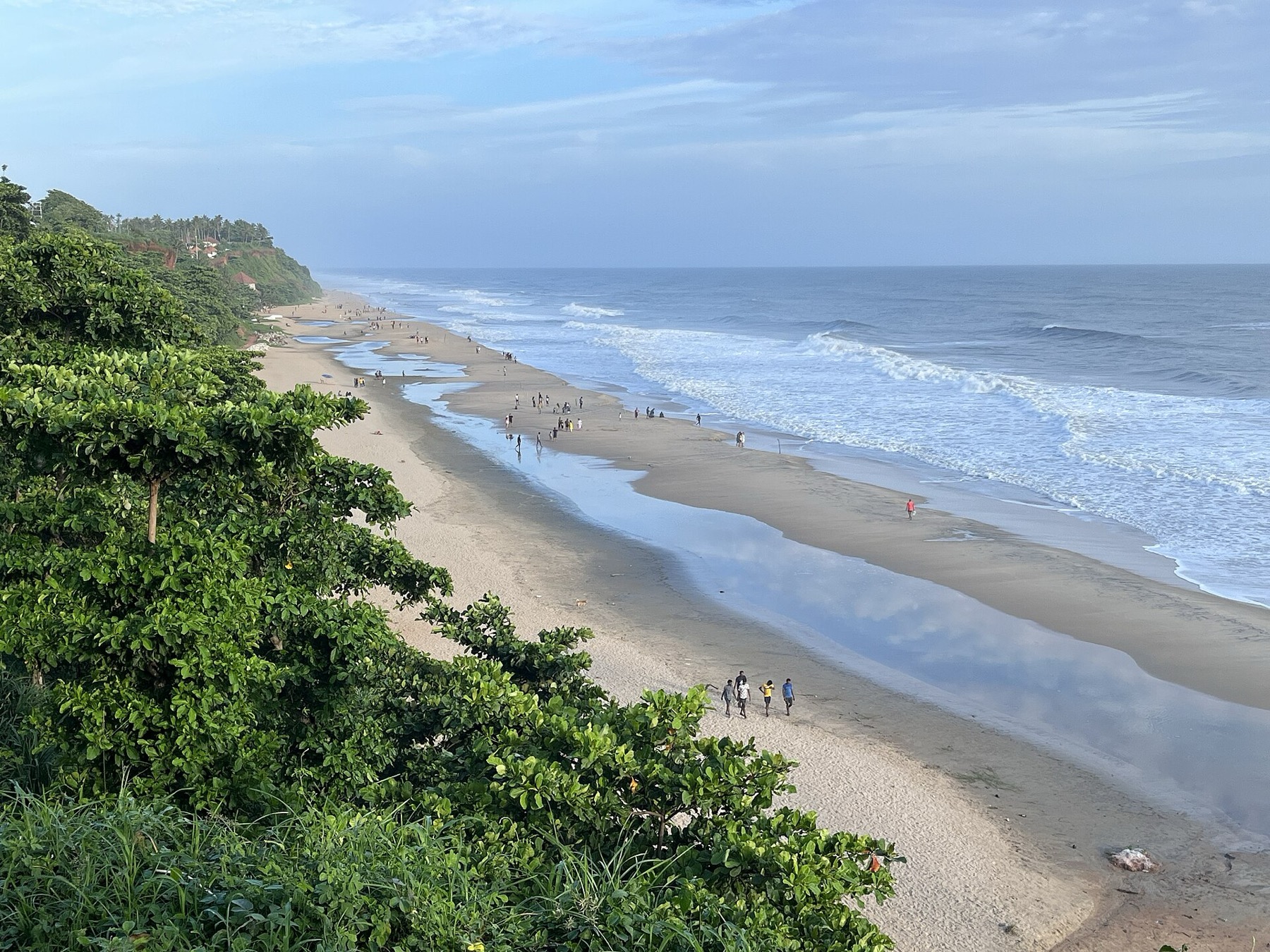
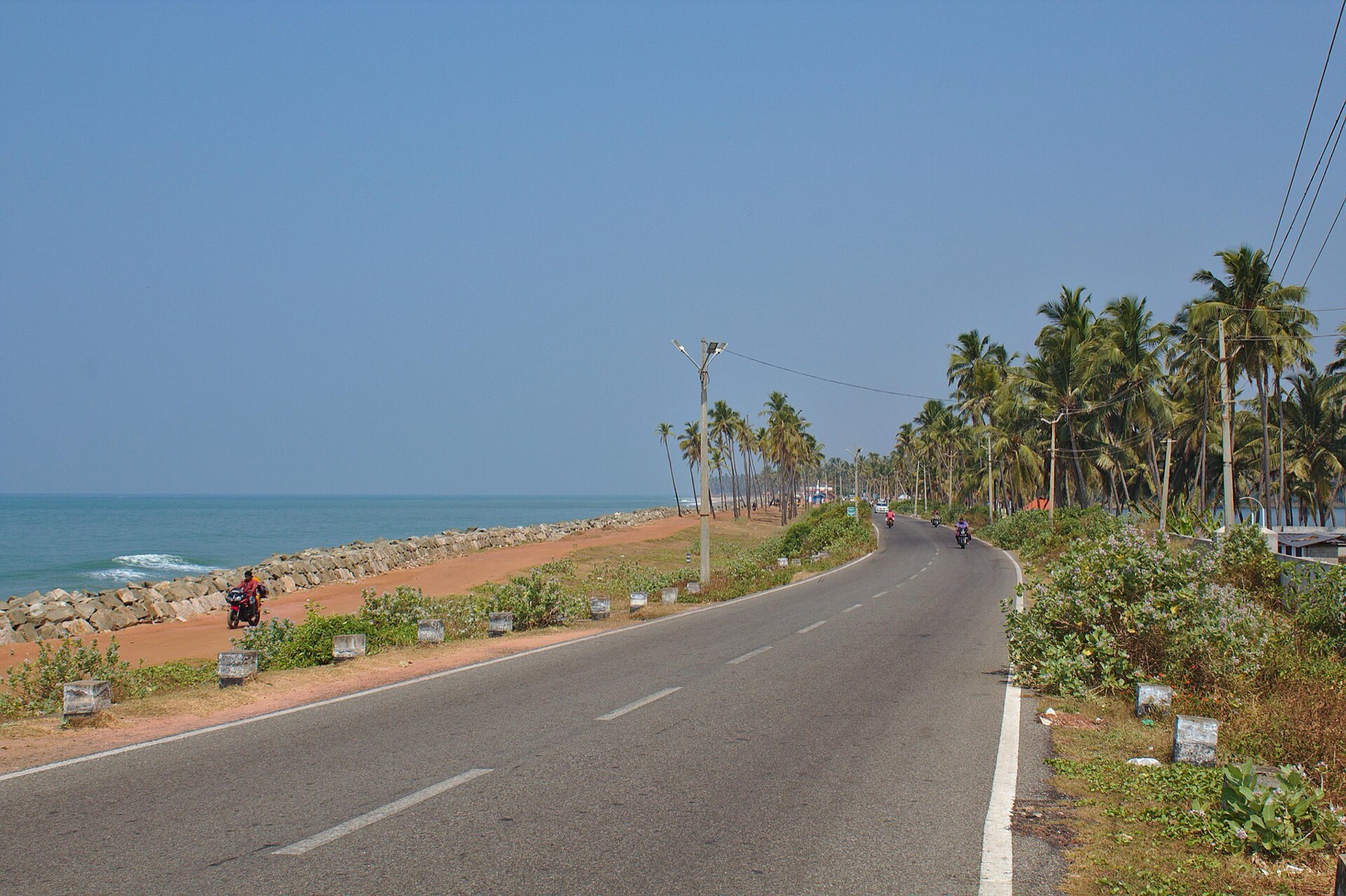
The fort's name comes with its own tradition, because Anchuthengu literally means "five coconut trees", and the land around it is still covered with coconut palms. Kerala Tourism also records a second view held by some historians, that the name grew from Anjingal, the old Tamil name of the place, which the English said as Anjengo and which later generations of local people turned into Anchuthengu.
A common claim says the revolt was simply a sudden attack on traders, but the record shows a longer build-up. A smaller unrest in 1697 had already seen local people attack the English factory, and by 1721 the anger over pepper rates and the dispute over who should carry the queen's gifts turned that resentment into a rising. When the revolt turned 300 in 2021, Kerala Tourism painted a 35,000-square-foot mural along a city road in Thiruvananthapuram, and The Hindu described the memorial wall as running more than 900 feet near the Akkulam bridge.
Read the full history of Anchuthengu Fort 257 more words
History
1684: The Queen of Attingal let the East India Company open a factory at Anchuthengu (Kerala Tourism).
1690 to 1695: The Company received permission for a fort in 1690 and built Anjengo Fort in 1695 (Kerala Tourism).
1697: Local people attacked the English factory in a minor unrest (Kerala Tourism).
1704: The earliest dated tombstone, of Deborah, wife of John Brabourne, the fort's first chief, was set outside the wall (Malabar Manual; Kerala Museum).
11 April to October 1721: The Attingal revolt killed 140 Englishmen of the gift party, and Samuel Ince held the fort for about six months until troops came from Thalassery (Kerala Museum).
1728 and 1744: Robert Orme and Elizabeth Sclater (later Eliza Draper) were born at Anjengo (Dictionary of National Biography; Dictionary of Indian Biography).
1810 to 1813: The factory closed in 1810 and the fort was abandoned in 1813 (Kerala Museum).
1988: A 125-foot lighthouse replaced the old teak signal mast about ten metres from the fort (Kerala Museum).
2021: Kerala Tourism marked 300 years of the revolt with a 35,000-square-foot mural in Thiruvananthapuram (The News Minute).
Why visit
Walk the laterite ramparts of the fort that survived the six-month siege of 1721.
See the site of the first collective move against British rule in Kerala.
Read the old English tombstones outside the wall, the earliest dated 1704.
Stand where Robert Orme and Eliza Draper were born in the 1700s.
See the 125-foot Anchuthengu lighthouse rising beside the old fort.
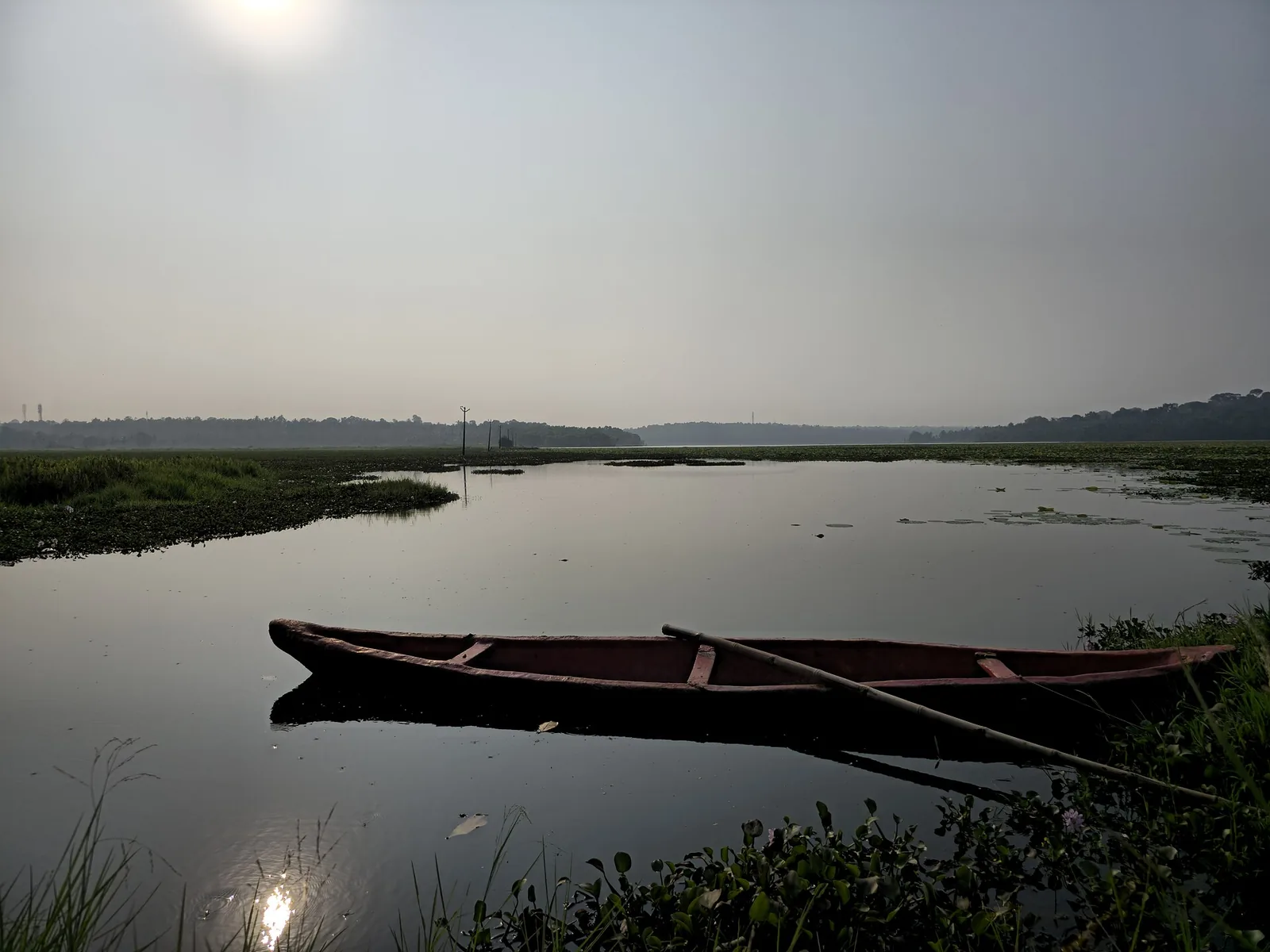
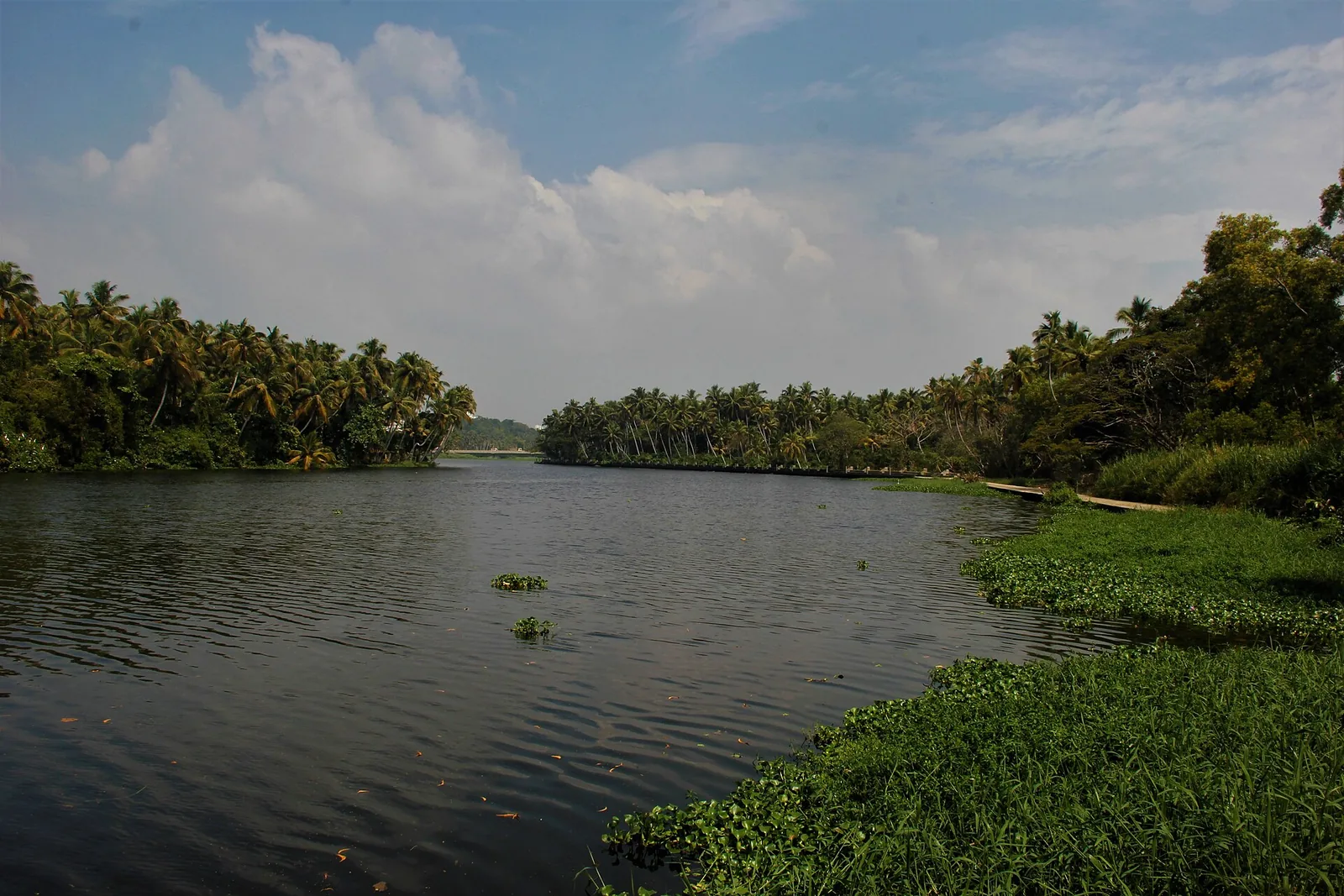
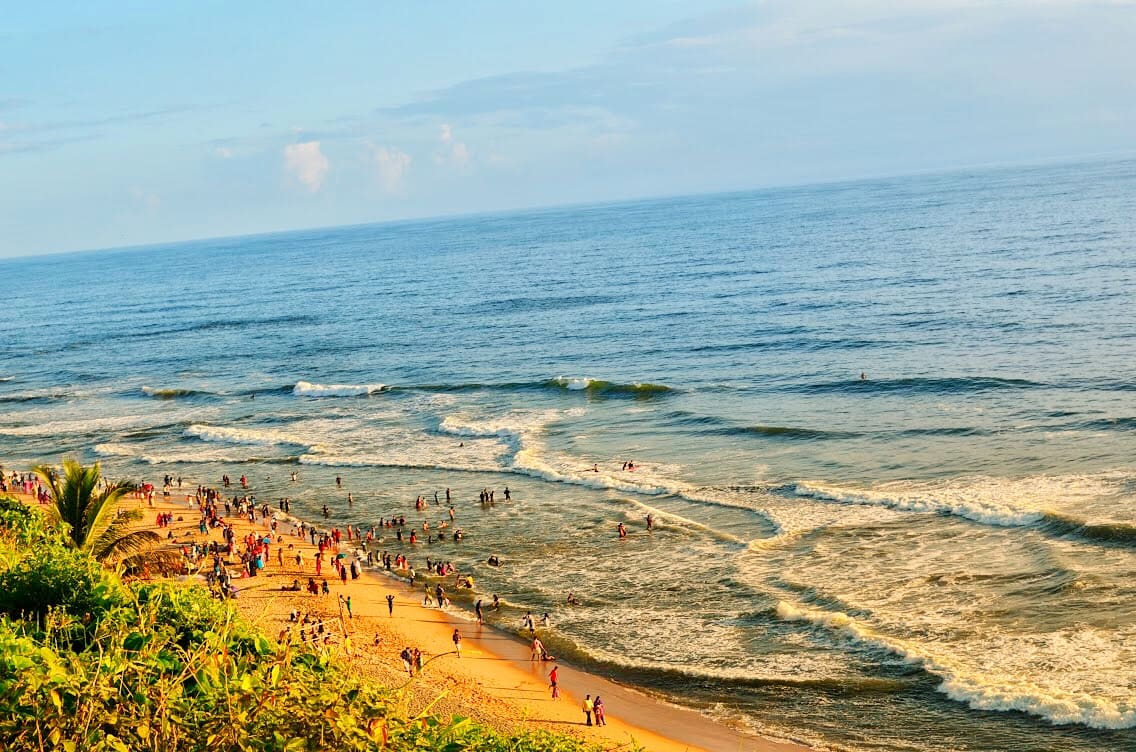
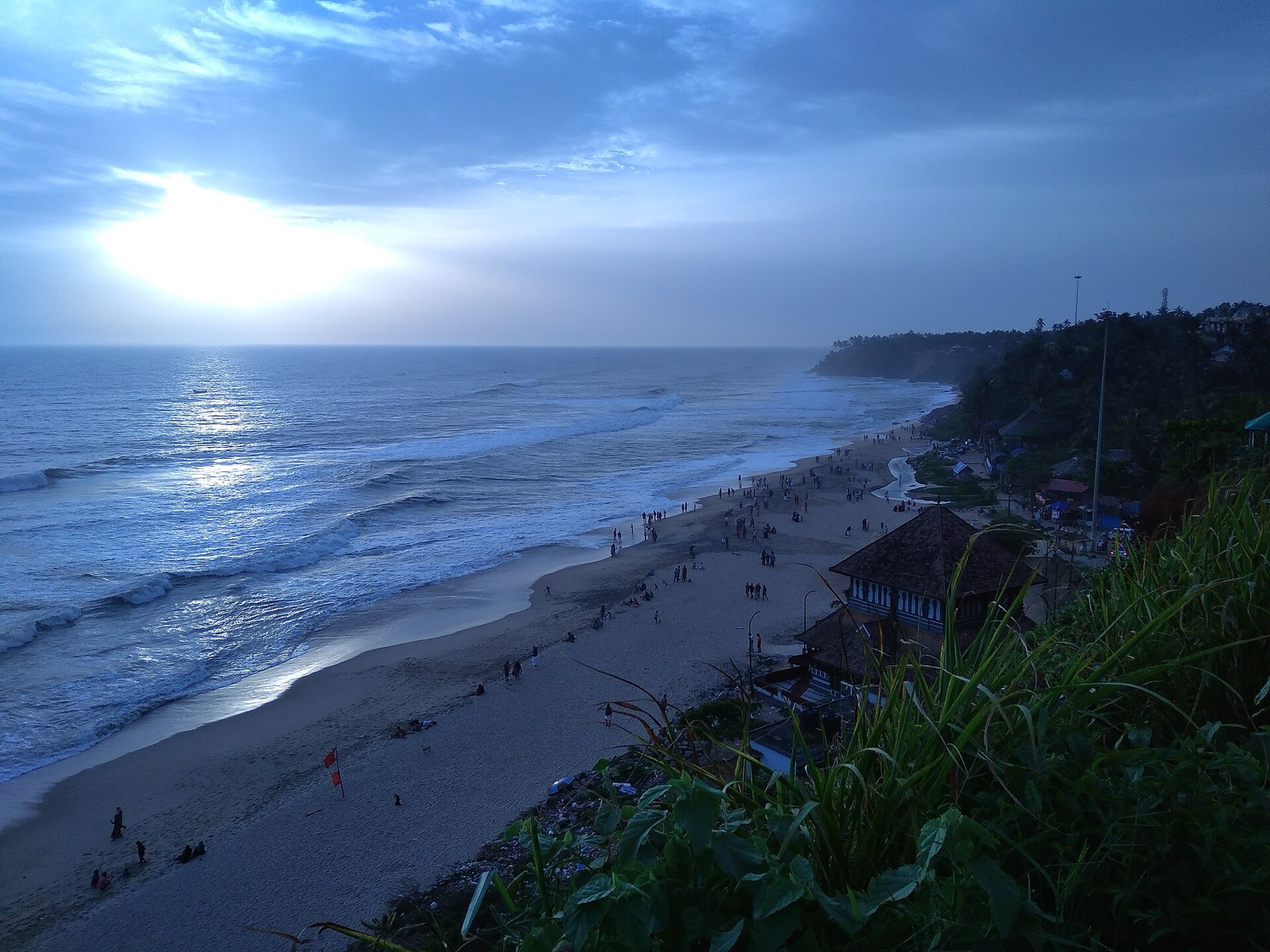
Look out over the sea on one side and the backwater on the other.