What to expect
Highlights
- Temple visit at Koodalmanikyam Temple
- Kerala temple architecture and rituals
- Local food, shops and pilgrim services nearby
Rare temple at Irinjalakuda dedicated to Bharata, one of the Nalambalam (four-temple) Rama circuit shrines.
Check entry arrangements. Ask temple staff about visitor entry, dress requirements and access to the inner shrine before you travel, especially if you are visiting as a non-Hindu.
Dress respectfully and follow the institution’s admission and photography rules.
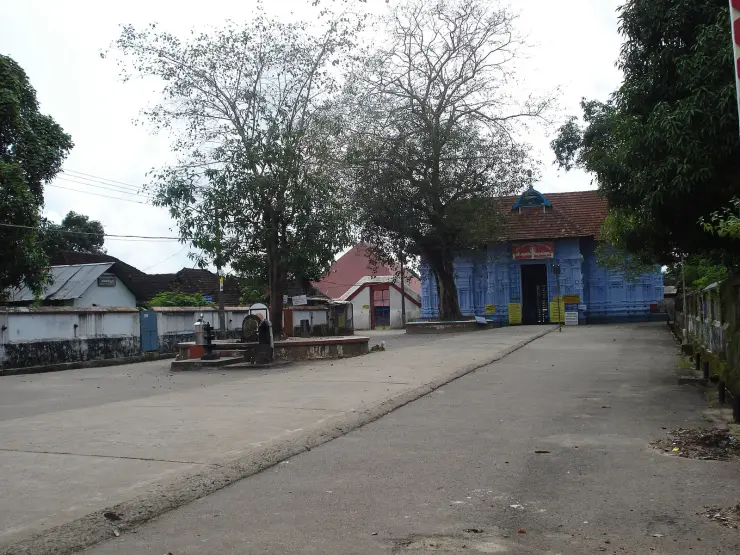
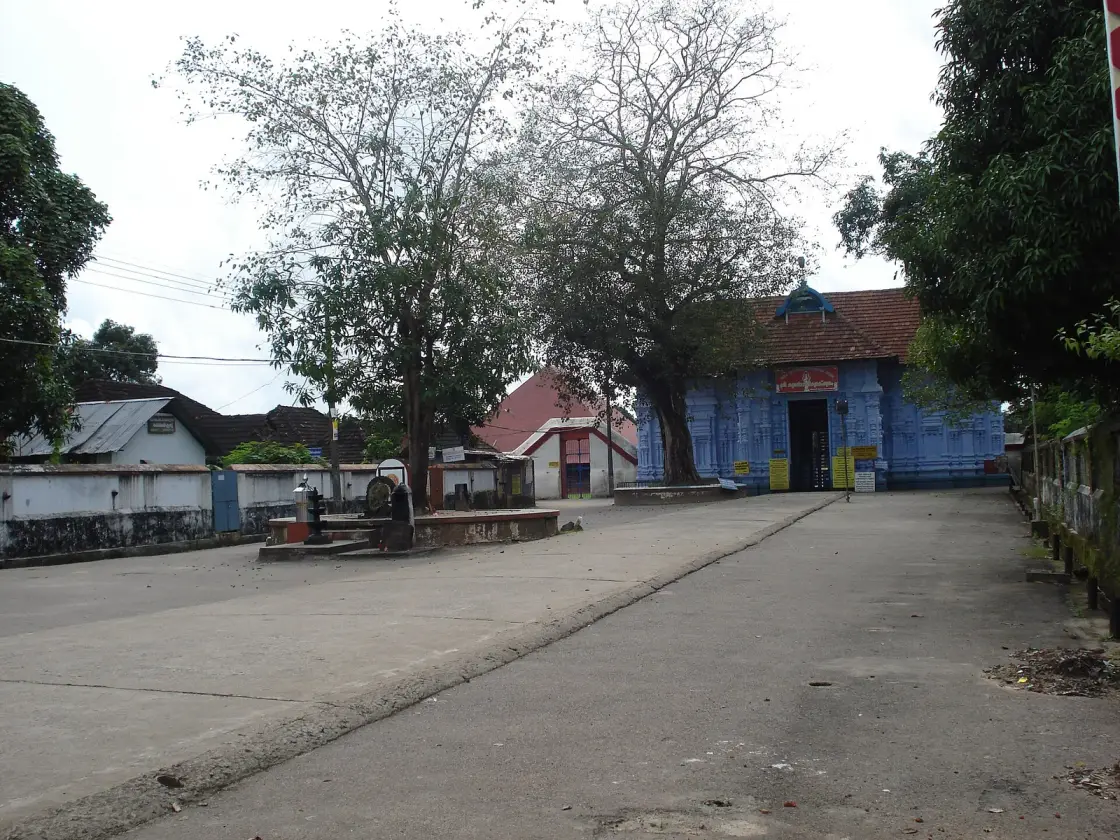
In the temple town of Irinjalakuda, a short drive south of Thrissur, stands one of Kerala’s most singular shrines — Sree Koodalmanikyam, widely held to be the only ancient temple in India where Bharata, the devoted brother of Rama, is the principal deity worshipped in his own right.
Most great temples of Kerala crowd their courtyards with a retinue of lesser gods — a Ganapati by the flagstaff, a Naga grove in a corner, a shrine to Ayyappan or Bhagavati along the outer wall. Koodalmanikyam is famous for doing precisely the opposite. Here there is only one consecrated presence. There is no upadevata, no subordinate shrine, not even the near-universal Vigneswara who guards the threshold of almost every other Kerala temple. Devotees come to stand before a single deity and nothing else, and that austere singularity is the first thing pilgrims remember about the place.
The idol itself is a four-armed form of Vishnu, yet the mood of worship is entirely Bharata’s. Temple tradition holds that the deity is contemplated in the emotional state of Bharata during Rama’s fourteen-year exile — the younger brother who ruled Ayodhya only as regent, keeping his elder’s sandals upon the throne, waiting in longing for his return. Some accounts frame the bhava as the very instant Bharata hears from Hanuman that Rama is at last coming home. It is this reading of a familiar Ramayana figure — patient, self-effacing, wholly devoted — that gives Koodalmanikyam its unusual devotional character.
The deity also carries the Sanskrit name Sangameswara, the Lord of the Confluence, and Koodalmanikyam is understood as its Malayalam rendering — koodal meaning union or meeting. Sitting amid ponds and paddy on the edge of old Irinjalakuda, the shrine has long been counted among the most important temples of central Kerala, its cultural weight out of all proportion to the quiet town around it.
The temple complex is defined as much by water as by stone. Four large ponds encircle it. The greatest, Kulipini Theertham, lies within the walls and gives its water to the temple’s rituals; Kuttan Kulam sits just outside to the east, where the priests bathe before entering the sanctum, while Padinjare Kulam to the west and Thekke Kulam to the south complete the ring. Local lore insists these are no ordinary tanks — that the sacred river Ganga herself abides in Kulipini Theertham — and visitors are often told, curiously, that the snakes and frogs of ordinary temple ponds are absent here, with only fish thriving in the water.
Koodalmanikyam is also a house of the arts. Its long annual festival is celebrated for its elephant pageantry and its Panchari melam percussion, and across the year the temple has been a stage for Kerala’s classical music and dance, part of a tradition that treats performance itself as an offering to the deity. For the traveller, the appeal is layered: an atmospheric, un-crowded shrine of real antiquity, a devotional story unlike any other, and a living link to the ritual arts of the region.
For most pilgrims, though, Koodalmanikyam is inseparable from a larger journey. It is the Bharata stop on the Nalambalam — the four-temple circuit of Rama’s brothers, traditionally completed in a single day during the monsoon month of Karkidakam. To reach Irinjalakuda on that route is to step into one of Kerala’s most beloved acts of Ramayana devotion.
The temple’s luminous name comes with a legend, and it should be enjoyed as legend rather than record. It is said that a dazzling light once streamed inexplicably from the forehead of the idol, and none could account for its brilliance. A devotee named Kumara Kurup, from Kayamkulam far to the south, is remembered as the one who proposed measuring that radiance against a precious stone — a manikya, a ruby, said to be the size of an egg, kept by the Raja of Kayamkulam. As the story goes, when the chief priest brought the great ruby close to the idol’s brow, the gem was drawn to it as if by a will of its own and fixed itself fast to the deity. Try as he might, the priest could not prise it away. From this koodal — this union of the ruby with the idol — the deity is said to have taken the name Koodalmanikyam, and, in the tale, the Raja of Kayamkulam was granted a share in the temple’s affairs in return. The gem is long gone, but the name it gave has endured.
A second folk tale explains the older name, Sangameswara, the Lord of the Confluence. In this telling a saint set out to gather the divine essence of many Kerala temples, drawing their power into a conch to carry it away. When he reached Irinjalakuda the conch slipped from his hands and shattered, and all the accumulated divinity it held is said to have poured out and settled upon the deity here — a confluence of many sacred powers in one place, and hence Sangameswara. Both stories are best received in the spirit in which they are told: as devotional legend woven around a shrine whose true origins are lost in time.
Woven through it all is the Ramayana itself. Bharata is the brother who refused the throne that was thrust upon him, ruling only as caretaker with Rama’s sandals set upon the seat of Ayodhya, living apart in penance until his elder returned. Devotees say the deity of Koodalmanikyam holds exactly this feeling — devotion, restraint and longing — and that to worship Bharata here is to honour the ideal of the selfless younger brother. The absence of every other shrine within the walls is often read as an echo of that same single-minded devotion.
The documented history of Koodalmanikyam is genuinely ancient. The temple’s earliest firm reference appears in a stone inscription from the reign of the Chera king Sthanu Ravi Varma, dated to the mid-ninth century — around 854 CE — recording grants of land to the shrine. Because such an inscription presumes an already-established and endowed temple, the sanctuary is understood to be older still, reaching back beyond the surviving epigraphic record.
As with many very old Kerala temples, its precise origins are shrouded. One long-repeated theory holds that the site was once associated with the Jains before it passed into the Brahminical Hindu fold as Jain influence in the region waned — a hypothesis that reflects the layered religious history of central Kerala rather than any settled certainty. What is not in dispute is the temple’s deep antiquity and its continuous importance across the centuries.
The deity’s identification with Bharata, and the temple’s reputation as the sole ancient shrine in India where he is the chief object of worship, has made Koodalmanikyam a place apart in the wider Hindu landscape. Even so, the icon in the sanctum is a form of Vishnu, and the Bharata association is carried through the temple’s ritual mood and tradition rather than through the iconography of the idol itself — a distinction worth keeping in mind.
Through its history the temple has been a patron of the ritual and performing arts, its festivals drawing percussion ensembles, caparisoned elephants and classical performers, and sustaining the wider cultural life of Irinjalakuda — a town long noted for its links to Kerala’s music, Kathakali and Koodiyattam traditions.
Today the temple is administered by its own body, the Koodalmanikyam Devaswom, which manages the shrine independently rather than under one of the larger Kerala devaswom boards — a governance arrangement that itself sets Koodalmanikyam apart among the state’s major temples.
It is celebrated as the only ancient temple in India where Bharata is the principal deity — a genuinely rare dedication that you are unlikely to encounter anywhere else (a claim worth appreciating, and confirming, on the spot).
The temple’s striking austerity: a single consecrated deity with no sub-shrines at all, not even the ubiquitous Ganapati, giving the darshan a focus and calm quite different from Kerala’s busier temples.
It is the Bharata shrine of the famous Nalambalam circuit, so a visit can be a leg of one of Kerala’s most cherished pilgrimages — the four brothers’ temples completed in a single day.
The atmospheric setting of ponds and paddy, with the sacred Kulipini Theertham and its ring of temple tanks steeped in legend.
The living arts tradition — the elephant pageantry and Panchari melam of the annual festival, and Irinjalakuda’s wider reputation as a cradle of Kerala’s classical performing arts.
A quiet, deeply traditional temple town away from the tourist crush, an easy add-on to a Thrissur itinerary and a window into central Kerala’s devotional and cultural heritage.
Road km to Thrissur; ghat roads and traffic vary — allow extra.
Morning or early evening is usually best; festival days can be powerful but crowded.
Live forecast loads in your browser.
Sun and moon are calculated for this location and shown in IST. Photography windows are the hour around sunrise and sunset; the sunset bearing is degrees clockwise from true north. Moon phase is accurate to about half a day.
These are official or public-sector eco offerings that match this place, town or forest destination. Confirm availability, permits, tariffs and reporting times with the official operator before travel.

Peechi reservoir, garden and the sanctuary’s southern public edge; a dam visit rather than proof that a guided forest trail is operating.
Official source →
The Vazhani dam approach, garden and forest threshold from which official tourism material names four local trails and a trek towards Peechi.
Official source →Browse listed stays, food, activities, sights, shops and rentals around Koodalmanikyam Temple. Check each listing’s locality and contact the business directly for current arrangements.
Round The Global Diner is a Thrissur restaurant on Shornur Road at Peringavu, useful for travellers who want a city dinner stop beyond traditional vegetarian meals. Thrissur food, Peringavu, Restaurant.
Chinese restaurant on Bennette Road with direct contact and timing evidence. Thrissur food, Chinese, Bennette Road.
Café (coffee shop, pizza) on Kottappuram Road in Thrissur City. Coffee Shop, Pizza, AC.
Restaurant (regional) on Ikkanda Warrier Road in Thrissur City.
Restaurant (coffee shop, indian) on Thrissur-Shornur Road in Thrissur City.
Large multi-cuisine global diner at Peringavu, Thrissur with Indian, Arabic, Asian and cafe sections under one roof.
Family restaurant at Central Hotel, Chembukavu, Thrissur serving traditional Kerala cuisine and fish curry meals since 1936.
Landmark pure-vegetarian restaurant on Chembottil Lane, Thrissur, serving since 1964. The menu spans South Indian dosas, Kerala meals and North Indian dishes.
Fine-dining restaurant at 5-star Joys Palace near Sakthan Stand, Thrissur serving international and local Kerala cuisine.
Patisserie, bakery and resto-cafe at Kuriachira, Thrissur offering artisanal cakes, pastries and a continental-Asian menu.
Akshaya multi-cuisine restaurant at Hotel Luciya Palace on Marar Road, central Thrissur. It serves Indian and international dishes.
Yemeni-Arabic restaurant at Ollur, Thrissur specialising in kuzhimandi, alfaham and mandi with chicken, beef and mutton.
Street food (fish and chips) on Bus Stop, Kodathi, Kalyan Nagar, Ayyanthole in Thrissur City.
Book with the place itself. India’s cyber-crime coordination centre warned in April 2025 that convincing copies of hotel and pilgrimage booking sites are being pushed through sponsored search and social ads, taking payment for rooms the property never hears about. Use the contact and source details on each profile to confirm the exact business and booking channel. A directory entry or map pin alone does not establish an operator’s identity or current availability. Roampedia takes no commission and does not collect booking payments. If a booking page reached you through an ad, check the address bar against the property’s own site before you pay. Fraud can be reported on cybercrime.gov.in or on 1930.
Find food, accommodation and activities across Thrissur city. Browse the guides for places to eat, stay and explore along your route.
23 more places around Thrissur city. Open a guide to plan the visit and onward journey.
An old temple landscape near Kandanassery with nearby megalithic remains; living worship and archaeological evidence must be described as separate layers.
A narrow pedestrian suspension bridge over the Karuvannur river at Chemmapilly, best visited as a working local crossing rather than a staged thrill attraction.
4.6 km · straight line
A longstanding Catholic pilgrimage church at Mapranam associated with the Holy Cross and annual feast observances.
A lesser-known rocky hill destination in Thrissur district where the exact approach, safe stopping point and public access require local confirmation.
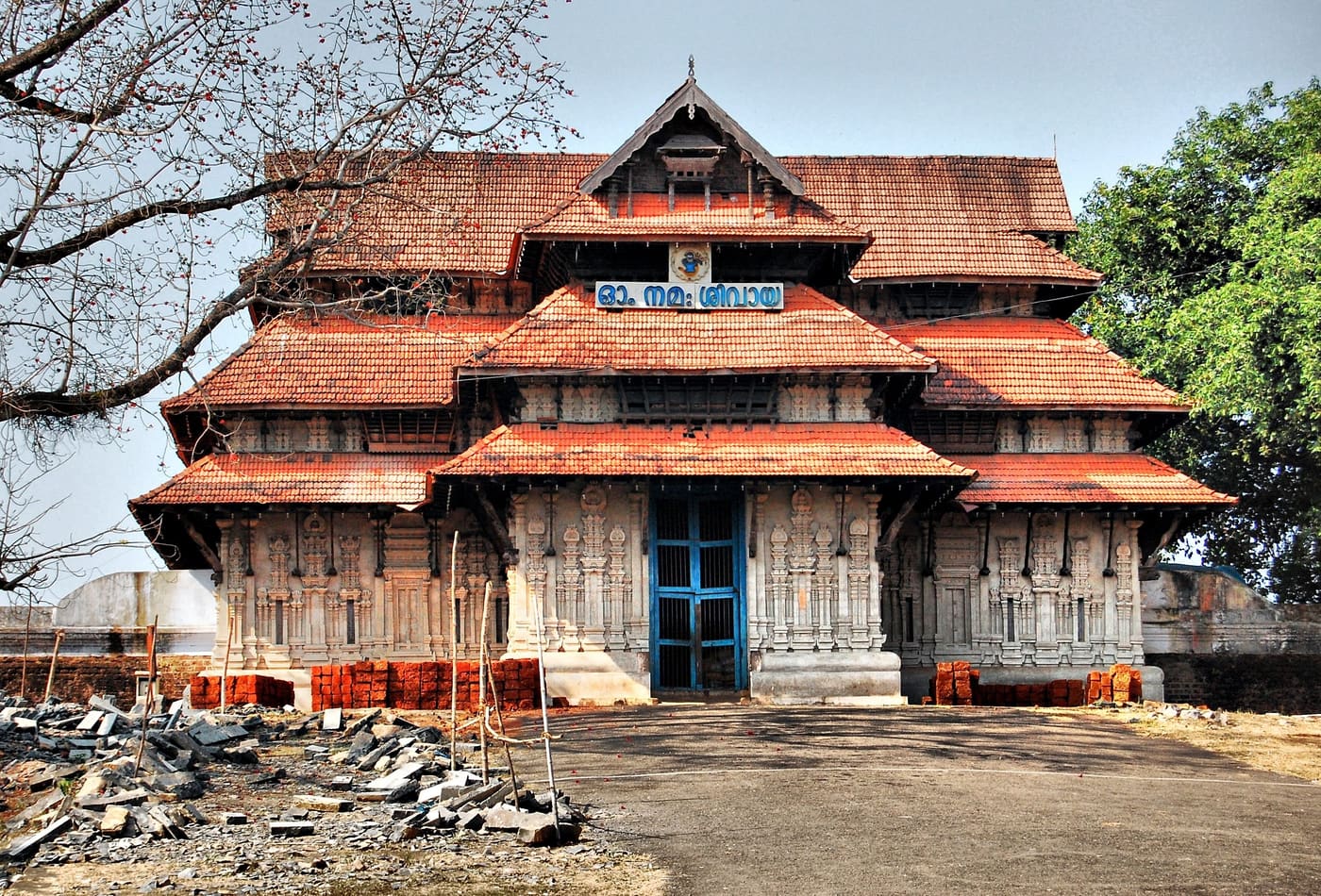
Ancient temple at the centre of Thrissur’s round, associated with Thrissur Pooram.
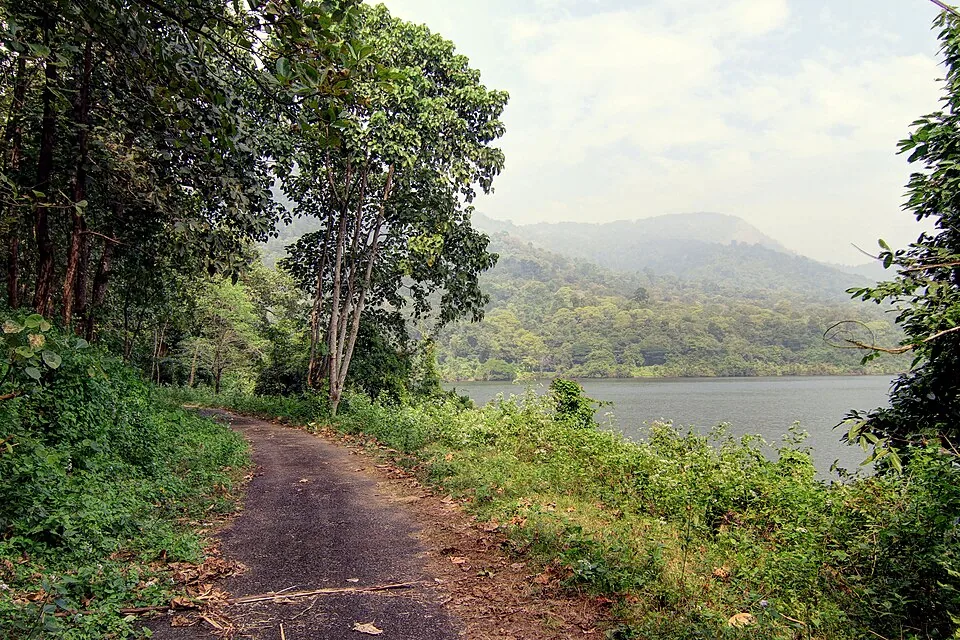
The official guided 5 km, roughly 3-hour forest route from Virakuthodu, one kilometre beyond the check post, to Choorathala inside Chimmony Wildlife Sanctuary.
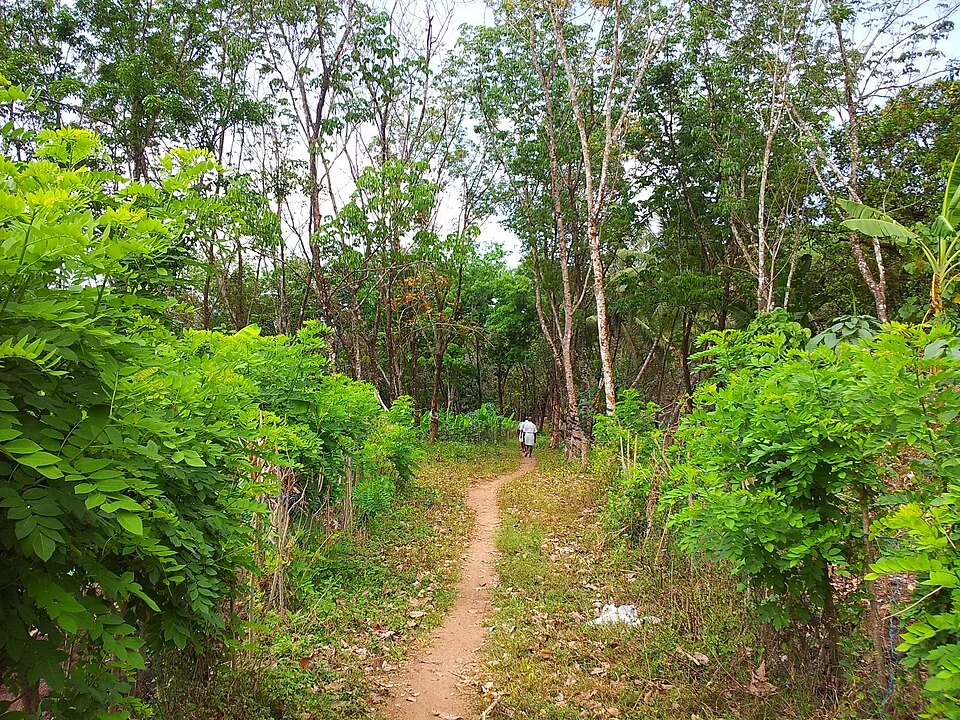
A guided forest crossing described from Vazhani towards Peechi, plus shorter named trails on the Vazhani side. Current operation, meeting point and return transport must be confirmed with the sanctuary office.
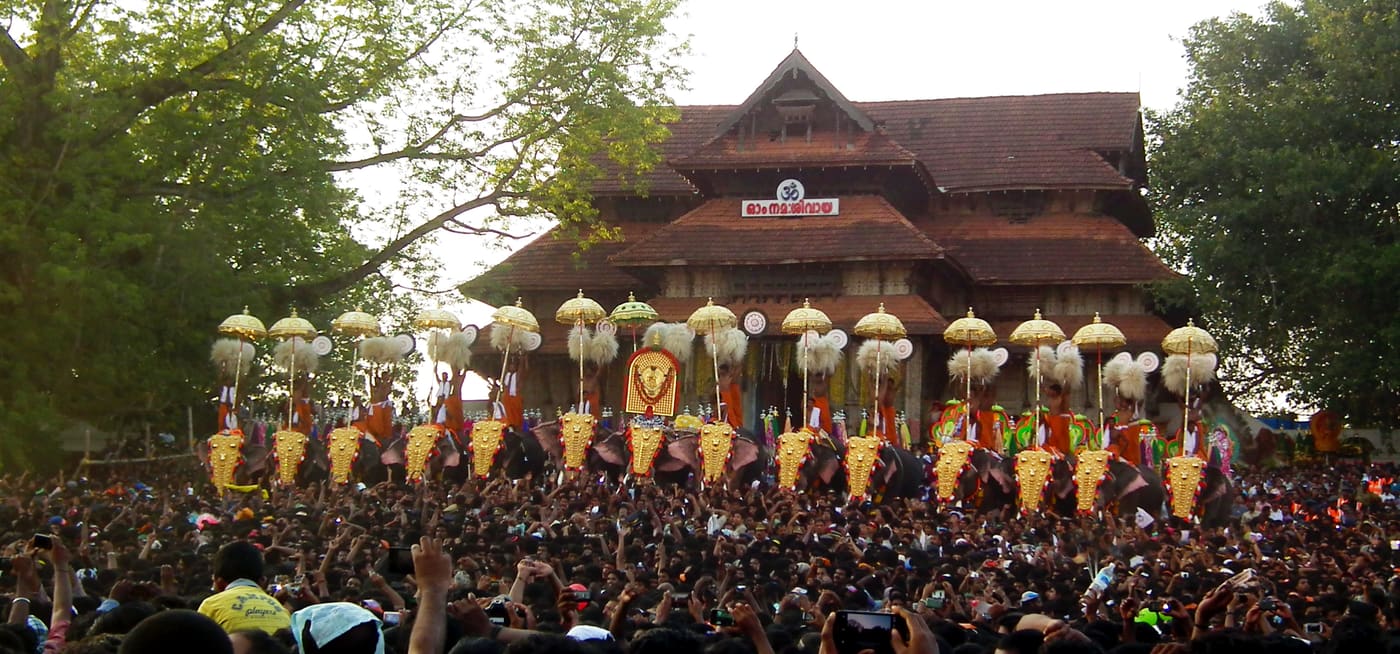
Kerala’s most famous temple festival, held around April/May at the Thekkinkadu ground around Vadakkunnathan.
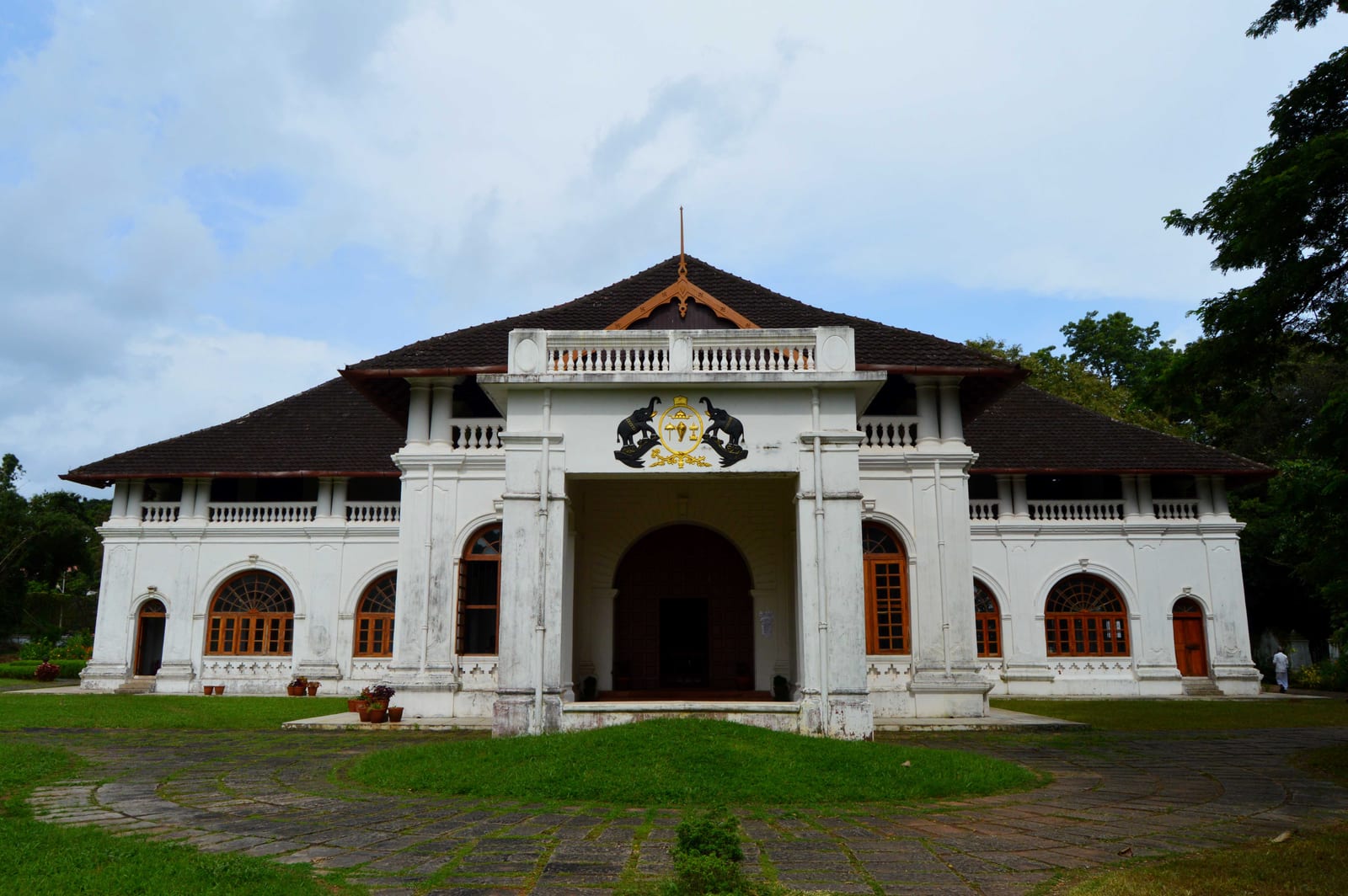
Restored palace and archaeological museum in Thrissur city, built by Raja Rama Varma Sakthan Thampuran.
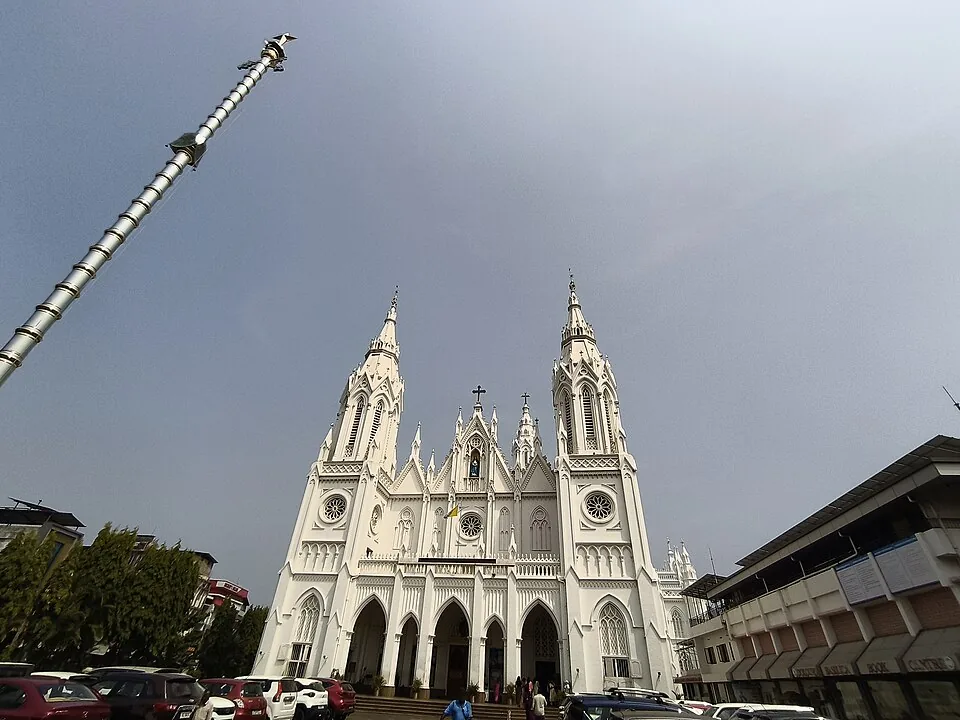
The “Puthan Pally” basilica in Thrissur, known for its Bible Tower — among the tallest church towers in Asia.
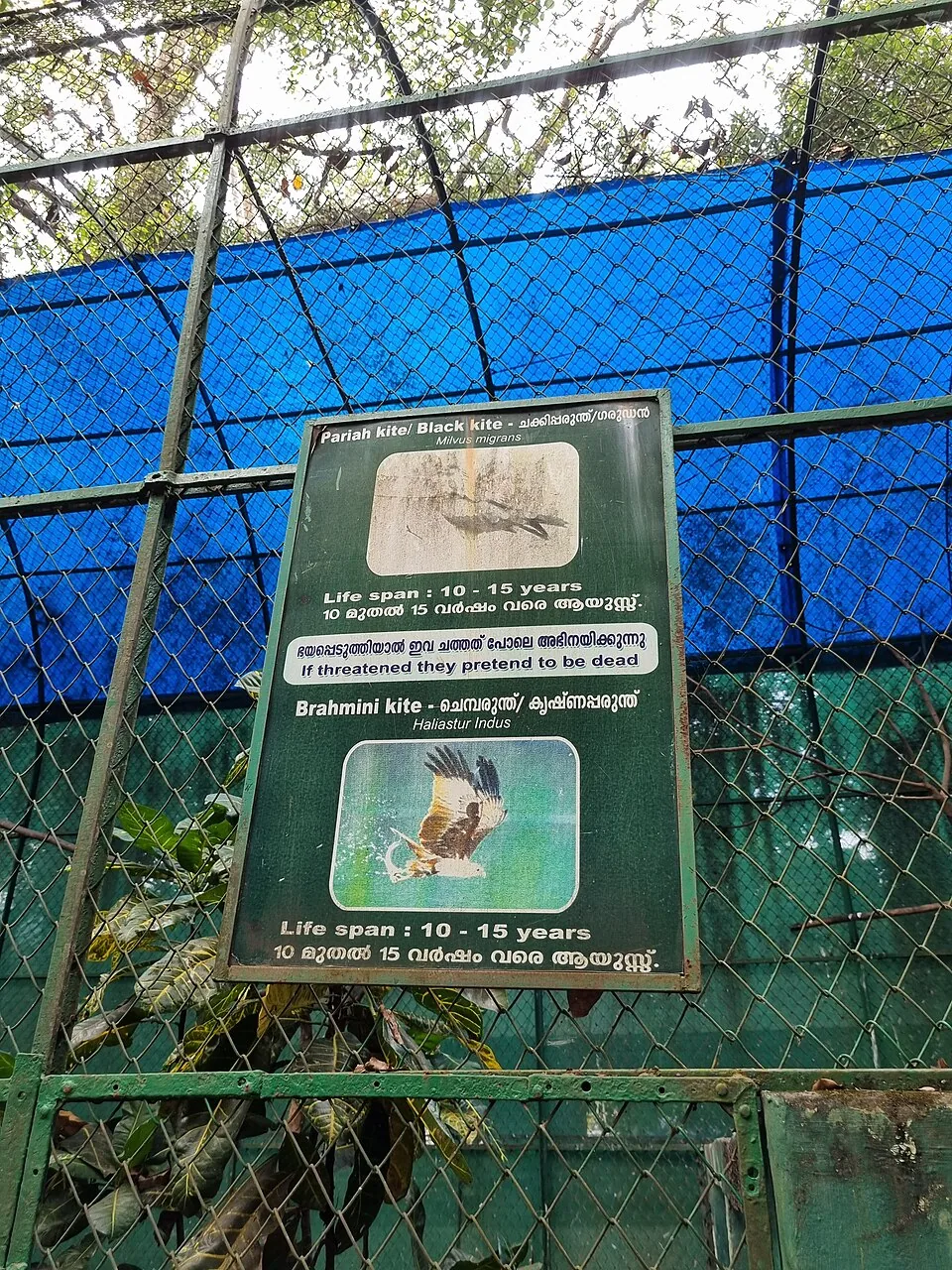
State museum, art gallery and natural-history collection at Chembukkavu; the zoo animals moved to the new zoological park at Puthur, open since February 2026.
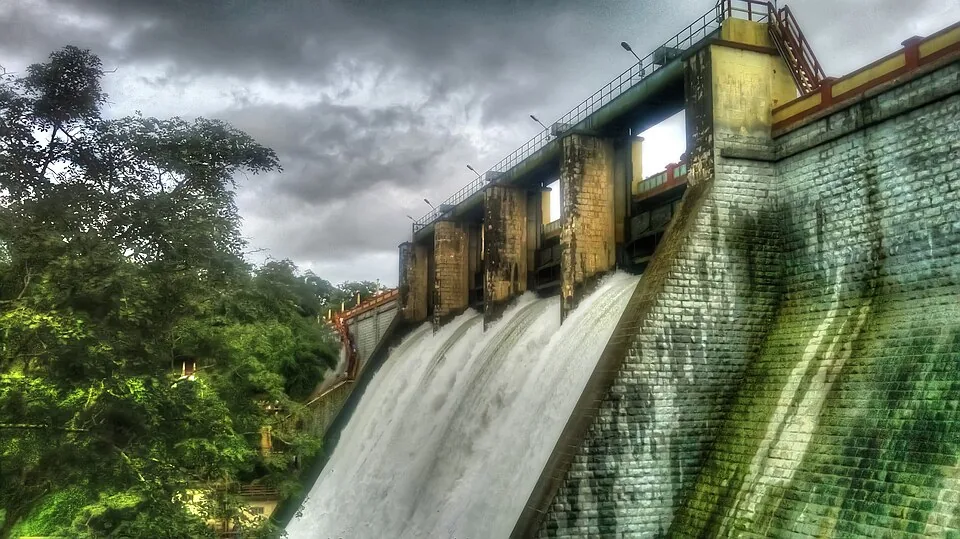
Reservoir and garden at the edge of the Peechi-Vazhani sanctuary, with boating, about 20 km east of Thrissur.
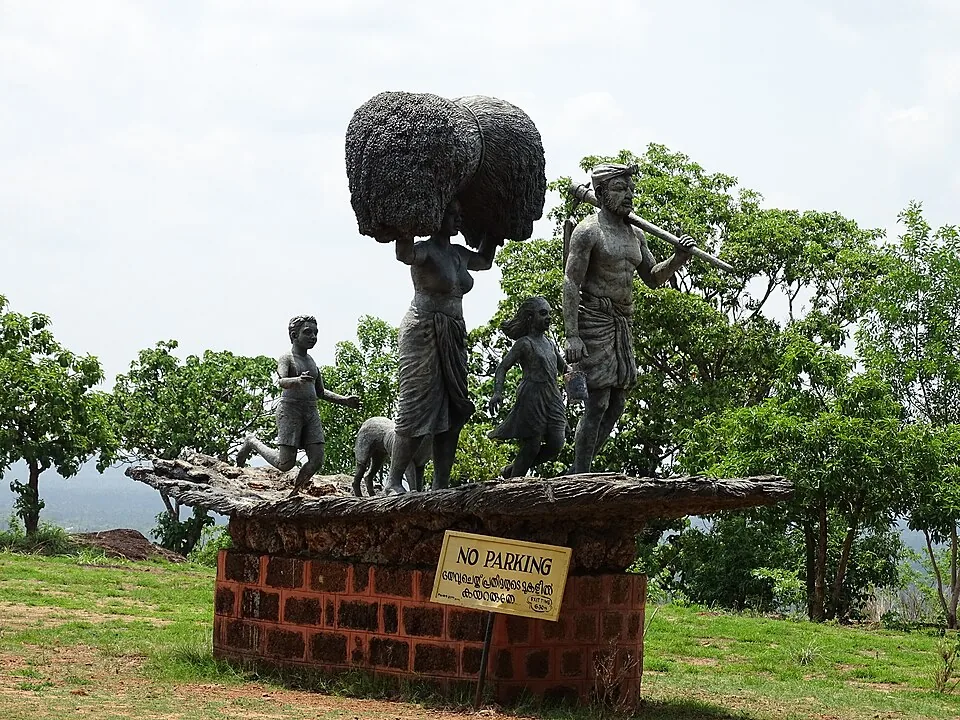
A low hill and park on the edge of Thrissur city, popular for sunset views and morning walks.
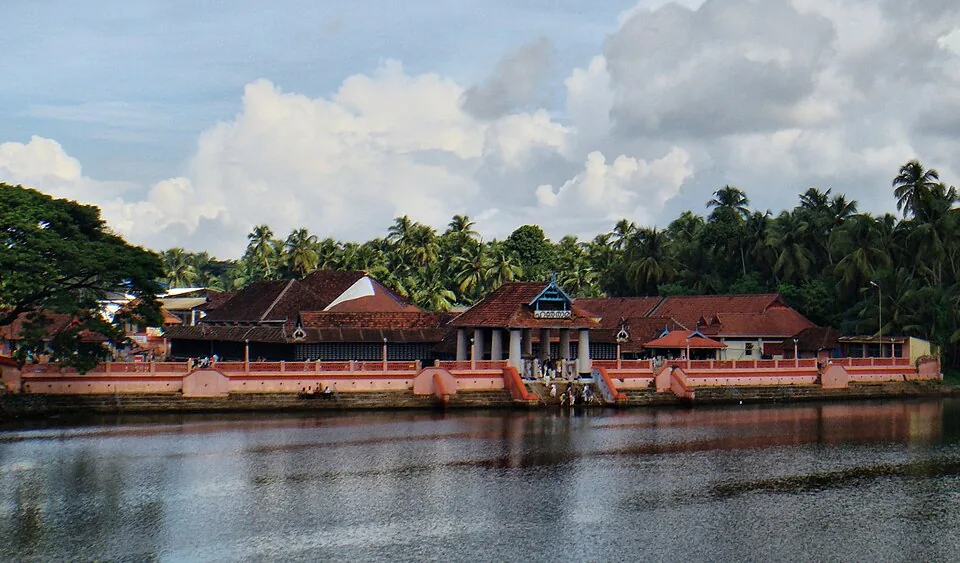
12.2 km · straight line
Sree Rama temple on the Theevra river near Triprayar, another of the Nalambalam circuit shrines.
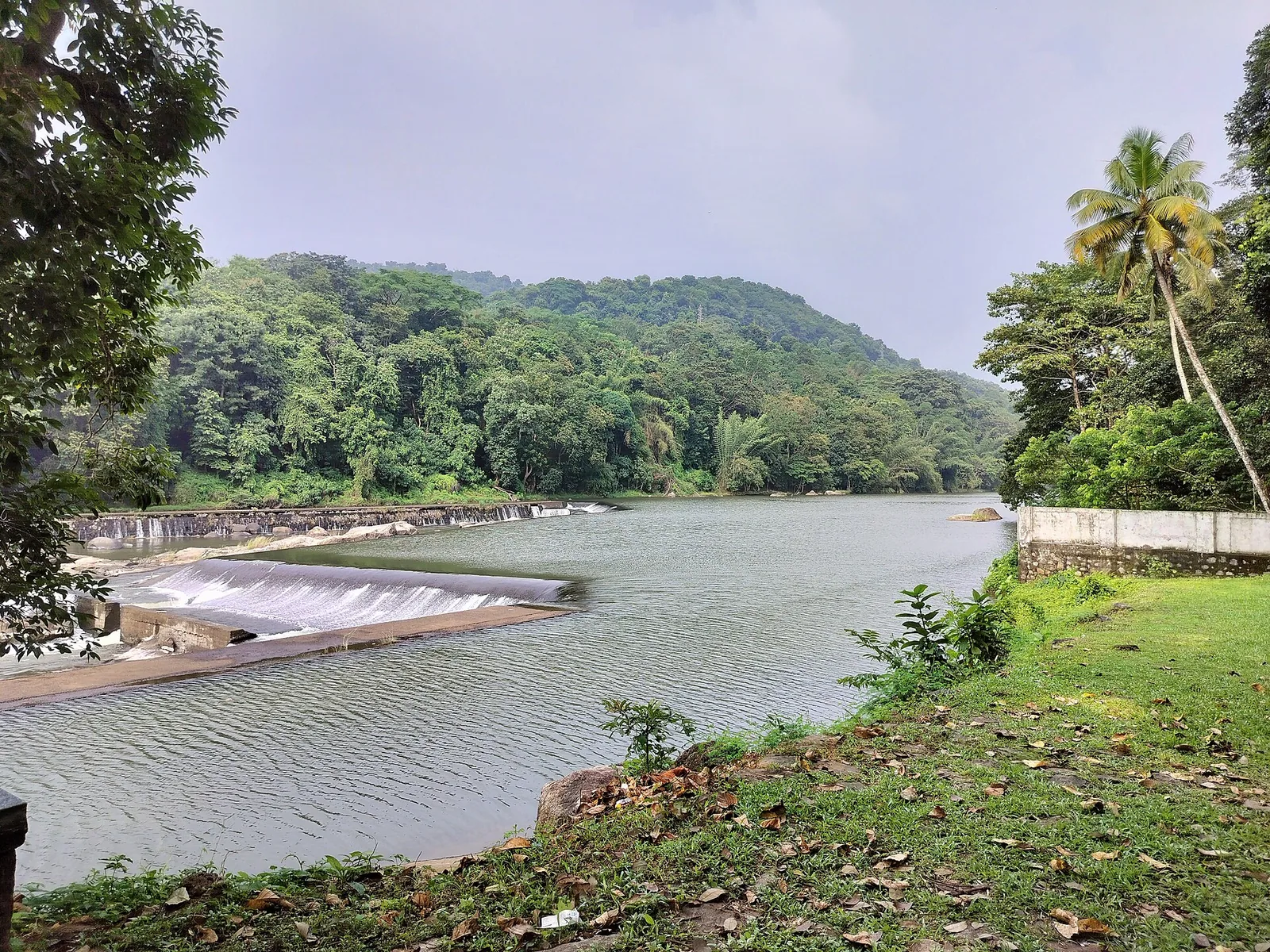
A check dam, hanging garden and butterfly garden on the Chalakudy river near Athirappilly, a popular picnic and day-trip stop.
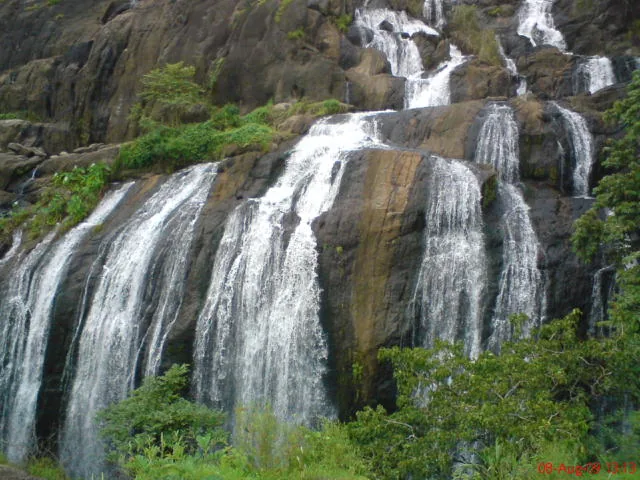
A forest waterfall and fish sanctuary near Marottichal in the hills east of Thrissur, reached by a short walk.
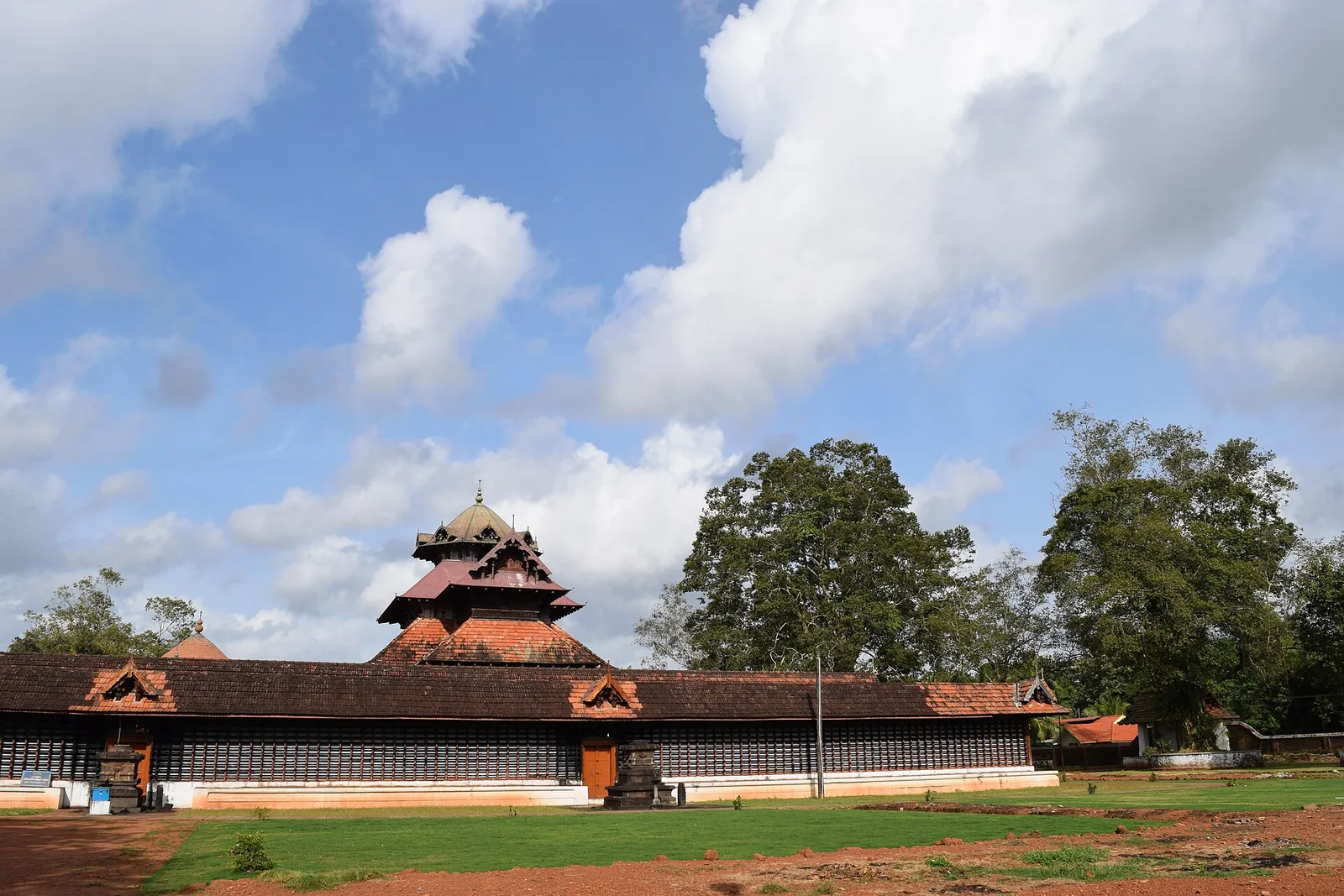
10.2 km · straight line
An ancient Shiva temple at Cherpu south of Thrissur, the ritual centre of the historic Peruvanam Pooram.
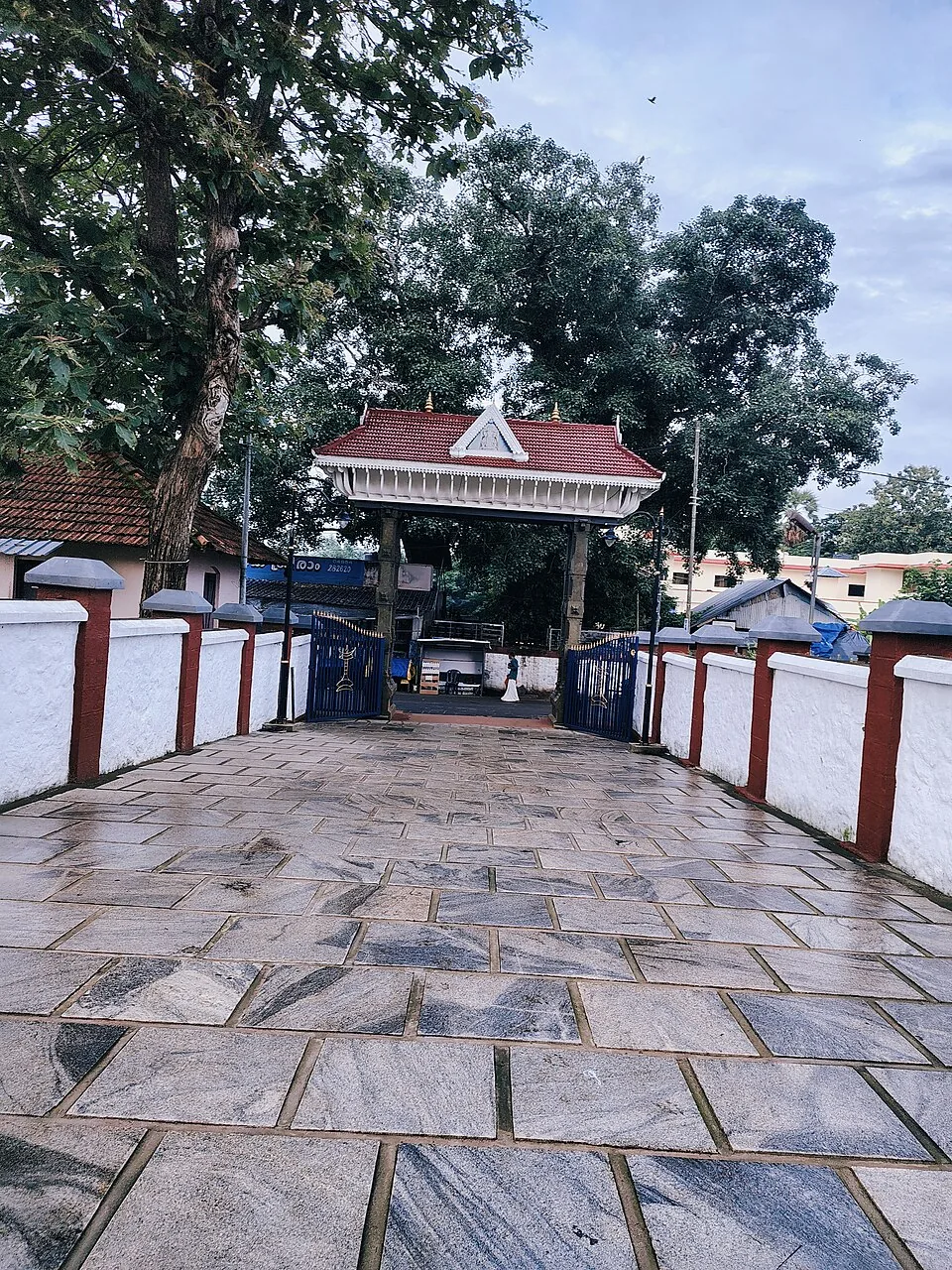
The Sree Rama (Vilwadrinatha) hill temple at Thiruvilwamala on the Nila river, reached by stone steps up the wooded rock.
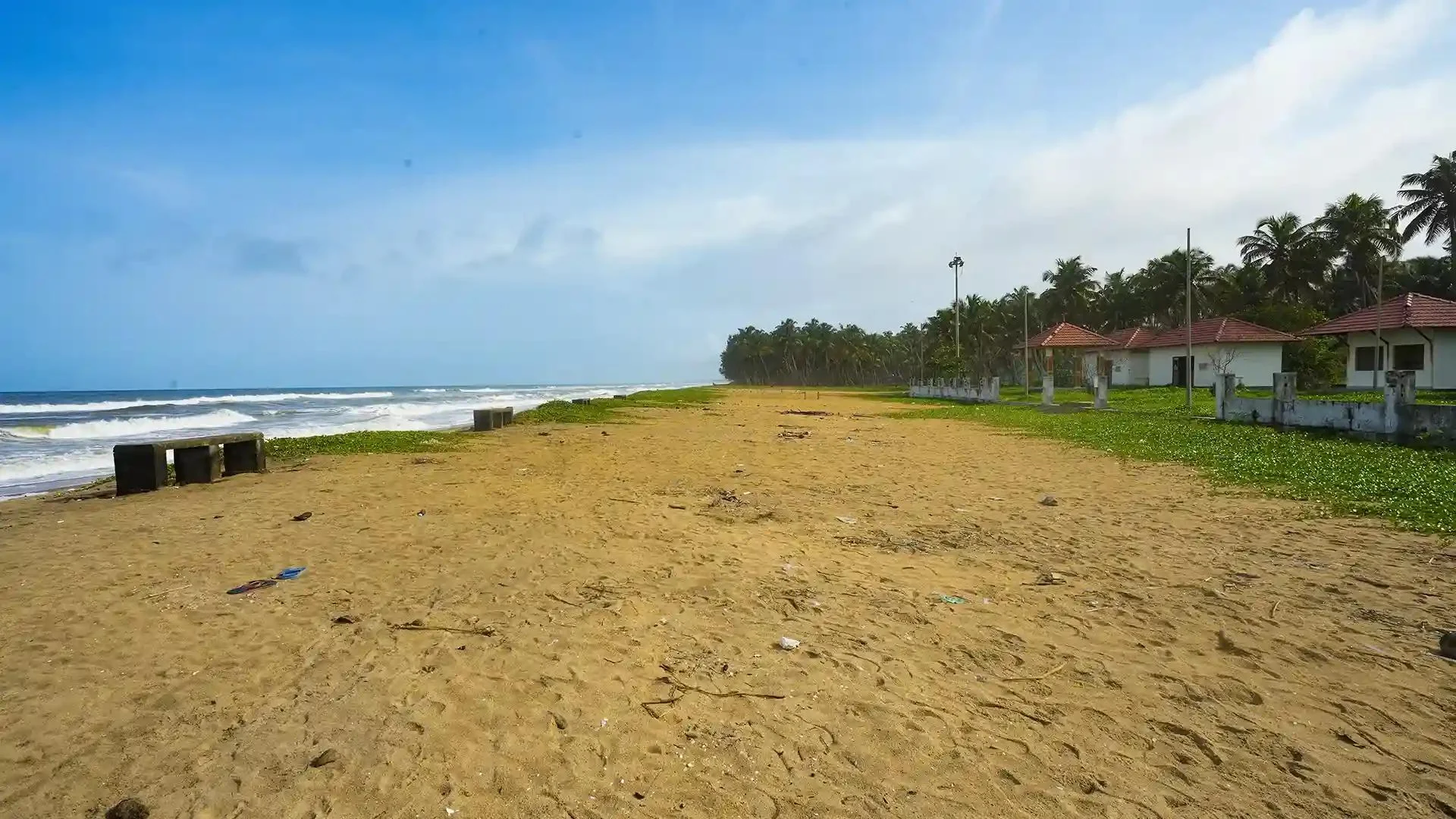
14.9 km · straight line
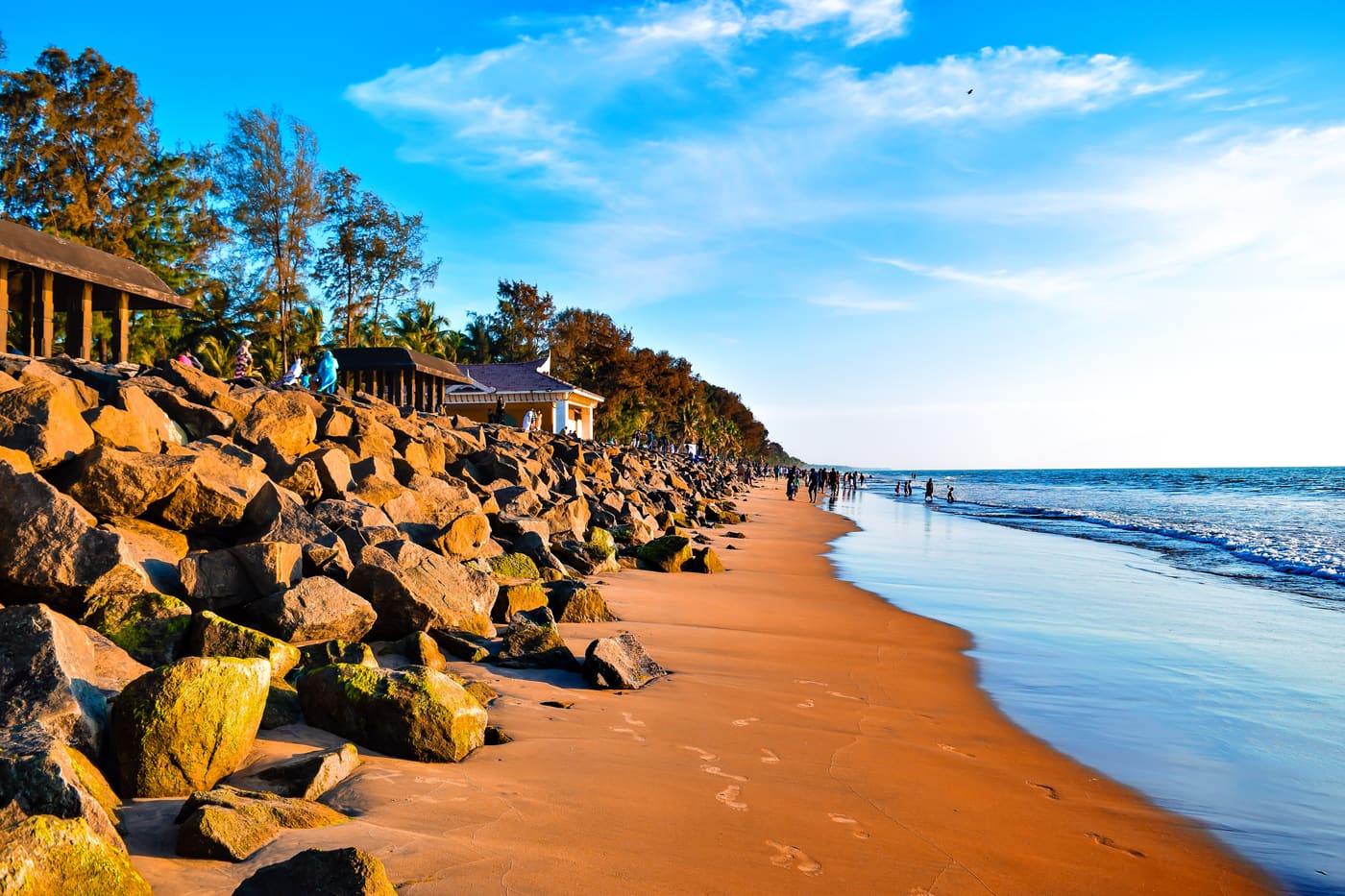
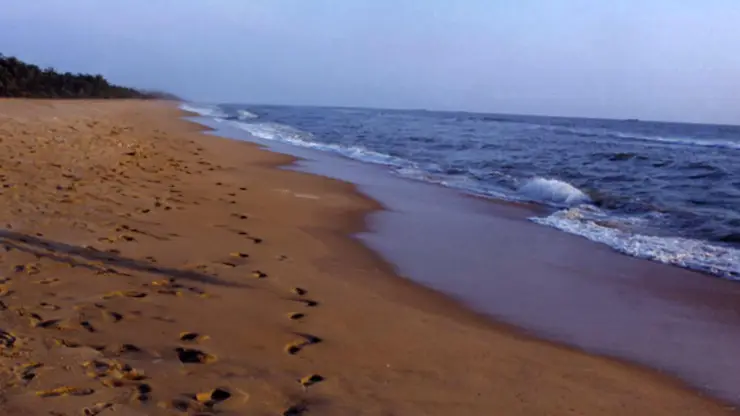
Nattika Beach is the Arabian Sea shore of Nattika in Thrissur district, also identified by Kerala Tourism as Attakuzhi Bandhar Kadapuram. Its long sand frontage, fishing-life connections and association with the Malayalam film Chemmeen give it a character distinct from a resort’s private grounds. Use the named public beach approach for a shore visit, with Nattika and Triprayar providing the wider town plan. The beach, Triprayar Sree Rama Temple and any accommodation property require separate arrival instructions.
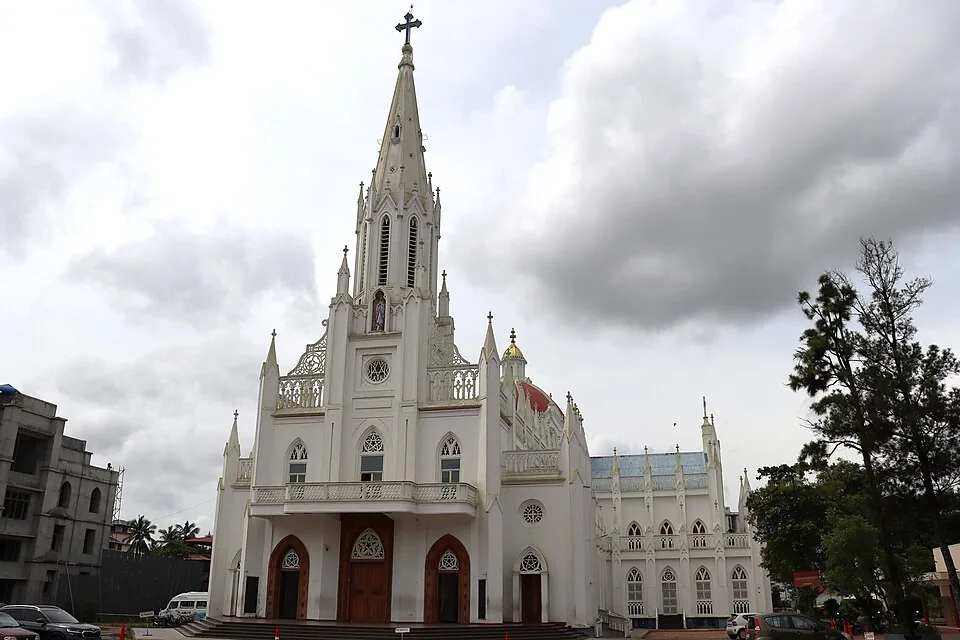
A landmark Syro-Malabar cathedral in Thrissur city known for its Gothic facade and an underground shrine (rock church).
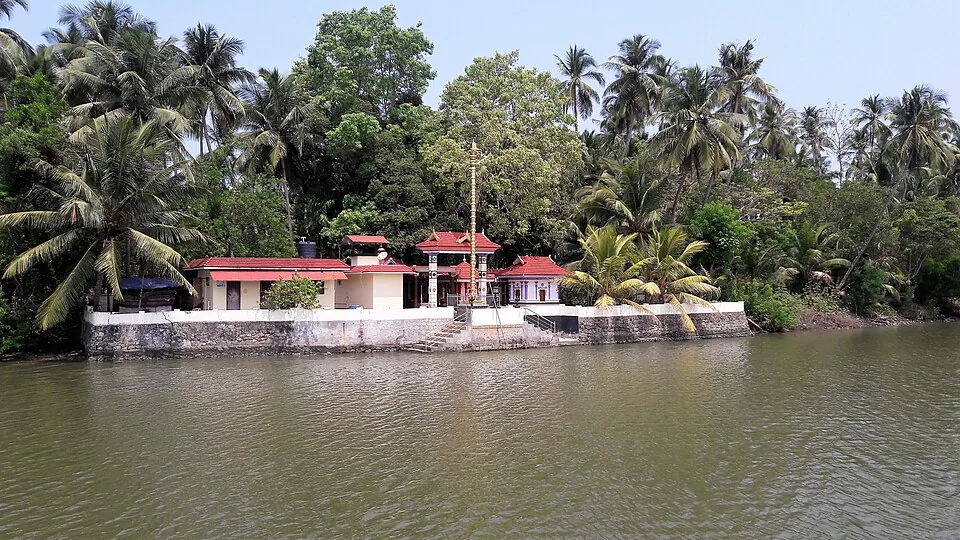
A calm estuarine backwater, mangroves and fishing-harbour belt on the Thrissur coast near Chavakkad, quieter than Alappuzha.
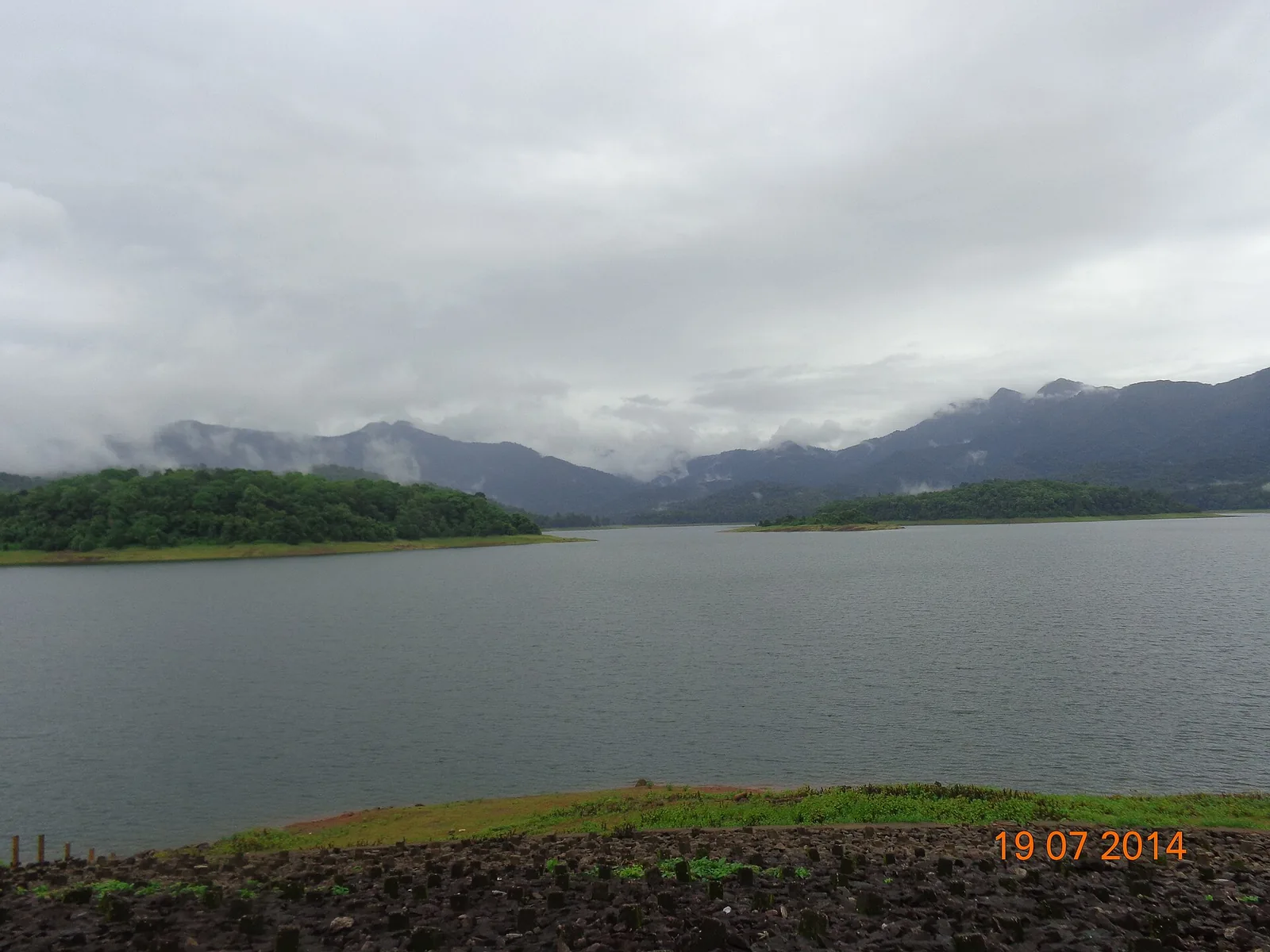
A reservoir and eco-tourism spot at the edge of the Chimmony Wildlife Sanctuary east of Thrissur, with boating and forest views.
Roampedia is commission-free — own or know a stay, eatery, guide or shop near Koodalmanikyam Temple? Submit public business details for review.
Add a nearby businessEntry: No entry fee for darshan; specific poojas, offerings (vazhipadu) and any camera or special-darshan charges are separate.
Dress code: Traditional Kerala temple dress code applies and entry is generally for Hindus. Men are usually expected to remove their shirt and wear a mundu or dhoti (bare-chested is customary); women wear a saree, set-mundu or salwar kameez. Shorts, short skirts and Western casual wear are typically not allowed.
Festivals: The temple’s main annual festival falls in the Malayalam month of Medam (April–May), running for around ten to eleven days and renowned for its caparisoned-elephant processions and Panchari melam percussion, marking one of the closing festivals of Kerala’s season. Koodalmanikyam is also the Bharata shrine of the Nalambalam four-temple pilgrimage, most associated with the month of Karkidakam (about July–August).
Photography: Photography rules at Kerala temples are often restricted, particularly inside the inner precincts and around the sanctum, and mobile phones may be limited during rituals. Assume the sanctum interior is off-limits for photos and ask temple staff before shooting.
If you are travelling by bus or ferry, check the return service with the operator before setting out. Leave time to reach the stop or jetty after your visit.
Ask at the bus stand for the time of the last service back, not the next one. If you miss it, an auto or app cab is the fallback — agree the fare before you get in.
If you need step-free access, contact the site before travelling. Ask about a level entrance, steps along the route, the nearest drop-off point, seating and accessible toilets.
Charge cap and free-transaction limits: Reserve Bank of India, ATM FAQ updated 4 July 2025; checked 4 October 2026.
These services are listed within about 1.2 km of Koodalmanikyam Temple. Walking distances follow mapped routes; access and opening hours can change. Other services may be closer but are not included here.
Published emergency and visitor-assistance contacts. For an immediate emergency, call 112. Shared Kerala contact sources checked 4 October 2026; publication does not establish a tested live response.
A longstanding Catholic pilgrimage church at Mapranam associated with the Holy Cross and annual feast observances.
4.6 km · straight lineAn ancient Shiva temple at Cherpu south of Thrissur, the ritual centre of the historic Peruvanam Pooram.
10.2 km · straight lineSree Rama temple on the Theevra river near Triprayar, another of the Nalambalam circuit shrines.
12.2 km · straight line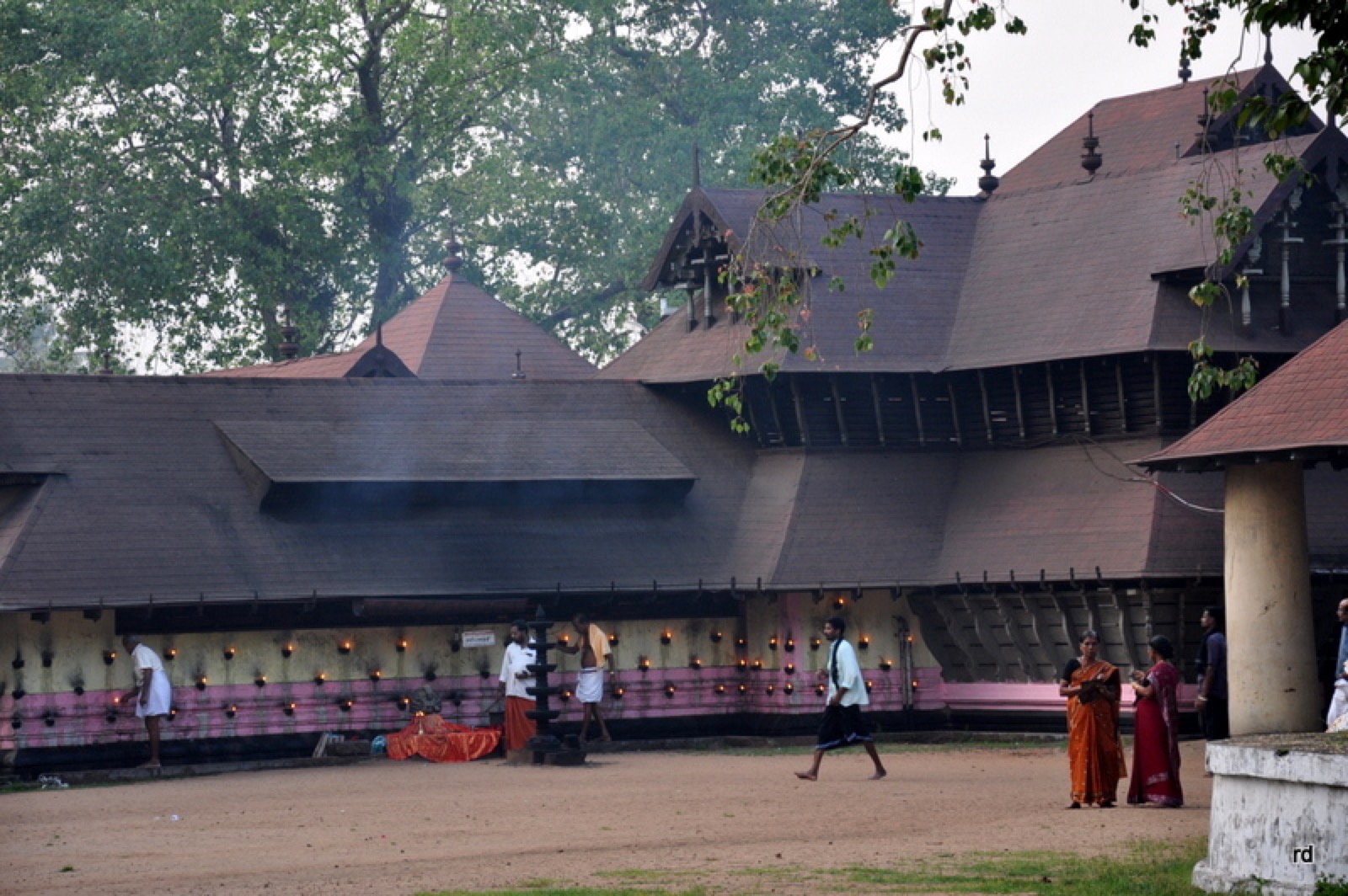
The Sree Kurumba (Bhagavathy) temple at Kodungallur, an ancient and powerful Devi shrine associated with the Bharani festival.
13.3 km · straight line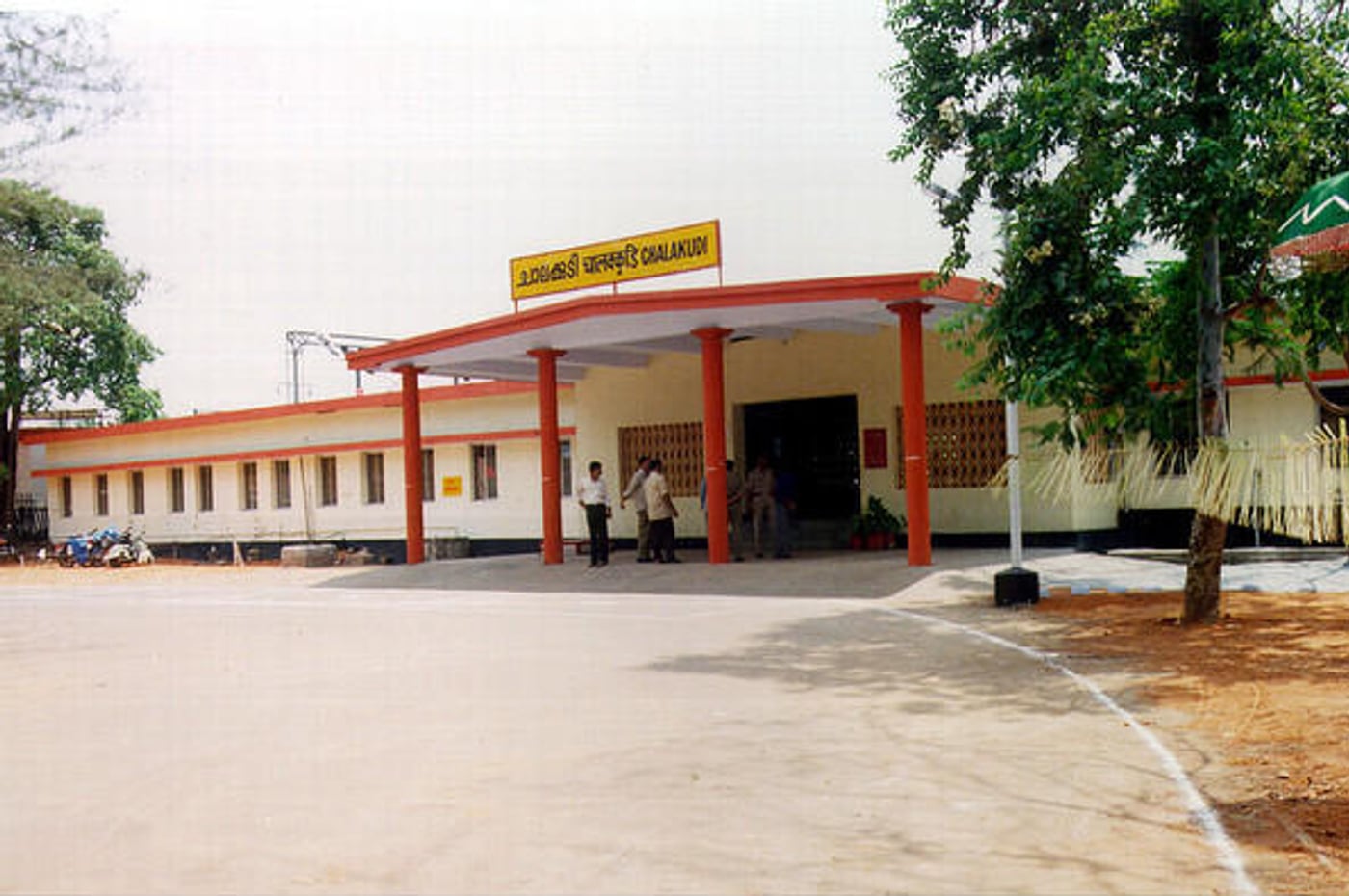
Chalakudi station, code CKI, on the Shoranur–Cochin Harbour section — the railhead the Cochin State Forest Tramway was extended to reach, and the transfer point for Athirappilly. About 1.4 km west of the highway, which catches most visitors out.
13.8 km · straight line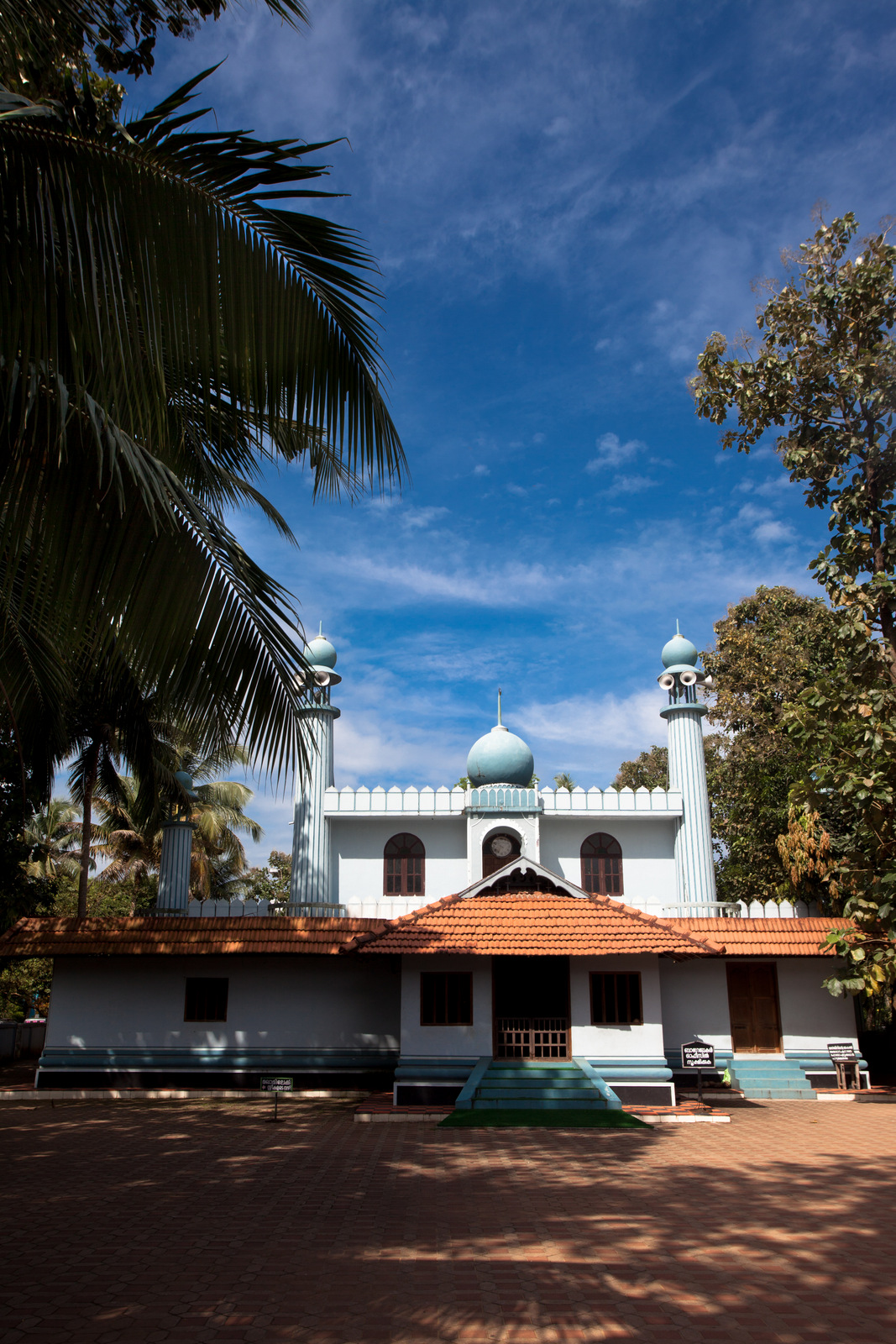
At Kodungallur, held by tradition to be the oldest mosque in the Indian subcontinent (7th century).
14.8 km · straight lineNattika Beach is the Arabian Sea shore of Nattika in Thrissur district, also identified by Kerala Tourism as Attakuzhi Bandhar Kadapuram. Its long sand frontage, fishing-life connections and association with the Malayalam film Chemmeen give it a character distinct from a resort’s private grounds. Use the named public beach approach for a shore visit, with Nattika and Triprayar providing the wider town plan. The beach, Triprayar Sree Rama Temple and any accommodation property require separate arrival instructions.
14.9 km · straight line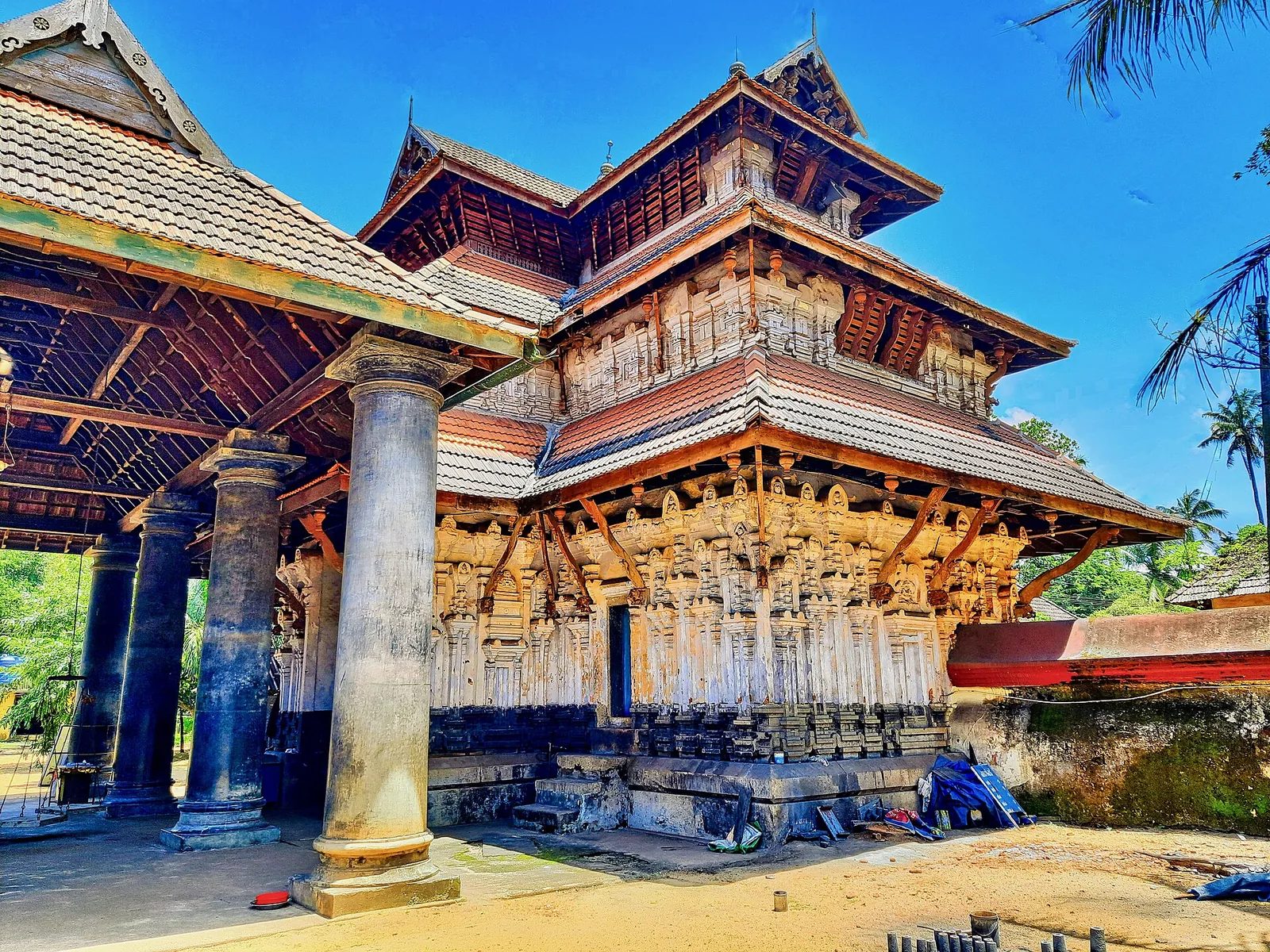
Ancient Shiva temple at Kodungallur linked with the old Chera capital of Mahodayapuram.
15.1 km · straight line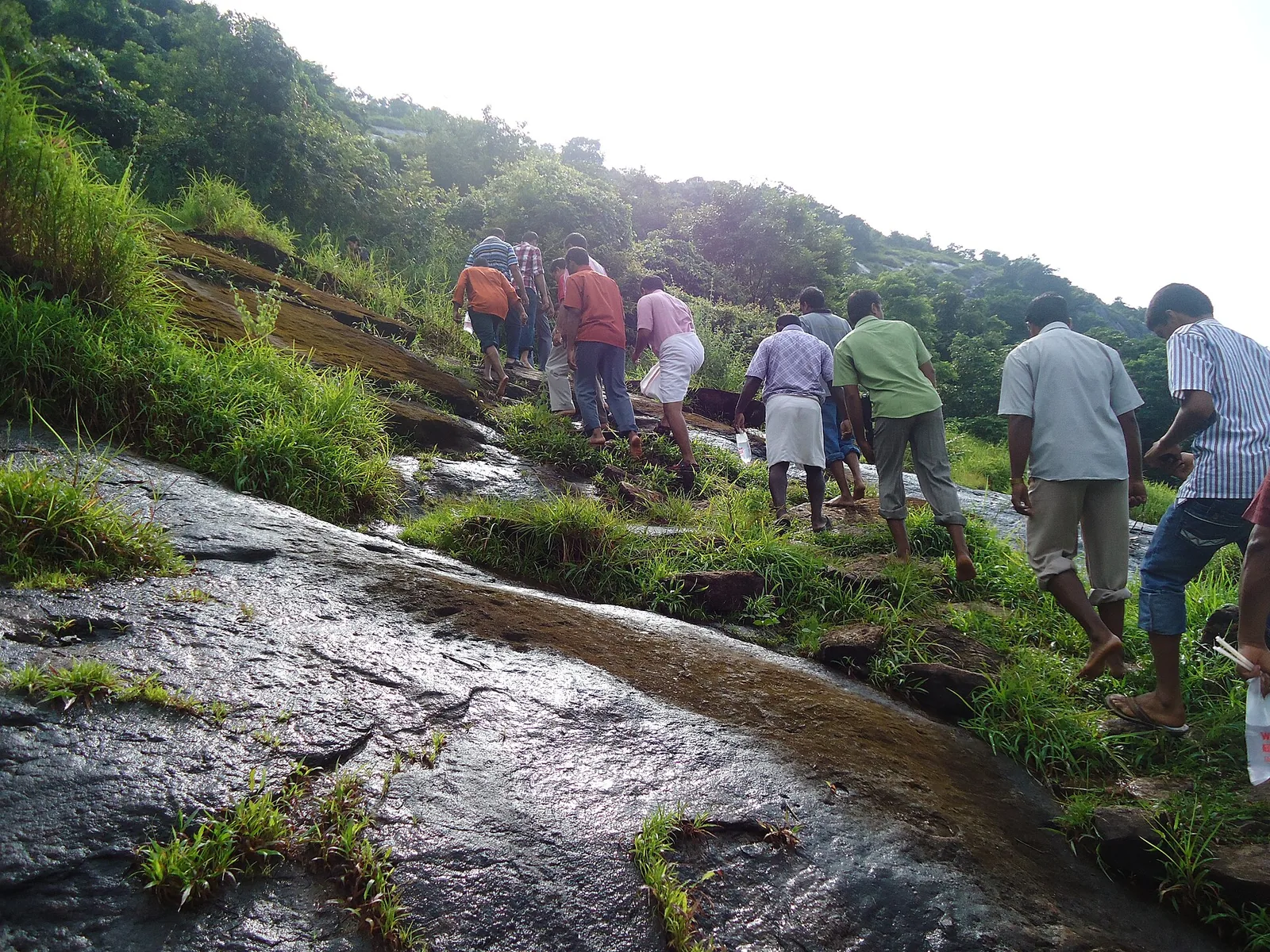
A hill of crosses about 5 km north of Chalakkudy that local devotion ranks with Malayattoor — fourteen crosses up a kilometre of bare sheet rock to a hilltop shrine at about 310 m. The pilgrimage was begun in 1940 by the vicar of Perambra after a dream; April is its busiest month.
15.2 km · straight line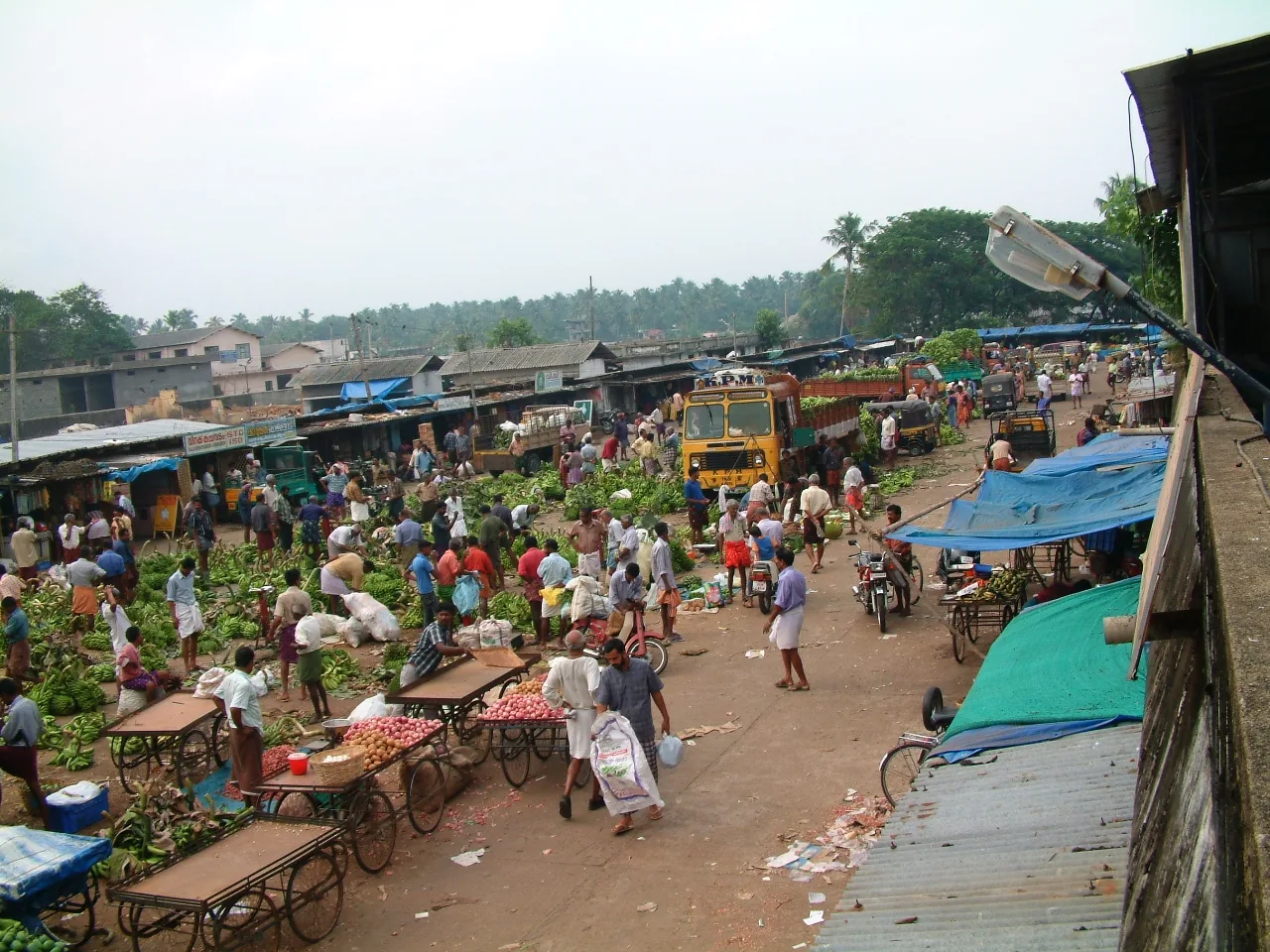
The town’s wholesale produce yard on Market Road, the oldest continuously working institution in Chalakkudy — a Sakthan Thampuran-era pandikasala that still holds its traditional Tuesday and Friday markets and takes hill produce down State Highway 21.
15.5 km · straight line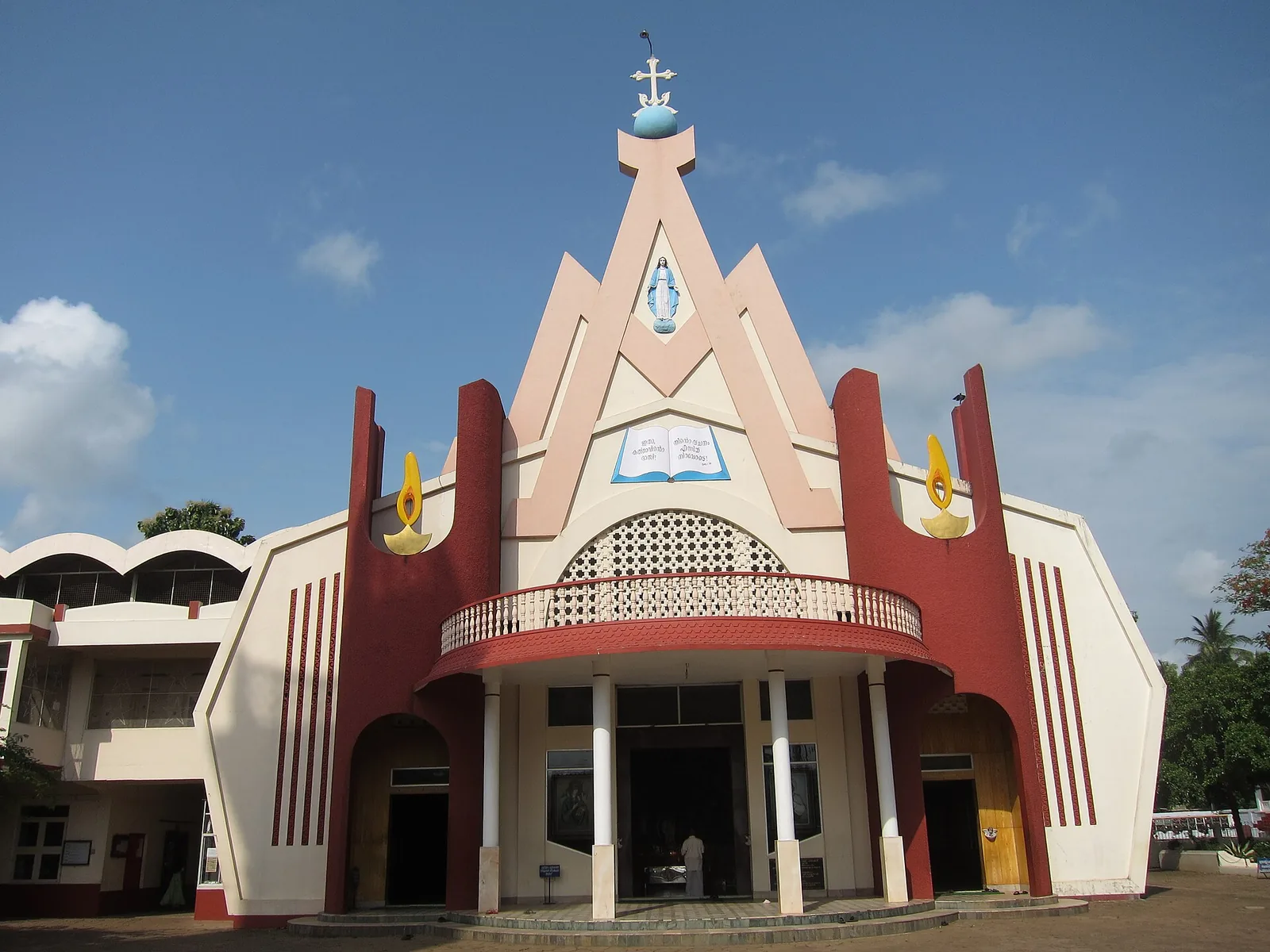
St Mary’s Forane Church on Church Road, the Syro-Malabar forane that governs seventeen daughter parishes across the Chalakkudy countryside and keeps the ambu perunnal, the arrow feast the town observes across community lines. The present building was rebuilt in 1987; the belfry is 1913 and the bell 1887.
15.7 km · straight line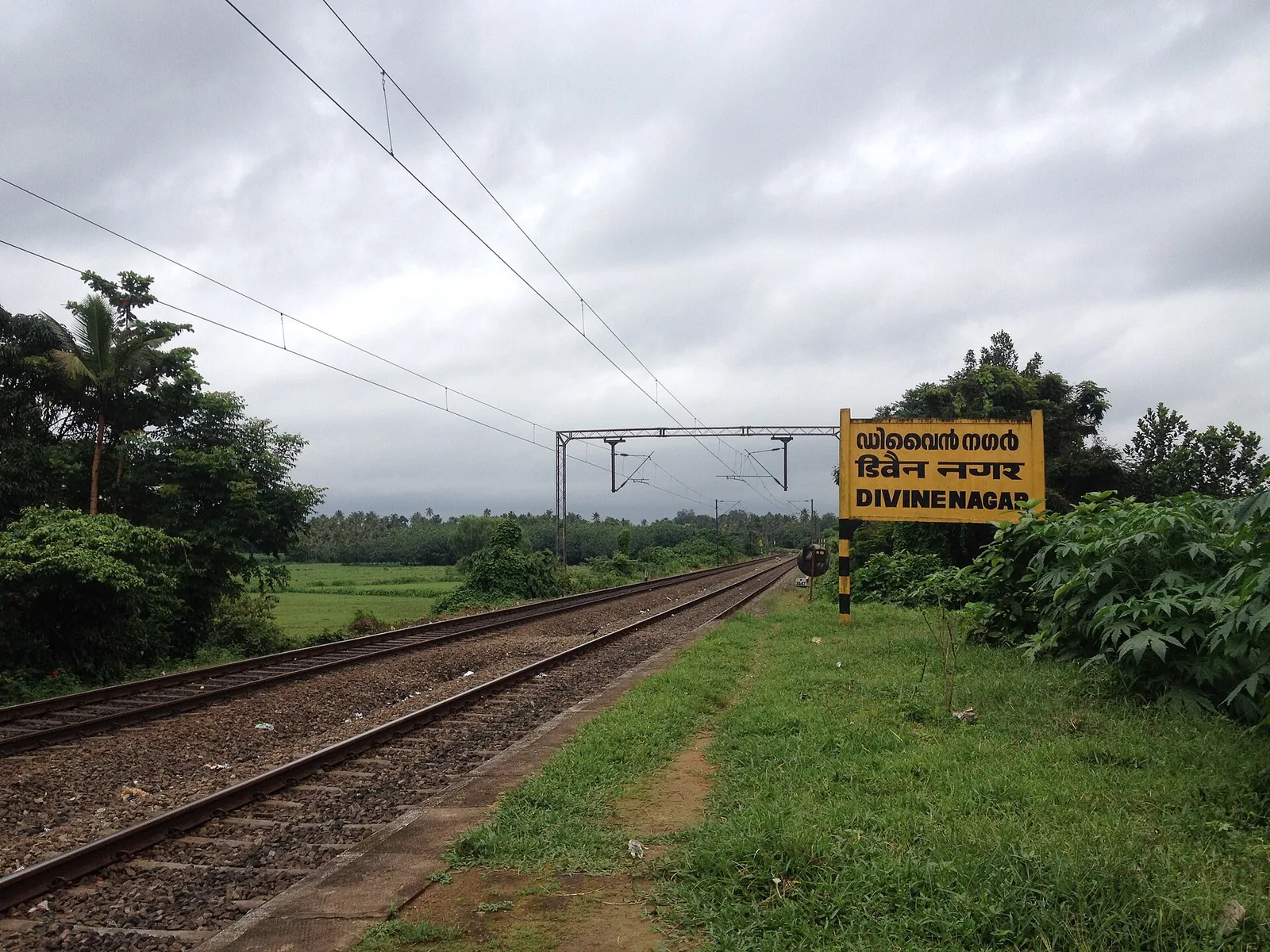
The Vincentian Congregation’s residential retreat centre on NH 544 at Muringoor, which by its own account takes about five thousand people a week for a six-day retreat in seven languages and houses two thousand more in five charitable homes — on volume, the largest organised draw in Chalakkudy taluk after the falls. Indian Railways opened a halt called Divine Nagar for it in 1996.
16.0 km · straight lineNearby toilets, pharmacies, ATMs, seating and vets are community-mapped and may be incomplete or out of date. Map data © OpenStreetMap contributors | Walking times © openrouteservice.org by HeiGIT
It is very widely described as the only ancient temple in India where Bharata, Rama’s brother, is the principal deity worshipped in his own right — which is what makes it so celebrated. It is a claim rooted in strong tradition rather than a formal census, so treat it as the temple’s renowned distinction and feel free to confirm the wording locally.
Koodalmanikyam is famous for having a single consecrated presence and no upadevatas — not even Vigneswara (Ganapati), who guards the entrance of almost every other Kerala temple. Devotees read this singular focus as an echo of Bharata’s own single-minded devotion to Rama. It is one of the most distinctive features of the shrine.
The Nalambalam is a set of four temples dedicated to the four brothers of the Ramayana, traditionally visited in one day: Rama at Thriprayar, Bharata at Koodalmanikyam in Irinjalakuda, Lakshmana at Thirumoozhikkulam and Shatrughna at Payammal. The pilgrimage is especially undertaken in the Malayalam month of Karkidakam (roughly July–August). Koodalmanikyam is the Bharata shrine.
By legend, a brilliant ruby (manikya) brought from Kayamkulam was drawn to the idol’s forehead and fixed itself fast, refusing to be removed. This koodal — union — of the gem with the deity is said to have given the shrine its name. It is a much-loved legend rather than documented history, and the deity is also known by the Sanskrit name Sangameswara, the Lord of the Confluence.
Like most traditional Kerala temples, entry is generally reserved for Hindus, and a traditional dress code applies — men are often required to remove their shirts and wear a mundu or dhoti, while women wear a saree or salwar; shorts and Western wear are typically not permitted. Norms can change, so it is best to confirm current rules at the temple.
The temple is ringed by four ponds, the largest being Kulipini Theertham inside the walls, named after the sage Kulipini and believed to hold the presence of the Ganga, and Kuttan Kulam just outside to the east. The sacred tanks are central to the temple’s rituals and to the legends that surround the shrine.
Morning or early evening is usually best; festival days can be powerful but crowded.
Entry: No entry fee for darshan; specific poojas, offerings (vazhipadu) and any camera or special-darshan charges are separate. Timings: Typically open in the morning from about 4:00 am to around 11:30 am and in the evening from about 5:00 pm to 8:20 pm, with darshan closed in the afternoon interval.
Base yourself in Thrissur city or a nearby town in Thrissur, then confirm the last-mile route locally before leaving. Check temple entry customs, dress rules and festival crowd conditions before arrival. If the visit depends on forest, temple, boat, ferry, weather or seasonal access, check the official/local rule on the day before travel.
45 minutes to 2 hours, longer during festival or queue periods.
Nearby you can pair Holy Cross Church, Mapranam (4.6 km, approximate straight-line separation), Peruvanam Mahadeva Temple (10.2 km, approximate straight-line separation), Thriprayar Temple (12.2 km, approximate straight-line separation), Kodungallur Bhagavathy Temple (13.3 km, approximate straight-line separation).
Use official counters for offerings/tickets where applicable. Keep footwear and valuables secure in crowded areas.
Written about Koodalmanikyam Temple itself — its history, its legends and the arguments about them.
These guides explore Thrissur city and the surrounding area. Choose a visit that fits your interests, allowing separately for travel between stops.


Route-level itineraries and practical guides for the rest of Kerala.
Photographs: Aruna at ml.wikipedia (CC BY-SA 3.0), Pyngodan (CC BY 2.0), Siby Varghese (CC BY-SA 3.0), Arayilpdas (CC BY-SA 3.0). Wikimedia Commons.