What to expect
Highlights
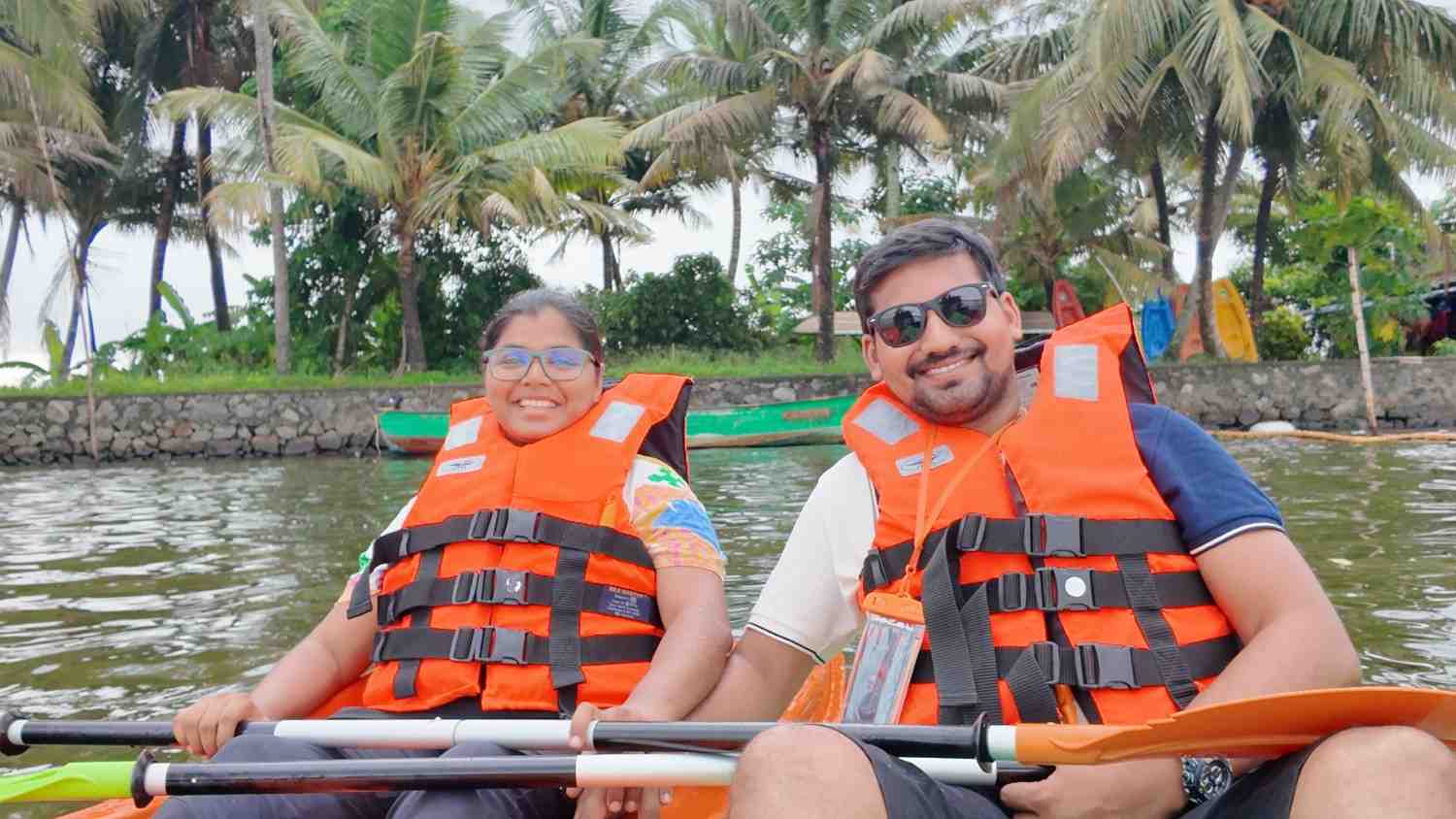
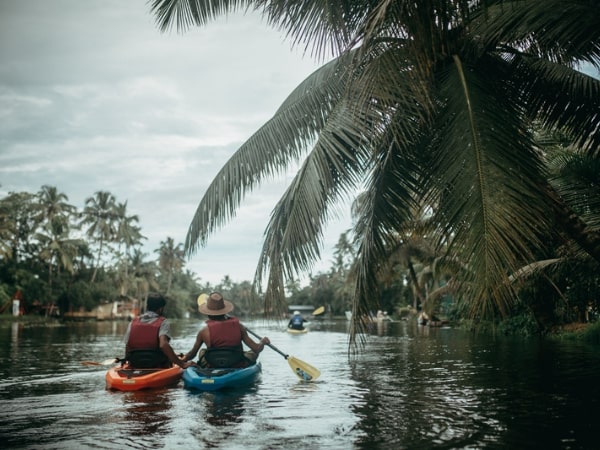
- Boat or canoe routes around Punnamada Lake
- Village life, canals and lake/river scenery
- Good fit for homestays and local food stops
Finishing-point lake of the Nehru Trophy Boat Race and the main houseboat cruising water off Alappuzha.
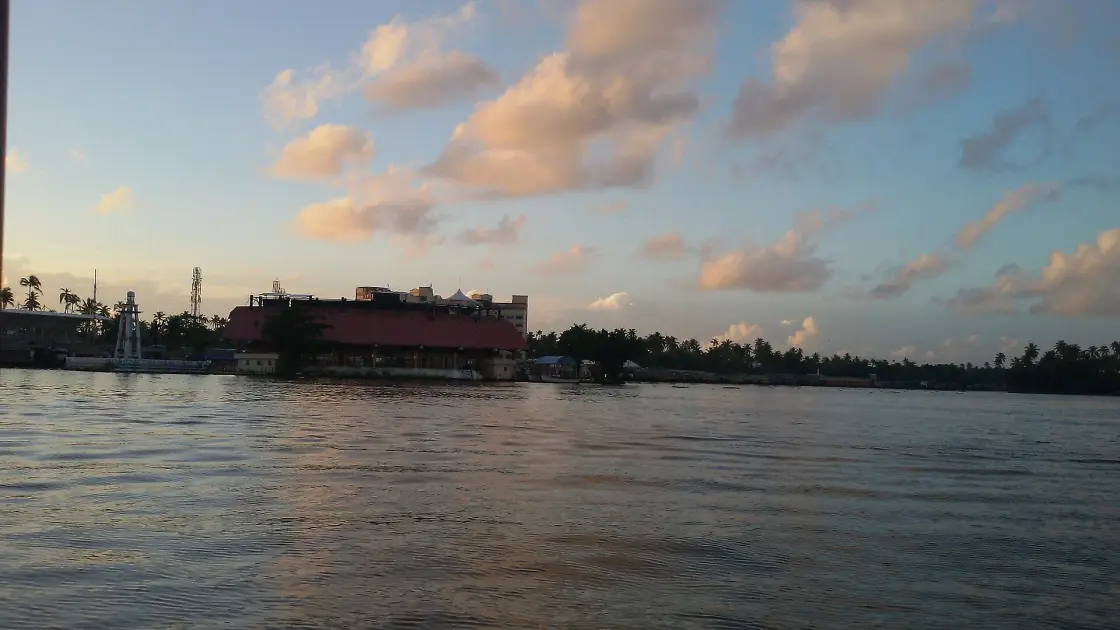
Punnamada Kayal is the glittering finishing stretch of Vembanad Lake where, on the second Saturday of every August, forty-metre snake boats and a hundred thousand voices turn the water into Kerala’s loudest, most joyous spectacle — the Nehru Trophy Boat Race.
Start with what Punnamada actually is, because almost everything written about it gets this slightly wrong. Punnamada is not a lake. It is a name for a stretch of one. The water here is Vembanad — Kerala's largest lake — which carries different names along its length: Punnamada in the Alappuzha, Punnapra and Kuttanad reach, Vembanad at Kottayam, Kochi Lake at Kochi. It is often called “the north-eastern arm of Vembanad”, which sounds precise and is not supported by anything: an arm is a distinct limb of a lake, and this is simply the lake, called by its local name. Our own Kumbalangi page already says this well — that one body of water carrying three names is exactly why visitors think the Kumbalangi water and the Alappuzha water are unrelated. They are the same water. ⚠ We have also dropped the line calling Alappuzha “the town the British once nicknamed the Venice of the East”: the phrase is a Victorian travel cliché claimed by some forty cities in fourteen countries, and its popular attribution to Lord Curzon rests on repetition rather than any surviving record.
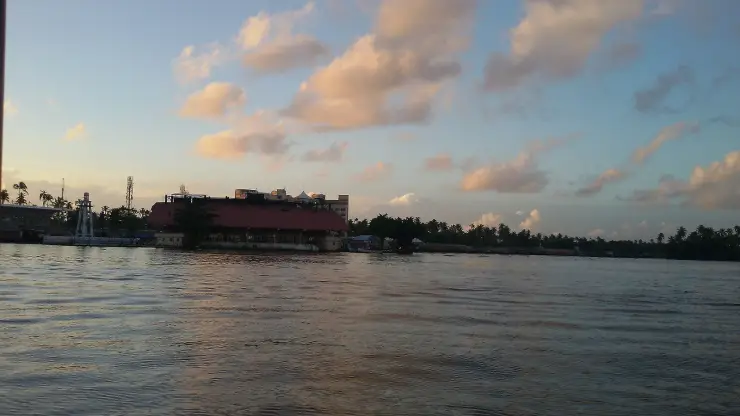
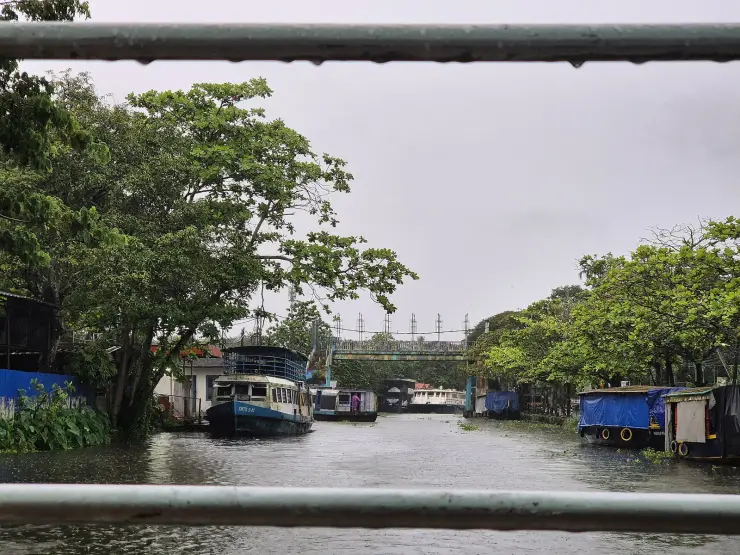
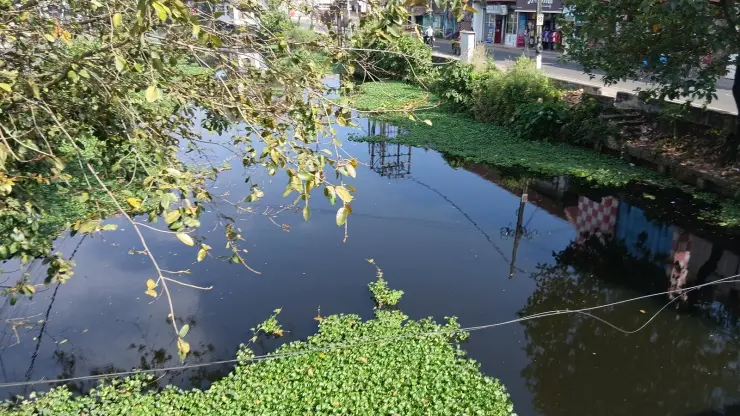
On an ordinary morning it is a sheet of pale silver fringed with coconut palms, drifting water hyacinth and the low green line of Kuttanad’s paddy fields, so still that the sky seems to lie down on it. It is the kind of water that erases the boundary between land and reflection, and for most of the year it belongs to fishermen, ferry commuters and the slow parade of tourist houseboats.
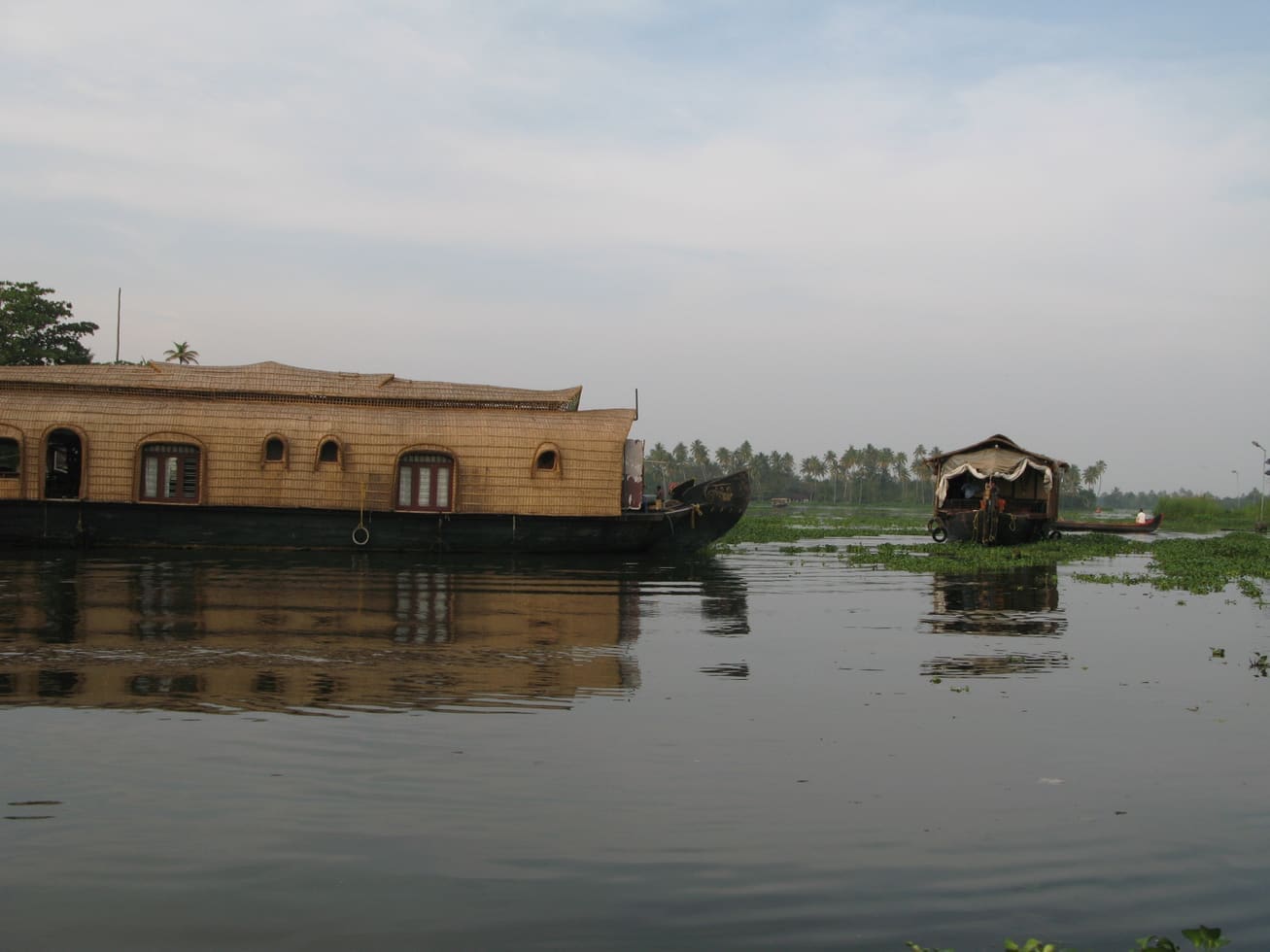
Those houseboats — the kettuvallam — are the soul of the Alappuzha backwaters. Once cargo barges that carried rice and spices down the waterways, they were built the old way: jackwood planks lashed together with miles of coir rope and not a single nail, their arched roofs woven from bamboo and palm-leaf thatch. ⚠ That is the inherited method, and this page asserted it in the present tense until August 2026. Kerala Tourism’s own account of how houseboats are made today also describes bronze nails as an alternative to tying, plywood partitions, tar and tar sheets on the hull, aluminium sheets “of late”, and a kerosene or petrol engine. The hull under a modern boat is still hand-worked anjili and jackwood; the boat as a whole is a hybrid. Our page on Alumkadavu, the village in Kollam where the first Kerala houseboat was designed in 1991, sets that out in full
Around the lake spreads Kuttanad, one of the strangest and most beautiful farmscapes on earth. Here rice is grown up to two metres below sea level, on polders reclaimed from the water and ringed by earthen bunds and pumps that hold the lake at bay — a below-sea-level farming tradition so rare it has been recognised by the UN Food and Agriculture Organization as a Globally Important Agricultural Heritage System. From a canoe you drift with your eyeline beneath the level of the paddy, ducks paddling in flotillas, church spires and coir-making villages sliding past on either bank.
But Punnamada is famous above all for one day. On the second Saturday of August, the lake is transformed into a stadium of water. A marked course of roughly 1,380 metres is laid down the kayal, temporary galleries rise along the banks, and the crowd swells into the hundreds of thousands. Then come the chundan vallam — the snake boats — sleek war canoes over a hundred feet long, their sterns curling up like a cobra’s hood, each carrying a hundred or more oarsmen who row in ferocious unison to the beat of the vanchipattu, the boat song.
The atmosphere is electric and utterly local: whole villages back a single boat, drums and cymbals thunder from the banks, and the water boils white as the crews sprint the final stretch to a roar that seems to lift off the lake. This is Vallam Kali — literally the play of boats — an ancient Kerala tradition of snake-boat racing woven into the Onam harvest season, and Punnamada hosts its most celebrated edition, the Nehru Trophy Boat Race.
Come on any other day and Punnamada is serenity itself — shikara rides, village-canal tours, sunset cruises and the endless drift of the backwaters. Come on race day and it is pure adrenaline. Either way, the lake distils everything Kerala offers into one horizon of water: the coir and paddy heritage, the houseboat romance, the fishing-village rhythms and the roar of a spectacle that draws the whole state to its banks.
This is a page where the honest thing to report is an absence, so we will report it plainly and then say what stands in its place. We could find no origin legend, no founding myth and no attached folklore for Punnamada — not in English and not in Malayalam. The Malayalam Wikipedia entry for പുന്നമട കായൽ is an 844-byte stub. It carries no legend and no etymology. It says only that Punnamada is part of Vembanad, that the Kottayam and Changanassery waterway passes through it, and that it encloses three islands — Pathiramanal, Perumbalam and Pallippuram.
We say that carefully, because on this site an English-language blank has proved a bad guide to whether a story exists: at Punnapra, a few kilometres from here, we published the sentence “there is no folklore” and the Malayalam sources turned out to carry a full goddess legend with a temple pool still in it. So this absence was checked in Malayalam script before it was written down. It survives the check. Old settlements, groves and temples in this district almost always have lore; an open reach of water named on a map does not necessarily, and this one seems not to.
There is a name story in circulation and we will give it to you labelled rather than dressed up. Punnamada is locally explained as the water of the punna trees — punna being Calophyllum inophyllum, common in Kuttanad, a timber used for vallam hulls and water-wheels and a seed pressed for lamp oil. It is a plausible and pleasing etymology. It is also unsupported: we could not trace it to a lexicon, a gazetteer or any Malayalam source, and the material behind it is blogs. Treat it as folk explanation, not as derivation.
The legend most often told about this water is not about this water. It is the origin story of the chundan vallam itself: that in a war between Kayamkulam and Chembakassery, King Devanarayana of Chembakassery kept losing because his war canoes were too slow and heavy, and commissioned a master carpenter to build a long, low, snake-shaped boat that could slip through narrow channels and outrun anything on them. The design worked; the political landscape settled; the war boats were kept, and raced.
That story belongs to Chembakassery and Ambalappuzha, and the oldest boat-race tradition proper is tied to the installation of the deity at the Ambalappuzha Sree Krishna temple in the sixteenth century. It is not Punnamada's. Punnamada is where these boats race now, not where the form was invented, and a page that quietly absorbs a neighbour's founding legend because its own myth section is empty is doing the reader a disservice. We would rather say it twice: this is a borrowed legend, correctly belonging elsewhere in this same district.
What Punnamada has instead of myth is something rarer, which is a story from within living memory that is fully attested and has a physical object at the end of it. On a December day in 1952 Jawaharlal Nehru came down these backwaters, watched chundans race, and at the finish — as the Malayalam account puts it, throwing every security arrangement to the winds — jumped aboard the winning boat. He was escorted onward by a convoy of chundans. Back in Delhi he had a silver model of a snake boat made, signed it, and sent it back. That model is the Nehru Trophy. It is not a legend about the lake; it is a thing that happened on it, and the trophy raced for every August is the surviving evidence.
🔑 And there is a connection worth drawing, because it ties this reach of water to the village upstream. The boat Nehru jumped into was the Nadubhagam Chundan, and Nadubhagam is a locality of Champakulam — the same village whose Moolam race, and whose inter-faith obligation to light a lamp at a Christian household before the race may begin, are told on its own page. The most famous moment in Punnamada's history was won by a boat from there.
The great festival on the kayal has a precise and rather charming origin. In December 1952, India’s first Prime Minister, Jawaharlal Nehru, visited Kerala and was escorted through the backwaters towards Alappuzha by a flotilla of snake boats. Delighted by the spectacle, Nehru is said to have leapt aboard the winning chundan, the Nadubhagam, and ridden it to the jetty. Back in Delhi, he had a silver trophy made — a replica snake boat mounted on a wooden pedestal and inscribed with his own signature — and gifted it to be raced for every year. ⚠ Two details are less settled than that sentence sounds. The date is given as 22 December 1952 in the English sources and as 27 December 1952 in the Malayalam; and the trophy was originally called the Prime Minister's Trophy, renamed by the organising committee on 1 June 1969.
The inscription on it is quoted in two near-identical wordings, and since the difference is one word we print both rather than choosing: “To the winners of the boat race which is a unique feature of the community life of Travancore Cochin” (Wikipedia), and “…a unique feature of community life in Travancore Cochin” (the district administration). Both agree on what the object is: a silver replica of a snake boat carrying Nehru's signature, sent from Delhi after he got home.
⚠ When was the first race? The sources disagree, and the disagreement dissolves once you see what each is counting. The district administration treats the impromptu race of Nehru's 1952 visit as the inaugural event. Wikipedia says the first formal race for the trophy was held in 1954, in the Kainakary backwaters, moving to Punnamada only later. Both are right about different things: 1952 is the spontaneous race Nehru watched, 1954 the first contested for the trophy he sent. We give both dates and the reason they differ.
⚠ The course length is a genuine unresolved conflict and we are not going to smooth it. The figure almost universally printed, and the one this page gives, is about 1,380 metres; other reporting gives 1,370 m or 1,400 m with four tracks of 10 m. But the Alappuzha district administration's own page — which ought to be the most authoritative source available — says the course is one mile, roughly 1,609 metres, with eight lanes of 30 m. The official source is the outlier on both length and lane count. We print the common figure because it is what the organisers and every report use, and we flag the official disagreement because a reader deserves to know that the government and the sport do not agree about the length of the course.
Some numbers from the Malayalam record, which keeps them better than the English does: the most successful chundan is Karichal, with sixteen wins including two hat-tricks; the most successful club is UBC Kainakary with twelve; and the fastest recorded run is 4:14.35, set by Pallathuruthy Boat Club rowing Karichal in 2024. Chundans are not the only class racing — iruttukuthi, veppu, churulan and thekkanodi boats compete too. The race traditionally falls on the second Saturday of August, though it moves: the 2024 edition was deferred to 28 September after the landslides in Wayanad.
That trophy gave the event its name. Early editions for the trophy were held in the Kainakari and Meenappilli backwaters from 1954 — see the note above on why 1952 and 1954 are both correct — before a course on Punnamada was fixed as its permanent home, commonly given as roughly 1,380 metres. Ever since, the Nehru Trophy Boat Race has been held on Punnamada Kayal, traditionally on the second Saturday of August, and has grown into one of the most famous sporting and cultural events in South India.
The race itself, though, is far older than the trophy. Snake-boat racing, or Vallam Kali, belongs to a centuries-old tradition rooted in the era of the region’s princely states, when riverside kingdoms built chundan vallam as fast war canoes to move troops through the waterways. Villages competed to build the longest, swiftest boats, and the races evolved into a community ritual of the Onam harvest season, complete with the rhythmic vanchipattu boat songs sung by the oarsmen.
Punnamada is only one jewel in a whole circuit of Kerala boat races. The Champakulam Moolam Vallam Kali, held on the Pamba river, is often called the oldest snake-boat race of all and is linked by tradition to the installation of the deity at the Ambalappuzha Sree Krishna Temple — but the “oldest” title is contested between Champakulam, Aranmula and Payippad, and our own Champakulam page sets out why we will not pick a winner; other celebrated events include the Aranmula Uthrattadhi race and the Payippad Jalotsavam. Together they form a living tradition of which the Nehru Trophy is the grandest and most publicised showcase.
The lake sits within a landscape of national and international importance. Punnamada is part of the Vembanad wetland system, which is protected as a Ramsar Site of international importance, while the surrounding Kuttanad below-sea-level farmland is recognised by the FAO as a Globally Important Agricultural Heritage System. From the 1990s onward, the conversion of traditional cargo kettuvallam into tourist houseboats turned Alappuzha and its backwaters into one of India’s signature destinations, and Punnamada — as both race venue and cruising hub — became a centrepiece of Kerala tourism.
Witness the Nehru Trophy Boat Race — a hundred-oar snake boat sprint and one of Kerala’s most thrilling spectacles — if you time your visit to the second Saturday of August.
Cruise the backwaters aboard a traditional kettuvallam houseboat, gliding across the kayal and into the palm-lined village canals.
See Kuttanad’s below-sea-level paddy fields, a UN-recognised agricultural heritage landscape found almost nowhere else on earth.
Catch a magical Punnamada sunset, when the wide lake turns molten gold and rose behind the silhouettes of houseboats.
Take a quiet shikara or canoe tour through fishing hamlets, coir-making villages and duck farms for a slower, more intimate backwater experience.
Use Punnamada as the gateway to the wider Alappuzha–Vembanad–Kumarakom backwater circuit, one of India’s most celebrated slow-travel destinations.
Road km to Alappuzha; ghat roads and traffic vary — allow extra.
October to March is best for comfortable boat trips; monsoon is greener but weather can disrupt plans.
Live forecast loads in your browser.
Sun and moon are calculated for this location and shown in IST. Photography windows are the hour around sunrise and sunset; the sunset bearing is degrees clockwise from true north. Moon phase is accurate to about half a day.
Browse listed stays, food, activities, sights, shops and rentals around Punnamada Lake. Check each listing’s locality and contact the business directly for current arrangements.
Alleppey Kayaking Club publishes sunrise, sunset and day-out kayaking choices from its Punnamada base in Alappuzha. Choose a session before asking for a quote; confirm the launch point, paddling time, route and whether meals or transfers are included.
Alleppey Village Canoeing publishes separate full-day, sunrise and sunset canoe cruises, an overnight village-house option and a group shikara package. These are different bookings: a meal, walk, overnight stay or shikara ride should not be assumed to accompany every canoe session.
Nadodi Kayaking publishes a three-hour Long Island Circle and a shorter two-hour Chill Route, with sunrise and sunset choices in the Alleppey backwaters. Select a route and session before requesting a quote; these published choices do not establish a full-day village tour.
Kerala Tourism lists the DTPC House Boat Pre-paid Counter in Alappuzha as a houseboat booking contact managed by the District Tourism Promotion Council. It is a counter for trip enquiries, rather than a named private boat or a promise that a particular vessel is available.
Book with the place itself. India’s cyber-crime coordination centre warned in April 2025 that convincing copies of hotel and pilgrimage booking sites are being pushed through sponsored search and social ads, taking payment for rooms the property never hears about. Use the contact and source details on each profile to confirm the exact business and booking channel. A directory entry or map pin alone does not establish an operator’s identity or current availability. Roampedia takes no commission and does not collect booking payments. If a booking page reached you through an ad, check the address bar against the property’s own site before you pay. Fraud can be reported on cybercrime.gov.in or on 1930.
Browse food, accommodation and activities across Alappuzha town. Check each address and journey before adding it to your day; these selections are not all beside Punnamada Lake.
6 more places around Alappuzha town. Open a guide to plan the visit and onward journey.
1.8 km · straight line
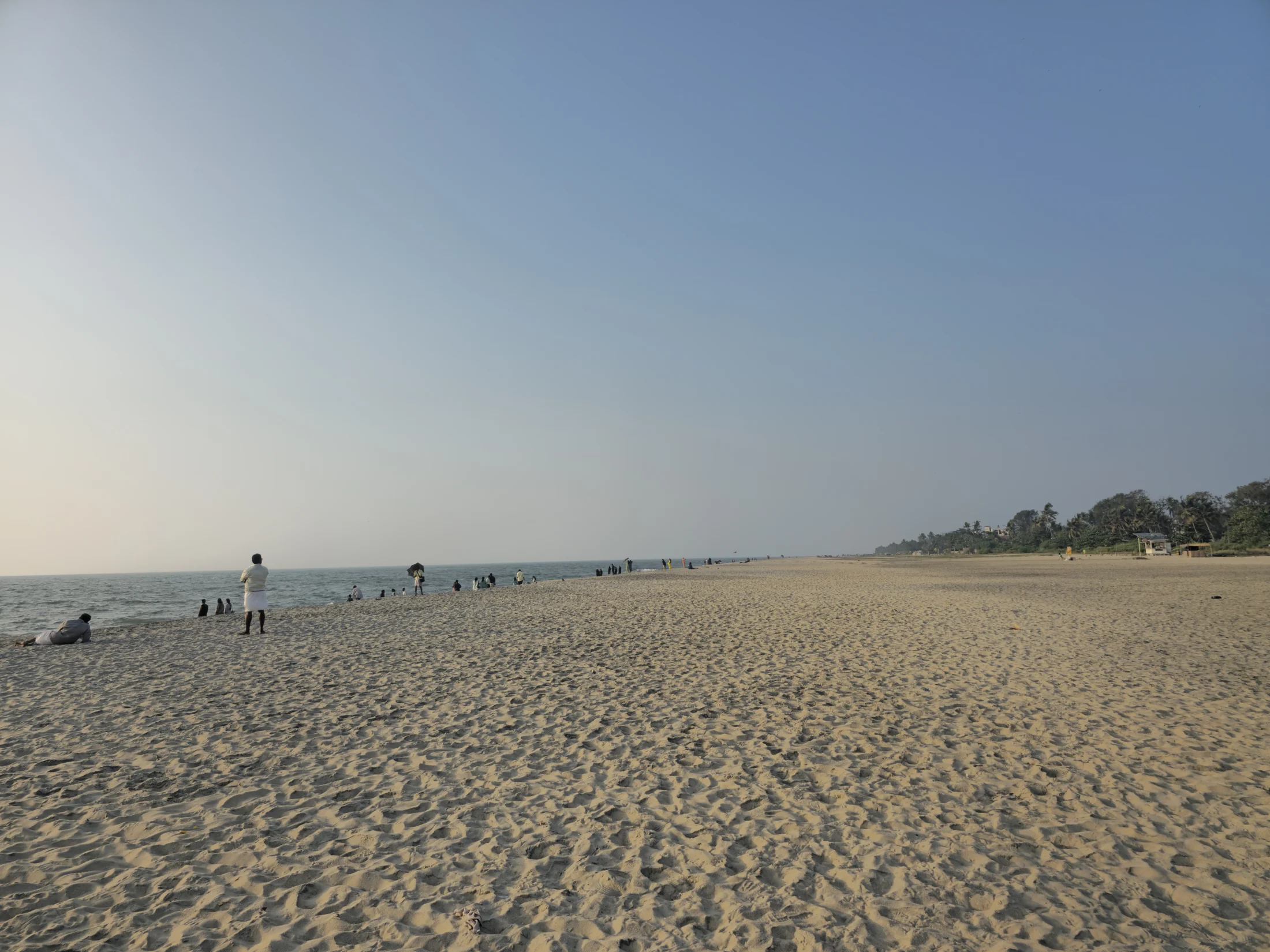
Backwater and houseboat hub with canals, beach, lighthouse and Finishing Point jetty.
3.8 km · straight line
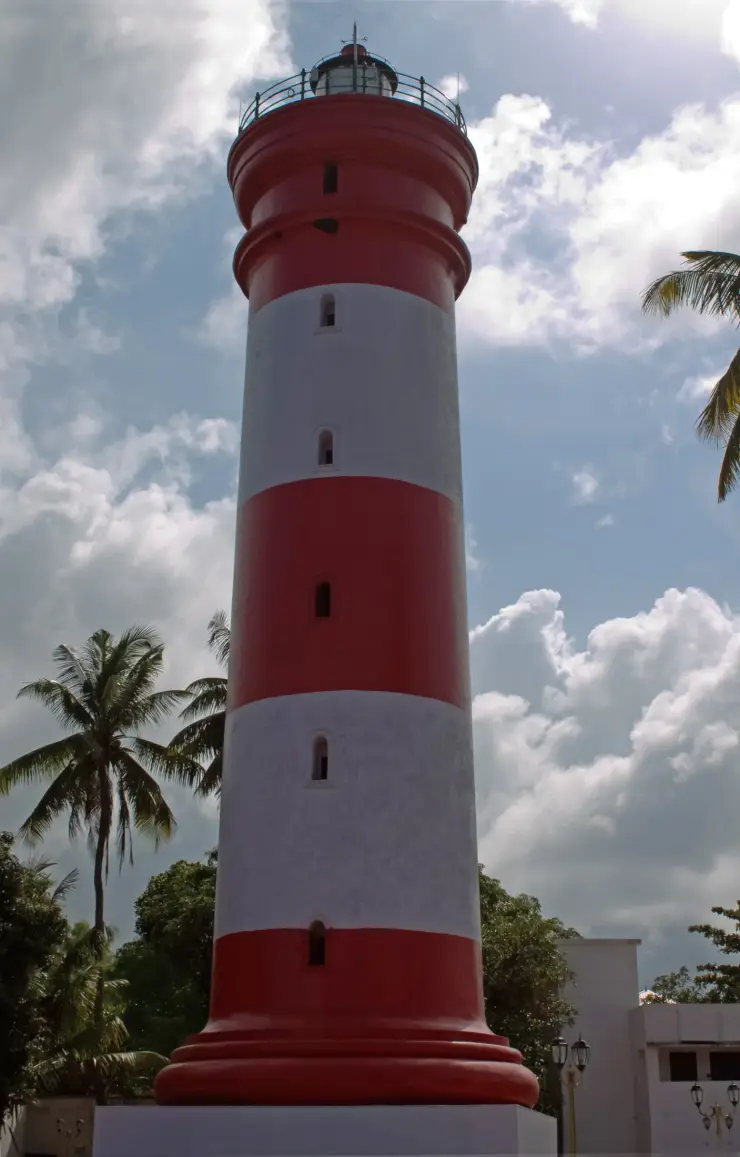
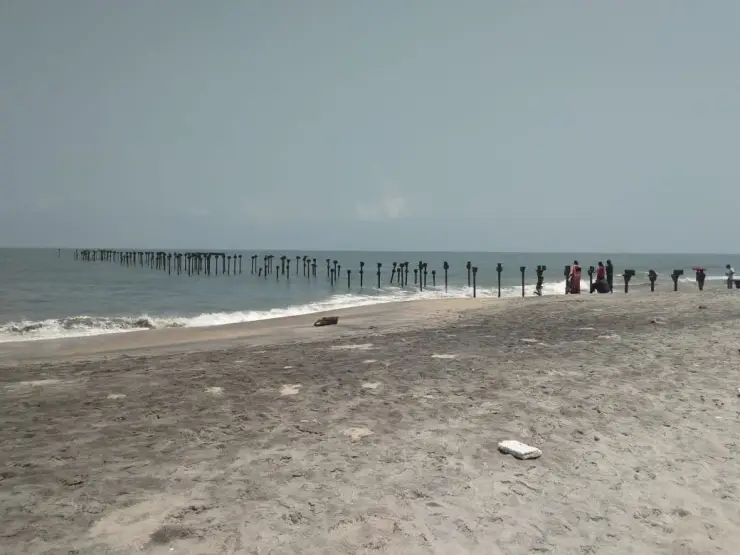
Pair Alappuzha’s broad town beach and old pier remains with the red-and-white lighthouse on C.C.S.B. Road, commissioned in 1862 and still maintained as a navigational light.
1.4 km · straight line
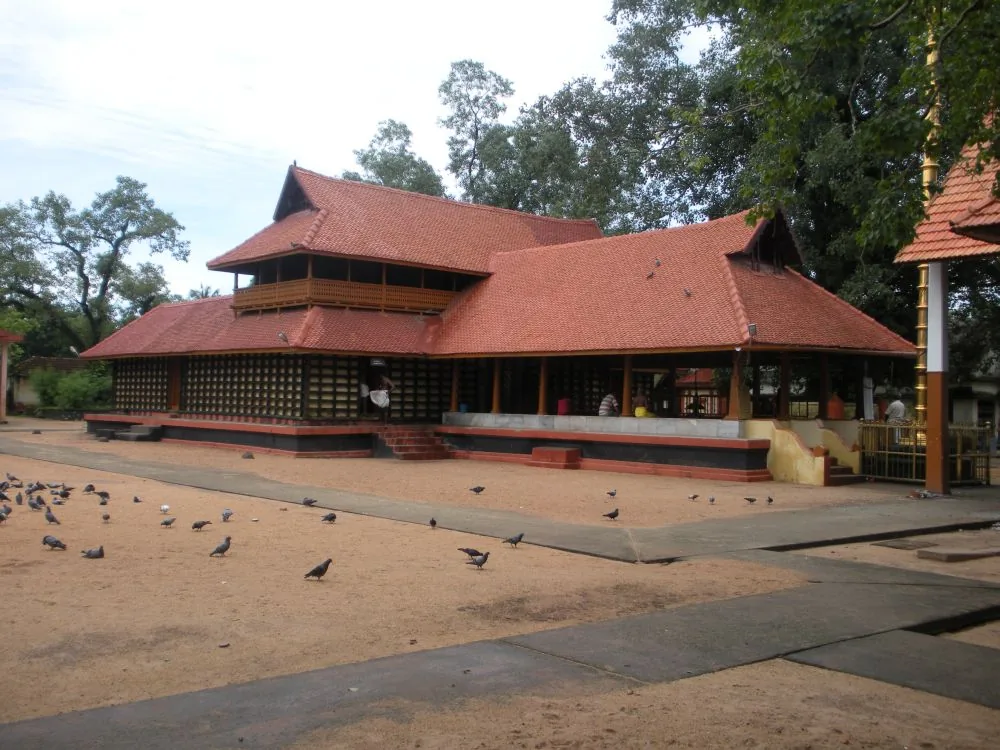
Central Alappuzha town temple (Mullakkal Rajarajeswari) famous for the annual Mullackal Chirappu festival.
2.8 km · straight line
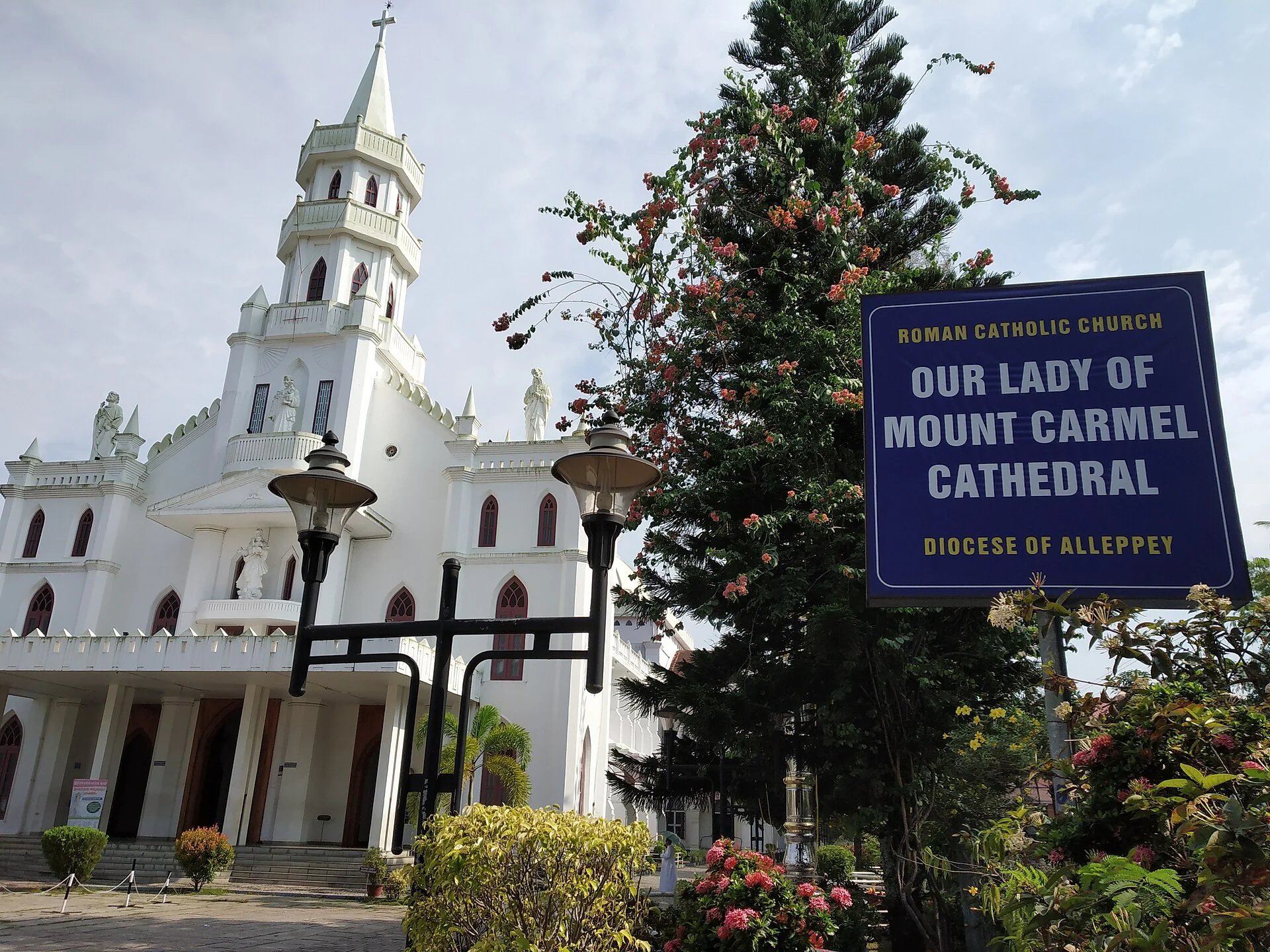
Landmark 19th-century cathedral of the Alappuzha diocese near the town centre.
2.8 km · straight line
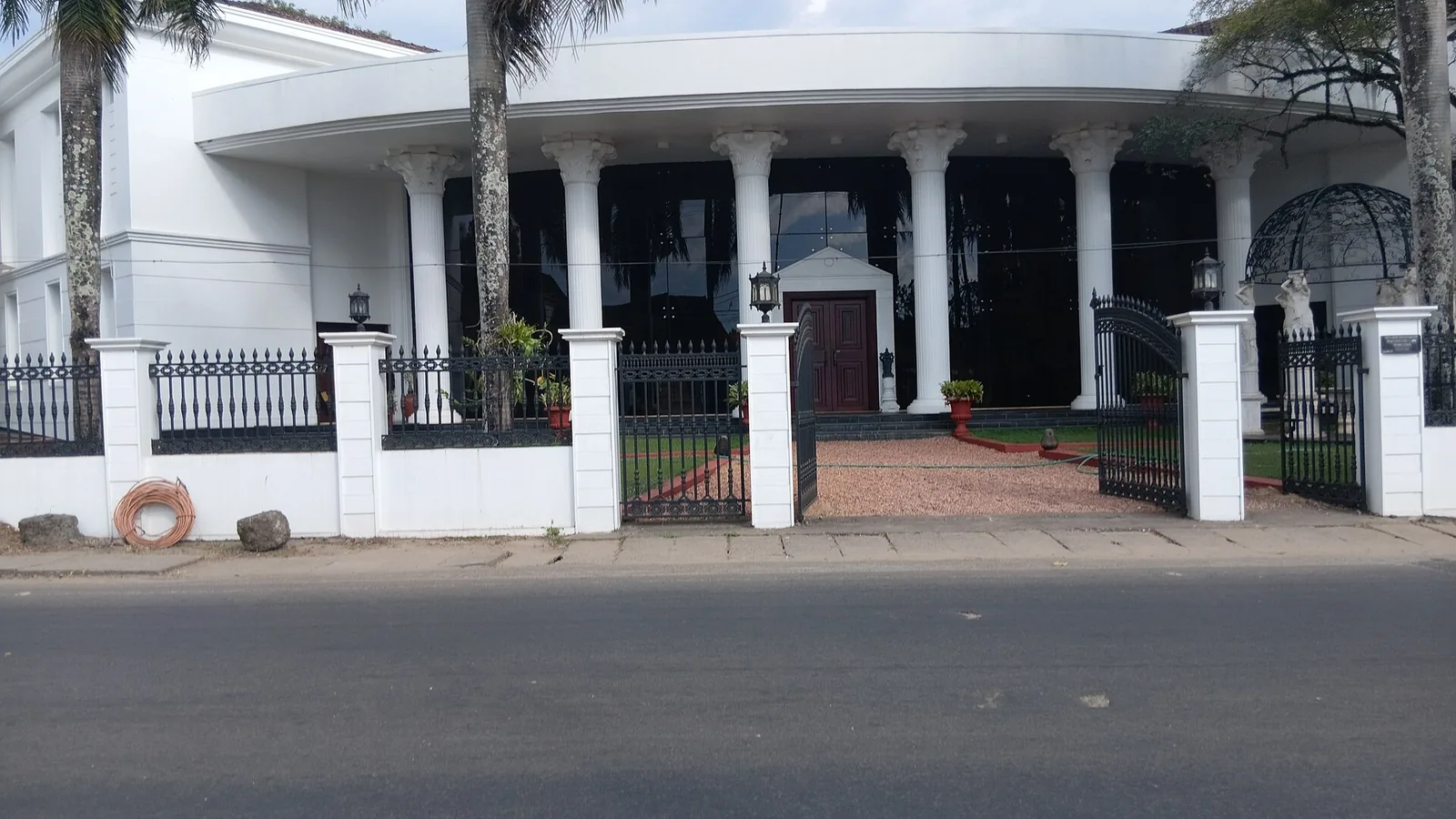
Private memorial museum in Thathampally with a large collection of paintings, ivory, crystal and antiques.
7.4 km · straight line
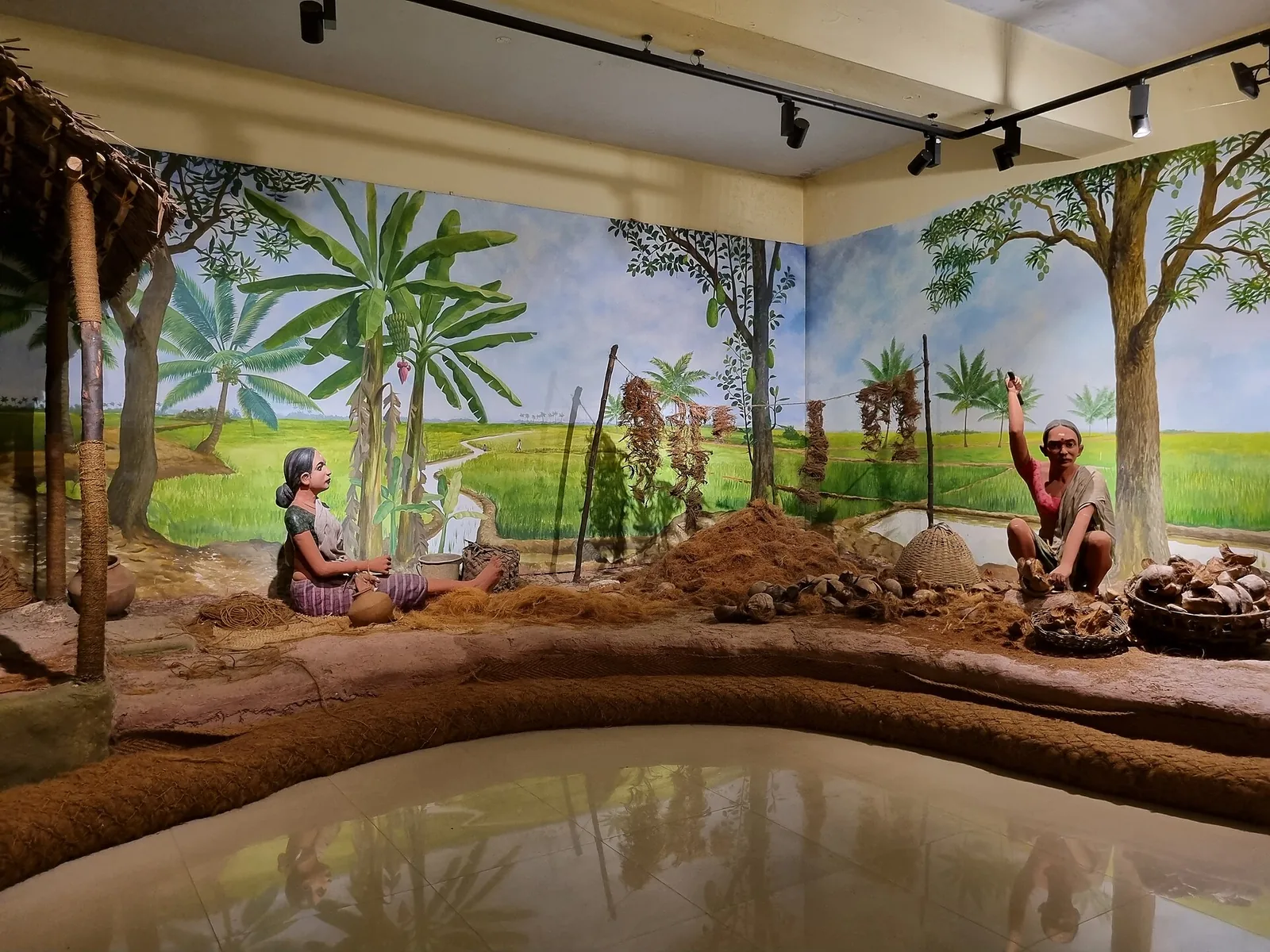
Museum on Kerala’s coir (coconut-fibre) heritage — the craft Alappuzha built its trade on.
Roampedia is commission-free — own or know a stay, eatery, guide or shop near Punnamada Lake? Submit public business details for review.
Add a nearby businessEntry: Free to view and photograph the lake from the banks and jetty. Boat rides are charged separately — shikara and houseboat cruises are priced per hour or per package. On race day, seats in the temporary finish-point galleries are ticketed, from modest general stands to pricier pavilions.
Festivals: The Nehru Trophy Boat Race, held on Punnamada Lake on the second Saturday of August, is the headline event. It is part of Kerala’s wider Vallam Kali snake-boat tradition, which also includes the Champakulam Moolam race, the Aranmula Uthrattadhi race and the Payippad Jalotsavam — all three of which are described somewhere as the oldest, which is why we do not award the title.
Photography: A dream for photographers — wide lake vistas, houseboat silhouettes, golden sunsets and, on race day, the drama of hundred-oar snake boats. Bring a zoom lens for the racing action and a polariser for the reflections; a phone is fine for casual sunset and cruise shots.
If you are travelling by bus or ferry, check the return service with the operator before setting out. Leave time to reach the stop or jetty after your visit.
Ask at the bus stand for the time of the last service back, not the next one. If you miss it, an auto or app cab is the fallback — agree the fare before you get in.
If you need step-free access, contact the site before travelling. Ask about a level entrance, steps along the route, the nearest drop-off point, seating and accessible toilets.
Charge cap and free-transaction limits: Reserve Bank of India, ATM FAQ updated 4 July 2025; checked 4 October 2026.
These services are listed within about 1.2 km of Punnamada Lake. Walking distances follow mapped routes; access and opening hours can change. Other services may be closer but are not included here.
Published emergency and visitor-assistance contacts. For an immediate emergency, call 112. Shared Kerala contact sources checked 4 October 2026; publication does not establish a tested live response.
Central Alappuzha town temple (Mullakkal Rajarajeswari) famous for the annual Mullackal Chirappu festival.
1.4 km · straight lineBackwater and houseboat hub with canals, beach, lighthouse and Finishing Point jetty.
1.8 km · straight linePrivate memorial museum in Thathampally with a large collection of paintings, ivory, crystal and antiques.
2.8 km · straight lineLandmark 19th-century cathedral of the Alappuzha diocese near the town centre.
2.8 km · straight line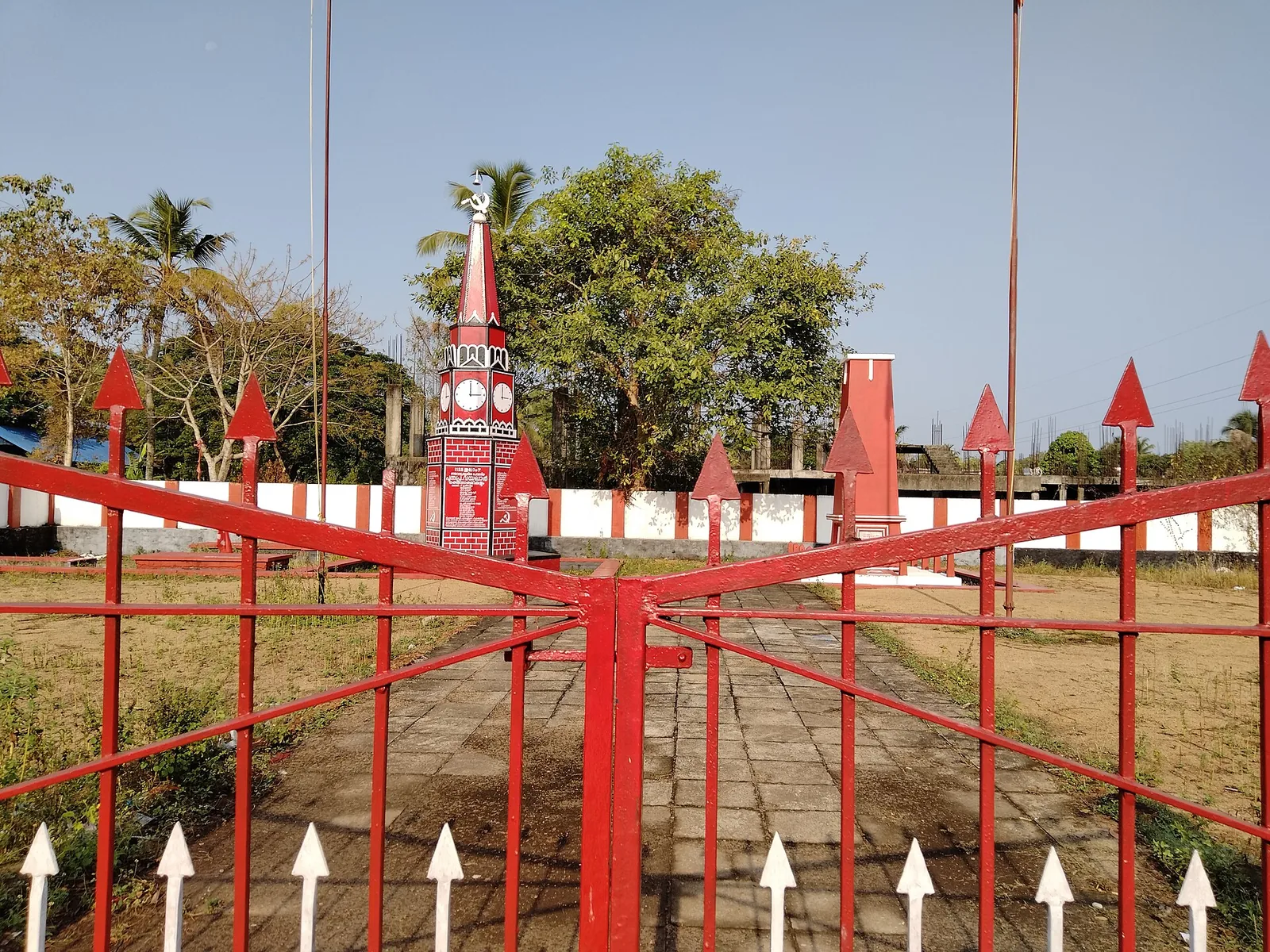
Martyrs’ memorial (Rakthasakshi Mandapam) to the 1946 Punnapra–Vayalar uprising, on the coastal belt north of Punnapra on the Alappuzha side.
3.4 km · straight linePair Alappuzha’s broad town beach and old pier remains with the red-and-white lighthouse on C.C.S.B. Road, commissioned in 1862 and still maintained as a navigational light.
3.8 km · straight line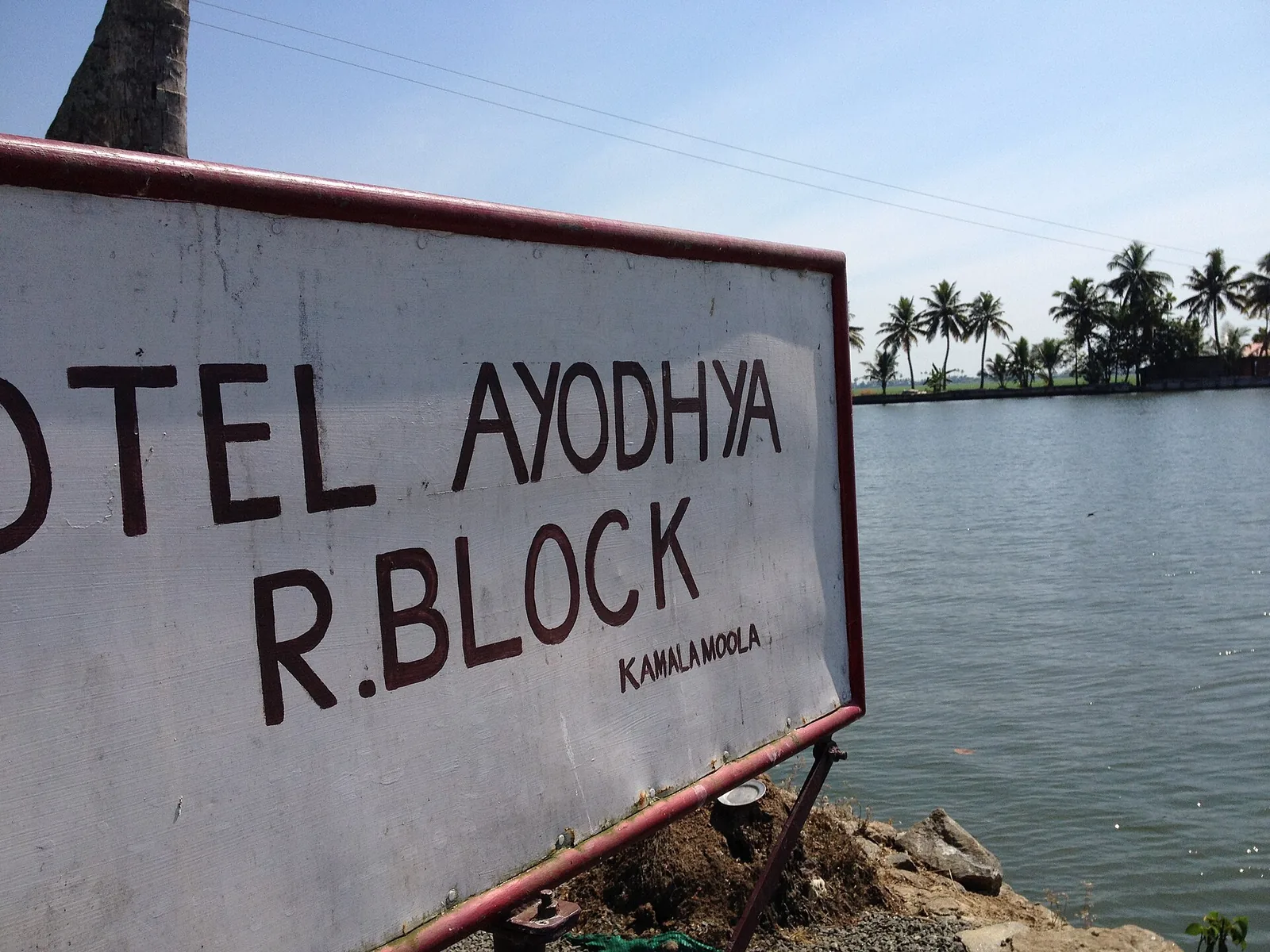
Iconic below-sea-level reclaimed farmland at Kainakary, ringed by bunds with the canal water sitting higher than the paddy fields.
5.0 km · straight lineMuseum on Kerala’s coir (coconut-fibre) heritage — the craft Alappuzha built its trade on.
7.4 km · straight line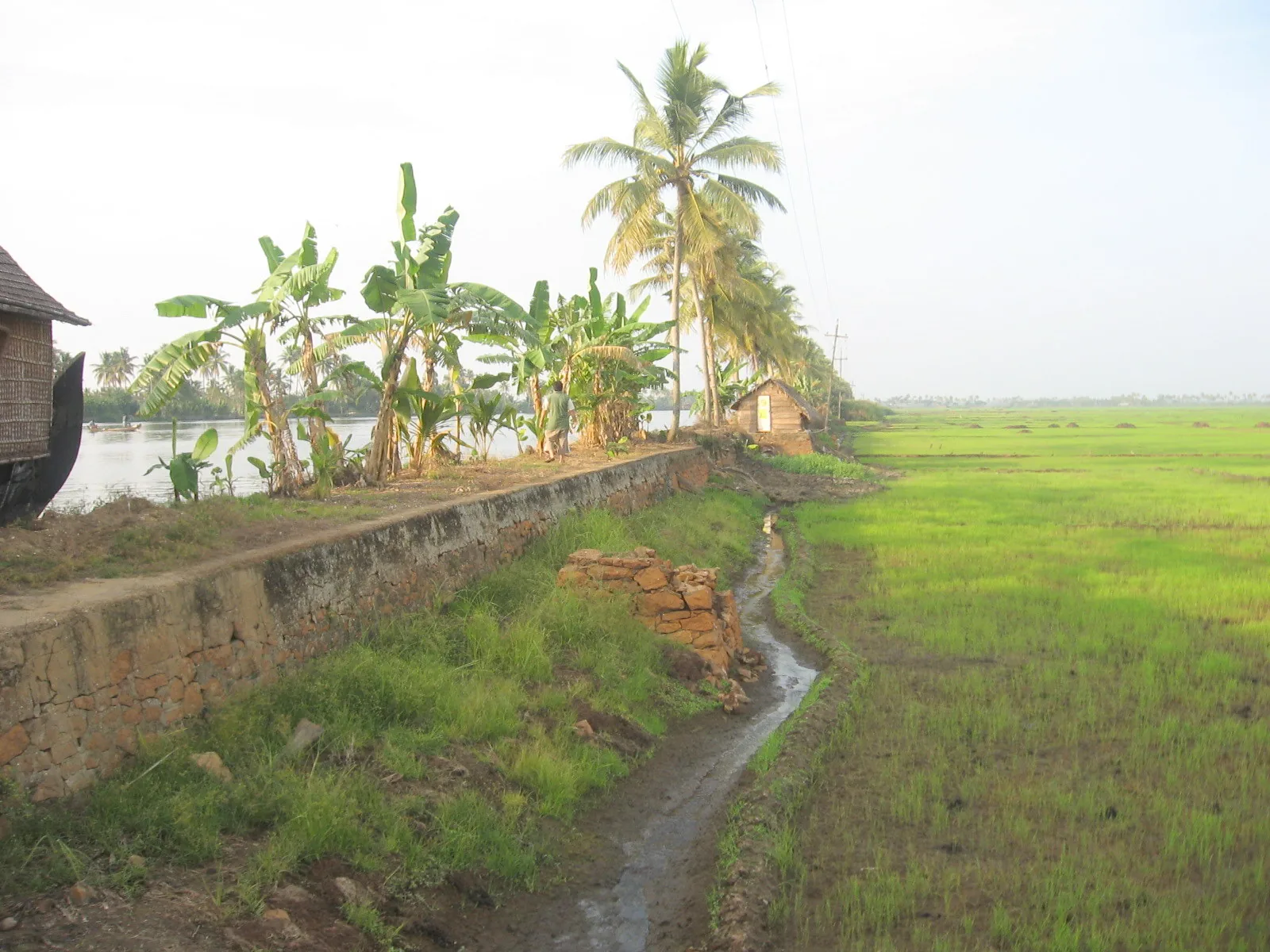
Low-lying paddy and canal region known as Kerala’s rice bowl.
10.1 km · straight line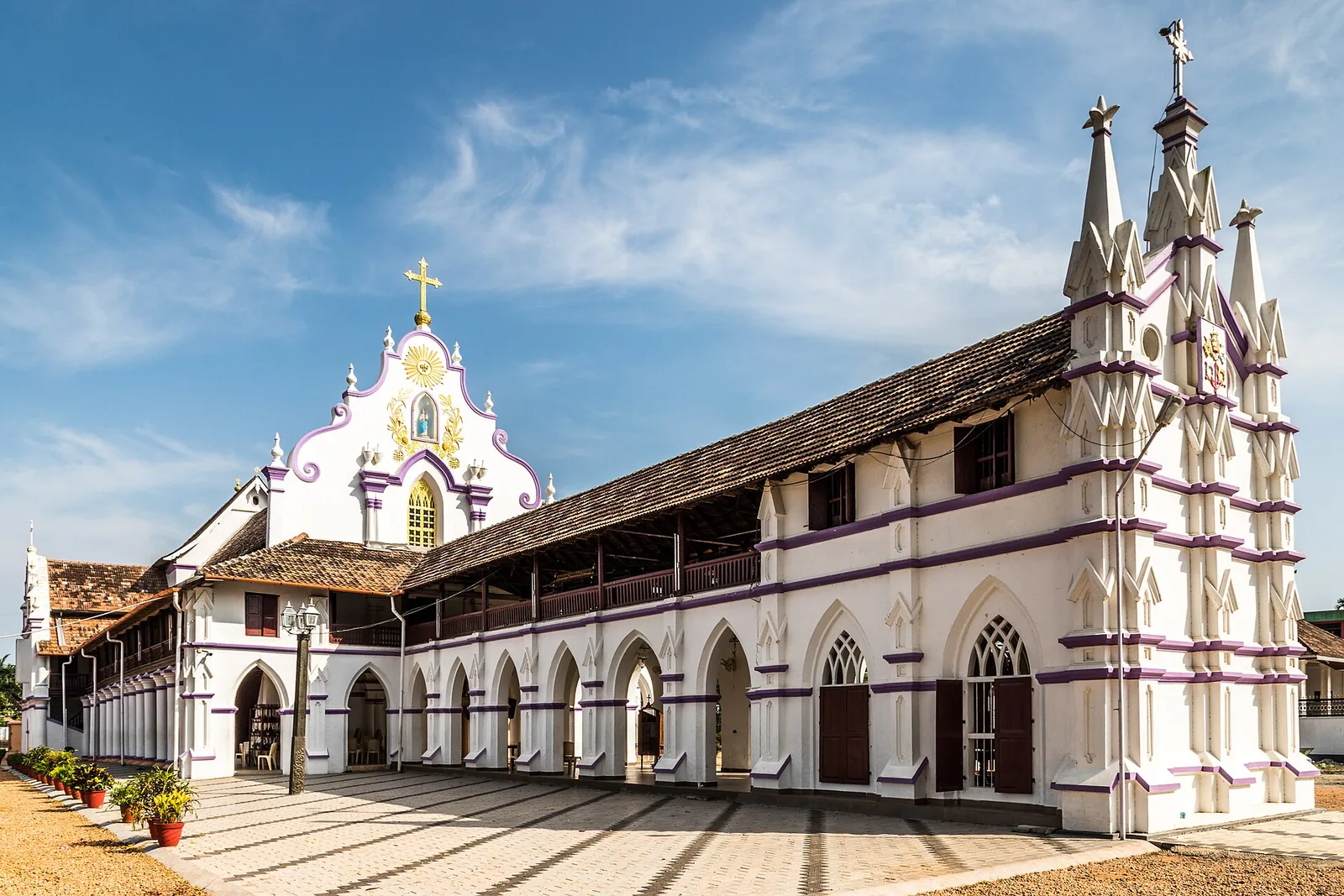
Kuttanad village on the Pamba known for the Champakulam Moolam snake-boat race and Kalloorkad St Mary’s Basilica.
12.1 km · straight line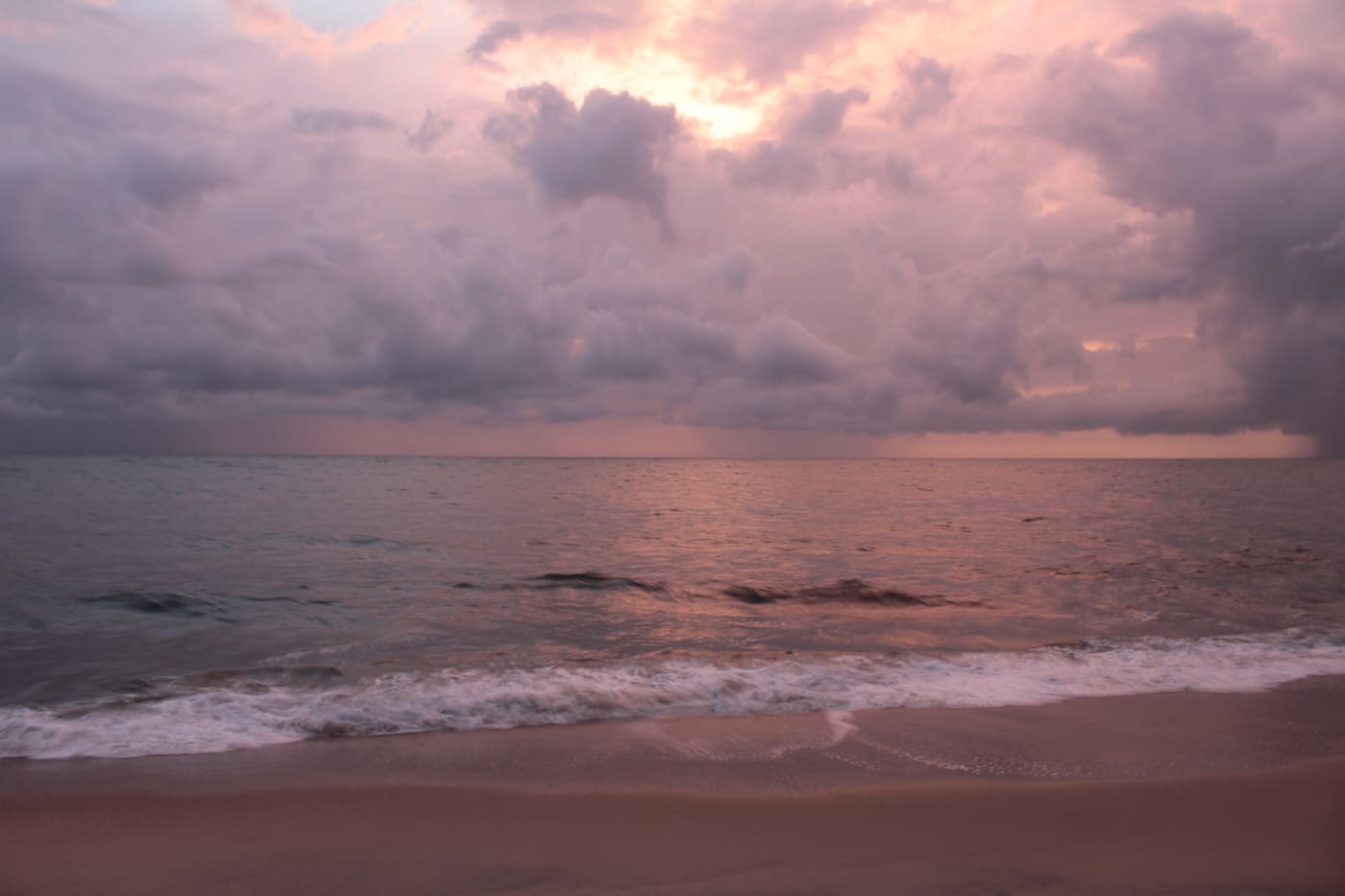
Quiet beach belt north of Alappuzha, popular for relaxed stays.
12.3 km · straight line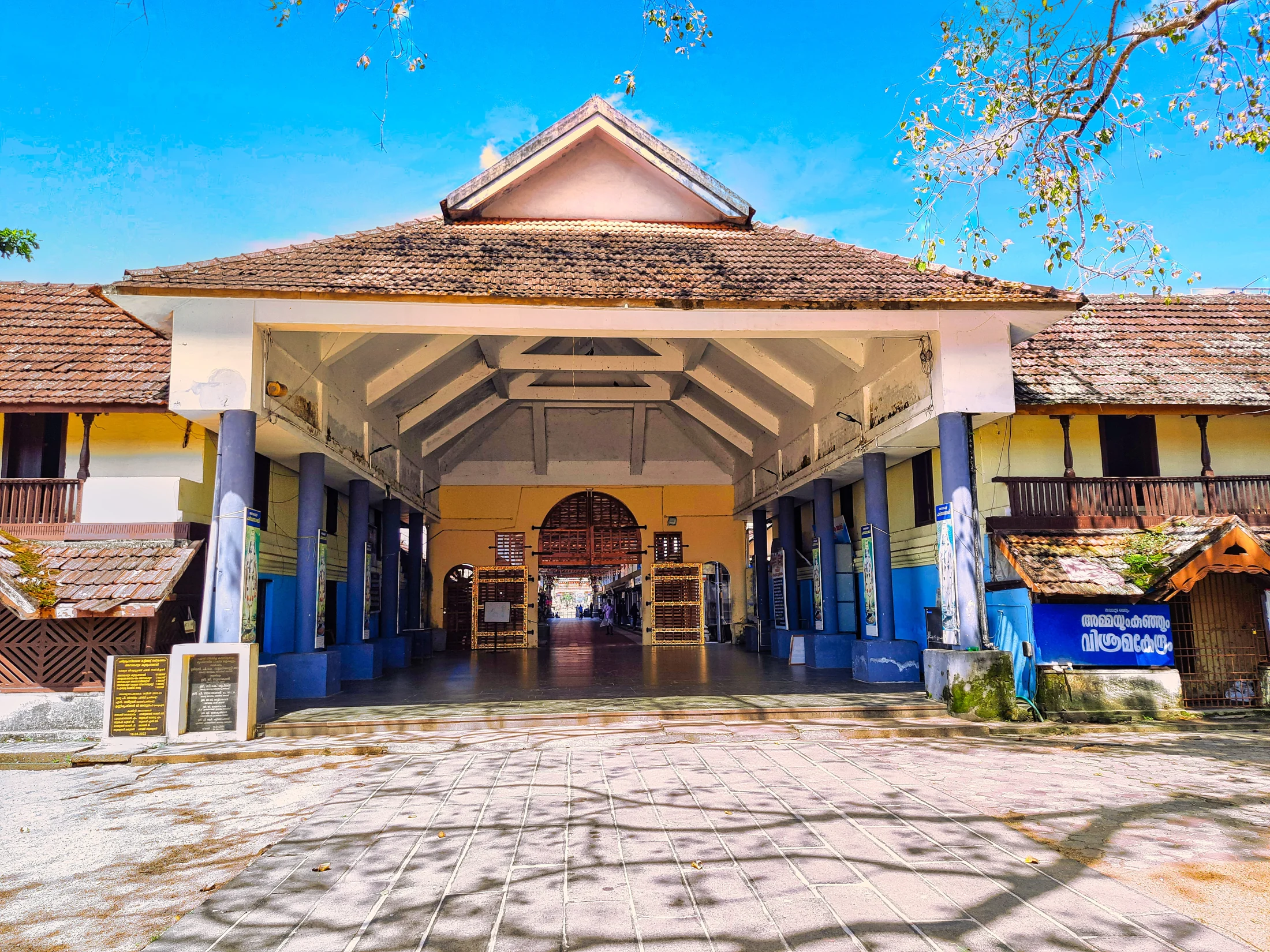
Ambalappuzha Sree Krishna Temple is an active temple in Ambalappuzha town, south of Alappuzha, administered by the Travancore Devaswom Board. Krishna is worshipped here as Parthasarathy, Arjuna’s charioteer. The temple combines a broad tank, tiled courtyards and painted ritual spaces with two enduring cultural associations: Palpayasam offered to the deity, and Kunchan Nambiar’s creation of Thullal. A visit works best when darshan, the permitted exterior spaces and any offering collection are planned around the temple’s morning or evening opening.
13.2 km · straight lineNearby toilets, pharmacies, ATMs, seating and vets are community-mapped and may be incomplete or out of date. Map data © OpenStreetMap contributors | Walking times © openrouteservice.org by HeiGIT
Punnamada Kayal is the finishing stretch of Vembanad Lake at Alappuzha and is best known as the permanent venue of the Nehru Trophy Boat Race, Kerala’s most famous snake-boat (chundan vallam) race. It is also a major backwater and houseboat cruising hub.
The Nehru Trophy Boat Race is traditionally held on Punnamada Lake on the second Saturday of August each year, during the Onam season. Dates can shift, so check the official schedule before planning a trip around it.
It traces back to Prime Minister Jawaharlal Nehru’s visit to the Kerala backwaters in December 1952, when he was escorted by snake boats and, delighted, rode the winning boat to the jetty. He later had a silver trophy made — a snake boat replica bearing his signature — to be raced for annually, and Punnamada became its fixed venue.
Yes. For most of the year Punnamada is a tranquil backwater open for houseboat cruises, shikara rides, canoe village tours and sunset trips. The lake is free to view; only the boat-race galleries involve ticketing on the single race day.
A kettuvallam is Kerala’s traditional houseboat, originally a cargo barge built from jackwood planks tied together with coir rope and no nails, topped with a bamboo-and-thatch roof. Many have been converted into comfortable floating hotels that cruise the Alappuzha backwaters.
Punnamada jetty is only a few kilometres from Alappuzha town centre and railway station, reachable by autorickshaw or taxi. The nearest airport is Cochin (Kochi) International Airport, roughly 75–85 km away.
October to March is best for comfortable boat trips; monsoon is greener but weather can disrupt plans.
Entry: Free to view and photograph the lake from the banks and jetty. Boat rides are charged separately — shikara and houseboat cruises are priced per hour or per package. On race day, seats in the temporary finish-point galleries are ticketed, from modest general stands to pricier pavilions. Timings: The lake is an open backwater with no fixed gates and can be viewed any time; houseboat and shikara operators generally run cruises from morning to sunset. Overnight houseboats typically board around midday and moor by evening. The Nehru Trophy Boat Race is a single-day event held on the second Saturday of August.
2 hours to a full day; overnight if using a houseboat area.
Nearby you can pair Mullakkal Temple (1.4 km, approximate straight-line separation), Alappuzha / Alleppey town (1.8 km, approximate straight-line separation), Revi Karunakaran Museum (2.8 km, approximate straight-line separation), Our Lady of Mount Carmel Cathedral (2.8 km, approximate straight-line separation).
Use operators with life jackets and clear weather judgement. Avoid overloaded boats.
Written about Punnamada Lake itself — its history, its legends and the arguments about them.
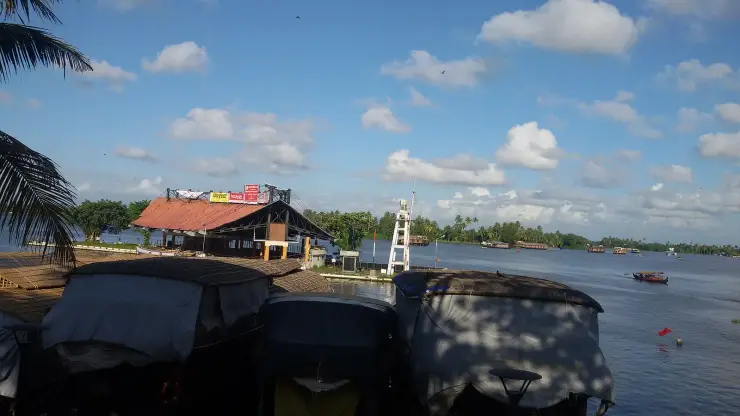
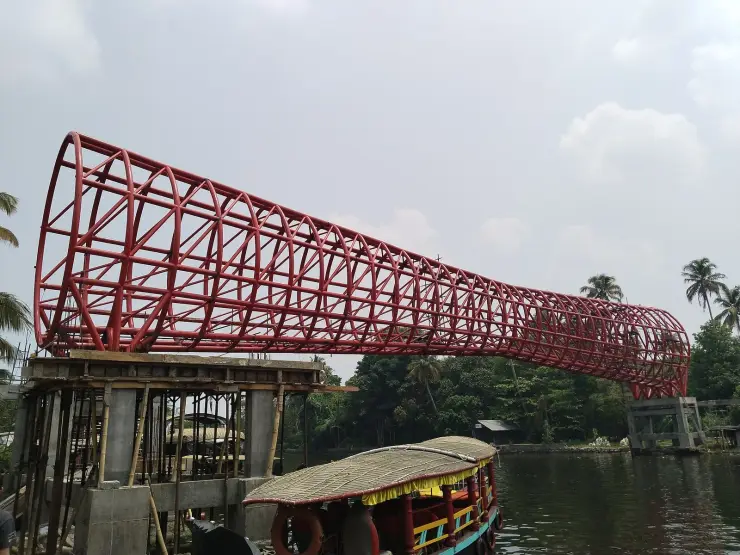
These guides explore Alappuzha town and the surrounding area. Choose a visit that fits your interests, allowing separately for travel between stops.
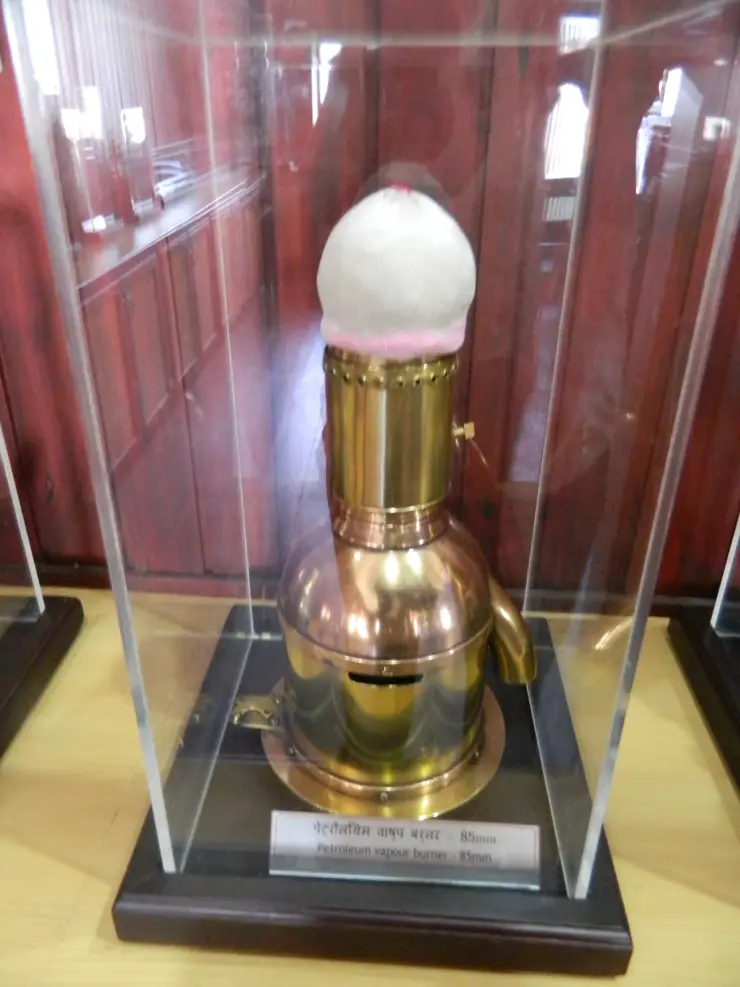
Written about Alappuzha town as a whole rather than about Punnamada Lake — its history, its streets, and how to spend a day in it.
Route-level itineraries and practical guides for the rest of Kerala.
Photographs: Abhigkrv (CC BY 4.0), Varghesepunnamada (CC BY-SA 4.0). Wikimedia Commons.