What to expect
Highlights
- Temple visit at Thrikkakara Vamana Temple
- Kerala temple architecture and rituals
- Local food, shops and pilgrim services nearby
The only major temple to Vamana in Kerala, at Thrikkakara near Kakkanad — traditionally regarded as the origin place of the Onam festival.
Check entry arrangements. Ask temple staff about visitor entry, dress requirements and access to the inner shrine before you travel, especially if you are visiting as a non-Hindu.
Dress respectfully and follow the institution’s admission and photography rules.
The mythical home of King Mahabali and the cradle of Onam — a rare shrine to Vamana, the dwarf who measured the universe in three steps, standing quietly on the edge of modern Kochi.
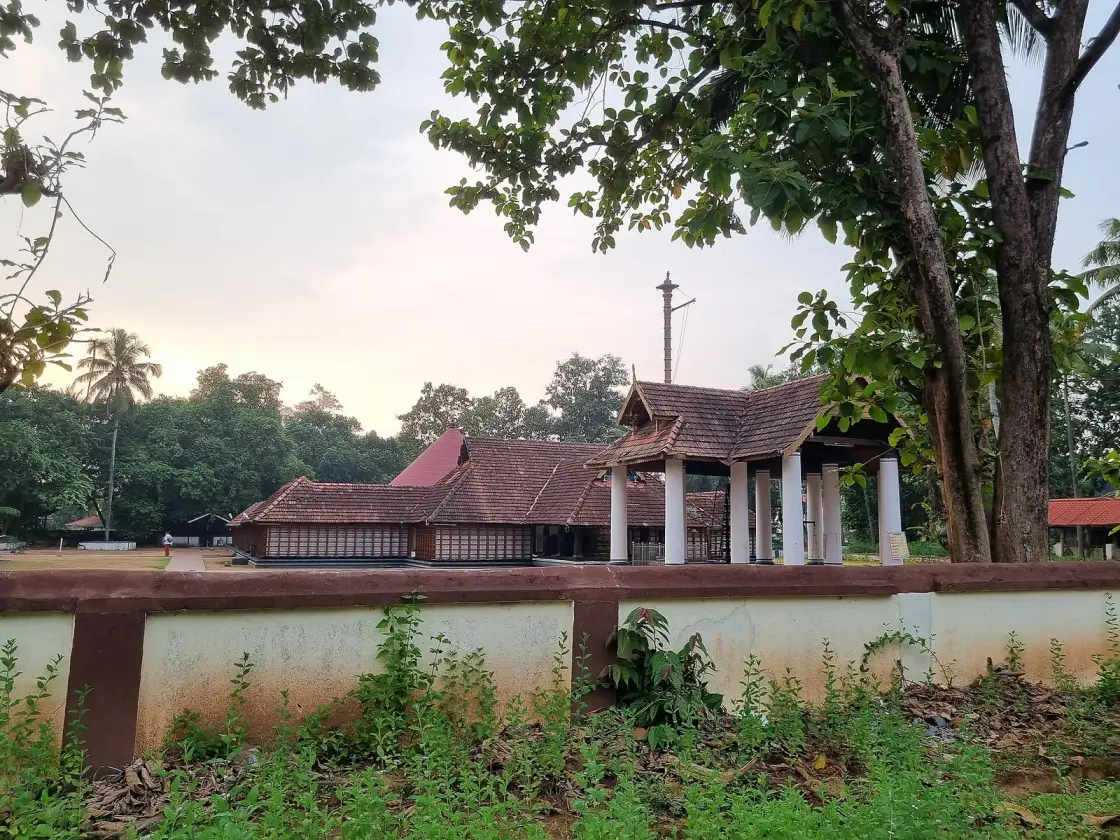
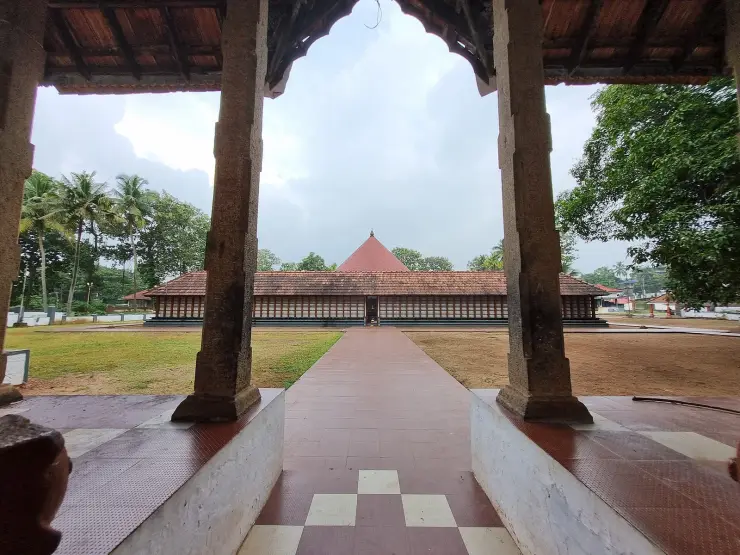
On the eastern fringe of Kochi, between Edappally and Kakkanad, stands one of the most unusual temples in all of India — the Thrikkakara Vamana Temple, dedicated not to Vishnu in his familiar reclining or standing forms, but to Vamana, the dwarf brahmin who is counted as his fifth incarnation. Temples to Vamana are extraordinarily rare across the subcontinent, and this is regarded as the principal one in Kerala. The presiding deity, Vamanamurthy, is enshrined in the act of raising his foot to press the mighty asura king Mahabali down into the netherworld — a posture that gives the very ground its name and its meaning.
The name Thrikkakara is traditionally traced to the Malayalam phrase Thiru-kaal-kara, meaning the place of the sacred foot — the spot where Vamana is said to have set down his measuring step. For Malayalis, this is no ordinary temple town. Thrikkakara is held to be the ancient capital of Mahabali, the beloved and just king whom legend places at the heart of Kerala’s golden age, and it is from this soil that the Onam festival is believed to have originated. To visit Thrikkakara is, in the popular imagination, to stand in the courtyard of Maveli’s own kingdom.
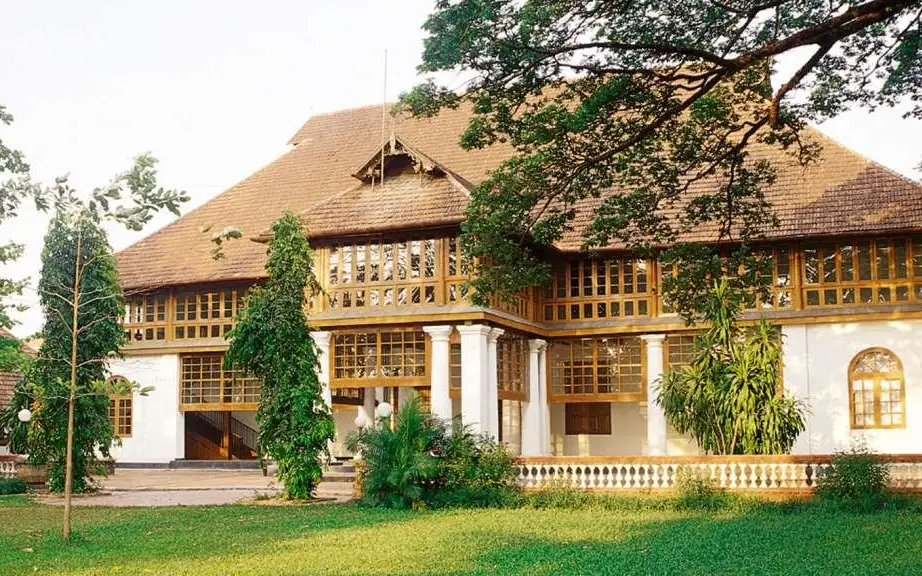
The temple complex is in fact twofold. Alongside the Vamana shrine, which is the spiritual centre, sits a separate Shiva temple, so that pilgrims often speak of the two temples of Thrikkakara. Secondary deities honoured within the precincts include Bhagavati, Sasthavu, Gopalakrishna, the Nagas, and other guardian forms, while the Shiva side houses Ganesha, Karthikeya and Durga. It is built in the Kerala style, with a vattasrikovil — a circular sanctum — standing on a granite basement, and it is the granite that carries the age: the adhishtana, the passages, the steps and the nalambalam floor are cut with inscriptions. The superstructure is younger than it looks, the temple having been restored in 1921 after centuries of decline.
It is here that one of Kerala’s most cherished household objects finds its origin. During Onam, families across the state fashion small pyramidal idols of moist clay, painted and placed in the home to be worshipped through the festival days — these are the Thrikkakarayappan, literally the Lord of Thrikkakara, an image of Vamana himself carried symbolically into every doorstep. Few temples can claim that their deity is remade by hand in millions of homes each harvest season, yet that is precisely the reach of this quiet shrine.
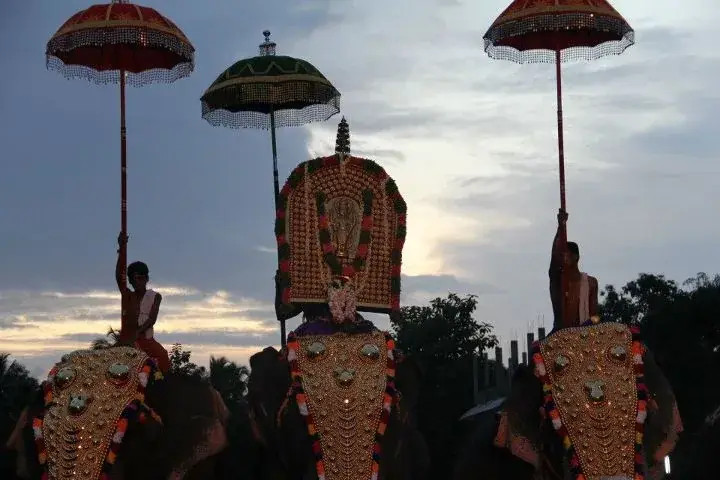
The temple’s great season is Onam, when Thrikkakara hosts one of the largest temple Onam celebrations in Kerala — a full ten days of ritual, procession, music and dance in the Malayalam month of Chingam. On the closing days a vast communal feast, the Onasadya, is laid out, drawing crowds said to exceed twenty thousand, with devotees of every faith joining the celebratory spirit. Historically the festivities were crowned by the Athachamayam, a grand ceremonial procession of the Maharaja of Kochi that once marched from Thripunithura to the Vamana temple here.
For all its mythic weight, Thrikkakara today sits within easy reach of a fast-growing city — close to the IT corridor of Kakkanad and the busy suburb of Edappally — so that the temple offers travellers a striking passage from the traffic of modern Kochi into a place where the oldest stories of Kerala are still living memory. It rewards the pilgrim, the culture-seeker and the curious visitor alike, though it remains first and foremost an active place of Hindu worship (please observe local customs).
Legend tells of Mahabali, an asura king of great generosity and justice who ruled a land so happy that there was neither falsehood nor want — a realm remembered as Kerala’s golden age. So dazzling grew his fame that the devas of heaven, fearing his power, appealed to Vishnu to curb him. Vishnu descended not as a warrior but as Vamana, a small brahmin boy, and approached the king during a great sacrifice, asking only for as much land as he could cover in three steps. The generous Mahabali agreed at once, brushing aside a warning from his preceptor.
As the promise was granted, the story goes, the dwarf swelled into a cosmic form. With his first step he covered the earth, with his second the heavens, and finding no room for the third, he asked where he should place his foot. Mahabali, recognising the divine and true to his word, offered his own head. Vamana set his sacred foot upon the king and pressed him down into the netherworld — the act commemorated in the temple’s deity and in the name Thiru-kaal-kara, the place of the holy foot. Moved by the king’s devotion, so the legend continues, the Lord granted Mahabali one boon: to return each year to visit the people he loved.
That annual homecoming, tradition holds, is Onam. Malayalis welcome their old king back with flower carpets, feasts and joy, and Thrikkakara — his mythical capital, where the story is said to have unfolded — is honoured as the very origin of the celebration. These accounts are devotional legend rather than documented history, and are cherished as sacred story.
The documented history, though, contains something stranger than the legend, and we had it wrong on this page. The temple did not stand in unbroken antiquity. By the official Kerala account it went into decline in the twelfth century amid disputes between kings, and it stayed down. What arrested that was not a revival of devotion but an intervention from another kingdom altogether: the temple was restored in 1921 by Sree Moolam Thirunal, the Maharaja of Travancore. So the building a visitor walks into is essentially a century old. We had described it as carrying the weathered dignity of great antiquity, and the granite basement and the inscriptions genuinely are old — the fabric around them is not.
Now hold that against the festival. Onam did not decline in the twelfth century. It did not decline at all. For something like eight hundred years, the reputed birthplace of Kerala's national festival was a ruin, while the festival itself was celebrated in every house in the state — and the reason is recorded. The Kulasekhara emperor is said to have gathered his feudal kings here at festival time and then declared that Onam should be kept in every home. That decision devolved the festival out of the temple and into the household, and it is why the clay Thrikkakarayappan is moulded on a hundred thousand doorsteps rather than venerated at one shrine. The temple made the festival portable and then, having done so, was no longer needed to sustain it. Very few religious institutions have succeeded so completely at making themselves unnecessary.
One smaller correction while we are here. The Athachamayam is usually described as the ceremonial procession of the Maharaja of Kochi from Tripunithura to this temple. The longer lineage is more tangled: the official account has the Samoothiris — the Zamorins of Calicut — conducting the Athachamayam up to 1756, which puts the procession in other royal hands for a long stretch before the Kochi version most people picture. Read it as a rite that changed owners with the politics of the region rather than as one dynasty's tradition.
The Thrikkakara temple is among a mere handful of shrines anywhere in India dedicated to the Vamana avatar, and is regarded as the foremost such temple in Kerala — a distinction that alone marks it out in the sacred geography of the region. It is also counted among the 108 Divya Desams, the holy Vishnu abodes celebrated in the Tamil hymns of the Alvar saints; the poet-saint Nammalvar is traditionally said to have sung of the Lord of this place, which would place the shrine’s renown before the medieval period (attribution traditional — confirm locally).
The temple is commonly described as being around two millennia old, and popular accounts, citing the inscriptions on its walls, sometimes reach for still greater antiquity. What is more securely notable is that records preserved at the temple are said to contain one of the earliest known mentions of the Onam festival, dated to around 861 CE — a remarkable documentary link between this specific temple and the origins of Kerala’s national festival.
The inscriptions are the hard evidence, and they are substantial: on the order of eighteen of them, cut into the granite basement, the passages, the steps and the nalambalam floor, dated to the late tenth and early eleventh centuries and running on into the thirteenth. The language is Malayalam and the script is Vattezhuthu, the old round hand of the region. They were recorded and published in the Travancore Archaeological Series in 1916 — five years before the temple was restored, so the epigraphists reached the ruin before the builders did. The engravings indicate that Onam was celebrated with great pomp here under the Chera kings, and some describe it as the occasion on which local chieftains gathered at Thrikkakara to pay their respects to the Kulasekhara emperor, which makes the temple a political assembly point as much as a ritual one.
Then it stopped. By the official Kerala account the temple went into decline in the twelfth century amid disputes between kings, and it remained in a dilapidated state for centuries. Its restoration came in 1921, at the hands of Sree Moolam Thirunal, the Maharaja of Travancore — a ruler of a different kingdom from the one this ground sat in — following representations from devotees and a report from the archaeological department. What stands today is therefore a twentieth-century reconstruction around a genuinely ancient granite core.
The Athachamayam's lineage is longer and less tidy than the familiar version. It is usually presented as the Maharaja of Kochi's procession from Tripunithura to this temple; the official account records the Samoothiris — the Zamorins of Calicut — conducting the Athachamayam up to 1756. The rite appears to have changed royal hands with the region's politics rather than belonging to one dynasty throughout.
The town’s identity is inseparable from the Onam tradition. As the reputed capital of Mahabali and the setting of the Vamana legend, Thrikkakara gave its name to the Thrikkakarayappan, the clay idol of Vamana that Kerala households install and worship during the festival. In this way the temple’s deity is carried, in miniature, into homes across the state each year — an unusually intimate form of devotional reach for a single shrine.
In the modern era the temple continues as a major living centre of worship and culture. Its ten-day Onam festival in Chingam (August–September) is among the largest temple Onam observances in Kerala, historically linked to the royal Athachamayam procession from Thripunithura and today famous for a massive communal Onasadya feast on its concluding days.
One of the very few temples in India — and the principal one in Kerala — dedicated to Vamana, the dwarf incarnation of Vishnu.
The mythical capital of King Mahabali and the traditional birthplace of the Onam festival.
The home of the Thrikkakarayappan, the clay Vamana idol worshipped in Kerala homes every Onam.
One of Kerala’s grandest temple Onam celebrations — ten days of ritual, procession and a feast for tens of thousands.
An ancient Divya Desam of great antiquity, with historic Chera-era inscriptions on its walls.
Easy to reach from Kochi, close to Edappally and Kakkanad, blending deep heritage with a modern city setting.
Road km to Ernakulam; ghat roads and traffic vary — allow extra.
Morning or early evening is usually best; festival days can be powerful but crowded.
Live forecast loads in your browser.
Sun and moon are calculated for this location and shown in IST. Photography windows are the hour around sunrise and sunset; the sunset bearing is degrees clockwise from true north. Moon phase is accurate to about half a day.
These are official or public-sector eco offerings that match this place, town or forest destination. Confirm availability, permits, tariffs and reporting times with the official operator before travel.
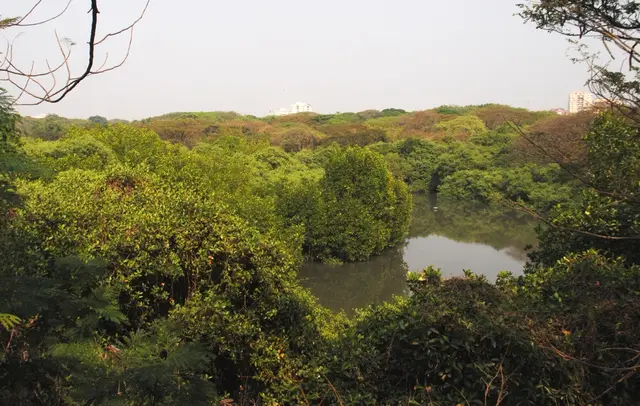
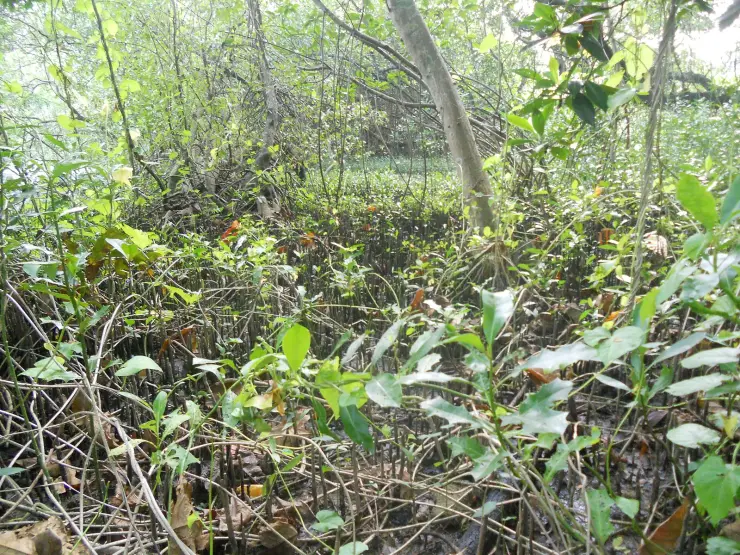
Urban bird sanctuary and mangrove pocket in central Kochi, useful as a short nature stop.
Official source →Browse listed stays, food, activities, sights, shops and rentals around Thrikkakara Vamana Temple. Check each listing’s locality and contact the business directly for current arrangements.
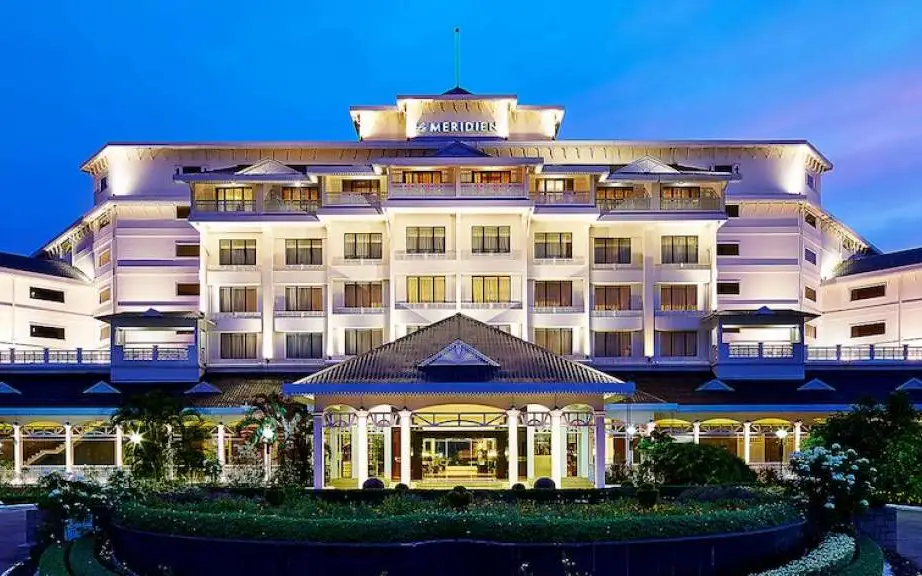
Marriott hotel in Maradu with rooms, restaurants, spa and event facilities. 5-star luxury hotel · Maradu, Ernakulam city, Marriott.
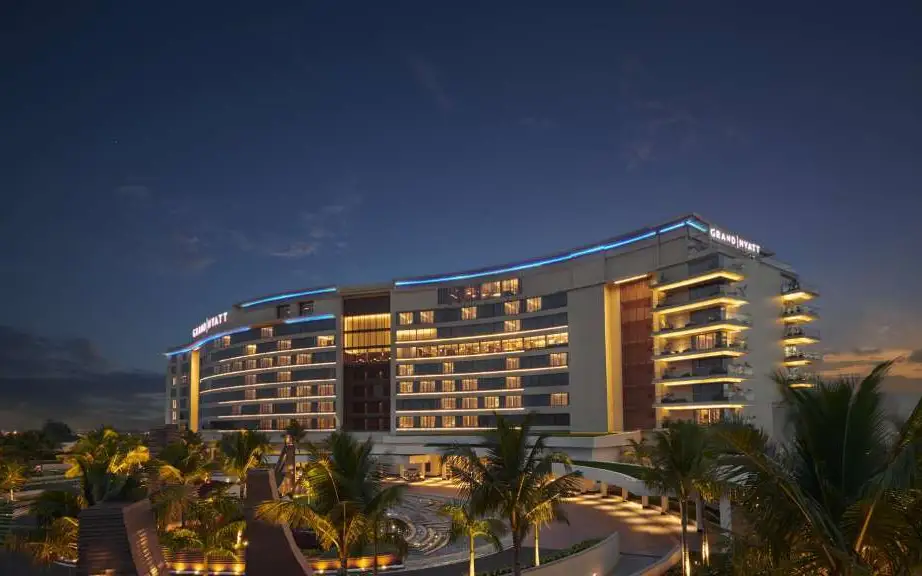
Grand Hyatt Kochi Bolgatty is a waterfront hotel on Bolgatty Island, separate from KTDC’s Bolgatty Palace. Hyatt distinguishes king and twin rooms, Backwater View choices, Club Access categories and named suites and villas. Choose the bed, view and access category before comparing a quote.
Hotel in Kochi City Centre, Ernakulam, Kerala, India. AC, Wheelchair access.
Grand Hotel in Ernakulam: confirm the exact property, room options and total price before planning a stay. No confirmed booking or contact link is available here.
Kochi Marriott Hotel at Edappally houses Quan Spa alongside its accommodation, dining and outdoor pool. Reserve a specific spa service with the hotel, asking about duration, price and access for non-resident guests. A treatment booking does not automatically include pool use.
Kochi Marriott Hotel at Edappally houses Quan Spa alongside its accommodation, dining and outdoor pool. Reserve a specific spa service with the hotel, asking about duration, price and access for non-resident guests. A treatment booking does not automatically include pool use.
Hostel in Kochi City Centre, Ernakulam, Kerala, India. WiFi.
ATS Willingdon Hotel is listed on Willingdon Island near Cochin Port. Its owner-submitted Kerala Tourism profile describes single rooms, double rooms and a suite. Ask which category is offered for your dates and how many guests and beds the quote covers.
KTDC’s Bolgatty Palace and Island Resort is at Mulavukadu on Bolgatty Island, Kochi. The operator distinguishes the main, mansion and marina blocks. A resort booking should identify the room category and block; it should not be assumed to place you in the historic palace.
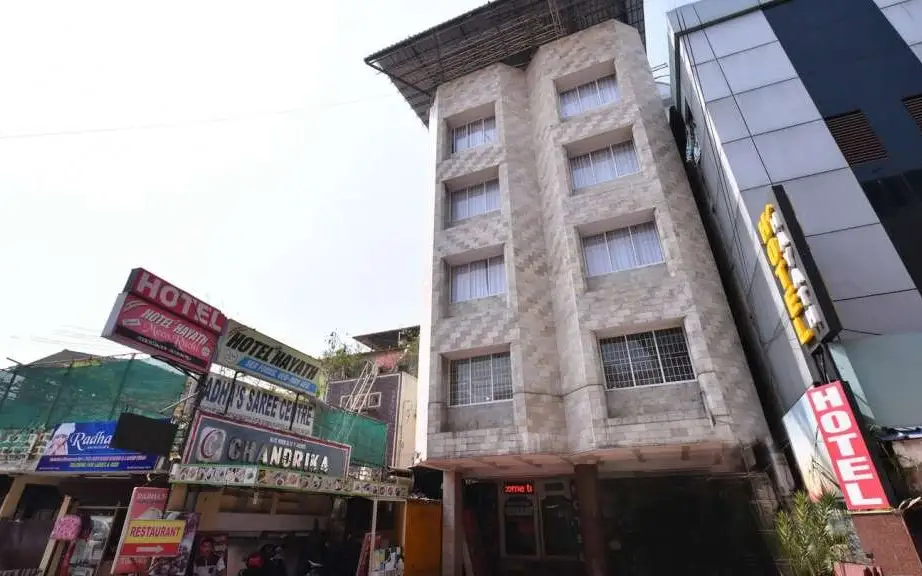
Chandrika Residency is listed near TDM Hall on Diwans Road in Ernakulam, at PIN 682016. Its owner-submitted Kerala Tourism profile mentions a restaurant and parking, but it does not establish the room category, meal package or present facilities available for your stay.
The operator’s listing describes Hotel Millennium Continental as having a 40-seat multi-cuisine restaurant, centrally controlled VRV air conditioning, on-site parking and rooms furnished in a contemporary style.
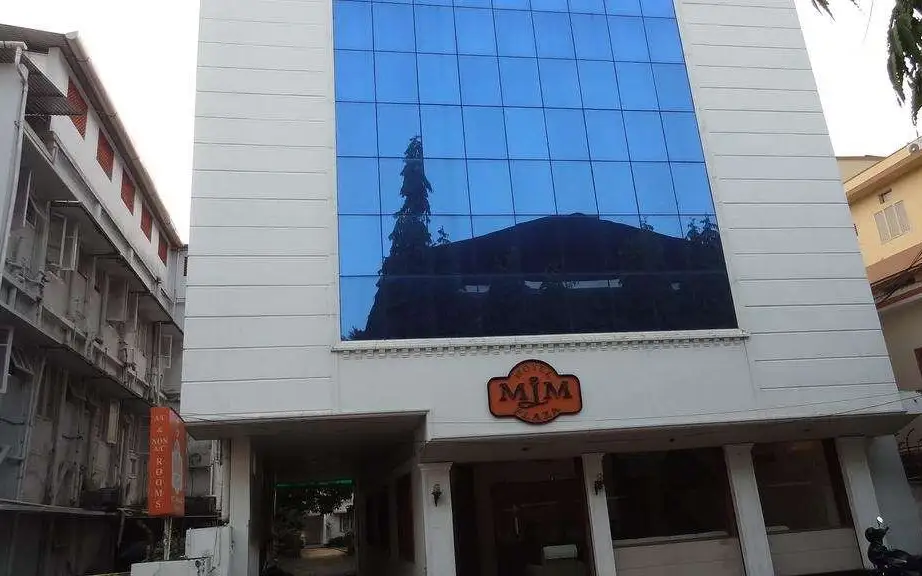
Hotel MJM Plaza is listed on T. D. Road in Ernakulam, Kochi. The operator presents it as a centrally located hotel aimed in part at business travellers.
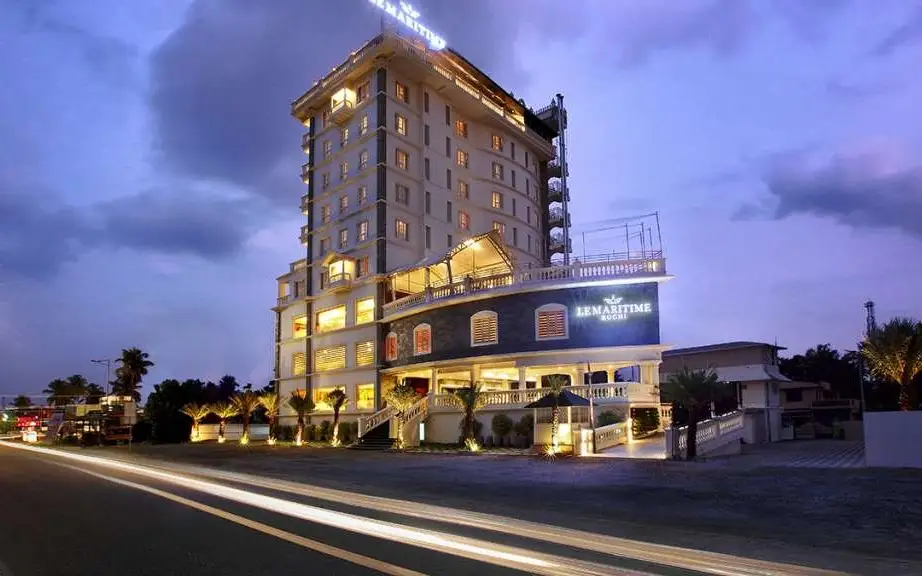
Le Maritime is a hotel at Goshree Junction in Vypin, Kochi. Its address is the first detail to keep in mind when planning a city stay: the operator describes it as off Marine Drive, while identifying the property itself with Vypin and the Goshree junction. Use that exact location when arranging a transfer or comparing travel to meetings and sightseeing stops.
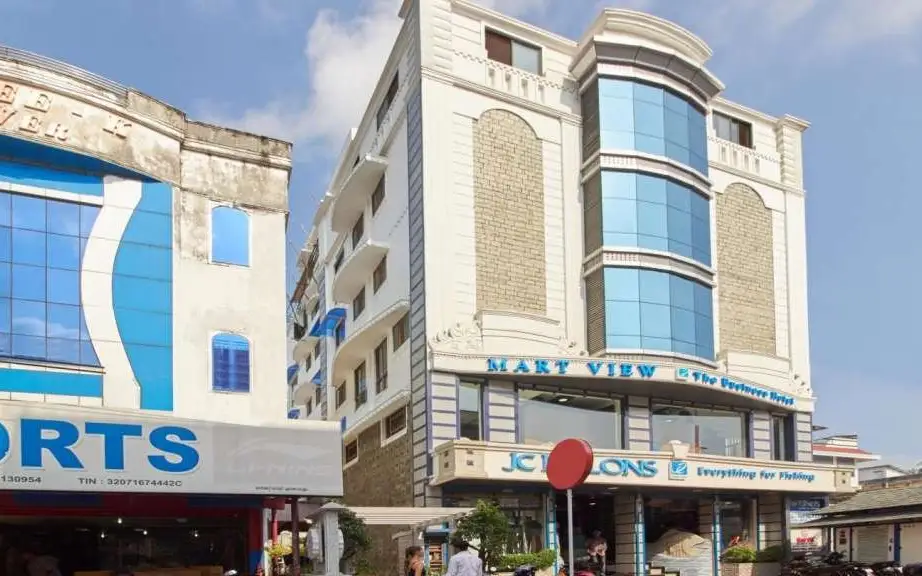
Mart View is listed at Panakkal Towers, near Saritha Theatre on Market Road in Ernakulam, Kochi. The operator describes it as a business hotel with access to Marine Drive and M. G. Road.
Nanda Inn is listed at Minn Shenoy Center on T. D. Road in Ernakulam, behind Padma Theatre and opposite City Hospital. The operator describes it as a smaller city hotel with air-conditioned and non-air-conditioned rooms and modern in-room amenities.
Padamadan Homestay offers rooms with breakfast in Bolgatty, Kochi. According to owner Mani Padamadan, the property is within walking distance of Lulu Convention Centre and near Bolgatty Palace Hotel.
An older operator-submitted listing places Saas Tower on Cannon Shed Road near the boat jetty in Ernakulam and describes 72 rooms with satellite television, telephones, internet access and air conditioning.
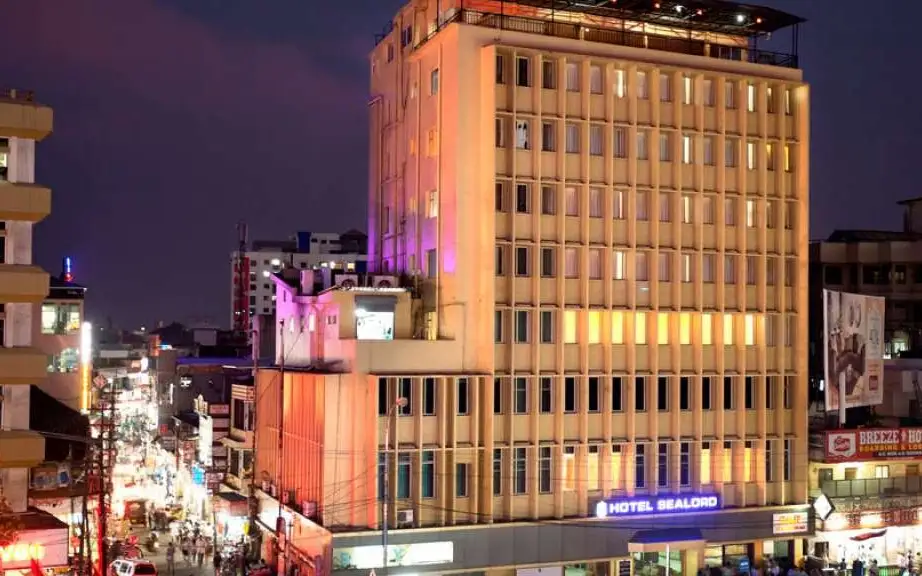
Sealord Hotel is on Shanmugam Road on the Marine Drive and Menaka side of central Kochi. Its operator website identifies Hotel Sealord as the Kochi property within the Sealord group. Use the Kochi address when enquiring, since the group also promotes properties in other Kerala destinations.
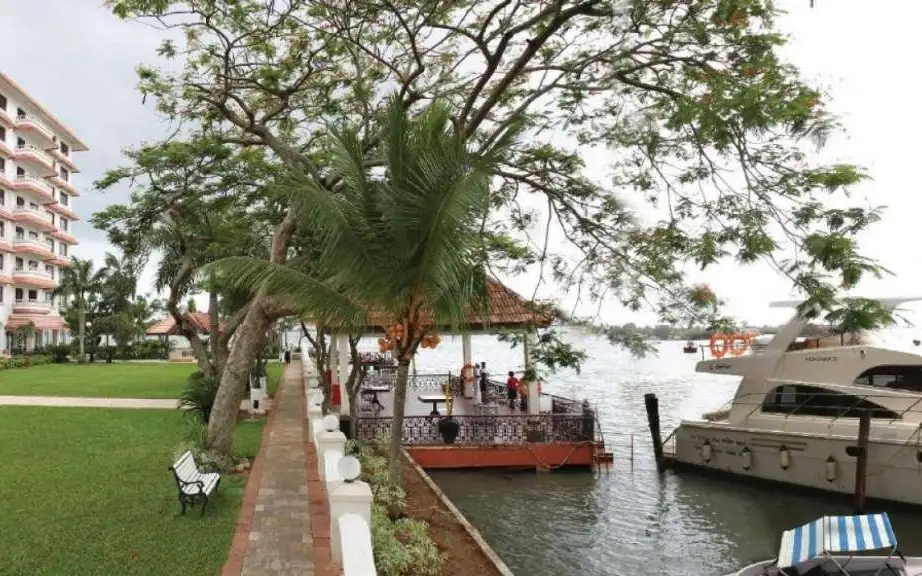
Taj Malabar Resort & Spa, Cochin is on Willingdon Island, at Willingdon harbour and across the water from central Ernakulam. The operator’s listing describes coconut trees, a harbour setting and old-world character.
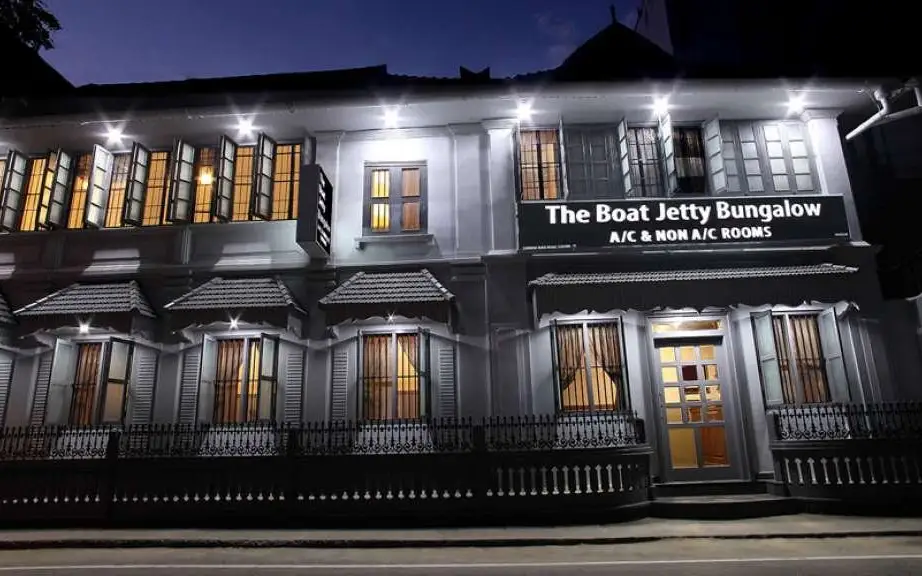
The Boat Jetty Bungalow occupies a former family home opposite Ernakulam's main boat jetty on Cannon Shed Road. According to the operator's history, the building began as P.K.V House, built in 1891 for P.K. Varughese of the Puthenpurackal family. It passed through later generations before becoming a heritage hotel.
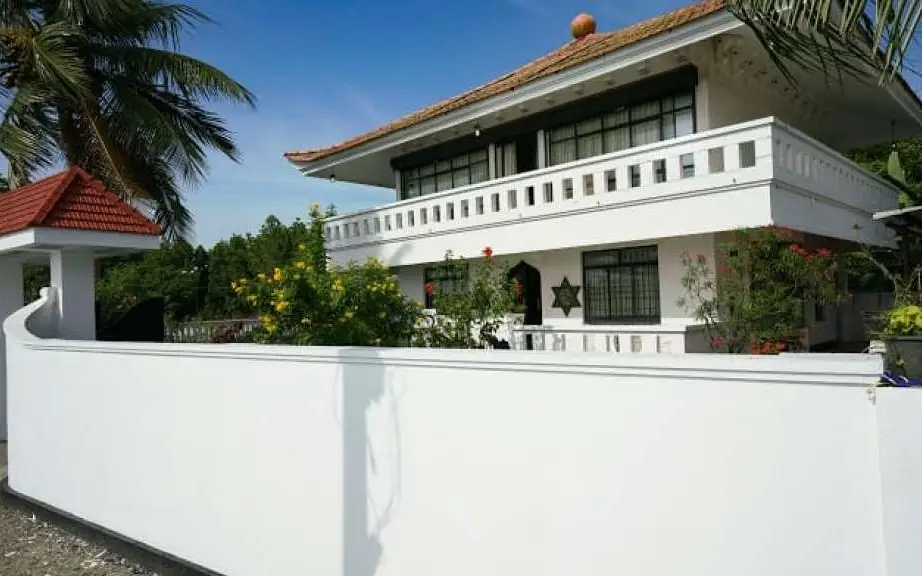
Bedrooms at The Island House Home Stay feature poster beds, wooden furniture and wallpaper, while the Vallarpadam property’s decor includes a retro staircase styled after the 1920s. The living area has French windows that bring in natural light, alongside framed photographs and other wall decorations.
Book with the place itself. India’s cyber-crime coordination centre warned in April 2025 that convincing copies of hotel and pilgrimage booking sites are being pushed through sponsored search and social ads, taking payment for rooms the property never hears about. Use the contact and source details on each profile to confirm the exact business and booking channel. A directory entry or map pin alone does not establish an operator’s identity or current availability. Roampedia takes no commission and does not collect booking payments. If a booking page reached you through an ad, check the address bar against the property’s own site before you pay. Fraud can be reported on cybercrime.gov.in or on 1930.
Find food, accommodation and activities across Kochi City. Browse the guides for places to eat, stay and explore along your route.
12 more places around Kochi City. Open a guide to plan the visit and onward journey.
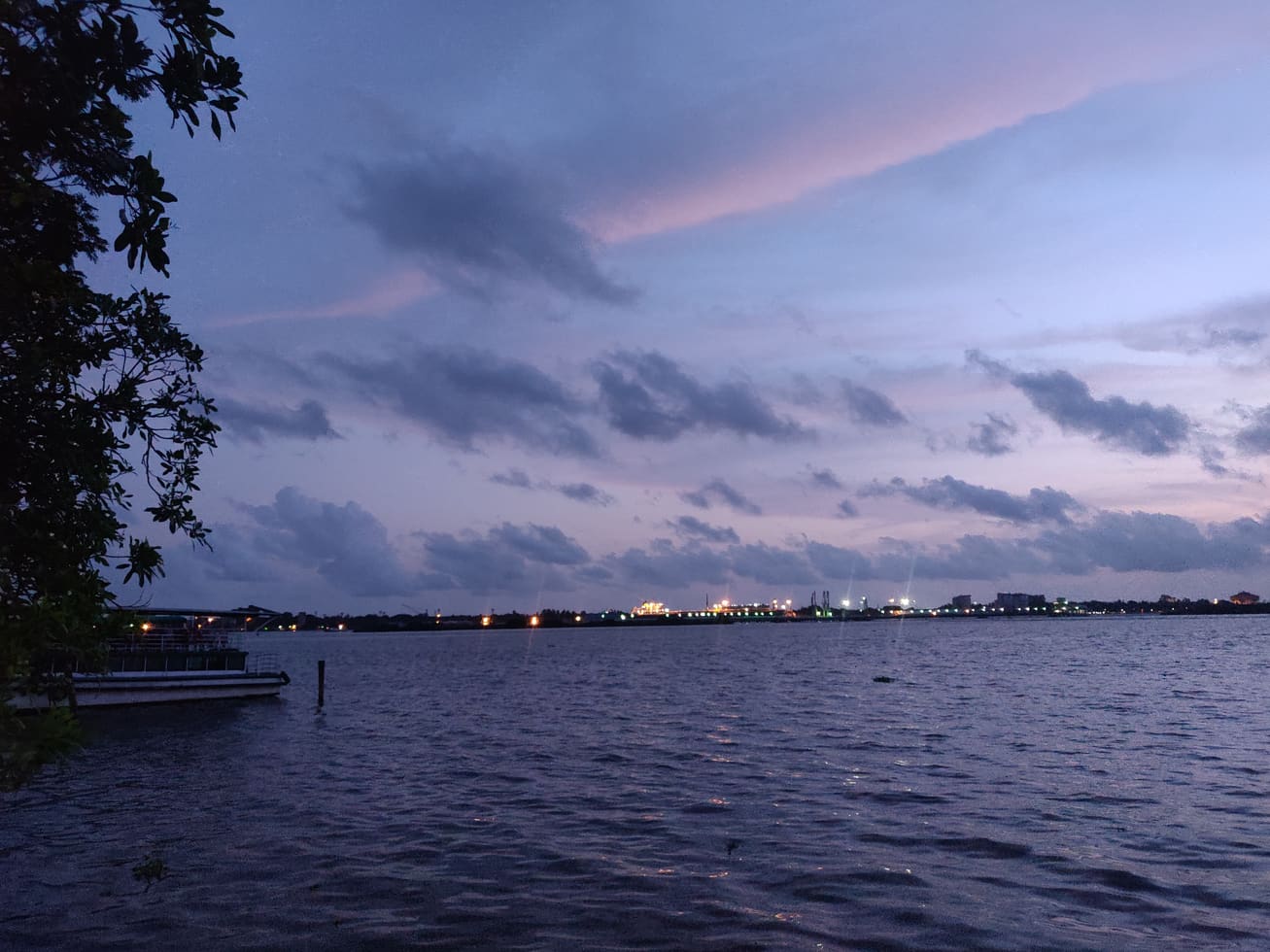
10.8 km · 16 min drive
Waterfront promenade in mainland Kochi, good for evening walks and ferries.
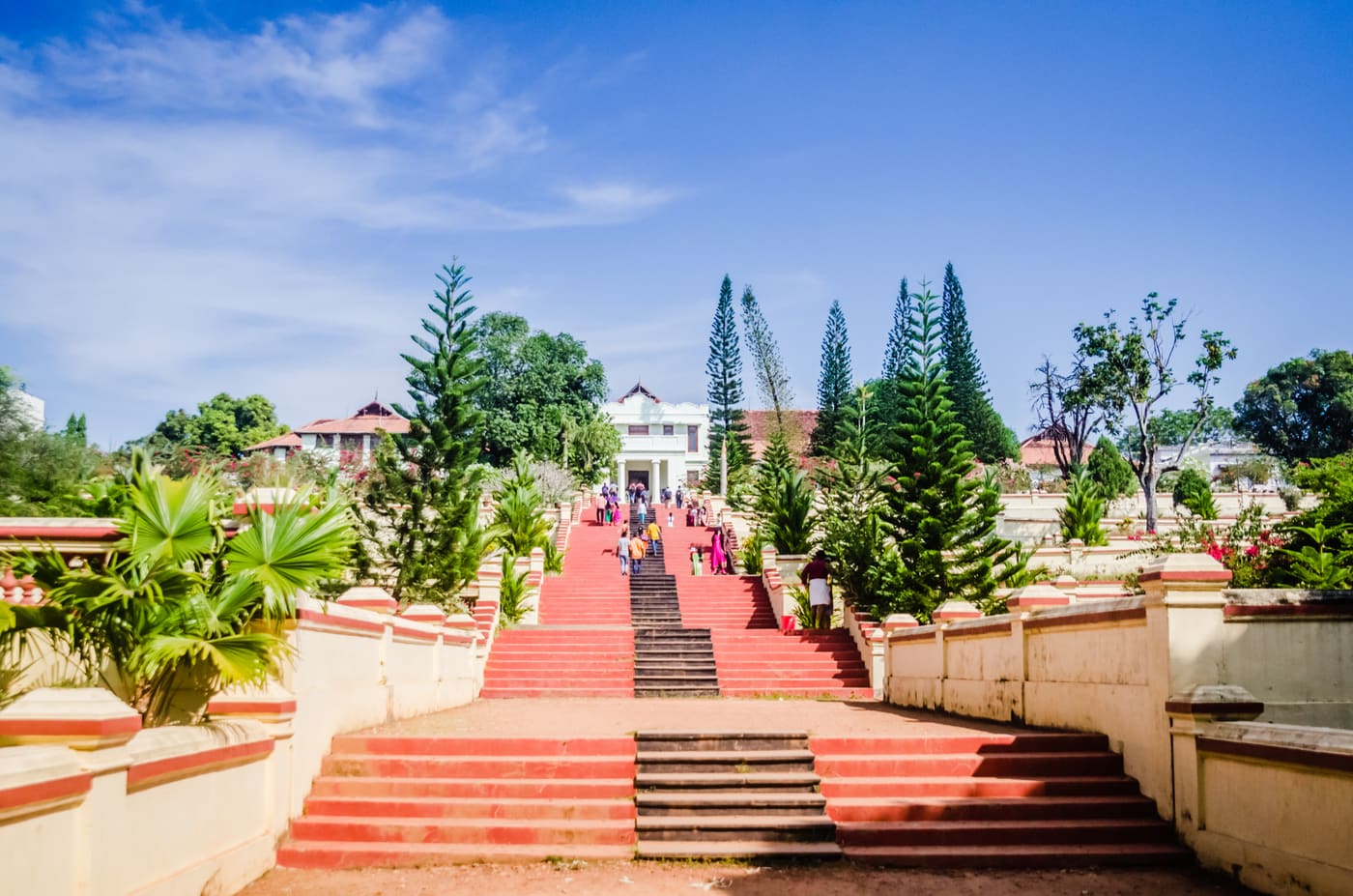
11.7 km · 13 min drive
Large royal palace museum complex east of Kochi city.
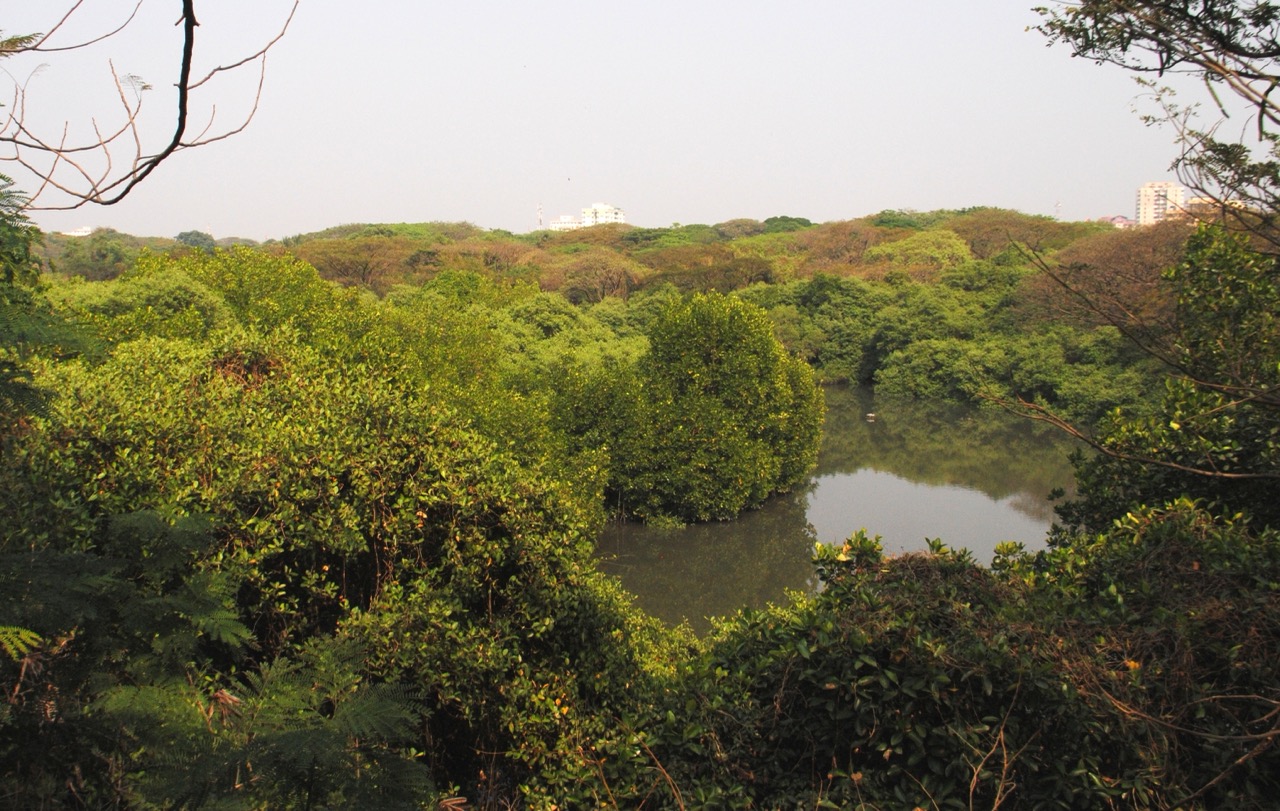
10.5 km · 16 min drive
A small mangrove “green lung” behind the High Court in Ernakulam, a nesting site for migratory and resident birds.
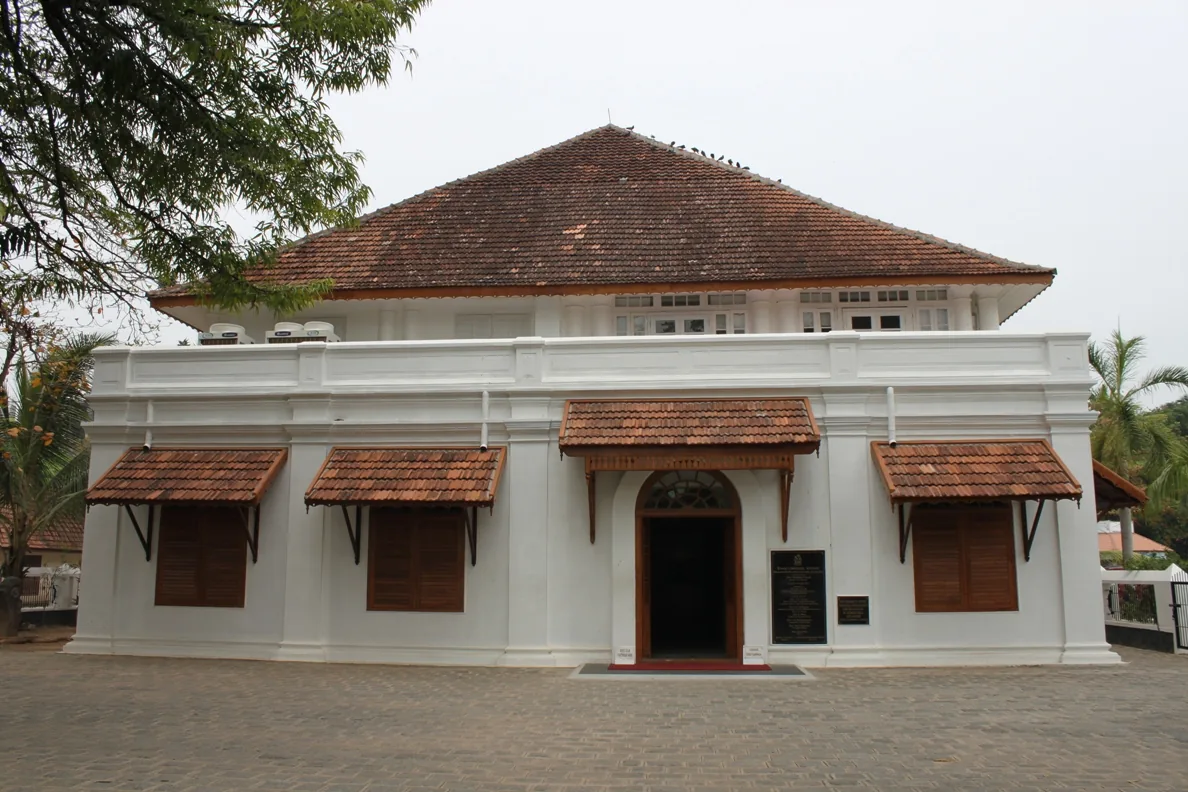
11.6 km · 17 min drive
A heritage hall in Ernakulam run as a contemporary art gallery by the Kerala Lalithakala Akademi.
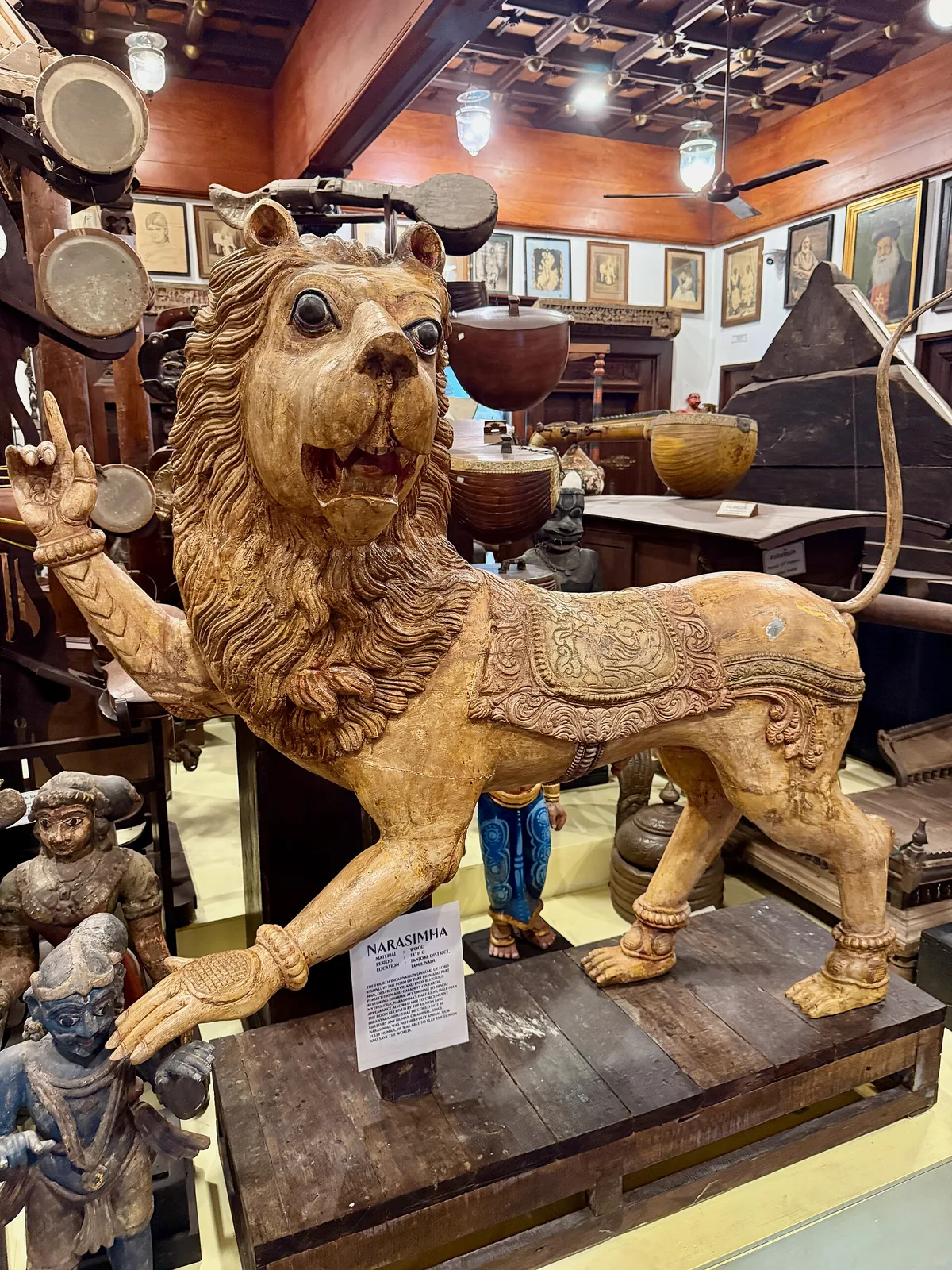
A privately built museum at Thevara with thousands of Kerala folk and ritual artefacts across Malabar, Kochi and Travancore styles.
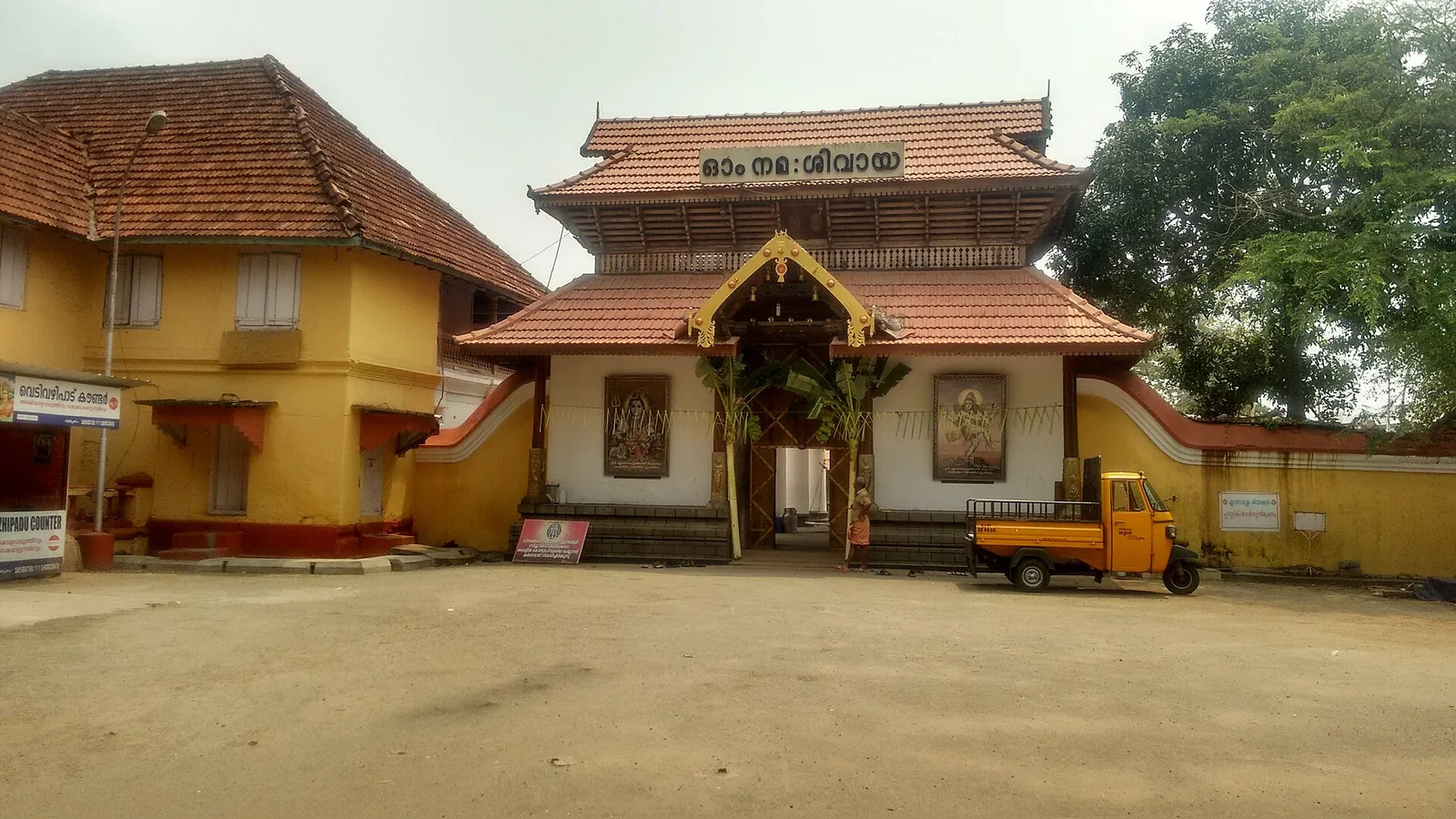
11.2 km · 16 min drive
The Ernakulam Shiva temple on Durbar Hall Road, the city’s principal temple and home to the eight-day Ernakulathappan festival.
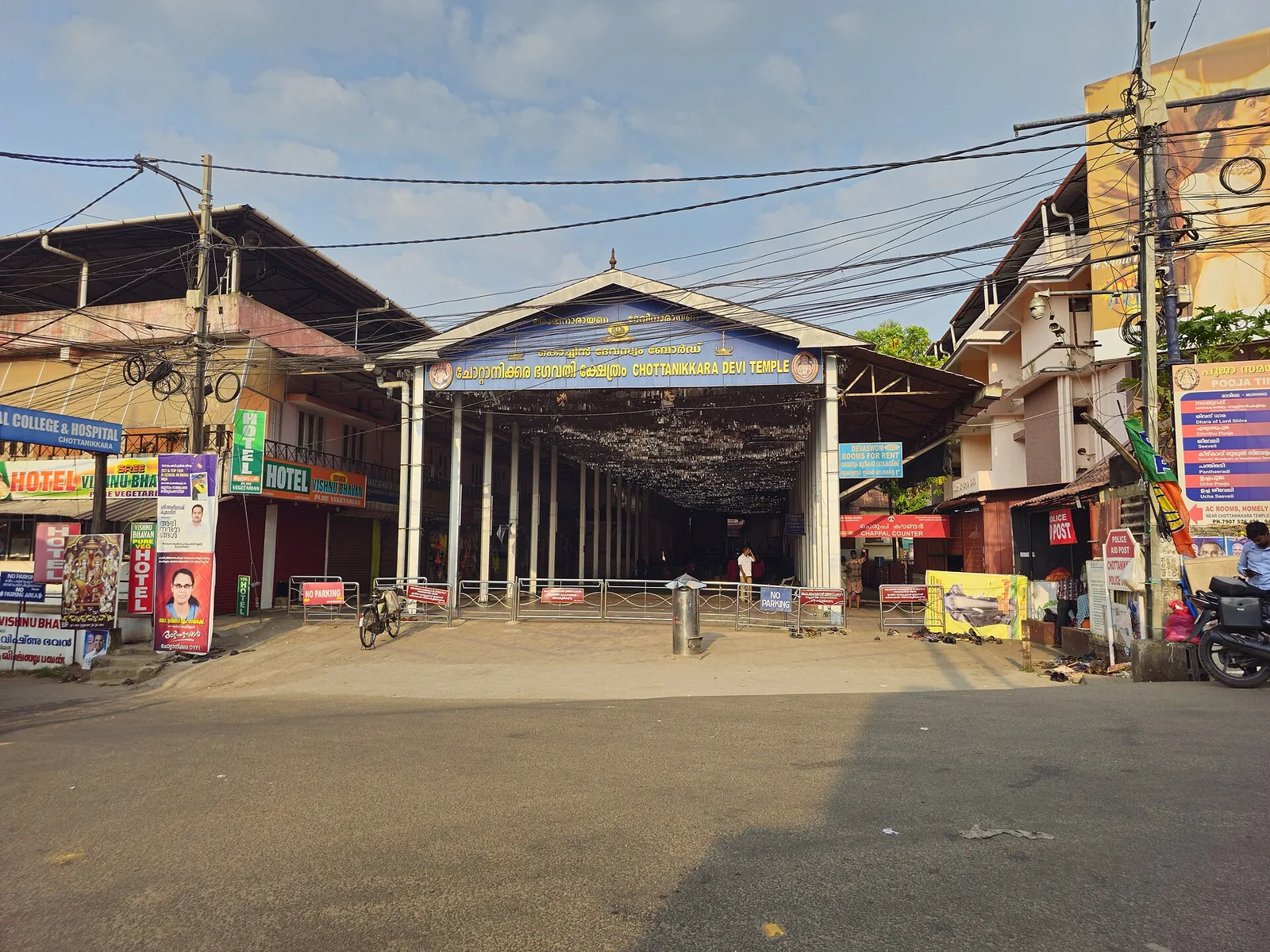
A major Bhagavathy (Devi) temple south-east of Kochi, famous for the dawn Nirmalya Darshanam and its Makam Thozhal festival.
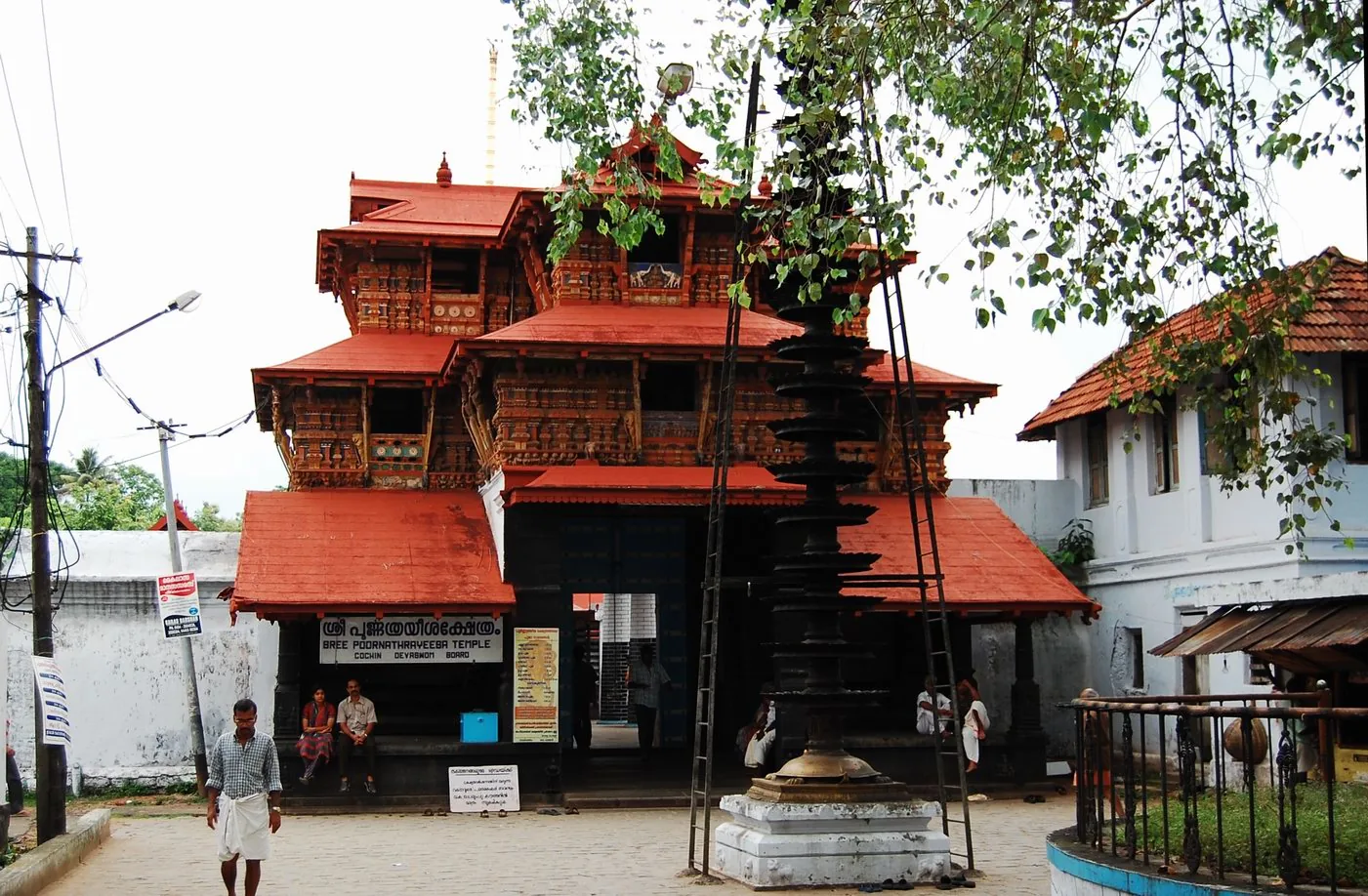
13.8 km · 17 min drive
One of the great Vishnu temples of Kerala, at Tripunithura, known for its Vrischikotsavam festival.
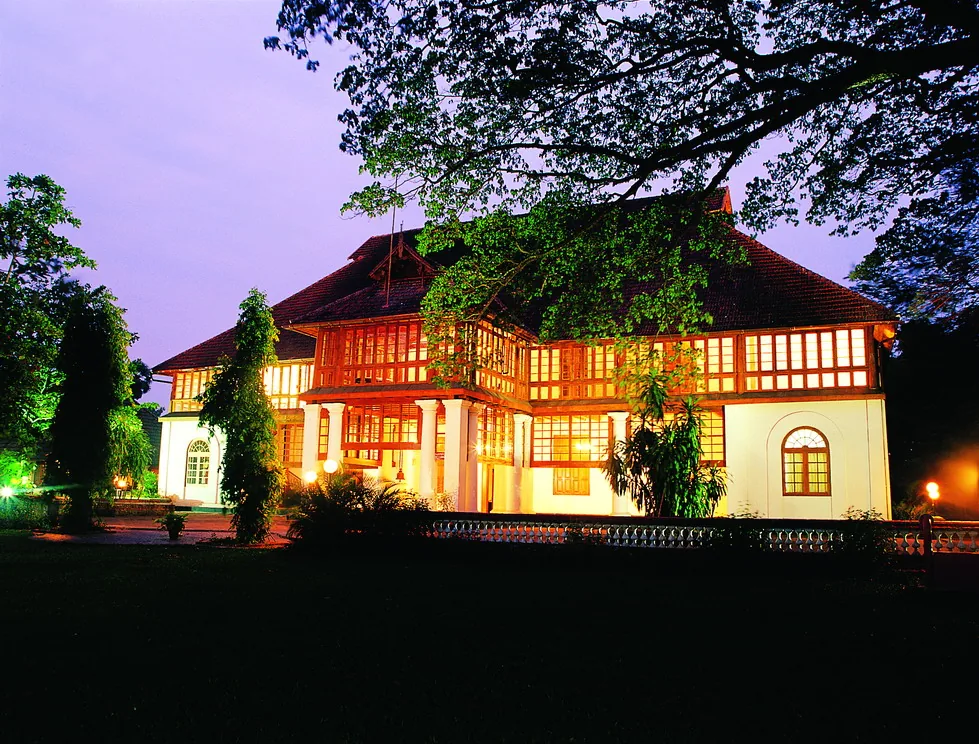
12.8 km · 20 min drive
A 1744 Dutch palace on Bolgatty Island, one of the oldest existing Dutch palaces outside the Netherlands, set in island gardens (now a KTDC heritage hotel).
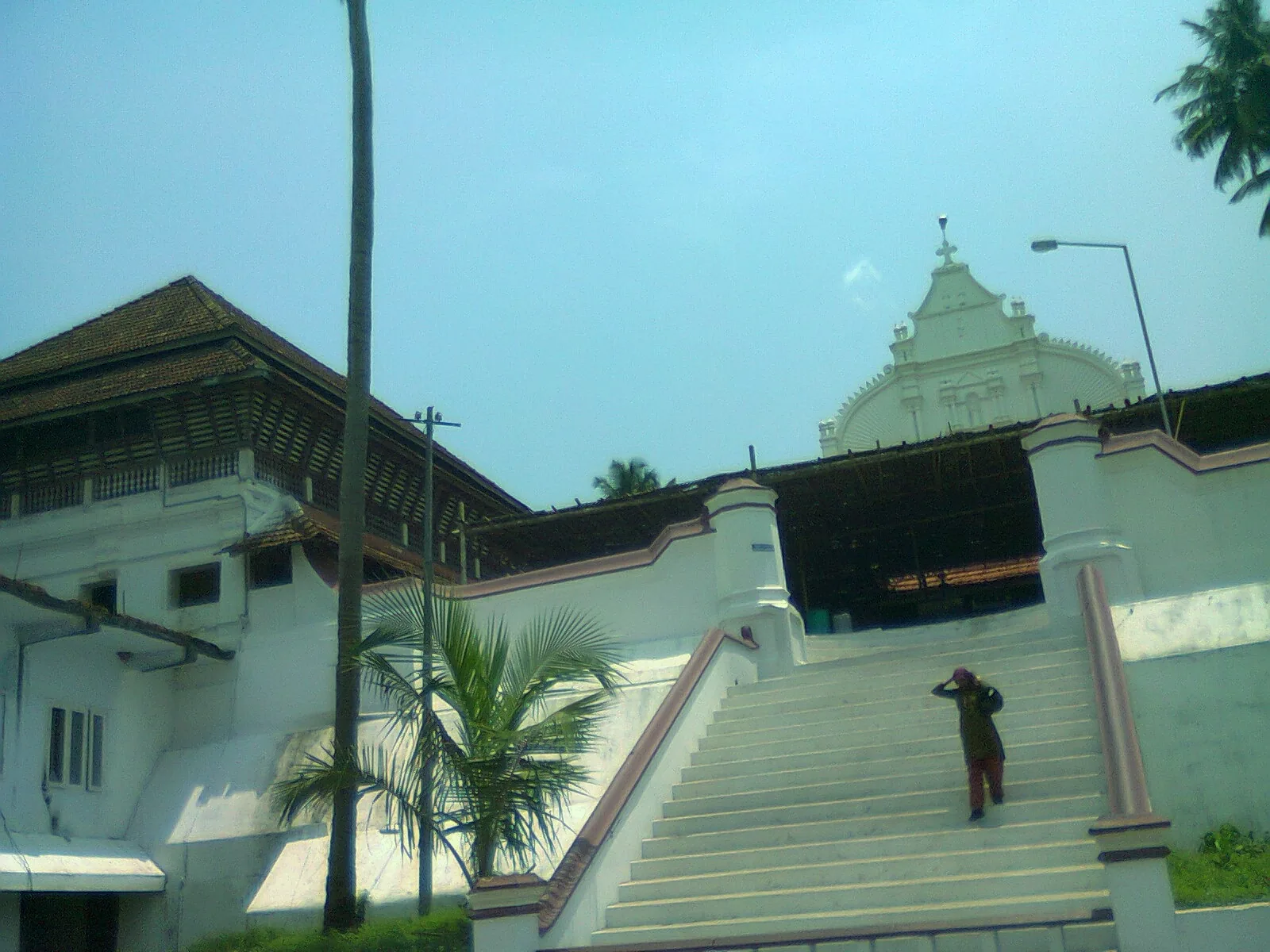
An ancient Orthodox church east of Kochi linked to the legend of the sorcerer-priest Kadamattathu Kathanar, drawing large crowds at its annual feast.
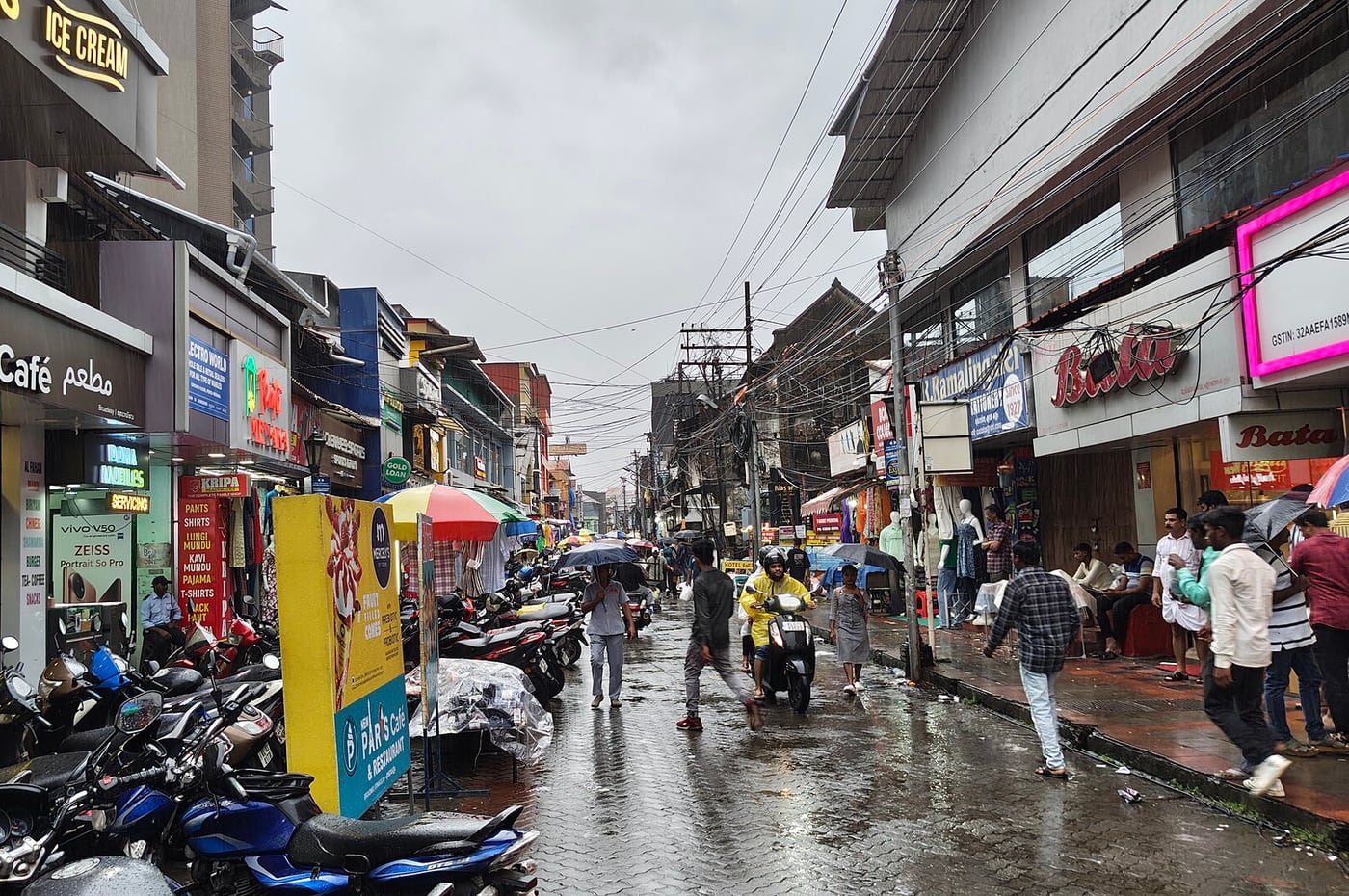
10.3 km · 16 min drive
Mainland Kochi’s old shopping street, a pedestrianised run of textile, provision, spice and gold shops between MG Road and the boat jetty — the city’s everyday market rather than a heritage set piece.
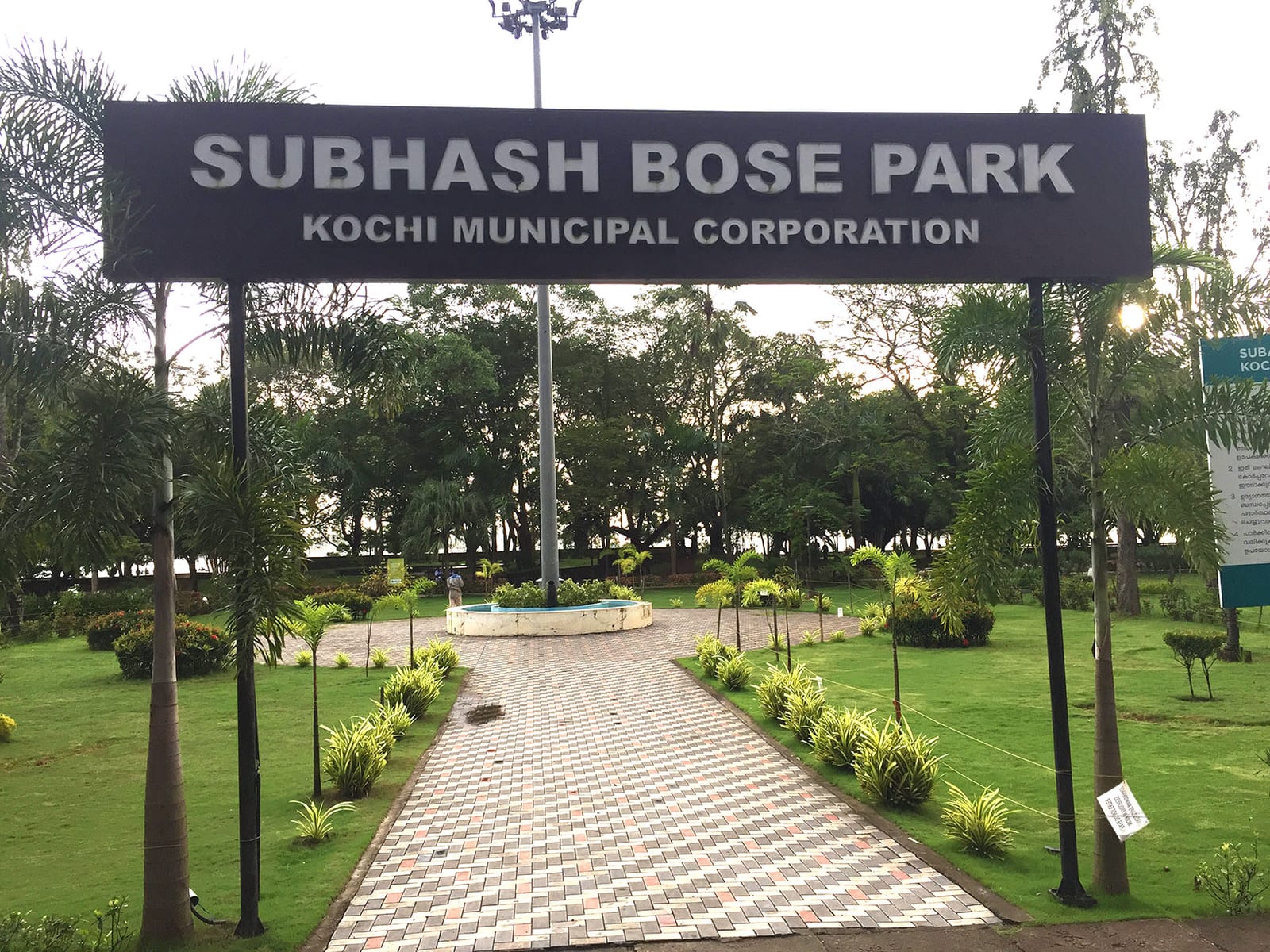
11.5 km · 17 min drive
The waterfront park beside Ernakulam Boat Jetty, at the southern end of the Marine Drive walkway — a short, shaded green break between the ferries, the market streets and the backwater.
Roampedia is commission-free — own or know a stay, eatery, guide or shop near Thrikkakara Vamana Temple? Submit public business details for review.
Add a nearby businessEntry: Darshan is generally free; specific offerings, poojas or vazhipadu are ticketed at the temple counter.
Dress code: Traditional temple dress is expected — men often remove upper garments and may need a mundu or dhoti, and women should dress modestly in a saree, salwar or long skirt; shorts and revealing clothing are best avoided.
Festivals: The headline event is the ten-day Onam festival (Atham to Thiruvonam, in Chingam / August–September), with the dashavataram-themed daily attire of the deity, the crowd-drawing Vamanachaarthu, historic links to the Athachamayam procession, and a massive Onasadya feast on the final days; Vamana Jayanti is also observed.
Photography: Photography is generally restricted inside the temple and around the sanctum; visitors should look for posted rules and ask permission before taking pictures.
If you are travelling by bus or ferry, check the return service with the operator before setting out. Leave time to reach the stop or jetty after your visit.
Ask at the bus stand for the time of the last service back, not the next one. If you miss it, an auto or app cab is the fallback — agree the fare before you get in.
If you need step-free access, contact the site before travelling. Ask about a level entrance, steps along the route, the nearest drop-off point, seating and accessible toilets.
Charge cap and free-transaction limits: Reserve Bank of India, ATM FAQ updated 4 July 2025; checked 4 October 2026.
These services are listed within about 1.2 km of Thrikkakara Vamana Temple. Walking distances follow mapped routes; access and opening hours can change. Other services may be closer but are not included here.
Published emergency and visitor-assistance contacts. For an immediate emergency, call 112. Shared Kerala contact sources checked 4 October 2026; publication does not establish a tested live response.
Mainland Kochi’s old shopping street, a pedestrianised run of textile, provision, spice and gold shops between MG Road and the boat jetty — the city’s everyday market rather than a heritage set piece.
10.3 km · 16 min driveA small mangrove “green lung” behind the High Court in Ernakulam, a nesting site for migratory and resident birds.
10.5 km · 16 min driveWaterfront promenade in mainland Kochi, good for evening walks and ferries.
10.8 km · 16 min driveThe Ernakulam Shiva temple on Durbar Hall Road, the city’s principal temple and home to the eight-day Ernakulathappan festival.
11.2 km · 16 min drive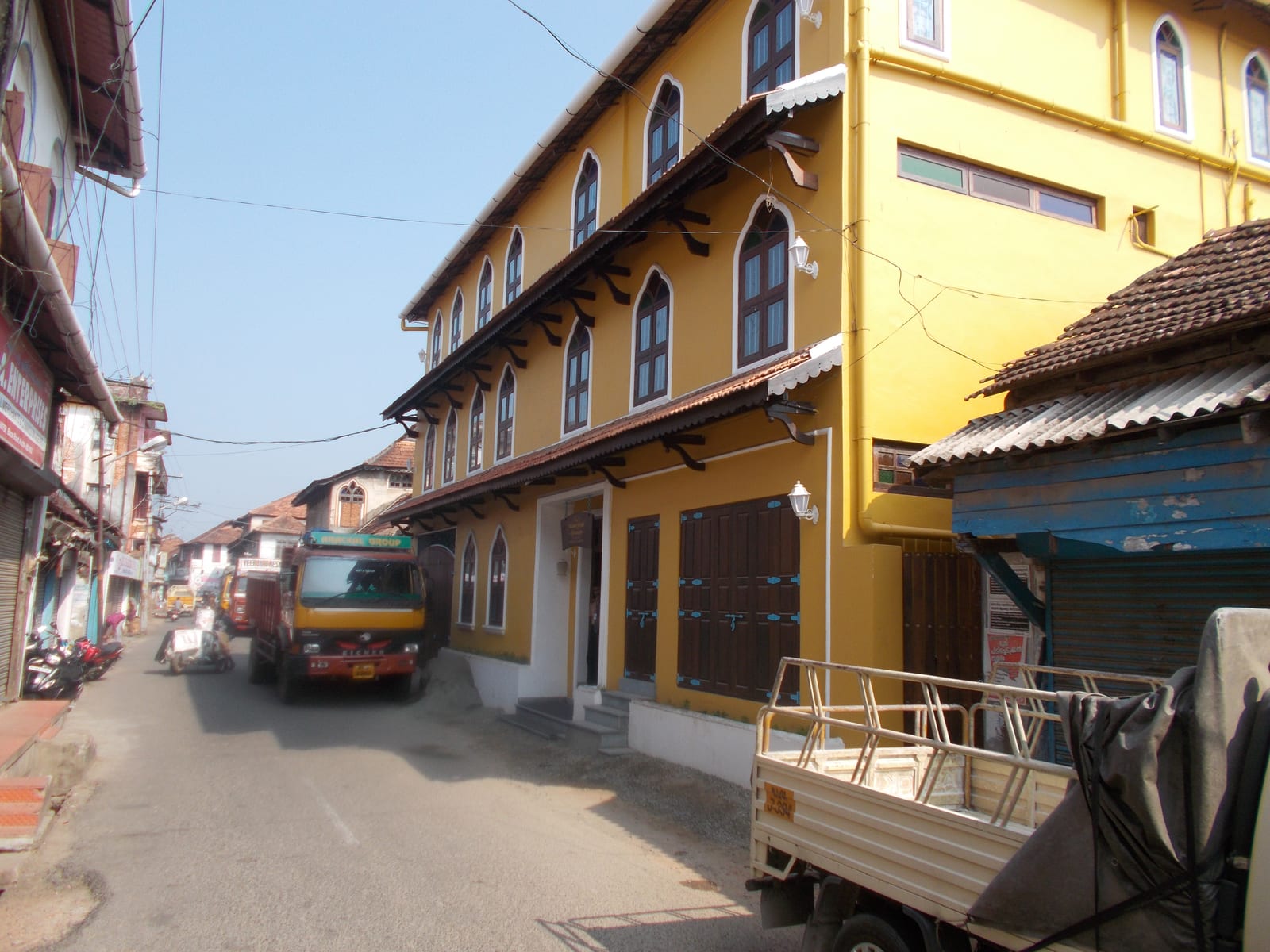
The working spice quarter along Mattancherry’s Bazaar Road — godowns where pepper, ginger, turmeric and cardamom are still graded, sacked and weighed, and where the smell reaches the street before the signage does.
11.4 km · straight lineThe waterfront park beside Ernakulam Boat Jetty, at the southern end of the Marine Drive walkway — a short, shaded green break between the ferries, the market streets and the backwater.
11.5 km · 17 min drive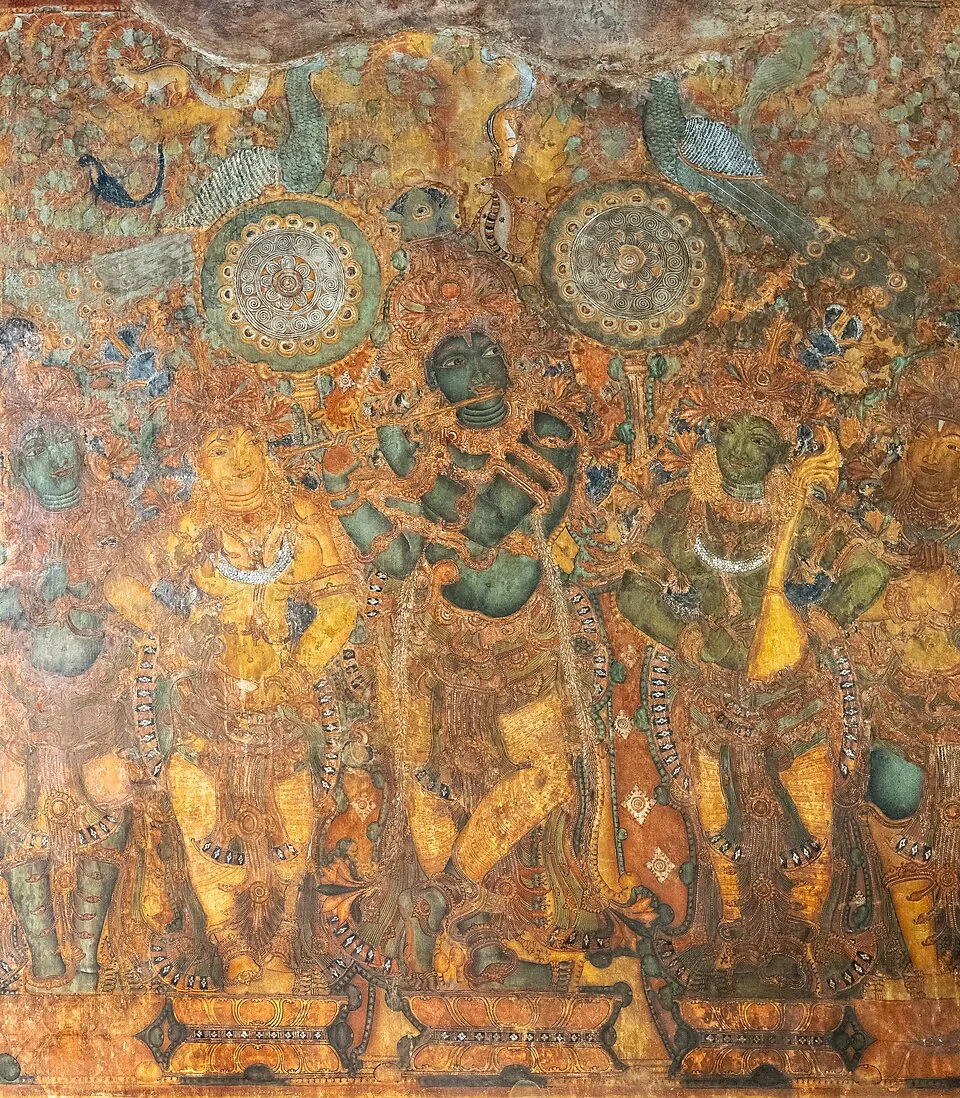
The Mattancherry Palace, known as the Dutch Palace, with celebrated Kerala mural paintings from the Ramayana and royal portraits.
11.5 km · straight lineA heritage hall in Ernakulam run as a contemporary art gallery by the Kerala Lalithakala Akademi.
11.6 km · 17 min drive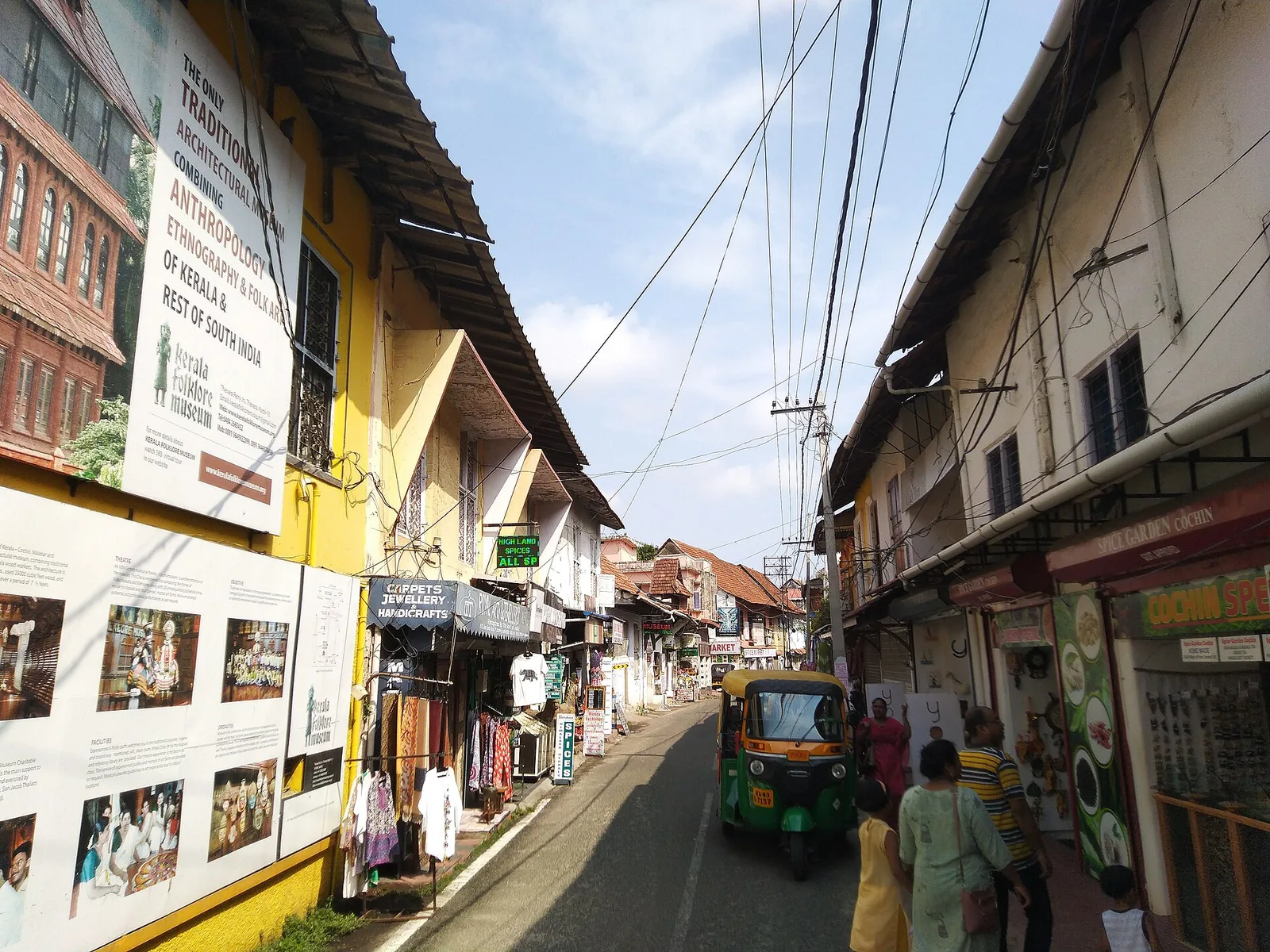
Spice warehouses, antiques, Mattancherry Palace and Paradesi Synagogue.
11.6 km · straight lineLarge royal palace museum complex east of Kochi city.
11.7 km · 13 min driveA 1744 Dutch palace on Bolgatty Island, one of the oldest existing Dutch palaces outside the Netherlands, set in island gardens (now a KTDC heritage hotel).
12.8 km · 20 min driveOne of the great Vishnu temples of Kerala, at Tripunithura, known for its Vrischikotsavam festival.
13.8 km · 17 min driveRoad and walking figures are route estimates, with travel times dependent on access, traffic and conditions. Figures marked “straight line” show direct separation and do not describe a road or walking route. Fare estimates use Kerala’s 26 April 2022 auto/taxi notification and exclude waiting, night and applicable one-way surcharges. Confirm the current meter or operator quote before travelling. Routing: © openrouteservice.org by HeiGIT | Map data © OpenStreetMap contributors
Nearby toilets, pharmacies, ATMs, seating and vets are community-mapped and may be incomplete or out of date. Map data © OpenStreetMap contributors | Walking times © openrouteservice.org by HeiGIT
The presiding deity is Vamanamurthy — Vishnu in his fifth incarnation as Vamana, the dwarf brahmin, shown raising his foot to press King Mahabali into the netherworld. Temples dedicated to Vamana are very rare, and Thrikkakara is regarded as the principal such temple in Kerala. A separate Shiva shrine stands within the same complex.
Tradition holds that Thrikkakara was the capital of King Mahabali and the place where the Vamana legend unfolded, making it the reputed birthplace of Onam. Records at the temple are said to carry one of the earliest mentions of the festival, dated to around 861 CE.
The name is traditionally traced to Thiru-kaal-kara, meaning the place of the sacred foot — the spot where Vamana is said to have set down his measuring step to send Mahabali to the netherworld.
The Thrikkakarayappan is the small pyramidal clay idol of Vamana — literally the Lord of Thrikkakara — that Kerala families mould, paint and worship in their homes during Onam. It takes its name and form directly from the deity of this temple.
The grand Onam festival runs for ten days in the Malayalam month of Chingam (roughly August–September), starting on Atham and culminating on Thiruvonam, with a huge communal feast on the closing days (dates vary yearly — confirm locally).
Much younger than the site. By the official Kerala account the temple declined in the twelfth century amid disputes between kings and stayed dilapidated for centuries, until it was restored in 1921 by Sree Moolam Thirunal, the Maharaja of Travancore. The genuinely ancient part is the granite — the circular sanctum's basement, the passages, the steps and the nalambalam floor, which carry inscriptions from the late tenth century onwards. Claims that the temple is two thousand years old are devotional rather than documentary.
Around eighteen inscriptions survive, cut into the granite, dated from the late tenth and early eleventh centuries into the thirteenth, in Malayalam and in the Vattezhuthu script. They record Onam being celebrated here with great ceremony under the Chera kings, and describe it as the occasion when local chieftains assembled at Thrikkakara to pay respects to the Kulasekhara emperor — so the festival was a political gathering as well as a religious one. They were published in the Travancore Archaeological Series in 1916, five years before the temple itself was rebuilt.
Because it had already been moved out of the temple. Tradition holds that the Kulasekhara emperor, having gathered his feudal kings here at festival time, declared that Onam should be kept in every household. Once the festival was devolved to the home — with the clay Thrikkakarayappan moulded on each doorstep — it no longer depended on this shrine, and it carried on for centuries while the shrine itself lay derelict. It is a rare case of an institution succeeding so completely at spreading its practice that it made itself dispensable.
Thrikkakara is an active Hindu temple, and as with many Kerala temples a traditional dress code applies and entry customs may differ for non-Hindus; visitors should dress modestly, follow posted rules and enquire at the temple before entering the inner areas.
Morning or early evening is usually best; festival days can be powerful but crowded.
Entry: Darshan is generally free; specific offerings, poojas or vazhipadu are ticketed at the temple counter. Timings: Typically open for morning and evening darshan, commonly around the early morning until roughly late morning, and again in the evening, with the sanctum closed midday.
Base yourself in Kochi City or a nearby town in Ernakulam, then confirm the last-mile route locally before leaving. Check temple entry customs, dress rules and festival crowd conditions before arrival. If the visit depends on forest, temple, boat, ferry, weather or seasonal access, check the official/local rule on the day before travel.
45 minutes to 2 hours, longer during festival or queue periods.
Nearby you can pair Broadway Market (10.3 km, route estimate), Mangalavanam Bird Sanctuary (10.5 km, route estimate), Marine Drive (10.8 km, route estimate), Ernakulathappan Temple (11.2 km, route estimate).
Use official counters for offerings/tickets where applicable. Keep footwear and valuables secure in crowded areas.
Written about Thrikkakara Vamana Temple itself — its history, its legends and the arguments about them.
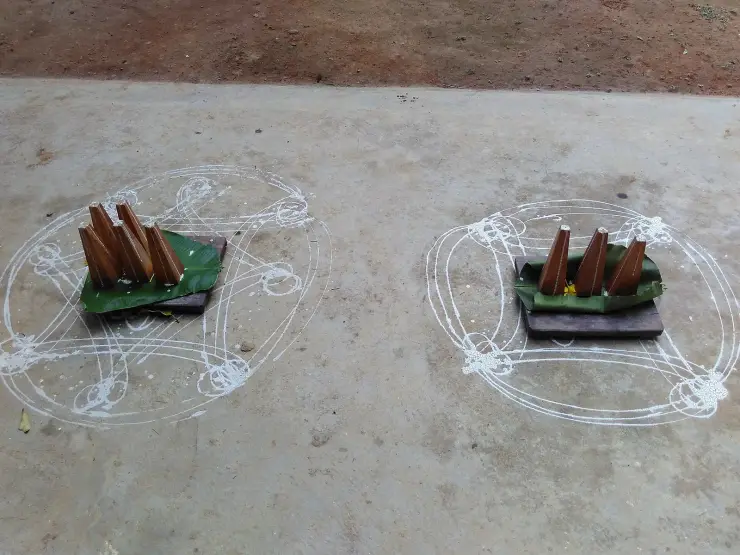
These guides explore Kochi City and the surrounding area. Choose a visit that fits your interests, allowing separately for travel between stops.
Route-level itineraries and practical guides for the rest of Kerala.
Photographs: Ganesh Mohan T (CC BY-SA 4.0), Augustus Binu (CC BY-SA 3.0). Wikimedia Commons.