Places to Visit in Fort Kochi

Walkable colonial quarter, art cafes, churches and seafront.

Fort Kochi
Practical guide

Plan Fort Kochi

Who's going?Tailor Fort Kochi to your trip
DistrictErnakulam
RoleHeritage base
Time neededAllow at least half a day for the core…
Places to visit10Listed businesses20
What to expect

Highlights

  • Fort Kochi — Kerala’s most walkable heritage quarter, with Chinese fishing nets, colonial churches, art cafes and Mattancherry nearby.
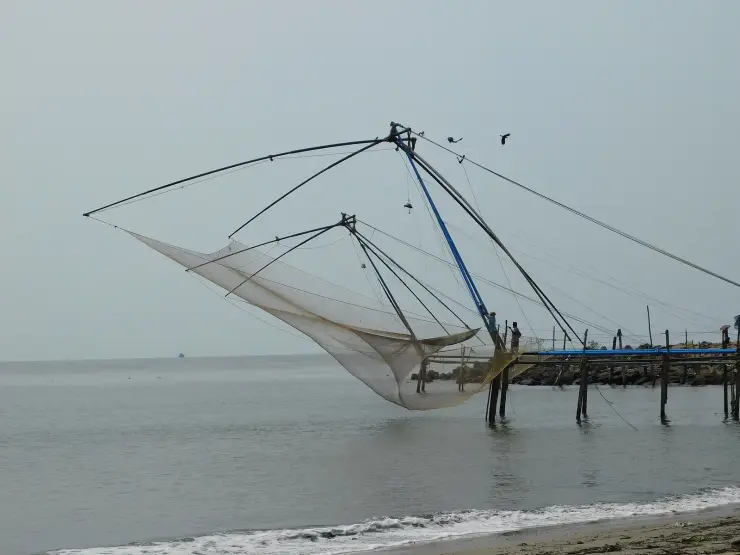
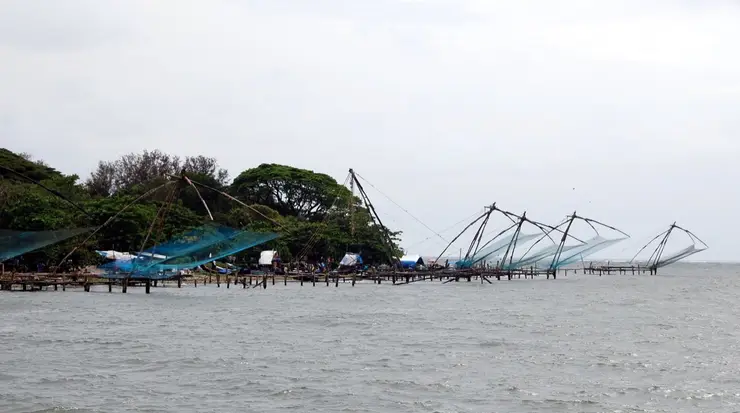
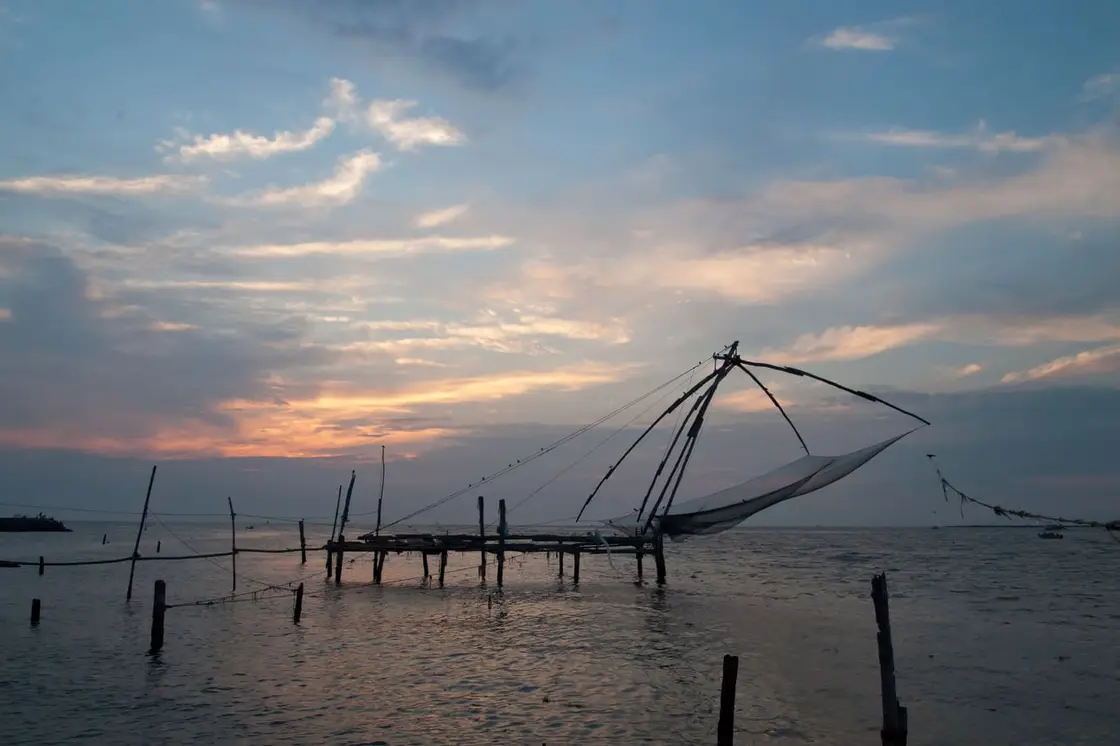
  • Chinese Fishing Nets — Kochi’s iconic cantilevered shore-operated fishing nets along the Fort Kochi seafront at Vasco da Gama Square, best photographed at sunset.
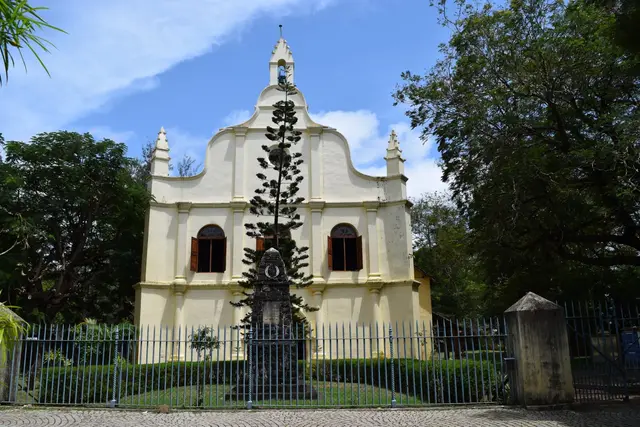
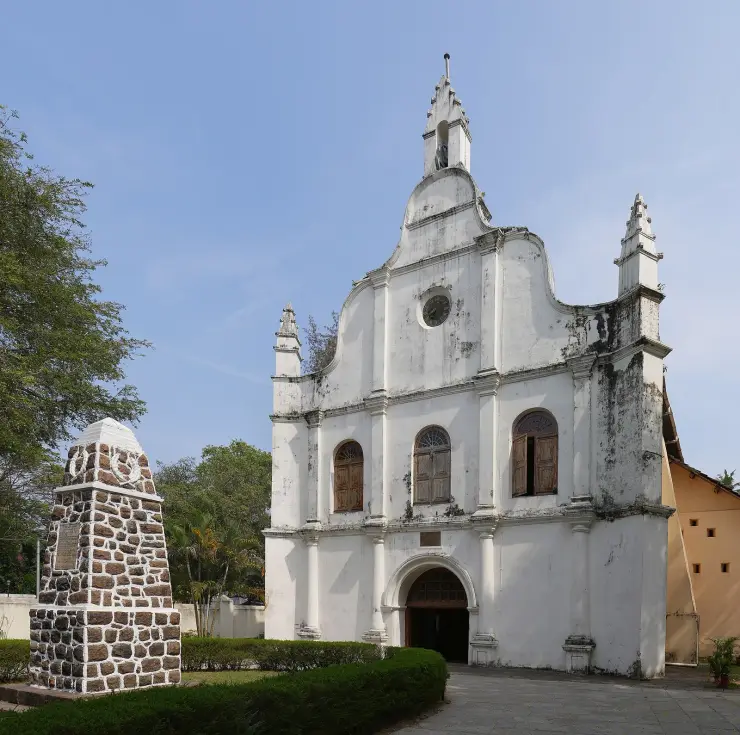
  • St. Francis Church — Believed to be the oldest European church in India (1503); Vasco da Gama was buried here before his remains were moved to Lisbon.
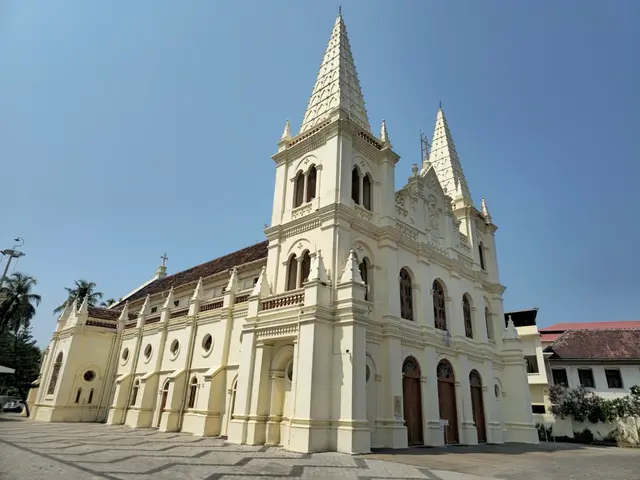
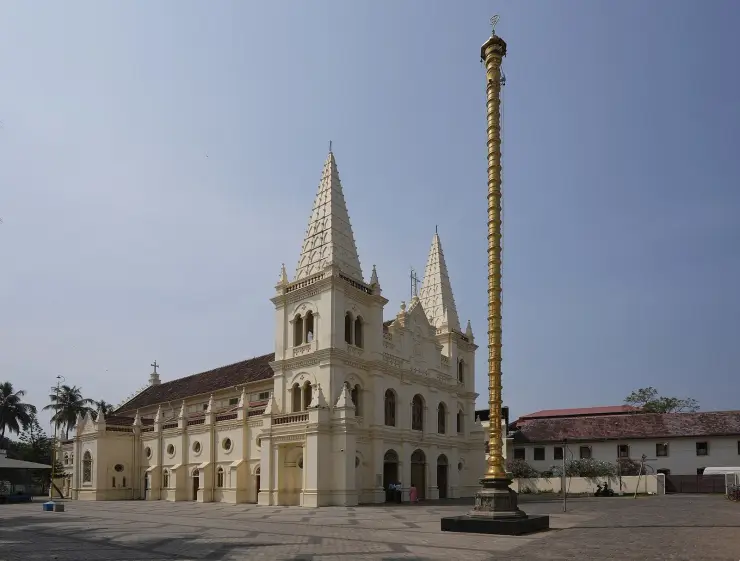
  • Santa Cruz Cathedral Basilica — One of the finest churches in Kerala, with a richly painted interior, beside the Kerala Kathakali Centre in Fort Kochi.
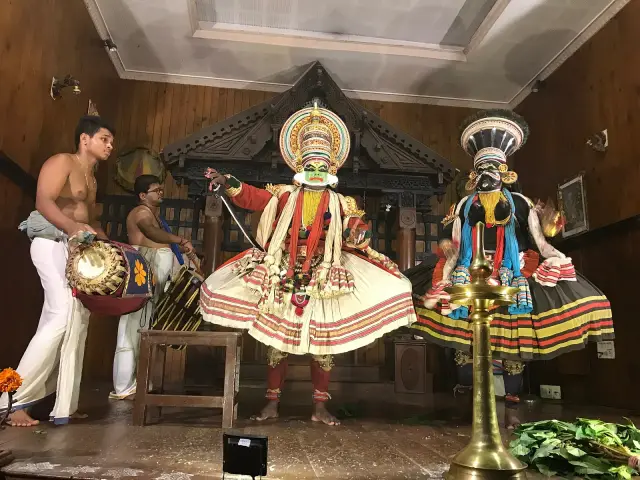
  • Kerala Kathakali Centre — Evening Kathakali and Kerala classical-art performances in Fort Kochi, with make-up shown before the show.
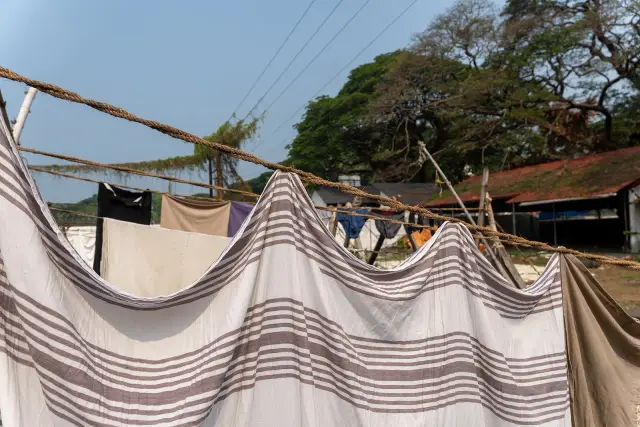
  • Dhobi Khana — A working colonial-era community open-air laundry in Fort Kochi, still used by traditional washermen families.
Getting there

How to visit

  • Nearest airport: Cochin International (COK), 44 km by road — about 50 minutes outside rush hour
  • Rail gateway: Ernakulam Town (ERN) 8.6 km or Ernakulam Junction (ERS) 12.5 km, both on the mainland — Fort Kochi has no passenger station

Distance by road

  • Coimbatore185 km
  • Kozhikode186 km
  • Thiruvananthapuram210 km
  • Madurai284 km
  • Mysuru331 km
  • Mangaluru414 km

Road distances measured on real routed roads to Fort Kochi itself, not to the district headquarters, on 23 August 2026. Driving time is deliberately not published: free-flow routing badly understates a Kerala ghat road, so allow more than the distance suggests.

Timing

Best time to visit Fort Kochi

October to March is the comfortable window — cooler, drier walking weather. April and May turn hot and humid, and June to September brings the south-west monsoon in hard bursts off the harbour. In any season the day’s best hours are early morning and the golden hour before sunset; a Biennale edition (the next opens December 2027) is its own reason to come, and its own crowds.

Weather in Fort KochiSeasonal guide

Live forecast loads in your browser.

Today at Fort Kochi
Sunrise6:15 am
Sunset6:24 pm
Golden hour best light5:24 pm–6:24 pm
Blue hour after sunset6:24 pm–6:49 pm
Sun sets toward compass bearingW · 272°
Moon tonight🌓 First quarter · 52%
South-west monsoon. June to September is the south-west monsoon in Kerala. Expect heavy showers, mostly in bursts rather than all day — carry rain cover, allow extra time for getting around, and note that ferries and open-air sites are the first things affected.

Sun and moon are calculated for this location and shown in IST. Photography windows are the hour around sunrise and sunset; the sunset bearing is degrees clockwise from true north. Moon phase is accurate to about half a day.

Visitor notes

  • The quarter runs on a coastal clock — nets and fish auction at first light, torpid mid-afternoon, the whole town at the seafront by sunset. Save the middle of the day for museums, cafés and Mattancherry.
  • Fort Kochi, Mattancherry and Jew Town run into one another on foot but are different addresses — a driver will ask which you mean, and the ferries and Water Metro serve Fort Kochi and Mattancherry at separate jetties.
  • Carry small cash. The jetty counters, autos and the palace and synagogue tickets — a few rupees each — all run on it; ATMs cluster within a few minutes of the centre if you run dry.
The story

The story of Fort Kochi

Where the Arabian Sea folds into the Kerala backwaters, Fort Kochi stands like an open-air museum you can wander for free — a salt-washed peninsula where cantilevered Chinese fishing nets dip into the tide at sunset, Portuguese, Dutch and British façades peel gently in the sea air, and the smell of cardamom and slow-roasting coffee drifts out of art cafés set inside old spice godowns. This is the place where India first met Europe, more than five centuries ago, and it still feels like a crossroads of the world. Come for a single golden evening and you will want to stay the whole slow, sea-scented week.

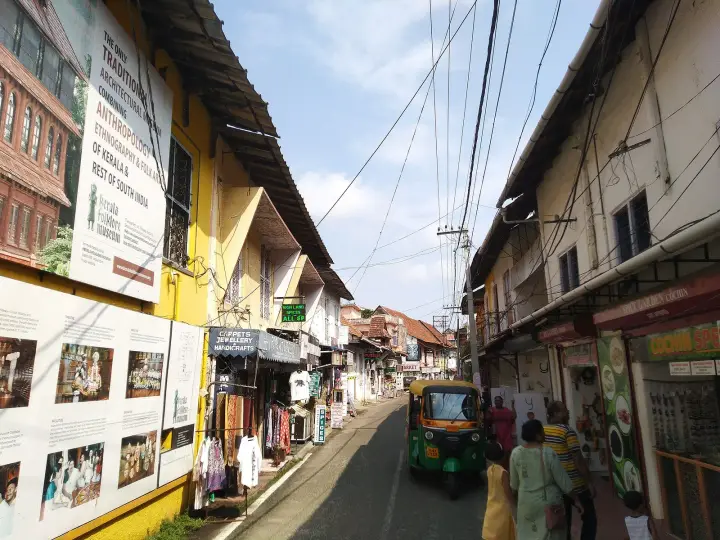
Fort Kochi is a place to be walked, not rushed. Its grid of narrow lanes threads past colonial bungalows turned into homestays, galleries and cafés, their lime-washed walls a canvas for the street art that erupts across the peninsula each Biennale season. Auto-rickshaws putter by churches, spice warehouses and antique shops, and every few streets the sea reappears — flat, silver and busy with cargo ships gliding towards the harbour mouth. The compactness is the charm: you can drift from a 16th-century church to a café to the waterfront in the space of a single unhurried morning.

The signature ritual is the Chinese fishing nets strung along the Vasco da Gama Square waterfront. These giant shore-operated lift nets — locally called cheena vala — are worked by teams of fishermen who haul on counterweighted timber arms slung with stones, the whole contraption creaking down into the water and rising with a shimmer of catch. At dawn and again at dusk they frame the horizon like enormous cobwebs, and the stalls behind them will grill your just-bought fish on the spot, salt-and-lime simple.

A short auto-ride away, Mattancherry deepens the story. Here Jew Town’s single fragrant lane of spice traders and antique dealers leads to the Paradesi Synagogue, its floor paved with hand-painted blue-and-white Chinese willow-pattern tiles, no two alike. Nearby the Mattancherry (Dutch) Palace hides some of India’s finest Hindu murals — a Ramayana cycle covering roughly a hundred square metres — behind a deliberately plain exterior. Between the two, the cafés of Princess Street and Bazaar Road serve everything from Keralan fish curry to slow-pour espresso.

The sea sets the rhythm of the day. Fishermen mend nets on the sand, container ships slide across the channel towards one of India’s great natural harbours, and passenger ferries chug in from Ernakulam and Vypin, spilling commuters and day-trippers onto the jetty. Sunset is the daily headline act: the crowd gathers at the net platforms, the light turns molten over the water, and for a few minutes the whole peninsula seems to pause and face west.

Every couple of years the peninsula becomes India’s largest contemporary-art event, the Kochi-Muziris Biennale, when derelict warehouses and heritage buildings across Fort Kochi and Mattancherry fill with installations, film and painting from around the globe. Even outside Biennale season the creative charge lingers in the galleries, boutique stays and design shops that have made Fort Kochi Kerala’s bohemian heart — and each December the older, homelier Cochin Carnival takes over the streets with parades, cycle races and a burning effigy of Pappanji to see out the year.

What holds it all together is the mixed heritage in the very grain of the streets. A Portuguese church, a Dutch cemetery, a British-era bungalow, a synagogue, a mosque and a Hindu temple sit within a short stroll of one another, and the food, faces and place-names carry Arab, Chinese, Jewish, Konkani and European traces alike. Fort Kochi does not so much preserve its past as live comfortably inside it, which is exactly why travellers linger far longer than they planned.

Legend & myth

Tradition holds that the very ground beneath Kochi was a gift of catastrophe. In the great Periyar flood of 1341, so the old accounts go, the swollen river dumped its silt at the coast, choked the ancient port of Muziris (Kodungallur) and, in the same convulsion, scoured open a deep new natural harbour and threw up fresh land, including Vypin Island. Whether read as history or as the founding legend of the city, the story is remembered as the moment the sea itself handed Kochi the harbour that would make it the ‘Queen of the Arabian Sea’.

The Chinese fishing nets carry a legend of their own. Popular tradition credits them to Chinese traders who reached the Malabar coast in the age of the great Ming admiral Zheng He, roughly six or seven centuries ago, when the maritime Silk Road linked Kochi to the court of China. The cantilevered cheena vala are said to be a living relic of those eastern voyages — a folk memory of a time when junks from China anchored off this shore. (Some scholars instead trace the nets to later Portuguese settlers from Macau; the Zheng He story endures as the beloved local telling rather than settled fact.)

And then there is the belief that quietly underwrites the whole visit: that the colonial quarter you are walking through is the one the Portuguese and the Dutch built. Much of it is not. On 4 January 1889 a pattemari — a coastal trading vessel — caught fire while lying off the premises of Brunton and Co. Wind and current drove the burning boat ashore into a waterfront packed with timber warehouses under thatched roofs, and the fire went through the quarter. Contemporary accounts put the loss at something on the order of three hundred houses and commercial properties.

What that means for a visitor is worth stating plainly. The waterfront you photograph — the long godowns, the trading compounds, a good deal of what reads as “old Fort Kochi” — is substantially an 1890 rebuild, put up by companies that had just watched their warehouses burn, in the style that was already standing. The street plan is genuinely centuries old. A great many of the buildings on it are about a hundred and thirty-five years old, and look older because they were meant to.

Even the name is contested, and the versions you get told depend entirely on who is telling you. The most sober reading takes Kochi from the Malayalam kochu azhi, small lagoon, which is a plain description of the water the town sits on. A second derives it from kaci, harbour. A third takes it from the Sanskrit kochakam, sea.

Then the tellings get more interesting and less likely. One holds that Chinese traders from the court of Kublai Khan named the place after their own homeland — the same Kublai Khan attribution attached to the fishing nets, doing the same work twice. Another proposes a corruption of the Sanskrit Go Sree, prosperous with cows, which is an odd thing to call a port. A scholar has suggested a derivation from cocha, connected to the Hebrew Cohen, which is the kind of etymology that arrives when a town has had a Jewish community for a very long time and people go looking for a link.

That spread is itself the point. A name with six competing origins, three of them foreign, is exactly what you would expect of a harbour that has been argued over by Malayalam, Sanskrit, Chinese, Hebrew and Portuguese speakers in turn. Anyone who gives you one derivation with confidence is choosing a story rather than reporting a finding. And the last change is well documented and recent: the anglicised Cochin, which stuck under the Portuguese and then the British, reverted officially to Kochi in 1996.

More about Fort Kochi

History

Long before Europe arrived, this coast was already a magnet on the spice route, its harbours drawing Arab, Chinese and Jewish traders hungry for Malabar pepper, cardamom and ginger. Kochi’s own rise as a great port is dated to the 14th century: after the Periyar floods of 1341 silted up the old port of Muziris and opened a superb natural harbour here, the Kingdom of Cochin moved its capital to the area around 1405, and the settlement grew into one of the principal centres of the global pepper trade.

In 1500 the Portuguese arrived under Pedro Álvares Cabral, and in 1503 Afonso de Albuquerque secured permission from the Raja of Kochi to build the first European fort in India here — Fort Emmanuel (Fort Manuel) — which gave the settlement its lasting name. Portuguese Kochi flourished for about 160 years as a colonial and Catholic stronghold and the earliest European foothold on the subcontinent.

St Francis Church, begun by Portuguese Franciscan friars around 1503, is regarded as the oldest European church in India. When the navigator Vasco da Gama died in Kochi in 1524 on his third voyage to India, he was first buried inside this church; his remains lay here for about fourteen years before being taken back to Portugal, and the site of his original grave is still shown to visitors. Over the centuries the church itself passed from Catholic to Dutch Protestant and finally Anglican hands, mirroring the peninsula’s changing rulers.

In 1663 the Dutch captured Kochi from the Portuguese. They dismantled much of the Portuguese town and its Catholic institutions, rebuilt the defences with massive bastions, laid out a Dutch cemetery beside St Francis Church, and reshaped the place in their own mercantile image — it is from this era that the Mattancherry Palace earned its popular name, the ‘Dutch Palace’, after Dutch renovations of a building the Portuguese had first presented to the Raja.

The British took Kochi in 1795 during the wars against the Dutch, and by around 1806 had pulled down most of the old fort’s walls. Under British administration Fort Kochi and the wider harbour became a major hub for the export of pepper, other spices, tea, coffee and coir; in the early 20th century Sir Robert Bristow’s harbour-engineering works dredged the approaches and created the modern port of Cochin, including Willingdon Island, cementing the city’s role as a great trading and shipping gateway on India’s south-west coast.

Kochi’s cosmopolitan character was layered on across all these centuries. Jewish traders had settled here from early times, and the Paradesi Synagogue in Mattancherry’s Jew Town — built in 1568 and the oldest active synagogue in the Commonwealth — anchors that history, its 18th-century Chinese floor tiles and brass pillars still intact. Since 2012 the biennial Kochi-Muziris Biennale has added a fresh, contemporary chapter, turning the old warehouses of the peninsula into one of Asia’s most important stages for global art.

Why visit

Watch the iconic Chinese fishing nets rise and fall against a blazing Arabian Sea sunset.

Walk five centuries of Portuguese, Dutch and British history in one compact, strollable peninsula.

See India’s oldest European church and Vasco da Gama’s first burial site at St Francis Church.

Explore Mattancherry’s Dutch Palace murals, Jew Town spice lanes and the 1568 Paradesi Synagogue.

Soak up Kerala’s most creative quarter of street art, galleries, homestays and café culture.

Time your trip for the Kochi-Muziris Biennale or the December Cochin Carnival for a city-wide celebration.
Before you go

Fort Kochi — at a glance

HoursFort Kochi is a public neighbourhood open around the clock, best in daylight and at sunset; the Chinese fishing nets are worked from dawn and again in the late afternoon, and shops, cafés and galleries generally keep mid-morning to evening hours, each on its own clock.

Entry: Wandering Fort Kochi, its waterfront and the Mattancherry streets is free. The ticketed sights are cheap and cash-based — the Mattancherry (Dutch) Palace and the Paradesi Synagogue charge a few rupees each — and harbour or backwater boat rides are priced per trip; Kochi-Muziris Biennale venues sell a separate pass in edition years.

Dress code: Dress modestly for churches, the synagogue and temples — covered shoulders and knees — and be ready to remove footwear at religious sites; the synagogue expects it.

Festivals: The Kochi-Muziris Biennale, India’s largest contemporary-art festival, takes over warehouses across the quarter in its edition years — the sixth closed on 31 March 2026, and the seventh opens in December 2027 under Kader Attia, the first foreign curator in its history. Every year, Biennale or not, the Cochin Carnival fills the closing days of December and ends with the burning of the Pappanji giant at New Year midnight.

Photography: The Chinese fishing nets silhouetted at sunset are the signature shot; the street art and murals, the weathered facades around the parade ground and the spice-scented lanes of Jew Town carry the rest of the roll. Photography is restricted inside the Dutch Palace mural halls and the synagogue — and ask before shooting the net crews or the Dhobi Khana washers at work.

Getting here

How to reach Fort Kochi

  • ✈︎ By air Cochin International Airport (COK) at Nedumbassery is 44 km by road, measured to the terminal — about 50 minutes on a clear run and over an hour in traffic. We have not verified current prepaid-taxi rates; check the counter on the day.
  • 🚆︎ By train Fort Kochi has no passenger station. Ernakulam Town (ERN) is 8.6 km by road over the Goshree bridges and Ernakulam Junction (ERS) 12.5 km through the city, both around twenty minutes outside the rush. From either, finish by ferry, Water Metro, bus or auto.
  • 🚗︎ By road Every road arrival crosses a bridge — the Goshree chain from the north or Thoppumpady from the south-east. The lanes inside the quarter are narrow and parking is scarce; if you have the choice, arrive by water and walk.
  • 🚌︎ By bus KSRTC and private buses stop at the Fort Kochi stand, 400 m from the centre; the Ernakulam KSRTC hub is 13.4 km away on the mainland. Inside the quarter you walk.
  • ⛴︎ By boat The boat is the Fort Kochi arrival. The Kochi Water Metro’s High Court line (running since April 2024) lands 200 m from the centre in about twenty minutes; SWTD passenger ferries cross from the Ernakulam jetty for a few rupees, and the Vypin ro-ro leaves from the Junkar jetty 500 m north. We publish no timings — there is no official feed we are permitted to republish; ask at the jetty for the last boat back.
Getting around

Getting around Fort Kochi

Fort Kochi itself is walked — the waterfront, the parade ground, St Francis Church and the cafés sit closer together than any ride. Auto-rickshaws cover the short hops to Mattancherry and Jew Town; insist on the meter or agree the fare before you set off. For the harbour, the ferries and the Water Metro beat the road every time.

  • 🚕︎ Online taxis Uber and Ola both run cabs across Kochi (Ola also books autos), Rapido does bike and auto hops, and the zero-commission Namma Yatri and Yatri (Open Kochi) and the Kerala government’s own Kerala Savaari book autos and cabs directly with drivers — Savaari is newer, with fewer drivers on the road. One caveat: pickups inside the old quarter’s narrow lanes can be slow, so the apps are at their best for the airport run and mainland trips rather than hops within Fort Kochi. The private apps price dynamically — surge included — while Kerala Savaari runs on government-fixed fares; every app shows the price before you book, so we print no fares here. Rapido’s bike-taxi arm faces legal disputes in Kerala and can be disrupted; its auto and cab bookings are unaffected.

Full guide: Getting around Kochi — Metro, ferries, autos and every ride-hailing app, with download links.

Getting back

Check your return bus or ferry with the operator before setting out. Leave time to reach the stop or jetty after your visit, and arrange a return vehicle in advance for a remote outing.

Ask at the jetty or the stand for the time of the last service back, not the next one. If you miss it, an auto or a taxi is the fallback — agree the fare before you get in.

Do

Things to do in Fort Kochi

  • Watch the cheena vala — the shore-operated Chinese fishing nets — being worked at Vasco da Gama Square; the crews haul from dawn and again toward sunset, the two ends of the fishing day.
  • Step into St Francis Church, the oldest European church in India (1503), and find the railed grave slot where Vasco da Gama lay for fourteen years before his remains went home to Lisbon.
  • Read the painted interior of Santa Cruz Cathedral Basilica — one of the finest church interiors in Kerala, two lanes from the Kathakali centre.
  • Give an evening to Kathakali at the Kerala Kathakali Centre, where the painted make-up is half the show.
  • Cross to Mattancherry for the Dutch Palace’s Ramayana murals and Jew Town’s single spice-scented lane down to the Paradesi Synagogue — a ten-minute auto ride, best at midday when the quarter itself goes quiet.
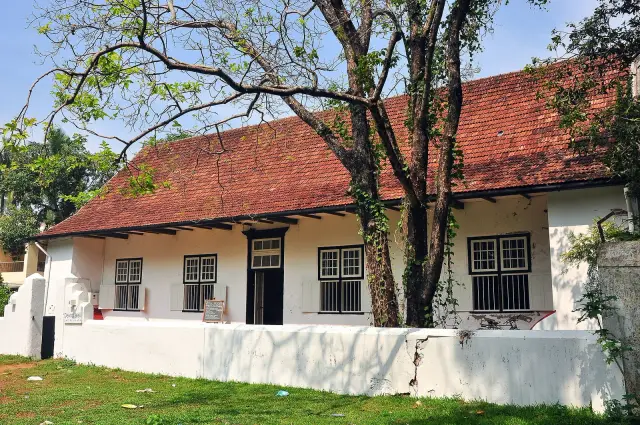
  • Walk the parade-ground edge: David Hall’s restored 17th-century Dutch bungalow gallery on one side, St Francis and the colonial facades around the green.
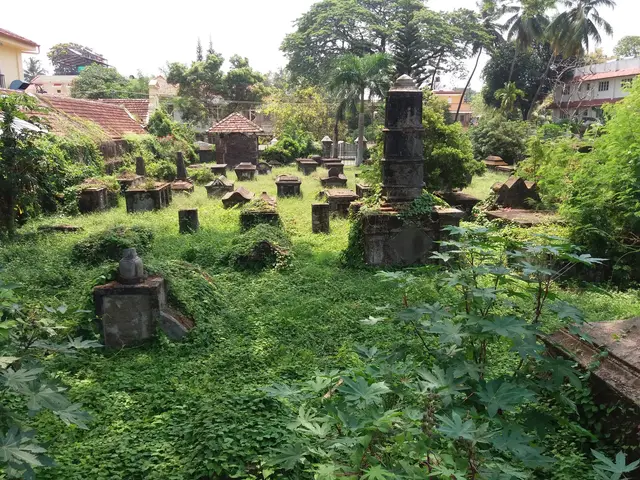
  • Look through the gate of the Dutch Cemetery, consecrated 1724 and ASI-protected — it is usually locked, and the view through the railing is the visit.
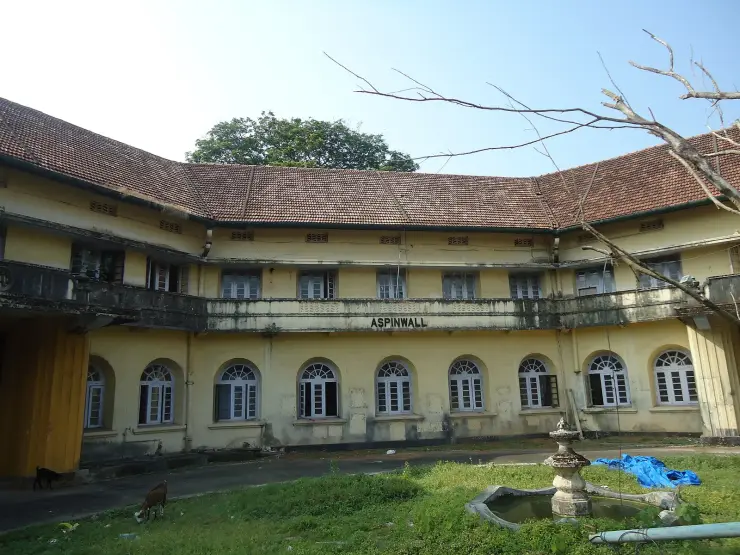
  • Time Aspinwall House for a Biennale season — the 19th-century waterfront trading compound is the festival’s principal venue and stands closed most other months.
  • Go south to the Dhobi Khana at Veli in the morning, when the open-air laundry’s washing lines and beating stones are actually at work.
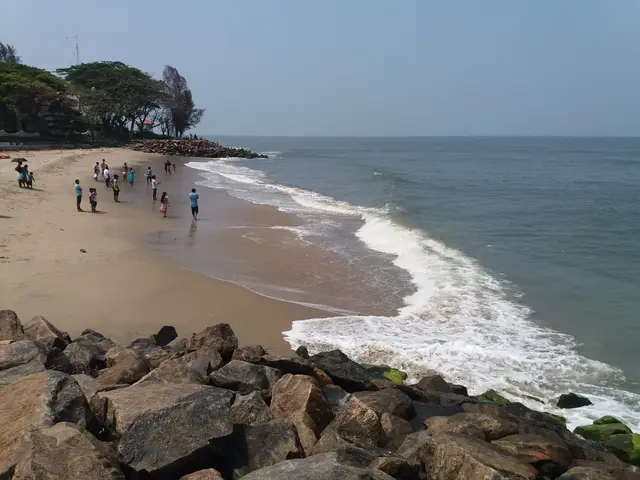
  • Hunt street art through the lanes — the murals turn over with every Biennale — and finish with the sunset crowd on Fort Kochi Beach, a strolling beach rather than a swimming one.
Plan

Good to know

  • Stay off the net platforms. On 21 November 2025 a fishing-net platform at Vasco da Gama Square gave way and dropped seven visitors into the water, and Fort Kochi police then barred operators from taking tourists onto them. The haul is fully visible from the promenade, which is where to watch it.
  • Check the Biennale calendar before you believe anything written about the ‘art district’. The Kochi-Muziris Biennale runs only every second year — the sixth edition closed on 31 March 2026 and the seventh opens in December 2027. Between editions the warehouse venues stand closed and the quarter is far quieter than the articles suggest.
  • Plan Mattancherry around the closing days. The Dutch Palace closes on Fridays; the Paradesi Synagogue closes Friday, Saturday and Jewish holidays, and keeps a midday break on the days it does open. Arriving on a Friday loses you both.
  • Arrive by water if you can. The Water Metro from High Court lands 200 m from the centre in about twenty minutes and runs from early morning to around 10 pm; the SWTD ferry from the Ernakulam jetty is the cheap classic. Ask for the last boat back when you land, not when you leave.
  • The ro-ro from the Junkar jetty puts you on Vypin island in minutes — Cherai’s swimmable beach at the island’s far end is the half-day extension the peninsula itself cannot offer.
  • Kathakali done properly is an evening commitment. Arrive for the make-up, not just the dance — at the Kerala Kathakali Centre it is applied on stage from about an hour before the performance, and the published show prices are confirmed with the centre directly.
  • Dhobi Khana is a workplace, not an exhibit. The Vannan families at Veli have washed Kochi’s linen for generations, and asking before photographing people at work is the price of entry.
  • Eat what the harbour lands. The stalls behind the nets grill the fish you pick — agree the price before it goes on the coals, not after.
  • Distances here are on foot: in the ranked walking list further down this page, everything except the Dhobi Khana is inside a quarter-hour’s walk of the centre. An auto is for Mattancherry, not for getting around the quarter.
  • Sunday changes the churches. St Francis and Santa Cruz Basilica are working parishes — services take precedence, and the interiors close to sightseeing during mass.
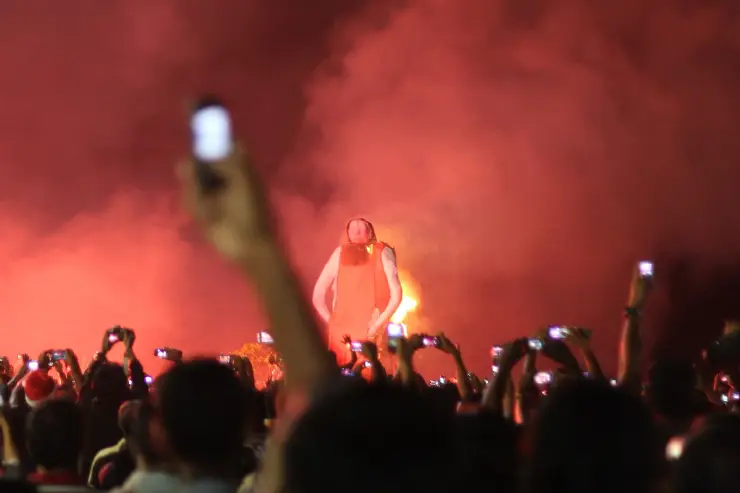
  • December is the crowd month even without a Biennale: the Cochin Carnival runs the closing days of the year and ends with the Pappanji burning on the beach at New Year midnight — book that week well ahead.
  • June to September the monsoon lands in short, hard bursts off the harbour rather than as all-day rain — ferries and the seafront are the first things affected, and the cafés and museums are the refuge. Carry rain cover and leave slack in the day.
  • The mainland is an excursion, not an errand: the ferry puts Marine Drive, Broadway’s bazaar lanes and the Kochi metro within easy reach for a half-day off the peninsula.
Facilities

On site

  • Fort Kochi is an open quarter, not a ticketed site: the seafront, Vasco da Gama Square, the parade ground and the lanes are public ground with no gate and no closing time.
  • The practical-things list further down this page is drawn from OpenStreetMap and routed on foot from the centre — the Water Metro terminal, ATMs, pharmacies and the police station all sit within a few hundred metres. It is what is mapped, not a survey.
  • Deliberately not guessed, because we have not checked them: current auto and taxi fares, and the condition and hours of the public toilets near the seafront. We would rather publish the gap than a number that turns out wrong.
  • We have not re-surveyed step-free access anywhere in Fort Kochi. Where a step-free distance appears below it is routed over OpenStreetMap’s mapped network, which is thin in Kerala, and is not a statement that the route is usable in a wheelchair.
Getting around Fort Kochi

If you need step-free access, contact the site before travelling. Ask about a level entrance, steps along the route, the nearest drop-off point, seating and accessible toilets.

If you need help at Fort Kochi
112All emergencies (police · fire · medical)The single number to call in any emergency (ERSS).
Safety around Fort KochiGenerally safe

Fort Kochi is one of Kerala’s safest and most walkable tourist quarters, comfortable by day and on the main lanes after dark. Violent crime against visitors is rare — the realistic risks are auto/guide scams, petty theft in crowds, and the sea, not personal danger.

  • OverallOne of Kerala’s safest tourist areas; tourist police nearby.
  • Solo & womenWidely reported as comfortable; conservative, used to visitors.
  • Scams to watchAuto/taxi overcharging, “closed today” guide tricks, commission shops.
  • Petty theftLow, but mind bags at the nets, ferries and busy markets.
  • The seaFort Kochi beach is for strolling — currents make swimming unsafe.
  • At nightKerala Police run “Nirbhaya Nisha” state-wide, 9pm–5am: pink patrols, highway units and SOS via the Pol-App and 112.

Safety guidance last reviewed 15 June 2026. Always check your own government's current travel advice before you travel.

Emergency numbers are verified against official government and state tourism sources. 112 works anywhere in India.

Practical things near Fort Kochi
ToiletsPublic toilet 252 m · 3 min walkMapped Nov 2022DirectionsBus stopsKunnumpuram Bus stop209 m · 3 min walkMapped Mar 2022DirectionsTaxi & auto standsAuto Stand 249 m · 3 min walkMapped Mar 2025DirectionsFerry jettiesFort Kochi Water Metro Stop Ferry jetty256 m · 3 min walkMapped Jan 2026DirectionsScooter & bike hirei-One's Homestay and Bike Rental Scooter & motorcycle hire393 m · 5 min walkMapped Jan 2026DirectionsFuelIndian Oil Fuel station423 m · 5 min walkMapped Nov 2025DirectionsPharmacyGrace Medicals Pharmacy526 m · 6 min walkMapped Feb 2026DirectionsHospitalDr. Elzas Ayurveda Hospital 132 m · 2 min walkMapped Mar 2021DirectionsClinicMeera Eye Clinic 614 m · 7 min walkMon–Sat 18:30–20:00Mapped Jan 2021DirectionsPolice stationFort Kochi Police Station 261 m · 3 min walkSurveyed Jan 2026DirectionsATMATM 244 m · 3 min walkSurveyed Feb 2025DirectionsBankSouth Indian Bank 249 m · 3 min walkSurveyed Dec 2022DirectionsWater & snacksSona Convenience shop204 m · 2 min walkSurveyed Feb 2025DirectionsGroceries & bakeryGreengrocer 488 m · 6 min walkMapped Jan 2026DirectionsLaundryChinnu Laundry 510 m · 6 min walkMon–Sat 10:30–18:00 or laterMapped Feb 2021DirectionsBarber & salonRina's Hair & Beauty Saloon 152 m · 2 min walkDaily 10:00–19:00Surveyed Feb 2026DirectionsBookshopIdiom Booksellers 102 m · 1 min walkMapped Aug 2023DirectionsSomewhere to praySt. Andrews Parish Hall Place of worship662 m · 8 min walkSurveyed Dec 2022DirectionsSomewhere to sitBench 420 m · 5 min walkMapped Jan 2026DirectionsPublic art & memorialsObelisk 229 m · 3 min walkMapped Sept 2023Directions
What the cash actually costs
  • Withdrawing from a bank that is not your own is free for a set number of times a month, then costs up to ₹23 plus GST — about ₹27 a withdrawal. This is not one of the RBI’s six metro centres, so the allowance here is the higher one: at least five free other-bank withdrawals a month, and at least five at your own bank.
  • That free allowance belongs to Indian bank accounts. On a card issued abroad your own bank’s international withdrawal and exchange charges apply instead. If the machine offers to bill you in your home currency, choose rupees — the conversion rate on that offer is set by the machine, not by your bank.
  • Choose a well-lit ATM, preferably at a bank branch. Shield your PIN, avoid help from strangers and use your bank’s support number if a withdrawal fails or the machine retains your card.

Charge cap and free-transaction limits: Reserve Bank of India, in force since 1 May 2025.

These services are listed within about 1.2 km of Fort Kochi. Walking distances follow mapped routes; access and opening hours can change. Other services may be closer but are not included here.

In the district

Where Fort Kochi sits in Ernakulam district

Local transportThe quarter is walked. Auto-rickshaws cover Mattancherry and Jew Town; the Water Metro and SWTD ferries link Ernakulam and Vypin.
District HQKakkanad (Kochi)
LandscapeCoastal commercial heartland

Ernakulam district is known for: Kochi — heritage Fort Kochi, the port city and backwater gateway.

The Water Metro from High Court (Ernakulam) is the simplest arrival without a car.Streets are narrow and parking is limited — arriving by ferry avoids both.Fort Kochi & Chinese fishing netsMarine DriveCherai Beach
Stay · eat · do · rent · see · shop

Places in Fort Kochi

Every verified place in Fort Kochi — filter by what you’re after.

12 places to stay in Fort Kochi

Old Harbour Hotel — Hotel in Fort Kochi
Top pick Verified Historic
Hotel · Fort Kochi
Old Harbour Hotel
4-star

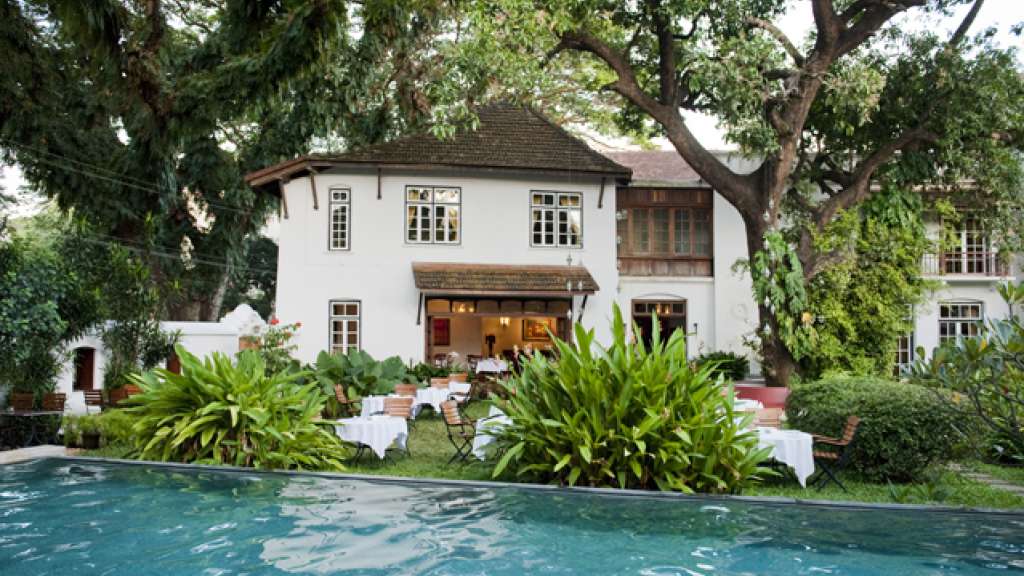
Heritage hotel on Tower Road in Fort Kochi with direct Kerala Tourism-listed contacts. Fort Kochi, Tower Road, Heritage hotel.

Directions Commission-freeView details
Brunton Boatyard — Hotel in Fort Kochi
Hotel · Fort Kochi
Brunton Boatyard

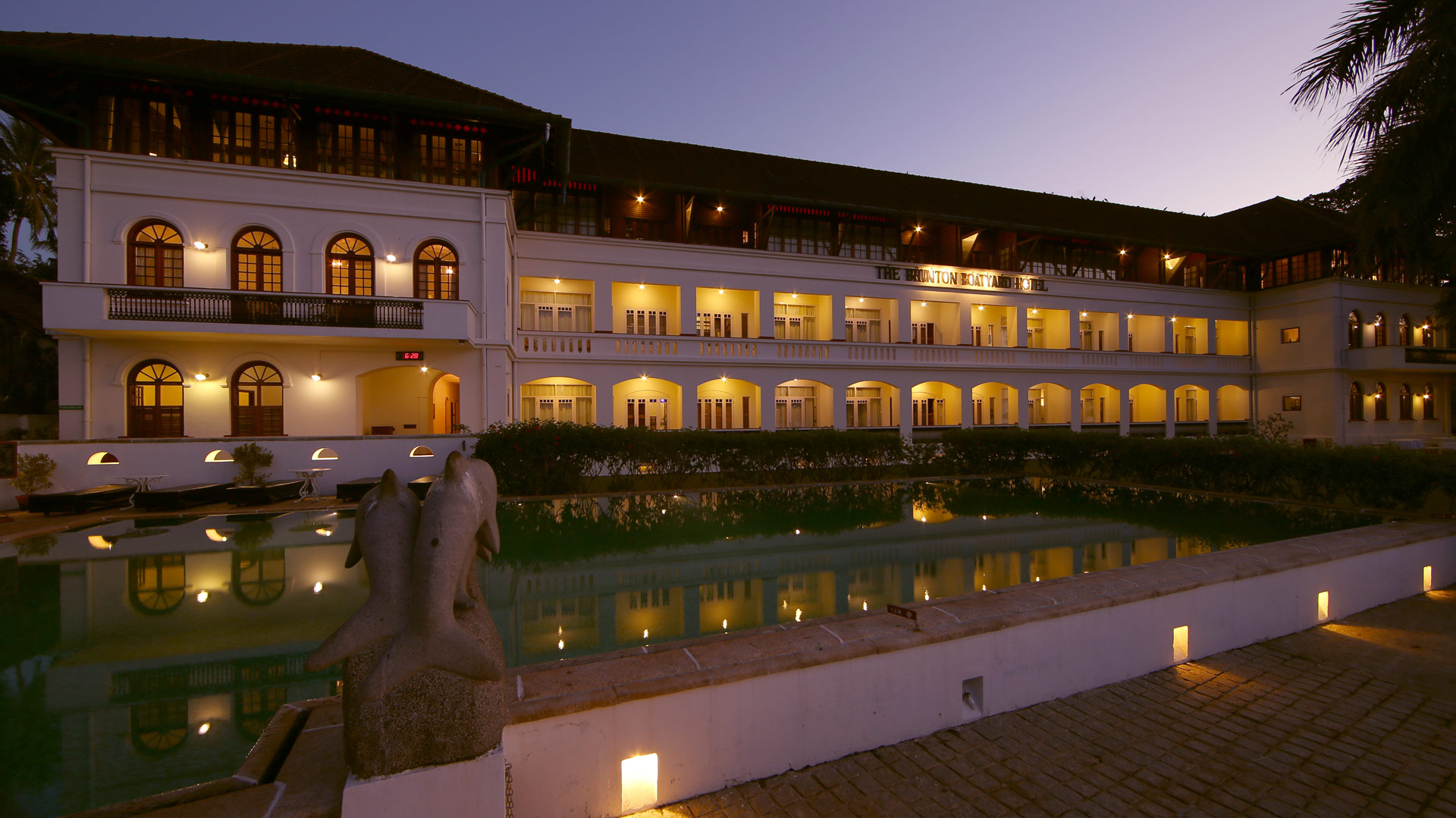
Heritage hotel on the site of George Brunton’s Victorian boatyard at Calvathy, rebuilt in trading-era style around a harbour-facing court — the rooms look onto the ship channel.

Directions Commission-freeView details
Zostel — Hostel in Fort Kochi
Hostel · Fort Kochi
Zostel

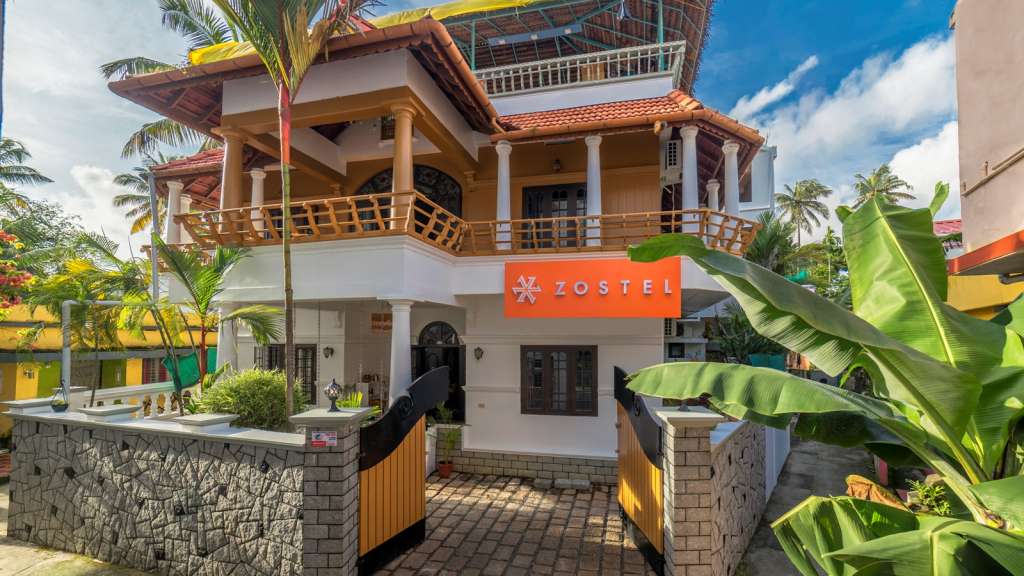
Fort Kochi branch of the Zostel backpacker chain — dorms and private rooms, the quarter’s main hostel option.
Directions Commission-freeView details
Guestland Homestay — Homestay in Fort Kochi
Homestay · Fort Kochi
Guestland Homestay

Homestay on 1/1519, Chirattapalam Rd, behind Dr Abraham Dental Clinic, Amaravathy, Fort Kochi, Kochi, Kerala 682001, Indien in Fort Kochi.

Directions Commission-freeView details
H
Hotel Sea View In
Place to stay
Hotel · Fort Kochi
Hotel Sea View In
Open now

Budget hotel by the Vypin bus stand, across the ro-ro from Fort Kochi — a practical island-side base rather than a heritage-quarter stay.

Directions Commission-freeView details
T
Tea Bungalow
Place to stay
Hotel · Fort Kochi
Tea Bungalow

Boutique hotel in a colonial trading bungalow at Kunnumpuram — built for a trading company and later a tea firm’s guest house, hence the name.

Directions Commission-freeView details
N
No 18 Hotel
Place to stay
Hotel · Fort Kochi
No 18 Hotel

Boutique hotel at No 18, KB Jacob Road — upper-mid rooms a short walk from both the basilica and the beach.

Directions Commission-freeView details
K
Koder House
Place to stay
Hotel · Fort Kochi
Koder House

The Koder family’s early-1900s mansion on Tower Road — the house of Kochi’s best-known Jewish trading family, now a boutique heritage hotel.

Directions Commission-freeView details
T
The Old Courtyard Hotel
Place to stay
Hotel · Fort Kochi
The Old Courtyard Hotel

Heritage hotel built around a Portuguese-era courtyard off Princess Street — creaking floors and planters’ chairs rather than polish, which is the charm.

Directions Commission-freeView details
T
Tharavadu Guest House
Place to stay
Homestay · Fort Kochi
Tharavadu Guest House

Guest house on Quieros Street, one of the old Portuguese-named lanes off Princess Street — a plain budget base in the middle of the quarter.

Directions Commission-freeView details
E
Eighth Bastion CGH Earth
Place to stay
Verified
Hotel · Fort Kochi
Eighth Bastion CGH Earth

Hotel in Fort Kochi, Ernakulam, Kerala, India. Fort Kochi, Napier Street, CGH Earth.

Directions Commission-freeView details
B
Brunton Boatyard CGH Earth
Place to stay
Verified
Hotel · Fort Kochi
Brunton Boatyard CGH Earth

CGH Earth heritage waterfront hotel on Calvetty Road in Fort Kochi. Luxury heritage hotel (CGH Earth) · Fort Kochi, Heritage stay, CGH Earth.

Directions Commission-freeView details

Book with the place itself. India’s cyber-crime coordination centre warned in April 2025 that convincing copies of hotel and pilgrimage booking sites are being pushed through sponsored search and social ads, taking payment for rooms the property never hears about. Every listing here links to the business’s own contact details and its own Google or Bing profile — we take no commission and sit in nobody’s payment path. If a booking page reached you through an ad, check the address bar against the property’s own site before you pay. Fraud can be reported on cybercrime.gov.in or on 1930.

Ranked

The best of Fort Kochi, ranked

Nearest to the centre of Fort Kochi, on foot

Ordered by a real routed walk from the town centre — a different question, and the one that decides what you can do before lunch. Straight-line distance understates a real walk by about half again, so these are walking-network figures, not lines on a map.

Everything around Fort Kochi, by distance

Every place we hold for Fort Kochi, ordered by a real routed drive from the town centre. Times are free-flow and a real road rarely is, so read them as the floor rather than the estimate — anything that routed over ninety minutes is left out rather than published as a number we do not trust.

The full guide

Planning a trip to Fort Kochi?

This page lists the places. The Fort Kochi travel guide covers the rest — what to eat, festivals, how safe it is, what it costs and how to get around.

Places to visit

The places themselves, around Fort Kochi

The best tourist places to visit in Fort Kochi — temples, viewpoints, lakes, heritage and nature, each with a full guide, how to reach it and what to see nearby.

Chinese fishing nets, Fort Kochi
PlaceChinese fishing nets

The giant cantilevered lift nets that are Fort Kochi’s emblem, strung along the shore at Vasco da Gama Square and still landing fish. Even their origin is argued — popular tradition credits Chinese traders of Zheng He’s era, some scholars later Portuguese settlers from Macau — and the argument is part of the attraction.

Open guide →
St. Francis Church, Fort Kochi
PlaceSt. Francis Church

Believed to be the oldest European church in India (1503); Vasco da Gama was buried here before his remains were moved to Lisbon.

Open guide →
Fort Kochi Beach, Fort Kochi
PlaceFort Kochi Beach

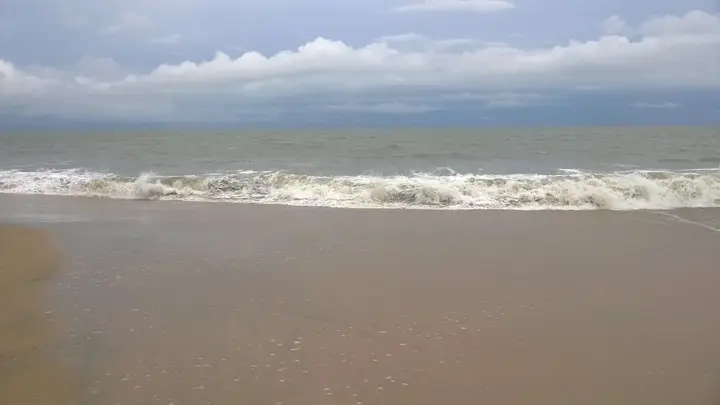
Public seafront beside the Chinese fishing nets — a walking-and-sunset beach, not a swimming beach.

Open guide →
Dutch Cemetery, Fort Kochi
PlaceDutch Cemetery

The 1724 burial ground of Kochi’s Dutch colonial officials and merchants, beside St Francis Church — ASI-protected, and usually locked.

Open guide →
Santa Cruz Cathedral Basilica, Fort Kochi
PlaceSanta Cruz Cathedral Basilica

One of the finest churches in Kerala, with a richly painted interior, beside the Kerala Kathakali Centre in Fort Kochi.

Open guide →
Kerala Kathakali Centre, Fort Kochi
PlaceKerala Kathakali Centre

Evening Kathakali and Kerala classical-art performances in Fort Kochi, with make-up shown before the show.

Open guide →
Aspinwall House, Fort Kochi
PlaceAspinwall House

A large 19th-century waterfront trading compound in Fort Kochi, the principal venue of the Kochi-Muziris Biennale.

Open guide →
Indo-Portuguese Museum, Fort Kochi
PlaceIndo-Portuguese Museum

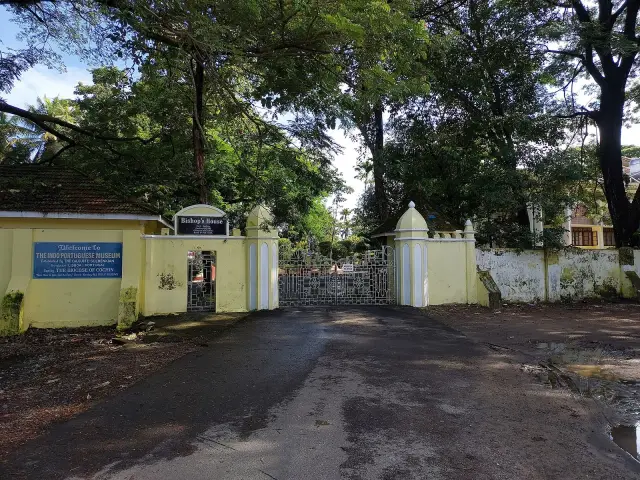
Museum of Kerala’s Indo-Portuguese Catholic heritage in the Bishop’s House garden, Fort Kochi.

Open guide →
David Hall Art Gallery, Fort Kochi
PlaceDavid Hall Art Gallery

A restored 17th-century Dutch bungalow on the Fort Kochi parade ground, now a contemporary art gallery and cafe.

Open guide →
Dhobi Khana, Fort Kochi
PlaceDhobi Khana

A working colonial-era community open-air laundry in Fort Kochi, still used by traditional washermen families.

Open guide →
For hotels, homestays and local businesses

Get listed in Fort Kochi for free

Roampedia is commission-free. Travellers discover your business, book directly and contact you through official details. Basic listings are free, while Gold and Platinum package upgrades can be requested from the owner dashboard after approval.

List your business — free
Read before you go

Fort Kochi guides, stories & itineraries

Stories & history of Fort Kochi

Written about Fort Kochi itself — its history, its legends and the arguments about them.

Around Fort Kochi

The town itself and the places around it — each written about one subject rather than as a general guide.

The Jews of Cochin and the Paradesi Synagogue
Ernakulam · history
The Jews of Cochin and the Paradesi Synagogue

In a lane of Mattancherry stands a synagogue from 1568, the last living trace of one of the oldest Jewish communities on earth. The story of the Cochin Jews runs through two thousand years of Kerala’s trade.

6 min read · Read →
Day trips from Kochi: the best escapes within reach
Ernakulam · day trips
Day trips from Kochi: the best escapes within reach

Kochi is the perfect base for exploring central Kerala: waterfalls, tea hills, backwaters and ancient ports are all a day’s round trip away. Here are the best escapes and how far each really is.

6 min read · Read →
St Francis Church: the empty grave of Vasco da Gama
Story
St Francis Church: the empty grave of Vasco da Gama

The man who opened the sea route from Europe to India died in Kochi, and was buried under this floor. Fourteen years later they dug him up and shipped him home — but the grave is still here, and still marked, still empty.

9 min read · Read →
Santa Cruz: the cathedral that was built, spared, destroyed and reborn
Story
Santa Cruz: the cathedral that was built, spared, destroyed and reborn

The Portuguese built it. The Dutch spared it but filled it with weapons. The British knocked it flat. And then, a century later, it rose again — grander than before. Few churches have died and returned like Santa Cruz.

8 min read · Read →
Who Really Built the Chinese Fishing Nets of Kochi?
Story
Who Really Built the Chinese Fishing Nets of Kochi?

Kerala’s most photographed object has a disputed origin. We lay out what the evidence actually supports, and what it does not.

7 min read · Read →
Pappanji: the Old Man Fort Kochi Burns at Midnight
Story
Pappanji: the Old Man Fort Kochi Burns at Midnight

On New Year’s Eve Fort Kochi burns a giant old man on the beach. The tradition is genuinely old, genuinely disputed, and worth understanding before you stand in the crowd.

6 min read · Read →

Planning a trip to Fort Kochi

The practical half — what is actually here, in what order to see it, and how to arrive.

Kerala-wide guides & itineraries

Route-level itineraries and practical guides for the rest of the state.

See all 172 Ernakulam guides & stories →

Map

Where things are in Fort Kochi

FAQ

Fort Kochi travel FAQs

How old are the Chinese fishing nets, and where did they come from?

The cantilevered nets, locally called cheena vala, are traditionally said to have been introduced to the Malabar coast around 600–700 years ago by Chinese traders in the era of the explorer Zheng He, and became established on the Kochi shore roughly between 1350 and 1450. Some researchers instead credit later Portuguese settlers from Macau, but the Zheng He story remains the popular local telling.

Is Vasco da Gama really buried in Fort Kochi?

He was buried here first. Vasco da Gama died in Kochi in 1524 and was interred inside St Francis Church, where his remains lay for about fourteen years before being taken back to Portugal. His original gravestone site is still marked and shown to visitors, though his body is no longer there.

What is the oldest church in Fort Kochi?

St Francis Church, begun by Portuguese Franciscan friars around 1503, is regarded as the oldest European-built church in India. Over the centuries it passed from Roman Catholic to Dutch Protestant and then Anglican hands, tracing the peninsula’s changing colonial rulers.

What is the Kochi-Muziris Biennale and when does it happen?

It is India’s largest contemporary-art exhibition, first held in 2012, which fills heritage warehouses and buildings across Fort Kochi and Mattancherry with international art. It runs as a biennial — roughly every two years, opening in December and running into the spring. The sixth edition, curated by Nikhil Chopra, ran 12 December 2025 to 31 March 2026; the seventh opens in December 2027 under Kader Attia, the first foreign curator in its history. Between editions the warehouse venues stand closed.

How do I get from Ernakulam to Fort Kochi?

By water, ideally. The Kochi Water Metro's High Court–Fort Kochi line crosses in about twenty minutes and lands 200 m from the centre, and the cheap SWTD passenger ferry runs from the Ernakulam boat jetty. By road it is 8–13 km over the bridges depending on where you start, by taxi, auto or KSRTC and private bus — fine outside rush hour, slow in it. We publish no timetables; ask at the jetty for the last boat back.

How do I reach Fort Kochi?

Cochin International Airport is 44 km by road, measured to the terminal — about fifty minutes on a clear run and over an hour in traffic. Fort Kochi has no railway station: Ernakulam Town (8.6 km by road) and Ernakulam Junction (12.5 km) are the railheads, and from either the pleasant finish is the ferry or Water Metro across the harbour. Long-distance buses use the Ernakulam KSRTC hub, with local services to the Fort Kochi stand 400 m from the centre.

What should I see in Mattancherry and Jew Town?

The highlights are the Mattancherry (Dutch) Palace, famous for its Kerala-style Ramayana murals; the Paradesi Synagogue of 1568 with its hand-painted Chinese floor tiles; and the fragrant single lane of Jew Town lined with spice merchants and antique dealers. They sit close together and are a short auto-ride from the Fort Kochi waterfront.

Where does the name Kochi come from?

Nobody can tell you for certain, and at least six derivations are in circulation. The soberest takes it from the Malayalam kochu azhi, small lagoon — a plain description of the water the town sits on. Others propose kaci, harbour; the Sanskrit kochakam, sea; a naming by Chinese traders from Kublai Khan's court after their own homeland; a corruption of the Sanskrit Go Sree, prosperous with cows; and a link to cocha, connected to the Hebrew Cohen. That spread is what a harbour argued over in five languages looks like. The anglicised Cochin, which stuck under the Portuguese and then the British, officially reverted to Kochi in 1996.

Are the buildings in Fort Kochi really Portuguese and Dutch?

The street plan is genuinely centuries old. Many of the buildings on it are not. On 4 January 1889 a burning pattemari drove ashore into a waterfront of timber godowns under thatch and the fire took something on the order of three hundred houses and commercial properties. Much of what reads as old Fort Kochi — the long warehouses and trading compounds in particular — is an 1890 rebuild, put up in the style already standing, which is exactly why it looks older than it is.

What are the best places to visit in Fort Kochi?

Top places to visit in Fort Kochi include Chinese fishing nets, St. Francis Church, Fort Kochi Beach, Dutch Cemetery, Santa Cruz Cathedral Basilica, Kerala Kathakali Centre, and more — each has a full guide with how to reach it and what to see nearby on this page.

What is the best time to visit Fort Kochi?

October to March is the driest and most comfortable season to visit Fort Kochi and the rest of Kerala. The June–September monsoon is lush and green but wet, and often brings lower low-season prices.

Photographs: Ingo Mehling (CC BY-SA 4.0), Ranjith Siji (CC BY-SA 4.0), Vis M (CC BY-SA 4.0), Kanad Sanyal (CC BY-SA 4.0), Rainer Halama (CC BY-SA 4.0). Wikimedia Commons.

Image credits