Nilambur Teak Museum

Nilambur Teak Museum makes one tree species the subject of a surprisingly varied visit. At the Kerala Forest Research Institute’s Sub Centre in Chandakkunnu, teak appears as a living organism, a plantation crop, a scientific research subject and a material shaped into objects. Begin with the exposed roots in the portico, continue through the history and science galleries, and leave time for the Bioresources Nature Park outside. This is the museum campus on the Nilambur–Gudalur road, separate from Conolly’s Plot near Vadapuram.

Nilambur Teak Museum, Chandakkunnu, Nilambur
Practical guide

Plan Nilambur Teak Museum

Who's going?Tailor Nilambur Teak Museum to your trip
Typemuseum
AreaChandakkunnu, Nilambur
DistrictMalappuram
Best timeA morning arrival leaves time for both…
Time neededAllow about two hours as a planning…
Places to visit5Listed businesses17
The story

At the entrance, teak stops looking like a plank. An exposed network of roots spreads through the portico, its polished branching forms rising against the trees outside. Before the museum explains any timber trade or planting method, it makes the visitor look at the part of a tree that a forest walk usually conceals.

The story of Nilambur Teak Museum

That opening sets the character of the museum. It takes an apparently familiar material and restores the stages that are easy to overlook: a seed that must germinate, a growing tree that needs years of tending, a trunk with different uses at different sizes, and an object made after harvesting. The galleries connect those stages instead of presenting teak only as expensive wood.

The building itself provides an immediate example of that material language. Its entrance has a deeply carved wooden surround, with scrolling foliage and tree forms on the door panels. The lettering on the laterite-patterned facade announces the subject in English and Malayalam. These details make wood both the topic of the exhibition and part of the way a visitor enters it.

On the ground floor, the historical and artistic displays explore what people made from teak. KFRI identifies a granary, an uru model and timber sections associated with different stages of plantation management. The objects offer different questions: how wood is joined, why a particular shape is useful, and how the dimensions of an available trunk influence its eventual purpose.

Large-tree exhibits introduce another way of looking. The museum includes an image of Kannimara teak at Parambikulam and a replica based on a large tree from Malayattoor. Their value is comparative. A visitor can understand the scale of trees in different forest settings while remaining clear about which exhibits are representations and which are physical specimens.

Upstairs, the emphasis moves from finished material to the growing organism. Displays cover flowering and seed production, seed treatment, regeneration and propagation. The tissue-culture section uses photographs of plant material in vessels to explain a method quite different from simply sowing a seed. A tree that appears solid and singular outside becomes a subject of repeated experiments and carefully controlled growing conditions.

The collection also recognises the difficulties of raising a timber crop. KFRI describes exhibits about insects and diseases, alongside tools and photographs of forestry operations. These belong with the displays of growth and timber use: a plantation is a managed living system, exposed to damage and dependent on decisions made long before harvest.

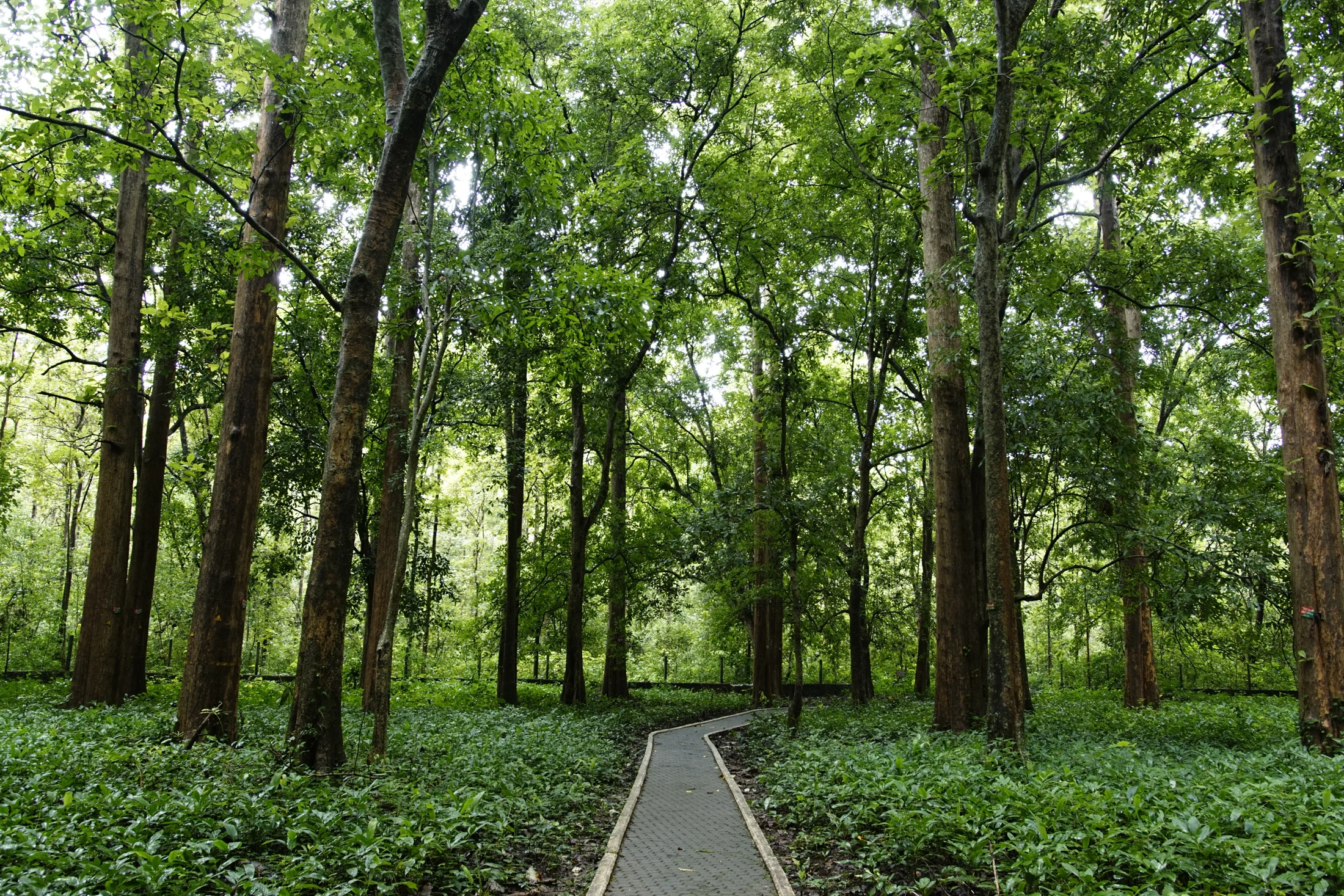
The nature park outside expands that scientific curiosity beyond teak. A visitor can move between collections arranged by plant relationships and others grouped by adaptations or habitat. Ferns, palms, orchids and water plants invite different kinds of observation. Leaves may have contrasting forms; a shaded collection feels different from a rock garden; the labels help explain why.

The best connection between indoors and outdoors is to carry one question into the garden. After a seed display, look for fruit or seedlings without collecting them. After seeing the root specimen, notice how a standing tree meets the ground. After the botanical exhibits, read a family label rather than trying to memorise every plant name. The museum makes a garden walk more attentive, and the garden gives the exhibits a living context.

The poles displayed from plantation thinning explain a stage between planting and final harvest. Thinning removes selected trees while others remain to grow, so the resulting poles vary in size and quality. KFRI presents them alongside a classification system. The display makes an otherwise abstract forestry operation visible: a plantation produces material at more than one point in its life, and not every harvested stem is the massive log that visitors associate with an old teak tree.

The scientific floor also introduces ‘plus trees’, selected for features that are better developed than those of surrounding trees. KFRI places this beside seed grading and pre-sowing treatment. These displays ask how the qualities of a future stand are influenced before a seedling reaches the plantation. They also distinguish several processes that are easily collapsed into the word ‘planting’: choosing a source, preparing seed, raising young material and establishing it outside.

Seasonal photographs bring movement into a museum full of durable wood. They show changes in the tree’s foliage, flowering and fruiting across the year. The timber in a granary or vessel has reached one stage of use, but the living species follows recurring cycles. Comparing the seasonal displays with the bark, fruit and leaf exhibits is a good way to finish the scientific section before returning to the outdoor collections.

A large stump from Nagarampara adds a cross-section to the museum’s account of old trees. KFRI describes it as coming from a 480-year-old specimen in the Kottayam Forest Division. It is a physical stump with a stated provenance, unlike the life-size representation of the Malayattoor tree or the illuminated photograph of Kannimara. Keeping specimen, replica and photograph distinct makes the ground-floor comparisons much more informative.

The wood samples reward a slower look than their modest size might suggest. KFRI's museum guide describes billets cut across the trunk and in two different lengthwise planes. These cuts reveal different patterns within the same material. Look first at the direction of the grain, then compare the colours and texture between samples. The exercise connects a finished wooden object downstairs with the structure of the tree from which it came, rather than treating every polished surface as interchangeable brown timber.

In the insect displays, the names teak defoliator and teak skeletonizer point to two different kinds of leaf damage. KFRI identifies the leaf-feeding caterpillars alongside a shoot-borer display. This makes the collection more than a cabinet of insects: it connects an animal's activity to a particular part of a growing tree. Compare the affected leaf or shoot with the healthy plant material represented elsewhere in the gallery. The aim is to understand a relationship within a plantation, not to conclude that every insect encountered outside harms teak.

The nature park's aquatic collection extends this attention to plant structure. KFRI groups plants that float, remain submerged, emerge above the water or root below it while carrying floating leaves. From a permitted path, these forms can be compared without touching the water or moving a specimen. Notice where the visible leaf sits in relation to the surface and read the label for the rest of the plant's arrangement. A small planted water feature can thus become a lesson in several different ways of occupying one environment.

The butterfly garden is organised around more than flowers for adult butterflies. KFRI explains that host plants support the caterpillar stage as well. That changes what counts as an interesting sight: a leaf with feeding marks, an egg or a pupa may tell as much about the garden as a brightly coloured adult. Which stages are present varies, so inspect a few plants attentively from the path instead of expecting a fixed display of flying insects. Leave leaves attached and let staff handle any identification that would require disturbing them.

The park also contains an archaeological layer. KFRI reports megalithic burials within the campus and gives an estimated age range of about 1,800–2,300 years. Ask staff where the admitted viewing area is if this is part of your interest. These remains introduce a human timescale far earlier than the museum's nineteenth-century plantation story. They deserve attention as archaeological features, with the surrounding ground left undisturbed, rather than as another piece of garden furniture or a place to climb for a photograph.
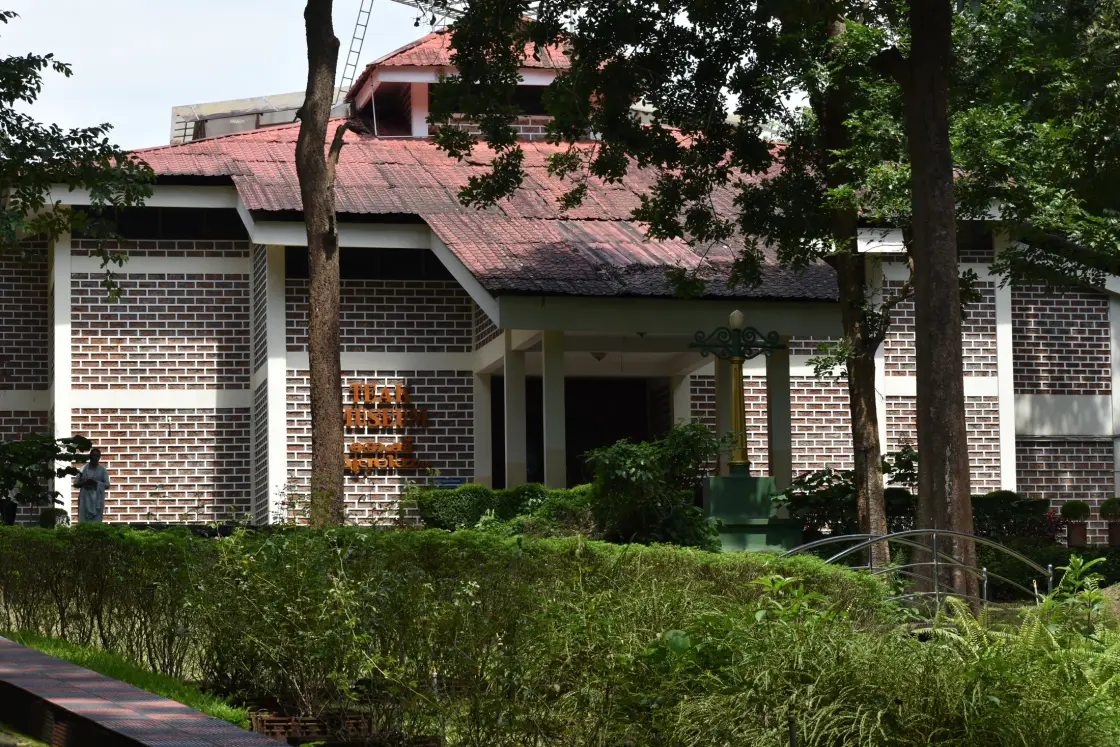
Read the full history of Nilambur Teak Museum 203 more words

History

KFRI and the Kerala Forest Department opened the Teak Museum on 21 May 1995. The date is also recorded on the inauguration plaque in the grounds. Nilambur was chosen for its close association with teak cultivation and the development of plantation forestry.

The museum places nineteenth-century planting history alongside later research. Portraits described by KFRI include H. V. Conolly, Chathu Menon and T. F. Bourdillon. Their inclusion introduces different people associated with Kerala’s forestry history, while the propagation displays show that the subject continued to develop beyond the first plantations.

The adjoining Bioresources Nature Park adds a broader conservation and education purpose. KFRI describes collections supported through public research and development programmes, including a taxonomic garden, specialist plant groups and a butterfly garden. The campus therefore combines a focused museum about teak with an outdoor introduction to botanical diversity.

Why visit

See the hidden form of a tree in the exposed root exhibit, then compare it with the standing trees outside.

Understand how teak connects plantation history, boatbuilding, storage, craft and scientific cultivation.

Give children a concrete sequence to follow from seeds and roots to trunks and wooden objects.

Spend time in labelled botanical collections that offer more to notice than an ornamental garden alone.

What to expect

Highlights

  • The portico’s exposed root system belongs to a teak tree described by KFRI as 55 years old when collected. Its branching structure shows a normally hidden part of the tree at human scale.
  • The ground floor brings timber into everyday and maritime life through objects and models, including a granary and an uru. The upstairs displays turn towards seeds, propagation, growth and protection.
  • Representations of famous trees help explain scale: the museum includes a Kannimara teak translite and a life-size replica of a large Malayattoor trunk. These should be read as exhibits, not mistaken for the original living trees.
  • The adjoining nature park changes the focus from one timber species to botanical variety, with labelled collections, a butterfly garden, palms, ferns and plants adapted to different environments.
Getting there

How to visit

  • Arrive at the KFRI Sub Centre in Chandakkunnu. Keep the museum address separate from KFRI’s main campus at Peechi in Thrissur and from the Forest Department’s Conolly Ecotourism entrance.
  • Start indoors if the galleries are the main reason for your visit. The building has two levels: beginning with the historical objects before the science exhibits creates a useful sequence from what teak was used for to how it grows.
  • Read whether a large exhibit is an original specimen, a replica or an illuminated image. That distinction is especially useful around the famous-tree displays, where the original living trees stand elsewhere in Kerala.
  • Allow a second part of the visit for the open nature-park routes. Choose a manageable garden circuit rather than assuming every specialist collection or interpretation facility is available throughout the day.
  • For a two-stop Nilambur outing, continue to Conolly’s Plot by road as a separate visit. Its present access arrangements are independent of museum admission; arriving at one site does not arrange entry to the other.

Distance by road

  • Kozhikode49 km
  • Coimbatore133 km
  • Kochi168 km
  • Mysuru192 km
  • Mangaluru277 km

Road km to Malappuram; ghat roads and traffic vary — allow extra.

Timing

Best time

A morning arrival leaves time for both museum floors before a garden circuit and a town lunch. In wet weather the indoor galleries can carry most of the visit, while exposed paths and garden steps need a separate judgement. Flowers, butterflies and other living collections vary through the year; choose the museum for its interpretation rather than a promised seasonal display.

Weather in Nilambur Teak MuseumSeasonal guide

Live forecast loads in your browser.

Today at Nilambur Teak Museum
Sunrise6:14 am
Sunset6:24 pm
Golden hour best light5:24 pm–6:24 pm
Blue hour after sunset6:24 pm–6:49 pm
Sun sets toward compass bearingW · 272°
Moon tonight🌓 First quarter · 53%
South-west monsoon. June to September is the south-west monsoon in Kerala. Expect heavy showers, mostly in bursts rather than all day — carry rain cover, allow extra time for getting around, and note that ferries and open-air sites are the first things affected.

Sun and moon are calculated for this location and shown in IST. Photography windows are the hour around sunrise and sunset; the sunset bearing is degrees clockwise from true north. Moon phase is accurate to about half a day.

Visitor notes

  • The original naturally growing Kannimara teak is at Parambikulam. The museum’s representation makes that tree part of an exhibition without moving it to Nilambur.
  • The institution’s headquarters address at Peechi is not the visitor destination for this museum. Use Chandakkunnu, Nilambur, when arranging a driver or accommodation transfer.
  • The plant collections are maintained for interpretation and conservation. Labels may describe a plant family, habitat group or propagation method, so reading them is more useful than treating the garden only as a backdrop.
Safety

Good to know

  • Keep clear of the projecting roots in the portico and do not climb or lean on the specimen. It is an exhibit, not a play structure.
  • Use the marked routes around the garden’s water features and planted beds. Wet paving and changes of level can make an apparently gentle garden walk more demanding.
  • Do not pick leaves, seeds or flowers from the collections. Ask staff before touching a display or photographing an area with a restriction.
Official eco & forest programmes

Experiences around Nilambur Teak Museum

These are official or public-sector eco offerings that match this place, town or forest destination. Confirm availability, permits, tariffs and reporting times with the official operator before travel.

Nilambur Nedumkayam, Nilambur Teak Museum
trekwildlifeinterpretation

Nilambur Nedumkayam forest trail

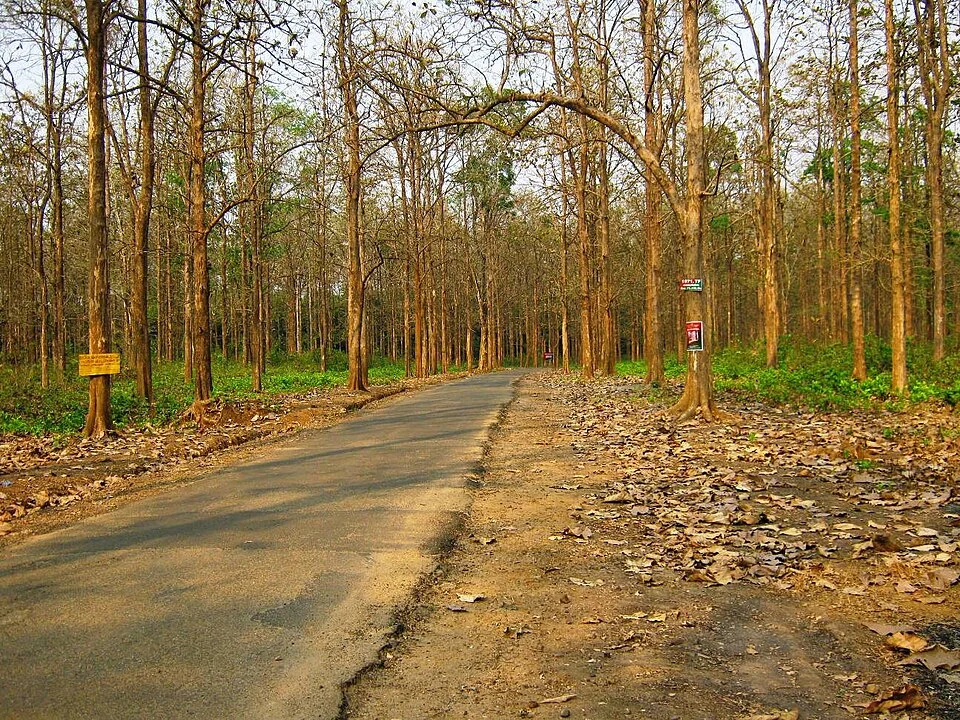
Teak-country forest trail and river landscape in Nilambur, listed by Kerala Tourism as an ecotourism destination and programme.

Kerala Forest Department
Official source →
Stay · eat · do · rent · see · shop

Stays, food & things to do near Nilambur Teak Museum

Verified hotels, homestays, restaurants, experiences, sights, shops and rentals around Nilambur Teak Museum — commission-free, with direct contact. Filter by what you need.

4 things to do near Nilambur Teak Museum

Nedumkayam Rainforest Eco-Tourism Trek Nilambur — Rainforest eco-tourism trekking programme in Nilambur
Verified
Rainforest eco-tourism trekking programme · Nilambur
Nedumkayam Rainforest Eco-Tourism Trek Nilambur

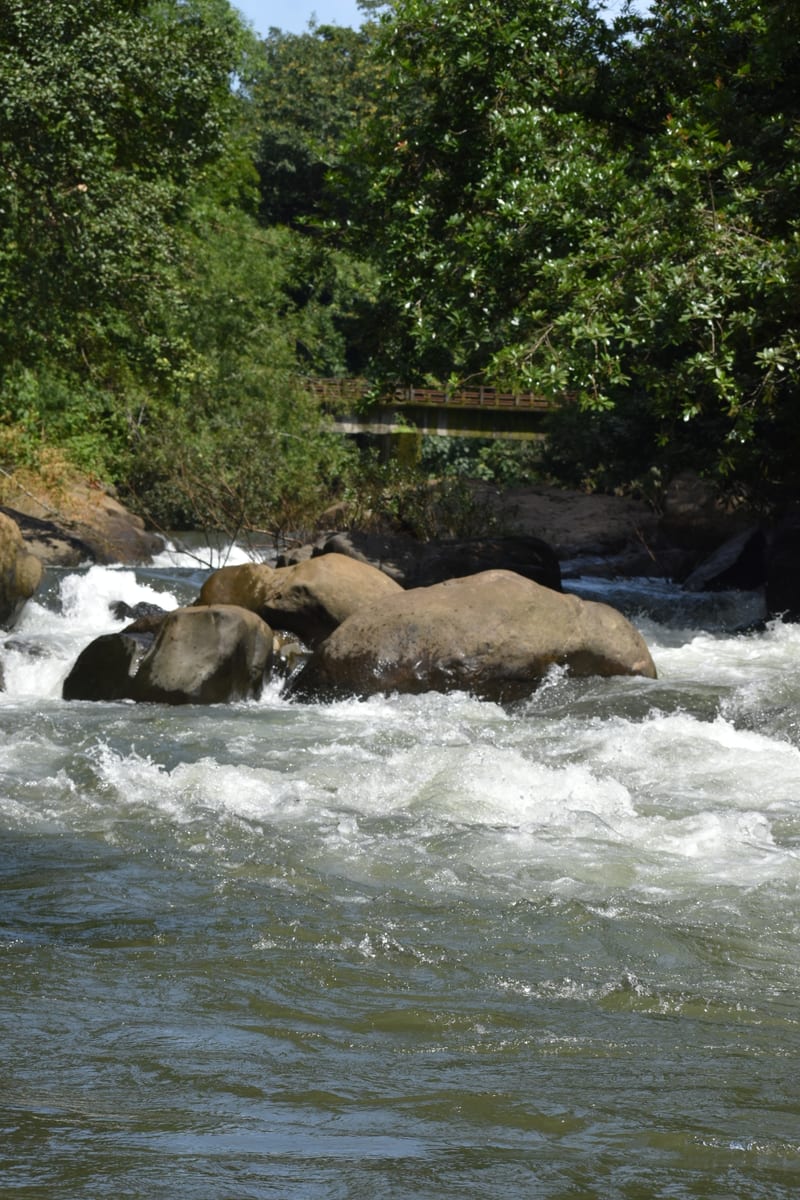
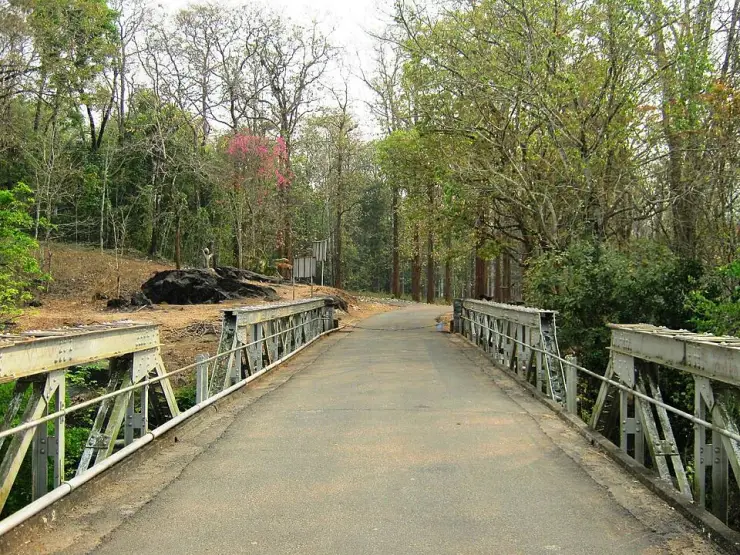
Kerala Forest Department eco-tourism trekking programme in the Nedumkayam rainforest about 15 km from Nilambur, inside the Nilgiri Biosphere Reserve of Malappuram district. Guided treks lead through dense teak and evergreen forest to the old elephant kraal, the colonial Dawson girder bridge and the Karimpuzha river, with a longer trek reaching Mundakadav waterfalls.

Directions Commission-freeView details
Adyanpara Waterfall DTPC Malappuram — Waterfall in Nilambur
Verified
Waterfall · Nilambur
Adyanpara Waterfall DTPC Malappuram

Adyanpara is a forest waterfall reached by a guided jungle trek near Kurumbalangode village in the Nilambur teak country of Malappuram district. Kerala Tourism and DTPC Malappuram promote it as a trekking and adventure spot, with a forest trail through lush jungle leading to the cascade and its natural rock pools.

Directions Commission-freeView details
Nilambur Teak Museum Kerala Tourism — Museum and nature trail in Nilambur
Verified
Museum and nature trail · Nilambur
Nilambur Teak Museum Kerala Tourism

Nilambur Teak Museum is the district forest-heritage anchor, connected with KFRI, teak history, nature trails, Conollys Plot and Nilambur forest routes. Nilambur Teak Museum, KFRI, Teak heritage.

Directions Commission-freeView details
N
Nilambur DTPC Malappuram
Things to do
Verified
Destination information · Nilambur
Nilambur DTPC Malappuram

DTPC Malappuram destination source for Nilambur, teak country and Adyanpara. Public destination information · Nilambur, DTPC Malappuram, Teak Museum.

Directions Commission-freeView details

Book with the place itself. India’s cyber-crime coordination centre warned in April 2025 that convincing copies of hotel and pilgrimage booking sites are being pushed through sponsored search and social ads, taking payment for rooms the property never hears about. Every listing here links to the business’s own contact details and its own Google or Bing profile — we take no commission and sit in nobody’s payment path. If a booking page reached you through an ad, check the address bar against the property’s own site before you pay. Fraud can be reported on cybercrime.gov.in or on 1930.

Ranked

More ways to explore Nilambur

This is the museum and Bioresources Nature Park campus on the Gudalur side of Nilambur. Conolly’s Plot is a different teak-heritage stop near Vadapuram; KFRI’s Peechi headquarters is in Thrissur district.

Across the whole of Nilambur

Ranked guides

Top experiences around Nilambur Teak Museum

4 separate places to consider after Nilambur Teak Museum. Open each guide before deciding: their access, hours and return arrangements are independent.

heritageConolly’s Plot

The preserved teak plantation and Forest Department ecotourism centre near Nilambur, associated with H. V. Conolly and Chathu Menon. Keep the historic plot, present visitor gardens and river crossing distinct.

waterfallAdyanpara Waterfalls

A forest waterfall near Nilambur (Kurumbalangode/Kalikavu side), with cascades over granite among evergreen jungle; slippery rocks, so keep well back in and after the monsoon.

trekNedumkayam rainforest trek

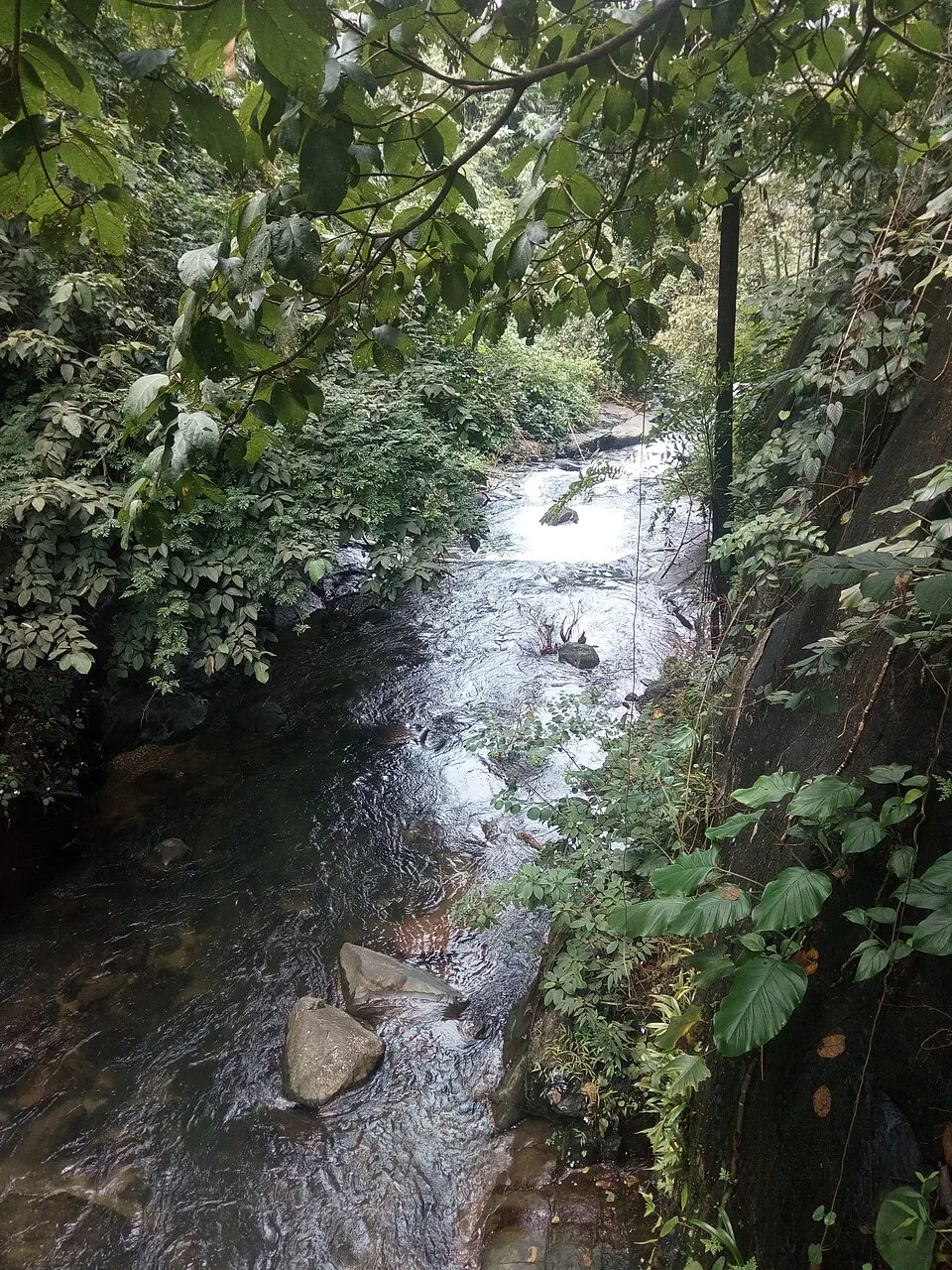
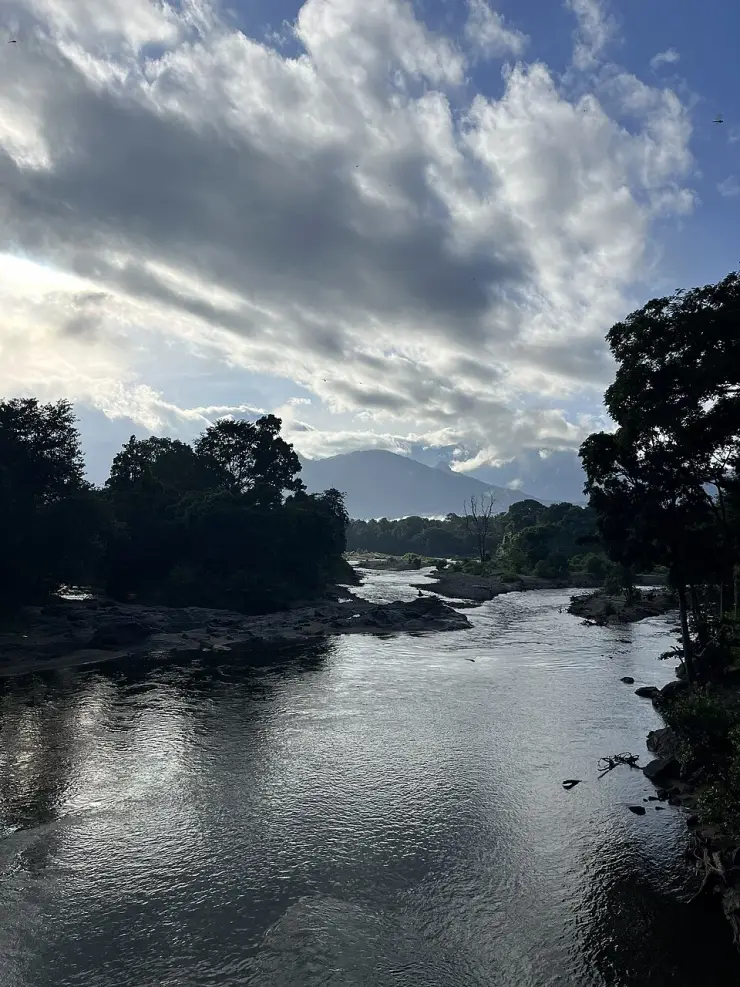
A Forest Department sightseeing visit through the Nedumkayam forest and Karimpuzha riverside near Karulai; longer forest treks require their own permission.

waterfallKeralamkundu Waterfalls

A high forest waterfall on the Western Ghat edge near Karuvarakundu/Kalikavu, dropping into a clear pool — remote and scenic; slippery rocks demand care.

Roampedia is commission-free — own or know a stay, eatery, guide or shop near Nilambur Teak Museum? List it and it appears here once verified.

Add a nearby business
Before you go

Nilambur Teak Museum — at a glance

TimingsKFRI’s museum brochure lists 10 am–5 pm, with Monday closed.

Entry: Obtain the current museum and nature-park admission tariff at the Chandakkunnu visitor counter. A current museum-specific official price is not confirmed here.

Photography: Follow gallery photography signs and staff directions. The carved entrance, museum facade and labelled outdoor collections offer clear subjects without handling specimens or blocking the doorway.

Parking: Use the visitor vehicle area indicated at the public campus entrance. Parking capacity, charges and dedicated accessible bays are not verified; a driver should establish the drop-off and pickup position without blocking the main-road access.

Getting here

How to reach Nilambur Teak Museum

  • ✈︎ By air Calicut International Airport at Karipur is the regional air gateway. The onward journey is by road through the Nilambur area to the museum campus.
  • 🚆︎ By train Nilambur Road is the branch-line terminus serving the town. Continue by road to Chandakkunnu; the museum is not at the station or at Conolly’s Plot.
  • 🚗︎ By road Approach Chandakkunnu on the Nilambur–Gudalur road and use the signed Teak Museum entrance at KFRI’s Sub Centre. Keep the campus name in the destination supplied to a driver.
  • 🚌︎ By bus Nilambur town is the main local transport base. For a bus continuing towards Chandakkunnu, establish the stop serving the museum entrance before boarding and make the return arrangement around closing time.
Getting back

Arrange pickup at the museum’s public entrance. If continuing to Conolly’s Plot, allow a separate road transfer rather than expecting a connecting path through the grounds.

Do

Things to do

  • Trace the exposed root structure visually without climbing on the specimen.
  • Compare a wooden object with the growth and timber displays that explain its raw material.
  • Read the tissue-culture and seed-treatment interpretation upstairs.
  • Follow an open garden circuit through contrasting plant collections.
  • Plan a separate visit to Conolly’s Plot to connect museum interpretation with plantation heritage.
Facilities

On site

  • Two floors of museum galleries, an entrance-portico root exhibit and the adjoining Bioresources Nature Park are described by KFRI.
  • KFRI also describes a reference library, a small audiovisual auditorium and a touch-screen teak information system. Access to these facilities should be established with staff rather than assumed as part of every casual visit.
Getting around Nilambur Teak Museum
From the entrance
Nilambur Teak Museum visitor gate
Step-free access
The museum occupies two floors and an entrance photograph shows steps. The garden includes paved routes, raised edges and changes of level. A lift, ramped alternative and continuous accessible garden route have not been verified; identify a suitable ground-level visit with staff before entry.

Checked 7 September 2026 against source 1source 2. Conditions change and surfaces vary with weather — if step-free access is essential, confirm with the site before you travel.

If you need help at Nilambur Teak Museum
112All emergencies (police · fire · medical)The single number to call in any emergency (ERSS).

Emergency numbers are verified against official government and state tourism sources. 112 works anywhere in India.

Eat nearby

What to eat in Nilambur

Plan a meal in Nilambur town or along the established Chandakkunnu road before or after the campus visit. The museum and garden can occupy a substantial part of the morning, so a town lunch works well before a separate plantation stop.

Explore food in Nilambur →
01

Lunch in Nilambur

Use a town restaurant between the museum and Conolly’s Plot, allowing for the transfer between their different approaches.

02

Tea at Chandakkunnu

A local shop on the town road can fit around pickup; keep the campus entrance clear while stopping.

03

A meal before the return train

Eat in town before heading to Nilambur Road station if the gallery visit finishes close to the onward journey.

Nearby

What’s near Nilambur Teak Museum

heritageConolly’s Plot

The preserved teak plantation and Forest Department ecotourism centre near Nilambur, associated with H. V. Conolly and Chathu Menon. Keep the historic plot, present visitor gardens and river crossing distinct.

waterfallAdyanpara Waterfalls

A forest waterfall near Nilambur (Kurumbalangode/Kalikavu side), with cascades over granite among evergreen jungle; slippery rocks, so keep well back in and after the monsoon.

trekNedumkayam rainforest trek

A Forest Department sightseeing visit through the Nedumkayam forest and Karimpuzha riverside near Karulai; longer forest treks require their own permission.

waterfallKeralamkundu Waterfalls

A high forest waterfall on the Western Ghat edge near Karuvarakundu/Kalikavu, dropping into a clear pool — remote and scenic; slippery rocks demand care.

viewpointKottakkunnu

A hill garden and cultural park in Malappuram town, with an art gallery, open-air theatre and amusement attractions — a popular family picnic spot.

viewpointKodikuthimala

The “Ooty of Malappuram” — a breezy hill viewpoint about 11 km from Perinthalmanna, good for sunrise, sunset and paragliding views.

templeThirumandhamkunnu Temple

The Thirumandhamkunnu Bhagavathy (Durga) temple at Angadipuram — a major Devi pilgrimage and the paradevata shrine of the old Valluvanad rajas, famous for its Pooram festival.

heritageKottakkal Arya Vaidya Sala

The famous Ayurveda institution at Kottakkal, founded in 1902 by Vaidyaratnam P.S. Varier — hospital, medicine-making, herb gardens and the PSV Natyasangham Kathakali academy.

templeKadampuzha Devi Temple

A revered Devi temple near Vettichira with no idol — the goddess is worshipped in a natural rock fissure; devotees offer the poomoodal and muri-pooja. Founded by legend of Adi Shankara.

wildlifeKadalundi Bird Sanctuary

Estuary birding area shared around the Kozhikode/Malappuram coast.

wildlifeKadalundi Vallikkunnu Community Reserve

Kerala’s first community reserve, declared in 2007 over mangrove, mudflat and five islands at the Kadalundi river mouth.

templeThirunavaya Nava Mukunda Temple

An ancient Vishnu temple on the Bharathapuzha at Thirunavaya, near the historic Mamankam fair-ground and a major venue for ancestral (bali/shraddha) rites.

All 5 places to visit in Nilambur →

On the map

Where Nilambur Teak Museum is

Good to know

Nilambur Teak Museum — frequently asked

Where exactly is Nilambur Teak Museum?

It is at the KFRI Sub Centre in Chandakkunnu, on the Nilambur–Gudalur road in Malappuram district. KFRI’s headquarters at Peechi is a different campus in Thrissur.

Is the Teak Museum open on Monday?

No. KFRI’s museum brochure lists Monday as the weekly holiday. Its published visitor window is 10 am–5 pm; arrive early enough to finish the galleries and any garden circuit before closing.

Is Kannimara teak inside the museum?

The living Kannimara tree stands at Parambikulam. The museum has a translite representation of it, alongside other exhibits about notable teak trees. The distinction between a specimen, a model and an image is part of reading the collection correctly.

What is the large wooden structure in the entrance portico?

It is the exposed root system of a teak tree described by KFRI as 55 years old. Its branching form introduces the part of the tree usually hidden beneath the soil.

Is Conolly’s Plot included in this visit?

Conolly’s Plot is a separate Forest Department destination near Vadapuram. It can complement the museum’s plantation story, but needs a road transfer and its own entry and access arrangements.

What can children look for in the Teak Museum?

Useful starting points are the roots, the uru model, the granary and the seed-to-tree displays. Outside, compare leaf shapes and read a few plant labels instead of trying to cover every collection.

Can the museum be visited in rain?

The indoor galleries provide a substantial visit in wet weather. The nature park has outdoor paths and changes of level, so treat the garden circuit separately and shorten it when surfaces or conditions make walking difficult.

Is the whole museum wheelchair accessible?

A completely step-free route has not been verified. The entrance photograph shows steps, the museum uses two floors, and the grounds include changes of level. Establish the available ground-floor route and any alternative entrance with campus staff before planning a full visit.

Read before you go

Nilambur Teak Museum guides, stories & itineraries

Stories & history of Nilambur Teak Museum

Written about Nilambur Teak Museum itself — its history, its legends and the arguments about them.

Around Nilambur

These reads cover nearby destinations, each with its own arrival point and visit arrangements.

Kerala-wide guides & itineraries

Route-level itineraries and practical guides for the rest of Kerala.

See all 36 Malappuram guides & stories →

Image credits

Photographs: Ganesh Mohan T (CC BY-SA 4.0), Vinayaraj (CC BY-SA 4.0), Vengolis (CC BY-SA 4.0), Jaseem Hamza (CC BY 3.0), Dvellakat (CC BY-SA 4.0), Dhruvaraj S from India (CC BY 2.0), Quraishie (CC BY-SA 3.0), Manukrishnan80 (CC BY-SA 3.0), aryavaidyasala.com (CC BY-SA 4.0), Prof tpms (CC BY-SA 4.0), Dhruvaraj S (CC BY 2.0), Ssriram mt (CC BY-SA 4.0), Jamesnk.nk / CC BY-SA 4.0, Vengolis / CC BY-SA 4.0, PP Yoonus / CC BY-SA 3.0, Jaseem Hamza / CC BY 3.0 / Wikimedia Commons, Naveenkumar Hirth / CC BY-SA 4.0 / Wikimedia Commons, PP Yoonus / CC BY-SA 3.0 / Wikimedia Commons, Navaneeth Krishnan S / CC BY-SA 3.0 / Wikimedia Commons, Vinayaraj / CC BY-SA 4.0 / Wikimedia Commons, Kerala Tourism (Official tourism provider image), Kerala Tourism / Heavens Homestay (Official tourism provider image), Kerala Tourism / Puthiya Kovilakam Homestay (Official tourism provider image). Wikimedia Commons.