What to expect
Highlights
- Temple visit at Attukal Bhagavathy Temple
- Kerala temple architecture and rituals
- Local food, shops and pilgrim services nearby
Famous Devi temple in the city, home of the Attukal Pongala — recorded as the largest annual gathering of women.
Check entry arrangements. Ask temple staff about visitor entry, dress requirements and access to the inner shrine before you travel, especially if you are visiting as a non-Hindu.
Dress respectfully and follow the institution’s admission and photography rules.
Set on the banks of the Killi (Killiyar) river in the Manacaud area of Thiruvananthapuram, the Attukal Bhagavathy Temple is one of Kerala’s most beloved shrines to the Goddess — worshipped here with deep affection as Attukal Amma. Widely known as the ‘Sabarimala of Women’, it is the setting for the Attukal Pongala, a festival reputed to draw the largest single gathering of women anywhere in the world.
Approach Attukal on an ordinary morning and it feels like a warm neighbourhood temple: a compact, brightly painted complex a short walk from the Killi river, garlanded and busy with families slipping in to pray to the Goddess they call, simply, Amma — Mother. Yet this is a shrine whose reputation stretches far beyond its size. For one full-moon night each year the entire city of Thiruvananthapuram becomes an extension of its courtyard.
The presiding deity is a form of Bhagavathy — the Great Goddess — venerated at Attukal as Bhadrakali and lovingly identified with Kannaki, the wronged heroine of the ancient Tamil epic Silappadikaram. Devotees see in Amma both the fierce protectress and the tender mother, and the temple’s enormous popularity rests on that intimacy: people come to her with the small and large troubles of daily life.
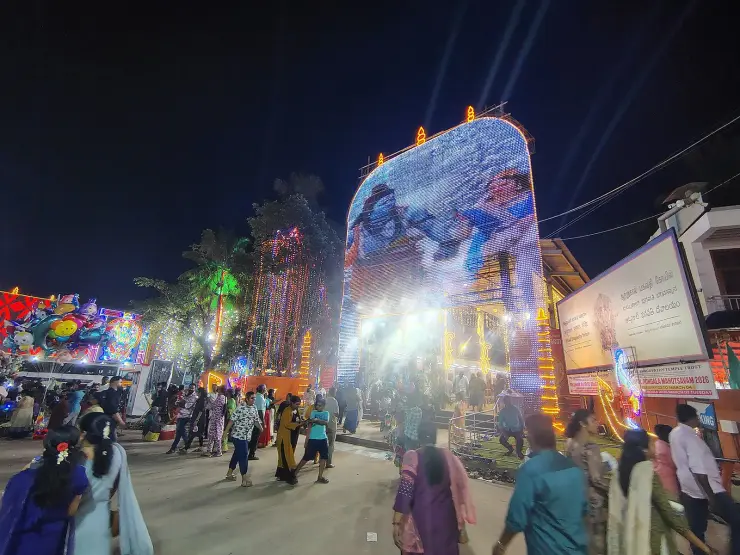
The temple’s fame is inseparable from the Attukal Pongala, held during the Malayalam month of Kumbham (roughly February–March). On the appointed day, women fill the roads, pavements, rooftops and open grounds for kilometres around the shrine, each tending a small hearth of three bricks. In earthen pots they cook pongala — a sweet offering of rice, jaggery, coconut and plantain — to be sanctified by the Goddess. The word pongala means ‘to boil over’, and the abundance that spills from the pots is taken as a sign of Amma’s grace.
Because the ritual is performed overwhelmingly by women, Attukal has earned the epithet the ‘Sabarimala of Women’ — a counterpart to the famous Ayyappa pilgrimage. The scale is extraordinary: on 10 March 2009 Guinness World Records certified a gathering of 2.5 million women here as the largest annual gathering of women anywhere, and the crowds reported since have been larger still — though those later figures are day-of estimates by police and organisers, not fresh certifications. See the myth section below for what the record does and does not establish.
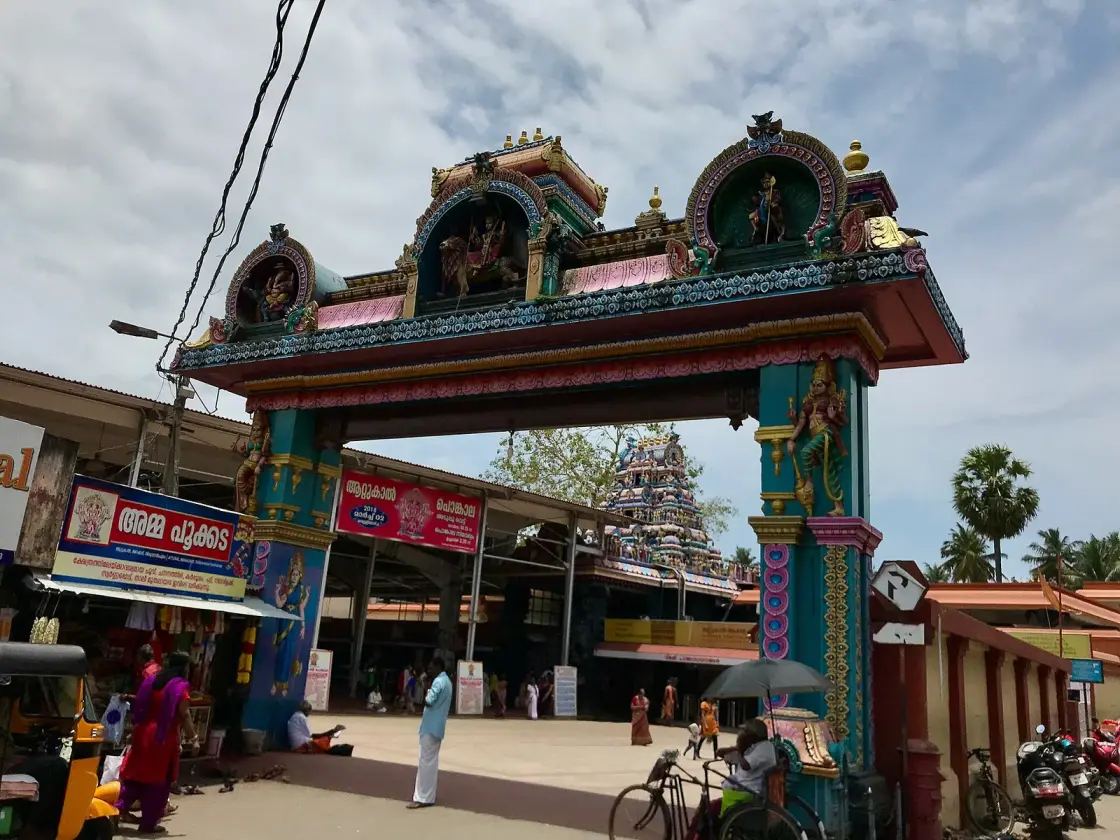
Away from the great festival, Attukal rewards a quieter visit. The gopuram and outer walls carry vivid sculptural work drawn from the Puranas and from the Kannaki story, blending Dravidian and Kerala temple idioms. Inside, oil lamps, the scent of flowers and camphor, and the steady murmur of devotion give the small sanctum a concentrated, homely warmth that many visitors find more moving than any grand scale.
What almost no visitor realises is that the Pongala is the ninth day of ten, and that the nine nights before it are the part the temple itself treats as the festival. It opens with the Kappukettu, when the priest invokes Kodungallur Bhagavathy into the Goddess’s sword and a ceremonial bracelet is tied to the sword and to the chief priest’s wrist. From that night on, a lead singer and his troupe perform the Thottam Pattu, working through the Kannaki story in instalments across nine consecutive evenings, so that the epic is finished just as the hearths are lit. On Pongala morning the first fire is not a devotee’s at all but the Pandara Aduppu, the temple’s own hearth, from which the flame is passed outward; girls carry the Thalappoli with lamps and flowers; and the whole thing is closed the following night with the Kuruthi Tharpanam. Come for an evening in that window and you will find a great deal happening and almost no crowd.
The temple is run by the Attukal Bhagavathy Temple Trust, which has grown the shrine’s facilities, charities and festival management over the decades. For all its modern organisation and global record-book fame, Attukal remains at heart what it has always been — a mother’s house, to which her children return.
The legends told at Attukal frame the Goddess through the figure of Kannaki, and devotees relate them as sacred story rather than documented history. In the Silappadikaram, Kannaki is the devoted wife of the merchant Kovalan. When Kovalan is wrongly accused of theft and executed by the king of Madurai, Kannaki confronts the court, proves his innocence, and in her grief and fury calls down destruction — burning the city of Madurai — before continuing on her journey as a Goddess.
In the Attukal telling, Kannaki, travelling towards Kodungallur, comes to the Killi river near Attukal in the guise of a young girl. She approaches the elder of the Mullaveettil family — a household of the locality — and asks for help in crossing the stream. The elder assists her and invites her home, but when he looks again the girl has vanished.
That night, the legend continues, the Goddess appears to him in a dream (some versions say she revealed a sacred mark or trident where she had stood), disclosing that the girl was none other than the Devi herself, and directing that a shrine be raised for her at Attukal. The family is said to have established the temple in obedience to that vision — and the Mullaveettil Illam retains a ceremonial connection with the shrine to this day.
Told and retold across generations, these stories are honoured as the spiritual charter of the temple. They explain why Amma is at once the compassionate mother who accepts the humble pongala pot and the powerful Goddess who set Madurai ablaze — mercy and might held together in a single form.
Two claims about Attukal deserve more precision than they usually get, and the first is the world record. It is real, and it is specific: on 10 March 2009, Guinness World Records certified an event organised by the Attukal Bhagavathy Temple Trust as the largest annual gathering of women, at 2.5 million. That entry has never been superseded. The figures reported in the years since — three million, four million, forty lakh — are estimates made by police, organisers and the press on the day, not fresh certifications, and no published method explains how a crowd spread across an entire city is actually counted. So the festival does not, as is very often written, break its own world record every year. It holds one record, set in 2009, and it draws crowds that are plausibly larger but have never been measured to the standard that record demanded. The earlier 1997 entry, usually quoted at 1.5 million, is repeated everywhere but does not appear in the record Guinness publishes today; we pass it on as received tradition rather than as something we have been able to verify.
The second is the Kannaki identification itself, which is devotional rather than documented. It is genuinely central to the temple: the Thottam Pattu sung through the first nine nights of the festival draws on the Kannaki Charitam, and the story is carved on the gopuram for everyone who walks beneath it. But it rests on no inscription or record, and it is not universally accepted. Scholars have argued that the Devi of Attukal belongs to Kerala's own Bhadrakali and village-goddess tradition, and that the Tamil epic was mapped onto her later. The ritual points the same way, since the festival opens by invoking Kodungallur Bhagavathy into the Goddess's sword rather than Kannaki. None of this diminishes the shrine or the belief. We note it only because travel writing habitually presents the Kannaki link as settled history, when it is better described as what the temple's own devotees have always called it — sacred charter, not chronicle.
The documented history of Attukal is more modest than its legends, and the temple’s own accounts and popular tradition do not always agree — a common feature of long-venerated shrines. Tradition links the site to great antiquity and to royal patronage, while the structures a visitor sees today largely reflect building and rebuilding over the nineteenth and twentieth centuries.
What is clear is the temple’s steady rise from a local Bhagavathy shrine on the Killi river to a pilgrimage centre of state-wide and then national renown. Its growth has been closely tied to the expansion of the Attukal Pongala, whose gathering swelled from a regional observance into a mass event as Thiruvananthapuram grew and communications improved.
A turning point in the temple’s public profile came with formal recognition of the Pongala’s scale. A 1997 entry, usually quoted at around 1.5 million women, is very widely reported though it no longer appears in the record Guinness publishes. The certification that can be checked is the later one: on 10 March 2009 Guinness World Records recognised an event organised by the Attukal Bhagavathy Temple Trust as the largest annual gathering of women, at 2.5 million. It still stands, and it sharpened the temple’s identity as the ‘Sabarimala of Women’ — while also, as the myth section below explains, setting a bar that the far larger crowds of recent years have never actually been measured against.
Administration of the shrine rests with the Attukal Bhagavathy Temple Trust, which manages worship, the vast logistics of the annual festival, and a range of charitable and welfare activities. Coordinating a gathering of millions across an entire city — water, safety, sanitation, crowd flow — has made the Trust’s festival management a considerable civic undertaking in its own right.
That growth has also brought the temple into public argument, most sharply over Kuthiyottam — the observance in which young boys keep a seven-day vow at the shrine, culminating in a piercing of the skin on the Pongala morning. In 2018 R. Sreelekha, then a senior Kerala police officer, called the practice regressive in a blog post; the Kerala State Commission for Protection of Child Rights registered a case, and the episode drew national and international coverage. Families who take part have defended it firmly as a voluntary vow of their own choosing, and no ban or regulation followed. The case is a fair illustration of where a living temple sits in a modern state: the Trust now runs an event with the population of a city, under a level of legal and press scrutiny that no nineteenth-century village shrine ever faced.
In recent decades the temple has continued to develop its facilities and the ceremonial calendar around the Pongala, while retaining the character of an approachable, devotion-centred shrine. Its story is less about monumental architecture than about a living tradition that has scaled, year by year, to remarkable size.
To witness — or simply to sense the aftermath of — the Attukal Pongala, one of the world’s great expressions of collective devotion, when millions of women turn a whole city into a single vast offering ground.
To pray at a shrine of unusual intimacy: Attukal Amma is approached as a mother, and the atmosphere of the small sanctum, thick with lamplight and flowers, is warm and personal rather than austere.
For the living connection to the Kannaki legend and the Silappadikaram, one of the oldest and most powerful stories of the Tamil-Malayalam world, told here as sacred history.
For the temple’s vivid gopuram and sculptural panels, which repay a slow, unhurried look at the Puranic and Kannaki scenes worked into the walls.
For its easy access — barely a couple of kilometres from Thiruvananthapuram Central and close to the city’s other landmarks — making it a natural stop on any visit to the capital.
To experience the ‘Sabarimala of Women’: a rare major pilgrimage in which women are the central actors, and whose spirit of shared purpose lingers even outside festival time.
Road km to Thiruvananthapuram; ghat roads and traffic vary — allow extra.
Morning or early evening is usually best; festival days can be powerful but crowded.
Live forecast loads in your browser.
Sun and moon are calculated for this location and shown in IST. Photography windows are the hour around sunrise and sunset; the sunset bearing is degrees clockwise from true north. Moon phase is accurate to about half a day.
Browse listed stays, food, activities, sights, shops and rentals around Attukal Bhagavathy Temple. Check each listing’s locality and contact the business directly for current arrangements.
Zam Zam’s Palayam restaurant is opposite the MLA Hostel. Use this branch’s menu and contact for a city meal or group booking; the chain has other locations.
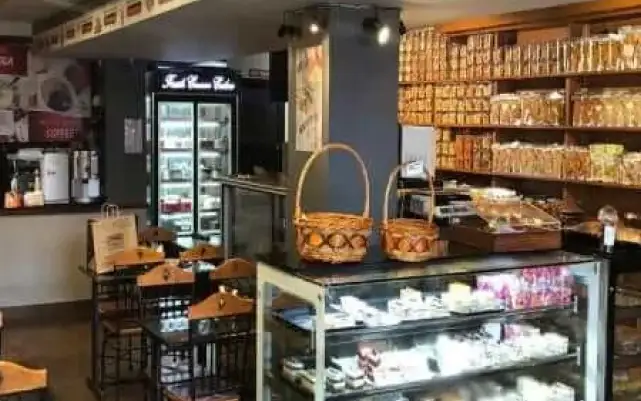
Trivandrum bakery with 24+ years of heritage that also runs Atelier by Ambrosia, a European fine-dining restaurant.
Restaurant (regional, north indian) on Venpalavattom, Near Lulu Mall in Thiruvananthapuram City. Regional, North Indian, AC.
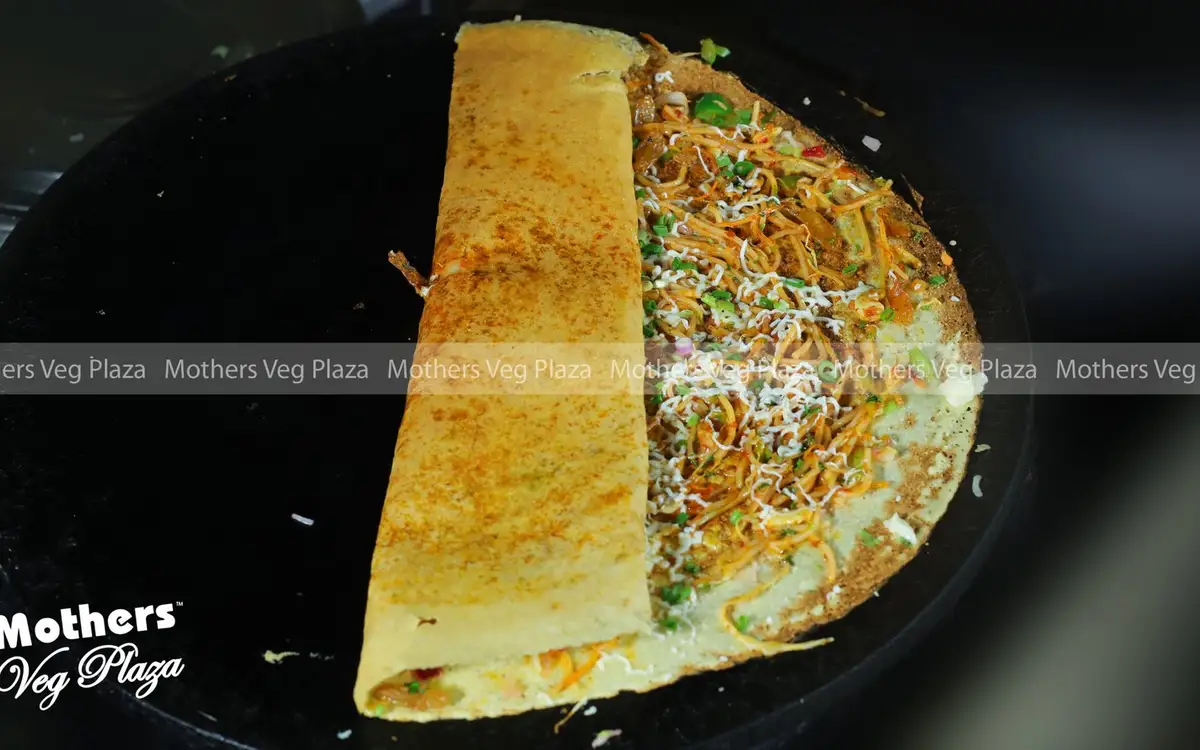
Mothers Veg Plaza is a vegetarian restaurant at Bakery Junction near the Russian Cultural Centre in Palayam, Thiruvananthapuram. Its website highlights Kerala sadya and a range of dosas. Choose a banana-leaf meal or ask about the dosa menu for your visit.
Multi-cuisine restaurant at Apollo Dimora, opposite Trivandrum Central railway station in Thampanoor. Paired with the hotel's pure-veg Vega Dimora next door.
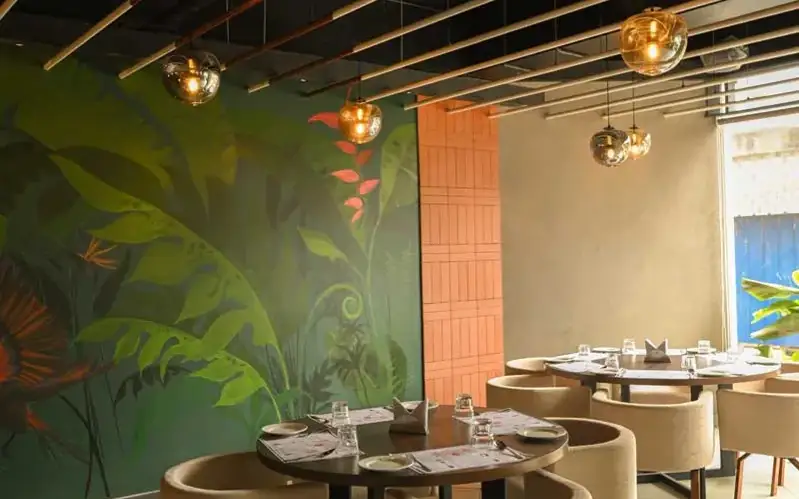
Villa Maya is a restaurant on Airport Road at Injakkal in Thiruvananthapuram. Its Kerala Tourism owner-submitted listing describes a dining concept shaped by Kerala’s spice-trade connections. Consider it for a planned meal and confirm the current menu and dining setting before reserving.
Restaurant (regional) on Kuttikad Lane in Thiruvananthapuram City.
Restaurant (south indian) on kuravankonam, Opposite Surya Medicals in Thiruvananthapuram City.
Restaurant (regional) on Fort South Nada road in Thiruvananthapuram City.
Restaurant (burger) on kuravankonam in Thiruvananthapuram City.
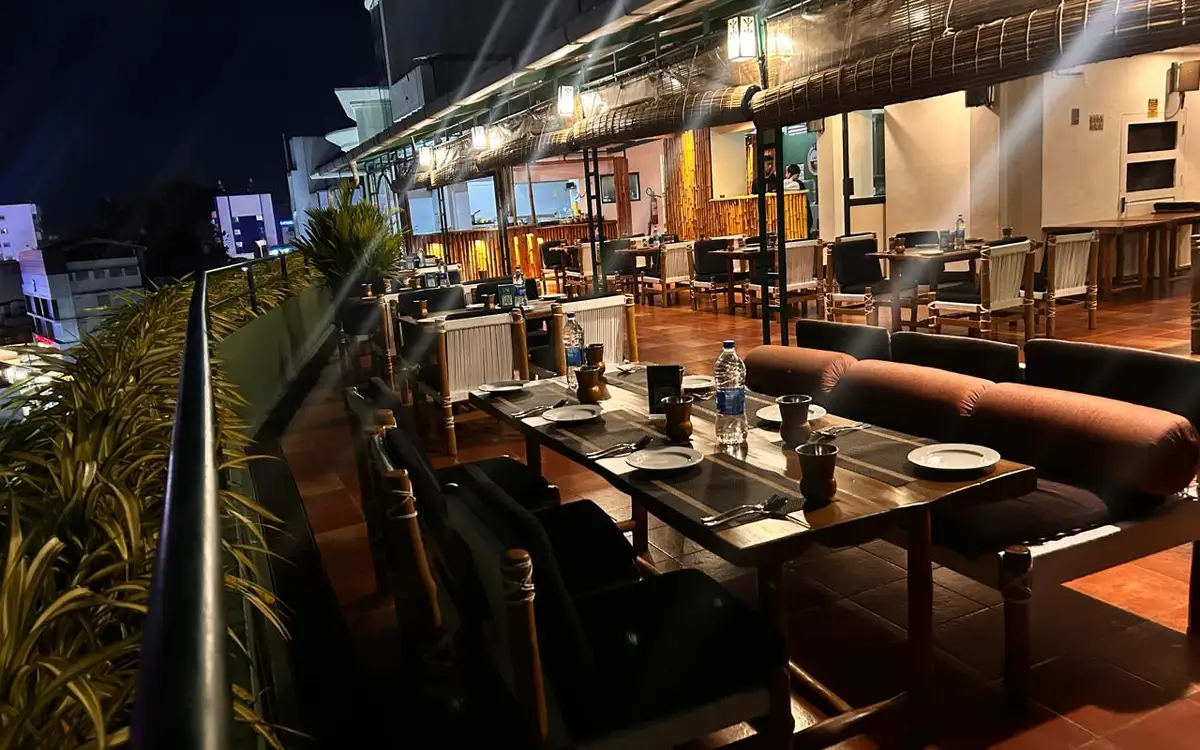
The Dhaba is Residency Tower’s Punjabi rooftop restaurant on Press Road, near the south gate of the Secretariat. Its dedicated restaurant page lists dinner service; confirm the current evening session and menu when reserving a table.
Multi-cuisine restaurant at Uday Suites, a garden hotel near Shangumukham beach. Serves Indian, Continental and Chinese buffets and a la carte.
Mira is Hotel Horizon’s multi-cuisine restaurant at Aristo Junction, Thampanoor, with buffet and à la carte dining. Ask about the current serving session and its separate private dining room when planning a group meal.
Regency is The South Park’s indoor multi-cuisine restaurant on M.G. Road at Palayam, with buffet and à la carte meals. Reserve Regency specifically; the hotel’s rooftop Skyye Grill and Oakwood lounge are separate venues.
My Place is the all-day restaurant at Gokulam Grand Trivandrum near Akkulam Bridge, serving pan-Indian and international cooking. Choose this venue separately from the hotel’s Mediterranean restaurant, coffee shop and bars.
Ambrosia at Bakery Junction is a cake and savoury pickup option in Krishna Complex, Palayam. Contact this outlet to check the product, size and lead time, and confirm the collection branch when ordering.
Café (coffee shop, regional, indian) on Old NH in Thiruvananthapuram City.
Restaurant (indian) on Anaval Street in Thiruvananthapuram City.
Street food (indian, chicken, coffee shop, kebab) on Old NH in Thiruvananthapuram City.
Street food (burger) on Unit# GF - 30, Kazhakootam - Kovalam Bypass Rd, Chacka, Thiruvananthapuram, Kerala 695024 in Thiruvananthapuram City.
Café (coffee shop) on Unit# GF - 1, Kazhakootam - Kovalam Bypass Rd, Chacka in Thiruvananthapuram City.
Restaurant (indian, south indian, seafood) on Mahatma Gandhi Road in Thiruvananthapuram City.
Café (regional, coffee shop) on Old NH in Thiruvananthapuram City. Regional, Coffee Shop, Outdoor seating.
Restaurant (indian) on Valiyavila Maruthankuzhi Road in Thiruvananthapuram City.
Book with the place itself. India’s cyber-crime coordination centre warned in April 2025 that convincing copies of hotel and pilgrimage booking sites are being pushed through sponsored search and social ads, taking payment for rooms the property never hears about. Use the contact and source details on each profile to confirm the exact business and booking channel. A directory entry or map pin alone does not establish an operator’s identity or current availability. Roampedia takes no commission and does not collect booking payments. If a booking page reached you through an ad, check the address bar against the property’s own site before you pay. Fraud can be reported on cybercrime.gov.in or on 1930.
Find food, accommodation and activities across Thiruvananthapuram city. Browse the guides for places to eat, stay and explore along your route.
Walking routes start at Attukal Bhagavathy Temple. Check the route and access before setting out, especially where a road, gate or waterway separates the stops.
22 more places around Thiruvananthapuram city. Open a guide to plan the visit and onward journey.
The ancestral palace compound associated with Raja Ravi Varma at Kilimanoor; visitor access concerns the working family estate and must be confirmed before travel.
2.8 km · straight line
A major coastal Muslim pilgrimage landmark south-west of the city centre, known for the Beemapally Uroos and the tombs honoured within the shrine complex.
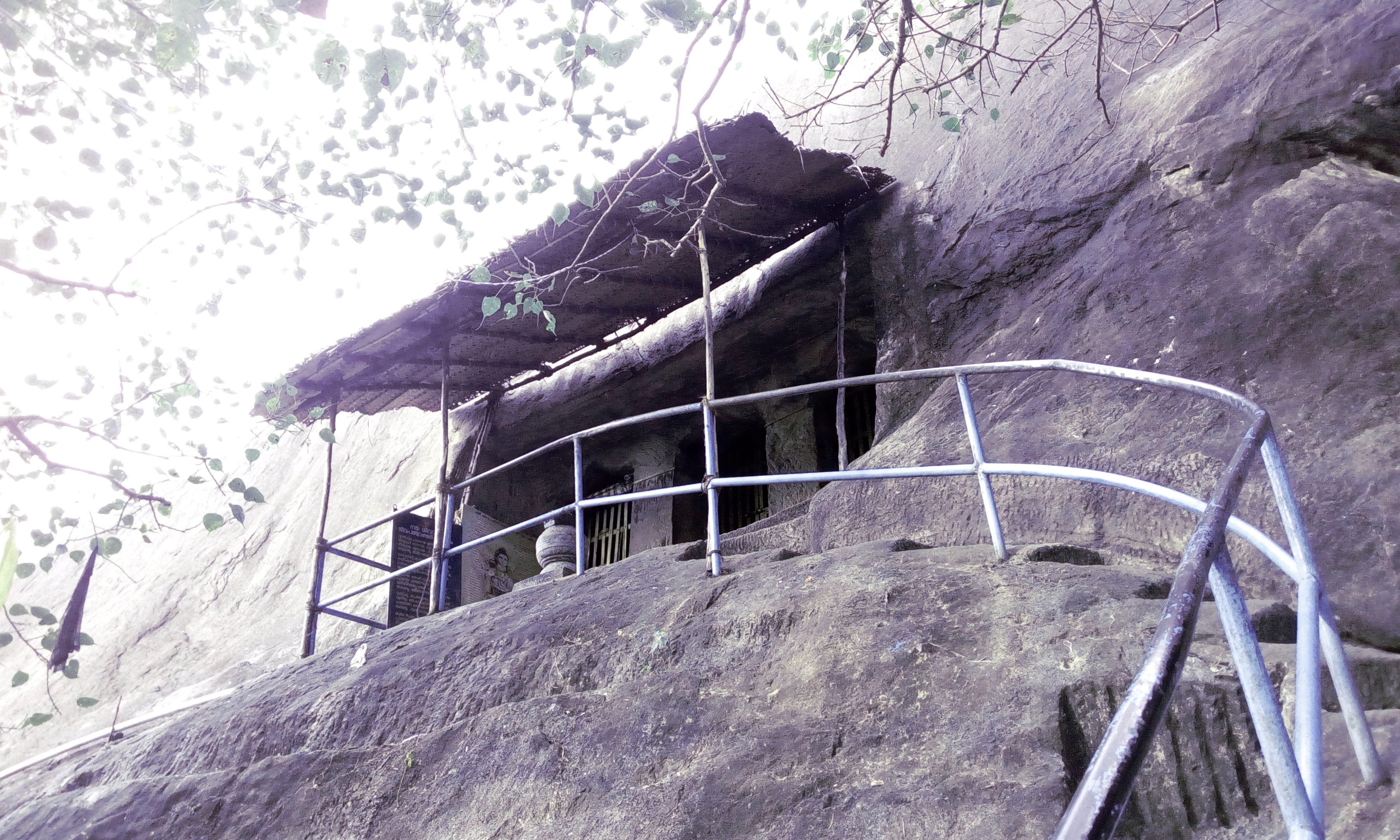
Madavoorpara combines a rock-cut Shiva shrine with a rocky hill landscape on Thiruvananthapuram’s northern edge. The temple and the climb offer different reasons to visit, and both deserve time.
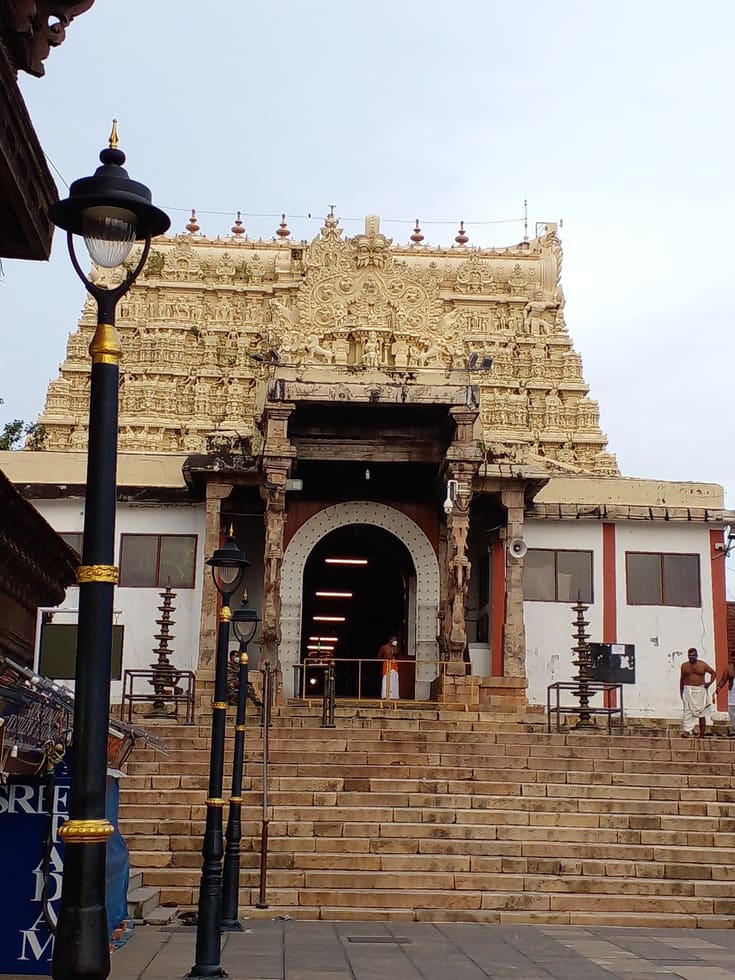
2.7 km · 4 min drive
Major Vishnu temple and one of Kerala’s most important pilgrimage landmarks; strict entry and dress rules apply.
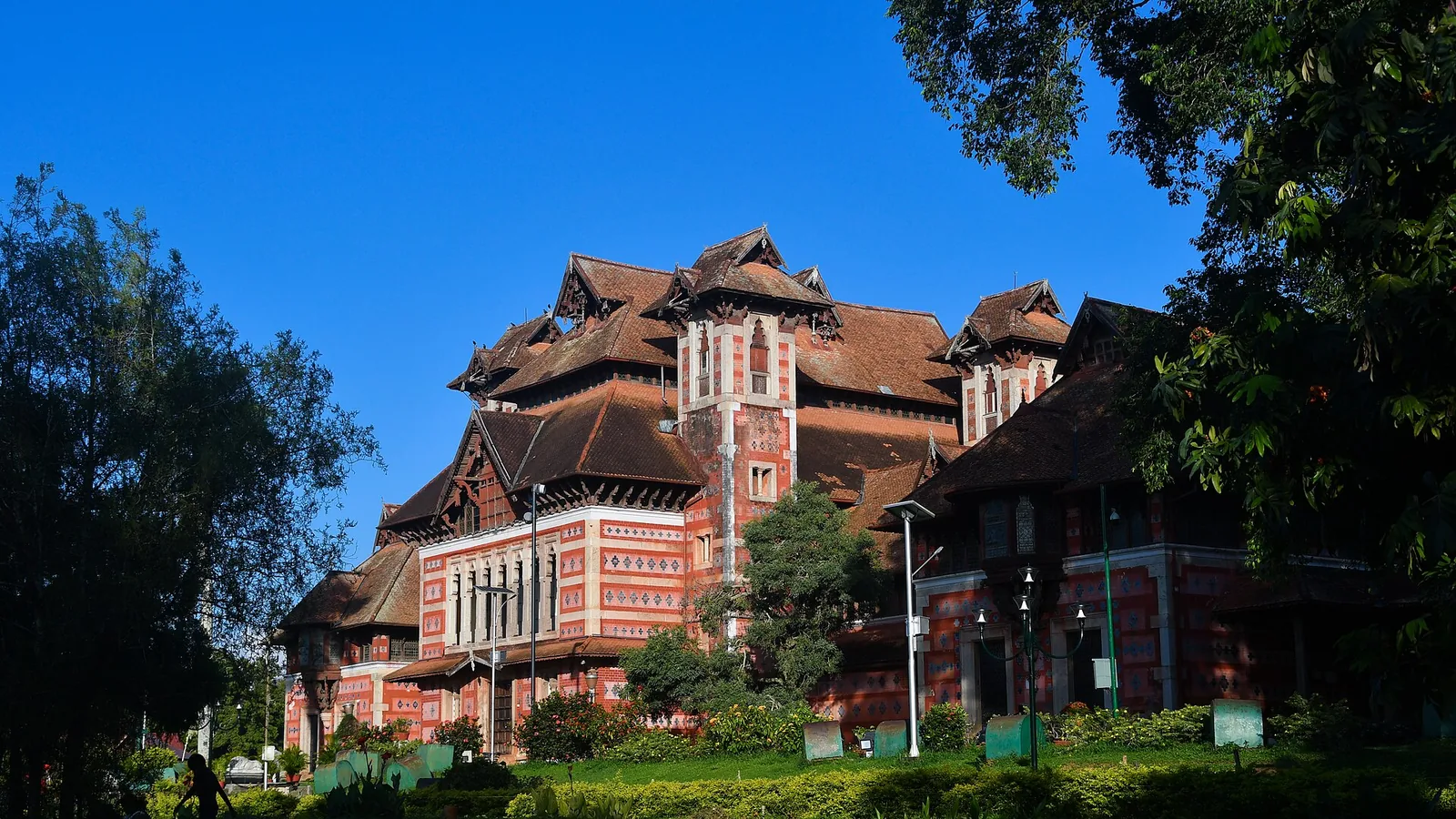
5.3 km · 9 min drive
Robert Chisholm’s 1880 Indo-Saracenic museum in the Museum Park — a polychrome landmark holding Chola and Kerala bronzes, ivories and temple carts, with the Sree Chitra Art Gallery alongside it.
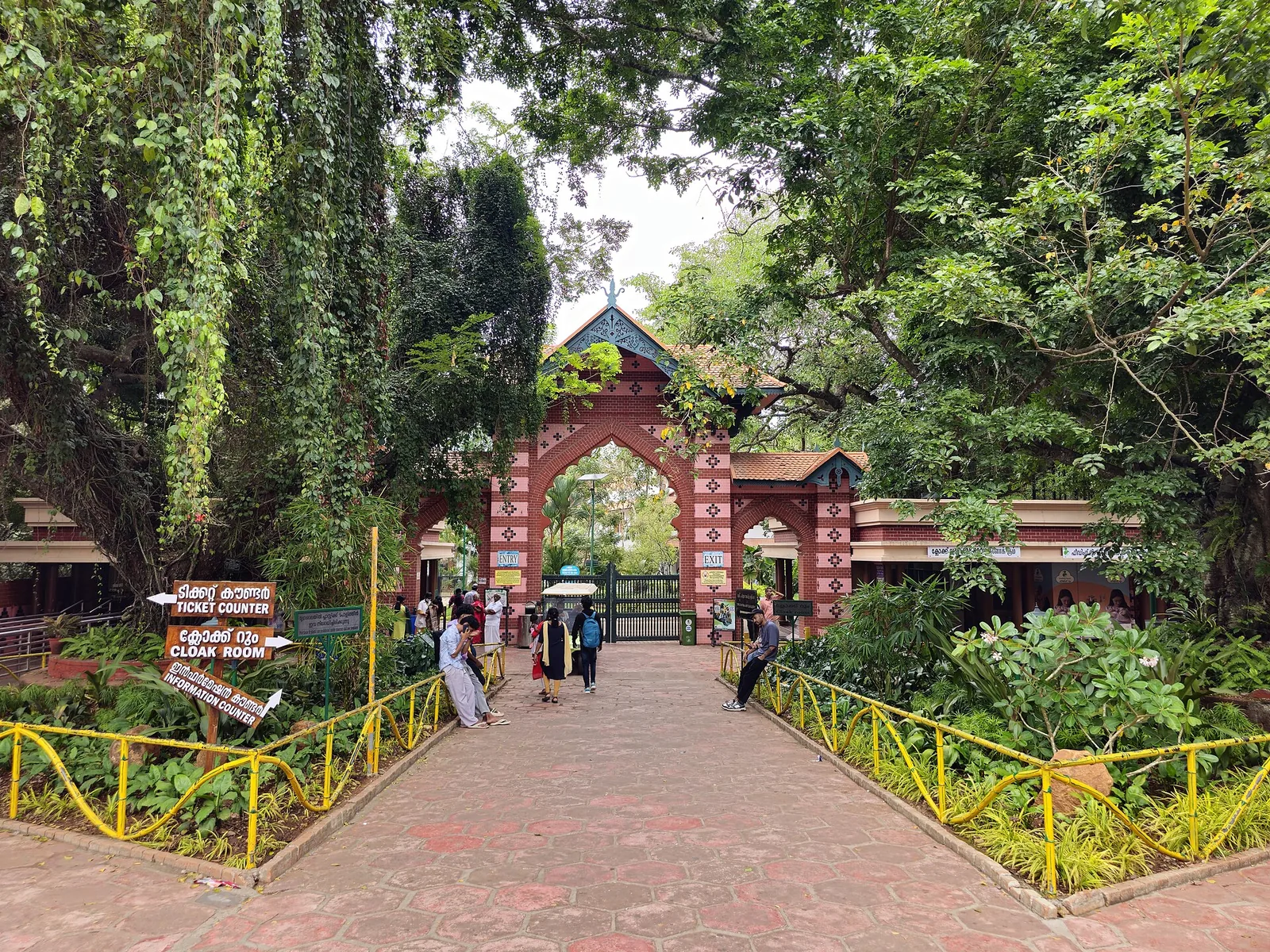
5.4 km · 9 min drive
Old trees, winding paths and animal enclosures share the Museum Park at Thiruvananthapuram Zoo, also known as Trivandrum Zoo. Allow time for the garden as well as the collection, with the Napier Museum close by.
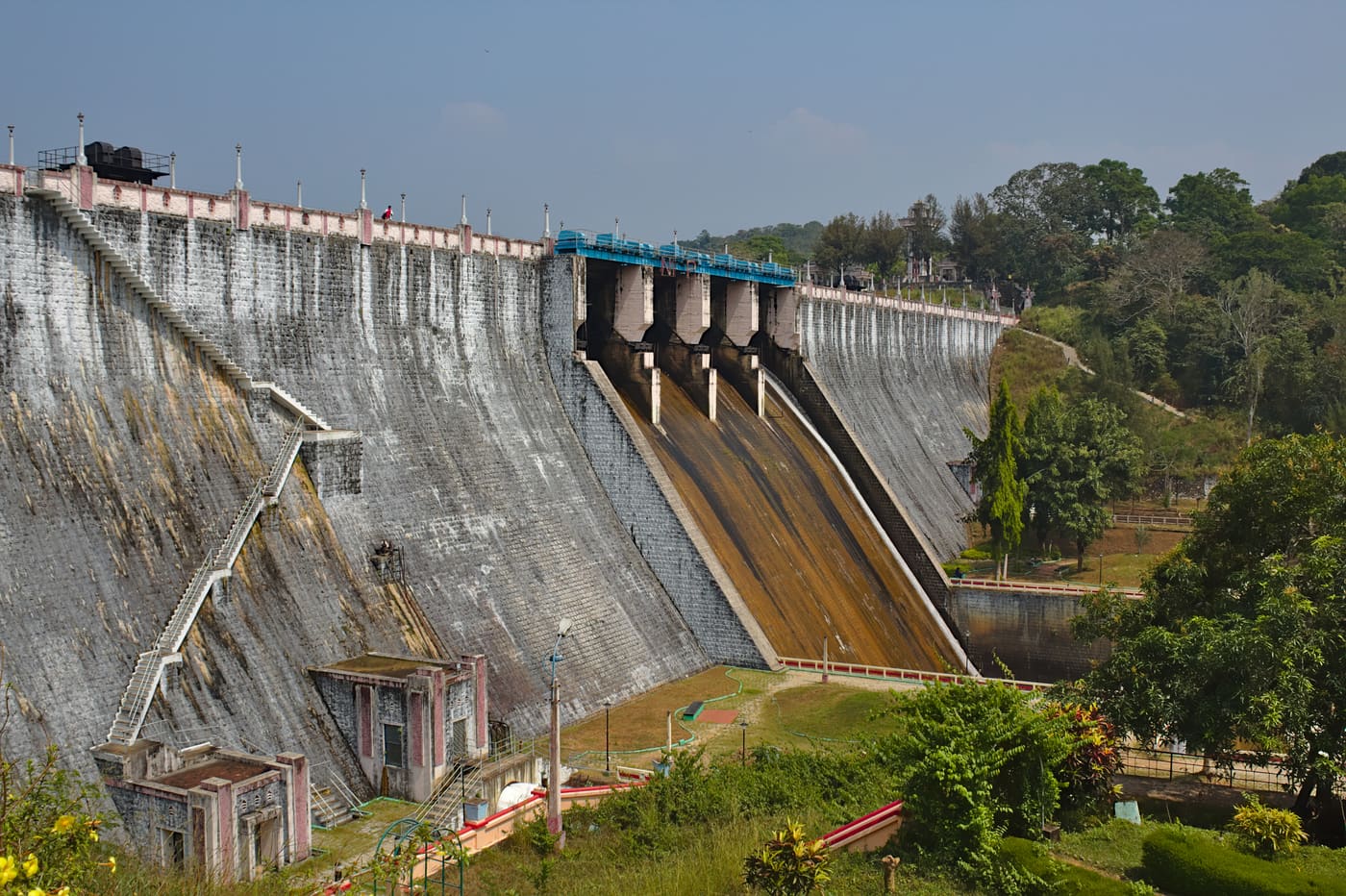
Guided forest trekking in the Neyyar Wildlife Sanctuary near the Agasthyamala foothills, south-east of Thiruvananthapuram.
2.4 km · 29 min walk
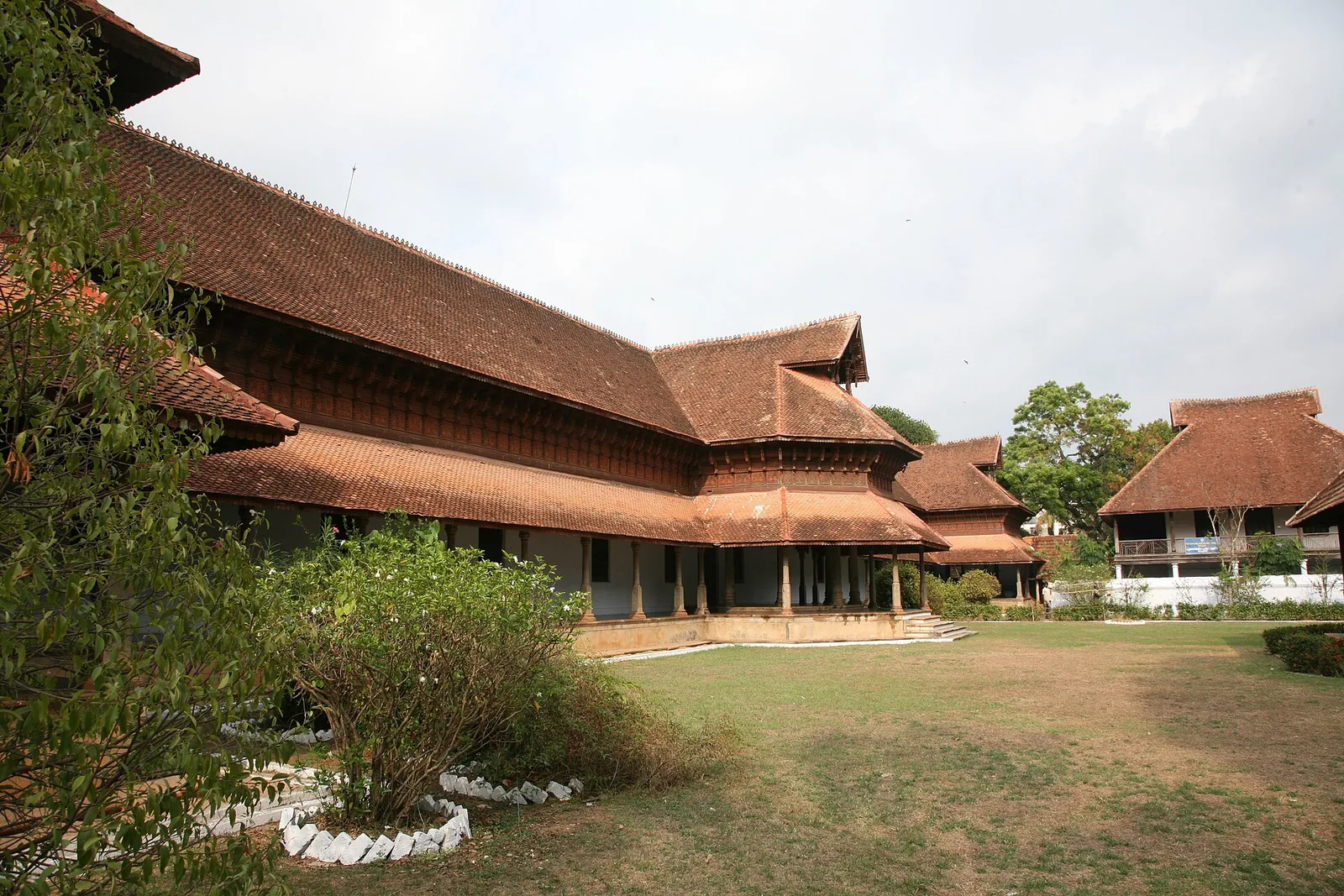
A row of carved wooden horses gives Kuthiramalika its name. Beside Sree Padmanabhaswamy Temple, this Travancore palace museum brings timber craftsmanship and royal collections into one compact visit.
5.7 km · 9 min drive
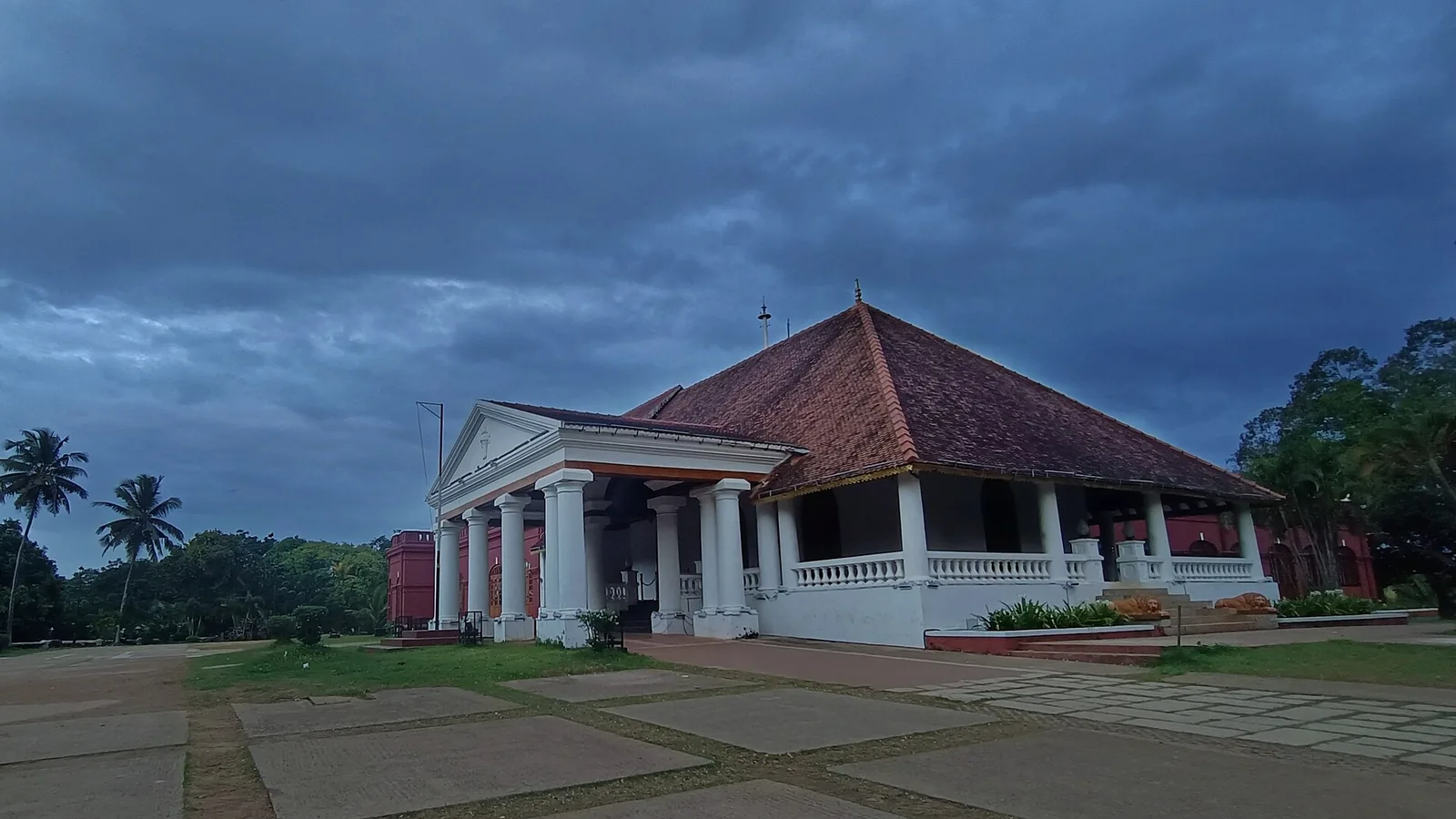
Kanakakunnu puts a Travancore palace among gardens and cultural venues near Thiruvananthapuram’s Museum Park. Come for an evening walk or choose a date around a performance.
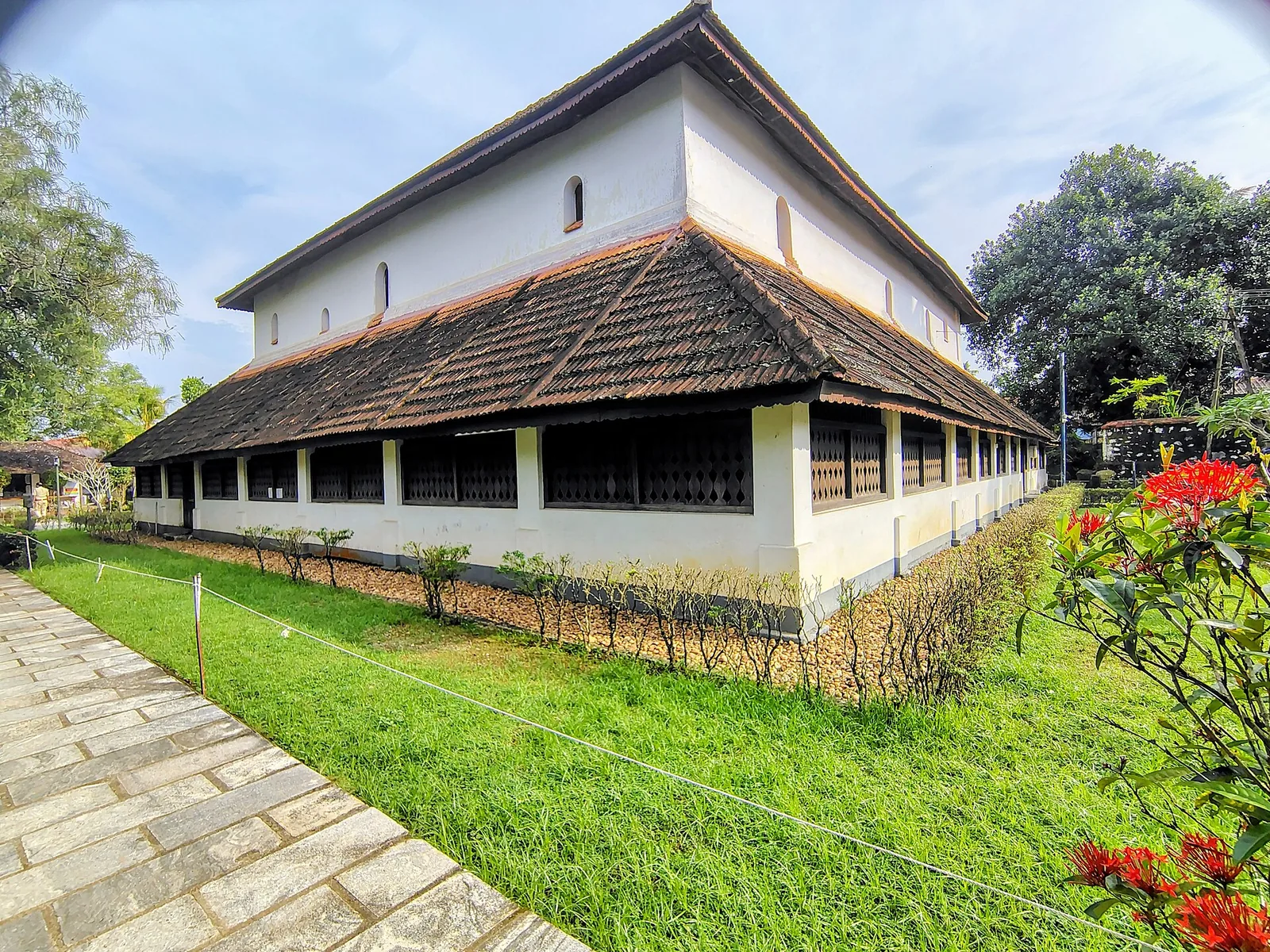
Koyikkal Palace at Nedumangad houses folklore and coin collections inside a traditional Kerala palace. Everyday objects, instruments and currency make this a more intimate museum stop than a grand royal gallery.
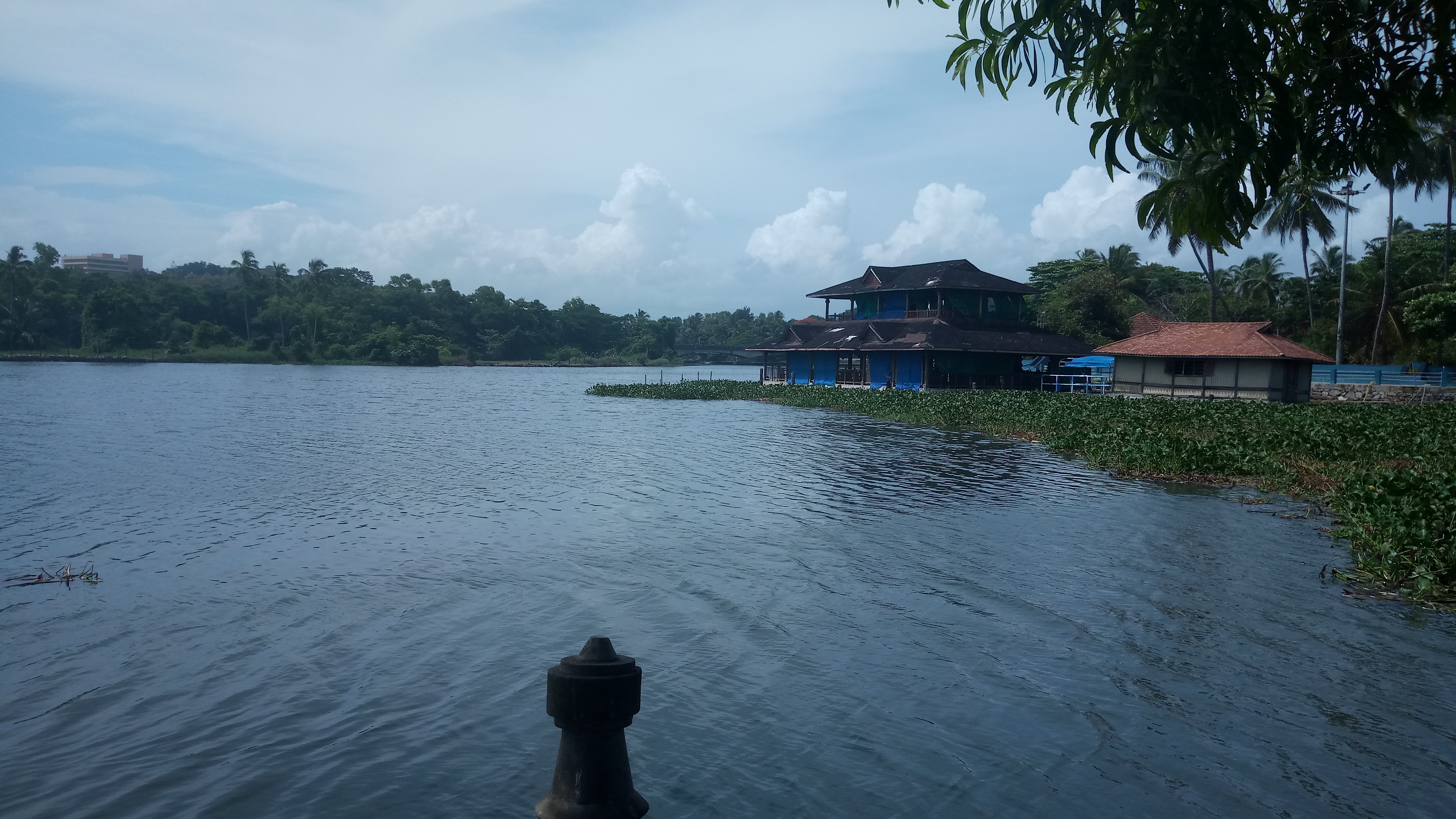
Veli Tourist Village brings lake views, gardens and boating to the coast near Thiruvananthapuram. It is a family outing at the meeting of Veli Lake and the Arabian Sea.
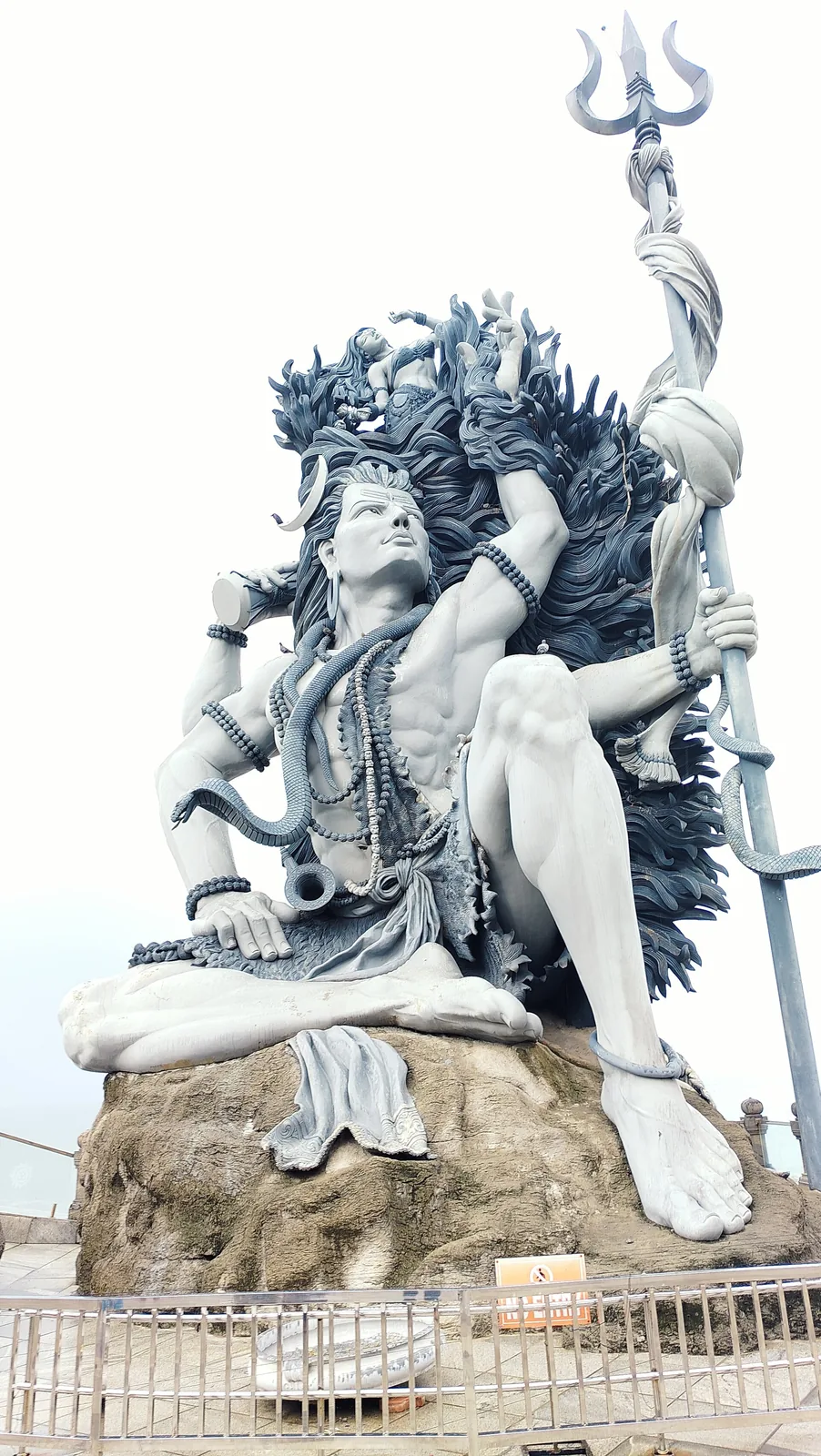
A clifftop seaside temple at Adimalathura near Vizhinjam, known for a giant Gangadhareswara (Shiva) sculpture.
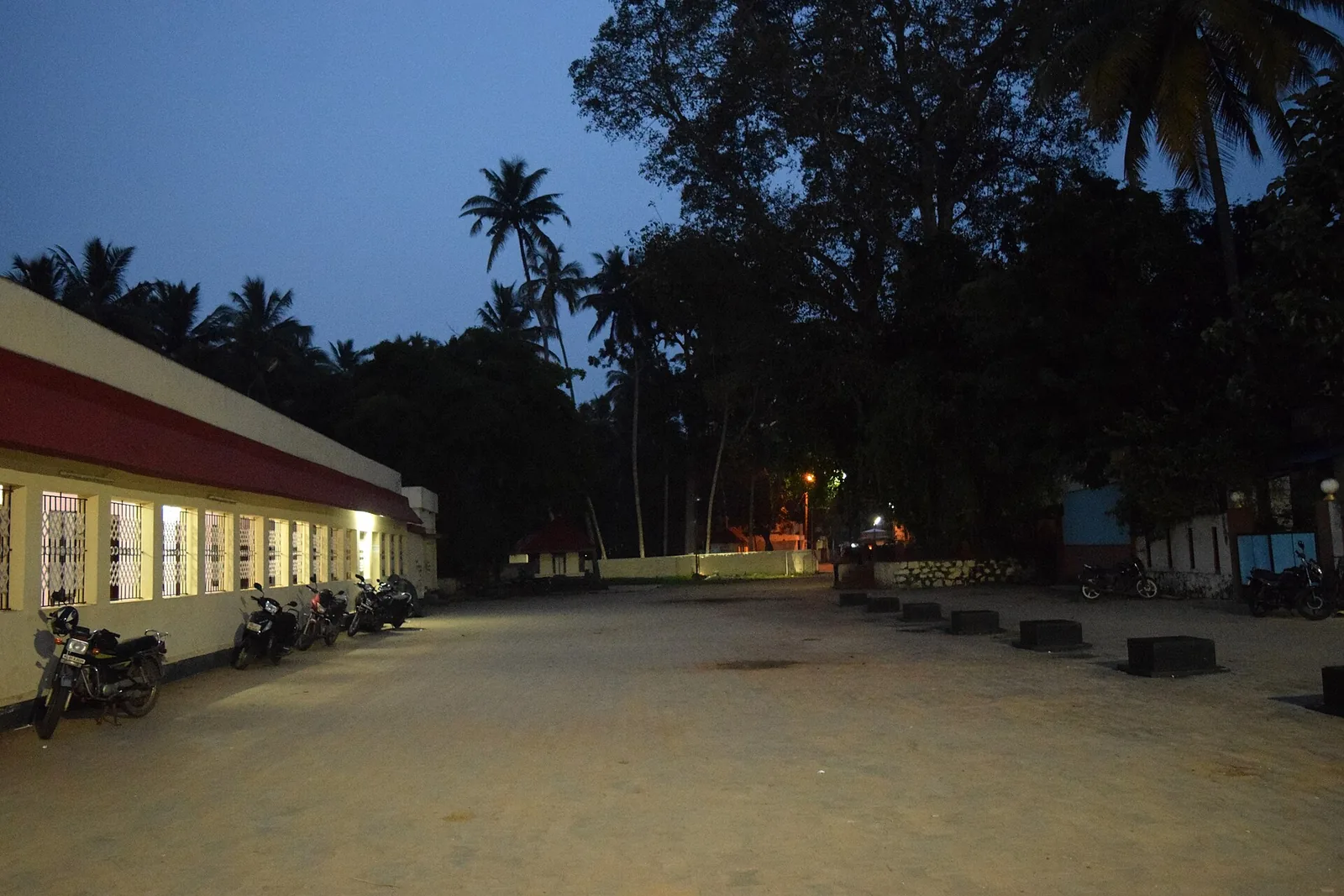
4.4 km · 6 min drive
An ancient temple on the Karamana river, the district’s main site for ancestral (bali) rituals and rare for its Parasurama deity.
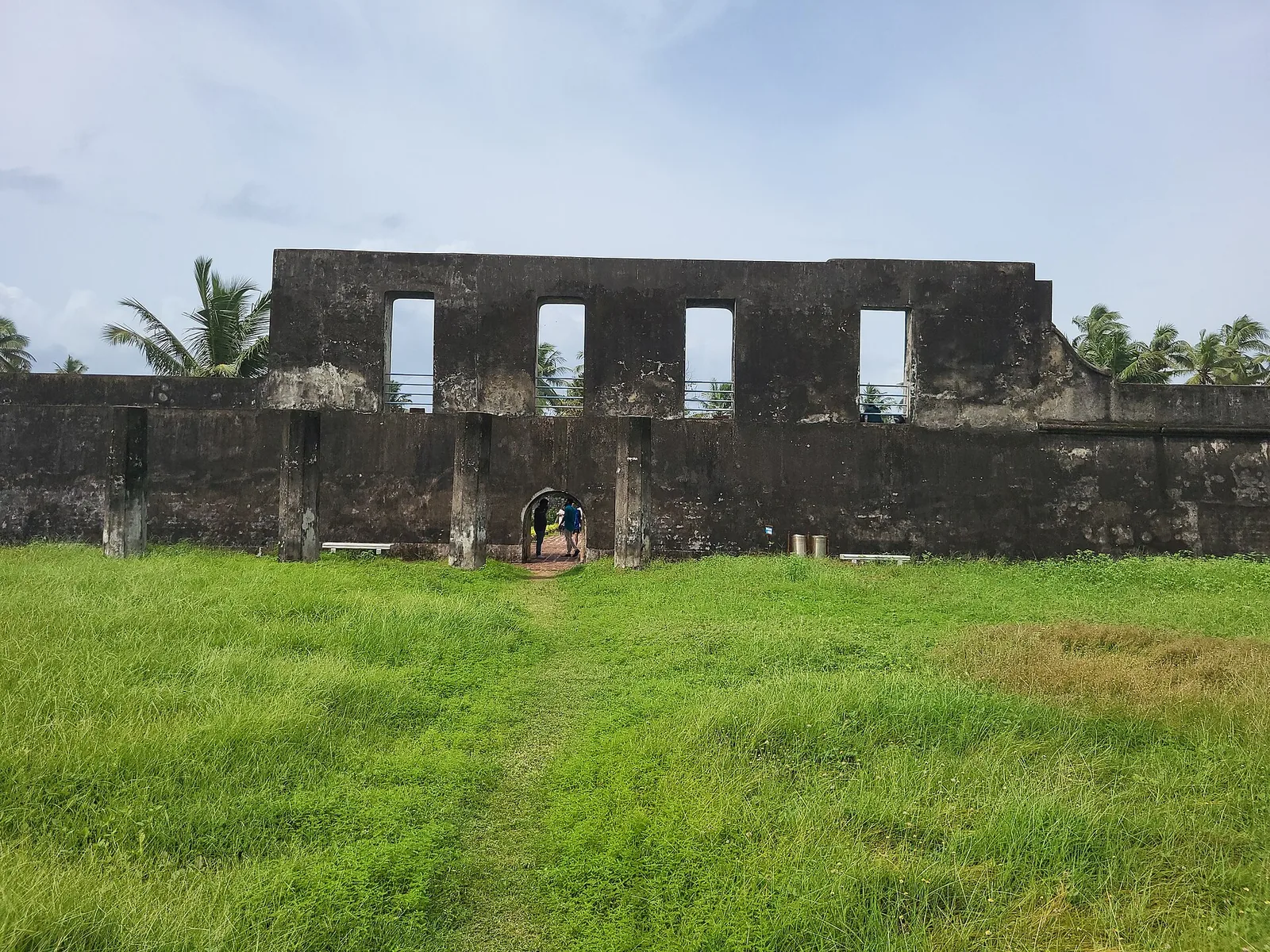
A 1690s English East India Company sea fort (Anjengo) on the coast north of the city, one of the earliest English settlements in Kerala.
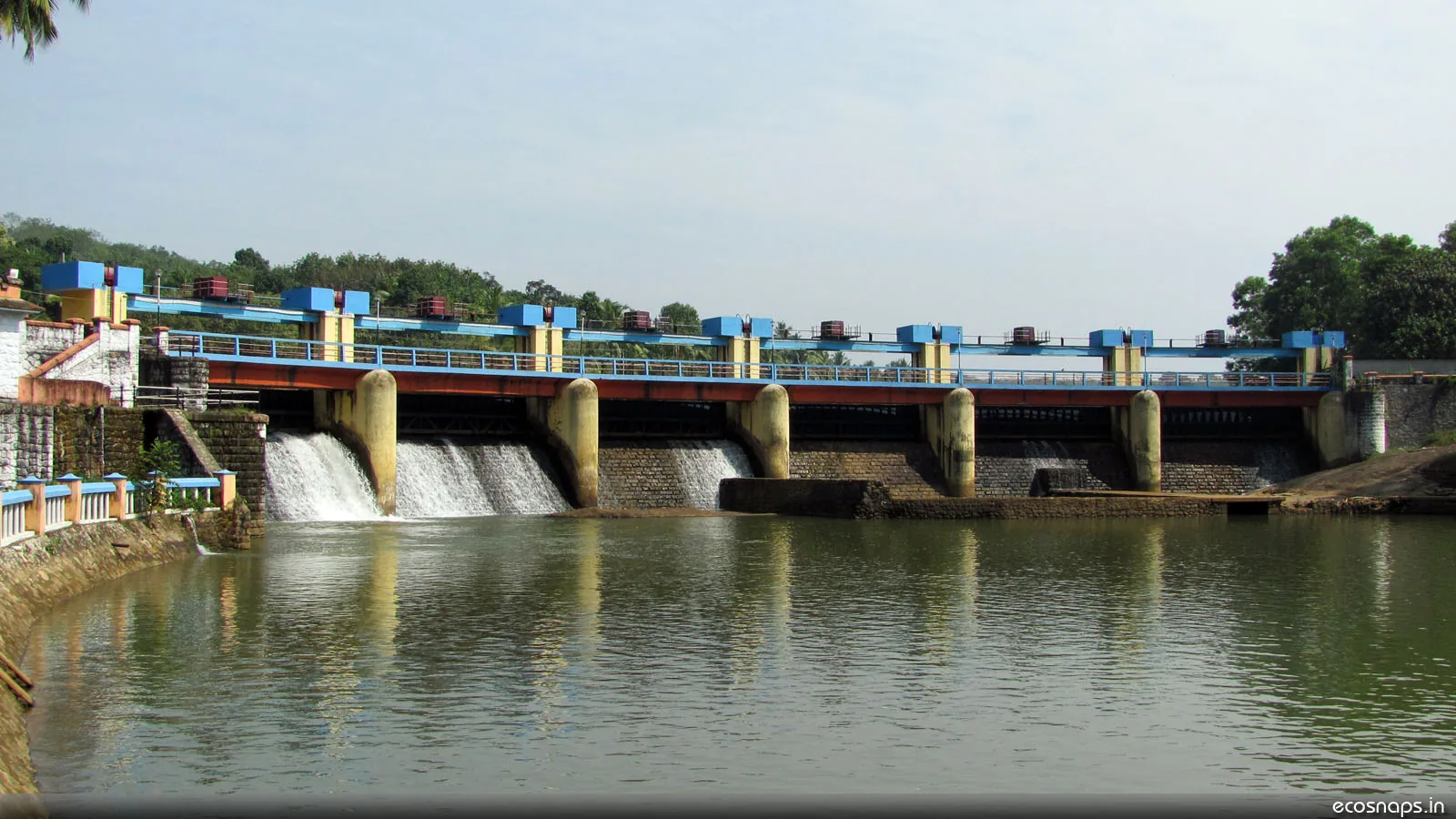
A reservoir, riverside temple and small park on the Karamana river north-east of the city, a popular local picnic spot.
11.0 km · 14 min drive
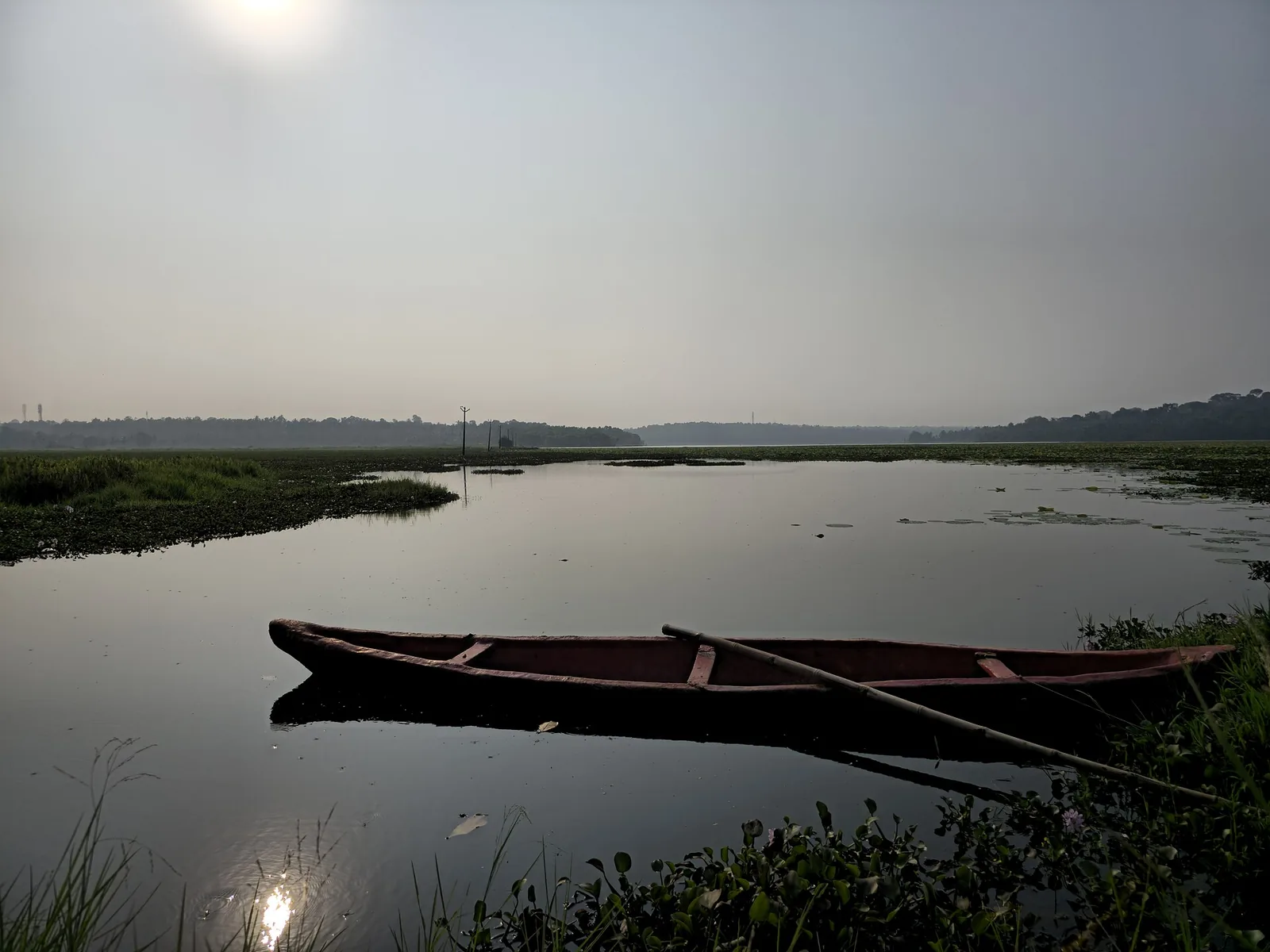
A freshwater lake in Thiruvananthapuram district, with the Punchakari–Vellayani wetlands nearby offering seasonal birdwatching.
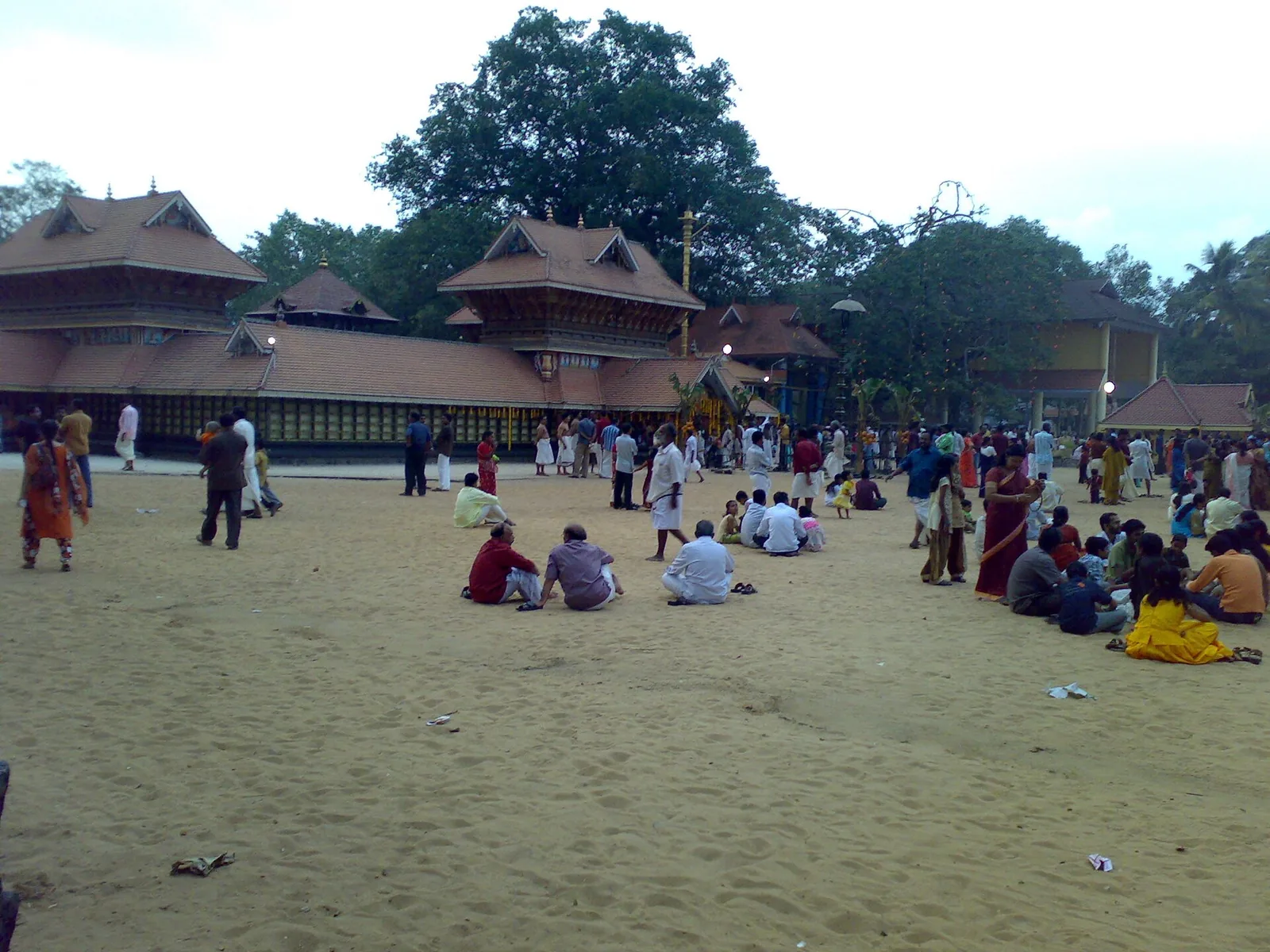
A renowned Devi temple at Chirayinkeezhu, famous for the Kaliyoot festival and the Sarkara jaggery legend.
7.3 km · 10 min drive
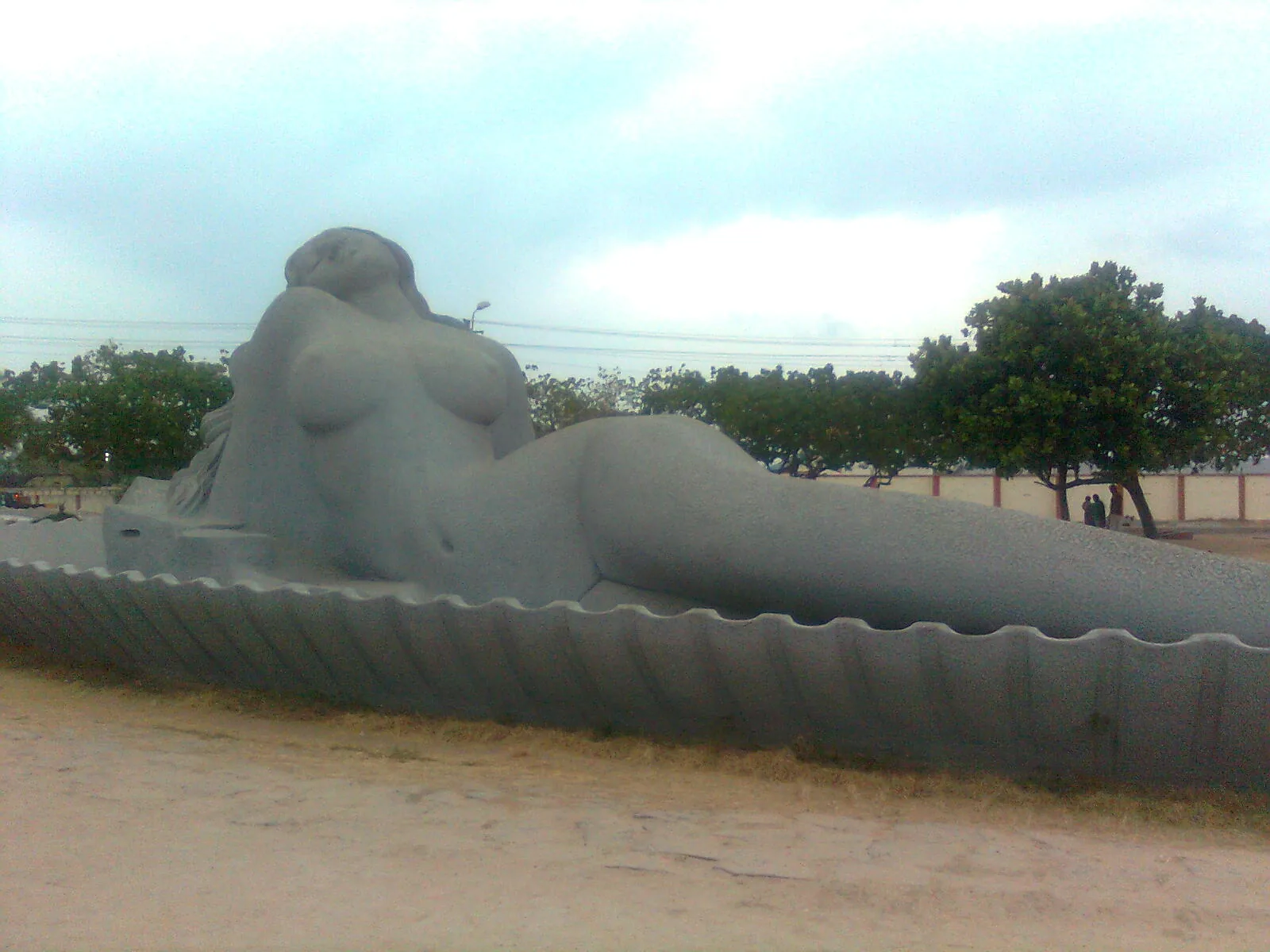
Shanghumukham is Thiruvananthapuram’s evening shoreline: an open sea horizon, airport-side access and Kanayi Kunhiraman’s reclining mermaid sculpture. Come for a coastal walk and the changing light.
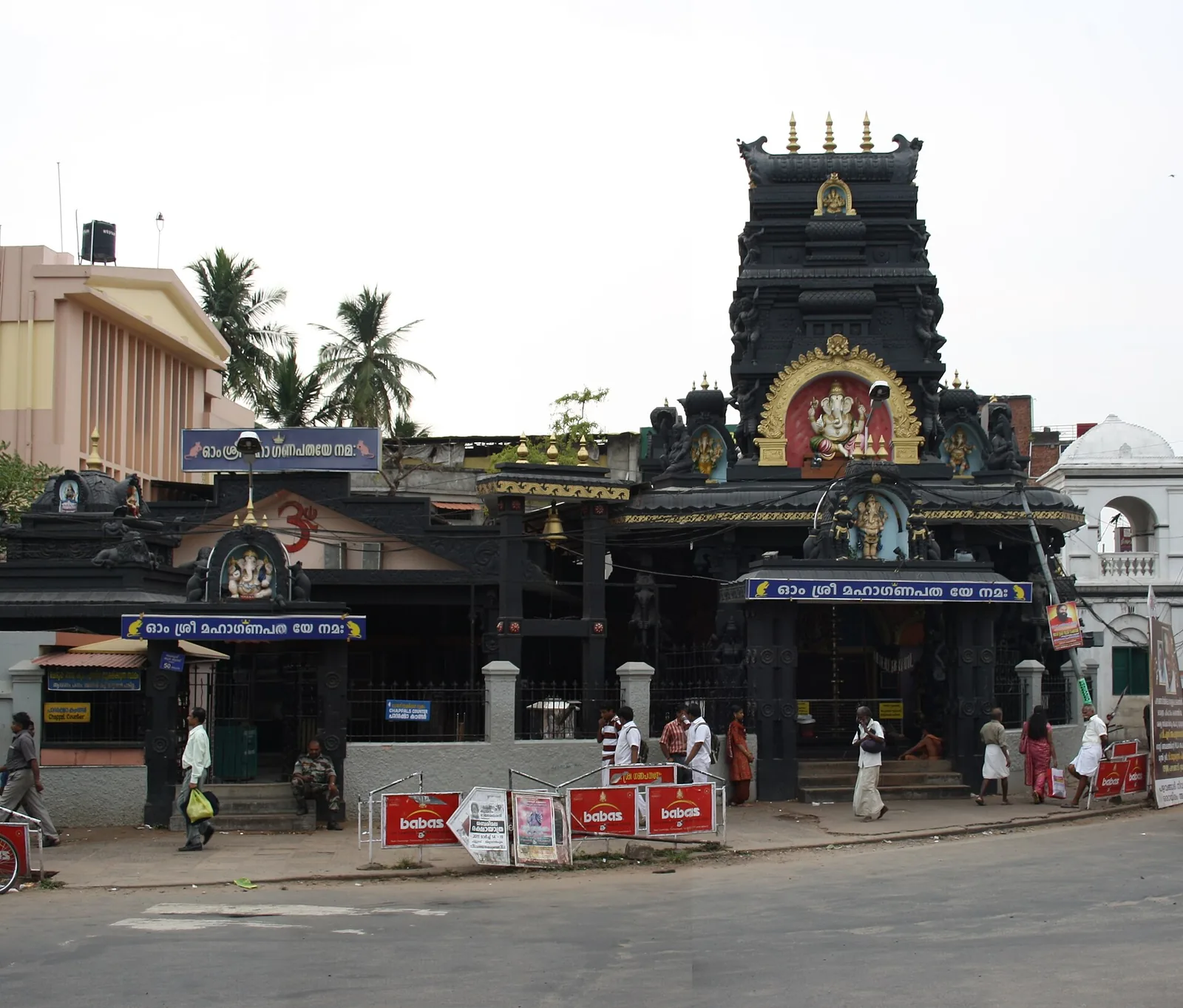
2.2 km · 3 min drive
A popular Ganapathy temple near East Fort, known for the coconut-breaking offering; run by the defence services.
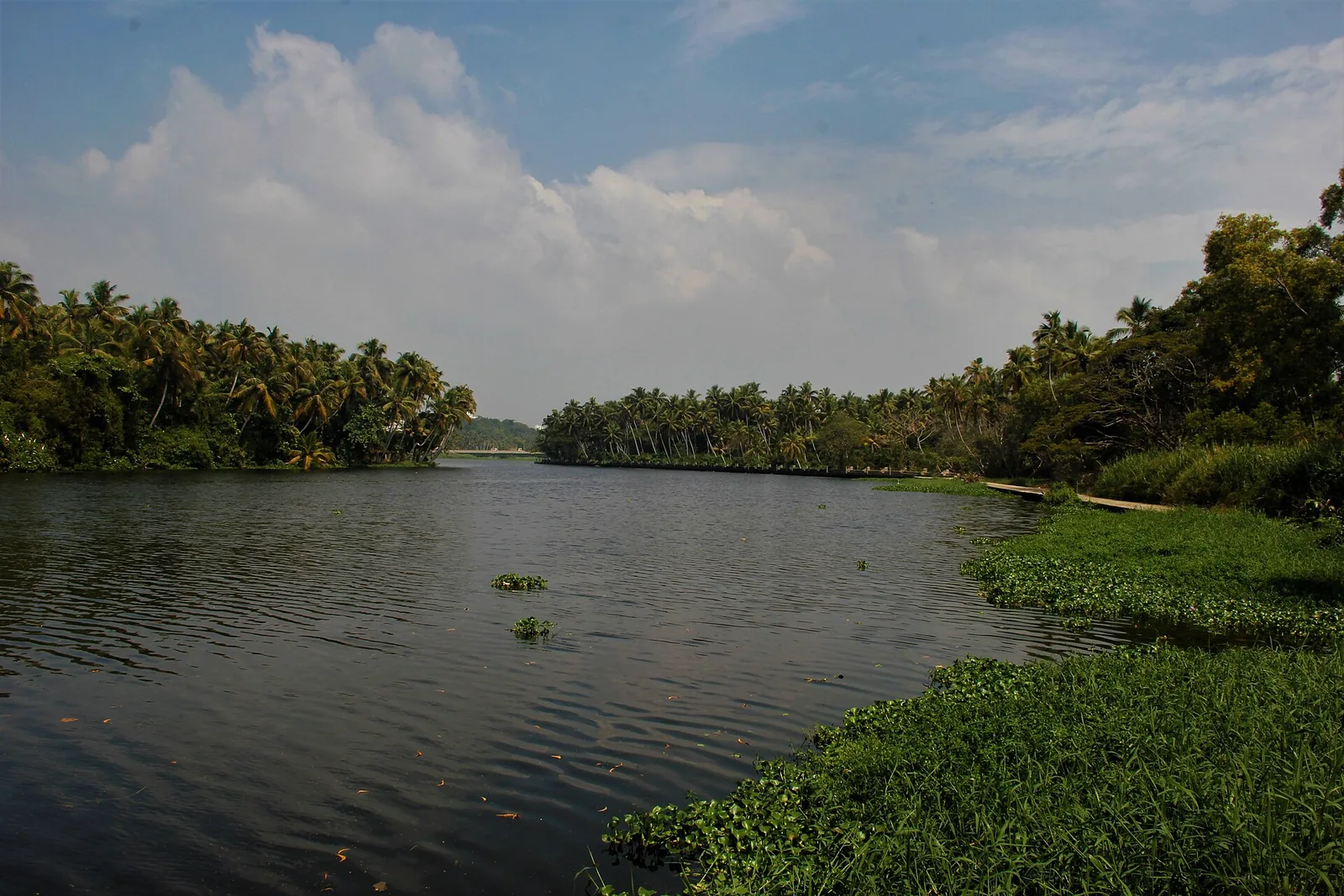
A calm backwater and boating spot near Veli with a lakeside tourist village and children’s park.
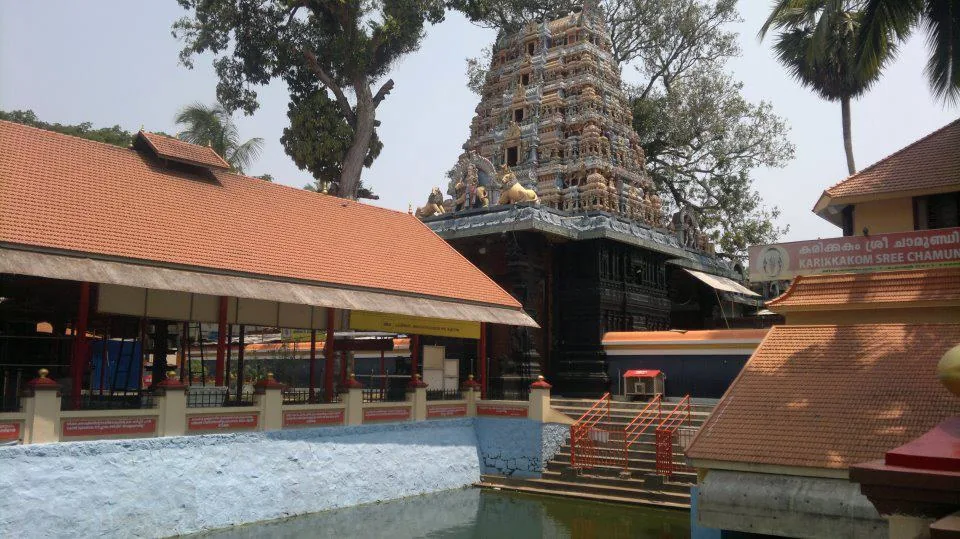
9.1 km · 13 min drive
A well-known Chamundi Devi temple on the western edge of the city, busy during its festival season.
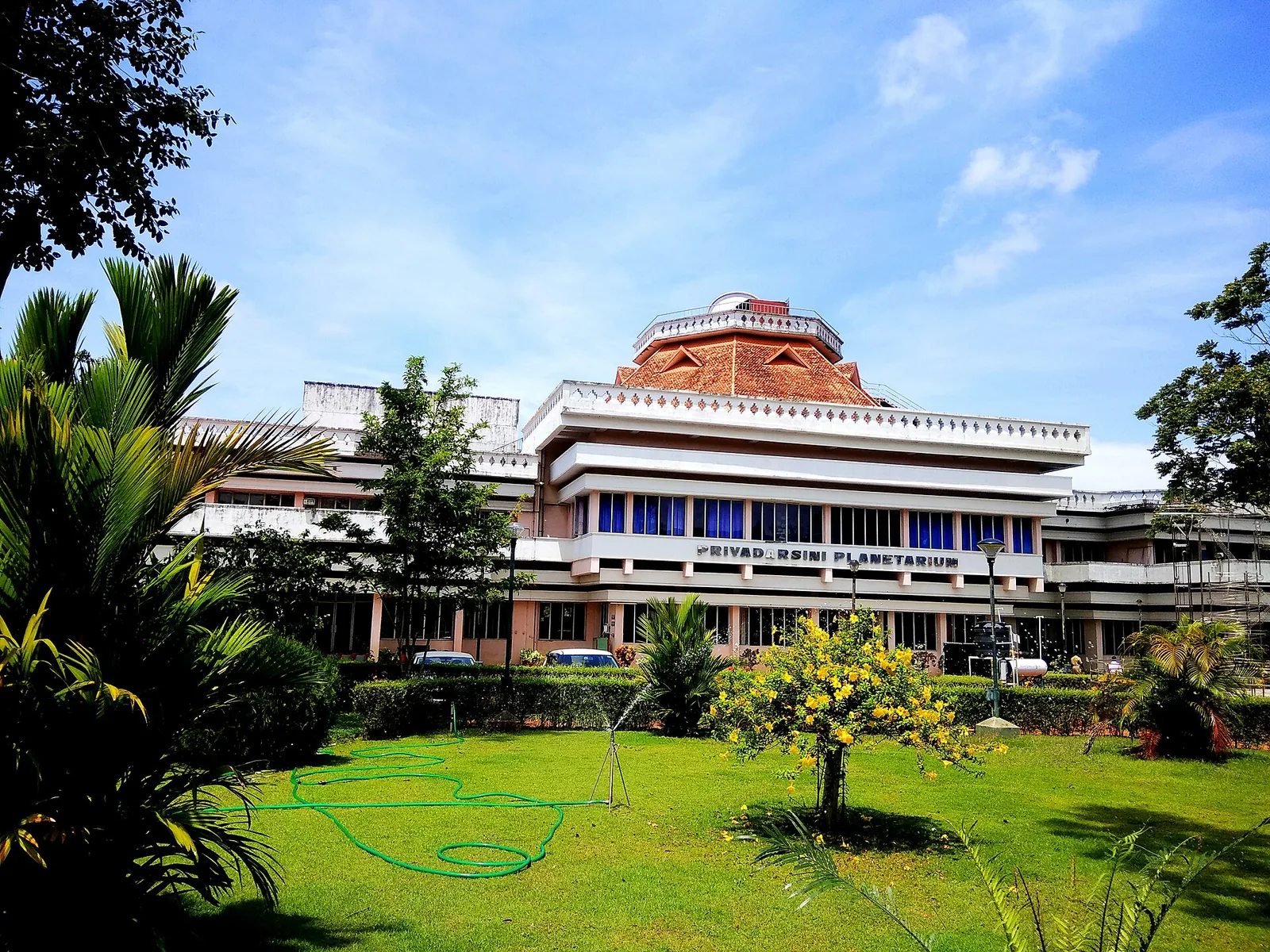
5.3 km · 9 min drive
A hands-on science museum with the Priyadarshini Planetarium, popular with families and school groups.
Roampedia is commission-free — own or know a stay, eatery, guide or shop near Attukal Bhagavathy Temple? Submit public business details for review.
Add a nearby businessEntry: No entry fee for darshan; specific poojas, offerings and vazhipadu are charged as per the temple’s rates.
Dress code: Modest, traditional attire is expected — cover shoulders and legs; footwear is removed before entering. Follow the temple’s customary dress norms as at other Kerala shrines.
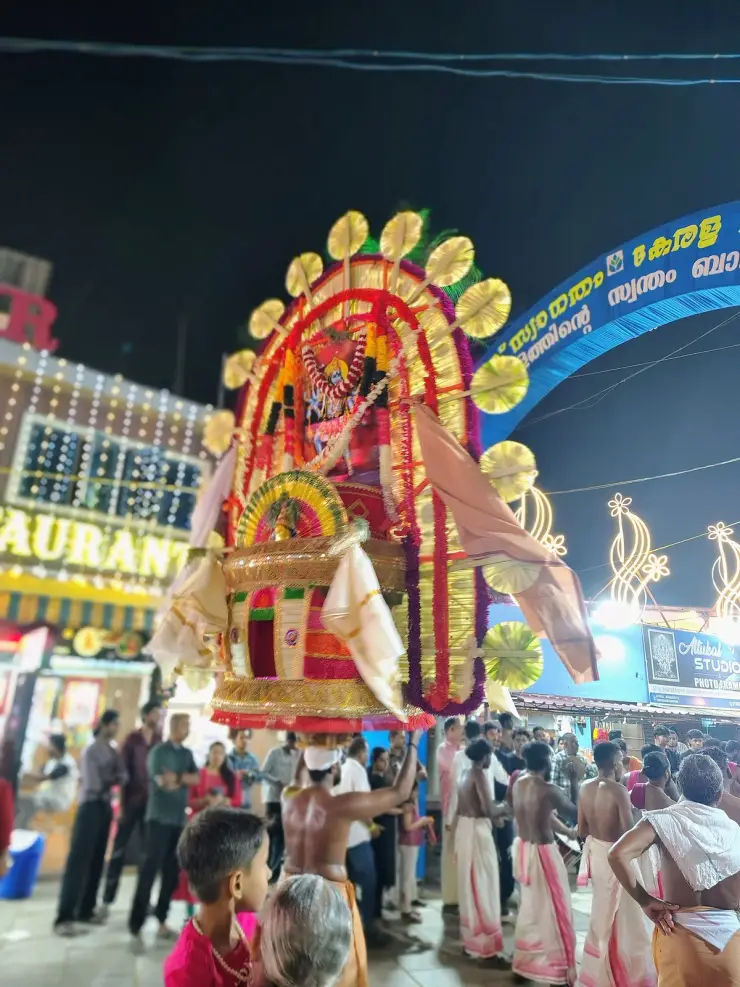
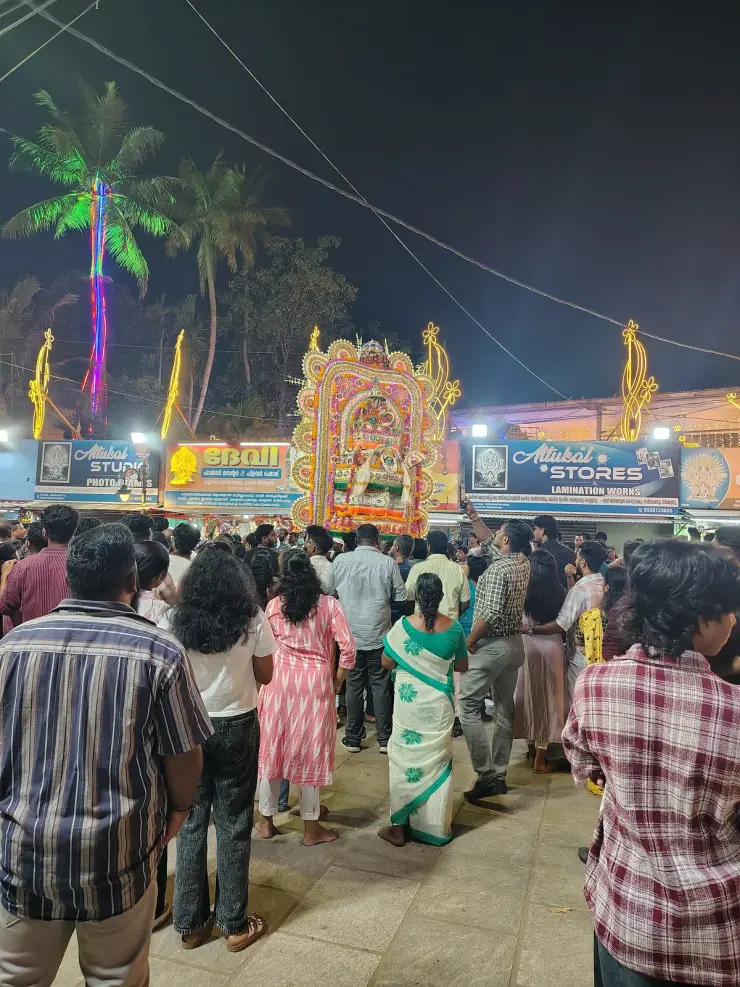
Festivals: The centrepiece is the Attukal Pongala, part of a roughly 10-day festival in Kumbham (about February–March). It opens with the Kappukettu (ceremonial commencement), features observances such as the Kuthiyottam performed by young boys and the Thalappoli by girls, and culminates on the main day when women across the city cook the pongala offering (festival dates follow the Malayalam calendar — confirm the year’s dates locally).
Photography: Photography is generally restricted in and around the sanctum and may be limited during festival days; look for signage and follow priests’ and staff instructions. Avoid photographing rituals or devotees without consent.
If you are travelling by bus or ferry, check the return service with the operator before setting out. Leave time to reach the stop or jetty after your visit.
Ask at the bus stand for the time of the last service back, not the next one. If you miss it, an auto or app cab is the fallback — agree the fare before you get in.
If you need step-free access, contact the site before travelling. Ask about a level entrance, steps along the route, the nearest drop-off point, seating and accessible toilets.
Charge cap and free-transaction limits: Reserve Bank of India, ATM FAQ updated 4 July 2025; checked 4 October 2026.
These services are listed within about 1.2 km of Attukal Bhagavathy Temple. Walking distances follow mapped routes; access and opening hours can change. Other services may be closer but are not included here.
Published emergency and visitor-assistance contacts. For an immediate emergency, call 112. Shared Kerala contact sources checked 4 October 2026; publication does not establish a tested live response.
A popular Ganapathy temple near East Fort, known for the coconut-breaking offering; run by the defence services.
2.2 km · 3 min driveA row of carved wooden horses gives Kuthiramalika its name. Beside Sree Padmanabhaswamy Temple, this Travancore palace museum brings timber craftsmanship and royal collections into one compact visit.
2.4 km · 29 min walkMajor Vishnu temple and one of Kerala’s most important pilgrimage landmarks; strict entry and dress rules apply.
2.7 km · 4 min driveA major coastal Muslim pilgrimage landmark south-west of the city centre, known for the Beemapally Uroos and the tombs honoured within the shrine complex.
2.8 km · straight lineAn ancient temple on the Karamana river, the district’s main site for ancestral (bali) rituals and rare for its Parasurama deity.
4.4 km · 6 min driveA hands-on science museum with the Priyadarshini Planetarium, popular with families and school groups.
5.3 km · 9 min driveRobert Chisholm’s 1880 Indo-Saracenic museum in the Museum Park — a polychrome landmark holding Chola and Kerala bronzes, ivories and temple carts, with the Sree Chitra Art Gallery alongside it.
5.3 km · 9 min driveOld trees, winding paths and animal enclosures share the Museum Park at Thiruvananthapuram Zoo, also known as Trivandrum Zoo. Allow time for the garden as well as the collection, with the Napier Museum close by.
5.4 km · 9 min driveKanakakunnu puts a Travancore palace among gardens and cultural venues near Thiruvananthapuram’s Museum Park. Come for an evening walk or choose a date around a performance.
5.7 km · 9 min driveShanghumukham is Thiruvananthapuram’s evening shoreline: an open sea horizon, airport-side access and Kanayi Kunhiraman’s reclining mermaid sculpture. Come for a coastal walk and the changing light.
7.3 km · 10 min driveA well-known Chamundi Devi temple on the western edge of the city, busy during its festival season.
9.1 km · 13 min driveA freshwater lake in Thiruvananthapuram district, with the Punchakari–Vellayani wetlands nearby offering seasonal birdwatching.
11.0 km · 14 min driveRoad and walking figures are route estimates, with travel times dependent on access, traffic and conditions. Figures marked “straight line” show direct separation and do not describe a road or walking route. Fare estimates use Kerala’s 26 April 2022 auto/taxi notification and exclude waiting, night and applicable one-way surcharges. Confirm the current meter or operator quote before travelling. Routing: © openrouteservice.org by HeiGIT | Map data © OpenStreetMap contributors
Nearby toilets, pharmacies, ATMs, seating and vets are community-mapped and may be incomplete or out of date. Map data © OpenStreetMap contributors | Walking times © openrouteservice.org by HeiGIT
Because its great festival, the Attukal Pongala, is performed overwhelmingly by women — millions of them cook the pongala offering across the city — much as the Sabarimala pilgrimage is famously associated with male devotees. The epithet reflects Attukal’s standing as a major pilgrimage centred on women’s devotion.
Pongala (meaning ‘to boil over’) is a ritual in which women cook a sweet offering of rice, jaggery, coconut and plantain in earthen pots over small brick hearths, to be blessed by the Goddess. On the main day the hearths fill roads, pavements and open grounds for kilometres around the temple. It is reputed to be the largest single gathering of women in the world.
Yes, and the entry is precise: on 10 March 2009 Guinness World Records certified an event organised by the Attukal Bhagavathy Temple Trust as the largest annual gathering of women, at 2.5 million. That record has never been superseded. An earlier 1997 entry of around 1.5 million is widely repeated but does not appear in the record Guinness publishes today. Crowds since 2009 are reported at three to four million, but those are day-of estimates by police, organisers and the press rather than new certifications — so the common line that the festival breaks its own record every year is not accurate.
A great deal, and almost none of it is crowded. The festival opens with the Kappukettu, in which the priest invokes Kodungallur Bhagavathy into the Goddess’s sword and a ceremonial bracelet is tied to the sword and to the chief priest’s wrist. Each of the first nine evenings a lead singer and his troupe perform the Thottam Pattu, telling the Kannaki story in instalments so that it concludes on the eve of the Pongala. The ninth day is the Pongala itself, opening with the temple’s own hearth, the Pandara Aduppu, and the Thalappoli procession of girls with lamps and flowers. The festival closes the following night with the Kuruthi Tharpanam. Visiting on one of the earlier evenings is the best way to see the ritual life of the shrine without the crush.
Kuthiyottam is an offering in which young boys — commonly described as aged about five to twelve — keep a seven-day vow at the temple from the third day of the festival: staying on the premises, eating simple food, bathing three times a day and performing repeated prostrations, before dancing to drums in ceremonial dress on the Pongala morning. It is understood as a symbolic substitute for human sacrifice, the boys standing for the wounded soldiers of the Goddess, and at some temples it culminates in a thin piercing of a fold of skin. It became a public controversy in 2018, when a senior police officer publicly called for it to end and the Kerala State Commission for Protection of Child Rights registered a case. Participating families defended it as voluntary, and no ban followed.
Men are welcome to worship at the temple through the year. The Pongala ritual itself, however, is performed by women; during that festival the men present near the offering grounds are generally limited to temple staff, priests and security and support personnel. Confirm current arrangements locally, especially around festival days.
The temple can be visited year-round. The Pongala falls in the Malayalam month of Kumbham (about February–March) and is spectacular but extremely crowded, with the city’s roads and transport heavily affected for a day or more. For a calmer darshan, choose an ordinary day outside the festival period.
Dress modestly and conservatively as at any Kerala temple — traditional Indian attire is appreciated; cover shoulders and legs and remove footwear before entering. Maintain silence and decorum in the sanctum, follow photography restrictions, and be prepared for very dense crowds and limited facilities during the Pongala.
Morning or early evening is usually best; festival days can be powerful but crowded.
Entry: No entry fee for darshan; specific poojas, offerings and vazhipadu are charged as per the temple’s rates. Timings: Typically open early morning to around midday and again in the evening (commonly reported roughly 04:00–12:00 and 17:00–20:00), with special extended timings and darshan arrangements during festival days.
Base yourself in Thiruvananthapuram city or a nearby town in Thiruvananthapuram, then confirm the last-mile route locally before leaving. Check temple entry customs, dress rules and festival crowd conditions before arrival. If the visit depends on forest, temple, boat, ferry, weather or seasonal access, check the official/local rule on the day before travel.
45 minutes to 2 hours, longer during festival or queue periods.
Nearby you can pair Pazhavangadi Ganapathy Temple (2.2 km, route estimate), Kuthiramalika Palace (2.4 km, route estimate), Sree Padmanabhaswamy Temple (2.7 km, route estimate), Beemapally Mosque (2.8 km, approximate straight-line separation).
Use official counters for offerings/tickets where applicable. Keep footwear and valuables secure in crowded areas.
Written about Attukal Bhagavathy Temple itself — its history, its legends and the arguments about them.
These guides explore Thiruvananthapuram city and the surrounding area. Choose a visit that fits your interests, allowing separately for travel between stops.


Route-level itineraries and practical guides for the rest of Kerala.


Photographs: Ms Sarah Welch (CC BY-SA 4.0), Athulvis (CC BY-SA 4.0). Wikimedia Commons.