What to expect
Highlights
- Shaded garden paths
- Animal and reptile sections
- Museum Park institutions nearby
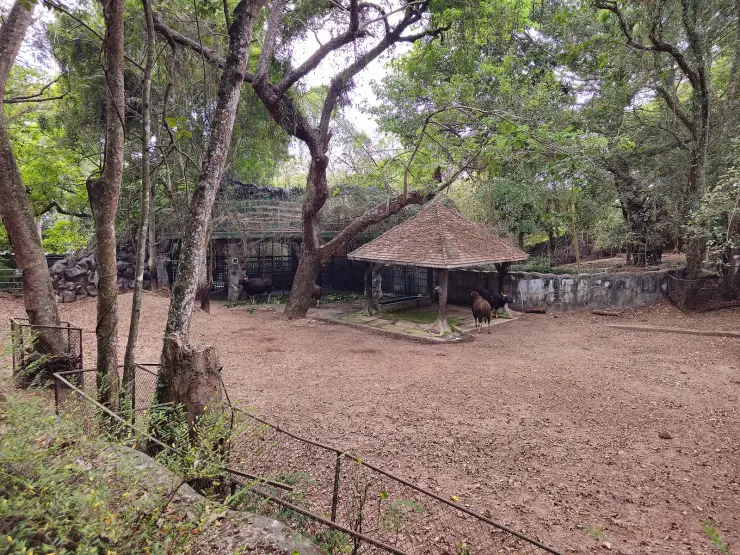
Old trees, winding paths and animal enclosures share the Museum Park at Thiruvananthapuram Zoo, also known as Trivandrum Zoo. Allow time for the garden as well as the collection, with the Napier Museum close by.
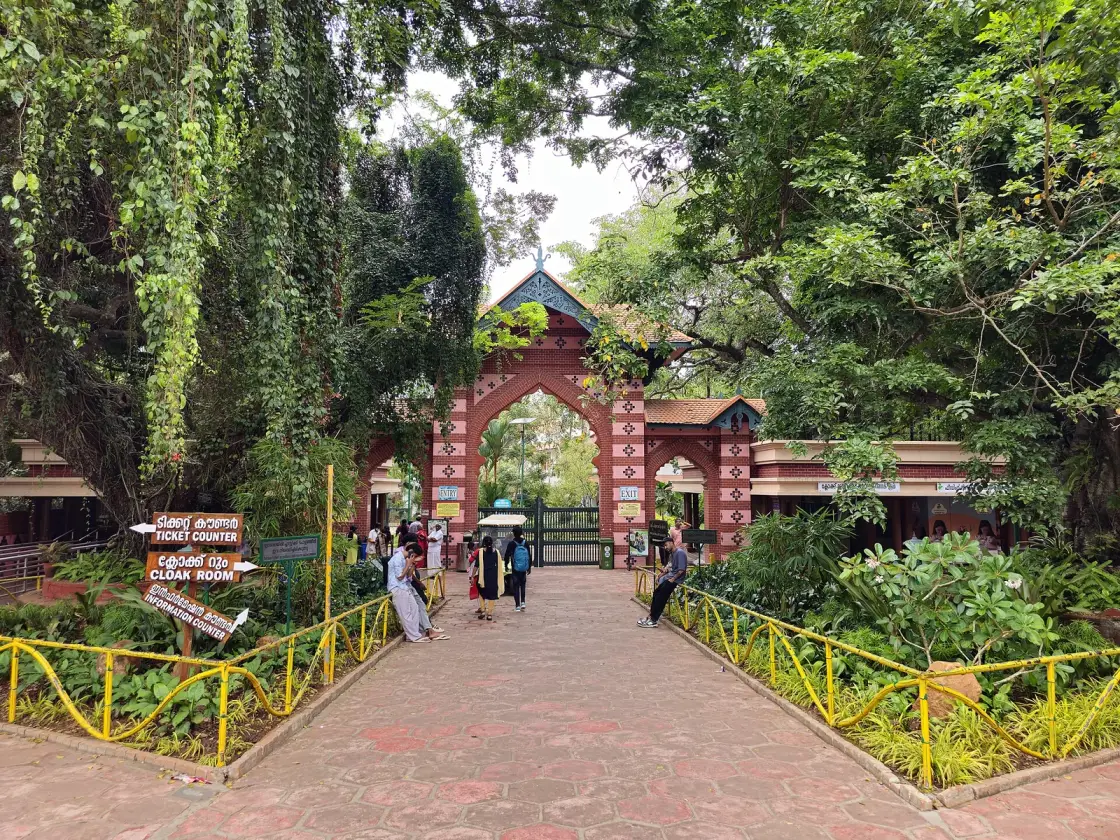
Make the zoo your morning outing, then decide whether to add the museum or art gallery. They share a precinct but have separate entrances and tickets; trying to rush all three into an hour leaves little time for any of them.
The zoo’s setting explains much of its appeal. Tree cover follows the paths, the route bends around planted ground, and the visit unfolds as a walk through a public garden. Look up between enclosures: the landscape is part of this institution’s history, rather than decoration around it.
Thiruvananthapuram’s museum and zoo grew together under Travancore. The district administration dates the museum’s opening to 1857 and the zoo and public gardens to 1859. That sequence places the animal collection before the ornate Napier Museum building that now dominates photographs of the compound.
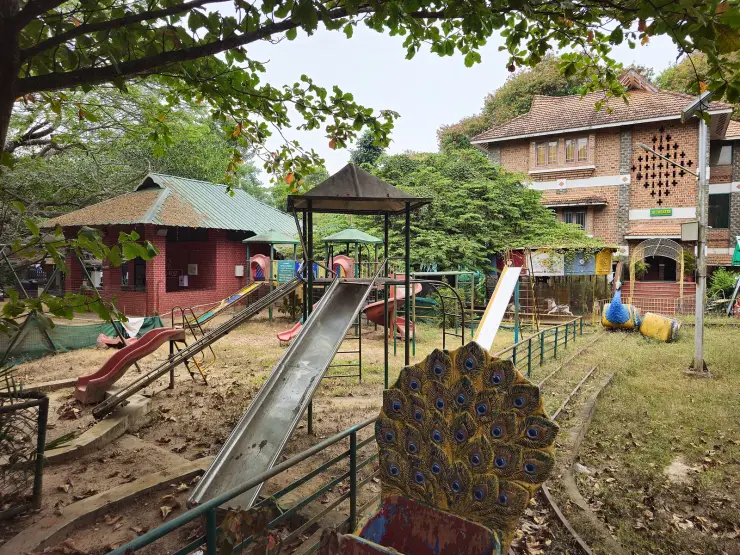
A family visit involves plenty of walking. Give children time at a few enclosures rather than treating every animal as a stop to tick off. Keep food away from the animals and follow the barriers; conservation and animal care take precedence over a close photograph.
The zoo developed during the reign of Uthram Thirunal Marthanda Varma in the nineteenth century. It remains part of Kerala’s Department of Museums and Zoos. The garden setting connects a modern visitor with Travancore’s early public institutions.
Road km to Thiruvananthapuram; ghat roads and traffic vary — allow extra.
Visit earlier in the day for a more comfortable outdoor walk. October to February usually brings less heat than the summer months.
Live forecast loads in your browser.
Sun and moon are calculated for this location and shown in IST. Photography windows are the hour around sunrise and sunset; the sunset bearing is degrees clockwise from true north. Moon phase is accurate to about half a day.
Verified hotels, homestays, restaurants, experiences, sights, shops and rentals around Thiruvananthapuram Zoo — commission-free, with direct contact. Filter by what you need.

Hilton Garden Inn Trivandrum is a hotel on Punnen Road, with an outdoor pool, fitness centre and on-site dining. Its central setting suits sightseeing and business trips; Kovalam is a separate coastal outing. Compare room rates and breakfast inclusions for your dates.
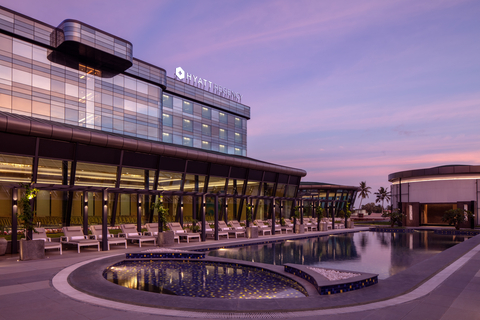
Hyatt Regency Trivandrum is a city hotel on CV Raman Pillai Road at Thycaud, with accommodation, dining and event spaces. Arrange coastal or hill outings separately from your room booking.
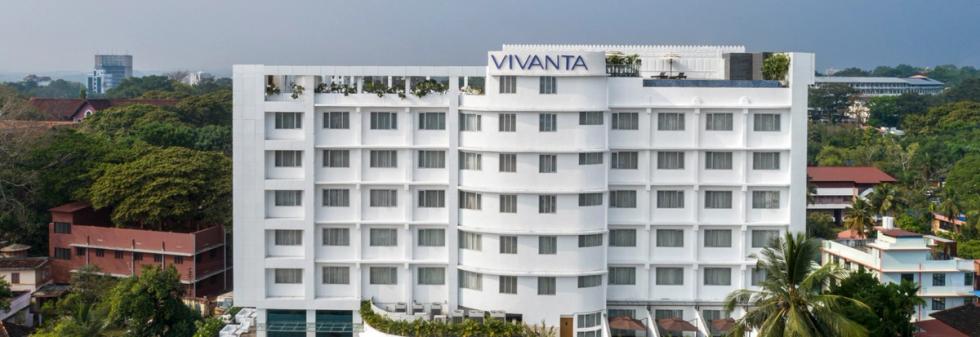
Vivanta Thiruvananthapuram is a hotel on Extra Police Road at Palayam. Choose the central address for city outings, comparing room packages and onward transfers for your dates.
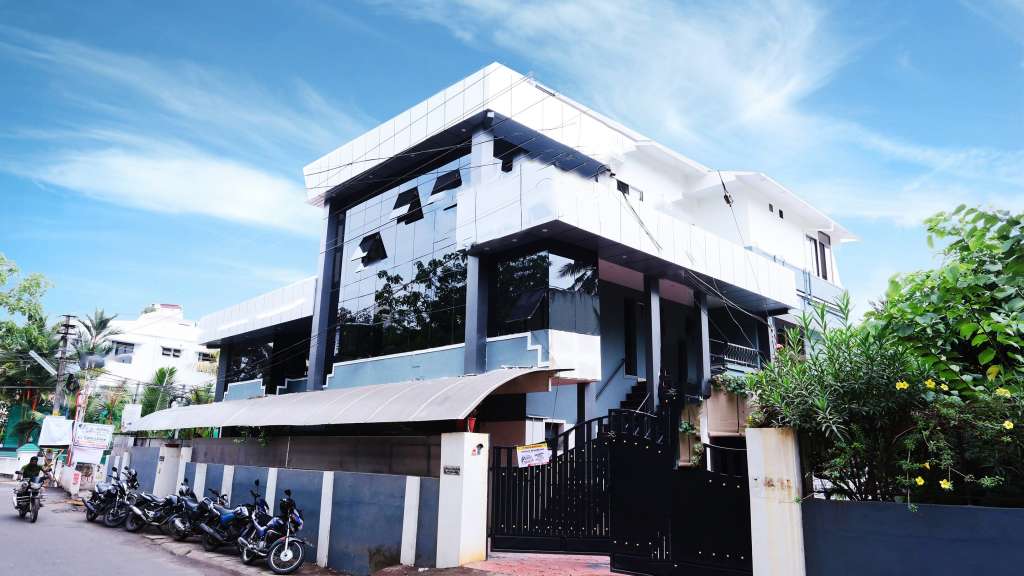
Kerala Tourism-approved family homestay in a quiet garden setting at Peroorkada, Ambalamukku, in the northern part of Thiruvananthapuram city. The resident hosts offer air-conditioned guest rooms and traditional home-cooked Kerala meals in a homely, green atmosphere, a personal alternative to a city hotel.
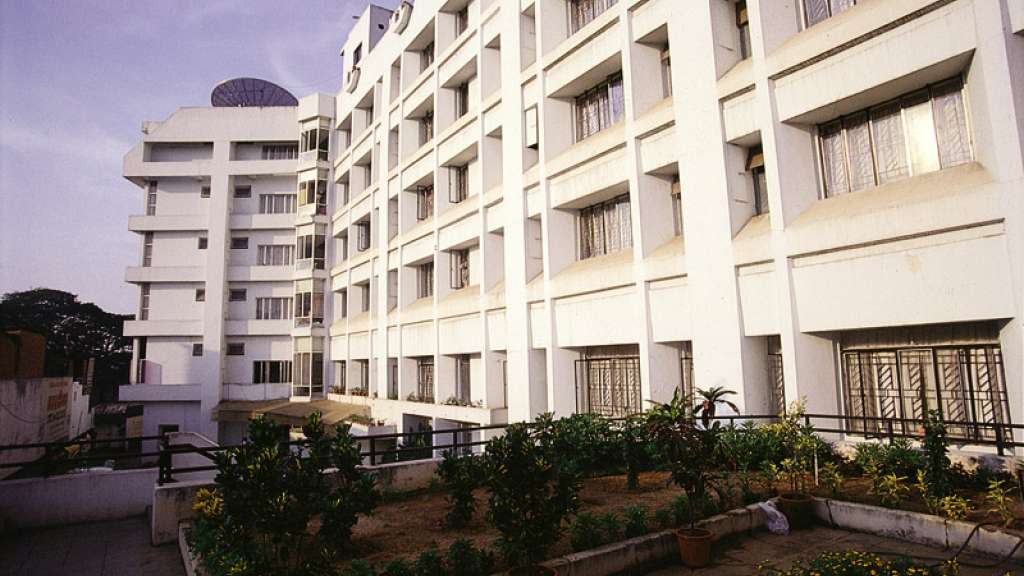
KTDC’s Grand Chaithram is a Thampanoor city stay opposite Thiruvananthapuram Central. Choose it for rail and bus access, comparing the current room category and meal package directly with KTDC.
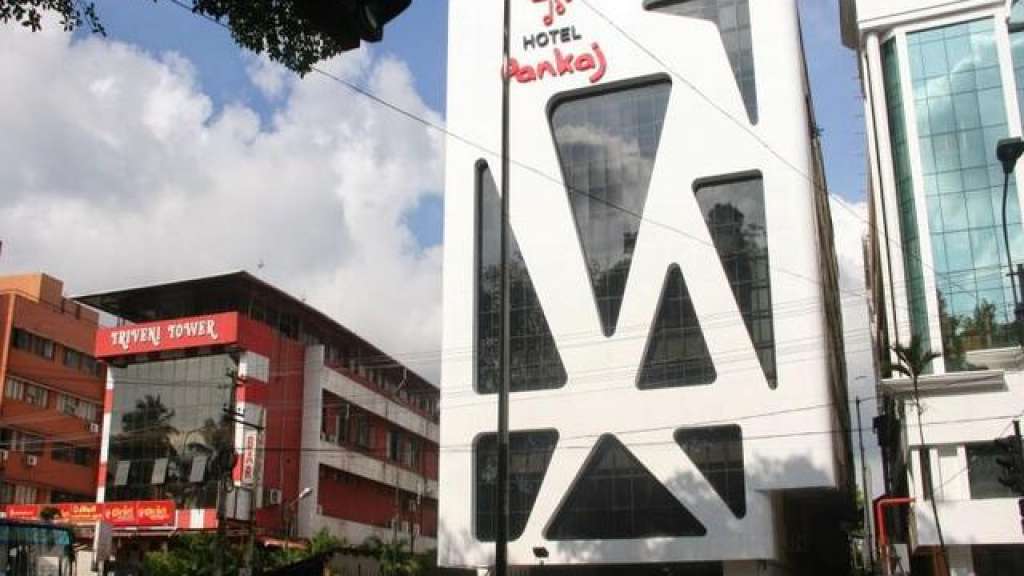
Hotel Pankaj is a city accommodation option on MG Road opposite the Government Secretariat. Ask about current room availability and dining arrangements before planning a stay around this central address.
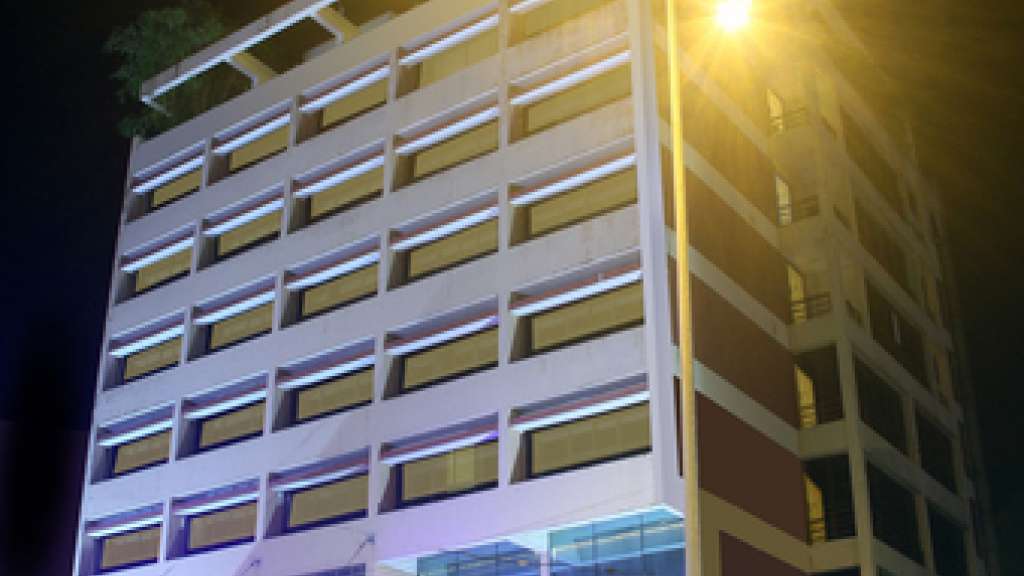
Hotel Horizon on Aristo Road at Thampanoor offers a city base for rail arrivals and sightseeing. Compare room categories and dining inclusions, allowing separately for the journey to Kovalam.
KTDC’s Mascot Hotel offers a heritage setting and spacious grounds within Thiruvananthapuram city, with the museum precinct a useful sightseeing focus. Compare the room category, meal plan and total rate with KTDC before booking.
A government-run KTDC hotel opposite Central Railway Station in Thampanoor. A long-standing budget city stay with 88 rooms.
A city hotel at Aristo Junction, Thampanoor, a short walk from Trivandrum Central Railway Station and Sree Padmanabhaswamy Temple.
A twin-tower business hotel linked by a sky bridge in Thampanoor. Sits directly opposite Trivandrum Central Railway Station.
Uday Suites is an airport-side hotel on Watts Lane at Shangumukham, with landscaped grounds and a pool. It suits an arrival or departure stay on the city’s western side. Check your flight’s terminal and arrange the transfer; the terminals have different approaches.
A four-star business hotel on Manjalikulam Road in Thampanoor. Managed by Sarovar Hotels, with a rooftop pool near Central Railway Station.
The flagship city hotel of Tamara Leisure Experiences on the NH Bypass at Anayara. Known for its rooftop bar and 148 rooms.
A Keys Select hotel by Lemon Tree at Housing Board Junction. Centrally placed near the railway station and city government offices.
A four-star hotel on Manorama Road opposite Malayala Manorama in Thampanoor. Steps from Aristo Junction and Central Railway Station.
A five-star business hotel on MG Road at Palayam. Facing University College, with 77 rooms in the heart of the city.
A compact city hotel at Chenthitta near the Chalai market quarter. About a kilometre from Sree Padmanabhaswamy Temple.
A four-star hotel at East Fort, established in 1983. A short walk from the Sree Padmanabhaswamy Temple.
A four-star business hotel at Power House Junction near East Fort. Around 400 metres from Sree Padmanabhaswamy Temple.
A Kerala-style heritage homestay on tree-lined Kowdiar Avenue. Set opposite the Kerala Raj Bhavan in an upscale residential quarter.
A four-star hotel beside Kairali Sree Theatre in Thampanoor. Close to the railway station, bus terminal and city temples.
Dharma Ayurveda's advanced-healing centre at Ayiroopara on the leafy outskirts of Trivandrum. Run by a Vaidya lineage practising since 1965.
The Thiruvananthapuram branch of Sreedhareeyam's Ayurvedic eye-care group, at Vazhuthacaud. Part of a NABH-accredited hospital network.
Book with the place itself. India’s cyber-crime coordination centre warned in April 2025 that convincing copies of hotel and pilgrimage booking sites are being pushed through sponsored search and social ads, taking payment for rooms the property never hears about. Every listing here links to the business’s own contact details and its own Google or Bing profile — we take no commission and sit in nobody’s payment path. If a booking page reached you through an ad, check the address bar against the property’s own site before you pay. Fraud can be reported on cybercrime.gov.in or on 1930.
Find food, accommodation and activities across Thiruvananthapuram city. Browse the guides for places to eat, stay and explore along your route.
Walking routes start at Thiruvananthapuram Zoo. Check the route and access before setting out, especially where a road, gate or waterway separates the stops.
22 more places around Thiruvananthapuram city. Open a guide to plan the visit and onward journey.
The ancestral palace compound associated with Raja Ravi Varma at Kilimanoor; visitor access concerns the working family estate and must be confirmed before travel.
6.6 km · ~16 min by auto
A major coastal Muslim pilgrimage landmark south-west of the city centre, known for the Beemapally Uroos and the tombs honoured within the shrine complex.
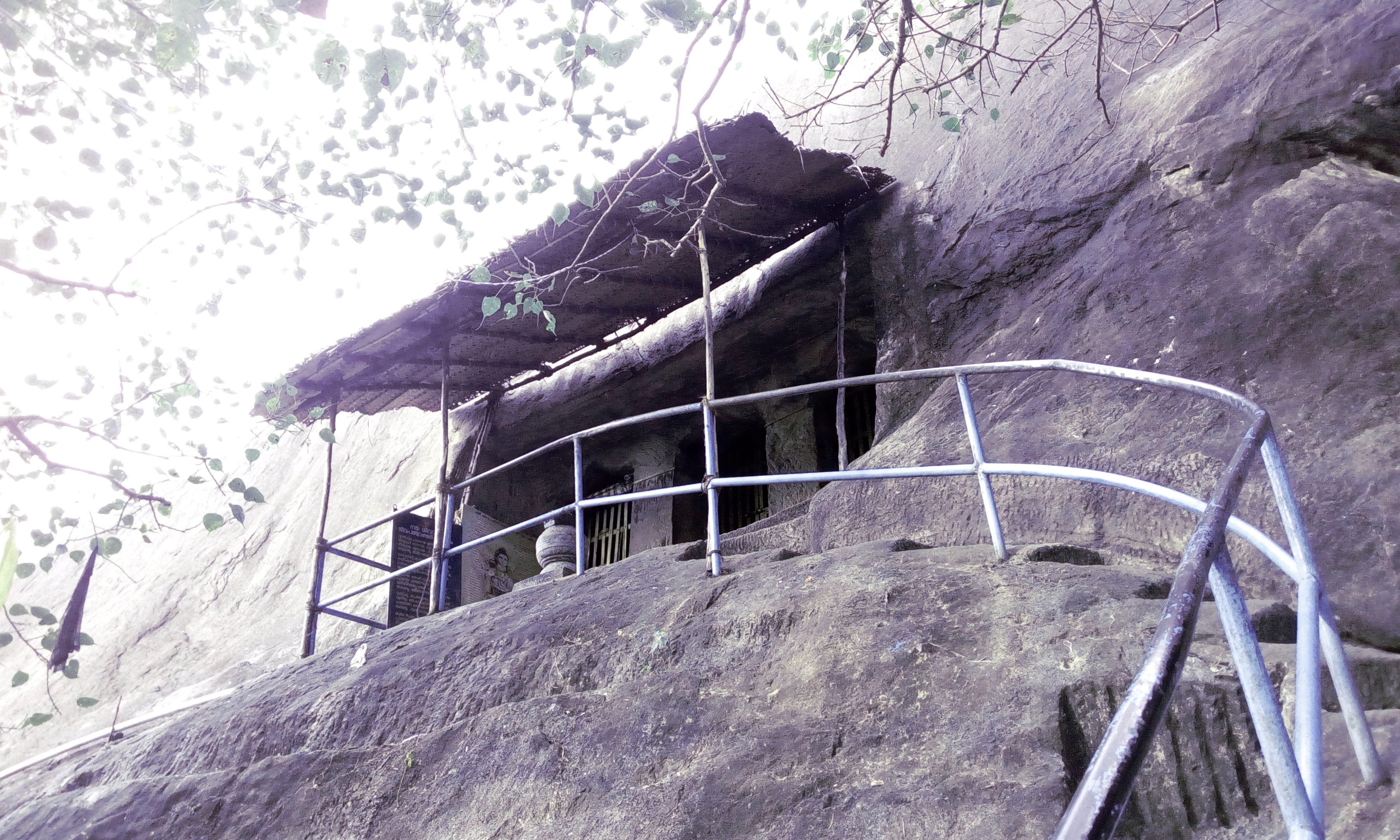
Madavoorpara combines a rock-cut Shiva shrine with a rocky hill landscape on Thiruvananthapuram’s northern edge. The temple and the climb offer different reasons to visit, and both deserve time.
4.1 km · 7 min drive
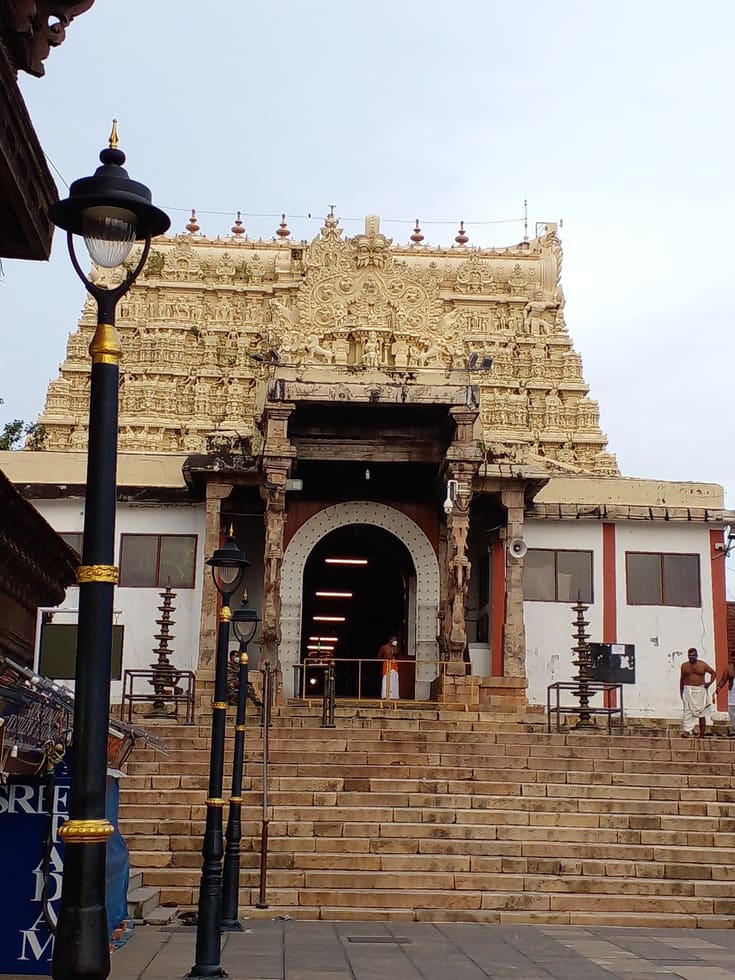
Major Vishnu temple and one of Kerala’s most important pilgrimage landmarks; strict entry and dress rules apply.
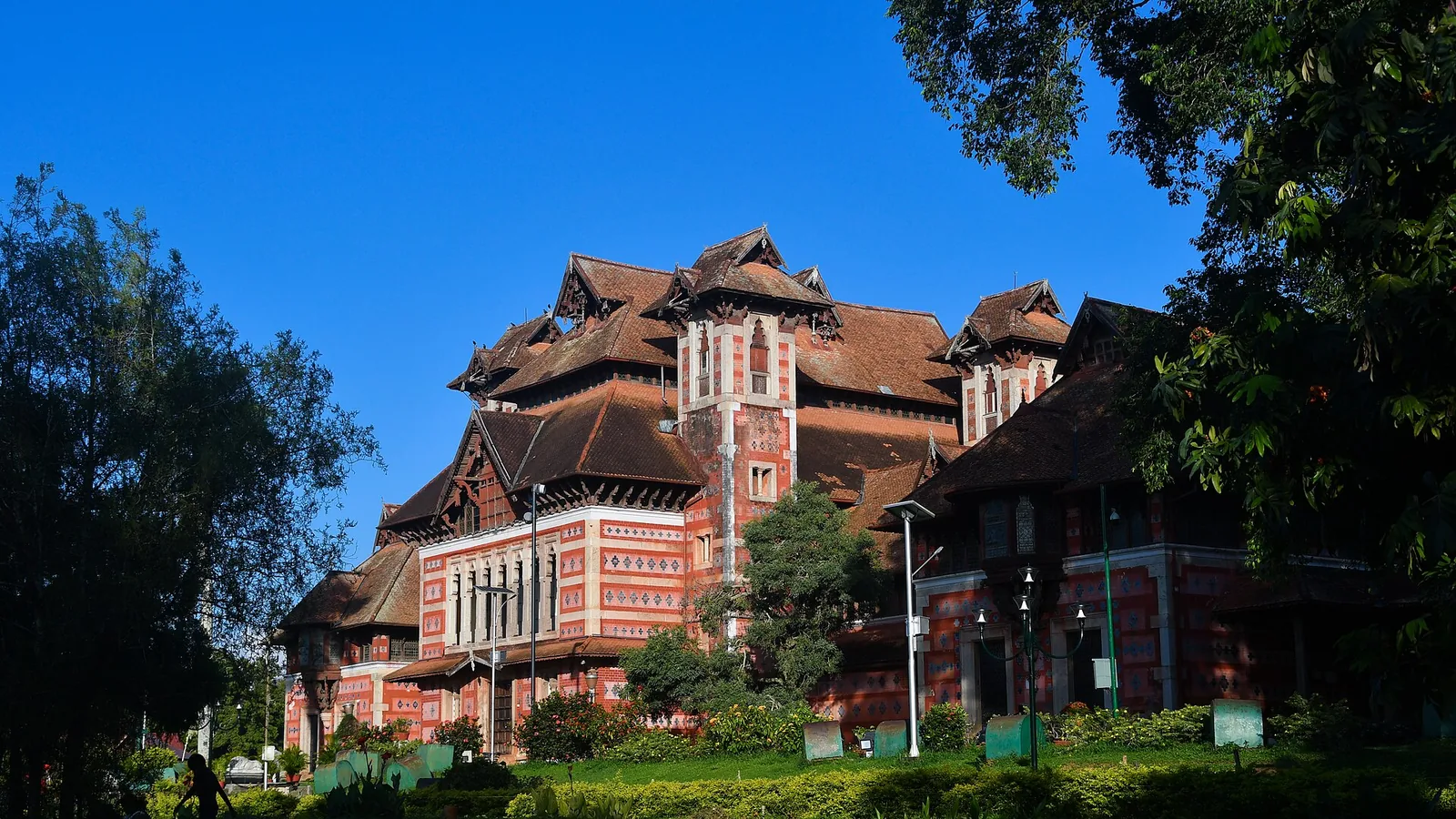
670 m · 8 min walk
Robert Chisholm’s 1880 Indo-Saracenic museum in the Museum Park — a polychrome landmark holding Chola and Kerala bronzes, ivories and temple carts, with the Sree Chitra Art Gallery alongside it.
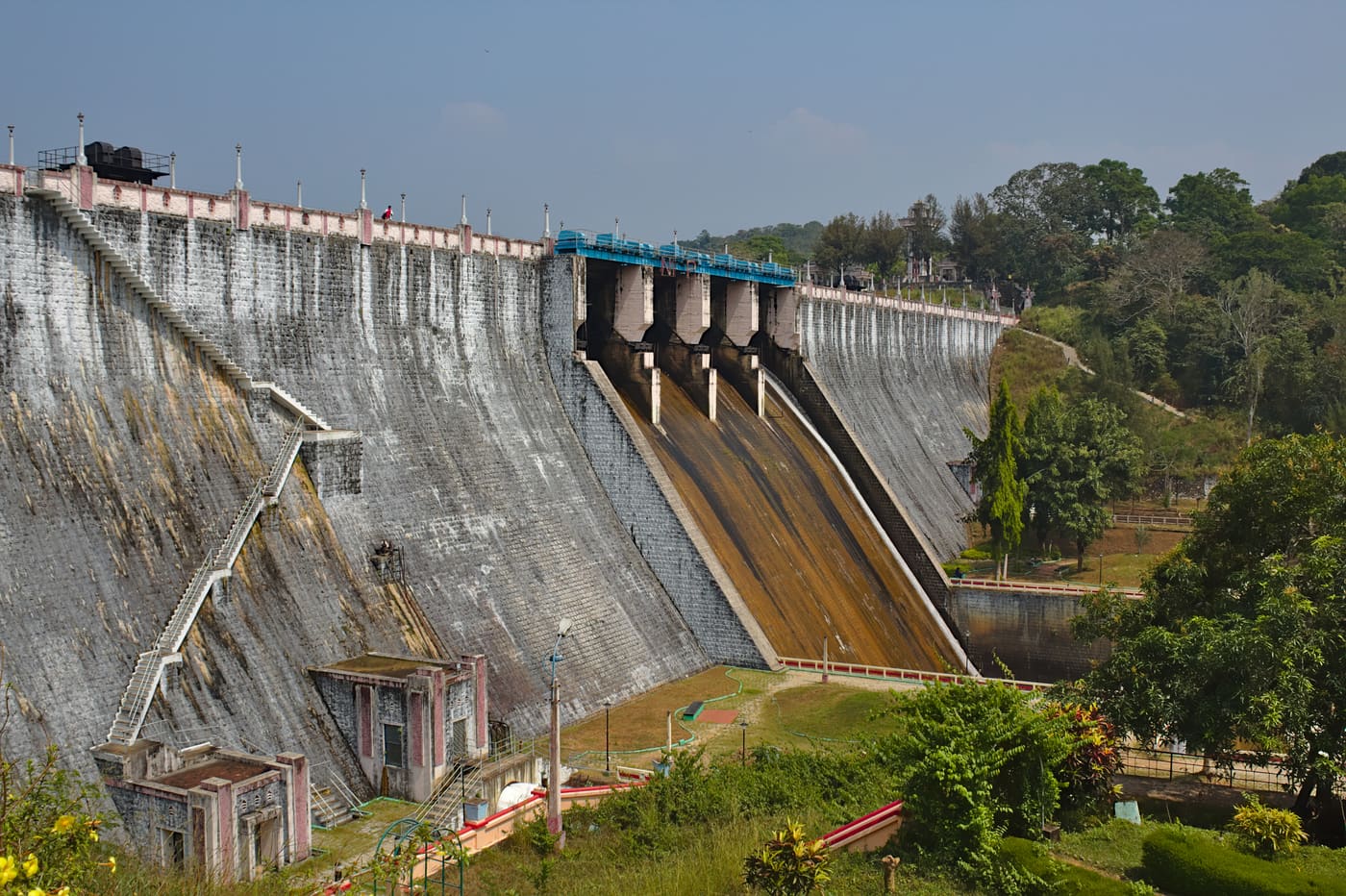
Guided forest trekking in the Neyyar Wildlife Sanctuary near the Agasthyamala foothills, south-east of Thiruvananthapuram.
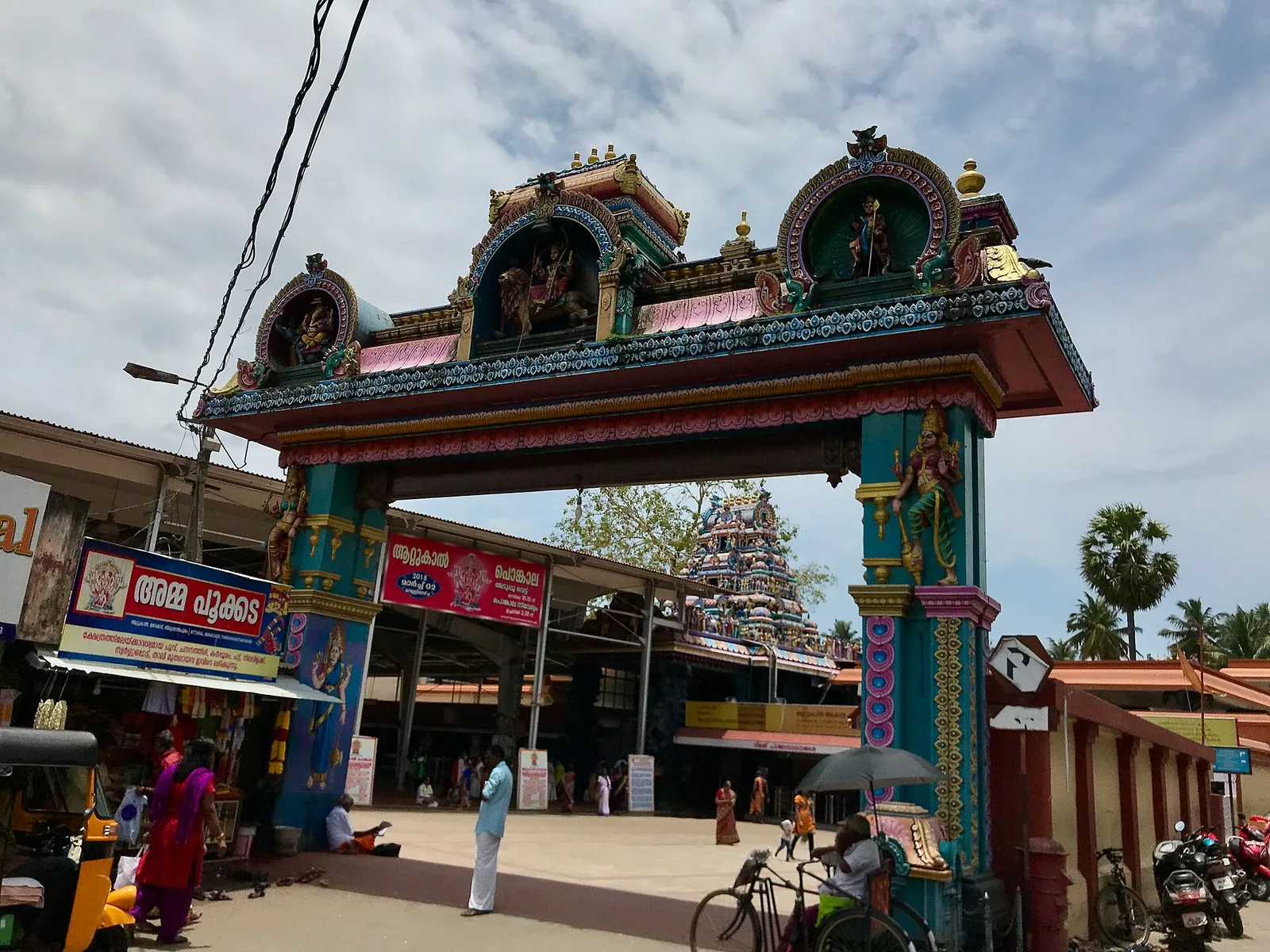
5.4 km · 9 min drive
Famous Devi temple in the city, home of the Attukal Pongala — recorded as the largest annual gathering of women.
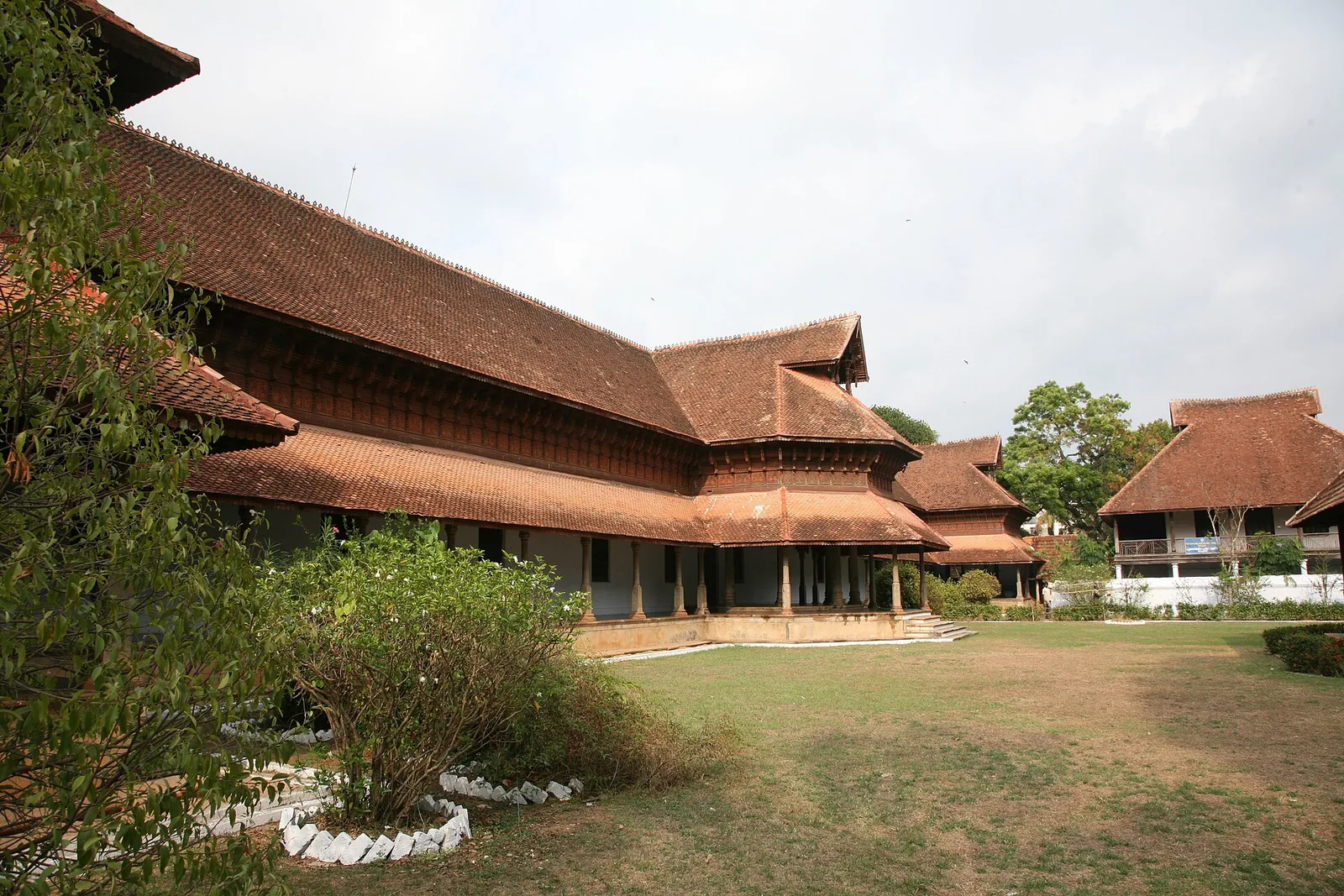
3.7 km · 6 min drive
A row of carved wooden horses gives Kuthiramalika its name. Beside Sree Padmanabhaswamy Temple, this Travancore palace museum brings timber craftsmanship and royal collections into one compact visit.
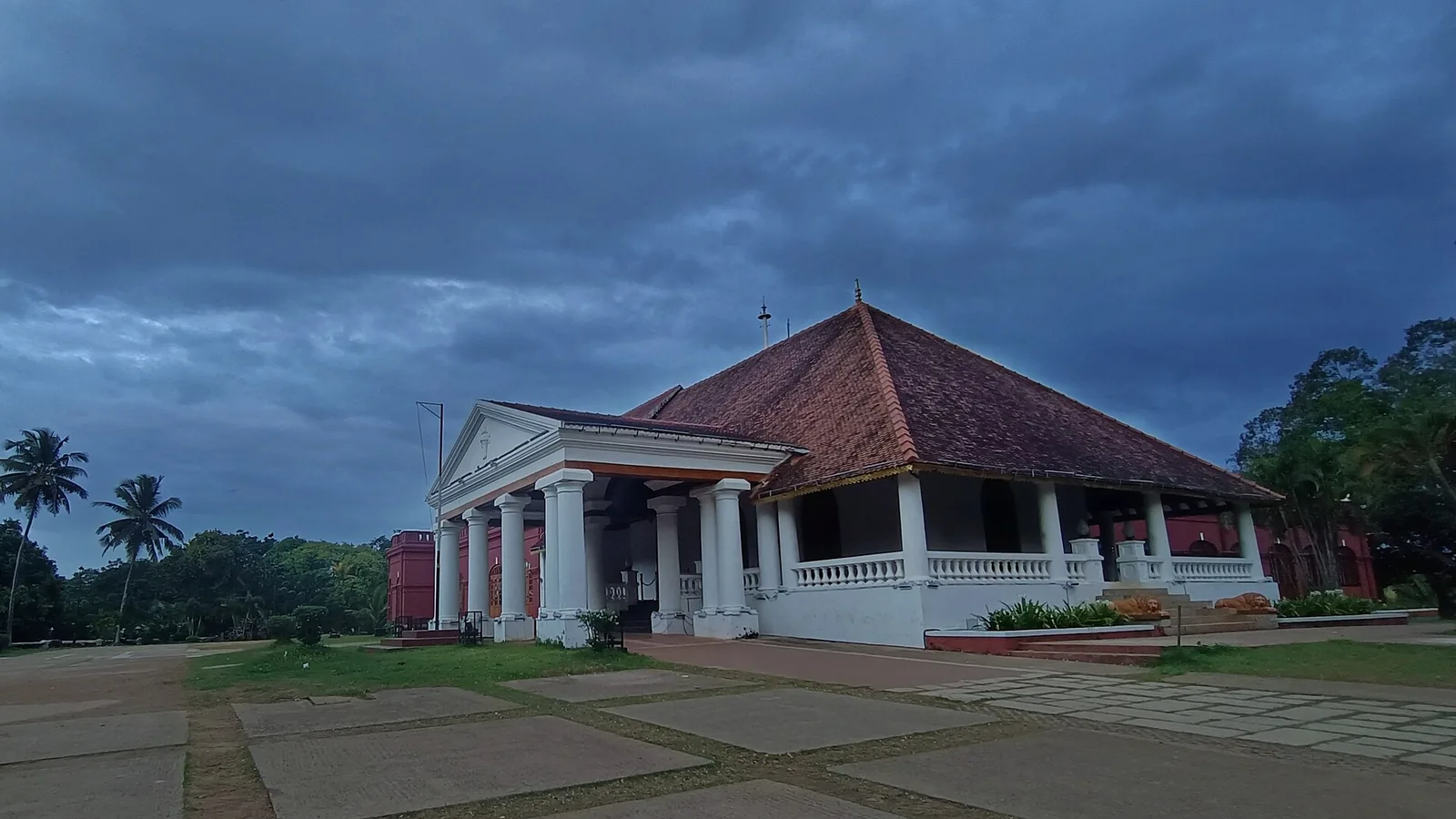
1.0 km · 12 min walk
Kanakakunnu puts a Travancore palace among gardens and cultural venues near Thiruvananthapuram’s Museum Park. Come for an evening walk or choose a date around a performance.
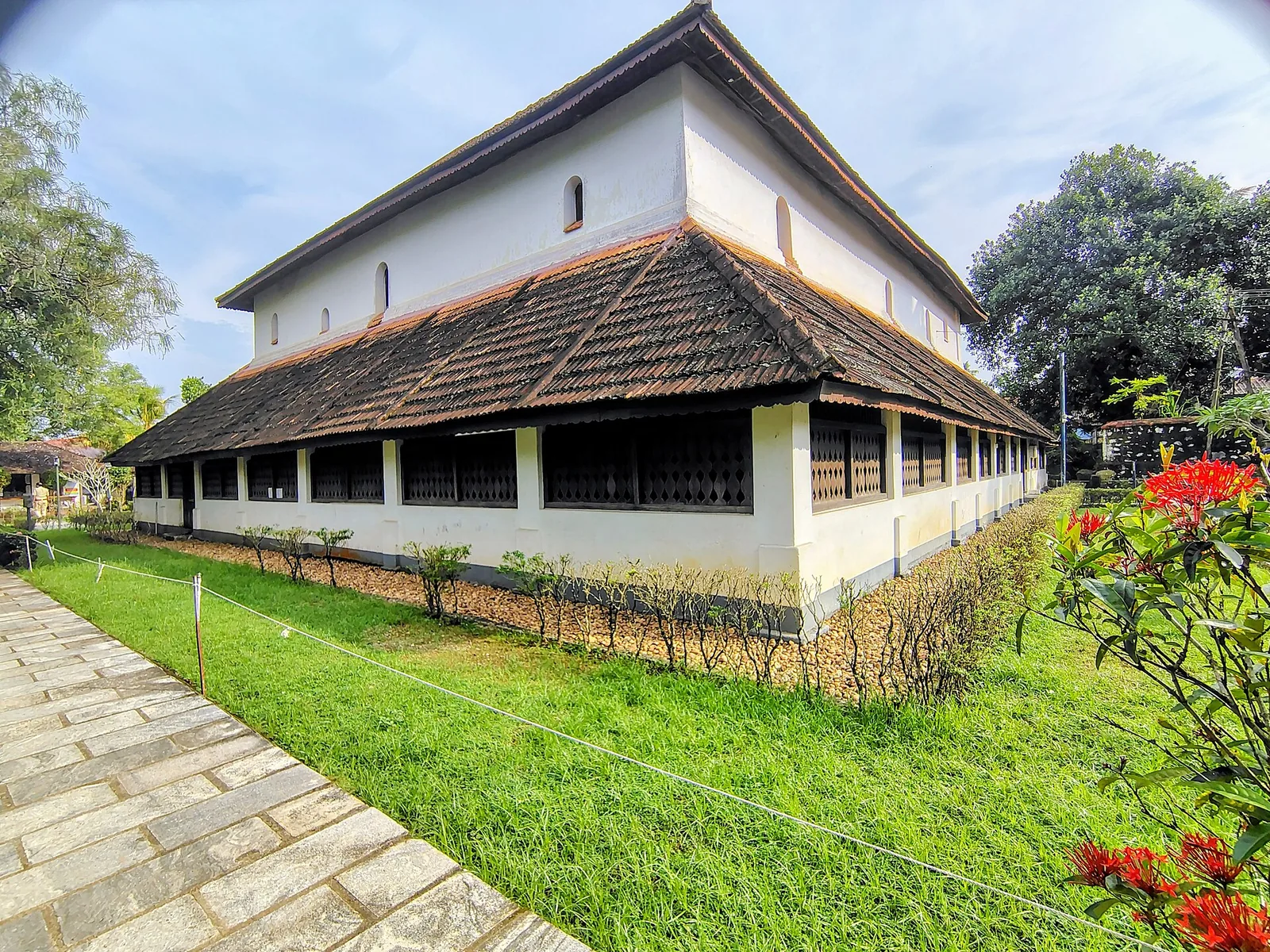
Koyikkal Palace at Nedumangad houses folklore and coin collections inside a traditional Kerala palace. Everyday objects, instruments and currency make this a more intimate museum stop than a grand royal gallery.
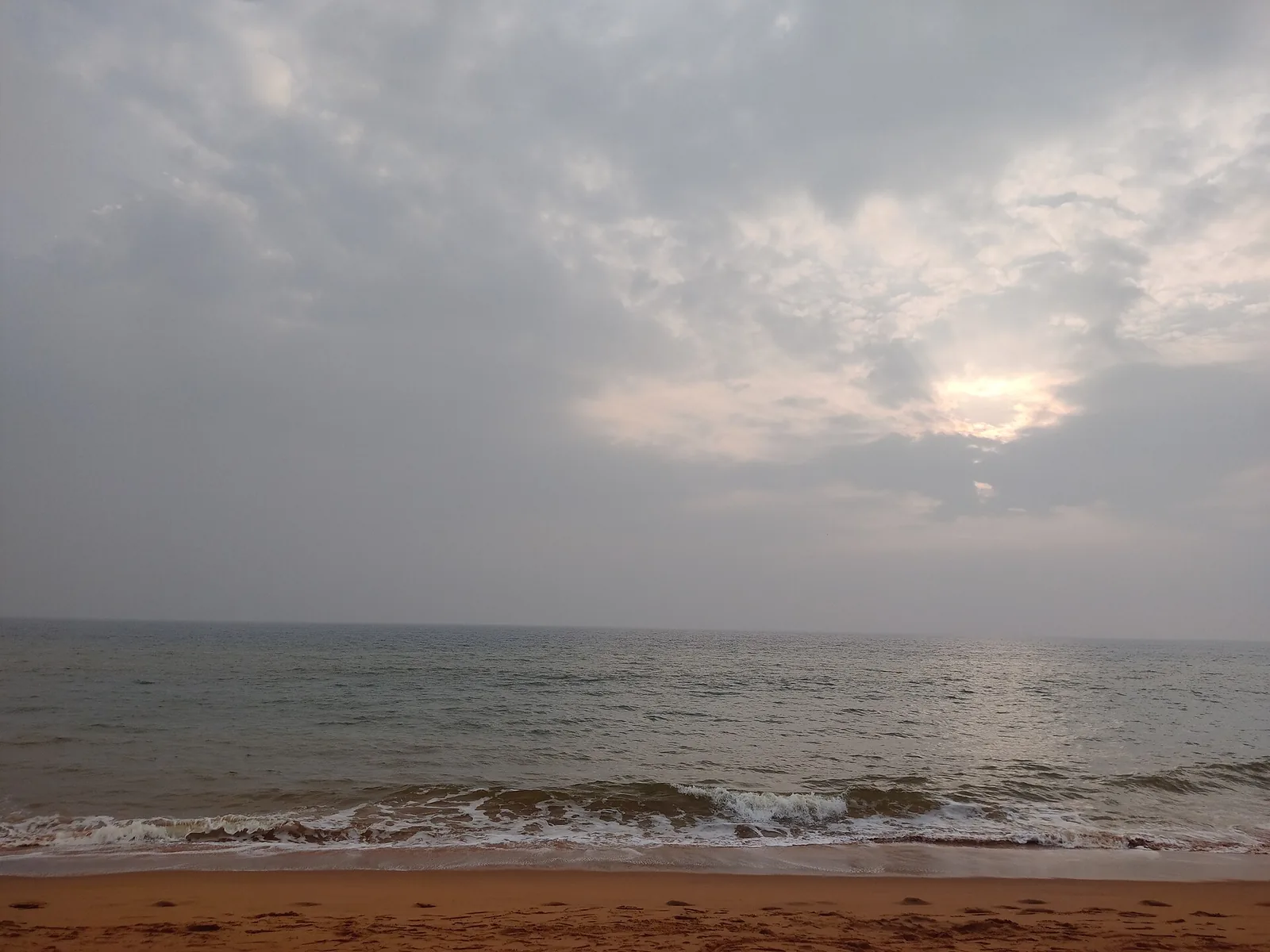
8.8 km · 12 min drive
Veli Tourist Village brings lake views, gardens and boating to the coast near Thiruvananthapuram. It is a family outing at the meeting of Veli Lake and the Arabian Sea.
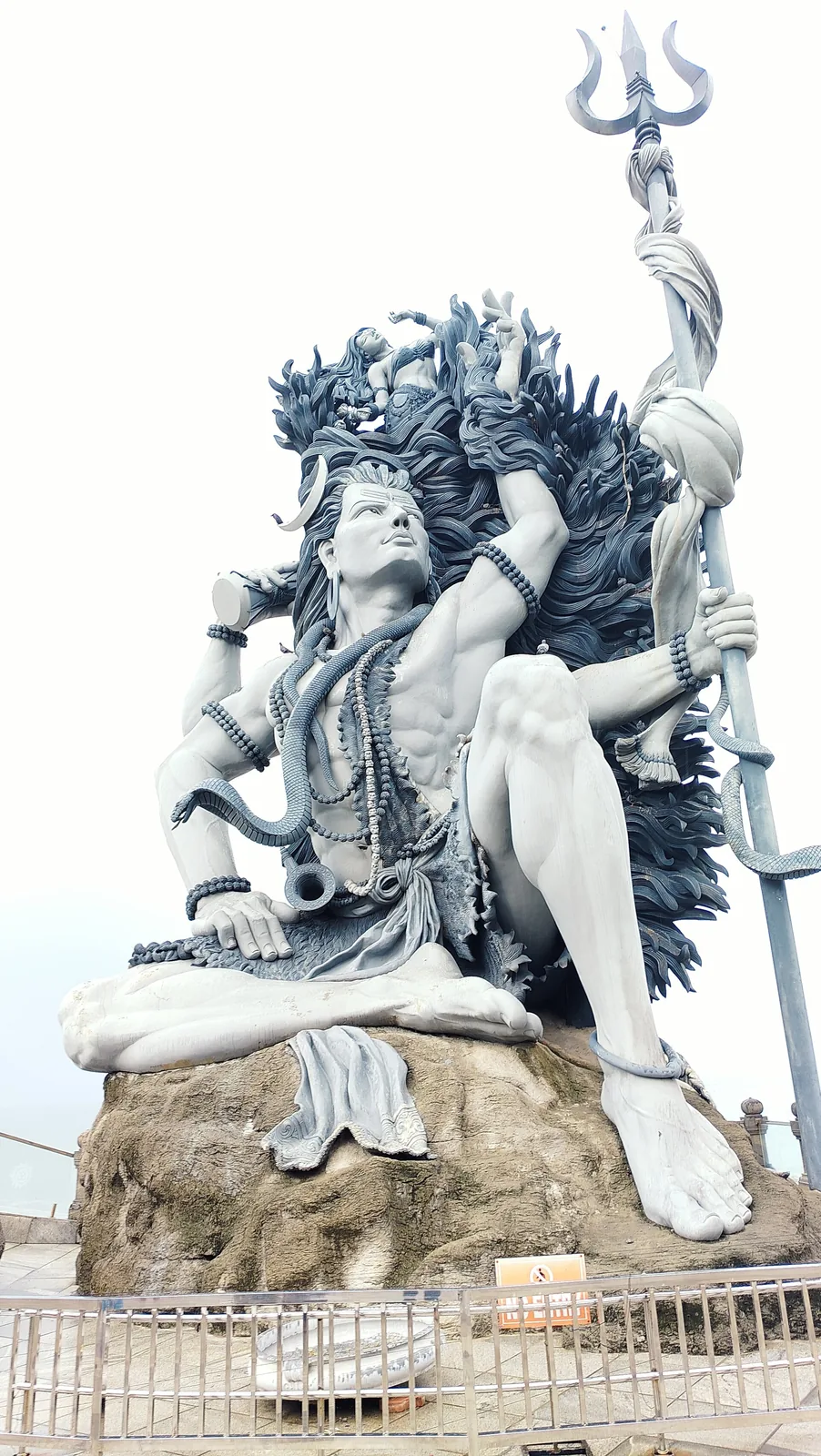
A clifftop seaside temple at Adimalathura near Vizhinjam, known for a giant Gangadhareswara (Shiva) sculpture.
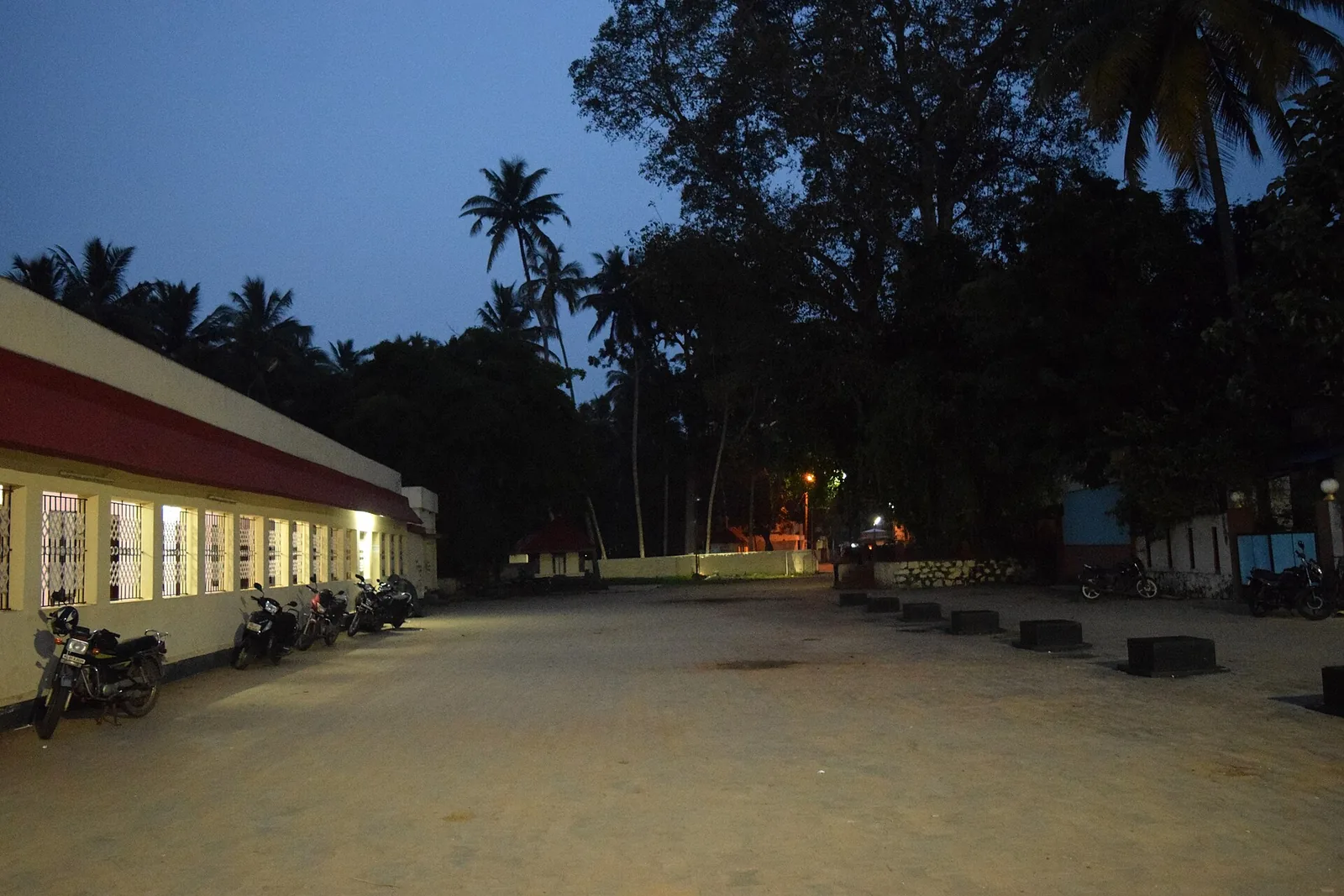
An ancient temple on the Karamana river, the district’s main site for ancestral (bali) rituals and rare for its Parasurama deity.
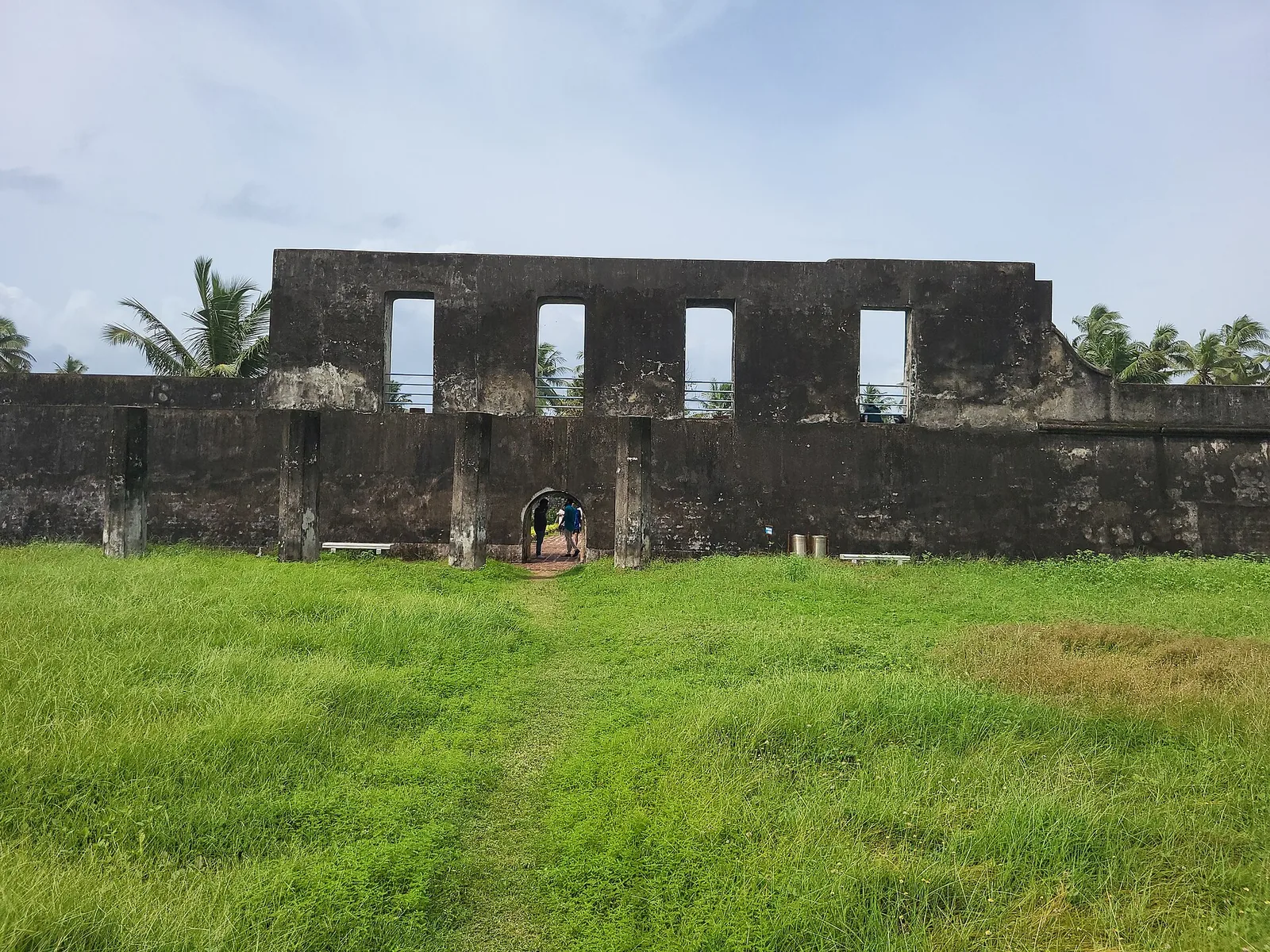
A 1690s English East India Company sea fort (Anjengo) on the coast north of the city, one of the earliest English settlements in Kerala.
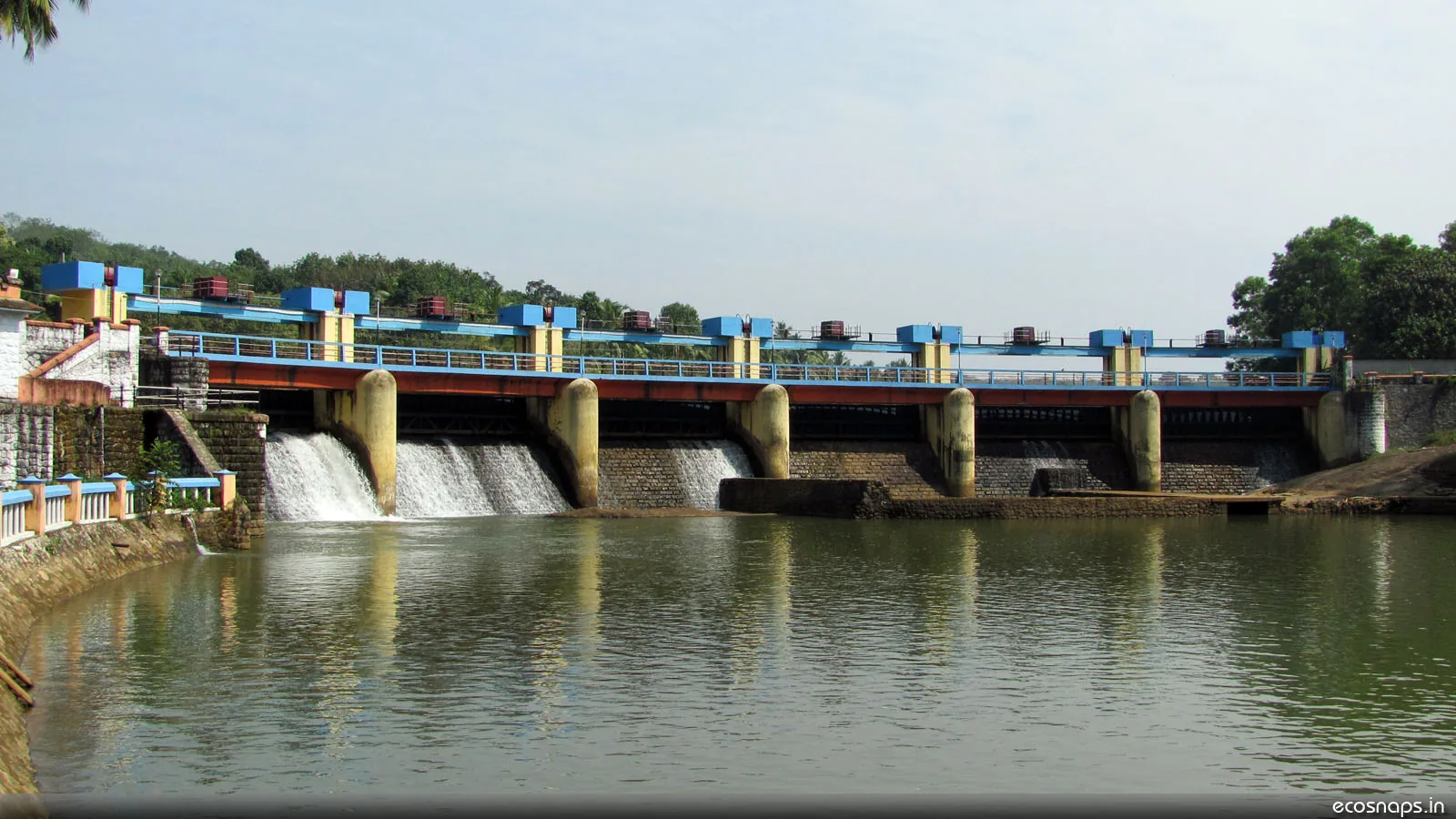
A reservoir, riverside temple and small park on the Karamana river north-east of the city, a popular local picnic spot.
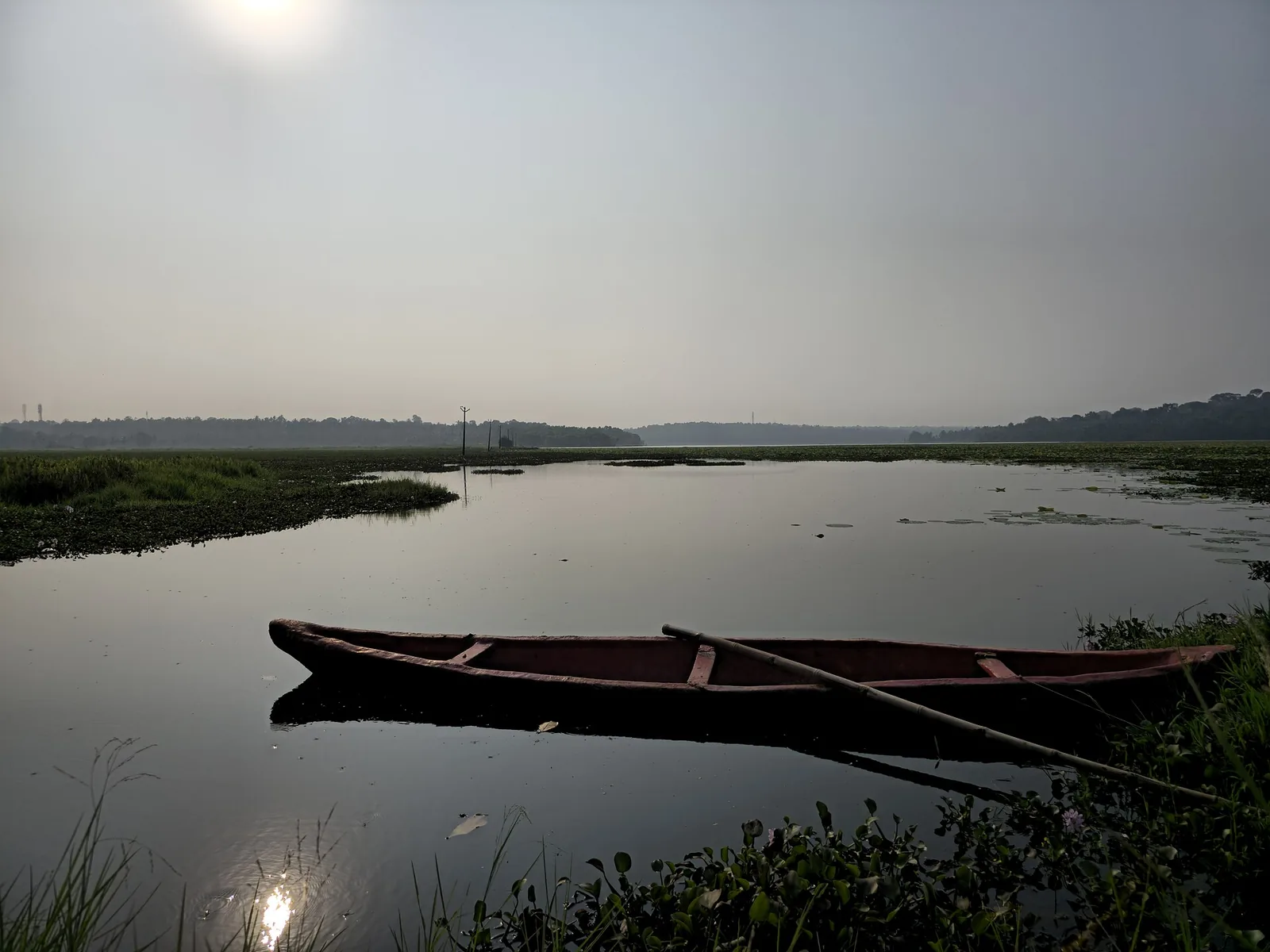
Kerala’s second largest freshwater lake and the district’s only one, near Kovalam, ringed by paddy and popular for sunrise and birdlife.
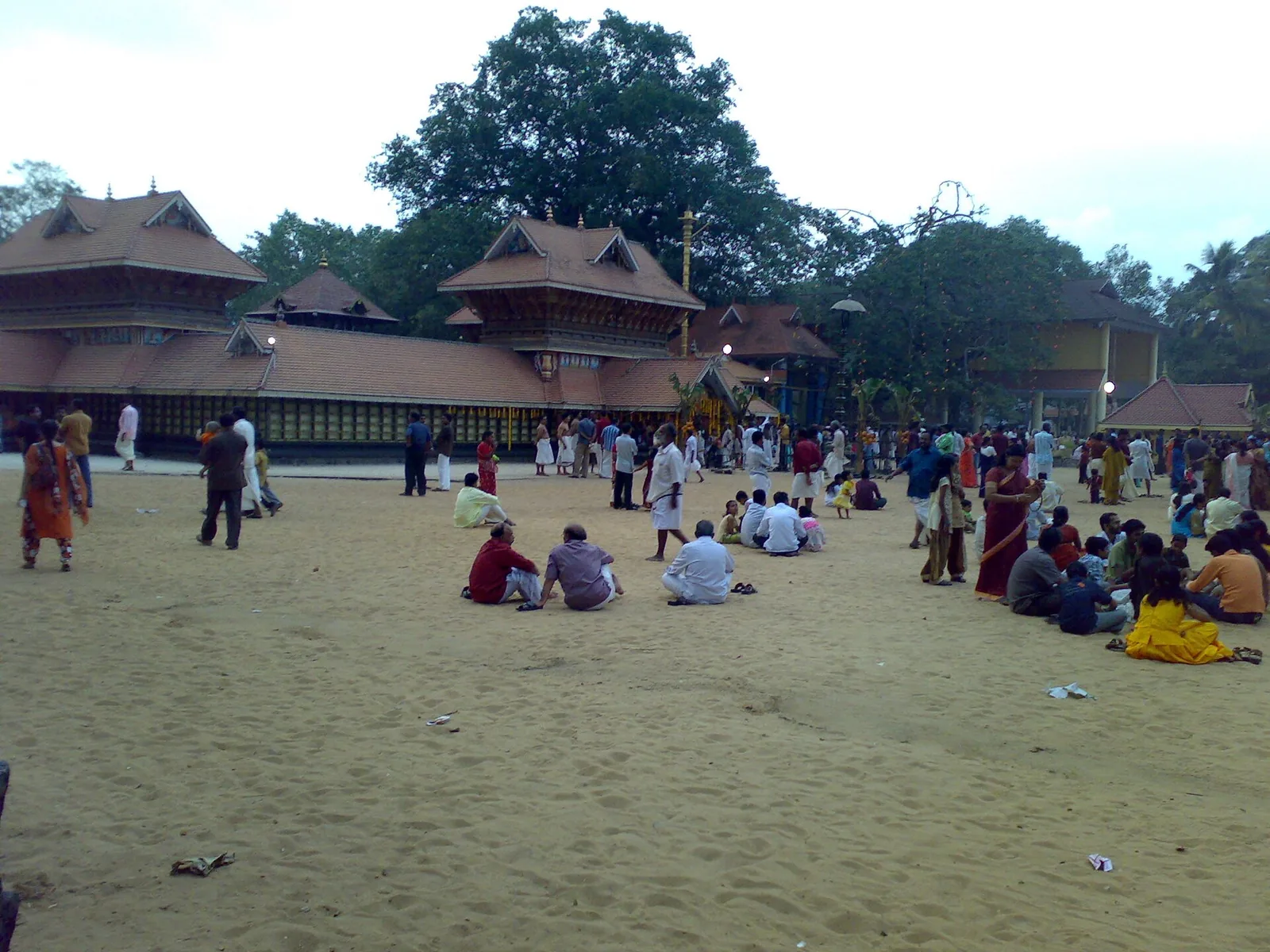
A renowned Devi temple at Chirayinkeezhu, famous for the Kaliyoot festival and the Sarkara jaggery legend.
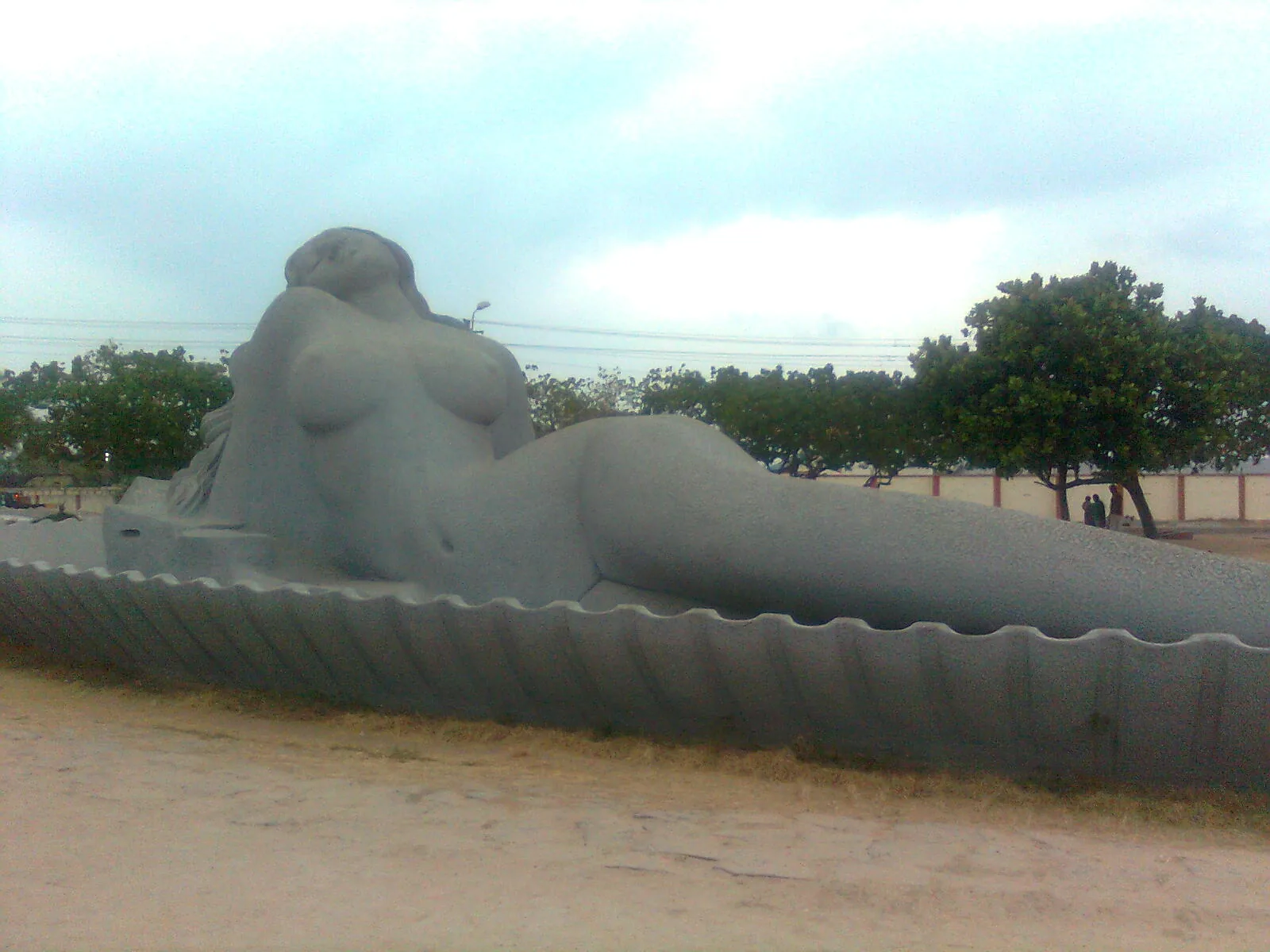
10.1 km · 14 min drive
Shanghumukham is Thiruvananthapuram’s evening shoreline: an open sea horizon, airport-side access and Kanayi Kunhiraman’s reclining mermaid sculpture. Come for a coastal walk and the changing light.
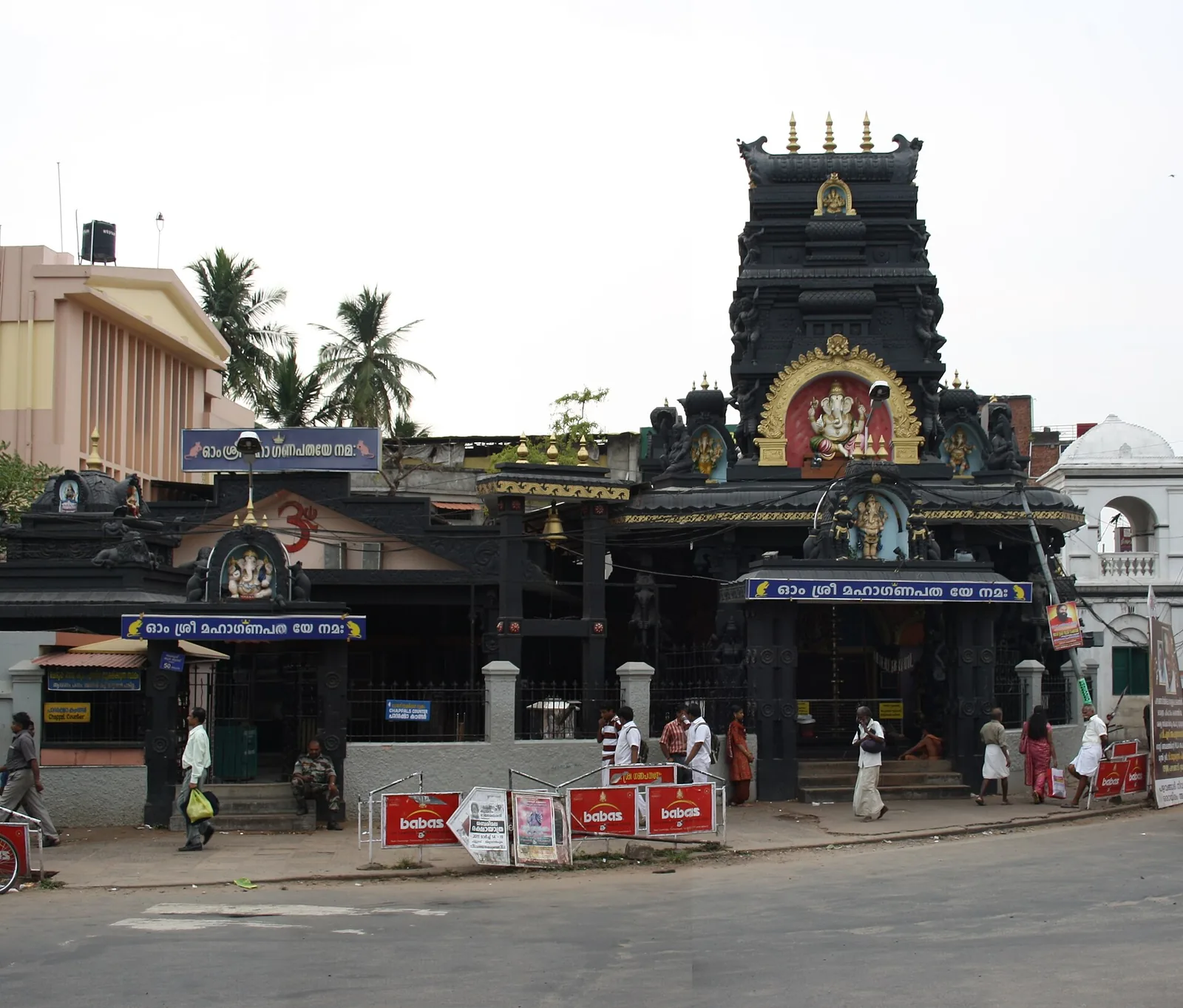
3.3 km · 5 min drive
A popular Ganapathy temple near East Fort, known for the coconut-breaking offering; run by the defence services.
7.5 km · 10 min drive
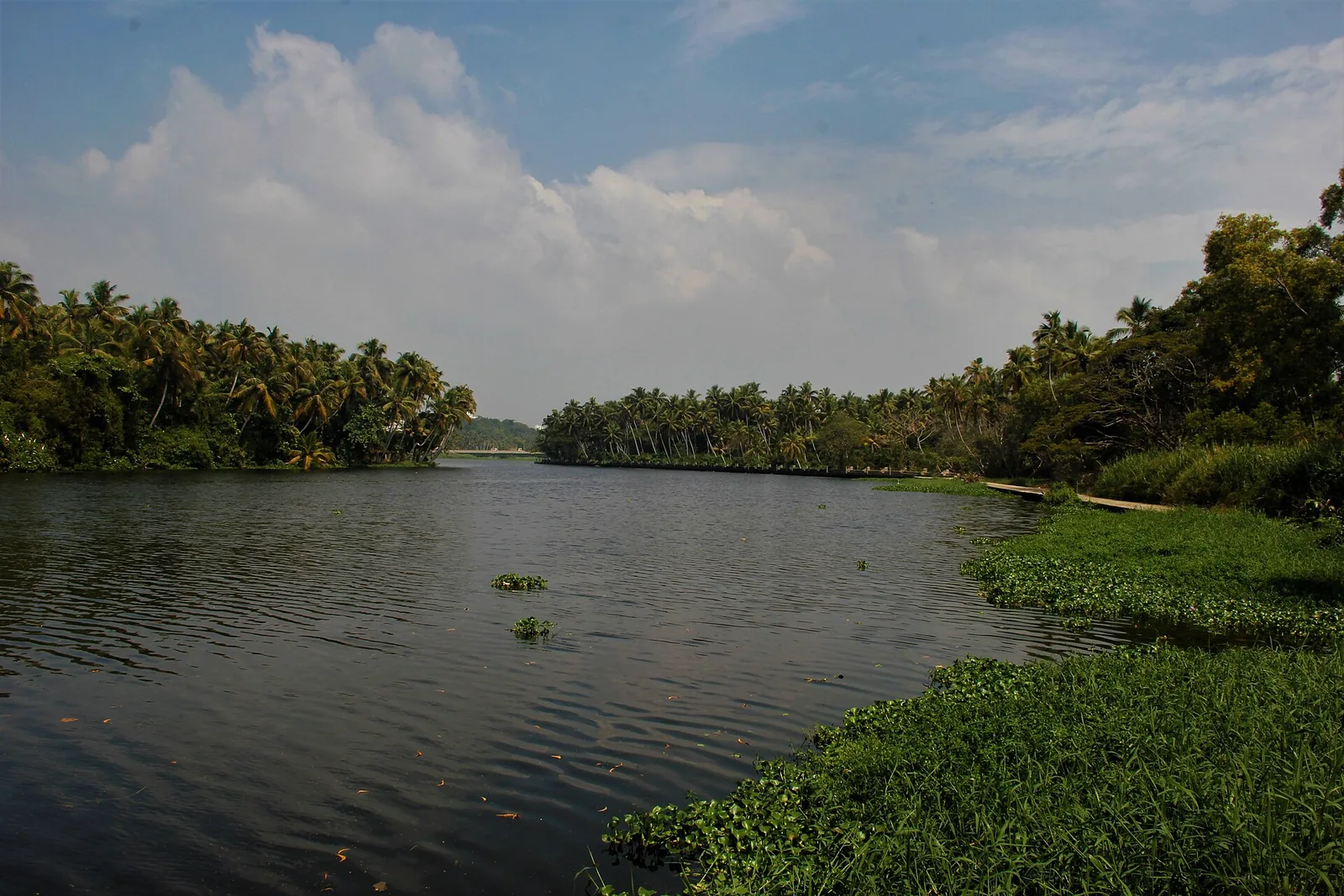
A calm backwater and boating spot near Veli with a lakeside tourist village and children’s park.
7.7 km · 12 min drive
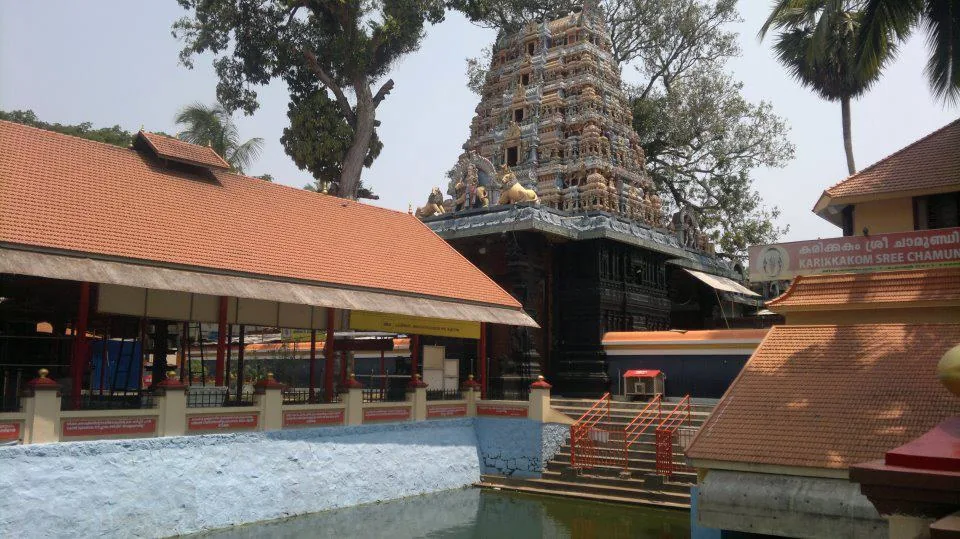
A well-known Chamundi Devi temple on the western edge of the city, busy during its festival season.
1.7 km · 20 min walk
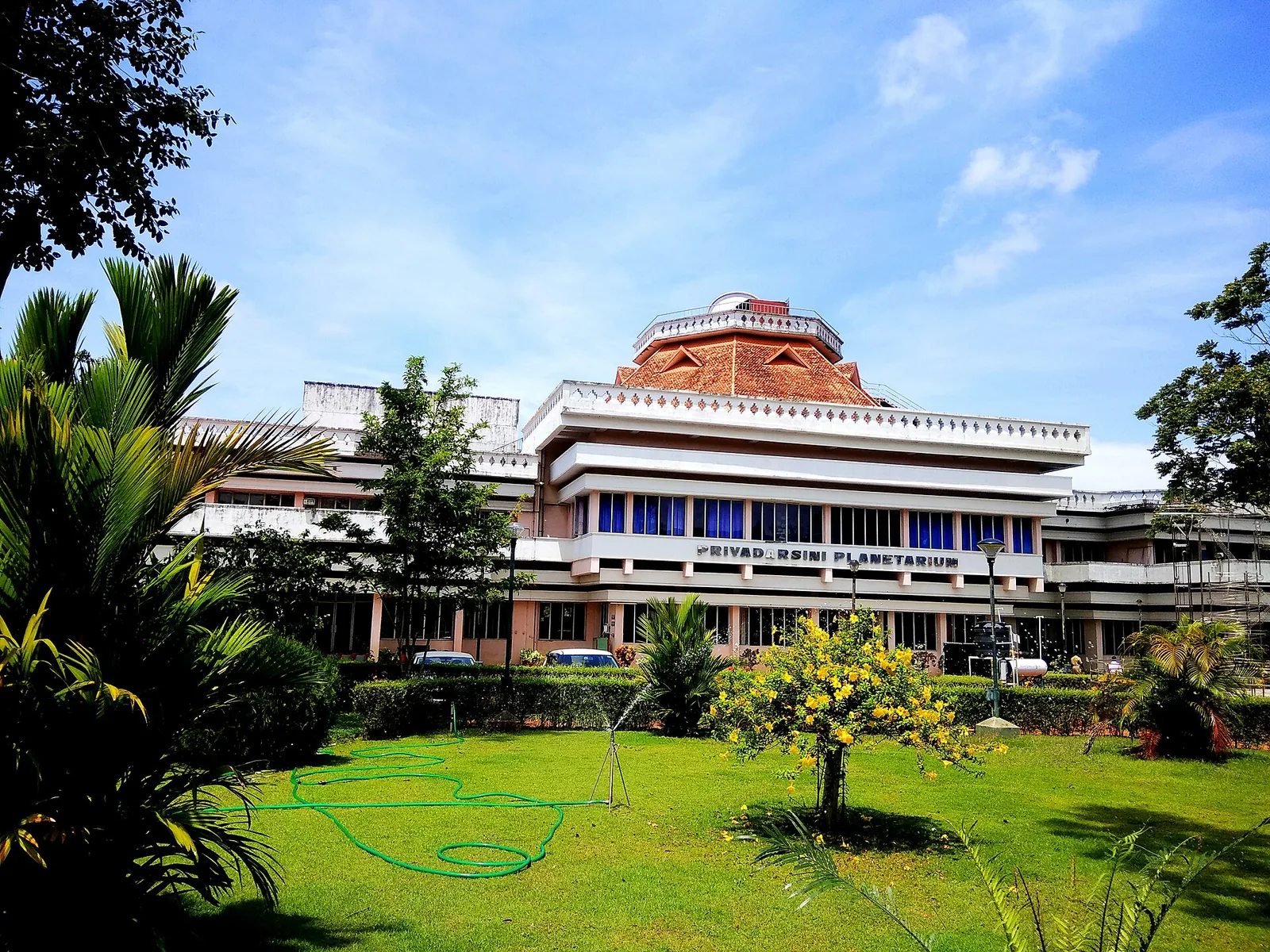
A hands-on science museum with the Priyadarshini Planetarium, popular with families and school groups.
Roampedia is commission-free — own or know a stay, eatery, guide or shop near Thiruvananthapuram Zoo? List it and it appears here once verified.
Add a nearby businessEntry: The zoo has a separate admission ticket. Museum and gallery entry is charged separately.
Photography: Follow the department’s camera rules and stay behind enclosure barriers.
Return from the Museum Park precinct by your chosen city transport. If travelling onward by train, allow time for the journey to Thiruvananthapuram Central after leaving the grounds.
If you need step-free access, contact the site before travelling. Ask about a level entrance, steps along the route, the nearest drop-off point, seating and accessible toilets.
Charge cap and free-transaction limits: Reserve Bank of India, in force since 1 May 2025.
These services are listed within about 1.2 km of Thiruvananthapuram Zoo. Walking distances follow mapped routes; access and opening hours can change. Other services may be closer but are not included here.
Emergency numbers are verified against official government and state tourism sources. 112 works anywhere in India.
Robert Chisholm’s 1880 Indo-Saracenic museum in the Museum Park — a polychrome landmark holding Chola and Kerala bronzes, ivories and temple carts, with the Sree Chitra Art Gallery alongside it.
670 m · 8 min walkKanakakunnu puts a Travancore palace among gardens and cultural venues near Thiruvananthapuram’s Museum Park. Come for an evening walk or choose a date around a performance.
1.0 km · 12 min walkA hands-on science museum with the Priyadarshini Planetarium, popular with families and school groups.
1.7 km · 20 min walkA popular Ganapathy temple near East Fort, known for the coconut-breaking offering; run by the defence services.
3.3 km · 5 min driveA row of carved wooden horses gives Kuthiramalika its name. Beside Sree Padmanabhaswamy Temple, this Travancore palace museum brings timber craftsmanship and royal collections into one compact visit.
3.7 km · 6 min driveMajor Vishnu temple and one of Kerala’s most important pilgrimage landmarks; strict entry and dress rules apply.
4.1 km · 7 min driveFamous Devi temple in the city, home of the Attukal Pongala — recorded as the largest annual gathering of women.
5.4 km · 9 min driveA major coastal Muslim pilgrimage landmark south-west of the city centre, known for the Beemapally Uroos and the tombs honoured within the shrine complex.
6.6 km · ~16 min by auto · straight lineA calm backwater and boating spot near Veli with a lakeside tourist village and children’s park.
7.5 km · 10 min driveA well-known Chamundi Devi temple on the western edge of the city, busy during its festival season.
7.7 km · 12 min driveVeli Tourist Village brings lake views, gardens and boating to the coast near Thiruvananthapuram. It is a family outing at the meeting of Veli Lake and the Arabian Sea.
8.8 km · 12 min driveShanghumukham is Thiruvananthapuram’s evening shoreline: an open sea horizon, airport-side access and Kanayi Kunhiraman’s reclining mermaid sculpture. Come for a coastal walk and the changing light.
10.1 km · 14 min driveWalking and driving times are real routed distances, except the few marked “straight line”, which are direct-line estimates and will read short. Fare figures are estimates from Kerala’s notified auto/taxi tariff and exclude waiting and night charges. Routing: © openrouteservice.org by HeiGIT | Map data © OpenStreetMap contributors
Nearby toilets, pharmacies, ATMs, seating and vets are community-mapped and may be incomplete or out of date. Map data © OpenStreetMap contributors | Walking times © openrouteservice.org by HeiGIT
Make the zoo your morning outing, then decide whether to add the museum or art gallery. They share a precinct but have separate entrances and tickets; trying to rush all three into an hour leaves little time for any of them.
Visit earlier in the day for a more comfortable outdoor walk. October to February usually brings less heat than the summer months.
Entry: The zoo has a separate admission ticket. Museum and gallery entry is charged separately. Timings: Closed on Mondays. Choose a morning visit and check the Department of Museums and Zoos for the day’s ticket-counter hours.
Enter through the zoo’s own ticketed entrance in the Museum Park precinct. Check the department’s zoo visiting information, including the Monday closure, before choosing your day. Roampedia suggests allowing two to three hours for the zoo; add time separately for the Napier Museum or Sree Chitra Art Gallery.
Roampedia’s suggested visit duration: 2–3 hours for the zoo; allow extra time for the adjoining museums.
Nearby you can pair Napier Museum (670 m), Kanakakunnu Palace (1.0 km), Kerala Science and Technology Museum (1.7 km), Pazhavangadi Ganapathy Temple (3.3 km).
Do not feed animals or cross enclosure barriers. Carry water and take breaks during hot weather.
Written about Thiruvananthapuram Zoo itself — its history, its legends and the arguments about them.
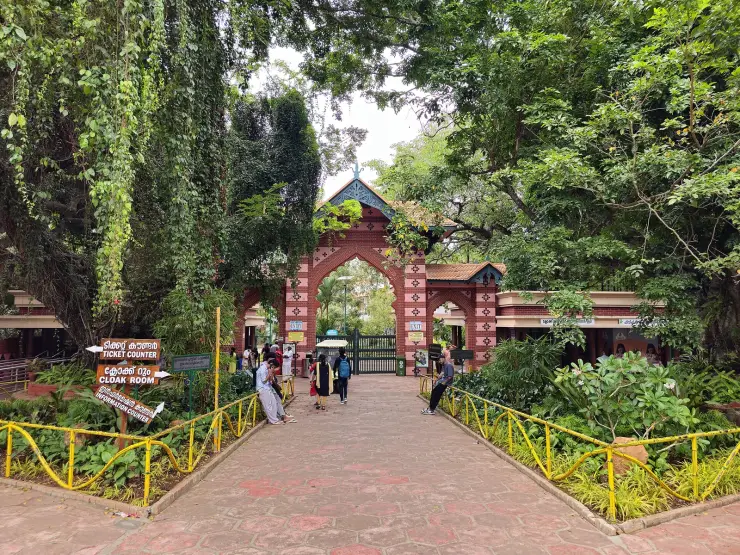
These guides explore Thiruvananthapuram city and the surrounding area. Choose a visit that fits your interests, allowing separately for travel between stops.


Route-level itineraries and practical guides for the rest of Kerala.


