What to expect
Highlights
- Temple visit at Mullakkal Temple
- Kerala temple architecture and rituals
- Local food, shops and pilgrim services nearby
Central Alappuzha town temple (Mullakkal Rajarajeswari) famous for the annual Mullackal Chirappu festival.
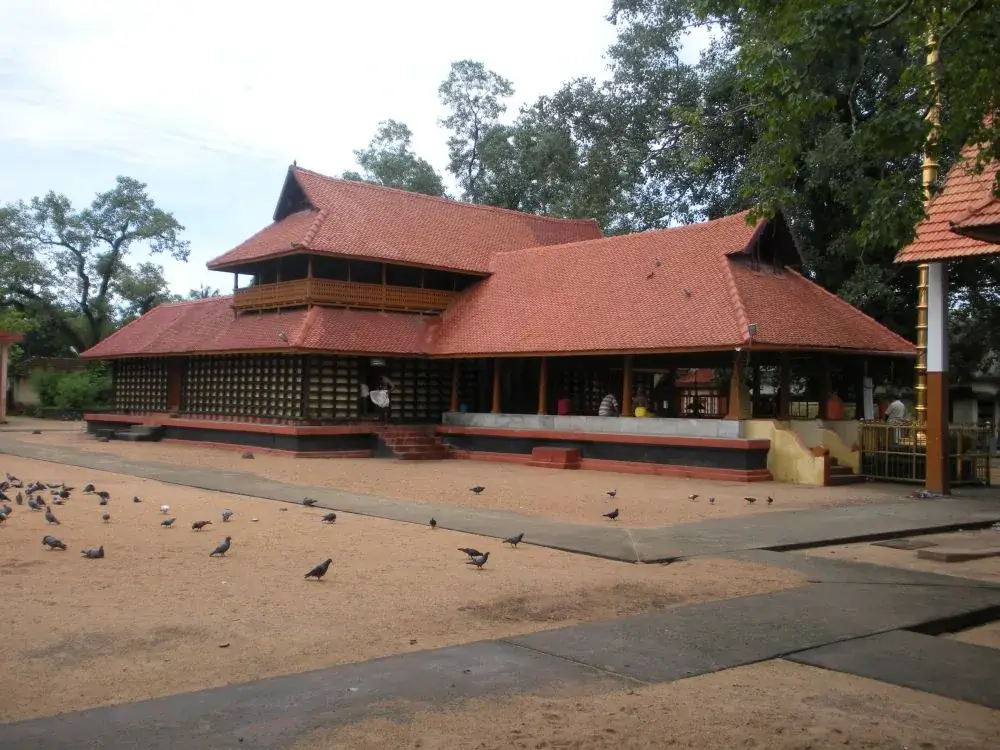
Check entry arrangements. Ask temple staff about visitor entry, dress requirements and access to the inner shrine before you travel, especially if you are visiting as a non-Hindu.
Dress respectfully and follow the institution’s admission and photography rules.
In the beating heart of Alappuzha town, wrapped around by a bustling shopping street of the same name, the Mullakkal Rajarajeswari Temple is the much-loved Devi shrine that gives this corner of the backwater city its soul — and, once a year, its most dazzling nights.
Walk the Mullakkal stretch of Alappuzha on any ordinary evening and you will find a temple that refuses to sit apart from the town. Its gopuram rises directly off a busy market street, brass lamps glinting through the crowd of shoppers, flower-sellers and tea stalls that press right up to the temple wall. This is Mullakkal Rajarajeswari Temple, one of the best-known Devi temples in the Alappuzha region and, for locals, the spiritual centre of gravity of the whole town.
Who exactly the Goddess is here is a question our sources answer three different ways, and we would rather show you that than tidy it. Kerala Tourism names the presiding deity Durga. The standard encyclopedic account frames her as Rajarajeswari, the sovereign, imperial form, with Vana Durga appearing in accounts derived from it. At least one Alappuzha source calls her a form of Saraswati — a reading with real support in practice, since children's schoolbooks are placed before her at Navaratri and Vidyarambham is performed here. The name locals actually use sidesteps all of it: Mullakkal Bhagavathy. That is the name this page uses too.
A standard encyclopedic account describes the temple’s sreekovil as open to the sky, but Kerala Tourism does not mention the feature. Available exterior photographs show a conventionally tiled roof over the larger shrine block, which does not settle the question because the sreekovil stands inside that enclosure. Treat the open-roof description as reported rather than fully documented, and ask at the temple if the architectural detail matters to your visit.
Two things keep us from simply deleting the claim. Roofless sanctums are real in Kerala and this site documents three of them — Oachira Parabrahma, which has no idol and no roofed sanctum at all; the Sreemoolasthanam at Thirumandhamkunnu, which by custom stands open to the sky; and Poruvazhy Peruviruthy Malanada, which has no sanctum to roof. So the claim is not inherently improbable here. But we have also had to demolish exactly this trope once before, at Kottankulangara in Kollam, where a widely printed roofless-sanctum claim turned out to be a garbling of the temple's own statement that it was built without an outer wall. Mullakkal is not that case — we have not caught it in an error, we simply cannot verify it — and the difference is worth keeping straight.
The Malayalam account offers a different detail about the sanctum that is at least checkable in person, and it is a lovely one: the sreekovil is small and low enough that, as it puts it, the image can be seen clearly even from outside. Around it stand sub-shrines to Ganesha, Subrahmanya, Hanuman, the serpent deities, the Navagrahas, Krishna and Ayyappan, and a banyan tree within the grounds shelters a Shiva lingam. The flagstaff is concrete sheathed in gold and carries the Devi's lion; the anakkottil, the pillared hall where caparisoned elephants stand, is long enough for seven of them; and the great balikkallu is understood to represent Mundini, the Goddess's commander, with nine smaller pithas around it for her subordinate captains.
East of the temple lies a pond that the Malayalam account calls one of the largest in Alappuzha, and which is said locally to be older than the temple itself. The santhis and many devotees still bathe there before darshan. In a town whose whole existence is organised around water, a shrine whose oldest associated structure may be a tank rather than a building is worth pausing over.
The name itself is part of the charm. Mulla is the Malayalam word for jasmine, and by local account the place was once thick with jasmine gardens — so that the temple, the street and the whole neighbourhood came to be called Mullakkal, the place of jasmine. Devotees still tie the flower and the Goddess together in their imagination, and jasmine remains a favoured offering here.
For most visitors, though, the temple is inseparable from the street that surrounds it. The Mullakkal market beside the shrine is one of Alappuzha town’s busiest shopping strips — a run of textile shops, jewellers, coir and handicraft stalls, snack vendors and small traders. Temple and bazaar have grown up together, and the pilgrim flow and the shopping crowd have fed one another for generations, so that a visit here is as much a plunge into everyday Alleppey life as an act of worship.
That fusion of the devotional and the commercial reaches its peak once a year, when the temple hosts the Mullakkal Chirappu — the festival that turns the whole street into a river of light and colour, and draws people to Alappuzha from across the district and beyond.
Two numbers circulate for the Chirappu, 41 days and 11, and they are often presented as a contradiction. They are not. The festival period runs 41 days, beginning on the first of Vrischikam in mid-November and ending on the eleventh of Dhanu; the last 11 of those days are the Chirappu proper, and the final two are its peak, with nine caparisoned elephants in procession and a closing feast that serves something in the order of three to four thousand people. The temple's own kodiyettu utsavam is a separate observance altogether, at Navaratri, with the flag raised the day after the Kanni new moon and the arattu on Vijayadasami. One more thing the Malayalam records that the English does not: the Chirappu is shared with the Kidangamparambu Sree Bhuvaneswari temple. Two temples, one festival.
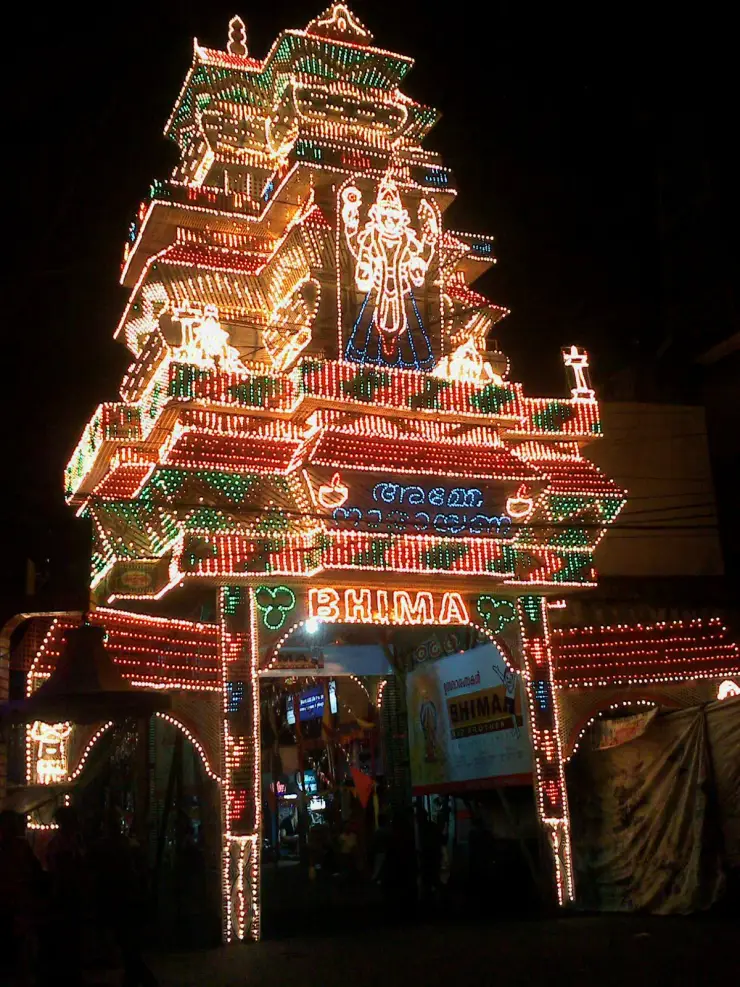
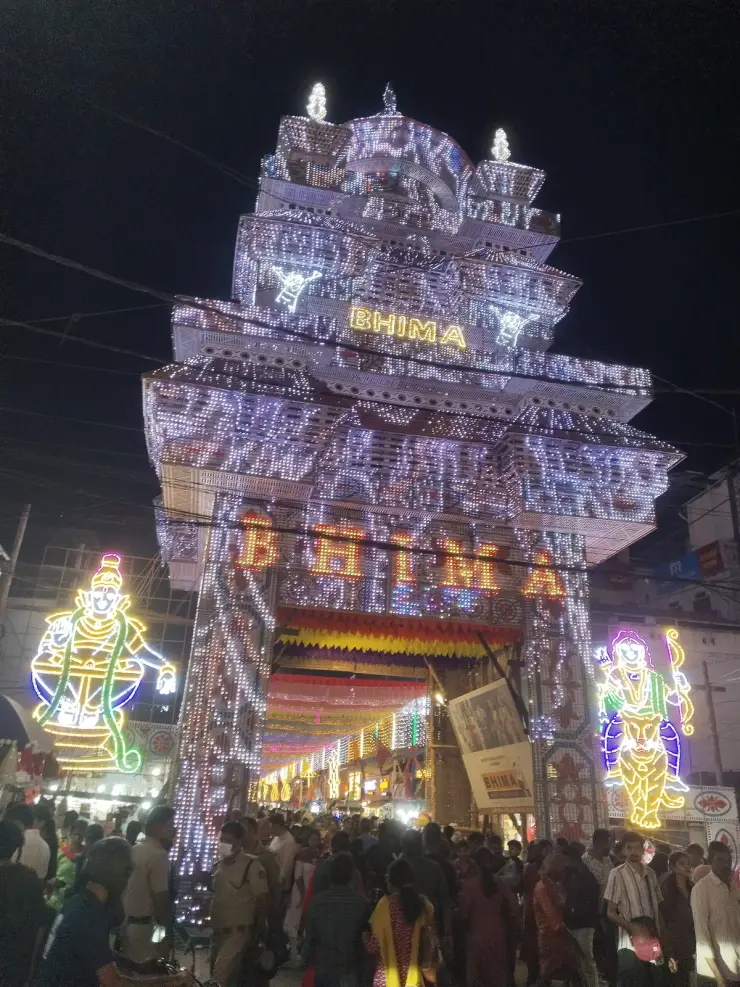
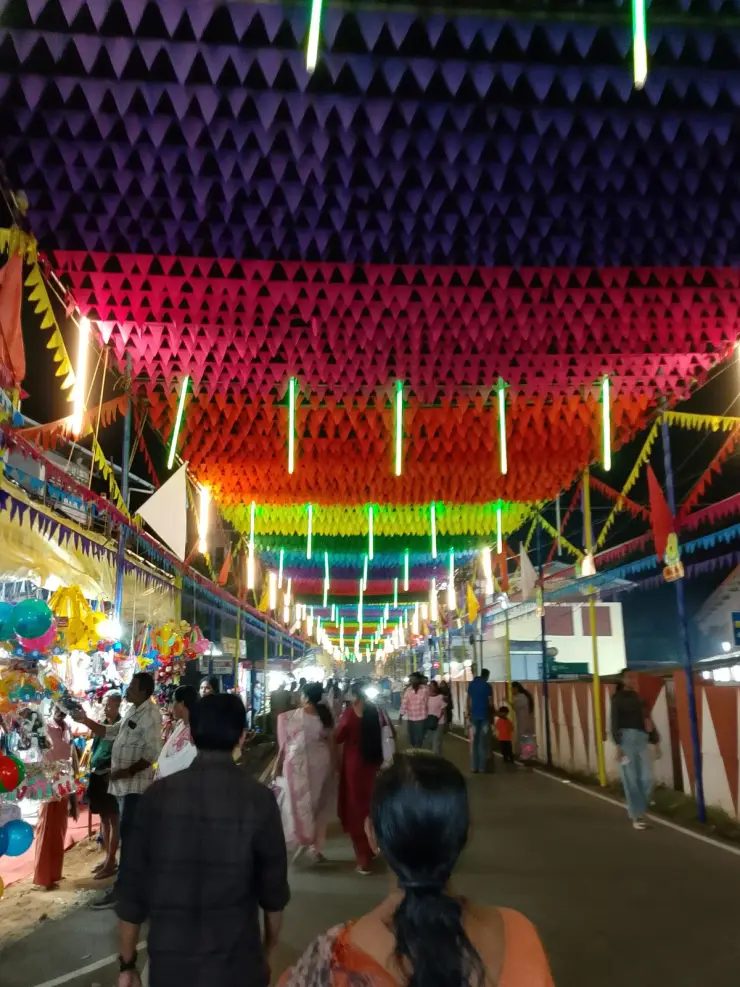
What happens physically is the part worth travelling for, and it happens outside the walls. Mullakkal road is roofed along its whole length in tiered coloured bunting hung with tube lights, and across it are raised enormous temporary gopuram arches, the tallest of them several storeys, built of framework and tens of thousands of small lamps and flanked by illuminated cut-out figures of deities. A funfair with a Ferris wheel and balloon and toy stalls runs alongside. The arches are not static: two photographs taken seventeen seconds apart in December 2025 show the same arch in completely different colours, cycling through its programme above the crowd.
And then there is the detail that tells you what this festival actually is. Those arches are sponsored, and the sponsor's name is spelt out across them in lights. The jeweller BHIMA appears on the arches in a photograph from 2012 and again on three separate arches in 2025 — and in one 2025 frame the firm's own shopfront sign is visible along the same street, a few doors from the arch bearing its name. A merchant street's trade festival and a temple festival are, in Alappuzha, the same event. That is not a criticism of it; it is the most honest description of it, and it is why the Chirappu's centre of gravity is a shop-lined road rather than a temple ground. Long, illuminated, elephant-led Bhagavathy festivals are the Kerala norm — Chettikulangara's Bharani is in this same district — so what is distinctive here is not spectacle but location.
Mullakkal does not have one origin legend. It has four, they contradict each other, and the contradiction is the most interesting thing about them — because the versions do not merely differ on detail, they differ on which century this shrine began in, and on which king was standing here when it did. We set them out side by side rather than choosing, and then we say plainly what that leaves us knowing.
The first, and the fullest in Malayalam, is the story of the umbrella that would not move. Devanarayanan of Chembakassery was a devotee of the Bhagavati of Kodungallur and went every month for darshan, until age made the journey impossible and he begged the Goddess to come and dwell in his own land. The telling is precise about what happened next, and rather beautiful: moved by her devotee's prayer, the Goddess climbed unseen into his palm-leaf umbrella — രാജാവറിയാതെ, without the king knowing. He set the umbrella down on a bed of jasmine beside a very large pond and went to bathe. When he came back, the umbrella would not move. He understood that she had taken up residence there. For a while, the account says, puja was offered to the umbrella itself, standing on the jasmine bed. It is from that mullathara, the jasmine bed, that the temple takes its name.
The second version is the one our own older guide to this temple was built on, and it is a variant of the first rather than a rival: soldiers expelled from Thekkumkur arrived carrying an idol of the Devi and installed it on the same jasmine bed, and a temple grew up around it. In the Malayalam telling the two are joined — the umbrella first, the exiles and their idol afterwards — which is tidier than the English versions, where they circulate as alternatives.
The third version is where the trouble starts, because it changes the king. The Malayalam article on the Chirappu festival says the site of the Mullakkal temple was the ഭോജന ശാല, the dining hall, of Raja Marthanda Varma, and that the form of the Goddess Adiparasakti was perceived in a stone seen beneath the jasmine. Marthanda Varma is not Devanarayanan of Chembakassery, and he is not of the same century. The claim carries a citation-needed tag on the wiki that prints it. We report the disagreement and we do not adjudicate it: two Malayalam sources, both on ml.wikipedia, name two different founder-kings, and neither is sourced. What survives every version is the jasmine.
The fourth is the one that matters most for dating, and it is the flight from Mysore: that during the Mysorean campaigns in Kerala, Namboodiri Brahmins fleeing south carried an idol of Annapurneswari and set it down in a jasmine garden, where the shrine grew up. Here is why that version cannot simply be filed alongside the others. It is the only one that explains something we independently know to be true — that the idol worshipped in this sanctum until 1961 was Annapurneswari, the Goddess who feeds, holding a ladle in one hand and a pot in the other. The umbrella and the exiles date the shrine to roughly the fifteenth century. The flight from Mysore dates it to the 1780s or 1790s. Those are not variants of one story. They are two clocks, three centuries apart, and only the later one accounts for the goddess we can actually document.
A fifth claim circulates and should be recorded rather than repeated as fact: that between the thirteenth and fourteenth centuries the people living along this coast were largely Buddhist, and that Mullakkal was among the Buddhist shrines taken over under the leadership of Adi Shankara. The Malayalam article that carries it opens by saying that none of the origin stories can be confirmed, which is the right frame for it and for all of them.
There is one more story here, and it is not ancient at all — it happened within living memory, and it is the most human thing this temple has. Sometime in 1961 an unnamed stranger walked into the sanctum and embraced the idol. Cracks were afterwards observed on it. The priests read the damage not as sacrilege but as instruction: the Goddess, they concluded, was telling them to make a new idol. On 16 July 1962 a new image was installed, of Rajarajeswari. We know the date and we do not know the man's name, and no account we can find records what became of him.
Something of the older goddess did survive the change, and it is not a relic but a recipe. The temple's characteristic offering is a vada made with whole urad gram, originally offered by a family in the neighbourhood during the Annapurneswari period, and still offered in the evening today. A food offering outlived the food goddess. Of everything on this page, that is the thread we would point a visitor to first — the last unbroken physical continuity with the deity who stood in this sanctum before 1962, kept going not by an institution but by a household and a lentil.
The temple is traditionally reckoned at around five centuries old, and we should be straight about the standing of that figure: no dated record survives to confirm it. Kerala Tourism prints it, the district administration's own places-of-worship page prints it, the standard encyclopedic account prints it, and not one of them cites an inscription, a grant, a deed or a dated document. The only internal logic supporting it is the attribution to Devanarayanan of Chembakassery, whose dynasty's temple at Ambalappuzha is securely placed in the fifteenth century — but that is inference from a legend, not evidence.
And there is an awkwardness in it that is worth stating rather than stepping around. Alappuzha town was not laid out until the later eighteenth century, when Raja Kesavadas developed it as a port. A shrine here of five hundred years' standing would therefore predate the town around it by some two and a half centuries. That is not impossible — shrines routinely predate the settlements that grow up around them, and this coast was populated long before the port was planned — but it does mean the round number should be read as tradition rather than as a date.
One turn in the temple's story is recent enough to be dated precisely, and it is unusual enough to be the thing this temple is most worth knowing for. For most of its history the idol in this sanctum was worshipped as Annapurneswari, the Goddess bearing a ladle in one hand and a pot in the other — the giver of food. In 1961 the older idol was damaged, and on 16 July 1962 a new idol was installed, of Rajarajeswari. ⚠ One caveat on that date, because precision can be misleading: the standard encyclopedic account of the temple is the only source that carries it, and every travel listing that repeats it traces back there. Read it as recorded as 16 July 1962 rather than as archivally verified.
It is worth registering how large a change that was. A Kerala temple's principal deity is not ordinarily replaced, and Annapurneswari and Rajarajeswari are not two names for one idea. One is the goddess who feeds — domestic, sustaining, the ladle and the pot. The other is the sovereign, the empress, worshipped as ruler. Within living memory the theology at the centre of this temple shifted from one to the other, and the town went on calling her, as it always had, Mullakkal Bhagavathy.
The temple’s fortunes are bound up with the rise of Alappuzha itself. The town was deliberately developed as a port and trading hub in the late eighteenth century under Raja Kesavadas, the able Dewan of Travancore, whose canals and warehouses turned Alleppey into a thriving centre of the coir and spice trade — the town later marketed everywhere as the ‘Venice of the East’, a Victorian travel comparison claimed by some forty cities rather than a title earned here. As merchants, workers and settlers gathered in the growing town, the temple at its centre became a natural focal point of community life, and the Mullakkal market beside it grew in step with the commerce of the port.
That intertwining of temple and trade is written into the shape of the neighbourhood. The Mullakkal shopping street, running right past the temple, developed as one of the town’s principal bazaars, and the temple’s festivals came to double as the great commercial and social gatherings of the year — a pattern that survives vividly in the Chirappu to this day.
Through the twentieth century and into the present the temple has remained the devotional anchor of Alappuzha town: a busy, living shrine rather than a monument, drawing daily worshippers, presiding over the annual Chirappu and Thaipooya Kavadi, and holding its place in the heart of the city even as the town around it has changed.
It is the spiritual heart of Alappuzha town — the Devi temple locals treat as their own, set right in the thick of the city rather than off on a quiet hilltop.
The setting is unique: a working temple that opens straight onto one of Alleppey’s busiest market streets, so faith and everyday life mingle at every step.
If your visit falls in the Malayalam months of Vrischikam or Dhanu (roughly late November to December–January), the Mullakkal Chirappu turns the whole street into a spectacle of lamps, stalls, processions and fireworks.
To see the one thing here we could not photograph or confirm from any source: the sreekovil, which is described as open-roofed and which the Malayalam account says is low enough that the image can be seen clearly from outside. If you go, you will know something this page does not.
To eat the vada. The temple's characteristic offering, made with whole urad gram, dates from the period when the goddess here was Annapurneswari — and it outlived her, which makes it the last unbroken link to the deity replaced in 1962.
If you can come on the first Sunday of December, the women's chirappu: a day on which every function of the festival is conducted by women, and thousands of lamps are lit in the evening.
The adjoining Mullakkal market is one of the best places in town to shop for textiles, jewellery, coir goods and handicrafts, so a temple visit folds neatly into a browse through old Alleppey.
It slots naturally into an Alappuzha day: an easy stop in the town before or after a backwater houseboat cruise, the beach or the canals.
Road km to Alappuzha; ghat roads and traffic vary — allow extra.
Morning or early evening is usually best; festival days can be powerful but crowded.
Live forecast loads in your browser.
Sun and moon are calculated for this location and shown in IST. Photography windows are the hour around sunrise and sunset; the sunset bearing is degrees clockwise from true north. Moon phase is accurate to about half a day.
Browse listed stays, food, activities, sights, shops and rentals around Mullakkal Temple. Check each listing’s locality and contact the business directly for current arrangements.
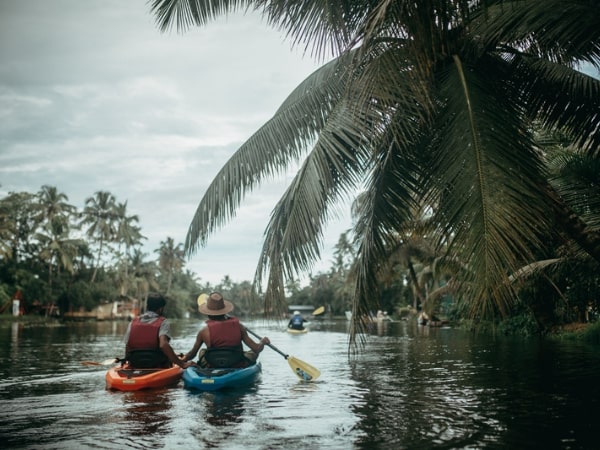
Alleppey Kayaking Club publishes sunrise, sunset and day-out kayaking choices from its Punnamada base in Alappuzha. Choose a session before asking for a quote; confirm the launch point, paddling time, route and whether meals or transfers are included.
Alleppey Village Canoeing publishes separate full-day, sunrise and sunset canoe cruises, an overnight village-house option and a group shikara package. These are different bookings: a meal, walk, overnight stay or shikara ride should not be assumed to accompany every canoe session.
Nadodi Kayaking publishes a three-hour Long Island Circle and a shorter two-hour Chill Route, with sunrise and sunset choices in the Alleppey backwaters. Select a route and session before requesting a quote; these published choices do not establish a full-day village tour.
Kerala Tourism lists the DTPC House Boat Pre-paid Counter in Alappuzha as a houseboat booking contact managed by the District Tourism Promotion Council. It is a counter for trip enquiries, rather than a named private boat or a promise that a particular vessel is available.
Book with the place itself. India’s cyber-crime coordination centre warned in April 2025 that convincing copies of hotel and pilgrimage booking sites are being pushed through sponsored search and social ads, taking payment for rooms the property never hears about. Use the contact and source details on each profile to confirm the exact business and booking channel. A directory entry or map pin alone does not establish an operator’s identity or current availability. Roampedia takes no commission and does not collect booking payments. If a booking page reached you through an ad, check the address bar against the property’s own site before you pay. Fraud can be reported on cybercrime.gov.in or on 1930.
Browse food, accommodation and activities across Alappuzha town. Check each address and journey before adding it to your day; these selections are not all beside Mullakkal Temple.
6 more places around Alappuzha town. Open a guide to plan the visit and onward journey.
490 m · straight line
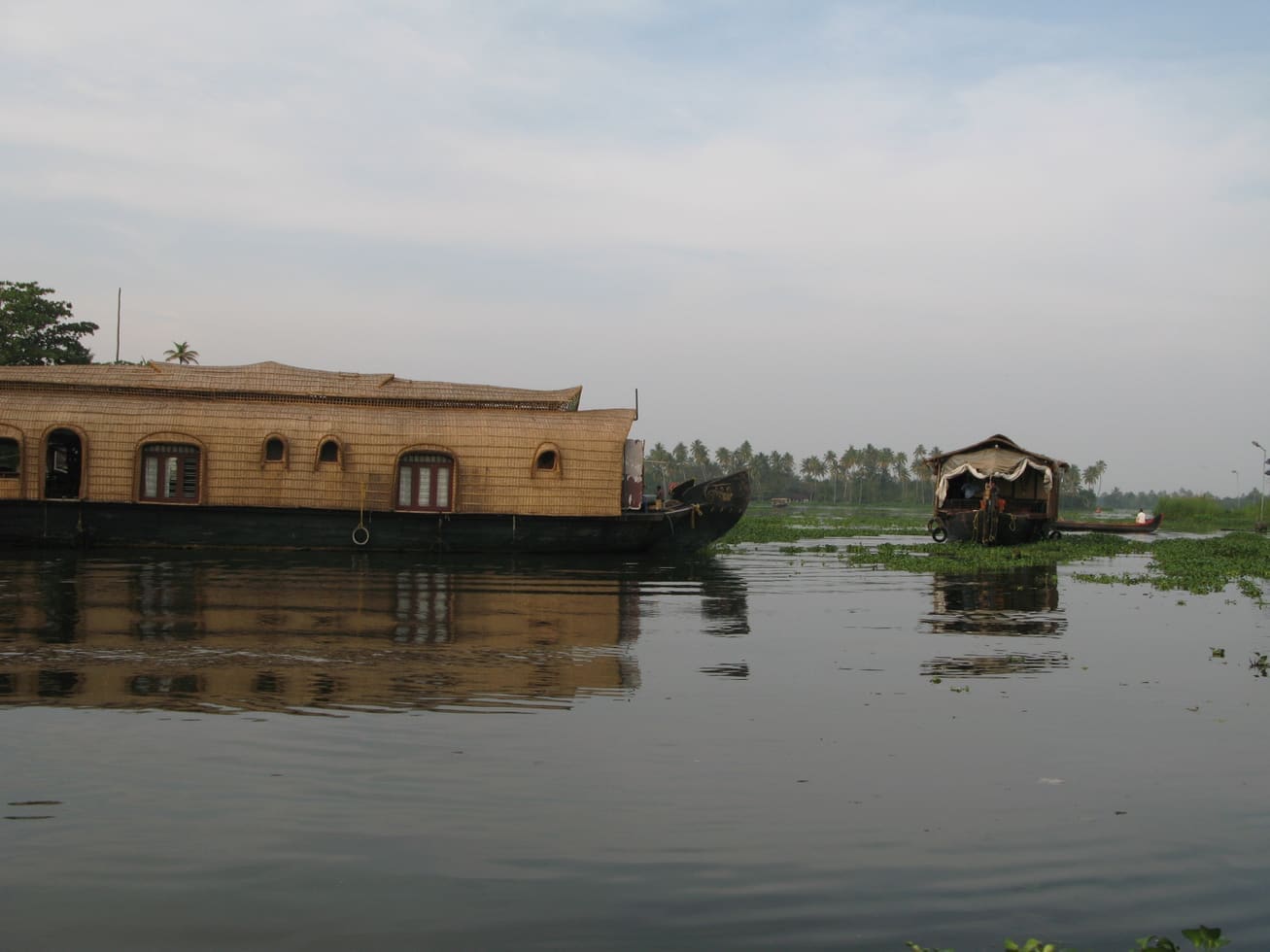
Backwater and houseboat hub with canals, beach, lighthouse and Finishing Point jetty.
2.5 km · straight line
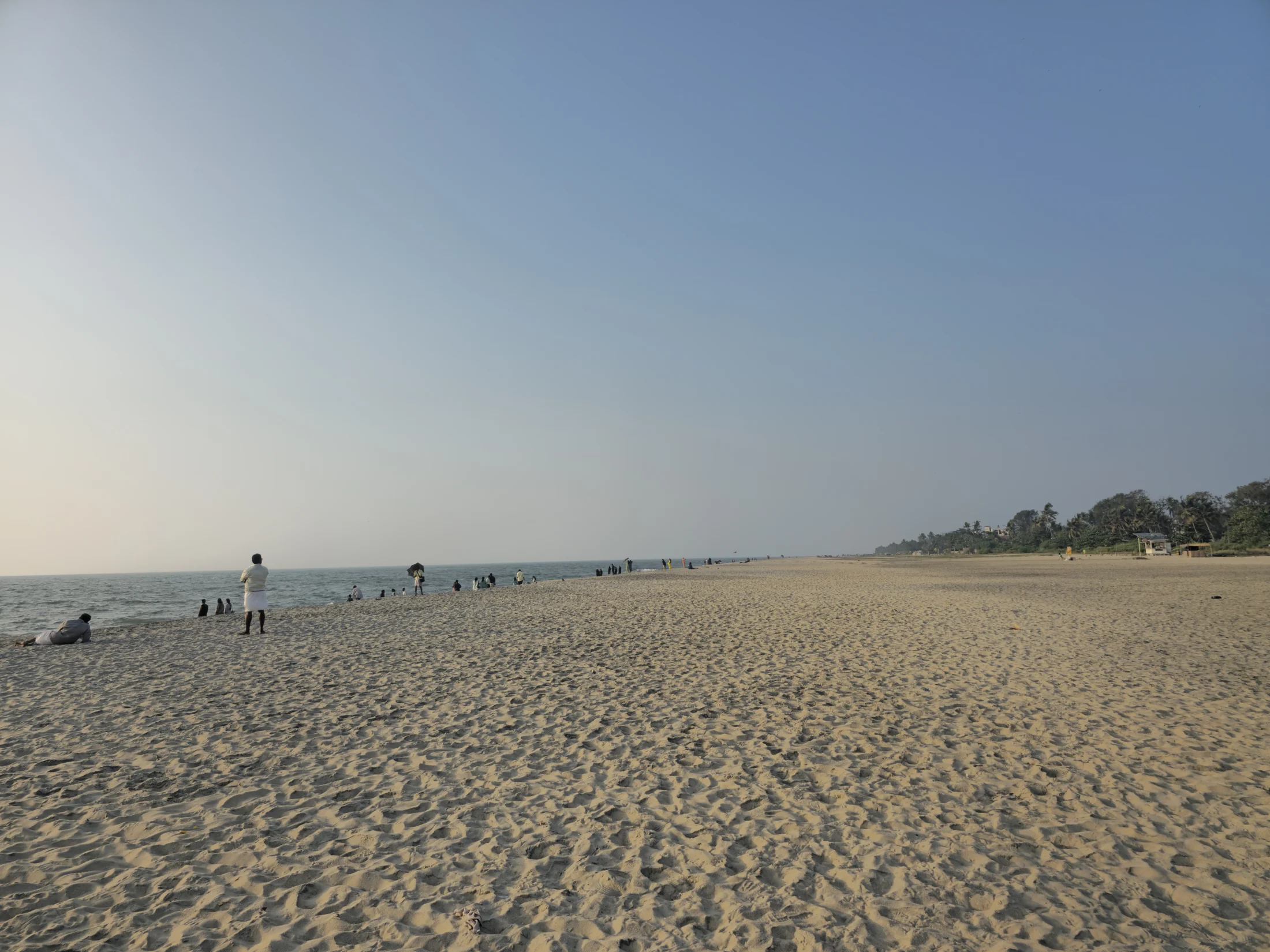
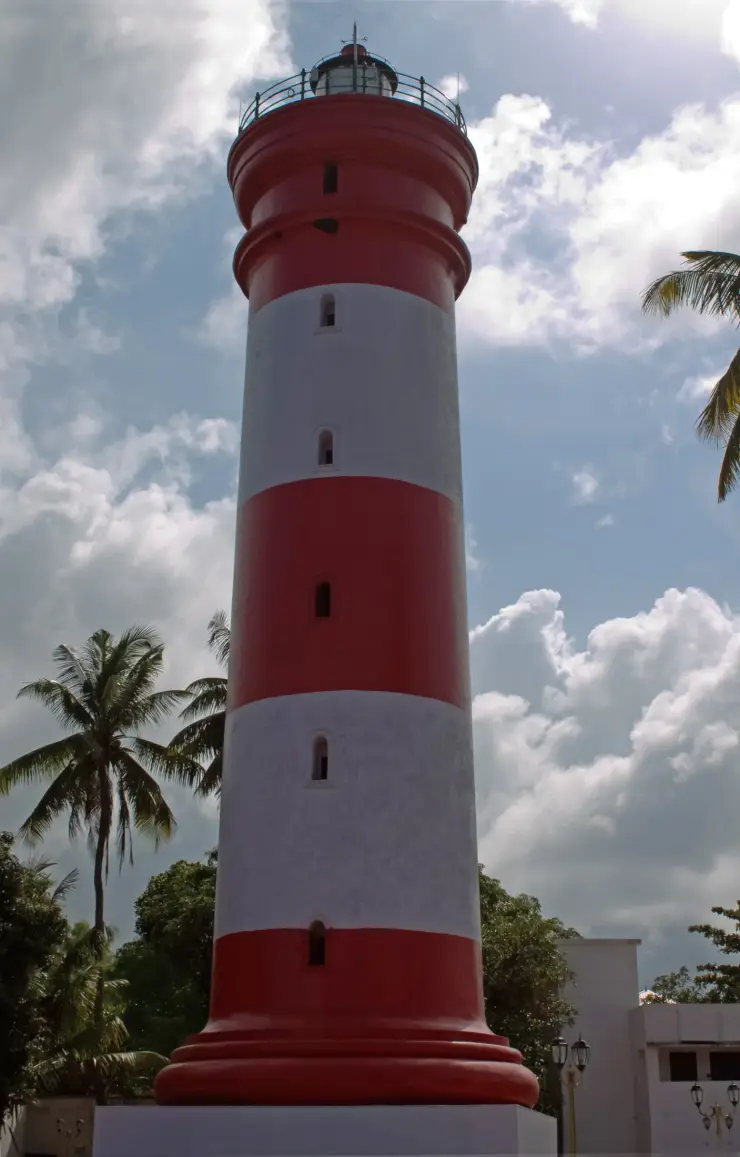
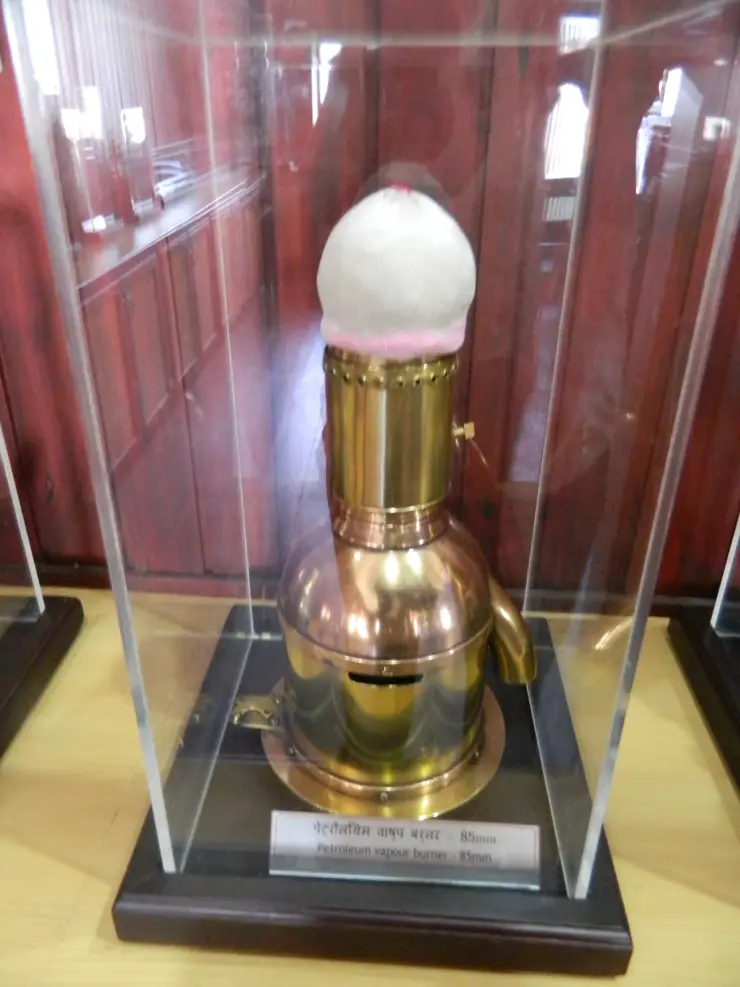
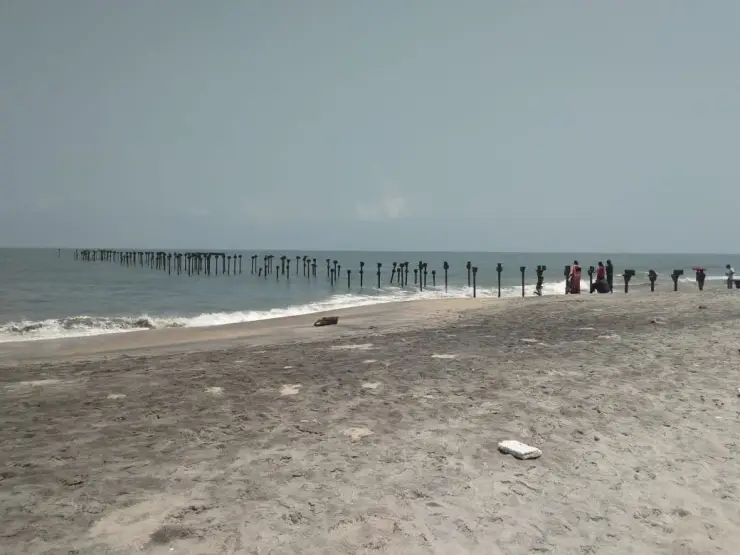
Pair Alappuzha’s broad town beach and old pier remains with the red-and-white lighthouse on C.C.S.B. Road, commissioned in 1862 and still maintained as a navigational light.
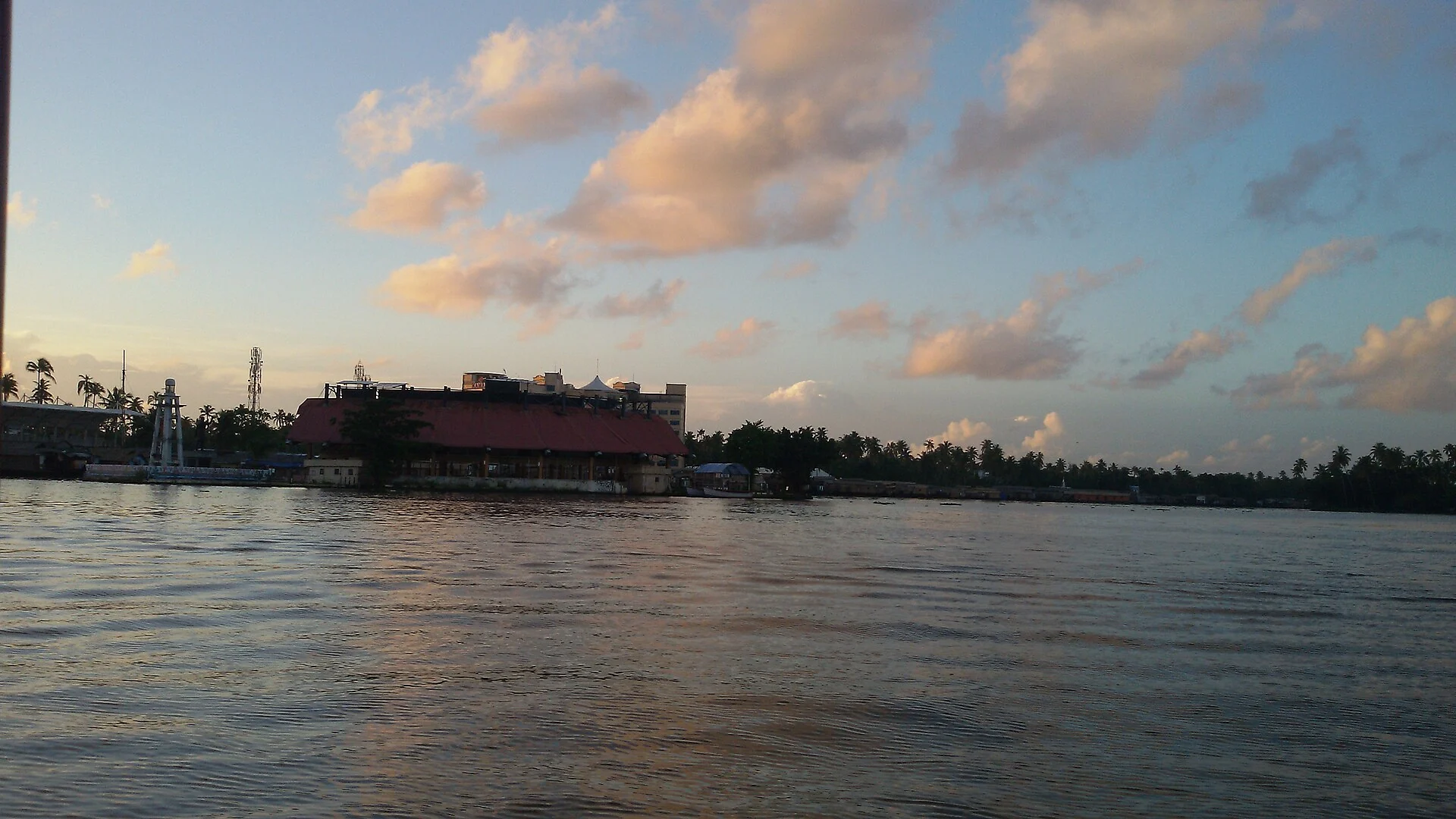
1.4 km · straight line
Finishing-point lake of the Nehru Trophy Boat Race and the main houseboat cruising water off Alappuzha.
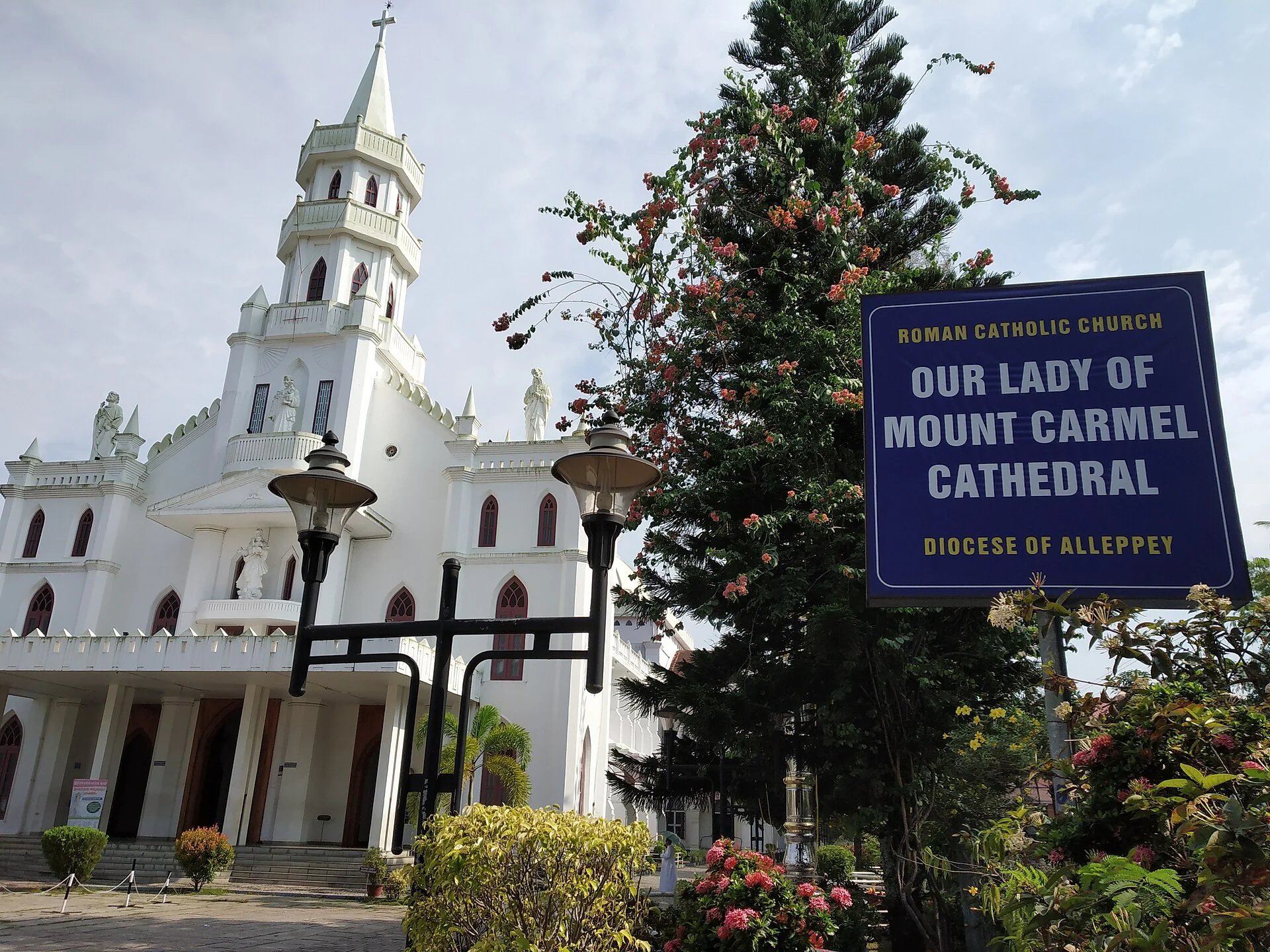
1.5 km · straight line
Landmark 19th-century cathedral of the Alappuzha diocese near the town centre.
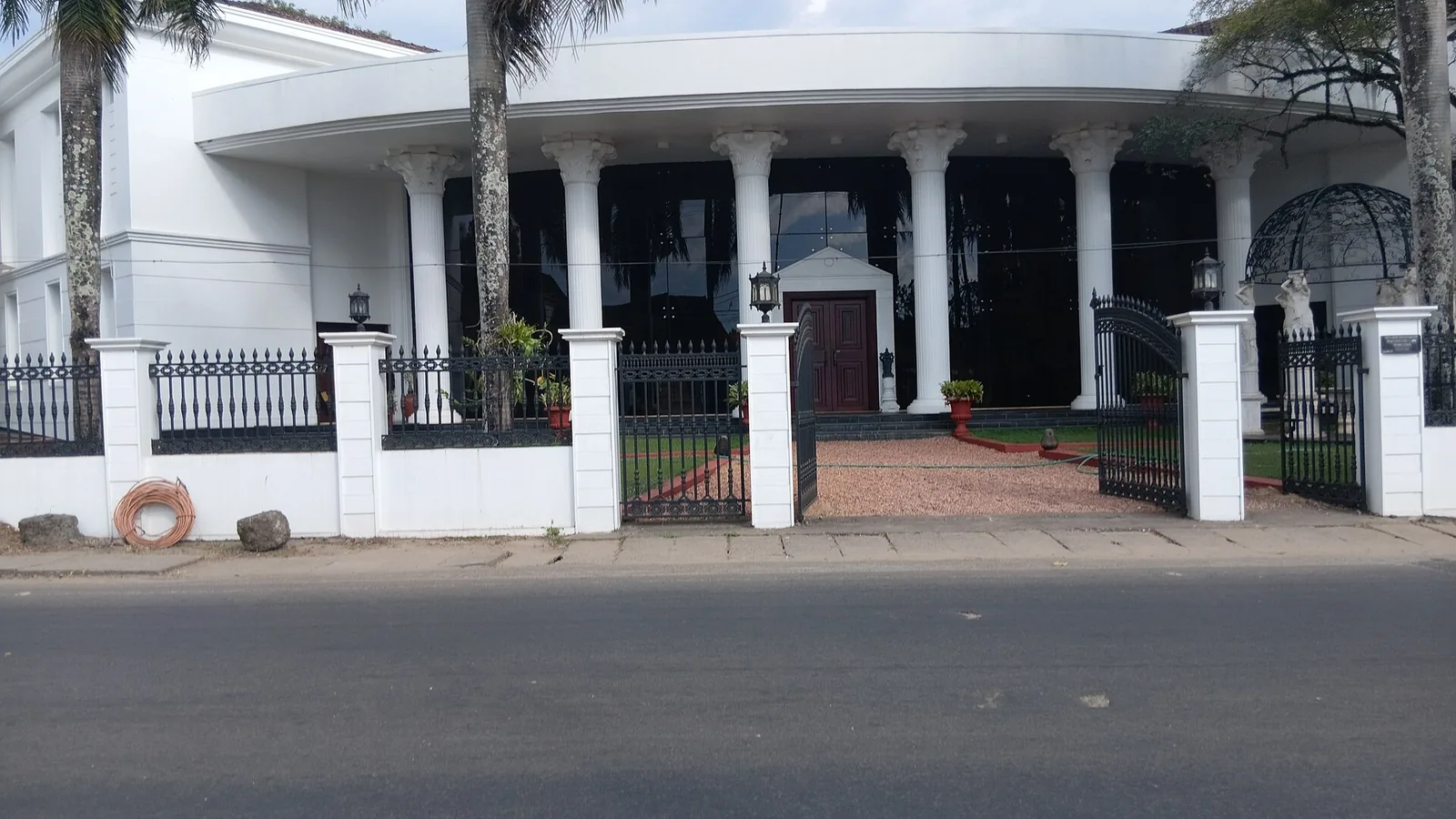
1.6 km · straight line
Private memorial museum in Thathampally with a large collection of paintings, ivory, crystal and antiques.
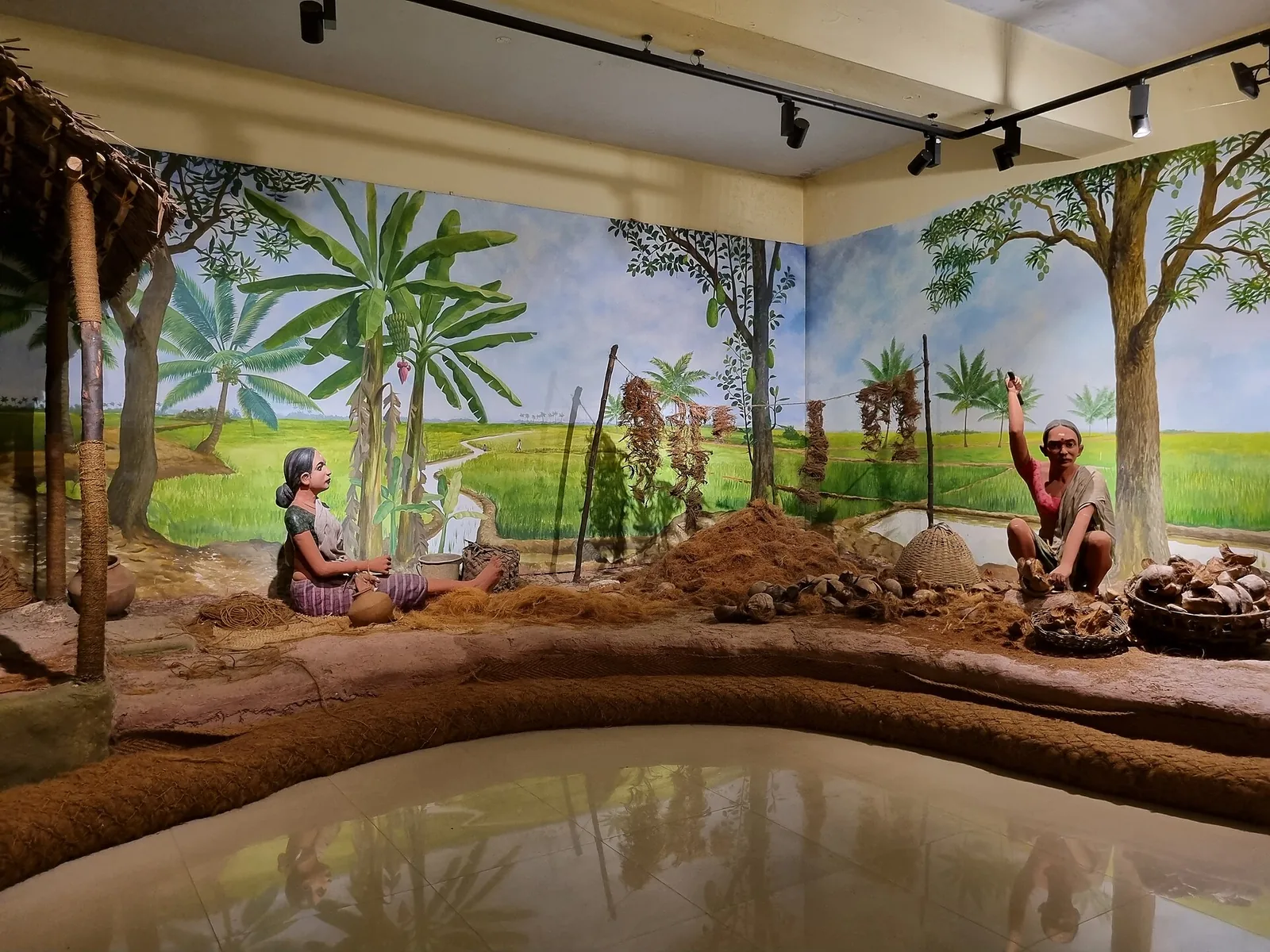
7.5 km · straight line
Museum on Kerala’s coir (coconut-fibre) heritage — the craft Alappuzha built its trade on.
Roampedia is commission-free — own or know a stay, eatery, guide or shop near Mullakkal Temple? Submit public business details for review.
Add a nearby businessEntry: Free entry for darshan; individual poojas and offerings are charged separately at the temple counter.
Dress code: Traditional Kerala temple dress code applies. Men are commonly asked to remove their shirt and wear a mundu or dhoti at the sanctum, and shorts are best avoided; women should dress modestly — a sari, salwar kameez or long skirt is appropriate.
Festivals: The great annual festival is the Mullakkal Chirappu, celebrated over about 41 days across Vrischikam and Dhanu (roughly late November to December–January), of which the last eleven days — the Chirappu — are the highlight, with illuminated stalls, processions, caparisoned elephants, cultural programmes and fireworks; a Women’s Festival day and Navaratri are also observed. The Thaipooya Kavadi, with its colourful kavadi procession, is another notable celebration.
Photography: Photography inside temples is often restricted, especially around the sanctum; check for signage and ask temple staff before taking pictures.
If you are travelling by bus or ferry, check the return service with the operator before setting out. Leave time to reach the stop or jetty after your visit.
Ask at the bus stand for the time of the last service back, not the next one. If you miss it, an auto or app cab is the fallback — agree the fare before you get in.
If you need step-free access, contact the site before travelling. Ask about a level entrance, steps along the route, the nearest drop-off point, seating and accessible toilets.
Charge cap and free-transaction limits: Reserve Bank of India, ATM FAQ updated 4 July 2025; checked 4 October 2026.
These services are listed within about 1.2 km of Mullakkal Temple. Walking distances follow mapped routes; access and opening hours can change. Other services may be closer but are not included here.
Published emergency and visitor-assistance contacts. For an immediate emergency, call 112. Shared Kerala contact sources checked 4 October 2026; publication does not establish a tested live response.
Backwater and houseboat hub with canals, beach, lighthouse and Finishing Point jetty.
490 m · straight lineFinishing-point lake of the Nehru Trophy Boat Race and the main houseboat cruising water off Alappuzha.
1.4 km · straight lineLandmark 19th-century cathedral of the Alappuzha diocese near the town centre.
1.5 km · straight linePrivate memorial museum in Thathampally with a large collection of paintings, ivory, crystal and antiques.
1.6 km · straight line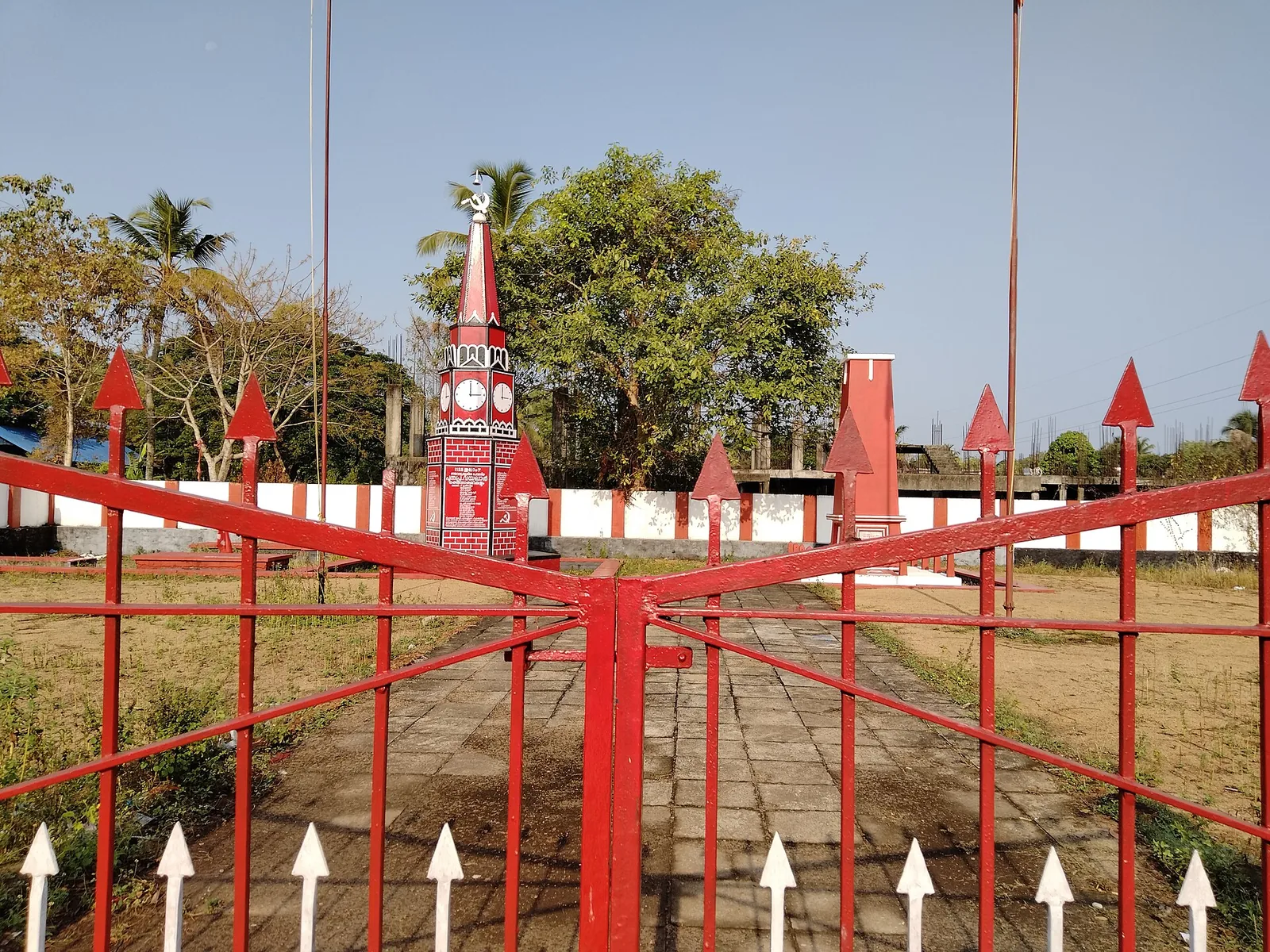
Martyrs’ memorial (Rakthasakshi Mandapam) to the 1946 Punnapra–Vayalar uprising, on the coastal belt north of Punnapra on the Alappuzha side.
2.4 km · straight linePair Alappuzha’s broad town beach and old pier remains with the red-and-white lighthouse on C.C.S.B. Road, commissioned in 1862 and still maintained as a navigational light.
2.5 km · straight line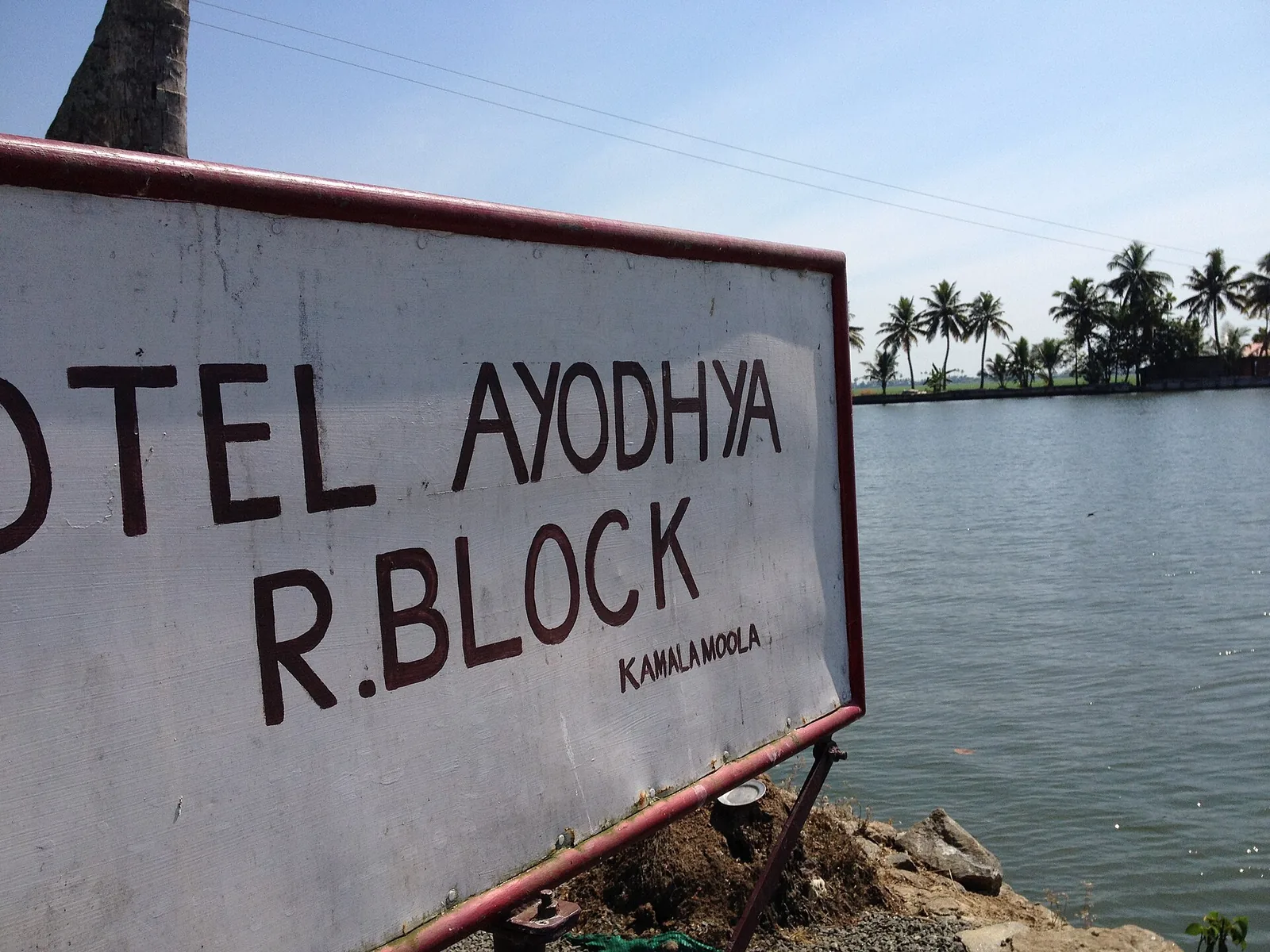
Iconic below-sea-level reclaimed farmland at Kainakary, ringed by bunds with the canal water sitting higher than the paddy fields.
5.6 km · straight lineMuseum on Kerala’s coir (coconut-fibre) heritage — the craft Alappuzha built its trade on.
7.5 km · straight line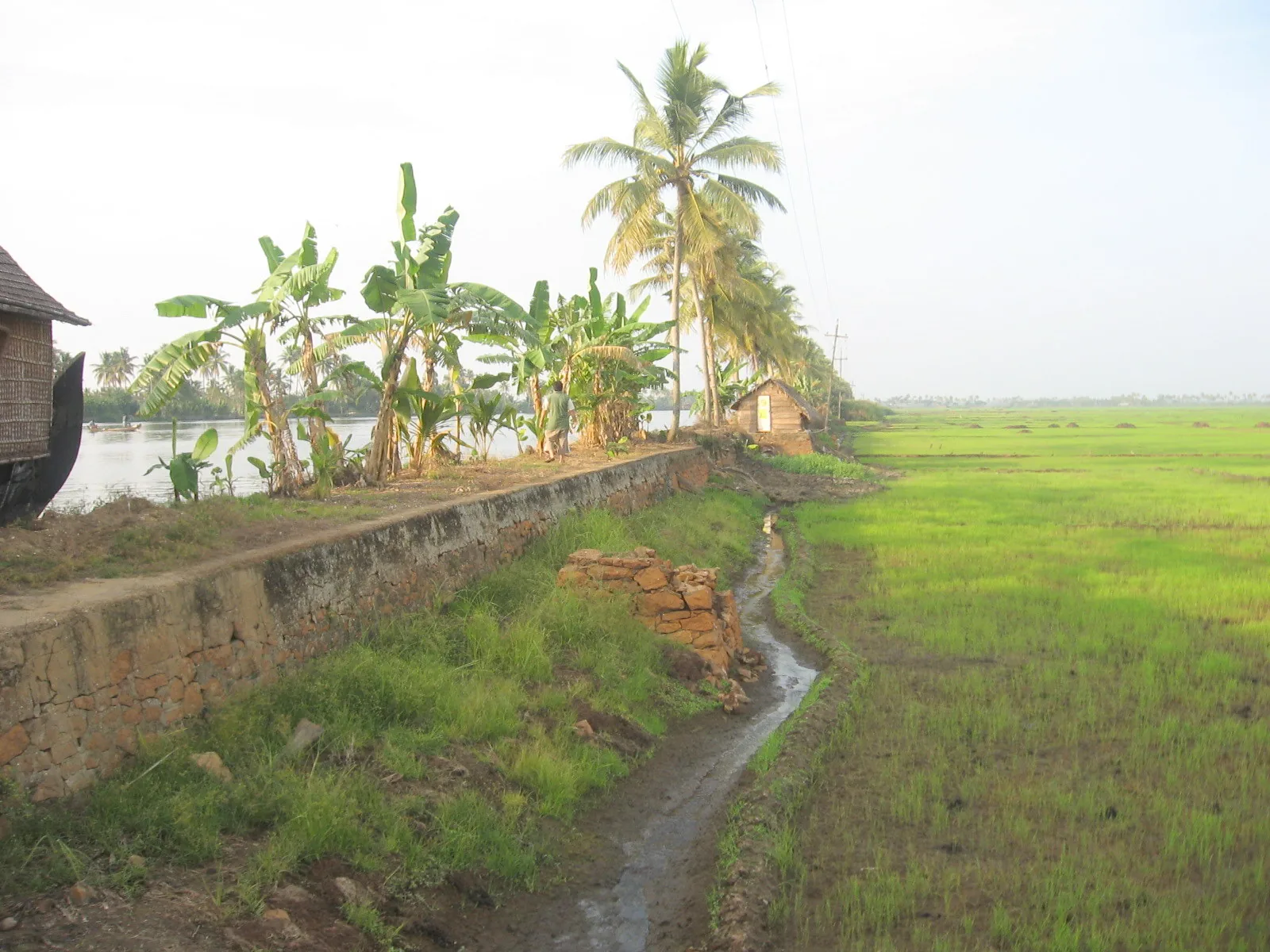
Low-lying paddy and canal region known as Kerala’s rice bowl.
10.9 km · straight line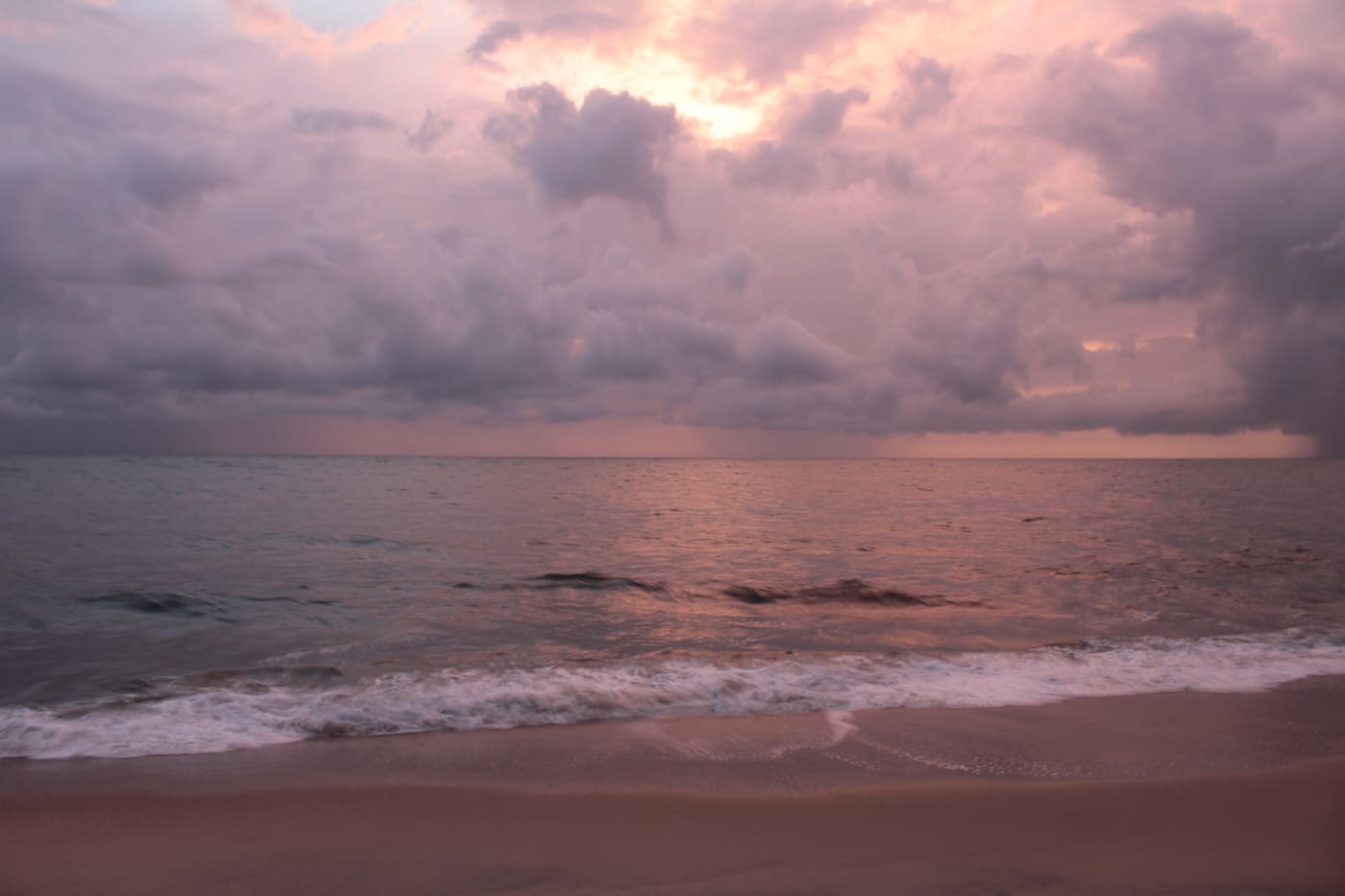
Quiet beach belt north of Alappuzha, popular for relaxed stays.
12.2 km · straight line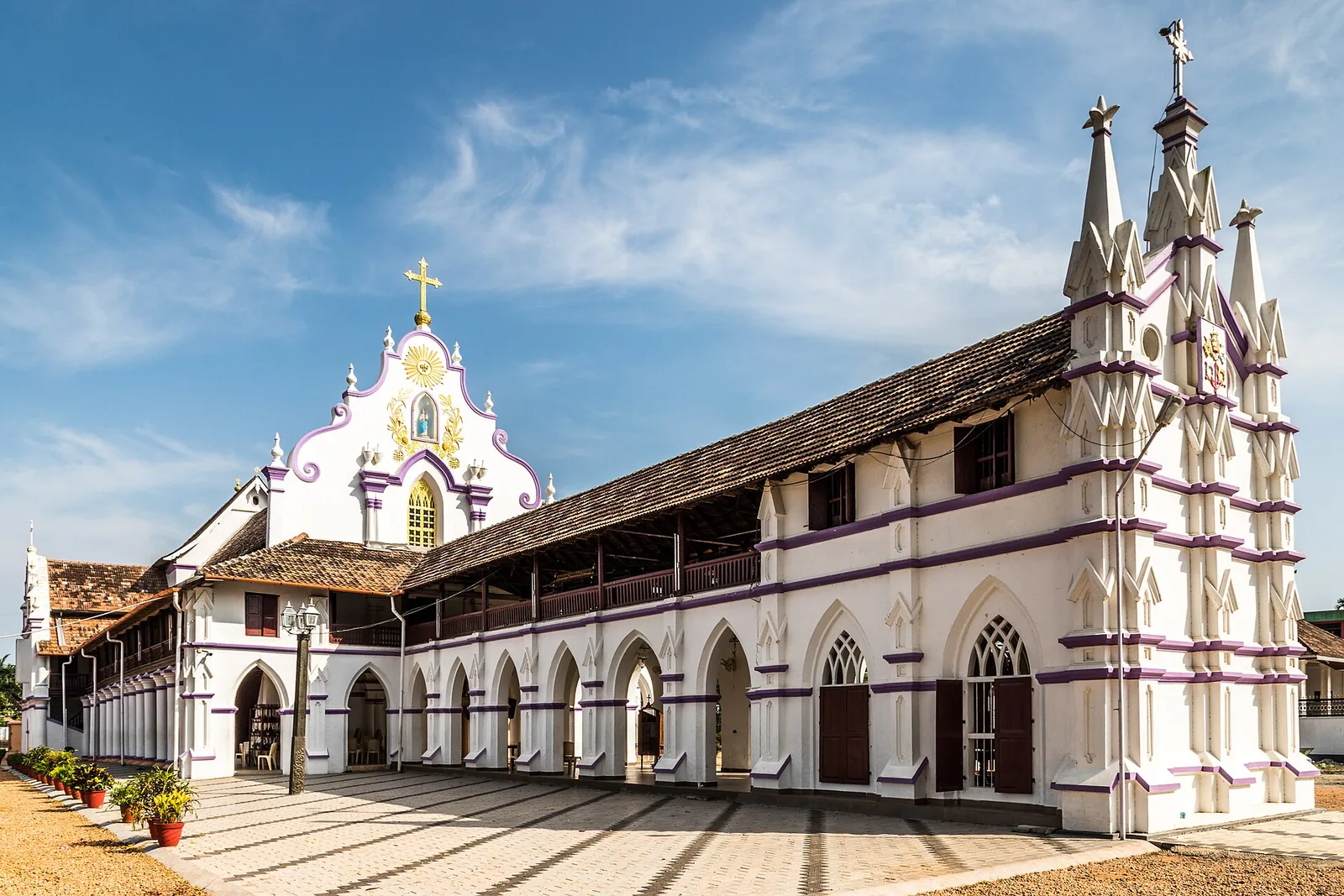
Kuttanad village on the Pamba known for the Champakulam Moolam snake-boat race and Kalloorkad St Mary’s Basilica.
12.4 km · straight line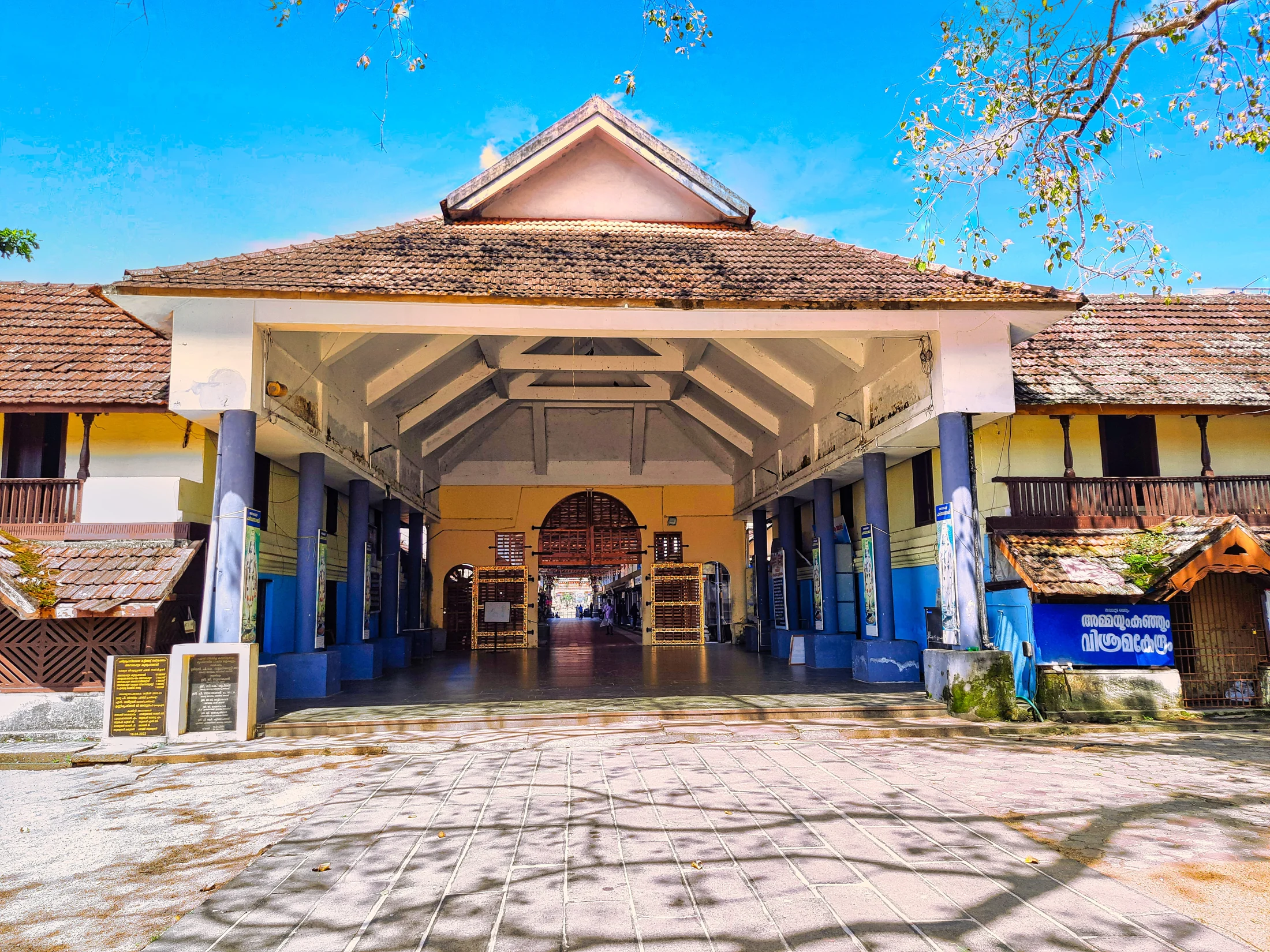
Ambalappuzha Sree Krishna Temple is an active temple in Ambalappuzha town, south of Alappuzha, administered by the Travancore Devaswom Board. Krishna is worshipped here as Parthasarathy, Arjuna’s charioteer. The temple combines a broad tank, tiled courtyards and painted ritual spaces with two enduring cultural associations: Palpayasam offered to the deity, and Kunchan Nambiar’s creation of Thullal. A visit works best when darshan, the permitted exterior spaces and any offering collection are planned around the temple’s morning or evening opening.
13.0 km · straight lineNearby toilets, pharmacies, ATMs, seating and vets are community-mapped and may be incomplete or out of date. Map data © OpenStreetMap contributors | Walking times © openrouteservice.org by HeiGIT
Locally she is Mullakkal Bhagavathy, and that is the safest answer, because published sources give three different ones. Kerala Tourism says Durga; the standard encyclopedic account says Rajarajeswari, with Vana Durga in accounts derived from it; and at least one Alappuzha source calls her a form of Saraswati — which has real support in practice, since schoolbooks are placed before her at Navaratri and Vidyarambham is performed here. The idol installed in 1962 is of Rajarajeswari; the idol it replaced was Annapurneswari.
A standard encyclopedic account says so, but Kerala Tourism does not mention it and available exterior photographs only show the tiled roof over the larger shrine block. Treat the detail as reported rather than fully documented and ask at the temple.
Traditionally reckoned at around five centuries — but no dated record survives to confirm it, and every source that prints the figure states it without citing an inscription, grant or deed. There is also a tension worth knowing about: Alappuzha town itself was only laid out in the later eighteenth century under Raja Kesavadas, so a 500-year-old shrine would predate its town by roughly 250 years. Meanwhile the temple's own legends disagree, and one of them — the flight of Brahmins from the Mysorean campaigns, carrying an Annapurneswari idol — would date the shrine to the 1780s or 1790s instead. That later legend is the only one that explains why the idol here was Annapurneswari until 1961.
The sources give two incompatible kings and we do not choose between them. The Malayalam article on the temple credits Devanarayanan of Chembakassery, in the legend of the palm-leaf umbrella that would not move from the jasmine bed. The Malayalam article on the Chirappu festival says instead that the site was Raja Marthanda Varma's dining hall, and that the Goddess's form was perceived in a stone beneath the jasmine — a claim carrying a citation-needed tag. Different king, different century, same jasmine.
The Chirappu is the temple’s biggest annual festival, celebrated over roughly 41 days spanning the Malayalam months of Vrischikam and Dhanu (about late November through December–January). The final eleven days are the Chirappu proper, when the Mullakkal street comes alive with lamps, decorated stalls, cultural performances, caparisoned elephants and a grand fireworks finale.
No. As with most Kerala temples, entry for darshan is free. Specific poojas, offerings or vazhipadu are paid for separately at the temple counter.
The Mullakkal street beside the temple is one of Alappuzha town’s main shopping strips, lined with textile shops, jewellers, coir and handicraft traders and food stalls. Temple and bazaar have grown together over generations, and the street is busiest of all during the Chirappu.
Yes. As a traditional Kerala temple, modest dress is expected. Men are often required to remove their shirt and wear a mundu or dhoti at the sanctum, and shorts are best avoided; women should dress modestly, typically in a sari, salwar kameez or long skirt.
A darshan and a walk around the sub-shrines usually takes around 30 to 45 minutes. Add time if you want to browse the Mullakkal market afterwards, or considerably more if you are visiting during the Chirappu, when the crowds and the festivities are the whole point.
Morning or early evening is usually best; festival days can be powerful but crowded.
Entry: Free entry for darshan; individual poojas and offerings are charged separately at the temple counter. Timings: Roughly 5.00 am to around noon, and about 4.30 pm to 8.30 pm (the consensus of travel aggregators rather than a figure published by the temple or the Devaswom Board; timings vary by day and season, and festival days differ).
Base yourself in Alappuzha town or a nearby town in Alappuzha, then confirm the last-mile route locally before leaving. Check temple entry customs, dress rules and festival crowd conditions before arrival. If the visit depends on forest, temple, boat, ferry, weather or seasonal access, check the official/local rule on the day before travel.
45 minutes to 2 hours, longer during festival or queue periods.
Nearby you can pair Alappuzha / Alleppey town (490 m, approximate straight-line separation), Punnamada Lake (1.4 km, approximate straight-line separation), Our Lady of Mount Carmel Cathedral (1.5 km, approximate straight-line separation), Revi Karunakaran Museum (1.6 km, approximate straight-line separation).
Use official counters for offerings/tickets where applicable. Keep footwear and valuables secure in crowded areas.
Written about Mullakkal Temple itself — its history, its legends and the arguments about them.
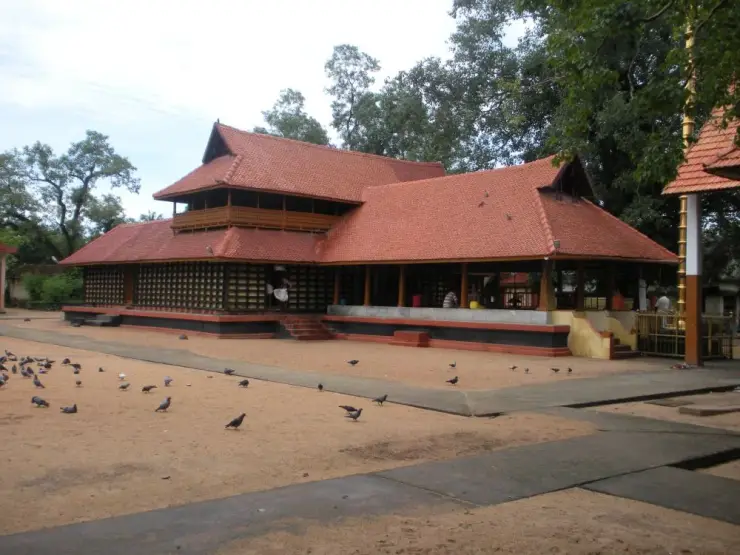
These guides explore Alappuzha town and the surrounding area. Choose a visit that fits your interests, allowing separately for travel between stops.
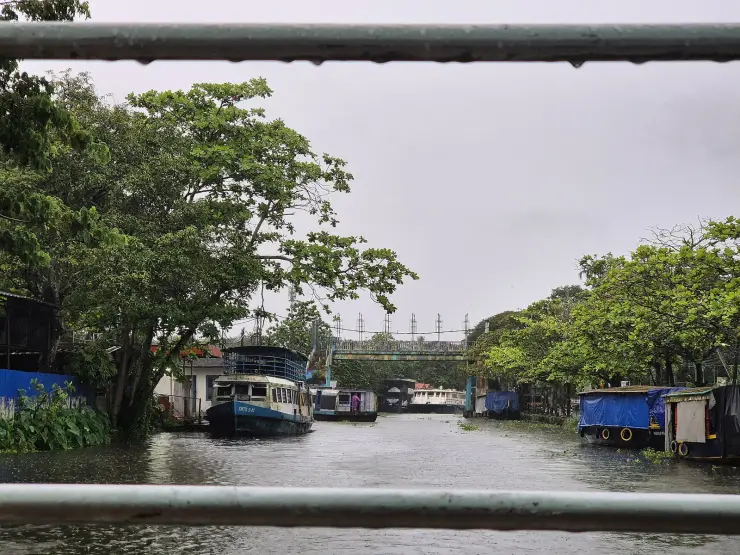
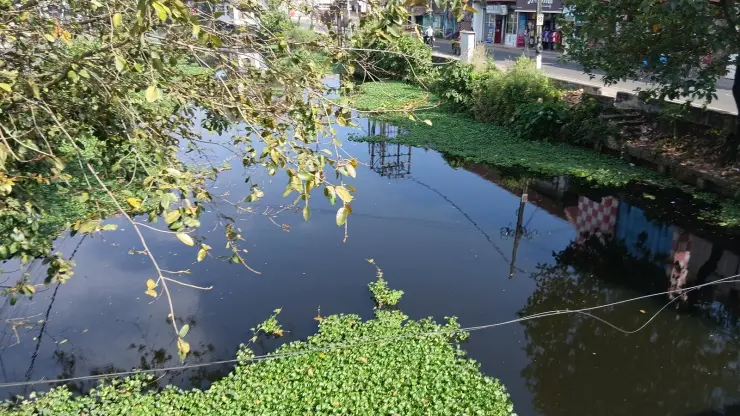
Written about Alappuzha town as a whole rather than about Mullakkal Temple — its history, its streets, and how to spend a day in it.
Route-level itineraries and practical guides for the rest of Kerala.
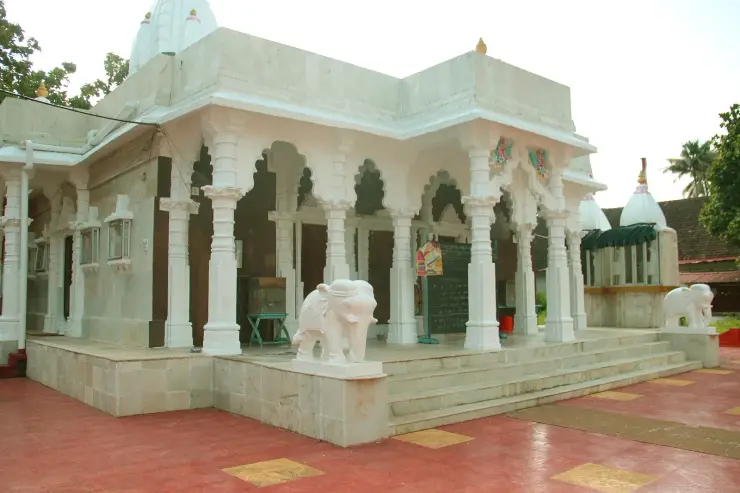
Photographs: Pradeep717 (CC BY-SA 3.0), Varghesepunnamada (CC BY-SA 4.0), Josephjose07 (CC BY-SA 4.0). Wikimedia Commons.