Spread across a terraced hillock at Tripunithura, the former seat of the Cochin royal family is today Kerala’s largest archaeological museum — forty-nine buildings, a golden crown and a deer park, all a short drive from Kochi.
The story of Hill Palace, Tripunithura
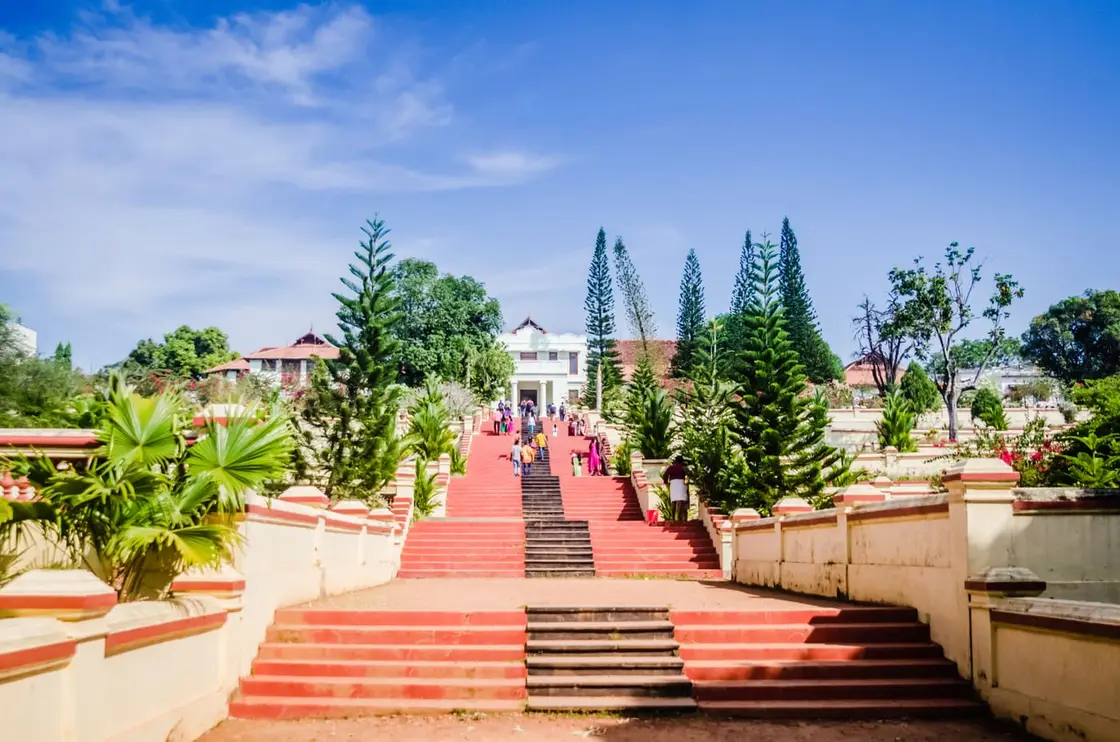
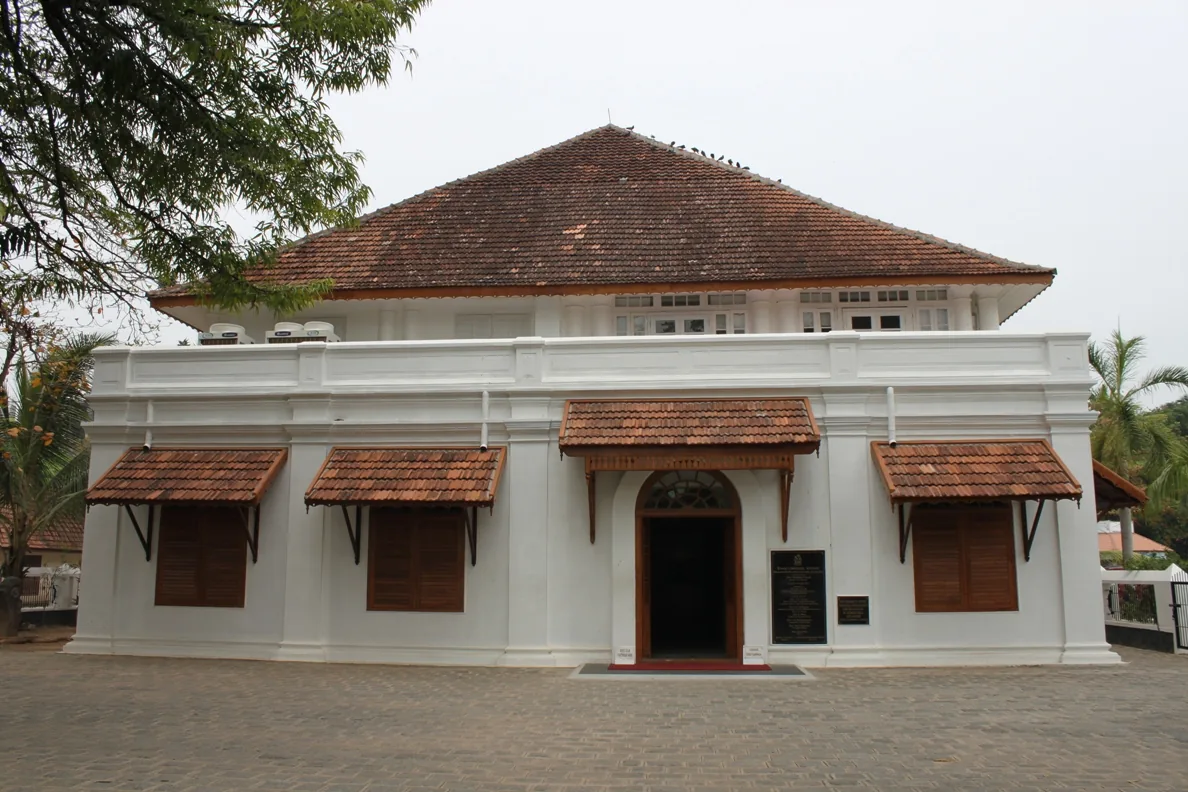
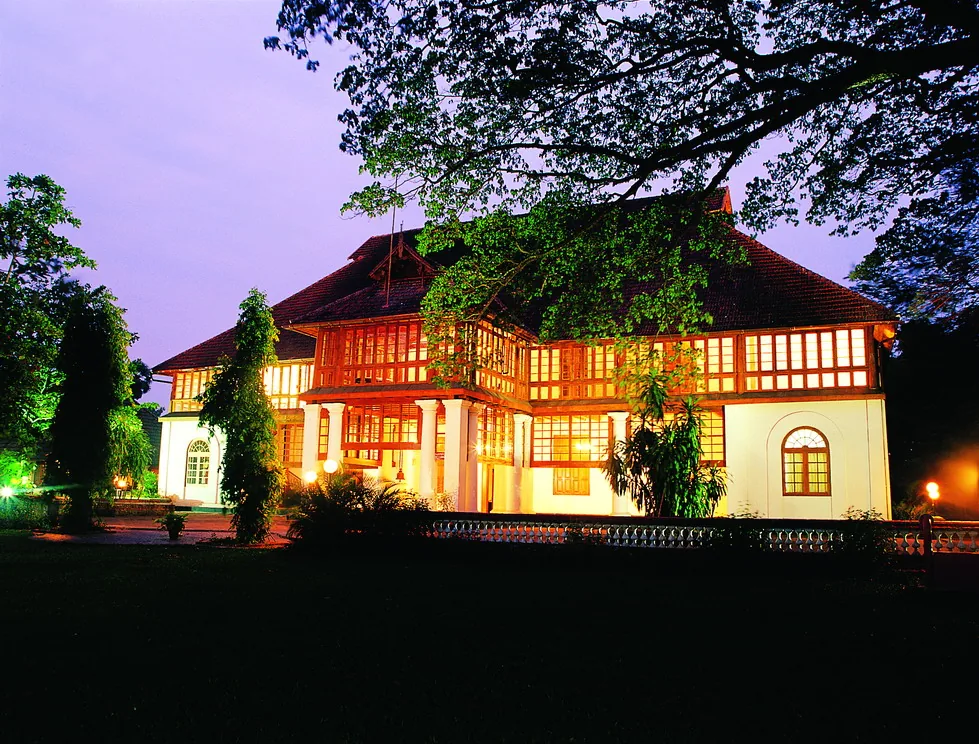
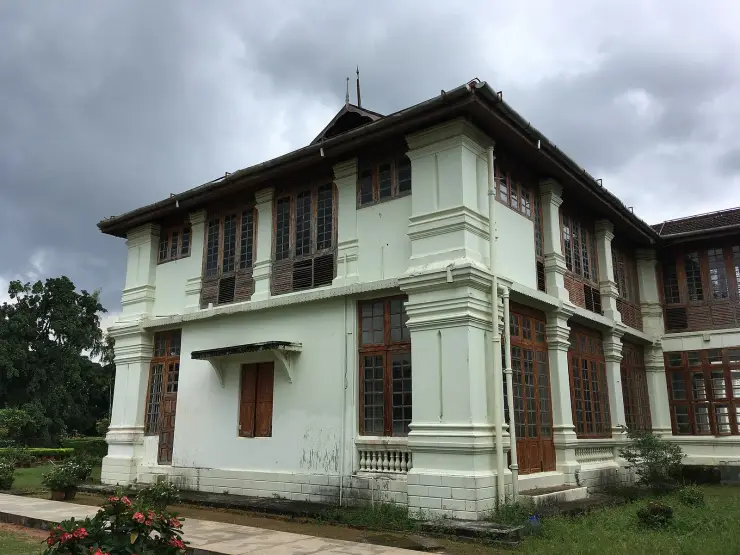
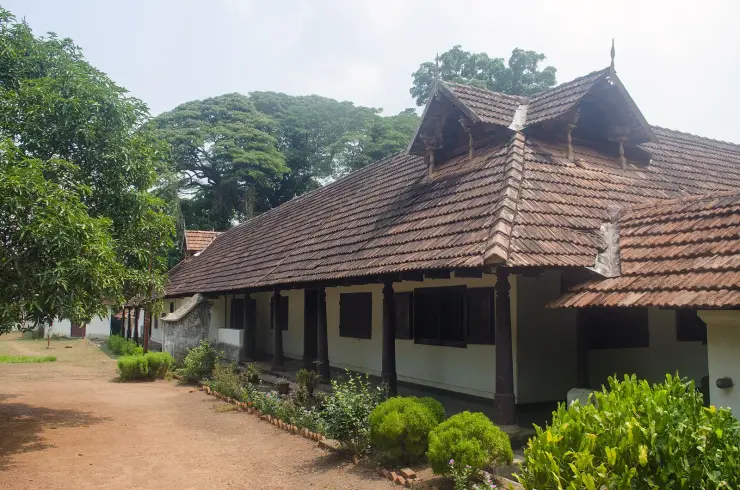
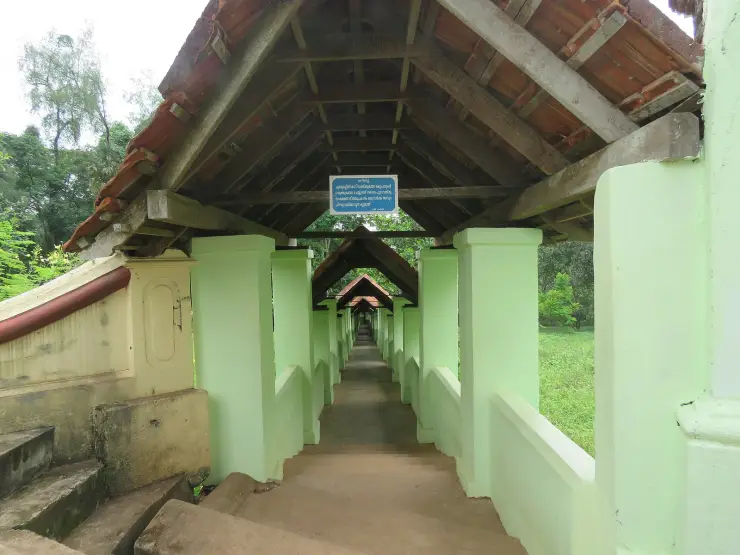
Hill Palace is not one grand building but a whole royal township draped across a green hillock at Tripunithura, on the eastern edge of Kochi. Around forty-nine separate buildings are scattered over roughly fifty-two acres of terraced land, gardens and lawns, the whole complex once serving as the official residence and administrative seat of the Maharaja of Cochin. Walking its shaded paths today, you sense the scale of a princely establishment: audience halls, residential blocks, service quarters and courtyards, all built in a restrained blend of Kerala vernacular and colonial-era taste, and now knitted together as a single sprawling museum campus.
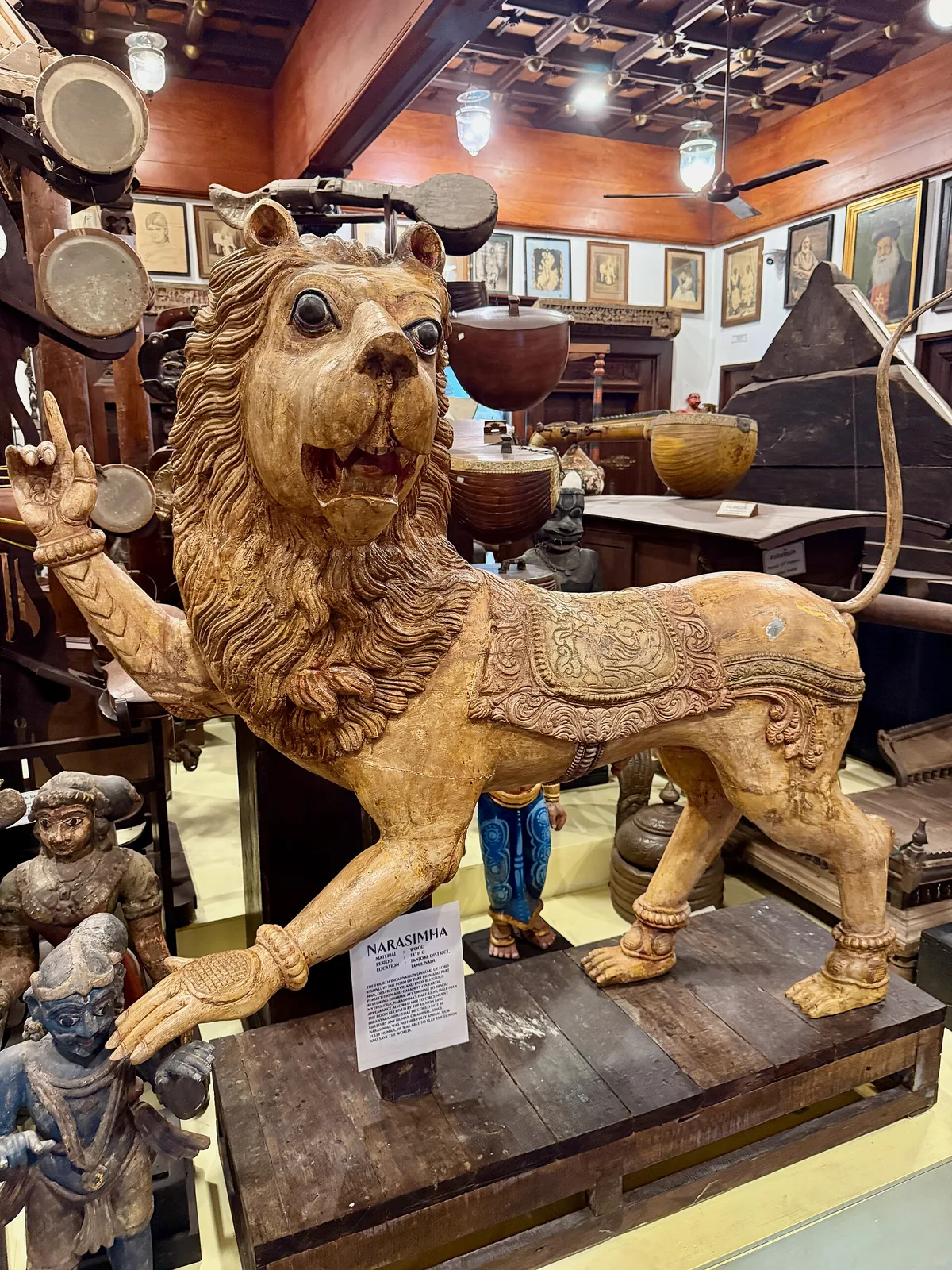
The heart of the visit is the archaeological museum itself, housed in the principal palace building and laid out across many galleries. The most photographed exhibit is the ceremonial crown of the Cochin Rajas — a gold crown studded with precious stones, reported at around 1.75 kilogrammes — displayed alongside the royal throne, ornaments, ceremonial swords and the personal regalia of a dynasty. Room after room holds the everyday and the ceremonial life of a South Indian royal house: palace furniture, ceremonial beds, chariots and palanquins, oil-painting portraits of successive rajas, and cabinets of ivory, porcelain and Chinese pottery gathered through centuries of Malabar-coast trade.
Beyond the royal collections, the museum reaches deep into the region’s pre-history. Galleries display megalithic funerary remains — the distinctive Kudakkallu (umbrella stones) and Thoppikkallu (hat stones) of Kerala’s Iron Age — together with stone and metal sculptures, terracotta, and models illustrating Indus Valley and early South Indian culture. There are cases of ancient coins, copper-plate grants and stone inscriptions for those who linger over epigraphy, and a separate heritage museum arranged inside a traditional ettukettu (an eight-block Kerala mansion) that recreates the textures of aristocratic domestic life.
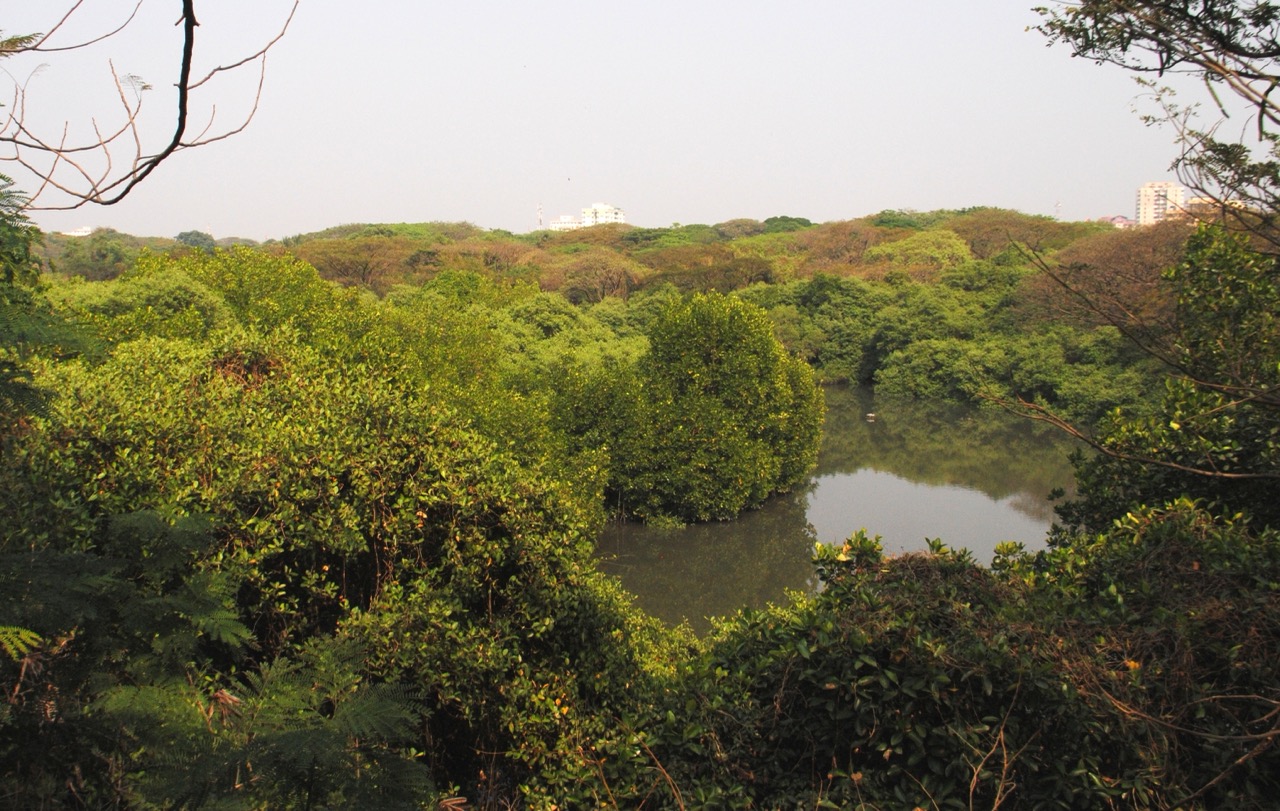
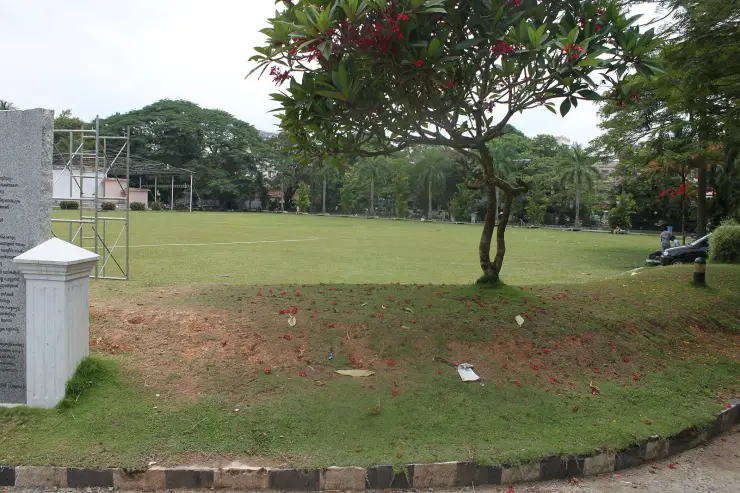
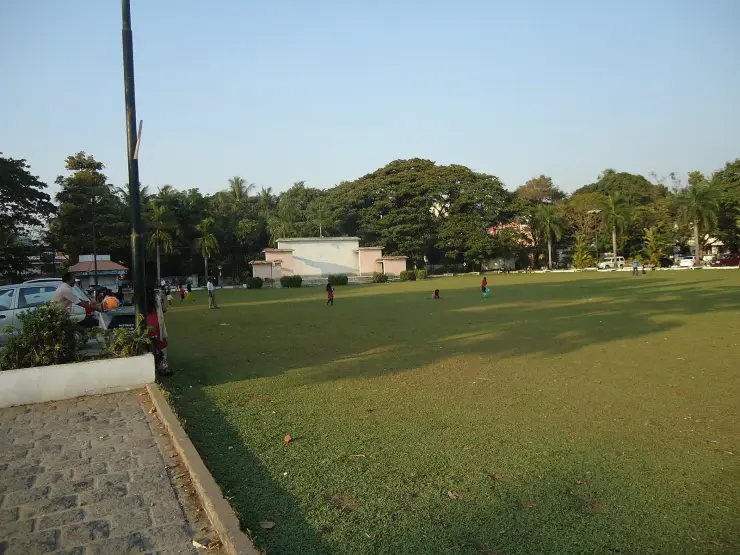
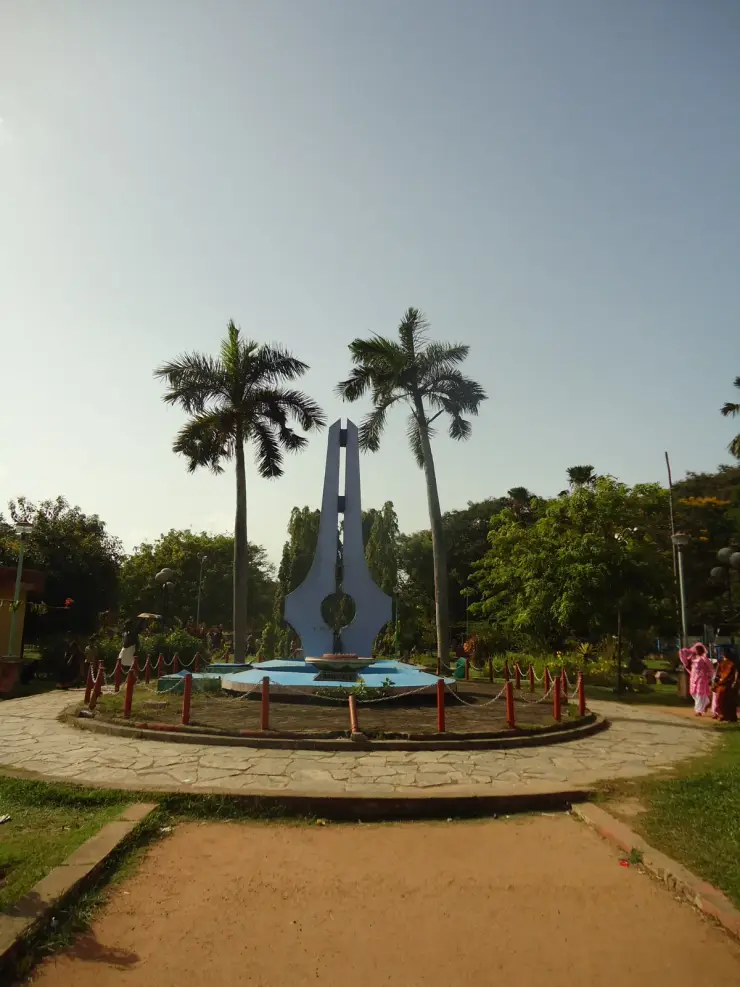
Part of what makes Hill Palace so evocative is that it is as much a park as a museum. The grounds fold over the hill in terraces of lawn and old trees, and the campus includes a deer park, a pre-historic park with life-size models, a children’s park and a garden of medicinal plants — so a visit slips easily between air-conditioned galleries and long, breezy walks outdoors. Families come as much for the greenery and the deer as for the crown, and the elevated setting gives cooling views over the Tripunithura countryside.
The palace has a second life on screen. Its shaded façades, wooden staircases and atmospheric interiors have made it one of Malayalam cinema’s favourite locations — most famously the haunted-mansion setting of the 1993 classic Manichitrathazhu — and countless films, serials and songs have been shot along its verandas. Many visitors arrive already half-recognising a courtyard or corridor from the movies, which lends the whole place a curious familiarity.
Practically, Hill Palace rewards an unhurried morning. It is run by the Kerala Department of Archaeology rather than as a commercial attraction, so signage is museum-plain and interiors can feel dim, but the collection is genuinely important and the setting is calm and uncrowded on weekdays. Come with time to wander, keep an eye on the Monday closure, and treat it as a combined heritage-and-garden outing rather than a quick photo stop.
Legend & myth
Ask a Malayali about Hill Palace and there is a fair chance the first thing you get is not the crown or the megaliths. It is Manichitrathazhu.
The 1993 film — one of the most loved in Malayalam cinema — used this complex as its haunted-mansion setting, and its story of a house with a locked room, a dancer named Nagavalli and a possession that unfolds across the household is embedded in Kerala popular culture in a way that no museum label can compete with. Its corridors, wooden staircases and dim interiors are, for a great many visitors, familiar before they arrive.
It is worth being clear which way the association runs. The film came to the building; the building did not supply the legend. No tradition attaches Nagavalli or the events of the story to Hill Palace, and there is no folk belief here that predates the production. What exists is a very powerful piece of modern screen folklore that has attached itself to a nineteenth-century royal residence, and then to a great many other film shoots since.
That is not nothing, though. It is a real cultural fact about the place: an archaeology museum whose most famous association is fictional, and whose atmosphere is genuinely shaped by a film. Walk the verandas at closing time on a quiet weekday and you will understand why the location was chosen.
Two smaller corrections while you are here. Hill Palace is not a palace in the singular — it is forty-nine buildings across fifty-two acres, the whole working establishment of a princely court rather than one grand block. And it is not a royal residence you are touring: the property passed to the state after independence and has been in the care of the Kerala Department of Archaeology since 1980. What you are walking through is a museum campus that used to be a court. These figures, incidentally, are not the soft ones they look like. The department's own record gives the build as 1865, the complex as forty-nine buildings on fifty-two acres, the handover as 1980 and the public opening as 1986. That is unusually firm for a Kerala heritage site and we have stopped hedging them.
Now the harder correction, and it is about the film. Hill Palace is described everywhere — by us, until now — as the setting of Manichitrathazhu, and that is true but misleading in a specific way. The 1993 production, directed by Fazil, used three locations. Hill Palace carried most of the main narrative. The climax, and the song sequence everybody can hum, were shot at Padmanabhapuram Palace, across the border in Kanyakumari district. And the thekkini — the locked room, the single image the entire film hangs on and the thing visitors come here half-expecting to find — was a set, built inside Vasan House in Chennai, the residence of the Gemini Studios founder S. S. Vasan.
So the locked room is not here. It never was, and there is nothing to look for. That is worth saying plainly because the search for it is what a good number of visitors are actually doing as they walk the corridors, and a museum guard being asked for the hundredth time where the room is cannot be enjoying it.
The story underneath the film is not from here either, and it is a real one. The screenplay by Madhu Muttam draws on a genuine tragedy in the Alummoottil family near Haripad in old Travancore — an heir to the property and a domestic worker killed, a son-in-law implicated, and a long tail of local legend that grew up afterwards. Muttam was connected to that family through his mother's line. Which means the most famous ghost story in Malayalam cinema is set in a house in Alappuzha district, was filmed largely on a royal campus in Ernakulam, had its defining room built in a studio-owner's house in Chennai, and ends in a palace in Tamil Nadu. Hill Palace is one quarter of a haunting assembled out of four places, none of which is haunted.
Read the full history of Hill Palace, Tripunithura 454 more words
History
The story of Hill Palace begins with the migration of the Cochin (Kochi) royal house — the Perumpadappu Swaroopam — to Tripunithura. The family shifted its base towards Tripunithura in the mid-eighteenth century, around 1755, and the town became the settled capital and residential seat of the Cochin rajas, a role it held even as political power ebbed under successive colonial arrangements.
The Hill Palace complex as seen today is generally dated to around 1865, when it was built by the Maharaja of Cochin as the official residence and administrative headquarters of the ruling house. Local accounts link its construction to the preference of a prince — raised at Tripunithura and reluctant to leave after his accession — for keeping the seat of the family here, prompting the raising of a proper royal establishment on the hill. Rather than a single monumental block, it grew as a cluster of some forty-nine buildings across the terraced land, reflecting the many functions of a working princely court.
After Indian independence and the integration of the princely states, the palace and much of its collection eventually passed to the government of Kerala. The Cochin royal family handed the property over, and in 1980 it was taken into the care of the Kerala Department of Archaeology, which set about converting the royal residence into a public museum.
The museum was formally opened to the public in the mid-1980s — commonly cited as 1986 — and has since grown into what is described as the largest archaeological museum in Kerala. Its holdings were built up substantially from objects donated by the Cochin royal family and by institutions such as the Paliam Devaswom, supplemented by archaeological finds, sculptures, coins and inscriptions gathered by the department, so that the collection spans royal regalia at one end and Iron-Age megaliths at the other.
Alongside the display galleries, the campus has taken on a scholarly role: it hosts heritage-studies and conservation activity, including a centre associated with manuscript study and the conservation of palm-leaf and paper records. In this way the old seat of the Cochin rajas now functions simultaneously as royal memorial, regional archaeological repository and a working centre for the study of Kerala’s past.
Why visit
See the gold, jewelled ceremonial crown of the Cochin Rajas and the royal throne up close.
Explore Kerala’s largest archaeological museum, spread across a historic hillside palace complex.
Walk terraced gardens, lawns and a deer park — a rare museum you can also treat as a green day out.
Trace deep history, from Iron-Age Kudakkallu and Thoppikkallu megaliths to royal ornaments and coins.
Stand where Malayalam cinema classics such as Manichitrathazhu were shot.
An easy, uncrowded heritage half-day just outside Kochi, ideal for families and history lovers.