What to expect
Highlights
- Museum visit at Kerala Folklore Museum
- Indoor cultural or historical context
- Easy pairing with nearby food and heritage stops
A privately built museum at Thevara with thousands of Kerala folk and ritual artefacts across Malabar, Kochi and Travancore styles.
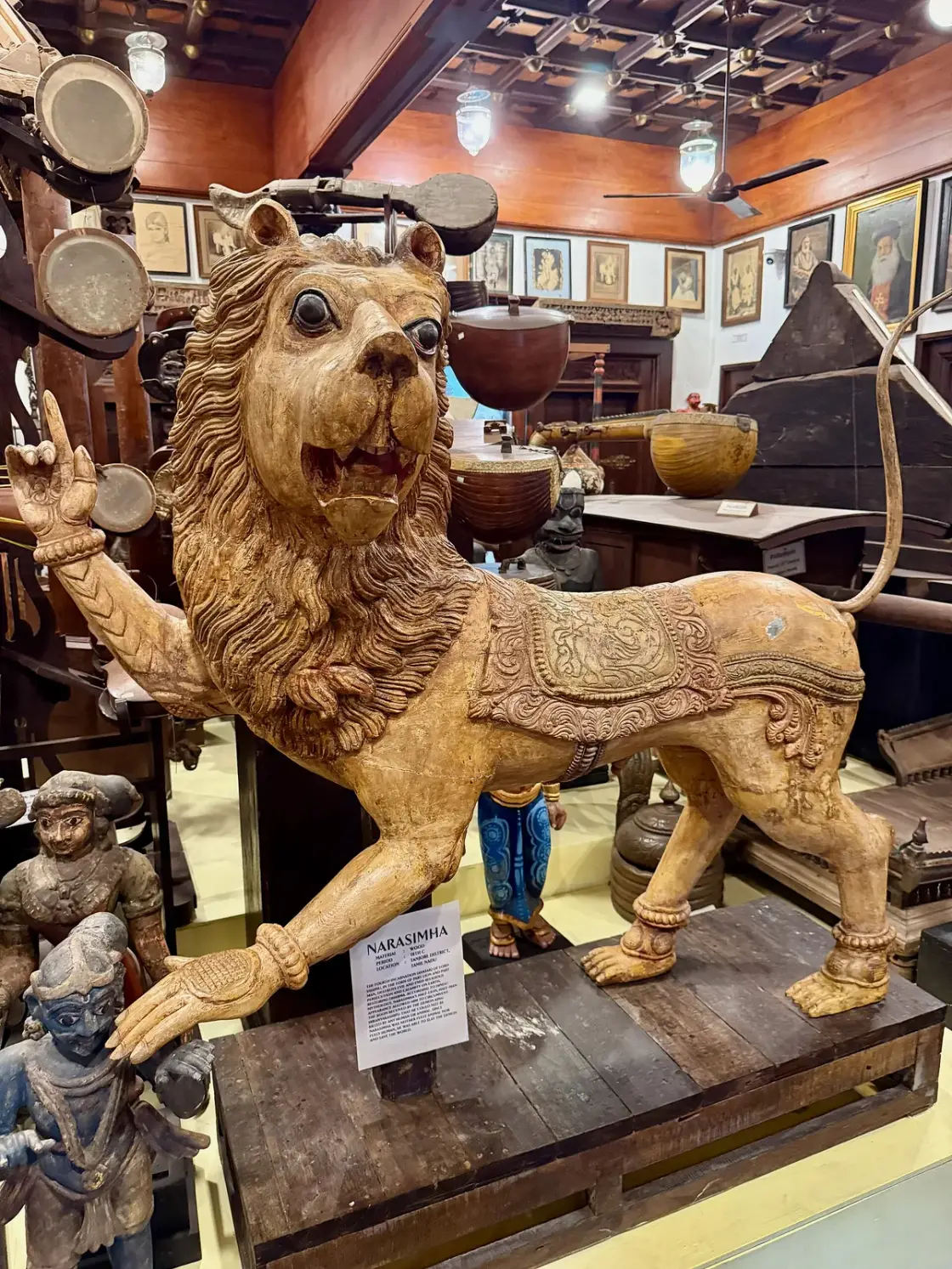
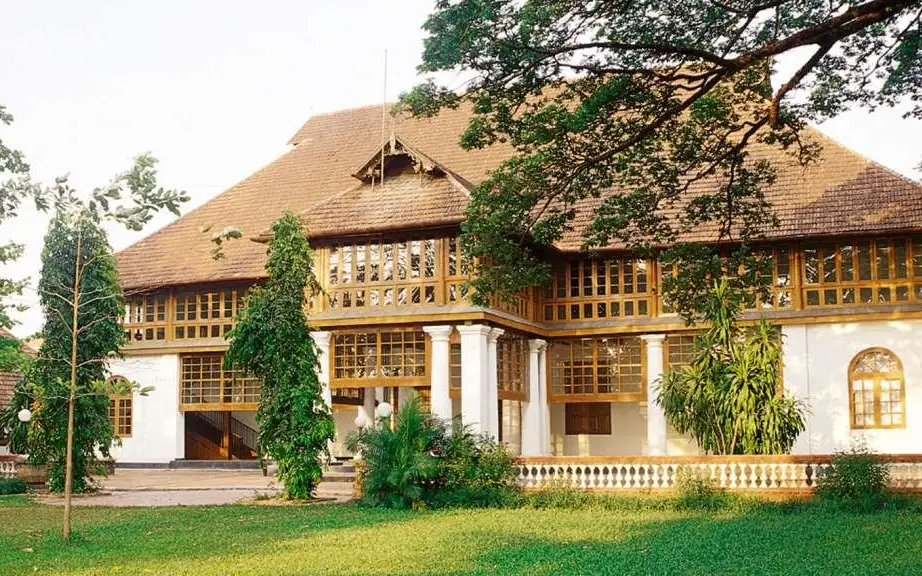
A private antique dealer spent seven years and 62 craftsmen assembling this museum at Thevara out of roughly 25 dismantled heritage buildings from the seventeenth to the early twentieth century. The three floors are not just floors: the ground is built in the Malabar style, the first in Kochi, the second in Travancore, so you climb through Kerala’s three architectural regions on your way to a top-floor theatre. It opened in 2009 and holds several thousand objects. It is the most interesting building in Ernakulam city, and the way it was made is a genuinely awkward story.
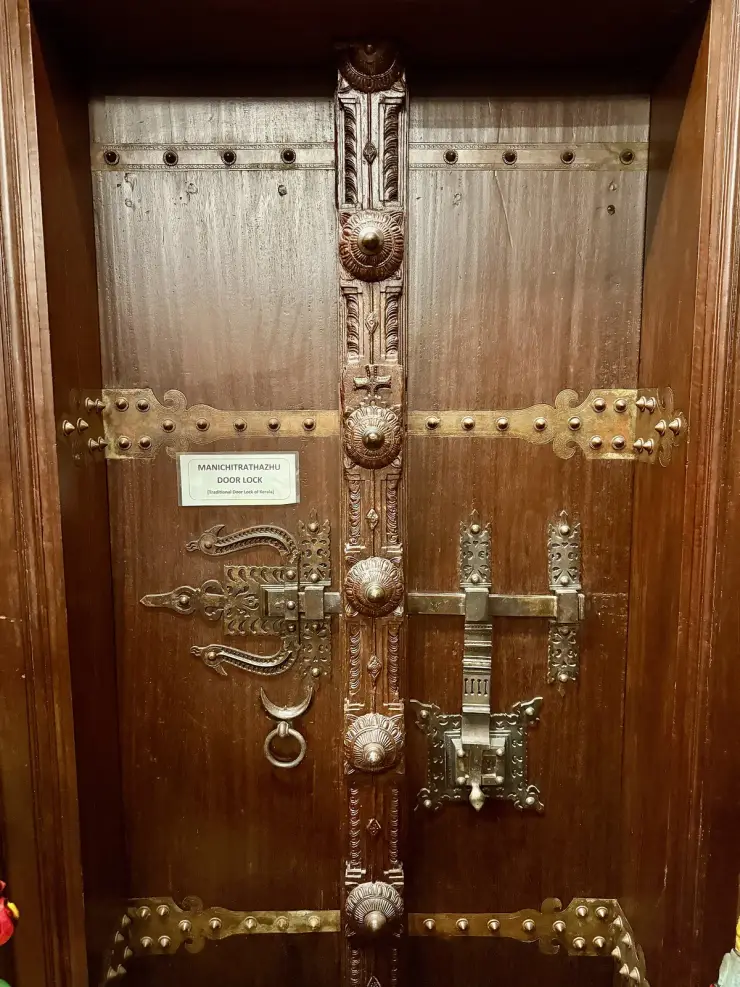
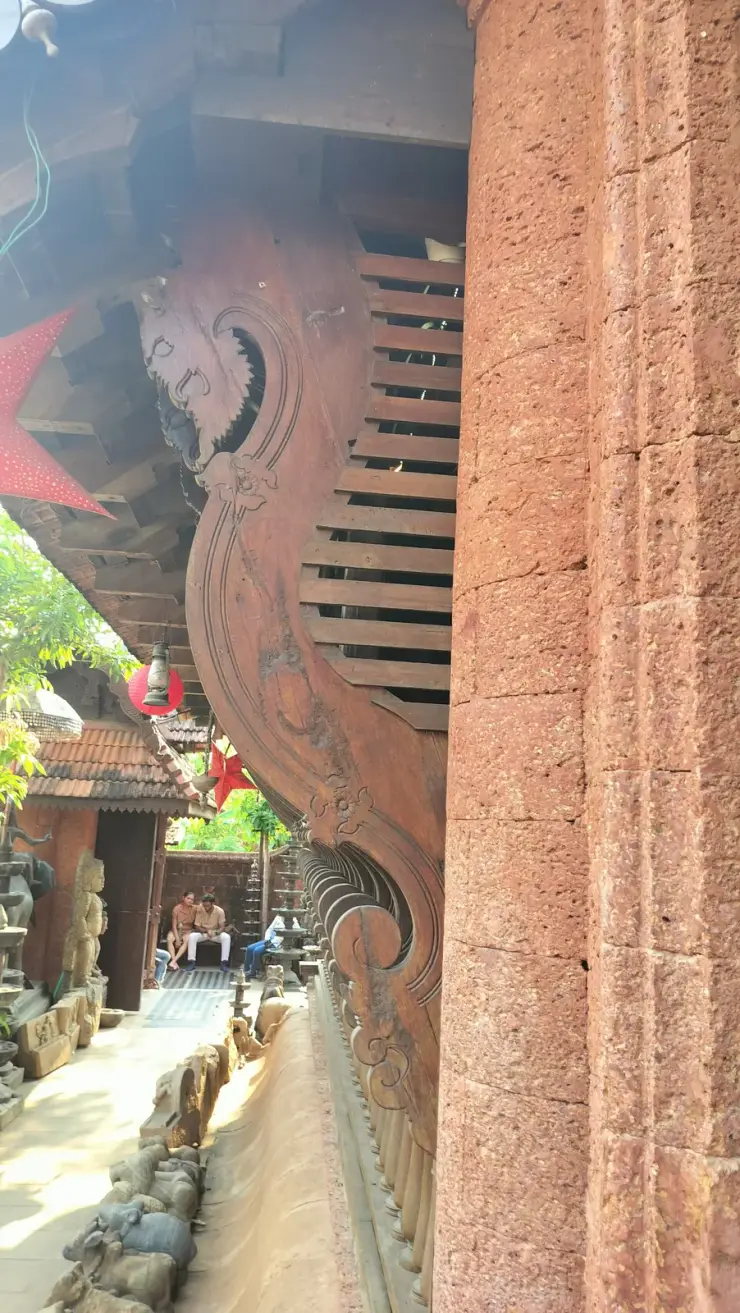
Start with the building, because the building is the exhibit. Carved wooden ceilings, pillars, door frames, beams and whole structural bays were bought from old houses and temples being broken up around Kerala, brought to Thevara and reassembled into a single three-storey structure. Look up constantly — the ceilings are where most of the craftsmanship went.
The floors are organised by region and you should treat that as the tour. The Malabar style of the north, on the ground floor, is heavier and plainer. The Kochi style on the first floor is the transitional middle. Travancore on the second is the most ornate, and it is also where the collection gets richest.
The objects run to several thousand — sources variously say over four thousand and over five thousand — and cover ritual masks, Kathakali and Theyyam costume and headgear, temple bronzes, oil lamps, terracotta, jewellery, manuscripts, musical instruments and everyday utensils. The Theyyam and Kathakali material is the strongest part: seeing the headdresses and face-ornaments at rest, close up and unlit, is a very different experience from seeing them on a performer.
The top floor is a theatre built on the lines of a koothambalam, the temple performance hall, with a painted wooden ceiling. There are regularly scheduled evening performances of Kathakali and other classical forms. If you can time your visit to end there, do — the building was designed to be finished that way.
Practically: it is at Thevara, south of the city centre and away from Fort Kochi, so it needs a deliberate trip rather than being something you pass. There is an entry charge, a separate camera charge, and the performance is usually ticketed separately. Give it two hours if you want to actually look rather than walk.
Give the ceilings one deliberate pass before you look at a single object. The display cases are at eye level and the craftsmanship is not — carved wooden ceilings, beams and door frames from two dozen dismantled buildings are the reason the place is worth the trip out to Thevara, and they are the part almost every visitor walks straight under. Notice where the joinery changes between floors, where the carving suddenly gets denser, and where a beam has obviously arrived from somewhere else entirely.
The performance holdings are the other reason. Theyyam and Kathakali costume, masks and headgear are meant to be met in motion — at night, in firelight or under a stage lamp, worn by someone who has spent hours being transformed. Seen at rest in daylight at arm's length, the same objects become visible as things that were made: joinery, mirror-work, pith, painted wood, cloth and metal, and a weight that makes you wonder how anyone dances in them. That is the other half of the art, and you cannot get it at a performance.
The strongest thing in this museum is not a legend about the building. It is a belief that the collection itself depends on, and that the display cases cannot show you.
A large part of the performance holding is Theyyam — the ritual form of north Kerala, whose costumes, face-ornaments and towering headdresses are here at rest under glass. In Theyyam the performer is not understood to be portraying a deity. He is understood to become one. The transformation is staged in two steps the tradition is precise about: the mudi, the great headdress, is placed on him only once he is seated before the shrine, and at the completion of the costume he is given a small mirror to look into — the mukhadarshanam, the face-seeing. What he is said to see in it is not himself. From that moment the man is addressed as the god, and villagers who have known him all their lives come to him for blessing and judgement.
Hold that against a display case and the exhibit gets stranger and better. The headdress in front of you is an object whose entire meaning lies in a state it is not currently in. It is the most powerful thing in the room and, sitting still under a light, it is inert — which is either the honest limit of what a museum can do, or the most interesting thing a museum has ever admitted about its own collection. Either way, look at the mirror-work and the pith and the painted wood, and remember that the point of all of it was to stop being craft the moment it was worn.
There is no folklore attached to the building itself, and we have not invented any. What follows is the ordinary sort of uncertainty that surrounds a young private institution.
Two details usually left vague can be settled from the museum's own account. The founder's name, which circulates in several mangled forms including George Thariakan, is George J Thaliath. He came to it through the trade rather than from outside it: his father, Jacob V. Thaliath, dealt in Indian art before him, and the museum was built with his wife, Annie. He describes something over three decades of handling antiquities.
The object count is the second. “Over 4,000” and “over 5,000” both circulate widely, sometimes on the same page, and the museum's own figure for what is on display is around four thousand. Use that. It is worth noticing that a collection assembled by a working dealer will always have a moving boundary between stock and exhibit, which is probably where the discrepancy comes from in the first place.
There is also a persistent impression among visitors that this is a government or state museum, presumably because of the name. It is not. It is a private museum built from a private collection, which is exactly what makes both its ambition and its methods unusual.
That distinction is not pedantry, and the museum's own language gives the game away in an interesting direction. Thaliath calls the place a Temple of Art, and adds that no place of worship in the world sustains itself without believers. Read that as the mission statement of a devotee and it is charming. Read it as a description of the business model and it is candid: a private museum with no state funding is kept alive entirely by the people who choose to walk in and pay. Every ticket, camera fee and performance seat is what stands between four thousand objects and the auction they came from. It is unusual for an institution to say so out loud, and it is a fair thing to keep in mind at the counter.
The museum opened in 2009 at Thevara in Kochi, the project of a private antique dealer and collector who had spent years acquiring architectural material and artefacts across Kerala.
Construction took about seven years and employed some 62 craftsmen. Rather than building new and filling it with objects, the museum was assembled from roughly 25 antique and heritage structures dating from the seventeenth to the early twentieth century, dismantled elsewhere and rebuilt here.
The three storeys were deliberately executed in the three regional architectural traditions of Kerala — Malabar, Kochi and Travancore — making the building itself a comparative exhibit, with the koothambalam-style performance theatre at the top.
The collection has grown to several thousand objects spanning ritual, performance, domestic and decorative material from across the state, with the performance-art holdings — Kathakali, Theyyam, Koodiyattam, Mohiniyattam, Ottamthullal — among the strongest.
There is a legal reason so much carved Kerala timber was available to buy in the first place, and it explains this building better than any account of the founder's taste. The great houses of Kerala — the nalukettu and ettukettu of the Nair and Nambudiri tharavadus — were built for joint families holding property in common. The Kerala Joint Hindu Family System (Abolition) Act, 1975, in force from 1 December 1976, ended that: members of a joint family were deemed thereafter to hold as tenants-in-common, which meant any one of them could demand partition and realise a share. Add the move to nuclear households and the cost of maintaining a timber building in a monsoon climate, and thousands of tharavadu houses became assets to be divided rather than homes to be kept. What could actually be divided was the teak and the anjili. That is the market this museum was assembled out of.
The uncomfortable part of that history is worth stating plainly, because the museum does not hide it either: a museum dedicated to preserving Kerala’s heritage was built out of two dozen dismantled heritage buildings. The defence is that these structures were already being demolished and their carved timber would otherwise have been sold off or burnt, and that is very often true of old Kerala houses. But it means the building is simultaneously an act of rescue and an act of removal — material saved, and saved by being taken somewhere else. Both things are true and the place is more interesting if you hold them together.
Because the building is a better exhibit than most of what is in it — three storeys, three regional architectural styles, reassembled from two dozen old structures.
Because the Theyyam and Kathakali costume and headgear, seen at rest and close up, are extraordinary, and you will not get that close at a performance.
Because the top-floor koothambalam-style theatre holds regular evening performances, so the visit can end with the art form rather than a display case about it.
Because it is a genuine change of register from Fort Kochi's colonial trail — this is Kerala looking at itself, not at its visitors.
And because the way it was assembled raises a real question about what preservation costs, which is more than most museums give you to think about.
Road km to Ernakulam; ghat roads and traffic vary — allow extra.
Midday works well for museums, especially when outdoor heat is high.
Live forecast loads in your browser.
Sun and moon are calculated for this location and shown in IST. Photography windows are the hour around sunrise and sunset; the sunset bearing is degrees clockwise from true north. Moon phase is accurate to about half a day.
These are official or public-sector eco offerings that match this place, town or forest destination. Confirm availability, permits, tariffs and reporting times with the official operator before travel.
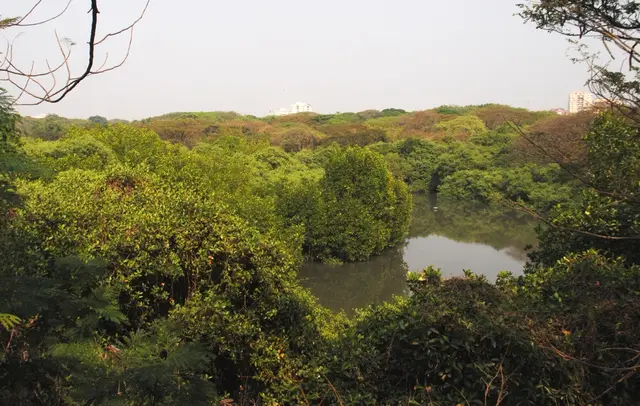
Urban bird sanctuary and mangrove pocket in central Kochi, useful as a short nature stop.
Official source →Browse listed stays, food, activities, sights, shops and rentals around Kerala Folklore Museum. Check each listing’s locality and contact the business directly for current arrangements.
Marriott hotel in Maradu with rooms, restaurants, spa and event facilities. 5-star luxury hotel · Maradu, Ernakulam city, Marriott.
Grand Hyatt Kochi Bolgatty is a waterfront hotel on Bolgatty Island, separate from KTDC’s Bolgatty Palace. Hyatt distinguishes king and twin rooms, Backwater View choices, Club Access categories and named suites and villas. Choose the bed, view and access category before comparing a quote.
Hotel in Kochi City Centre, Ernakulam, Kerala, India. AC, Wheelchair access.
Grand Hotel in Ernakulam: confirm the exact property, room options and total price before planning a stay. No confirmed booking or contact link is available here.
Kochi Marriott Hotel at Edappally houses Quan Spa alongside its accommodation, dining and outdoor pool. Reserve a specific spa service with the hotel, asking about duration, price and access for non-resident guests. A treatment booking does not automatically include pool use.
Kochi Marriott Hotel at Edappally houses Quan Spa alongside its accommodation, dining and outdoor pool. Reserve a specific spa service with the hotel, asking about duration, price and access for non-resident guests. A treatment booking does not automatically include pool use.
Hostel in Kochi City Centre, Ernakulam, Kerala, India. WiFi.
ATS Willingdon Hotel is listed on Willingdon Island near Cochin Port. Its owner-submitted Kerala Tourism profile describes single rooms, double rooms and a suite. Ask which category is offered for your dates and how many guests and beds the quote covers.
KTDC’s Bolgatty Palace and Island Resort is at Mulavukadu on Bolgatty Island, Kochi. The operator distinguishes the main, mansion and marina blocks. A resort booking should identify the room category and block; it should not be assumed to place you in the historic palace.
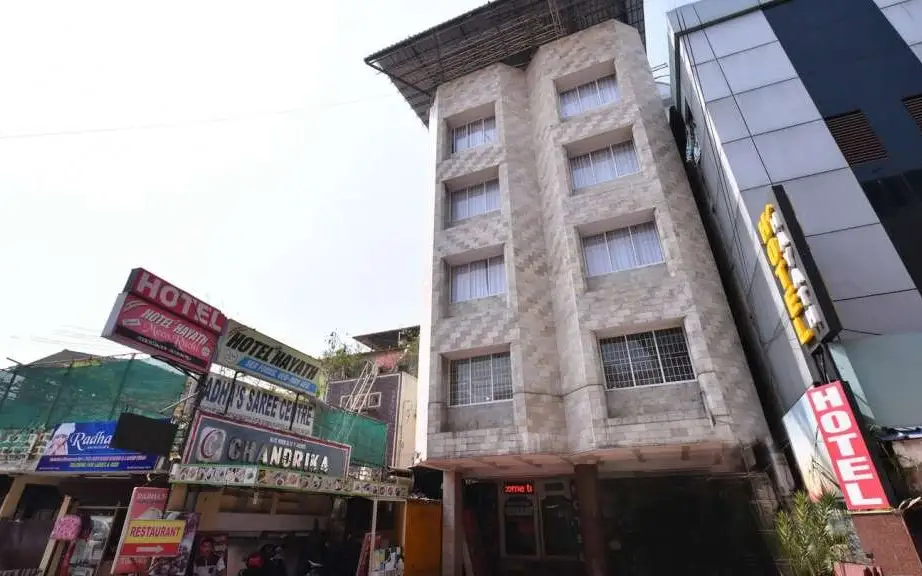
Chandrika Residency is listed near TDM Hall on Diwans Road in Ernakulam, at PIN 682016. Its owner-submitted Kerala Tourism profile mentions a restaurant and parking, but it does not establish the room category, meal package or present facilities available for your stay.
The operator’s listing describes Hotel Millennium Continental as having a 40-seat multi-cuisine restaurant, centrally controlled VRV air conditioning, on-site parking and rooms furnished in a contemporary style.
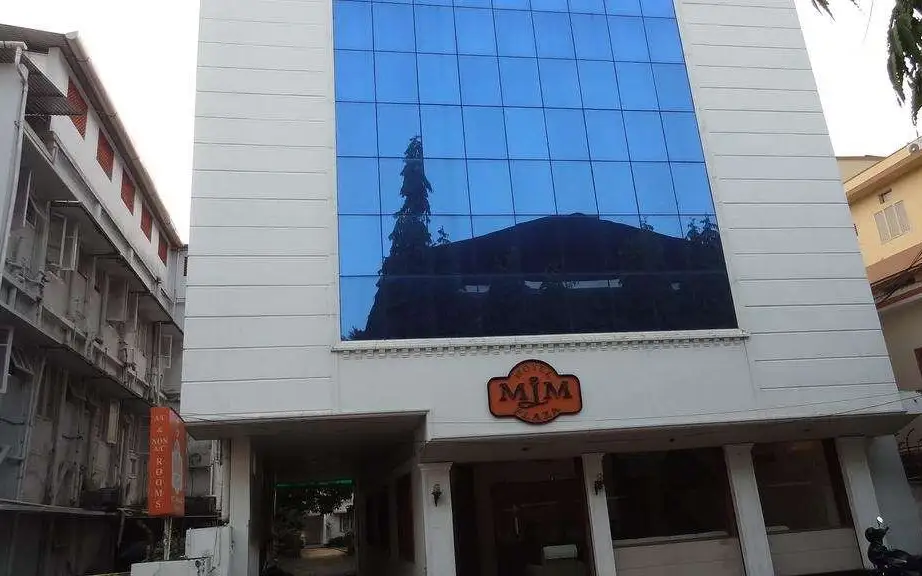
Hotel MJM Plaza is listed on T. D. Road in Ernakulam, Kochi. The operator presents it as a centrally located hotel aimed in part at business travellers.
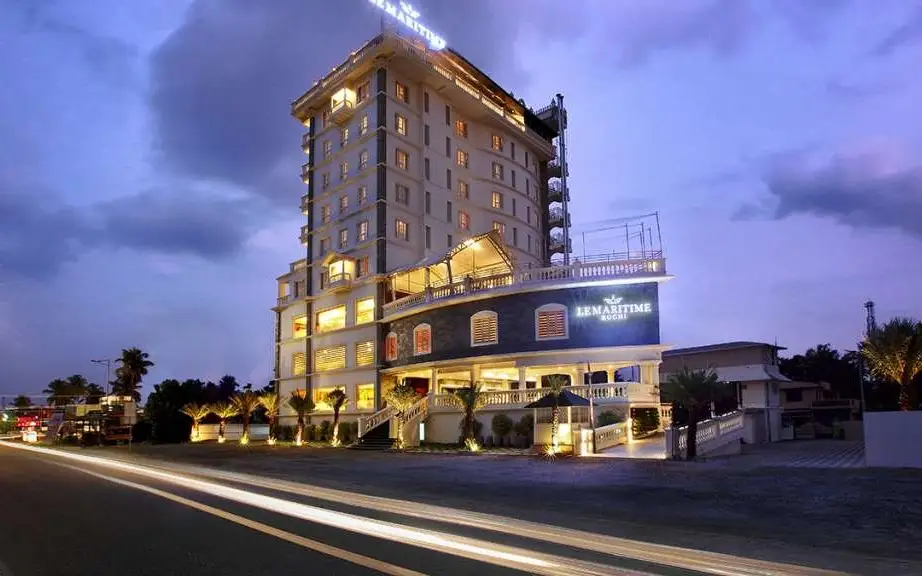
Le Maritime is a hotel at Goshree Junction in Vypin, Kochi. Its address is the first detail to keep in mind when planning a city stay: the operator describes it as off Marine Drive, while identifying the property itself with Vypin and the Goshree junction. Use that exact location when arranging a transfer or comparing travel to meetings and sightseeing stops.
Mart View is listed at Panakkal Towers, near Saritha Theatre on Market Road in Ernakulam, Kochi. The operator describes it as a business hotel with access to Marine Drive and M. G. Road.
Nanda Inn is listed at Minn Shenoy Center on T. D. Road in Ernakulam, behind Padma Theatre and opposite City Hospital. The operator describes it as a smaller city hotel with air-conditioned and non-air-conditioned rooms and modern in-room amenities.
Padamadan Homestay offers rooms with breakfast in Bolgatty, Kochi. According to owner Mani Padamadan, the property is within walking distance of Lulu Convention Centre and near Bolgatty Palace Hotel.
An older operator-submitted listing places Saas Tower on Cannon Shed Road near the boat jetty in Ernakulam and describes 72 rooms with satellite television, telephones, internet access and air conditioning.
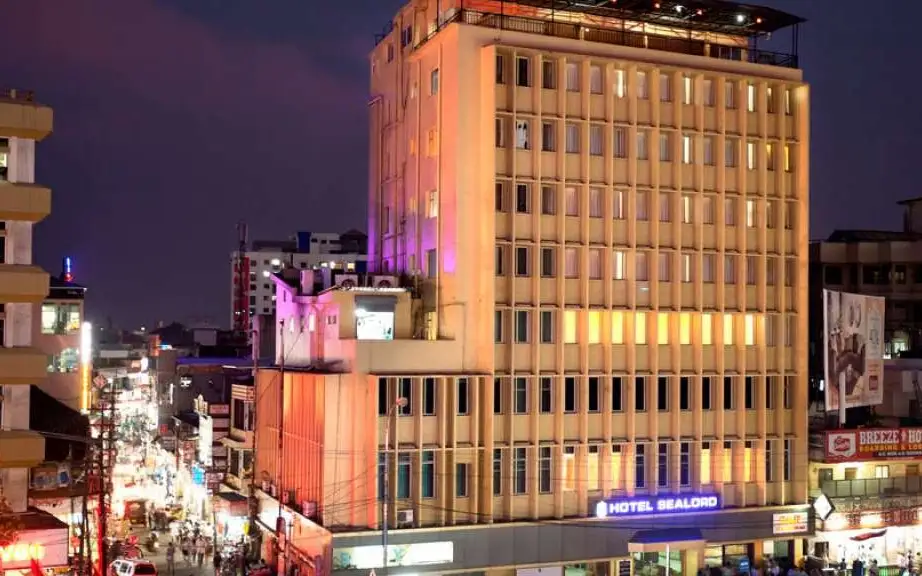
Sealord Hotel is on Shanmugam Road on the Marine Drive and Menaka side of central Kochi. Its operator website identifies Hotel Sealord as the Kochi property within the Sealord group. Use the Kochi address when enquiring, since the group also promotes properties in other Kerala destinations.
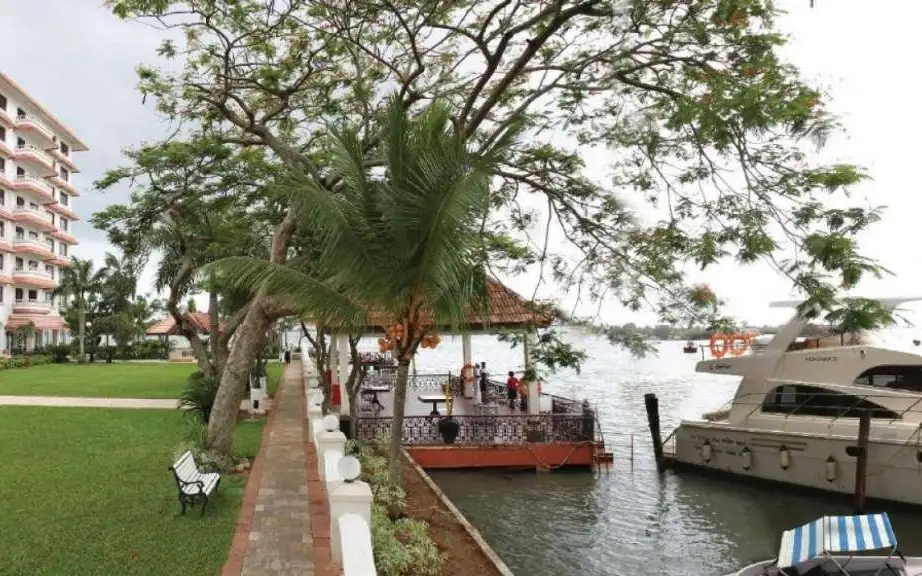
Taj Malabar Resort & Spa, Cochin is on Willingdon Island, at Willingdon harbour and across the water from central Ernakulam. The operator’s listing describes coconut trees, a harbour setting and old-world character.
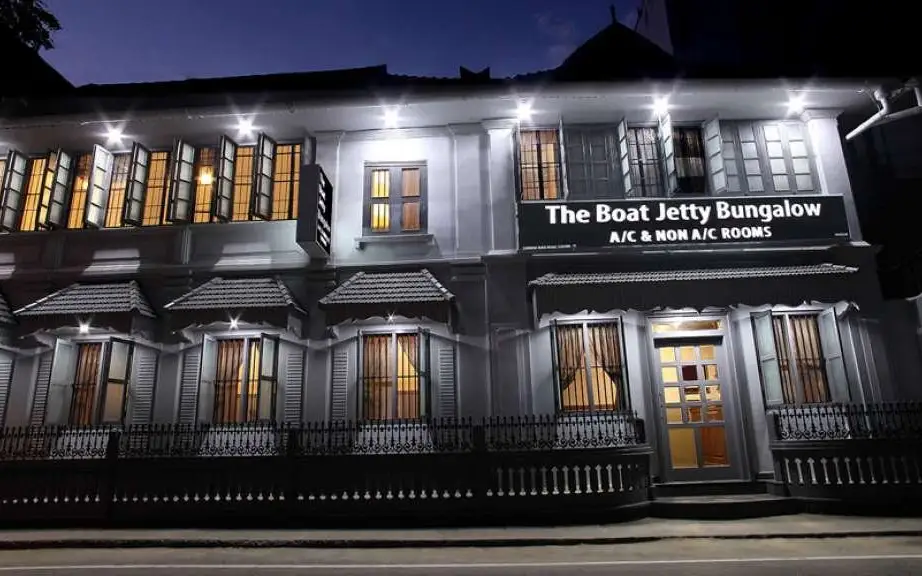
The Boat Jetty Bungalow occupies a former family home opposite Ernakulam's main boat jetty on Cannon Shed Road. According to the operator's history, the building began as P.K.V House, built in 1891 for P.K. Varughese of the Puthenpurackal family. It passed through later generations before becoming a heritage hotel.
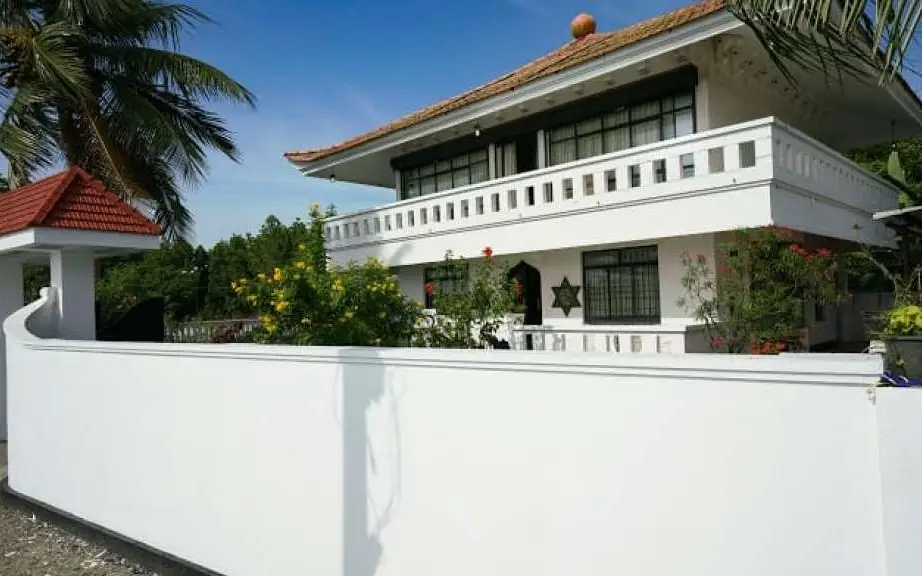
Bedrooms at The Island House Home Stay feature poster beds, wooden furniture and wallpaper, while the Vallarpadam property’s decor includes a retro staircase styled after the 1920s. The living area has French windows that bring in natural light, alongside framed photographs and other wall decorations.
Book with the place itself. India’s cyber-crime coordination centre warned in April 2025 that convincing copies of hotel and pilgrimage booking sites are being pushed through sponsored search and social ads, taking payment for rooms the property never hears about. Use the contact and source details on each profile to confirm the exact business and booking channel. A directory entry or map pin alone does not establish an operator’s identity or current availability. Roampedia takes no commission and does not collect booking payments. If a booking page reached you through an ad, check the address bar against the property’s own site before you pay. Fraud can be reported on cybercrime.gov.in or on 1930.
Find food, accommodation and activities across Kochi City. Browse the guides for places to eat, stay and explore along your route.
12 more places around Kochi City. Open a guide to plan the visit and onward journey.
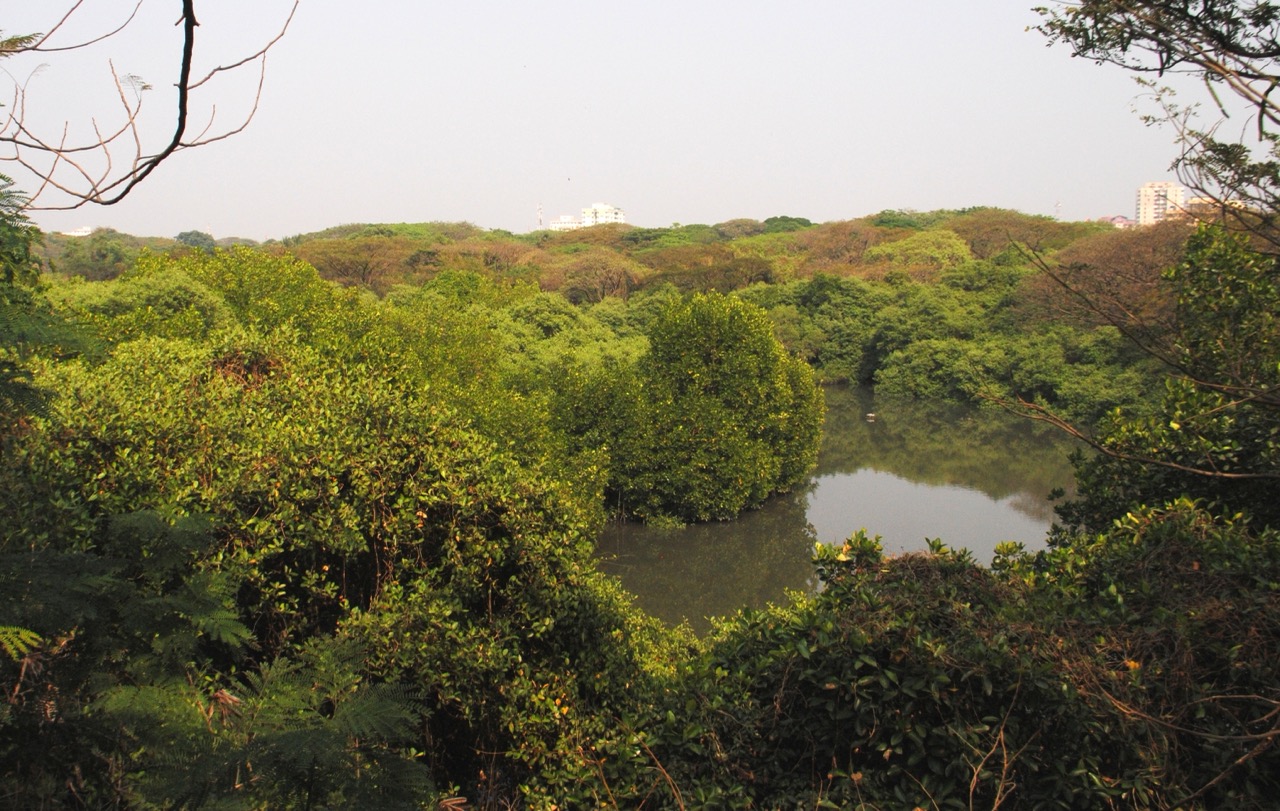
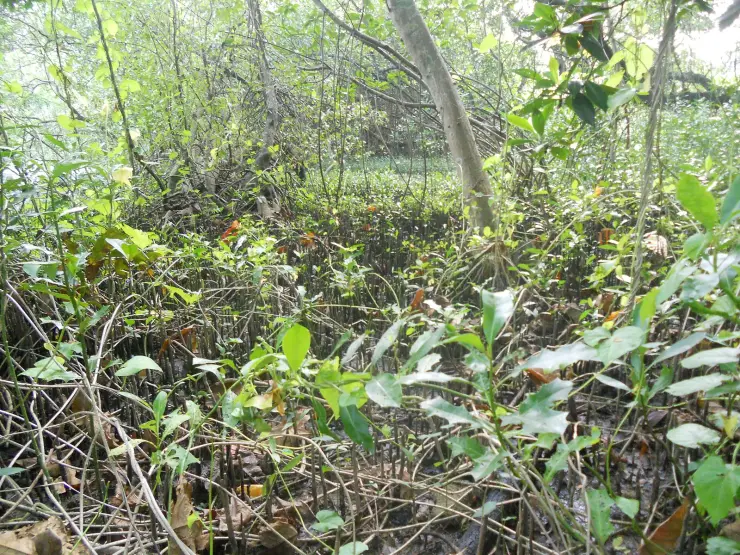
A small mangrove “green lung” behind the High Court in Ernakulam, a nesting site for migratory and resident birds.
4.8 km · 10 min drive
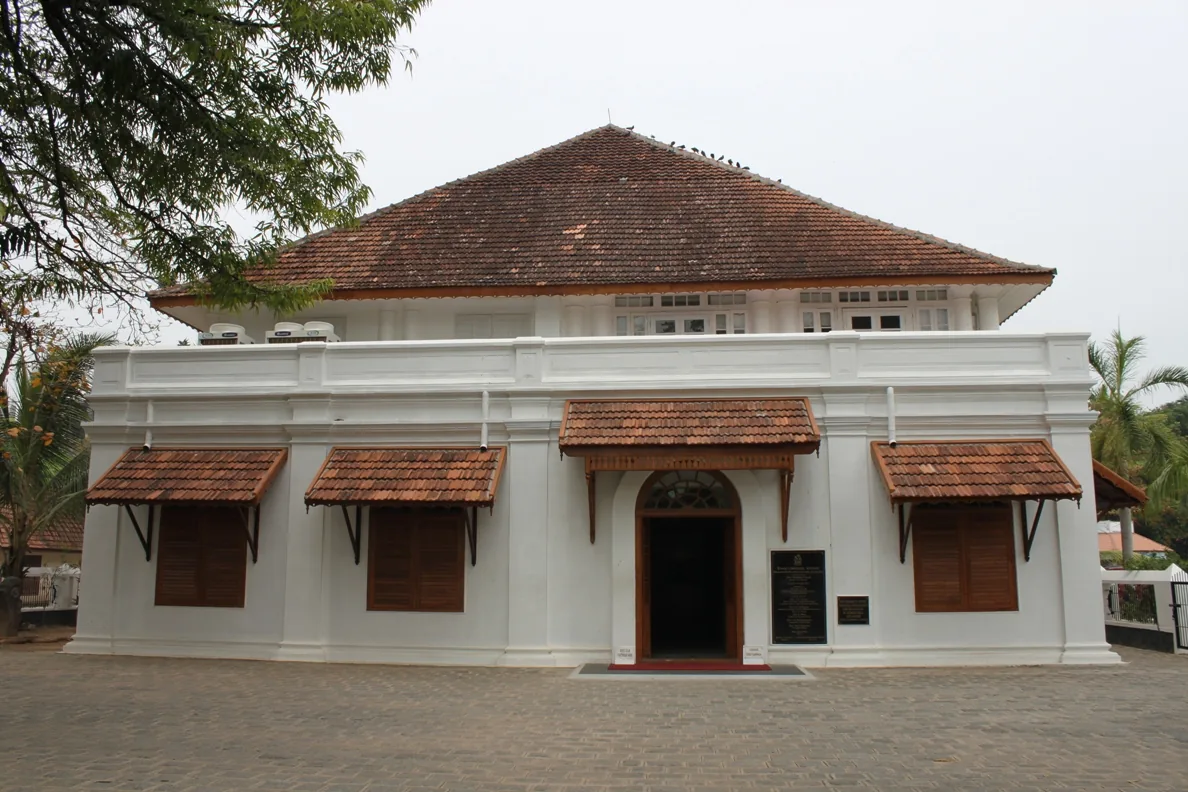
A heritage hall in Ernakulam run as a contemporary art gallery by the Kerala Lalithakala Akademi.
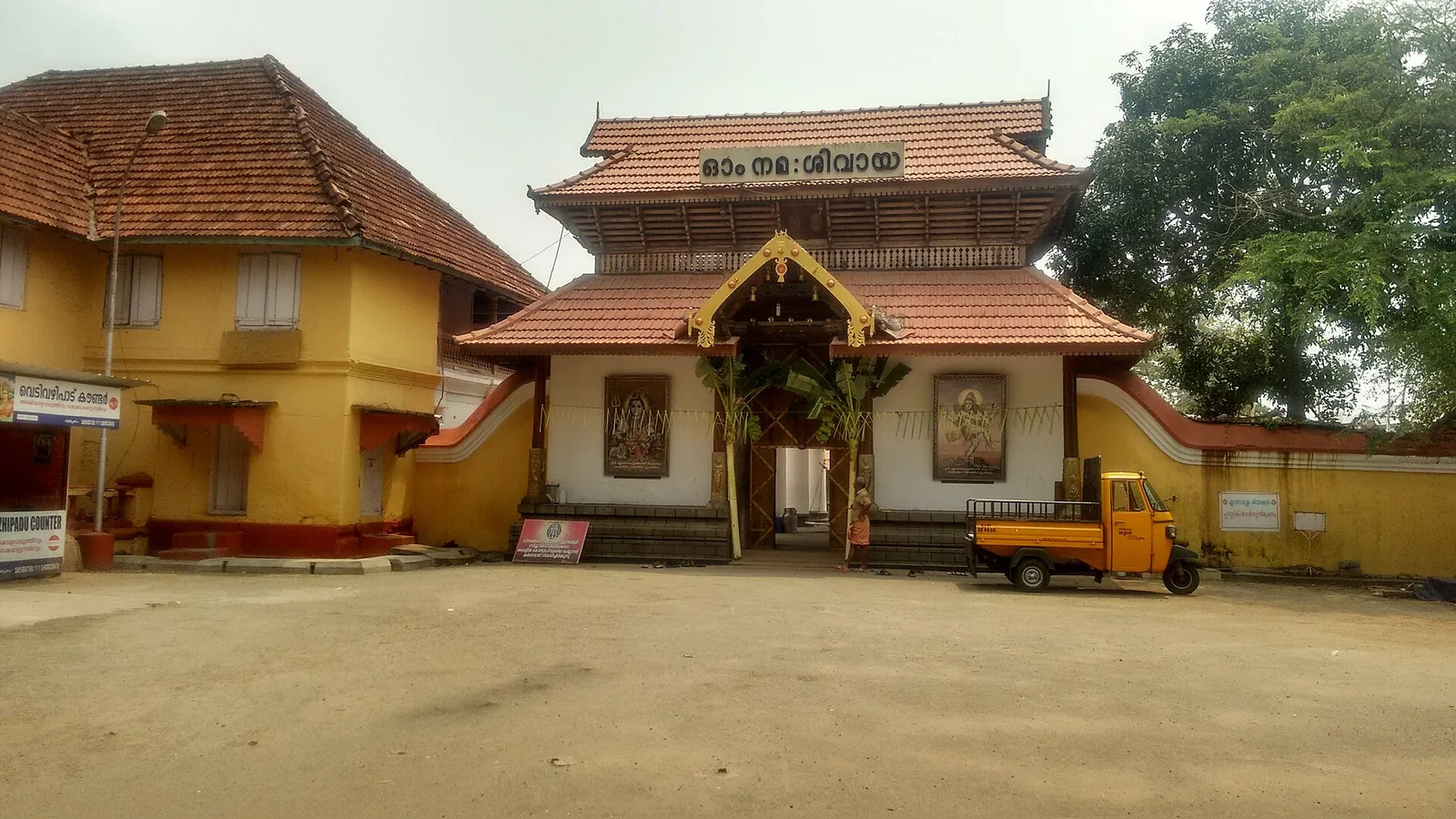
5.0 km · 10 min drive
The Ernakulam Shiva temple on Durbar Hall Road, the city’s principal temple and home to the eight-day Ernakulathappan festival.
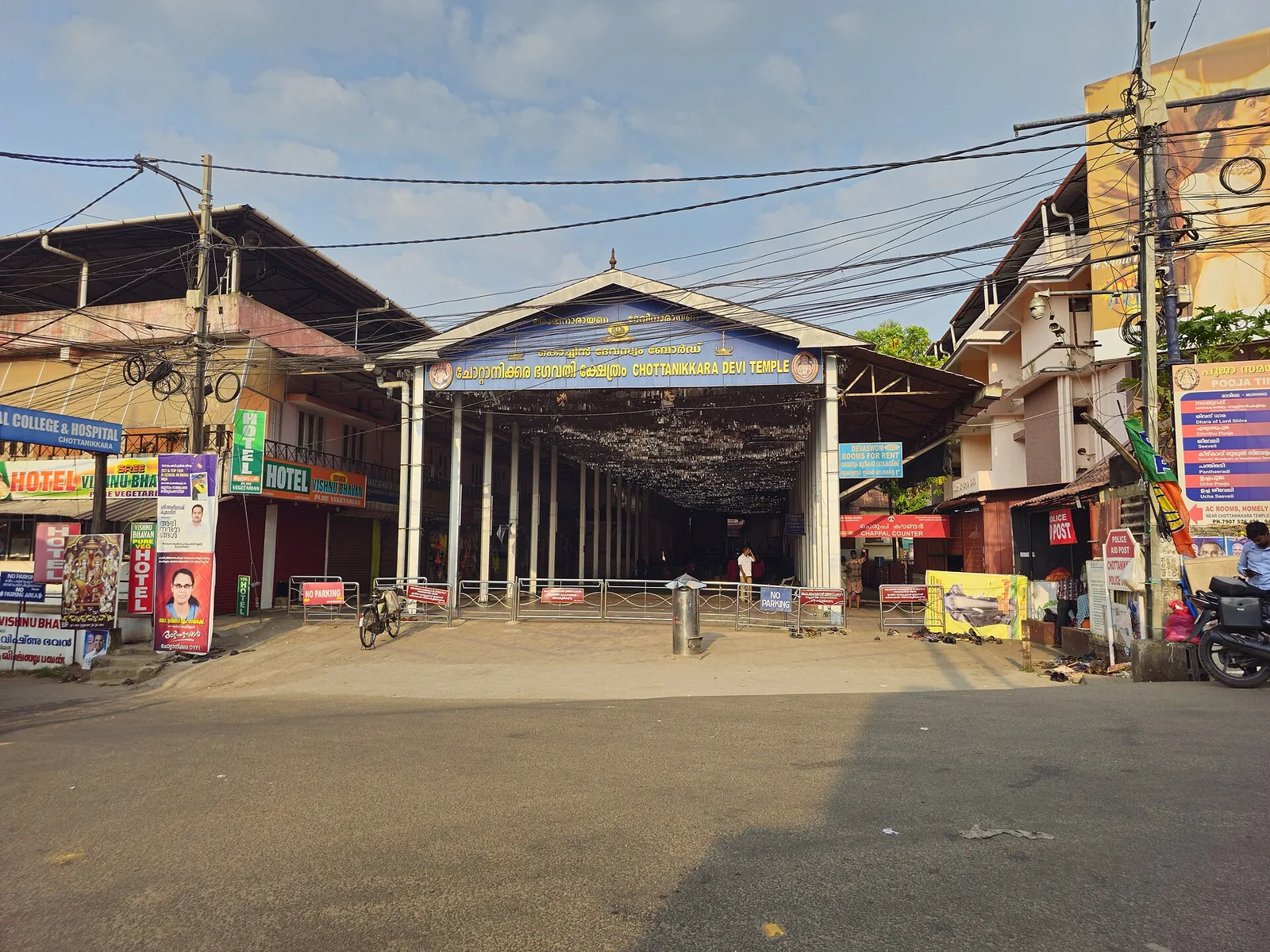
A major Bhagavathy (Devi) temple south-east of Kochi, famous for the dawn Nirmalya Darshanam and its Makam Thozhal festival.
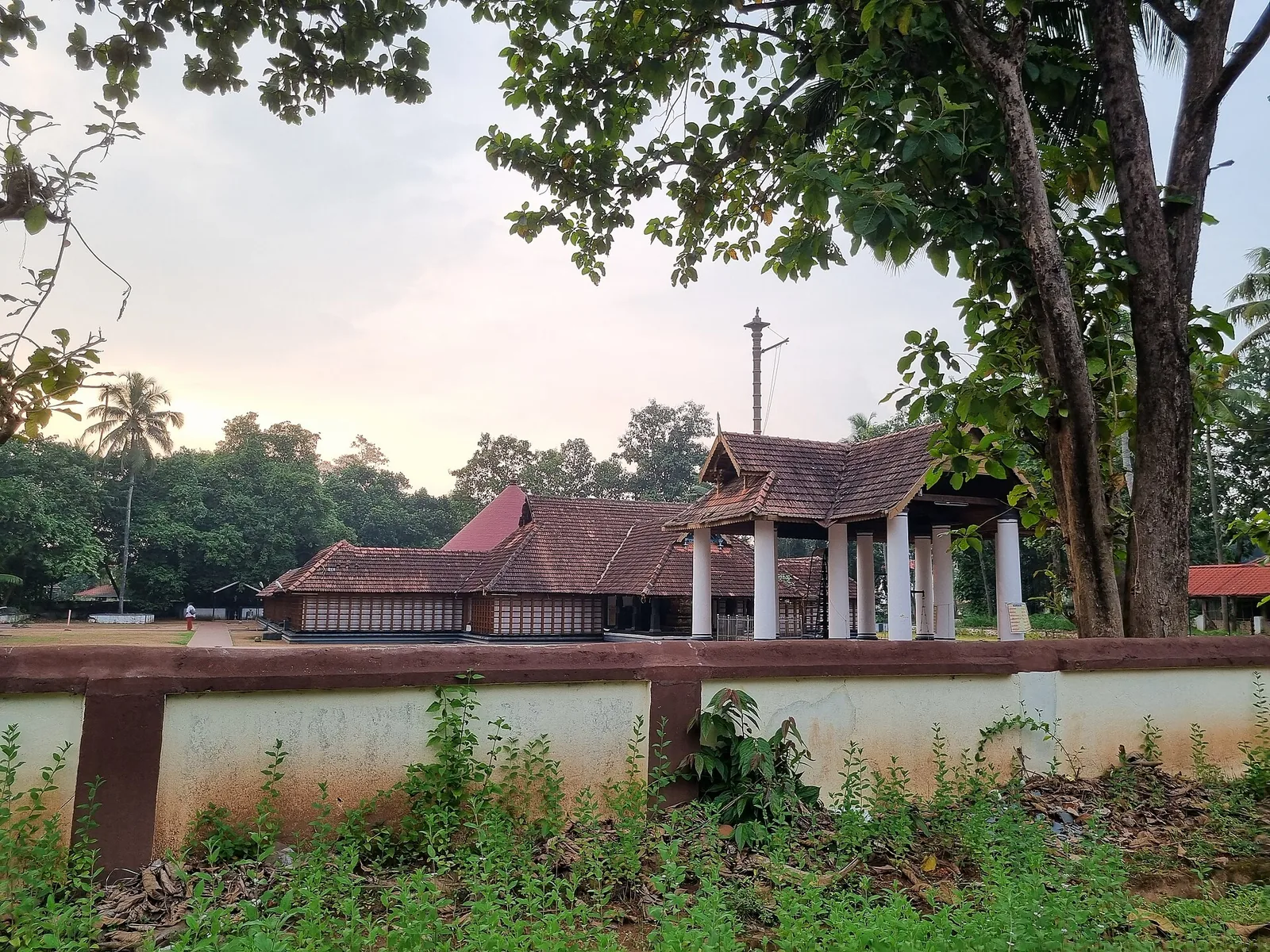
The only major temple to Vamana in Kerala, at Thrikkakara near Kakkanad — traditionally regarded as the origin place of the Onam festival.
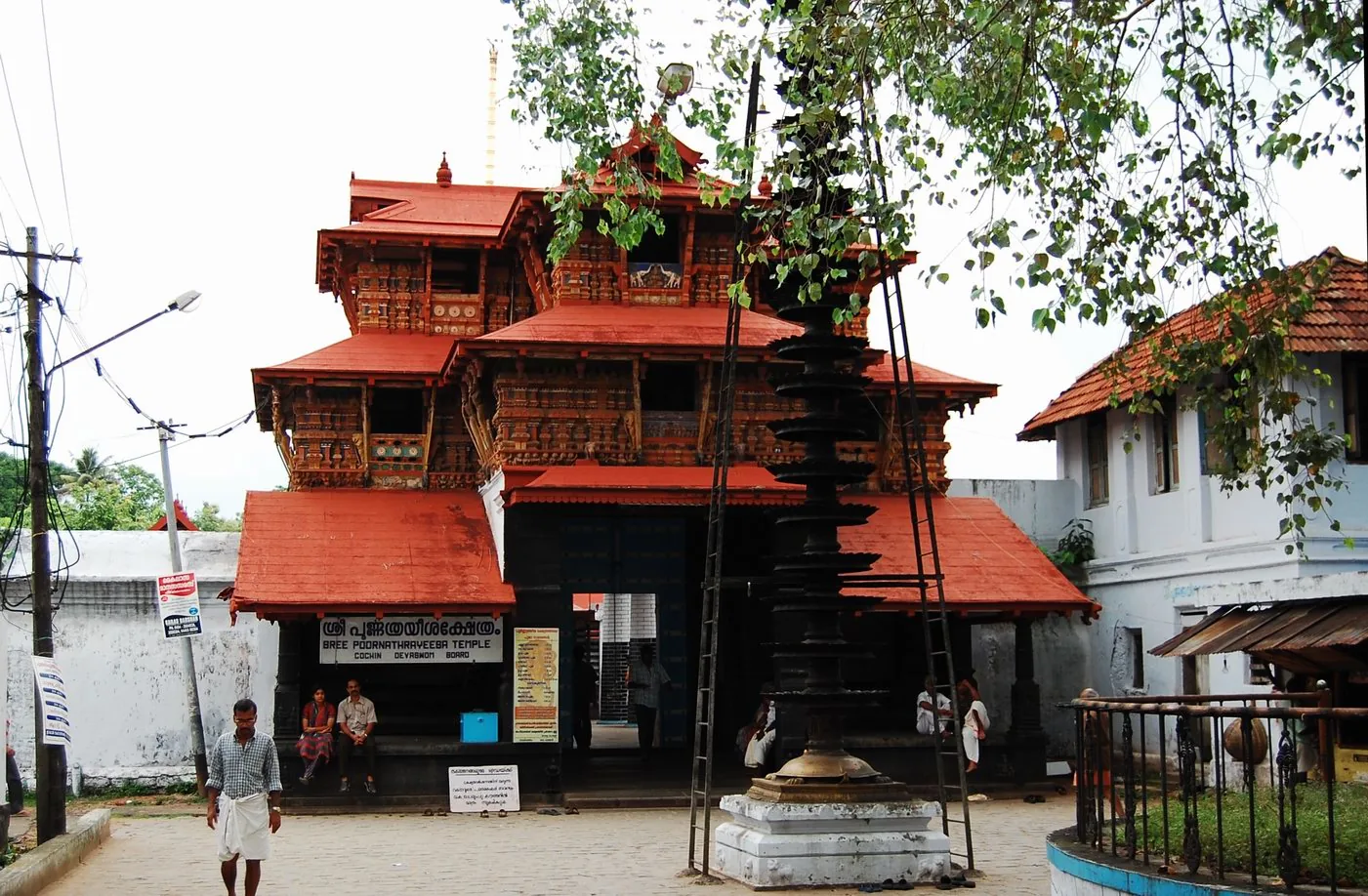
5.6 km · 8 min drive
One of the great Vishnu temples of Kerala, at Tripunithura, known for its Vrischikotsavam festival.
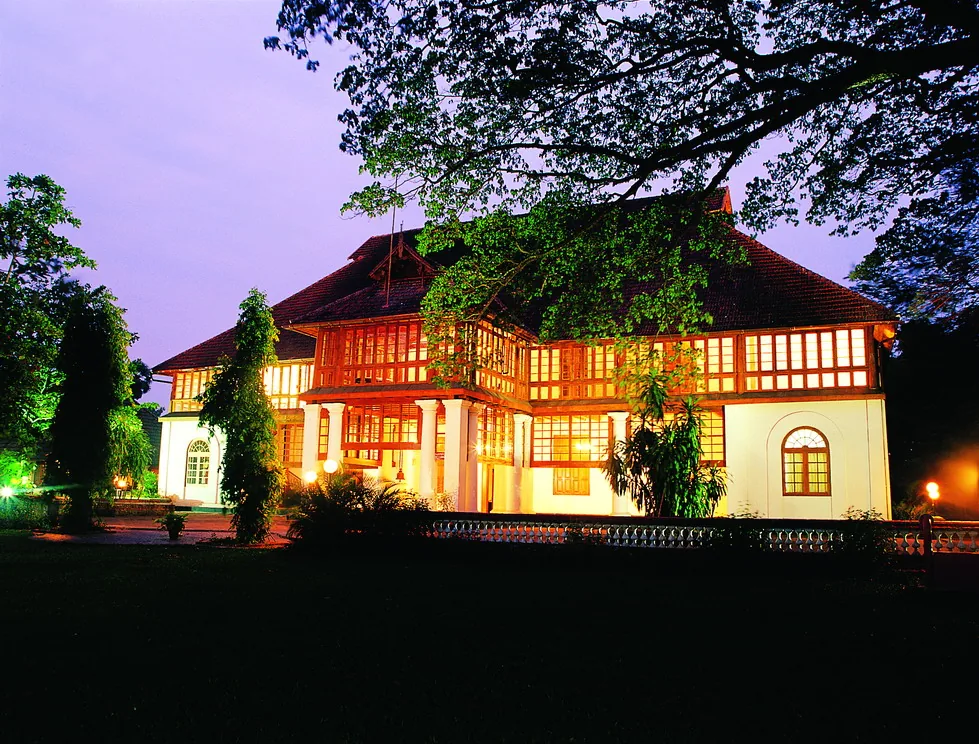
A 1744 Dutch palace on Bolgatty Island, one of the oldest existing Dutch palaces outside the Netherlands, set in island gardens (now a KTDC heritage hotel).
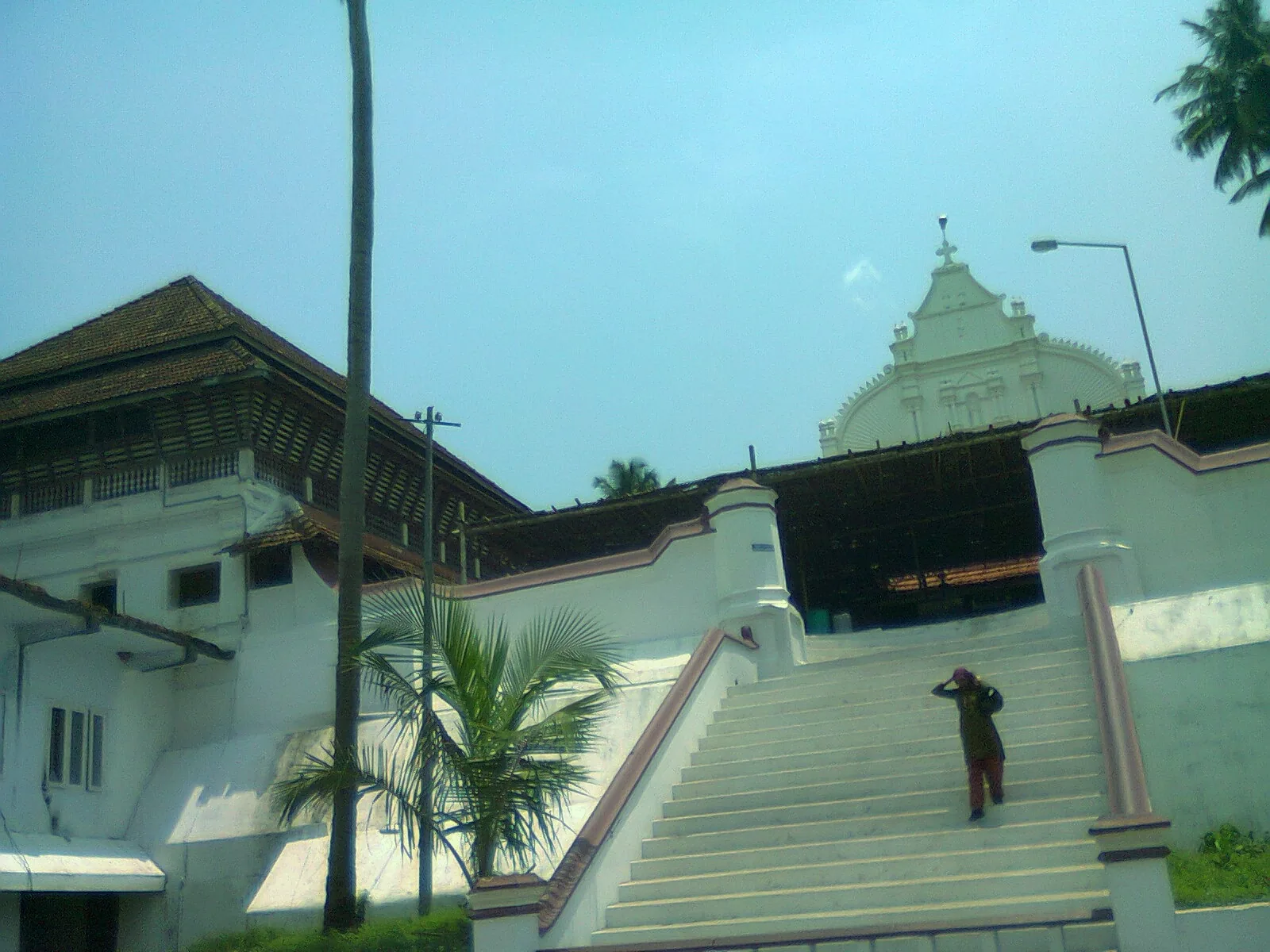
An ancient Orthodox church east of Kochi linked to the legend of the sorcerer-priest Kadamattathu Kathanar, drawing large crowds at its annual feast.
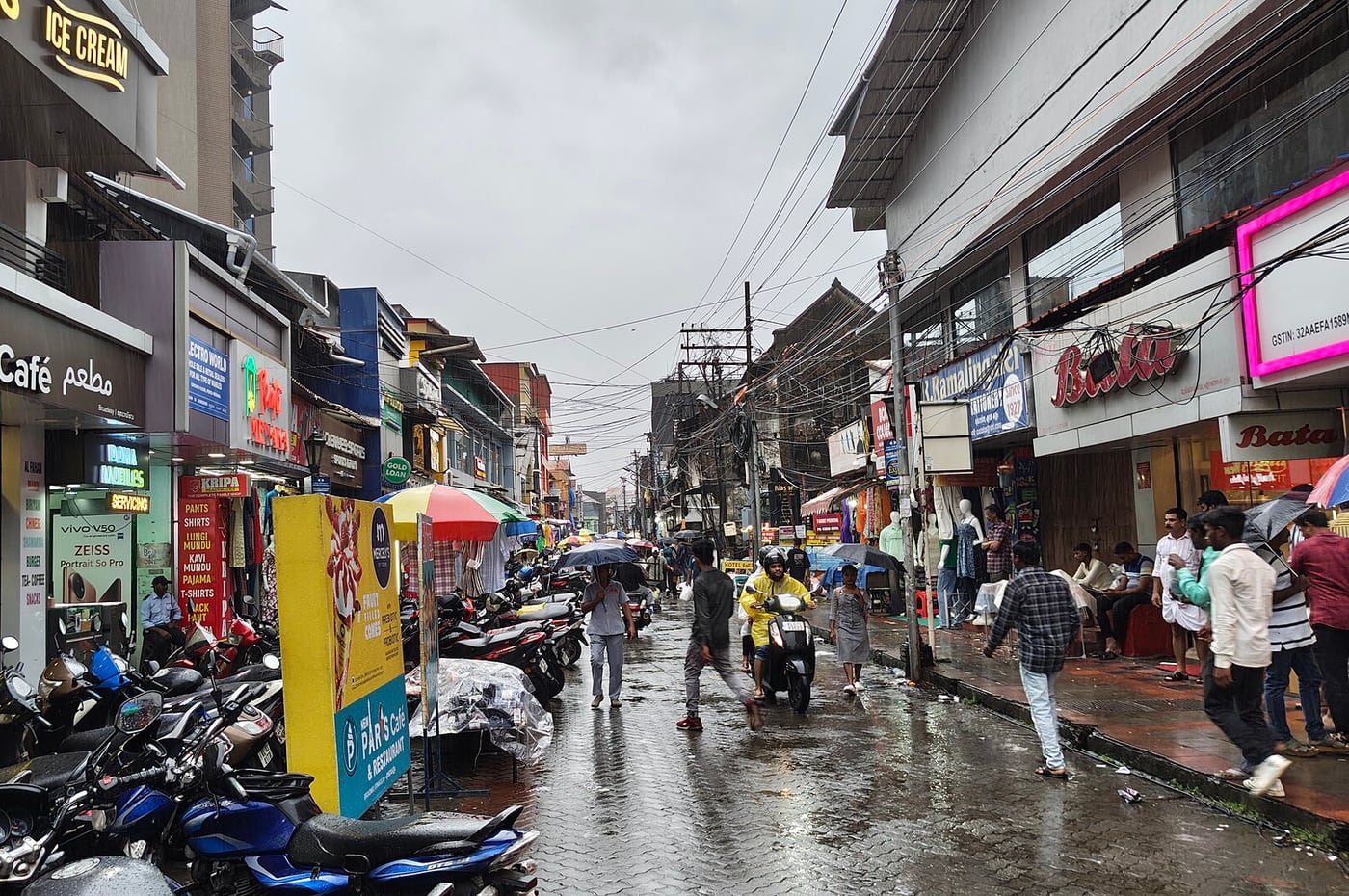
6.7 km · 13 min drive
Mainland Kochi’s old shopping street, a pedestrianised run of textile, provision, spice and gold shops between MG Road and the boat jetty — the city’s everyday market rather than a heritage set piece.
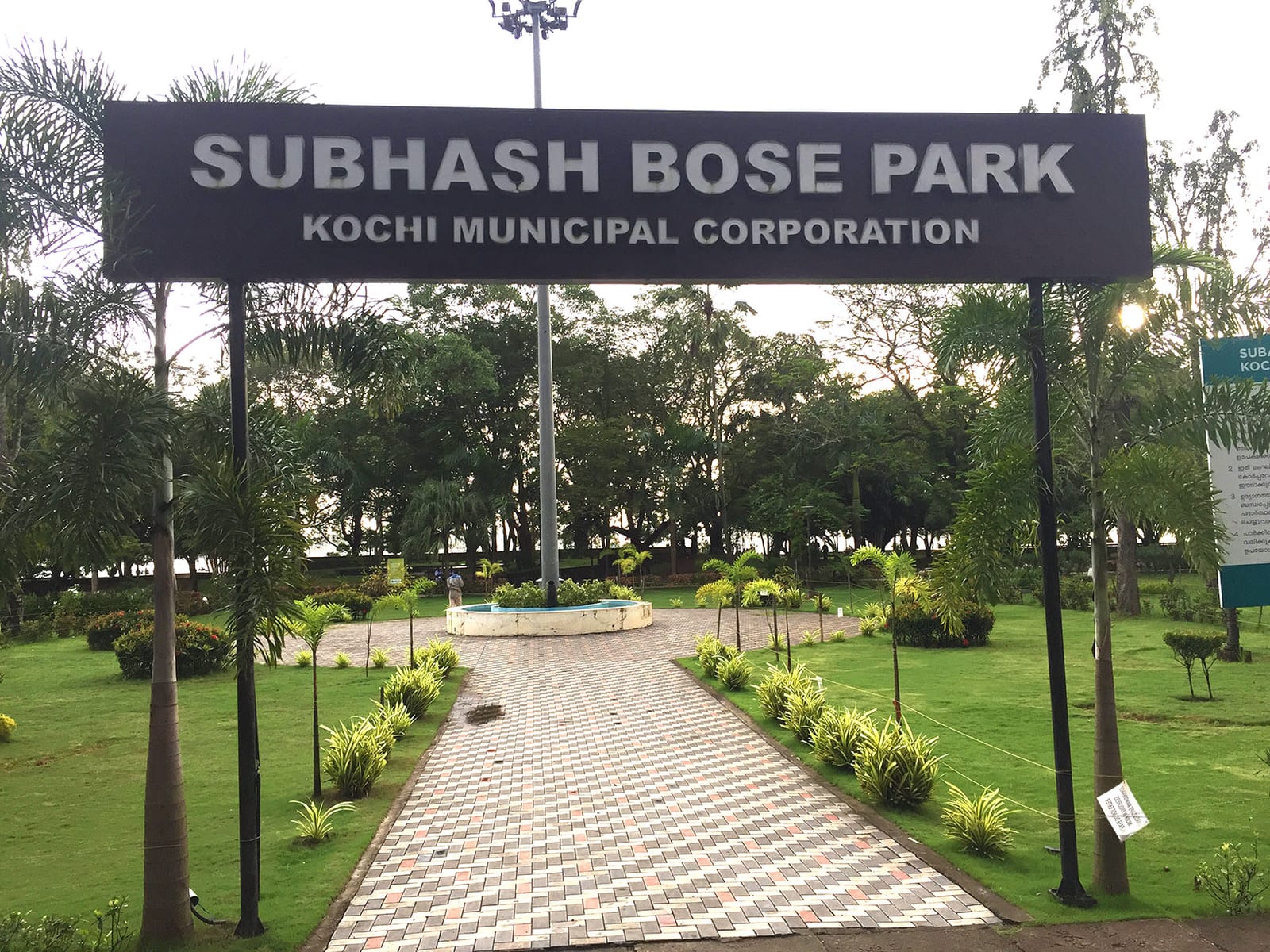
5.5 km · 11 min drive
The waterfront park beside Ernakulam Boat Jetty, at the southern end of the Marine Drive walkway — a short, shaded green break between the ferries, the market streets and the backwater.
Roampedia is commission-free — own or know a stay, eatery, guide or shop near Kerala Folklore Museum? Submit public business details for review.
Add a nearby businessFees change without notice. Check the current rate at the counter.
Entry: ₹100 (Indian) / ₹200 (foreigner); camera ₹100
Thevara, ~6 km south of Ernakulam centre, near the Thevara ferry.
If you are travelling by bus or ferry, check the return service with the operator before setting out. Leave time to reach the stop or jetty after your visit.
Ask at the bus stand for the time of the last service back, not the next one. If you miss it, an auto or app cab is the fallback — agree the fare before you get in.
If you need step-free access, contact the site before travelling. Ask about a level entrance, steps along the route, the nearest drop-off point, seating and accessible toilets.
Charge cap and free-transaction limits: Reserve Bank of India, ATM FAQ updated 4 July 2025; checked 4 October 2026.
These services are listed within about 1.2 km of Kerala Folklore Museum. Walking distances follow mapped routes; access and opening hours can change. Other services may be closer but are not included here.
Published emergency and visitor-assistance contacts. For an immediate emergency, call 112. Shared Kerala contact sources checked 4 October 2026; publication does not establish a tested live response.
A heritage hall in Ernakulam run as a contemporary art gallery by the Kerala Lalithakala Akademi.
4.8 km · 10 min drive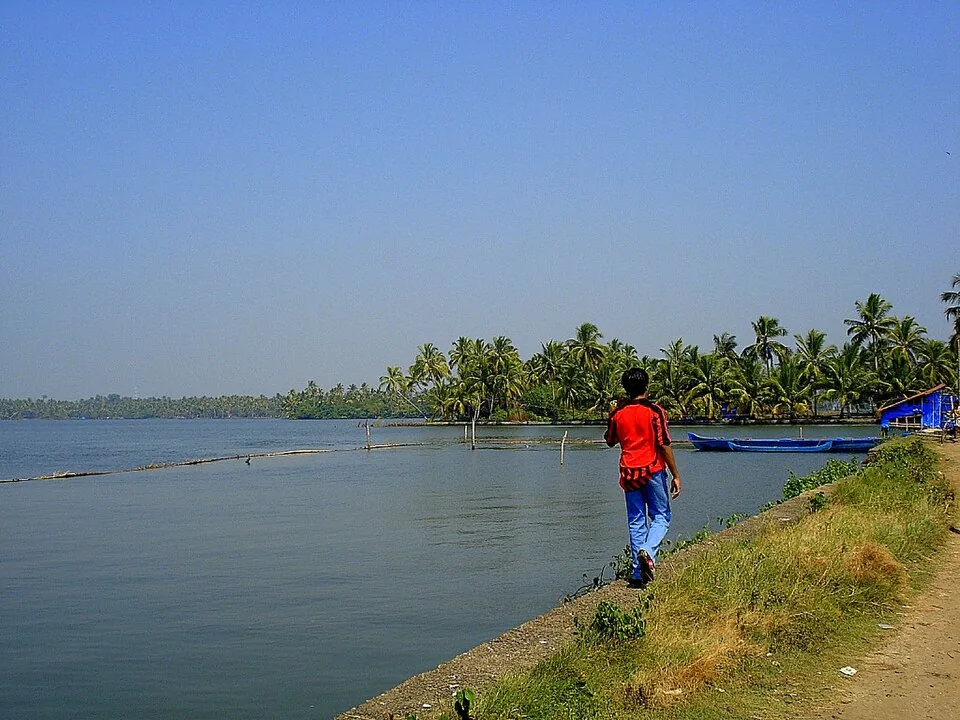
The North Kumbalangi homestay belt, where the draw is eating karimeen, clam and crab cooked in a family kitchen from that morning’s catch — the food is the reason to stay, not an amenity attached to the room.
5.0 km · straight lineThe Ernakulam Shiva temple on Durbar Hall Road, the city’s principal temple and home to the eight-day Ernakulathappan festival.
5.0 km · 10 min drive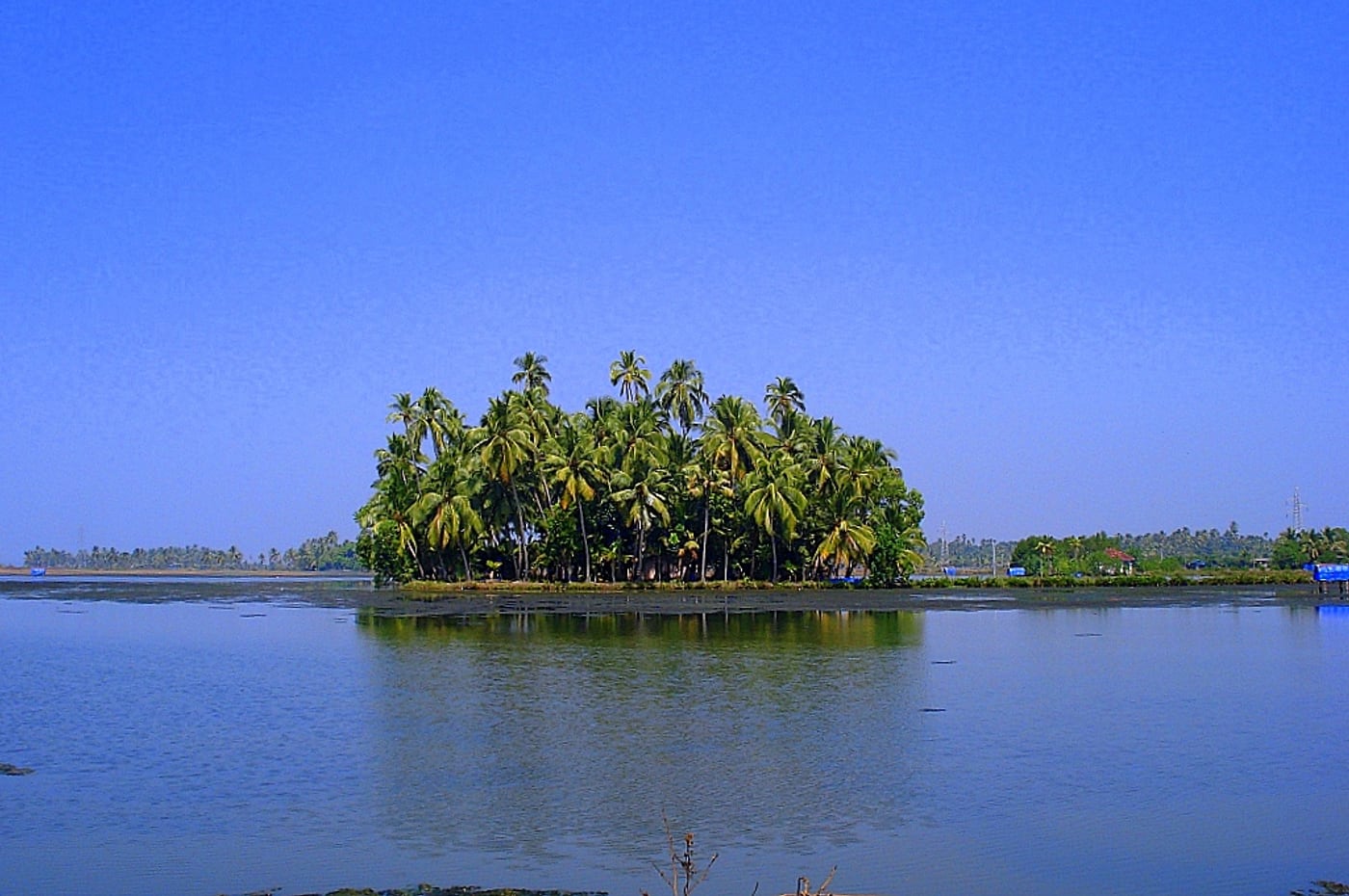
Guided walking routes through Kumbalangi’s lanes and working yards — coir twisting, toddy tapping, clam-shell collecting, prawn-filtration ponds and crab farms — run by the village’s own hosts rather than by an outside operator.
5.1 km · straight line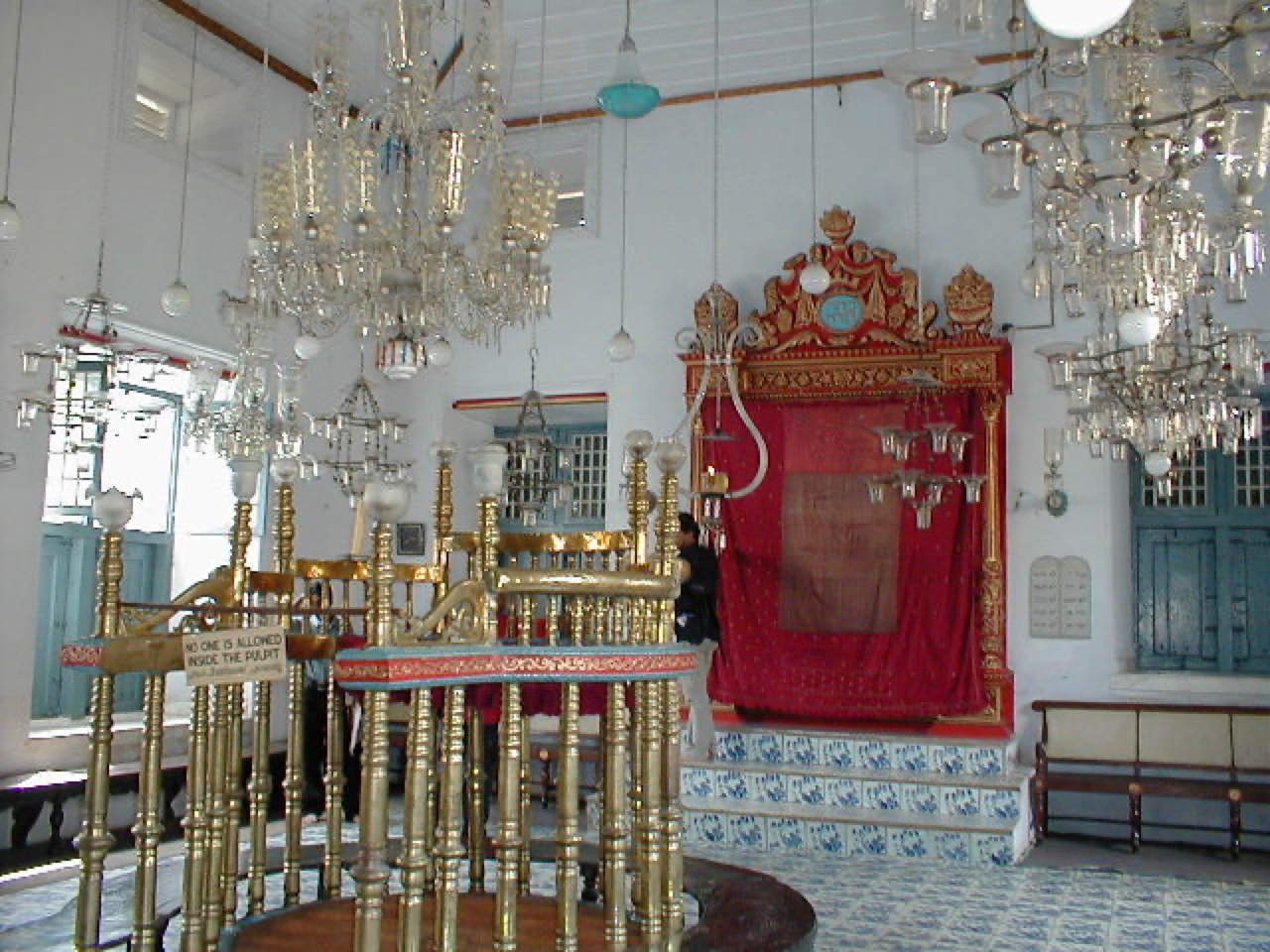
The oldest active synagogue in the Commonwealth (1568), in Jew Town, Mattancherry, with hand-painted Chinese floor tiles.
5.1 km · straight line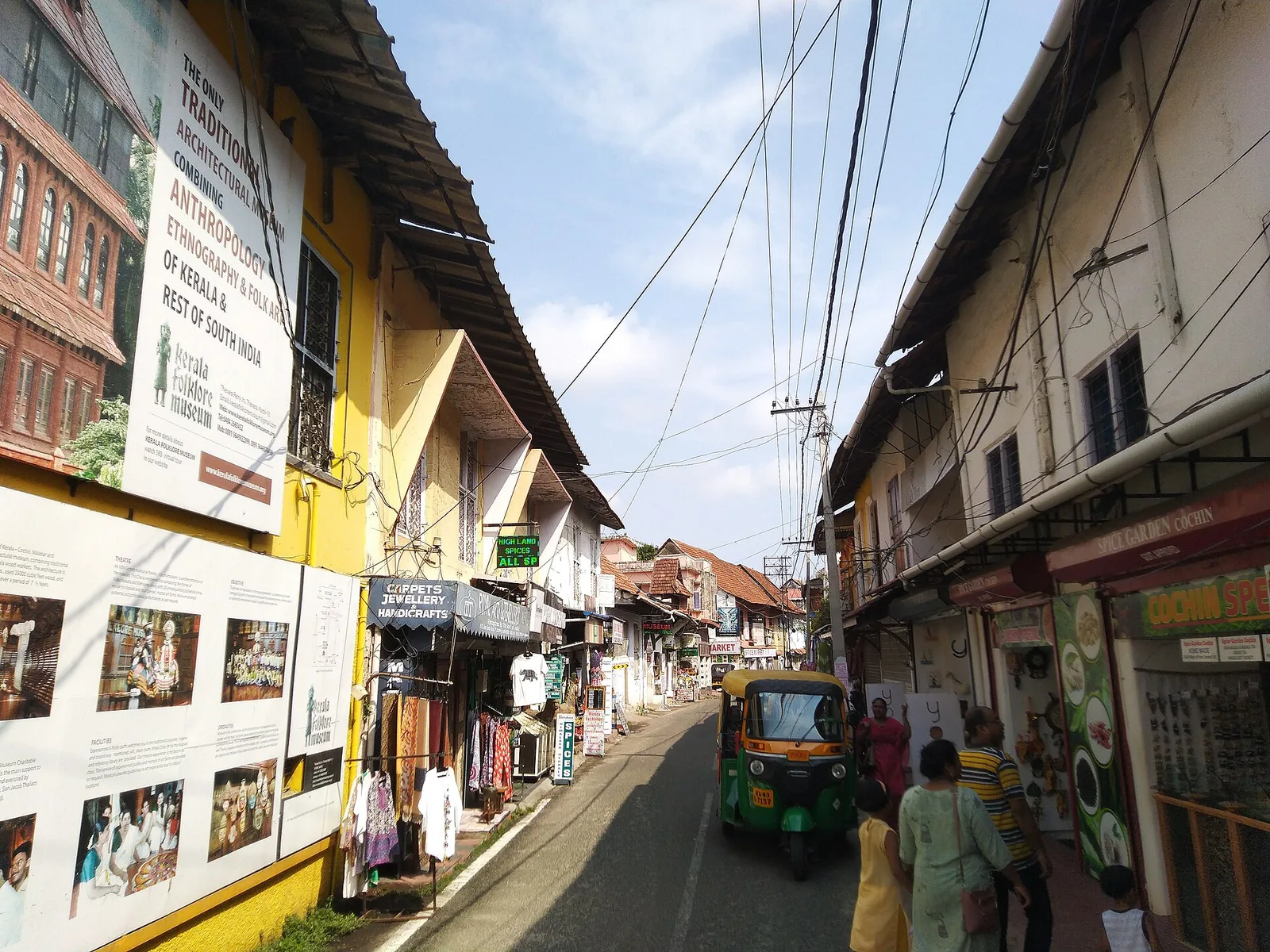
Spice warehouses, antiques, Mattancherry Palace and Paradesi Synagogue.
5.2 km · straight line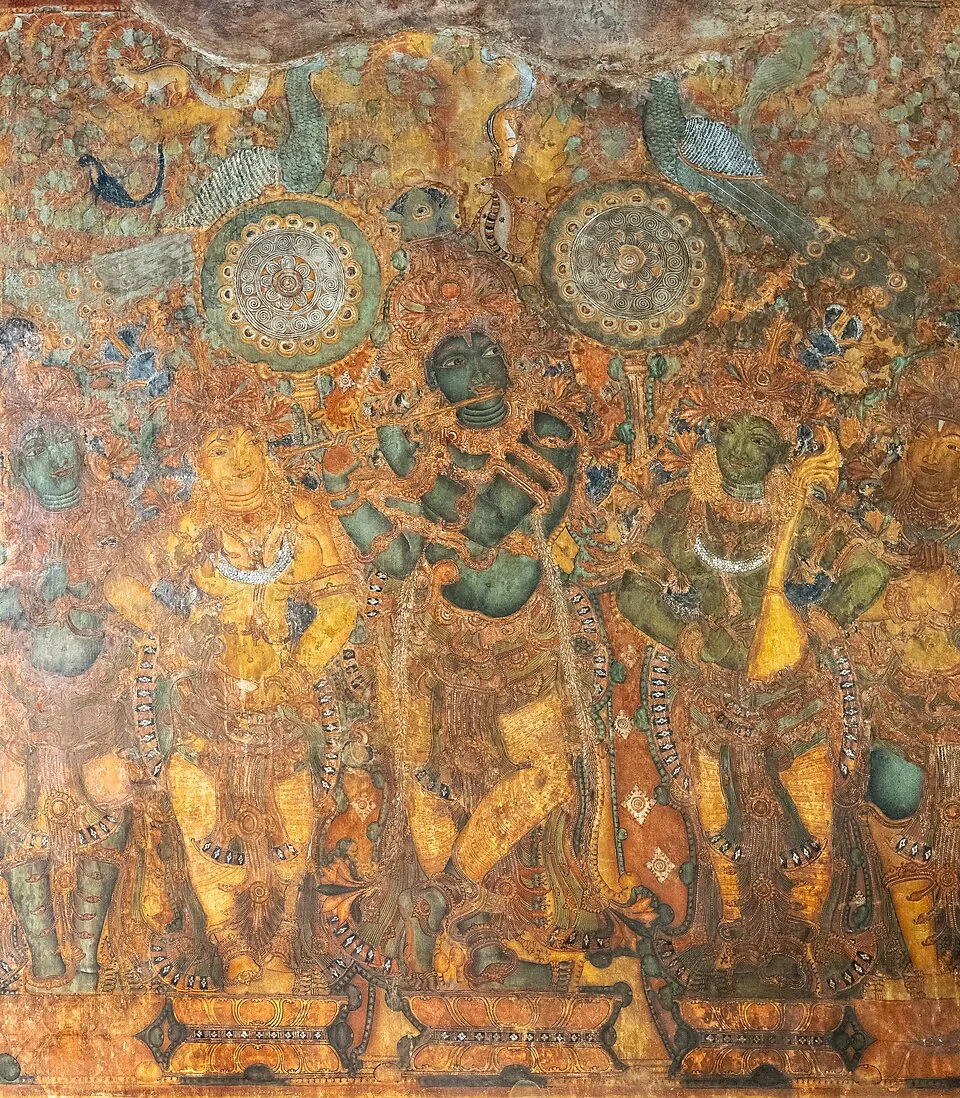
The Mattancherry Palace, known as the Dutch Palace, with celebrated Kerala mural paintings from the Ramayana and royal portraits.
5.2 km · straight line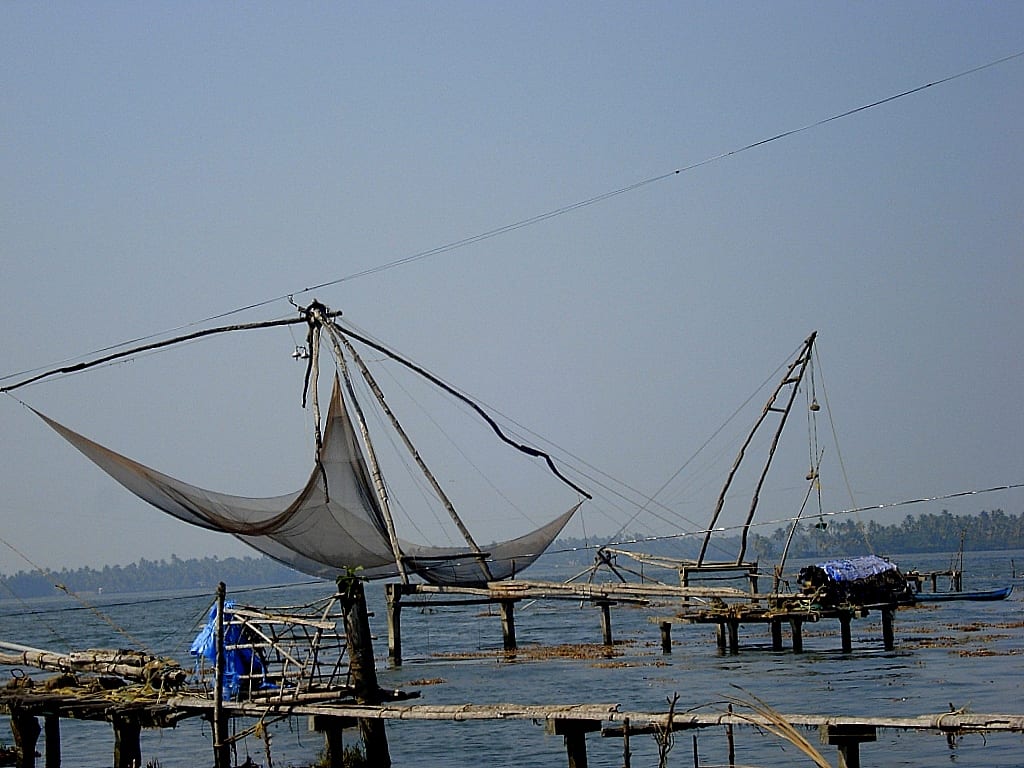
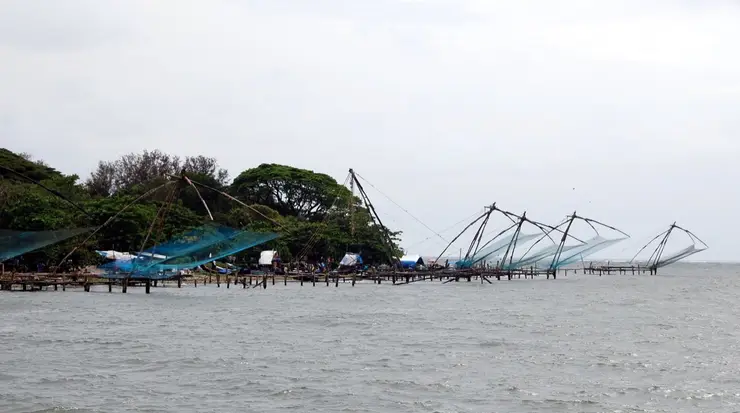
Kumbalangi’s own cantilevered cheena vala, worked on a village creek instead of a tourist seafront — fewer, quieter and still fished for a living, which is the whole difference from the Fort Kochi row.
5.3 km · straight line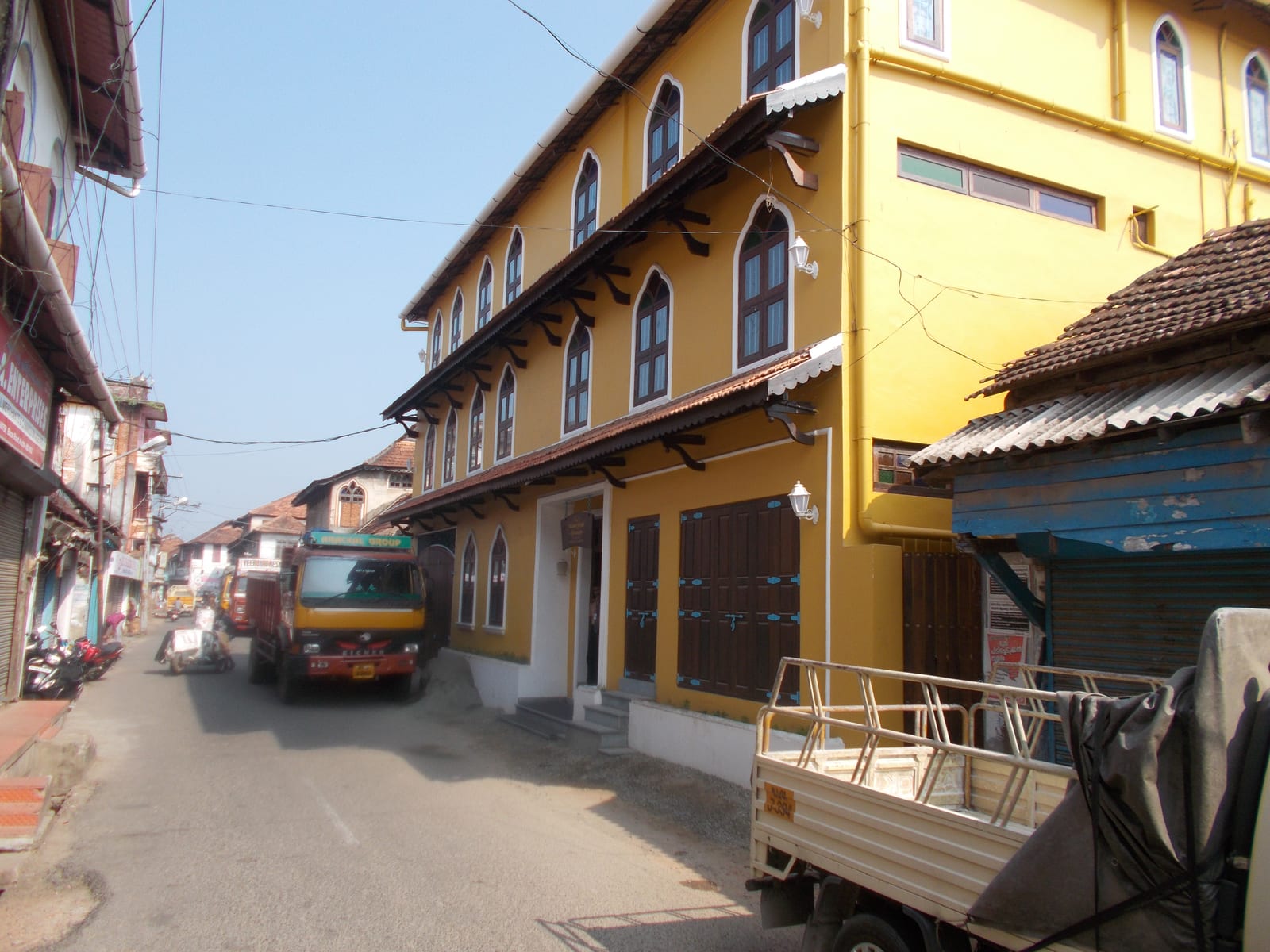
The working spice quarter along Mattancherry’s Bazaar Road — godowns where pepper, ginger, turmeric and cardamom are still graded, sacked and weighed, and where the smell reaches the street before the signage does.
5.4 km · straight lineThe waterfront park beside Ernakulam Boat Jetty, at the southern end of the Marine Drive walkway — a short, shaded green break between the ferries, the market streets and the backwater.
5.5 km · 11 min driveOne of the great Vishnu temples of Kerala, at Tripunithura, known for its Vrischikotsavam festival.
5.6 km · 8 min driveMainland Kochi’s old shopping street, a pedestrianised run of textile, provision, spice and gold shops between MG Road and the boat jetty — the city’s everyday market rather than a heritage set piece.
6.7 km · 13 min driveRoad and walking figures are route estimates, with travel times dependent on access, traffic and conditions. Figures marked “straight line” show direct separation and do not describe a road or walking route. Fare estimates use Kerala’s 26 April 2022 auto/taxi notification and exclude waiting, night and applicable one-way surcharges. Confirm the current meter or operator quote before travelling. Routing: © openrouteservice.org by HeiGIT | Map data © OpenStreetMap contributors
Nearby toilets, pharmacies, ATMs, seating and vets are community-mapped and may be incomplete or out of date. Map data © OpenStreetMap contributors | Walking times © openrouteservice.org by HeiGIT
It is at Thevara, south of Ernakulam city centre on the mainland — not in Fort Kochi. It needs a deliberate trip of its own rather than being something you combine with the Fort Kochi walk.
Yes. There is an entry charge for adults with a lower rate for children, a separate camera charge, and a higher rate for foreign nationals. Evening performances are normally ticketed separately. Confirm current rates at the counter.
About two hours to look properly. An hour is enough only if you are moving briskly, and it would be a shame — the ceilings and the woodwork reward slow looking as much as the cases do.
Yes — the top floor is a theatre built on koothambalam lines, with regularly scheduled evening performances of Kathakali and other classical Kerala forms. Timings vary, so check before you plan the day around it.
No. Despite the name, it is a private museum, founded by an antique dealer and collector and opened in 2009.
It was assembled over about seven years by around 62 craftsmen from roughly 25 dismantled antique and heritage structures dating between the 17th and early 20th centuries, rebuilt at Thevara in three regional styles — Malabar on the ground floor, Kochi on the first, Travancore on the second.
Generally yes, on payment of a separate camera fee. Rules can differ by gallery and during performances, so check at the counter and follow posted signs.
George J Thaliath, an antique dealer and collector, with his wife Annie. He came to the trade through his father, Jacob V. Thaliath, who dealt in Indian art before him, and describes more than three decades of handling antiquities. His name appears in several garbled forms online — George Thariakan among them — and Thaliath is the form the museum itself uses.
Both figures circulate, sometimes in the same article. The museum's own account gives around four thousand on display, and that is the number to use. A collection built by a working dealer will always have a shifting line between stock and exhibit, which is the likeliest source of the confusion.
Because the family structure they were built for was dissolved. The nalukettu and ettukettu houses belonged to joint families — tharavadus — holding property in common. The Kerala Joint Hindu Family System (Abolition) Act, 1975, in force from 1 December 1976, made members tenants-in-common instead, so any one of them could demand partition and take a share. Combine that with the shift to nuclear households and the expense of maintaining a large timber building in the monsoon, and thousands of these houses became assets to divide. The only thing that could practically be divided was the carved teak and anjili, and a trade grew up around it. This museum was assembled out of that trade.
Both, and the museum does not pretend otherwise. The timber in these twenty-five buildings would in most cases have been sold on or burnt; here it is standing, maintained and being looked at. But it is standing at Thevara rather than where it was made, stripped from the houses and villages that gave it meaning, and reassembled into something that never existed. Preservation of this kind always has a cost and it is usually paid somewhere out of sight. It is more interesting to hold both thoughts than to pick one.
Midday works well for museums, especially when outdoor heat is high.
Entry: ₹100 (Indian) / ₹200 (foreigner); camera ₹100. Timings: Around 9:30am–7:00pm, open daily.
Base yourself in Kochi City or a nearby town in Ernakulam, then confirm the last-mile route locally before leaving. Check weekly closure day and ticket counter timings before going. If the visit depends on forest, temple, boat, ferry, weather or seasonal access, check the official/local rule on the day before travel.
1 to 2 hours.
Nearby you can pair Durbar Hall Art Centre (4.8 km, route estimate), Seafood homestays (5.0 km, approximate straight-line separation), Ernakulathappan Temple (5.0 km, route estimate), Village walks (5.1 km, approximate straight-line separation).
Use official ticket counters and cloakroom rules. Keep bags and cameras within permitted areas.
Written about Kerala Folklore Museum itself — its history, its legends and the arguments about them.
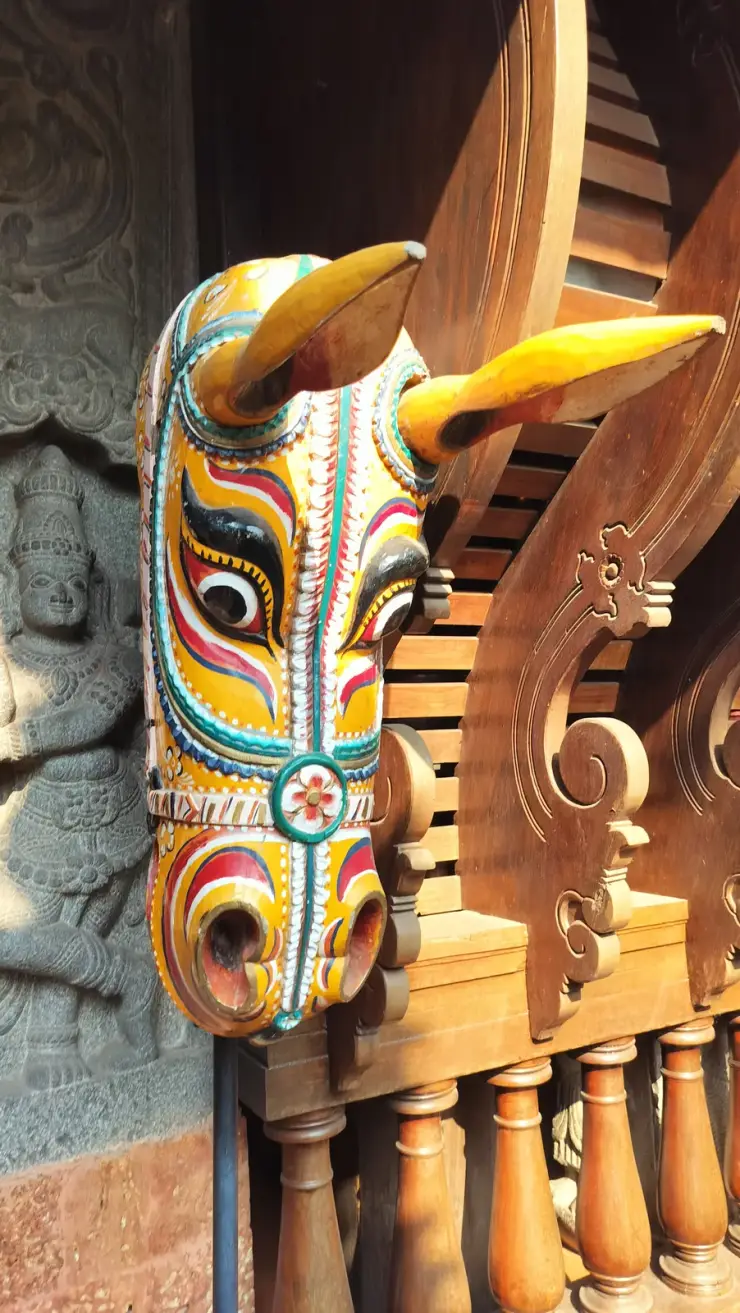
These guides explore Kochi City and the surrounding area. Choose a visit that fits your interests, allowing separately for travel between stops.
Route-level itineraries and practical guides for the rest of Kerala.
Photographs: Oleg Yunakov (CC BY-SA 4.0), Augustus Binu (CC BY-SA 3.0). Wikimedia Commons.