What to expect
Highlights
- Wildlife or forest landscape around Mangalavanam Bird Sanctuary
- Official eco-tourism activities where available
- Nature guides, birding and forest-edge stays
A small mangrove “green lung” behind the High Court in Ernakulam, a nesting site for migratory and resident birds. This wildlife guide is organized from Kochi City in Ernakulam district, with practical planning for routes, timing, nearby stays, food, operators and direct local inventory. Use it to compare what to see, how long to spend, when to go and which verified stays, local guides, jeep or taxi operators, food stops, permits and safety-aware activity providers should be verified around Mangalavanam Bird Sanctuary.
Mangalavanam Bird Sanctuary belongs under Kochi City, one of the practical travel bases in Ernakulam district. Use Kochi City for stays, food, local transport and operators, then plan this place as a focused stop rather than an isolated pin.
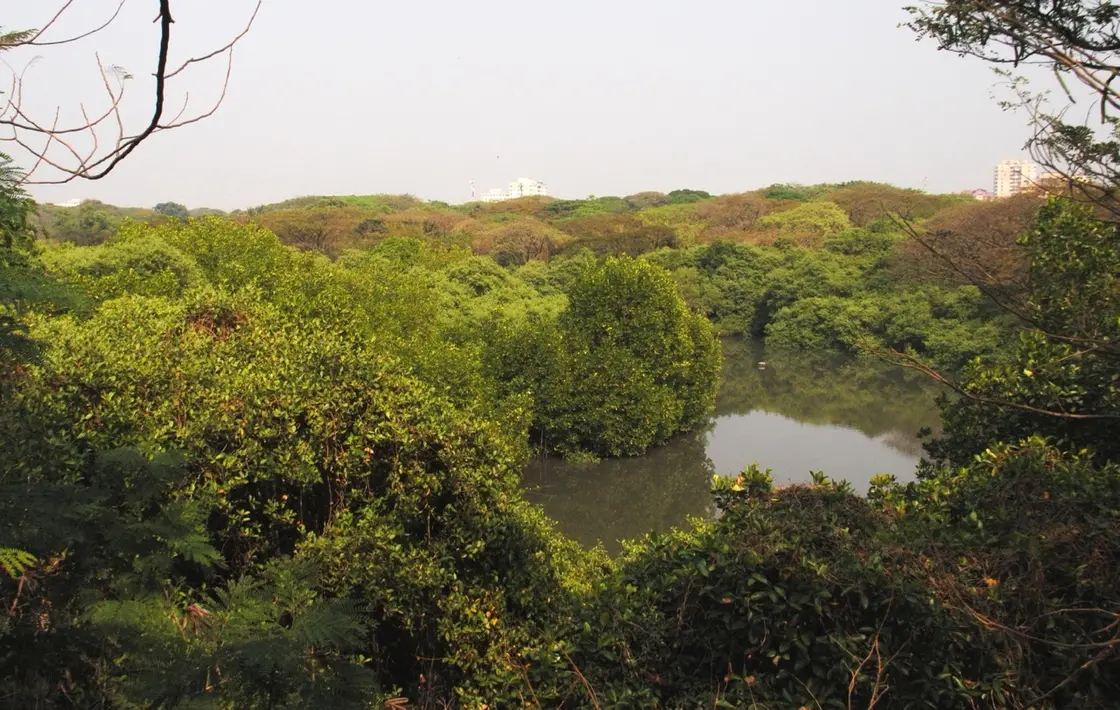
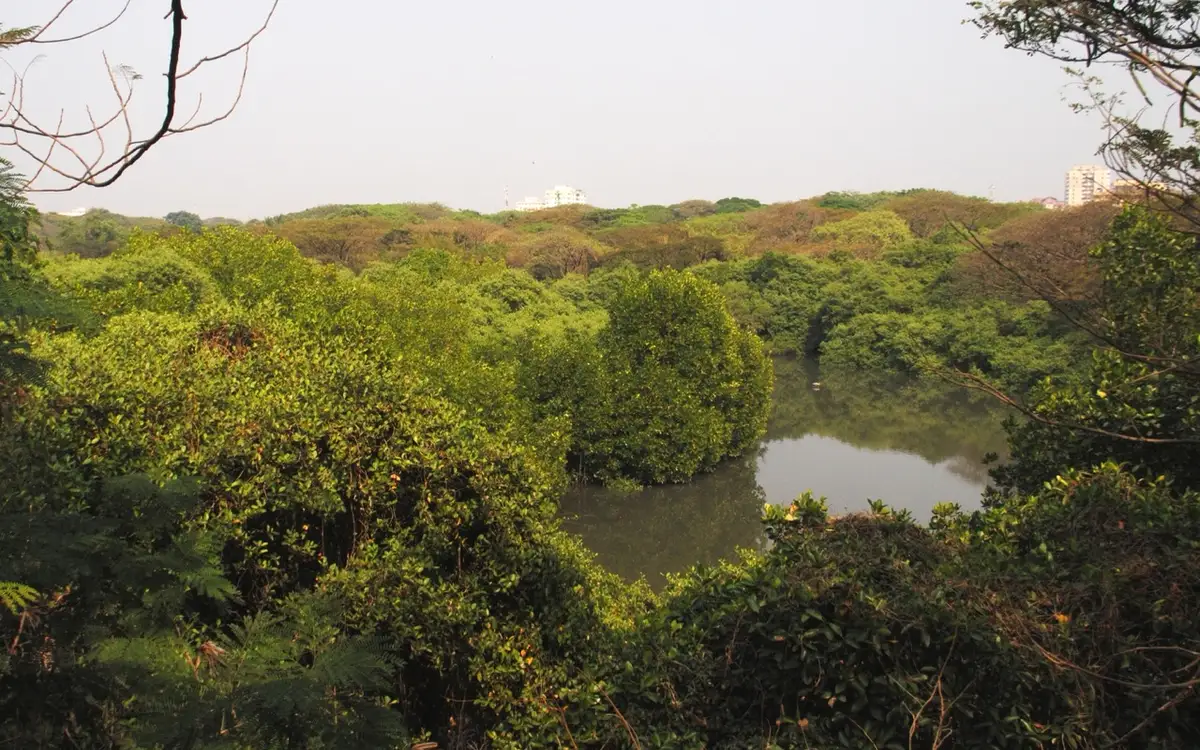
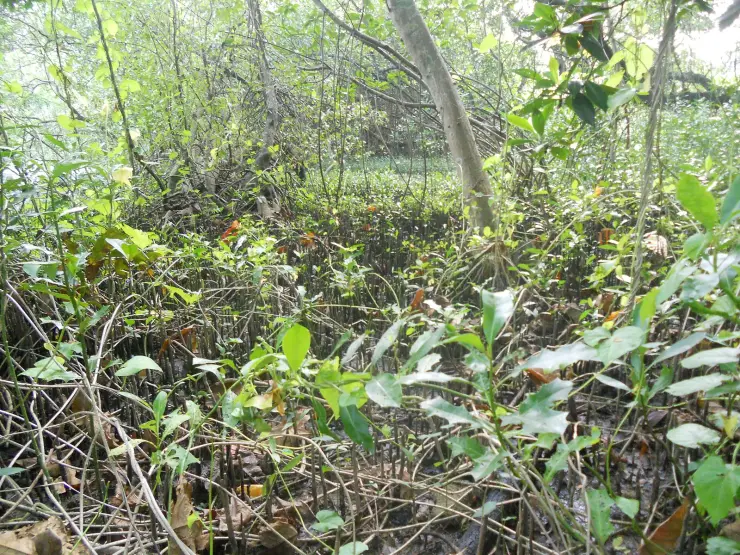
Tucked behind the Kerala High Court in the roaring heart of Kochi, Mangalavanam is a tiny ribbon of mangrove forest wrapped around a tidal lake — barely 2.74 hectares, yet dense enough with herons, egrets and cormorants to earn its nickname, the ‘green lung of Kochi’. It is a protected micro-sanctuary rather than a sprawling park, and that smallness is exactly the point: an entire estuarine ecosystem clinging on in the middle of one of Kerala’s busiest cities.
Step off the traffic-choked road behind the High Court and the change is almost startling. The horns fade, the light softens under a canopy of teak and mangrove, and the air turns cooler and greener. This is Mangalavanam — a shallow tidal lake fringed by mangroves, connected to Kochi’s backwaters by a slim canal, so that the water here breathes in and out with the tides of the Arabian Sea. It is one of the smallest protected areas in Kerala, and quite possibly the most improbable, sitting as it does within walking distance of high-rises, courts and shopping streets.
The name itself is often translated as ‘auspicious forest’ or ‘sacred grove’, and there is something quietly sacred about the way it functions. Mangrove roots trap silt and shelter fish and crabs; those in turn feed the birds; and the whole tangle scrubs the city’s air, buffers its microclimate and locks away carbon in its waterlogged soil. Ecologists describe it as a natural air-conditioner and carbon sink for a rapidly heating city — a lot of work for so small a patch of green.
For birdwatchers, this is the draw. Surveys have recorded dozens of species using the sanctuary — resident herons, egrets, cormorants and the white-breasted waterhen, along with raptors like the brahminy kite and, in winter, migratory waders and warblers such as redshanks, greenshanks and marsh sandpipers that pause here on their long coastal journeys. A 2006 count famously logged 194 birds across 32 species in this handkerchief of forest, and later studies have raised the total list well beyond that.
Because the sanctuary is so sensitive, it is not a place you wander through casually. Access is regulated by the Kerala Forest Department, and the usual way to experience it is from a watchtower or a short guided path along the edge, kept deliberately low-impact so that nesting, roosting and take-offs are not disturbed. The surrounding towers already crowd the birds’ flight lines — the last thing the colony needs is crowds underfoot — so visitor numbers and hours are kept modest.
What you get in return is a rare kind of encounter: the sight and sound of a living wetland, minutes from a metro city. Early morning, mist still hanging over the tidal pool, the mangroves alive with wingbeats and calls — it is a reminder of what the Kochi backwaters looked like before the concrete arrived, and a small, stubborn argument for keeping some of it.
Treat it as a serious little nature reserve rather than a photo-op park. Go early, go quietly, bring binoculars, and let the birds ignore you. Mangalavanam rewards patience far more than it rewards a quick drive-by.
No legend attaches to this particular patch of mangrove, and we are not going to invent one. What it has instead is its name, and the name belongs to something real.
Mangalavanam is usually translated as the auspicious forest, or the sacred grove. That second reading places it, at least verbally, in one of Kerala's most characteristic traditions: the kavu, the small patch of forest deliberately left uncut and set aside as sacred ground. Across the state, families and villages have kept kavus for generations — often serpent groves, sarpa kavu, held to be the abode of the naga deities — on the understanding that to fell a tree there is to invite the displeasure of what lives in it.
The consequence is one of the odder facts about Kerala's ecology. A tradition of religious prohibition preserved thousands of scraps of native forest, with their springs, their soil and their species, straight through centuries of agricultural clearance — because nobody dared cut them. Ecologists now study kavus as genuine refugia. The reverence was legend. The surviving greenery is not.
Mangalavanam is not a kavu in the formal sense; it survived through obscurity and ownership rather than through prohibition, and it was protected by notification in 2004 rather than by taboo. But the mechanism is the same one wearing modern clothes: a small patch of forest kept intact because a rule says it may not be touched. The rule used to be the naga. Now it is the Forest Department.
One practical myth to clear up, since it costs people a wasted trip. This is not a park. It is a regulated sanctuary of 2.74 hectares, seen from a watchtower or a short guided edge path, with visitor numbers and hours deliberately kept small. You cannot wander in, and the reason you cannot is that a site this size would be dominated by anyone walking through it.
And then there is the legal absurdity, which is the most Kochi thing about the place. In June 2022 the Supreme Court, on a bench led by Justice L. Nageswara Rao, directed that every wildlife sanctuary and national park in India must have an eco-sensitive zone of at least one kilometre around it. The rule was written with forest reserves in mind, where a kilometre of buffer is a strip of trees. Apply it to Mangalavanam and the arithmetic does something unhinged: a one-kilometre ring drawn around 2.74 hectares in the middle of Ernakulam takes in the towers, the shopping streets, the government offices, a large part of the Marine Drive frontage — and, as Kerala's counsel pointed out to the Supreme Court when seeking relaxation, the Kerala High Court building itself. The court that would hear the case was inside the buffer.
It is worth being clear that this is not a joke at conservation's expense. The order was sound in principle and the Supreme Court subsequently relaxed it in 2023 after the states came back. But it exposes something real about this site: Mangalavanam is protected under a legal framework designed for large forests, and almost every clause of that framework produces a nonsense when applied to a patch of mangrove smaller than three football pitches with a city built to its edge. The sanctuary's genuine problem is not a missing buffer. It is that the towers already standing on three sides interfere with how the birds orient, take off and land — and no zone drawn on a map in 2022 was going to unbuild them.
Mangalavanam’s story is bound up with the reshaping of Kochi itself. This stretch of the mainland at Ernakulam was once part of the low, waterlogged backwater fringe — brackish, tidal and thick with mangrove — before a century of reclamation, port works and city-building steadily filled and hardened the coastline around it. That this particular patch survived at all is something of an accident of geography and ownership, hemmed in and largely forgotten while the city grew up around it.
The land came to sit within government hands, on the edge of the administrative and judicial quarter that now includes the Kerala High Court. Isolated behind official buildings, it escaped the wholesale conversion that swallowed so much of the surrounding wetland, and over time its mangroves and tidal pool quietly re-established themselves into a functioning, if miniature, estuarine habitat.
The reshaping is datable. Willingdon Island was dredged out of Vembanad between 1920 and 1936 to give Kochi a modern harbour, and the works of that era rearranged the estuary comprehensively. Mangalavanam is a remnant of the mangrove and tidal wetland that covered a great deal of this shoreline before that century of dredging, filling and building.
Its ecological value — as a nesting and roosting ground for waterbirds and a stopover for migrants — drew the attention of birders and conservationists, and on 31 August 2004 the area was formally notified as a bird sanctuary under the state Forest Department. It is often cited as the smallest protected area managed by the department, and the only bird sanctuary in Kerala set within a mangrove forest of this kind.
Protection has never meant the pressures ended. Wedged inside a booming city, Mangalavanam has repeatedly been the subject of conservation battles — against encroachment, dumping, and the wall of high-rise development that has risen along its boundary and now interferes with the birds’ orientation, take-offs and landings. Campaigners, researchers and the courts have all, at different times, pushed to defend the buffer around it.
Documented history of the site is relatively thin and much of what circulates is ecological rather than archival, so parts of its earlier story are best held lightly. What is clear is the shape of it: a scrap of original backwater forest that outlasted the city that grew over its neighbours, was given legal protection in 2004, and is now valued less as a relic than as living infrastructure — the ‘green lung’ a dense city cannot easily replace.
It is one of the only true mangrove bird sanctuaries sitting inside an Indian city — an entire estuarine ecosystem in the middle of Kochi, minutes from the High Court and Marine Drive.
Serious birdwatching in a tiny footprint: herons, egrets, cormorants, brahminy kites and the white-breasted waterhen year-round, plus migratory waders and warblers in winter.
The dramatic contrast — step from city traffic into cool, green, tide-fed forest — makes it a memorable half-hour for anyone curious about urban nature and mangrove ecology.
A watchtower view over the tidal lake and mangroves lets you observe the colony without disturbing it, ideal for photographers with a long lens and patient observers.
It is an easy, low-cost add-on to a central Kochi itinerary, close to Ernakulam’s railway stations, Marine Drive and the city centre.
For eco-minded travellers, it is a rare chance to see conservation in action — a ‘green lung’ and carbon sink that a growing city has fought to keep.
Road km to Ernakulam; ghat roads and traffic vary — allow extra.
Dryer months are easier for wildlife access; monsoon access depends on local rules.
Live forecast loads in your browser.
Check the official alert before you travel. Kerala’s beaches, waterfalls and trekking routes close at short notice during heavy rain, and district alert levels change day to day. We do not publish an alert level of our own — read it from the state authority: Kerala State Disaster Management Authority, or the district control room on 1077.
Sun and moon are calculated for this location and shown in IST. Photography windows are the hour around sunrise and sunset; the sunset bearing is degrees clockwise from true north. Moon phase is accurate to about half a day.
These are official or public-sector eco offerings that match this place, town or forest destination. Confirm availability, permits, tariffs and reporting times with the official operator before travel.
Urban bird sanctuary and mangrove pocket in central Kochi, useful as a short nature stop.
Official source →Verified hotels, homestays, restaurants, experiences, sights, shops and rentals around Mangalavanam Bird Sanctuary — commission-free, with direct contact. Filter by what you need.
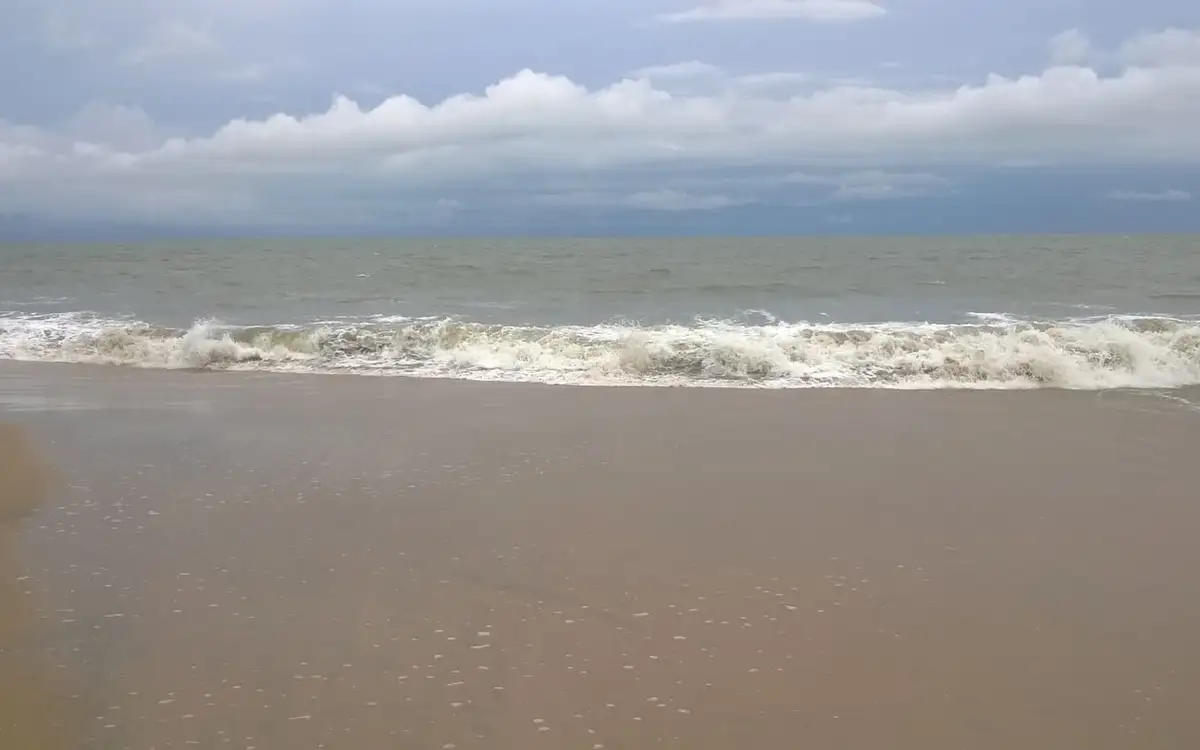
Popular beach on the northern side of Vypin Island, Greater Kochi. Beach, vypin, greater kochi.
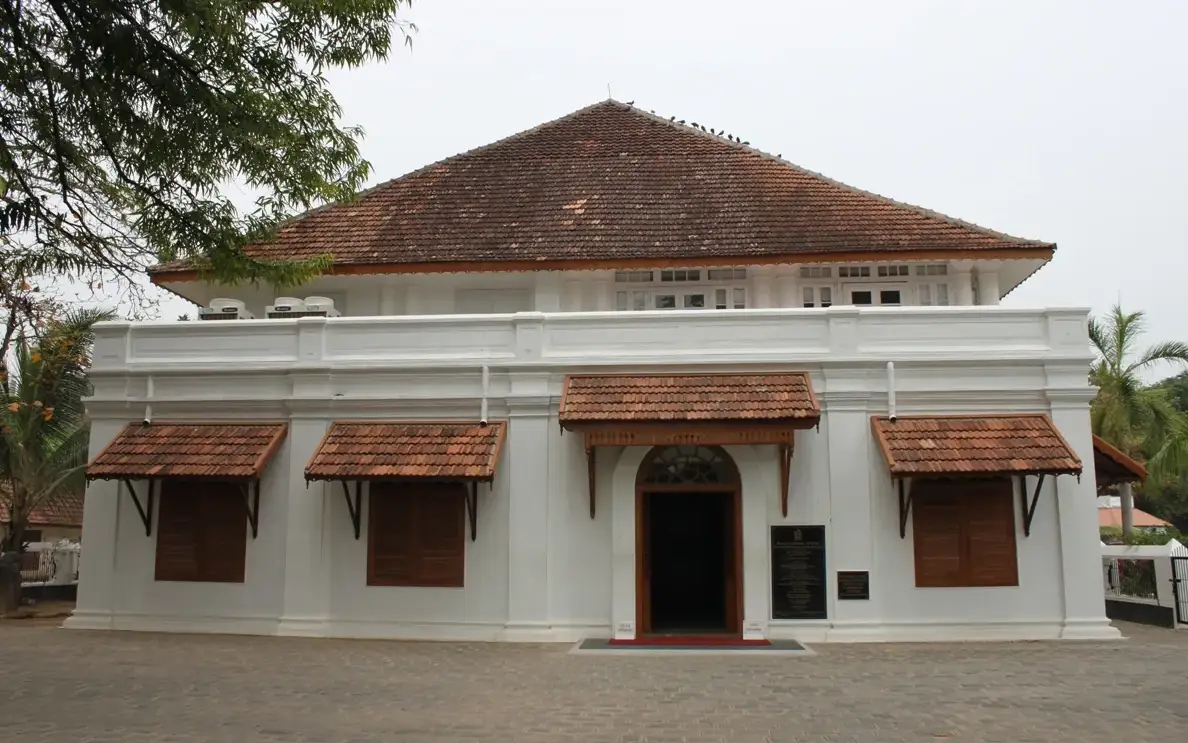
Art gallery in Kochi City Centre, Ernakulam, Kerala, India.
Attraction in Kochi City Centre, Ernakulam, Kerala, India.
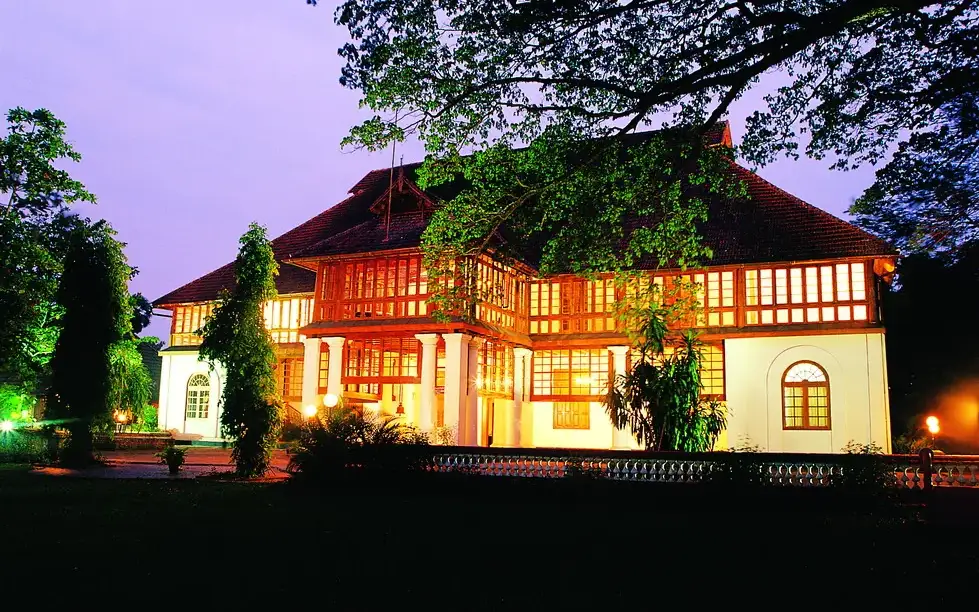
Palace in Kochi City Centre, Ernakulam, Kerala, India.
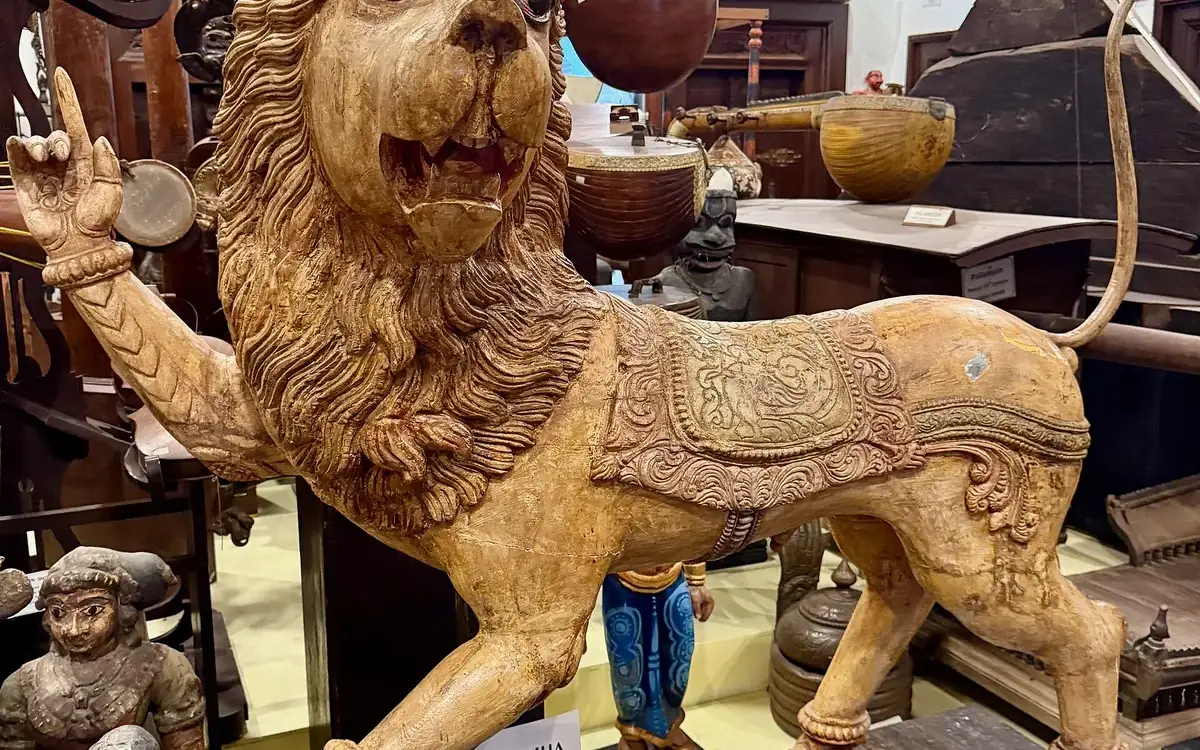
Private museum of Kerala folk art and heritage at Thevara, Greater Kochi. Museum, folk art, thevara.
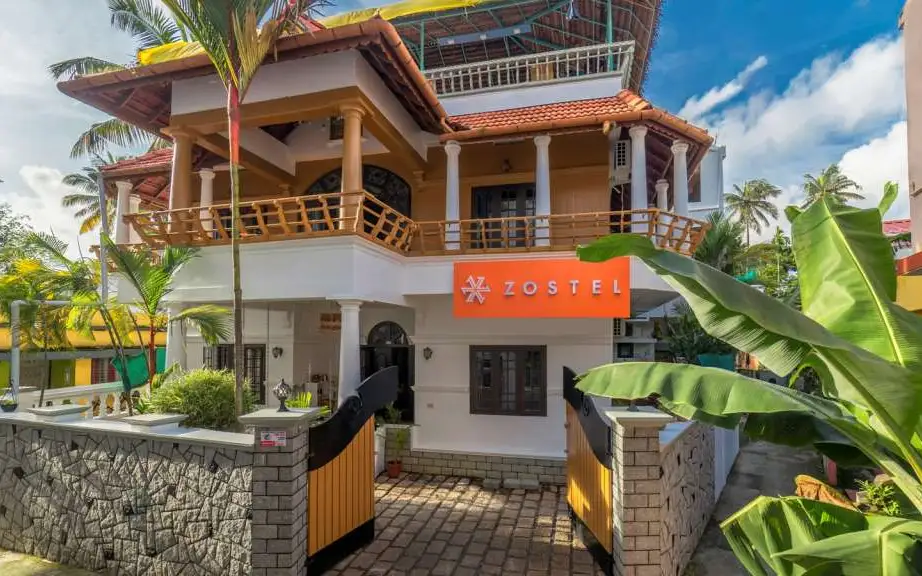
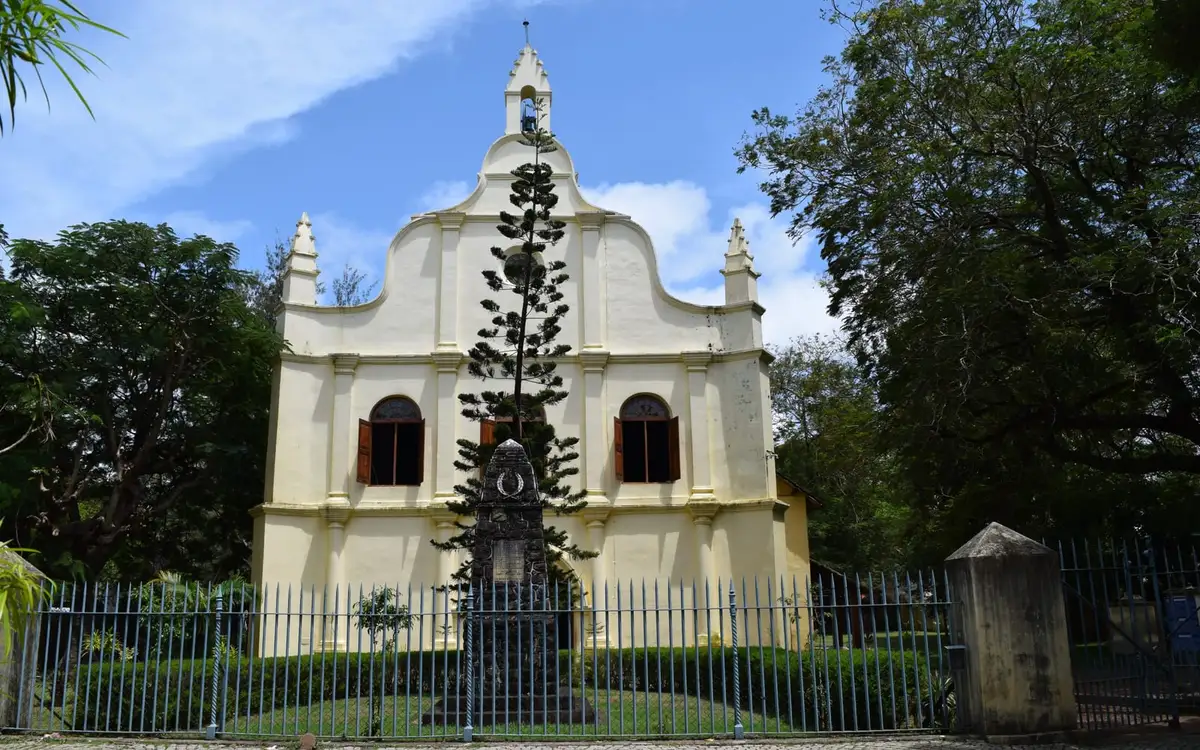
Church in Kochi City Centre, Ernakulam, Kerala, India.
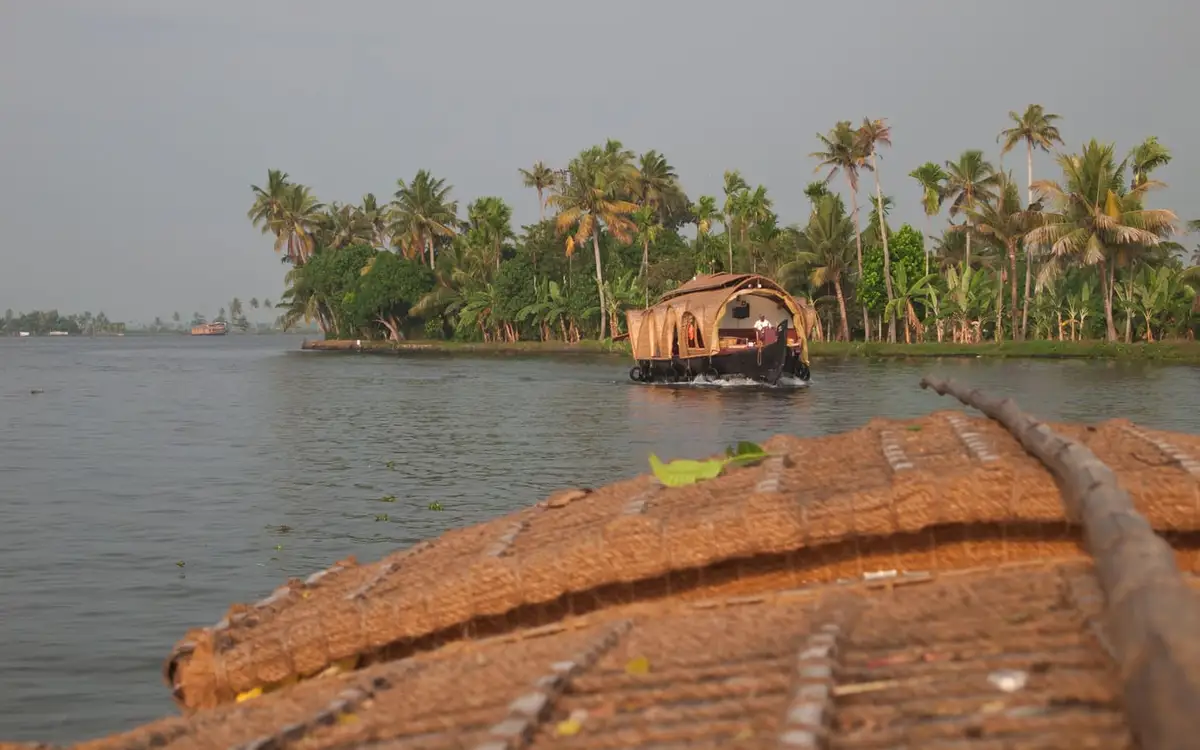
The great backwater lake system Kochi’s harbour opens from — this record marks the water itself; boat trips from the Fort Kochi and Mattancherry jetties are the way onto it.
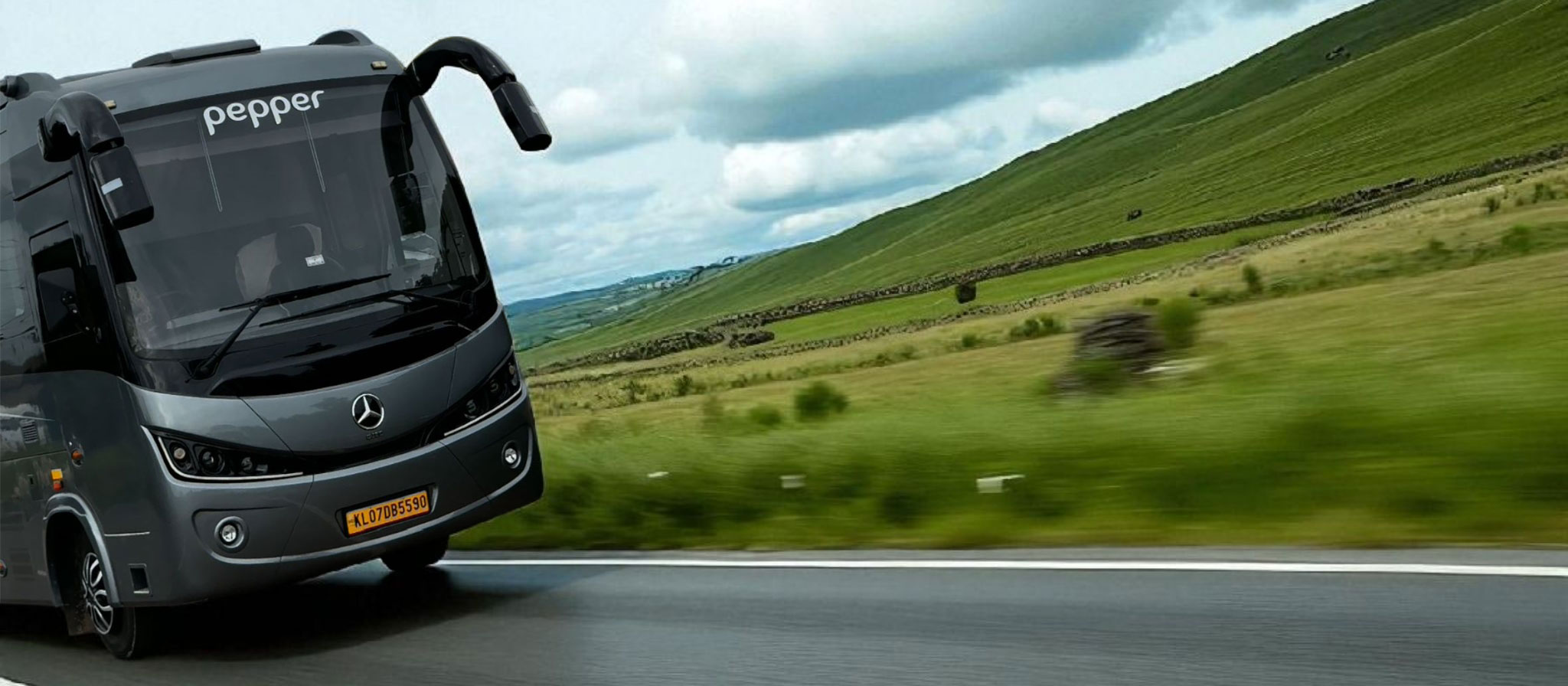
Pepper Kerala Holidays is a Kochi-based tourist transport operator running its own fleet of cars, tempo travellers and coaches for Kerala tour packages and airport transfers. Its office is at Kadavanthra with a garage near Cochin airport, booking direct without commission.

BCabs is an independent Kochi taxi operator running its own fleet of cars, SUVs and vans for airport transfers and outstation trips across Kerala. Registered as BTransport Solutions with a Palarivattom office, it offers 24/7 pickups with direct booking rather than middleman commission.
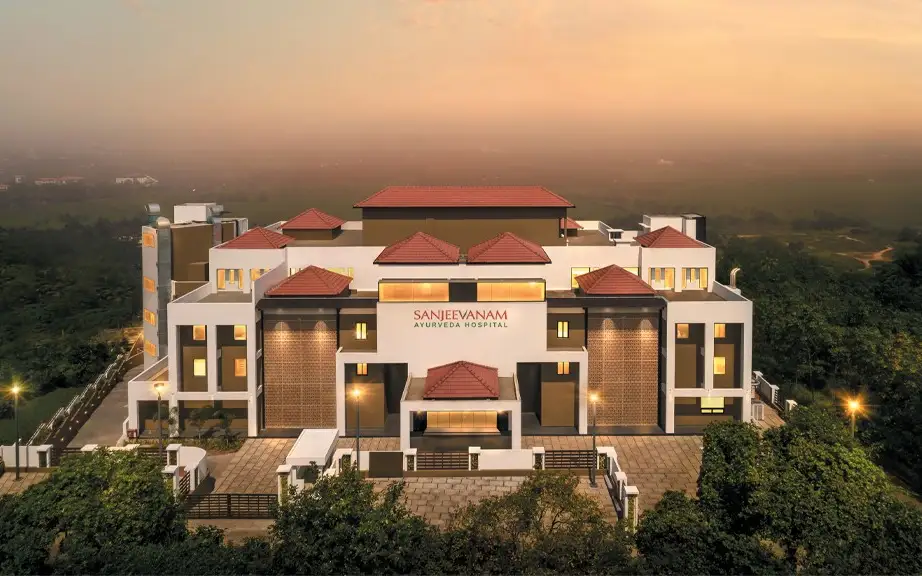
Sanjeevanam is a premium Ayurveda hospital at Kakkanad in Kochi that integrates classical panchakarma with modern diagnostics, yoga and physiotherapy. It runs physician-led in-patient treatment and rejuvenation programmes rather than casual massage or spa services.
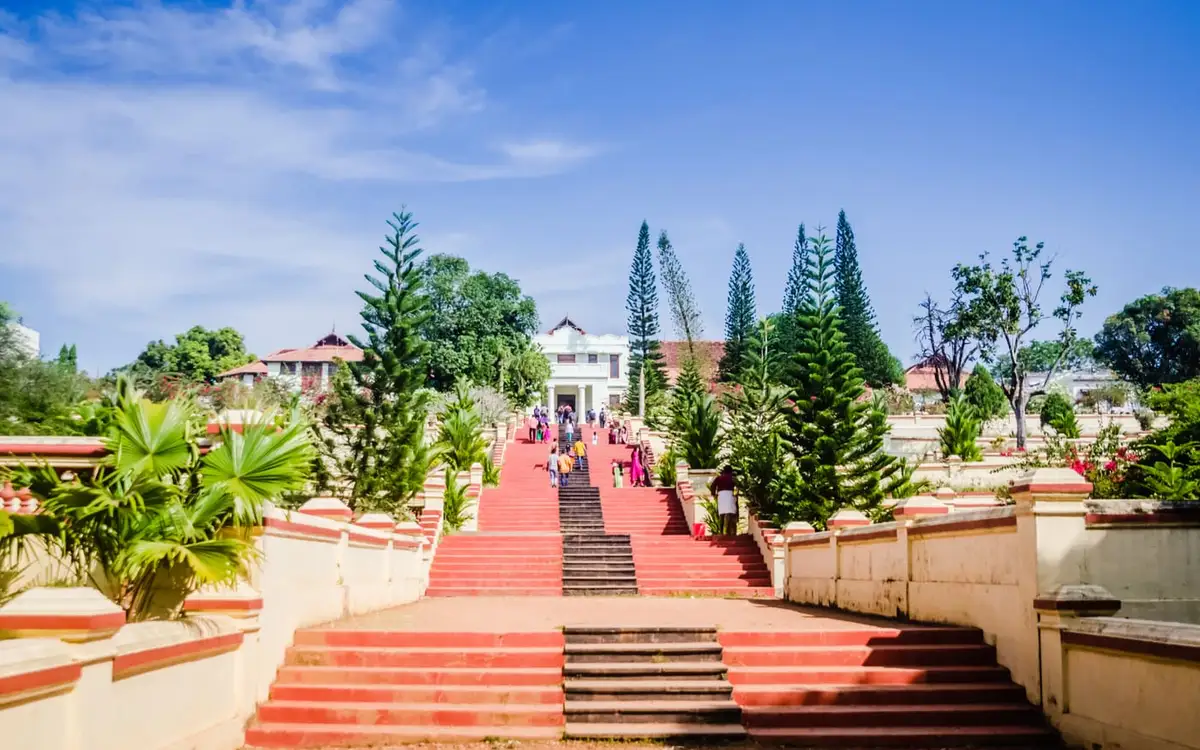
Kerala Tourism-listed heritage museum campus at Thripunithura near Ernakulam. Museum entry fee; confirm current rates direct · Thripunithura, Museum, Heritage.
Archaeological museum and former royal palace at Tripunithura, Greater Kochi. Museum, heritage, tripunithura.
Mall on Old NH 47, Edappally Junction, Nethaji Nagar, Edappally in Ernakulam. WiFi, Wheelchair access.
Church in Kochi City Centre, Ernakulam, Kerala, India. Wheelchair access.
Hotel in Kochi City Centre, Ernakulam, Kerala, India. AC, Wheelchair access.
Church in Kochi City Centre, Ernakulam, Kerala, India.
Church in Kochi City Centre, Ernakulam, Kerala, India.
See in Kochi City Centre, Ernakulam, Kerala, India. Wheelchair access.
Synagogue in Kochi City Centre, Ernakulam, Kerala, India.
Church in Kochi City Centre, Ernakulam, Kerala, India.
Church in Kochi City Centre, Ernakulam, Kerala, India. Wheelchair access.
Mosque in Kochi City Centre, Ernakulam, Kerala, India.
Attraction in Kochi City Centre, Ernakulam, Kerala, India.
Book with the place itself. India’s cyber-crime coordination centre warned in April 2025 that convincing copies of hotel and pilgrimage booking sites are being pushed through sponsored search and social ads, taking payment for rooms the property never hears about. Every listing here links to the business’s own contact details and its own Google or Bing profile — we take no commission and sit in nobody’s payment path. If a booking page reached you through an ad, check the address bar against the property’s own site before you pay. Fraud can be reported on cybercrime.gov.in or on 1930.
Mangalavanam Bird Sanctuary sits in Kochi City, and these rank everything verified across the town rather than this one spot — built from the same listings shown above, ordered by the strength of the source evidence behind each entry rather than by anyone's star score. Every card shows how many places are really on it. Nobody pays to appear.
Ordered by a real routed walk from Mangalavanam Bird Sanctuary itself — the walking network, not a line on a map, which understates a real walk by about half again. A different question, and a different answer, from the town-wide lists below.
12 more places around Kochi City, each worth a day of its own.
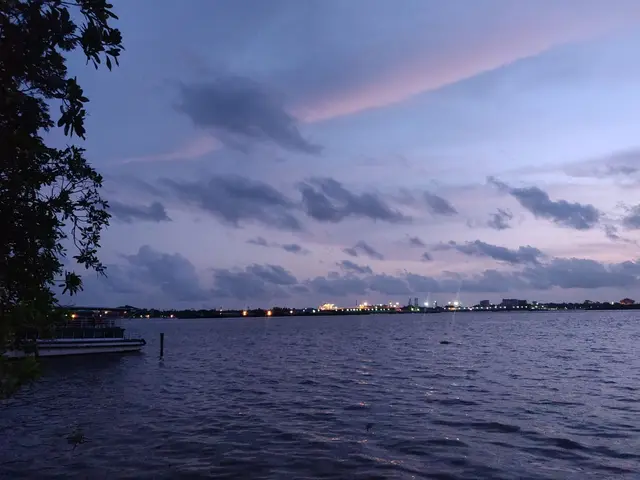
1.4 km · 17 min walk
Waterfront promenade in mainland Kochi, good for evening walks and ferries.
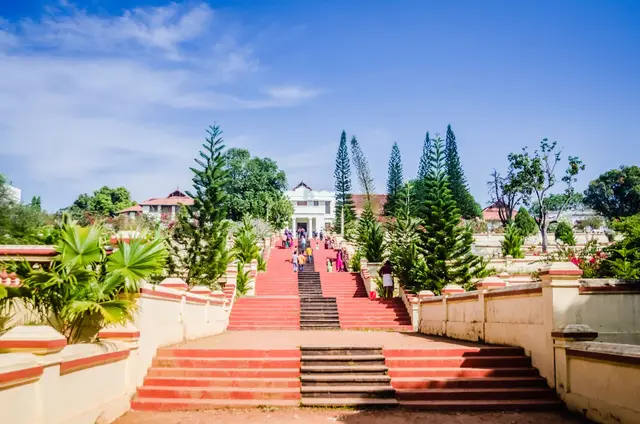
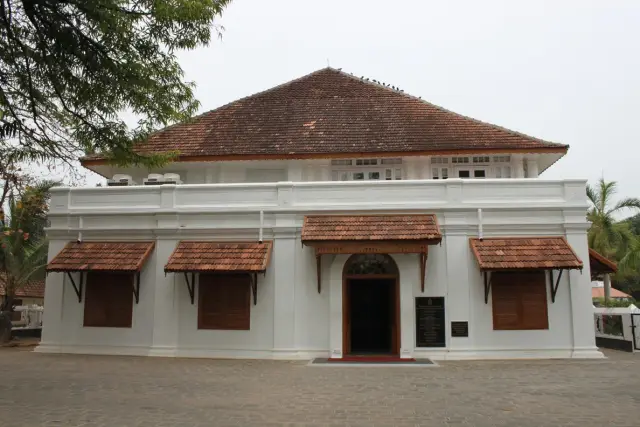
3.6 km · 7 min drive
A heritage hall in Ernakulam run as a contemporary art gallery by the Kerala Lalithakala Akademi.
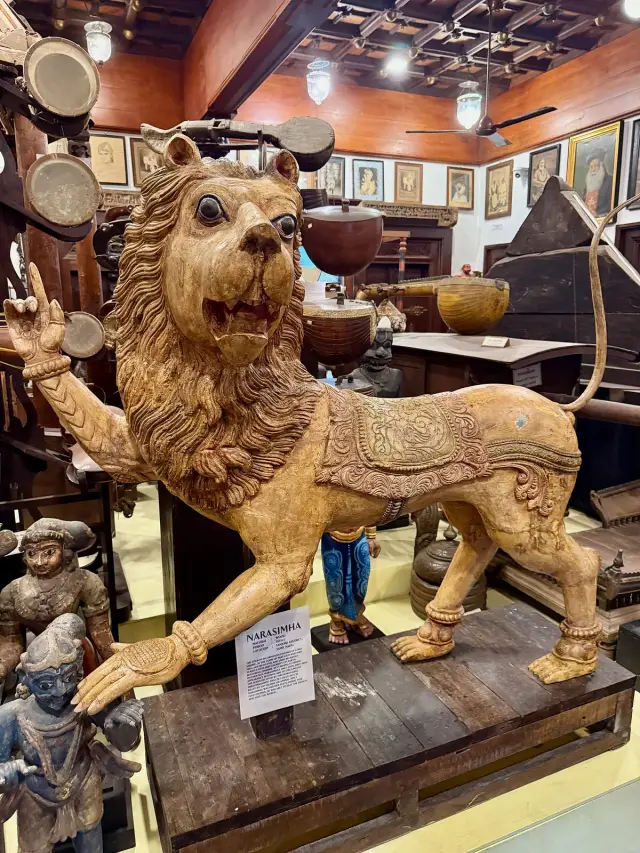
A privately built museum at Thevara with thousands of Kerala folk and ritual artefacts across Malabar, Kochi and Travancore styles.
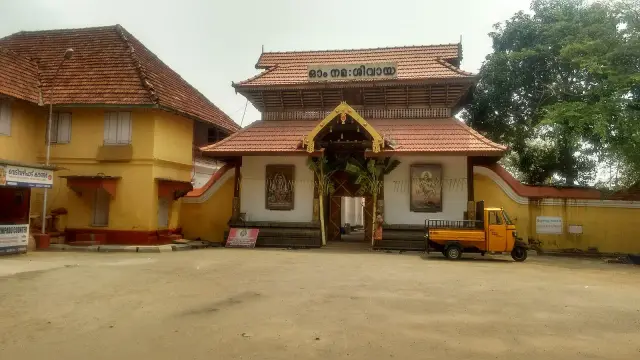
3.2 km · 6 min drive
The Ernakulam Shiva temple on Durbar Hall Road, the city’s principal temple and home to the eight-day Ernakulathappan festival.
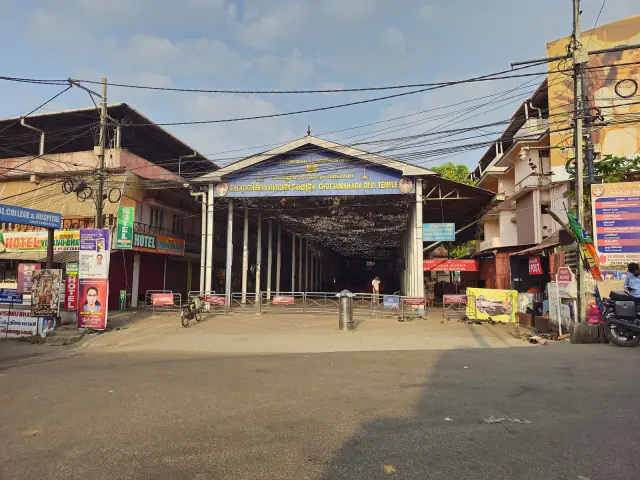
A major Bhagavathy (Devi) temple south-east of Kochi, famous for the dawn Nirmalya Darshanam and its Makam Thozhal festival.
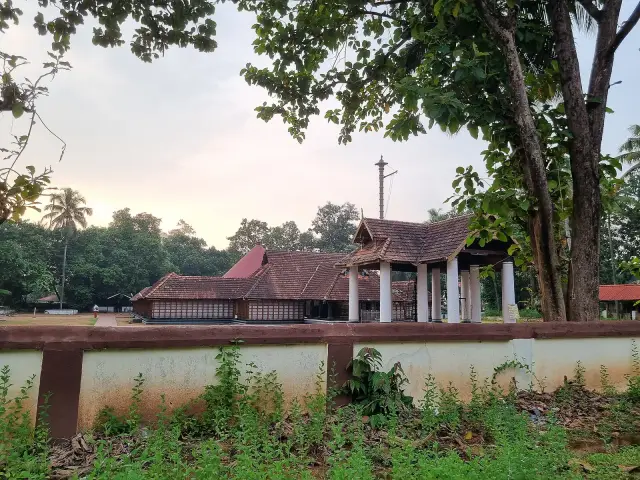
The only major temple to Vamana in Kerala, at Thrikkakara near Kakkanad — traditionally regarded as the origin place of the Onam festival.
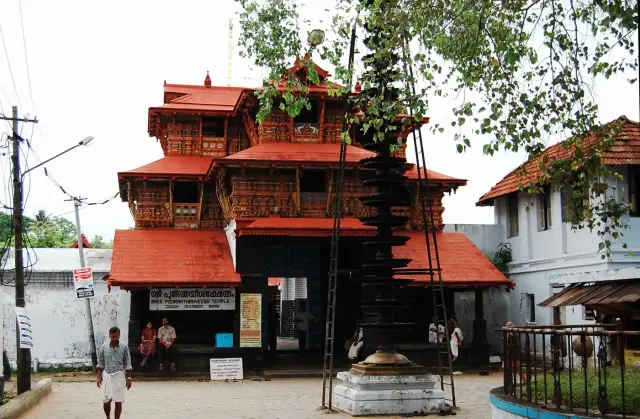
One of the great Vishnu temples of Kerala, at Tripunithura, known for its Vrischikotsavam festival.

2.5 km · 30 min walk
A 1744 Dutch palace on Bolgatty Island, one of the oldest existing Dutch palaces outside the Netherlands, set in island gardens (now a KTDC heritage hotel).
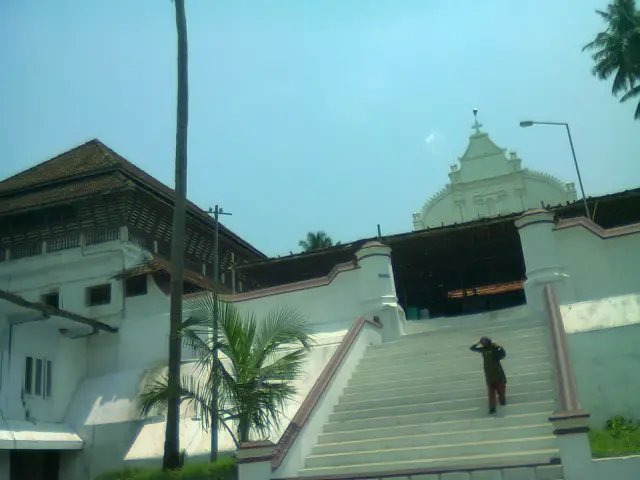
An ancient Orthodox church east of Kochi linked to the legend of the sorcerer-priest Kadamattathu Kathanar, drawing large crowds at its annual feast.
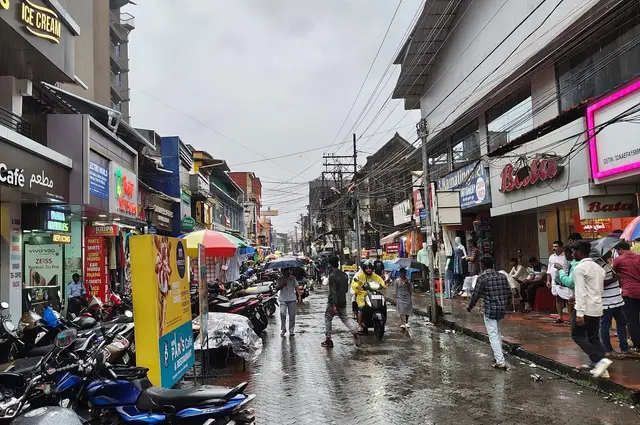
1.2 km · 15 min walk
Mainland Kochi’s old shopping street, a pedestrianised run of textile, provision, spice and gold shops between MG Road and the boat jetty — the city’s everyday market rather than a heritage set piece.
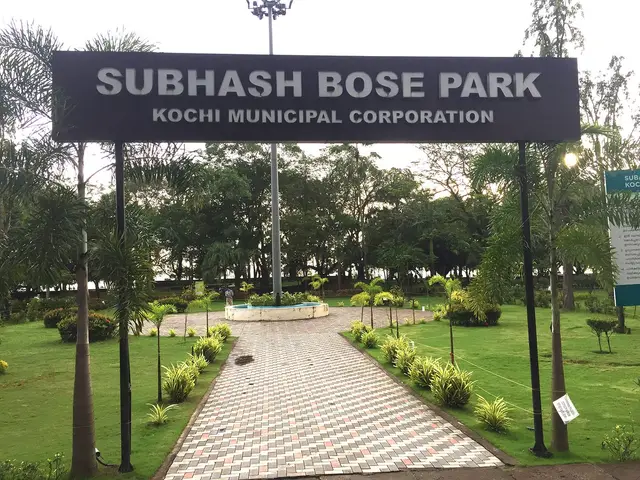
2.4 km · 29 min walk
The waterfront park beside Ernakulam Boat Jetty, at the southern end of the Marine Drive walkway — a short, shaded green break between the ferries, the market streets and the backwater.
Roampedia is commission-free — own or know a stay, eatery, guide or shop near Mangalavanam Bird Sanctuary? List it and it appears here once verified.
Add a nearby businessEntry: Nominal or free; some sources note entry has been free with donations welcome. Fees and permit rules are set by the Forest Department and can change.
Dress code: No formal dress code. Wear neutral, muted colours, comfortable closed shoes and mosquito protection; keep noise to a minimum near the birds.
Photography: Photography from the watchtower is popular; a zoom or telephoto lens helps. Because it is a sensitive sanctuary, tripods, flash or extended shoots may need Forest Department permission — check in advance.
Work out your return before you settle in for the sunset. Public transport here thins out sharply in the evening, and Mangalavanam Bird Sanctuary is easier to reach than to leave. We do not publish departure times: there is no official live feed we are permitted to republish, and a wrong time here would strand you. Check the operator directly on the day.
Ask at the bus stand for the time of the last service back, not the next one. If you miss it, an auto or app cab is the fallback — agree the fare before you get in.
We have not assessed physical access at this place yet. Across India, step-free routes, handrails and accessible toilets are the exception rather than the rule, and pavements are often interrupted — if step-free access matters to you, contact the site or a local operator before committing to the trip.
Charge cap and free-transaction limits: Reserve Bank of India, in force since 1 May 2025.
Mapped within about 1.2 km of Mangalavanam Bird Sanctuary, with real walking routes rather than straight-line distances. Community-mapped data: opening hours are shown only where they are recorded, and this is not a complete list — something unmapped may well be closer. Please confirm on the ground.
Emergency numbers are verified against official government and state tourism sources. 112 works anywhere in India.
Mainland Kochi’s old shopping street, a pedestrianised run of textile, provision, spice and gold shops between MG Road and the boat jetty — the city’s everyday market rather than a heritage set piece.
1.2 km · 15 min walkWaterfront promenade in mainland Kochi, good for evening walks and ferries.
1.4 km · 17 min walkThe waterfront park beside Ernakulam Boat Jetty, at the southern end of the Marine Drive walkway — a short, shaded green break between the ferries, the market streets and the backwater.
2.4 km · 29 min walkA 1744 Dutch palace on Bolgatty Island, one of the oldest existing Dutch palaces outside the Netherlands, set in island gardens (now a KTDC heritage hotel).
2.5 km · 30 min walkThe Ernakulam Shiva temple on Durbar Hall Road, the city’s principal temple and home to the eight-day Ernakulathappan festival.
3.2 km · 6 min drive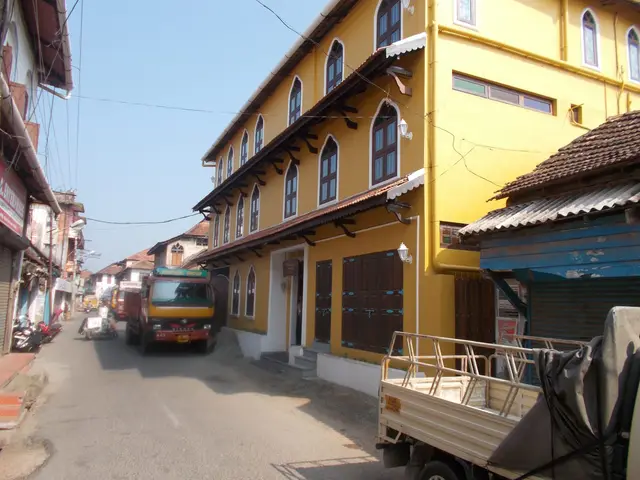
The working spice quarter along Mattancherry’s Bazaar Road — godowns where pepper, ginger, turmeric and cardamom are still graded, sacked and weighed, and where the smell reaches the street before the signage does.
3.4 km · ~9 min by auto · straight lineA heritage hall in Ernakulam run as a contemporary art gallery by the Kerala Lalithakala Akademi.
3.6 km · 7 min drive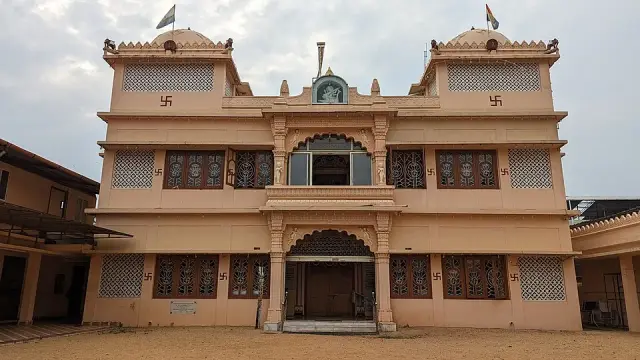
An ornate Jain temple in Mattancherry’s Gujarati quarter, raised in 1904 by Hirubai in memory of her husband Jivraj Dhanji and dedicated to Dharmanatha, the fifteenth Tirthankara — known for its white marble work and the daily midday feeding of the pigeons outside.
3.6 km · ~9 min by auto · straight line
A large 19th-century waterfront trading compound in Fort Kochi, the principal venue of the Kochi-Muziris Biennale.
3.6 km · ~9 min by auto · straight line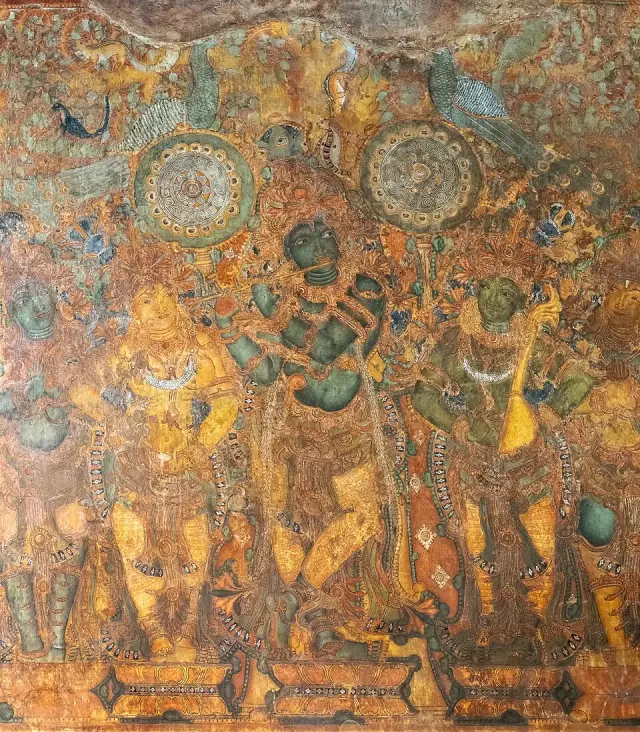
The Mattancherry Palace, known as the Dutch Palace, with celebrated Kerala mural paintings from the Ramayana and royal portraits.
3.7 km · ~9 min by auto · straight line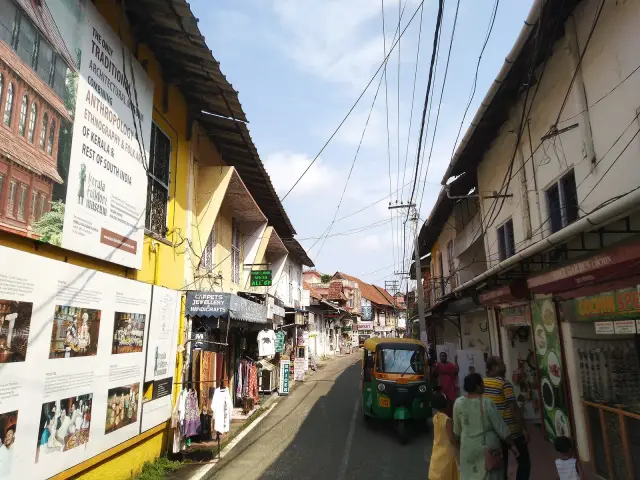
Spice warehouses, antiques, Mattancherry Palace and Paradesi Synagogue.
3.7 km · ~9 min by auto · straight line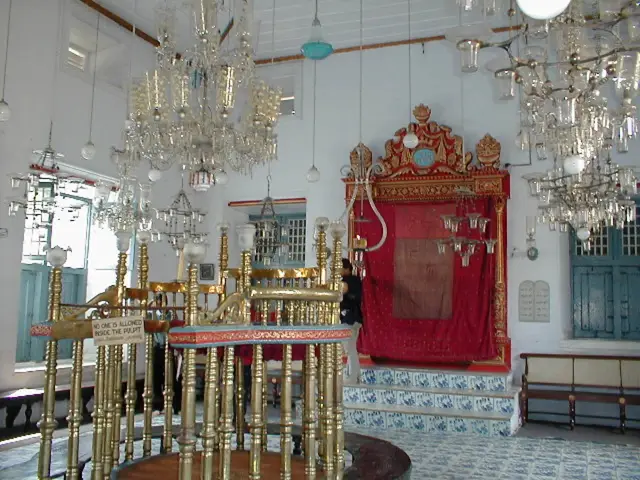
The oldest active synagogue in the Commonwealth (1568), in Jew Town, Mattancherry, with hand-painted Chinese floor tiles.
3.8 km · ~9 min by auto · straight lineWalking and driving times are real routed distances, except the few marked “straight line”, which are direct-line estimates and will read short. Fare figures are estimates from Kerala’s notified auto/taxi tariff and exclude waiting and night charges. Routing: © openrouteservice.org by HeiGIT | Map data © OpenStreetMap contributors
Nearby toilets, pharmacies, ATMs, seating and vets are community-mapped and may be incomplete or out of date. Map data © OpenStreetMap contributors | Walking times © openrouteservice.org by HeiGIT
Because Mangalavanam is an ecologically sensitive protected sanctuary rather than an open park, access is regulated by the Kerala Forest Department. In practice this can mean limited visiting hours, entry via a watchtower or short guided path, and sometimes prior permission — especially for groups, researchers or photography. It is best to check current rules with the Forest Department or Wildlife Warden’s office in Ernakulam before you go.
No. It is a small (about 2.74 hectare) protected mangrove sanctuary, not a landscaped attraction with enclosures. There are no captive animals — it is a wild roosting and breeding habitat for free-flying birds, kept deliberately low-impact. It suits birdwatchers and nature lovers far more than families expecting rides or a large park.
Resident waterbirds such as herons, egrets, cormorants and the white-breasted waterhen, plus raptors like the brahminy kite. In the winter migration season you may add waders and warblers — redshanks, greenshanks and marsh sandpipers among them. Surveys have recorded several dozen species using this small patch, though on any given visit you will see only a fraction.
Early morning is best for bird activity on any day. Seasonally, the migratory birds are most abundant roughly from mid-January to early March, in the cooler, drier winter window. Avoid the peak monsoon months if you want comfortable viewing.
For most visitors, thirty minutes to an hour at the watchtower is enough. Dedicated birdwatchers with binoculars and patience may happily linger longer, especially early in the morning when the colony is most active.
Any fee, if charged, is nominal, and some sources note that entry has been free with donations welcome. Charges and rules are set by the Forest Department and can change, so confirm the current position locally before visiting.
No, though the birds are the reason for the notification. Surveys of this one small patch have recorded something over seventy bird species, alongside roughly thirty species of butterfly, four of dragonfly and two of damselfly, two amphibians, six mammals and four reptiles. A frequently quoted single-day count from 2006 logged 194 individual birds across 32 species. What those numbers really show is not abundance but density — an entire functioning estuarine food web, from the crabs in the mangrove roots upward, compressed into 2.74 hectares with a city pressed against every side.
On the 2022 rule, yes — and Kerala's own counsel said so to the Supreme Court. In June 2022 the court directed that every wildlife sanctuary and national park should have an eco-sensitive zone of at least one kilometre around it. Drawn around a 2.74-hectare sanctuary in central Ernakulam, that ring takes in much of the city centre, the High Court building included. Kerala sought relaxation on exactly those grounds and the Supreme Court eased the mandate in 2023. It is a neat illustration of a rule built for large forest reserves colliding with an urban micro-sanctuary.
Not the absence of a buffer zone but the presence of the buildings already there. High-rise development has risen along the boundary on three sides and interferes with the birds' orientation, take-offs and landings — a problem no zone drawn on a map afterwards can undo. Encroachment and dumping have been recurring issues too, and campaigners, researchers and the courts have all at various points pushed to defend what margin remains.
Dryer months are easier for wildlife access; monsoon access depends on local rules.
Entry: Nominal or free; some sources note entry has been free with donations welcome. Fees and permit rules are set by the Forest Department and can change.. Timings: Access is regulated by the Kerala Forest Department, whose own booking system lists the sightseeing slot as 10:00 am to 5:00 pm. Entry is free for children under 13. Numbers are limited and a visit may need prior permission, so contact the Forest Department before going.
Base yourself in Kochi City or a nearby town in Ernakulam, then confirm the last-mile route locally before leaving. Book official entry, safari, boat or eco-tourism slots first, then plan transport and stay. If the visit depends on forest, temple, boat, ferry, weather or seasonal access, check the official/local rule on the day before travel.
Half day to full day.
Nearby you can pair Broadway Market (1.2 km), Marine Drive (1.4 km), Subhash Park (2.4 km), Bolgatty Palace (2.5 km).
Do not feed or approach wildlife. Use official routes and approved operators only.
Written about Mangalavanam Bird Sanctuary itself — its history, its legends and the arguments about them.
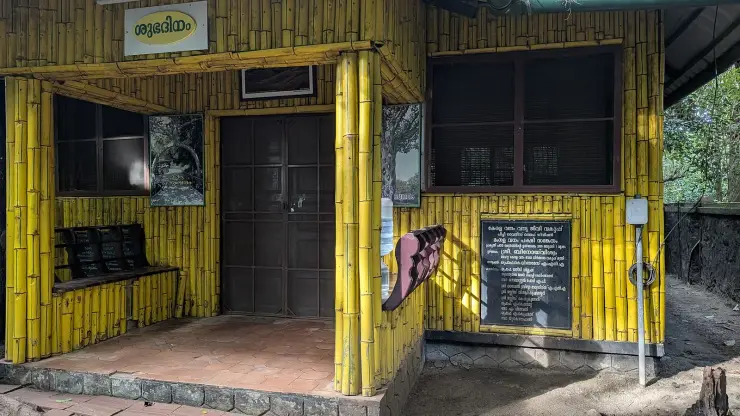
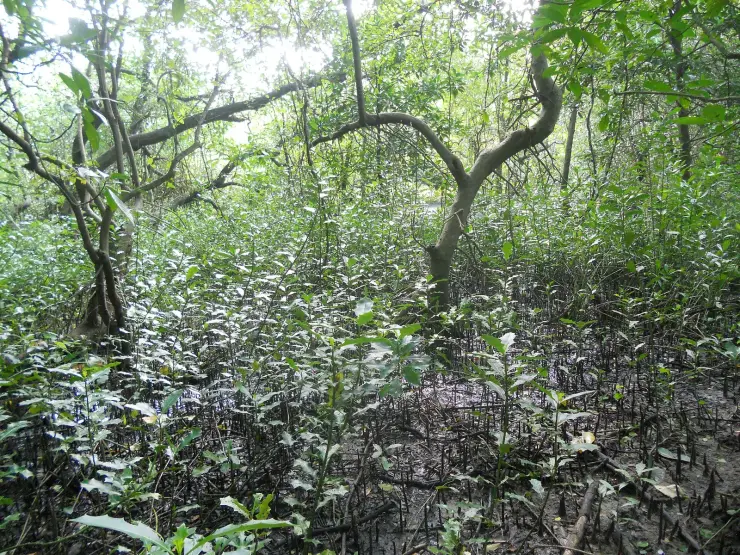
Mangalavanam Bird Sanctuary sits in Kochi City, so these cover the streets, buildings and surroundings around it.
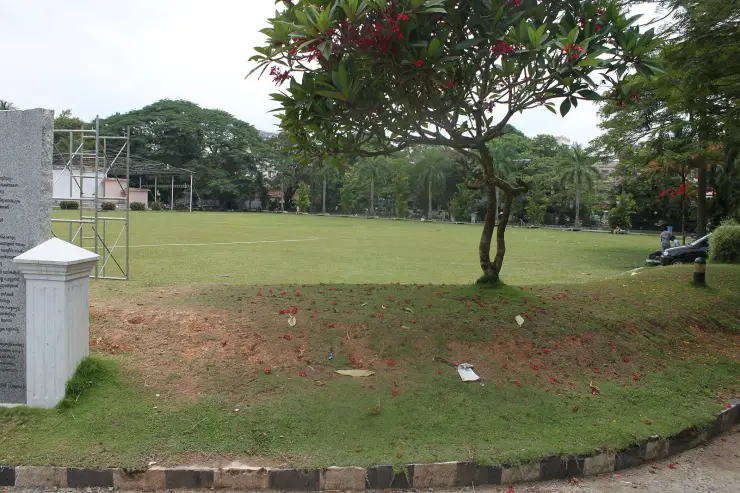
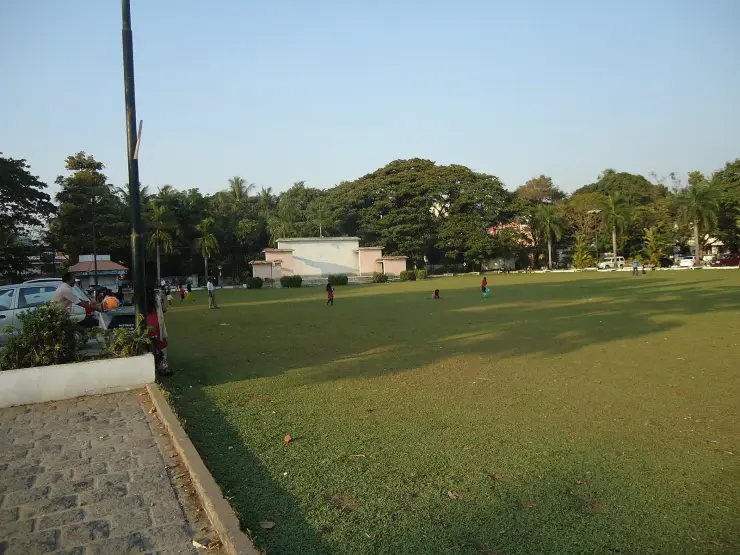
Route-level itineraries and practical guides for the rest of Kerala.
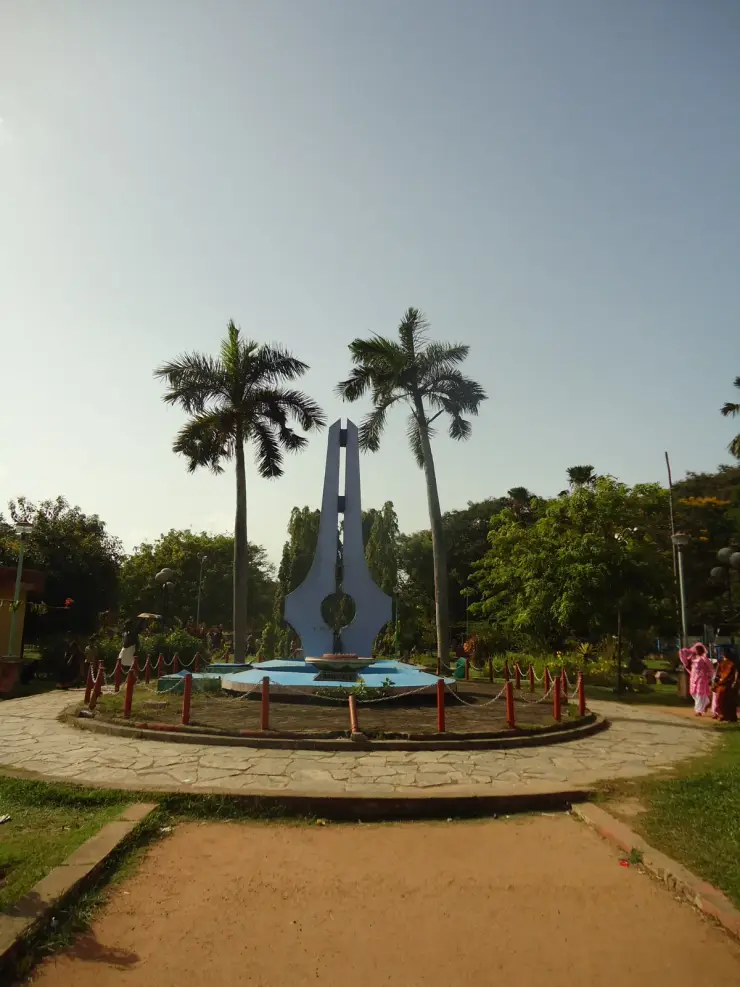
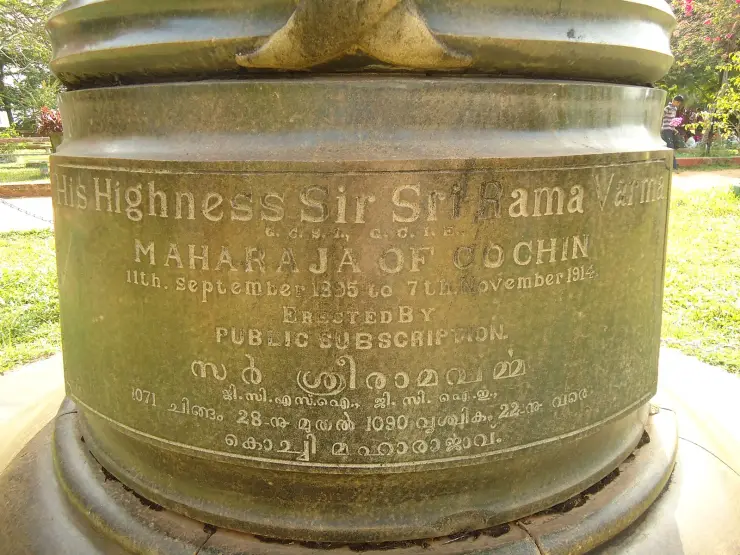
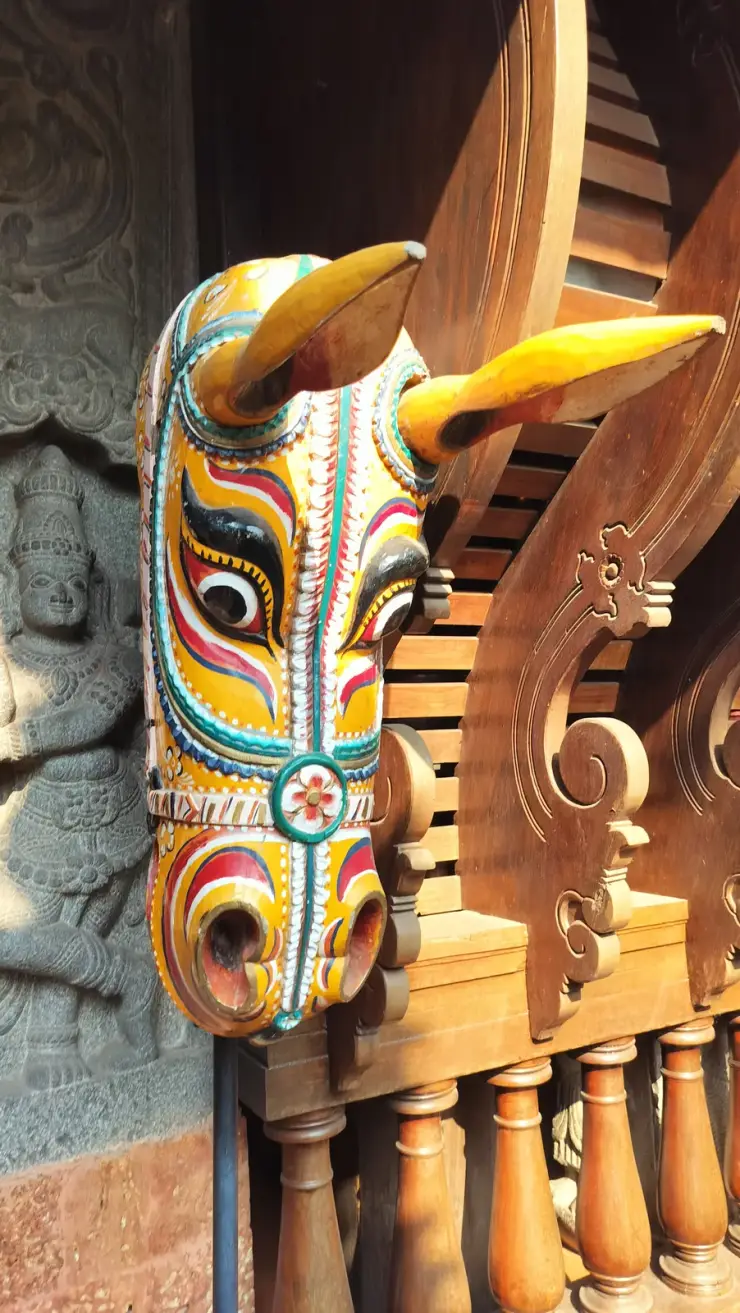
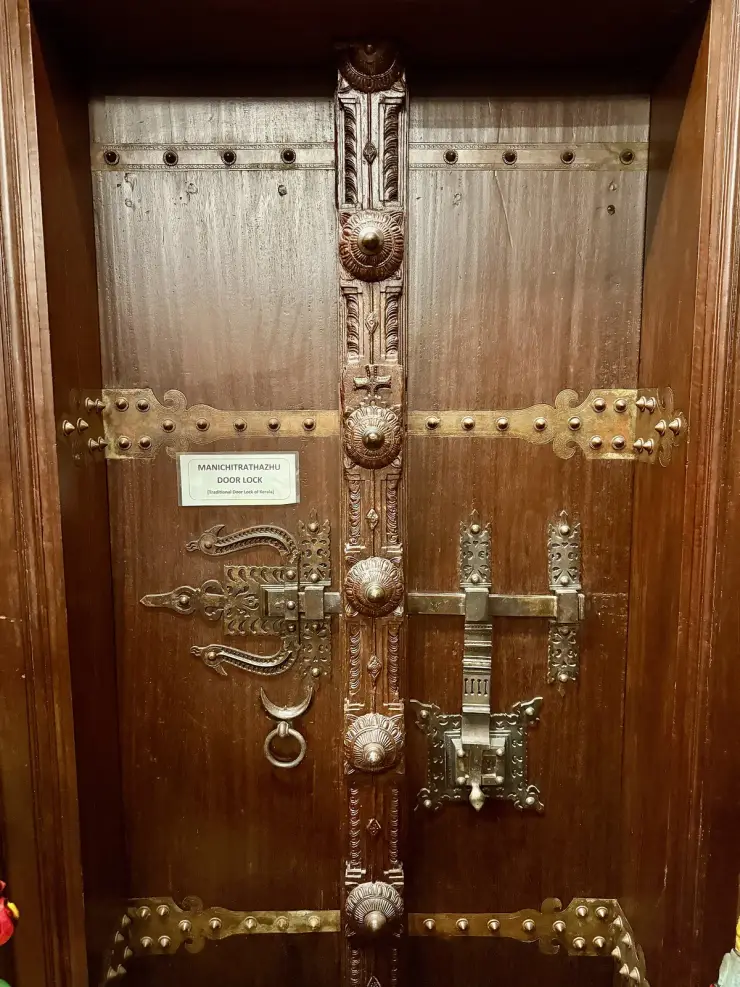
Photographs: Augustus Binu (CC BY-SA 3.0), Thilsebatti (CC BY-SA 4.0), Travalour (CC BY-SA 4.0), Vijayanrajapuram (CC BY-SA 4.0). Wikimedia Commons.