What to expect
Highlights
- Heritage experience at Mattancherry Paradesi Synagogue
- Architecture, local stories and old trade/cultural routes
- Good fit for guided walks and nearby cafes/shops
The oldest active synagogue in the Commonwealth (1568), in Jew Town, Mattancherry, with hand-painted Chinese floor tiles.
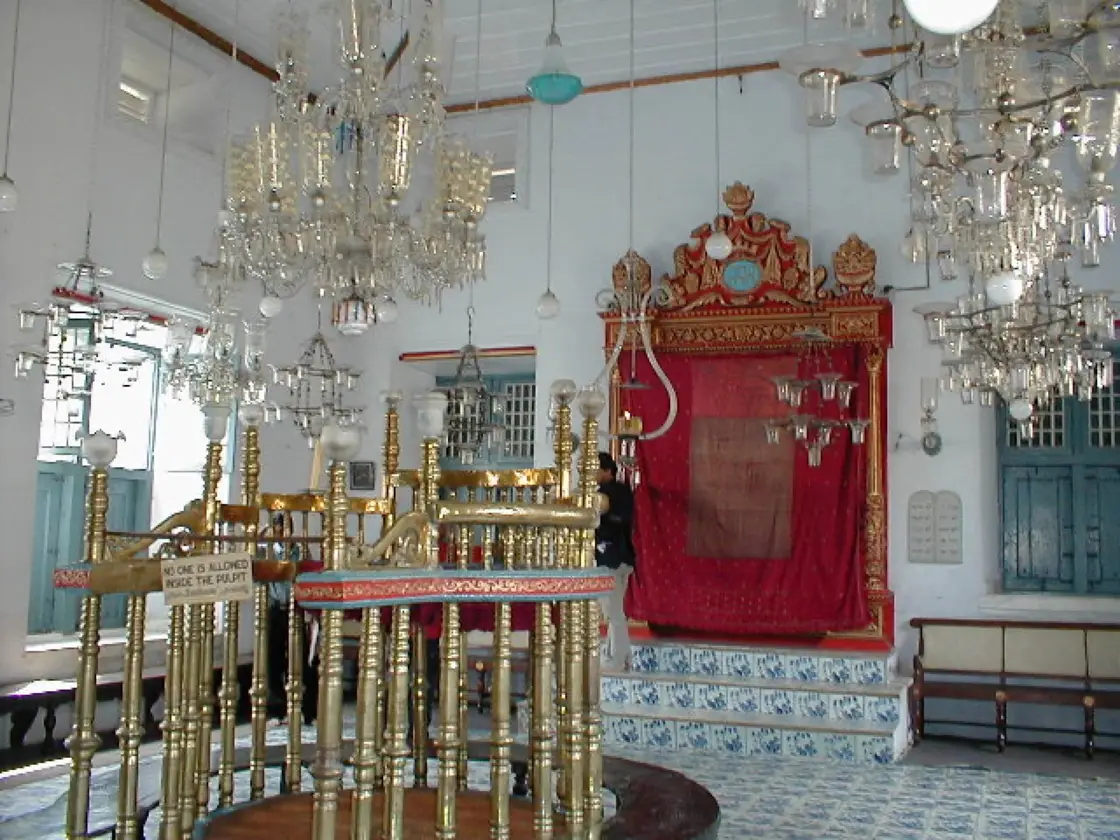
Tucked at the end of a narrow lane in Mattancherry’s old Jew Town, the Paradesi Synagogue is a small, luminous room that carries an outsized story. Built in 1568, it is the oldest active synagogue in the Commonwealth, and stepping barefoot onto its cool, blue-and-white Chinese tiled floor beneath a glimmering canopy of Belgian glass chandeliers feels like walking straight into four centuries of Kerala’s cosmopolitan past.
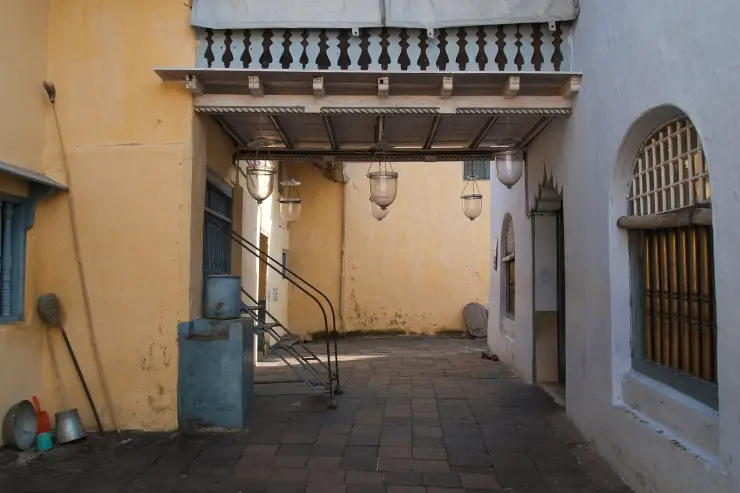
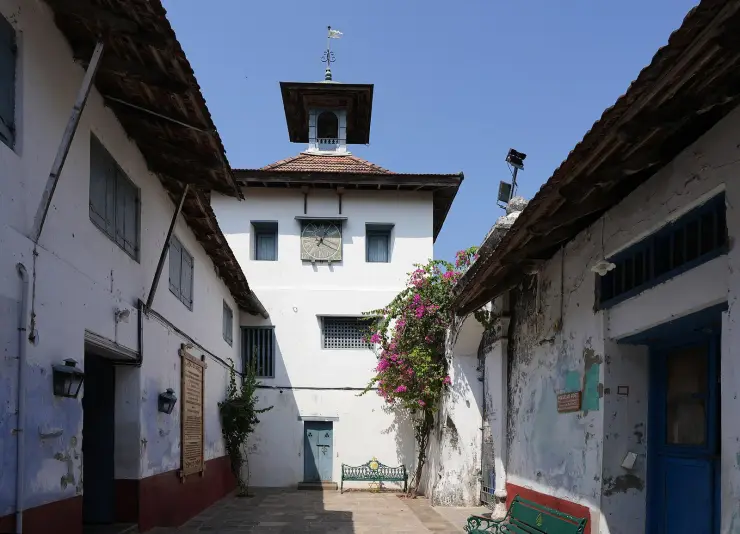
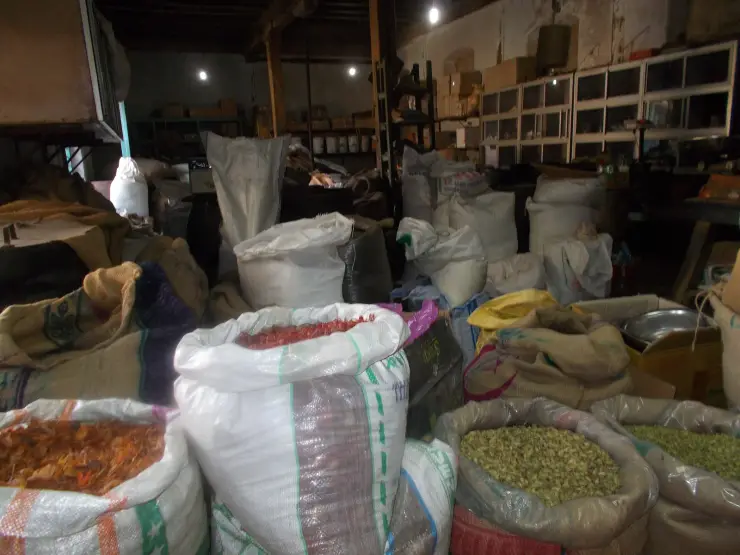
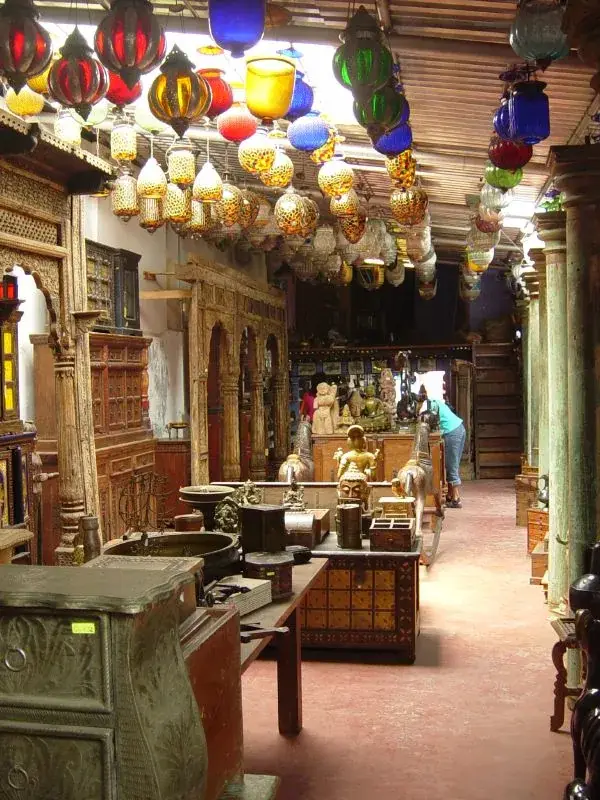
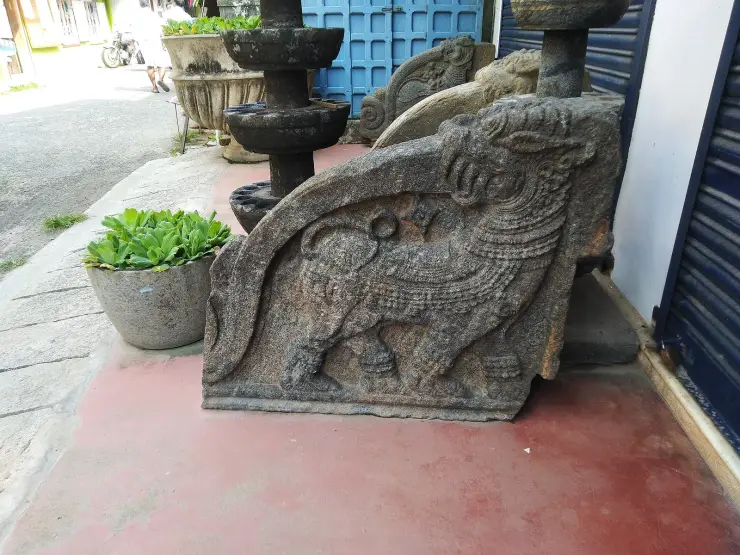
You reach the synagogue by wandering down Synagogue Lane, a slender, sun-dappled street where antique dealers, spice traders and curio shops trade under signs in half a dozen scripts. The lane funnels you gently towards a whitewashed clock tower and a modest doorway — there is no grand façade, no towering spire. The Paradesi Synagogue keeps its wonders inside, and that restraint is part of its magic. For centuries this quiet corner beside the Raja’s palace was the beating heart of a thriving Jewish trading community that helped make Kochi one of the great spice ports of the world.
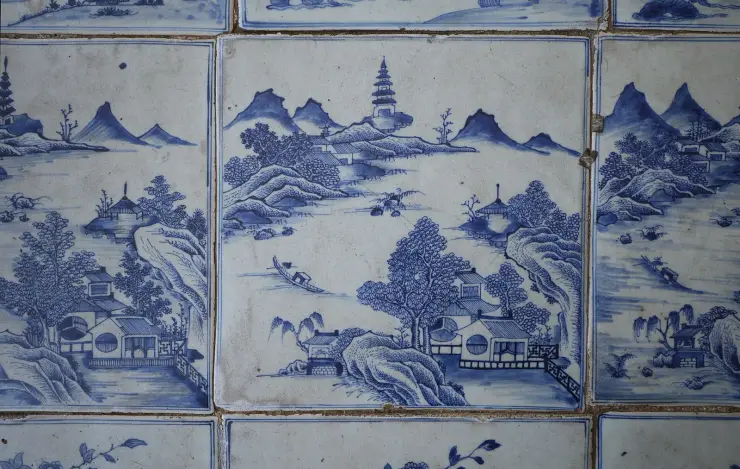
Slip off your shoes at the threshold — everyone enters barefoot — and the first thing that stops you is the floor. It is paved with over a thousand hand-painted, blue-and-white willow-pattern porcelain tiles brought from Canton in China in the eighteenth century. Look closely and you notice something uncanny: no two tiles are quite alike. Lotus and plum blossom, chrysanthemum and willow, peony and rock — each little scene shifts subtly from the next, so that the floor reads like a slow, silent story told a thousand times over in cobalt blue.
Raise your eyes and the room glows. A tier of Belgian cut-glass chandeliers, each of a different colour and design, hangs low over the prayer hall, catching light from the tall windows and scattering it across the tiles. In the centre stands the bimah, the raised pulpit ringed with a polished brass rail, and against the eastern wall the carved teak ark holds the Torah scrolls, some sheathed in silver and gold and crowned with jewelled ornaments gifted over the generations. An Oriental rug, said to have been presented by the Ethiopian emperor Haile Selassie, adds one more thread to the room’s tapestry of far-flung gifts.
For all its beauty, the synagogue is above all a survivor. The community that built it were the Paradesi — the word simply means ‘foreigners’ in Malayalam — Sephardic Jews with roots in Spain, Portugal, the Middle East and beyond, who had joined the far older Malabar Jewish community already settled on the Kerala coast. They prospered here as merchants and diplomats under the protection of the Rajas of Cochin, building homes, warehouses and this small jewel of a prayer house within sight of the royal palace.
Today the congregation has all but vanished. Waves of emigration, above all to Israel after 1948, thinned a community that once numbered in the thousands down to a mere handful of elderly members. The synagogue is no longer filled with the everyday bustle of a living neighbourhood at prayer, yet it is lovingly kept, still consecrated, and still opened to a stream of visitors from around the world. To stand quietly inside is to feel both the richness of what flourished here and the poignancy of its fading.
That mixture — dazzle and melancholy, the exotic and the intimate — is what makes the Paradesi Synagogue unforgettable. It is not a vast monument but a jewel box, a single room that holds Chinese porcelain, Belgian glass, Dutch woodwork, Hebrew scripture and Kerala hospitality all at once. Few places anywhere tell the story of India’s openness to the world so movingly in so small a space.
There is one more thing to know before you go in, and it complicates all of that. For most of the synagogue’s history, not everyone who was Jewish could walk through this door on equal terms. The congregation ran a three-tier hierarchy — the Paradesi or “White” Jews as the only full members, the older Malabari or “Black” Jewish community permitted to pray but not admitted to full membership, and the Meshuchrarim, descendants of freed slaves, who had no communal rights at all and sat outside on the steps. When you pause on those steps on your way in, that is where they sat. The history section below tells you how it ended, and who ended it.
The most beloved tale attached to the synagogue concerns its Chinese floor tiles, and it is best enjoyed as folklore rather than documented fact. As the story goes, the exquisite hand-painted tiles brought from Canton were originally destined for the palace of the Raja of Cochin, not for the Jewish community at all. A resourceful member of the community, so the legend runs, quietly whispered to the Hindu ruler that the glaze on the tiles had been mixed with cow’s blood. Horrified at the thought of so impure a material beneath his feet, the Raja is said to have rejected the whole consignment — whereupon the Jewish community happily acquired the tiles for their synagogue. Historians treat the anecdote with a smile and considerable caution, but it is retold on almost every visit, a charming parable of wit outmanoeuvring wealth.
The tiles carry a second layer of legend in the scenes they depict. Local guides love to point out that the little willow-and-pavilion patterns echo an old Chinese romance of two lovers separated in life and reunited only as a pair of doves, while others read the same designs as the wandering spirits of monks from a burned monastery journeying towards paradise. Whichever version you are told, it lends the floor a quiet, story-laden hush — a reminder that these tiles travelled thousands of miles carrying tales of their own before they came to rest in Kerala.
The copper plates are where legend and evidence part company, and it is worth knowing which you are being shown. You will be told, here and in most published accounts, that the plates are some sixteen centuries old; this page said so too until we checked. The traditional dating puts the grant at 379 CE, and the community's own history reaches further still, to families who fled after the destruction of the Second Temple in 70 CE and settled at Shingly, or Kodungallur. Modern epigraphy dates the charter to about 1000 CE instead. The script is Vatteluttu, the granting king Bhaskara Ravi Varman reigned roughly 962 to 1020, and M. G. S. Narayanan set out the palaeographic case in Cultural Symbiosis in Kerala in 1972; it is now the scholarly consensus. What the plates are is a royal charter granting seventy-two privileges to Joseph Rabban, proprietor of the Anjuvannam — which is a remarkable thing to hold in a small room in Kerala without needing to be six hundred years older than it is.
The clock tower outside has a small mystery of its own, and it is a good one because it is a mystery about who a building was talking to. Ezekiel Rahabi raised the forty-five-foot Dutch-style tower in 1760–61, and its dials were made to face different audiences in different scripts: Hebrew to the west, for the congregation in the synagogue courtyard, carrying the words yehi ratzon, may it be God's will, and the Hebrew year 5521; Malayalam to the north, facing the Raja's palace, in the Kollam era year 936; Roman to the south, over Synagogue Lane, marked Anno Domini 1760. Three dials, three communities, one hour.
The eastern wall is blank, and nobody agrees why. A. B. Salem — the same lawyer who broke the congregation's colour bar — recorded a fourth eastern dial in 1929 without saying what numerals it carried, and it is usually described as having been Arabic, aimed at the general public coming up from the harbour; Bar Giora in 1958, Yehudi in 1989 and Segal in 1993 all repeat that it existed and was removed around 1800. Against them stand the photographs. Images from 1906, 1923 and 1947 show no eastern dial at all. Either it went before the camera arrived, or the fourth face was always an intention rather than a thing that was built. Stand on the east side and you are looking at the one direction this remarkably talkative building never learned to address.
The Jewish presence on the Malabar coast is ancient, with tradition holding that Jewish traders reached Kerala after the destruction of the Second Temple in 70 CE and settled first at Cranganore (Kodungallur), the Shingly of the community's own songs. The community’s cherished copper plates — engraved sheets kept in the synagogue — record a grant of seventy-two privileges to Joseph Rabban, proprietor of the Anjuvannam, giving the Jewish community rights, honours and a measure of self-governance. They are traditionally dated to 379 CE and are still widely described as sixteen centuries old, but the palaeography of their Vatteluttu script and the reign of the granting king, Bhaskara Ravi Varman (c. 962–1020), place them at about 1000 CE; that has been the scholarly position since M. G. S. Narayanan's Cultural Symbiosis in Kerala in 1972. Either way they remain among the synagogue's most treasured possessions and the founding charter of Jewish life on this coast.
After the Portuguese arrived and pressures grew at Cranganore in the early sixteenth century, many Jews moved south to Kochi, settling beside the Raja of Cochin’s palace under his protection. It was here, in 1568, that families of the community secured land near the palace and built the Paradesi Synagogue — the ‘foreigners’ synagogue’ — a name reflecting the Sephardic and other newcomers who had arrived from Europe and the Middle East and worshipped alongside the long-established Malabar Jews.
The community’s fortunes turned violent during the era of Portuguese dominance, when the Inquisition’s reach and hostility to the Jewish faith brought a turbulent period to Kochi. In 1662 Portuguese forces attacked Mattancherry and set the synagogue ablaze, leaving it badly damaged. Deliverance came with a shift in colonial power: the Dutch, who took Cochin from the Portuguese, were far more tolerant, and under their rule the synagogue was rebuilt in the years immediately following, restoring the prayer house that survives today.
Under Dutch protection the community flourished again through the eighteenth century, and it is to this prosperous era that the synagogue owes its most famous adornments. The wealthy merchant and community leader Ezekiel Rahabi is credited with adding the distinctive clock tower around 1760–61, its several faces bearing the hours in different scripts, and with importing the celebrated blue-and-white hand-painted tiles from Canton that pave the floor. The glittering Belgian glass chandeliers were added later, in the nineteenth century, completing the interior’s remarkable blend of Chinese, European and Kerala craftsmanship.
The synagogue’s own internal history is less comfortable than the story of shelter, and it is documented rather than disputed. The congregation was formally stratified into three classes. The Paradesi — the “White” Jews, of Sephardic and European descent — were the only full members. The Malabari or “Black” Jews, the far older community that had been on the coast for centuries before the Paradesi arrived, were permitted to worship here but were not admitted to full membership. The Meshuchrarim, descendants of freed slaves and of mixed African-European parentage, held no communal rights whatsoever, had no synagogue of their own, and were not allowed inside: they sat on the steps outside. A community that had been shown hospitality by the Raja of Cochin maintained, inside its own walls, a hierarchy organised largely by ancestry and skin colour.
It was dismantled from within. Abraham Barak Salem, born in Kochi in 1882 and the first Cochin Jew to train as a lawyer, was himself a descendant of the Meshuchrarim. He campaigned against the community’s own colour bar for decades, borrowing the method being used against the British on the other side of the same argument — satyagraha, non-violent civil resistance — which earned him the name by which he is still known, the Jewish Gandhi of Cochin. His targets were concrete: the right to full membership, the right to read from the Torah, the right to be buried in the synagogue’s cemetery.
He won. By the 1940s the Paradesi Synagogue had been opened to the whole community, which could read from the Torah and bury its dead in the Paradesi cemetery — though at first in a separate section, which is worth recording rather than rounding off. Salem died in 1967, aged 85, and was buried in the cemetery attached to this synagogue: an honour that had been denied to his own ancestors within living memory.
In the twentieth century the community that sustained the synagogue dwindled sharply. Emigration, especially the mass movement to the newly founded state of Israel after 1948, reduced a once-vibrant congregation to a tiny remnant of elderly Paradesi Jews. Recognised as a heritage treasure of Kerala, the synagogue is today carefully preserved and remains open to visitors, standing as the oldest active synagogue in the Commonwealth and one of the most eloquent surviving monuments to India’s long tradition of religious welcome.
Both halves of that belong together. Kerala did shelter a people the rest of the world was expelling, and this room is the proof of it; and the sheltered community drew its own internal lines, and one of its own members spent a lifetime rubbing them out. The synagogue is a better place to stand if you carry both facts up the steps.
It is a genuine ‘oldest’: built in 1568 and still consecrated, the Paradesi Synagogue is the oldest active synagogue in the Commonwealth, a rare living link to a Jewish community that has called Kerala home for well over a thousand years.
The hand-painted Chinese floor is a wonder in itself — over a thousand blue-and-white willow-pattern porcelain tiles from Canton, no two identical, forming a cool, story-filled carpet of cobalt that visitors invariably remember long after.
The interior is an intimate treasure box: a low canopy of multicoloured Belgian glass chandeliers, a brass-railed bimah, a carved teak ark with silver-and-gold-clad Torah scrolls, jewelled crowns and an Oriental rug said to be a gift from Emperor Haile Selassie of Ethiopia.
The setting is half the pleasure. The synagogue anchors Jew Town and Synagogue Lane, one of the most atmospheric streets in South India, lined with antique dealers, spice warehouses and curio shops — a slow, sensory wander through Kochi’s trading past.
It is deeply moving as well as beautiful. With the community now reduced to a handful, a quiet visit carries real poignancy — a chance to honour a vanishing culture and to reflect on India’s long history of sheltering those who came from far away.
It pairs perfectly with nearby heritage — the Dutch (Mattancherry) Palace with its famous murals is right beside it, and Fort Kochi’s Chinese fishing nets, churches and waterfront are a short hop away, making it an easy centrepiece of a heritage day in old Kochi.
Road km to Ernakulam; ghat roads and traffic vary — allow extra.
November to February and early mornings are best for walking; avoid midday heat where possible.
Live forecast loads in your browser.
Sun and moon are calculated for this location and shown in IST. Photography windows are the hour around sunrise and sunset; the sunset bearing is degrees clockwise from true north. Moon phase is accurate to about half a day.
Verified hotels, homestays, restaurants, experiences, sights, shops and rentals around Mattancherry Paradesi Synagogue — commission-free, with direct contact. Filter by what you need.
Museum restaurant in Jew Town/Mattancherry, paired with the Ginger House heritage-hotel complex.
Book with the place itself. India’s cyber-crime coordination centre warned in April 2025 that convincing copies of hotel and pilgrimage booking sites are being pushed through sponsored search and social ads, taking payment for rooms the property never hears about. Every listing here links to the business’s own contact details and its own Google or Bing profile — we take no commission and sit in nobody’s payment path. If a booking page reached you through an ad, check the address bar against the property’s own site before you pay. Fraud can be reported on cybercrime.gov.in or on 1930.
Browse food, accommodation and activities across Mattancherry. Check each address and journey before adding it to your day; these selections are not all beside Mattancherry Paradesi Synagogue.
5 more places around Mattancherry. Open a guide to plan the visit and onward journey.
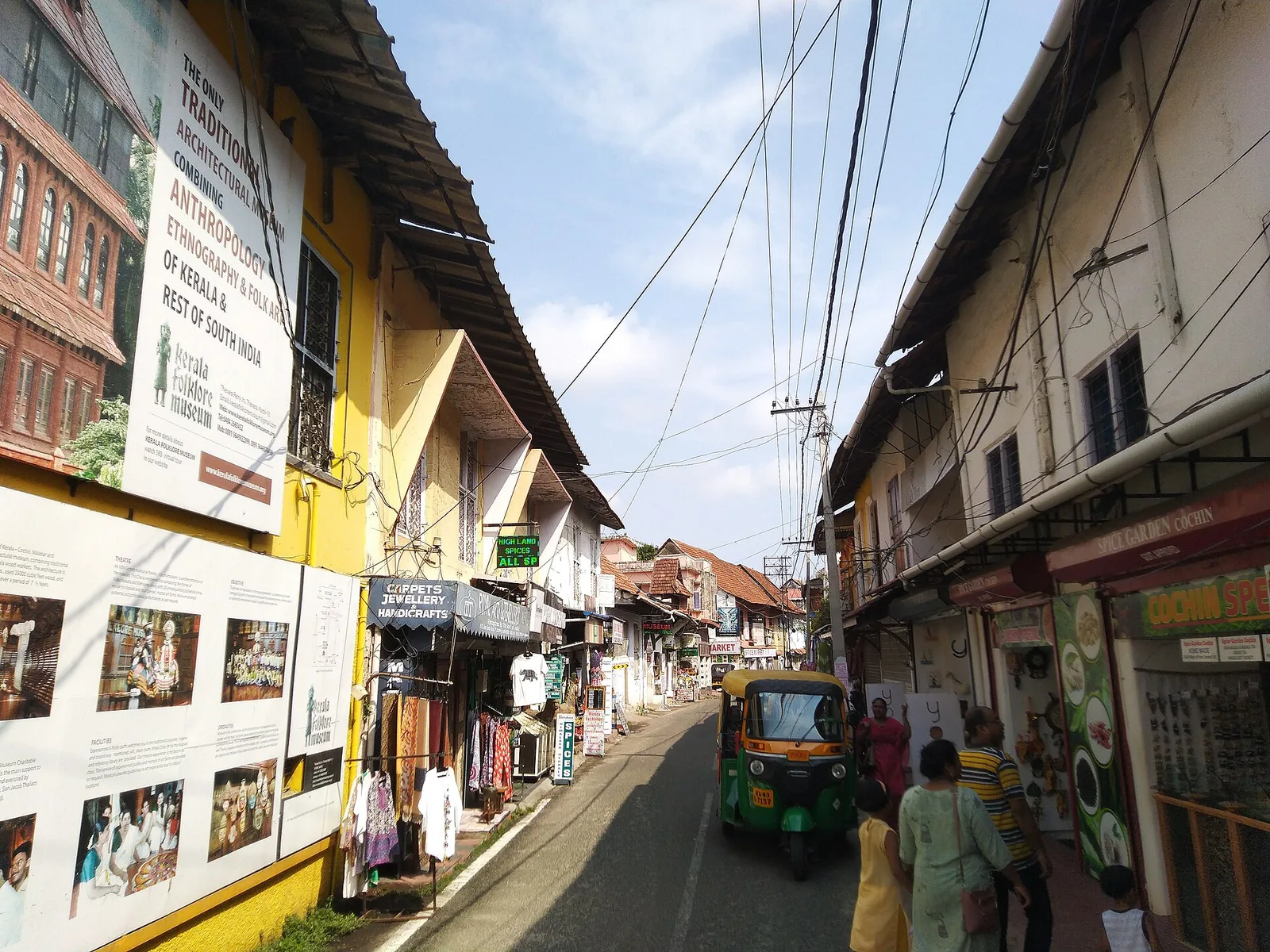
280 m · 3 min walk
Spice warehouses, antiques, Mattancherry Palace and Paradesi Synagogue.
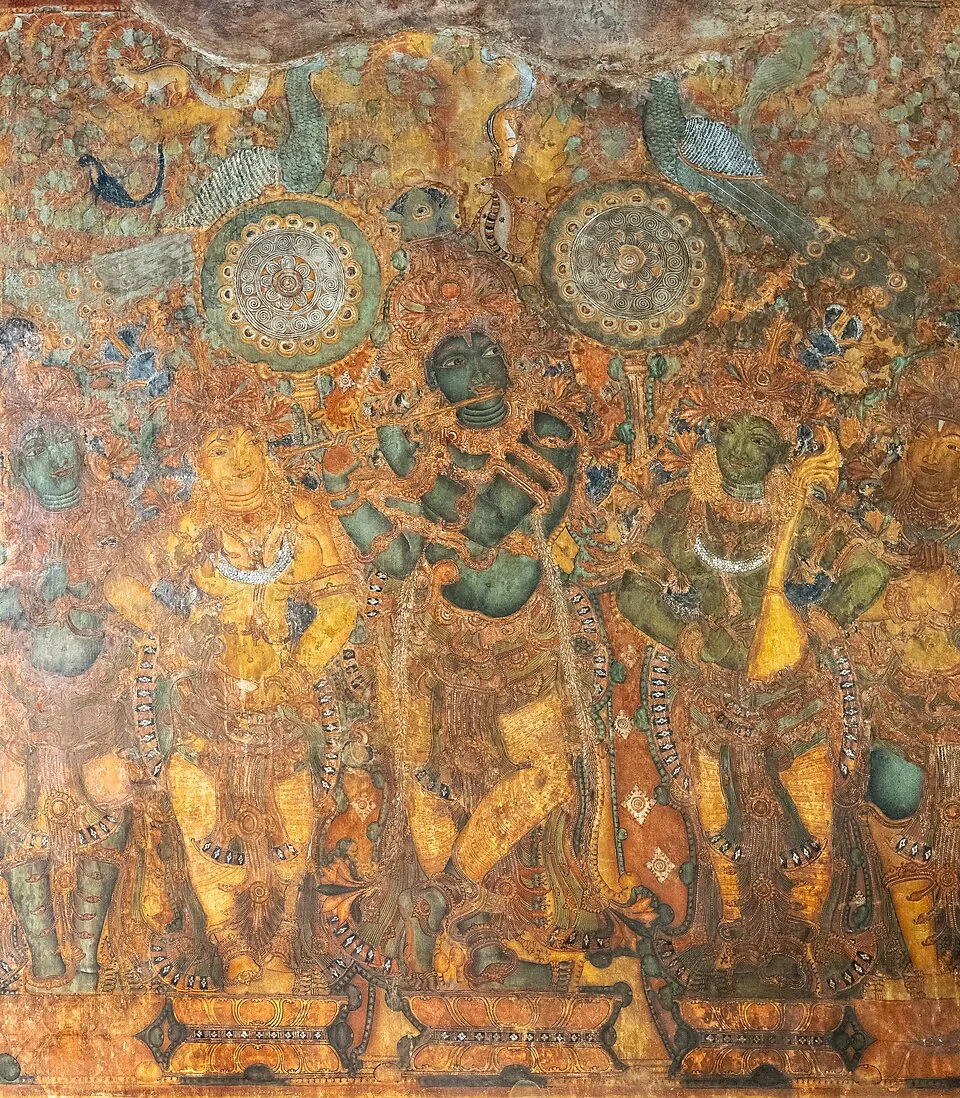
320 m · 4 min walk
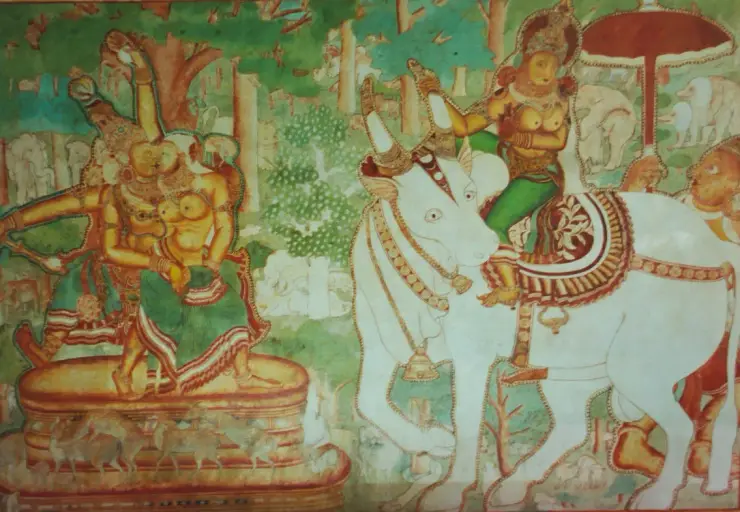
The Mattancherry Palace, known as the Dutch Palace, with celebrated Kerala mural paintings from the Ramayana and royal portraits.
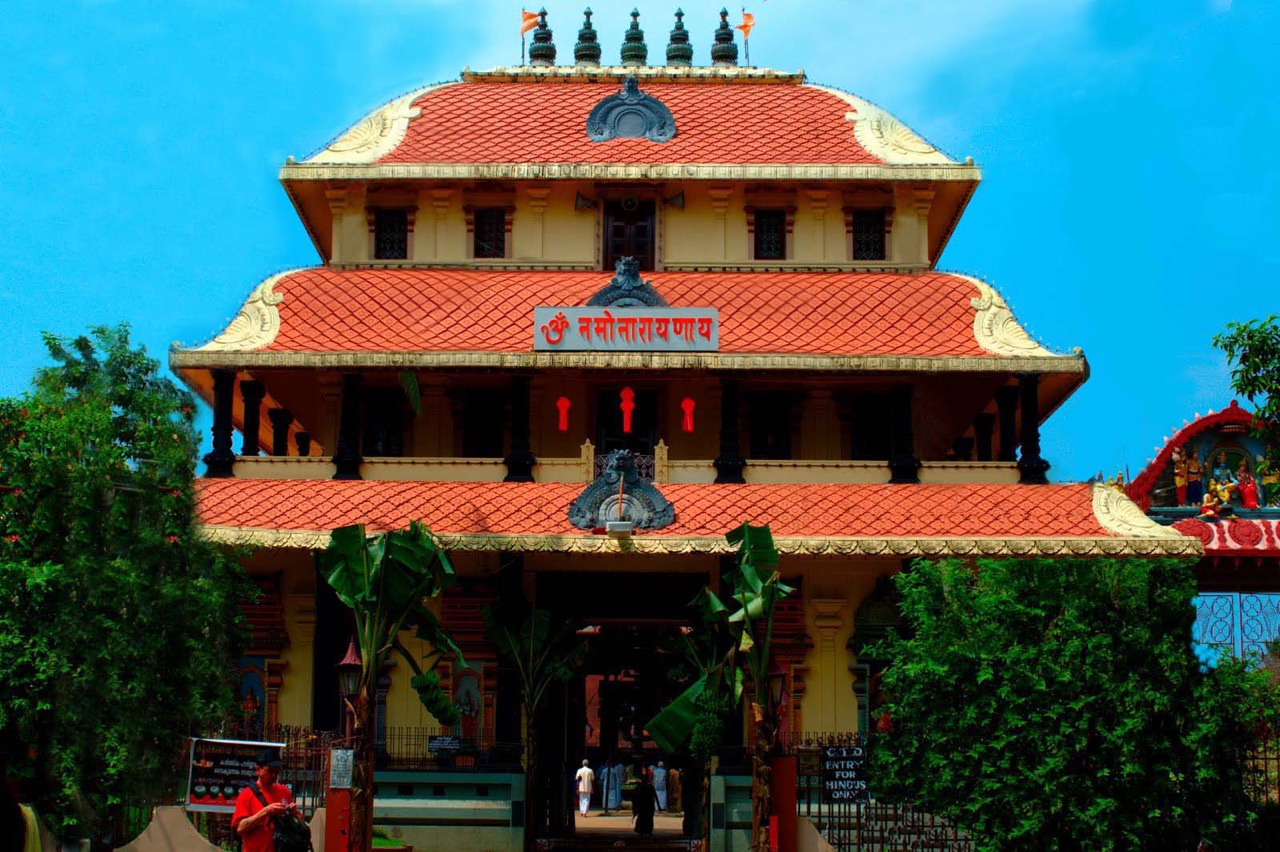
1.4 km · 16 min walk
A historic Gowda Saraswat Brahmin temple in Cherlai, Mattancherry, central to Kochi’s Konkani community.
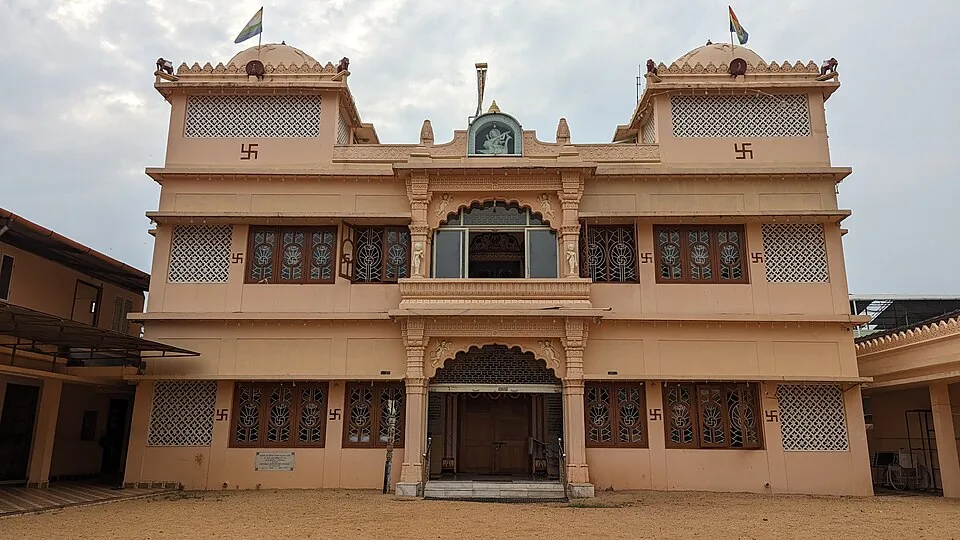
1.3 km · 15 min walk
An ornate Jain temple in Mattancherry’s Gujarati quarter, raised in 1904 by Hirubai in memory of her husband Jivraj Dhanji and dedicated to Dharmanatha, the fifteenth Tirthankara — known for its white marble work and the daily midday feeding of the pigeons outside.
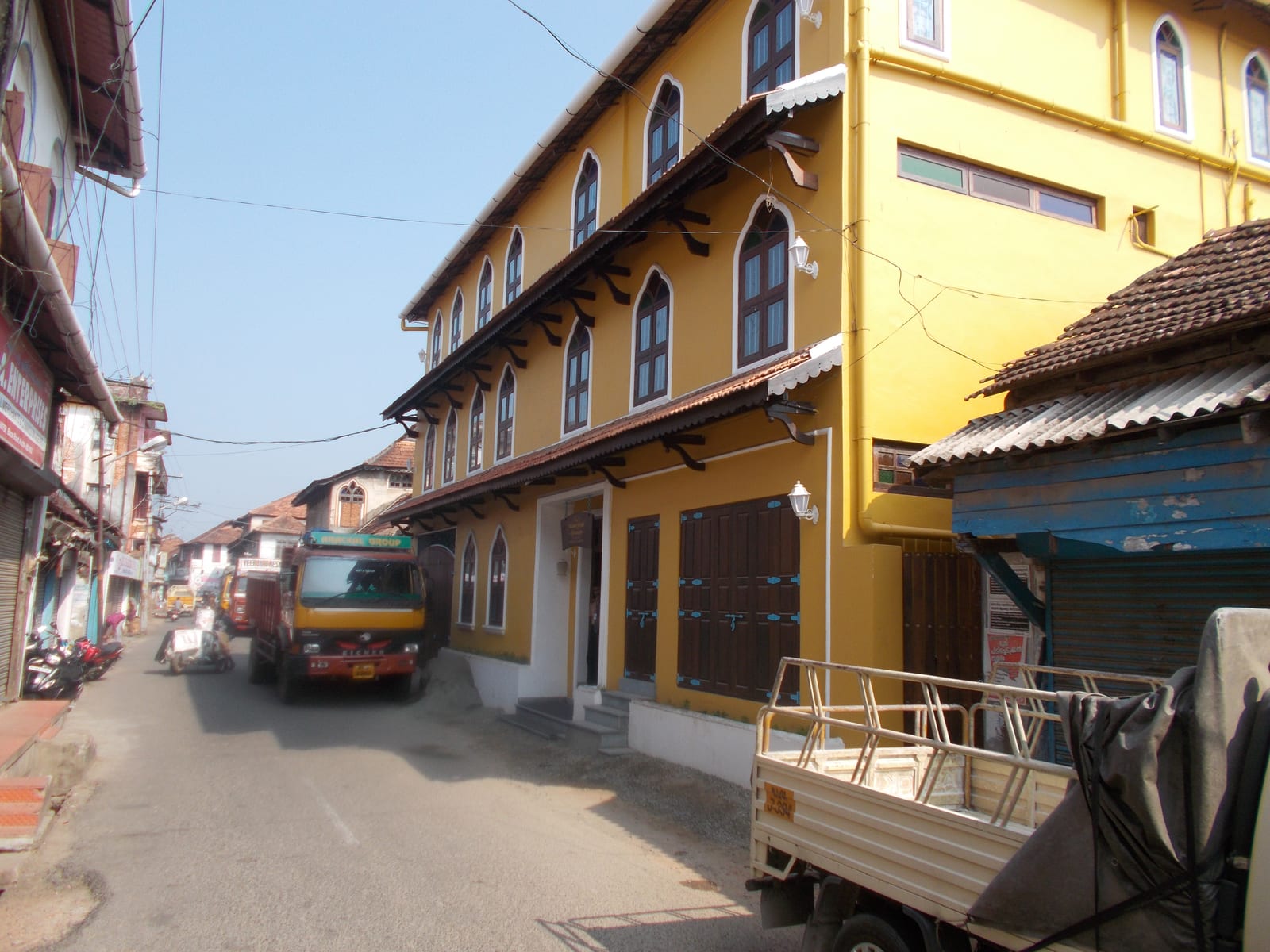
510 m · 6 min walk
The working spice quarter along Mattancherry’s Bazaar Road — godowns where pepper, ginger, turmeric and cardamom are still graded, sacked and weighed, and where the smell reaches the street before the signage does.
Roampedia is commission-free — own or know a stay, eatery, guide or shop near Mattancherry Paradesi Synagogue? List it and it appears here once verified.
Add a nearby businessEntry: A small entry ticket of around ₹5–₹10 per person is commonly quoted, though some sources report no charge.
Dress code: Modest dress covering shoulders and knees is expected at this active place of worship, and all visitors must remove their shoes and enter barefoot; keep voices low inside.
Festivals: As a functioning synagogue with only a tiny remaining congregation, it observes the Jewish calendar, including the Sabbath (Friday evening to Saturday) and festivals such as Rosh Hashanah, Yom Kippur, Sukkot, Hanukkah and Passover, on which it is generally closed to visitors.
Photography: Photography is generally prohibited inside the synagogue and it is often described as having a strict no-camera policy within the compound; you may photograph the exterior, clock tower and lane (verify and respect posted signs and staff instructions).
If you are travelling by bus or ferry, check the return service with the operator before setting out. Leave time to reach the stop or jetty after your visit.
Ask at the bus stand for the time of the last service back, not the next one. If you miss it, an auto or app cab is the fallback — agree the fare before you get in.
If you need step-free access, contact the site before travelling. Ask about a level entrance, steps along the route, the nearest drop-off point, seating and accessible toilets.
Charge cap and free-transaction limits: Reserve Bank of India, in force since 1 May 2025.
These services are listed within about 1.2 km of Mattancherry Paradesi Synagogue. Walking distances follow mapped routes; access and opening hours can change. Other services may be closer but are not included here.
Emergency numbers are verified against official government and state tourism sources. 112 works anywhere in India.
Spice warehouses, antiques, Mattancherry Palace and Paradesi Synagogue.
280 m · 3 min walkThe Mattancherry Palace, known as the Dutch Palace, with celebrated Kerala mural paintings from the Ramayana and royal portraits.
320 m · 4 min walkThe working spice quarter along Mattancherry’s Bazaar Road — godowns where pepper, ginger, turmeric and cardamom are still graded, sacked and weighed, and where the smell reaches the street before the signage does.
510 m · 6 min walkAn ornate Jain temple in Mattancherry’s Gujarati quarter, raised in 1904 by Hirubai in memory of her husband Jivraj Dhanji and dedicated to Dharmanatha, the fifteenth Tirthankara — known for its white marble work and the daily midday feeding of the pigeons outside.
1.3 km · 15 min walkA historic Gowda Saraswat Brahmin temple in Cherlai, Mattancherry, central to Kochi’s Konkani community.
1.4 km · 16 min walk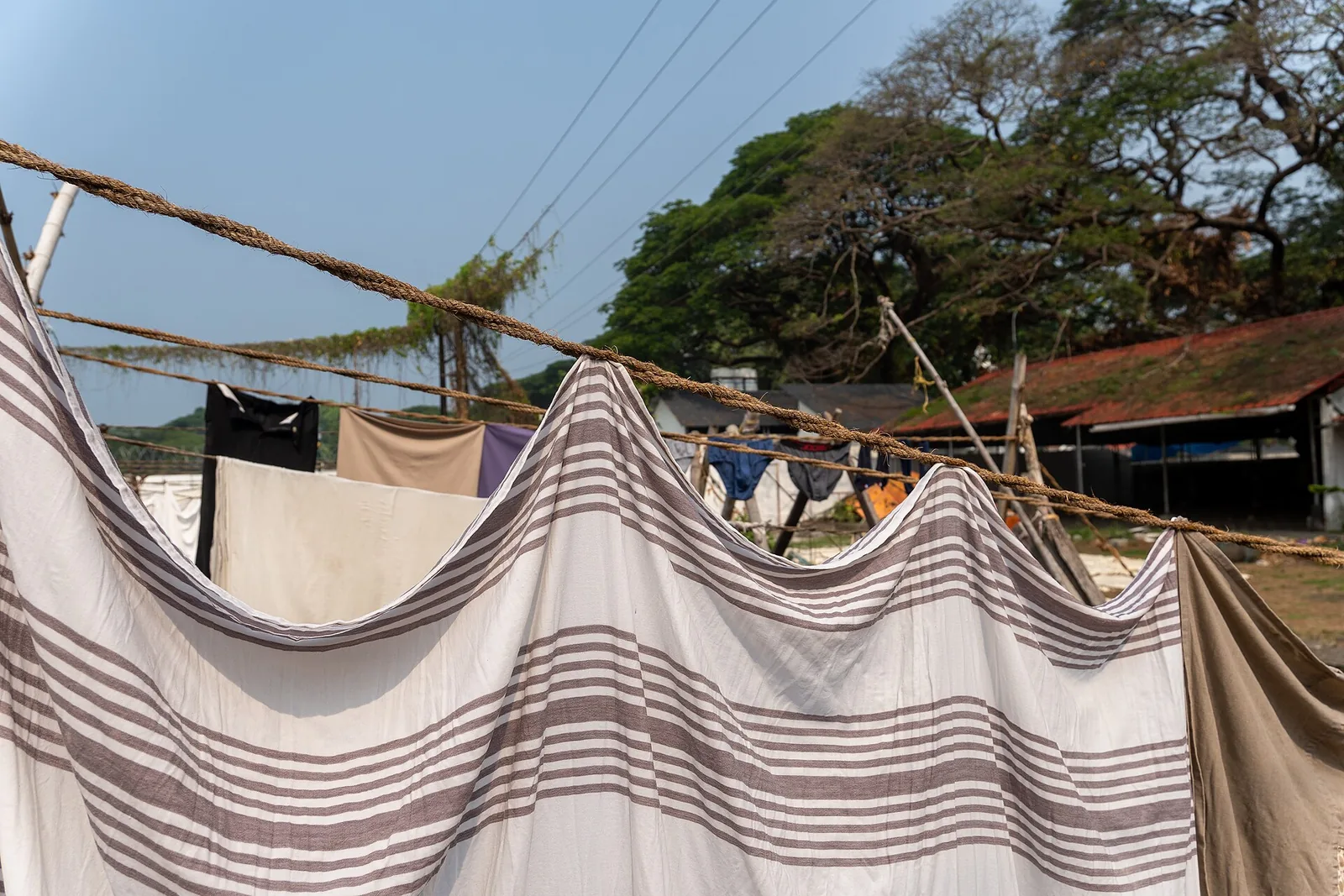
A working colonial-era community open-air laundry in Fort Kochi, still used by traditional washermen families.
1.8 km · 22 min walk · straight line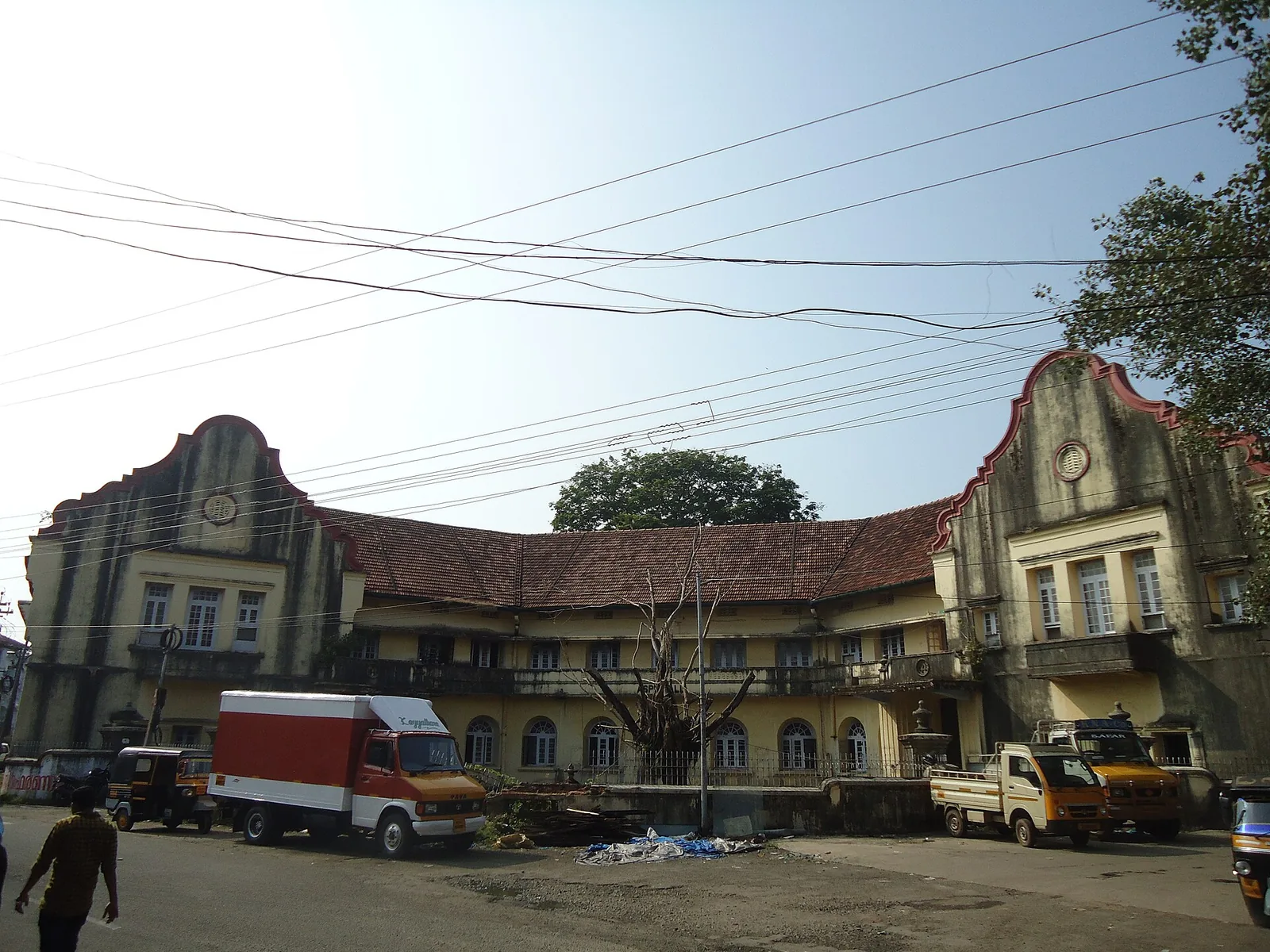
A large 19th-century waterfront trading compound in Fort Kochi, the principal venue of the Kochi-Muziris Biennale.
1.9 km · 23 min walk · straight line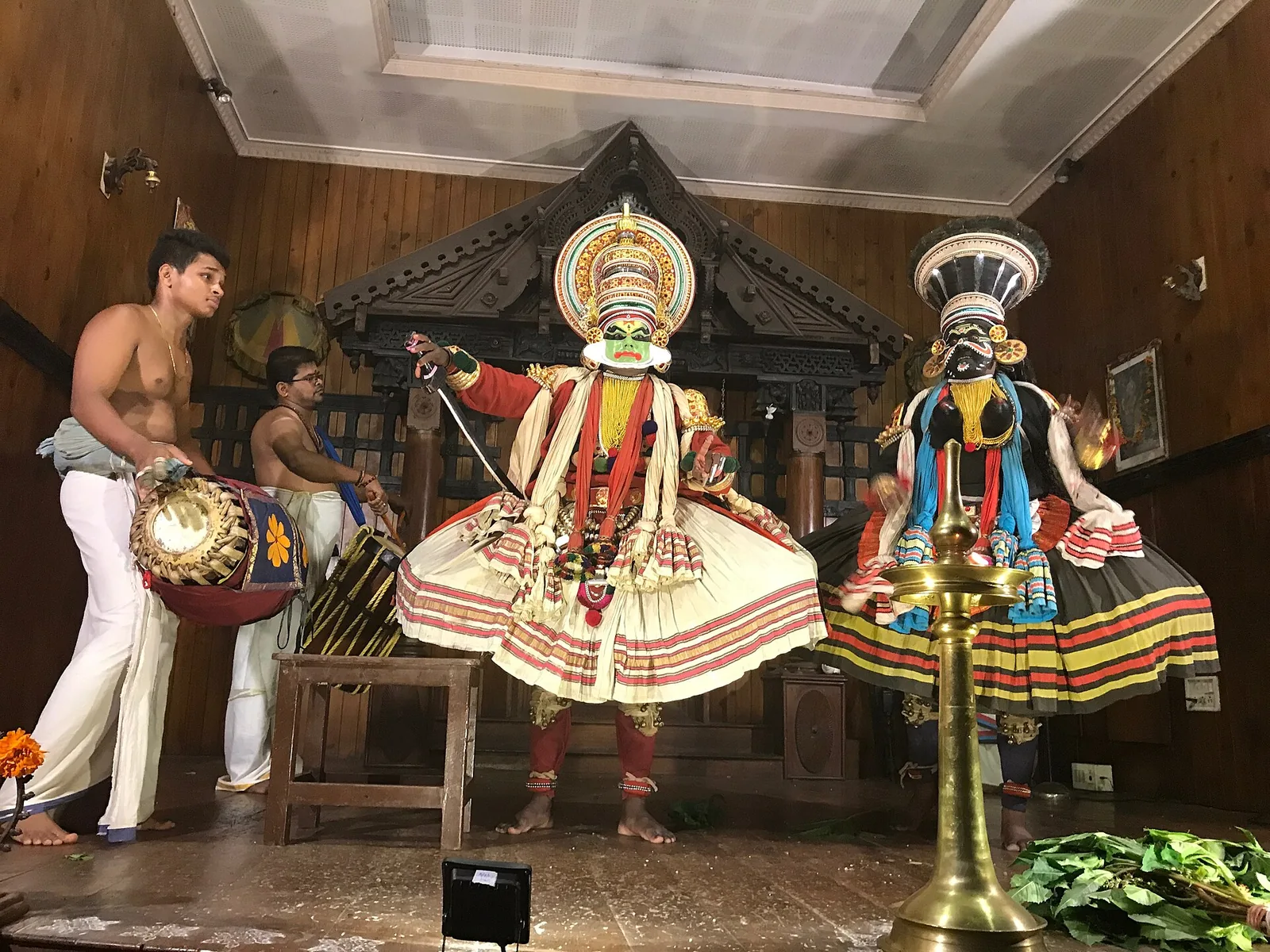
Evening Kathakali and Kerala classical-art performances in Fort Kochi, with make-up shown before the show.
1.9 km · 24 min walk · straight line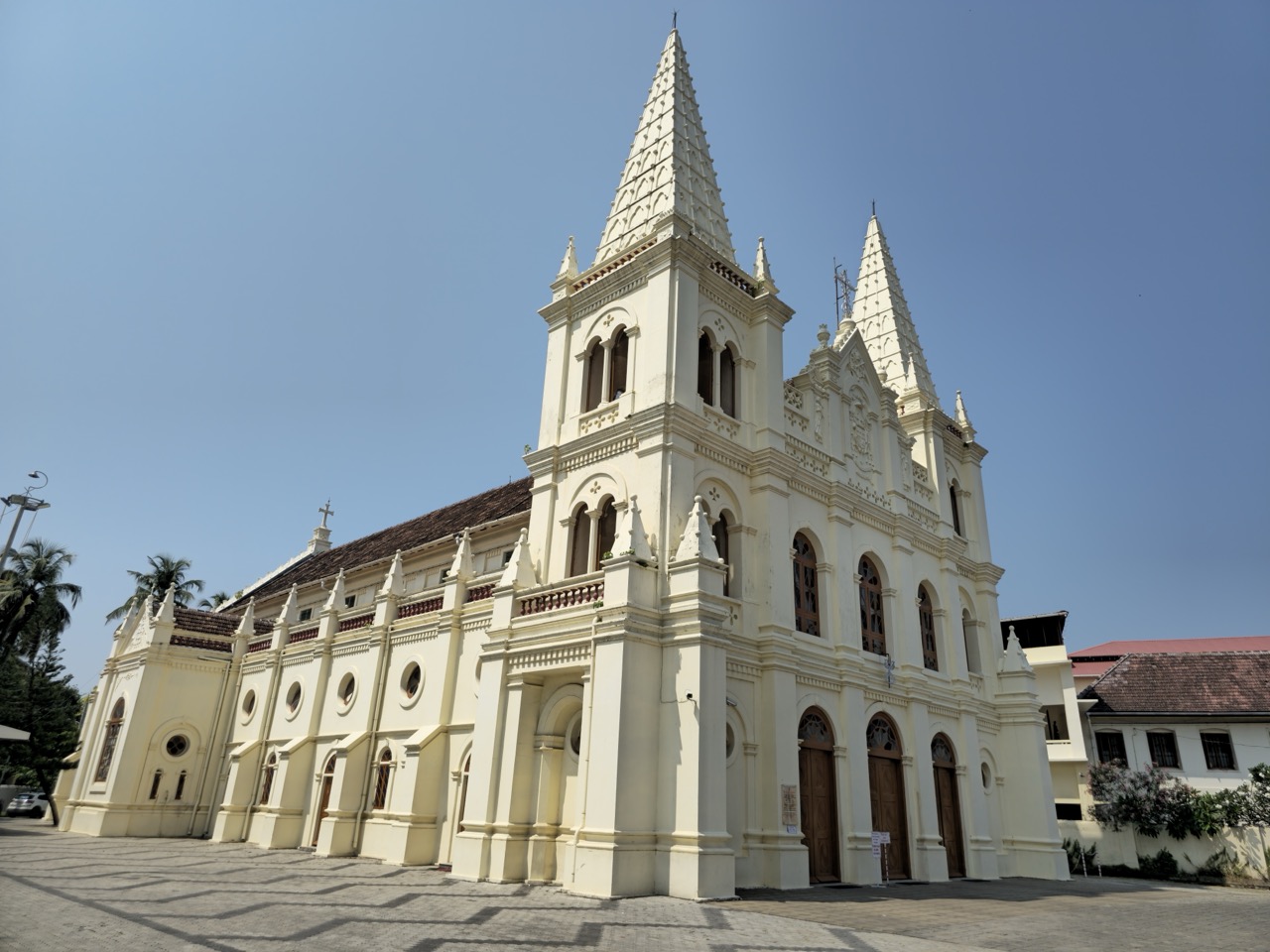
One of the finest churches in Kerala, with a richly painted interior, beside the Kerala Kathakali Centre in Fort Kochi.
2.0 km · 25 min walk · straight line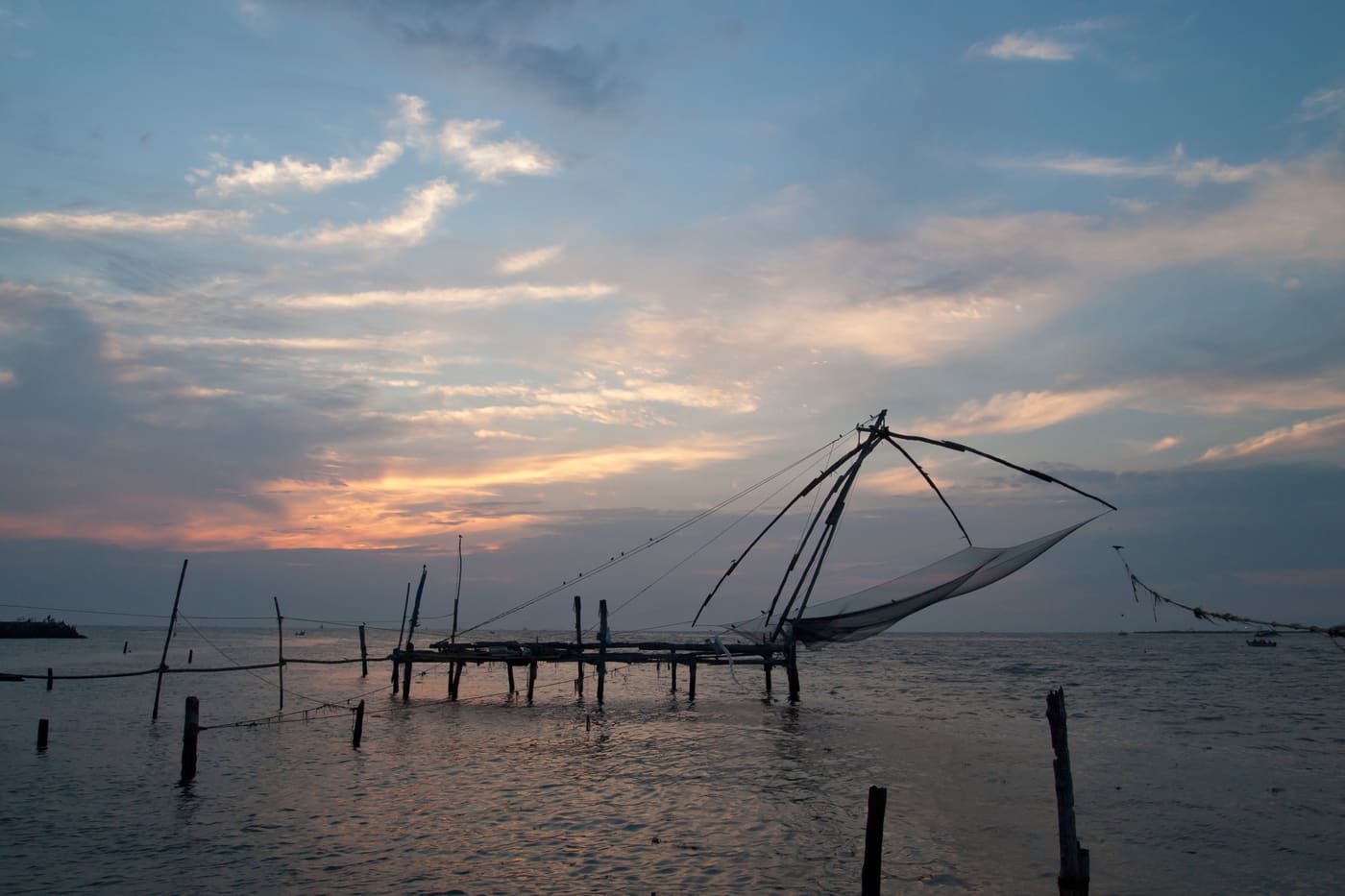
Kerala’s most walkable heritage quarter, with Chinese fishing nets, colonial churches, art cafes and Mattancherry nearby.
2.1 km · 27 min walk · straight line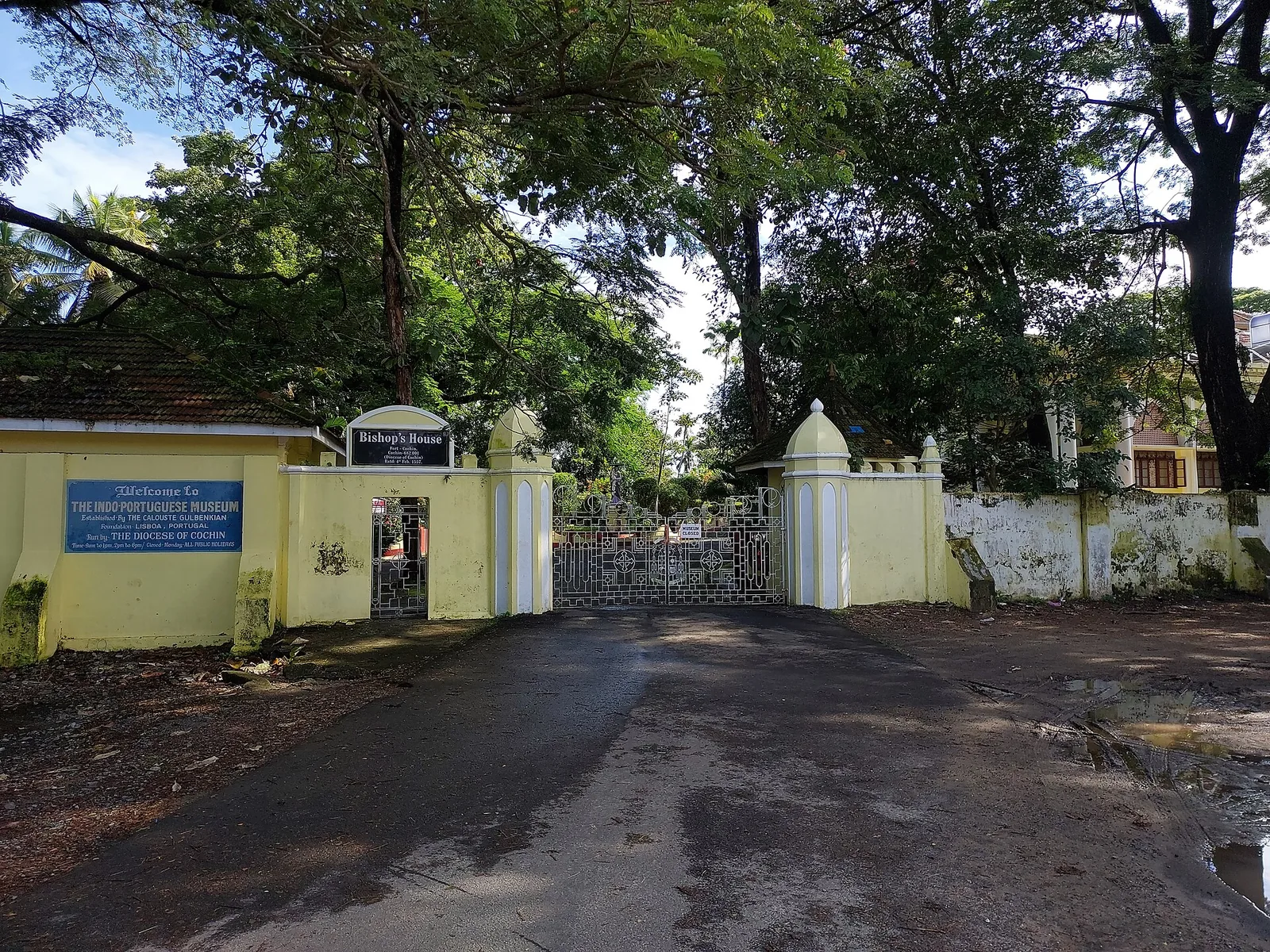
Museum of Kerala’s Indo-Portuguese Catholic heritage in the Bishop’s House garden, Fort Kochi.
2.1 km · 27 min walk · straight line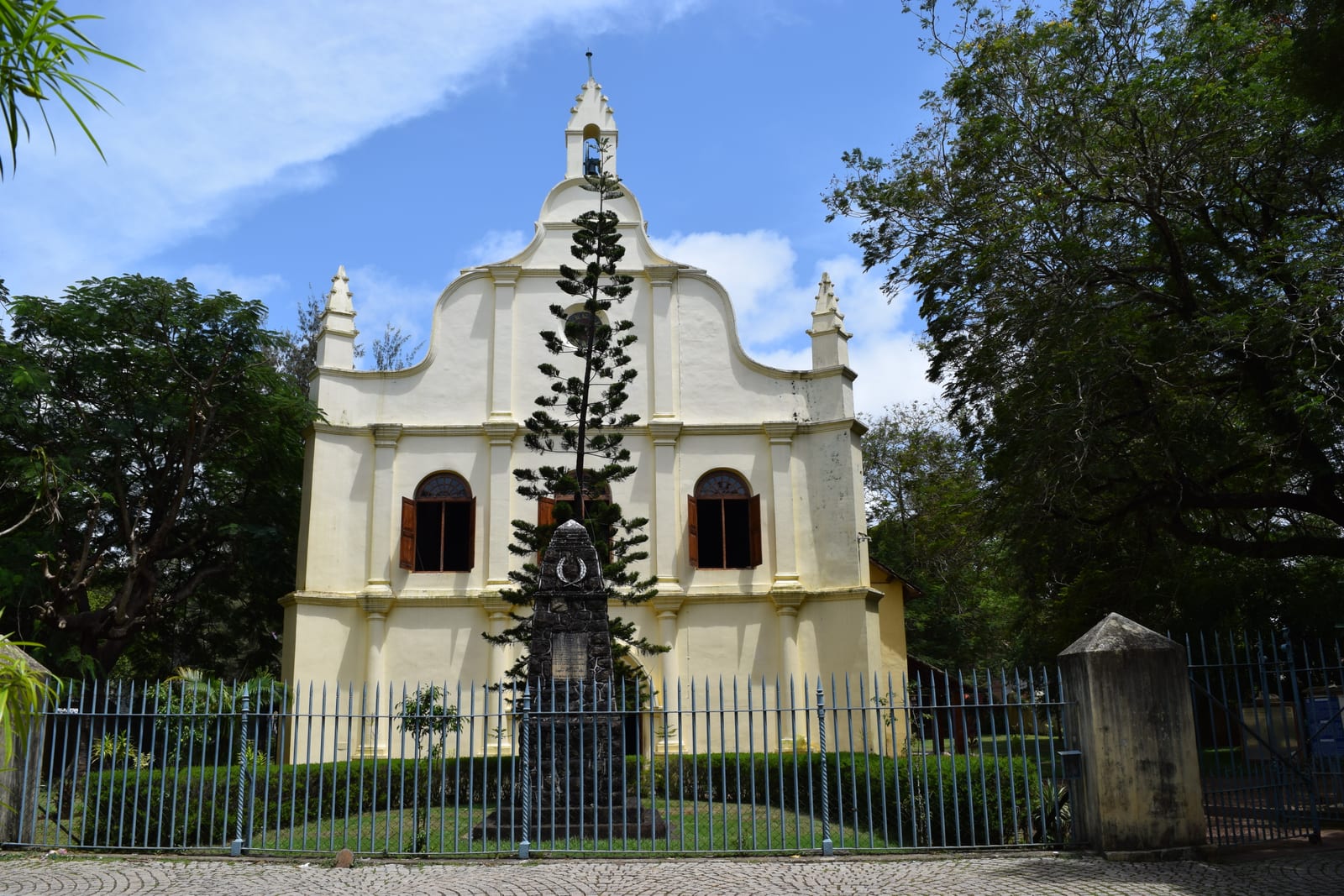
Believed to be the oldest European church in India (1503); Vasco da Gama was buried here before his remains were moved to Lisbon.
2.2 km · 28 min walk · straight lineWalking and driving times are real routed distances, except the few marked “straight line”, which are direct-line estimates and will read short. Fare figures are estimates from Kerala’s notified auto/taxi tariff and exclude waiting and night charges. Routing: © openrouteservice.org by HeiGIT | Map data © OpenStreetMap contributors
Nearby toilets, pharmacies, ATMs, seating and vets are community-mapped and may be incomplete or out of date. Map data © OpenStreetMap contributors | Walking times © openrouteservice.org by HeiGIT
Built in 1568 and still consecrated, it is the oldest active synagogue in the Commonwealth. It is famed for its floor of over a thousand hand-painted blue-and-white Chinese porcelain tiles (no two alike), its multicoloured Belgian glass chandeliers, a Dutch-style clock tower and ancient copper-plate grants recording the privileges given to Kerala’s Jewish community.
The synagogue is generally open Sunday to Thursday, and typically closed on Fridays, Saturdays (the Jewish Sabbath) and Jewish holidays; some sources also note closure on certain public holidays.
No. Photography is generally prohibited inside the prayer hall, and the site is usually described as having a strict no-camera policy within the synagogue (please respect posted signs and staff instructions; you may photograph the lane and clock tower outside).
Yes — modest dress covering shoulders and knees is expected at this active place of worship, and everyone must remove their shoes and enter barefoot. Dressing respectfully and keeping voices low inside is appreciated.
The synagogue itself is a single room and can be seen in about 20 to 30 minutes, but allow one to two hours to also wander Synagogue Lane and Jew Town and take in the neighbouring Dutch (Mattancherry) Palace.
It sits in Jew Town, Mattancherry, reached by road, auto-rickshaw or a scenic ferry across the harbour from Ernakulam. The Dutch (Mattancherry) Palace is right next door, and Fort Kochi’s Chinese fishing nets, churches and cafés are a short drive away.
The Malabari Jews are the far older community, settled on the Kerala coast for many centuries. The Paradesi — the word means “foreigners” — arrived later, largely Sephardic Jews from Spain, Portugal and the Middle East, and built this synagogue in 1568. For most of its history the congregation treated the two as separate classes: only Paradesi Jews were full members, while Malabari Jews could worship here but were not admitted to full membership.
The Meshuchrarim were descendants of freed slaves, of mixed African-European parentage, and they sat at the bottom of the congregation’s hierarchy: no communal rights, no synagogue of their own, and not allowed inside — they sat on the steps outside. It is the plainest physical detail of the community’s internal colour bar, and you walk over it on your way in.
Born in Kochi in 1882, the first Cochin Jew to train as a lawyer, and himself a descendant of the Meshuchrarim. He spent decades campaigning against his own community’s hierarchy using satyagraha — Gandhi’s method of non-violent resistance — which is why he is remembered as the Jewish Gandhi of Cochin. By the 1940s the synagogue had been opened to the whole community, including the right to read from the Torah and to be buried in its cemetery. He died in 1967 and was buried there himself, an honour his ancestors had been denied.
November to February and early mornings are best for walking; avoid midday heat where possible.
Entry: A small entry ticket of around ₹5–₹10 per person is commonly quoted, though some sources report no charge. Timings: Generally open Sunday to Thursday, roughly 10 a.m.–12 noon and 3 p.m.–5 p.m.; closed for the midday break and often opening only in the morning on some days.
Base yourself in Mattancherry or a nearby town in Ernakulam, then confirm the last-mile route locally before leaving. Walkable heritage areas are best done slowly; combine nearby streets, museums, markets and food stops. If the visit depends on forest, temple, boat, ferry, weather or seasonal access, check the official/local rule on the day before travel.
1 to 3 hours.
Nearby you can pair Mattancherry & Jew Town (280 m), Dutch Palace (320 m), Spice markets (510 m), Dharmanath Jain Temple (1.3 km).
Watch traffic on narrow heritage streets. Keep valuables close in crowded markets.
Written about Mattancherry Paradesi Synagogue itself — its history, its legends and the arguments about them.
These guides explore Mattancherry and the surrounding area. Choose a visit that fits your interests, allowing separately for travel between stops.
Route-level itineraries and practical guides for the rest of Kerala.
Photographs: jeem from Saint Louis, United States (CC BY 2.5), Ingo Mehling (CC BY-SA 4.0), Vyacheslav Argenberg (CC BY 4.0), Vis M (CC BY-SA 4.0). Wikimedia Commons.