What to expect
Highlights
- Heritage experience at Spice markets
- Architecture, local stories and old trade/cultural routes
- Good fit for guided walks and nearby cafes/shops
The working spice quarter along Mattancherry’s Bazaar Road — godowns where pepper, ginger, turmeric and cardamom are still graded, sacked and weighed, and where the smell reaches the street before the signage does.
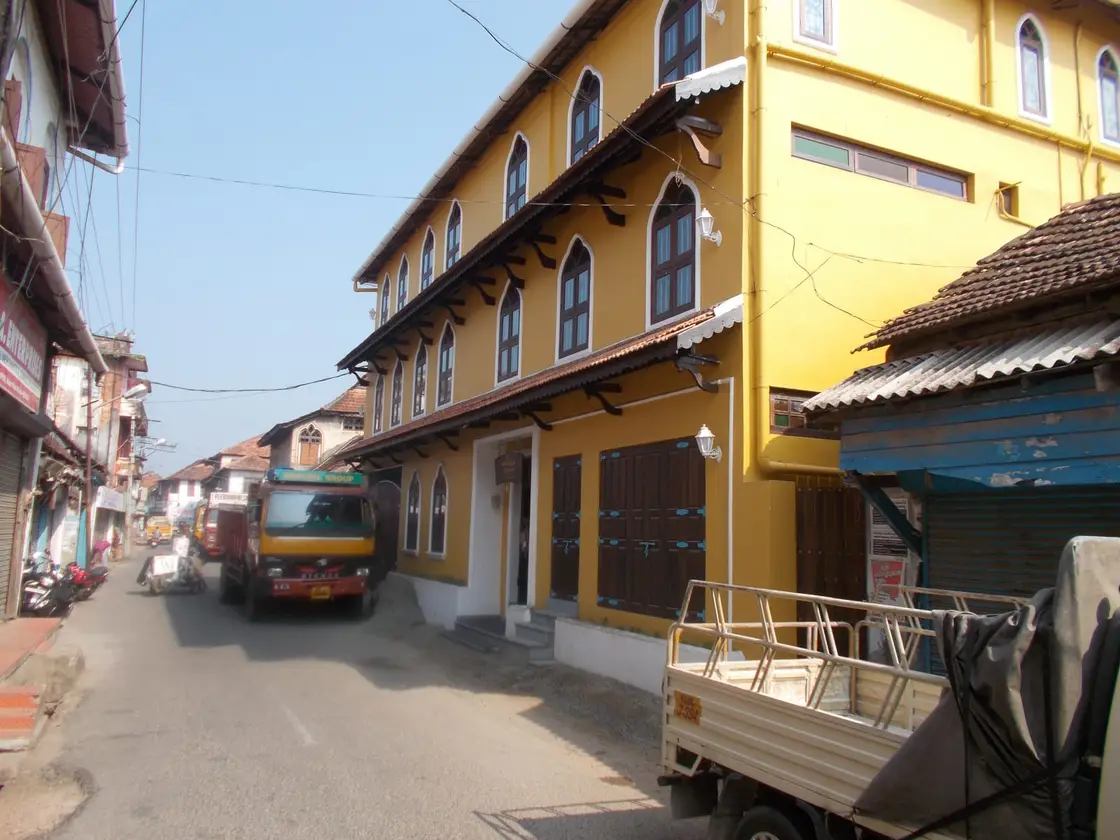
Bazaar Road does not look like anything. It is a narrow, shabby, lorry-clogged street of shuttered warehouses running north from Jew Town, and most visitors walk it for four minutes on the way to somewhere else. Then a shutter goes up and the smell hits — ginger, then turmeric, then, unmistakably, pepper — and you understand that you are standing in what was, for six hundred years, one of the busiest trading corridors on the Indian Ocean. Rather less of it is trading now. That is the story.
The spice quarter is not a market in the sense of stalls. It is a street of godowns — warehouses, mostly Dutch- and British-era, with the original loading doors still in place — where consignments arrived from the hills to be dried, cleaned, graded, sacked, weighed and sold on. The work is done on the floor: pepper spread out, sorted by hand and by eye, sacked and stacked. There is no counter and no display. If a shutter is up, you are looking into a business, not a shop.
Walk it in the morning on a weekday and you get the whole thing — handcarts, lorries reversing badly, men carrying sacks that clearly weigh more than they do, and the smell changing every twenty metres depending on whose doors are open. Walk it at four in the afternoon and you get a street of closed shutters and a few antique dealers. The single decision that determines whether this visit works is what time you arrive.
The trading method the street is remembered for is worth knowing about even though you will not see it. Buyer and seller would join hands and a cloth would be thrown over them; the price was then negotiated by finger pressure, hidden under the fabric, so that no one else in the room learned what was paid. The world's first pepper exchange was established a few hundred metres from here, and an international pepper trade still has a presence in the quarter.
What you are mostly seeing now, though, is contraction. Reporting on the quarter describes almost all the godowns as closed and much of the Gujarati community that ran the spice business as having left. The causes were not local: volatile international demand, competition from Southeast Asian markets, and the rise of spice industries in Latin America and Africa. Kochi did not stop being good at this. The world stopped needing it to be.
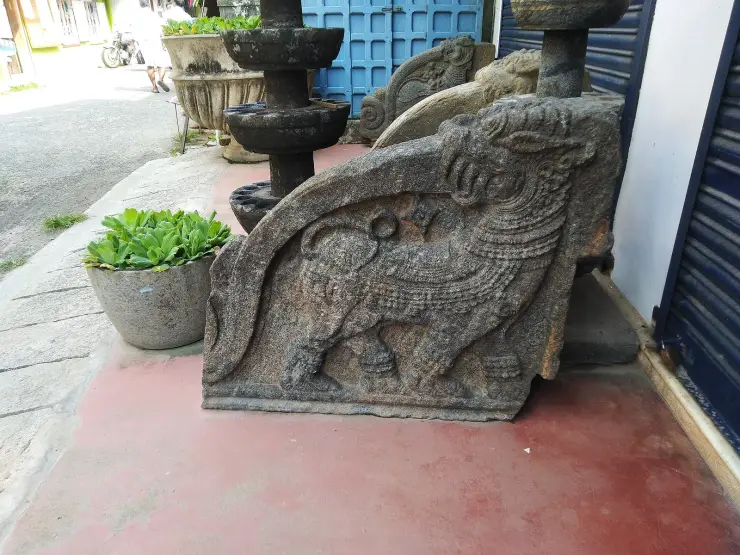
The buildings survived by becoming something else. Some godowns are galleries now — several sea-facing warehouses were sold to Kochi-Muziris Biennale venues. Others are cafes. A good many became antique shops feeding the Jew Town trade at the southern end. It makes for an odd walk: a working street where a decreasing share of the work is the work it was built for.
Two small details reward looking for. The bazaar's traditional extent runs from the Boundary Canal down to the Mattancherry bus stand, which is a longer stretch than the tourist section anyone walks. And the men moving sacks between the godowns and the vans carry a kol — a short stick — tucked behind the ear, which is a tally: one notch of the day's count per load, in a trade that ran on trust and finger-signals long before it ran on invoices.
Bazaar Road has no folklore. It has claims, which is a different thing, and the claims are the most interesting reading on the street because they are repeated everywhere and checked almost nowhere. It is worth walking it knowing which of the things you will be told are documented and which are marketing that has hardened into fact.
The biggest is that this is the site of the world's first pepper exchange. You will see it in Kerala tourism copy, in newspaper features and on shop signage. We can now put a real institution behind the sentence, though not the superlative. The India Pepper and Spice Trade Association, IPSTA, sits in Kochi and ran organised pepper futures from 1957; it was recognised as a commodity derivative exchange under the Forward Contracts (Regulation) Act of 1952, and the Government of India granted it permanent recognition for futures trading in pepper on 8 December 1961. It is described as the oldest commodity exchange in the country and the first recognised regional commodity exchange for black pepper. First in India is documented. First in the world is not, and pepper was being brokered on this coast for centuries before any exchange existed to formalise it.
What the signage never mentions is that the exchange stopped. In 2012 a consignment was seized after being found adulterated with mineral oil; confidence collapsed, litigation followed, and organised pepper futures effectively froze. Reported turnover on IPSTA's platform was ₹12.58 crore in 2014–15 and ₹63.13 crore in 2015–16, and there has been no trading on it since April 2016. SEBI issued an order in respect of IPSTA on 10 January 2018. So the street's proudest institutional claim is real, older than most people assume, and dormant — which is a more accurate summary of Bazaar Road than the claim it replaces.
The second is the architecture. Guides routinely describe the warehouses as Portuguese-built, which flatters the street by about a century. Some of the fabric here is genuinely old, but the surviving godown frontages with their heavy loading doors are overwhelmingly Dutch- and British-period commercial building, put up when the volume of the trade justified them. A sixteenth-century date on a nineteenth-century warehouse is an easy thing to say and an easy thing to disprove: look at the brickwork.
The third is a number. Mattancherry is often said to have once handled half of all the cardamom Europe consumed. It may well have; the figure circulates without a source attached and we cannot trace it to one, and figures of that shape are exactly the ones that get invented and then quoted forever. We repeat it here only to flag it, not to endorse it.
And the fourth is the tense. Almost everything written about Bazaar Road describes a market unchanged for five hundred years. What is actually here is a quarter in steep and recent contraction, with most godowns shut, much of the Gujarati trading community gone, and the buildings converted to galleries, cafes and antique shops. The romance is real, but it is largely in the past tense, and a visitor who arrives expecting a bazaar in full cry has been misled by the writing rather than by the street.
Kochi's spice trade is the reason Europe came to India at all, and Bazaar Road is where the physical end of it happened. Pepper, cardamom, cinnamon, ginger and turmeric came down from the Western Ghats to this waterfront, and merchants have dealt in them along this street for something over five hundred years — through Arab, Portuguese, Dutch and British periods, with the ownership of the port changing and the trade largely continuing regardless.
The Gujarati and Kutchi merchant families who dominated the twentieth-century spice business in Mattancherry are the reason the quarter has a Jain temple and a distinct commercial character; they came for this trade and settled around it. The godowns, the grading floors and the brokerage houses were the infrastructure of that community's business.
The decline is recent and steep. As international competition intensified and demand shifted, godowns closed, families left, and the warehouses were sold or converted. The Kochi-Muziris Biennale, which began in 2012, accelerated the conversion by making these buildings attractive as exhibition space — an ironic rescue, in that art preserved the architecture of a trade it replaced.
The institutional history runs alongside the physical one and is easier to date. The India Pepper and Spice Trade Association was recognised as a commodity derivative exchange under the Forward Contracts (Regulation) Act of 1952, ran organised pepper futures from 1957, and received permanent government recognition for pepper futures on 8 December 1961 — making it the oldest commodity exchange in India and the first recognised regional commodity exchange for black pepper. For half a century the price of Indian pepper was, in a real sense, set in this quarter.
That ended within living memory and for an unglamorous reason. In 2012 a consignment was seized after being found adulterated with mineral oil. Trust in the delivery system collapsed, disputes and litigation followed, and organised pepper futures froze. Turnover on IPSTA's platform was reported at ₹12.58 crore in 2014–15 and ₹63.13 crore in 2015–16, and there has been no trading on it since April 2016; SEBI issued an order in respect of the exchange on 10 January 2018. The godowns emptied because global demand moved; the exchange stopped for reasons entirely internal to the trade.
The two halves belong together. A quarter can lose its warehouses and still be the place where a commodity is priced, and it can keep its warehouses and lose the pricing. Bazaar Road has, within about a decade, lost both — and what has moved into the buildings instead is galleries, cafes and the antique trade feeding Jew Town at the southern end.
It is the most sensory ten minutes in Kochi. Nothing else in the city hits you the way an open pepper godown does.
It is the actual, physical spice trade — not a spice garden laid on for visitors, not a shop with jars, but the warehouses where the stuff was graded and sold.
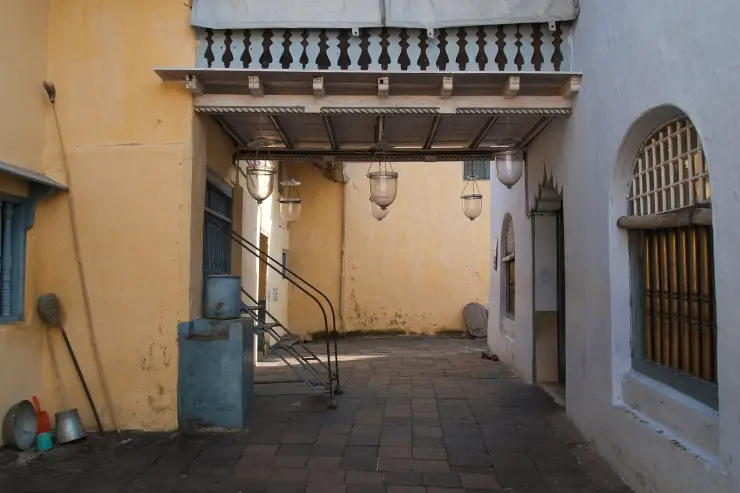
The architecture is worth the walk on its own: colonial-era warehouse fronts with their loading doors, in a street too poor to have prettified them.
It is the honest version of a story every Kerala itinerary tells and few show. You get the decline as well as the romance, and the decline is the more interesting half.
It runs straight into Jew Town at its southern end, so it costs nothing to add to a visit you are already making.
Buying spices here is genuinely better value than the tourist counters, if you bargain and check what you are getting.
Road km to Ernakulam; ghat roads and traffic vary — allow extra.
November to February and early mornings are best for walking; avoid midday heat where possible.
Live forecast loads in your browser.
Sun and moon are calculated for this location and shown in IST. Photography windows are the hour around sunrise and sunset; the sunset bearing is degrees clockwise from true north. Moon phase is accurate to about half a day.
Verified hotels, homestays, restaurants, experiences, sights, shops and rentals around Spice markets — commission-free, with direct contact. Filter by what you need.
Kerala Tourism-listed museum hotel in Jew Town, Mattancherry. Mattancherry, Jew Town, Museum hotel.
Book with the place itself. India’s cyber-crime coordination centre warned in April 2025 that convincing copies of hotel and pilgrimage booking sites are being pushed through sponsored search and social ads, taking payment for rooms the property never hears about. Every listing here links to the business’s own contact details and its own Google or Bing profile — we take no commission and sit in nobody’s payment path. If a booking page reached you through an ad, check the address bar against the property’s own site before you pay. Fraud can be reported on cybercrime.gov.in or on 1930.
Browse food, accommodation and activities across Mattancherry. Check each address and journey before adding it to your day; these selections are not all beside Spice markets.
5 more places around Mattancherry. Open a guide to plan the visit and onward journey.
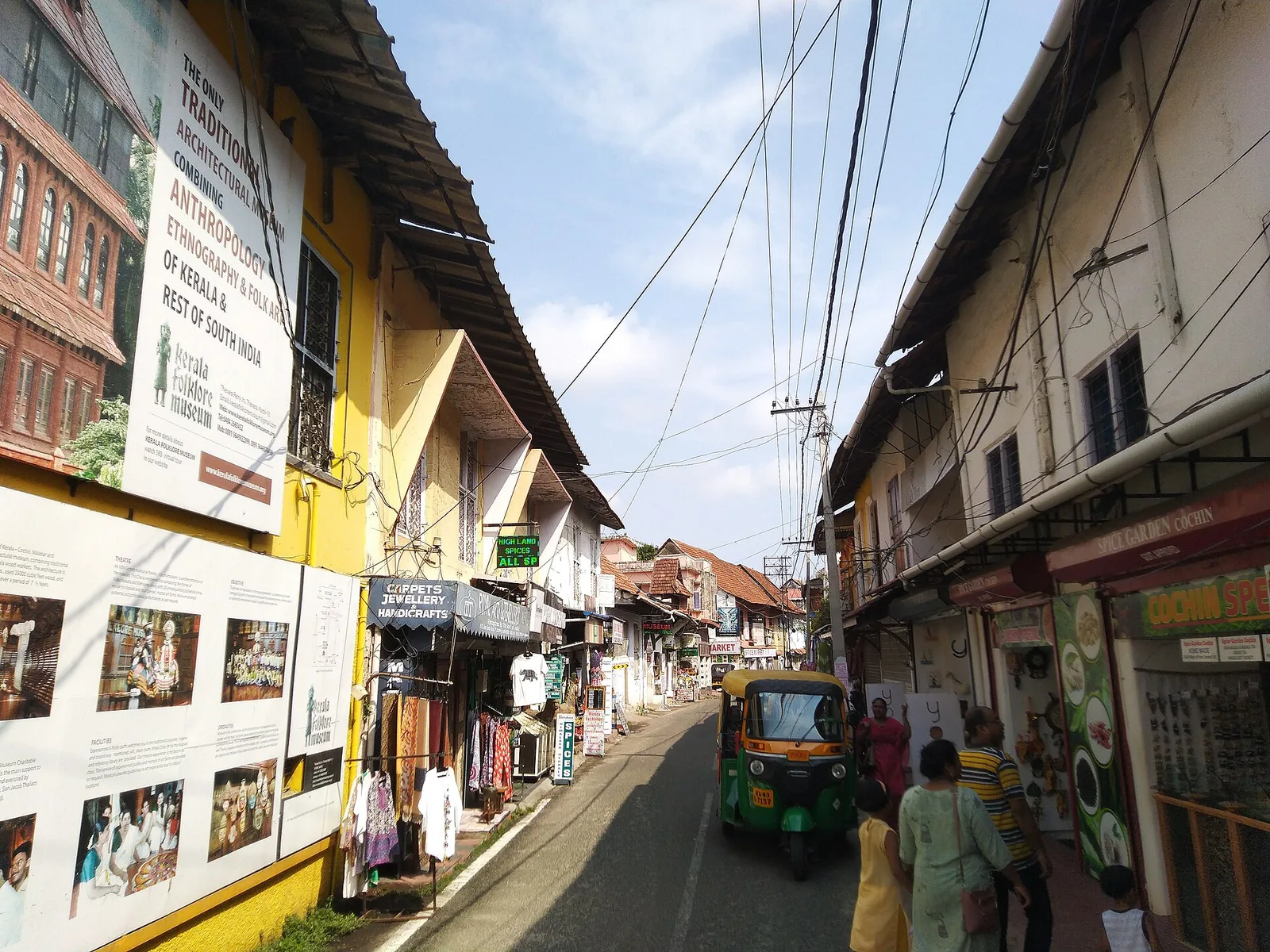
450 m · 5 min walk
Spice warehouses, antiques, Mattancherry Palace and Paradesi Synagogue.
490 m · 6 min walk
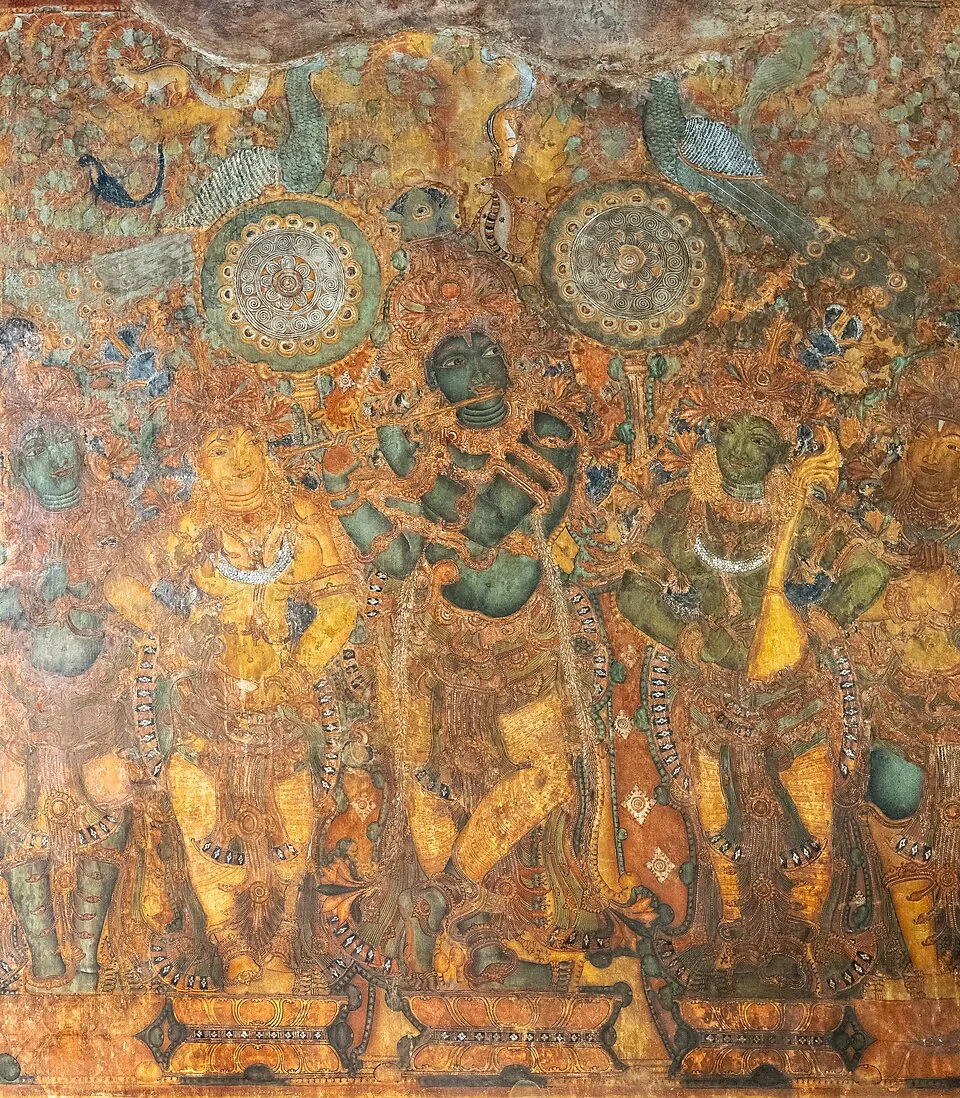
The Mattancherry Palace, known as the Dutch Palace, with celebrated Kerala mural paintings from the Ramayana and royal portraits.
510 m · 6 min walk
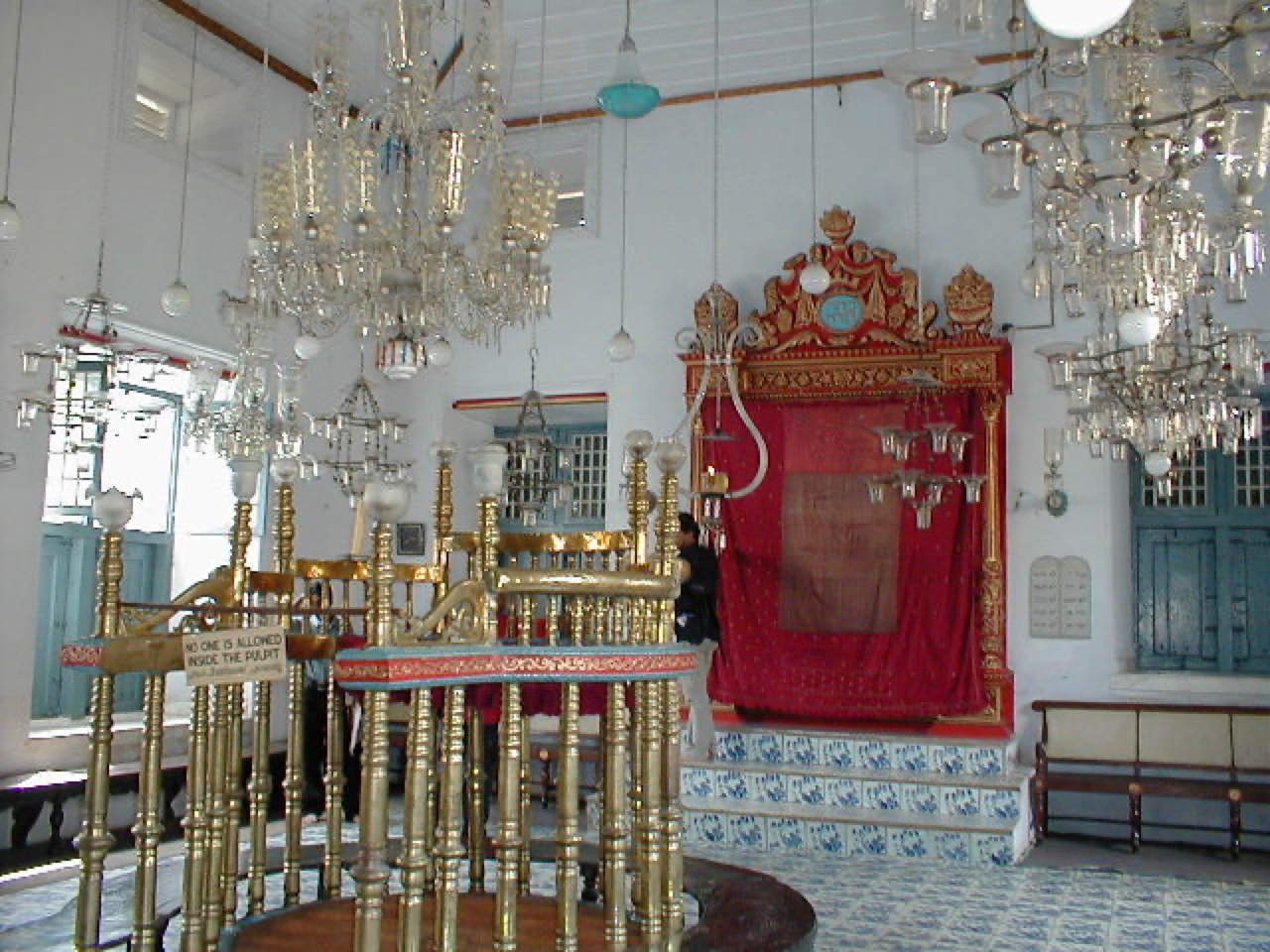
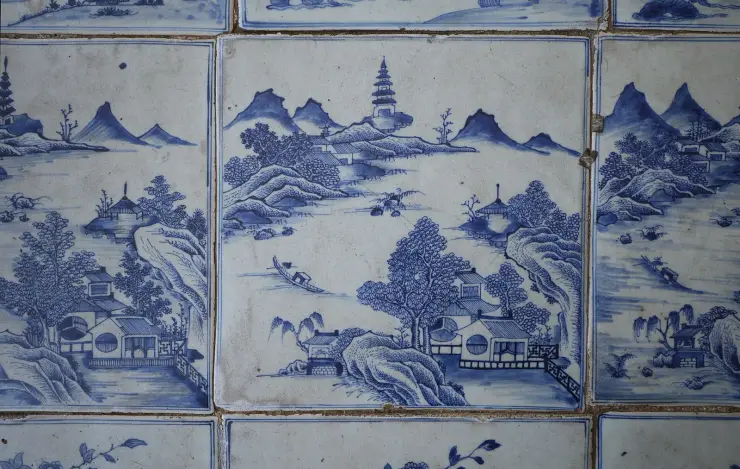
The oldest active synagogue in the Commonwealth (1568), in Jew Town, Mattancherry, with hand-painted Chinese floor tiles.
1.5 km · 18 min walk
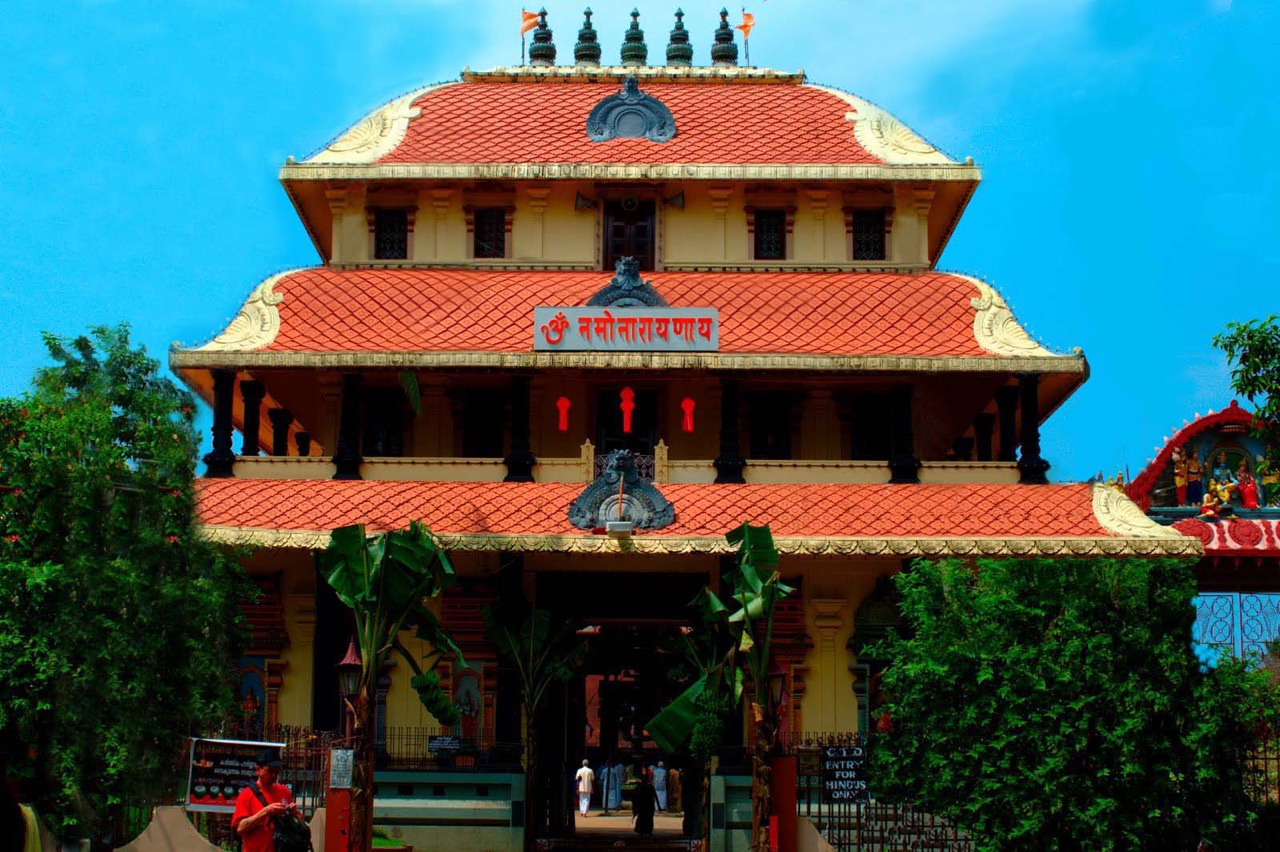
A historic Gowda Saraswat Brahmin temple in Cherlai, Mattancherry, central to Kochi’s Konkani community.
690 m · 8 min walk
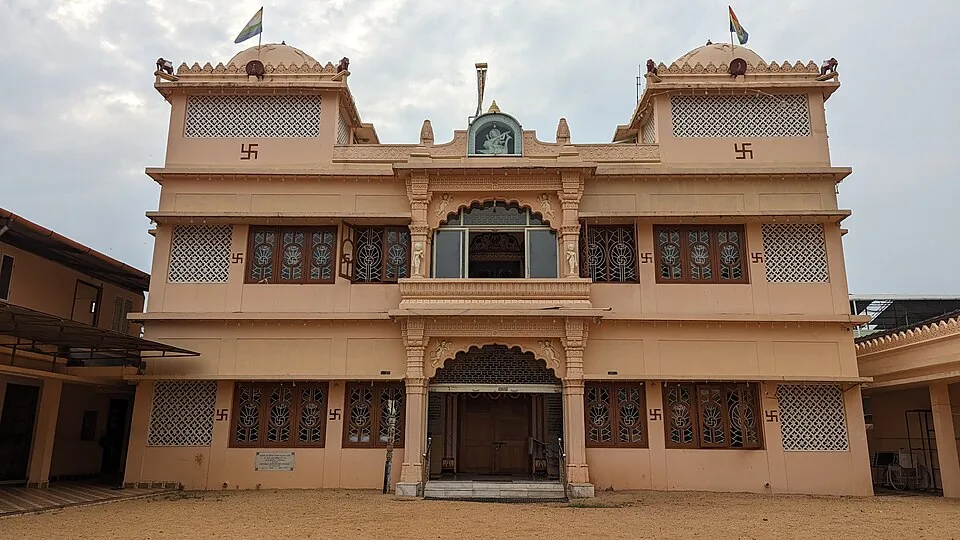
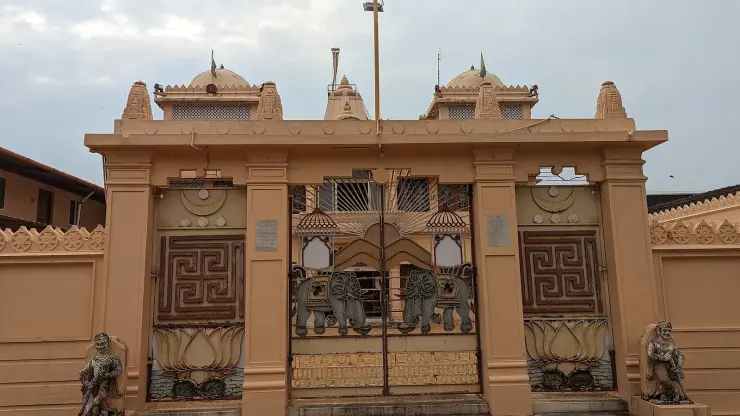
An ornate Jain temple in Mattancherry’s Gujarati quarter, raised in 1904 by Hirubai in memory of her husband Jivraj Dhanji and dedicated to Dharmanatha, the fifteenth Tirthankara — known for its white marble work and the daily midday feeding of the pigeons outside.
Roampedia is commission-free — own or know a stay, eatery, guide or shop near Spice markets? List it and it appears here once verified.
Add a nearby businessEntry: Free. This is a commercial street, not an attraction — there is no ticket and no visitor entrance. Godowns are private businesses; you see them from the road unless someone invites you in.
Photography: These are working businesses. Photographing sacks, scales and shopfronts from the street is fine; photographing inside a godown, or the people working in it, needs asking first. Handcart men will usually wave you out of the way rather than pose.
If you are travelling by bus or ferry, check the return service with the operator before setting out. Leave time to reach the stop or jetty after your visit.
Ask at the jetty or stand for the time of the last service back, not the next one. If you miss it, an auto or app cab is the fallback — agree the fare before you get in.
If you need step-free access, contact the site before travelling. Ask about a level entrance, steps along the route, the nearest drop-off point, seating and accessible toilets.
Charge cap and free-transaction limits: Reserve Bank of India, in force since 1 May 2025.
These services are listed within about 1.2 km of Spice markets. Walking distances follow mapped routes; access and opening hours can change. Other services may be closer but are not included here.
Emergency numbers are verified against official government and state tourism sources. 112 works anywhere in India.
Spice warehouses, antiques, Mattancherry Palace and Paradesi Synagogue.
450 m · 5 min walkThe Mattancherry Palace, known as the Dutch Palace, with celebrated Kerala mural paintings from the Ramayana and royal portraits.
490 m · 6 min walkThe oldest active synagogue in the Commonwealth (1568), in Jew Town, Mattancherry, with hand-painted Chinese floor tiles.
510 m · 6 min walkAn ornate Jain temple in Mattancherry’s Gujarati quarter, raised in 1904 by Hirubai in memory of her husband Jivraj Dhanji and dedicated to Dharmanatha, the fifteenth Tirthankara — known for its white marble work and the daily midday feeding of the pigeons outside.
690 m · 8 min walkA historic Gowda Saraswat Brahmin temple in Cherlai, Mattancherry, central to Kochi’s Konkani community.
1.5 km · 18 min walk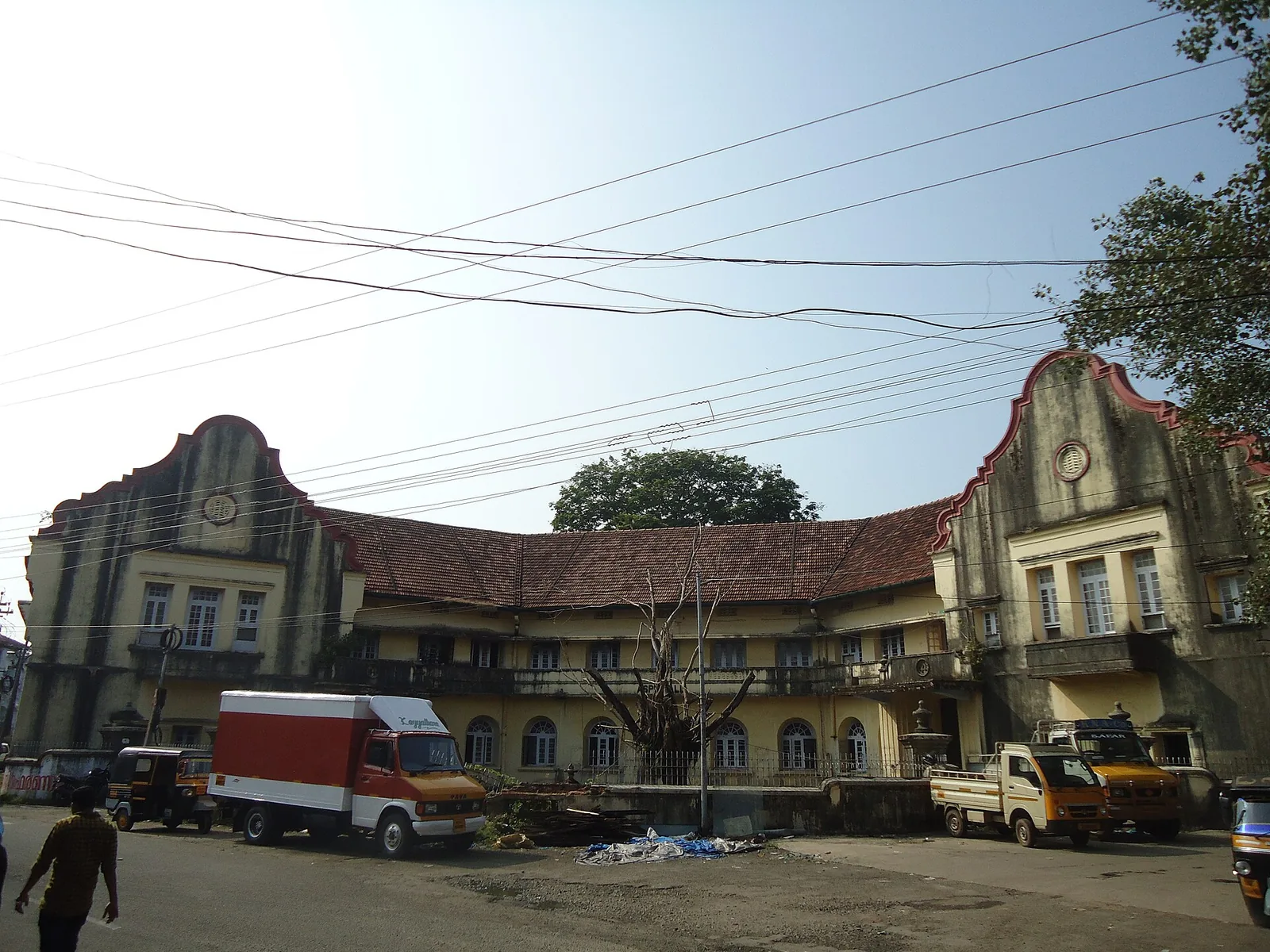
A large 19th-century waterfront trading compound in Fort Kochi, the principal venue of the Kochi-Muziris Biennale.
1.6 km · 20 min walk · straight line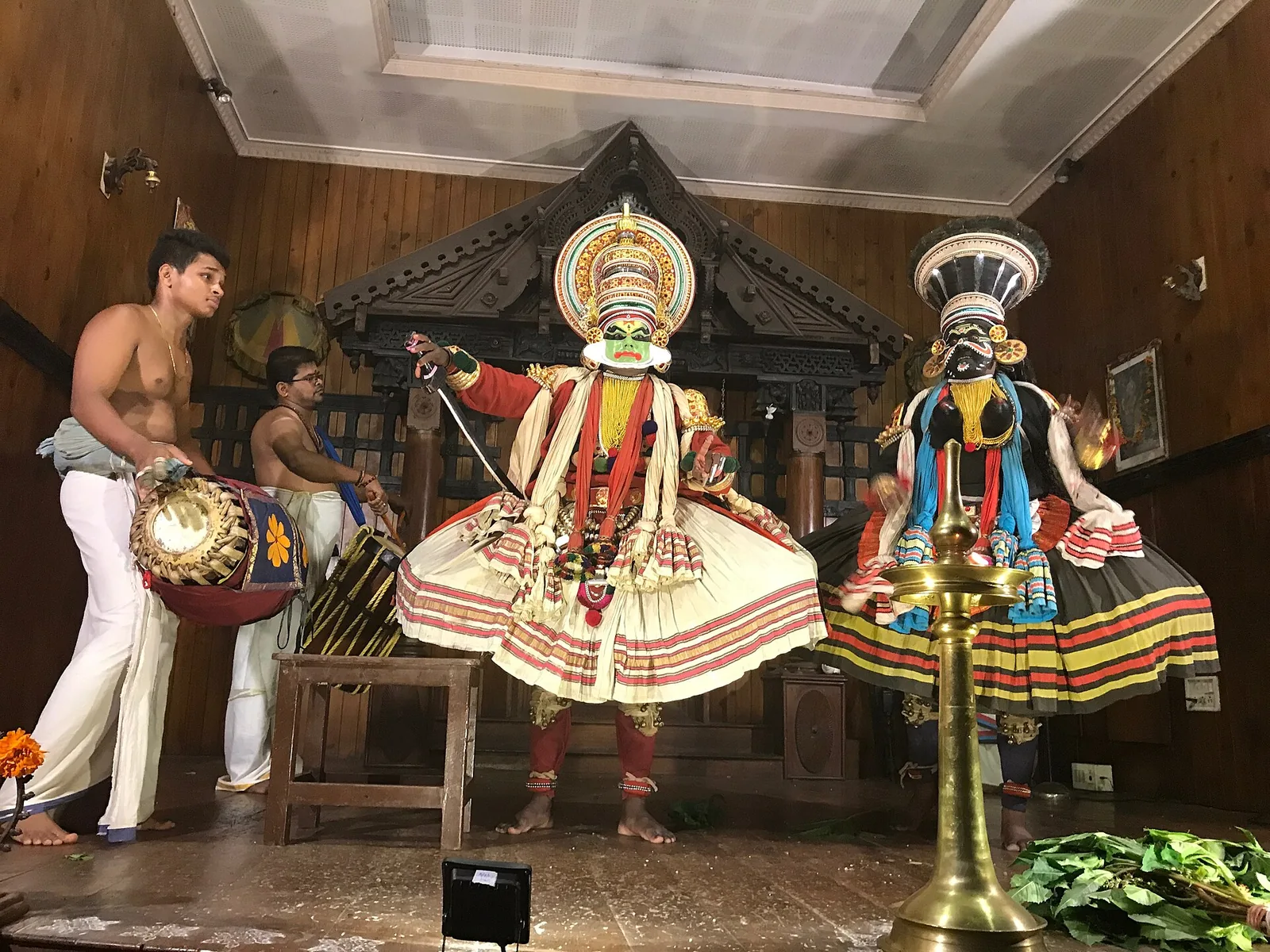
Evening Kathakali and Kerala classical-art performances in Fort Kochi, with make-up shown before the show.
1.8 km · 22 min walk · straight line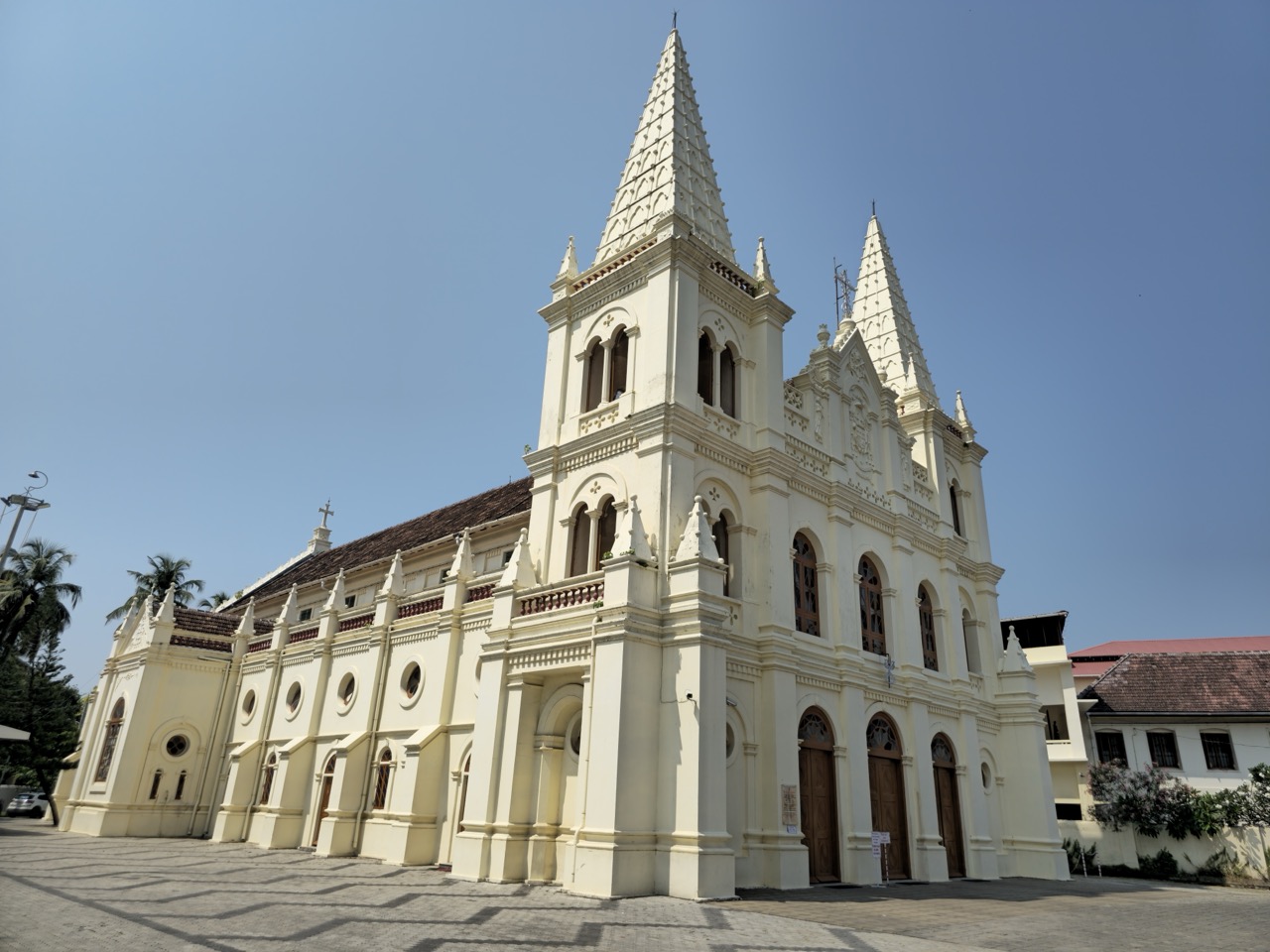
One of the finest churches in Kerala, with a richly painted interior, beside the Kerala Kathakali Centre in Fort Kochi.
1.8 km · 22 min walk · straight line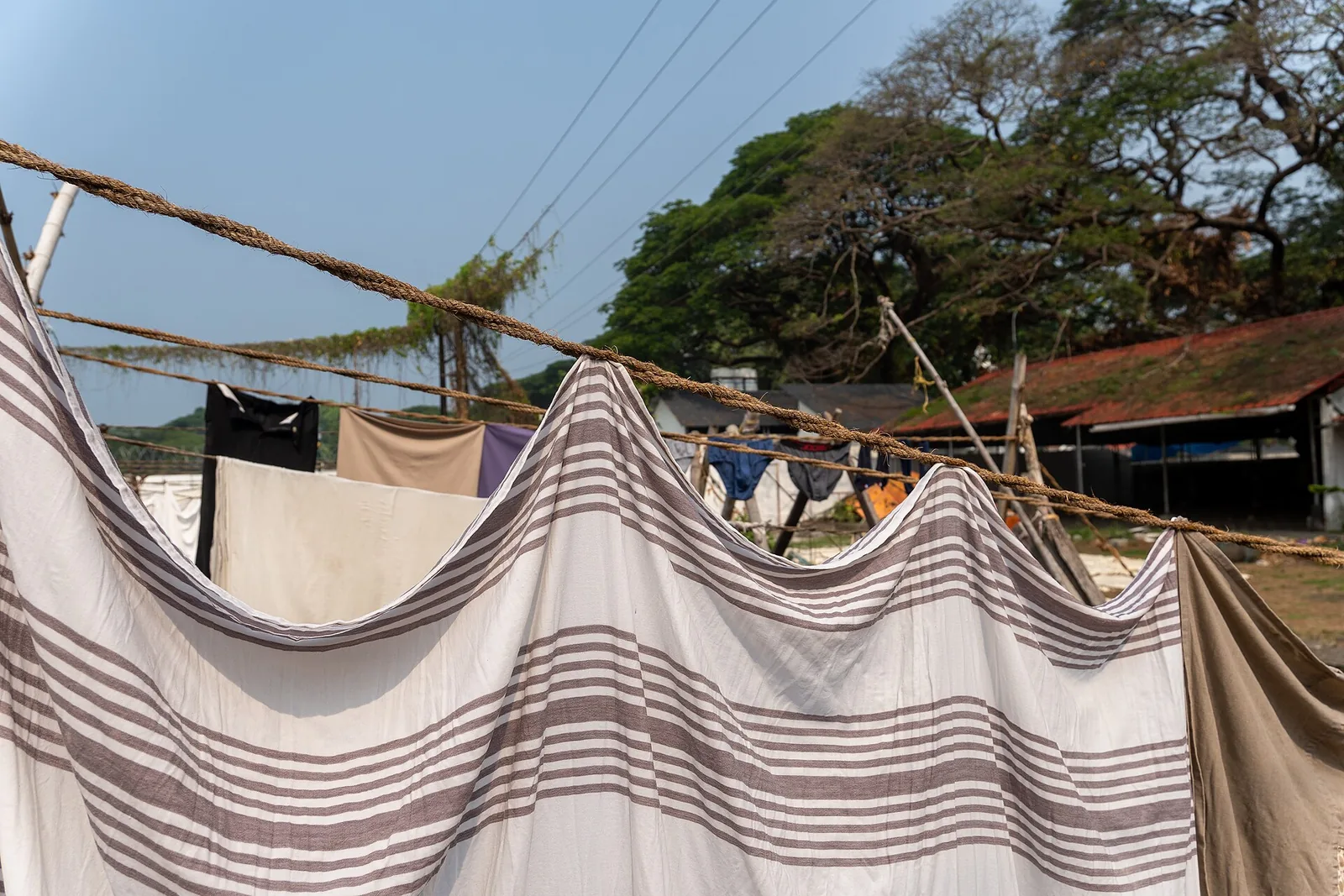
A working colonial-era community open-air laundry in Fort Kochi, still used by traditional washermen families.
1.9 km · 24 min walk · straight line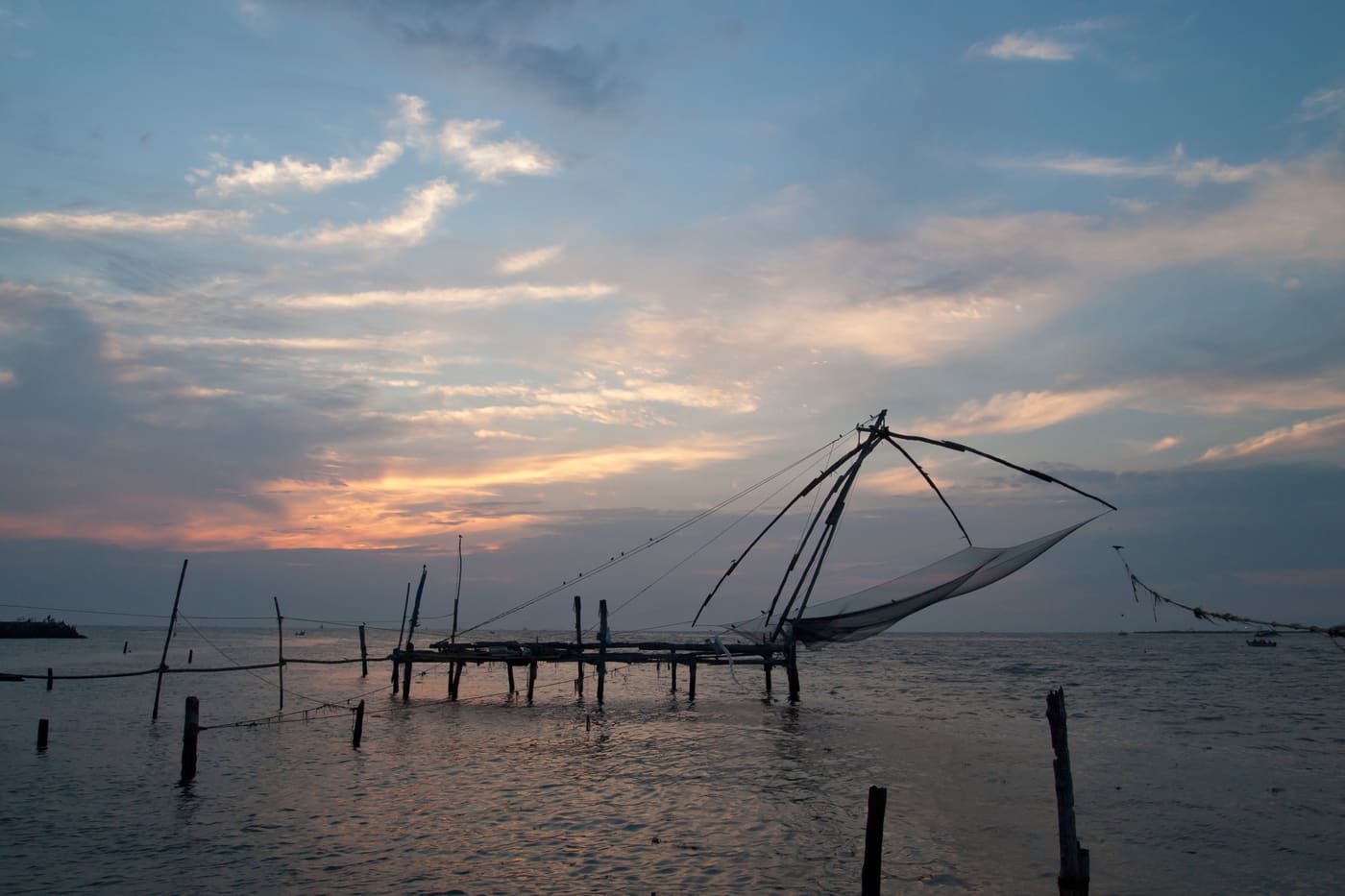
Kerala’s most walkable heritage quarter, with Chinese fishing nets, colonial churches, art cafes and Mattancherry nearby.
1.9 km · 24 min walk · straight line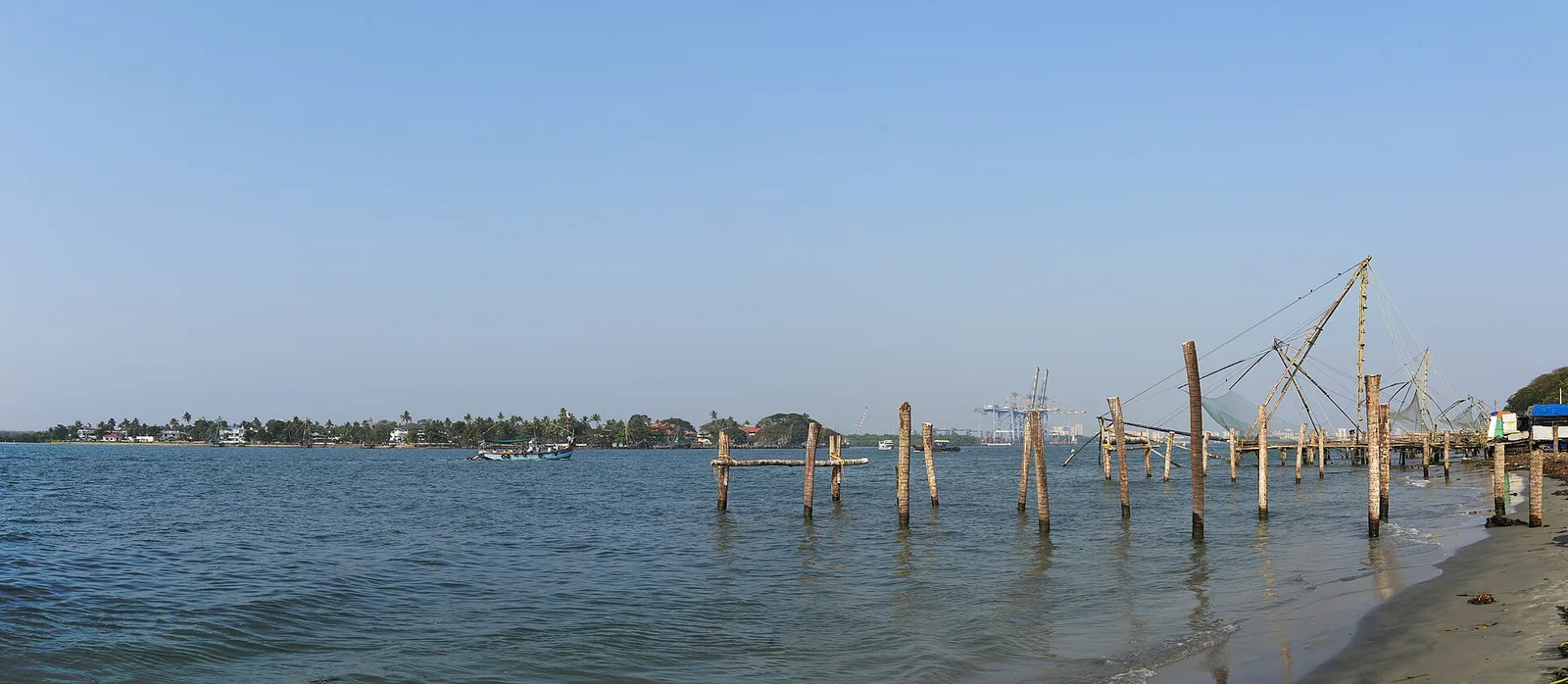
Kochi’s iconic cantilevered shore-operated fishing nets along the Fort Kochi seafront at Vasco da Gama Square, best photographed at sunset.
2.0 km · 25 min walk · straight line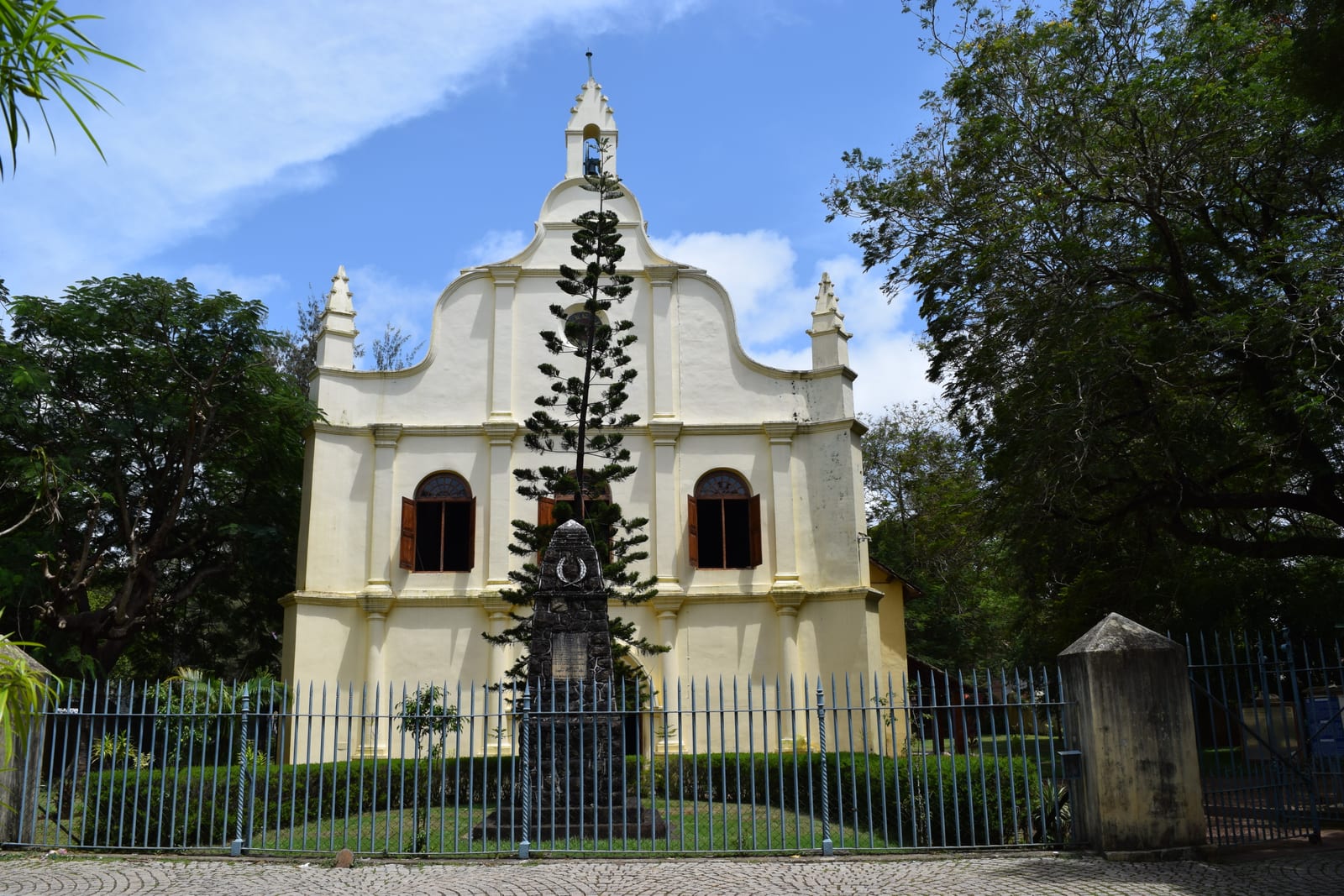
Believed to be the oldest European church in India (1503); Vasco da Gama was buried here before his remains were moved to Lisbon.
2.0 km · 25 min walk · straight lineWalking and driving times are real routed distances, except the few marked “straight line”, which are direct-line estimates and will read short. Fare figures are estimates from Kerala’s notified auto/taxi tariff and exclude waiting and night charges. Routing: © openrouteservice.org by HeiGIT | Map data © OpenStreetMap contributors
Nearby toilets, pharmacies, ATMs, seating and vets are community-mapped and may be incomplete or out of date. Map data © OpenStreetMap contributors | Walking times © openrouteservice.org by HeiGIT
The institution behind the claim is real and it is in Kochi: the India Pepper and Spice Trade Association, which ran organised pepper futures from 1957, was recognised as a commodity derivative exchange under the Forward Contracts (Regulation) Act 1952, and received permanent government recognition for pepper futures on 8 December 1961. It is described as India's oldest commodity exchange and the first recognised regional commodity exchange for black pepper. First in India is documented; first in the world is not, and pepper was brokered on this coast for centuries before any exchange formalised it.
No. In 2012 a consignment was seized after being found adulterated with mineral oil; confidence in the delivery system collapsed and litigation followed. Reported turnover was ₹12.58 crore in 2014–15 and ₹63.13 crore in 2015–16, and there has been no trading on the platform since April 2016. SEBI issued an order in respect of the exchange on 10 January 2018. The claim on the signage is true in the past tense.
A kol — a short tally stick. In a trade that ran on trust, hand signals and prices negotiated under a cloth long before it ran on invoices, the porter kept his own count of the day's loads on it. It is the most easily missed thing on Bazaar Road and among the most telling.
Morning, on a weekday. This is the whole answer. Loading and unloading — the thing worth seeing — happens early; trade thins through the day and the shutters are largely down by late afternoon. Saturday is quieter and Sunday is effectively closed. An afternoon visit gets you a shabby street and no idea why anyone recommended it.
Only if you are invited. These are private businesses, not attractions — there is no visitor entrance and no ticket. You see them from the road, which is enough to get the smell and the sense of the work. A local guide can sometimes get you in, which is one of the better arguments for taking one here.
Often yes, but go in knowing it is a wholesale street with a retail veneer for visitors, and that the two prices are not the same. Bargain, look at what you are being sold, and be wary of grand claims about grade or origin. For cardamom and pepper in particular the quality range is wide.
They adjoin and they are commonly walked together, but they are different things. Bazaar Road is the working spice quarter — godowns, grading, lorries. Jew Town, at the southern end, is the antique and tourist street that grew in the space the Jewish community left. One is a trade in decline; the other is what replaced a community.
Partly, and it would be dishonest to say more than that. Some godowns still work and an international pepper trade retains a presence in the quarter, but reporting describes most warehouses as closed and much of the Gujarati spice-trading community as having moved on, with buildings converted to galleries, cafes and antique shops. Come for a remnant of a great trade, not for a bazaar in full cry.
It is safe, but it is narrow, crowded and shared with goods lorries and handcarts, which in practice have right of way. Walk on the shop side, expect to step aside often, and do not stand in the road to frame a photograph. Spice dust near an open godown will catch an asthmatic — worth knowing before you walk the pepper end.
November to February and early mornings are best for walking; avoid midday heat where possible.
Entry: Free. This is a commercial street, not an attraction — there is no ticket and no visitor entrance. Godowns are private businesses; you see them from the road unless someone invites you in. Timings: Trading hours, roughly morning to late afternoon on weekdays, quieter on Saturday and largely shut on Sunday. The loading and unloading — which is the thing worth seeing — happens early. Arrive after four and you will get a street of closed shutters.
Base yourself in Mattancherry or a nearby town in Ernakulam, then confirm the last-mile route locally before leaving. Walkable heritage areas are best done slowly; combine nearby streets, museums, markets and food stops. If the visit depends on forest, temple, boat, ferry, weather or seasonal access, check the official/local rule on the day before travel.
1 to 3 hours.
Nearby you can pair Mattancherry & Jew Town (450 m), Dutch Palace (490 m), Mattancherry Paradesi Synagogue (510 m), Dharmanath Jain Temple (690 m).
Watch traffic on narrow heritage streets. Keep valuables close in crowded markets.
Written about Spice markets itself — its history, its legends and the arguments about them.
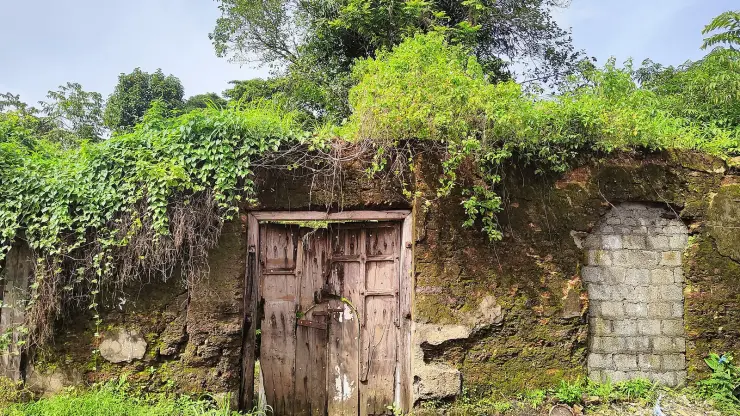
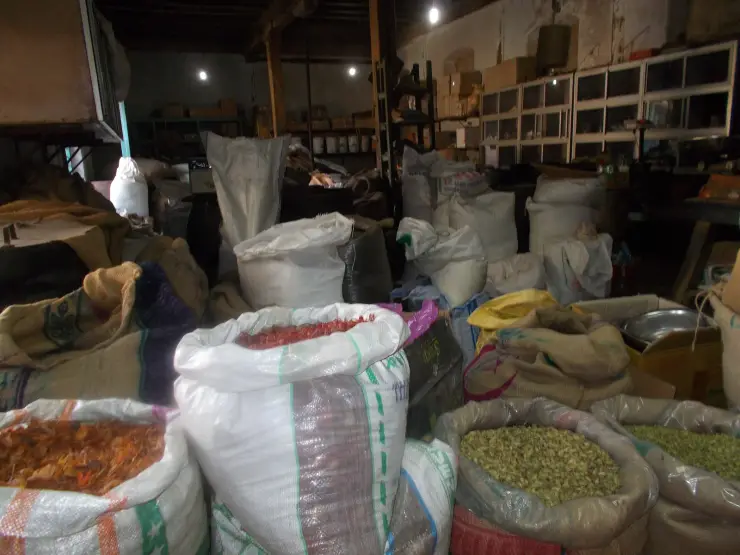
These guides explore Mattancherry and the surrounding area. Choose a visit that fits your interests, allowing separately for travel between stops.
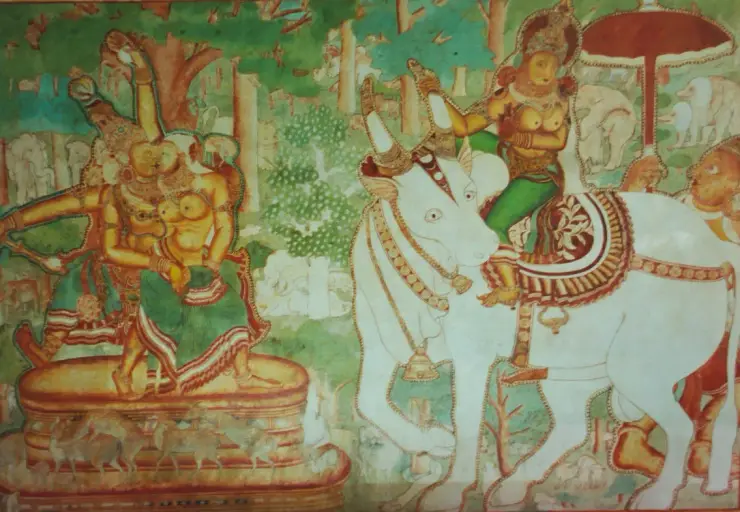
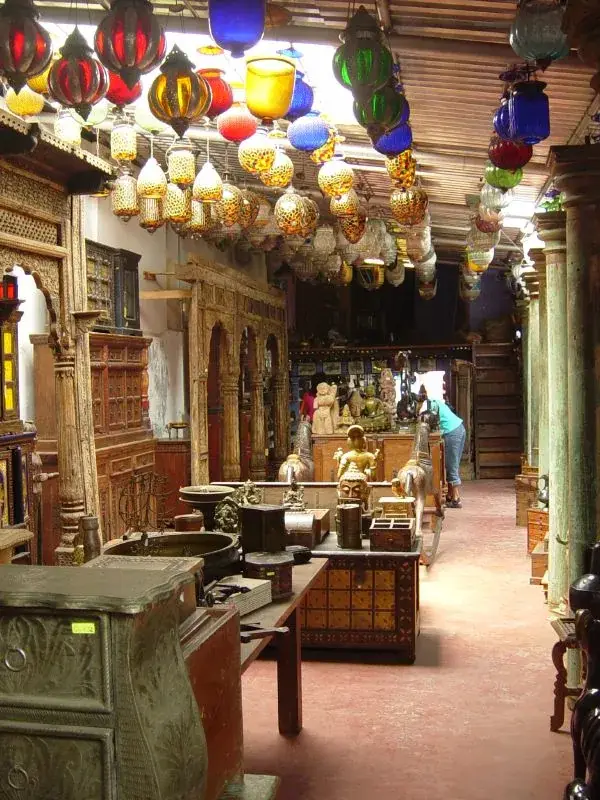
Route-level itineraries and practical guides for the rest of Kerala.
Photographs: Rudolph.A.furtado (CC0), Noufal Mattancherry (CC BY 4.0), Ranjithsiji (CC BY-SA 4.0). Wikimedia Commons.