What to expect
Highlights
- Temple visit at Aazhimala Shiva Temple
- Kerala temple architecture and rituals
- Local food, shops and pilgrim services nearby
A clifftop seaside temple at Adimalathura near Vizhinjam, known for a giant Gangadhareswara (Shiva) sculpture.
Check entry arrangements. Ask temple staff about visitor entry, dress requirements and access to the inner shrine before you travel, especially if you are visiting as a non-Hindu.
Dress respectfully and follow the institution’s admission and photography rules.
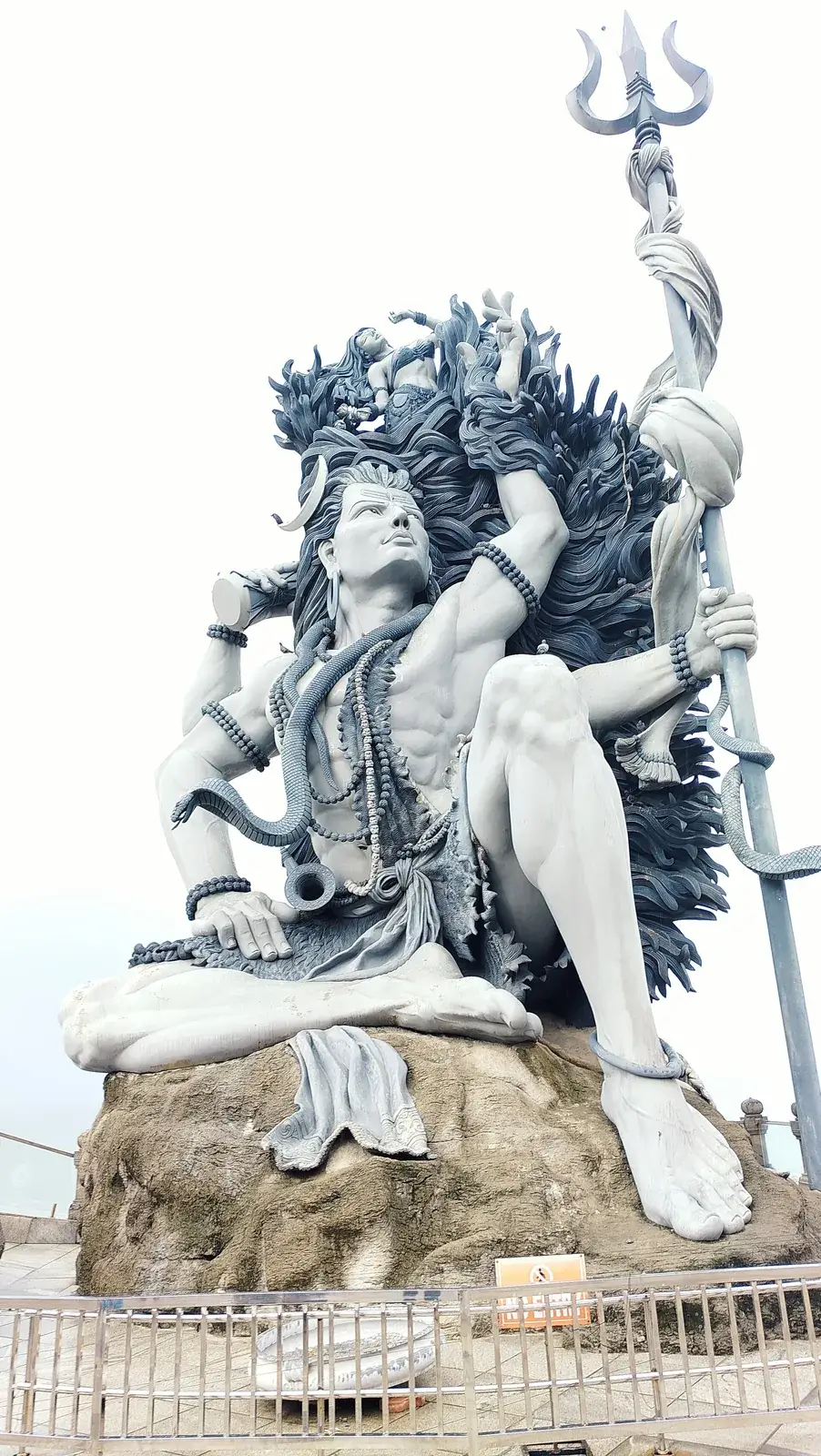
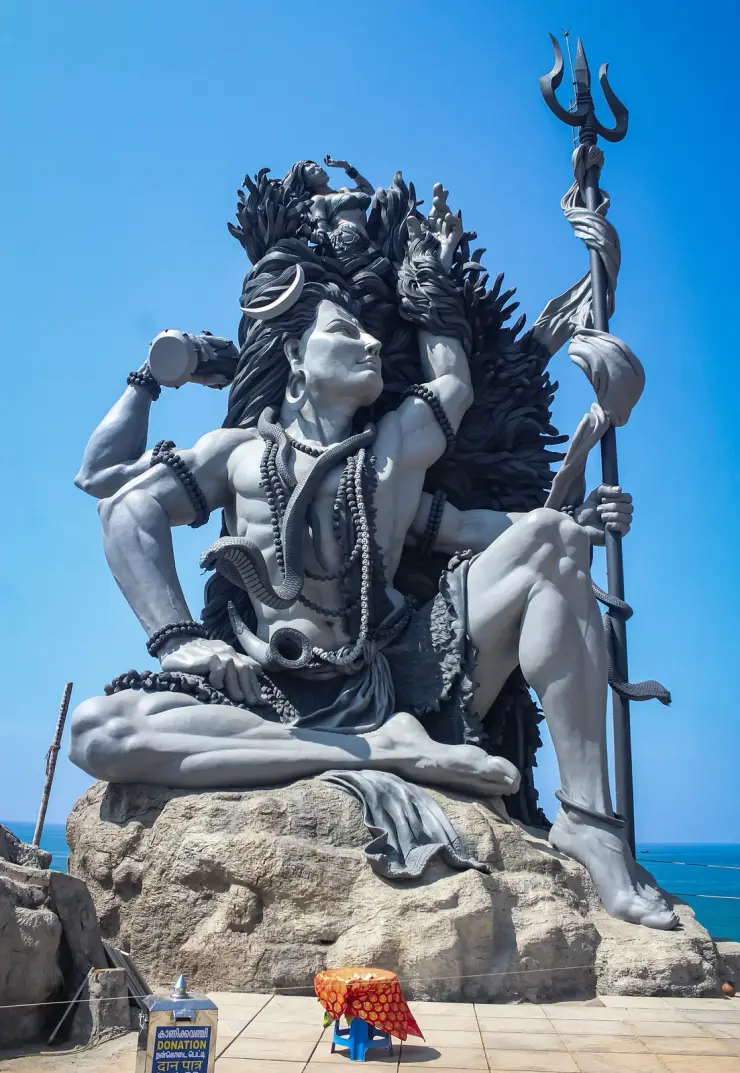
On a rocky headland where the Arabian Sea breaks against black cliffs south of Kovalam, a colossal Shiva rises against the sky — around 58 feet of stone lost in meditation, his matted locks catching the river Ganga and, it seems, the sea wind itself. This is Aazhimala, where an old shore temple and a modern marvel of sculpture share the same salt-swept horizon.
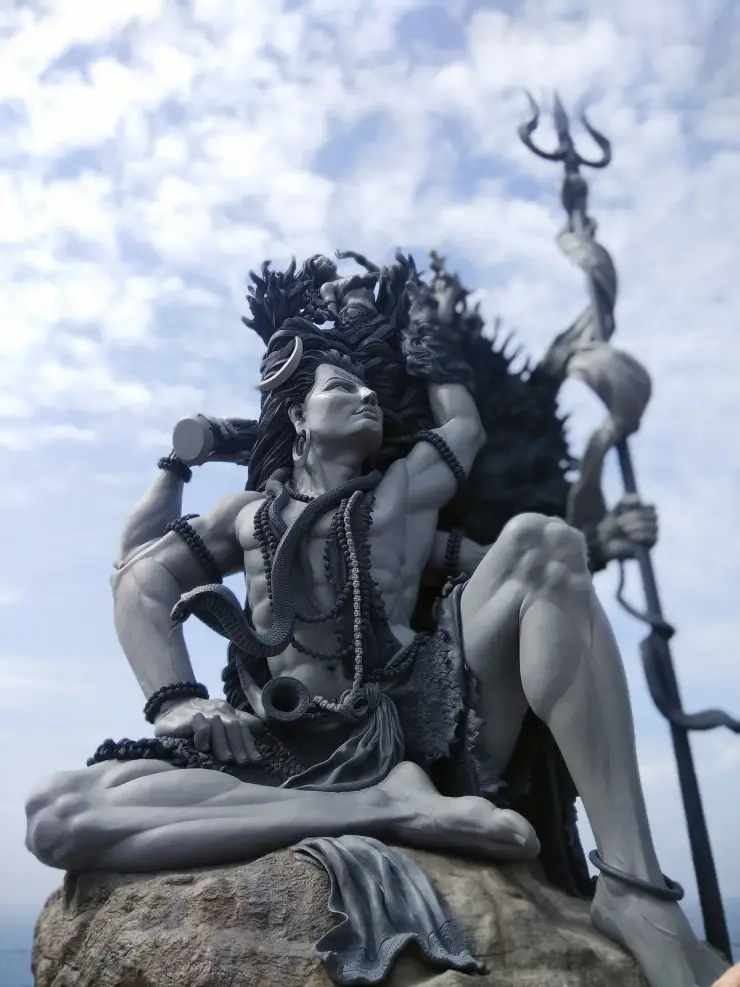
The road from Kovalam winds south past Vizhinjam harbour towards Chowara and Pulinkudi, and just when the coconut palms open onto the sea, you meet him — Gangadhareswara, a seated Shiva of roughly 58 feet, gazing out over the Arabian Sea from a cliff at the village of Aazhimala. It is billed as the tallest Shiva sculpture in Kerala, and the first sight of that serene stone face floating above the surf is the kind of thing that stops travellers mid-sentence. The name itself carries the setting: aazhi means the ocean or the deep, and mala a hill or rock — the hill by the sea.
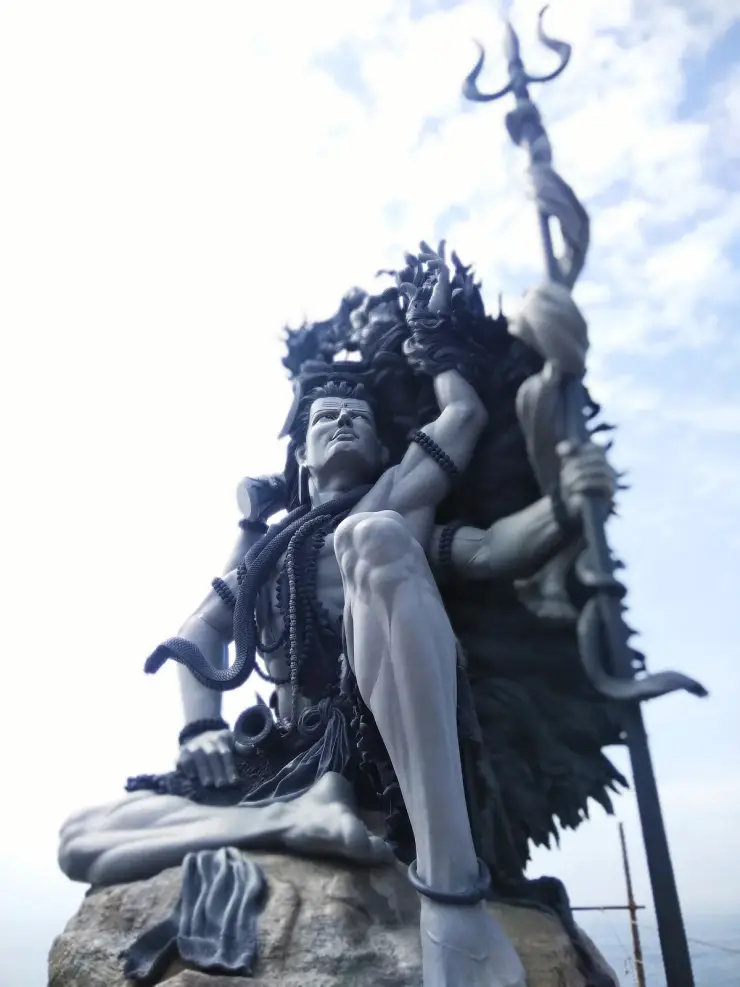
Walk closer and the scale keeps growing. The figure is mounted on a rock roughly 20 feet above sea level, so the god sits at the edge of the land with nothing beyond him but water and light. His hair is dressed in coiled, wind-blown locks that cradle a tiny Ganga; his eyes are half-closed in dhyana, the meditative calm that is Shiva's signature. Photographers circle for the angle where the statue, the cliff and the breaking waves line up — a frame that has quietly turned this once-quiet shrine into one of Thiruvananthapuram's most shared coastal landmarks.
The temple grounds beneath and around the statue reward the unhurried. Directly under the sculpture is the Dhyana Mandapam, a cave-like meditation chamber of about 3,500 square feet cut into the rock — cool, dim and quiet, with the sea audible outside and the whole weight of the figure overhead. Devotees light lamps, ring the bell, and step out again into the glare and the wind; the rhythm is unmistakably that of a working Kerala shrine, not a museum piece.
It is worth knowing how recent the landmark is, because nothing about the setting announces it. The sculpture opened to the public in January 2021. The shrine on this headland is genuinely old, but the colossal Shiva that draws the crowds is a work of the last few years, and the transformation of Aazhimala from a quiet local temple into a fixture of the Kovalam–Poovar circuit has happened within a very short span. If the place feels busier than a village shrine should be, that is why.
The sea is never far from the experience. From the cliff edge the coast runs in a long curve of rock and foam, fishing craft cut across the middle distance, and the constant roar of the Arabian Sea becomes the temple's background chant. On breezy days the spray drifts up the rock face, and the giant Shiva — hair streaming, utterly still amid all that motion — seems perfectly at home between the elements.
Come for sunset if you can. As the sun drops towards the water the stone warms to amber and rose, the statue throws a long shadow across the rocks, and the whole headland glows for a few minutes before the light goes. It is a genuinely moving sight — part pilgrimage, part seascape — and it explains why Aazhimala has become a fixture on the Kovalam–Poovar coastal circuit rather than a mere detour.
Practically, the shrine keeps temple hours rather than beach hours, so mornings and evenings are the times to arrive. Dress modestly as you would for any Kerala temple, mind your footing on the wet, uneven rock near the sea, and give yourself time simply to sit — the point of Aazhimala is not to tick off a photo but to feel the odd, unforgettable peace of a meditating god at the edge of the ocean.
The statue's form retells one of Shaivism's best-loved legends — that of Gangadhara, "the bearer of the Ganga." As the story is told, the sacred river Ganga could only descend from heaven to earth at the prayer of the sage-king Bhagiratha, who sought to redeem the ashes of his ancestors. But the river's fall was so violent it would have shattered the world. Shiva stepped beneath the torrent and caught the Ganga in his matted hair, taming her wild descent and releasing her gently across the land.
That is the moment the Aazhimala sculpture freezes in stone. The coiled, wind-tossed locks that make the figure so striking are, in the legend's terms, the very hair that holds the river; the small Ganga in his tresses is the goddess restrained. Set against a real, roaring sea, the image lands with unusual force — a god who mastered one holy water gazing serenely out over another.
Devotees read the calm on his face as the heart of the legend and the temple alike: even holding a heaven-sent flood, Shiva sits unmoved in meditation. It is offered here as sacred story and symbol rather than history — a way of seeing the statue, and the restless ocean beneath it, through the lens of an ancient tale.
Now the claims, because this page carries a superlative and superlatives are where travel writing goes wrong. We have checked this one and it holds: at around 58 feet — roughly 18 metres — the Gangadhareswara is the tallest Shiva sculpture in Kerala, and that is how it was reported when it opened. Two cautions on how to read it, though. It is the tallest in Kerala, not in India: taller Shiva figures stand elsewhere, including one of about 85 feet at Shivagiri in Karnataka, so a reader who comes away thinking this is the country's largest has been misled by the compression rather than by the fact. And cited heights for monumental sculptures vary by a foot or two between sources depending on what is being measured, so 58 feet is the commonly reported figure rather than a surveyed one.
The second thing worth correcting is how new all this is. Aazhimala reads as an old shore temple with a modern addition, and the shrine's own tradition does run back a long way — but the sculpture that made the place nationally famous opened to the public only in January 2021. Anyone describing the giant Shiva as ancient, or as the reason the site has always been venerated, has the sequence backwards. The headland was a quiet local shrine within living memory; the landmark is younger than most of the people photographing it.
A smaller correction to our own earlier description, which listed a 'grand chamber of several thousand square feet' and a Dhyana Mandapa as though they were separate spaces. They are the same space: a cave-like chamber of about 3,500 square feet beneath the rock that carries the sculpture, serving as the meditation hall. There is one large room under the statue, not two.
Finally, the age of the shrine itself. You will see it said that there has been a temple on this headland for well over a thousand years, and that figure circulates confidently enough that it gets repeated as fact. We have found nothing documentary behind it — no inscription, no charter, no dated foundation — and it should be read as local tradition of the kind attached to most Kerala coastal shrines rather than as a historical claim. That is not scepticism about the site's antiquity, which is entirely plausible; it is scepticism about the number. A rock headland with fresh water and a fishing community nearby is exactly where an old shrine would be, and that argument is worth more than a figure nobody can source.
There is an old and a new Aazhimala. Local tradition holds that a Shiva shrine has stood on this stretch of coast for centuries, and some accounts trace the site's temple heritage back well over a thousand years; such dates rest on tradition rather than firm record and are best treated as local belief. What is not in doubt is that the modern temple has grown into a significant coastal pilgrimage and tourist spot in recent years.
The landmark that made Aazhimala famous nationally is the Gangadhareswara sculpture — a seated Shiva reported at around 58 feet (roughly 18 m), widely described as the tallest Shiva sculpture in Kerala. It stands on a rock about 20 feet above sea level at the cliff's edge, so its true visual height over the shore is greater still. As with many such figures, cited heights vary slightly between sources, so the 58-foot figure is best read as the commonly reported measure.
The statue was the work of sculptor P. S. Devadathan, a young Kerala artist who reportedly began the project in his early twenties and worked on it for around six years alongside his fine-arts studies, completing it in his late twenties. His achievement — a monumental religious sculpture executed by a local artist barely out of college — drew wide press attention when the work was unveiled.
Reports place the statue's completion and opening around the turn of 2020–2021, with the unveiling commonly dated to 31 December 2020 (some sources cite end-2021); the exact date should be confirmed locally. Almost immediately the towering figure over the Arabian Sea became a viral image and a magnet for pilgrims and travellers along the Kovalam–Poovar coast.
Around the statue the temple complex was developed with a large sculpted chamber and a Dhyana Mandapa (meditation hall), and the shrine settled into an active festival calendar — the annual utsavam in the Malayalam month of Makaram (January–February), Mahashivratri in the Phalguna season (February–March), and the Naranga Vilakku lamp offering in which lamps are lit on lemons. Timings and festival dates shift year to year and by the Malayalam calendar, so check current details before visiting.
See Kerala's tallest Shiva sculpture — around 58 feet — meditating over the Arabian Sea.
A dramatic clifftop setting where temple, rock and breaking waves line up for the classic photo.
Sunset over the sea behind the statue is one of the coast's most memorable sights.
A quiet Dhyana Mandapa (meditation hall) and carved chamber to sit and slow down.
An easy add-on to a Kovalam, Vizhinjam or Poovar coastal day trip.
The remarkable back-story of a young local sculptor who created a monumental work.
For the Dhyana Mandapam directly beneath the figure — a cave-like meditation chamber of some 3,500 square feet cut into the rock, cool and dim with the sea audible outside.
To see a landmark still in the process of becoming one: the sculpture only opened to the public in January 2021, and the headland is visibly adjusting to what it has become.
Road km to Thiruvananthapuram; ghat roads and traffic vary — allow extra.
Morning or early evening is usually best; festival days can be powerful but crowded.
Live forecast loads in your browser.
Sun and moon are calculated for this location and shown in IST. Photography windows are the hour around sunrise and sunset; the sunset bearing is degrees clockwise from true north. Moon phase is accurate to about half a day.
Browse listed stays, food, activities, sights, shops and rentals around Aazhimala Shiva Temple. Check each listing’s locality and contact the business directly for current arrangements.
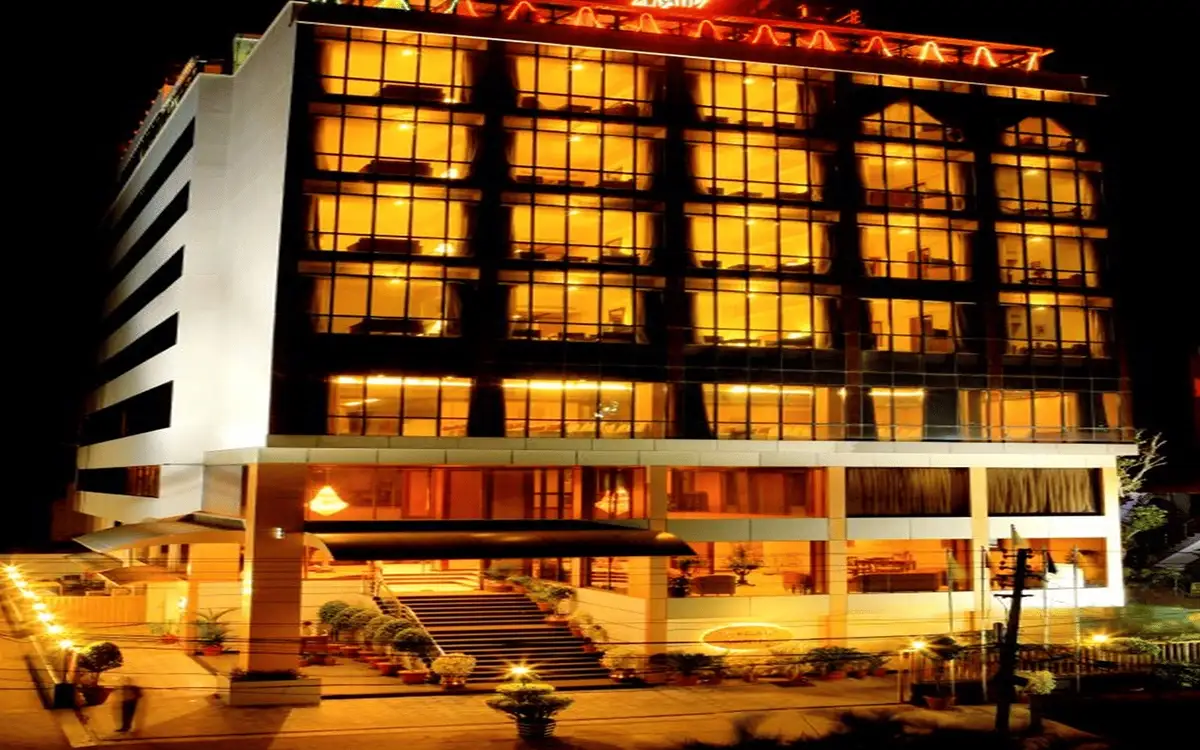
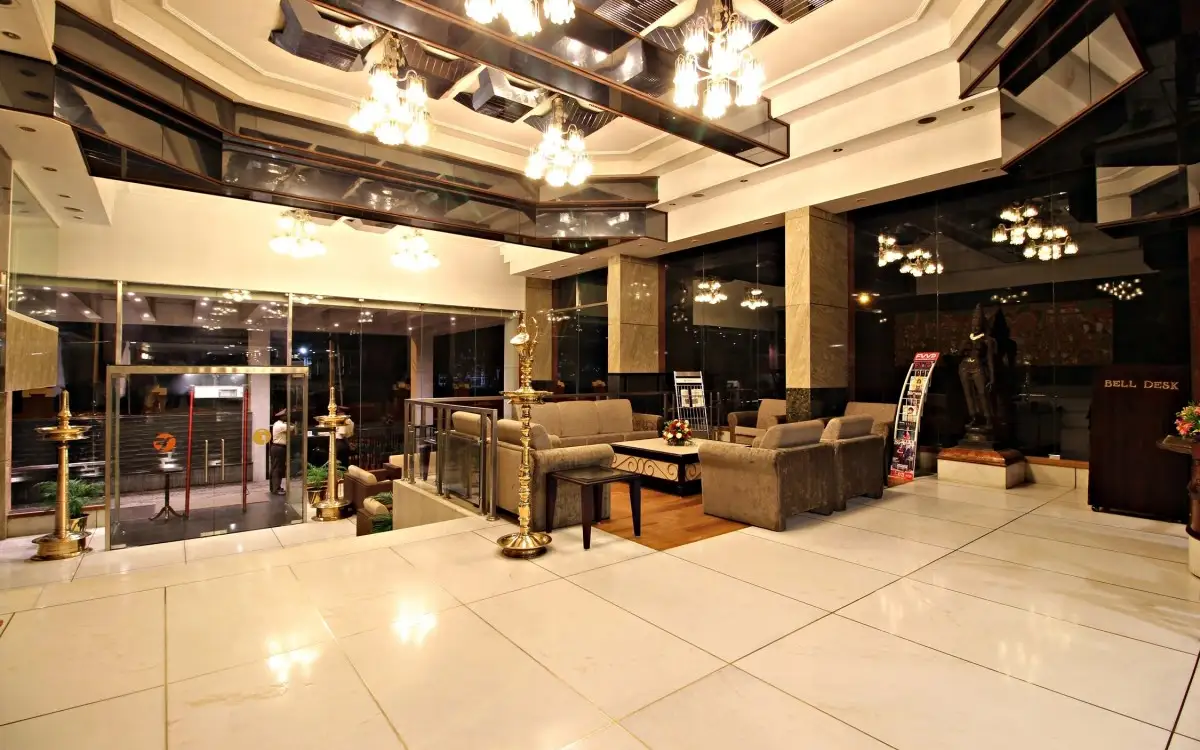
Central business hotel in Thiruvananthapuram city. Punnen Road, Statue, Thiruvananthapuram, Kerala 695039, India.
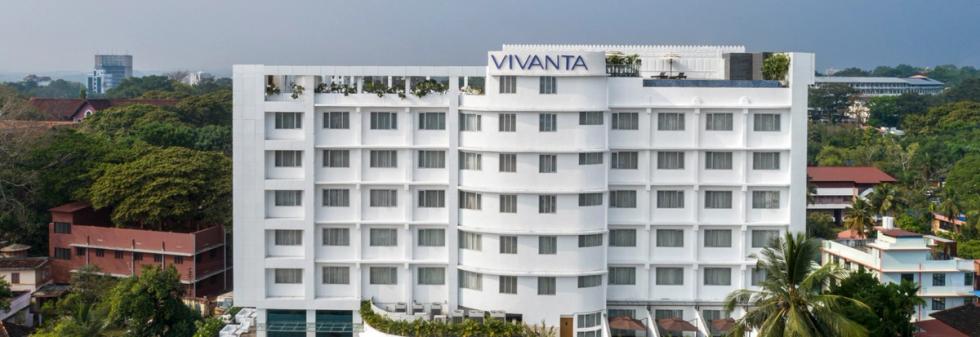
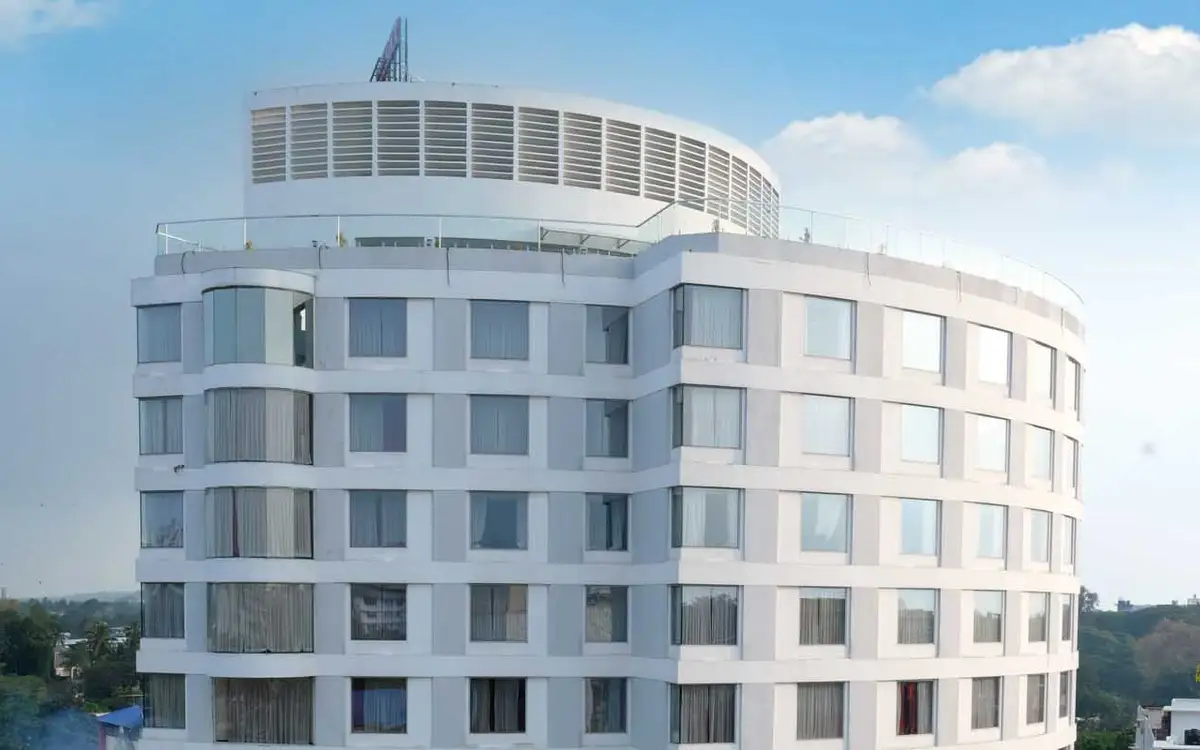
Vivanta Thiruvananthapuram is a hotel on Extra Police Road at Palayam. Choose the central address for city outings, comparing room packages and onward transfers for your dates.
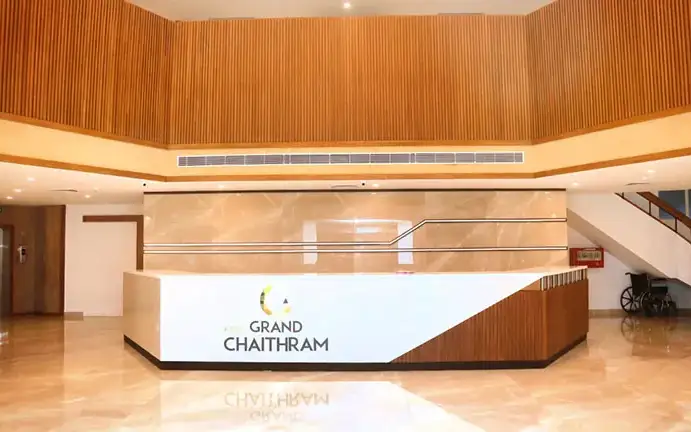
KTDC Grand Chaithram is a Budget City Hotel at Thampanoor, opposite Thiruvananthapuram Central railway station and beside the bus terminal. Choose it for a rail or bus arrival, with beach visits arranged as separate outings.
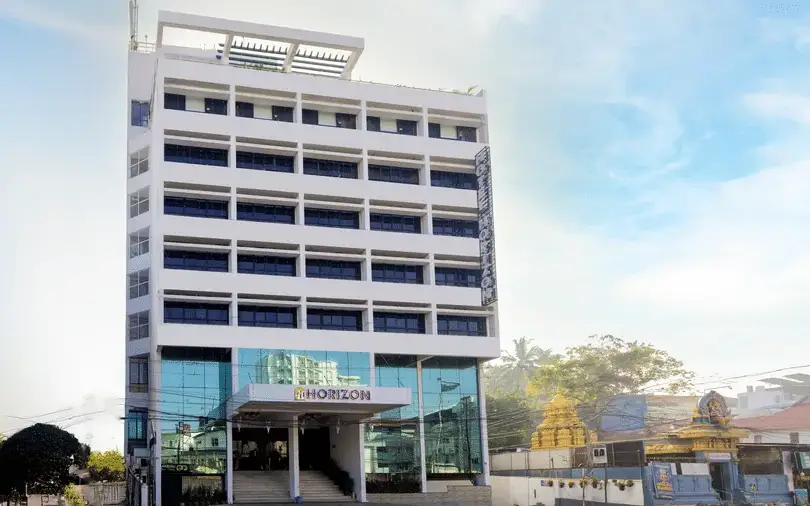
A city hotel at Aristo Junction, Thampanoor, a short walk from Trivandrum Central Railway Station and Sree Padmanabhaswamy Temple.
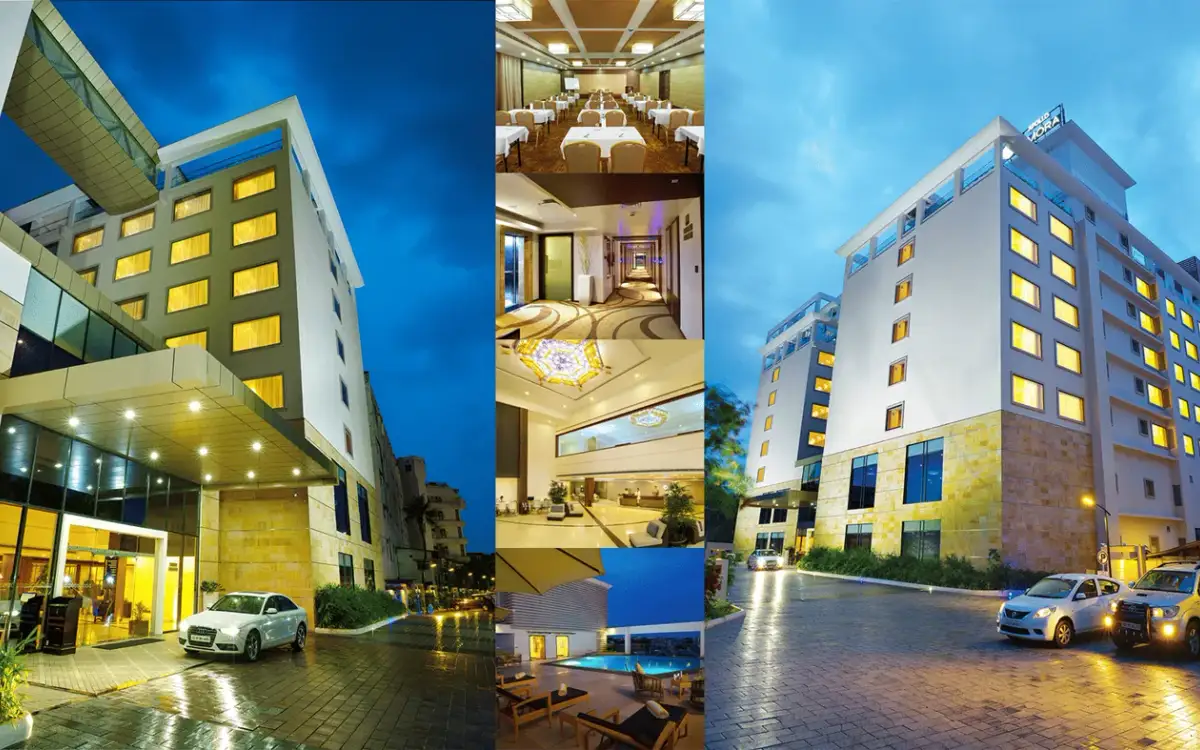
Dimora is opposite Thiruvananthapuram Central railway station at Thampanoor. Its operator offers Standard and Deluxe rooms and suites, with vegetarian dining at Vega Dimora and multi-cuisine dining at Cafe Hive. Compare the room category and arrival entrance, then confirm the meal plan with the hotel.
BR Regency is at Chenthitta, Valiyasalai, in the Chalai area. Its operator lists Classic Executive AC, Superior Deluxe AC and Suite AC rooms with attached bathrooms. Compare the room category and parking needs, and ask separately about any paid airport transfer.
Avenue Kowdiar appears as a serviced villa in Kerala Tourism’s historical provider list, at Kowdiar in Thiruvananthapuram. Current room and booking details need confirmation.
Anies Garden is a family homestay at Kodiyattu House on NCC Road in the Peroorkada–Ambalamukku area of Thiruvananthapuram. Its own website offers Standard and Deluxe rooms, with home meals and transfers described as available on request. Confirm the category and inclusions for your dates.
Uday Suites is an airport-area hotel on Watts Lane at Shangumukham in Thiruvananthapuram. Its operator lists Ixora and Exotica rooms, Mystica and Heritage suites, and the Raja Ravi Varma Suite. Compare the named category, bed arrangement and balcony details before choosing.
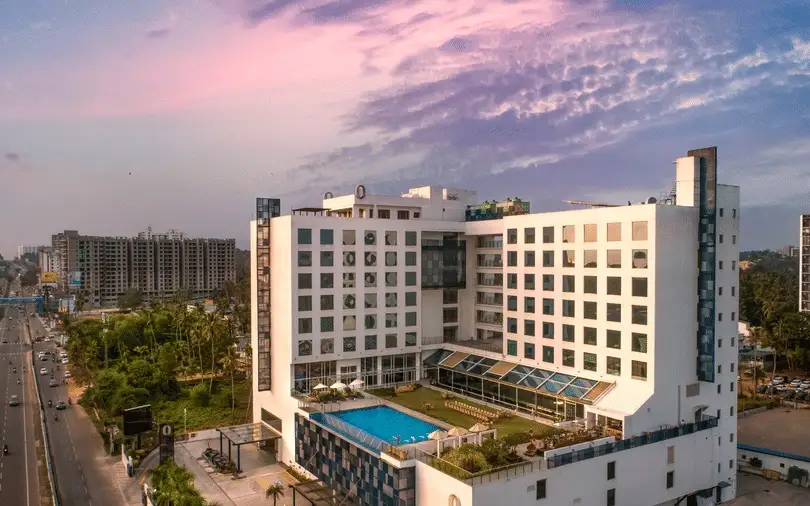
Classic Sarovar Portico is the hotel formerly called Classic Avenue, managed by Sarovar Hotels in Thampanoor. The operator lists a swimming pool and business facilities. Compare the room and arrival arrangements when choosing it as a city base.
O by Tamara is on the NH Bypass at Venpalavattom, Anayara. Its Trivandrum operator page offers Deluxe and Elite rooms and suites, and states that all rooms are non-smoking. Choose the category and meal plan for your dates and plan the journey into the city or to the coast separately.
Keys Select is opposite the Fire Brigade at Housing Board Junction. Lemon Tree lists Keys Room and Keys Indulge Room categories, Keys Cafe and a fitness centre. Compare the room size and meal plan; this is a city stay, with the coastal outing planned separately.
The Central Residency is on Manorama Road at Aristo, Thampanoor, opposite Malayala Manorama. Its operator offers Executive and Deluxe rooms and suites, giving guests different room layouts to compare for a city stay.
The South Park is on M.G. Road at Palayam, opposite University College in Thiruvananthapuram. Its operator offers Standard and Park Chamber rooms, Executive Suites and Deluxe Suites, giving visitors several layouts to compare for a city stay.
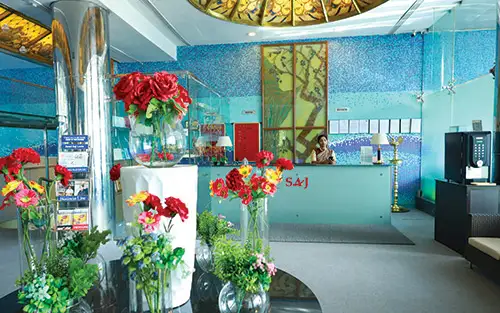
SAJ Luciya is an East Fort hotel in Thiruvananthapuram. Its own stay page offers Executive and Suite room categories; choose the category and confirm the arrival arrangements for your visit.
Forte Manor is at Power House Junction near East Fort. Its operator offers Executive, Temple View, Junior Suite and Suite rooms. Choose the exact category and ask about the assigned room’s outlook and arrival route before booking.
Cordial Sopanam is beside Kairali Sree Theatre in Thampanoor. Its operator offers Executive, Deluxe, Super Deluxe and Suite rooms. Compare the room layout and railway or bus-terminal arrival route when planning a city stay.
Windsor Rajadhani is at Toll Junction in Kowdiar, Thiruvananthapuram. Its operator describes 52 rooms in three categories, together with dining, a swimming pool and fitness facilities. Ask which room category and services are included in your proposed stay.
Hotel in Thiruvananthapuram city. West Fort, Thiruvananthapuram, Kerala 695008 · AC and non-AC rooms, Dormitory enquiry.
Bethel Homestay Thiruvallam rents the first floor of a hilltop villa in Karingadamukal, Thiruvallam. The accommodation has two bedrooms, each with an attached bathroom, plus a separate living space and dining area. Guests also have use of a fully equipped kitchen.
Friends Villa Homestay is listed at Thottam Kannanmeda in Ambalathara, opposite Milma Dairy. The operator-submitted listing describes air-conditioned living and dining areas, a standard kitchen, workspaces with desks, in-room Wi-Fi, printing and photocopying services, and airport transport.
Manchadi Homestay is at Thachottukavu on the Malayinkeezhu side of Thiruvananthapuram, rather than in the city centre. Its host, Akshay, lists morning walks, evening stargazing, yoga and meditation as ways to spend time at the property.
The Kerala Tourism listing describes Mary Land Homestay as a contemporary villa with a honeymoon-themed bedroom suite and balcony, modular kitchen, front garden and rooftop garden. The operator also identifies it as a Diamond House classified homestay.
OMKARAM HOMESTAY is listed by Kerala Tourism at Sree Padmanabha Swamy Temple South Nada in Thiruvananthapuram. The available source identifies it as a homestay and provides direct contact details, but does not document rooms, meals, amenities or guest services.
Book with the place itself. India’s cyber-crime coordination centre warned in April 2025 that convincing copies of hotel and pilgrimage booking sites are being pushed through sponsored search and social ads, taking payment for rooms the property never hears about. Use the contact and source details on each profile to confirm the exact business and booking channel. A directory entry or map pin alone does not establish an operator’s identity or current availability. Roampedia takes no commission and does not collect booking payments. If a booking page reached you through an ad, check the address bar against the property’s own site before you pay. Fraud can be reported on cybercrime.gov.in or on 1930.
Find food, accommodation and activities across Thiruvananthapuram city. Browse the guides for places to eat, stay and explore along your route.
22 more places around Thiruvananthapuram city. Open a guide to plan the visit and onward journey.
The ancestral palace compound associated with Raja Ravi Varma at Kilimanoor; visitor access concerns the working family estate and must be confirmed before travel.
13.9 km · straight line
A major coastal Muslim pilgrimage landmark south-west of the city centre, known for the Beemapally Uroos and the tombs honoured within the shrine complex.
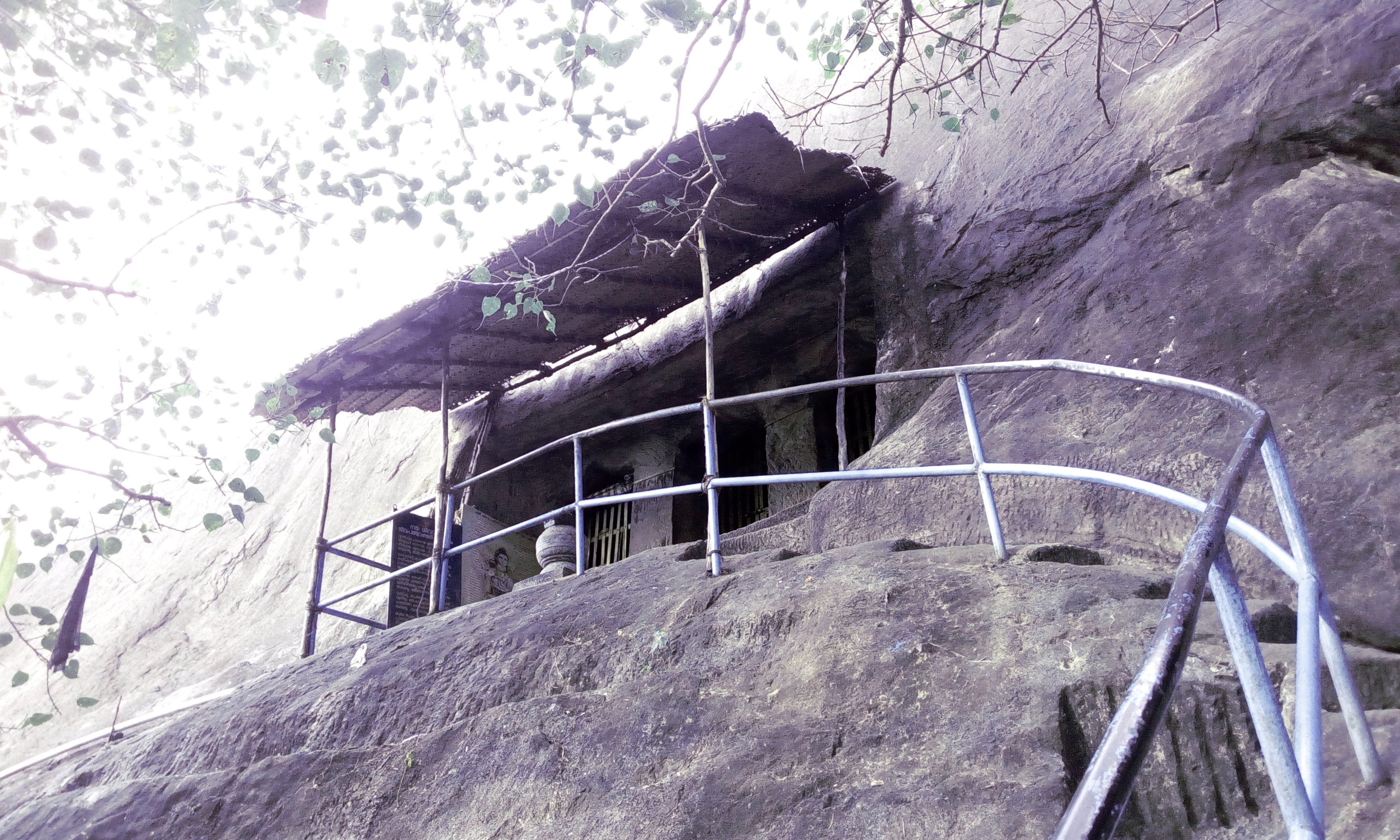
Madavoorpara combines a rock-cut Shiva shrine with a rocky hill landscape on Thiruvananthapuram’s northern edge. The temple and the climb offer different reasons to visit, and both deserve time.
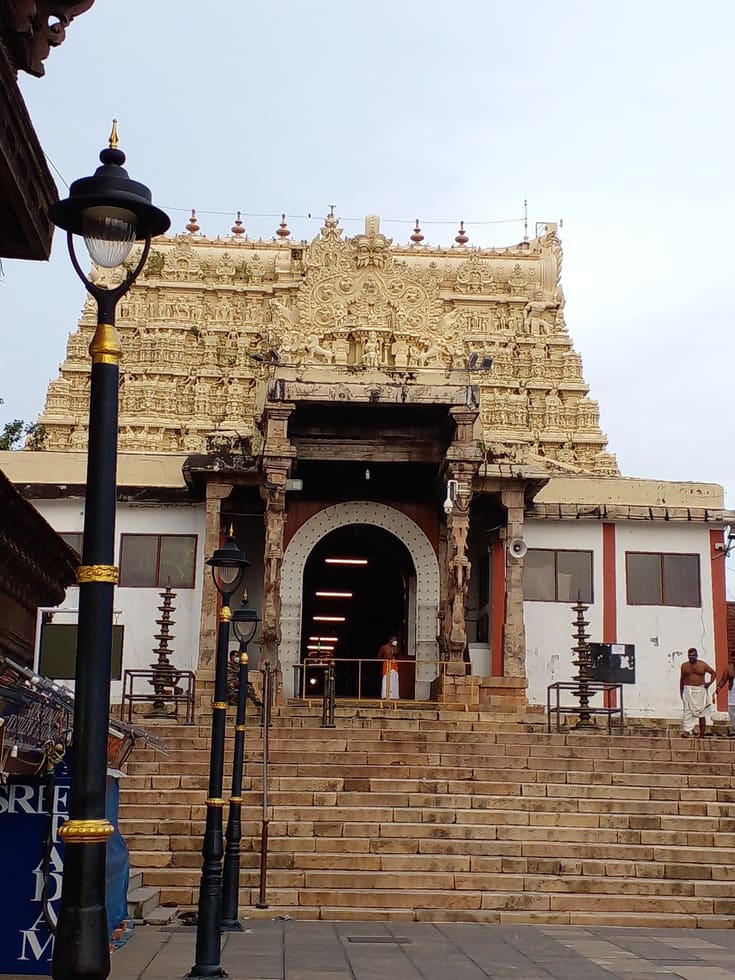
Major Vishnu temple and one of Kerala’s most important pilgrimage landmarks; strict entry and dress rules apply.
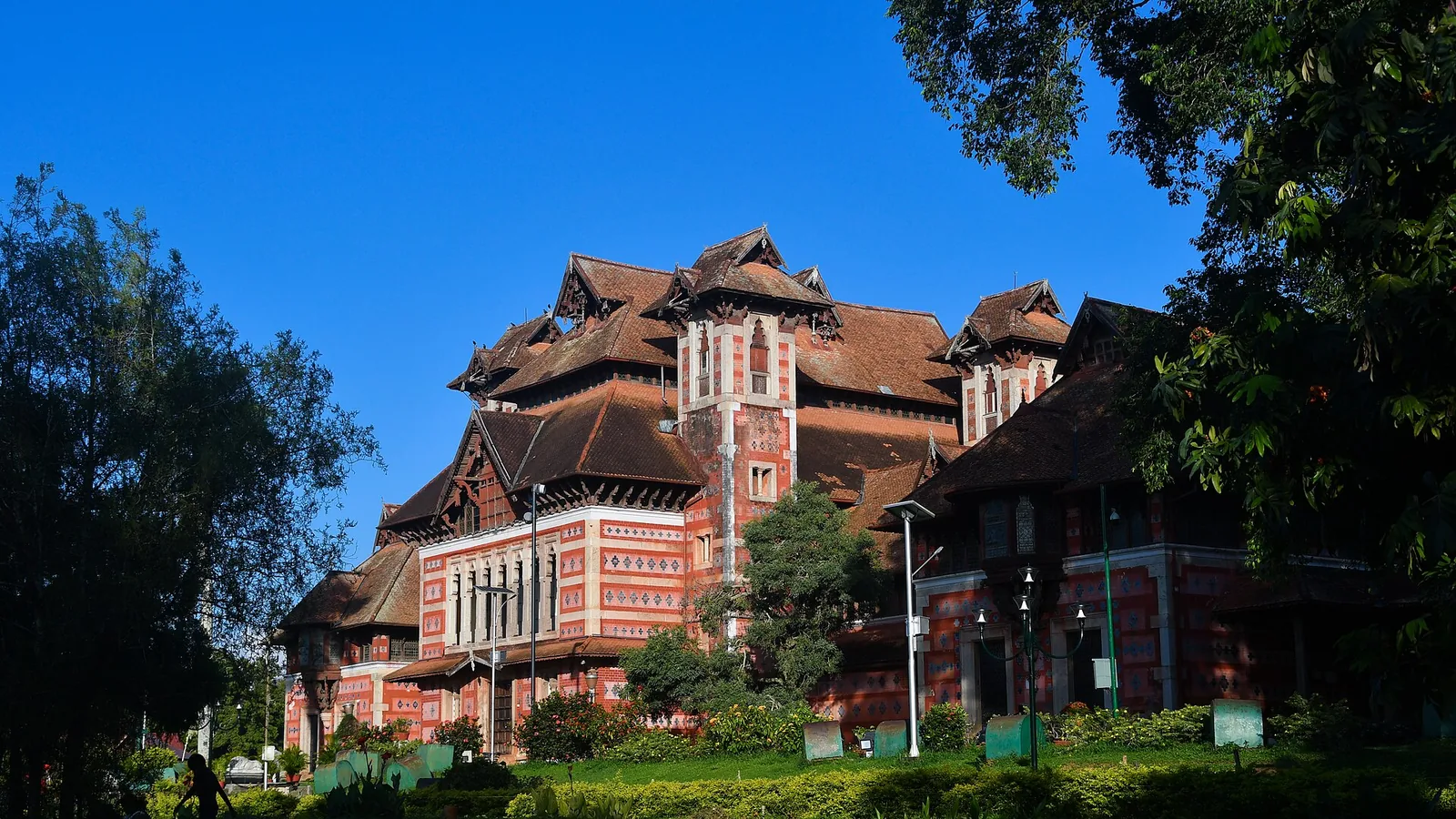
Robert Chisholm’s 1880 Indo-Saracenic museum in the Museum Park — a polychrome landmark holding Chola and Kerala bronzes, ivories and temple carts, with the Sree Chitra Art Gallery alongside it.
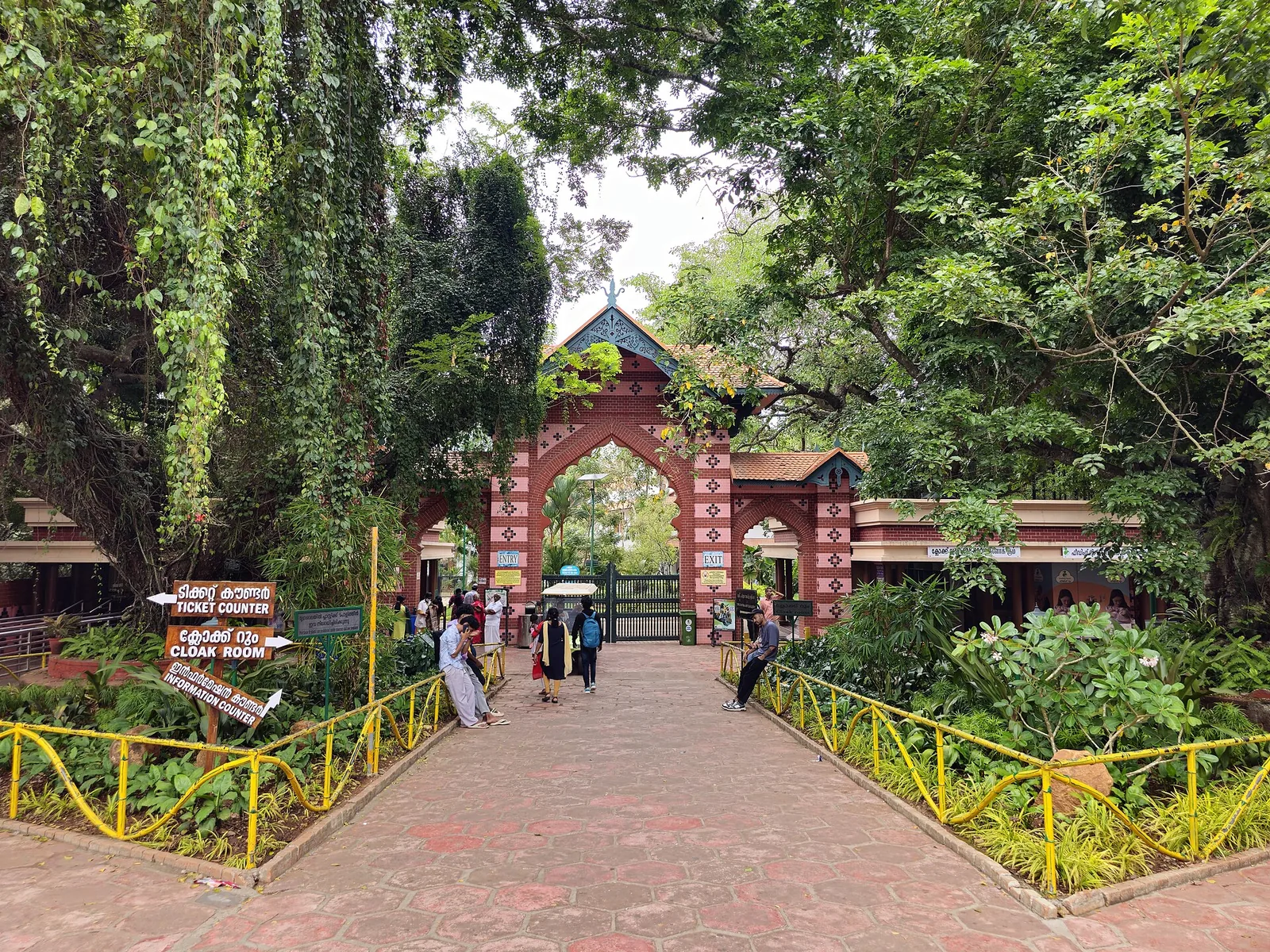
Old trees, winding paths and animal enclosures share the Museum Park at Thiruvananthapuram Zoo, also known as Trivandrum Zoo. Allow time for the garden as well as the collection, with the Napier Museum close by.
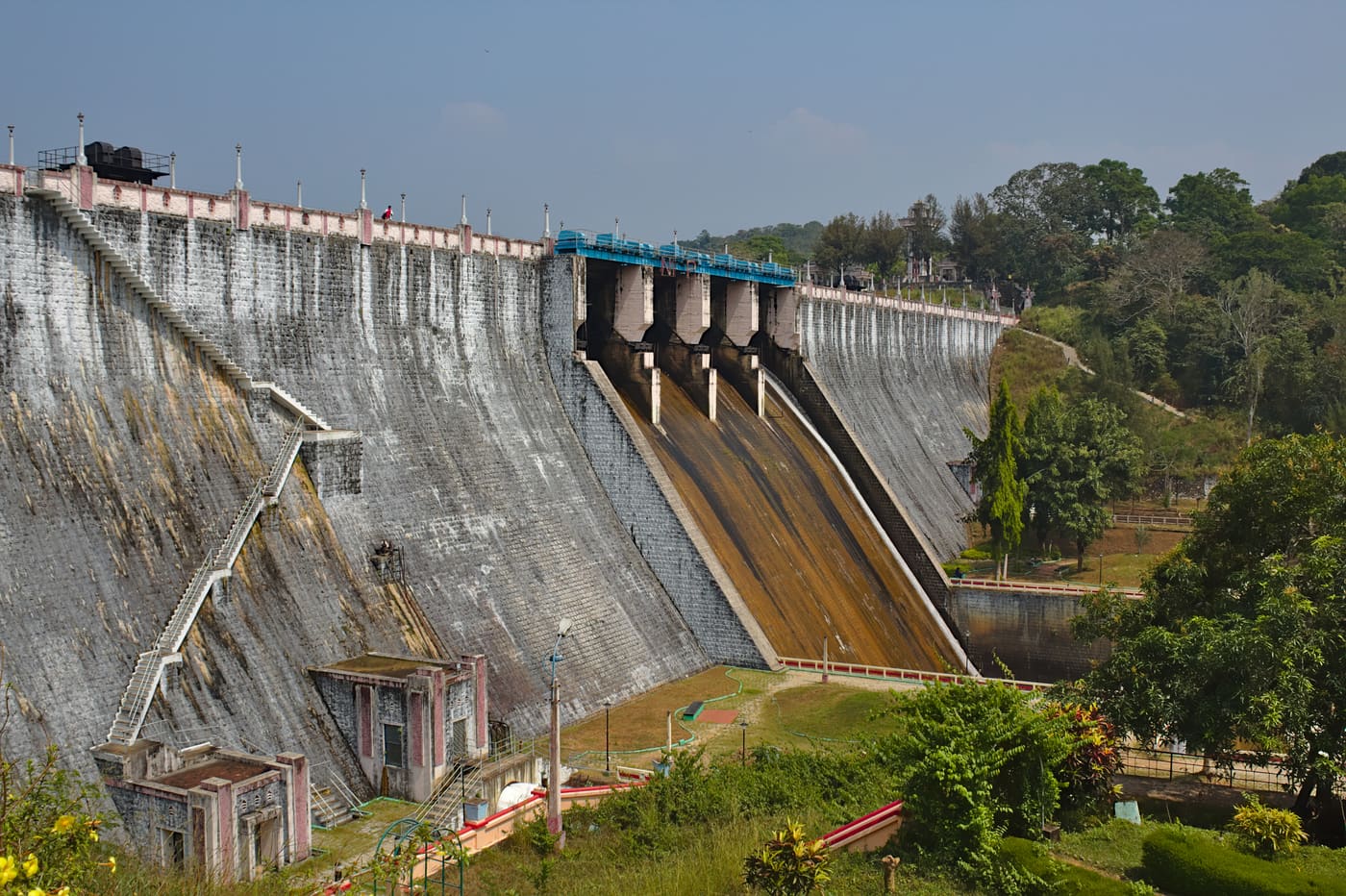
Guided forest trekking in the Neyyar Wildlife Sanctuary near the Agasthyamala foothills, south-east of Thiruvananthapuram.
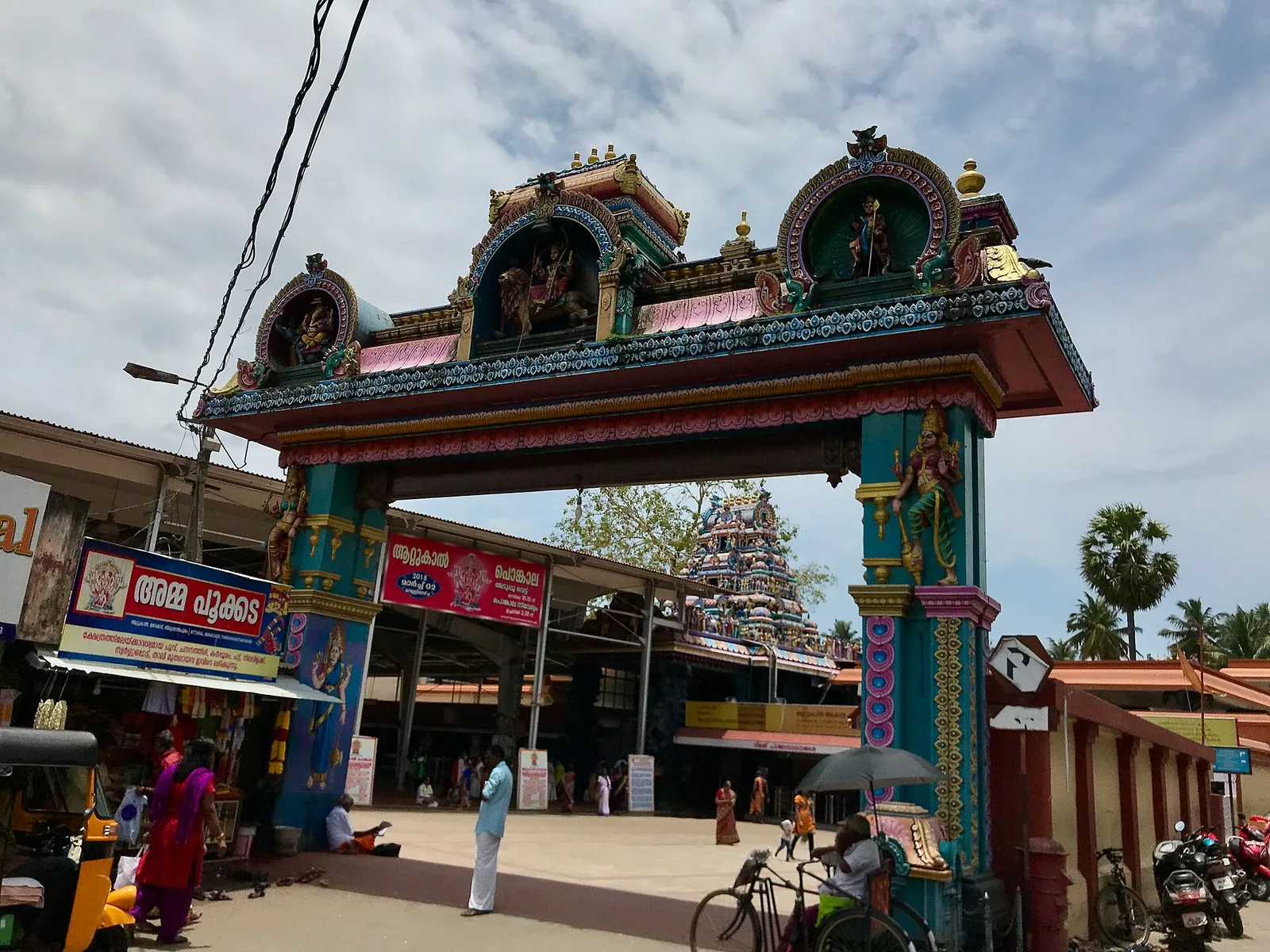
Famous Devi temple in the city, home of the Attukal Pongala — recorded as the largest annual gathering of women.
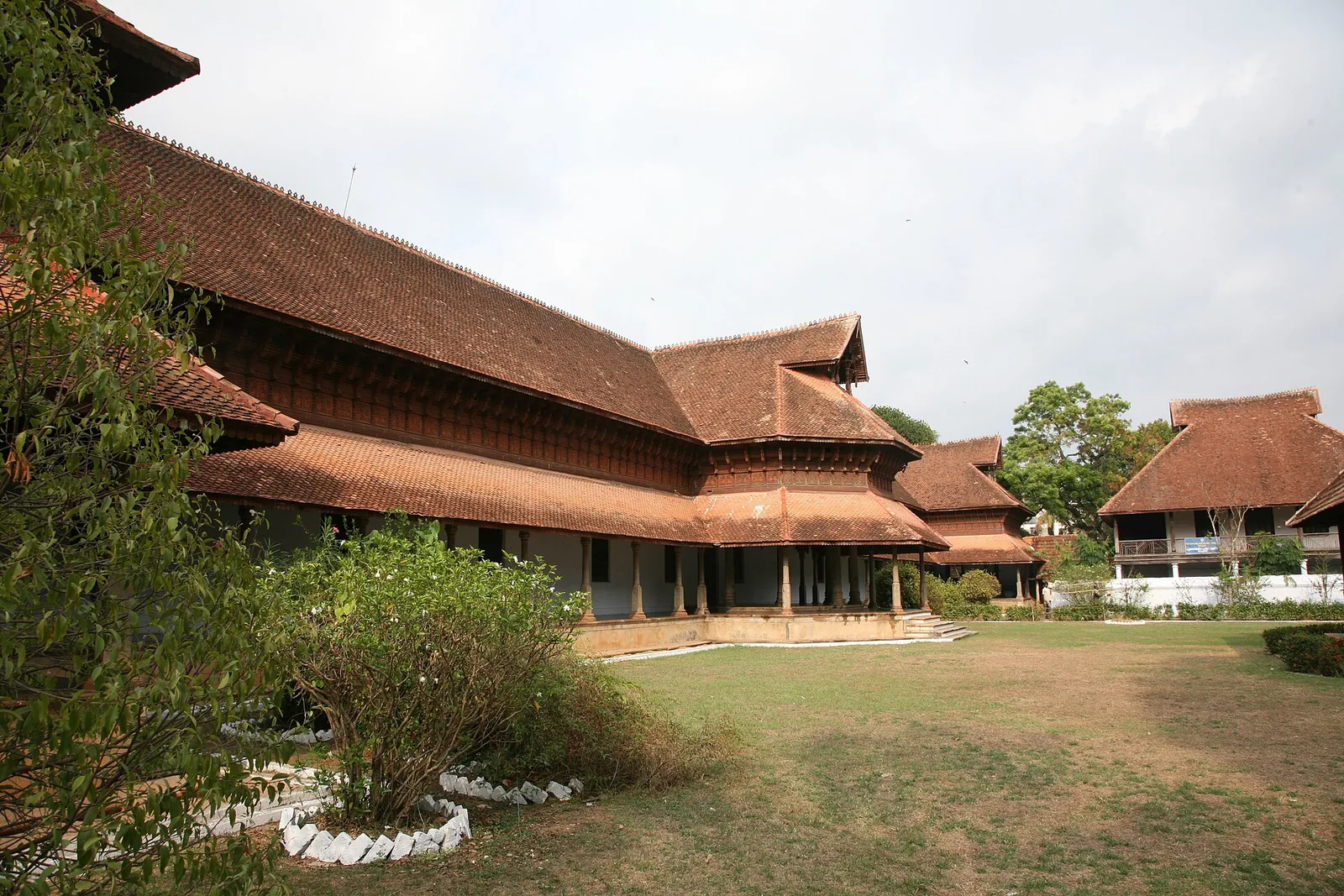
A row of carved wooden horses gives Kuthiramalika its name. Beside Sree Padmanabhaswamy Temple, this Travancore palace museum brings timber craftsmanship and royal collections into one compact visit.
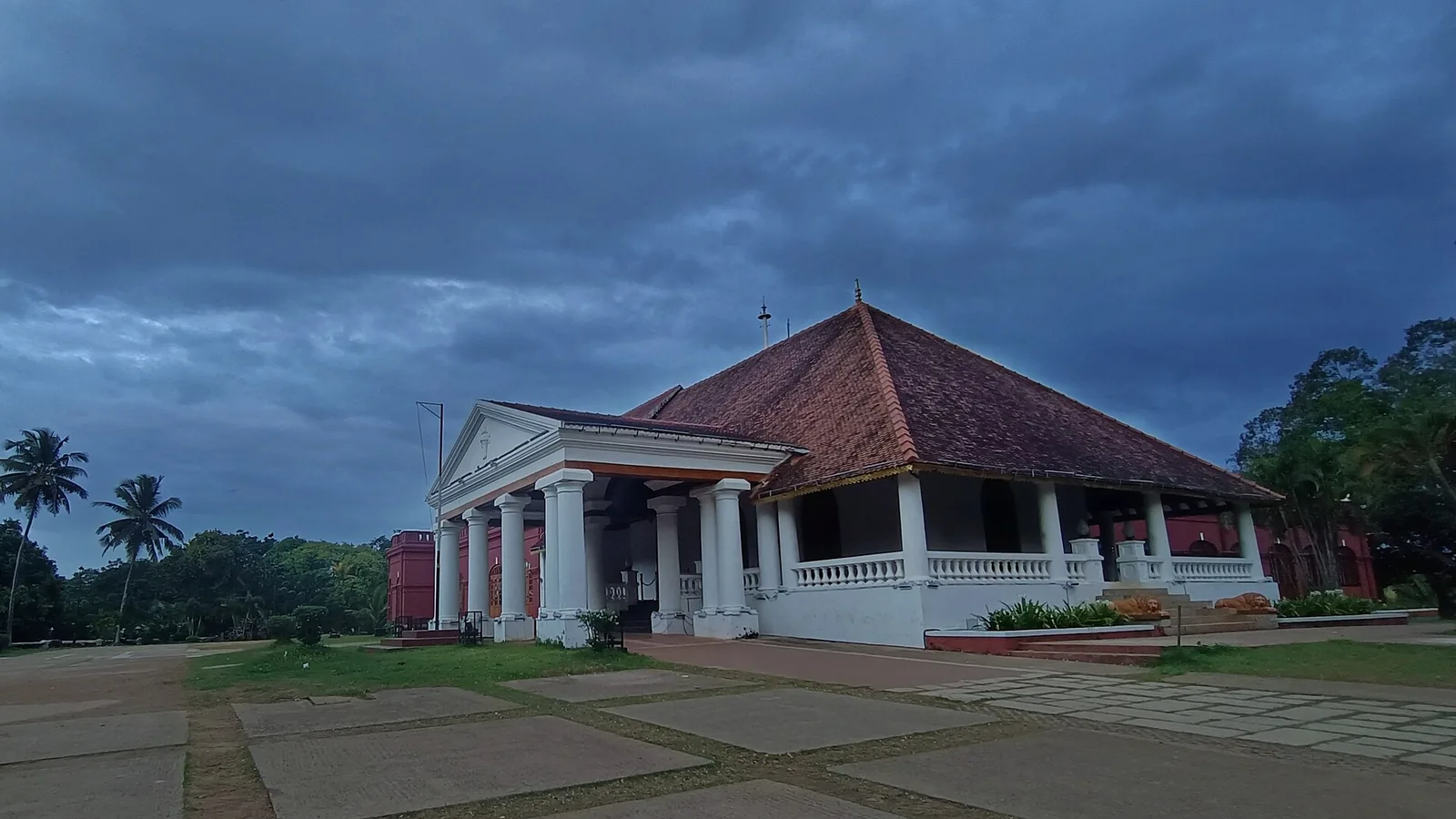
Kanakakunnu puts a Travancore palace among gardens and cultural venues near Thiruvananthapuram’s Museum Park. Come for an evening walk or choose a date around a performance.
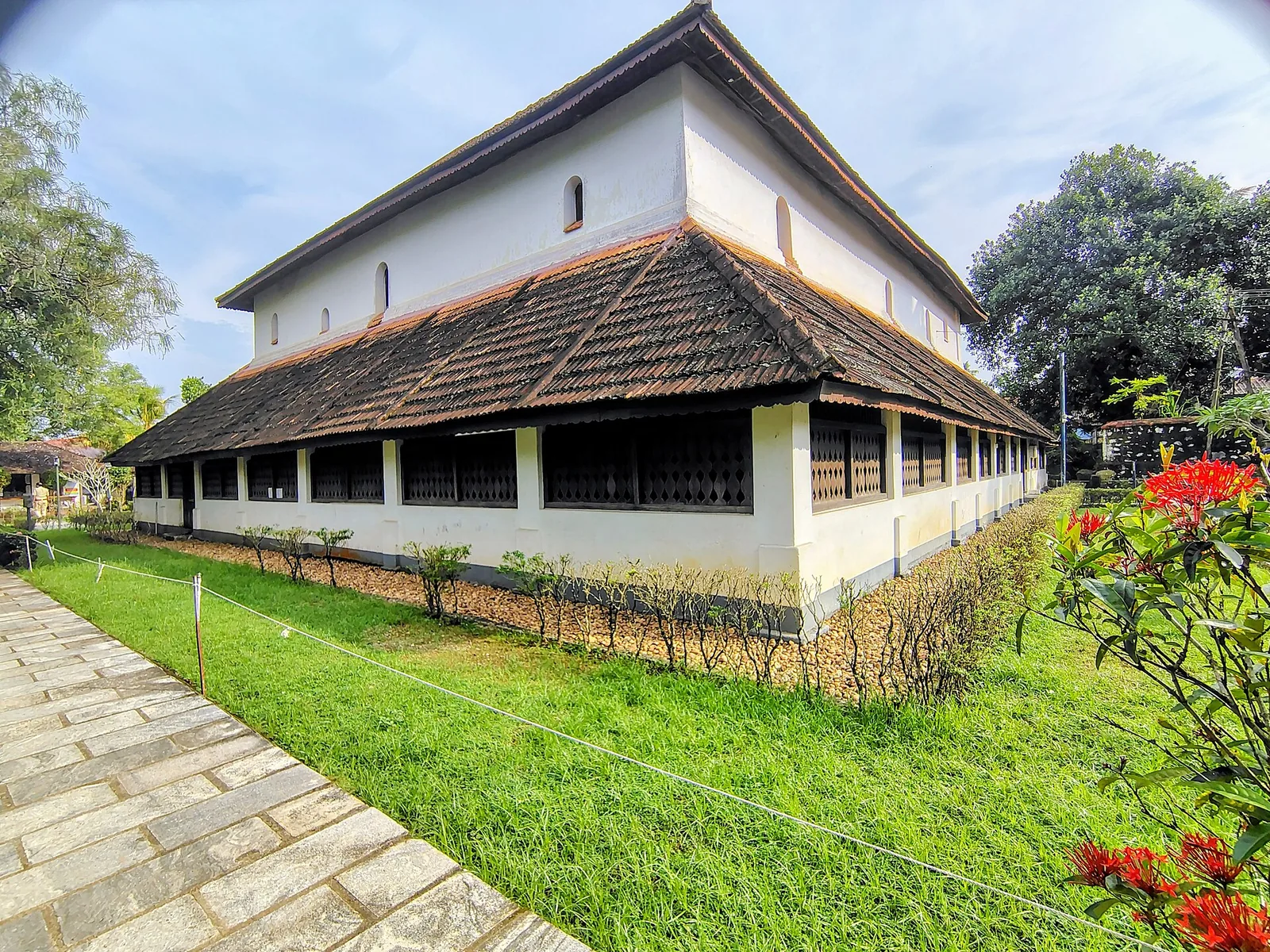
Koyikkal Palace at Nedumangad houses folklore and coin collections inside a traditional Kerala palace. Everyday objects, instruments and currency make this a more intimate museum stop than a grand royal gallery.
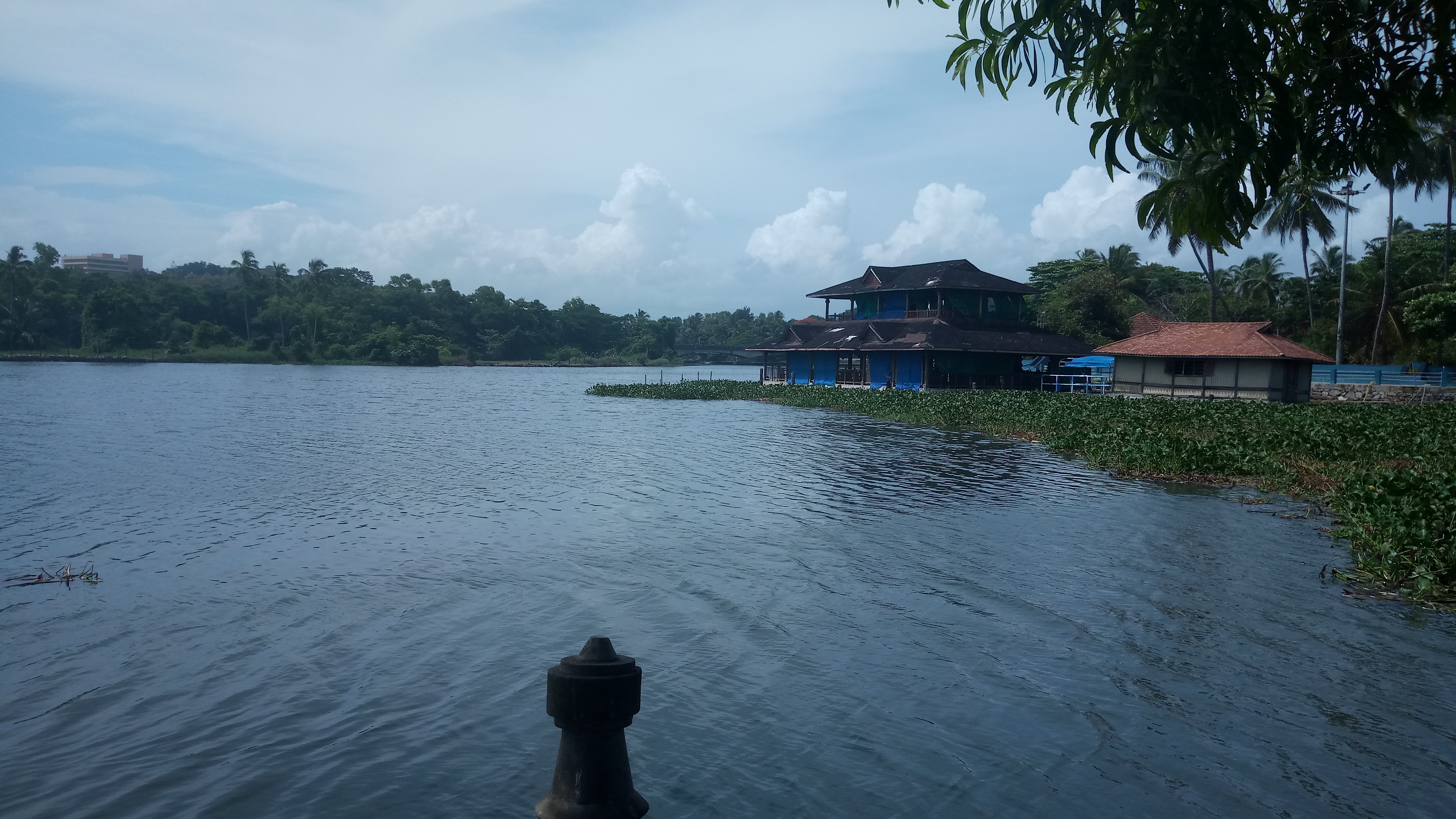
Veli Tourist Village brings lake views, gardens and boating to the coast near Thiruvananthapuram. It is a family outing at the meeting of Veli Lake and the Arabian Sea.
13.1 km · 16 min drive
An ancient temple on the Karamana river, the district’s main site for ancestral (bali) rituals and rare for its Parasurama deity.
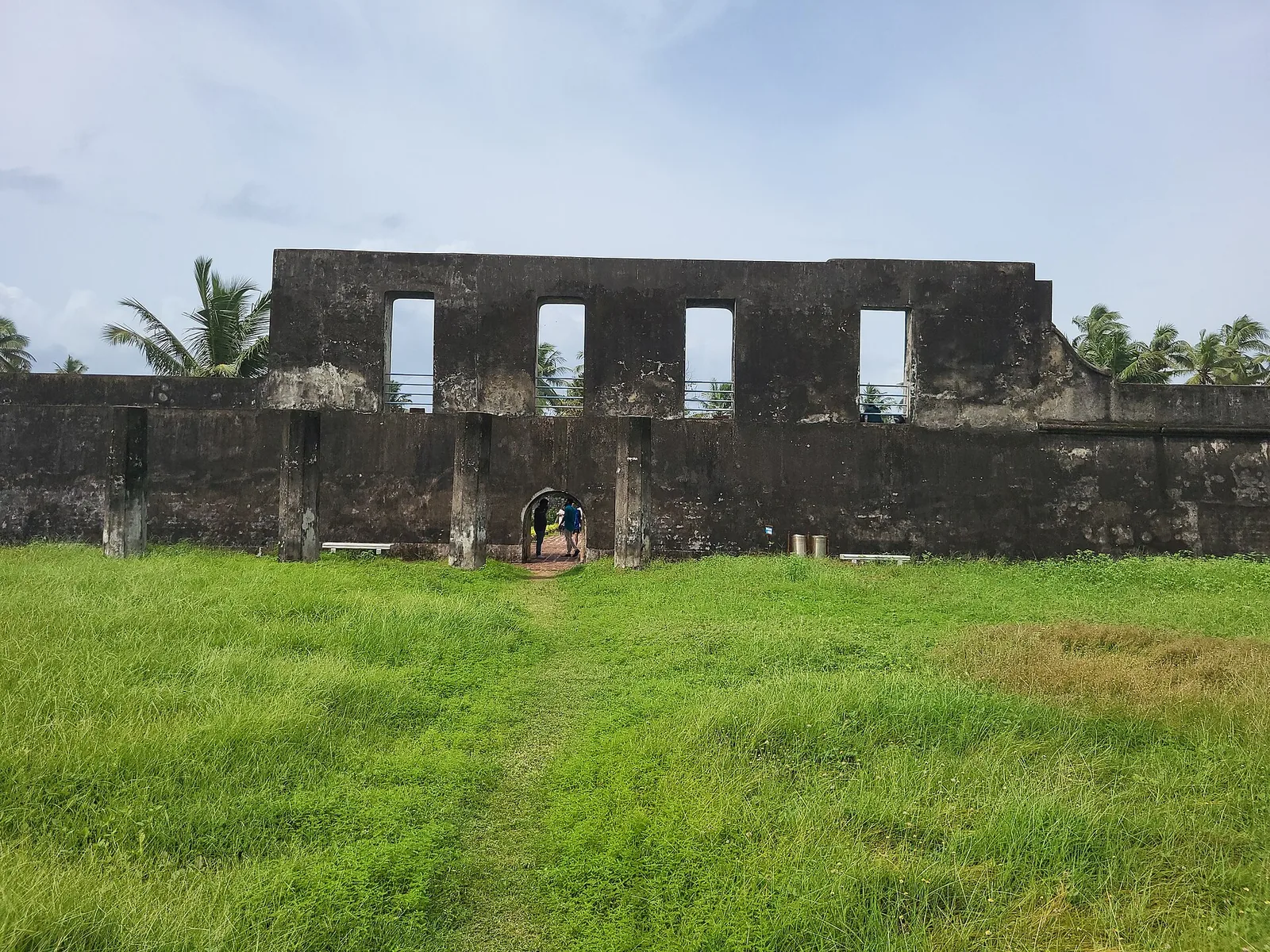
A 1690s English East India Company sea fort (Anjengo) on the coast north of the city, one of the earliest English settlements in Kerala.
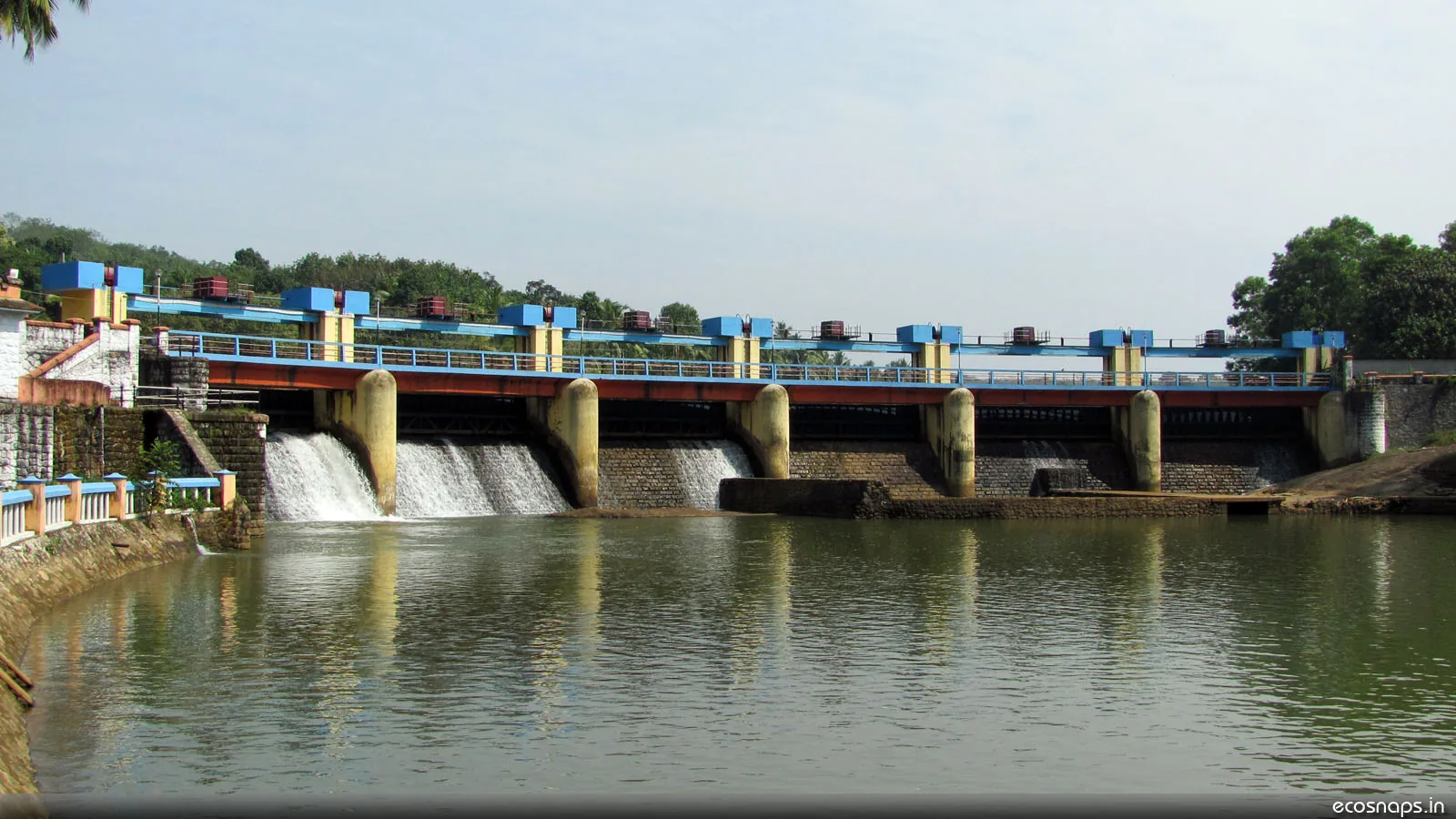
A reservoir, riverside temple and small park on the Karamana river north-east of the city, a popular local picnic spot.
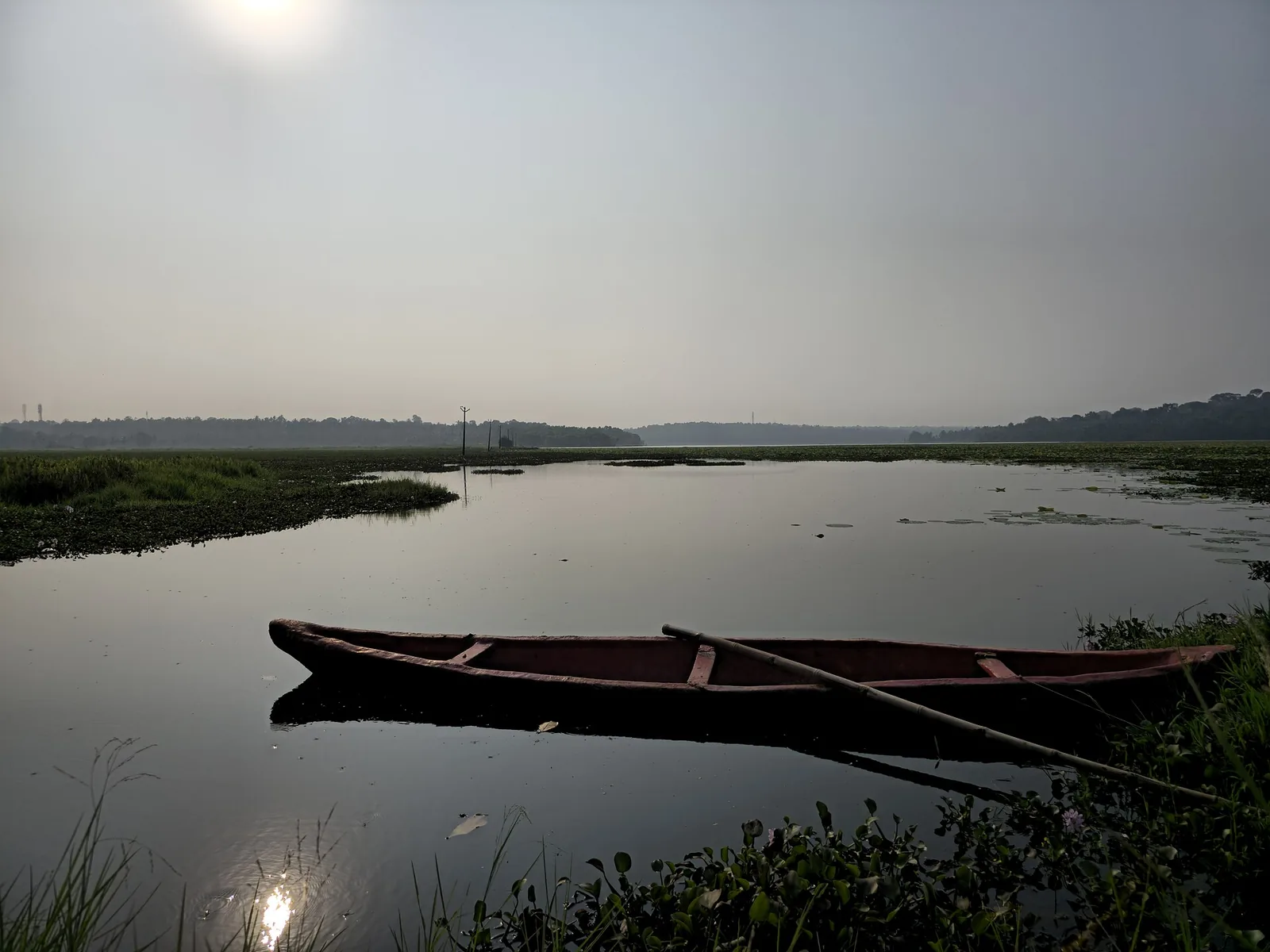
12.9 km · 16 min drive
A freshwater lake in Thiruvananthapuram district, with the Punchakari–Vellayani wetlands nearby offering seasonal birdwatching.
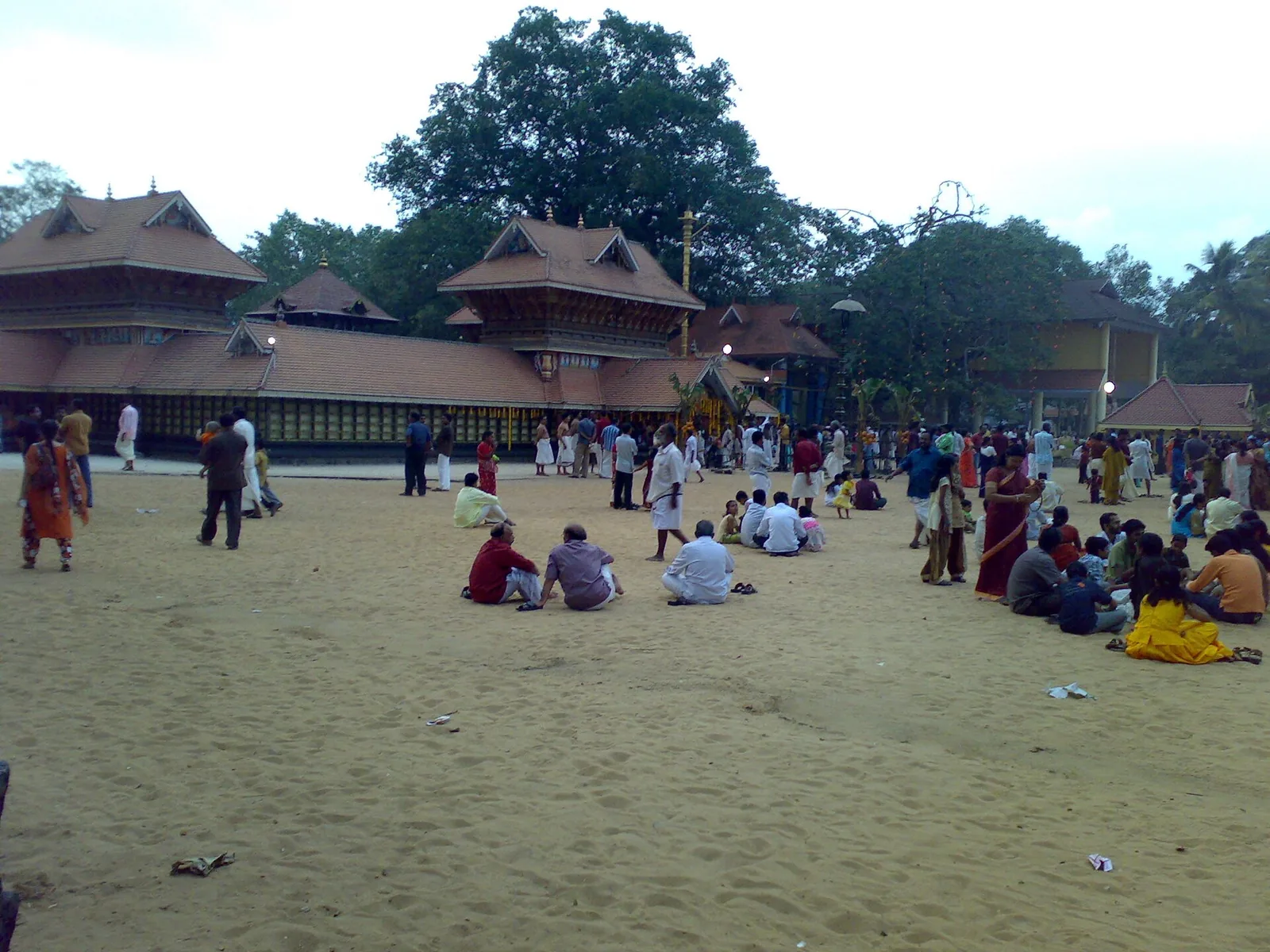
A renowned Devi temple at Chirayinkeezhu, famous for the Kaliyoot festival and the Sarkara jaggery legend.
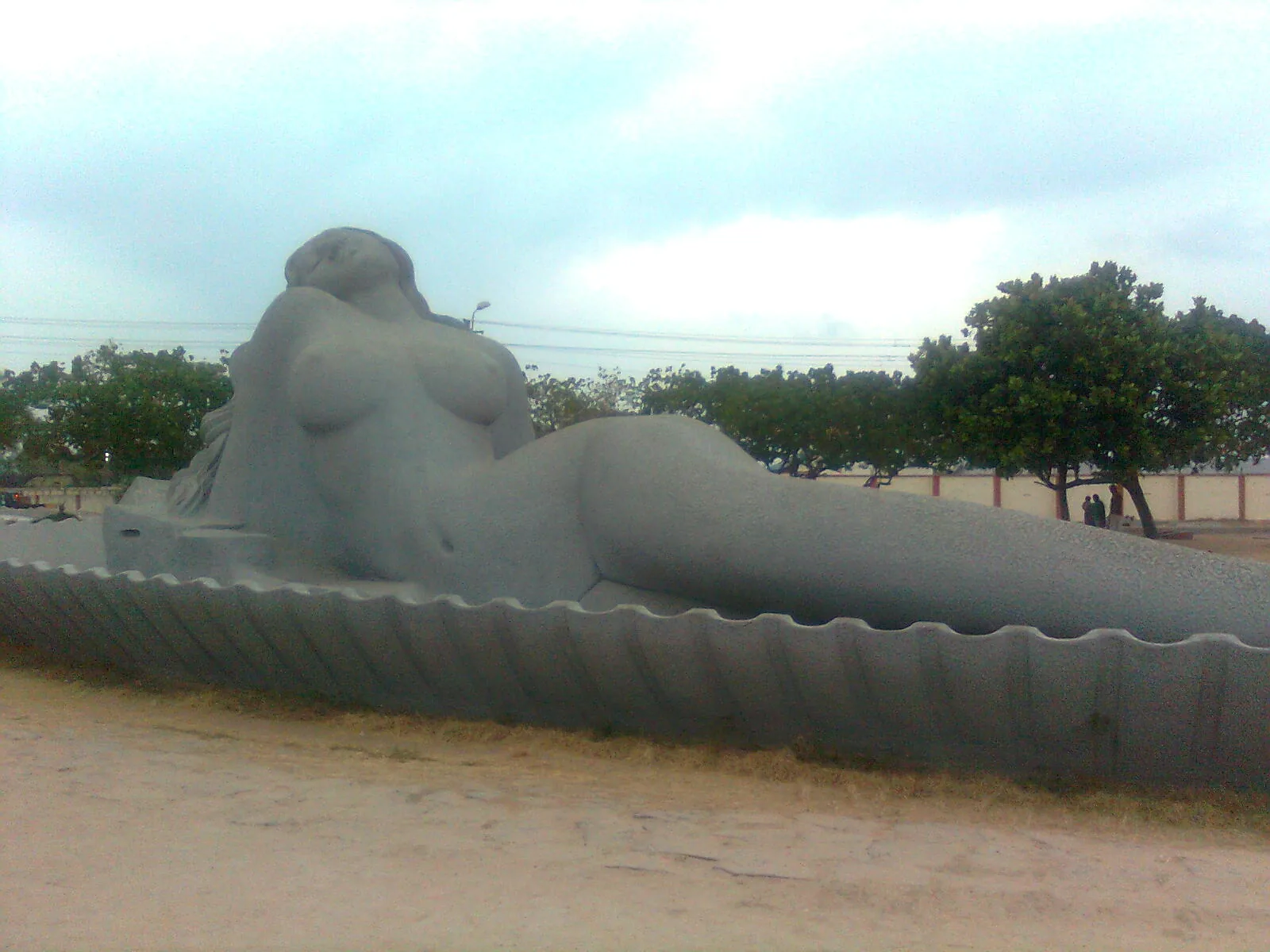
Shanghumukham is Thiruvananthapuram’s evening shoreline: an open sea horizon, airport-side access and Kanayi Kunhiraman’s reclining mermaid sculpture. Come for a coastal walk and the changing light.
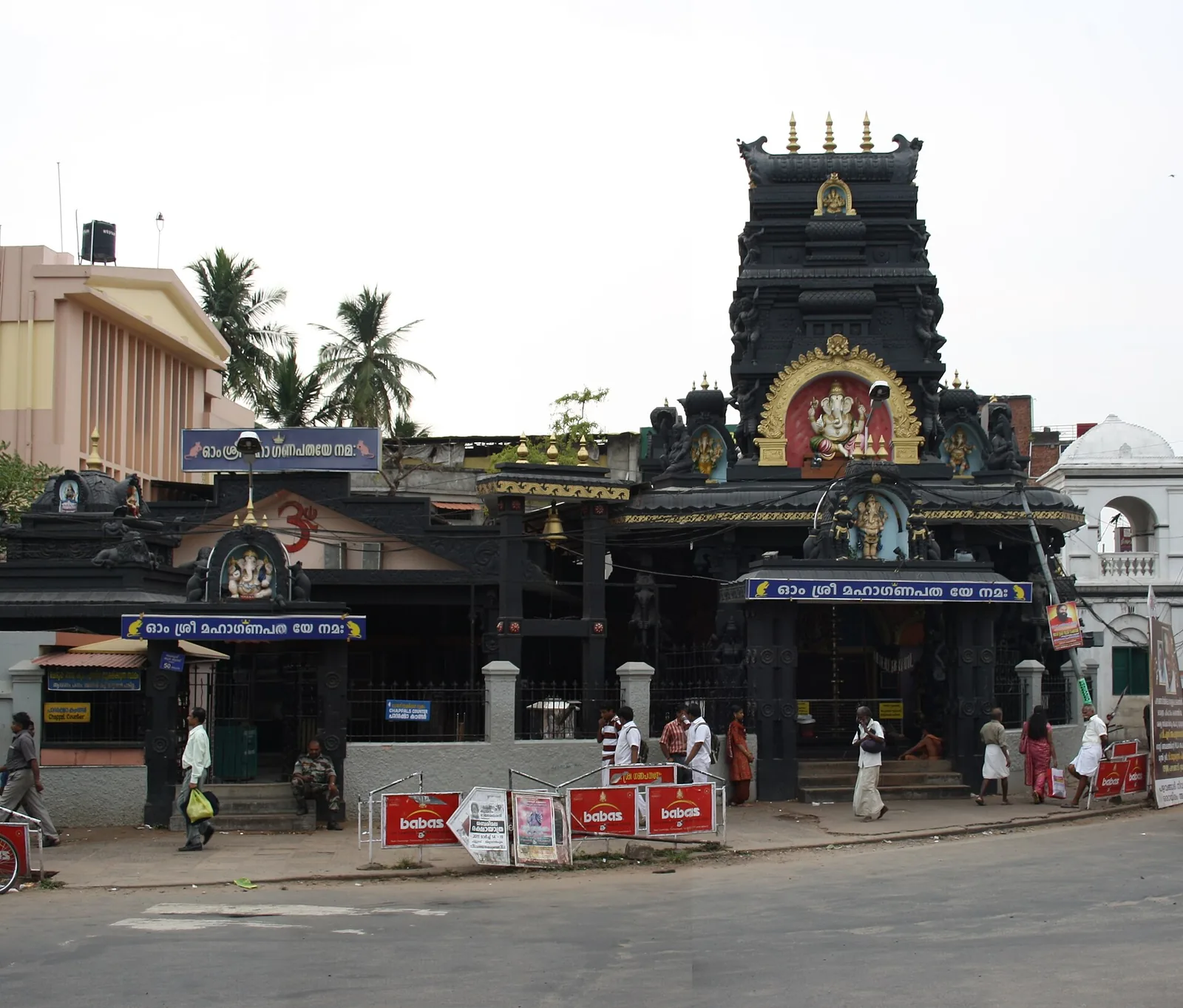
A popular Ganapathy temple near East Fort, known for the coconut-breaking offering; run by the defence services.
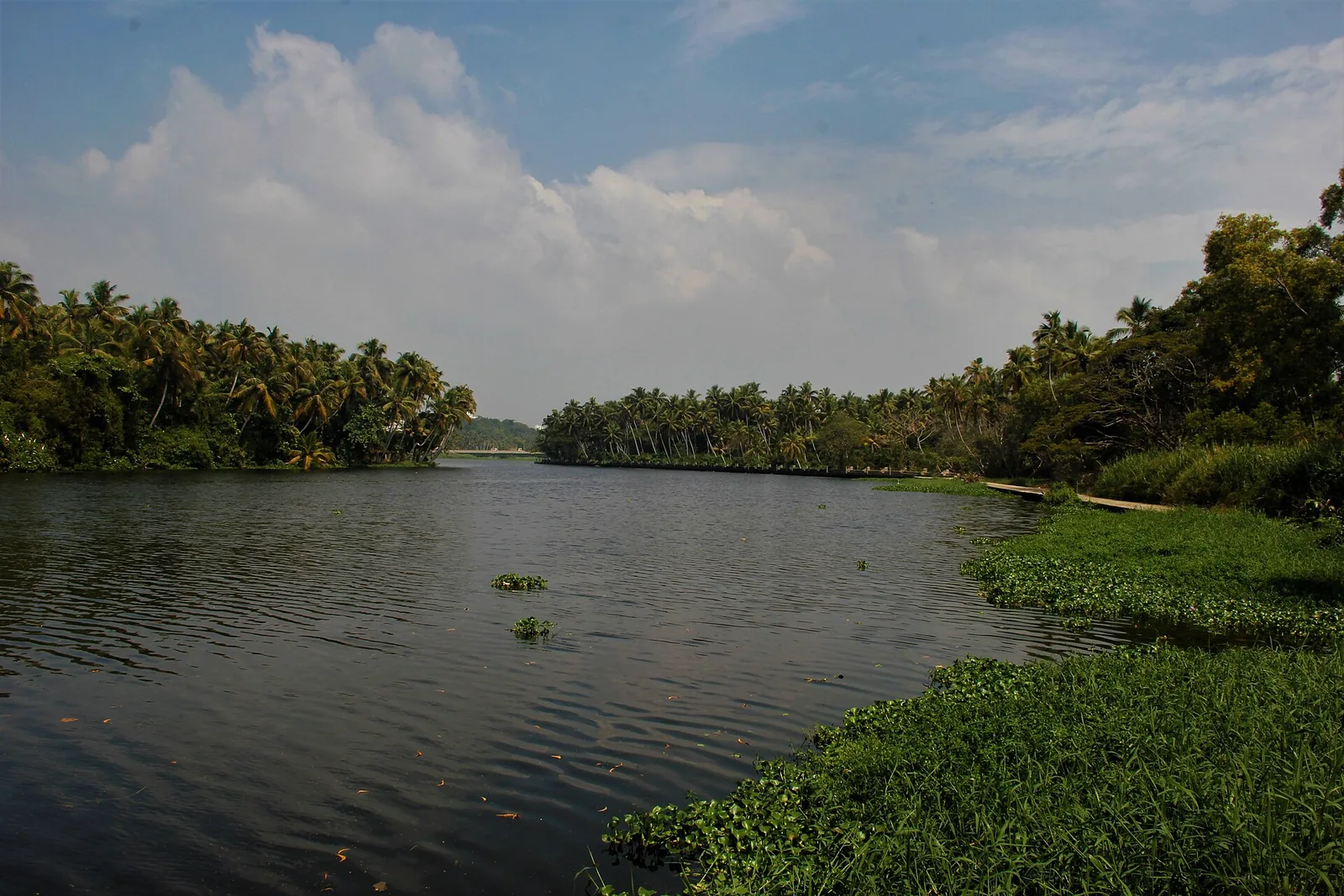
A calm backwater and boating spot near Veli with a lakeside tourist village and children’s park.
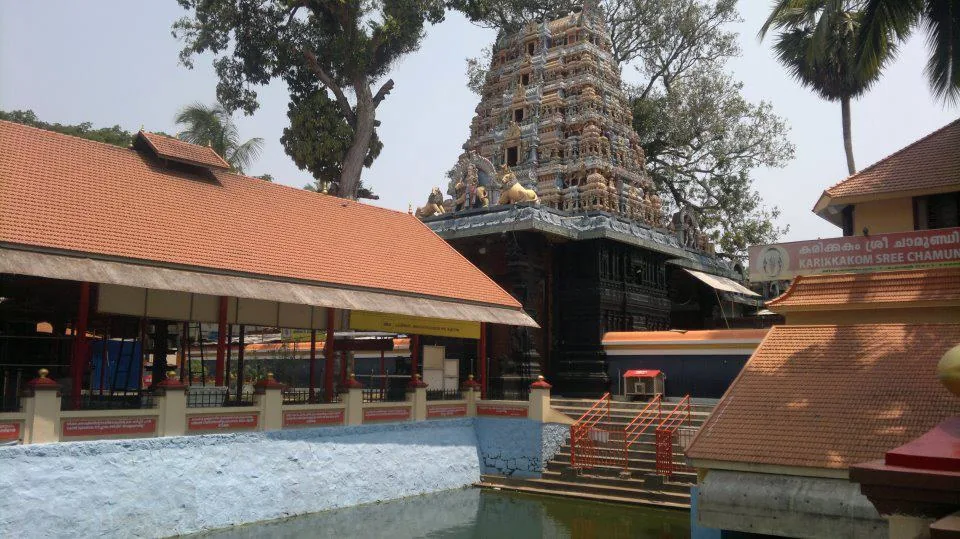
A well-known Chamundi Devi temple on the western edge of the city, busy during its festival season.
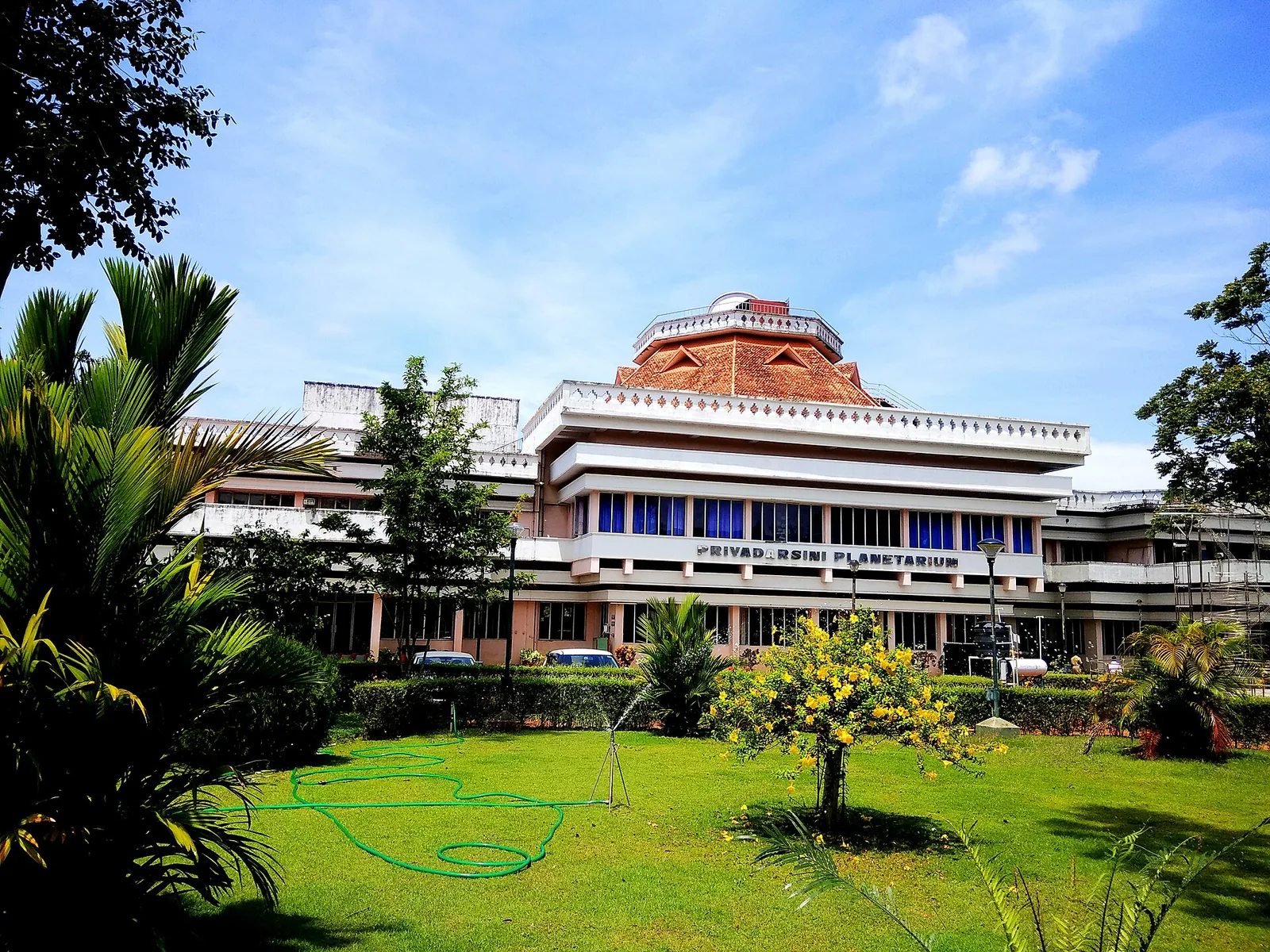
A hands-on science museum with the Priyadarshini Planetarium, popular with families and school groups.
Roampedia is commission-free — own or know a stay, eatery, guide or shop near Aazhimala Shiva Temple? Submit public business details for review.
Add a nearby businessEntry: Generally free entry for darshan; a small charge to access the statue viewing area is reported by some visitors
Dress code: Modest, respectful temple dress — cover shoulders and knees; traditional Indian wear is appreciated, and you may be asked to remove footwear near the shrine
Festivals: Annual Utsavam in the Malayalam month of Makaram (January–February) and Maha Shivaratri are the main festival occasions; the Naranga Vilakku offering is associated with the temple
Photography: The giant Gangadhareswara statue and the sea-cliff views are superb for photography, especially at golden hour; note that photography inside or very close to the main shrine may be restricted, so check signage and ask before shooting
If you are travelling by bus or ferry, check the return service with the operator before setting out. Leave time to reach the stop or jetty after your visit.
Ask at the bus stand for the time of the last service back, not the next one. If you miss it, an auto or app cab is the fallback — agree the fare before you get in.
If you need step-free access, contact the site before travelling. Ask about a level entrance, steps along the route, the nearest drop-off point, seating and accessible toilets.
These services are listed within about 1.2 km of Aazhimala Shiva Temple. Walking distances follow mapped routes; access and opening hours can change. Other services may be closer but are not included here.
Published emergency and visitor-assistance contacts. For an immediate emergency, call 112. Shared Kerala contact sources checked 4 October 2026; publication does not establish a tested live response.
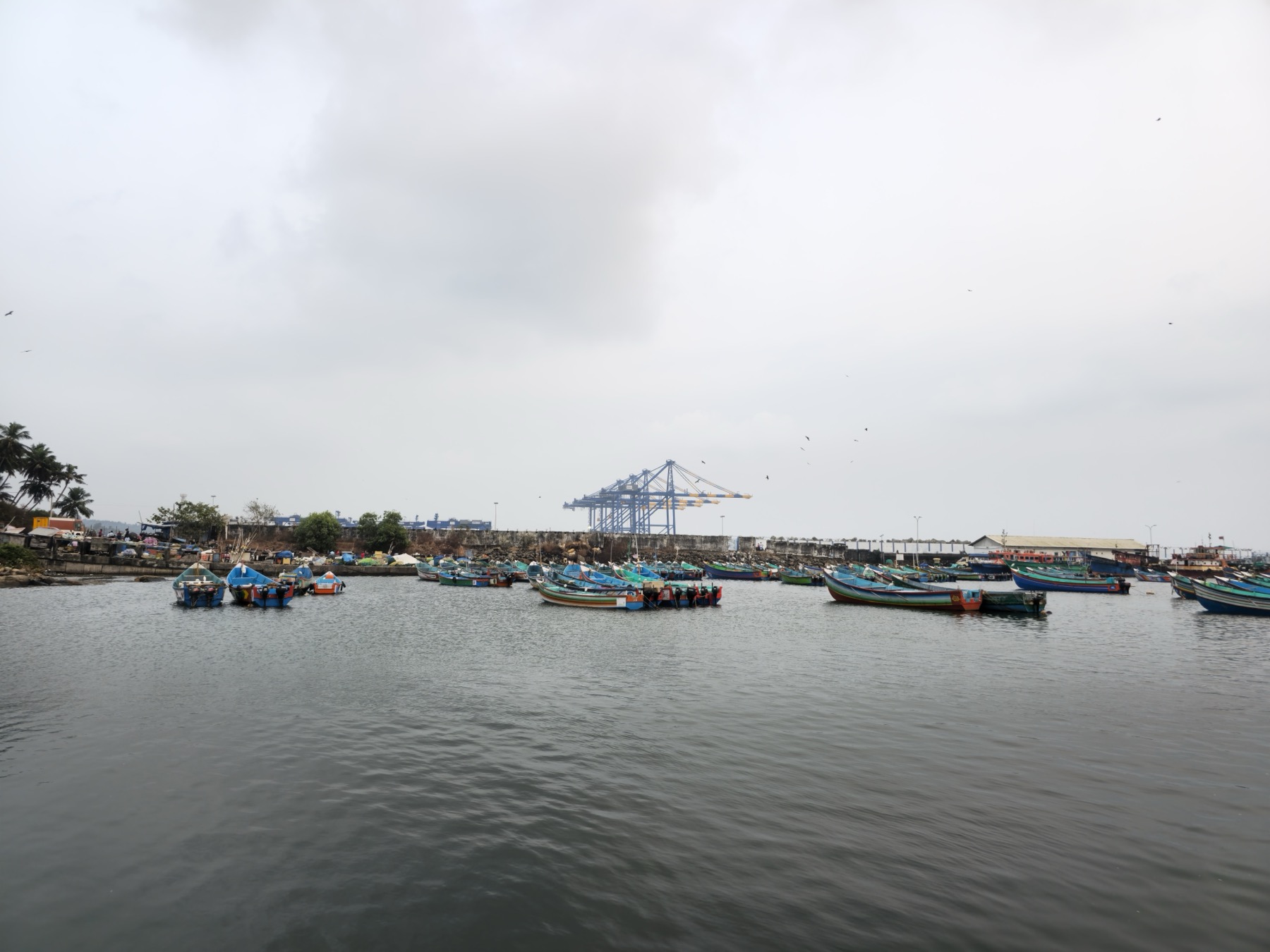
The fishing harbour and old port town immediately south of Kovalam — once the capital of the Ay dynasty, now the site of India’s first deepwater container transhipment terminal.
3.5 km · straight line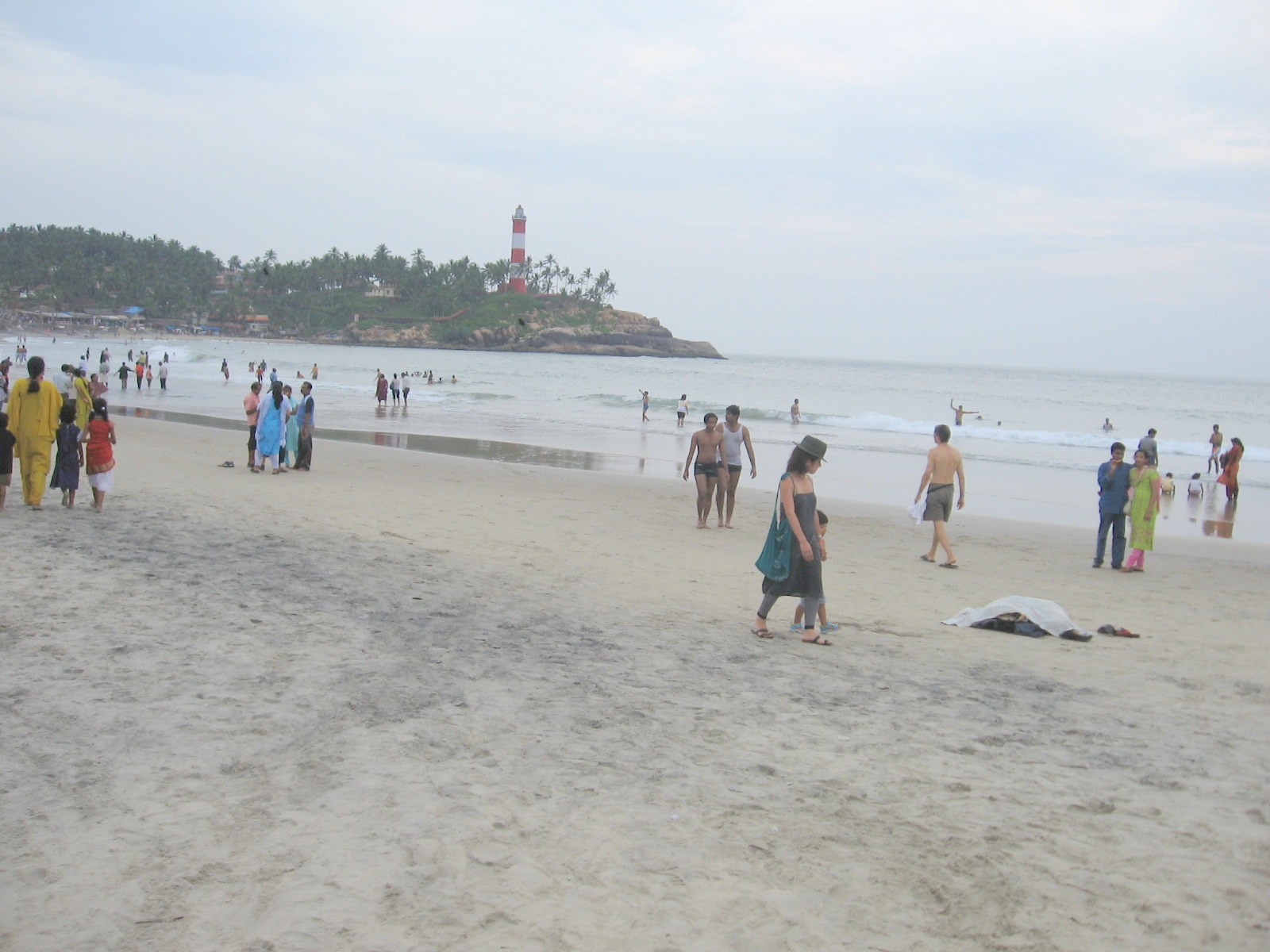
Kovalam’s southern cove brings the striped Vizhinjam lighthouse, a busy promenade and a long seaside evening into one view. Lighthouse Beach suits visitors who want cafés and coastal scenery close together.
4.9 km · straight line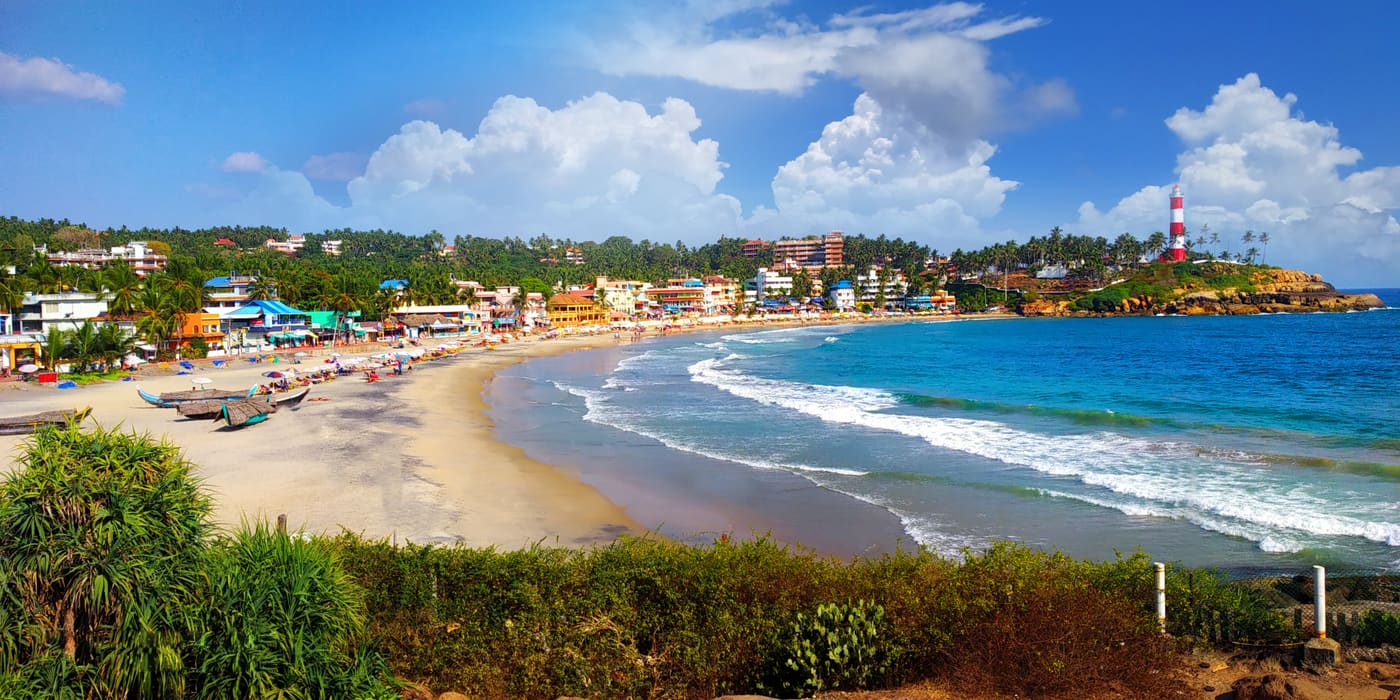
Kerala’s classic beach resort area, known for Lighthouse Beach, Hawa Beach and sunset viewpoints.
5.2 km · straight line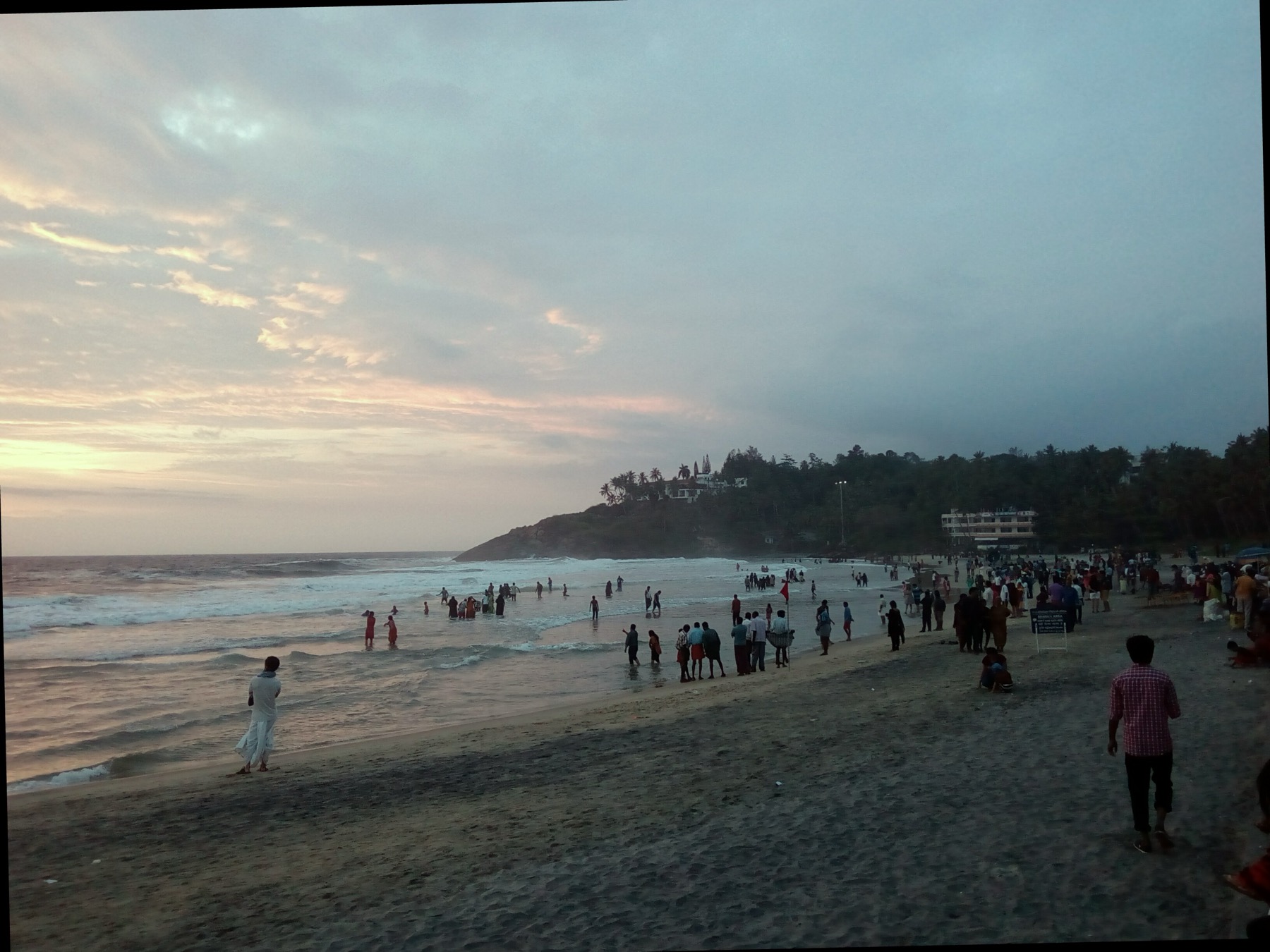
Hawa, also called Eve’s Beach, is Kovalam’s middle cove. Its short sweep of sand and fishing activity offer a different atmosphere from the longer promenade at Lighthouse Beach.
5.4 km · straight line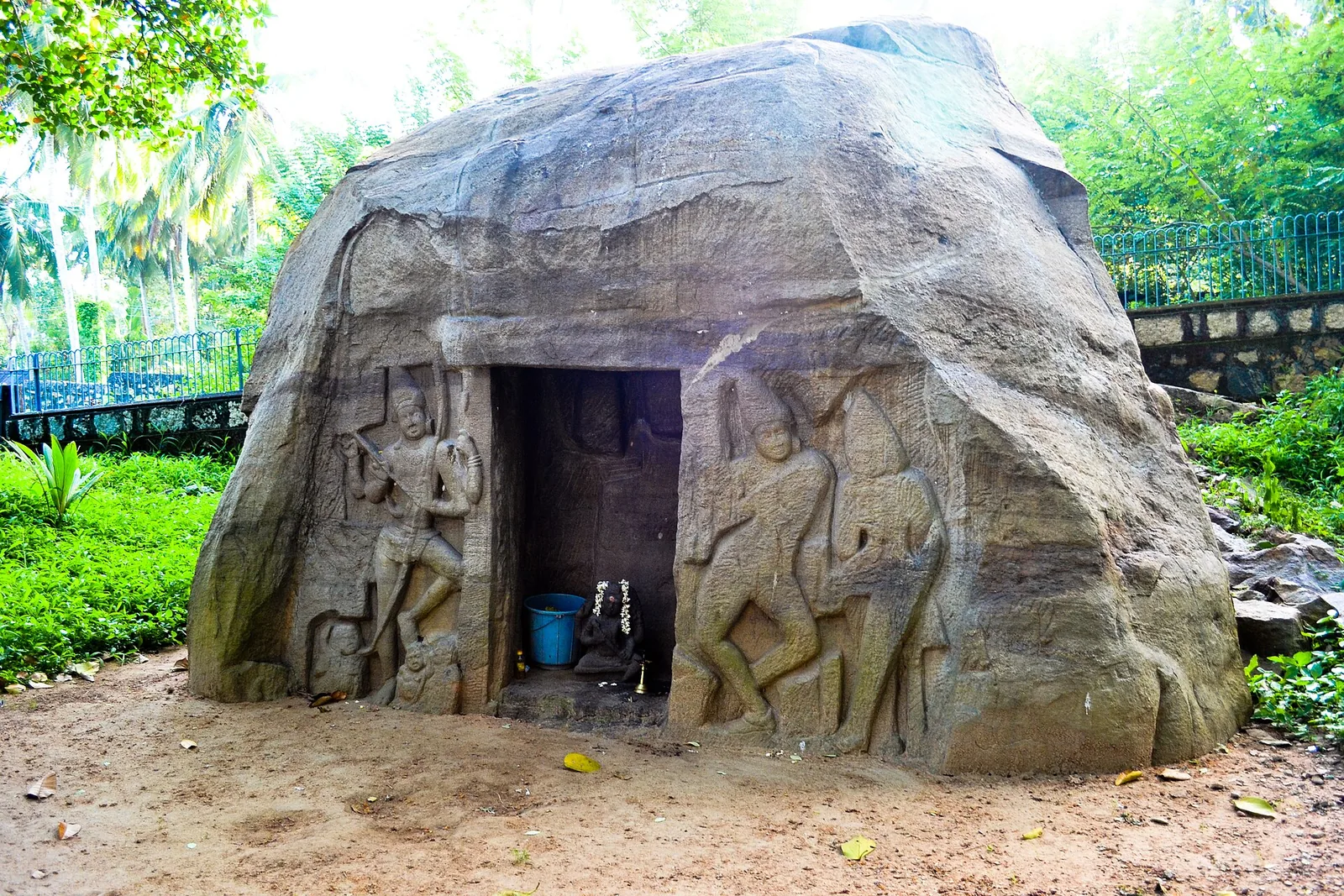
A small rock-cut shrine at Vizhinjam offers a close encounter with early carving near Kovalam’s coast. It is a compact archaeological stop, with the interest in the stonework rather than a long cave walk.
5.6 km · 7 min drive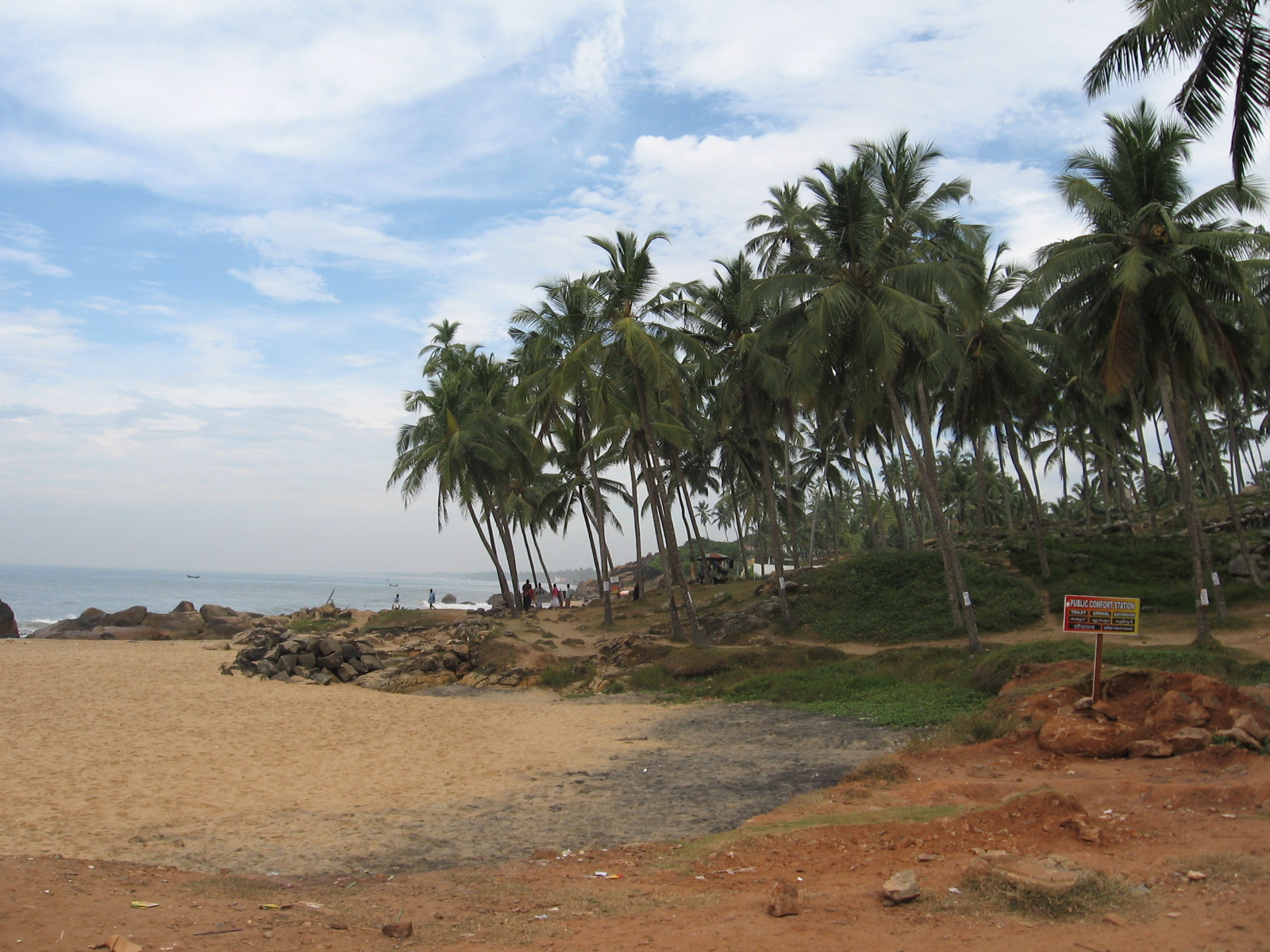
Samudra is the northern Kovalam shore, separated from the busier coves by rocky headlands. Choose it for a quieter sea view and a slower coastal walk.
6.1 km · straight line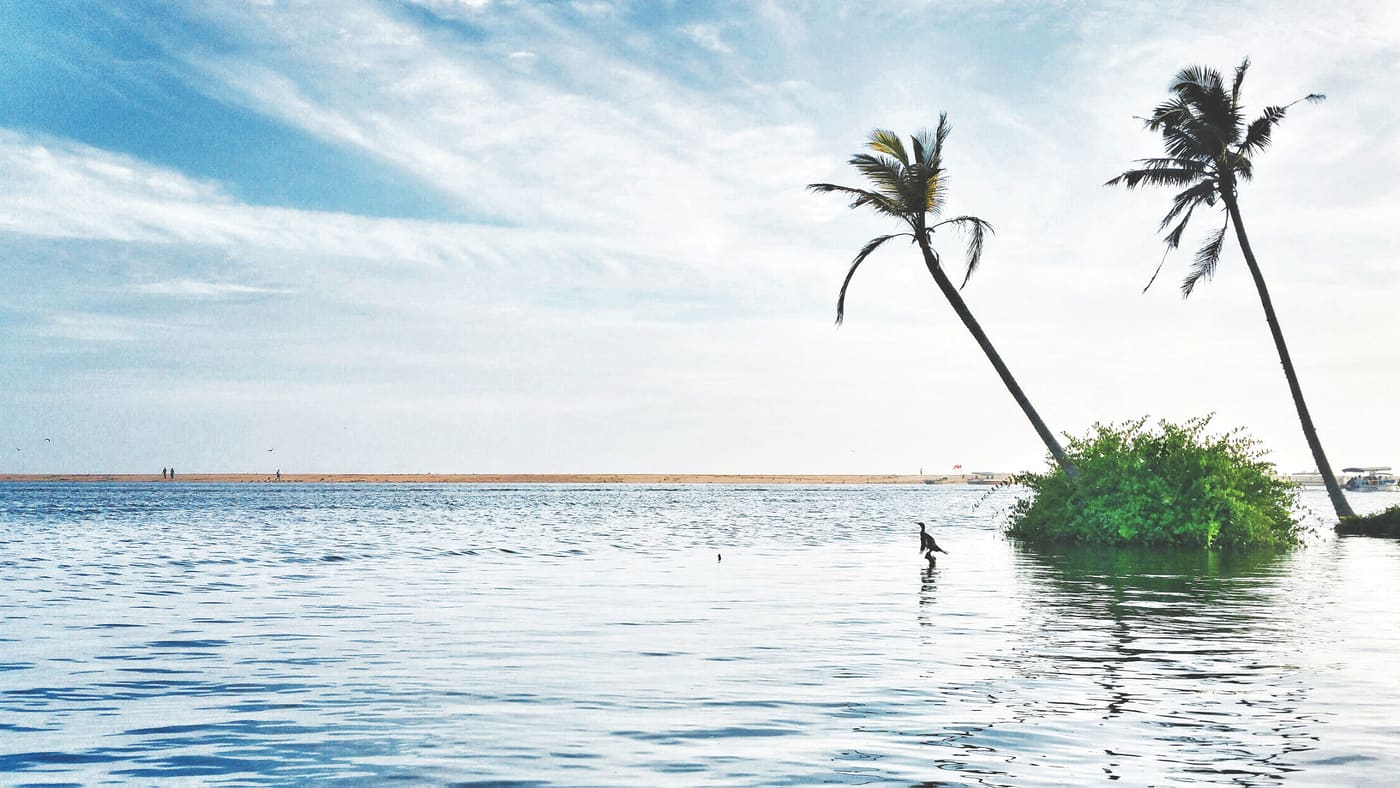
Poovar’s backwater routes follow the Neyyar estuary past mangrove and a sandbar backed by the Arabian Sea. A small-boat trip is the clearest way to see how river and coast fit together.
8.5 km · straight line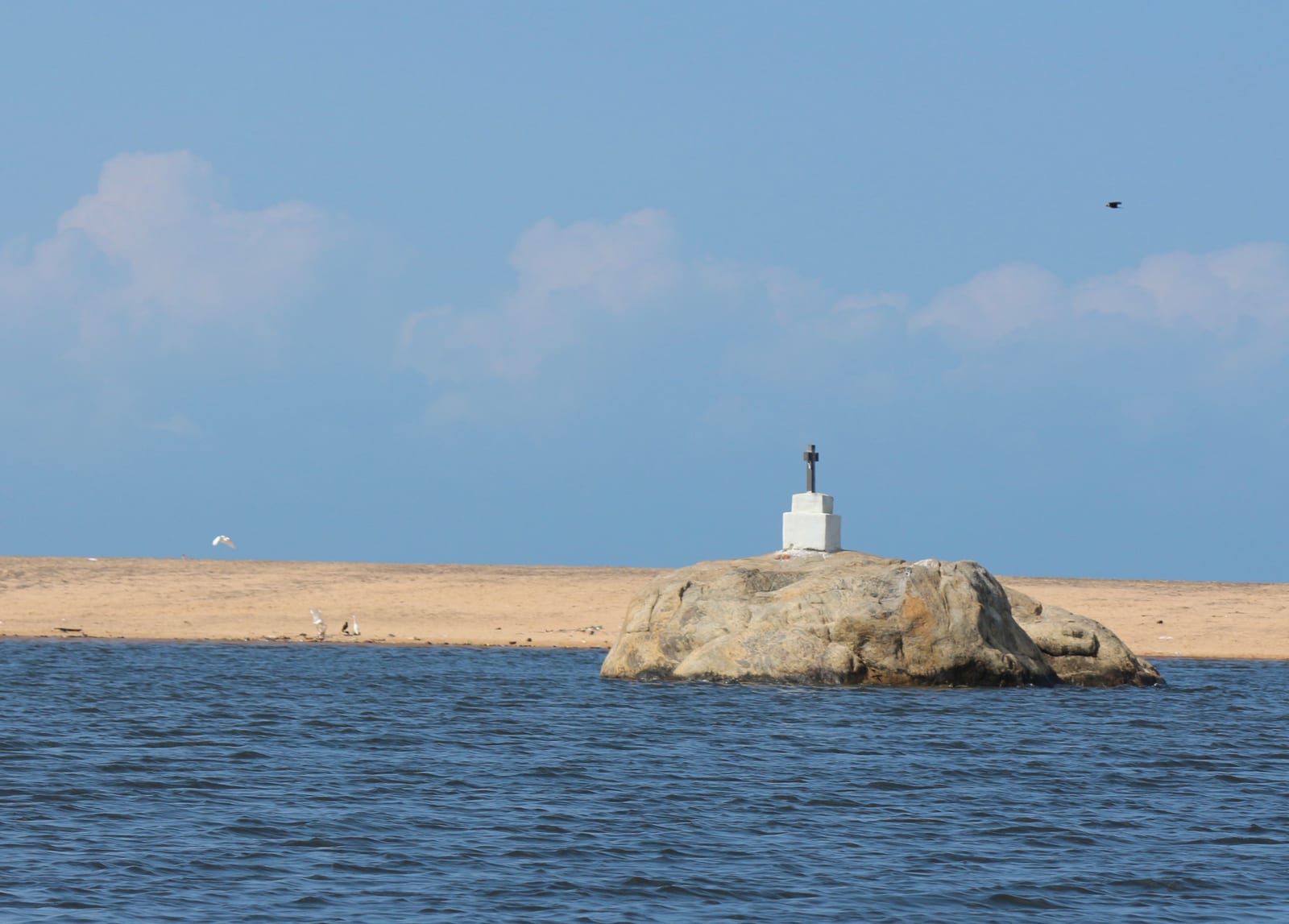
Poovar Beach is the sandbar at the Neyyar River mouth, with backwater behind it and the Arabian Sea beyond. Its appeal is the coastal setting, reached as part of an arranged boat outing.
9.7 km · straight lineA freshwater lake in Thiruvananthapuram district, with the Punchakari–Vellayani wetlands nearby offering seasonal birdwatching.
12.9 km · 16 min driveAn ancient temple on the Karamana river, the district’s main site for ancestral (bali) rituals and rare for its Parasurama deity.
13.1 km · 16 min driveA major coastal Muslim pilgrimage landmark south-west of the city centre, known for the Beemapally Uroos and the tombs honoured within the shrine complex.
13.9 km · straight lineRoad and walking figures are route estimates, with travel times dependent on access, traffic and conditions. Figures marked “straight line” show direct separation and do not describe a road or walking route. Fare estimates use Kerala’s 26 April 2022 auto/taxi notification and exclude waiting, night and applicable one-way surcharges. Confirm the current meter or operator quote before travelling. Routing: © openrouteservice.org by HeiGIT | Map data © OpenStreetMap contributors
Nearby toilets, pharmacies, ATMs, seating and vets are community-mapped and may be incomplete or out of date. Map data © OpenStreetMap contributors | Walking times © openrouteservice.org by HeiGIT
It is commonly reported at around 58 feet (about 18 m) and described as the tallest Shiva sculpture in Kerala. It also sits on a rock roughly 20 feet above sea level, so it looms even higher over the shore. Cited figures vary slightly between sources.
The Gangadhareswara sculpture was created by Kerala sculptor P. S. Devadathan, who worked on it for around six years. It was unveiled around the turn of 2020–2021, with the opening commonly dated to 31 December 2020 (some sources say end-2021) — confirm locally.
It is the tallest Shiva sculpture in Kerala, and we have checked that claim rather than repeating it. It is not the tallest in India — taller Shiva figures stand elsewhere, including one of around 85 feet at Shivagiri in Karnataka. Cited heights for monumental sculptures also vary slightly between sources, so 58 feet is the commonly reported measure rather than a surveyed one.
Very new. It opened to the public in January 2021. The shrine on this headland is genuinely old and local tradition traces it back a long way, but the colossal figure that made Aazhimala famous is a work of the last few years — so descriptions of it as ancient have the sequence backwards.
A cave-like meditation chamber of about 3,500 square feet cut into the rock directly beneath the sculpture. It is a single large space, not — as descriptions often suggest — a separate hall alongside another chamber; cool and dim, with the sea audible outside.
Gangadhareswara means "the Lord who bears the Ganga." The statue depicts the legend of Shiva catching the descending river Ganga in his matted hair, which is why the figure's coiled, wind-blown locks are so prominent.
The shrine generally opens in the early morning and again in the evening — often quoted as roughly 5:30 AM–10:30 AM and around 5 PM–7:30 PM — but hours vary by source and season, so confirm locally before you go.
Early morning and late afternoon are ideal — the light is kind, the heat is gentler, and sunset over the sea behind the statue is spectacular. The winter-to-early-summer months are the pleasant season on this coast.
It is on the coast at Aazhimala village in Thiruvananthapuram district, roughly 8–12 km south of Kovalam on the Vizhinjam–Poovar side towards Chowara/Pulinkudi. The last stretch is usually covered by auto or taxi.
Morning or early evening is usually best; festival days can be powerful but crowded.
Entry: Generally free entry for darshan; a small charge to access the statue viewing area is reported by some visitors. Timings: Temple darshan is commonly reported as roughly 5.30 am–11.00 am and 5.00 pm–8.00 pm, with some sources noting it may be closed on Mondays; the statue and viewpoint are typically accessible during daylight.
Base yourself in Thiruvananthapuram city or a nearby town in Thiruvananthapuram, then confirm the last-mile route locally before leaving. Check temple entry customs, dress rules and festival crowd conditions before arrival. If the visit depends on forest, temple, boat, ferry, weather or seasonal access, check the official/local rule on the day before travel.
45 minutes to 2 hours, longer during festival or queue periods.
Nearby you can pair Vizhinjam (3.5 km, approximate straight-line separation), Lighthouse Beach (4.9 km, approximate straight-line separation), Kovalam (5.2 km, approximate straight-line separation), Hawa Beach (5.4 km, approximate straight-line separation).
Use official counters for offerings/tickets where applicable. Keep footwear and valuables secure in crowded areas.
Written about Aazhimala Shiva Temple itself — its history, its legends and the arguments about them.
These guides explore Thiruvananthapuram city and the surrounding area. Choose a visit that fits your interests, allowing separately for travel between stops.


Route-level itineraries and practical guides for the rest of Kerala.