What to expect
Highlights
- Temple visit at Thiruvallam Parasurama Temple
- Kerala temple architecture and rituals
- Local food, shops and pilgrim services nearby
An ancient temple on the Karamana river, the district’s main site for ancestral (bali) rituals and rare for its Parasurama deity.
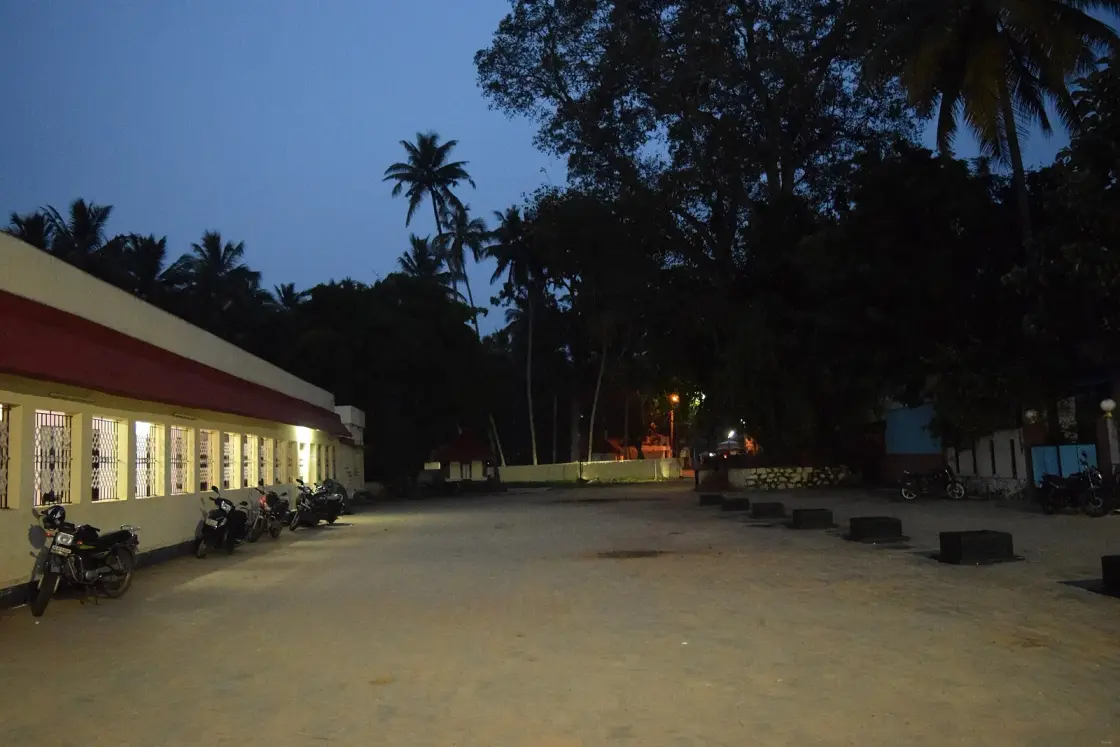
Check entry arrangements. Ask temple staff about visitor entry, dress requirements and access to the inner shrine before you travel, especially if you are visiting as a non-Hindu.
Dress respectfully and follow the institution’s admission and photography rules.
Kerala’s founding legend says the sage Parasurama threw his axe into the sea and the land rose. In the whole state he made, there is essentially one temple where he himself is the deity — and it stands where three rivers meet just south of Thiruvananthapuram, at the confluence the city comes to for its rites for the dead.
Thiruvallam is a small temple in a large role. It sits where the Karamana river runs down towards the backwater and the sea, a few kilometres south of the city centre, and it is the principal site in the district for bali tarpanam — the ancestral rites in which offerings of rice, sesame and water are made for the departed and then given to the river.
The reason is the deity. Parasurama, the axe-wielding sixth avatar of Vishnu, is central to Kerala's own account of its origin and yet almost never enshrined as the principal deity of a temple. Thiruvallam is the rare exception, and because Parasurama's own story turns on expiation — the killing of his mother at his father's command, and the long penance that followed — the temple's association with rites for the dead follows naturally from who the god is.
The setting does the rest, and it is more particular than a riverbank. Thiruvallam stands at a Triveni Sangamam — a meeting of three rivers, the Karamana, the Killi and the Parvathiputhanar, close to where they run on towards the backwater and the sea. Ancestral offerings are directed to flowing water, and a confluence carries more weight than an ordinary reach of river, which is very likely why this became the district's principal site for them rather than any of the dozens of other places the Karamana passes. On ordinary mornings you will find a handful of families with a priest under an awning by the water. On Karkidaka Vavu — the new-moon day of Karkidakam, roughly mid-July to mid-August — the whole area is given over to it, with very large crowds arriving from before dawn and the banks lined with people making offerings of rice balls, sesame, tulsi and coconut.
The temple is also less singular inside than its reputation suggests, in an interesting way. Parasurama is the principal deity — that is the point of the place — but the compound carries separate shrines for Vishnu, Shiva and Brahma, so the Trimurti stand together here, which is uncommon in Kerala. The temple is counted among the 108 Abhimana Kshethrams of the Vaishnava tradition, and the old black-granite structure is a protected monument under the Archaeology Department.
The temple itself is architecturally modest and worth seeing on its own terms as a small, old Kerala shrine rather than as a monument. Traditional accounts place it very early, and it is often described as among the older temples in this part of Kerala; firm dating is not available, and the age should be read as tradition.
For a visitor there are two quite different visits here. One is a quiet twenty minutes at a riverside temple most people have never heard of. The other is Karkidaka Vavu, which is one of the largest ritual gatherings in the district and an extraordinary thing to witness — from a respectful distance, without a camera in anyone's face. These are funerary rites, and the families performing them are grieving.
Kerala's origin story holds that Parasurama, having conquered the earth and given it away, was left with nowhere of his own. He climbed to a promontory and hurled his axe — the parasu — far out into the western sea, and the waters withdrew to the point where it fell, raising the strip of land between the Western Ghats and the ocean. That land is Kerala. The story is told across the state and is the reason Kerala is sometimes called Parasurama Kshetram, the land of Parasurama.
Parasurama's own legend is one of violence and expiation: at his father's command he killed his mother, and the penance for it shaped the rest of his story. Traditional accounts connect his search for release from that burden to the founding of shrines and to the performance of rites for the dead — which is the thread that ties this particular deity to this particular temple's role as the district's principal site for ancestral offerings.
These are traditions, told and retold, not documented history. They are also entirely alive: the rites performed on the riverbank here every Karkidaka Vavu are the story in practice.
One thing is worth correcting, and it is not a small thing. We described Thiruvallam as standing on the bank of the Karamana. It stands at a confluence of three — the Karamana, the Killi and the Parvathiputhanar — a Triveni Sangamam. That is not a scenic detail that we happened to leave out; it is very probably the reason the site does what it does. Confluences carry particular weight in Hindu practice, and ancestral offerings are directed to flowing water at points where waters meet wherever the geography allows it. A temple to a deity associated with expiation, standing where three rivers join, becoming the district's principal place for rites for the dead, is a coherent thing rather than a coincidence. Describing it as a riverside temple, as we did, loses the logic of the site entirely. (The Killi is the same river that runs past the Attukal temple upstream.)
The age is genuinely unsettled, and the range is wide enough to be worth stating rather than splitting. The temple is very commonly described as two thousand years old. Other accounts date the structure to the twelfth or thirteenth century. Those accounts may describe different things: the age of the sacred site and the date of the surviving structure. No inscription or charter we have found settles it. The likely explanation is that the two claims are about different things: an ancient sanctity attached to the confluence, and a much later black-granite building raised on it. Traditional accounts credit the temple's founding to Vilwamangalam Swamiyar, the seer who appears in the origin story of a great many Kerala shrines, and its reconstruction to the Chera king Athiyaman Perumal; both attributions are tradition rather than record. What can be said plainly is that the structure is old enough to be a protected monument under the Archaeology Department.
One claim on this page we did check and can stand behind. Thiruvallam really does appear to be the only temple in Kerala with Parasurama as its principal deity — an odd fact for the figure the state's own founding legend credits with making it, and one that every source we looked at agrees on. What is less often mentioned is that he does not stand alone here: the compound carries separate shrines for Vishnu, Shiva and Brahma, so the Trimurti are present together, which is itself uncommon. The temple is also counted among the 108 Abhimana Kshethrams of the Vaishnava tradition.
The temple stands at a Triveni Sangamam, the meeting of the Karamana, the Killi and the Parvathiputhanar, close to where those waters run on into the backwater and the sea. The confluence is the key to the site: ancestral offerings are directed to flowing water, and a meeting of rivers carries more weight than an ordinary stretch of one, which is very likely why this became the district's principal place for such rites rather than any other point along the Karamana.
Its fabric is old enough to be protected. The structure is of black granite and is a protected monument under the Archaeology Department. Traditional accounts credit the founding to Vilwamangalam Swamiyar — the seer named in the origin stories of a great many Kerala temples — and a reconstruction to the Chera king Athiyaman Perumal; both are tradition rather than documented record.
Alongside Parasurama the compound carries separate shrines for Vishnu, Shiva and Brahma, so the Trimurti are present together, which is uncommon in Kerala. The temple is also counted among the 108 Abhimana Kshethrams of the Vaishnava tradition, a list of shrines held in particular regard within that tradition without belonging to the Divya Desam canon.
The Thiruvallam Sree Parasurama Temple stands a short distance south of Thiruvananthapuram, at the point where the Karamana is joined by the Killi and the Parvathiputhanar and the combined water approaches the backwater and the sea.
It is notable for being one of very few temples in Kerala — and by many accounts the principal one — where Parasurama is the main deity, despite his centrality to the state's own founding legend.
Traditional accounts place the temple's origins very early and it is frequently described as among the oldest in this part of Kerala. No firm documentary or archaeological dating is available, and the traditional age should be treated as such.
The temple's enduring role is as the district's main centre for bali tarpanam, ancestral rites performed on the riverbank, observed year-round and on an enormous scale on Karkidaka Vavu, the new-moon day of the Malayalam month of Karkidakam.
It is the rare temple in Kerala where Parasurama — the sage of the state's own origin legend — is the presiding deity rather than a figure in someone else's story.
It is the district's principal site for ancestral rites, which makes it one of the most genuinely living religious places near the capital rather than a monument.
The setting on the Karamana river, where the water runs down towards the backwater and the sea, is quiet and lovely on an ordinary morning.
Karkidaka Vavu here is one of the largest ritual gatherings in the district and an extraordinary thing to witness respectfully.
For the Triveni Sangamam itself — the meeting of the Karamana, the Killi and the Parvathiputhanar, which is the reason the site carries the role it does and is worth standing at even if you have no rites to perform.
For the Trimurti together: separate shrines for Vishnu, Shiva and Brahma alongside Parasurama in one small compound, an arrangement you will not meet often in Kerala.
For a protected black-granite structure whose age nobody can agree on — the accounts in circulation differ substantially, which is a story in itself.
It is only a few kilometres south of the city centre, on the way towards Kovalam, so it costs almost nothing to include.
Road km to Thiruvananthapuram; ghat roads and traffic vary — allow extra.
Morning or early evening is usually best; festival days can be powerful but crowded.
Live forecast loads in your browser.
Sun and moon are calculated for this location and shown in IST. Photography windows are the hour around sunrise and sunset; the sunset bearing is degrees clockwise from true north. Moon phase is accurate to about half a day.
Browse listed stays, food, activities, sights, shops and rentals around Thiruvallam Parasurama Temple. Check each listing’s locality and contact the business directly for current arrangements.
Thiruvananthapuram International Airport serves the city and southern Kerala’s coast. Match your airline’s terminal to your pickup point when booking an airport-side stay or meeting a driver.
Mango Cabs lists an Edapazhanji office and advertises city taxis, airport transfers, outstation cabs and vehicle hire. If you are arriving at Thiruvananthapuram airport, give the operator your terminal, flight time, destination and luggage count before asking for a vehicle. For a Kovalam, Varkala or longer trip, request a written quote covering the exact route, tolls, parking, waiting time and return journey. The website lists vehicle categories, but the car and fare for your date need direct confirmation.
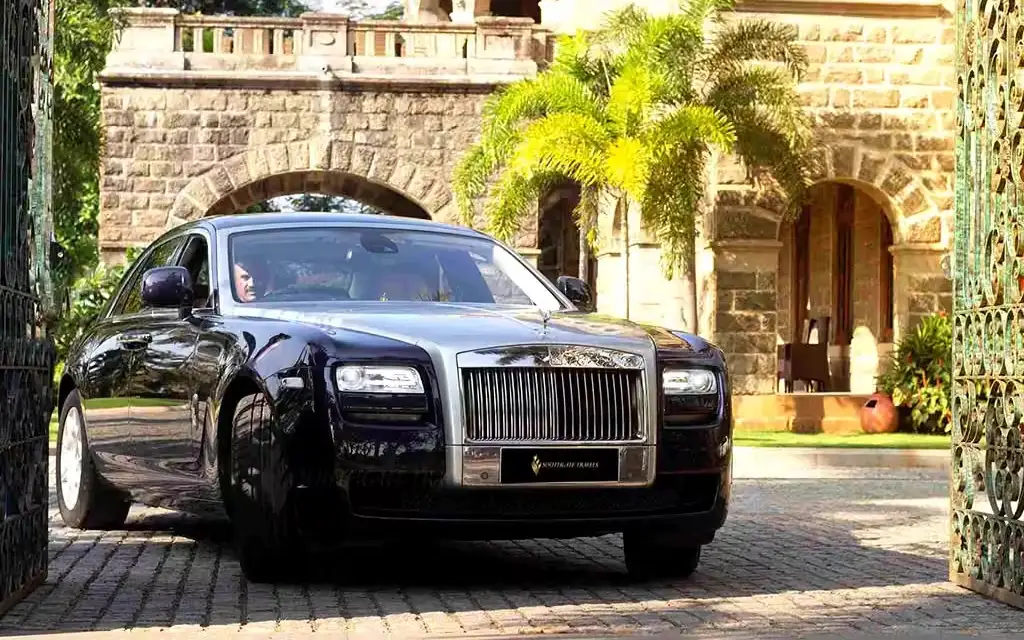
Southgate Travels operates from Vikas Lane in Kunnukuzhy and advertises chauffeured taxis, airport pickups, self-drive cars and vehicle hire for events. Its own gallery shows a Southgate-branded car; that image does not promise the same vehicle for every booking. For a city or airport transfer, give the operator the exact pickup point, flight or train time, destination and luggage count, then ask for the total fare and waiting allowance. Self-drive and event bookings need a different quote: confirm the named vehicle, documents, deposit, mileage limit and cancellation terms before paying.
Do on Eanchakkal Westfort Rd, J P Nagar, VKK Nagar, Pazhavangadi in Thiruvananthapuram City.
Book with the place itself. India’s cyber-crime coordination centre warned in April 2025 that convincing copies of hotel and pilgrimage booking sites are being pushed through sponsored search and social ads, taking payment for rooms the property never hears about. Use the contact and source details on each profile to confirm the exact business and booking channel. A directory entry or map pin alone does not establish an operator’s identity or current availability. Roampedia takes no commission and does not collect booking payments. If a booking page reached you through an ad, check the address bar against the property’s own site before you pay. Fraud can be reported on cybercrime.gov.in or on 1930.
Find food, accommodation and activities across Thiruvananthapuram city. Browse the guides for places to eat, stay and explore along your route.
22 more places around Thiruvananthapuram city. Open a guide to plan the visit and onward journey.
The ancestral palace compound associated with Raja Ravi Varma at Kilimanoor; visitor access concerns the working family estate and must be confirmed before travel.
2.9 km · straight line
A major coastal Muslim pilgrimage landmark south-west of the city centre, known for the Beemapally Uroos and the tombs honoured within the shrine complex.
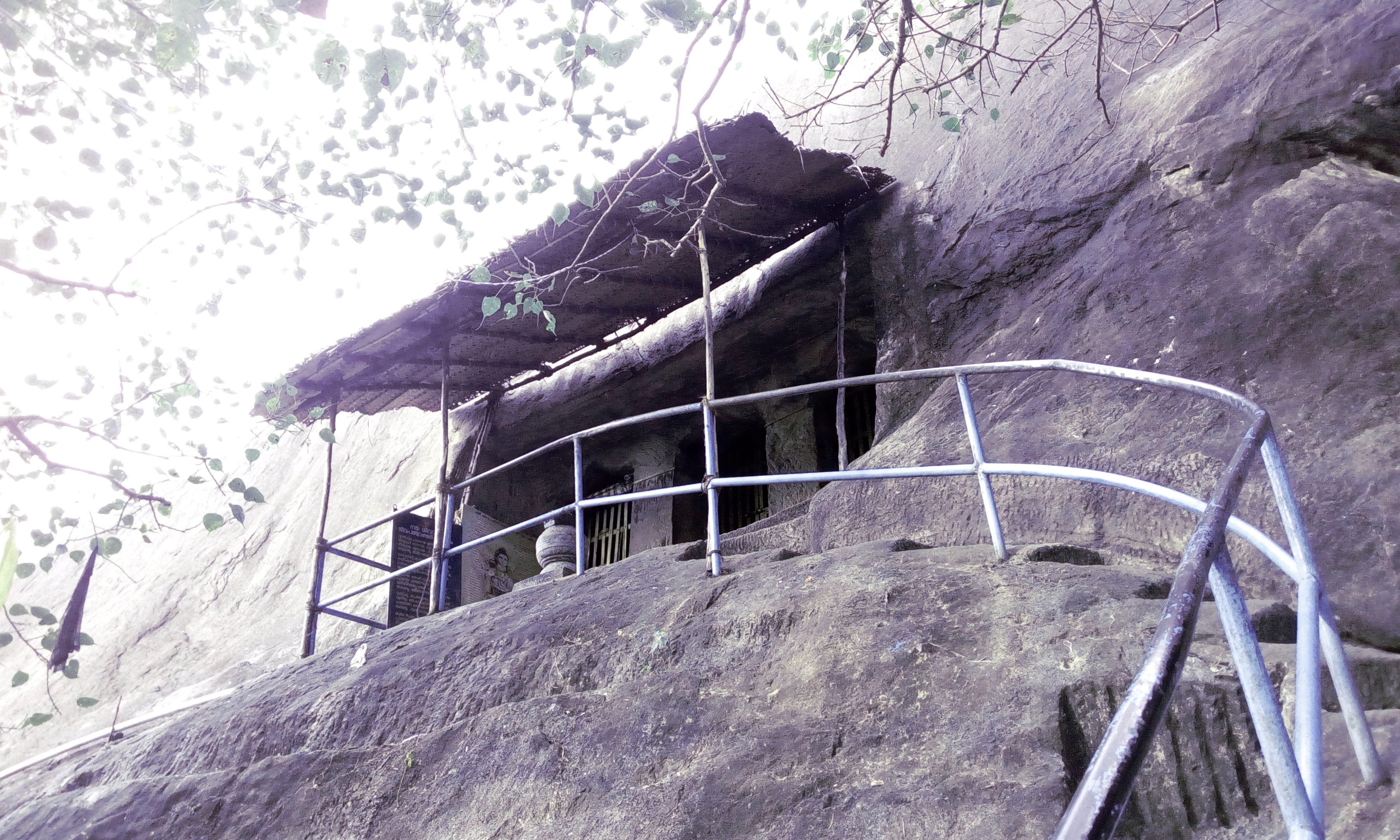
Madavoorpara combines a rock-cut Shiva shrine with a rocky hill landscape on Thiruvananthapuram’s northern edge. The temple and the climb offer different reasons to visit, and both deserve time.
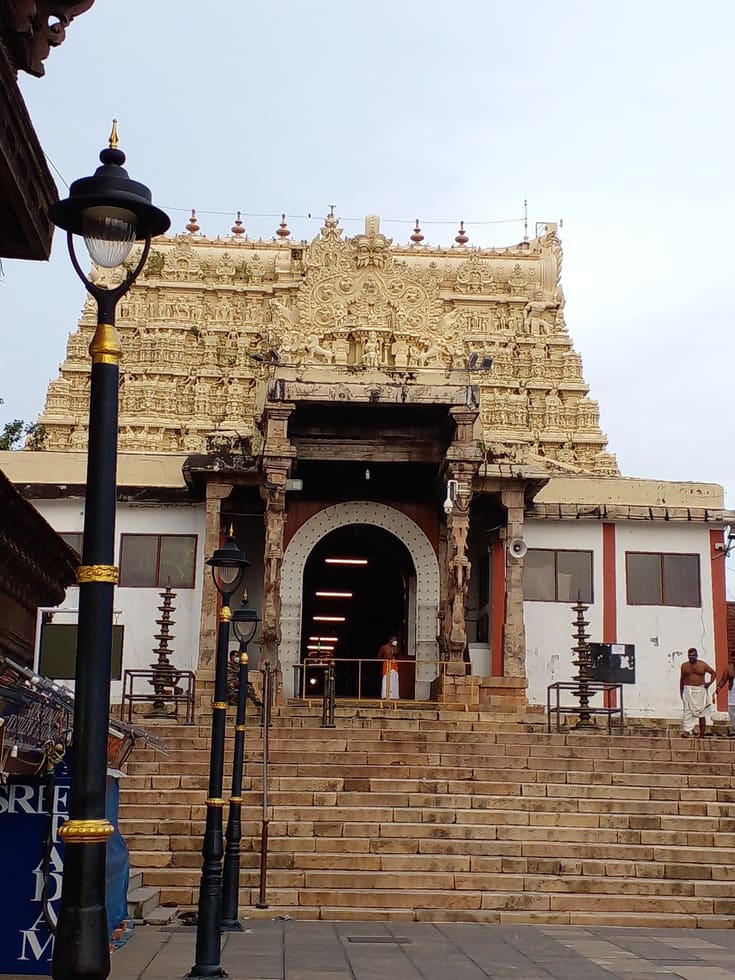
6.5 km · 8 min drive
Major Vishnu temple and one of Kerala’s most important pilgrimage landmarks; strict entry and dress rules apply.
9.4 km · 14 min drive
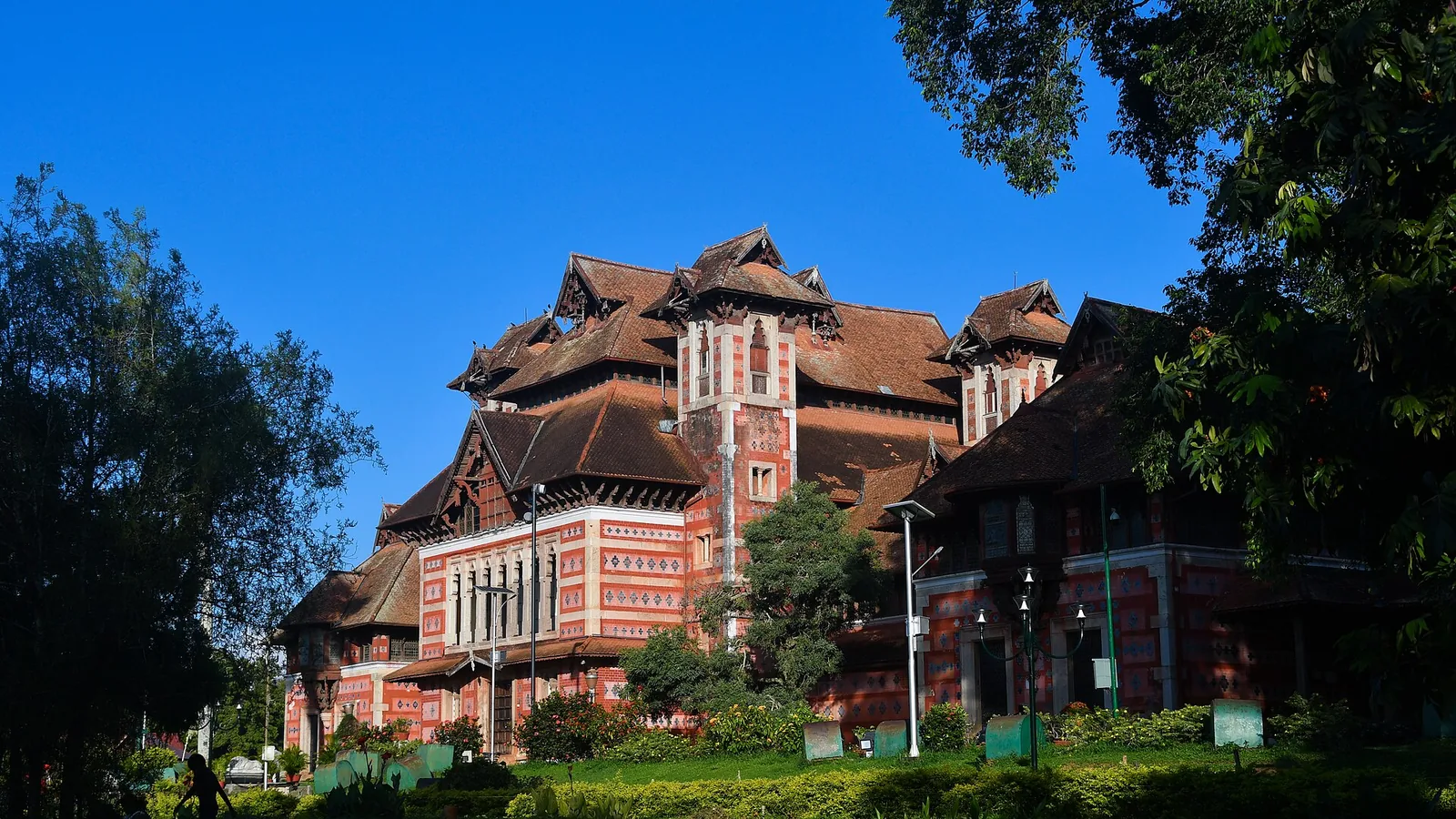
Robert Chisholm’s 1880 Indo-Saracenic museum in the Museum Park — a polychrome landmark holding Chola and Kerala bronzes, ivories and temple carts, with the Sree Chitra Art Gallery alongside it.
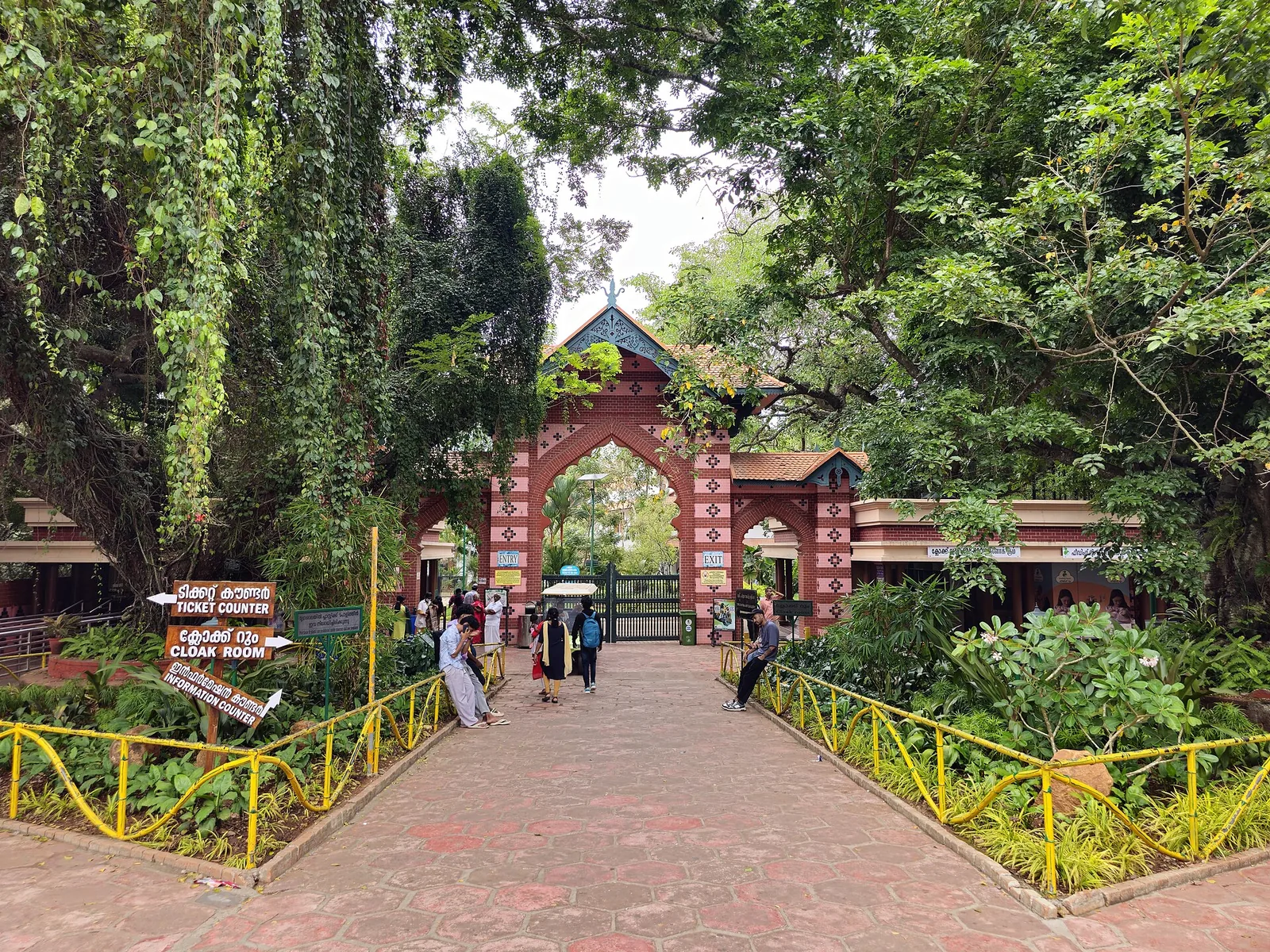
Old trees, winding paths and animal enclosures share the Museum Park at Thiruvananthapuram Zoo, also known as Trivandrum Zoo. Allow time for the garden as well as the collection, with the Napier Museum close by.
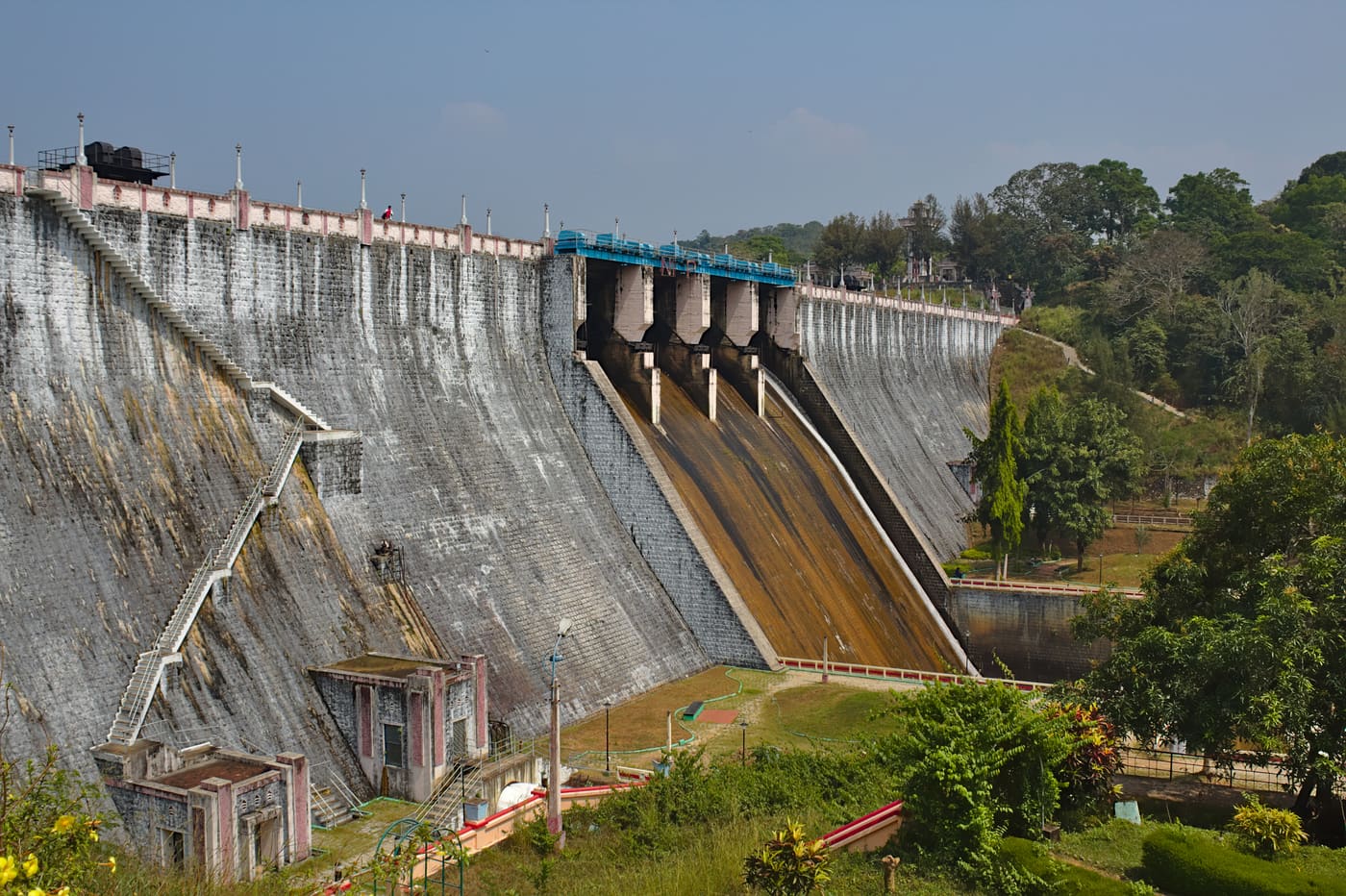
Guided forest trekking in the Neyyar Wildlife Sanctuary near the Agasthyamala foothills, south-east of Thiruvananthapuram.
5.0 km · 6 min drive
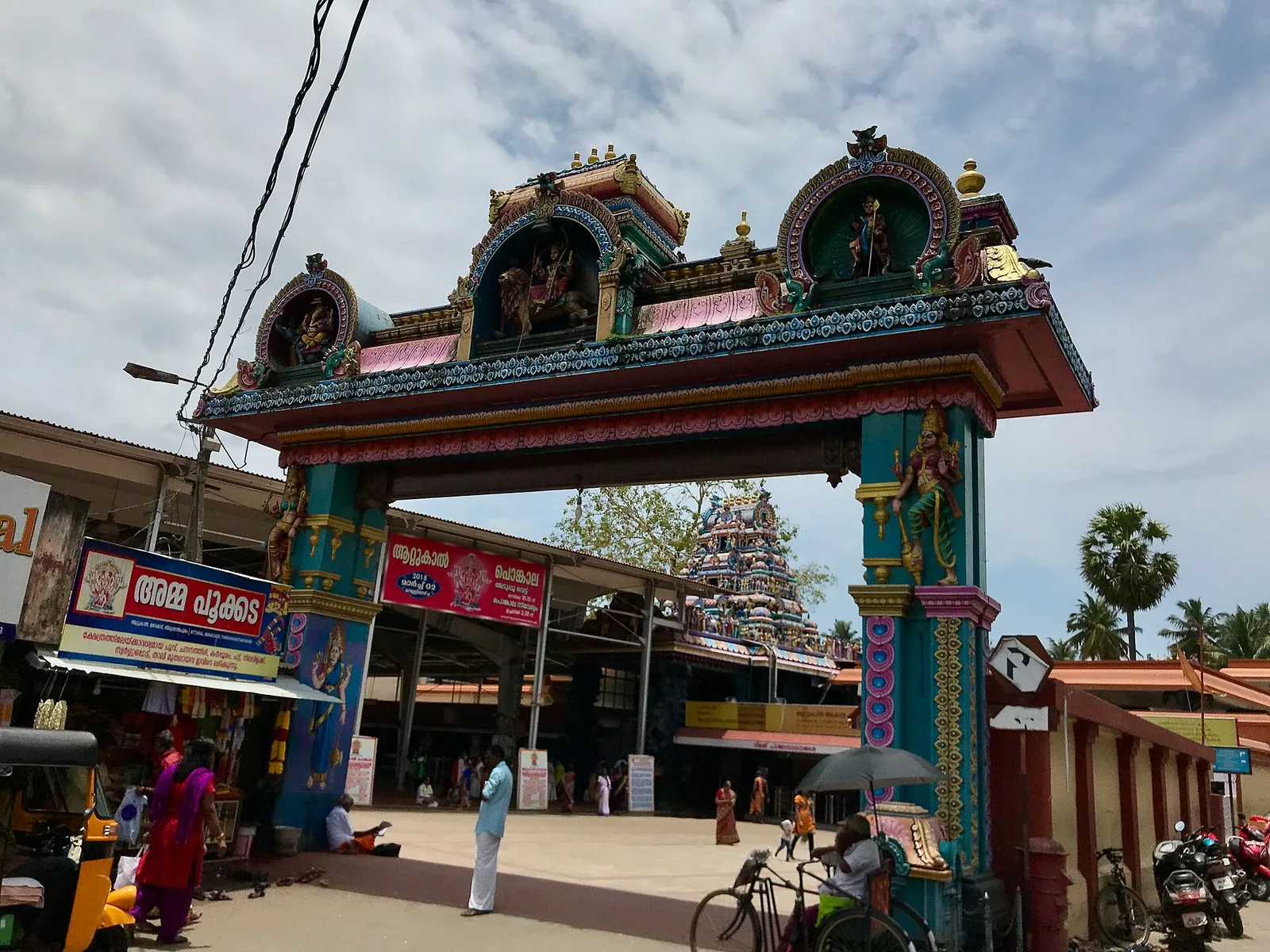
Famous Devi temple in the city, home of the Attukal Pongala — recorded as the largest annual gathering of women.
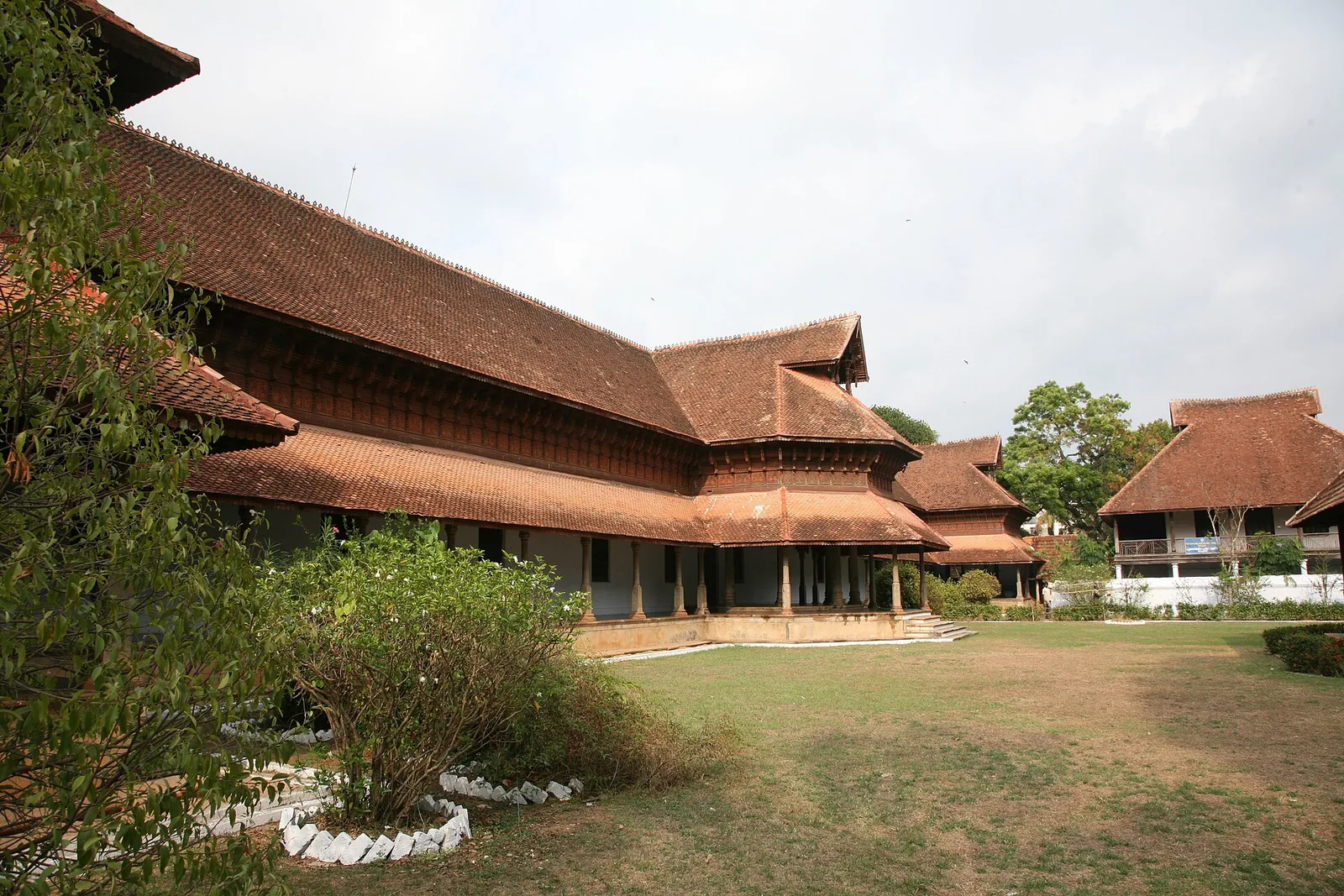
6.0 km · 8 min drive
A row of carved wooden horses gives Kuthiramalika its name. Beside Sree Padmanabhaswamy Temple, this Travancore palace museum brings timber craftsmanship and royal collections into one compact visit.
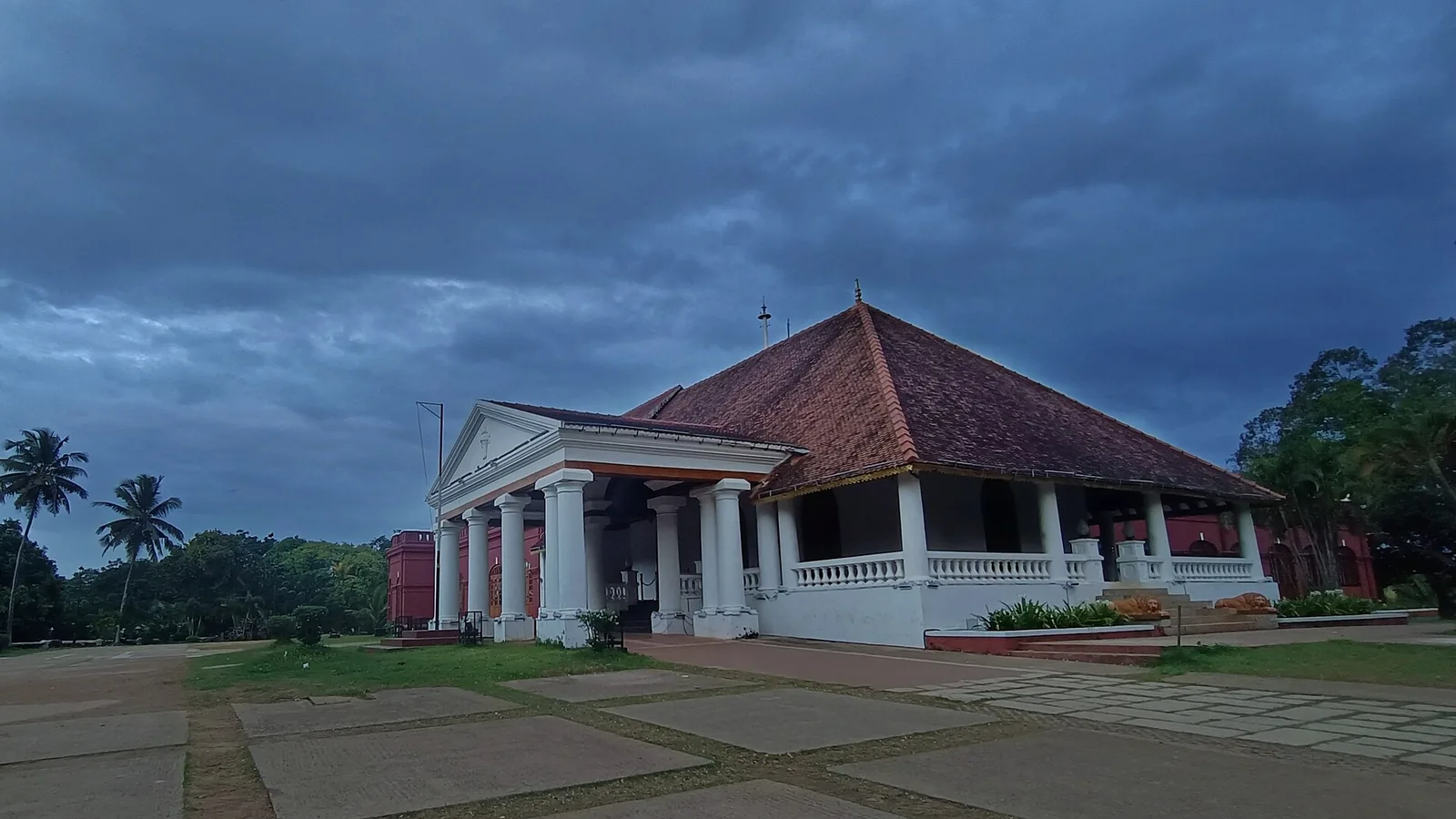
Kanakakunnu puts a Travancore palace among gardens and cultural venues near Thiruvananthapuram’s Museum Park. Come for an evening walk or choose a date around a performance.
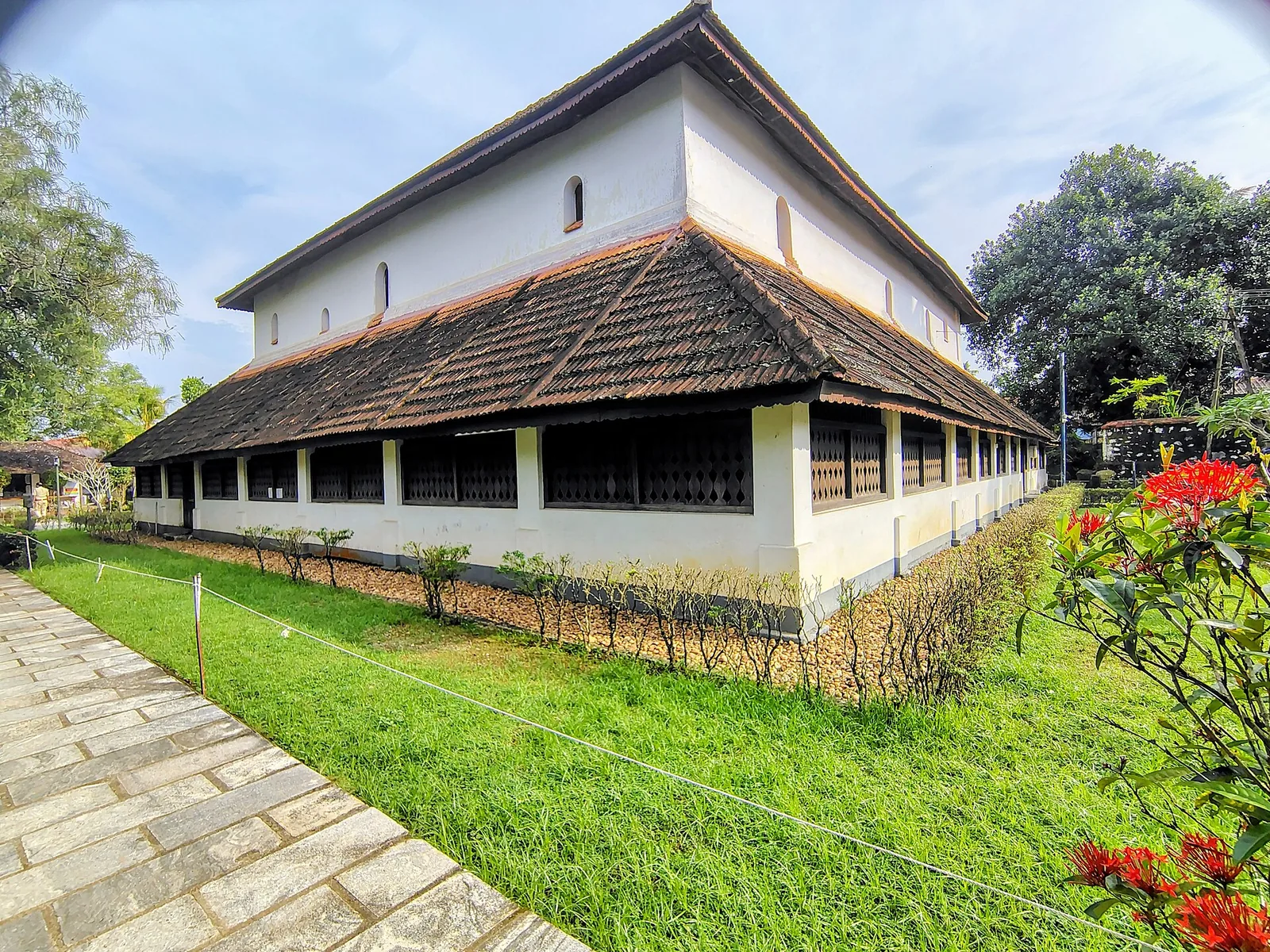
Koyikkal Palace at Nedumangad houses folklore and coin collections inside a traditional Kerala palace. Everyday objects, instruments and currency make this a more intimate museum stop than a grand royal gallery.
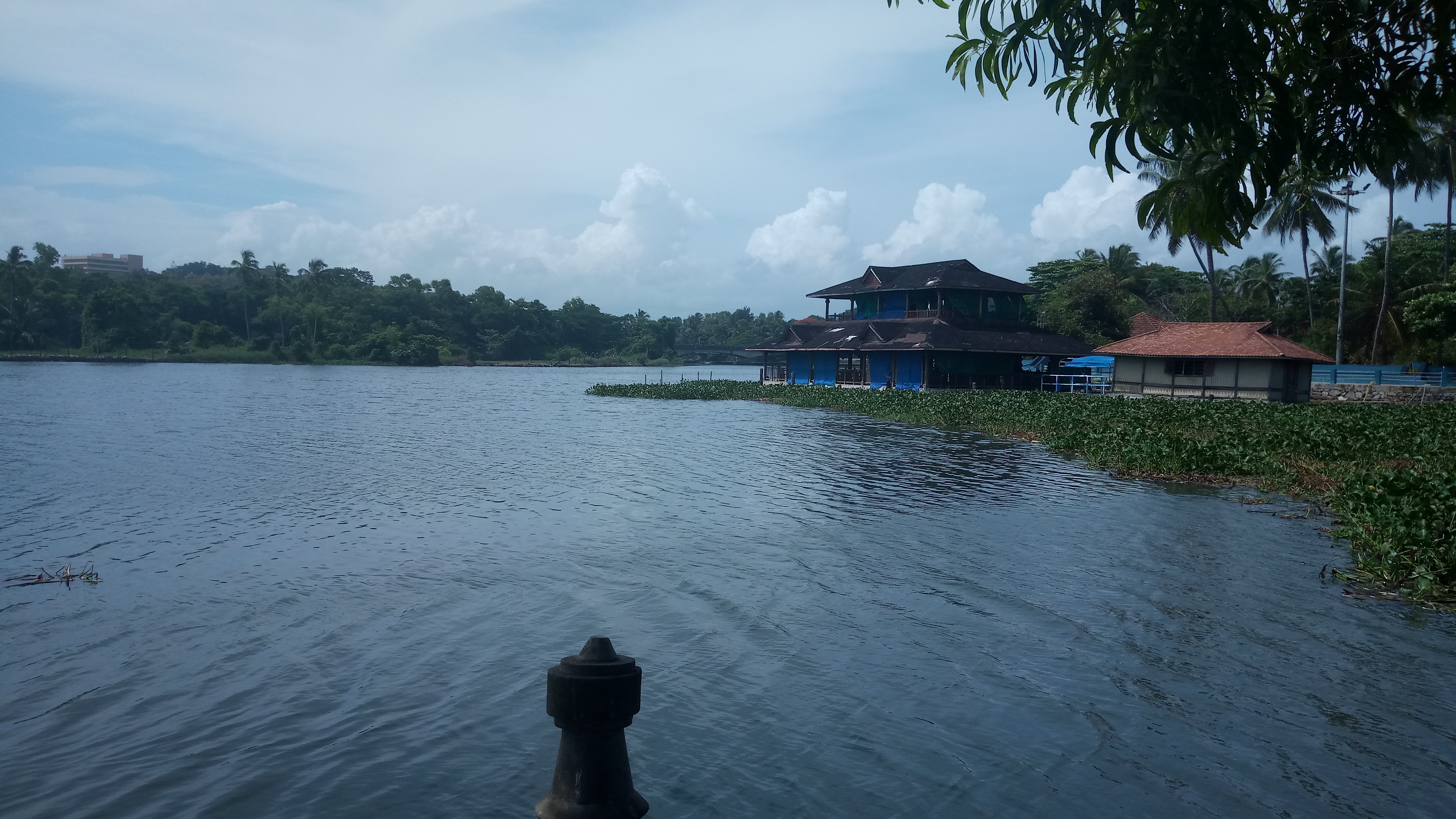
Veli Tourist Village brings lake views, gardens and boating to the coast near Thiruvananthapuram. It is a family outing at the meeting of Veli Lake and the Arabian Sea.
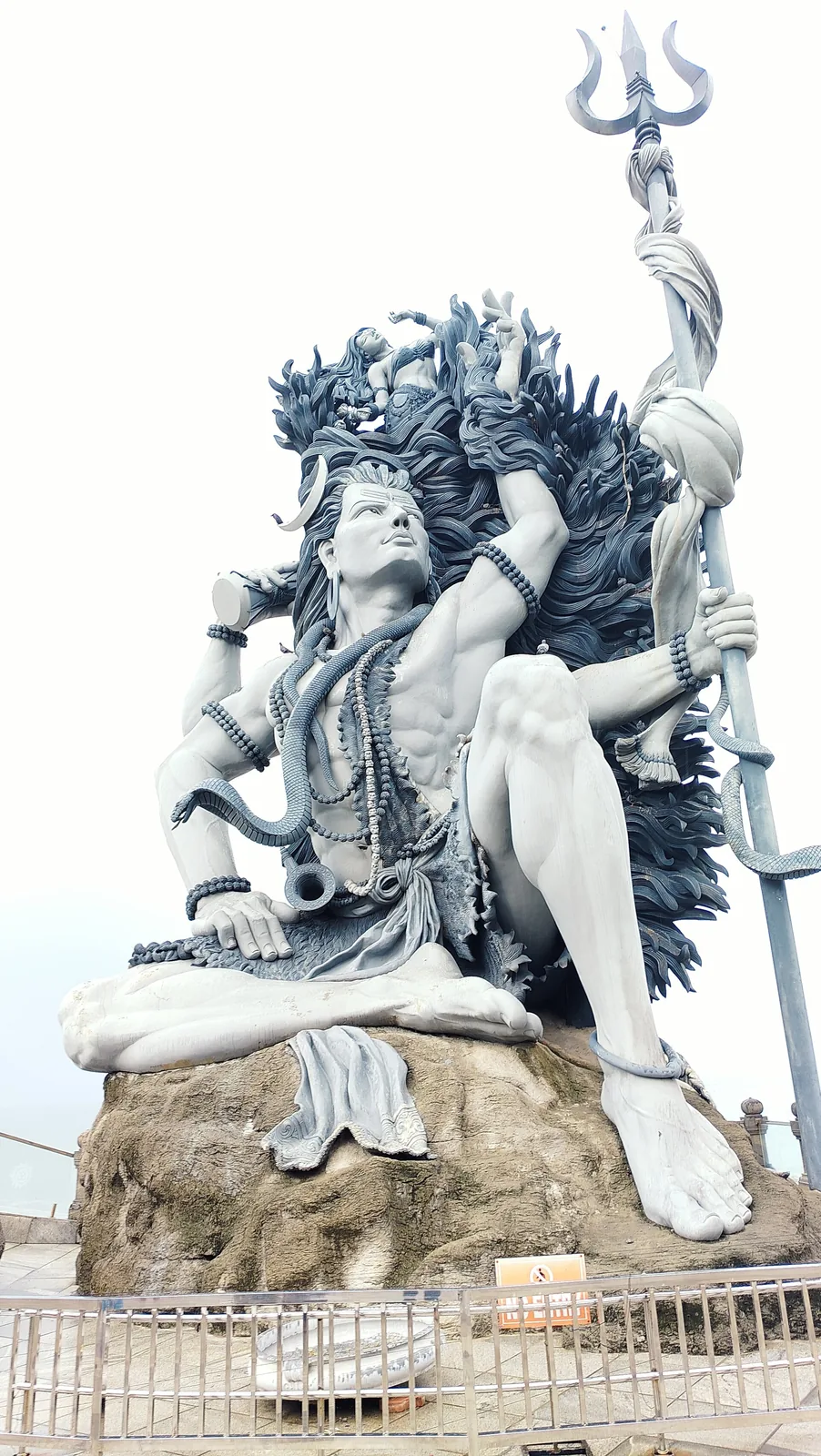
A clifftop seaside temple at Adimalathura near Vizhinjam, known for a giant Gangadhareswara (Shiva) sculpture.
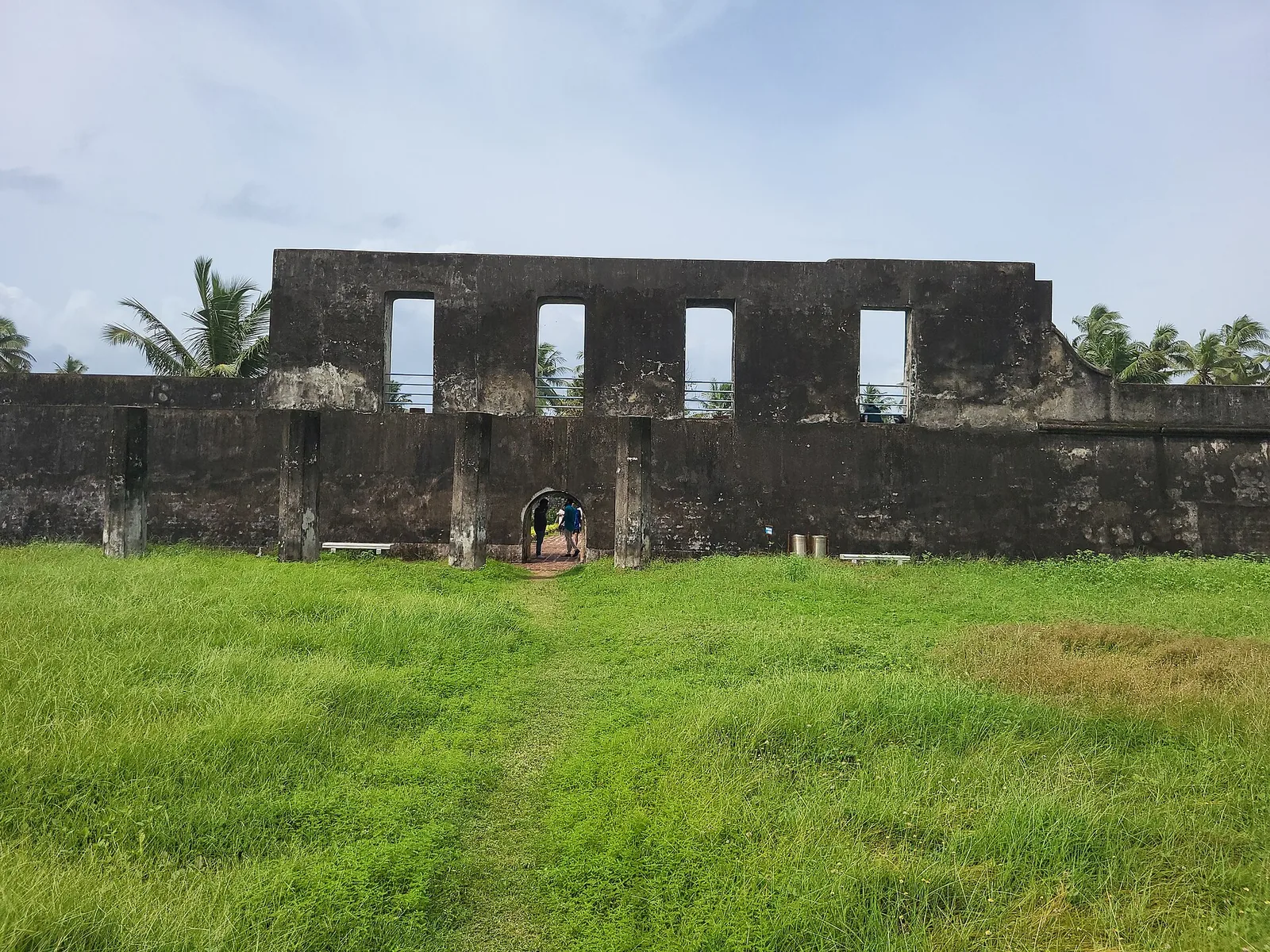
A 1690s English East India Company sea fort (Anjengo) on the coast north of the city, one of the earliest English settlements in Kerala.
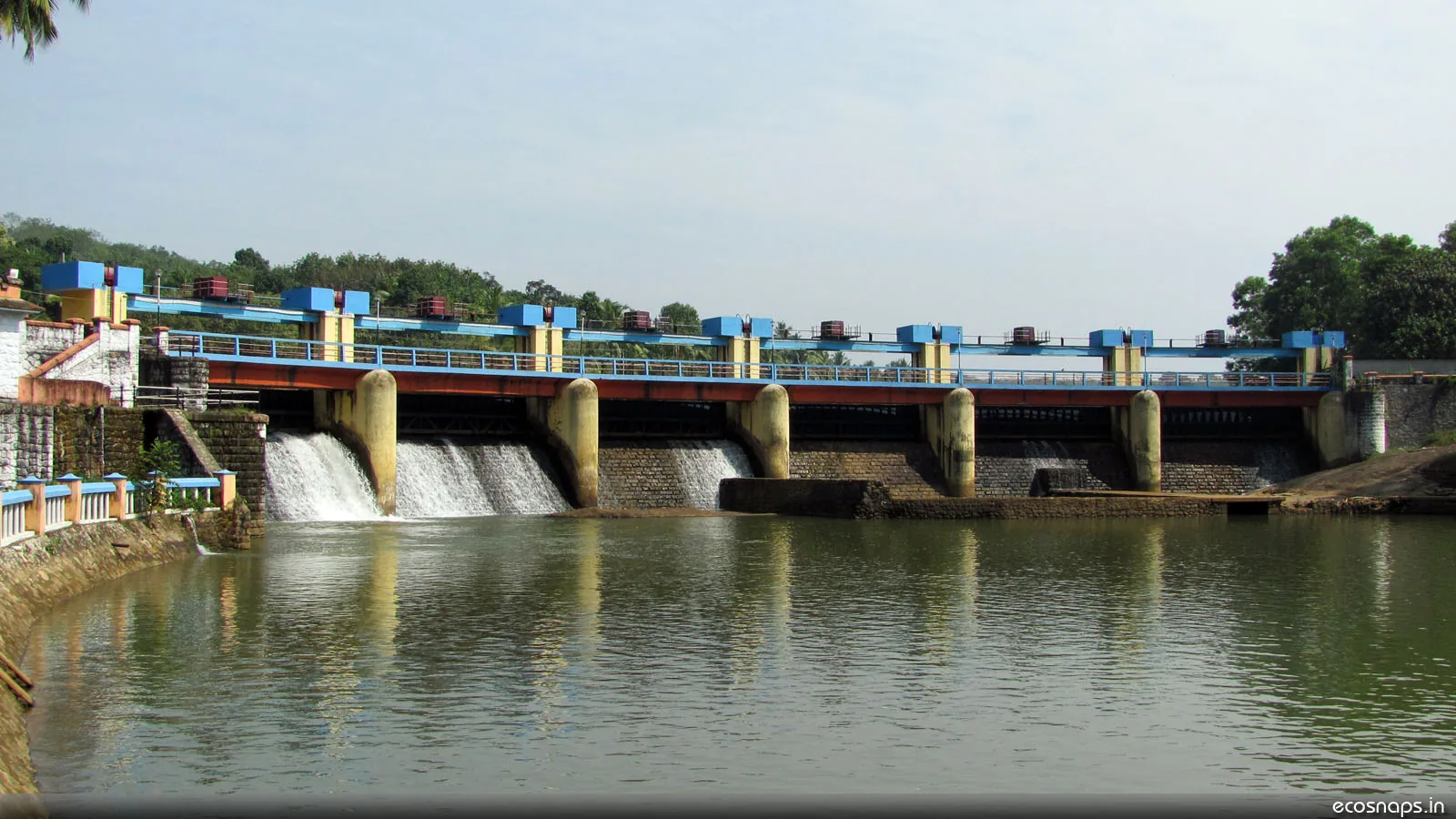
A reservoir, riverside temple and small park on the Karamana river north-east of the city, a popular local picnic spot.
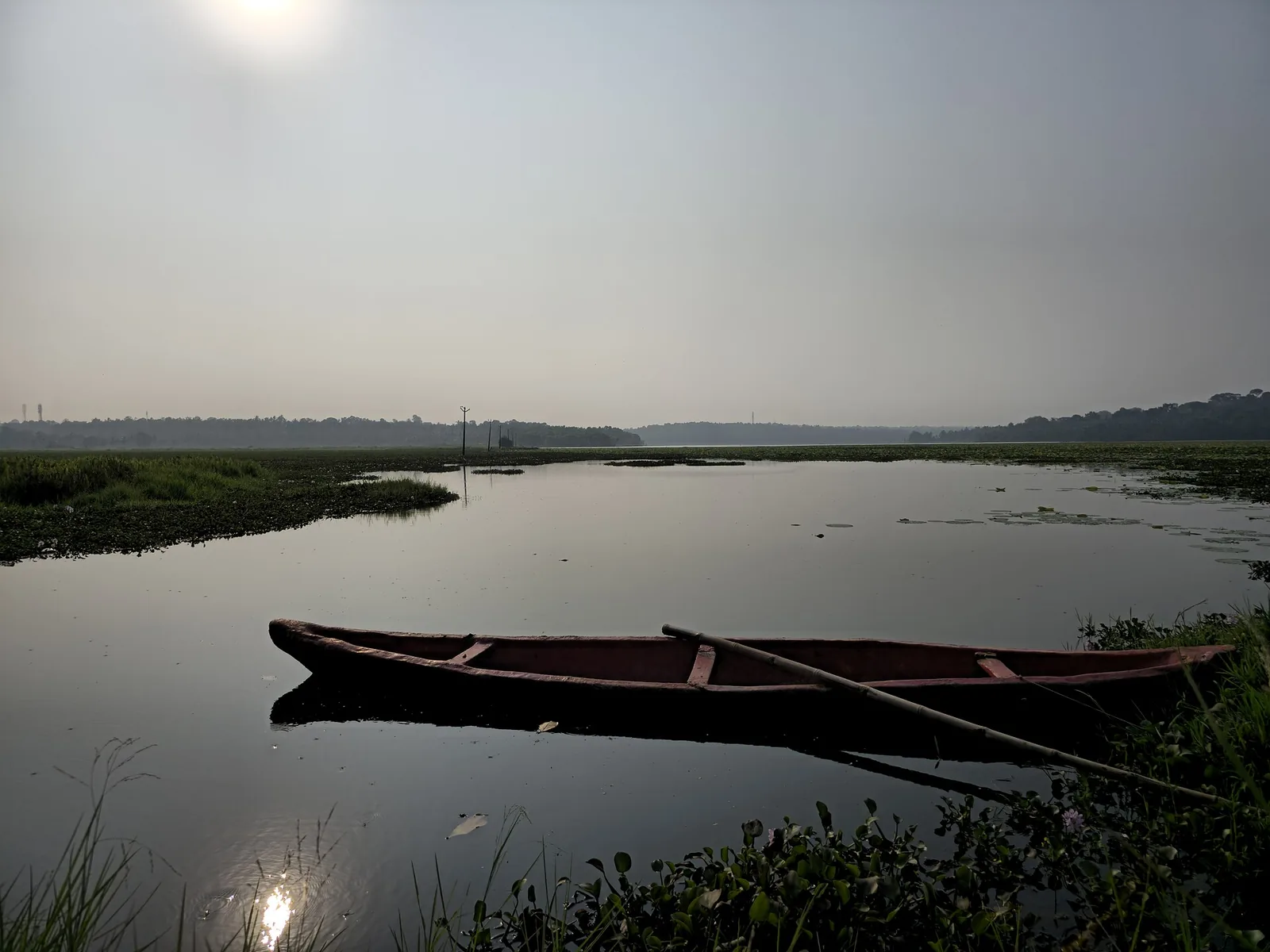
6.8 km · 9 min drive
A freshwater lake in Thiruvananthapuram district, with the Punchakari–Vellayani wetlands nearby offering seasonal birdwatching.
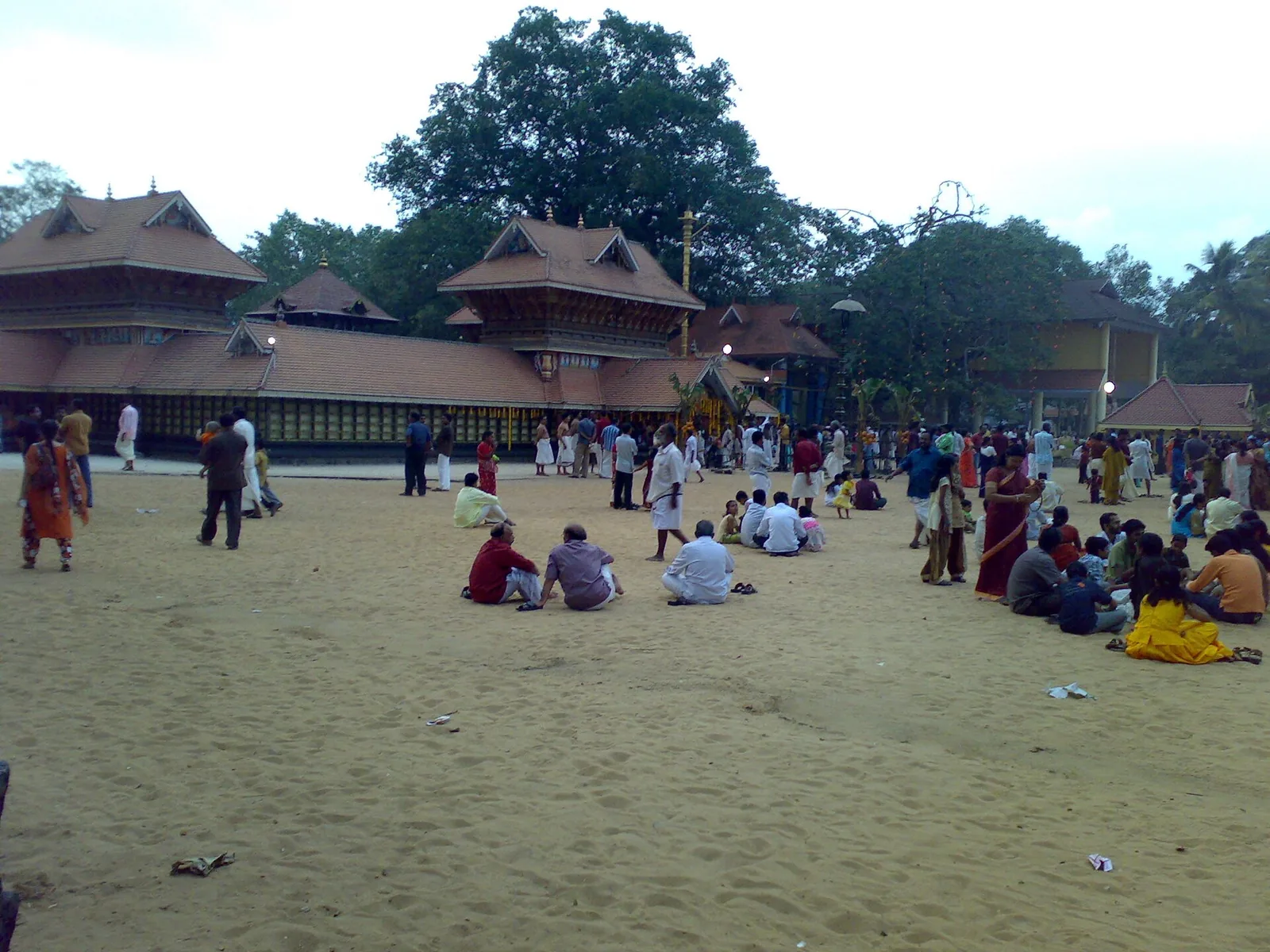
A renowned Devi temple at Chirayinkeezhu, famous for the Kaliyoot festival and the Sarkara jaggery legend.
9.2 km · 11 min drive
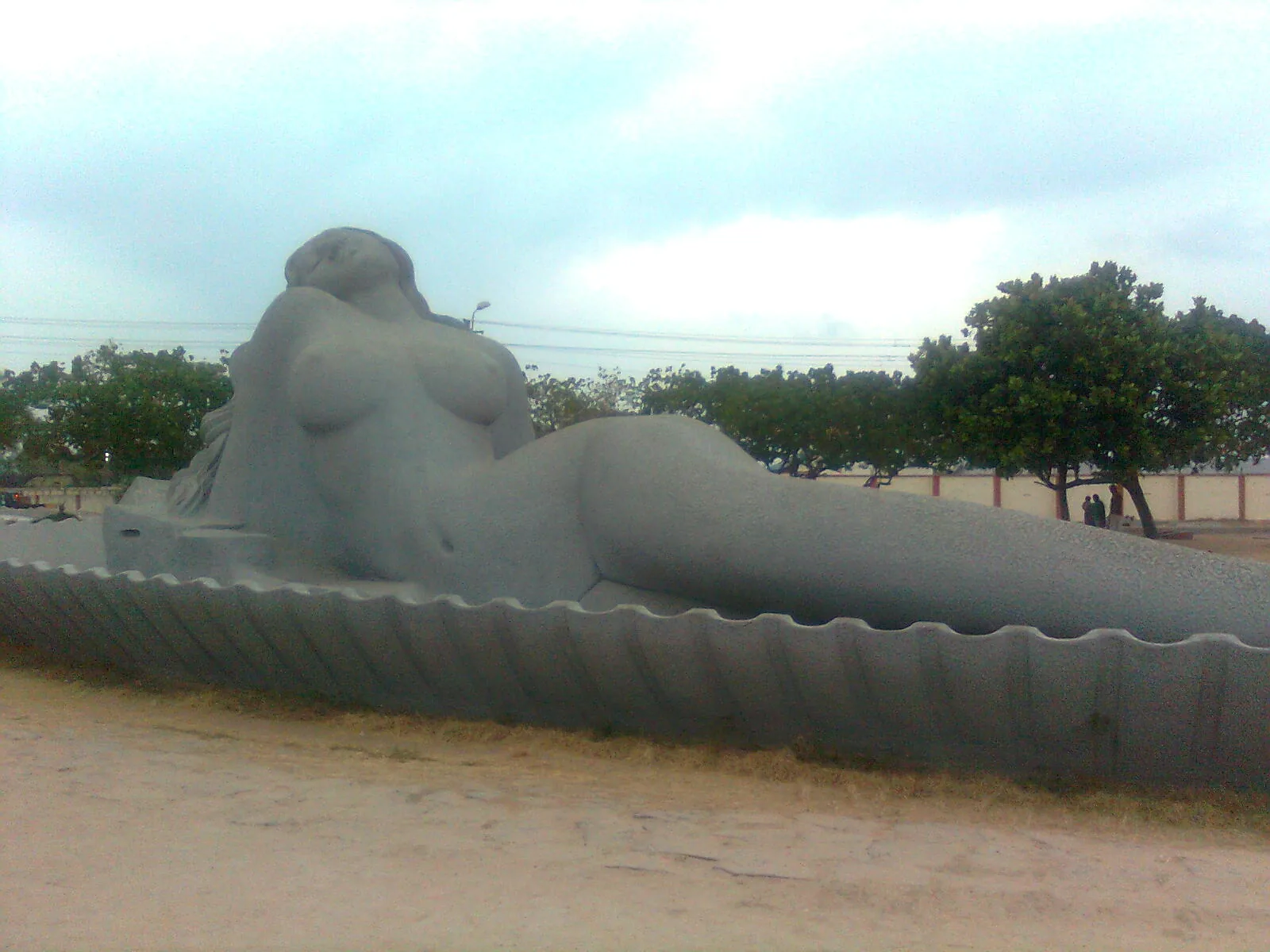
Shanghumukham is Thiruvananthapuram’s evening shoreline: an open sea horizon, airport-side access and Kanayi Kunhiraman’s reclining mermaid sculpture. Come for a coastal walk and the changing light.
6.2 km · 8 min drive
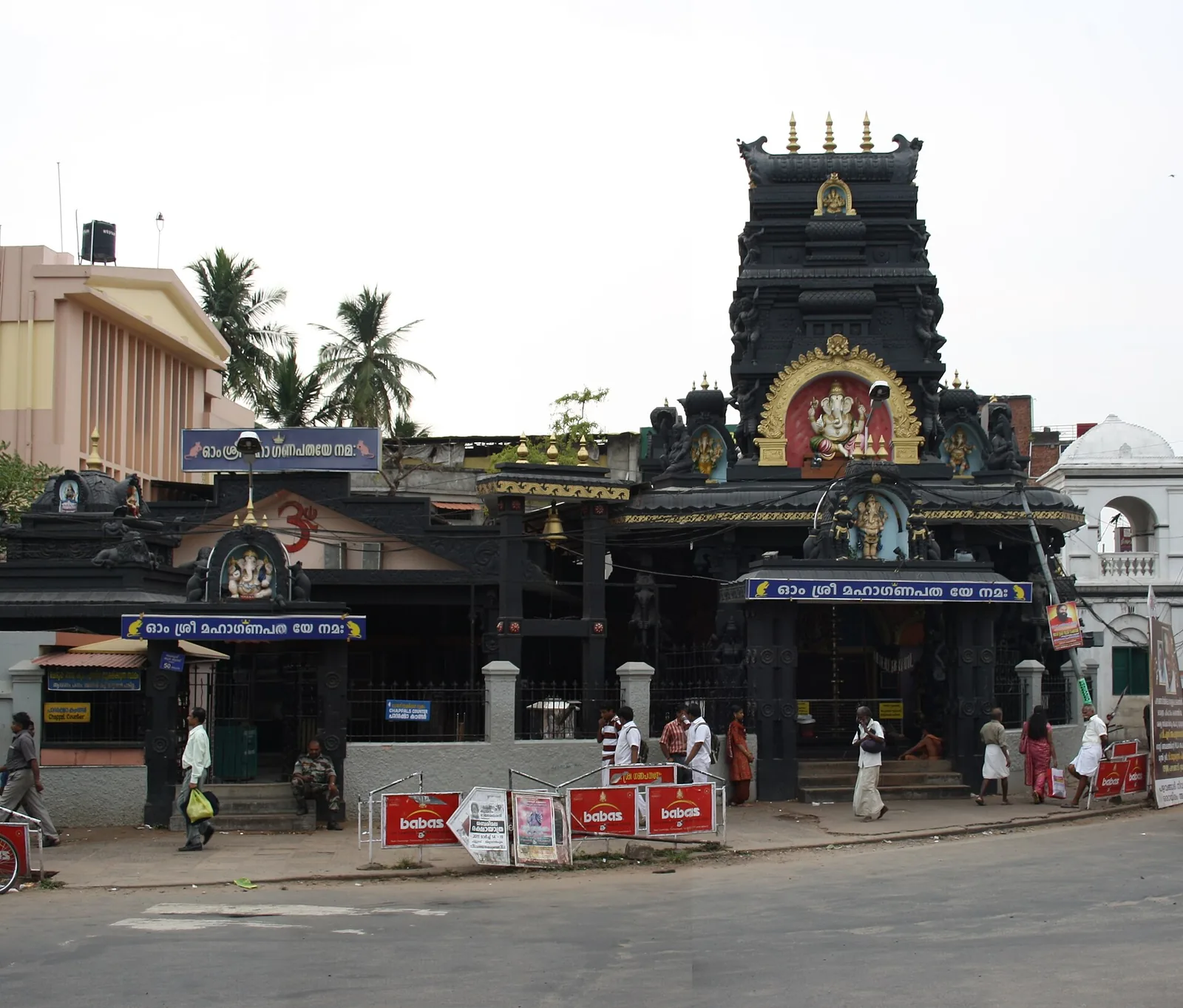
A popular Ganapathy temple near East Fort, known for the coconut-breaking offering; run by the defence services.
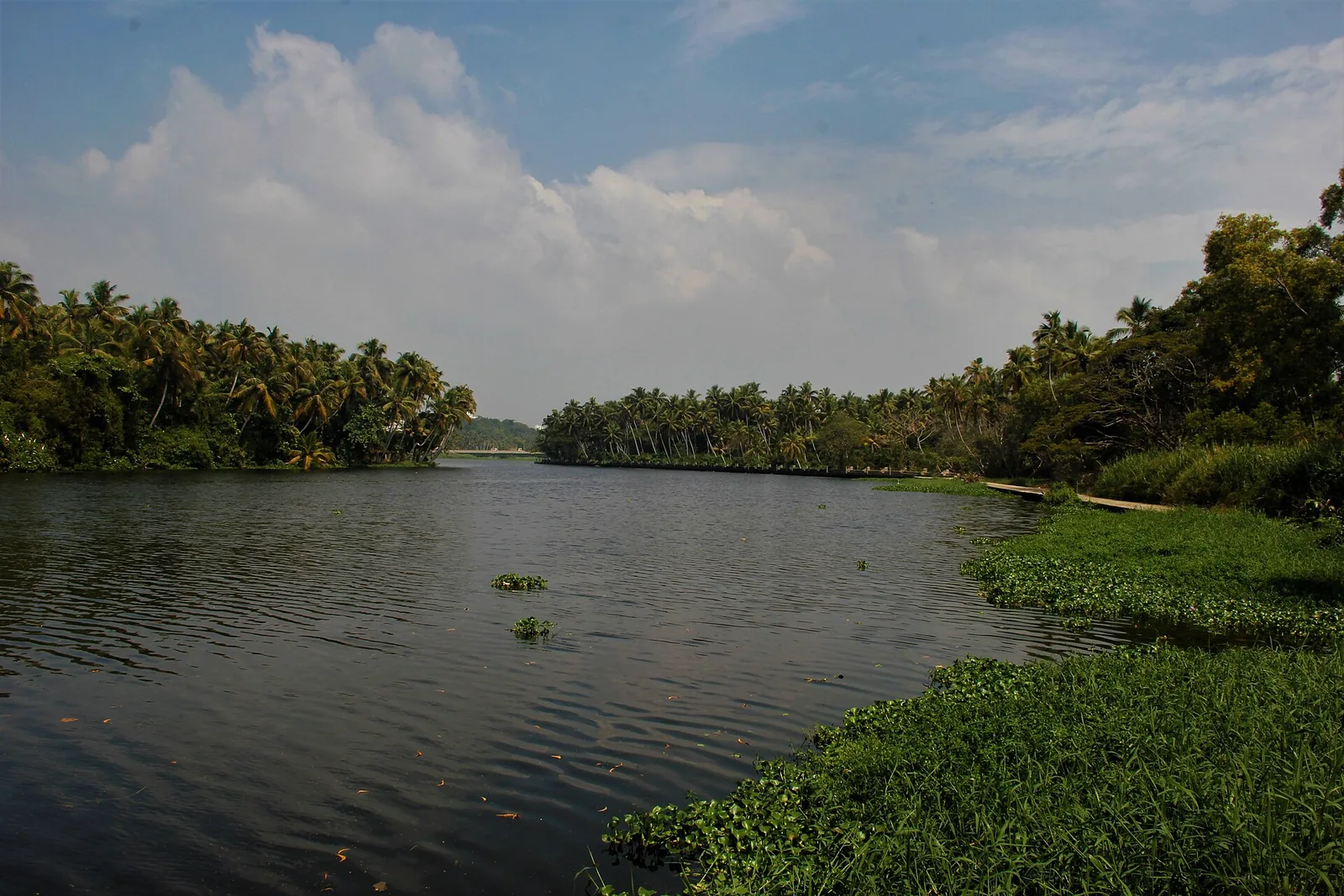
A calm backwater and boating spot near Veli with a lakeside tourist village and children’s park.
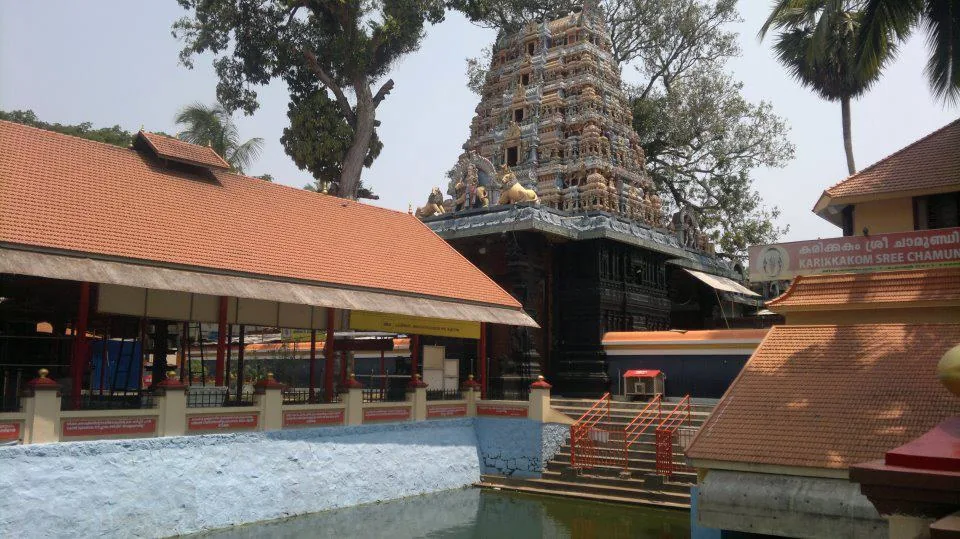
A well-known Chamundi Devi temple on the western edge of the city, busy during its festival season.
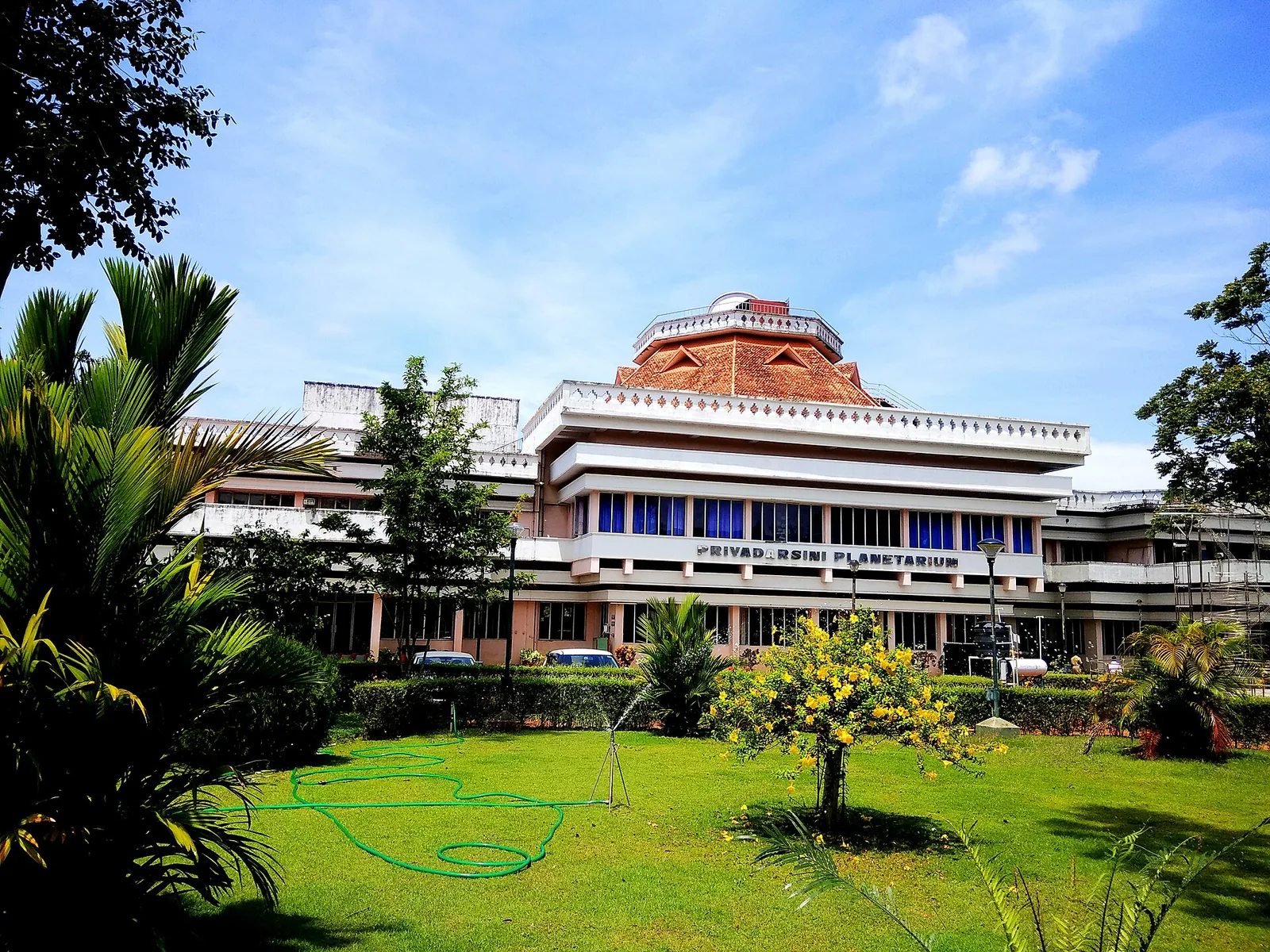
A hands-on science museum with the Priyadarshini Planetarium, popular with families and school groups.
Roampedia is commission-free — own or know a stay, eatery, guide or shop near Thiruvallam Parasurama Temple? Submit public business details for review.
Add a nearby businessEntry: Free entry (dress code applies; charges apply for ancestral bali rituals).
At Thiruvallam on the Karamana river, about 6 km south of the city near the parasailing beach; reachable by auto-rickshaw or bus.
If you are travelling by bus or ferry, check the return service with the operator before setting out. Leave time to reach the stop or jetty after your visit.
Ask at the bus stand for the time of the last service back, not the next one. If you miss it, an auto or app cab is the fallback — agree the fare before you get in.
If you need step-free access, contact the site before travelling. Ask about a level entrance, steps along the route, the nearest drop-off point, seating and accessible toilets.
Charge cap and free-transaction limits: Reserve Bank of India, ATM FAQ updated 4 July 2025; checked 4 October 2026.
These services are listed within about 1.2 km of Thiruvallam Parasurama Temple. Walking distances follow mapped routes; access and opening hours can change. Other services may be closer but are not included here.
Published emergency and visitor-assistance contacts. For an immediate emergency, call 112. Shared Kerala contact sources checked 4 October 2026; publication does not establish a tested live response.
A major coastal Muslim pilgrimage landmark south-west of the city centre, known for the Beemapally Uroos and the tombs honoured within the shrine complex.
2.9 km · straight lineFamous Devi temple in the city, home of the Attukal Pongala — recorded as the largest annual gathering of women.
5.0 km · 6 min drive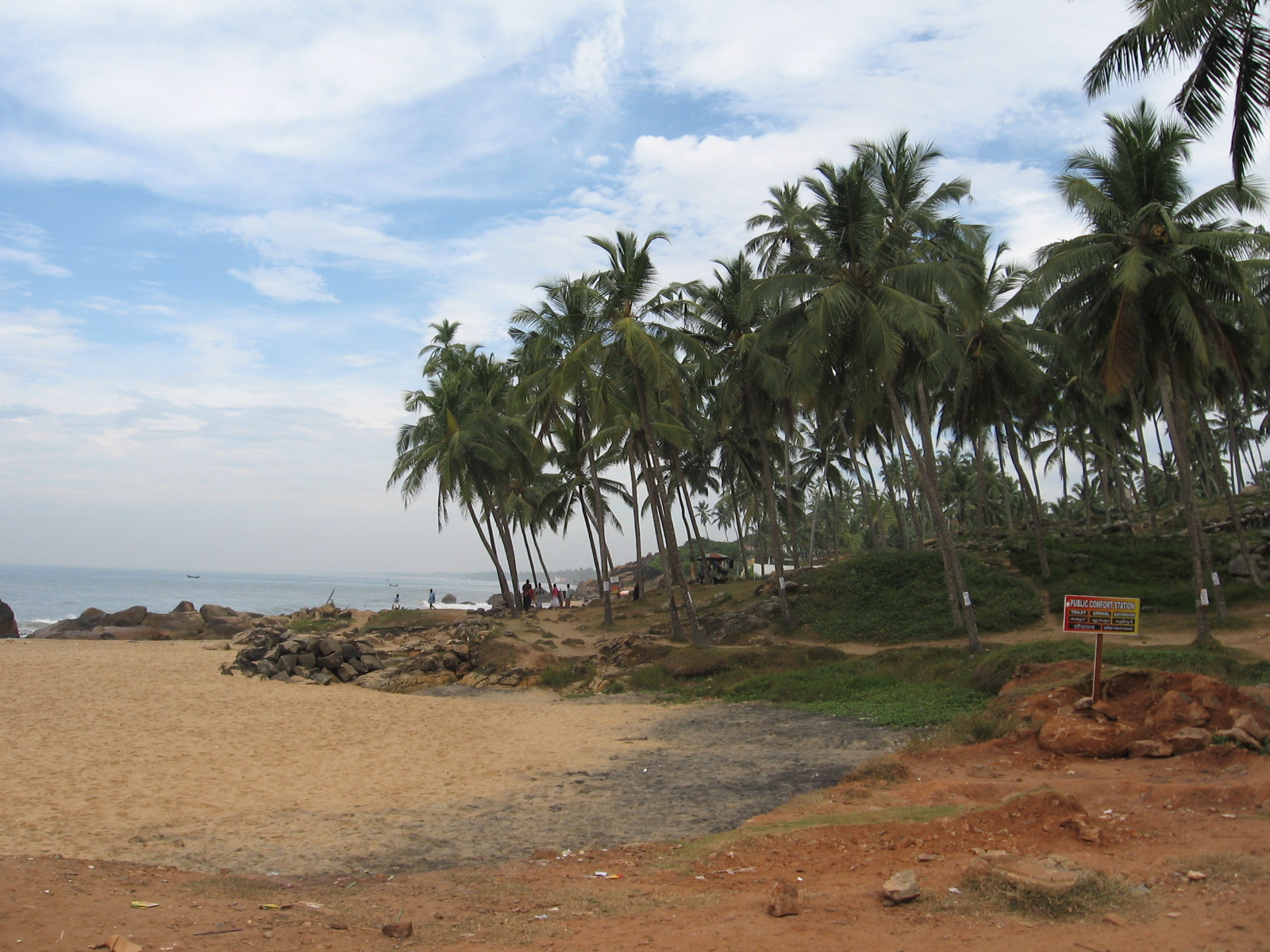
Samudra is the northern Kovalam shore, separated from the busier coves by rocky headlands. Choose it for a quieter sea view and a slower coastal walk.
5.3 km · straight lineA row of carved wooden horses gives Kuthiramalika its name. Beside Sree Padmanabhaswamy Temple, this Travancore palace museum brings timber craftsmanship and royal collections into one compact visit.
6.0 km · 8 min drive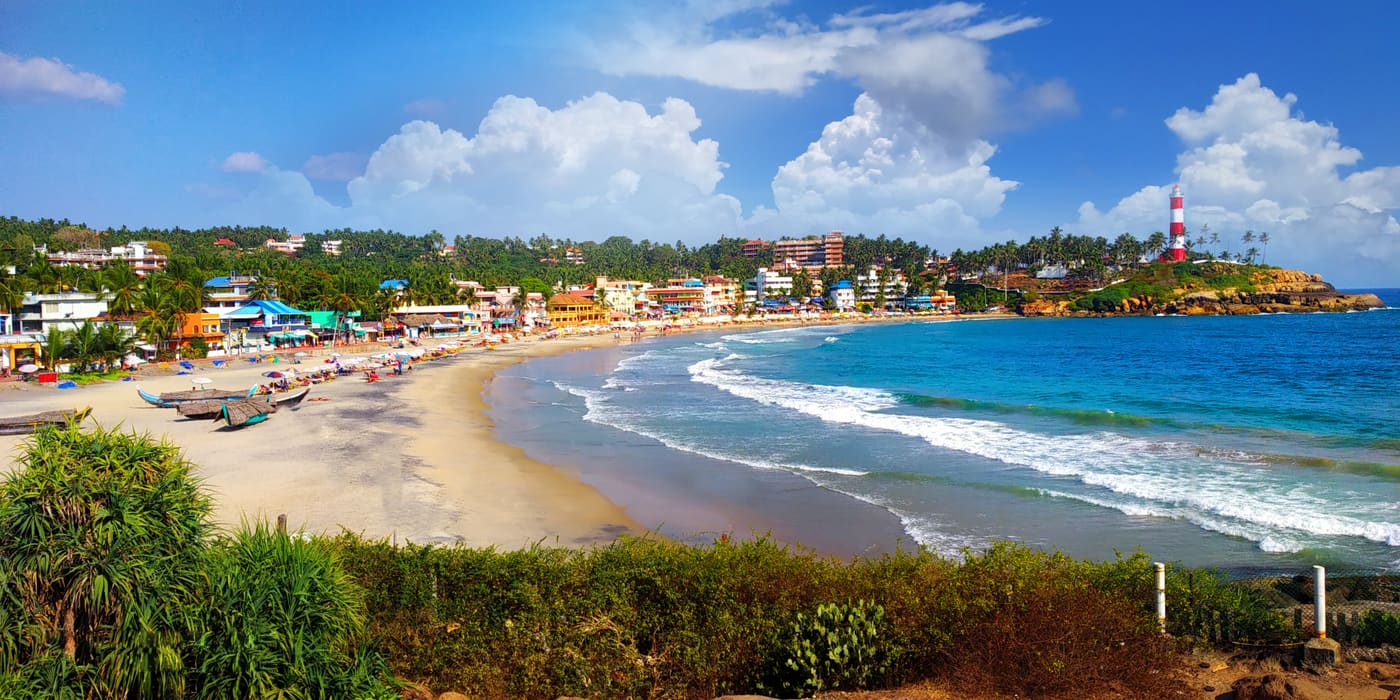
Kerala’s classic beach resort area, known for Lighthouse Beach, Hawa Beach and sunset viewpoints.
6.2 km · straight line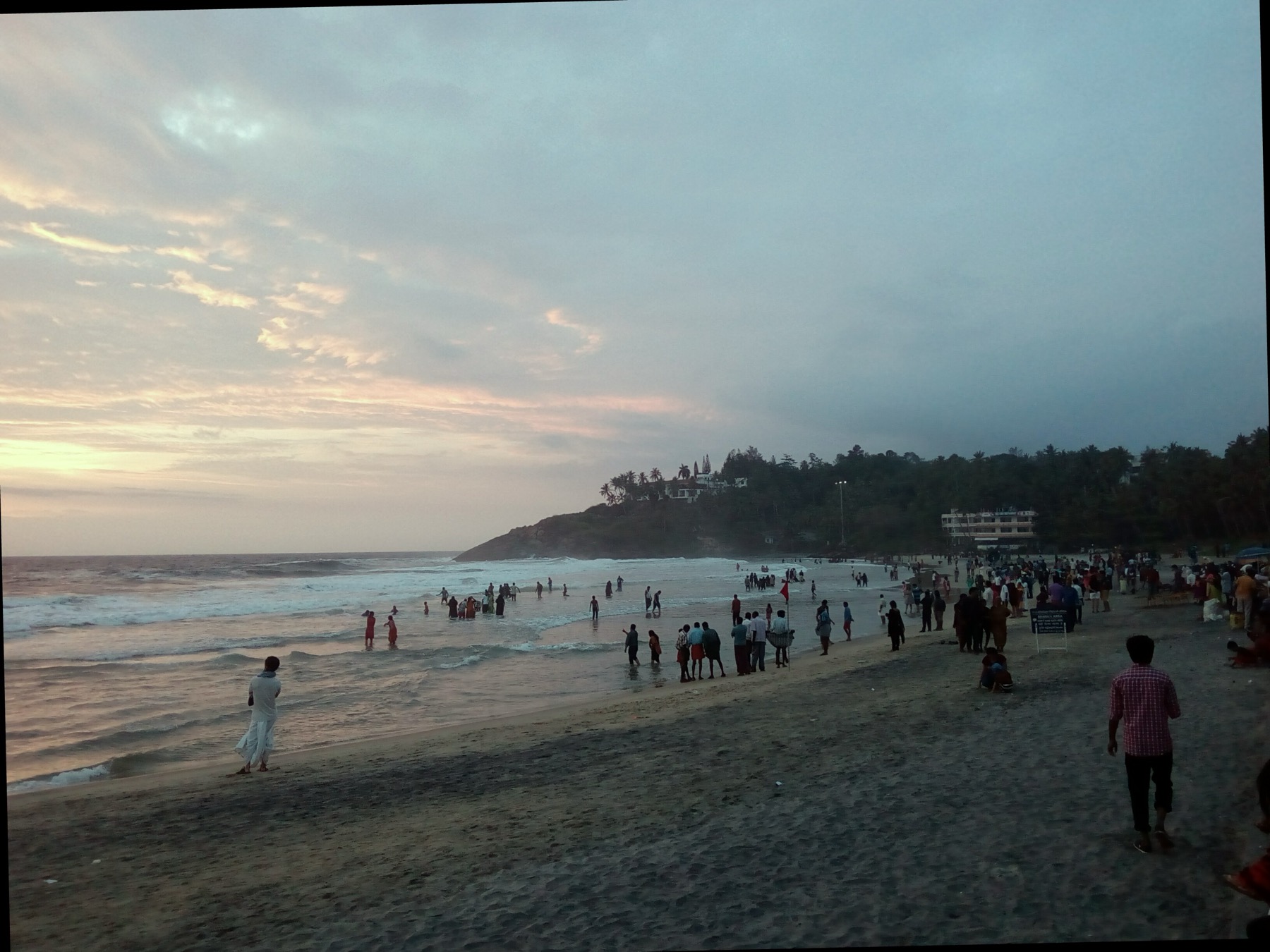
Hawa, also called Eve’s Beach, is Kovalam’s middle cove. Its short sweep of sand and fishing activity offer a different atmosphere from the longer promenade at Lighthouse Beach.
6.2 km · straight lineA popular Ganapathy temple near East Fort, known for the coconut-breaking offering; run by the defence services.
6.2 km · 8 min driveMajor Vishnu temple and one of Kerala’s most important pilgrimage landmarks; strict entry and dress rules apply.
6.5 km · 8 min drive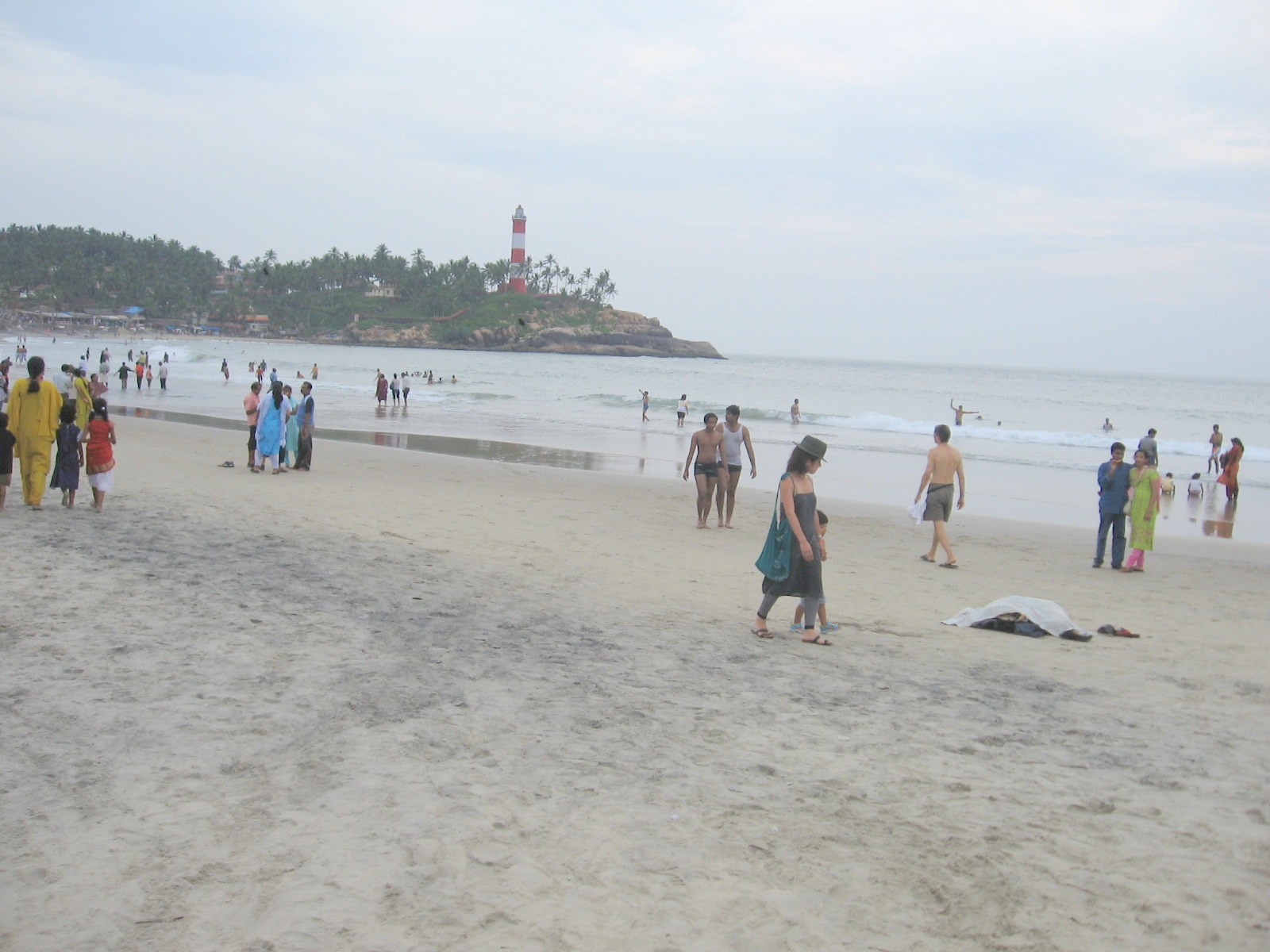
Kovalam’s southern cove brings the striped Vizhinjam lighthouse, a busy promenade and a long seaside evening into one view. Lighthouse Beach suits visitors who want cafés and coastal scenery close together.
6.7 km · straight lineA freshwater lake in Thiruvananthapuram district, with the Punchakari–Vellayani wetlands nearby offering seasonal birdwatching.
6.8 km · 9 min driveShanghumukham is Thiruvananthapuram’s evening shoreline: an open sea horizon, airport-side access and Kanayi Kunhiraman’s reclining mermaid sculpture. Come for a coastal walk and the changing light.
9.2 km · 11 min driveRobert Chisholm’s 1880 Indo-Saracenic museum in the Museum Park — a polychrome landmark holding Chola and Kerala bronzes, ivories and temple carts, with the Sree Chitra Art Gallery alongside it.
9.4 km · 14 min driveRoad and walking figures are route estimates, with travel times dependent on access, traffic and conditions. Figures marked “straight line” show direct separation and do not describe a road or walking route. Fare estimates use Kerala’s 26 April 2022 auto/taxi notification and exclude waiting, night and applicable one-way surcharges. Confirm the current meter or operator quote before travelling. Routing: © openrouteservice.org by HeiGIT | Map data © OpenStreetMap contributors
Nearby toilets, pharmacies, ATMs, seating and vets are community-mapped and may be incomplete or out of date. Map data © OpenStreetMap contributors | Walking times © openrouteservice.org by HeiGIT
Because Kerala's own origin legend is a Parasurama story — the sage is said to have raised the land from the sea with a thrown axe — and yet he is almost never the principal deity of a temple. Thiruvallam is the notable exception, which gives a small riverside shrine an outsized place in the state's religious landscape.
Offerings of rice, sesame and water made for departed ancestors, performed on the riverbank and given to the water. They take place year-round, usually early in the morning with a priest, and on an enormous scale on Karkidaka Vavu — the new-moon day of the Malayalam month of Karkidakam, roughly mid-July to mid-August.
You can, and it is remarkable, but go understanding what it is. Tens of thousands of people come to perform funerary rites for their own dead. Watch from a distance, do not photograph families at close range, and expect the area to be extremely crowded from before dawn.
Genuinely unsettled, and the gap is enormous. It is very commonly called two thousand years old, while other accounts date the structure to the twelfth or thirteenth century. No inscription or charter we have found settles it. The likeliest reconciliation is that the two claims describe different things: an ancient sanctity attached to the river confluence, and a much later black-granite building raised on the site. The structure is old enough to be a protected monument under the Archaeology Department.
The Karamana, the Killi and the Parvathiputhanar. The meeting point is a Triveni Sangamam, and it is very probably why this became the district's principal site for ancestral rites — offerings go to flowing water, and a confluence carries more weight than an ordinary reach of river. The Killi is the same river that runs past the Attukal temple upstream.
He is the principal deity, which is what makes the temple unusual — it appears to be the only temple in Kerala with Parasurama as its main deity. But the compound also carries separate shrines for Vishnu, Shiva and Brahma, so the Trimurti are present together, which is itself uncommon. The temple is counted among the 108 Abhimana Kshethrams of the Vaishnava tradition.
Rice balls, sesame, tulsi leaves and coconut are the usual elements of bali tharpanam, performed after a purifying dip and directed to the flowing water. On Karkidaka Vavu families arrive from before dawn and priests work along the banks through the morning.
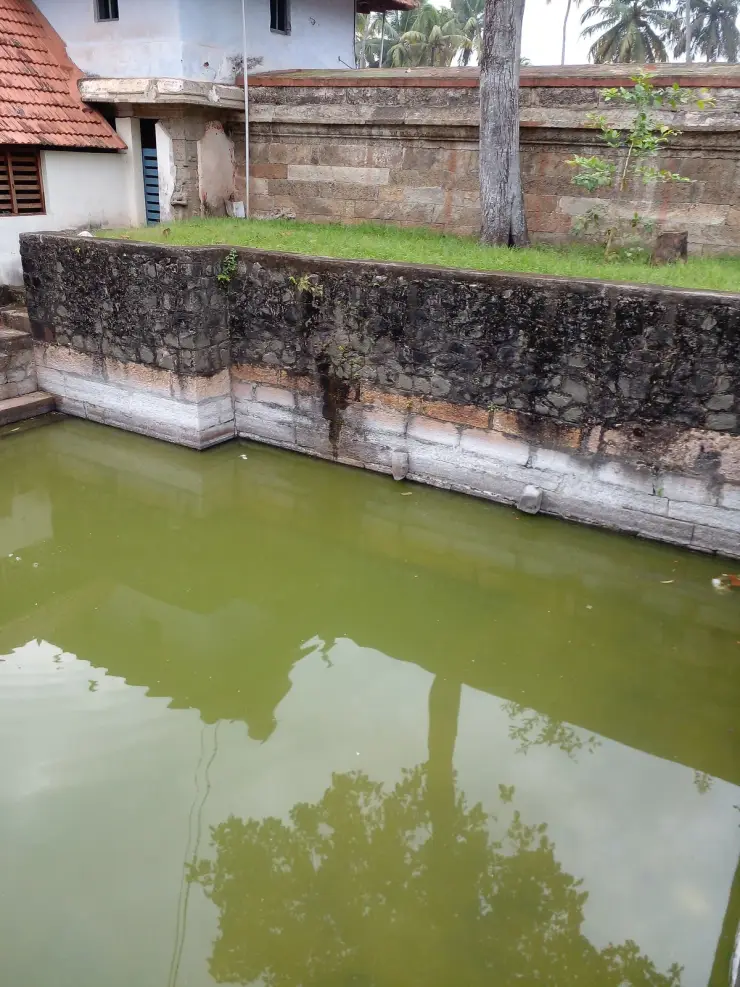
It is a small, modest Kerala shrine rather than a monument, and it should be visited on those terms. What is there is genuinely old: a black-granite structure protected under the Archaeology Department, a stone-lined temple tank, and the compound's laterite and granite walling. Twenty unhurried minutes is about right on an ordinary day.
On the Karamana river a few kilometres south of central Thiruvananthapuram, on the road running down towards Kovalam and the southern coast — a short autorickshaw or bus ride from the city.
Morning or early evening is usually best; festival days can be powerful but crowded.
Entry: Free entry (dress code applies; charges apply for ancestral bali rituals). Timings: Indicative, confirm locally: early-morning to mid-day, busiest on new-moon (amavasi) and Karkidaka Vavu days.
Base yourself in Thiruvananthapuram city or a nearby town in Thiruvananthapuram, then confirm the last-mile route locally before leaving. Check temple entry customs, dress rules and festival crowd conditions before arrival. If the visit depends on forest, temple, boat, ferry, weather or seasonal access, check the official/local rule on the day before travel.
45 minutes to 2 hours, longer during festival or queue periods.
Nearby you can pair Beemapally Mosque (2.9 km, approximate straight-line separation), Attukal Bhagavathy Temple (5.0 km, route estimate), Samudra Beach (5.3 km, approximate straight-line separation), Kuthiramalika Palace (6.0 km, route estimate).
Use official counters for offerings/tickets where applicable. Keep footwear and valuables secure in crowded areas.
Written about Thiruvallam Parasurama Temple itself — its history, its legends and the arguments about them.
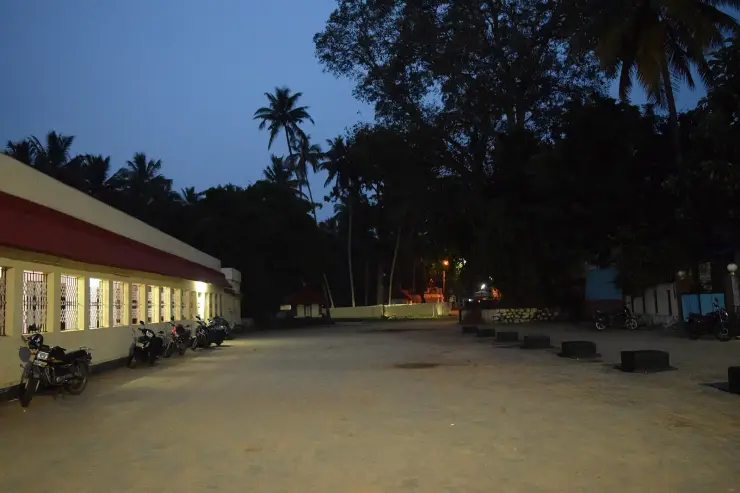
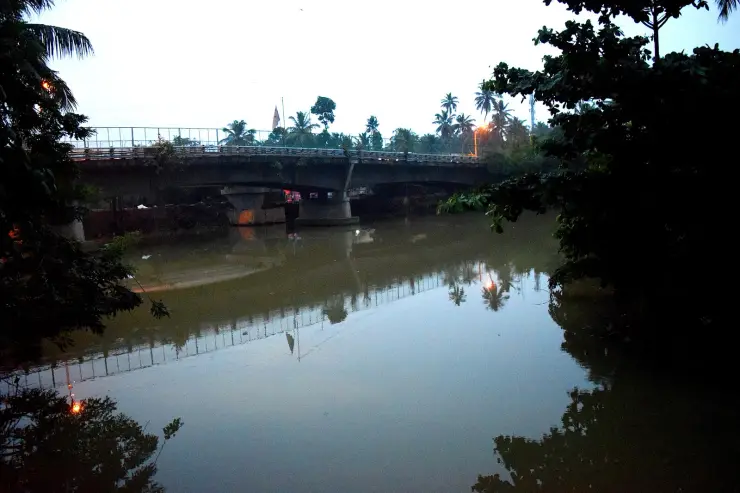
These guides explore Thiruvananthapuram city and the surrounding area. Choose a visit that fits your interests, allowing separately for travel between stops.


Route-level itineraries and practical guides for the rest of Kerala.


Photographs: Ranjithsiji (CC BY-SA 4.0), Rahulrnath001 (CC BY-SA 4.0). Wikimedia Commons.