What to expect
Highlights
- Boat or canoe routes around Vellayani Lake
- Village life, canals and lake/river scenery
- Good fit for homestays and local food stops
A freshwater lake in Thiruvananthapuram district, with the Punchakari–Vellayani wetlands nearby offering seasonal birdwatching.
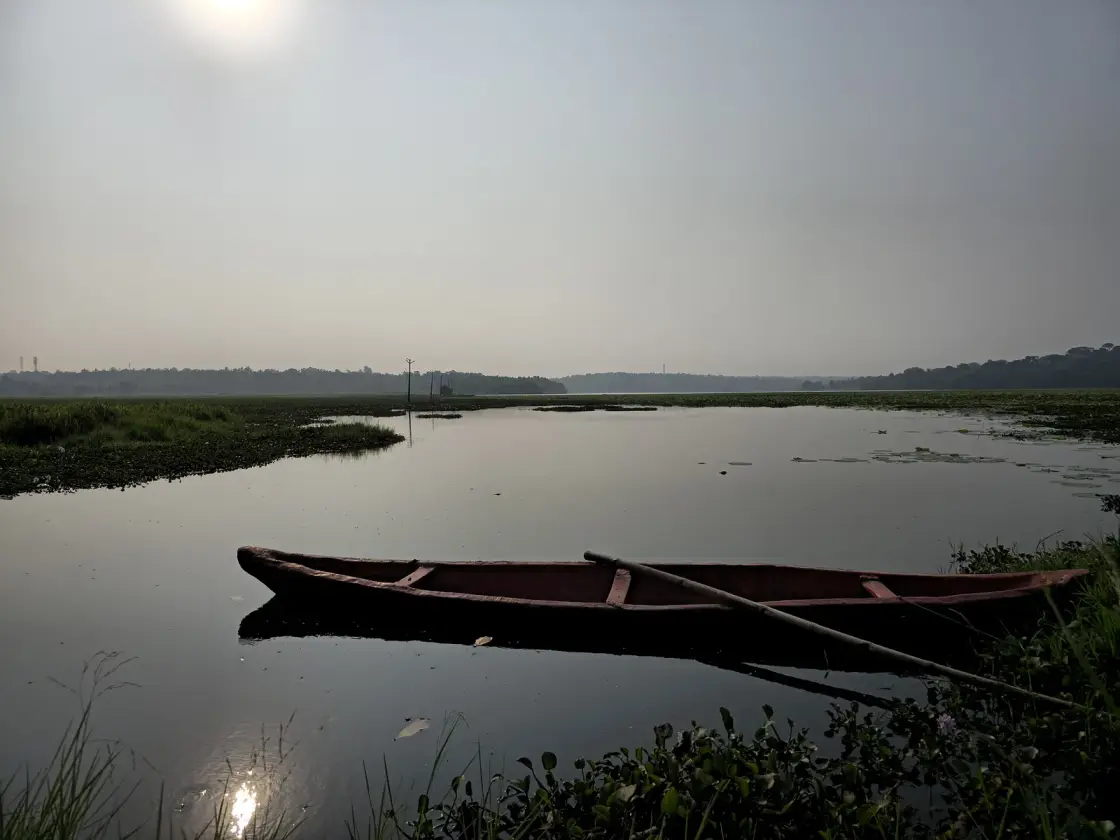
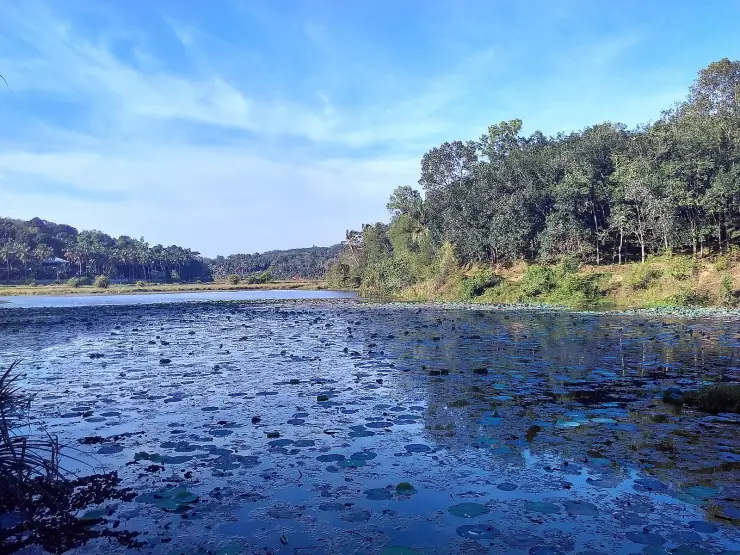
Kerala's second largest freshwater lake, and the only one in Thiruvananthapuram district, lies in a shallow bowl of paddy and coconut a few kilometres inland from Kovalam — a wide sheet of still water that most people driving to the beach never realise is there.
Vellayani is a freshwater lake, which on this coast is unusual enough to be the whole point. The backwaters that define Kerala are brackish, tidal and connected to the sea; Vellayani is not. It sits in a shallow depression ringed by paddy fields, coconut groves and low rises, and it supplies drinking and irrigation water to the area around it.
That makes it a different kind of place to visit. There is no jetty economy, no houseboats, no promenade. What there is: a large, quiet body of water with paddy running down to its edges, a road that skirts parts of the shore, and birds. Early morning is the time — mist on the water, herons and egrets working the shallows, and the light coming up over the paddy.
For birdwatchers it is the most rewarding easily-reached spot near the capital. Freshwater wetland attracts a different assemblage from the coast, and the lake and the paddy around it hold waterfowl, waders and, in the cooler months, migrants. It is not a formally protected reserve or a managed birding site, which means no hides and no guarantees, but also no crowds.
The lake is closely associated with the Vellayani Devi temple on its shore and with the temple's festival, which draws large numbers, and the water is part of the ritual life of the settlements around it rather than a purely scenic asset.
It faces the pressures that shallow lakes near expanding cities always face — encroachment on the margins, weed growth, agricultural runoff and a shrinking water spread — and there have been recurring conservation concerns and restoration efforts. It remains, though, a large and genuinely peaceful piece of water twenty minutes from one of the busiest beaches in India.
The shore is worth walking rather than driving. The road touches the water in places and leaves it in others, and the stretches where paddy runs right down to the edge are the ones worth being on foot for. There is no circuit path and no signage; you follow the bunds between the fields, which is how everyone here gets about anyway, and you will be walking past people working rather than past a view laid on for you.
Two events put crowds on this water, and neither is a tourist fixture. The Kaliyoottu Mahotsavam at the Vellayani Devi temple runs only once every three years, usually between February and April, and when it runs it lasts sixty-five to seventy days — described as the longest continuously running temple festival in South India. The other is the Ayyankali boat race, held around the Onam season in August or September, with traditional long boats crewed by teams from the settlements around the lake and named for the social reformer born nearby at Venganoor. If you are here in a Kaliyoottu year, that is what you have come for, whether or not you knew it when you booked.
The lake also has an academic shoreline. The College of Agriculture at Vellayani, the first agricultural college in Kerala and now part of Kerala Agricultural University, occupies a 250-hectare campus on the bank, and a substantial share of the historic lake bed sits within its holdings. Some of the best-documented work on what has happened to this water has come from people who could see it out of a window, which is one reason the shrinkage here is measured rather than merely asserted.
One practical warning that matters more here than at a backwater resort: this is a drinking-water source. The lake supplies the settlements around it, and the etiquette that follows from that is taken seriously — no swimming, no washing, nothing left behind. It is not a rule posted on a board so much as an understanding, and a visitor who breaches it will be corrected.
The single most repeated claim about Vellayani is that it is the largest freshwater lake in Kerala. It is not: that is Sasthamcotta, up in Kollam district, and the two get conflated constantly, including in print, because both are genuinely unusual on a coast whose famous waters are all brackish. But the correction usually overshoots in the other direction, and Vellayani gets demoted to a merely local curiosity. The accurate ranking is that it is commonly and defensibly given as Kerala's second largest freshwater lake, and it is the only freshwater lake in Thiruvananthapuram district. Second in a state of thirty-odd million people is not a footnote.
The temple on the shore carries an origin tradition that is unusually specific, and unusually strange. In the account most often given, a blacksmith named Kelan Kulasekhara found a frog near the lake that was recognised as carrying the presence of the goddess, and the deity was consecrated from that encounter — with the catch made, in most tellings, with the help of an assistant of low caste, a detail the tradition keeps rather than smooths away.
Behind that sits the larger Bhadrakali story that governs Devi worship across this coast: the demon Darika, holding a boon that no man in any of the fourteen worlds could kill him, and Kali produced expressly to fall outside the terms of it. Vellayani's temple is one of many in Kerala that understands itself in relation to that encounter, and its festival is where the connection is visible.
These are traditions, not records, and we publish them as such. The frog is not a historical claim and nobody offers it as one. What is documented is the lake, the temple beside it, and a festival that has drawn the settlements around this water together for a very long time.
The description of Vellayani as a lake gently shrinking under pressure also understates what has happened by a wide margin. A geospatial reconstruction puts the water spread at 558.93 hectares in 1973, 267.89 hectares by 1992 and about 222 hectares by 2019; other accounts start the series higher, at roughly 750 hectares in the 1920s, and carry it further down, to about 184 hectares by 2024. The published baselines do not agree and we are not going to pretend otherwise — different studies map different boundaries between open water, seasonal marsh and reclaimed paddy, and that choice moves the number a long way. What they do agree on is the direction and the scale: this lake has lost somewhere between half and three quarters of itself within living memory.
The last assumption worth dismantling is that Vellayani is a rural backwater with no bearing on anything. It is operational infrastructure. Besides supplying the Kerala Water Authority's local scheme and irrigating the paddy around it, the lake is drawn on for the drinking-water supply of the Vizhinjam International Seaport — India's newest deep-water transshipment terminal, a few kilometres over the ridge. A shallow inland lake that has already lost most of its area is now underwriting a port. That is the real reason the restoration work matters, and a better reason to treat the no-swimming etiquette as binding than any sign at the water's edge.
Vellayani Lake is Kerala's second largest freshwater lake and the only one in Thiruvananthapuram district, occupying a shallow basin inland from the coast near Kovalam, and it serves as a source of drinking and irrigation water for the surrounding area.
Unlike the brackish, tidal backwaters that run along most of the Kerala coast, Vellayani is a freshwater body not connected to the sea, which accounts for its distinct ecology and its very different character.
The lake is bound up with the Vellayani Devi temple on its shore, whose festival draws substantial crowds and whose ritual life is tied to the water.
In recent decades the lake has faced encroachment on its margins, weed growth, agricultural runoff and a reduction in its water spread, prompting recurring conservation attention and restoration initiatives. The scale of the loss is documented rather than impressionistic: a geospatial series gives 558.93 hectares in 1973, 267.89 in 1992 and about 222 by 2019, while accounts working from an earlier baseline start nearer 750 hectares a century ago and reach about 184 by 2024. Some 165 hectares of the historic lake were attached to the Kerala Agricultural University, whose College of Agriculture — the first agricultural college in the state — occupies a 250-hectare campus on the shore.
The response has been slow and is still incomplete. The Irrigation Department began de-silting from around 2019 with the aim of raising the mean depth by about 1.5 metres and recovering storage for irrigation, and a wider revival project reported its first phase close to completion in February 2026. Alongside that, the lake now carries a load it did not historically have: it is drawn on for the drinking-water supply of the Vizhinjam International Seaport as well as for the Kerala Water Authority's local scheme, which makes its condition a question of regional infrastructure rather than of local amenity.
It is Kerala's second largest freshwater lake and the district's only one — a completely different landscape from the brackish backwaters everyone associates with Kerala.
It is the best easily-reached birdwatching near the capital, with waterfowl and waders on the lake and migrants in the cooler months.
Sunrise over the paddy and the water, with mist still on it, is the reason to make the early start.
It is only a short drive inland from Kovalam, so it makes an easy and very quiet counterpoint to a beach stay.
There is no tourist infrastructure at all, which for once is the attraction rather than a shortcoming.
Road km to Thiruvananthapuram; ghat roads and traffic vary — allow extra.
October to March is best for comfortable boat trips; monsoon is greener but weather can disrupt plans.
Live forecast loads in your browser.
Sun and moon are calculated for this location and shown in IST. Photography windows are the hour around sunrise and sunset; the sunset bearing is degrees clockwise from true north. Moon phase is accurate to about half a day.
Browse listed stays, food, activities, sights, shops and rentals around Vellayani Lake. Check each listing’s locality and contact the business directly for current arrangements.
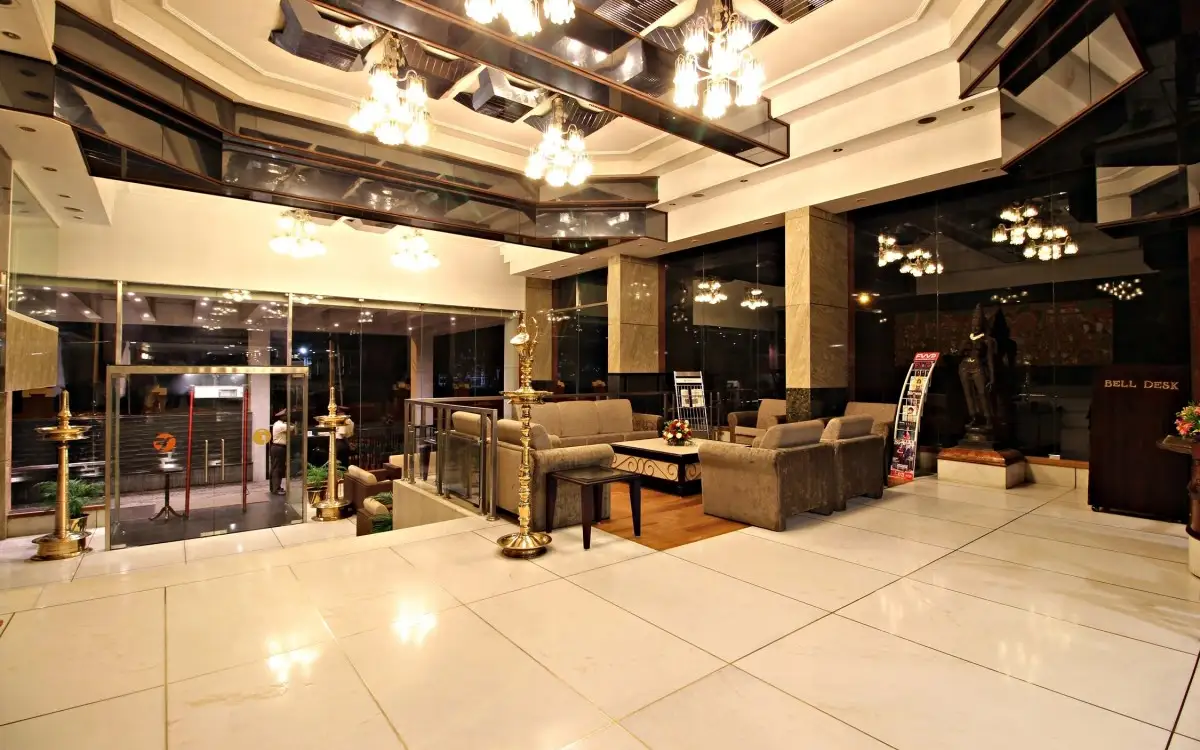
Central business hotel in Thiruvananthapuram city. Punnen Road, Statue, Thiruvananthapuram, Kerala 695039, India.
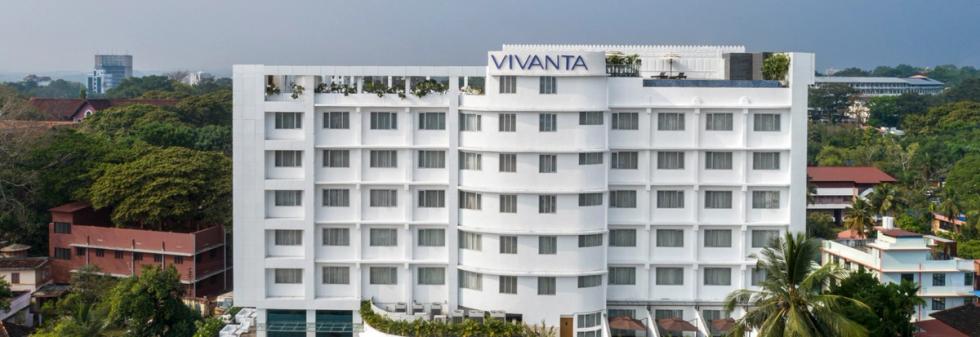
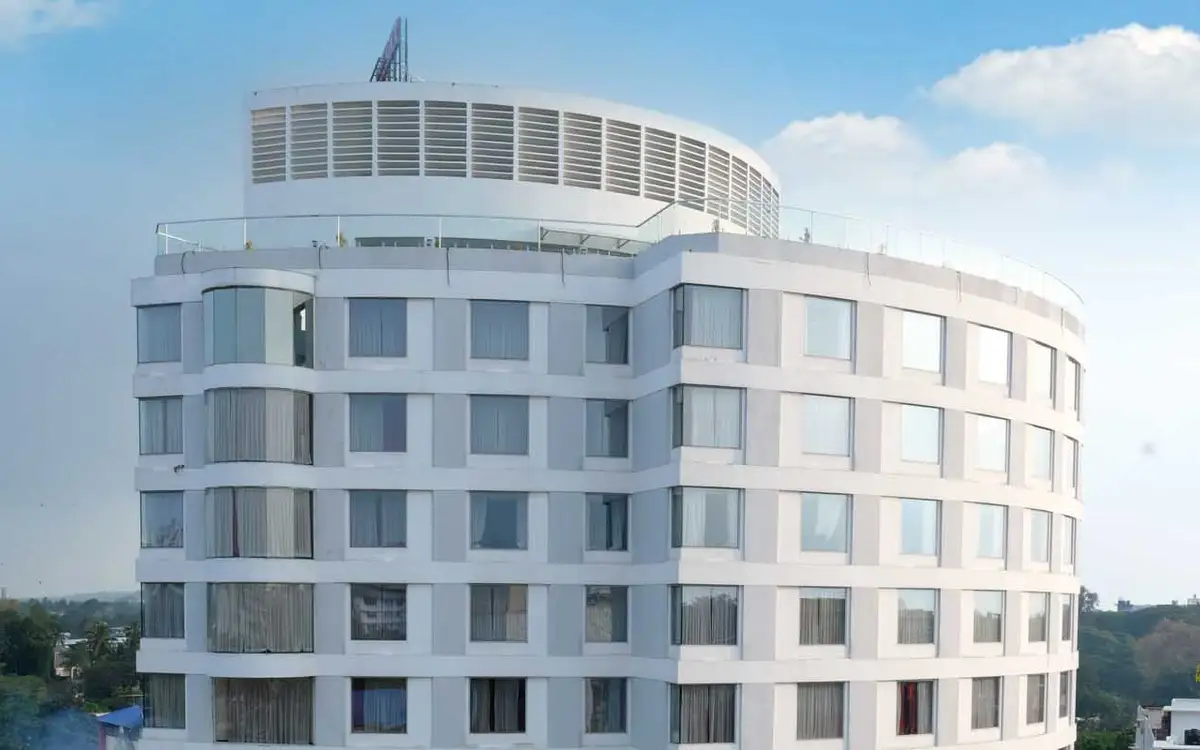
Vivanta Thiruvananthapuram is a hotel on Extra Police Road at Palayam. Choose the central address for city outings, comparing room packages and onward transfers for your dates.
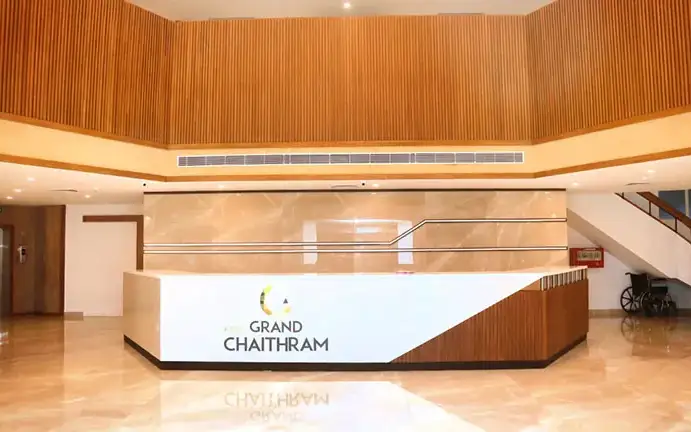
KTDC Grand Chaithram is a Budget City Hotel at Thampanoor, opposite Thiruvananthapuram Central railway station and beside the bus terminal. Choose it for a rail or bus arrival, with beach visits arranged as separate outings.
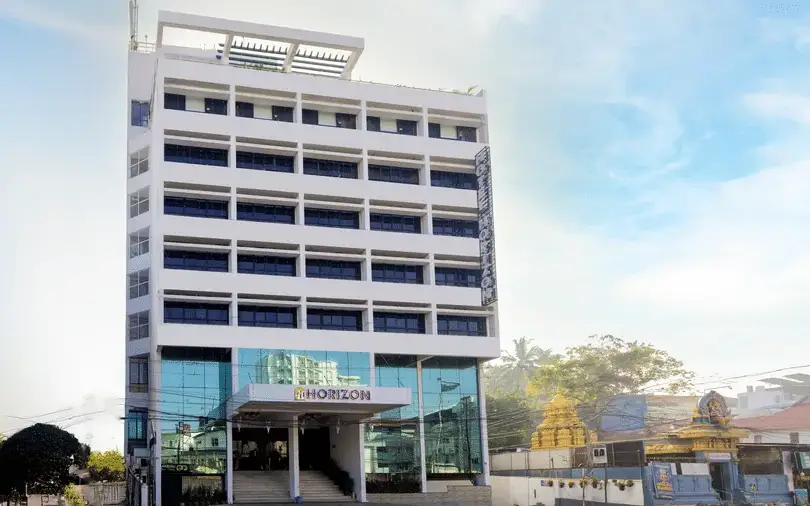
A city hotel at Aristo Junction, Thampanoor, a short walk from Trivandrum Central Railway Station and Sree Padmanabhaswamy Temple.
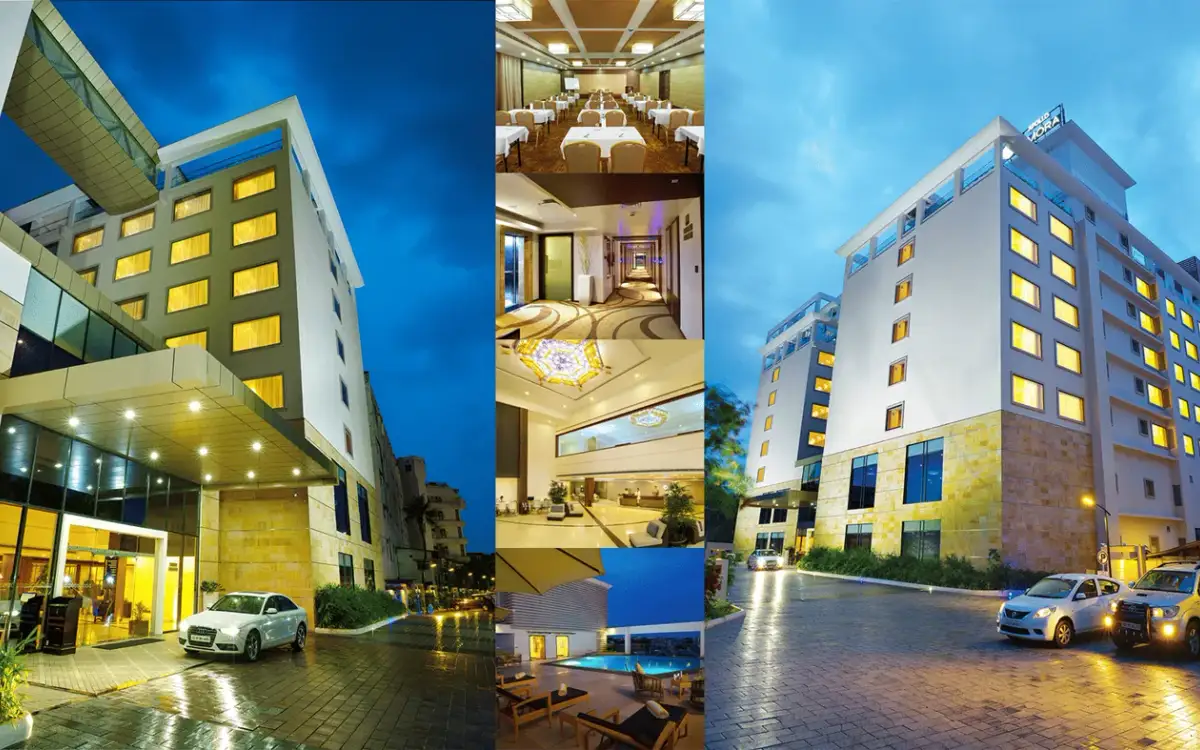
Dimora is opposite Thiruvananthapuram Central railway station at Thampanoor. Its operator offers Standard and Deluxe rooms and suites, with vegetarian dining at Vega Dimora and multi-cuisine dining at Cafe Hive. Compare the room category and arrival entrance, then confirm the meal plan with the hotel.
BR Regency is at Chenthitta, Valiyasalai, in the Chalai area. Its operator lists Classic Executive AC, Superior Deluxe AC and Suite AC rooms with attached bathrooms. Compare the room category and parking needs, and ask separately about any paid airport transfer.
Avenue Kowdiar appears as a serviced villa in Kerala Tourism’s historical provider list, at Kowdiar in Thiruvananthapuram. Current room and booking details need confirmation.
Anies Garden is a family homestay at Kodiyattu House on NCC Road in the Peroorkada–Ambalamukku area of Thiruvananthapuram. Its own website offers Standard and Deluxe rooms, with home meals and transfers described as available on request. Confirm the category and inclusions for your dates.
Uday Suites is an airport-area hotel on Watts Lane at Shangumukham in Thiruvananthapuram. Its operator lists Ixora and Exotica rooms, Mystica and Heritage suites, and the Raja Ravi Varma Suite. Compare the named category, bed arrangement and balcony details before choosing.
Classic Sarovar Portico is the hotel formerly called Classic Avenue, managed by Sarovar Hotels in Thampanoor. The operator lists a swimming pool and business facilities. Compare the room and arrival arrangements when choosing it as a city base.
O by Tamara is on the NH Bypass at Venpalavattom, Anayara. Its Trivandrum operator page offers Deluxe and Elite rooms and suites, and states that all rooms are non-smoking. Choose the category and meal plan for your dates and plan the journey into the city or to the coast separately.
Keys Select is opposite the Fire Brigade at Housing Board Junction. Lemon Tree lists Keys Room and Keys Indulge Room categories, Keys Cafe and a fitness centre. Compare the room size and meal plan; this is a city stay, with the coastal outing planned separately.
The Central Residency is on Manorama Road at Aristo, Thampanoor, opposite Malayala Manorama. Its operator offers Executive and Deluxe rooms and suites, giving guests different room layouts to compare for a city stay.
The South Park is on M.G. Road at Palayam, opposite University College in Thiruvananthapuram. Its operator offers Standard and Park Chamber rooms, Executive Suites and Deluxe Suites, giving visitors several layouts to compare for a city stay.
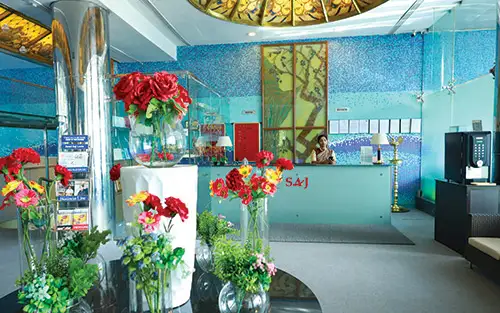
SAJ Luciya is an East Fort hotel in Thiruvananthapuram. Its own stay page offers Executive and Suite room categories; choose the category and confirm the arrival arrangements for your visit.
Forte Manor is at Power House Junction near East Fort. Its operator offers Executive, Temple View, Junior Suite and Suite rooms. Choose the exact category and ask about the assigned room’s outlook and arrival route before booking.
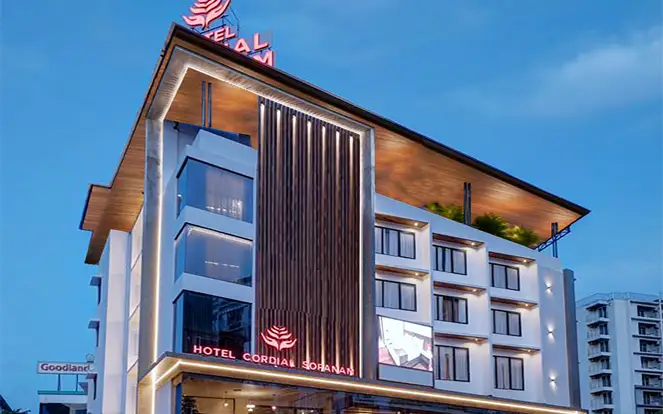
Cordial Sopanam is beside Kairali Sree Theatre in Thampanoor. Its operator offers Executive, Deluxe, Super Deluxe and Suite rooms. Compare the room layout and railway or bus-terminal arrival route when planning a city stay.
Windsor Rajadhani is at Toll Junction in Kowdiar, Thiruvananthapuram. Its operator describes 52 rooms in three categories, together with dining, a swimming pool and fitness facilities. Ask which room category and services are included in your proposed stay.
Hotel in Thiruvananthapuram city. West Fort, Thiruvananthapuram, Kerala 695008 · AC and non-AC rooms, Dormitory enquiry.
Bethel Homestay Thiruvallam rents the first floor of a hilltop villa in Karingadamukal, Thiruvallam. The accommodation has two bedrooms, each with an attached bathroom, plus a separate living space and dining area. Guests also have use of a fully equipped kitchen.
Friends Villa Homestay is listed at Thottam Kannanmeda in Ambalathara, opposite Milma Dairy. The operator-submitted listing describes air-conditioned living and dining areas, a standard kitchen, workspaces with desks, in-room Wi-Fi, printing and photocopying services, and airport transport.
Manchadi Homestay is at Thachottukavu on the Malayinkeezhu side of Thiruvananthapuram, rather than in the city centre. Its host, Akshay, lists morning walks, evening stargazing, yoga and meditation as ways to spend time at the property.
The Kerala Tourism listing describes Mary Land Homestay as a contemporary villa with a honeymoon-themed bedroom suite and balcony, modular kitchen, front garden and rooftop garden. The operator also identifies it as a Diamond House classified homestay.
OMKARAM HOMESTAY is listed by Kerala Tourism at Sree Padmanabha Swamy Temple South Nada in Thiruvananthapuram. The available source identifies it as a homestay and provides direct contact details, but does not document rooms, meals, amenities or guest services.
Book with the place itself. India’s cyber-crime coordination centre warned in April 2025 that convincing copies of hotel and pilgrimage booking sites are being pushed through sponsored search and social ads, taking payment for rooms the property never hears about. Use the contact and source details on each profile to confirm the exact business and booking channel. A directory entry or map pin alone does not establish an operator’s identity or current availability. Roampedia takes no commission and does not collect booking payments. If a booking page reached you through an ad, check the address bar against the property’s own site before you pay. Fraud can be reported on cybercrime.gov.in or on 1930.
Find food, accommodation and activities across Thiruvananthapuram city. Browse the guides for places to eat, stay and explore along your route.
22 more places around Thiruvananthapuram city. Open a guide to plan the visit and onward journey.
The ancestral palace compound associated with Raja Ravi Varma at Kilimanoor; visitor access concerns the working family estate and must be confirmed before travel.
7.0 km · straight line
A major coastal Muslim pilgrimage landmark south-west of the city centre, known for the Beemapally Uroos and the tombs honoured within the shrine complex.
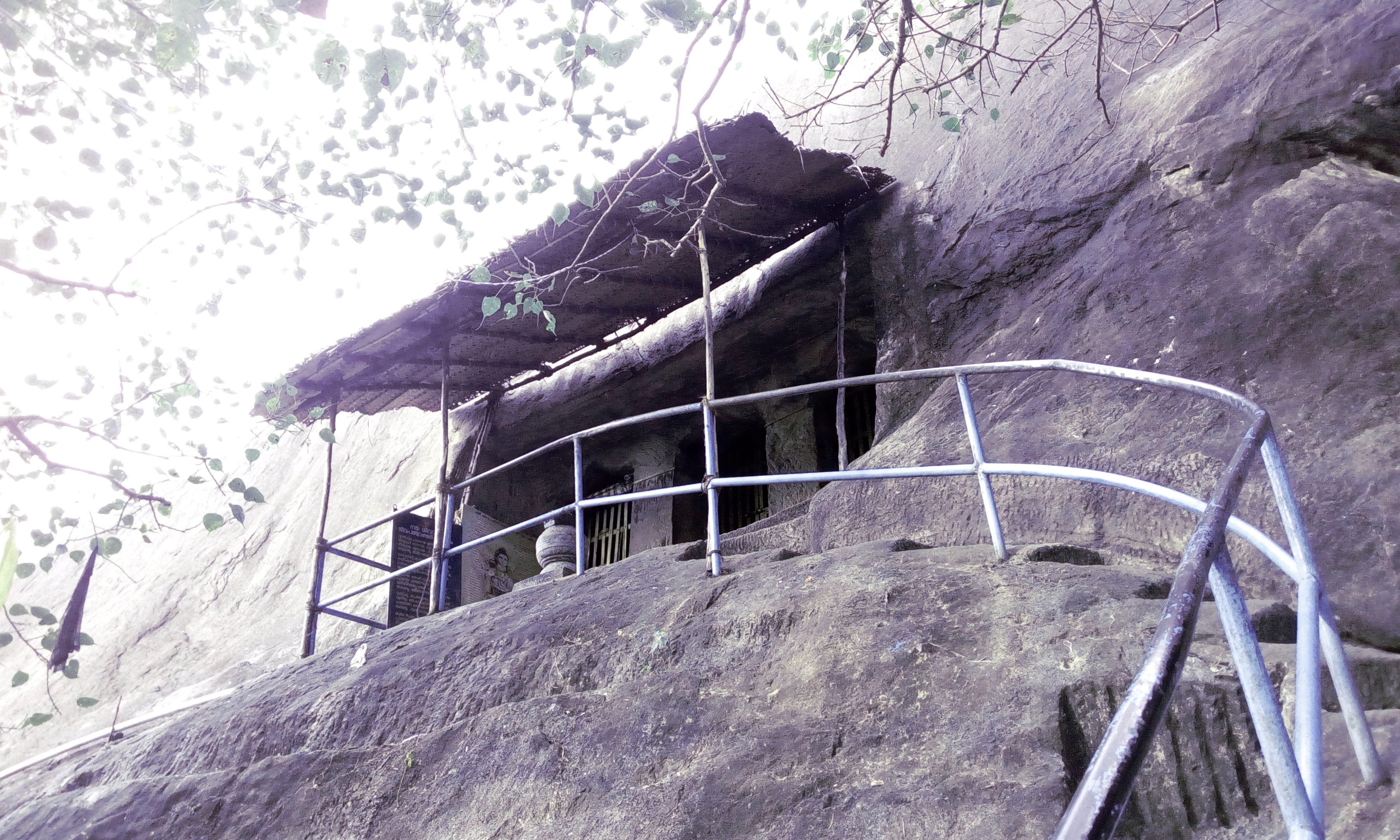
Madavoorpara combines a rock-cut Shiva shrine with a rocky hill landscape on Thiruvananthapuram’s northern edge. The temple and the climb offer different reasons to visit, and both deserve time.
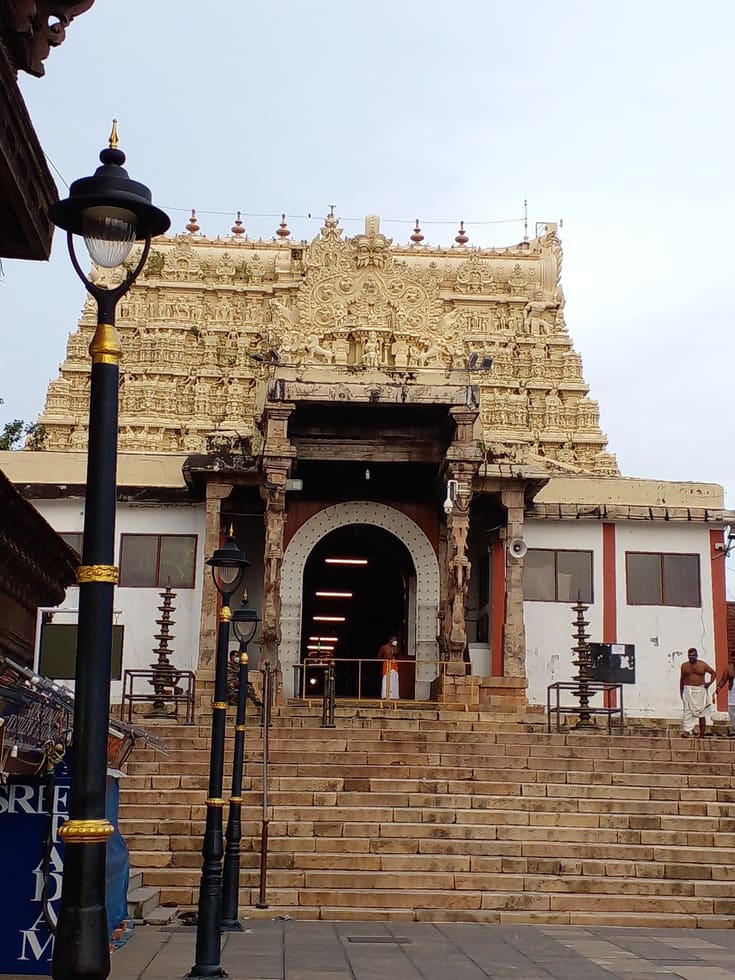
13.1 km · 17 min drive
Major Vishnu temple and one of Kerala’s most important pilgrimage landmarks; strict entry and dress rules apply.
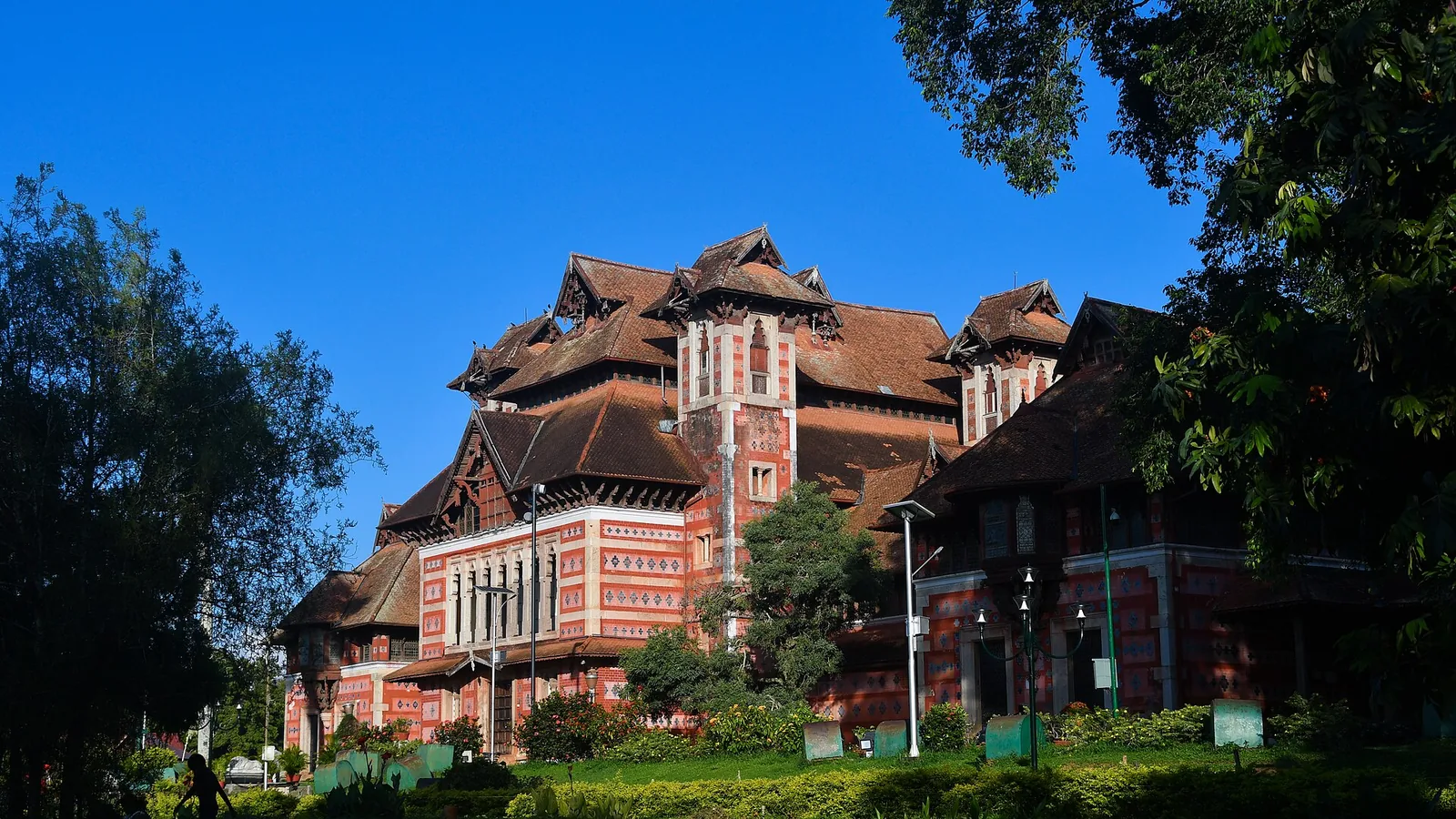
Robert Chisholm’s 1880 Indo-Saracenic museum in the Museum Park — a polychrome landmark holding Chola and Kerala bronzes, ivories and temple carts, with the Sree Chitra Art Gallery alongside it.
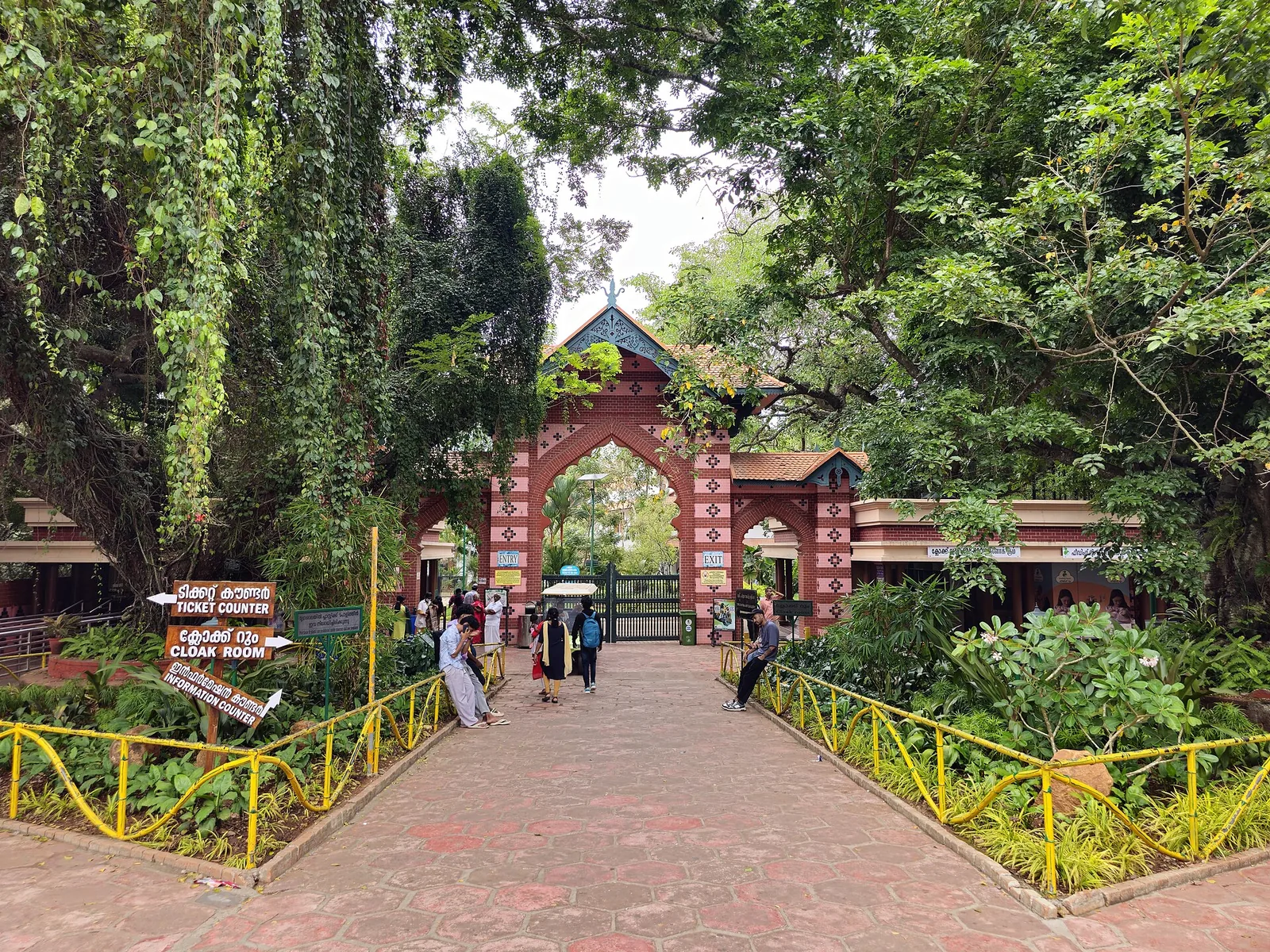
Old trees, winding paths and animal enclosures share the Museum Park at Thiruvananthapuram Zoo, also known as Trivandrum Zoo. Allow time for the garden as well as the collection, with the Napier Museum close by.
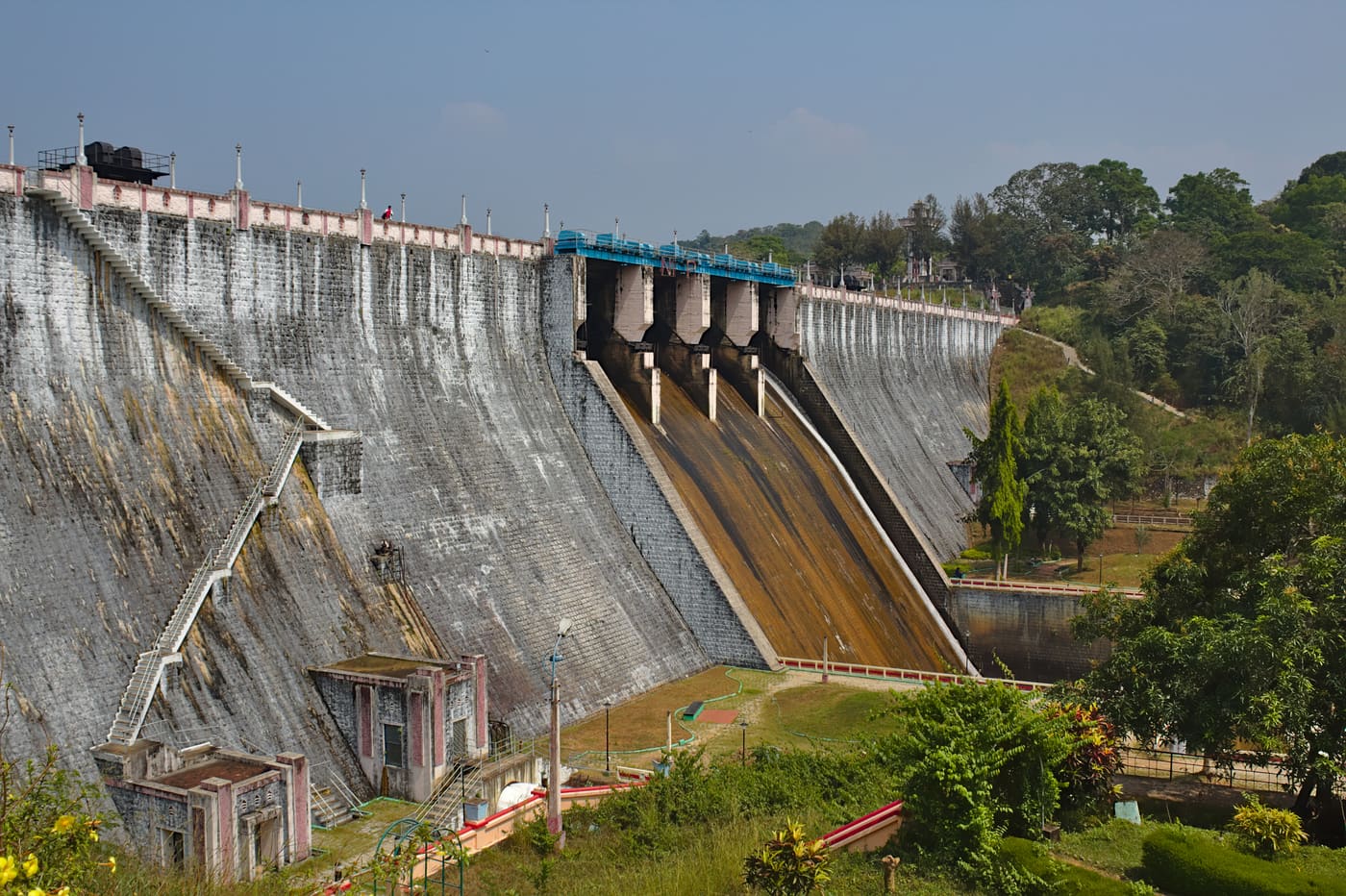
Guided forest trekking in the Neyyar Wildlife Sanctuary near the Agasthyamala foothills, south-east of Thiruvananthapuram.
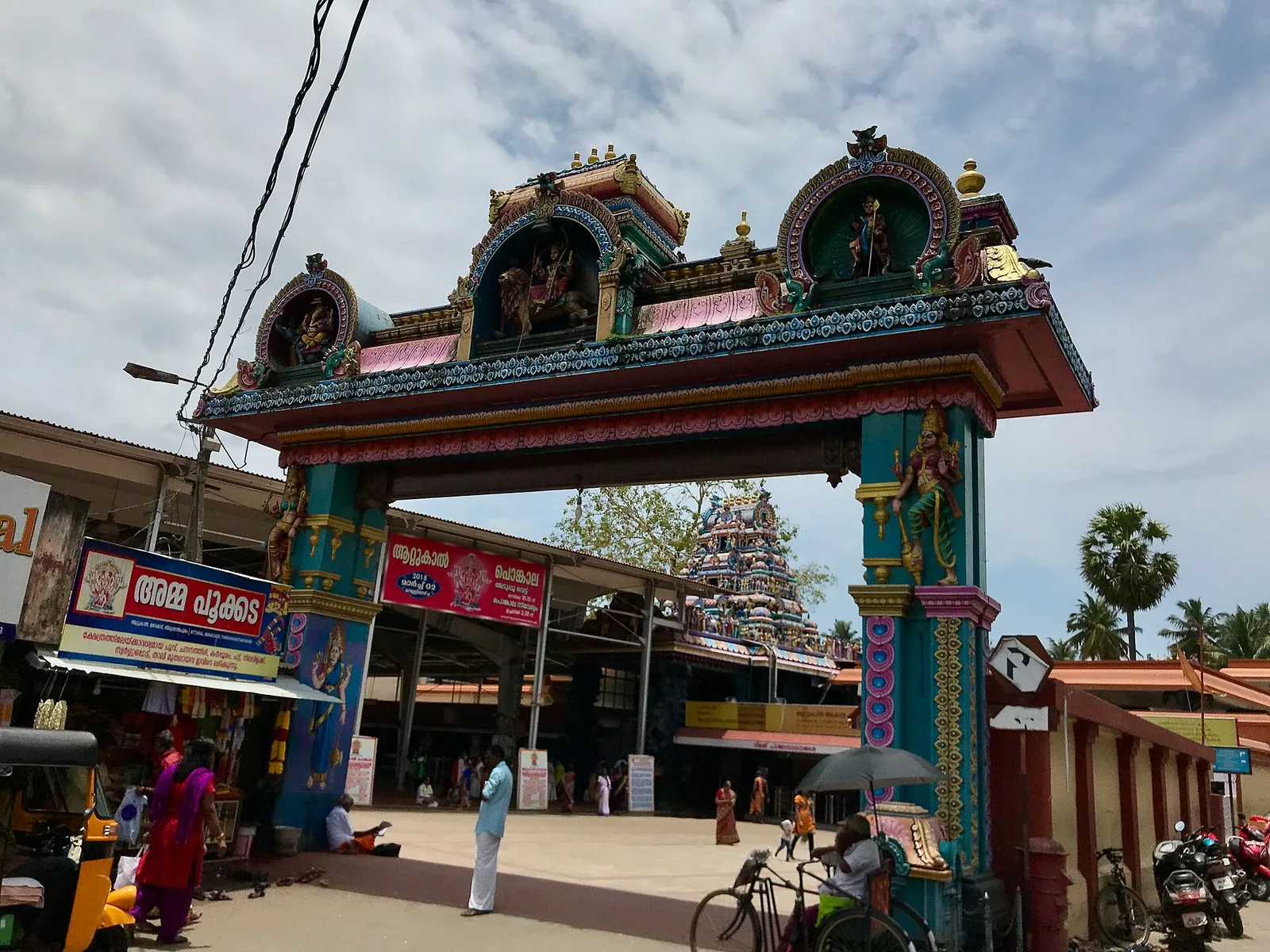
11.6 km · 15 min drive
Famous Devi temple in the city, home of the Attukal Pongala — recorded as the largest annual gathering of women.
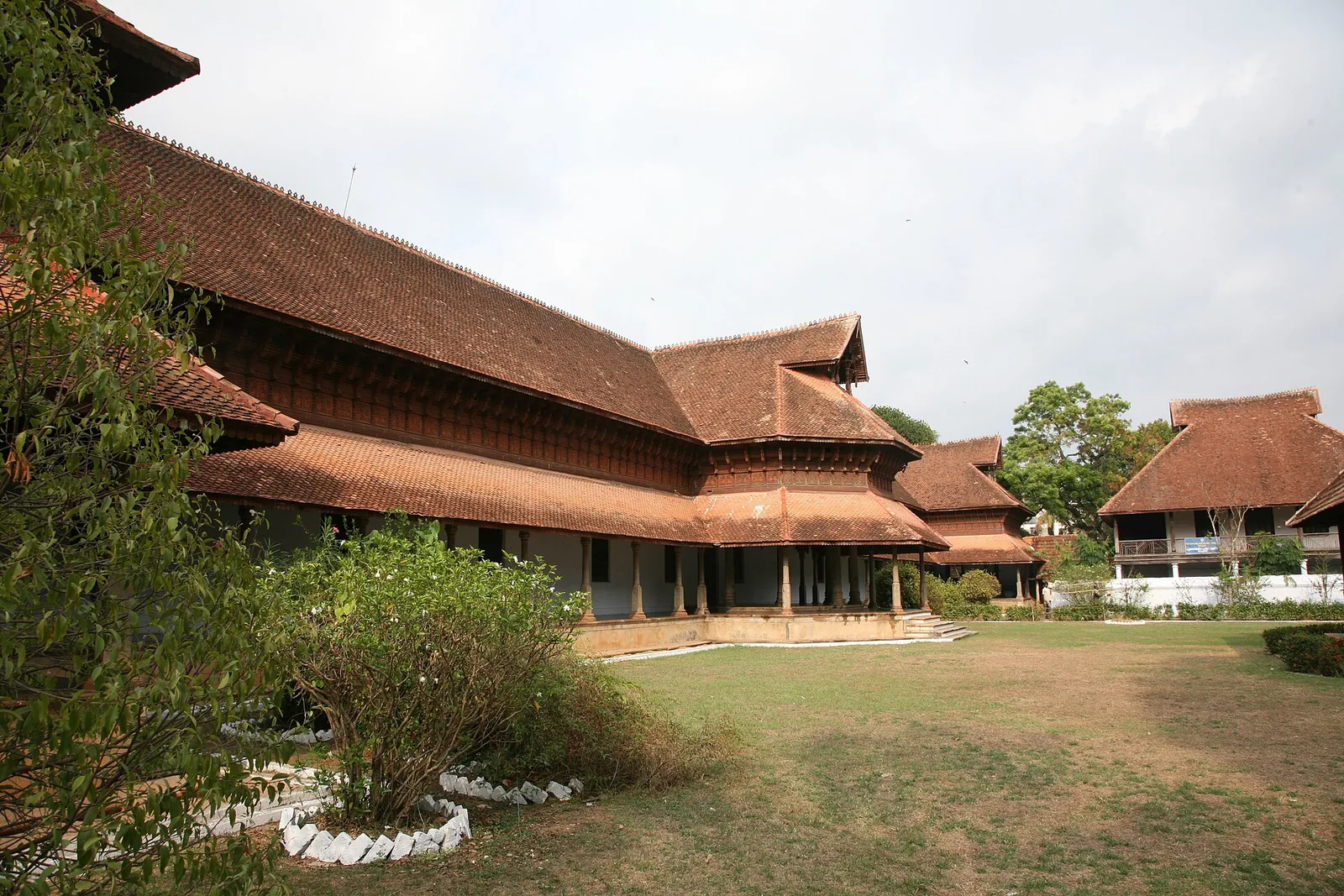
12.6 km · 16 min drive
A row of carved wooden horses gives Kuthiramalika its name. Beside Sree Padmanabhaswamy Temple, this Travancore palace museum brings timber craftsmanship and royal collections into one compact visit.
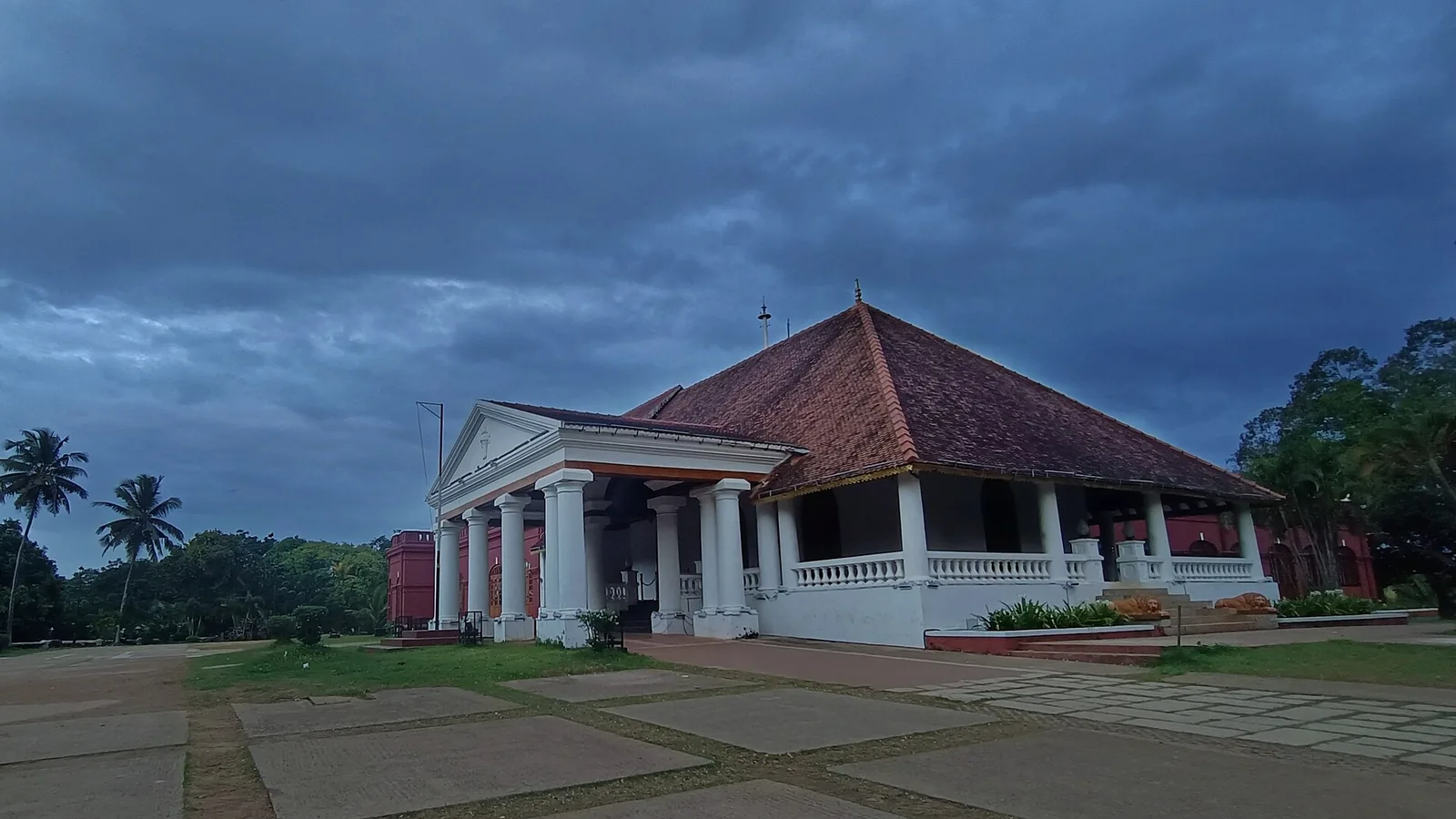
Kanakakunnu puts a Travancore palace among gardens and cultural venues near Thiruvananthapuram’s Museum Park. Come for an evening walk or choose a date around a performance.
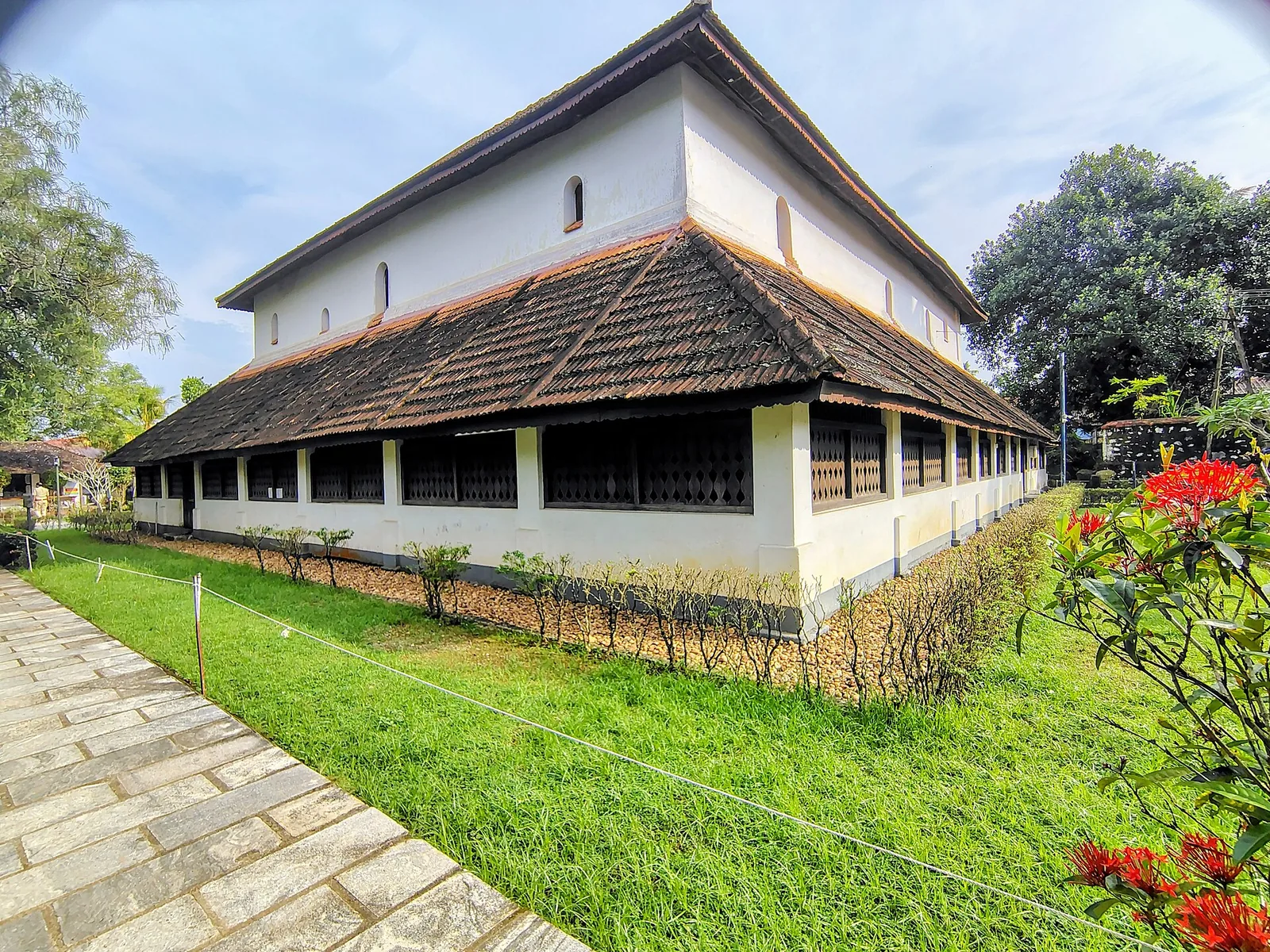
Koyikkal Palace at Nedumangad houses folklore and coin collections inside a traditional Kerala palace. Everyday objects, instruments and currency make this a more intimate museum stop than a grand royal gallery.
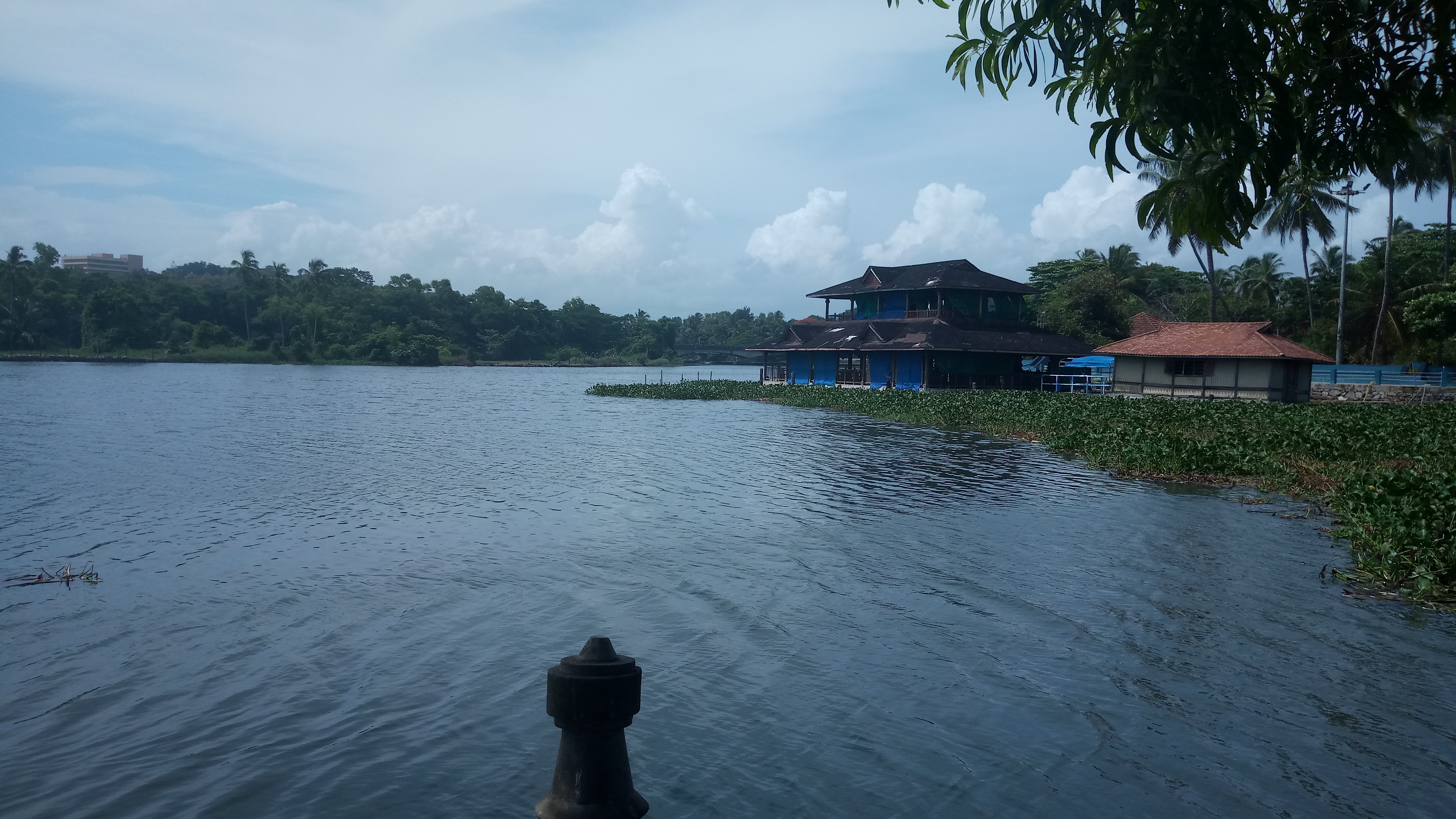
Veli Tourist Village brings lake views, gardens and boating to the coast near Thiruvananthapuram. It is a family outing at the meeting of Veli Lake and the Arabian Sea.
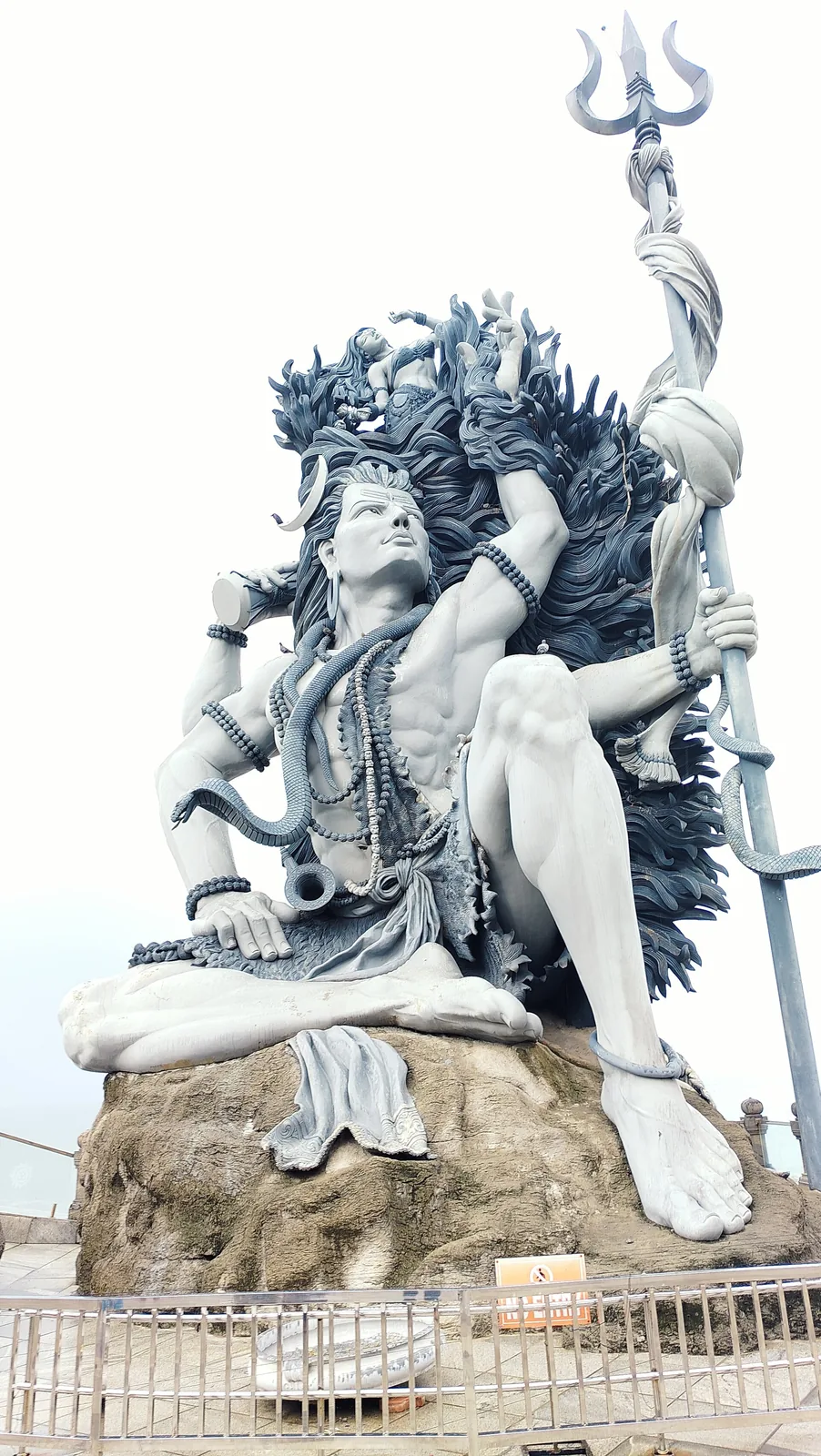
A clifftop seaside temple at Adimalathura near Vizhinjam, known for a giant Gangadhareswara (Shiva) sculpture.
6.8 km · 10 min drive
An ancient temple on the Karamana river, the district’s main site for ancestral (bali) rituals and rare for its Parasurama deity.
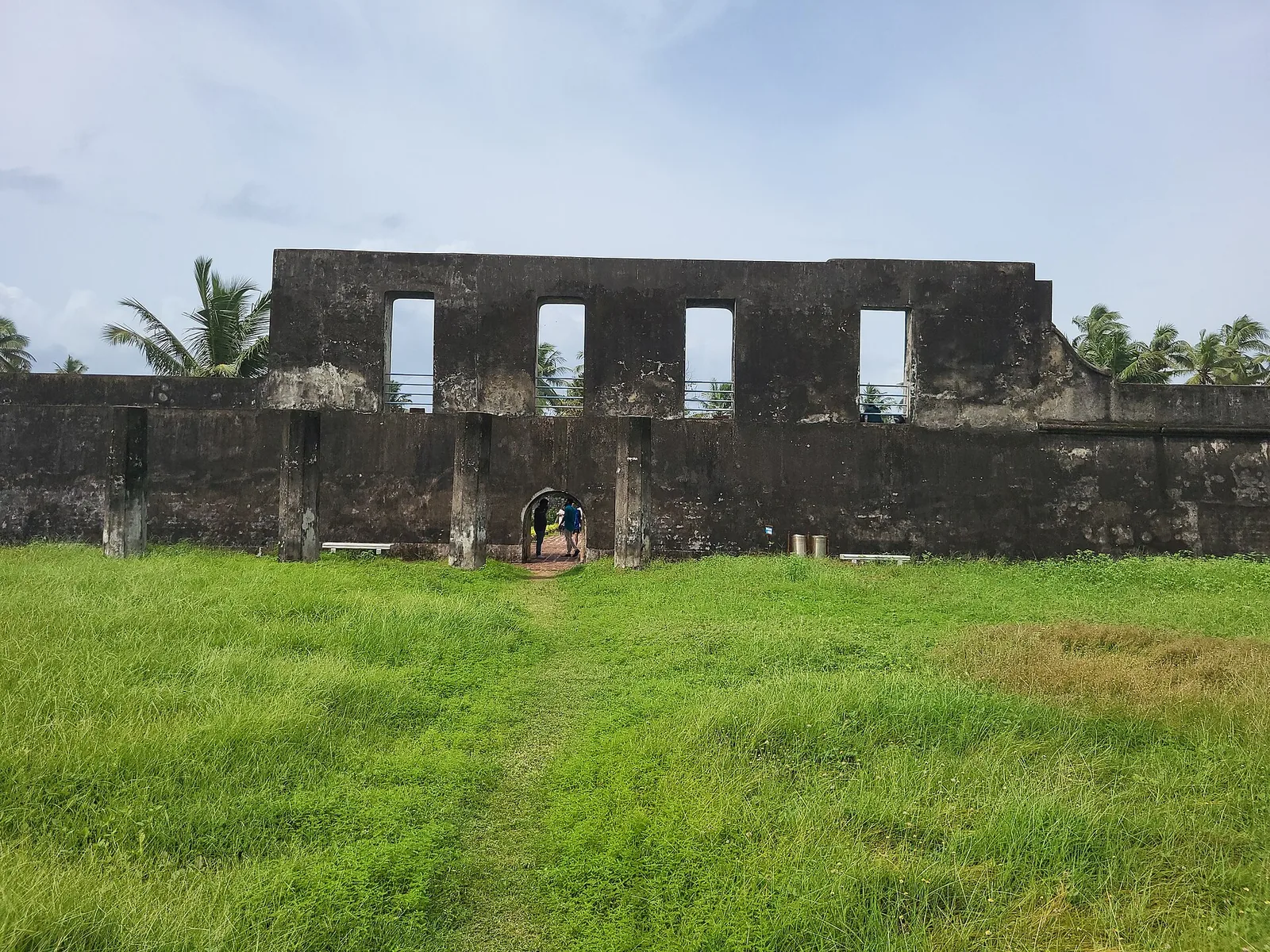
A 1690s English East India Company sea fort (Anjengo) on the coast north of the city, one of the earliest English settlements in Kerala.
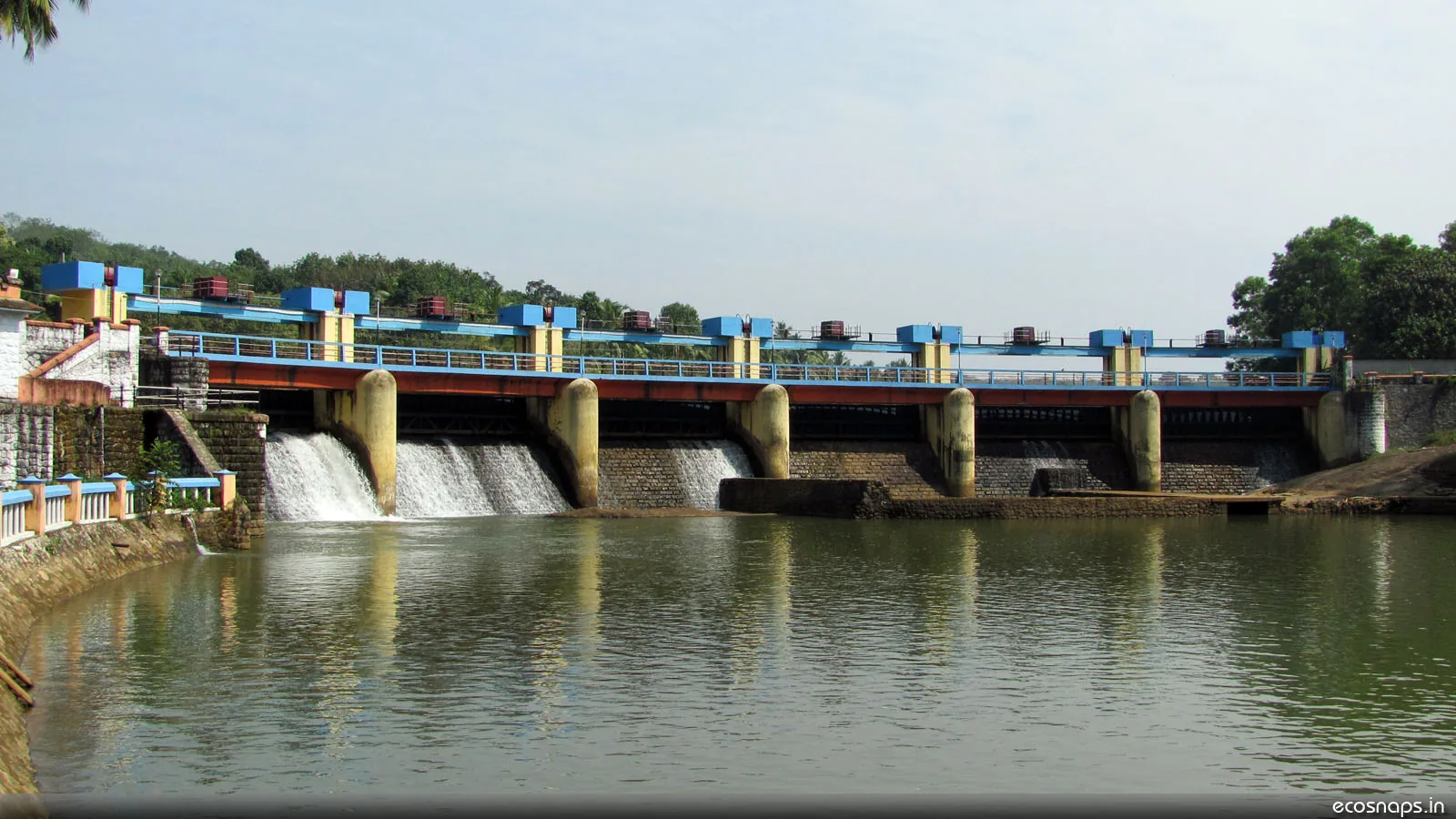
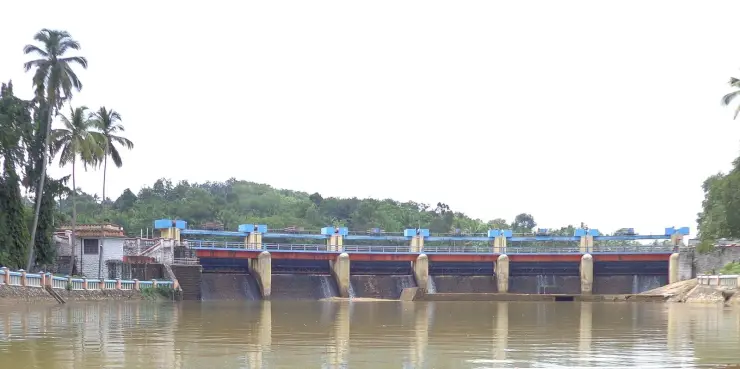
A reservoir, riverside temple and small park on the Karamana river north-east of the city, a popular local picnic spot.
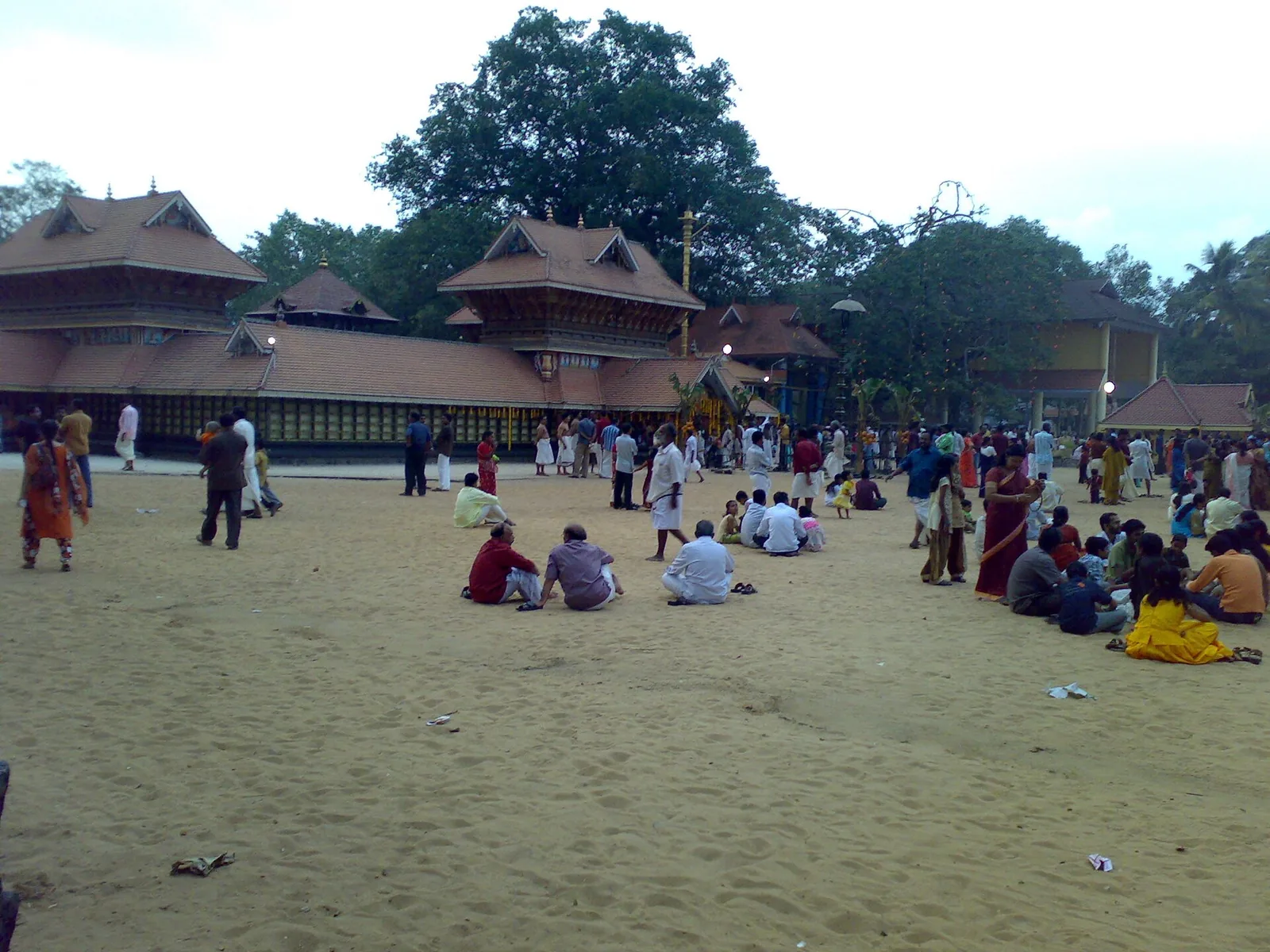
A renowned Devi temple at Chirayinkeezhu, famous for the Kaliyoot festival and the Sarkara jaggery legend.
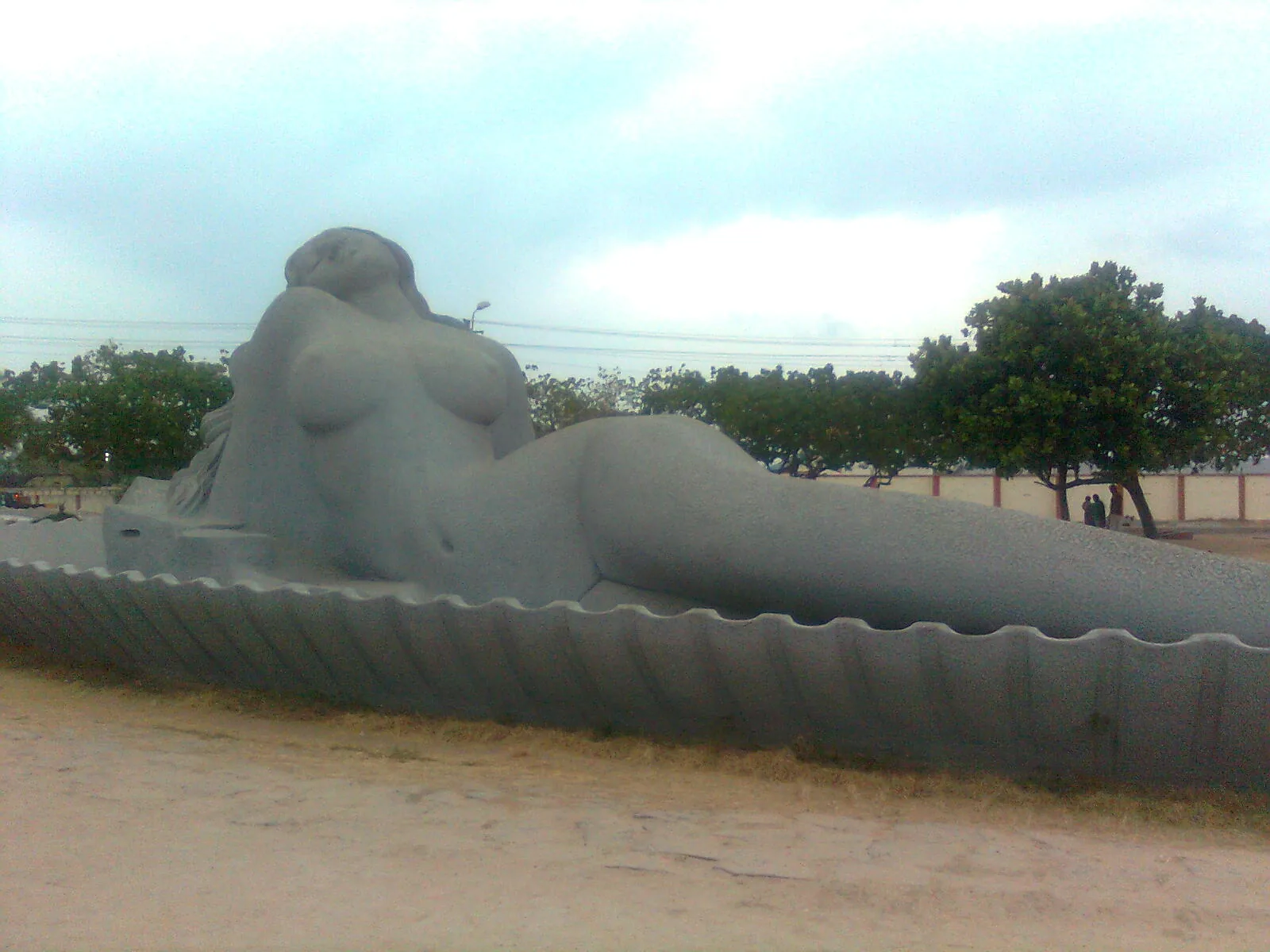
Shanghumukham is Thiruvananthapuram’s evening shoreline: an open sea horizon, airport-side access and Kanayi Kunhiraman’s reclining mermaid sculpture. Come for a coastal walk and the changing light.
12.8 km · 17 min drive
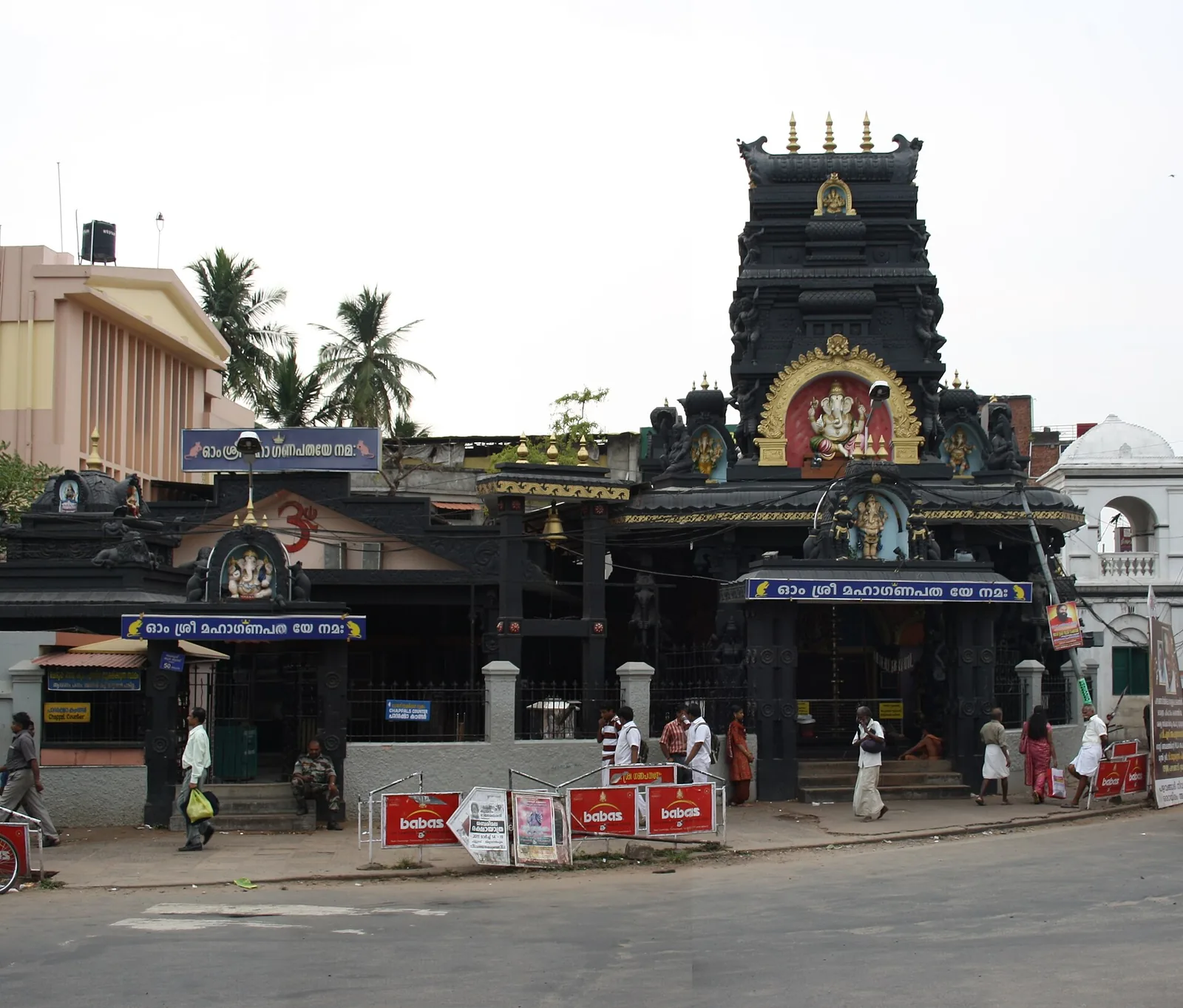
A popular Ganapathy temple near East Fort, known for the coconut-breaking offering; run by the defence services.
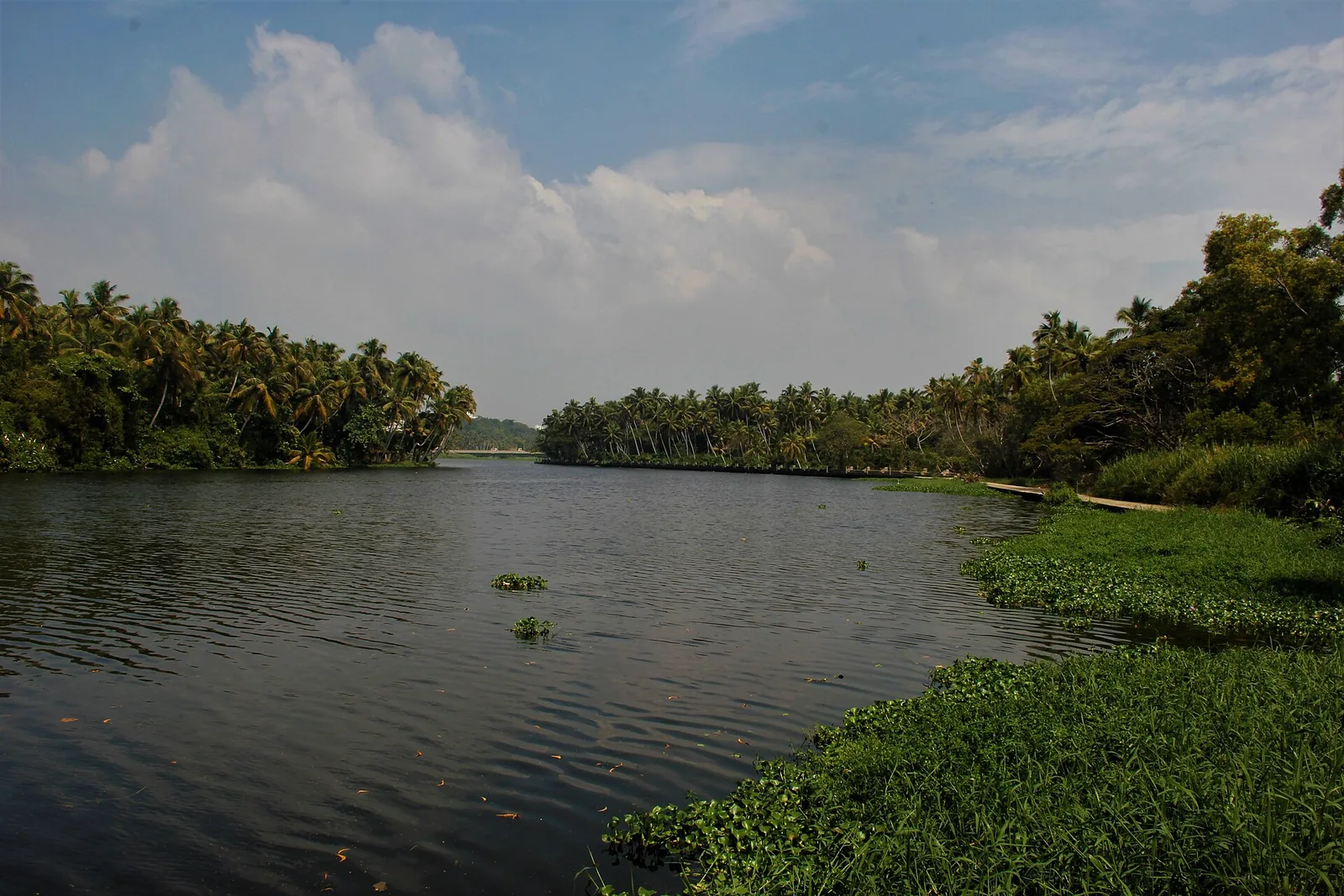
A calm backwater and boating spot near Veli with a lakeside tourist village and children’s park.
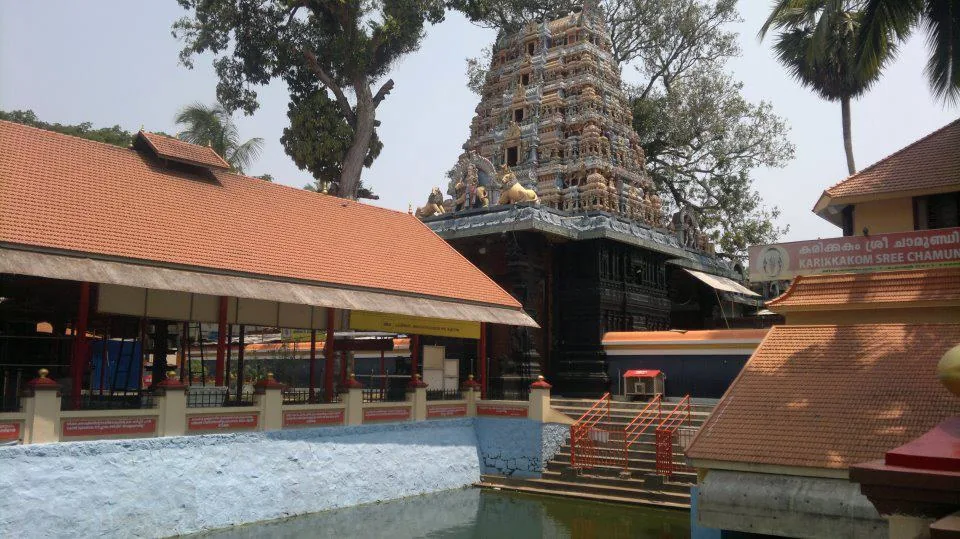
A well-known Chamundi Devi temple on the western edge of the city, busy during its festival season.
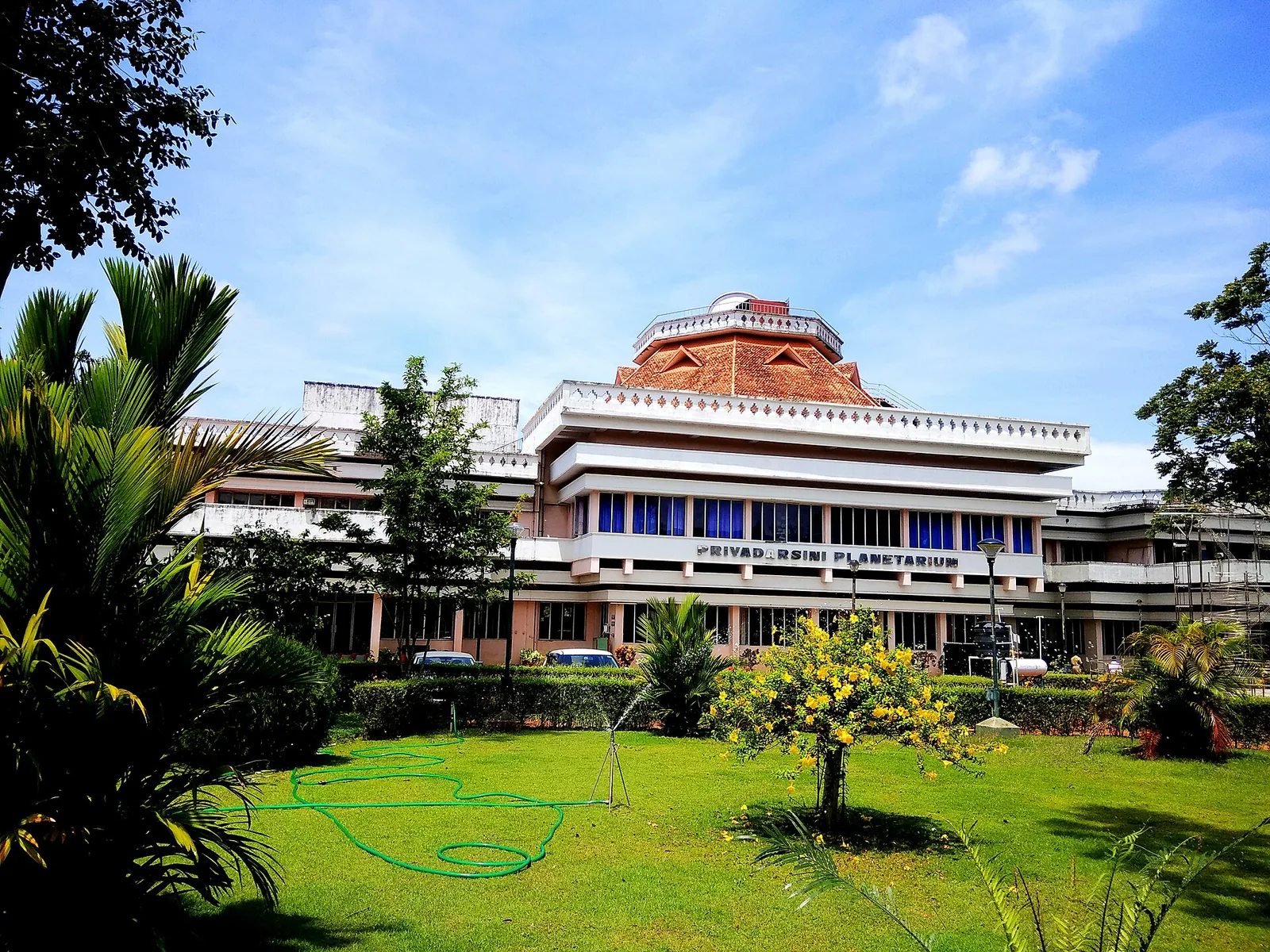
A hands-on science museum with the Priyadarshini Planetarium, popular with families and school groups.
Roampedia is commission-free — own or know a stay, eatery, guide or shop near Vellayani Lake? Submit public business details for review.
Add a nearby businessEntry: Free (open lake; boating where available is charged locally).
At Vellayani near Kovalam, about 12 km south of the city; reachable by auto-rickshaw or bus.
If you are travelling by bus or ferry, check the return service with the operator before setting out. Leave time to reach the stop or jetty after your visit.
Ask at the bus stand for the time of the last service back, not the next one. If you miss it, an auto or app cab is the fallback — agree the fare before you get in.
If you need step-free access, contact the site before travelling. Ask about a level entrance, steps along the route, the nearest drop-off point, seating and accessible toilets.
Charge cap and free-transaction limits: Reserve Bank of India, ATM FAQ updated 4 July 2025; checked 4 October 2026.
These services are listed within about 1.2 km of Vellayani Lake. Walking distances follow mapped routes; access and opening hours can change. Other services may be closer but are not included here.
Published emergency and visitor-assistance contacts. For an immediate emergency, call 112. Shared Kerala contact sources checked 4 October 2026; publication does not establish a tested live response.
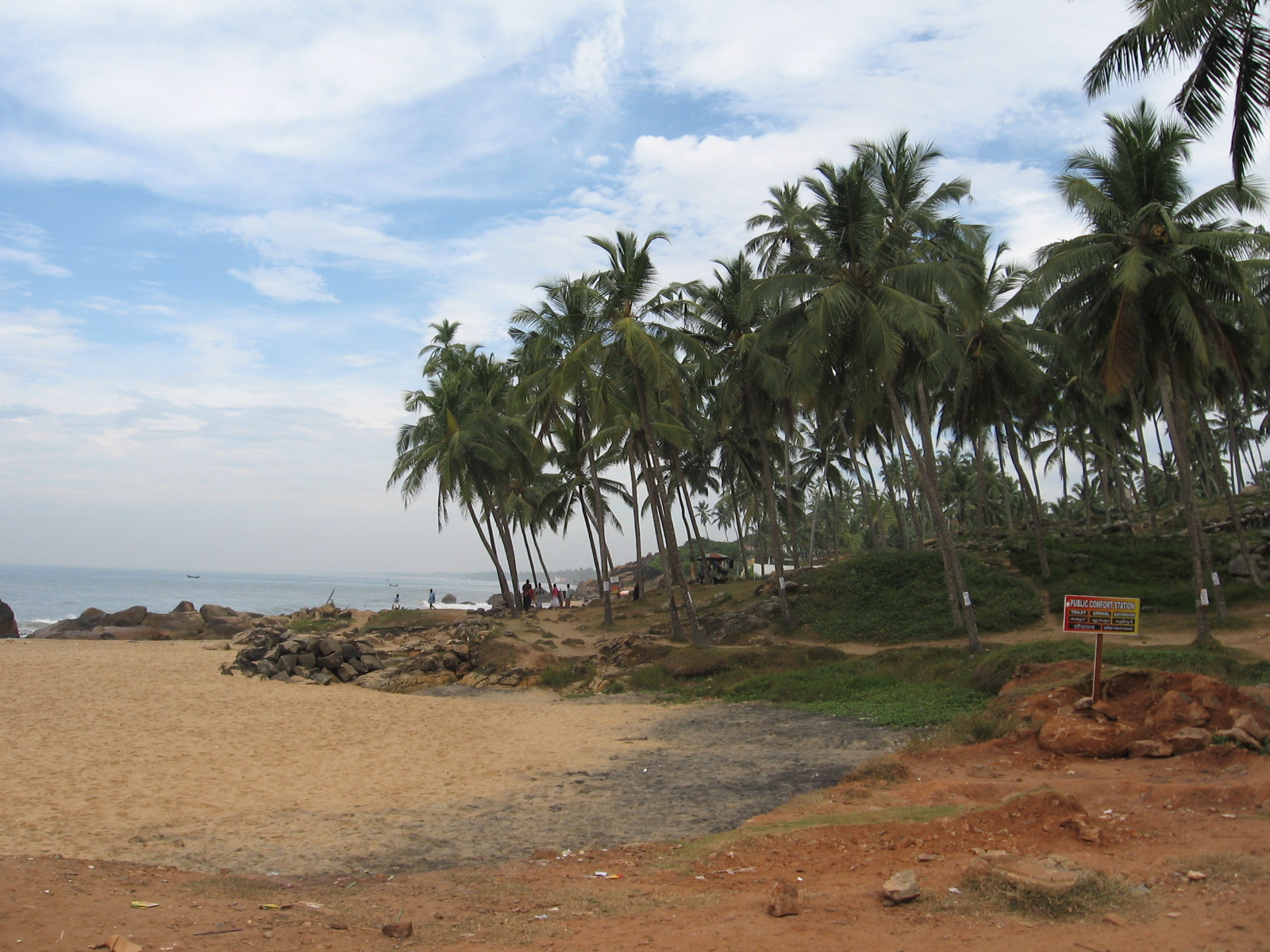
Samudra is the northern Kovalam shore, separated from the busier coves by rocky headlands. Choose it for a quieter sea view and a slower coastal walk.
4.6 km · straight line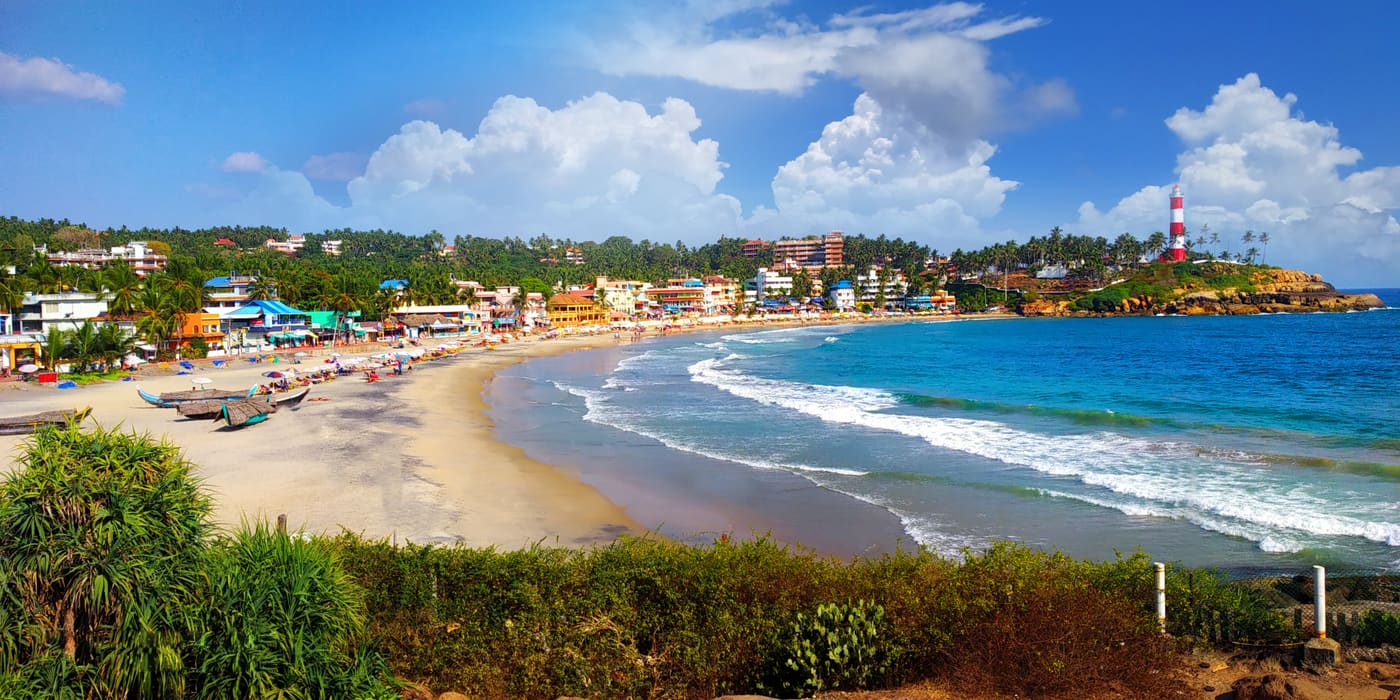
Kerala’s classic beach resort area, known for Lighthouse Beach, Hawa Beach and sunset viewpoints.
5.0 km · straight line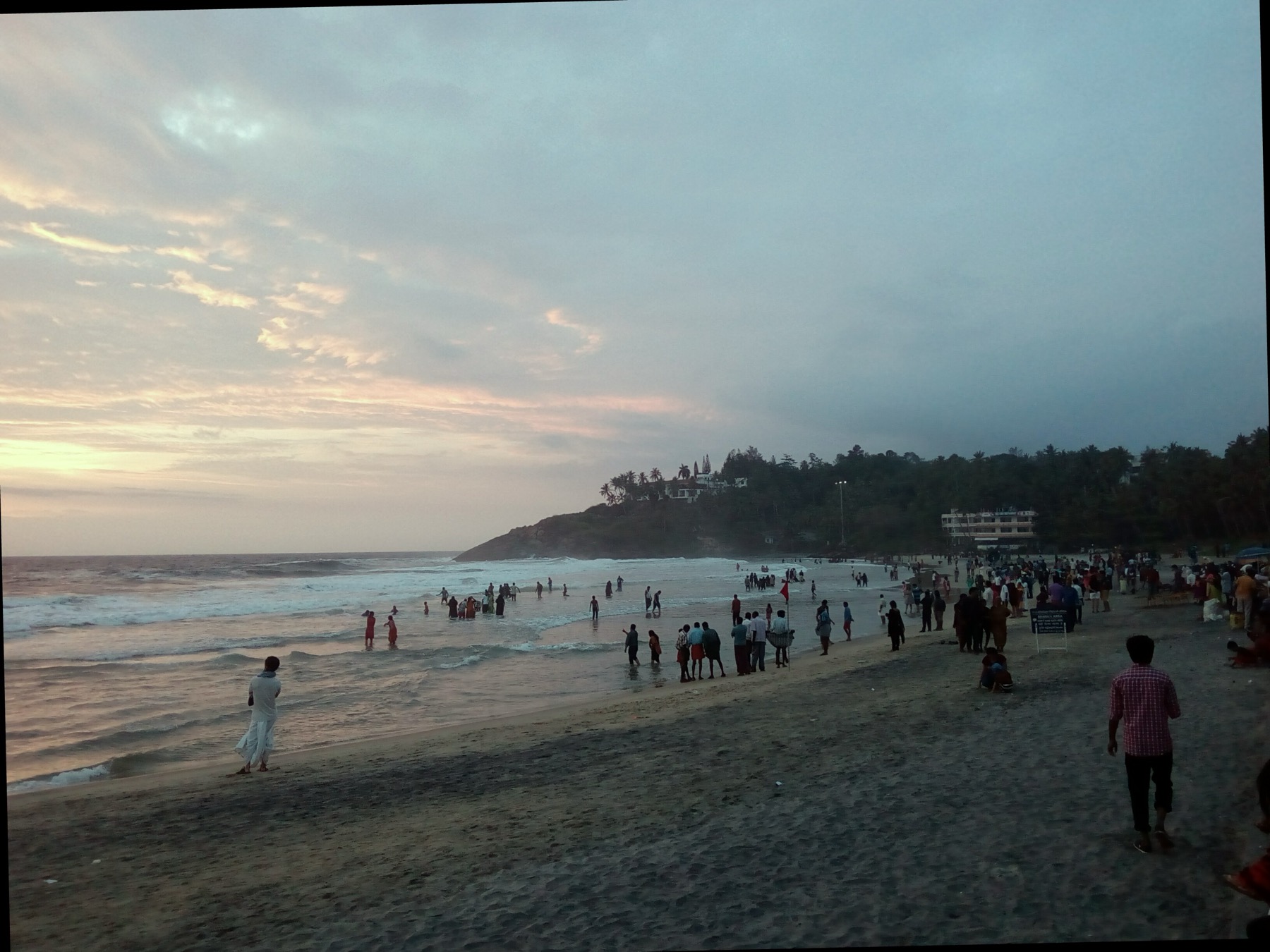
Hawa, also called Eve’s Beach, is Kovalam’s middle cove. Its short sweep of sand and fishing activity offer a different atmosphere from the longer promenade at Lighthouse Beach.
5.3 km · straight line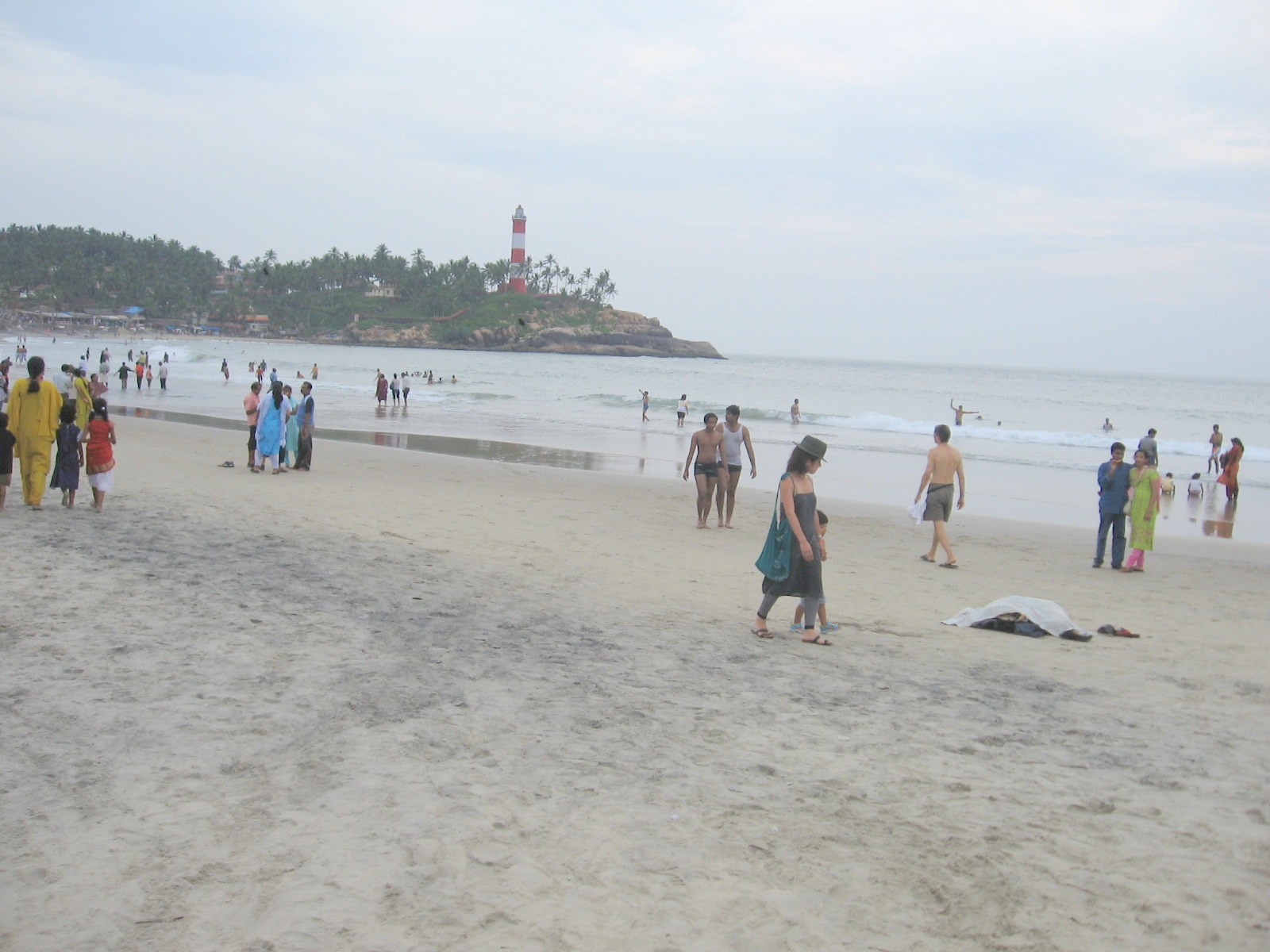
Kovalam’s southern cove brings the striped Vizhinjam lighthouse, a busy promenade and a long seaside evening into one view. Lighthouse Beach suits visitors who want cafés and coastal scenery close together.
5.5 km · straight line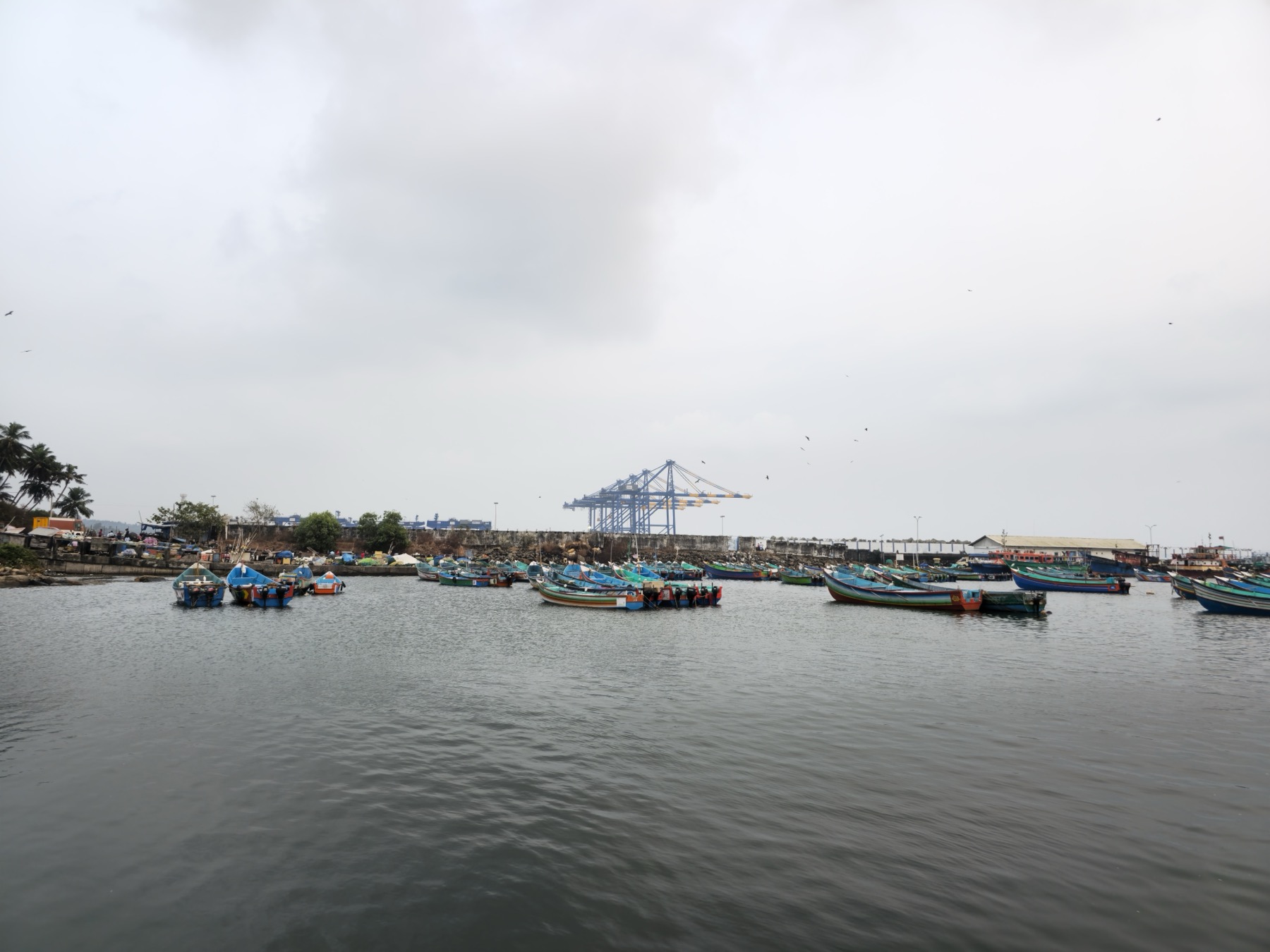
The fishing harbour and old port town immediately south of Kovalam — once the capital of the Ay dynasty, now the site of India’s first deepwater container transhipment terminal.
5.7 km · straight lineAn ancient temple on the Karamana river, the district’s main site for ancestral (bali) rituals and rare for its Parasurama deity.
6.8 km · 10 min driveA major coastal Muslim pilgrimage landmark south-west of the city centre, known for the Beemapally Uroos and the tombs honoured within the shrine complex.
7.0 km · straight line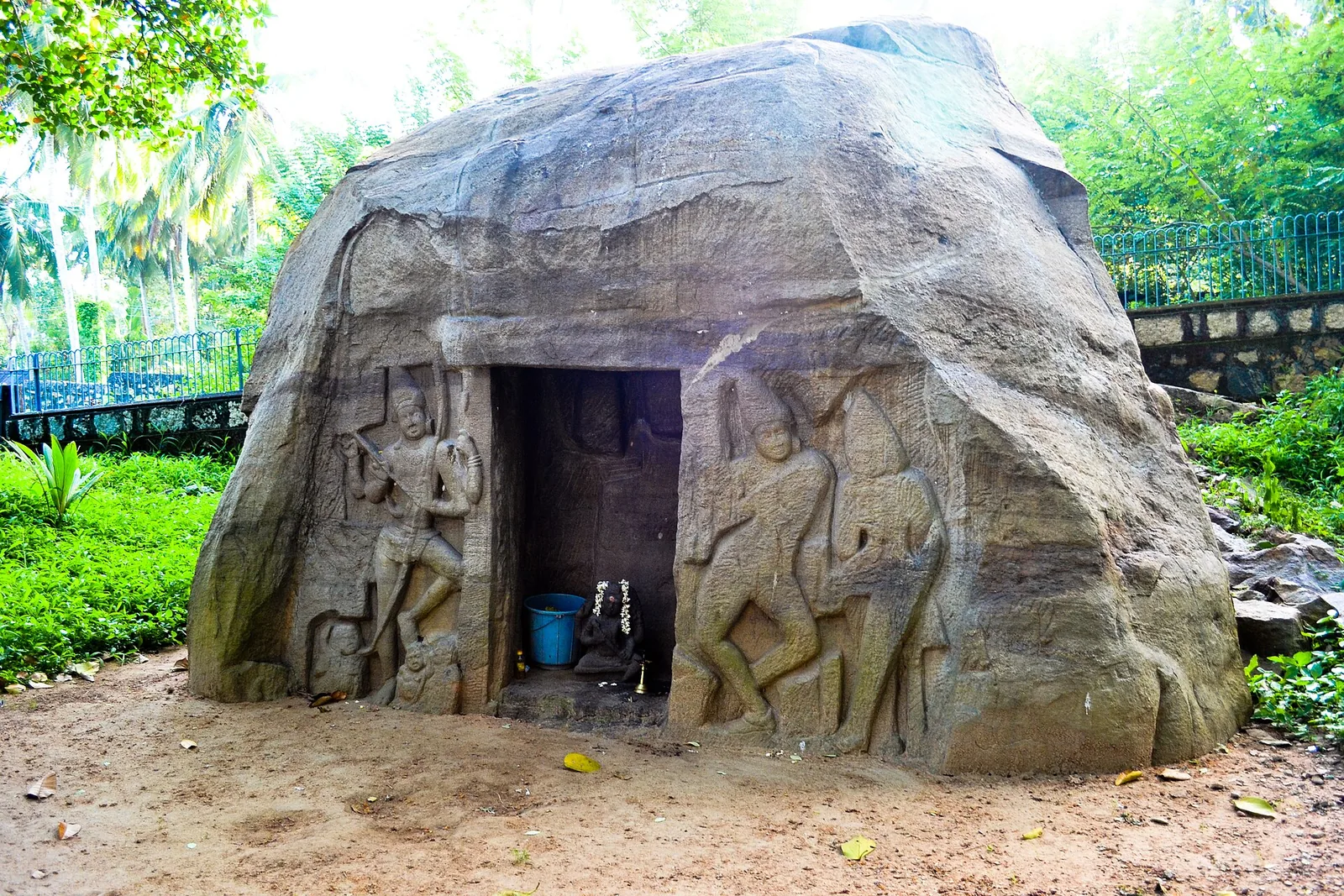
A small rock-cut shrine at Vizhinjam offers a close encounter with early carving near Kovalam’s coast. It is a compact archaeological stop, with the interest in the stonework rather than a long cave walk.
9.4 km · 12 min driveFamous Devi temple in the city, home of the Attukal Pongala — recorded as the largest annual gathering of women.
11.6 km · 15 min driveA row of carved wooden horses gives Kuthiramalika its name. Beside Sree Padmanabhaswamy Temple, this Travancore palace museum brings timber craftsmanship and royal collections into one compact visit.
12.6 km · 16 min driveA popular Ganapathy temple near East Fort, known for the coconut-breaking offering; run by the defence services.
12.8 km · 17 min driveMajor Vishnu temple and one of Kerala’s most important pilgrimage landmarks; strict entry and dress rules apply.
13.1 km · 17 min driveRoad and walking figures are route estimates, with travel times dependent on access, traffic and conditions. Figures marked “straight line” show direct separation and do not describe a road or walking route. Fare estimates use Kerala’s 26 April 2022 auto/taxi notification and exclude waiting, night and applicable one-way surcharges. Confirm the current meter or operator quote before travelling. Routing: © openrouteservice.org by HeiGIT | Map data © OpenStreetMap contributors
Nearby toilets, pharmacies, ATMs, seating and vets are community-mapped and may be incomplete or out of date. Map data © OpenStreetMap contributors | Walking times © openrouteservice.org by HeiGIT
It is freshwater and not connected to the sea, whereas the backwaters are brackish and tidal. That gives it a different ecology — different birds, different vegetation — and a completely different feel: paddy and coconut running down to still water rather than boat traffic and jetties.
There is no developed boating operation of the kind you find at Veli or Akkulam. Vellayani is a working water body — drinking and irrigation supply — rather than a leisure destination, and visiting means walking and watching from the shore.
Yes, and it is the best easily-reached spot near Thiruvananthapuram. The freshwater wetland and surrounding paddy hold waterfowl and waders, with migrants in the cooler months. There are no hides and no formal birding infrastructure — go early and walk quietly.
Early morning, for the light, the mist and the birds. October to March is the best season overall.
A short drive inland — the lake sits a few kilometres behind the coast near Kovalam, which is why it makes such an easy escape from the beach.
No — that is Sasthamcotta, in Kollam district, and the claim is repeated often enough about Vellayani, including in print, that it is worth correcting. Vellayani is commonly and defensibly ranked Kerala's second largest freshwater lake, and it is the only freshwater lake in Thiruvananthapuram district.
No. Vellayani is a drinking-water and irrigation source for the settlements around it, and the local etiquette against swimming, washing or leaving anything behind is taken seriously. This is not a leisure water body and should not be treated as one.
The Vellayani Devi temple's origin tradition holds that a blacksmith named Kelan Kulasekhara found a frog near the lake understood to carry the goddess's presence, and the deity was consecrated from that encounter. It is tradition rather than documented history, and the versions vary — but it is the account you will be told on the shore.
A great deal, though the published baselines disagree. A geospatial series gives 558.93 hectares in 1973, 267.89 by 1992 and about 222 by 2019; accounts starting from an earlier baseline put it near 750 hectares a century ago and about 184 by 2024. The discrepancy comes from where each study draws the line between open water, seasonal marsh and reclaimed paddy. Every version agrees the lake has lost between half and three quarters of its area within living memory, to encroachment, reclamation and siltation.
Once every three years, usually between February and April, running for roughly sixty-five to seventy days at the Vellayani Devi temple on the eastern bank — reported as the longest continuously running temple festival in South India. It dramatises Kali's destruction of the demon Darika through a sequence of rituals including the Paranettu, a staged aerial confrontation held at night, and the Nilathilporu, the ground battle in which the demon is beheaded. Check whether the current year is a festival year well before planning around it.
Yes. Alongside irrigation and the Kerala Water Authority's local drinking-water scheme, Vellayani is drawn on for the supply to the Vizhinjam International Seaport, the deep-water transshipment terminal a few kilometres away on the coast. That is a heavy new duty for a shallow inland lake that has already lost most of its historic area, and it is the practical reason the de-silting and revival work is being pushed.
Yes — the Ayyankali boat race, run around the Onam season in August or September with traditional long boats crewed by teams from the settlements around the lake. It is named for Ayyankali, the social reformer born nearby at Venganoor, and it is a community event rather than a ticketed tourist spectacle. Dates move with the festival calendar, so confirm locally.
October to March is best for comfortable boat trips; monsoon is greener but weather can disrupt plans.
Entry: Free (open lake; boating where available is charged locally). Timings: Indicative, confirm locally: open-access, best at sunrise and sunset.
Base yourself in Thiruvananthapuram city or a nearby town in Thiruvananthapuram, then confirm the last-mile route locally before leaving. Plan boat timings first, then arrange road transfer around the departure point. If the visit depends on forest, temple, boat, ferry, weather or seasonal access, check the official/local rule on the day before travel.
2 hours to a full day; overnight if using a houseboat area.
Nearby you can pair Samudra Beach (4.6 km, approximate straight-line separation), Kovalam (5.0 km, approximate straight-line separation), Hawa Beach (5.3 km, approximate straight-line separation), Lighthouse Beach (5.5 km, approximate straight-line separation).
Use operators with life jackets and clear weather judgement. Avoid overloaded boats.
Written about Vellayani Lake itself — its history, its legends and the arguments about them.


These guides explore Thiruvananthapuram city and the surrounding area. Choose a visit that fits your interests, allowing separately for travel between stops.


Route-level itineraries and practical guides for the rest of Kerala.


Photographs: Ganesh Mohan T (CC BY-SA 4.0), Akhilan (CC BY-SA 3.0), Athulvis (CC BY-SA 4.0). Wikimedia Commons.