What to expect
Highlights
- Viewpoint stop at Subhash Park
- Photography and landscape views
- Good add-on to nearby town or hill routes
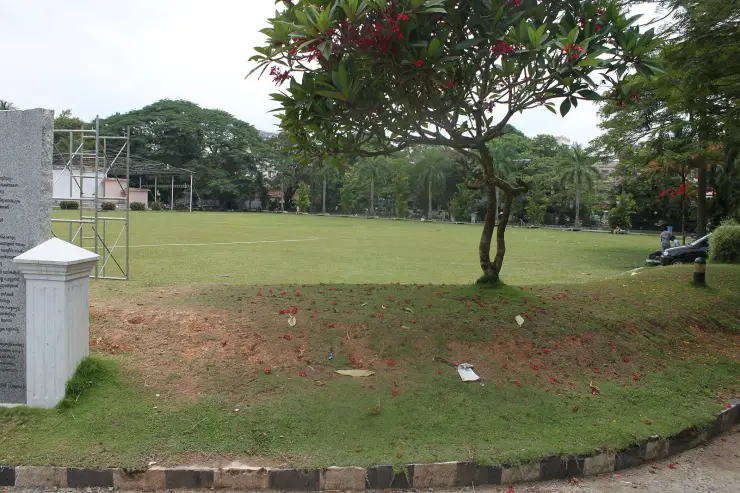
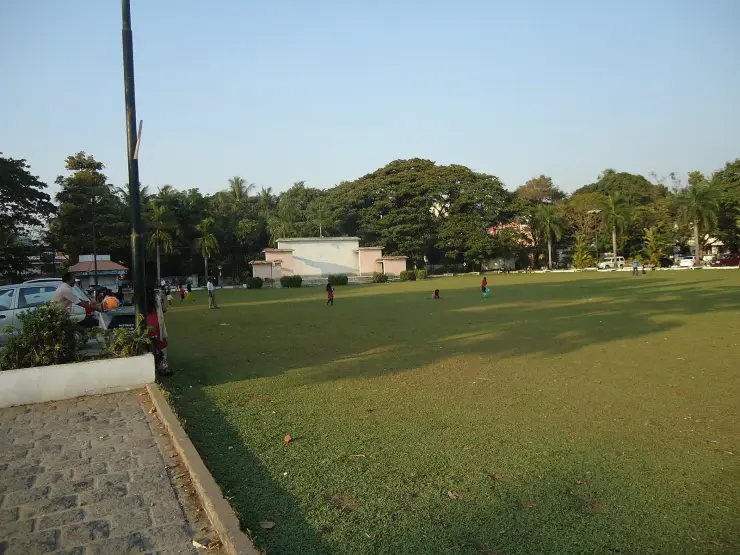
The waterfront park beside Ernakulam Boat Jetty, at the southern end of the Marine Drive walkway — a short, shaded green break between the ferries, the market streets and the backwater.
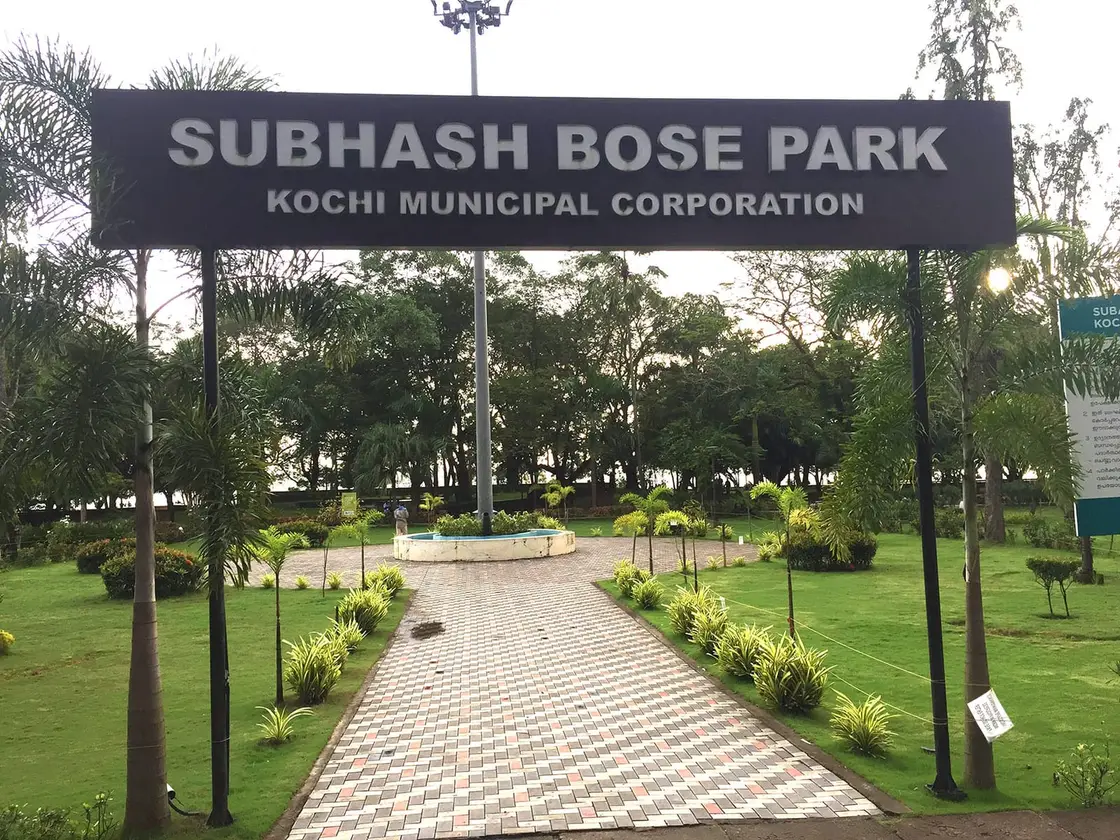
A waterfront park on the Ernakulam side, wedged between the boat jetty and Maharaja's College with the harbour on its western edge. Most listings call it a pleasant green break and stop there. It is also the ground where Maharaja's College students were beaten for demonstrating against their own Maharaja in 1930, the place where the campaign to merge Kochi and Travancore into a single Kerala was launched, and — least known of all — an open-air sculpture park holding the works of a 1990 international symposium. It is free, it is twenty minutes from a ferry, and almost nobody who walks through it knows any of that.
The park works because of where it sits. Ernakulam Boat Jetty is immediately alongside — the busiest passenger water in Kerala, with ferries running to Fort Kochi, Vypin and Willingdon Island — so the park is both a waiting room and a viewing platform for one of the more watchable bits of the city's daily traffic.
Its western edge looks out over the harbour and the Vembanad water, which is the whole reason to walk to that side. From there the Marine Drive promenade runs north, and it is about fifteen minutes on foot up to the Rainbow Bridge, which makes the park the southern anchor of the city's best waterfront walk.
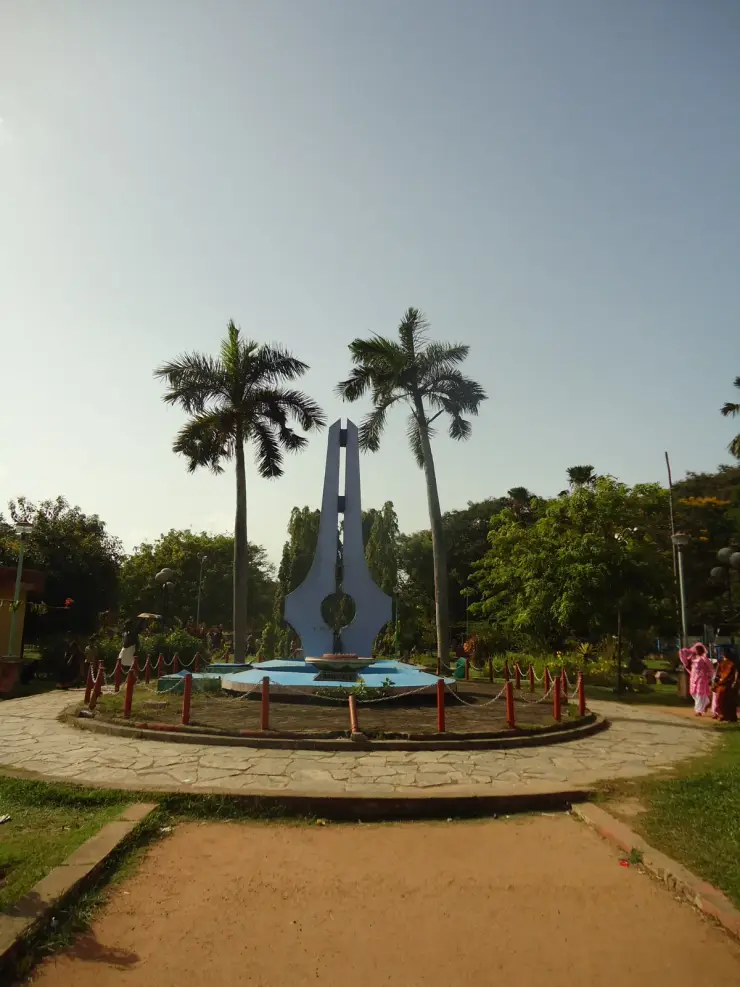
The thing worth slowing down for is in the southern part of the grounds. In 1990 the park hosted the first International Symposium of Sculptors held here — a sculptors' camp run jointly by Kerala Kalapeedom and the Kochi Municipal Corporation, coordinated by the Japanese sculptor Hiroshi Mikami with Kalapeedom's director. Fourteen artists took part, seven from abroad and seven Indian, and rather than shipping finished work in they made it on site, in the park, over the course of the camp. The results were installed across the southern quarter and are still standing. They are not municipal ornament, though that is how nearly every visitor reads them.
By the 2010s a good many of them were damaged and weathered. A restoration camp ran on site from 23 January to 4 February 2018, with artists repairing the works in the open where the public could watch and ask questions, and a handbook was produced to document what was there. The restored sculptures were formally rededicated to the city on 6 February 2018.
The park itself has been renovated over the same period — ornamental lighting, musical walkways, new landscaping — and it fills up in the evening with families, which is either the appeal or the reason to come at five rather than seven. Alongside it there is a children's park with ride-on attractions, a small train and a layout built to teach traffic rules, which is a genuinely useful hour if you are travelling with children.
Day to day it is managed on the Kochi Municipal Corporation's behalf by the Centre for Heritage, Environment and Development, the same city body involved in the sculpture restoration — which is why the maintenance here has a heritage flavour that most corporation parks do not.
Set expectations correctly and it is a good stop. It is not a destination the way Fort Kochi or Mattancherry are, and it is not worth crossing the harbour for. It is the amenity that makes staying on the mainland pleasant, and mainland Ernakulam is where most visitors to Kochi actually sleep.
The park has no folklore, but it has a dating problem, and we published it here unresolved before we could resolve it. The two claims repeated on every listing are that the park was started in 1903 by the Kochi Maharaja Rajarshi Rama Varma, and that it was called Irwin Park after Lord Irwin, Viceroy of India. Both cannot describe the same act, because Irwin was not appointed Viceroy until 3 April 1926. The answer is that the park had a third name first, and the city has quietly dropped it: when it opened it was Rama Varma Park, named for the Maharaja who ordered it. The Irwin name was applied more than two decades later, during Irwin's viceroyalty of 1926 to 1931, to a park that already existed. So the park has had three names, not two, and the founding date and the colonial name were never in conflict — they simply belong to different events, and the first name fell out of the story.
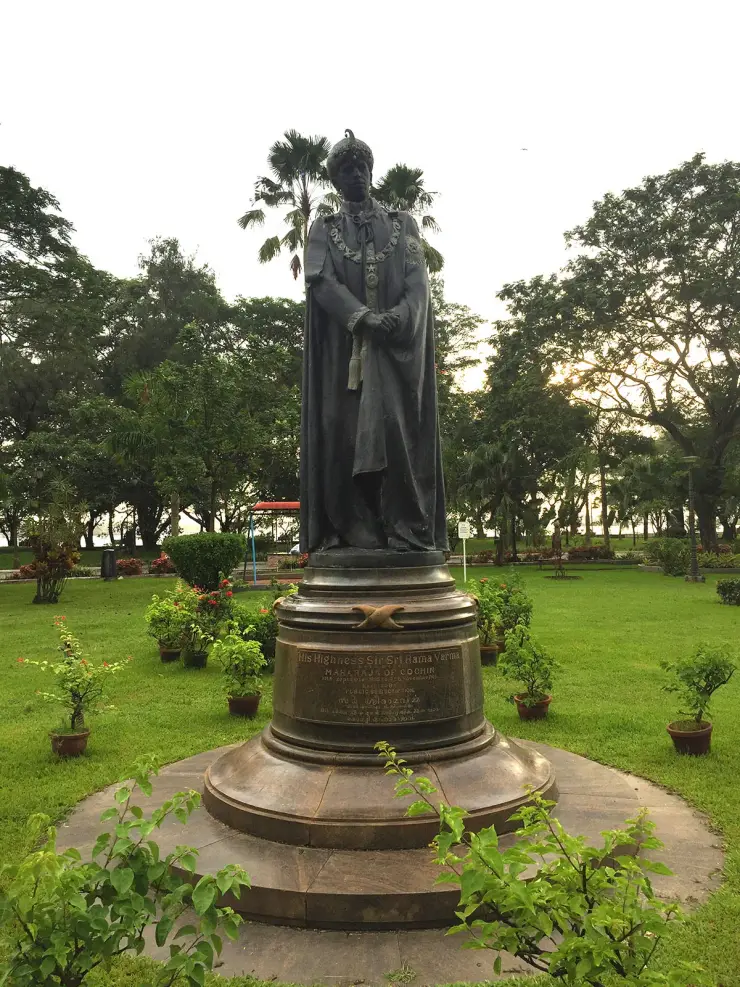
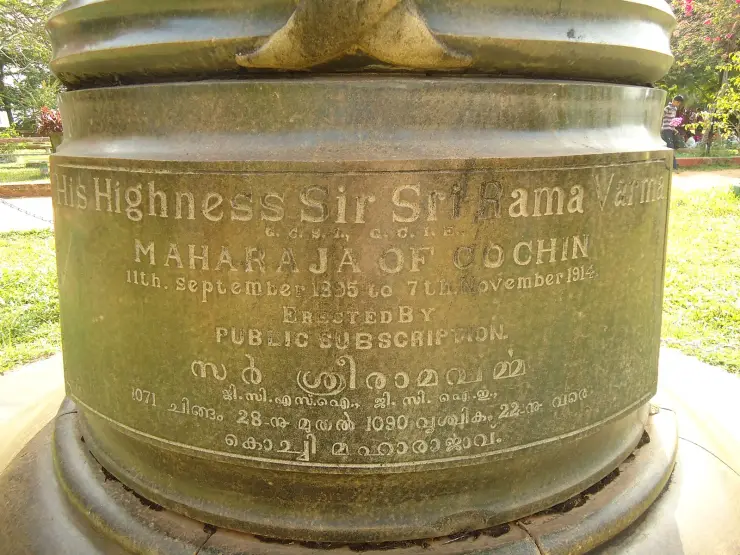
The 1903 date itself has a context worth having. That is the year of the Delhi Durbar, the imperial assembly at which Rama Varma XV was made a Knight Grand Commander of the Star of India, and the park is said to have been conceived on the journey to a durbar — the Maharaja wanting for Ernakulam the tree-lined public avenues he had seen described in Europe and America. The same impulse produced the road: the British Resident of Cochin was sufficiently taken with the flowering trees along it that he renamed the street Park Avenue, which is still what it is called. Rama Varma XV went on to abdicate in 1914, an almost unheard-of act for an Indian ruling prince, and lived another eighteen years as the Ozhinja Valiya Thampuran, the Abdicated Highness, dying at Thrissur in January 1932. His statue stands in the park he ordered, above a lawn that no longer carries his name.
The size is the second soft figure. Eleven and a half acres is quoted on essentially every listing, including our own dossier, and no source we have found defines what those acres contain. The fenced green does not read as eleven and a half acres on the ground; the figure appears to describe the whole waterfront block — park, children's park and the adjoining maidan — rather than the garden itself.
The third is a misattribution, and a documentation failure behind it. The sculptures in the southern part of the park are almost universally taken for decorative civic furniture, and are described that way in the few guides that mention them at all. They are the works of the 1990 international sculptors' camp, carved on site by fourteen artists. What makes this worse is that we cannot tell you who those fourteen were: no published source we can find lists them, the works carry no labels in the park, and the handbook produced during the 2018 restoration does not appear to be online. A city commissioned an international sculpture collection, then mislaid the names. Do not, incidentally, believe anyone who tells you Kanayi Kunhiraman's Mukkola Perumal is here — that one stands at the GCDA complex in Kadavanthra.
And a word on the name change itself, because it is usually presented as a simple post-independence swap. It was that, but it was not neutral: a park attached to the name of a serving Viceroy was rededicated to Subhash Chandra Bose, the nationalist who raised an army against British India. On a piece of ground where students had been beaten in 1930 for protesting against the princely government, the choice reads less like renaming and more like an answer.
The park was started in 1903 by Rajarshi Rama Varma XV, Maharaja of Cochin from 1895 to 1914, on the waterfront strip between what is now Park Avenue and the Ernakulam backwaters, facing the harbour and the Ernakulathappan temple. It opened under his own name, as Rama Varma Park.
The avenue laid out alongside it was planted with gulmohar and other flowering trees, and impressed the British Resident of Cochin enough that he renamed the street Park Avenue — the name it still carries.
Some time during the viceroyalty of Lord Irwin, between 1926 and 1931, the park was renamed Irwin Park after him. This is the ordinary colonial renaming that once covered Indian cities, and it is why the 1903 founding and the Irwin name are not in conflict: the second name was applied to a park already a generation old.
In 1930 students from Maharaja's College, directly across the road, held a demonstration in the park against the Kochi kingdom and were violently suppressed. The park was also the launching ground for the Aikya Kerala campaign to unite Kochi and Travancore into a single state — an argument that ended in the formation of Kerala in 1956.
After independence the park was renamed for Subhash Chandra Bose, and it is now known almost universally as Subhash Park or Subhash Bose Park rather than by either older name.
In 1990 it hosted an International Symposium of Sculptors coordinated by the Japanese sculptor Hiroshi Mikami with the director of Kerala Kalapeedom. Fourteen artists — seven international, seven Indian — produced works that were installed permanently across the southern quarter of the grounds.
Those sculptures were restored in an on-site camp between 23 January and 4 February 2018, documented in a sculptural handbook, and rededicated to the city on 6 February 2018. The wider park has been renovated in the same period with ornamental lighting, musical walkways and new landscaping.
The park belongs to the Kochi Municipal Corporation, which has assigned its maintenance and management to the Centre for Heritage, Environment and Development.
It is right beside the boat jetty, which makes it the obvious use of the wait before a ferry to Fort Kochi or Vypin.
The western edge gives you the harbour and the Vembanad water without having to get on anything.
There is a permanent open-air collection of 1990 international symposium sculpture in the southern grounds, free to walk among and almost entirely unvisited.
It is the southern end of the Marine Drive walk — fifteen minutes north gets you to the Rainbow Bridge.
The children's park alongside, with its ride-on attractions and traffic-rules layout, is a real asset if you are travelling with kids.
It is free, central and open into the evening, when much else in the city has closed.
Sunset from the waterfront edge is what the local crowd comes for, and they are right.
Road km to Ernakulam; ghat roads and traffic vary — allow extra.
Clear post-monsoon and winter days are best; mist can block views in hill areas.
Live forecast loads in your browser.
Check the official alert before you travel. Kerala’s beaches, waterfalls and trekking routes close at short notice during heavy rain, and district alert levels change day to day. We do not publish an alert level of our own — read it from the state authority: Kerala State Disaster Management Authority, or the district control room on 1077.
Sun and moon are calculated for this location and shown in IST. Photography windows are the hour around sunrise and sunset; the sunset bearing is degrees clockwise from true north. Moon phase is accurate to about half a day.
These are official or public-sector eco offerings that match this place, town or forest destination. Confirm availability, permits, tariffs and reporting times with the official operator before travel.
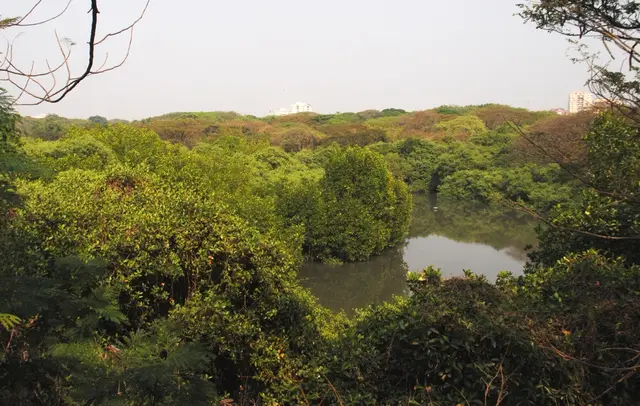
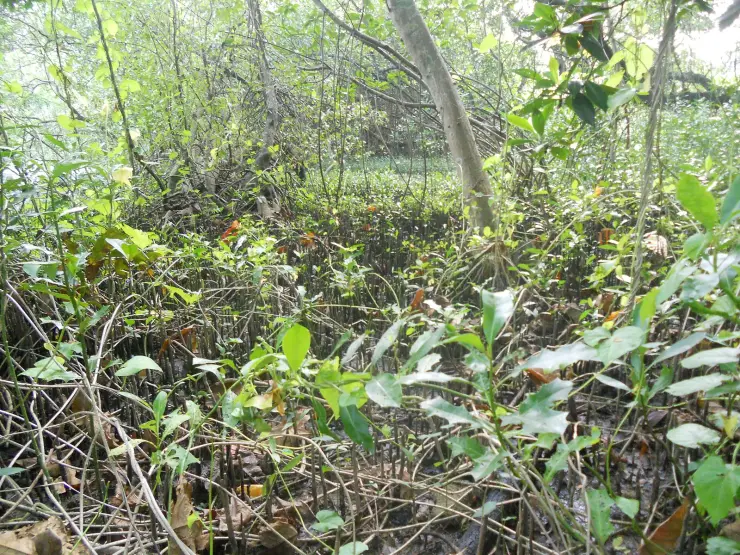
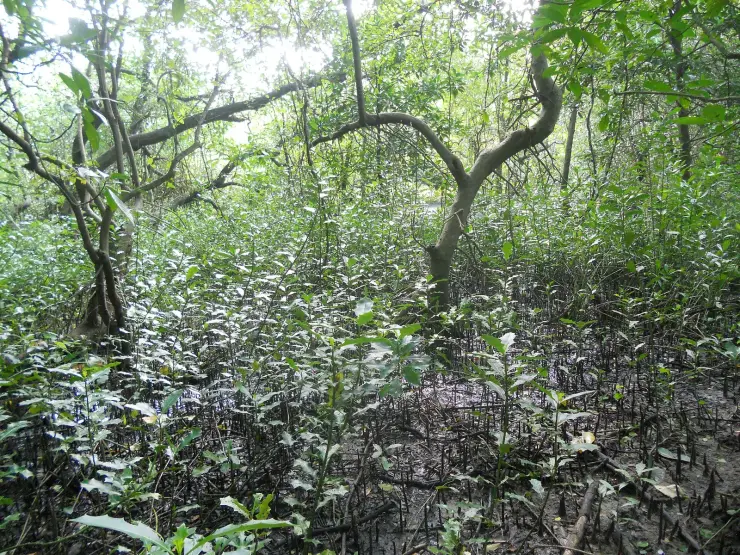
Urban bird sanctuary and mangrove pocket in central Kochi, useful as a short nature stop.
Official source →Verified hotels, homestays, restaurants, experiences, sights, shops and rentals around Subhash Park — commission-free, with direct contact. Filter by what you need.
Hotel in Kochi City Centre, Ernakulam, Kerala, India. AC, Wheelchair access.
Kochi Marriott Hotel at Edappally houses Quan Spa alongside its accommodation, dining and outdoor pool. Reserve a specific spa service with the hotel, asking about duration, price and access for non-resident guests. A treatment booking does not automatically include pool use.
Kochi Marriott Hotel at Edappally houses Quan Spa alongside its accommodation, dining and outdoor pool. Reserve a specific spa service with the hotel, asking about duration, price and access for non-resident guests. A treatment booking does not automatically include pool use.
Marriott hotel in Maradu with rooms, restaurants, spa and event facilities. 5-star luxury hotel · Maradu, Ernakulam city, Marriott.
Hyatt waterfront hotel and convention base on Bolgatty Island. 5-star luxury hotel · Bolgatty, Ernakulam city, Hyatt.
Book with the place itself. India’s cyber-crime coordination centre warned in April 2025 that convincing copies of hotel and pilgrimage booking sites are being pushed through sponsored search and social ads, taking payment for rooms the property never hears about. Every listing here links to the business’s own contact details and its own Google or Bing profile — we take no commission and sit in nobody’s payment path. If a booking page reached you through an ad, check the address bar against the property’s own site before you pay. Fraud can be reported on cybercrime.gov.in or on 1930.
Find food, accommodation and activities across Kochi City. Browse the guides for places to eat, stay and explore along your route.
Walking routes start at Subhash Park. Check the route and access before setting out, especially where a road, gate or waterway separates the stops.
12 more places around Kochi City. Open a guide to plan the visit and onward journey.
1.2 km · 14 min walk
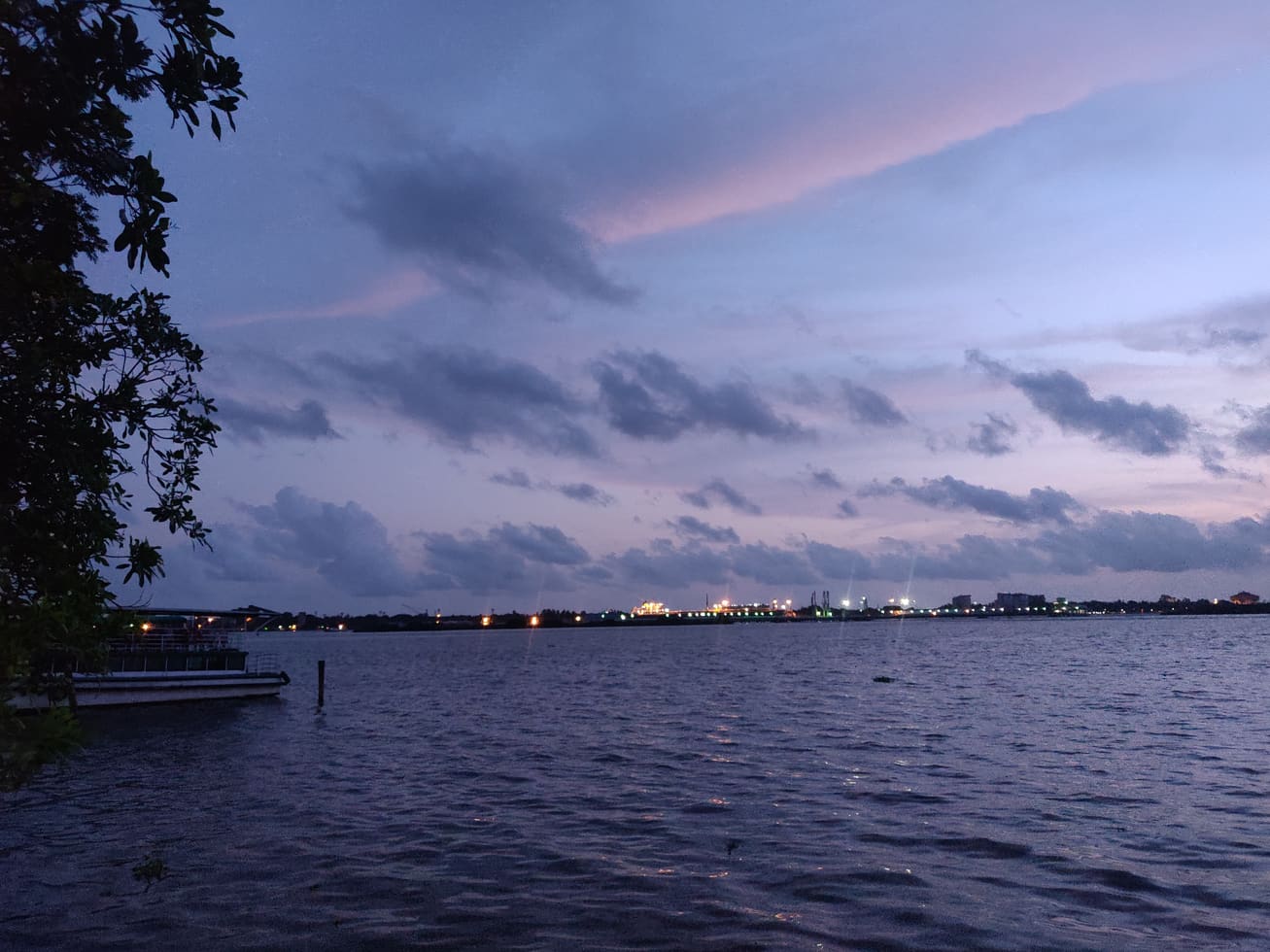
Waterfront promenade in mainland Kochi, good for evening walks and ferries.
2.4 km · 29 min walk
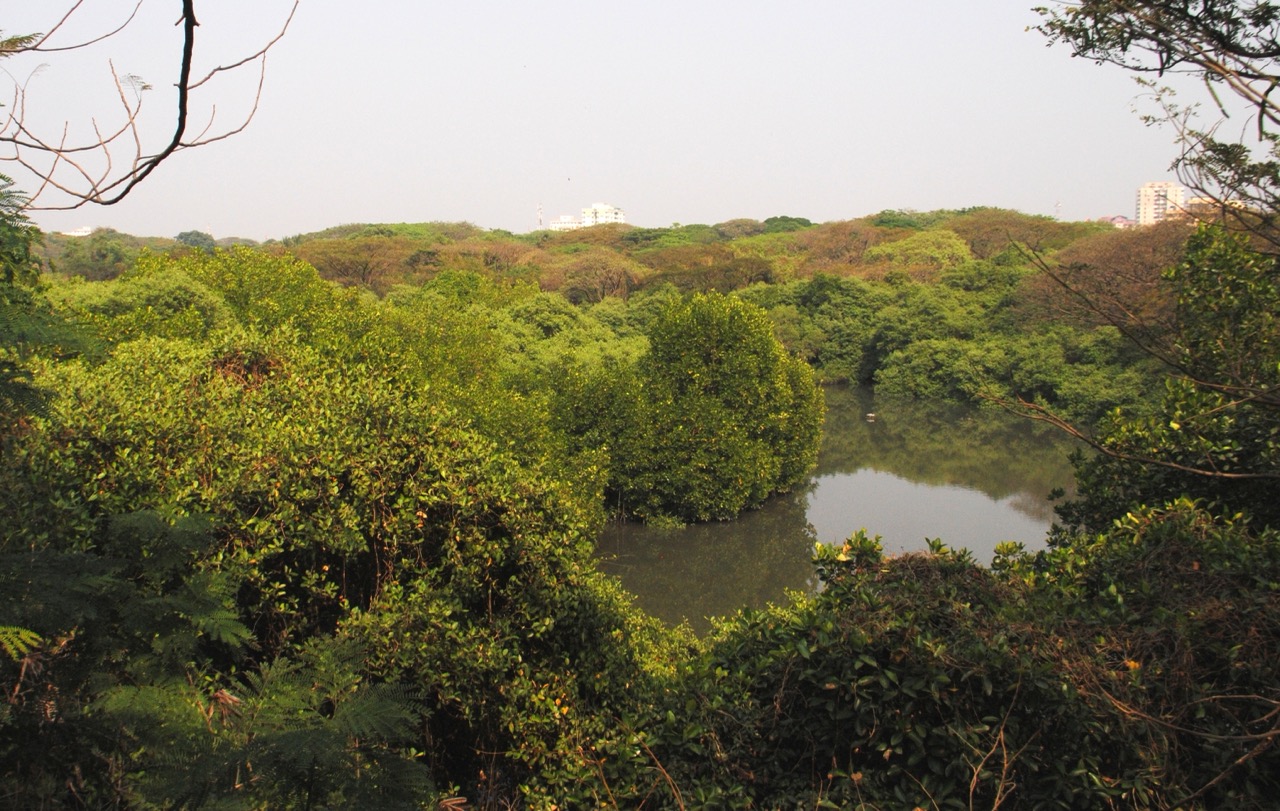
A small mangrove “green lung” behind the High Court in Ernakulam, a nesting site for migratory and resident birds.
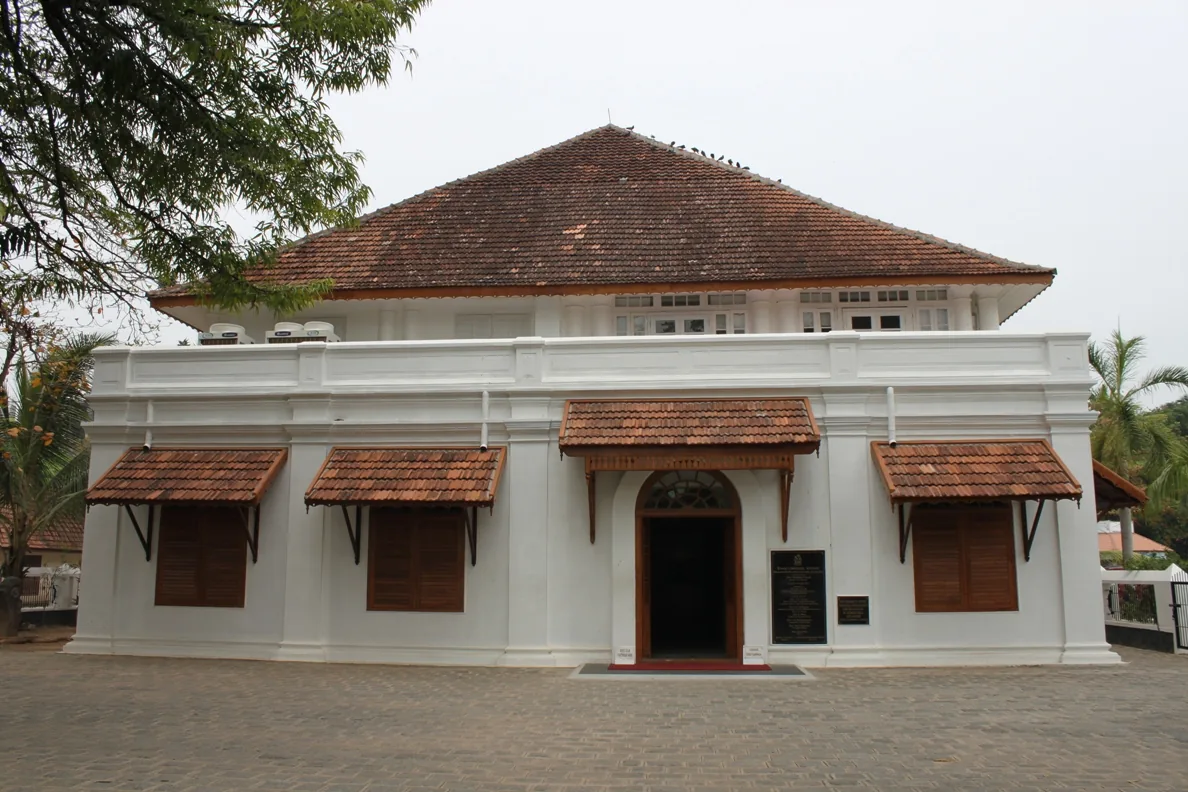
820 m · 10 min walk
A heritage hall in Ernakulam run as a contemporary art gallery by the Kerala Lalithakala Akademi.
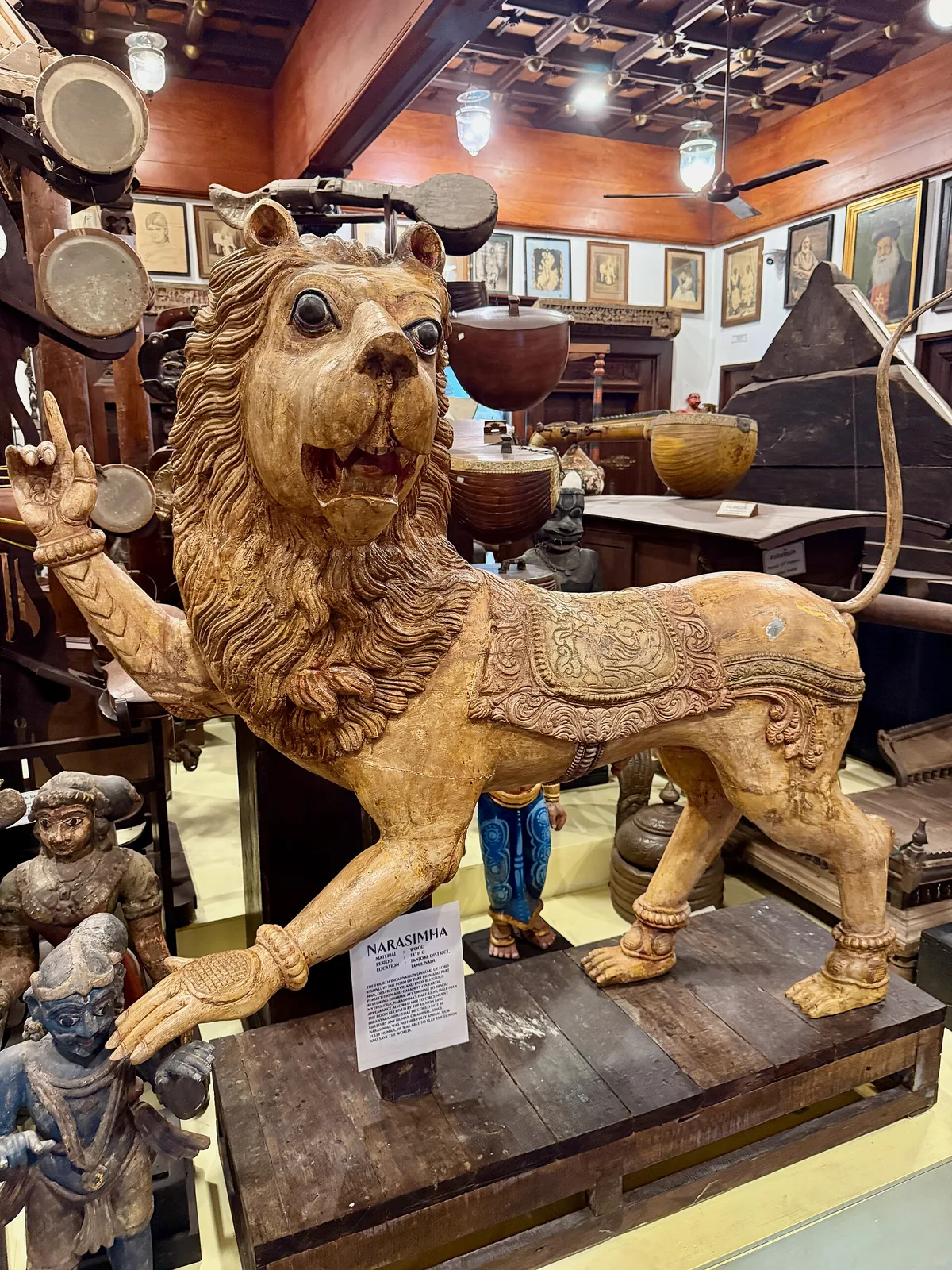
A privately built museum at Thevara with thousands of Kerala folk and ritual artefacts across Malabar, Kochi and Travancore styles.
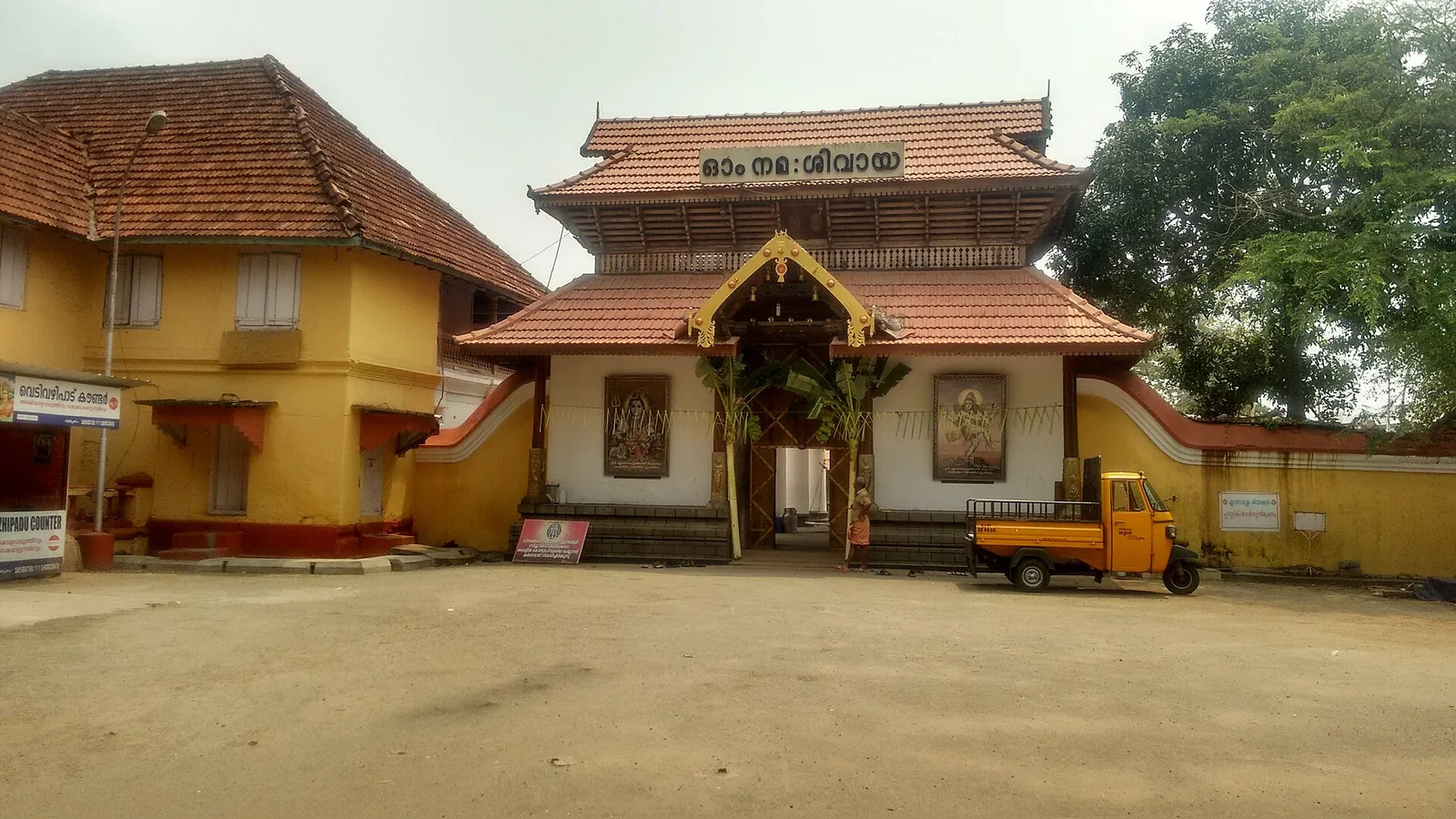
770 m · 9 min walk
The Ernakulam Shiva temple on Durbar Hall Road, the city’s principal temple and home to the eight-day Ernakulathappan festival.
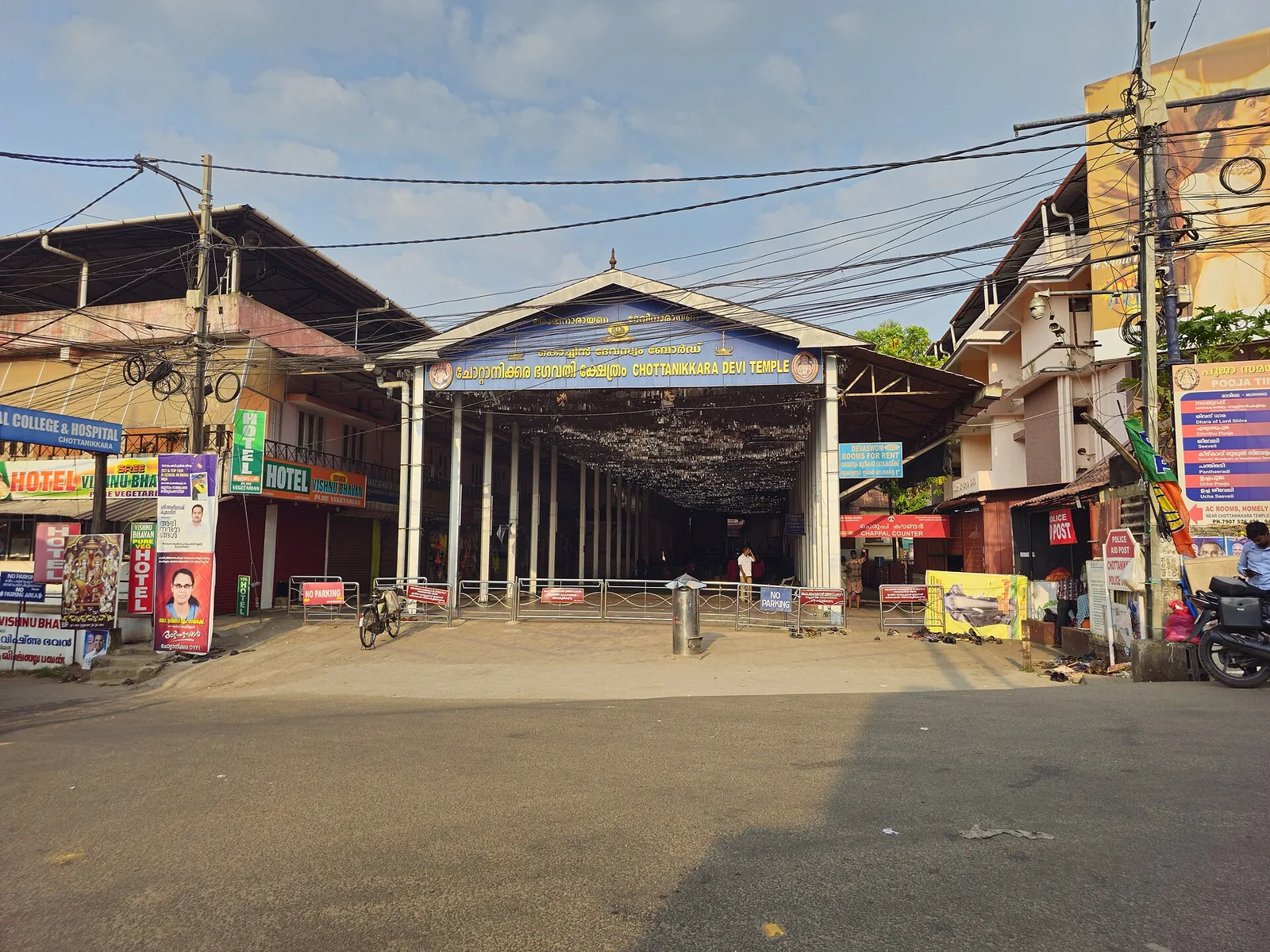
A major Bhagavathy (Devi) temple south-east of Kochi, famous for the dawn Nirmalya Darshanam and its Makam Thozhal festival.
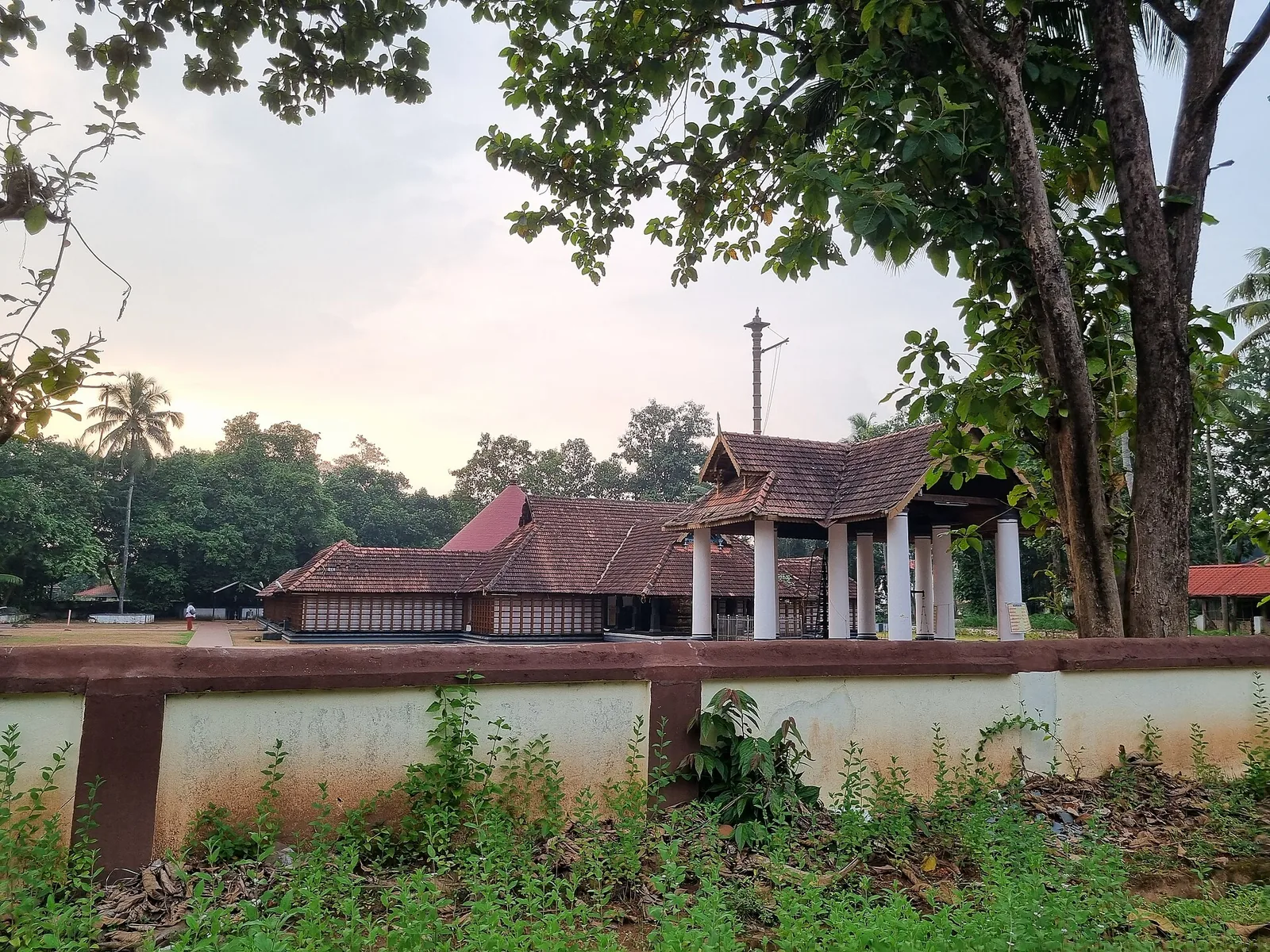
The only major temple to Vamana in Kerala, at Thrikkakara near Kakkanad — traditionally regarded as the origin place of the Onam festival.
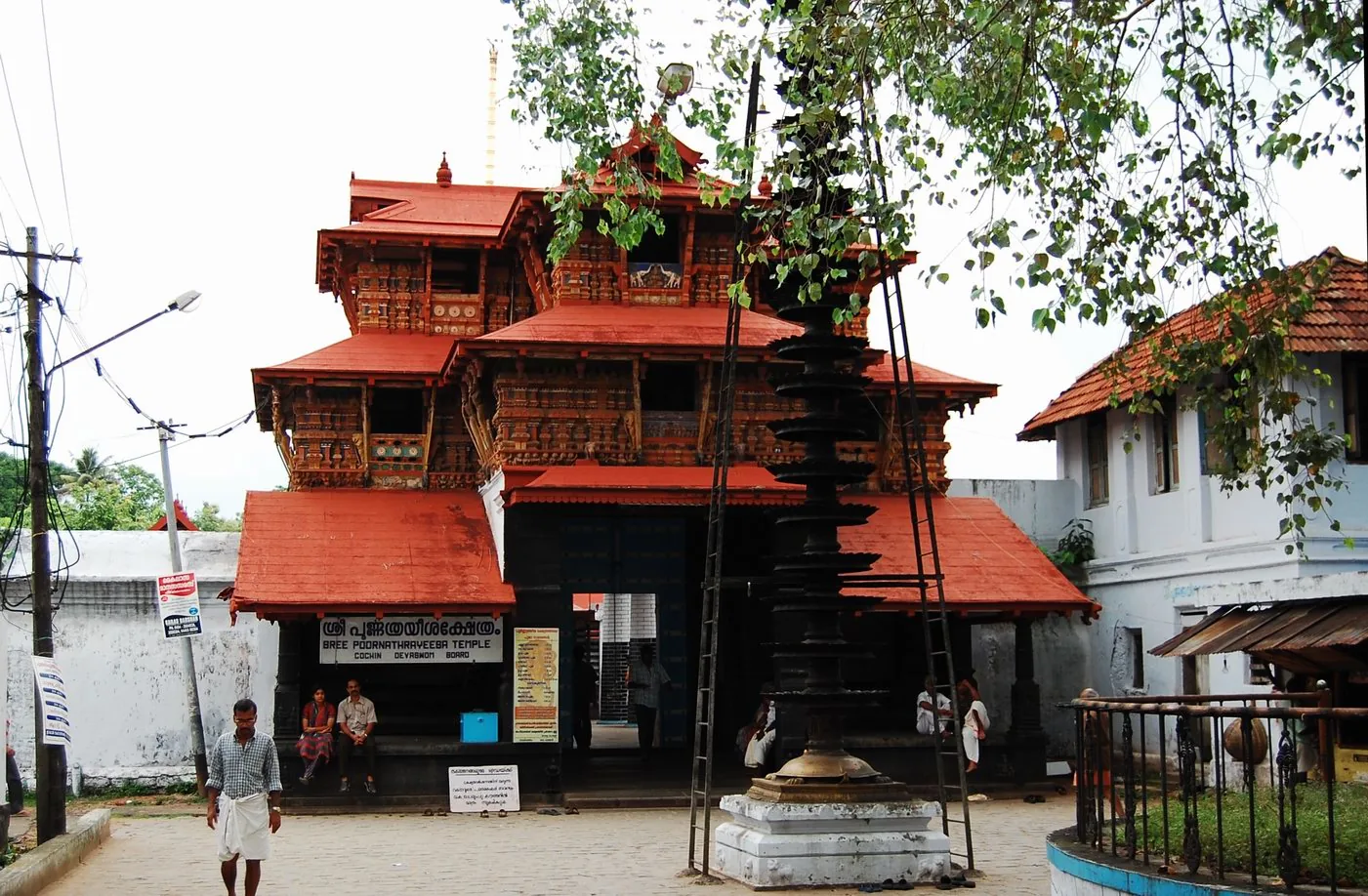
One of the great Vishnu temples of Kerala, at Tripunithura, known for its Vrischikotsavam festival.
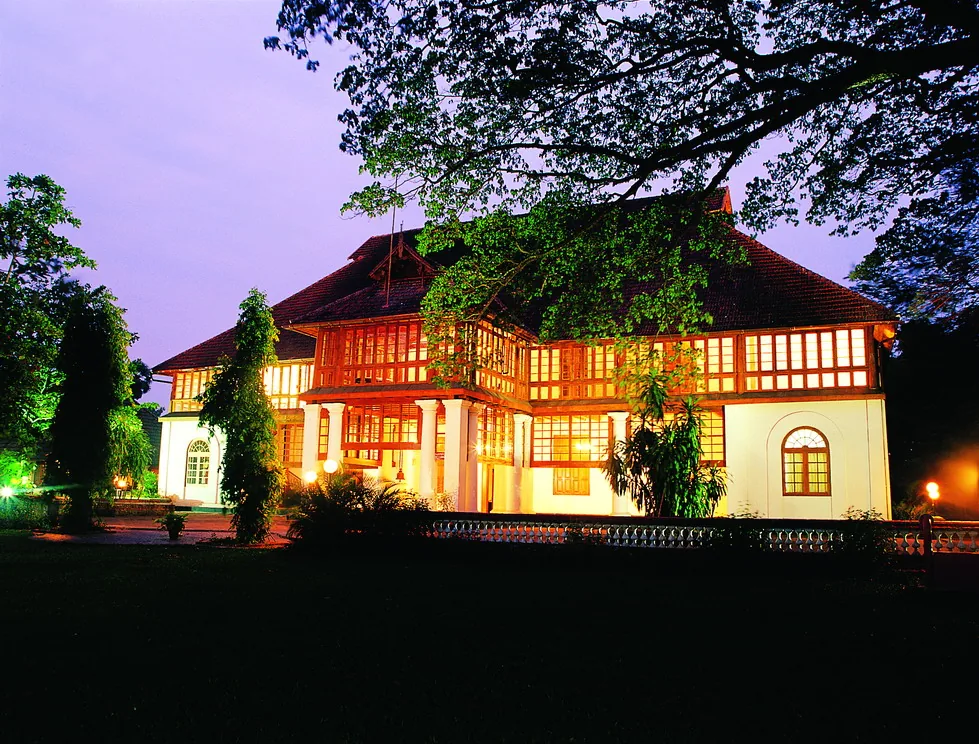
4.3 km · 9 min drive
A 1744 Dutch palace on Bolgatty Island, one of the oldest existing Dutch palaces outside the Netherlands, set in island gardens (now a KTDC heritage hotel).
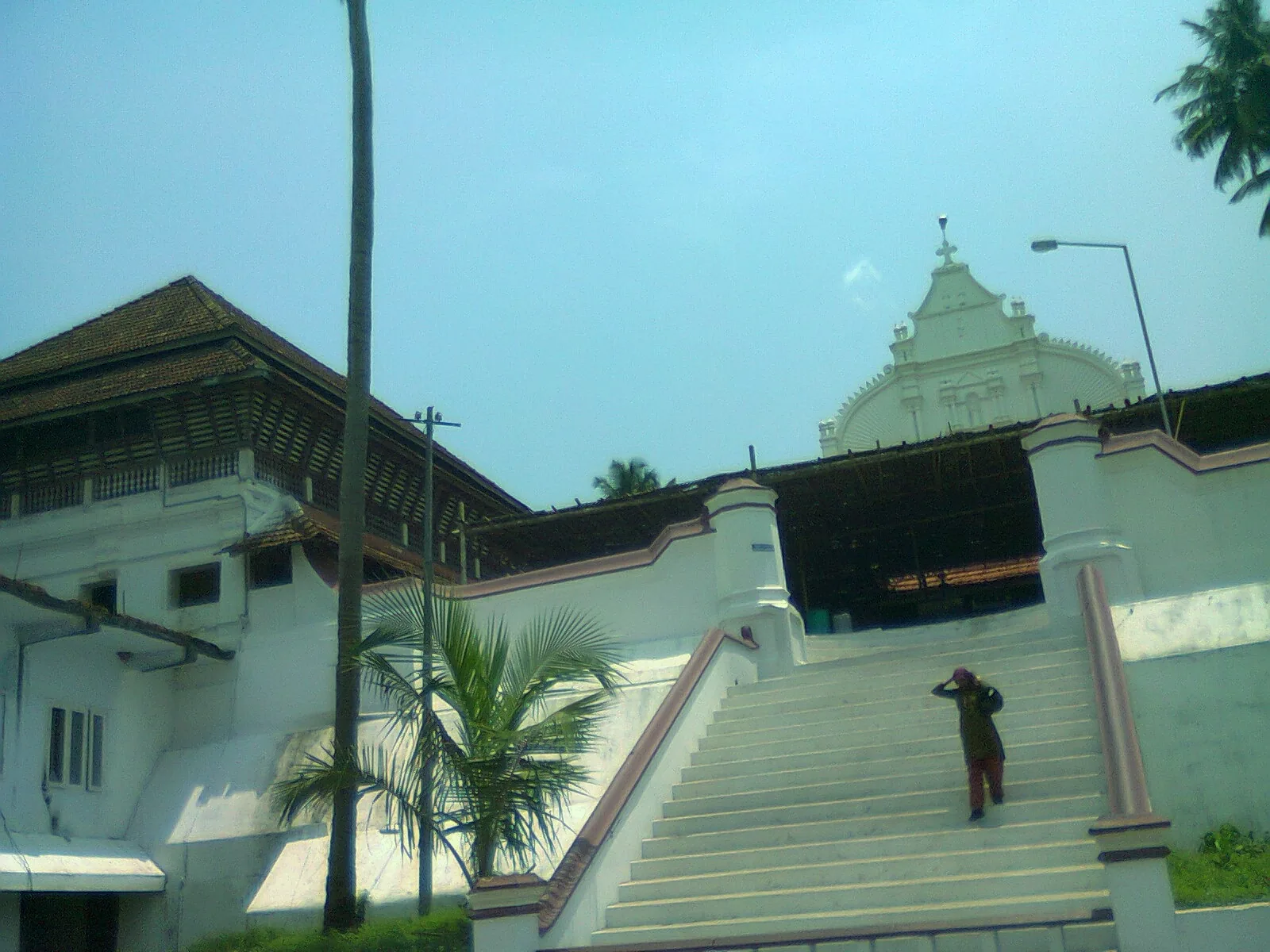
An ancient Orthodox church east of Kochi linked to the legend of the sorcerer-priest Kadamattathu Kathanar, drawing large crowds at its annual feast.
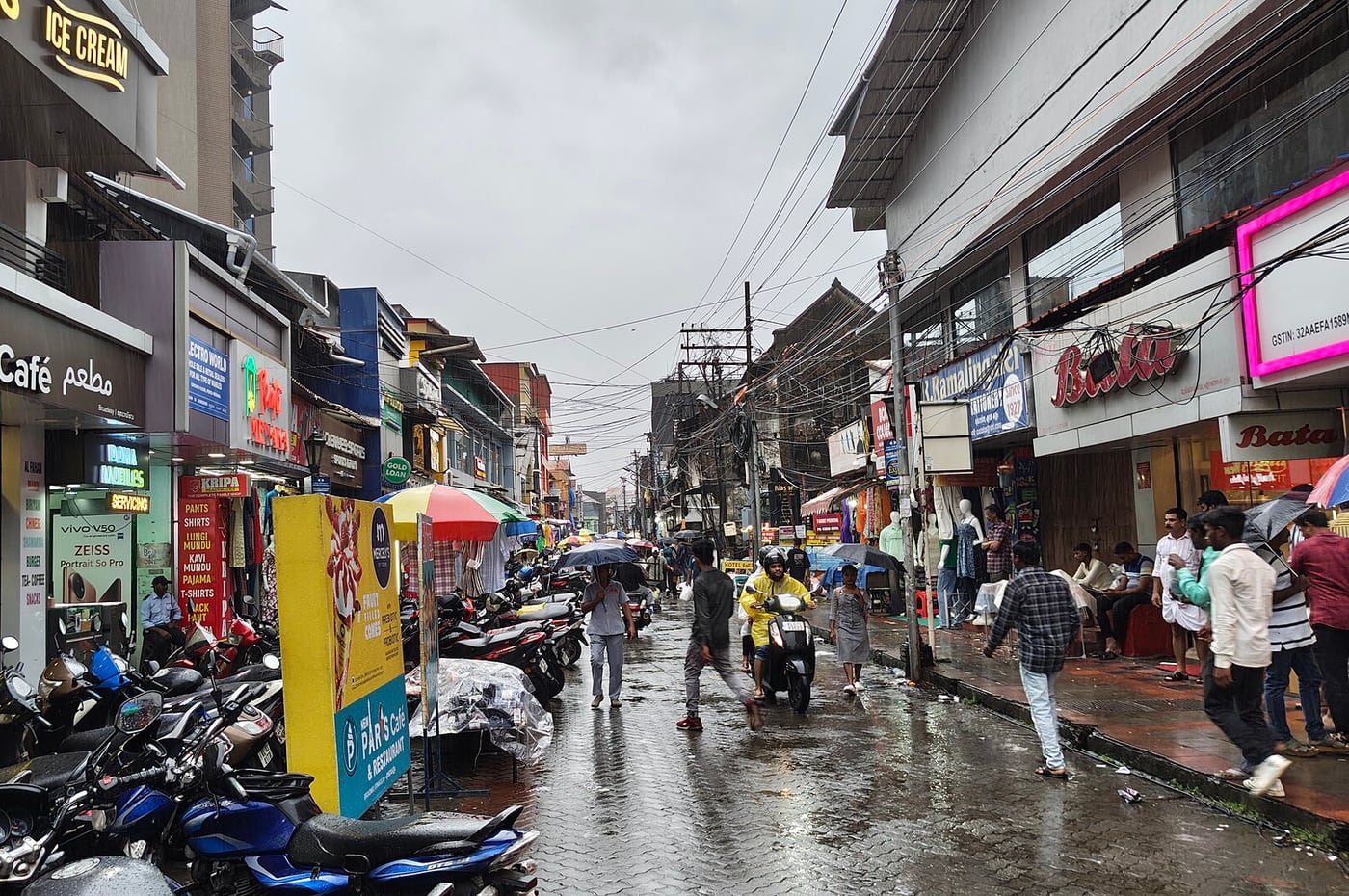
1.3 km · 15 min walk
Mainland Kochi’s old shopping street, a pedestrianised run of textile, provision, spice and gold shops between MG Road and the boat jetty — the city’s everyday market rather than a heritage set piece.
Roampedia is commission-free — own or know a stay, eatery, guide or shop near Subhash Park? List it and it appears here once verified.
Add a nearby businessEntry: Free. Entry to the park costs nothing; the children's park attractions alongside it charge small separate amounts for rides.
If you are travelling by bus or ferry, check the return service with the operator before setting out. Leave time to reach the stop or jetty after your visit.
Ask at the jetty or stand for the time of the last service back, not the next one. If you miss it, an auto or app cab is the fallback — agree the fare before you get in.
If you need step-free access, contact the site before travelling. Ask about a level entrance, steps along the route, the nearest drop-off point, seating and accessible toilets.
Charge cap and free-transaction limits: Reserve Bank of India, in force since 1 May 2025.
These services are listed within about 1.2 km of Subhash Park. Walking distances follow mapped routes; access and opening hours can change. Other services may be closer but are not included here.
Emergency numbers are verified against official government and state tourism sources. 112 works anywhere in India.
The Ernakulam Shiva temple on Durbar Hall Road, the city’s principal temple and home to the eight-day Ernakulathappan festival.
770 m · 9 min walkA heritage hall in Ernakulam run as a contemporary art gallery by the Kerala Lalithakala Akademi.
820 m · 10 min walkWaterfront promenade in mainland Kochi, good for evening walks and ferries.
1.2 km · 14 min walkMainland Kochi’s old shopping street, a pedestrianised run of textile, provision, spice and gold shops between MG Road and the boat jetty — the city’s everyday market rather than a heritage set piece.
1.3 km · 15 min walkA small mangrove “green lung” behind the High Court in Ernakulam, a nesting site for migratory and resident birds.
2.4 km · 29 min walk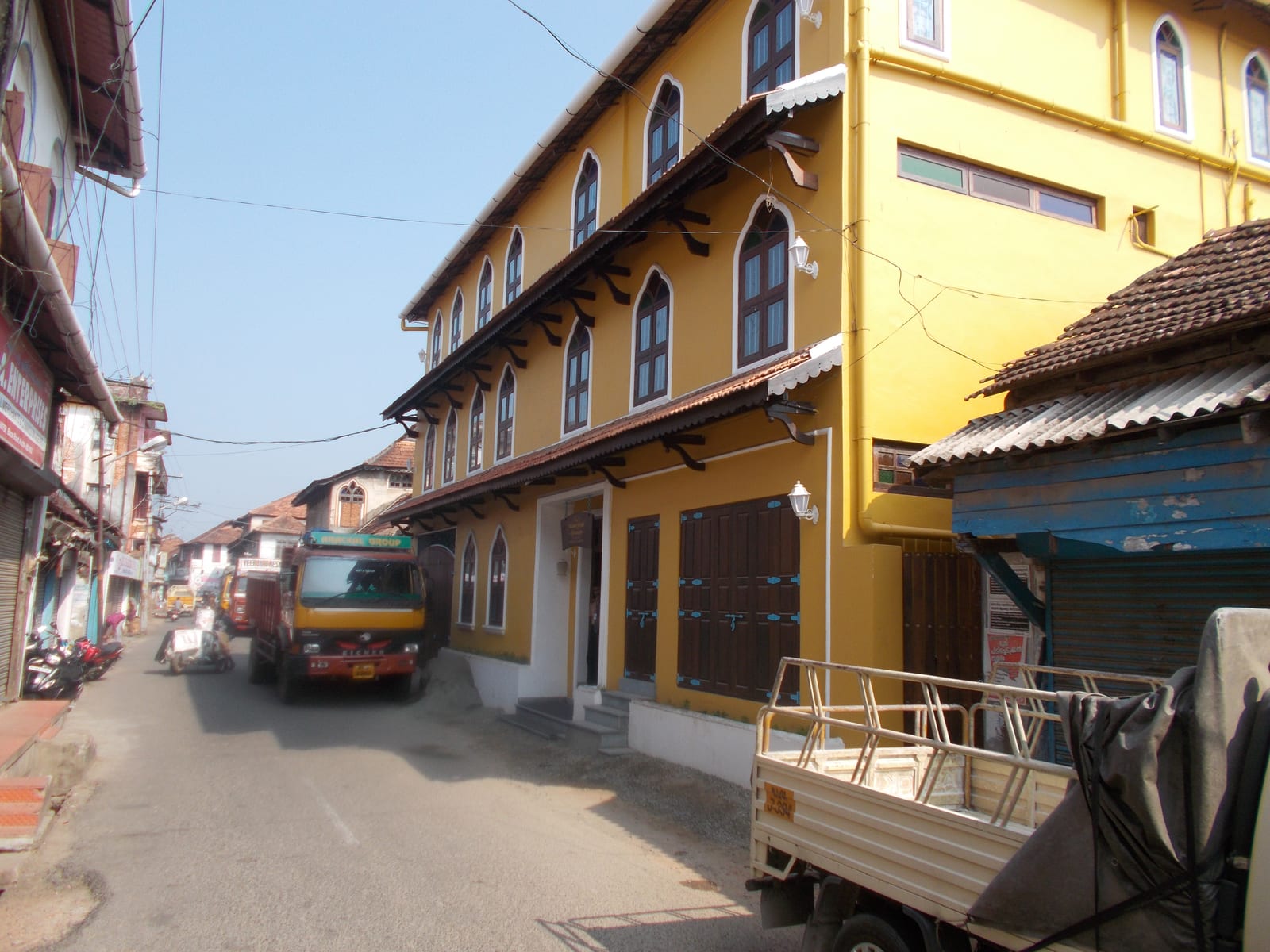
The working spice quarter along Mattancherry’s Bazaar Road — godowns where pepper, ginger, turmeric and cardamom are still graded, sacked and weighed, and where the smell reaches the street before the signage does.
2.5 km · ~6 min by auto · straight line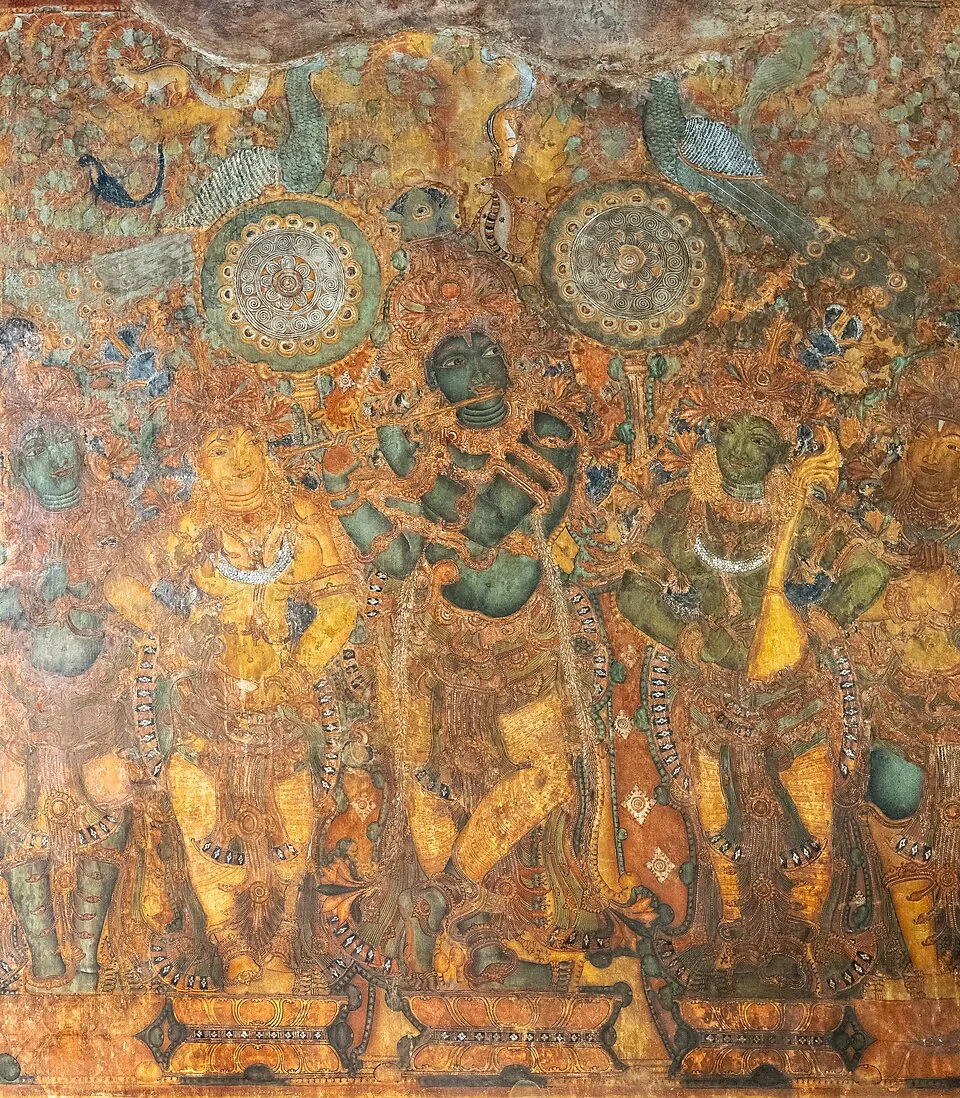
The Mattancherry Palace, known as the Dutch Palace, with celebrated Kerala mural paintings from the Ramayana and royal portraits.
2.6 km · ~7 min by auto · straight line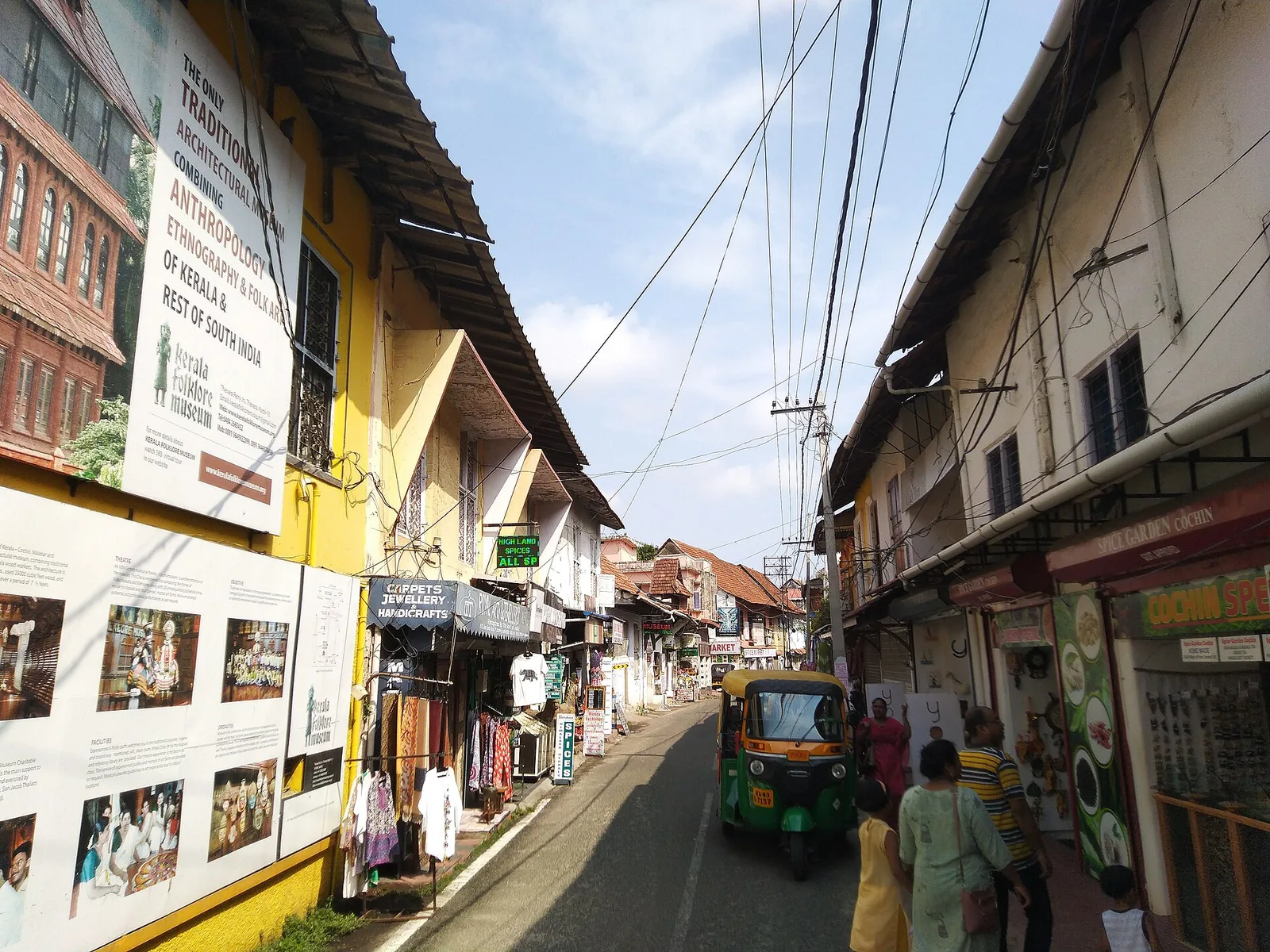
Spice warehouses, antiques, Mattancherry Palace and Paradesi Synagogue.
2.7 km · ~7 min by auto · straight line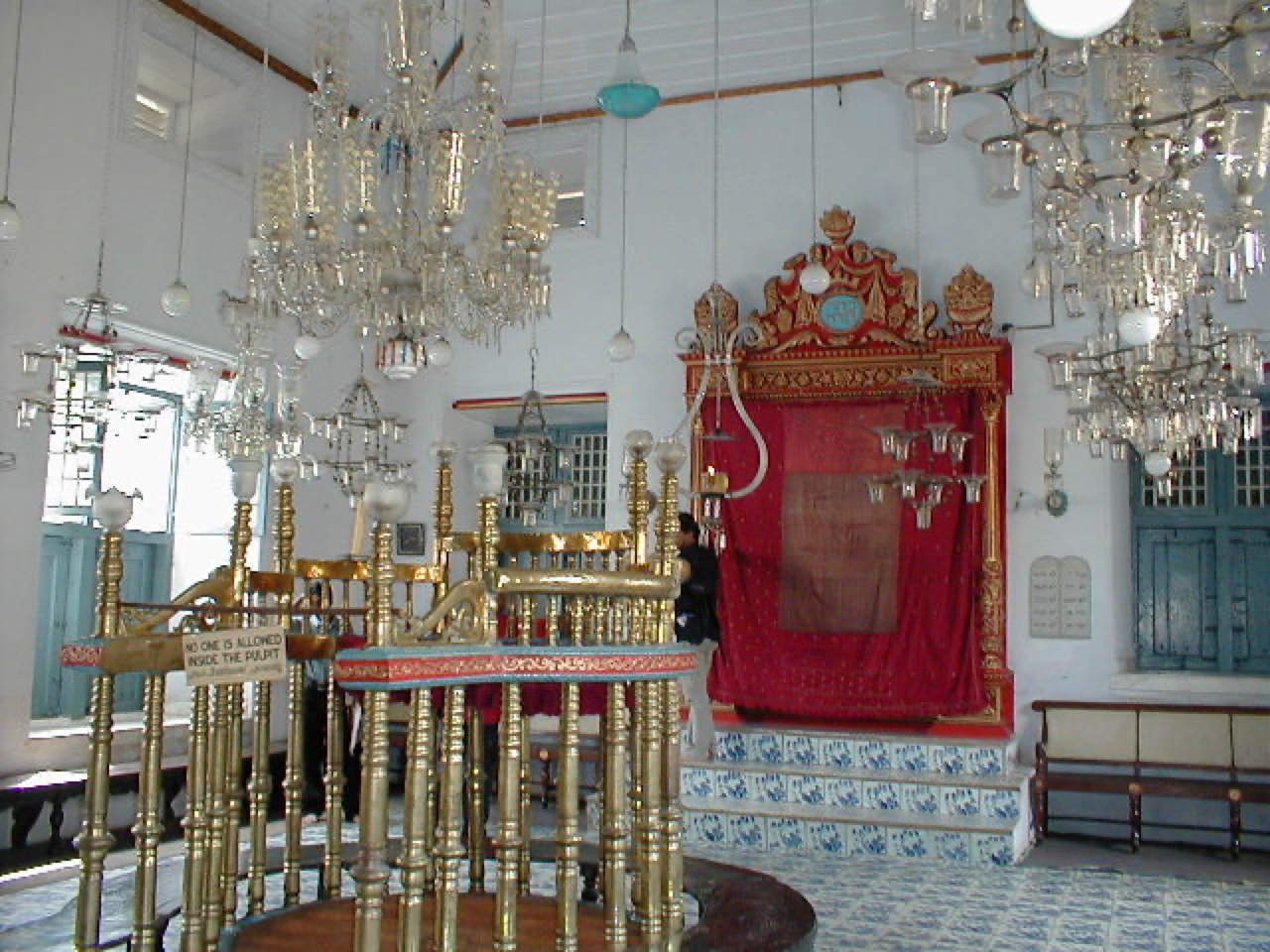
The oldest active synagogue in the Commonwealth (1568), in Jew Town, Mattancherry, with hand-painted Chinese floor tiles.
2.7 km · ~7 min by auto · straight line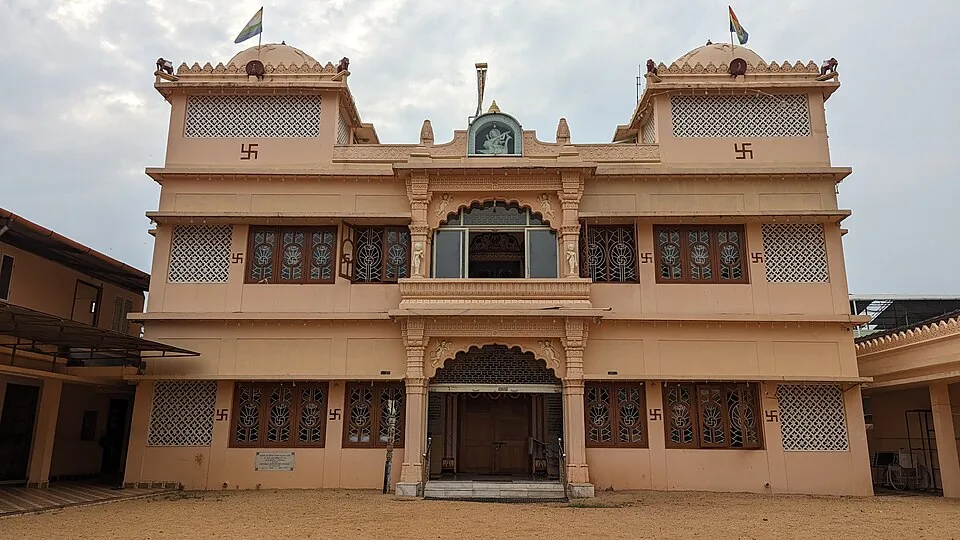
An ornate Jain temple in Mattancherry’s Gujarati quarter, raised in 1904 by Hirubai in memory of her husband Jivraj Dhanji and dedicated to Dharmanatha, the fifteenth Tirthankara — known for its white marble work and the daily midday feeding of the pigeons outside.
2.9 km · ~7 min by auto · straight line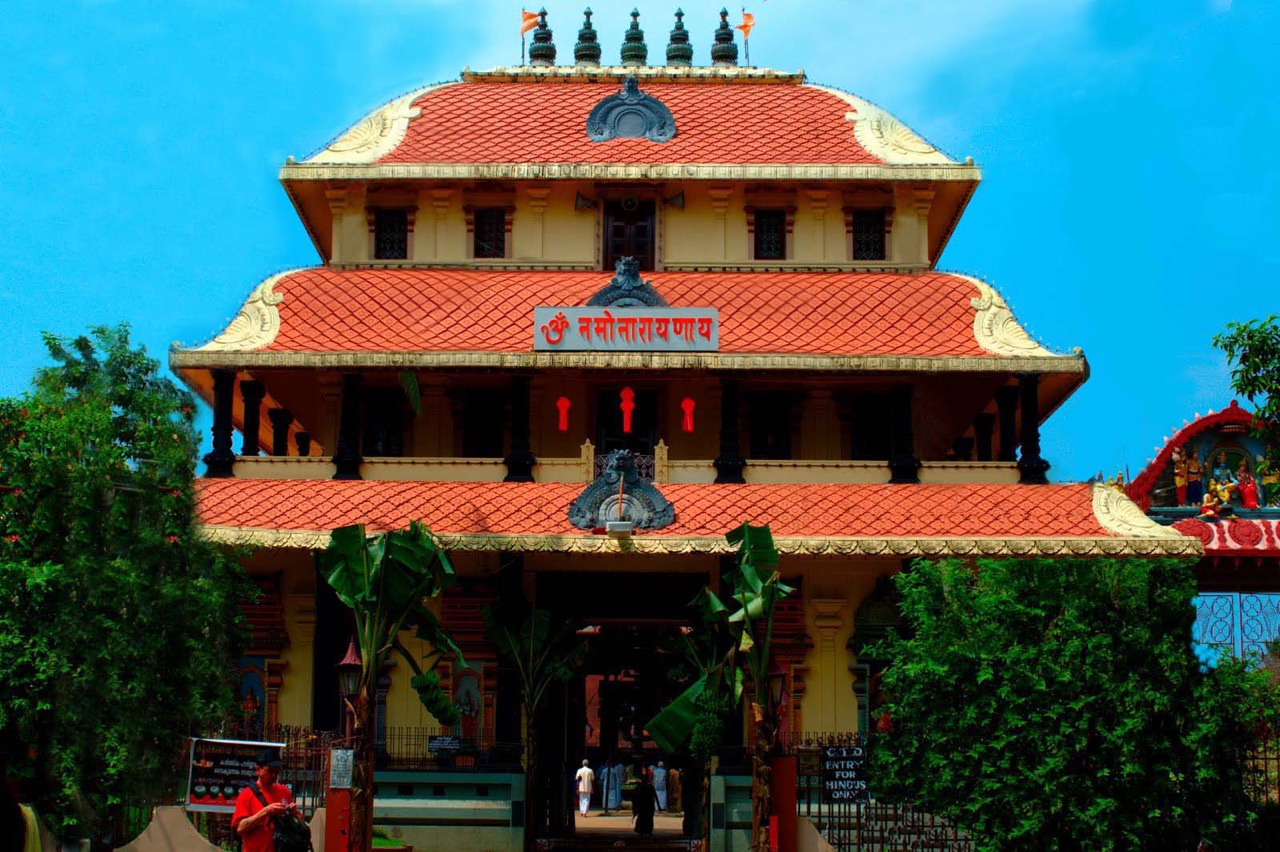
A historic Gowda Saraswat Brahmin temple in Cherlai, Mattancherry, central to Kochi’s Konkani community.
3.6 km · ~9 min by auto · straight lineA 1744 Dutch palace on Bolgatty Island, one of the oldest existing Dutch palaces outside the Netherlands, set in island gardens (now a KTDC heritage hotel).
4.3 km · 9 min driveWalking and driving times are real routed distances, except the few marked “straight line”, which are direct-line estimates and will read short. Fare figures are estimates from Kerala’s notified auto/taxi tariff and exclude waiting and night charges. Routing: © openrouteservice.org by HeiGIT | Map data © OpenStreetMap contributors
Nearby toilets, pharmacies, ATMs, seating and vets are community-mapped and may be incomplete or out of date. Map data © OpenStreetMap contributors | Walking times © openrouteservice.org by HeiGIT
No — entry to the park is free. The children's park attractions alongside charge small separate amounts for individual rides. Nothing about the main park costs anything.
Reported as roughly 3:00pm to 9:00pm on weekdays and from about 10:00am at weekends, which fits a park that fills up in the evening. Timings are set by the corporation and do change, so treat that as indicative — the practical point is not to turn up at noon on a weekday expecting to get in.
Not across the harbour, no, and we would rather say so. But if you are staying in Ernakulam or waiting for a ferry it is a better hour than its reputation suggests, mainly because of the sculptures most visitors walk straight past. If you have one afternoon in Kochi, spend it in Fort Kochi or Mattancherry.
They are the works of an International Symposium of Sculptors held here in 1990, coordinated by the Japanese sculptor Hiroshi Mikami with the director of Kerala Kalapeedom. Fourteen artists took part, seven of them from abroad, and their pieces were installed permanently in the southern part of the grounds. They were restored in an on-site camp in early 2018 and rededicated that February. There is very little signage, so you will have to look for them.
After Subhash Chandra Bose, since shortly after independence. Before that it was Irwin Park, after Lord Irwin, Viceroy from 1926 to 1931. But there is a third name almost nobody uses: when the park opened in 1903 it was Rama Varma Park, for the Maharaja of Cochin who ordered it. The Irwin name was applied to it more than twenty years later. Most accounts skip straight from 1903 to Irwin and leave readers with an impossible chronology; three names in sequence is what actually happened.
Rama Varma XV ruled Cochin from 1895 to 1914 and ordered this park in 1903, the year he attended the Delhi Durbar. He is remembered as Rajarshi, the royal sage, and for something Indian princes almost never did: he abdicated, in 1914, and spent his remaining eighteen years as the Ozhinja Valiya Thampuran, the Abdicated Highness, dying at Thrissur in January 1932. His statue stands in the park, which is the only thing here that still connects it to him — the name it opened with is gone.
An hour covers it properly, which is more than most people give it. Twenty minutes of that should go to the southern grounds, hunting the unlabelled 1990 sculptures, because that is the part of the park nobody tells you about. Then walk to the western edge for the harbour and the ferry traffic, and if you have the light, carry on north up the Marine Drive walkway rather than doubling back — the promenade and the park are really one walk, and it ends better at the Rainbow Bridge than it does at the gate.
Yes, unusually so for a central city park. The children's park alongside has ride-on attractions, a small train and a layout designed to teach traffic rules. The one caution is the waterfront: the edge is walled but the water beyond it is deep and busy with ferry traffic, so keep children close on that side.
It is the southern end of it. The Marine Drive walkway runs north from here along the water, and it is about fifteen minutes on foot to the Rainbow Bridge. Doing the park and the promenade as one walk, ending at sunset, is the best version of an Ernakulam evening.
Yes, and it is the most interesting thing about it. Students from Maharaja's College across the road demonstrated here against the Kochi kingdom in 1930 and were violently put down, and the park was the launching ground for the Aikya Kerala movement to merge Kochi and Travancore — the campaign that ended in the creation of Kerala in 1956.
Clear post-monsoon and winter days are best; mist can block views in hill areas.
Entry: Free. Entry to the park costs nothing; the children's park attractions alongside it charge small separate amounts for rides. Timings: Reported as roughly 3:00pm to 9:00pm on weekdays and from about 10:00am at weekends, which fits a park that fills up in the evening. Timings are set by the corporation and change; treat these as indicative and confirm locally.
Base yourself in Kochi City or a nearby town in Ernakulam, then confirm the last-mile route locally before leaving. Go early for clearer light and easier parking; sunset viewpoints can crowd quickly. If the visit depends on forest, temple, boat, ferry, weather or seasonal access, check the official/local rule on the day before travel.
45 minutes to 2 hours.
Nearby you can pair Ernakulathappan Temple (770 m), Durbar Hall Art Centre (820 m), Marine Drive (1.2 km), Broadway Market (1.3 km).
Stay behind barriers and away from cliff edges. Avoid viewpoints during lightning or heavy rain.
Written about Subhash Park itself — its history, its legends and the arguments about them.
These guides explore Kochi City and the surrounding area. Choose a visit that fits your interests, allowing separately for travel between stops.
Route-level itineraries and practical guides for the rest of Kerala.
Photographs: Shady59 (CC BY-SA 4.0), Ranjithsiji (CC BY-SA 3.0), Augustus Binu (CC BY-SA 3.0). Wikimedia Commons.