What to expect
Highlights
- Trek route around Neyyar trek
- Western Ghats landscapes and viewpoints
- Guided operator and permit planning
Guided forest trekking in the Neyyar Wildlife Sanctuary near the Agasthyamala foothills, south-east of Thiruvananthapuram.
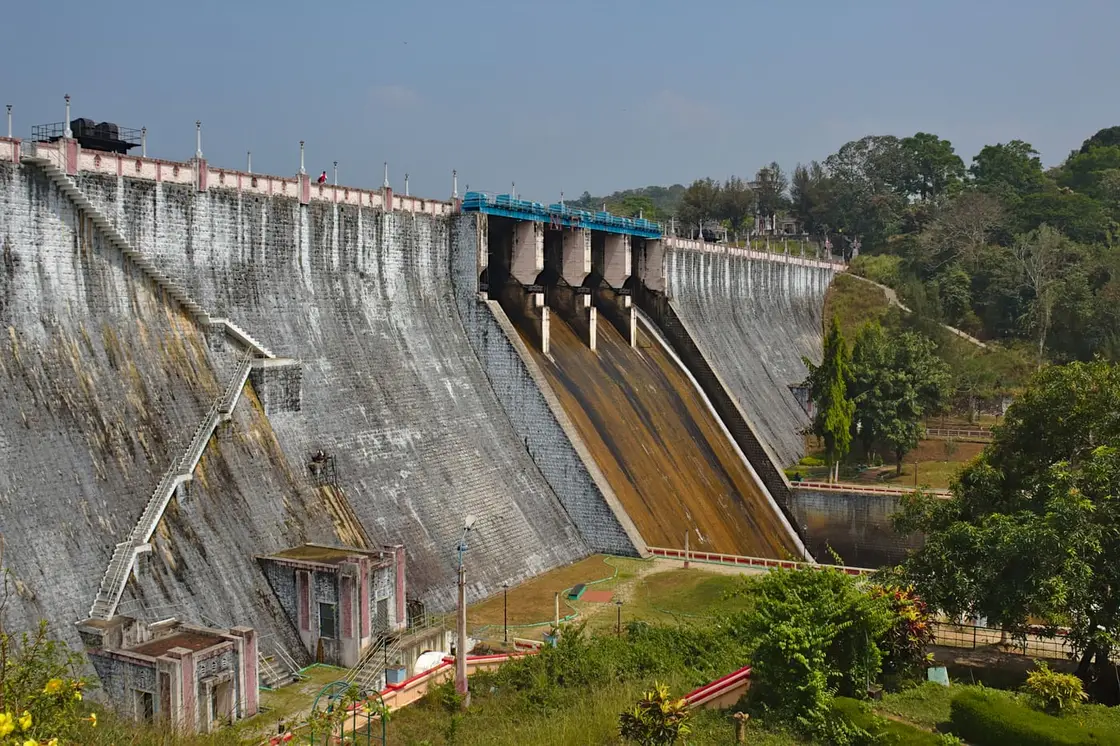
Walking into the Neyyar sanctuary is a different proposition from riding a boat across its reservoir. Behind the safari park and the crocodile centre lies 128 square kilometres of jungle climbing towards Agasthyakoodam, the great peak of the far south — and on foot, with a guide, you get a version of it that no day-tripper sees.
The Neyyar treks run under Forest Department control from the sanctuary office at the dam, and they range from half-day walks in the lower forest to longer programmes pushing up towards the Agasthyamala foothills. Which routes are running depends on season, weather and the rules in force, so this is a walk to arrange rather than to assume.
The immediate difference from the reservoir trip is quiet. The dam end of Neyyar is busy — it is an hour from a city of a million people and it has a lion safari park — and the noise of it stops about ten minutes into the trees. What replaces it is the particular soundscape of wet evergreen jungle: cicadas, the descending call of a racket-tailed drongo, water somewhere below, and very little else.
The cover changes as you climb. The lower slopes are moist deciduous, opening up in the dry season; higher, the canopy closes into semi-evergreen and then evergreen, with buttressed trunks, dense understorey and a permanent green half-light. The sanctuary's full altitudinal range runs all the way to the 1,868-metre summit of Agasthyakoodam at its far end, though that is a separate, permit-only, seasonal undertaking rather than part of these walks.
The wildlife is a matter of luck and of walking quietly. Malabar giant squirrel and Nilgiri langur are the realistic sightings; hornbills are heard more often than seen. Elephant, gaur, sambar and sloth bear all use this ground, and elephant sign — dung, broken bamboo, prints in soft ground near water — is common on the trails. That is precisely why a guide accompanies you and why the guide's instructions are not a matter for discussion.
The practicalities are the standard ones for this landscape and worth taking seriously. Early start, because the check-post timings want you out well before dusk. Dry season, roughly November to March, because the trails are wet and closed-off in the monsoon and the leeches from June to November are relentless — carry salt. No mobile coverage once you are off the dam road. And do not, under any circumstances, get into the reservoir: there are crocodiles in this system.
The named routes are worth asking for by name at the office, because 'a trek at Neyyar' covers several quite different days out. The Forest Department's own programmes here include walks to Kombaikani and to Meenmutty falls, and which of them is running on a given date depends on season and on current forest conditions rather than on demand. Ask what is open before you fix the day, not after.
One thing that surprises people: the crowd at the dam end is not incidental to the sanctuary, it is a legacy of what this place was built to be. The dam and the sanctuary were created together in 1958, the Sivananda Yoga Vedanta Dhanwantari Ashram was founded beside it by Swami Vishnudevananda the following year, and a crocodile centre followed in 1977. The result is a protected reserve with a yoga ashram, a lion enclosure, a boat jetty and a crocodile facility clustered at its gate. Walk past all of it and the country behind is genuinely wild — but the gate is not, and expecting it to be leads to disappointment.
The mountain at the far end of this sanctuary carries the story that names the whole range. Agastya — the sage of the Tamil and Sanskrit traditions — was sent south, in the account most often told, when the earth tilted out of balance: so many gods had gathered in the north for Shiva's wedding that the world dipped under their weight, and Agastya was despatched to the southern end to restore the level. He stayed. Agasthyakoodam is understood as his seat, the Agasthyamala range is named for him, and to a great many people the peak is not a viewpoint but a deity. That is worth carrying up the hill with you.
The most consequential confusion at Neyyar is not mythological but practical, and it ruins trips. The Neyyar treks and the Agasthyakoodam trek are not the same thing and are not booked the same way. Agasthyakoodam is a separate, much harder, permit-only expedition that runs in a notified season, requires its own Forest Department permission, and is not something you can bolt onto a day at the dam. People arrive at Neyyar expecting to walk up Agasthyakoodam and are turned away. Sort the permit long before you travel, or do the Neyyar day walks instead and be content.
The 'lion safari' is the expectation most worth correcting before you pay for anything, because the position has changed and the signage and listings have not. It was never a safari in the African sense: a fenced enclosure on Marakunnam island, driven through in a vehicle over a short circuit. It opened in 1985 as the first initiative of its kind in India, began with sixteen animals and at its height held seventeen. Reporting places the death of the last lion in 2021, and the enclosure has stood empty since. Lions are not native here and never were — the only wild population is in Gujarat, most of a subcontinent away. Ask two separate questions at the counter: is the circuit running, and are there any lions in it.
The river the sanctuary is named for is misdescribed in most accounts of it, and the error flattens the whole landscape. The Neyyar is not a lowland river with hills somewhere behind it: it rises at around 1,860 metres on Agastya Mala, which is to say a few metres below the summit itself, and reaches the sea after about 56 km, gathering the Kallar, the Mullayar and the Karavaliyar on the way. That is an extraordinarily steep profile — most of two kilometres of descent in under sixty — and it is why the habitat gradient inside this sanctuary is so compressed, why the vegetation changes type within a single morning's walk, and why the reservoir fills as fast as it does after rain. ⚠ The Kallar here is not the Kallar at Ponmudi; the name simply means stone-stream and there are several.
The crocodile centre is likewise more specific than its billing. It was established in 1977 as a rehabilitation and research facility, holds mugger crocodiles — around twenty is the figure usually given — and was later named in honour of the naturalist Steve Irwin. The crocodiles in the reservoir, however, are not a story: they are the reason nobody swims here.
The Neyyar Wildlife Sanctuary was constituted in 1958, the same year the dam across the Neyyar river was completed, and covers roughly 128 square kilometres of the river's catchment in the Agasthyamala foothills.
It adjoins the Peppara Wildlife Sanctuary to the north and lies within the Agasthyamala Biosphere Reserve, so the ground walked here is continuous with a much larger protected landscape running to the Tamil Nadu border.
The sanctuary rises from around 100 metres at the reservoir to the 1,868-metre summit of Agasthyakoodam at its far end — an altitudinal range that accounts for its unusual habitat diversity within a relatively small area.
The wider designation came much later and matters for what is being protected. The Agasthyamala Biosphere Reserve was established in 2001, taking in Neyyar, Peppara and Shendurney sanctuaries on the Kerala side and the Kalakkad Mundanthurai Tiger Reserve on the Tamil Nadu side — about 3,500 square kilometres in total, roughly 1,828 of it in Kerala and 1,672 in Tamil Nadu. In 2016 it was admitted to UNESCO's World Network of Biosphere Reserves. Walking at Neyyar is walking at one corner of a landscape that crosses a state border and a mountain range.
Formal eco-tourism trekking here, run by the Forest Department with local guides, is a comparatively recent overlay on a protected area whose original purpose was catchment and wildlife protection. The visitor attractions at the gate arrived in stages and none of them is original to the sanctuary: the Sivananda ashram in 1959, the crocodile centre in 1977, the lion safari park on Marakunnam island in 1985. The last of those is now an empty enclosure, the lions having died out by 2021, which is a useful reminder that the durable things here are the wall, the water and the forest behind them.
It is the quiet version of Neyyar — ten minutes into the trees and the day-trip crowds at the dam are entirely gone.
The walk crosses a real habitat gradient, from moist deciduous into closed wet evergreen forest, within a single half-day.
It is unfenced elephant country walked with a Forest Department guide, which is a genuinely different experience from viewing wildlife from a vehicle or a boat.
The sanctuary is part of the Agasthyamala Biosphere Reserve, one of the richest biodiversity landscapes in the Western Ghats.
It is about an hour from Thiruvananthapuram, so a proper guided forest walk is available as a day trip from the state capital.
Road km to Thiruvananthapuram; ghat roads and traffic vary — allow extra.
Post-monsoon to late winter is usually best; avoid heavy-rain days and closed forest periods.
Live forecast loads in your browser.
Sun and moon are calculated for this location and shown in IST. Photography windows are the hour around sunrise and sunset; the sunset bearing is degrees clockwise from true north. Moon phase is accurate to about half a day.
Browse listed stays, food, activities, sights, shops and rentals around Neyyar trek. Check each listing’s locality and contact the business directly for current arrangements.
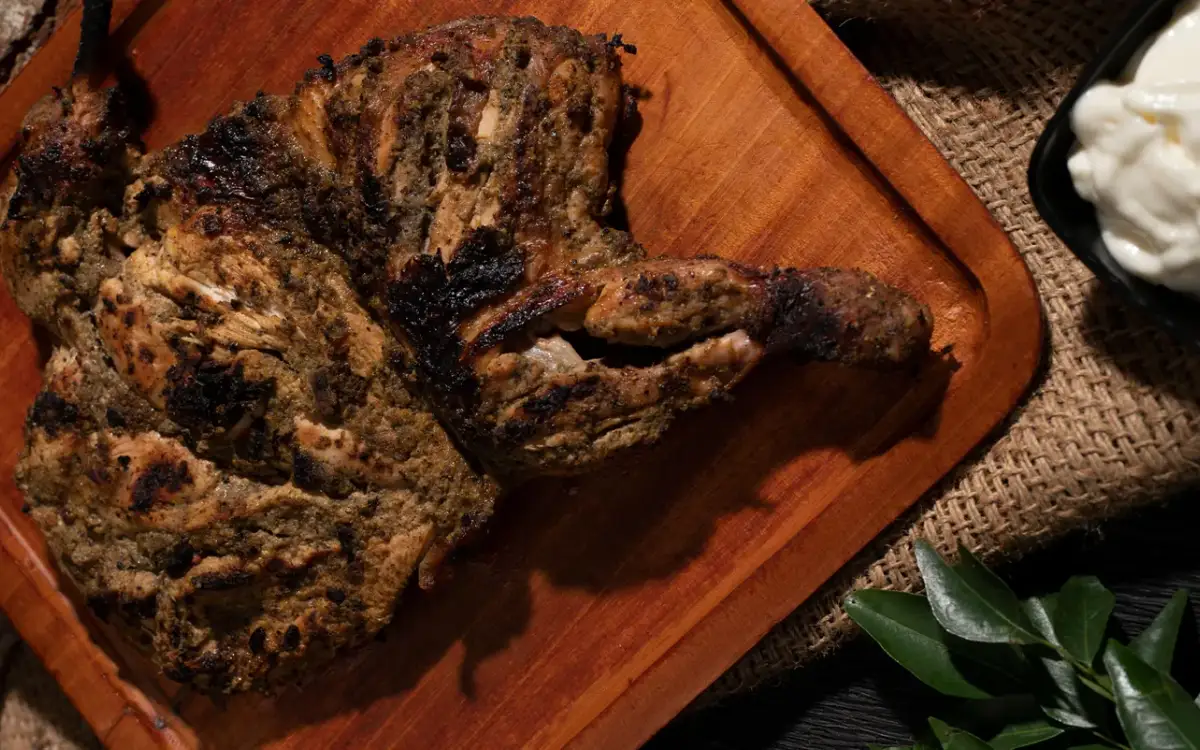
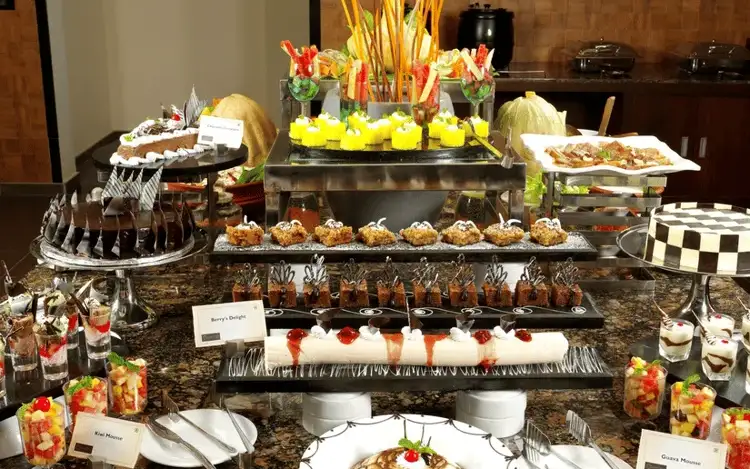
Zam Zam’s Palayam restaurant is opposite the MLA Hostel. Use this branch’s menu and contact for a city meal or group booking; the chain has other locations.
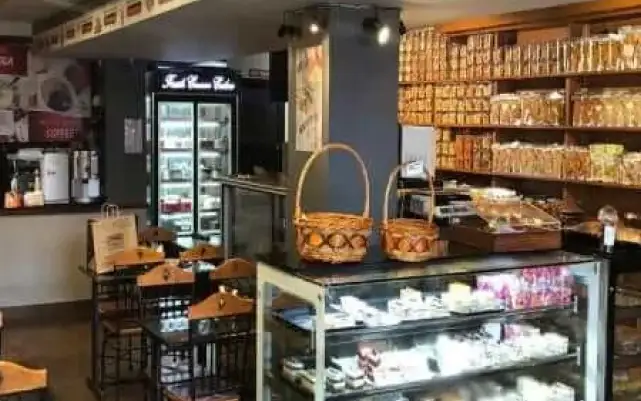
Trivandrum bakery with 24+ years of heritage that also runs Atelier by Ambrosia, a European fine-dining restaurant.
Restaurant (regional, north indian) on Venpalavattom, Near Lulu Mall in Thiruvananthapuram City. Regional, North Indian, AC.
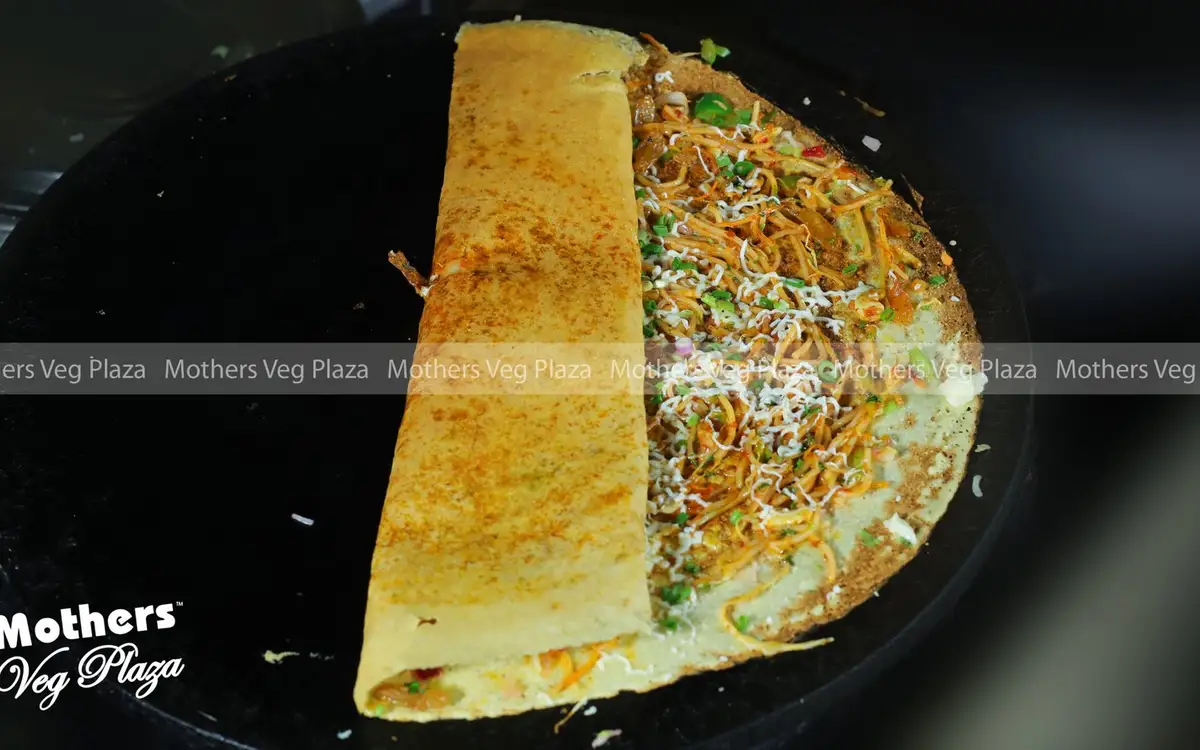
Mothers Veg Plaza is a vegetarian restaurant at Bakery Junction near the Russian Cultural Centre in Palayam, Thiruvananthapuram. Its website highlights Kerala sadya and a range of dosas. Choose a banana-leaf meal or ask about the dosa menu for your visit.
Multi-cuisine restaurant at Apollo Dimora, opposite Trivandrum Central railway station in Thampanoor. Paired with the hotel's pure-veg Vega Dimora next door.
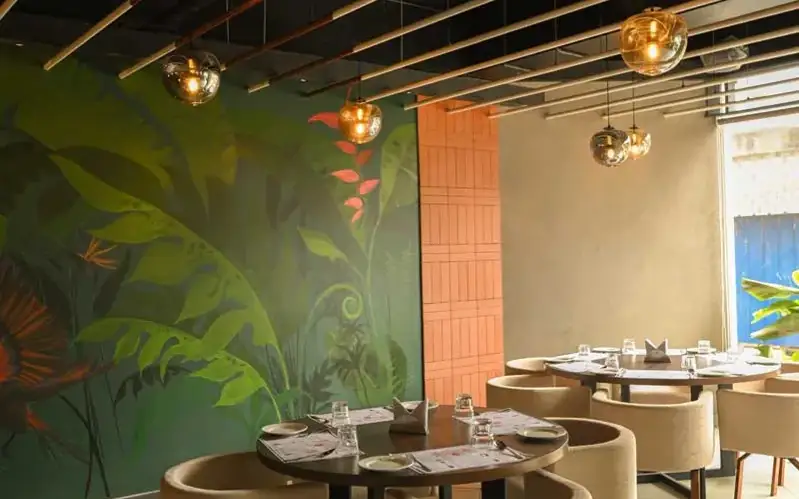
Villa Maya is a restaurant on Airport Road at Injakkal in Thiruvananthapuram. Its Kerala Tourism owner-submitted listing describes a dining concept shaped by Kerala’s spice-trade connections. Consider it for a planned meal and confirm the current menu and dining setting before reserving.
Restaurant (regional) on Kuttikad Lane in Thiruvananthapuram City.
Restaurant (south indian) on kuravankonam, Opposite Surya Medicals in Thiruvananthapuram City.
Restaurant (regional) on Fort South Nada road in Thiruvananthapuram City.
Restaurant (burger) on kuravankonam in Thiruvananthapuram City.
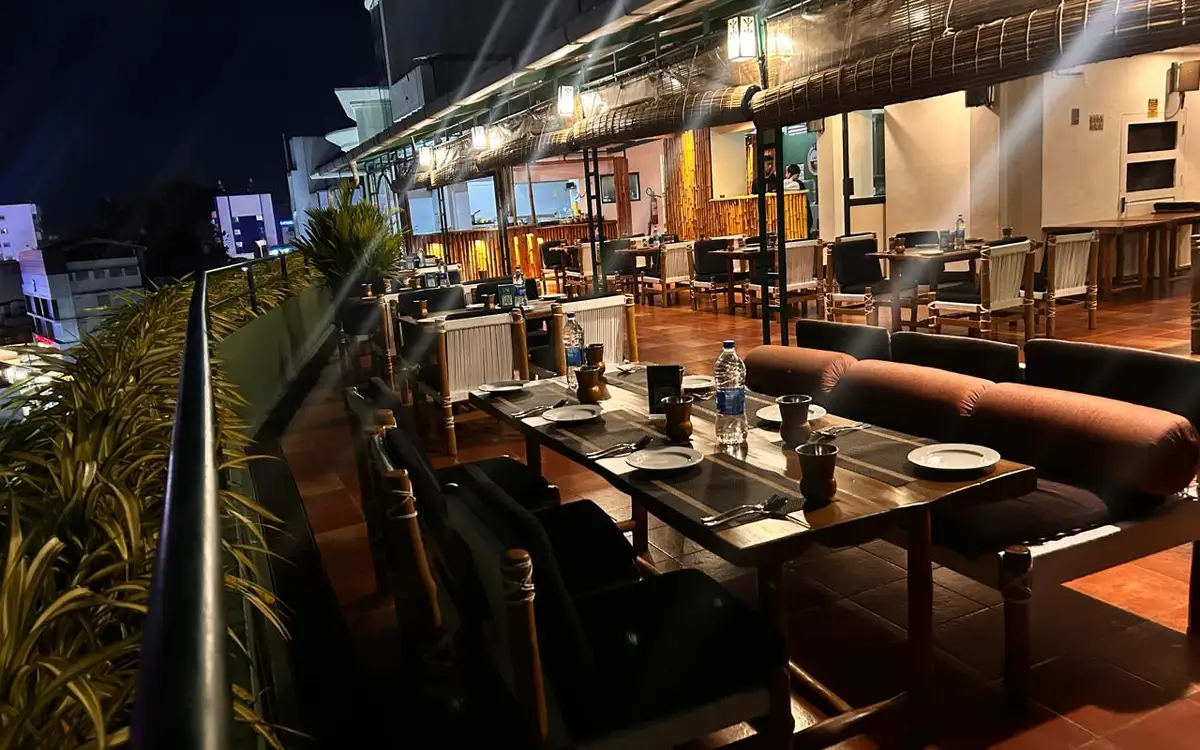
The Dhaba is Residency Tower’s Punjabi rooftop restaurant on Press Road, near the south gate of the Secretariat. Its dedicated restaurant page lists dinner service; confirm the current evening session and menu when reserving a table.
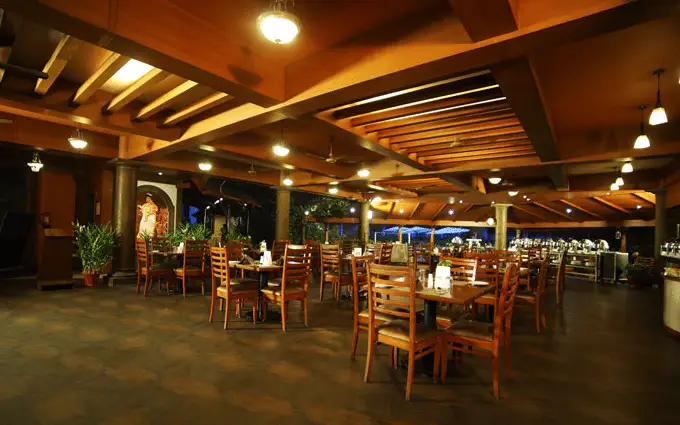
Multi-cuisine restaurant at Uday Suites, a garden hotel near Shangumukham beach. Serves Indian, Continental and Chinese buffets and a la carte.
Mira is Hotel Horizon’s multi-cuisine restaurant at Aristo Junction, Thampanoor, with buffet and à la carte dining. Ask about the current serving session and its separate private dining room when planning a group meal.
Regency is The South Park’s indoor multi-cuisine restaurant on M.G. Road at Palayam, with buffet and à la carte meals. Reserve Regency specifically; the hotel’s rooftop Skyye Grill and Oakwood lounge are separate venues.
My Place is the all-day restaurant at Gokulam Grand Trivandrum near Akkulam Bridge, serving pan-Indian and international cooking. Choose this venue separately from the hotel’s Mediterranean restaurant, coffee shop and bars.
Ambrosia at Bakery Junction is a cake and savoury pickup option in Krishna Complex, Palayam. Contact this outlet to check the product, size and lead time, and confirm the collection branch when ordering.
Café (coffee shop, regional, indian) on Old NH in Thiruvananthapuram City.
Restaurant (indian) on Anaval Street in Thiruvananthapuram City.
Street food (indian, chicken, coffee shop, kebab) on Old NH in Thiruvananthapuram City.
Street food (burger) on Unit# GF - 30, Kazhakootam - Kovalam Bypass Rd, Chacka, Thiruvananthapuram, Kerala 695024 in Thiruvananthapuram City.
Café (coffee shop) on Unit# GF - 1, Kazhakootam - Kovalam Bypass Rd, Chacka in Thiruvananthapuram City.
Restaurant (indian, south indian, seafood) on Mahatma Gandhi Road in Thiruvananthapuram City.
Café (regional, coffee shop) on Old NH in Thiruvananthapuram City. Regional, Coffee Shop, Outdoor seating.
Restaurant (indian) on Valiyavila Maruthankuzhi Road in Thiruvananthapuram City.
Book with the place itself. India’s cyber-crime coordination centre warned in April 2025 that convincing copies of hotel and pilgrimage booking sites are being pushed through sponsored search and social ads, taking payment for rooms the property never hears about. Use the contact and source details on each profile to confirm the exact business and booking channel. A directory entry or map pin alone does not establish an operator’s identity or current availability. Roampedia takes no commission and does not collect booking payments. If a booking page reached you through an ad, check the address bar against the property’s own site before you pay. Fraud can be reported on cybercrime.gov.in or on 1930.
Find food, accommodation and activities across Thiruvananthapuram city. Browse the guides for places to eat, stay and explore along your route.
22 more places around Thiruvananthapuram city. Open a guide to plan the visit and onward journey.
The ancestral palace compound associated with Raja Ravi Varma at Kilimanoor; visitor access concerns the working family estate and must be confirmed before travel.
A major coastal Muslim pilgrimage landmark south-west of the city centre, known for the Beemapally Uroos and the tombs honoured within the shrine complex.
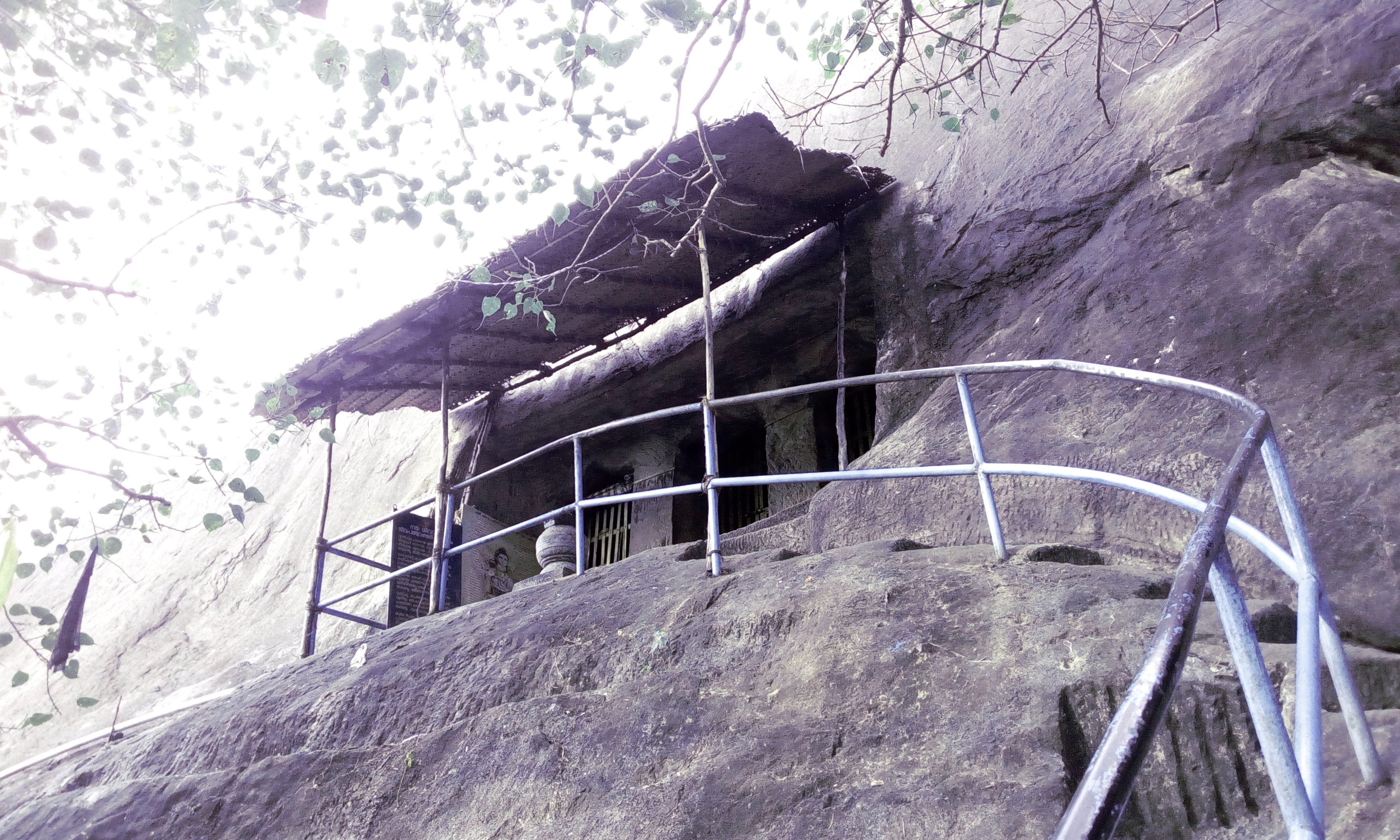
Madavoorpara combines a rock-cut Shiva shrine with a rocky hill landscape on Thiruvananthapuram’s northern edge. The temple and the climb offer different reasons to visit, and both deserve time.
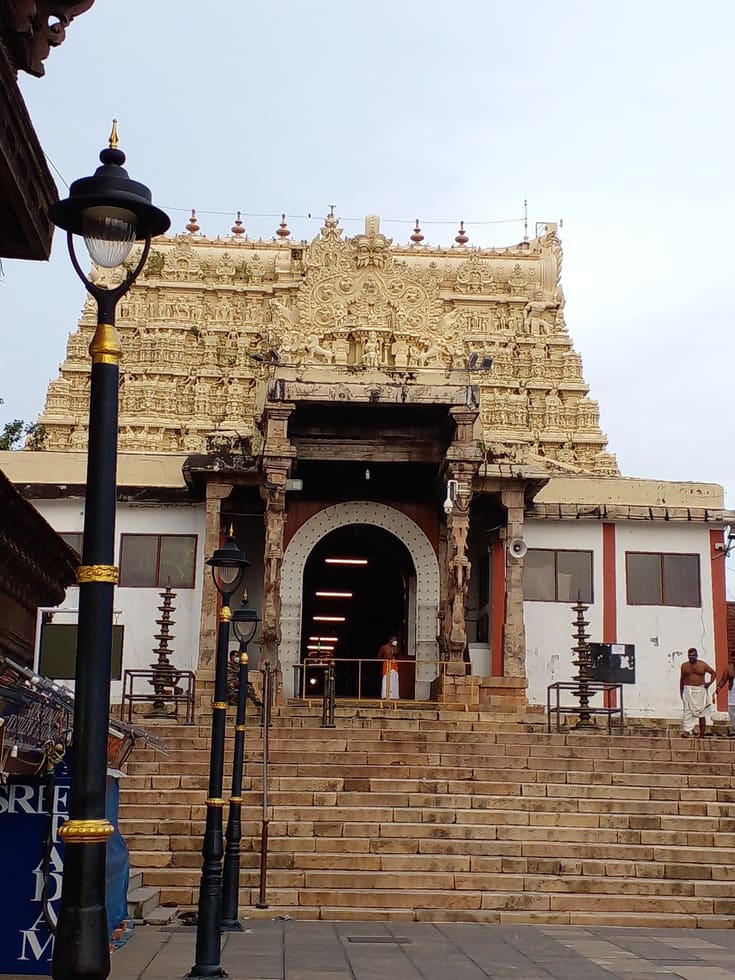
Major Vishnu temple and one of Kerala’s most important pilgrimage landmarks; strict entry and dress rules apply.
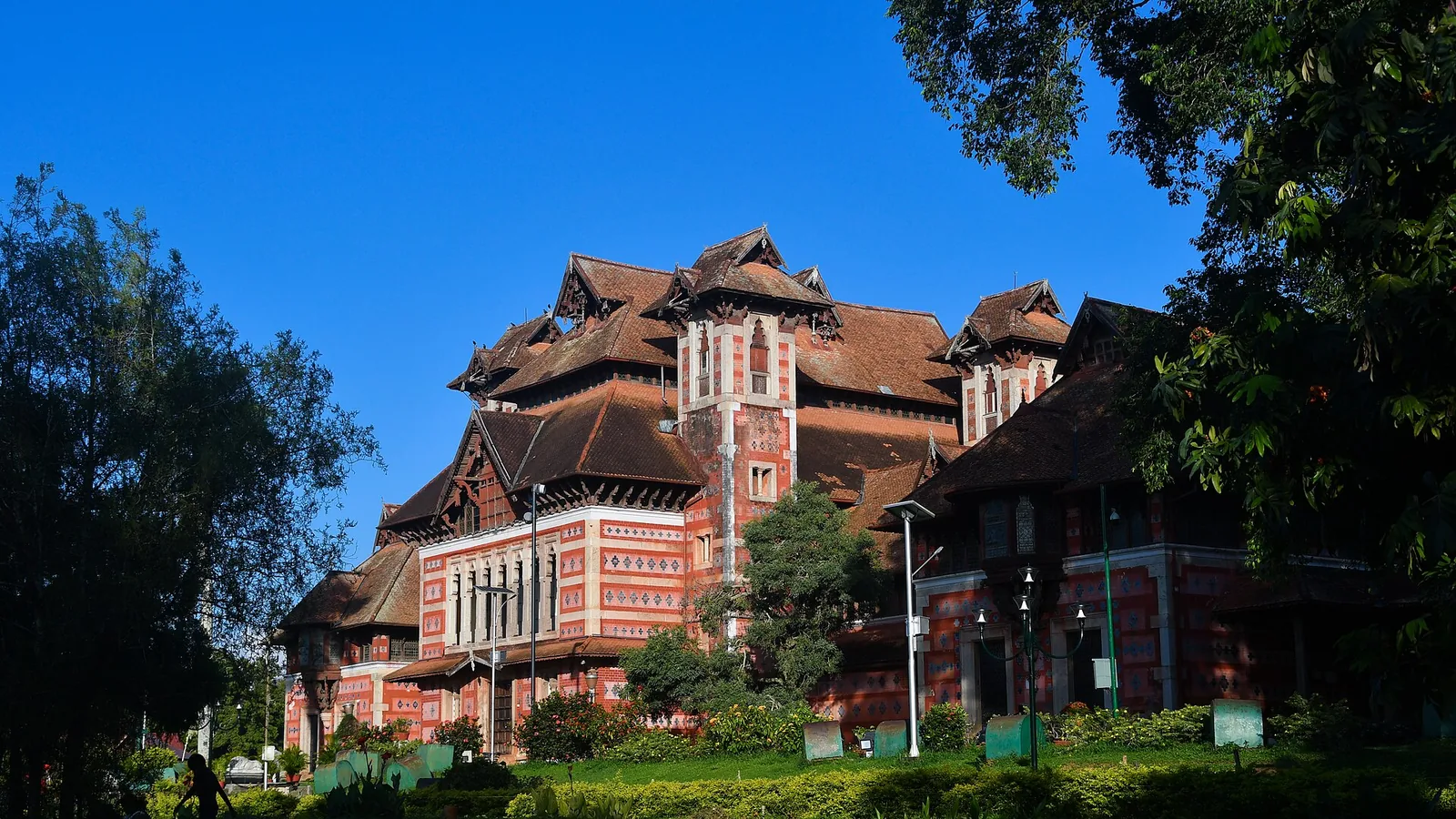
Robert Chisholm’s 1880 Indo-Saracenic museum in the Museum Park — a polychrome landmark holding Chola and Kerala bronzes, ivories and temple carts, with the Sree Chitra Art Gallery alongside it.
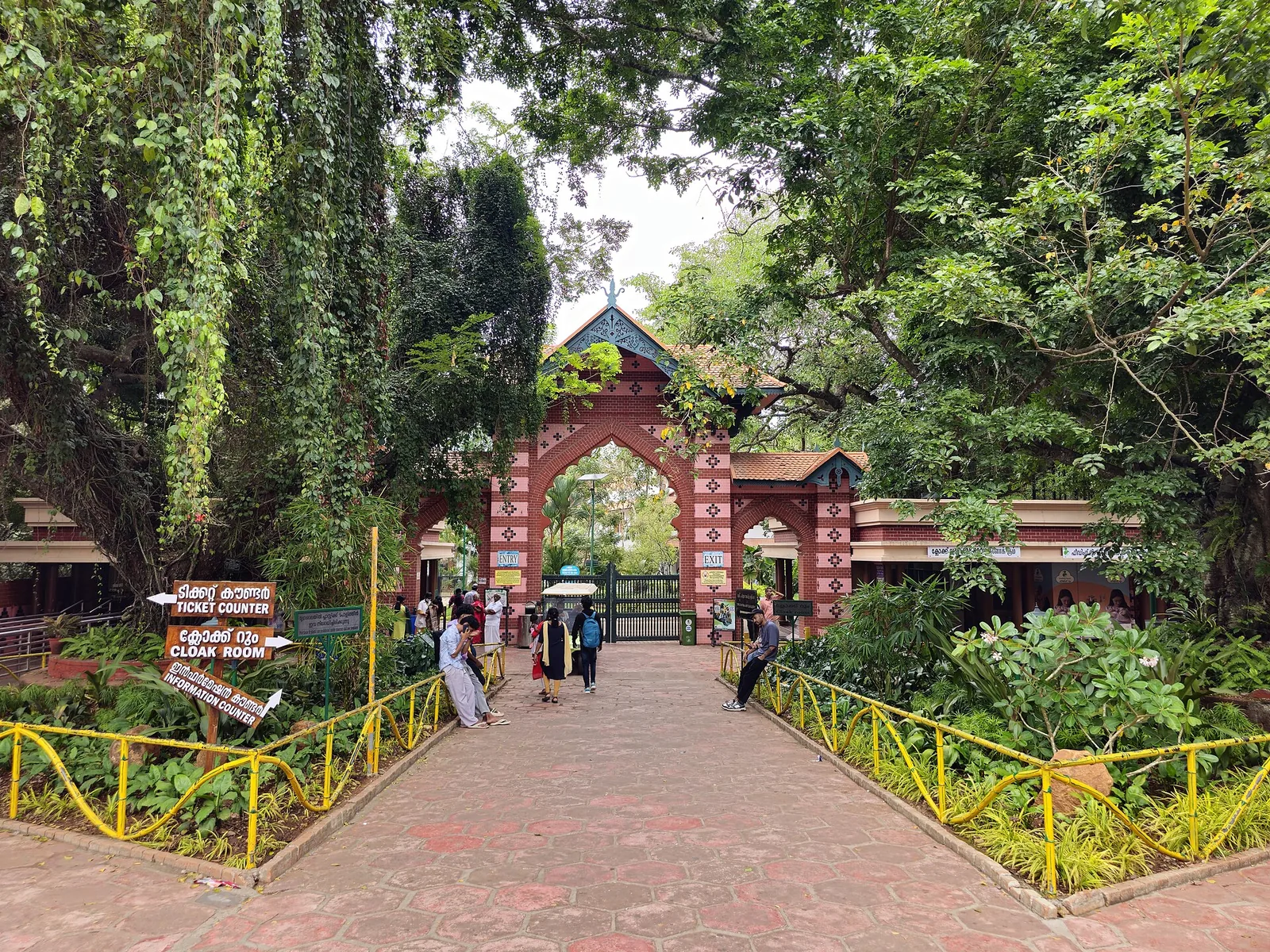
29.7 km · 34 min drive
Old trees, winding paths and animal enclosures share the Museum Park at Thiruvananthapuram Zoo, also known as Trivandrum Zoo. Allow time for the garden as well as the collection, with the Napier Museum close by.
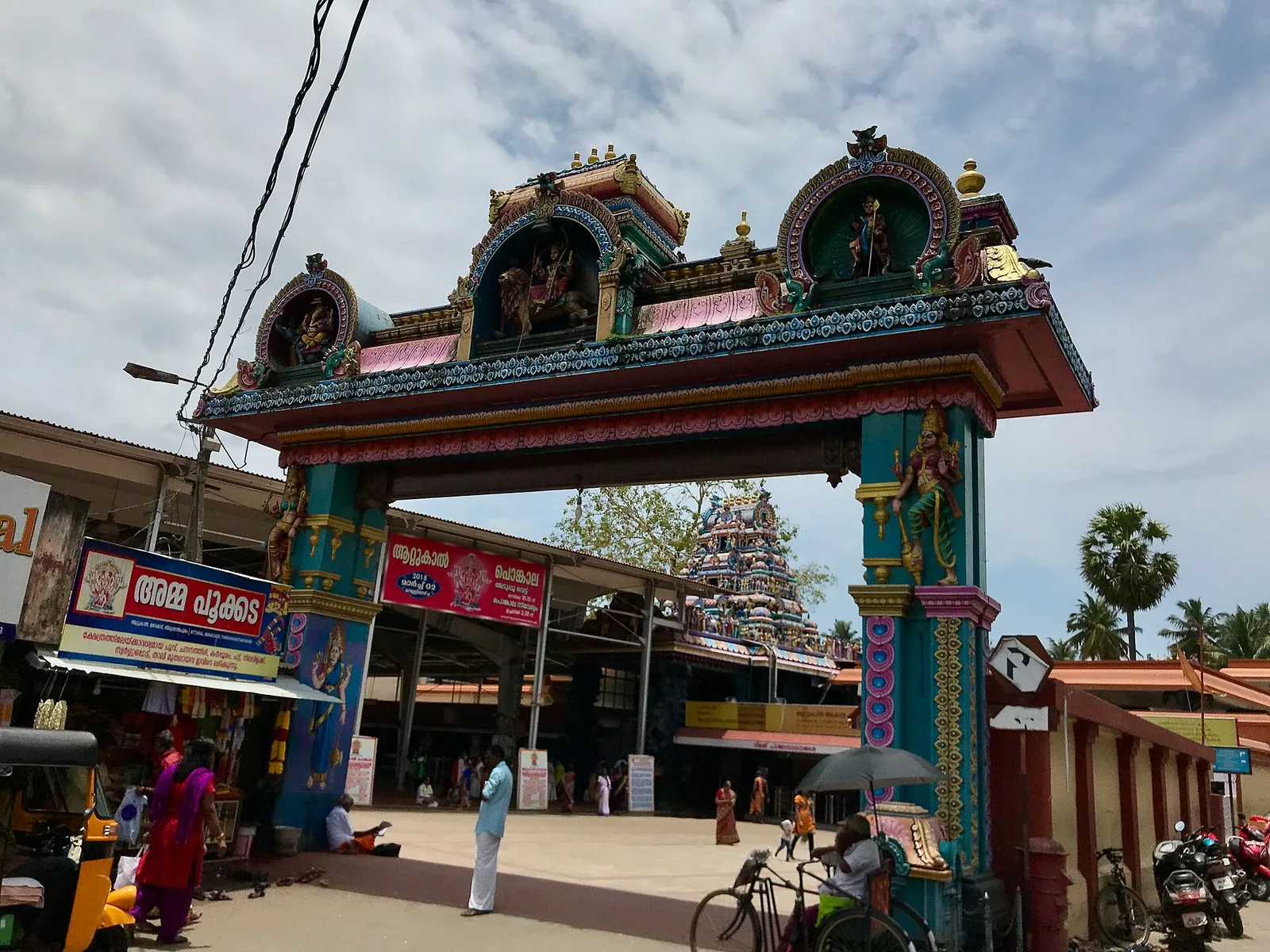
Famous Devi temple in the city, home of the Attukal Pongala — recorded as the largest annual gathering of women.
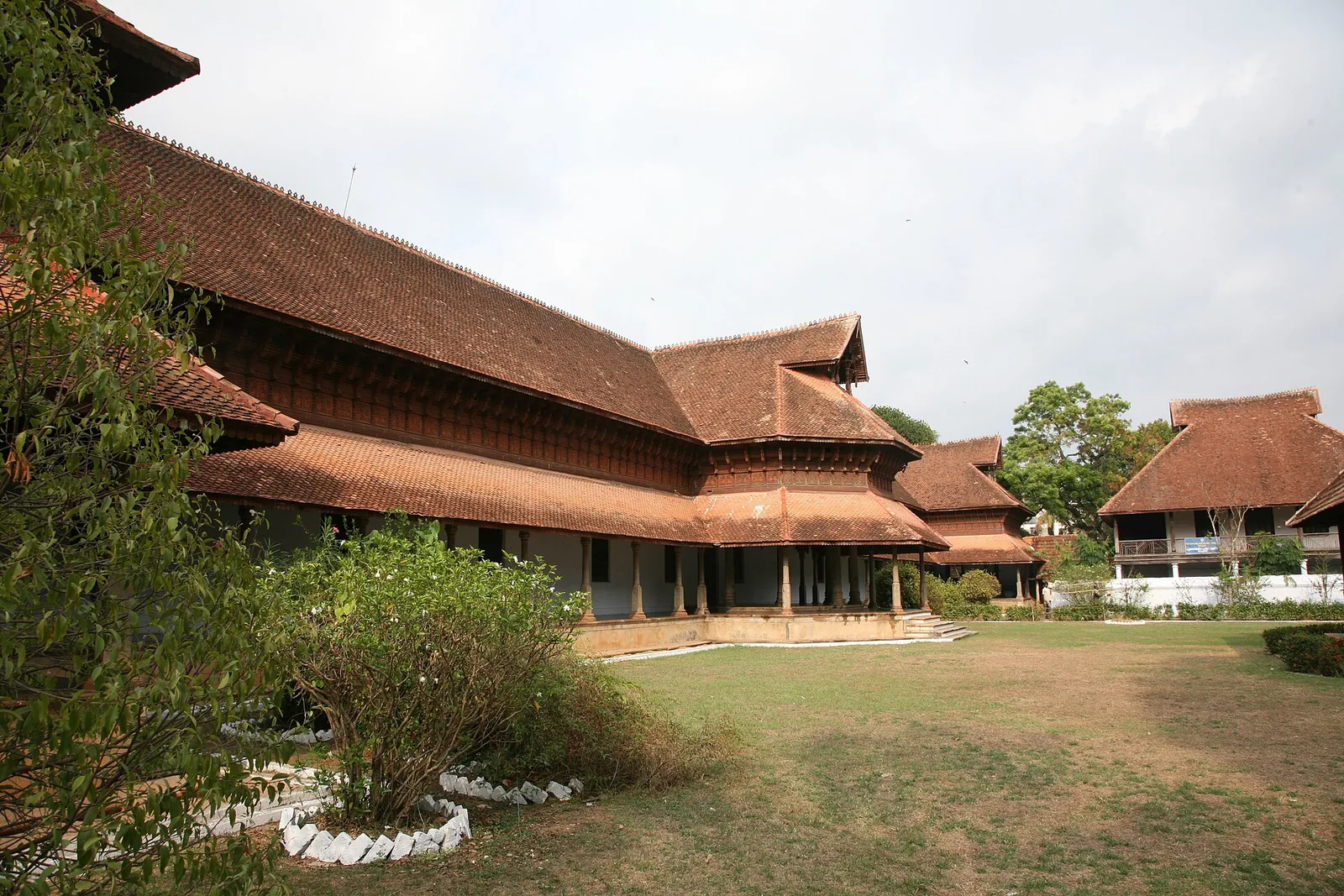
A row of carved wooden horses gives Kuthiramalika its name. Beside Sree Padmanabhaswamy Temple, this Travancore palace museum brings timber craftsmanship and royal collections into one compact visit.
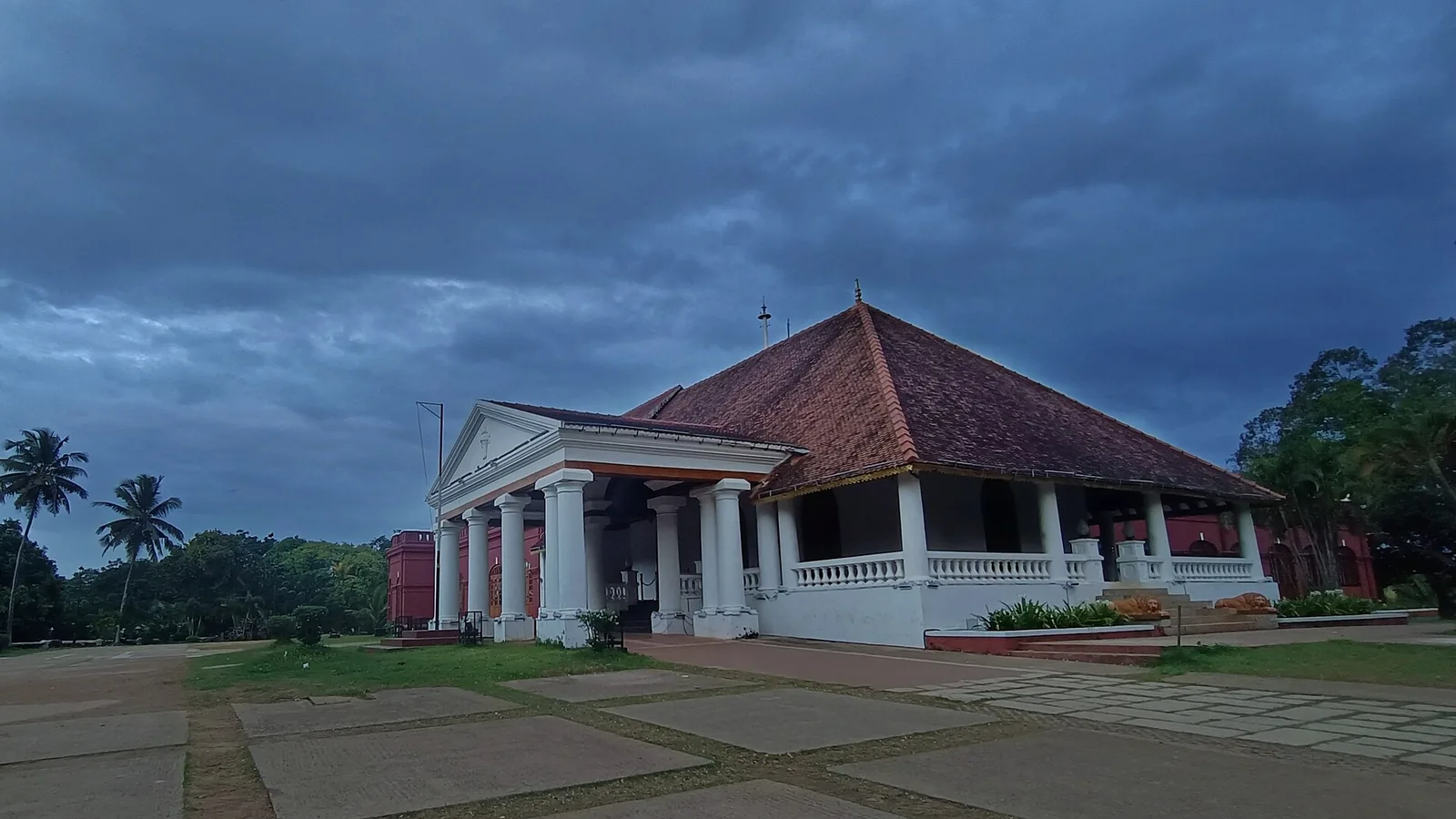
28.8 km · 33 min drive
Kanakakunnu puts a Travancore palace among gardens and cultural venues near Thiruvananthapuram’s Museum Park. Come for an evening walk or choose a date around a performance.
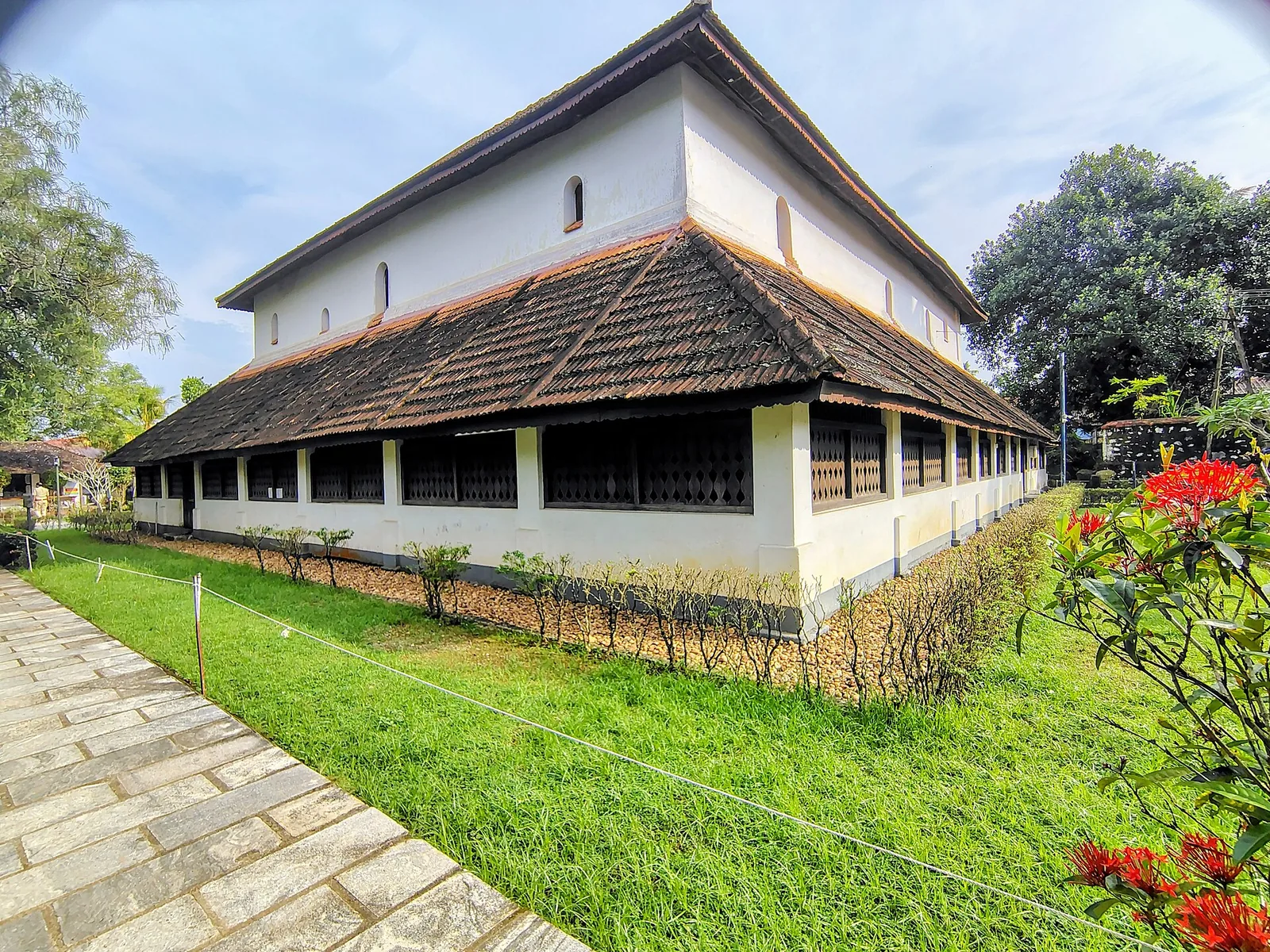
22.8 km · 23 min drive
Koyikkal Palace at Nedumangad houses folklore and coin collections inside a traditional Kerala palace. Everyday objects, instruments and currency make this a more intimate museum stop than a grand royal gallery.
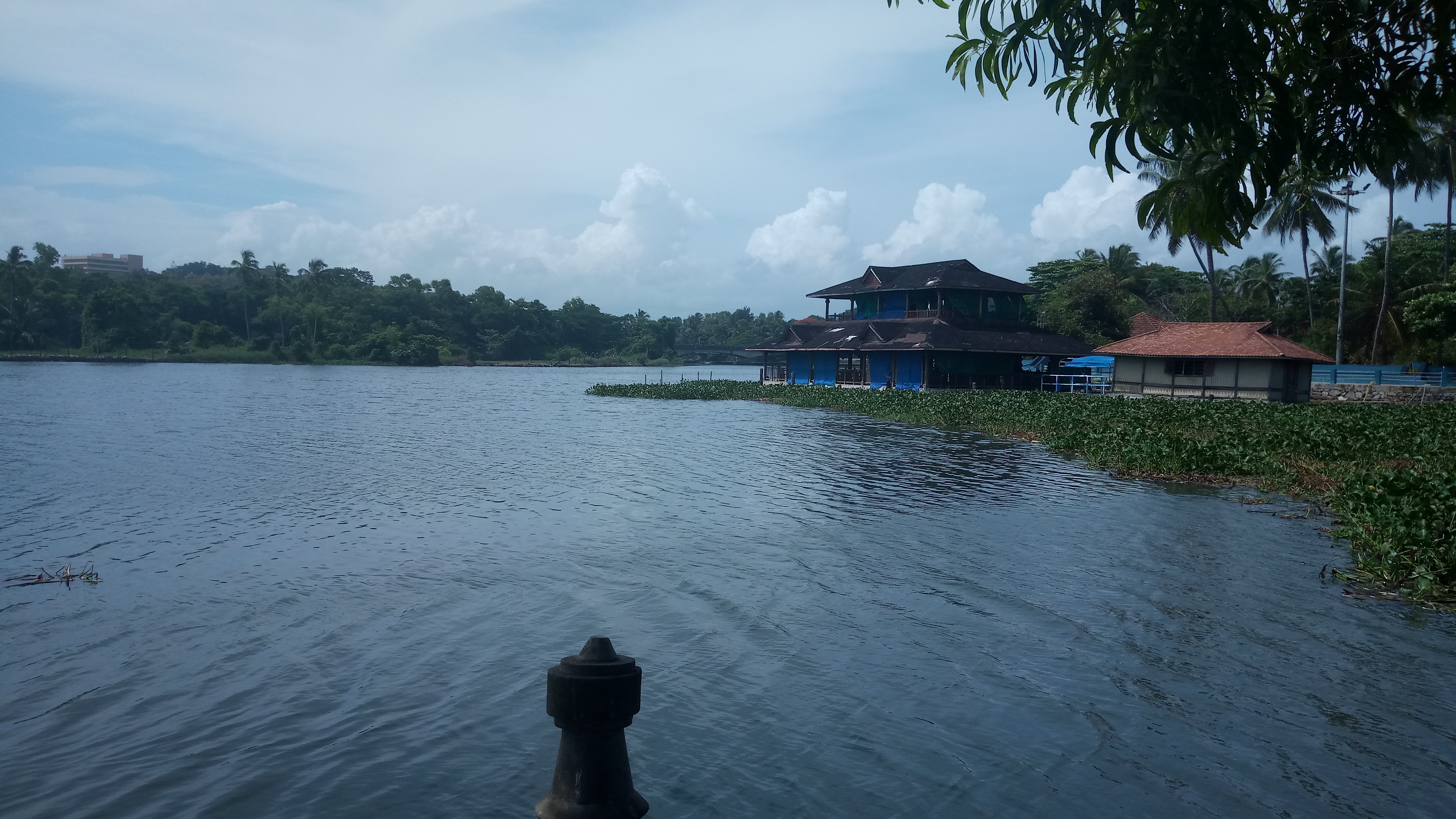
Veli Tourist Village brings lake views, gardens and boating to the coast near Thiruvananthapuram. It is a family outing at the meeting of Veli Lake and the Arabian Sea.
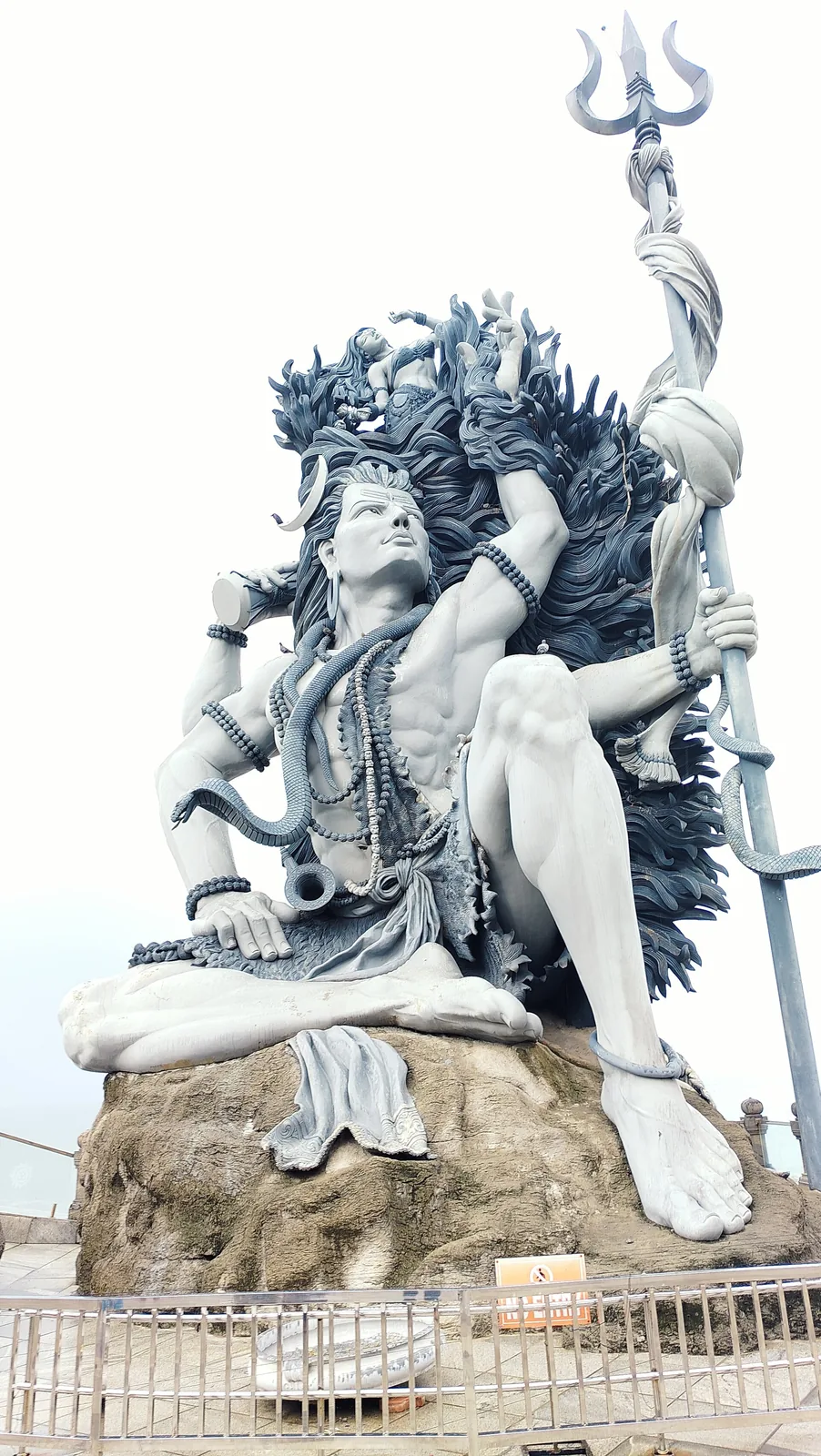
A clifftop seaside temple at Adimalathura near Vizhinjam, known for a giant Gangadhareswara (Shiva) sculpture.
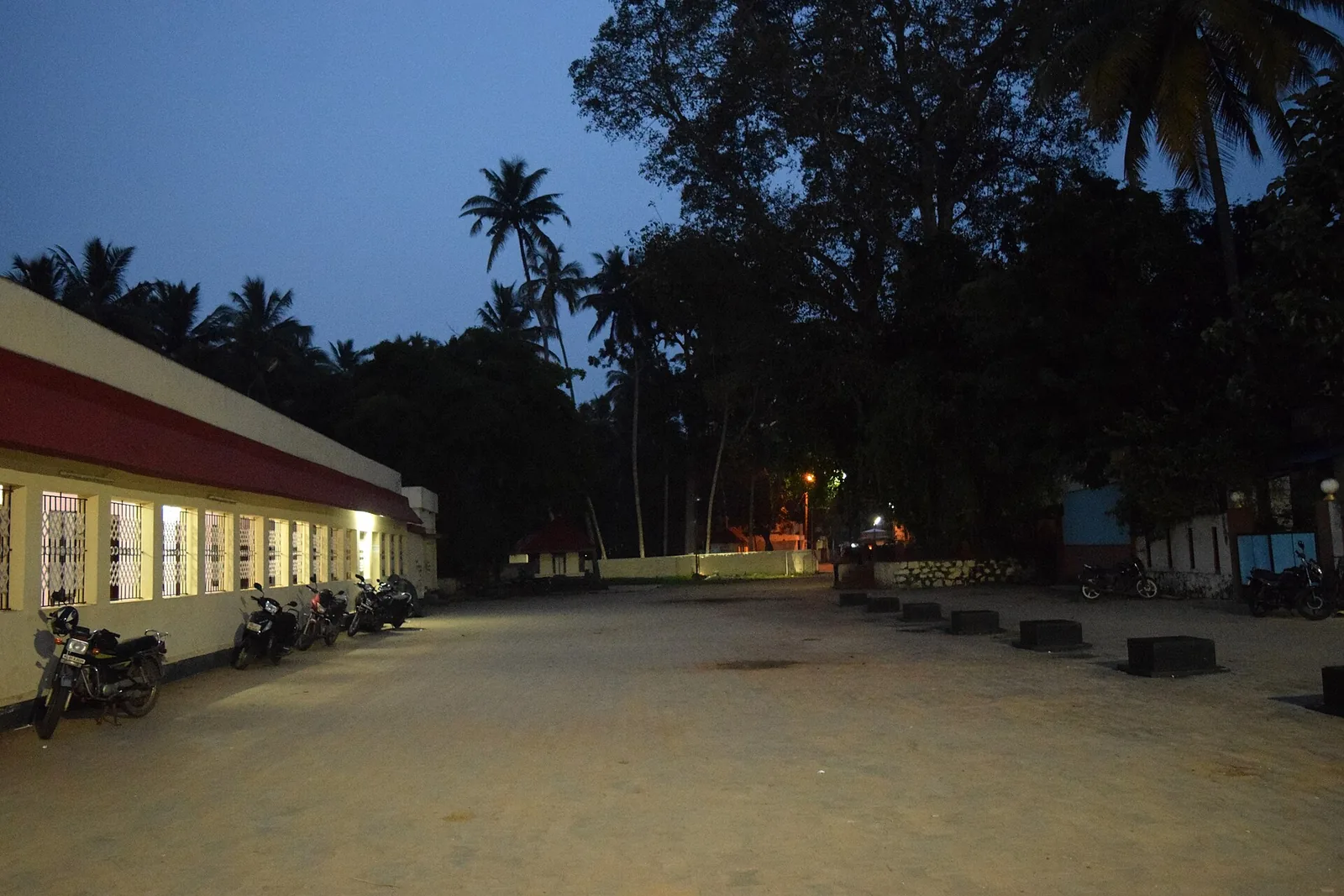
An ancient temple on the Karamana river, the district’s main site for ancestral (bali) rituals and rare for its Parasurama deity.
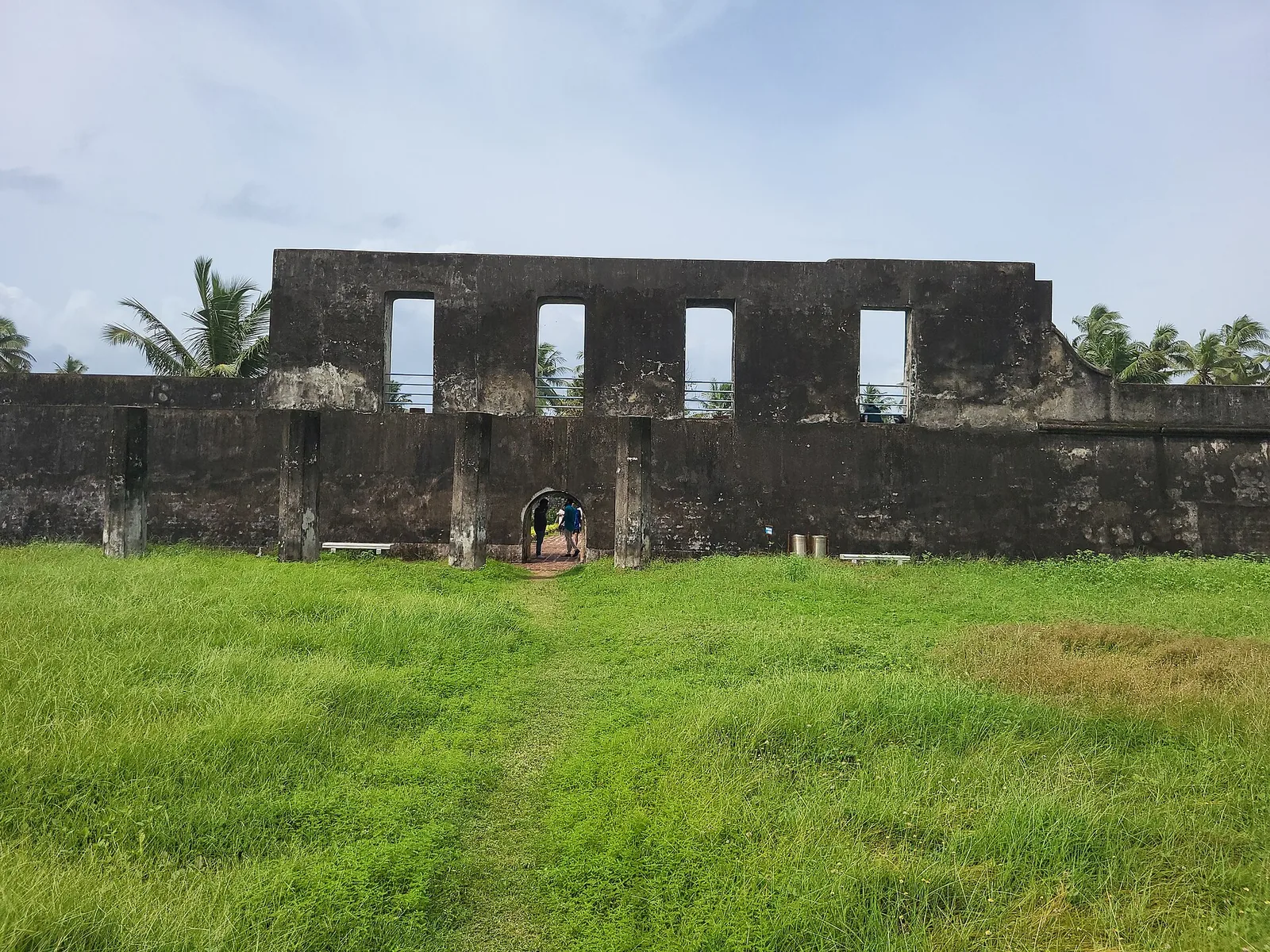
A 1690s English East India Company sea fort (Anjengo) on the coast north of the city, one of the earliest English settlements in Kerala.
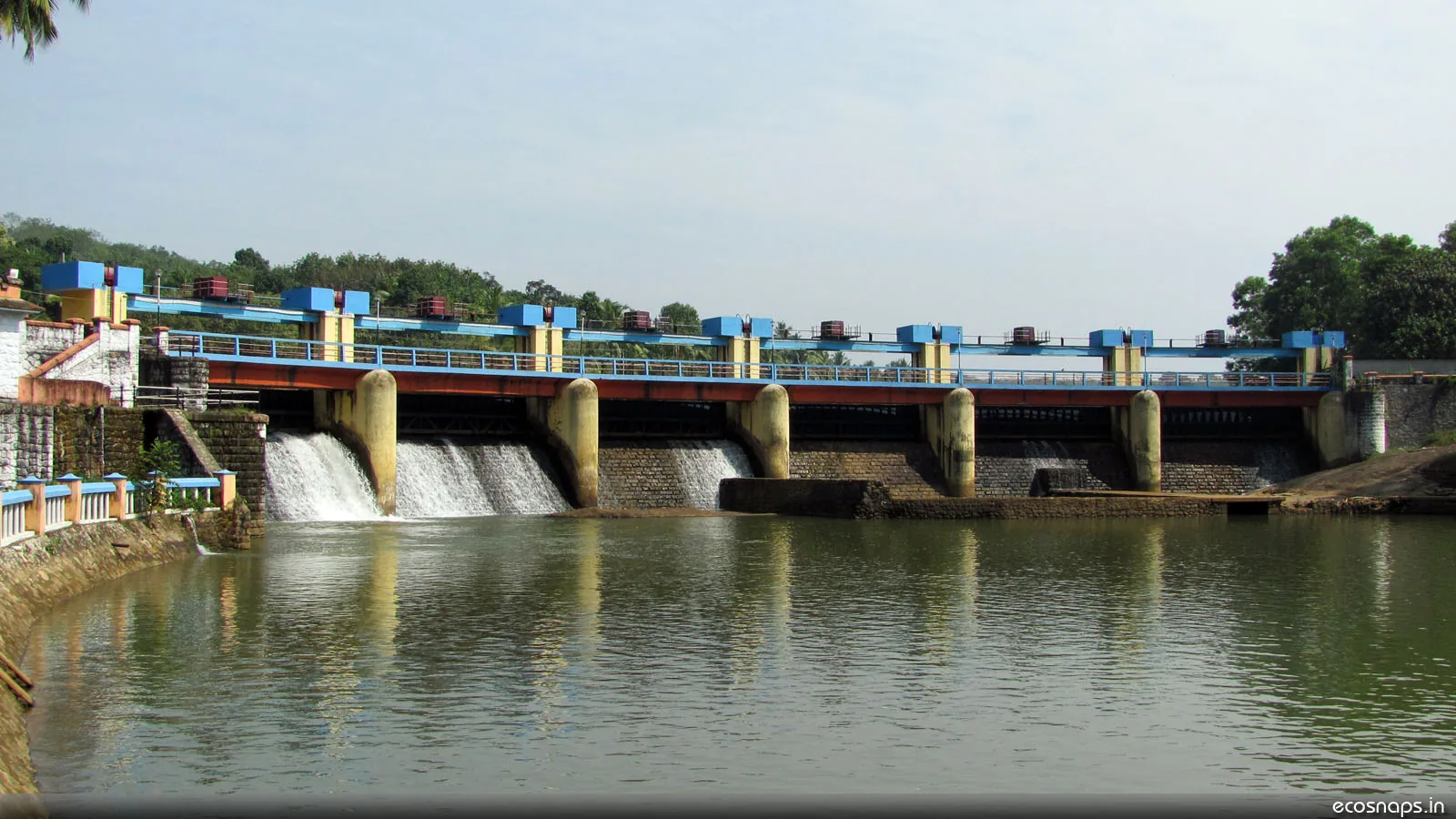
22.3 km · 26 min drive
A reservoir, riverside temple and small park on the Karamana river north-east of the city, a popular local picnic spot.
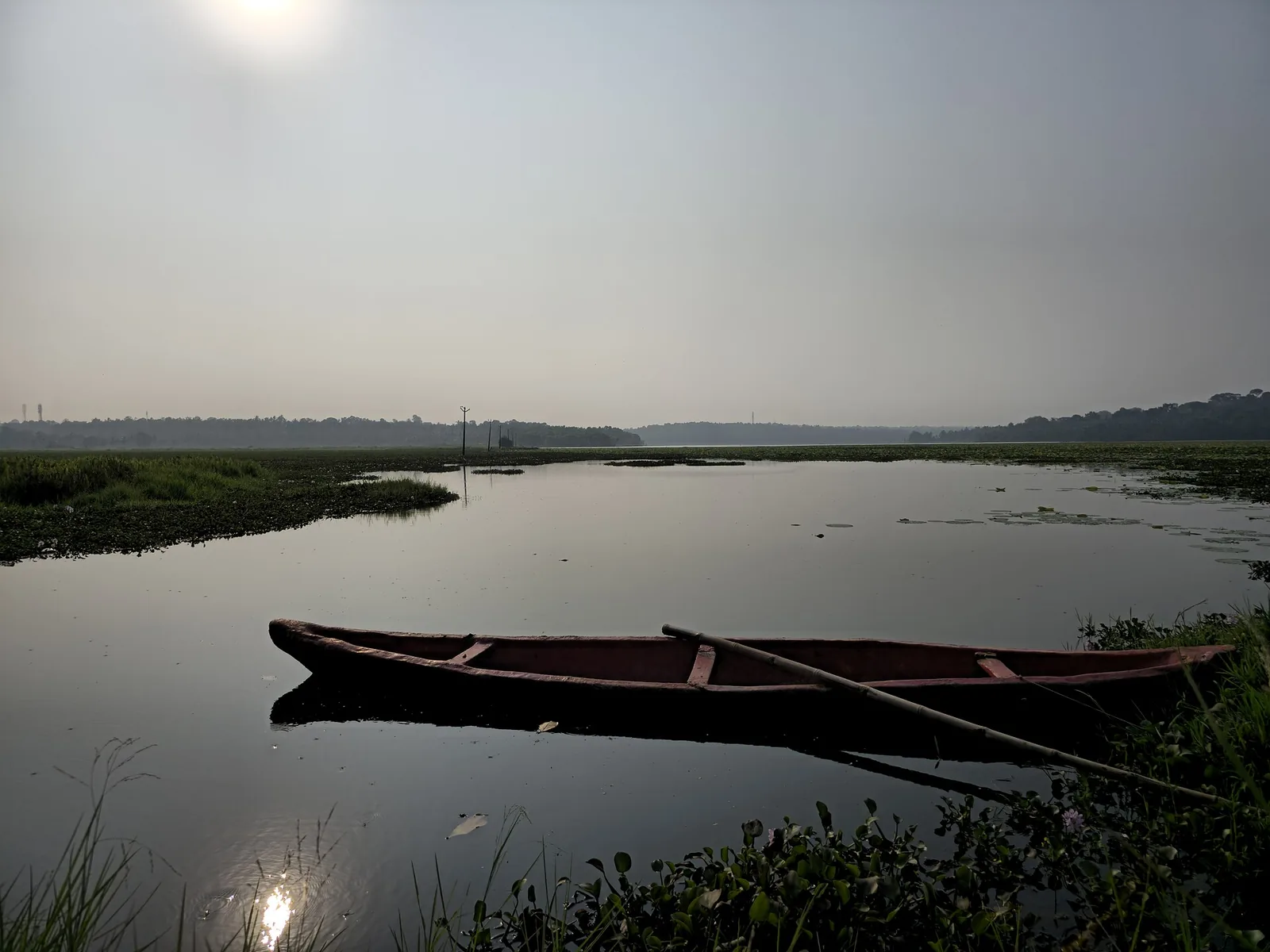
27.9 km · 33 min drive
A freshwater lake in Thiruvananthapuram district, with the Punchakari–Vellayani wetlands nearby offering seasonal birdwatching.
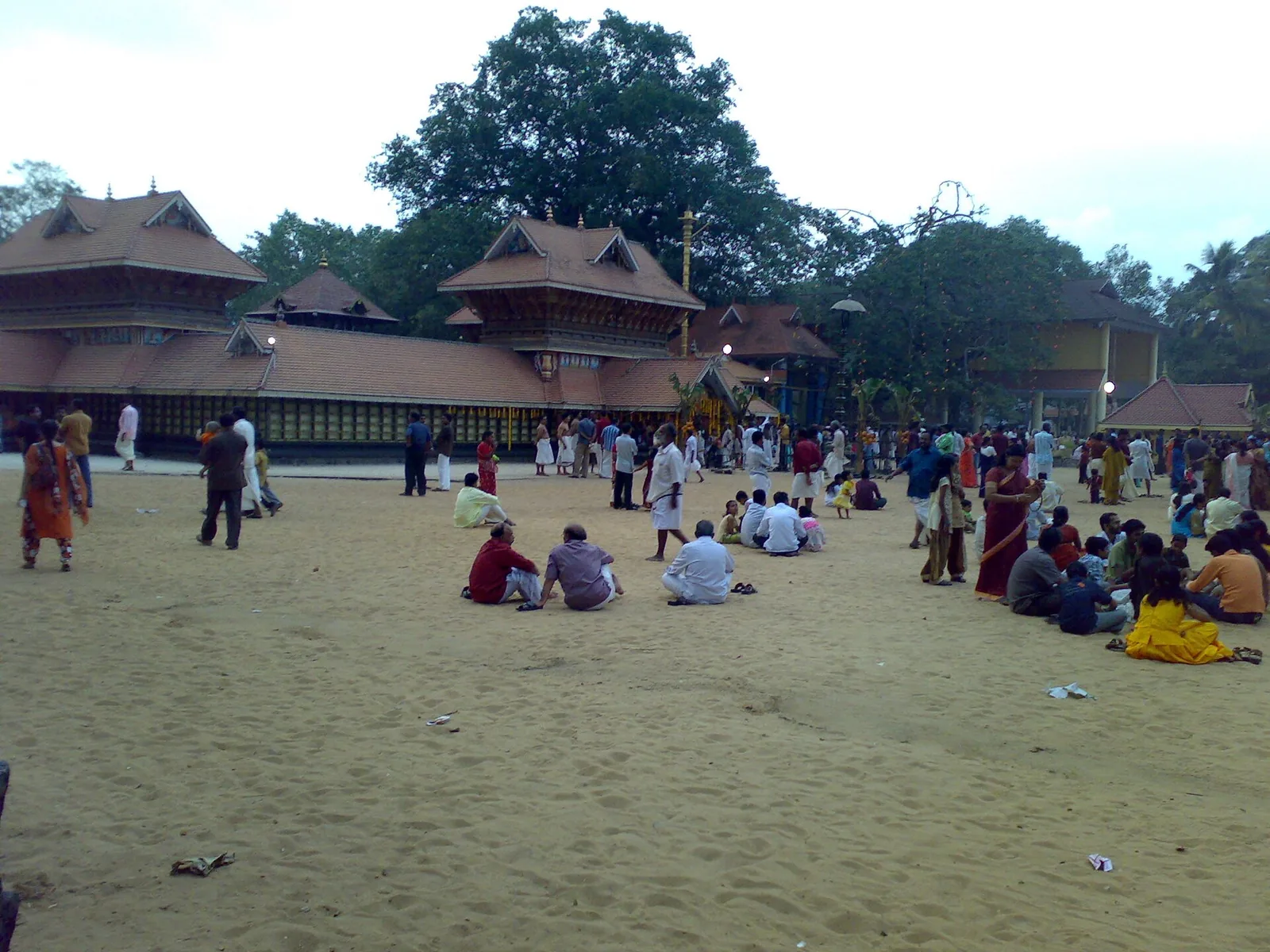
A renowned Devi temple at Chirayinkeezhu, famous for the Kaliyoot festival and the Sarkara jaggery legend.
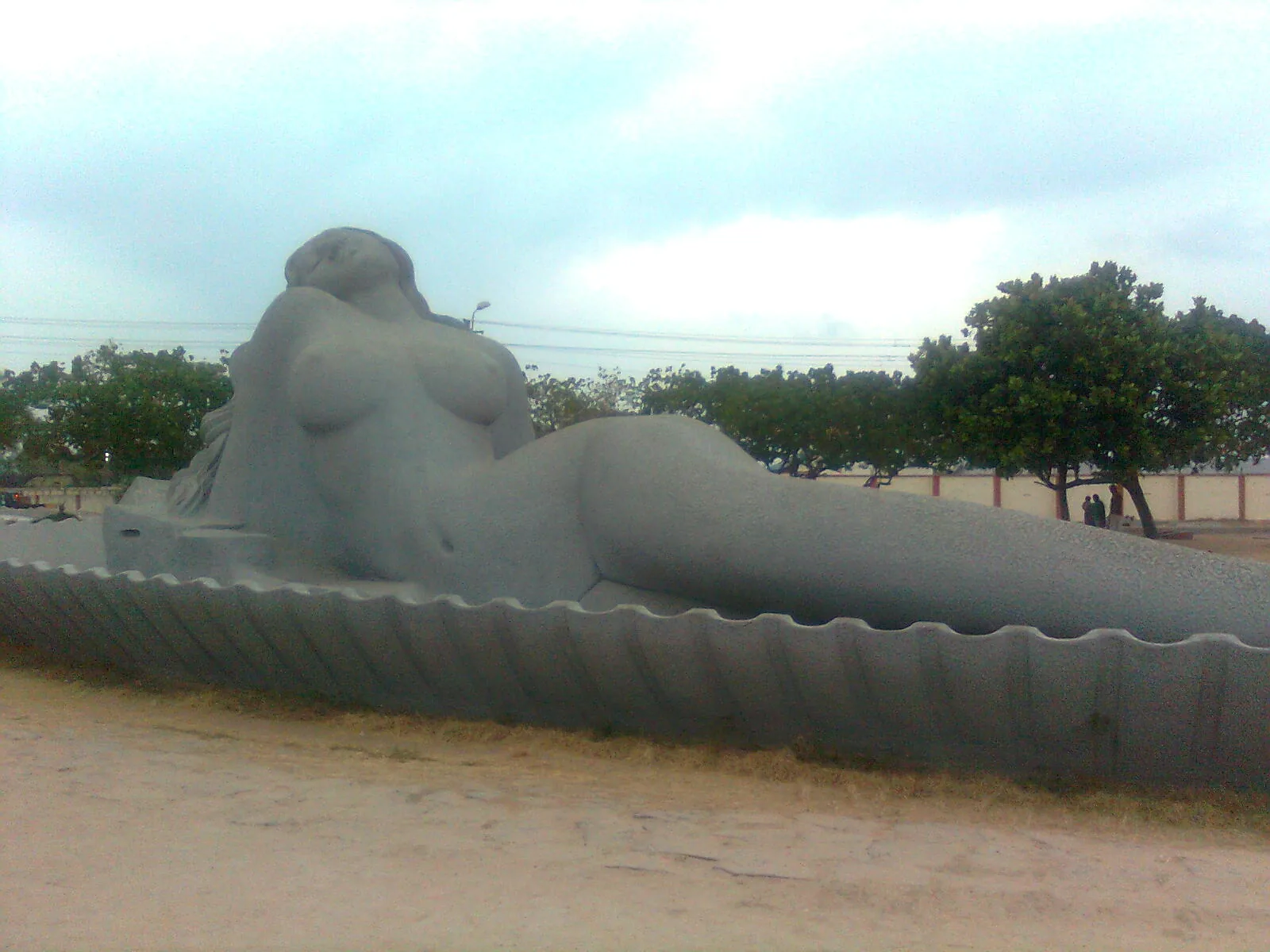
Shanghumukham is Thiruvananthapuram’s evening shoreline: an open sea horizon, airport-side access and Kanayi Kunhiraman’s reclining mermaid sculpture. Come for a coastal walk and the changing light.
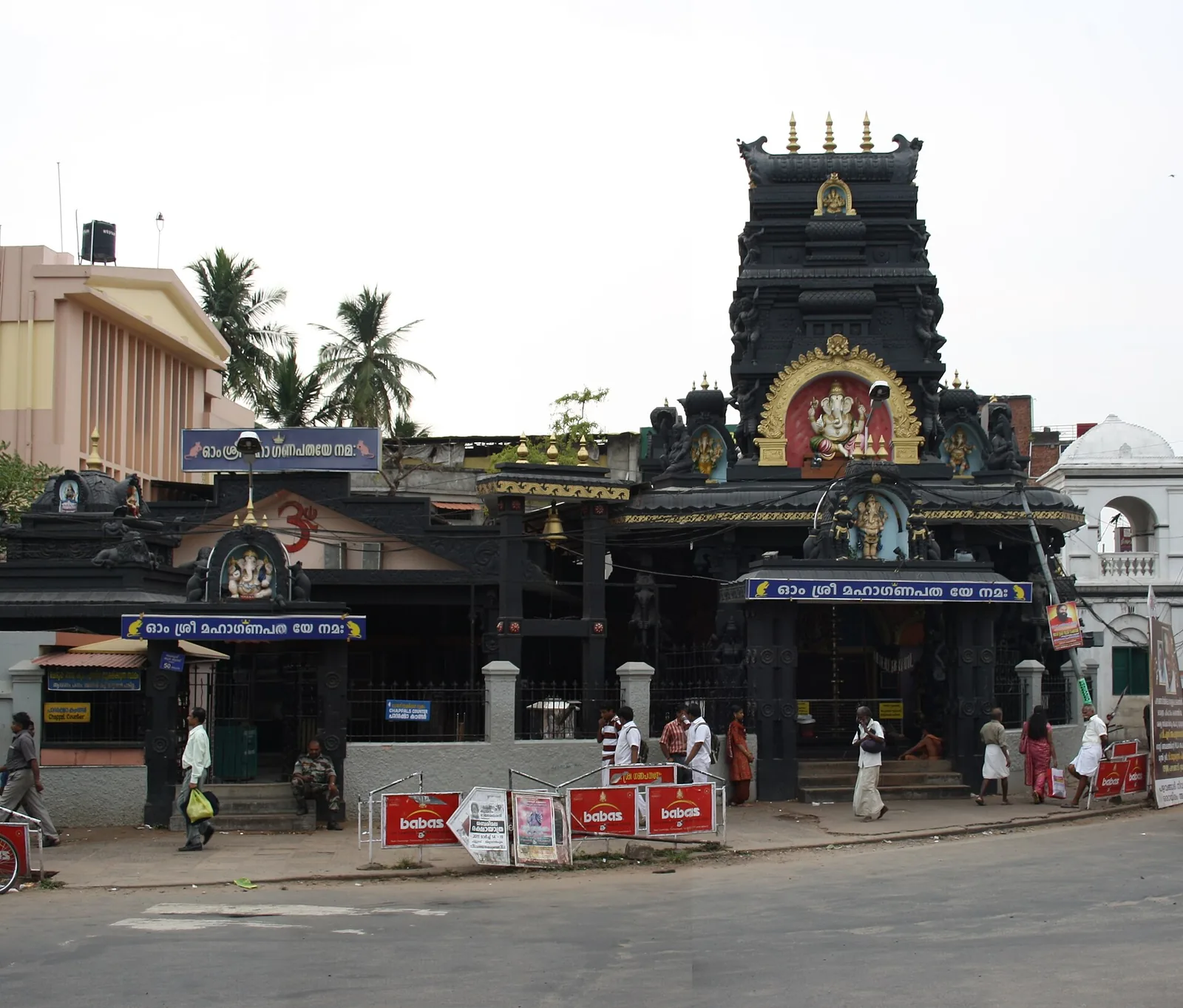
A popular Ganapathy temple near East Fort, known for the coconut-breaking offering; run by the defence services.
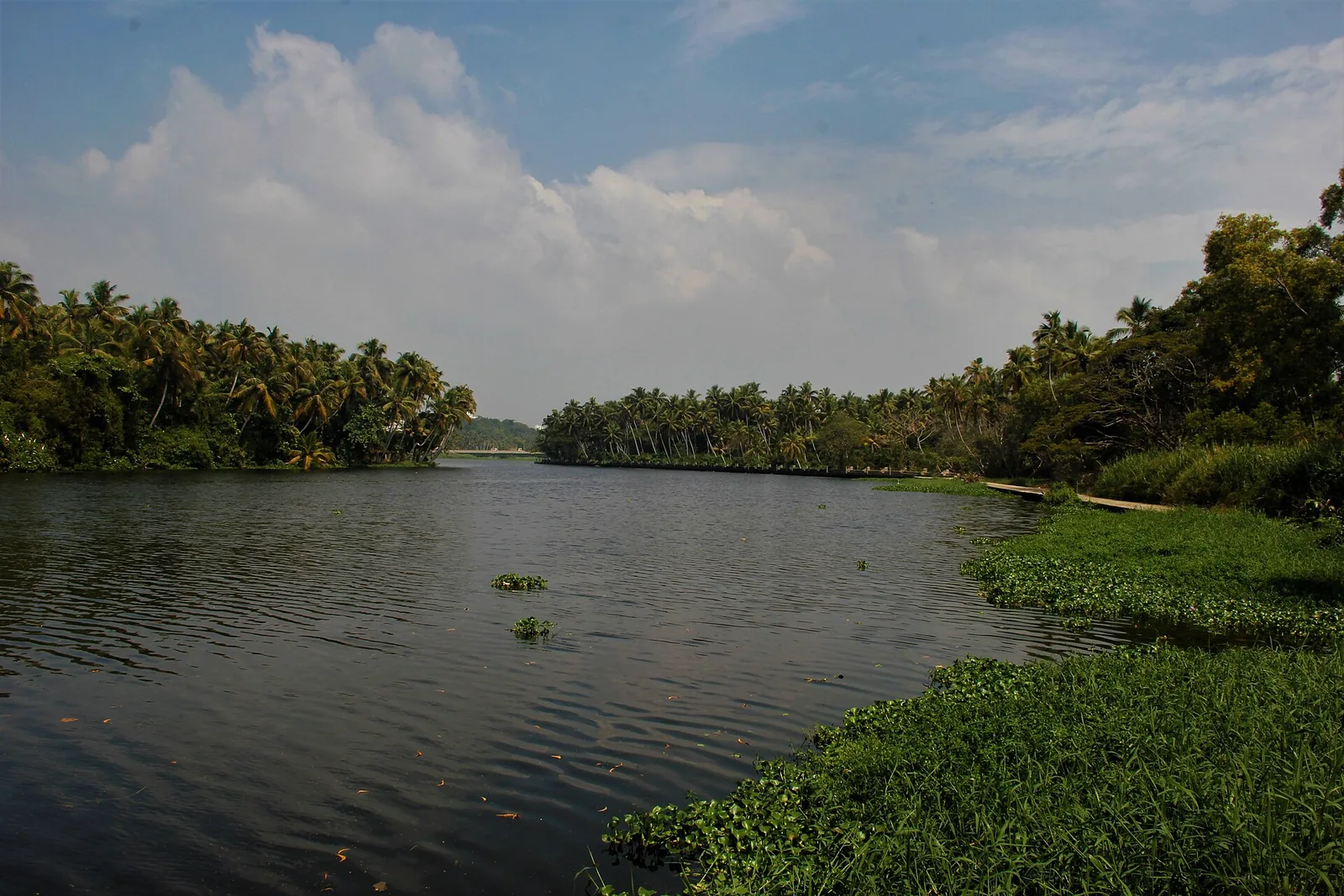
A calm backwater and boating spot near Veli with a lakeside tourist village and children’s park.
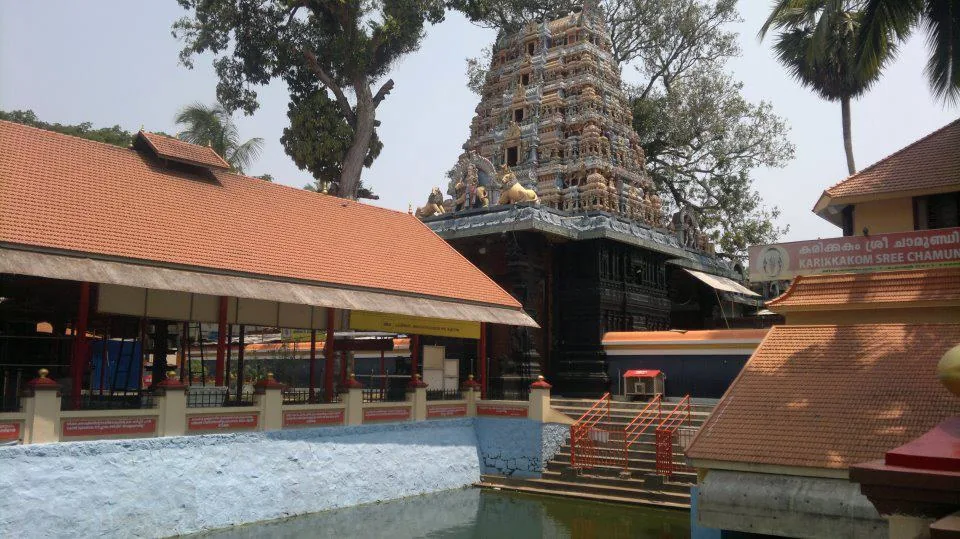
A well-known Chamundi Devi temple on the western edge of the city, busy during its festival season.
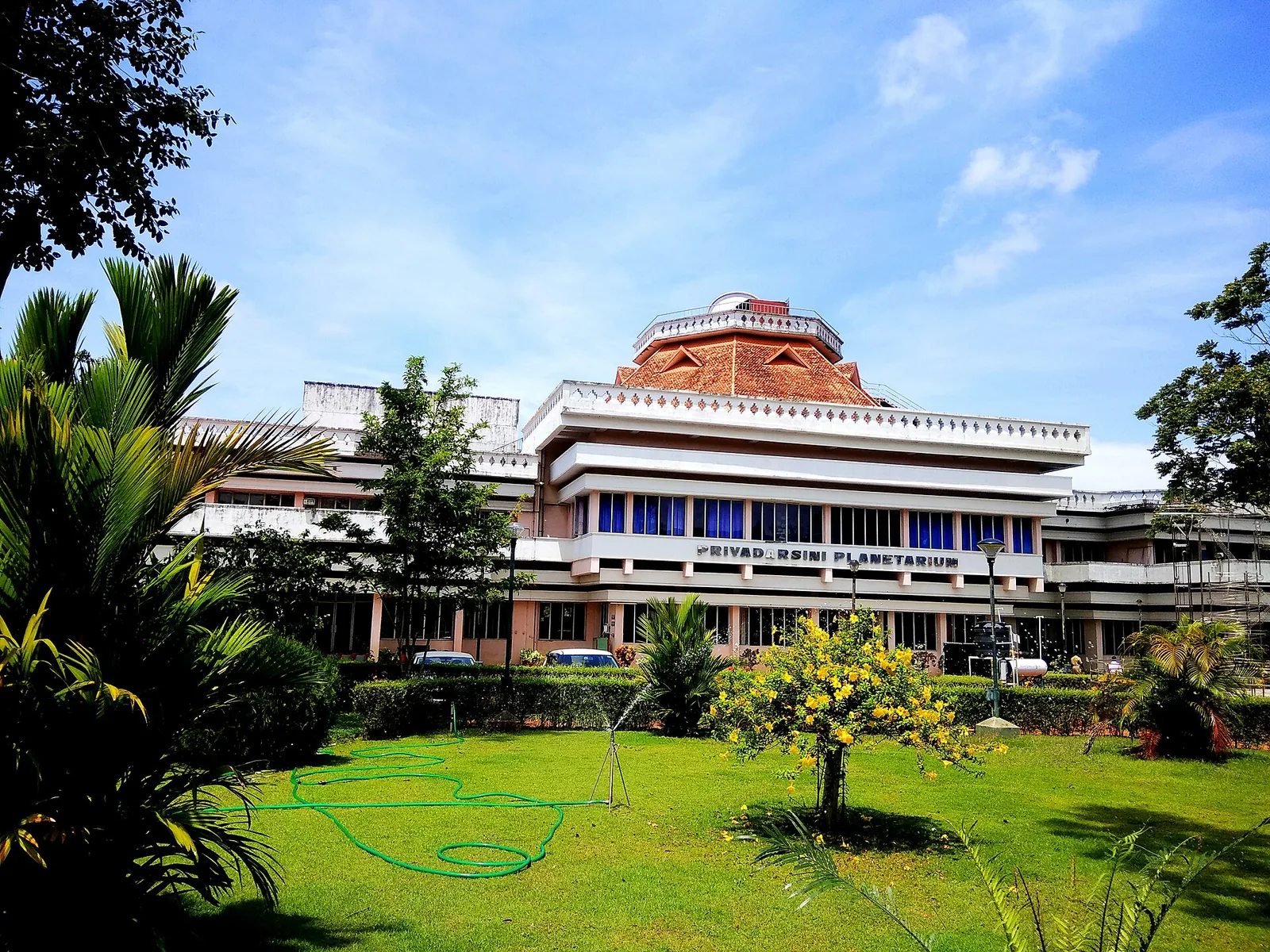
A hands-on science museum with the Priyadarshini Planetarium, popular with families and school groups.
Roampedia is commission-free — own or know a stay, eatery, guide or shop near Neyyar trek? Submit public business details for review.
Add a nearby businessEntry: A Forest Department trek fee and a guide charge apply, arranged at the sanctuary office at Neyyar Dam; carry cash.
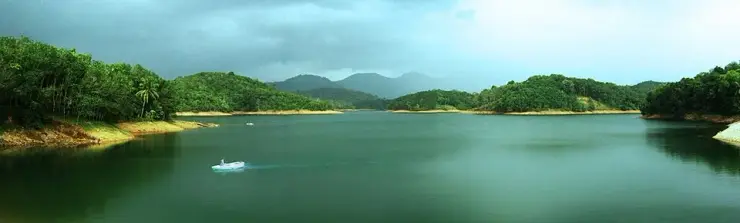
Photography: Forest interior, the reservoir seen from higher ground, and the Agasthyamala ridge line on a clear morning.
Permit: Trekking inside the Neyyar Wildlife Sanctuary requires Forest Department permission and an accompanying guide. Arrange it in advance — turning up on the day does not reliably get you onto the hill.
Wildlife: Elephant, gaur, sambar, sloth bear and Nilgiri langur all use this forest. Sightings are incidental to the walk and should never be pursued.
If you are travelling by bus or ferry, check the return service with the operator before setting out. Leave time to reach the stop or jetty after your visit.
Ask at the bus stand for the time of the last service back, not the next one. If you miss it, an auto or app cab is the fallback — agree the fare before you get in.
If you need step-free access, contact the site before travelling. Ask about a level entrance, steps along the route, the nearest drop-off point, seating and accessible toilets.
These services are listed within about 1.2 km of Neyyar trek. Walking distances follow mapped routes; access and opening hours can change. Other services may be closer but are not included here.
Published emergency and visitor-assistance contacts. For an immediate emergency, call 112. Shared Kerala contact sources checked 4 October 2026; publication does not establish a tested live response.
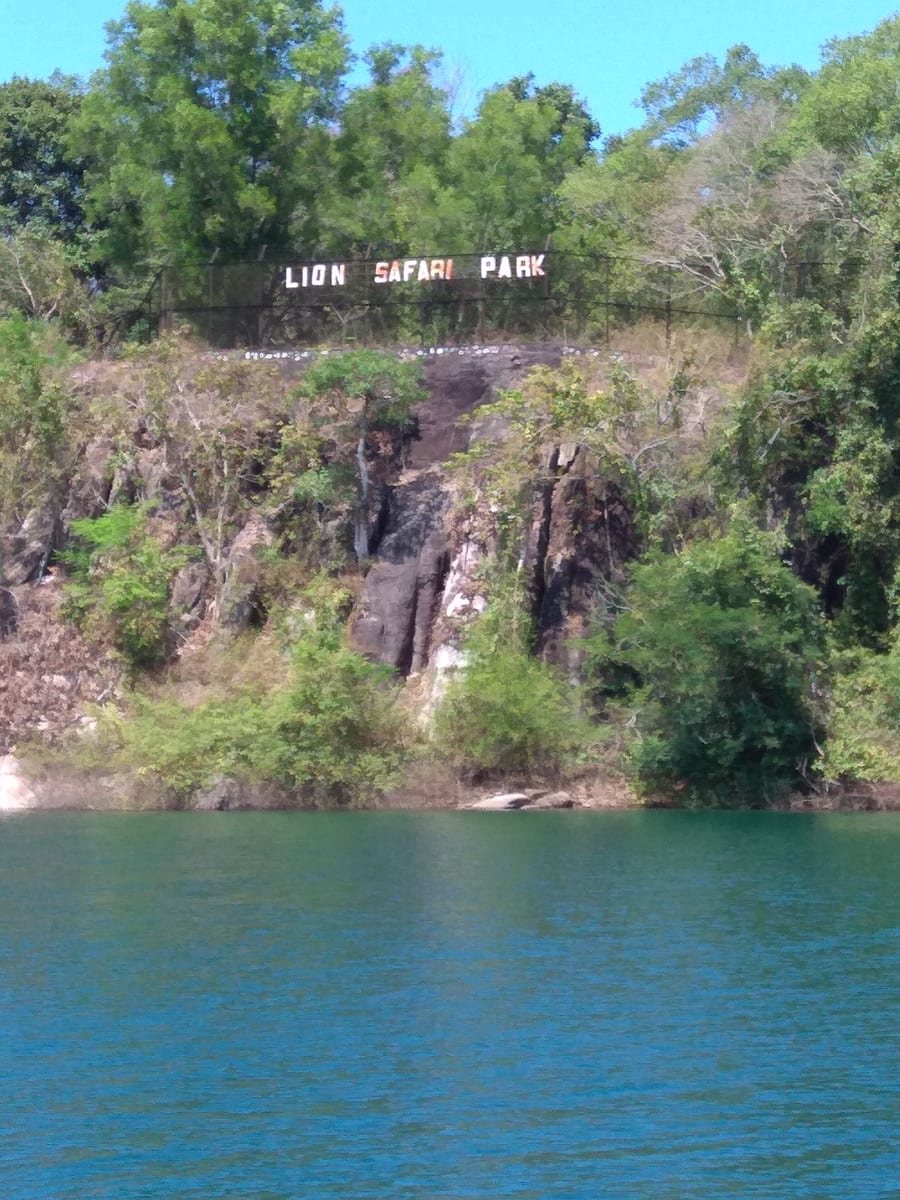
Neyyar Wildlife Sanctuary protects forest around the reservoir below Agasthyamala. A visit should centre on an authorised nature programme, with wildlife understood as habitat rather than a promised sighting.
7.9 km · straight line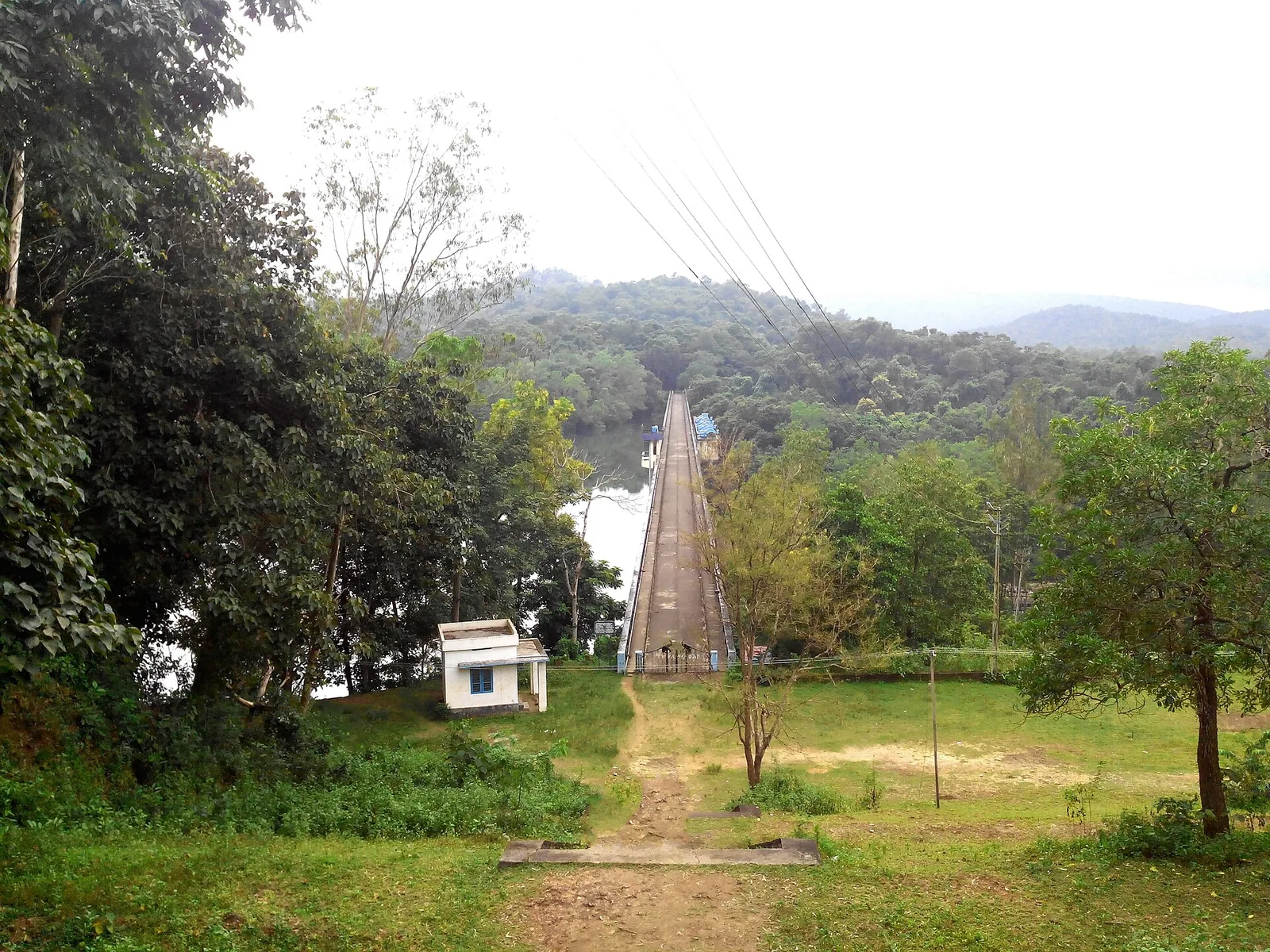
Forest Department trekking in the Peppara Wildlife Sanctuary on the Ponmudi–Vithura side, through the Karamana-river catchment and Agasthyamala foothills.
9.9 km · straight lineA reservoir on the Karamana river at the edge of the Peppara Wildlife Sanctuary near Ponmudi, with forest and elephant habitat.
9.9 km · straight line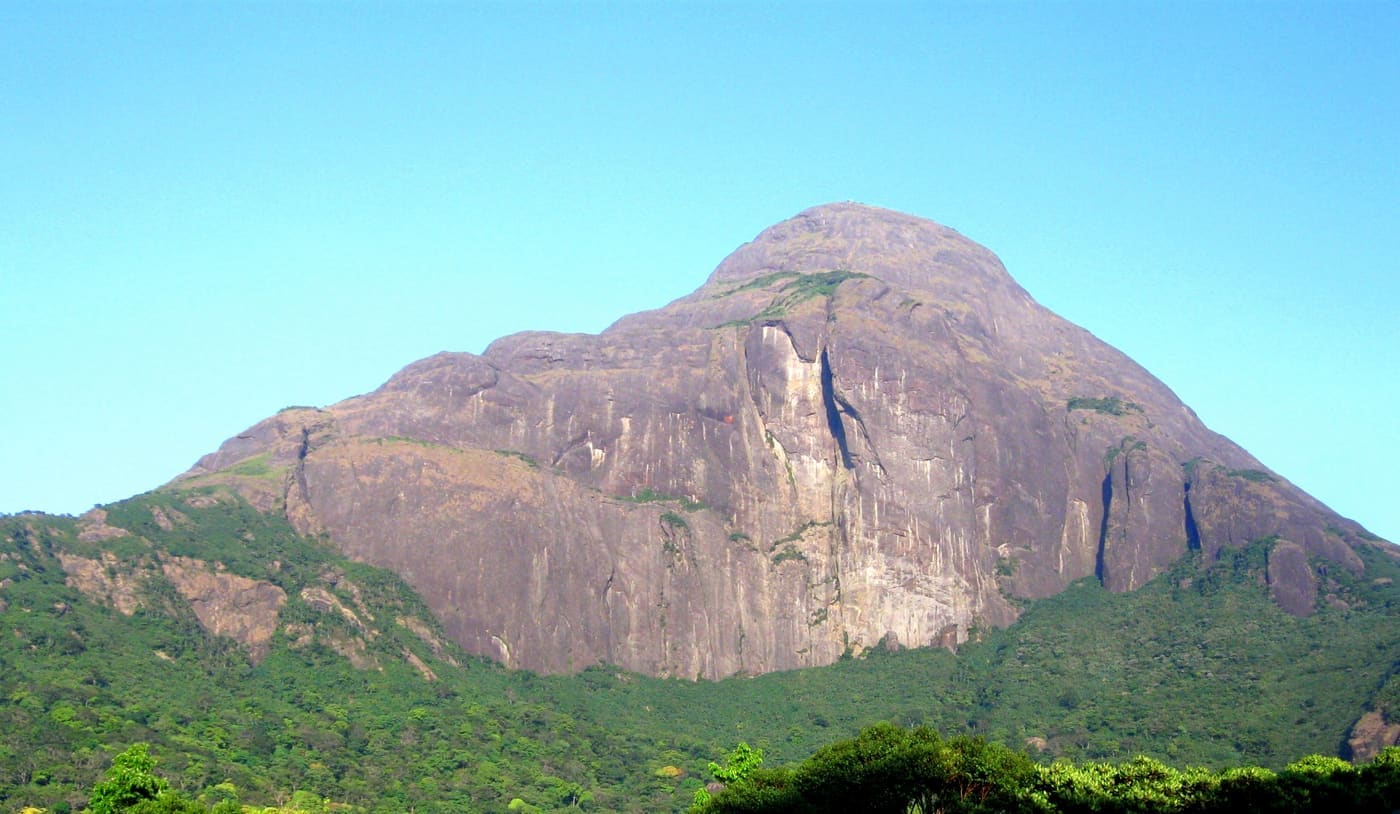
Permit-only forest trek to a sacred Western Ghats peak, usually opened seasonally by the forest department.
14.3 km · straight line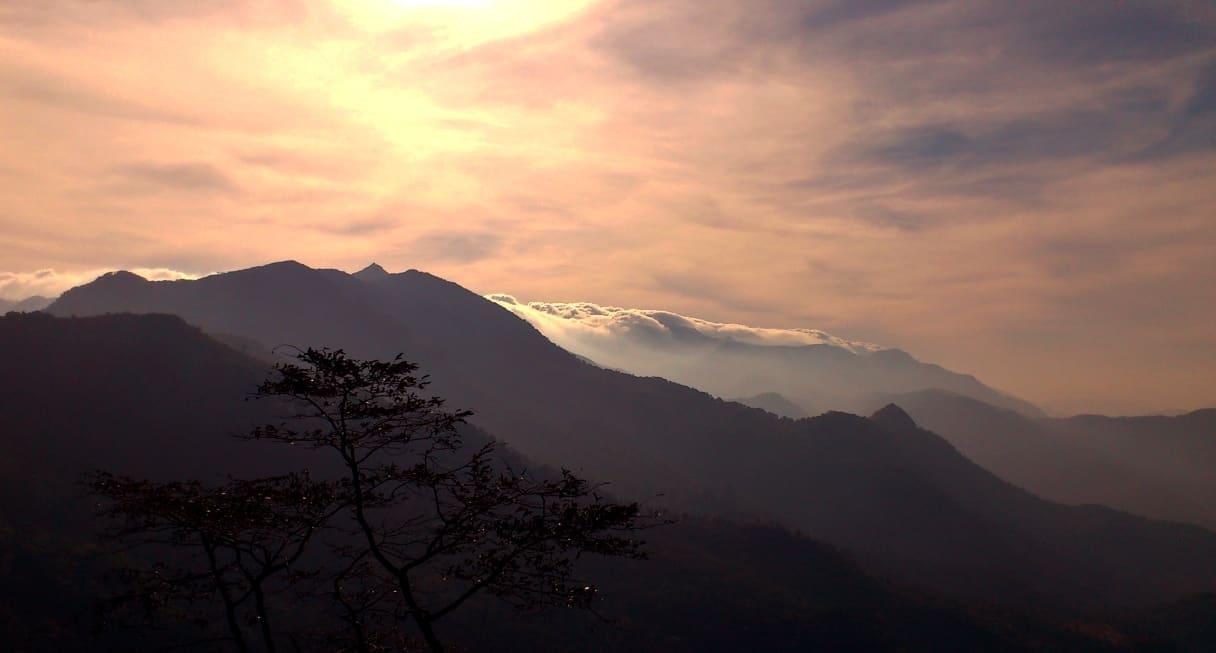
Hill trekking around Ponmudi (“Golden Peak”, about 1,100 m) and the Kallar / Golden Valley trails, a cooler high-range walk near Thiruvananthapuram.
19.7 km · straight line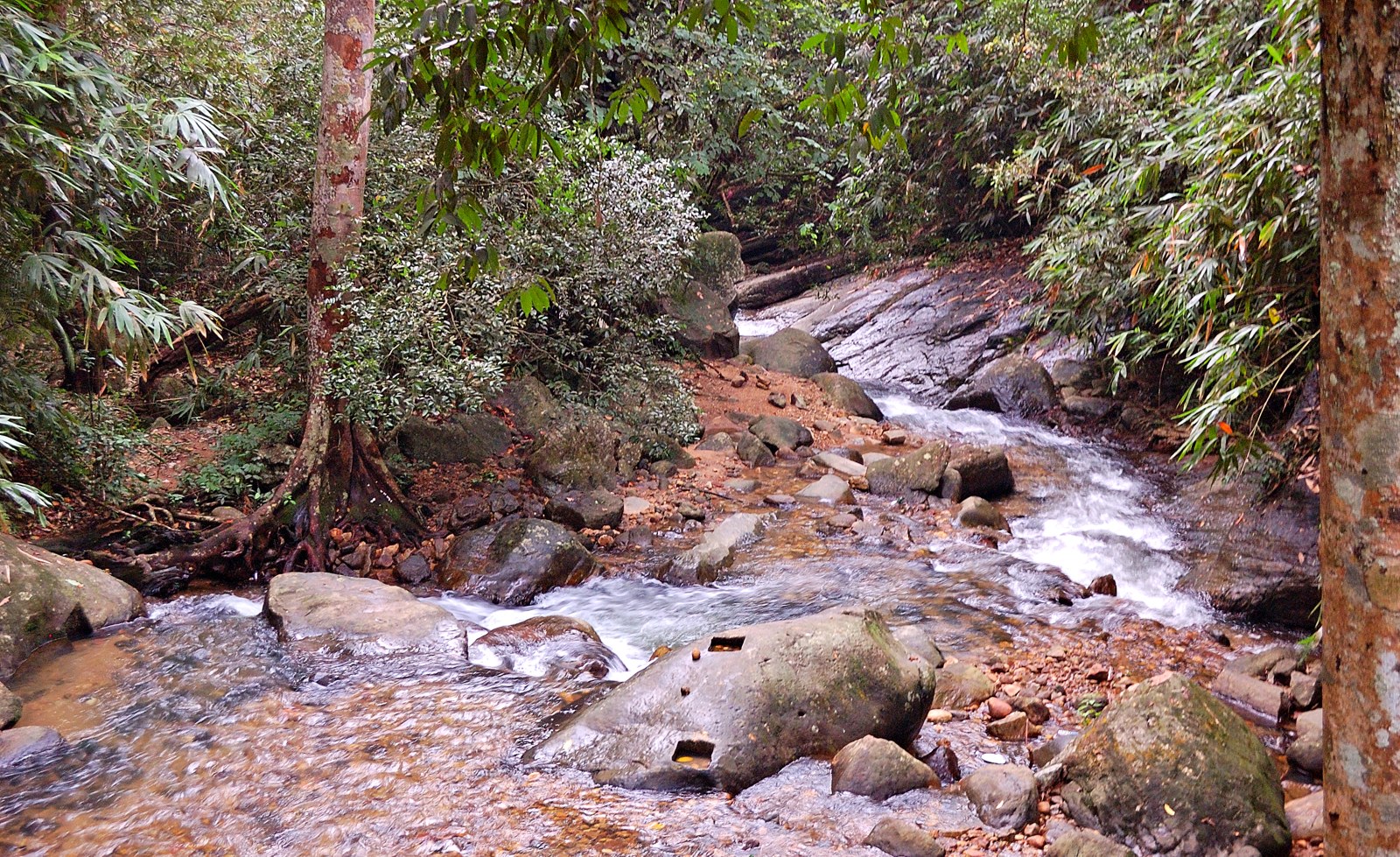
Golden Valley is a rocky reach of the Kallar River below Ponmudi. Boulders, flowing water and forest give this lower-hill stop its character; it is not a hilltop panorama.
19.7 km · straight line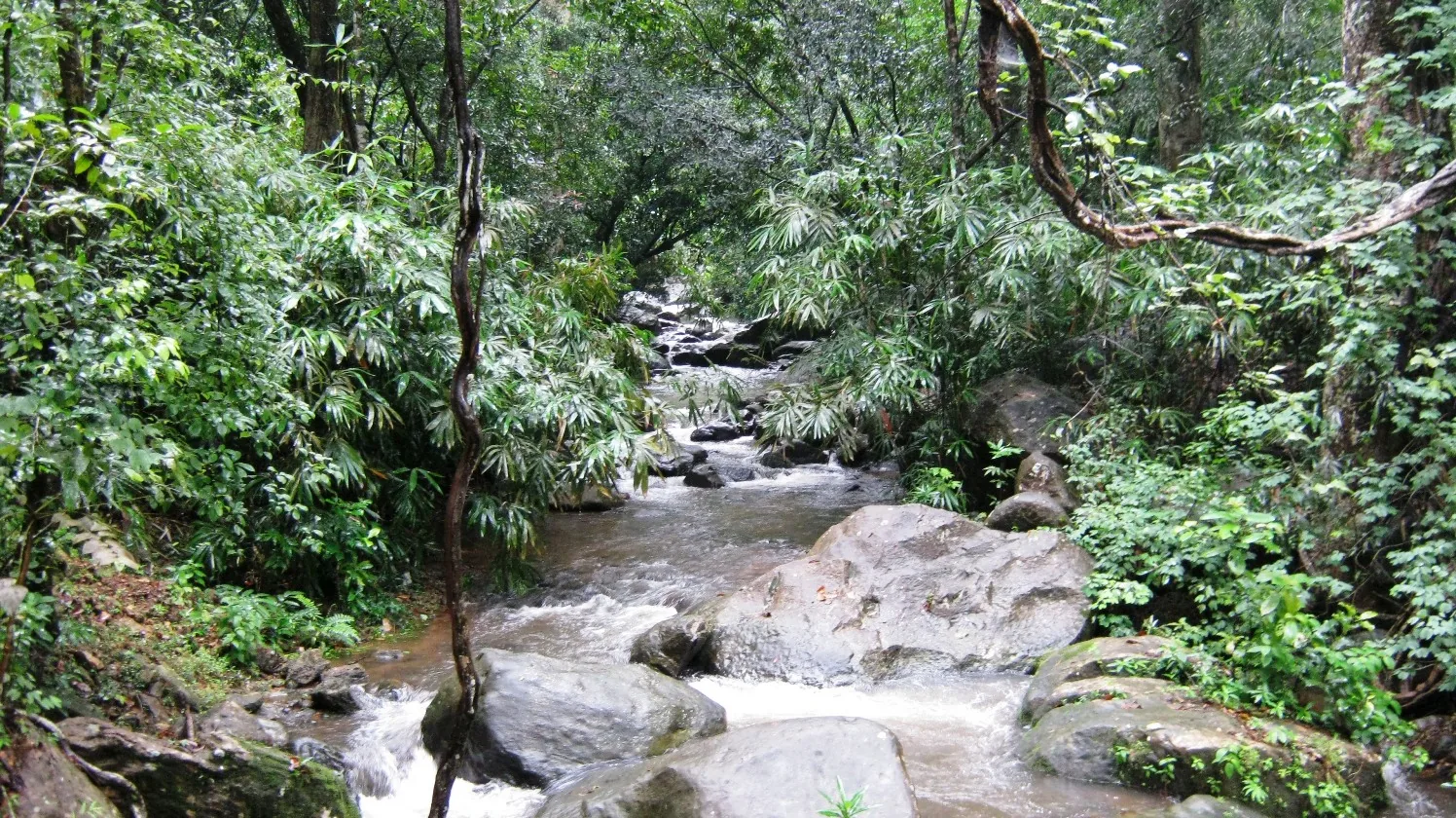
Kallar Meenmutty Falls is reached through forest beside the river below Ponmudi. The approach is part of the attraction: trees, bamboo and running water lead towards the cascade.
19.7 km · straight lineA reservoir, riverside temple and small park on the Karamana river north-east of the city, a popular local picnic spot.
22.3 km · 26 min driveKoyikkal Palace at Nedumangad houses folklore and coin collections inside a traditional Kerala palace. Everyday objects, instruments and currency make this a more intimate museum stop than a grand royal gallery.
22.8 km · 23 min driveA freshwater lake in Thiruvananthapuram district, with the Punchakari–Vellayani wetlands nearby offering seasonal birdwatching.
27.9 km · 33 min driveKanakakunnu puts a Travancore palace among gardens and cultural venues near Thiruvananthapuram’s Museum Park. Come for an evening walk or choose a date around a performance.
28.8 km · 33 min driveOld trees, winding paths and animal enclosures share the Museum Park at Thiruvananthapuram Zoo, also known as Trivandrum Zoo. Allow time for the garden as well as the collection, with the Napier Museum close by.
29.7 km · 34 min driveRoad and walking figures are route estimates, with travel times dependent on access, traffic and conditions. Figures marked “straight line” show direct separation and do not describe a road or walking route. Fare estimates use Kerala’s 26 April 2022 auto/taxi notification and exclude waiting, night and applicable one-way surcharges. Confirm the current meter or operator quote before travelling. Routing: © openrouteservice.org by HeiGIT | Map data © OpenStreetMap contributors
Nearby toilets, pharmacies, ATMs, seating and vets are community-mapped and may be incomplete or out of date. Map data © OpenStreetMap contributors | Walking times © openrouteservice.org by HeiGIT
Yes. Trekking inside the Neyyar Wildlife Sanctuary requires Forest Department permission and an accompanying guide, arranged at the sanctuary office at Neyyar Dam. Arrange it in advance — turning up on the day does not reliably get you onto the hill.
Moderate. Half a day to a full day depending on the route allotted, on forest paths rather than technical ground. Longer programmes into the Agasthyamala foothills run in season.
No. Agasthyakoodam is at the far end of the same sanctuary but is a separate, much harder, permit-only two-day trek that runs only in a notified season and starts from Bonacaud. The Neyyar treks are day walks from the dam end.
Malabar giant squirrel and Nilgiri langur are the realistic sightings; hornbills are usually heard rather than seen. Elephant, gaur, sambar and sloth bear all use this ground and their sign is common, but sightings are incidental and should never be pursued.
November to March. Trails are wet, leech-heavy and frequently closed through the southwest monsoon. If you walk between June and November, carry salt or repellent for leeches.
Treks start from the sanctuary office at Neyyar Dam, about 32 km east of Thiruvananthapuram via Kattakada. KSRTC buses run there; take an early one to make the reporting time.
The Forest Department's programmes from here have included walks to Kombaikani and to Meenmutty falls, alongside shorter forest circuits. Which are running on a given date depends on season and forest conditions rather than on demand — ask at the sanctuary office before fixing your day.
After the sage Agastya. In the account most often told, so many gods gathered in the north for Shiva's wedding that the earth tipped, and Agastya was sent south to restore the balance — and stayed. The peak is understood as his seat and the Agasthyamala range is named for him. For many people it is a deity rather than a summit, which is worth remembering on the hill.
Yes. It sits within the Agasthyamala Biosphere Reserve, established in 2001 and admitted to UNESCO's World Network of Biosphere Reserves in 2016. The reserve covers about 3,500 square kilometres — roughly 1,828 in Kerala and 1,672 in Tamil Nadu — and takes in Neyyar, Peppara and Shendurney sanctuaries alongside the Kalakkad Mundanthurai Tiger Reserve across the border.
At around 1,860 metres on Agastya Mala, a few metres below the summit, reaching the sea after about 56 km and gathering the Kallar, Mullayar and Karavaliyar on the way. That is close to two kilometres of descent in under sixty, which is why the habitat changes type so quickly as you walk and why the reservoir fills so fast after rain. Note that this Kallar is not the Kallar at Ponmudi — the name means stone-stream and there are several.
No, and there is a more basic problem than the word. It was never a safari in the African sense — a fenced enclosure on an island in the reservoir, driven through in a vehicle. It opened in 1985 as the first of its kind in India, started with sixteen lions and peaked at seventeen, and reporting places the death of the last one in 2021, since when the enclosure has stood empty. Lions are not native here; the only wild population is in Gujarat. Ask at the counter whether the circuit is running and whether there are any animals in it before paying.
A crocodile rehabilitation and research facility established in 1977, holding mugger crocodiles — around twenty is the usual figure — and later named in honour of the naturalist Steve Irwin. Separately, there are crocodiles in the reservoir itself, which is why swimming is out of the question.
More than most people expect. The dam and sanctuary were created together in 1958; the Sivananda Yoga Vedanta Dhanwantari Ashram was founded beside it by Swami Vishnudevananda in 1959; the lion enclosure, boat jetty and crocodile centre followed. The gate end is busy and developed — the forest behind it is not.
Post-monsoon to late winter is usually best; avoid heavy-rain days and closed forest periods.
Entry: A Forest Department trek fee and a guide charge apply, arranged at the sanctuary office at Neyyar Dam; carry cash. Timings: Daytime only, on Forest Department timings, with an early start and a return well before dusk.
Base yourself in Thiruvananthapuram city or a nearby town in Thiruvananthapuram, then confirm the last-mile route locally before leaving. Confirm permits, guide requirement and reporting point before travel; many Kerala treks are controlled by forest authorities. If the visit depends on forest, temple, boat, ferry, weather or seasonal access, check the official/local rule on the day before travel.
Half day to full day unless officially listed as multi-day.
Nearby you can pair Neyyar Wildlife Sanctuary (7.9 km, approximate straight-line separation), Peppara trek (9.9 km, approximate straight-line separation), Peppara Dam (9.9 km, approximate straight-line separation), Agasthyakoodam trek (14.3 km, approximate straight-line separation).
Use approved guides where required. Do not enter closed forest routes or trek in heavy rain.
Written about Neyyar trek itself — its history, its legends and the arguments about them.
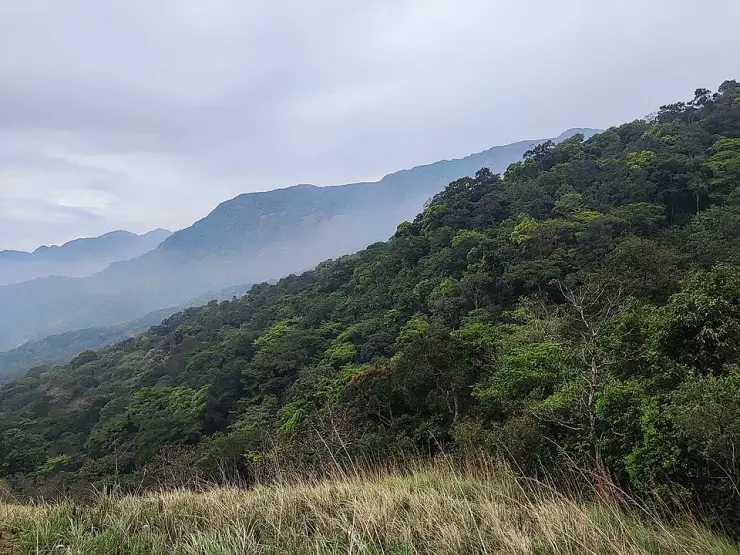
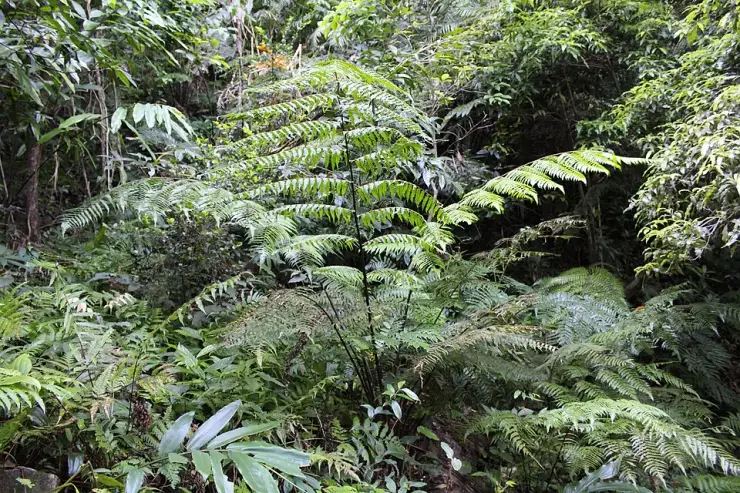
These guides explore Thiruvananthapuram city and the surrounding area. Choose a visit that fits your interests, allowing separately for travel between stops.


Route-level itineraries and practical guides for the rest of Kerala.


Photographs: Shishirdasika (CC BY-SA 4.0), Shyamal (CC0), Arun Gopi (CC BY-SA 4.0), Vishnu gs (CC BY 3.0), Rahulrnath001 (CC0). Wikimedia Commons.