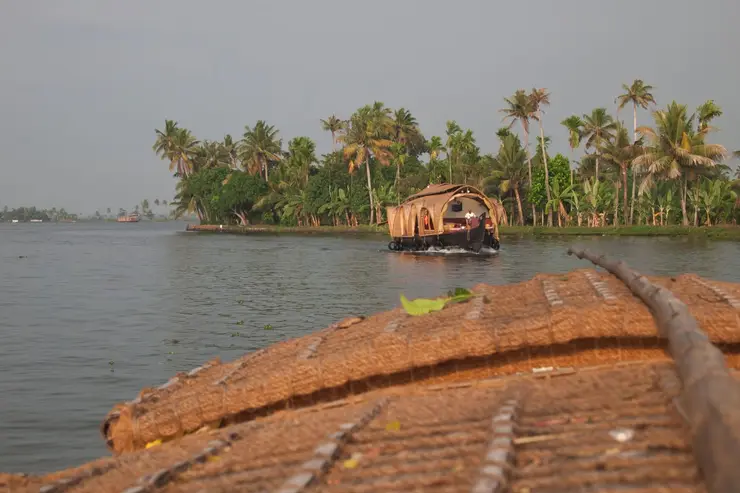
Ambalappuzha Sree Krishna Temple

Ambalappuzha Sree Krishna Temple is an active temple in Ambalappuzha town, south of Alappuzha, administered by the Travancore Devaswom Board. Krishna is worshipped here as Parthasarathy, Arjuna’s charioteer. The temple combines a broad tank, tiled courtyards and painted ritual spaces with two enduring cultural associations: Palpayasam offered to the deity, and Kunchan Nambiar’s creation of Thullal. A visit works best when darshan, the permitted exterior spaces and any offering collection are planned around the temple’s morning or evening opening.

Ambalappuzha Sree Krishna Temple, Ambalappuzha
Practical guide

Plan Ambalappuzha Sree Krishna Temple

Who's going?Tailor Ambalappuzha Sree Krishna Temple to your trip
Before you go to Ambalappuzha Sree Krishna Temple

Check entry arrangements. Ask temple staff about visitor entry, dress requirements and access to the inner shrine before you travel, especially if you are visiting as a non-Hindu.

Dress code
Follow the dress requirements displayed at the temple entrance before joining the worship queue.
Darshan & ritual times
Plan around the published morning or evening session listed below; the temple has a midday closure.

Checked 7 September 2026 against source 1source 2. Check the institution’s current rules and visiting session before travelling.

Typetemple
AreaAmbalappuzha
DistrictAlappuzha
Best timeFor ordinary worship, choose one of the…
Time neededAllow approximately 1–2 hours for…
Places to visit3Listed businesses4
The story

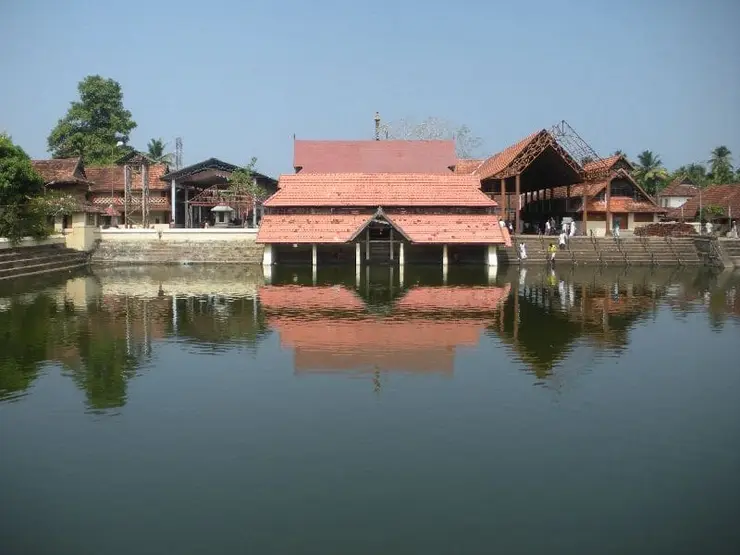
The long tank edge gives Ambalappuzha a broad, horizontal foreground. Beyond it, tiled roofs rise in successive layers, while smaller pavilions and courtyards divide the temple into spaces with different purposes. The setting rewards attention to those transitions: water to steps, open court to shaded timberwork, and public approach to active worship.

The story of Ambalappuzha Sree Krishna Temple

The temple’s visual scale comes from its spread rather than one tall tower. From the tank side, roofs extend across the background and the water holds their reflection when conditions are calm. The steps make the boundary visible, but they are part of a working temple tank, not a waterside seating installation. Remain within the permitted visitor space.

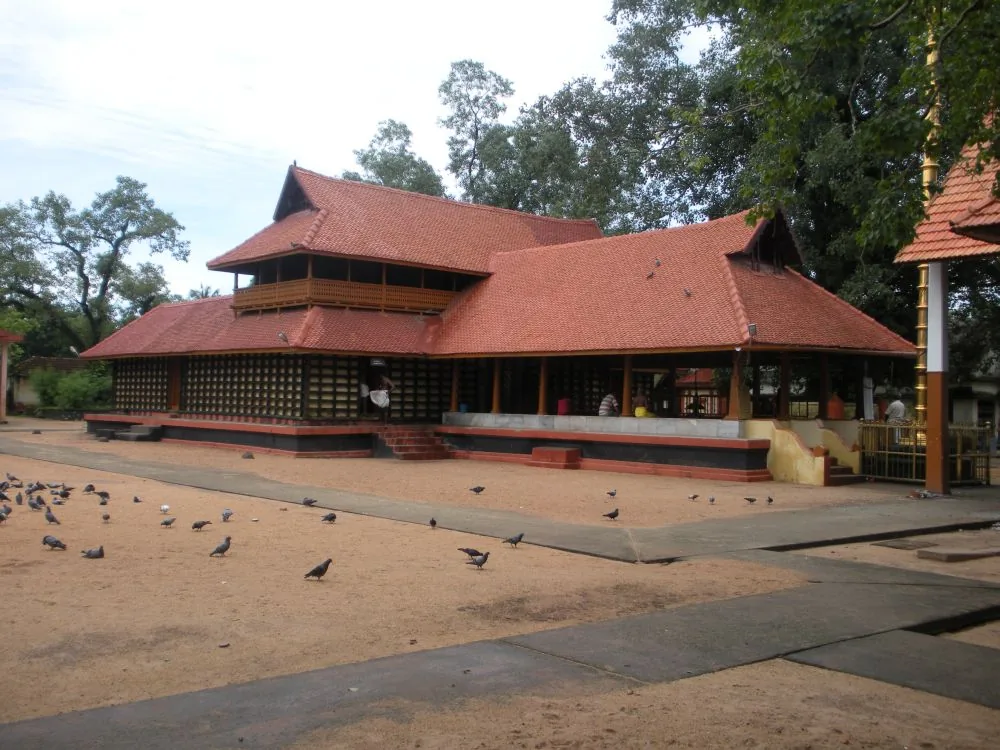
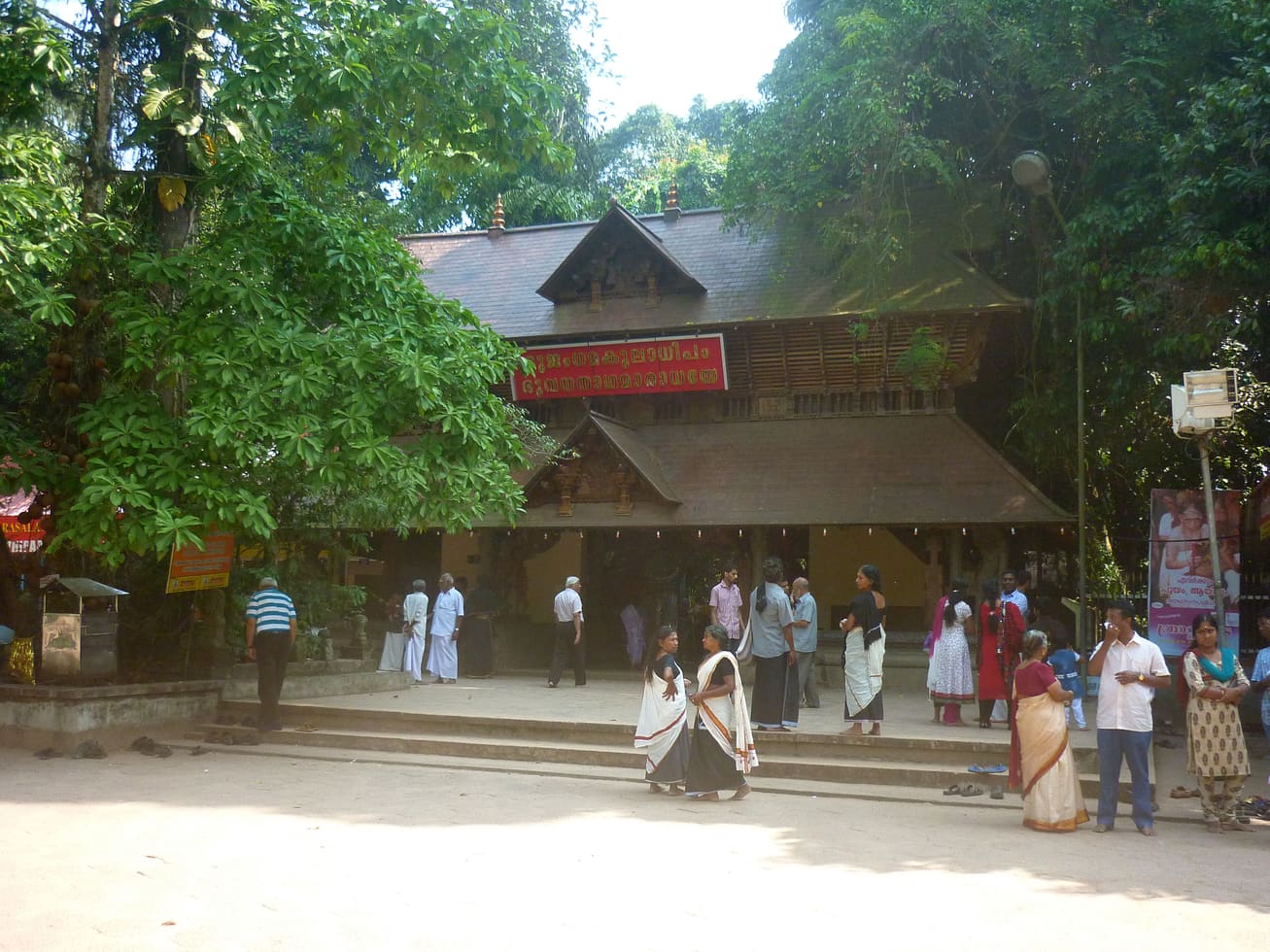
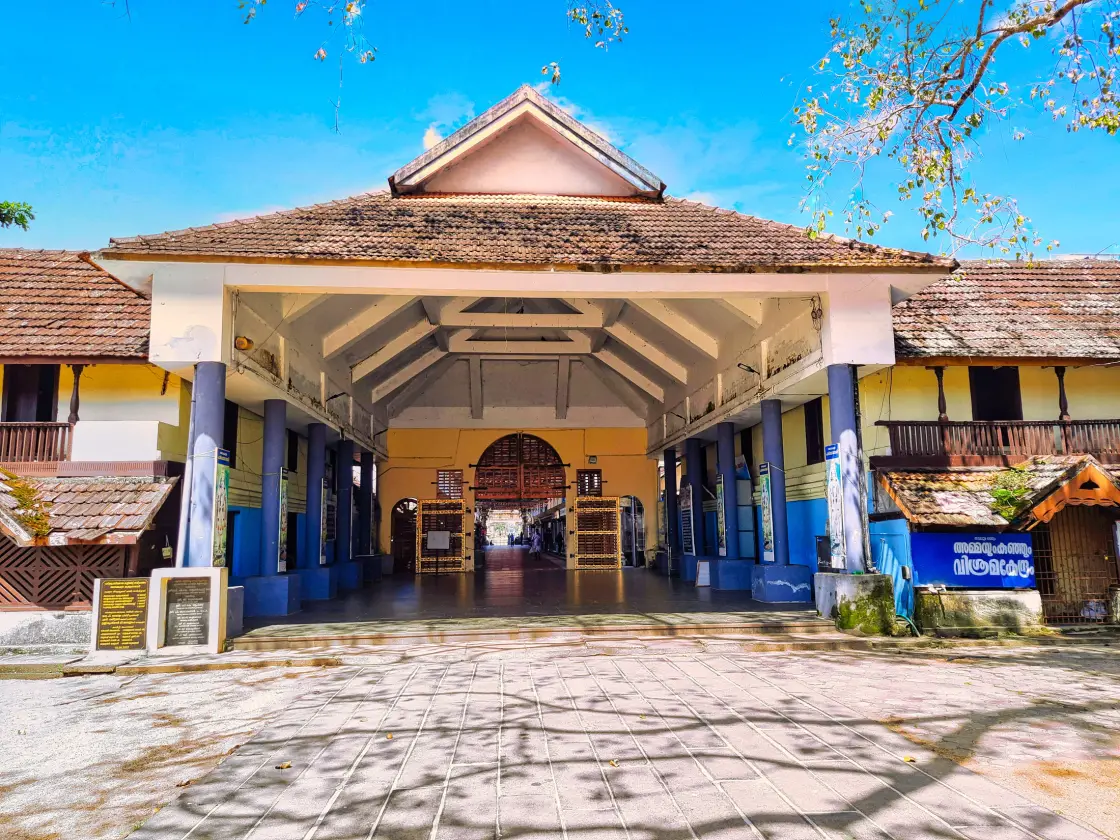
Closer to the entrance, timber, tiles and columns organise the view. A layered roof can shelter several different spaces beneath it. The Kerala Tourism temple account identifies the chuttambalam, the enclosure around the sanctum, and its wall paintings. The DTPC account specifically identifies paintings of Vishnu’s ten avatars. Their religious setting matters as much as their decorative character.

Krishna’s identity here is Parthasarathy, the charioteer of Arjuna in the Mahabharata. The Devaswom Board describes the sacred image with a whip in the right hand and a conch in the left. That combination explains the charioteer association more precisely than a general statement that this is a Krishna temple. It also helps distinguish the principal deity from the subsidiary images visible elsewhere in the complex.

The temple’s Palpayasam is a rice-and-milk offering with a strong devotional identity. The Board records the belief that Guruvayoorappan comes for the offering. That belief belongs to the religious account; it is not a claim about a visitor being able to witness a daily arrival. Collecting prasadam and ordering a meal in town are different arrangements, and the authorised counter is the place to establish the first.

Ambalappuzha’s connection with Guruvayur also has a historical narrative. The Board’s account states that the Guruvayur image was brought here for safekeeping during the 1789 raids of Tipu Sultan. This is a specific relationship between two temples. It does not mean that the principal image now worshipped at Ambalappuzha is simply the Guruvayur image under another name.

Performance gives the temple another kind of significance. DTPC identifies it as the setting of the first Ottan Thullal performance. The art form combines sung Malayalam verse, movement and a performer’s engagement with an audience. Its humour makes social criticism part of the performance rather than an explanation added afterwards. Understanding that form gives substance to the familiar name Kunchan Nambiar.

The story that Nambiar devised Thullal after being mocked while accompanying a Koothu performance is told as an origin legend. It explains a creative rivalry through a memorable incident, but should not be treated as a verbatim record of a particular evening. The lasting cultural point is the development of an accessible narrative form whose performer can respond to the people listening.

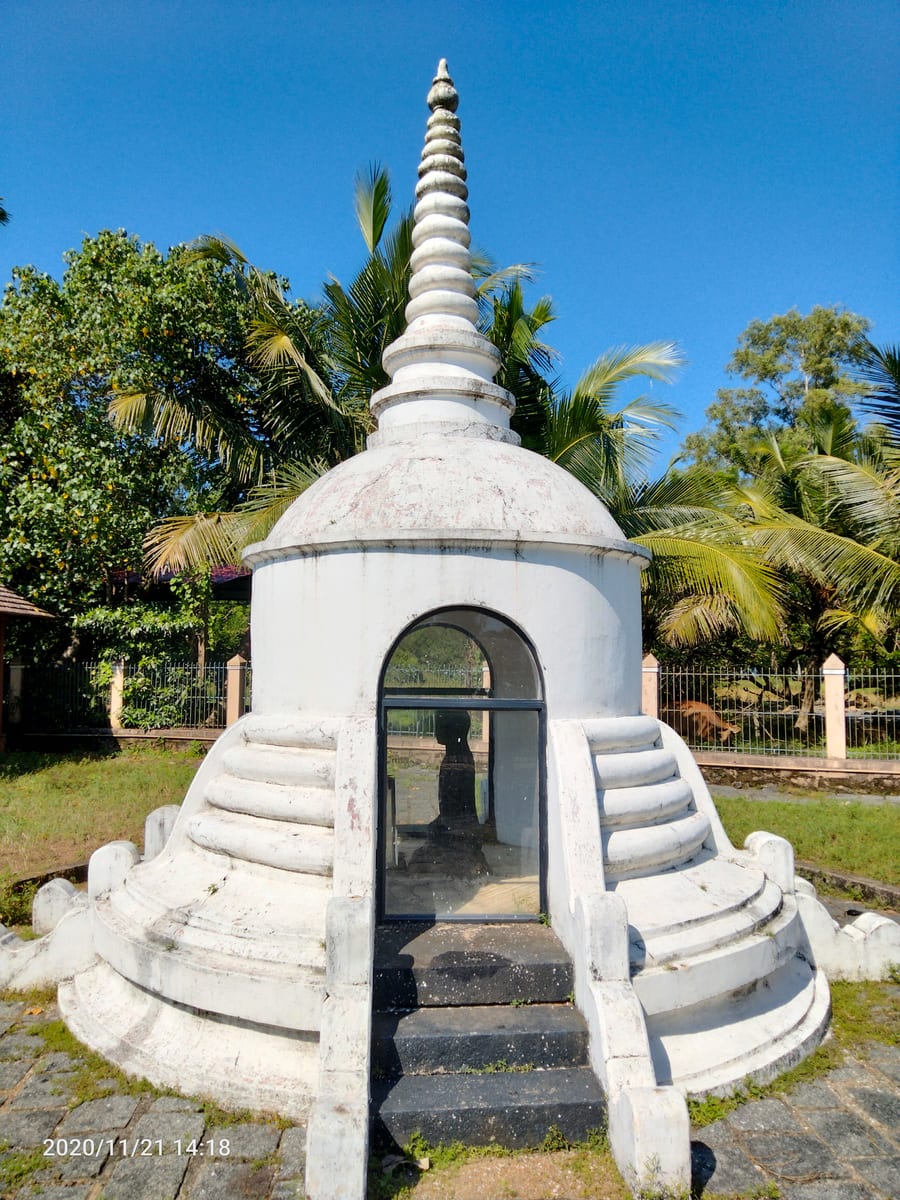
The temple photographs show roofed pavilions, enclosed wells, carved doors and courtyard structures as well as the tank. These details belong to different functions and should not all be labelled as Nambiar memorials or parts of the sanctum. A slow exterior visit can appreciate their forms while accepting that an active temple does not open every space for inspection.

Ambalappuzha is also a town visit. Its nearby railway station makes a rail arrival possible without first travelling to Alappuzha town, provided the chosen train actually stops there. A meal, an onward road connection and the temple opening can therefore be organised locally. A backwater cruise or beach visit elsewhere needs its own departure point and should not be allowed to obscure the temple’s midday closure.

Ambalappuzha’s festival calendar includes Aarattu Utsavam in Meenam, usually falling in March or April. Kerala Tourism’s festival dossier describes a ten-day observance beginning on Atham and ending on Thiruvonam. The opening flag ceremony and the closing sacred bath give the festival a defined progression. These traditional calendar markers help explain the celebration; the temple’s annual notice supplies the actual dates and arrangements for a visit.

The festival changes the appearance and use of the courts. The dossier describes decoration with plantain, coconut leaves, flowers, lamps and lights, together with special worship and offerings. A space that feels open during an ordinary morning may become part of a procession or performance arrangement. Give the ceremonial movement precedence over sightseeing, and choose a viewing position that leaves the route between the temple and gathering area clear.

Velakali is a particularly important Ambalappuzha association. Kerala Tourism links the martial dance to the Chempakasseri region and to Mathur Paniker, remembered in its account as an army chief who encouraged martial practice. Performers move in formation with swords or canes and decorated shields. The relationship between repeated steps, spacing and percussion makes the group’s discipline visible; it is a different performance language from the solo, spoken engagement of Thullal.

The martial costume also helps distinguish Velakali from other festival arts. Kerala Tourism describes a white mundu arranged for movement, a tightly worn red waist cloth, headgear and ornaments across the chest. Watch the whole formation as well as an individual performer: a turn or advance gains its effect through the coordinated line. The temple’s festival dossier lists Velakali alongside Kathakali, Ottan Thullal, music and other programmes, so use the announced programme to select the event you want to attend.

The Champakulam Moolam boat race connects the temple to a different festival landscape on the Pamba. Its traditional date is Moolam in Mithunam. Kerala Tourism explains the race through the story of bringing a Krishna image to Ambalappuzha and commemorating the accompanying water procession. The boat race takes place at Champakulam; arriving at the temple’s tank will not put a spectator beside the race course.

In the foundation tradition recounted by Kerala Tourism, the king’s minister seeks a replacement image from the Kurichi family after a problem is discovered with the intended consecration. The party rests overnight at the Mappilassery household in Champakulam before the king receives the image and the journey continues. This is a sacred origin account, carried through remembered people and places, rather than a surviving diary of the voyage.

The Ambalappuzha Sangham’s ceremonial journey renews that relationship. Kerala Tourism describes the group travelling with Palpayasam to the Mappilassery household and accepting the customary welcome associated with Kalloorkad church. The story therefore involves hospitality across several institutions as well as the temple’s own worship. Understanding those relationships gives a visitor more to look for in Champakulam than the competitive boats alone.

A journey between the two places should follow the particular event being attended. An ordinary Ambalappuzha darshan, the Sangham’s ceremonial movement and the boat race have different starting points and different demands on time. If the race is the reason for travelling, arrange the Champakulam viewing place and return transport first. The temple can then be included during an opening session that genuinely fits the day, rather than treated as the race’s spectator entrance.

Thullal remains a living performance practice beyond its famous origin story. The performer sings Malayalam verses and can add spontaneous spoken exchanges with the audience. An accompanist repeats the sung lines, while percussion helps organise the movement. That interaction explains why a recording captures only part of the experience: the people present can influence the delivery, and a contemporary reference can bring an old epic episode into the audience’s own world.

There are three principal forms: Ottan, Sheethangan and Parayan Thullal. Kerala Tourism distinguishes them by costume, pace and musical or rhythmic treatment, identifying Ottan as the fastest. The humour does not mean that the movement is improvised without a structure. Footwork, gestures, eye movement and facial expression follow a trained vocabulary. When attending an announced performance, watch how a change in rhythm supports the shift between narrative verse and direct address.

Nambiar’s commemoration also extends beyond the temple buildings. Kerala’s government cultural directory lists a Kunjan Nambiar Smarakam in Ambalappuzha separately from the memorial at Killikkurissimangalam, his birthplace in Palakkad. Kerala Tourism’s cultural-centre directory identifies the Ambalappuzha Smarakam and Smrithi Mandapam. A literary-history visit can include the local institution through its own entrance and current arrangements, while keeping the far-away birthplace as a separate journey.

This distinction is useful when reading the architecture inside the temple. A small roofed pavilion can be part of the working ritual complex without being the poet’s memorial. The gallery includes a pavilion with decorated surfaces and another view of a timber upper level. Observe those visible forms on their own terms; the cultural institution’s name should be attached to its identified building, not to whichever attractive structure happens to appear in a temple photograph.

The tank provides a useful place to understand the complex before entering the worship sequence. Its long edge allows several rooflines to be seen together, whereas an inner passage frames one doorway or painting at a time. Looking from the permitted perimeter first makes the smaller views easier to place later. Keep the water-side observation separate from the queue for darshan, so that neither activity has to be hurried to make room for the other.

For a rail-based visit, the nearby Ambalappuzha station can make the temple the centre of a local outing. First check the stopping pattern of the chosen service, then arrange the short road transfer and the return around an actual opening session. A train reaching the town during the afternoon closure may still suit a meal and a later visit, but it should not be booked on the assumption of continuous afternoon darshan. The timing of the temple, the offering collection and the train each has its own role.

The festival's shared meal has a specific name and story at Ambalappuzha. Alappuzha district administration identifies Natakashala Sadya on the ninth day and records the belief that Krishna, as the child Kannan, serves ghee to those dining. The belief gives hospitality a divine presence within the celebration. It is distinct from the everyday Palpayasam offering, so the two should not be treated as alternative names for a single food counter or a meal available throughout the year.

The district's festival account also names Erattakkulangara Mahadeva Temple in the Aarattu procession and return. This gives the concluding ceremony an actual relationship between shrines beyond the visual setting of Ambalappuzha's tank. Someone attending the procession should use the current programme and the designated spectator arrangements along that movement. An ordinary visit to the main temple need not attempt to reproduce the festival route or enter a second shrine without understanding its own worship routine.

These details bring the temple's food, performance and procession traditions into a clearer order. A Thullal performance addresses an audience through verse and gesture; Natakashala Sadya gathers people for a ritual meal; the Aarattu movement carries worship into a route connecting sacred places. They can all belong to one festival while asking different things of the visitor. Decide which announced observance is the purpose of the trip, then allow the rest of the visit to fit around it. This makes the calendar more useful than a general promise that the temple will be colourful or busy in festival season.
Read the full history of Ambalappuzha Sree Krishna Temple 142 more words

History

Kerala Tourism and the Travancore Devaswom Board associate the foundation with Chembakassery Pooradam Thirunal Devanarayanan Thampuran and give a broad fifteenth-to-seventeenth-century period as a belief. This is not a precise construction date for every surviving structure.

The Board records the sheltering of the Guruvayur image here in 1789. That episode explains an enduring inter-temple relationship alongside the separate devotional belief attached to Palpayasam.

The DTPC’s cultural account associates Ambalappuzha with the first performance of Ottan Thullal. Nambiar’s birthplace at Killikkurissimangalam in Palakkad and his association with Ambalappuzha should remain distinct when planning a literary-history journey.

Why visit

See how a temple tank and low tiled buildings shape an extensive sacred complex.

Understand the Parthasarathy form through this temple’s own deity description.

Encounter Palpayasam as an offering tradition with an authorised collection process.

Connect the temple to Malayalam performance history through Kunchan Nambiar and Thullal.

What to expect

Highlights

  • The large temple tank gives a view of the roofline, with steps descending along its sides; view it from the permitted edge.
  • The principal deity’s Parthasarathy form carries the conch and whip described by the Devaswom Board, linking the image to Krishna as charioteer.
  • Palpayasam belongs to the temple’s offering tradition. Its religious purpose and collection arrangements distinguish it from a sweet ordered in a restaurant.
  • Paintings in the chuttambalam and the timber-and-tile construction make the architecture worth slow observation wherever access allows.
  • The temple is associated with the first performance of Ottan Thullal, a form of Malayalam narrative theatre shaped by humour and social satire.
Getting there

How to visit

  • Choose the morning or evening opening before arranging the journey; the temple has a midday closure.
  • Use Ambalappuzha town and the specific temple approach as the destination, rather than an Alappuzha beach or houseboat address.
  • Follow the temple’s current entry, dress and photography requirements at the entrance. Leave footwear in the directed place.
  • Keep the worship queue moving and observe the architecture from positions that do not block the passage.
  • Arrange Palpayasam through the authorised temple counter and establish the collection time before making another stop.
  • If you want to attend Thullal or a festival event, obtain that event’s programme; a cultural association does not mean a daily performance.

Distance by road

  • Kochi55 km
  • Thiruvananthapuram154 km
  • Kozhikode226 km
  • Coimbatore235 km
  • Madurai281 km

Road km to Alappuzha; ghat roads and traffic vary — allow extra.

Timing

Best time

For ordinary worship, choose one of the published morning or evening sessions. Arriving near a closing time leaves little room for darshan and offering arrangements. The temple tank and exterior roofline are easier to appreciate in daylight. During an announced festival, organise the visit around the specific ceremony and the traffic arrangement, rather than using an ordinary-day schedule.

Weather in Ambalappuzha Sree Krishna TempleSeasonal guide

Live forecast loads in your browser.

Today at Ambalappuzha Sree Krishna Temple
Sunrise6:14 am
Sunset6:23 pm
Golden hour best light5:23 pm–6:23 pm
Blue hour after sunset6:23 pm–6:48 pm
Sun sets toward compass bearingW · 272°
Moon tonight🌓 First quarter · 53%
South-west monsoon. June to September is the south-west monsoon in Kerala. Expect heavy showers, mostly in bursts rather than all day — carry rain cover, allow extra time for getting around, and note that ferries and open-air sites are the first things affected.

Sun and moon are calculated for this location and shown in IST. Photography windows are the hour around sunrise and sunset; the sunset bearing is degrees clockwise from true north. Moon phase is accurate to about half a day.

Visitor notes

  • Ambalappuzha and Ambalapuzha are alternative English spellings of this town and temple.
  • The memorial at Kunchan Nambiar’s birthplace in Lakkidi, Palakkad, is a different place from the Ambalappuzha setting of his work.
  • A photograph of a courtyard pavilion or subsidiary shrine should not be mistaken for a view of the principal Krishna image.
Safety

Good to know

  • Keep away from the tank’s wet steps and do not assume bathing is permitted.
  • Leave entrances, ritual passages and offering queues unobstructed.
  • Respect restrictions on photographing worshippers, paintings and inner spaces.
  • During processions, follow the temple’s crowd arrangement rather than crossing a moving ceremonial route.
Stay · eat · do · rent · see · shop

Stays, food & things to do near Ambalappuzha Sree Krishna Temple

Verified hotels, homestays, restaurants, experiences, sights, shops and rentals around Ambalappuzha Sree Krishna Temple — commission-free, with direct contact. Filter by what you need.

1 place to eat near Ambalappuzha Sree Krishna Temple

H
Hotel Coral Heights Restaurant
Where to eat
Top pick Verified
Hotel restaurant · Ambalappuzha
Hotel Coral Heights Restaurant

Restaurant at Hotel Coral Heights near Sree Krishna Temple Road in Ambalappuzha. Eat, Hotel restaurant, Hotel Coral Heights Restaurant.

Directions Commission-freeView details

Book with the place itself. India’s cyber-crime coordination centre warned in April 2025 that convincing copies of hotel and pilgrimage booking sites are being pushed through sponsored search and social ads, taking payment for rooms the property never hears about. Every listing here links to the business’s own contact details and its own Google or Bing profile — we take no commission and sit in nobody’s payment path. If a booking page reached you through an ad, check the address bar against the property’s own site before you pay. Fraud can be reported on cybercrime.gov.in or on 1930.

Ranked

More ways to explore Ambalappuzha

Ambalappuzha is a separate town south of Alappuzha. The temple is not at Alappuzha Beach or the houseboat boarding area.

Across the whole of Ambalappuzha

Ranked guides

Top experiences around Ambalappuzha Sree Krishna Temple

4 separate places to consider after Ambalappuzha Sree Krishna Temple. Open each guide before deciding: their access, hours and return arrangements are independent.

heritageKarumadikuttan

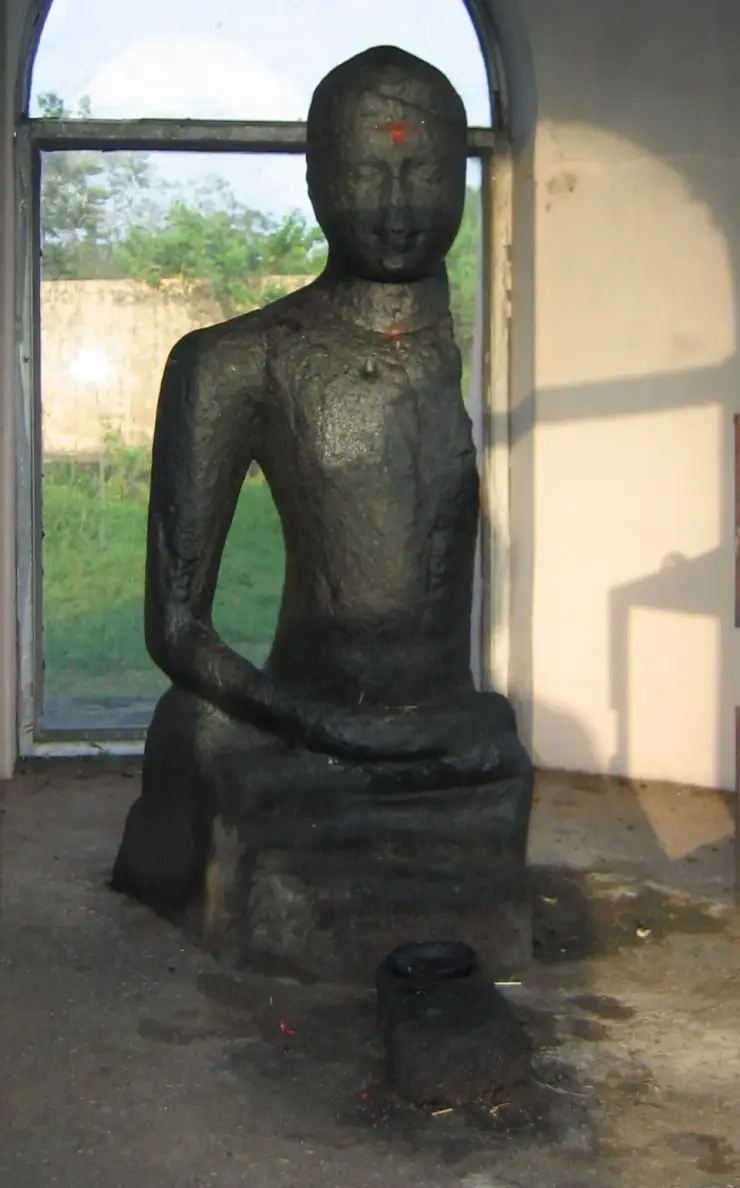
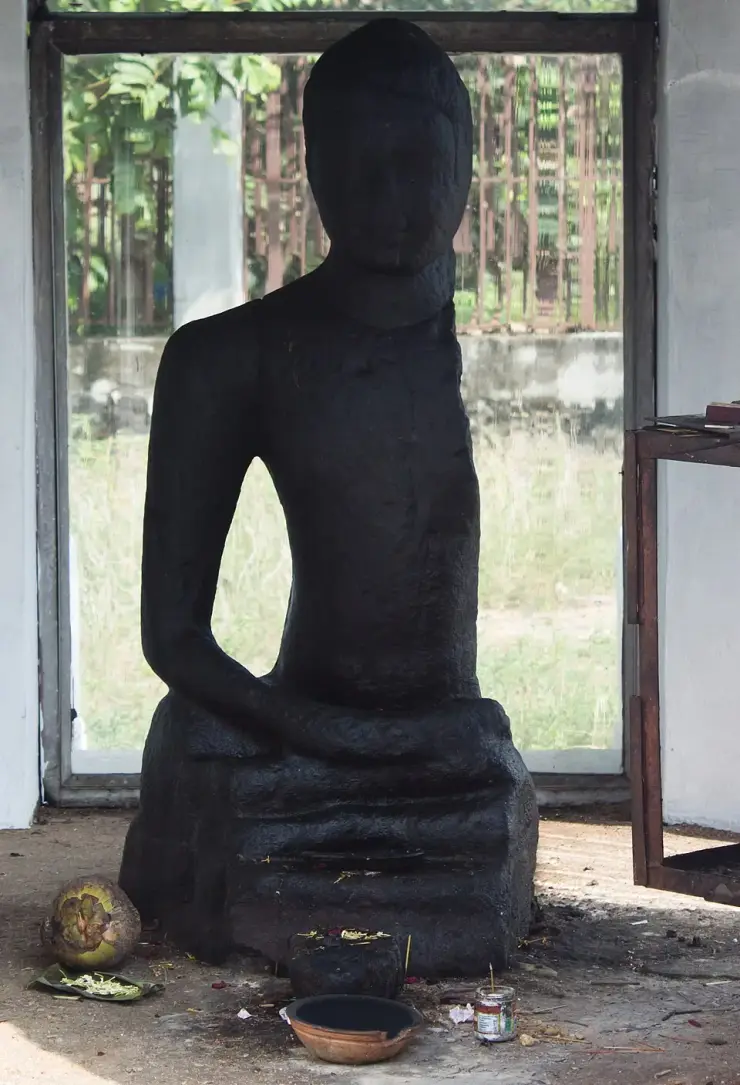
Ancient black-granite Buddha statue at Karumadi near Ambalappuzha, a relic of Kerala’s Buddhist past.

backwaterChampakulam

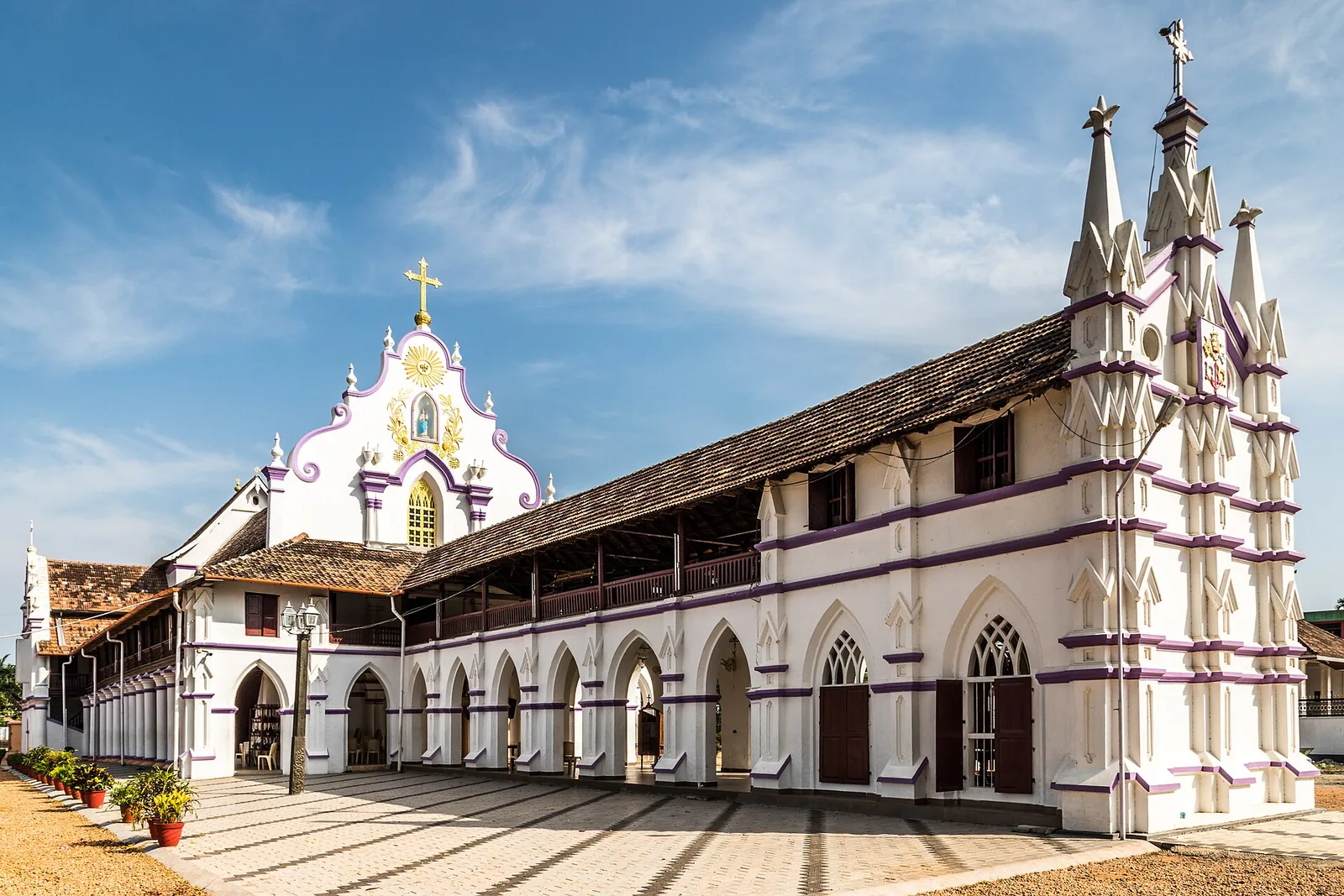
Kuttanad village on the Pamba known for the Champakulam Moolam snake-boat race and Kalloorkad St Mary’s Basilica.

beachThottappally Beach

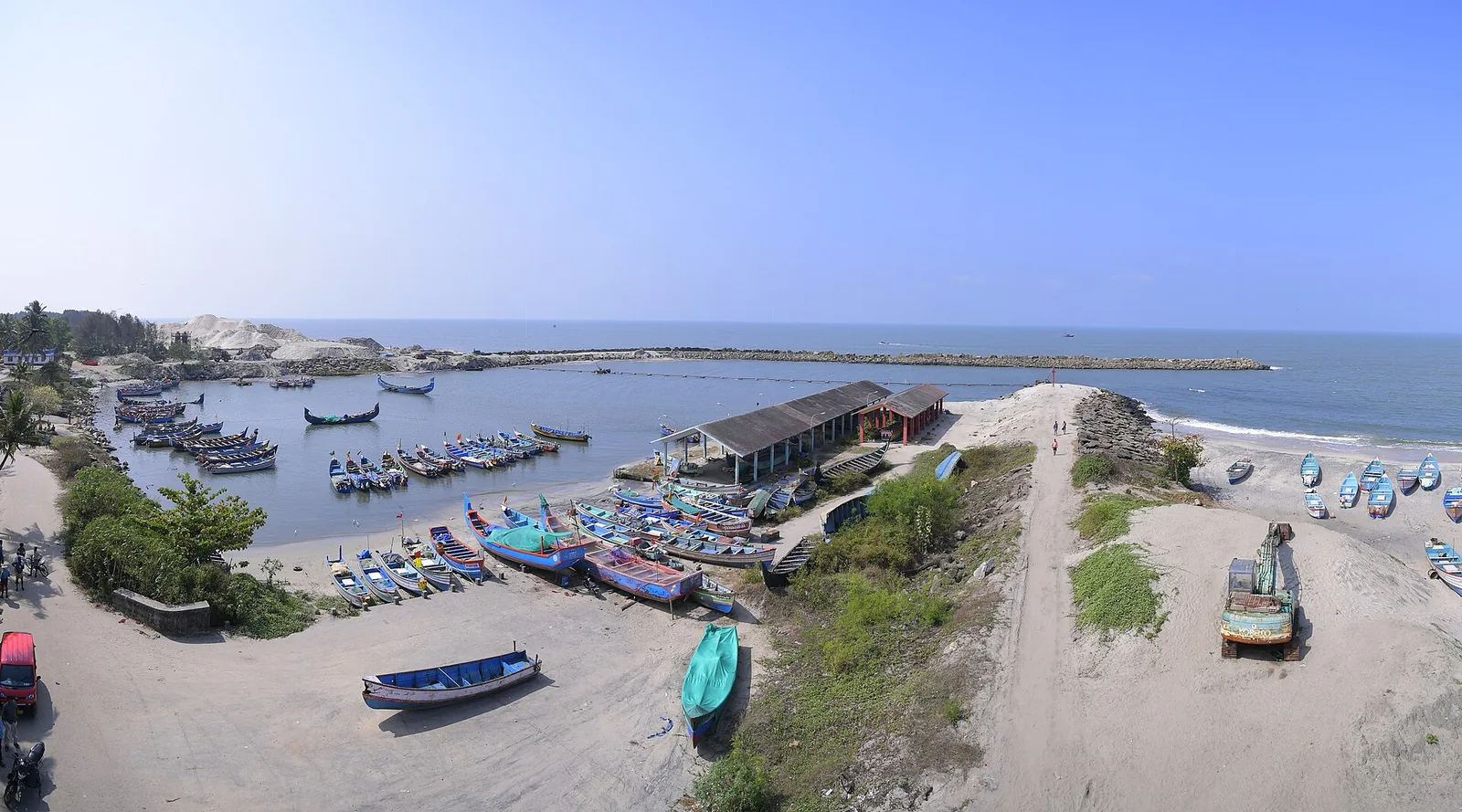
Working fishing harbour and 1955 flood spillway where the Thottappally leading channel meets the sea, south of Ambalappuzha — a painted fleet, two breakwaters and heaps of titanium-bearing black sand, rather than a quiet beach.

backwaterR Block Kuttanad

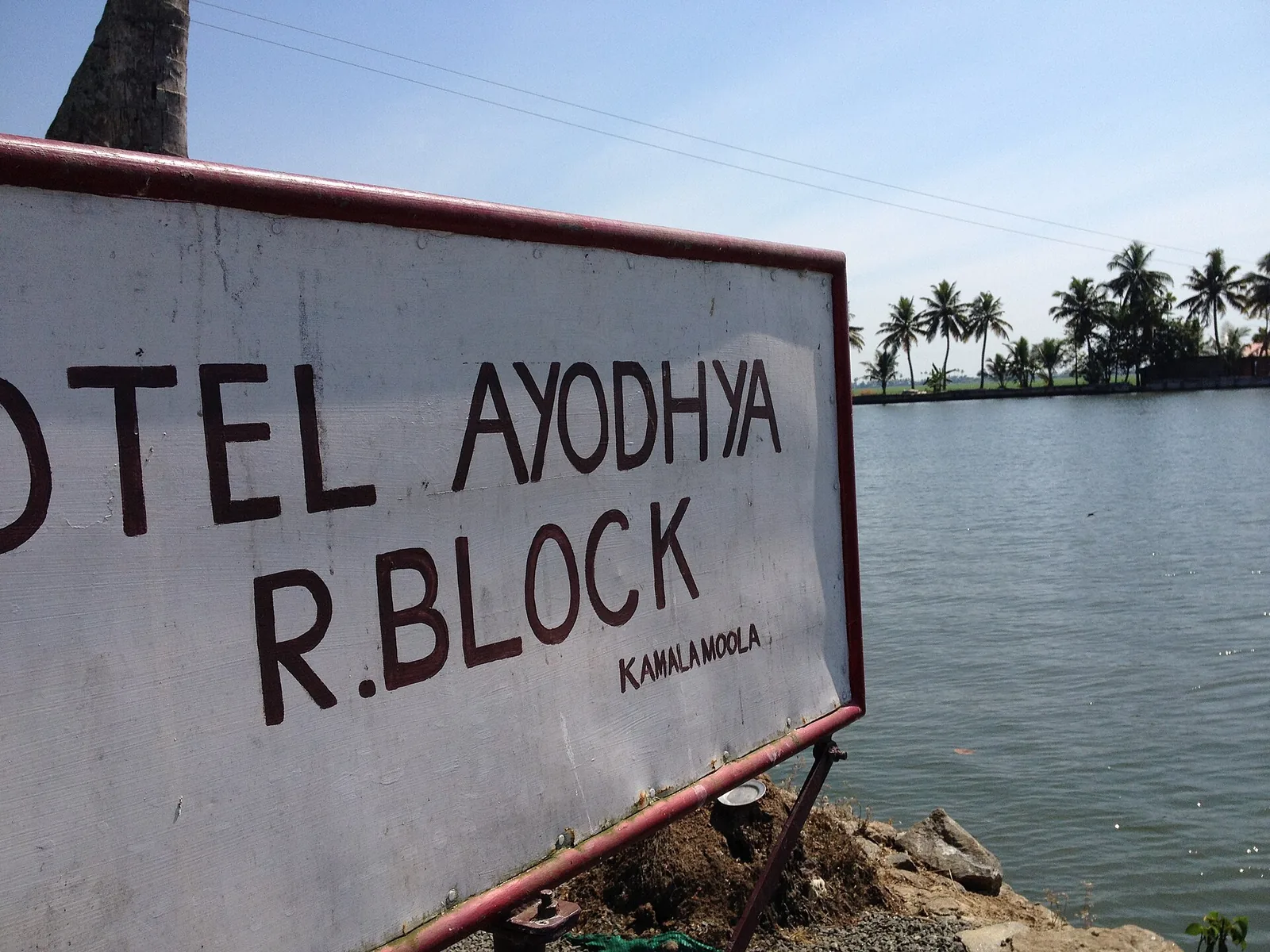
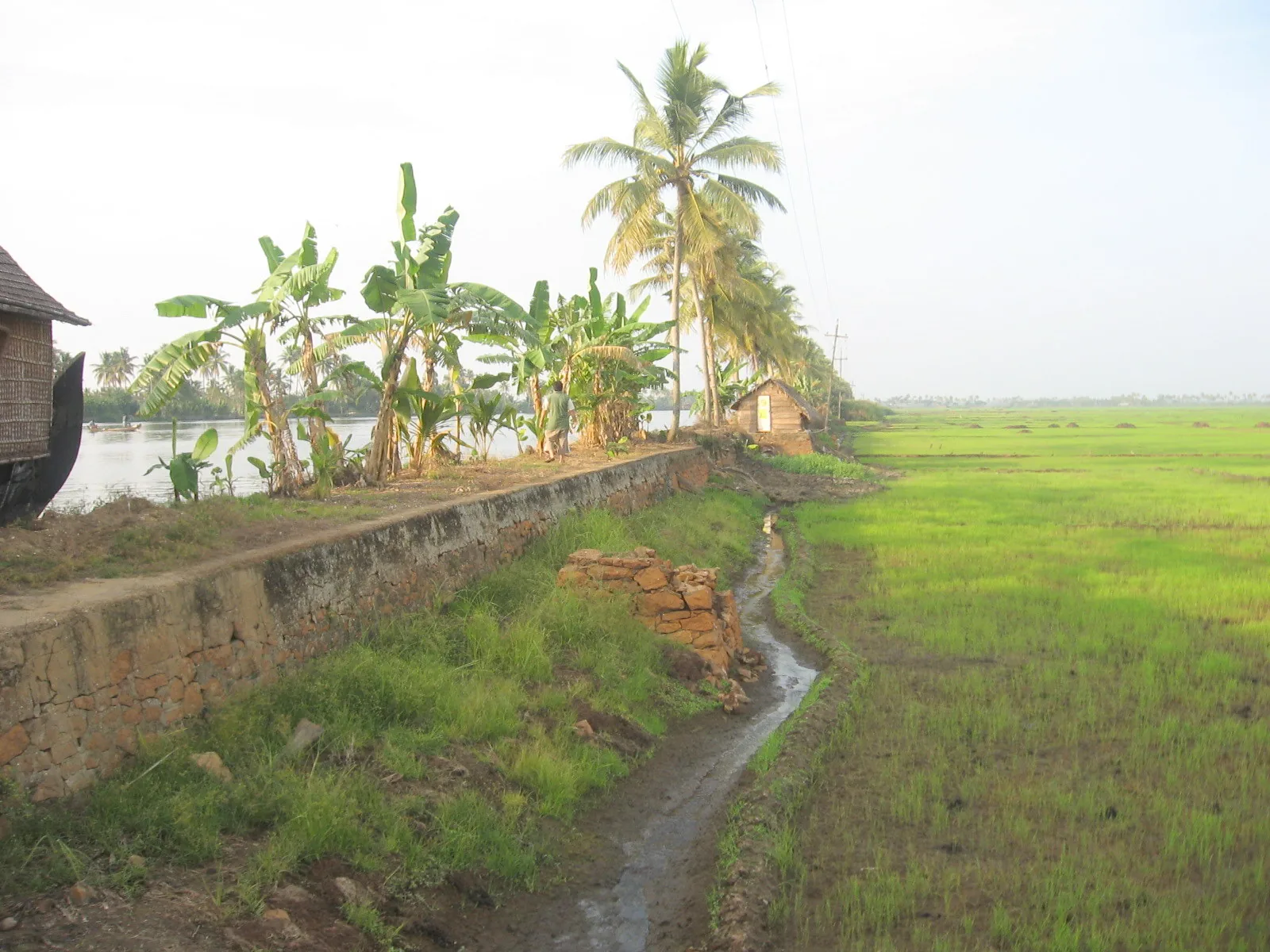
Iconic below-sea-level reclaimed farmland at Kainakary, ringed by bunds with the canal water sitting higher than the paddy fields.

Roampedia is commission-free — own or know a stay, eatery, guide or shop near Ambalappuzha Sree Krishna Temple? List it and it appears here once verified.

Add a nearby business
Before you go

Ambalappuzha Sree Krishna Temple — at a glance

TimingsDTPC Alappuzha lists daily 04:00–12:30 and 17:00–20:00; follow current temple notices for special ceremonies.

Parking: Use the parking arrangement directed on arrival, keeping the temple street and entrance clear. Do not assume that an open courtyard or the tank edge is a parking area.

Getting here

How to reach Ambalappuzha Sree Krishna Temple

  • ✈︎ By air DTPC lists Cochin International Airport about 97.7 km away. The onward journey is by road or a separately planned rail connection; no flight-to-temple journey time is assumed.
  • 🚆︎ By train Ambalappuzha railway station is about 1.1 km away according to DTPC. Alappuzha station is a separate, more distant option whose usefulness depends on your train.
  • 🚗︎ By road Use the signed local approach from Ambalappuzha town to Sree Krishna Swamy Temple. Keep the temple entrance available for pedestrians and ritual movement.
  • 🚌︎ By bus DTPC places Ambalappuzha bus stand about 1.8 km from the temple. Arrange the final local transfer if the walk does not suit your group.
Getting back

Arrange the return from the same named temple approach. If travelling by rail, allow for the local transfer and use the stopping pattern of the booked train.

Do

Things to do

  • Attend darshan during an opening session.
  • View the tank and roofline from the permitted perimeter.
  • Observe timber details and wall paintings where access and photography rules allow.
  • Learn how Parthasarathy differs iconographically from other Krishna representations.
  • Collect an arranged offering through the authorised counter.
  • Attend a separately announced Thullal performance or temple festival event.
Facilities

On site

  • Authorised counters handle temple offerings and their collection arrangements.
  • Ambalappuzha town provides the wider restaurant and transport base.
  • The tank, exterior courts and covered passages have different access conditions; use the spaces currently open to your visit.
Getting around Ambalappuzha Sree Krishna Temple
From the entrance
Western approach to the Ambalappuzha temple enclosure
Step-free access
Photographs show steps, thresholds and an uneven transition between open courts and roofed structures. A continuous accessible route and adapted toilet are not verified. Ask the temple about the specific permitted entrance and assistance required before organising a visit that depends on them.

Checked 7 September 2026 against source 1source 2. Conditions change and surfaces vary with weather — if step-free access is essential, confirm with the site before you travel.

Practical things near Ambalappuzha Sree Krishna Temple

These services are listed within about 1.2 km of Ambalappuzha Sree Krishna Temple. Walking distances follow mapped routes; access and opening hours can change. Other services may be closer but are not included here.

If you need help at Ambalappuzha Sree Krishna Temple
112All emergencies (police · fire · medical)The single number to call in any emergency (ERSS).

Emergency numbers are verified against official government and state tourism sources. 112 works anywhere in India.

Eat nearby

What to eat in Ambalappuzha

Ambalappuzha’s Palpayasam is a temple offering, while lunch or dinner belongs in the town meal plan. Keep the offering’s collection arrangement separate from a restaurant booking.

Explore food in Ambalappuzha →
01

Palpayasam prasadam

Use the authorised counter and its collection instructions; availability is not assumed on arrival.

02

A town lunch

The midday temple closure can suit a meal in Ambalappuzha before an onward journey.

03

An early meal

For an evening visit, choose a town restaurant around the return transport rather than expecting the temple offering to replace dinner.

Nearby

What’s near Ambalappuzha Sree Krishna Temple

heritageKarumadikuttan

Ancient black-granite Buddha statue at Karumadi near Ambalappuzha, a relic of Kerala’s Buddhist past.

backwaterChampakulam

Kuttanad village on the Pamba known for the Champakulam Moolam snake-boat race and Kalloorkad St Mary’s Basilica.

beachThottappally Beach

Working fishing harbour and 1955 flood spillway where the Thottappally leading channel meets the sea, south of Ambalappuzha — a painted fleet, two breakwaters and heaps of titanium-bearing black sand, rather than a quiet beach.

backwaterR Block Kuttanad

Iconic below-sea-level reclaimed farmland at Kainakary, ringed by bunds with the canal water sitting higher than the paddy fields.

backwaterKuttanad

Low-lying paddy and canal region known as Kerala’s rice bowl.

heritagePunnapra Vayalar Memorial

Martyrs’ memorial (Rakthasakshi Mandapam) to the 1946 Punnapra–Vayalar uprising, on the coastal belt north of Punnapra on the Alappuzha side.

churchEdathua Church

St George Forane Church at Edathua in Kuttanad, known for its large annual pilgrimage feast.

templeMullakkal Temple

Central Alappuzha town temple (Mullakkal Rajarajeswari) famous for the annual Mullackal Chirappu festival.

townAlappuzha / Alleppey town

Backwater and houseboat hub with canals, beach, lighthouse and Finishing Point jetty.

backwaterPunnamada Lake

Finishing-point lake of the Nehru Trophy Boat Race and the main houseboat cruising water off Alappuzha.

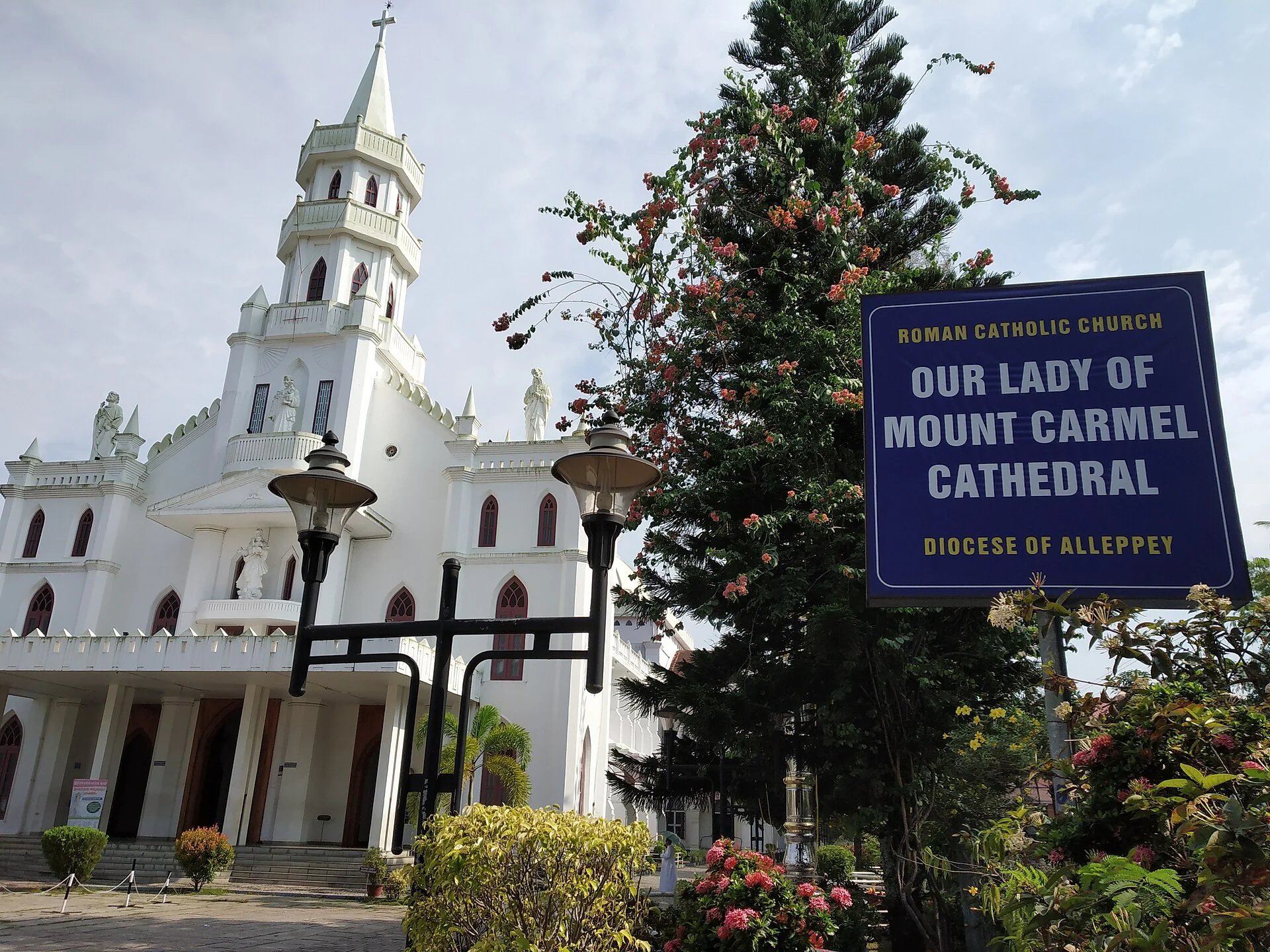
churchOur Lady of Mount Carmel Cathedral

Landmark 19th-century cathedral of the Alappuzha diocese near the town centre.

templeMannarasala Sree Nagaraja Temple

Major serpent shrine set in a sacred grove.

All 3 places to visit in Ambalappuzha →

Nearby toilets, pharmacies, ATMs, seating and vets are community-mapped and may be incomplete or out of date. Map data © OpenStreetMap contributors | Walking times © openrouteservice.org by HeiGIT

On the map

Where Ambalappuzha Sree Krishna Temple is

Good to know

Ambalappuzha Sree Krishna Temple — frequently asked

What are Ambalappuzha temple’s opening hours?

DTPC Alappuzha publishes daily 04:00–12:30 and 17:00–20:00. Special ceremonies follow the temple’s current notice.

Can I buy Palpayasam whenever I arrive?

Do not assume immediate availability. Arrange the offering and its collection through the authorised temple counter; a regular opening session does not guarantee an unbooked portion.

Is this temple dedicated to Krishna or Parthasarathy?

Krishna is worshipped here in the Parthasarathy form, the charioteer of Arjuna. The names describe the same principal deity in this setting.

Which railway station is nearest?

DTPC lists Ambalappuzha railway station about 1.1 km away. Check whether your chosen train stops there before booking.

Is Ottan Thullal performed every day?

A daily performance is not established. Attend only against a current announced programme; the temple’s historical association is not a performance timetable.

Is the Lakkidi Kunchan memorial inside this temple?

No. Lakkidi in Palakkad is associated with Nambiar’s birthplace and has a separate memorial. Ambalappuzha is associated with his work and the origin of Thullal.

Can visitors walk down into the tank?

Use only the permitted perimeter and obey the temple’s directions. Steps visible in photographs do not establish bathing or unrestricted access.

Is there step-free access throughout?

The complex contains thresholds and steps, including substantial tank steps. Establish the permitted entrance and assistance arrangement directly with the temple if continuous step-free movement is essential.

Is Ambalappuzha Aarattu the same festival as Champakulam Moolam?

They are separate celebrations. The temple’s Aarattu dossier places its ten-day observance in Meenam, usually March–April. Champakulam Moolam is associated with Moolam in Mithunam and a boat race on the Pamba. Their connection through the temple does not put both events at the same place or on the same date.

Is there a Kunchan Nambiar memorial in Ambalappuzha itself?

Yes. The government cultural directory lists a Kunjan Nambiar Smarakam at Ambalappuzha as well as the separate birthplace memorial at Killikkurissimangalam in Palakkad. Use the local memorial’s own visiting arrangement; a pavilion photographed within the temple should not automatically be labelled as that institution.

What makes Velakali different from Ottan Thullal?

Velakali uses a coordinated group, martial movements and shields or swords. Ottan Thullal is a solo narrative performance using sung Malayalam verse, movement and audience interaction. Both have an Ambalappuzha association, but an announced programme is needed to attend either.

Read before you go

Ambalappuzha Sree Krishna Temple guides, stories & itineraries

Stories & history of Ambalappuzha Sree Krishna Temple

Written about Ambalappuzha Sree Krishna Temple itself — its history, its legends and the arguments about them.

Around Ambalappuzha

These reads cover nearby destinations, each with its own arrival point and visit arrangements.

Kerala-wide guides & itineraries

Route-level itineraries and practical guides for the rest of Kerala.

See all 100 Alappuzha guides & stories →