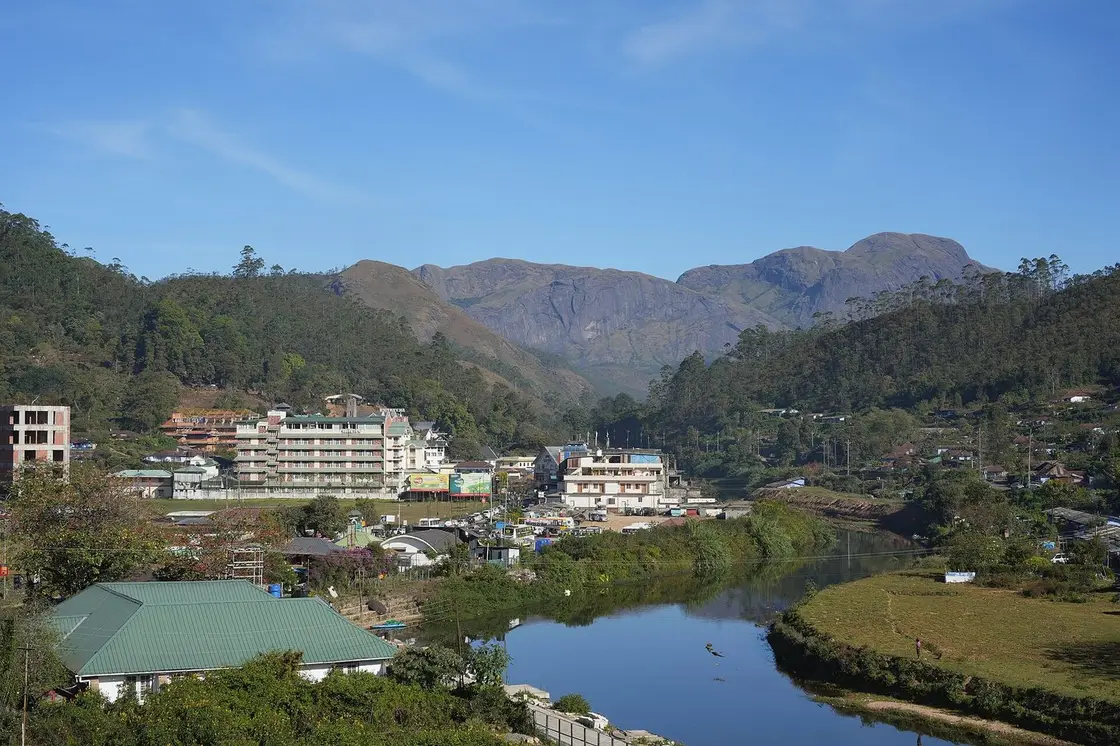
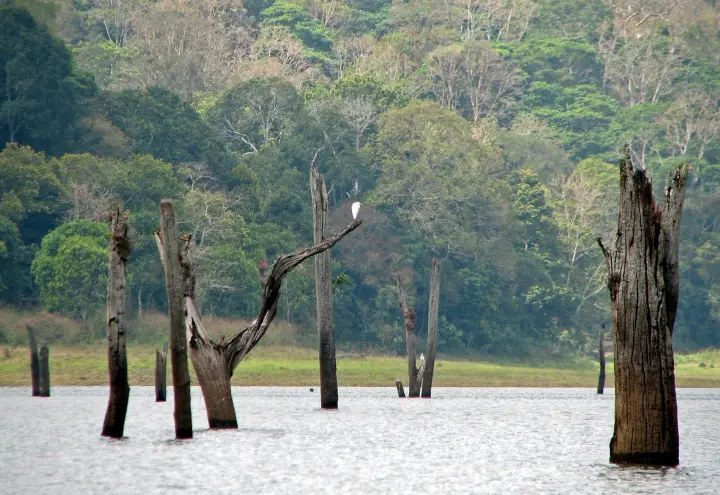
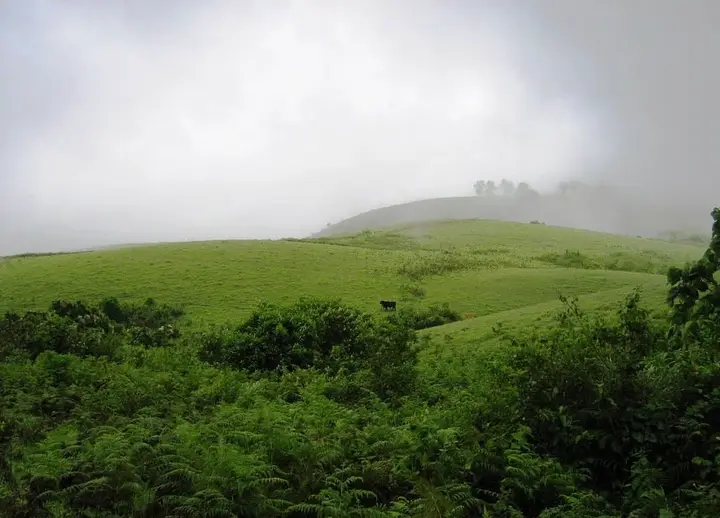
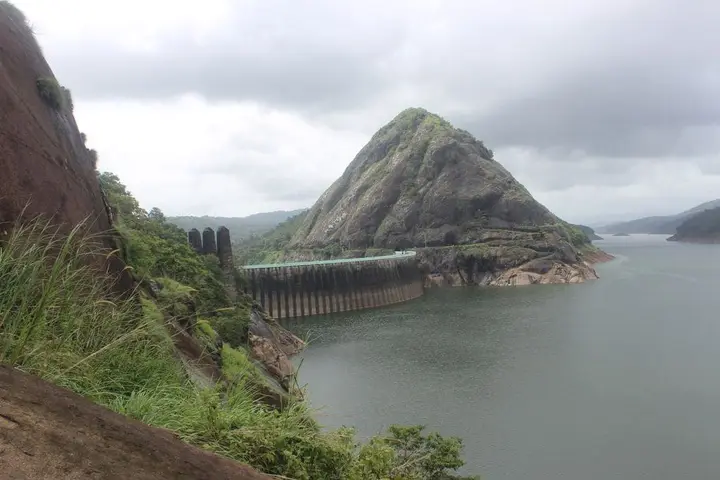
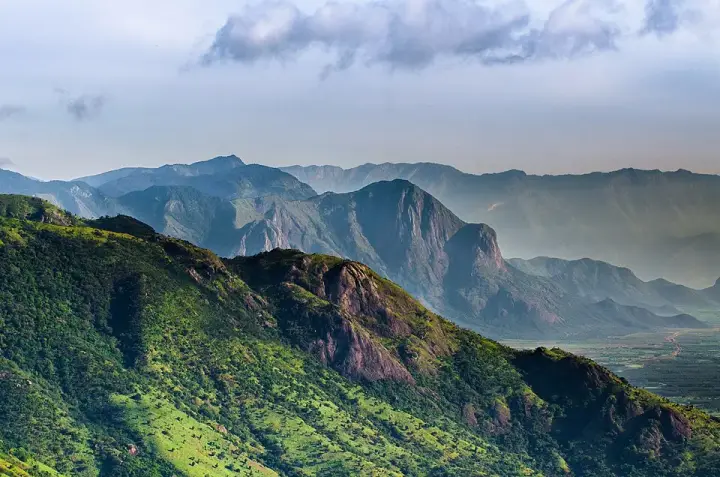
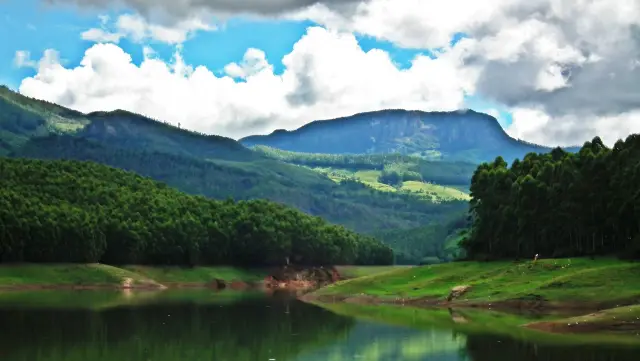
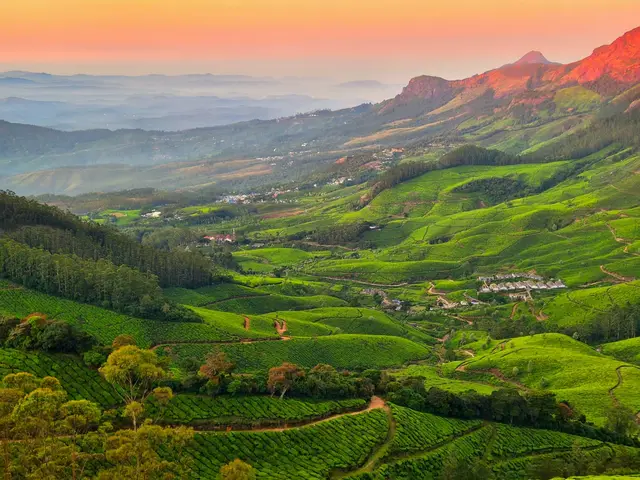
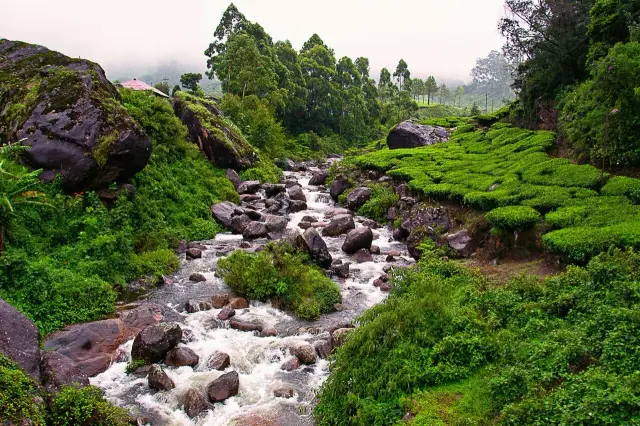
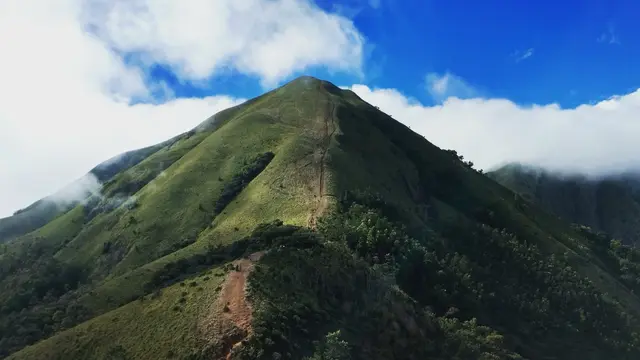
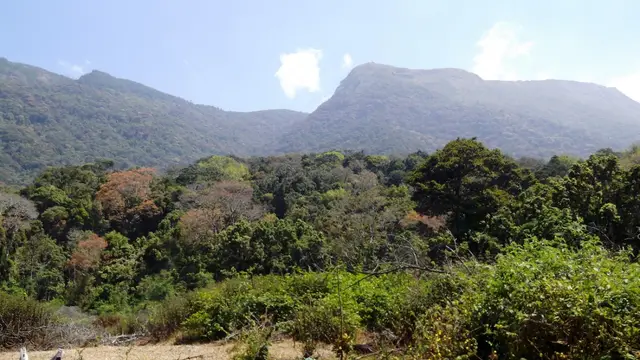
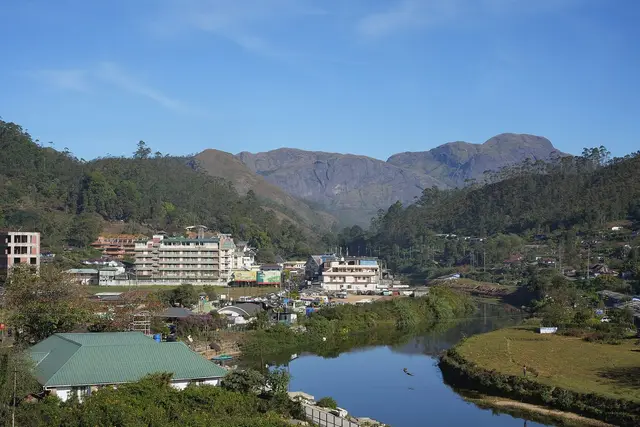
Cradled in the Kannan Devan Hills of Idukki at around 1,600 metres, Munnar is Kerala's most celebrated hill station — a rolling ocean of emerald tea gardens laid over the ridges of the Western Ghats, wrapped in mist and cooled by high-range air. Its name means “three rivers,” and everything about the place — the plantations, the colonial bungalows, the once-in-twelve-years bloom of the neelakurinji — grows out of that meeting of water, altitude and human enterprise.
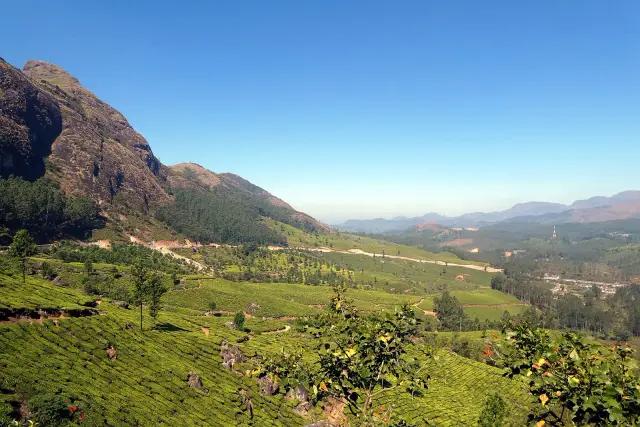
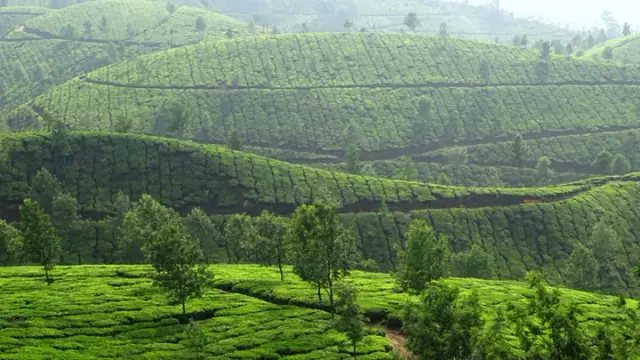
The first sight of Munnar undoes people. After the hot plains, the road climbs into a landscape that looks combed and clipped by hand — hillsides quilted in low, glossy tea bushes that follow every contour, the green so unbroken it reads like carpet thrown over the mountains. Silver oak shade trees stand at intervals, plucker's paths thread between the rows, and in the early light the whole valley seems to exhale.
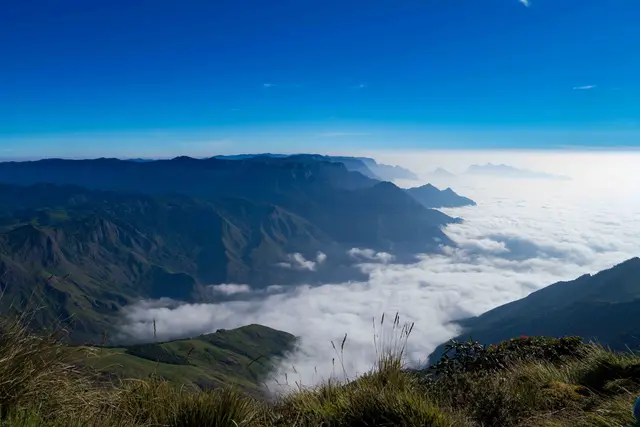
Mornings here belong to the mist. Cloud pools in the valleys overnight and lifts slowly after dawn, so that tea slopes surface one by one out of the white, and a ridge you could not see at seven is sharp and sunlit by nine. Women in bright saris move through the bushes with plucking shears and cane baskets on their backs, taking only the top “two leaves and a bud,” the same rhythm that has shaped these hills for well over a century.
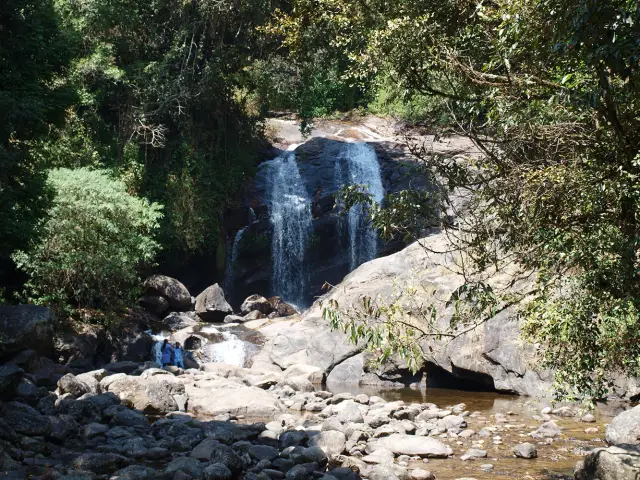
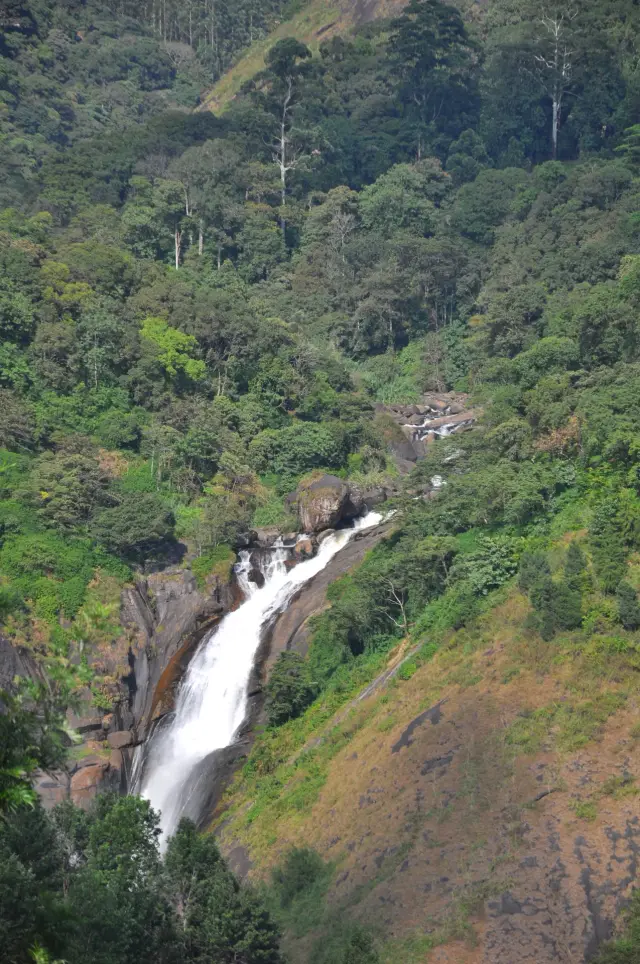
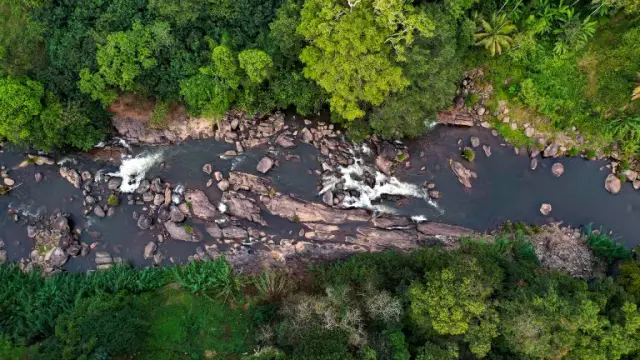
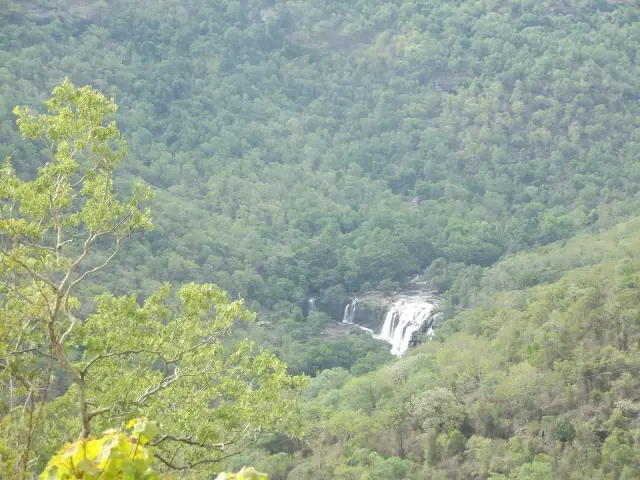
The drive up is half the pleasure. From Kochi the road threads through Neriamangalam and Adimali, tracking the Muthirapuzha upstream past roadside waterfalls, spice gardens and forest before the final switchbacks deliver you into tea country. Ears pop, the temperature drops, and the air turns sharp with eucalyptus and wet earth — the unmistakable signal that you have climbed into the high range.
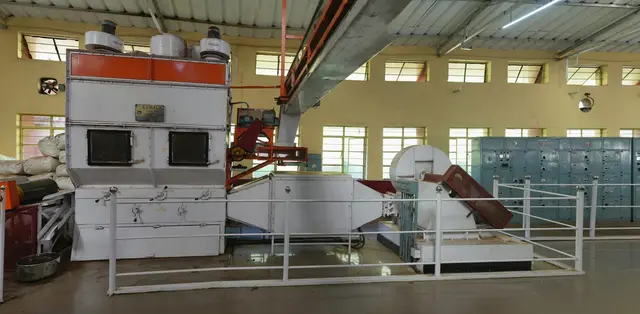
Tea is not just Munnar's scenery; it is its heritage and its livelihood. The estates that carpet these hills are worked today by the Kanan Devan Hills Plantations company, one of the largest employee-owned tea businesses in the world, on land the Tata group ran for decades before handing majority ownership to the workers. A visit to a plantation tea factory — the withering troughs, the rolling and fermenting, the smoky-sweet fug of drying leaf — turns the postcard view into something you can smell and taste.
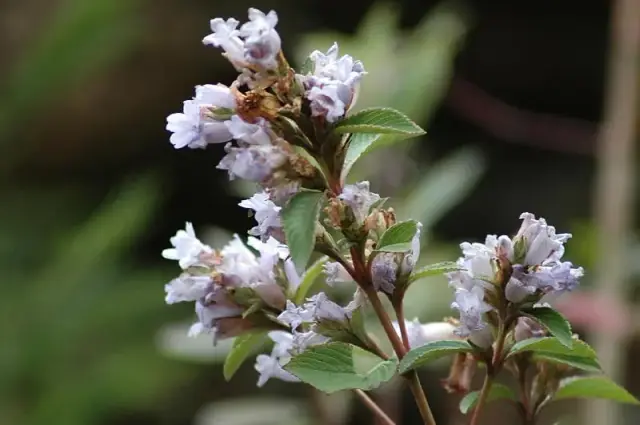
Then there is the flower that made Munnar famous far beyond India. The neelakurinji (Strobilanthes kunthiana) carpets the upper slopes in an astonishing violet-blue — but only once every twelve years, when whole hillsides above Rajamala erupt into bloom together. It is one of the botanical spectacles of the subcontinent, and its rare, synchronised flowering has drawn crowds to the high range every cycle since the great bloom that put Munnar on the map.
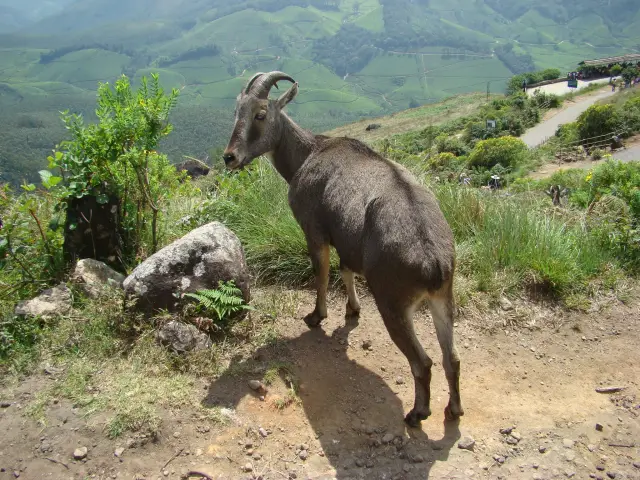
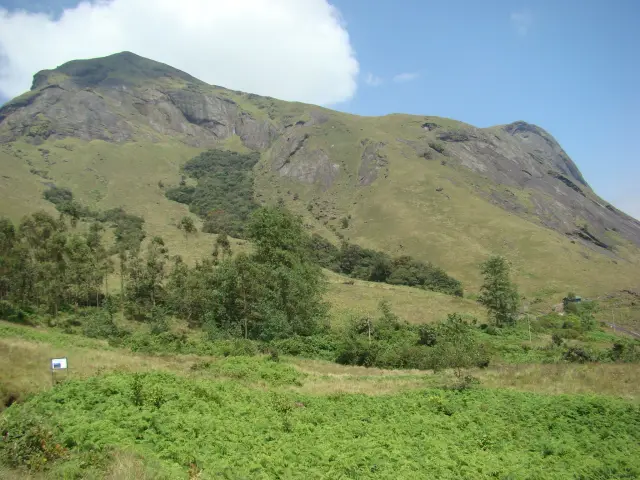
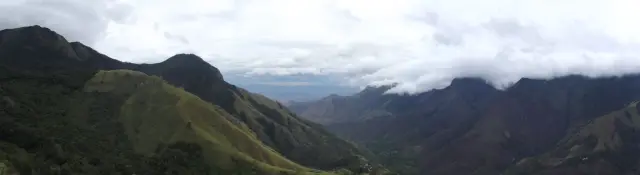
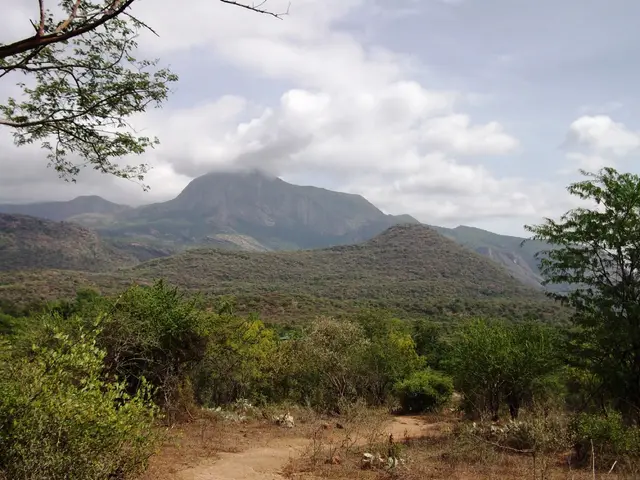
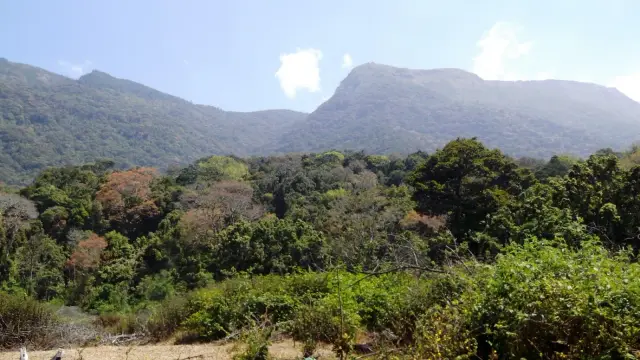
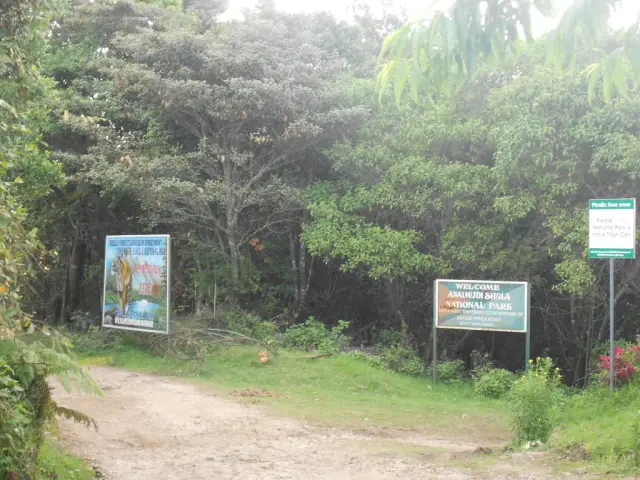
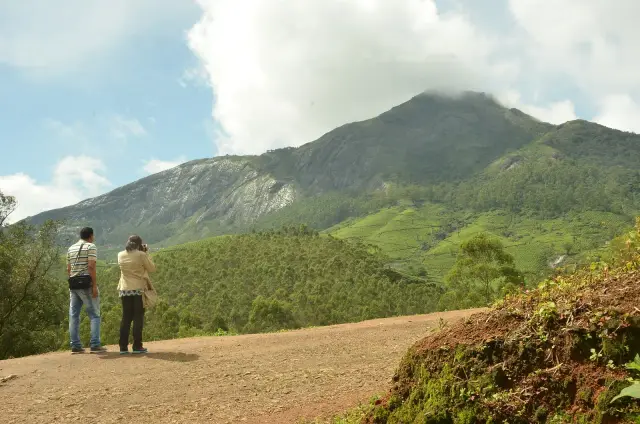
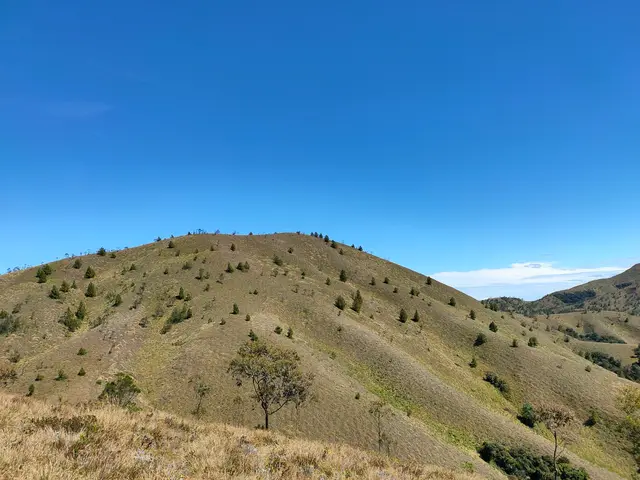
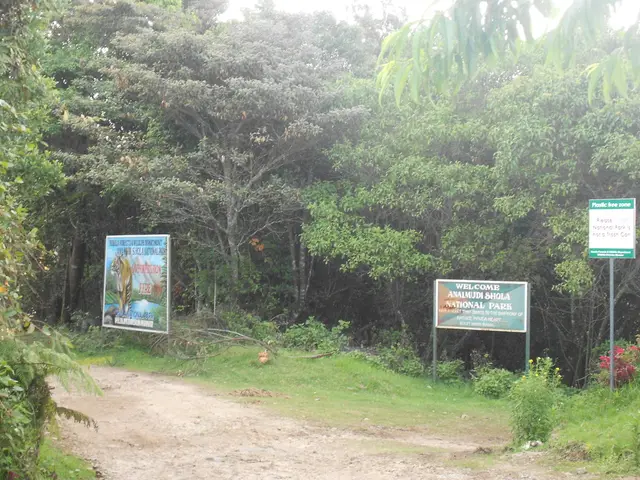
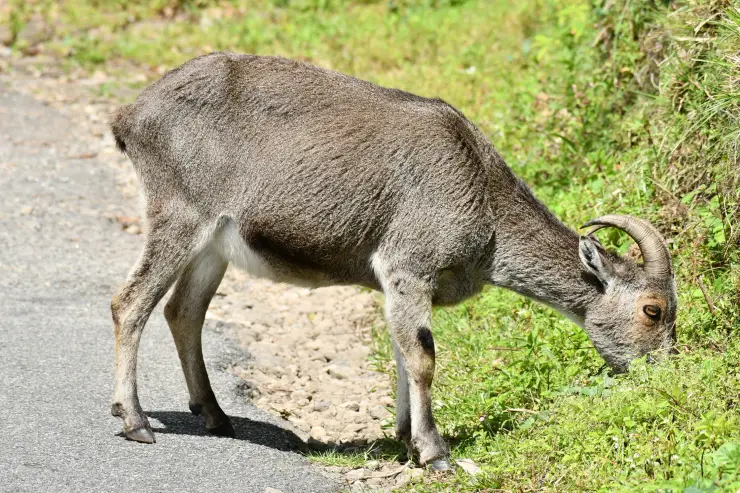
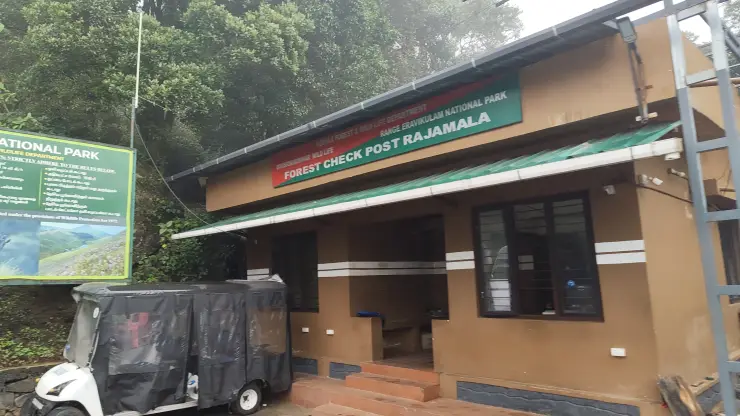
Above the gardens lies the wilder high range: Eravikulam National Park, the shola grasslands, and Anamudi — the highest peak in peninsular India. This is the last stronghold of the endangered Nilgiri tahr, a stocky mountain goat that grazes the cliffs so tamely near Rajamala that visitors watch it a few metres away. Tea estate below, cloud forest above, and the tahr on the crags between — that vertical world is the essence of a Munnar day.
Legend & myth
The neelakurinji carries a tender legend among the Muthuvan, the tribal community of these high hills. As the story is told, one of their gods wooed and wed Valli, a hunter's daughter, by weaving a garland of kurinji blossoms around her neck — so the twelve-yearly bloom is remembered as a wedding flower, an emblem of devotion and union. Older Muthuvan are also said to reckon a person's age and the timing of important events by the blooms they have lived through, each mass flowering marking off another span of years in the life of the hills.
More about Munnar
History
Munnar takes its name from the Malayalam and Tamil for “three rivers” — a joining of moonu (three) and aaru (river) — because the settlement grew up where three mountain streams, the Muthirapuzha, the Nallathanni and the Kundala, come together. That confluence of water and the surrounding Kannan Devan Hills gave the future hill station both its name and its site.
The hills themselves are said to be named for Kannan Thevar, a tribal chief of the Anchunad region, who is remembered as accompanying the British when they first sought to lease this high country. For centuries the tribal communities of the high range — the Muthuvan among them — had these grasslands and shola forests largely to themselves before the plantation era arrived.
That era opened in the 1870s, when John Daniel Munro, a British planter and administrator connected to Travancore, came into the hills during a boundary settlement and grasped their agricultural promise. Around 1877 the Poonjar chief leased him a vast tract — reported at roughly 136,600 acres of the Kannan Devan Hills for a modest annual rent — and in 1879 Munro founded the North Travancore Land Planting & Agricultural Society to open the country to cultivation.
The early planters experimented before they settled on tea. Coffee, cardamom, cinchona and sisal were all tried across the estates, but it was tea that thrived in the cool, high, well-watered slopes. Credit for the first tea planting is usually given to the European planter A. H. Sharp around 1880, and within a generation tea had displaced almost everything else as the crop of the high range.
Consolidation followed quickly. In 1895 the Scottish firm Finlay Muir & Company acquired a cluster of independent estates, and in 1897 the Kannan Devan Hills Produce Company was formed to run them as one enterprise. In 1964 the Tata group entered into partnership with Finlay to create Tata-Finlay, and from 2005 the estates passed to Kanan Devan Hills Plantations — a largely employee-owned company that continues to work the gardens today.
Why visit
The signature landscape of Kerala's high range: mile upon mile of manicured tea gardens rolling over the Kannan Devan Hills, at their most magical in the early-morning mist.
Living tea heritage — visit a working plantation and tea factory, and tour the small tea museum to see how the leaf is grown, plucked and processed on these very slopes.
Eravikulam National Park and Rajamala, the best place in the world to see the endangered Nilgiri tahr up close, beneath Anamudi, the highest peak in South India.
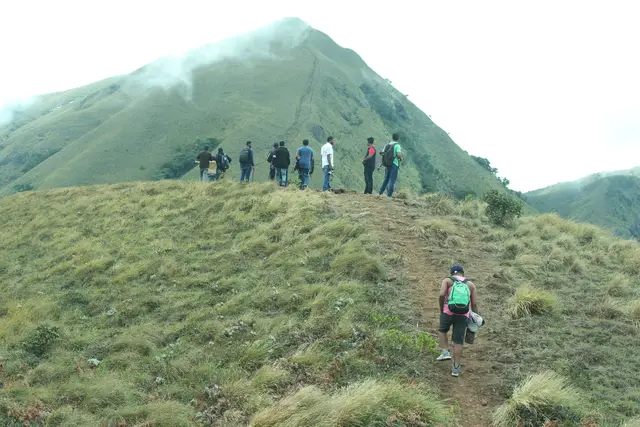
Cool, restful mountain air at around 1,600 metres — a genuine escape from the heat of the Kerala plains, ideal for slow walks, viewpoints and long tea-estate drives.
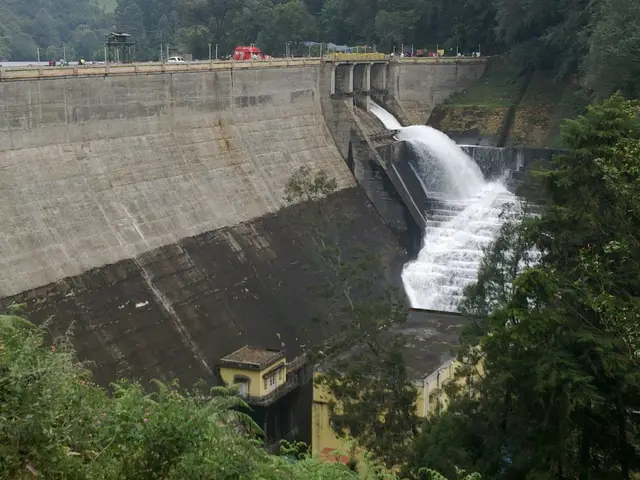
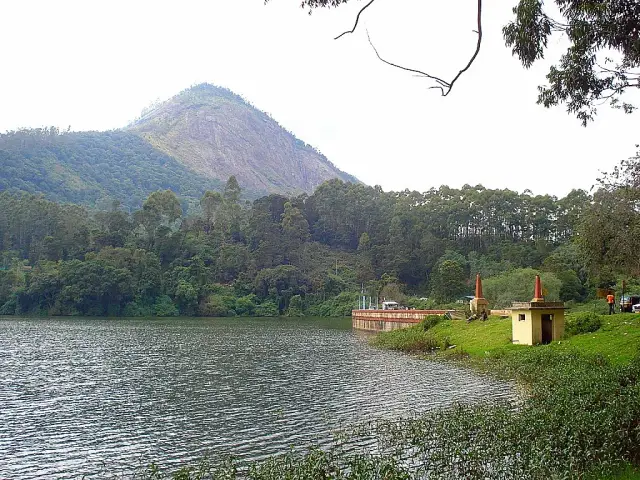
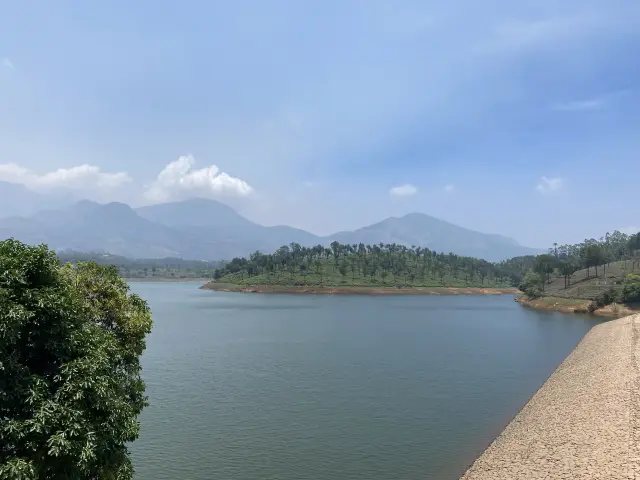
Classic day-trip clusters around Mattupetty and Kundala — dams and lakes, echo points, shola forests and pine woods, with boating and photo stops woven between the gardens.
The rare neelakurinji bloom, when in season, turns whole hillsides violet-blue in a once-in-twelve-years spectacle that draws visitors from across India.