History
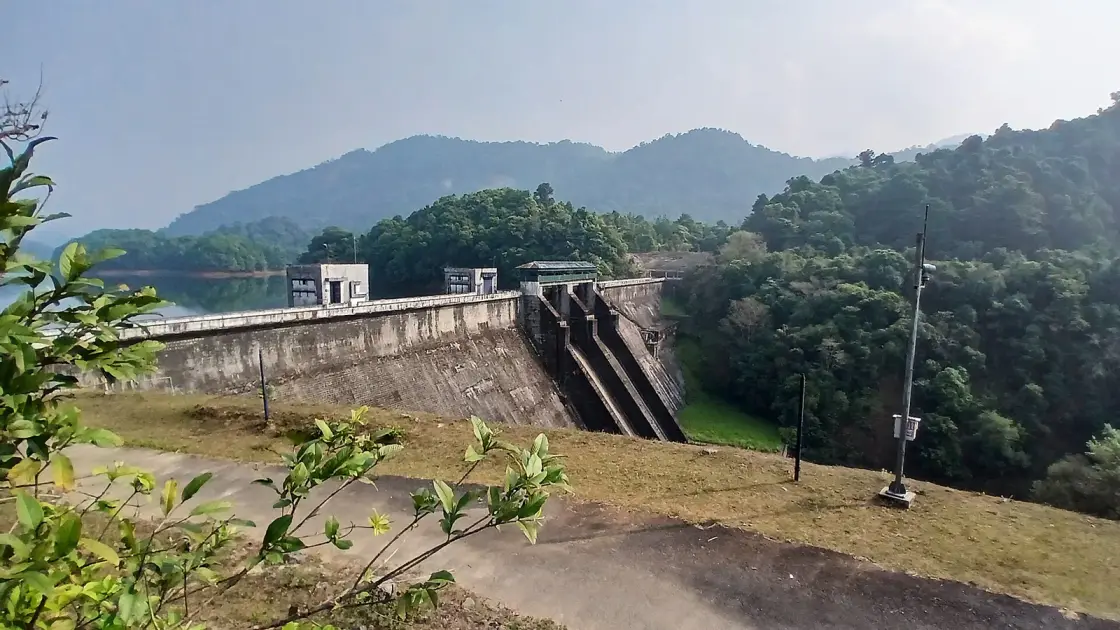
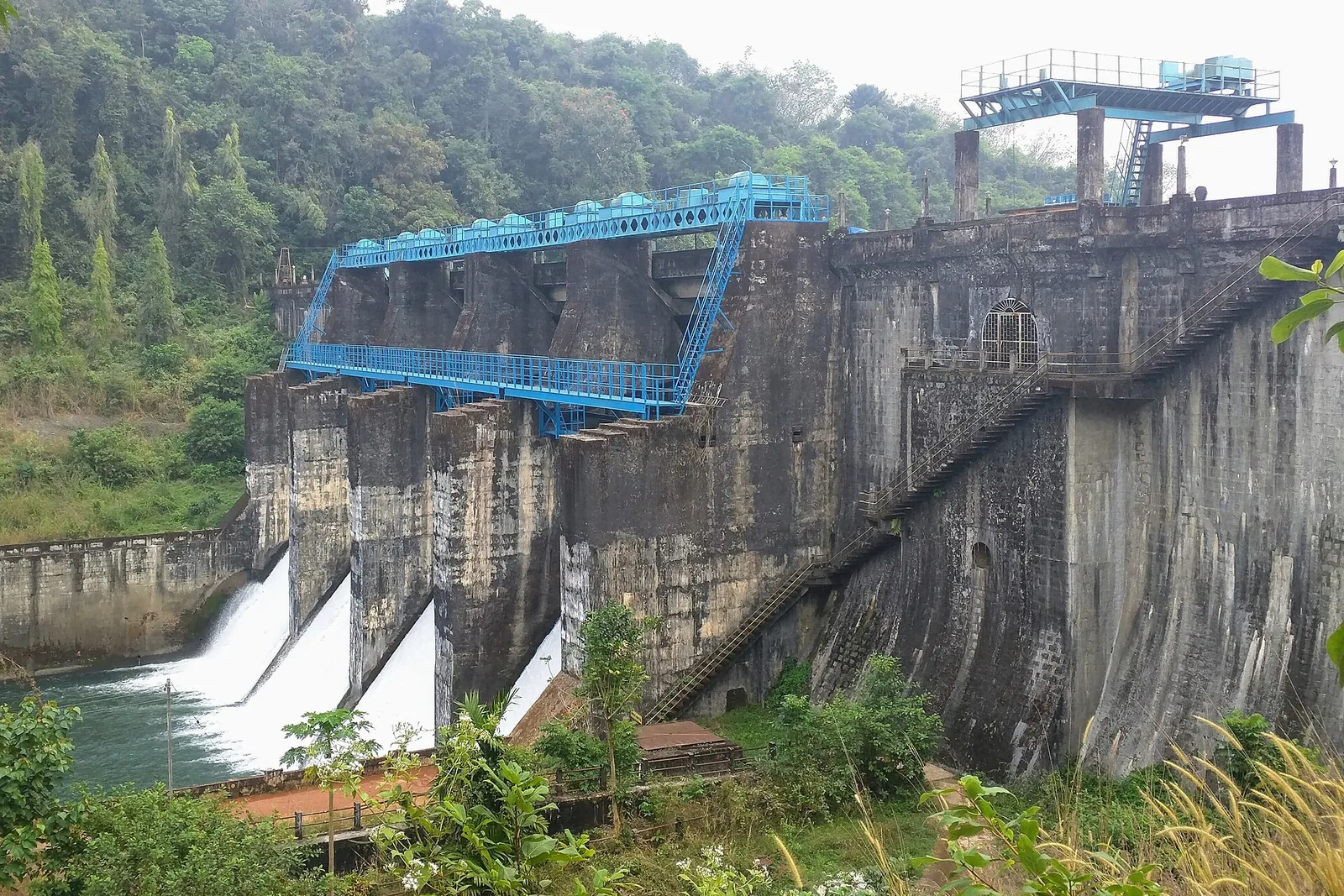
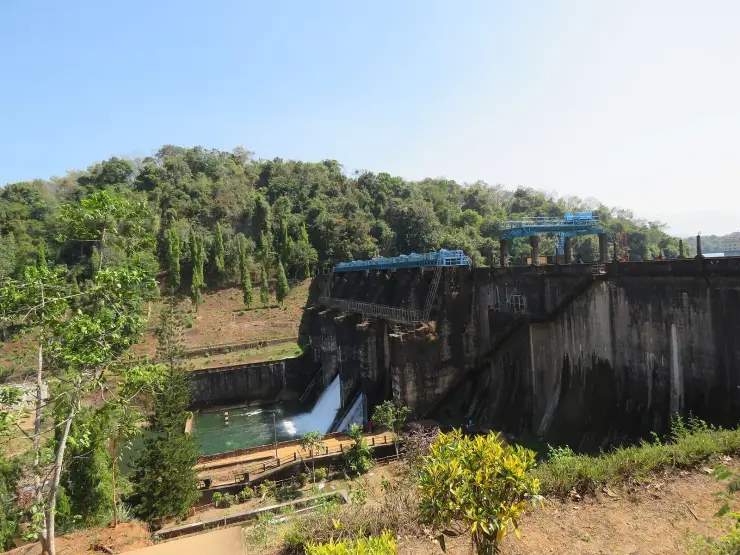
Kakkayam's modern story is inseparable from hydro-power. The dam impounds the Kuttiyadi river as the storage reservoir of the Kuttiyadi Hydro Electric Project — and the lake, confusingly, carries the river's name rather than the village's: KSEB calls it the Kuttiady reservoir. From the dam, water is led through a power tunnel of about 920 metres and a two-stretch penstock tunnel, then down a surface penstock to the powerhouses roughly 2.8 km away and some 658 metres lower. That is a fall of two Eiffel Towers over under three kilometres, which is why the machines there are Pelton wheels rather than the turbines used on Kerala's lowland dams.
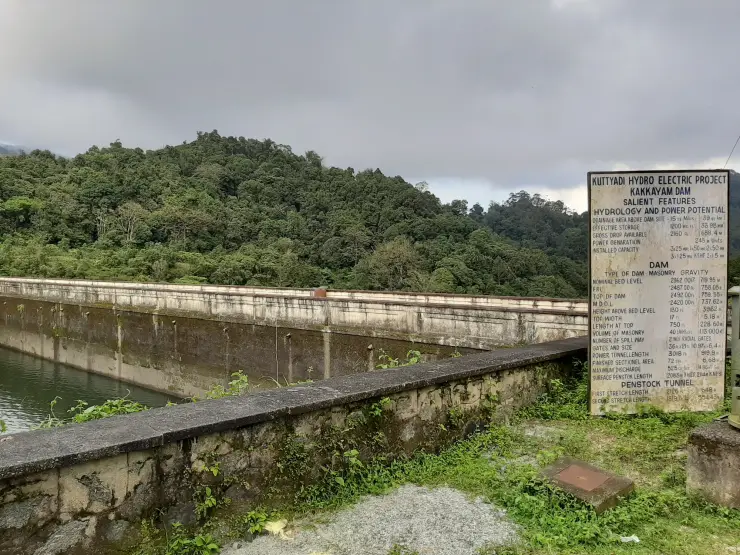
The often-repeated figure of 225 MW is the whole complex, not this dam's powerhouse. KSEB is explicit that the project consists of four power houses totalling 228 MW: the original 1972 station of 75 MW (three 25 MW Fuji Electric units), a 50 MW extension commissioned in January 2001, a separate 100 MW additional extension in a new building in October 2010, and a 3.75 MW tail race scheme, with a further 3 MW plant listed as under construction. The board bolted to the dam does not print 225 anywhere — it lists the machine groups separately, and visitors and copywriters have been summing them into one imaginary generator ever since.
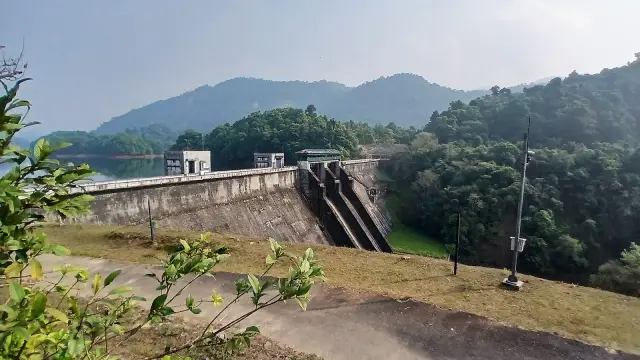
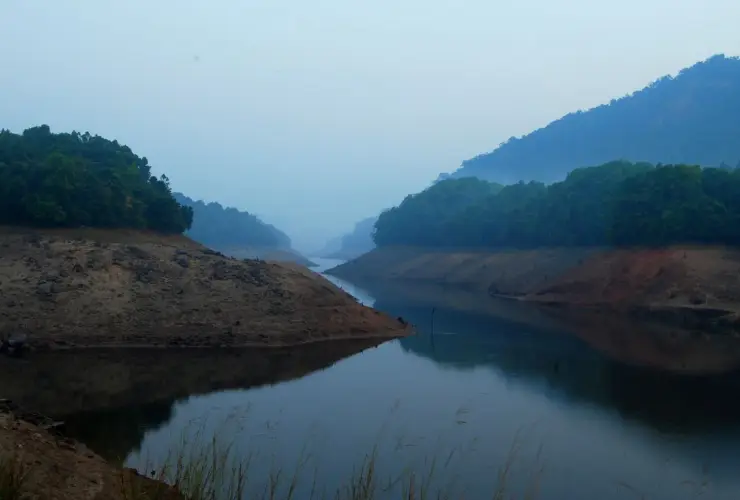
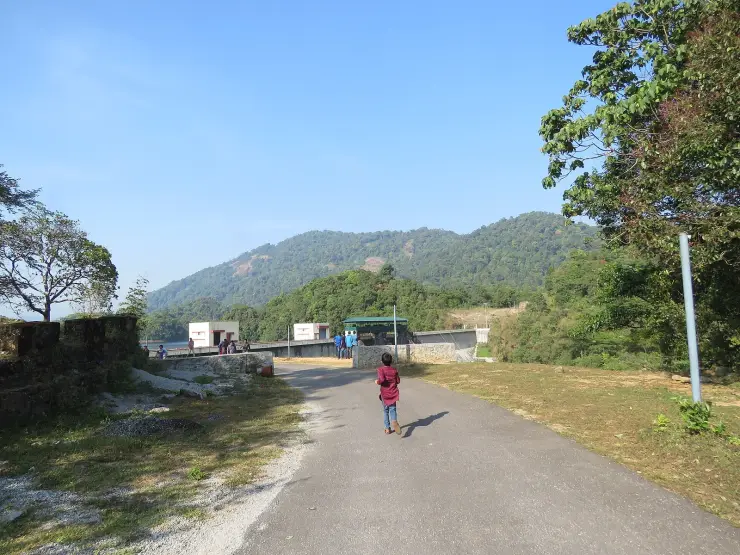
The site is a masonry gravity dam, 39.62 m above bed level and 228.60 m long at the crest, holding about 34 million cubic metres from a catchment of just 39 sq km. Full reservoir level is 758.05 m and minimum draw-down 737.62 m, so the water rises and falls through about twenty metres across a year — which is why photographs from March and from September look like different places. The spent water eventually rejoins the Kuttiyadi and flows about 11 km down to the Peruvannamuzhi reservoir, which the Irrigation Department uses for irrigation and water supply.
Access is split between two authorities and this catches people out. KSEB controls the dam, the reservoir and the dam-site ticket; the Forest Department controls the sanctuary, the trails and the eco-tourism programme, delivered through local Vana Samrakshana Samithis. They are separate tickets at separate counters, which is why quoted entry fees never agree — and separate decisions, which is why after the 2024 closures boating reopened weeks before the trekking did.
The valley's most sombre history belongs to the Emergency imposed across India in 1975–77, and the detail that almost every account omits is what the camp physically was. On 28 February 1976 a group attacked the Kayanna police station, injuring a head constable and three other officers and taking firearms; police assumed a Naxalite action. The primary source disagrees on both the station and the date. K. Karunakaran's second affidavit, quoted verbatim in the Supreme Court's judgment in K. Karunakaran v. T. V. Eachara Warrier (16 November 1977), refers to “the attack by some persons on Kakkayam Police Station on 29-2-1976”. 1976 was a leap year, so that date exists. We give Kayanna and 28 February because that is what the general accounts say, but a signed affidavit in the law reports names a different station and a different day, and we are not going to pretend the point is settled. The investigation went to DIG Jayaram Padikkal, who chose not to run it from a police station but from a camp deep in the Kakkayam forest — in a long tin- or asbestos-roofed building that the Electricity Board had put up to store electrical equipment, with a pond in front of it. Rajan's father, in his memoir, calls it simply the shed on the hill by the pond. The most notorious interrogation centre of the Emergency in Kerala was a piece of this dam's own plant, four years after the power station opened.
On 1 March 1976 P. Rajan, a student of the Regional Engineering College, Calicut — now NIT Calicut — was taken into custody along with a fellow student, Joseph Chaaly, and brought here. He died on 2 March 1976, one day after his arrest, under uruttal, the rolling of a heavy wooden log over the body, in torture led by Sub-Inspector Pulikkodan Narayanan. Roughly two hundred people are thought to have passed through the camp, many with no connection to the Kayanna attack. Rajan's body was never recovered. Two accounts survive and they disagree: that it was weighted and put into the Kakkayam reservoir, or that it was burnt and the ashes scattered at Urakkuzhi Falls. Both describe this landscape; neither has been established.
What followed became one of India's landmark civil-liberties cases. Rajan's father, T. V. Eachara Warrier, a retired professor, filed a habeas corpus petition to discover his son's fate — a pursuit that ruined him financially and stirred the conscience of Kerala. The High Court of Kerala delivered its judgment on 13 April 1977; the State had denied Rajan was ever in custody, and the court's findings destroyed that position. A memo on his whereabouts was filed on 19 April, and the Supreme Court rejected the appeal against the judgment on 25 April 1977.
The political consequence is sharper than it is usually told. K. Karunakaran, Home Minister through the Emergency, became Chief Minister of Kerala on 25 March 1977 and resigned in late April 1977, around the day the Supreme Court closed off his appeal. The Supreme Court's own judgment says “It appears that Shri Karunakaran resigned as Chief Minister after the judgment of the High Court in the habeas corpus petition on April 26, 1977”, and the sentence is ambiguous about which event 26 April attaches to. What is certain from that judgment is that the special leave petition was rejected on 25 April 1977. The former “exactly one month later, to the day” flourish has been dropped: it was doing work the evidence does not support. (Some sources, including Wikipedia's article on the case, date the resignation to 1978; that is wrong.) Litigation ran on for decades afterwards. Warrier's memoir won the Kerala Sahitya Akademi award in 2004 and appears in English as Memories of a Father, and the camp has since reached the screen more than once. There is no memorial at the dam site.
The Kakkayam torture camp and the Rajan case have since been memorialised in books, journalism and Malayalam cinema, and they remain a defining reference point when Indians discuss the abuses of the Emergency. For the traveller, this means Kakkayam is a place of two truths held together — a spectacularly scenic Western Ghats reservoir, and a site whose forests witnessed a documented tragedy that Kerala has chosen never to forget.
Why visit
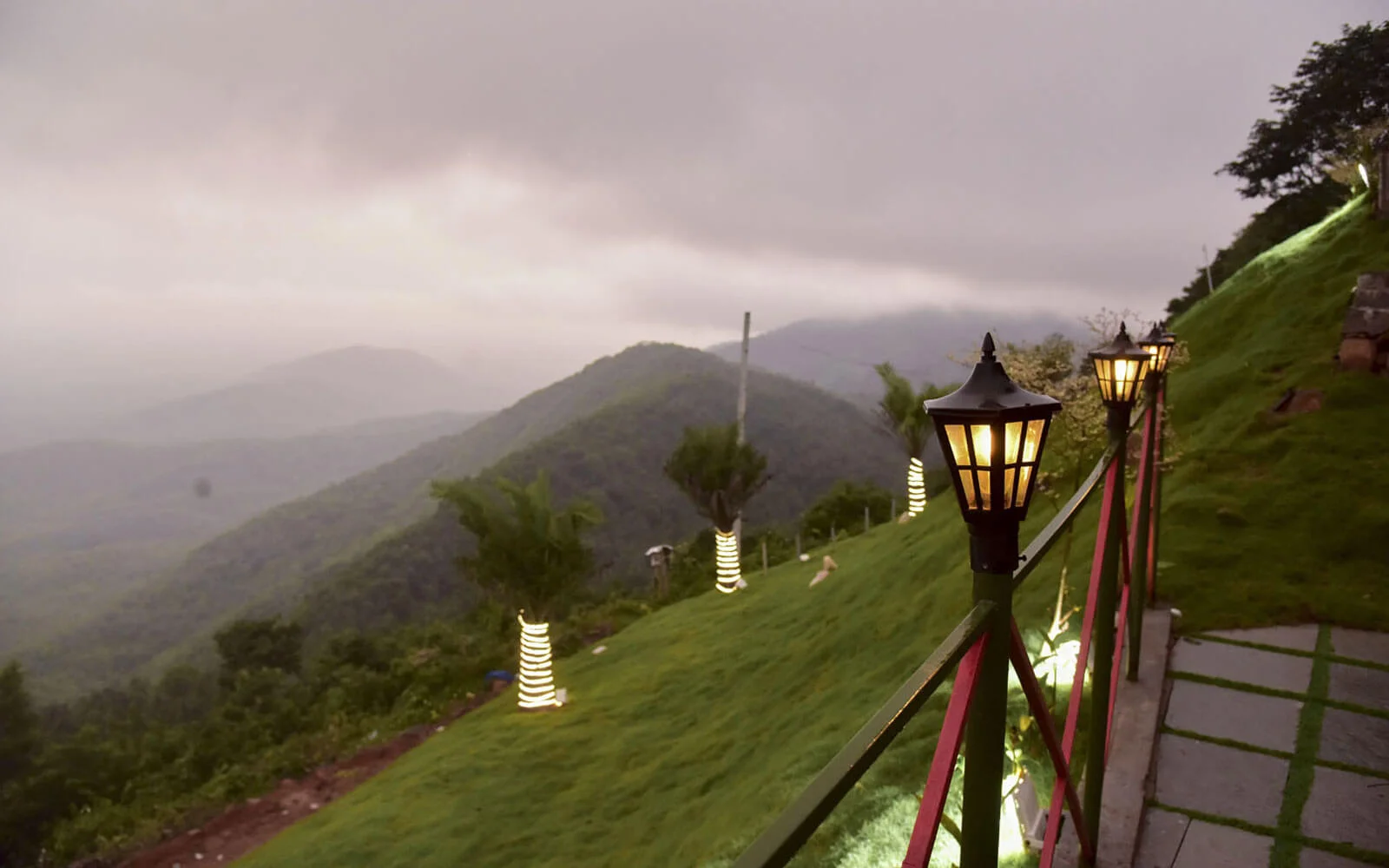
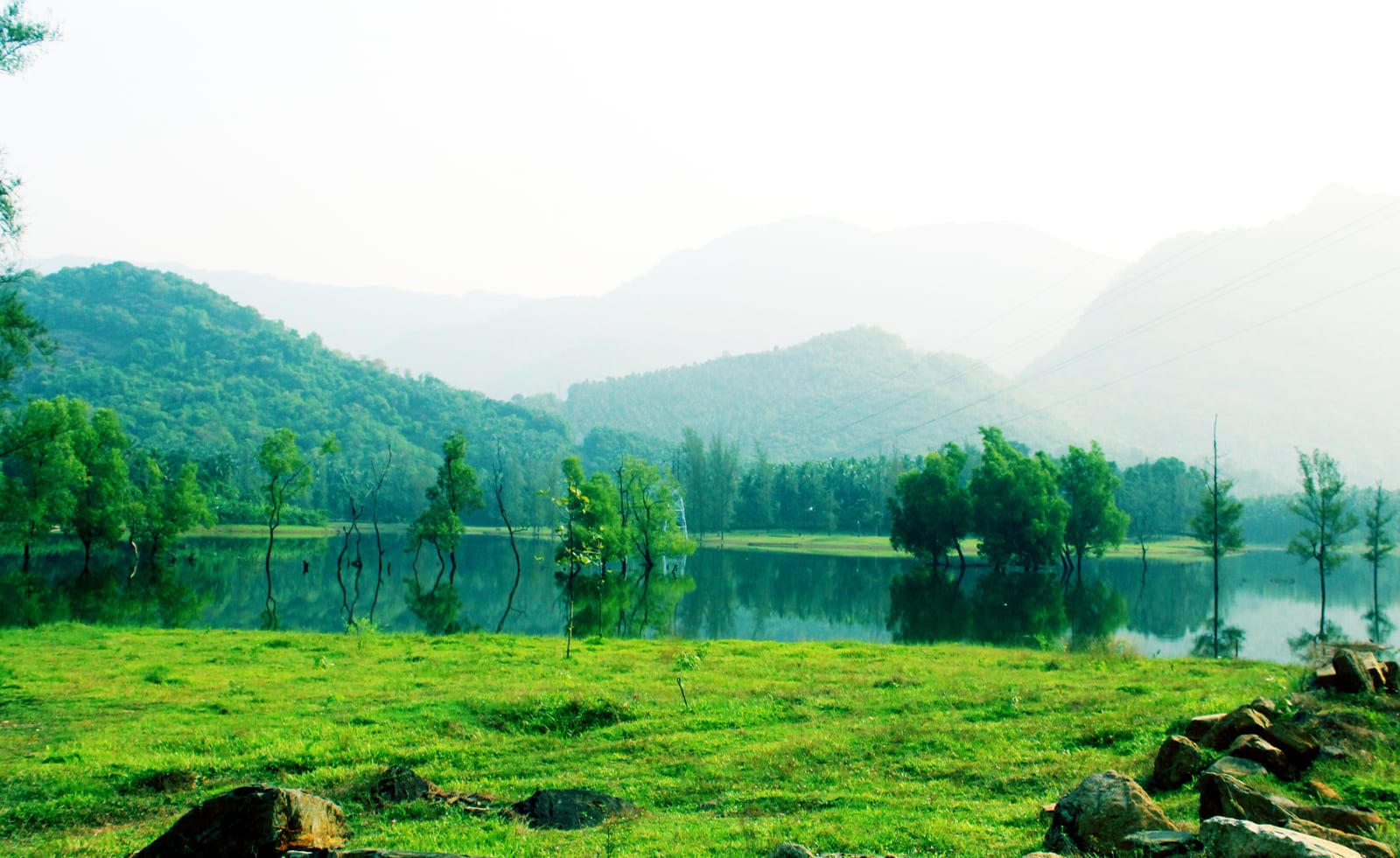
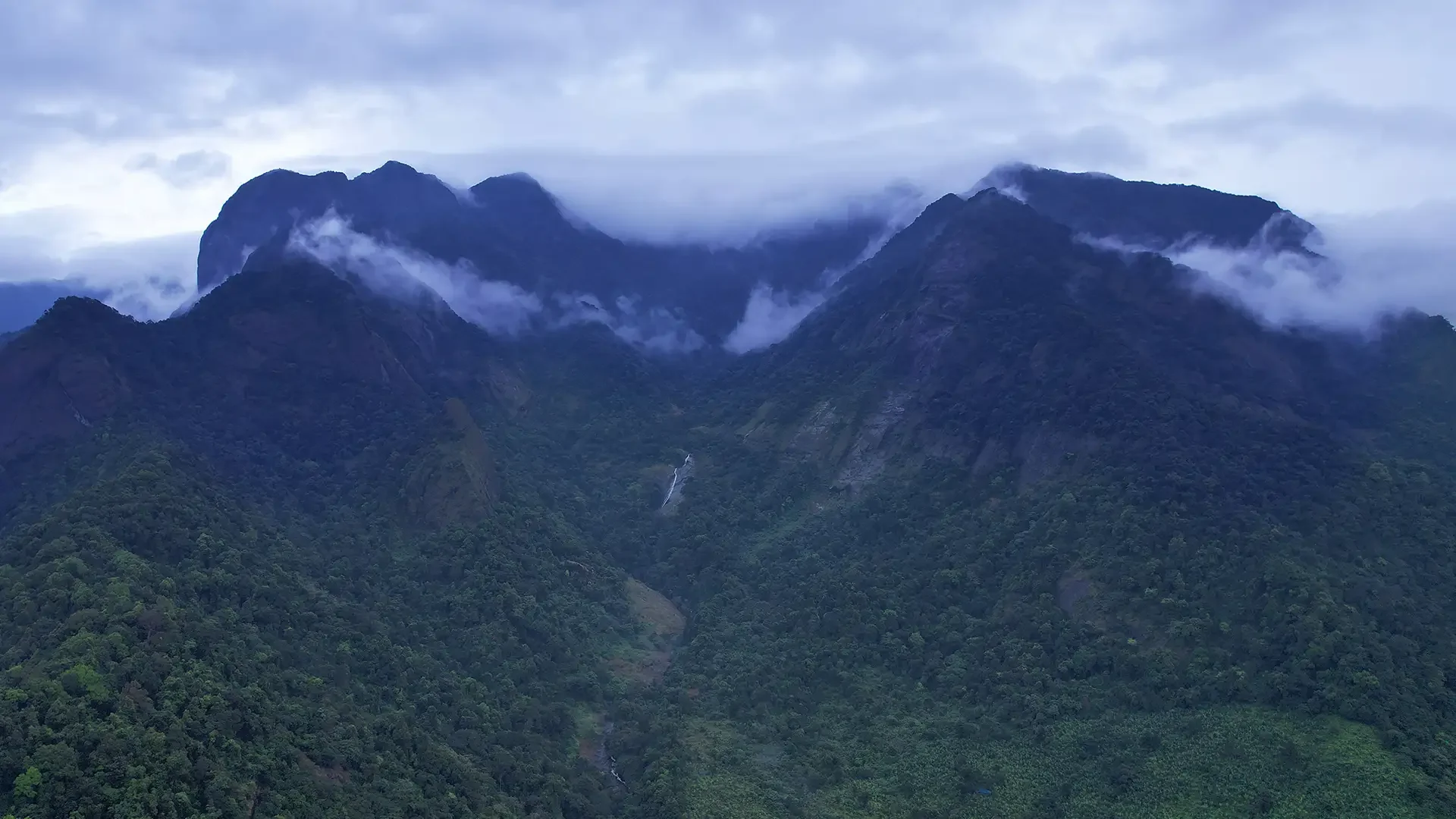
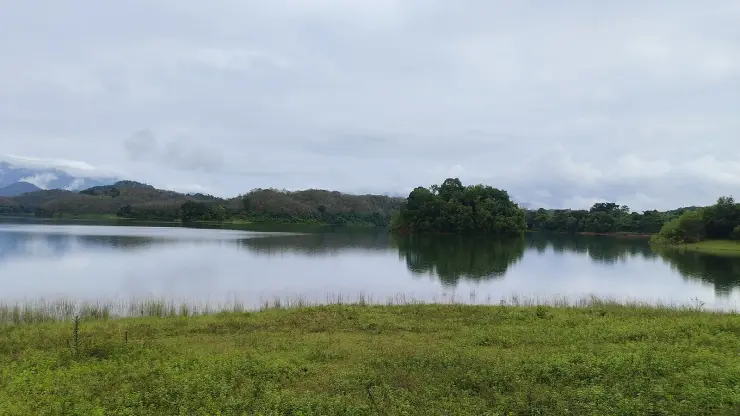
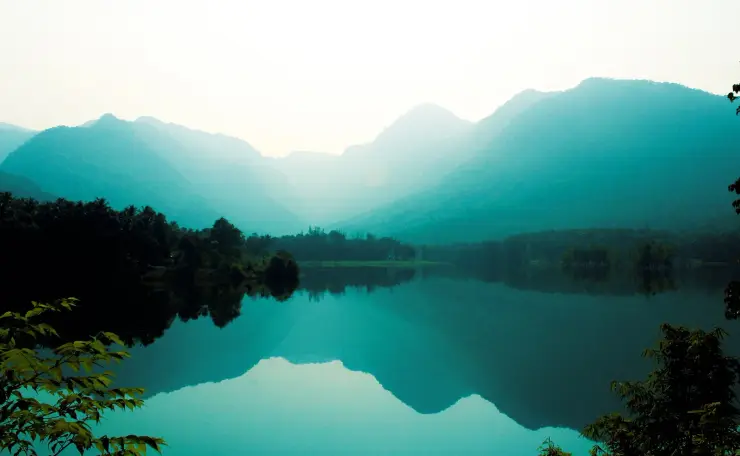
Dramatic Western Ghats gorge scenery — a large green reservoir at around 750 metres elevation, hemmed by steep, forested ranges and drifting cloud, with sweeping views from the dam bund.
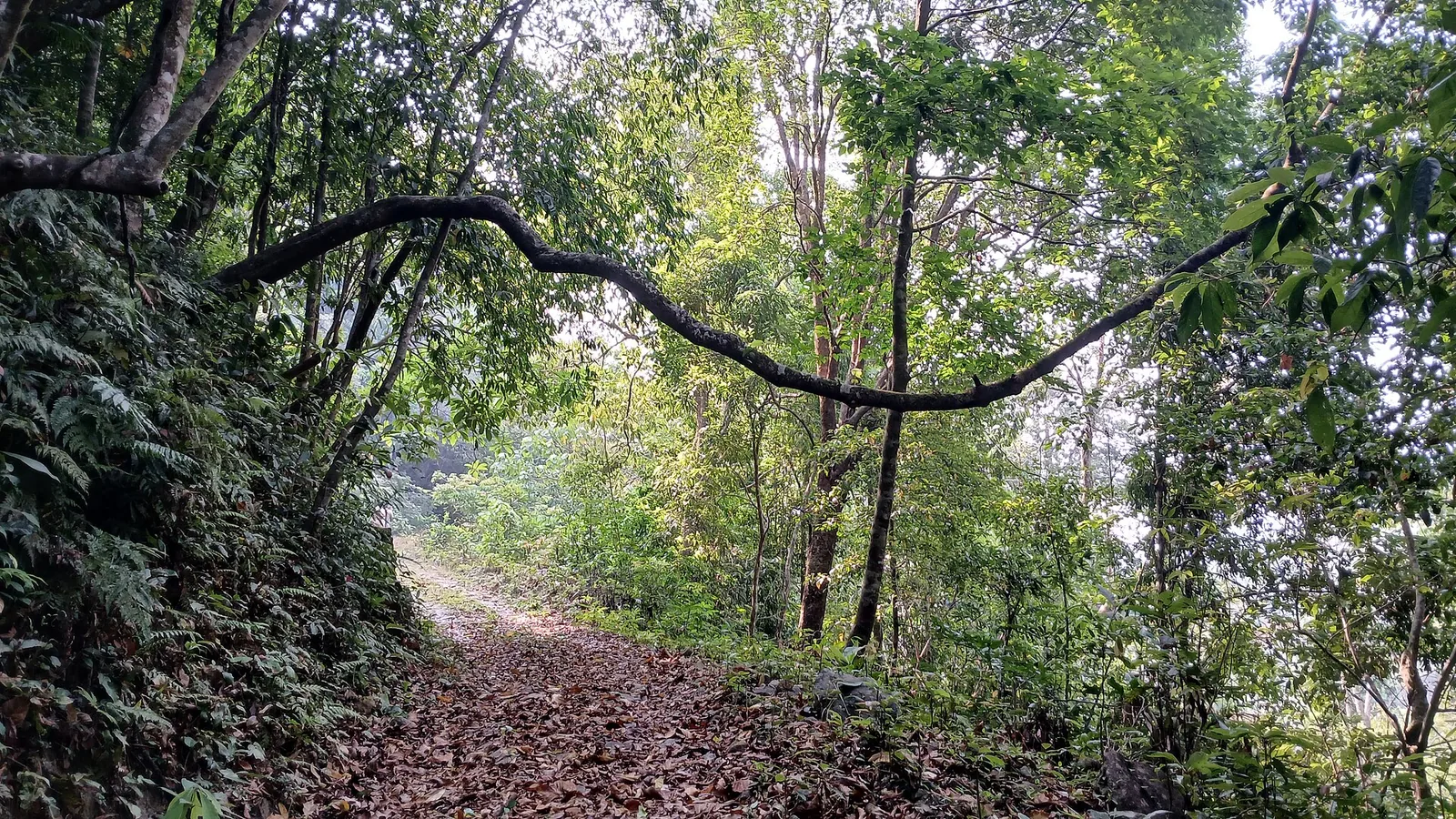
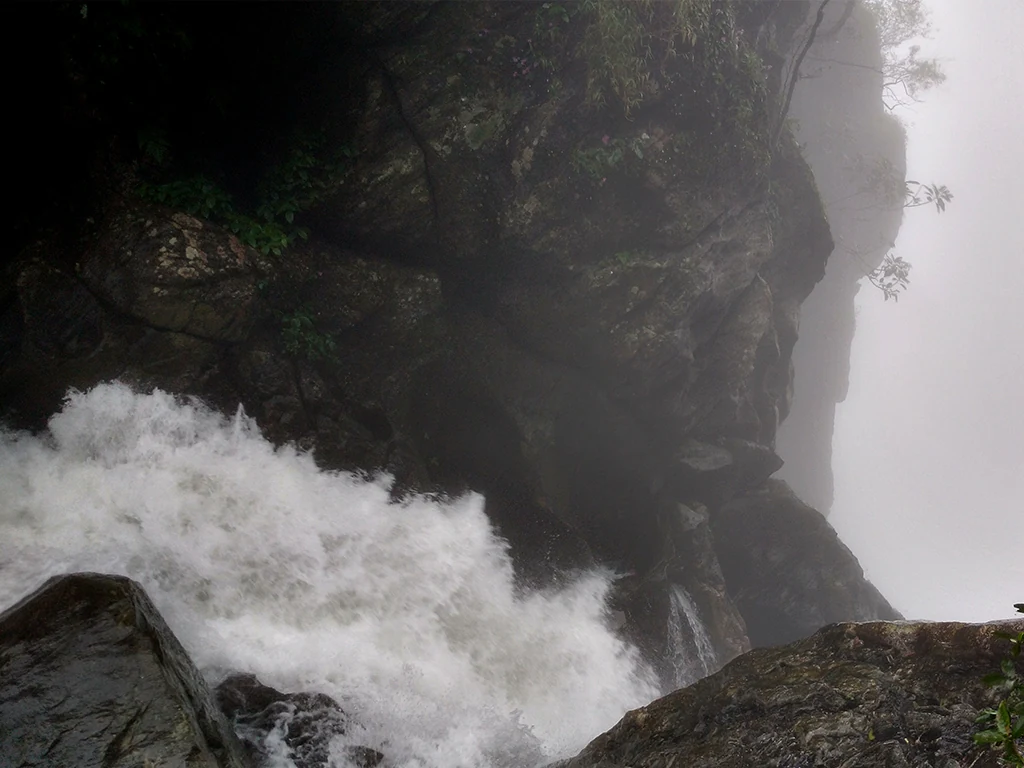
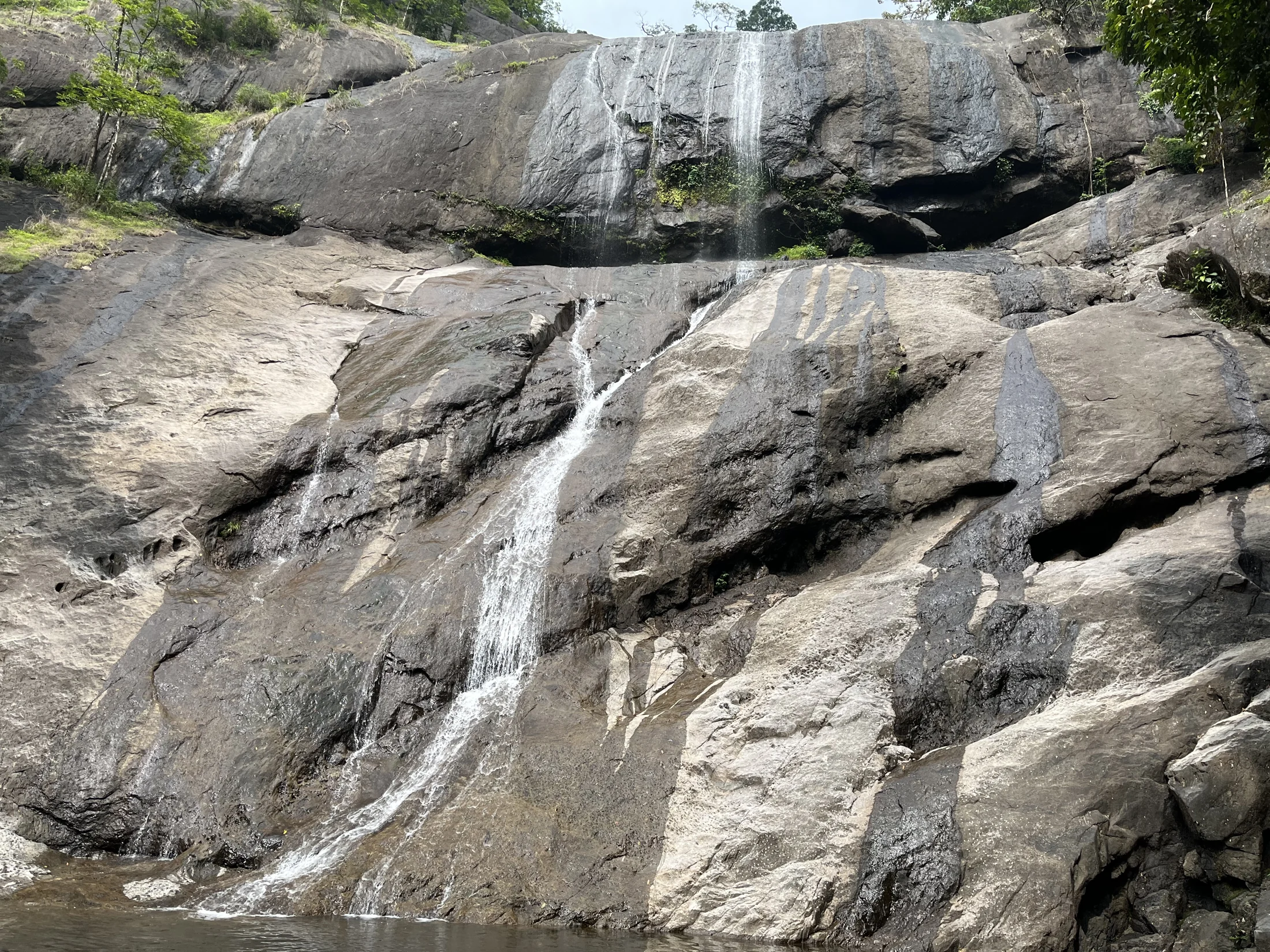
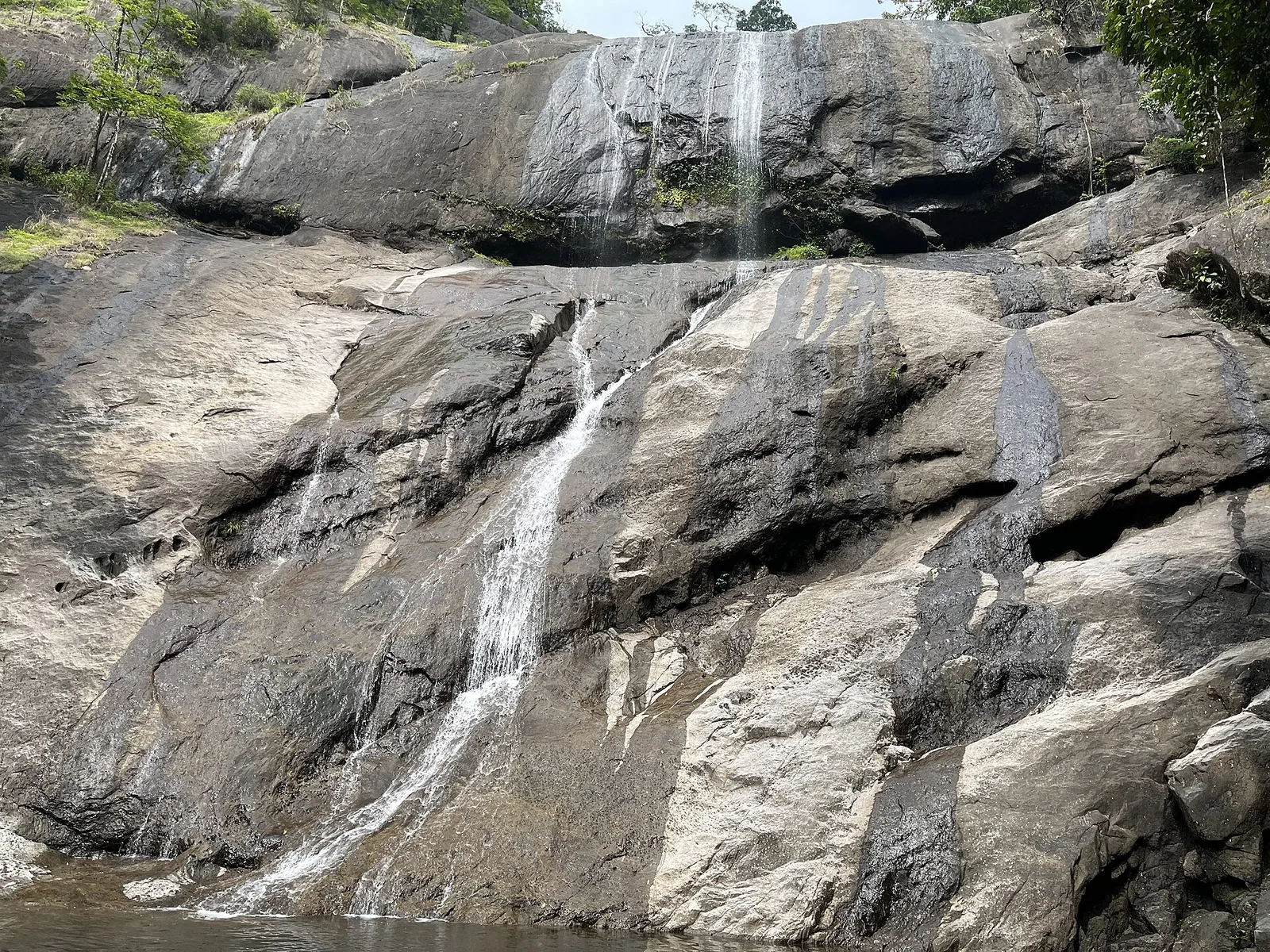
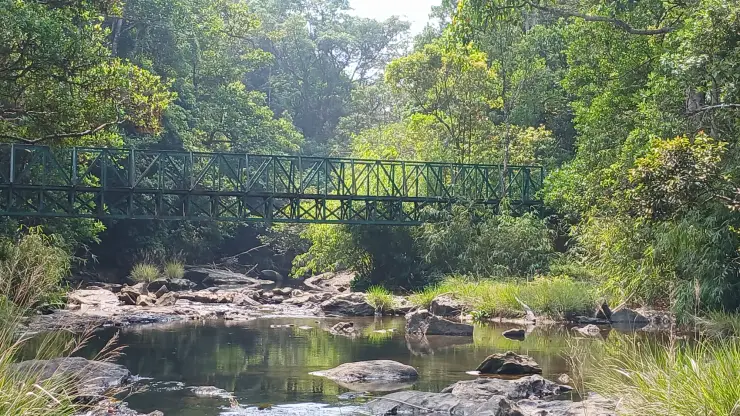
One of Kerala's best high-country trekking bases, with the Forest Department's guided eco-tourism walks into the reserve and Urakkuzhi Falls barely 630 metres from the dam.
Rich Malabar biodiversity inside the Malabar Wildlife Sanctuary — wild elephants, gaur (bison), deer, birds, butterflies and rare orchids and medicinal plants.
Calm-weather boating on the reservoir, run by KSEB's hydel tourism arm, for a water-level sense of the scale of the ranges (subject to conditions).
A genuinely off-beat, uncommercialised destination — a working KSEB hydro-power site rather than a crowded tourist park, so it rewards travellers who like quiet, wild places.
A place of real historical significance: the forests here hold the memory of the Emergency-era Kakkayam camp and the Rajan case, giving a visit unexpected depth for those interested in modern Indian history.