Pandalam’s palace story is spread across a river-side locality. Low buildings, prayer spaces, a family temple and ceremonial routes carry different parts of it. The Achankovil links the setting physically, while the Ayyappa tradition connects it to a pilgrimage extending far beyond the town.
The story of Pandalam Palace
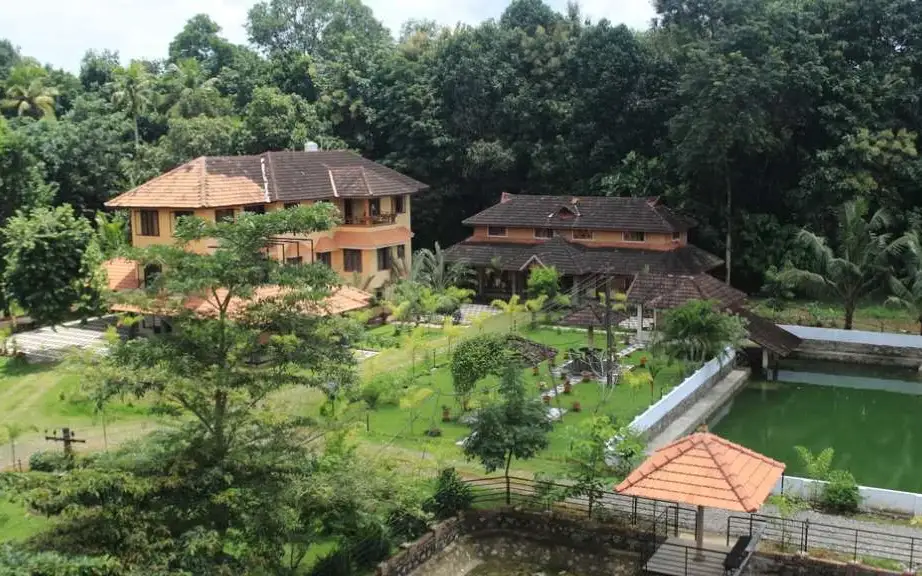
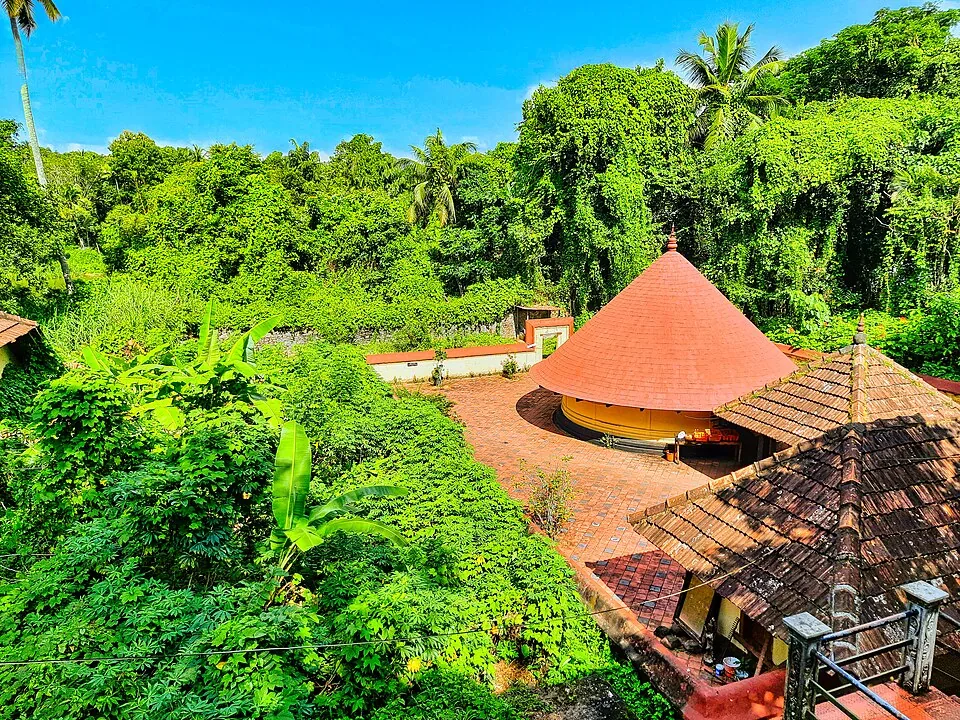
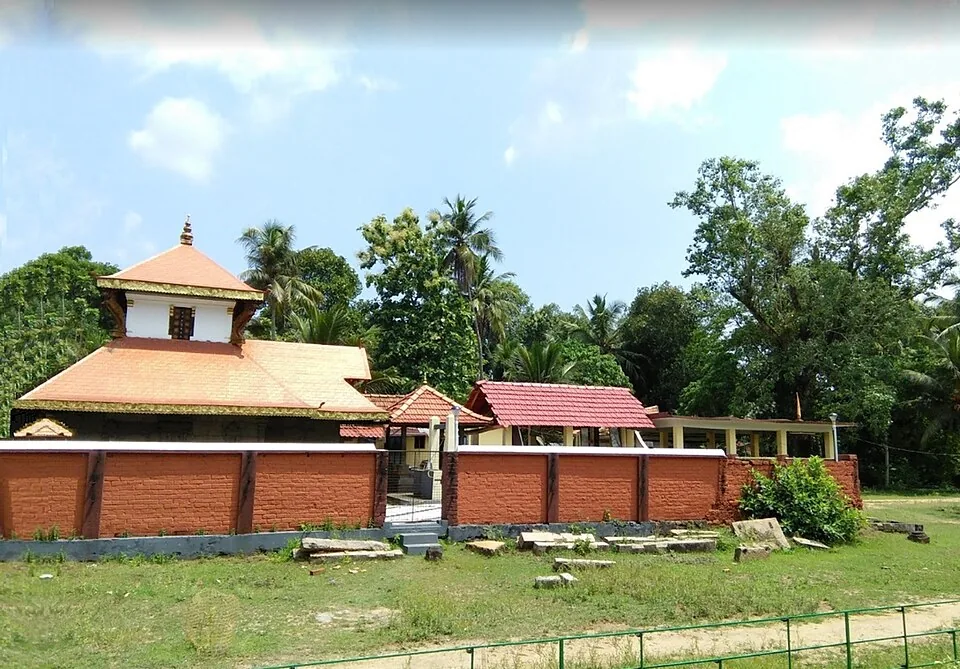
The word palace can suggest one monumental façade and a sequence of furnished rooms. Pandalam asks for a different understanding. The family’s account describes two surviving complexes, one around Valiyakoikkal and another around Kaipuzha. Individual buildings and shrines have their own roles, and the modern visitor encounters only the spaces that are open for the relevant purpose.
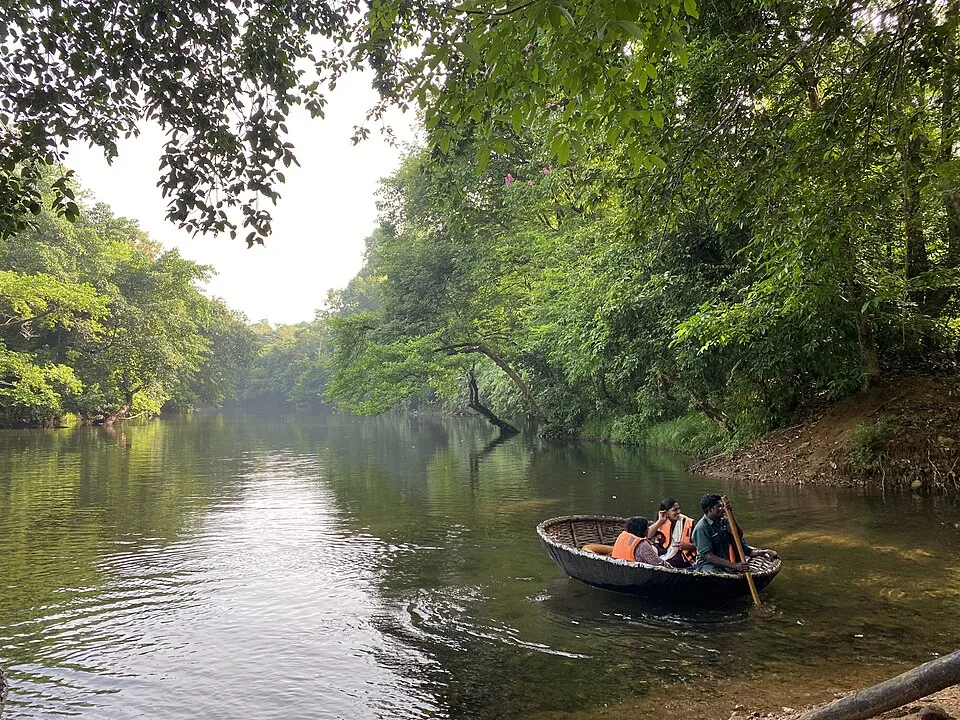
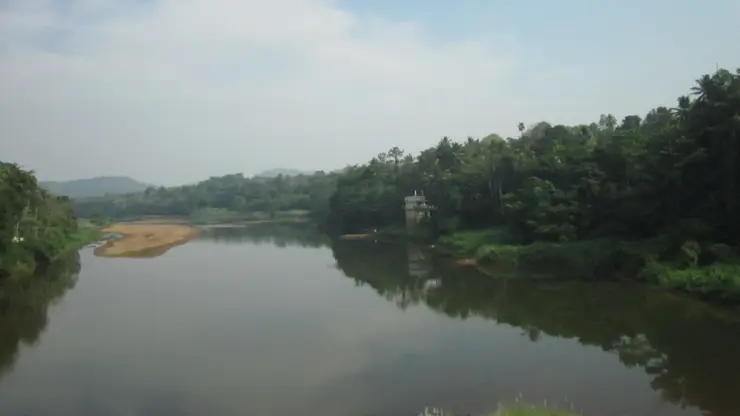
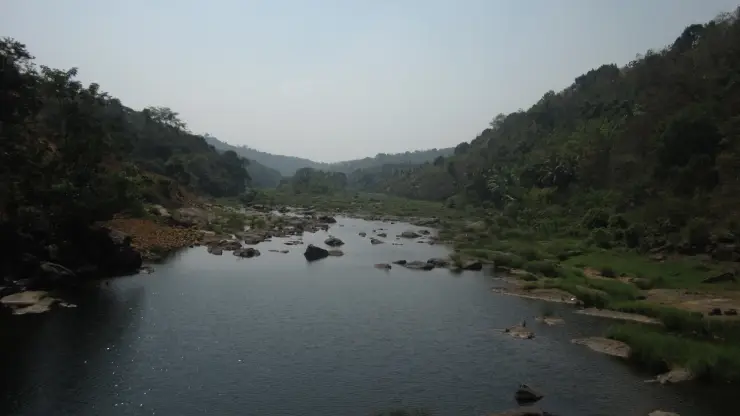
The Achankovil is the main geographical reference. The family places Valiyakoikkal on one bank and Kaipuzha on the other, a short distance downstream. It also notes that the road journey between them is longer than the direct separation across water. This distinction is small on a map but significant when arranging an actual visit.
Ayyappa’s association with the Pandalam household belongs to sacred tradition. DTPC describes the belief that the Raja of Pandalam adopted the child who became the presiding deity of Sabarimala. The family temple’s place in that narrative explains why pilgrims visit here, but the story should not be rewritten as a documented modern biography.
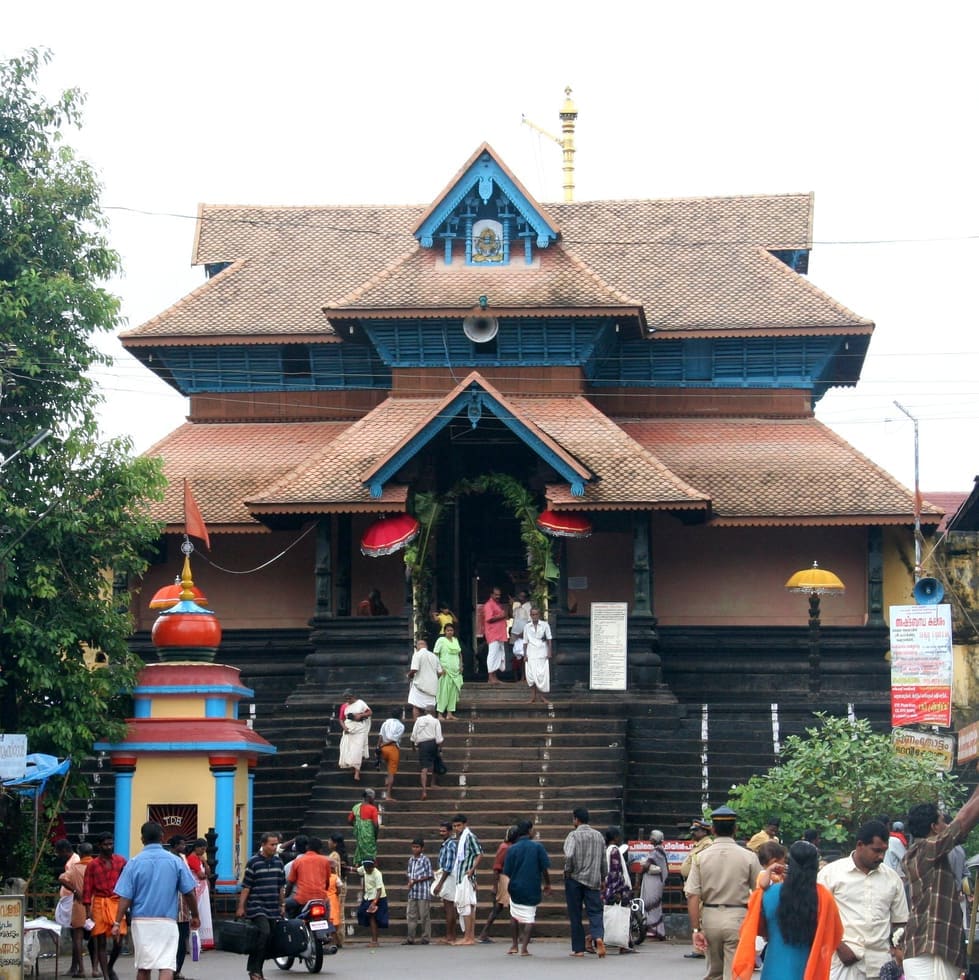
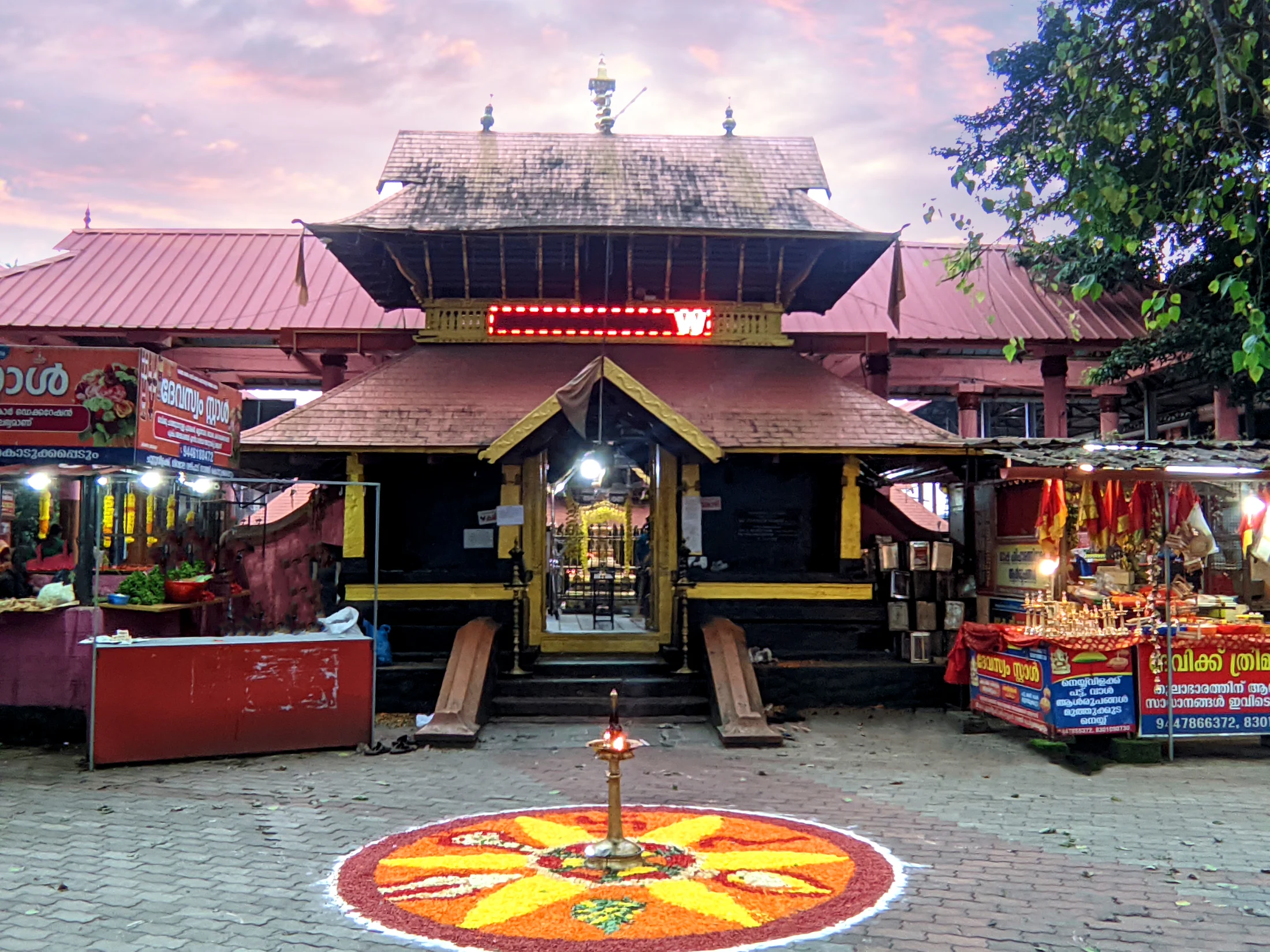
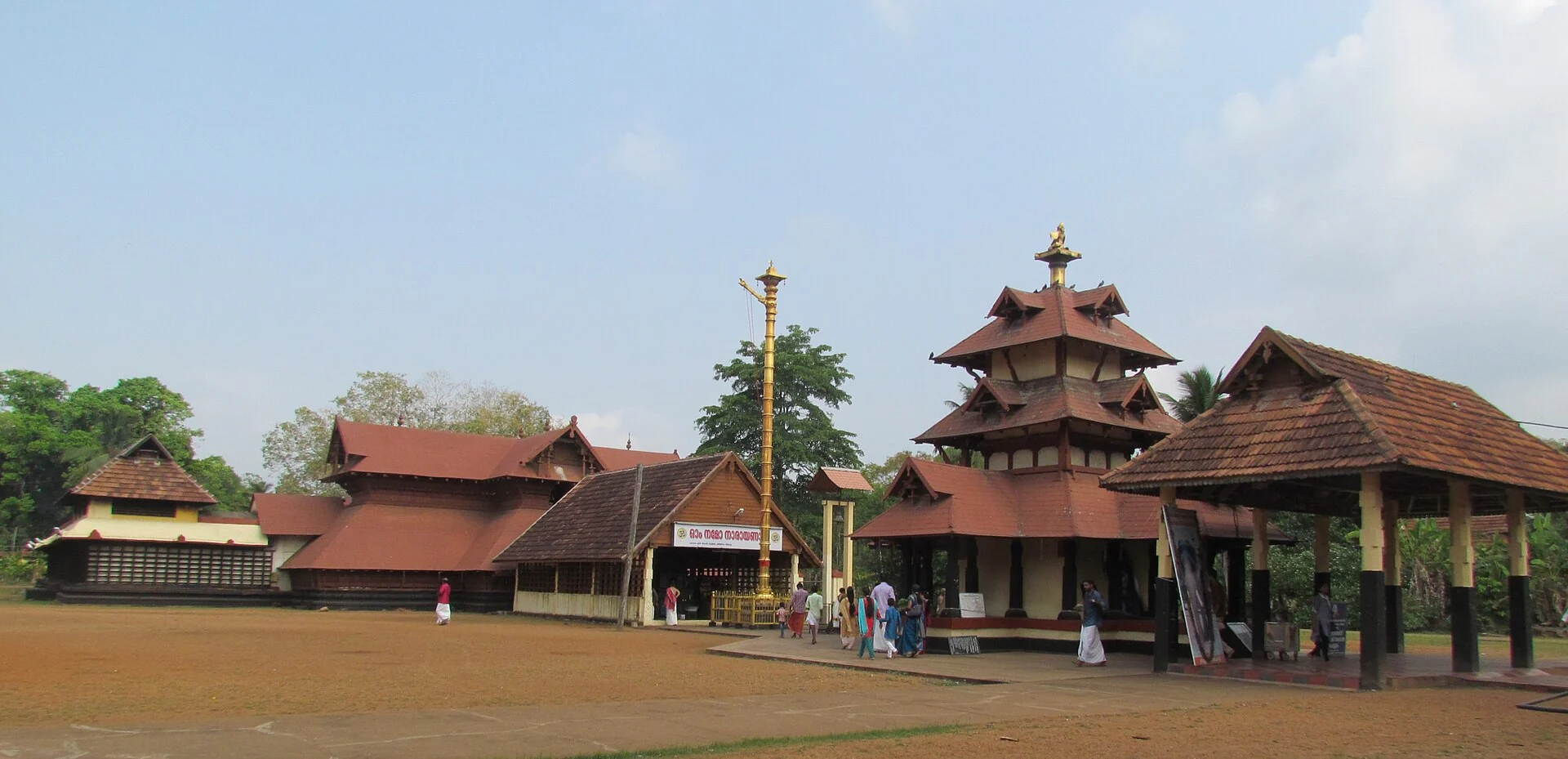
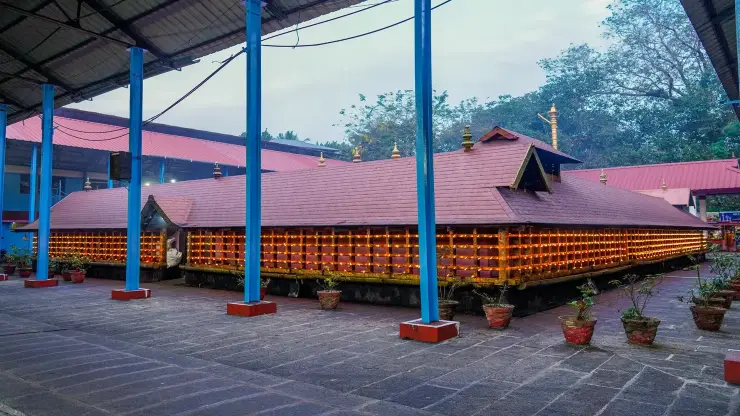
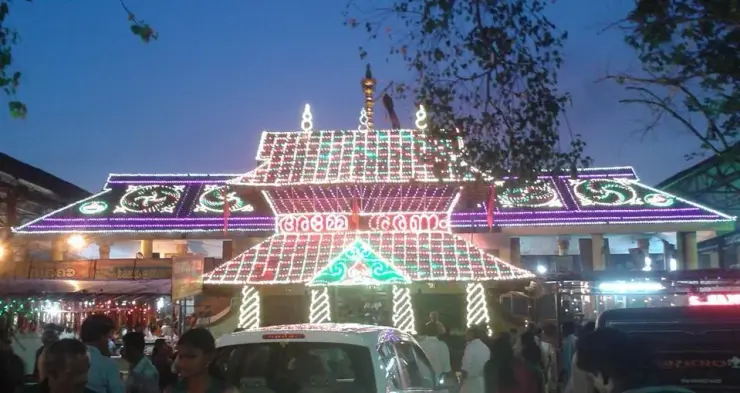
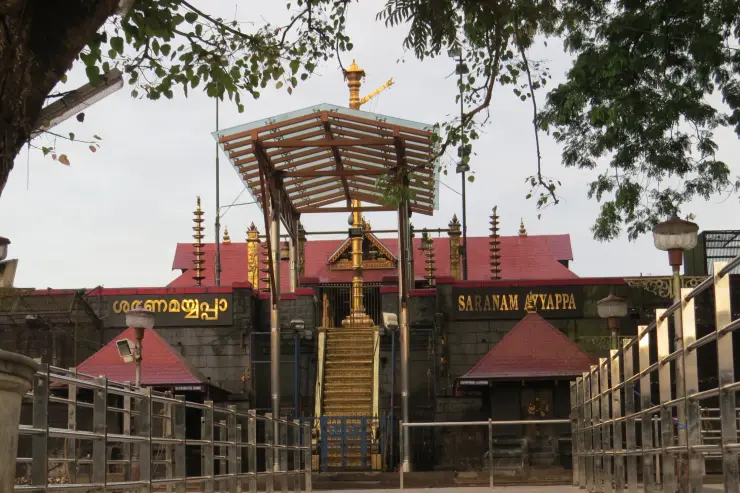
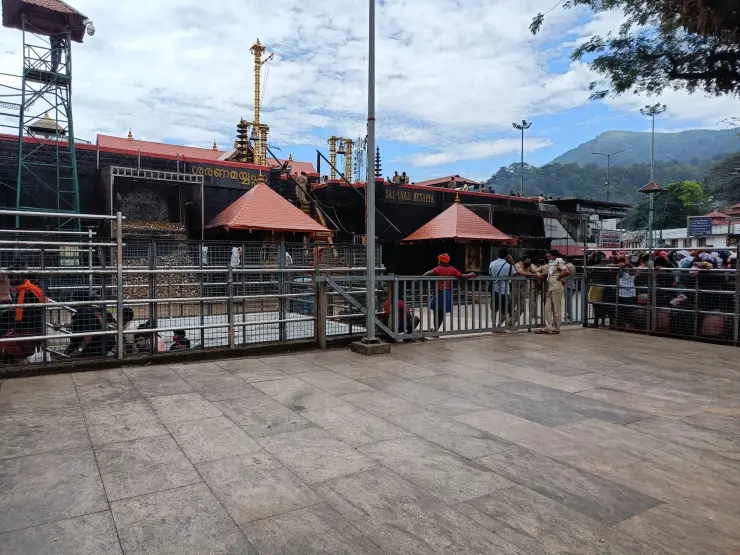
Valiyakoikkal provides the clearest public religious focus within the palace-side precinct. The government Sabarimala portal identifies it as the Pandalam royal family’s Ayyappa temple and the starting point of the Thiruvabharanam procession. The shrine therefore has its own daily worship identity as well as a role in the larger annual pilgrimage.
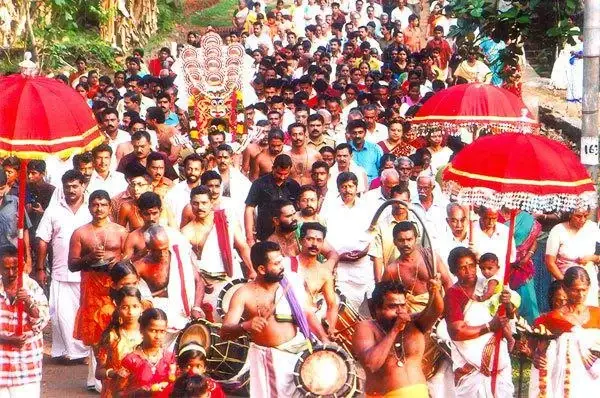
The Thiruvabharanam connects buildings, sacred objects and travel. The family account identifies Srampickal Palace to the north of Valiyakoikkal with the custody of the ornaments and describes seasonal opportunities for devotees to view them. The procession takes them towards Sabarimala before Makaravilakku. Custody, viewing and ceremonial departure are separate parts of that sequence.
Manikantan Aalthara belongs to the approach geography. The family describes a small shrine around a banyan tree beside the Main Central Road, marking an entrance to the precinct. Its account also connects the place with ceremonial journeys from Valiyakoikkal. It is therefore more than a convenient roadside landmark, although the current event schedule must come from a present announcement.
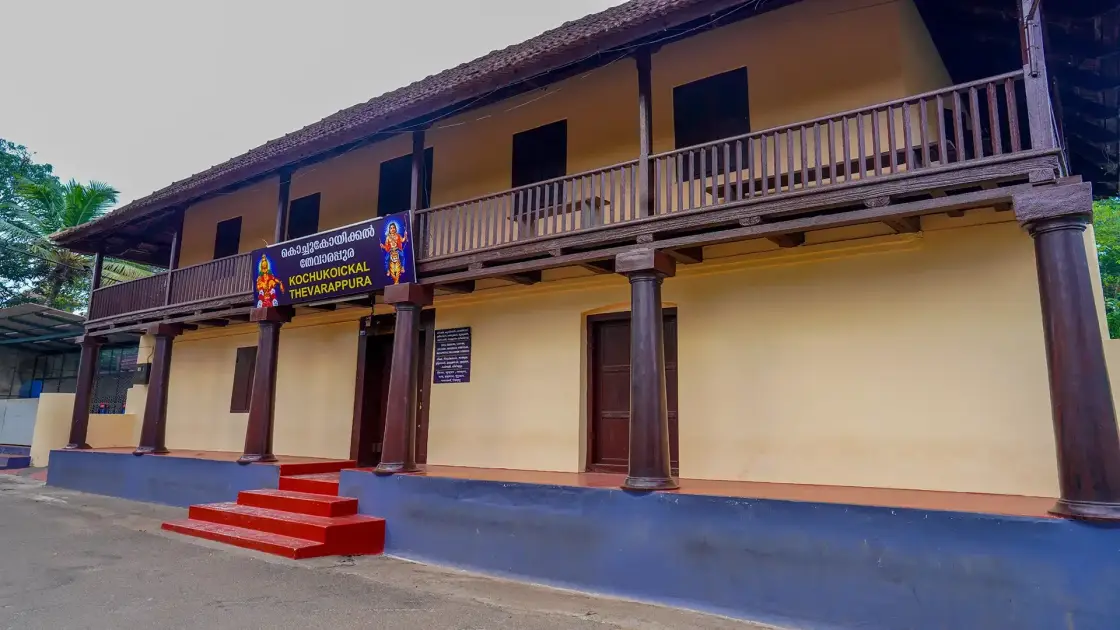
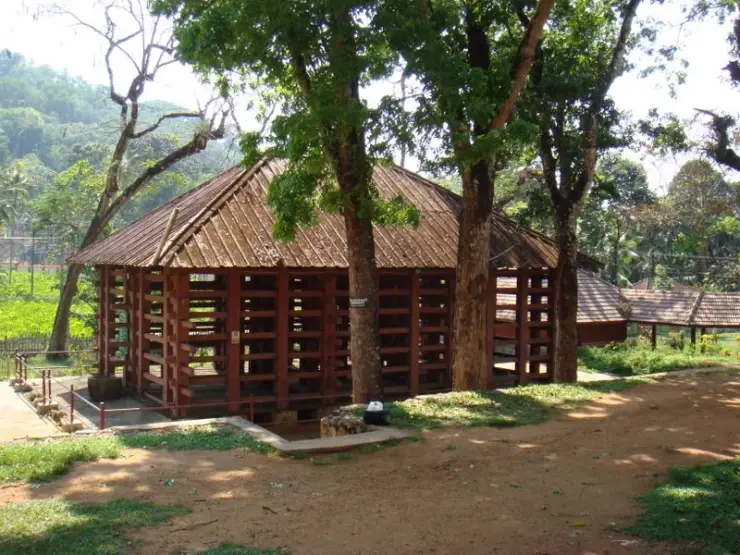
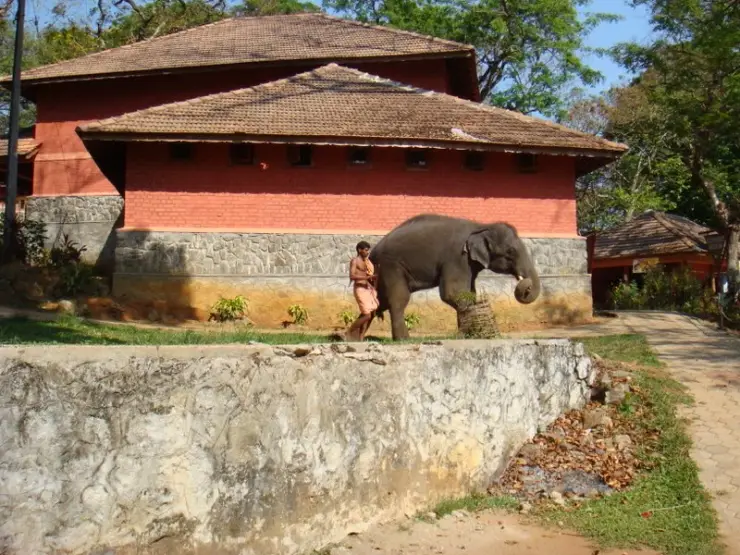
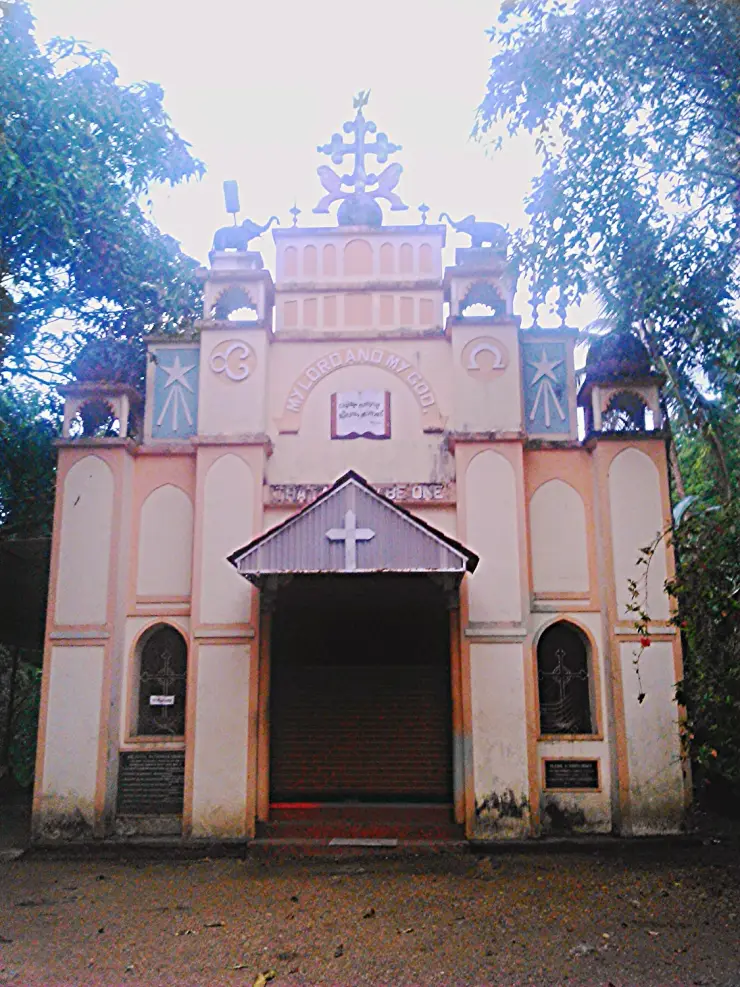
Thevarapuras, or prayer rooms, are another part of the family’s description. It names the Nalukettu and Vadakkekottaram and explains their continuing sacred use. These spaces should be understood through that function. A photograph of a balcony or a tiled building does not identify the contents of a prayer room or establish public access to it.
The family account also records losses of buildings and records through flood and fire. That helps explain why the surviving precinct should not be presented as an intact palace from one fixed date. The visible structures belong to a history of survival and change, and an exact age should not be assigned to a roof or wall from appearance alone.
Kaipuzha adds another layer across the river. The family’s account distinguishes Shiva and Krishna shrines there and describes different administrative responsibilities. This reinforces the larger lesson of Pandalam: nearby buildings can belong to one cultural landscape without sharing one entry system, one deity or one institutional owner.
A measured visit follows these distinctions. Begin with the public approach, understand the temple’s role, and learn how the annual ornaments journey connects the precinct to Sabarimala. The interest lies in a living relationship between family, worship and place rather than a promise of unrestricted palace interiors.
Pandalam's literary history gives the palace another point of interest beyond the pilgrimage. The family's account of its writers singles out Mahakavi Pandalam Kerala Varma and his journal Kavana Kaumudi. It describes a publication in which editorials, news, advertisements and notices appeared in verse. Poetry here was a way of addressing contemporary public life, rather than only a courtly ornament or devotional composition. That makes the family's cultural history relevant even to a visitor whose main interest is Malayalam literature.
The account particularly remembers Kerala Varma's editorials on administration, corruption and inefficiency. A palace associated with sacred objects was also connected to criticism and literary exchange. The surviving buildings do not automatically provide a public manuscript gallery, but knowing about Kavana Kaumudi changes the questions one can bring to the precinct. Its history includes readers, printers, writers and a circulation of ideas alongside the ceremonial journeys for which Pandalam is better known.
The family's political account identifies an agreement with Travancore in 1820 as a decisive administrative change. It describes the transfer of revenue collection in exchange for continuing support for family members, followed by the transfer of temple administration. This is the family's published account of that settlement, separate from the sacred narrative of Ayyappa's childhood. It helps explain how the household could retain its devotional role after the principality ceased to operate as an independent administration.
The distinction remains useful when planning a visit. Royal-family custodianship, Devaswom administration and the use of a particular building for prayer do not amount to one general palace admission service. Begin with the named public religious focus and follow the directions for any separately announced viewing. For a literary-history outing, ask specifically about access to material connected with Kerala Varma instead of expecting furnished royal rooms to supply that story. Pandalam becomes more interesting when these different purposes are understood together, with each kept attached to the people and spaces that carry it.