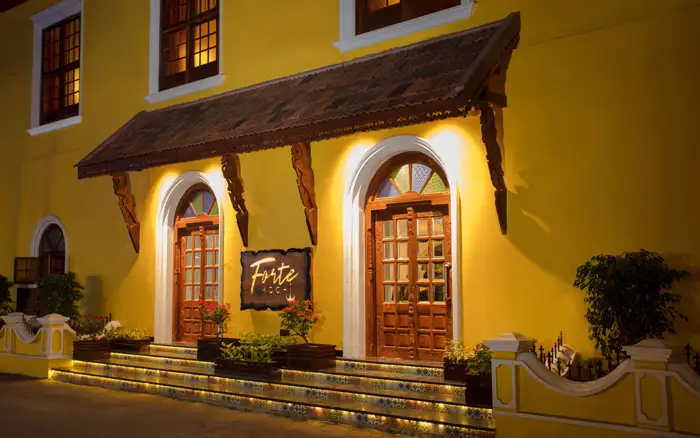
What to expect
Highlights
- Heritage experience at Kerala Kathakali Centre
- Architecture, local stories and old trade/cultural routes
- Good fit for guided walks and nearby cafes/shops
Evening Kathakali and Kerala classical-art performances in Fort Kochi, with make-up shown before the show.
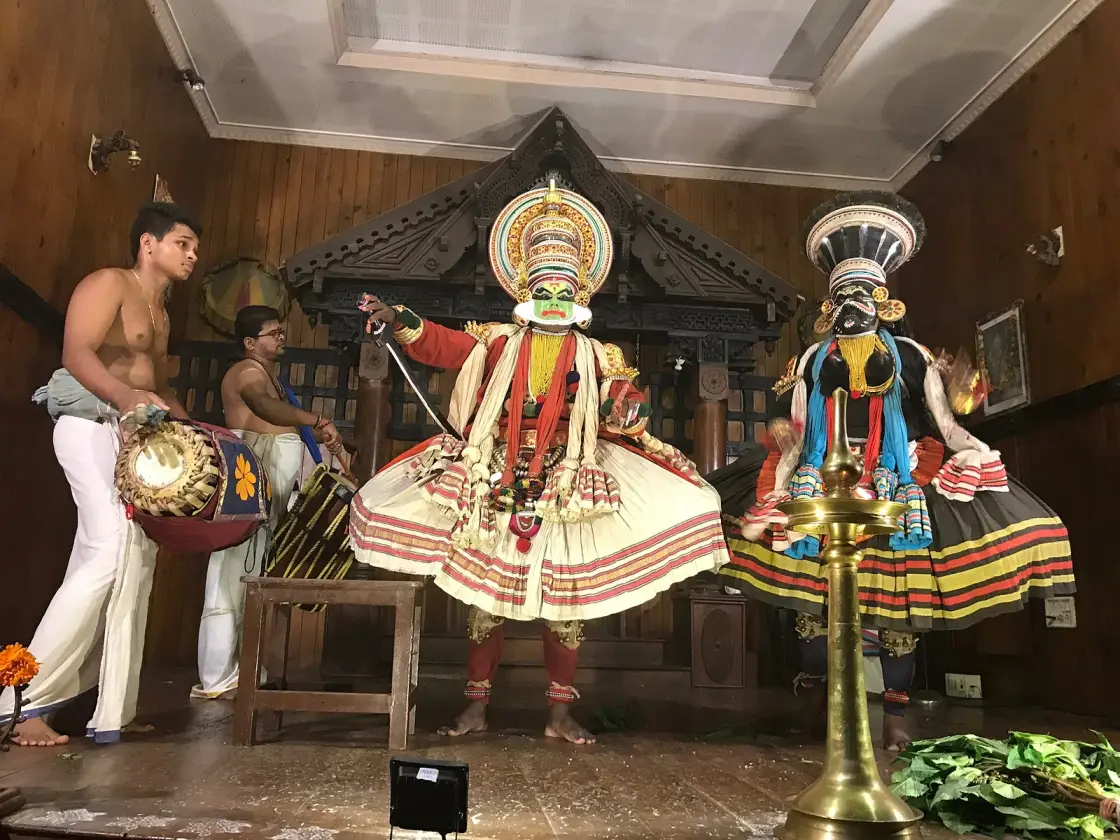
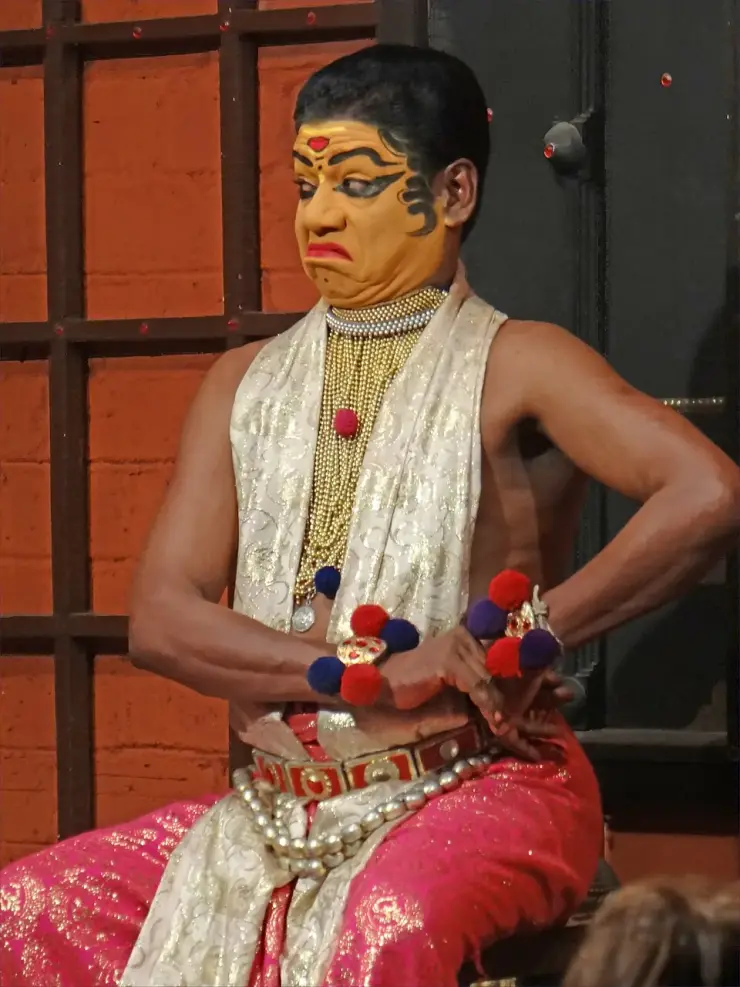
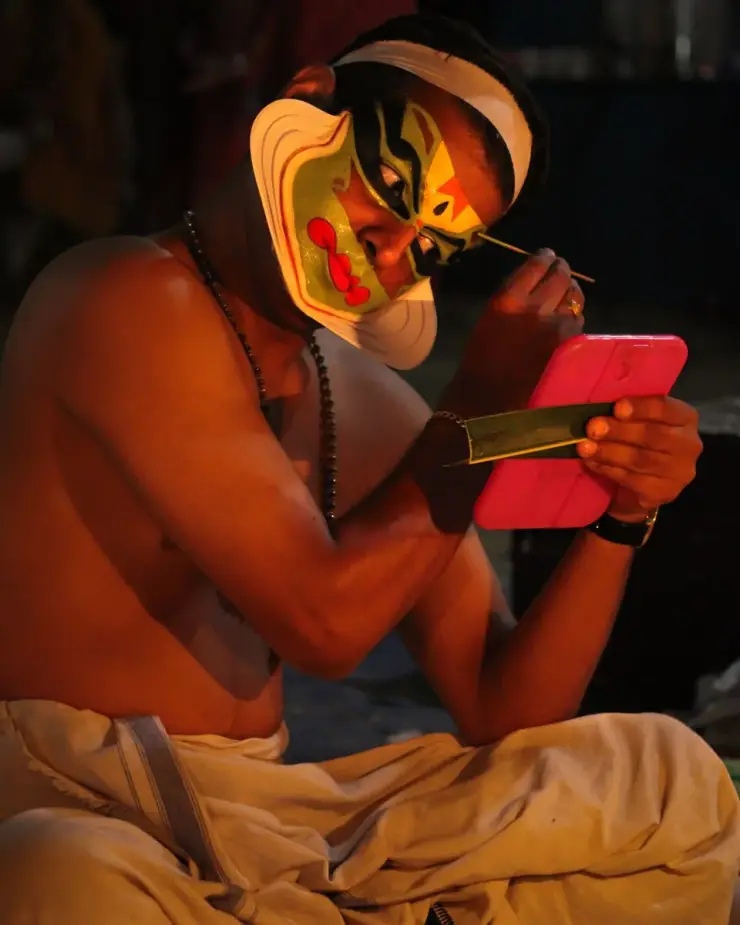
The performance is the second half of the evening. The first half is a man sitting cross-legged on the floor with a mirror, building a face out of rice paste and paper — and it is the part people remember. Fort Kochi is where most visitors to Kerala meet Kathakali, the state's classical dance-drama, and Kalaripayattu, its martial art. Both were made for other rooms entirely: a temple courtyard through the whole night, and a sunken earthen pit at dawn. What you see in Fort Kochi is a compression of them, honestly done and openly explained, which is a fairer description than either the brochures or the purists usually give.
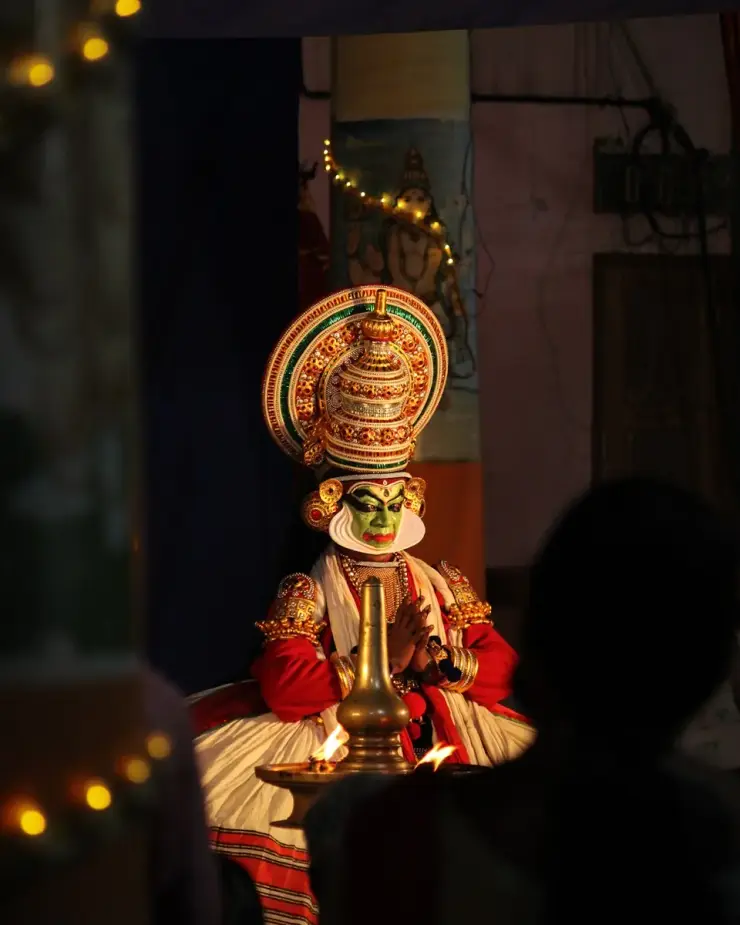
Kathakali actors do not speak. Every word of the story is sung by vocalists at the back of the stage — the lead ponnani keeping time on a gong, the shinkidi answering on cymbals — while the actor carries the meaning entirely in hands, eyes and body. The vocabulary is precise rather than improvised: a set of basic hand positions, catalogued in the old manual Hastalakshanadeepika, combine into several hundred recognised signs. If you know the code, a Kathakali actor is talking in complete sentences. If you do not, you are watching an enormously expressive silent film, which is still a good evening.
The eyes do the emotional work, and they are trained like a muscle. Students spend years on exercises that isolate eyeball movement from the head, and performers redden the whites before going on — traditionally by slipping a seed of the chunda plant inside the lower lid, an old practice that is not universal today. The result, under stage light, is a face that can hold an expression across a room without a word.
The make-up is a taxonomy, not a decoration, and once you know it you can read a character before they move. Green faces, pacha, are noble: gods, kings, the heroic. Kathi, the knife, adds an upturned moustache and a knife-shaped mark to a green base and marks the magnificent villain — Ravana, Duryodhana — arrogant and grand rather than merely evil. Beards, thadi, split by colour: white for the noble monkey characters like Hanuman, red for the violent, black for the schemer. Kari, black, is for demonesses. Minukku, the polished or radiant, is for women, brahmins and sages. The raised white ridge framing the face, the chutti, is built up from rice paste and paper on the actor's own skin, and it is slow — which is why arriving early to watch it is the standard advice and the better half of the ticket.
The drums are not accompaniment so much as weather. The chenda, a hard upright drum struck with sticks, drives the male and martial passages; the maddalam, played with the hands, carries the gentler ones. The music belongs to the sopanam tradition — the temple-step singing of Kerala — and it is loud, deliberately. Kathakali was built to be heard across an open courtyard by an audience that was not sitting quietly.
In its original form a Kathakali play ran through the night, beginning after dark with drums calling the village in and ending near dawn, with the audience free to sleep through the passages they knew and wake for the ones they loved. That is not what a visitor to Fort Kochi sees. What is offered here is an hour or so: the make-up, an explanation of the mudras and the navarasas — the nine emotional states an actor must be able to summon on demand — and then one or two extracted scenes. Purists have called this a reduction, and strictly it is. It is also the reason a first-time visitor has any way into the form at all, and the demonstration format is unusually honest about what it is doing.
Kalaripayattu, usually shown on the same circuit, is a different discipline entirely: one of the oldest surviving martial systems in the subcontinent, trained in a kalari, a sunken earthen pit dug along a fixed orientation and treated as sacred ground. Students begin with meippayattu, the flowing body-conditioning sequences, before moving to sticks, then to the sword and shield, and — at the far end — to the urumi, a flexible whip-like blade worn coiled round the waist, which is as dangerous to a careless wielder as to an opponent. The system also carries a body of knowledge about marma, the vital points, and the same masters have traditionally practised a linked healing tradition.
Kathakali's origin story is usually told as a quarrel between two rulers, and it is worth enjoying as tradition rather than filing as fact.
The tale runs like this. The Zamorin of Calicut composed Krishnanattam, a cycle of plays on the life of Krishna. The ruler of Kottarakkara, wanting a troupe for a festival of his own, asked to borrow the performers — and was refused, in some tellings with the insult that his court would not be able to appreciate them. So he wrote his own cycle, Ramanattam, on the life of Rama, in the language of the people rather than in Sanskrit. From Ramanattam, so the story goes, Kathakali grew.
The elements are real enough — Krishnanattam and Ramanattam both existed, and Kathakali plainly descends from that milieu — but the snub itself is the kind of neat causal insult that oral tradition is very good at manufacturing, and the surviving evidence for the exchange is thin. Treat the rivalry as the frame the tradition chose for itself.
A second, quieter claim is often made about Kalaripayattu: that it is the parent of Asian martial arts generally, carried to China by the monk Bodhidharma, who is traditionally described as a south Indian prince. This is widely repeated and is not established. The Bodhidharma-to-Shaolin story is itself late and disputed within Chinese scholarship, and the leap from it to a specific Kerala lineage is an inference rather than a record. Kalaripayattu's genuine antiquity does not need it.
The third assumption is the one visitors bring in without noticing they hold it: that Kathakali is timelessly and necessarily male. It has been male, and for a long time — roughly three centuries in which the form was performed by men, and for most of that period by men of one high caste, since the caste restriction was not legally abolished until 1946. But that is a history, not a rule of the art, and it has been broken within living memory.
The dates are worth having. A women's troupe called Nadananiketan was formed at Thrissur in 1962 and lasted until 1968. The durable one came in 1975, when the Tripunithura Vanitha Kathakali Sangham was formed under the guidance of Kalamandalam Krishnan Nair and staged Kalyanasougandhikam with women playing Bhima and Hanuman — male heroic roles, in a form whose whole physical vocabulary had been built by and for men. Tripunithura, an hour from here, still has its women's troupe. The first documented woman to appear in a Kathakali performance is generally named as Kartyayini, from the same town.
You will very probably not see any of this at a Fort Kochi evening show, and that is worth saying plainly rather than leaving as an impression. What is staged for visitors here is the standard repertoire performed by men, which is an accurate representation of the tradition as it mostly is and an incomplete one of where it has got to.
One last thing, which is not a myth but is the detail nobody believes until they are told twice. The performers' eyes are genuinely red, and it is not make-up or a contact lens. Before going on, the actor places the prepared base of a chundappoo — the flower of Solanum, the chunda plant, also used in preparing holy water in Kerala temples — inside the lower eyelid, then rotates the eyeball until it settles. It stays there through the performance, holding the eye a vivid red, and is taken out as soon as the role is finished. The face is painted; the eyes are not. That is the difference between the make-up room and the transformation, and it is why the make-up demonstration is worth arriving early for.
Krishnanattam is credited to Manavedan, the Zamorin of Calicut, and is generally dated to the middle of the seventeenth century. Ramanattam is attributed to the Raja of Kottarakkara in the same century. Kathakali as a distinct form emerges out of that lineage, absorbing older Kerala performance traditions — the temple theatre of Kutiyattam, ritual forms such as Theyyam and Mudiyettu, and the physical training of Kalaripayattu, which is where its stance and footwork come from.
The form was then deliberately reshaped rather than merely inherited. Reformers associated with Vettathu Raja and, later, Kaplingadu Namboodiri are credited with revisions to the make-up, the costume and the staging that moved Kathakali away from its Ramanattam origins and towards the recognisable modern form. Its patrons were temples and princely courts, and for a long stretch its survival depended on them.
That dependence nearly killed it. As the old patronage systems weakened under colonial rule and into the early twentieth century, the tradition contracted sharply. The decisive intervention came in 1930, when the poet Vallathol Narayana Menon founded Kerala Kalamandalam, an institution that took Kathakali out of court patronage and into formal training — and, in doing so, preserved a form that had been close to disappearing. Kalamandalam remains the reference point for Kathakali training in the state.
Kalaripayattu's twentieth century runs on a similar arc. It is commonly stated that the British suppressed kalari training in Malabar in the wake of the early-nineteenth-century revolts, and that the art survived in secret before being revived in the 1920s alongside a wider revival of Indian cultural forms. The revival is well attested; the details and the reach of the ban are repeated more confidently in tourist material than the sources strictly support.
Fort Kochi's own role is recent and commercial. Dedicated evening venues staging shortened Kathakali performances with a preceding make-up demonstration developed here as Kerala's tourism grew from the 1990s onward, and they are now the ordinary way a visitor encounters the form. This is a genuine change in the art's setting: from an all-night ritual performance for an audience that knew the stories, to a timed show for one that does not. Both things can be true — that the compression loses a great deal, and that without it almost none of the people now watching would ever have seen Kathakali at all.
Because the make-up room is better than the show, and almost nobody tells you that in advance. Watching a face be built over an hour, in silence, with a hand mirror on the floor, is the part visitors describe years later.
Because it is the one evening activity in Fort Kochi that is genuinely of the place rather than transferable to any beach town, and it sits within walking distance of most of the heritage quarter.
Because the mudra and navarasa demonstration gives you a key. Once you have seen an actor build nine distinct emotions on demand, and seen a few of the hand signs named, the performance afterwards stops being decorative and starts being legible.
Road km to Ernakulam; ghat roads and traffic vary — allow extra.
November to February and early mornings are best for walking; avoid midday heat where possible.
Live forecast loads in your browser.
Sun and moon are calculated for this location and shown in IST. Photography windows are the hour around sunrise and sunset; the sunset bearing is degrees clockwise from true north. Moon phase is accurate to about half a day.
Browse listed stays, food, activities, sights, shops and rentals around Kerala Kathakali Centre. Check each listing’s locality and contact the business directly for current arrangements.
Heritage hotel on Tower Road in Fort Kochi with direct Kerala Tourism-listed contacts. Fort Kochi, Tower Road, Heritage hotel.
Budget hotel by the Vypin bus stand, across the ro-ro from Fort Kochi — a practical island-side base rather than a heritage-quarter stay.
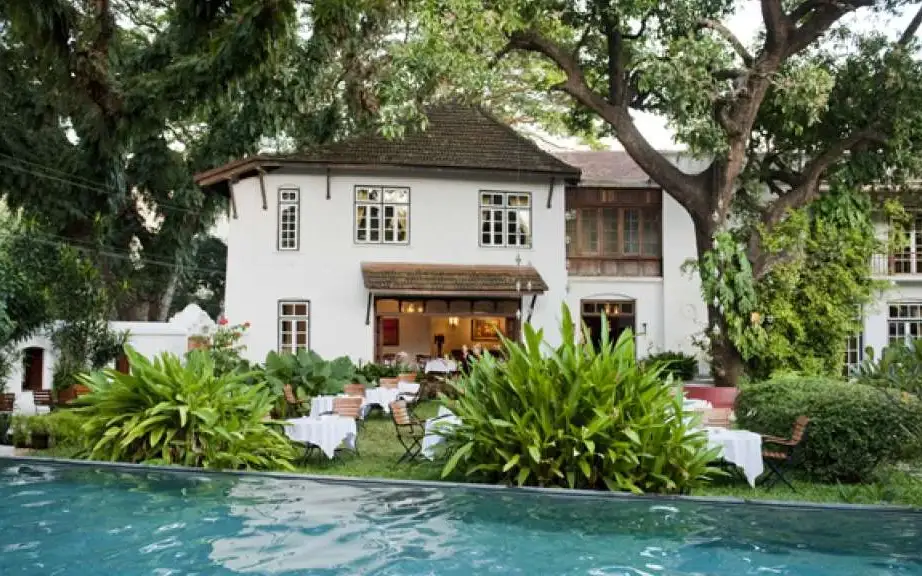
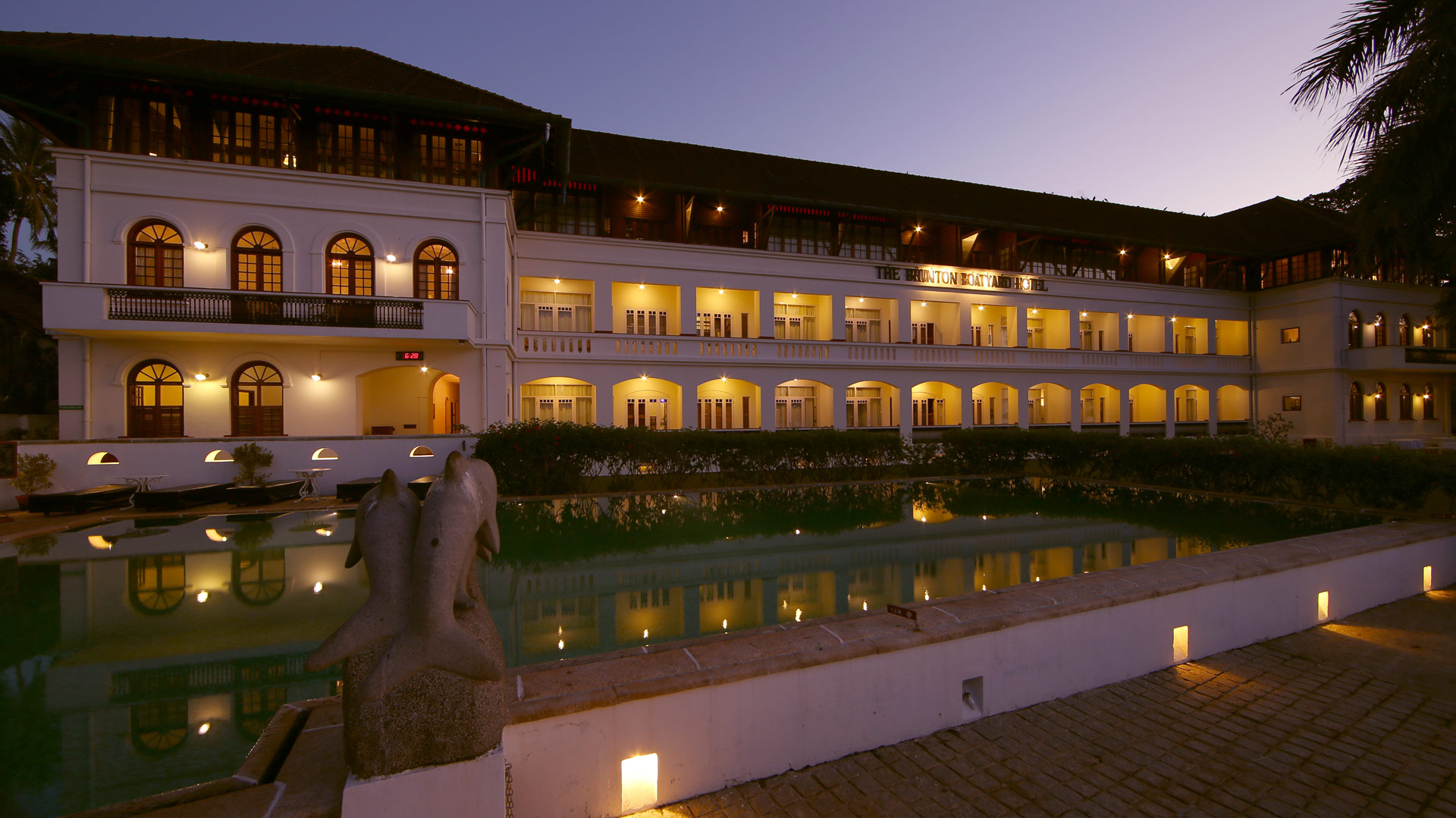
Brunton Boatyard is a waterfront CGH Earth hotel built on a former boatyard site in Fort Kochi. Its colonial-inspired setting and History Restaurant are distinct reasons to compare it with an inland homestay. Ask about the room category, dining reservation and current arrival arrangements.
Boutique hotel in a colonial trading bungalow at Kunnumpuram — built for a trading company and later a tea firm’s guest house, hence the name.
Boutique hotel at No 18, KB Jacob Road — upper-mid rooms a short walk from both the basilica and the beach.
Guestland Homestay is on Chirattapalam Road in Amaravathy, Fort Kochi, behind Dr Abraham Dental Clinic. The operator offers AC double, AC single and non-AC single rooms; compare the room category and inclusions with the hosts before booking.
The Koder family’s early-1900s mansion on Tower Road — the house of Kochi’s best-known Jewish trading family, now a boutique heritage hotel.
Heritage hotel built around a Portuguese-era courtyard off Princess Street — creaking floors and planters’ chairs rather than polish, which is the charm.
Hotel in Fort Kochi, Ernakulam, Kerala, India. Fort Kochi, Napier Street, CGH Earth.
Fort Kochi branch of the Zostel backpacker chain — dorms and private rooms, the quarter’s main hostel option.
Guest house on Quieros Street, one of the old Portuguese-named lanes off Princess Street — a plain budget base in the middle of the quarter.
Princess Street hotel with Classic, Imperial and Sovereign rooms, a courtyard pool and Jetty dining. Compare the room category and arrival access; use the reservation contact for a stay and the restaurant contact for a table.
Kapithan's Inn is a family-run guesthouse on K. L. Bernard Road in Fort Kochi, opposite Santa Cruz Ground and behind Santa Cruz Cathedral. The operator says breakfast is served in an open terrace garden overlooking the ground and its rain trees.
Hotel Park Avenue stands on Princess Street near St. Francis Church, at the junction with Peter Celli Street and Bastion Street in Fort Kochi. The operator's Kerala Tourism profile describes an 18-room hotel, while its own website separates the accommodation into non-air-conditioned Deluxe Double, air-conditioned Deluxe Double and Premium Double rooms.
On Princess Street in Fort Kochi, Tom’s Old Mansion occupies a Dutch colonial-era heritage building with high wooden ceilings, corridors and an internal courtyard. The operator says the structure has roughly 500 years of history and underwent limited alterations during its conversion into a hotel.
Trinity Fort Cochin is listed as an eight-room hotel facing Parade Ground in Fort Kochi. The operator describes the property as combining the feel of an art gallery and a private home.
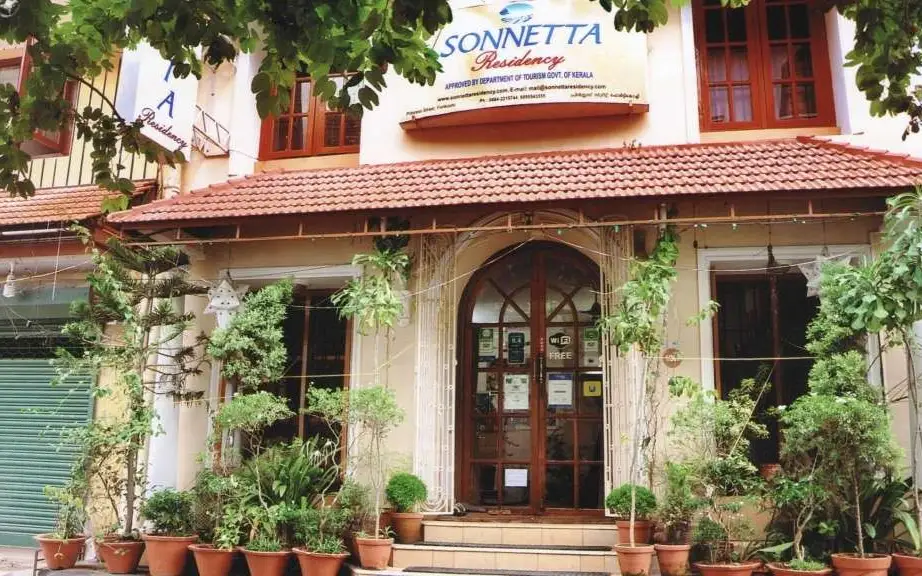
Sonnetta Residency is a guesthouse on Princess Street in Fort Kochi. The operator describes a Portuguese-style building, and its address places visitors among the streets of the old town. The accommodation is arranged into Super Premium, Premium Extra-Large and Premium rooms.
Phils Residency is listed as offering furnished studios and apartments for short or longer stays. It is on Kunnumpuram Road in Fort Kochi, in what the operator describes as a peaceful, central setting.
Hotel Arches occupies a colonial-style building on Rose Street, opposite St. Francis Church in Fort Kochi. The operator-submitted listing describes ten deluxe rooms and a suite named Nidra, with air conditioning and modern bathrooms, plus interiors featuring tiled floors, wooden ceilings and locally handcrafted traditional furniture.
An older operator-submitted listing for this Fort Kochi homestay describes four double-bed rooms with attached bathrooms, showers and hot water, including air-conditioned and non-air-conditioned options. It also mentions a furnished shared hall and dining room with a television.
Set in a converted European family mansion on Rose Street in Fort Kochi, Hotel Rossitta Wood Castle Cochin retains teak floors, high timber ceilings, a winding staircase and large European-style windows. The heritage property also includes guest rooms, a library and an art gallery.
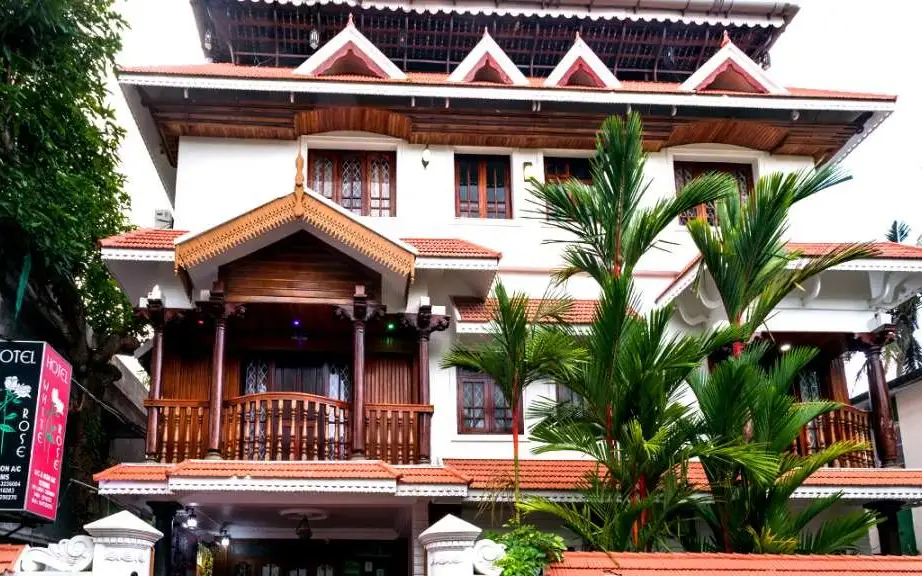
Hotel White Rose occupies an older building in Fortnagar, Fort Kochi, and is described by the operator as a three-star boutique hotel. Its location places guests near the area’s heritage attractions, with the Chinese fishing nets stated to be about a three-minute walk away.
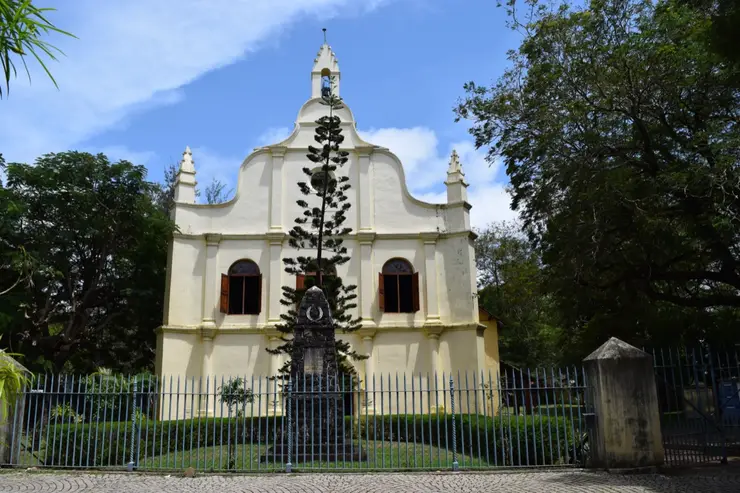
Le Colonial occupies a restored house beside St Francis Church on Church Road in Fort Kochi. Its eight rooms and suites are individually furnished, so choosing a room is part of choosing the experience. The setting puts the church and Vasco da Gama Square at the centre of a stay focused on Fort Kochi's old quarter.
Hotel Fort Castle is on Rose Lane in central Fort Kochi. The operator describes it as a 10-room boutique hotel with contemporary furnishings and modern amenities.
Book with the place itself. India’s cyber-crime coordination centre warned in April 2025 that convincing copies of hotel and pilgrimage booking sites are being pushed through sponsored search and social ads, taking payment for rooms the property never hears about. Use the contact and source details on each profile to confirm the exact business and booking channel. A directory entry or map pin alone does not establish an operator’s identity or current availability. Roampedia takes no commission and does not collect booking payments. If a booking page reached you through an ad, check the address bar against the property’s own site before you pay. Fraud can be reported on cybercrime.gov.in or on 1930.
Browse food, accommodation and activities across Fort Kochi. Check each address and journey before adding it to your day; these selections are not all beside Kerala Kathakali Centre.
10 more places around Fort Kochi. Open a guide to plan the visit and onward journey.
390 m · 5 min walk
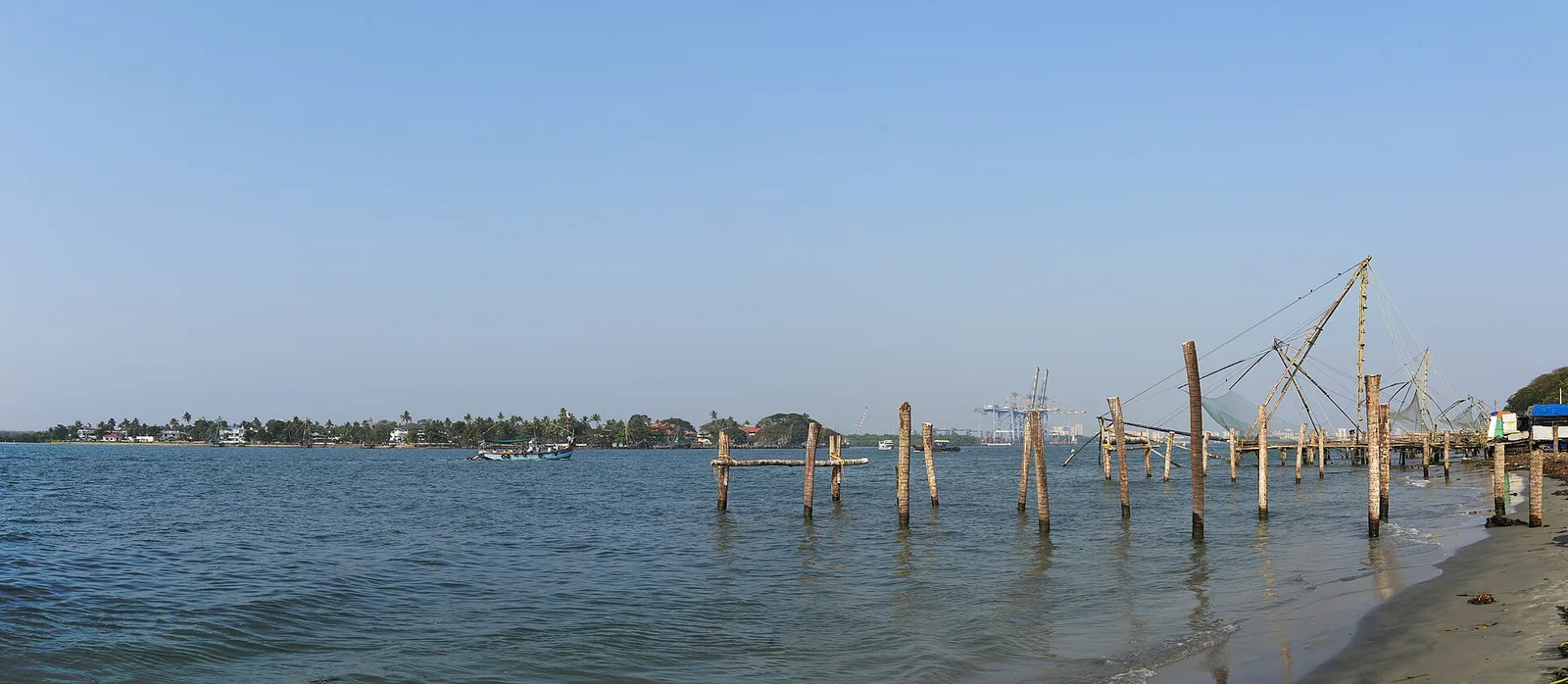
Kerala’s most walkable heritage quarter, with Chinese fishing nets, colonial churches, art cafes and Mattancherry nearby.
700 m · 8 min walk
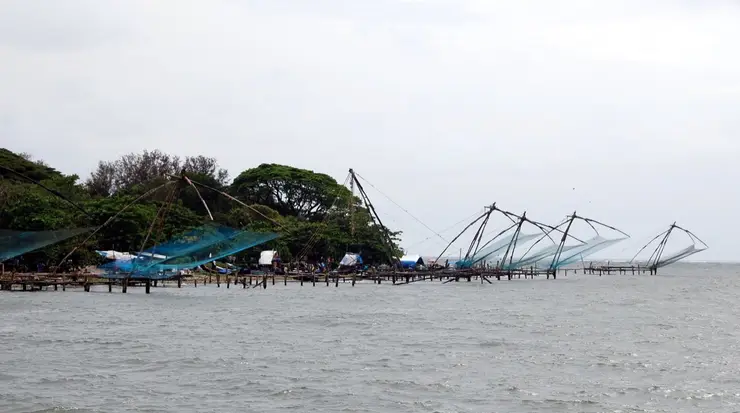
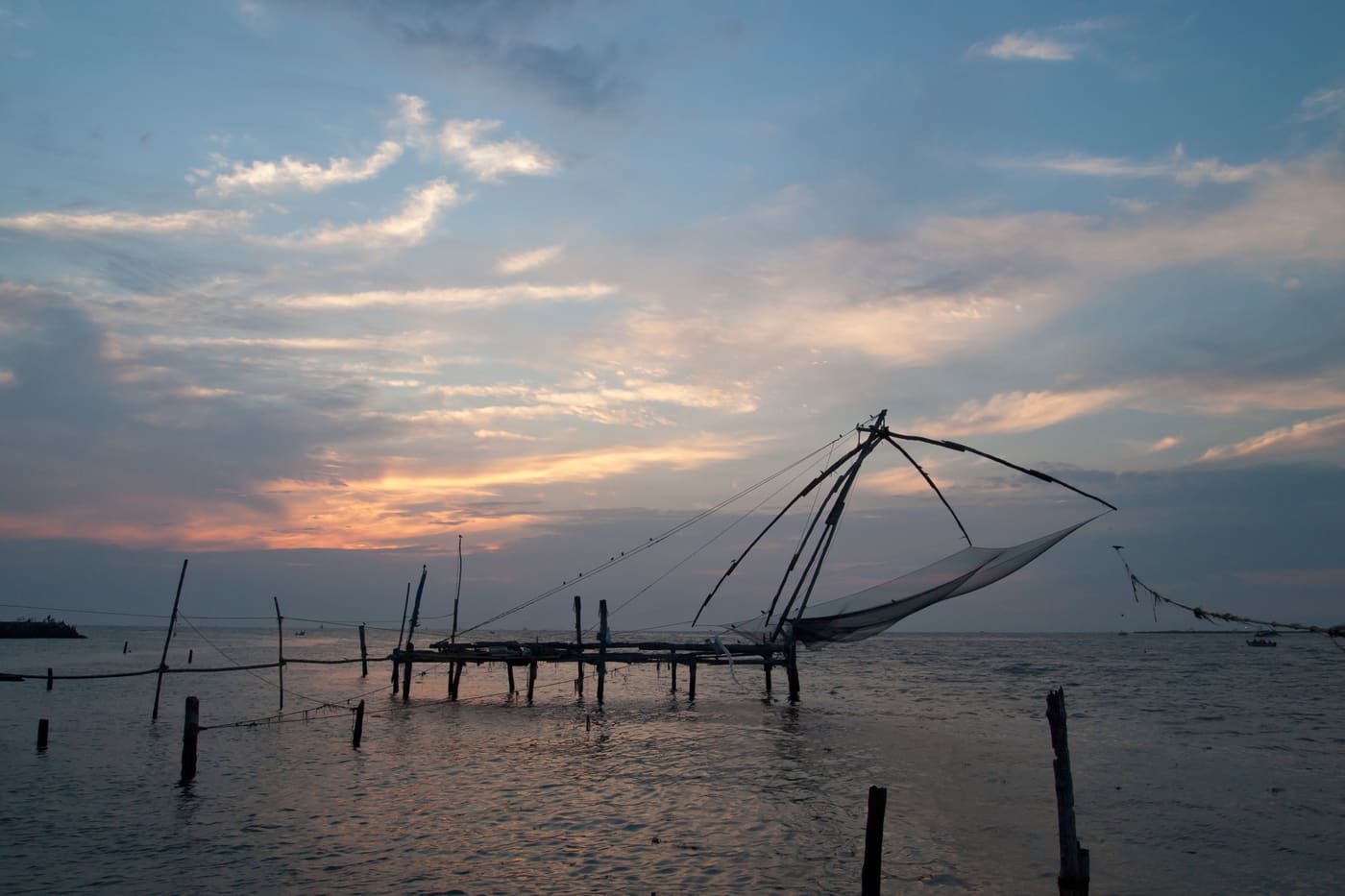
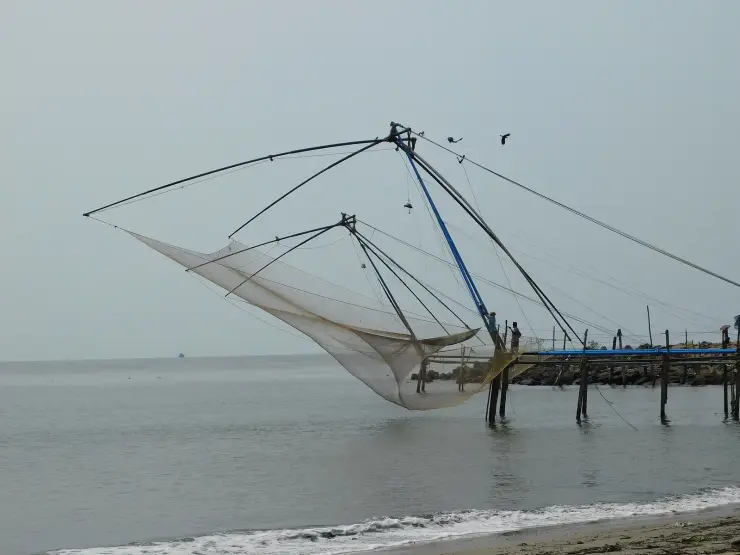
The giant cantilevered lift nets that are Fort Kochi’s emblem, strung along the shore at Vasco da Gama Square and still landing fish. Even their origin is argued — popular tradition credits Chinese traders of Zheng He’s era, some scholars later Portuguese settlers from Macau — and the argument is part of the attraction.
500 m · 6 min walk
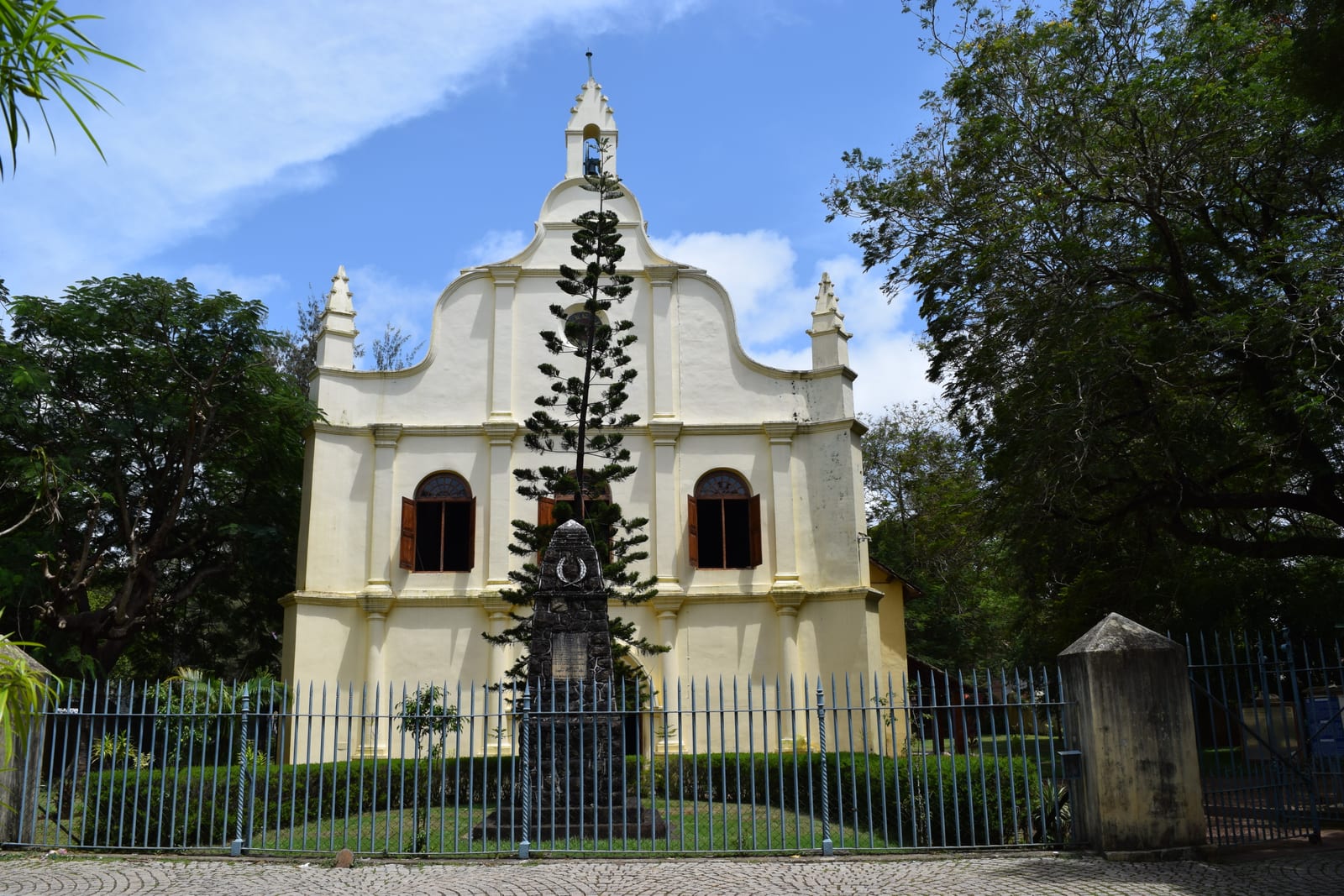
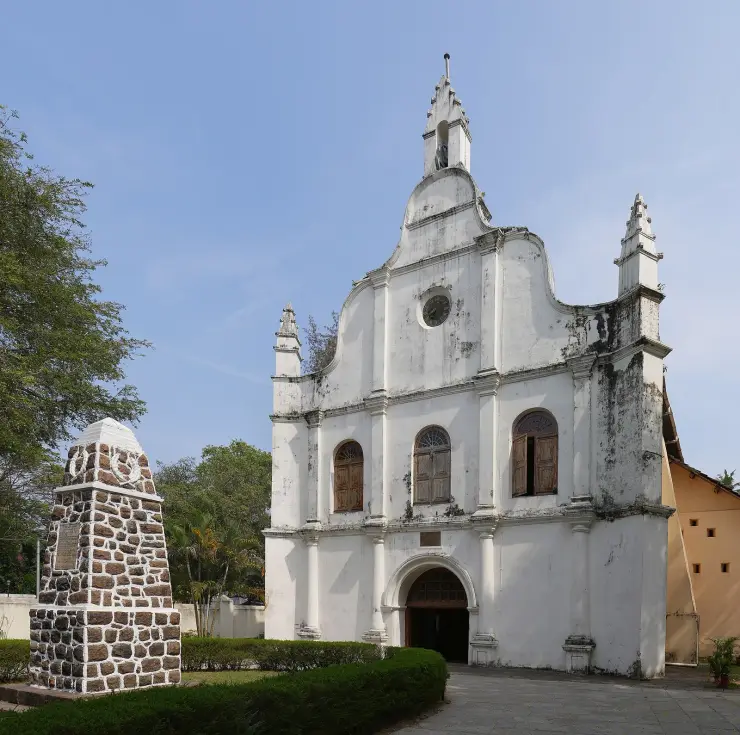
Believed to be the oldest European church in India (1503); Vasco da Gama was buried here before his remains were moved to Lisbon.
180 m · 2 min walk
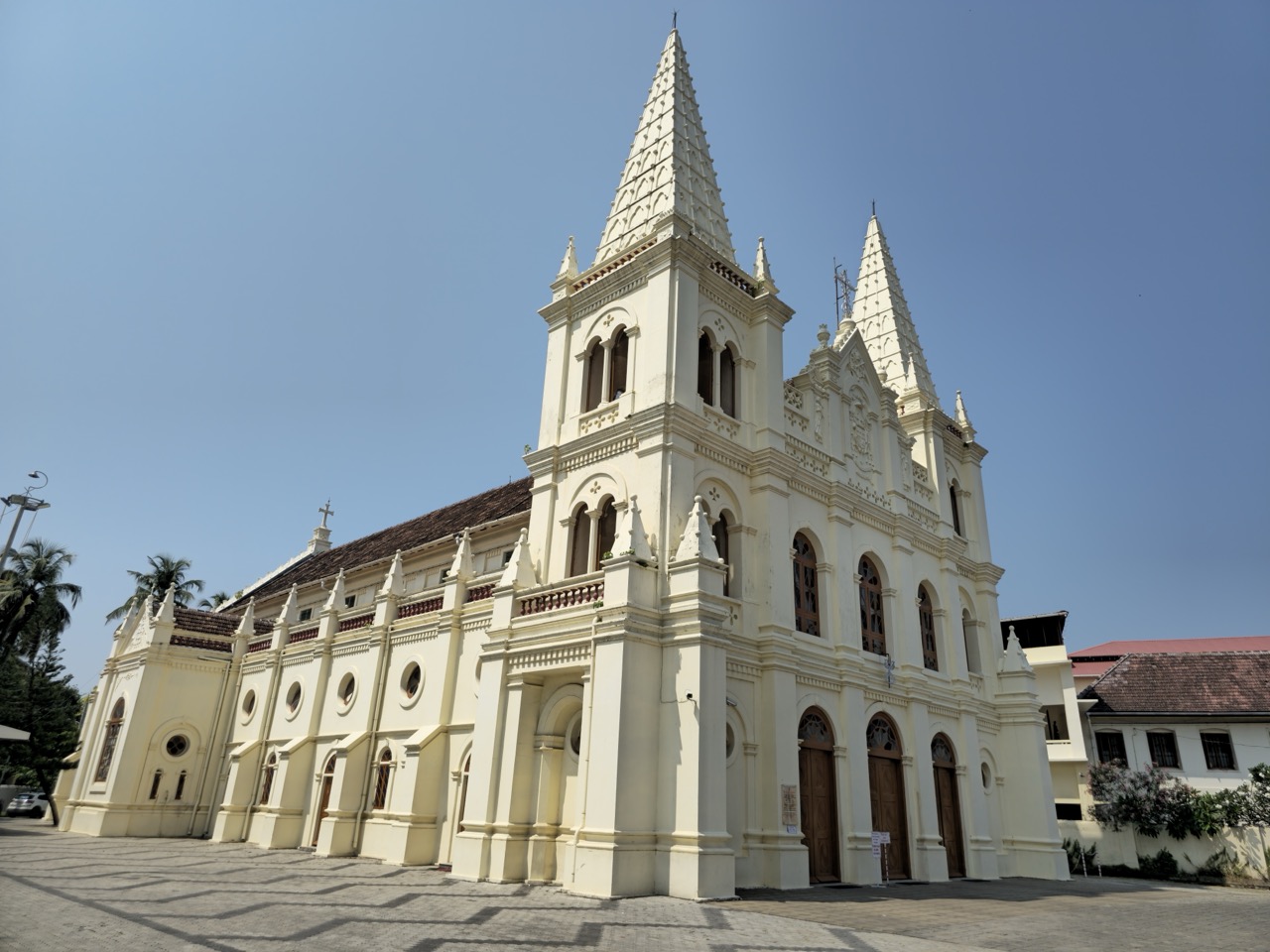
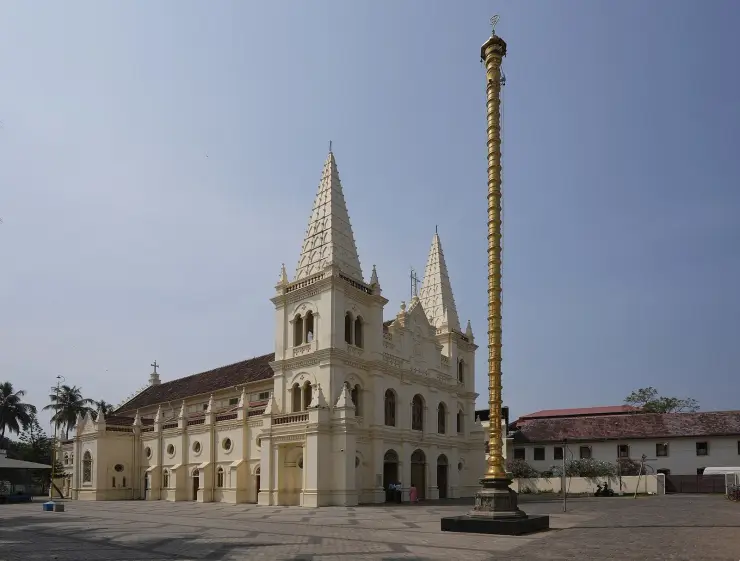
One of the finest churches in Kerala, with a richly painted interior, beside the Kerala Kathakali Centre in Fort Kochi.
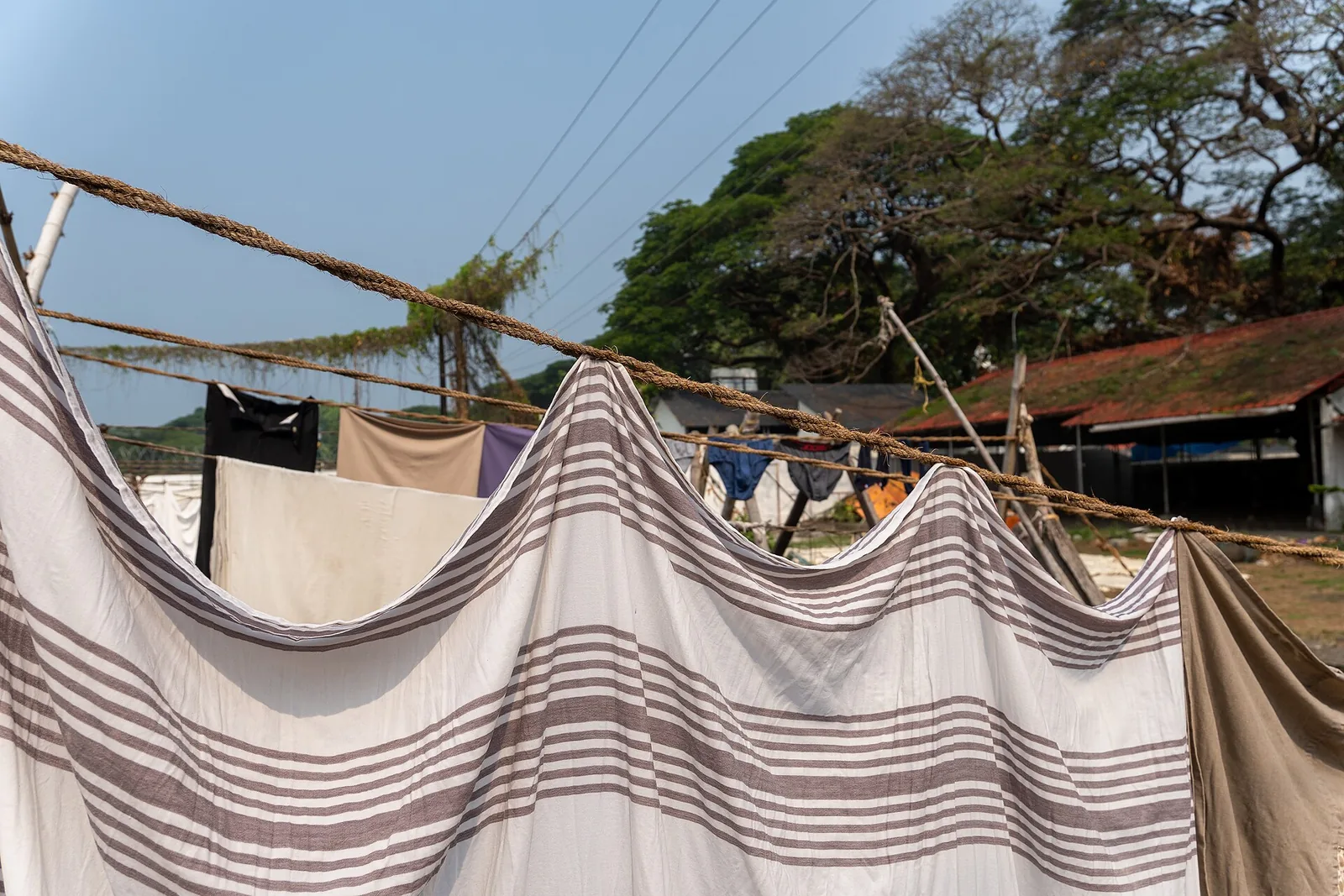
1.9 km · 23 min walk
A working colonial-era community open-air laundry in Fort Kochi, still used by traditional washermen families.
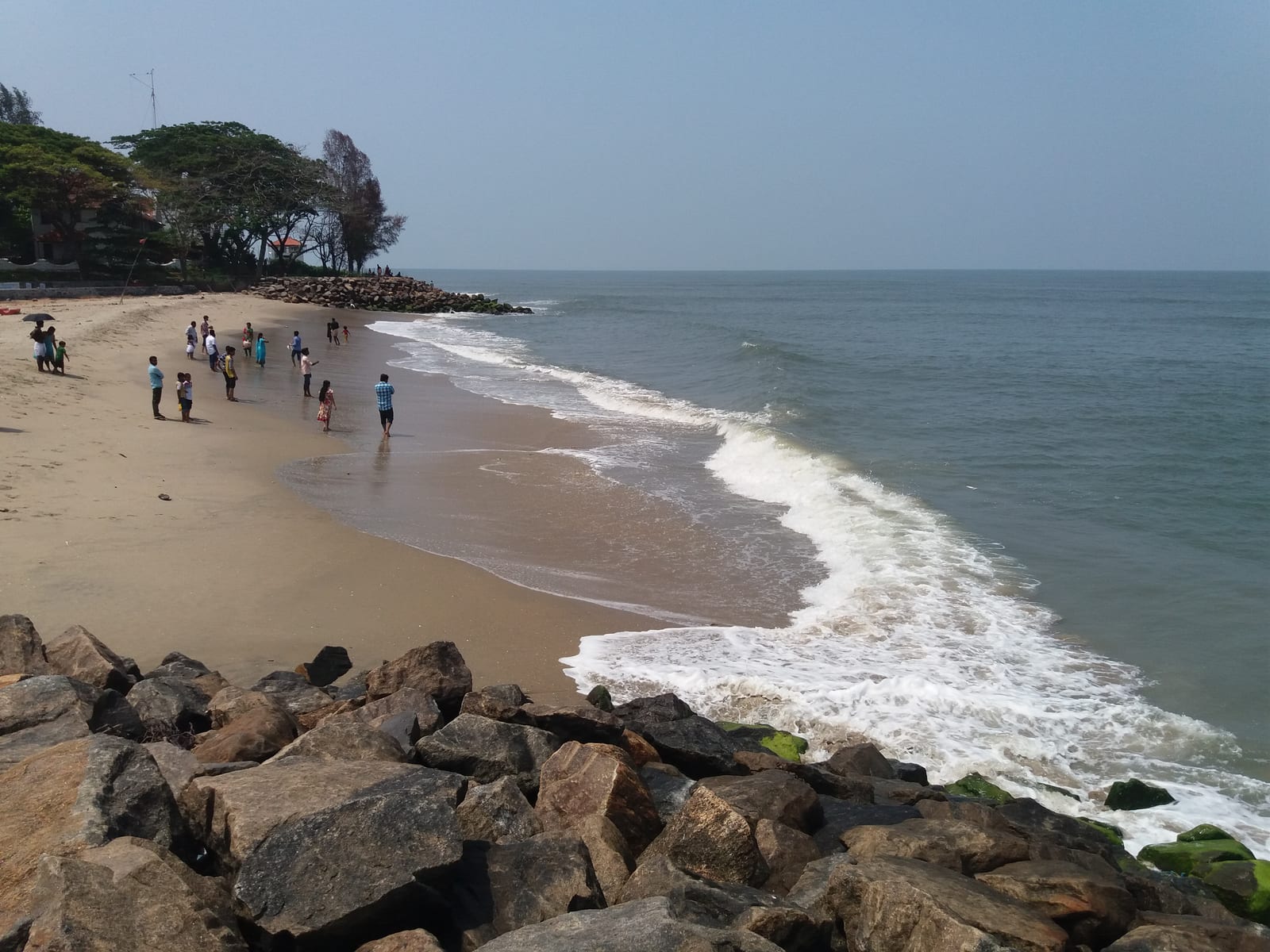
750 m · 9 min walk
Public seafront beside the Chinese fishing nets — a walking-and-sunset beach, not a swimming beach.
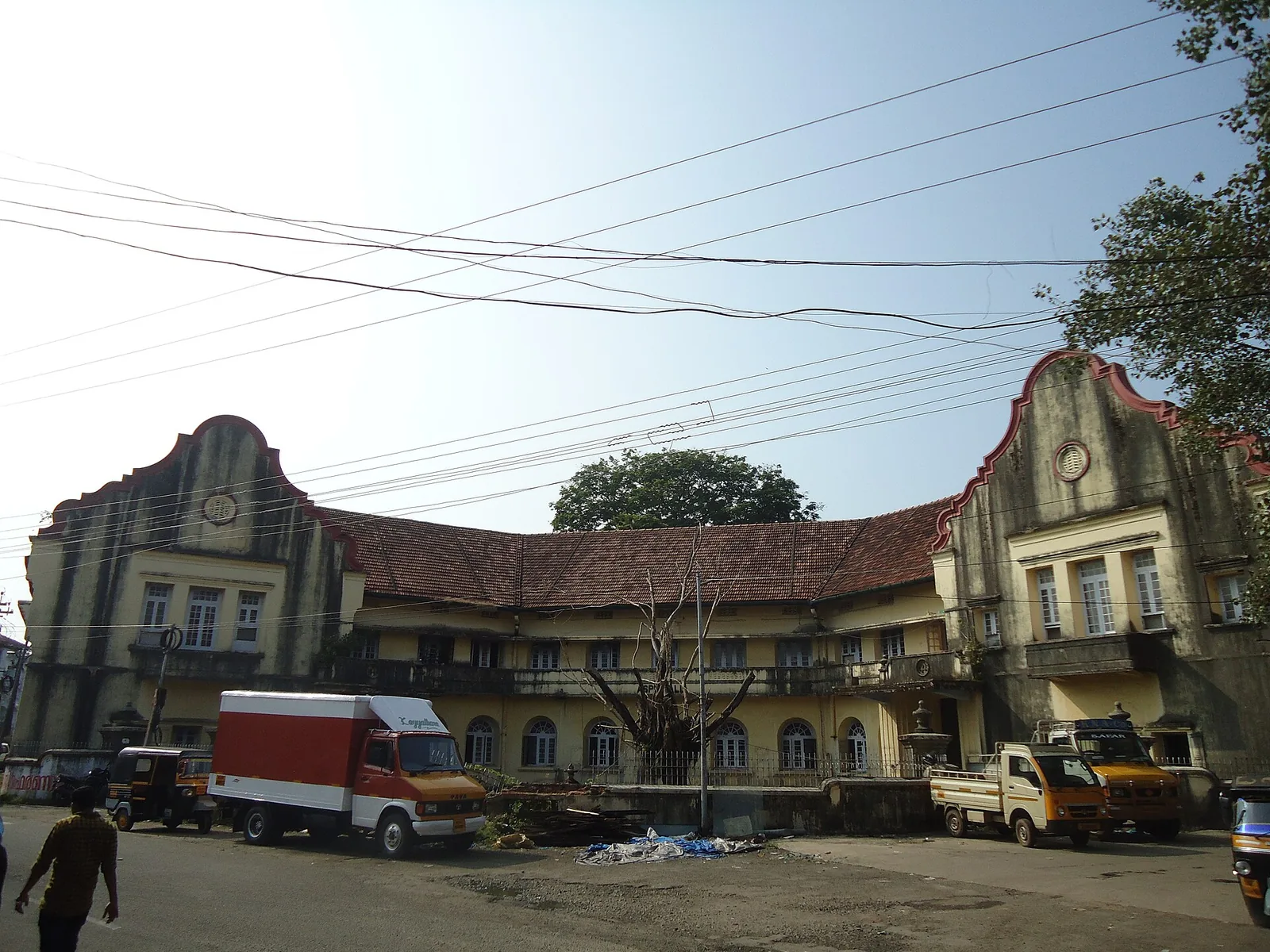
840 m · 10 min walk
A large 19th-century waterfront trading compound in Fort Kochi, the principal venue of the Kochi-Muziris Biennale.
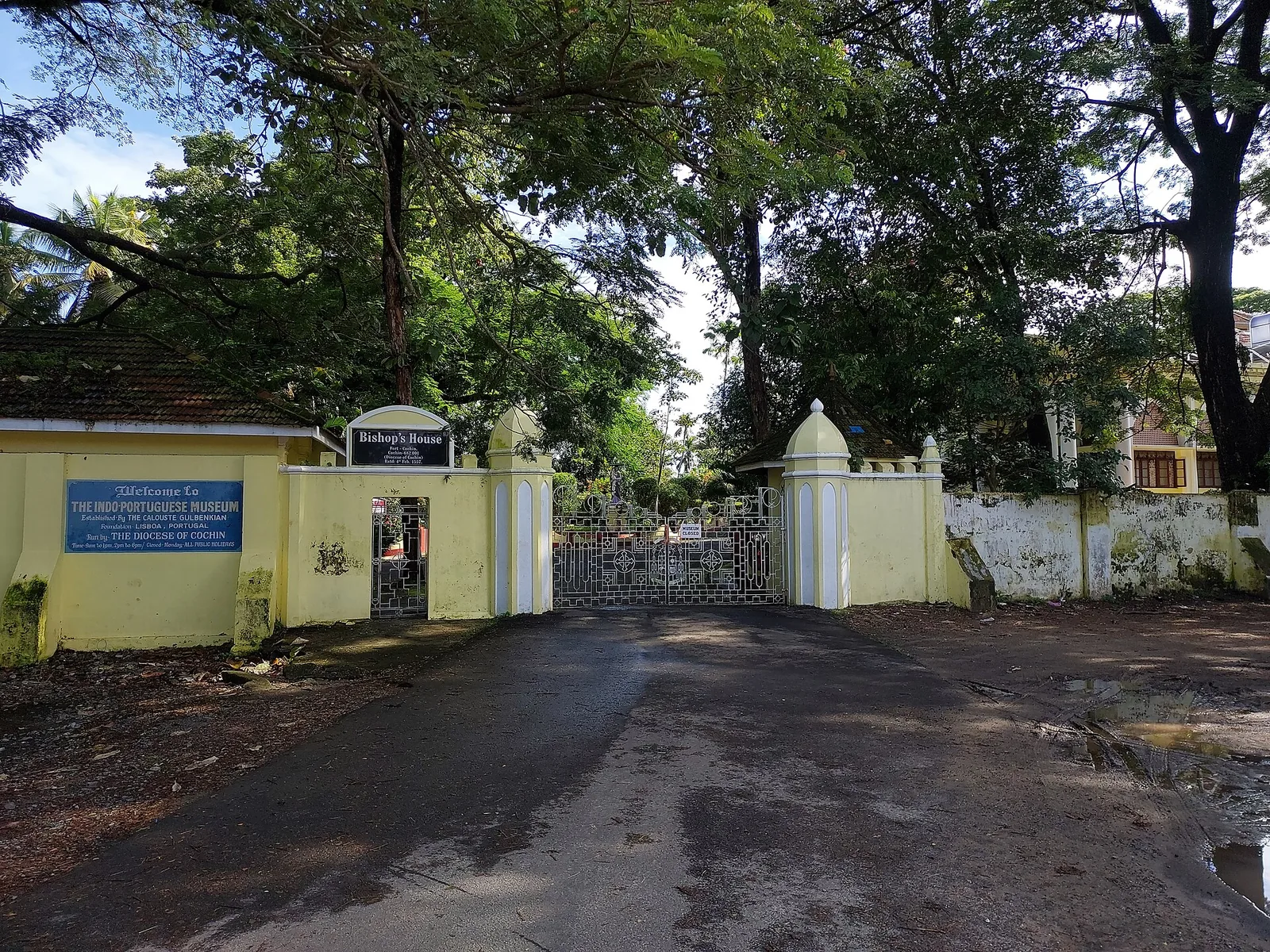
520 m · 6 min walk
Museum of Kerala’s Indo-Portuguese Catholic heritage in the Bishop’s House garden, Fort Kochi.
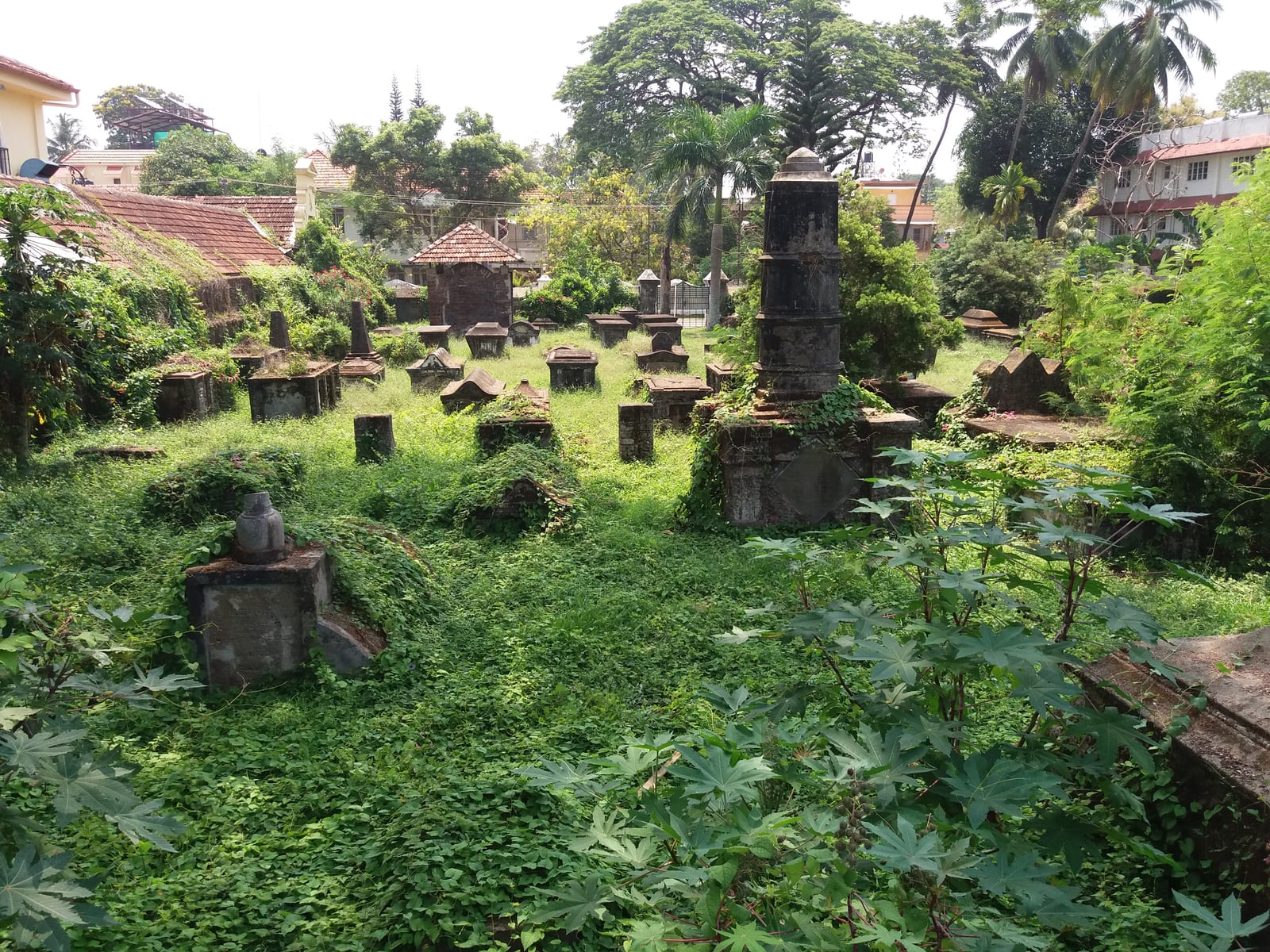
710 m · 8 min walk
The 1724 burial ground of Kochi’s Dutch colonial officials and merchants, beside St Francis Church — ASI-protected, and usually locked.
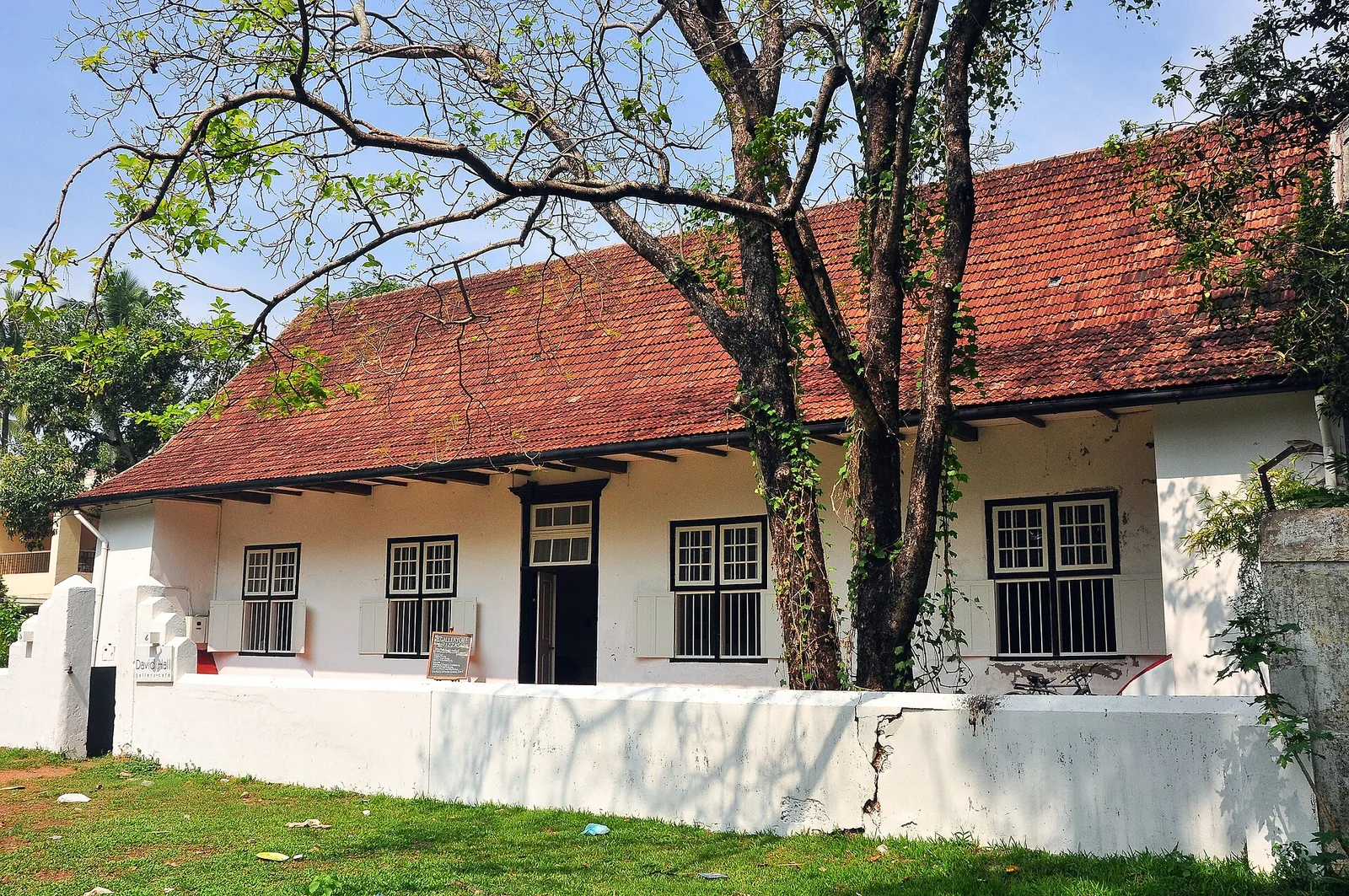
610 m · 7 min walk
A restored 17th-century Dutch bungalow on the Fort Kochi parade ground, now a contemporary art gallery and cafe.
Roampedia is commission-free — own or know a stay, eatery, guide or shop near Kerala Kathakali Centre? Submit public business details for review.
Add a nearby businessEntry: Ticketed show, around ₹250–500 per person
KB Jacob Road, Fort Kochi (Fort Kochi Water Metro terminal nearby).
If you are travelling by bus or ferry, check the return service with the operator before setting out. Leave time to reach the stop or jetty after your visit.
Ask at the bus stand for the time of the last service back, not the next one. If you miss it, an auto or app cab is the fallback — agree the fare before you get in.
If you need step-free access, contact the site before travelling. Ask about a level entrance, steps along the route, the nearest drop-off point, seating and accessible toilets.
Charge cap and free-transaction limits: Reserve Bank of India, ATM FAQ updated 4 July 2025; checked 4 October 2026.
These services are listed within about 1.2 km of Kerala Kathakali Centre. Walking distances follow mapped routes; access and opening hours can change. Other services may be closer but are not included here.
Fort Kochi is one of Kerala’s safest and most walkable tourist quarters, comfortable by day and on the main lanes after dark. Violent crime against visitors is rare — the realistic risks are auto/guide scams, petty theft in crowds, and the sea, not personal danger.
Safety guidance last reviewed 15 June 2026. Always check your own government's current travel advice before you travel.
Published emergency and visitor-assistance contacts. For an immediate emergency, call 112. Shared Kerala contact sources checked 4 October 2026; publication does not establish a tested live response.
One of the finest churches in Kerala, with a richly painted interior, beside the Kerala Kathakali Centre in Fort Kochi.
180 m · 2 min walkKerala’s most walkable heritage quarter, with Chinese fishing nets, colonial churches, art cafes and Mattancherry nearby.
390 m · 5 min walkBelieved to be the oldest European church in India (1503); Vasco da Gama was buried here before his remains were moved to Lisbon.
500 m · 6 min walkMuseum of Kerala’s Indo-Portuguese Catholic heritage in the Bishop’s House garden, Fort Kochi.
520 m · 6 min walkA restored 17th-century Dutch bungalow on the Fort Kochi parade ground, now a contemporary art gallery and cafe.
610 m · 7 min walkKochi’s iconic cantilevered shore-operated fishing nets along the Fort Kochi seafront at Vasco da Gama Square, best photographed at sunset.
700 m · 8 min walkThe 1724 burial ground of Kochi’s Dutch colonial officials and merchants, beside St Francis Church — ASI-protected, and usually locked.
710 m · 8 min walkPublic seafront beside the Chinese fishing nets — a walking-and-sunset beach, not a swimming beach.
750 m · 9 min walkA large 19th-century waterfront trading compound in Fort Kochi, the principal venue of the Kochi-Muziris Biennale.
840 m · 10 min walk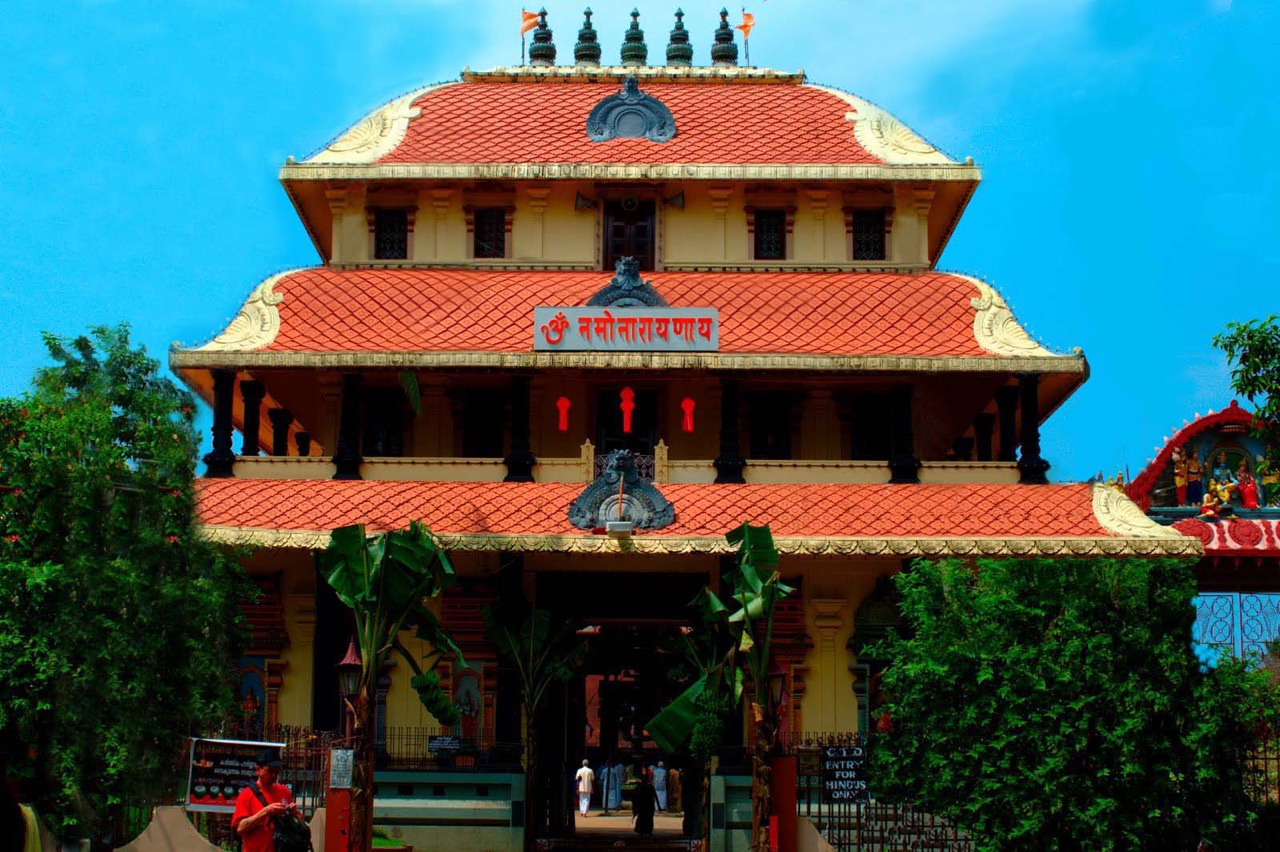
A historic Gowda Saraswat Brahmin temple in Cherlai, Mattancherry, central to Kochi’s Konkani community.
1.2 km · straight line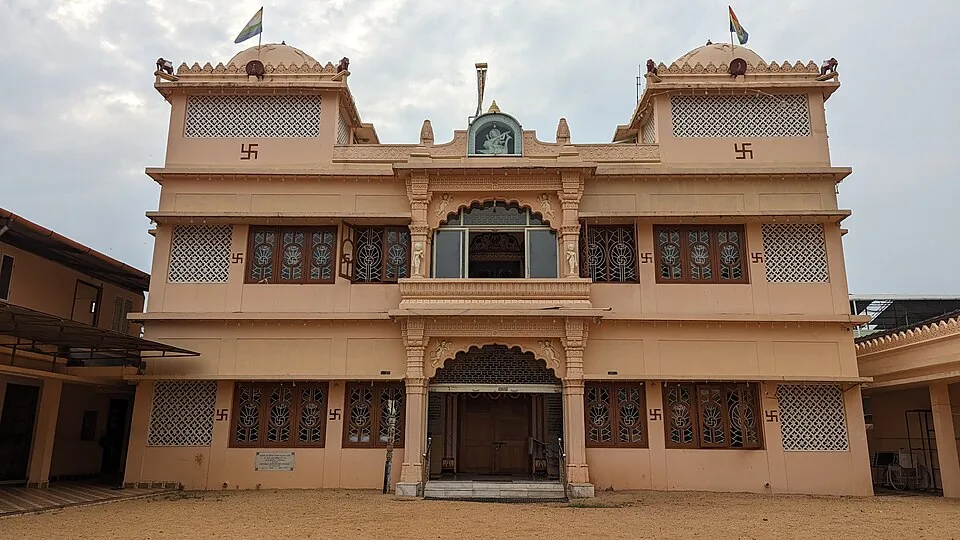
An ornate Jain temple in Mattancherry’s Gujarati quarter, raised in 1904 by Hirubai in memory of her husband Jivraj Dhanji and dedicated to Dharmanatha, the fifteenth Tirthankara — known for its white marble work and the daily midday feeding of the pigeons outside.
1.3 km · straight lineA working colonial-era community open-air laundry in Fort Kochi, still used by traditional washermen families.
1.9 km · 23 min walkRoad and walking figures are route estimates, with travel times dependent on access, traffic and conditions. Figures marked “straight line” show direct separation and do not describe a road or walking route. Fare estimates use Kerala’s 26 April 2022 auto/taxi notification and exclude waiting, night and applicable one-way surcharges. Confirm the current meter or operator quote before travelling. Routing: © openrouteservice.org by HeiGIT | Map data © OpenStreetMap contributors
Nearby toilets, pharmacies, ATMs, seating and vets are community-mapped and may be incomplete or out of date. Map data © OpenStreetMap contributors | Walking times © openrouteservice.org by HeiGIT
Yes — this is the single most repeated piece of advice about Kathakali in Fort Kochi, and it is sound. The chutti, the raised white frame around the face, is built up from rice paste and paper directly on the actor's skin and takes a long time. Venues generally open the make-up room before the performance; confirm the timing directly with the venue, as it varies.
Partly, and that is the point of the demonstration format. There is no spoken dialogue — the text is sung by vocalists while the actor works in hand signs and eye movement. Most Fort Kochi performances explain the mudras and the nine emotional states first, so you go in with a key. Reading the outline of the scene beforehand helps a lot.
They classify the character. Green (pacha) is noble — gods, kings, heroes. Green with an upturned moustache and a knife mark (kathi) is the grand villain, such as Ravana or Duryodhana. Beards (thadi) are colour-coded: white for noble monkey characters like Hanuman, red for the violent, black for the schemer. Black (kari) is for demonesses, and the polished minukku is for women, brahmins and sages.
It is a genuine performance in a shortened form. Traditionally a Kathakali play ran all night in a temple courtyard; what is staged for visitors in Fort Kochi is typically about an hour, made up of a make-up demonstration, an explanation of the technique and one or two extracted scenes. The training, the music and the technique are real; the length and the setting are not traditional.
No — it is Kerala's martial art, often staged on the same circuit as Kathakali and sometimes on the same evening. It is trained in a kalari, a sunken earthen pit, and moves from body-conditioning sequences through stick fighting and sword-and-shield to the urumi, a flexible whip-like blade. Kathakali borrowed its stance and footwork from it, which is why the two are so often paired.
Allow roughly two hours if you want the make-up as well as the performance, and check the venue's own timings before you go — they differ between venues and change seasonally.
November to February and early mornings are best for walking; avoid midday heat where possible.
Entry: Ticketed show, around ₹250–500 per person. Timings: Evening Kathakali performance around 6:00pm; make-up from about 5:00pm.
Base yourself in Fort Kochi or a nearby town in Ernakulam, then confirm the last-mile route locally before leaving. Walkable heritage areas are best done slowly; combine nearby streets, museums, markets and food stops. If the visit depends on forest, temple, boat, ferry, weather or seasonal access, check the official/local rule on the day before travel.
1 to 3 hours.
Nearby you can pair Santa Cruz Cathedral Basilica (180 m, route estimate), Fort Kochi (390 m, route estimate), St. Francis Church (500 m, route estimate), Indo-Portuguese Museum (520 m, route estimate).
Watch traffic on narrow heritage streets. Keep valuables close in crowded markets.
Written about Kerala Kathakali Centre itself — its history, its legends and the arguments about them.
These guides explore Fort Kochi and the surrounding area. Choose a visit that fits your interests, allowing separately for travel between stops.
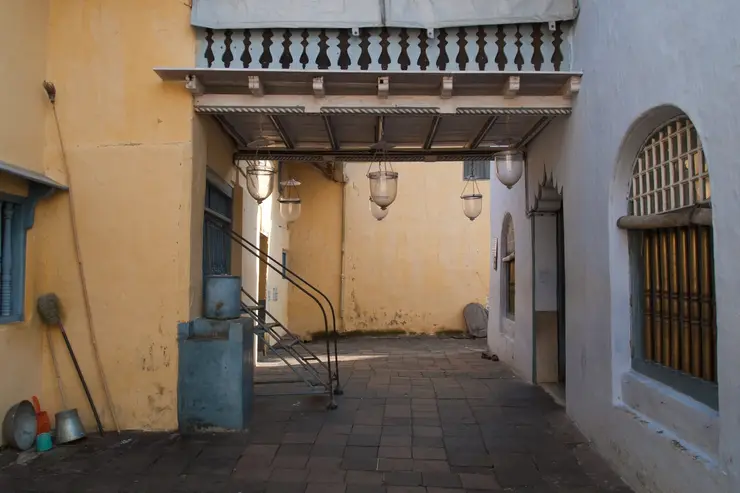
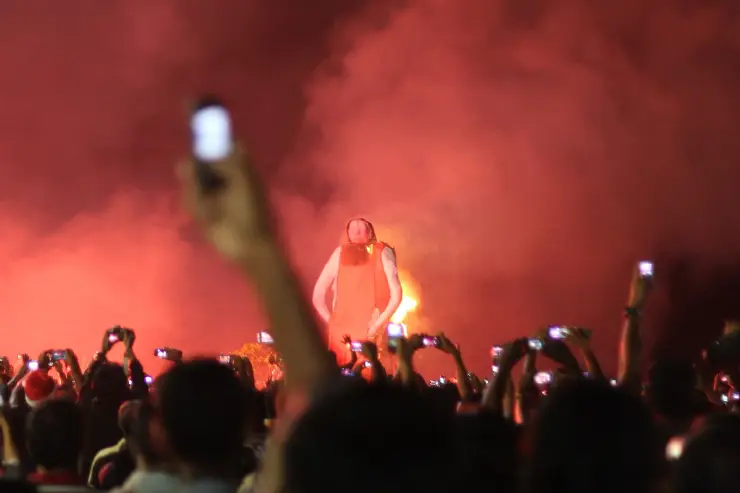
Written about Fort Kochi as a whole rather than about Kerala Kathakali Centre — its history, its streets, and how to spend a day in it.
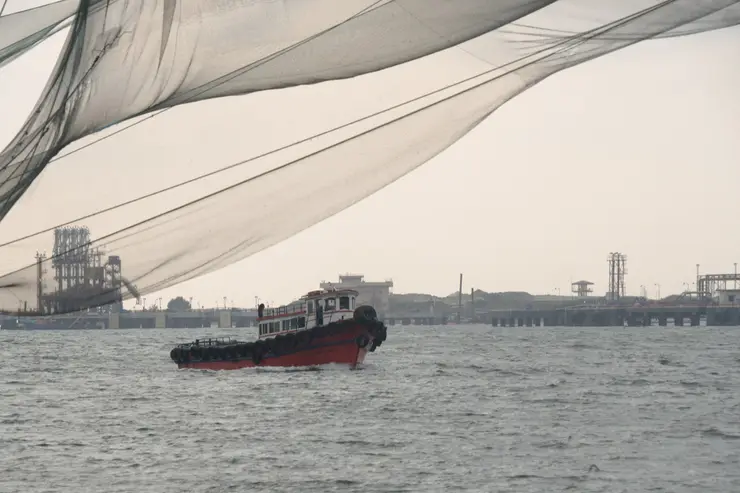
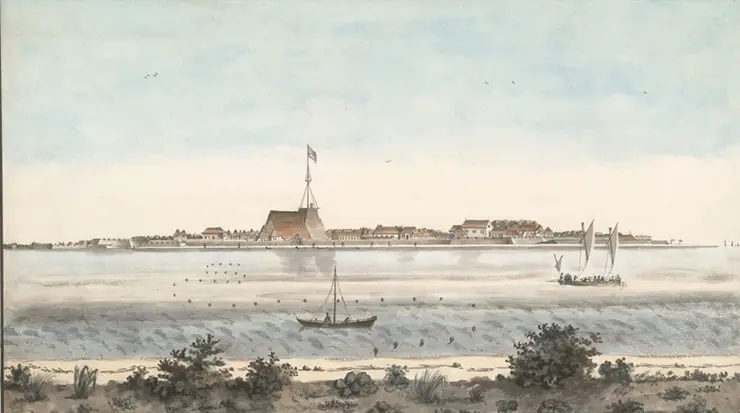
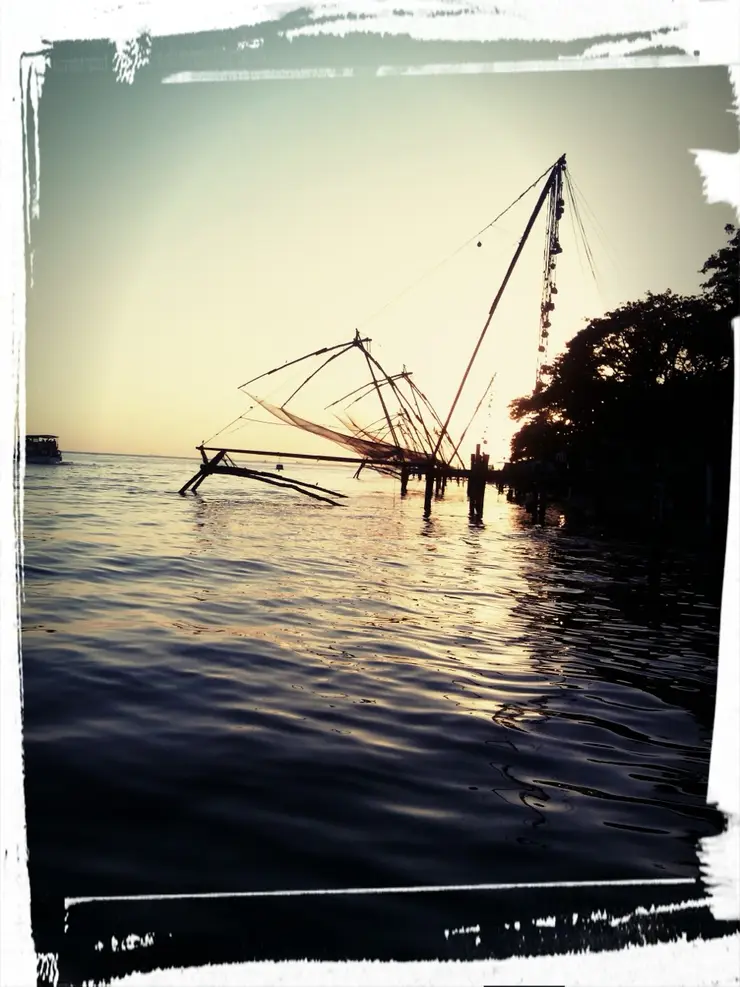
Route-level itineraries and practical guides for the rest of Kerala.
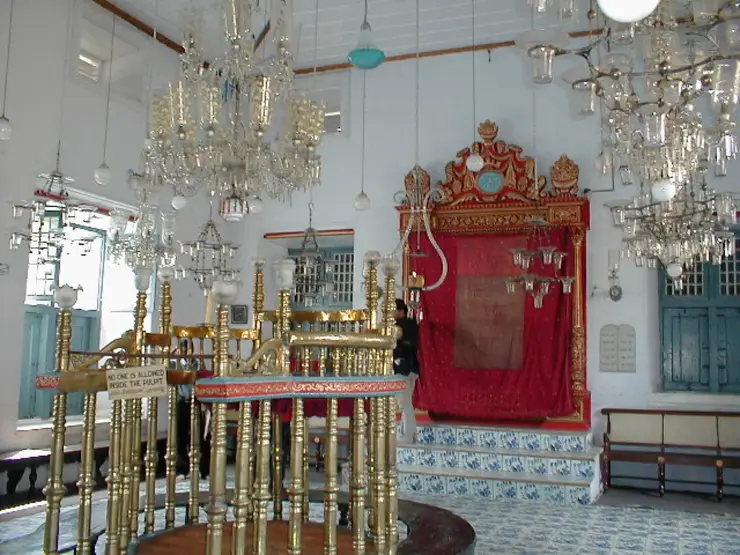
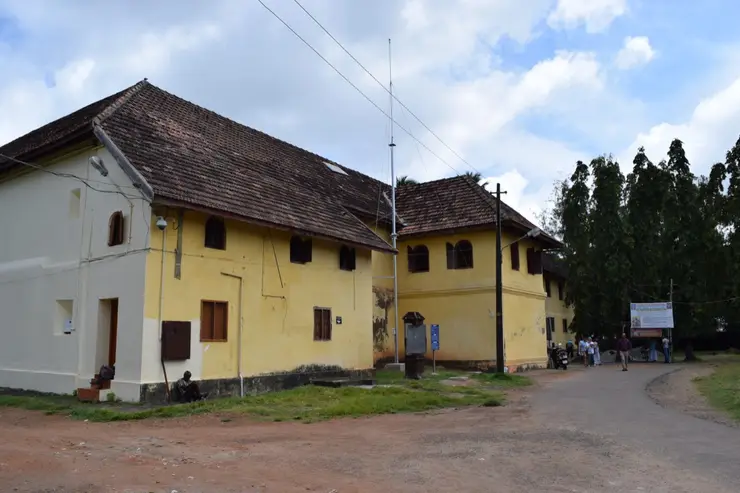
Photographs: Ms Sarah Welch (CC BY-SA 4.0), Jean-Pierre Dalbéra (CC BY 2.0). Wikimedia Commons.