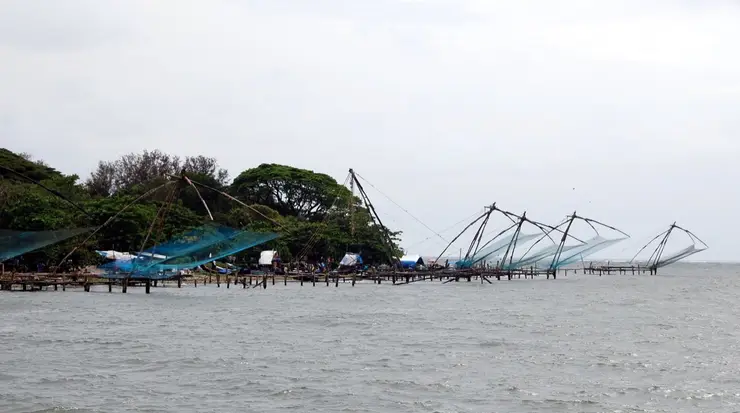
What to expect
Highlights
- Church visit at Santa Cruz Cathedral Basilica
- Pilgrimage, architecture or local Christian heritage
- Nearby town food and stays
One of the finest churches in Kerala, with a richly painted interior, beside the Kerala Kathakali Centre in Fort Kochi.
Check entry arrangements. Ask the church about visiting times around services and any dress or photography rules. During worship, keep voices low and follow staff directions.
Dress respectfully and follow the institution’s admission and photography rules.
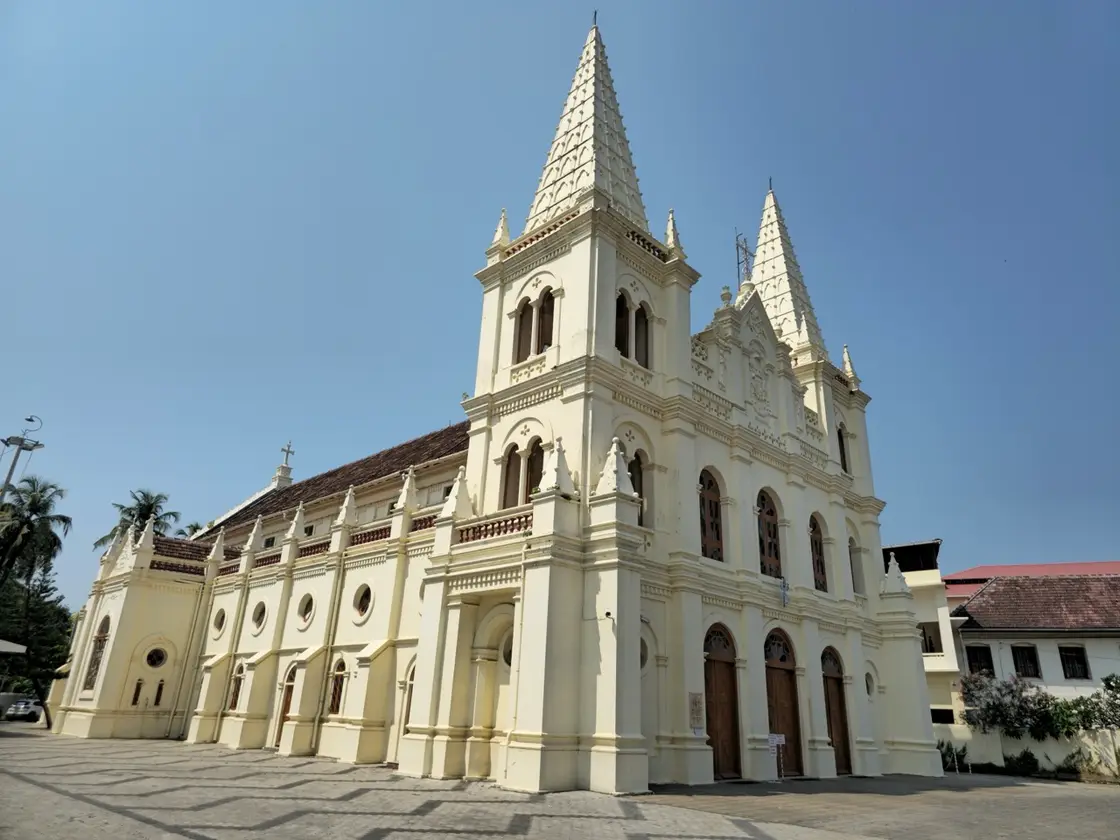
Rising in soft pastel over the lanes of Fort Kochi, Santa Cruz Cathedral Basilica is among the earliest churches in India to be granted the papal rank of basilica, and among the finest churches in the country — a five-century story of Portuguese, Dutch and British Cochin written in stone, and an interior so richly painted that visitors often fall silent the moment they step inside.
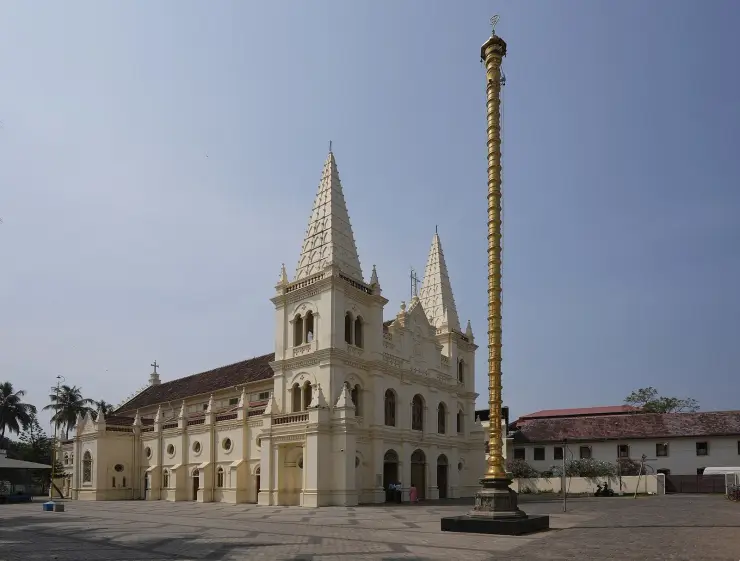
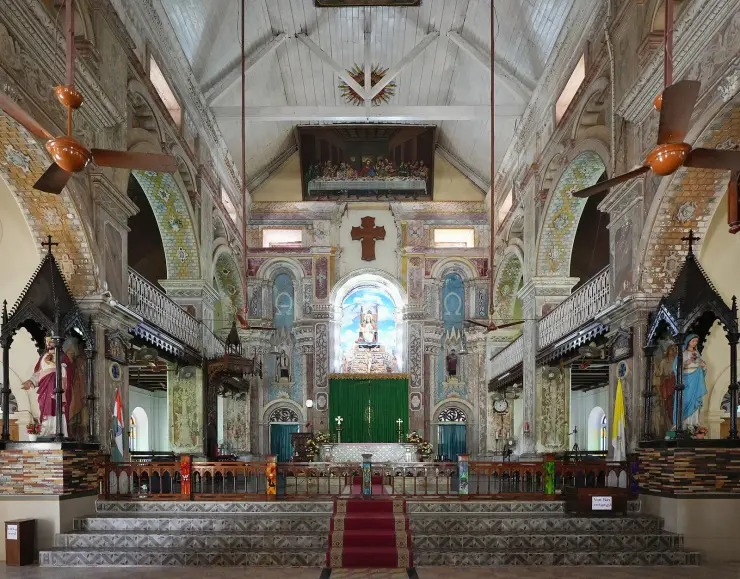
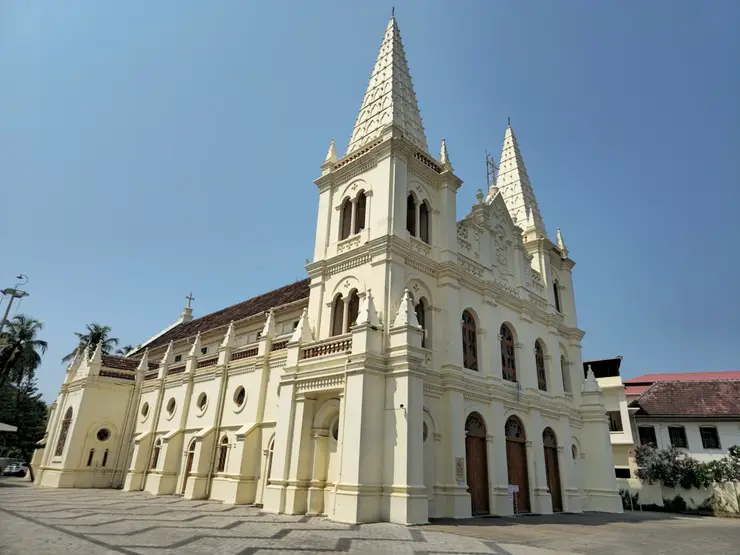
From the outside, Santa Cruz gives little away. Its whitewashed façade and twin towers glow almost buttermilk-pale in the Fort Kochi light, and the two spires guide you in from streets lined with old godowns and spice merchants. Then you cross the threshold and the whole mood changes: the interior opens into a long, high-ceilinged nave washed in gentle pastels, ribbed with marble-look columns, and crowned by a painted ceiling that draws every eye upward.
The great treasure here is the artwork. The interior murals and ceiling paintings are attributed to the Italian Jesuit painter Fra Antonio Moscheni of Bergamo, working with his Indian disciple (recorded as a Mr De Gama). Along the columns run frescoes; across the ceiling unfold scenes from the Passion — the road to Calvary, Christ on the day of his crucifixion — and above the altar Moscheni painted his masterwork on the theme of the passion and death on the Cross.
Flanking the nave hang seven large canvases depicting the passion and death of Christ, a sequence that reads almost like a slow, painted procession through the Basilica. Among the interior artworks is a much-loved reproduction of Leonardo da Vinci’s Last Supper. Stained-glass windows filter the Kerala sun into coloured pools on the floor, and the overall effect — Gothic bones dressed in warm Indo-European colour — is unlike any other church in Kochi.
There is a poignant footnote to the art. Moscheni is said to have died in Kochi on 15 November 1905, only days before the newly rebuilt church was consecrated — so the man who filled these walls with the story of the Cross reportedly never saw the finished cathedral open its doors. Look up at the ceiling with that in mind and the paintings carry an extra weight.
There is one object here that predates everything else you can see, and it is easy to walk past. In the south-eastern corner stands a single granite pillar from the original sixteenth-century cathedral — the only fabric of the 1505 foundation that survived demolition and half a century as a ruin. Everything else around it, the pastel nave, the twin towers, the painted ceiling, is a rebuilding of 1887 to 1905. Put a hand near that pillar and you are touching the one piece of stone in the building that Almeida's masons set.
Santa Cruz is not a museum piece; it is a living cathedral basilica, seat of the Roman Catholic Diocese of Cochin, with regular Mass and a steady rhythm of worshippers who come to pray beneath the same painted ceiling that dazzles the tourists. That mix — sacred and celebrated, working parish and heritage marvel — is exactly what makes it special.
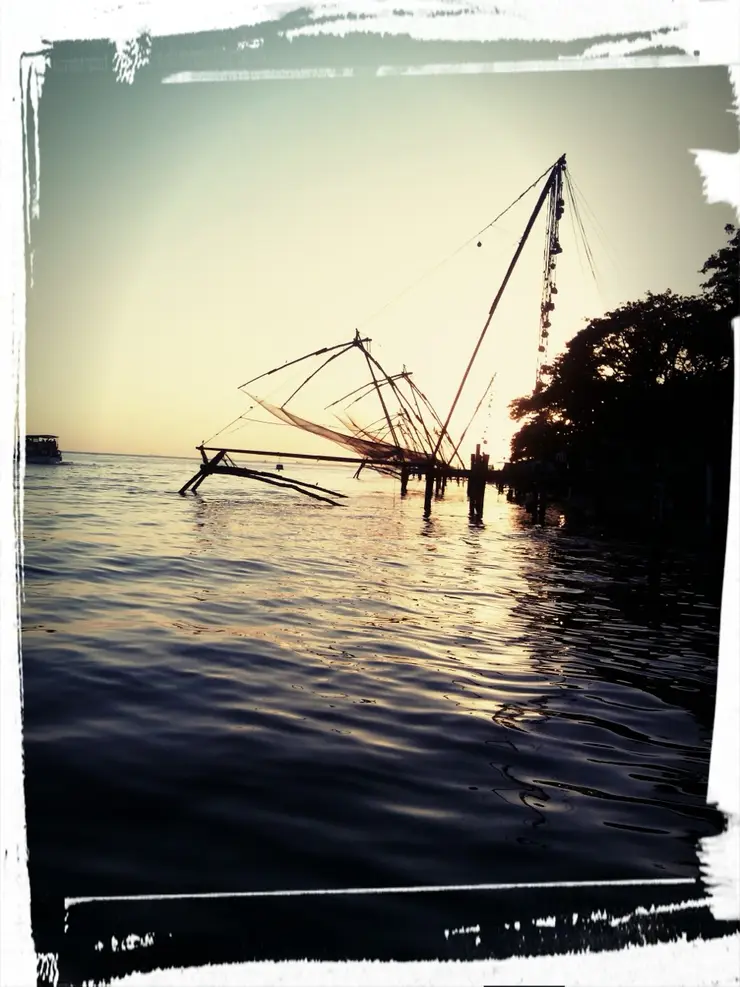
It also sits at the heart of Fort Kochi’s colonial heritage walk. A short stroll away stands St Francis Church (where Vasco da Gama was once buried) and the iconic Chinese fishing nets on the waterfront, so the Basilica is usually woven into a slow, on-foot day exploring the old European quarter.
The year to hold on to here is 1663, when the Dutch took Cochin and demolished a great deal of Portuguese Catholic building. Santa Cruz and St Francis were spared. What the Portuguese did on their way out of the town is the subject of the strangest and most persistent legend in Fort Kochi, and it is not a church legend at all.
The Portuguese had brought enslaved Africans to Kerala — kappiris, from the Arabic-derived term for Africans — as domestic servants, labourers and soldiers. As the Dutch closed in, so the story goes, Portuguese families who could not carry their wealth away buried it: in deep trenches, or in niches opened in the thick walls of their houses. And they are said to have killed the kappiris and buried them with the hoard, in the belief that a spirit set to guard treasure will guard it, and that the wealth would keep until the owners' descendants came back to claim it. In the Mattancherry telling the niche was then plastered up with mortar over the body and the gold together.
Nobody came back. And the spirits, in the belief, stayed.
What grew from that is Kappiri Muthappan — literally the kappiri grandfather — a cigar-smoking guardian spirit with roots in Africa and a following in Kochi that is still alive. A small number of families across Fort Kochi, Veli and Mattancherry keep the worship. Offerings are made at the shrine perhaps once a month: toddy, cigars or cigarettes, meat, boiled eggs, and in Mattancherry a piece of puttu, the steamed rice cake eaten everywhere in Kerala. Very few shrines survive; the best known stands at Mangattumukku in Mattancherry.
Read it as folklore and it is a good ghost story. Read it as history and it is something harder. Scholarship on the legend treats it as a counter-narrative — a memory of Portuguese colonial violence, held by the descendants of the people it was done to, and turned into a protective deity rather than a grievance. The Portuguese left behind cathedrals, a fort and a language of trade. They also left this, and this is the only part of the inheritance that is still being fed.
One correction while you are here, since it is asked constantly. The building you are standing in is not the sixteenth-century cathedral. That one was demolished by the British — sources give either 1795 or 1806 — and left in ruins for most of the nineteenth century. The present church was rebuilt from about 1887 and consecrated in 1905. A single granite pillar of the original survives, kept in the south-eastern corner.
A second correction, and this one we have had to make to our own earlier wording. You will read everywhere — on signage, in guidebooks and in a great deal of tourism copy — that Santa Cruz is one of only eight basilicas in India. That was true once and it is no longer close. India passed thirty minor basilicas some years ago; by March 2024 the elevation of Mount Carmel at Munnar was reported as the country's thirty-first, and the eleventh in Kerala alone. The line has simply not been updated as the list grew.
This is worth being precise about rather than embarrassed by, because the real distinction survives the correction easily. Santa Cruz was raised to the rank in 1984, which puts it among the earliest in India, and the title sits on top of something much rarer: a foundation of 1505, cathedral status granted by Pope Paul IV in 1558 making Cochin one of the first dioceses in India, survival through a Protestant century as a Dutch warehouse, demolition by the British, half a century as a ruin, and a full rebuilding. Being one of thirty-one basilicas is ordinary. Being the church that has been through all of that is not.
The church’s origins reach back to the very dawn of Portuguese India. When Dom Francisco de Almeida, the first Portuguese viceroy, obtained the King of Cochin’s permission to build in stone, the foundation of a church here was laid in 1505 — most sources place it on 3 or 4 May, aligning with the feast of the Invention of the Holy Cross, from which the church took its name, Santa Cruz (Holy Cross).
In 1558 Pope Paul IV raised Santa Cruz to the status of a cathedral, making Cochin one of the earliest dioceses in India, with a jurisdiction that at its height was said to stretch across a vast swathe of the East. For a century and a half it stood as one of the principal churches of Portuguese Cochin.
The colonial tides then turned. When the Dutch captured Cochin in 1663 they demolished many Catholic institutions, but — remarkably — Santa Cruz and the nearby St Francis Church were spared. The Dutch are recorded as having put the building to secular use, reportedly as a warehouse or arms storehouse rather than destroying it, and so the old cathedral survived the Protestant century largely intact.
Its luck ran out under the British. After the British took Cochin, they demolished the structure — sources differ on the exact year, giving either 1795 or 1806 — leaving Santa Cruz in ruins for much of the nineteenth century. Only decades later did reconstruction begin: Bishop João Gomes Ferreira (recorded in some accounts under variant spellings) initiated the rebuilding around 1887, and the work was carried forward and completed under his successor.
The new Gothic church was consecrated in 1905 (widely given as 19 November 1905) by Dom Sebastião José Pereira, Bishop of Damão. The final honour came in the modern era: on 23 August 1984, Pope John Paul II proclaimed Santa Cruz a Basilica, setting the seal on a building that had risen, fallen and risen again across nearly five centuries. It was one of only a handful in India at the time — a much-repeated figure of eight — though the list has grown a long way since, passing thirty by the 2020s.
Among the earliest churches in India to be granted the papal rank of basilica, and widely rated among the finest and most beautiful in the country — a genuine bucket-list church, not just a local landmark.
The painted interior is the headline: a soaring painted ceiling, column frescoes and Passion scenes attributed to the Italian master Fra Antonio Moscheni and his Indian disciple, an art programme you simply do not expect from the plain pastel exterior.
The seven large canvases of the Passion, plus a beloved reproduction of Leonardo’s Last Supper, turn a walk down the nave into a slow, painted meditation on the story of the Cross.
Gothic architecture in an Indo-European key — twin towers, a luminous whitewashed façade and a pastel, stained-glass-lit interior — makes it one of the most photogenic and atmospheric heritage buildings in Fort Kochi.
Half a millennium of history you can stand inside: Portuguese founding, Dutch warehouse years, British demolition and a triumphant modern rebuild — a living timeline of colonial Cochin.
Its position on the Fort Kochi heritage circuit: pair it easily on foot with St Francis Church and the Chinese fishing nets for a compact, richly layered day out.
Road km to Ernakulam; ghat roads and traffic vary — allow extra.
Morning or late afternoon for quieter visits and better light.
Live forecast loads in your browser.
Sun and moon are calculated for this location and shown in IST. Photography windows are the hour around sunrise and sunset; the sunset bearing is degrees clockwise from true north. Moon phase is accurate to about half a day.
Browse listed stays, food, activities, sights, shops and rentals around Santa Cruz Cathedral Basilica. Check each listing’s locality and contact the business directly for current arrangements.
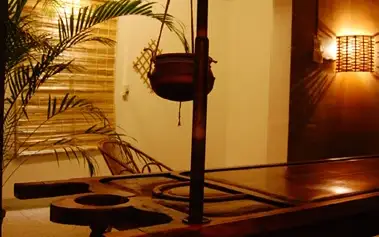
Ayurville offers Ayurveda and massage appointments in Fort Kochi. Discuss the chosen service, duration and suitability with the centre before booking; a spa session and a medical treatment programme are different arrangements.
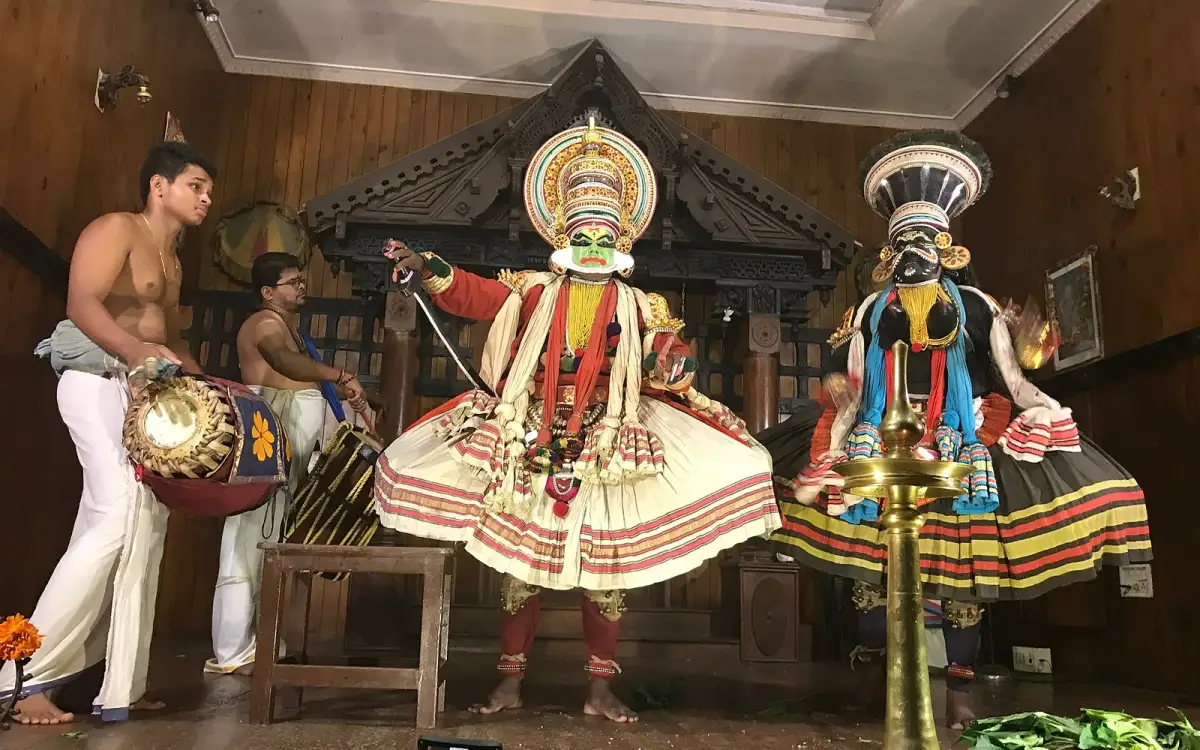
Fort Kochi cultural centre for Kathakali, Kalaripayattu, classical music and related performances. Published show prices; confirm direct · Fort Kochi, Kathakali, Kalaripayattu.
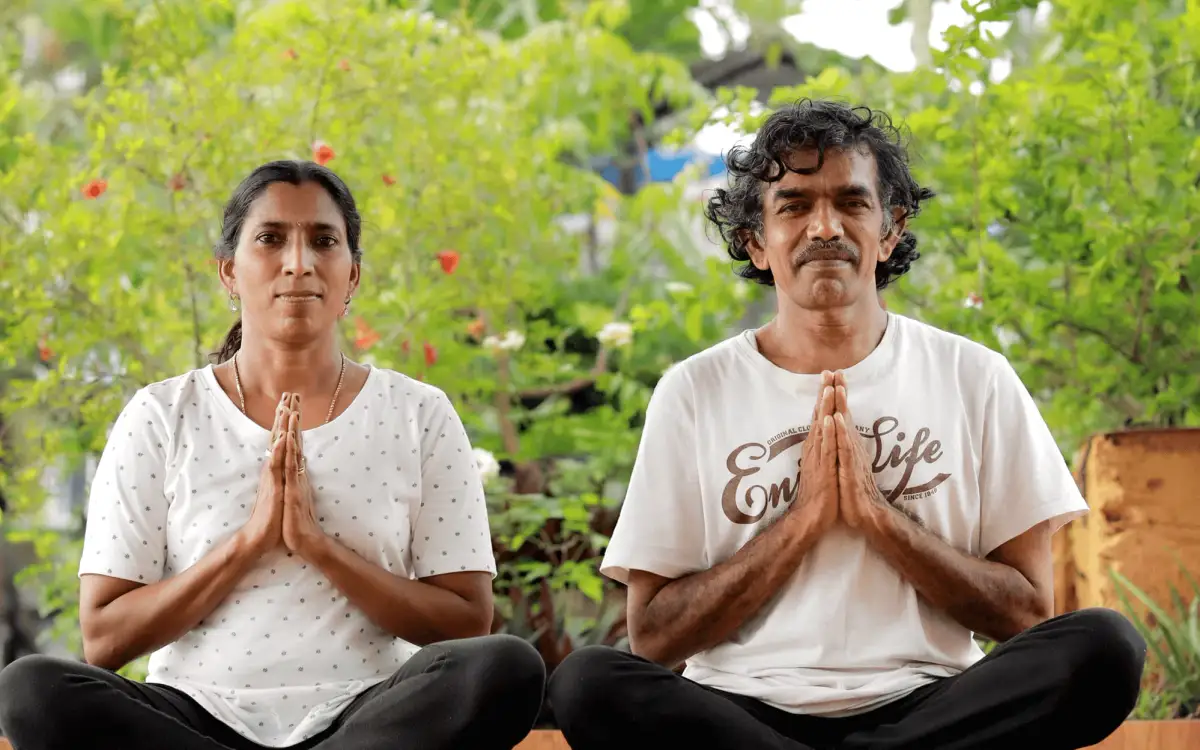
Ayurtheeram is a yoga and Ayurveda centre on K. B. Jacob Road in South Thamaraparambu, Fort Kochi. Its own site names founders Anitha and Ramesh and lists yoga classes, individual Ayurveda treatments and longer courses. Choose it if you want a class or a treatment visit near the heritage side; a training course is a separate commitment. Ask for the practitioner, exact service, duration, any consultation, complete price and cancellation terms before booking. The website shows its own founders; it does not establish availability on your travel date.
Book with the place itself. India’s cyber-crime coordination centre warned in April 2025 that convincing copies of hotel and pilgrimage booking sites are being pushed through sponsored search and social ads, taking payment for rooms the property never hears about. Use the contact and source details on each profile to confirm the exact business and booking channel. A directory entry or map pin alone does not establish an operator’s identity or current availability. Roampedia takes no commission and does not collect booking payments. If a booking page reached you through an ad, check the address bar against the property’s own site before you pay. Fraud can be reported on cybercrime.gov.in or on 1930.
Browse food, accommodation and activities across Fort Kochi. Check each address and journey before adding it to your day; these selections are not all beside Santa Cruz Cathedral Basilica.
10 more places around Fort Kochi. Open a guide to plan the visit and onward journey.
270 m · 3 min walk
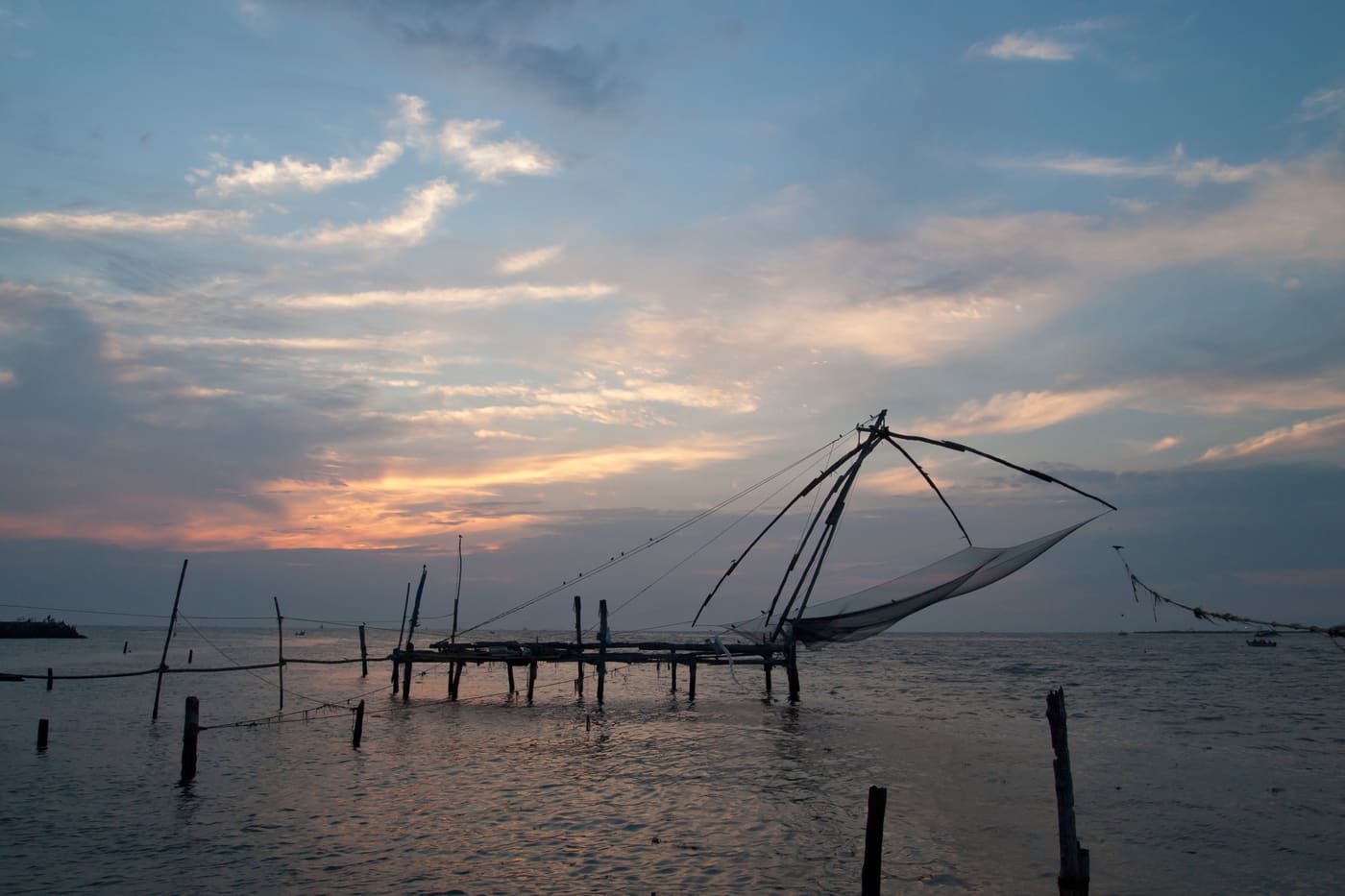
Kerala’s most walkable heritage quarter, with Chinese fishing nets, colonial churches, art cafes and Mattancherry nearby.
590 m · 7 min walk
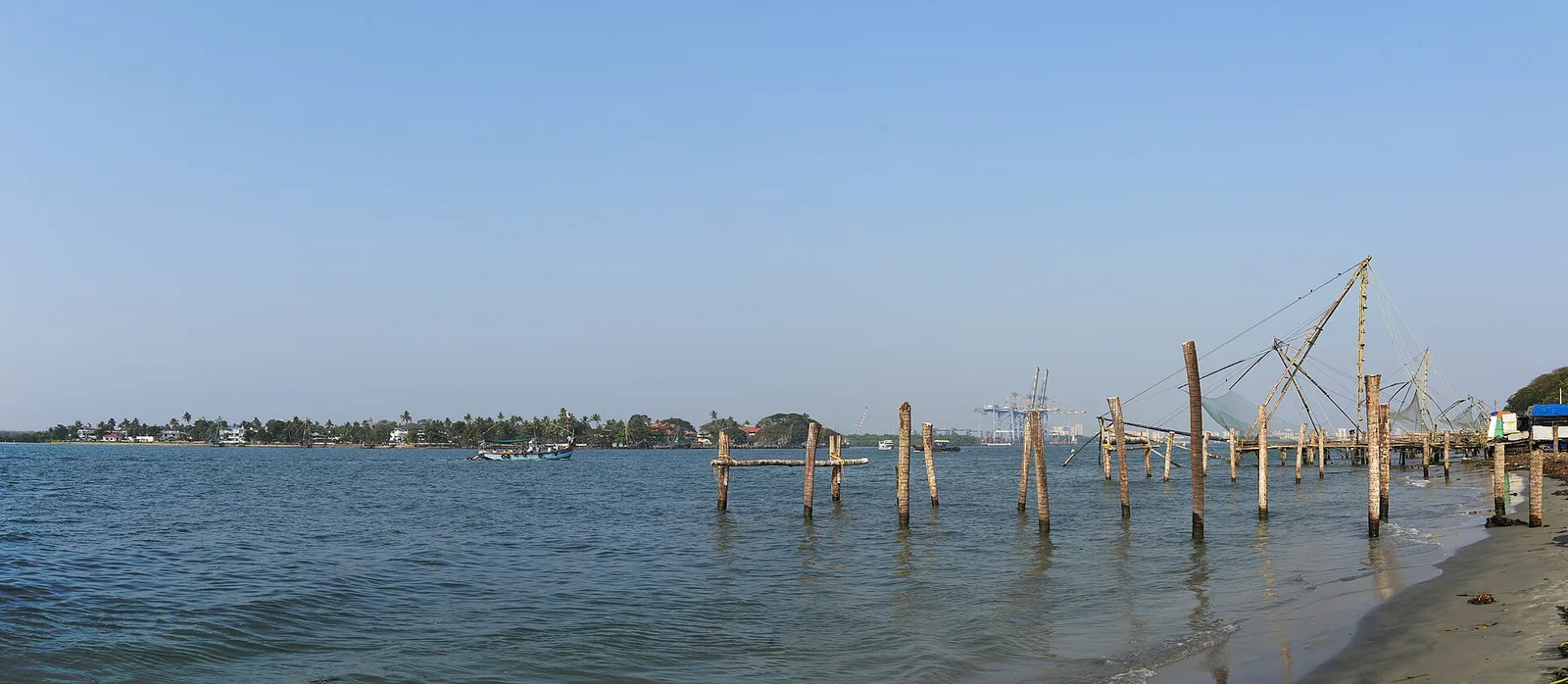
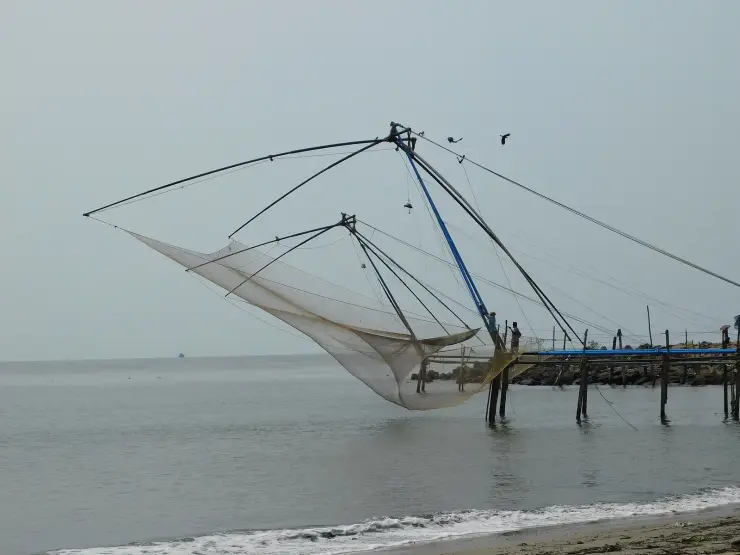
The giant cantilevered lift nets that are Fort Kochi’s emblem, strung along the shore at Vasco da Gama Square and still landing fish. Even their origin is argued — popular tradition credits Chinese traders of Zheng He’s era, some scholars later Portuguese settlers from Macau — and the argument is part of the attraction.
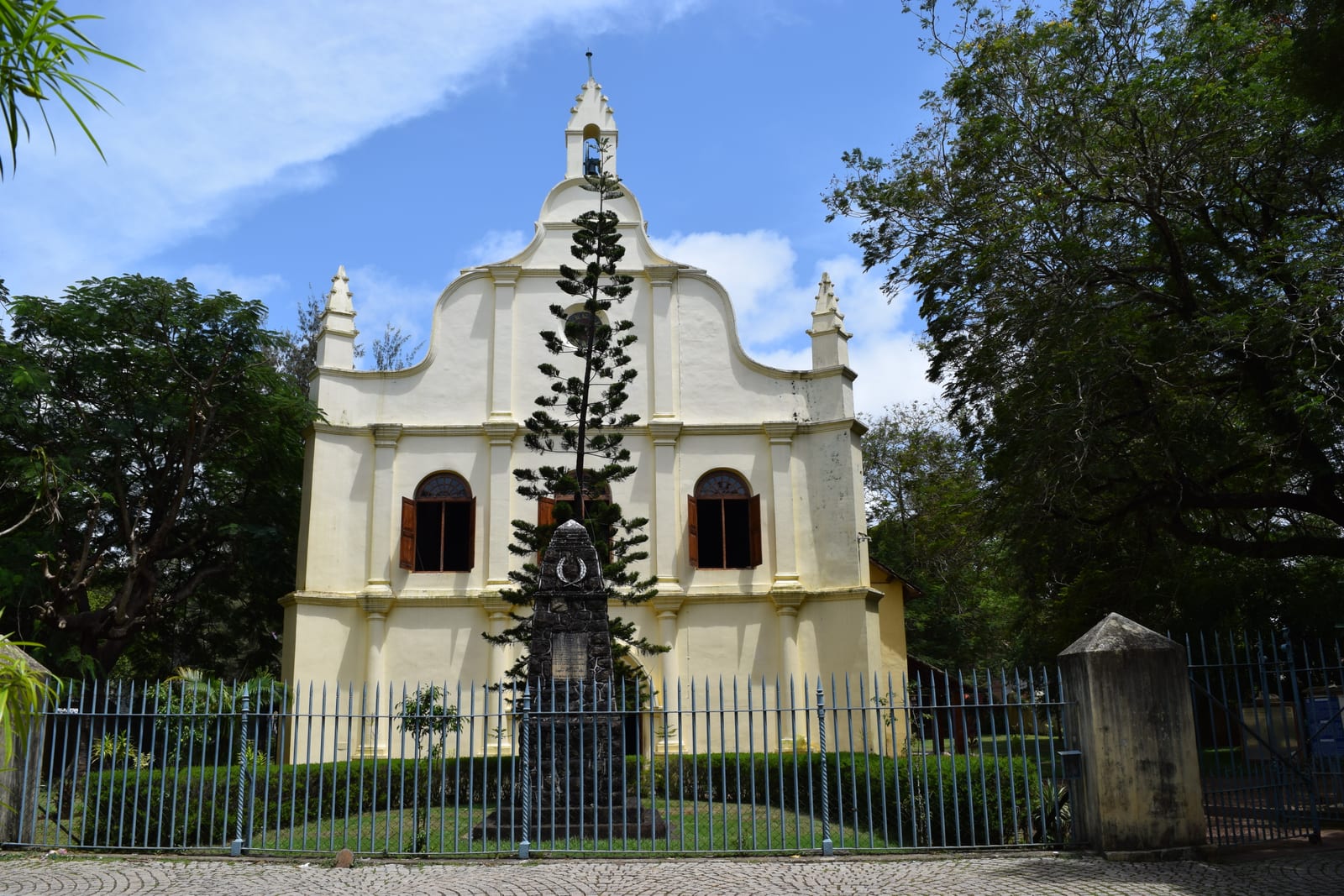
380 m · 5 min walk
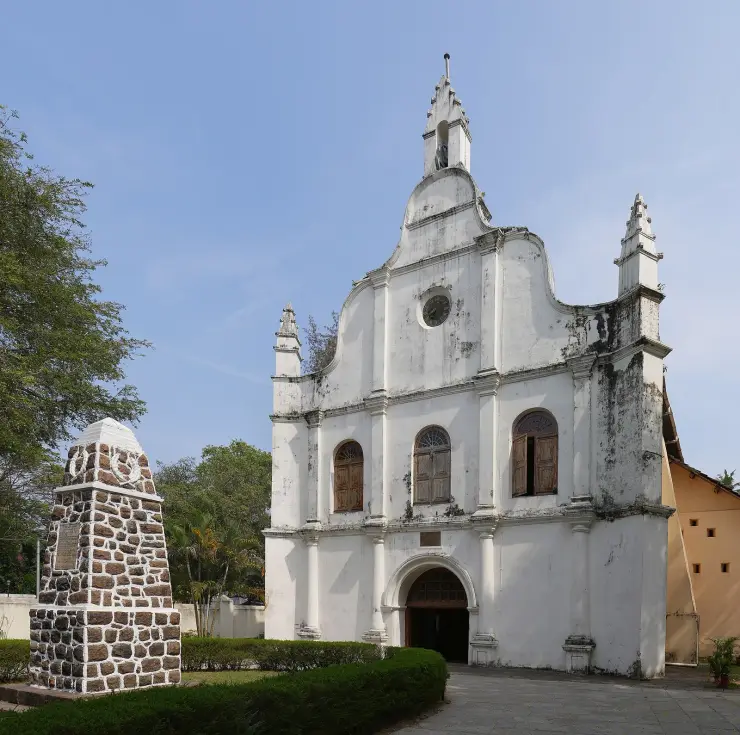
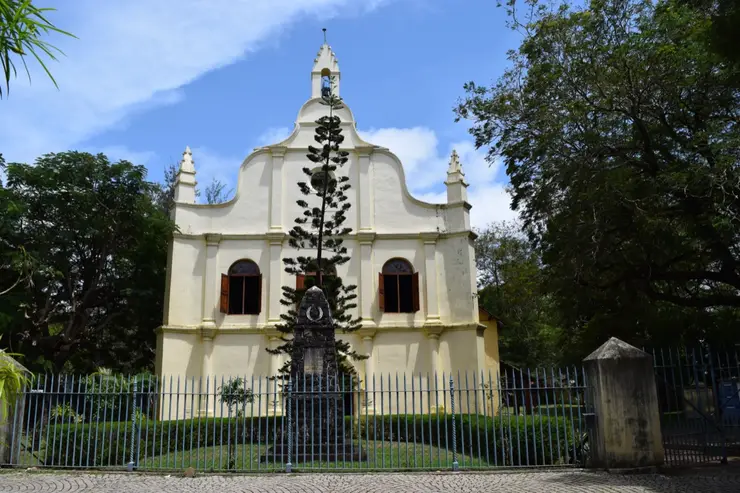
Believed to be the oldest European church in India (1503); Vasco da Gama was buried here before his remains were moved to Lisbon.
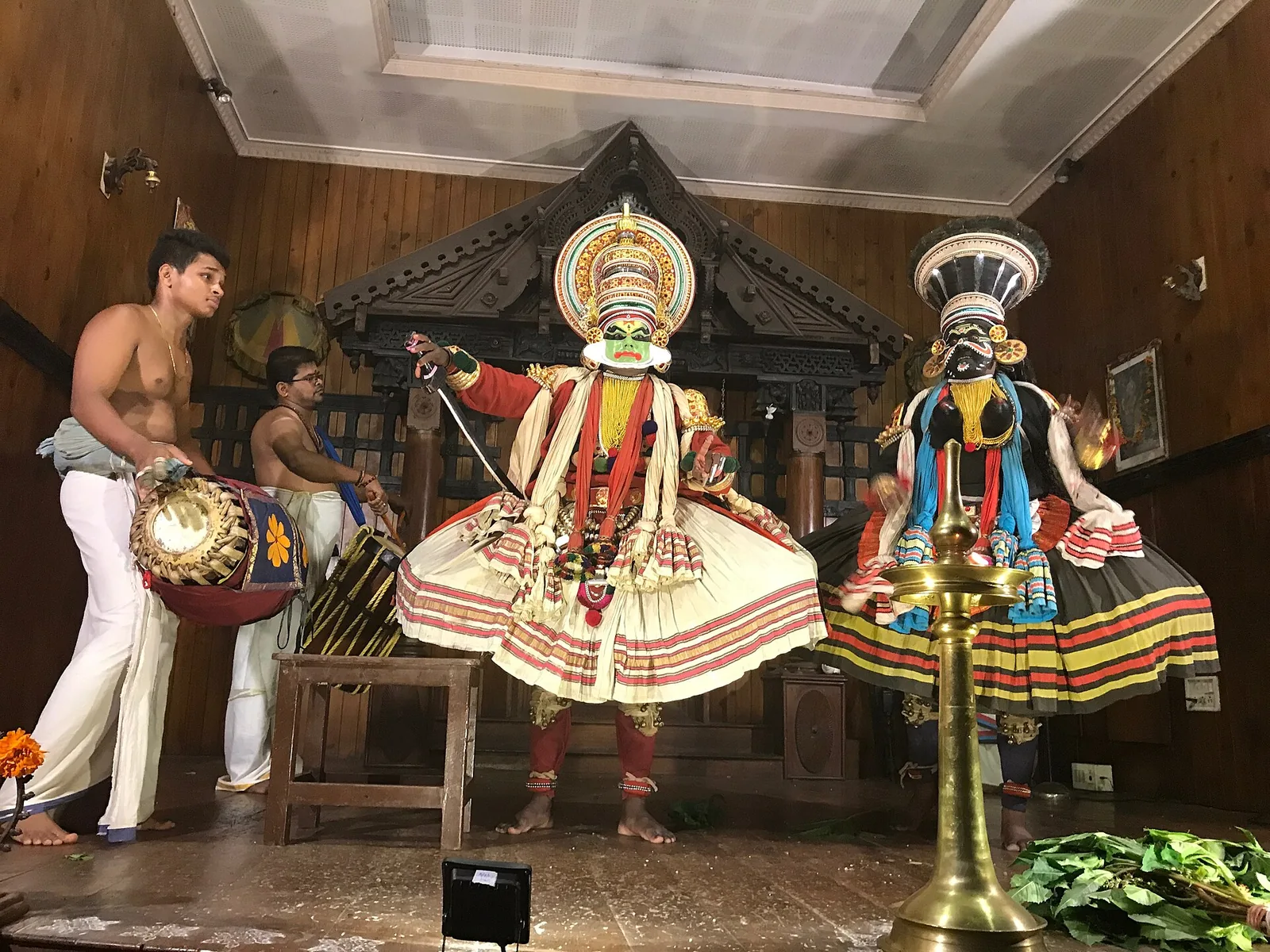
180 m · 2 min walk
Evening Kathakali and Kerala classical-art performances in Fort Kochi, with make-up shown before the show.
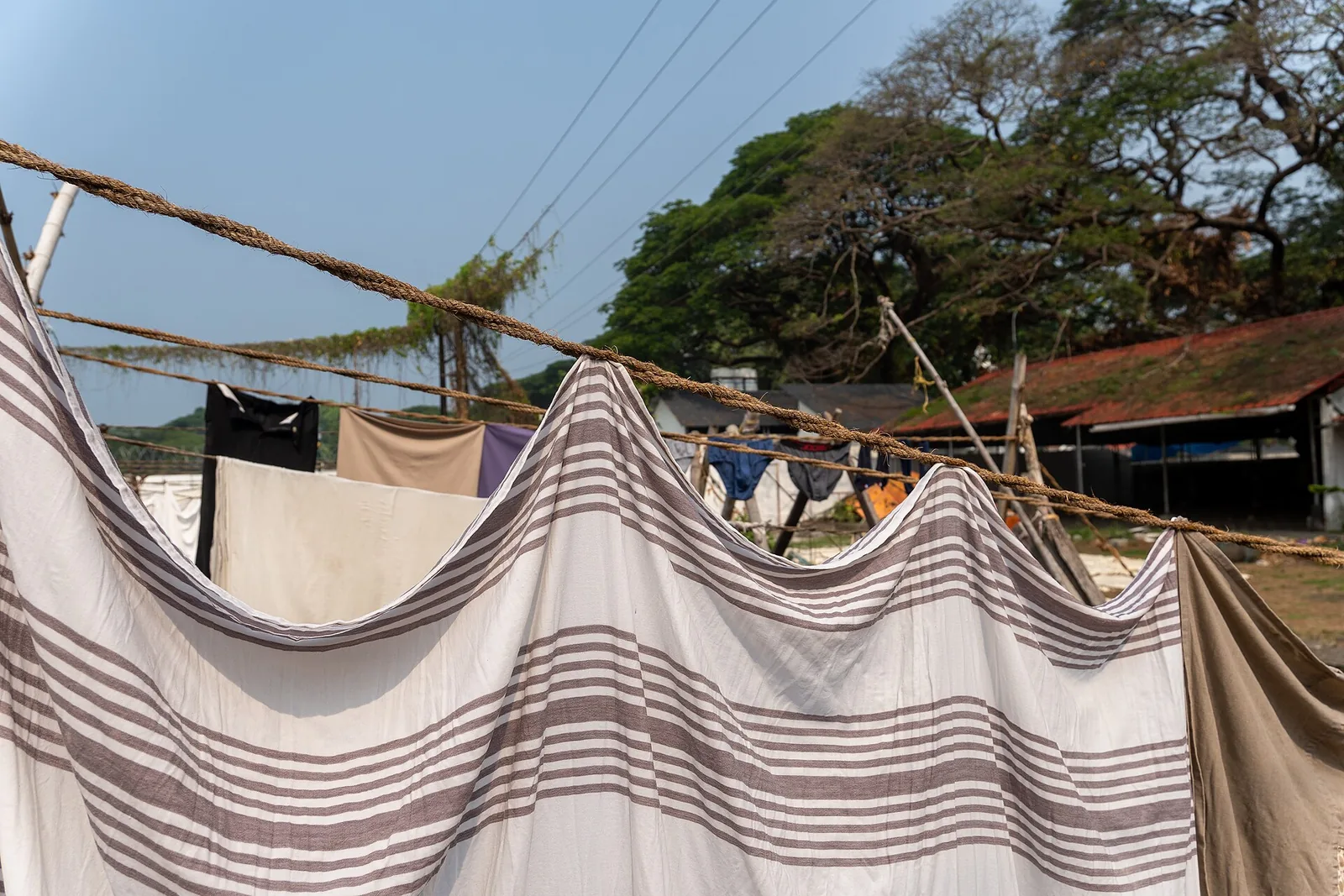
2.0 km · 25 min walk
A working colonial-era community open-air laundry in Fort Kochi, still used by traditional washermen families.
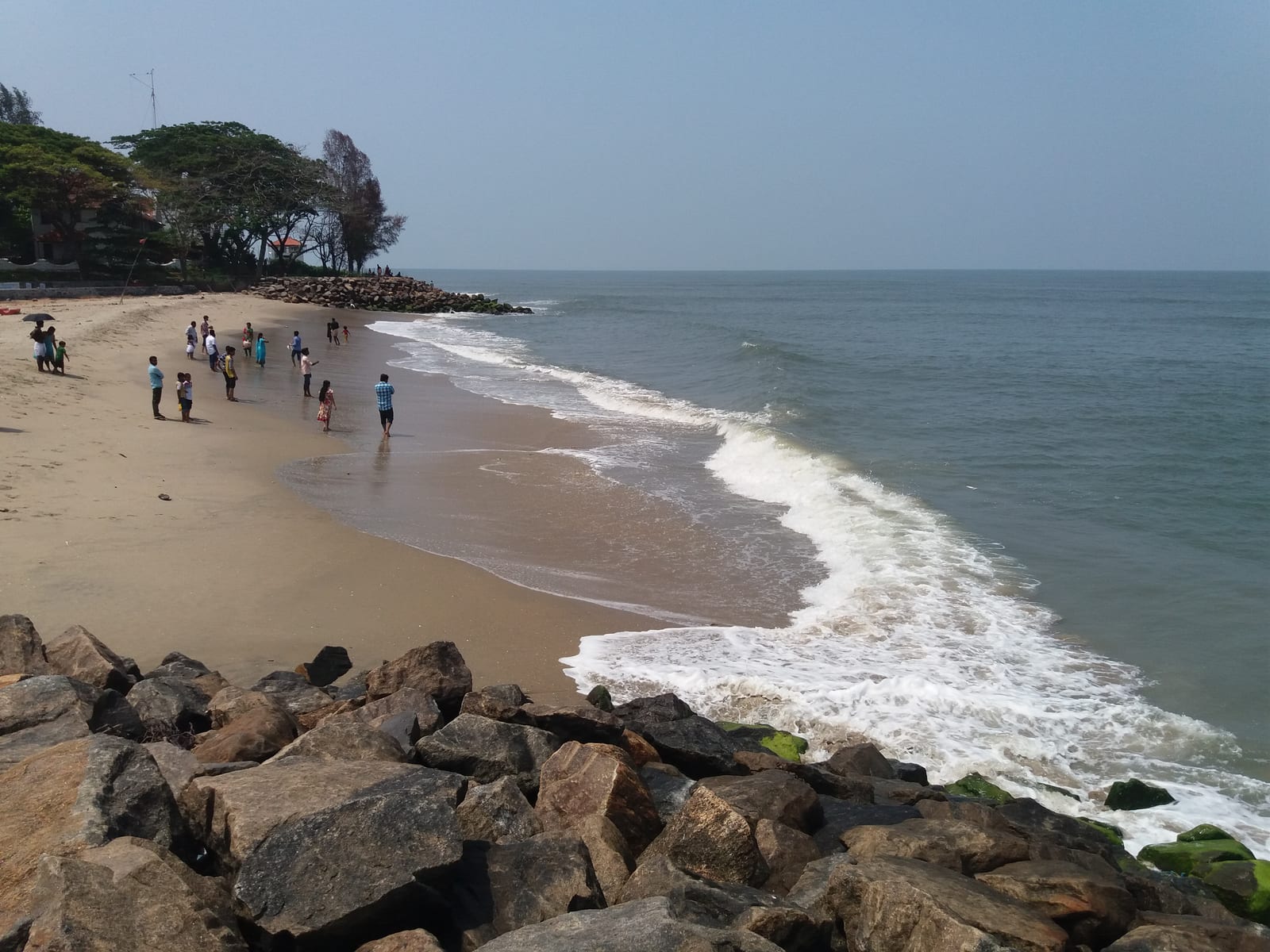
630 m · 8 min walk
Public seafront beside the Chinese fishing nets — a walking-and-sunset beach, not a swimming beach.
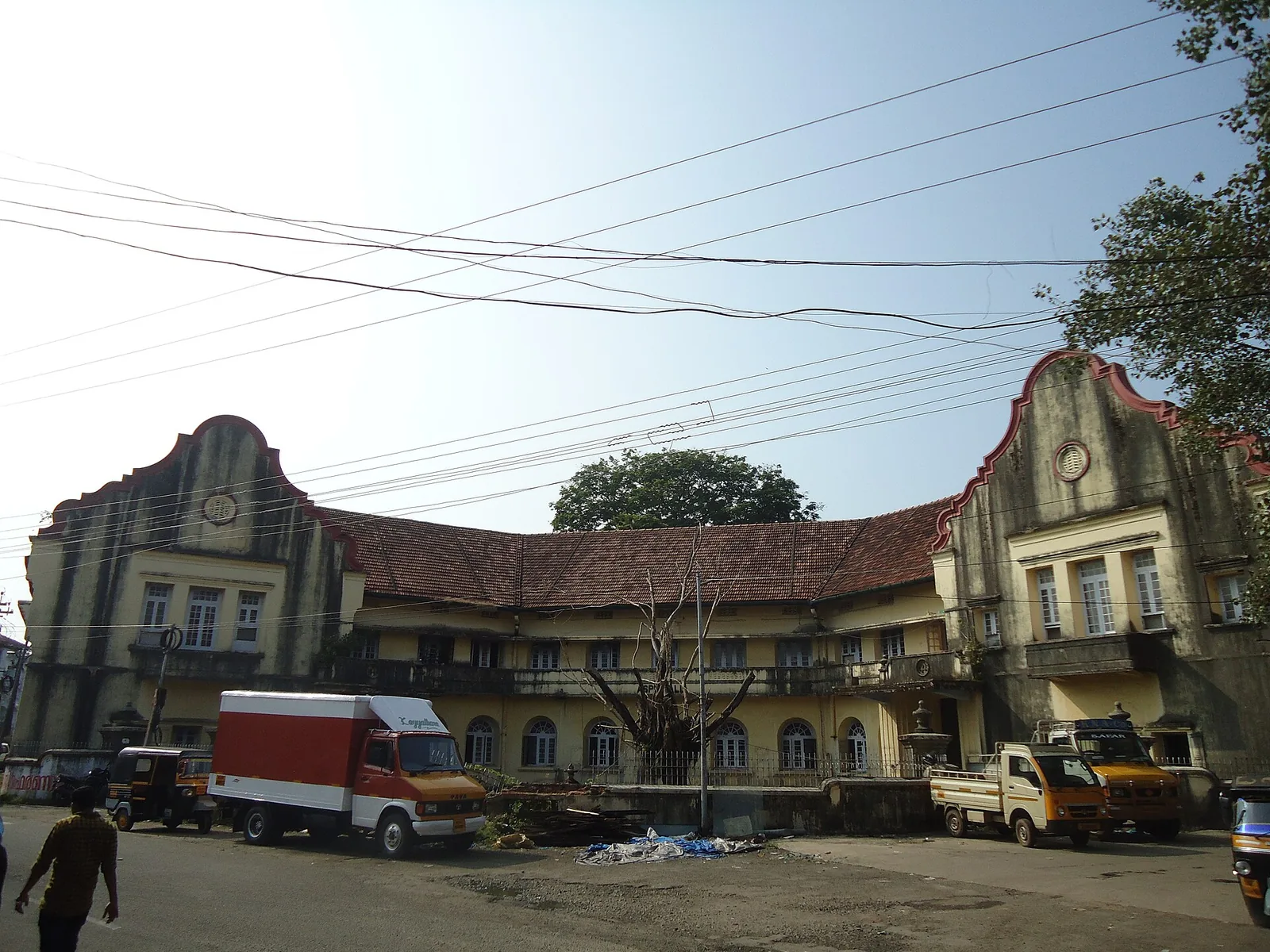
780 m · 9 min walk
A large 19th-century waterfront trading compound in Fort Kochi, the principal venue of the Kochi-Muziris Biennale.
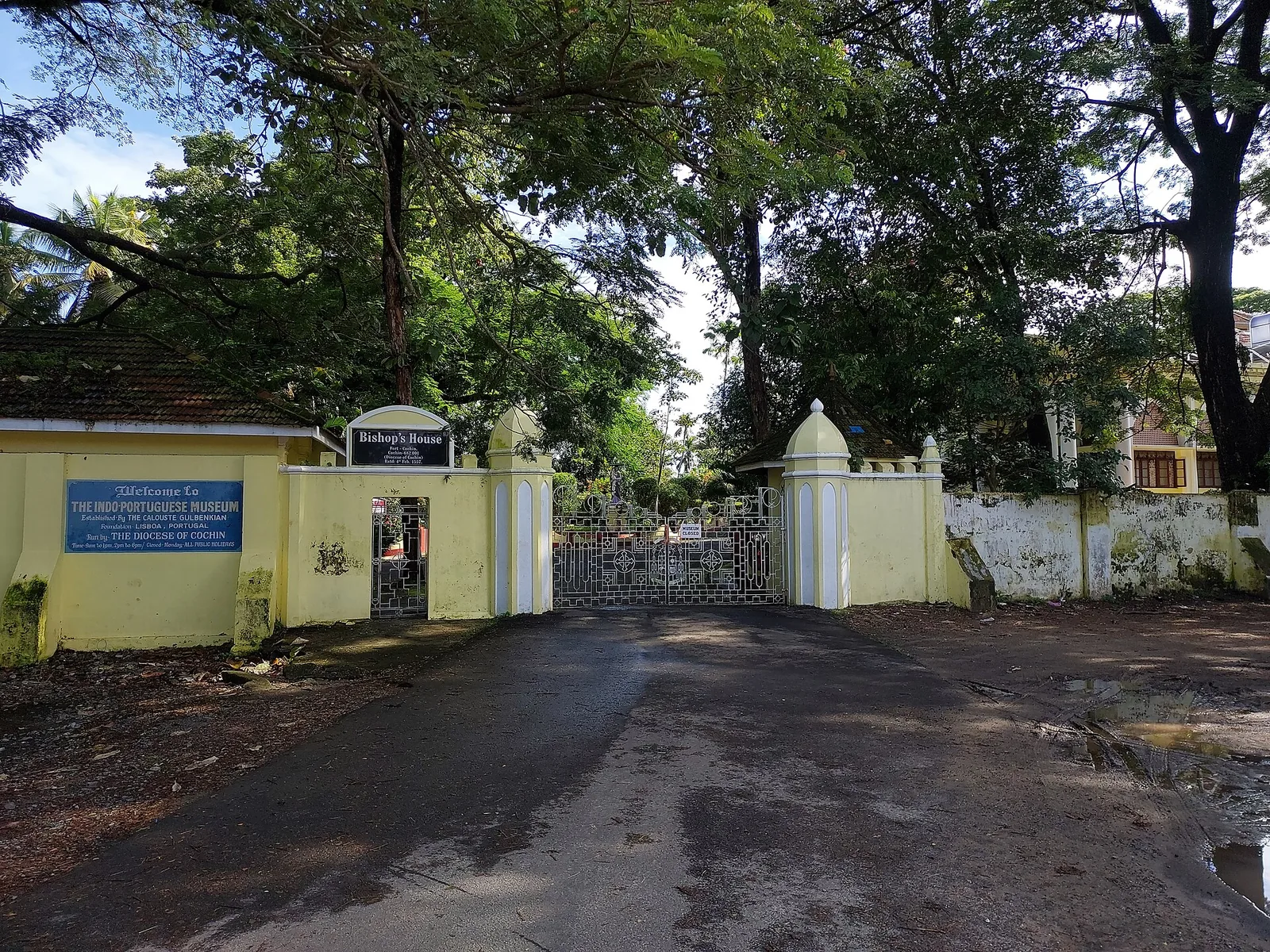
510 m · 6 min walk
Museum of Kerala’s Indo-Portuguese Catholic heritage in the Bishop’s House garden, Fort Kochi.
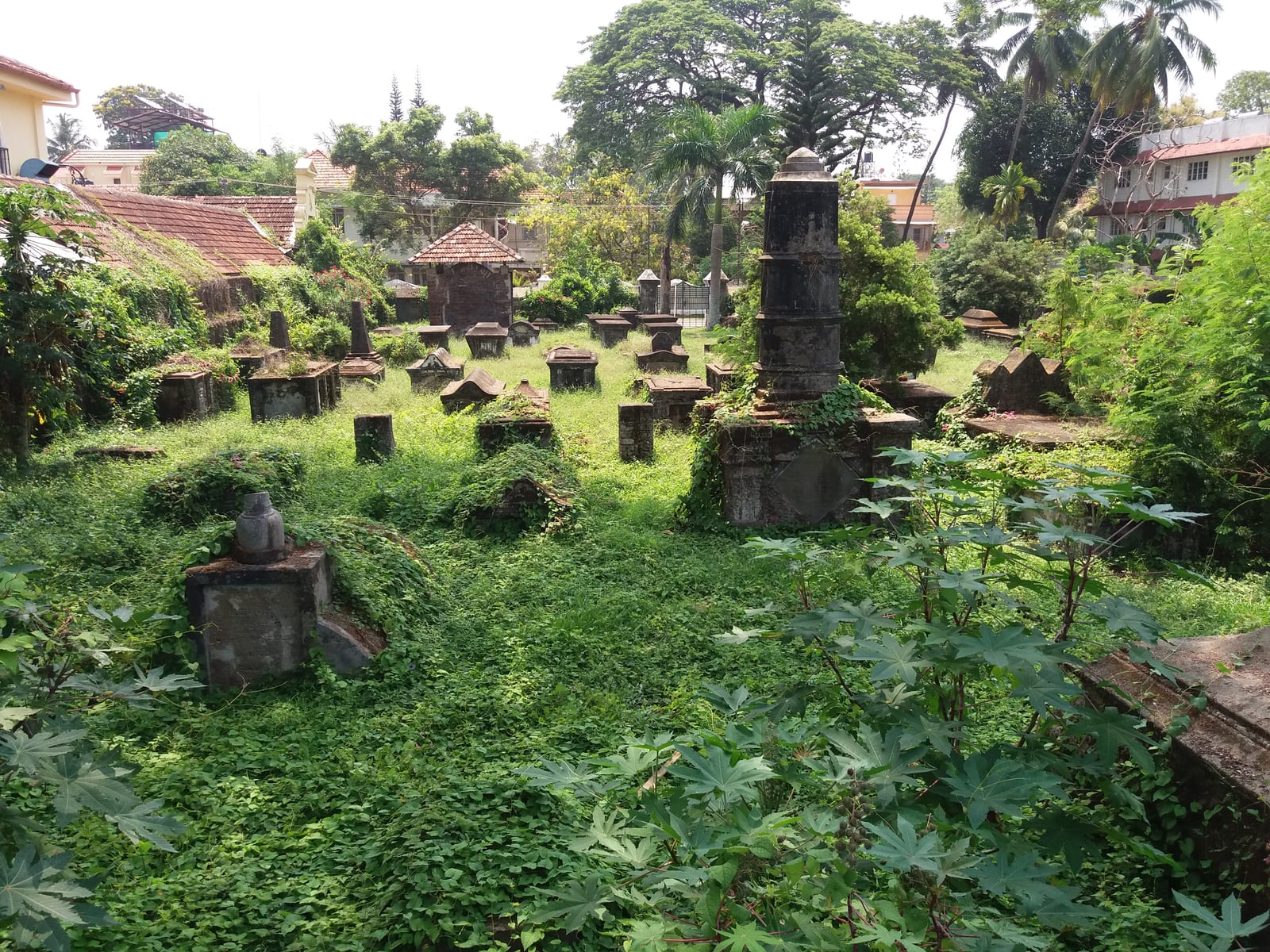
650 m · 8 min walk
The 1724 burial ground of Kochi’s Dutch colonial officials and merchants, beside St Francis Church — ASI-protected, and usually locked.
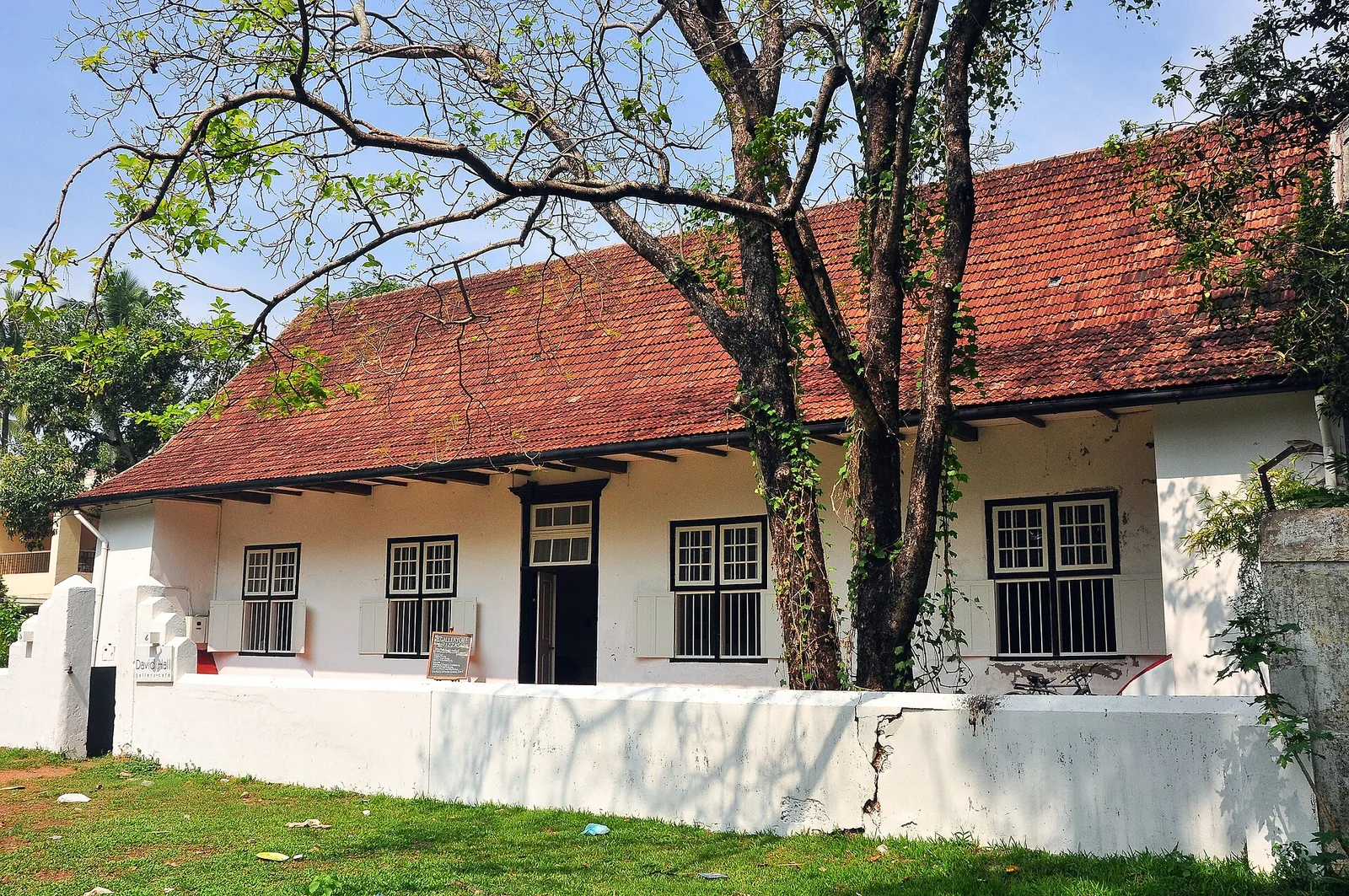
560 m · 7 min walk
A restored 17th-century Dutch bungalow on the Fort Kochi parade ground, now a contemporary art gallery and cafe.
Roampedia is commission-free — own or know a stay, eatery, guide or shop near Santa Cruz Cathedral Basilica? Submit public business details for review.
Add a nearby businessEntry: Free — it is a place of worship; no entry ticket. A donation box is provided for voluntary contributions towards the church’s upkeep.
Dress code: Modest dress is expected in this active cathedral: shoulders and knees covered for both men and women. Dress neatly and remove hats inside; behave quietly and respectfully, particularly during services.
Festivals: Major Catholic feasts are the highlights — Christmas, Holy Week and Easter, and the parish and diocesan feast days — when the Basilica is beautifully decorated and services are well attended (confirm exact dates locally).
Photography: Photography of the interior and architecture is generally allowed, but avoid flash near the murals, do not photograph worshippers, and refrain from photography during Mass. Respect any posted restrictions.
If you are travelling by bus or ferry, check the return service with the operator before setting out. Leave time to reach the stop or jetty after your visit.
Ask at the bus stand for the time of the last service back, not the next one. If you miss it, an auto or app cab is the fallback — agree the fare before you get in.
If you need step-free access, contact the site before travelling. Ask about a level entrance, steps along the route, the nearest drop-off point, seating and accessible toilets.
Charge cap and free-transaction limits: Reserve Bank of India, ATM FAQ updated 4 July 2025; checked 4 October 2026.
These services are listed within about 1.2 km of Santa Cruz Cathedral Basilica. Walking distances follow mapped routes; access and opening hours can change. Other services may be closer but are not included here.
Fort Kochi is one of Kerala’s safest and most walkable tourist quarters, comfortable by day and on the main lanes after dark. Violent crime against visitors is rare — the realistic risks are auto/guide scams, petty theft in crowds, and the sea, not personal danger.
Safety guidance last reviewed 15 June 2026. Always check your own government's current travel advice before you travel.
Published emergency and visitor-assistance contacts. For an immediate emergency, call 112. Shared Kerala contact sources checked 4 October 2026; publication does not establish a tested live response.
Evening Kathakali and Kerala classical-art performances in Fort Kochi, with make-up shown before the show.
180 m · 2 min walkKerala’s most walkable heritage quarter, with Chinese fishing nets, colonial churches, art cafes and Mattancherry nearby.
270 m · 3 min walkBelieved to be the oldest European church in India (1503); Vasco da Gama was buried here before his remains were moved to Lisbon.
380 m · 5 min walkMuseum of Kerala’s Indo-Portuguese Catholic heritage in the Bishop’s House garden, Fort Kochi.
510 m · 6 min walkA restored 17th-century Dutch bungalow on the Fort Kochi parade ground, now a contemporary art gallery and cafe.
560 m · 7 min walkKochi’s iconic cantilevered shore-operated fishing nets along the Fort Kochi seafront at Vasco da Gama Square, best photographed at sunset.
590 m · 7 min walkPublic seafront beside the Chinese fishing nets — a walking-and-sunset beach, not a swimming beach.
630 m · 8 min walkThe 1724 burial ground of Kochi’s Dutch colonial officials and merchants, beside St Francis Church — ASI-protected, and usually locked.
650 m · 8 min walkA large 19th-century waterfront trading compound in Fort Kochi, the principal venue of the Kochi-Muziris Biennale.
780 m · 9 min walk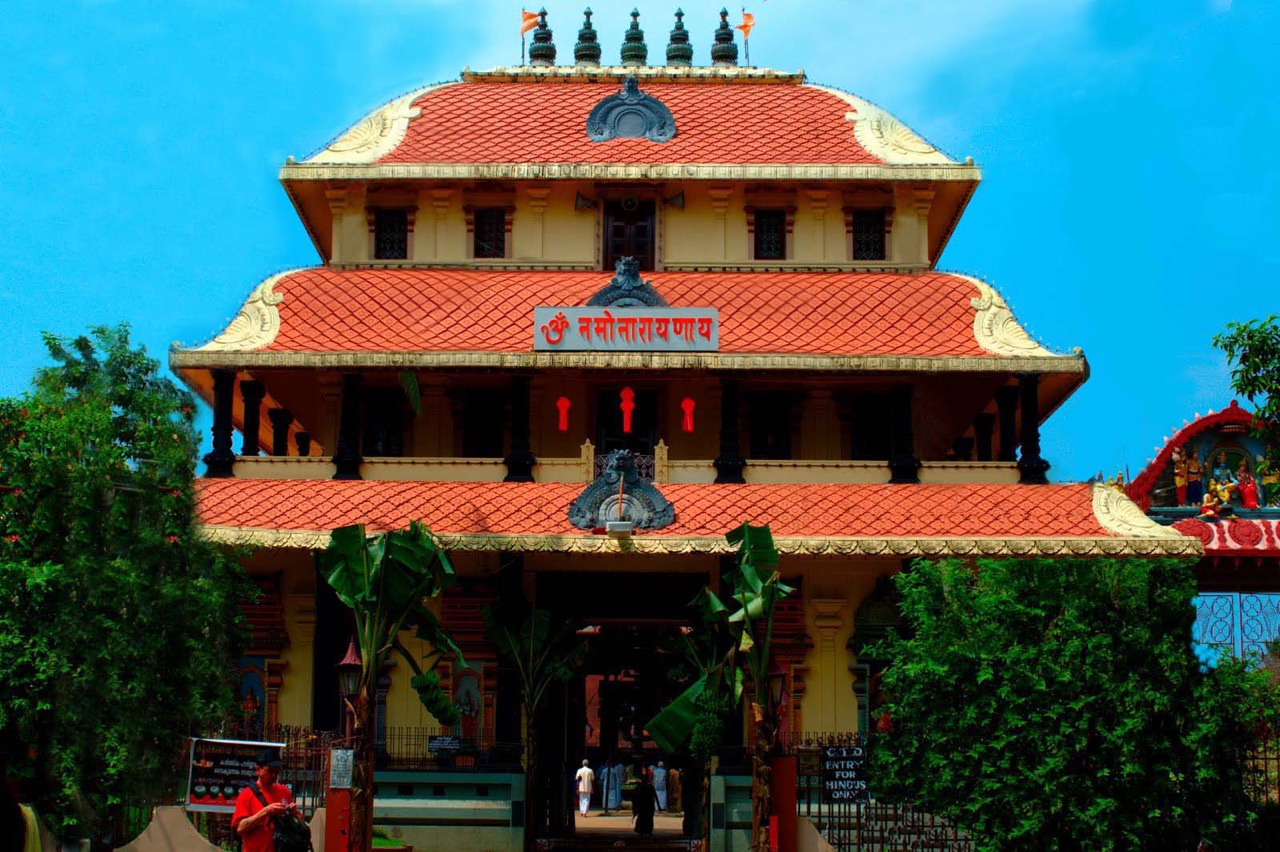
A historic Gowda Saraswat Brahmin temple in Cherlai, Mattancherry, central to Kochi’s Konkani community.
1.3 km · straight line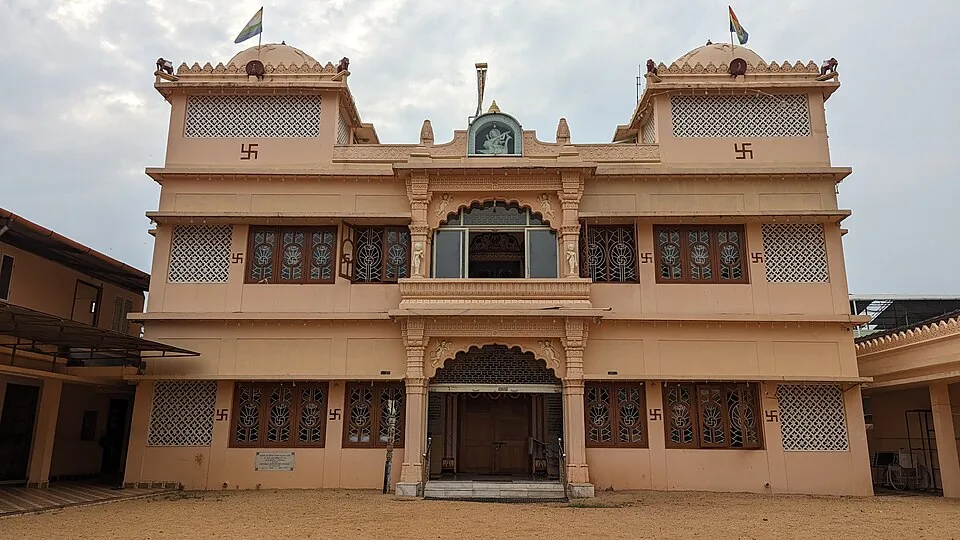
An ornate Jain temple in Mattancherry’s Gujarati quarter, raised in 1904 by Hirubai in memory of her husband Jivraj Dhanji and dedicated to Dharmanatha, the fifteenth Tirthankara — known for its white marble work and the daily midday feeding of the pigeons outside.
1.3 km · straight lineA working colonial-era community open-air laundry in Fort Kochi, still used by traditional washermen families.
2.0 km · 25 min walkRoad and walking figures are route estimates, with travel times dependent on access, traffic and conditions. Figures marked “straight line” show direct separation and do not describe a road or walking route. Fare estimates use Kerala’s 26 April 2022 auto/taxi notification and exclude waiting, night and applicable one-way surcharges. Confirm the current meter or operator quote before travelling. Routing: © openrouteservice.org by HeiGIT | Map data © OpenStreetMap contributors
Nearby toilets, pharmacies, ATMs, seating and vets are community-mapped and may be incomplete or out of date. Map data © OpenStreetMap contributors | Walking times © openrouteservice.org by HeiGIT
Yes. As an active place of worship, entry is free and open to all; there is no ticket. A donation box is available for those who wish to contribute towards upkeep, and you are asked to visit respectfully as a working cathedral.
It was proclaimed a minor Basilica by Pope John Paul II on 23 August 1984, a papal honour granted to churches of special significance. You will very often read that it is one of only eight basilicas in India — that figure is out of date and has been for years. By March 2024 the elevation of Mount Carmel at Munnar was reported as India's thirty-first basilica and Kerala's eleventh. What is still true is that Santa Cruz was among the earliest to receive the rank, and that the rank sits on top of a far rarer history: founded 1505, made a cathedral in 1558, used as a Dutch warehouse, demolished by the British, and rebuilt from ruins.
One granite pillar, kept in the south-eastern corner. That is the only fabric of the sixteenth-century building to survive the British demolition — dated by different sources to 1795 or 1806 — and the decades the site then spent as a ruin. Everything else you can see, including the twin-towered façade and the painted interior, belongs to the rebuilding begun around 1887 and consecrated in 1905.
By being useful. The Dutch took Cochin in 1663 and demolished a great many Catholic institutions, but spared Santa Cruz and St Francis, and are recorded as putting this building to secular use — reportedly as a warehouse or arms store. It came through the Protestant century largely intact, and was then pulled down by the British, who had no such use for it.
The interior frescoes, ceiling Passion scenes and altar paintings are attributed to the Italian Jesuit painter Fra Antonio Moscheni of Bergamo, working with his Indian disciple (recorded as Mr De Gama). Moscheni is said to have died in Kochi in 1905, only days before the rebuilt church was consecrated.
Photography is generally permitted of the architecture and painted interior, but this is a sacred, active church — avoid flash near the artworks, never photograph people at prayer, and pause photography entirely during Mass. When in doubt, ask a warden or check posted notices.
A church was first founded on this site in 1505 and raised to a cathedral in 1558, but that original was demolished by the British (sources say 1795 or 1806). The building you see today is the reconstruction begun around 1887 and consecrated in 1905 — so it stands on a five-century-old foundation of history, though the present structure dates from the early 1900s.
Santa Cruz sits in the heart of Fort Kochi’s colonial quarter. Within an easy walk are St Francis Church (India’s oldest European-built church, and Vasco da Gama’s original burial place) and the famous Chinese fishing nets on the seafront, making it simple to see all three in one relaxed day on foot.
Morning or late afternoon for quieter visits and better light.
Entry: Free — it is a place of worship; no entry ticket. A donation box is provided for voluntary contributions towards the church’s upkeep. Timings: Generally open to visitors daily, roughly early morning to evening (commonly cited as around 9.00 am–1.00 pm and 3.00 pm–5.00 pm for sightseeing, with the church open longer for prayer). Timings and Mass schedules vary by day and season.
Base yourself in Fort Kochi or a nearby town in Ernakulam, then confirm the last-mile route locally before leaving. Check mass/prayer timings if visiting for worship; otherwise visit outside service rush. If the visit depends on forest, temple, boat, ferry, weather or seasonal access, check the official/local rule on the day before travel.
30 minutes to 1.5 hours.
Nearby you can pair Kerala Kathakali Centre (180 m, route estimate), Fort Kochi (270 m, route estimate), St. Francis Church (380 m, route estimate), Indo-Portuguese Museum (510 m, route estimate).
Expect crowds on feast days and Sundays. Use marked parking and official entry points.
Written about Santa Cruz Cathedral Basilica itself — its history, its legends and the arguments about them.
These guides explore Fort Kochi and the surrounding area. Choose a visit that fits your interests, allowing separately for travel between stops.
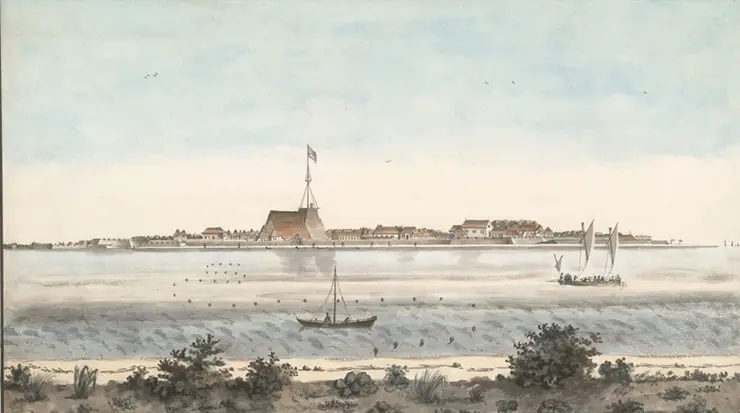
Written about Fort Kochi as a whole rather than about Santa Cruz Cathedral Basilica — its history, its streets, and how to spend a day in it.
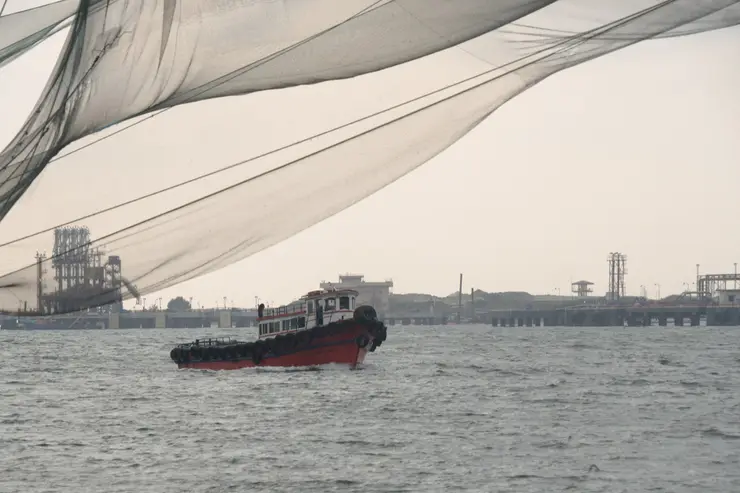
Route-level itineraries and practical guides for the rest of Kerala.
Photographs: Vis M (CC BY-SA 4.0), Ingo Mehling (CC BY-SA 4.0). Wikimedia Commons.