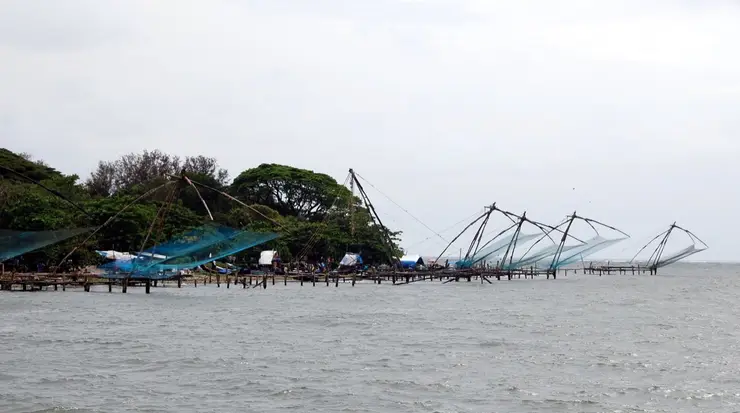
What to expect
Highlights
- Museum visit at David Hall Art Gallery
- Indoor cultural or historical context
- Easy pairing with nearby food and heritage stops
A restored 17th-century Dutch bungalow on the Fort Kochi parade ground, now a contemporary art gallery and cafe.
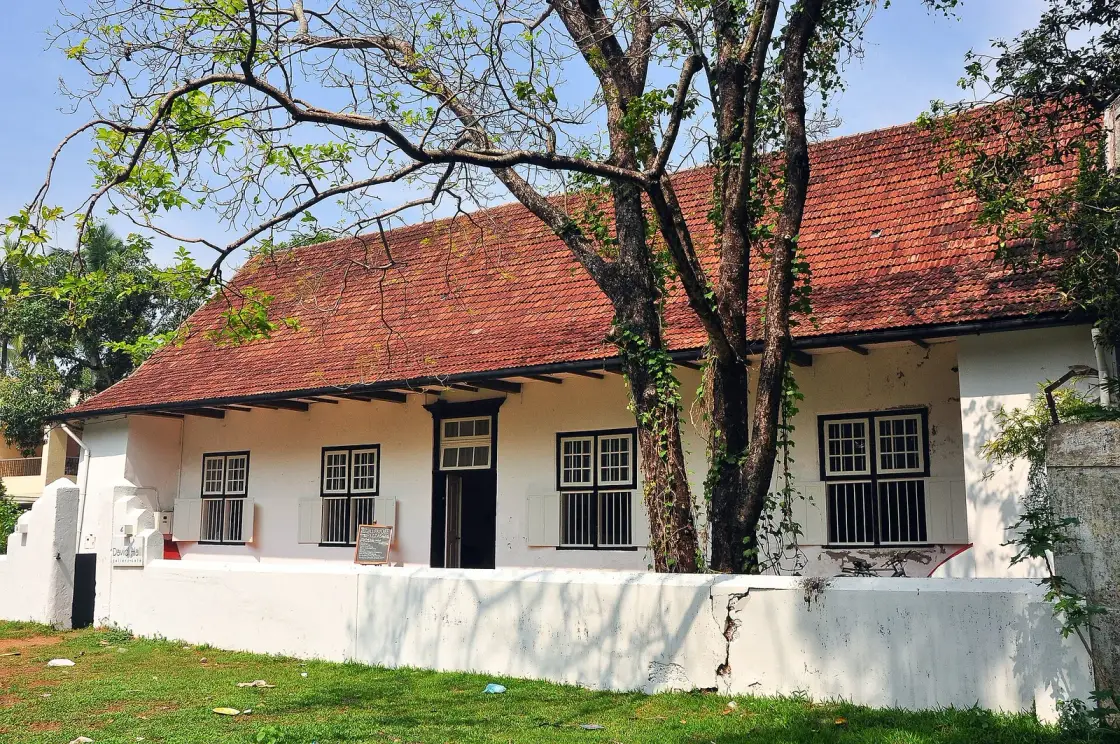
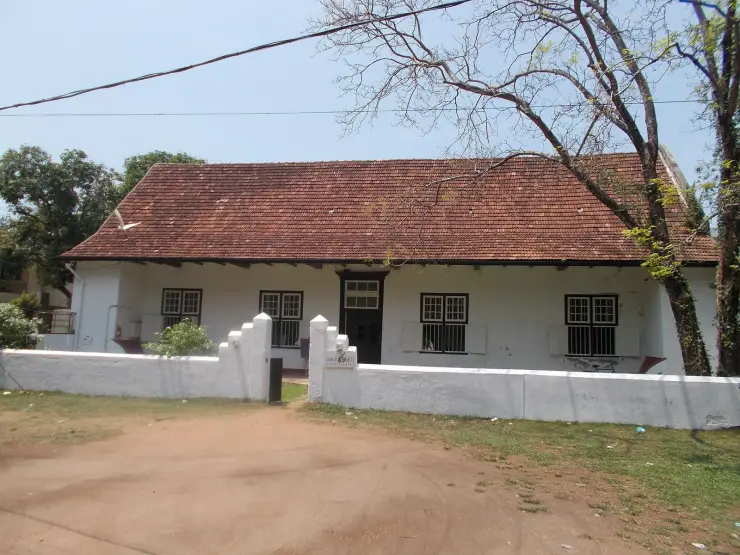
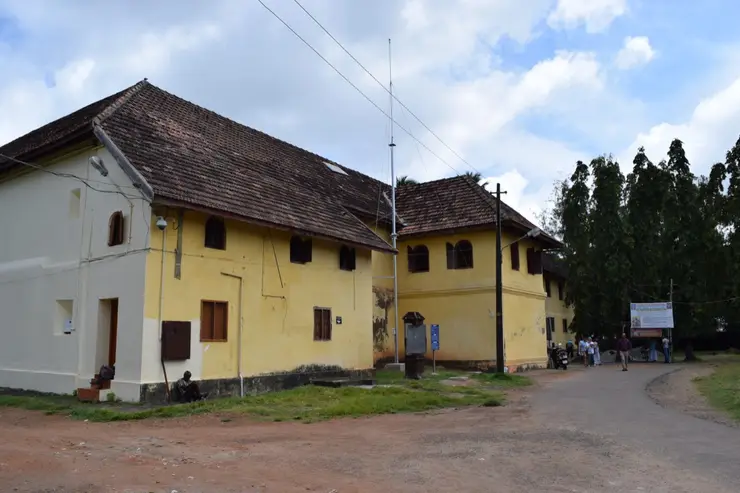
A low white Dutch bungalow on the north side of the Fort Kochi parade ground, David Hall is around three hundred years old and is now a contemporary art gallery with a garden café behind it. It is also the building in Fort Kochi with the most confidently repeated history and the least reliable one: almost every account attaches it to a famous Dutch botanist who was dead before it was built, and explains its name with a man who does not appear in the family records. Both stories are worth unpicking on the spot.
The building is a textbook Dutch colonial bungalow for a wet tropical coast: thick walls that hold the cool, a deep shading verandah, high ceilings to let hot air rise, and a low broad roof built for monsoon rather than snow. It is a European plan rewritten for Kerala's climate, and it works — sit on the verandah in July with the rain coming down and you will understand the design better than any caption could explain it.
It faces the parade ground, and that placement is deliberate. This was the drill and assembly space of the European quarter, and the buildings around it were the establishment's buildings. A house on this square was a house belonging to the administration.
Inside it is now a gallery. The programme is contemporary and changes, and it is the reason the doors are open at all — this is a working exhibition space in a private heritage building, not a ticketed monument with a guided historical tour. Behind the house is a garden café, and in practice that is where most visitors end up, under the trees, for considerably longer than they planned.
There is a real pleasure in the modesty of the place. After the Basilica's painted ceiling and the Biennale's warehouse scale, David Hall is domestic. You can see the whole of it in twenty minutes. Its interest is in the fabric — the thickness of a wall, the depth of a verandah, the height of a ceiling — and in the argument about who actually lived here.
It is worth knowing who is running it, because it explains the atmosphere. CGH Earth, the Kerala hotel group, acquired and restored the building in 2003 and operates the gallery as a not-for-profit: young and local artists exhibit here without paying for the space. That is an unusual thing to find in Fort Kochi, where most restored heritage property has been turned to straightforwardly commercial use, and it is why the shows here are frequently by people you have not heard of rather than by names the market has already priced.
What the building conspicuously lacks is any interpretation of its own history, which is a pity, because that history is genuinely contested and rather more interesting than the version on the signage elsewhere.
Two stories are told about David Hall by almost every source, including official tourism material. Neither survives contact with a date.
The first is that it was the residence of Hendrik Adriaan van Rheede tot Drakenstein, the Dutch commander who compiled the Hortus Malabaricus. The building is usually dated to about 1695. Van Rheede governed Dutch Malabar from 1669 to 1676, and he died at sea on 15 December 1691. A man cannot live in a house raised four years after his death. Either the date is wrong or the residence is — and since the building's date is itself unsettled, with 1665 also proposed, the honest position is that the connection is unproven and the popular version is, as stated, impossible.
It is worth being clear about what is not in doubt. Van Rheede was really here, he really governed Dutch Malabar from Cochin, and the Hortus Malabaricus is real and extraordinary: twelve volumes describing some 740 plants of this coast, compiled with around twenty-five collaborators, printed in Amsterdam between 1678 and 1693, with plant names given in several languages including Malayalam. The scholarship is genuine. Only the address is doubtful.
The second story is the name. You will read almost everywhere that David Hall is named after David Koder, a Jewish businessman who lived there. The difficulty is that the Koder family record does not contain a David Koder: Samuel Koder's sons are named as Elias, Shabdai — the S. S. Koder of Koder House — and Cecil. The David in the name appears instead to come from the other side of the family. The last Jewish owner is given as Gladys Koder, wife of S. S. Koder, and her father was E. D. David, who died in 1958. On that reading the house is named for the David family, not for a Koder called David.
We publish this unresolved rather than settled. The genealogy is well documented and the popular attribution is not, but we have not seen a deed or a contemporary document naming the house, and until we do we will not claim to have closed the question. What we will not do is repeat a name that the family record does not support.
There is a detail about van Rheede that settles the first question rather firmly, and it is oddly moving. He did not die in Kochi and he is not buried here. He died at sea on 15 December 1691 and was interred at Surat, where his tomb still stands: an enormous domed and columned mausoleum in the Dutch cemetery there, built on a scale designed to eclipse the tombs of his English rivals the Oxendens next door. A Dutch admiral who saw it in 1775 wrote that it exceeded every other monument in that ground for size, elegance of architecture, magnificence of ornament and richness of material.
So the man whose supposed Kochi residence this is has a grave nine hundred kilometres north, in a cemetery seventy years older than the one at Fort Kochi, under a monument of exactly the kind the Dutch here refused to build. Whatever van Rheede's connection to this address was, it ended before this house is generally thought to have existed.
None of which touches the achievement. The Hortus Malabaricus is real and enormous: twelve volumes on some 740 plants of this coast, compiled with around twenty-five collaborators, printed at Amsterdam between 1678 and 1693, with names recorded in several languages including Malayalam. It is one of the earliest serious European works of Indian botany and it was built on local knowledge that the volumes themselves acknowledge. The scholarship is not in question here. Only the address is.
The building is generally attributed to the Dutch East India Company and dated to about 1695, although 1665 is also proposed and the true date is not established. It is usually described as the survivor of a group of three houses the Company built in Fort Kochi in the later seventeenth century.
Those houses are said to have been raised partly from the material of demolished churches. That detail is easy to skim past and worth pausing on: the Dutch took Cochin from the Catholic Portuguese in 1663 and pulled down a great deal of Portuguese religious building. Stone from destroyed churches going into Company housing is the physical residue of a change of regime and of religion, recycled into domestic architecture.
During the Dutch period the building is reported to have accommodated military personnel — consistent with its position facing the parade ground, though the sources for this are secondary.
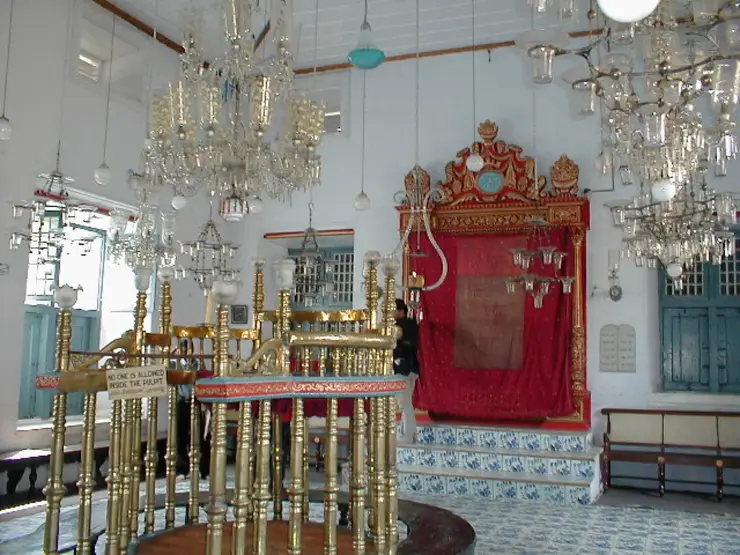
Its later history is Jewish Kochi. The house passed into the hands of a prominent Cochin Jewish family and takes its name from them; the last Jewish owner is given as Gladys Koder, daughter of E. D. David and wife of S. S. Koder of Koder House. Fort Kochi and Mattancherry held one of the oldest Jewish communities in the world, and the near-complete emigration of that community in the twentieth century is the reason such houses changed hands.
That last sentence covers a great deal of ground very quickly, and it is the part of the building's history that most deserves to be slowed down. A house does not pass out of a family because of a transaction alone. The Cochin Jewish community left over a few decades in the middle of the twentieth century, and what remained afterwards was property — synagogues, houses, warehouses, cemeteries — held by people who had gone, in a town that had to decide what to do with it. David Hall is one answer to that question and Koder House is another; the buildings are a few minutes apart and both now serve visitors. Whatever else the naming argument is about, it is an argument about the last family to live here, and there is nobody left in Fort Kochi who can settle it from memory.
The building's present life dates from 2003, when it was acquired and restored by CGH Earth, the Kerala hotel group, and reopened as an art gallery and café. The gallery is run as a not-for-profit venture with a stated focus on young and local artists, who are able to exhibit without paying for the space — which is an unusual arrangement in a quarter where almost every heritage building has been turned to a commercial use, and worth knowing before you assume the café is the point of it.
In 2012 David Hall was one of the venues of the first Kochi-Muziris Biennale, and it has continued to host Biennale and other exhibitions since, alongside its life as a gallery and café.
Because it is the best-preserved example in Fort Kochi of how Europeans actually built to live in this climate, rather than how they built to worship or to trade.
Because the garden café behind it is one of the few genuinely quiet corners of a quarter that gets very busy.
Because the contested history is more rewarding than the official one, and you can stand in the building while you weigh it up.
Because it connects the Dutch quarter to Jewish Kochi in a single address — the two stories usually get told in different parts of town.
And because it is free, central, and takes twenty minutes, which makes it the easiest good decision on a Fort Kochi walk.
Road km to Ernakulam; ghat roads and traffic vary — allow extra.
Midday works well for museums, especially when outdoor heat is high.
Live forecast loads in your browser.
Sun and moon are calculated for this location and shown in IST. Photography windows are the hour around sunrise and sunset; the sunset bearing is degrees clockwise from true north. Moon phase is accurate to about half a day.
Browse listed stays, food, activities, sights, shops and rentals around David Hall Art Gallery. Check each listing’s locality and contact the business directly for current arrangements.
Trouvaille is on Princess Street in Fort Nagar, Fort Kochi. Its own menu distinguishes coffee and breakfast from pasta, burgers, small plates and desserts. A quick coffee stop and a full meal need different amounts of time; check the current menu before choosing.
The Lilly’s Stories combines accommodation with a restaurant and cafe at 1/791 Lilly Street, Fort Kochi. Its dining page describes breakfast, an in-house French bakery and all-day meals. A dining enquiry is separate from reserving a room.
Loving Earth’s cafe page identifies a 100% plant-based cafe on Napier Street, Fort Kochi. The business also promotes yoga and spa services. Choose the cafe for a meal and arrange any class or treatment separately; a table booking does not include a yoga session.
Book with the place itself. India’s cyber-crime coordination centre warned in April 2025 that convincing copies of hotel and pilgrimage booking sites are being pushed through sponsored search and social ads, taking payment for rooms the property never hears about. Use the contact and source details on each profile to confirm the exact business and booking channel. A directory entry or map pin alone does not establish an operator’s identity or current availability. Roampedia takes no commission and does not collect booking payments. If a booking page reached you through an ad, check the address bar against the property’s own site before you pay. Fraud can be reported on cybercrime.gov.in or on 1930.
Browse food, accommodation and activities across Fort Kochi. Check each address and journey before adding it to your day; these selections are not all beside David Hall Art Gallery.
10 more places around Fort Kochi. Open a guide to plan the visit and onward journey.
370 m · 4 min walk
Kerala’s most walkable heritage quarter, with Chinese fishing nets, colonial churches, art cafes and Mattancherry nearby.
520 m · 6 min walk
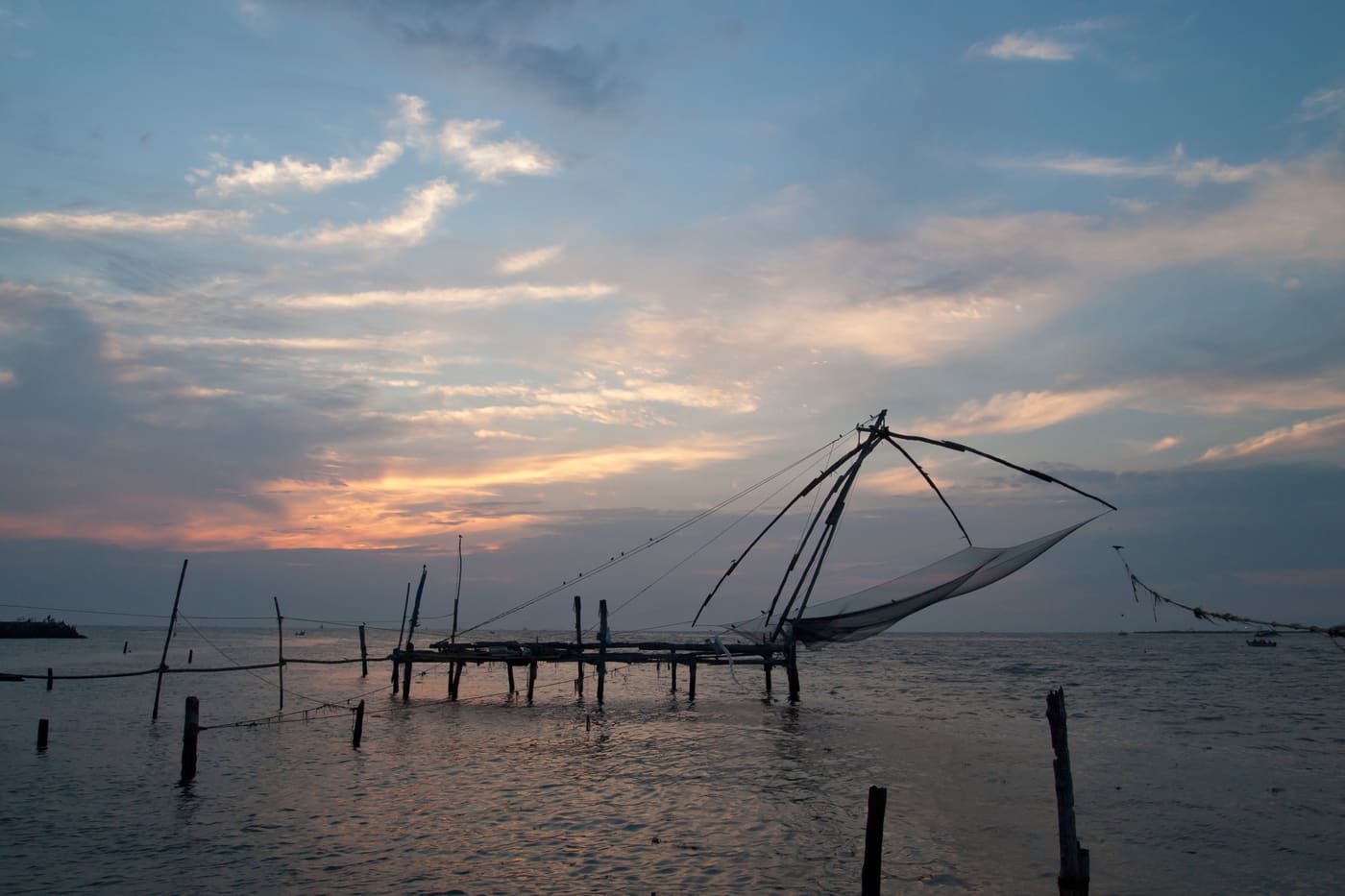
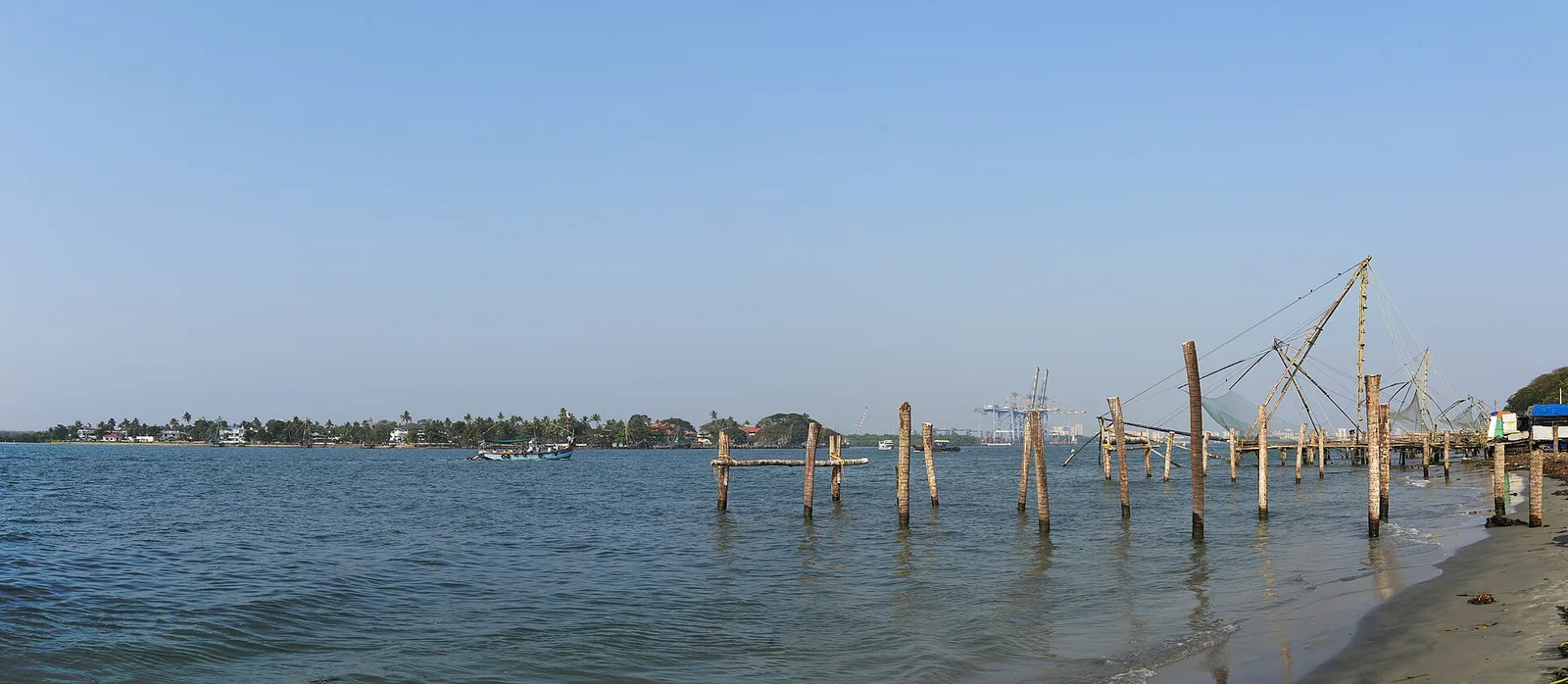
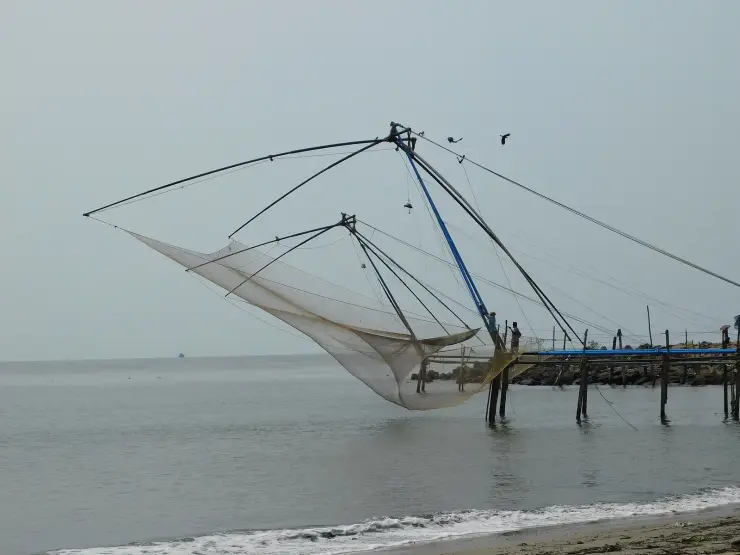
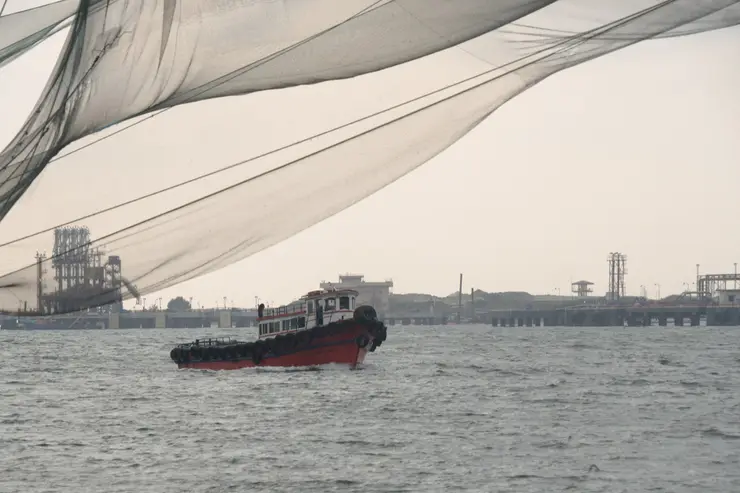
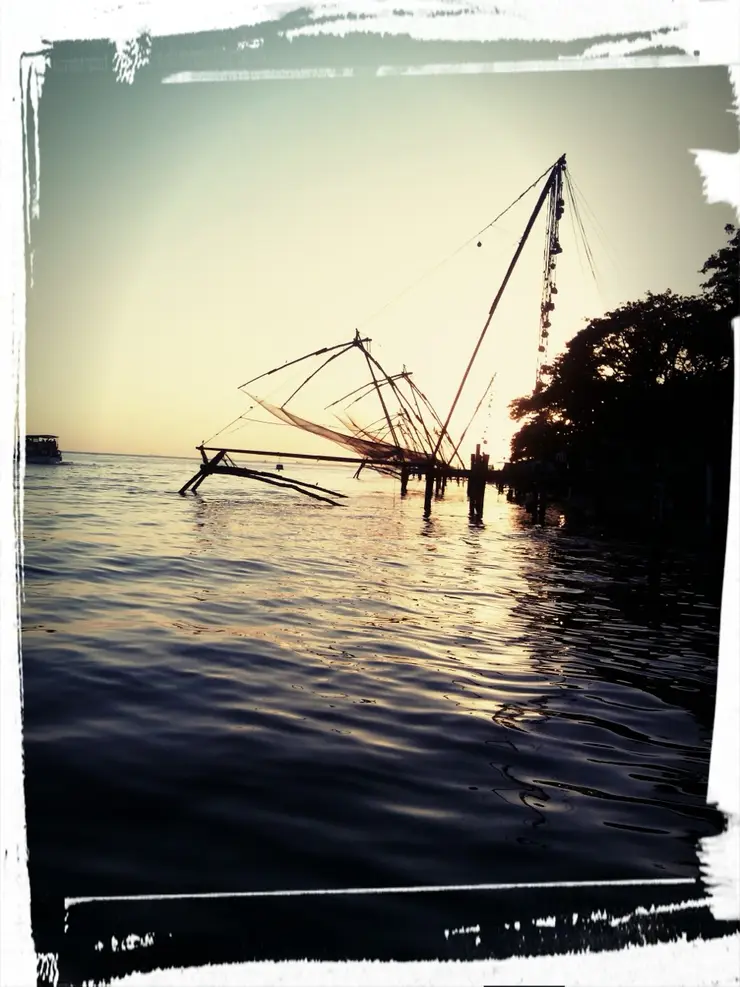
The giant cantilevered lift nets that are Fort Kochi’s emblem, strung along the shore at Vasco da Gama Square and still landing fish. Even their origin is argued — popular tradition credits Chinese traders of Zheng He’s era, some scholars later Portuguese settlers from Macau — and the argument is part of the attraction.
190 m · 2 min walk
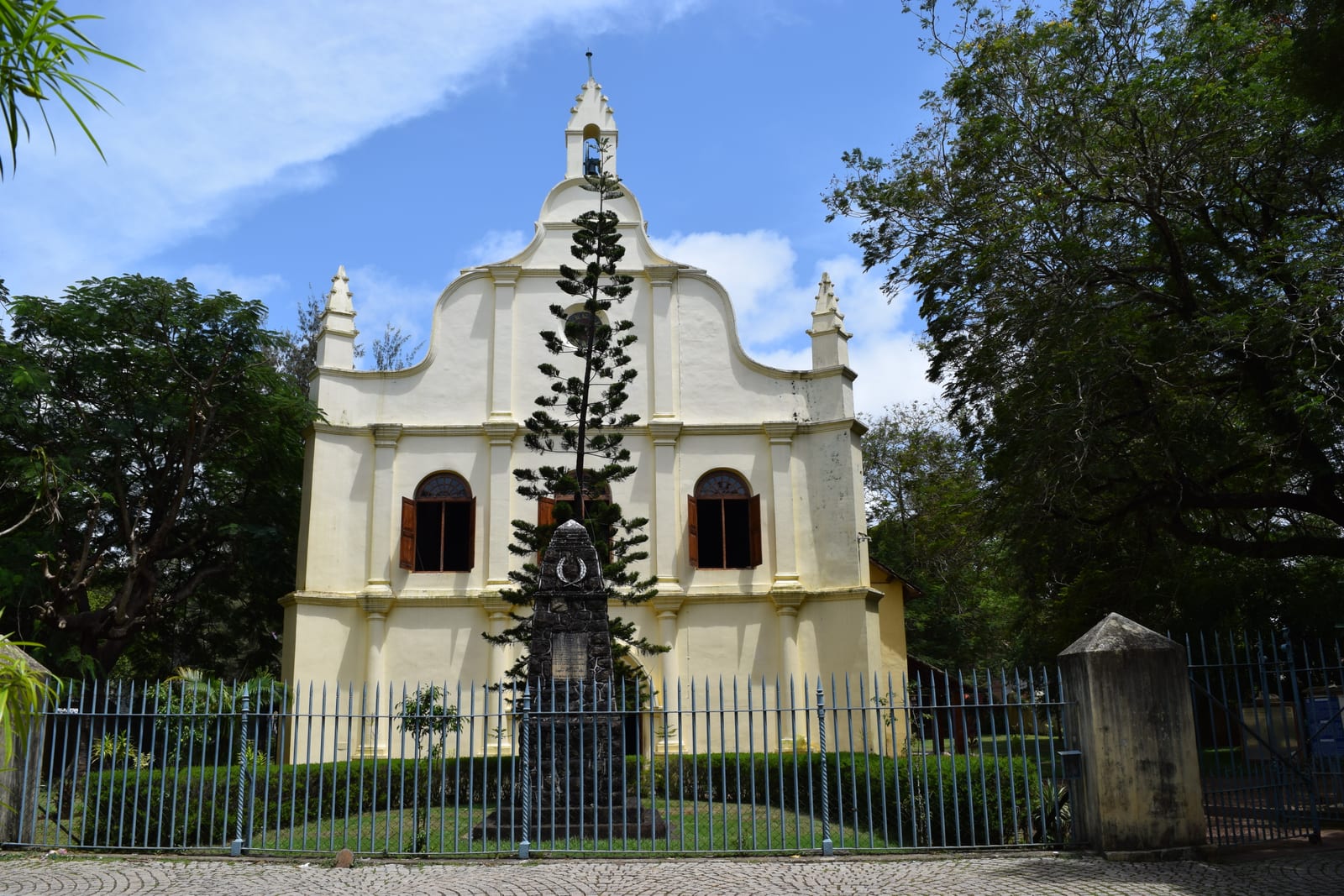
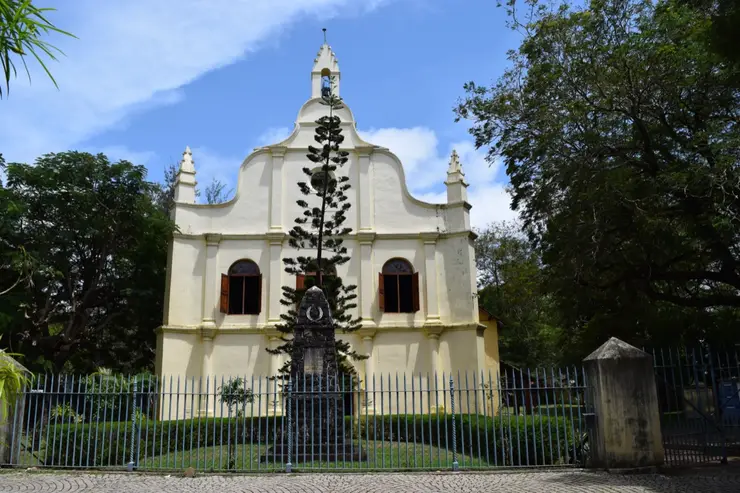
Believed to be the oldest European church in India (1503); Vasco da Gama was buried here before his remains were moved to Lisbon.
560 m · 7 min walk
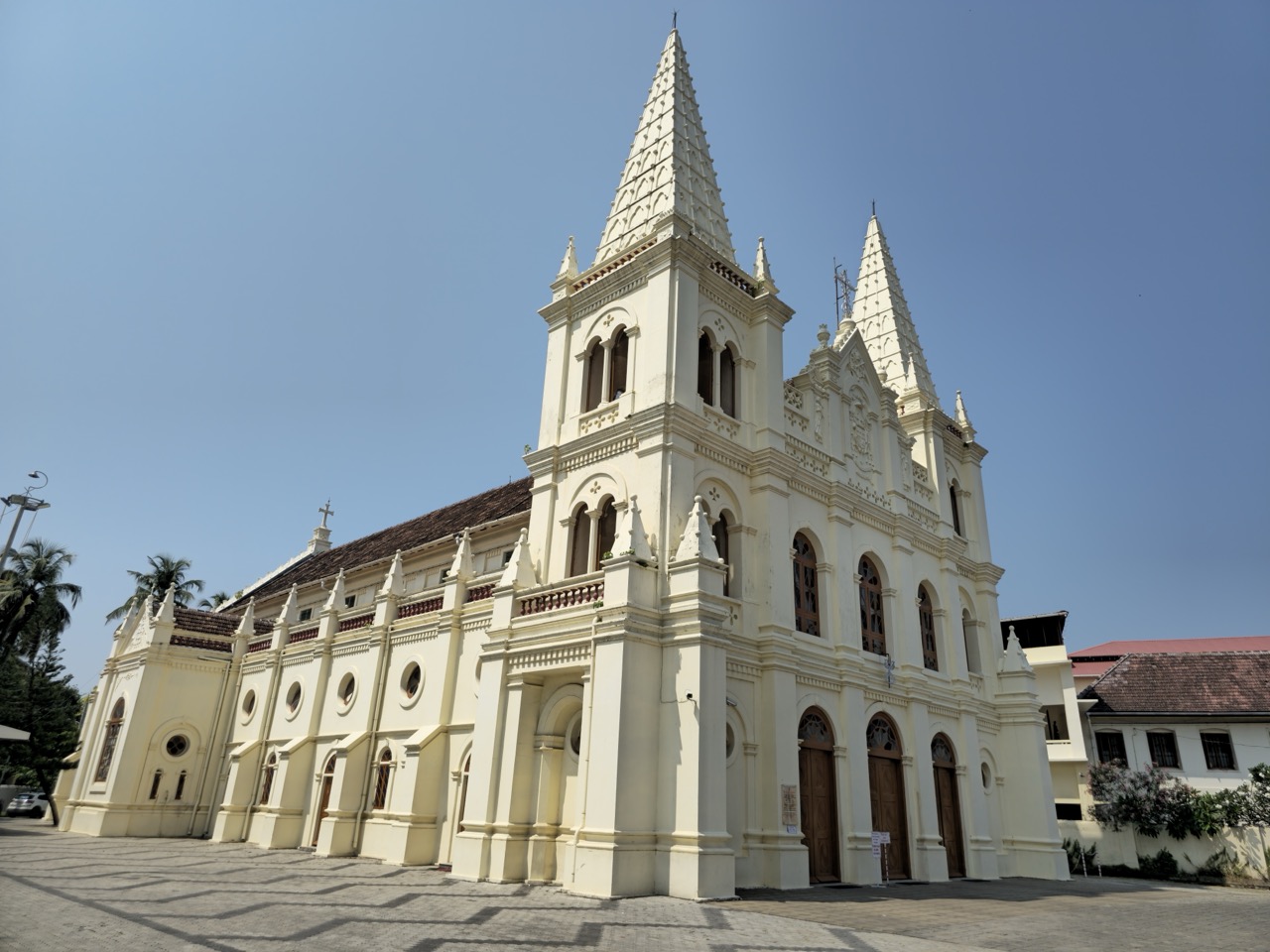
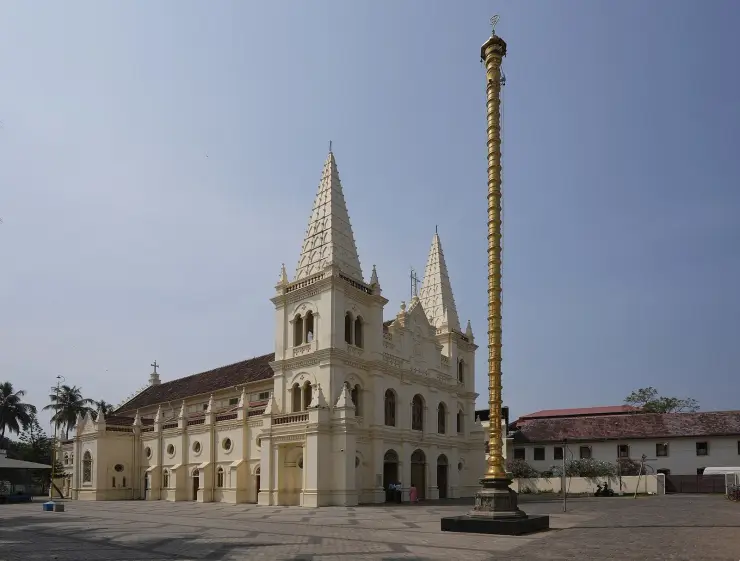
One of the finest churches in Kerala, with a richly painted interior, beside the Kerala Kathakali Centre in Fort Kochi.
610 m · 7 min walk
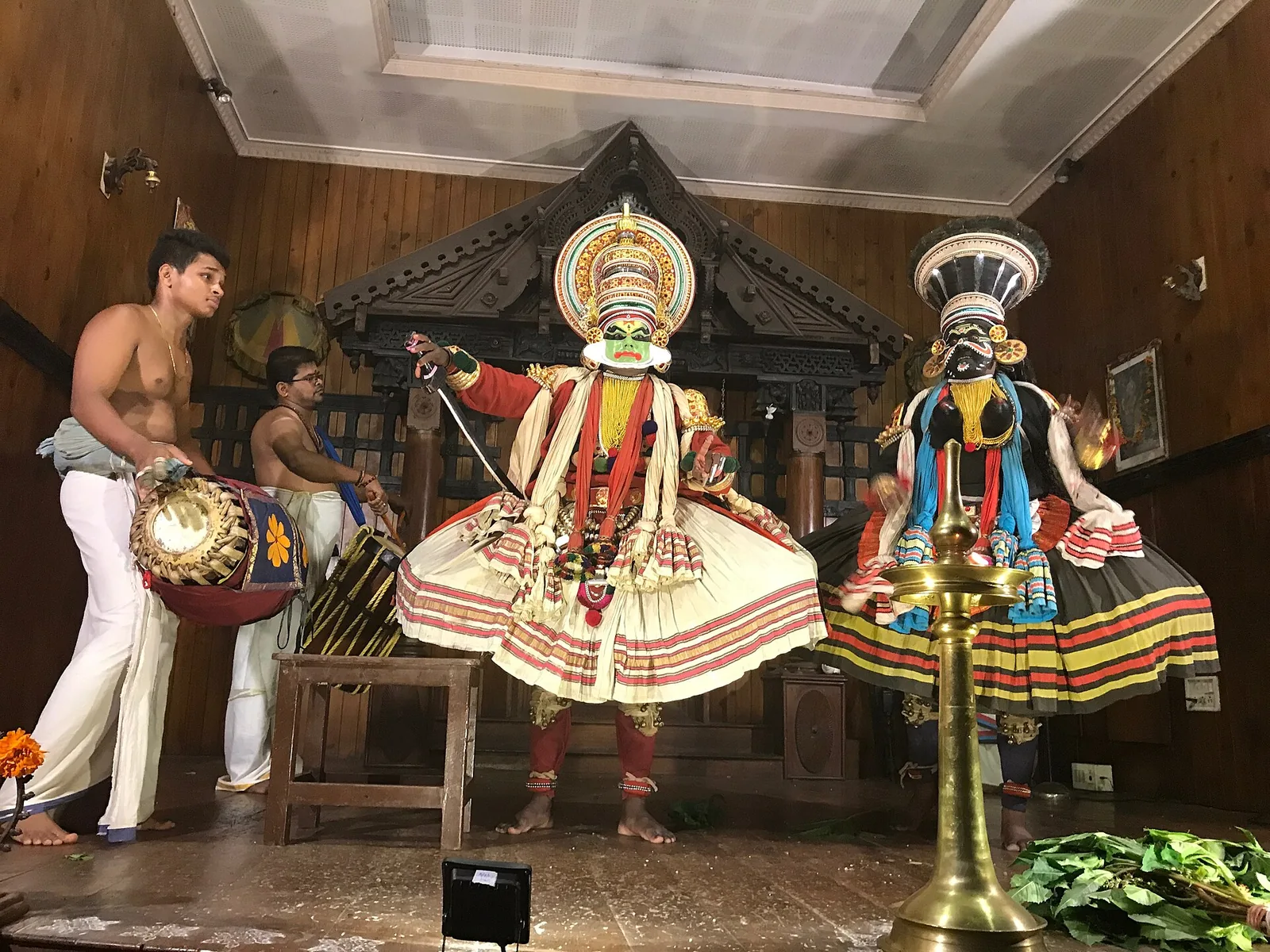
Evening Kathakali and Kerala classical-art performances in Fort Kochi, with make-up shown before the show.
2.1 km · 26 min walk
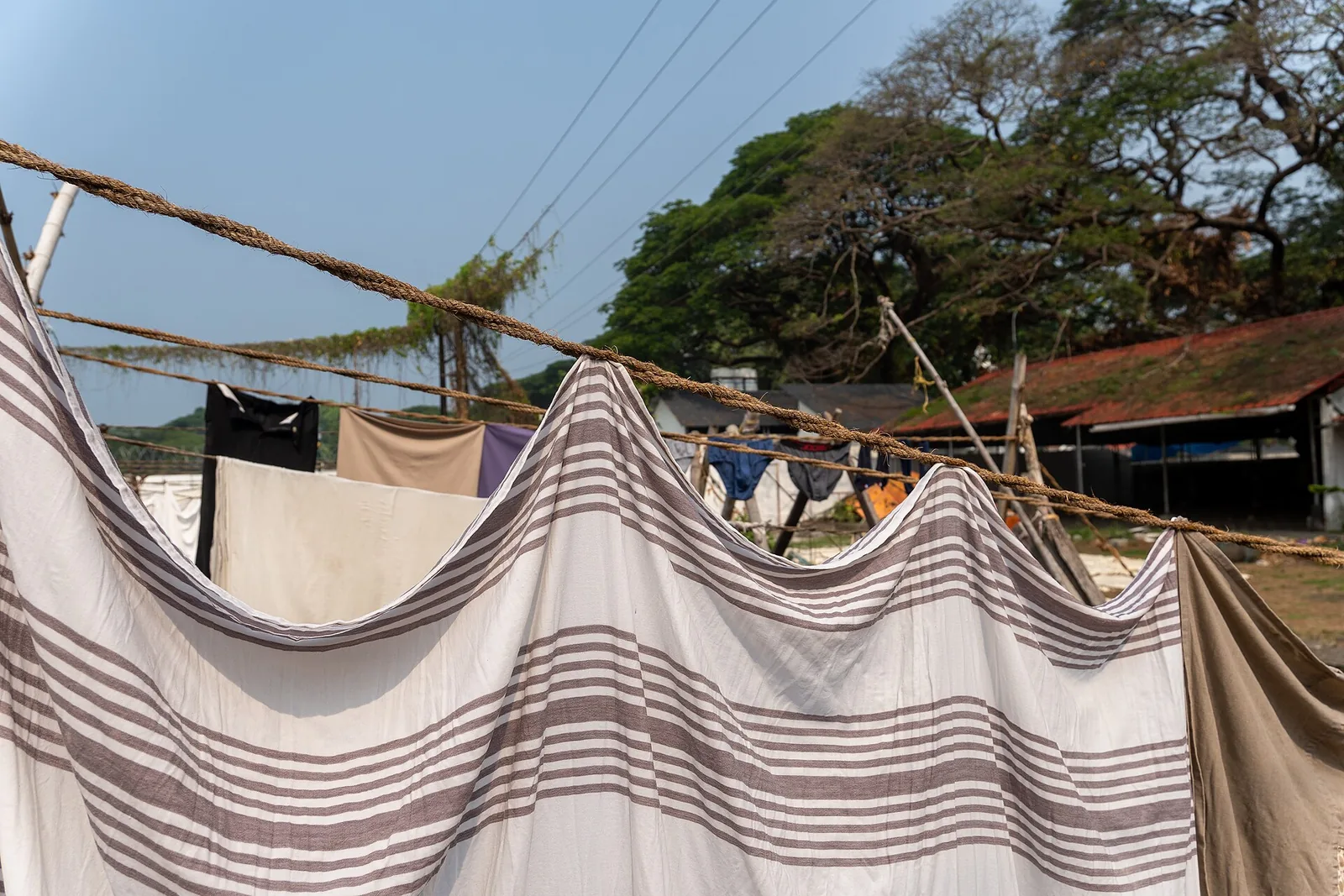
A working colonial-era community open-air laundry in Fort Kochi, still used by traditional washermen families.
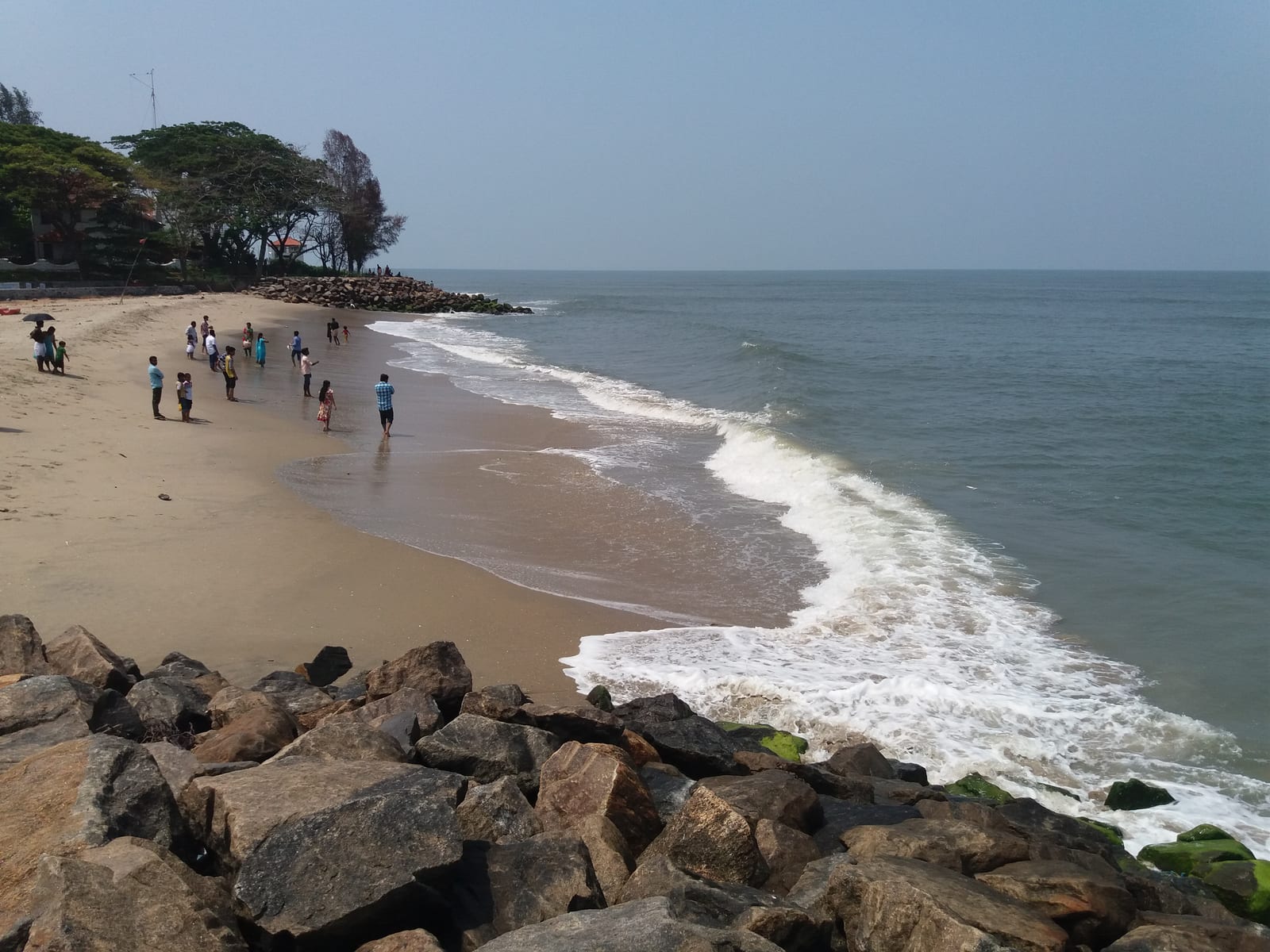
480 m · 6 min walk
Public seafront beside the Chinese fishing nets — a walking-and-sunset beach, not a swimming beach.
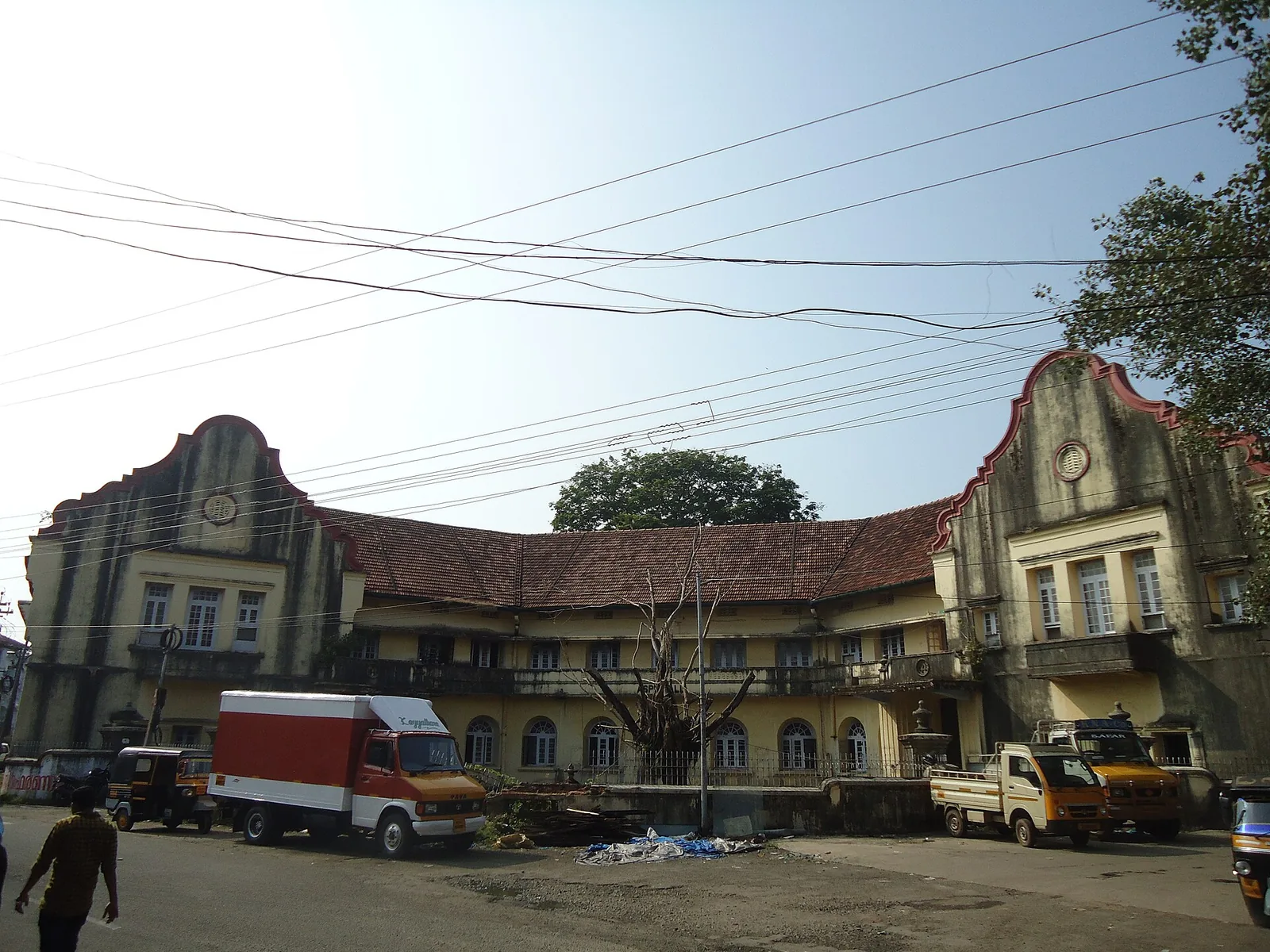
1.0 km · 12 min walk
A large 19th-century waterfront trading compound in Fort Kochi, the principal venue of the Kochi-Muziris Biennale.
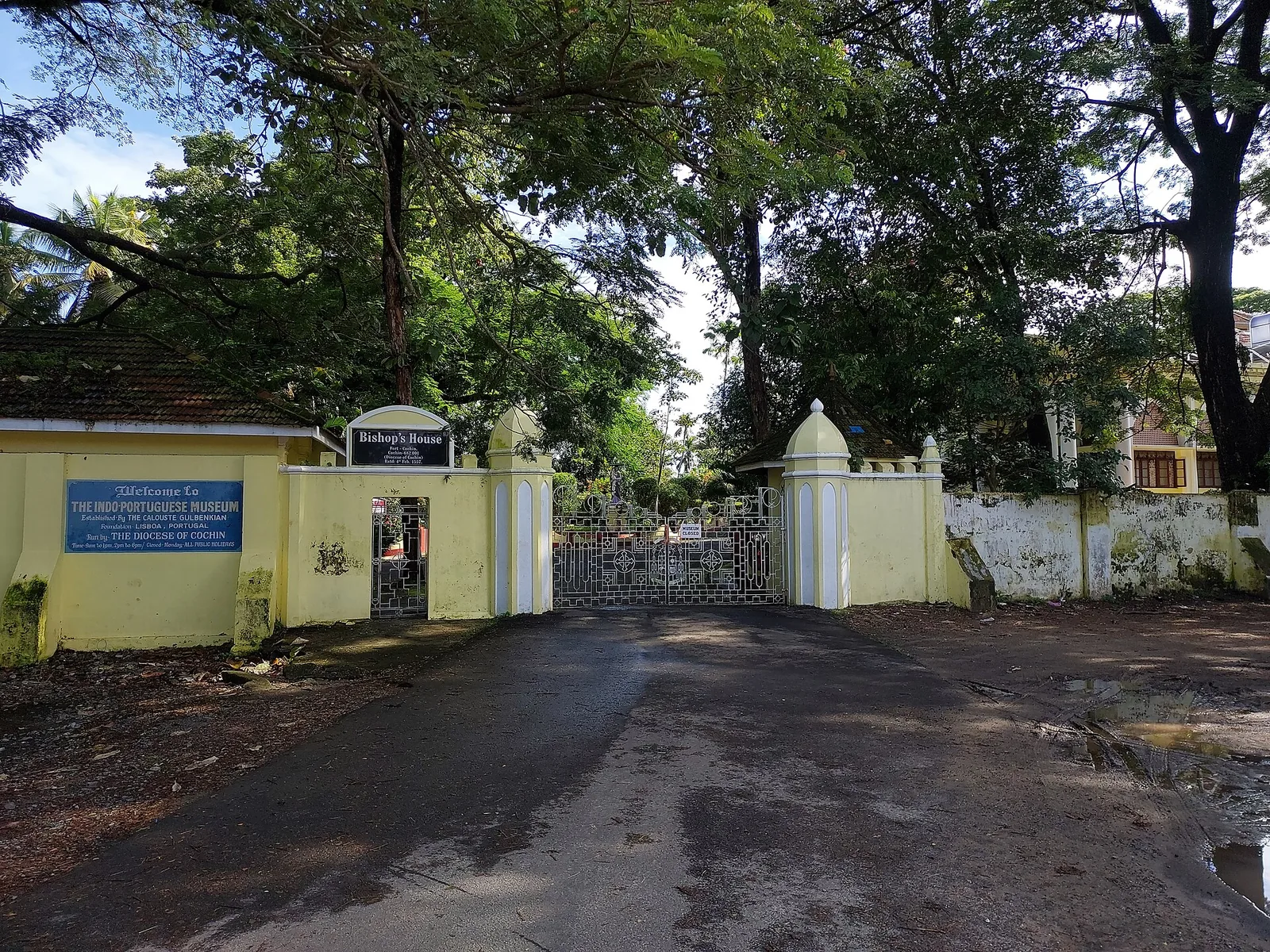
450 m · 5 min walk
Museum of Kerala’s Indo-Portuguese Catholic heritage in the Bishop’s House garden, Fort Kochi.
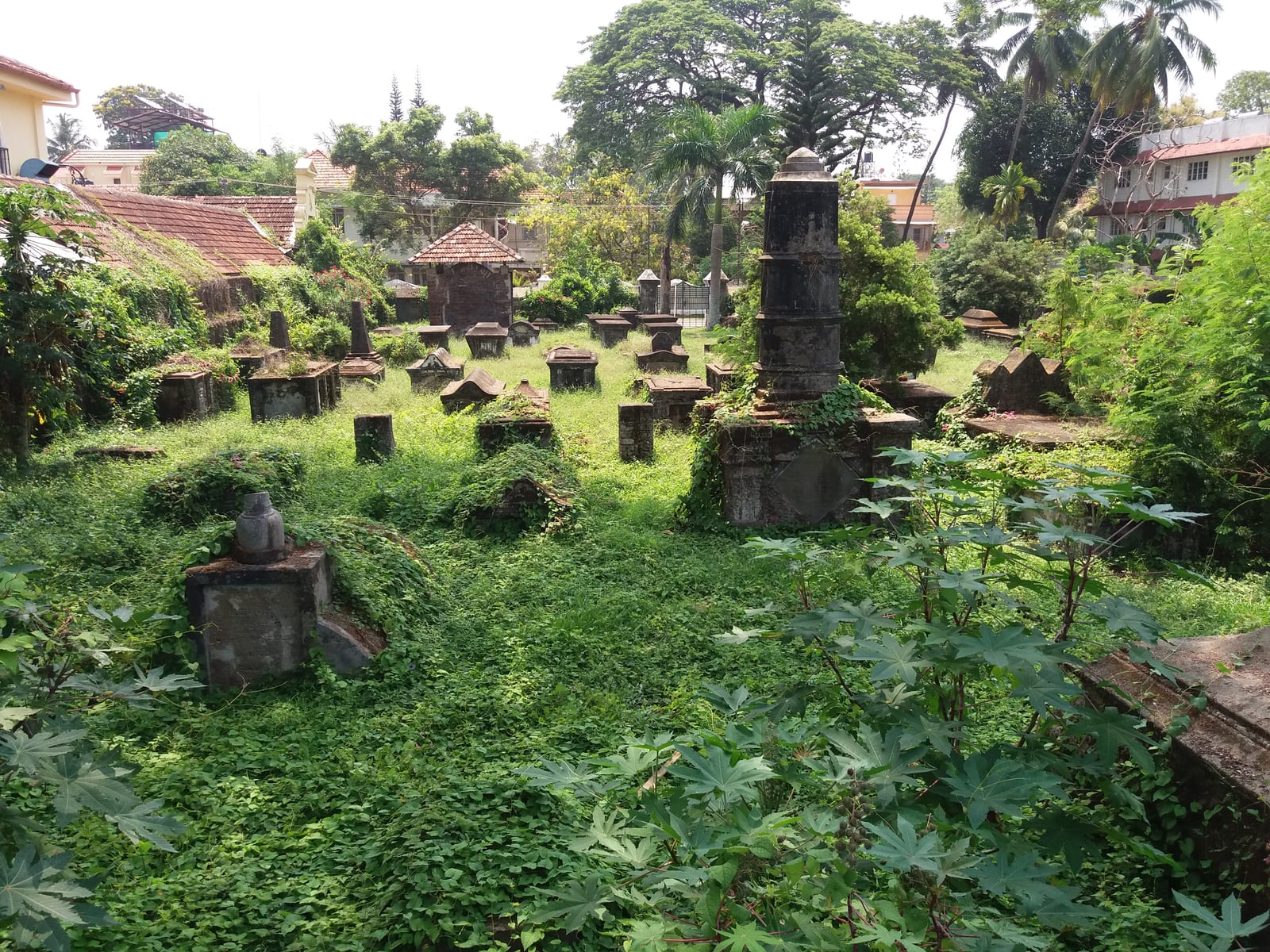
220 m · 3 min walk
The 1724 burial ground of Kochi’s Dutch colonial officials and merchants, beside St Francis Church — ASI-protected, and usually locked.
Roampedia is commission-free — own or know a stay, eatery, guide or shop near David Hall Art Gallery? Submit public business details for review.
Add a nearby businessEntry: Entry to the gallery is generally free; the café operates on normal café pricing. Exhibitions occasionally set their own terms.
Festivals: David Hall was one of the venues of the first Kochi-Muziris Biennale in 2012 and has continued to be used for Biennale and other exhibitions since.
Photography: The building and garden photograph well and are generally unrestricted; individual artworks may not be. Ask at the desk. The deep verandah and the garden elevation are the shots worth taking.
If you are travelling by bus or ferry, check the return service with the operator before setting out. Leave time to reach the stop or jetty after your visit.
Ask at the jetty or stand for the time of the last service back, not the next one. If you miss it, an auto or app cab is the fallback — agree the fare before you get in.
If you need step-free access, contact the site before travelling. Ask about a level entrance, steps along the route, the nearest drop-off point, seating and accessible toilets.
Charge cap and free-transaction limits: Reserve Bank of India, ATM FAQ updated 4 July 2025; checked 4 October 2026.
These services are listed within about 1.2 km of David Hall Art Gallery. Walking distances follow mapped routes; access and opening hours can change. Other services may be closer but are not included here.
Fort Kochi is one of Kerala’s safest and most walkable tourist quarters, comfortable by day and on the main lanes after dark. Violent crime against visitors is rare — the realistic risks are auto/guide scams, petty theft in crowds, and the sea, not personal danger.
Safety guidance last reviewed 15 June 2026. Always check your own government's current travel advice before you travel.
Published emergency and visitor-assistance contacts. For an immediate emergency, call 112. Shared Kerala contact sources checked 4 October 2026; publication does not establish a tested live response.
Believed to be the oldest European church in India (1503); Vasco da Gama was buried here before his remains were moved to Lisbon.
190 m · 2 min walkThe 1724 burial ground of Kochi’s Dutch colonial officials and merchants, beside St Francis Church — ASI-protected, and usually locked.
220 m · 3 min walkKerala’s most walkable heritage quarter, with Chinese fishing nets, colonial churches, art cafes and Mattancherry nearby.
370 m · 4 min walkMuseum of Kerala’s Indo-Portuguese Catholic heritage in the Bishop’s House garden, Fort Kochi.
450 m · 5 min walkPublic seafront beside the Chinese fishing nets — a walking-and-sunset beach, not a swimming beach.
480 m · 6 min walkKochi’s iconic cantilevered shore-operated fishing nets along the Fort Kochi seafront at Vasco da Gama Square, best photographed at sunset.
520 m · 6 min walkOne of the finest churches in Kerala, with a richly painted interior, beside the Kerala Kathakali Centre in Fort Kochi.
560 m · 7 min walkEvening Kathakali and Kerala classical-art performances in Fort Kochi, with make-up shown before the show.
610 m · 7 min walkA large 19th-century waterfront trading compound in Fort Kochi, the principal venue of the Kochi-Muziris Biennale.
1.0 km · 12 min walk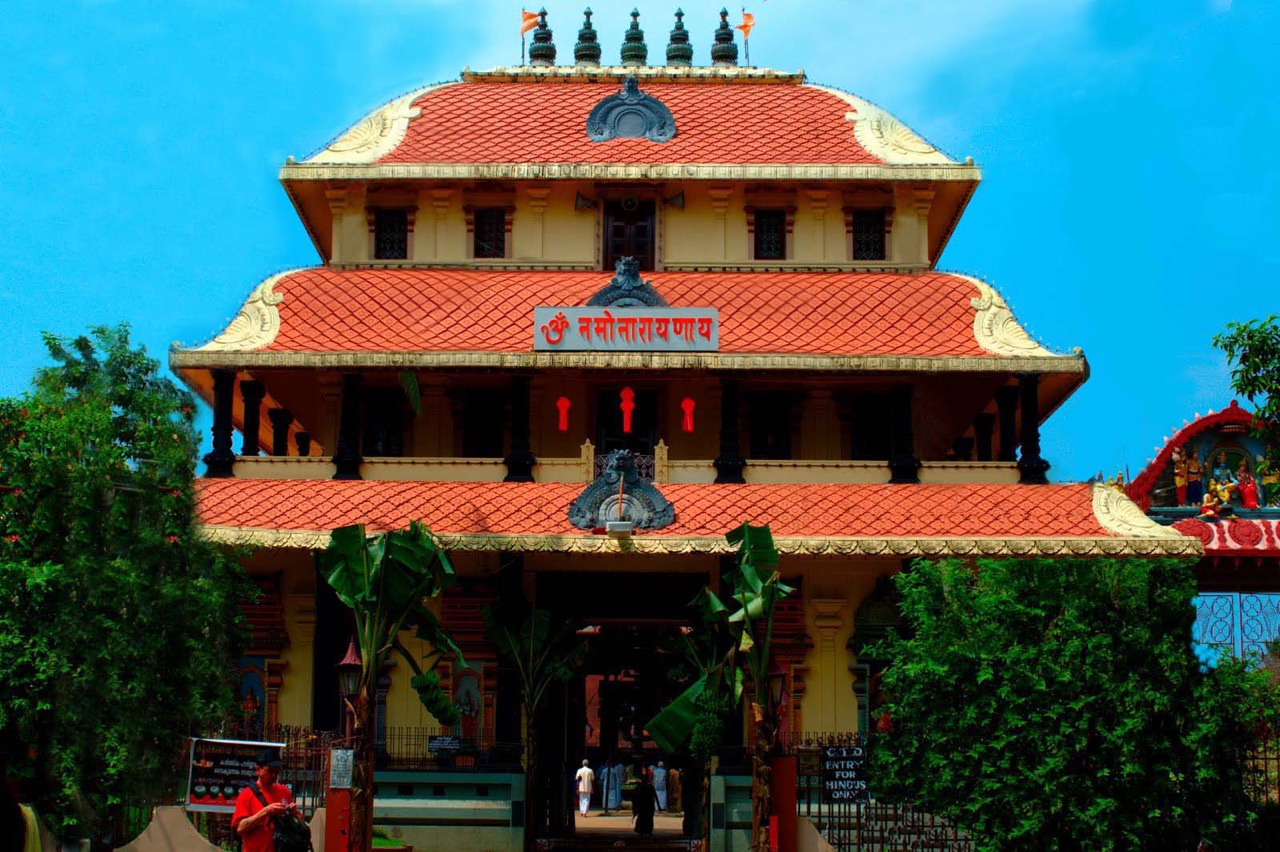
A historic Gowda Saraswat Brahmin temple in Cherlai, Mattancherry, central to Kochi’s Konkani community.
1.5 km · straight line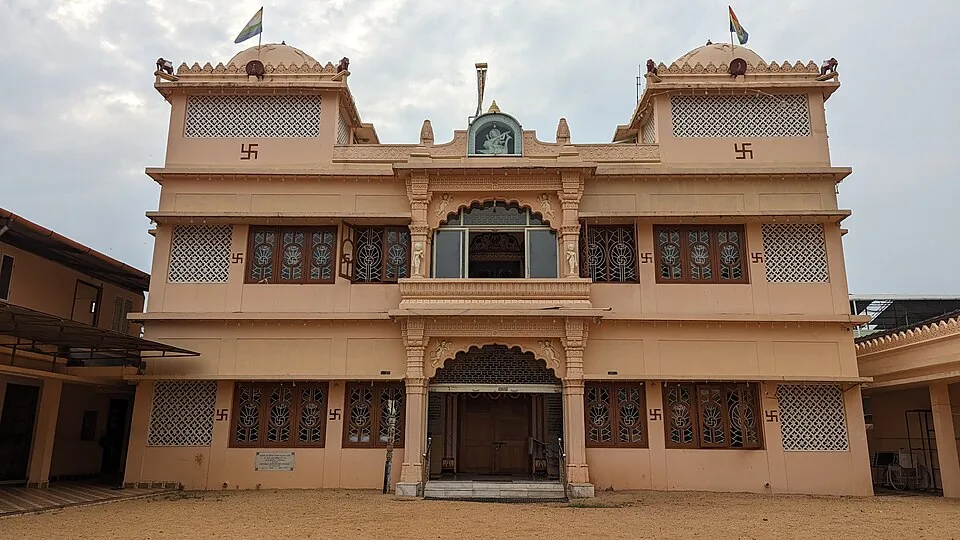
An ornate Jain temple in Mattancherry’s Gujarati quarter, raised in 1904 by Hirubai in memory of her husband Jivraj Dhanji and dedicated to Dharmanatha, the fifteenth Tirthankara — known for its white marble work and the daily midday feeding of the pigeons outside.
1.7 km · straight lineA working colonial-era community open-air laundry in Fort Kochi, still used by traditional washermen families.
2.1 km · 26 min walkRoad and walking figures are route estimates, with travel times dependent on access, traffic and conditions. Figures marked “straight line” show direct separation and do not describe a road or walking route. Fare estimates use Kerala’s 26 April 2022 auto/taxi notification and exclude waiting, night and applicable one-way surcharges. Confirm the current meter or operator quote before travelling. Routing: © openrouteservice.org by HeiGIT | Map data © OpenStreetMap contributors
Nearby toilets, pharmacies, ATMs, seating and vets are community-mapped and may be incomplete or out of date. Map data © OpenStreetMap contributors | Walking times © openrouteservice.org by HeiGIT
Almost certainly not, at least not in this building as usually dated. The house is generally dated to about 1695; van Rheede governed Dutch Malabar from 1669 to 1676 and died at sea on 15 December 1691. The two dates cannot both be right. The building's own date is disputed — 1665 has also been proposed — so the connection is unproven rather than merely wrong, but the version repeated on most signage and websites is chronologically impossible.
Probably not the David Koder of the popular story. The Koder family record names Samuel Koder's sons as Elias, Shabdai (S. S. Koder) and Cecil — no David. The last Jewish owner is given as Gladys Koder, wife of S. S. Koder and daughter of E. D. David, who died in 1958. So the name most likely comes from the David family, her father's side. We publish this as the better-supported reading, not as a closed case.
At Surat, not in Kochi. He died at sea on 15 December 1691 and was interred in the Dutch cemetery there, under a large domed and columned mausoleum built to outshine the tombs of his English rivals the Oxendens beside it — a Dutch admiral who visited in 1775 recorded that it surpassed every other monument in the ground. It is worth setting that against the flat, unornamented slabs of the Dutch Cemetery at Fort Kochi, which is a very different idea of a Dutch grave.
CGH Earth, the Kerala hotel group, which acquired and restored the building in 2003 and reopened it as a gallery and garden café. The gallery is operated as a not-for-profit with a focus on young and local artists, who exhibit without paying for the space — so the programme leans towards emerging work rather than established names.
Entry to the gallery is generally free. The café charges café prices. An occasional exhibition may set its own terms.
There is no reliably published timetable — it is a gallery and café in a private heritage building, and hours move with whatever exhibition is running. It is typically open through the day into the evening. Check locally rather than assuming.
Around three hundred years, but the exact date is not settled. About 1695 is the usual attribution; 1665 has also been proposed. It is credited to the Dutch East India Company and described as the survivor of three houses built in the later seventeenth century, reportedly using material from demolished churches.
A twelve-volume study of the plants of the Malabar coast compiled under Hendrik van Rheede, describing around 740 plants with roughly twenty-five collaborators, and printed in Amsterdam between 1678 and 1693. Plant names were given in several languages, including Malayalam. It is one of the most important early European works of Indian botany — and it is real, even though van Rheede's connection to this particular building is not.
We have not found a source that describes access here, and we are not going to guess. It is a raised colonial bungalow with a verandah, which commonly means at least a step or two, but we have not verified the approach. Ask at the gallery before committing to a visit.
Midday works well for museums, especially when outdoor heat is high.
Entry: Entry to the gallery is generally free; the café operates on normal café pricing. Exhibitions occasionally set their own terms. Timings: Typically open through the day into the evening, with the café the reason most people stay; hours shift with the current exhibition and are not reliably published. It is a gallery in a private heritage bungalow, not a museum with fixed public hours.
Base yourself in Fort Kochi or a nearby town in Ernakulam, then confirm the last-mile route locally before leaving. Check weekly closure day and ticket counter timings before going. If the visit depends on forest, temple, boat, ferry, weather or seasonal access, check the official/local rule on the day before travel.
1 to 2 hours.
Nearby you can pair St. Francis Church (190 m, route estimate), Dutch Cemetery (220 m, route estimate), Fort Kochi (370 m, route estimate), Indo-Portuguese Museum (450 m, route estimate).
Use official ticket counters and cloakroom rules. Keep bags and cameras within permitted areas.
Written about David Hall Art Gallery itself — its history, its legends and the arguments about them.
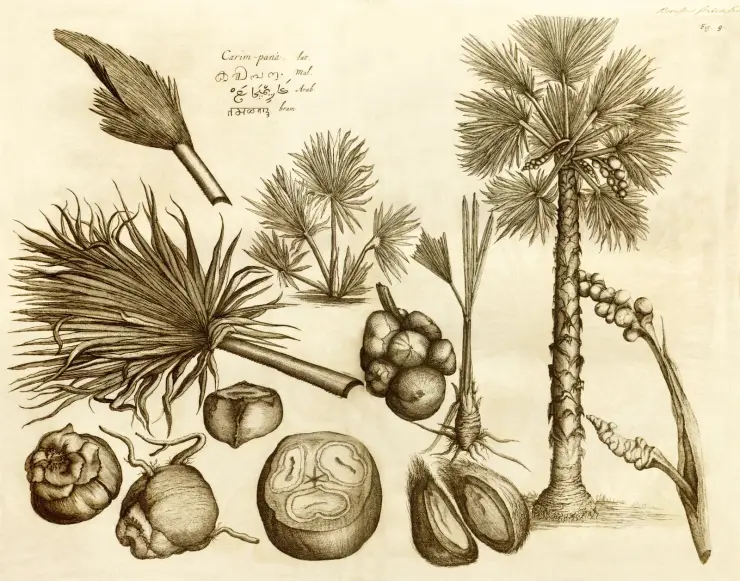
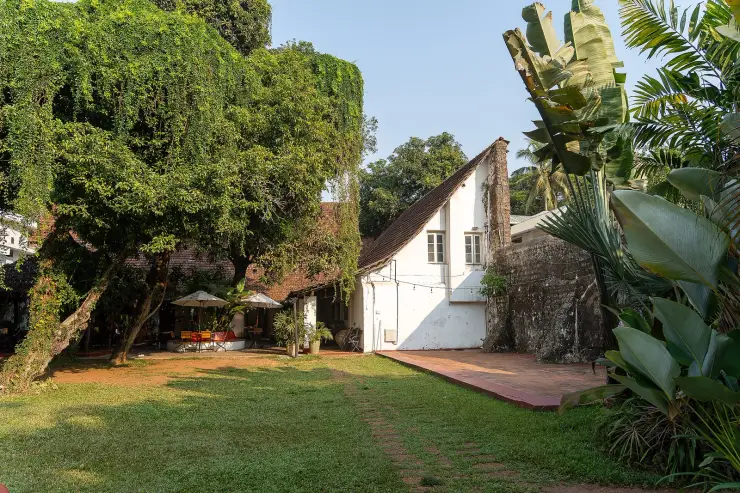
These guides explore Fort Kochi and the surrounding area. Choose a visit that fits your interests, allowing separately for travel between stops.
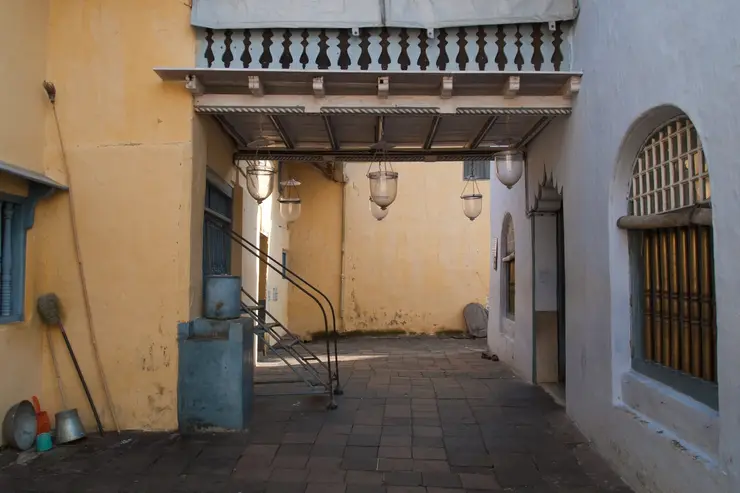
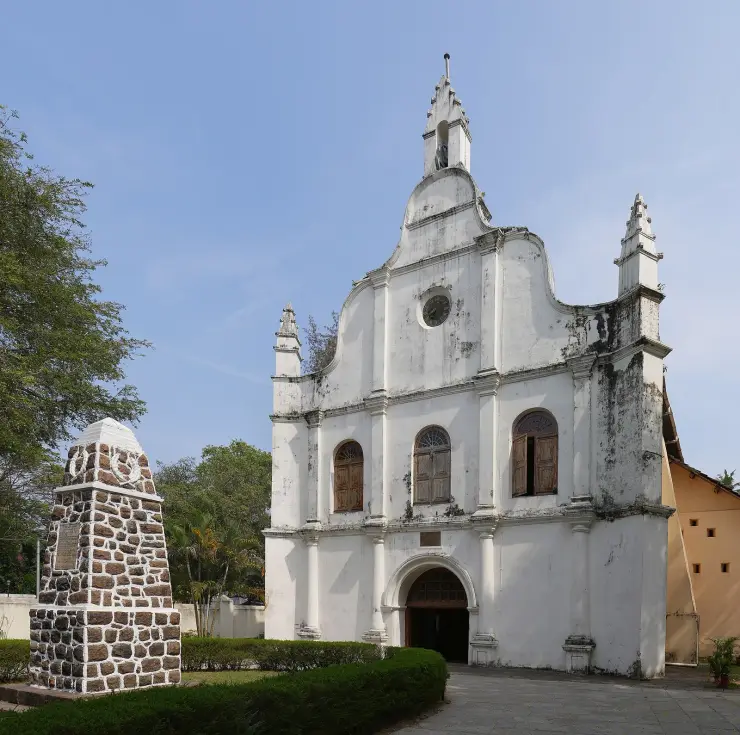
Written about Fort Kochi as a whole rather than about David Hall Art Gallery — its history, its streets, and how to spend a day in it.
Route-level itineraries and practical guides for the rest of Kerala.
Photographs: Kanad Sanyal (CC BY-SA 4.0), Rudolph.A.furtado (CC0), Rainer Halama (CC BY-SA 4.0). Wikimedia Commons.