What to expect
Highlights
- Museum visit at Indo-Portuguese Museum
- Indoor cultural or historical context
- Easy pairing with nearby food and heritage stops
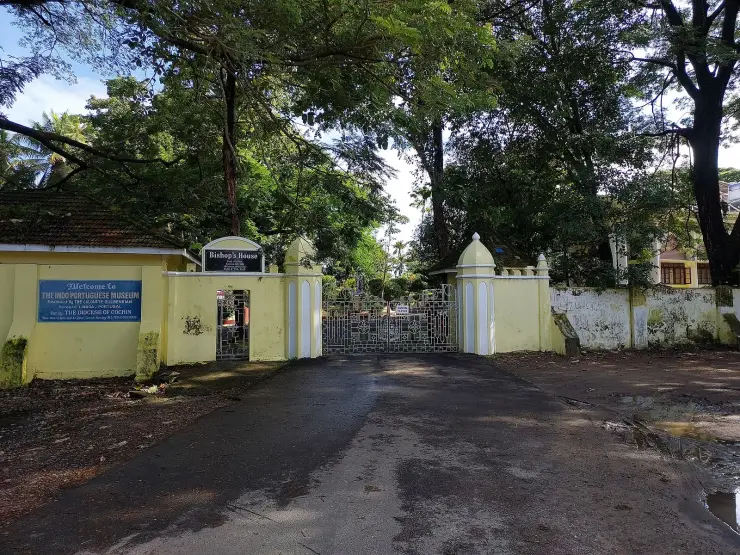
Museum of Kerala’s Indo-Portuguese Catholic heritage in the Bishop’s House garden, Fort Kochi.
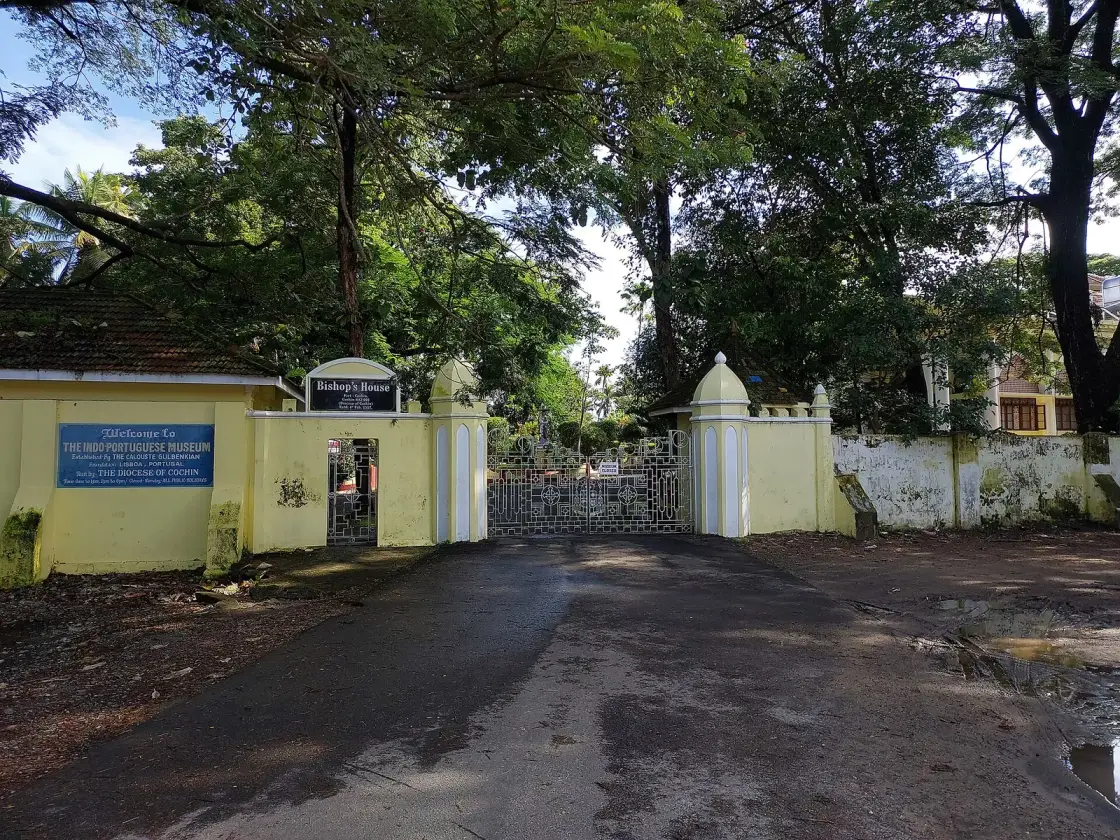
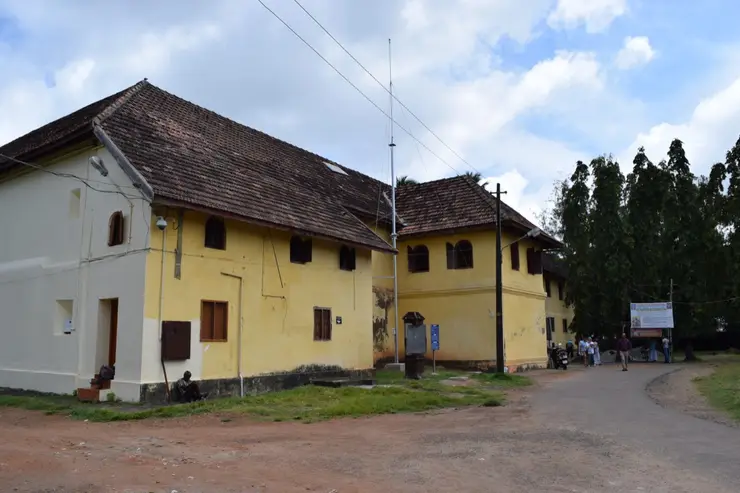
Tucked into the leafy garden of the Bishop’s House in Fort Kochi, the Indo-Portuguese Museum gathers five centuries of Catholic heritage — chalices, vestments, processional crosses and carved saints — under one quiet roof, with the very foundations of the old Portuguese Fort Immanuel surviving in its basement.
Step off the busy lanes of Fort Kochi, through a gate into a walled garden shaded by old trees, and the noise falls away. This is the compound of the Bishop’s House, seat of the Diocese of Cochin, and set among its lawns is a low, understated building that holds one of Kerala’s most unusual collections. The Indo-Portuguese Museum is not a temple or a church you come to worship in — it is a keeping-place, assembled to rescue and display the sacred art that Portuguese missionaries and generations of local Catholic craftsmen left scattered across the diocese’s churches.
The collection is arranged into five sections, each opening a different window onto the same story. The Altar section brings together altarpieces and the fittings of the sanctuary, including a carved teak altar-piece said to have come from the Church of Our Lady of Hope in Vypeen; the Treasure section glitters with chalices, ciboria and an Indo-Portuguese monstrance in silver and gilt; the Procession section displays the crosses and canopies carried through the streets on feast days, among them a silver-and-wood processional cross linked to the Santa Cruz Cathedral; the Civil Life section shows how the faith wove itself into everyday Luso-Indian society; and the Cathedral section gathers vestments, statues and furnishings from the great churches of Kochi.
What makes the pieces so beguiling is that they are neither wholly European nor wholly Indian. A vestment might carry Portuguese heraldic embroidery over cloth woven and stitched by Kerala hands; a wooden saint may wear a European habit but be carved from local teak and rosewood in a rounded, almost folk idiom; a marble figure imported from Lisbon may stand beside an altarpiece assembled by carpenters who had never left the Malabar coast. This blending — a genuine Indo-Portuguese art tradition, born of contact rather than copying — is the thread that runs through every room.
The most atmospheric surprise waits below. In the basement, the museum preserves the excavated remains of Fort Immanuel — the fortress the Portuguese raised beside the harbour in the early sixteenth century, which gave Fort Kochi its very name. To stand over those old stone foundations, in the cool half-light beneath the galleries, is to touch the physical starting point of European settlement in India, the ground on which Vasco da Gama himself was once buried before his remains were carried back to Portugal.
The museum owes its existence to the late Dr Joseph Kureethara, Bishop of Cochin, whose initiative under the Diocese of Cochin gathered these treasures from parishes across the region so that they would be conserved, catalogued and shown rather than lost to neglect or theft. The Calouste Gulbenkian Foundation of Lisbon lent technical and financial support to the building and its museological layout, and the museum opened its doors in the year 2000. It remains a diocesan institution, run not as a state museum but as an act of custodianship over the community’s own inheritance.
For the traveller, the appeal is its intimacy. This is not a vast, exhausting gallery but a compact, well-lit collection you can absorb in under an hour, wrapped in birdsong and garden calm just steps from Santa Cruz Basilica and St Francis Church. It rewards the curious visitor who wants the human story behind Fort Kochi’s much-photographed façades — the faith, craft and cross-cultural exchange that shaped this small, extraordinary corner of the coast.
The name misleads almost everybody, and the misunderstanding costs you the collection. Indo-Portuguese does not mean Portuguese objects that ended up in India. It means objects made in India, largely by Indian craftsmen, for Catholic use under Portuguese patronage — a genuine hybrid tradition produced by contact rather than by import or by copying.
So the exercise in these rooms is to find the seam. A vestment carries Portuguese heraldic embroidery over cloth woven and stitched by Kerala hands. A wooden saint wears a European habit but is carved from local teak or rosewood in a rounded, almost folk idiom that no Lisbon workshop would have produced. A marble figure imported from Portugal stands near an altarpiece assembled by carpenters who had never left this coast, and the difference in how a face is handled is visible the moment the two are in the same room.
The second misconception is about the fort. Fort Kochi is named after Fort Immanuel, the Portuguese stronghold begun in 1503 beside the harbour and later named for King Dom Manuel I, and visitors are routinely told it is gone. It is largely gone — the Dutch and then the British dismantled the fortifications — but not entirely. The excavated remains are preserved in this museum's basement, and some stonework survives on the seafront. The town is named after a building that people believe has vanished, and part of it is under a garden.
The third thing to understand is what kind of institution this is, because it changes how the rooms read. This is not a national collection assembled by curators with an eye for quality. It is a diocesan rescue. The objects here were working liturgical furniture in parish churches across the Cochin diocese — used, handled, carried in processions — and they were brought in during the late twentieth century under Bishop Dr Joseph Kureethara because they were unguarded and deteriorating where they stood. Every case in this building is, in effect, a parish that could no longer look after its own silver.
That is why the provenances are so specific and so local. The teak altar in the Altar section is a sixteenth-century piece from the Church of Our Lady of Hope at Vypeen, across the water. The silver-and-wood processional cross is seventeenth-century and came from Santa Cruz, a few hundred metres away, along with a chasuble from the same church. These are not acquisitions from a market. They are objects withdrawn from a specific building where they had a specific job, and the building is usually still standing and still holding services without them.
The five sections tell you the same thing if you read their names rather than walking past them — Altar, Treasure, Procession, Civil Life and Cathedral. Those are not art-historical categories. They are functions: what stood at the front, what was locked away, what was carried through the streets, what people owned at home, and what belonged to the cathedral. The museum is organised by liturgy, not by style, because that is how the objects were understood by the people who used them.
One last thing worth knowing, and it sits oddly. The museum was created with support from the Calouste Gulbenkian Foundation of Lisbon, and opened in 2000. A Portuguese foundation paid to house the material evidence of the Portuguese presence in Kochi, five hundred years after the ships arrived. That is not a scandal and we do not present it as one — the objects needed a home and got one. But it is worth noticing who funded the telling of the story, in a museum whose entire subject is what happens when one culture underwrites the making of another's sacred objects.
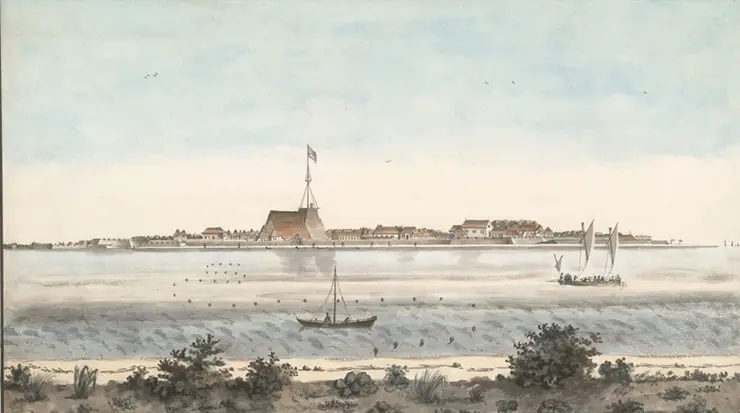
The story behind the museum begins with the sea route to India. Vasco da Gama reached the Malabar coast in 1498, and Pedro Álvares Cabral followed soon after, opening direct trade and missionary contact between Portugal and Kerala. Kochi, with its sheltered harbour and a Raja willing to ally against rival Calicut, quickly became the Portuguese foothold on the coast.
In 1503 the Portuguese built a fortified base beside the harbour, later strengthened and named Fort Emmanuel — Fort Immanuel — after the reigning Portuguese king, Dom Manuel I. Around and within its walls grew the settlement that became Fort Kochi, complete with churches such as St Francis (where da Gama was first buried in 1524) and the forerunner of today’s Santa Cruz. It is the remains of this fort that now lie preserved in the museum’s basement.
Over the following centuries Kochi passed from Portuguese to Dutch and then British hands, and the fort itself was largely dismantled. Yet the religious art produced during and after the Portuguese period — altarpieces, silverware, vestments and statuary made in a distinctive fusion of European form and Kerala craft — survived in the churches of the Cochin diocese, often unregarded and vulnerable.
By the late twentieth century the Diocese of Cochin recognised that this heritage needed a home. Under Bishop Dr Joseph Kureethara, artefacts were gathered from parish churches across the region and a dedicated museum was created in the garden of the Bishop’s House, with support from Lisbon’s Calouste Gulbenkian Foundation. The Indo-Portuguese Museum opened in 2000, giving these objects both protection and a coherent story.
The gathering itself is worth recording as an event rather than a background fact. Objects were taken out of use across the diocese and brought to one guarded building — a sixteenth-century teak altar from the Church of Our Lady of Hope at Vypeen, a seventeenth-century silver-and-wood processional cross and a chasuble from Santa Cruz, chalices, ciboria, a monstrance, vestments, coins and statuary. Each of those had a job in a specific parish before it had a label, and the decision to withdraw them was a judgement that the parishes could no longer keep them safe. That is a loss and a rescue at the same time, and the museum is the record of both.
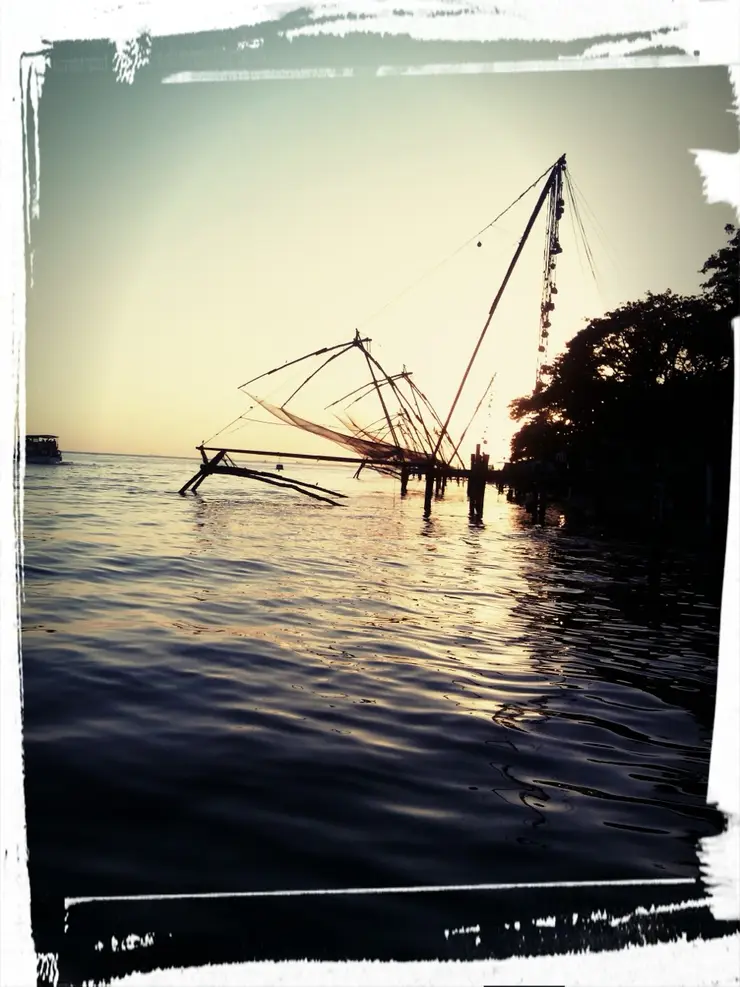
Today the museum sits within Fort Kochi’s dense heritage circuit, alongside the Santa Cruz Basilica, St Francis Church, the old Dutch and Portuguese houses and the Chinese fishing nets — a compact quarter where nearly every lane carries a layer of the colonial encounter that reshaped the Indian coast.
It is the only museum of its kind in India devoted specifically to Indo-Portuguese Catholic art, gathering treasures normally locked away in parish churches into one accessible collection.
The five thematic sections — Altar, Treasure, Procession, Civil Life and Cathedral — let you read the whole arc of the tradition, from sanctuary furnishings to the objects carried through the streets on feast days.
The basement preserves the excavated foundations of Fort Immanuel, the early sixteenth-century Portuguese fort that gave Fort Kochi its name — a rare chance to stand on the literal starting point of European India.
The craftsmanship is genuinely hybrid: teak and rosewood saints, silver-and-wood processional crosses, gilt monstrances and embroidered vestments that fuse European design with Kerala hands.
Set in the quiet, tree-shaded garden of the Bishop’s House, it is a calm, unhurried counterpoint to the crowds outside — you can take it in properly in under an hour.
It sits at the heart of the Fort Kochi heritage walk, steps from Santa Cruz Basilica and St Francis Church, making it easy to fold into a wider day of exploring the old town.
Road km to Ernakulam; ghat roads and traffic vary — allow extra.
Midday works well for museums, especially when outdoor heat is high.
Live forecast loads in your browser.
Sun and moon are calculated for this location and shown in IST. Photography windows are the hour around sunrise and sunset; the sunset bearing is degrees clockwise from true north. Moon phase is accurate to about half a day.
Browse listed stays, food, activities, sights, shops and rentals around Indo-Portuguese Museum. Check each listing’s locality and contact the business directly for current arrangements.
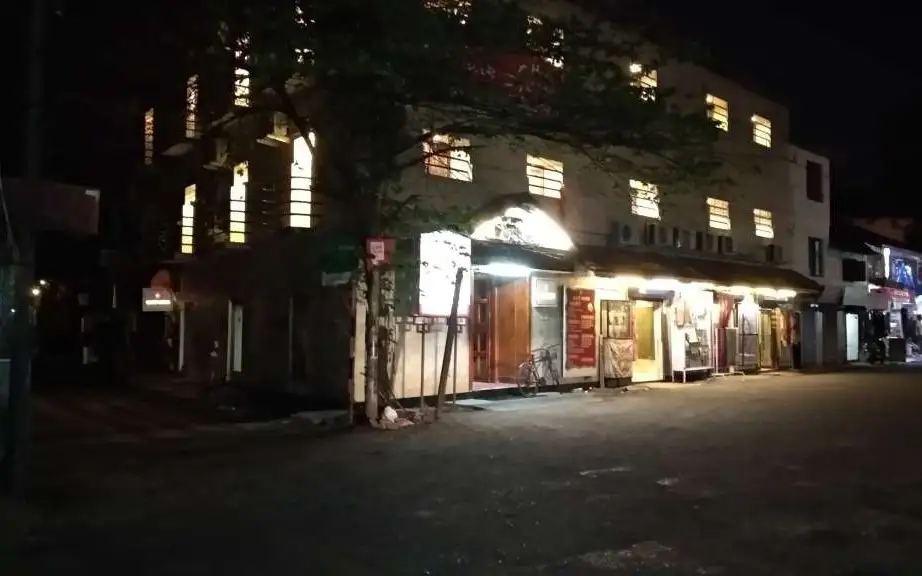
Heritage hotel on Tower Road in Fort Kochi with direct Kerala Tourism-listed contacts. Fort Kochi, Tower Road, Heritage hotel.
Budget hotel by the Vypin bus stand, across the ro-ro from Fort Kochi — a practical island-side base rather than a heritage-quarter stay.
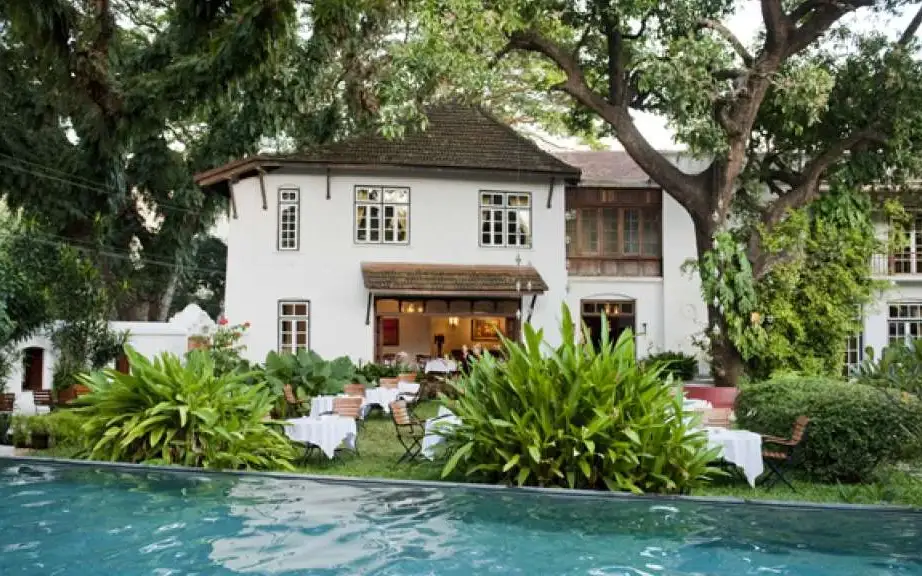
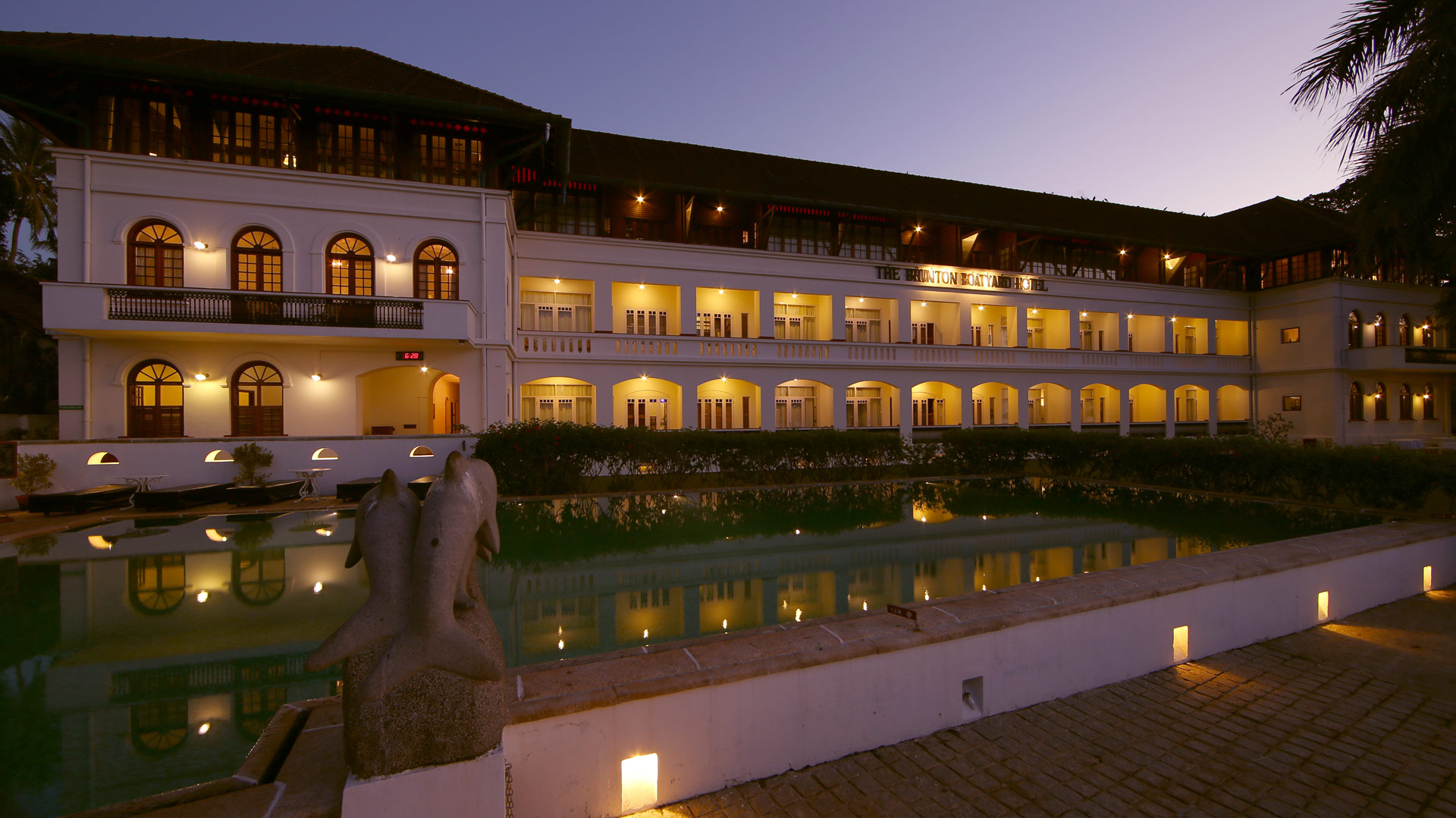
Brunton Boatyard is a waterfront CGH Earth hotel built on a former boatyard site in Fort Kochi. Its colonial-inspired setting and History Restaurant are distinct reasons to compare it with an inland homestay. Ask about the room category, dining reservation and current arrival arrangements.
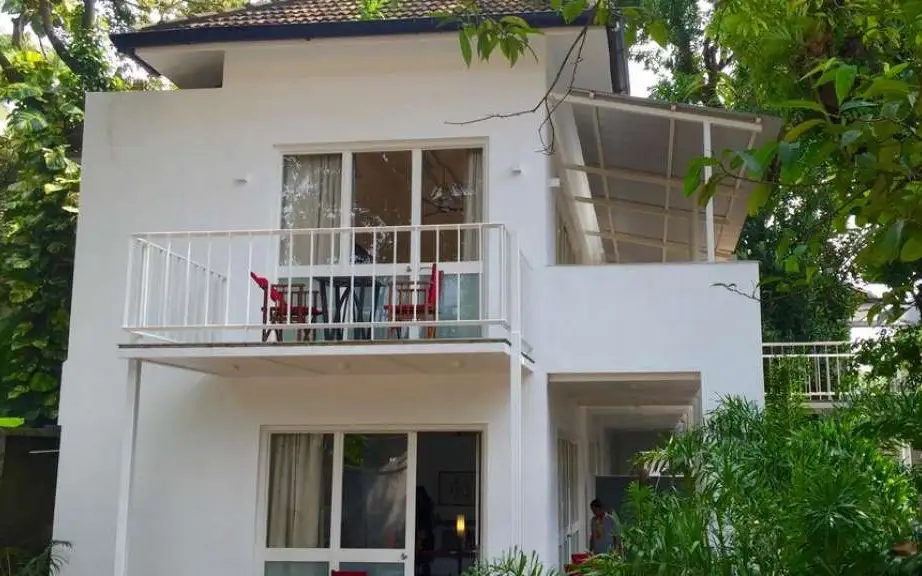
Boutique hotel in a colonial trading bungalow at Kunnumpuram — built for a trading company and later a tea firm’s guest house, hence the name.
Boutique hotel at No 18, KB Jacob Road — upper-mid rooms a short walk from both the basilica and the beach.
Guestland Homestay is on Chirattapalam Road in Amaravathy, Fort Kochi, behind Dr Abraham Dental Clinic. The operator offers AC double, AC single and non-AC single rooms; compare the room category and inclusions with the hosts before booking.
The Koder family’s early-1900s mansion on Tower Road — the house of Kochi’s best-known Jewish trading family, now a boutique heritage hotel.
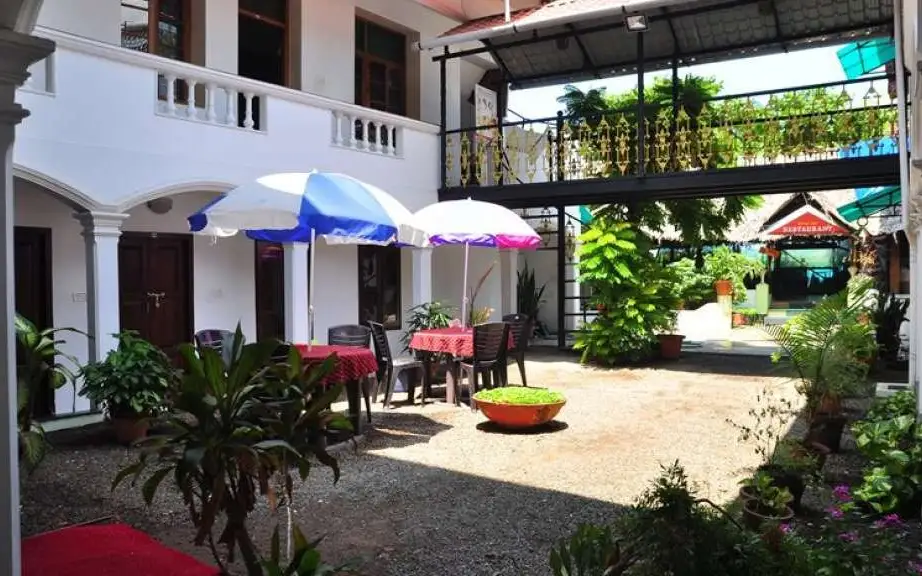
Heritage hotel built around a Portuguese-era courtyard off Princess Street — creaking floors and planters’ chairs rather than polish, which is the charm.
Hotel in Fort Kochi, Ernakulam, Kerala, India. Fort Kochi, Napier Street, CGH Earth.
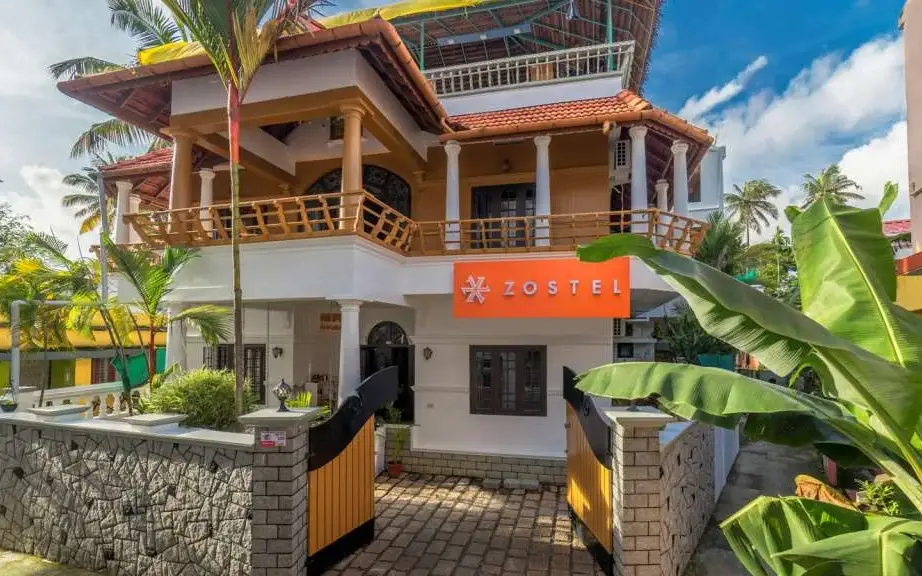
Fort Kochi branch of the Zostel backpacker chain — dorms and private rooms, the quarter’s main hostel option.
Guest house on Quieros Street, one of the old Portuguese-named lanes off Princess Street — a plain budget base in the middle of the quarter.
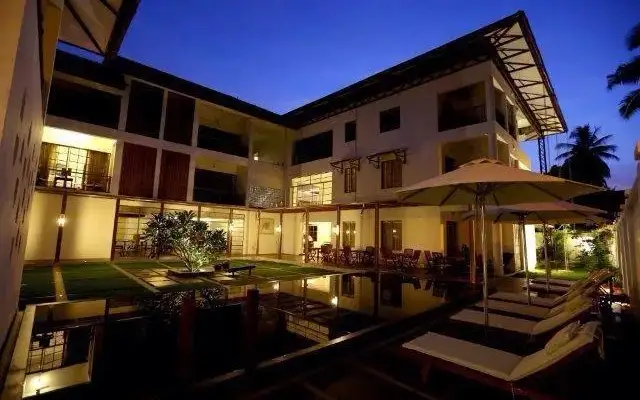
Princess Street hotel with Classic, Imperial and Sovereign rooms, a courtyard pool and Jetty dining. Compare the room category and arrival access; use the reservation contact for a stay and the restaurant contact for a table.
Kapithan's Inn is a family-run guesthouse on K. L. Bernard Road in Fort Kochi, opposite Santa Cruz Ground and behind Santa Cruz Cathedral. The operator says breakfast is served in an open terrace garden overlooking the ground and its rain trees.
Hotel Park Avenue stands on Princess Street near St. Francis Church, at the junction with Peter Celli Street and Bastion Street in Fort Kochi. The operator's Kerala Tourism profile describes an 18-room hotel, while its own website separates the accommodation into non-air-conditioned Deluxe Double, air-conditioned Deluxe Double and Premium Double rooms.
On Princess Street in Fort Kochi, Tom’s Old Mansion occupies a Dutch colonial-era heritage building with high wooden ceilings, corridors and an internal courtyard. The operator says the structure has roughly 500 years of history and underwent limited alterations during its conversion into a hotel.
Trinity Fort Cochin is listed as an eight-room hotel facing Parade Ground in Fort Kochi. The operator describes the property as combining the feel of an art gallery and a private home.
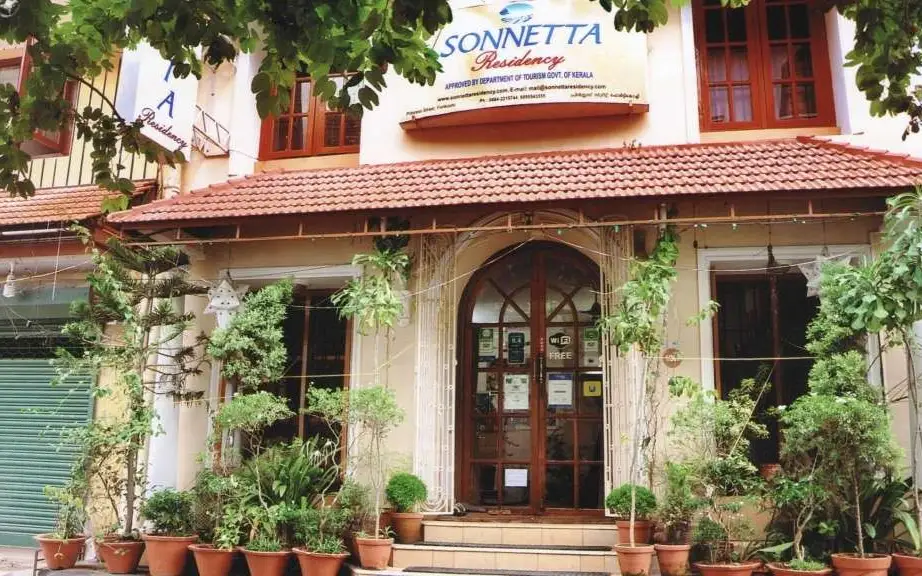
Sonnetta Residency is a guesthouse on Princess Street in Fort Kochi. The operator describes a Portuguese-style building, and its address places visitors among the streets of the old town. The accommodation is arranged into Super Premium, Premium Extra-Large and Premium rooms.
Phils Residency is listed as offering furnished studios and apartments for short or longer stays. It is on Kunnumpuram Road in Fort Kochi, in what the operator describes as a peaceful, central setting.
Hotel Arches occupies a colonial-style building on Rose Street, opposite St. Francis Church in Fort Kochi. The operator-submitted listing describes ten deluxe rooms and a suite named Nidra, with air conditioning and modern bathrooms, plus interiors featuring tiled floors, wooden ceilings and locally handcrafted traditional furniture.
An older operator-submitted listing for this Fort Kochi homestay describes four double-bed rooms with attached bathrooms, showers and hot water, including air-conditioned and non-air-conditioned options. It also mentions a furnished shared hall and dining room with a television.
Set in a converted European family mansion on Rose Street in Fort Kochi, Hotel Rossitta Wood Castle Cochin retains teak floors, high timber ceilings, a winding staircase and large European-style windows. The heritage property also includes guest rooms, a library and an art gallery.
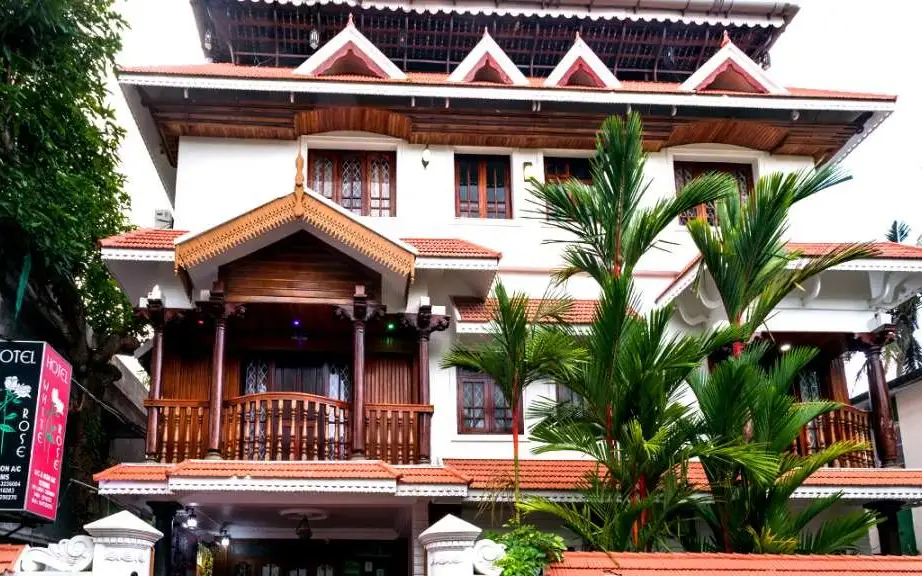
Hotel White Rose occupies an older building in Fortnagar, Fort Kochi, and is described by the operator as a three-star boutique hotel. Its location places guests near the area’s heritage attractions, with the Chinese fishing nets stated to be about a three-minute walk away.
Le Colonial occupies a restored house beside St Francis Church on Church Road in Fort Kochi. Its eight rooms and suites are individually furnished, so choosing a room is part of choosing the experience. The setting puts the church and Vasco da Gama Square at the centre of a stay focused on Fort Kochi's old quarter.
Hotel Fort Castle is on Rose Lane in central Fort Kochi. The operator describes it as a 10-room boutique hotel with contemporary furnishings and modern amenities.
Book with the place itself. India’s cyber-crime coordination centre warned in April 2025 that convincing copies of hotel and pilgrimage booking sites are being pushed through sponsored search and social ads, taking payment for rooms the property never hears about. Use the contact and source details on each profile to confirm the exact business and booking channel. A directory entry or map pin alone does not establish an operator’s identity or current availability. Roampedia takes no commission and does not collect booking payments. If a booking page reached you through an ad, check the address bar against the property’s own site before you pay. Fraud can be reported on cybercrime.gov.in or on 1930.
Browse food, accommodation and activities across Fort Kochi. Check each address and journey before adding it to your day; these selections are not all beside Indo-Portuguese Museum.
10 more places around Fort Kochi. Open a guide to plan the visit and onward journey.
570 m · 7 min walk
Kerala’s most walkable heritage quarter, with Chinese fishing nets, colonial churches, art cafes and Mattancherry nearby.
770 m · 9 min walk
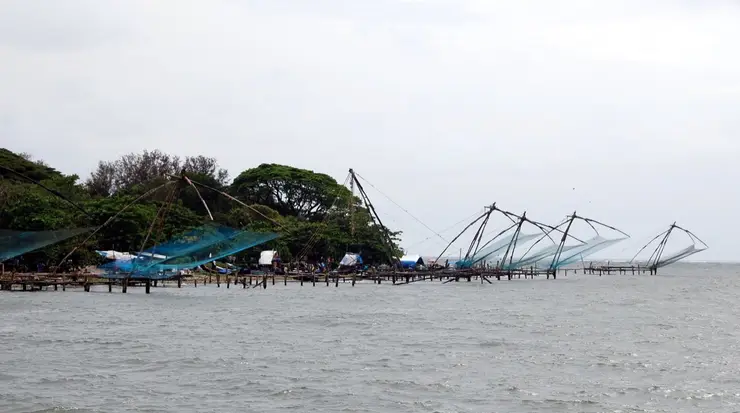
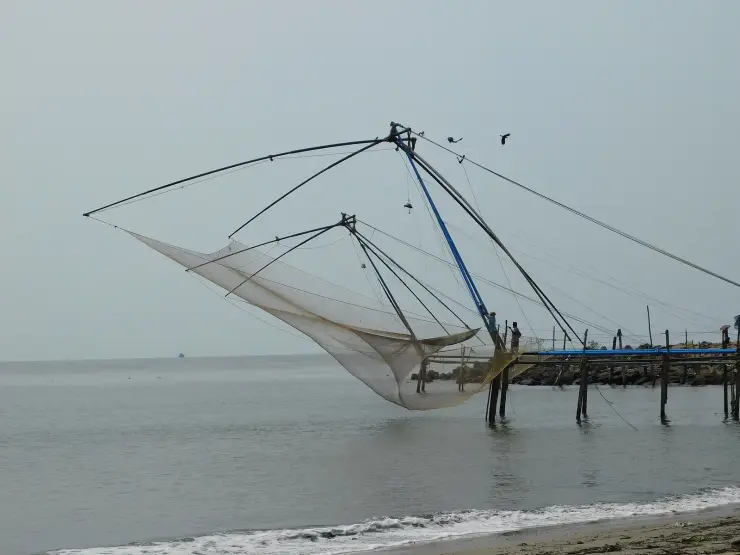
The giant cantilevered lift nets that are Fort Kochi’s emblem, strung along the shore at Vasco da Gama Square and still landing fish. Even their origin is argued — popular tradition credits Chinese traders of Zheng He’s era, some scholars later Portuguese settlers from Macau — and the argument is part of the attraction.
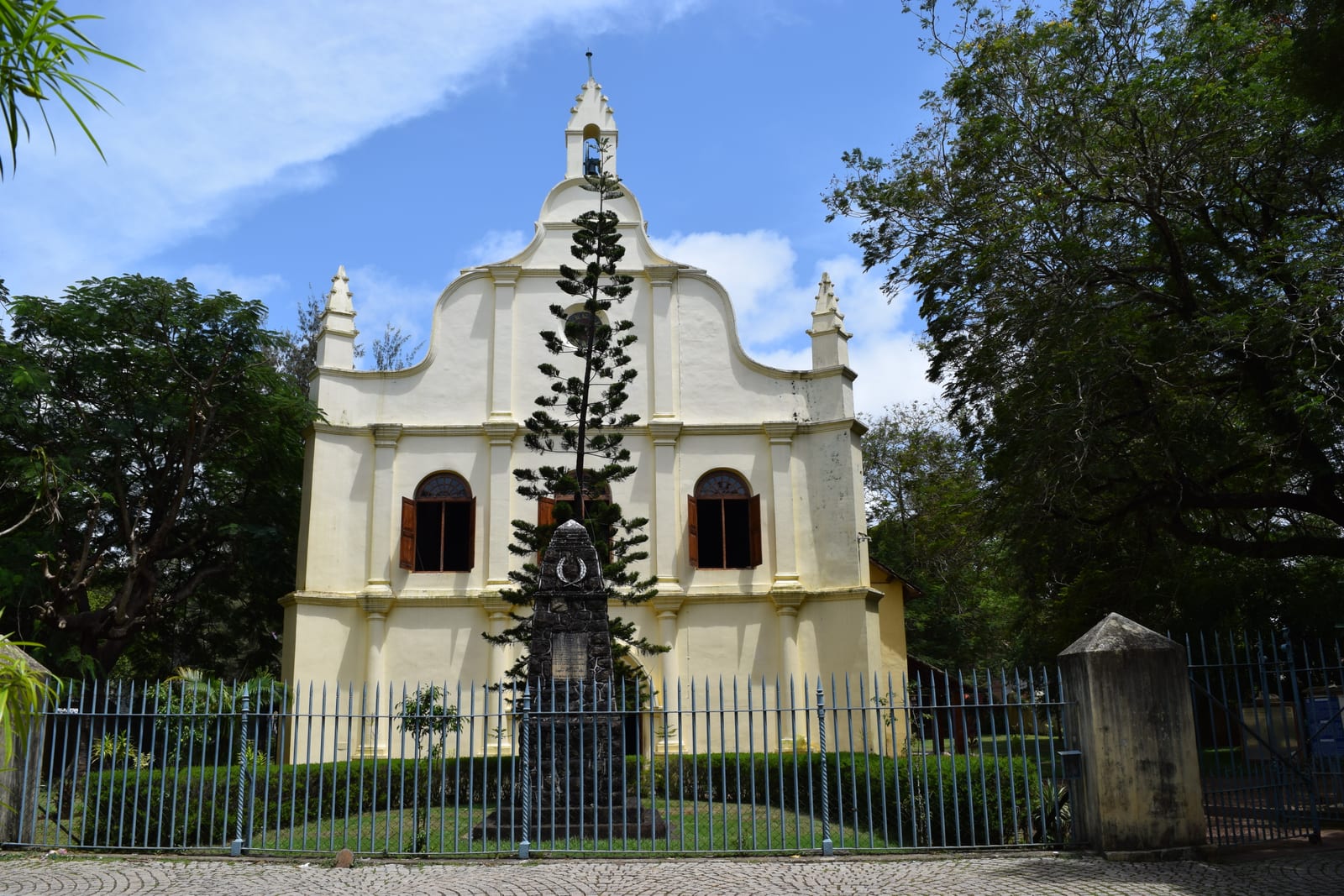
560 m · 7 min walk
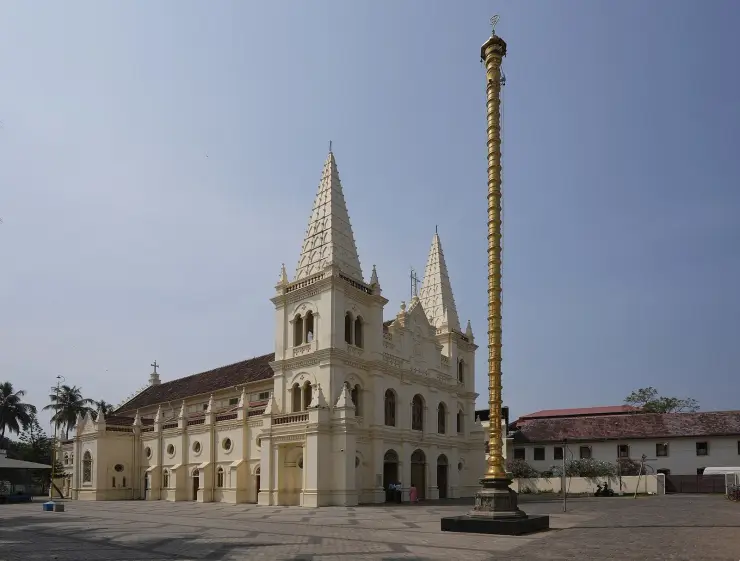
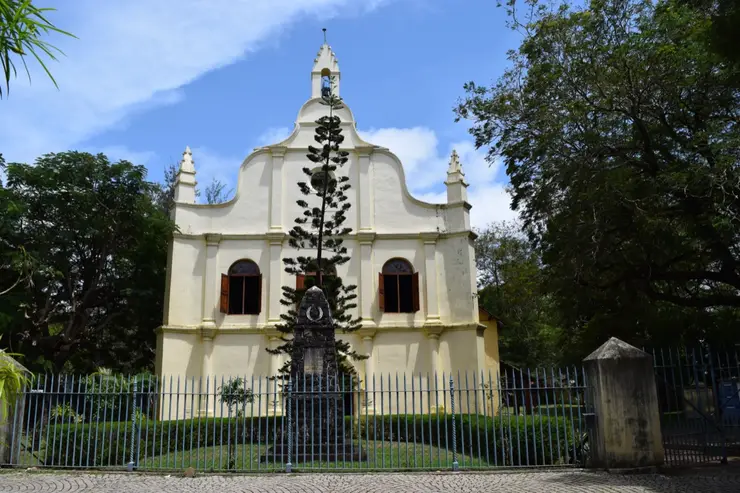
Believed to be the oldest European church in India (1503); Vasco da Gama was buried here before his remains were moved to Lisbon.
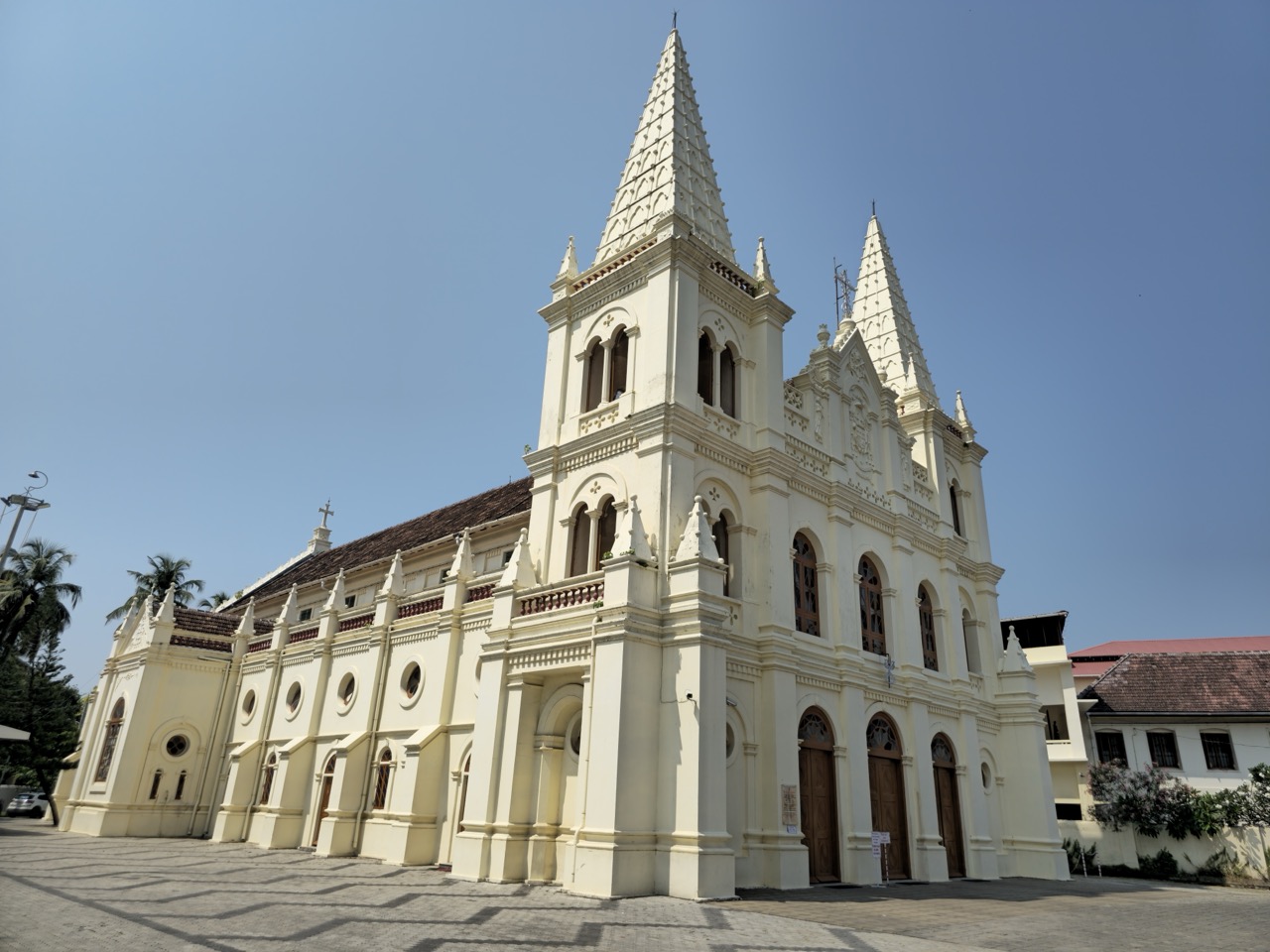
510 m · 6 min walk
One of the finest churches in Kerala, with a richly painted interior, beside the Kerala Kathakali Centre in Fort Kochi.
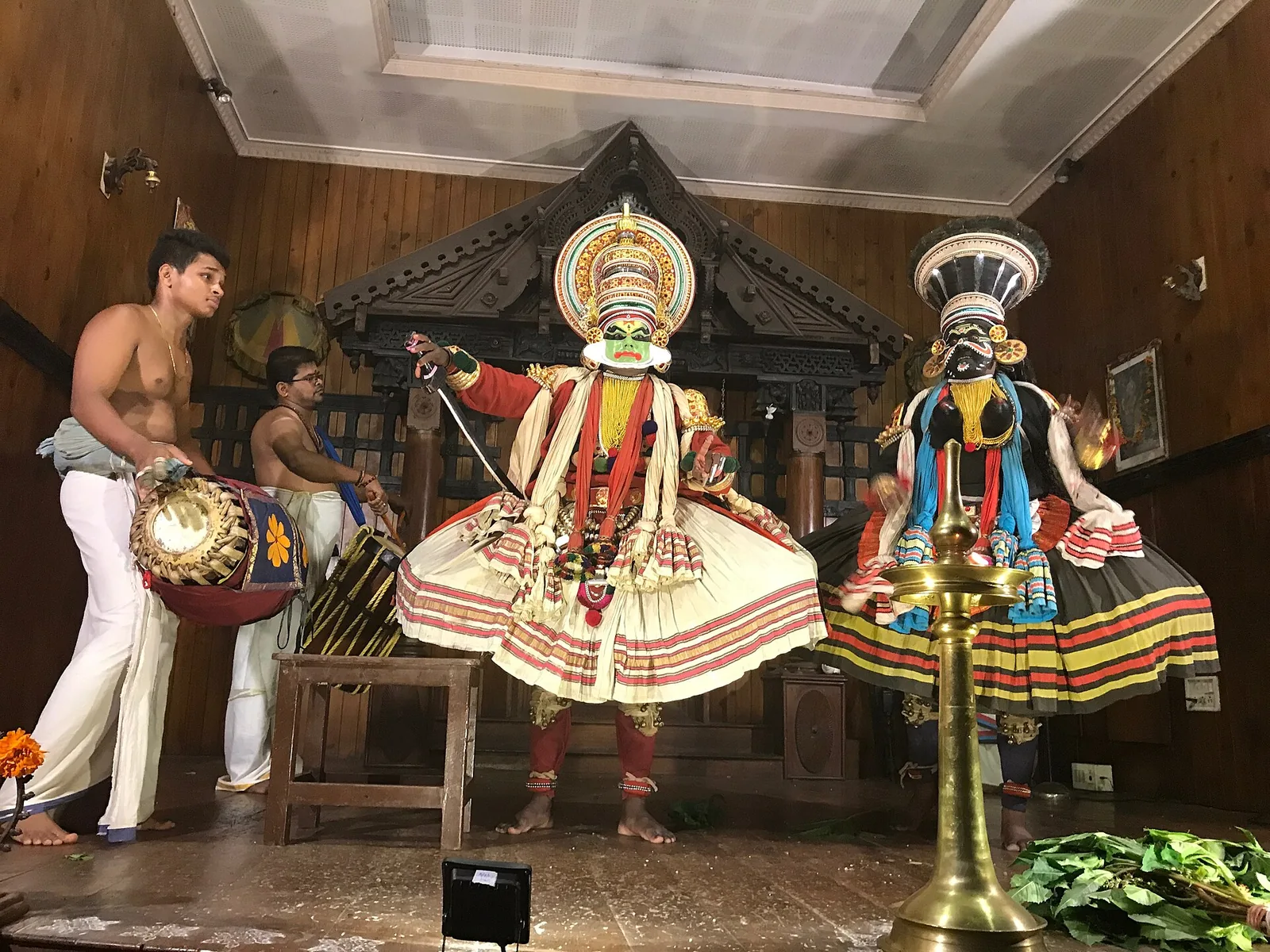
520 m · 6 min walk
Evening Kathakali and Kerala classical-art performances in Fort Kochi, with make-up shown before the show.
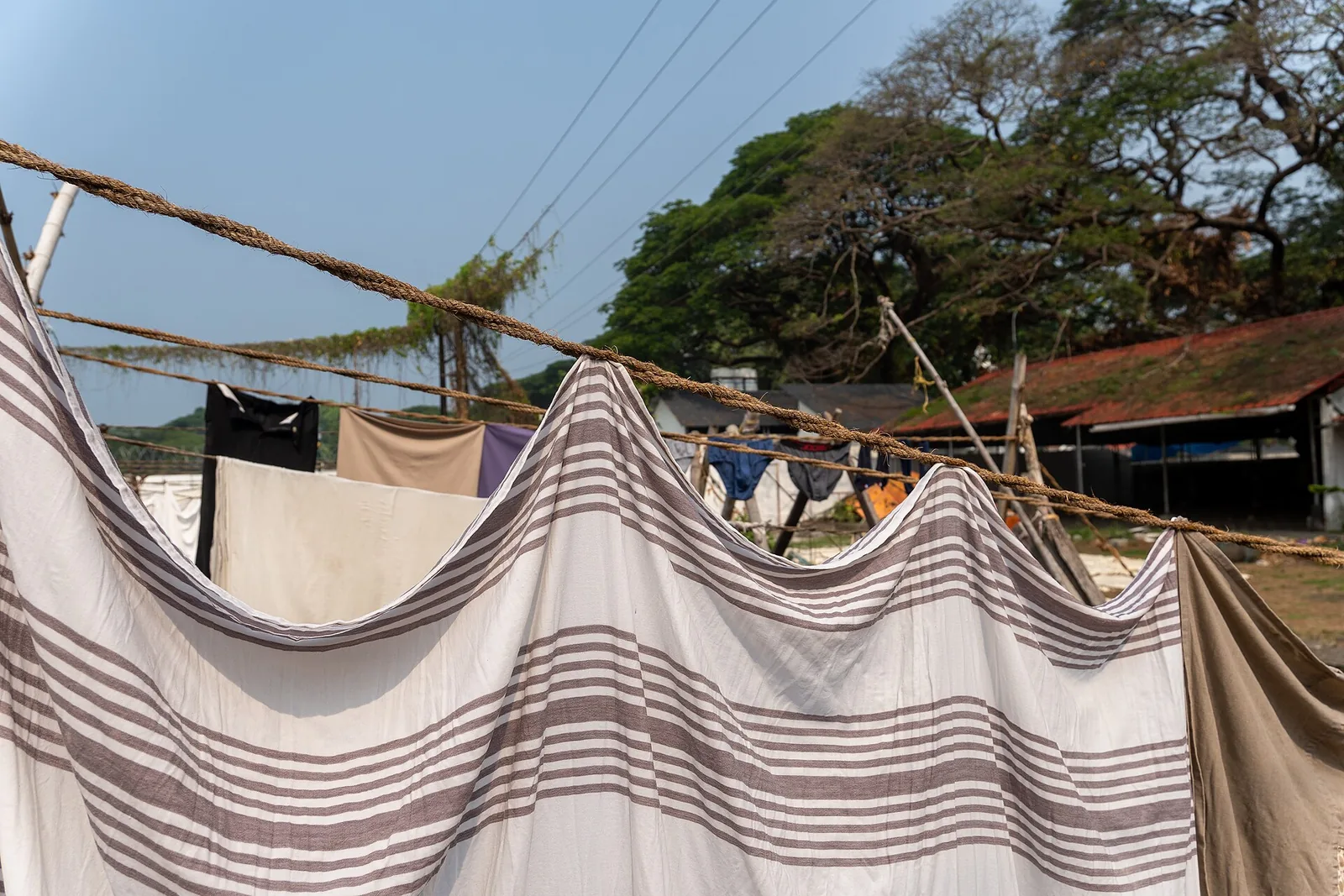
1.8 km · 22 min walk
A working colonial-era community open-air laundry in Fort Kochi, still used by traditional washermen families.
820 m · 10 min walk
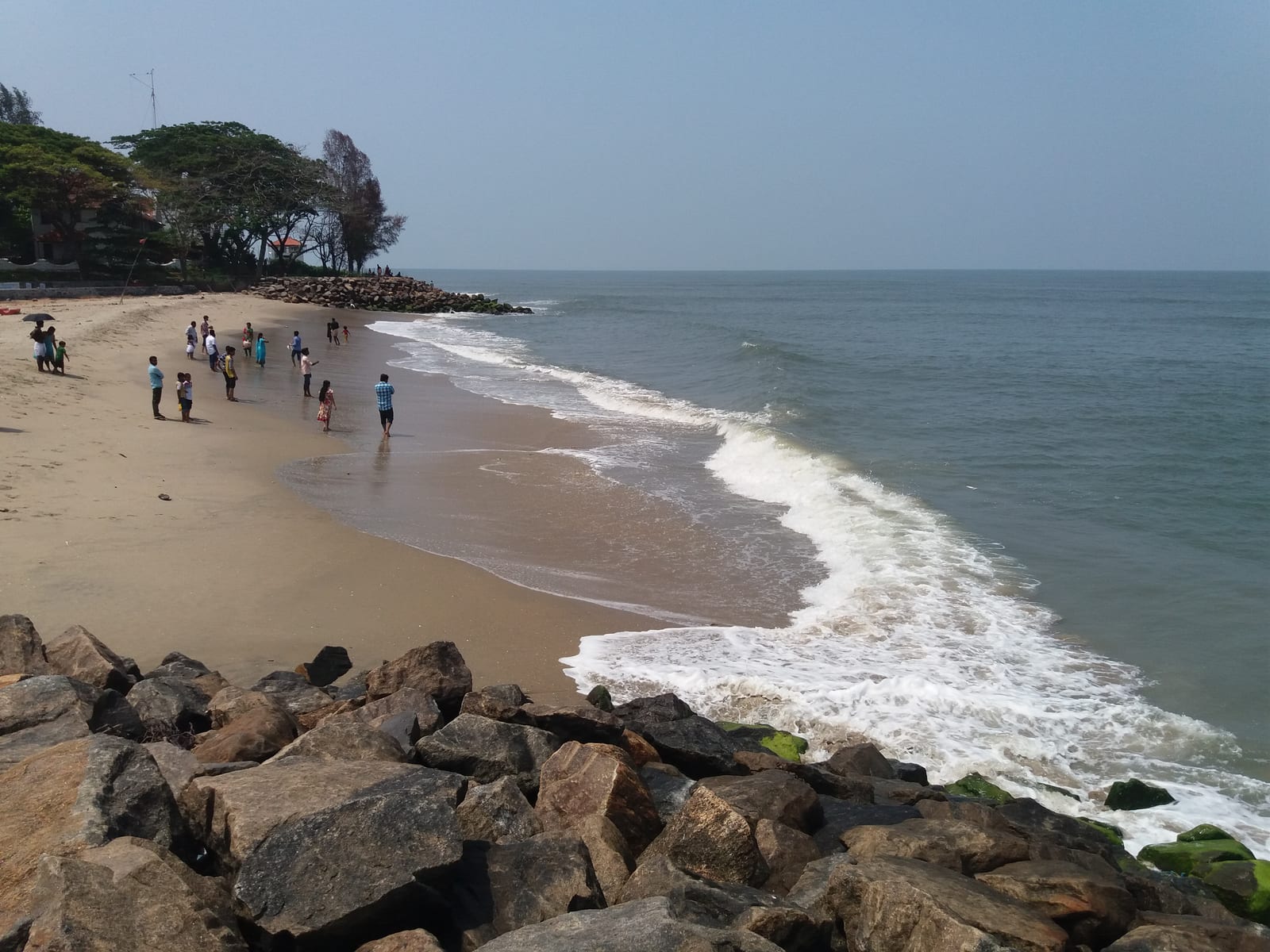
Public seafront beside the Chinese fishing nets — a walking-and-sunset beach, not a swimming beach.
1.3 km · 15 min walk
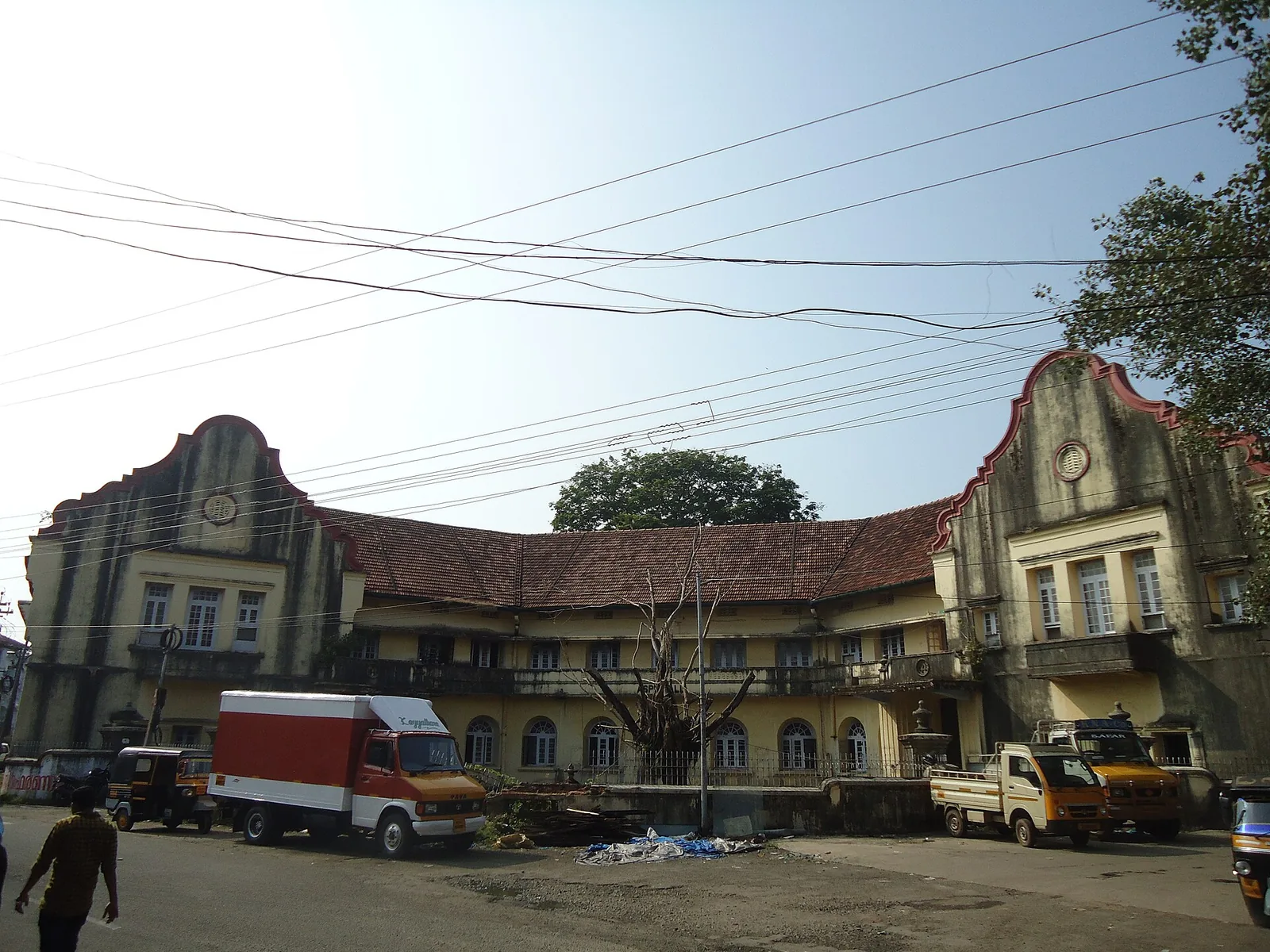
A large 19th-century waterfront trading compound in Fort Kochi, the principal venue of the Kochi-Muziris Biennale.
550 m · 7 min walk
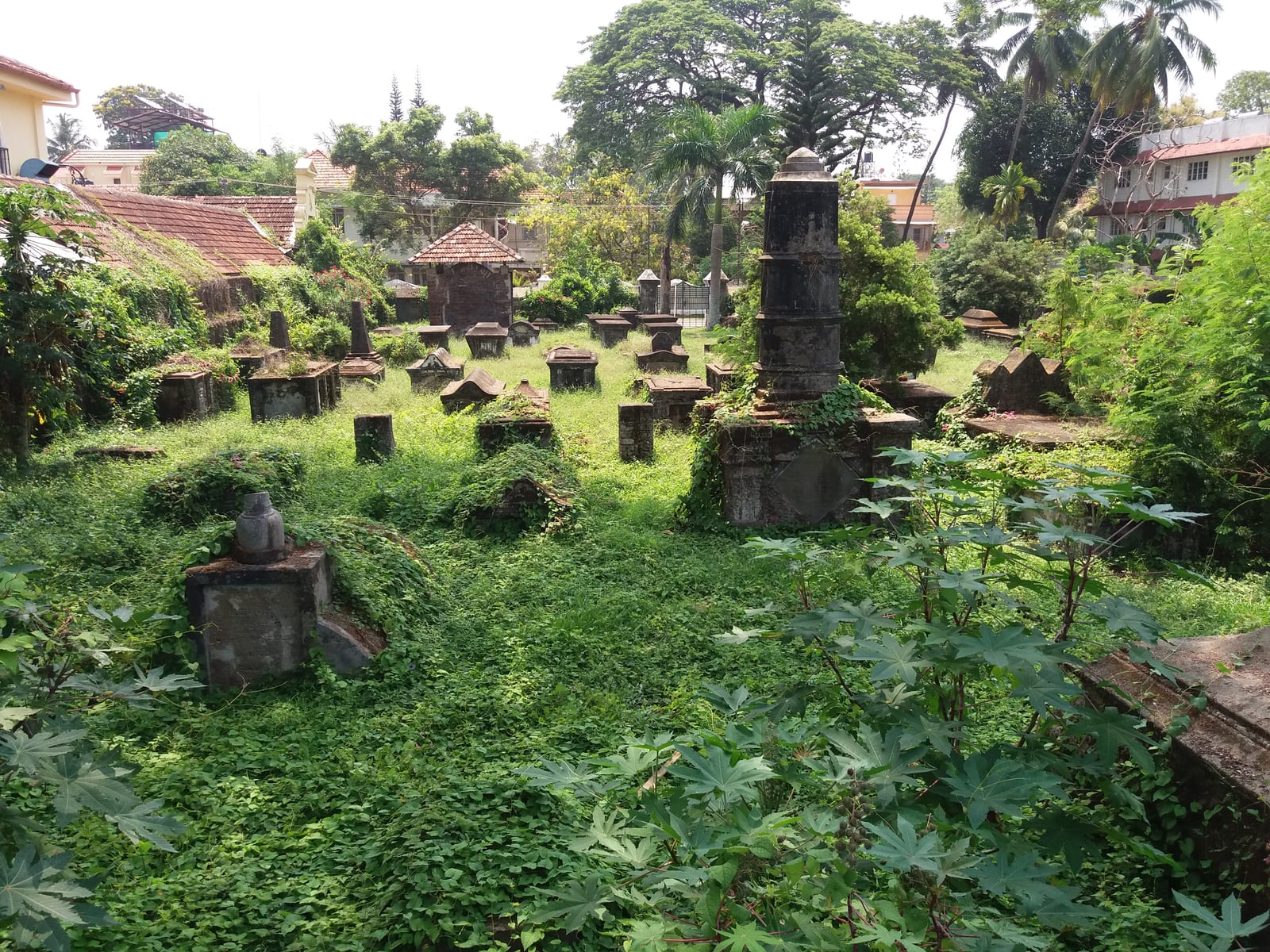
The 1724 burial ground of Kochi’s Dutch colonial officials and merchants, beside St Francis Church — ASI-protected, and usually locked.
450 m · 5 min walk
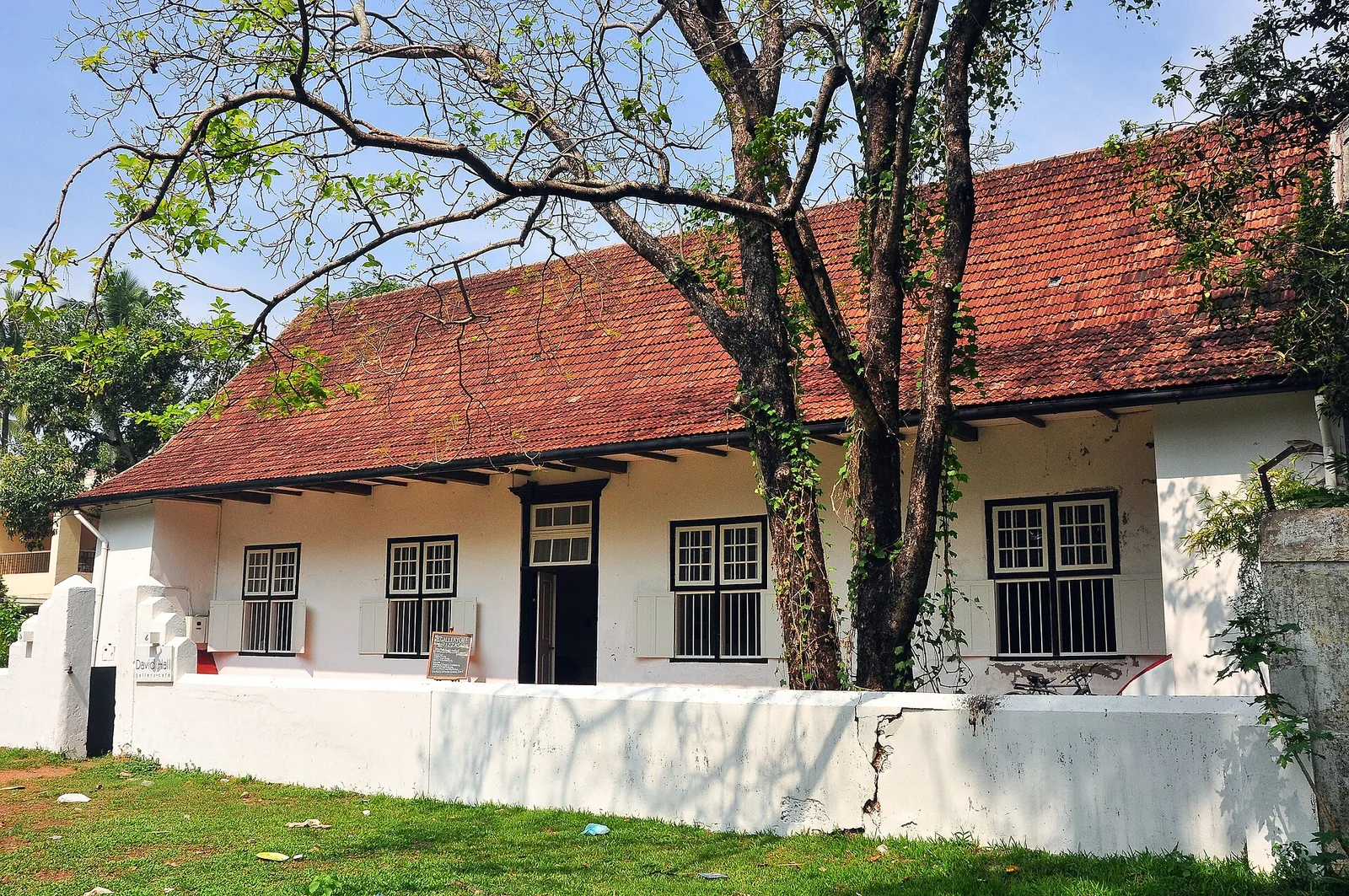
A restored 17th-century Dutch bungalow on the Fort Kochi parade ground, now a contemporary art gallery and cafe.
Roampedia is commission-free — own or know a stay, eatery, guide or shop near Indo-Portuguese Museum? Submit public business details for review.
Add a nearby businessEntry: A small entry ticket, usually a few rupees more for foreign visitors than for Indian visitors, with an extra charge commonly applying for cameras; free entry is sometimes offered on a fixed day of the month.
Photography: Photography is often restricted and, where allowed, usually needs a separate camera ticket; some galleries may not permit photos at all, so check the rules at the entrance.
If you are travelling by bus or ferry, check the return service with the operator before setting out. Leave time to reach the stop or jetty after your visit.
Ask at the bus stand for the time of the last service back, not the next one. If you miss it, an auto or app cab is the fallback — agree the fare before you get in.
If you need step-free access, contact the site before travelling. Ask about a level entrance, steps along the route, the nearest drop-off point, seating and accessible toilets.
Charge cap and free-transaction limits: Reserve Bank of India, ATM FAQ updated 4 July 2025; checked 4 October 2026.
These services are listed within about 1.2 km of Indo-Portuguese Museum. Walking distances follow mapped routes; access and opening hours can change. Other services may be closer but are not included here.
Fort Kochi is one of Kerala’s safest and most walkable tourist quarters, comfortable by day and on the main lanes after dark. Violent crime against visitors is rare — the realistic risks are auto/guide scams, petty theft in crowds, and the sea, not personal danger.
Safety guidance last reviewed 15 June 2026. Always check your own government's current travel advice before you travel.
Published emergency and visitor-assistance contacts. For an immediate emergency, call 112. Shared Kerala contact sources checked 4 October 2026; publication does not establish a tested live response.
A restored 17th-century Dutch bungalow on the Fort Kochi parade ground, now a contemporary art gallery and cafe.
450 m · 5 min walkOne of the finest churches in Kerala, with a richly painted interior, beside the Kerala Kathakali Centre in Fort Kochi.
510 m · 6 min walkEvening Kathakali and Kerala classical-art performances in Fort Kochi, with make-up shown before the show.
520 m · 6 min walkThe 1724 burial ground of Kochi’s Dutch colonial officials and merchants, beside St Francis Church — ASI-protected, and usually locked.
550 m · 7 min walkBelieved to be the oldest European church in India (1503); Vasco da Gama was buried here before his remains were moved to Lisbon.
560 m · 7 min walkKerala’s most walkable heritage quarter, with Chinese fishing nets, colonial churches, art cafes and Mattancherry nearby.
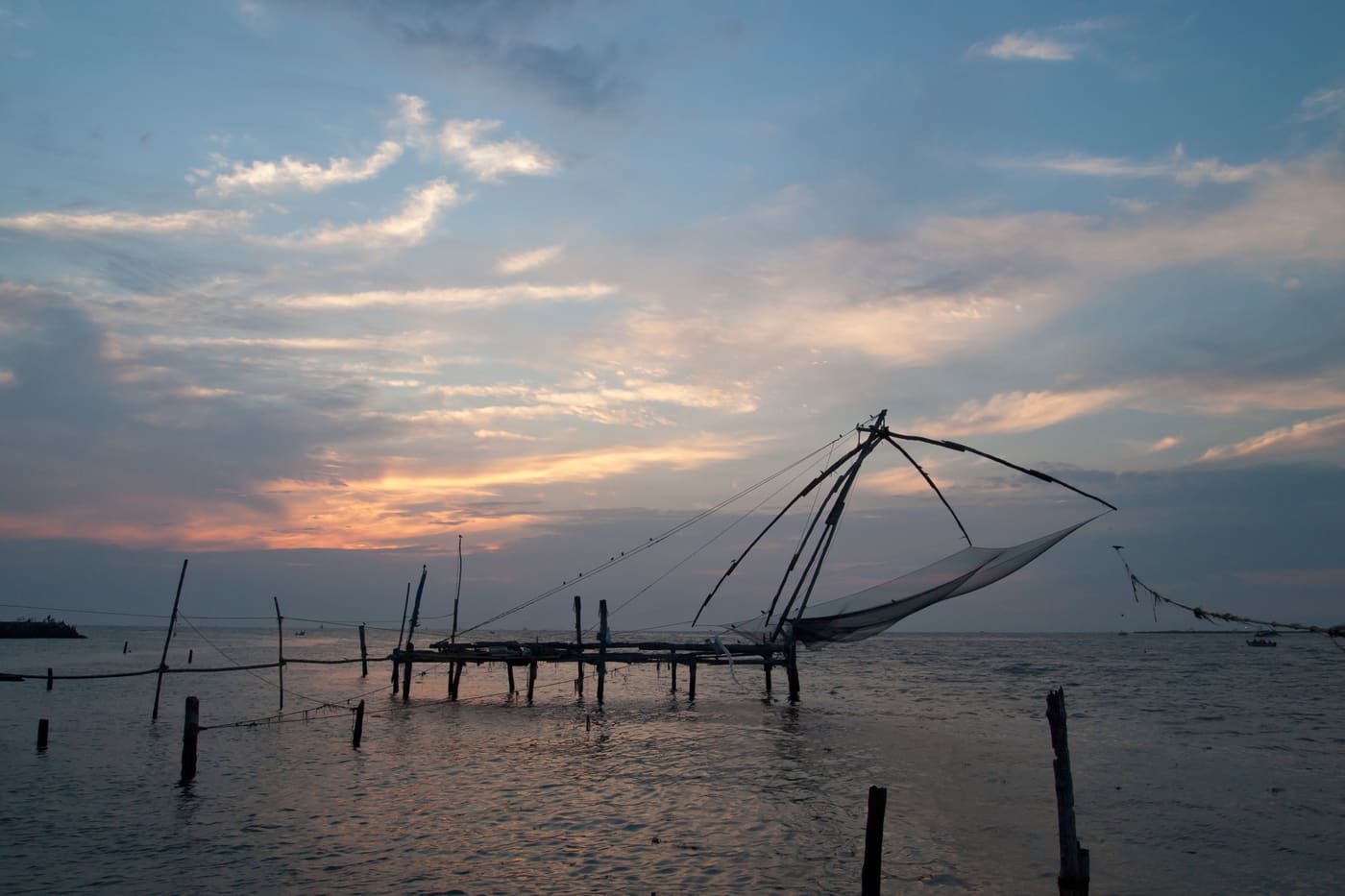
570 m · 7 min walkKochi’s iconic cantilevered shore-operated fishing nets along the Fort Kochi seafront at Vasco da Gama Square, best photographed at sunset.
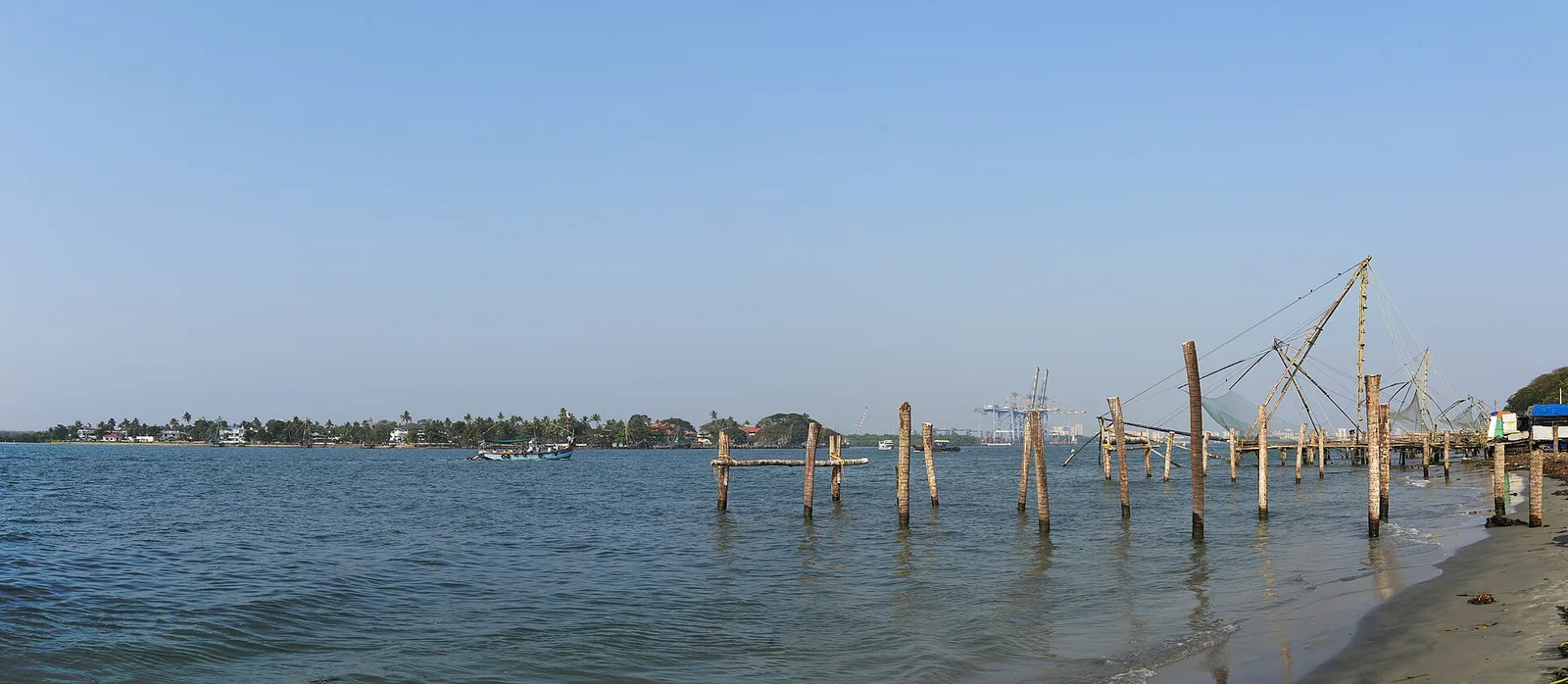
770 m · 9 min walkPublic seafront beside the Chinese fishing nets — a walking-and-sunset beach, not a swimming beach.
820 m · 10 min walk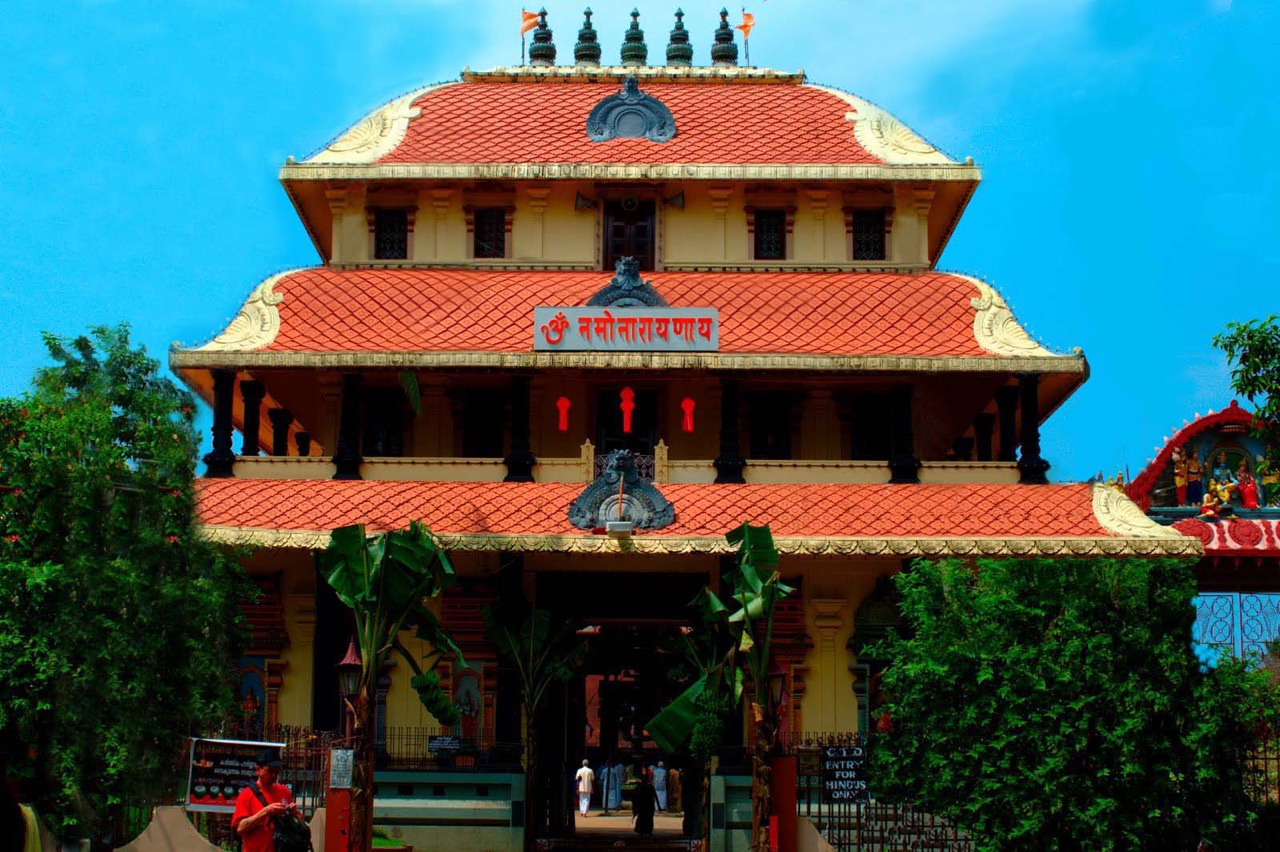
A historic Gowda Saraswat Brahmin temple in Cherlai, Mattancherry, central to Kochi’s Konkani community.
1.3 km · straight lineA large 19th-century waterfront trading compound in Fort Kochi, the principal venue of the Kochi-Muziris Biennale.
1.3 km · 15 min walk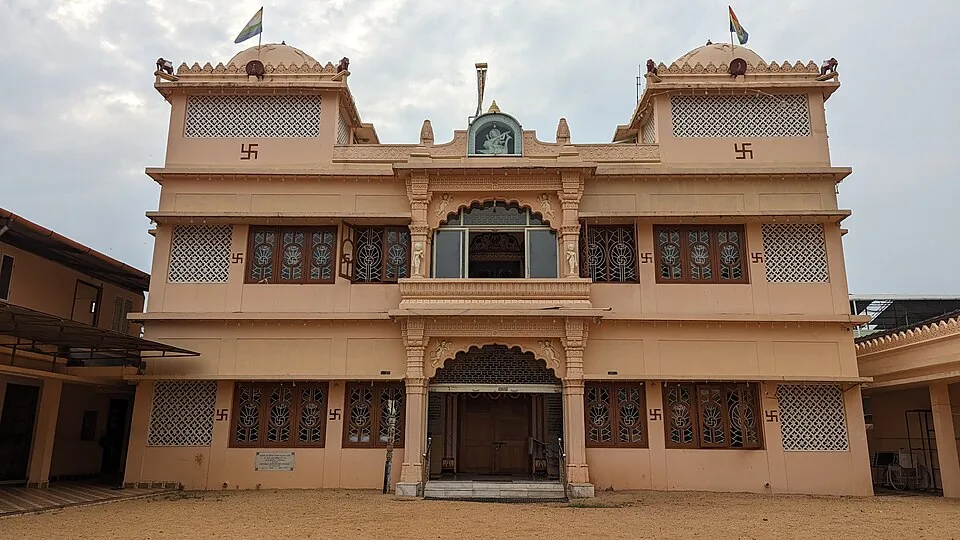
An ornate Jain temple in Mattancherry’s Gujarati quarter, raised in 1904 by Hirubai in memory of her husband Jivraj Dhanji and dedicated to Dharmanatha, the fifteenth Tirthankara — known for its white marble work and the daily midday feeding of the pigeons outside.
1.5 km · straight lineA working colonial-era community open-air laundry in Fort Kochi, still used by traditional washermen families.
1.8 km · 22 min walkRoad and walking figures are route estimates, with travel times dependent on access, traffic and conditions. Figures marked “straight line” show direct separation and do not describe a road or walking route. Fare estimates use Kerala’s 26 April 2022 auto/taxi notification and exclude waiting, night and applicable one-way surcharges. Confirm the current meter or operator quote before travelling. Routing: © openrouteservice.org by HeiGIT | Map data © OpenStreetMap contributors
Nearby toilets, pharmacies, ATMs, seating and vets are community-mapped and may be incomplete or out of date. Map data © OpenStreetMap contributors | Walking times © openrouteservice.org by HeiGIT
It is a diocesan museum in Fort Kochi devoted to the Indo-Portuguese Catholic heritage of the region — sacred art gathered from churches across the Cochin diocese. It was established under the Diocese of Cochin on the initiative of the late Bishop Dr Joseph Kureethara, with support from Lisbon’s Calouste Gulbenkian Foundation, and opened in the year 2000.
The collection is arranged into five themes — Altar, Treasure, Procession, Civil Life and Cathedral. Between them they display altarpieces, chalices, ciboria and a silver-gilt monstrance, processional crosses, precious vestments, and wooden and marble statues of saints, several drawn from the Santa Cruz Cathedral and the Bishop’s House chapel.
Yes — the basement preserves the excavated remains of Fort Immanuel, the fort the Portuguese built beside the harbour in the early sixteenth century, which gave Fort Kochi its name. It is one of the museum’s most memorable features.
It is generally open Tuesday to Sunday and closed on Mondays (and often on public holidays), with a small entry ticket and separate charges typically applying for cameras.
No — it is a museum, a keeping-place for sacred art and heritage, not a functioning place of worship. If you want to attend Mass or pray, the nearby Santa Cruz Basilica and St Francis Church are the places to go.
From working parish churches in the Cochin diocese, not from dealers or from abroad. The sixteenth-century teak altar came from the Church of Our Lady of Hope at Vypeen; a seventeenth-century silver-and-wood processional cross and a chasuble came from Santa Cruz, a few hundred metres away. They were brought in because they were unguarded and deteriorating where they stood. This is a rescue collection, and most of the churches it came from are still standing and still holding services.
Because the museum is organised by what the objects did, not by style or date. Those five headings are functions — what stood at the front of a church, what was locked away, what was carried through the streets, what people kept at home, and what belonged to the cathedral. It is a liturgical arrangement, which is how the people who used these things understood them.
Around forty-five minutes to an hour is usually enough to see the whole collection unhurried. It sits in the middle of the Fort Kochi heritage circuit, within easy walking distance of Santa Cruz Basilica, St Francis Church, the old colonial streets and the Chinese fishing nets.
Midday works well for museums, especially when outdoor heat is high.
Entry: A small entry ticket, usually a few rupees more for foreign visitors than for Indian visitors, with an extra charge commonly applying for cameras; free entry is sometimes offered on a fixed day of the month. Timings: Generally open Tuesday to Sunday, closed on Mondays and often on public holidays; typically mid-morning to late afternoon, sometimes with a short midday break.
Base yourself in Fort Kochi or a nearby town in Ernakulam, then confirm the last-mile route locally before leaving. Check weekly closure day and ticket counter timings before going. If the visit depends on forest, temple, boat, ferry, weather or seasonal access, check the official/local rule on the day before travel.
1 to 2 hours.
Nearby you can pair David Hall Art Gallery (450 m, route estimate), Santa Cruz Cathedral Basilica (510 m, route estimate), Kerala Kathakali Centre (520 m, route estimate), Dutch Cemetery (550 m, route estimate).
Use official ticket counters and cloakroom rules. Keep bags and cameras within permitted areas.
Written about Indo-Portuguese Museum itself — its history, its legends and the arguments about them.
These guides explore Fort Kochi and the surrounding area. Choose a visit that fits your interests, allowing separately for travel between stops.
Written about Fort Kochi as a whole rather than about Indo-Portuguese Museum — its history, its streets, and how to spend a day in it.
Route-level itineraries and practical guides for the rest of Kerala.