What to expect
Highlights
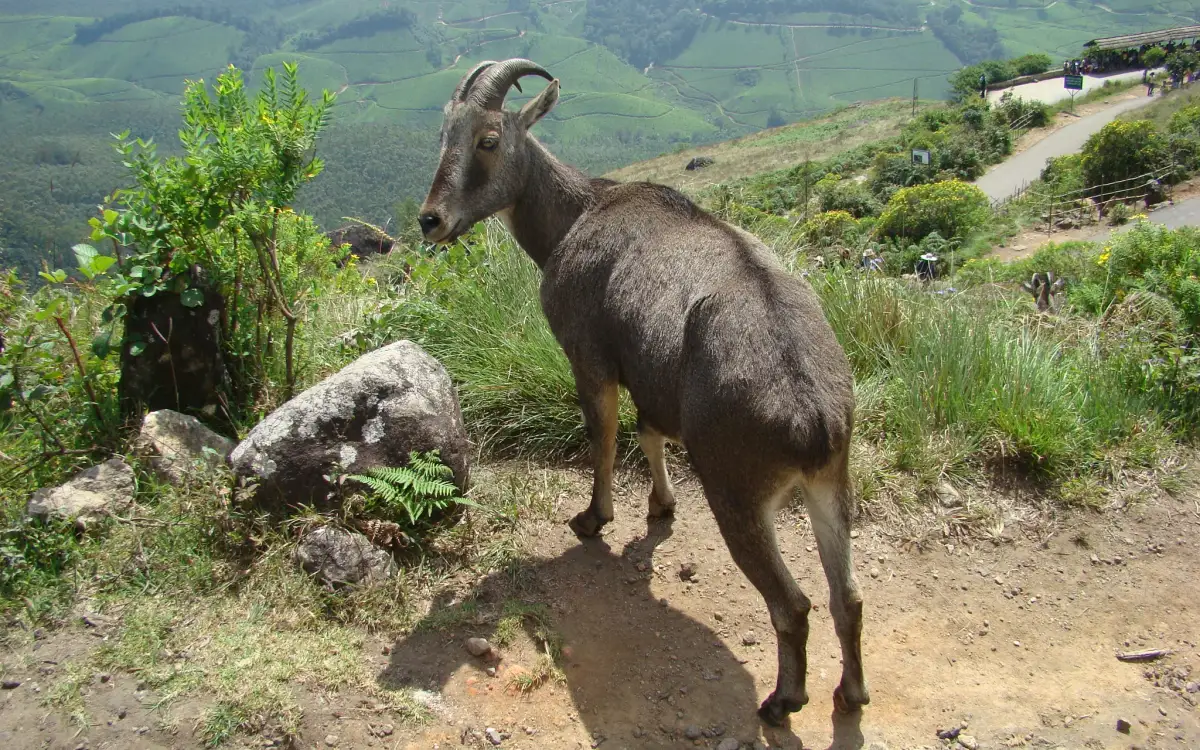
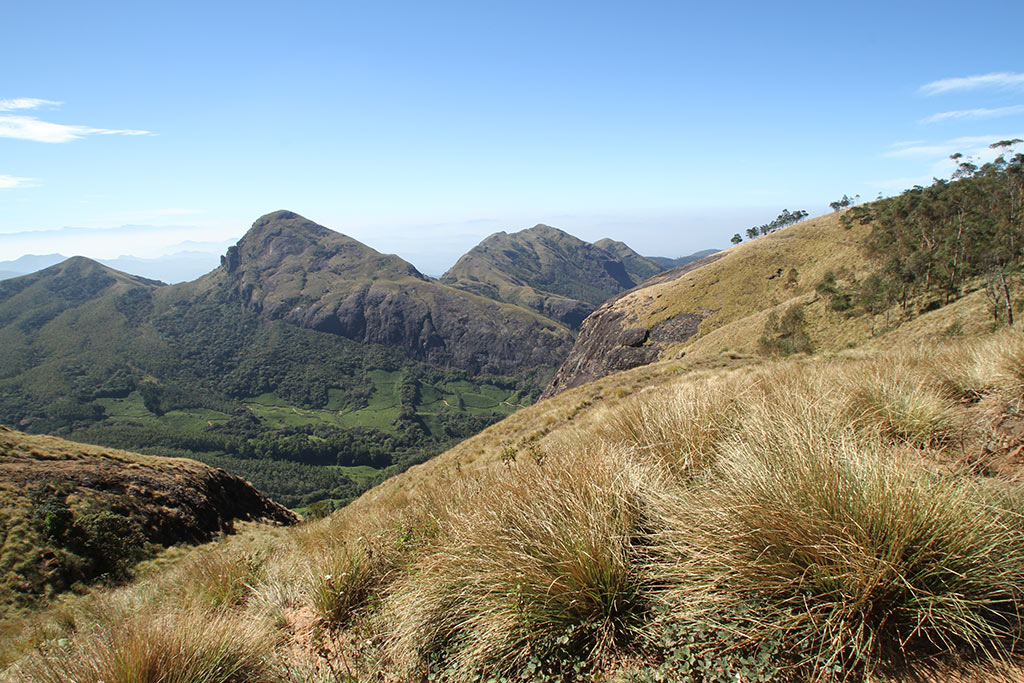
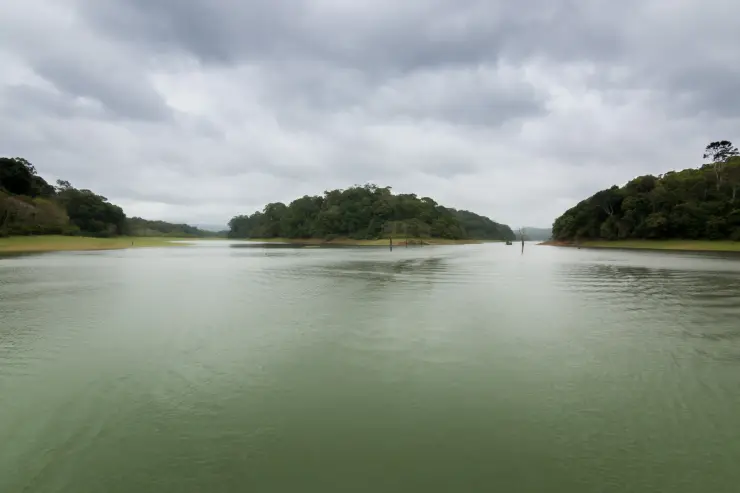
- Wildlife or forest landscape around Chinnar Wildlife Sanctuary
- Official eco-tourism activities where available
- Nature guides, birding and forest-edge stays
Dry-forest wildlife sanctuary on the Marayoor-Udumalpet side of Idukki.
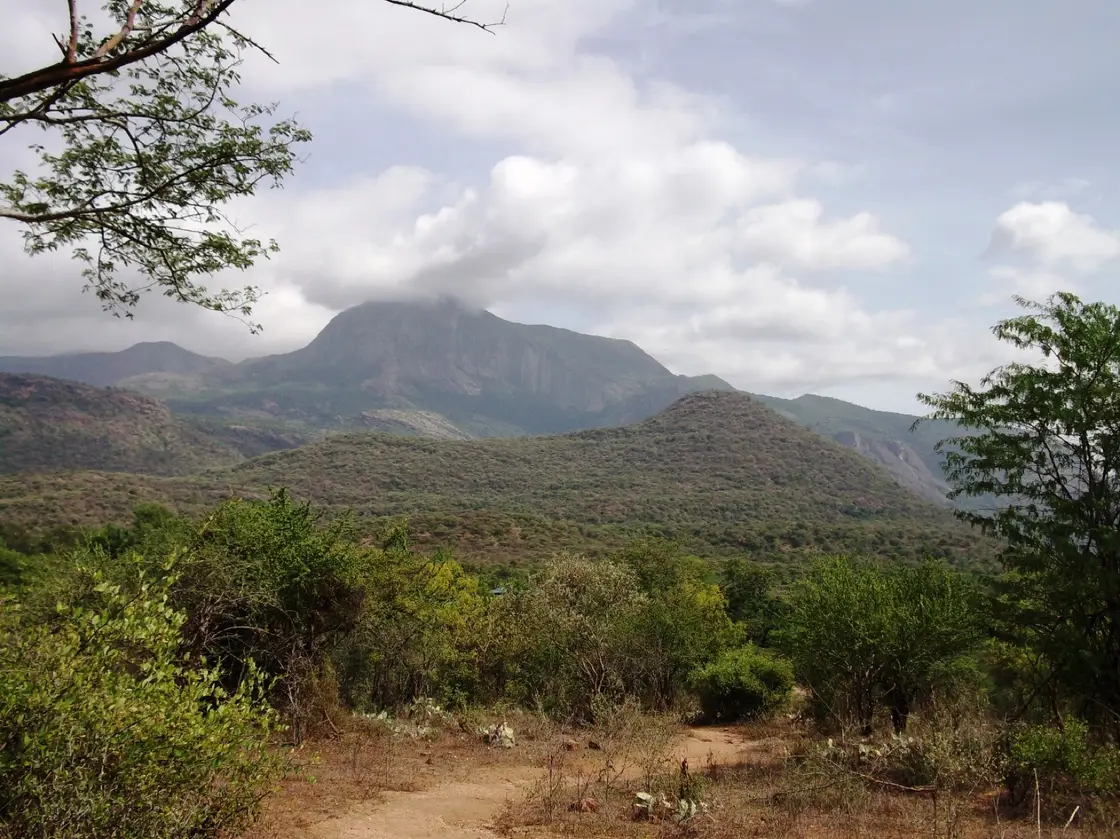
Chinnar Wildlife Sanctuary is Kerala’s great ecological oddity — a sun-baked expanse of thorny scrub and dry-deciduous woodland tucked into the rain-shadow of the Western Ghats on the Kerala–Tamil Nadu border, where the monsoon that drenches nearby Munnar barely reaches. Straddling the Chinnar and Pambar rivers near Marayoor, it shelters the endangered grizzled giant squirrel, the Indian star tortoise, sandalwood groves and prehistoric dolmens, making it one of the most unusual protected areas in the whole of green, rain-soaked Kerala.
Drive an hour east from the tea-carpeted hills of Munnar and the landscape performs a quiet magic trick. The mist thins, the cardamom scent fades, and the road tips down into a hot, tawny country of thorn trees, sun-cracked rock and rustling dry grass. This is Chinnar — a sanctuary that feels almost like a slice of Tamil Nadu smuggled across the border, because in ecological terms that is very nearly what it is. Lying in the deep rain-shadow of the high ranges, Chinnar is starved of the south-west monsoon that soaks the rest of Kerala, and so it wears a dry, spiny coat found almost nowhere else in the state.
The two rivers give the place its rhythm. The Chinnar and the Pambar thread through the parched hills as ribbons of green, and along their banks the whole story of the sanctuary comes alive. Marsh crocodiles bask on sandbars, elephants come down at dusk to drink, and in the riverine canopy the star of the reserve leaps between branches — the grizzled giant squirrel, a rare, silver-flecked rodent that has made Chinnar one of only a handful of strongholds in India. To watch one glide, tail streaming, across a gap in the trees is to understand why conservationists guard this quiet corner so fiercely.
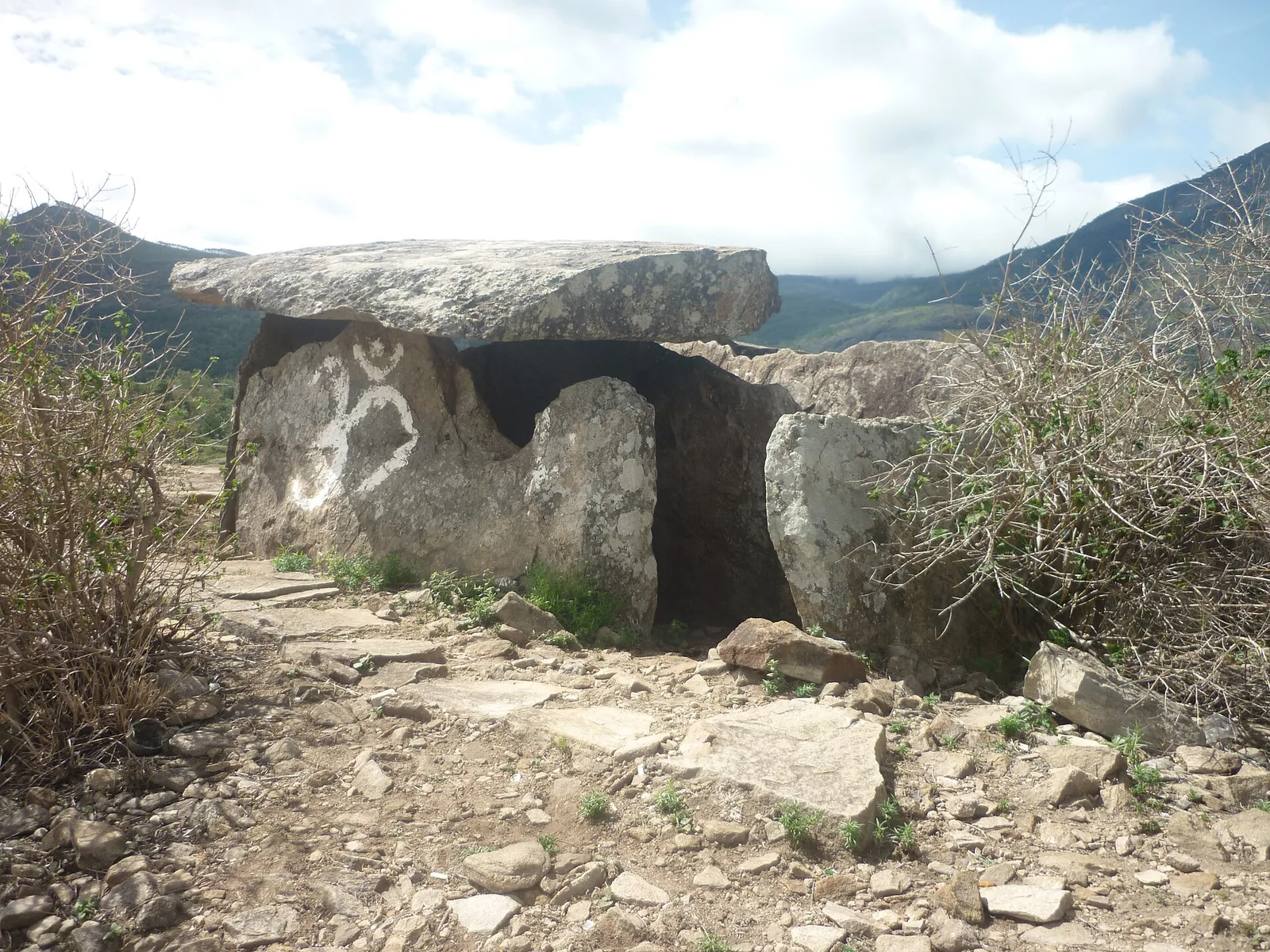
Everywhere the ground tells older stories. Scattered across the Marayoor plateau on the sanctuary’s edge stand the muniyaras — squat granite dolmens raised by people who lived and buried their dead here thousands of years ago. Nearby, rock shelters at Alampetty carry faded ochre paintings, and the whole area hums with the sense of a landscape continuously inhabited since the Stone Age. Chinnar is not wilderness in the sense of emptiness; it is a lived-in wild, layered with human memory as much as animal life.
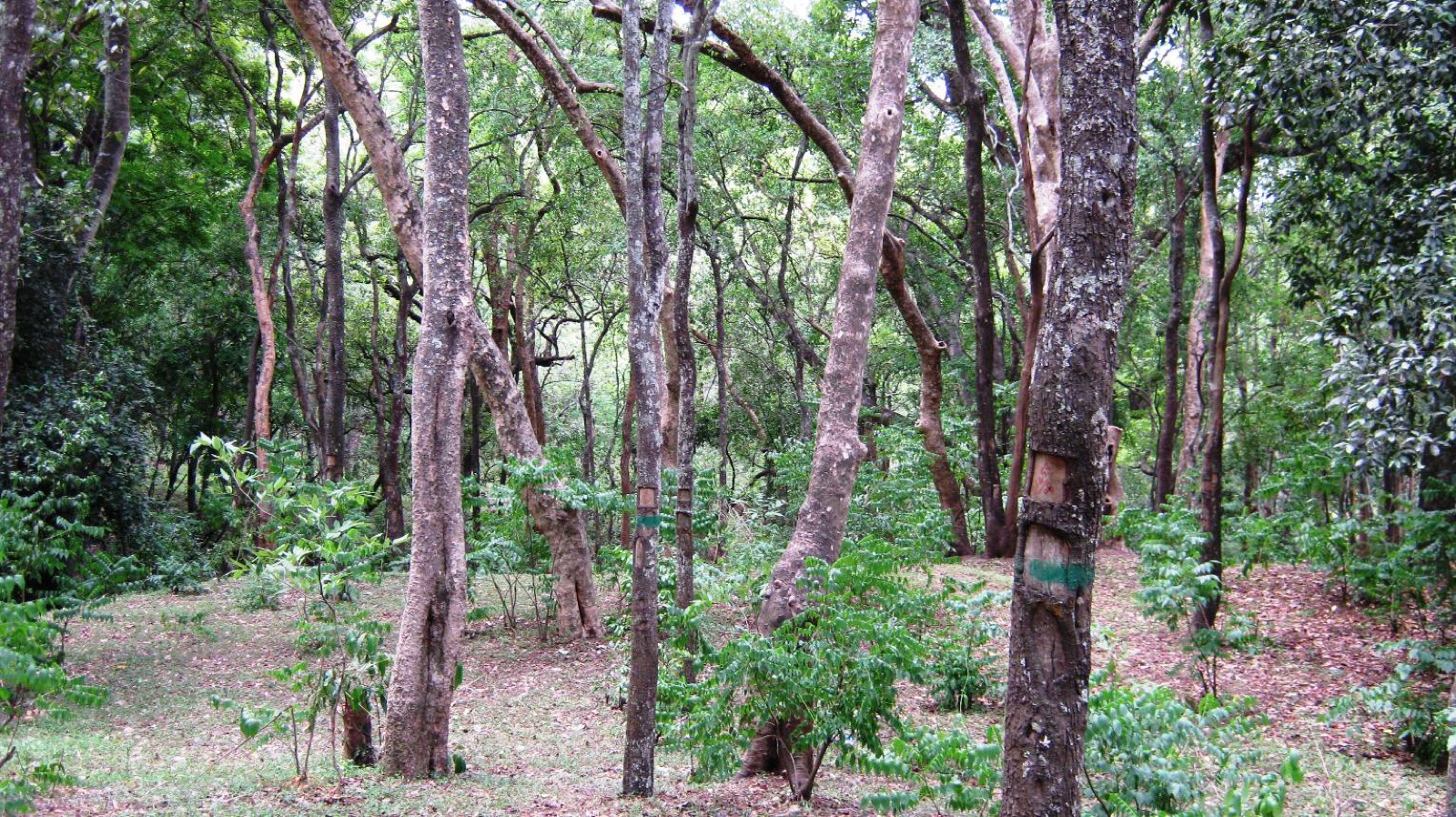
Then there are the sandalwood forests. Marayoor holds one of the few naturally regenerating sandalwood tracts in India, a fragrant, closely guarded treasure of tens of thousands of trees whose scented heartwood has been prized for temple carving and ritual for centuries. Walking among these gnarled, greyish trunks — the air faintly resinous in the heat — you feel the pull of something ancient and coveted, and understand why armed forest patrols keep watch against smugglers along these very ridges.
The human community here is woven into the forest too. Muthuvan and Hill Pulaya tribal families live in settlements scattered through the reserve, cultivating maize, ragi and lemongrass and carrying an inherited fluency in the land that no map can teach. It is these forest-born guides who lead visitors up to the sanctuary’s hidden reward — Thoovanam waterfall — following trails their families have walked for generations, reading the scrub for elephant sign and pointing out squirrels you would never have spotted alone.
Reach Thoovanam and the sanctuary saves its finest surprise for last. In a country of dust and thorn, a broad white cascade suddenly tumbles over dark rock into a cool green pool, framed by trees and birdsong. It is the perfect emblem of Chinnar itself — a place of startling contrasts, where dry heat and river-shade, ancient stone and living forest, Kerala and Tamil Nadu all meet in one improbable, unforgettable landscape.
Chinnar was declared a wildlife sanctuary in August 1984, carving out roughly 90.44 square kilometres of Marayoor and Kanthalloor country in Devikulam taluk of Idukki district. Its boundaries were drawn specifically to protect a habitat almost unique in Kerala — the dry, rain-shadow forests of the eastern Western Ghats — and to safeguard the endangered species that depend on them.
The sanctuary’s defining feature is its ecology. Sheltered behind the high ranges from the full force of the south-west monsoon, Chinnar receives only a few hundred millimetres of rain across a handful of wet weeks each year, a fraction of what falls on nearby Munnar. The result is an extraordinary mosaic that climbs from thorny scrub and dry-deciduous woodland on the hot lower slopes, through moist deciduous forest, up to shola-grassland and montane forest near Kumarikkal Mala, the sanctuary’s highest point at well over 2,000 metres. Few reserves in southern India pack so many habitats into so small an area.
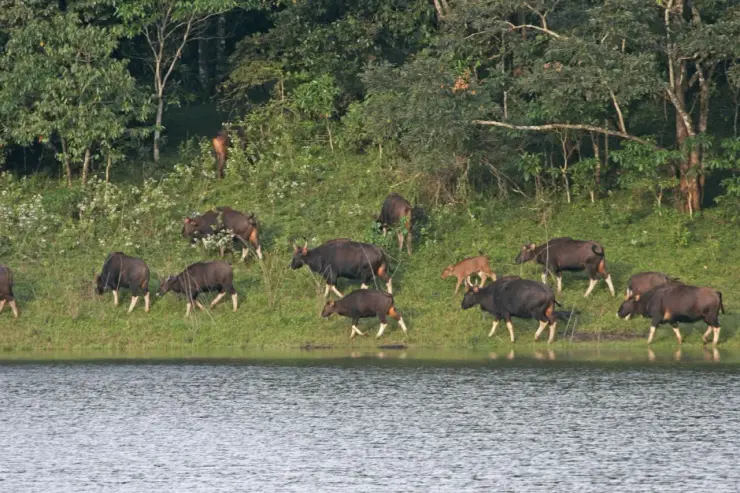
Chinnar is best known as one of India’s last strongholds of the grizzled giant squirrel, a shy, silver-grizzled species that clings to the riverine forests along the Chinnar and Pambar. Careful protection has helped its numbers recover over the decades, and the sanctuary is often cited alongside Tamil Nadu’s Srivilliputhur reserve as a critical refuge for the animal. Chinnar also runs the only rehabilitation centre in India for the Indian star tortoise, rescuing animals seized from the illegal pet trade, and supports rich populations of elephant, gaur, spotted deer, marsh crocodile and, occasionally, tiger and leopard, alongside more than 200 species of birds and hundreds of flowering plants.
Layered over this natural history is a deep human one. The Marayoor plateau bordering the sanctuary is famous for its muniyaras — megalithic dolmens and burial chambers left by people who inhabited these hills in prehistoric times — and for rock shelters bearing ancient paintings, marking the area as one of Kerala’s most significant archaeological landscapes. Marayoor’s naturally regenerating sandalwood forest, one of the few of its kind in the country, has been valued for its fragrant heartwood for centuries and remains under close state protection.
Today the sanctuary is co-inhabited by Muthuvan and Hill Pulaya tribal communities, living in a scatter of settlements and cultivating the land as their ancestors did. The Kerala Forest Department runs Chinnar largely as a community-based eco-tourism project, training tribal members as trekking guides and watchers — an arrangement that gives visitors an authentic, knowledgeable escort while channelling tourism income directly to the forest’s oldest residents.
It is Kerala’s most surprising ecosystem. Where the rest of the state is lush and monsoon-soaked, Chinnar is dry, thorny and sun-baked — a rain-shadow world of scrub and dry-deciduous forest that feels like stepping into another region entirely, and offers a landscape you simply cannot see elsewhere in Kerala.
It is one of the best places on Earth to see the endangered grizzled giant squirrel, along with marsh crocodiles basking along the rivers, herds of elephant and gaur, spotted deer and a wealth of birdlife — wildlife-watching with a genuine sense of rarity and reward.
The trek to Thoovanam waterfall is a small classic — a moderate few-hours walk through scrub and riverine forest, led by a tribal guide, ending at a broad cascade tumbling into a cool pool that feels miraculous in such dry country.
History runs deep here. The nearby Marayoor plateau holds the muniyara dolmens and ancient rock paintings, while the guarded sandalwood forests fill the air with fragrance — layers of prehistory and heritage most wildlife reserves cannot match.
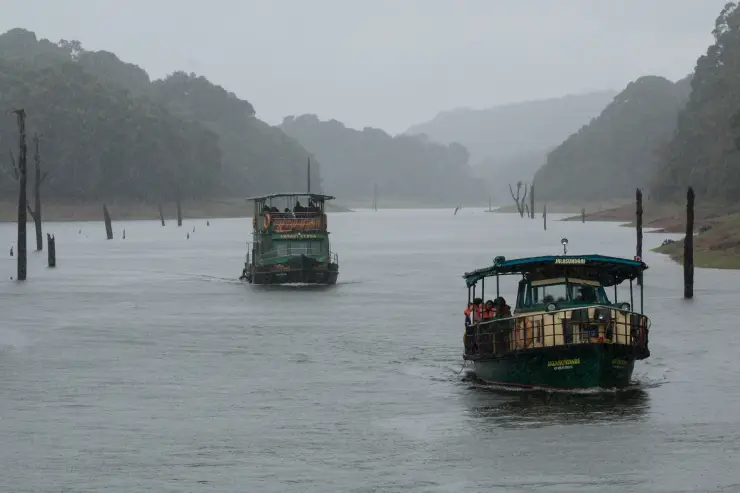
The eco-tourism is genuinely community-led. Treks, tree-house stays and river walks are run with Muthuvan and Hill Pulaya guides, so a visit directly supports the forest-dwelling communities and comes with local knowledge no guidebook can supply.
It pairs beautifully with Munnar and Marayoor. Just about an hour from the tea hills, Chinnar makes a striking day trip or overnight — a dramatic change of scenery, climate and mood within a single Kerala itinerary.
Road km to Idukki; ghat roads and traffic vary — allow extra.
Dryer months are easier for wildlife access; monsoon access depends on local rules.
Live forecast loads in your browser.
Check the official alert before you travel. Kerala’s beaches, waterfalls and trekking routes close at short notice during heavy rain, and district alert levels change day to day. We do not publish an alert level of our own — read it from the state authority: Kerala State Disaster Management Authority, or the district control room on 1077.
Sun and moon are calculated for this location and shown in IST. Photography windows are the hour around sunrise and sunset; the sunset bearing is degrees clockwise from true north. Moon phase is accurate to about half a day.
These are official or public-sector eco offerings that match this place, town or forest destination. Confirm availability, permits, tariffs and reporting times with the official operator before travel.
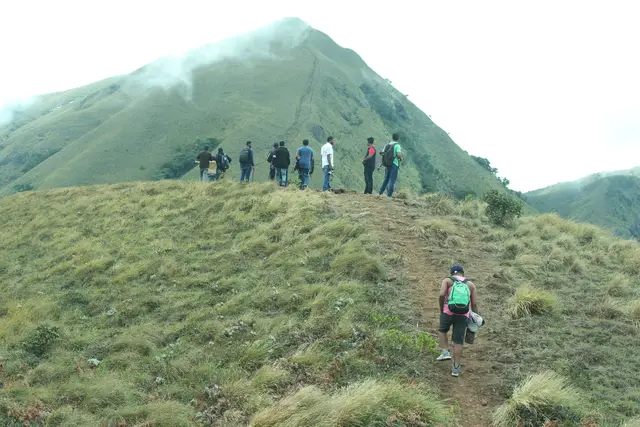
Hard high-altitude trek from the Munnar side via Rhodo Valley, run through KFDC eco-tourism with guide, food and stay options.
Official source →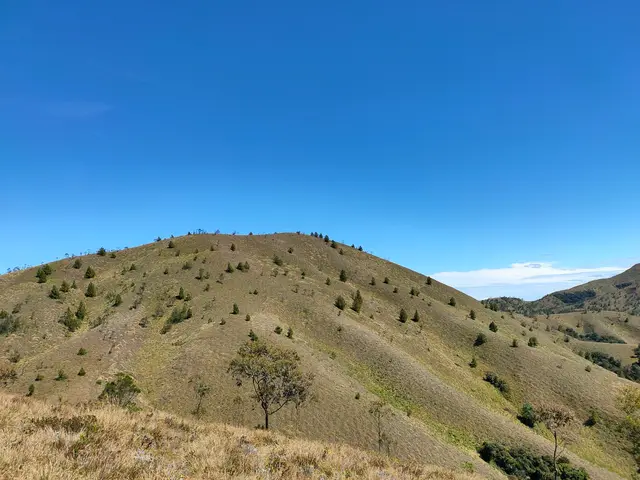
KFDC tent stay near Meesapulimala base camp, with campfire, food and optional trek towards Meesapulimala or Rhodo Valley.
Official source →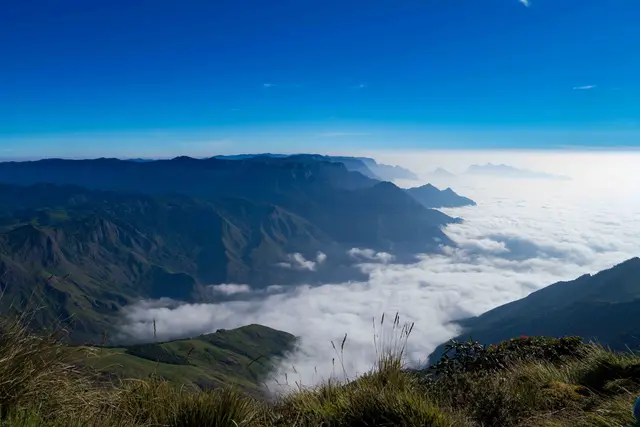
Lonely cliff-side KFDC cottage facing a waterfall and Anamudi views, paired with Meesapulimala trekking.
Official source →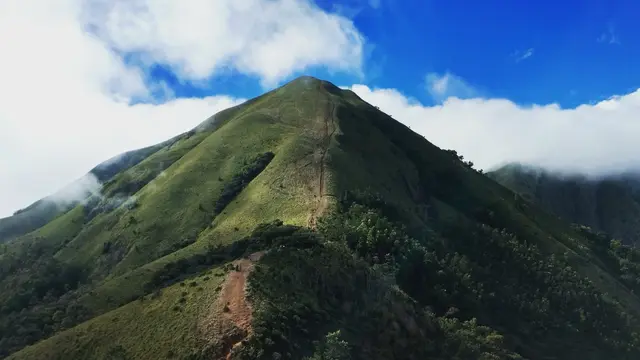
KFDC Rhodo Valley night stay with elephant-trench protection, campfire, food and next-day Meesapulimala climb.
Official source →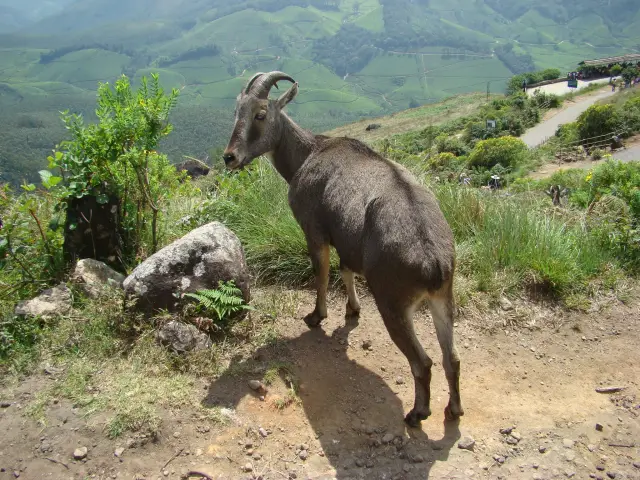
High-altitude grassland national park and Nilgiri tahr habitat near Munnar.
Official source →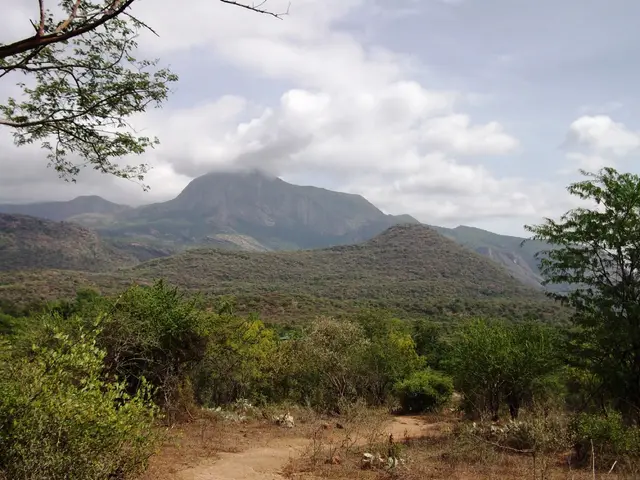
Dry-forest wildlife sanctuary east of Munnar, listed in Kerala Tourism’s ecotourism inventory.
Official source →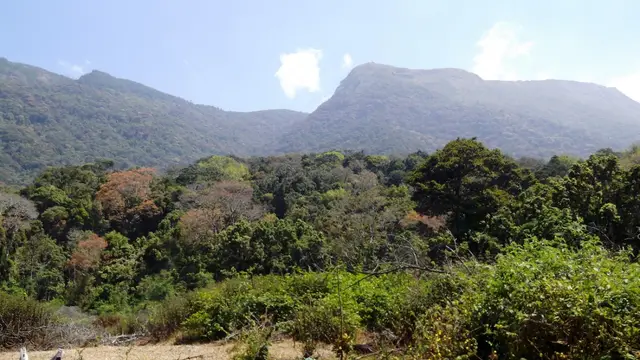
Shola forest national park near the Munnar/Vattavada side, listed as an ecotourism destination and programme.
Official source →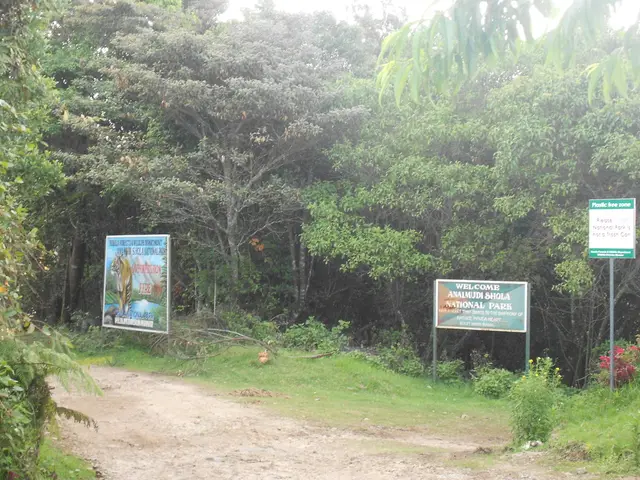
Shola-grassland forest landscape in Idukki, included in Kerala Tourism’s official ecotourism destination list.
Official source →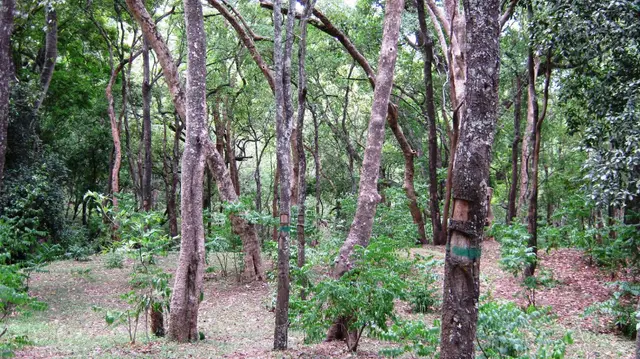
Sandalwood and dry-forest landscape on the Munnar-Chinnar side, listed by Kerala Tourism as an ecotourism destination.
Official source →Verified hotels, homestays, restaurants, experiences, sights, shops and rentals around Chinnar Wildlife Sanctuary — commission-free, with direct contact. Filter by what you need.
Official park ticket booking in Munnar. Eravikulam National Park, Munnar, Kerala 685612 · official booking, national park, Rajamala.
Official Munnar Wildlife Division booking portal for forest stays, trekking and protected-area visitor services.
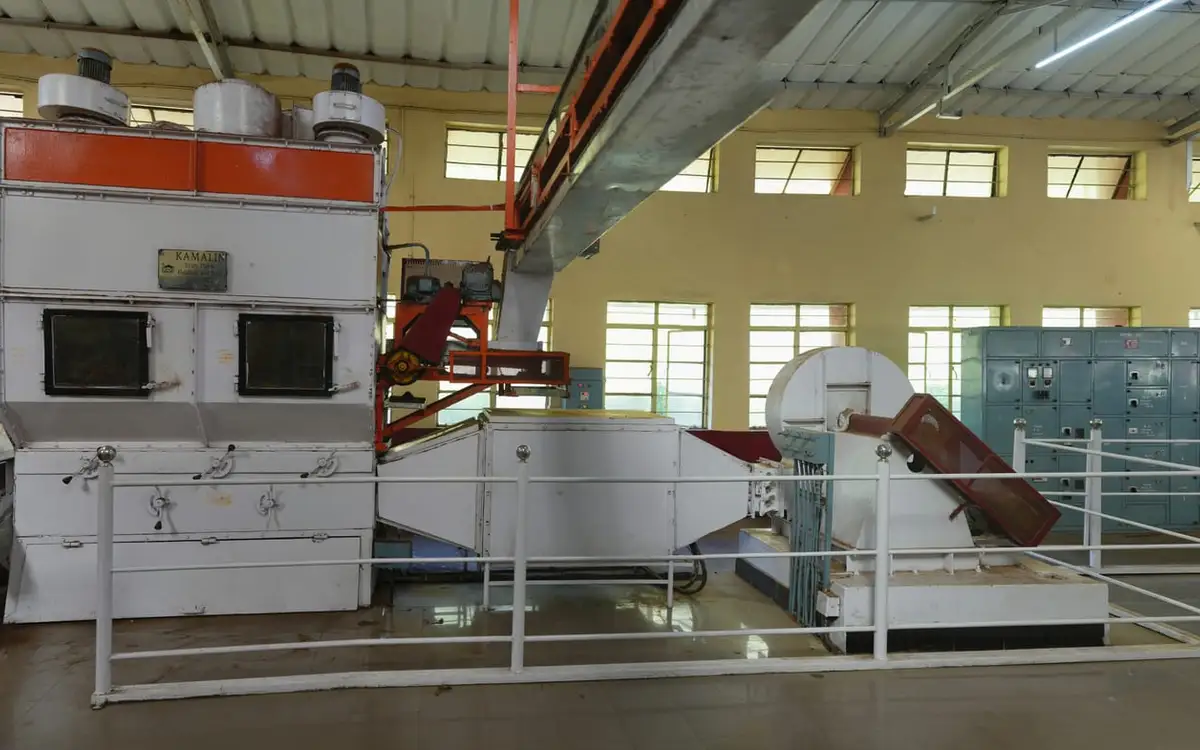
Official Kanan Devan Hills Plantations tea museum at Nullatanni Estate, a short drive from Munnar town.
Official Munnar Wildlife Division trekking information and booking contact. Forest Information Centre, Wildlife Warden's Office, Munnar PO, Idukki District, Kerala 685612 · trekking, official booking, forest.
Adventure operator with Munnar trekking itineraries, cycling and walking holidays in Kerala. Trekking, adventure operator, Munnar trekking.
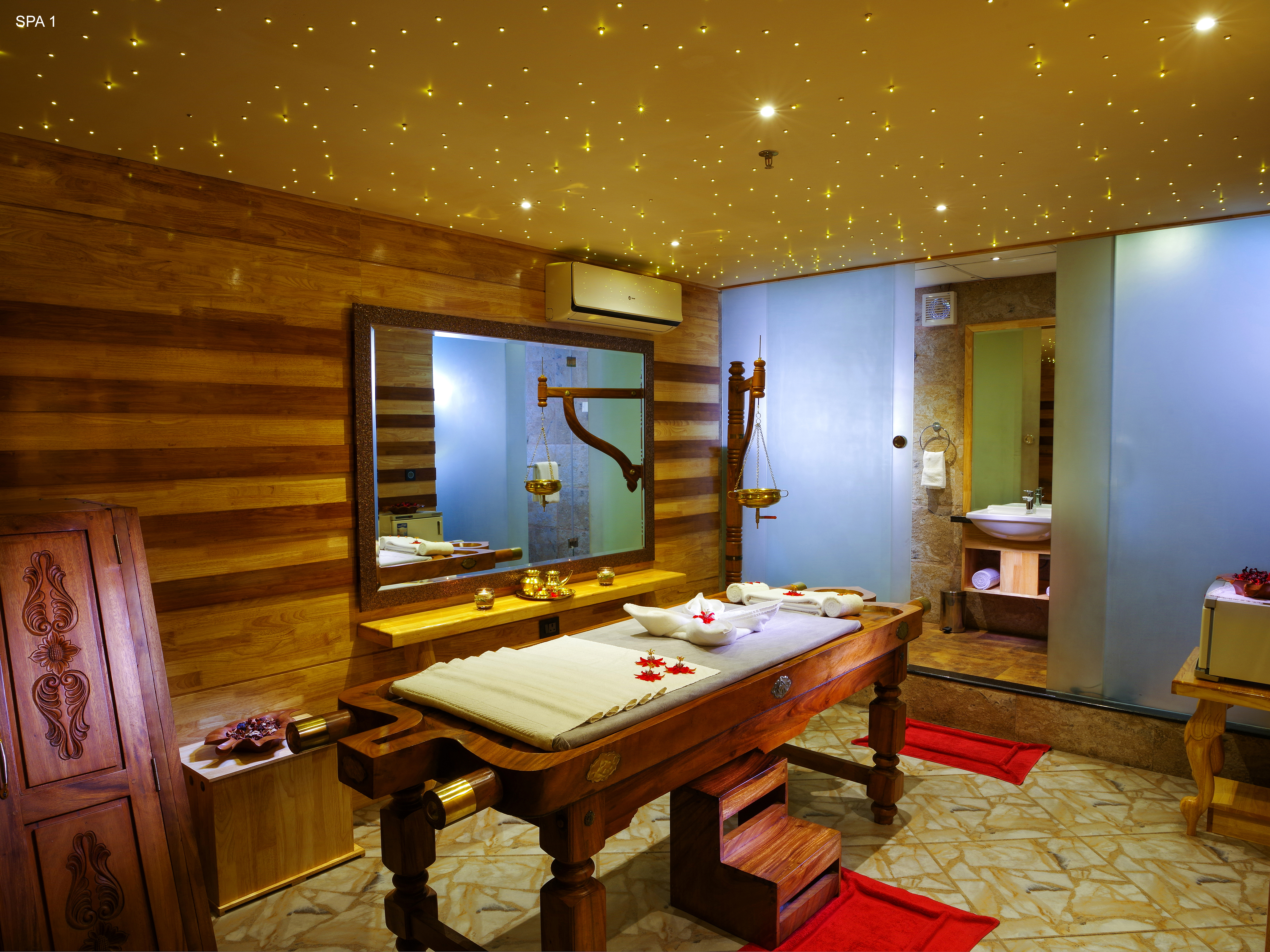
In-house Ayurveda and wellness center at Blanket Hotel & Spa near Attukad Waterfalls. Ayurveda, spa, wellness.
Ayurvedic spa in Munnar. The Panoramic Getaway, Chithirapuram, Munnar, Kerala 685565 · Short therapies from Rs. 1199; Ayurveda packages from Rs. 4750; taxes extra · spa, ayurveda, wellness.
Ayurveda and spa facility at Amber Dale Luxury Hotel & Spa in Pallivasal. Ayurveda, spa, wellness.
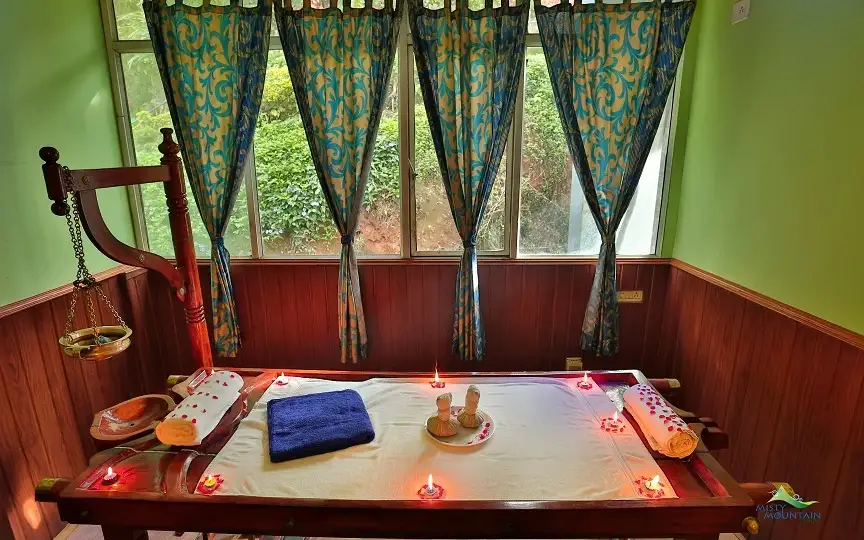
Ayurvedic spa facility at Misty Mountain Resort in Pallivasal. Ayurveda, spa, wellness.
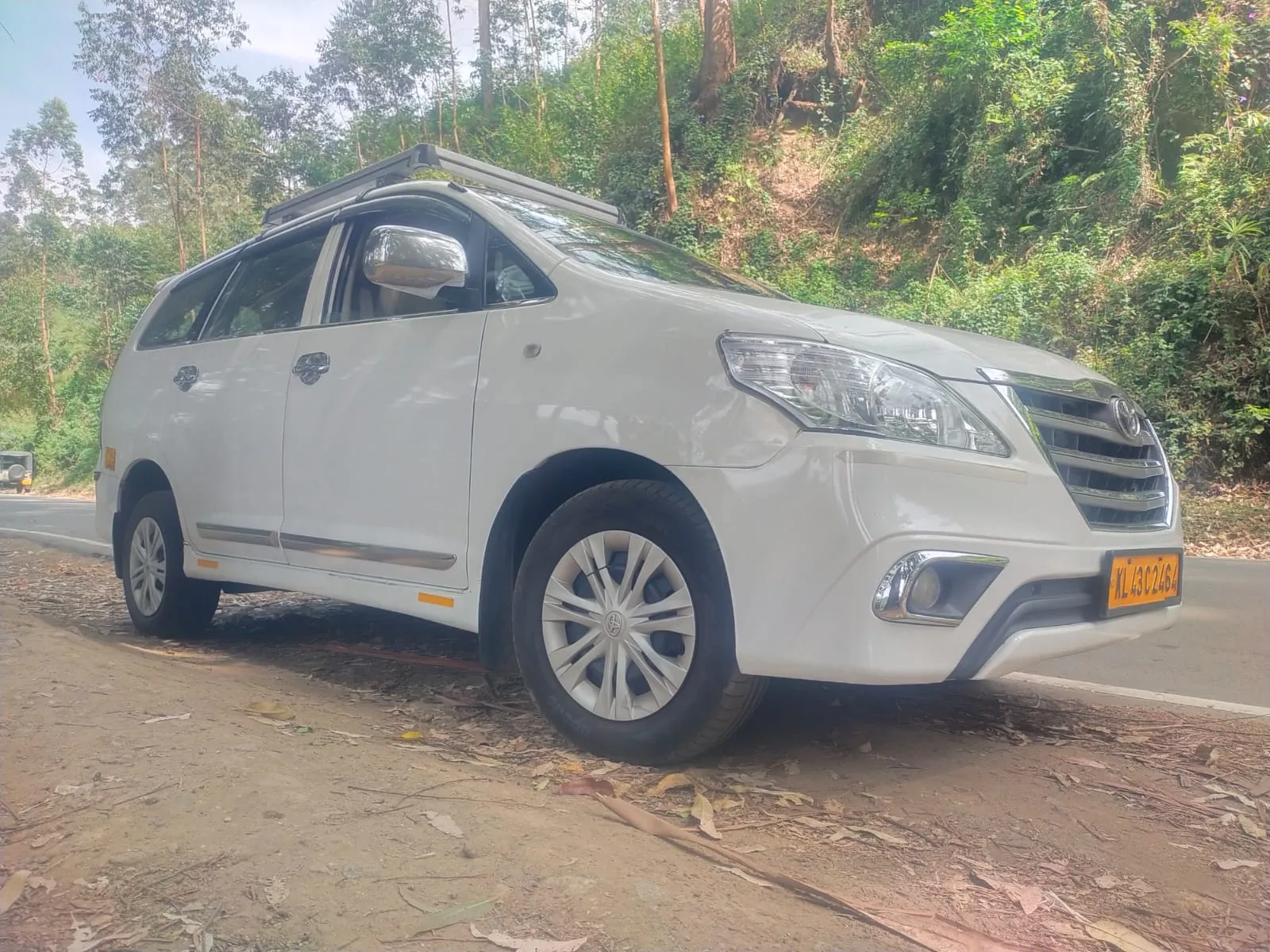
A Moolakadai, Munnar based taxi operator covering airport transfers, local sightseeing, jeep safari, tent camping and tour packages.
A Chinnakanal-Suryanelli based Munnar taxi operator offering cabs, jeep safaris, airport transfers and customised sightseeing packages.
Taxi and airport-transfer provider in Munnar. Munnar bypass, Munnar, Idukki, Kerala · Taxi, Cab service, Airport transfer.
Munnar taxi, airport transfer, local sightseeing, Kolukkumalai jeep safari and trekking transport operator.
Book with the place itself. India’s cyber-crime coordination centre warned in April 2025 that convincing copies of hotel and pilgrimage booking sites are being pushed through sponsored search and social ads, taking payment for rooms the property never hears about. Every listing here links to the business’s own contact details and its own Google or Bing profile — we take no commission and sit in nobody’s payment path. If a booking page reached you through an ad, check the address bar against the property’s own site before you pay. Fraud can be reported on cybercrime.gov.in or on 1930.
Find food, accommodation and activities across Munnar. Browse the guides for places to eat, stay and explore along your route.
32 more places around Munnar. Open a guide to plan the visit and onward journey.
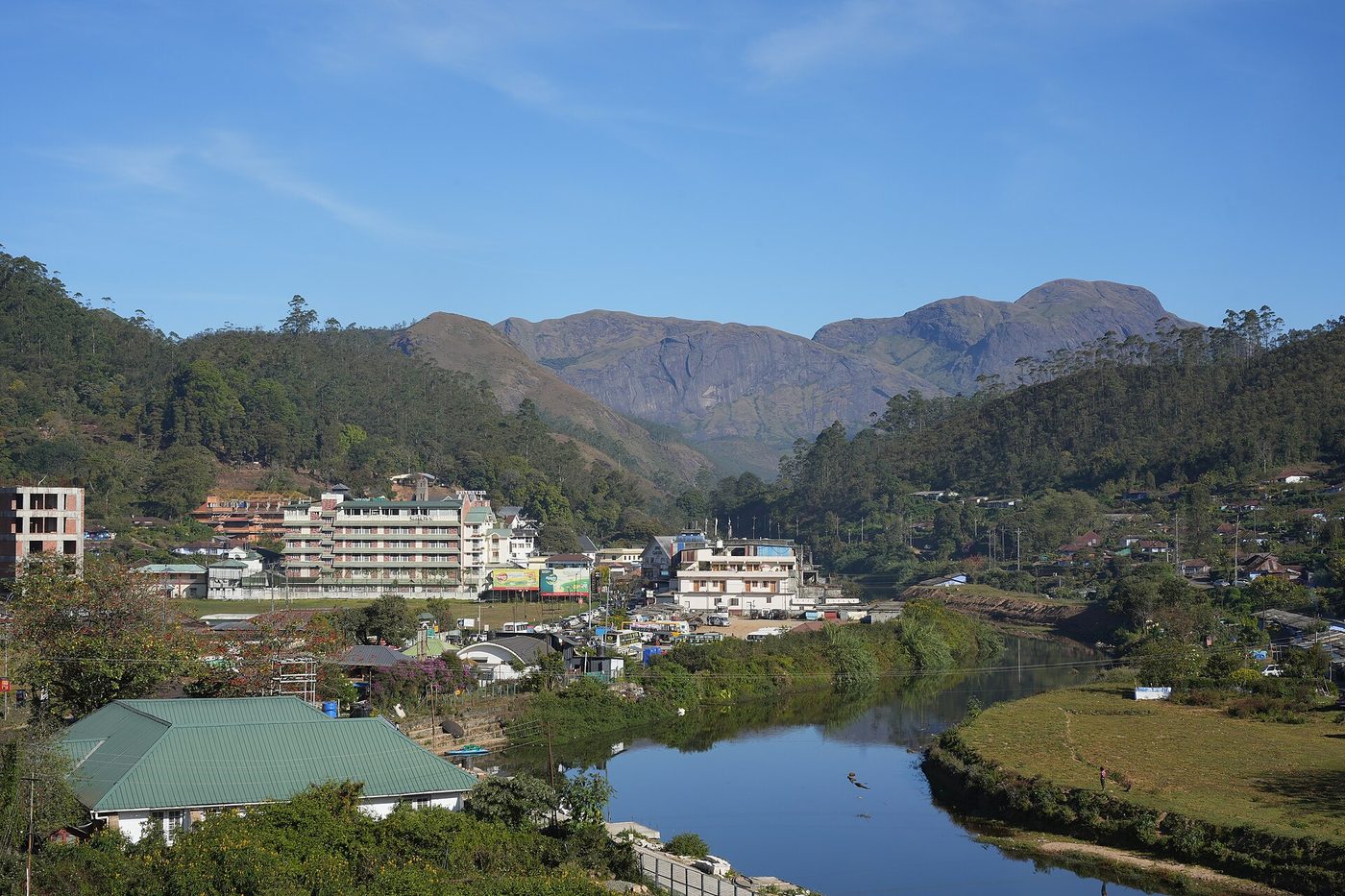
Kerala’s most famous hill station, known for tea estates, viewpoints and cool weather.
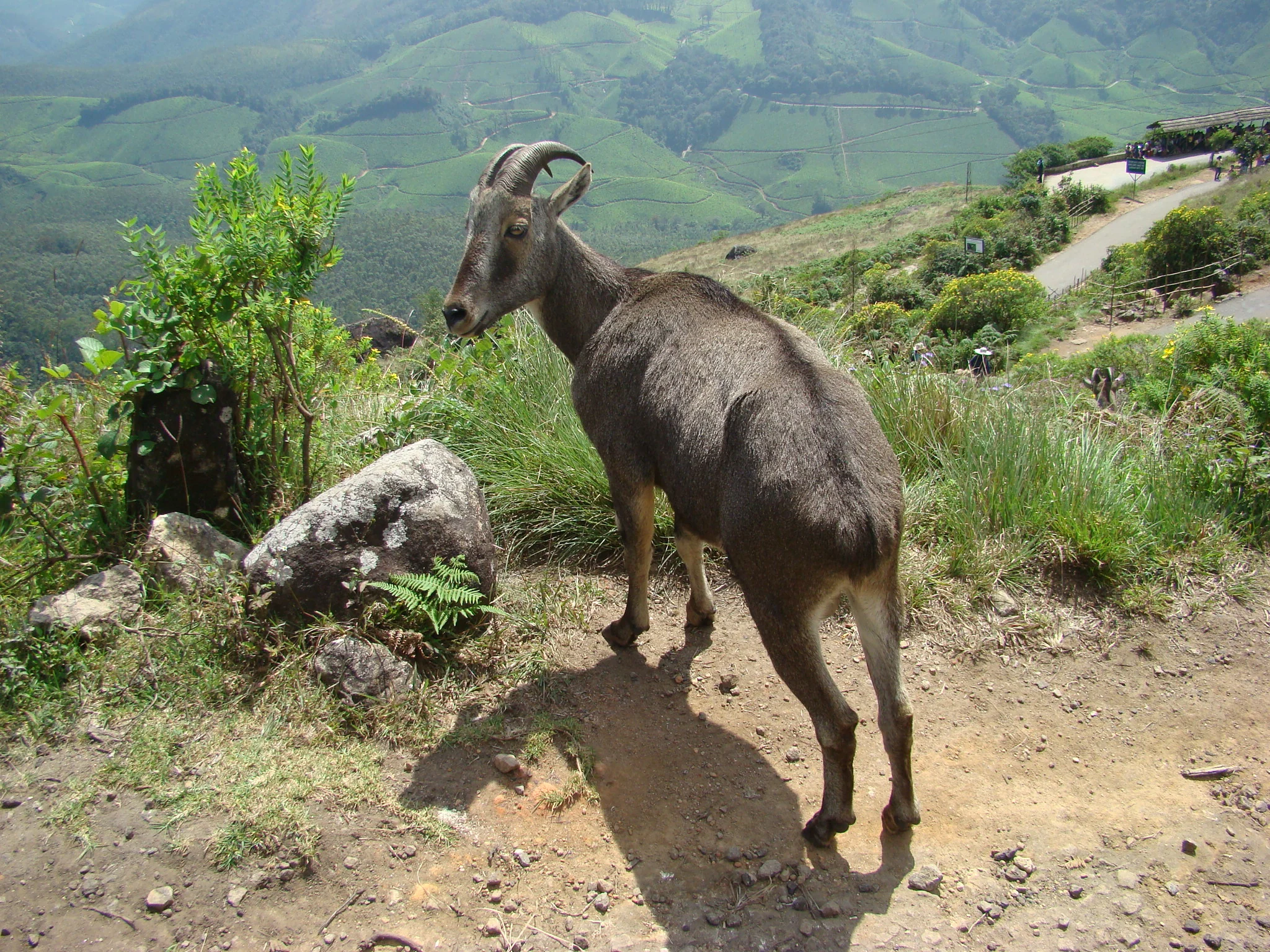
High-altitude grassland park, Nilgiri tahr habitat and access point for Anamudi views.
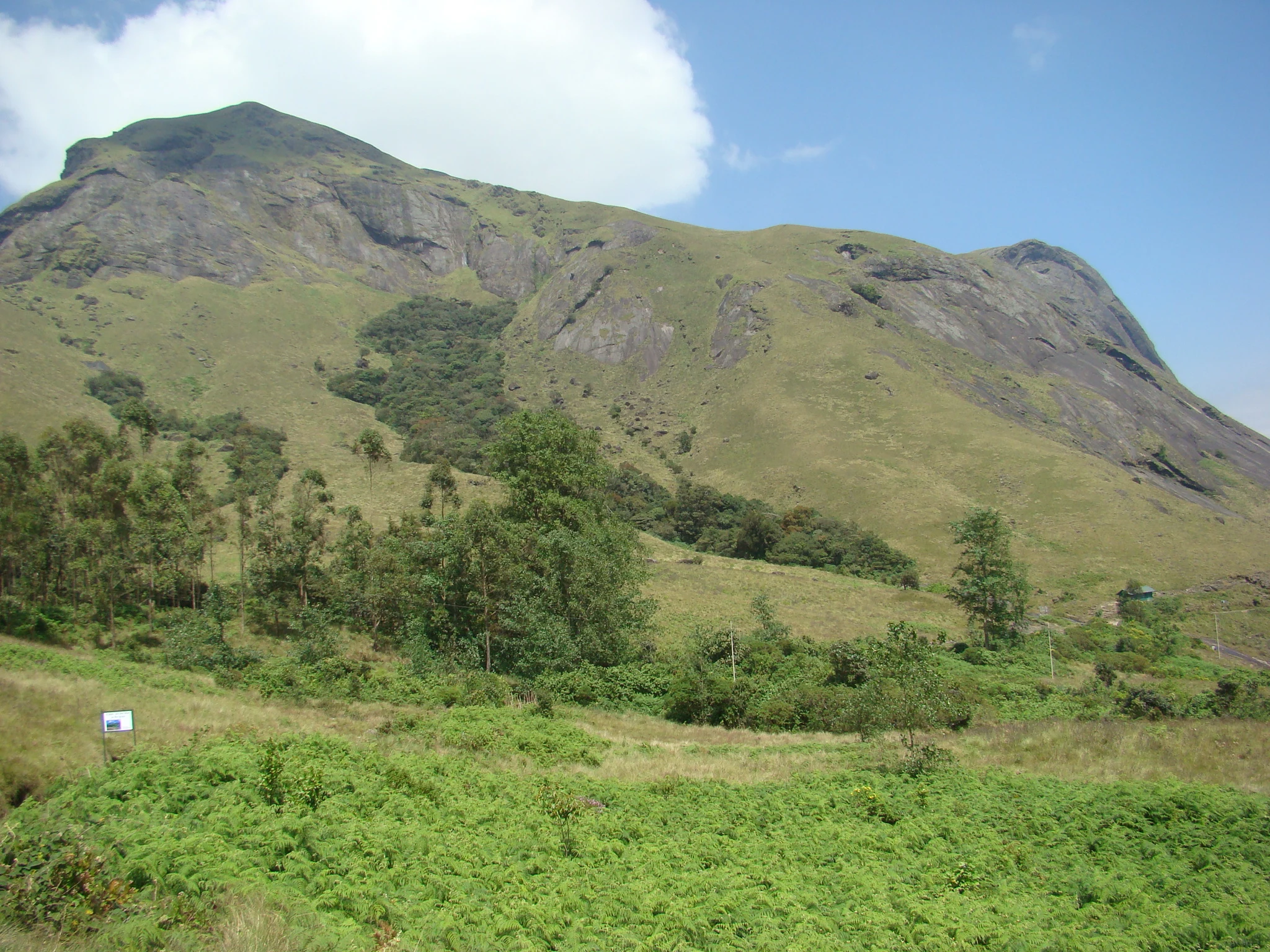
75.3 km · 134 min drive
The highest peak in South India, viewed through Eravikulam/Rajamala access contexts near Munnar.
Rajamala is the designated tourism and awareness zone of Eravikulam National Park near Munnar. It is not a separate unrestricted summit trek or the whole national park.
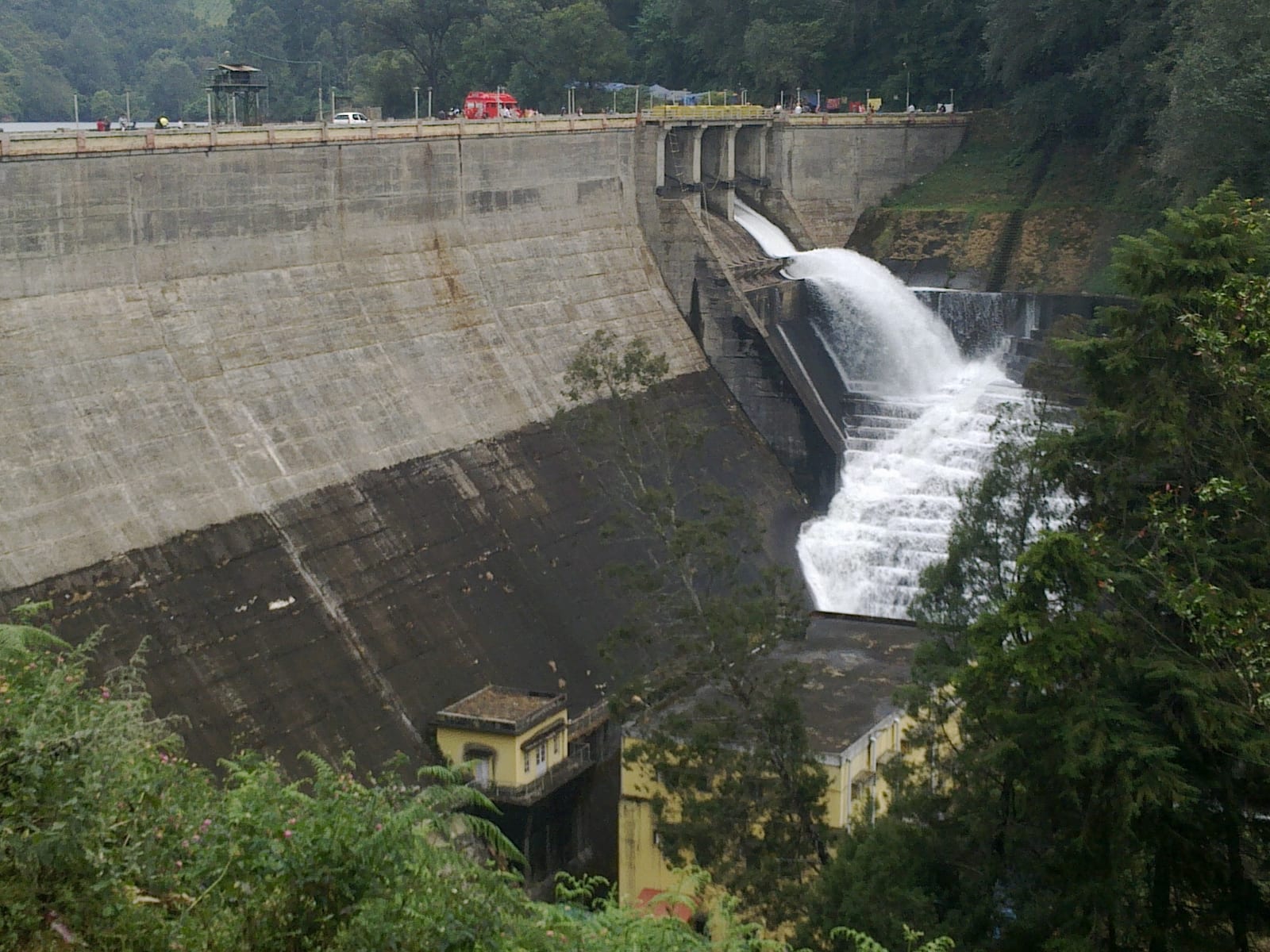
Reservoir, boating and lake-view stop on the Munnar-Mattupetty sightseeing circuit, usually paired with Echo Point and Kundala.
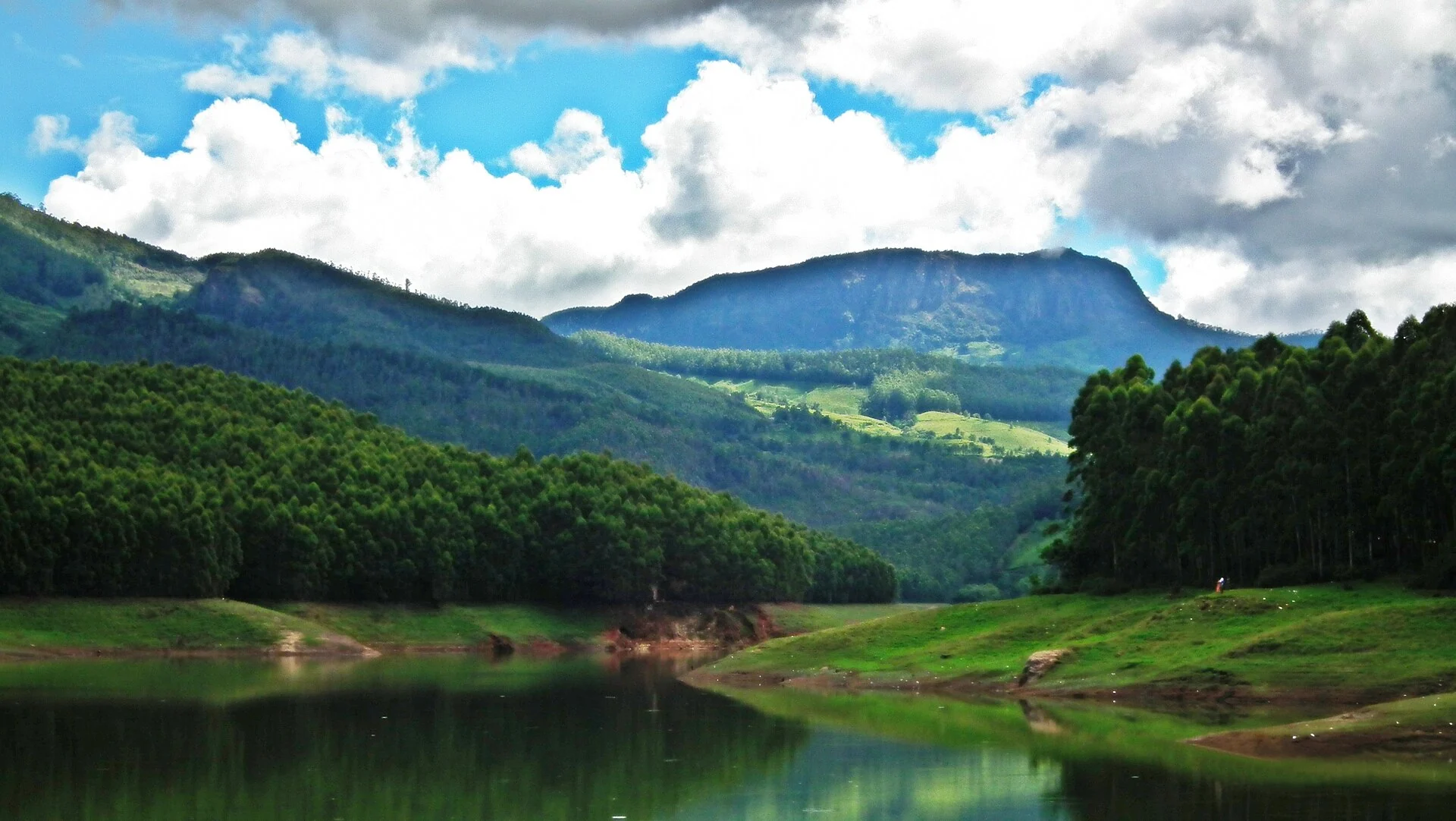
Popular Munnar lakeside viewpoint on the Mattupetty-Kundala route, useful for short stops, photos and family sightseeing.
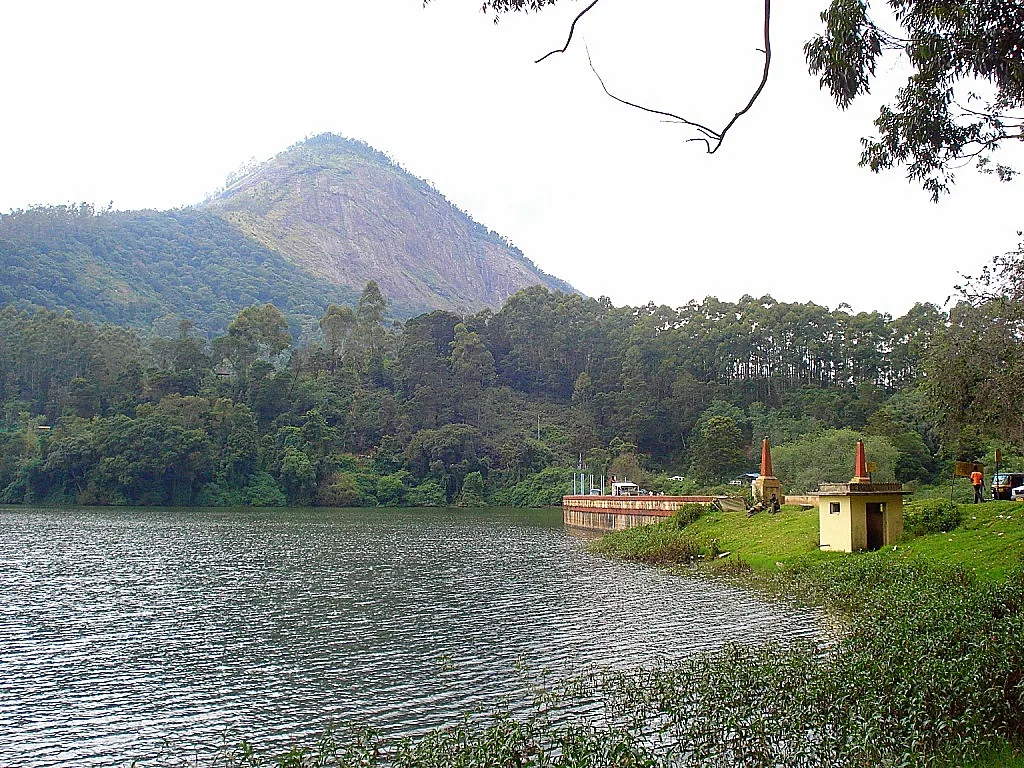
35.6 km · 54 min drive
High-range lake and dam stop beyond Mattupetty on the Top Station route.
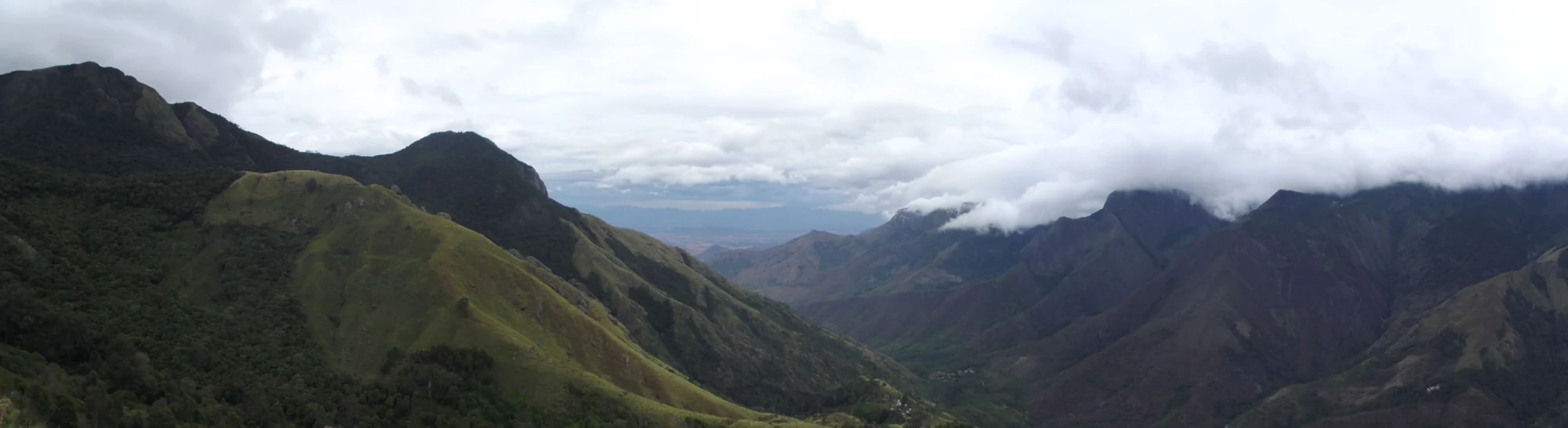
A border-highland viewpoint in Theni, Tamil Nadu, normally approached through Munnar, Mattupetty and Kundala; named for the former tea-transport terminus, with a separate stepped viewpoint walk.
33.0 km · 51 min drive
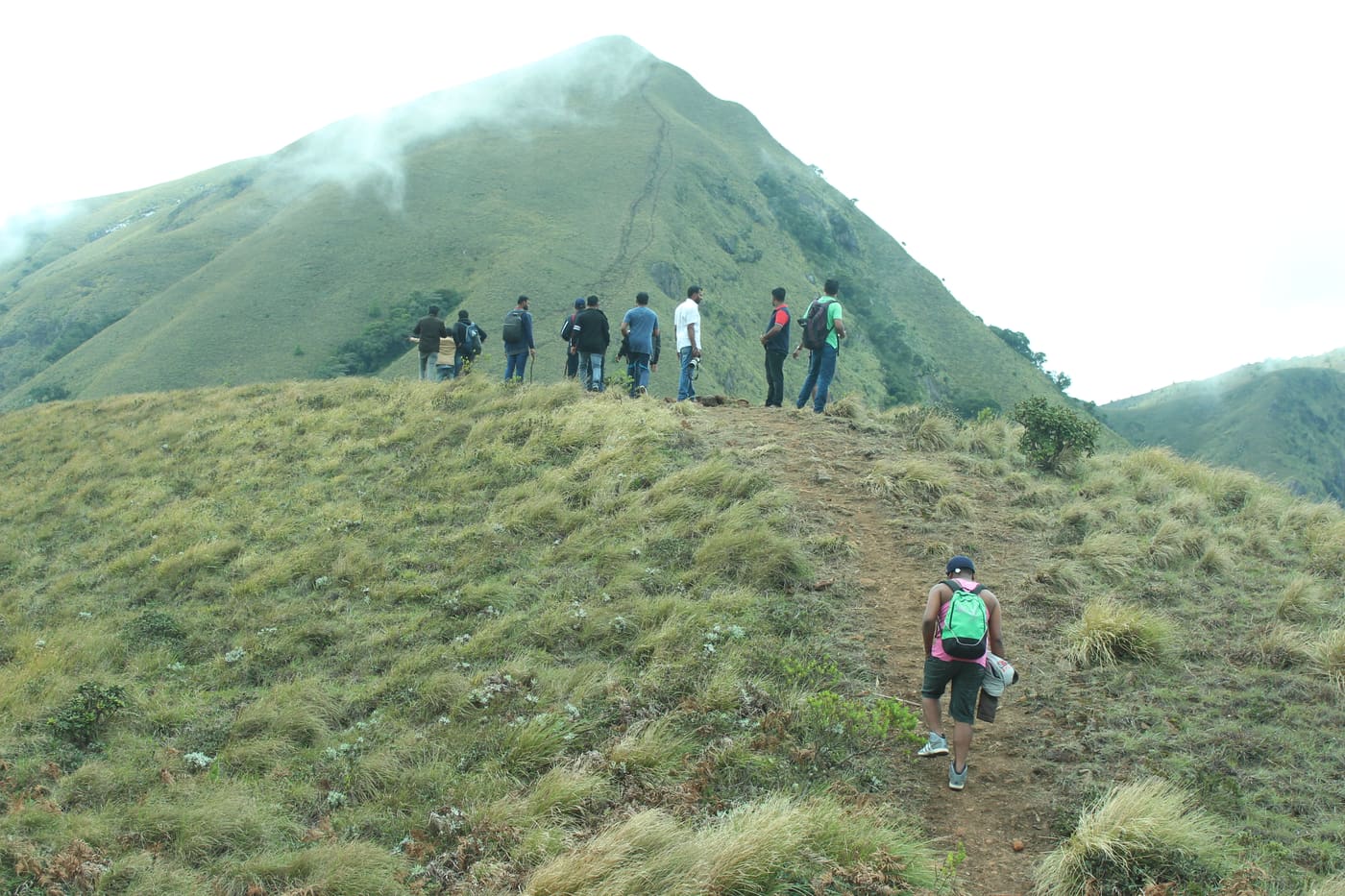
Popular high-altitude Western Ghats trek, usually booked through official eco-tourism channels.
5.8 km · 11 min drive
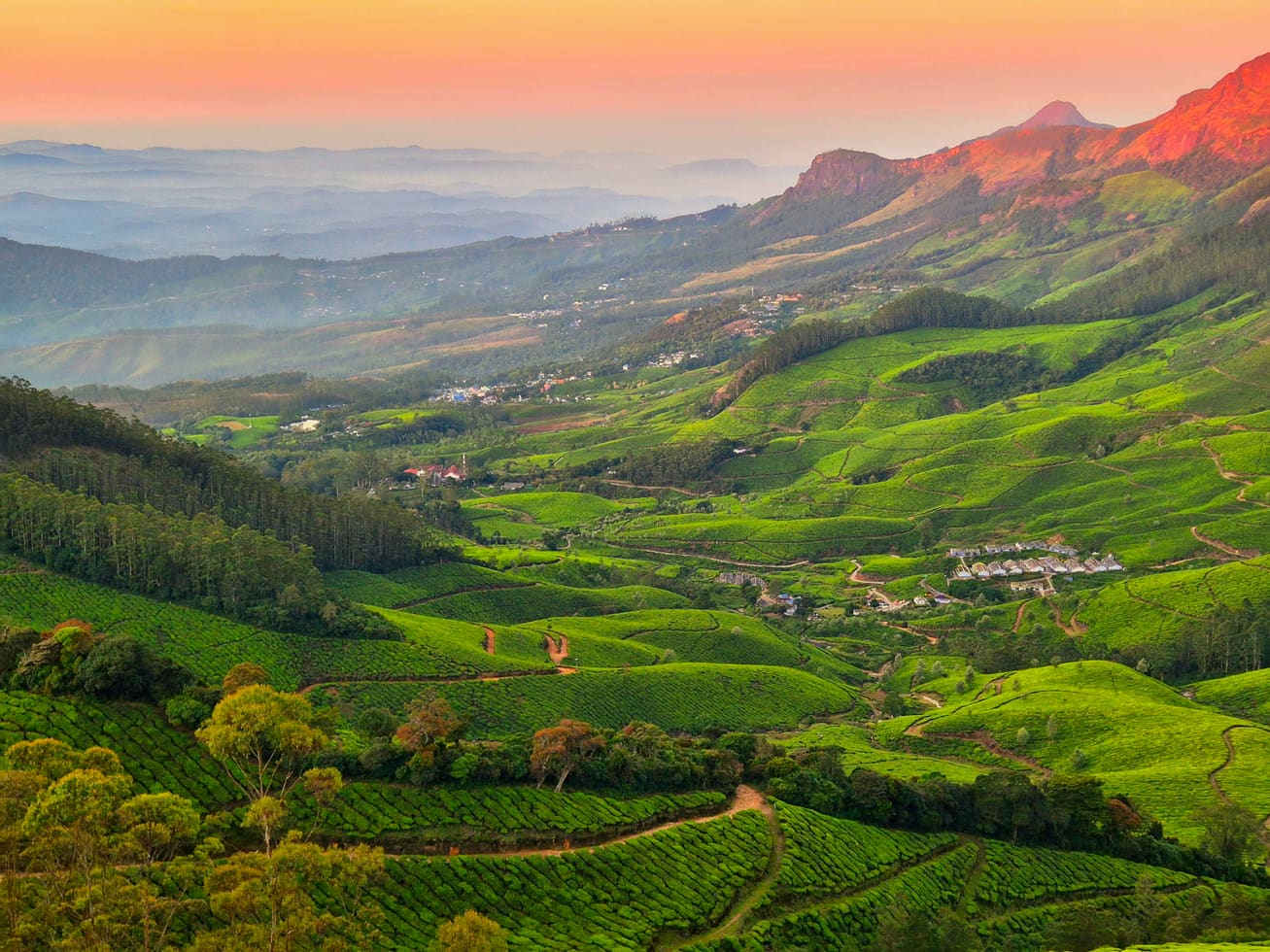
High-range village known for natural sandalwood forests, dolmens and sugarcane jaggery.
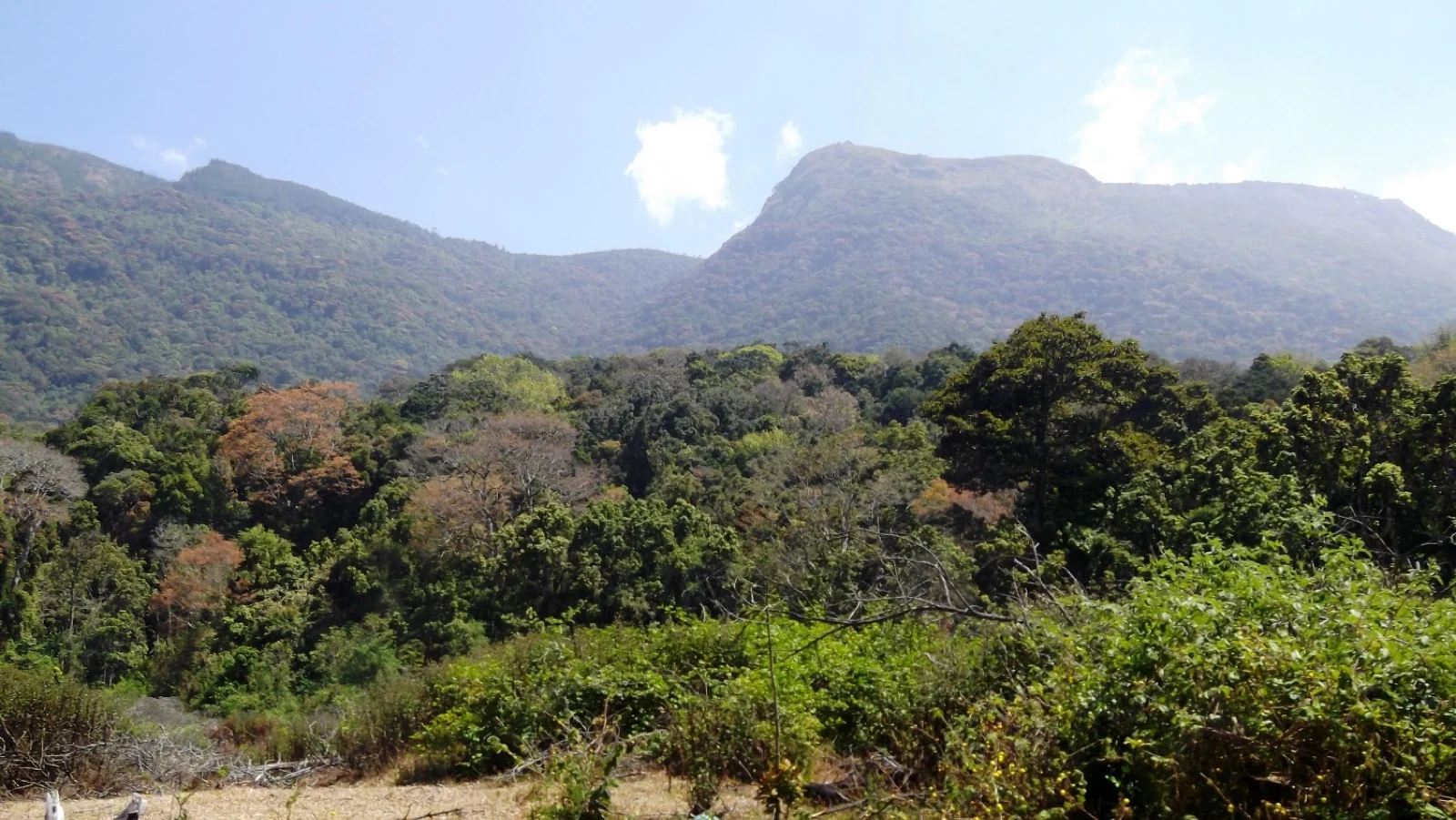
Pampadum Shola National Park protects high-elevation forest beside the Top Station–Vattavada road. The Top Station forest check post is the reporting anchor here; forest stays and guided walks require their own confirmed arrangements.
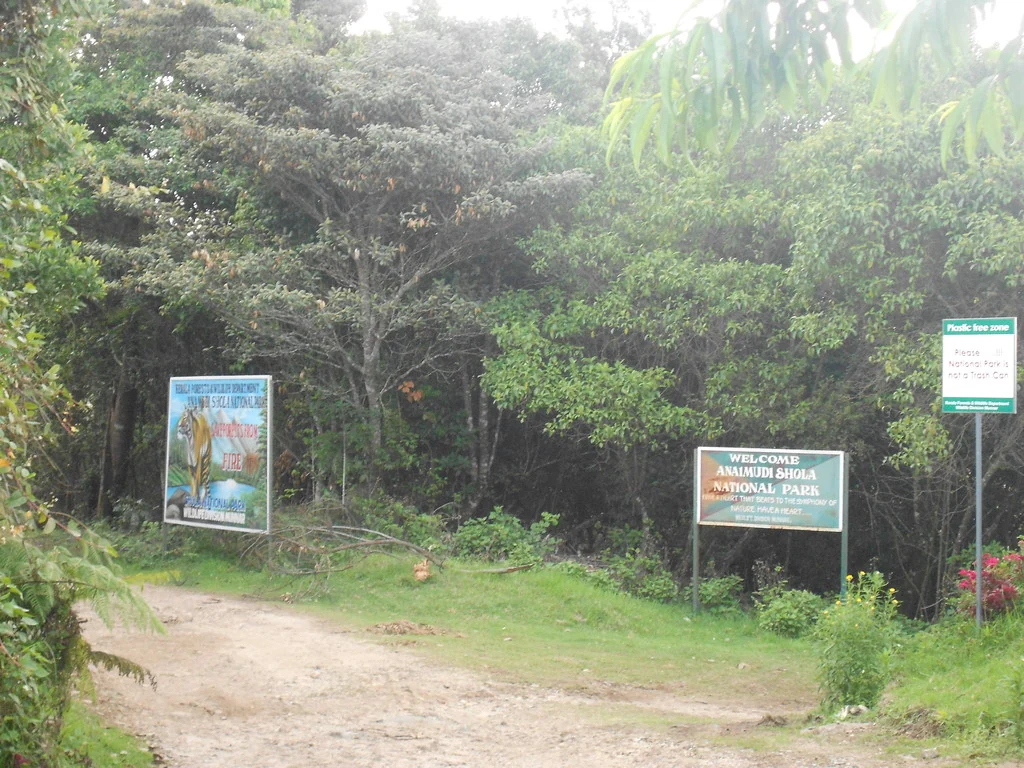
32.6 km · 55 min drive
Anamudi Shola National Park protects Mannavan, Pullaradi and Idivara shola forests in the Kanthalloor–Vattavada high ranges. Methappu is the visitor anchor on this page; this is not Anamudi Peak or the Rajamala visitor area.
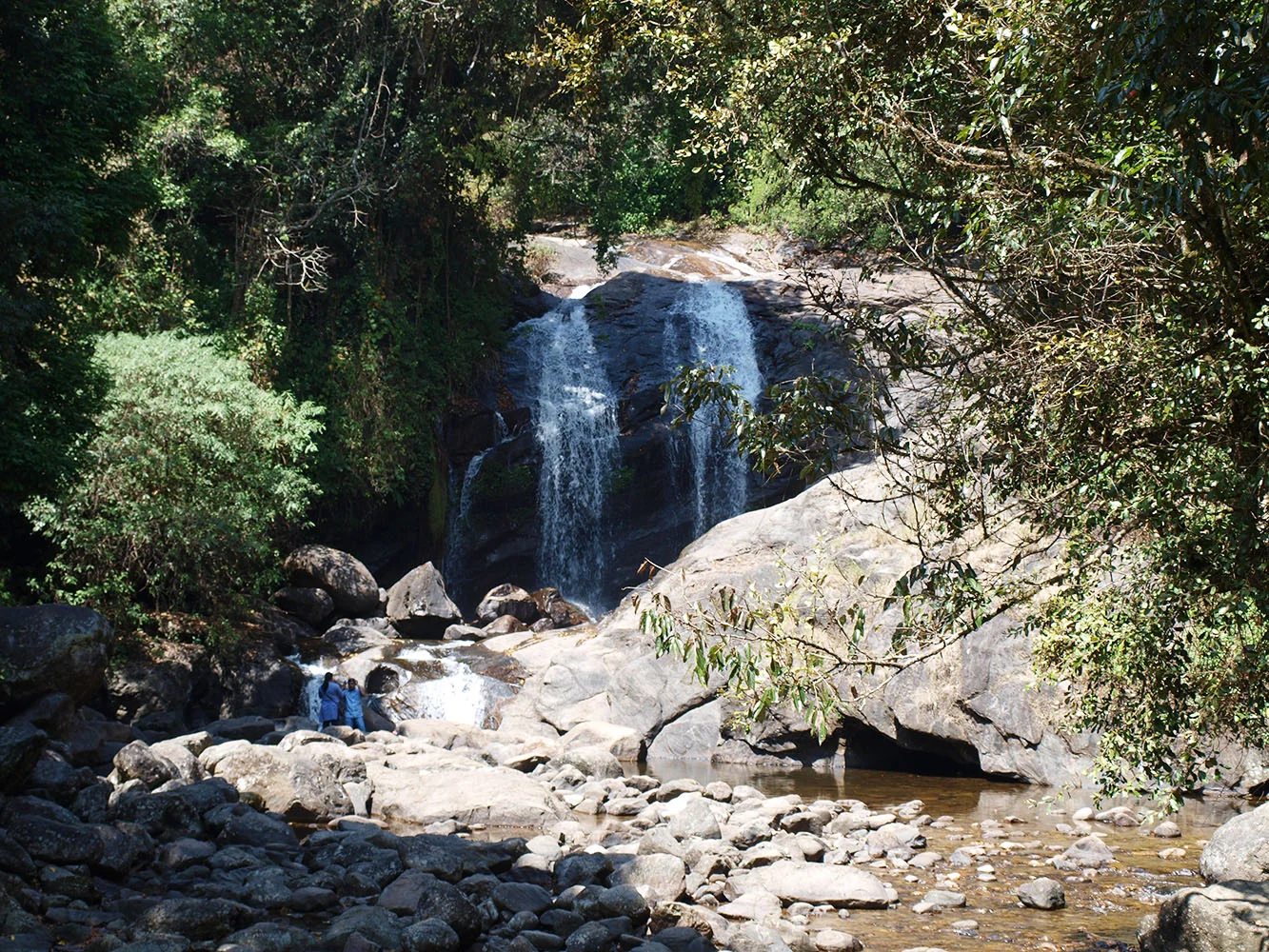
14.8 km · 27 min drive
Waterfall stop on the Munnar-Marayoor route, usually paired with Eravikulam and Marayoor days.
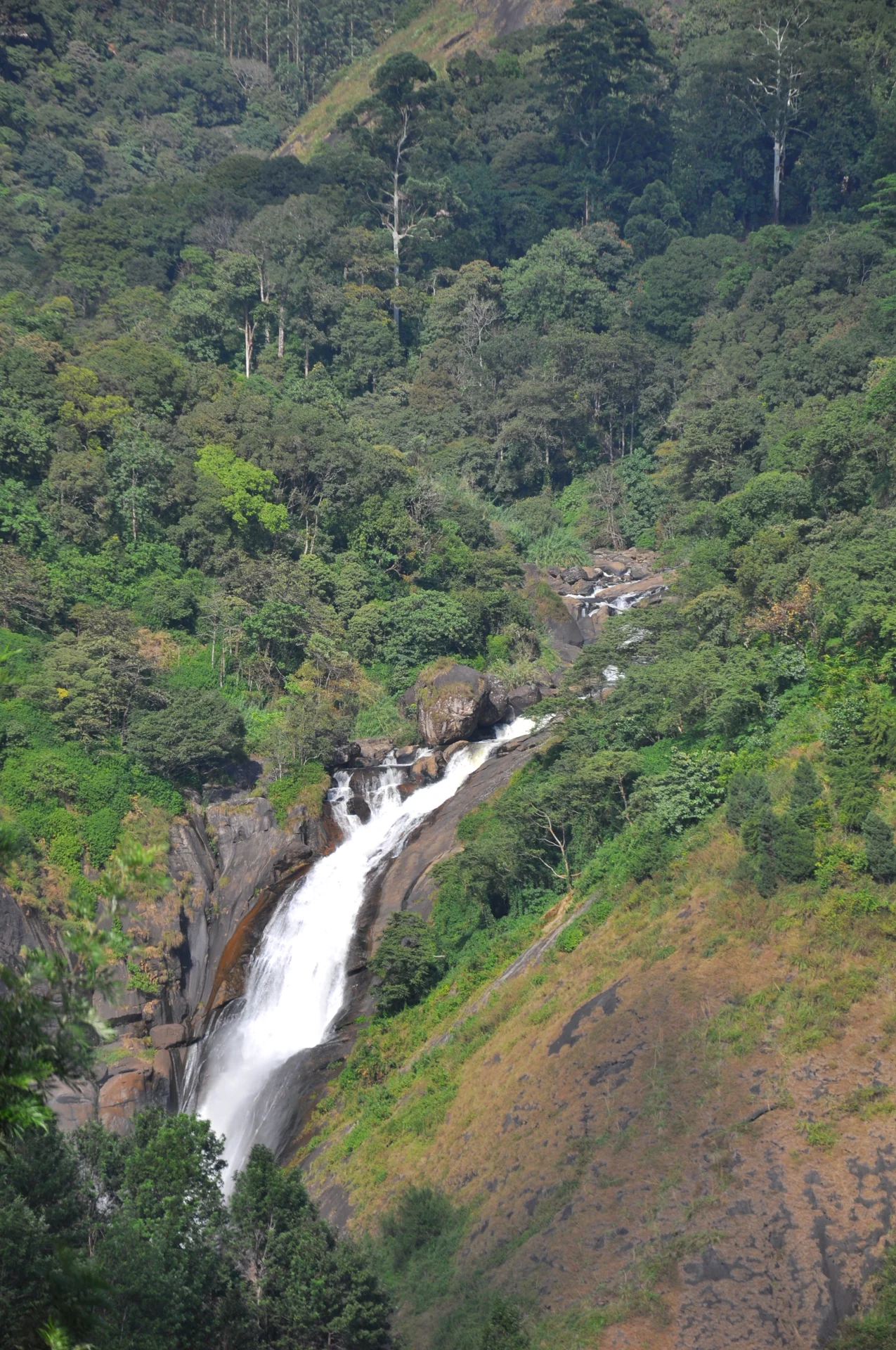
Waterfall area near Munnar commonly used for short scenic drives and monsoon views.
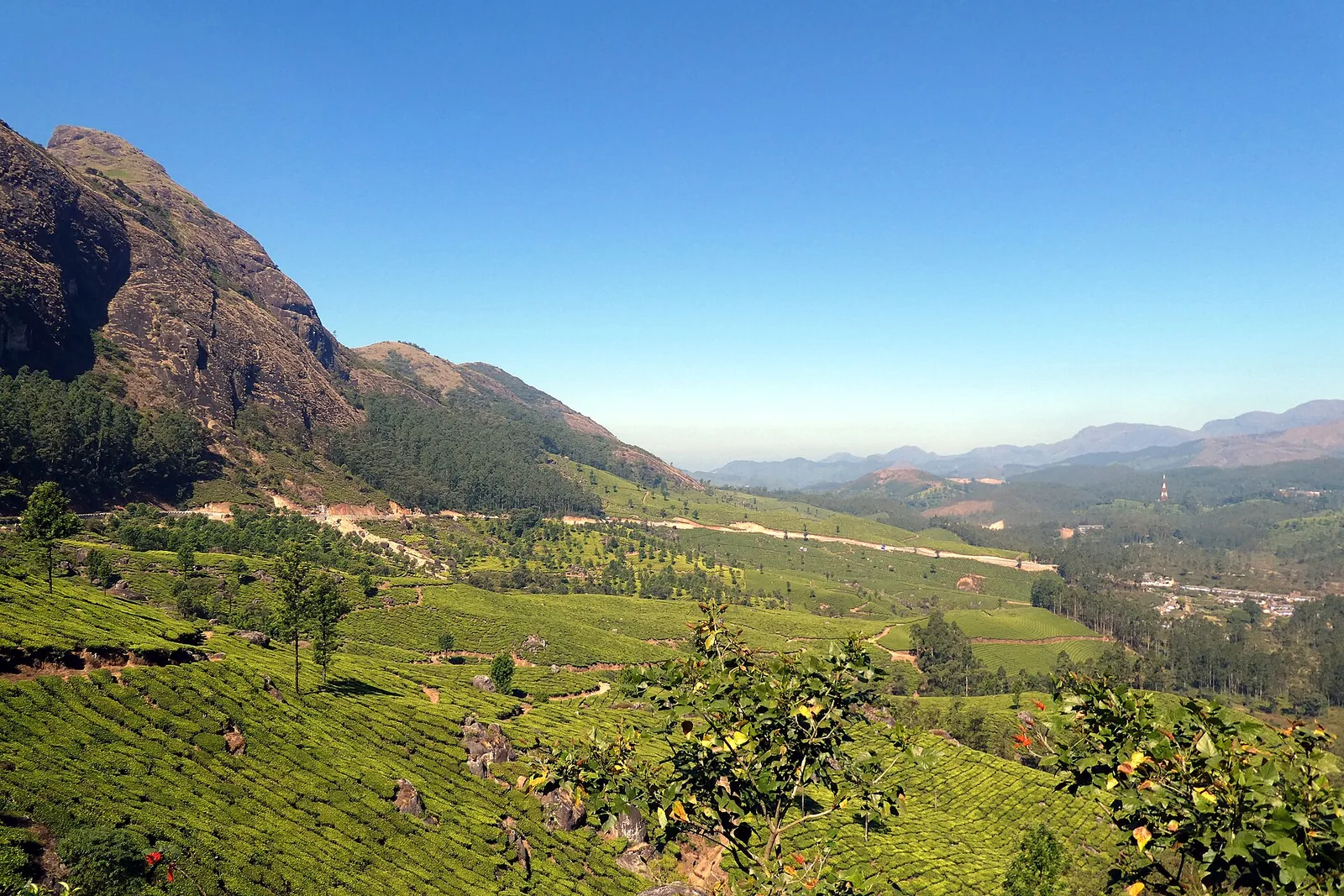
The pass itself on the Munnar–Bodimettu highway, where the ridge drops away east — and the lay-by the Chokramudi Peak trek reports from, 51 m from the forest counter. A second, busier viewpoint signed "Lockhart Gap Road View Point" sits 1.7 km east.
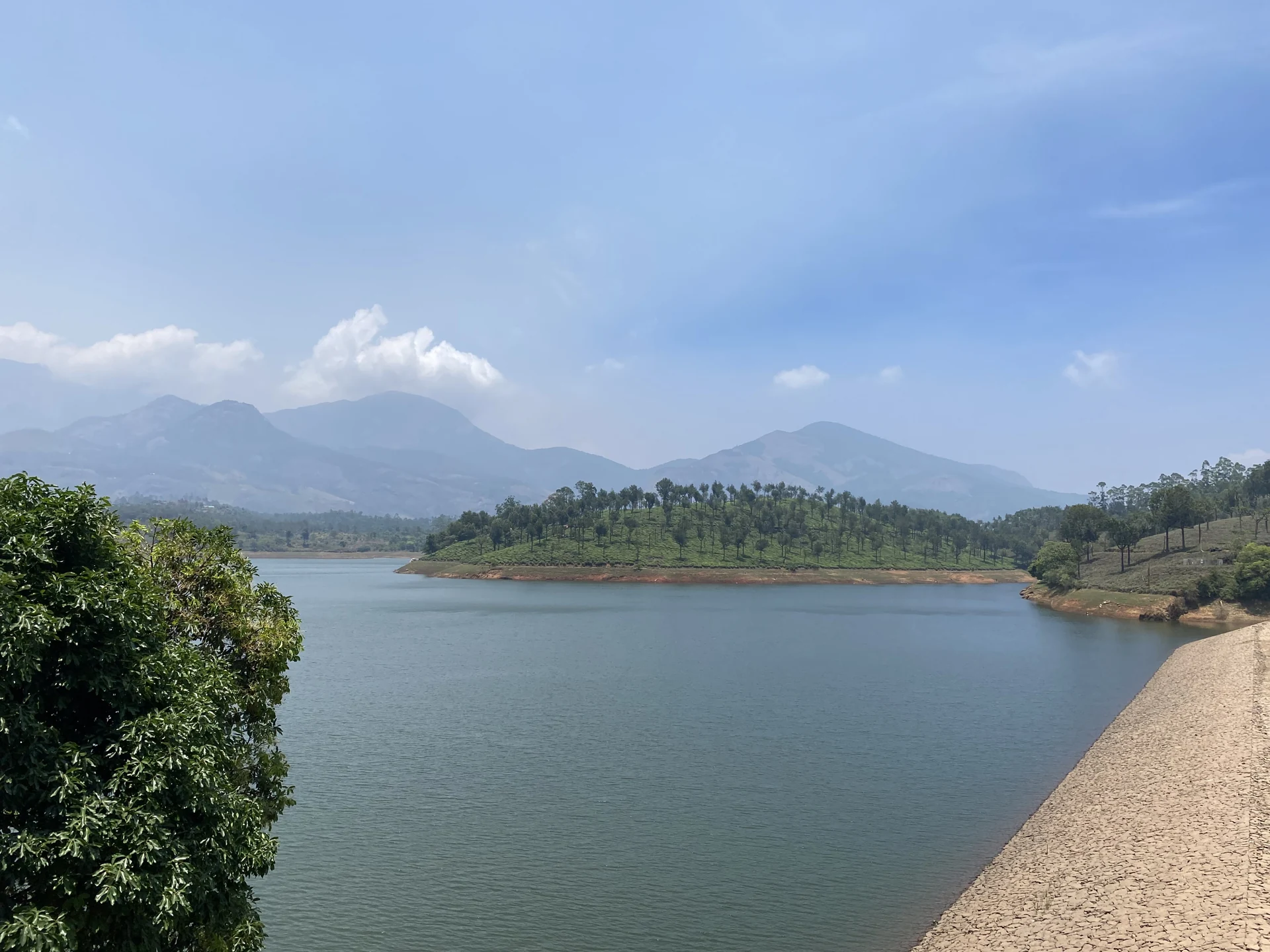
Anayirankal is a KSEB earth-and-rockfill dam and reservoir in the Panniyar hydel system near Chinnakanal and Santhanpara. The map identifies the published hydel visitor-centre marker; boating is not currently assured.
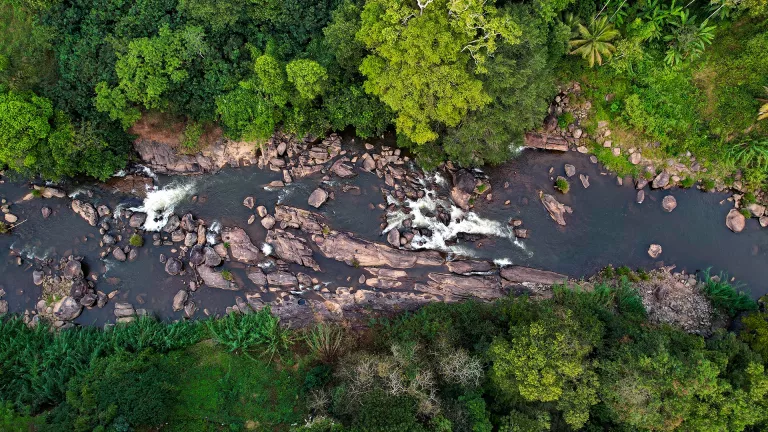
The Muthirapuzha spread sideways over bare rock at 796 m, below the tailrace of Pallivasal — the first hydroelectric station Kerala built. Free, unmanaged and very quiet, down about a kilometre of steep narrow lane. ⚠ Not the Chinnakanal falls that Kerala Tourism describes under this name, 21 km east.
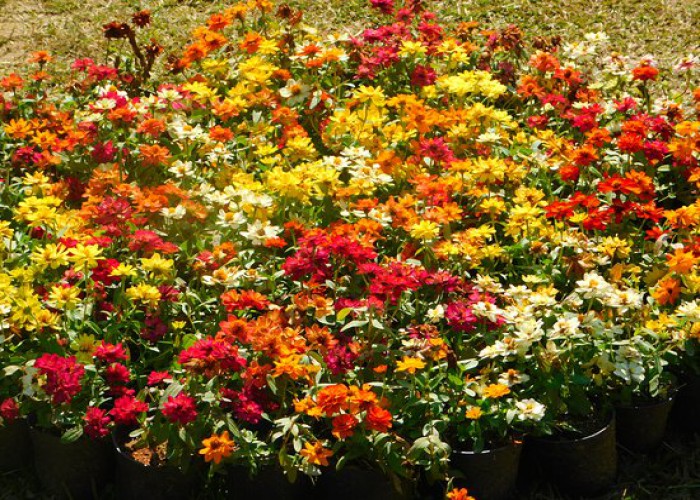
The Kerala State Electricity Board’s riverside flower park on the Munnar–Aluva road, 3.3 km below Munnar town and 1.2 km from the KSRTC stand at Old Munnar. It runs along the east bank of the Muthirapuzha immediately above the 1944 R. A. Headworks weir that feeds Pallivasal, Kerala’s first hydroelectric station — which is what the "hydel" in the name means. Open daily 09:15 to 20:15 with tickets sold online by Kerala Hydel Tourism Centre.
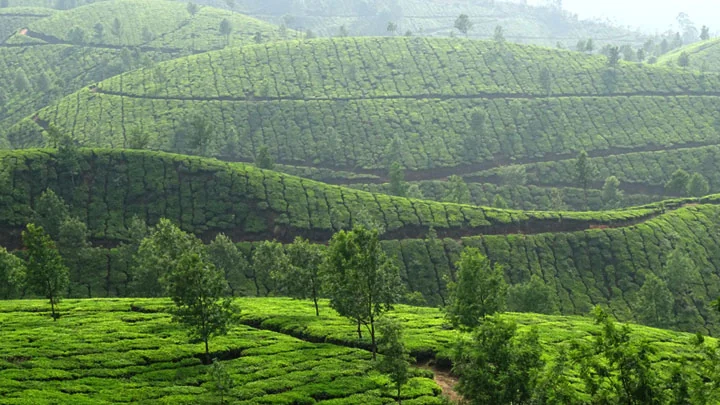
Hill-station and lake landscape near Munnar associated with Devikulam and Sita Devi, best planned as a quieter high-range side trip.
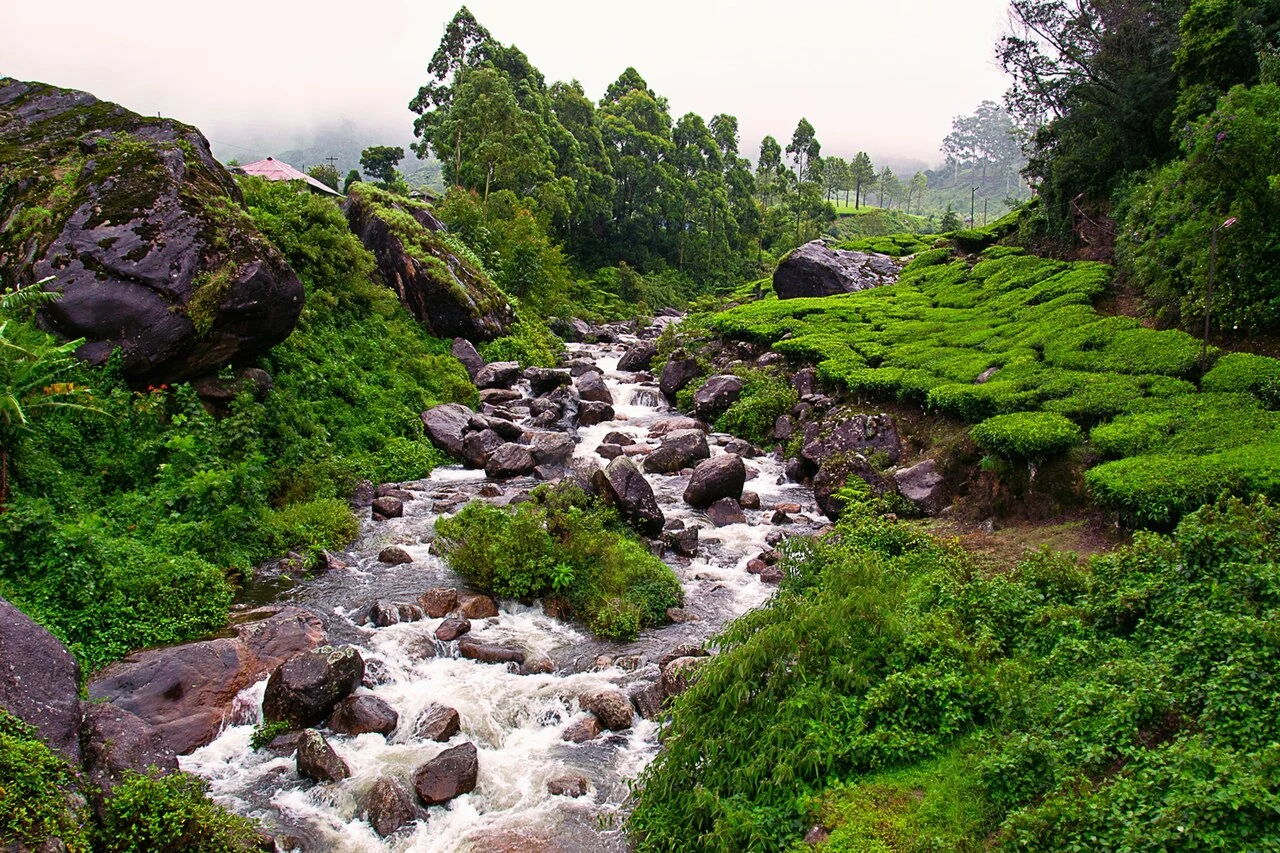
Nyayamakad, also called Nayamakad, is the waterfall and tea-estate landscape on the Munnar–Rajamala approach. The map uses the identifiable Nyamakad roadside stream-view base, not a waterfall lip, pool entrance or estate walking permit.
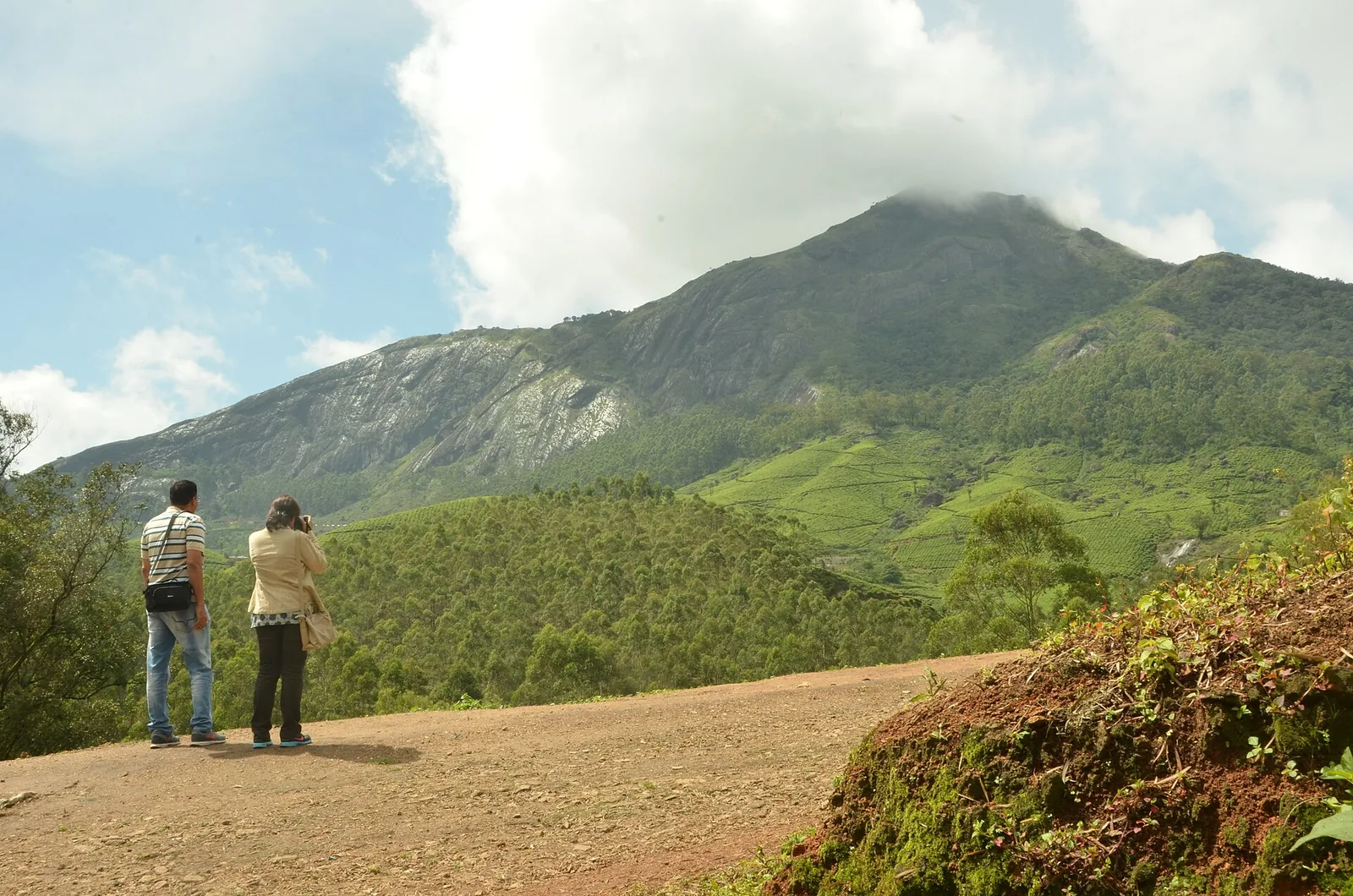
Forest Department peak trek from the counter at Gap Road, 13.2 km from Munnar: a mapped 2.09 km path climbing about 460 m of grassland and shola to a summit whose altitude four sources disagree about.
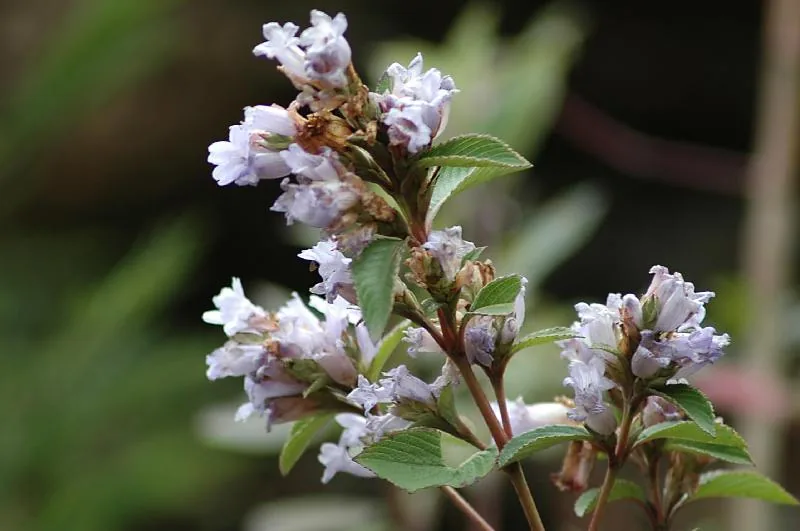
35.3 km · 67 min drive
The 32 km² sanctuary above Kottakamboor and Vattavada, notified in 2006 for one plant — Strobilanthes kunthiana — with two walks and two stays in the Forest Department's own brochure and nothing bookable online.
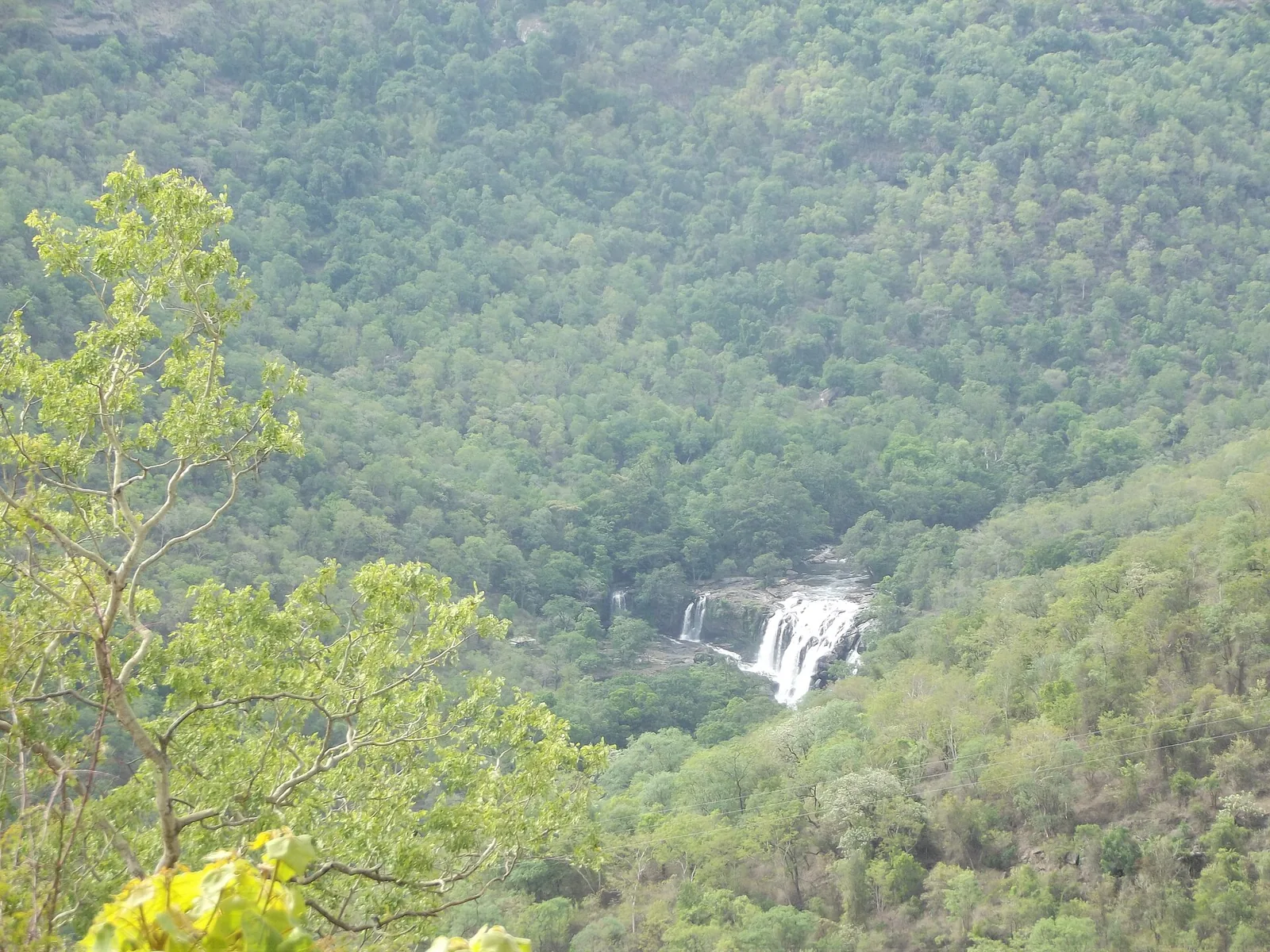
11.3 km · 19 min drive
Forest Department guided walk in Chinnar Wildlife Sanctuary, from the Alampetty counter on SH17 down the river to the Thoovanam waterfall. Kerala Tourism contradicts itself on which river it follows: its own destination article says the Pambar, and the page selling this programme says the Chinnar.
11.3 km · 19 min drive
Forest Department culture trek in Chinnar Wildlife Sanctuary to prehistoric dolmen (muniyara) sites, run with local tribal Eco-Development Committees. Report at the Alampetty guide stand on the Marayoor–Udumalpet road (SH17), 6.4 km beyond Marayoor.
21.5 km · 34 min drive
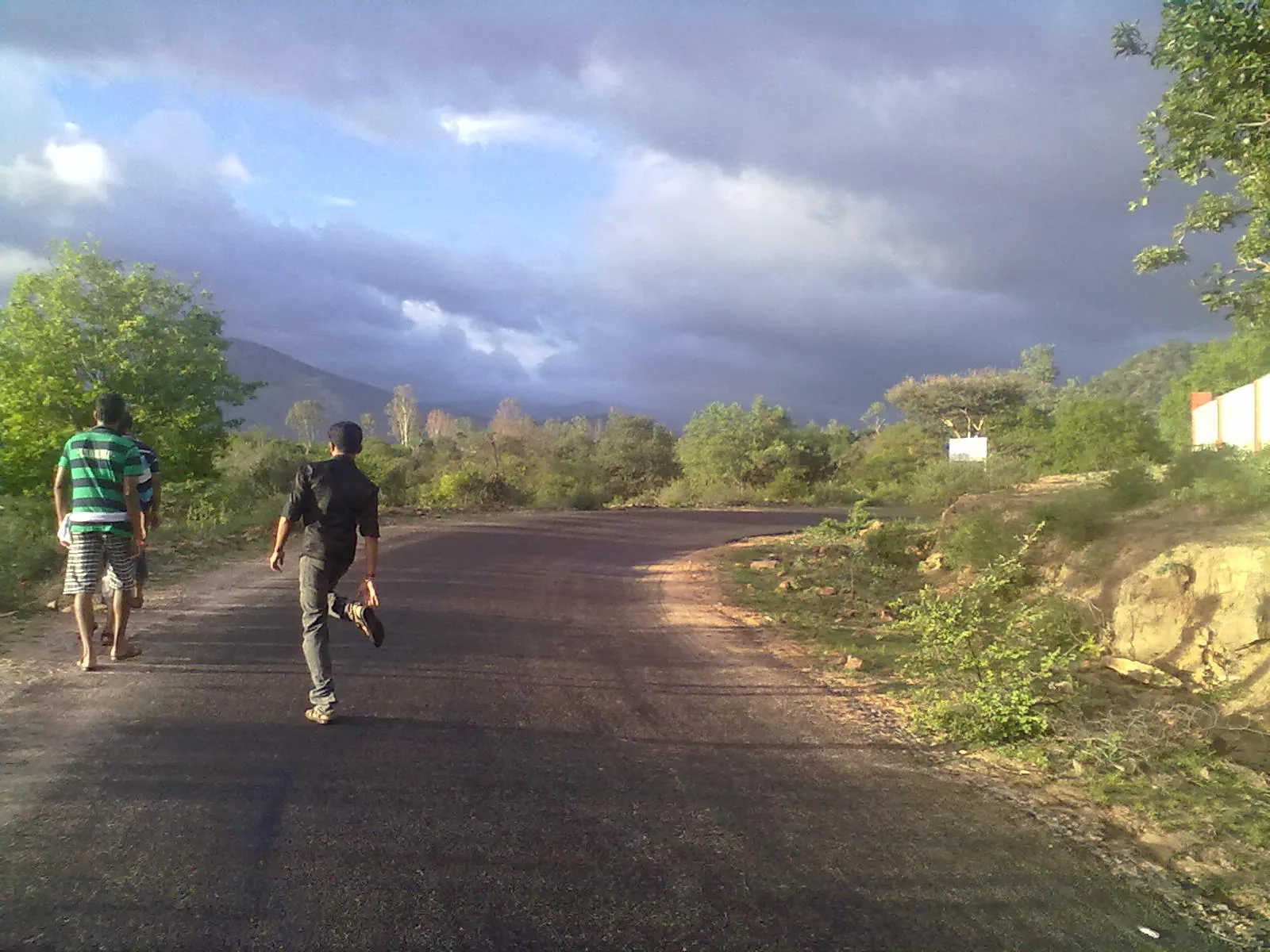
Forest Department trekking-and-camping programme at Vasyappara in Chinnar Wildlife Sanctuary — an overnight stay in a mud hut on a hill crest, published by the department as the Chinnar Valley Safari Trail. Report at 3 pm at the Chinnar check post on the Marayoor–Udumalpet road, not at the Alampetty counter 10.2 km back.
12.1 km · ~20 min by cab
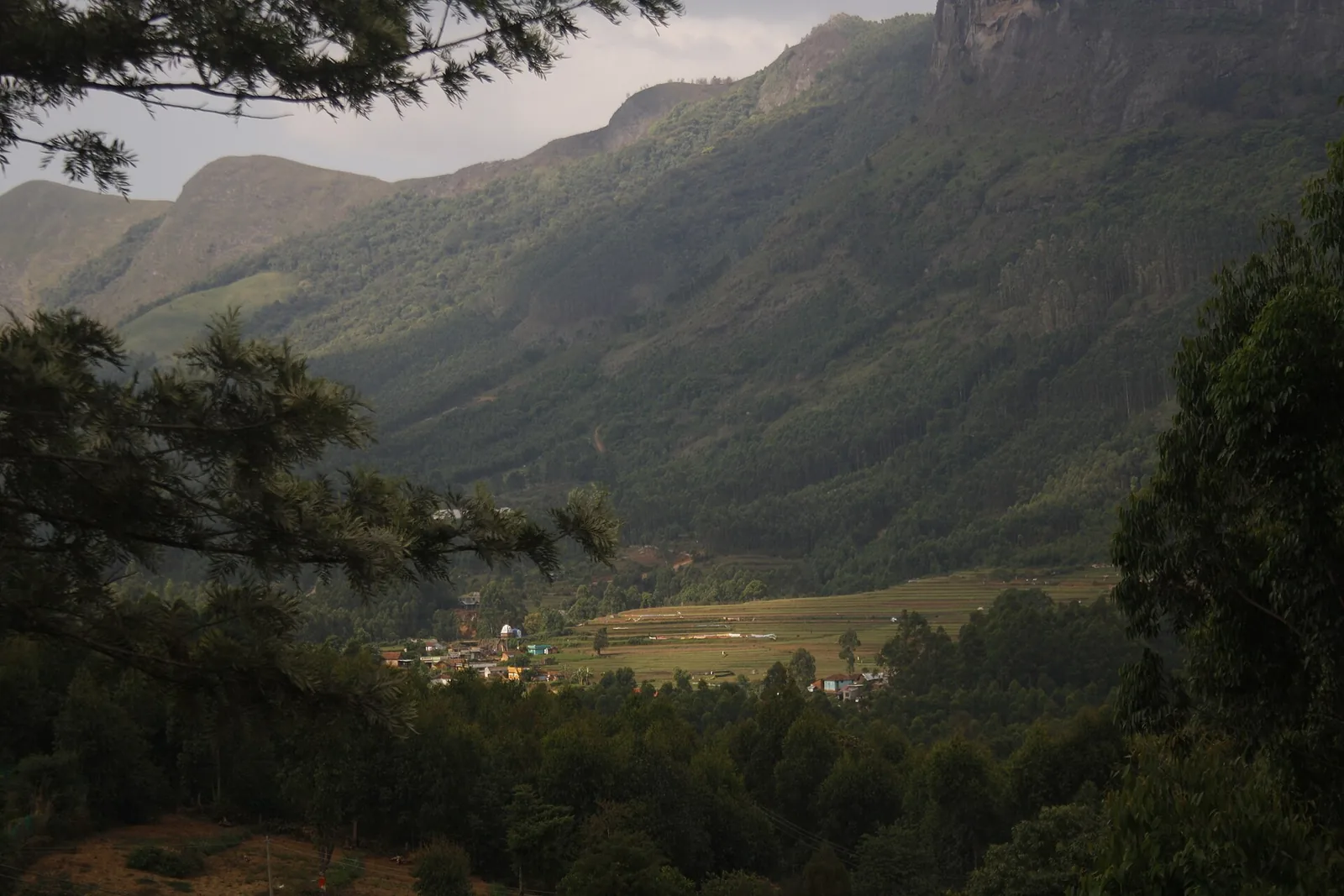
High-range village near Marayoor often called the “Kashmir of Kerala”, known for terraced farms of apples, oranges, strawberries and vegetables at around 1,800 m.
18.9 km · ~31 min by cab
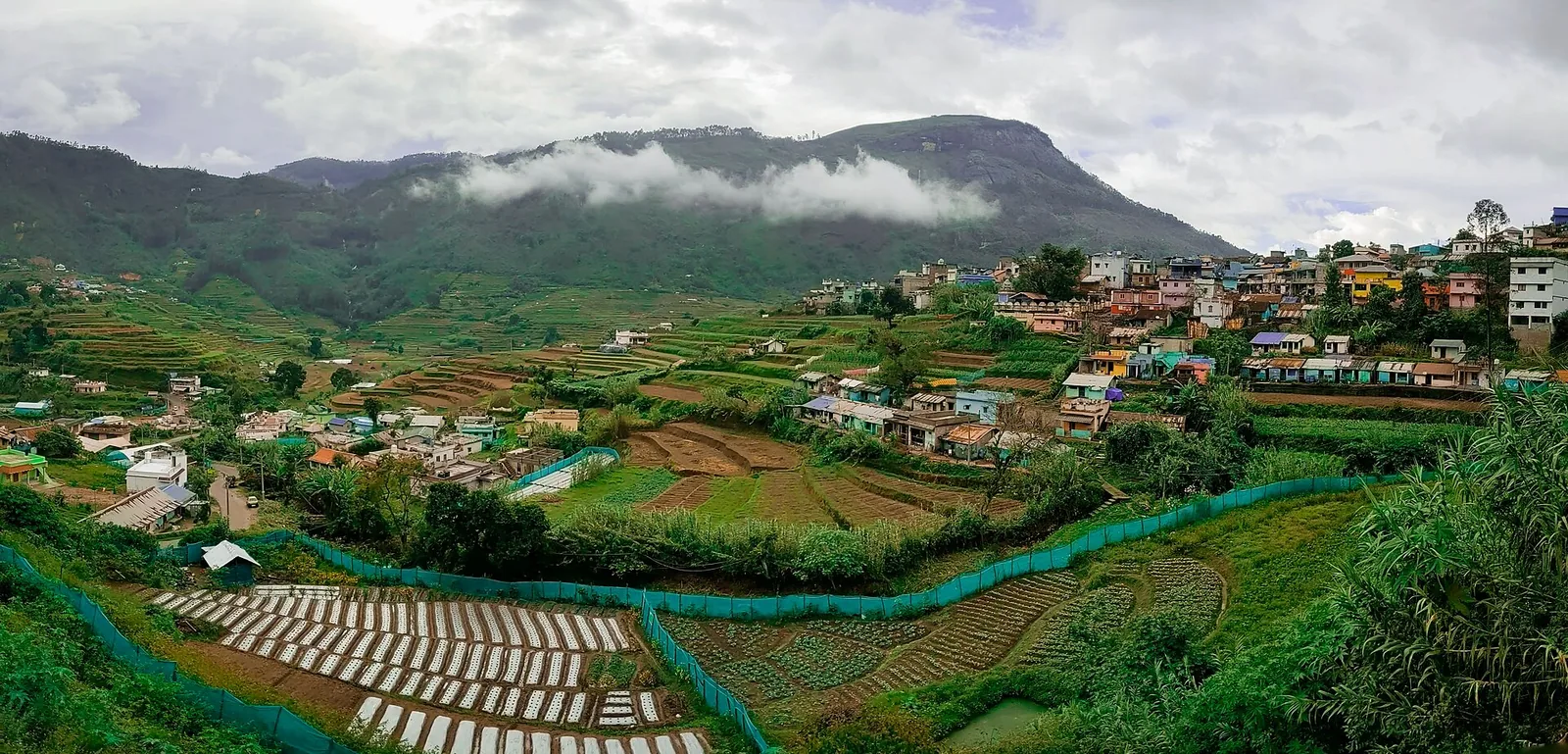
Cool high-altitude farming village beyond Munnar near the Tamil Nadu border, known for terraced vegetable and fruit cultivation, Kurinji slopes and quiet valley views.
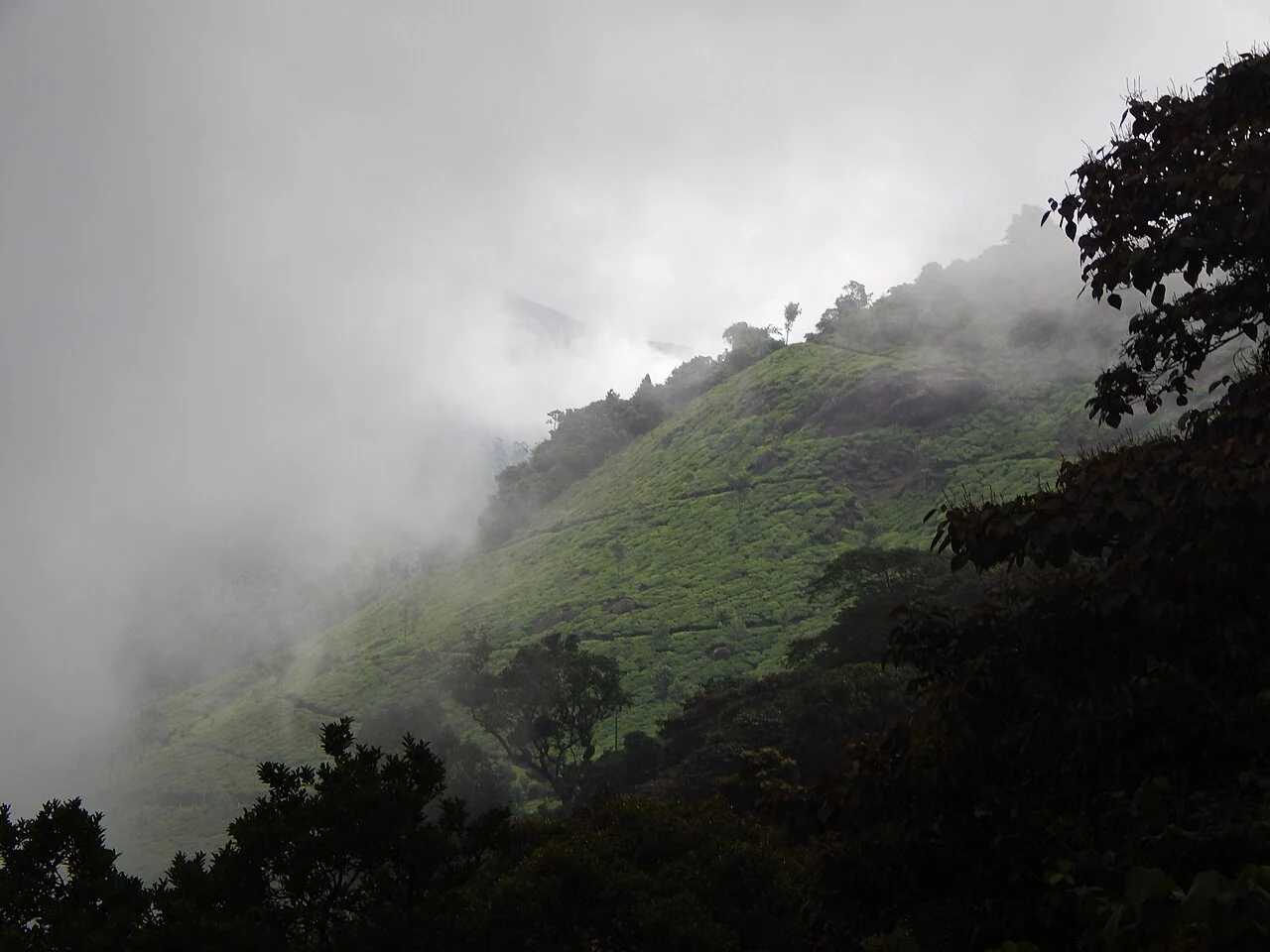
A road-accessible viewpoint in Pothamedu south of Munnar, looking across planted hills and wooded valleys. The viewpoint marker is separate from the wider village and from private plantation walking routes.
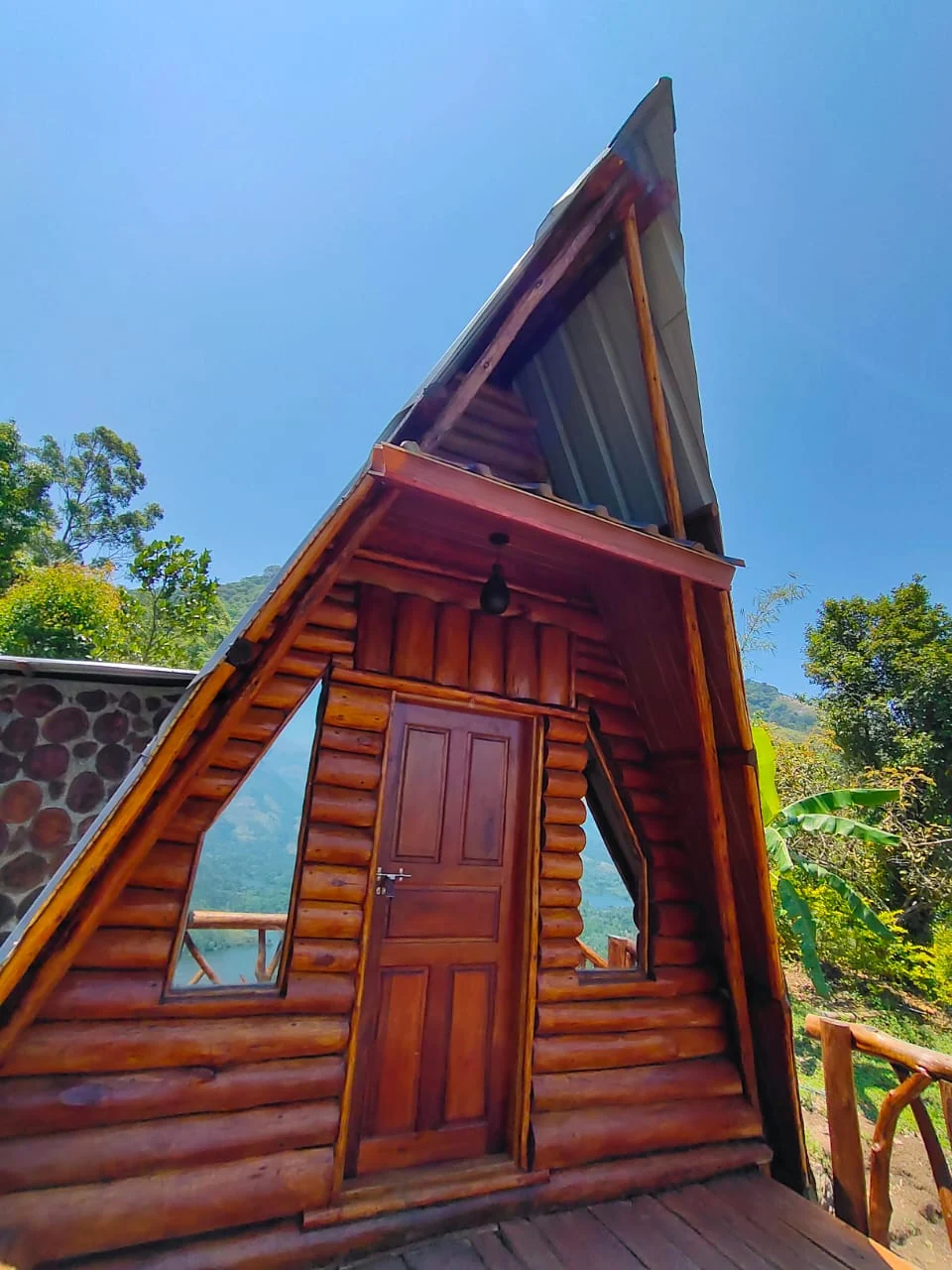
Mathikettan Shola protects a remnant of native Cardamom Hills forest in Idukki. Visits are arranged through the Forest Department, with distinct Pethotty and Choondal approaches; a reservoir viewpoint is not a park-entry permit.
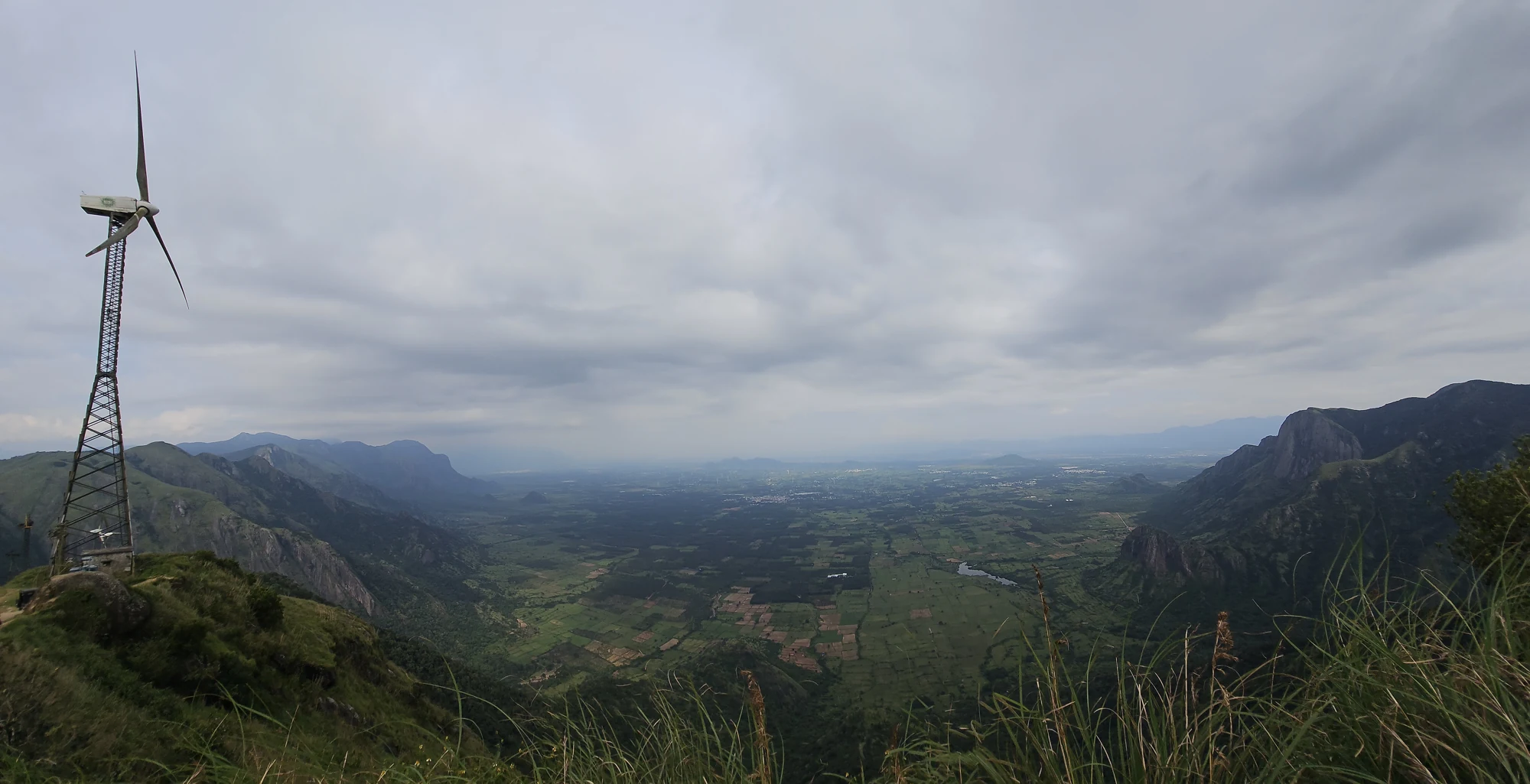
A wind-turbine ridge in Chathurangappara, Udumbanchola taluk, with views towards Theni’s cultivated plains; reached from the Munnar–Kumily road, with an exposed final hill approach.
Roampedia is commission-free — own or know a stay, eatery, guide or shop near Chinnar Wildlife Sanctuary? List it and it appears here once verified.
Add a nearby businessFees change without notice. Check the current rate at the counter.
Entry: Around ₹200 per adult for Indian visitors and roughly ₹500 for foreign nationals, with separate charges for treks such as Thoovanam (about ₹250 for Indians and ₹600 for foreigners), plus camera and vehicle fees.
Festivals: There are no temple festivals within the sanctuary itself; nearby Marayoor and Kanthalloor follow the wider Idukki calendar, with harvest and local temple celebrations in the surrounding villages (confirm dates locally).
Photography: Still photography is generally permitted for a small fee and is wonderful along the rivers and at Thoovanam; carry a zoom lens for the grizzled giant squirrel and birds, and always confirm current camera and any drone or video charges at the forest office before setting out.
If you are travelling by bus or ferry, check the return service with the operator before setting out. Leave time to reach the stop or jetty after your visit.
Ask at the bus stand for the time of the last service back, not the next one. If you miss it, an auto or app cab is the fallback — agree the fare before you get in.
If you need step-free access, contact the site before travelling. Ask about a level entrance, steps along the route, the nearest drop-off point, seating and accessible toilets.
Emergency numbers are verified against official government and state tourism sources. 112 works anywhere in India.
High-range village known for natural sandalwood forests, dolmens and sugarcane jaggery.
5.8 km · 11 min driveForest Department culture trek in Chinnar Wildlife Sanctuary to prehistoric dolmen (muniyara) sites, run with local tribal Eco-Development Committees. Report at the Alampetty guide stand on the Marayoor–Udumalpet road (SH17), 6.4 km beyond Marayoor.
11.3 km · 19 min driveForest Department guided walk in Chinnar Wildlife Sanctuary, from the Alampetty counter on SH17 down the river to the Thoovanam waterfall. Kerala Tourism contradicts itself on which river it follows: its own destination article says the Pambar, and the page selling this programme says the Chinnar.
11.3 km · 19 min driveHigh-range village near Marayoor often called the “Kashmir of Kerala”, known for terraced farms of apples, oranges, strawberries and vegetables at around 1,800 m.
12.1 km · ~20 min by cab · straight lineWaterfall stop on the Munnar-Marayoor route, usually paired with Eravikulam and Marayoor days.
14.8 km · 27 min driveCool high-altitude farming village beyond Munnar near the Tamil Nadu border, known for terraced vegetable and fruit cultivation, Kurinji slopes and quiet valley views.
18.9 km · ~31 min by cab · straight lineForest Department trekking-and-camping programme at Vasyappara in Chinnar Wildlife Sanctuary — an overnight stay in a mud hut on a hill crest, published by the department as the Chinnar Valley Safari Trail. Report at 3 pm at the Chinnar check post on the Marayoor–Udumalpet road, not at the Alampetty counter 10.2 km back.
21.5 km · 34 min driveAnamudi Shola National Park protects Mannavan, Pullaradi and Idivara shola forests in the Kanthalloor–Vattavada high ranges. Methappu is the visitor anchor on this page; this is not Anamudi Peak or the Rajamala visitor area.
32.6 km · 55 min drivePopular high-altitude Western Ghats trek, usually booked through official eco-tourism channels.
33.0 km · 51 min driveThe 32 km² sanctuary above Kottakamboor and Vattavada, notified in 2006 for one plant — Strobilanthes kunthiana — with two walks and two stays in the Forest Department's own brochure and nothing bookable online.
35.3 km · 67 min driveHigh-range lake and dam stop beyond Mattupetty on the Top Station route.
35.6 km · 54 min driveThe highest peak in South India, viewed through Eravikulam/Rajamala access contexts near Munnar.
75.3 km · 134 min driveWalking and driving times are real routed distances, except the few marked “straight line”, which are direct-line estimates and will read short. Fare figures are estimates from Kerala’s notified auto/taxi tariff and exclude waiting and night charges. Routing: © openrouteservice.org by HeiGIT | Map data © OpenStreetMap contributors
Chinnar is famous for being Kerala’s unusual rain-shadow, dry-deciduous and thorny-scrub sanctuary, and above all as a stronghold of the endangered grizzled giant squirrel. It is also known for the Indian star tortoise rehabilitation centre, the Thoovanam waterfall trek, marsh crocodiles along its rivers, and the nearby Marayoor sandalwood forests and prehistoric muniyara dolmens.
It lies near Marayoor in Idukki district, on the Munnar–Marayoor–Udumalpet road close to the Kerala–Tamil Nadu border. It is roughly 60 kilometres from Munnar, around a ninety-minute to two-hour drive through the high ranges.
Yes. Entry and all treks — including the Thoovanam waterfall trek and river walks — are arranged through the Kerala Forest Department, and you are accompanied by a trained guide from the local tribal community. Buy your gate pass and book treks at the forest department office at the sanctuary; independent trekking is not permitted.
Because Chinnar sits in a rain-shadow, it is drier and more accessible than most of Kerala. The pleasant, cooler months from roughly September to March are generally considered the best time for treks and wildlife-watching, while the hotter pre-monsoon months can be very warm in the scrub.
Yes. The forest department offers eco-tourism accommodation including tree-top huts (machans), log houses and forest guesthouses, typically booked in advance through the Wildlife Warden’s office in Munnar. Facilities are basic and solar-powered, so book early and confirm current availability before travelling.
Sightings are never guaranteed with wild animals, but Chinnar is one of the better places to see the grizzled giant squirrel, especially in the riverine forest along the Chinnar and Pambar. Early-morning treks with an experienced tribal guide give the best chance of spotting squirrels, crocodiles, deer and birds; elephants and big cats are more elusive.
Dryer months are easier for wildlife access; monsoon access depends on local rules.
Entry: Around ₹200 per adult for Indian visitors and roughly ₹500 for foreign nationals, with separate charges for treks such as Thoovanam (about ₹250 for Indians and ₹600 for foreigners), plus camera and vehicle fees. Timings: Open daily, generally around 6.00 am to 6.00 pm, with guided treks arranged in morning and afternoon slots (roughly 6–11 am and 3–6 pm).
Base yourself in Munnar or a nearby town in Idukki, then confirm the last-mile route locally before leaving. Book official entry, safari, boat or eco-tourism slots first, then plan transport and stay. If the visit depends on forest, temple, boat, ferry, weather or seasonal access, check the official/local rule on the day before travel.
Half day to full day.
Nearby you can pair Marayoor (5.8 km), Chinnar Dolmen Culture trek (11.3 km), Thoovanam Falls trek (11.3 km), Kanthalloor (12.1 km).
Do not feed or approach wildlife. Use official routes and approved operators only.
We have not published a story about Chinnar Wildlife Sanctuary itself yet. These cover Munnar and the wider district, with separate journeys between stops.
These guides explore Munnar and the surrounding area. Choose a visit that fits your interests, allowing separately for travel between stops.


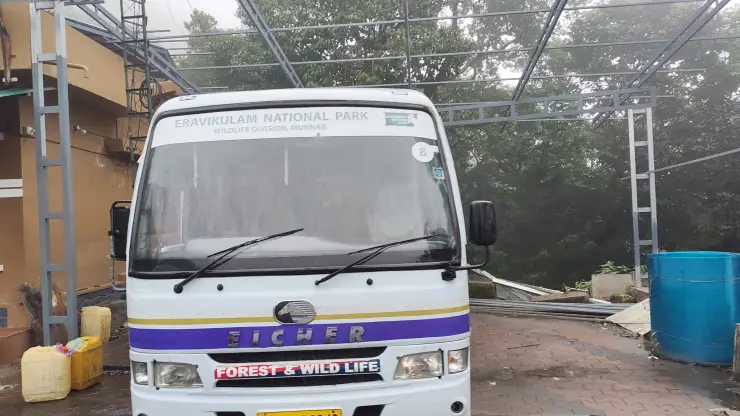
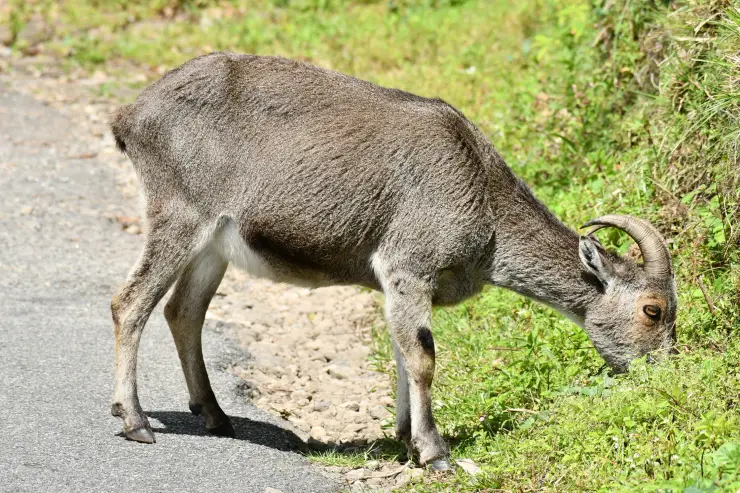
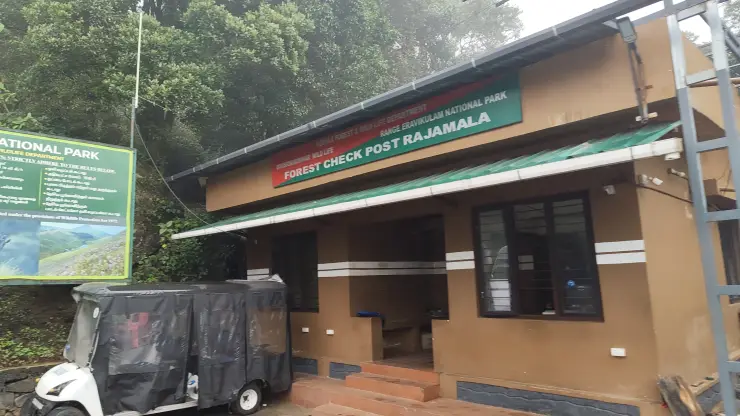
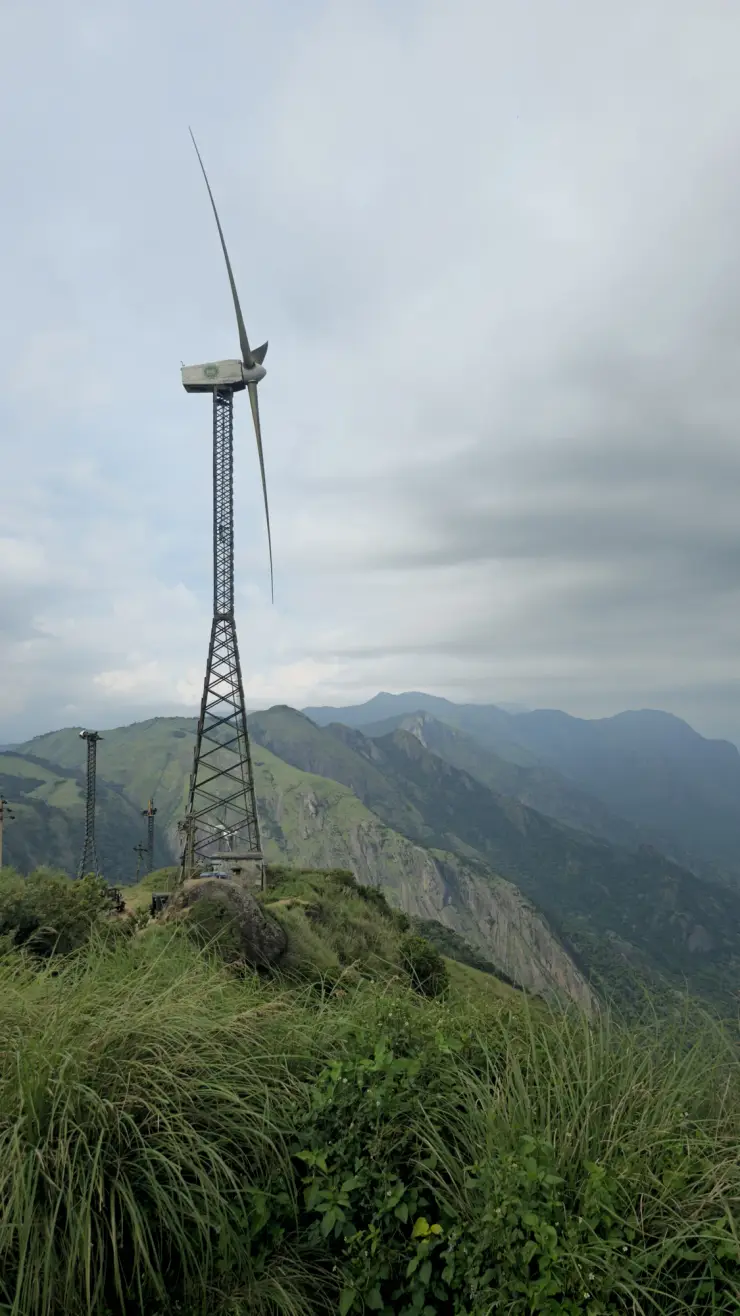
Written about Munnar as a whole rather than about Chinnar Wildlife Sanctuary — its history, its streets, and how to spend a day in it.

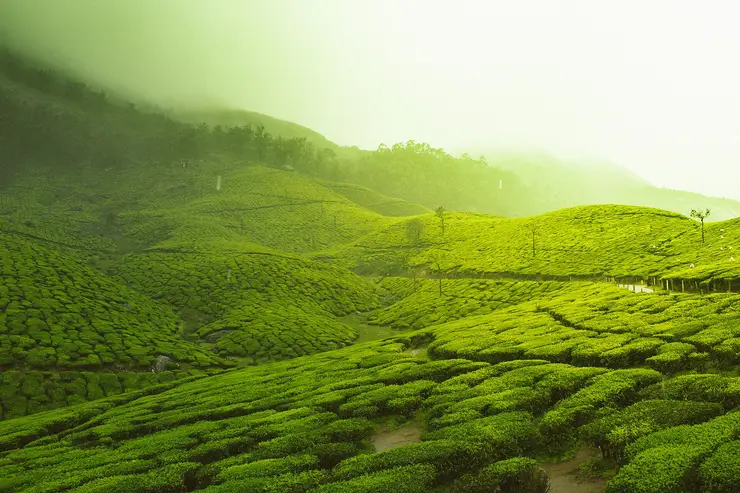
Route-level itineraries and practical guides for the rest of Kerala.
Photographs: Jaseem Hamza (CC BY 3.0), Matthieu Aubry (CC BY-SA 3.0), Mike Prince (CC BY 2.0), Amara Bharathy (CC BY-SA 4.0), Niyas8001 (CC BY-SA 4.0), Athulvis (CC BY-SA 4.0), Jan J George (CC BY-SA 4.0), Sarathgks92 (CC BY-SA 4.0), Jiths (CC BY 2.0), Fotokannan (CC BY-SA 3.0). Wikimedia Commons.