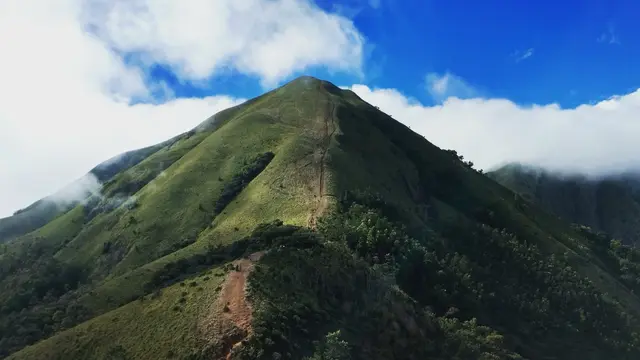
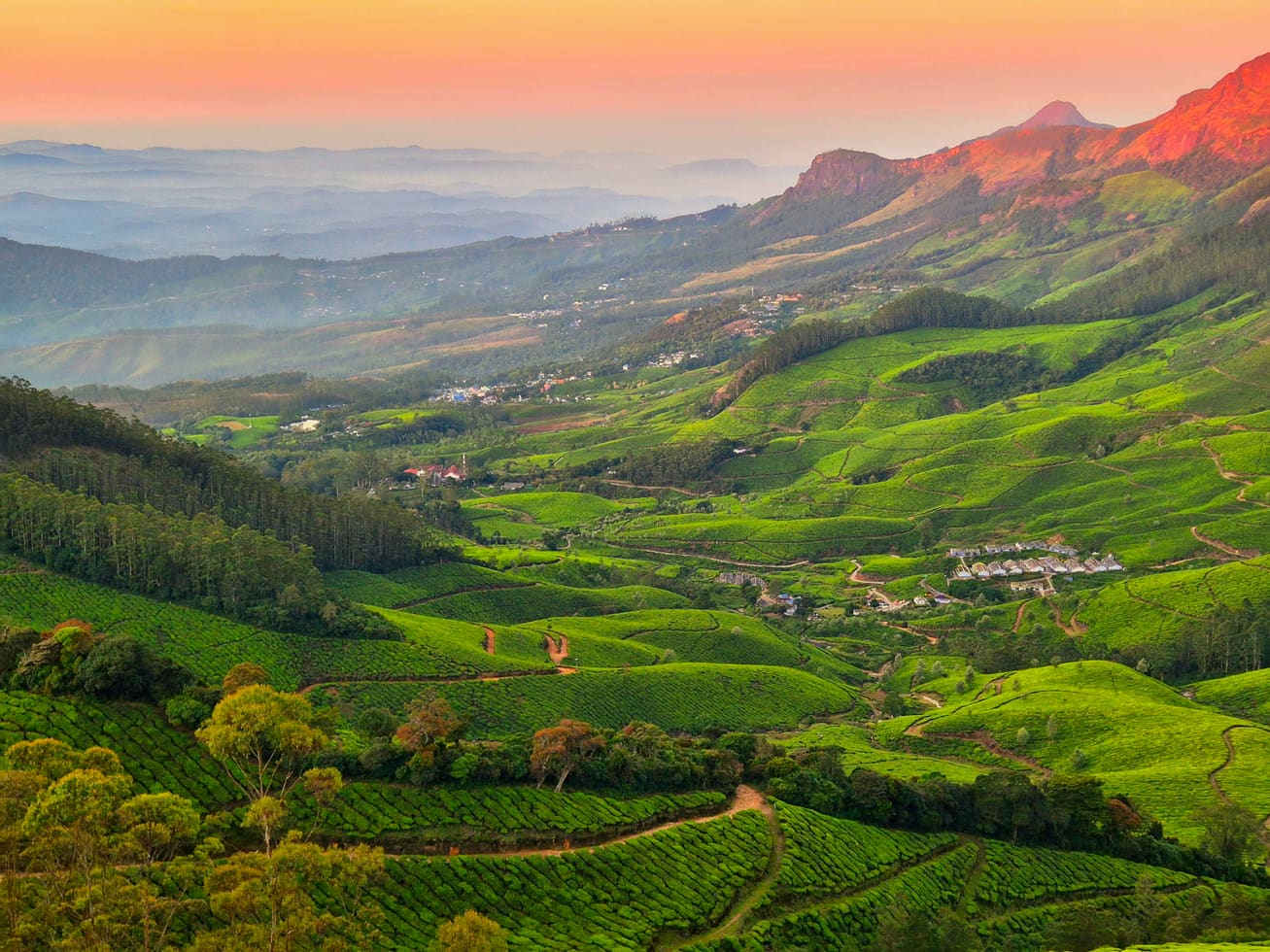
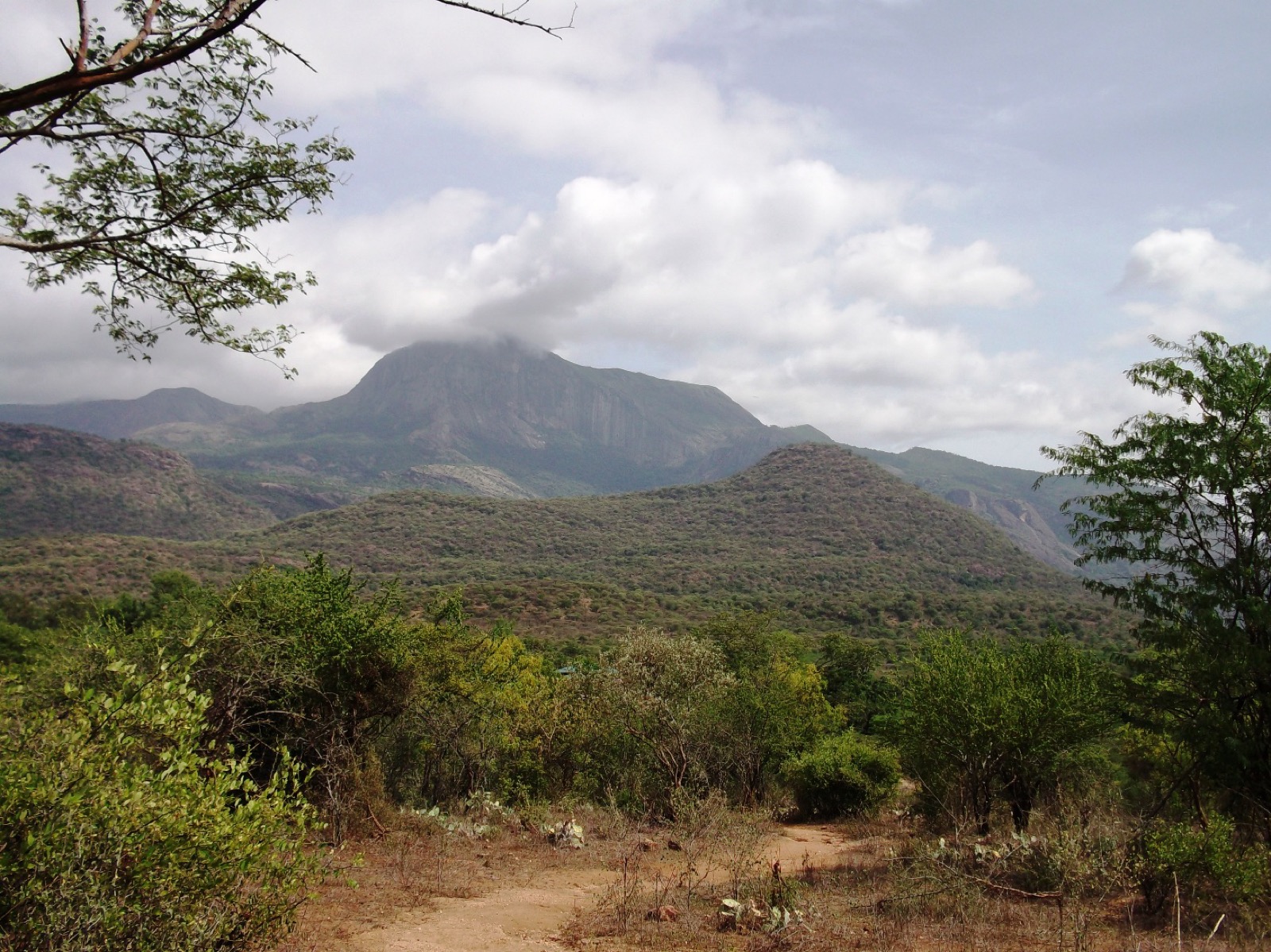
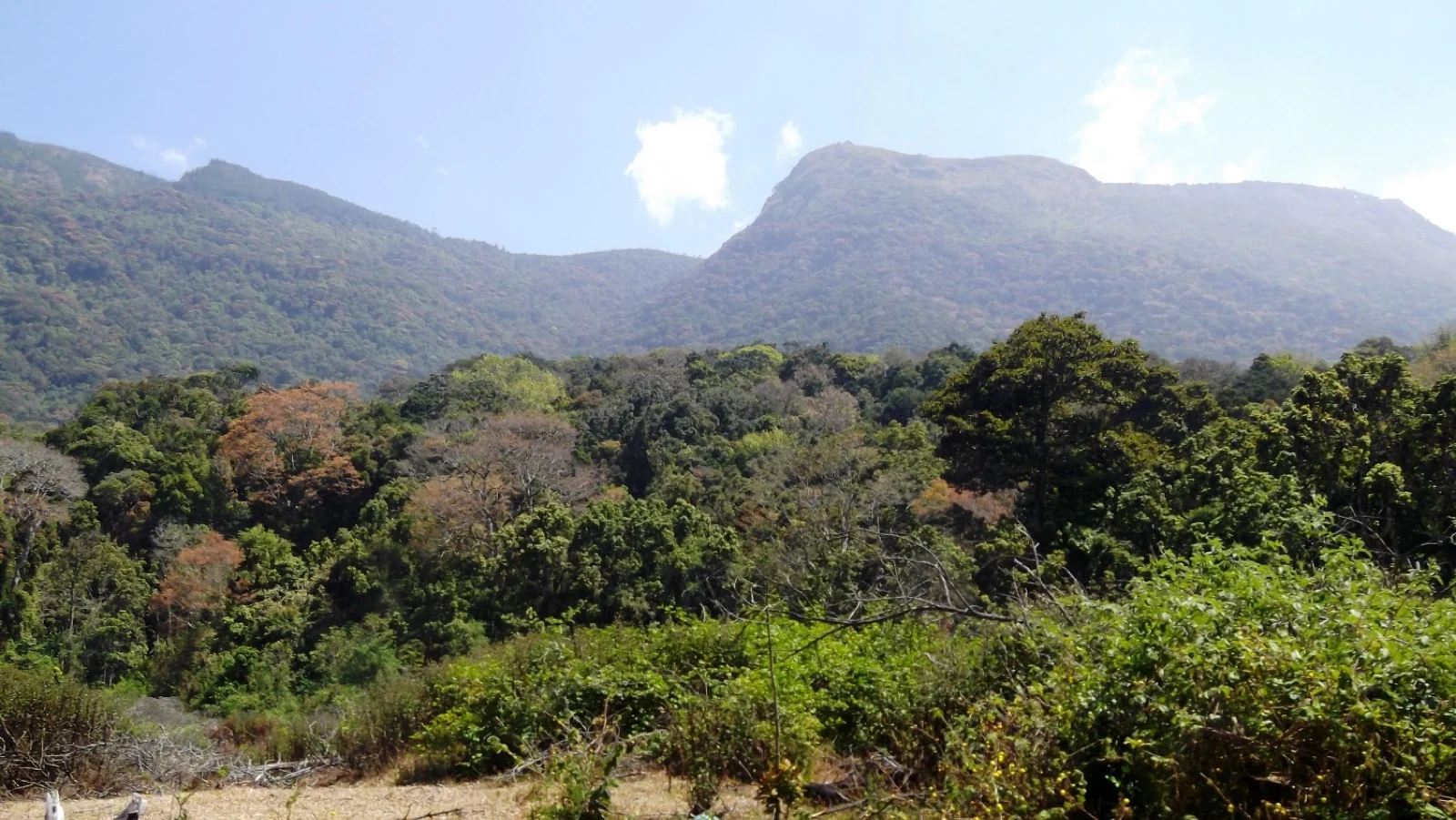
Chokramudi is a guided high-altitude trek near Munnar, climbing through tea-fringed slopes, montane grassland and shola forest to a summit of about 2,195 metres. Kerala Tourism classifies it as a moderate walk taking roughly three to four hours.
The story of Chokramudi Peak trek
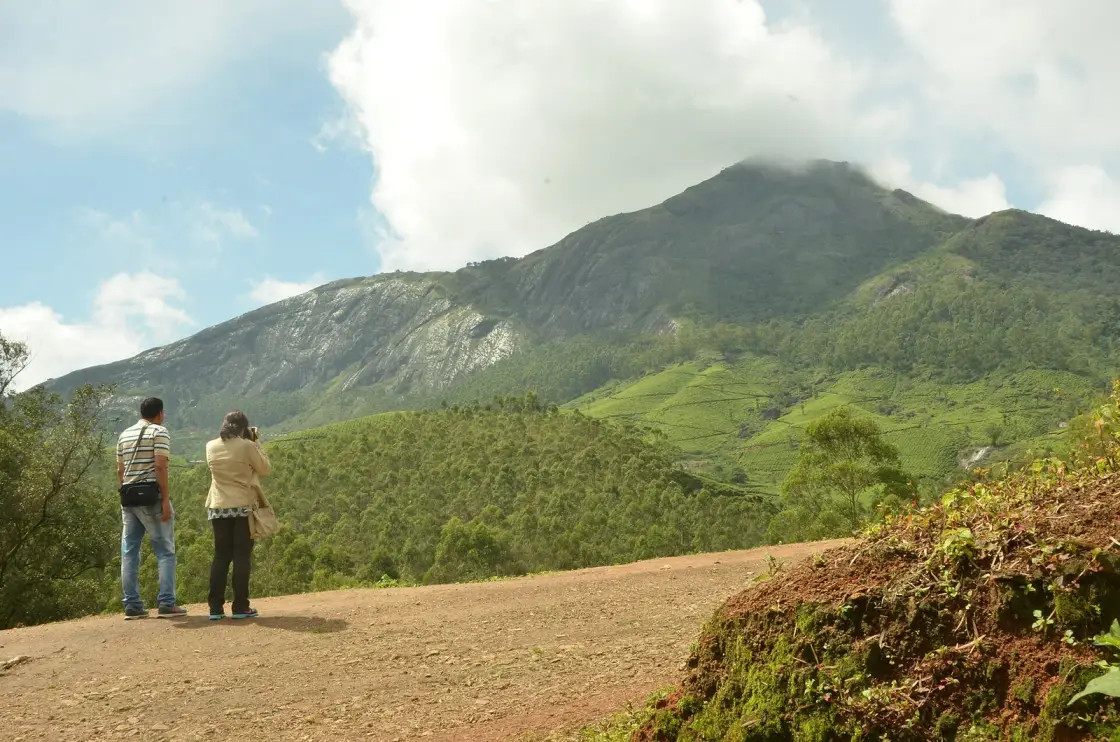
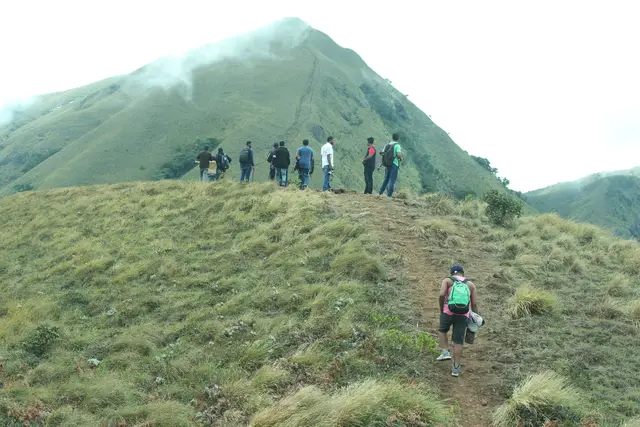
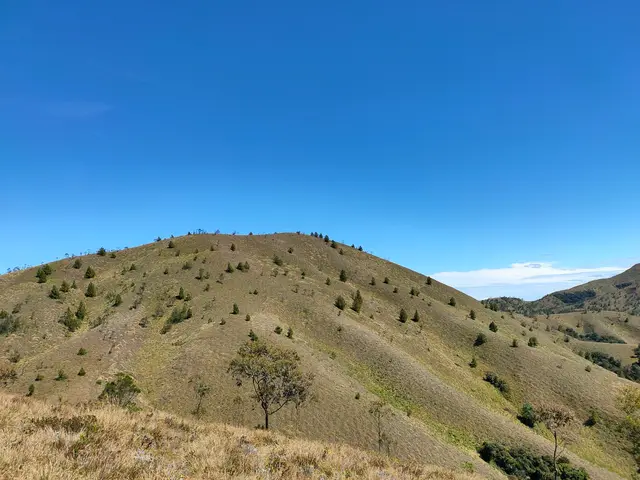
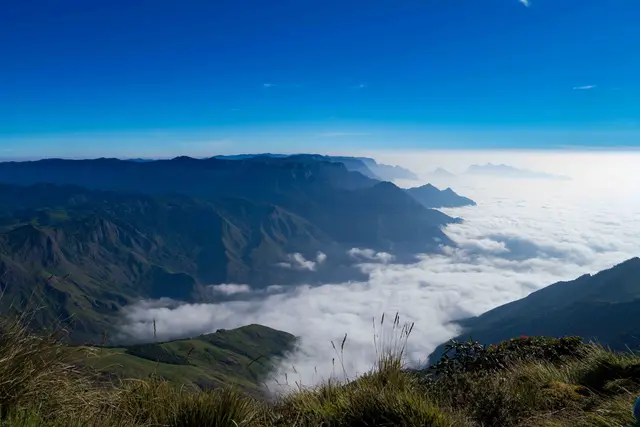
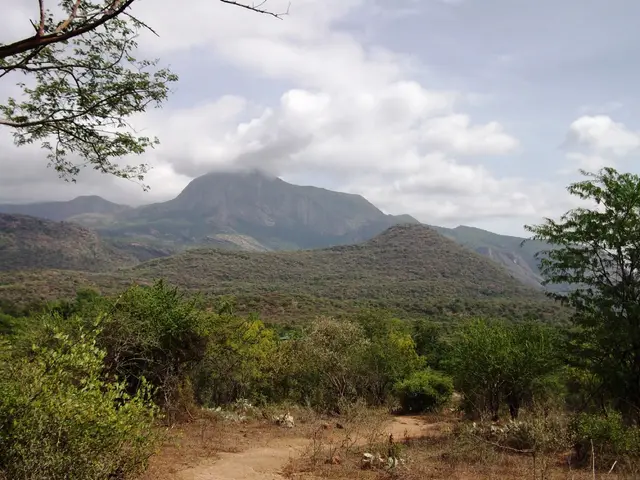
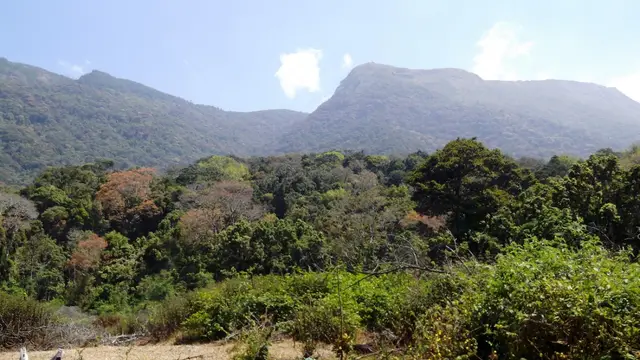
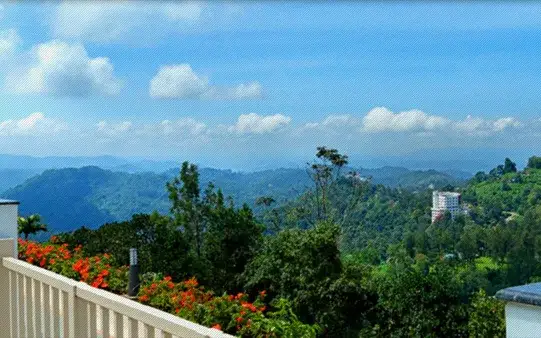
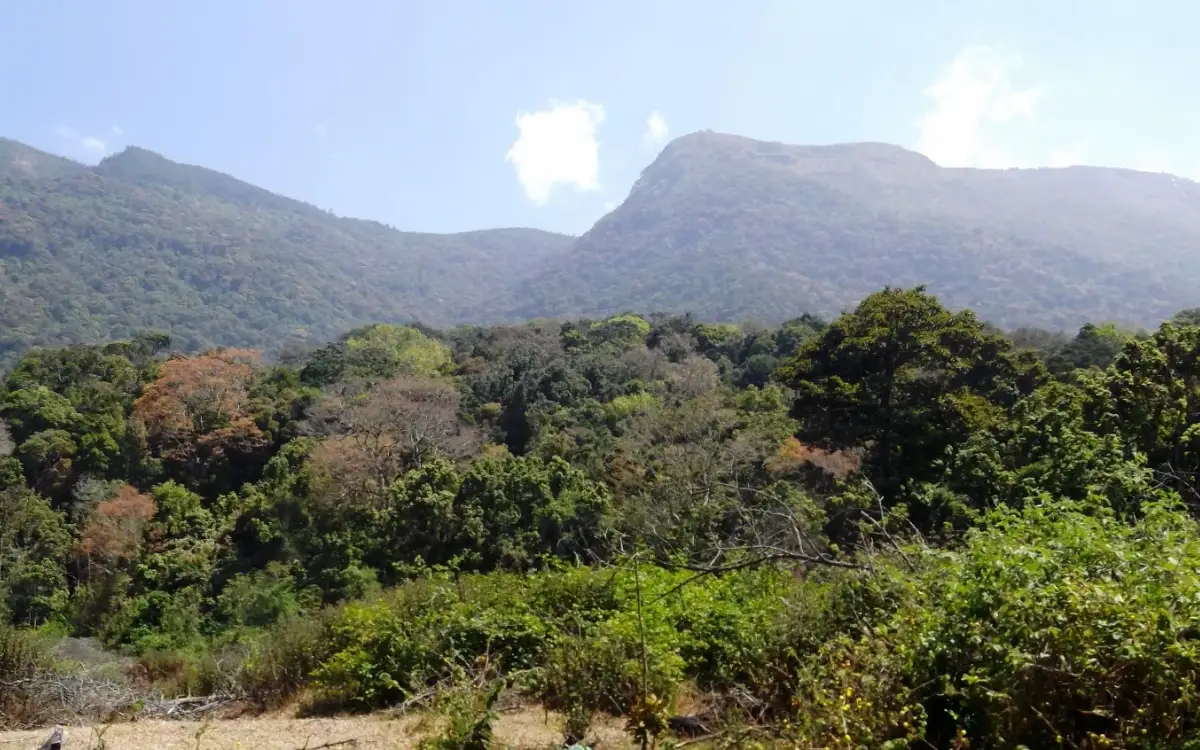
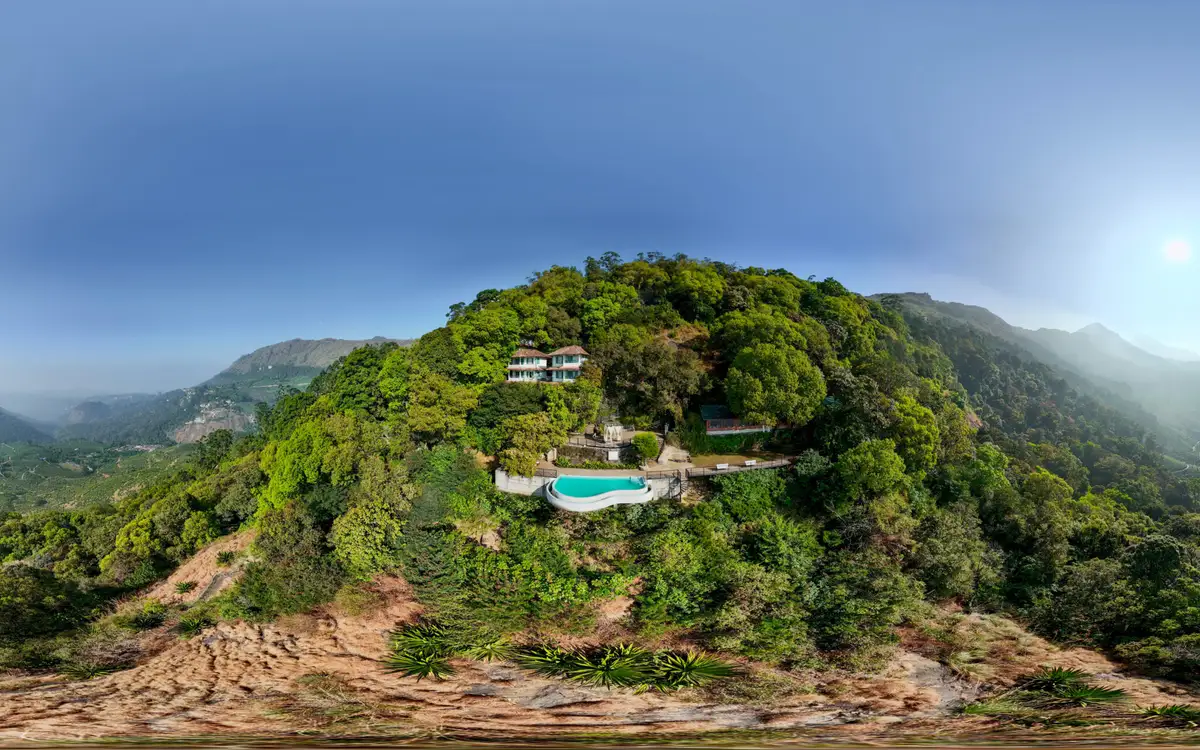
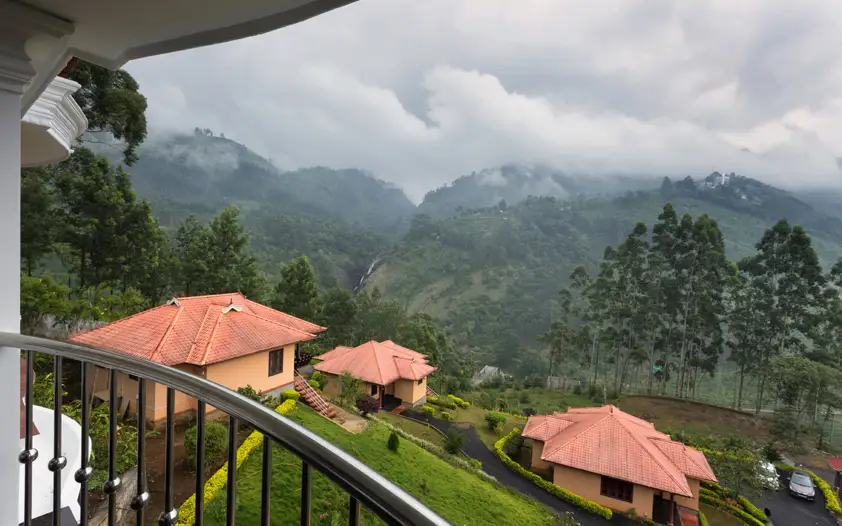
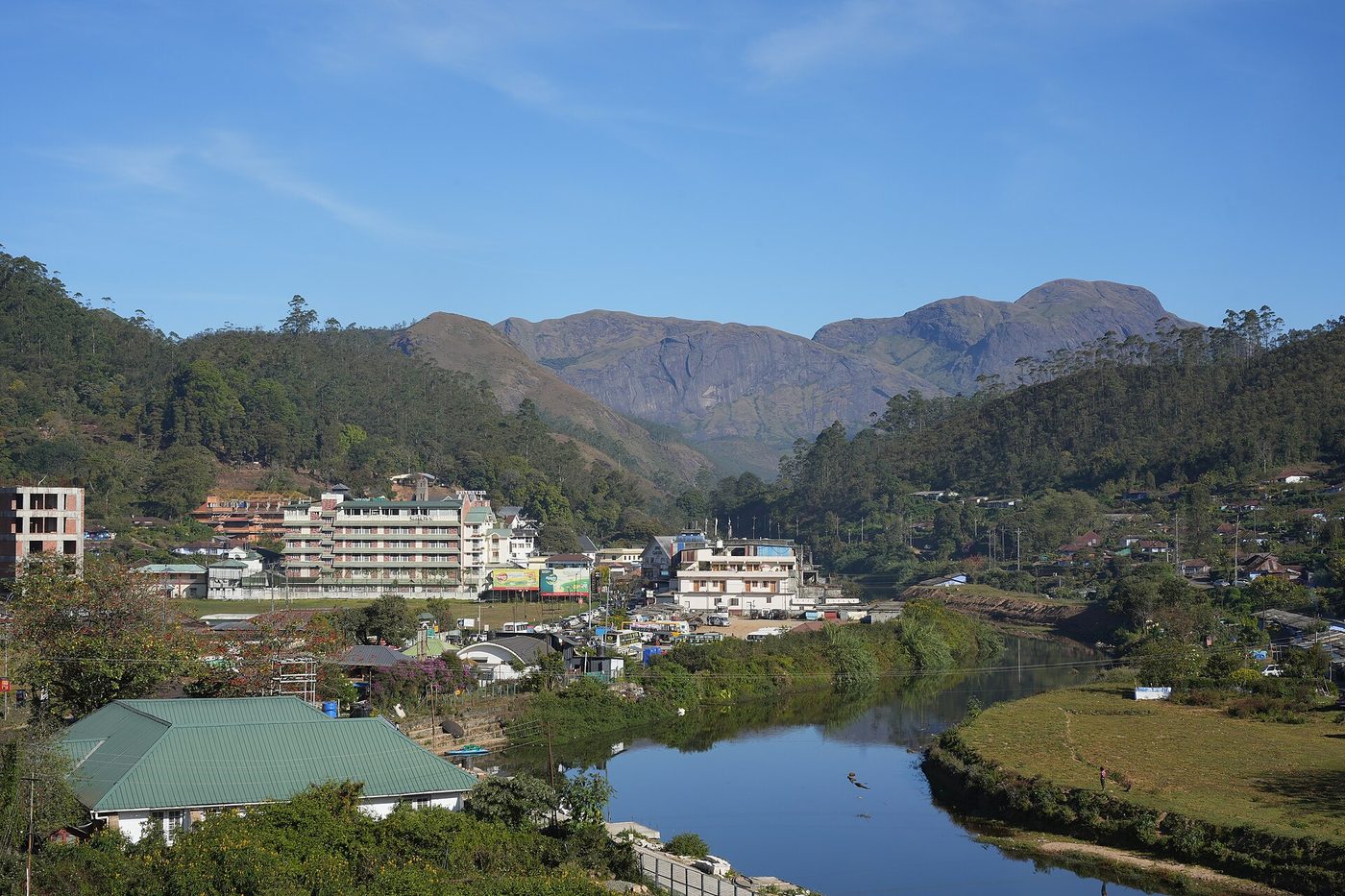
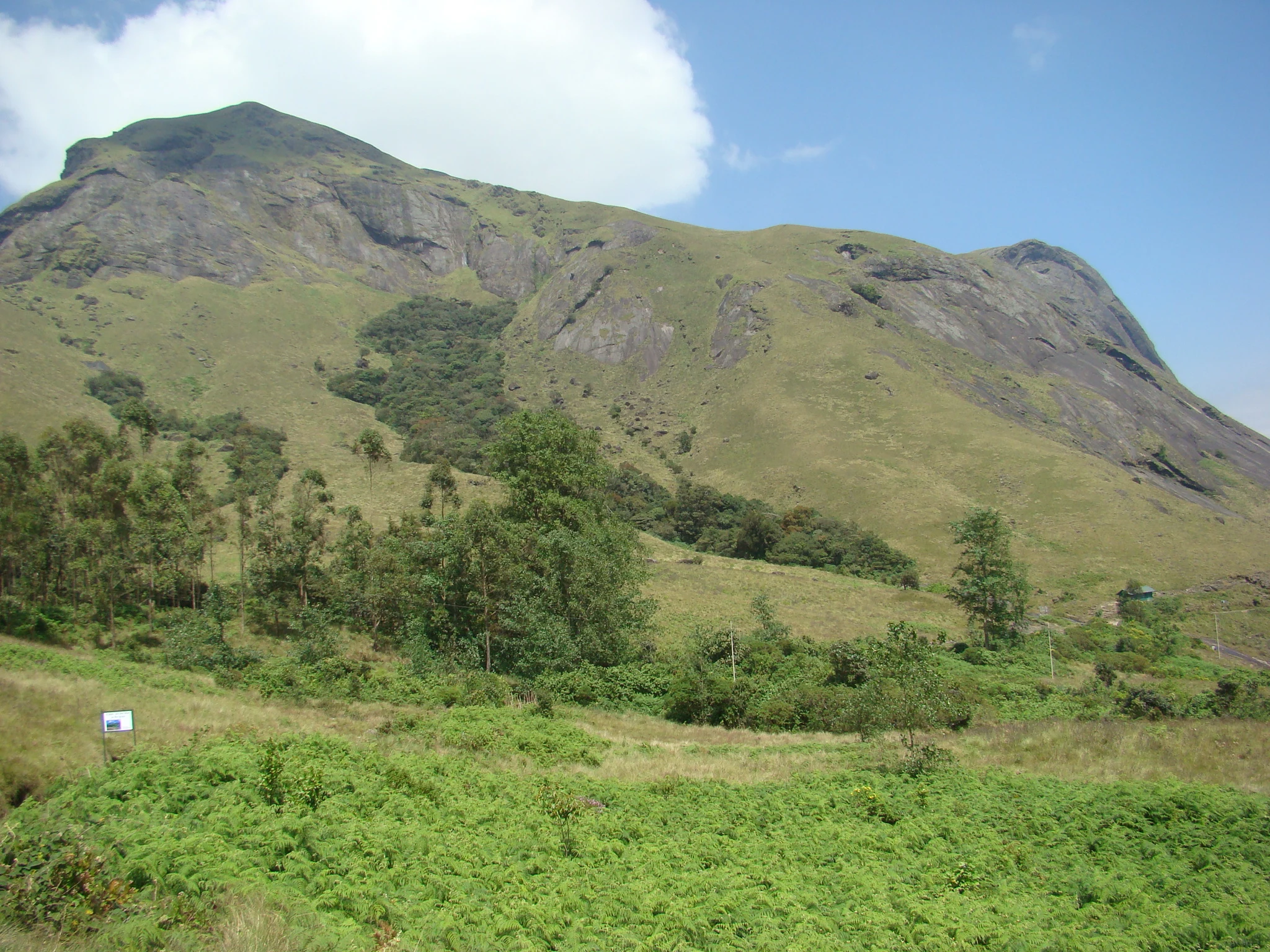
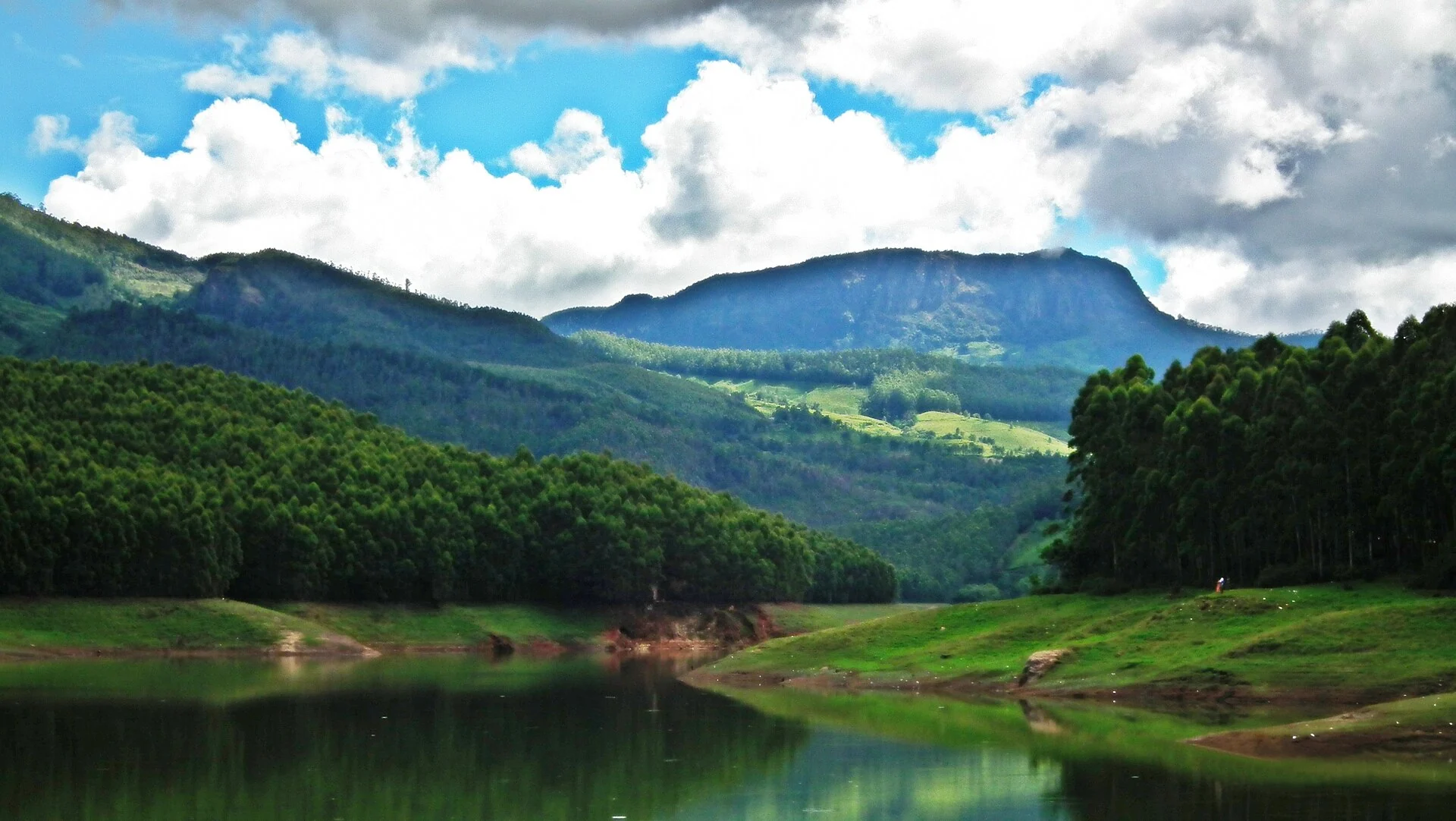
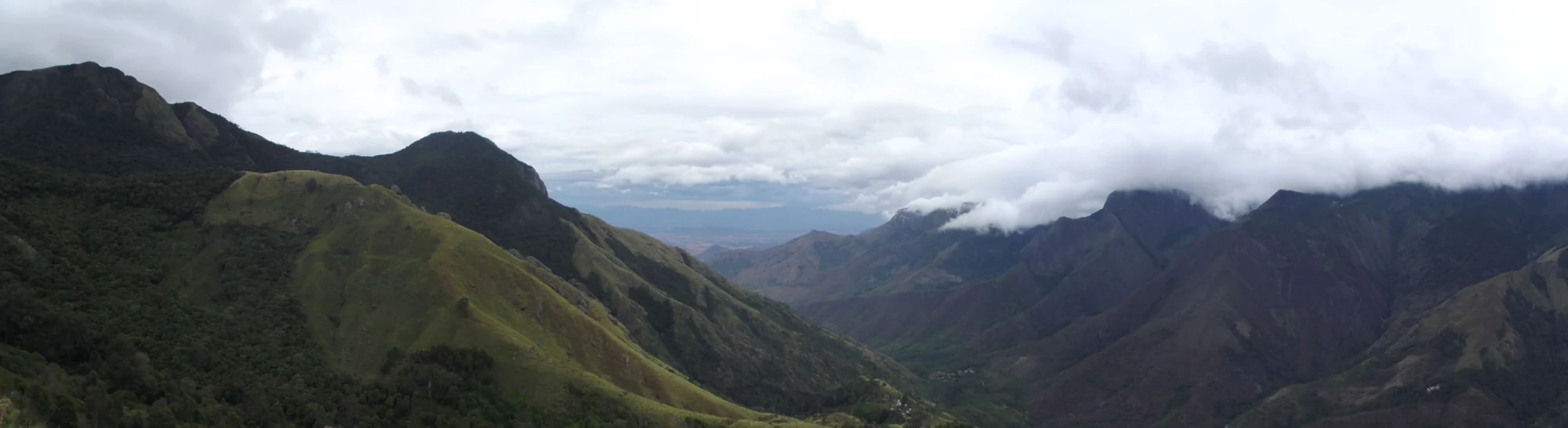
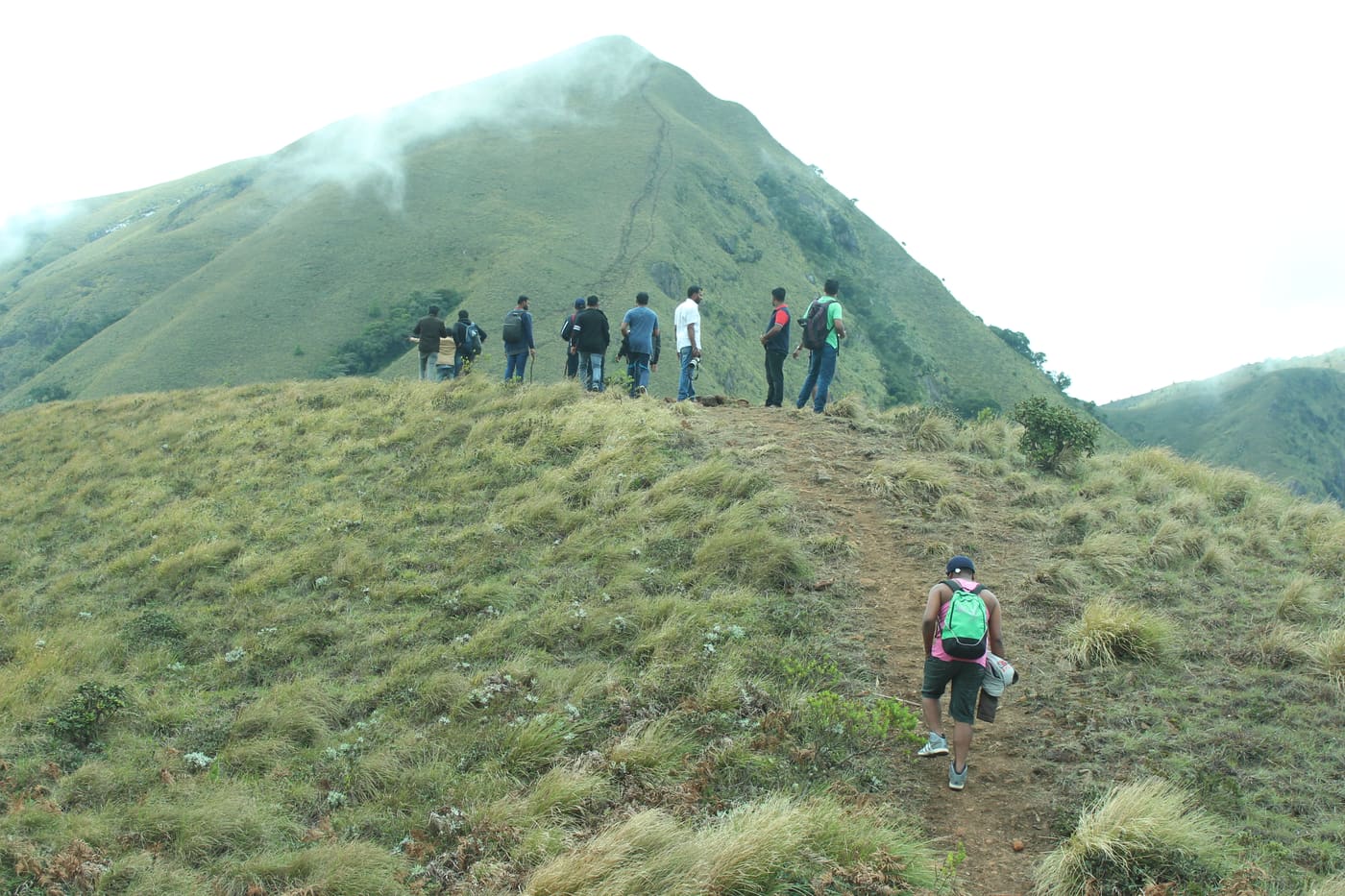
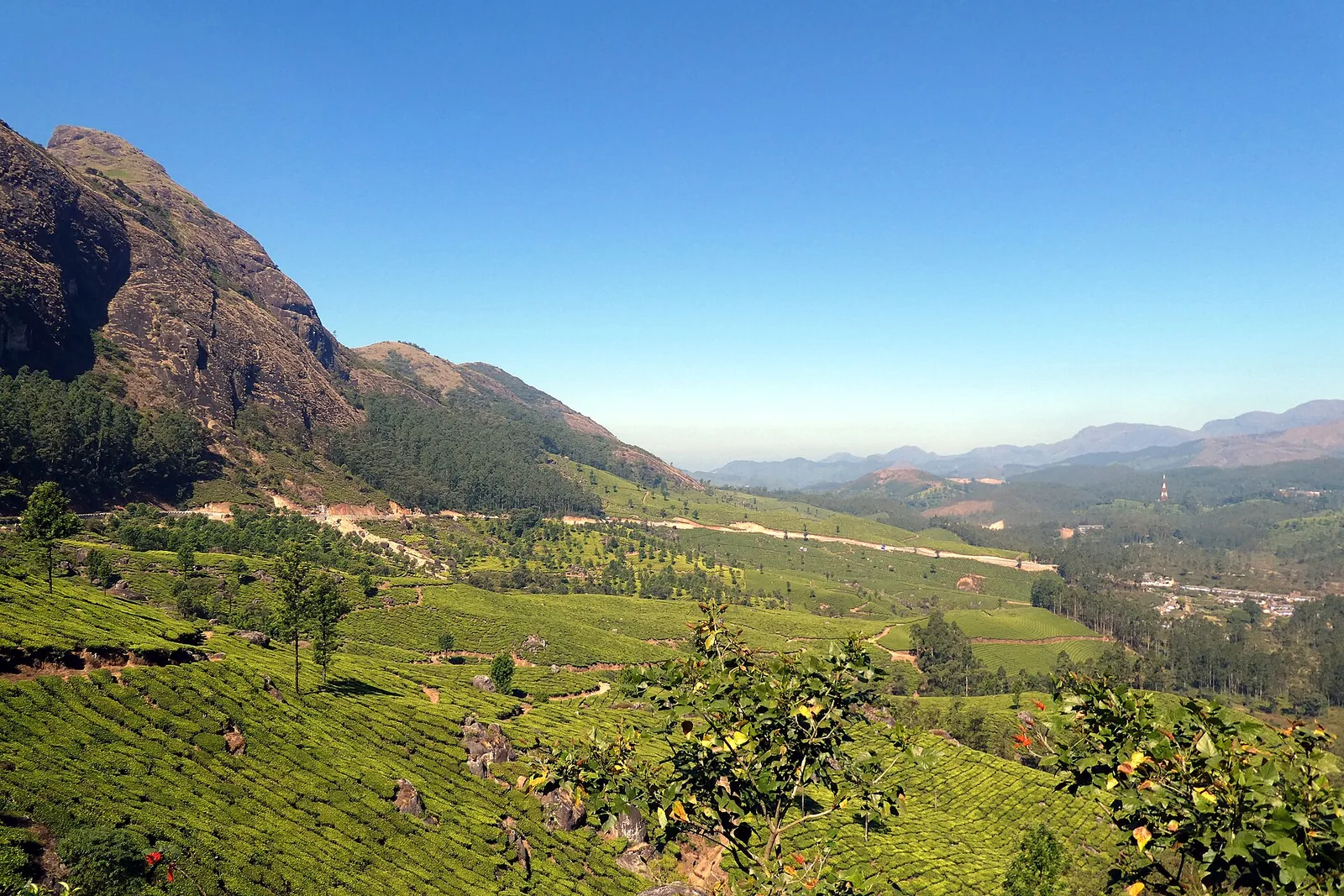
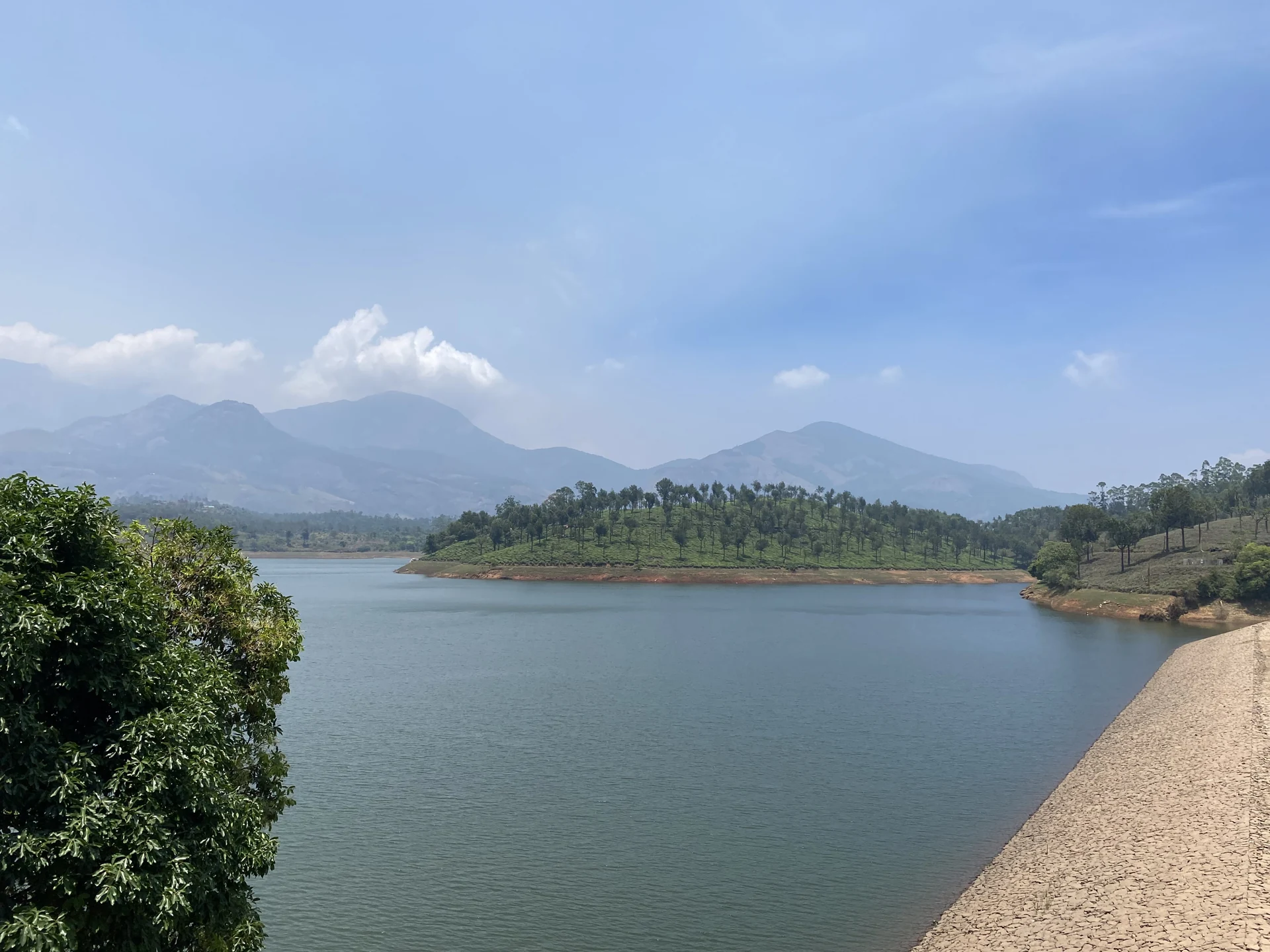
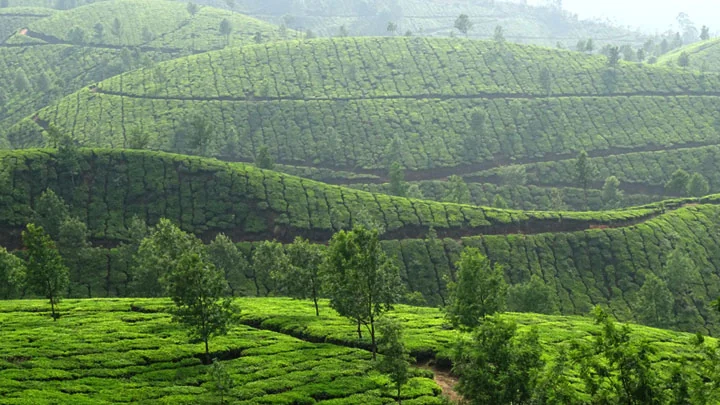
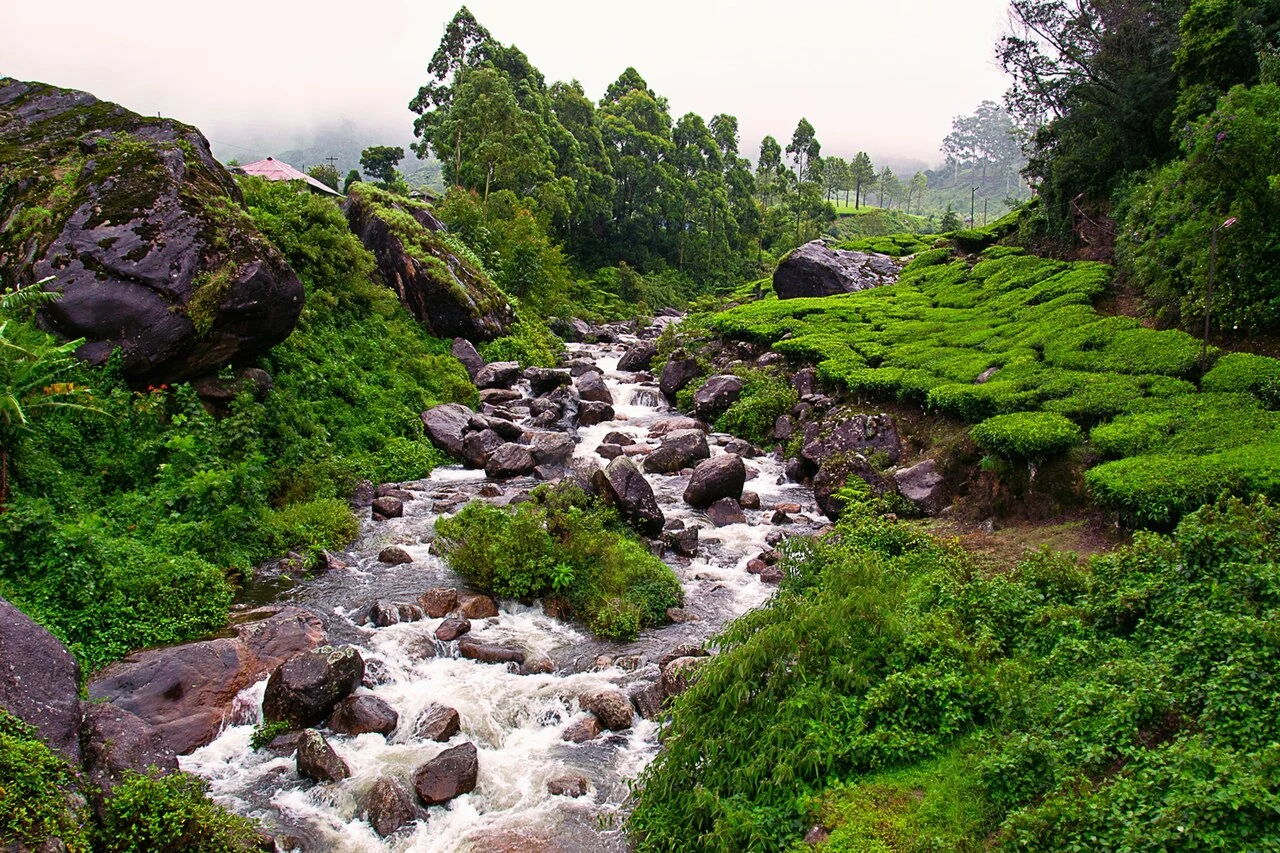
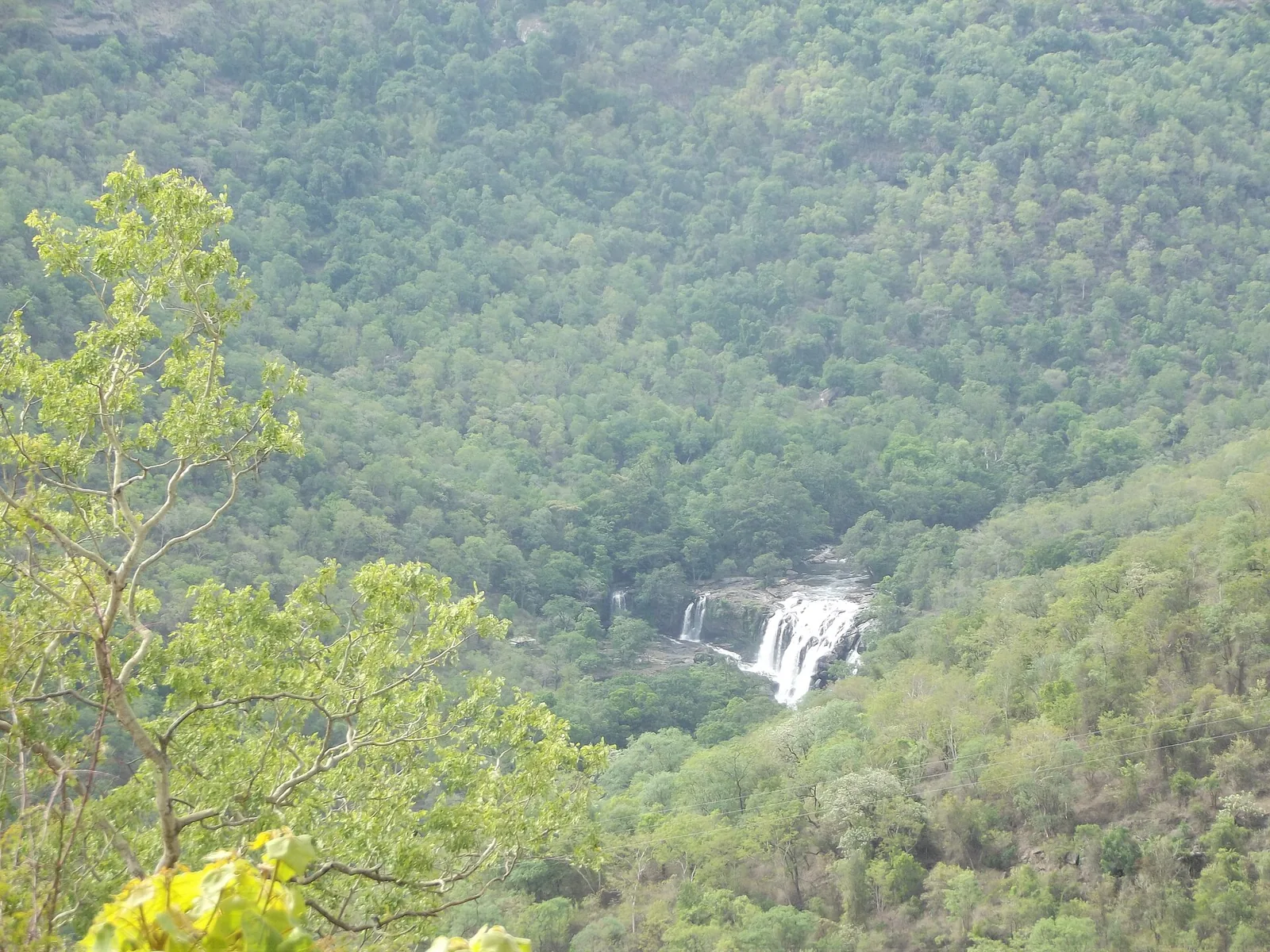
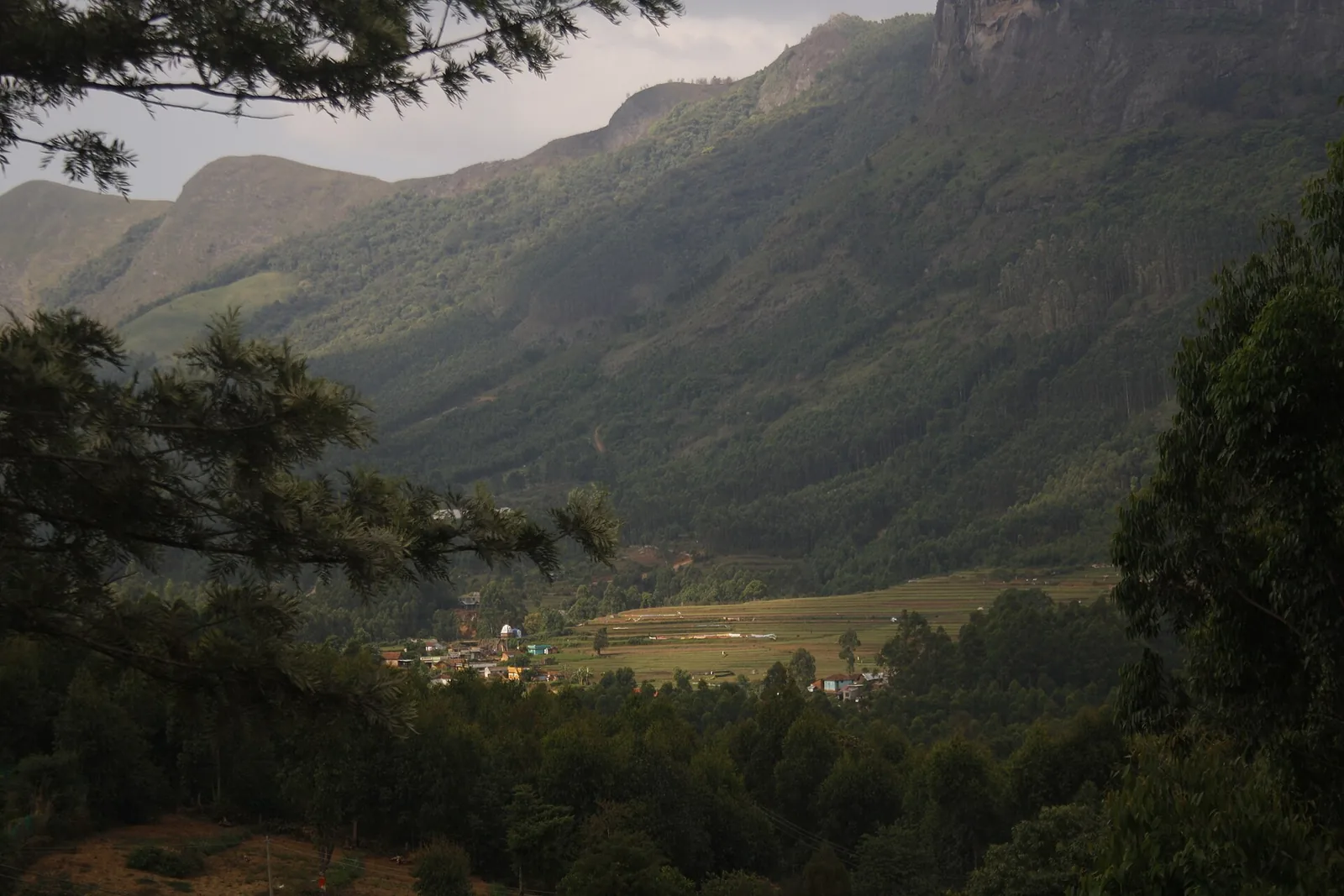
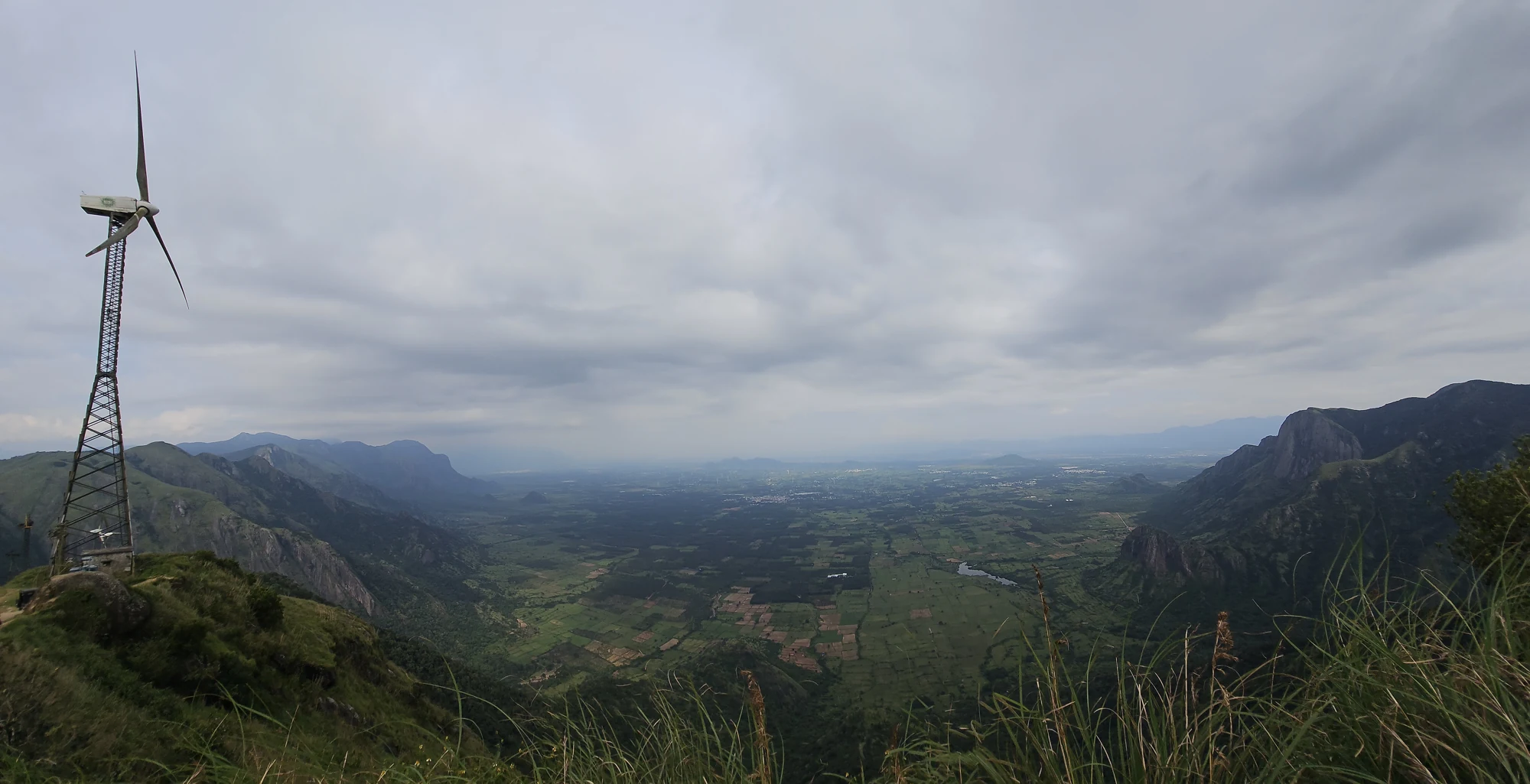
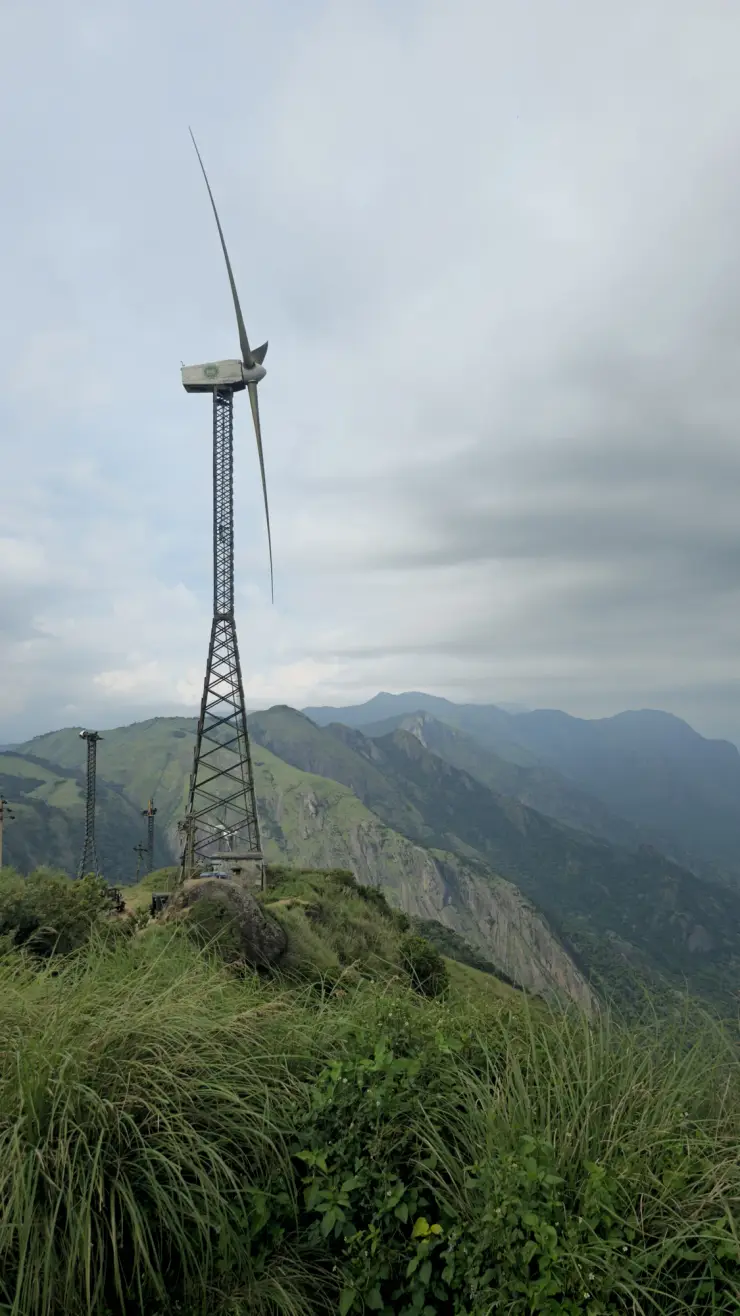
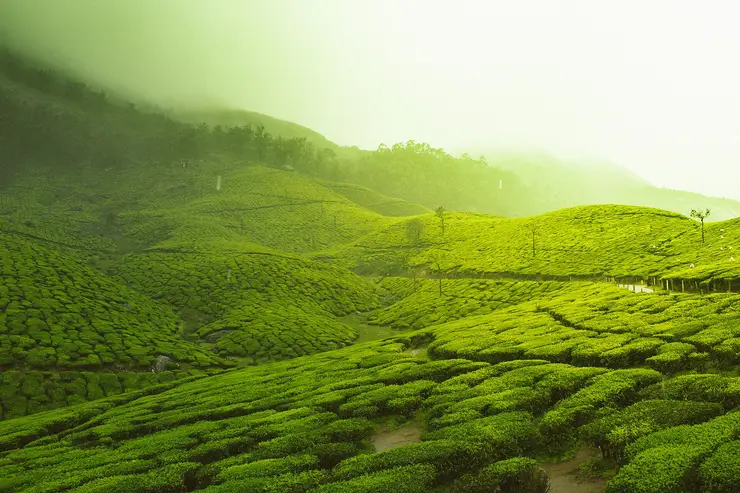
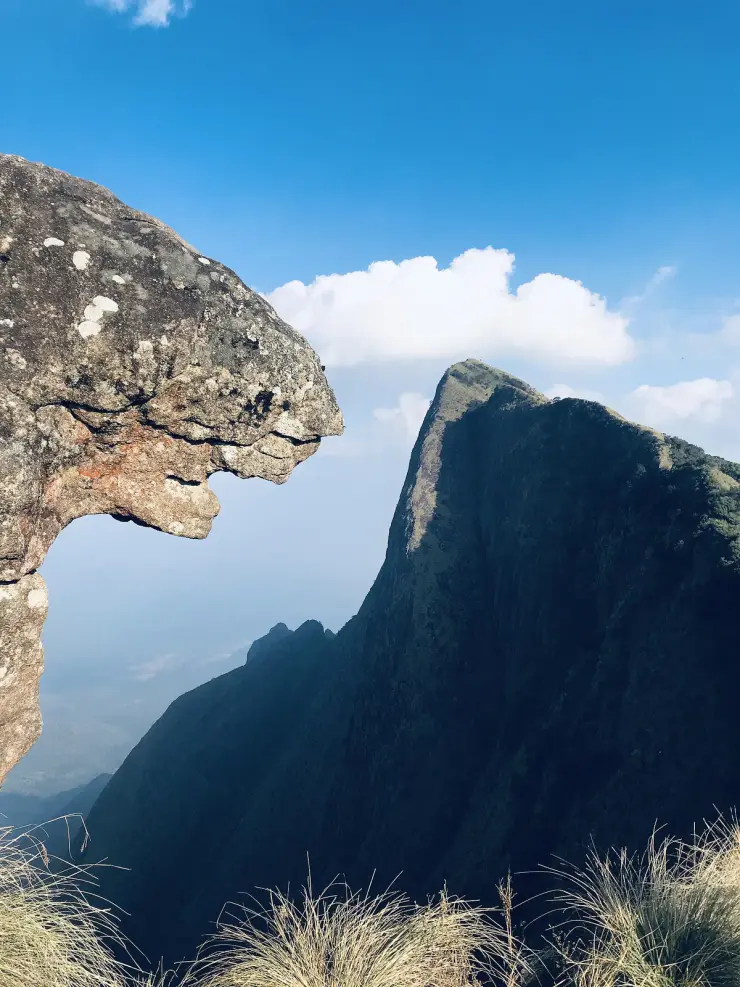
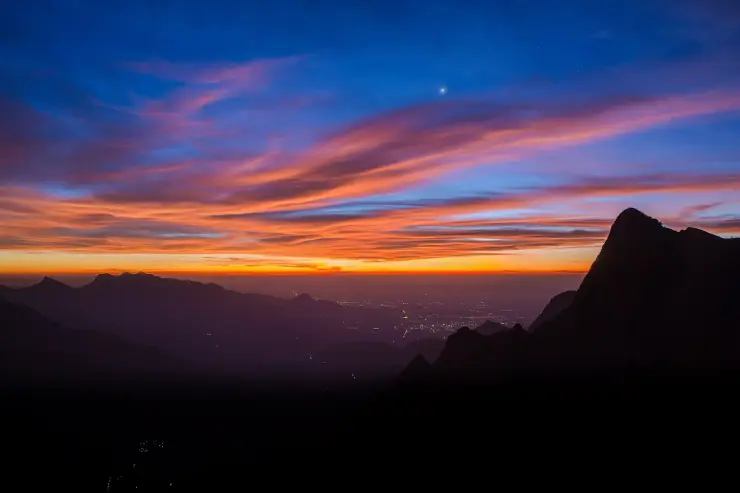
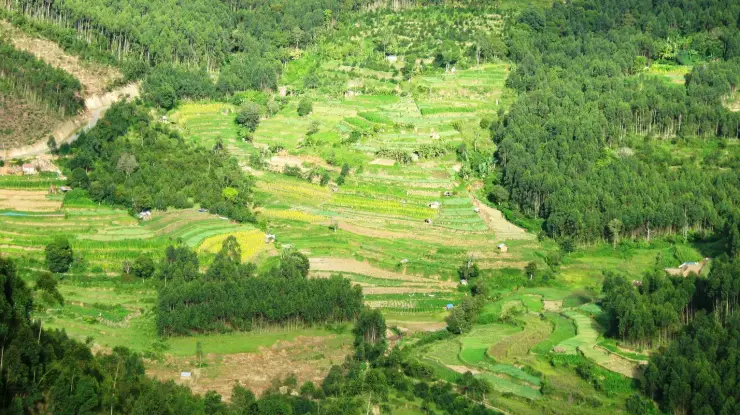
The appeal of Chokramudi is how quickly the landscape changes. The route leaves the Munnar–Bodimettu side of the high range, rises beyond the tea estates and enters open grassland broken by compact shola-forest pockets. On a clear day, the upper slopes reveal the surrounding valleys, plantations and layered Western Ghats ridges.
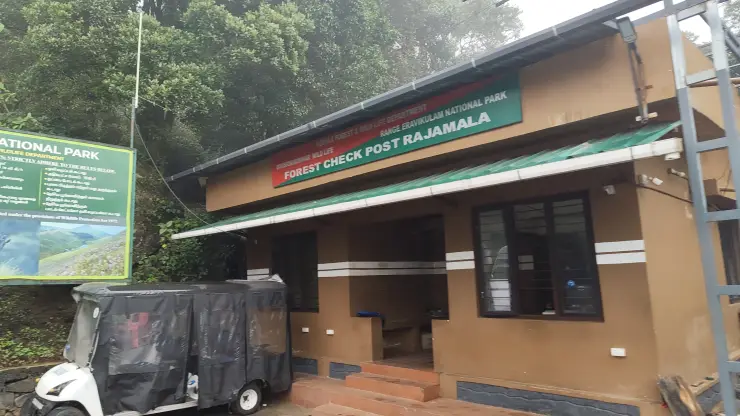
Kerala Tourism places the peak about 18 km from Munnar and recommends taking the trek with a local guide. The walk is moderate rather than technical, but sustained gradients, loose ground and fast-changing mountain weather demand suitable shoes, water and a realistic pace.
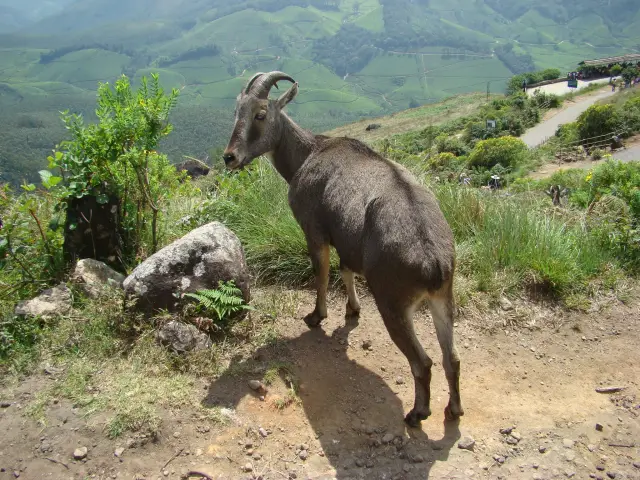
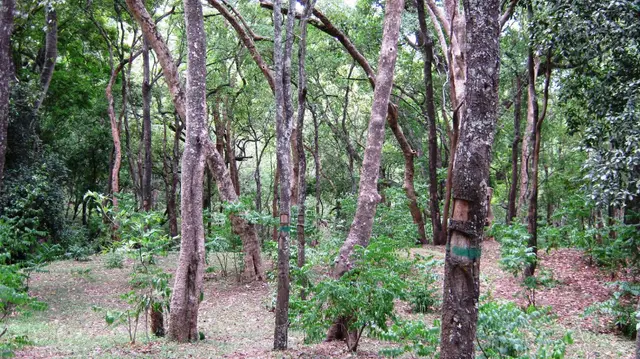
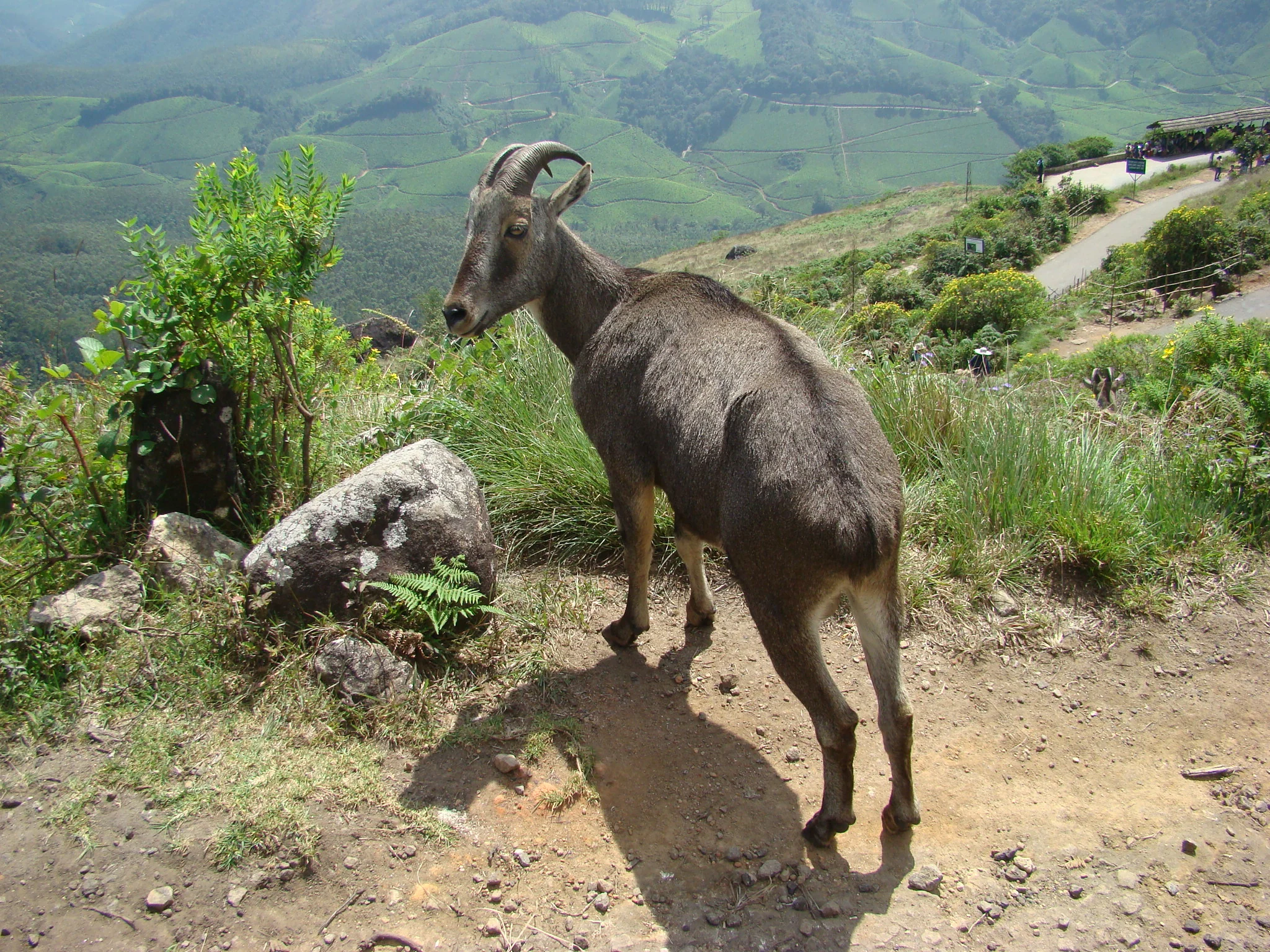
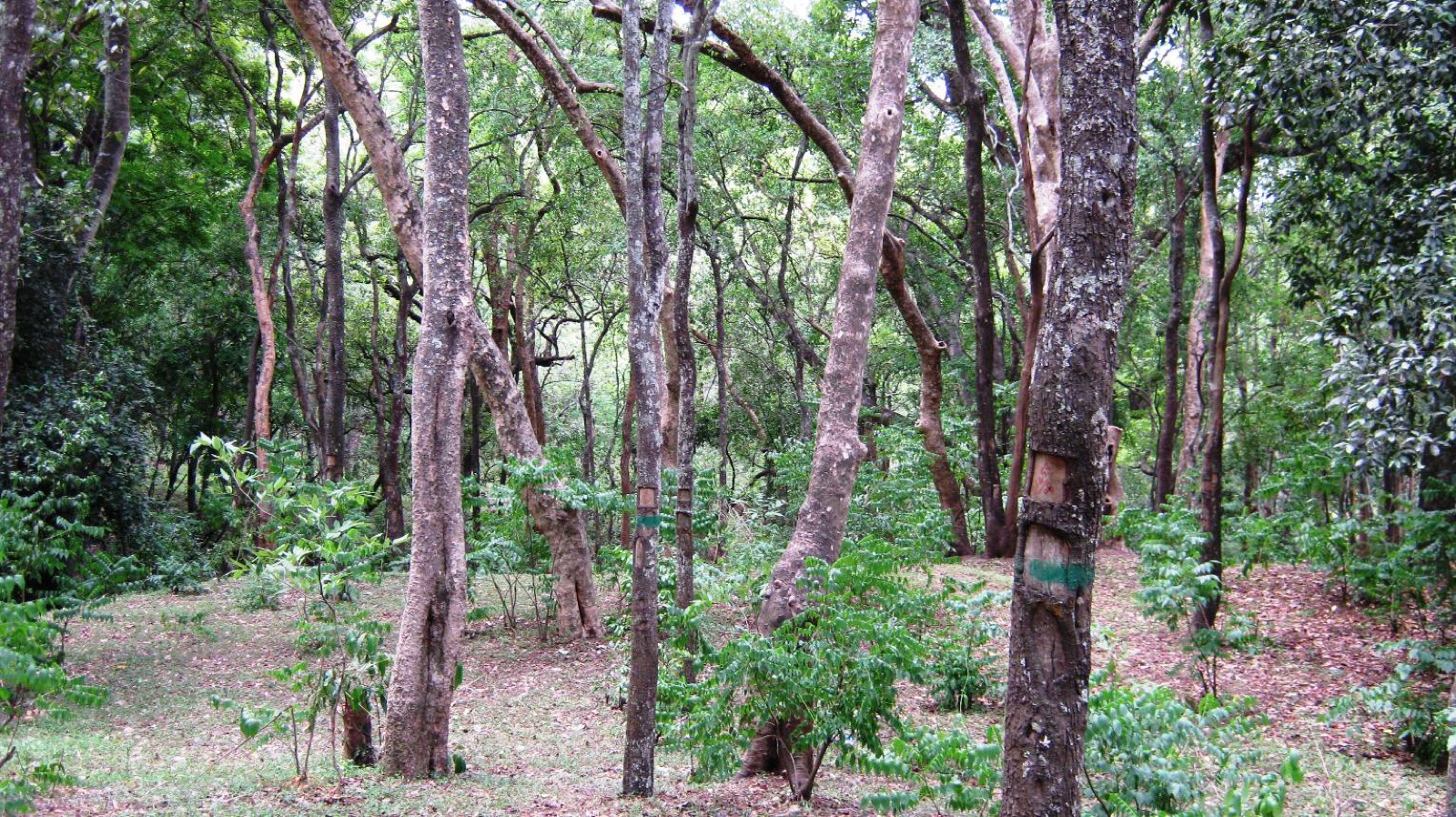
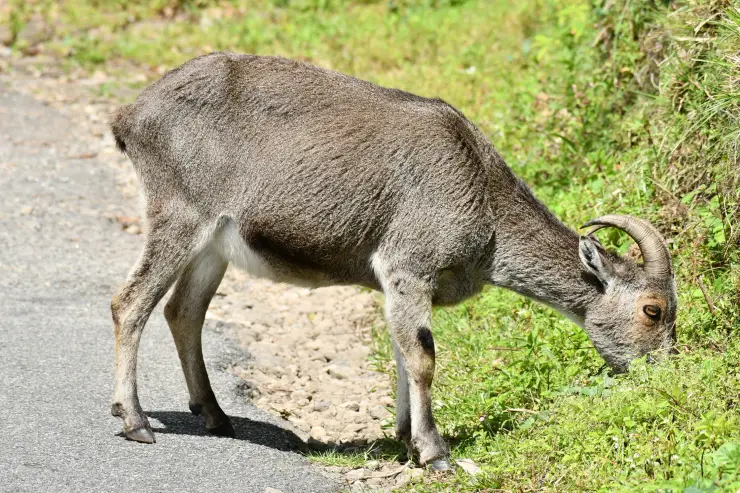
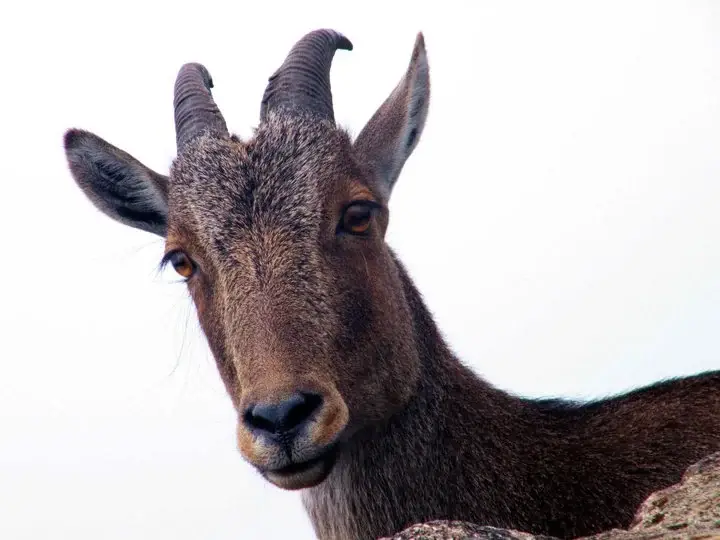
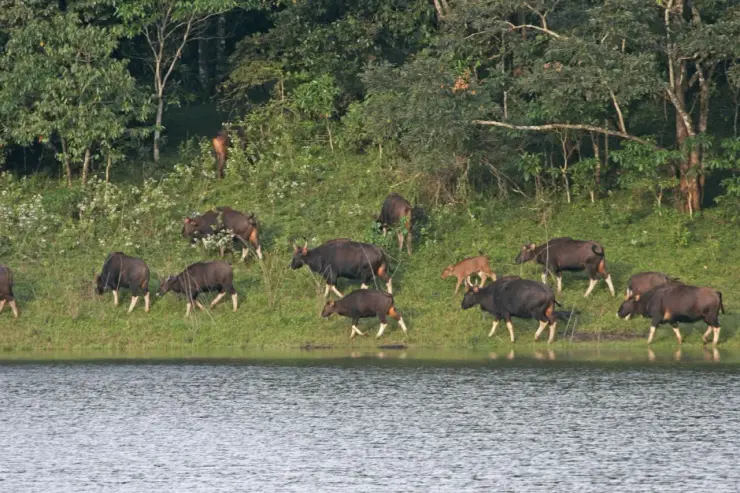
The grassland-shola mosaic is an important habitat, not simply an open viewpoint. Nilgiri tahr, gaur and other wildlife may use the slopes and forest margins. Sightings are never assured; walkers should stay with the guide, keep their distance from animals and avoid entering vegetation for photographs.
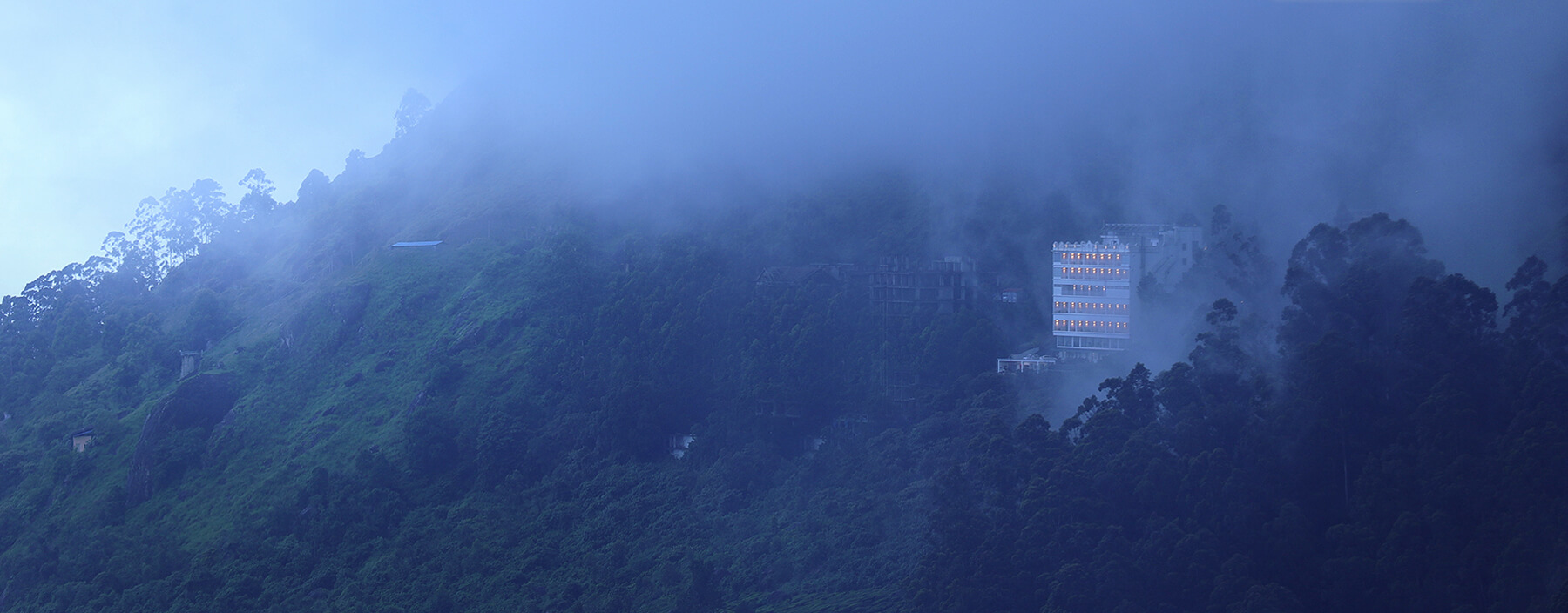
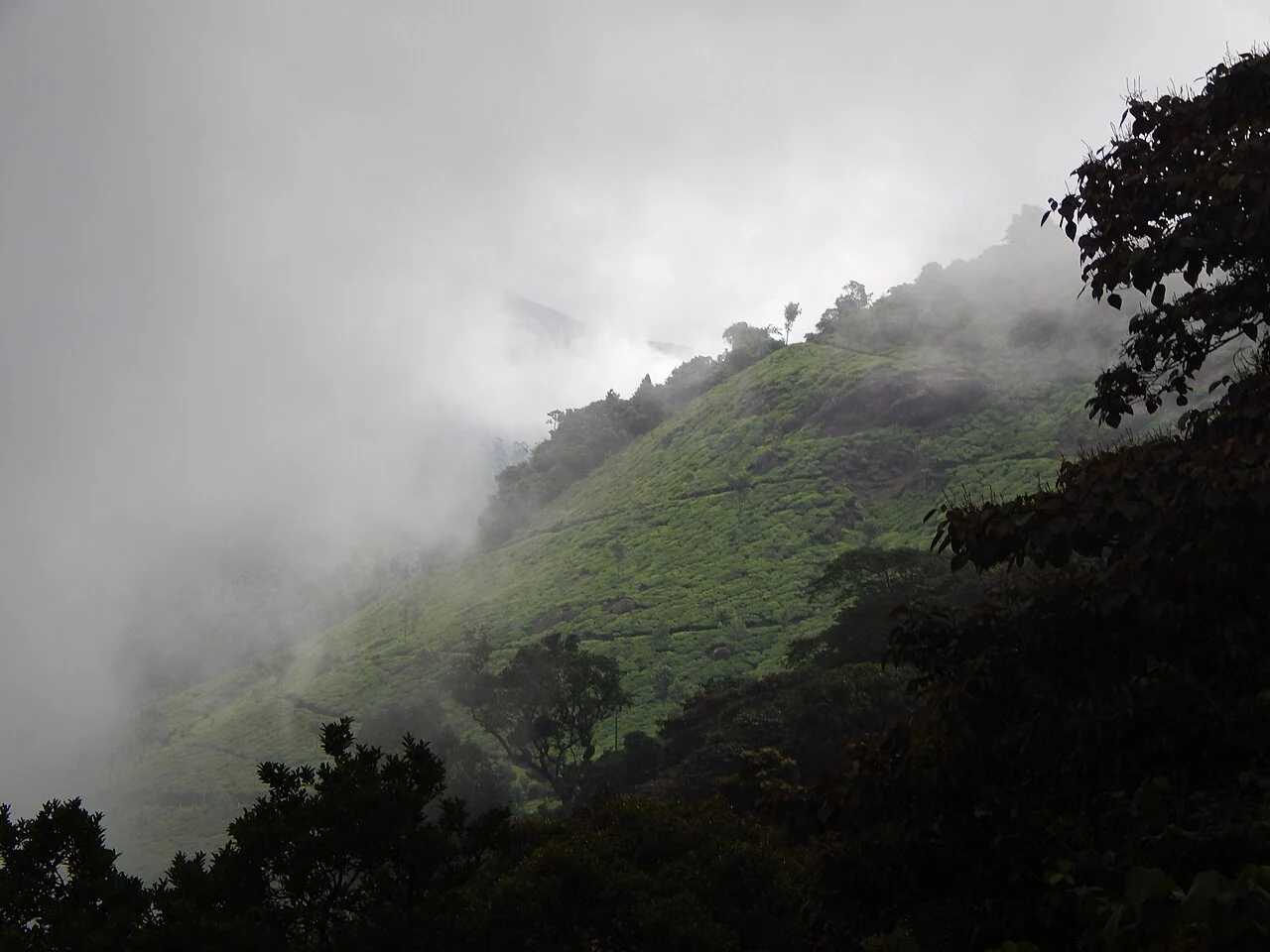
Cloud can close the view quickly even after a clear start. An early departure generally offers cooler climbing conditions and a better chance of open horizons, while heavy rain makes the grassy slope slippery and may lead to cancellation.
Chokramudi works best as a focused half-day from Munnar. Allow time for the approach, guide formalities, the three-to-four-hour trek and the return instead of combining it with several distant Munnar attractions.
Legend & myth
The final element of the name, mudi, is commonly used for a peak or crown in Malayalam place names. Spellings such as Chokramudi and Chokramudy occur in English, so use the full destination name when arranging transport.
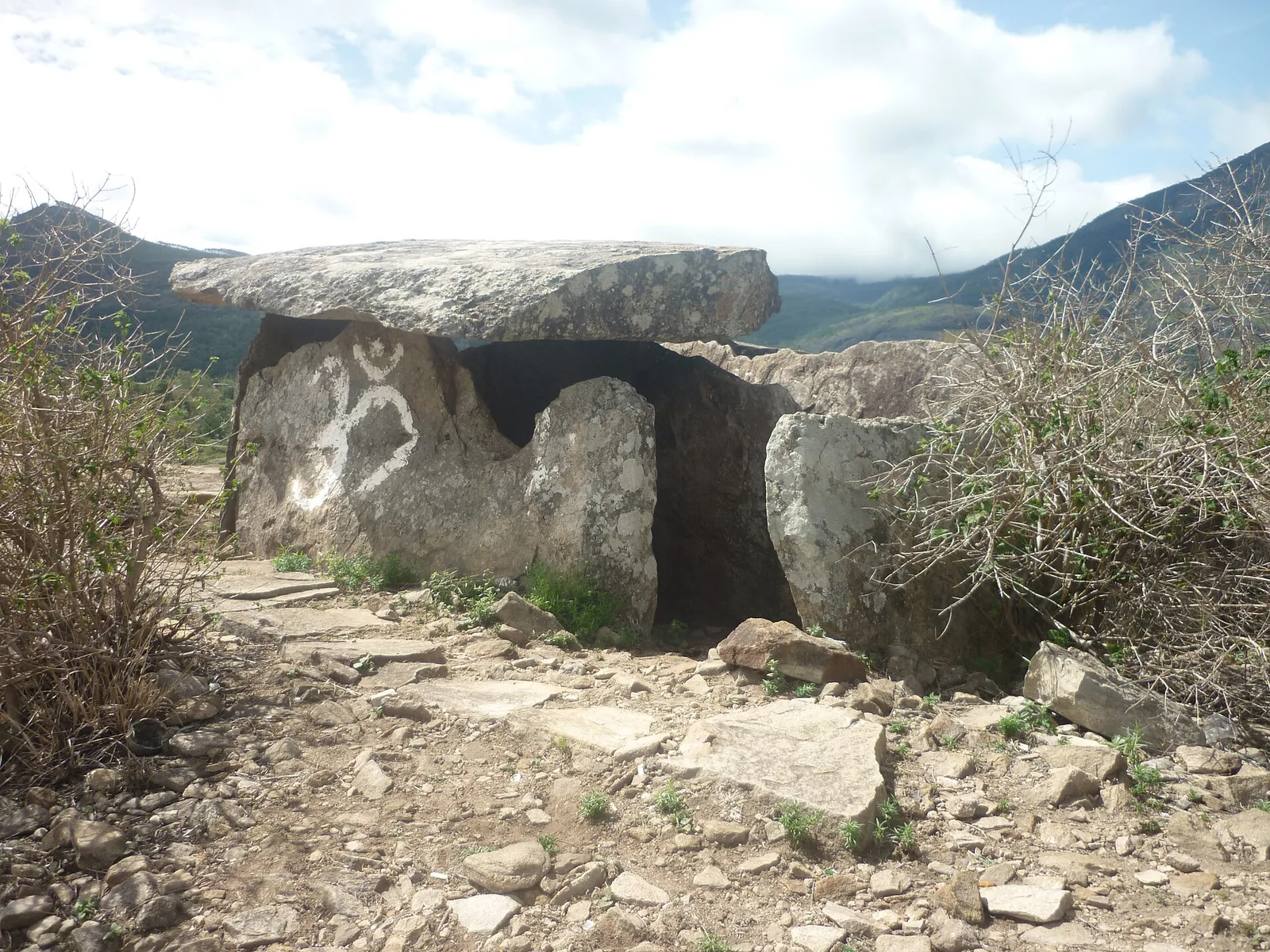
Local stories associate a small stone shrine on the hill with older communities of the high range. Treat such accounts as living oral tradition and follow the guide’s instructions around any sacred place rather than expecting a formal visitor monument.