What to expect
Highlights
- Cool-weather viewpoints around Devikulam / Sita Devi Lake
- Tea, spice, forest or meadow landscapes where available
- Good base for drivers, guides and short hikes
Hill-station and lake landscape near Munnar associated with Devikulam and Sita Devi, best planned as a quieter high-range side trip.
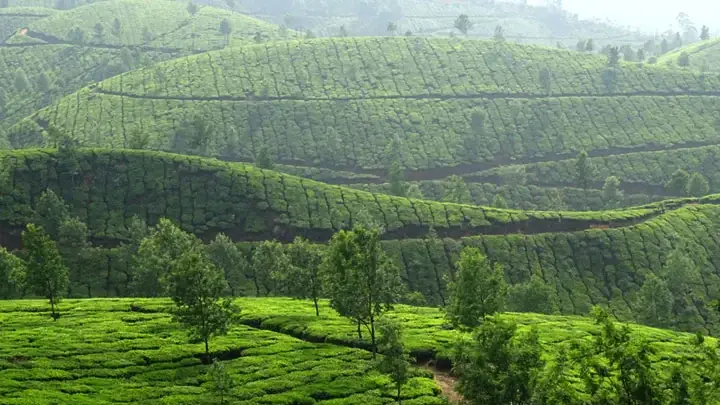
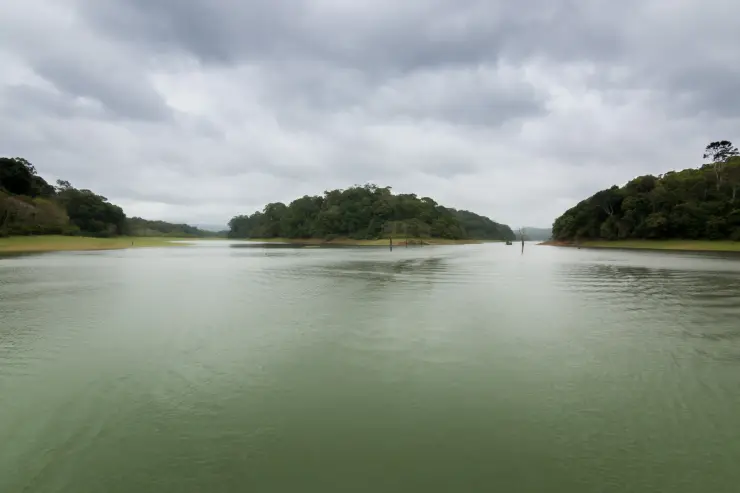
About 7 km from Munnar, cradled in the folds of the High Range at roughly 1,800 m above sea level, lies a quiet sheet of water the hills have kept a soft secret for generations. This is Sita Devi Lake at Devikulam — the very name meaning “pool of the goddess” — a mirror-calm tarn ringed by clipped tea gardens, silver-oak shade trees and mist that rolls in without warning. Pilgrims come for a legend, planters’ descendants come for memory, and most travellers simply come to breathe. It is not a manicured attraction so much as a mood: still water, cool air and a story older than the tea.
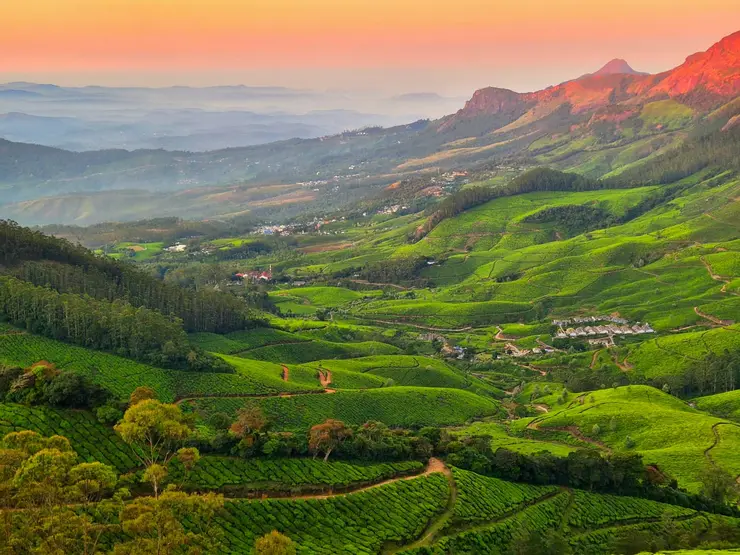
Devikulam does not announce itself. The turn off the Munnar–Devikulam stretch of NH85 is easy to miss, and the lake reveals itself only after the road drops through corridors of tea, the bushes trimmed to a green so even they look combed. Then the trees part and there it is — a dark, glassy oval held in a bowl of hills, so sheltered from wind that on a clear morning the reflected sky seems more convincing than the real one overhead.
The setting is the star. Tea gardens climb the slopes on every side, stitched with the narrow footpaths pluckers use, and above them the ridgelines fade into layers of blue. Grevillea and eucalyptus lean over the banks; the air carries that unmistakable High Range smell of wet earth, crushed leaf and woodsmoke. Bird calls carry a long way across the water. Even when a handful of visitors are about, voices seem to drop of their own accord — the place asks for quiet and usually gets it.
For most of the year the lake is at its loveliest early, when mist sits on the surface and burns off slowly as the sun clears the eastern ridge. A slow walk along the accessible banks, a flask of Munnar tea, a long look at the reflections — this is the whole experience, and it is enough. Photographers linger for the way the light works the water; couples and older travellers like it precisely because there is nothing to rush toward.
The waters carry a double reputation. Devotees hold them sacred because of the Sita legend (see the myth below), and local lore has long credited the lake with a curative, mineral quality — the belief that a dip or a splash carries some healing virtue (framed as belief, not verified — confirm locally). Whether that draws from a genuine spring chemistry or simply from the aura of the goddess, no traveller need decide; the reverence itself is part of what you have come to feel.
Devikulam also wears its plantation past openly. This was one of the oldest European settlements in the High Range, a cool refuge where early planters camped and later built, and the tidy estates around the lake are its direct inheritance. That layering — Ramayana legend beneath colonial tea history beneath present-day quiet — is exactly what makes the spot feel deeper than its modest size suggests.
This is a low-key, lightly managed lake, not a landscaped boating park. Shoreline sections can be marshy or weed-choked, and estate permission may govern the visitor route. Come for stillness and tea-country scenery; enter only where the landholder identifies access and do not expect boats or facilities.
The name tells the tale before any guide does. “Devi” is the goddess and “kulam” is a pool or tank, so Devikulam is literally the goddess’s pool — and the goddess in question is Sita Devi of the Ramayana. Legend holds that during the long years of exile, when Rama, Sita and Lakshmana wandered the forests of the south, Sita bathed in these very waters, and the lake has been hallowed as her bathing pool ever since (recounted as legend, not history).
It is from this act, the story goes, that the waters draw both their sanctity and their fabled healing virtue — the belief that Sita’s touch left the lake with a sacred, mineral, curative quality that persists to this day. That is why devotees still treat the water with reverence, and why some visitors seek it out for more than its scenery. Roampedia records the tradition faithfully as tradition; the therapeutic claim is folk belief rather than a verified medical fact (confirm locally, and treat the water with common sense).
As with the many Sita and Rama sites scattered across the Deccan and the Western Ghats, the point of the legend is not a courtroom-grade claim of where the exile actually passed, but the way it stitches a small Kerala hill lake into the vast geography of the Ramayana — turning a quiet tarn among the tea gardens into a place where an epic once, so the hills insist, paused to rest.
Long before it was a name on a tourist map, Devikulam was one of the earliest footholds of European settlement in the High Range. When planters first climbed the eastern flank of the Western Ghats in search of cool, cultivable uplands in the closing decades of the nineteenth century, Devikulam’s elevation and gentle bowl of land made it a natural camp and, before long, a settlement — one of the oldest hill outposts in the region that would become Munnar.
The wider story around it is the story of Munnar itself. In the 1870s the Poonjar chief leased a vast tract of these hills — on the order of 1.3 lakh acres — to British interests associated with John Daniel Munro, opening the High Range to plantation experiment. Coffee, cinchona and cardamom were tried first; it was the tea bush, planted from about 1880, that finally took to the climate and soil and remade the entire landscape you now see around the lake.
By the 1890s the settlement was established enough to carry the institutions of a permanent community: the first post office in the High Range is said to have opened on Devikulam Estate around 1892, a small but telling marker that this was a working, lived-in place and not merely a passing camp. The consolidation of dozens of scattered estates under the Kannan Devan Hills Produce Company by the late 1890s set the corporate frame for the tea country that still surrounds the lake today.
Something of that colonial hill-station character clung to Devikulam long after independence — the cool climate, the ordered estates, the sense of a retreat above the plains. Today Devikulam is also an administrative name in the district, and the lake sits within a working tea landscape rather than a museum, which is part of its charm: the history is not roped off but underfoot, in the estate roads, the plucking paths and the old shade trees leaning over the water.
Put the two histories together — the mythic and the mercantile — and Devikulam becomes a rare kind of place: a lake sanctified by a goddess of the Ramayana and, in the same breath, one of the cradle sites of Kerala’s tea economy. Few small ponds anywhere carry both an epic and an empire on their banks.
For serenity above all. Sita Devi Lake is one of the quietest, least commercialised stops around Munnar — a place to slow down, walk gently and let the High Range work on you, rather than tick off a crowded viewpoint.
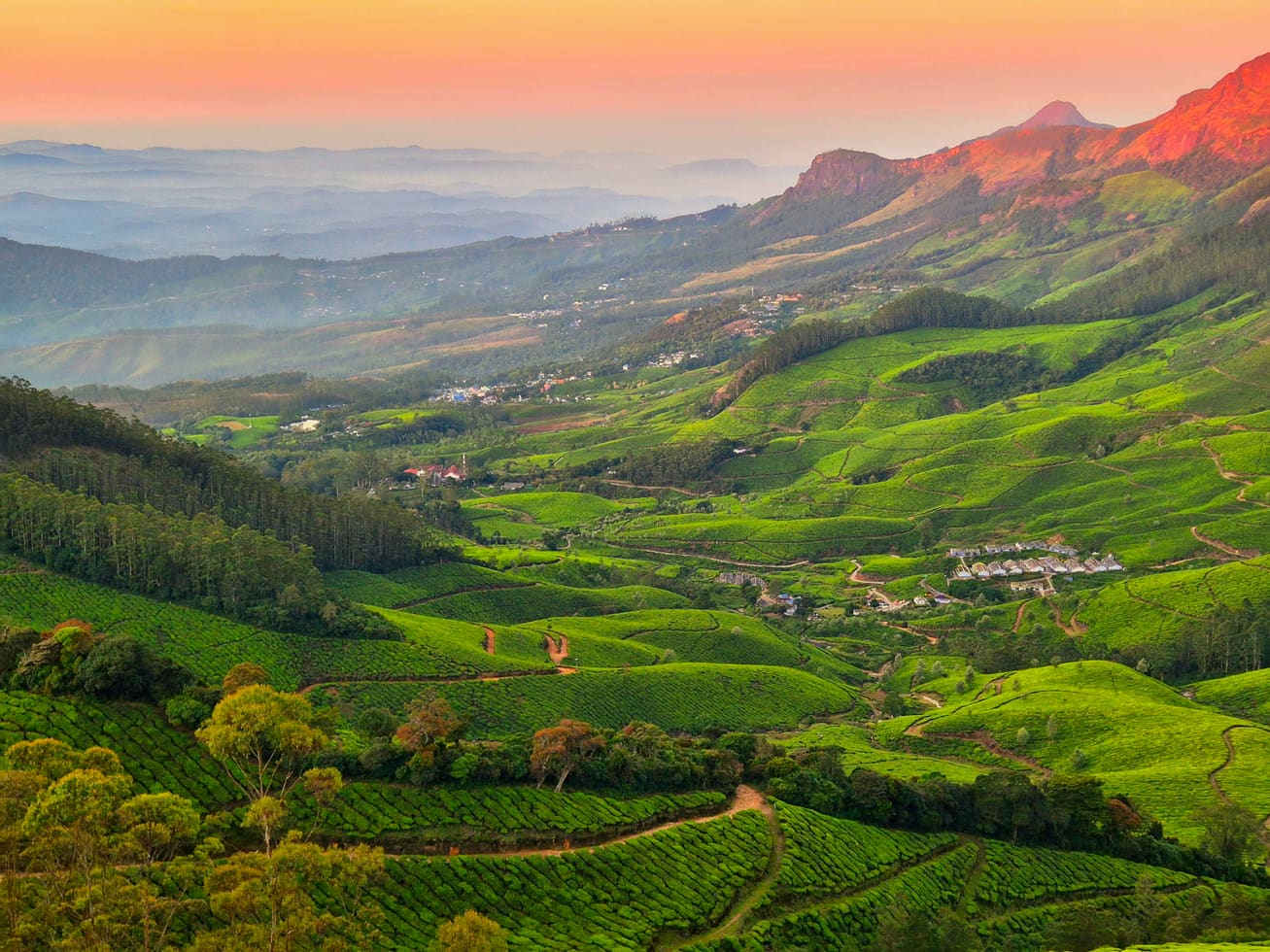
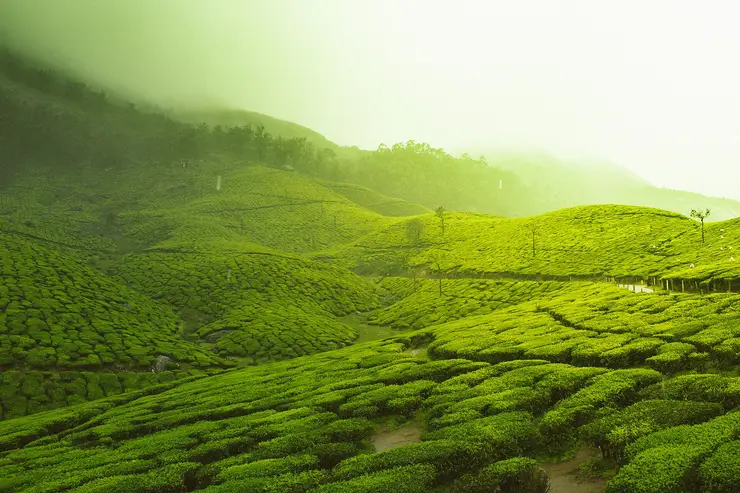
For the tea-country setting. The lake is ringed by some of the most photogenic tea gardens near Munnar, with mist, shade trees and layered ridgelines that reward early risers and photographers especially.
For the legend. Standing at a lake said to have been Sita’s bathing pool during the Ramayana exile — and long held sacred and healing for it — gives an ordinary stroll an extraordinary backstory (told as legend, not history).
For the history underfoot. As one of the oldest hill settlements in the High Range and an early node of Kerala’s tea story, Devikulam lets you feel the plantation past in the very roads and estates around the water.
For the quiet activities. Gentle lakeside walking, birdwatching, photography and — with prior permission where available — trout angling make this a restful half-stop rather than an adrenaline outing (confirm availability locally).
For its position. Just about 7 km from Munnar on the Munnar–Devikulam road, it slots easily into a Munnar itinerary as a peaceful counterpoint to busier attractions, without a long detour.
Road km to Idukki; ghat roads and traffic vary — allow extra.
October to March for cool clear weather; monsoon is scenic but can bring slippery roads and closures.
Live forecast loads in your browser.
Sun and moon are calculated for this location and shown in IST. Photography windows are the hour around sunrise and sunset; the sunset bearing is degrees clockwise from true north. Moon phase is accurate to about half a day.
These are official or public-sector eco offerings that match this place, town or forest destination. Confirm availability, permits, tariffs and reporting times with the official operator before travel.
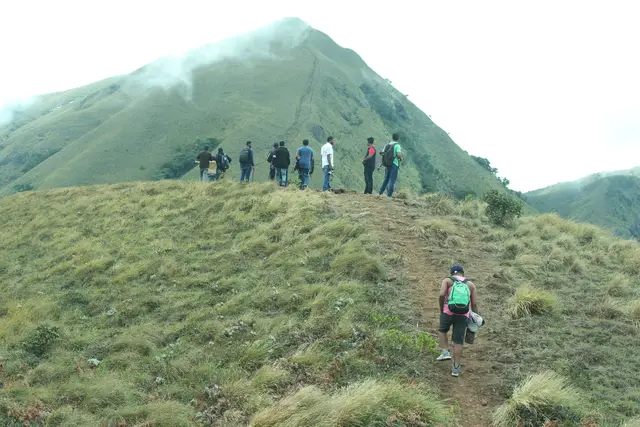
Hard high-altitude trek from the Munnar side via Rhodo Valley, run through KFDC eco-tourism with guide, food and stay options.
Official source →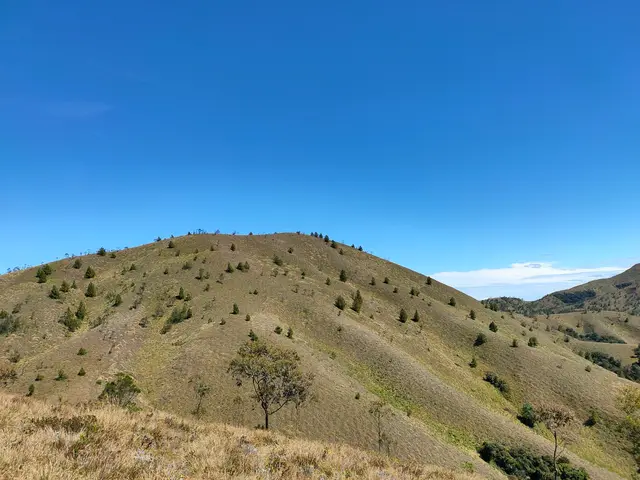
KFDC tent stay near Meesapulimala base camp, with campfire, food and optional trek towards Meesapulimala or Rhodo Valley.
Official source →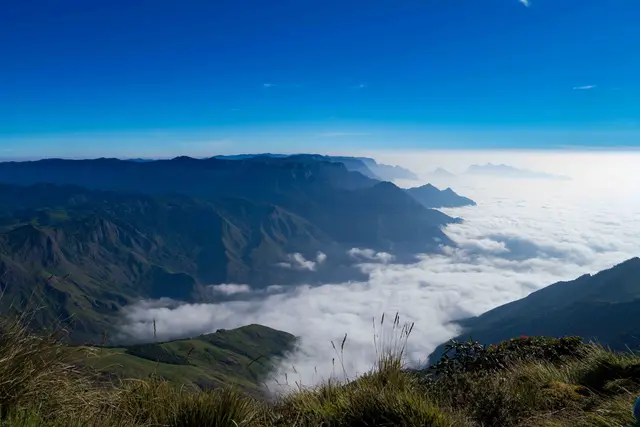
Lonely cliff-side KFDC cottage facing a waterfall and Anamudi views, paired with Meesapulimala trekking.
Official source →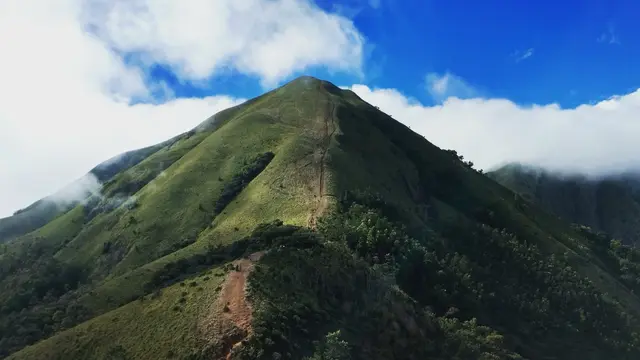
KFDC Rhodo Valley night stay with elephant-trench protection, campfire, food and next-day Meesapulimala climb.
Official source →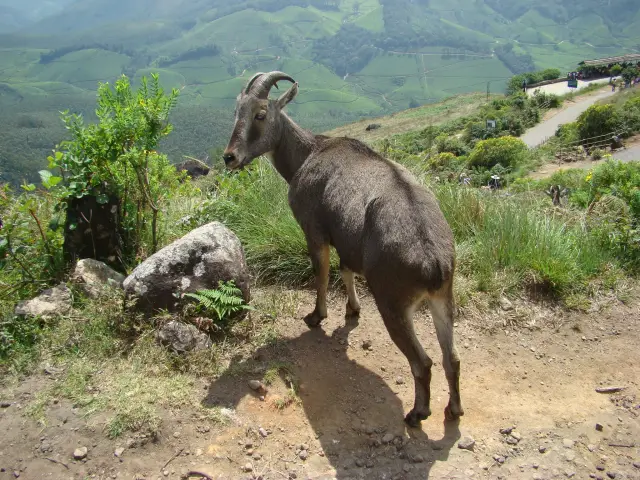
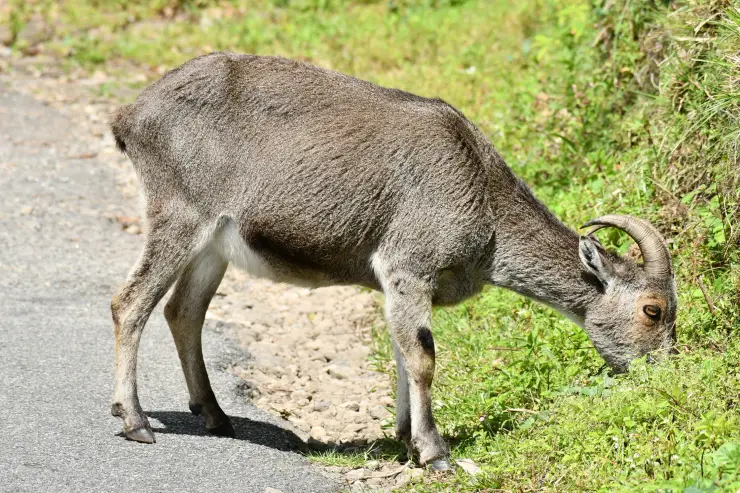
High-altitude grassland national park and Nilgiri tahr habitat near Munnar.
Official source →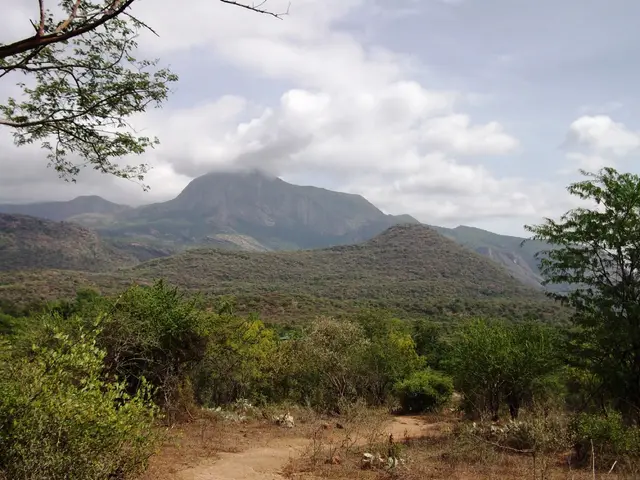
Dry-forest wildlife sanctuary east of Munnar, listed in Kerala Tourism’s ecotourism inventory.
Official source →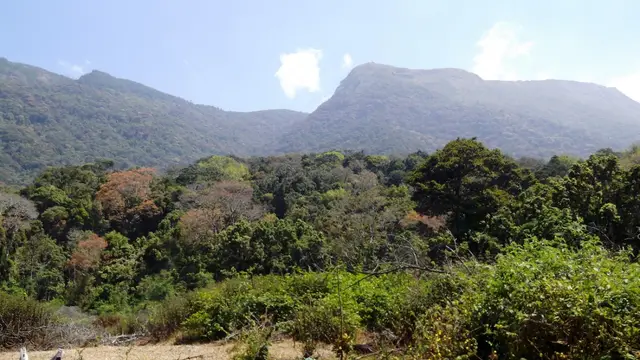
Shola forest national park near the Munnar/Vattavada side, listed as an ecotourism destination and programme.
Official source →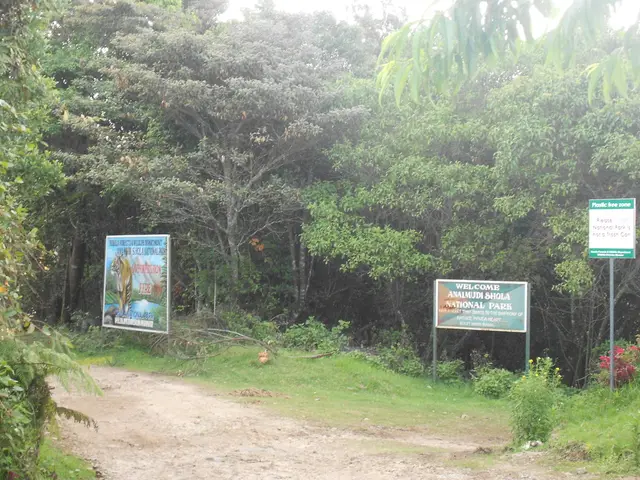
Shola-grassland forest landscape in Idukki, included in Kerala Tourism’s official ecotourism destination list.
Official source →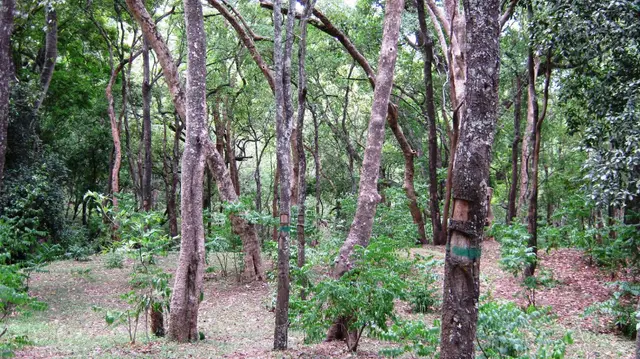
Sandalwood and dry-forest landscape on the Munnar-Chinnar side, listed by Kerala Tourism as an ecotourism destination.
Official source →Verified hotels, homestays, restaurants, experiences, sights, shops and rentals around Devikulam / Sita Devi Lake — commission-free, with direct contact. Filter by what you need.
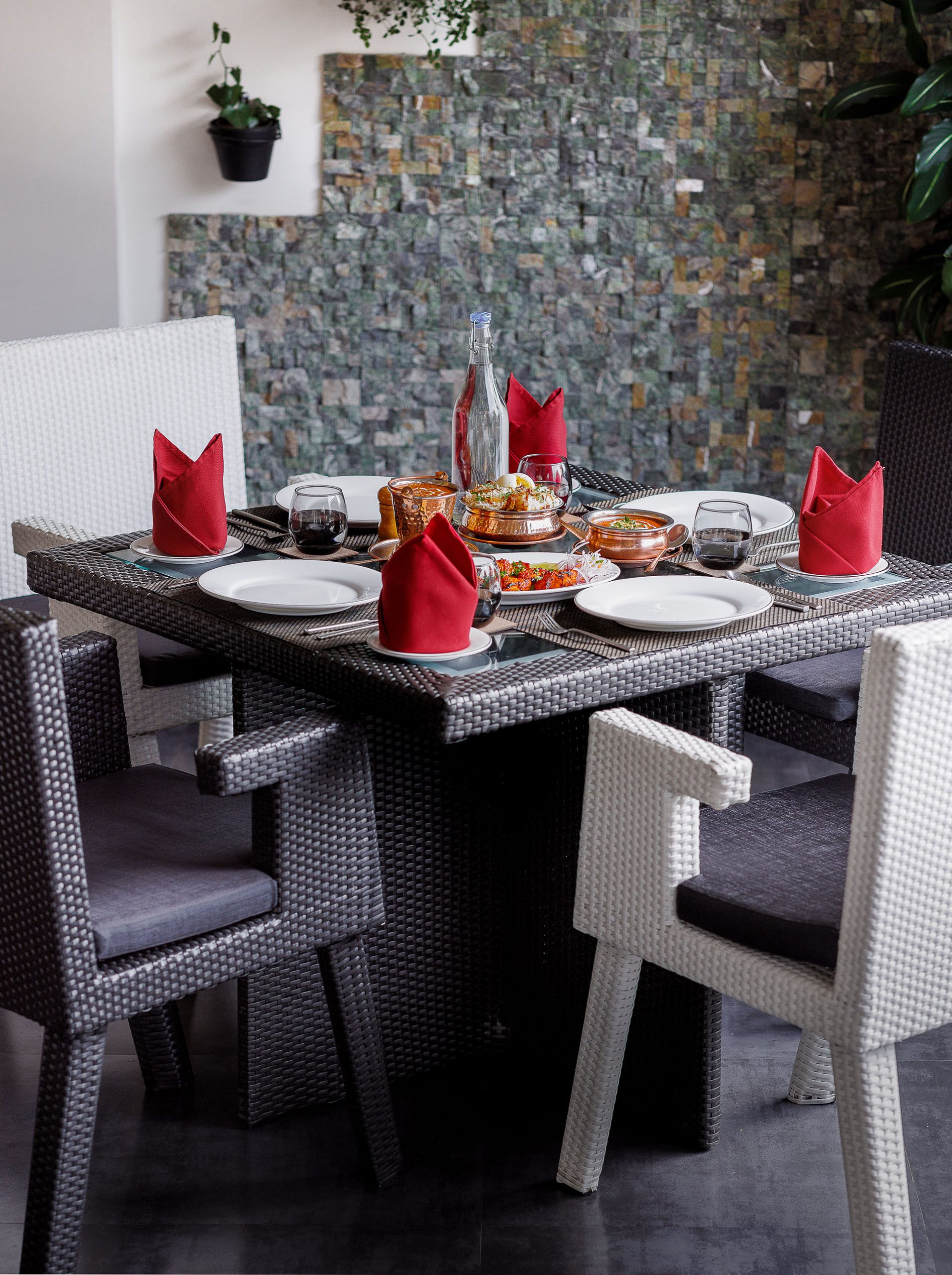
Two named restaurants at The Panoramic Getaway: Desi Aromas for Indian cuisine and Underground for grill specialties.
Multi-cuisine restaurant at Grand Plaza Munnar on M. S. A Road. Restaurant, multi-cuisine, hotel dining.
Restaurant in Munnar. Restaurant, multi-cuisine, Kerala food.
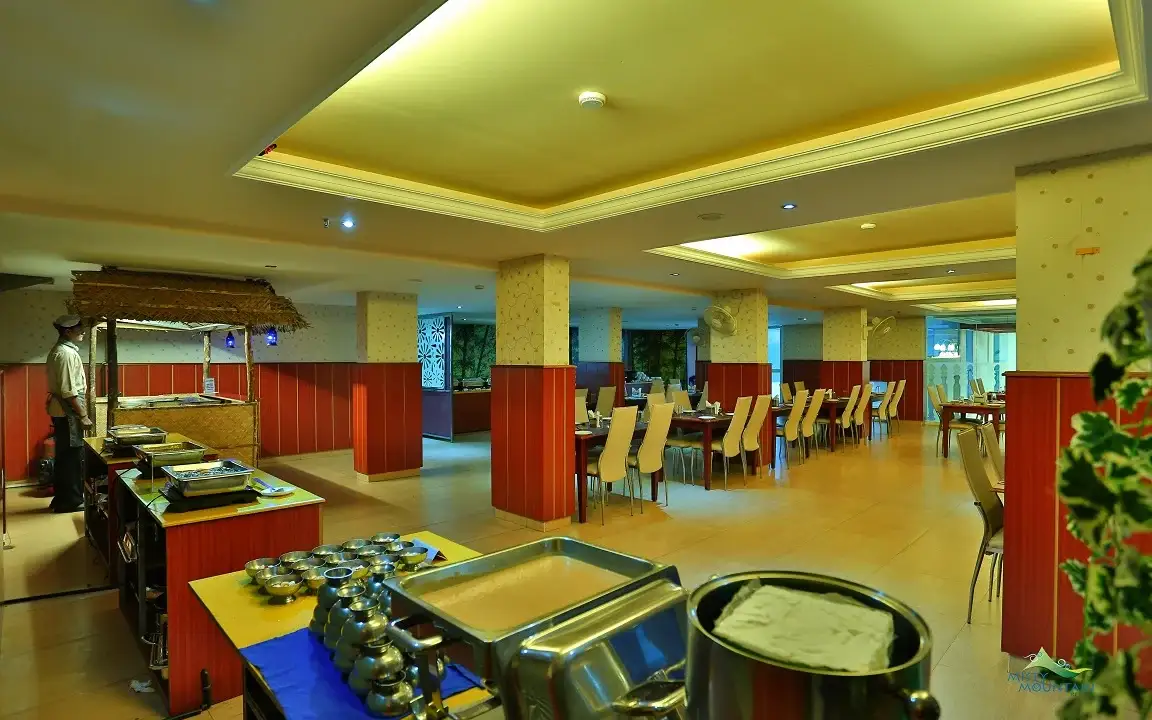
Two in-house multi-cuisine restaurants at Misty Mountain Resort, open from 7:30 AM to 10 PM. Restaurant, multi-cuisine, Pallivasal.
Cliff-edge a la carte restaurant above the valley at Chinnakanal. Fresh-cooked dishes with complimentary candle-light dinner arrangements.
Mattupetty-side restaurant in Munnar. Maduppetty, Idukki, Kerala · Restaurant, Mattupetty, Munnar route.
Broadbean Restaurant Munnar is a Kerala Tourism-listed restaurant record for Munnar food planning, useful for travellers who want a source-backed restaurant option rather than only resort dining. Restaurant, Food stop, Kerala Tourism record.
Café on Grahamsland Road, Mattupetty, Munnar, Kannan Devan Hills, Kerala 682612 in Munnar.
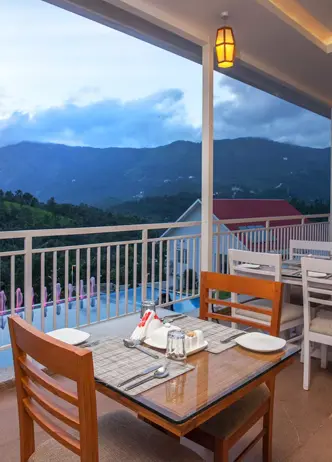
Glass-panelled fine-dining restaurant overlooking the Munnar hills at Chithirapuram. A live counter serves Malabar fish curry alongside global plates.
In-house restaurant at Pothamedu serving buffet breakfast and dinner. Panoramic valley views with daily service from 6am to 9:30pm.
Resort restaurant at Anachal spanning six cuisines from tandoori to satvik Jain. Highlights include biryani, dim sum and saffron-scented Arabic rice.
The Springvand restaurant at Trivers on Chithirapuram's Power House Road. Six cuisines served daily from 7:30am to 10pm.
Book with the place itself. India’s cyber-crime coordination centre warned in April 2025 that convincing copies of hotel and pilgrimage booking sites are being pushed through sponsored search and social ads, taking payment for rooms the property never hears about. Every listing here links to the business’s own contact details and its own Google or Bing profile — we take no commission and sit in nobody’s payment path. If a booking page reached you through an ad, check the address bar against the property’s own site before you pay. Fraud can be reported on cybercrime.gov.in or on 1930.
Find food, accommodation and activities across Munnar. Browse the guides for places to eat, stay and explore along your route.
32 more places around Munnar. Open a guide to plan the visit and onward journey.
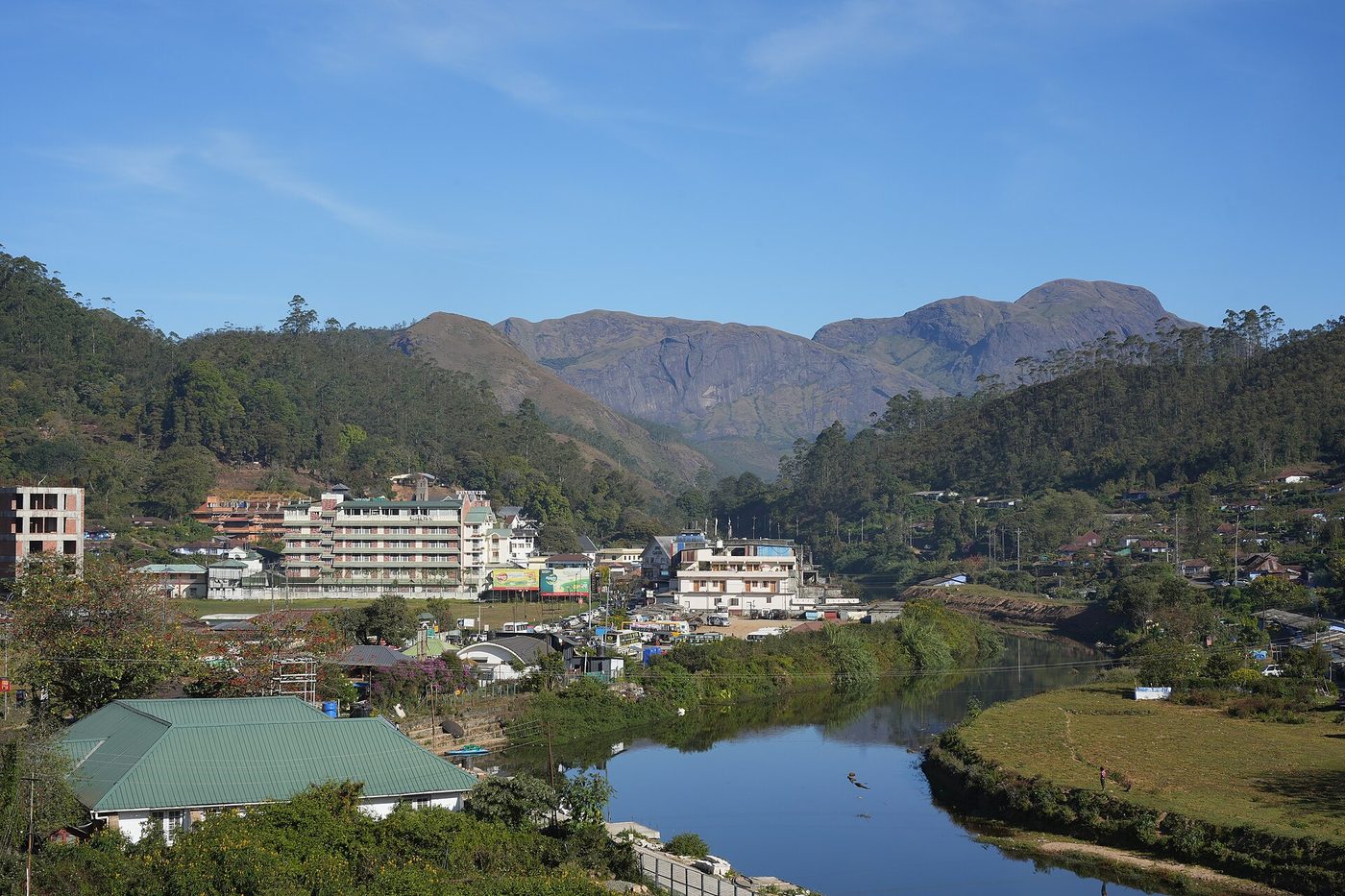
8.1 km · 10 min drive
Kerala’s most famous hill station, known for tea estates, viewpoints and cool weather.
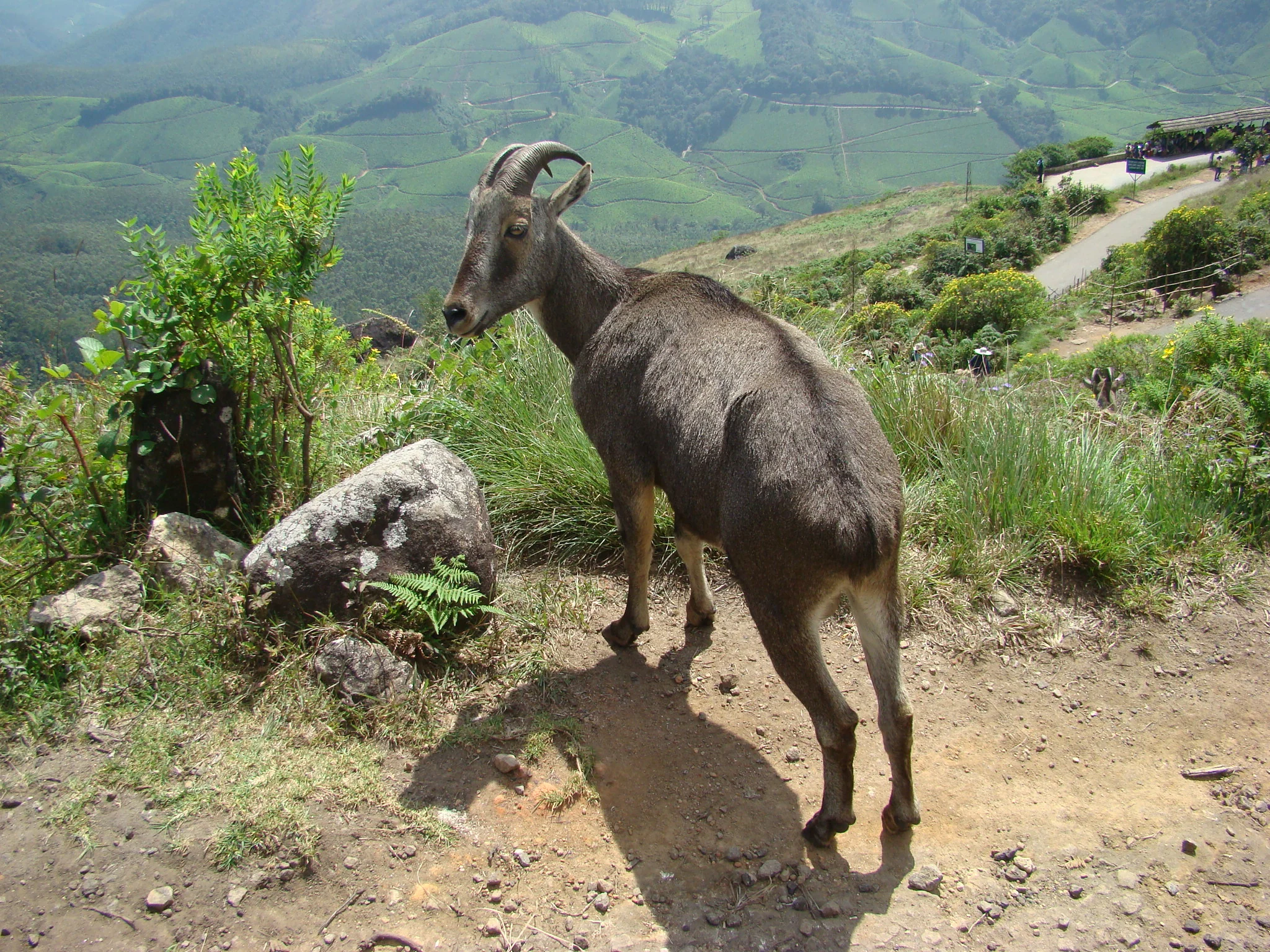
17.3 km · 29 min drive
High-altitude grassland park, Nilgiri tahr habitat and access point for Anamudi views.
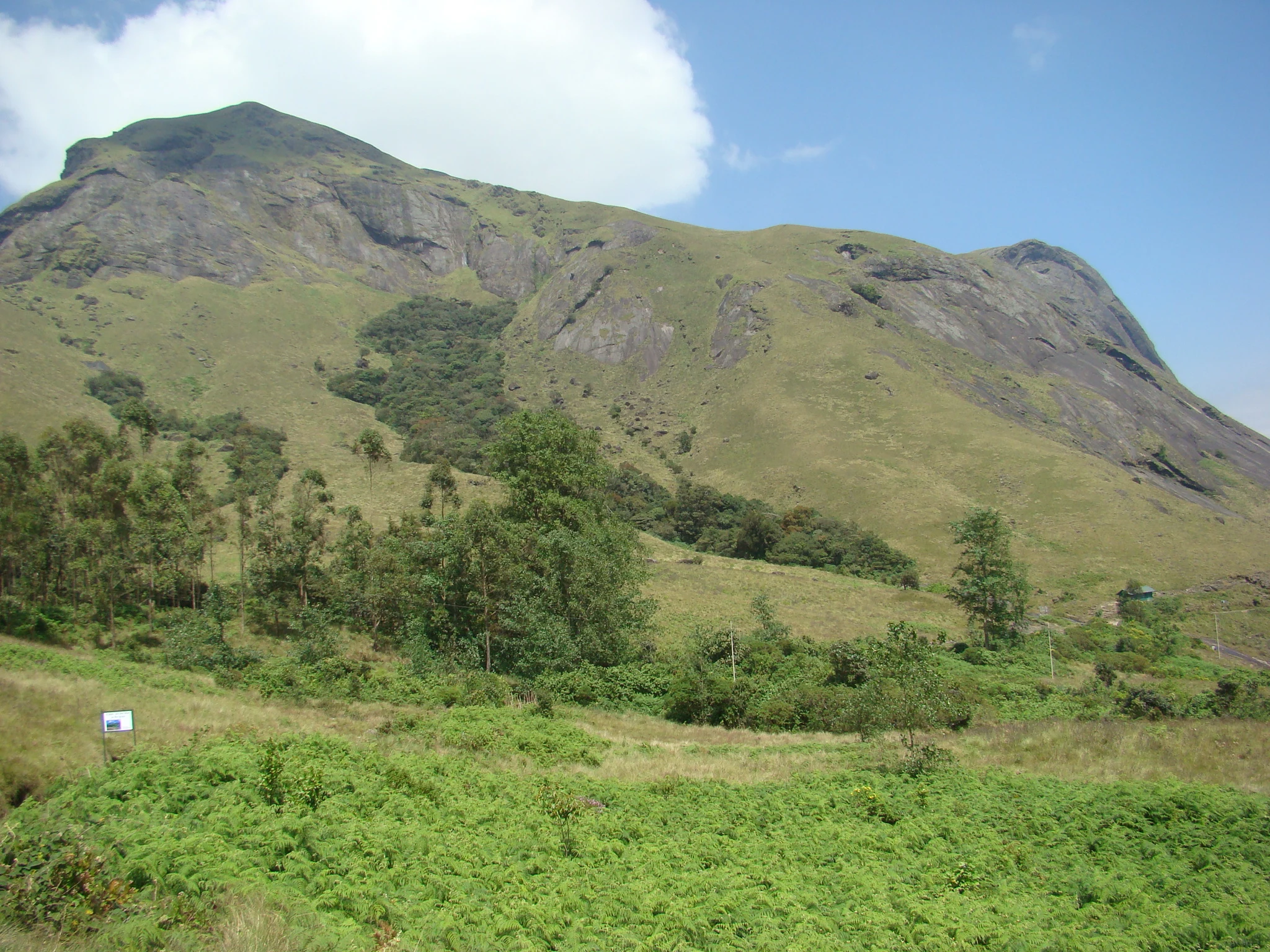
The highest peak in South India, viewed through Eravikulam/Rajamala access contexts near Munnar.
19.4 km · 34 min drive
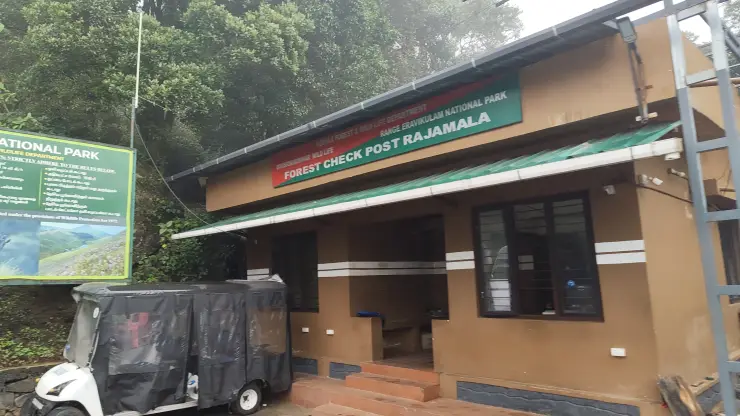
Rajamala is the designated tourism and awareness zone of Eravikulam National Park near Munnar. It is not a separate unrestricted summit trek or the whole national park.
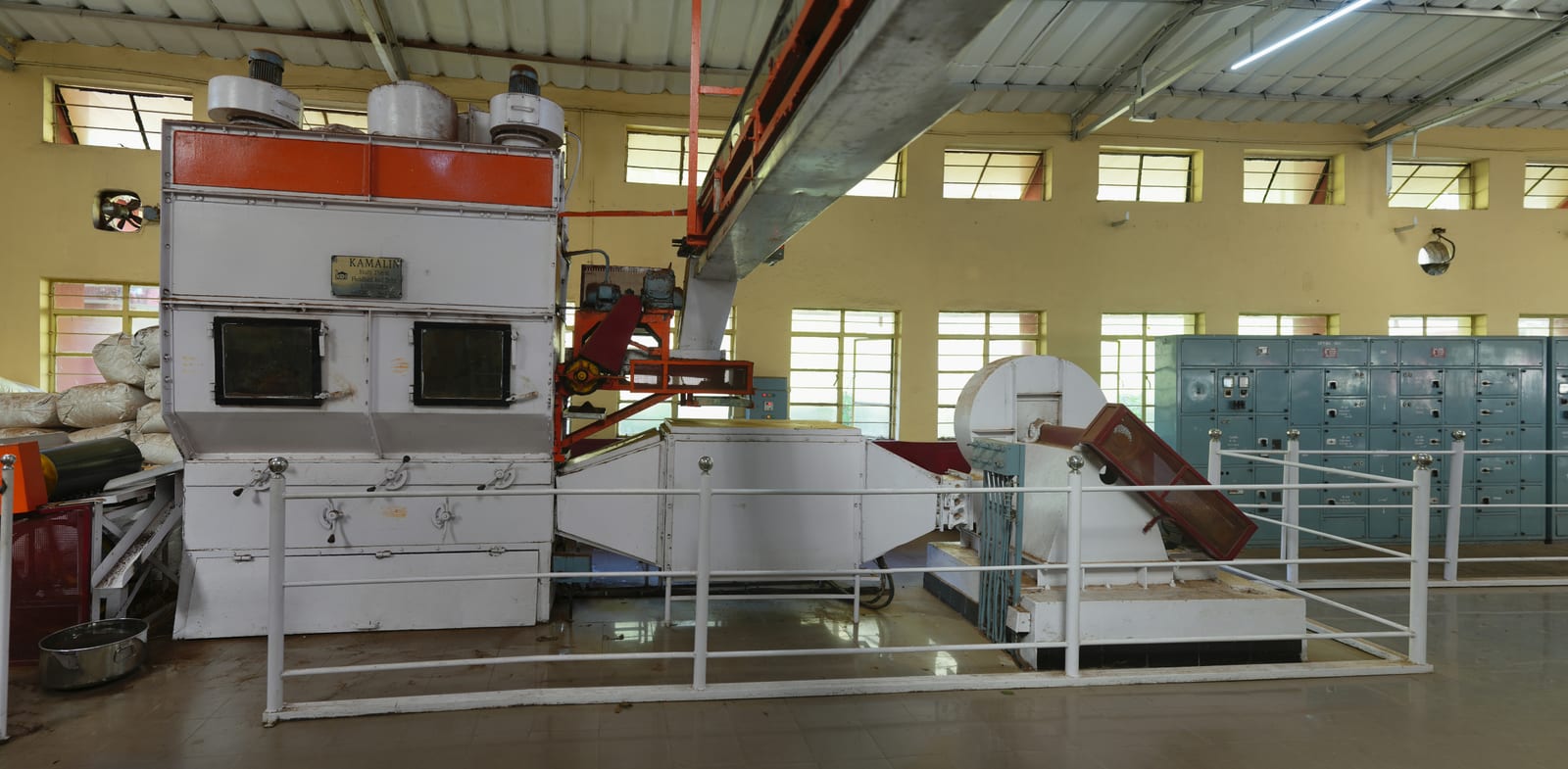
11.9 km · 17 min drive
Tea-history museum in Munnar linked with the plantation story of the high ranges.
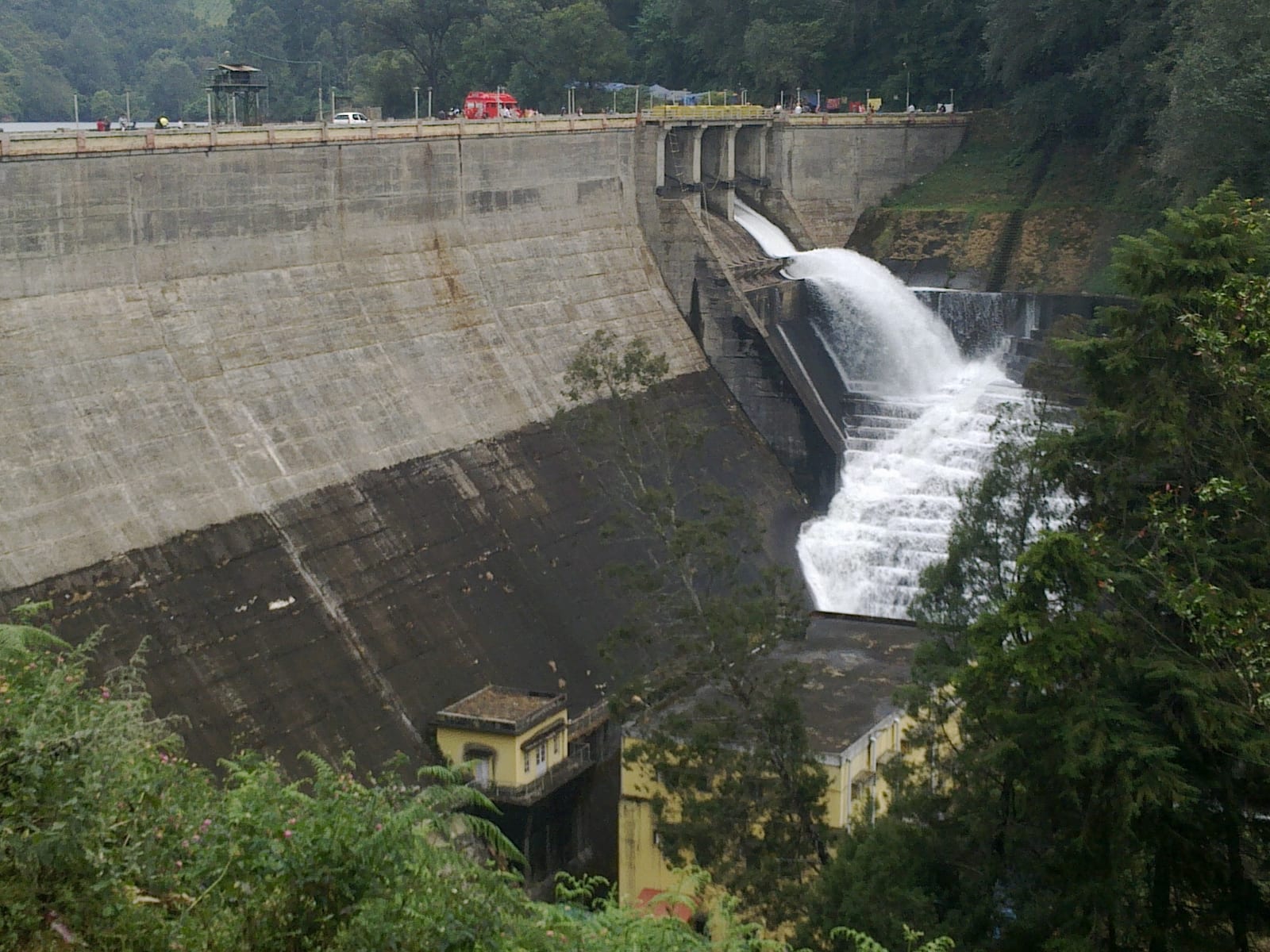
15.6 km · 24 min drive
Reservoir, boating and lake-view stop on the Munnar-Mattupetty sightseeing circuit, usually paired with Echo Point and Kundala.
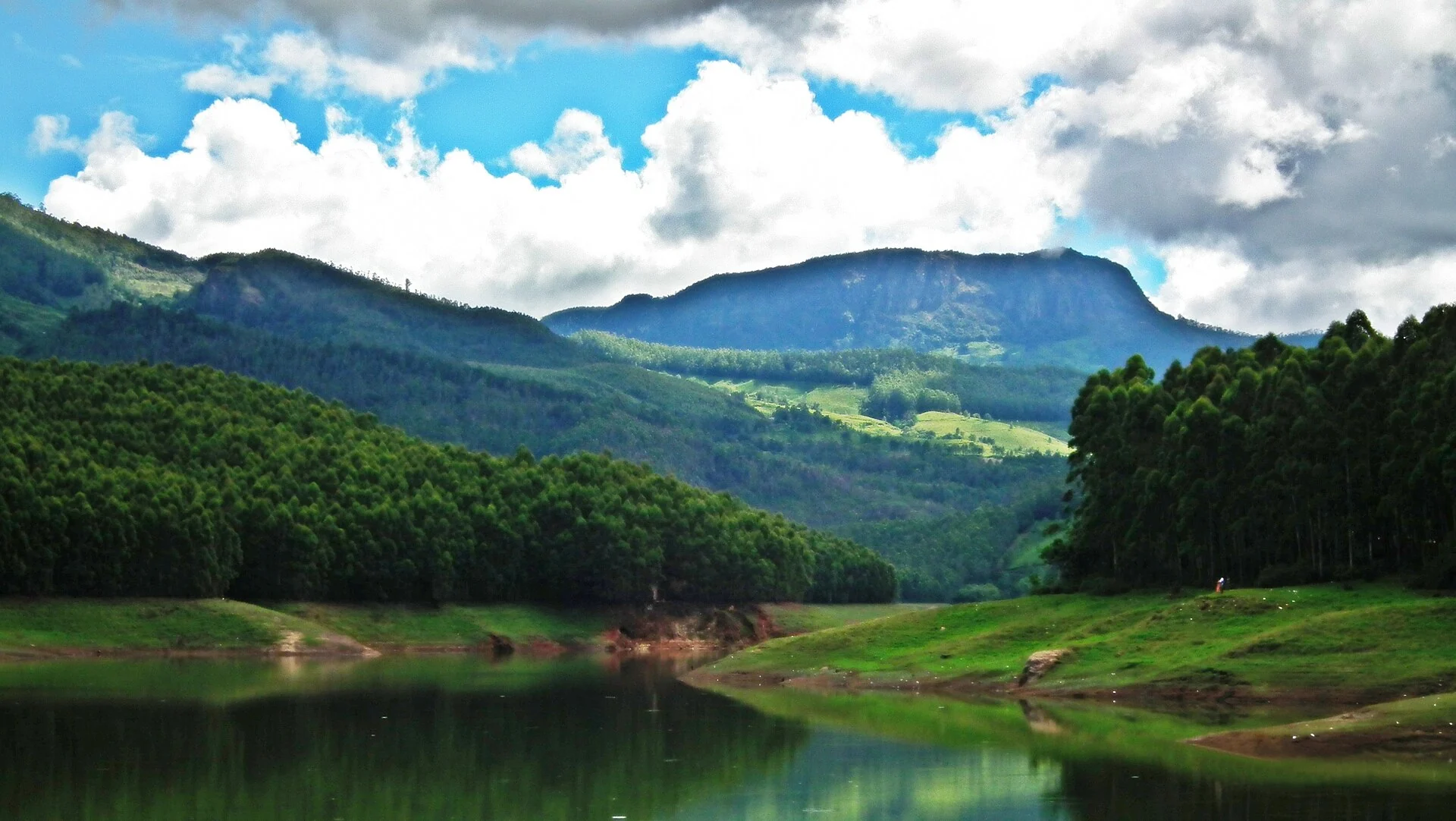
21.5 km · 35 min drive
Popular Munnar lakeside viewpoint on the Mattupetty-Kundala route, useful for short stops, photos and family sightseeing.
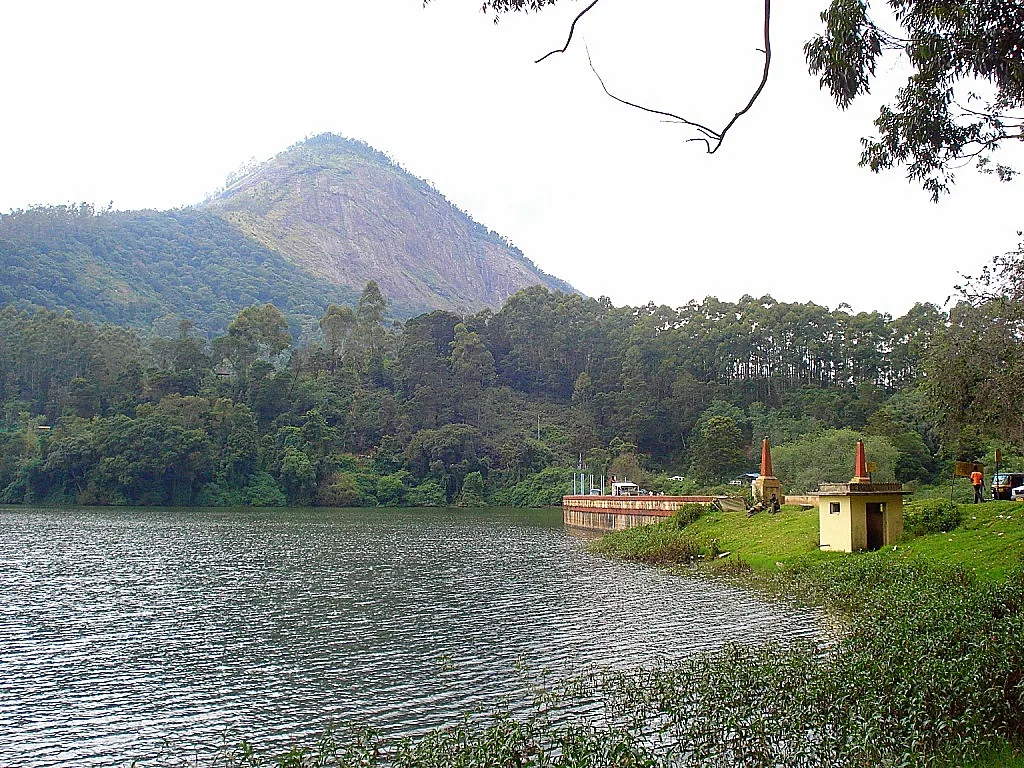
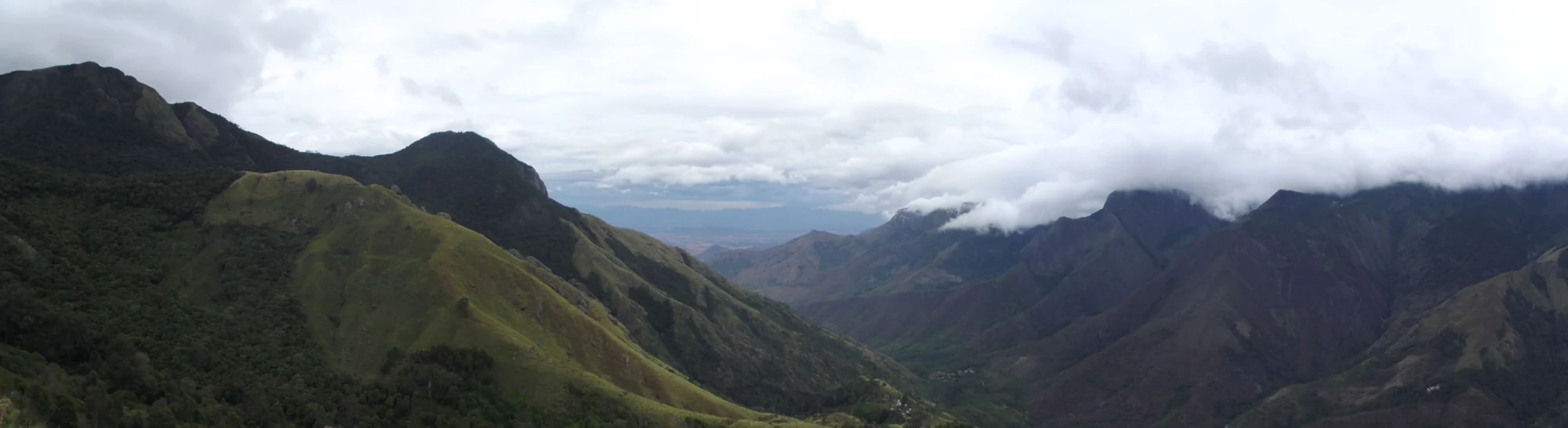
A border-highland viewpoint in Theni, Tamil Nadu, normally approached through Munnar, Mattupetty and Kundala; named for the former tea-transport terminus, with a separate stepped viewpoint walk.
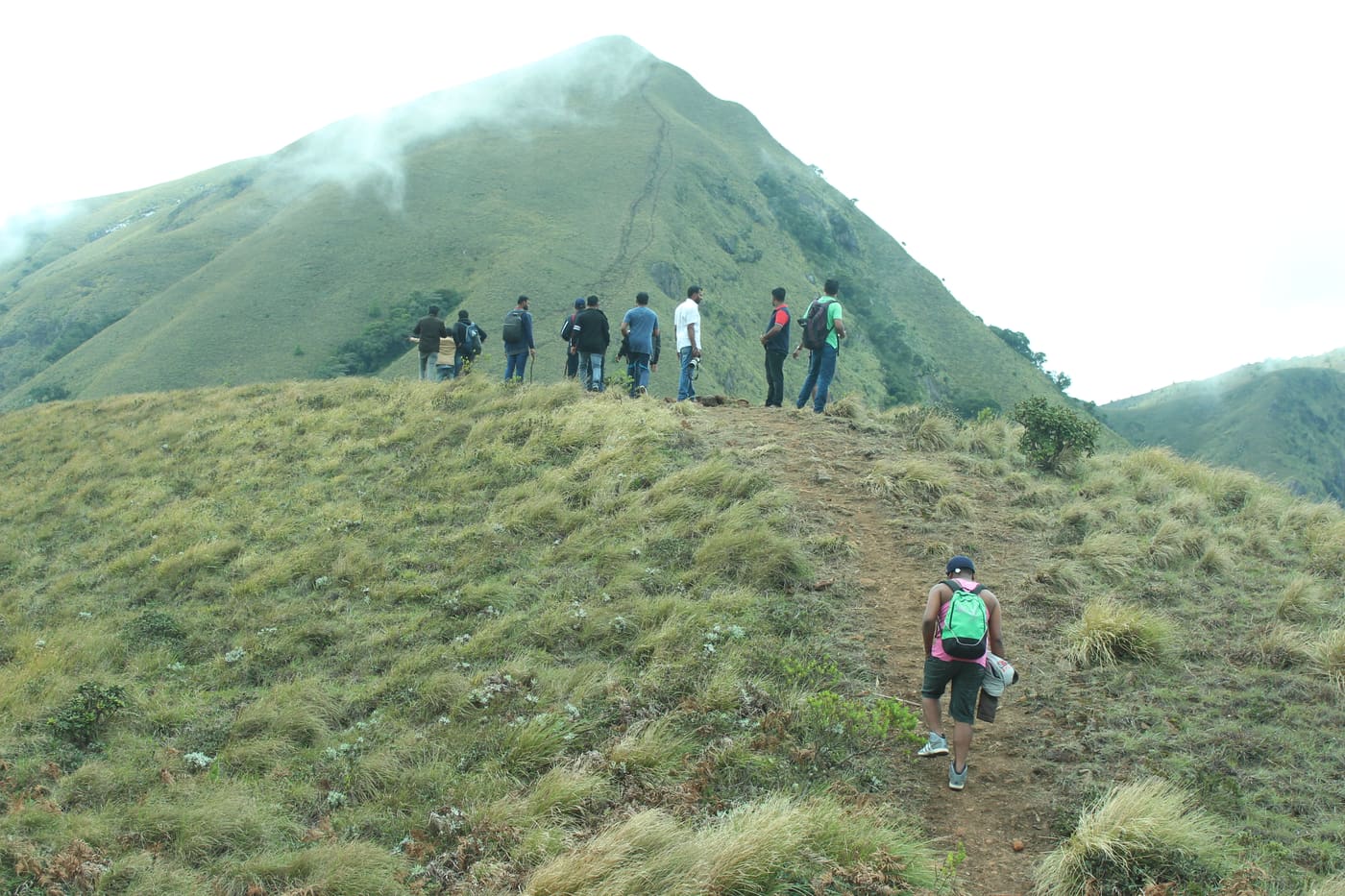
Popular high-altitude Western Ghats trek, usually booked through official eco-tourism channels.
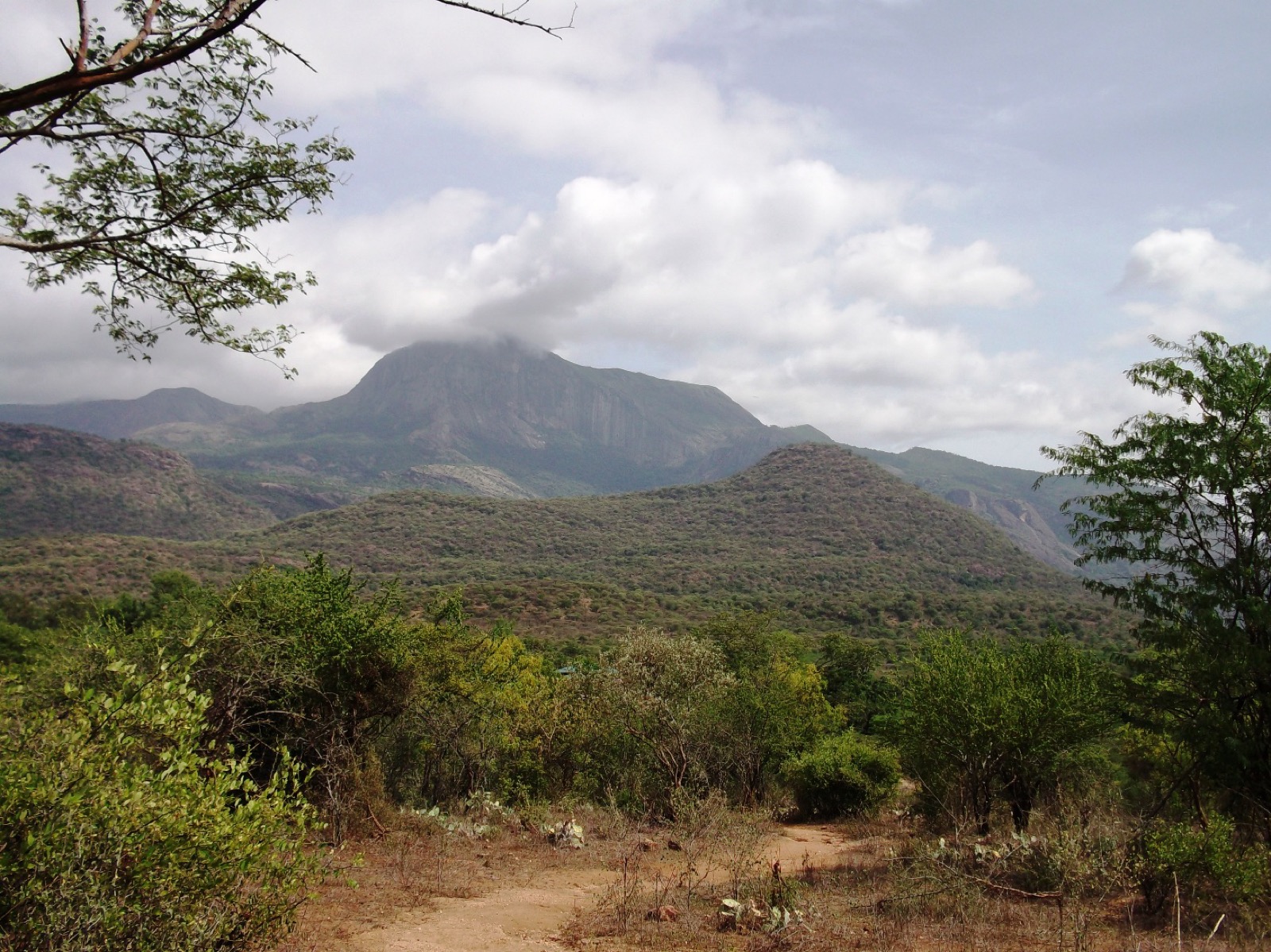
Dry-forest wildlife sanctuary on the Marayoor-Udumalpet side of Idukki.
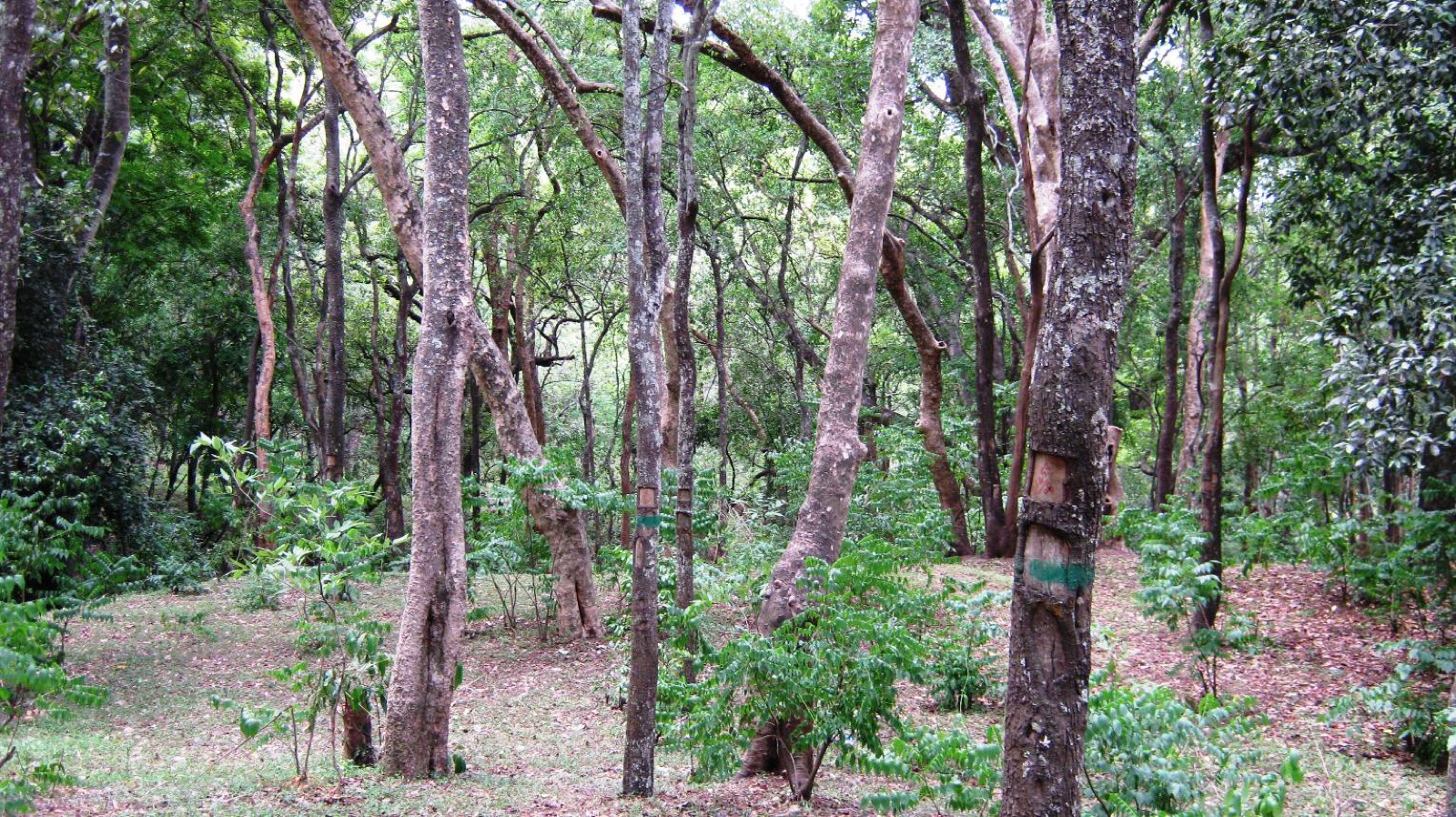
High-range village known for natural sandalwood forests, dolmens and sugarcane jaggery.
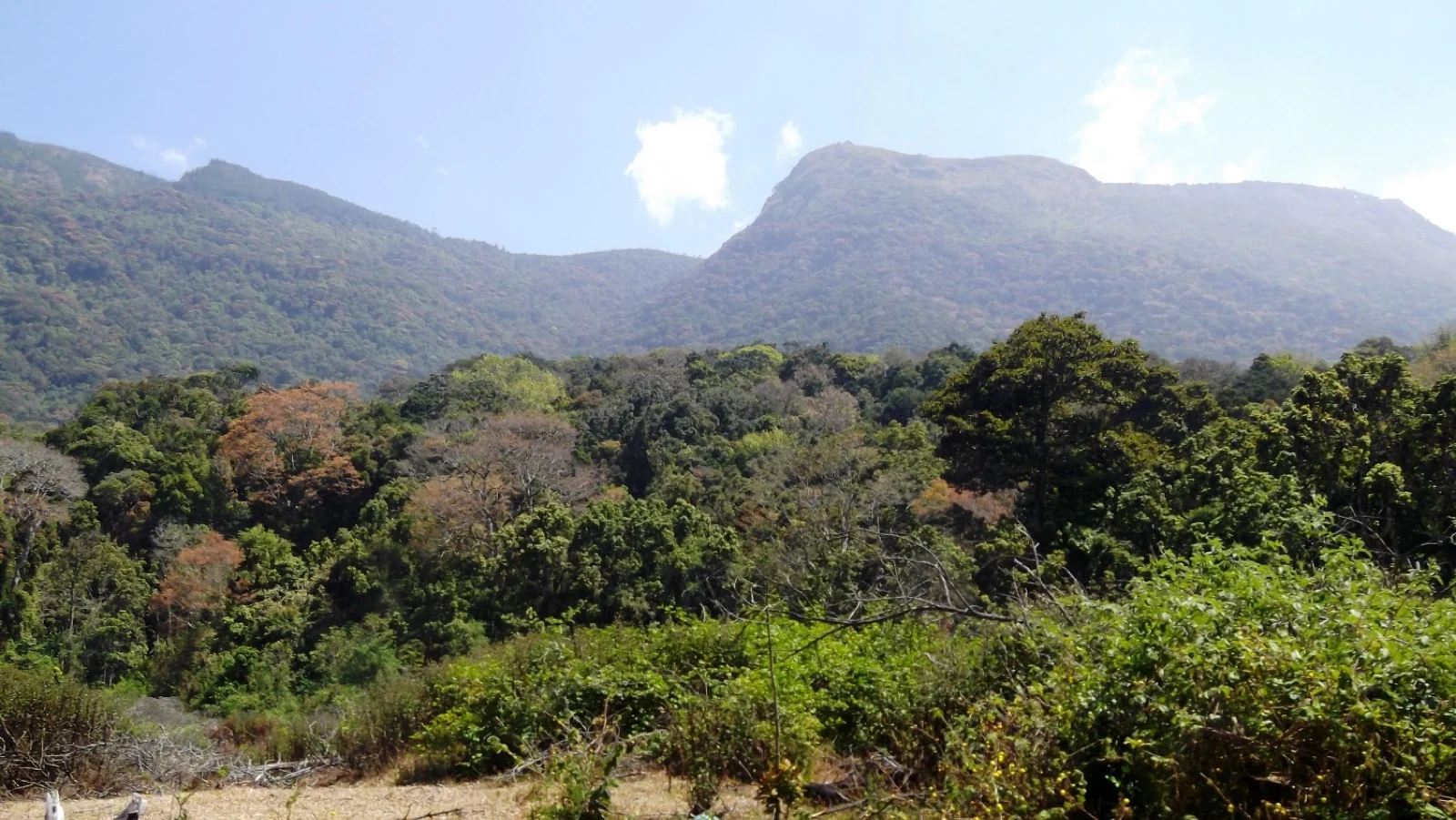
Pampadum Shola National Park protects high-elevation forest beside the Top Station–Vattavada road. The Top Station forest check post is the reporting anchor here; forest stays and guided walks require their own confirmed arrangements.
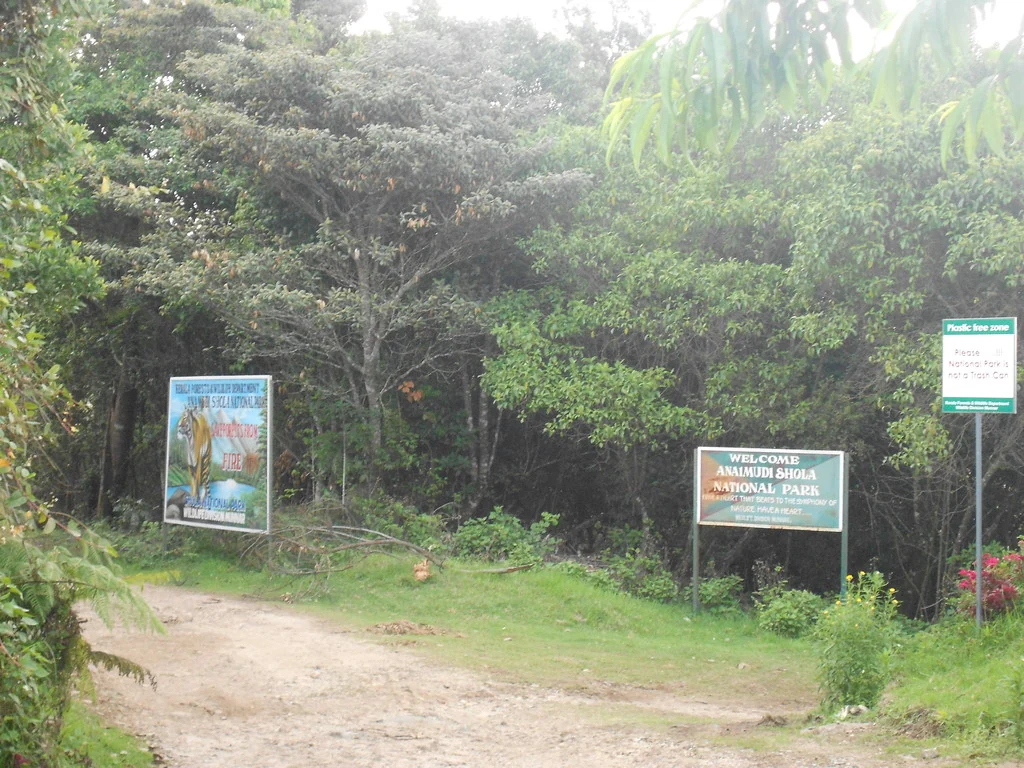
Anamudi Shola National Park protects Mannavan, Pullaradi and Idivara shola forests in the Kanthalloor–Vattavada high ranges. Methappu is the visitor anchor on this page; this is not Anamudi Peak or the Rajamala visitor area.
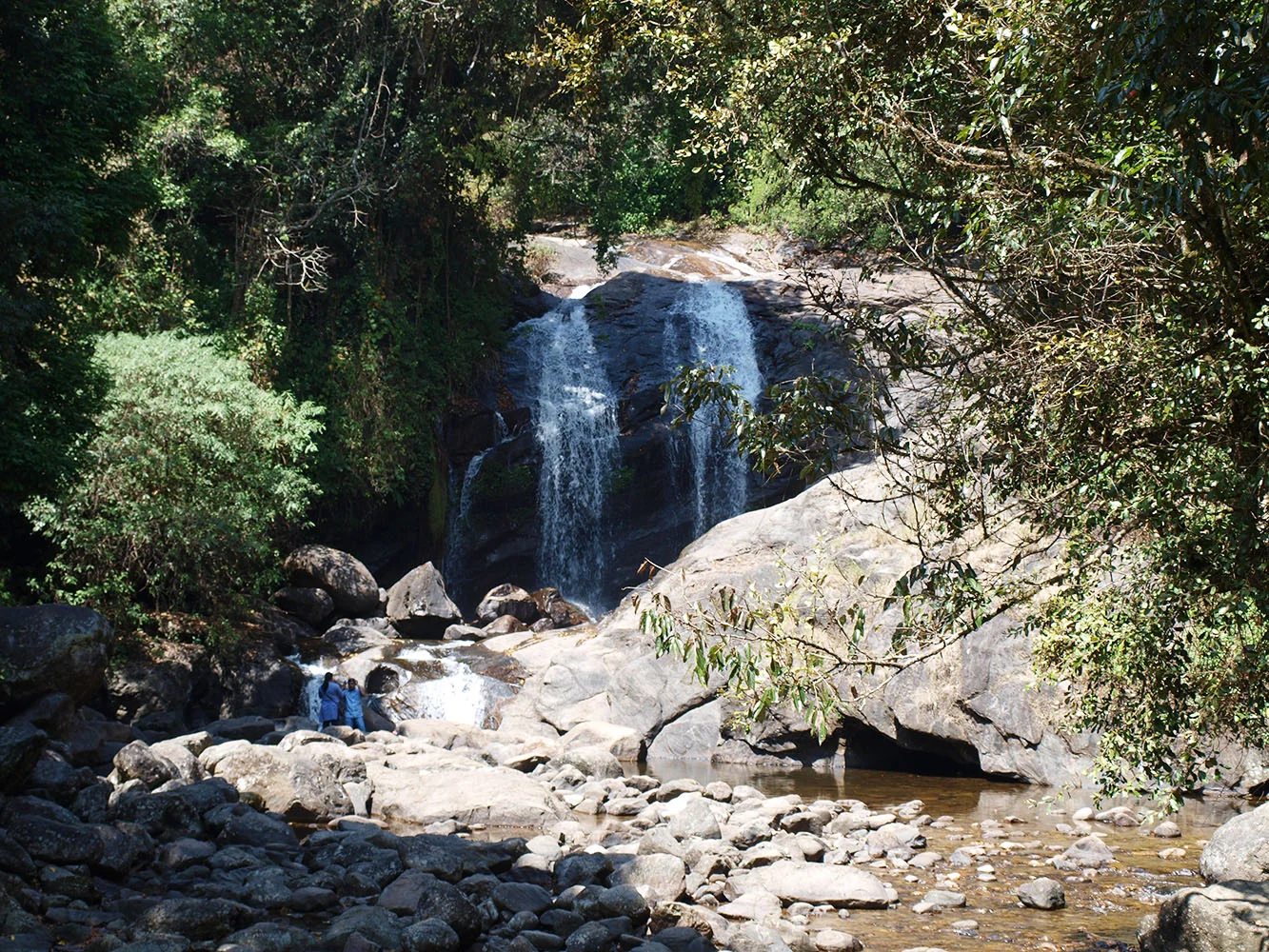
Waterfall stop on the Munnar-Marayoor route, usually paired with Eravikulam and Marayoor days.
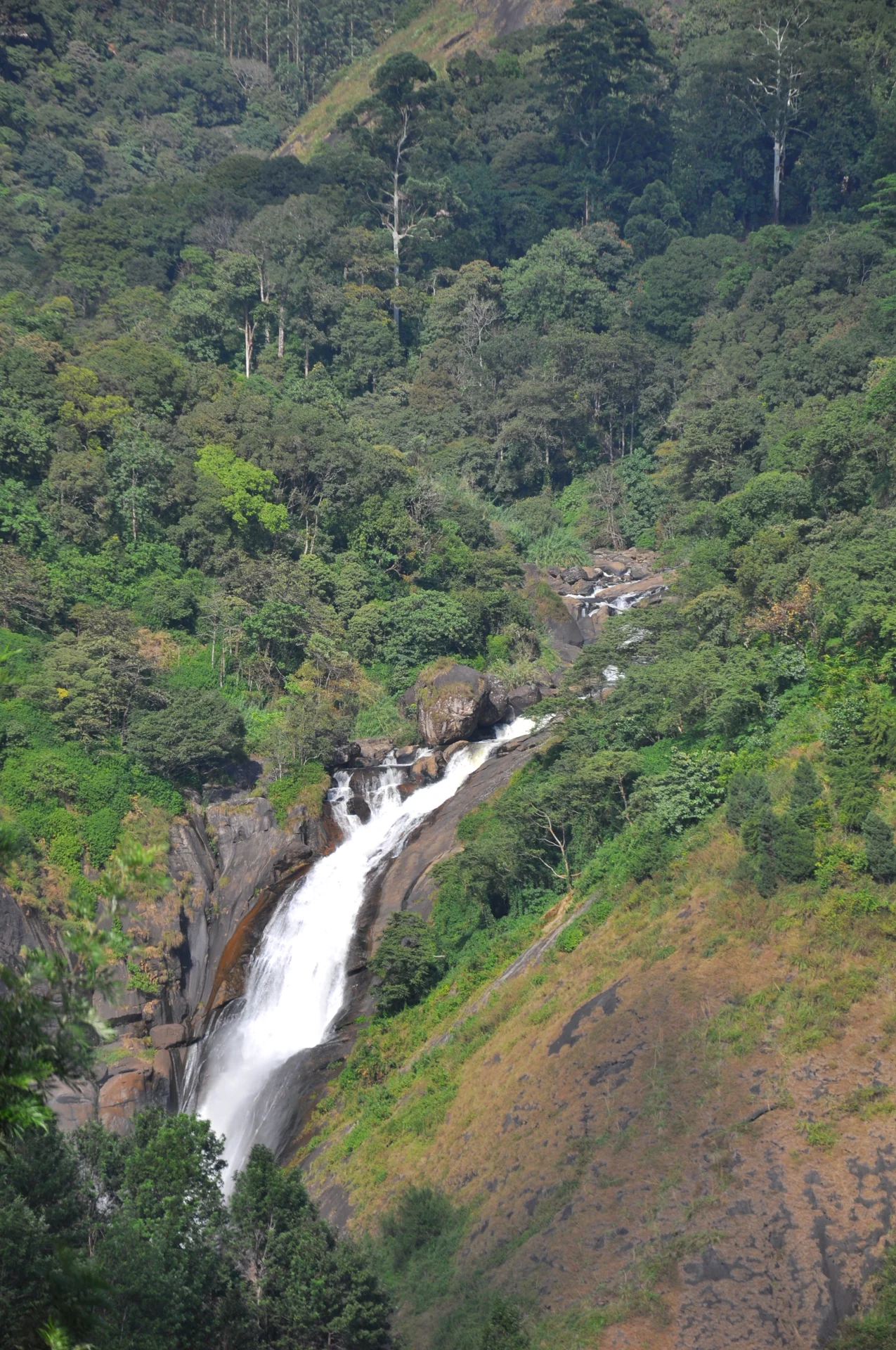
14.2 km · 17 min drive
Waterfall area near Munnar commonly used for short scenic drives and monsoon views.
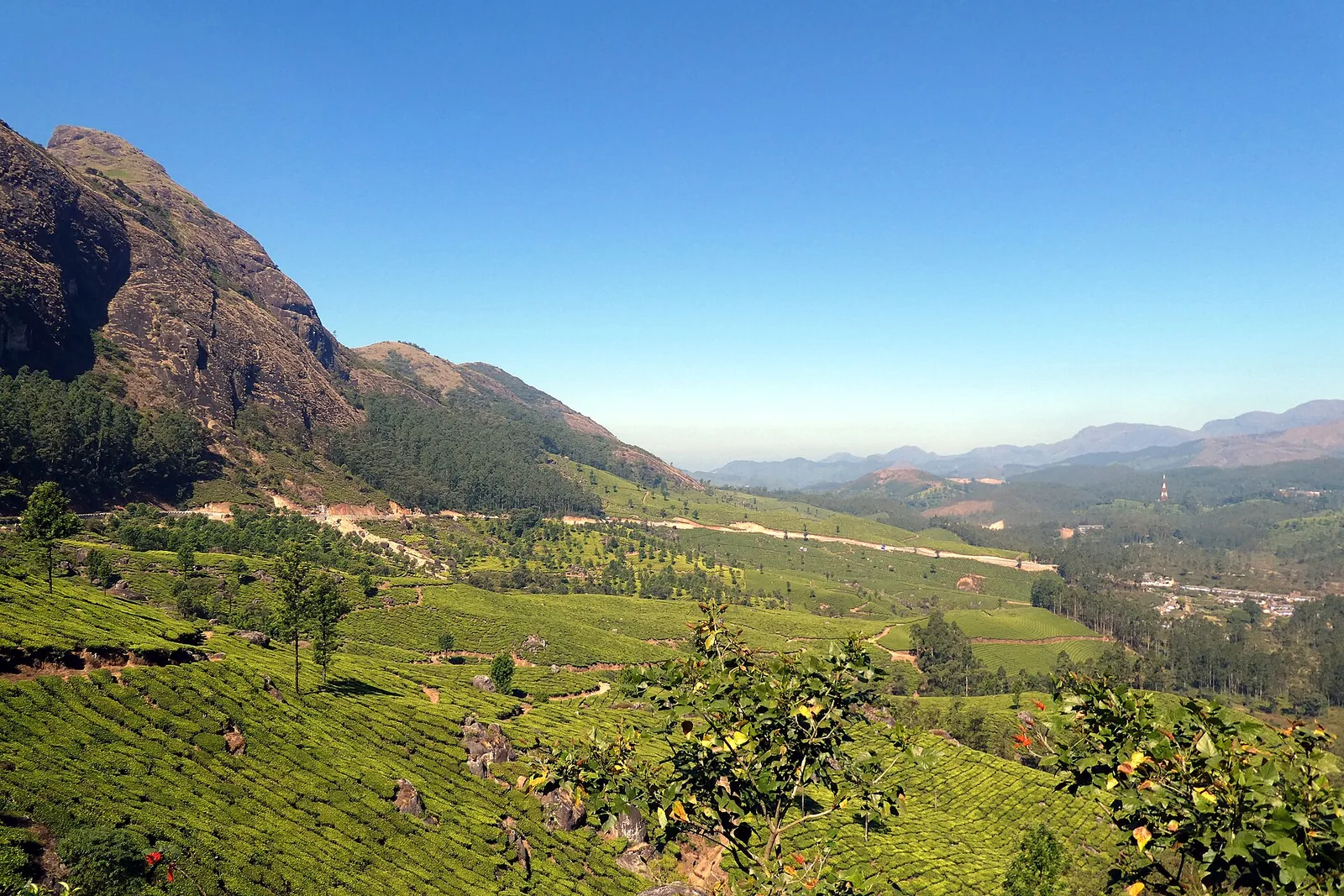
6.4 km · 8 min drive
The pass itself on the Munnar–Bodimettu highway, where the ridge drops away east — and the lay-by the Chokramudi Peak trek reports from, 51 m from the forest counter. A second, busier viewpoint signed "Lockhart Gap Road View Point" sits 1.7 km east.
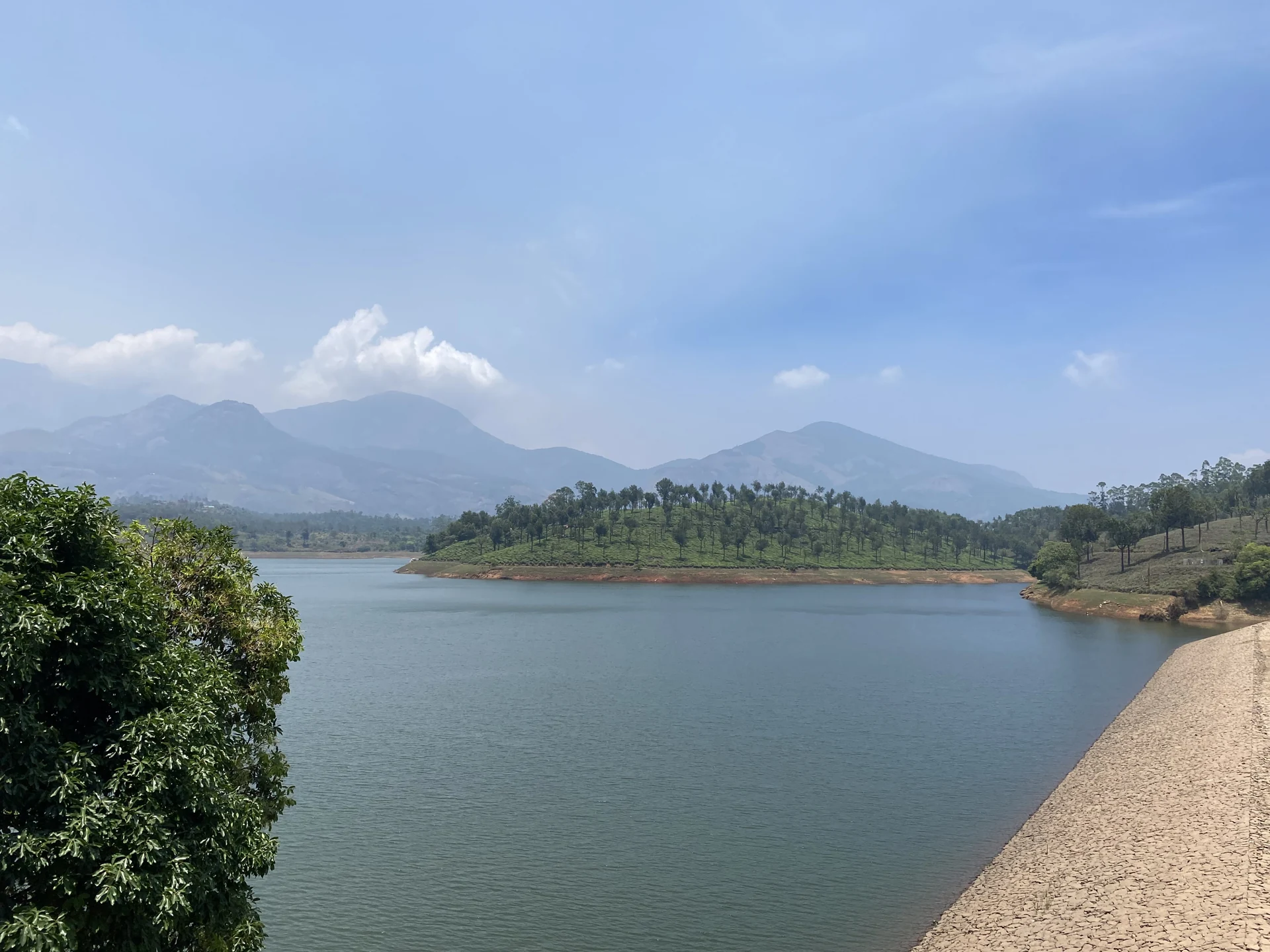
Anayirankal is a KSEB earth-and-rockfill dam and reservoir in the Panniyar hydel system near Chinnakanal and Santhanpara. The map identifies the published hydel visitor-centre marker; boating is not currently assured.
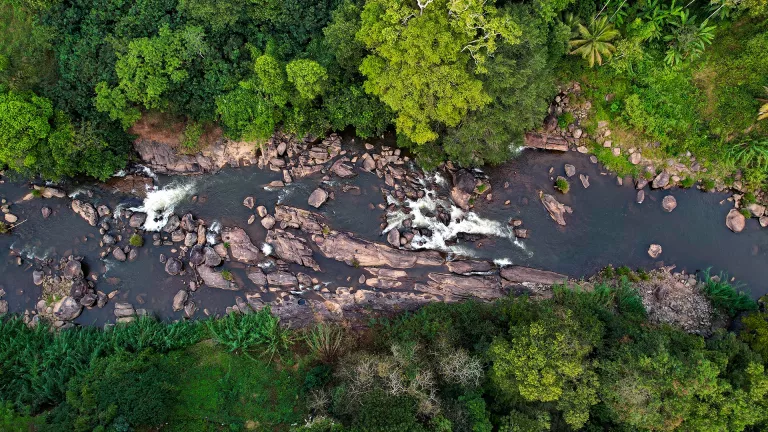
24.1 km · 28 min drive
The Muthirapuzha spread sideways over bare rock at 796 m, below the tailrace of Pallivasal — the first hydroelectric station Kerala built. Free, unmanaged and very quiet, down about a kilometre of steep narrow lane. ⚠ Not the Chinnakanal falls that Kerala Tourism describes under this name, 21 km east.
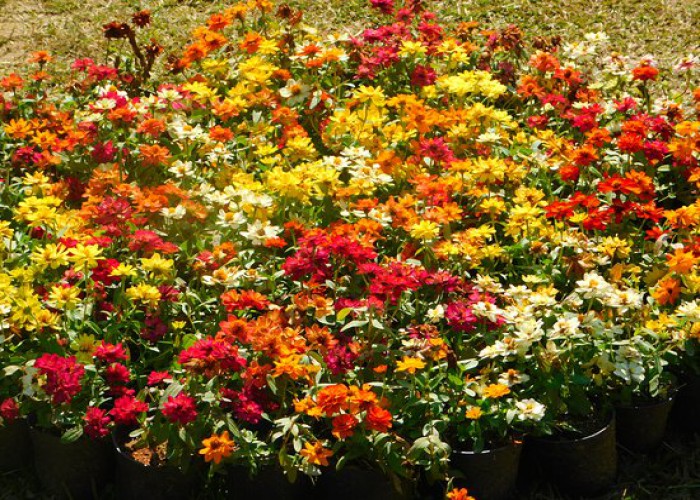
9.8 km · 12 min drive
The Kerala State Electricity Board’s riverside flower park on the Munnar–Aluva road, 3.3 km below Munnar town and 1.2 km from the KSRTC stand at Old Munnar. It runs along the east bank of the Muthirapuzha immediately above the 1944 R. A. Headworks weir that feeds Pallivasal, Kerala’s first hydroelectric station — which is what the "hydel" in the name means. Open daily 09:15 to 20:15 with tickets sold online by Kerala Hydel Tourism Centre.
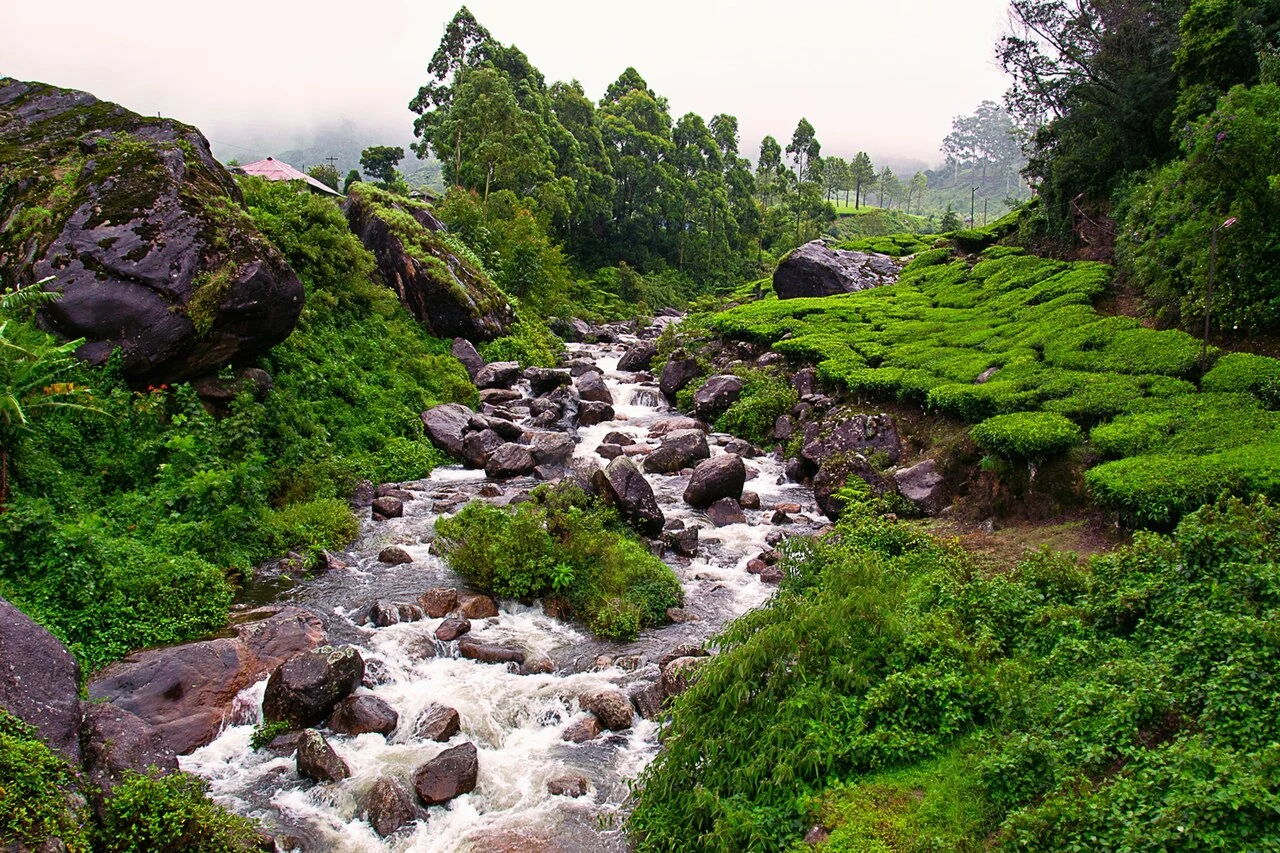
Nyayamakad, also called Nayamakad, is the waterfall and tea-estate landscape on the Munnar–Rajamala approach. The map uses the identifiable Nyamakad roadside stream-view base, not a waterfall lip, pool entrance or estate walking permit.
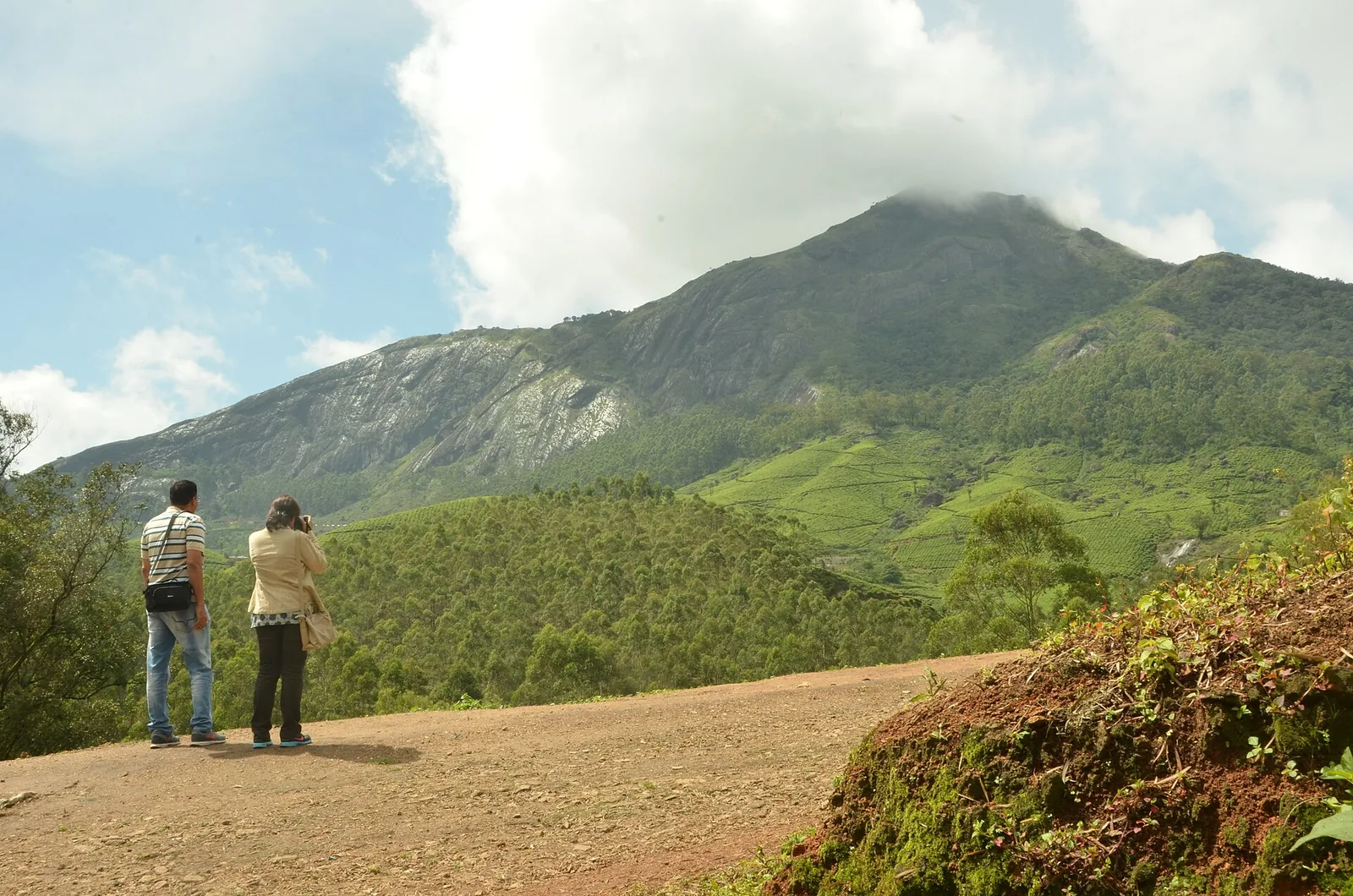
6.4 km · 8 min drive
Forest Department peak trek from the counter at Gap Road, 13.2 km from Munnar: a mapped 2.09 km path climbing about 460 m of grassland and shola to a summit whose altitude four sources disagree about.
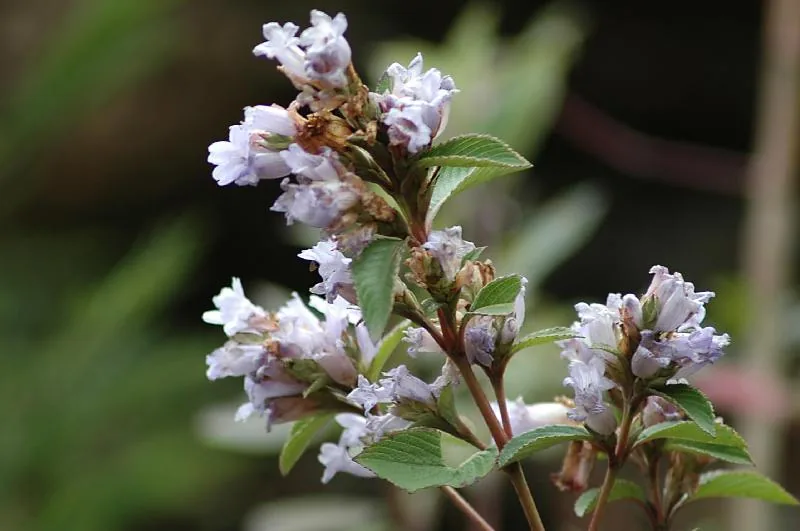
The 32 km² sanctuary above Kottakamboor and Vattavada, notified in 2006 for one plant — Strobilanthes kunthiana — with two walks and two stays in the Forest Department's own brochure and nothing bookable online.
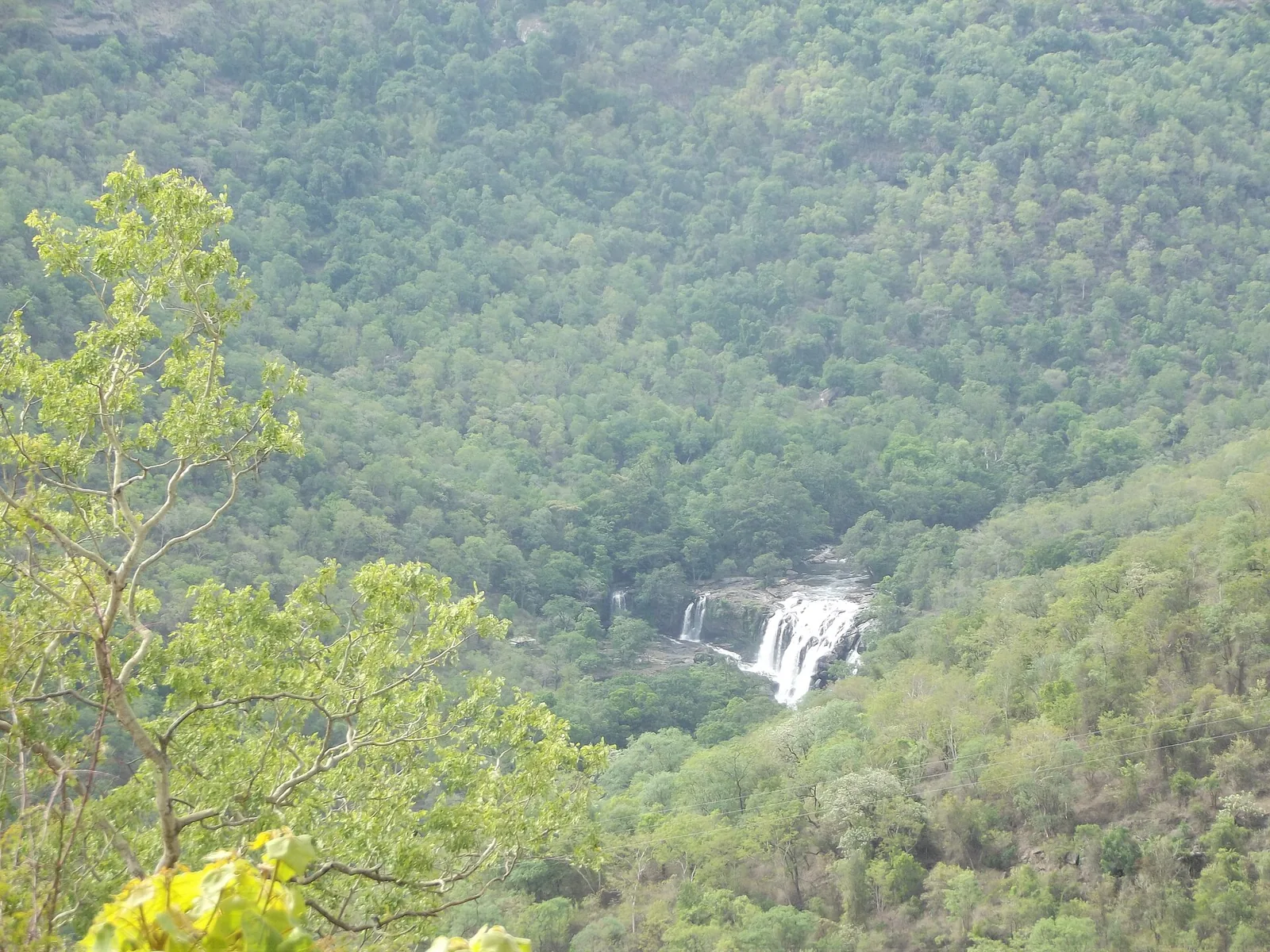
Forest Department guided walk in Chinnar Wildlife Sanctuary, from the Alampetty counter on SH17 down the river to the Thoovanam waterfall. Kerala Tourism contradicts itself on which river it follows: its own destination article says the Pambar, and the page selling this programme says the Chinnar.
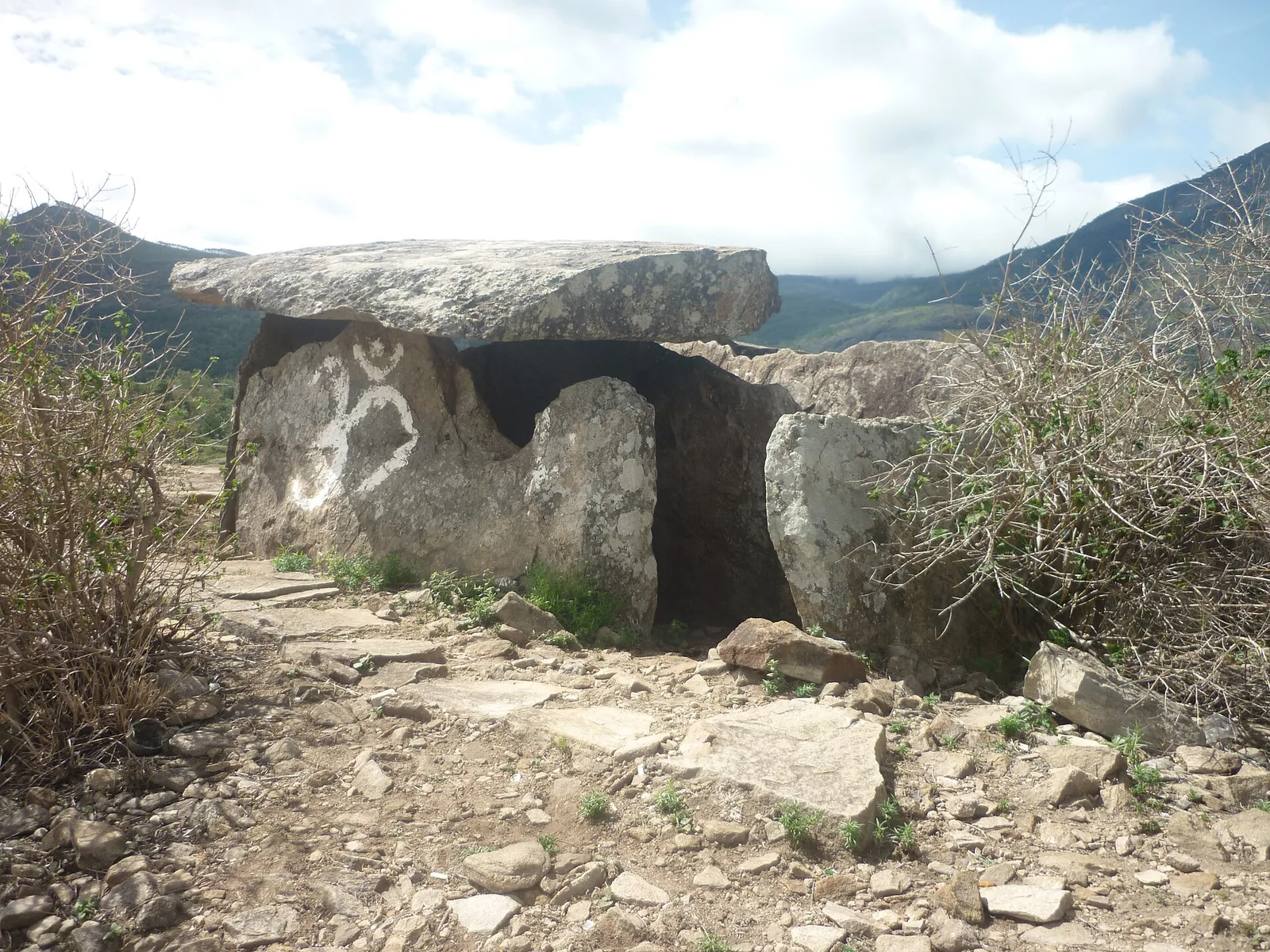
Forest Department culture trek in Chinnar Wildlife Sanctuary to prehistoric dolmen (muniyara) sites, run with local tribal Eco-Development Committees. Report at the Alampetty guide stand on the Marayoor–Udumalpet road (SH17), 6.4 km beyond Marayoor.
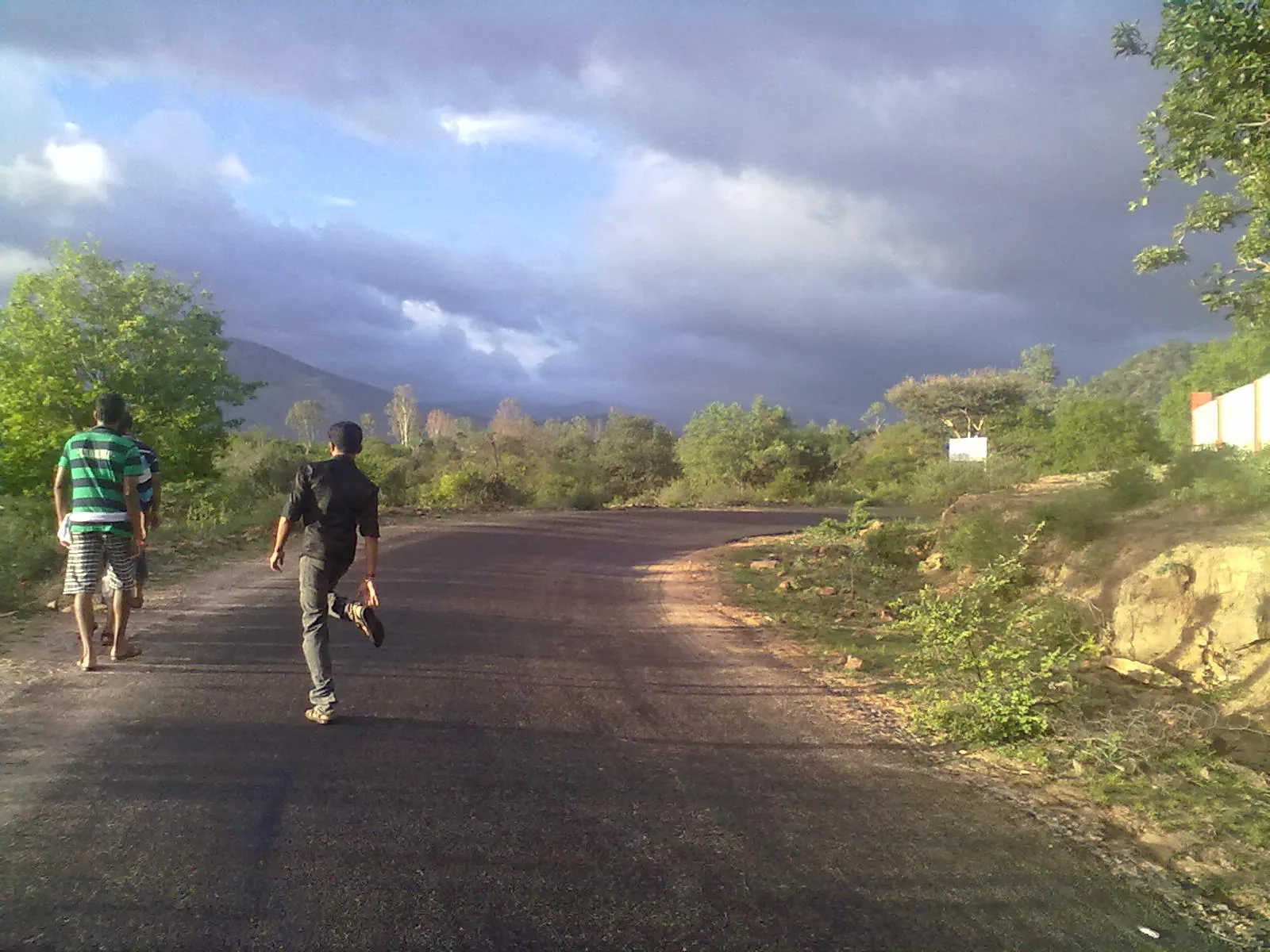
Forest Department trekking-and-camping programme at Vasyappara in Chinnar Wildlife Sanctuary — an overnight stay in a mud hut on a hill crest, published by the department as the Chinnar Valley Safari Trail. Report at 3 pm at the Chinnar check post on the Marayoor–Udumalpet road, not at the Alampetty counter 10.2 km back.
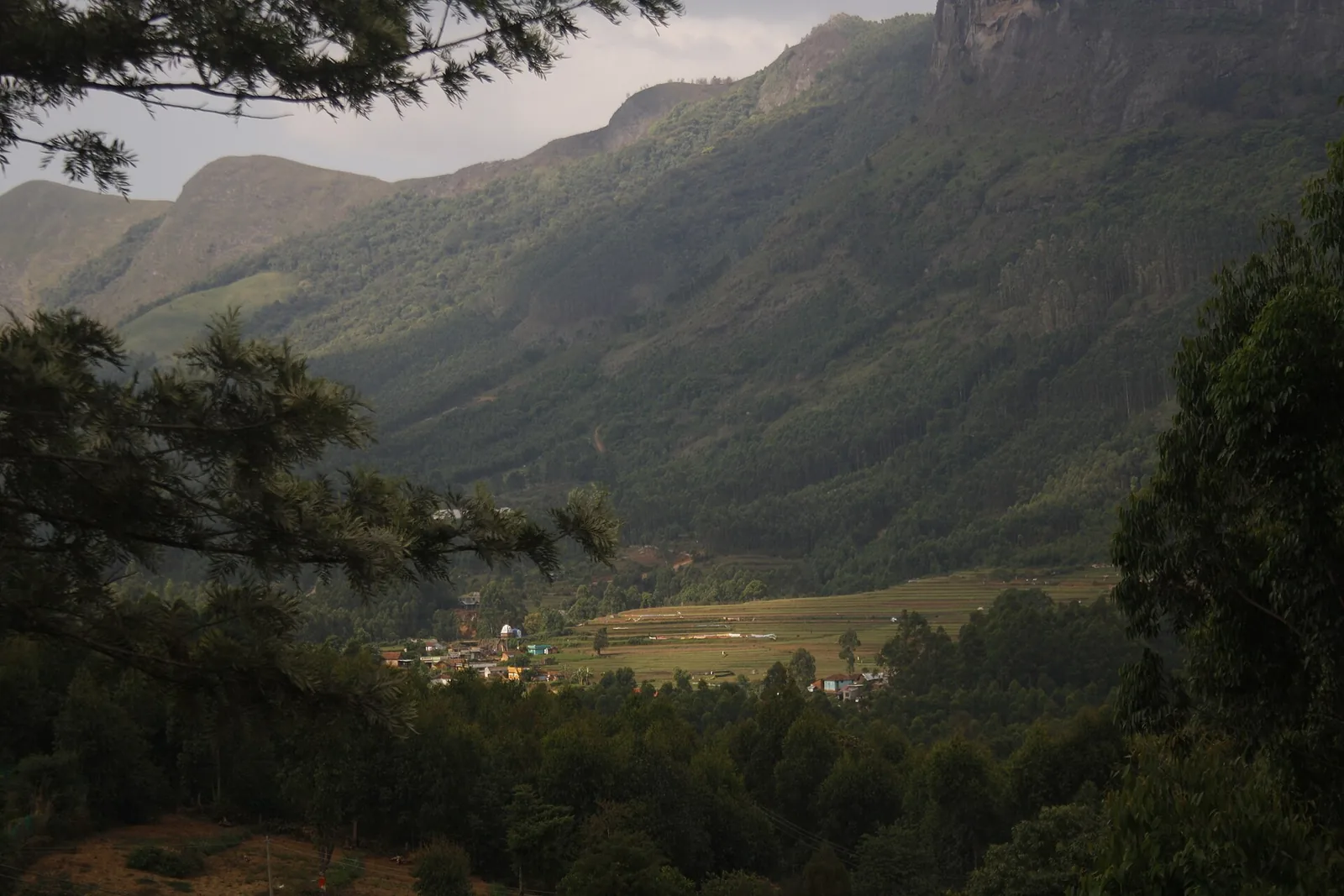
High-range village near Marayoor often called the “Kashmir of Kerala”, known for terraced farms of apples, oranges, strawberries and vegetables at around 1,800 m.
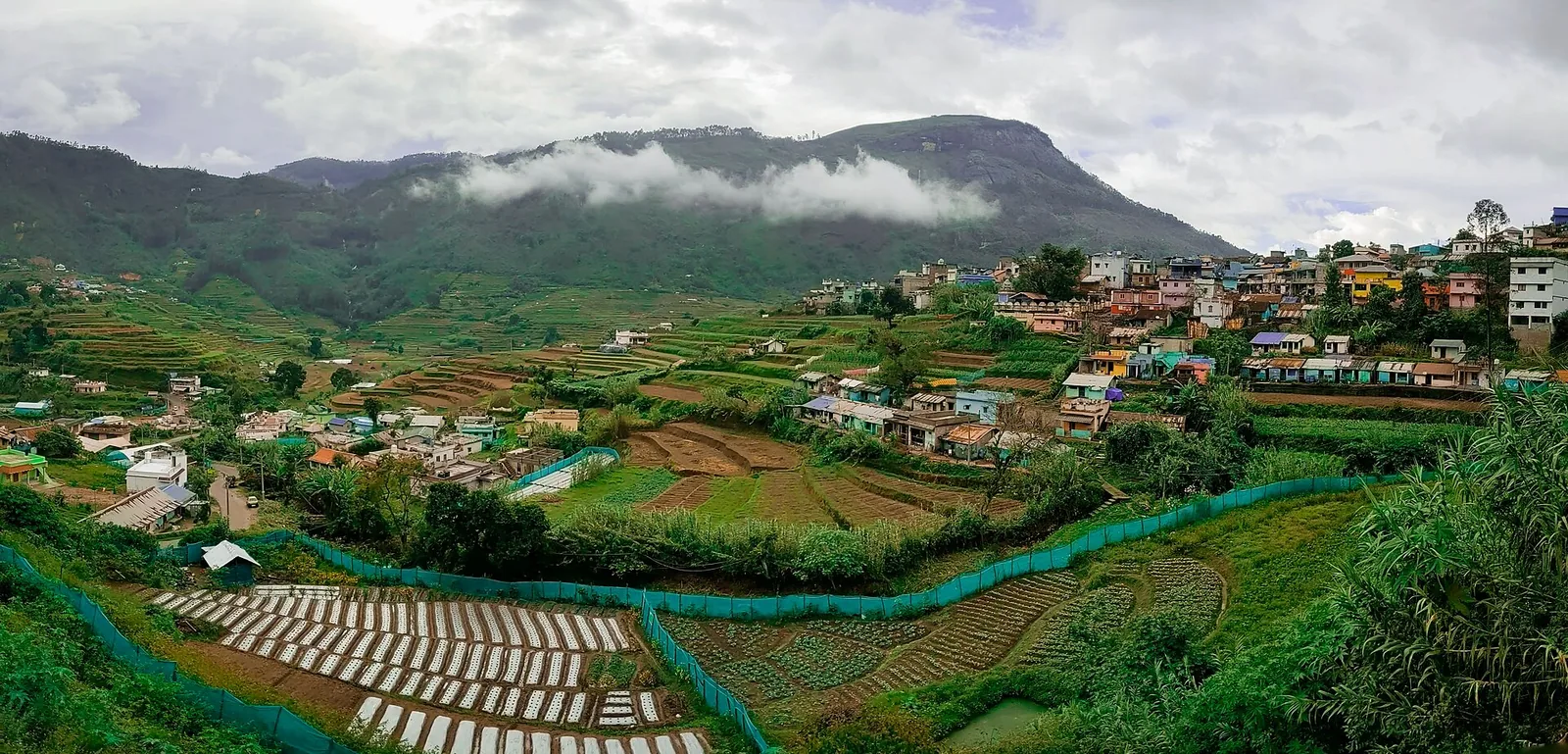
Cool high-altitude farming village beyond Munnar near the Tamil Nadu border, known for terraced vegetable and fruit cultivation, Kurinji slopes and quiet valley views.
11.1 km · 14 min drive
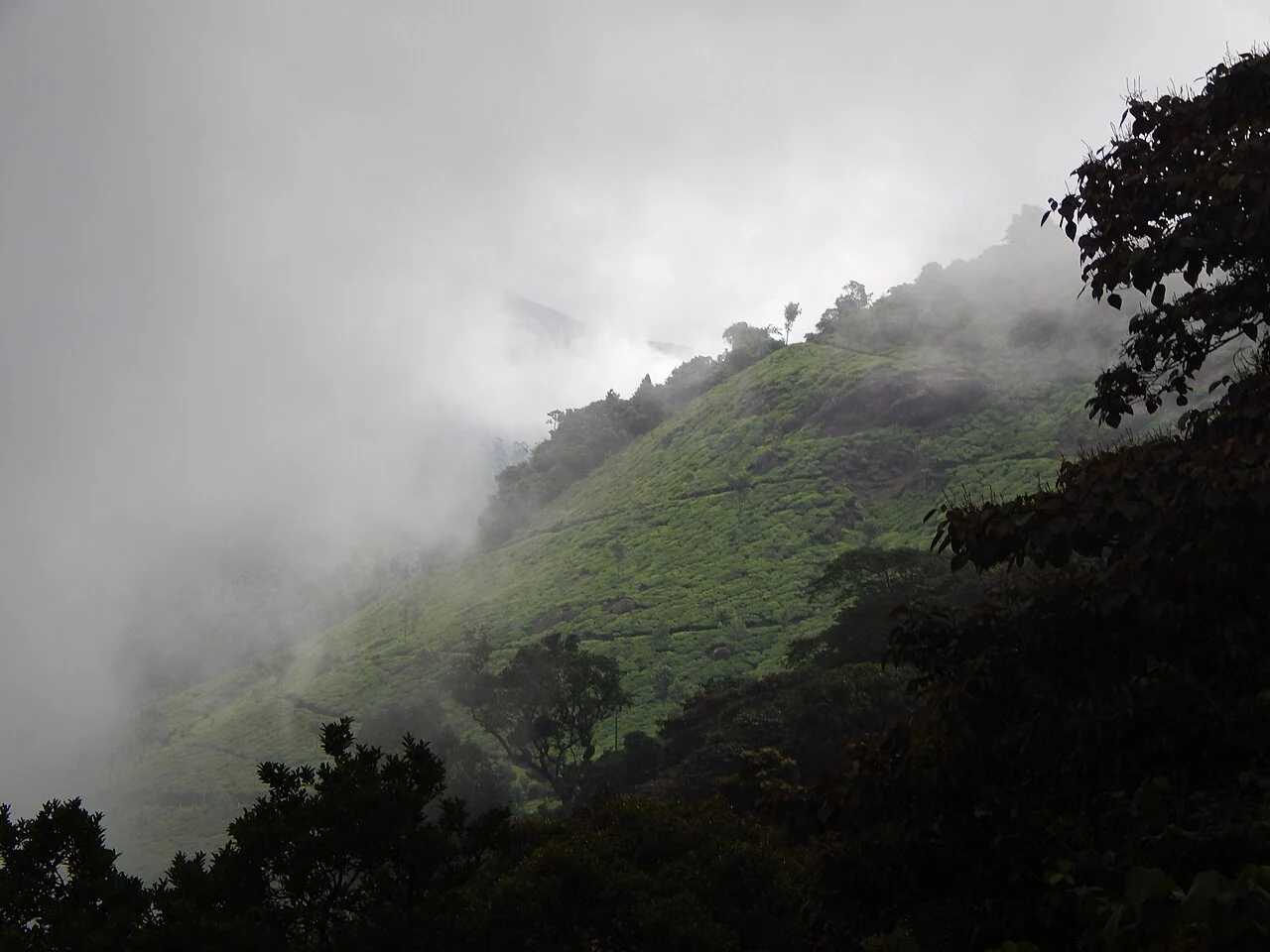
A road-accessible viewpoint in Pothamedu south of Munnar, looking across planted hills and wooded valleys. The viewpoint marker is separate from the wider village and from private plantation walking routes.
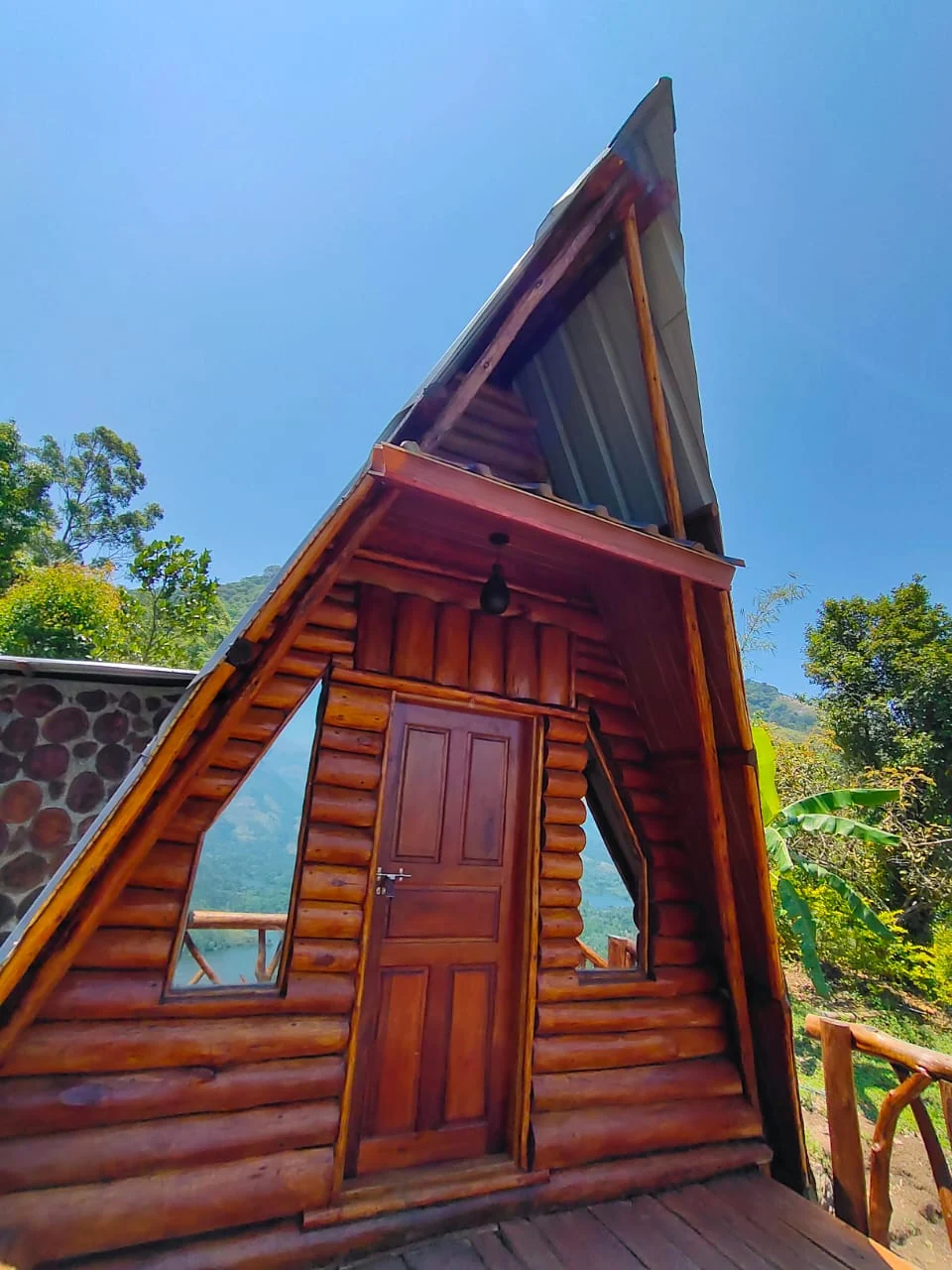
Mathikettan Shola protects a remnant of native Cardamom Hills forest in Idukki. Visits are arranged through the Forest Department, with distinct Pethotty and Choondal approaches; a reservoir viewpoint is not a park-entry permit.
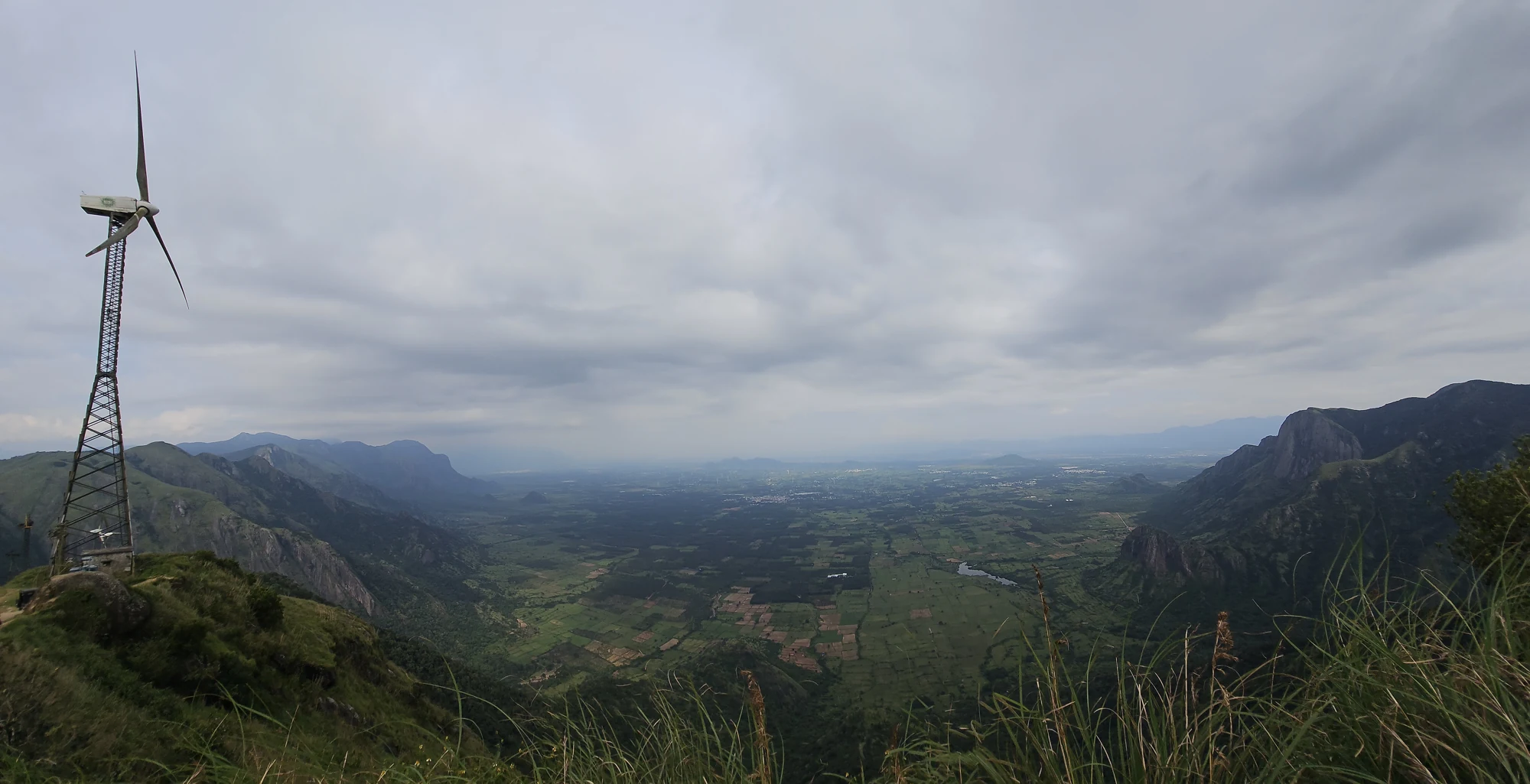
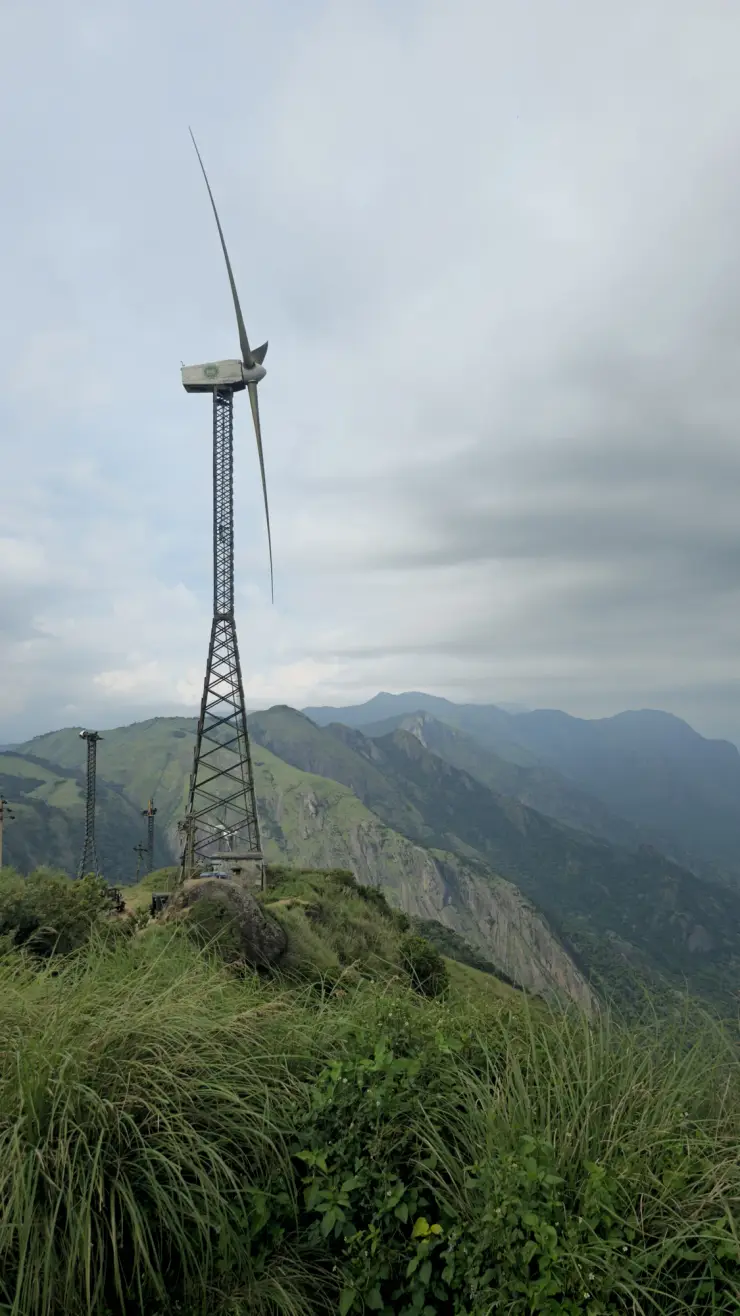
A wind-turbine ridge in Chathurangappara, Udumbanchola taluk, with views towards Theni’s cultivated plains; reached from the Munnar–Kumily road, with an exposed final hill approach.
Roampedia is commission-free — own or know a stay, eatery, guide or shop near Devikulam / Sita Devi Lake? List it and it appears here once verified.
Add a nearby businessEntry: No standard published entry fee is confirmed for the lake; small local charges, parking fees or permission requirements may apply, and any trout-angling permit would be separate.
Dress code: No formal dress code. Dress modestly and comfortably for a cool hill climate — layers, a light jacket for mornings and after rain, and sturdy shoes with grip for uneven, sometimes muddy ground.
Festivals: No major dedicated festival is confirmed at the lake itself; its significance is quiet and devotional rather than event-driven, though the wider Munnar area follows the general Kerala festival calendar (confirm locally).
Photography: Photography is generally welcome and the reflections, mist and tea gardens are the main draw; carry a phone or camera and respect any devotees or estate-property signage.
If you are travelling by bus or ferry, check the return service with the operator before setting out. Leave time to reach the stop or jetty after your visit.
Ask at the bus stand for the time of the last service back, not the next one. If you miss it, an auto or app cab is the fallback — agree the fare before you get in.
If you need step-free access, contact the site before travelling. Ask about a level entrance, steps along the route, the nearest drop-off point, seating and accessible toilets.
These services are listed within about 1.2 km of Devikulam / Sita Devi Lake. Walking distances follow mapped routes; access and opening hours can change. Other services may be closer but are not included here.
Emergency numbers are verified against official government and state tourism sources. 112 works anywhere in India.
Forest Department peak trek from the counter at Gap Road, 13.2 km from Munnar: a mapped 2.09 km path climbing about 460 m of grassland and shola to a summit whose altitude four sources disagree about.
6.4 km · 8 min driveThe pass itself on the Munnar–Bodimettu highway, where the ridge drops away east — and the lay-by the Chokramudi Peak trek reports from, 51 m from the forest counter. A second, busier viewpoint signed "Lockhart Gap Road View Point" sits 1.7 km east.
6.4 km · 8 min driveKerala’s most famous hill station, known for tea estates, viewpoints and cool weather.
8.1 km · 10 min driveThe Kerala State Electricity Board’s riverside flower park on the Munnar–Aluva road, 3.3 km below Munnar town and 1.2 km from the KSRTC stand at Old Munnar. It runs along the east bank of the Muthirapuzha immediately above the 1944 R. A. Headworks weir that feeds Pallivasal, Kerala’s first hydroelectric station — which is what the "hydel" in the name means. Open daily 09:15 to 20:15 with tickets sold online by Kerala Hydel Tourism Centre.
9.8 km · 12 min driveA road-accessible viewpoint in Pothamedu south of Munnar, looking across planted hills and wooded valleys. The viewpoint marker is separate from the wider village and from private plantation walking routes.
11.1 km · 14 min driveTea-history museum in Munnar linked with the plantation story of the high ranges.
11.9 km · 17 min driveWaterfall area near Munnar commonly used for short scenic drives and monsoon views.
14.2 km · 17 min driveReservoir, boating and lake-view stop on the Munnar-Mattupetty sightseeing circuit, usually paired with Echo Point and Kundala.
15.6 km · 24 min driveHigh-altitude grassland park, Nilgiri tahr habitat and access point for Anamudi views.
17.3 km · 29 min driveRajamala is the designated tourism and awareness zone of Eravikulam National Park near Munnar. It is not a separate unrestricted summit trek or the whole national park.
19.4 km · 34 min drivePopular Munnar lakeside viewpoint on the Mattupetty-Kundala route, useful for short stops, photos and family sightseeing.
21.5 km · 35 min driveThe Muthirapuzha spread sideways over bare rock at 796 m, below the tailrace of Pallivasal — the first hydroelectric station Kerala built. Free, unmanaged and very quiet, down about a kilometre of steep narrow lane. ⚠ Not the Chinnakanal falls that Kerala Tourism describes under this name, 21 km east.
24.1 km · 28 min driveWalking and driving times are real routed distances, except the few marked “straight line”, which are direct-line estimates and will read short. Fare figures are estimates from Kerala’s notified auto/taxi tariff and exclude waiting and night charges. Routing: © openrouteservice.org by HeiGIT | Map data © OpenStreetMap contributors
Nearby toilets, pharmacies, ATMs, seating and vets are community-mapped and may be incomplete or out of date. Map data © OpenStreetMap contributors | Walking times © openrouteservice.org by HeiGIT
The name Devikulam means “pool of the goddess,” and the goddess is Sita Devi of the Ramayana, who — legend says — bathed here during the exile years, which is why the lake is held sacred. It is a devotional tradition rather than a documented historical fact, and Roampedia shares it as the beloved legend it is (confirm local customs on site).
Trout angling has long been associated with Devikulam, but it requires current permission and suitable licensed facilities. Rules, seasons and fees change, so arrange the activity locally well in advance rather than arriving with fishing equipment unannounced.
Local belief credits the lake — tied to the Sita legend — with a sacred, mineral, curative quality. This is folk tradition rather than a verified medical or scientific claim, so treat it as lore and use common sense around the water (confirm locally).
It is roughly 7 km from Munnar town via the Munnar–Devikulam road, an easy short drive. Most visitors spend about 30 minutes to an hour here — enough for a lakeside walk, photos and a quiet pause — often combined with other nearby Munnar sights.
No — it is a low-key, mostly natural lake set in tea country, not a landscaped boating park. Facilities can be minimal or absent, parts of the shore may be marshy or weedy by season, and access can be limited or subject to permission. Come for stillness and scenery, and check current conditions locally before you go.
The cool, drier months from roughly September to March are generally most pleasant, and early morning is loveliest for mist and reflections. The monsoon brings lush green but also heavy rain, leeches and slippery, marshy banks.
October to March for cool clear weather; monsoon is scenic but can bring slippery roads and closures.
Entry: No standard published entry fee is confirmed for the lake; small local charges, parking fees or permission requirements may apply, and any trout-angling permit would be separate. Timings: Generally accessible during daylight hours; there are no fixed published timings for the lake itself, and access may depend on estate or local arrangements. Visit in daylight and avoid dusk onward.
Base yourself in Munnar or a nearby town in Idukki, then confirm the last-mile route locally before leaving. Start early; ghat roads, mist and viewpoints are better before afternoon crowds. If the visit depends on forest, temple, boat, ferry, weather or seasonal access, check the official/local rule on the day before travel.
Half day to 2 days depending on viewpoints and treks.
Nearby you can pair Chokramudi Peak trek (6.4 km), Lockhart Gap (6.4 km), Munnar (8.1 km), Blossom Hydel Park (9.8 km).
Avoid cliff edges and closed viewpoints. Use experienced drivers on steep ghat roads.
We have not published a story about Devikulam / Sita Devi Lake itself yet. These cover Munnar and the wider district, with separate journeys between stops.
These guides explore Munnar and the surrounding area. Choose a visit that fits your interests, allowing separately for travel between stops.


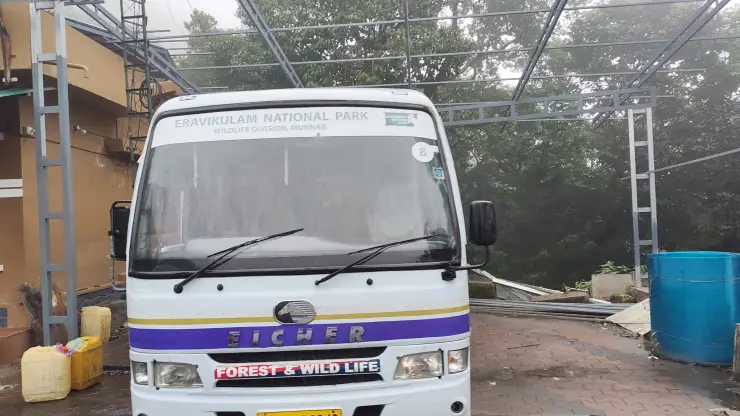
Written about Munnar as a whole rather than about Devikulam / Sita Devi Lake — its history, its streets, and how to spend a day in it.

Route-level itineraries and practical guides for the rest of Kerala.
Photographs: Kerala Tourism (Official tourism image; no Creative Commons licence asserted), Jaseem Hamza (CC BY 3.0), Niyas8001 (CC BY-SA 4.0), Athulvis (CC BY-SA 4.0), Jan J George (CC BY-SA 4.0), Sarathgks92 (CC BY-SA 4.0), Jiths (CC BY 2.0), Fotokannan (CC BY-SA 3.0). Wikimedia Commons.