What to expect
Highlights
- Museum visit at Tea Museum
- Indoor cultural or historical context
- Easy pairing with nearby food and heritage stops
Tea-history museum in Munnar linked with the plantation story of the high ranges.
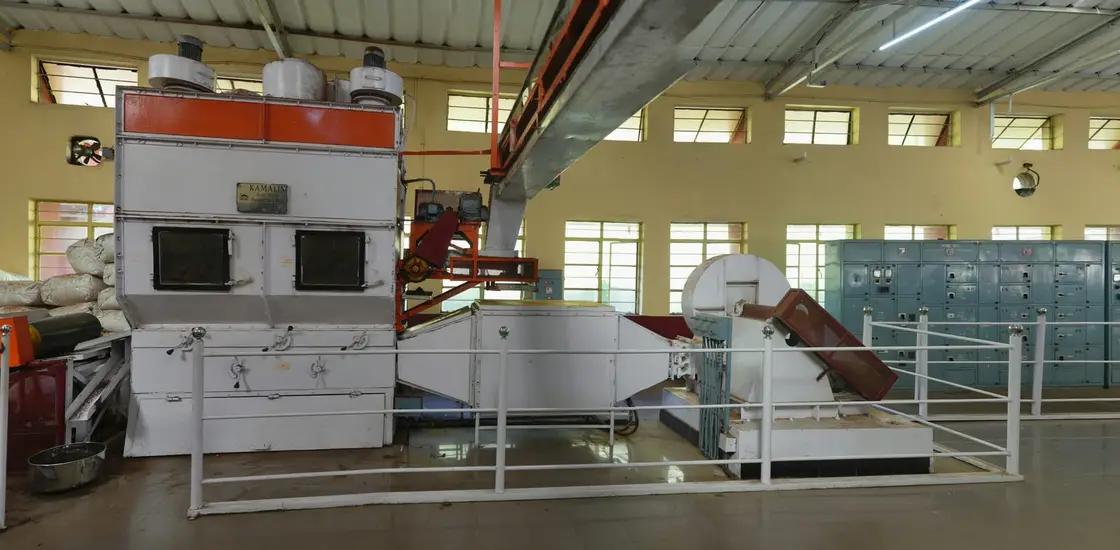
The Tea Museum at Nallathanni, a few kilometres from Munnar town, is where the High Range tells the story of how it became tea country. Run by Kanan Devan Hills Plantations (KDHP) — the plantation company with historic Tata links — it gathers old machinery, faded photographs and estate curios under one roof, adds a working demonstration of how a green leaf becomes the cup in your hand, and finishes with a tasting. It is a modern, curated, ticketed attraction rather than an ancient site, and on a busy afternoon it can feel briskly commercial; but for anyone who wants to understand the landscape of clipped green hedges rolling to every horizon, it is one of the most rewarding stops in Munnar.
Most visitors arrive at the Tea Museum already saturated with the sight of tea — the terraced slopes, the pluckers with cane baskets, the neat contour lines that make the Kannan Devan hills look combed. What the museum offers is the story behind the scenery. Set inside the working Nallathanni Estate, it is arranged as a walk-through: a low-slung building, a curated audio-visual room, galleries of artefacts, and a demonstration and tasting section, all threaded so that a first-time visitor leaves knowing roughly how Munnar came to be and how tea is actually made.
The heart of the experience is the collection of old machinery and estate relics, many of them more than a century old. Among the prized exhibits is an original tea roller said to date from around 1905, a Pelton wheel that once helped generate power on the estates in the 1920s, and a Rotorvane — an early machine associated with the CTC (crush, tear, curl) style of processing. At the entrance stands a granite sundial, reportedly built in 1913 by the Art Industrial School at Nazareth in Tamil Nadu, a small marvel of colonial-era engineering that still tells the time by the Munnar sun.
Elsewhere the museum leans into the texture of plantation life. One room is furnished like an old planter’s bungalow, with period furniture, a heavy cash safe, a magneto telephone, a wooden bathtub and a firewood-fired iron oven — the domestic world of the British managers who ran these estates. Antique photographs line the walls, and a rail engine or railway wheel recalls the long-vanished Kundaly Valley Light Railway, the narrow-gauge line that once hauled tea and supplies across the ridges before roads reached the High Range. Together these pieces turn abstract history into something you can stand beside.
The most popular section for many visitors is the live demonstration. A compact processing set-up — often described as a mini-CTC and an Orthodox unit — shows how the plucked leaf is withered, rolled or cut, fermented (oxidised), dried and sorted into grades. Watching leaf turn to made tea in miniature makes sense of the machinery in the galleries next door. Staff or a curator typically walk visitors through the steps, and there is usually a short audio-visual presentation on Munnar’s plantation history to set the scene.
The visit generally ends with a tasting, where you can sample and often buy KDHP’s teas — a chance to notice how a hill-grown Munnar tea differs from the mass-market blends most people know. It is, of course, also a shop and a brand showcase, and it is honest to say so; the tasting doubles as marketing. Even so, sipping a fresh cup while looking out at the estate that grew it is a genuinely pleasant full stop to the tour.
As an experience the Tea Museum works best as a 60-to-90-minute primer, ideally taken early in a Munnar trip so that the plantations you drive through afterwards mean more. It is compact, it can get crowded when tour buses coincide, and the artefact labels do most of the talking — but it fills the gap between admiring tea and understanding it, which is exactly what a first-time visitor to the High Range wants.
The museum was opened on 1 April 2005, established by Tata Tea, which then owned the sprawling Kannan Devan estates around Munnar. It was promoted as the first tea museum of its kind in India, created to record and display the more-than-a-century-old story of tea cultivation in the Idukki hills and to explain the craft of tea processing to the visiting public.
That same period marked a change of ownership that the museum quietly reflects. In 2005 Tata Tea restructured its South India plantations into an employee-owned company, Kanan Devan Hills Plantations Company (KDHP), in which the workers and staff hold a majority stake and Tata retained a minority interest. The museum, set in the Nallathanni Estate, passed into KDHP’s care, and it remains a KDHP-run attraction today — which is why it is sometimes called the Tata Tea Museum and sometimes the KDHP Tea Museum.
The deeper history the museum commemorates begins in the 1870s and 1880s, when the Kannan Devan Hills — a high, cool, then largely forested plateau — were opened up for planting. Tradition credits the Scottish planter J.D. Munro, who negotiated rights over the Kannan Devan hills with the Poonjar chief in the late 1870s, and the pioneering planter A.W. Turner, among the Europeans who first cleared and experimented on these slopes. Early attempts at coffee, cinchona and other crops gave way to tea, which suited the altitude and climate of the High Range far better.
Growing tea in such remote hills demanded ingenuity, and the exhibits are really monuments to that effort. The Kundaly Valley Light Railway and a network of ropeways and cart roads were built to move tea and stores across ridges and ravines; Pelton wheels harnessed the abundant hill streams to generate power for the factories; and machines such as rollers and Rotorvanes mechanised what had begun as hand labour. Over time the estates consolidated under companies including James Finlay (Finlay Muir), later Tata-Finlay and then Tata Tea, before the KDHP transition of 2005.
For a first-time visitor it is worth knowing what the museum is and is not. It is a curated brand museum, telling the plantation story largely from the estate’s point of view, and it does not dwell much on the harder social history of plantation labour. Taken for what it is — a well-kept, accessible introduction to how Munnar’s tea country came to be, with real century-old machinery to show for it — it is a genuinely useful and enjoyable stop.
It is the single best place in Munnar to understand the landscape you have come to see — how these hills were opened up, and how the green leaf on the slopes becomes the tea in your cup.
The live tea-processing demonstration, showing withering, rolling or cutting, oxidation and drying on a mini-CTC and Orthodox unit, turns an abstract industry into something you watch happen in a few minutes.
The collection of genuine century-old artefacts — an early-1900s tea roller, a 1920s Pelton wheel, a Rotorvane, and the 1913 granite sundial at the entrance — gives a rare, tactile sense of colonial-era plantation engineering.
The tasting at the end lets you compare and buy KDHP’s hill-grown teas, a nice sensory pay-off and an easy source of edible souvenirs to take home.
It is compact, well-signposted and undemanding — a good 60-to-90-minute activity that suits families, older travellers and rainy afternoons, and works well as an early stop that makes the rest of your Munnar sightseeing richer.
The old photographs, planter’s-bungalow room, and relics of the Kundaly Valley Light Railway make the human story of Munnar’s pioneers vivid in a way no viewpoint or garden can.
Road km to Idukki; ghat roads and traffic vary — allow extra.
Midday works well for museums, especially when outdoor heat is high.
Live forecast loads in your browser.
Sun and moon are calculated for this location and shown in IST. Photography windows are the hour around sunrise and sunset; the sunset bearing is degrees clockwise from true north. Moon phase is accurate to about half a day.
These are official or public-sector eco offerings that match this place, town or forest destination. Confirm availability, permits, tariffs and reporting times with the official operator before travel.
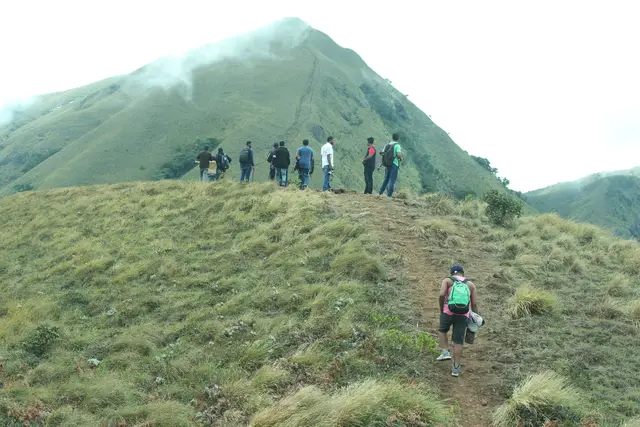
Hard high-altitude trek from the Munnar side via Rhodo Valley, run through KFDC eco-tourism with guide, food and stay options.
Official source →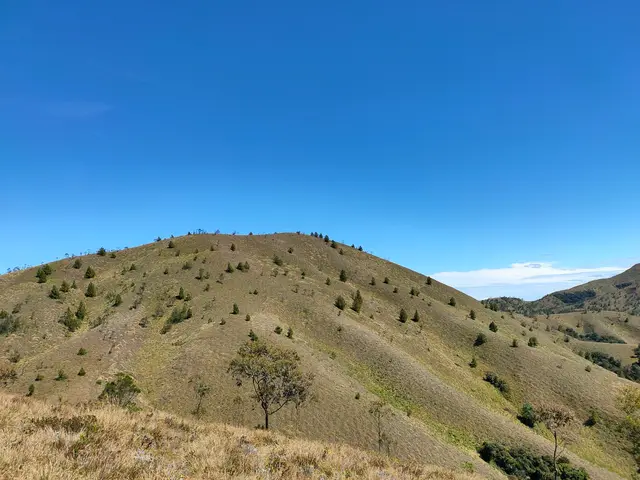
KFDC tent stay near Meesapulimala base camp, with campfire, food and optional trek towards Meesapulimala or Rhodo Valley.
Official source →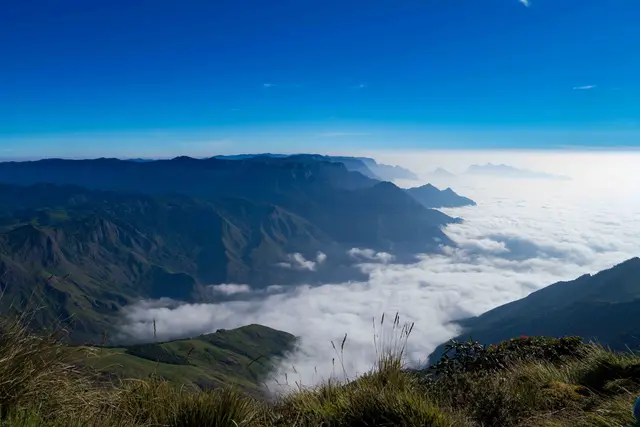
Lonely cliff-side KFDC cottage facing a waterfall and Anamudi views, paired with Meesapulimala trekking.
Official source →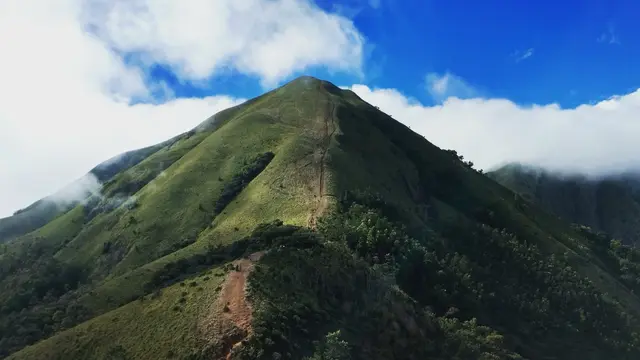
KFDC Rhodo Valley night stay with elephant-trench protection, campfire, food and next-day Meesapulimala climb.
Official source →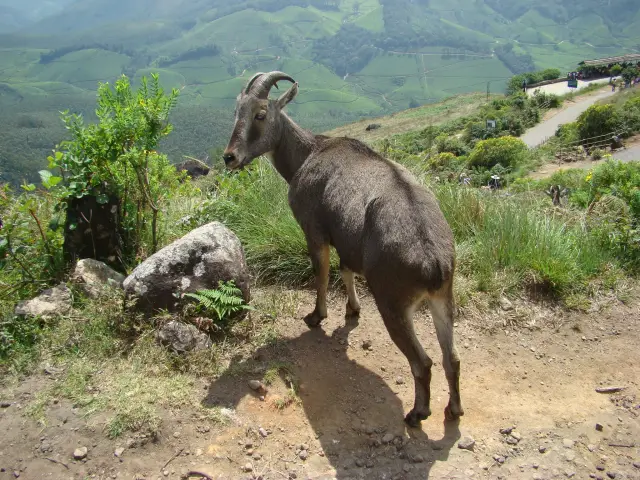
High-altitude grassland national park and Nilgiri tahr habitat near Munnar.
Official source →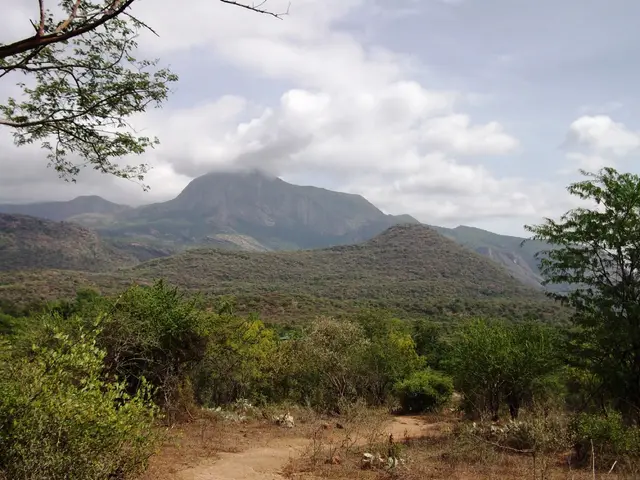
Dry-forest wildlife sanctuary east of Munnar, listed in Kerala Tourism’s ecotourism inventory.
Official source →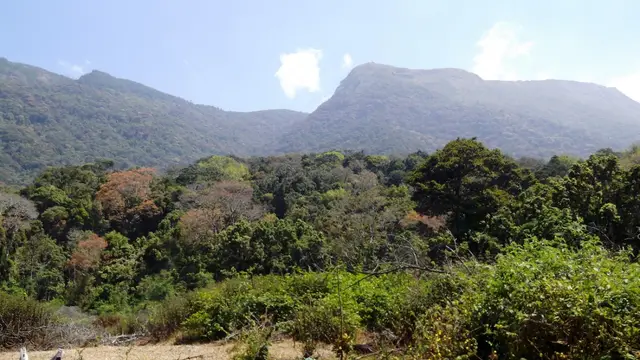
Shola forest national park near the Munnar/Vattavada side, listed as an ecotourism destination and programme.
Official source →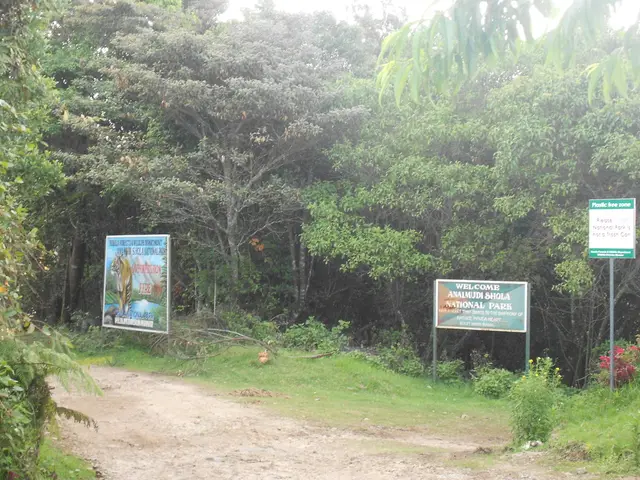
Shola-grassland forest landscape in Idukki, included in Kerala Tourism’s official ecotourism destination list.
Official source →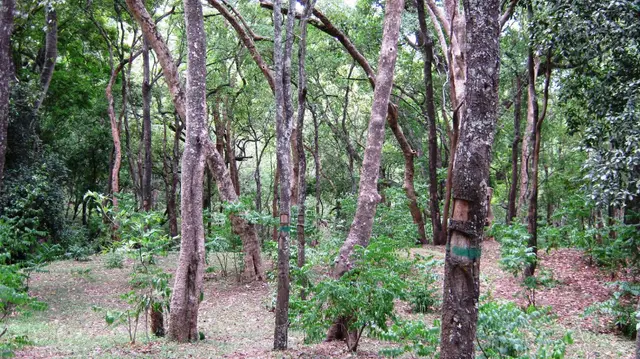
Sandalwood and dry-forest landscape on the Munnar-Chinnar side, listed by Kerala Tourism as an ecotourism destination.
Official source →Verified hotels, homestays, restaurants, experiences, sights, shops and rentals around Tea Museum — commission-free, with direct contact. Filter by what you need.
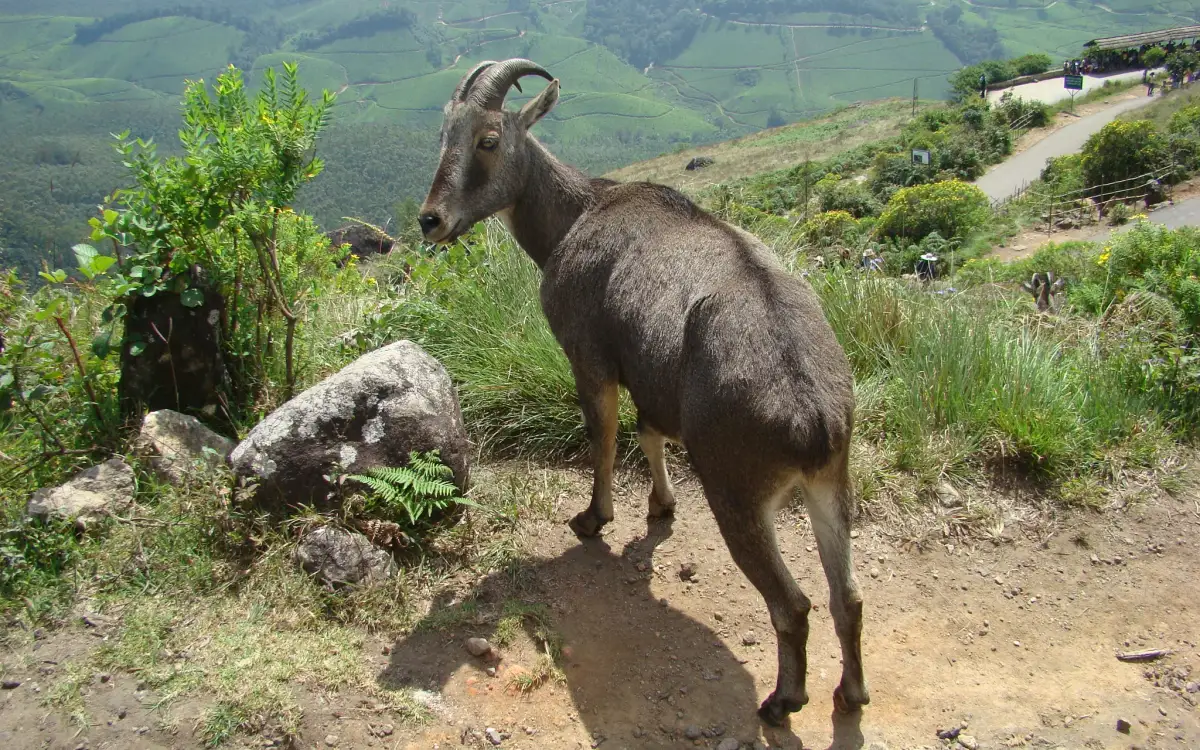
Official park ticket booking in Munnar. Eravikulam National Park, Munnar, Kerala 685612 · official booking, national park, Rajamala.
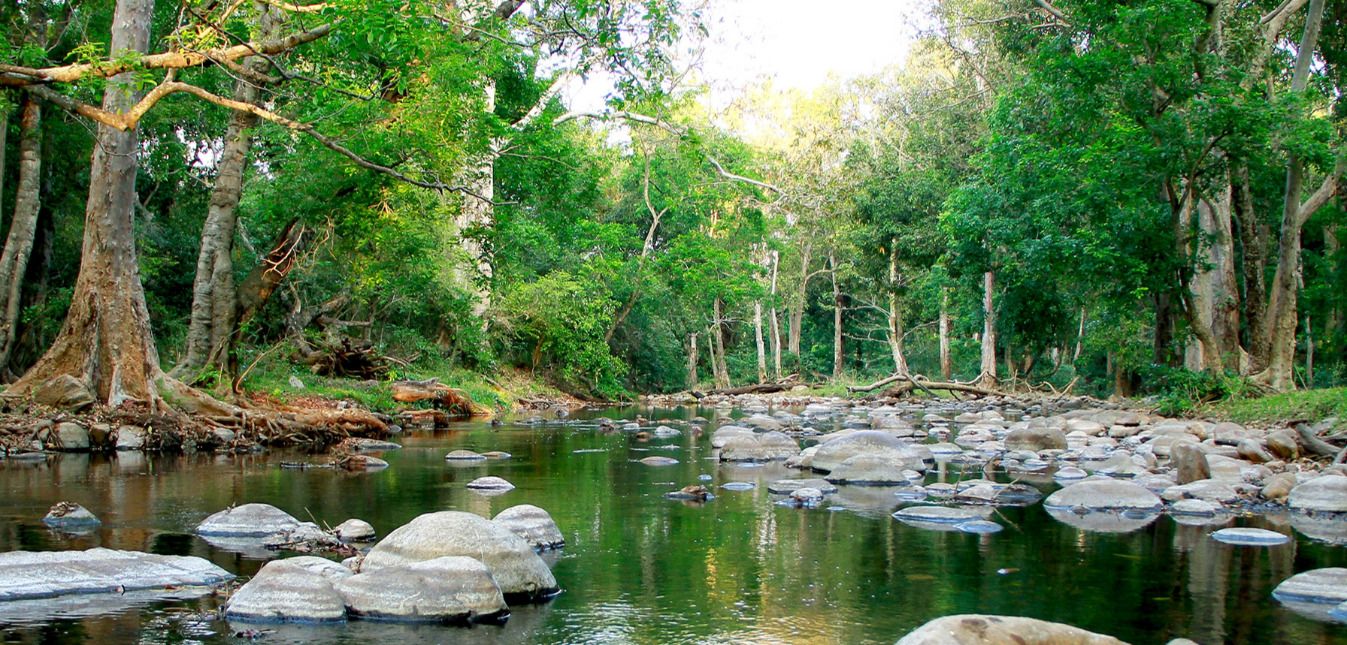
Official Munnar Wildlife Division booking portal for forest stays, trekking and protected-area visitor services.
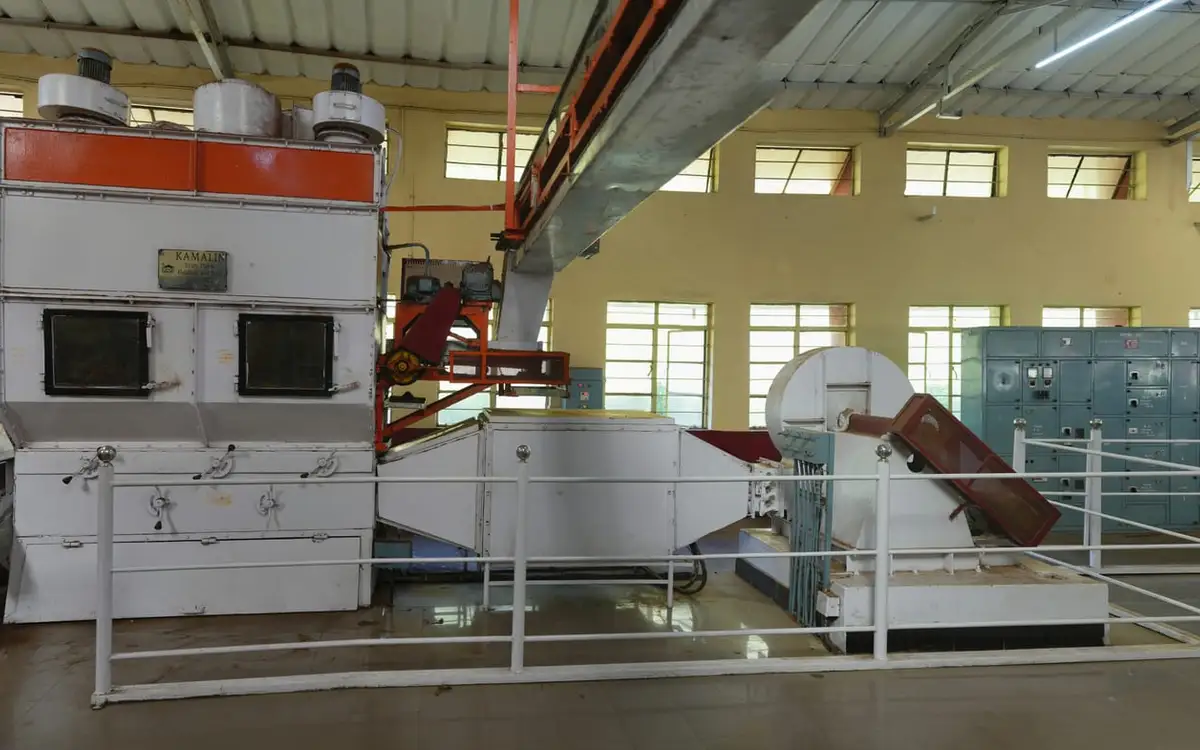
Official Kanan Devan Hills Plantations tea museum at Nullatanni Estate, a short drive from Munnar town.
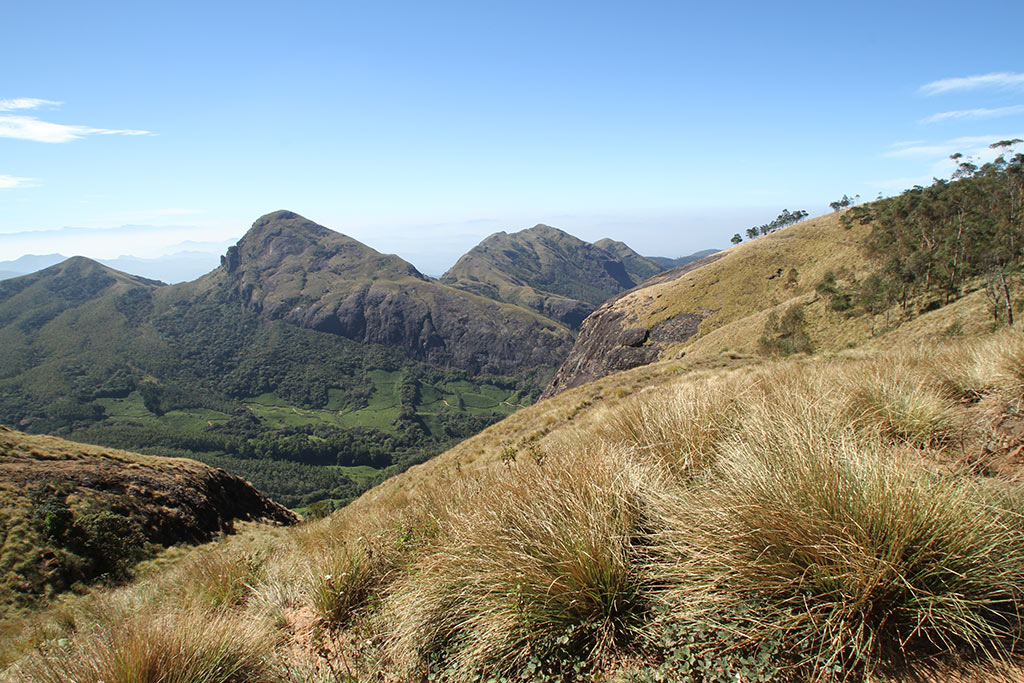
Official Munnar Wildlife Division trekking information and booking contact. Forest Information Centre, Wildlife Warden's Office, Munnar PO, Idukki District, Kerala 685612 · trekking, official booking, forest.

Adventure operator with Munnar trekking itineraries, cycling and walking holidays in Kerala. Trekking, adventure operator, Munnar trekking.

In-house Ayurveda and wellness center at Blanket Hotel & Spa near Attukad Waterfalls. Ayurveda, spa, wellness.
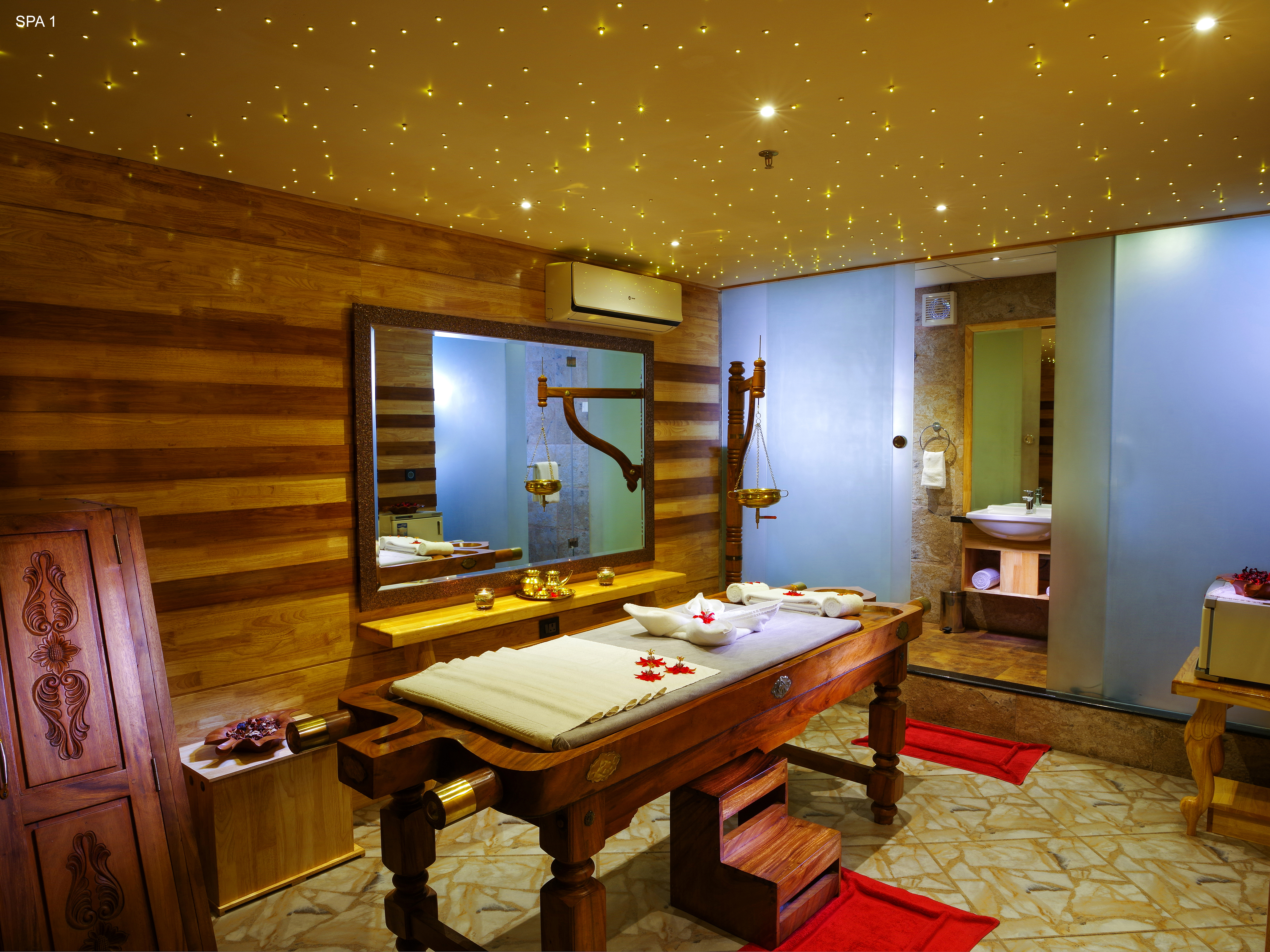
Ayurvedic spa in Munnar. The Panoramic Getaway, Chithirapuram, Munnar, Kerala 685565 · Short therapies from Rs. 1199; Ayurveda packages from Rs. 4750; taxes extra · spa, ayurveda, wellness.

Munnar taxi, airport transfer, local sightseeing, Kolukkumalai jeep safari and trekking transport operator.
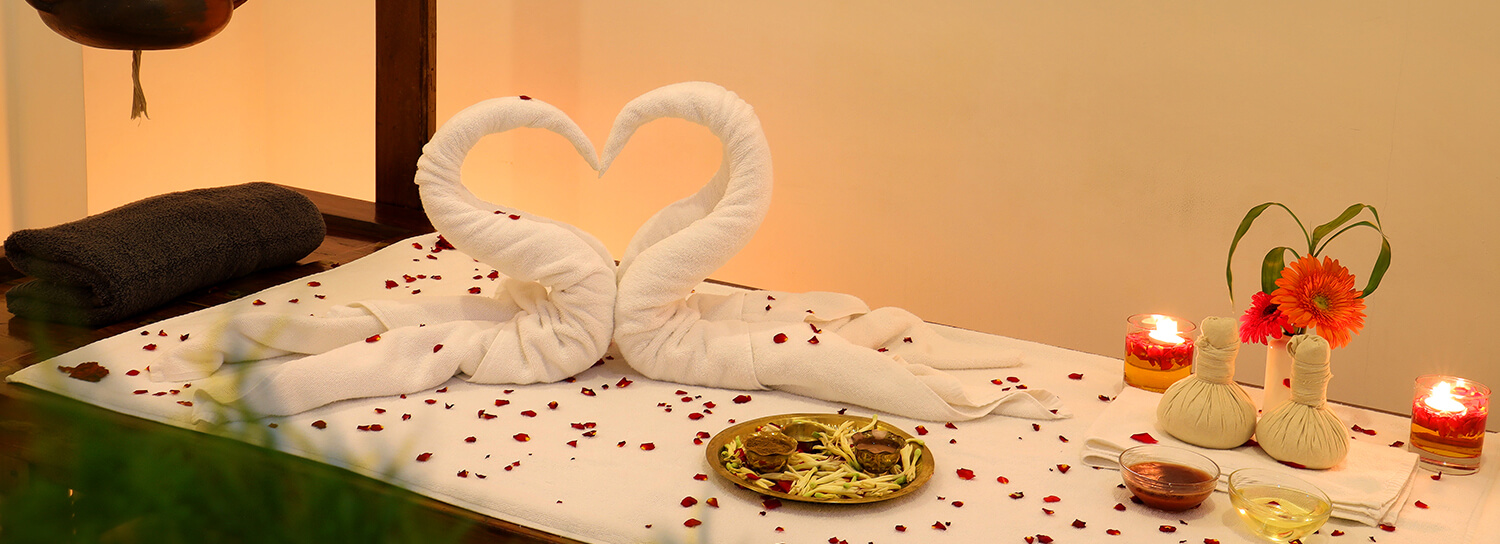
Ayurveda and spa facility at Amber Dale Luxury Hotel & Spa in Pallivasal. Ayurveda, spa, wellness.

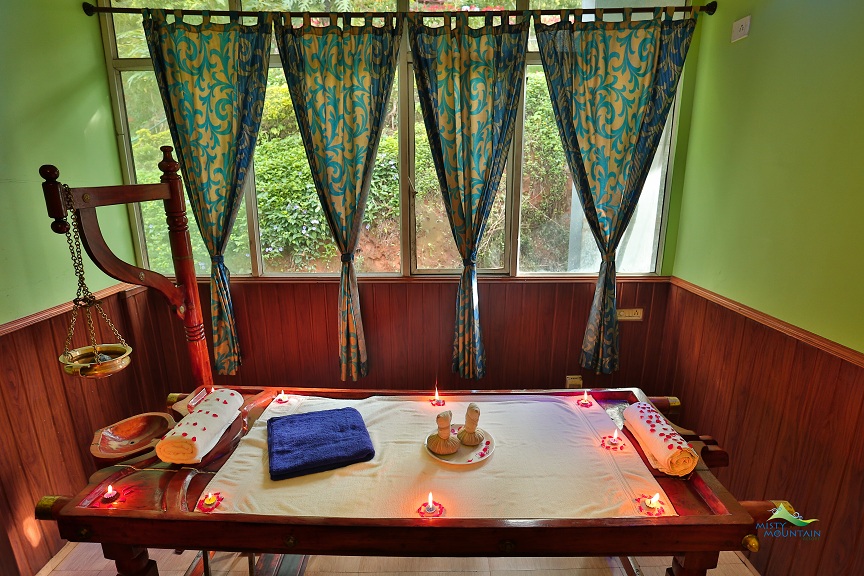
Ayurvedic spa facility at Misty Mountain Resort in Pallivasal. Ayurveda, spa, wellness.

A Moolakadai, Munnar based taxi operator covering airport transfers, local sightseeing, jeep safari, tent camping and tour packages.

A Chinnakanal-Suryanelli based Munnar taxi operator offering cabs, jeep safaris, airport transfers and customised sightseeing packages.
Taxi and airport-transfer provider in Munnar. Munnar bypass, Munnar, Idukki, Kerala · Taxi, Cab service, Airport transfer.
Book with the place itself. India’s cyber-crime coordination centre warned in April 2025 that convincing copies of hotel and pilgrimage booking sites are being pushed through sponsored search and social ads, taking payment for rooms the property never hears about. Every listing here links to the business’s own contact details and its own Google or Bing profile — we take no commission and sit in nobody’s payment path. If a booking page reached you through an ad, check the address bar against the property’s own site before you pay. Fraud can be reported on cybercrime.gov.in or on 1930.
Find food, accommodation and activities across Munnar. Browse the guides for places to eat, stay and explore along your route.
Walking routes start at Tea Museum. Check the route and access before setting out, especially where a road, gate or waterway separates the stops.
32 more places around Munnar. Open a guide to plan the visit and onward journey.
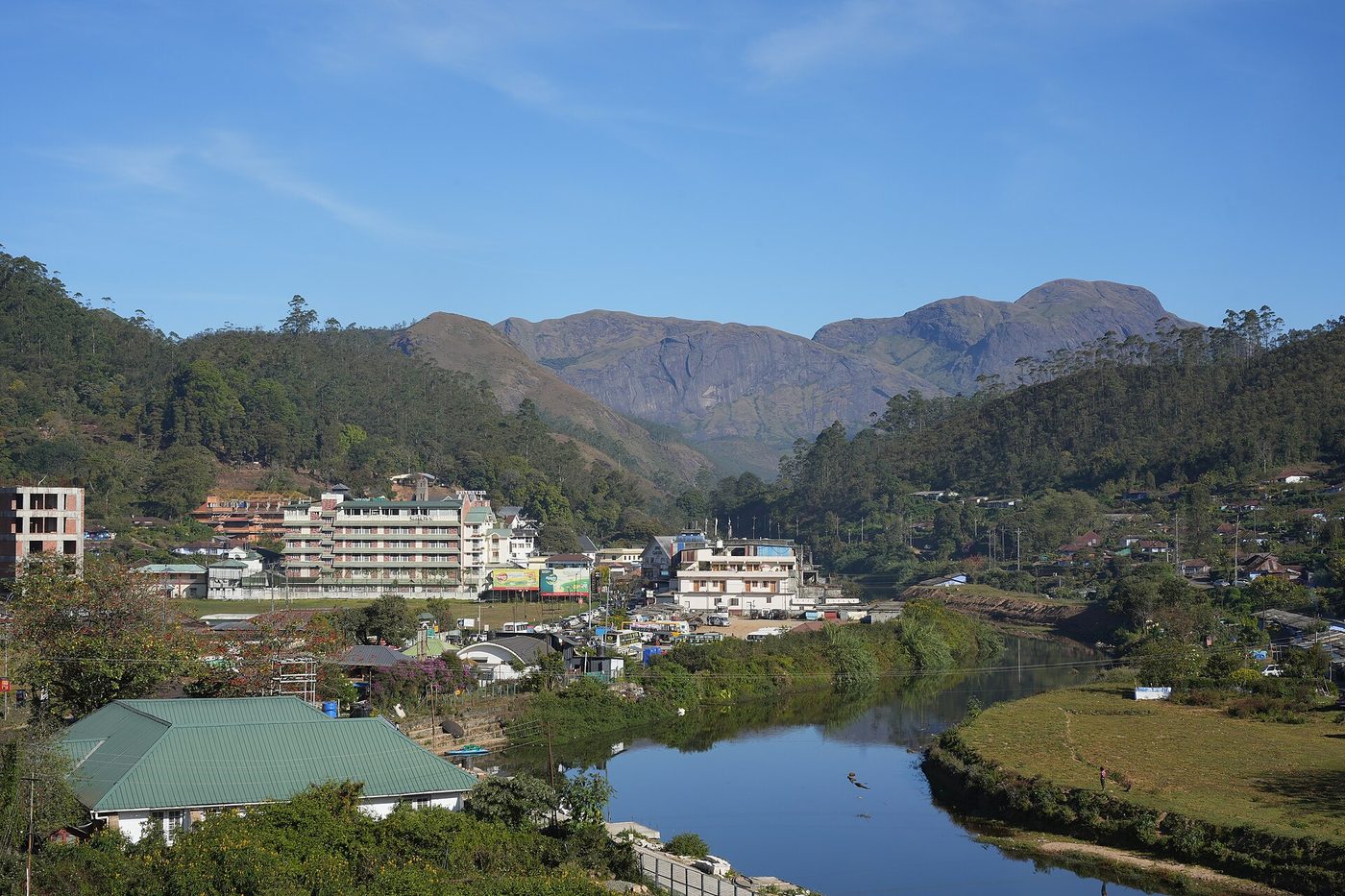
3.9 km · 7 min drive
Kerala’s most famous hill station, known for tea estates, viewpoints and cool weather.
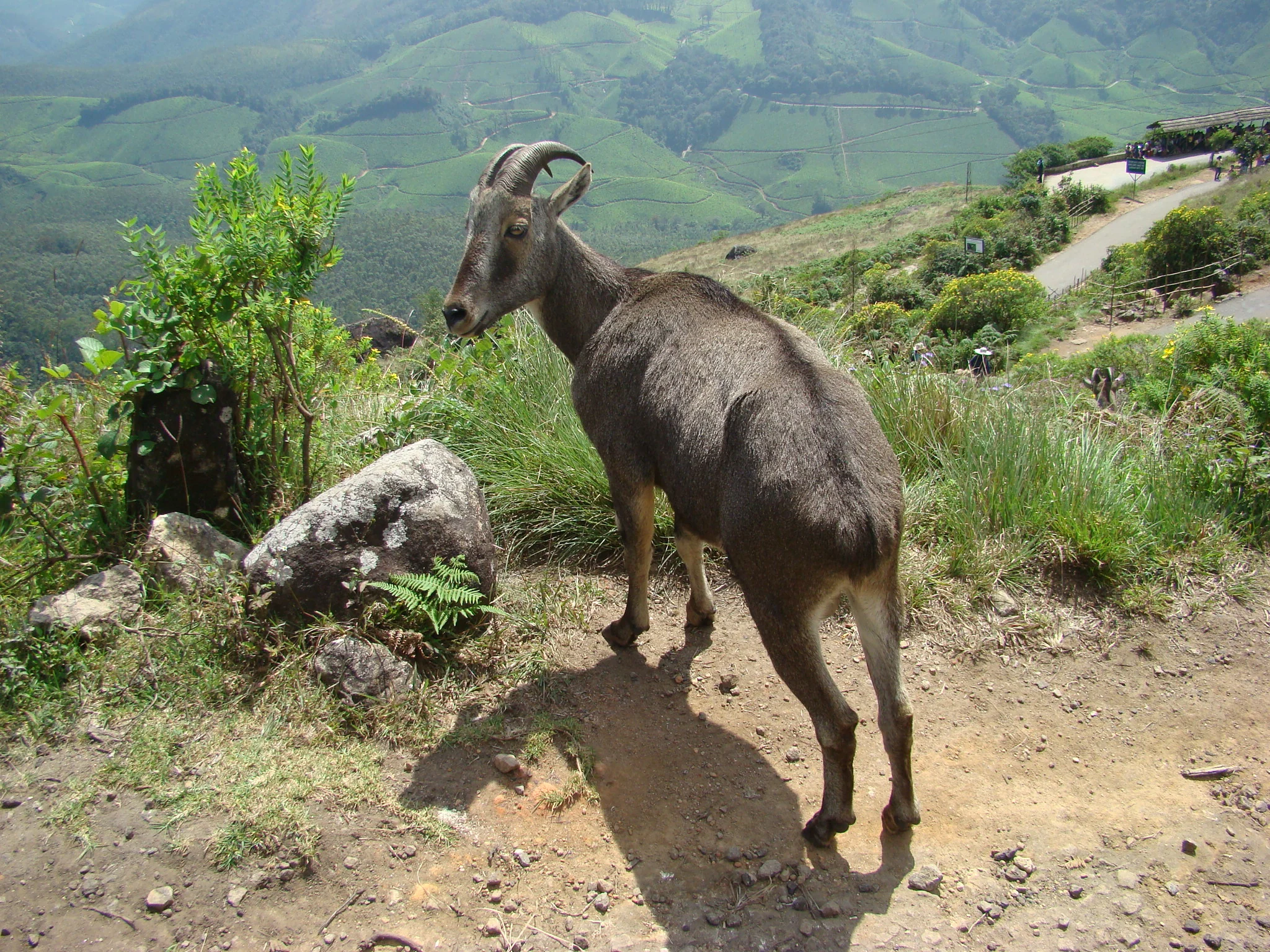
13.1 km · 26 min drive
High-altitude grassland park, Nilgiri tahr habitat and access point for Anamudi views.
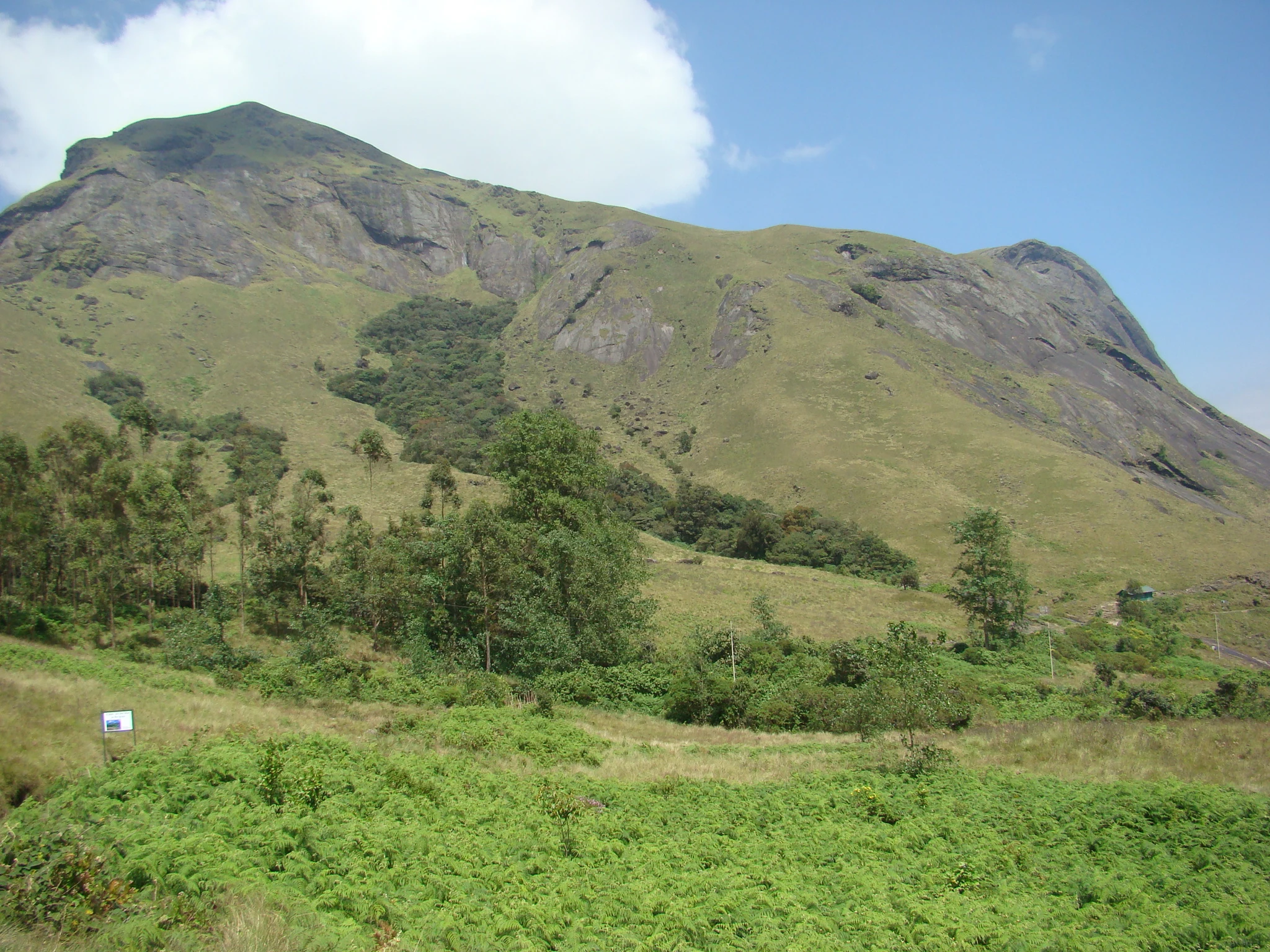
19.5 km · 34 min drive
The highest peak in South India, viewed through Eravikulam/Rajamala access contexts near Munnar.
15.1 km · 31 min drive
Rajamala is the designated tourism and awareness zone of Eravikulam National Park near Munnar. It is not a separate unrestricted summit trek or the whole national park.
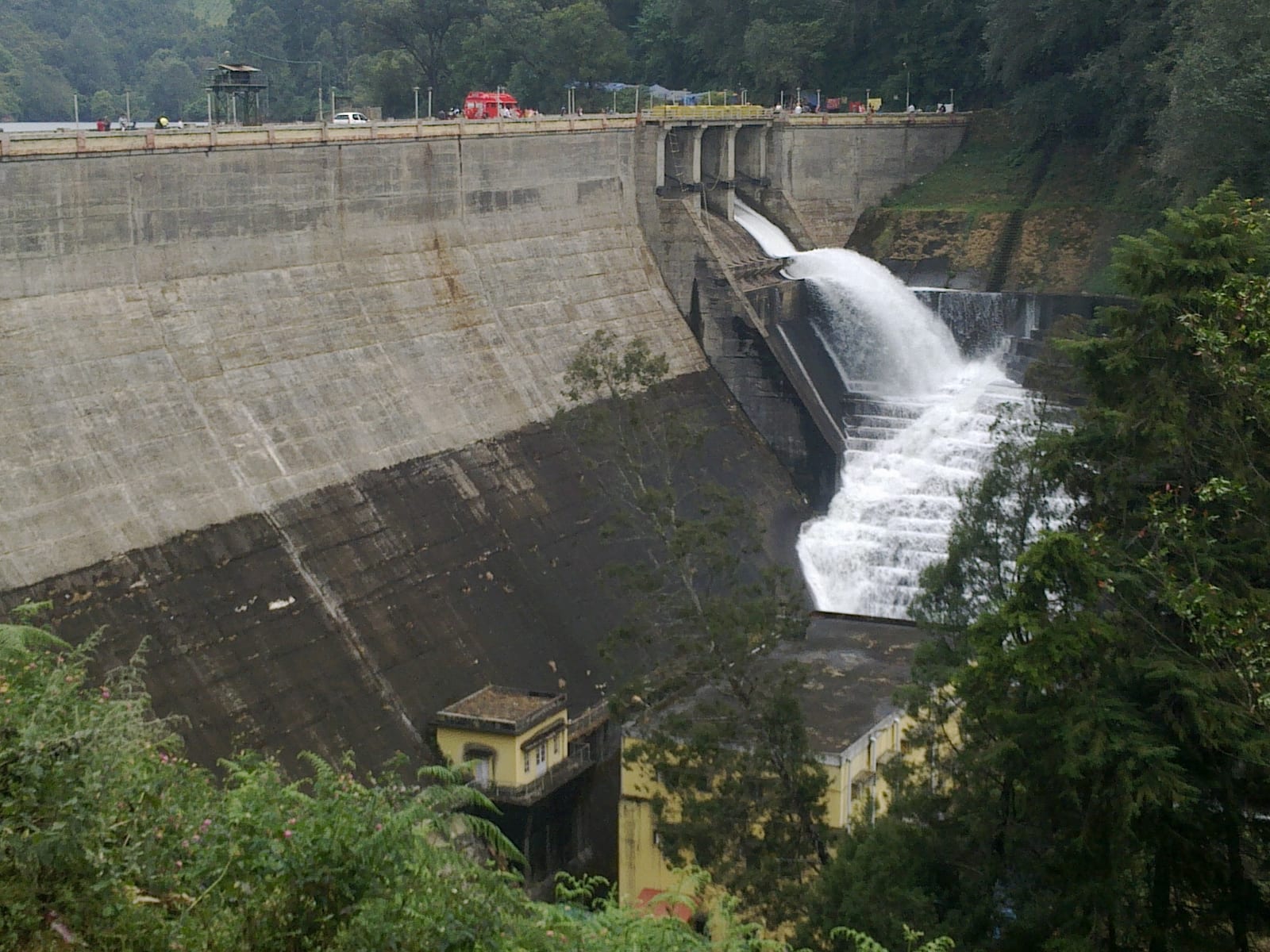
15.0 km · 24 min drive
Reservoir, boating and lake-view stop on the Munnar-Mattupetty sightseeing circuit, usually paired with Echo Point and Kundala.
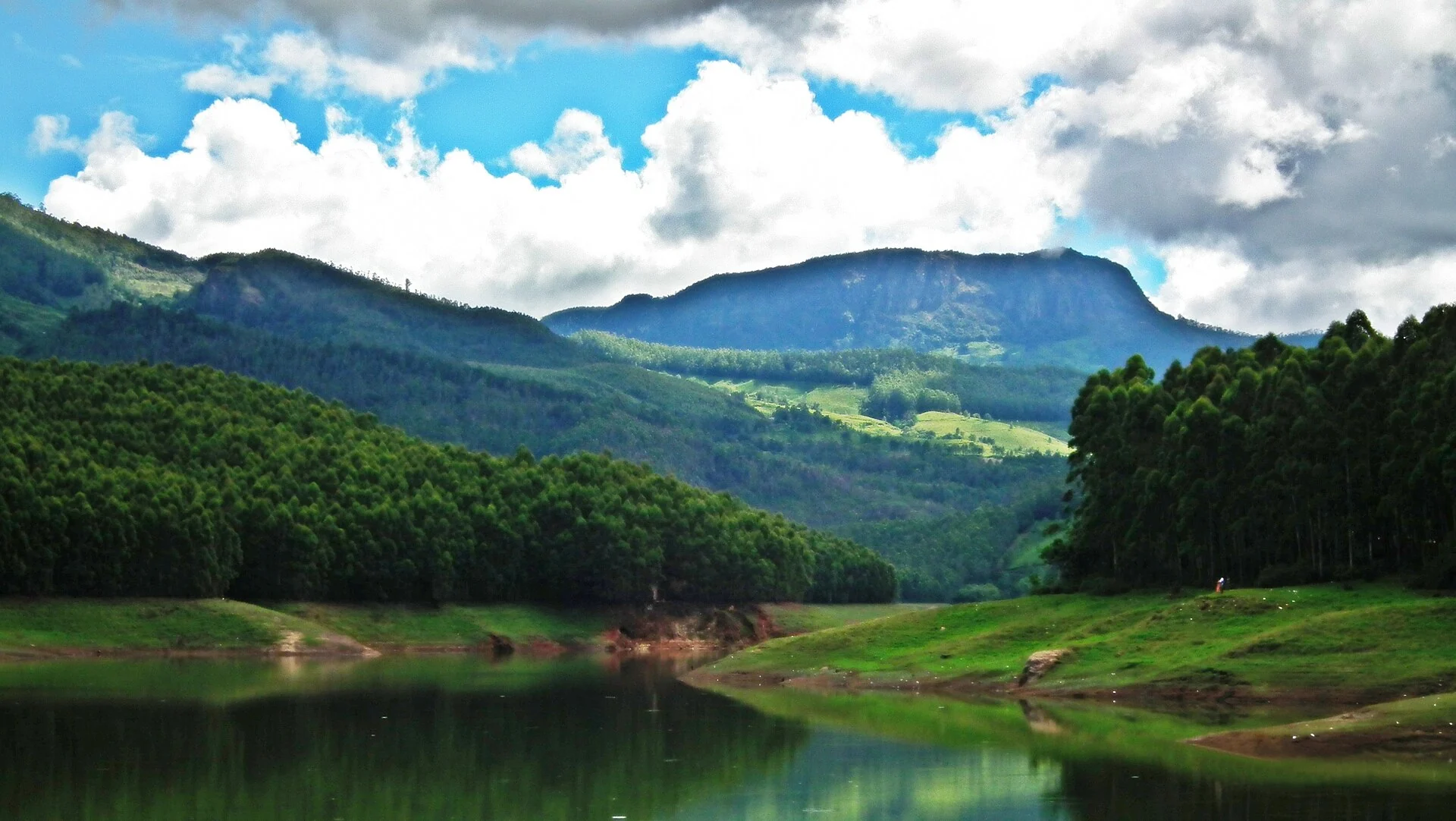
Popular Munnar lakeside viewpoint on the Mattupetty-Kundala route, useful for short stops, photos and family sightseeing.
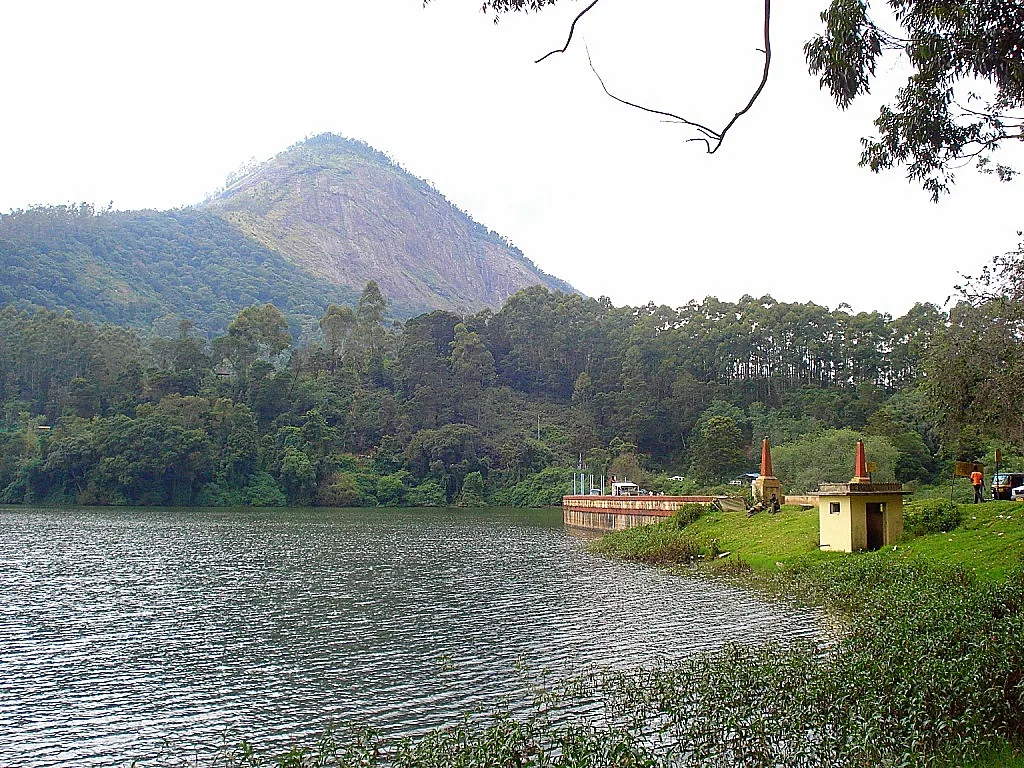
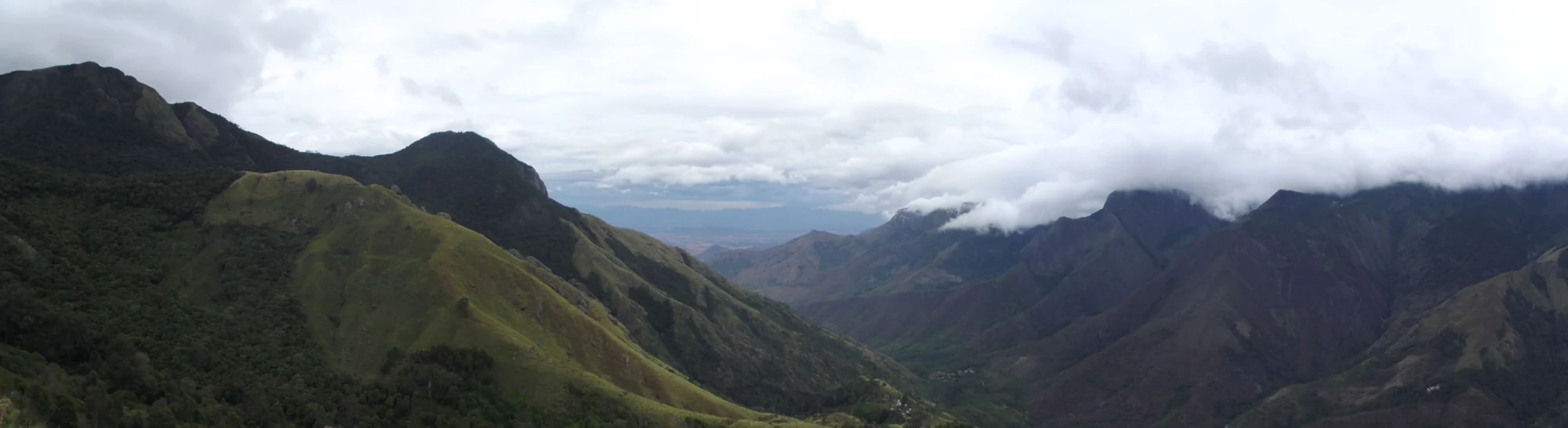
A border-highland viewpoint in Theni, Tamil Nadu, normally approached through Munnar, Mattupetty and Kundala; named for the former tea-transport terminus, with a separate stepped viewpoint walk.
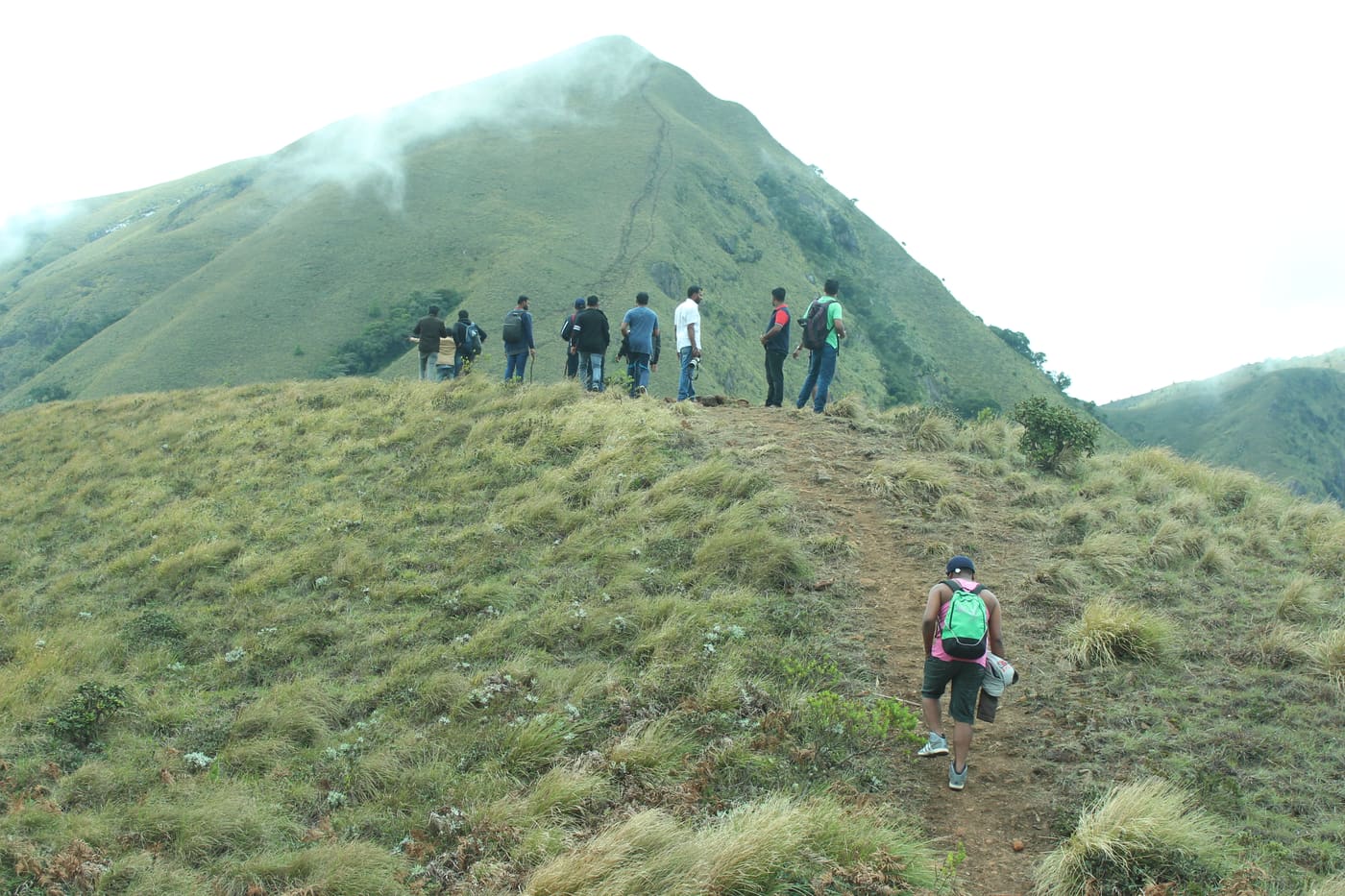
Popular high-altitude Western Ghats trek, usually booked through official eco-tourism channels.
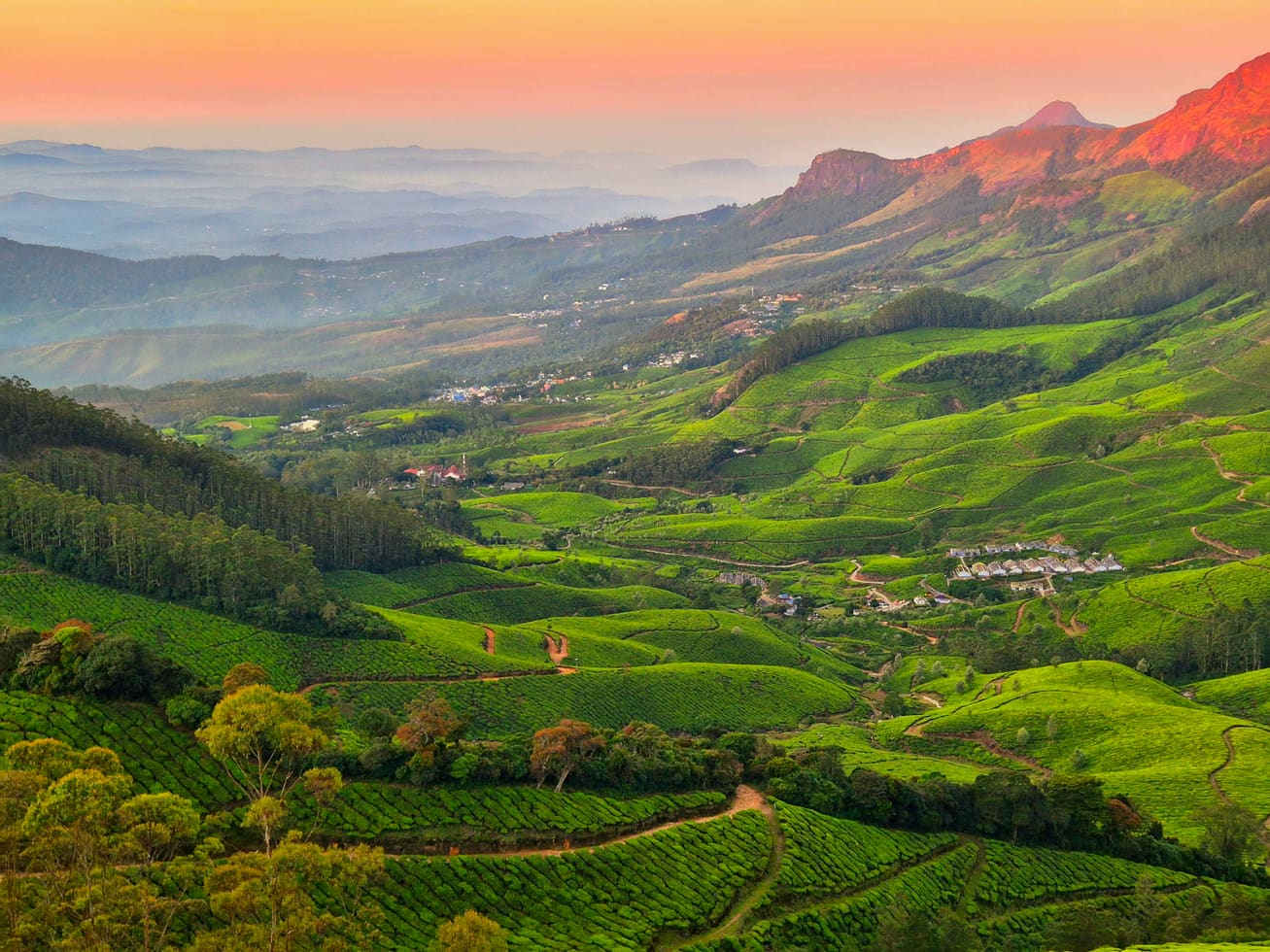
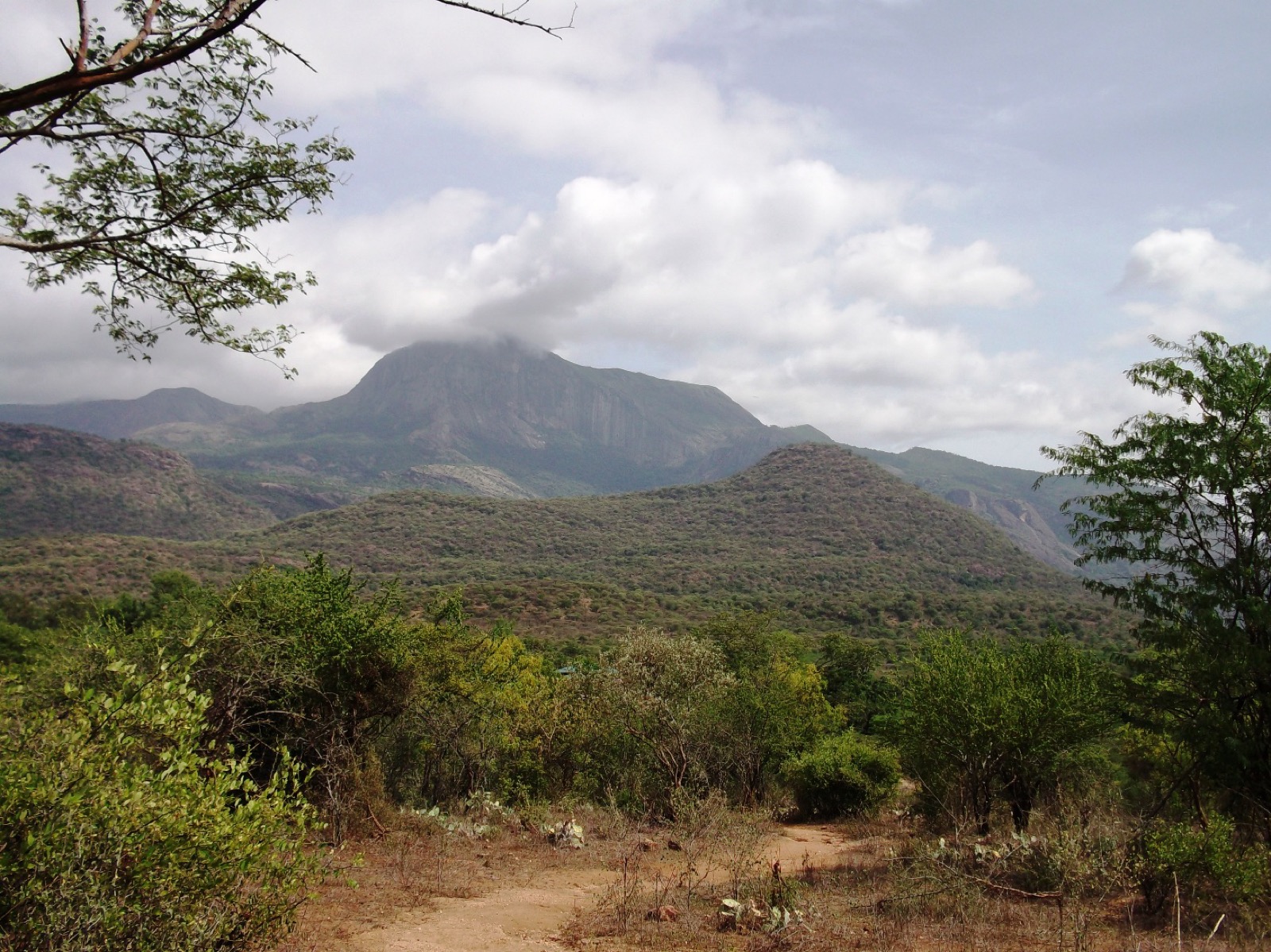
Dry-forest wildlife sanctuary on the Marayoor-Udumalpet side of Idukki.
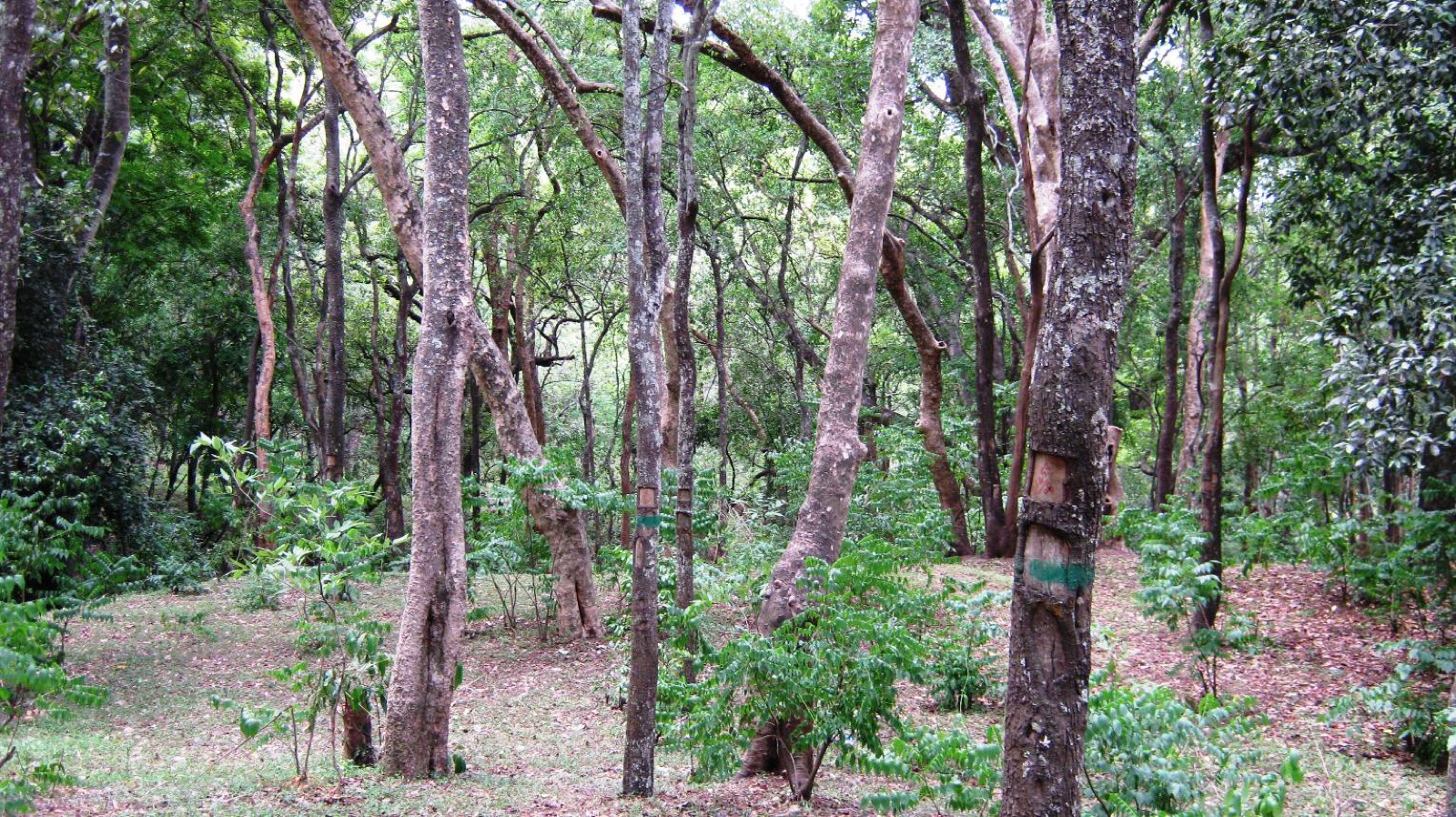
High-range village known for natural sandalwood forests, dolmens and sugarcane jaggery.
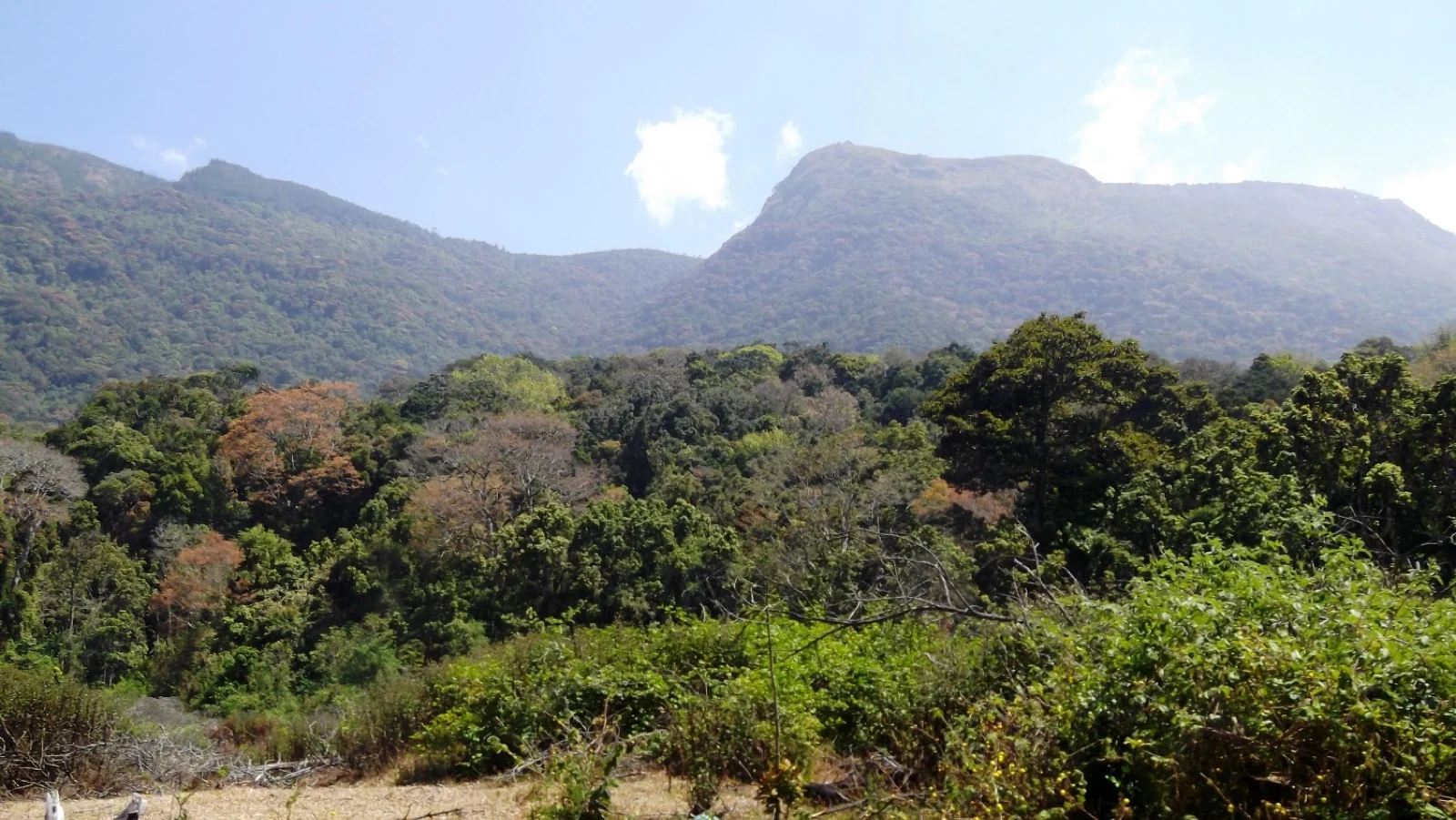
Pampadum Shola National Park protects high-elevation forest beside the Top Station–Vattavada road. The Top Station forest check post is the reporting anchor here; forest stays and guided walks require their own confirmed arrangements.
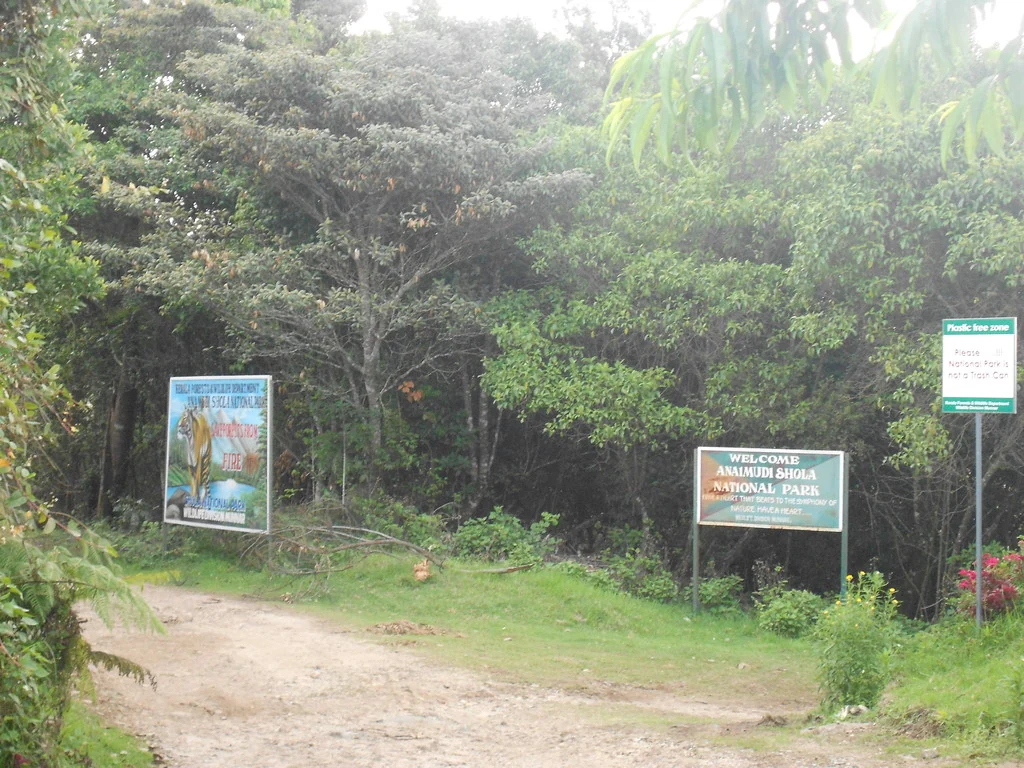
Anamudi Shola National Park protects Mannavan, Pullaradi and Idivara shola forests in the Kanthalloor–Vattavada high ranges. Methappu is the visitor anchor on this page; this is not Anamudi Peak or the Rajamala visitor area.
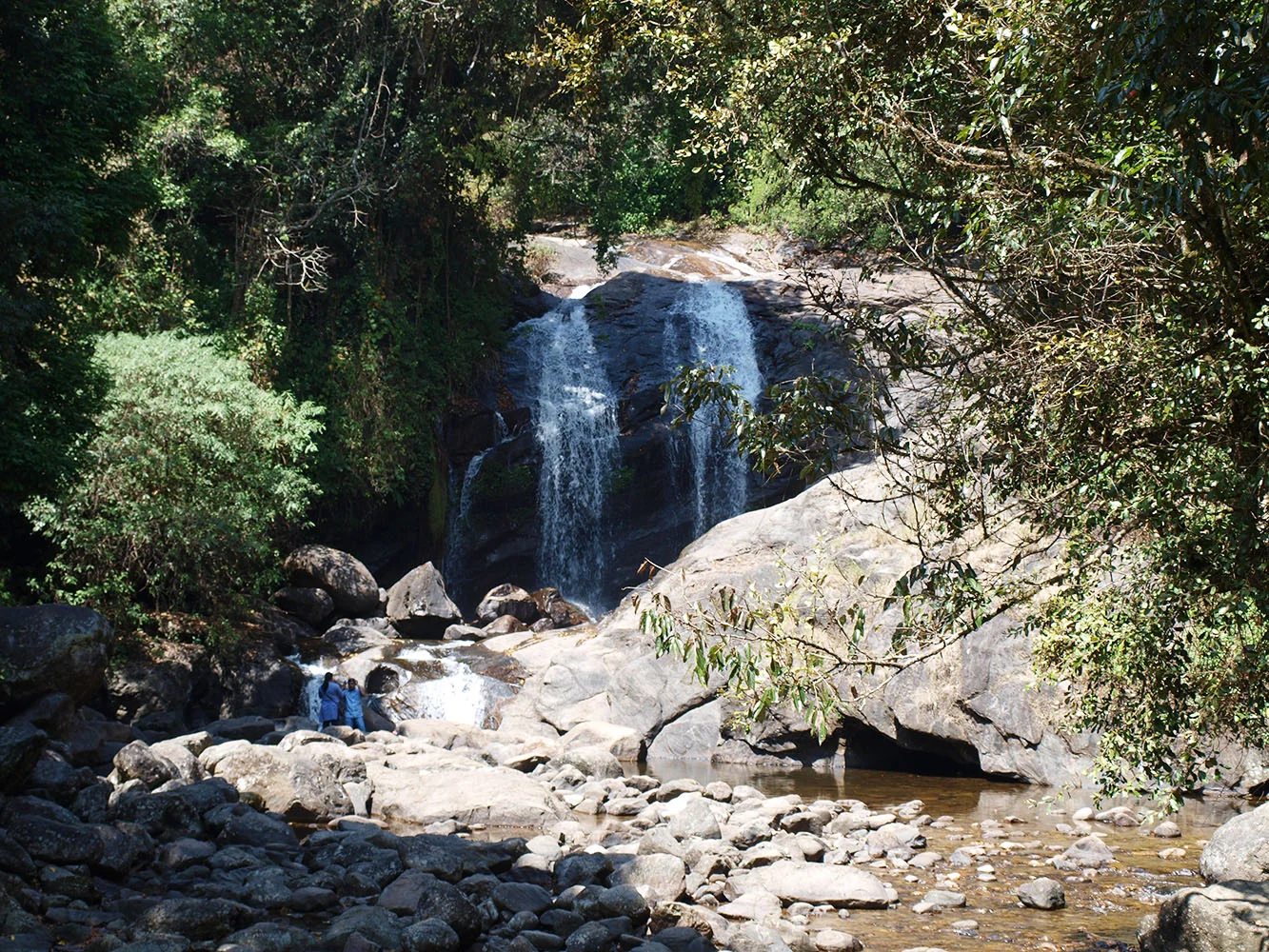
Waterfall stop on the Munnar-Marayoor route, usually paired with Eravikulam and Marayoor days.
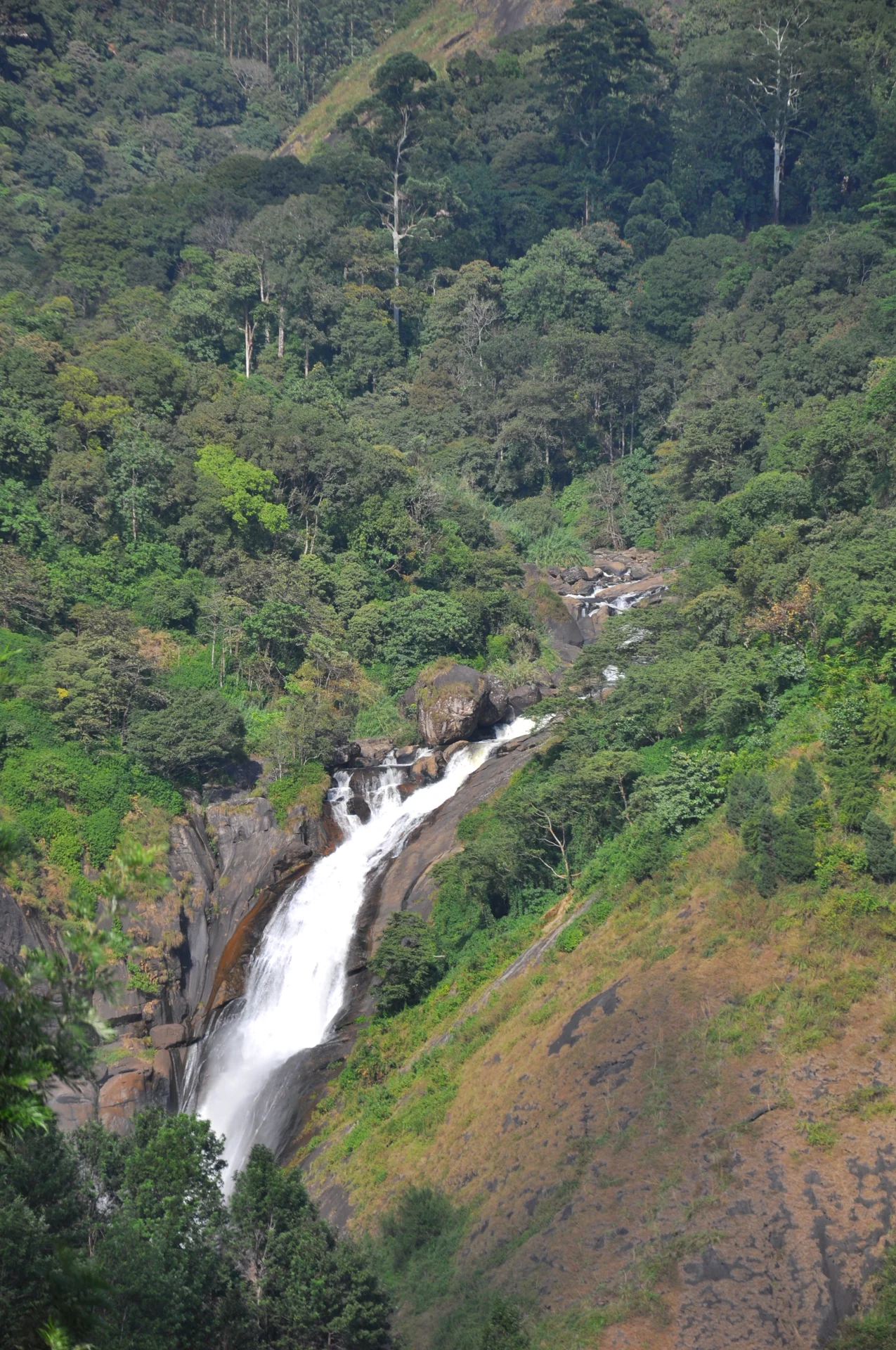
11.5 km · 17 min drive
Waterfall area near Munnar commonly used for short scenic drives and monsoon views.
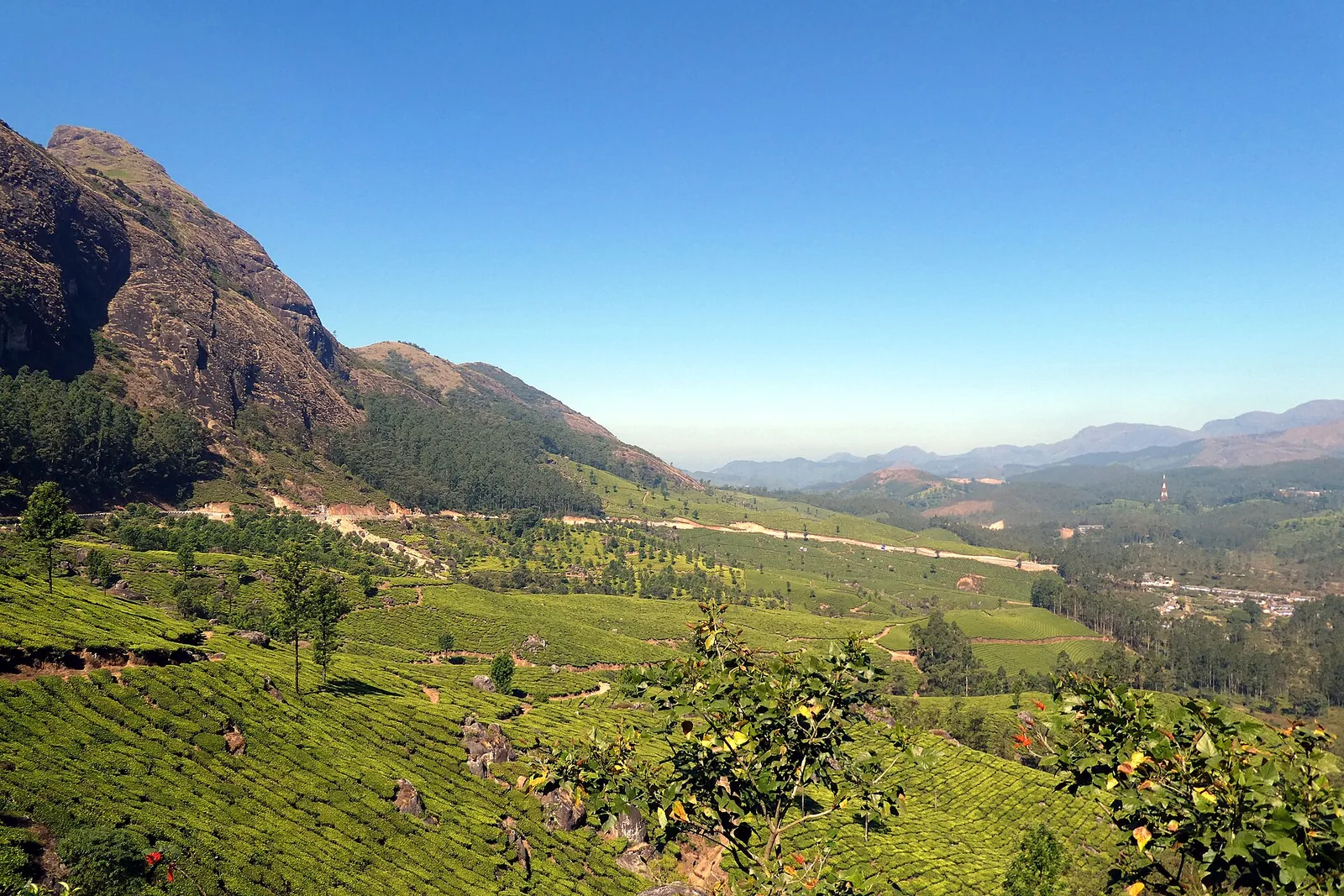
17.1 km · 22 min drive
The pass itself on the Munnar–Bodimettu highway, where the ridge drops away east — and the lay-by the Chokramudi Peak trek reports from, 51 m from the forest counter. A second, busier viewpoint signed "Lockhart Gap Road View Point" sits 1.7 km east.
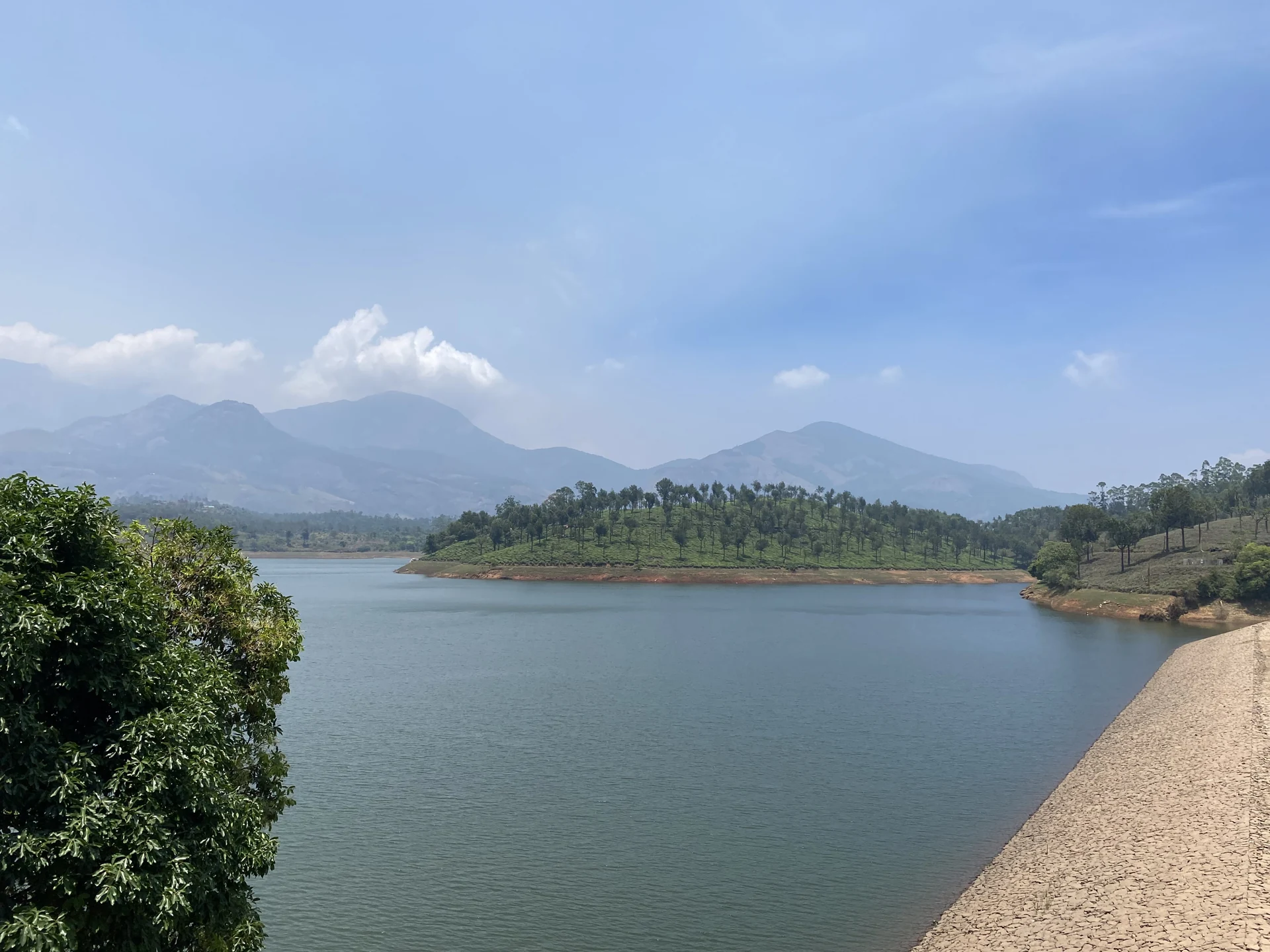
Anayirankal is a KSEB earth-and-rockfill dam and reservoir in the Panniyar hydel system near Chinnakanal and Santhanpara. The map identifies the published hydel visitor-centre marker; boating is not currently assured.
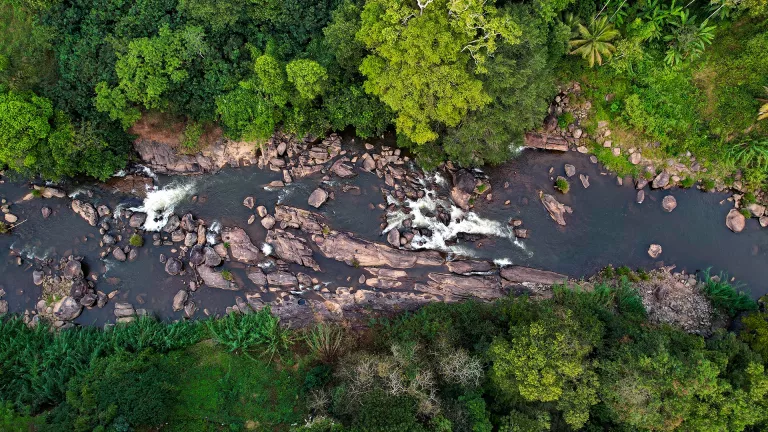
18.9 km · 29 min drive
The Muthirapuzha spread sideways over bare rock at 796 m, below the tailrace of Pallivasal — the first hydroelectric station Kerala built. Free, unmanaged and very quiet, down about a kilometre of steep narrow lane. ⚠ Not the Chinnakanal falls that Kerala Tourism describes under this name, 21 km east.
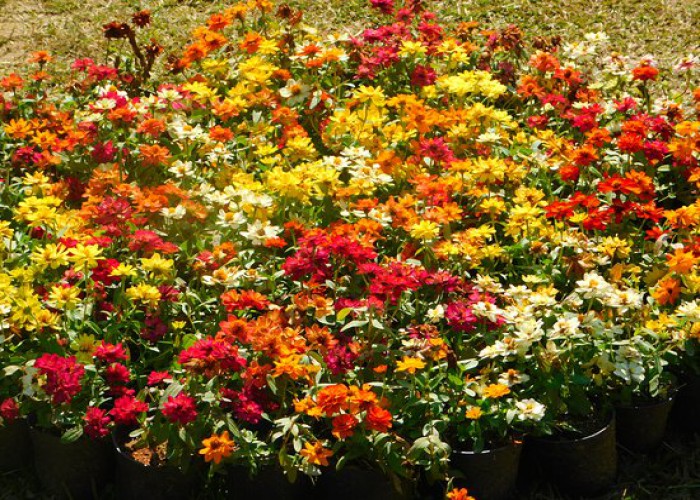
7.1 km · 11 min drive
The Kerala State Electricity Board’s riverside flower park on the Munnar–Aluva road, 3.3 km below Munnar town and 1.2 km from the KSRTC stand at Old Munnar. It runs along the east bank of the Muthirapuzha immediately above the 1944 R. A. Headworks weir that feeds Pallivasal, Kerala’s first hydroelectric station — which is what the "hydel" in the name means. Open daily 09:15 to 20:15 with tickets sold online by Kerala Hydel Tourism Centre.
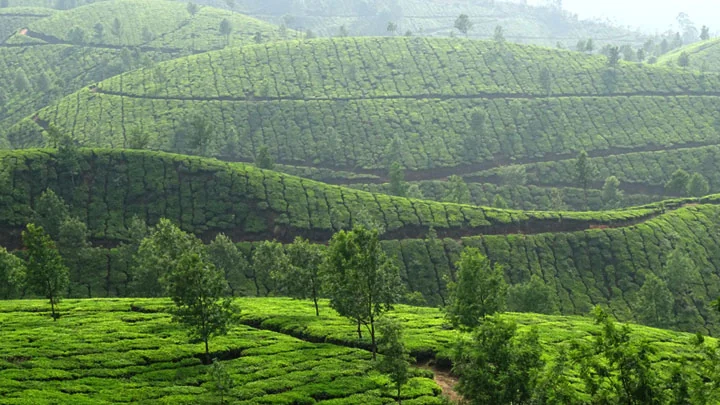
11.9 km · 17 min drive
Hill-station and lake landscape near Munnar associated with Devikulam and Sita Devi, best planned as a quieter high-range side trip.
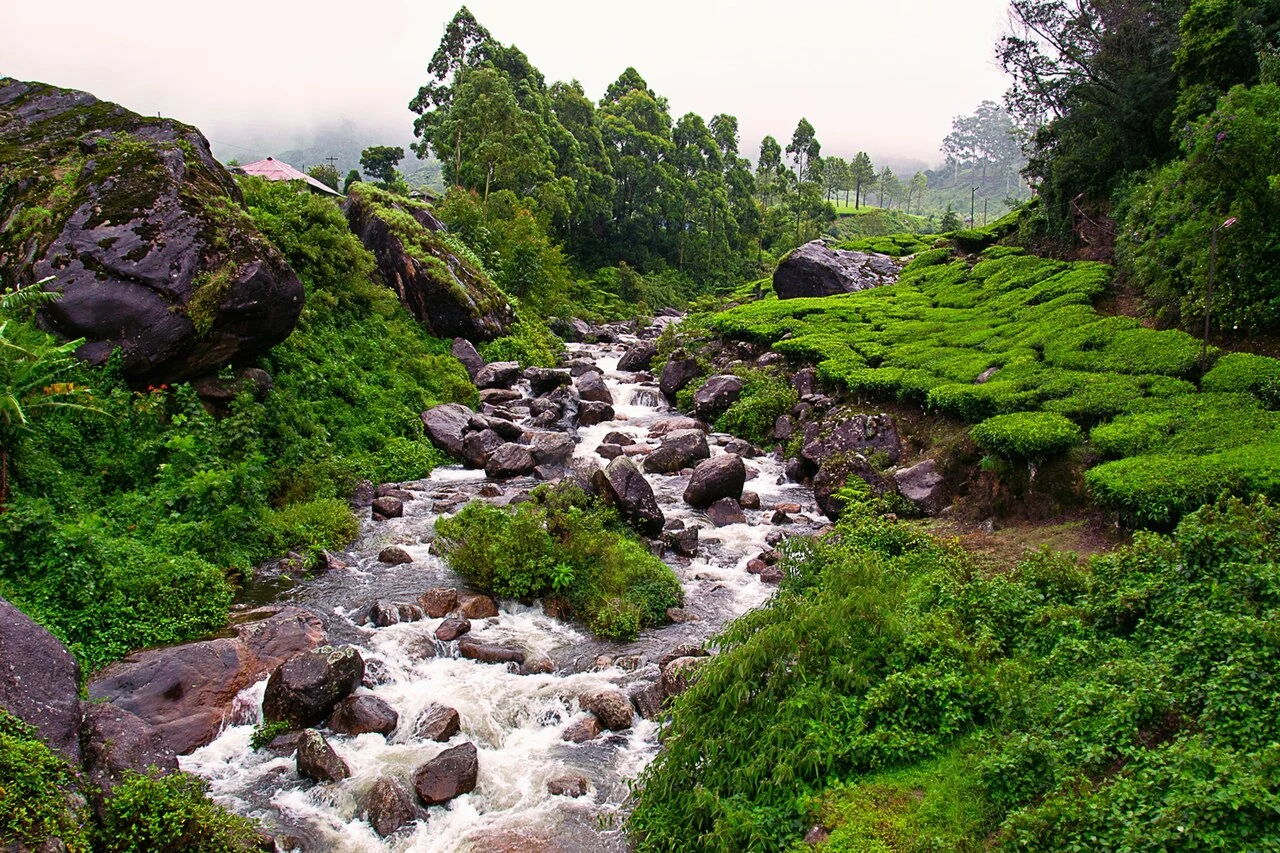
12.2 km · 20 min drive
Nyayamakad, also called Nayamakad, is the waterfall and tea-estate landscape on the Munnar–Rajamala approach. The map uses the identifiable Nyamakad roadside stream-view base, not a waterfall lip, pool entrance or estate walking permit.
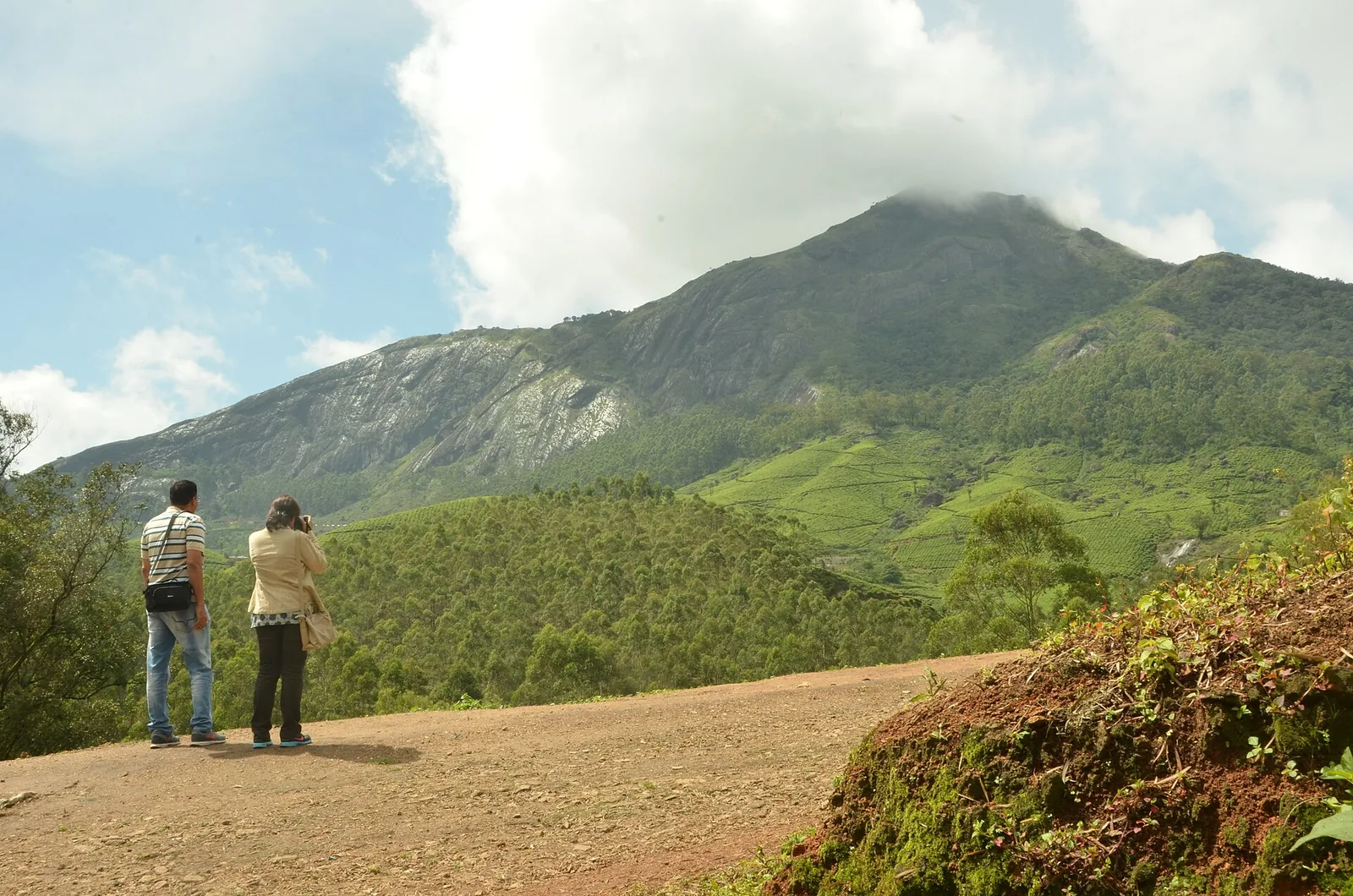
Forest Department peak trek from the counter at Gap Road, 13.2 km from Munnar: a mapped 2.09 km path climbing about 460 m of grassland and shola to a summit whose altitude four sources disagree about.
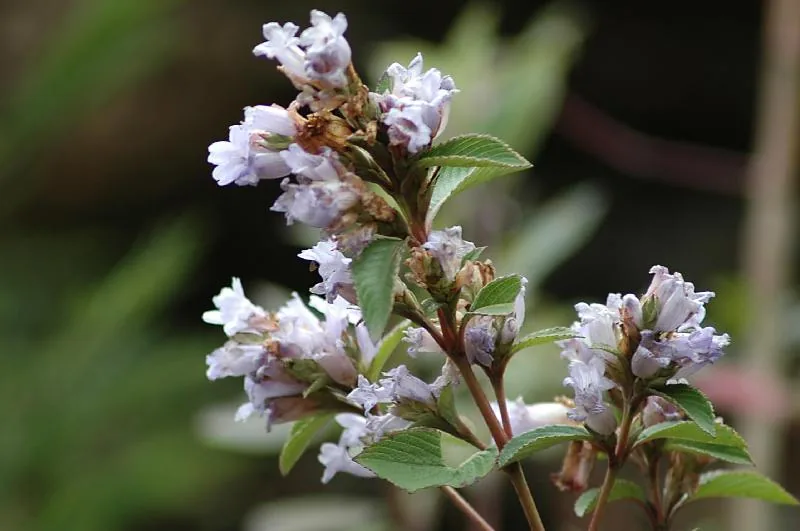
The 32 km² sanctuary above Kottakamboor and Vattavada, notified in 2006 for one plant — Strobilanthes kunthiana — with two walks and two stays in the Forest Department's own brochure and nothing bookable online.
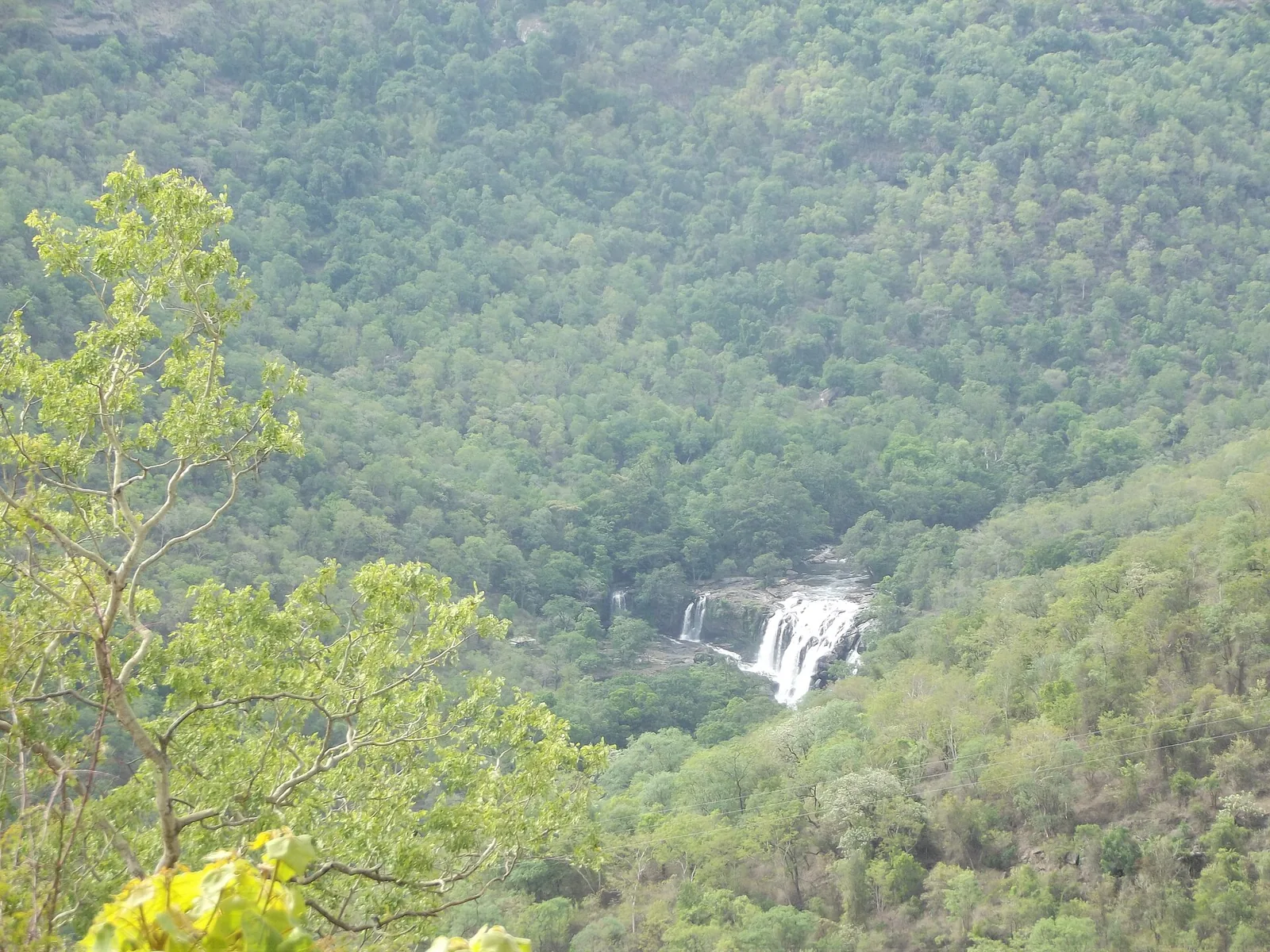
Forest Department guided walk in Chinnar Wildlife Sanctuary, from the Alampetty counter on SH17 down the river to the Thoovanam waterfall. Kerala Tourism contradicts itself on which river it follows: its own destination article says the Pambar, and the page selling this programme says the Chinnar.
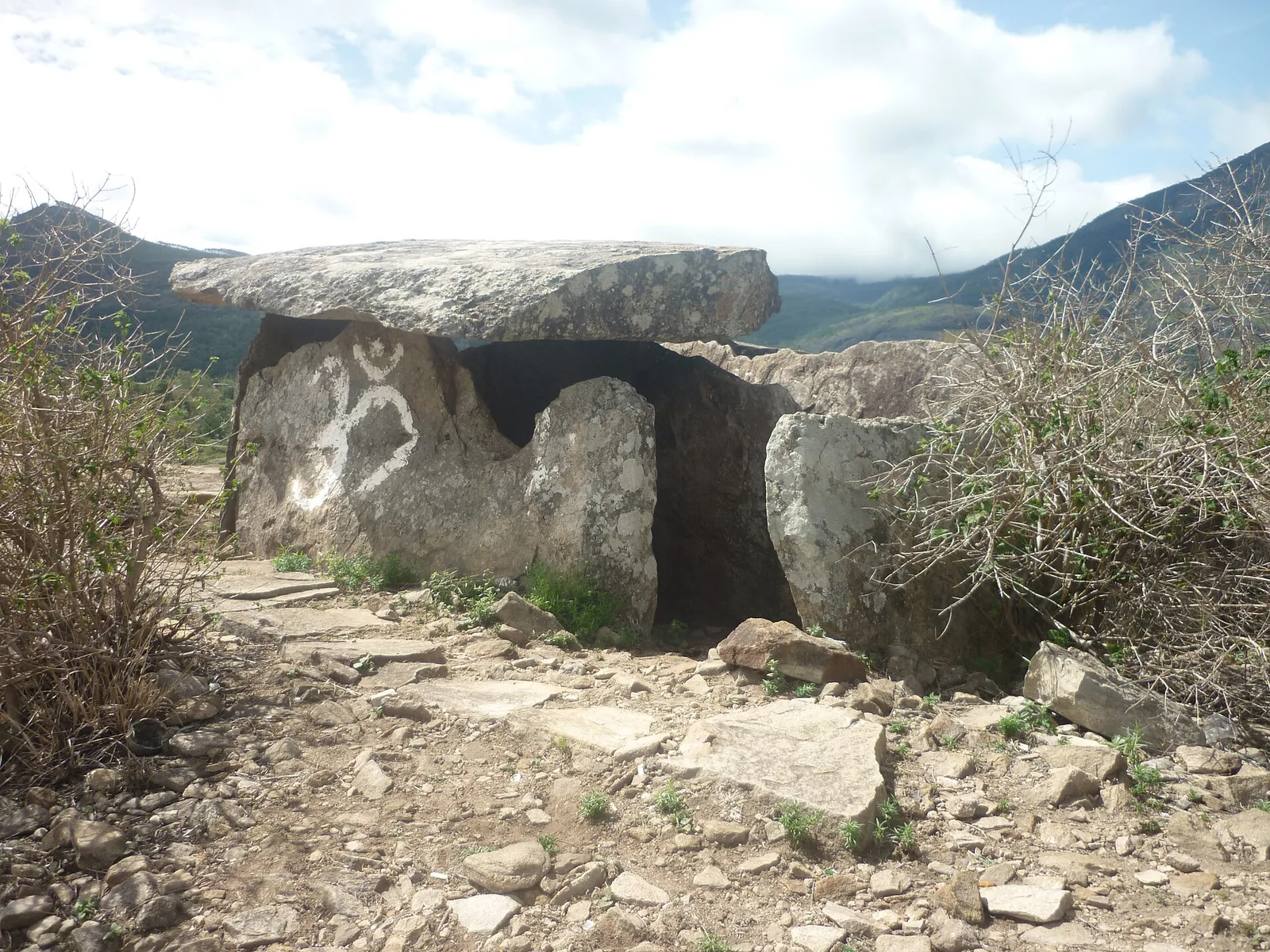
Forest Department culture trek in Chinnar Wildlife Sanctuary to prehistoric dolmen (muniyara) sites, run with local tribal Eco-Development Committees. Report at the Alampetty guide stand on the Marayoor–Udumalpet road (SH17), 6.4 km beyond Marayoor.
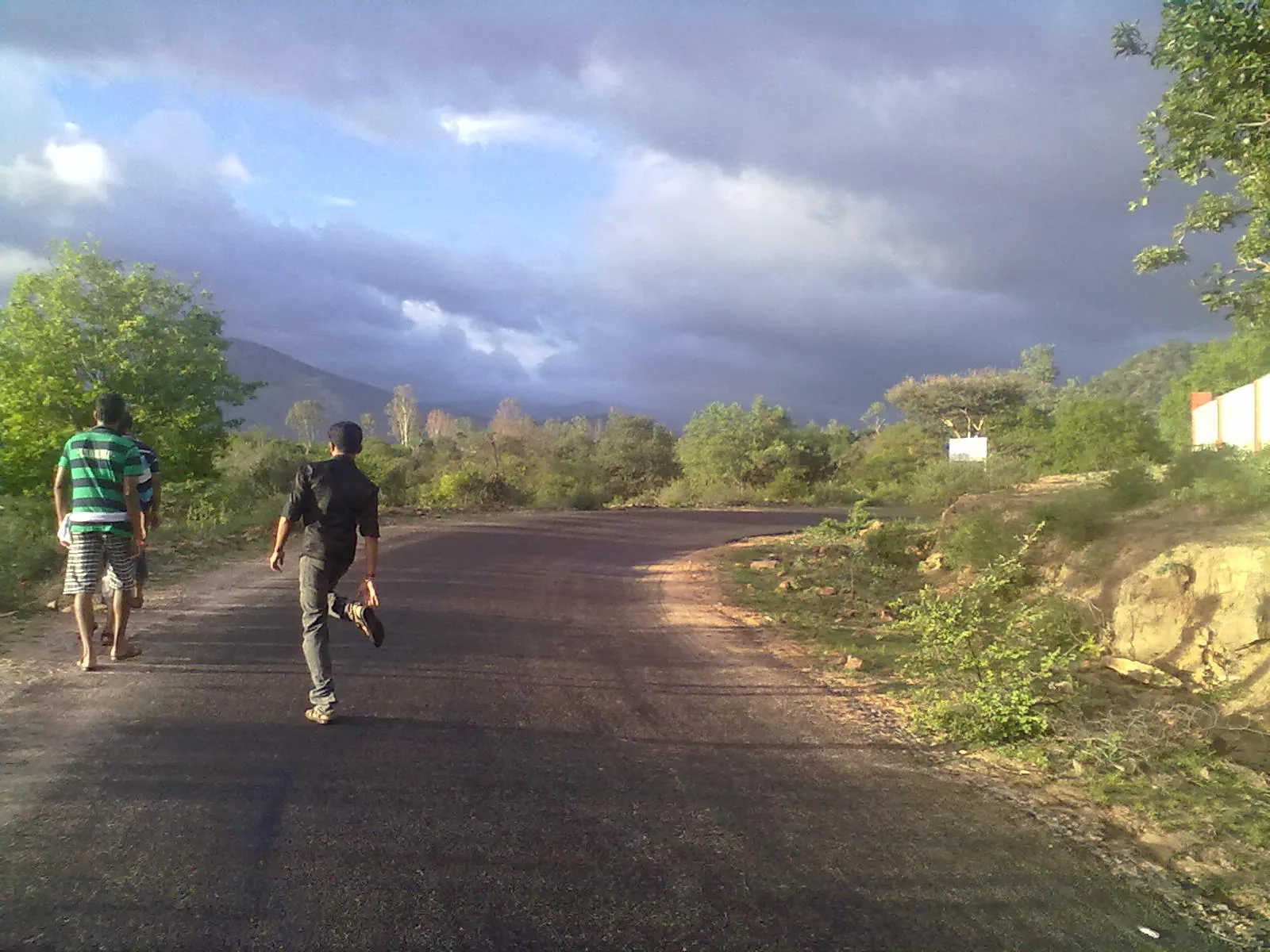
Forest Department trekking-and-camping programme at Vasyappara in Chinnar Wildlife Sanctuary — an overnight stay in a mud hut on a hill crest, published by the department as the Chinnar Valley Safari Trail. Report at 3 pm at the Chinnar check post on the Marayoor–Udumalpet road, not at the Alampetty counter 10.2 km back.
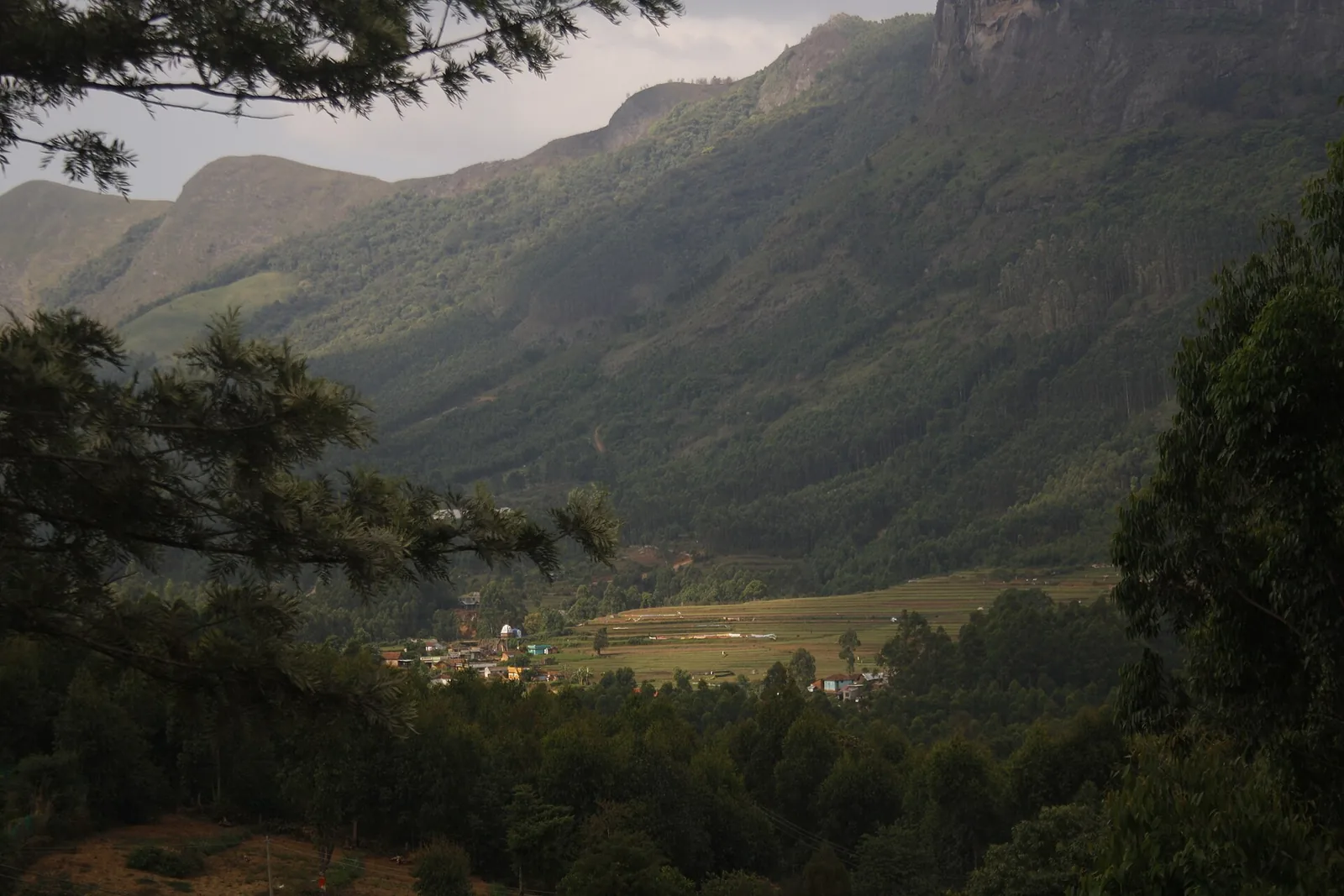
High-range village near Marayoor often called the “Kashmir of Kerala”, known for terraced farms of apples, oranges, strawberries and vegetables at around 1,800 m.
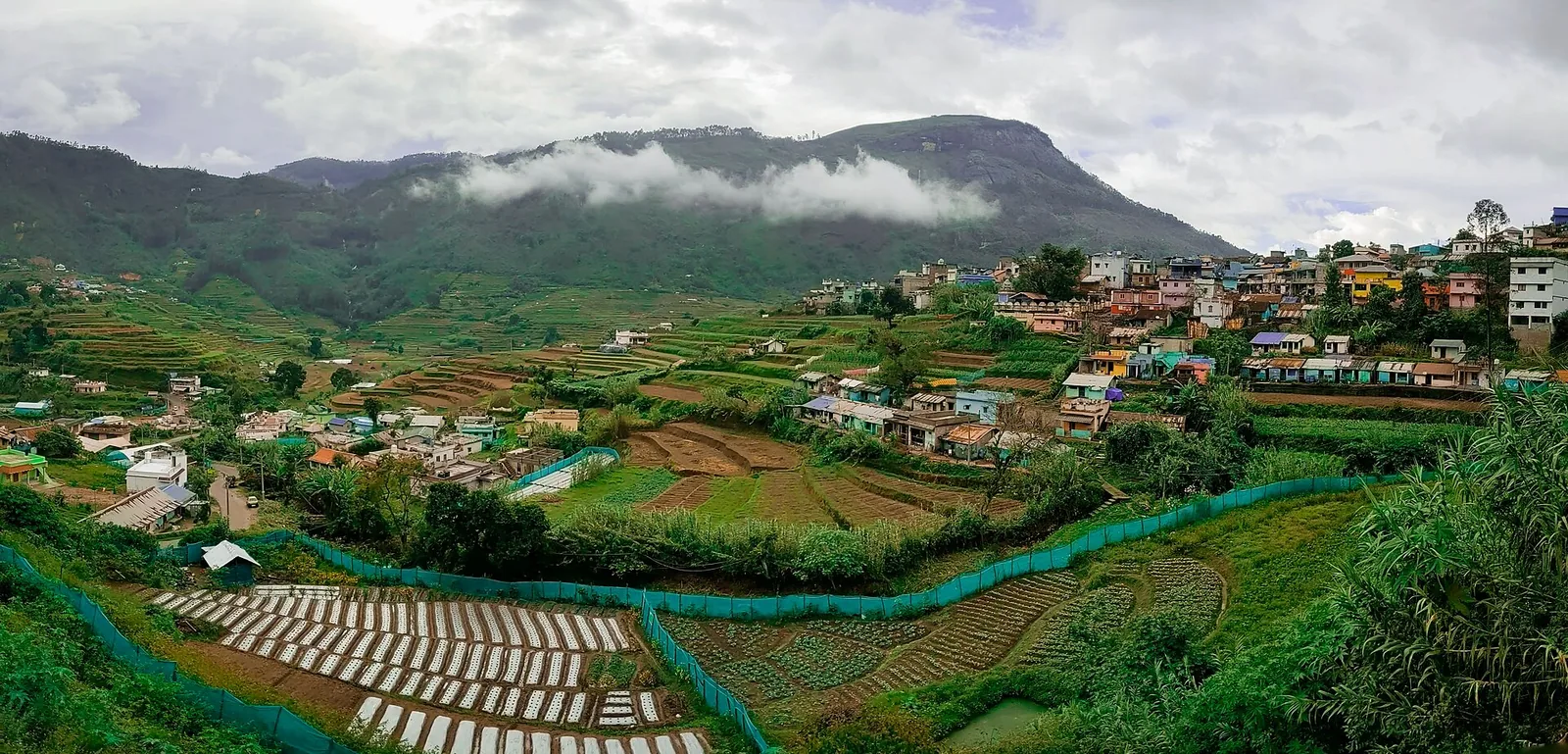
Cool high-altitude farming village beyond Munnar near the Tamil Nadu border, known for terraced vegetable and fruit cultivation, Kurinji slopes and quiet valley views.
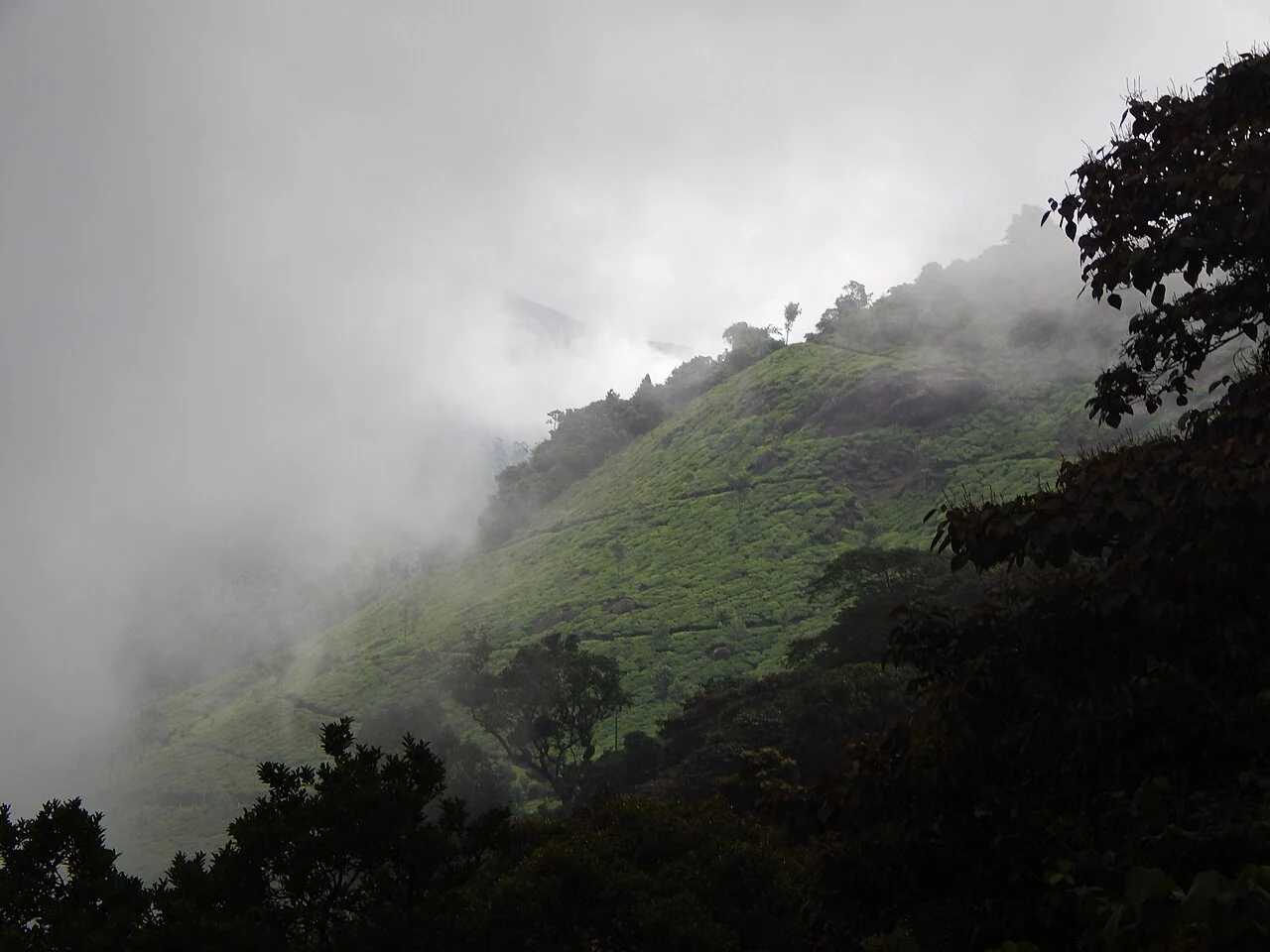
8.4 km · 14 min drive
A road-accessible viewpoint in Pothamedu south of Munnar, looking across planted hills and wooded valleys. The viewpoint marker is separate from the wider village and from private plantation walking routes.
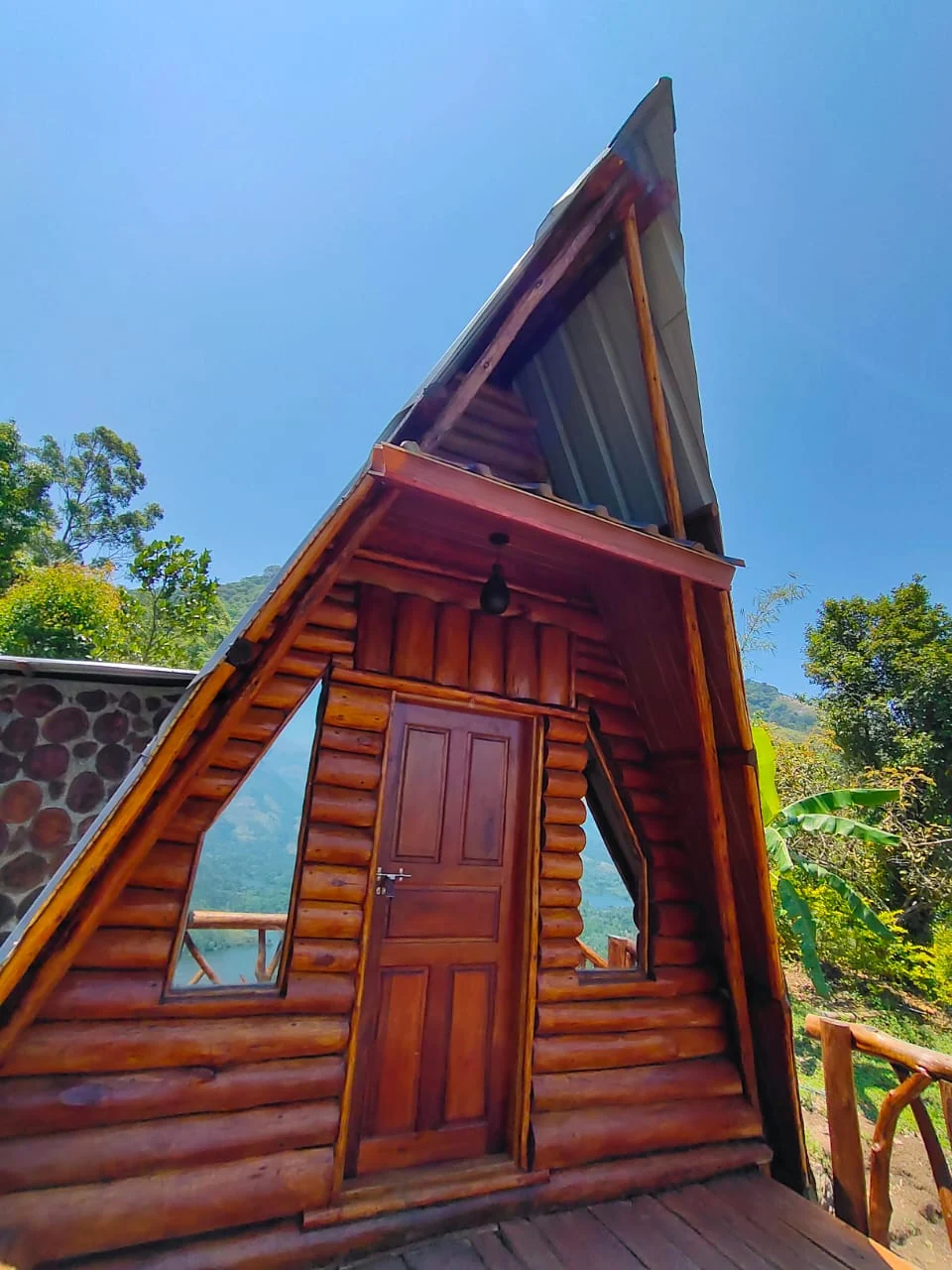
Mathikettan Shola protects a remnant of native Cardamom Hills forest in Idukki. Visits are arranged through the Forest Department, with distinct Pethotty and Choondal approaches; a reservoir viewpoint is not a park-entry permit.
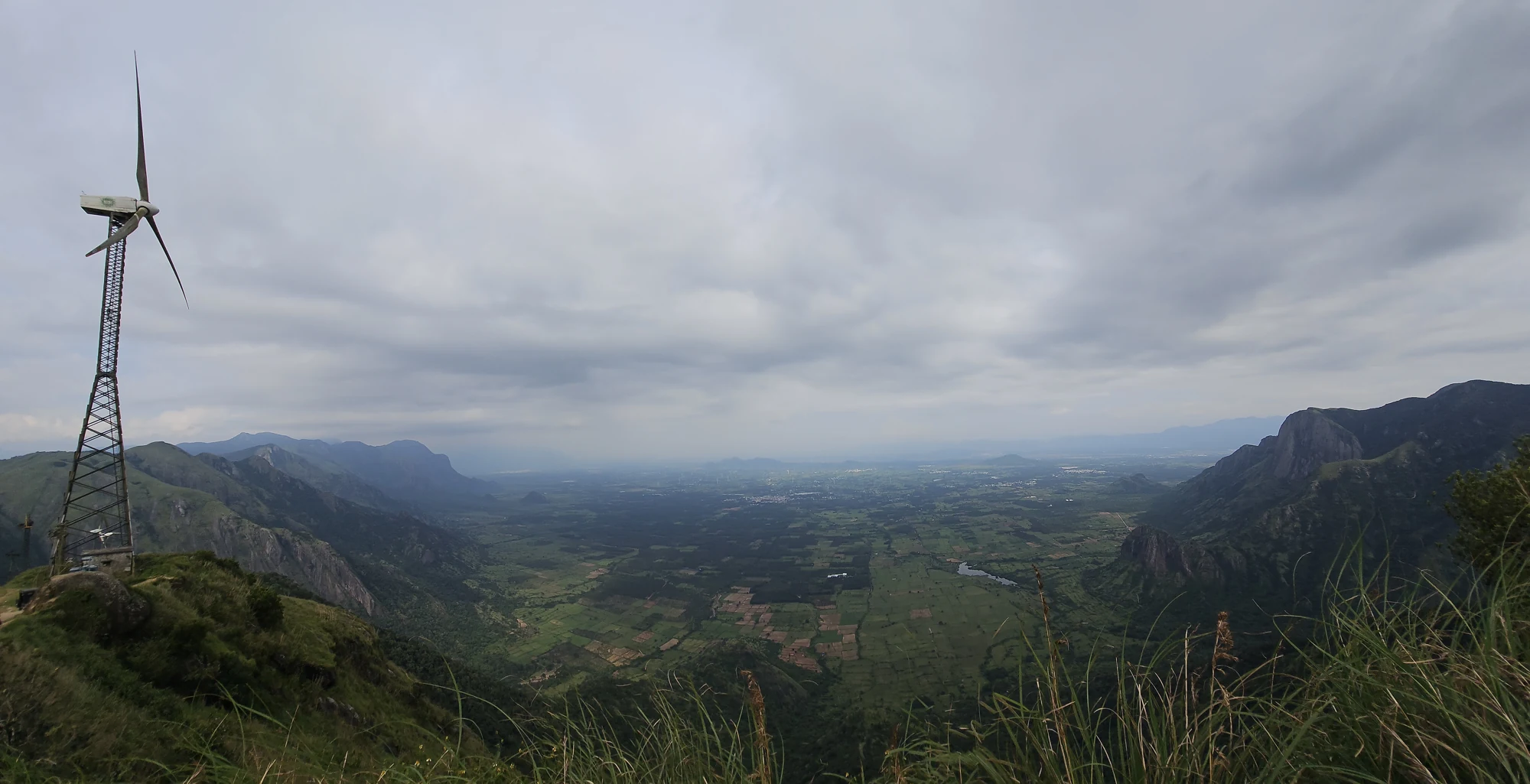
A wind-turbine ridge in Chathurangappara, Udumbanchola taluk, with views towards Theni’s cultivated plains; reached from the Munnar–Kumily road, with an exposed final hill approach.
Roampedia is commission-free — own or know a stay, eatery, guide or shop near Tea Museum? List it and it appears here once verified.
Add a nearby businessGovernment monuments, museums and forest reserves in India often charge foreign visitors more. We have not verified whether this site does — ask at the counter.
Fees change without notice. Check the current rate at the counter.
Entry: Ticketed. Indicative rates quoted are around ₹75 for adults and about ₹35 for children under 12, with a camera charge of roughly ₹20.
Photography: Still photography is generally allowed for a small camera fee (around ₹20), but rules can vary by section and some interior or demonstration areas may restrict photography or videography; check at the ticket counter before shooting.
If you are travelling by bus or ferry, check the return service with the operator before setting out. Leave time to reach the stop or jetty after your visit.
Ask at the bus stand for the time of the last service back, not the next one. If you miss it, an auto or app cab is the fallback — agree the fare before you get in.
If you need step-free access, contact the site before travelling. Ask about a level entrance, steps along the route, the nearest drop-off point, seating and accessible toilets.
Emergency numbers are verified against official government and state tourism sources. 112 works anywhere in India.
Kerala’s most famous hill station, known for tea estates, viewpoints and cool weather.
3.9 km · 7 min driveThe Kerala State Electricity Board’s riverside flower park on the Munnar–Aluva road, 3.3 km below Munnar town and 1.2 km from the KSRTC stand at Old Munnar. It runs along the east bank of the Muthirapuzha immediately above the 1944 R. A. Headworks weir that feeds Pallivasal, Kerala’s first hydroelectric station — which is what the "hydel" in the name means. Open daily 09:15 to 20:15 with tickets sold online by Kerala Hydel Tourism Centre.
7.1 km · 11 min driveA road-accessible viewpoint in Pothamedu south of Munnar, looking across planted hills and wooded valleys. The viewpoint marker is separate from the wider village and from private plantation walking routes.
8.4 km · 14 min driveWaterfall area near Munnar commonly used for short scenic drives and monsoon views.
11.5 km · 17 min driveHill-station and lake landscape near Munnar associated with Devikulam and Sita Devi, best planned as a quieter high-range side trip.
11.9 km · 17 min driveNyayamakad, also called Nayamakad, is the waterfall and tea-estate landscape on the Munnar–Rajamala approach. The map uses the identifiable Nyamakad roadside stream-view base, not a waterfall lip, pool entrance or estate walking permit.
12.2 km · 20 min driveHigh-altitude grassland park, Nilgiri tahr habitat and access point for Anamudi views.
13.1 km · 26 min driveReservoir, boating and lake-view stop on the Munnar-Mattupetty sightseeing circuit, usually paired with Echo Point and Kundala.
15.0 km · 24 min driveRajamala is the designated tourism and awareness zone of Eravikulam National Park near Munnar. It is not a separate unrestricted summit trek or the whole national park.
15.1 km · 31 min driveThe pass itself on the Munnar–Bodimettu highway, where the ridge drops away east — and the lay-by the Chokramudi Peak trek reports from, 51 m from the forest counter. A second, busier viewpoint signed "Lockhart Gap Road View Point" sits 1.7 km east.
17.1 km · 22 min driveThe Muthirapuzha spread sideways over bare rock at 796 m, below the tailrace of Pallivasal — the first hydroelectric station Kerala built. Free, unmanaged and very quiet, down about a kilometre of steep narrow lane. ⚠ Not the Chinnakanal falls that Kerala Tourism describes under this name, 21 km east.
18.9 km · 29 min driveThe highest peak in South India, viewed through Eravikulam/Rajamala access contexts near Munnar.
19.5 km · 34 min driveWalking and driving times are real routed distances, except the few marked “straight line”, which are direct-line estimates and will read short. Fare figures are estimates from Kerala’s notified auto/taxi tariff and exclude waiting and night charges. Routing: © openrouteservice.org by HeiGIT | Map data © OpenStreetMap contributors
It was opened by Tata Tea on 1 April 2005 and is set in the Nallathanni Estate near Munnar. It is now run by Kanan Devan Hills Plantations (KDHP), the employee-majority plantation company in which Tata retains a minority stake, which is why it is variously called the Tata Tea Museum or the KDHP Tea Museum.
It is generally open in the daytime, with sources quoting hours somewhere between about 9 a.m. and 5 p.m. (some say 10 a.m. to 4 p.m.), and it is usually closed on Mondays and some public holidays.
Entry is ticketed; indicative rates quoted are around ₹75 for adults and about ₹35 for children under 12, with a camera charge of roughly ₹20. Photography rules can vary by section, and some interior or demonstration areas may restrict cameras, so check at the ticket counter.
Most visitors spend about 60 to 90 minutes. You typically see a short audio-visual on Munnar’s plantation history, galleries of old machinery and photographs, a planter’s-bungalow room of period furniture, a live tea-processing demonstration, and a tea tasting at the end.
It is a curated, ticketed brand museum and it can get crowded when tour groups arrive, so temper expectations. That said, for a first-time visitor it is one of the most genuinely informative stops in Munnar — the century-old machinery, the processing demo and the tasting together explain the tea country you have come to explore better than any viewpoint can.
It is at the Nallathanni Estate, a few kilometres from Munnar town (roughly 1–2 km), easily reached by taxi, auto-rickshaw or as part of a local sightseeing tour. It is well within a standard Munnar day of sightseeing.
Midday works well for museums, especially when outdoor heat is high.
Entry: Ticketed. Indicative rates quoted are around ₹75 for adults and about ₹35 for children under 12, with a camera charge of roughly ₹20. Timings: Generally open daytime hours, with sources quoting somewhere between about 9 a.m. and 5 p.m. (some say 10 a.m. to 4 p.m.); usually closed on Mondays and some public holidays. The rupee figure quoted is the Indian adult rate. Government monuments, museums and forest reserves in India often charge foreign visitors more, and we have not verified whether this site does.
Base yourself in Munnar or a nearby town in Idukki, then confirm the last-mile route locally before leaving. Check weekly closure day and ticket counter timings before going. If the visit depends on forest, temple, boat, ferry, weather or seasonal access, check the official/local rule on the day before travel.
1 to 2 hours.
Nearby you can pair Munnar (3.9 km), Blossom Hydel Park (7.1 km), Pothamedu Viewpoint (8.4 km), Attukad Waterfalls (11.5 km).
Use official ticket counters and cloakroom rules. Keep bags and cameras within permitted areas.
We have not published a story about Tea Museum itself yet. These cover Munnar and the wider district, with separate journeys between stops.
These guides explore Munnar and the surrounding area. Choose a visit that fits your interests, allowing separately for travel between stops.


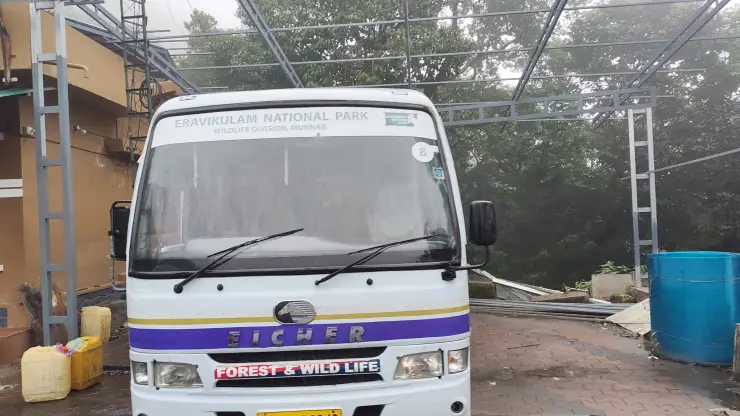
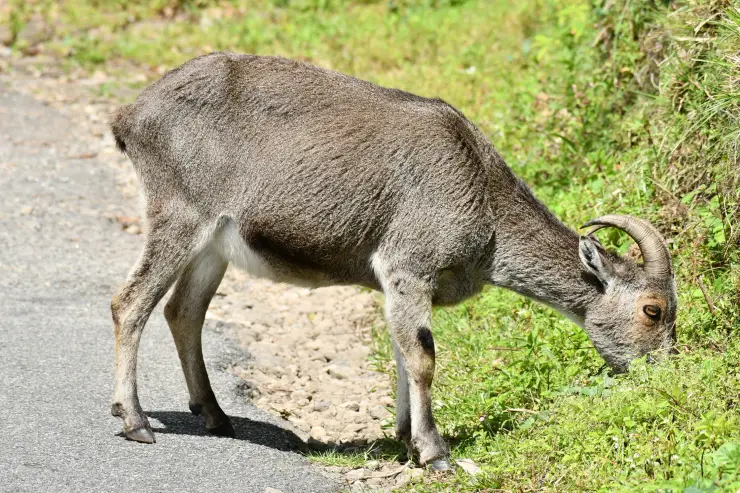
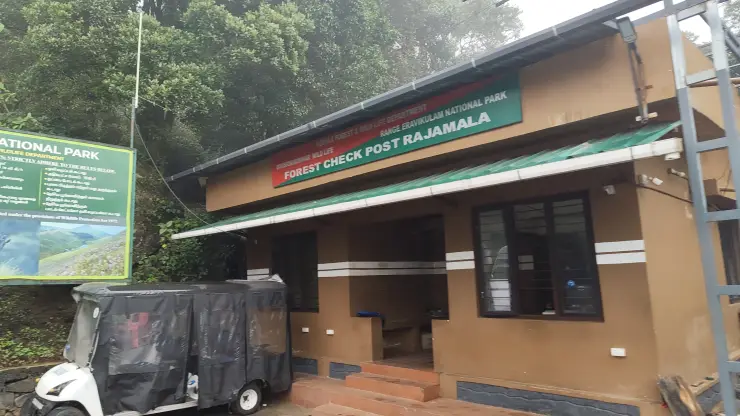
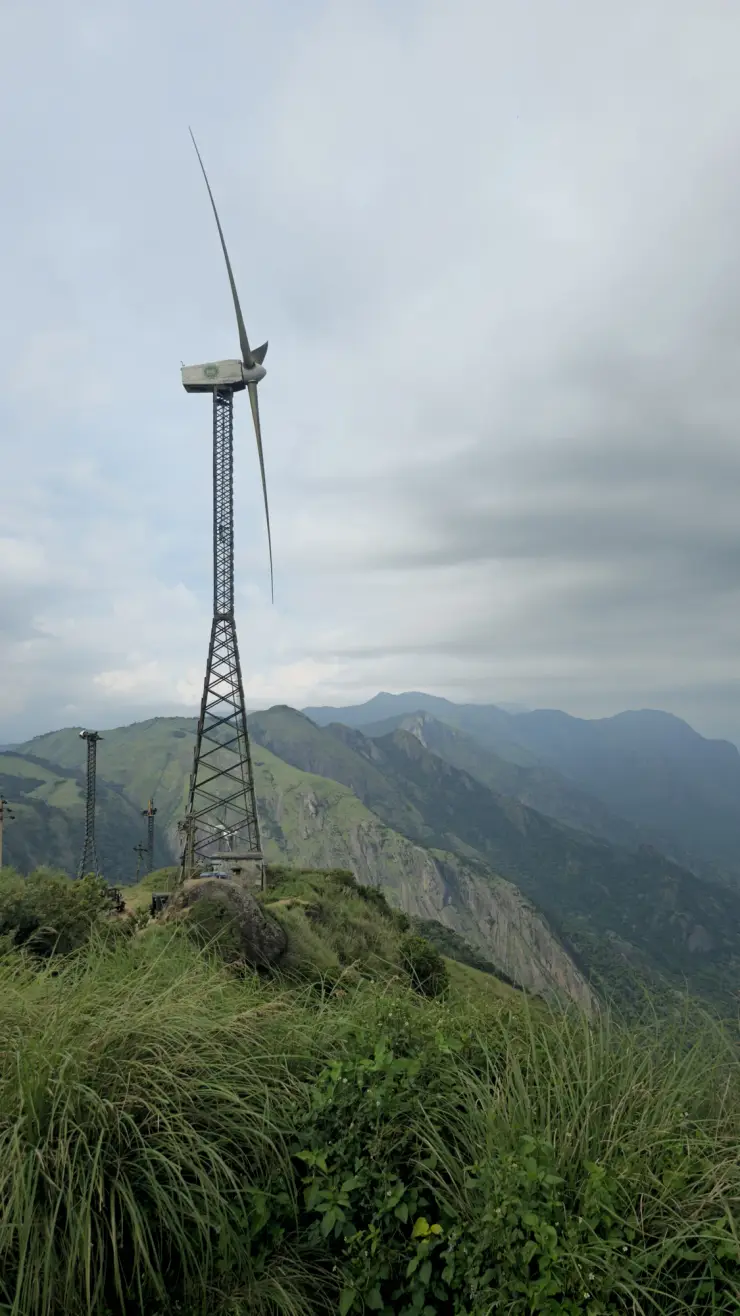
Written about Munnar as a whole rather than about Tea Museum — its history, its streets, and how to spend a day in it.

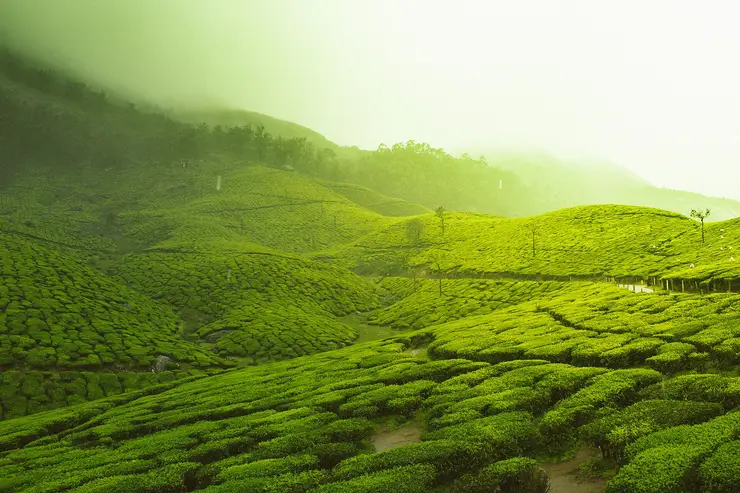
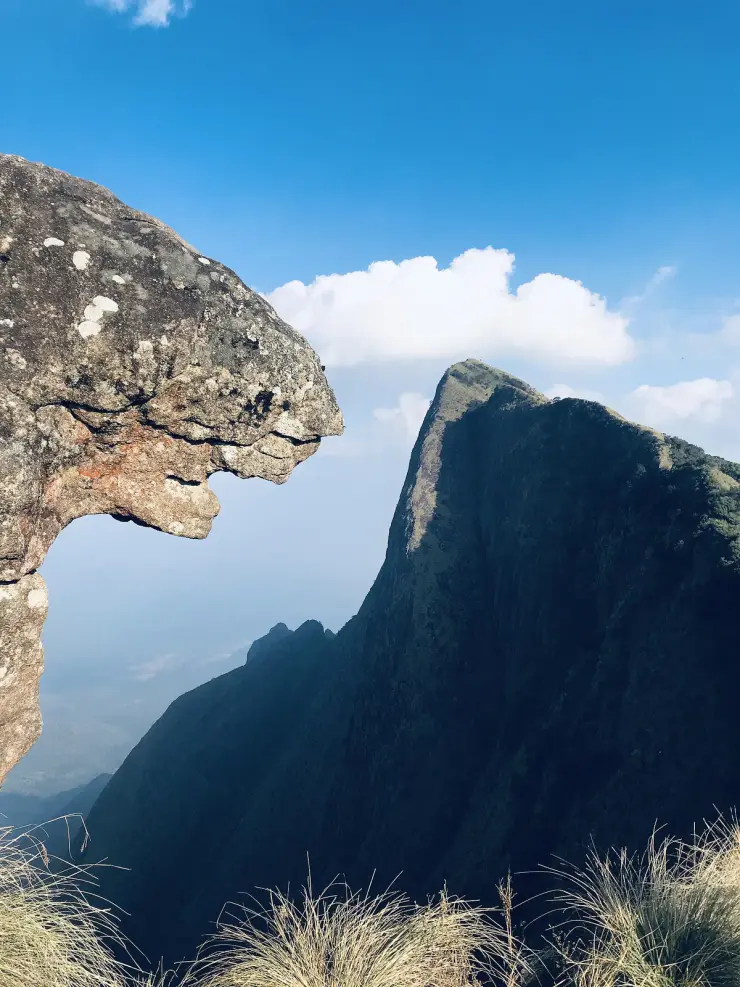
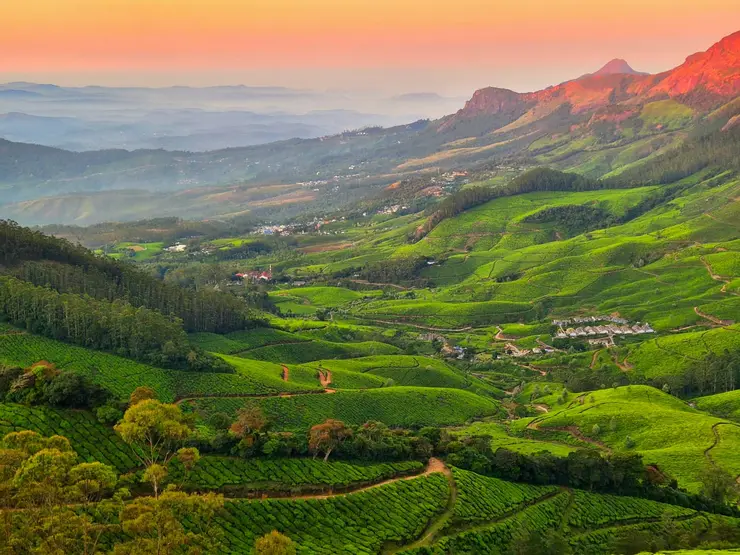
Route-level itineraries and practical guides for the rest of Kerala.
Photographs: Ingo Mehling (CC BY-SA 4.0), Harvinder Chandigarh (CC BY-SA 4.0), Niyas8001 (CC BY-SA 4.0), Athulvis (CC BY-SA 4.0), Jan J George (CC BY-SA 4.0), Sarathgks92 (CC BY-SA 4.0), Jiths (CC BY 2.0), Jaseem Hamza (CC BY 3.0), Fotokannan (CC BY-SA 3.0). Wikimedia Commons.