What to expect
Highlights
- Heritage experience at Marayoor
- Architecture, local stories and old trade/cultural routes
- Good fit for guided walks and nearby cafes/shops
High-range village known for natural sandalwood forests, dolmens and sugarcane jaggery.
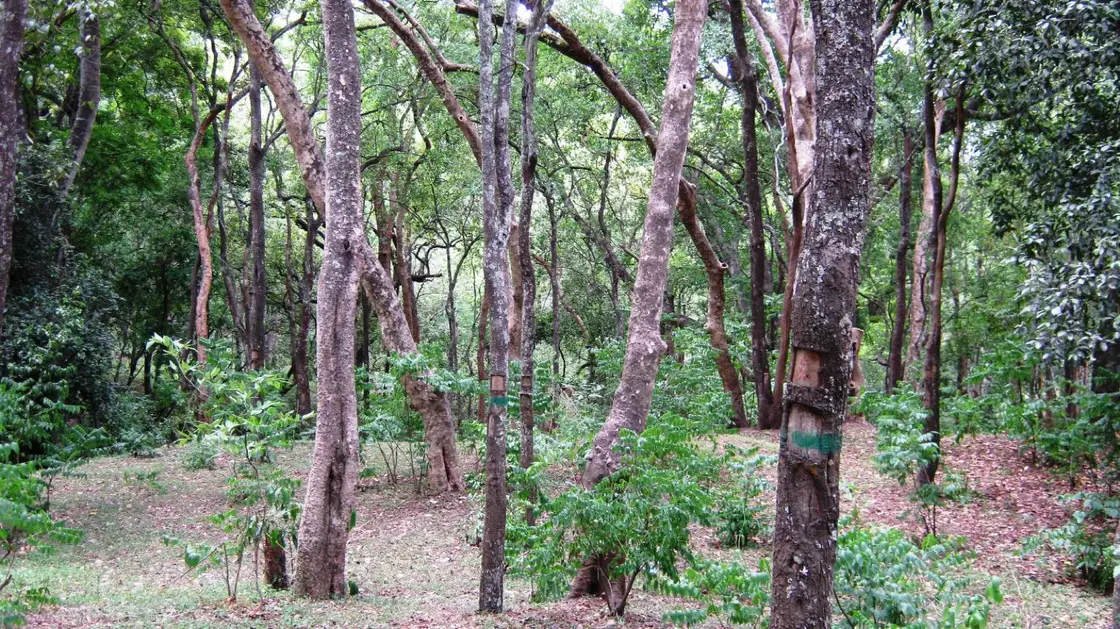
Marayoor (also spelt Marayur) is a high-valley town in Idukki district, set on the Munnar–Udumalpet road where the Western Ghats slip into their dry rain-shadow. It is unlike anywhere else in Kerala: the state’s only naturally growing sandalwood forests scent the air here, thousands of prehistoric dolmens stand on the surrounding grasslands, and the sugarcane fields produce the famous, GI-tagged Marayoor jaggery. Cooler, drier and quieter than nearby Munnar, it rewards travellers who want heritage, forest and tribal culture rather than manicured tea estates.
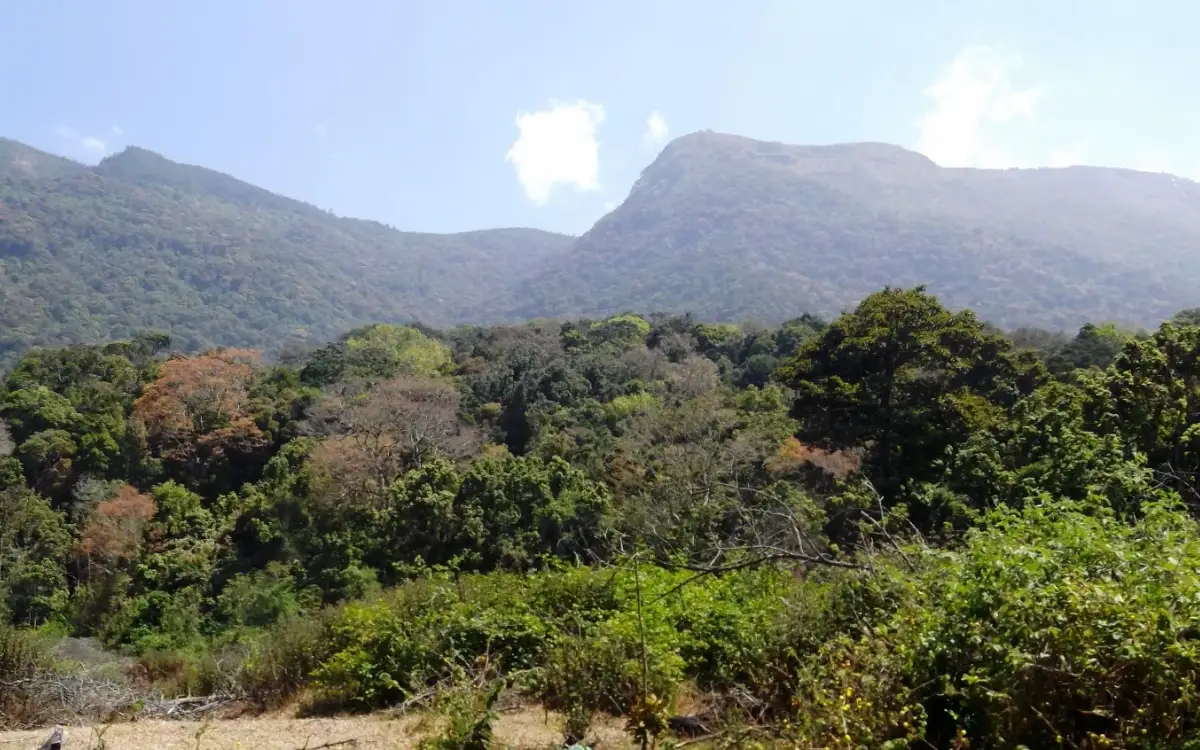
The drive north from Munnar changes the mood by the kilometre. The clipped tea gardens give way to open grassland, rocky knolls and, quite suddenly, groves of slender grey-barked trees — the sandalwood forests that make Marayoor famous. This is the only place in Kerala where Santalum album grows naturally in the wild, and the reserve is said to spread across roughly 90 square kilometres holding tens of thousands of trees. The dry, rocky, low-rainfall terrain is exactly what the fragrant sandal prefers, and the wood grown here has long enjoyed a reputation as among the finest in the world.
Sandalwood is precious enough that the forest is tightly protected. The Kerala Forest Department’s Marayoor Sandalwood Division guards the groves against smuggling, and even fallen or seized wood is auctioned under strict controls. Visitors cannot wander freely into the core reserve or pick anything up — a stroll among the trees generally needs Forest Department permission, and there is a departmental depot where the felling, grading and processing of sandal can be understood. It is a working conservation landscape, not a picking ground, and that restraint is part of what has kept the forest alive.
If the sandalwood is Marayoor’s living treasure, the muniyara are its deep past. Scattered across the plateau around Marayoor, Kanthalloor and Chinnar are thousands of dolmens — burial chambers built from great dressed granite slabs set on edge and roofed with a single massive capstone, like stone tables. Locals call them muniyara, and excavations have turned up pottery and iron implements, marking them as megalithic monuments among the most important prehistoric remains in Kerala. Standing beside one, weathered and silent on the open grass, it is impossible not to feel the reach of the centuries.
The valley’s prehistory is written on rock as well as in stone. Deep inside the sandalwood reserve, at sites such as Ezhuthu Guha near Koodakavu, rock shelters carry painted motifs — human figures, animals and abstract shapes — reckoned among the most significant rock-art panels in the state. Together with the dolmens, they suggest that people have lived and buried their dead in this valley for a very long time indeed, drawn perhaps by the same mild, dry climate that suits the sandal and the cane.
Marayoor is also a sweet place in the most literal sense. The rain-shadow soils and cool climate grow an unusually rich sugarcane, and generations of farmers boil its juice down into Marayoor sarkkara — the dark, mineral-rich, subtly non-salty jaggery that carries a Geographical Indication tag. You will see the roadside sheds where cane juice bubbles in big vessels over bagasse fires, clarified only with a little lime and no chemicals, then poured out to set into golden-brown blocks. Buying a piece straight from a maker is one of the simplest pleasures of a visit.
Around all of this lives a strong tribal and rural culture. The Muthuvan community, along with Hill Pulaya people, have long inhabited these hills, farming, gathering forest produce and holding to their own customs. With Chinnar Wildlife Sanctuary, the Thoovanam waterfall and the orchard village of Kanthalloor all close by, Marayoor makes an unhurried base for anyone wanting the drier, wilder, more historic side of the Munnar highlands.
Local tradition offers a charming folk etymology for the town’s name. One popular telling links Marayoor to the Malayalam ‘maranjirunna ur’ — roughly ‘the land where they hid’ — and says the Pandava brothers of the Mahabharata sheltered here during their years of exile. It is a legend rather than documented history, but it is affectionately repeated and even read into some of the rock paintings by storytellers.
The dolmens carry their own folk name and lore. ‘Muniyara’ is usually explained as ‘muni’ (a sage or hermit) plus ‘ara’ (a small chamber or room) — that is, the abode or cell of sages, from a belief that holy men once dwelt or meditated in these stone chambers. Archaeologically the muniyara are megalithic burial monuments, but the poetic older name endures in everyday speech.
The story of human habitation in Marayoor reaches back into prehistory. The thousands of dolmens spread across the Marayoor–Kanthalloor–Chinnar tract are megalithic burial chambers, commonly associated with the Iron Age megalithic culture of South India, and excavations recovering pottery and iron tools point to organised communities burying their dead here in the distant past. Some popular accounts push the region’s habitation far earlier still; whatever the precise dating, the sheer density of monuments marks this as one of Kerala’s foremost prehistoric landscapes.
The rock-art sites reinforce that antiquity. Painted panels within the sandalwood reserve, such as those at Ezhuthu Guha, preserve figures of humans and animals and abstract designs that scholars count among the most important prehistoric paintings in the state. They speak of a settled valley culture long before written records, sustained by the same forgiving, dry-highland environment that later travellers would prize.
In historical times Marayoor became known above all for its sandalwood. The naturally occurring Santalum album forests were valued for their fragrant, oil-rich heartwood, and because the wood commanded such high prices they also attracted illegal felling and smuggling over the years. The response was formal state protection: the forests came under the Kerala Forest Department, managed today through the Marayoor Sandalwood Division, which patrols the reserve, controls access and auctions harvested and seized wood under regulation.
Agriculture shaped the valley in parallel. The rain-shadow climate and particular soils made Marayoor and neighbouring Kanthalloor ideal for sugarcane, and jaggery-making grew into a defining local craft, handed down through families and boiled in traditional vessels using cane-waste fuel. That heritage was formally recognised in 2019, when Marayoor jaggery — Marayoor sarkkara — was awarded a Geographical Indication tag, protecting the name and its distinctive, mineral-rich character.
Through all these chapters the indigenous communities have remained central. The Muthuvan and Hill Pulaya peoples have inhabited these hills for generations, and their presence, together with the protected sandal forest, the megalithic heritage and the surrounding sanctuaries, gives modern Marayoor its layered identity — a place where prehistory, conservation, farming and tribal life sit side by side.
It is the only place in Kerala with naturally growing sandalwood forests — a genuinely rare, protected landscape you cannot see anywhere else in the state.
The muniyara dolmens let you stand among thousands of megalithic burial monuments, some of the most important prehistoric remains in Kerala, out in the open grassland.
Prehistoric rock paintings such as those at Ezhuthu Guha, within the sandalwood reserve, add a rare rock-art dimension to a highland trip.
You can taste and buy Marayoor sarkkara — the GI-tagged jaggery — straight from roadside sheds where cane juice is boiled the traditional way, a delicious, edible souvenir.
The drier rain-shadow climate makes Marayoor cooler-feeling, quieter and less crowded than Munnar, with open grasslands, rocky hills and space to breathe.
It is a superb base for the wider area — Chinnar Wildlife Sanctuary, the Thoovanam waterfall and the orchard village of Kanthalloor are all close by, along with the living culture of the Muthuvan community.
Road km to Idukki; ghat roads and traffic vary — allow extra.
November to February and early mornings are best for walking; avoid midday heat where possible.
Live forecast loads in your browser.
Sun and moon are calculated for this location and shown in IST. Photography windows are the hour around sunrise and sunset; the sunset bearing is degrees clockwise from true north. Moon phase is accurate to about half a day.
These are official or public-sector eco offerings that match this place, town or forest destination. Confirm availability, permits, tariffs and reporting times with the official operator before travel.
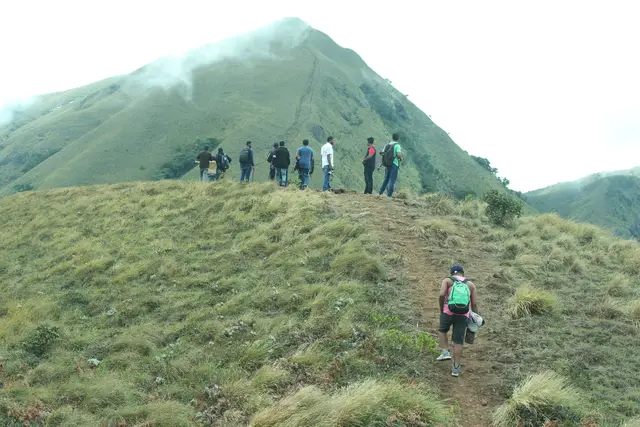
Hard high-altitude trek from the Munnar side via Rhodo Valley, run through KFDC eco-tourism with guide, food and stay options.
Official source →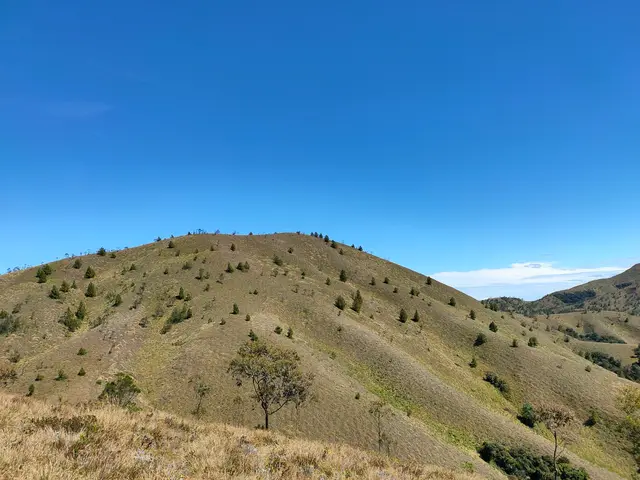
KFDC tent stay near Meesapulimala base camp, with campfire, food and optional trek towards Meesapulimala or Rhodo Valley.
Official source →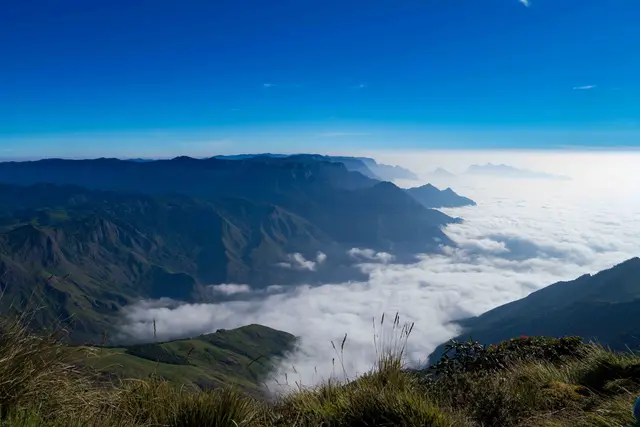
Lonely cliff-side KFDC cottage facing a waterfall and Anamudi views, paired with Meesapulimala trekking.
Official source →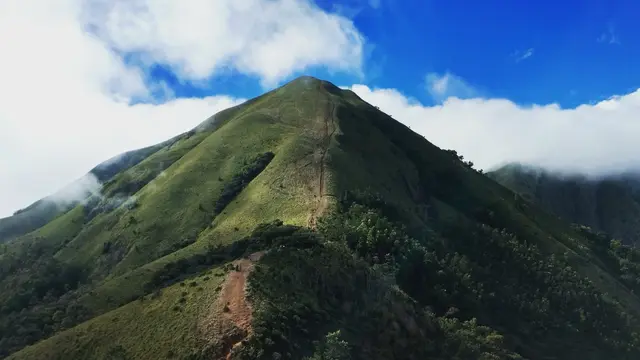
KFDC Rhodo Valley night stay with elephant-trench protection, campfire, food and next-day Meesapulimala climb.
Official source →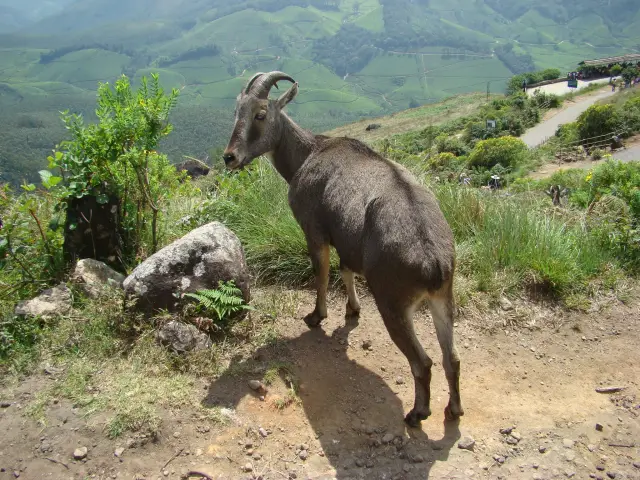
High-altitude grassland national park and Nilgiri tahr habitat near Munnar.
Official source →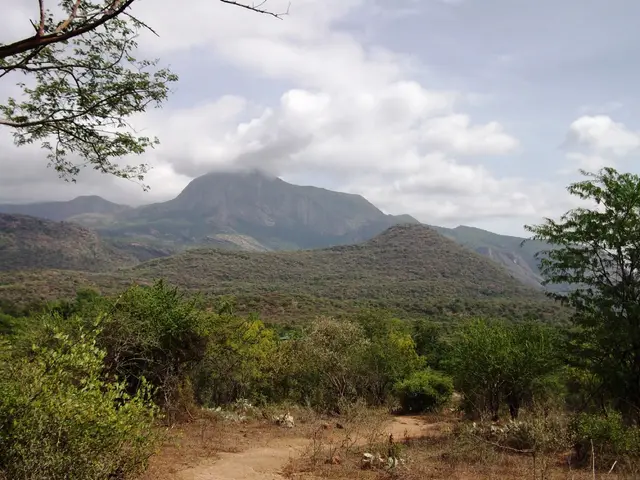
Dry-forest wildlife sanctuary east of Munnar, listed in Kerala Tourism’s ecotourism inventory.
Official source →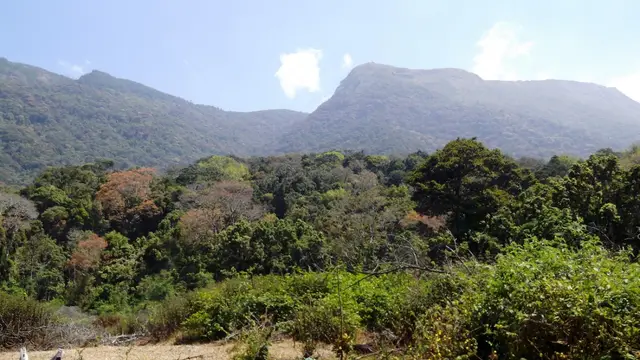
Shola forest national park near the Munnar/Vattavada side, listed as an ecotourism destination and programme.
Official source →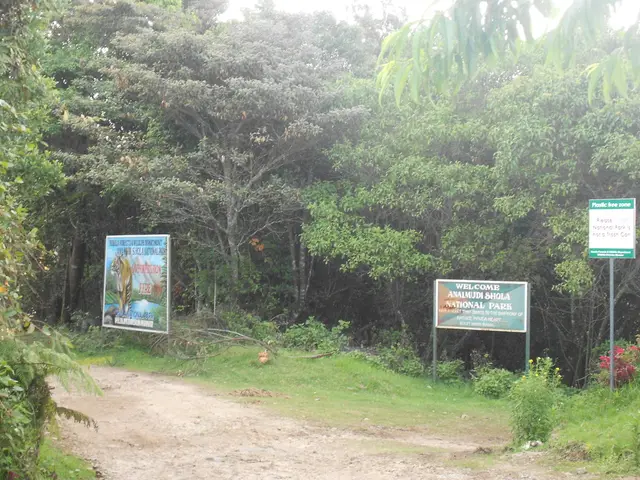
Shola-grassland forest landscape in Idukki, included in Kerala Tourism’s official ecotourism destination list.
Official source →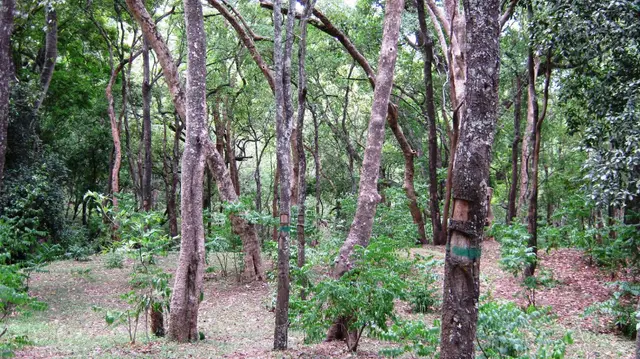
Sandalwood and dry-forest landscape on the Munnar-Chinnar side, listed by Kerala Tourism as an ecotourism destination.
Official source →Verified hotels, homestays, restaurants, experiences, sights, shops and rentals around Marayoor — commission-free, with direct contact. Filter by what you need.
Blanket Hotel & Spa is in Pallivasal overlooking Attukad Waterfalls. Compare its room categories by the view and room arrangement you want; the property offers several different suites. Ask for the total rate, meal inclusions and the transfer from your actual Munnar arrival point.
KDHP offers separate tea-estate bungalows around Munnar, including Kalaar, Lake View and Viriparai. Choose the named bungalow before comparing bedrooms and access. KDHP House is the reservations office; obtain arrival directions for the bungalow you book.
Chandy’s Windy Woods is a resort on terraced hill slopes near Munnar. Its hillside setting is a different choice from a town hotel. Compare the room category and view, and check the road transfer before combining your stay with early sightseeing departures.
Luxury resort and spa at Chithirapuram with villas, Ayurveda spa, restaurant and direct reservations.
Amber Dale Luxury Hotel & Spa sits on KSEB Tunnel Road at Pallivasal, Munnar. It pairs a restaurant and Ayurveda spa with a conference hall and activities such as cycling, trekking and camp fires.
The Panoramic Getaway is at Chithirapuram, with separate family and adults’ pool areas and room choices including family suites. Compare the room layout and pool access you need, then confirm meals and the current total booking price.
Official budget forest stay in Munnar. Pampadum Shola National Park, booked through Forest Information Centre, Wildlife Warden's Office, Munnar PO, Idukki District, Kerala 685612 · Budget official forest stay · Forest stay, Pampadum Shola, Official booking.
SpiceTree Munnar is on Muttukad–Periakanal Road at Nadukkurissu, in the Chinnakkanal area. Its pool villas, cottages with a Jacuzzi and honeymoon suites with a plunge pool are different room choices. Specify the category and inclusions when requesting a quote.
Eco boutique hotel with 39 rooms overlooking tea plantations. Set on M.S.A Road close to the heart of Munnar.
Misty Mountain Resort offers standard, valley-view and deluxe room categories near Munnar. Decide whether the view or room arrangement is your priority when comparing quotes. Ask the hotel which category is available for your dates and how meals and sightseeing transfers are charged.
Premium Chithirapuram-side nature resort with restaurant, activities and direct booking evidence. Rivulet Resort, Chithirapuram P O, Munnar, Kerala 685565 · Premium nature resort · Resort, Chithirapuram, Nature stay.
Tea Valley Resort is on Bisonvalley Road at Pothamedu, Pallivasal. Choose it for a stay among tea plantations rather than a town-centre address. Ask about the final road approach, room category and meal arrangements when comparing the full cost of a Munnar holiday.
Windermere Estate is a Pothamedu plantation retreat with Garden, Estate and Planters room categories. Its operator describes meals served in courses rather than a fixed buffet. Compare room position, hillside access and meal preferences before reserving.
Tea County is KTDC’s Premium Hill Resort in Munnar, with garden paths between its accommodation buildings. Compare the room category and meal plan, and use KTDC’s current tariff and booking terms for your travel dates.
Blackberry Hills is on Bison Valley Road at Pothamedu, with accommodation, Hornbill Restaurant and Sisal Spa. Compare the room layout and balcony; the operator says a swing is available only in selected rooms.
A Chithirapuram hotel and resort with standard rooms, interconnected family suites, pool villas and a separately named Tree House AC Room. Choose the category and confirm occupancy, pool arrangement and meal inclusions. The building photograph does not depict the treehouse room.
Chandy’s Windy Woods is a resort on terraced hill slopes near Munnar. Its hillside setting is a different choice from a town hotel. Compare the room category and view, and check the road transfer before combining your stay with early sightseeing departures.
Five-star classified resort about 4 km from town at Pothamedu. Dining spans the Black Truffle and Glass House restaurants.
A forest-setting resort with Cinnamon Cottage, Saffron Suite, Saffron Grand and Mint Villa categories. Compare bedrooms, balconies and the walk to dining. Request the actual entrance pin; the published P.B. No. 40 address is a postal contact.
A Chinnakanal resort with Family Villas arranged across upper and lower levels, a living room and two bathrooms. Compare that layout with the Honeymoon Villa category. Discuss stairs, occupants and meals with reservations before choosing.
Four-star hotel in the heart of Munnar town with 52 rooms. A handy base for reaching most nearby attractions.
A Pullivasal Estate stay on Attukad Waterfalls Road with cottages and executive rooms described by the operator. Compare the actual accommodation layout and approach. Ask for a current quote rather than relying on the older tariffs displayed on parts of its website.
A family-run homestay at Karadippara with home-cooked Kerala food and spice-garden activities described by the hosts. Ask about the room balcony, meal arrangements and cooking sessions. The operator flags limited mobile reception and monsoon power interruptions.
Five-room boutique homestay in Anachal near the Munnar bypass. Home-cooked meals, tea-plantation tours and 24-hour room service.
Book with the place itself. India’s cyber-crime coordination centre warned in April 2025 that convincing copies of hotel and pilgrimage booking sites are being pushed through sponsored search and social ads, taking payment for rooms the property never hears about. Every listing here links to the business’s own contact details and its own Google or Bing profile — we take no commission and sit in nobody’s payment path. If a booking page reached you through an ad, check the address bar against the property’s own site before you pay. Fraud can be reported on cybercrime.gov.in or on 1930.
Find food, accommodation and activities across Munnar. Browse the guides for places to eat, stay and explore along your route.
32 more places around Munnar. Open a guide to plan the visit and onward journey.
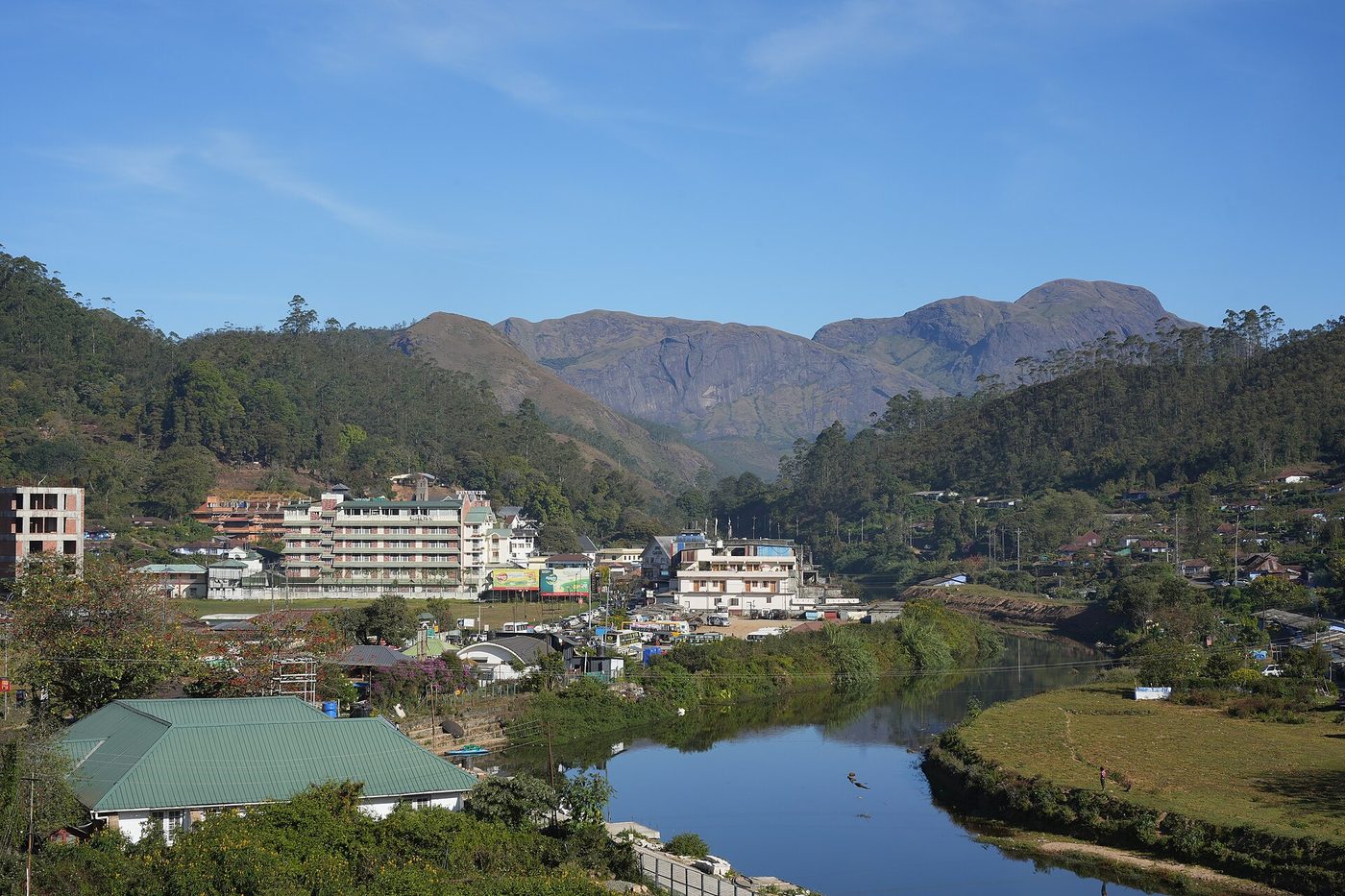
Kerala’s most famous hill station, known for tea estates, viewpoints and cool weather.
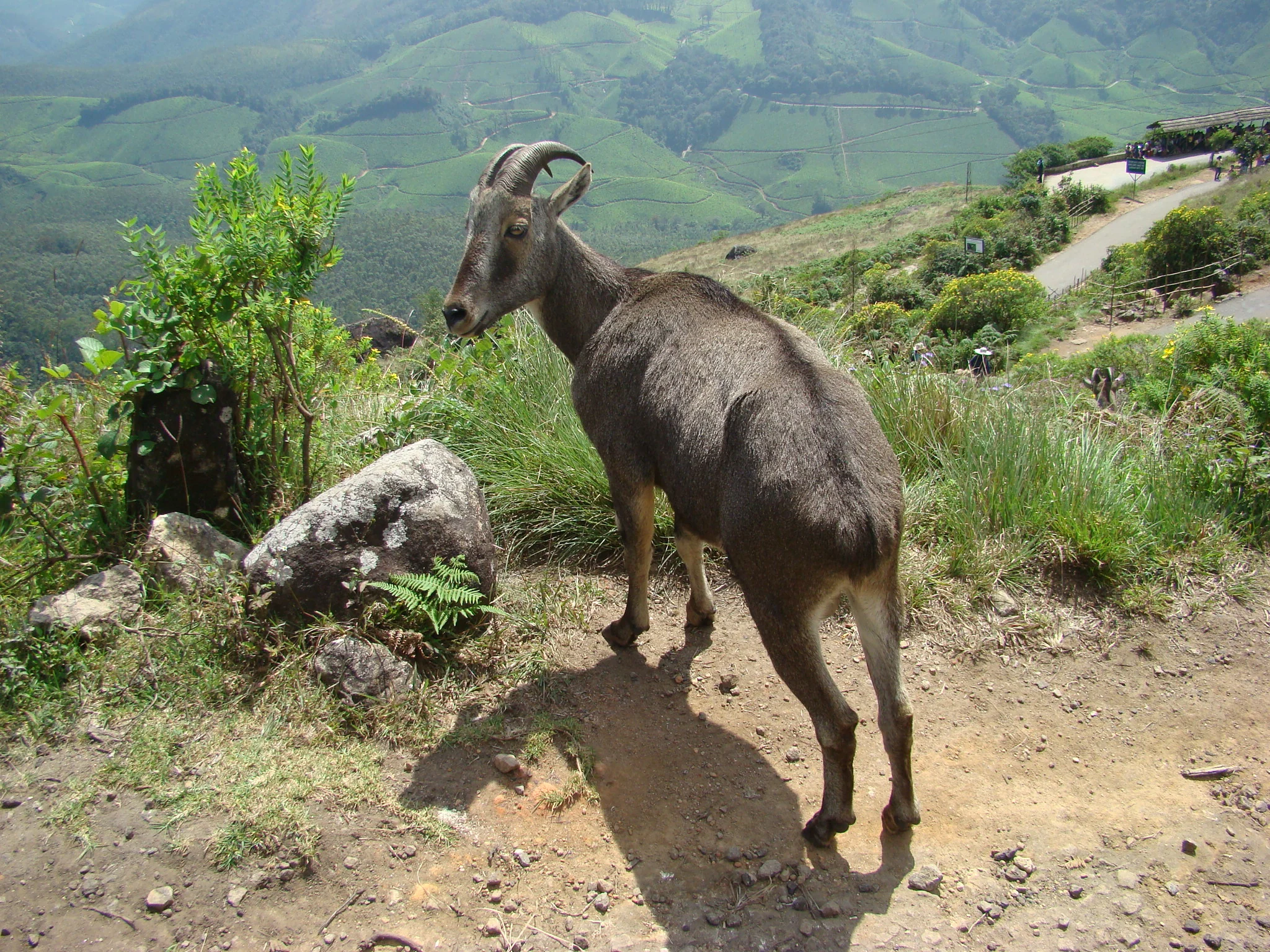
High-altitude grassland park, Nilgiri tahr habitat and access point for Anamudi views.
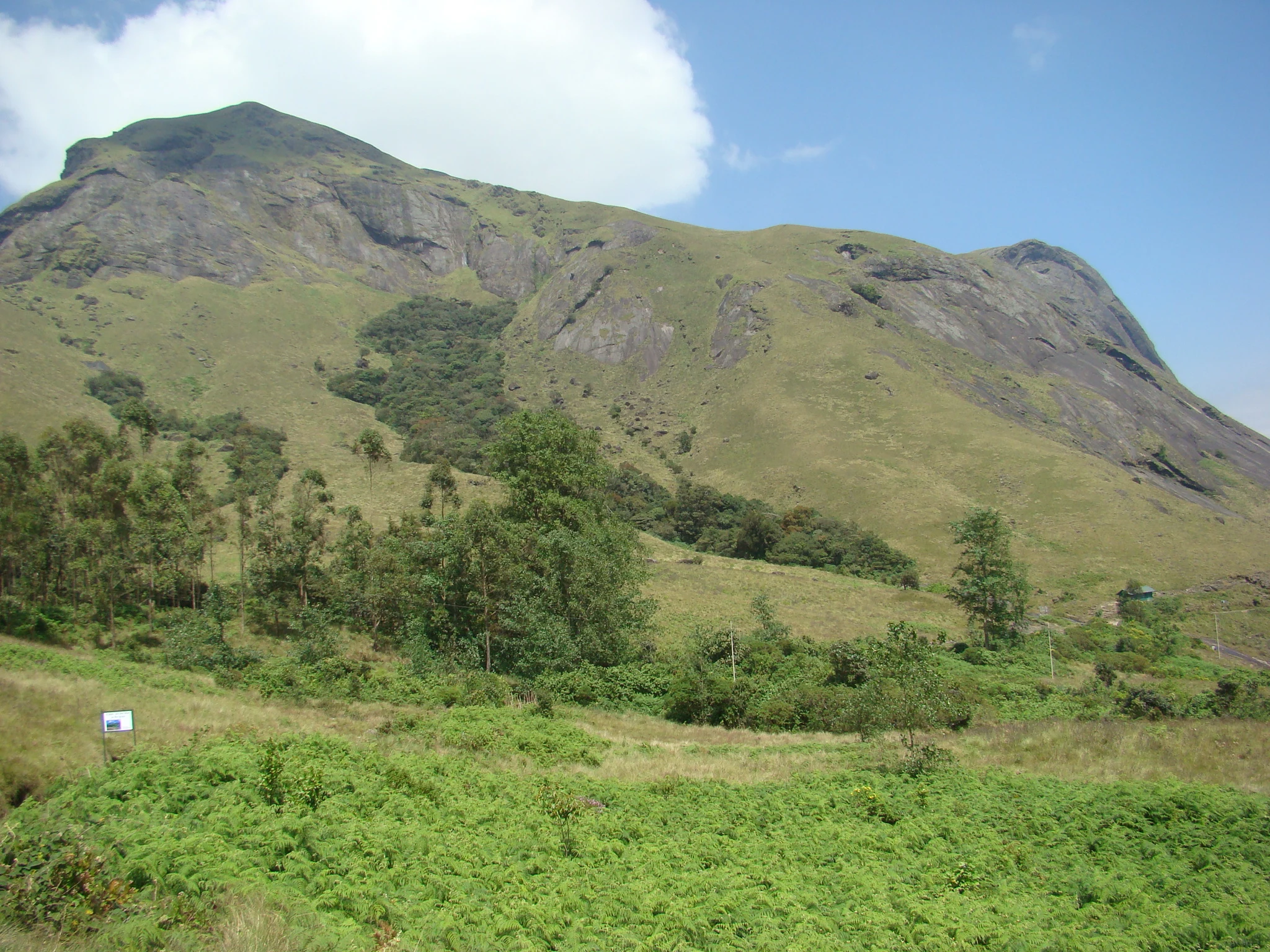
69.6 km · 123 min drive
The highest peak in South India, viewed through Eravikulam/Rajamala access contexts near Munnar.
Rajamala is the designated tourism and awareness zone of Eravikulam National Park near Munnar. It is not a separate unrestricted summit trek or the whole national park.
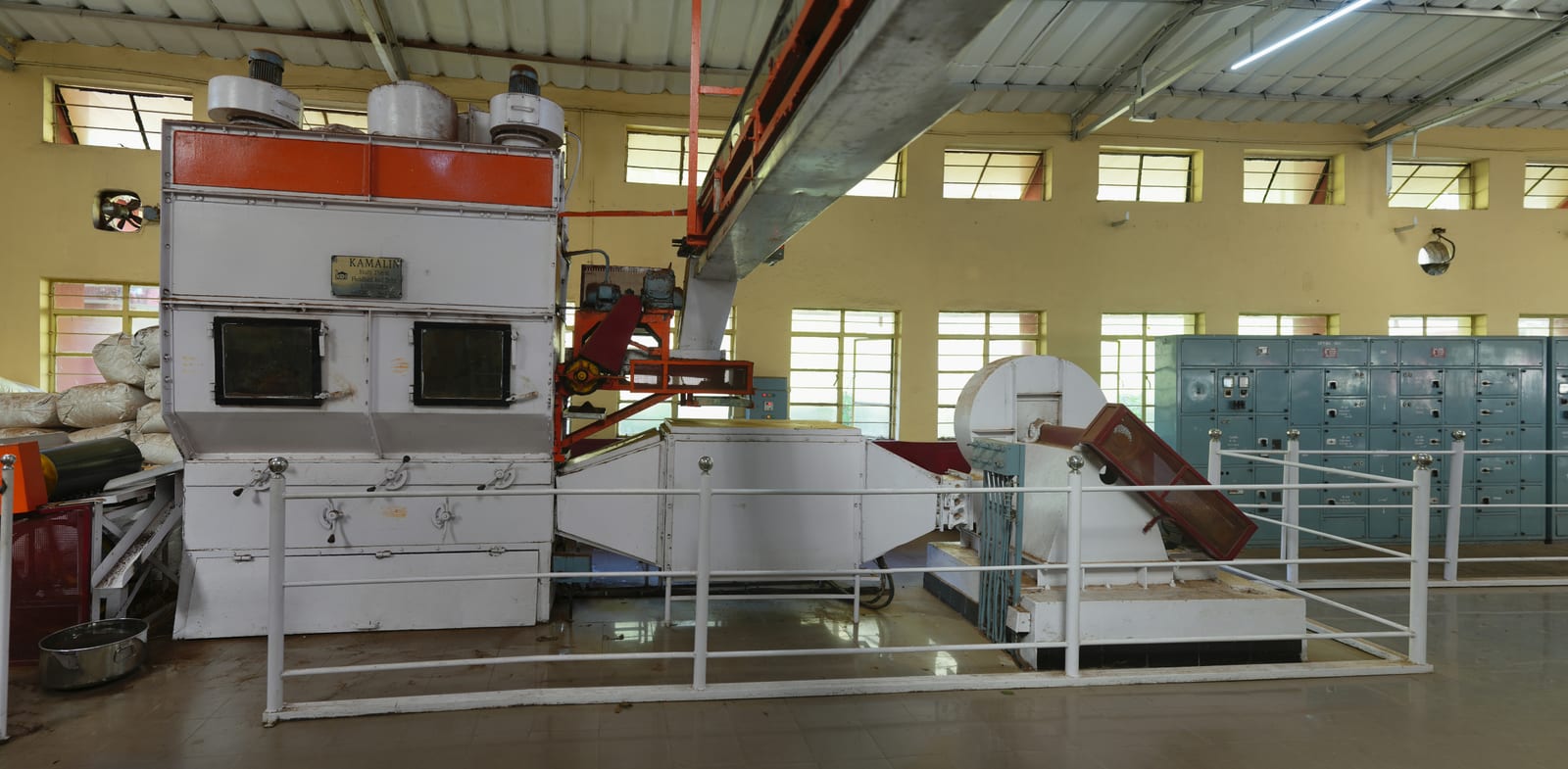
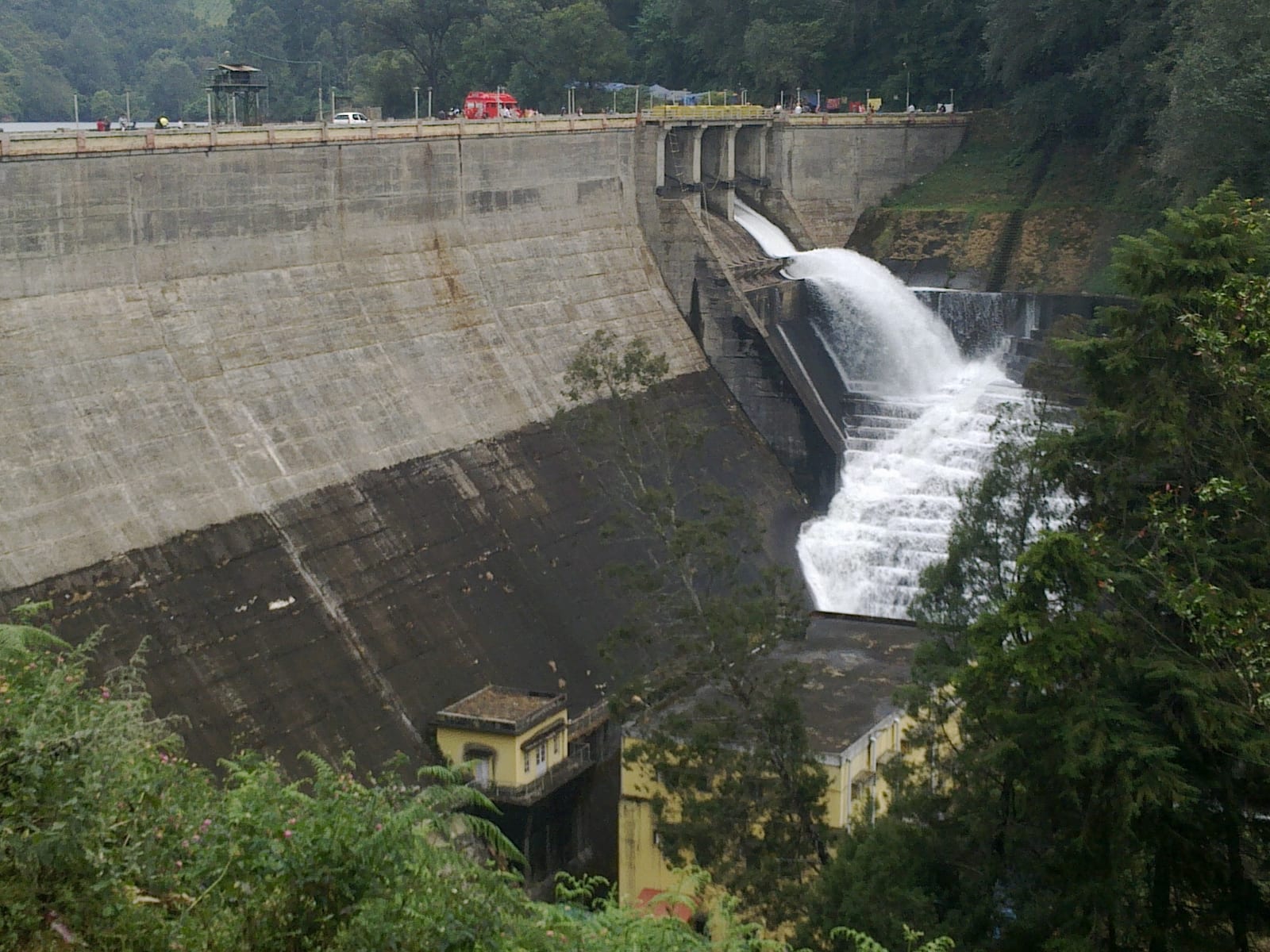
Reservoir, boating and lake-view stop on the Munnar-Mattupetty sightseeing circuit, usually paired with Echo Point and Kundala.
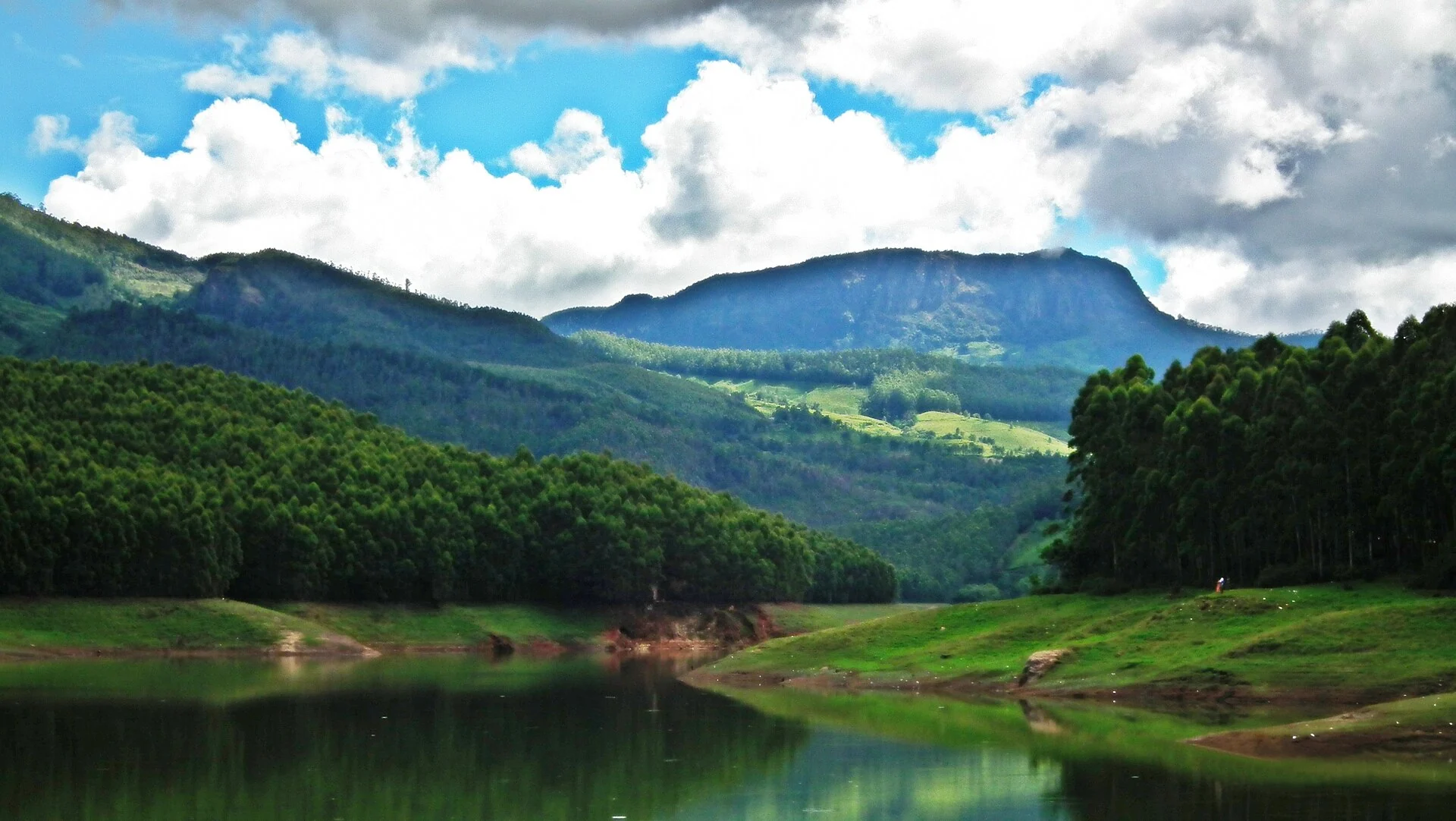
Popular Munnar lakeside viewpoint on the Mattupetty-Kundala route, useful for short stops, photos and family sightseeing.
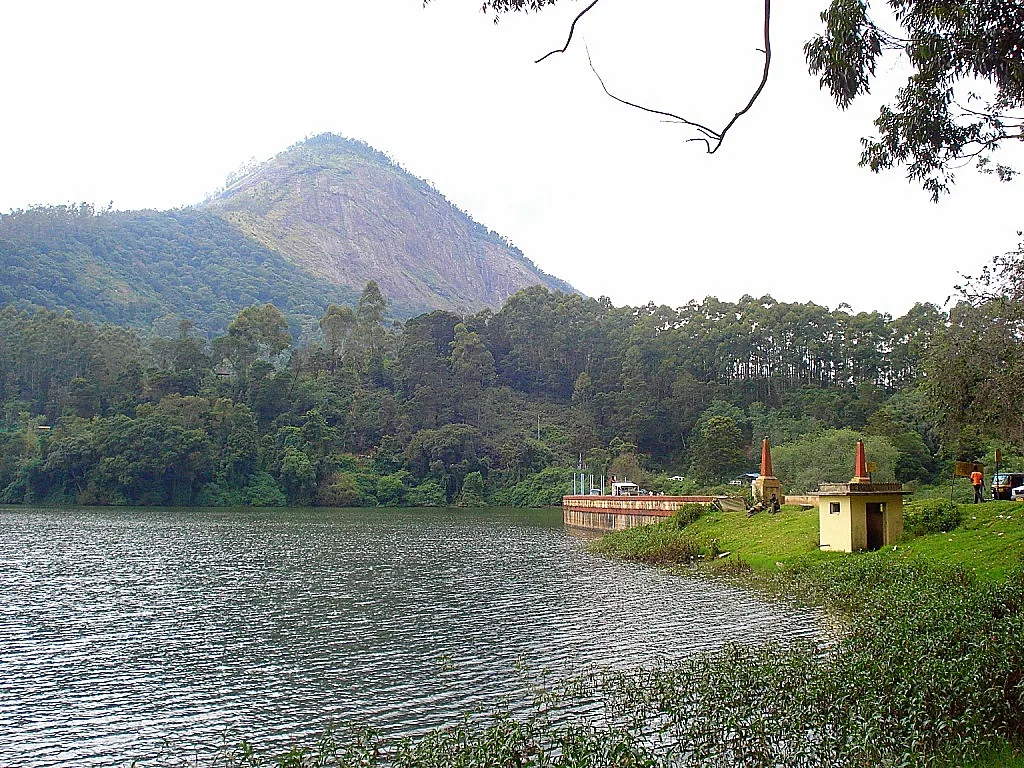
29.9 km · 44 min drive
High-range lake and dam stop beyond Mattupetty on the Top Station route.
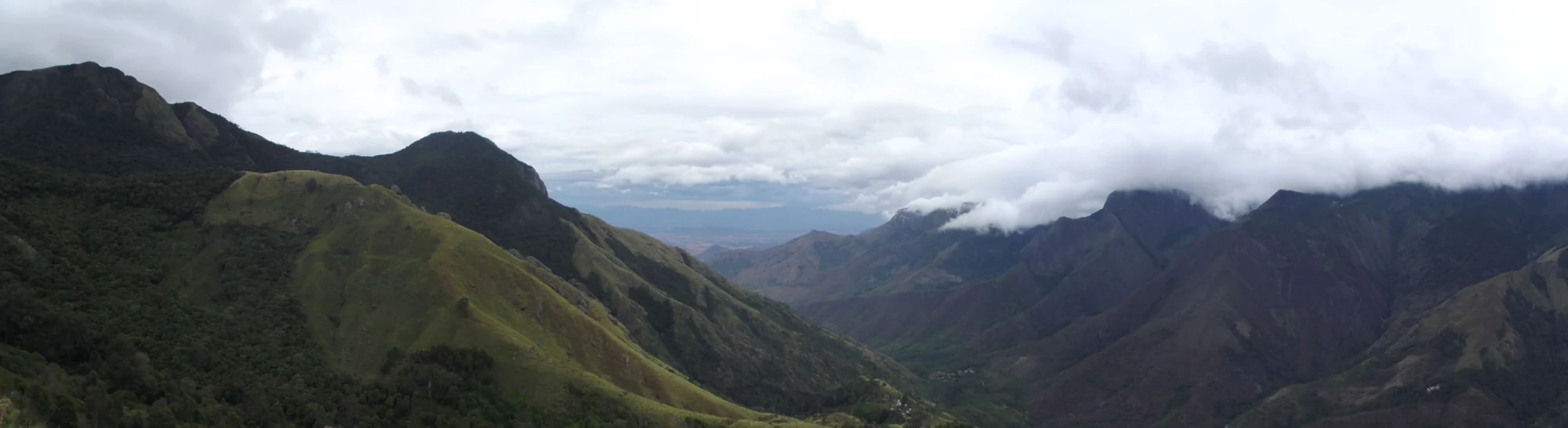
A border-highland viewpoint in Theni, Tamil Nadu, normally approached through Munnar, Mattupetty and Kundala; named for the former tea-transport terminus, with a separate stepped viewpoint walk.
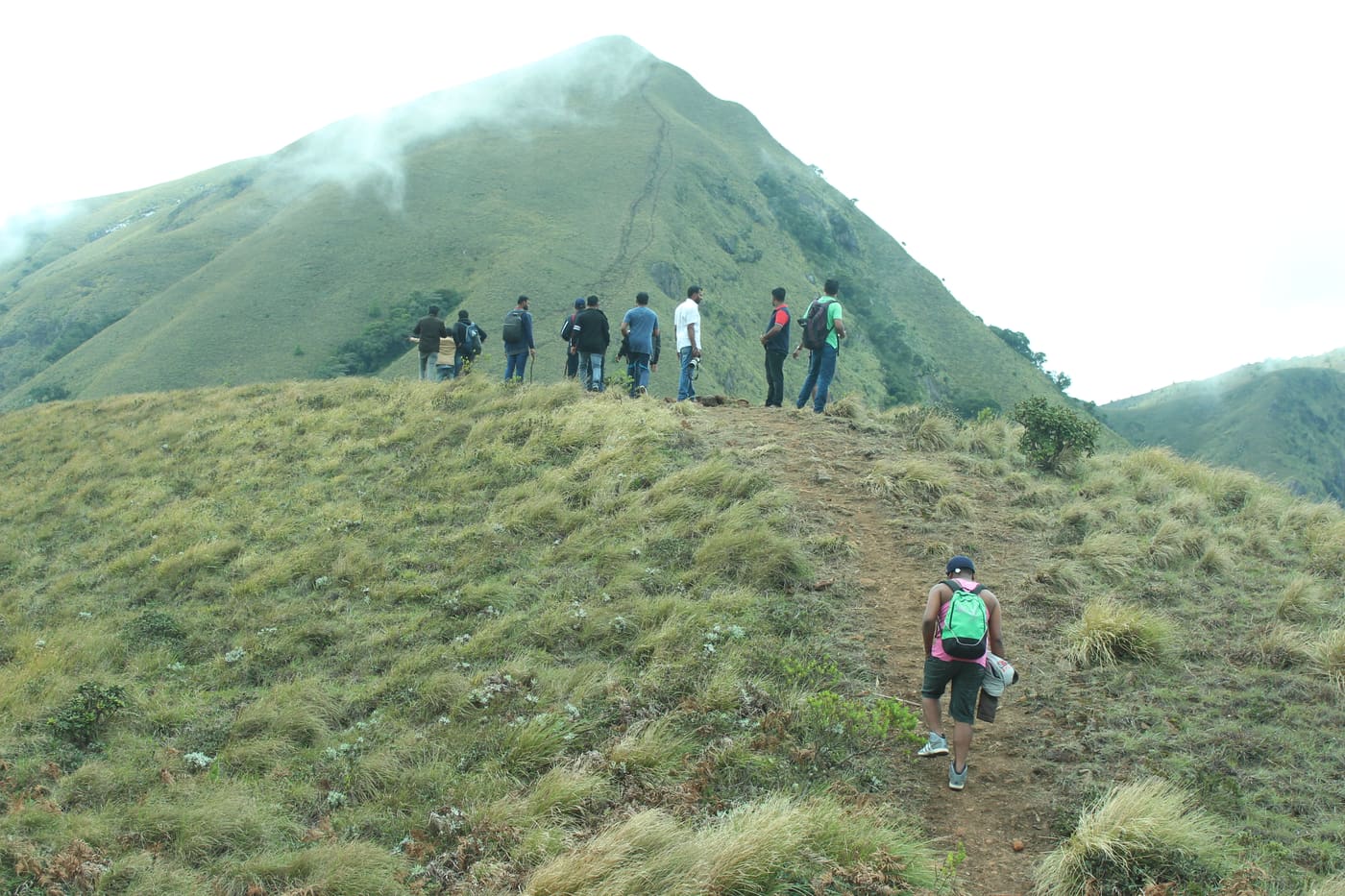
27.3 km · 40 min drive
Popular high-altitude Western Ghats trek, usually booked through official eco-tourism channels.
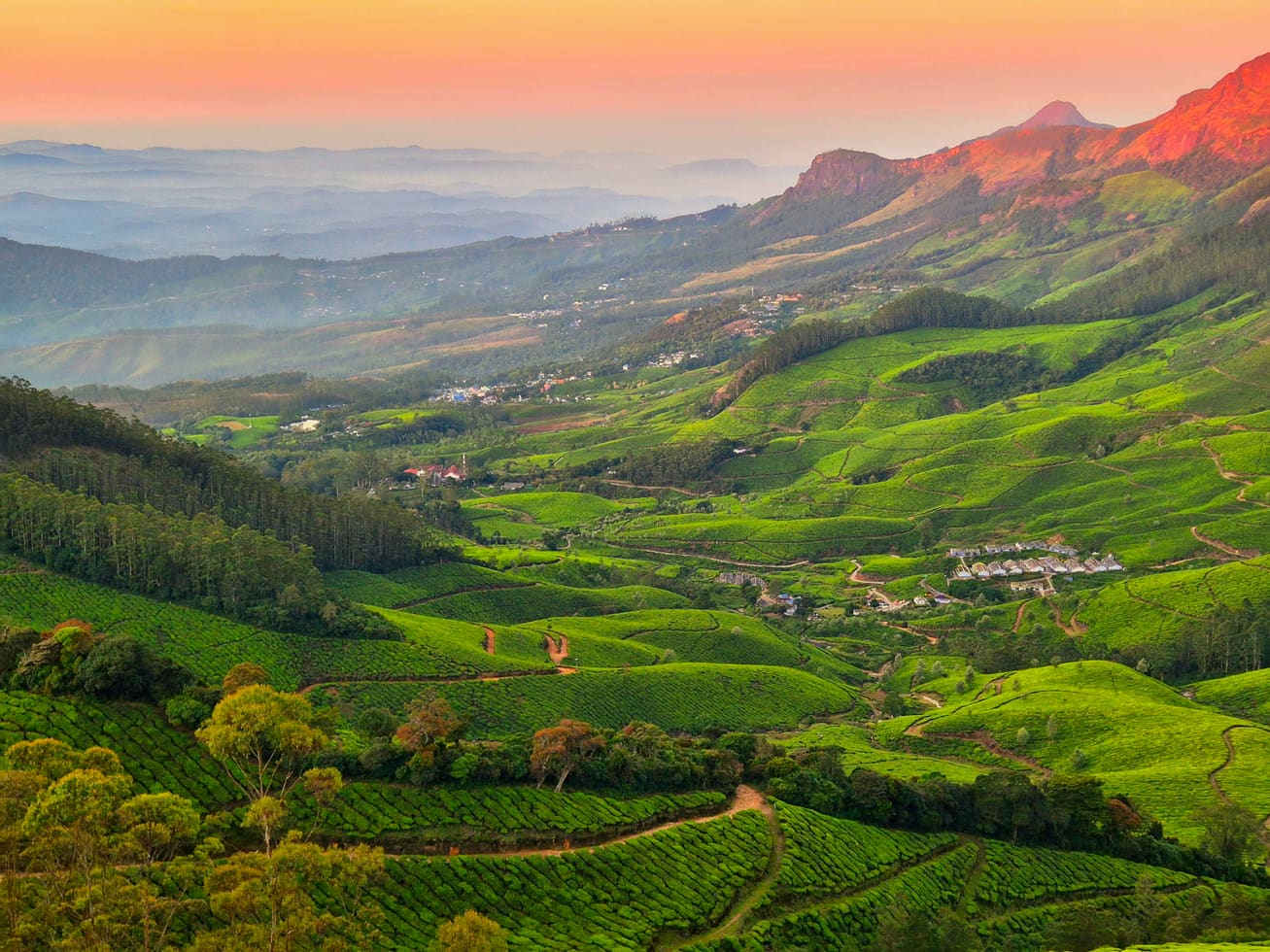
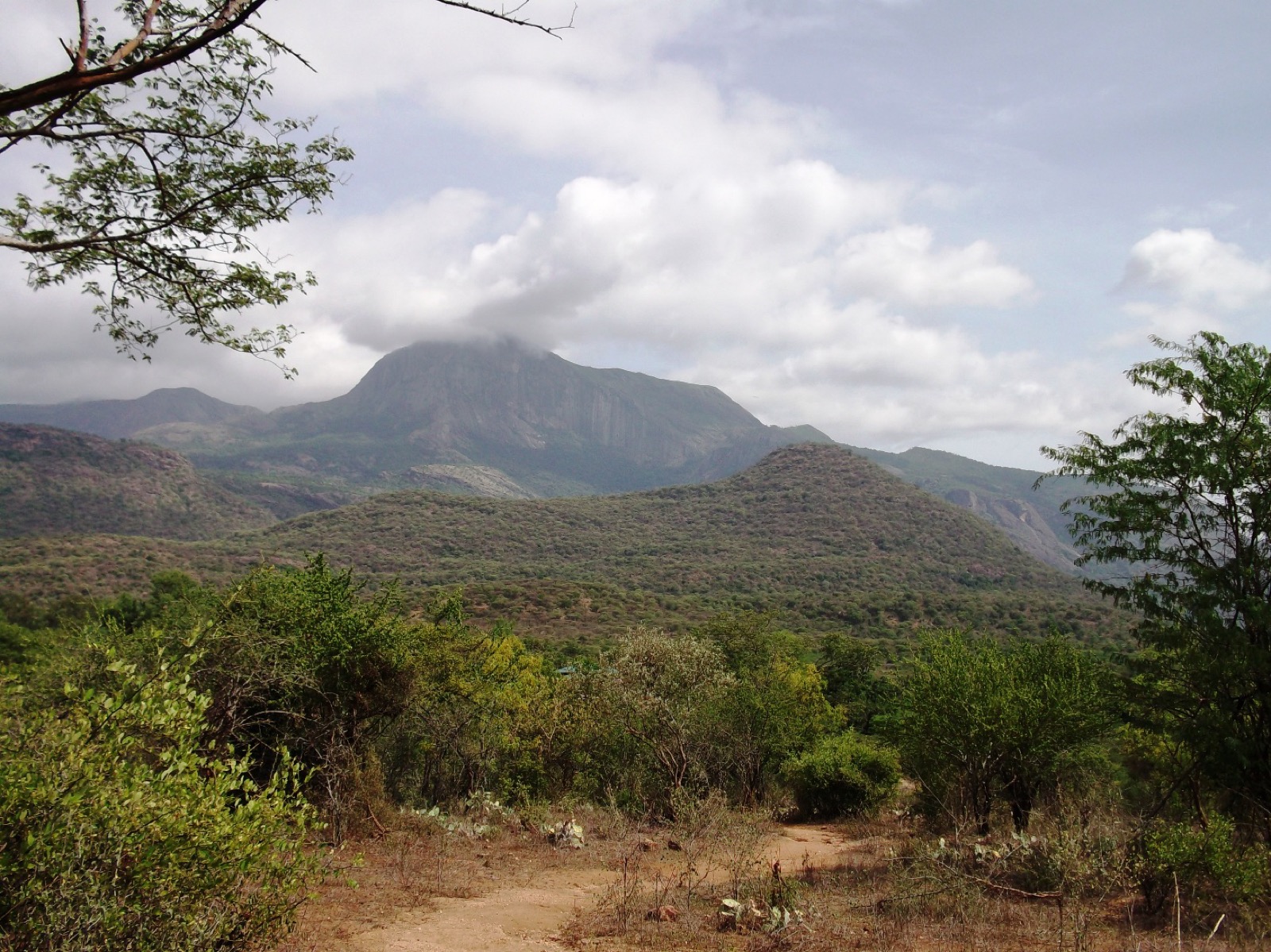
5.8 km · 11 min drive
Dry-forest wildlife sanctuary on the Marayoor-Udumalpet side of Idukki.
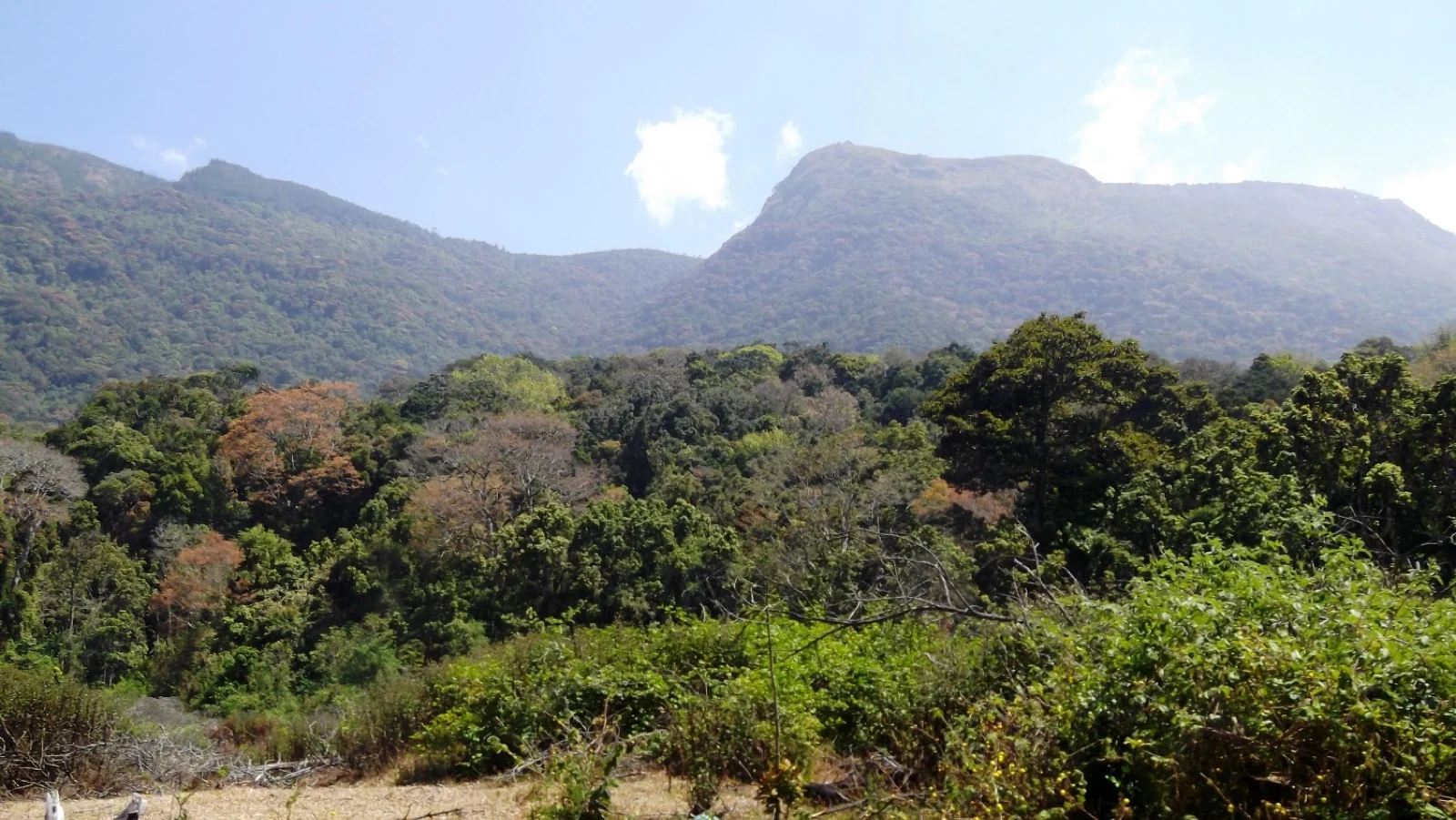
Pampadum Shola National Park protects high-elevation forest beside the Top Station–Vattavada road. The Top Station forest check post is the reporting anchor here; forest stays and guided walks require their own confirmed arrangements.
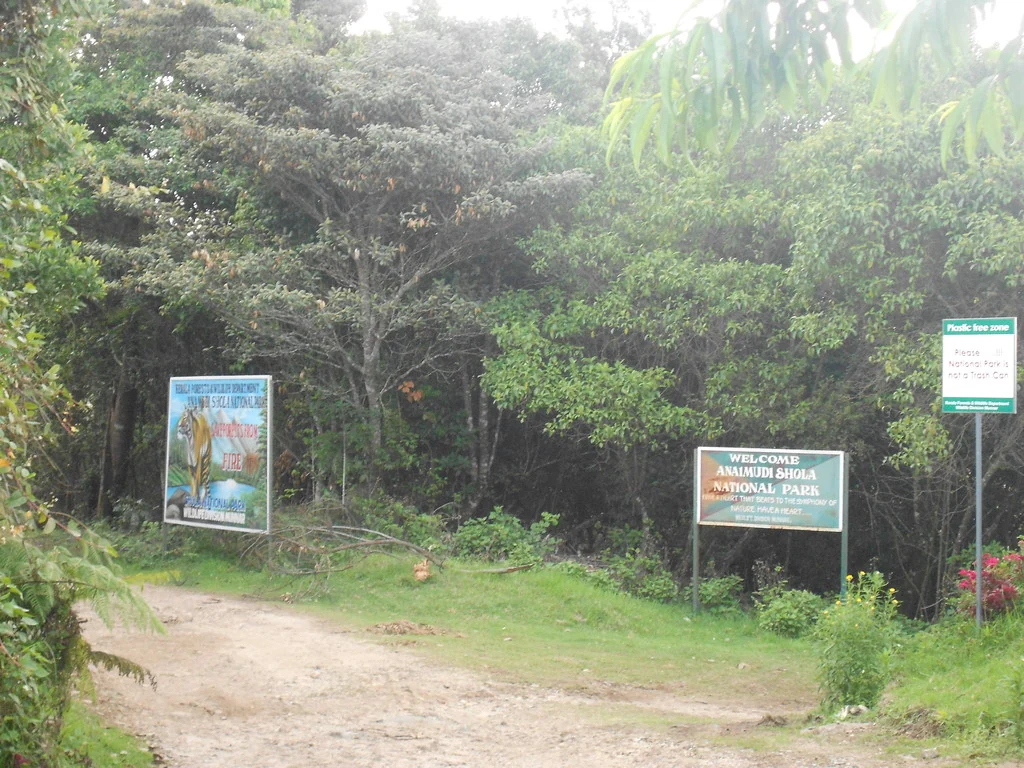
26.9 km · 44 min drive
Anamudi Shola National Park protects Mannavan, Pullaradi and Idivara shola forests in the Kanthalloor–Vattavada high ranges. Methappu is the visitor anchor on this page; this is not Anamudi Peak or the Rajamala visitor area.
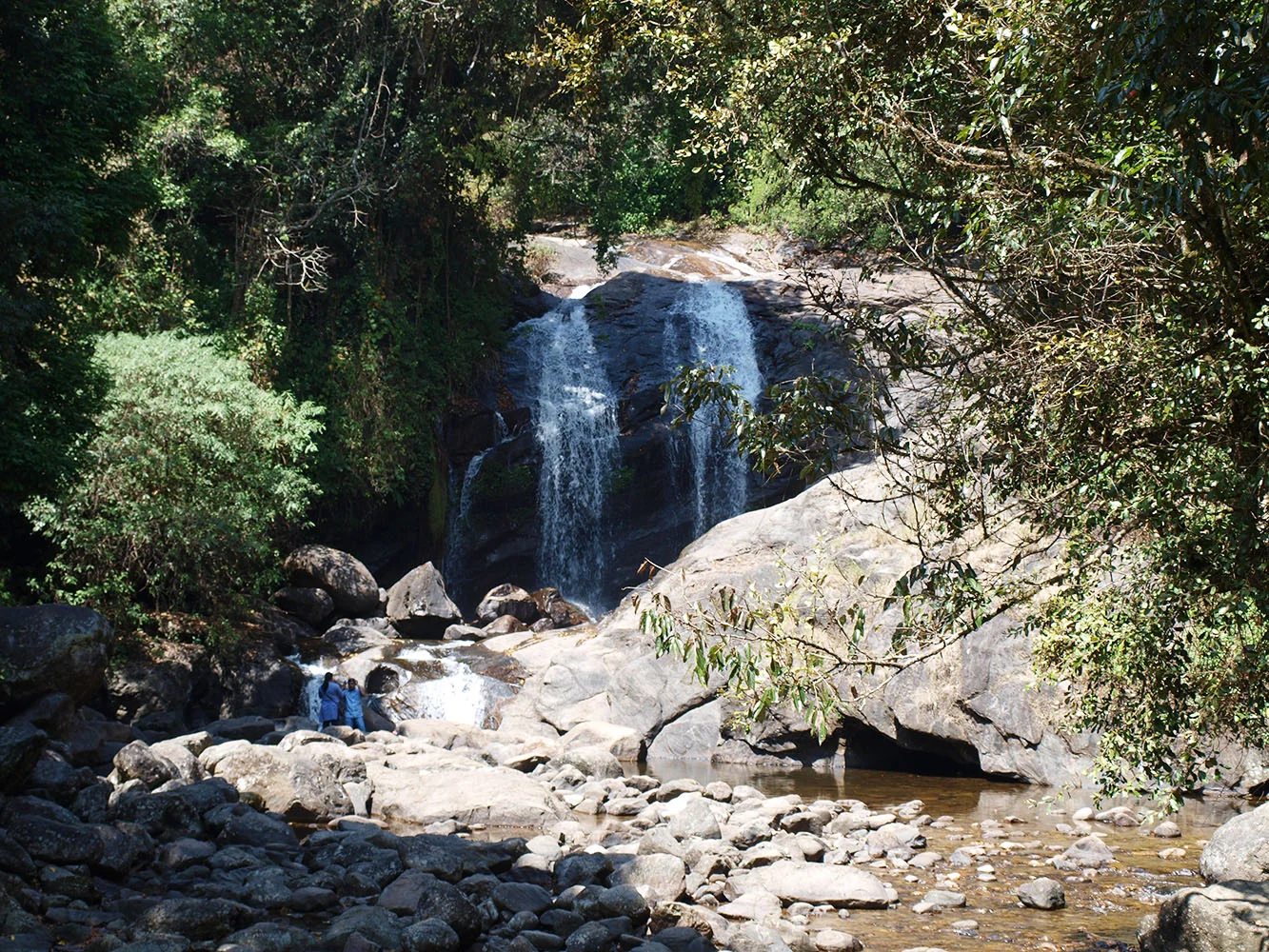
9.1 km · 16 min drive
Waterfall stop on the Munnar-Marayoor route, usually paired with Eravikulam and Marayoor days.
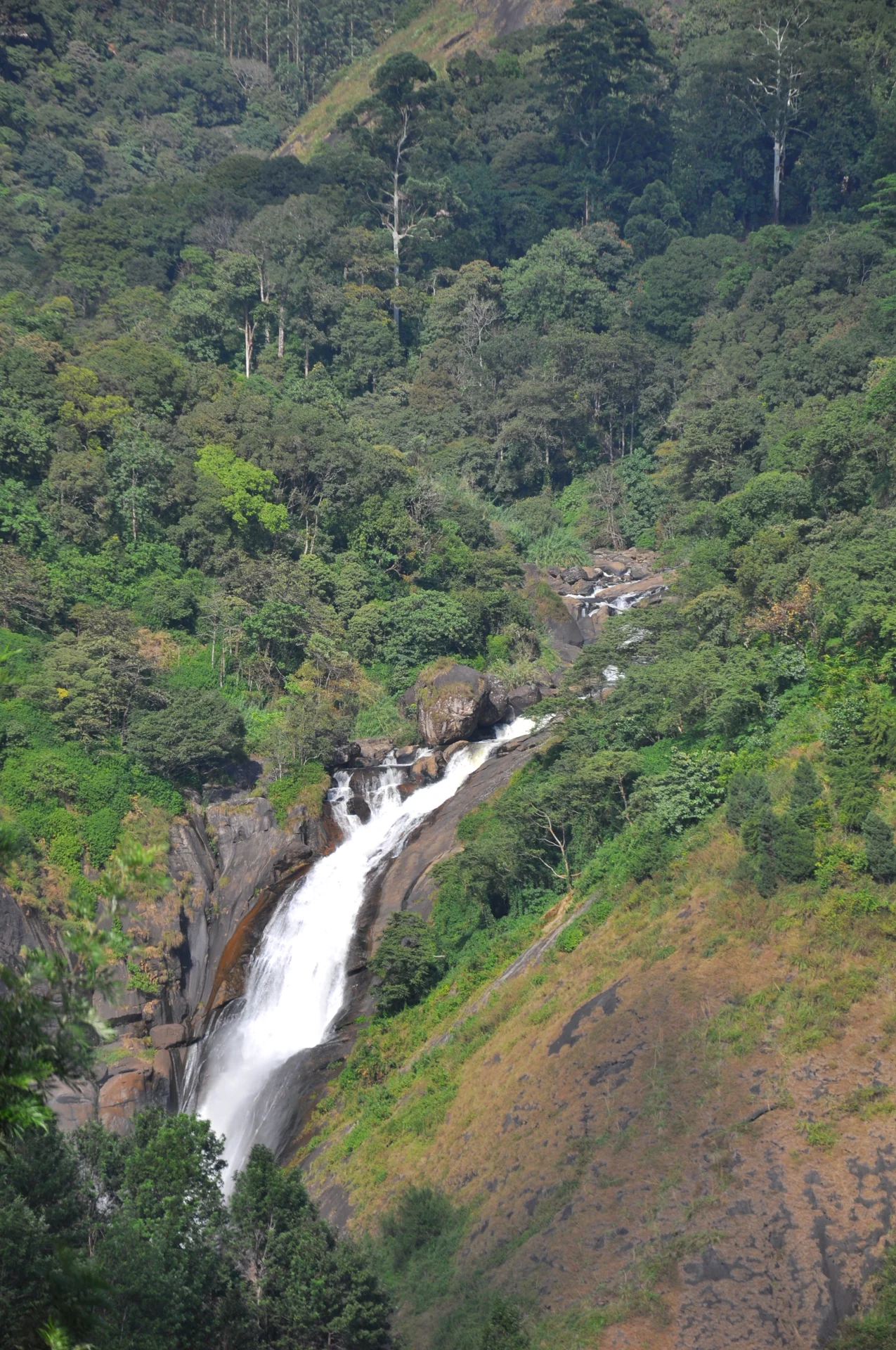
Waterfall area near Munnar commonly used for short scenic drives and monsoon views.
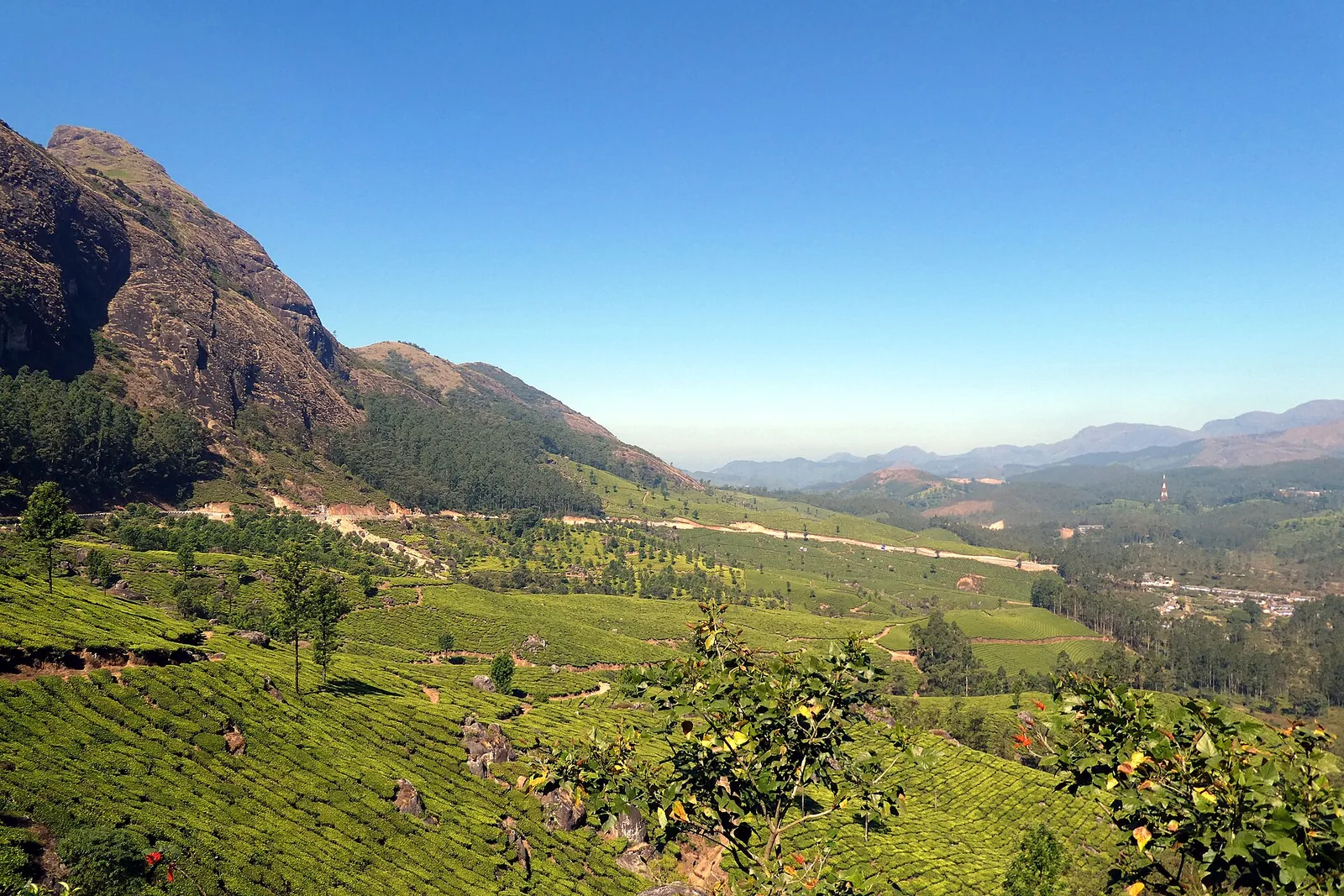
The pass itself on the Munnar–Bodimettu highway, where the ridge drops away east — and the lay-by the Chokramudi Peak trek reports from, 51 m from the forest counter. A second, busier viewpoint signed "Lockhart Gap Road View Point" sits 1.7 km east.
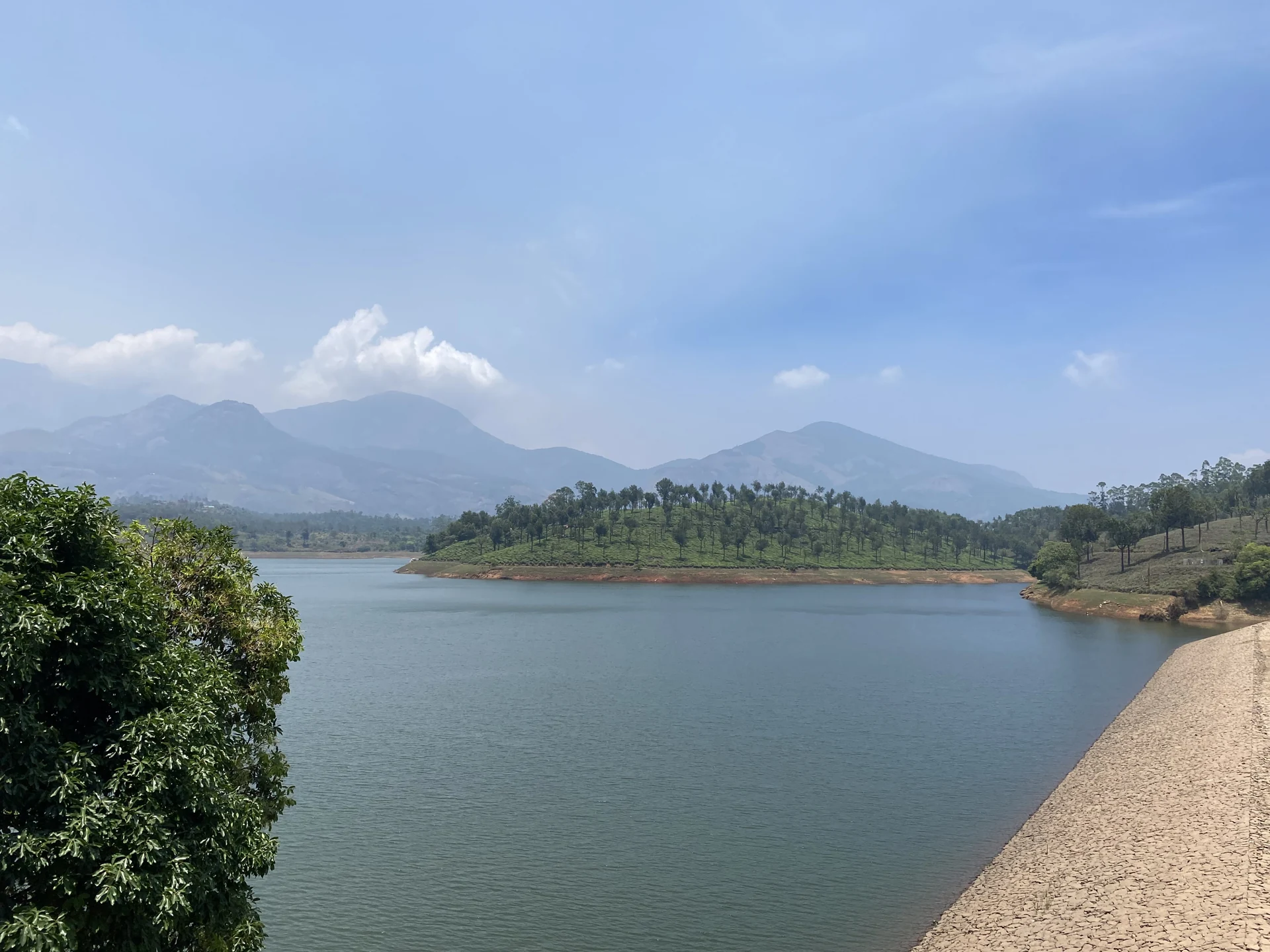
Anayirankal is a KSEB earth-and-rockfill dam and reservoir in the Panniyar hydel system near Chinnakanal and Santhanpara. The map identifies the published hydel visitor-centre marker; boating is not currently assured.
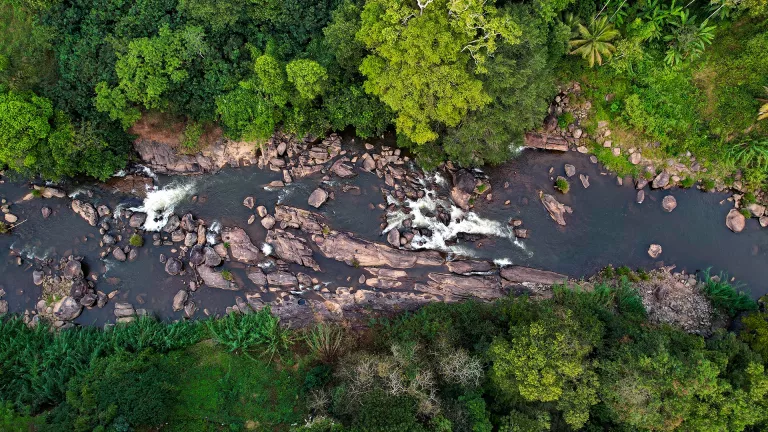
The Muthirapuzha spread sideways over bare rock at 796 m, below the tailrace of Pallivasal — the first hydroelectric station Kerala built. Free, unmanaged and very quiet, down about a kilometre of steep narrow lane. ⚠ Not the Chinnakanal falls that Kerala Tourism describes under this name, 21 km east.
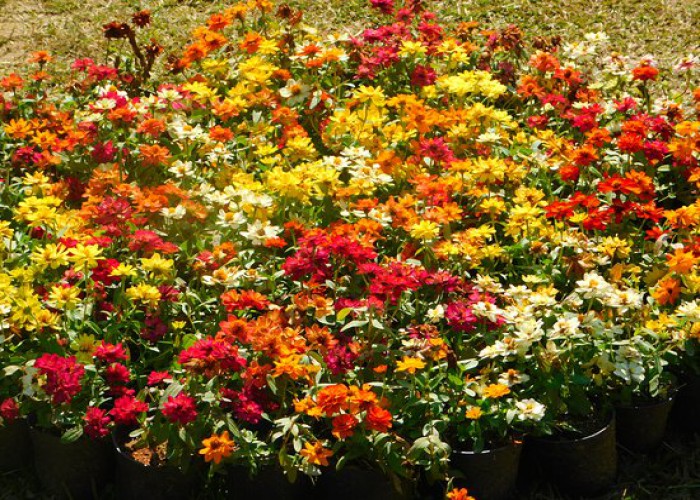
The Kerala State Electricity Board’s riverside flower park on the Munnar–Aluva road, 3.3 km below Munnar town and 1.2 km from the KSRTC stand at Old Munnar. It runs along the east bank of the Muthirapuzha immediately above the 1944 R. A. Headworks weir that feeds Pallivasal, Kerala’s first hydroelectric station — which is what the "hydel" in the name means. Open daily 09:15 to 20:15 with tickets sold online by Kerala Hydel Tourism Centre.
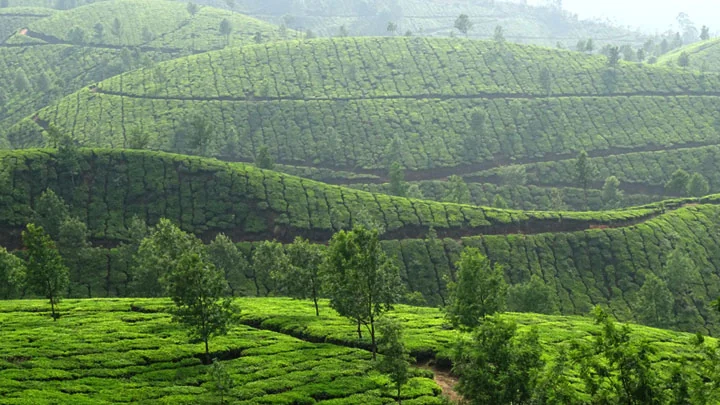
Hill-station and lake landscape near Munnar associated with Devikulam and Sita Devi, best planned as a quieter high-range side trip.
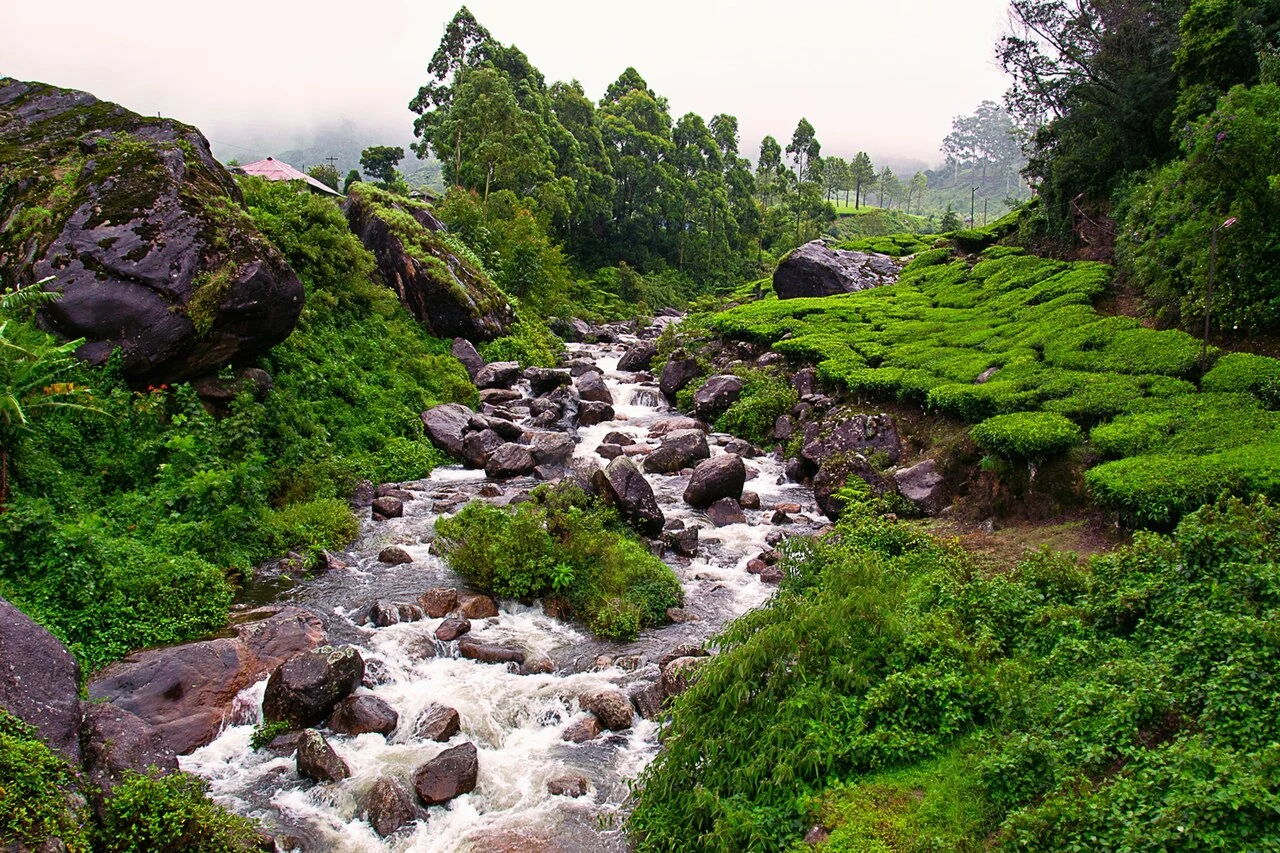
Nyayamakad, also called Nayamakad, is the waterfall and tea-estate landscape on the Munnar–Rajamala approach. The map uses the identifiable Nyamakad roadside stream-view base, not a waterfall lip, pool entrance or estate walking permit.
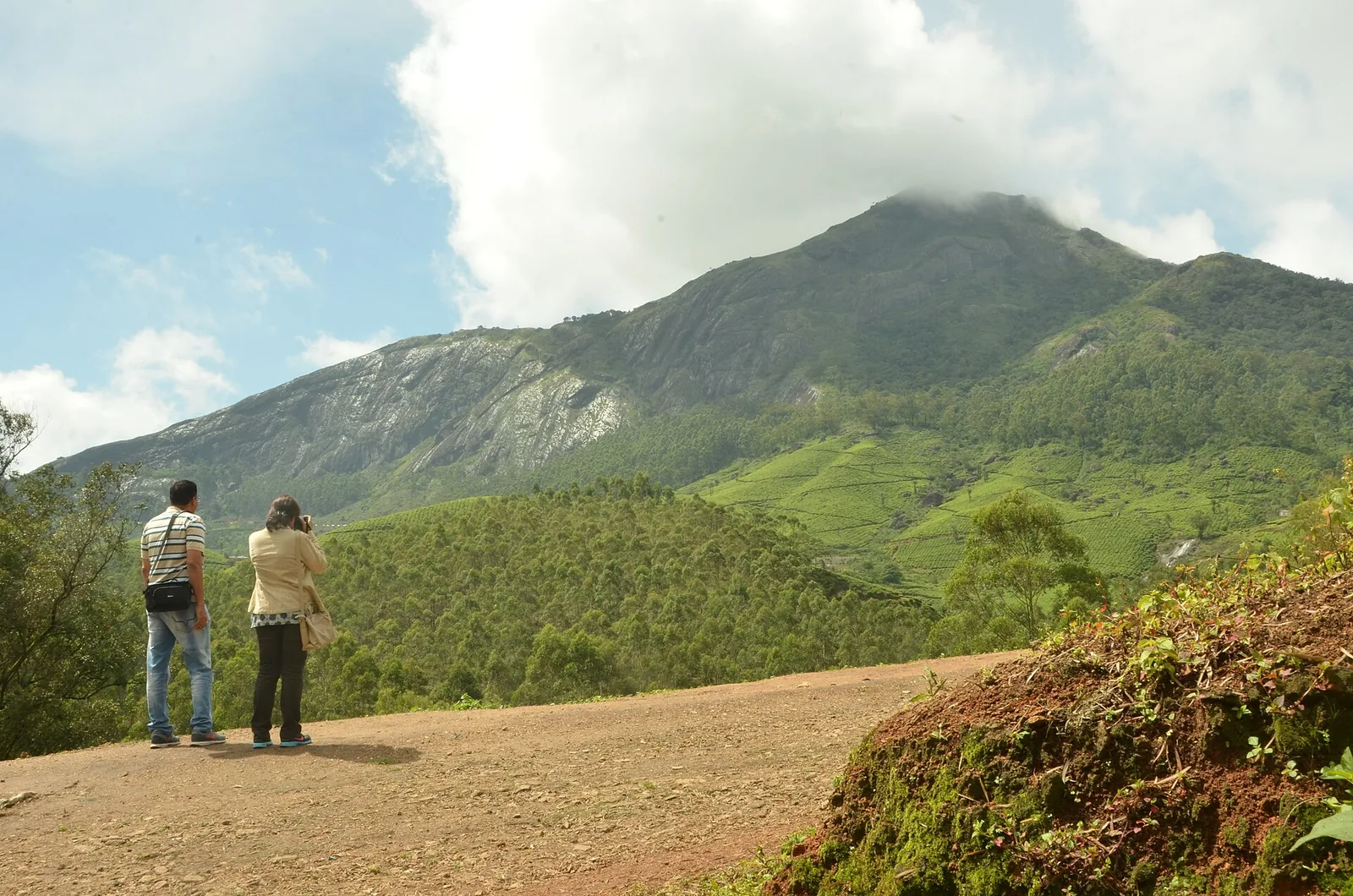
Forest Department peak trek from the counter at Gap Road, 13.2 km from Munnar: a mapped 2.09 km path climbing about 460 m of grassland and shola to a summit whose altitude four sources disagree about.
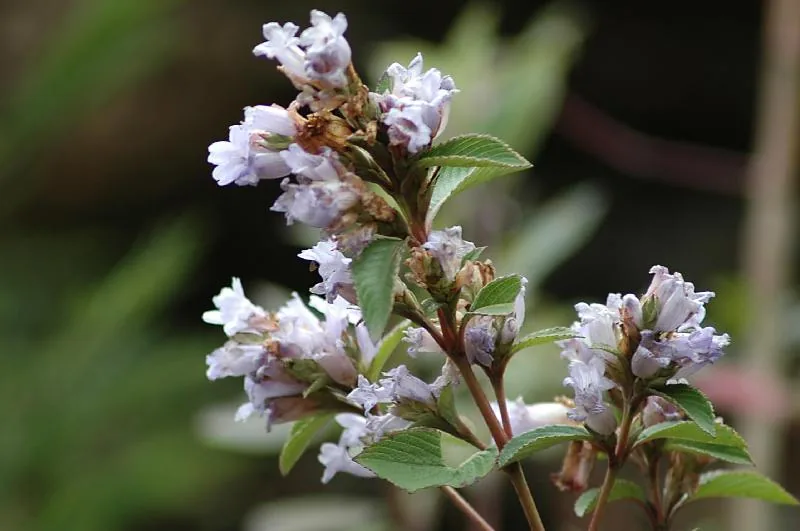
29.6 km · 57 min drive
The 32 km² sanctuary above Kottakamboor and Vattavada, notified in 2006 for one plant — Strobilanthes kunthiana — with two walks and two stays in the Forest Department's own brochure and nothing bookable online.
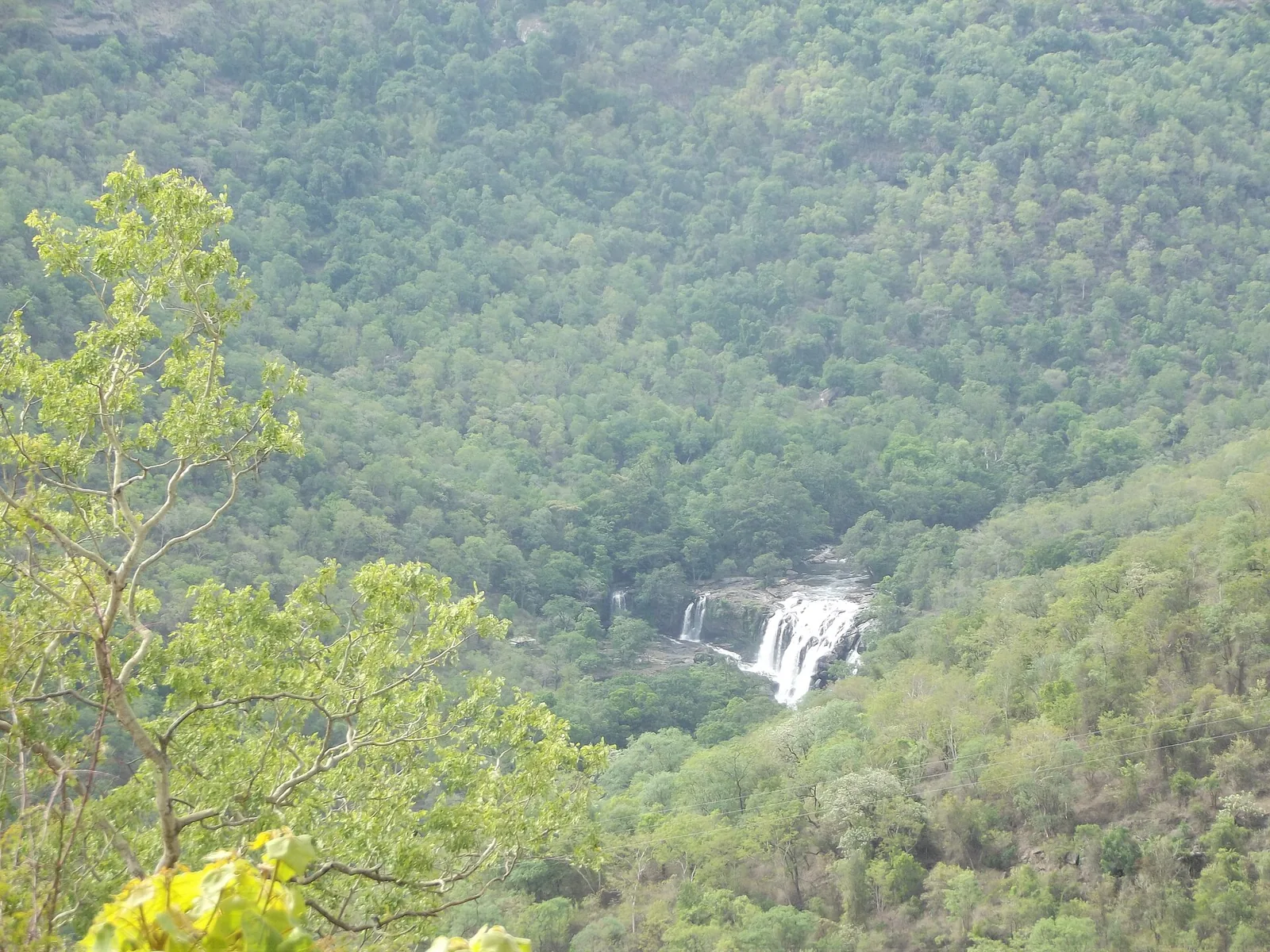
6.4 km · 10 min drive
Forest Department guided walk in Chinnar Wildlife Sanctuary, from the Alampetty counter on SH17 down the river to the Thoovanam waterfall. Kerala Tourism contradicts itself on which river it follows: its own destination article says the Pambar, and the page selling this programme says the Chinnar.
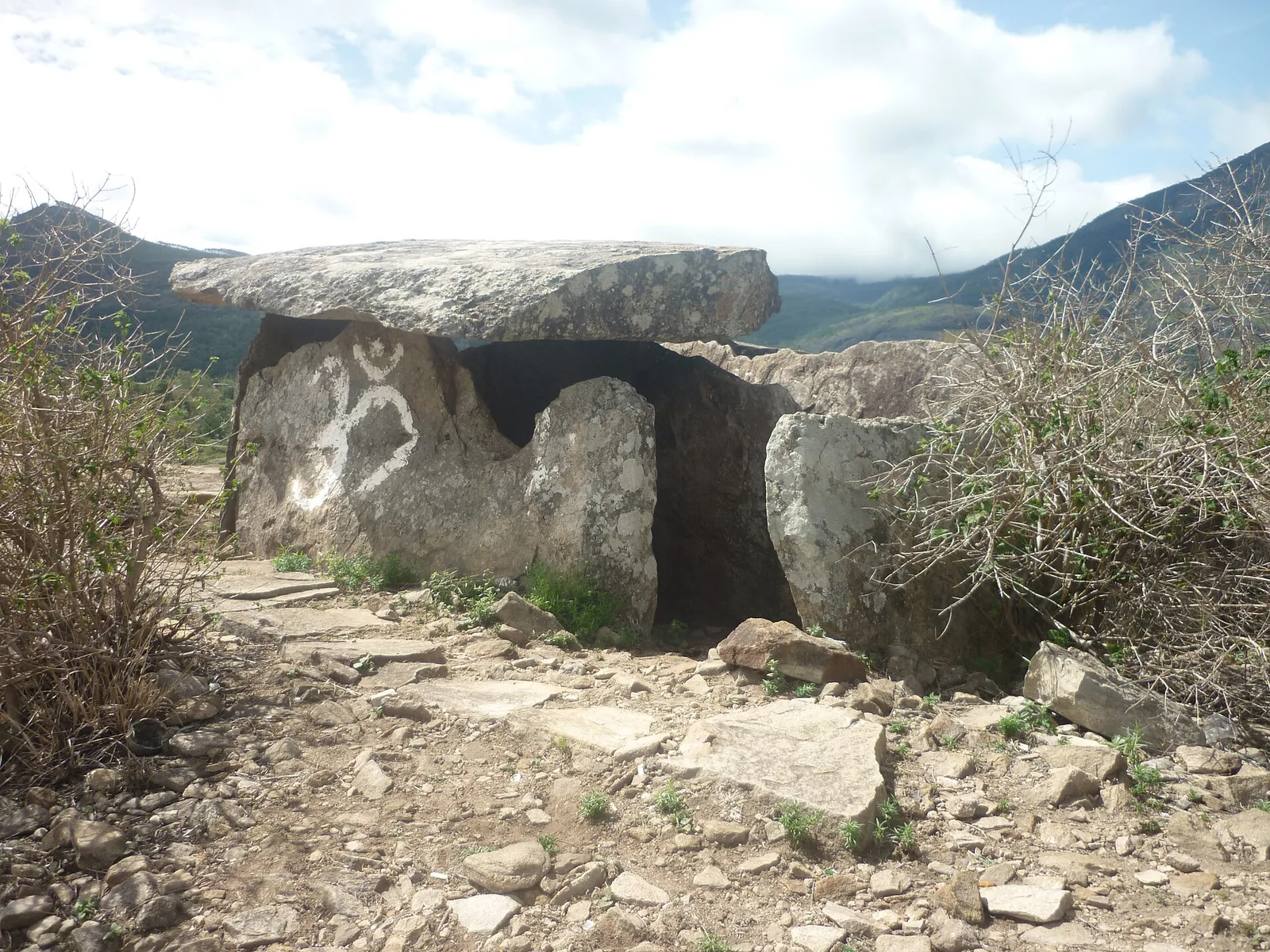
6.4 km · 10 min drive
Forest Department culture trek in Chinnar Wildlife Sanctuary to prehistoric dolmen (muniyara) sites, run with local tribal Eco-Development Committees. Report at the Alampetty guide stand on the Marayoor–Udumalpet road (SH17), 6.4 km beyond Marayoor.
16.6 km · 25 min drive
Forest Department trekking-and-camping programme at Vasyappara in Chinnar Wildlife Sanctuary — an overnight stay in a mud hut on a hill crest, published by the department as the Chinnar Valley Safari Trail. Report at 3 pm at the Chinnar check post on the Marayoor–Udumalpet road, not at the Alampetty counter 10.2 km back.
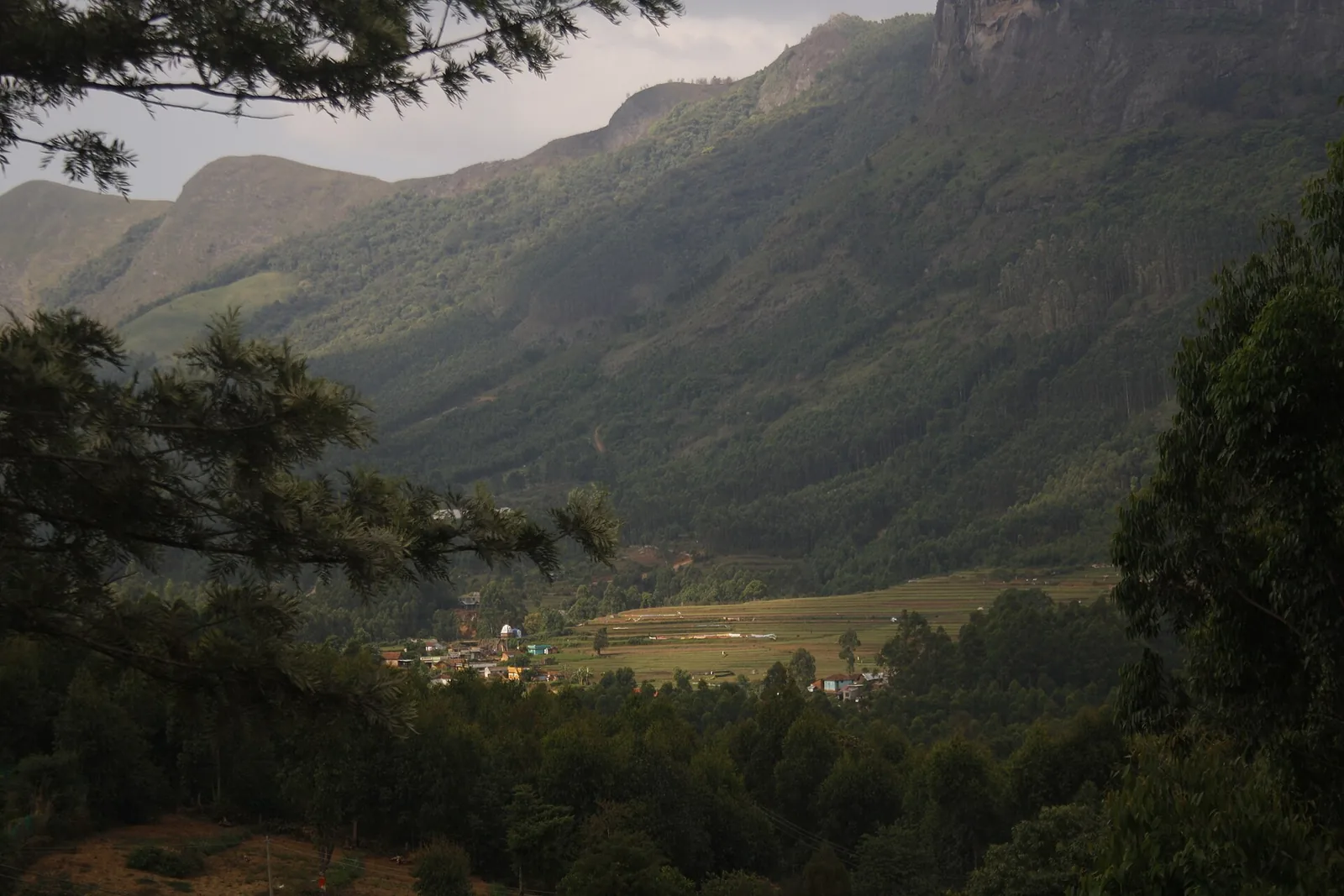
7.6 km · ~19 min by auto
High-range village near Marayoor often called the “Kashmir of Kerala”, known for terraced farms of apples, oranges, strawberries and vegetables at around 1,800 m.
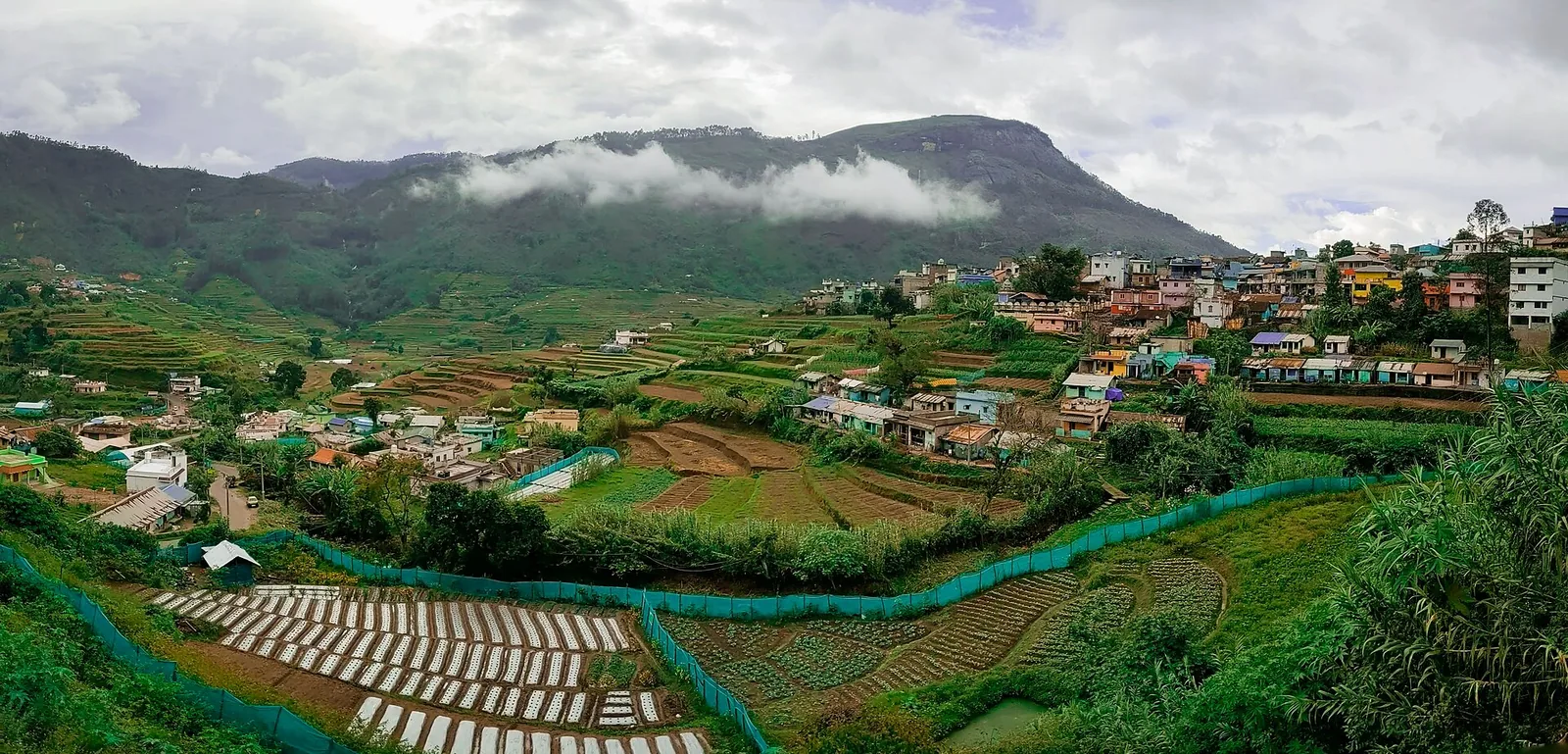
14.8 km · ~25 min by cab
Cool high-altitude farming village beyond Munnar near the Tamil Nadu border, known for terraced vegetable and fruit cultivation, Kurinji slopes and quiet valley views.
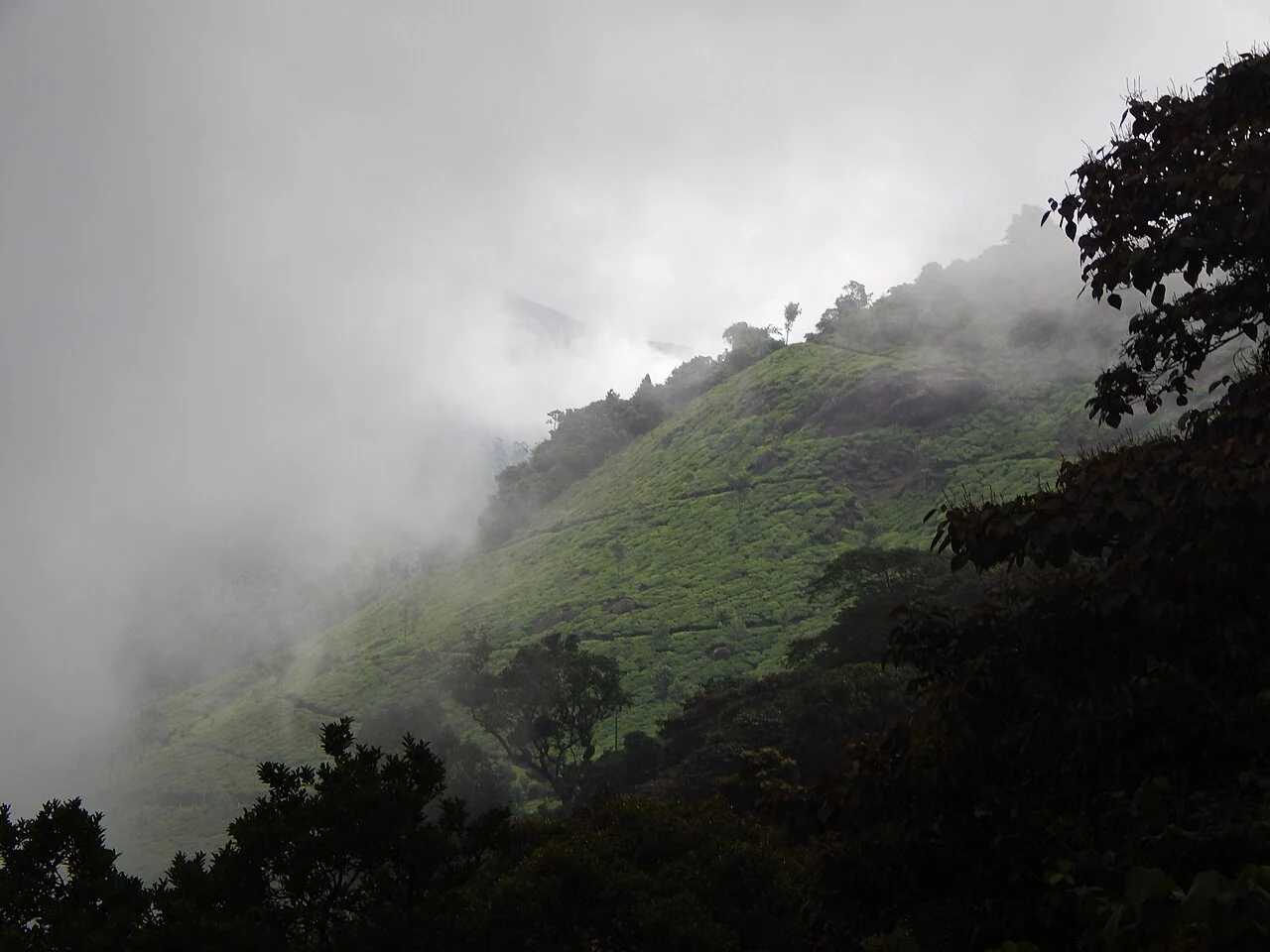
A road-accessible viewpoint in Pothamedu south of Munnar, looking across planted hills and wooded valleys. The viewpoint marker is separate from the wider village and from private plantation walking routes.
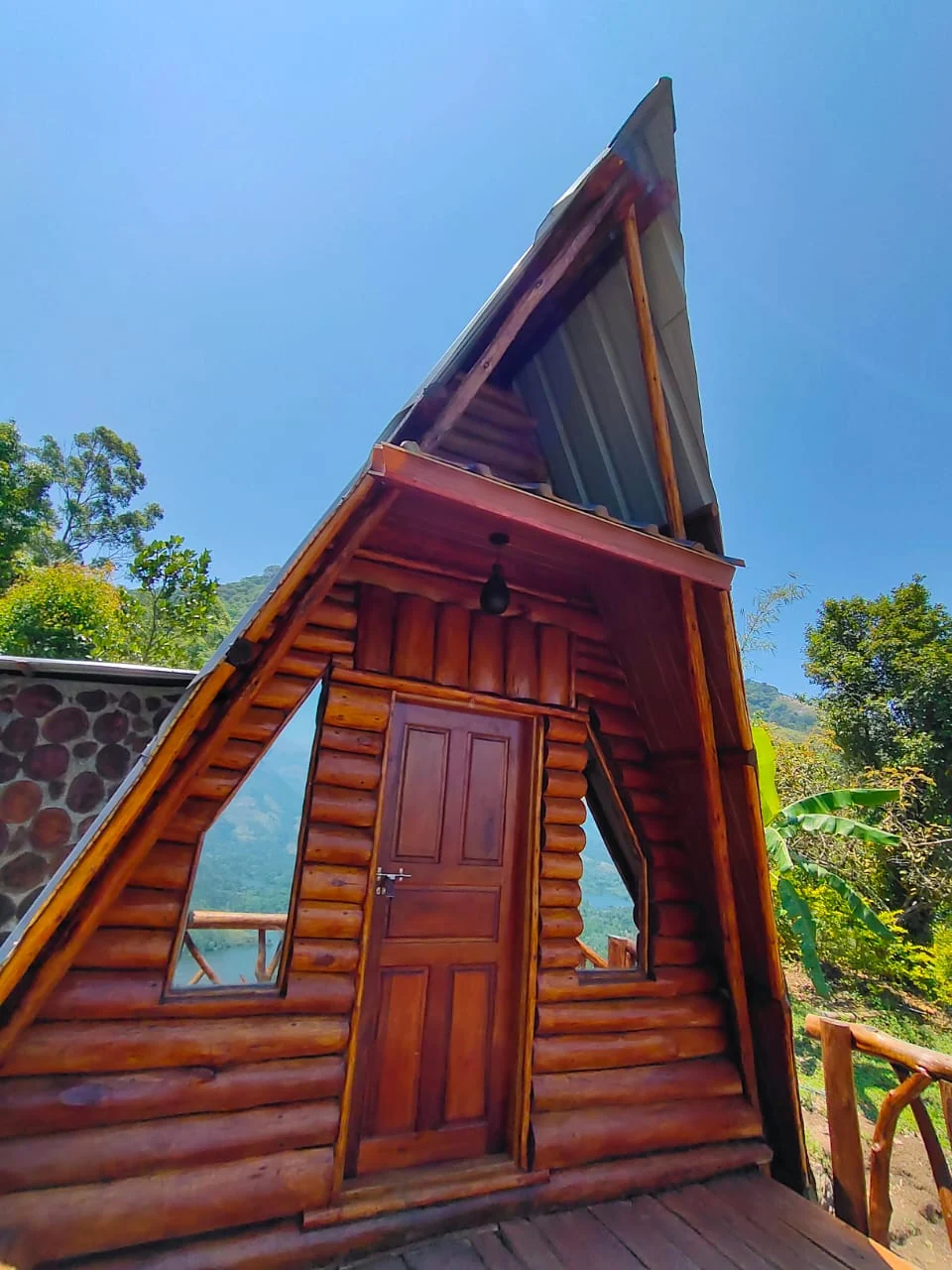
Mathikettan Shola protects a remnant of native Cardamom Hills forest in Idukki. Visits are arranged through the Forest Department, with distinct Pethotty and Choondal approaches; a reservoir viewpoint is not a park-entry permit.
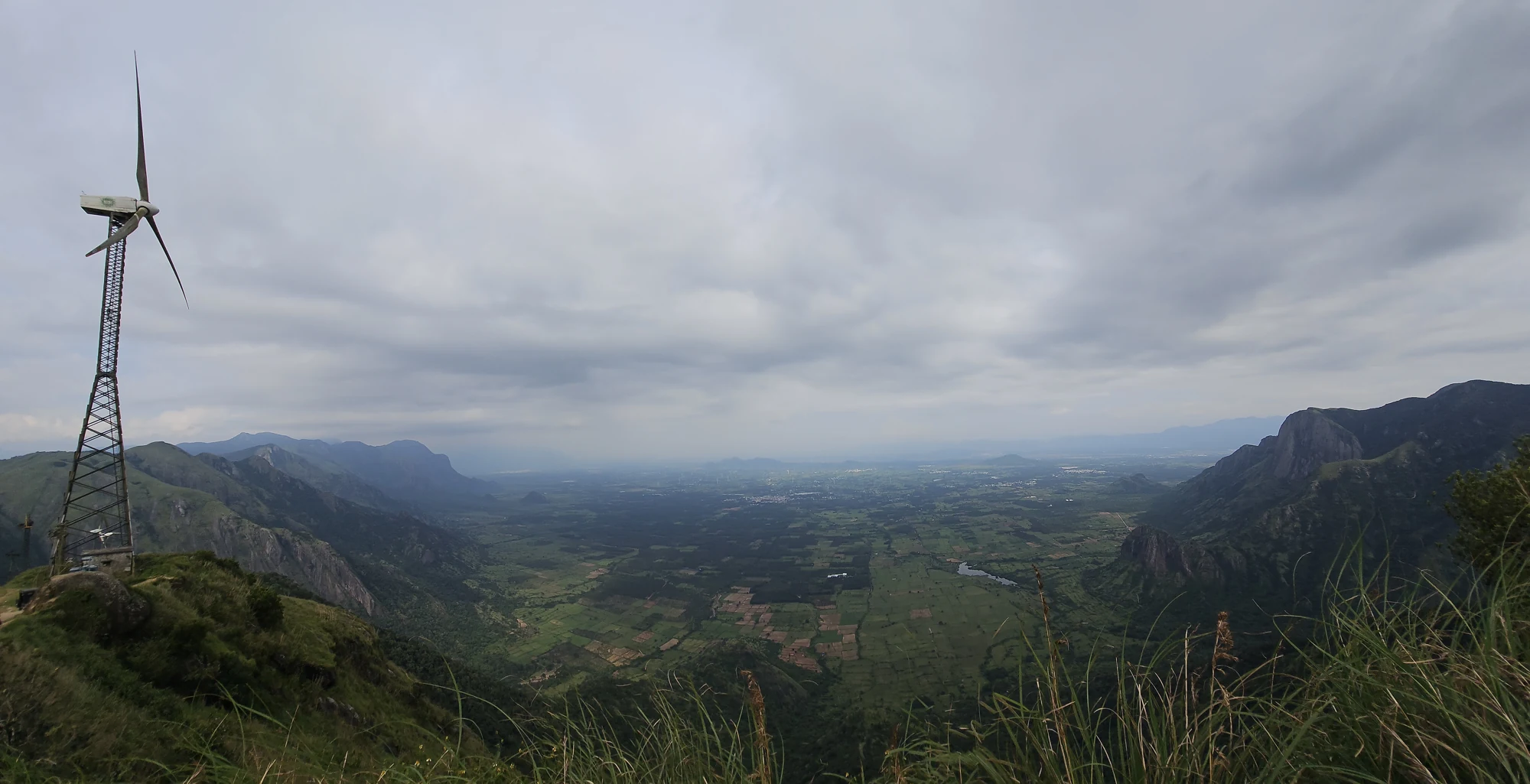
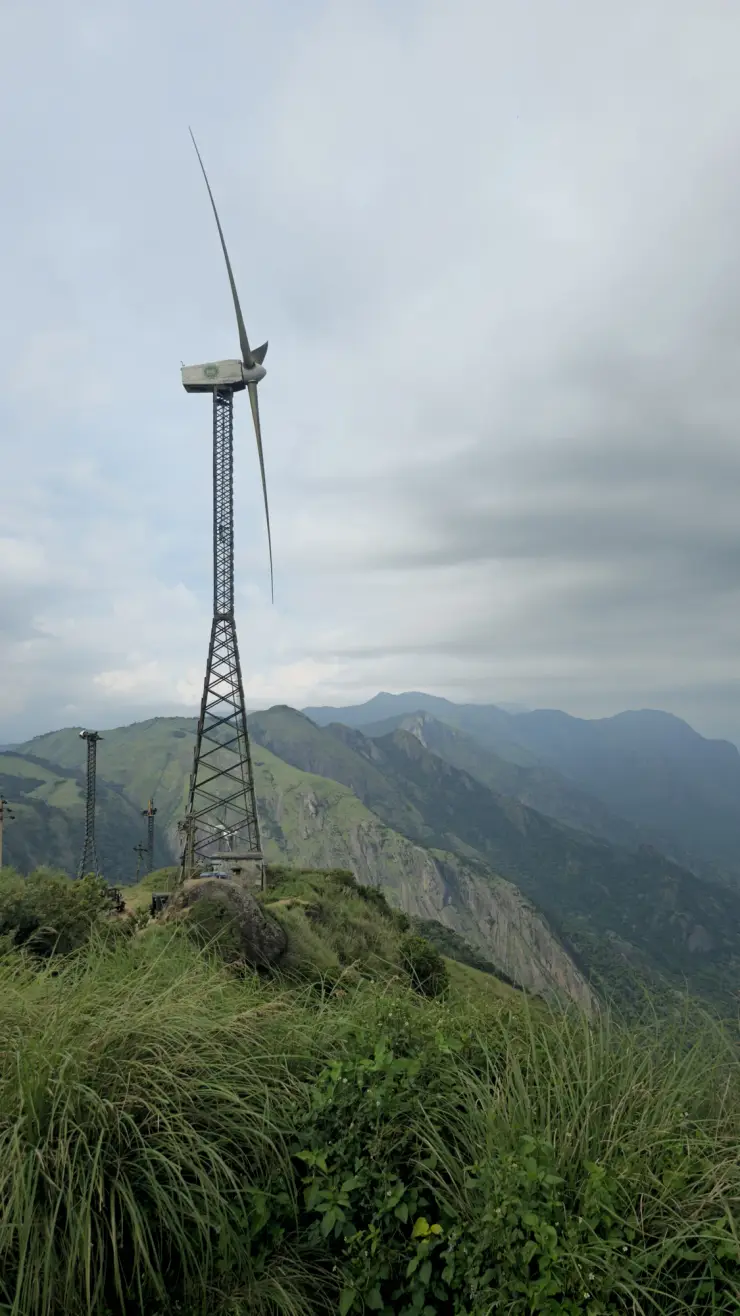
A wind-turbine ridge in Chathurangappara, Udumbanchola taluk, with views towards Theni’s cultivated plains; reached from the Munnar–Kumily road, with an exposed final hill approach.
Roampedia is commission-free — own or know a stay, eatery, guide or shop near Marayoor? List it and it appears here once verified.
Add a nearby businessEntry: Roaming the town and roadside jaggery sheds is free; the sandalwood reserve, rock-art sites and Chinnar Wildlife Sanctuary charge Forest Department entry/guide fees and may require permits.
Dress code: No formal dress code; light, comfortable clothing and sturdy walking shoes are sensible for the rocky, sometimes hot terrain. Dress modestly and respectfully when visiting tribal settlements or local homes.
Festivals: Marayoor follows the wider Kerala calendar, with Onam and local temple festivals celebrated in the region; the jaggery and sugarcane harvest is a distinctive seasonal rhythm of the valley (confirm dates locally).
Photography: Photography is generally fine in the town and at the dolmens; inside the sandalwood reserve, rock-art sites and Chinnar sanctuary, follow Forest Department rules and any guide’s instructions, and always ask permission before photographing tribal people or their homes.
If you are travelling by bus or ferry, check the return service with the operator before setting out. Leave time to reach the stop or jetty after your visit.
Ask at the bus stand for the time of the last service back, not the next one. If you miss it, an auto or app cab is the fallback — agree the fare before you get in.
If you need step-free access, contact the site before travelling. Ask about a level entrance, steps along the route, the nearest drop-off point, seating and accessible toilets.
Charge cap and free-transaction limits: Reserve Bank of India, in force since 1 May 2025.
These services are listed within about 1.2 km of Marayoor. Walking distances follow mapped routes; access and opening hours can change. Other services may be closer but are not included here.
Emergency numbers are verified against official government and state tourism sources. 112 works anywhere in India.
Dry-forest wildlife sanctuary on the Marayoor-Udumalpet side of Idukki.
5.8 km · 11 min driveForest Department guided walk in Chinnar Wildlife Sanctuary, from the Alampetty counter on SH17 down the river to the Thoovanam waterfall. Kerala Tourism contradicts itself on which river it follows: its own destination article says the Pambar, and the page selling this programme says the Chinnar.
6.4 km · 10 min driveForest Department culture trek in Chinnar Wildlife Sanctuary to prehistoric dolmen (muniyara) sites, run with local tribal Eco-Development Committees. Report at the Alampetty guide stand on the Marayoor–Udumalpet road (SH17), 6.4 km beyond Marayoor.
6.4 km · 10 min driveHigh-range village near Marayoor often called the “Kashmir of Kerala”, known for terraced farms of apples, oranges, strawberries and vegetables at around 1,800 m.
7.6 km · ~19 min by auto · straight lineWaterfall stop on the Munnar-Marayoor route, usually paired with Eravikulam and Marayoor days.
9.1 km · 16 min driveCool high-altitude farming village beyond Munnar near the Tamil Nadu border, known for terraced vegetable and fruit cultivation, Kurinji slopes and quiet valley views.
14.8 km · ~25 min by cab · straight lineForest Department trekking-and-camping programme at Vasyappara in Chinnar Wildlife Sanctuary — an overnight stay in a mud hut on a hill crest, published by the department as the Chinnar Valley Safari Trail. Report at 3 pm at the Chinnar check post on the Marayoor–Udumalpet road, not at the Alampetty counter 10.2 km back.
16.6 km · 25 min driveAnamudi Shola National Park protects Mannavan, Pullaradi and Idivara shola forests in the Kanthalloor–Vattavada high ranges. Methappu is the visitor anchor on this page; this is not Anamudi Peak or the Rajamala visitor area.
26.9 km · 44 min drivePopular high-altitude Western Ghats trek, usually booked through official eco-tourism channels.
27.3 km · 40 min driveThe 32 km² sanctuary above Kottakamboor and Vattavada, notified in 2006 for one plant — Strobilanthes kunthiana — with two walks and two stays in the Forest Department's own brochure and nothing bookable online.
29.6 km · 57 min driveHigh-range lake and dam stop beyond Mattupetty on the Top Station route.
29.9 km · 44 min driveThe highest peak in South India, viewed through Eravikulam/Rajamala access contexts near Munnar.
69.6 km · 123 min driveWalking and driving times are real routed distances, except the few marked “straight line”, which are direct-line estimates and will read short. Fare figures are estimates from Kerala’s notified auto/taxi tariff and exclude waiting and night charges. Routing: © openrouteservice.org by HeiGIT | Map data © OpenStreetMap contributors
Nearby toilets, pharmacies, ATMs, seating and vets are community-mapped and may be incomplete or out of date. Map data © OpenStreetMap contributors | Walking times © openrouteservice.org by HeiGIT
Marayoor is famous for Kerala’s only natural sandalwood (Santalum album) forests, its thousands of prehistoric muniyara dolmens and rock paintings, and its GI-tagged Marayoor jaggery (sarkkara) made from local sugarcane. It also lies close to Chinnar Wildlife Sanctuary and the Thoovanam waterfall.
No. The Kerala Forest Department’s Marayoor Sandalwood Division protects the reserve. Core entry is regulated and generally requires permission; use only the route explicitly opened by forest staff and never pick, cut or remove wood.
They are megalithic burial chambers built from large dressed granite slabs, roofed with a single capstone like a stone table. Locally called muniyara (‘sages’ chambers’), they are commonly linked to the Iron Age megalithic culture; excavations here have found pottery and iron tools. They are heritage monuments — please do not climb on or deface them.
Marayoor lies roughly 40 km north of Munnar along the road towards Udumalpet, generally about an hour and a half by car depending on road and traffic conditions.
Marayoor jaggery, or Marayoor sarkkara, is a dark, mineral-rich, GI-tagged jaggery made from local sugarcane, boiled traditionally with only lime for clarification and no chemicals. You can buy it from roadside jaggery sheds and shops in and around Marayoor and Kanthalloor, often straight from the makers.
Nearby attractions include Chinnar Wildlife Sanctuary, the Thoovanam waterfall (inside Chinnar, about 8 km away), the orchard and vegetable village of Kanthalloor, prehistoric rock-art sites, and viewpoints along the Munnar–Udumalpet road. It also offers a chance to learn about the Muthuvan tribal community.
November to February and early mornings are best for walking; avoid midday heat where possible.
Entry: Roaming the town and roadside jaggery sheds is free; the sandalwood reserve, rock-art sites and Chinnar Wildlife Sanctuary charge Forest Department entry/guide fees and may require permits. Timings: Marayoor is an open town/region accessible through the day; the sandalwood reserve and rock-art sites are Forest Department areas usually visited by daytime with permission, and the dolmen fields are best seen in daylight.
Base yourself in Munnar or a nearby town in Idukki, then confirm the last-mile route locally before leaving. Walkable heritage areas are best done slowly; combine nearby streets, museums, markets and food stops. If the visit depends on forest, temple, boat, ferry, weather or seasonal access, check the official/local rule on the day before travel.
1 to 3 hours.
Nearby you can pair Chinnar Wildlife Sanctuary (5.8 km), Thoovanam Falls trek (6.4 km), Chinnar Dolmen Culture trek (6.4 km), Kanthalloor (7.6 km).
Watch traffic on narrow heritage streets. Keep valuables close in crowded markets.
We have not published a story about Marayoor itself yet. These cover Munnar and the wider district, with separate journeys between stops.
These guides explore Munnar and the surrounding area. Choose a visit that fits your interests, allowing separately for travel between stops.


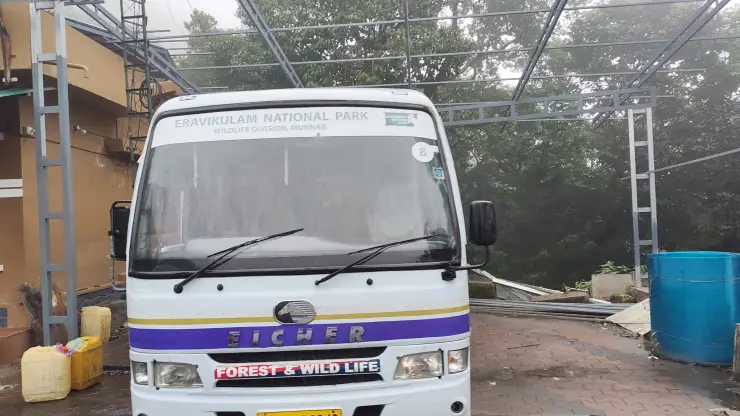
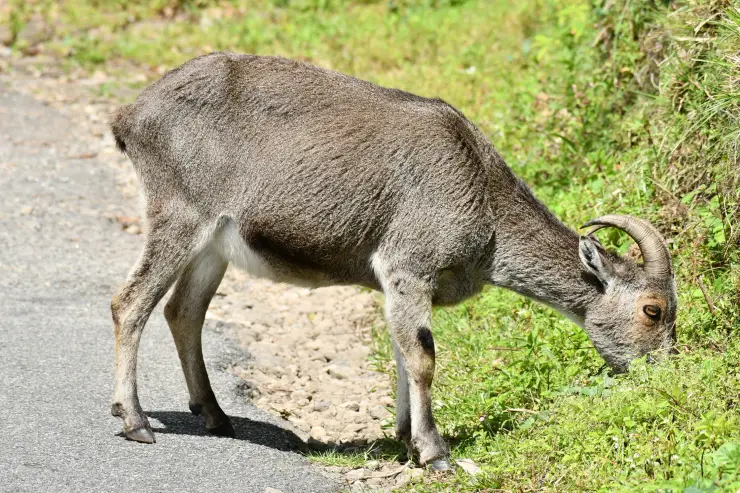
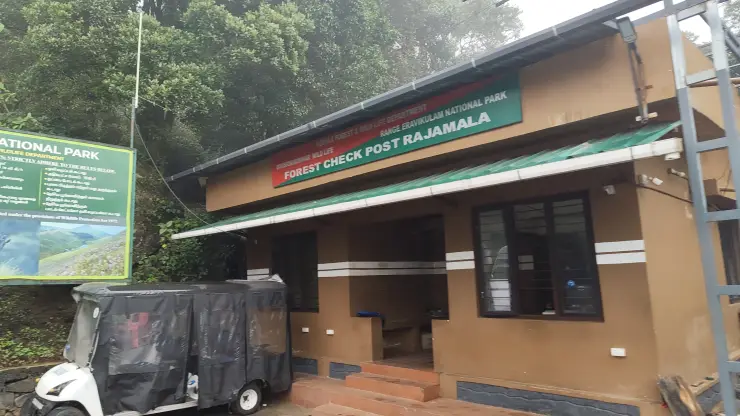
Written about Munnar as a whole rather than about Marayoor — its history, its streets, and how to spend a day in it.

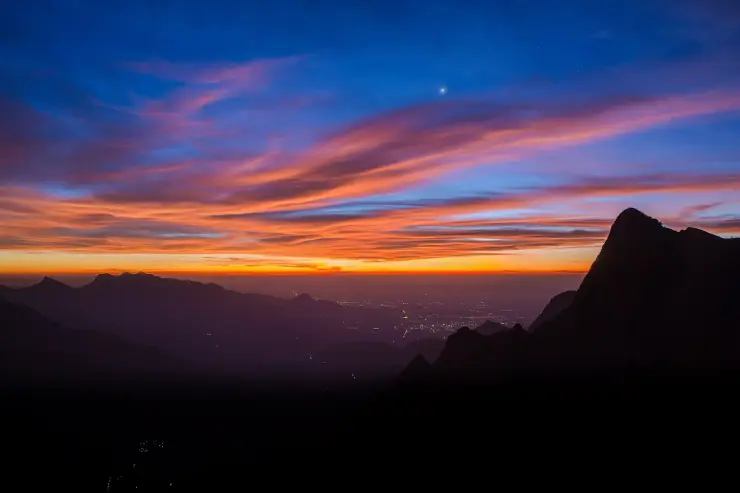
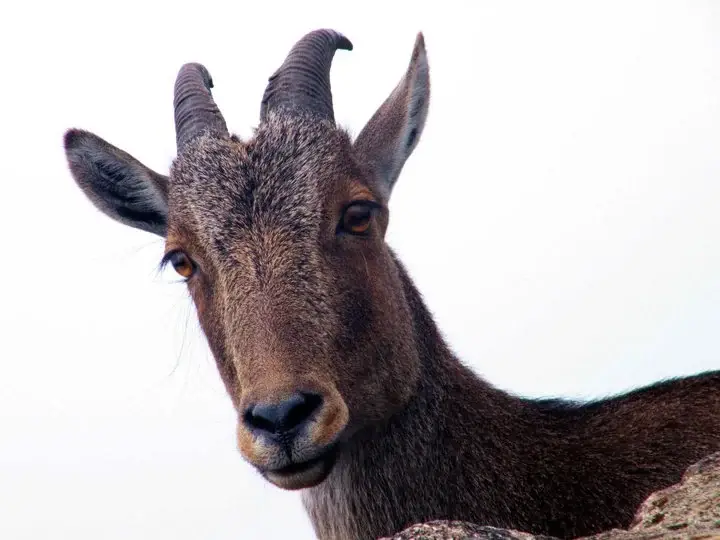
Route-level itineraries and practical guides for the rest of Kerala.
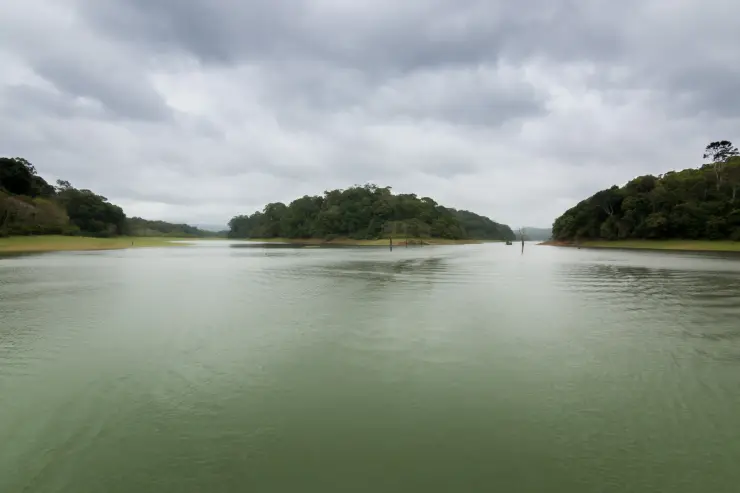
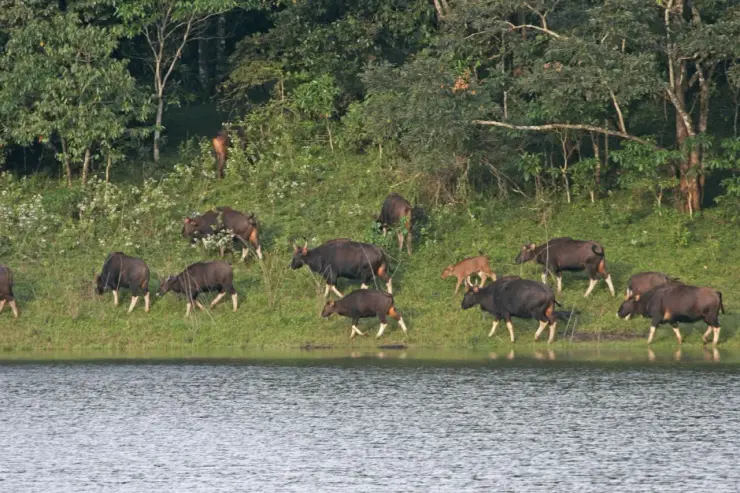
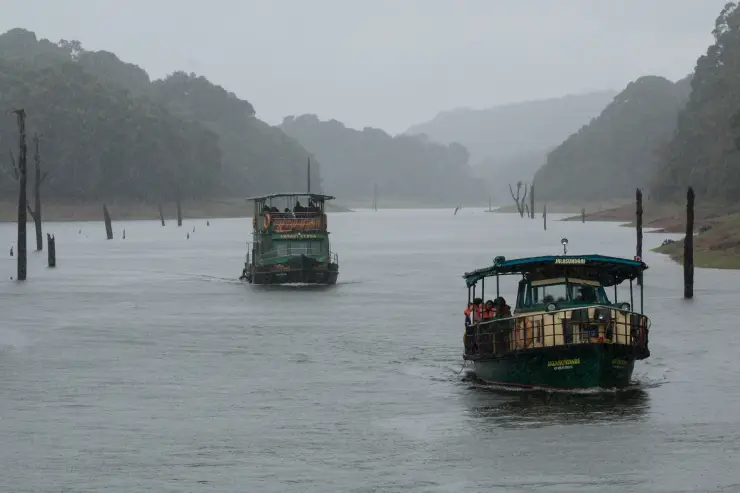
Photographs: Jaseem Hamza (CC BY 3.0), Vinayaraj (CC BY-SA 4.0), Niyas8001 (CC BY-SA 4.0), Athulvis (CC BY-SA 4.0), Jan J George (CC BY-SA 4.0), Sarathgks92 (CC BY-SA 4.0), Jiths (CC BY 2.0), Fotokannan (CC BY-SA 3.0). Wikimedia Commons.