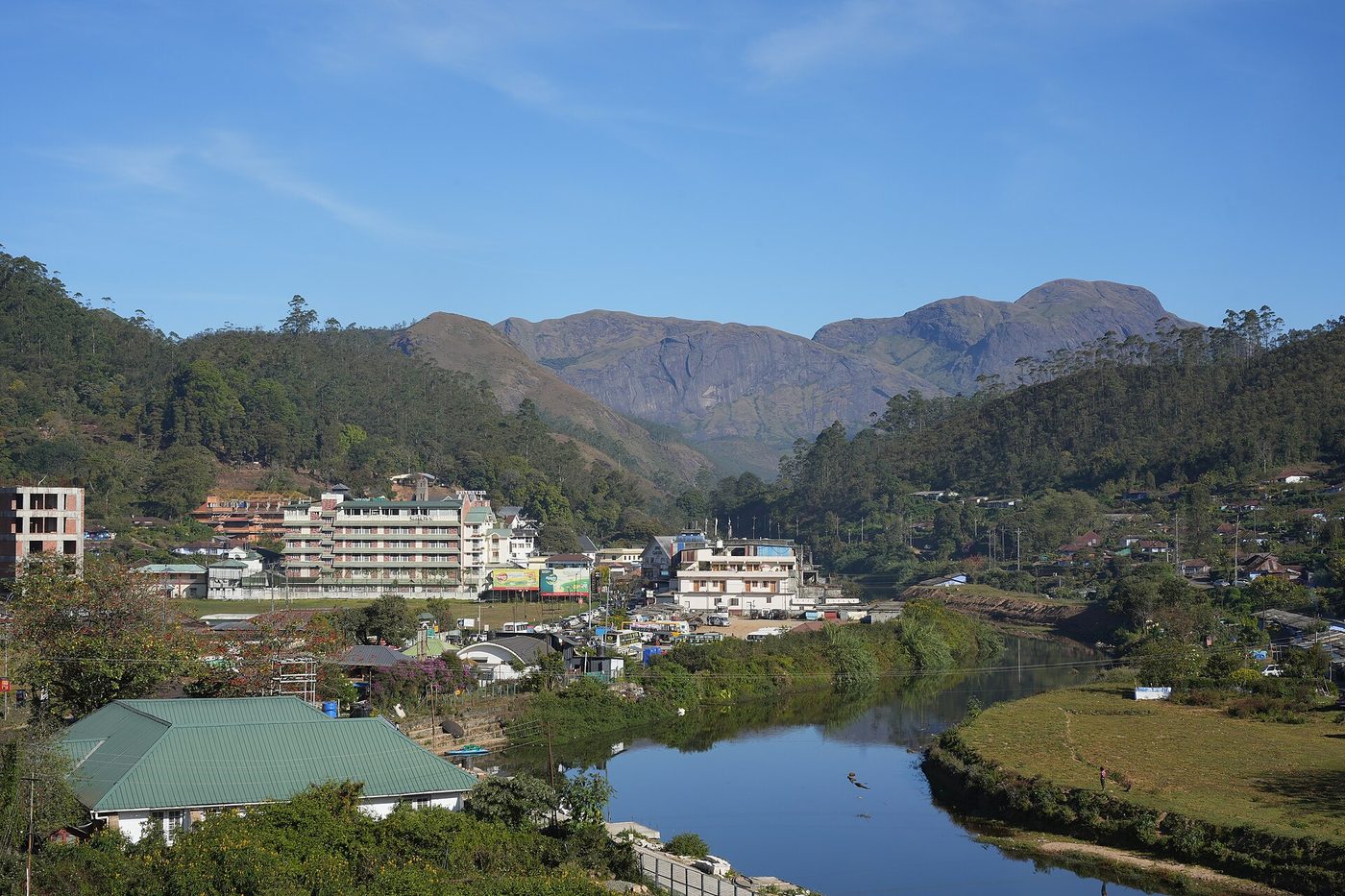
A riverside flower park on the floor of the Munnar valley, three and a bit kilometres below the town, laid out on the bank of the Muthirapuzha directly above the 1944 weir that sends this river down the mountain to make electricity. The electricity board owns it, runs it and sells the ticket — which is the whole explanation of the odd word in the middle of its name.
The story of Blossom Hydel Park
Almost everything else people drive to around Munnar is up. Rajamala is up, Top Station is up, Kolukkumalai is a jeep track up a mountain in the dark. Blossom is down: you leave the bazaar, follow the Aluva road along the water for a little over three kilometres, and the valley opens out at Old Munnar where the KSRTC buses turn round. The park is on the left, a long narrow strip of made garden pressed between the national highway and the river, and you go in through a gate beside a car park, over a short bridge, onto grass. It is the flattest, easiest ground in the district, which is exactly what it is for.
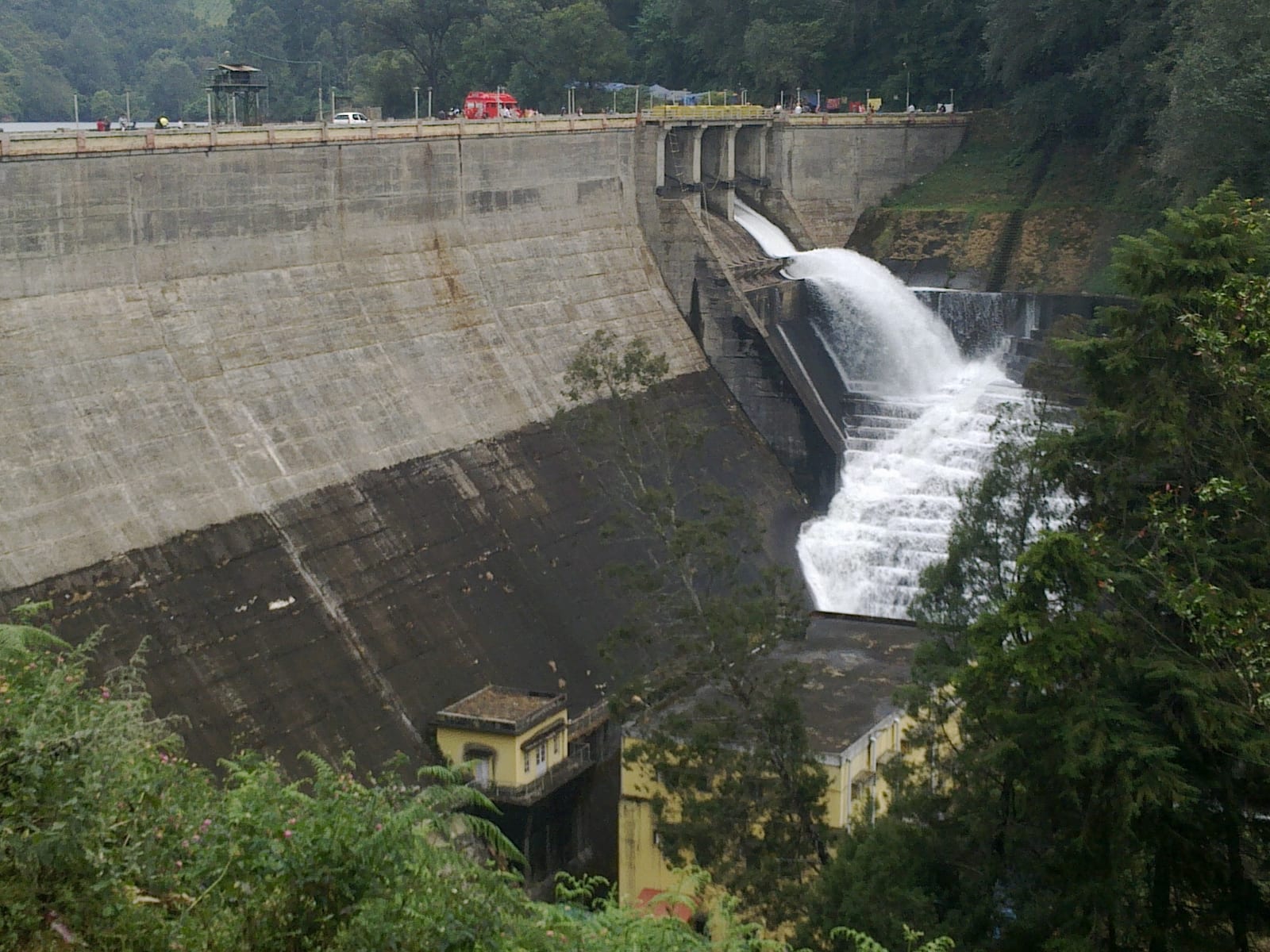
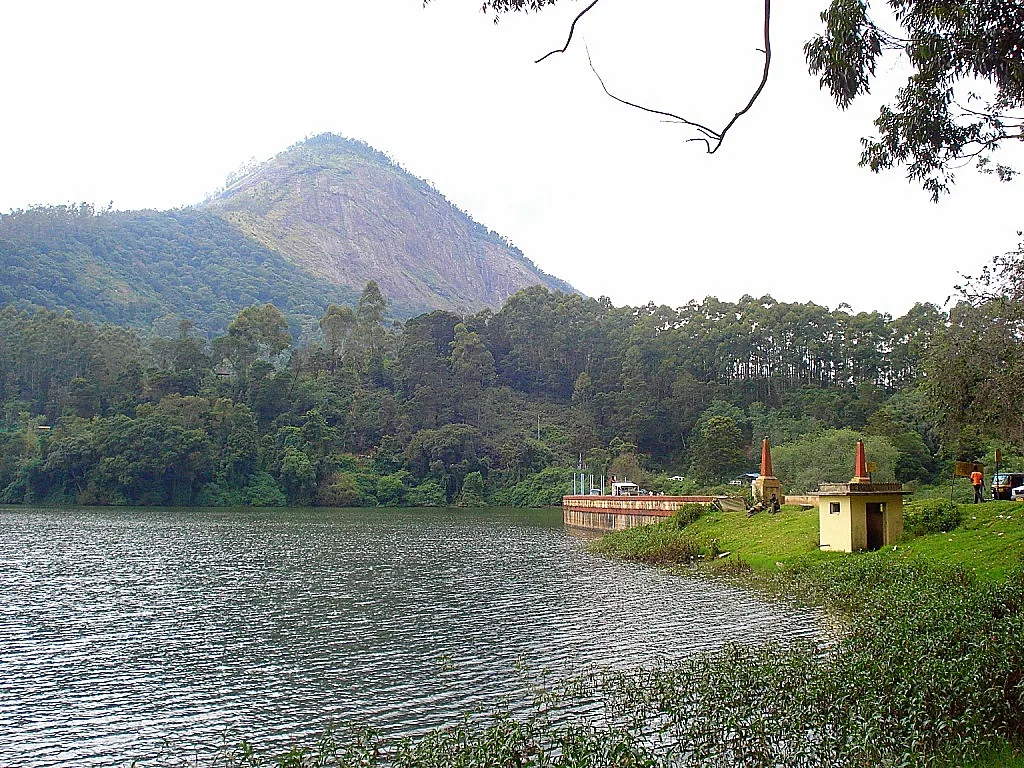
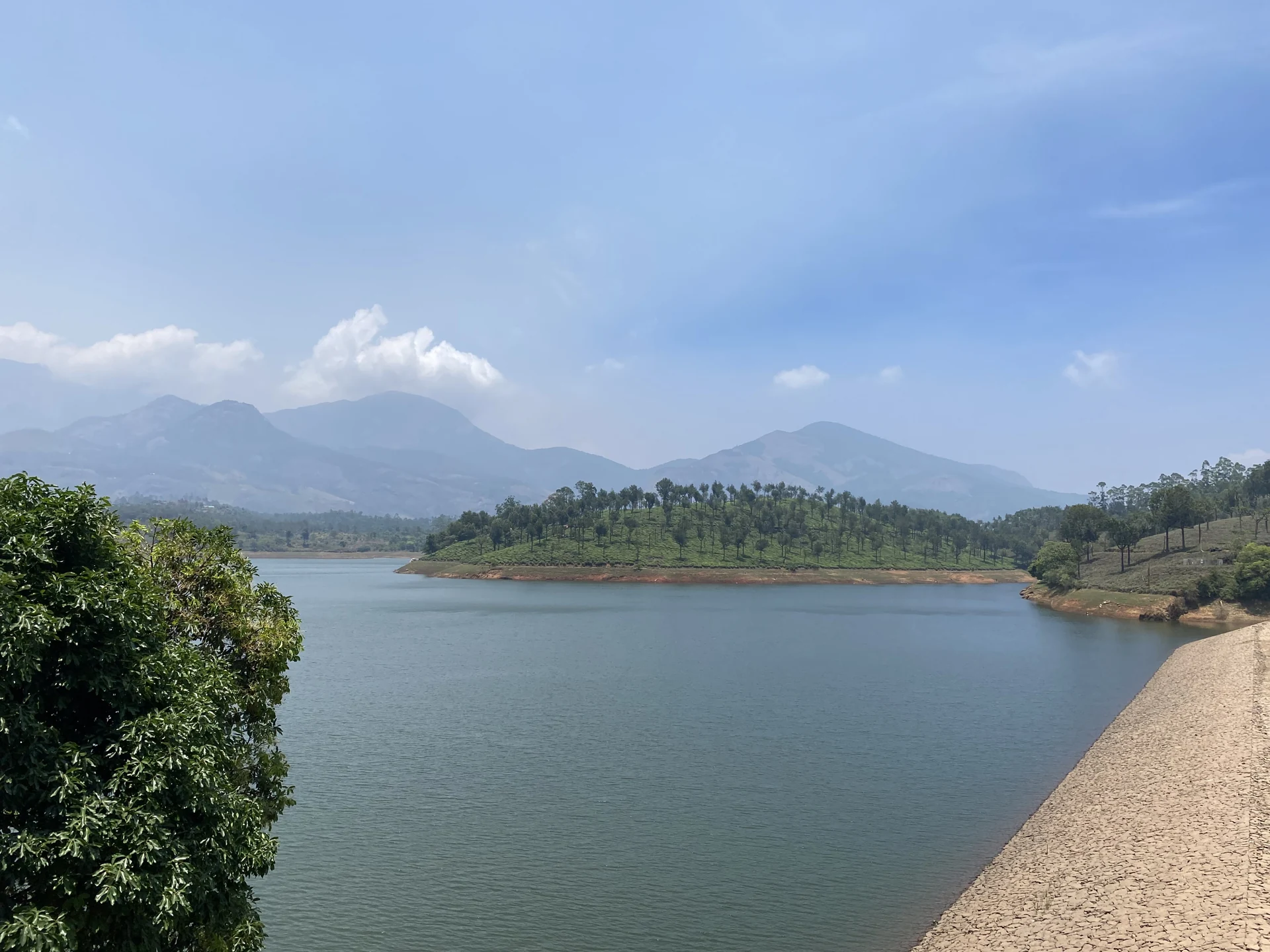
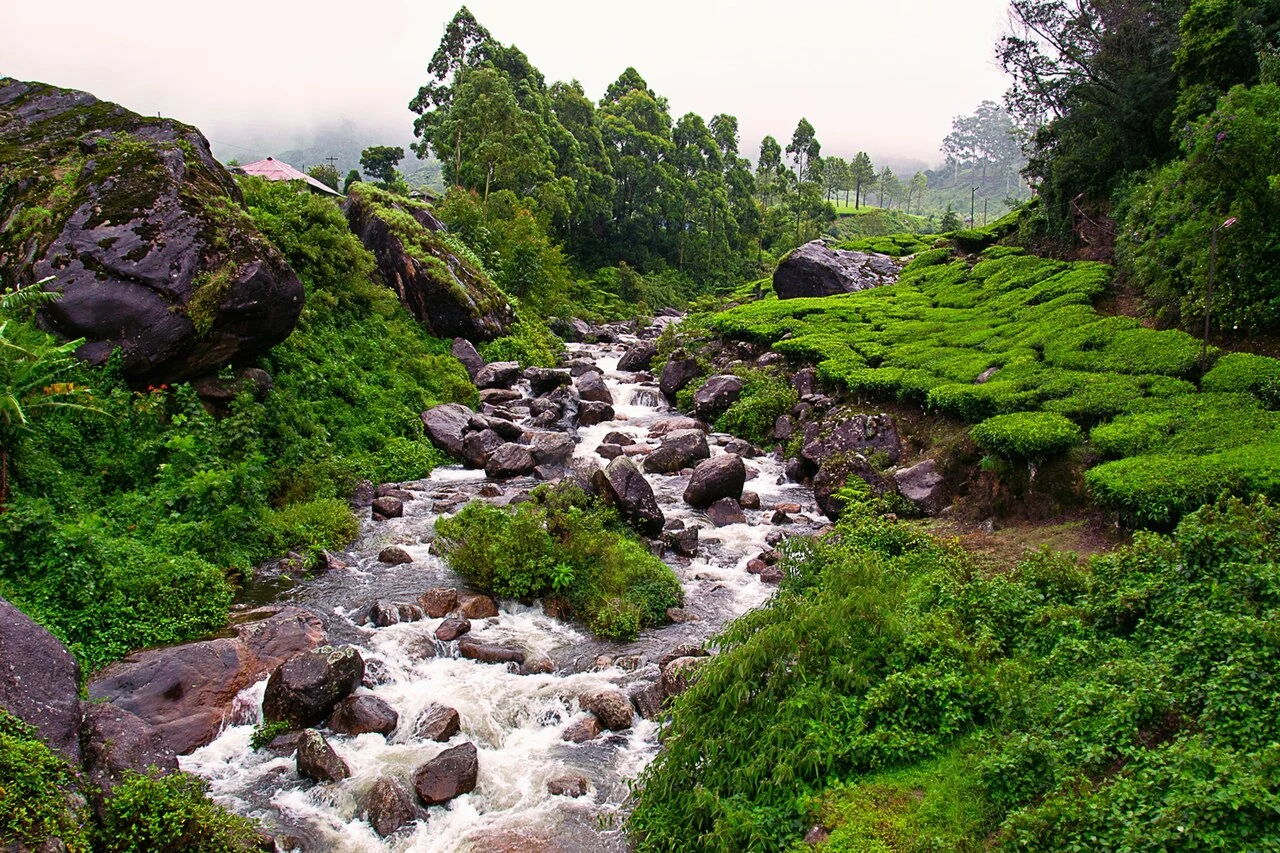
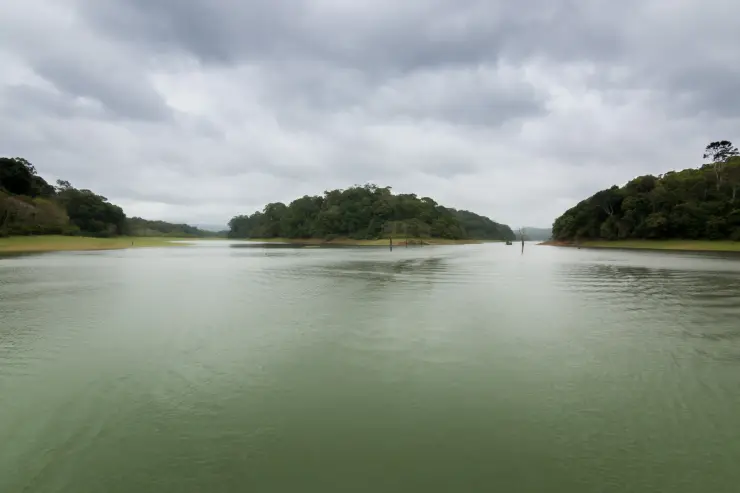
What you walk on is a river bank. The Muthirapuzha runs the length of the park, wide and green and almost still, because a hundred and thirty metres past the bottom of the grounds a low masonry weir holds it. That weir is the R. A. Headworks, and everything about this place follows from it. It is a working piece of the Kerala State Electricity Board's oldest hydroelectric scheme; the land on the bank is the board's land; the society that takes your money at the gate is the board's own Kerala Hydel Tourism Centre, run out of Vydyuthi Bhavan in Thiruvananthapuram. The word “hydel” in the name is not decoration. It is the landlord.
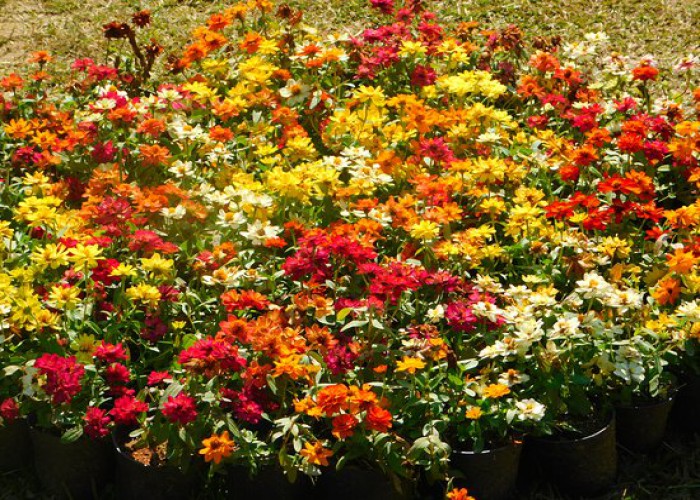
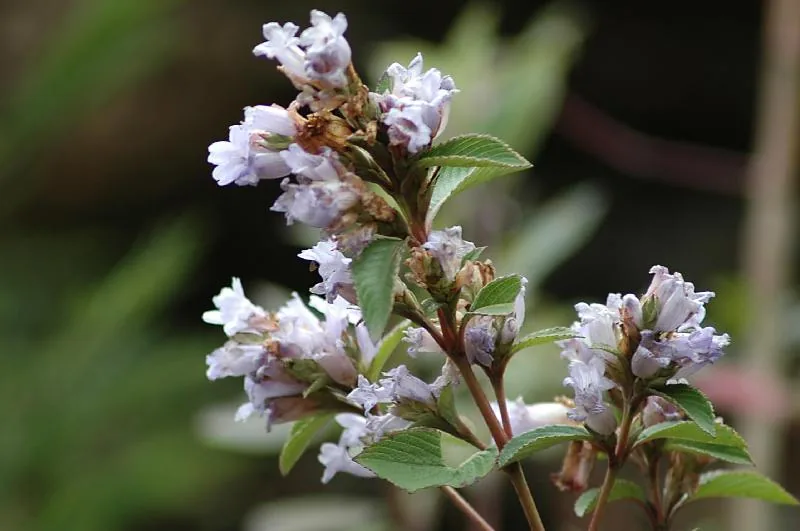
The garden itself is the ordinary, unfashionable, entirely successful kind: stepped beds of potted flowers, lawns, a paved walk down the water, benches, a fountain, a fish aquarium, a small zip line, a children's play area, a cafe and toilets. The flowers are grown in pots and set out in tiers rather than planted in the ground, which is why the display can be rebuilt from scratch each year for Onam. When Manorama went to look at the 2024 planting at the end of August it counted six hundred and eighty new pots woven from coir, eighteen kinds already in bloom, and more than five hundred varieties across the park.
It is also, and this is unusual for Munnar, open after dark. The operator's own booking system sells hourly slots up to a quarter past eight in the evening, and it rents a campfire on the grass for up to eighty people in one-hour slots that run from seven until eleven at night. Nothing else in the high range will sell you a fire and a river bank at ten o'clock. Whether that is what you came to Munnar for is another question, but it explains the coach parties.
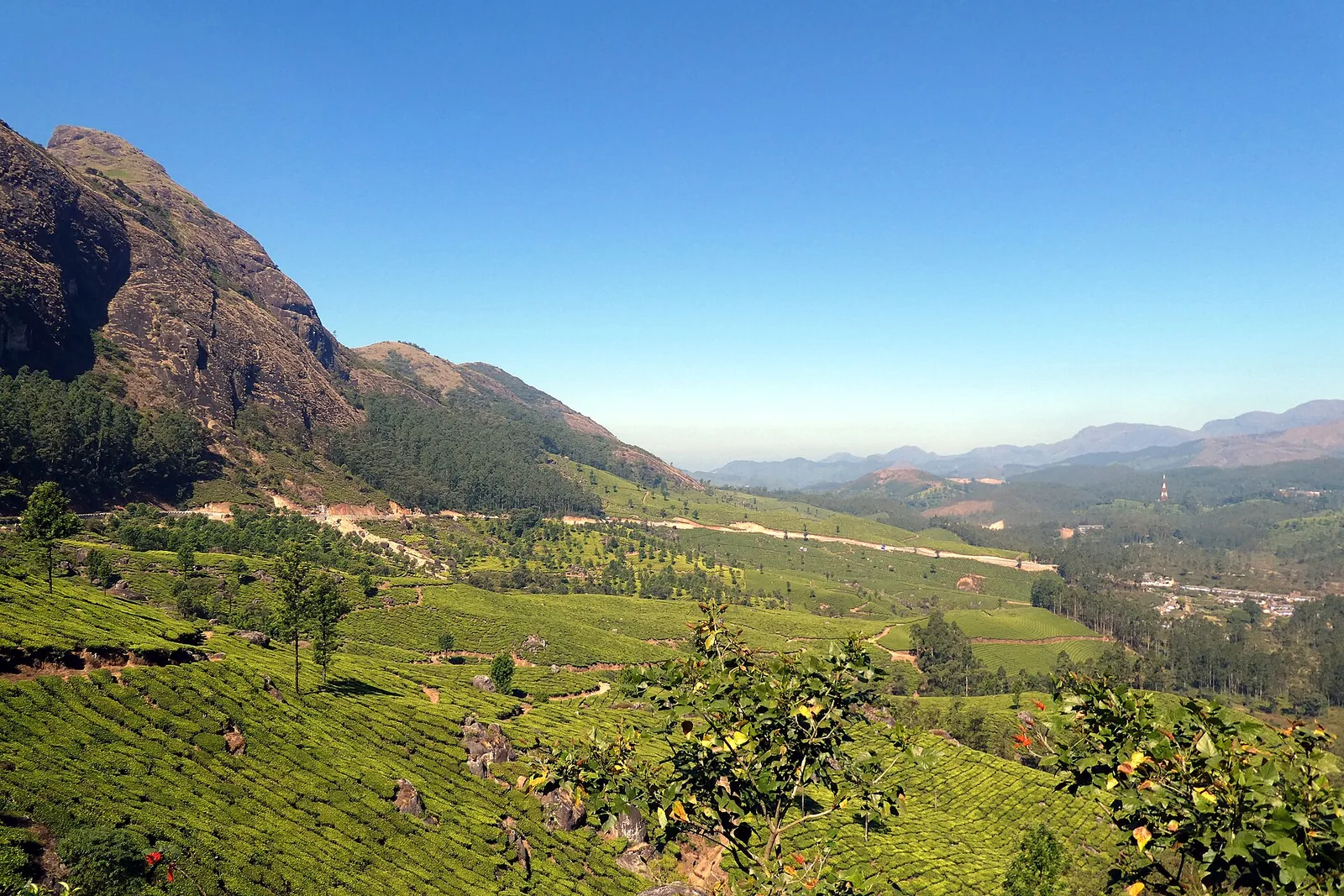
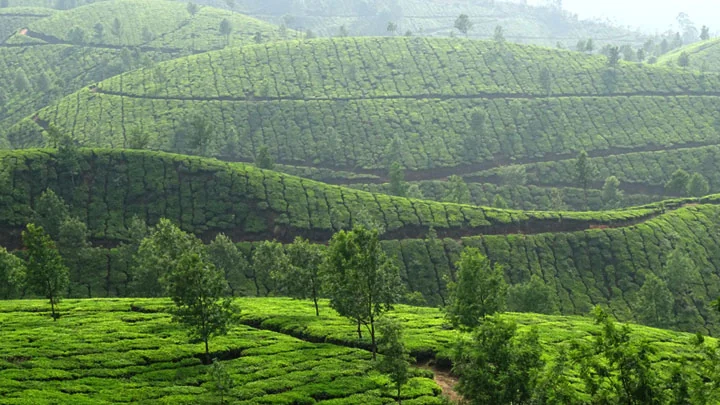
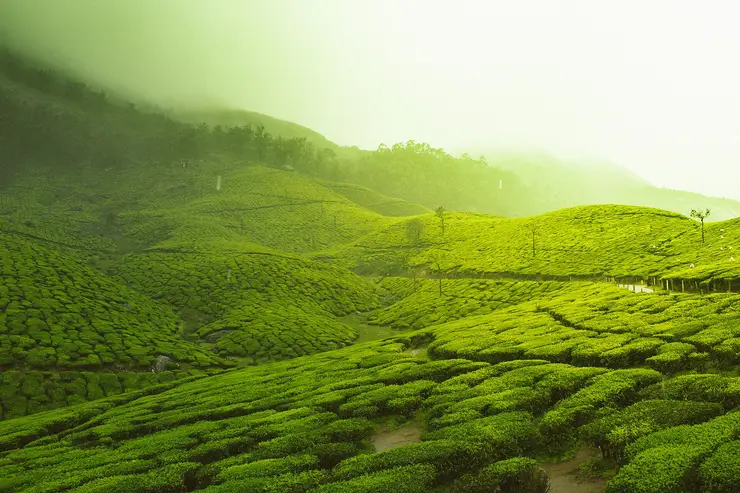
Two honest warnings. This is not a viewpoint and there is no high-range panorama from it — what you look at is water, the tea slopes of the Kannan Devan hills on the far bank, and the weir. And it is a paid municipal-style pleasure garden, not wilderness: the point of a place like this is that a family with a four-year-old and a grandmother can spend two hours somewhere level and pretty, twenty minutes from their hotel, without anybody having to climb anything.
Legend & myth
This park has no legend of its own, and it would be dishonest to invent one for a garden the electricity board laid out in living memory. The story attached to this ground is attached to the river, and it is worth knowing before you stand on the bank.
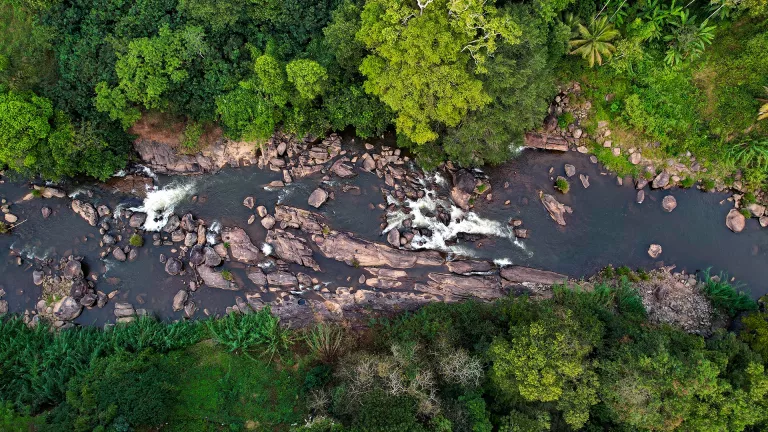
Munnar is named after this water. The name is munnu — three — and aaru — river: the town grew at the meeting of the Muthirapuzha, the Nallathanni and the Kundala, and the Muthirapuzha is the one running past your feet. The name is a piece of plain description that has outlived everyone who coined it, and it is the reason the town is where it is rather than a few kilometres either way.
The other thing this river is remembered for is what it did in 1924. In the great flood of that year — the ninety-nine flood, in the Malayalam era reckoning that Kerala still counts by — the water came down these valleys and took the road and the Kundala Valley Railway with it. The little railway that had carried tea out of the high range was never rebuilt; a ropeway carried the chests for a few years, and a modern road replaced that in 1930. The engineers who dammed and diverted the Muthirapuzha at this exact spot two decades later had watched what it could do. That is not folklore. It is the reason for the weir.
Read the full history of Blossom Hydel Park 520 more words
History
The history here belongs to the weir, not to the flowerbeds, and the dates are firm. Kerala's first hydroelectric station was at Pallivasal, 3.3 km down the road from this gate at Chithirapuram, and its first machine came on in March 1940 — three five-megawatt Pelton sets from Escher Wyss of Switzerland, with the second unit following in February 1941 and the third in February 1942. It is still working; a later phase added three seven-and-a-half-megawatt Boving sets, taking the station to 37.5 MW and about 284 million units a year.
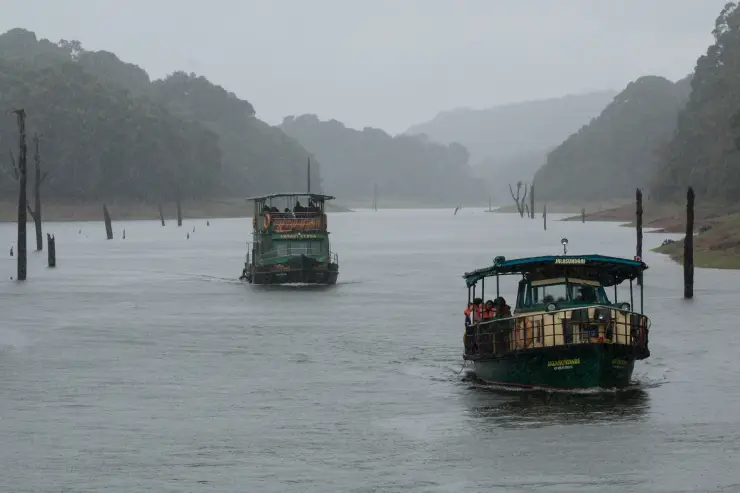
The water for it had to come from somewhere, and in 1944 Sir C. P. Ramaswami Iyer, the Diwan of Travancore who had inaugurated the power house four years earlier, had a masonry headworks built across the Muthirapuzha here to divert the river towards it. That structure carries his name — the R. A. Headworks — and it is the low weir with the red-painted gate towers at the bottom of the park. The second phase of the Pallivasal scheme later added the storage the headworks needed upstream: the Kundala dam, which is Asia's first arch dam, and the Mattupetty dam. Every lake day-trippers ride boats on above Munnar is part of the same plumbing that this park sits at the end of.
The park itself is much younger and much less documented. The Kerala State Electricity Board began putting its dams and diversion works to tourist use in 2000 and now runs more than ten hydel tourism centres, of which this is one; the operating society, the Kerala Hydel Tourism Centre, is registered under the Travancore-Cochin societies act and moved its ticketing entirely online in recent years. But no source we could find — the operator's own site, Kerala Tourism, the Malayalam press, Malayalam Wikipedia — gives the year Blossom itself opened, and this page will not invent one.
Nor can we settle how big it is. Kerala Tourism's page on the park calls it sixteen acres. Manorama, reporting from the ground in August 2024, calls it more than eight. Both are printed here rather than one being chosen, because we have no way to check either.
Why visit
The easiest ground in Munnar: flat, paved, twenty minutes from almost any hotel in town and 1.2 km from the KSRTC stand at Old Munnar — the one stop in the district a family can do with a pushchair and a grandparent.
The flower display, which is rebuilt for Onam each year: more than five hundred varieties, set out in tiers of coir pots along the river walk.
A working piece of Kerala's electrical history at the bottom of the garden — the 1944 R. A. Headworks, built to feed the state's first power station at Pallivasal.
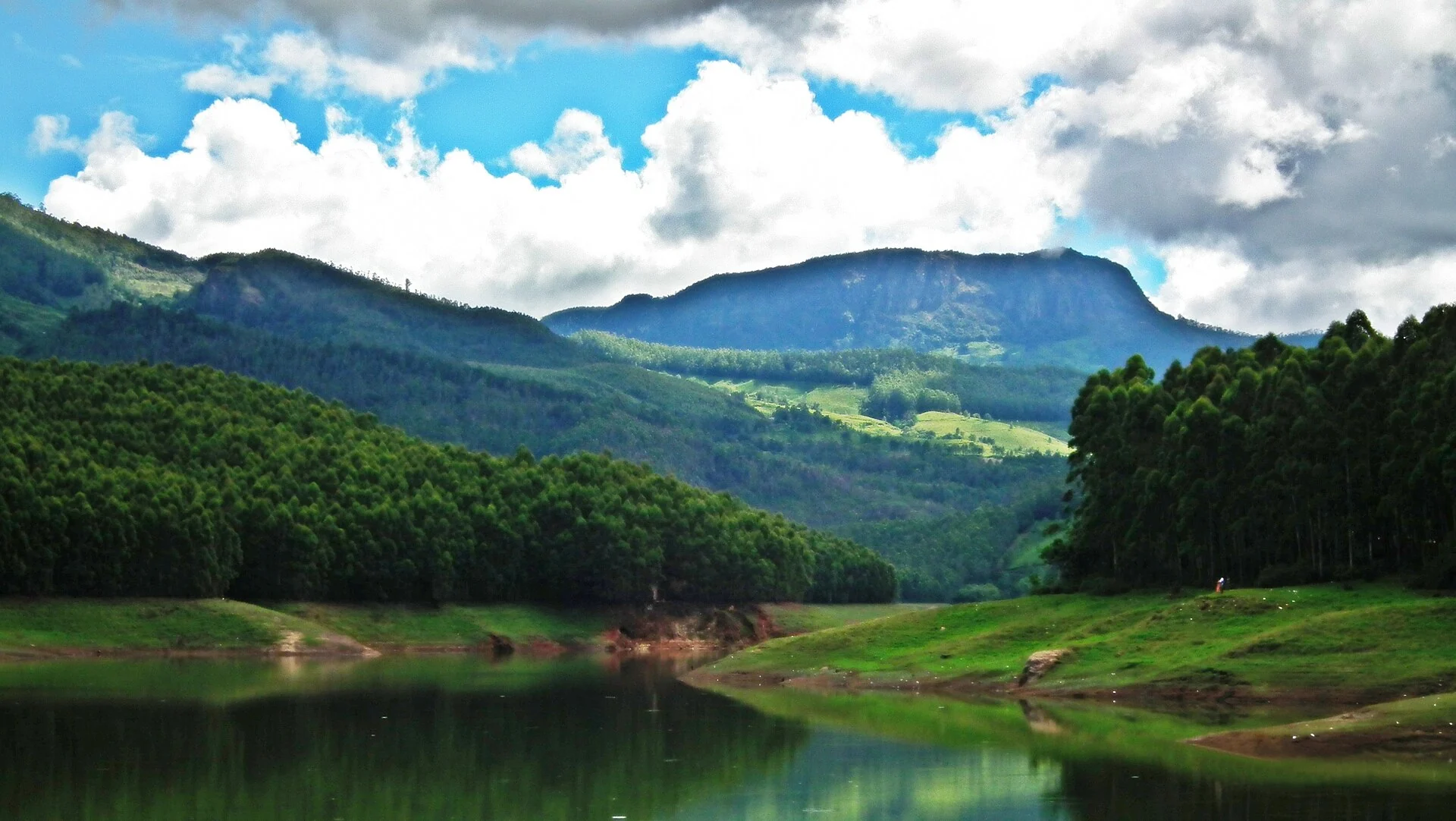
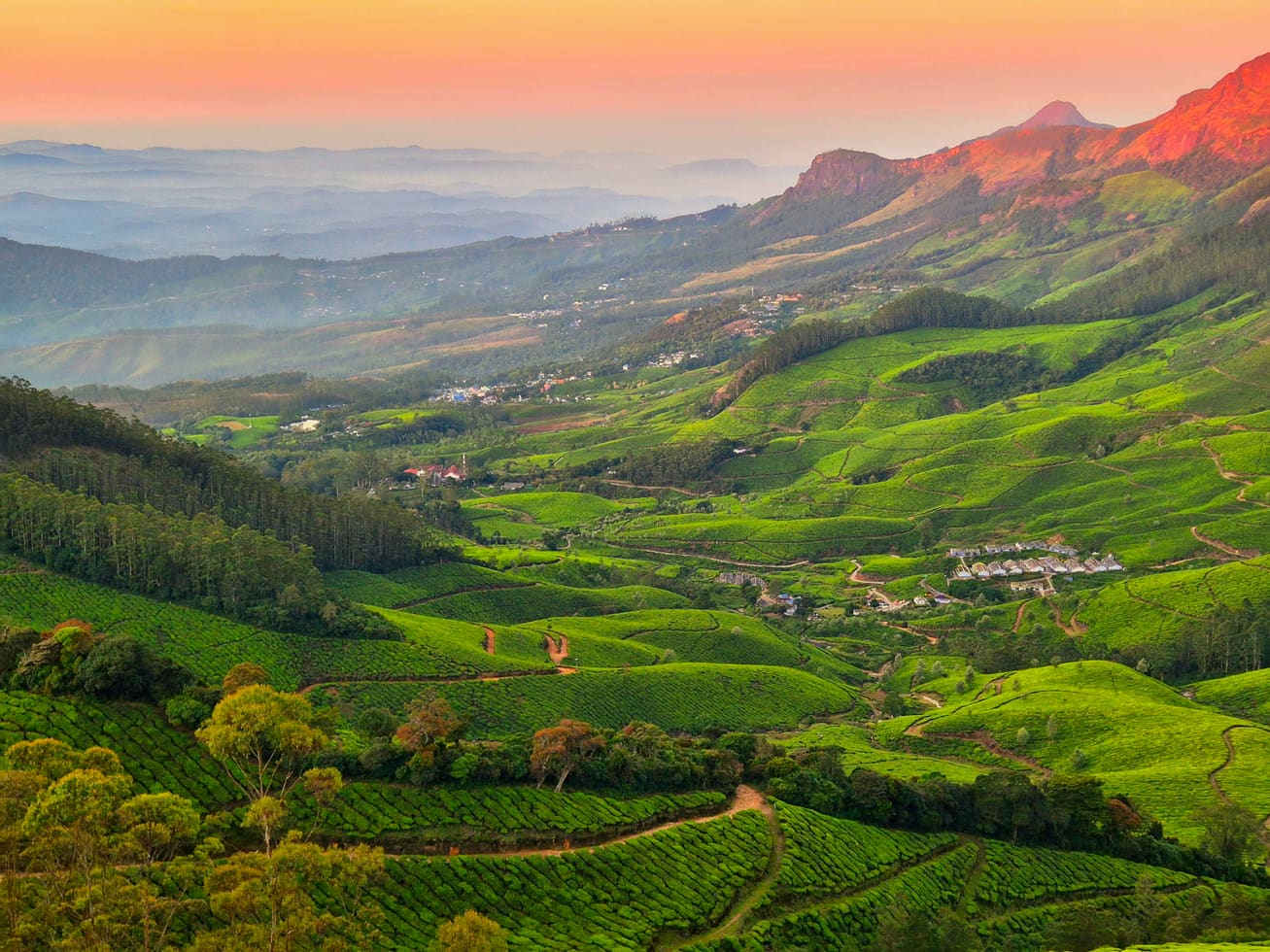
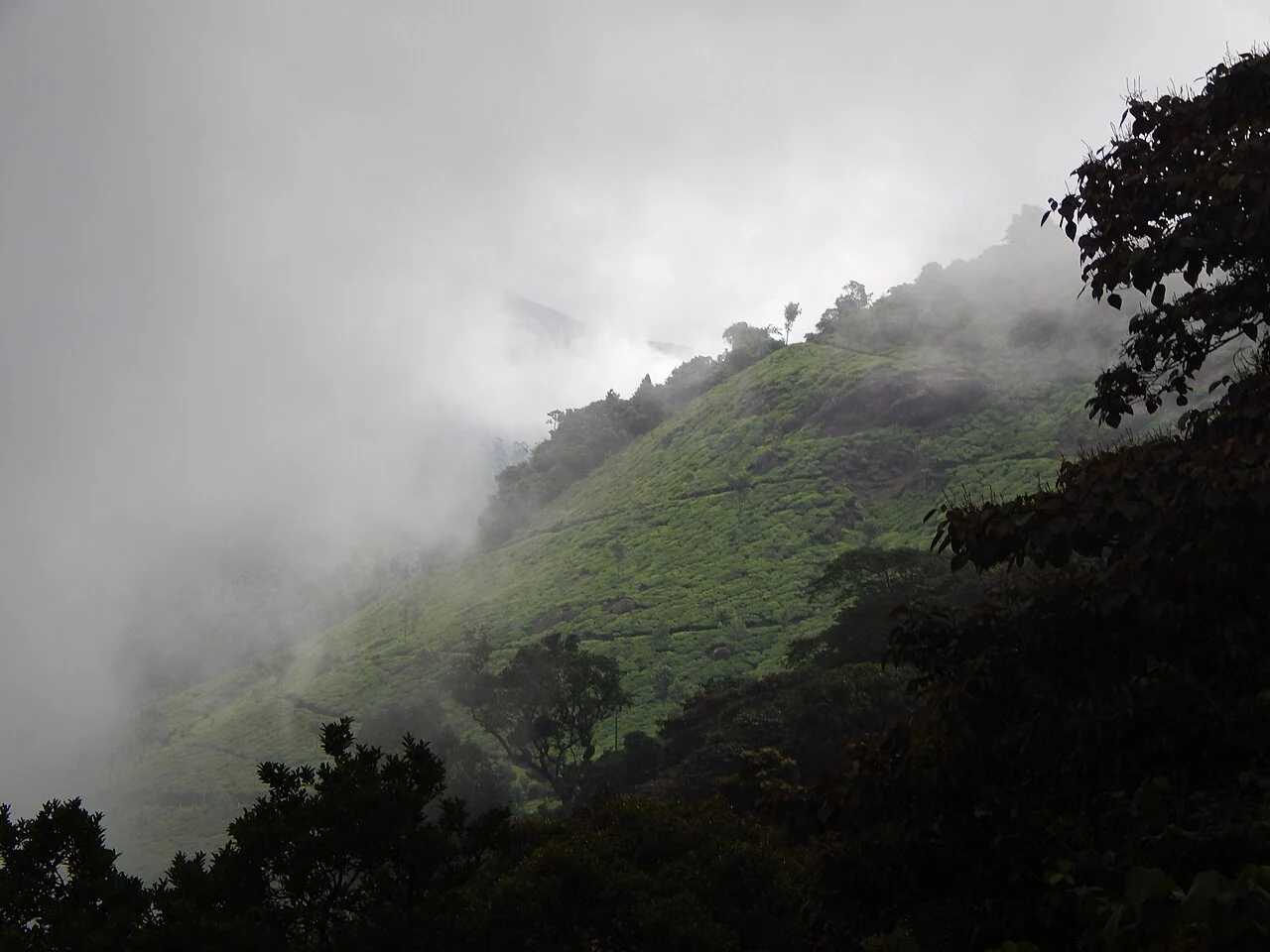
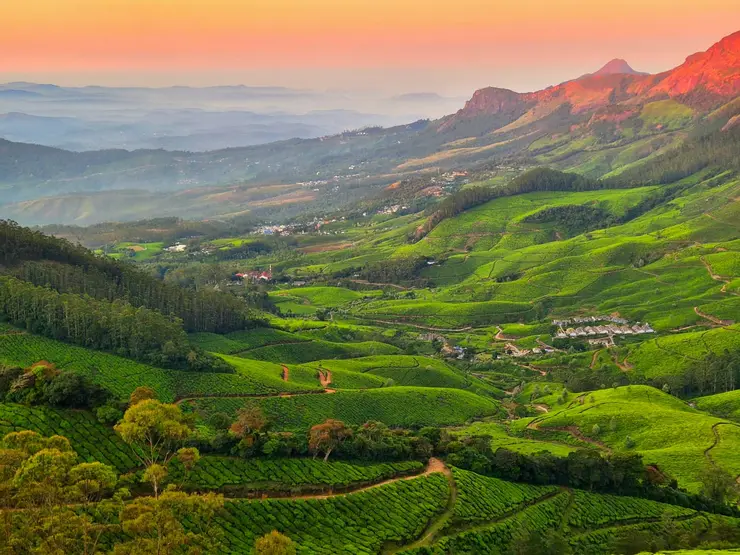
The Muthirapuzha itself, held wide and quiet by the weir, with the Kannan Devan tea slopes rising straight off the far bank.
A campfire you can actually book: hourly slots for up to eighty people, from 19:00 to 23:00, on grass beside the water.
Tickets bought online in hourly slots, which in the middle of a Munnar season weekend is not a small thing.